School Athletic Recognition Display View Transitions: A Reduced-Motion Acceptance Checklist
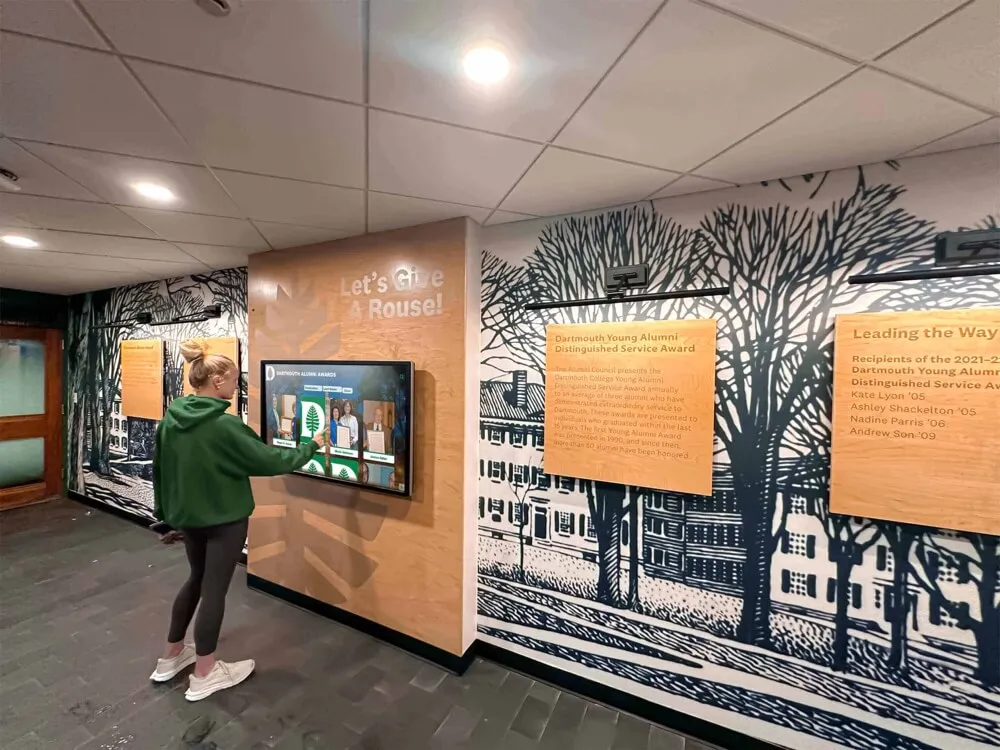
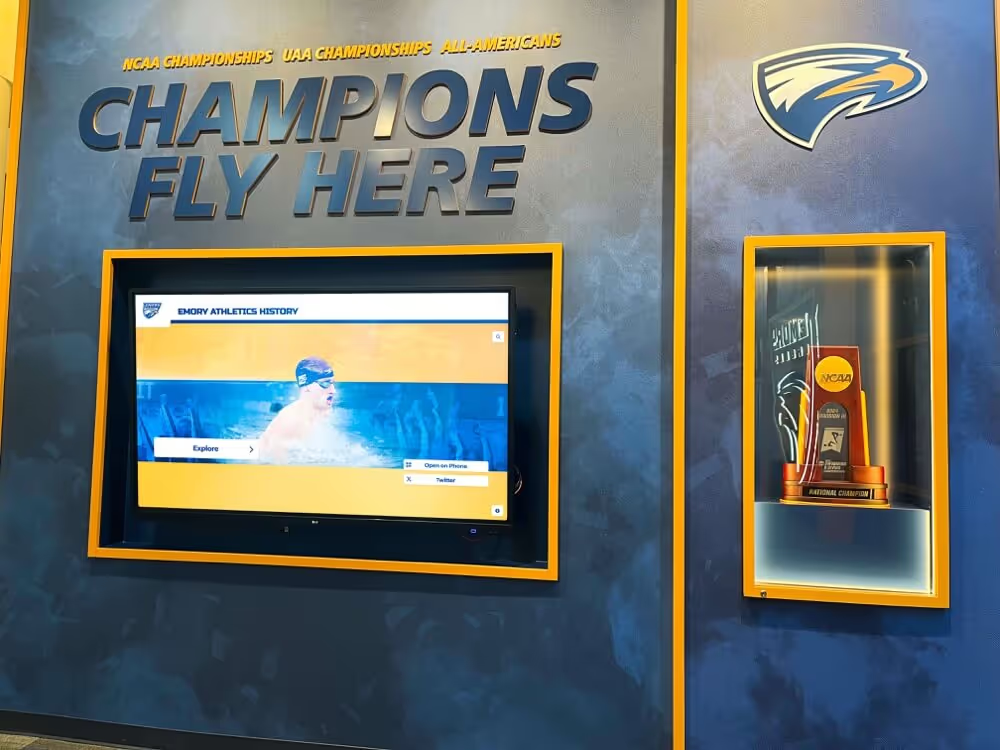
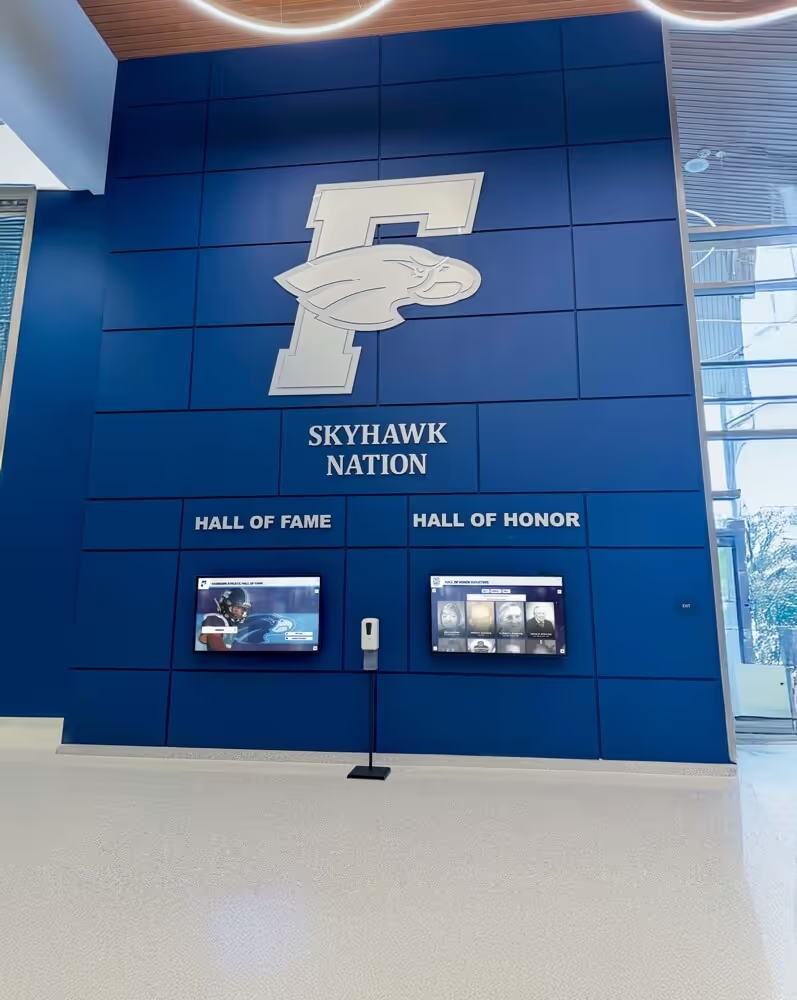
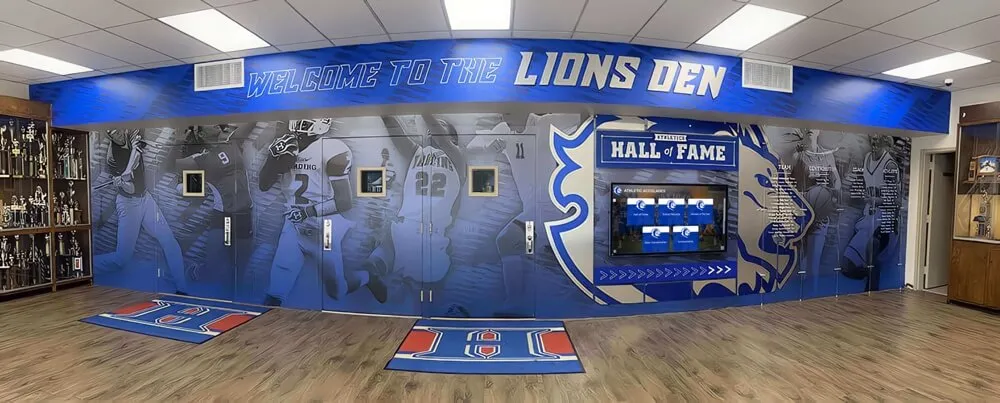
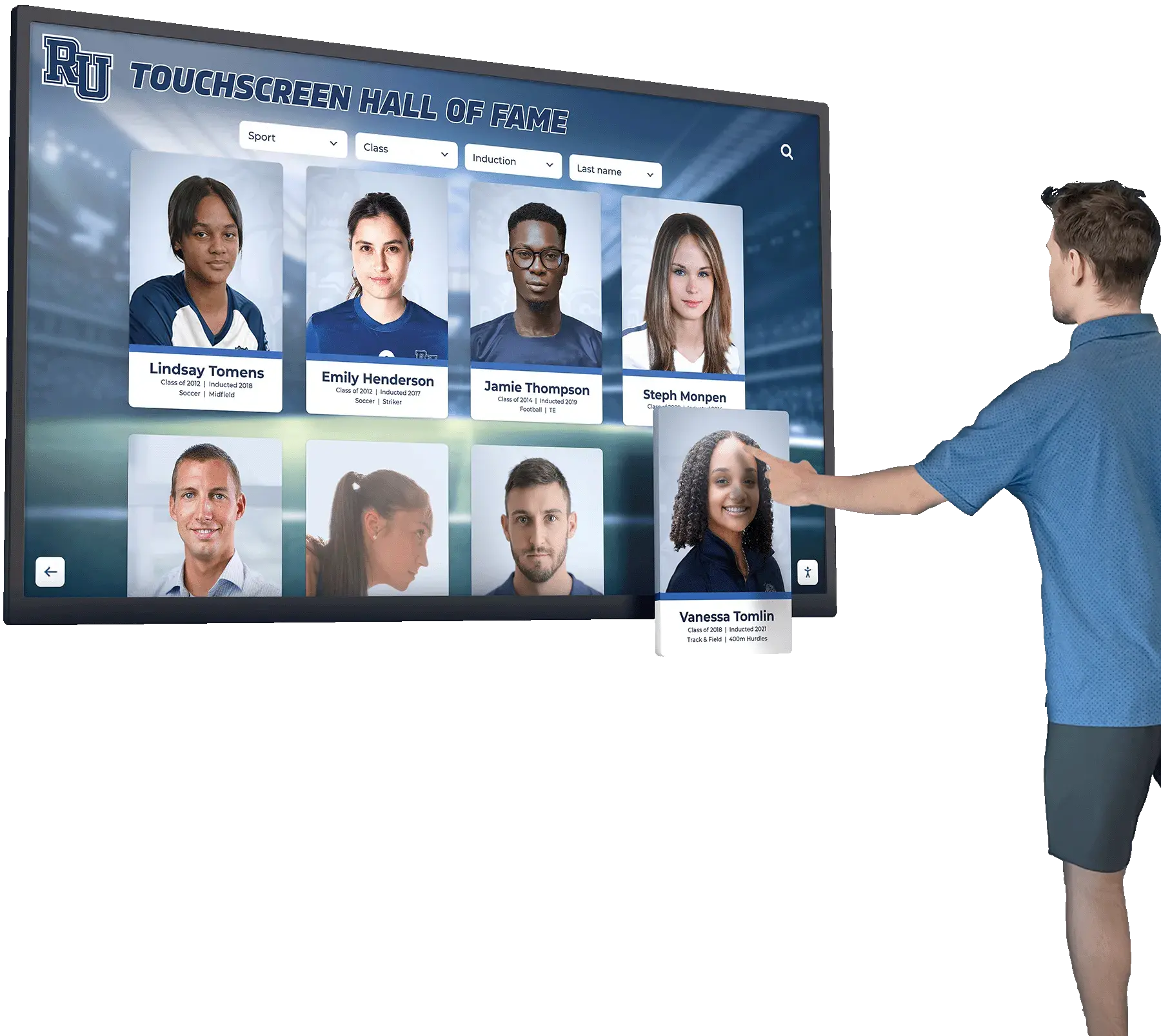
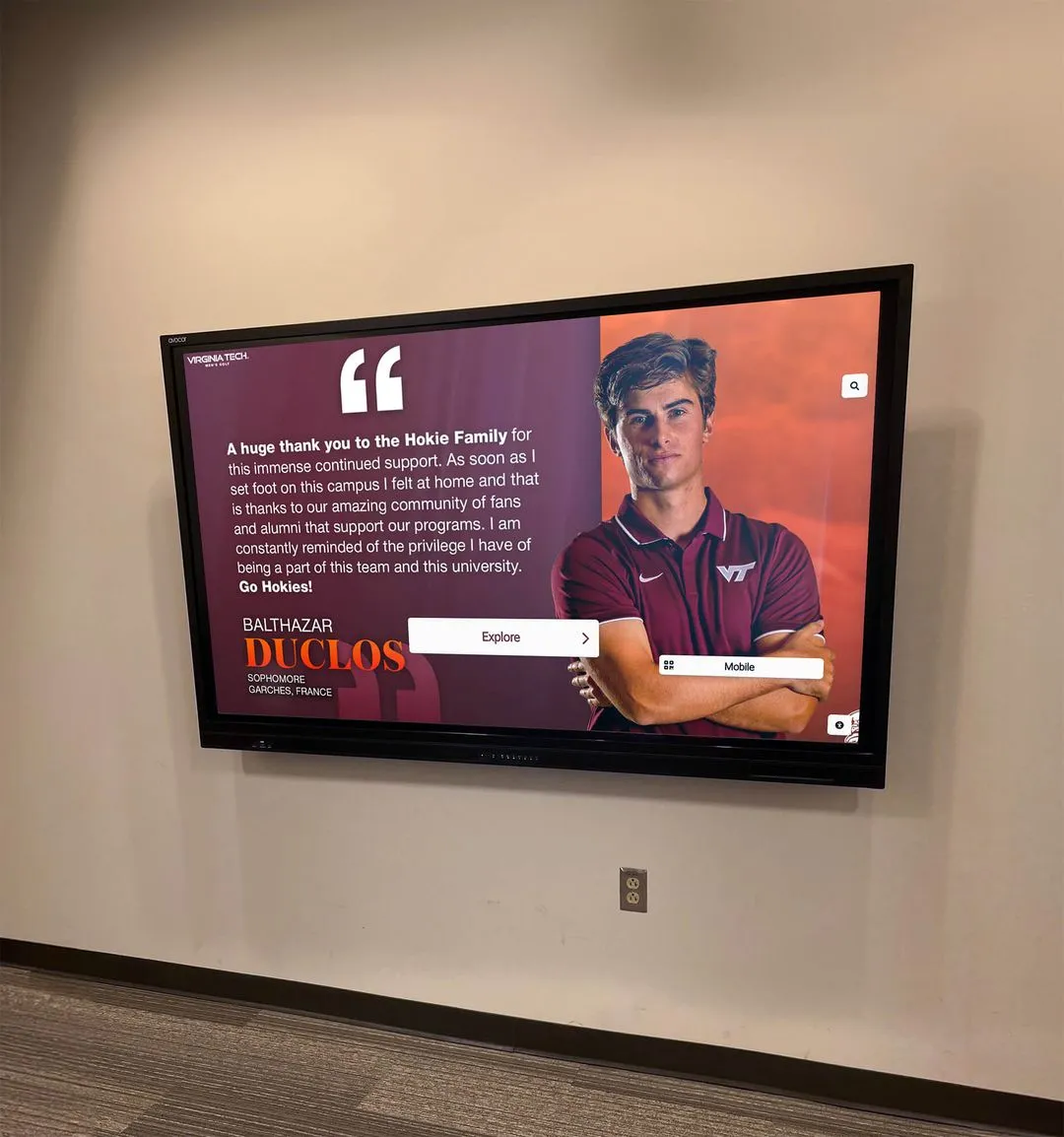
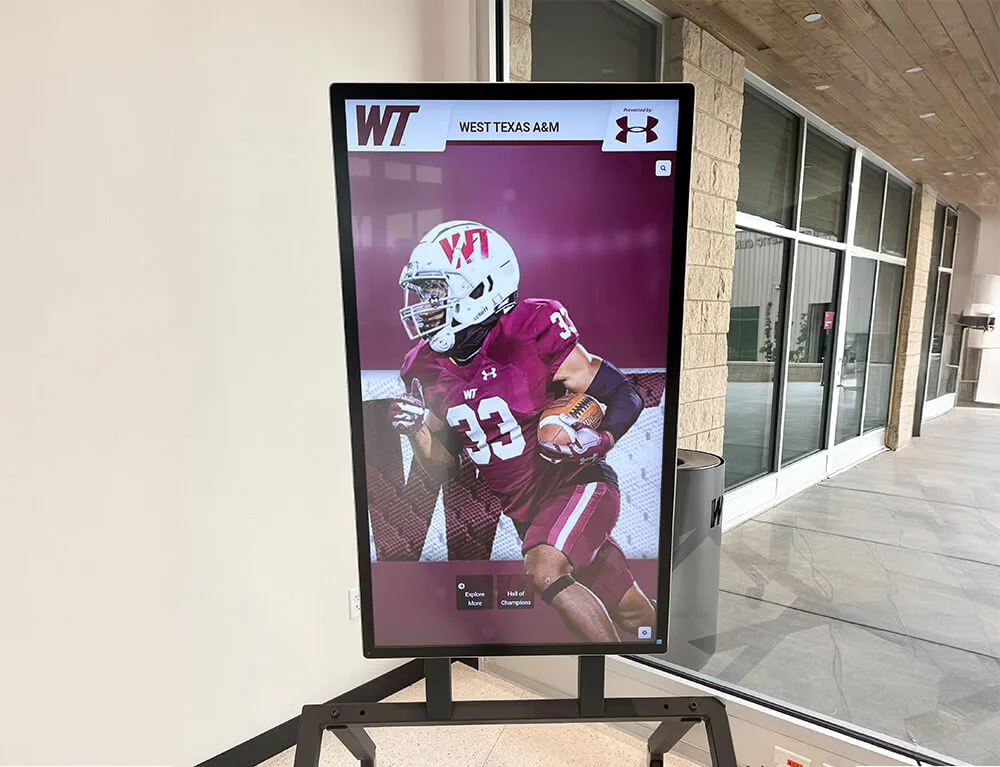

Before any school lobby athletic recognition display goes live, run a view transition reduced-motion test to confirm that the browser’s native animation honors the operating system’s accessibility setting. When a visitor taps an athlete card in a team-grid view and the display animates to the full athlete profile, that animation must either cut or simplify itself automatically for any user whose device is configured to prefer reduced motion. Skipping this step means the recognition display may trigger vestibular discomfort for visitors with motion sensitivities — a gap that contradicts the welcoming purpose of a school hall of fame.
Read More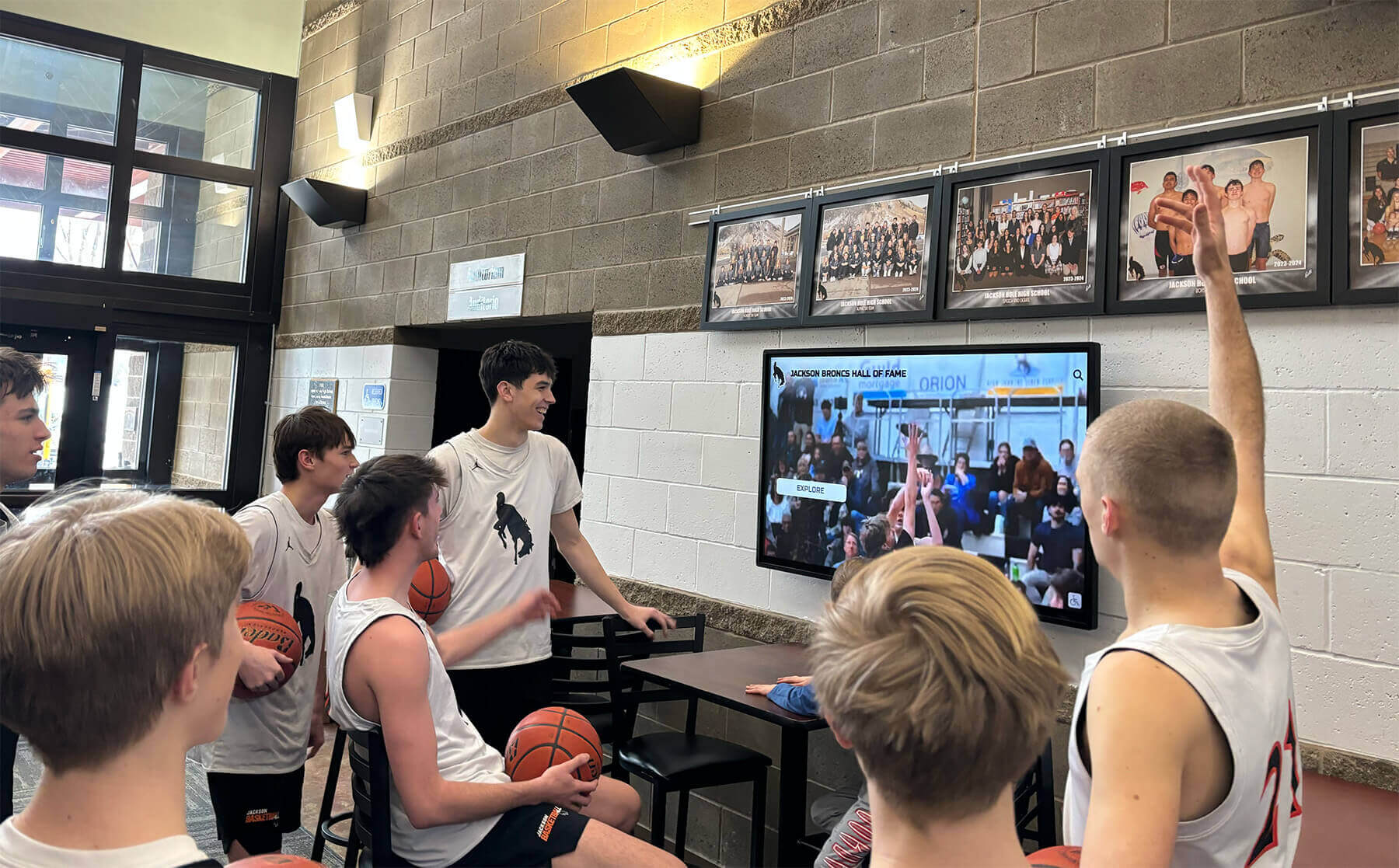
Recognition Display Temporal Dithering Test for Motion and Gradients
Intent: decide — A recognition display temporal dithering test tells you whether the panel driving your school’s hall of fame, awards board, or athletic archive will introduce shimmer, sparkle, or flicker-like instability in animated content—before students, families, and alumni see it during a live event. Temporal dithering is a panel-level technique that simulates color depth by rapidly cycling between adjacent colors across consecutive frames. In completely static images it is nearly invisible; in animated graphics, sports highlight video, or photo fade transitions, it creates a restless, shimmering quality that makes professionally curated recognition content look unstable.
Read More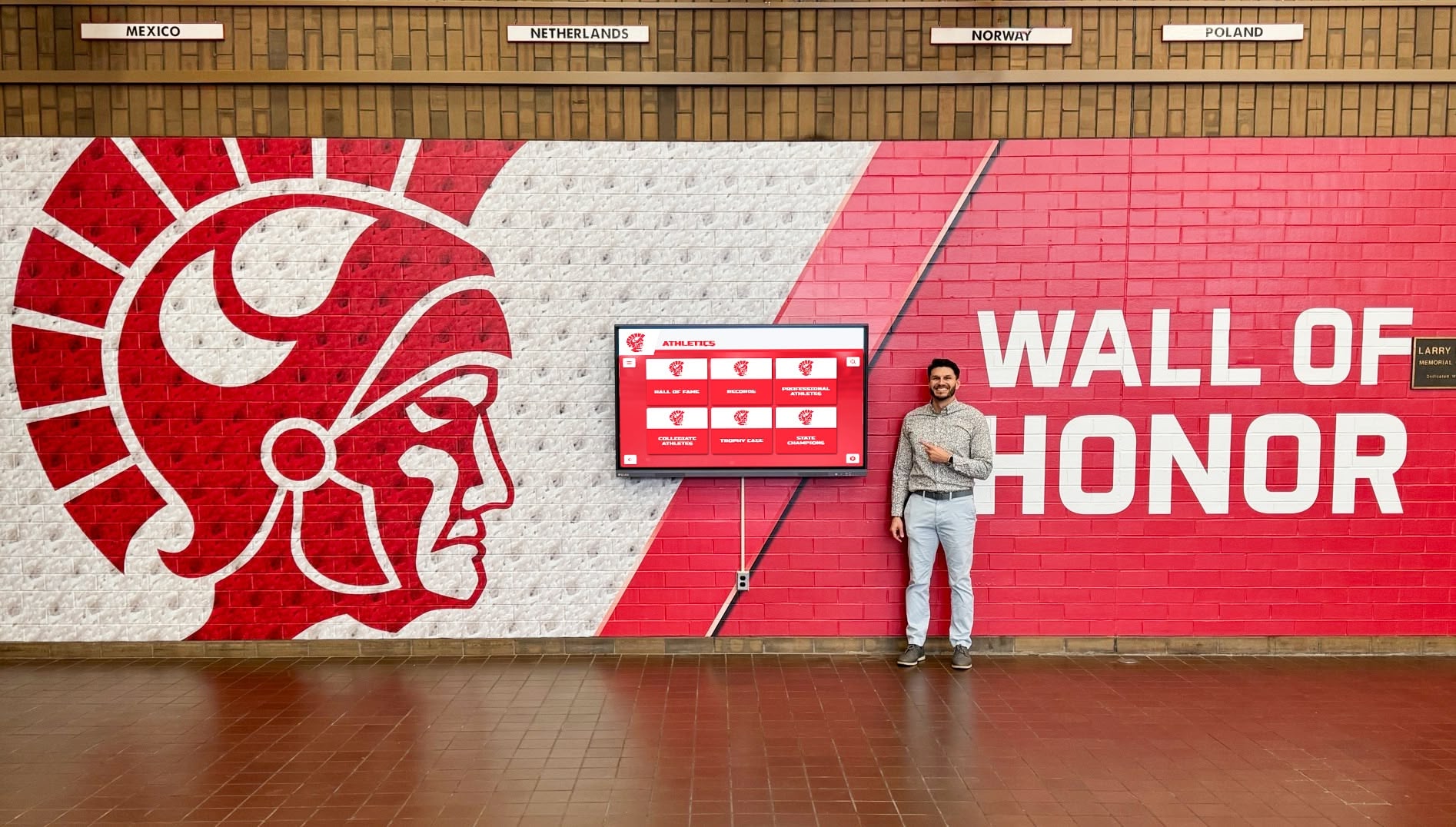
Recognition Display Viewing Angle Test for Hallways, Lobbies, and Gyms
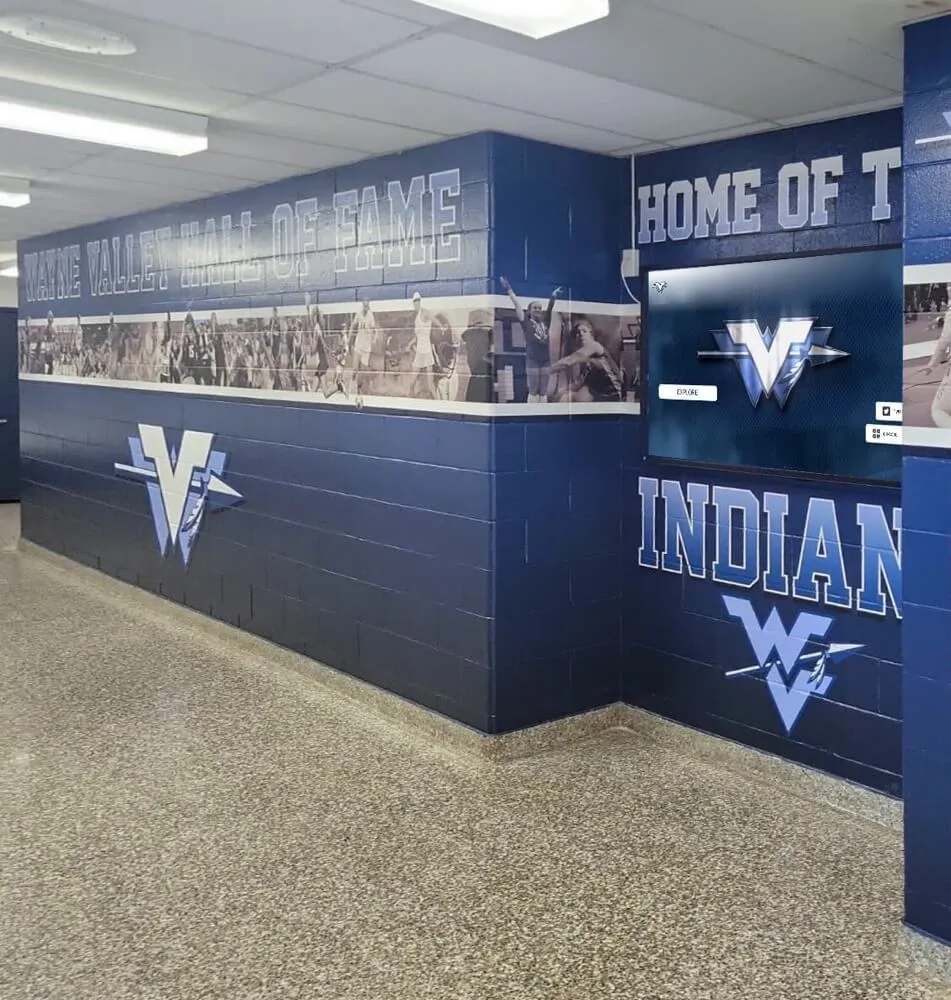
Intent: decide — A recognition display viewing angle test tells you, before the dedication ceremony, whether every visitor in a school hallway, lobby, or gymnasium can actually read the athlete names, photos, and records your program spent months curating. Viewing angle is the hidden variable that installation checklists most often skip: a screen that looks flawless head-on can wash out, shift colors, or lose contrast for anyone standing slightly to the side or approaching from down the corridor. Run this test during hardware setup, not after the ribbon is cut.
Read More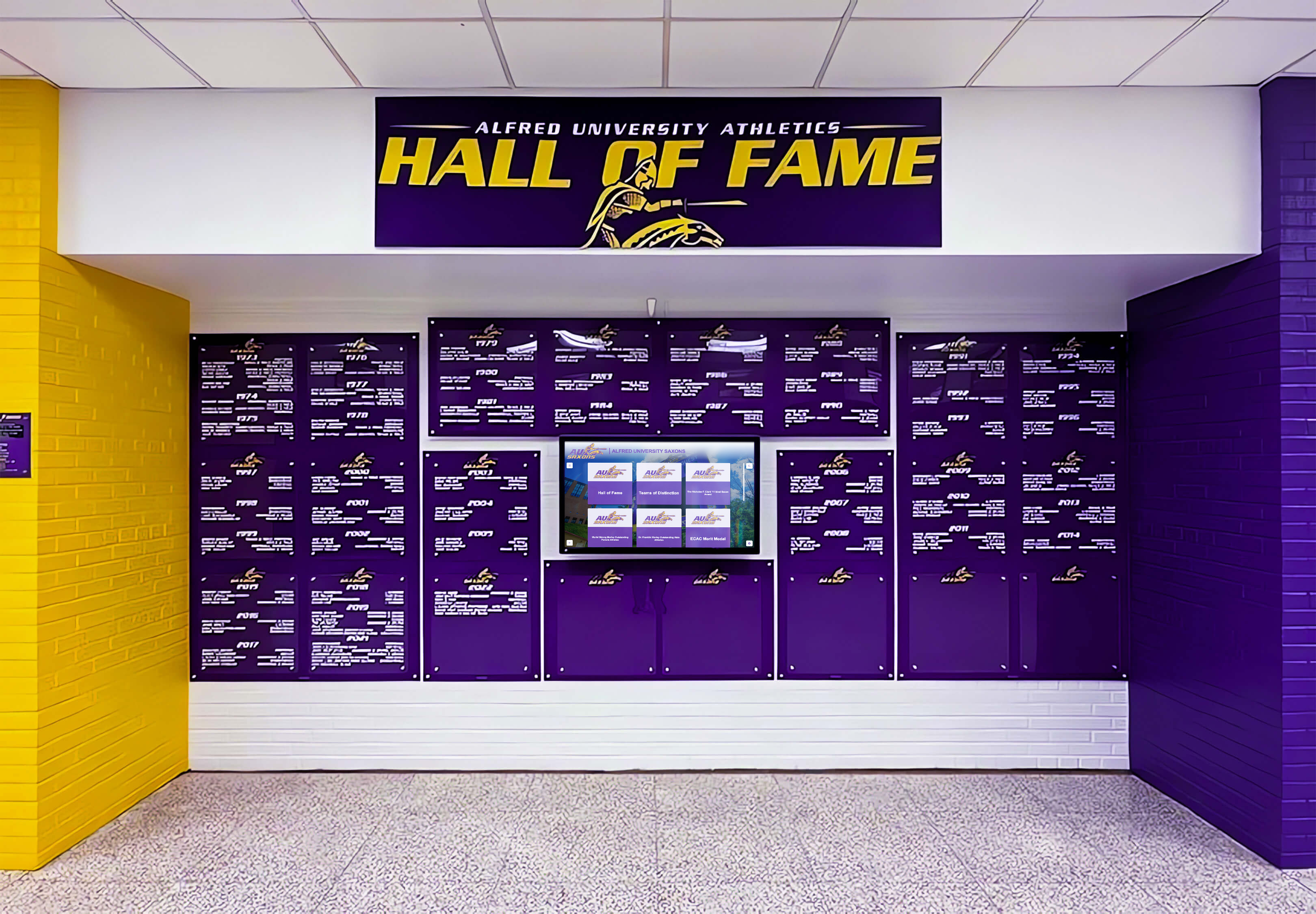
Recognition Display Color-Banding Test: Catch Gradient Problems Before Launch
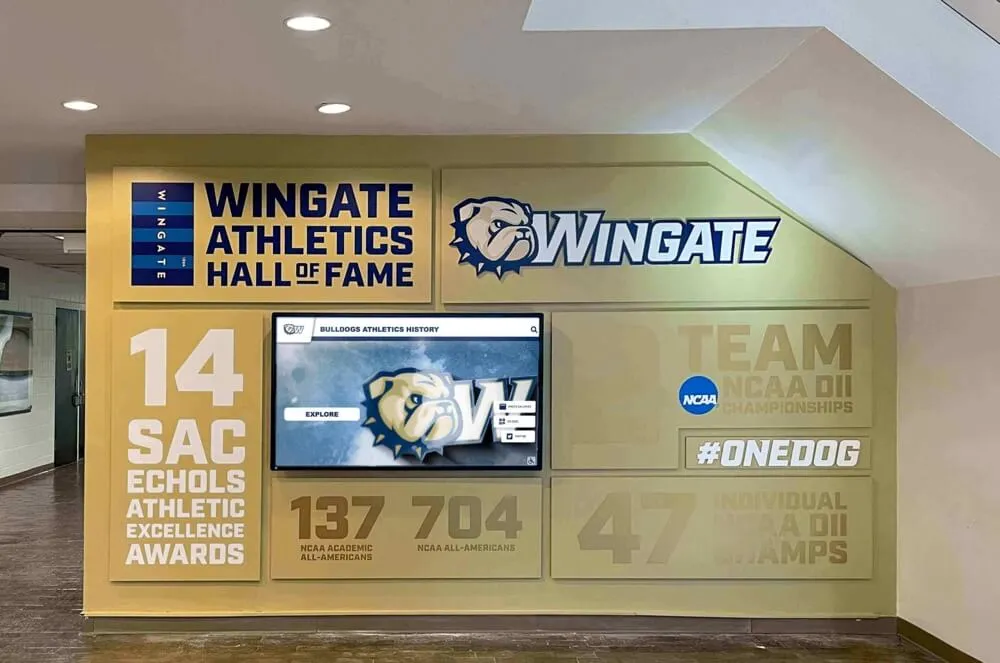
Intent: decide — A recognition display color-banding test is the fastest way to confirm that your school hall of fame, sports archive, or awards screen will look sharp before it goes live for students, coaches, and visitors. Color banding—the stepped, striped appearance in what should be smooth gradients—turns a polished athletic portrait into something that looks printed on a budget office printer. Run this test during installation, not after the ribbon-cutting.
Read More