



Every year, schools face the rewarding challenge of identifying and celebrating their most exceptional young athletes. The youth athlete of the year award represents the pinnacle of athletic recognition—honoring students who demonstrate not only outstanding performance on the field but also exemplary character, leadership, and dedication. These awards create defining moments that inspire entire athletic communities while setting standards for future generations.
Yet many athletic directors and coaches struggle with implementing meaningful youth athlete of the year programs. What criteria truly distinguish the most deserving recipients? How can schools create selection processes that feel fair and transparent? What ceremony formats make these awards memorable rather than routine? And how can recognition extend beyond a single evening to create lasting impact throughout school communities?
Youth athlete of the year awards serve multiple vital purposes within school athletic programs. They motivate excellence by celebrating achievement publicly, reinforce institutional values by highlighting what programs prioritize, create aspirational targets driving athlete development, build program culture through meaningful recognition, and provide distinction students carry into college applications and beyond.
This comprehensive guide explores everything athletic administrators need to know about youth athlete of the year awards—from establishing selection criteria and managing nomination processes to planning memorable ceremonies and preserving recognition through modern digital systems. Whether launching a new athlete of the year program or enhancing existing traditions, these frameworks help schools honor outstanding athletes with the recognition they truly deserve.

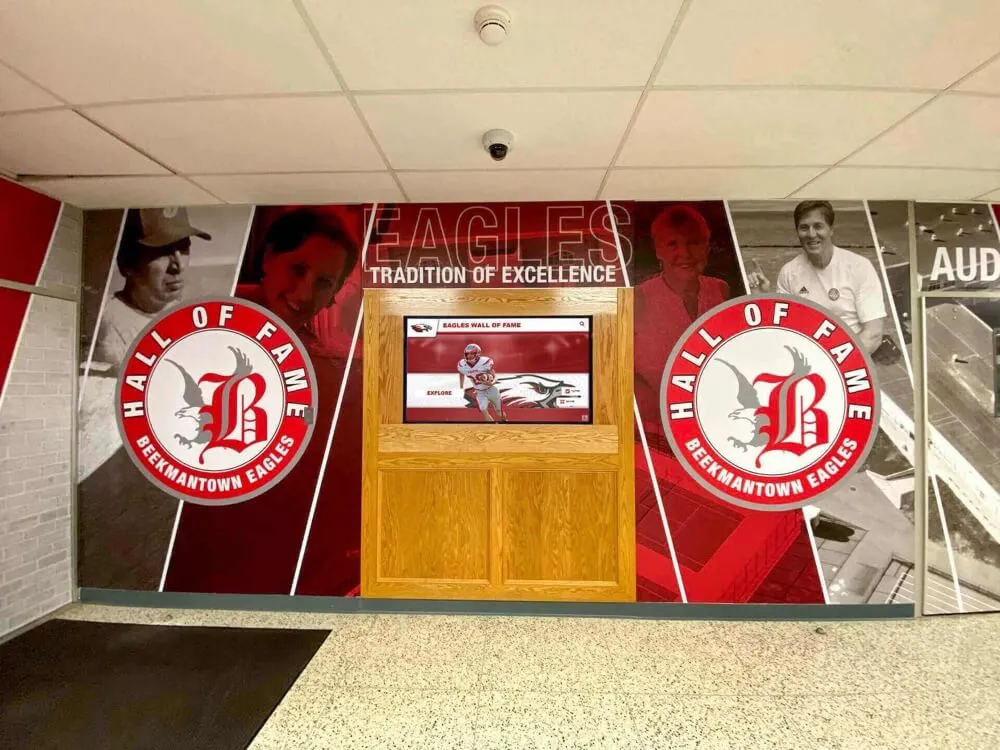
Youth athlete of the year recognition celebrates exceptional performance while inspiring the next generation of athletic excellence
Understanding Youth Athlete of the Year Awards
Before establishing athlete of the year programs, understanding what makes these awards uniquely meaningful helps schools design recognition matching their prestige and purpose.
The Significance of Top Athletic Recognition
Youth athlete of the year awards occupy the highest tier of school athletic recognition for compelling reasons.
Representing Program Excellence
Unlike participation acknowledgment or team-specific awards, athlete of the year recognition declares that specific students exemplify the absolute best their programs offer. Recipients represent their schools publicly, demonstrate what commitment and excellence look like, and inspire peers through visible achievement and character. This representative role makes selection consequential—chosen athletes become ambassadors for athletic values and standards.
Schools investing thoughtfully in athlete of the year programs create cultural touchstones that define athletic expectations while celebrating students who meet or exceed them. The prestige derives not merely from scarcity but from comprehensive evaluation recognizing complete athlete development across performance, character, and leadership dimensions.
Multi-Dimensional Excellence Requirements
Superior youth athlete of the year programs recognize more than raw athletic talent. Effective awards celebrate:
- Exceptional competitive performance and achievement
- Outstanding sportsmanship and character demonstration
- Meaningful leadership within teams and athletic communities
- Academic achievement balancing athletic commitment
- Positive representation of schools and programs
- Growth and development throughout athletic careers
- Contribution to team success beyond individual statistics
This comprehensive approach ensures recognition honors complete young athletes rather than reducing achievement to statistics alone, sending powerful messages about what schools truly value in student-athletes.
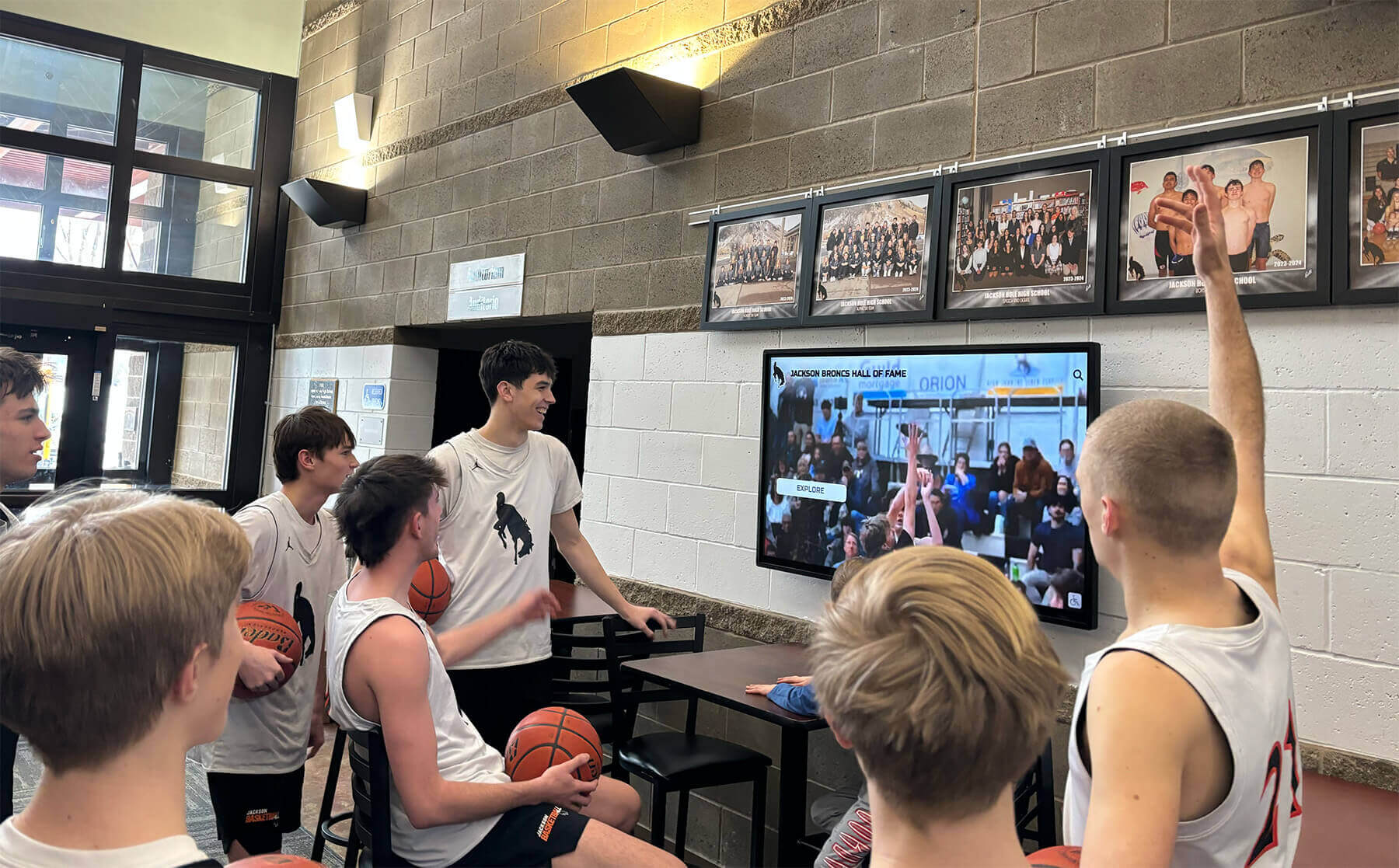
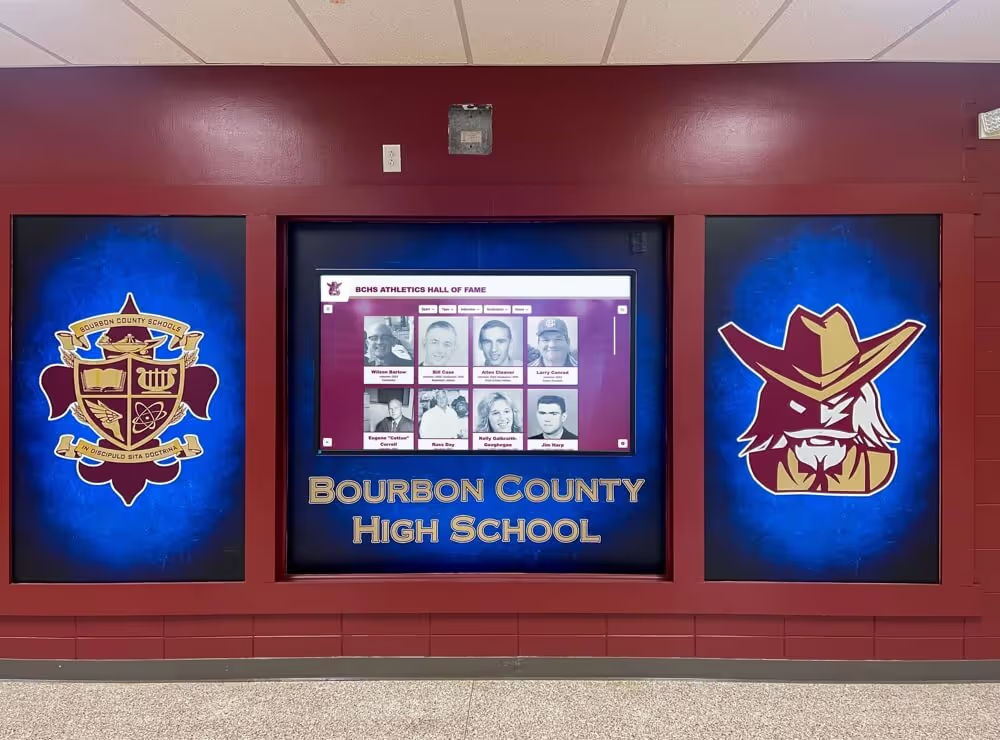
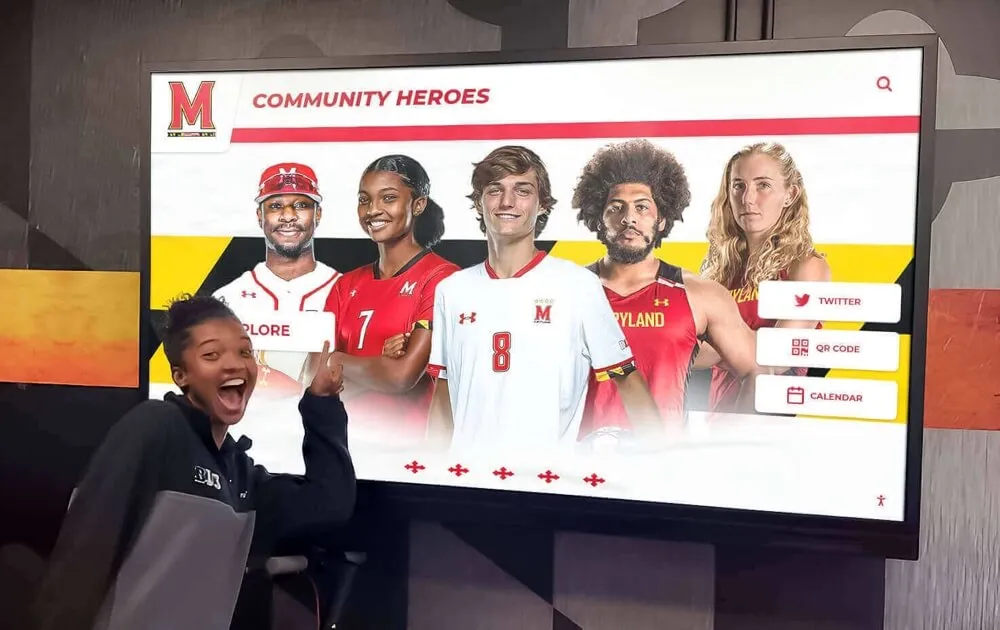
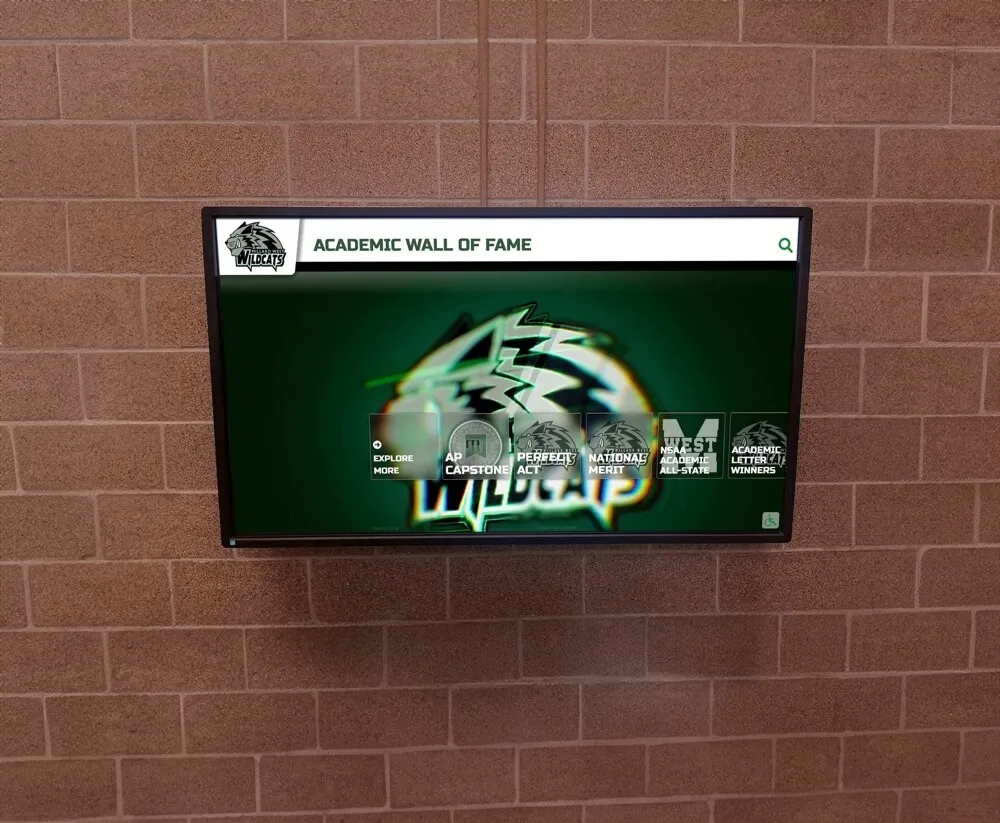
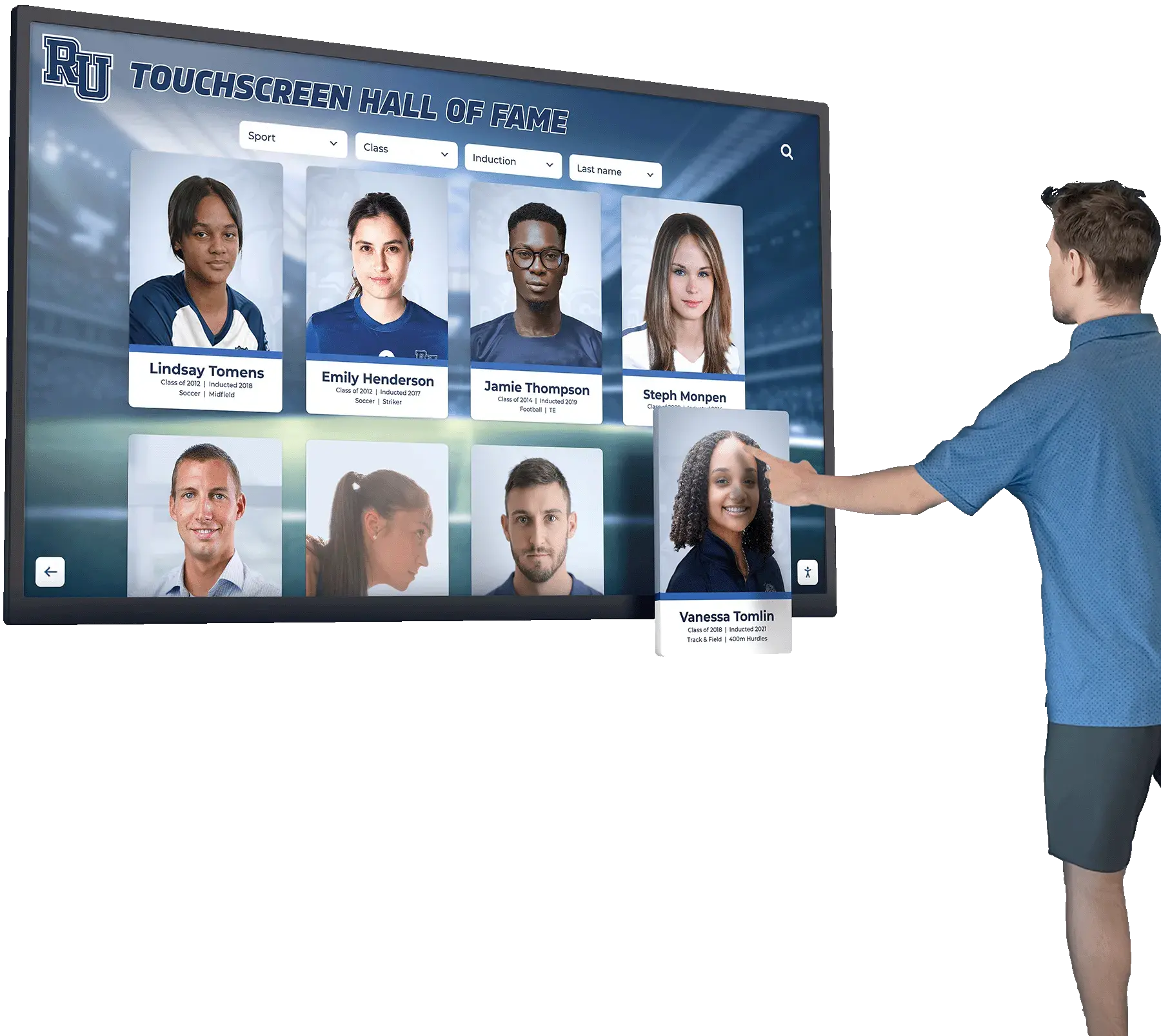
Interactive displays enable youth athletes to explore achievement stories and understand pathways to excellence
Impact on Athletes and Communities
Youth athlete of the year recognition produces significant effects extending well beyond individual recipients.
Motivational Effects on Student Athletes
Visible recognition of outstanding peers creates powerful motivation throughout athletic programs. Young athletes see classmates honored and naturally aspire toward similar achievement, channeling effort toward sustained excellence rather than momentary success. Research demonstrates that students exposed to meaningful peer recognition show 20-30% higher sustained achievement and engagement over time compared to programs with minimal recognition systems.
Coaches leverage athlete of the year awards as teaching tools, discussing what distinguished recipients achieved and how they demonstrated valued characteristics. These concrete examples make abstract concepts like “leadership” or “dedication” tangible through stories students can understand and emulate.
Building School Athletic Culture
Systematic youth athlete of the year recognition shapes overall program culture. When schools consistently celebrate specific achievement types—team success over individual statistics, character alongside performance, multi-sport participation, academic excellence—these priorities become embedded in athletic identity. Athletes understand what their programs value not through abstract mission statements but through whom they choose to honor publicly.
Strong athletic cultures characterized by high expectations, mutual respect, and collective achievement rarely emerge accidentally. They result from intentional cultivation including strategic recognition reinforcing desired values and behaviors through public celebration.
Family and Community Engagement
Youth athlete of the year awards create natural engagement opportunities for families and broader communities. Recognition ceremonies bring supporters together around shared celebration, recognition stories generate positive media coverage and social sharing, distinguished athletes serve as ambassadors in community athletic programs, and visible excellence builds community pride supporting school athletic funding and volunteerism.
Explore comprehensive approaches to athletic recognition programs that celebrate diverse achievement across school communities.
Establishing Selection Criteria for Youth Athlete of the Year
Clear, comprehensive criteria ensure athlete of the year awards maintain prestige while providing fair, transparent standards guiding recognition decisions.
Defining Core Athletic Achievement Standards
Baseline athletic accomplishments establish minimum thresholds athletes must meet for consideration.
Individual Performance Excellence
Most youth athlete of the year programs require demonstrated individual achievement:
Statistical Leadership and Records
- Career or season statistical achievements (scoring, assists, goals, times, distances)
- Individual records or top rankings in program history
- Consistent high-level performance across multiple competitions
- Standout performances in critical contests determining outcomes
External Recognition and Honors
- All-conference selections demonstrating peer and coach recognition
- All-state or all-region honors indicating statewide excellence
- National recognition or rankings for truly exceptional athletes
- Invitations to elite competitions, showcases, or representative teams
- Individual championship victories or medal performances
Skill Development and Versatility
- Mastery of sport-specific techniques and tactics
- Positional excellence or multi-position capability
- Adaptation and performance under pressure
- Continuous improvement and skill refinement throughout career

Modern recognition systems document complete athletic journeys from early participation through elite achievement
Team Success Contributions
Individual brilliance gains additional meaning through team success contributions:
Championship and Tournament Success
- Conference championship contributions during athletic career
- State or regional tournament qualifications or victories
- Performance consistency during playoff or championship competitions
- Leadership during pressure situations determining team outcomes
Elevating Team Performance
- Measurable team improvement correlating with athlete’s participation
- Performance that enables teammates’ success through assists, defense, or leadership
- Willingness to fill team needs rather than focusing solely on individual statistics
- Positive influence on team culture, work ethic, and standards
Character and Leadership Requirements
Athletic excellence alone proves insufficient for youth athlete of the year recognition. Most programs require demonstrated character warranting honor.
Sportsmanship and Integrity Standards
Athletes receiving top recognition should consistently model exemplary behavior:
- Respectful treatment of opponents, officials, coaches, and teammates
- Grace in both victory and defeat without excessive celebration or poor reactions
- Positive representation of schools, teams, and communities at all times
- Honesty and integrity in academic work and competitive situations
- Absence of serious disciplinary issues or sportsmanship violations
- Compliance with training rules, eligibility requirements, and behavioral expectations
Character considerations recognize that schools honor complete individuals who serve as role models for peers and younger athletes. Recipients whose behavior contradicts institutional values undermine award credibility regardless of athletic brilliance.
Leadership Demonstration
Outstanding young athletes lead through various pathways:
Formal Leadership Roles
- Team captain positions reflecting peer and coach confidence
- Leadership within multi-team athletic programs or booster organizations
- Mentorship of younger athletes in formal or informal capacities
- Student-athlete council participation or athletic department representation
Leadership Through Example
- Consistent work ethic setting standards during practice and training
- Positive attitude during challenges, setbacks, or difficulties
- Support and encouragement of struggling teammates
- Initiative addressing team needs or solving problems
- Bridging social groups within teams creating inclusive culture
Learn about track awards and recognition that celebrate leadership alongside performance.
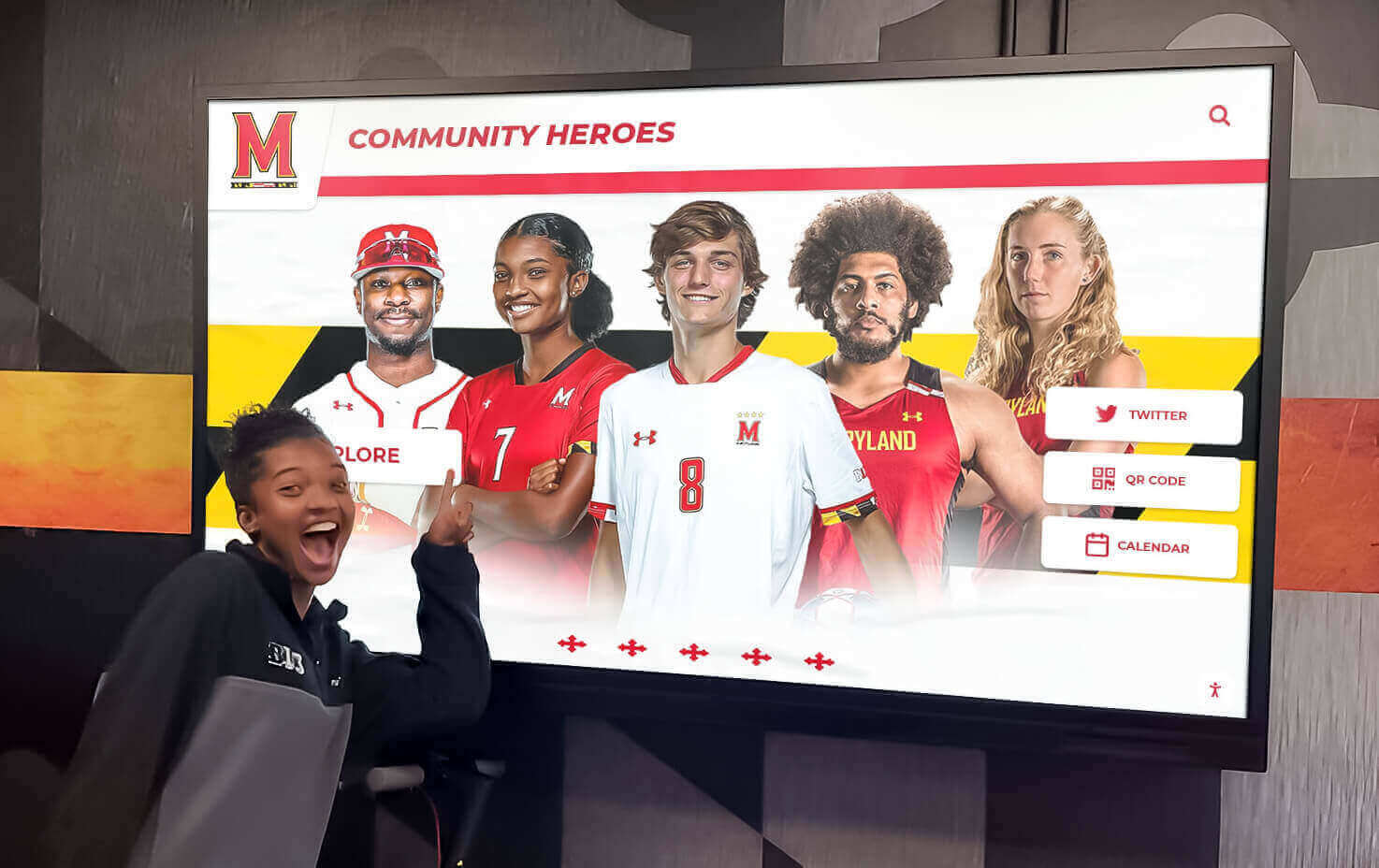
Visible recognition of outstanding youth athletes creates aspirational targets inspiring peer excellence
Academic Achievement Expectations
Scholar-athlete models emphasize that academic performance matters alongside athletic excellence.
Minimum Academic Standards
Most youth athlete of the year programs establish baseline academic requirements:
- Minimum GPA thresholds (typically 2.5-3.0 or higher)
- Good academic standing without failures or serious deficiencies
- Demonstrated balance between athletic commitment and academic responsibility
- Progress toward graduation meeting all requirements
- Absence of academic integrity violations
These standards send clear messages that athletic excellence complements rather than replaces academic achievement, reinforcing education as primary institutional purpose.
Academic Excellence Recognition
Some programs give additional consideration to exceptional academic achievement:
- Honor roll or high honor roll status throughout athletic career
- Academic all-conference or all-state recognition
- Advanced coursework participation (AP, IB, dual enrollment)
- Academic awards or scholarships earned
- Demonstrated academic leadership or tutoring of peers
Academic consideration particularly matters when athletic achievement appears relatively equal among candidates. Superior academic performance often distinguishes finalists with comparable athletic credentials.
Creating Fair and Transparent Selection Processes
Systematic processes ensure youth athlete of the year decisions maintain community confidence while preventing perceived favoritism or conflicts.
Nomination Procedures
Thoughtful nomination systems enable broad participation while managing committee workload.
Open Nomination Windows
Most effective programs allow various stakeholders to submit candidates:
- Head coaches nominating outstanding athletes from their teams
- Athletic directors identifying exceptional cross-program athletes
- Student-athlete councils suggesting peer leaders
- Teachers or administrators nominating students demonstrating character
- Self-nomination with supporting documentation and references
Open processes prevent deserving athletes from being overlooked due to limited athletic director awareness, ensure diverse perspectives inform candidate pools, build community engagement through participatory selection, and demonstrate transparency supporting final decision credibility.
Required Nomination Documentation
Comprehensive nomination packages provide committees with necessary evaluation information:
- Athletic achievement summary including statistics, honors, and records
- Team success contributions and championship participation
- Character and sportsmanship examples with specific incidents or patterns
- Leadership demonstration with concrete examples
- Academic record including GPA, honors, and special recognition
- Coach recommendations explaining why athlete deserves recognition
- Supporting materials like news articles, videos, or testimonials
Structured documentation requirements ensure consistent evaluation across candidates while reducing subjective impressions dominating decision-making.

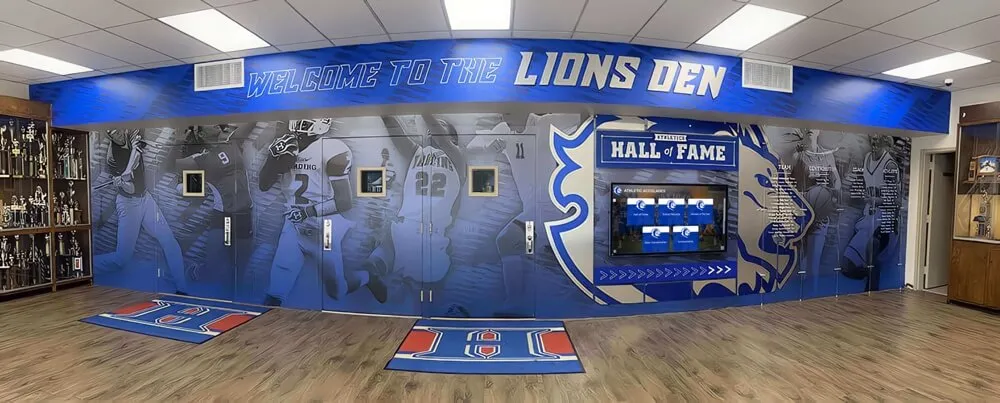
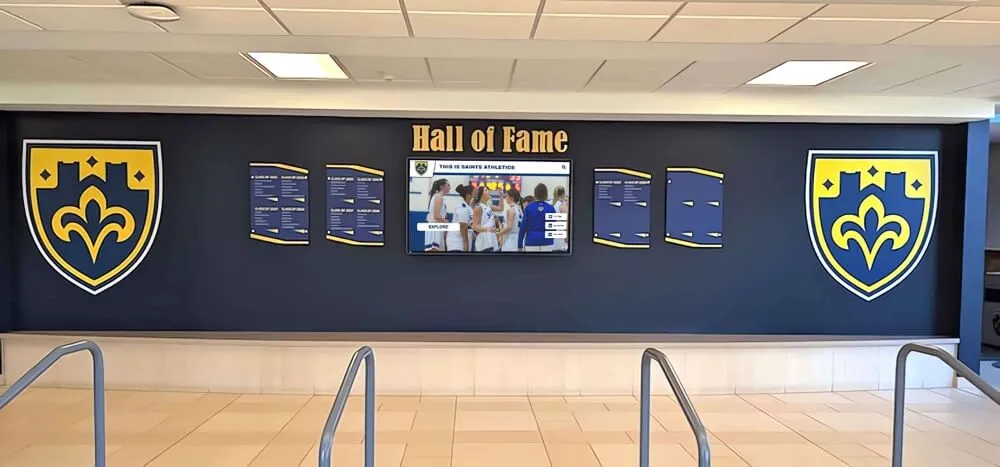
Strategic facility placement ensures youth athlete of the year recognition reaches entire school communities
Selection Committee Structure
Balanced committee composition provides diverse perspectives while maintaining efficient deliberation.
Committee Membership
Effective selection committees typically include:
- Athletic director (often chair or ex-officio member)
- Coaching representatives from major sports or seasonal rotations
- School administrators ensuring institutional oversight
- Teacher representatives providing academic perspective
- Athletic booster or community representatives
- Previous athlete of the year recipients when available
- Student-athlete council representatives offering peer perspective
Committee sizes typically range from 5-9 members, balancing diverse input with practical deliberation. Larger committees become unwieldy while smaller groups risk insufficient perspective diversity.
Evaluation and Voting Procedures
Transparent procedures ensure systematic, fair assessment:
- Structured evaluation rubrics aligning with established criteria
- Individual committee member scoring of each nominee
- Group deliberation discussing relative strengths and selection rationale
- Voting procedures typically requiring majority or supermajority support
- Recusal requirements when conflicts of interest exist
- Documentation preserving institutional memory about selection reasoning
Decision Communication
Selection committees should establish processes for announcing decisions and addressing questions:
- Timely announcement enabling ceremony planning and recipient notification
- Brief explanation of selection rationale referencing established criteria
- Respectful communication to non-selected nominees and families
- Limited appeals processes for extraordinary circumstances
- Privacy protection for non-selected candidates during public communication
Managing Multiple Award Categories
Many schools present several athlete of the year awards recognizing different achievement dimensions or student populations.
Common Award Category Structures
Schools often establish multiple recognition tiers:
Overall Athlete of the Year
- Male and female athlete of the year representing top cross-program achievement
- Consideration across all sports and achievement types
- Highest prestige recognition in athletic program
Sport-Specific Athletes of the Year
- Recognition for each major sport (football, basketball, soccer, etc.)
- Enable sport-specific achievement honoring without cross-sport comparison challenges
- Ensure visibility for sports receiving less general attention
Grade-Level Recognition
- Underclass athlete of the year (9th-11th grade) acknowledging emerging excellence
- Senior athlete of the year recognizing cumulative career achievement
- Freshman athlete of the year highlighting exceptional early performance
Special Achievement Awards
- Scholar-athlete of the year emphasizing academic-athletic balance
- Sportsmanship award celebrating exemplary character
- Most improved athlete recognizing growth and development
- Breakthrough athlete acknowledging unexpected excellence
Multiple categories enable recognition of diverse achievement types while maintaining selectivity within each category, creating more winners without diluting prestige of individual awards.
Explore comprehensive sports banner designs that celebrate youth athlete achievements.

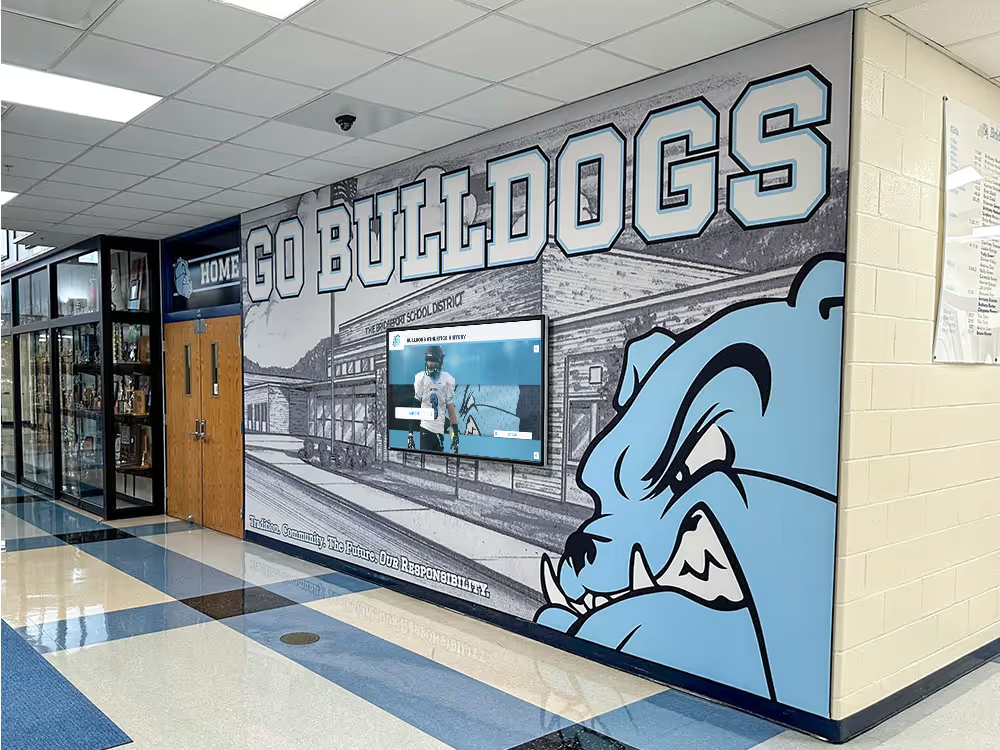
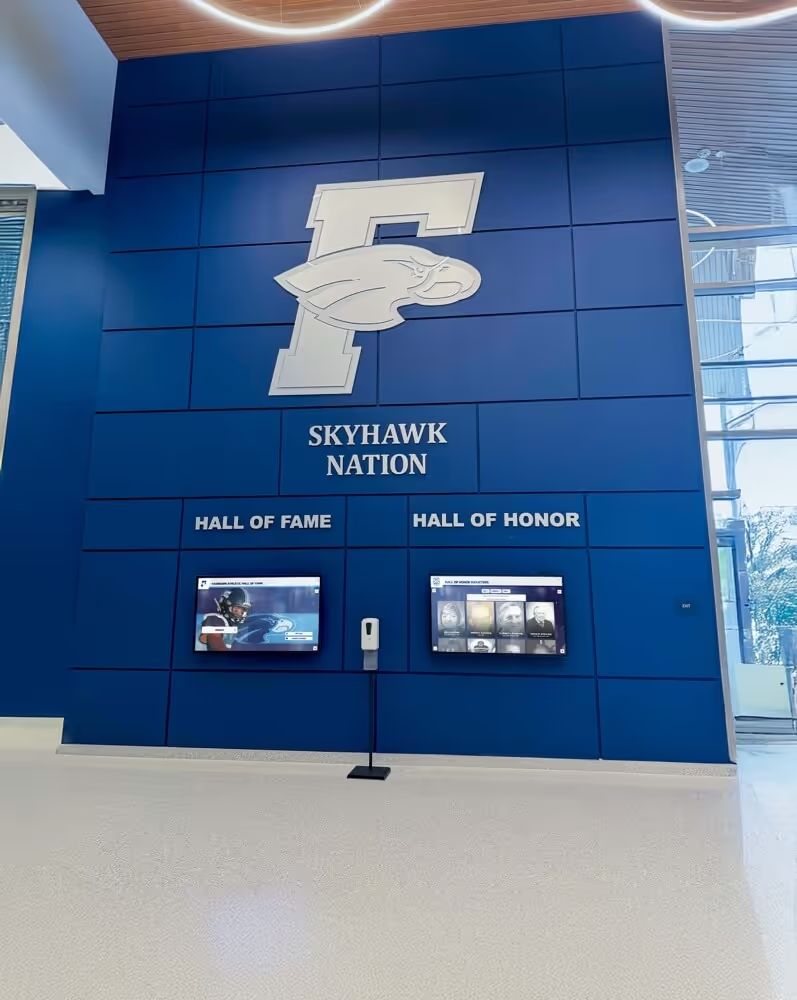
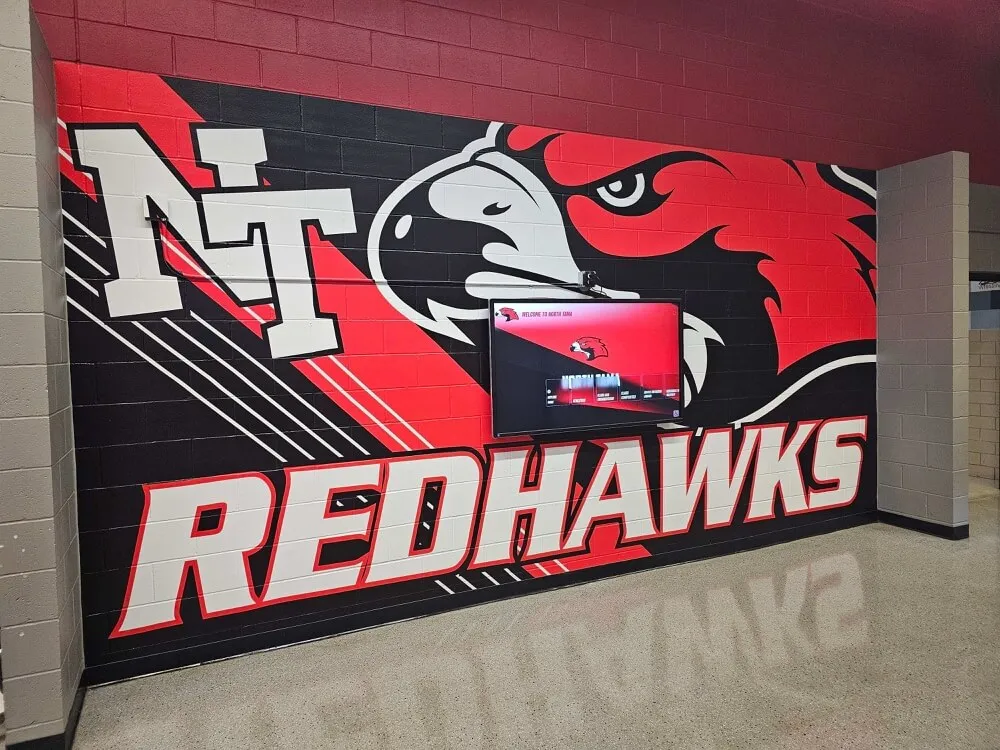
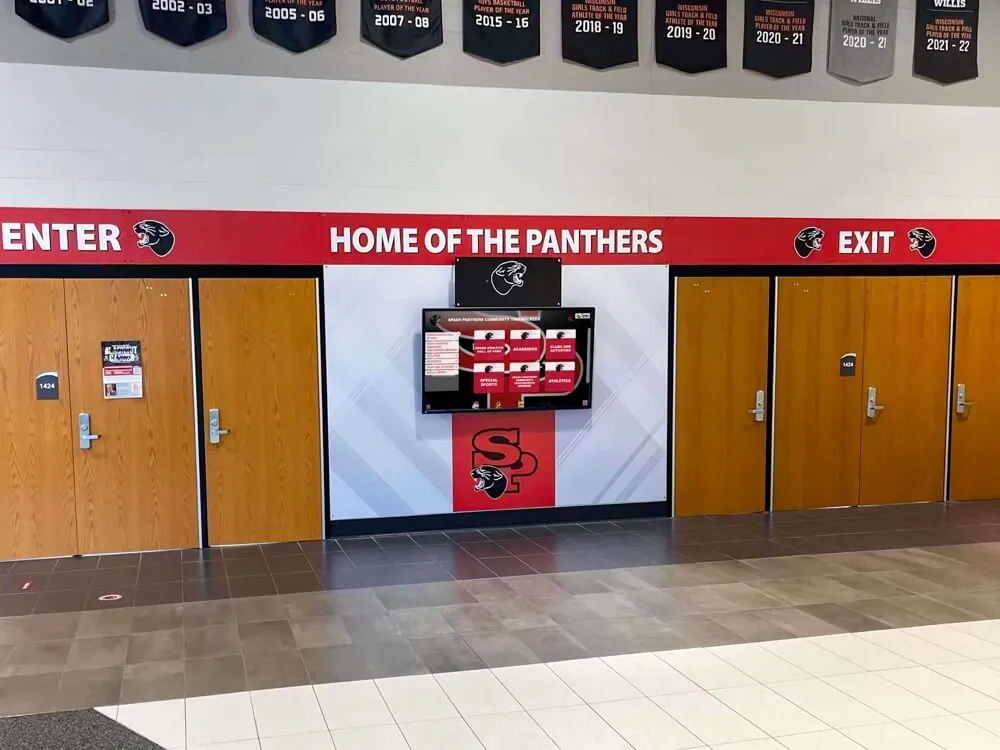
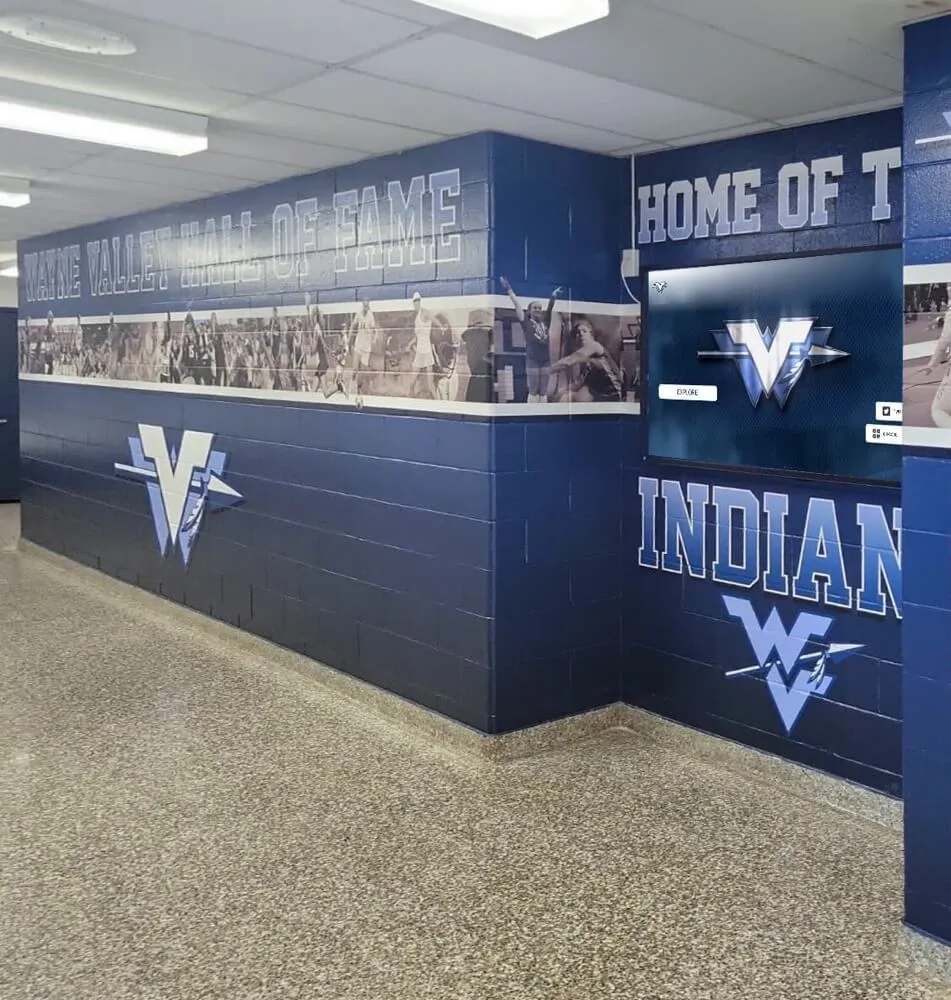
Prominent entrance displays ensure youth athlete of the year recognition greets visitors demonstrating athletic excellence as institutional priority
Planning Memorable Award Ceremonies
Ceremony quality significantly impacts recognition meaning and community engagement with youth athlete of the year honors.
Ceremony Timing and Integration
Strategic scheduling decisions maximize attendance and ceremonial impact.
Standalone Athletic Awards Ceremonies
Dedicated events focusing exclusively on athletic recognition offer advantages:
- Comprehensive time enabling detailed recognition of multiple award categories
- Athletic community focus gathering coaches, athletes, and sport supporters
- Formal atmosphere emphasizing athletic achievement importance
- Opportunity for featured speakers including coaches, alumni, or community figures
- Professional presentation with video tributes and multimedia elements
Standalone ceremonies typically occur near year-end (April-May) after winter and spring sports conclude, enabling consideration of athletes across all seasons.
Integration with Existing Events
Alternative approaches embed athlete of the year recognition within established gatherings:
Athletic Banquet Integration
- Comprehensive athletic celebration combining team recognition with top honors
- Natural audience of athlete families and program supporters
- Cost efficiency sharing venue and coordination with broader event
- Risk of overwhelming single event if attempting too much recognition
School-Wide Award Ceremonies
- Integration with academic awards or end-of-year celebrations
- Cross-community visibility beyond athletic department alone
- Reinforcement that athletic excellence complements academic achievement
- Careful balance required preventing overshadowing or insufficient athletic emphasis
Senior Recognition Events
- Combining athlete of the year with senior athlete acknowledgment
- Appropriate timing during senior weeks or graduation periods
- Emotional resonance connecting recognition to career conclusions
- Consideration that underclass recipients might receive less emphasis
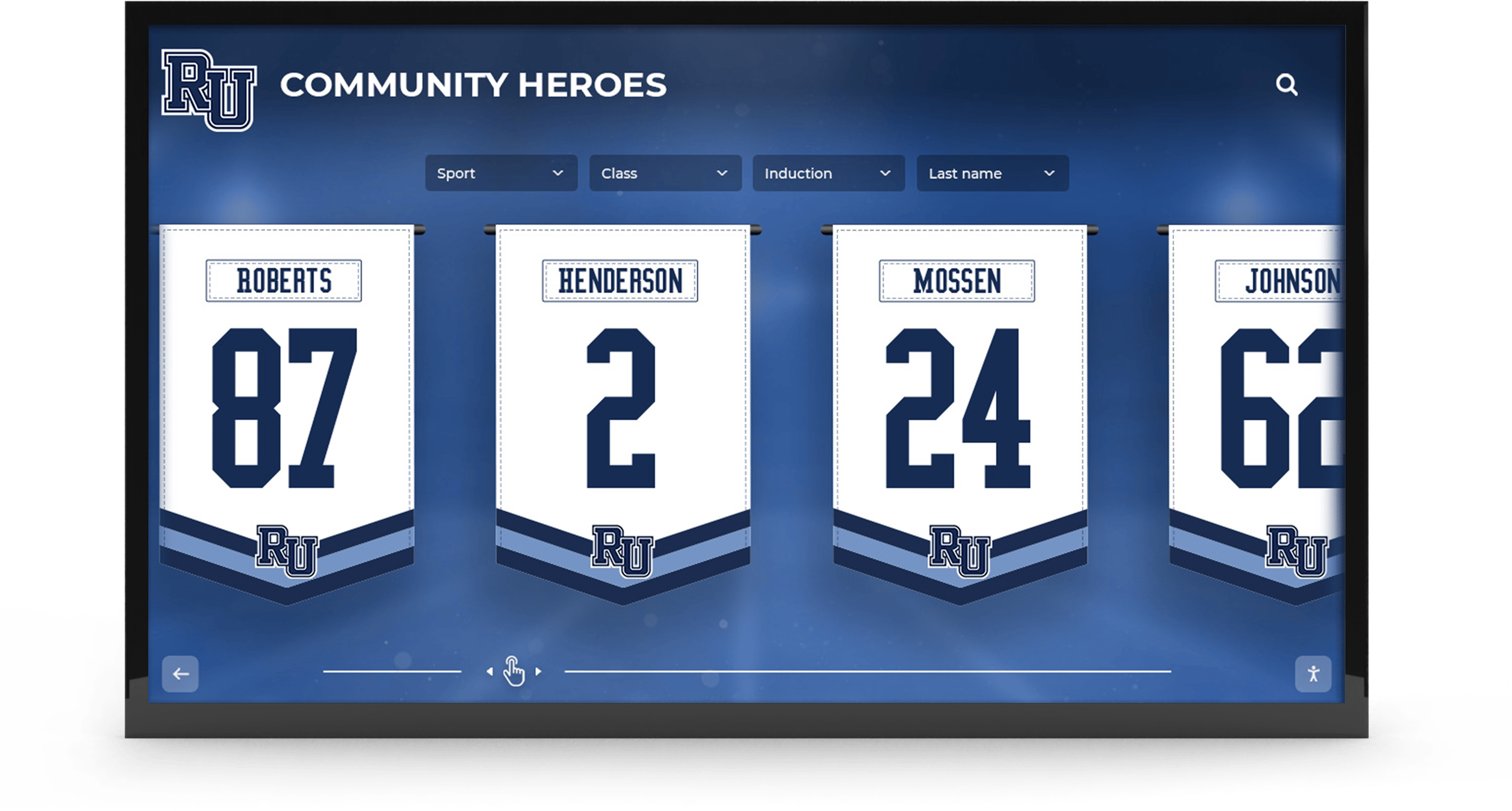
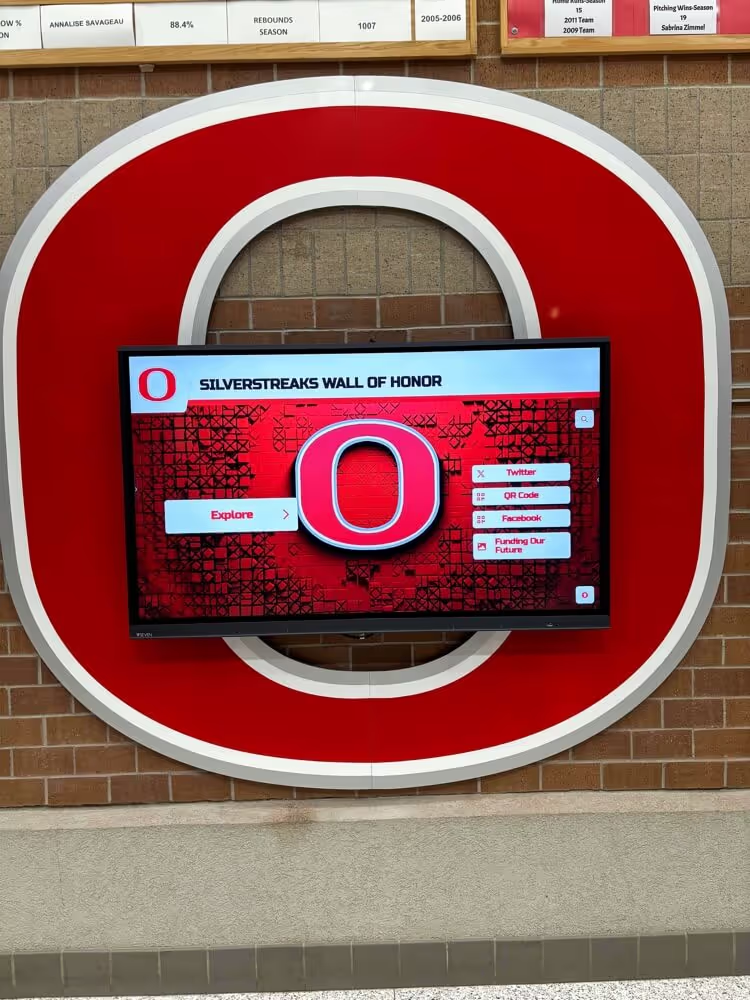
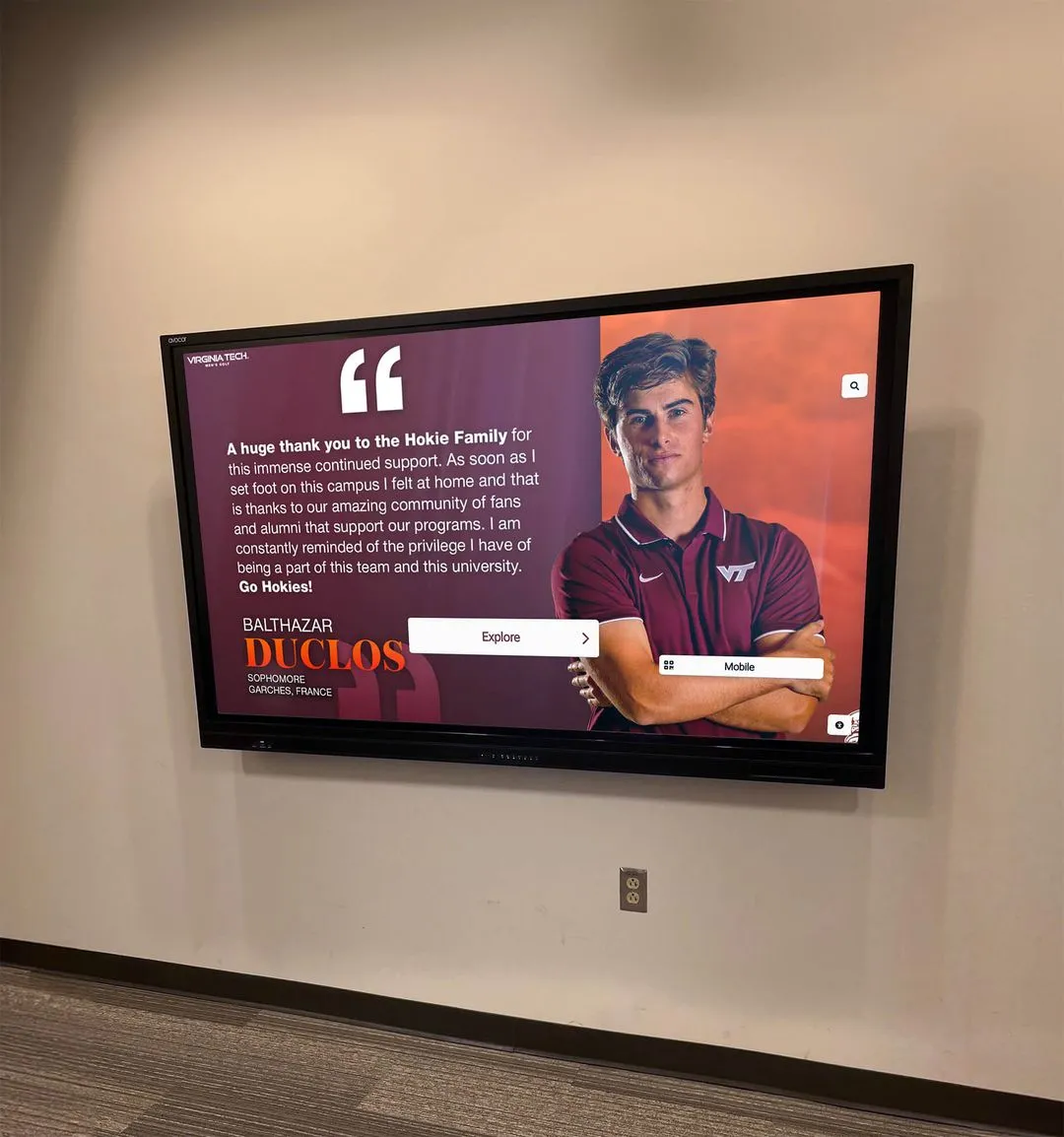
Modern displays showcase youth athlete of the year recipients through dynamic digital formats complementing traditional ceremonies
Creating Impactful Recognition Moments
Thoughtful ceremony elements transform routine acknowledgment into meaningful celebration honoring complete athletic stories.
Comprehensive Athlete Profile Presentations
Effective ceremonies tell complete stories beyond statistics:
- Video presentations (3-5 minutes) combining game footage, photos, and testimonials
- Career highlight compilations showcasing signature moments across sports seasons
- Teammate interviews providing peer perspectives on leadership and character
- Coach testimonials sharing personal memories and explaining selection rationale
- Statistical achievement summaries contextualizing performance excellence
- Character story examples demonstrating sportsmanship and integrity
- Academic accomplishment recognition celebrating scholar-athlete balance
Live Presentation Elements
Personal touches create emotional resonance during ceremonies:
- Coach speeches sharing anecdotes revealing athlete character and work ethic
- Parent or family participation presenting awards or sharing reflections
- Previous year’s recipients participating in award presentation creating tradition
- Athletic director remarks explaining selection rationale and achievement significance
- Recipient acceptance speeches expressing gratitude and sharing experiences
- Peer recognition with teammates or captains acknowledging impact
- Surprise elements like video messages from college coaches or professional athletes
Physical Recognition Artifacts
Tangible elements provide personal commemoration while supporting ceremony formality:
- Engraved plaques or trophies presented during ceremonies for personal display
- Framed certificates with athlete photos and achievement summaries
- Commemorative medals or championship-style rings
- Personalized items like engraved watches, equipment, or apparel
- Photo packages preserving ceremony moments for families
- Commemorative programs documenting ceremony and athlete profiles
Multi-Sport and Cross-Program Coordination
Schools with extensive athletic programs face logistical considerations for comprehensive yet manageable ceremonies.
Seasonal Award Presentations
Some programs present athlete of the year recognition for each athletic season:
- Fall athlete of the year (football, volleyball, cross country, soccer)
- Winter athlete of the year (basketball, wrestling, swimming, gymnastics)
- Spring athlete of the year (track, baseball, softball, tennis, lacrosse)
Seasonal approaches provide timely recognition closer to achievement while enabling focused celebration. However, they require careful consideration of whether multi-sport athletes become eligible multiple times and how seasonal awards relate to overall annual recognition.
Comprehensive Annual Recognition
Alternative approaches consolidate all athlete of the year awards into single annual events:
- All major award categories presented together
- Year-end timing after all seasonal competition concludes
- Broader attendance from cross-program athletic community
- Single major planning effort rather than multiple smaller events
Comprehensive ceremonies require careful pacing preventing excessive length while ensuring adequate recognition for each recipient. Schools presenting many awards often employ efficient presentation formats with detailed profiles saved for top overall recognitions.
Discover strategies from football banquet planning that create memorable recognition experiences.

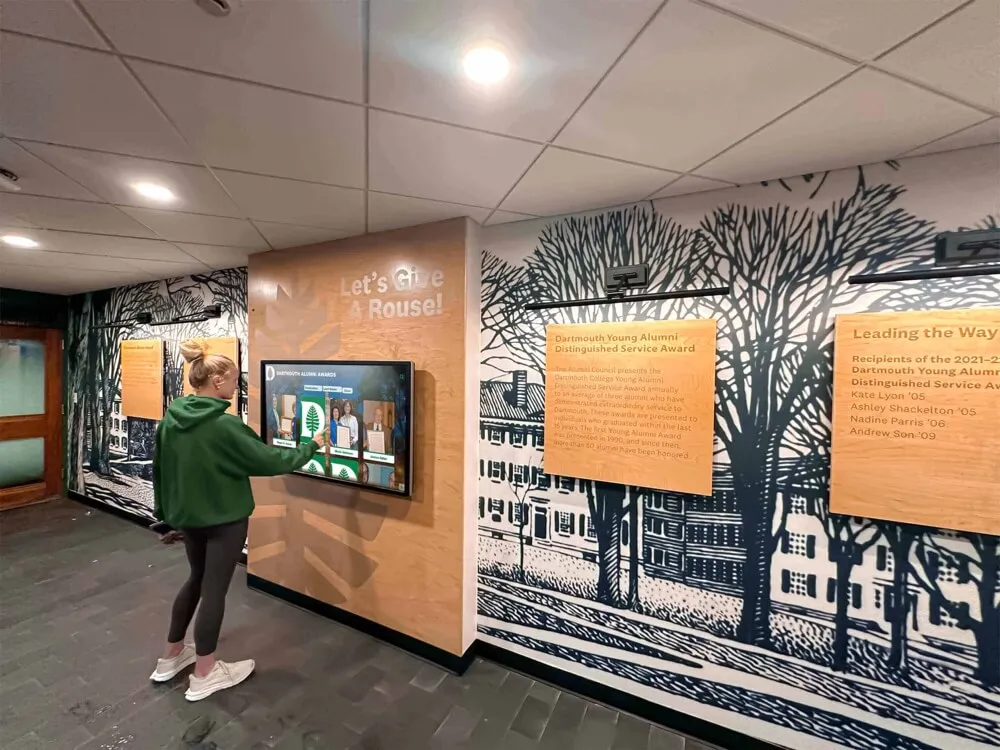
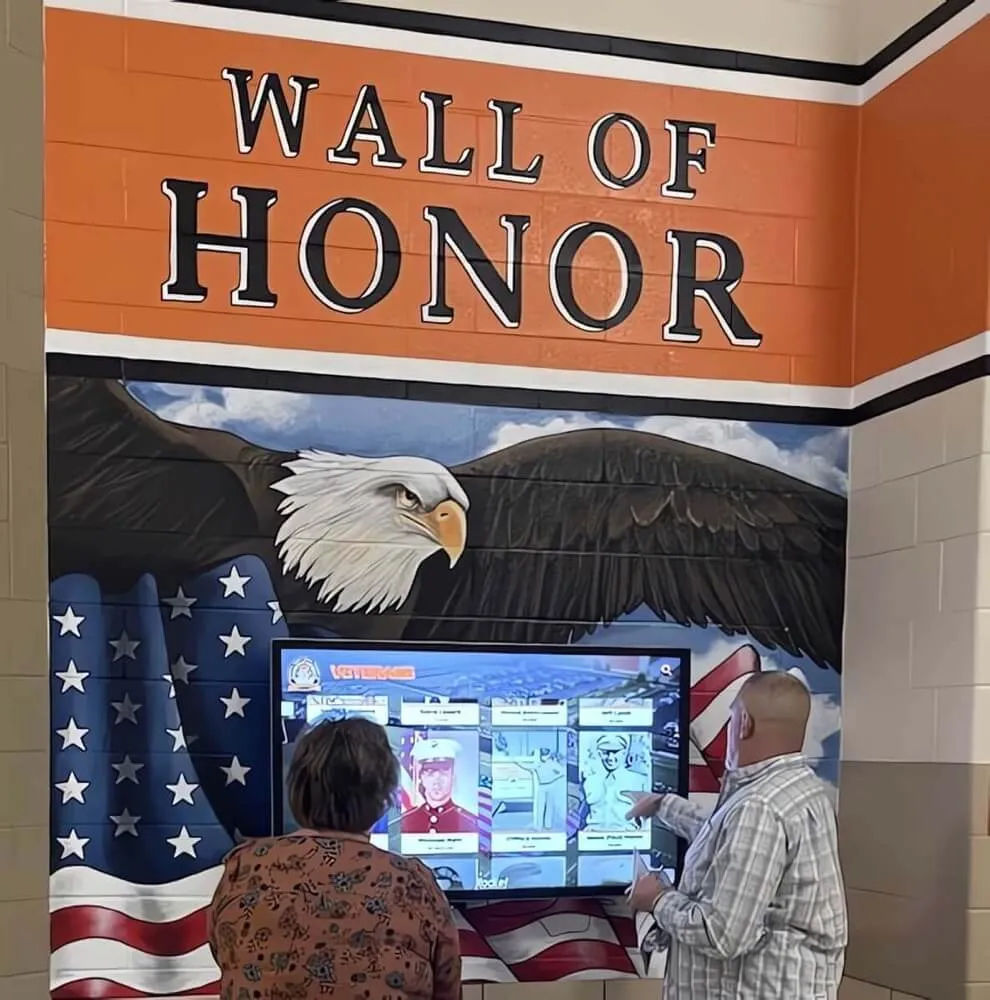
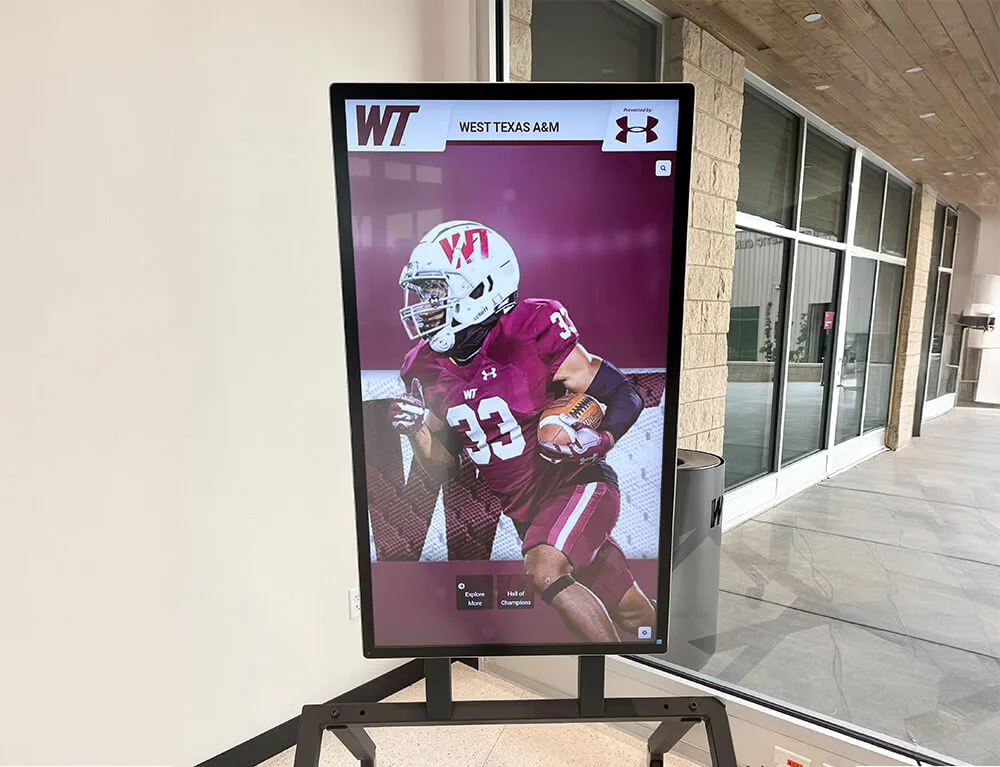
Interactive displays enable intuitive exploration of youth athlete of the year stories and achievements across program history
Web Accessibility Extending Recognition Globally
Online extensions enable access for alumni, families, and community members regardless of location:
- Mobile-optimized platforms ensuring smartphone and tablet accessibility
- Social sharing enabling recipients to celebrate with extended networks
- Global reach allowing relocated families and alumni to explore recognition
- Always-available access transcending physical facility hours
- Integration with school websites and social media channels
This extended reach amplifies recognition impact far beyond physical campus boundaries, enabling athlete of the year recipients to share honors with colleagues, extended family, college coaches, and future employers while promoting school athletic programs to prospective families considering enrollment.
Implementing Hybrid Physical-Digital Recognition
Most schools implement complementary approaches combining traditional and digital elements optimizing benefits from each.
Traditional Elements Maintained
Physical displays retain important cultural and emotional significance:
- Trophy cases featuring athlete of the year plaques creating tangible visible tradition
- Hallway displays ensuring recognition reaches daily school traffic
- Athletic facility honor walls providing sport-specific context
- Commemorative plaques or nameplates on recognition walls
- Photo displays showing recent recipients in prominent locations
Digital Extensions Complementing Physical Recognition
Technology supplements rather than replaces physical acknowledgment:
- Interactive touchscreens adjacent to physical displays enabling exploration depth
- QR codes on plaques linking to comprehensive digital profiles
- Web platforms extending recognition beyond campus to global audiences
- Digital signage rotating athlete profiles in common areas
- Social media integration amplifying reach and engagement
This hybrid approach honors tradition while addressing traditional limitations through complementary digital extensions expanding capacity, interactivity, and accessibility without replacing familiar physical recognition that athletes and communities expect.
Explore comprehensive hall of fame tools that support youth athlete recognition.
Content Management and Updates
Successful digital recognition requires systematic content development and maintenance.
Initial Content Development
Launching comprehensive digital recognition requires gathering:
- Professional photos or high-quality images from competitions
- Statistical records documenting achievements across seasons
- Award and honor documentation from conferences and state organizations
- Biographical details providing context about athletes’ journeys
- Video footage when available showing athletic performance
- Testimonials from coaches explaining selection rationale
- Character examples demonstrating sportsmanship and leadership
Content quality varies between recent recipients with extensive documentation and historical athletes with minimal recorded information. Phased rollout approaches prioritize recent athletes with readily available content while gradually expanding historical recognition as research and content development permit.
Ongoing Recognition Updates
Digital systems enable continuous enhancement:
- Immediate addition of new athlete of the year recipients following selection
- Post-graduation updates documenting college athletics and career achievements
- Enhanced content as better photos or videos become available
- Correction of errors without expensive physical display replacement
- Feature rotation ensuring all recipients receive periodic homepage visibility
- Integration of reunion or anniversary content celebrating milestone years
Cloud-based content management systems enable these updates from any internet-connected device without technical expertise or vendor involvement, dramatically reducing administrative burden compared to traditional physical display coordination.
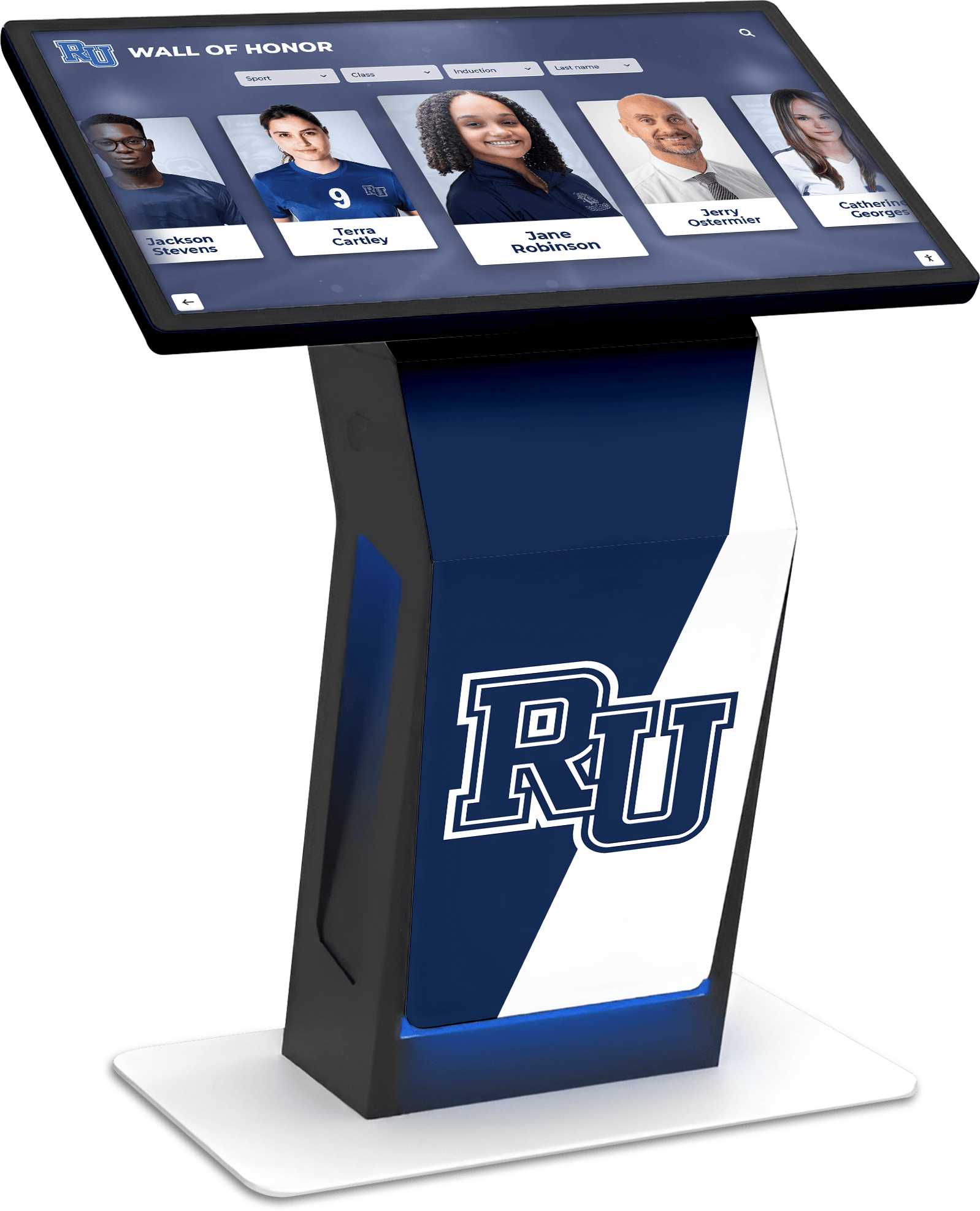
Modern platforms provide unlimited capacity celebrating all forms of youth athletic excellence across program history
Maximizing Youth Athlete of the Year Program Impact
Strategic approaches amplify athlete of the year benefits beyond ceremonial satisfaction.
Connecting Recognition to Current Athletes
Making youth athlete of the year awards relevant to current participants strengthens program culture and motivation.
Regular Recognition References
Coaches should consistently reference athlete of the year recipients during practice and competition:
- Sharing stories about what distinguished past recipients
- Connecting current challenges to how honored athletes handled similar situations
- Using previous winners as examples of program values and standards
- Inviting recent recipients to address teams or mentor current athletes
- Creating direct relationships between generations of athletes
Visible past recognition combined with regular narrative connection makes awards feel attainable rather than abstract, inspiring current athletes toward similar achievement and character demonstration.
Display Placement Strategy
Strategic recognition positioning ensures regular interaction:
- Entrance lobbies where athletes pass daily
- Locker rooms creating constant inspiration
- Practice facilities motivating training commitment
- Athletic offices where team meetings occur
- Weight rooms and training spaces
- Hallways between classrooms and gyms
This distributed visibility ensures youth athlete of the year recognition reaches athletes repeatedly throughout normal facility usage, maximizing motivational impact compared to isolated displays in single locations.
Mentorship Program Development
Structured programs connecting past and present athletes leverage recognition for ongoing benefit:
- Formal mentorship pairing recent recipients with current promising athletes
- Career guidance from athlete of the year alumni who’ve progressed to college athletics
- Academic support connecting scholar-athletes with current students
- Leadership development with past captains and award winners guiding emerging leaders
- Sport-specific skill development with accomplished alumni
These relationships provide practical benefit beyond ceremonial recognition while strengthening alumni connections to programs and creating tangible pathways from current participation to future recognition.
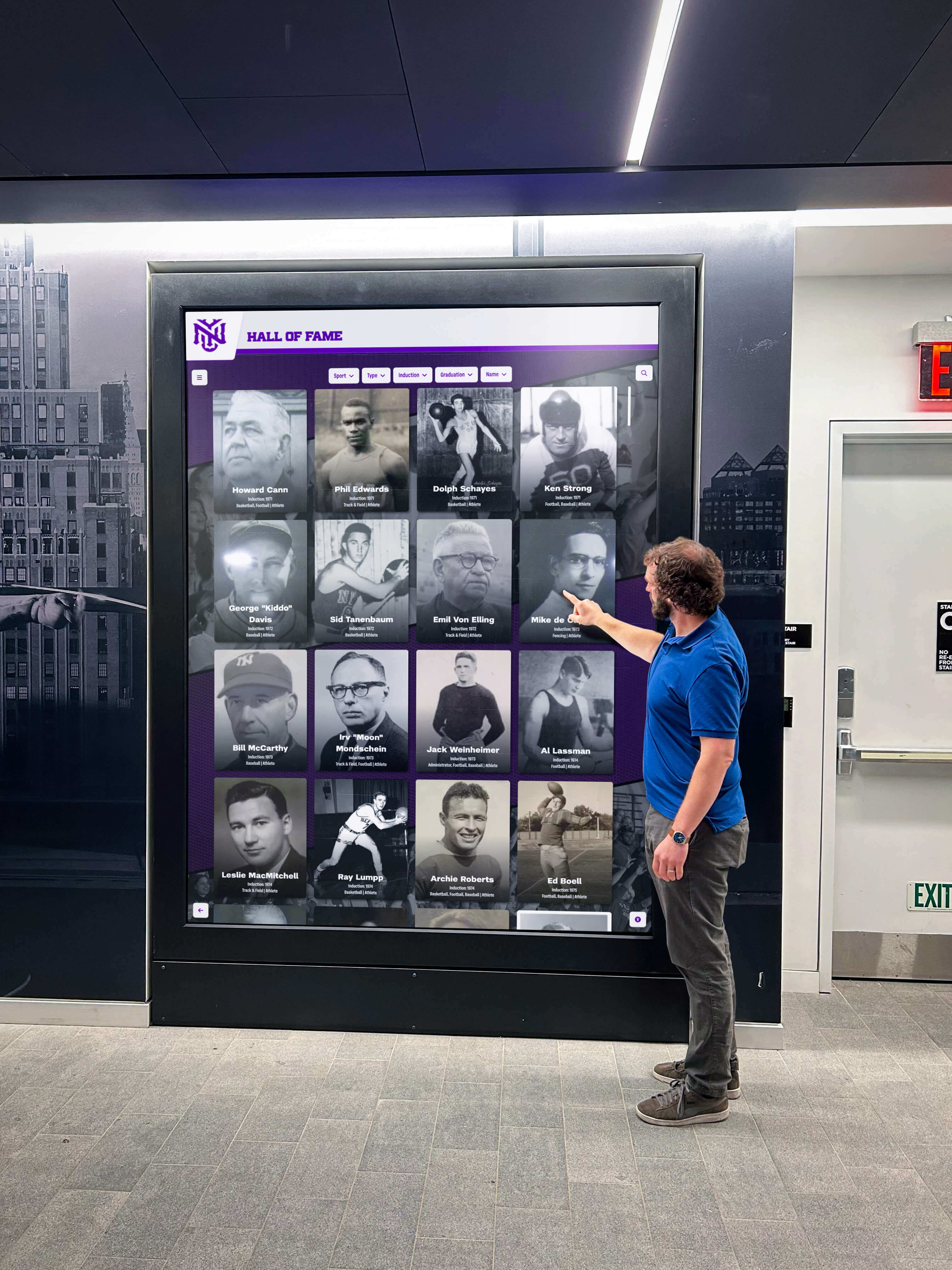
Interactive exploration enables youth athletes to discover role models and understand achievement pathways
Community and Family Engagement
Youth athlete of the year recognition creates natural engagement opportunities for families and broader communities.
Media Relations and Publicity
Recognition ceremonies generate positive coverage:
- Local media interest in community youth receiving high honors
- Feature stories about athlete journeys, achievements, and character
- Social media content celebrating excellence inspiring engagement
- Video content for school promotional use and website features
- Press releases distributed to local and regional outlets
- Photo galleries shared across school and community social channels
This publicity builds community pride while demonstrating athletic program quality to prospective families, creating recruitment advantages and generating support for athletic funding and volunteers.
Family Recognition and Involvement
Youth athlete of the year programs should acknowledge family contributions:
- Parent recognition during ceremonies for years of support and transportation
- Family involvement in award presentation creating meaningful moments
- Special seating or reception access for recipient families
- Commemorative items or photos for families celebrating achievement
- Acknowledgment that athletic excellence requires family support and sacrifice
This family emphasis recognizes reality that youth athletic achievement depends substantially on family investment, expressing gratitude while building positive relationships between families and athletic programs.
Alumni Engagement Through Recognition
Athlete of the year awards create natural alumni connection points:
- Reunion timing coordinating with recognition ceremonies
- Historical athlete research engaging alumni in program memory
- Featured alumni profiles sharing post-graduation achievements
- Networking opportunities connecting honored athletes across generations
- Fundraising opportunities capitalizing on ceremonial goodwill
Alumni who felt valued through youth athlete of the year recognition often maintain lifelong connections to programs, returning as mentors, donors, or volunteers supporting subsequent athlete generations.
Learn about senior night celebration that complements athlete of the year programs.
Special Considerations and Common Challenges
Youth athlete of the year programs occasionally face complex situations requiring thoughtful policy development and sensitive handling.
Managing Multi-Sport Athletes
Exceptional athletes competing in multiple sports present unique recognition considerations.
Eligibility Across Multiple Seasons
Schools must determine whether multi-sport athletes can win multiple sport-specific athlete of the year awards or whether recognition should consolidate achievement:
Individual Sport Recognition
- Allows exceptional multi-sport athletes to earn multiple sport-specific awards
- Risks dominating recognition if single athlete wins several categories
- Requires consideration whether overall athlete of year becomes automatic
Consolidated Recognition
- Multi-sport athletes compete for overall athlete of year recognizing complete contribution
- Individual sport awards limited to single-sport specialists
- Ensures recognition distribution across athlete populations
- Requires clear communication about eligibility and category purposes
Most programs allow sport-specific recognition while giving extra consideration to multi-sport participation in overall athlete of the year selection, valuing breadth alongside depth of excellence.
Addressing Competitive Imbalance Between Sports
Recognition equity requires acknowledging that achievement difficulty varies across sports based on competitive levels, participation numbers, and program resources.
Contextualizing Achievement Across Sports
Selection committees should consider:
- Competitive level differences between sports at specific schools
- Whether sports have club or regional development pipelines
- Resource and coaching quality variations affecting achievement potential
- Participation numbers influencing difficulty of excellence and starting positions
- Whether athletes compete primarily against school opponents or broader fields
These contextual factors don’t excuse lower achievement but inform comparative evaluation ensuring recognition doesn’t disproportionately favor sports with advantages while overlooking excellence in less-resourced or competitive programs.
Sport-Specific vs. Comparative Standards
Some schools establish sport-specific achievement thresholds recognizing contextual realities:
- Major sports requiring state-level recognition or championships
- Emerging or small sports with achievement standards appropriate to competitive levels
- Individual sports with national ranking or qualification requirements
- Team sports requiring significant team success contributions
This differentiated approach ensures youth athlete of the year recognition remains meaningful across athletic programs while acknowledging that direct cross-sport comparison sometimes proves impractical.
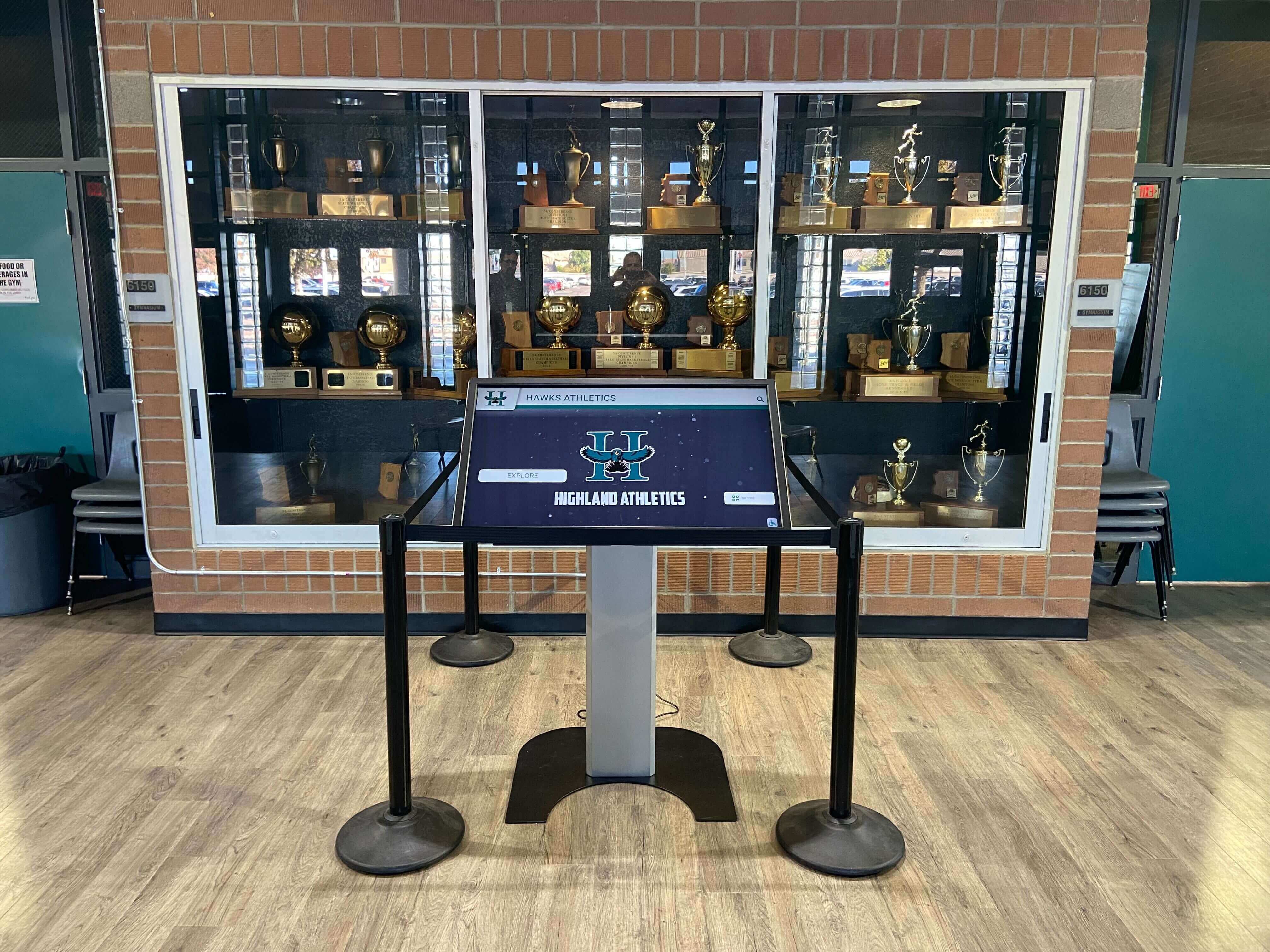
Coordinated systems integrate youth athlete of the year recognition with comprehensive trophy and achievement displays
Handling Controversial Situations
Occasionally, athlete of the year candidates or recipients face circumstances requiring sensitive response.
Character Issues During Selection
When nominees face disciplinary issues or character concerns:
- Selection committees should thoroughly investigate circumstances
- Minor mistakes with appropriate accountability might not disqualify candidates
- Serious or repeated violations typically should eliminate consideration
- Timing matters—distant past issues with demonstrated growth differ from recent problems
- Communication should protect privacy while maintaining process integrity
Character requirements mean nothing if exceptions constantly occur, yet inflexible approaches risk unfairly penalizing youth for isolated mistakes with appropriate contrition.
Post-Recognition Conduct Concerns
When previous recipients face serious issues after recognition:
- Schools should establish clear policies about whether honor can be removed
- Serious criminal convictions might warrant removal consideration
- Minor adult mistakes years after recognition typically shouldn’t affect youth honors
- Public communication should balance accountability with privacy and grace
- Each situation requires individual assessment rather than automatic responses
Most athletic directors recommend measured responses distinguishing between serious public actions contradicting institutional values versus private struggles or minor mistakes, recognizing that youth athlete recognition honors specific achievement periods rather than guaranteeing perpetual perfection.
Best Practices from Successful Programs
Learning from schools with exemplary youth athlete of the year traditions helps avoid common pitfalls while implementing proven approaches.
Common Success Factors
Effective youth athlete of the year programs share recurring characteristics:
Clear Written Criteria Applied Consistently
Programs with documented standards build community confidence:
- Published criteria available to athletes, families, and community
- Consistent application across years and sports
- Regular review ensuring criteria remain relevant and appropriate
- Selection committee training on evaluation standards
- Documentation explaining how criteria guided specific decisions
Meaningful Ceremony Experiences
Schools investing in quality ceremonies create lasting memories:
- Adequate preparation time developing athlete profiles and presentations
- Professional video production telling complete stories
- Personal touches involving family, teammates, and coaches
- Appropriate venue selection and event coordination
- Commemorative materials providing lasting artifacts
Comprehensive Digital Preservation
Programs implementing modern recognition technology report higher engagement:
- Current athletes explore past recipients learning program history
- Alumni revisit recognition maintaining emotional connections
- Families share honors with extended networks amplifying pride
- Community members access recognition understanding program excellence
Ongoing Program Management
Youth athlete of the year programs require consistent attention:
- Annual selection maintaining recognition regularity and tradition
- Display and content maintenance ensuring current, accurate information
- Integration with other athletic recognition creating comprehensive frameworks
- Continuous improvement based on feedback and assessment