Choosing the perfect yearbook theme sets the tone for an entire publication—influencing cover design, section layouts, photo spreads, and the overall storytelling approach that captures a school year’s defining moments. A compelling theme transforms hundreds of individual photos and events into a cohesive narrative that students, families, and alumni will treasure for decades. Yet yearbook advisors and student committees often struggle to find themes that resonate with diverse student bodies while remaining flexible enough to accommodate academic achievements, athletic victories, fine arts performances, club activities, and everyday moments that define high school experiences.
The most successful yearbook themes balance creativity with practicality, offering enough structure to guide design decisions without constraining photographers and editors. They connect with current students’ experiences while maintaining timeless appeal that prevents yearbooks from feeling dated after just a few years. Strong themes also provide natural opportunities for visual creativity, memorable section titles, and engaging layouts that encourage students to actually read their yearbooks rather than simply flipping through looking for their own photos.
This comprehensive guide presents 25 yearbook theme ideas specifically designed for high school publications, ranging from classic concepts with proven appeal to innovative approaches reflecting contemporary student culture and values.
Selecting your yearbook theme represents one of the most important creative decisions your yearbook staff will make all year. The right theme provides cohesive structure tying together athletic seasons, academic achievements, performing arts showcases, social events, and candid moments that collectively define your school’s unique character. A well-executed theme elevates your yearbook from simple photo documentation into meaningful storytelling that captures the essence of your school community during a specific year.

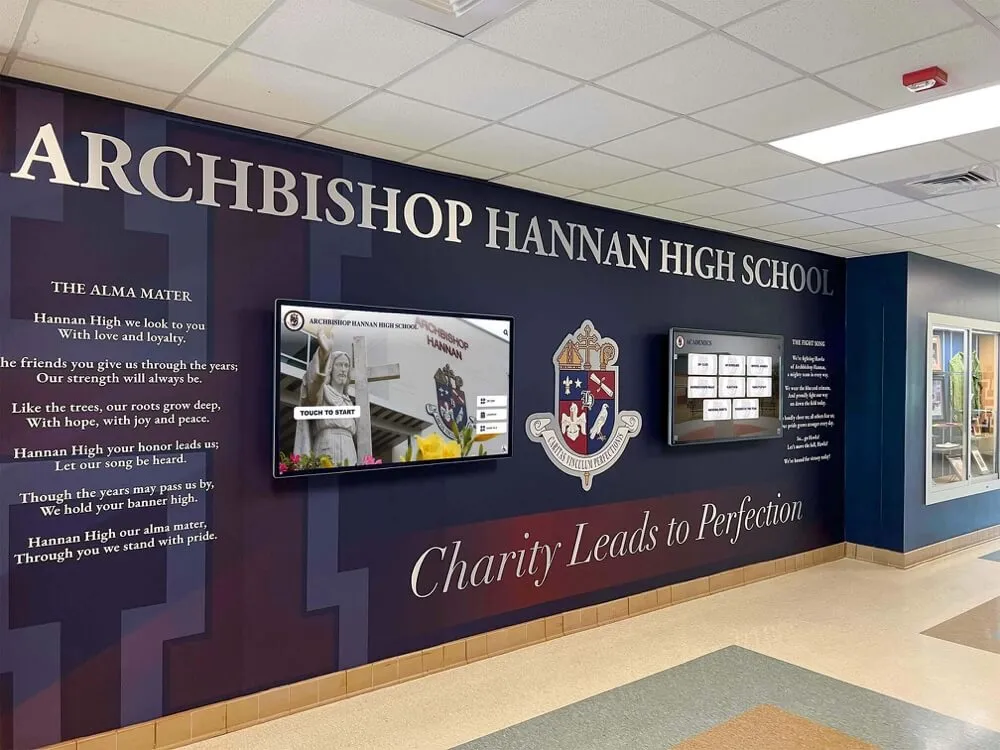
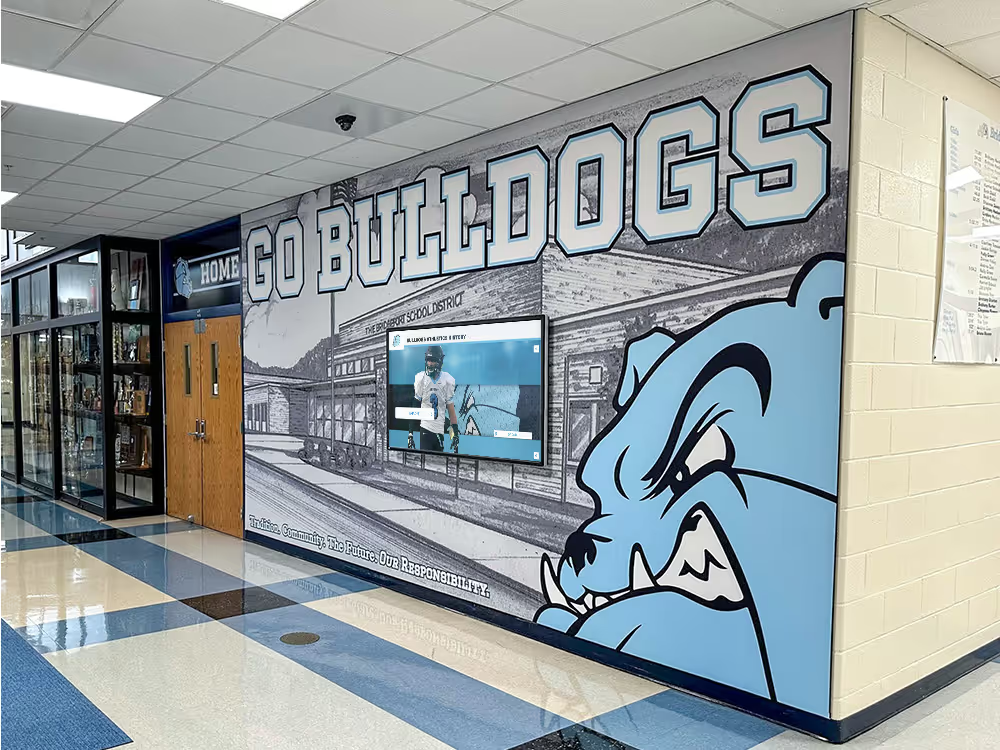
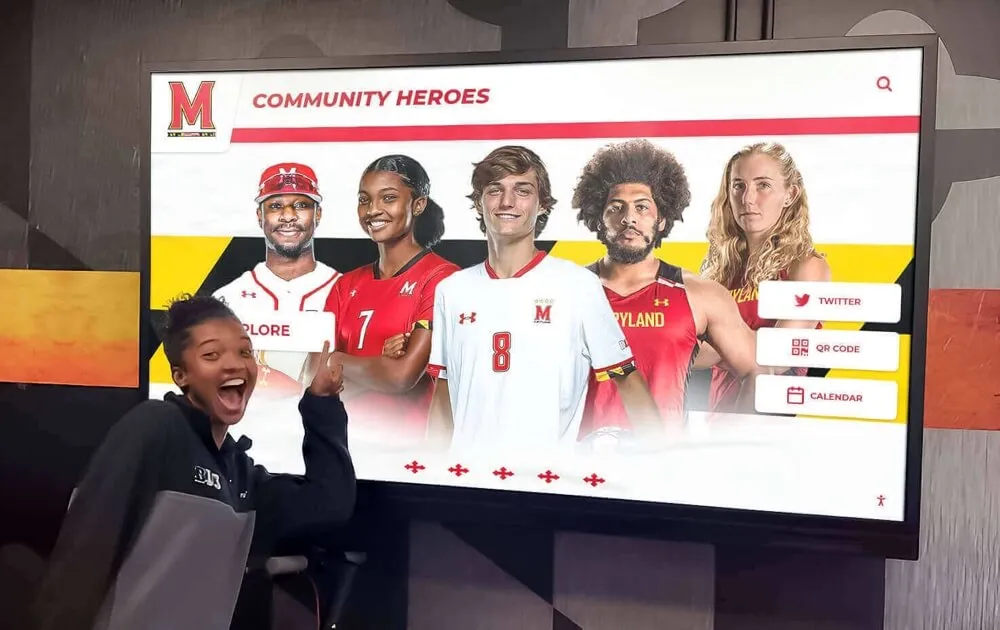
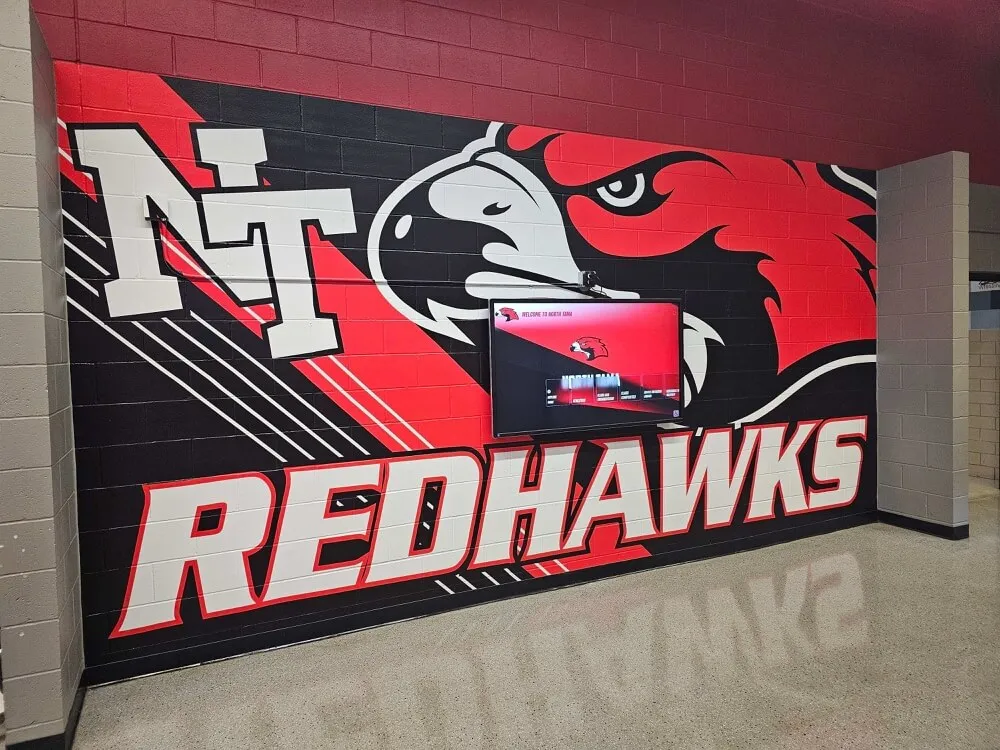
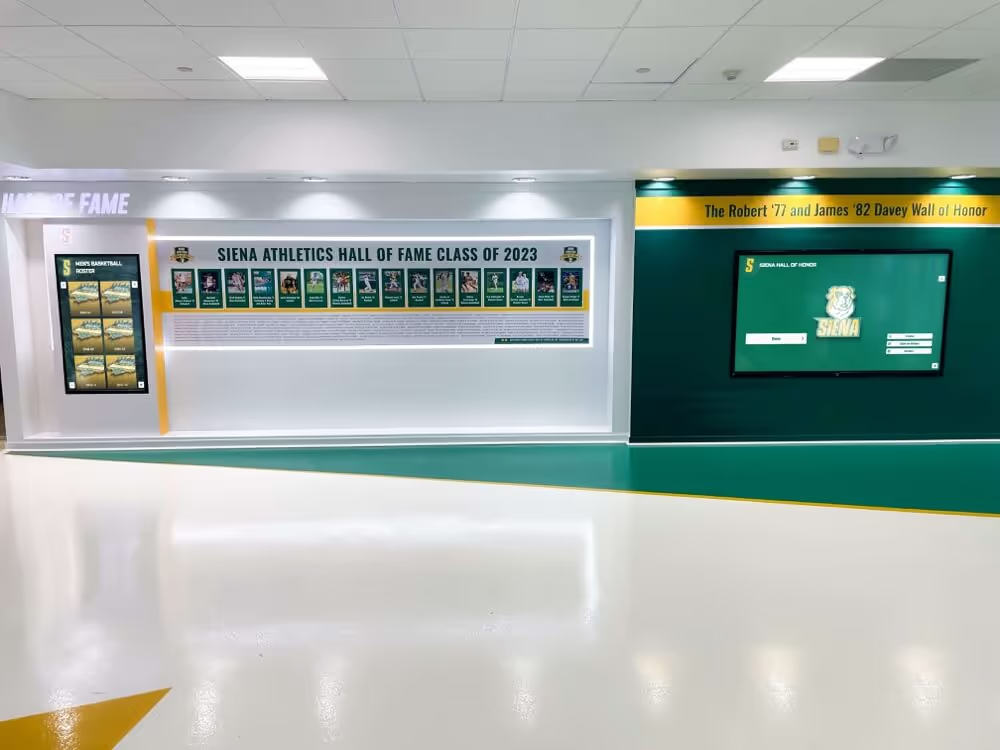
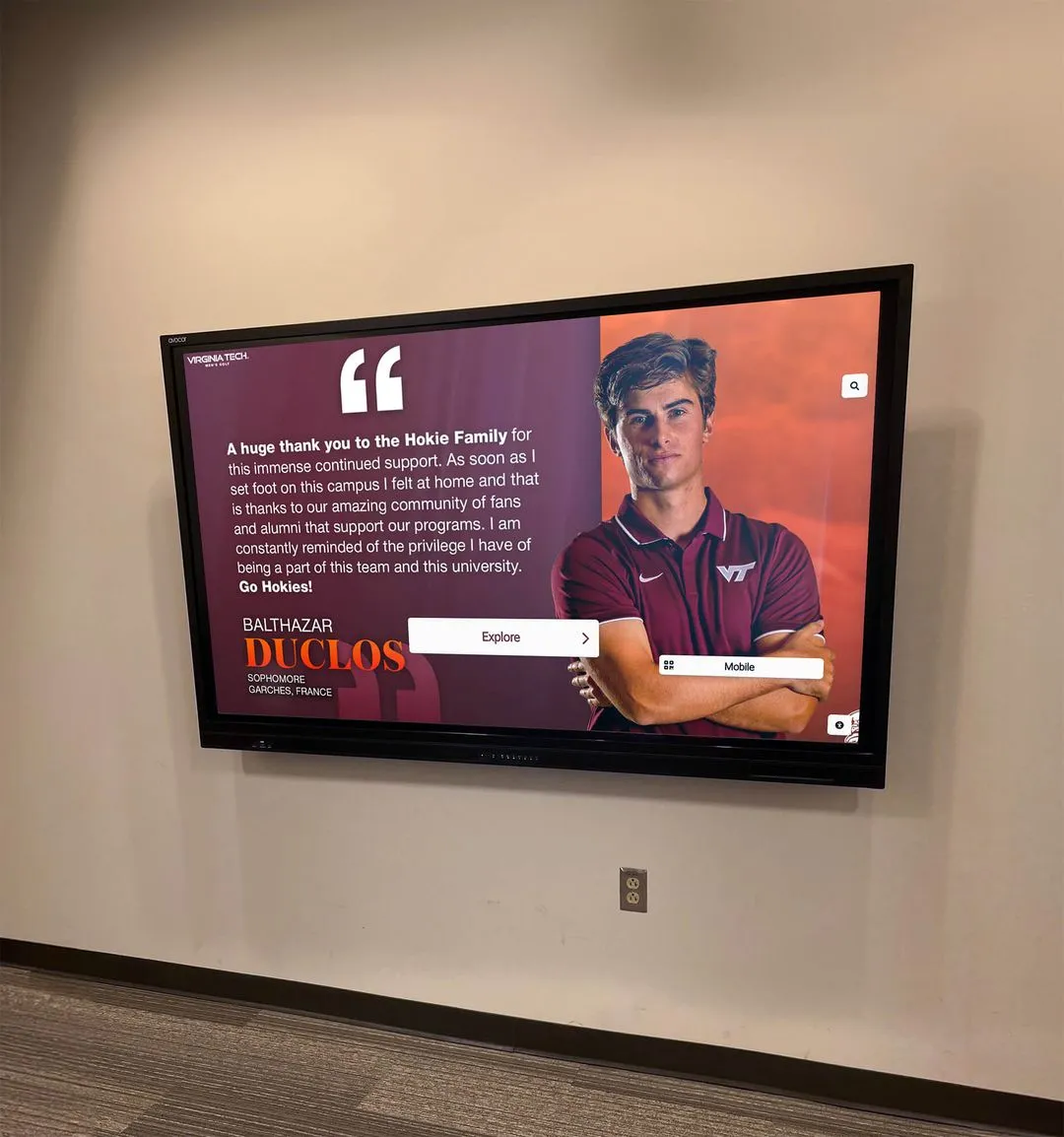
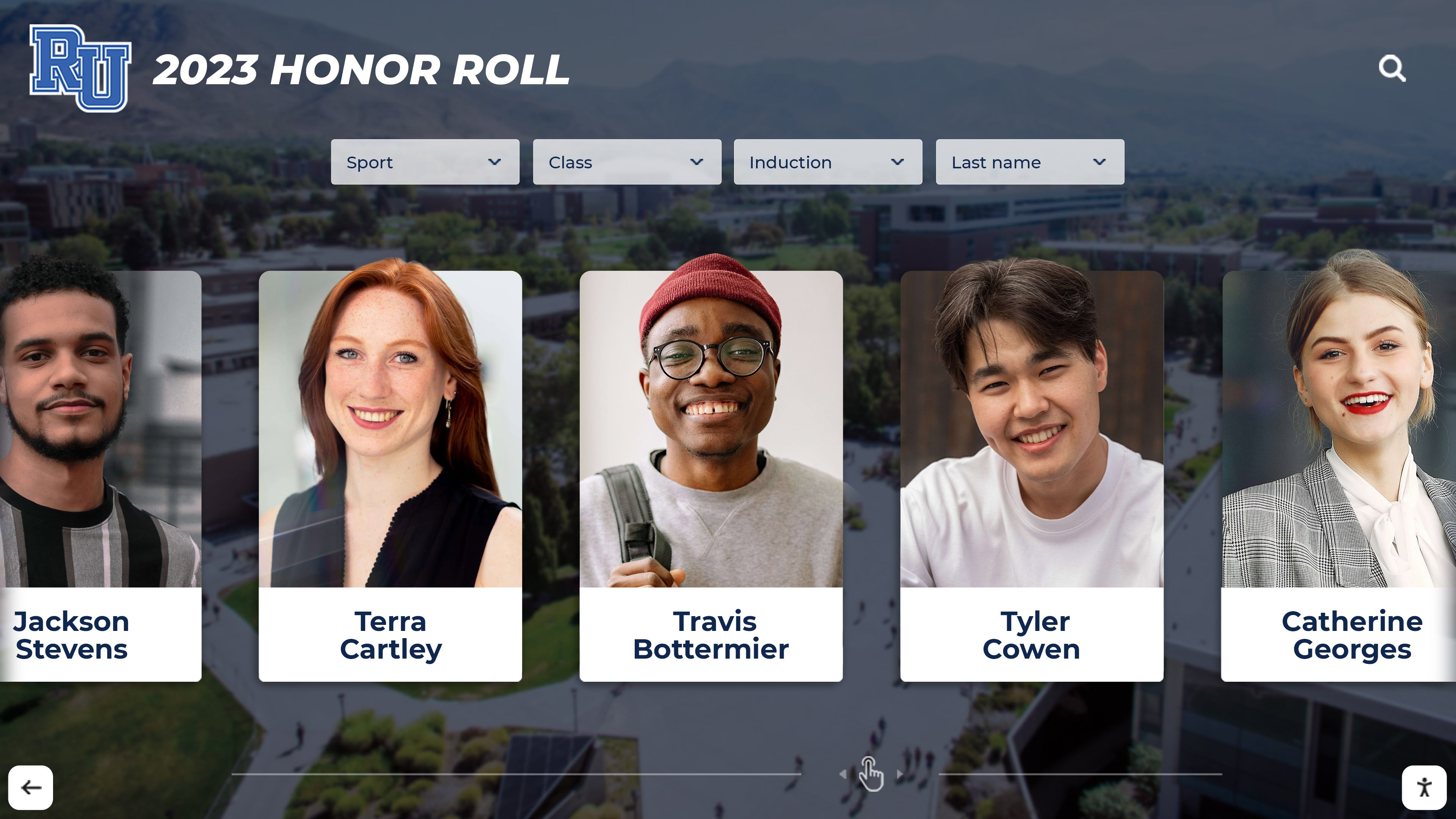
Digital displays throughout school facilities can showcase yearbook content year-round, extending the reach and impact of your publication
Understanding What Makes a Great Yearbook Theme
Before exploring specific theme ideas, understanding the characteristics of effective yearbook themes helps committees evaluate options and customize concepts to match their school’s unique culture.
Characteristics of Successful Yearbook Themes
The most effective yearbook themes share several common qualities that contribute to successful publications students genuinely treasure.
Broad Appeal Across Diverse Student Groups
High schools contain diverse communities with varied interests, activities, and perspectives. Effective themes appeal broadly rather than speaking primarily to specific subgroups. Athletic-focused themes might alienate students involved primarily in fine arts, academic competitions, or service organizations. Similarly, themes centered exclusively on popular culture references risk excluding students unfamiliar with specific trends. The best themes find universal elements connecting different student experiences—shared emotions, common challenges, collective pride, or overarching narratives that encompass varied individual journeys.
Flexibility for Multiple Interpretations
Strong themes provide creative flexibility rather than rigid constraints. If your theme only works for specific sections or requires forced connections to make content fit, it’s probably too narrow. Effective themes adapt naturally to different contexts—sports pages, academic achievements, candid moments, event coverage, and club activities—without requiring awkward transitions or contrived connections. This flexibility enables creative teams to execute the theme authentically throughout the publication rather than abandoning it after the first few pages.
Visual Design Potential
Yearbooks are inherently visual mediums where photography and graphic design carry primary storytelling responsibility. Strong themes suggest natural visual motifs, color palettes, graphic elements, and design approaches that create cohesive aesthetic experiences throughout publications. Themes that work beautifully conceptually but offer limited visual possibilities create unnecessary challenges for design teams. Consider how potential themes translate into cover designs, section dividers, page backgrounds, and graphic accents before committing.
Timeless Rather Than Trendy Quality
While yearbooks document specific years, the most treasured publications maintain appeal decades after graduation. Themes built entirely around current slang, fleeting social media trends, or temporary pop culture phenomena feel dated quickly. Alumni looking back at yearbooks 20 or 30 years later should find themes that still resonate rather than appearing embarrassingly outdated. This doesn’t mean avoiding all contemporary references—just ensuring the core theme possesses enduring relevance transcending momentary fads.
Meaningful Connection to School Identity
The most powerful themes connect authentically to your specific school’s identity, values, traditions, or character. Generic themes that could work equally well at any high school anywhere lack the meaningful specificity that creates genuine emotional resonance. Consider your school’s unique characteristics—geographic location, mascot, traditions, history, community values, or distinctive qualities—and how potential themes might reflect or celebrate these elements. Yearbooks become more meaningful when they capture not just a high school year, but your high school year.
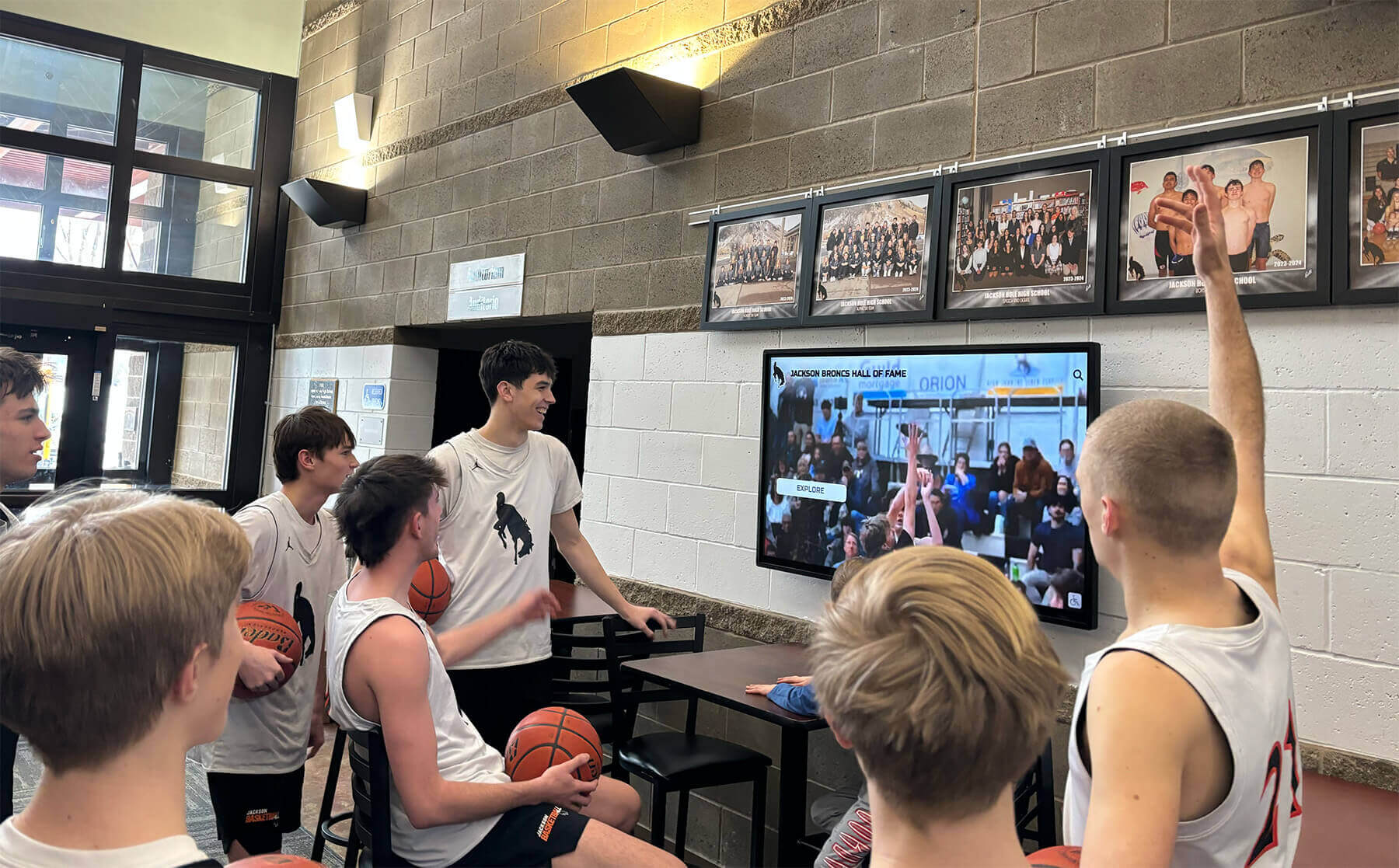
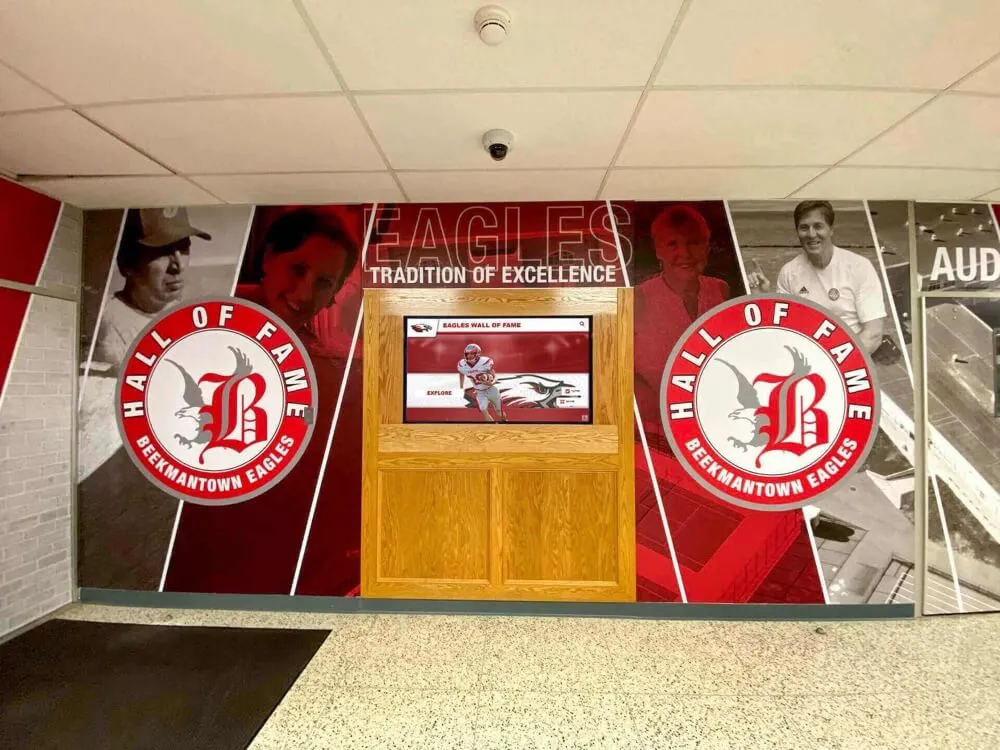
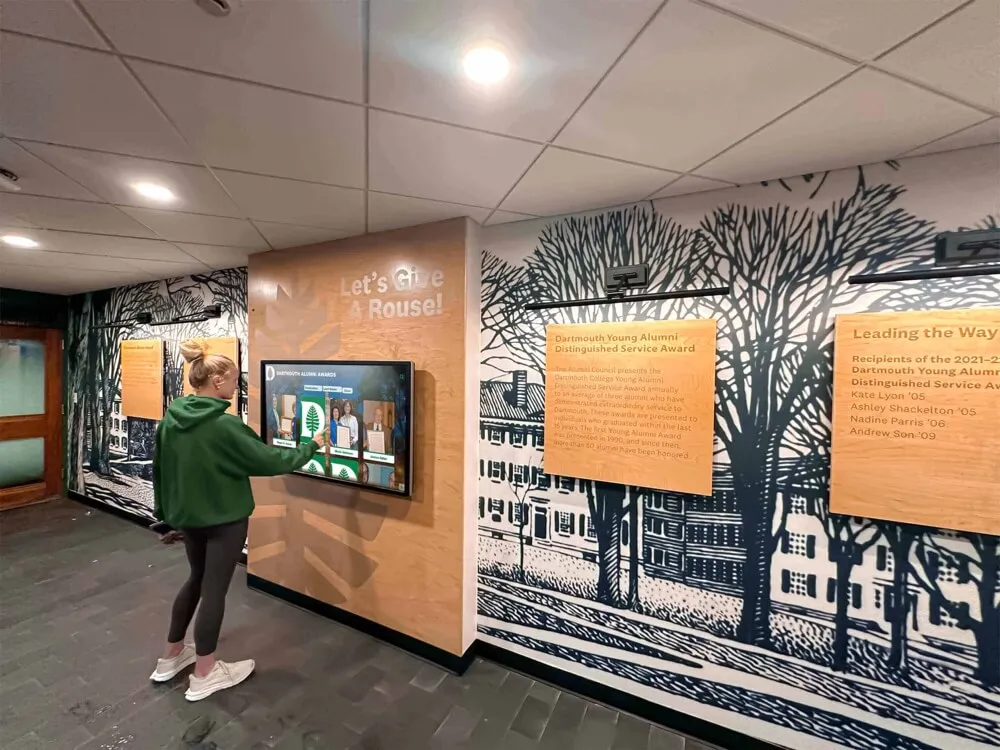
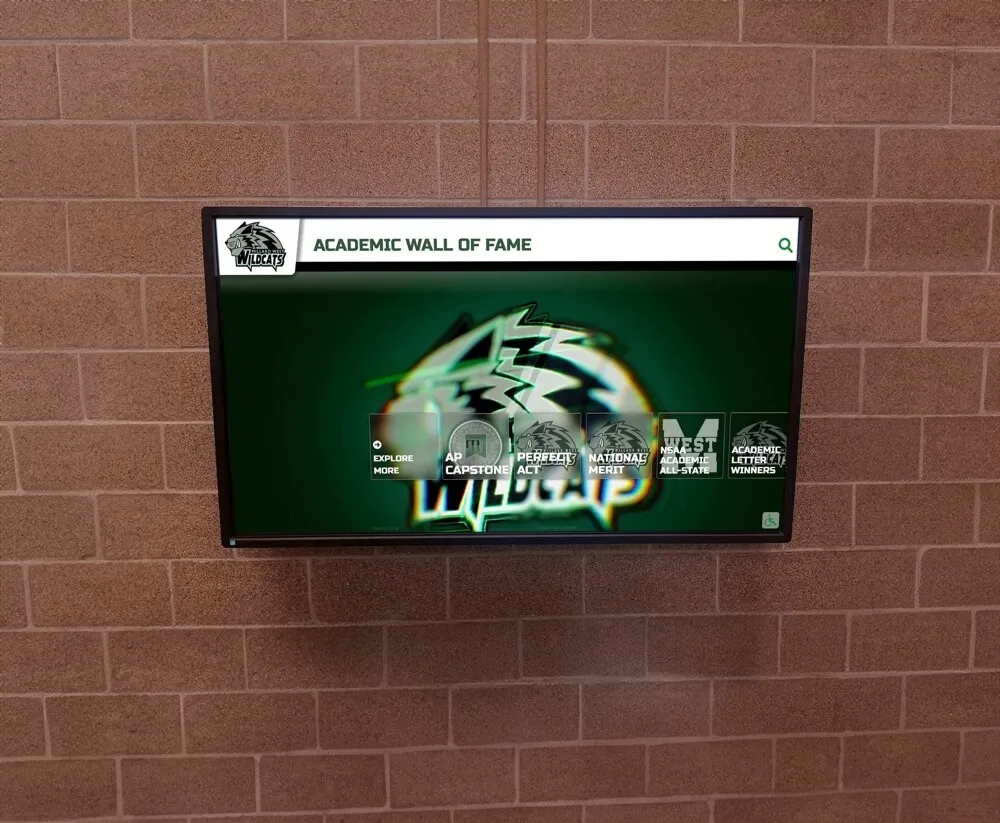
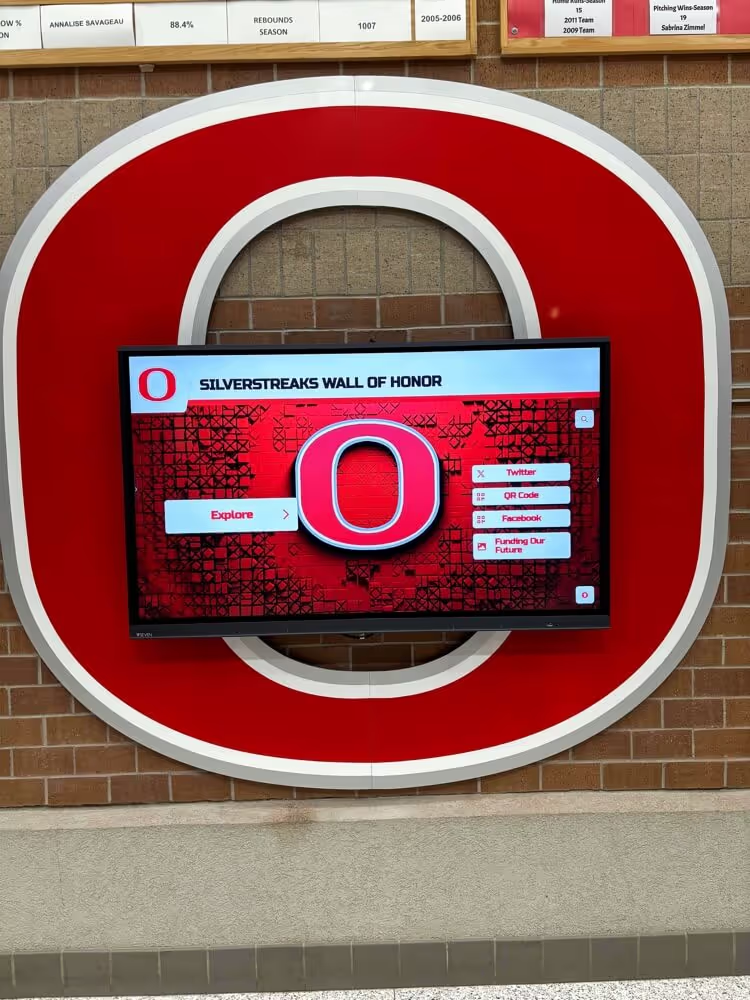
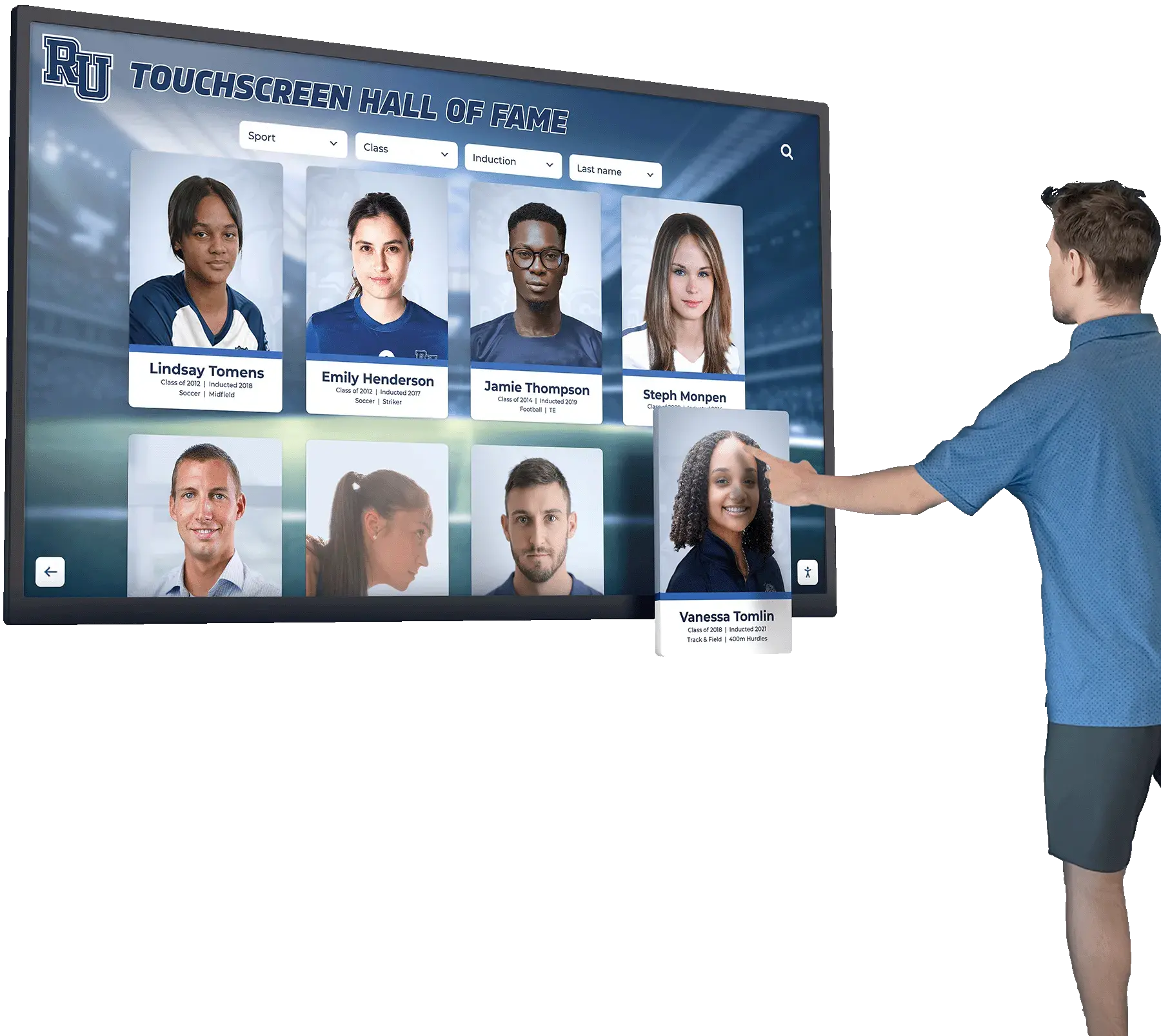
Modern recognition systems enable schools to share [yearbook content digitally](https://best-touchscreen.com/blog/can-you-see-high-school-yearbooks-online-complete-guide/?utm_source=organic&utm_medium=seo-auto&utm_content=digitalwarming&utm_campaign=yearbook-theme-ideas-high-school&utm_term=seo) throughout facilities and online platforms
25 Yearbook Theme Ideas for High School
The following theme concepts represent diverse creative approaches suitable for various school types, student cultures, and publication styles. Each theme includes implementation suggestions and potential section title ideas to help visualize execution.
Journey and Path-Based Themes
Journey metaphors work exceptionally well for yearbooks because they naturally reflect the progression through a school year and the broader high school experience.
1. The Road Ahead
This theme frames the school year as a journey with different paths, milestones, and destinations. Visual elements might include roads, highways, paths, signposts, or maps. Section titles could reference journey language: “Starting Line” for fall activities, “Mile Markers” for achievements, “Scenic Routes” for memorable events, “Road Crew” for clubs and organizations, and “Destinations” for senior pages.
The theme works particularly well for schools with strong senior transition programs or emphasis on college and career readiness. It acknowledges that students are on different paths while sharing common experiences during the journey.
2. Trailblazers
Perfect for schools emphasizing innovation, leadership, or pioneering spirit, this theme celebrates students who forge new paths. Visual elements could incorporate wilderness imagery, trail markers, compasses, or pathfinding motifs. Section ideas include “Breaking Ground” for new programs or initiatives, “Uncharted Territory” for unique experiences, “Trail Guides” for leaders and mentors, and “Blazing the Trail” for senior achievements.
This theme particularly resonates with schools that launched new programs, achieved breakthrough accomplishments, or emphasized student innovation during the year.
3. Next Chapter
This literary-inspired theme treats the school year as a chapter in students’ ongoing stories. Visual design could incorporate book imagery, typography elements, or page-turning motifs. Sections might be titled like book elements: “Opening Lines” for fall, “Rising Action” for winter activities, “Plot Twists” for unexpected moments, “Character Development” for student growth, and “Turning the Page” for spring and graduation.
The theme works especially well for schools with strong literacy programs or when the yearbook staff wants to emphasize storytelling throughout the publication.
4. Building Our Legacy
This construction-themed concept frames the school year as building something meaningful and lasting. Visual elements might include blueprints, construction imagery, building blocks, or architectural elements. Section titles could reference building language: “Laying the Foundation” for fall, “Framework” for school structure and organization, “Under Construction” for growth and development, “Finishing Touches” for spring events, and “The Legacy We Built” for senior reflections.
This theme connects powerfully when schools completed facility construction, renovation projects, or when emphasizing how current students contribute to ongoing institutional legacy.
5. Navigate
A navigation theme frames the year as students chart courses through academic and extracurricular waters. Visual design could incorporate nautical elements, compasses, maps, or navigation instruments. Section possibilities include “Setting Sail” for fall semester, “Charting the Course” for planning and preparation, “Navigating the Waters” for challenges overcome, “Anchors” for traditions and constants, and “Safe Harbor” for community support.
This works particularly well for coastal schools or those with nautical mascots, but the metaphor remains accessible enough for broader application.
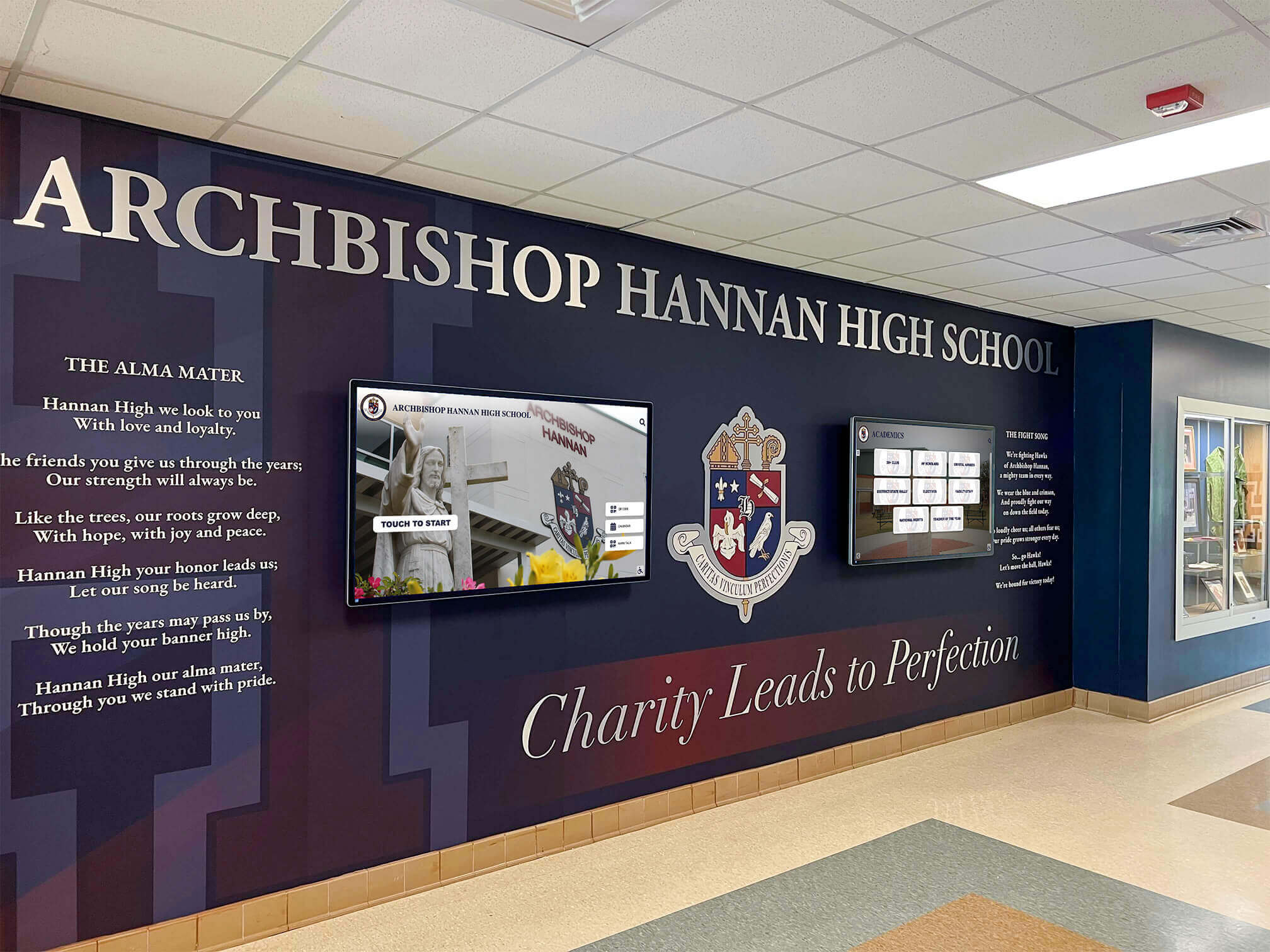
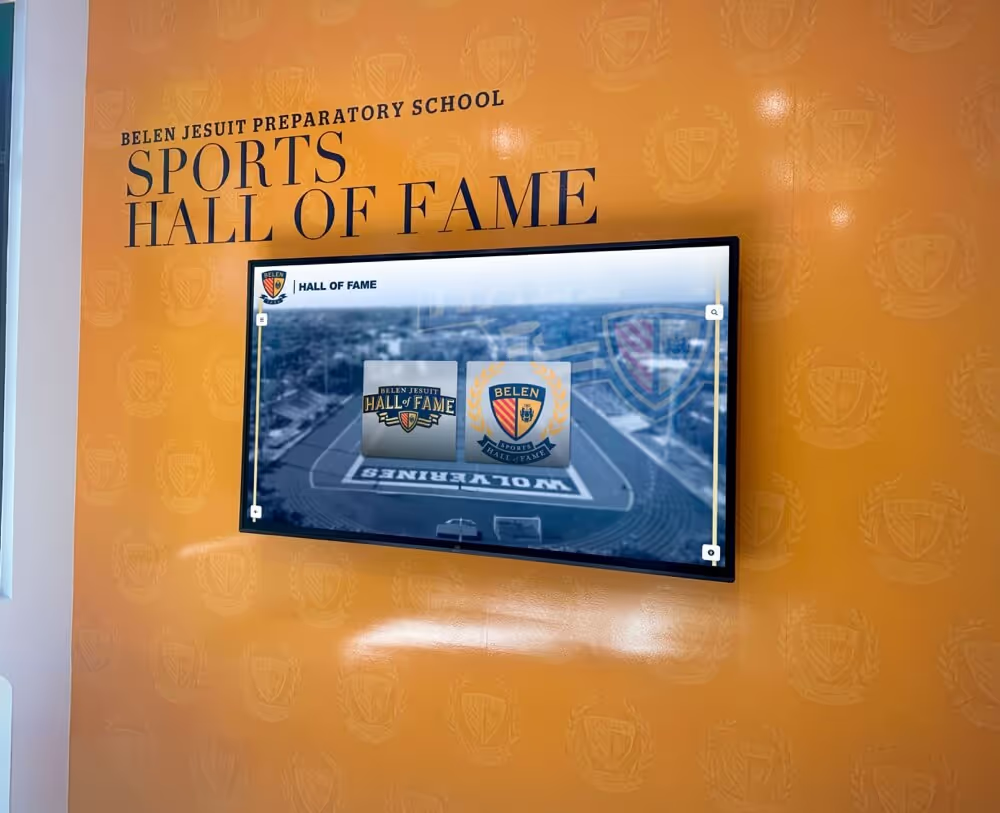
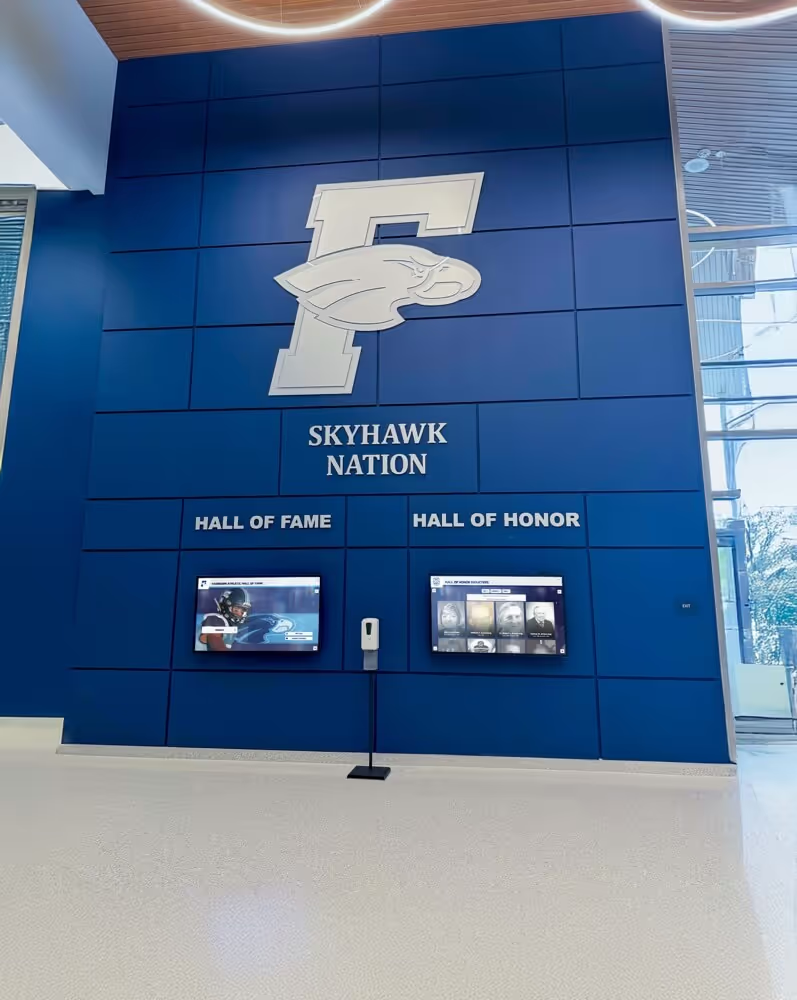
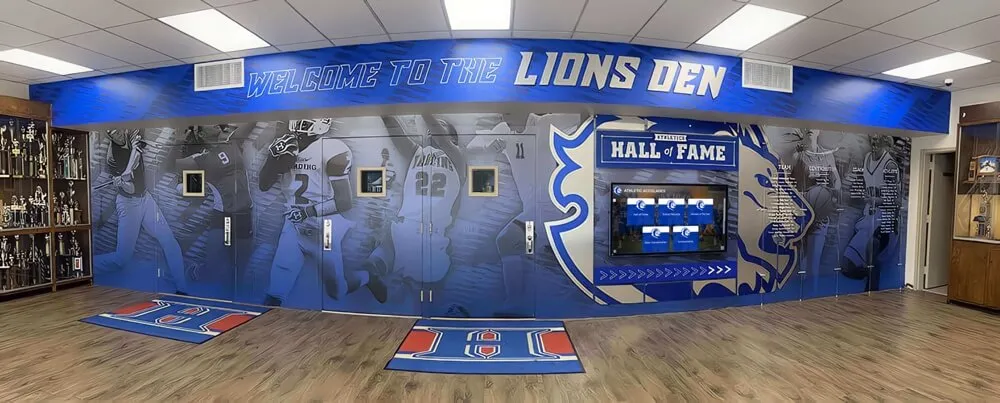
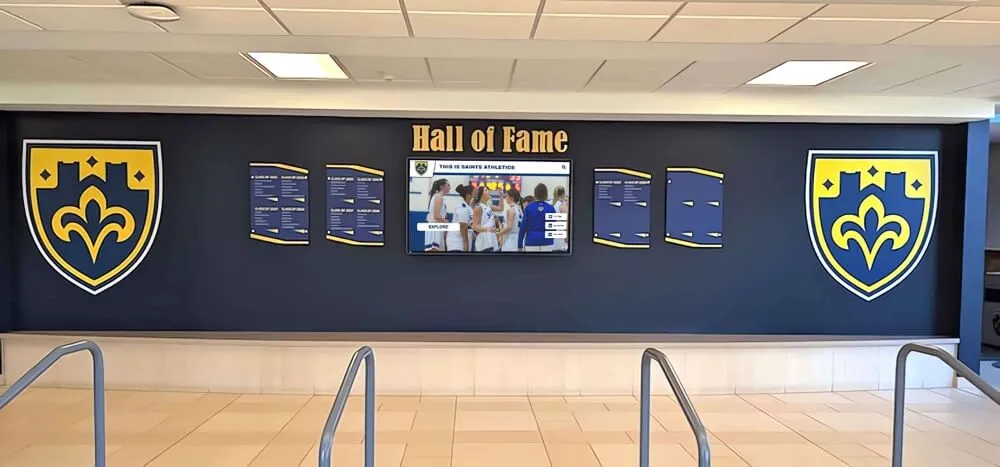
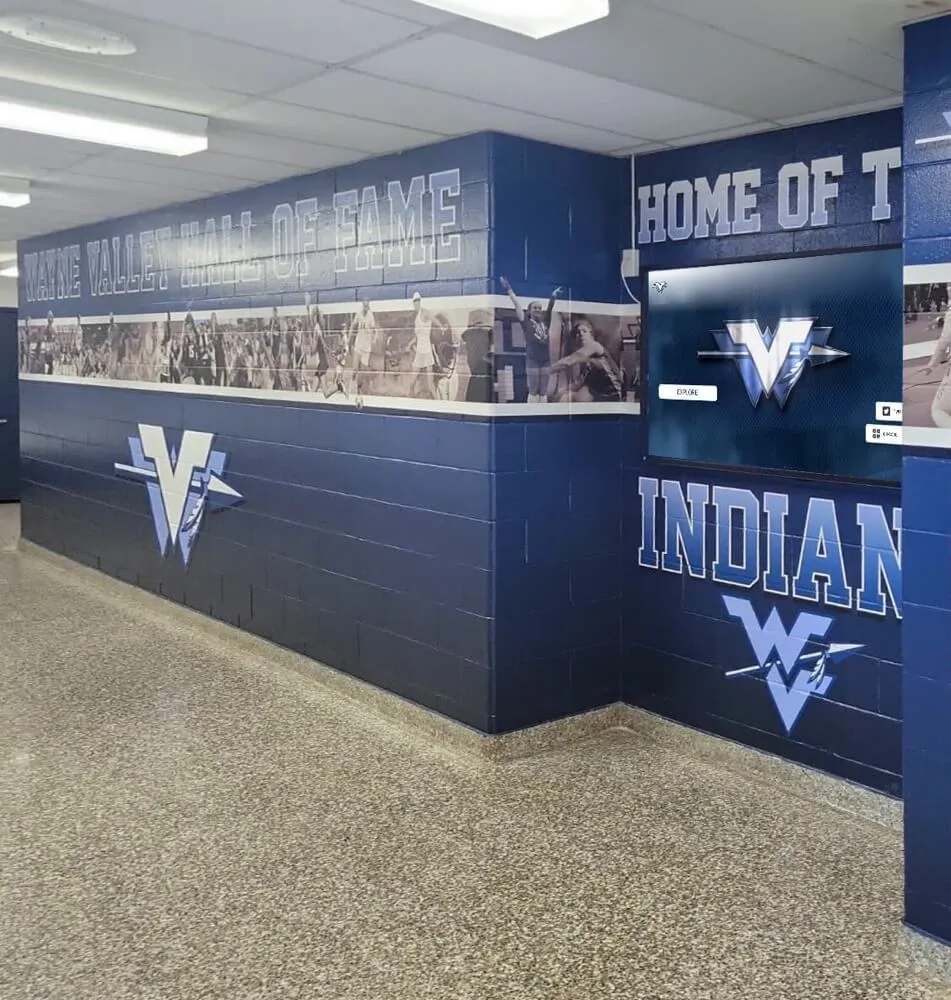
School lobbies increasingly feature digital displays showcasing student achievements and yearbook content alongside traditional murals and school symbols
Unity and Community Themes
Themes emphasizing togetherness and shared experience work beautifully for yearbooks by highlighting what connects diverse student bodies.
6. All In
This theme celebrates full participation and complete engagement in school life. It emphasizes commitment, enthusiasm, and collective effort. Visual elements might incorporate hands coming together, full commitment imagery, or “all in” poker references. Section titles could play with the concept: “Going All In” for fall activities, “All Hands on Deck” for collaborative efforts, “All for One” for team achievements, “All Together Now” for school-wide events, and “All In for Our Future” for senior pages.
The theme resonates during years when schools emphasized inclusion, participation, or collective achievement.
7. One School, Many Stories
This theme celebrates diversity while emphasizing unity within the school community. It acknowledges that every student has a unique story while sharing common school identity. Visual design could incorporate multiple perspectives, photo montages, or storytelling elements. Sections might be organized around different story types or perspectives while maintaining cohesive design tying everything together.
This works particularly well for diverse schools or when yearbook committees want to ensure comprehensive representation of varied student experiences.
8. Together We [School Mascot/Motto]
Customizing this theme around your specific school mascot or motto creates powerful local relevance. “Together We Soar” for Eagles, “Together We Roar” for Lions, or “Together We Rise” for Phoenix mascots. Visual elements incorporate school colors, mascot imagery, and unity symbols. Sections reference collective experiences and shared identity tied to school traditions.
This theme builds exceptional school pride while ensuring the yearbook feels distinctively yours rather than generic.
9. United
A straightforward unity theme emphasizing what brings students together despite differences. Visual design might incorporate joining elements—puzzle pieces, interlocking shapes, united imagery, or connection motifs. Section titles reference union: “United We Stand” for school-wide events, “Uniting Forces” for collaborative achievements, “United Front” for athletics, “Unity in Diversity” for clubs representing various interests, and “United for the Future” for seniors.
This theme works particularly well during years when schools emphasized inclusion, overcame divisions, or achieved success through collective effort.
10. Our Time
This possessive theme emphasizes that this specific year belongs to current students. It creates ownership and pride while acknowledging the fleeting nature of high school years. Visual elements might incorporate clocks, time imagery, or moments frozen in time. Sections could reference time: “Our Time to Shine,” “Making Every Moment Count,” “Time Well Spent,” “Our Time, Our Traditions,” and “A Time to Remember.”
The theme works universally but resonates particularly during years with exceptional achievements or memorable experiences students want to claim as distinctively theirs.
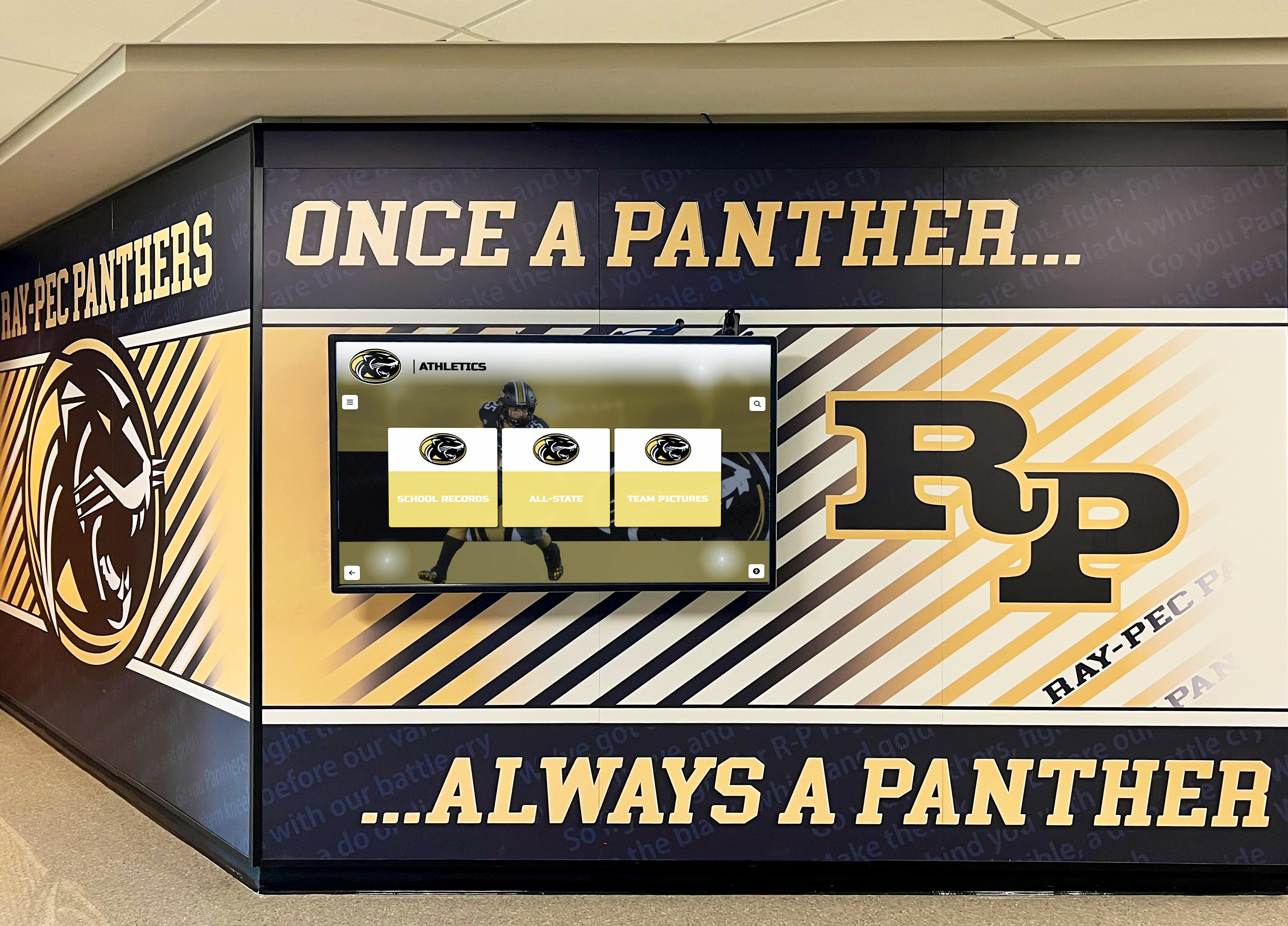
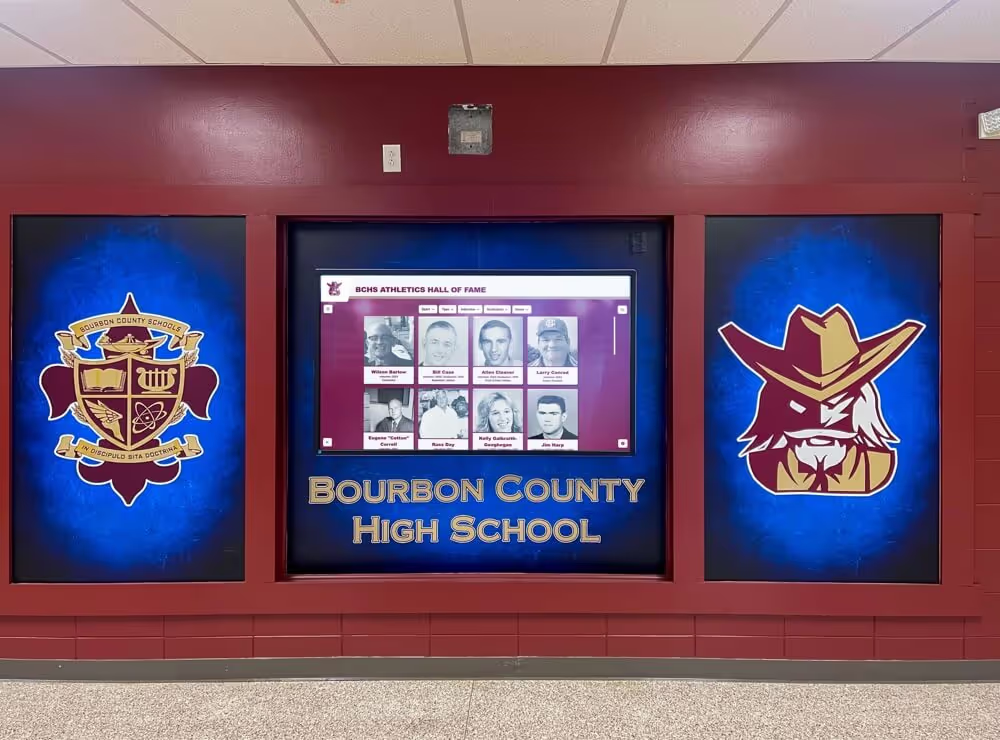
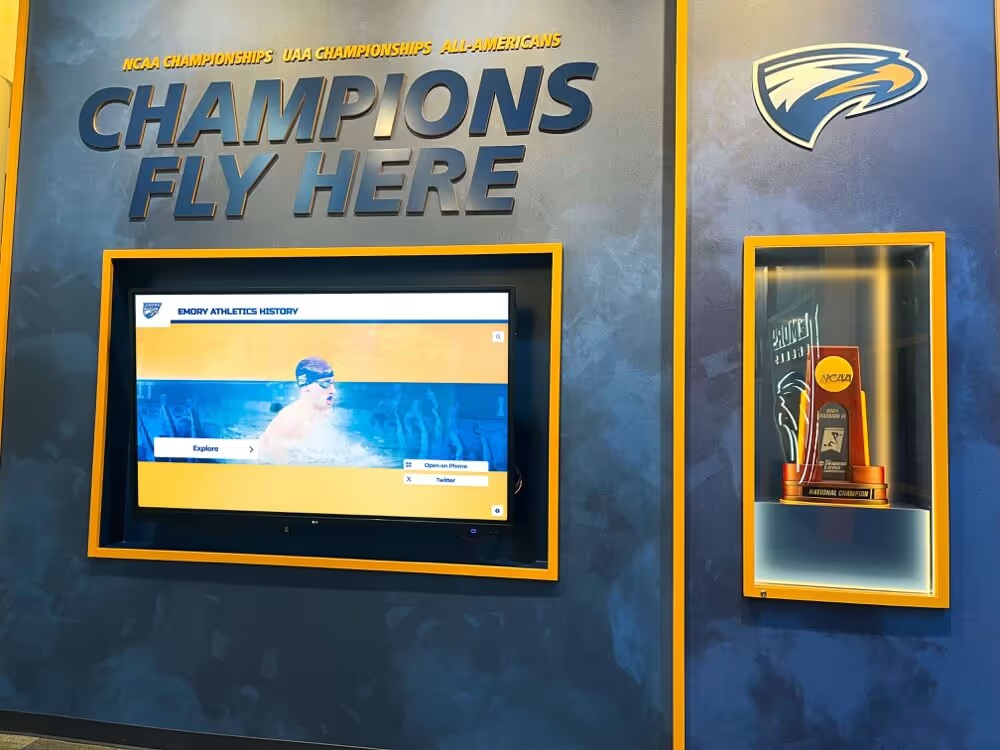
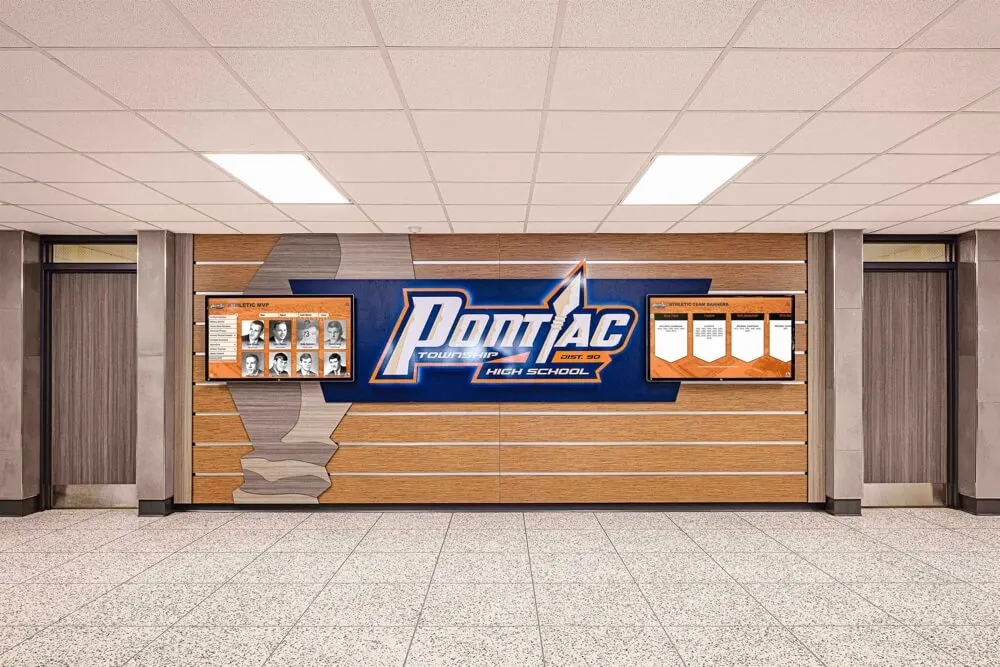
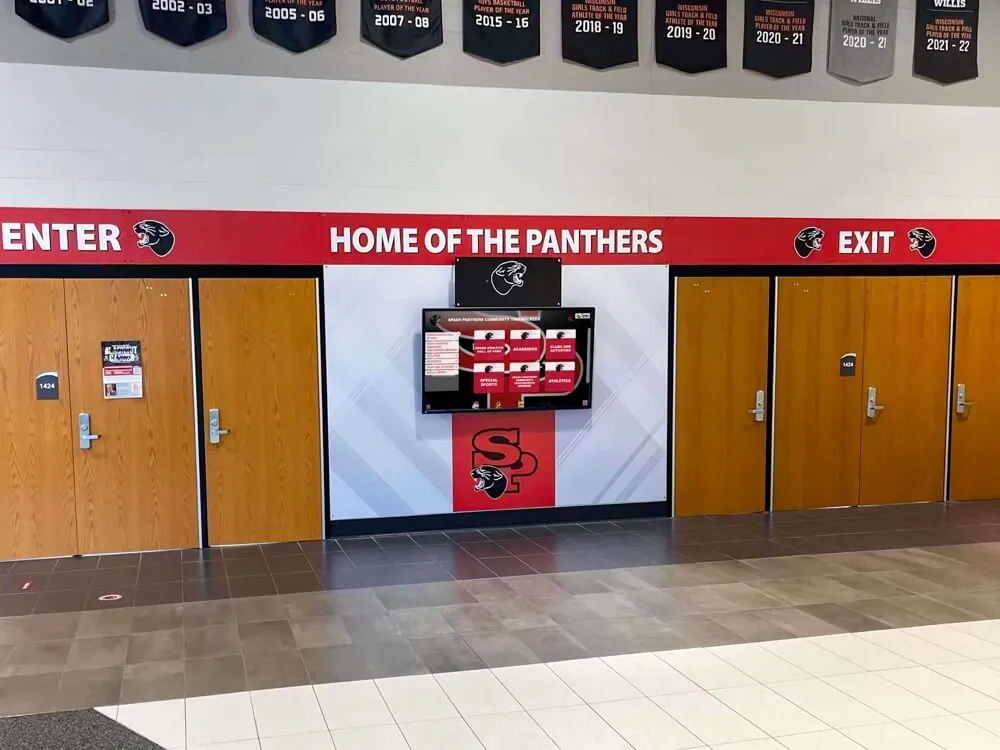
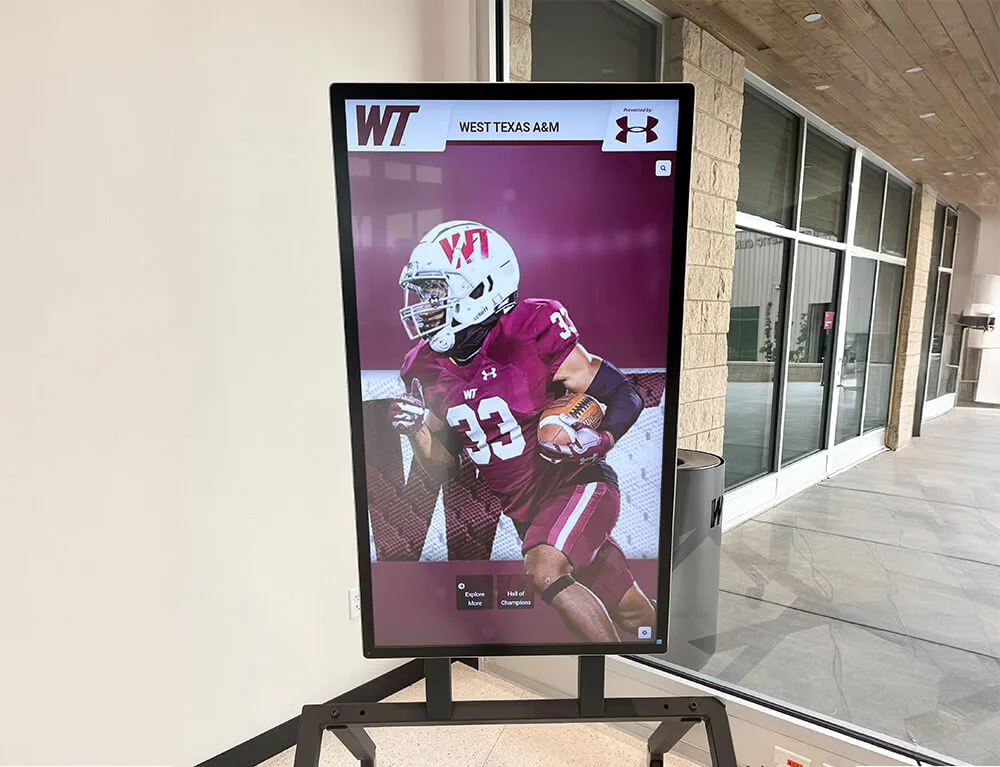
Strategic hallway displays create constant visibility for [yearbook content and school memories](https://touchscreenwebsite.com/blog/yearbook-cover-ideas-design-inspiration-memorable-covers/?utm_source=organic&utm_medium=seo-auto&utm_content=digitalwarming&utm_campaign=yearbook-theme-ideas-high-school&utm_term=seo) throughout school facilities
Achievement and Growth Themes
Themes focusing on accomplishment and development acknowledge student growth throughout the year.
11. Rise
A simple, powerful theme about elevation, improvement, and achievement. Visual design could incorporate upward movement, rising imagery, sunrise/sunset themes, or ascending elements. Section titles reference rising: “Rise and Shine” for fall activities, “On the Rise” for growing programs, “Rise to the Occasion” for challenges met, “Rising Stars” for standout individuals, and “Rise Together” for collective achievements.
This theme works especially well during years with improved performance, new records set, or emphasis on continuous improvement.
12. Level Up
Drawing from gaming culture while remaining broadly accessible, this theme treats the school year as advancing to new levels. Visual elements might incorporate level indicators, achievement badges, progress bars, or gaming-inspired graphics. Sections could reference game progression: “Tutorial” for new students or programs, “Main Quest” for primary goals, “Side Quests” for extracurricular activities, “Boss Battles” for major challenges, and “Achievement Unlocked” for successes.
This resonates particularly with current students while remaining understandable to parents and alumni unfamiliar with gaming culture.
13. Beyond Expectations
This theme celebrates exceeding anticipated outcomes and achieving more than predicted. Visual design might incorporate breaking barriers, surpassing limits, or “beyond” imagery. Sections reference exceeding: “Expecting Excellence,” “Beyond the Classroom,” “Beyond Competition” for athletics, “Beyond Boundaries” for growth and expansion, and “Beyond Graduation” for senior futures.
This works exceptionally well for schools that achieved unexpected success, overcame significant challenges, or surpassed previous records.
14. Breaking Through
A breakthrough theme emphasizes overcoming obstacles and achieving success despite challenges. Visual elements could incorporate breaking barriers, breakthrough moments, or barrier-crossing imagery. Section titles reference breakthroughs: “Breaking Ground,” “Breaking Records,” “Breaking New Ground,” “Breakthrough Moments,” and “Breaking Into the Future.”
This theme resonates during years when schools overcame adversity, achieved after previous setbacks, or accomplished goals requiring persistent effort.
15. Full Potential
This theme focuses on students achieving their highest capabilities individually and collectively. Visual design might incorporate potential energy, capacity indicators, or maximization imagery. Sections reference potential: “Unlimited Potential,” “Reaching Our Potential,” “Potential Realized,” “Empowering Potential,” and “Future Potential.”
This works well for schools with strong academic programs or emphasis on personal development and growth mindset.
Moment and Memory Themes
Themes emphasizing memorable moments and lasting memories align naturally with yearbook purposes.
16. Captured
This photography-focused theme emphasizes capturing moments, memories, and experiences. Visual design naturally incorporates camera imagery, photo frames, snapshot aesthetics, or photography motifs. Sections reference capturing: “Capturing Fall,” “Picture Perfect Moments,” “Captured in Time,” “Behind the Lens,” and “Memories Captured.”
This meta-theme acknowledges the yearbook’s fundamental purpose while providing strong visual coherence through photography-related design elements.
17. Unforgettable
A straightforward theme celebrating the most memorable aspects of the school year. Visual elements might incorporate memory imagery, highlight effects, or moments frozen in time. Section titles emphasize memorability: “Unforgettable Moments,” “Making Memories,” “Remember When,” “Memories That Last,” and “Unforgettable Year.”
This universal theme works for any school year and provides flexibility for highlighting whatever proved most memorable during specific years.
18. Moments That Matter
This theme emphasizes meaningful experiences over simple documentation. It suggests curation and significance rather than comprehensive chronology. Visual design could highlight important moments with emphasis effects, meaningful imagery, or significance indicators. Sections identify different types of meaningful moments: “Moments of Victory,” “Moments of Discovery,” “Moments Together,” “Defining Moments,” and “Moments to Carry Forward.”
This theme works particularly well when yearbook staffs want to emphasize editorial judgment and storytelling over comprehensive documentation.
19. Write Our Story
This narrative-focused theme treats the school year as a collective story students author together. Visual elements incorporate writing imagery, storytelling motifs, or authorship themes. Sections reference storytelling: “Our Story Begins,” “Plot Development,” “Characters,” “Story Highlights,” and “How Our Story Continues.”
The theme emphasizes student agency in creating their experiences while providing natural structure through narrative elements.
20. The Year That Was
A reflective theme acknowledging the specific year while leaving space to define what made it distinctive. Visual design remains flexible to accommodate whatever characterized the particular year. Sections organize chronologically or thematically: “The Year We [achieved specific accomplishment],” “The Year of [defining characteristic],” followed by traditional organizational structures.
This flexible meta-theme adapts to any year’s specific circumstances while providing simple, clear structure.
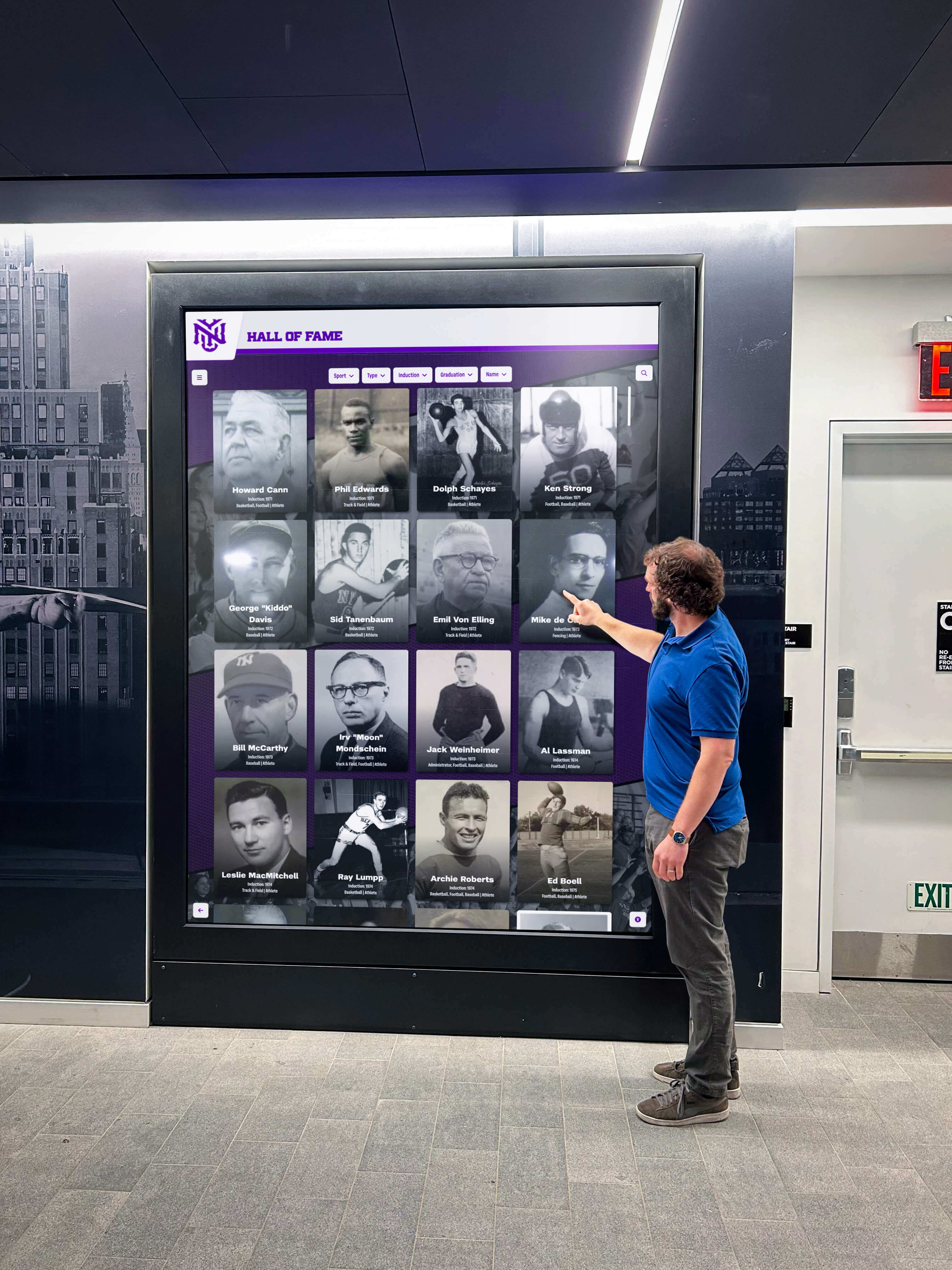
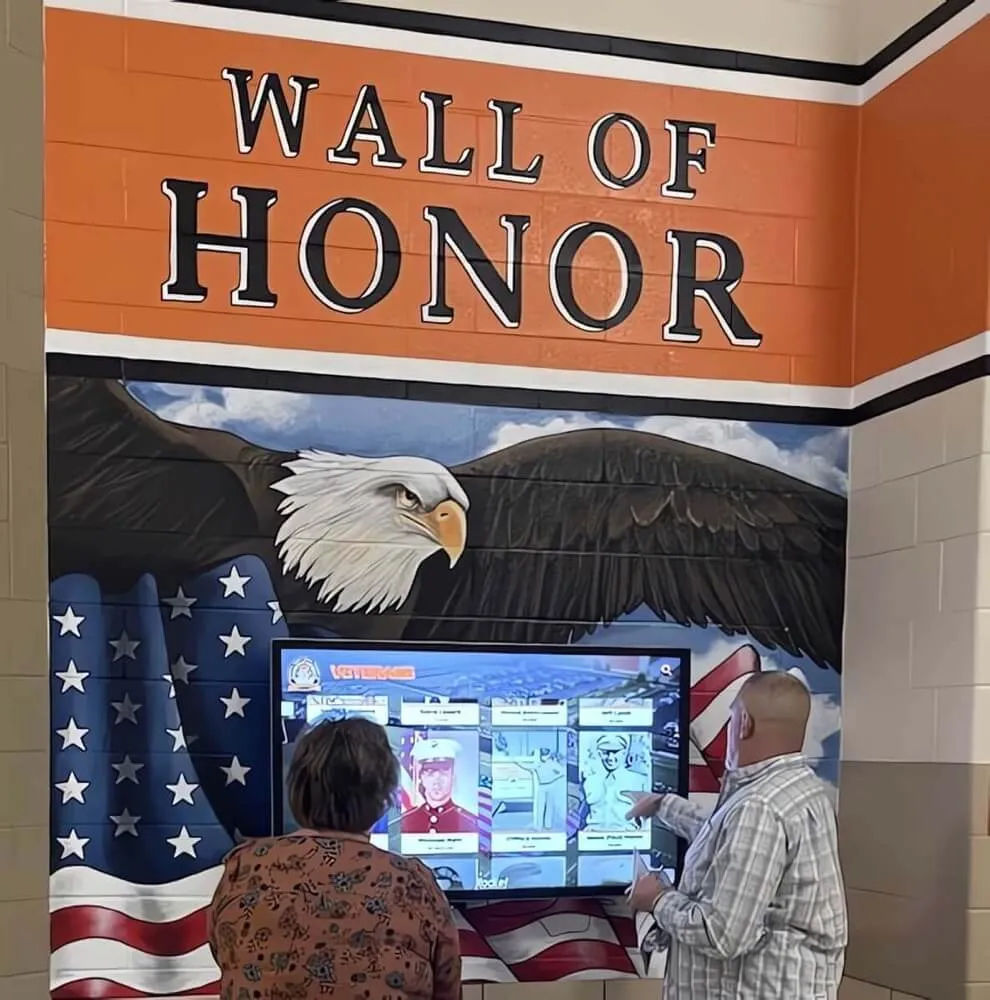
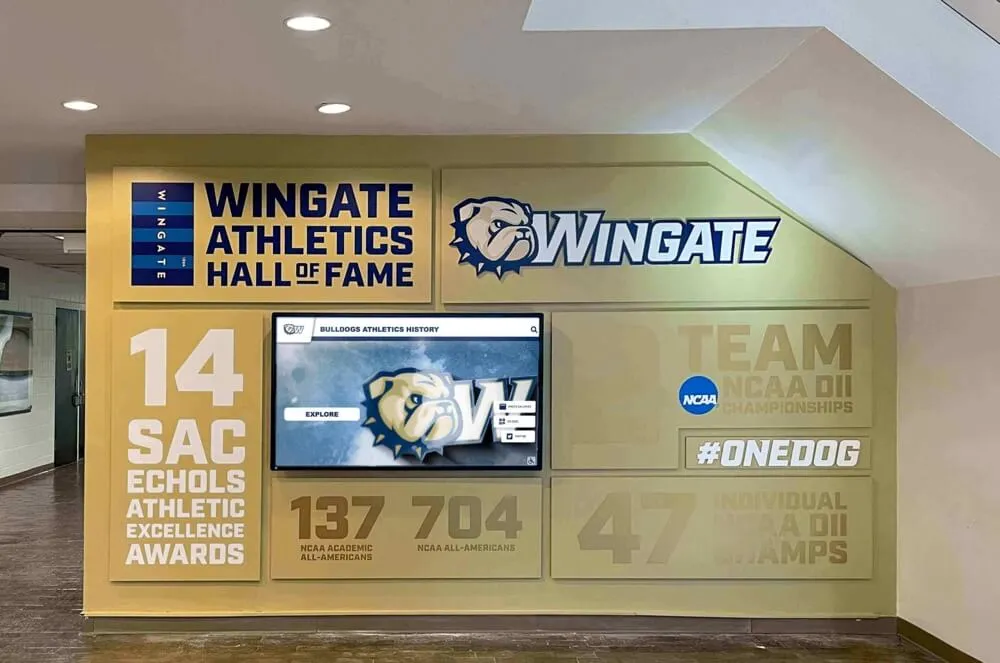
Interactive touchscreen displays enable schools to showcase [digital yearbook archives](https://awardsdisplay.com/blog/school-yearbook-scanning-service/?utm_source=organic&utm_medium=seo-auto&utm_content=digitalwarming&utm_campaign=yearbook-theme-ideas-high-school&utm_term=seo) and historical school photos
Energy and Enthusiasm Themes
High-energy themes capture the vibrancy and excitement of high school experiences.
21. Ignite
This fire-inspired theme emphasizes passion, energy, and sparking excitement. Visual elements incorporate flame imagery, spark effects, or ignition motifs. Section titles reference ignition: “Spark,” “Kindling,” “Blazing Trails,” “Burning Bright,” and “Keeping the Flame Alive.”
This works particularly well for schools with strong school spirit or when years featured exceptional enthusiasm and energy.
22. Full Speed
A momentum-based theme emphasizing energy, activity, and constant motion. Visual design could incorporate speed imagery, motion blur effects, or dynamic elements. Sections reference movement: “Starting Line,” “Gaining Momentum,” “Full Throttle,” “In Motion,” and “Where We’re Headed.”
This theme suits particularly active years with packed calendars and energetic school cultures.
23. Pulse
This heartbeat theme captures the life and energy flowing through school communities. Visual elements might incorporate heartbeat imagery, pulse lines, rhythm motifs, or life force themes. Sections reference vitality: “Finding Our Rhythm,” “Pulse of the School,” “Heartbeat,” “Vital Signs,” and “Keeping the Beat.”
The theme works especially well for schools emphasizing community vitality and living, breathing school cultures.
24. Spark
Similar to “Ignite” but emphasizing inspiration and initial moments rather than sustained burning. Visual design incorporates spark imagery, inspiration motifs, or illumination themes. Sections reference sparking: “The Spark,” “Catching Fire,” “Spreading the Spark,” “Bright Ideas,” and “Igniting the Future.”
This theme works well for innovative schools or years featuring new initiatives and fresh approaches.
25. This Is Us
A proud, definitive theme asserting identity and celebrating authentic selves. Visual design emphasizes authenticity, identity, and pride. Sections organize around identity themes: “Who We Are,” “What We Do,” “How We Connect,” “Why We Matter,” and “Where We’re Going.”
This theme creates strong ownership and pride while providing flexibility to showcase whatever makes your school community distinctive.
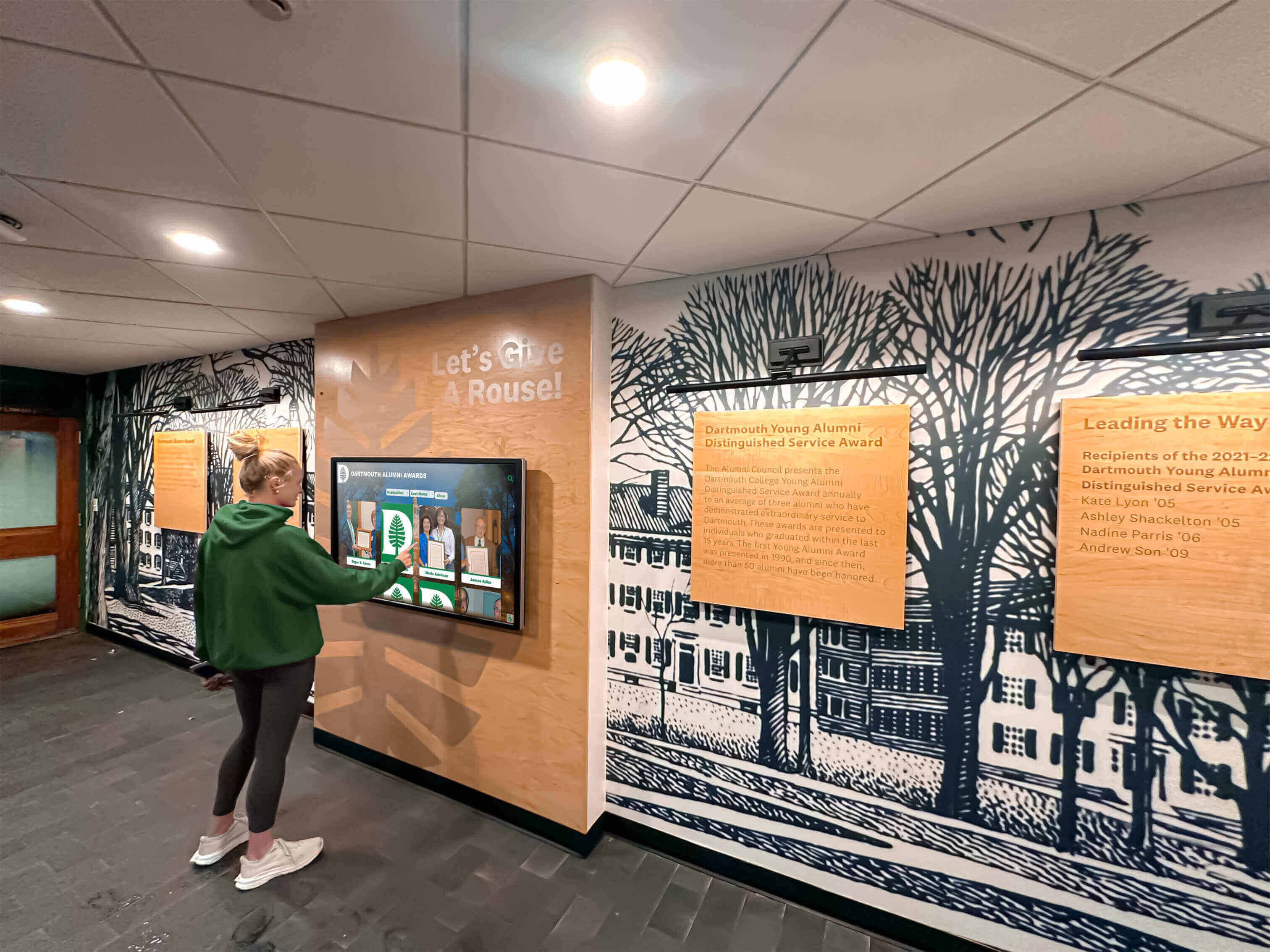
Digital alumni displays create connections between [current students and school history](https://halloffamewall.com/blog/old-school-photos-digital-display-guide/?utm_source=organic&utm_medium=seo-auto&utm_content=digitalwarming&utm_campaign=yearbook-theme-ideas-high-school&utm_term=seo) fostering pride and tradition
Implementing Your Chosen Theme Successfully
Selecting a theme represents just the beginning—successful implementation requires thoughtful planning and consistent execution throughout the publication.
Creating Visual Cohesion
Once you’ve selected a theme, develop comprehensive visual guidelines ensuring consistent execution across all pages and sections.
Establishing Color Palettes
Choose 3-5 primary colors that reflect your theme while complementing school colors. Create clear guidelines about where each color appears—section dividers, headlines, graphic accents, or backgrounds. Consistency in color usage creates visual cohesion helping readers recognize theme elements throughout the publication.
Document your color palette with specific color codes (CMYK values for print) ensuring consistency even when different designers work on various sections.
Developing Graphic Elements
Create a library of graphic elements—icons, borders, textures, patterns, or decorative elements—that reinforce your theme. These repeated elements create visual rhythm and recognition. For a journey theme, this might include road signs, compass points, or map elements. For a unity theme, perhaps connecting lines, puzzle pieces, or interlocking shapes.
Establish clear guidelines about how and where these elements appear, maintaining consistency without becoming repetitive or overwhelming.
Typography Choices
Select 2-3 fonts that complement your theme—typically one display font for headlines and section titles, one readable serif or sans-serif font for body text, and potentially one accent font for special elements. Journey themes might use bold, road-sign-inspired fonts. Literary themes could incorporate classic book typography. Modern energy themes might feature contemporary, dynamic fonts.
Typography decisions significantly impact overall aesthetic—choose carefully and maintain consistency.
Photography Style
While yearbooks contain diverse photography from various photographers, establish some general style guidelines that support your theme. This might include favoring certain types of shots (candid vs. posed), specific framing approaches, preferred cropping styles, or particular color treatment. For vintage themes, perhaps sepia tones or black-and-white photography. For energy themes, dynamic action shots and motion blur.
Photography style guidelines ensure visual coherence even across hundreds of images from different sources.
Writing and Content Development
Theme execution extends beyond visual design into writing style and content approach.
Developing Theme-Aligned Section Titles
Transform standard section names into theme-specific versions that maintain function while reinforcing your concept. Instead of generic “Fall Sports,” a journey theme might use “First Miles” or “Early Routes.” A literary theme could reference “Opening Chapter: Fall Athletics.” Unity themes might employ “United on the Field.”
Creative section titles reinforce theme without sacrificing clarity—readers should still understand what each section contains.
Creating Theme-Connected Copy
Incorporate theme language naturally into headlines, captions, and feature text without forcing connections. A breakthrough theme might describe “breaking through defensive lines” in sports coverage or “breaking new ground in STEM competition.” A journey theme could reference “the path to state championships” or “navigating academic challenges.”
Subtle language connections reinforce theme more effectively than heavy-handed repetition of theme words in every caption.
Feature Story Selection
Choose feature topics that exemplify or illuminate your theme. Journey themes might profile students who transferred between schools or overcame significant obstacles. Unity themes could feature stories about collaboration between different clubs or inclusive initiatives. Achievement themes might spotlight record-breaking performances or first-time accomplishments.
Strategic feature selection demonstrates theme through substantive storytelling rather than just decoration.
Maintaining Flexibility While Preserving Cohesion
Successful theme implementation balances consistency with appropriate flexibility preventing the theme from becoming constraining.
Knowing When to Let Theme Recede
Not every page needs explicit theme elements. Dense photo pages, senior portraits, or certain layouts work better with minimal theme decoration. Trust that overall color palette, typography, and strategic theme moments create sufficient cohesion without forcing theme elements where they don’t serve the content.
Overused themes become exhausting—strategic restraint maintains impact.
Adapting Theme to Content Needs
When specific content doesn’t naturally fit theme language or imagery, prioritize serving the content over forcing theme consistency. If your journey theme doesn’t work well for a particular club spread, use general design principles from your style guide without forced journey references. Authentic content presentation matters more than rigid theme adherence.
The best themes enhance content presentation rather than constraining it.
Creating Theme Variation to Prevent Monotony
Develop different visual treatments of your core theme preventing repetition. A journey theme might use road imagery in fall sections, trail imagery in winter, nautical navigation in spring, and flight/journey’s end imagery for graduation. This variation maintains theme coherence while preventing identical visual treatment throughout.
Theme evolution across the year can actually reinforce chronological progression and seasonal change.
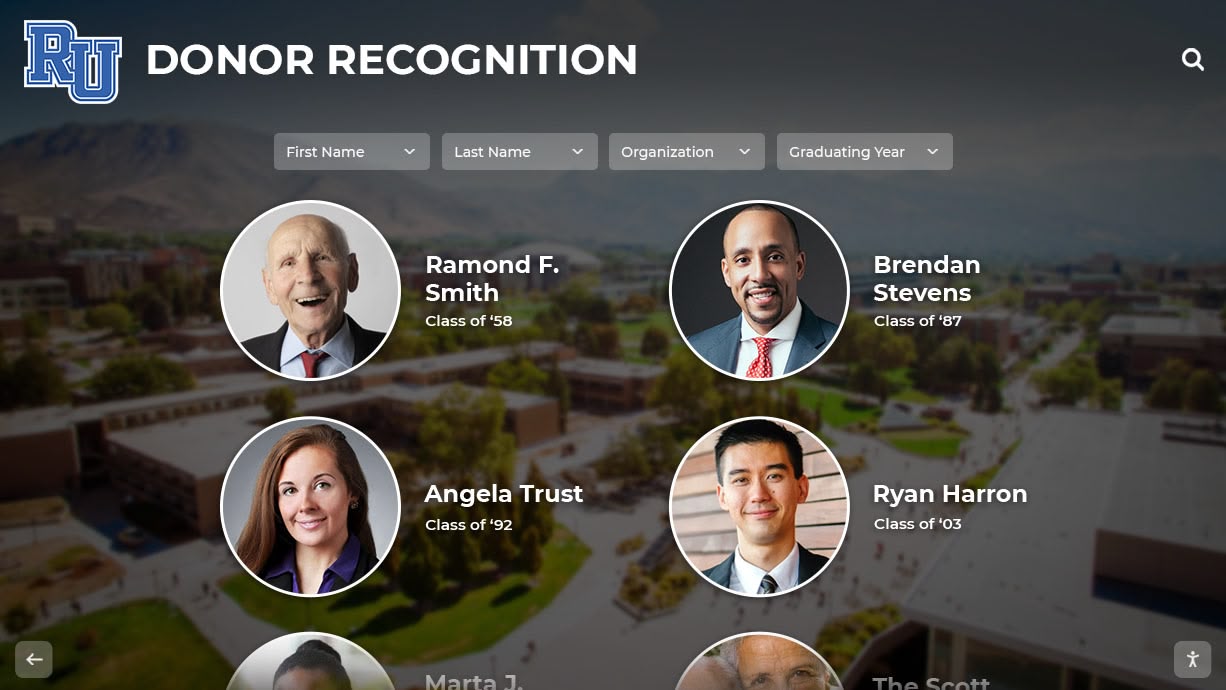
Digital recognition systems enable schools to maintain [comprehensive alumni archives](https://toucharchives.org/blog/bookcase-yearbook-scanning-explained-coordinators-guide-high-volume-archive-digitization/?utm_source=organic&utm_medium=seo-auto&utm_content=digitalwarming&utm_campaign=yearbook-theme-ideas-high-school&utm_term=seo) connecting historical yearbook content with current recognition
Extending Yearbook Content Beyond Print
Modern yearbook programs increasingly recognize that print publications represent just one component of comprehensive memory preservation and school storytelling.
Digital Yearbook Extensions
Digital platforms extend yearbook content beyond physical book limitations while creating year-round engagement opportunities.
Online Yearbook Supplements
Many schools create digital yearbook supplements featuring additional photos that couldn’t fit in print, extended feature stories, video content, or interactive elements. These digital extensions provide comprehensive documentation without making print editions prohibitively expensive or unwieldy. Digital supplements also enable easy sharing via social media and provide accessible formats for families, alumni, and community members who might not purchase physical books.
Digital platforms overcome print limitations while maintaining print yearbooks as tangible keepsakes students treasure.
Interactive Digital Recognition
Schools increasingly implement interactive digital displays throughout facilities showcasing yearbook content, student achievements, and school memories. These touchscreen installations enable students, families, and visitors to explore comprehensive photo archives, read feature stories, view senior profiles, and discover historical content connecting current students to decades of school tradition.
Solutions like Rocket Alumni Solutions create permanent digital homes for yearbook content that remains accessible long after print editions sell out or individual books are lost. These systems enable schools to showcase student achievements year-round rather than limiting recognition to yearbook distribution weeks.
Social Media Integration
Strategic social media presence extends yearbook content throughout the year rather than concentrating everything in a single annual publication. Yearbook social accounts can feature photo spotlights, behind-the-scenes content, mini-features, and coverage of events happening in real-time. This ongoing engagement builds anticipation for print publications while creating touchpoints with school communities throughout the year.
Social media also enables interactive engagement—polls about favorite moments, submissions from students, and crowd-sourced content that strengthens community connection to yearbook programs.
Creating Legacy and Historical Connections
Modern yearbook programs increasingly recognize their role in preserving long-term institutional memory and creating connections across generations.
Archiving Historical Yearbooks
Many schools digitize historical yearbook collections making them accessible through online archives or digital display systems. This preservation protects deteriorating physical books while enabling easy access for alumni, researchers, anniversary celebrations, and historical features in current yearbooks.
Digital archives also enable creative comparisons—showing how yearbook design evolved, how school facilities changed, or how student activities and fashions transformed across decades.
Alumni Engagement Through Yearbook Content
Yearbook content creates natural alumni engagement touchpoints. Schools can feature “flashback” content comparing current activities to historical yearbooks, invite alumni to share memories triggered by archived yearbook pages, or create interactive experiences where alumni can locate themselves in digital archives.
These connections strengthen alumni relationships while demonstrating to current students that their yearbook experiences become part of enduring school legacy they’ll value throughout their lives.
Connecting Current Themes to Historical Context
Contemporary yearbooks can reference historical precedent through archival research. A “Breaking Through” theme might feature historical photos of previous generations who broke barriers. Journey themes could compare student experiences across different eras. Unity themes might showcase how diverse groups collaborated throughout school history.
These historical connections add depth to current yearbooks while teaching students about institutional legacy and tradition.
Showcasing Yearbook Content in School Facilities
Physical installations throughout school buildings keep yearbook content visible and relevant year-round.
Lobby and Entrance Displays
Main school entrances and lobbies represent ideal locations for showcasing current yearbook content and historical archives. Digital displays can feature rotating yearbook photo collections, highlight student achievements, showcase yearbook theme and cover designs, and enable exploration of comprehensive photo archives and historical content.
These prominent installations demonstrate school pride while keeping yearbook program visible to students, families, and visitors throughout the year.
Hallway Recognition Displays
Strategic displays along main hallways extend yearbook content into daily school life. Interactive touchscreens enable students to explore senior profiles and achievements, view club and organization highlights, and discover sports team accomplishments.
These installations create constant visibility for student achievements while building excitement during yearbook production and distribution periods.
Special Recognition Areas
Dedicated recognition spaces—whether physical trophy cases or digital displays—can feature yearbook-highlighted achievements, student profiles, and memorable moments from current and historical yearbooks. These installations create physical homes for yearbook content extending impact beyond personal copies students keep in lockers or at home.
Digital systems enable regular content updates keeping displays fresh and relevant throughout the school year and across multiple graduating classes.
Conclusion: Creating Yearbooks Students Will Treasure
The yearbook theme you select establishes the creative foundation for your entire publication—influencing design decisions, guiding content development, creating visual cohesion, and ultimately determining whether your yearbook becomes a treasured keepsake students revisit throughout their lives or simply another book collecting dust on a shelf.
The 25 yearbook theme ideas explored throughout this guide represent diverse creative approaches suitable for various school cultures, student populations, and publication goals. From journey metaphors acknowledging progression through the school year to unity themes celebrating community bonds, from achievement-focused concepts recognizing accomplishment to moment-based themes emphasizing memory preservation, these themes provide flexible frameworks that can be customized to match your school’s unique identity and the specific characteristics of your particular year.
Successful theme implementation extends beyond simply selecting an appealing concept. The most effective yearbook programs develop comprehensive visual and editorial guidelines ensuring consistent execution throughout publications, maintain strategic flexibility preventing themes from constraining content, integrate photography styles that reinforce rather than fight thematic concepts, create memorable section titles that preserve function while enhancing creativity, and develop writing approaches that incorporate theme language naturally without forced connections or excessive repetition.
Perhaps most importantly, forward-thinking yearbook programs increasingly recognize that print publications represent just one component of comprehensive memory preservation and school storytelling. Digital extensions enable sharing additional content that couldn’t fit in print, social media integration builds year-round engagement rather than concentrating everything in annual publications, interactive displays throughout school facilities keep yearbook content visible and relevant beyond distribution periods, and comprehensive digital archives preserve school history while creating connections between current students and alumni spanning decades.
Modern recognition platforms transform yearbook content from static annual publications into dynamic, ongoing celebration of school community and student achievement. When yearbook photos, achievements, and memories remain accessible through digital systems throughout school facilities and online platforms, when alumni can revisit their high school experiences decades after graduation, when current students can explore comprehensive historical archives discovering connections to school legacy, and when families can easily access and share their students’ accomplishments—yearbook programs create value extending far beyond single print editions.
Your yearbook staff invests hundreds of hours conducting photo shoots, designing layouts, writing copy, editing content, managing deadlines, and refining details that collectively transform individual moments into cohesive narratives worth preserving. The theme you select provides the creative structure tying these elements together into publications students genuinely treasure. Choose thoughtfully, implement consistently, remain flexible when content demands it, and commit to creating yearbooks that capture not just what happened during specific years, but what made those years meaningful to the students who lived them.
Ready to extend your yearbook content beyond print and create lasting digital recognition that keeps school memories alive for decades? Book a demo to discover how interactive touchscreen displays and digital recognition platforms transform yearbook photos and achievements into engaging, accessible experiences that students, families, and alumni treasure throughout their lives while building vibrant school communities where tradition and innovation connect generations.