The moment a wrestler steps into the training room sets the tone for everything that follows. Championship programs understand that wrestling room design extends far beyond mats and mirrors—these spaces shape athlete mindset, communicate program values, reinforce technique fundamentals, build team culture, and create environments where champions develop through daily dedication. A well-designed wrestling room becomes the physical embodiment of program standards, where every element from wall graphics to equipment placement serves purposeful functions supporting athlete development.
Yet many programs struggle with wrestling room design questions: How much space do different program sizes actually require? What mat configurations balance versatility with safety? Which wall elements inspire without creating distractions? How do you celebrate achievements while maintaining focus on future goals? What equipment placement optimizes training flow? How do budget constraints affect what you can realistically implement?
These challenges intensify as programs grow, facilities age, competitive standards evolve, and schools recognize that training environment quality significantly influences athlete recruitment, retention, and performance development.
This comprehensive guide explores everything coaches, administrators, and facility planners need to design wrestling rooms that support championship development. You’ll discover space planning fundamentals, mat selection criteria, safety considerations, motivational design elements, equipment optimization strategies, and modern recognition approaches that transform basic training spaces into environments where champions emerge.

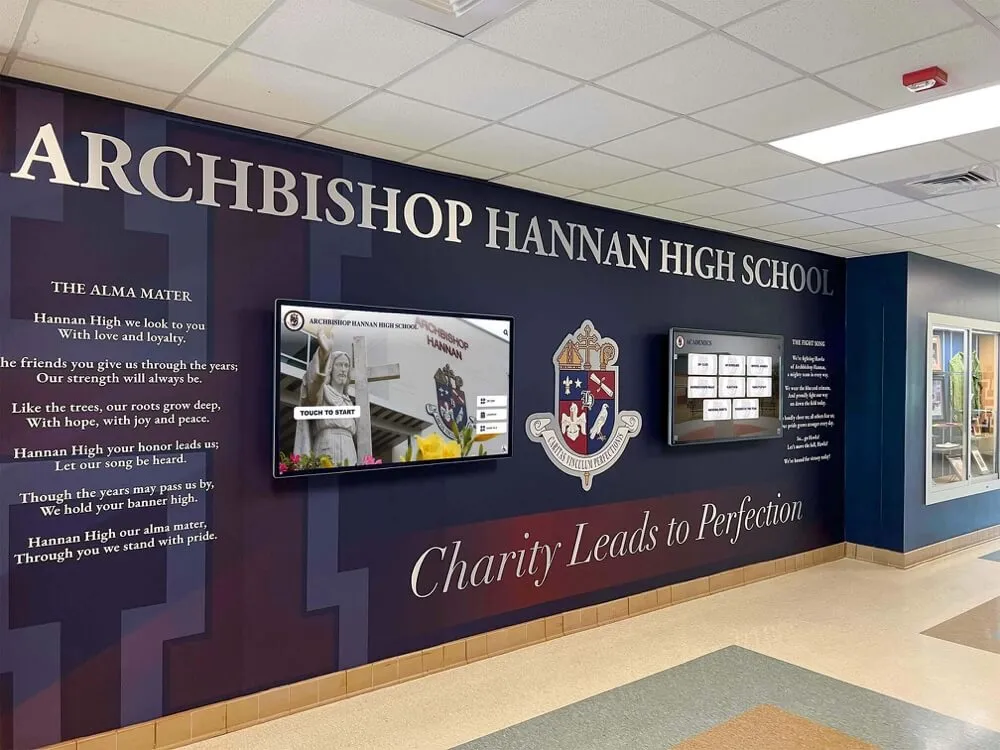
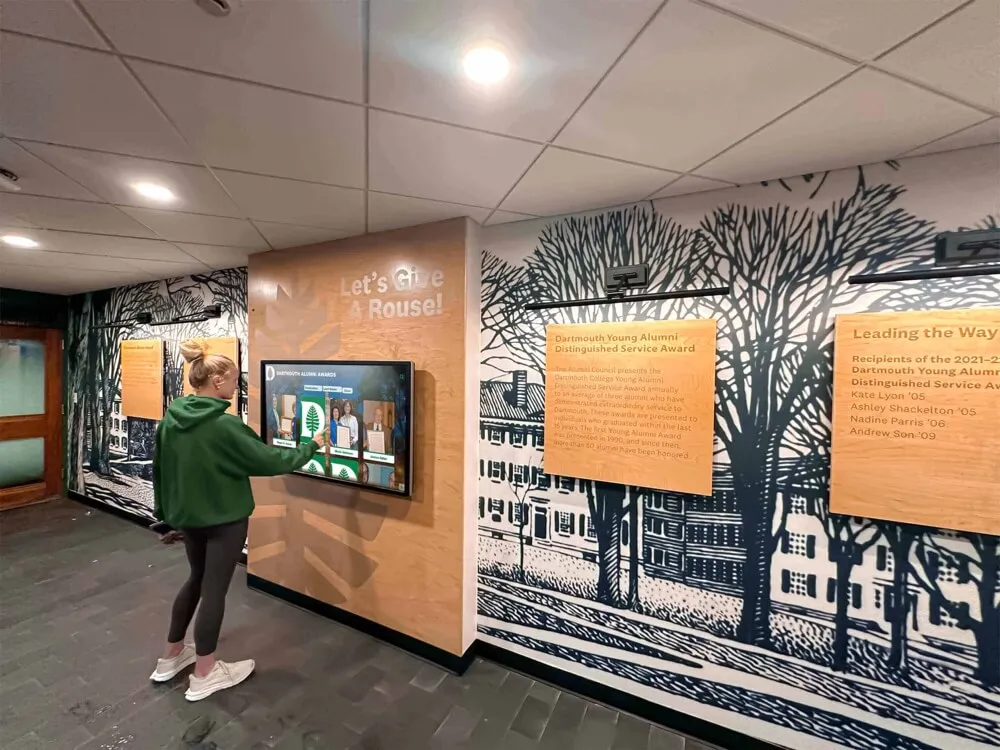
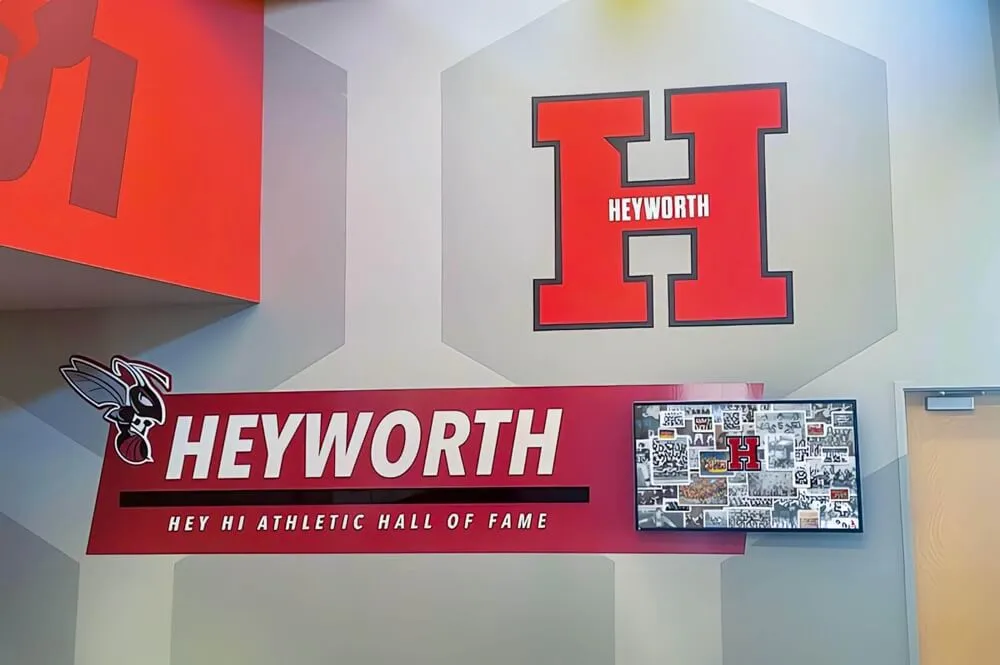
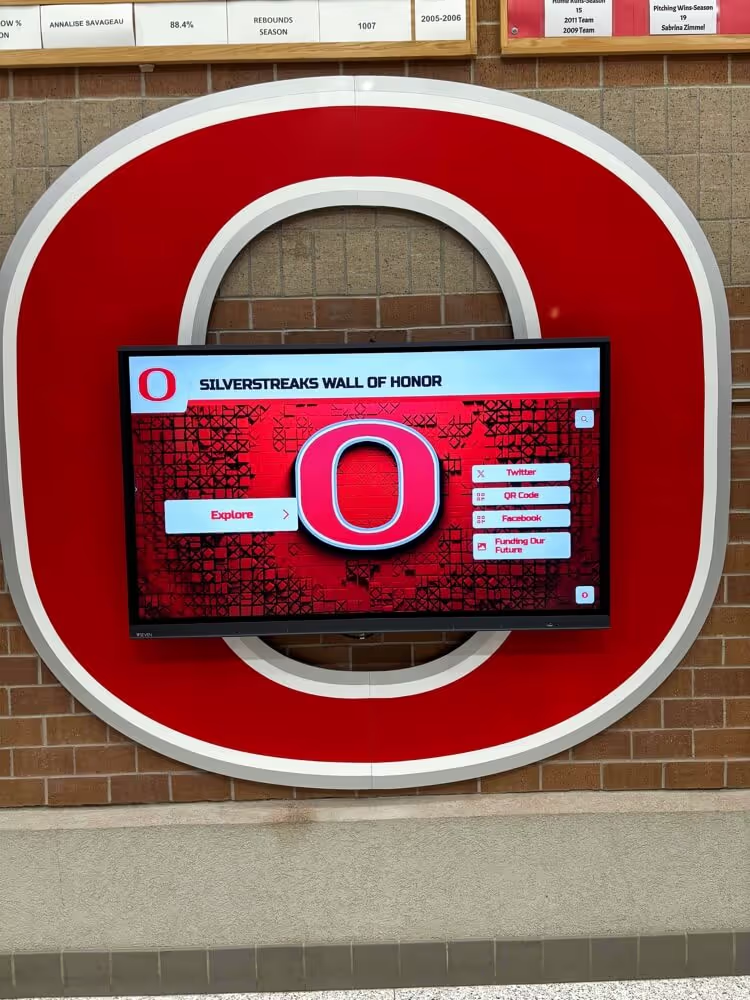
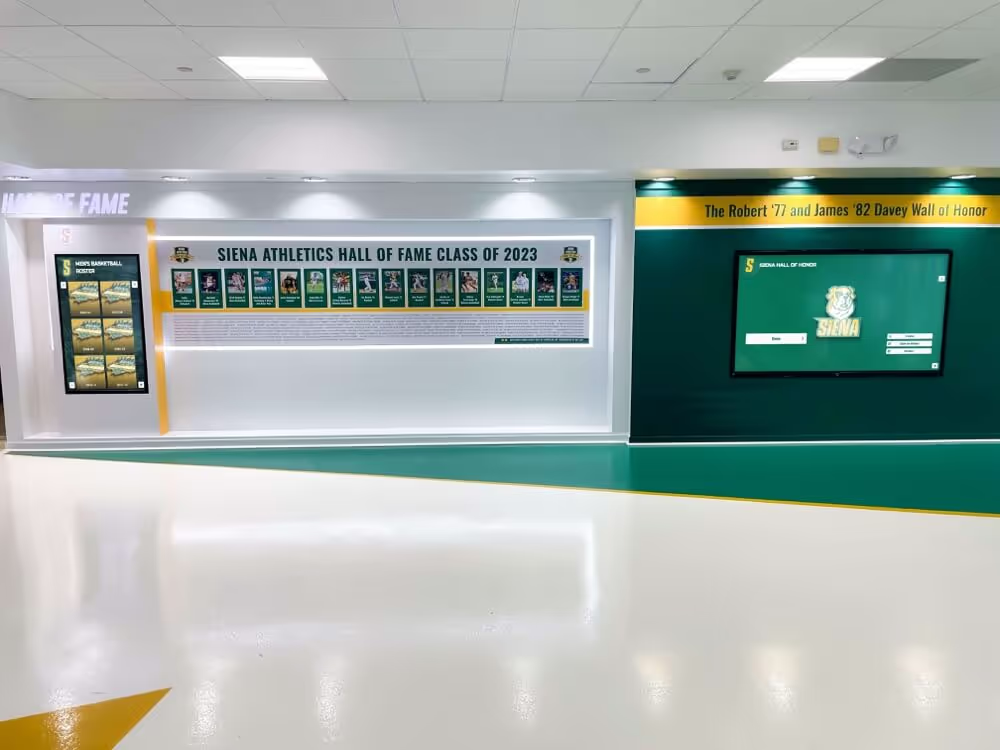
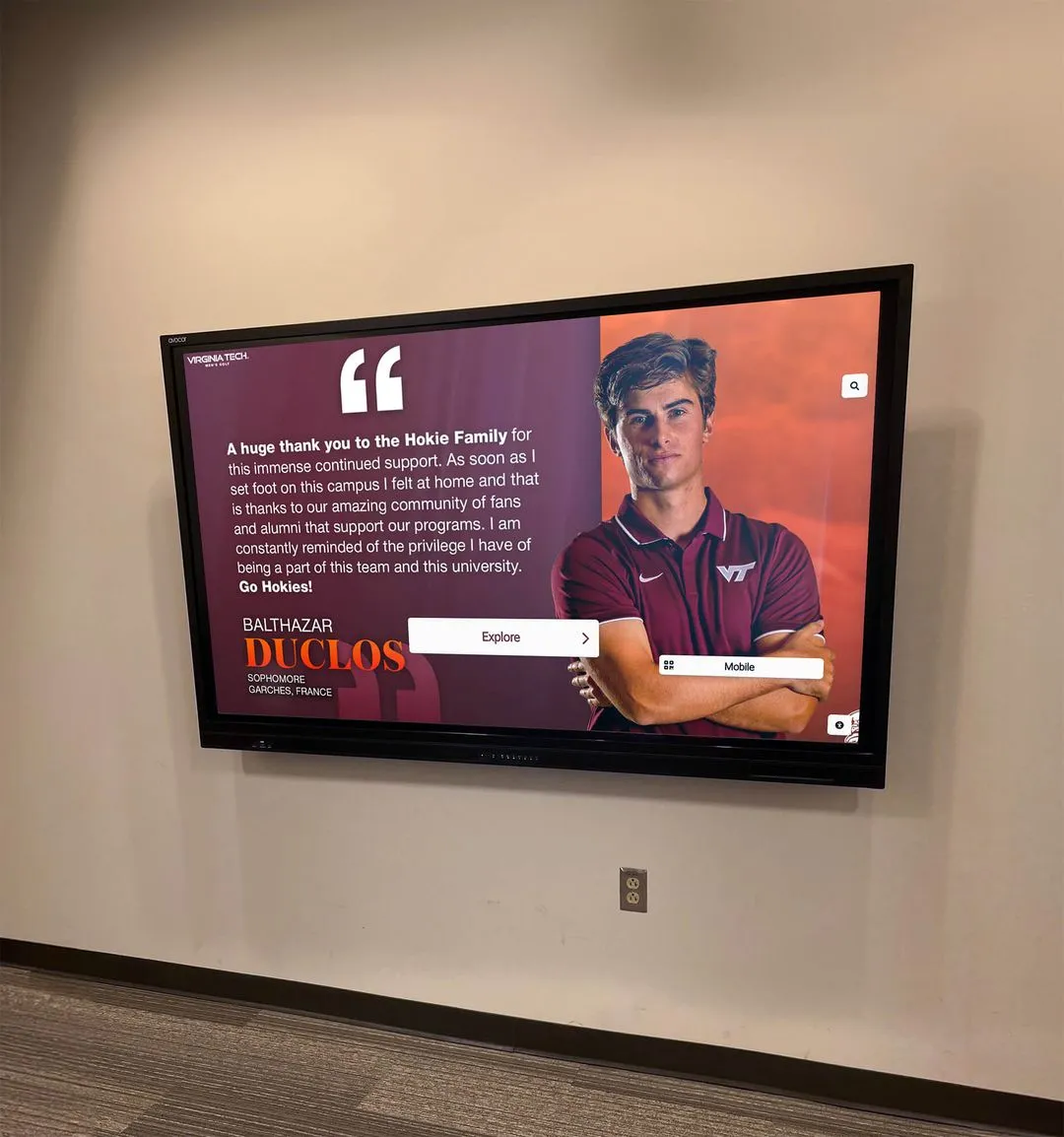
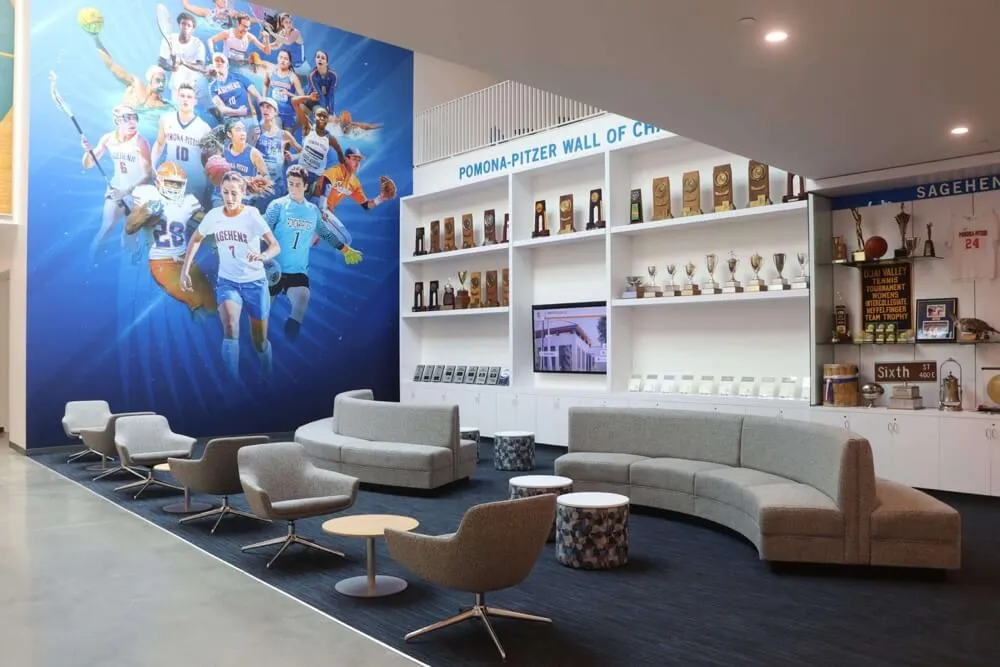
Championship training environments integrate recognition displays with functional design creating spaces that inspire excellence while supporting technical development
Understanding Wrestling Room Space Requirements
Proper space planning creates foundation for safe, effective training environments accommodating program needs.
Calculating Minimum Space Needs
Wrestling room size requirements depend on program size, competitive level, and intended training activities.
High School Program Standards
Traditional wrestling mat dimensions of 38 feet by 38 feet require approximately 1,444 square feet for the competition mat alone. However, effective training spaces need substantially more area accommodating safety zones, spectator areas, equipment storage, and multiple training configurations.
Minimum wrestling room recommendations by program size:
- Small programs (15-25 wrestlers): 2,000-2,500 square feet with single mat configuration
- Medium programs (25-40 wrestlers): 2,500-3,500 square feet accommodating expanded mat area or dual configurations
- Large programs (40+ wrestlers): 3,500-5,000+ square feet supporting multiple mat areas for simultaneous technique work and live wrestling
These minimums assume primary wrestling training function. Rooms serving multiple purposes or accommodating spectator seating require additional space.
Ceiling Height Considerations
Wrestling rooms require minimum ceiling heights of 10-12 feet preventing throw technique limitations and ensuring adequate ventilation. Programs emphasizing overhead lifts or medicine ball exercises benefit from 14+ foot ceilings providing clearance for explosive movements without restrictions.
Adequate ceiling height also accommodates proper lighting installation, ventilation systems, and digital displays without creating head clearance concerns during standing technique work.
Optimizing Room Configuration
Beyond minimum dimensions, thoughtful space organization maximizes training effectiveness and safety.
Mat Placement Strategy
Center mat placement with equal wall clearance on all sides creates safest configuration, providing ample out-of-bounds zones preventing collision risks. This symmetrical approach also facilitates coaching visibility and instruction delivery from multiple room positions.
However, space-constrained facilities may require asymmetrical configurations prioritizing safety zones along most-used boundaries while accepting smaller clearances along walls used for equipment storage or spectator areas.
Training Zone Designation
Effective wrestling rooms incorporate multiple functional zones beyond primary mat areas:
- Live wrestling zone: Primary mat area for competition-intensity training
- Technique drilling zone: Secondary mat space or marked areas for controlled repetition work
- Conditioning area: Open floor space for warm-ups, agility work, and wrestling-specific conditioning
- Strength training zone: Designated area for resistance equipment, weights, or bodyweight exercises
- Cool-down space: Area allowing post-practice stretching away from active training zones
Zone designation prevents training congestion, reduces injury risks from conflicting activities, and allows coaches to conduct differentiated instruction with position groups or skill levels simultaneously.
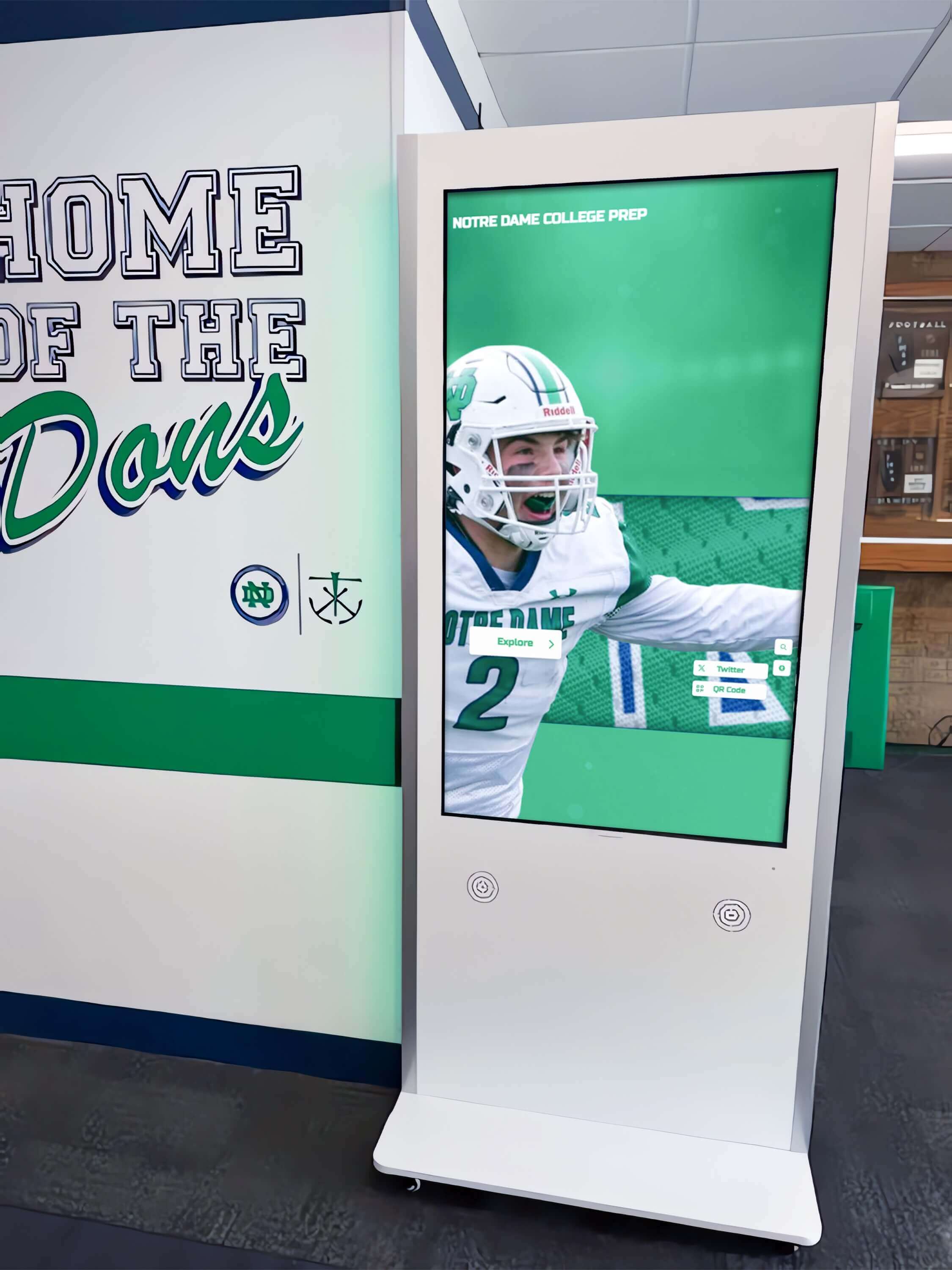
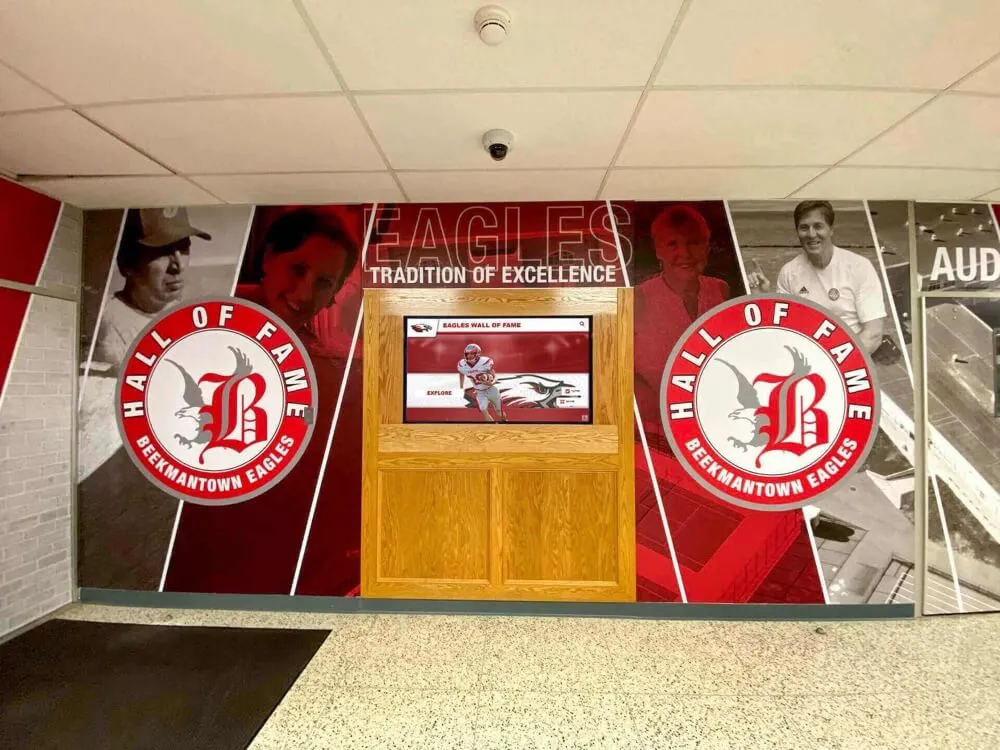
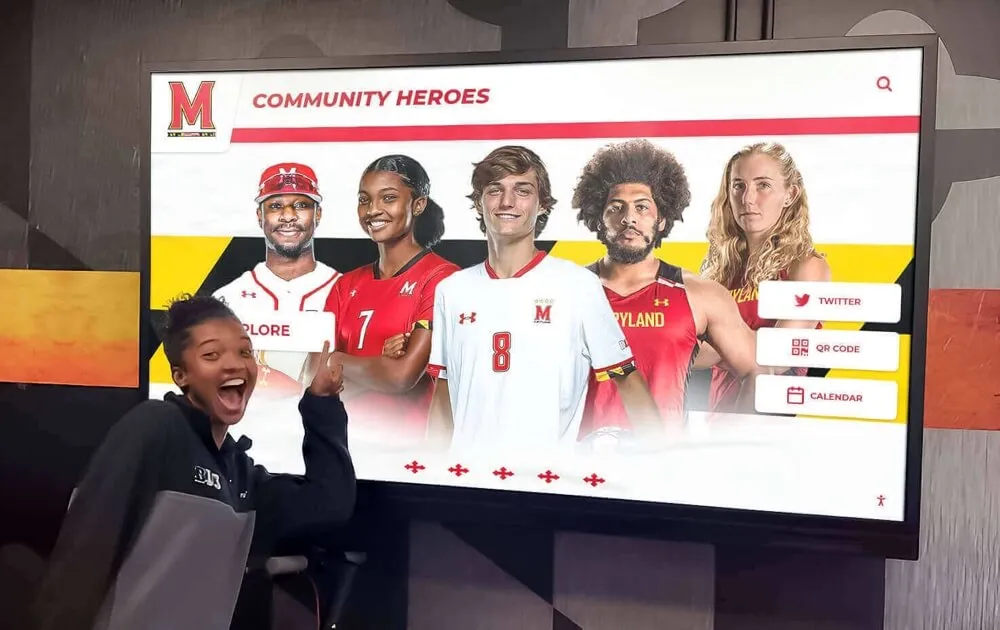
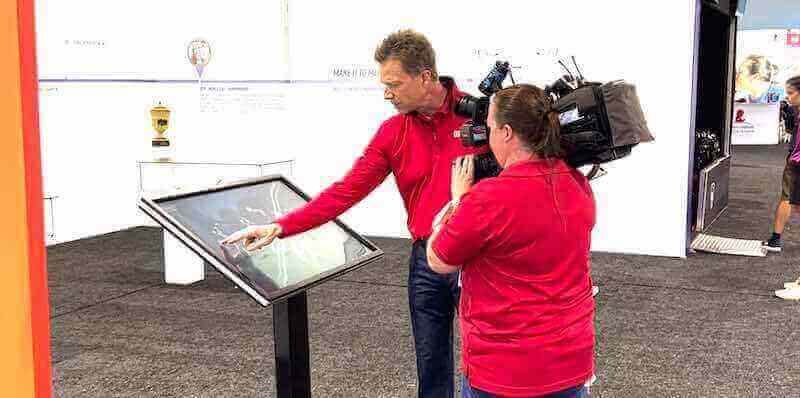
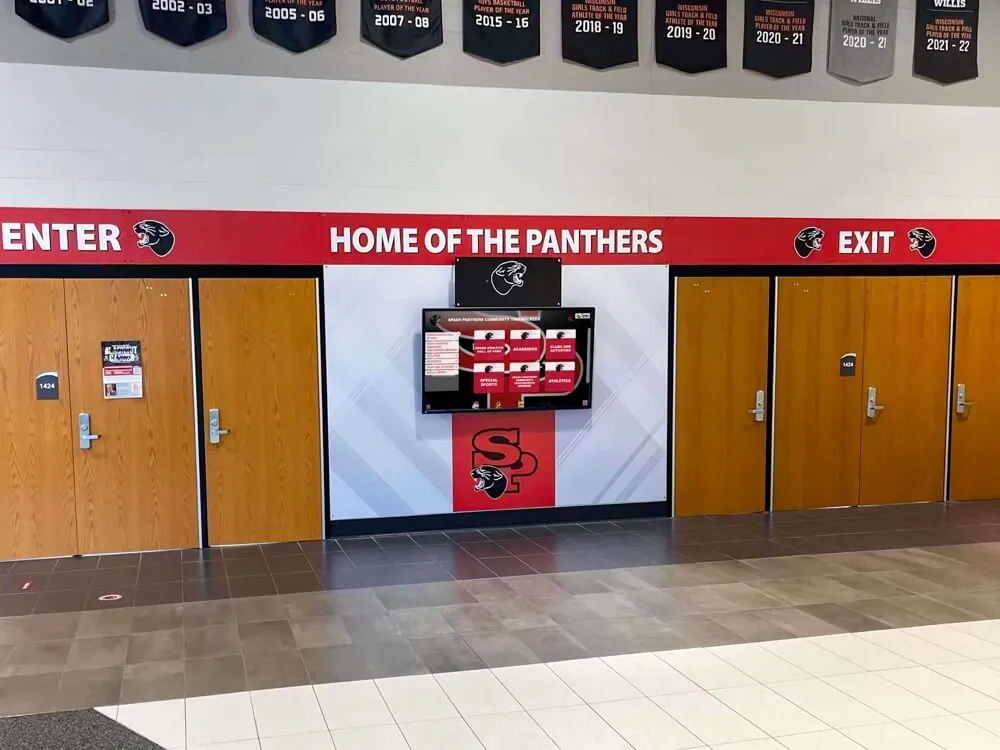
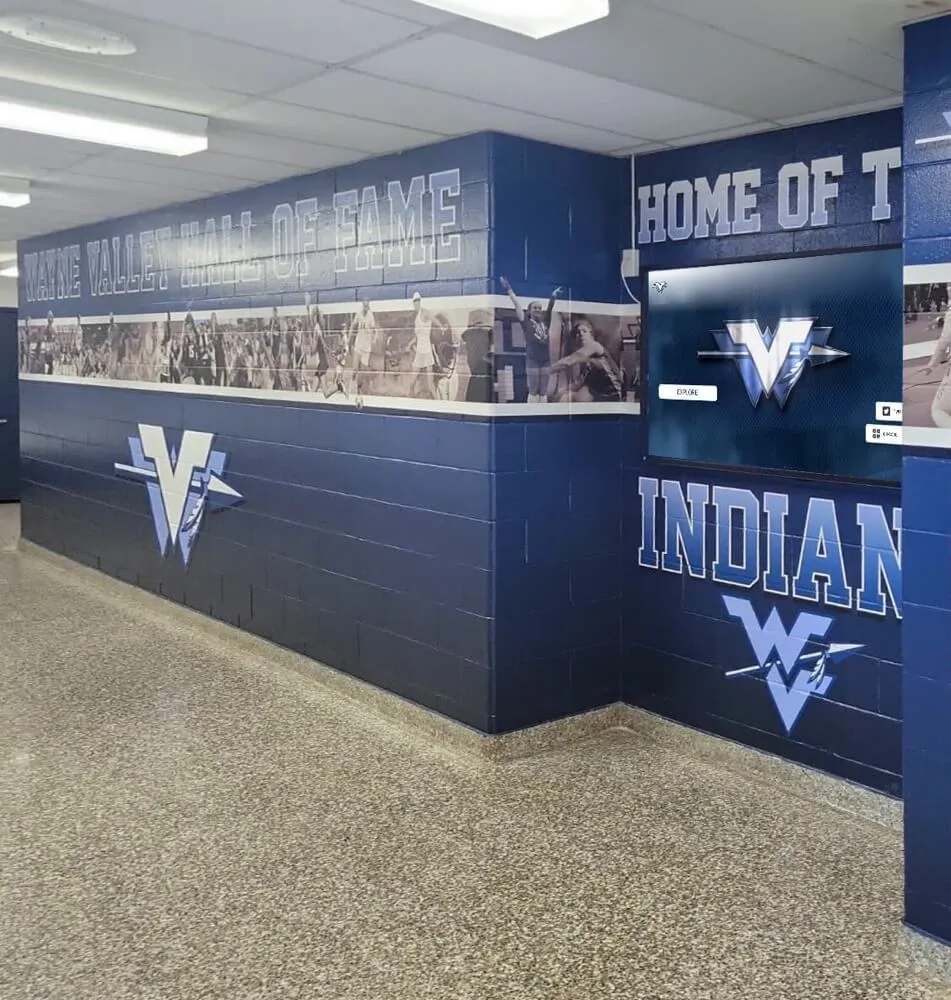
Modern training facilities integrate digital recognition systems in hallways and common areas connecting athletes to program legacy
Mat Selection and Surface Considerations
Wrestling mat quality and configuration directly impact safety, performance development, and maintenance requirements.
Competition vs. Practice Mat Options
Different mat types serve varying functions within comprehensive training programs.
Competition Mat Standards
Regulation competition mats meeting NFHS or NCAA standards provide authentic training surfaces matching competition conditions. These mats typically feature:
- 38’ x 38’ minimum dimensions with marked wrestling areas and safety zones
- Foam thickness of 1.25-2 inches providing impact absorption
- Vinyl covering resistant to moisture, bacteria, and abrasion
- Clear boundary markings distinguishing inbounds areas from safety zones
Competition-grade mats represent significant investments but provide optimal safety characteristics and authentic competitive environment preparation.
Practice Mat Alternatives
Budget-conscious programs or those requiring flexible space use often implement practice mat solutions offering reduced cost with acceptable training functionality:
- Roll-out mats: Portable foam mats stored when not in use, ideal for multi-purpose facilities
- Folding panel mats: Sectional mats allowing partial deployment for technique work or full configuration for live wrestling
- Wrestling strips: Narrow mat sections used for drilling and technique work without requiring full room coverage
Practice mat solutions reduce upfront investment while providing adequate safety for controlled technique development, though they typically offer less impact protection than competition mats and may not prepare athletes optimally for competition surface characteristics.
Mat Maintenance and Hygiene Systems
Proper mat care prevents bacterial growth, extends mat lifespan, and creates healthy training environments essential for athlete wellbeing.
Daily Cleaning Protocols
Wrestling mats require thorough cleaning after each practice session using EPA-registered disinfectants effective against bacteria, fungi, and viruses commonly transmitted through skin contact. Effective protocols include:
- Pre-cleaning to remove visible debris and sweat
- Disinfectant application following manufacturer contact time requirements
- Rinse or wipe procedures removing chemical residue
- Air drying before mat storage or subsequent use
Automated mat cleaning machines significantly reduce labor requirements while providing consistent, thorough sanitation superior to manual cleaning approaches. These systems pay for themselves through time savings while reducing infectious disease transmission risks that can sideline multiple athletes simultaneously.
Storage and Protection
Proper mat storage prevents damage extending mat lifespan and maintaining safety characteristics:
- Wall-mounted storage racks keeping mats off floors when not in use
- Vertical storage reducing fold stress on mat foam
- Climate-controlled storage preventing moisture damage and bacterial growth
- Mat covers protecting surfaces from dust and UV exposure during storage periods
Facilities with dedicated wrestling rooms benefit from permanent mat installation, though they must implement rigorous cleaning schedules and possibly invest in additional mat sections allowing rotation during deep cleaning cycles.
Creating Championship Culture Through Visual Design
Wrestling room aesthetics significantly influence athlete psychology, program pride, and training intensity.
Motivational Wall Graphics and Messaging
Strategic use of wall space reinforces program values, celebrates achievements, and maintains competitive focus.
Core Value Communication
Prominent display of program core values—work ethic, technique excellence, team-before-self mentality, competitive toughness, academic responsibility—keeps priority messages visible during every training session. Values displayed as bold typography or integrated with imagery create constant reminders shaping athlete mindset and behavior.
Effective value displays avoid generic motivational quotes in favor of program-specific language reflecting coaching philosophy and team identity. When athletes see values articulated in their coaches’ voices, messages carry greater authenticity and impact than borrowed inspiration from external sources.
Technique Reference Graphics
Large-format graphics depicting fundamental techniques serve dual instructional and motivational functions. High-quality photography or illustrations showing proper stance, penetration steps, finish positions, pinning combinations, and escape sequences provide visual references athletes can consult independently during drilling.
These technical references prove particularly valuable for visual learners who benefit from seeing technique models repeatedly. Graphics should emphasize proper body positioning, hand placement, and foot positioning rather than glorifying competition moments, keeping focus on technical excellence driving success.

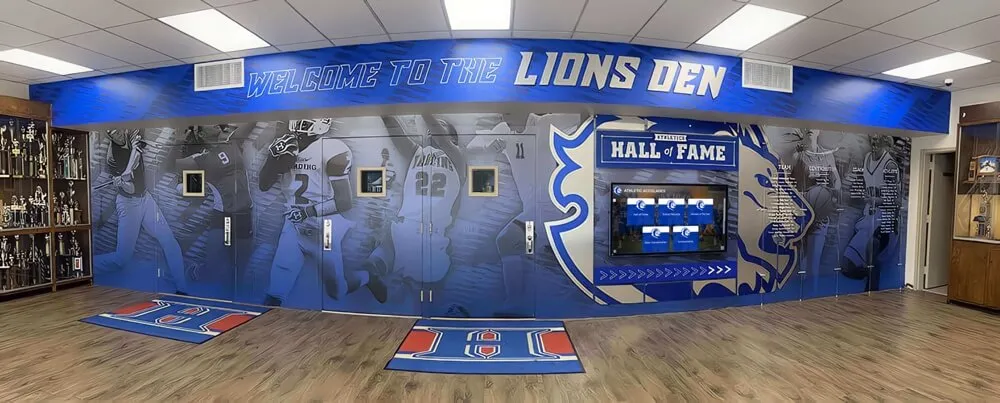
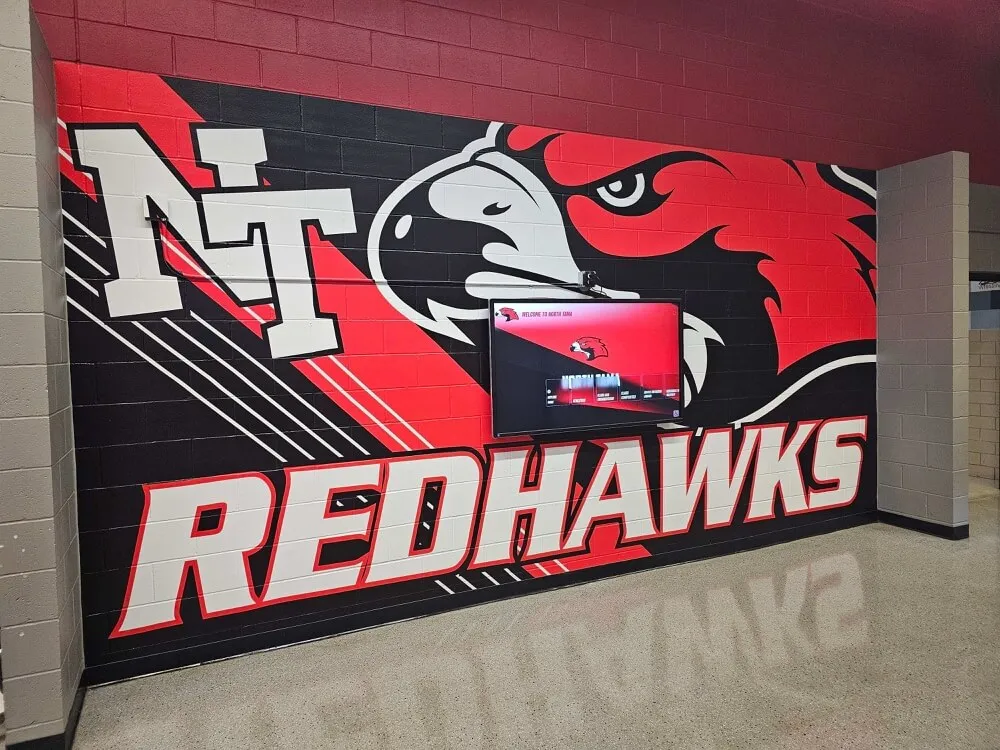
Bold program branding creates identity anchors reinforcing team culture and building pride throughout athletic facilities
Celebrating Achievement Without Distraction
Recognition displays honor past success while directing focus toward future goals.
Championship Recognition Walls
Dedicated walls celebrating team championships, individual state qualifiers, and program milestones acknowledge achievements validating past dedication. Effective championship walls organize recognition chronologically, helping current athletes understand program tradition and inspiring them to add their contributions to growing legacies.
However, championship displays should occupy designated areas rather than overwhelming entire training spaces. Recognition concentrated on entry walls or designated facility sections allows celebration without creating distractions during intense training focused on future rather than past success.
Many programs complement traditional trophy case displays with modern digital recognition systems allowing unlimited achievement celebration without physical space constraints or ongoing plaque costs.
Record Boards and Performance Tracking
Visible display of program records—fastest pins, most takedowns, winning streaks, weight class championships—creates competitive benchmarks motivating athletes while providing tangible performance targets beyond seasonal goals. Record boards communicate that excellence gets permanently recognized, encouraging sustained effort across entire careers rather than single-season focus.
Digital record boards offer advantages over static displays, allowing real-time updates as records fall, detailed athlete profiles with career statistics, and interactive exploration of program history engaging current athletes with predecessor achievements in ways static displays cannot achieve.
Equipment and Storage Solutions
Thoughtful equipment selection and organization supports training efficiency while maintaining clean, professional environments.
Essential Wrestling Room Equipment
Beyond mats, comprehensive training facilities require various equipment supporting skill development, conditioning, and safety.
Drilling and Technique Development Equipment
- Wrestling dummies: Allow isolated technique repetition without partner requirements
- Resistance bands: Provide resistance training for explosive movements and position-specific strength
- Agility ladders and cones: Support footwork and movement pattern development
- Medicine balls: Enable wrestling-specific core and explosive power training
- Technique videos and playback systems: Provide immediate feedback during learning progression
Equipment quality matters significantly—cheaply constructed dummies deteriorate quickly under intensive use while properly constructed training aids last multiple seasons with minimal maintenance.
Safety and Medical Equipment
Immediately accessible safety equipment proves essential for proper emergency response:
- First aid kits with wrestling-specific supplies (blister treatments, mat burn care, nose bleed management)
- AED (Automated External Defibrillator) mounted in visible, accessible location
- Emergency action plan posted with clear instructions and contact information
- Communication systems allowing rapid assistance requests
- Sanitation stations with hand sanitizer and disinfectant wipes
Regular equipment inspection and restocking ensures readiness when situations require immediate response.
Storage Organization Systems
Efficient storage maintains clean training environments while protecting equipment investment.
Wall-Mounted Storage Solutions
Wall-mounted racks, hooks, and shelving maximize floor space while keeping equipment accessible. Designated storage locations for each equipment category—dummies in one area, resistance equipment in another, medical supplies in marked locations—reduces setup time while ensuring proper equipment return after training sessions.
Clear labeling systems help athletes locate and return items correctly, maintaining organization without requiring constant coach supervision. Visual organization systems using color coding or photographic labels prove particularly effective with younger programs still developing facility responsibility habits.
Mobile Storage Carts
Equipment carts allow rapid setup and breakdown in shared facilities or enable easy transportation of specific equipment to designated training zones. Carts designed for particular equipment types—one for resistance bands and handles, another for drilling equipment, separate medical supply cart—streamline training preparation while maintaining organization during storage.
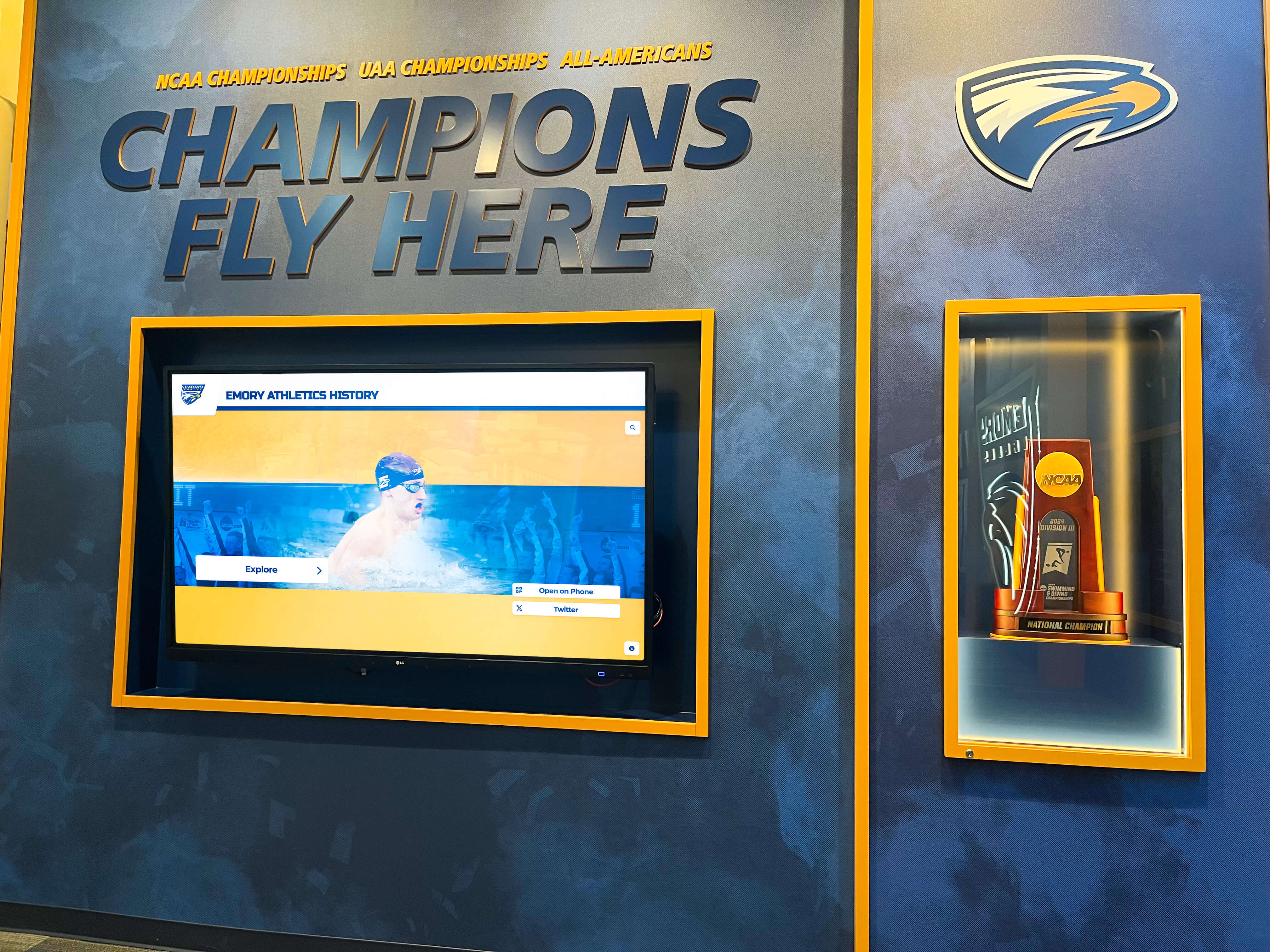
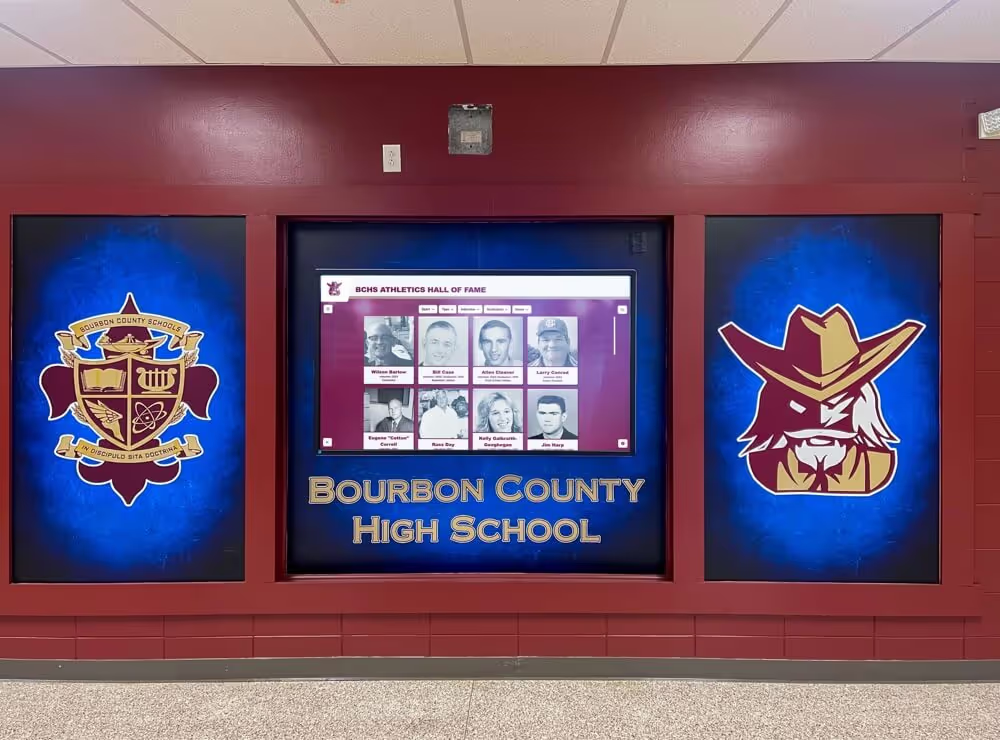
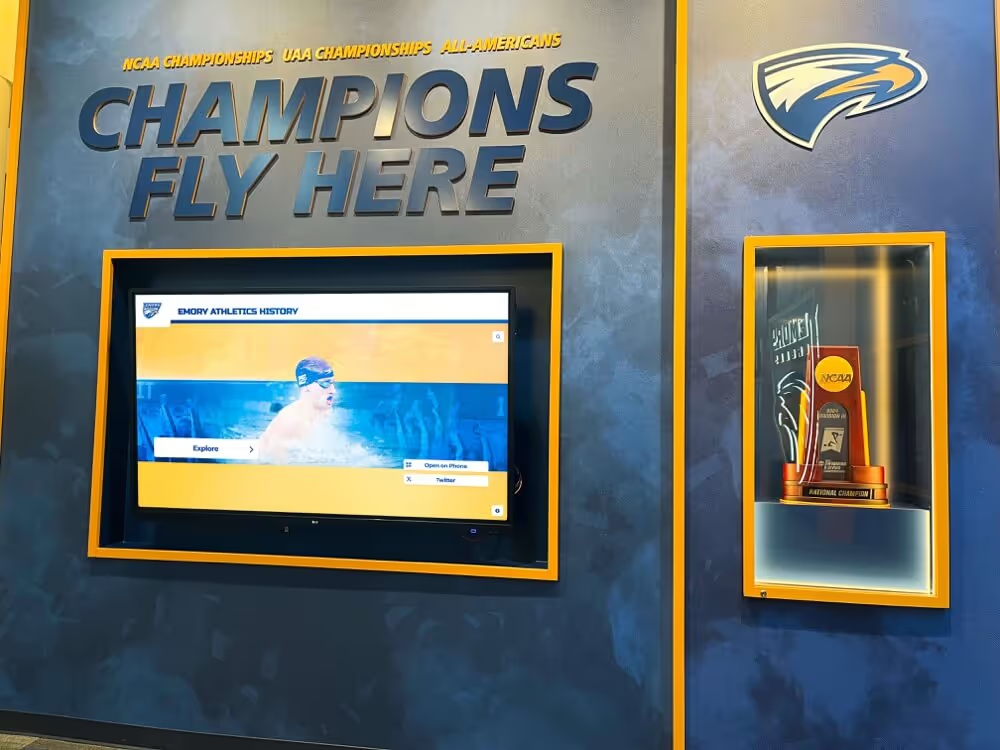
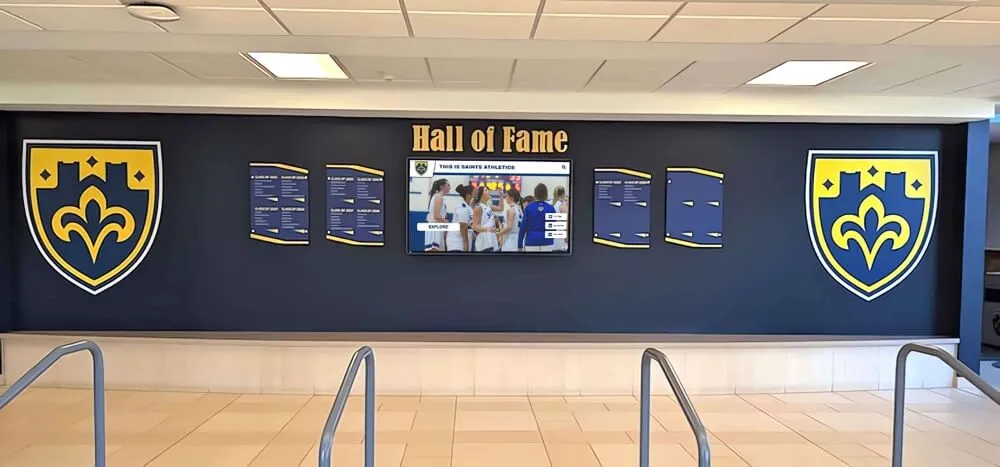
Championship displays celebrate team excellence while reinforcing competitive standards for current athletes training daily in these environments
Climate Control and Environmental Factors
Proper environmental management creates comfortable training conditions supporting performance and health.
Temperature and Humidity Management
Wrestling training generates extreme heat and humidity requiring robust climate control systems.
HVAC System Requirements
Wrestling rooms require substantially more cooling capacity than standard classroom or office spaces due to continuous high-intensity activity in confined areas. HVAC systems should provide:
- Cooling capacity based on peak occupancy and activity intensity
- Multiple air exchanges per hour preventing stale, overheated conditions
- Humidity control preventing excessive moisture accumulation
- Individual climate zones if facility includes non-training areas requiring different conditions
Undersized HVAC systems fail during peak training periods, creating uncomfortable, potentially unsafe conditions that reduce training quality and increase heat illness risks.
Ventilation and Air Quality
Beyond temperature control, proper ventilation removes odors, maintains oxygen levels, and prevents airborne bacteria accumulation. Effective ventilation systems should exchange air completely multiple times hourly, with higher exchange rates during active training sessions compared to unoccupied periods.
Air quality monitoring helps identify ventilation inadequacies before they create health concerns or unpleasant conditions deterring facility use.
Lighting Design for Performance
Proper lighting prevents training limitations while creating energetic environments supporting intense effort.
Illumination Level Standards
Wrestling training requires bright, even illumination allowing athletes and coaches to see technique details clearly. Minimum recommendations suggest 50-70 foot-candles throughout training areas, with higher levels beneficial for video analysis or demonstrations requiring fine detail observation.
Even illumination matters as much as overall brightness—shadowed areas create visual gaps potentially hiding technique flaws or safety hazards. LED lighting systems provide excellent even coverage while offering energy efficiency advantages over older technologies.
Lighting Control Options
Dimming capabilities allow lighting adjustment for different training phases—full brightness during active training, reduced levels during cool-down or team meetings, minimal safety lighting during non-training hours. Control options improve energy efficiency while creating appropriate ambiance for various facility uses.
Some programs successfully implement colored lighting zones designating different training areas or creating visual interest without permanently painted demarcation that limits flexible space use.
Modern Recognition Technology Integration
Digital recognition systems bring wrestling room design into alignment with expectations of modern student-athletes while solving traditional recognition limitations.
Advantages of Digital Achievement Displays
Technology-based recognition offers numerous benefits over traditional static displays in training environments.
Unlimited Recognition Capacity
Physical space constraints traditionally limited how many athletes could receive visible recognition—once wall space filled with plaques or trophy case shelves reached capacity, programs faced difficult decisions about removing older recognition or limiting new honorees. Digital hall of fame systems eliminate these constraints, allowing comprehensive recognition of every qualifier, champion, and record-holder without physical space limitations.
This unlimited capacity proves particularly valuable for wrestling programs recognizing achievements across multiple weight classes, competition levels, and recognition categories—state qualifiers, conference champions, academic all-state selections, career win milestones, and program record holders can all receive prominent display space.
Dynamic Content and Updates
Static recognition becomes outdated immediately after installation, requiring expensive updates or accepting that displays don’t reflect current achievements. Digital systems allow instantaneous updates as records fall, championships accumulate, or athletes reach new milestones. This currency keeps recognition relevant and engaging while demonstrating that the program actively celebrates achievement rather than maintaining historical artifacts.
Real-time updates prove particularly impactful during season competitions—returning from weekend tournaments to see newly posted accomplishments validates athlete effort immediately rather than waiting weeks or months for physical recognition updates.
Enhanced Engagement Through Interactivity
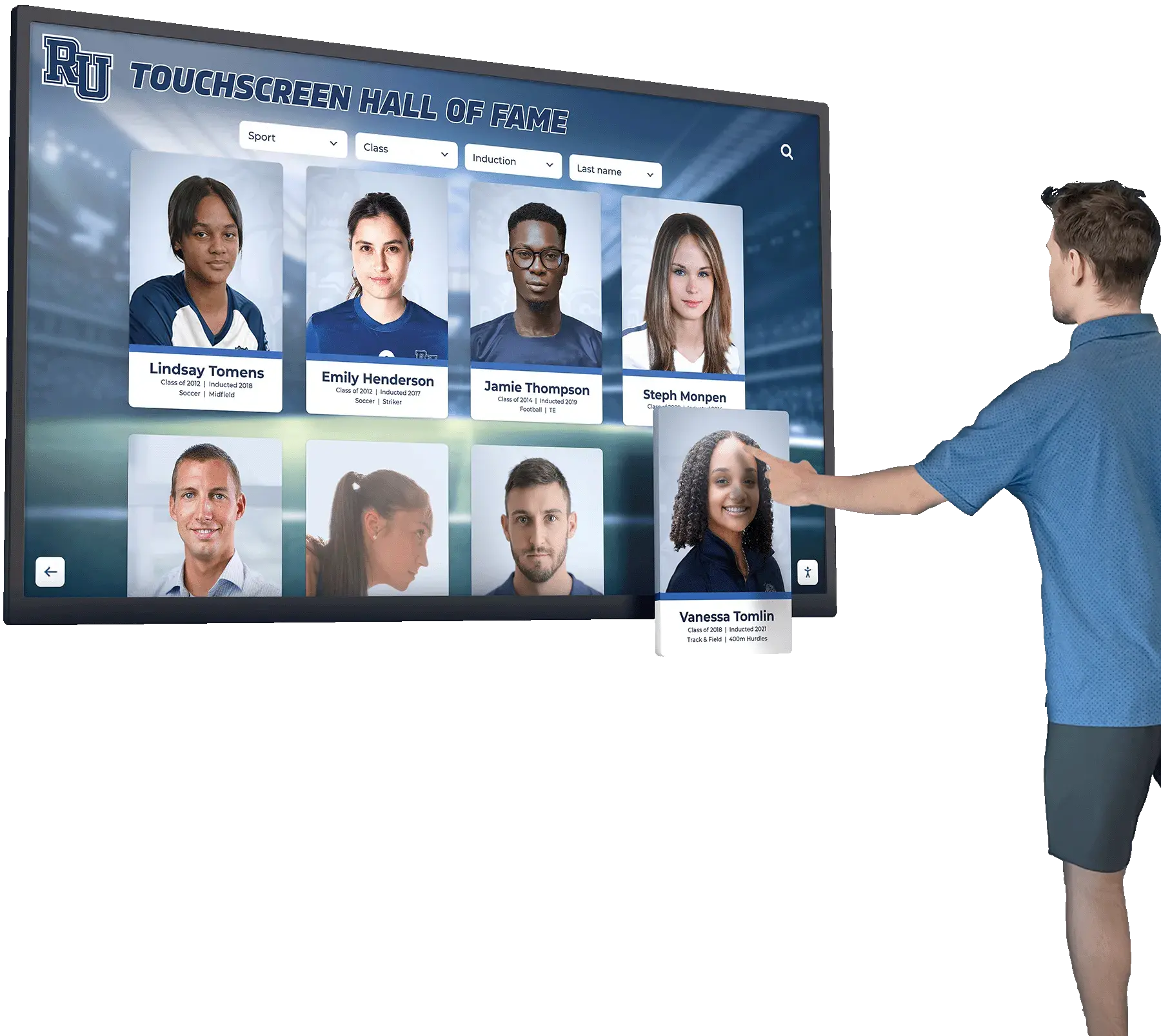
Touchscreen recognition displays transform passive wall viewing into active exploration experiences. Athletes can browse detailed profiles of program legends, compare their statistics to record holders, watch highlight videos of championship performances, or explore decade-by-decade program evolution.
This interactivity creates deeper connections to program history while increasing engagement frequency—athletes repeatedly interact with recognition systems rather than glancing occasionally at unchanging plaques. Enhanced engagement strengthens program culture and tradition appreciation while providing motivation through concrete understanding of the excellence required for recognition.

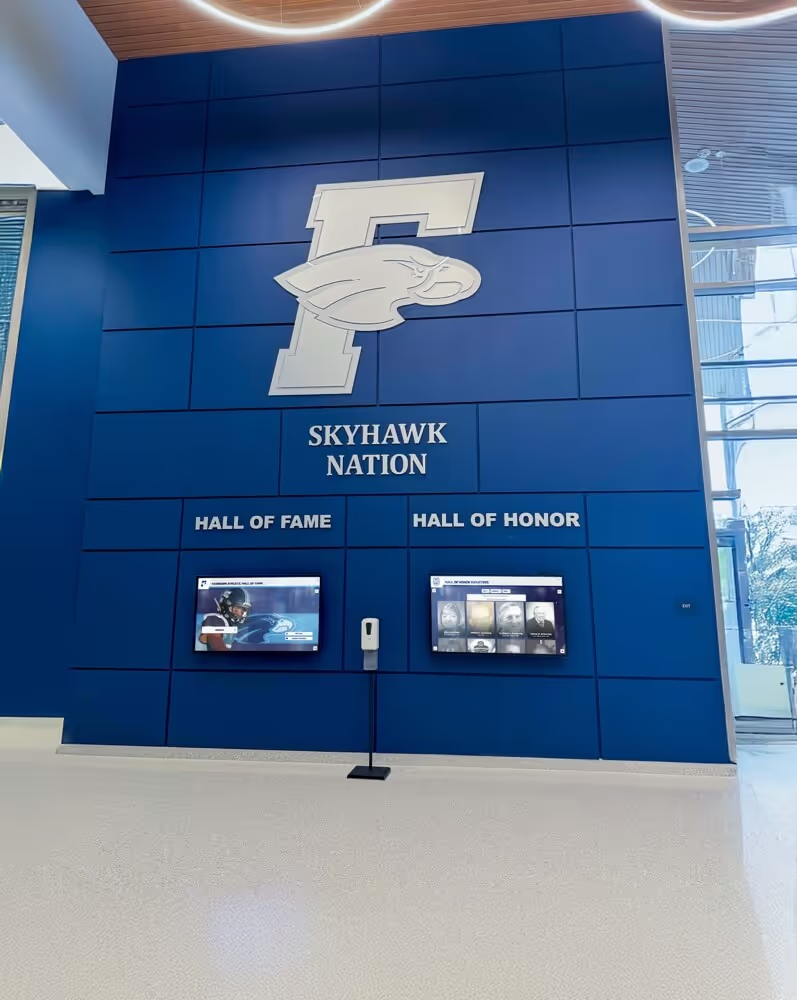
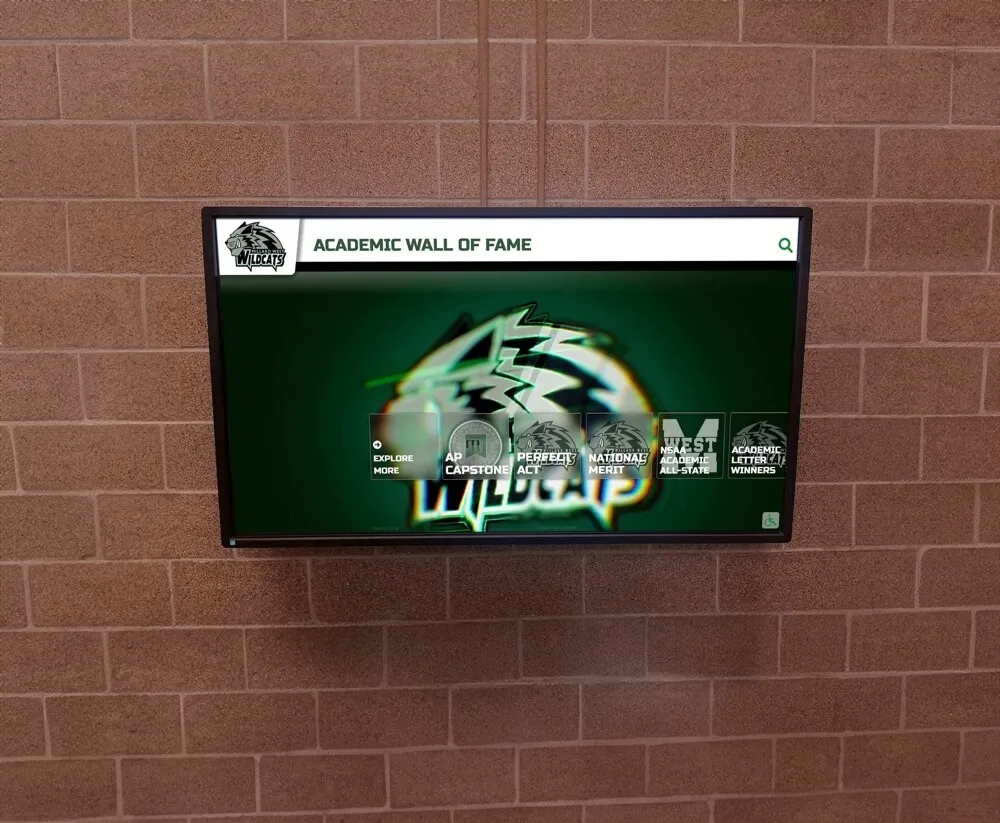
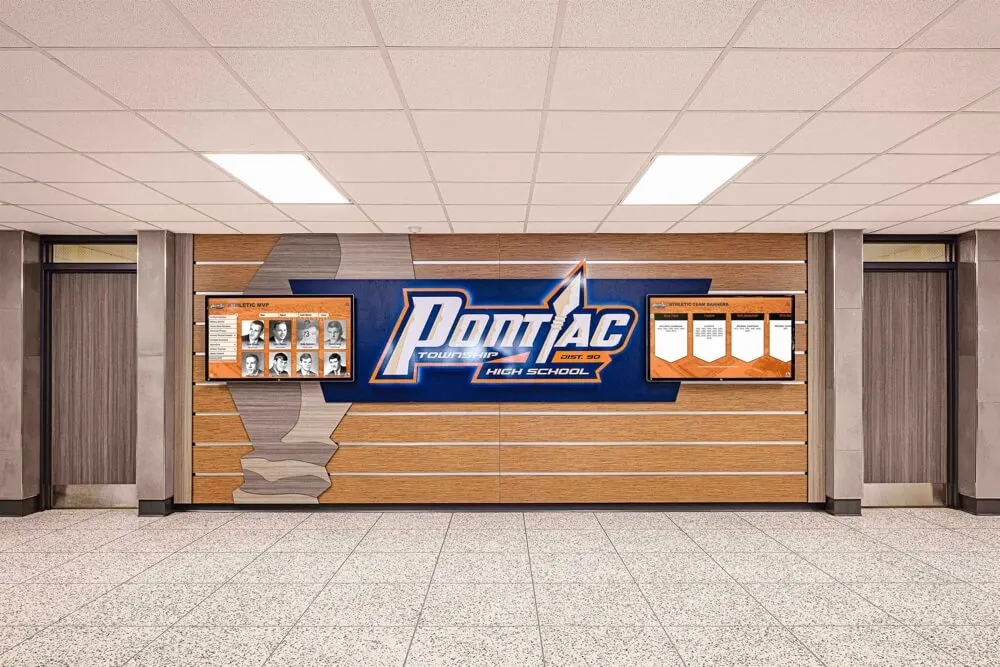
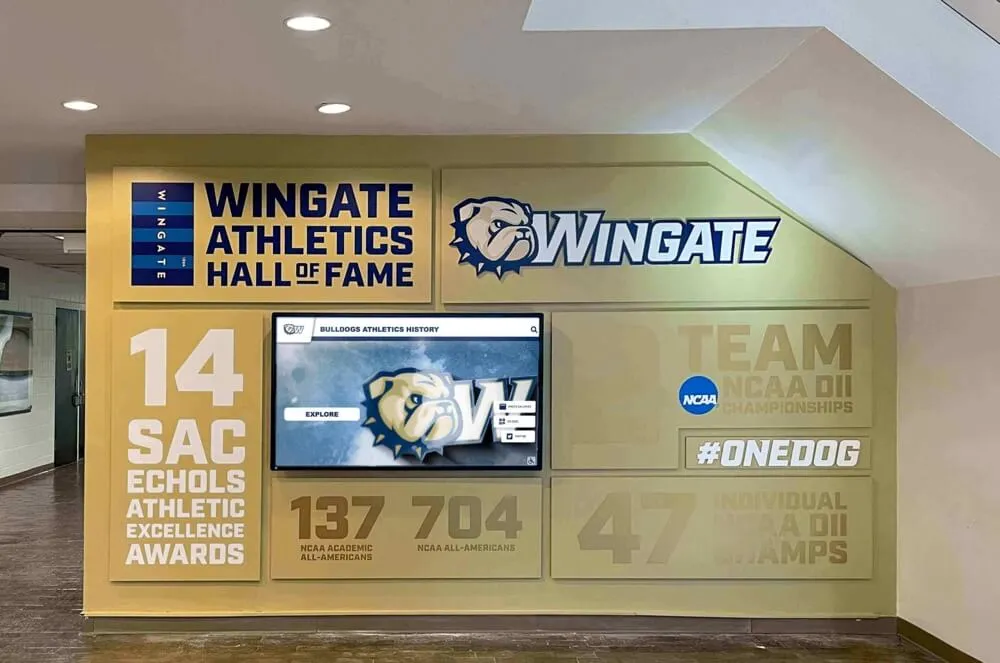
Digital recognition installations provide unlimited achievement celebration capacity while maintaining clean, modern aesthetic appropriate for contemporary training facilities
Strategic Placement in Wrestling Facilities
Location decisions significantly impact recognition system effectiveness and athlete engagement.
Entry Point Installation
Mounting recognition displays at wrestling room entrances ensures every athlete encounters program achievements entering training sessions. This strategic placement provides daily reminders of program standards and legacy, reinforcing excellence expectations before training begins.
Entry placement also maximizes visibility for recruits, families, and visitors touring facilities, communicating program success and recognition culture immediately upon entering spaces. First impressions shaped by visible celebration of achievement influence prospective athlete perceptions and enrollment decisions.
Locker Room Integration
Locker room environments offer opportunities for recognition display in spaces where athletes spend substantial time preparing mentally and physically for training. Digital displays in locker areas can showcase upcoming competitions, highlight recent achievements, display motivational content, or feature alumni career updates maintaining connections between current and former wrestlers.
These more intimate spaces allow recognition content tailored specifically to team members rather than general audiences, creating insider recognition culture strengthening team bonds.
Budget Planning and Phased Implementation
Resource constraints shouldn’t prevent wrestling room improvements—strategic planning allows meaningful enhancements within varied budget ranges.
Essential Investments vs. Aspirational Additions
Prioritizing spending ensures critical elements receive adequate investment before addressing supplementary enhancements.
Non-Negotiable Safety and Function Elements
Certain wrestling room components require proper investment regardless of budget constraints:
- Quality mats meeting safety standards (never compromise on mat thickness or condition)
- Adequate wall padding protecting out-of-bounds zones
- Proper HVAC capacity maintaining safe training temperatures
- Emergency medical equipment and communication systems
- Effective cleaning and sanitation supplies and procedures
Cutting corners on safety or fundamental functional requirements creates liability risks and potentially compromises athlete wellbeing—these areas demand proper investment before aesthetic or convenience enhancements receive consideration.
Value-Adding Enhancement Categories
After addressing essential safety and functionality, programs can pursue enhancements improving training quality or program culture:
- Upgraded lighting systems improving visibility and environment
- Professional wall graphics and branding elements
- Enhanced equipment expanding training options
- Digital recognition systems celebrating achievement
- Improved storage solutions maintaining organization
These enhancements add significant value but can be implemented gradually as resources allow rather than requiring immediate installation.
Phased Development Approach
Multi-year improvement plans allow programs to transform wrestling rooms incrementally rather than requiring complete renovations.
Year One: Safety and Function Foundation
Initial investments should establish safe, functional training environment meeting basic program needs—proper mats, essential padding, adequate ventilation, and required safety equipment. Even with limited budgets, these fundamentals create acceptable training conditions supporting program operations.
Simple, cost-effective enhancements like painted floor markings defining training zones, basic equipment organization systems, or vinyl wall decals communicating core values can improve environments significantly without substantial expenditure.
Year Two: Culture and Identity Development
After establishing functional foundation, subsequent investments can address program culture and identity—professional wall graphics, entrance signage, basic recognition displays, and branded elements creating visual identity distinguishing your wrestling program. These investments build pride and recruitment appeal while maintaining focus on performance development.
Programs implementing digital recognition systems during this phase establish scalable recognition infrastructure expandable indefinitely without requiring additional physical space as achievement lists grow.
Year Three and Beyond: Performance Enhancement
Subsequent years allow equipment expansion, technology integration, or advanced training systems elevating program capabilities—video analysis equipment, specialized strength training apparatus, advanced timing and performance tracking systems, or facility expansions accommodating program growth.
This phased approach prevents overwhelming upfront costs while creating continuous improvement trajectory demonstrating program investment and forward momentum valuable for athlete recruitment and community support development.
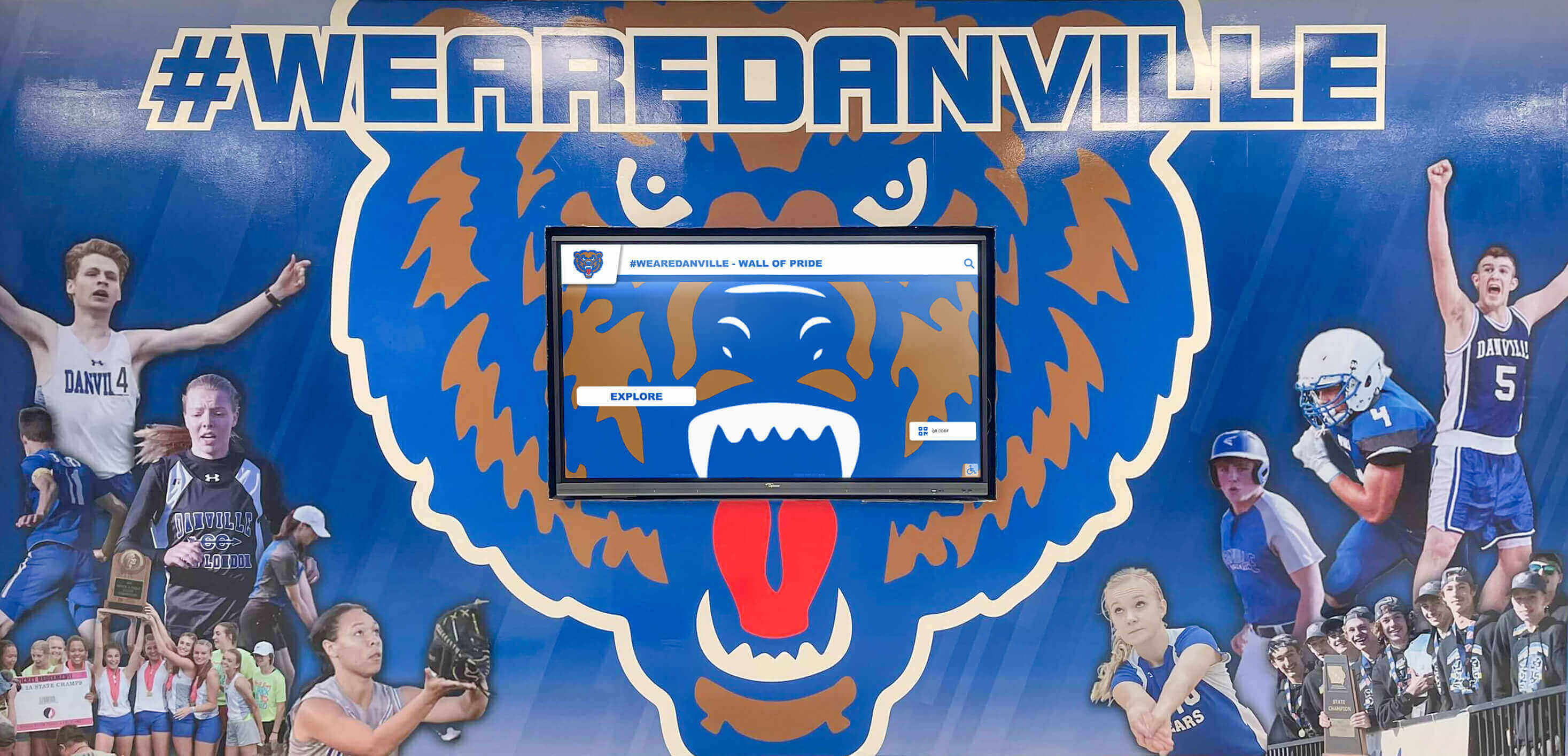
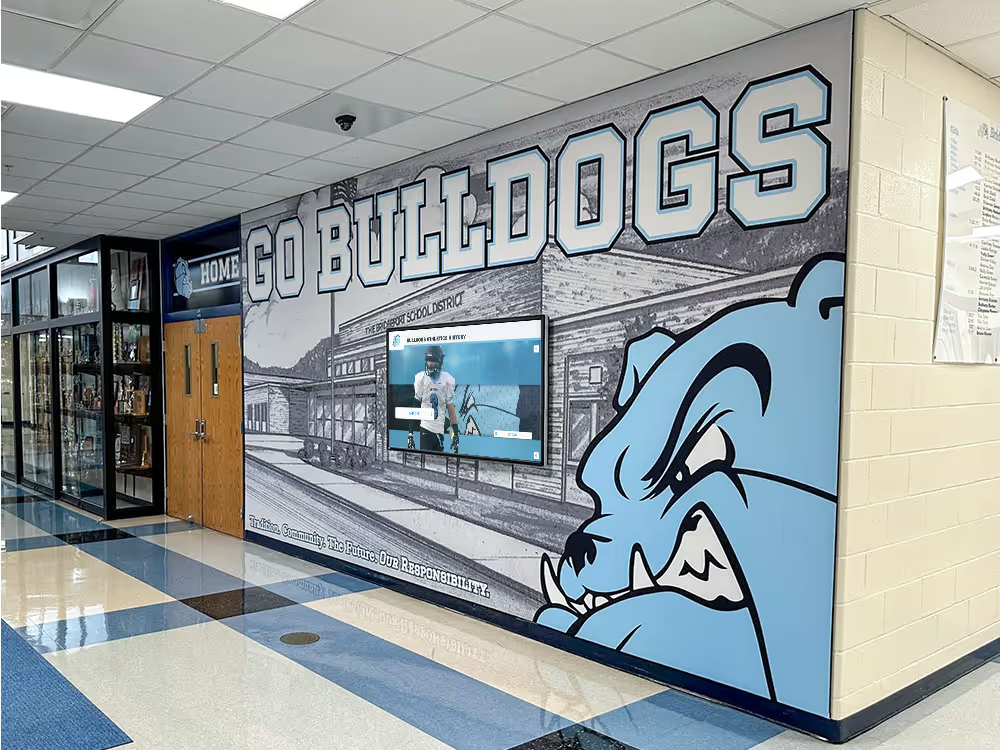
Integrated design approaches combine traditional branding elements with modern technology creating cohesive environments celebrating program identity
Multi-Purpose Facility Considerations
Many wrestling programs operate in shared spaces requiring flexible design accommodating multiple activities.
Balancing Wrestling Needs With Shared Use
Facilities serving multiple programs require compromise balancing wrestling-specific requirements with broader institutional needs.
Portable Mat Solutions for Shared Spaces
Schools using gymnasiums, multipurpose rooms, or fitness centers for wrestling training benefit from portable mat systems allowing rapid setup and breakdown. Roll-out mats, panel systems, or mat carts enable temporary wrestling configuration without permanently dedicating spaces to single-sport use.
While portable solutions require more labor for daily setup, they provide acceptable training environments in space-constrained schools lacking dedicated wrestling rooms. Key considerations include:
- Adequate storage space near training locations reducing setup time
- Mat systems designed for repeated deployment without excessive wear
- Clear protocols defining storage responsibility and setup procedures
- Schedule coordination preventing conflicts with other facility users
Wall Protection in Multi-Use Spaces
Permanent wall padding installation in multi-purpose facilities may not be feasible, requiring alternative approaches protecting both athletes and wall surfaces. Portable padding systems, temporary safety mats positioned along walls during wrestling sessions, or designated training area positioning keeping action away from walls provide workable compromises.
However, programs should advocate strongly for permanent safety padding in spaces regularly hosting wrestling—the injury prevention value and training quality improvements justify installation costs while benefiting other activities using the space.
Design Elements Supporting Multiple Activities
Thoughtful design choices create flexibility accommodating varied programs without compromising wrestling program needs.
Neutral Aesthetic Approaches
Facilities serving multiple sports benefit from design aesthetics celebrating broader athletic excellence rather than sport-specific branding. Generic “Warriors Athletics” graphics work across programs while “Wrestling Champions” messaging alienates other facility users.
School-wide athletic recognition systems displaying achievements across all sports create inclusive environments where every program sees itself represented, building broader athletic department unity while still celebrating wrestling accomplishments alongside other team successes.
Modular Equipment and Storage
Mobile equipment storage, removable floor markings, and adjustable configuration capabilities allow spaces to transform efficiently between different activities. Wrestling programs using multi-purpose facilities should invest in high-quality mobile storage solutions protecting equipment while enabling rapid clearing of spaces for subsequent users.
Efficient systems reduce setup and breakdown labor while preventing conflicts between programs competing for limited facility time.
Recruiting and Community Impact
Wrestling room quality significantly influences athlete recruitment and community perception of program investment and competitiveness.
Facility Tours and First Impressions
Prospective athletes and families evaluate programs partially through facility quality and presentation.
Visual Impact of Professional Environments
Well-designed wrestling rooms communicate program seriousness, institutional support, and competitive commitment. Visiting athletes comparing programs form impressions based on facility quality—programs training in clean, well-maintained, professionally branded spaces project success and organization while those in neglected, bare-minimum facilities suggest lower institutional priority and support.
These perceptions influence enrollment decisions particularly among competitive athletes evaluating multiple program options. Facility investment doesn’t guarantee competitive success, but shabby facilities create recruitment disadvantages against programs demonstrating visible commitment to excellence.
Storytelling Through Recognition Displays
Facility tours provide opportunities sharing program history, values, and competitive success through recognition displays. Traditional plaques offer limited storytelling capability, but modern digital systems allow coaches to guide prospective athletes through program evolution, introduce legendary wrestlers and their achievements, showcase championship seasons, and demonstrate the recognition awaiting those who commit to program excellence.
These interactive experiences create memorable recruiting moments while communicating program culture more effectively than coaches simply describing achievements verbally.
Building Community Support Through Visible Investment
Facility improvements influence community and administration perceptions of program value and investment worthiness.
Demonstrating Institutional Commitment
Athletic facility quality signals institutional priority and support. Programs operating in outdated, poorly maintained facilities may struggle securing additional resources because visible conditions suggest low priority. Conversely, programs demonstrating effective use of existing resources while articulating clear improvement needs position themselves more favorably for future investment.
Even modest improvements implemented thoughtfully—fresh paint, professional signage, organized equipment storage, clean maintained conditions—demonstrate program professionalism encouraging continued support.
Engaging Alumni and Boosters
Facility improvement initiatives create natural engagement opportunities with alumni and booster organizations. Recognition opportunities—naming rights for renovated facilities, donor walls celebrating contributors, or legacy programs honoring former wrestlers through contributions—generate fundraising momentum while strengthening alumni connections to current programs.
Donor recognition displays integrated with athletic achievement systems create unified storytelling celebrating both athlete excellence and the community support enabling program success.
Maintenance and Long-Term Facility Management
Proper maintenance protects facility investment while sustaining safe, functional training environments indefinitely.
Developing Comprehensive Maintenance Protocols
Systematic maintenance prevents deterioration while addressing issues before they become costly problems.
Daily Maintenance Responsibilities
Consistent daily attention maintains facility conditions and prevents accumulated degradation:
- Mat cleaning and disinfection after every training session
- Equipment return to designated storage locations
- Trash removal and general tidiness maintenance
- Visual inspection for safety hazards or equipment damage
- Climate system verification ensuring proper operation
Assigning specific athletes maintenance responsibilities builds program ownership while distributing workload. Senior leadership or captain positions often include facility maintenance oversight as part of their team roles.
Periodic Deep Maintenance
Beyond daily maintenance, facilities require periodic intensive attention addressing accumulated wear and deep cleaning needs:
- Weekly: Thorough mat cleaning including edges and undersides, detailed equipment cleaning
- Monthly: Wall padding inspection and cleaning, storage area organization, equipment inventory
- Seasonal: Mat rotation or replacement planning, major cleaning projects, facility deep cleaning
- Annual: Comprehensive facility assessment, major repair identification, capital improvement planning
Scheduled maintenance prevents crisis-driven reactive approaches while budgeting predictably for replacement cycles and major repairs.
Planning for Equipment Replacement Cycles
All facility components eventually require replacement—planning prevents unexpected costs disrupting program operations.
Mat Replacement Timelines
Quality wrestling mats typically last 10-15 years with proper maintenance, though high-use programs may experience shorter lifespans. Planning replacement cycles allows budget accumulation rather than facing unexpected large expenditures when mat conditions deteriorate beyond acceptable standards.
Warning signs indicating mat replacement needs include:
- Visible foam compression reducing impact absorption
- Vinyl covering tears or deterioration creating tripping hazards
- Persistent odor despite proper cleaning indicating internal contamination
- Seam separation or structural integrity concerns
Technology Update Planning
Digital recognition systems require periodic updates maintaining current appearance and functionality. However, these updates typically involve content refreshes and software updates rather than complete hardware replacement, providing longer useful lifespans than traditional recognition approaches requiring physical plaque additions as achievements accumulate.
Planning three-to-five-year technology refresh cycles ensures systems maintain contemporary appearance and functionality without appearing dated or neglected.
Conclusion: Building Championship Environments
Wrestling room design significantly influences program culture, athlete development, and competitive success. Effective training environments balance functional training requirements with motivational elements, celebrate achievement while maintaining focus on future goals, meet immediate needs while planning for growth, and create spaces where champions develop through daily dedication.
Whether planning new construction, renovating existing facilities, or optimizing current spaces, the principles outlined in this guide help coaches and administrators create wrestling rooms supporting championship development. Start with safety and functional fundamentals, build program culture through thoughtful design, leverage modern recognition technology extending celebration beyond physical space constraints, and maintain facilities demonstrating program pride and institutional support.
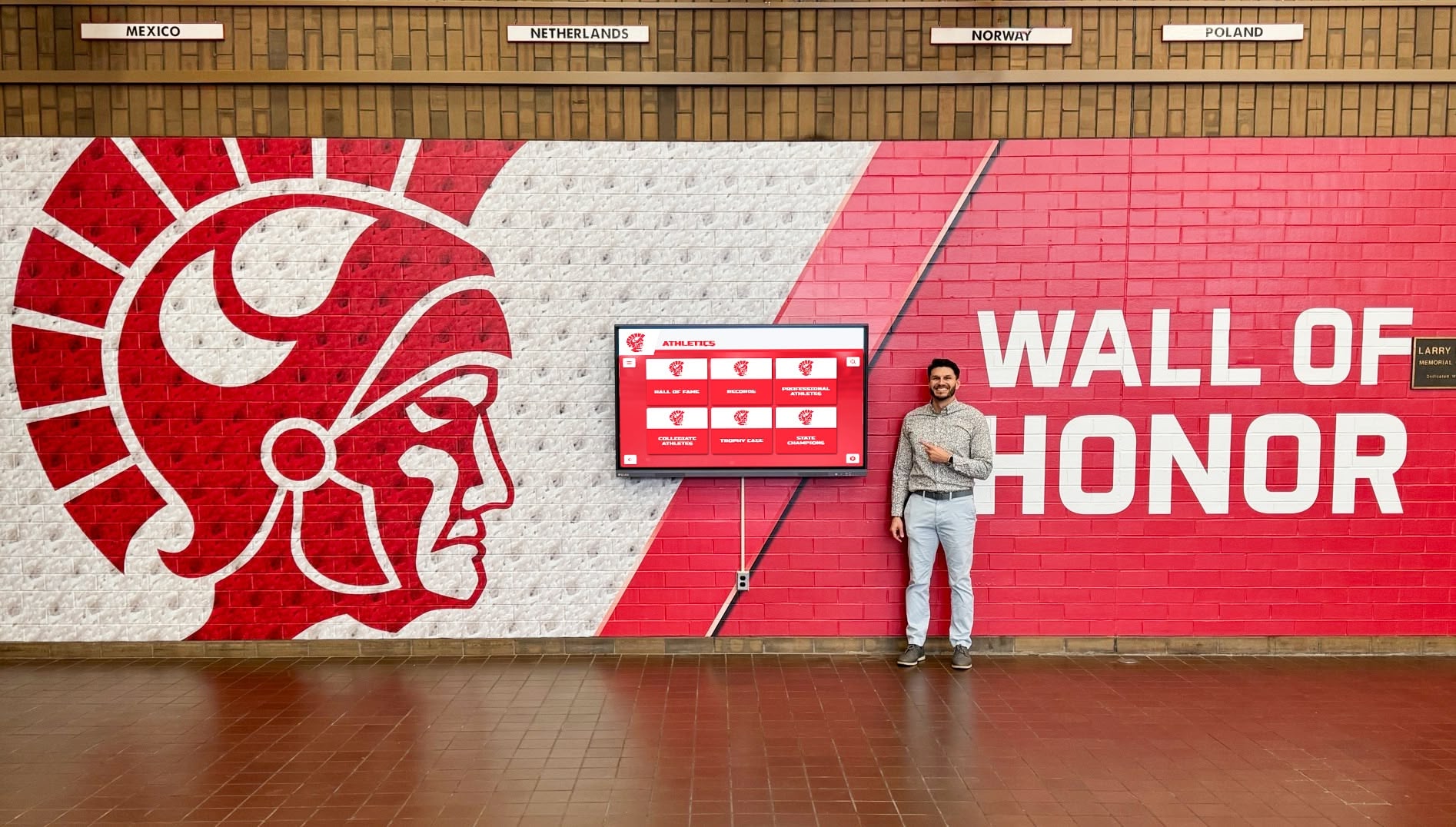
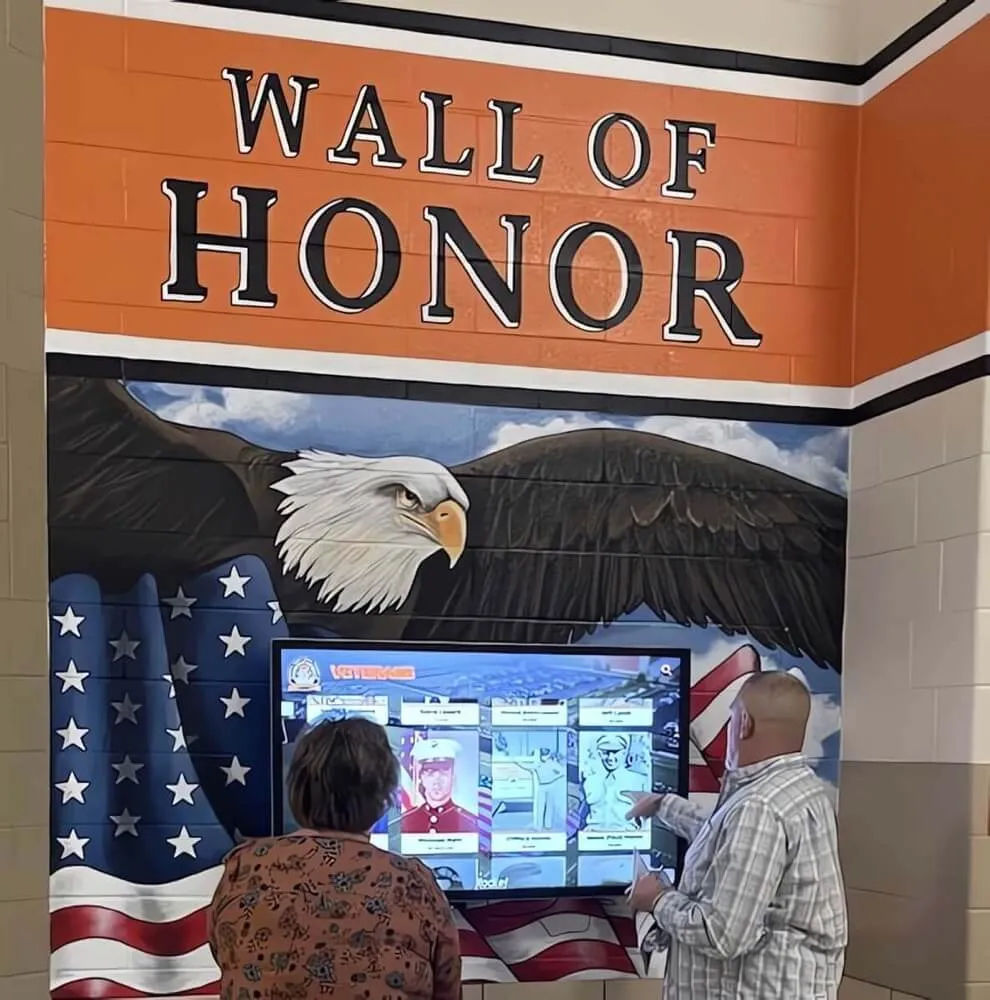
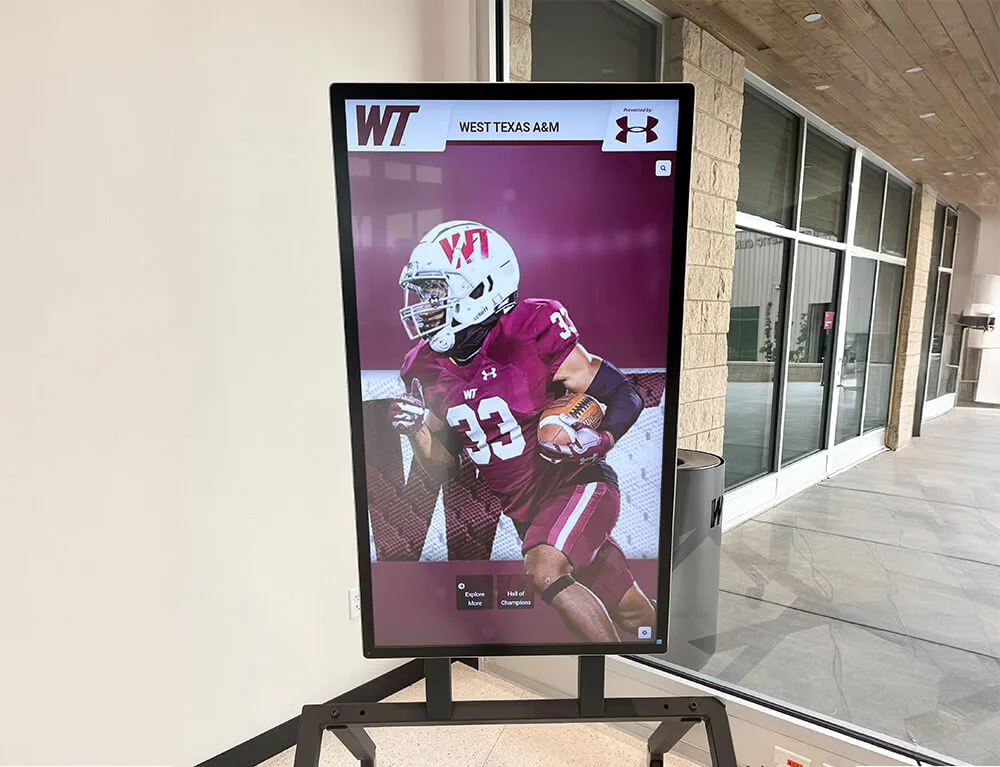
Interactive recognition technology engages athletes with program history while celebrating achievements in ways that inspire current competitors
Championship wrestling rooms don’t emerge from unlimited budgets—they result from thoughtful planning, strategic investment prioritization, and commitment to creating environments where athletes thrive. The space you create shapes the champions you develop.
Transform Your Wrestling Program Recognition
Ready to elevate your wrestling program’s recognition system with modern digital displays that celebrate unlimited achievements without physical space constraints? Rocket Alumni Solutions provides comprehensive digital recognition platforms designed specifically for athletic programs, combining touchscreen interaction with unlimited recognition capacity, real-time updates, and engaging athlete profiles that connect current wrestlers to program legacy. Our solutions transform training environments into championship cultures celebrating excellence while inspiring future achievement. Contact us to discover how digital recognition can enhance your wrestling room design and strengthen program culture.