



Small schools evaluating digital recognition platforms often encounter the “overkill” objection—concerns that database-driven touchscreen systems with analytics, donor tracking, and structured content management represent excessive technical sophistication for institutions needing only basic photo displays and schedule boards. This perspective assumes that depth equals required complexity, that maintenance scales linearly with features, and that current modest needs accurately predict future requirements.
The reality reverses these assumptions. The genuine challenge for small schools isn’t feature abundance—it’s maintenance burden. A Google Slides loop appears cheap and simple initially, but evolves into endless manual updates, content coordination across multiple staff, file management complexity, and reliability frustrations requiring constant attention from already overwhelmed administrators wearing ten different hats.
Platforms like Rocket Alumni Solutions aren’t overkill because depth doesn’t mandate complexity. Schools use exactly the features serving their immediate needs—photos, teams, schedules—while keeping advanced capabilities optional. The presence of analytics, donor tracking, or searchable databases doesn’t require day-one implementation. Meanwhile, the structured database foundation dramatically reduces ongoing labor, prevents the painful re-platform moment when needs evolve, and maintains polished professional presentation critical for donor perception and community prestige even in smaller schools.
Small schools operate under unique constraints making technology decisions fundamentally different from larger institutions. Limited budgets create legitimate concerns about cost efficiency. Small staff sizes mean administrators manage athletics, facilities, communications, and technology simultaneously. Volunteer parents handle what dedicated departments accomplish at better-funded schools. These realities demand solutions minimizing ongoing effort rather than requiring substantial time investments for operation and maintenance.
Yet these same constraints make structured platforms more valuable, not less. When one administrator manages everything, systems reducing manual repetitive work provide disproportionate relief. When volunteers rotate annually, intuitive platforms requiring minimal training prevent institutional knowledge loss. When budgets constrain staffing expansion, automation and efficiency multiply available capacity.
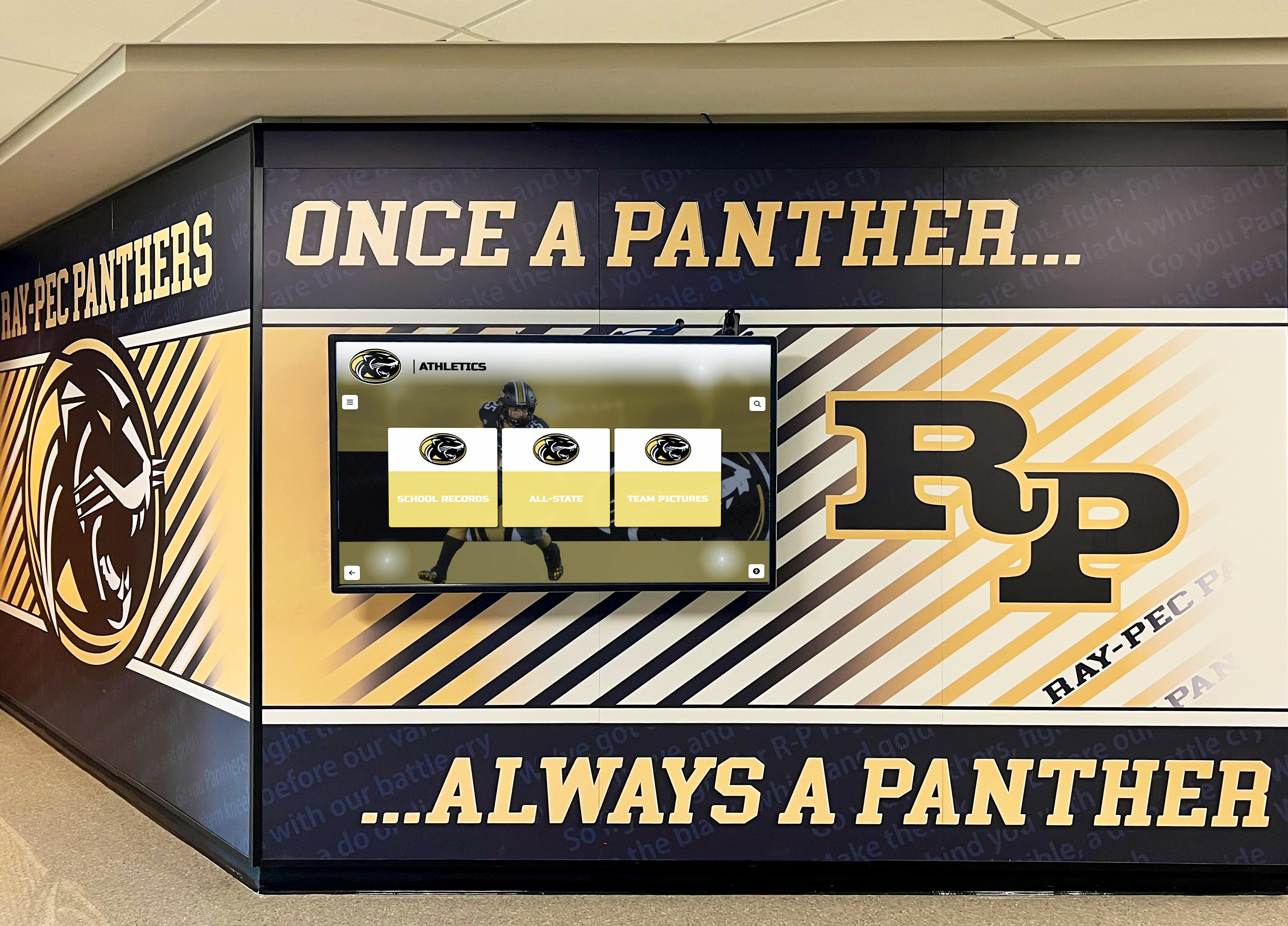
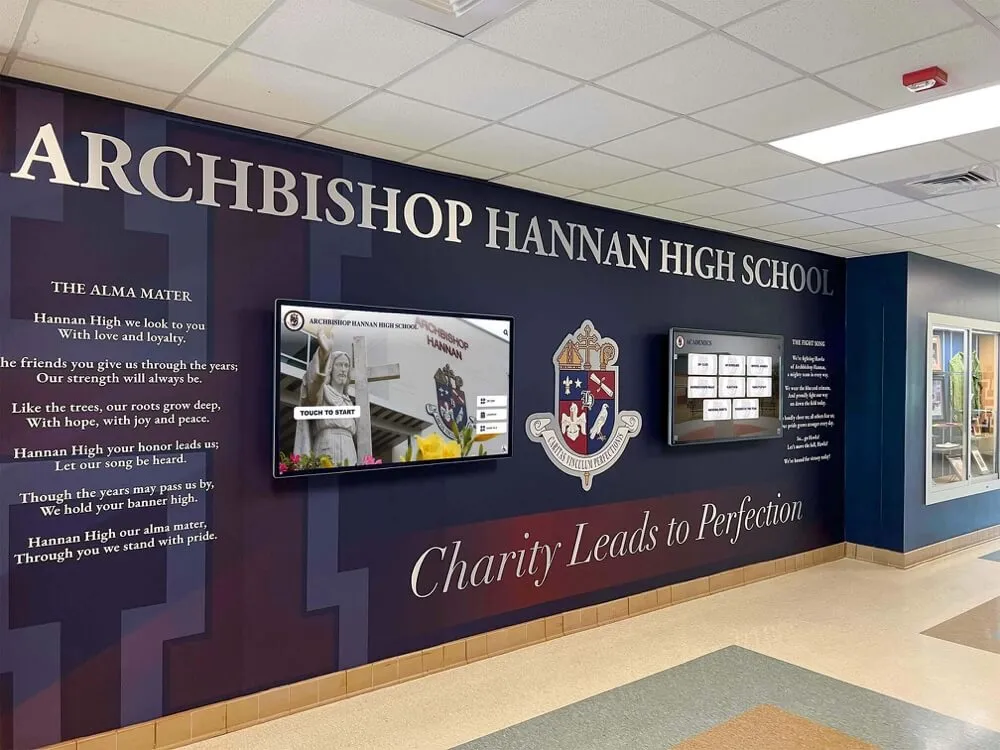
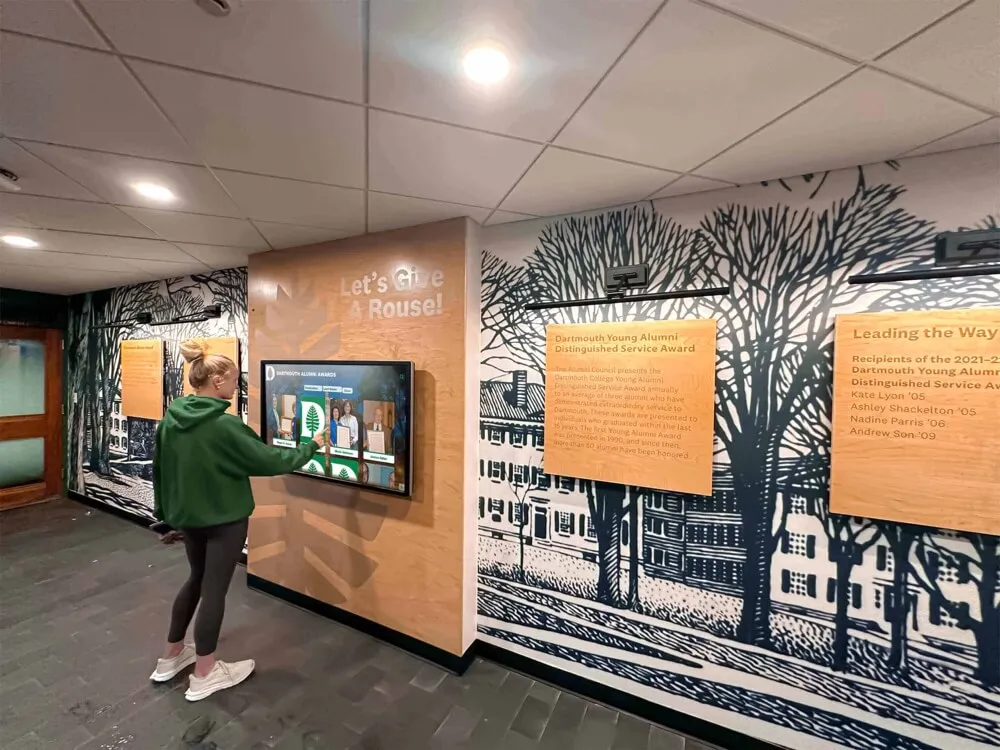
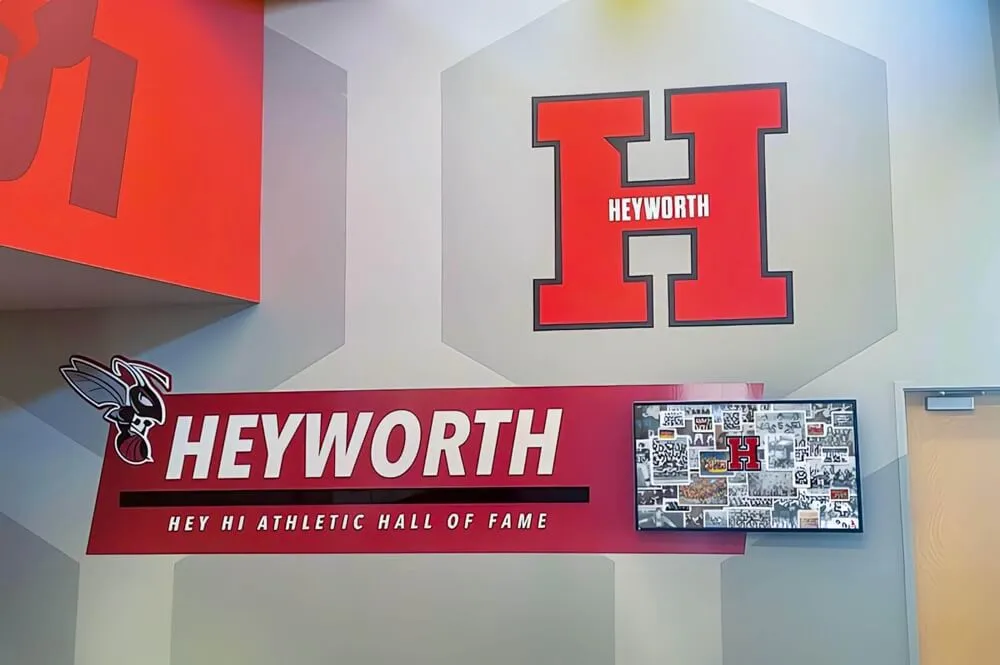
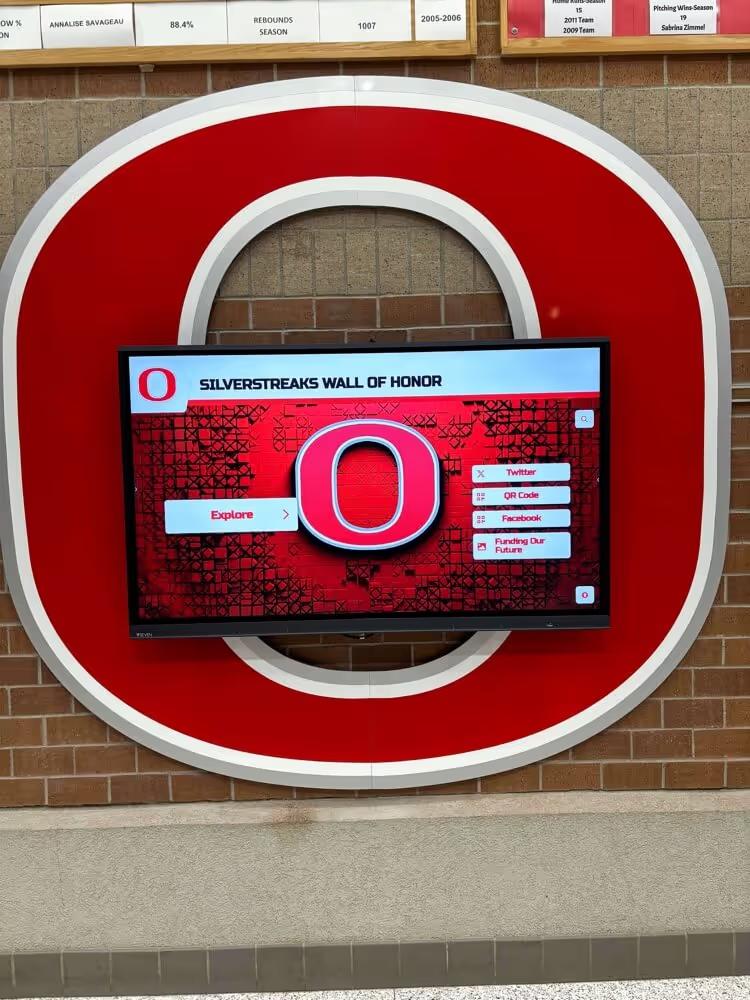
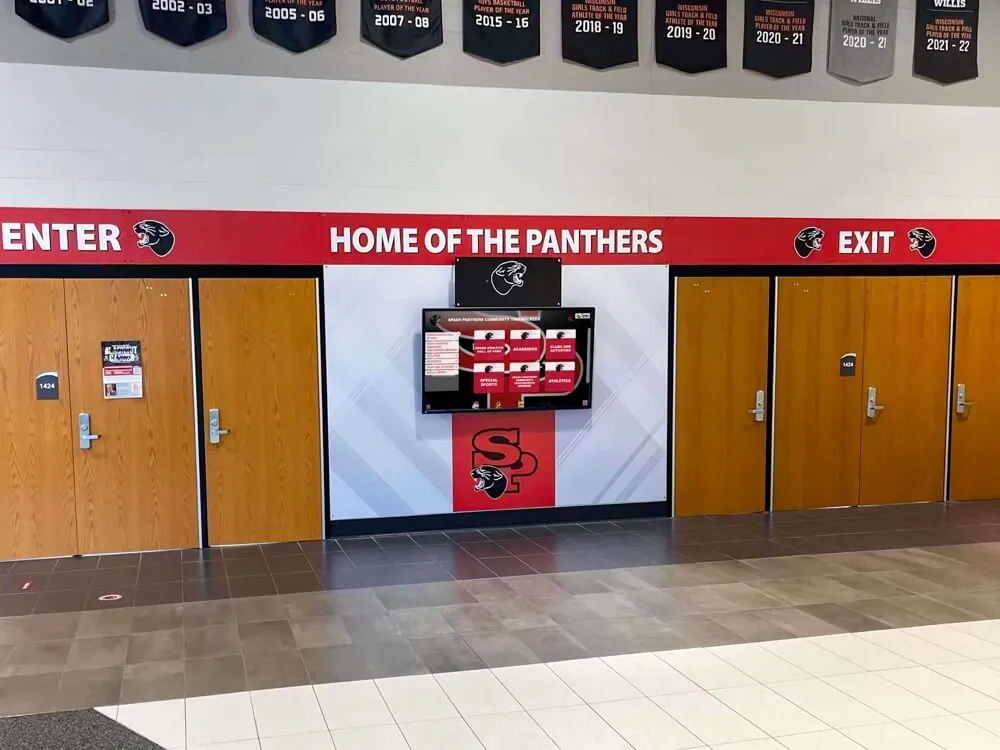
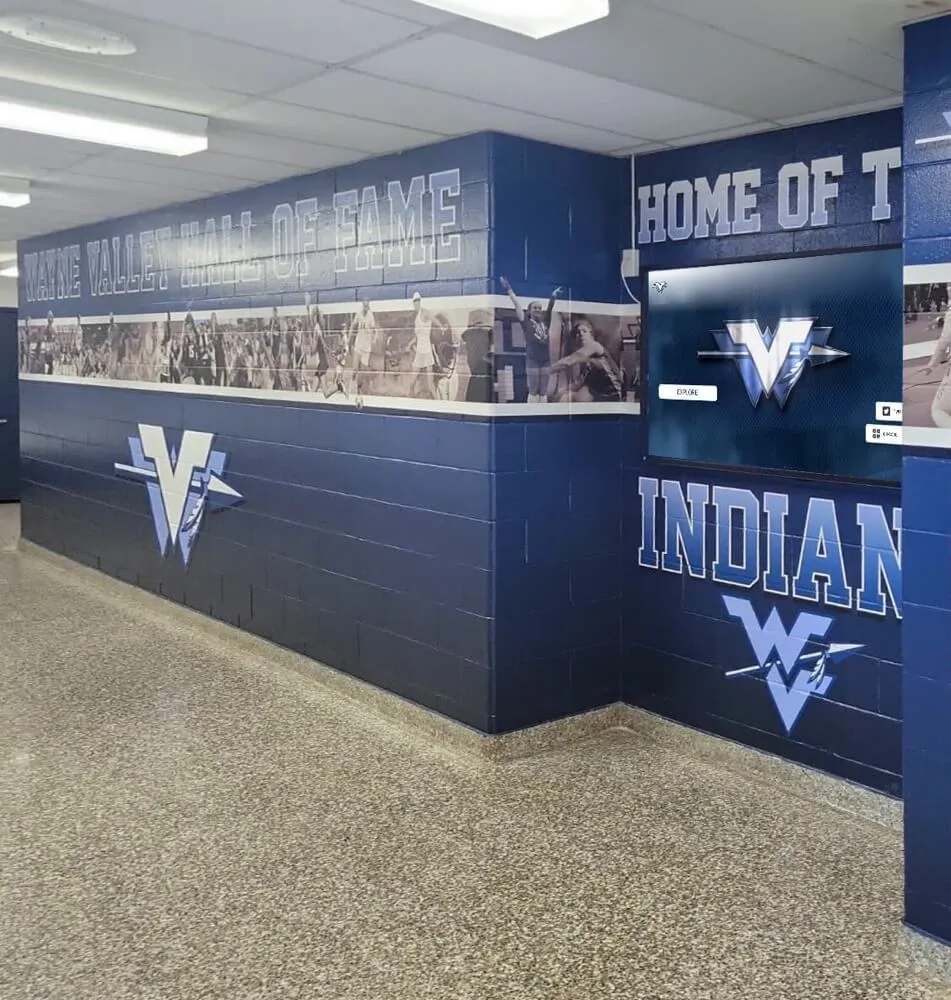
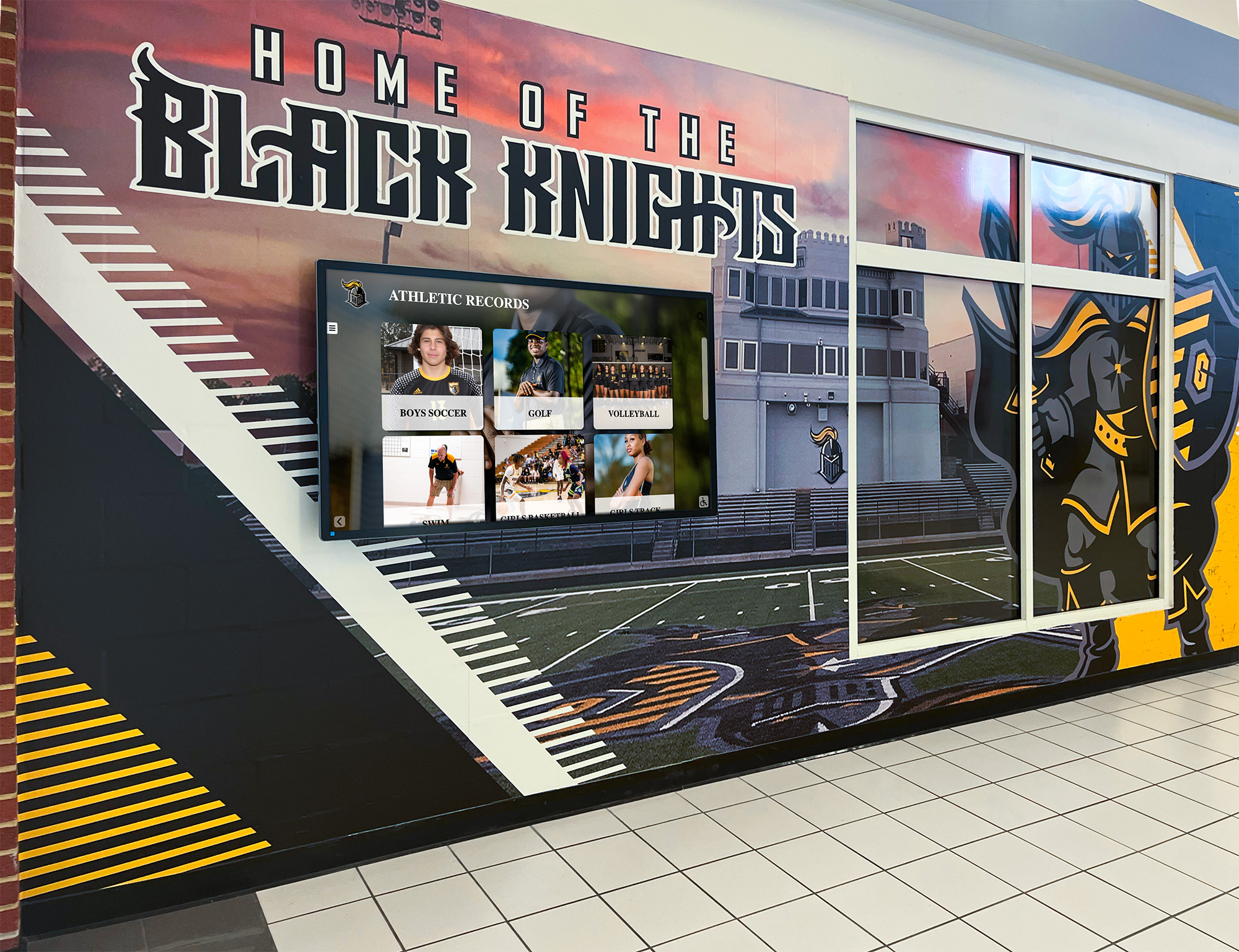
Small schools create professional recognition experiences through well-designed digital platforms
Understanding the “Overkill” Misconception
The overkill concern stems from understandable but flawed assumptions about how platform depth relates to implementation complexity and operational burden.
Misconception 1: Depth Means Required Complexity
The first assumption suggests that platform capabilities mandate corresponding implementation complexity—that purchasing systems with analytics, donor tracking, and database features obligates schools to immediately configure and actively use every capability.
Reality: Capabilities Enable Choice Without Obligation
Professional platforms separate available features from required features. Schools implementing Rocket Alumni Solutions commonly start with fundamental recognition—photos of hall of fame inductees, current team rosters, event schedules. These basic implementations require no analytics configuration, no donor management setup, no complex database relationships.
The platform supports starting simple while preventing technical limitations from forcing future migrations. As needs evolve—adding donor recognition, implementing searchable athlete histories, incorporating performance statistics—capabilities exist without requiring platform replacement, staff retraining, or content migration projects.
Comparison to Forced Growth Scenarios
Consider schools starting with Google Slides or basic digital signage. Initial implementation appears simple: create slides, add photos, upload to display. But inevitable growth—additional teams, more coaches, senior nights, sponsor rotations—compounds complexity. Each addition means more slides to update, more content coordination, more file version management, and more time spent maintaining displays rather than building community engagement.
Schools implementing digital recognition displays from structured platforms avoid this maintenance escalation. Adding teams, coaches, or content categories requires database entries rather than file reconstruction—work completed in minutes rather than hours.
The UI Curation Principle
Platform depth matters less than interface design. Well-designed systems like Rocket present exactly what schools need while keeping optional capabilities accessible but unobtrusive. Athletic directors updating rosters encounter simple forms, not analytics dashboards. Communications staff scheduling content see calendars, not database schemas.
This curation makes depth invisible during routine operation while keeping capabilities available when circumstances demand more sophisticated features.
Misconception 2: The Real Problem Is Features, Not Maintenance
The second assumption suggests features create problems rather than solving them—that simplicity means fewer capabilities rather than less ongoing work.
Reality: Maintenance Burden Determines Sustainability
Small schools struggle not with initial implementation but with perpetual upkeep. Google Slides loops require constant updating: adding new photos, requesting content from coaches, fixing typos discovered after publication, re-exporting presentations, managing playback reliability, and coordinating changes across multiple contributors without version control or workflow management.
This ongoing burden consumes administrator time weekly or daily depending on display scope. For individuals managing athletic programs, facility operations, and communication simultaneously, this recurring time tax represents genuine operational impact reducing capacity for mission-critical responsibilities.
Database-Backed Systems Reduce Recurring Work
Structured platforms transform recurring manual tasks into one-time entries. Adding hall of fame inductees means completing web forms with standardized fields rather than designing slide layouts, balancing text placement, and exporting files. This structure isn’t over-engineering—it’s what makes updates faster, repeatable, and less error-prone.
Organizations implementing athletic recognition systems report dramatic maintenance time reductions. Tasks consuming hours with slide-based approaches complete in minutes through structured interfaces designed specifically for recognition content management.
The Volunteer Context
Small schools depend heavily on parent volunteers rotating annually. Slide-based systems require training new volunteers on file structures, design standards, export procedures, and troubleshooting playback issues. Complex workflows deter participation or create quality inconsistencies as volunteers struggle with technical details.
Intuitive cloud platforms enable confident content management from any device without specialized software, design skills, or technical expertise. Volunteers add content through simple forms matching familiar web experiences rather than learning presentation software or file management conventions.
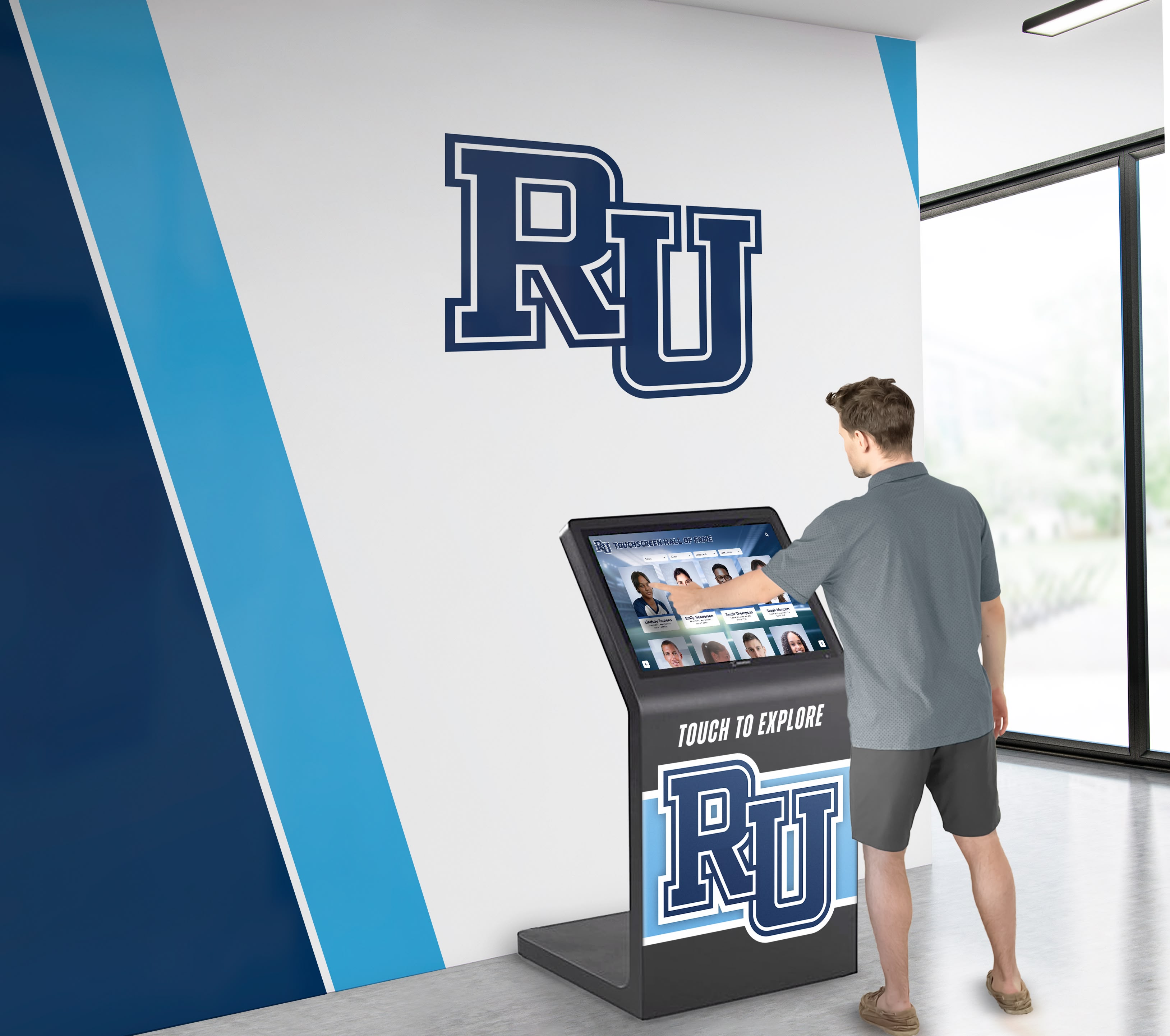
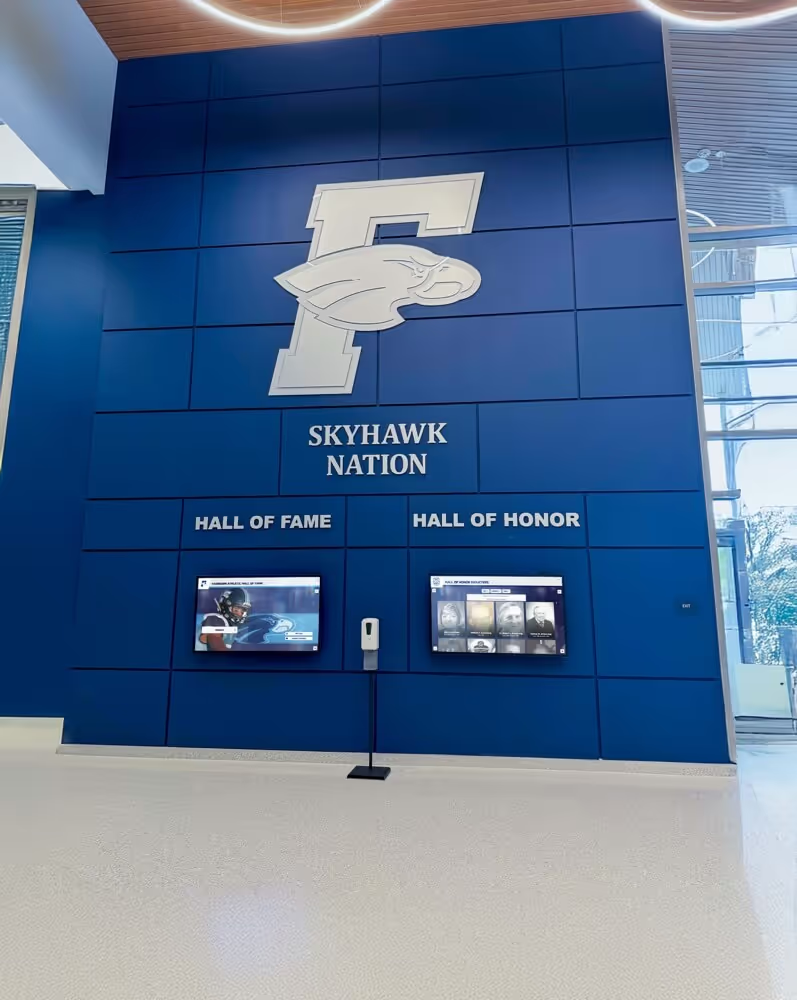
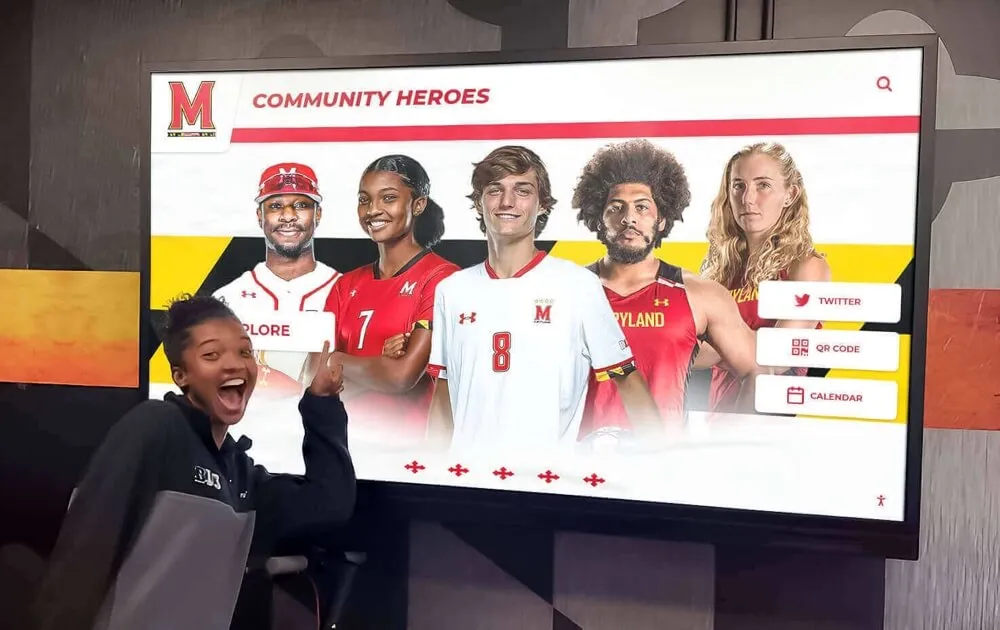
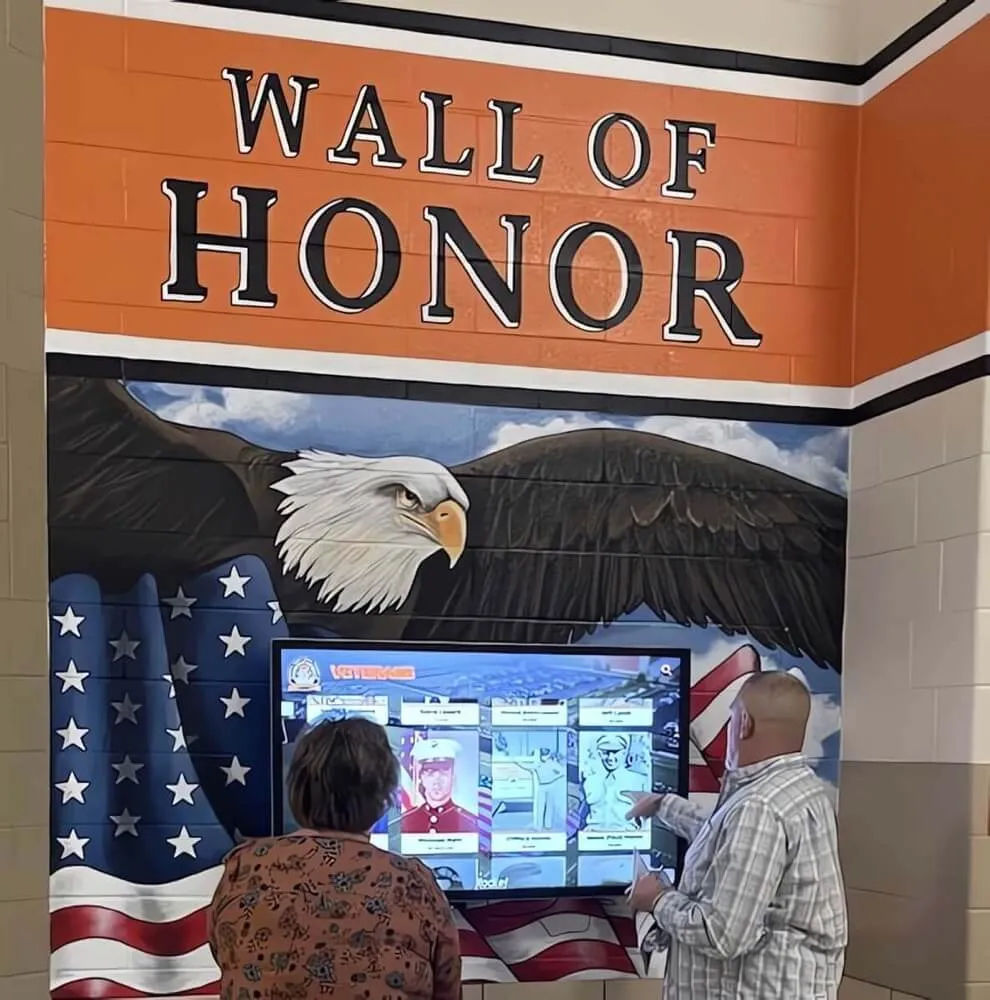
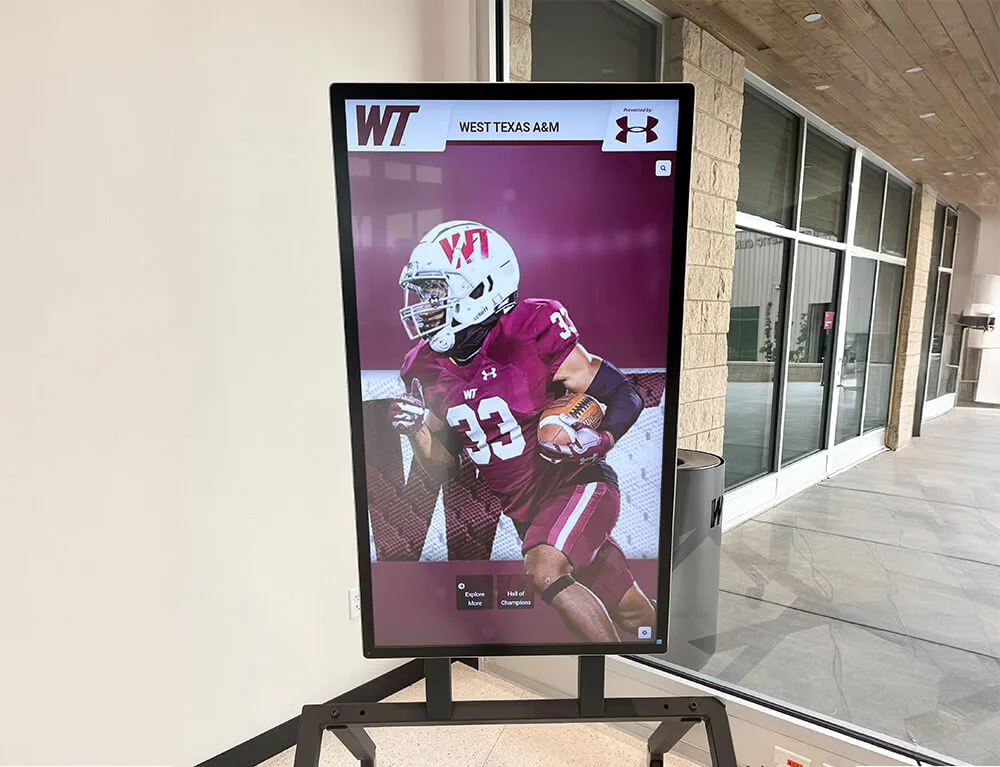
Cloud-based platforms enable efficient content management from anywhere without technical expertise
Misconception 3: “Just a Few Photos” Stays That Way
The third assumption treats current minimal needs as permanent state rather than inevitable starting point before natural expansion.
Reality: Recognition Scope Creeps Predictably
Schools implementing digital displays with modest initial goals—celebrating the 1984 championship team, displaying current calendar—rarely maintain that limited scope. Natural expansion follows predictable patterns:
- Current teams want recognition alongside historical champions
- Coaches deserve acknowledgment for volunteer contributions
- Senior nights create annual recognition requirements
- Donors funding facilities expect appropriate acknowledgment
- New sports launch requiring inclusion in existing displays
- Tournament achievements merit celebration
- Graduation ceremonies generate yearbook content
- Sponsor partnerships create rotation requirements
- Second displays get installed in auxiliary facilities
- Hall of fame programs formalize requiring nomination processes
The Re-Platform Moment
Schools starting with simple solutions inevitably reach platform limitations. Google Slides becomes unmanageable beyond certain content volumes. Basic digital signage lacks interactivity and search capabilities. Static displays can’t accommodate expanding content without overwhelming viewers.
This re-platform moment imposes substantial costs: researching replacement platforms, migrating accumulated content, retraining staff and volunteers, potentially losing historical information inadequately documented, and explaining system changes to communities accustomed to existing displays.
Organizations implementing comprehensive school recognition programs from the start avoid these painful transitions. Platforms designed for comprehensive recognition accommodate modest beginnings while supporting natural growth without requiring platform replacement or content migration.
Preventing Rework Investment
Starting with appropriate platforms prevents wasted investment in systems requiring replacement. Hours spent building slide libraries, designing templates, and training staff represent sunk costs abandoned during platform transitions. Choosing sustainable solutions initially—even when using only basic features—protects these investments as needs inevitably expand.
The True Cost Comparison: Beyond Software Pricing
Organizations comparing digital recognition platforms often focus exclusively on software licensing costs while ignoring substantial differences in total implementation and ongoing operational expenses.
What “90% Cheaper” Comparisons Miss
Surface-level price comparisons contrasting Rocket Alumni Solutions against free Google Slides or inexpensive digital signage subscriptions create misleading impressions about actual cost differences.
Comprehensive Solution Versus Playback Utility
Digital signage platforms and slide viewers provide content playback—displaying prepared materials on screens. Rocket Alumni Solutions provides complete recognition systems including content management infrastructure, template libraries, experience design, implementation support, ongoing platform maintenance, and comprehensive customer service.
Comparing these fundamentally different offerings based solely on subscription pricing resembles comparing empty lot prices to finished homes—technically both are “property” but represent vastly different value propositions.
Hidden Implementation Costs
“Cheaper” solutions impose substantial costs beyond subscription fees:
Content Creation Labor: Slide-based approaches require graphic design work for every content addition. Creating visually consistent, professionally presented slides demands design skills and time investment. Organizations lacking design expertise produce inconsistent amateur results or hire designers—costs exceeding software savings.
Ongoing Maintenance Time: Manual content updates consume administrator time valued far beyond software cost differences. An athletic director spending three hours monthly maintaining slide presentations represents higher cost than platform subscription fees covering those hours.
Technical Troubleshooting: Basic solutions shifting technical responsibility to schools create support burdens. Display failures, playback issues, connectivity problems, and software updates require staff time troubleshooting rather than focusing on educational mission.
Training and Knowledge Transfer: Systems requiring specialized skills create training obligations when staff changes. Each administrator transition requires retraining on file structures, workflow processes, and troubleshooting procedures—recurring costs often ignored in initial software comparisons.
Content Migration and Rework: Platform transitions imposed by outgrowing simple solutions require migrating content, redesigning templates, and retraining staff—substantial one-time costs exceeding years of price differences between appropriate initial platforms and inadequate starting solutions.
Schools implementing donor recognition displays must evaluate total cost including implementation, operation, and opportunity costs rather than simplistic subscription price comparisons.
Staff Time as the Scarce Resource
Small schools operate perpetually understaffed with administrators handling multiple roles simultaneously. In this context, staff time represents the genuinely scarce resource—more limited than budget in many cases. Solutions reducing ongoing operational burden provide value far exceeding monthly subscription cost differences.
Platforms automating routine tasks, streamlining content management, and eliminating technical troubleshooting multiply effective staff capacity. This operational leverage justifies apparently higher software costs that seem expensive in isolation but prove economical considering total operational context.
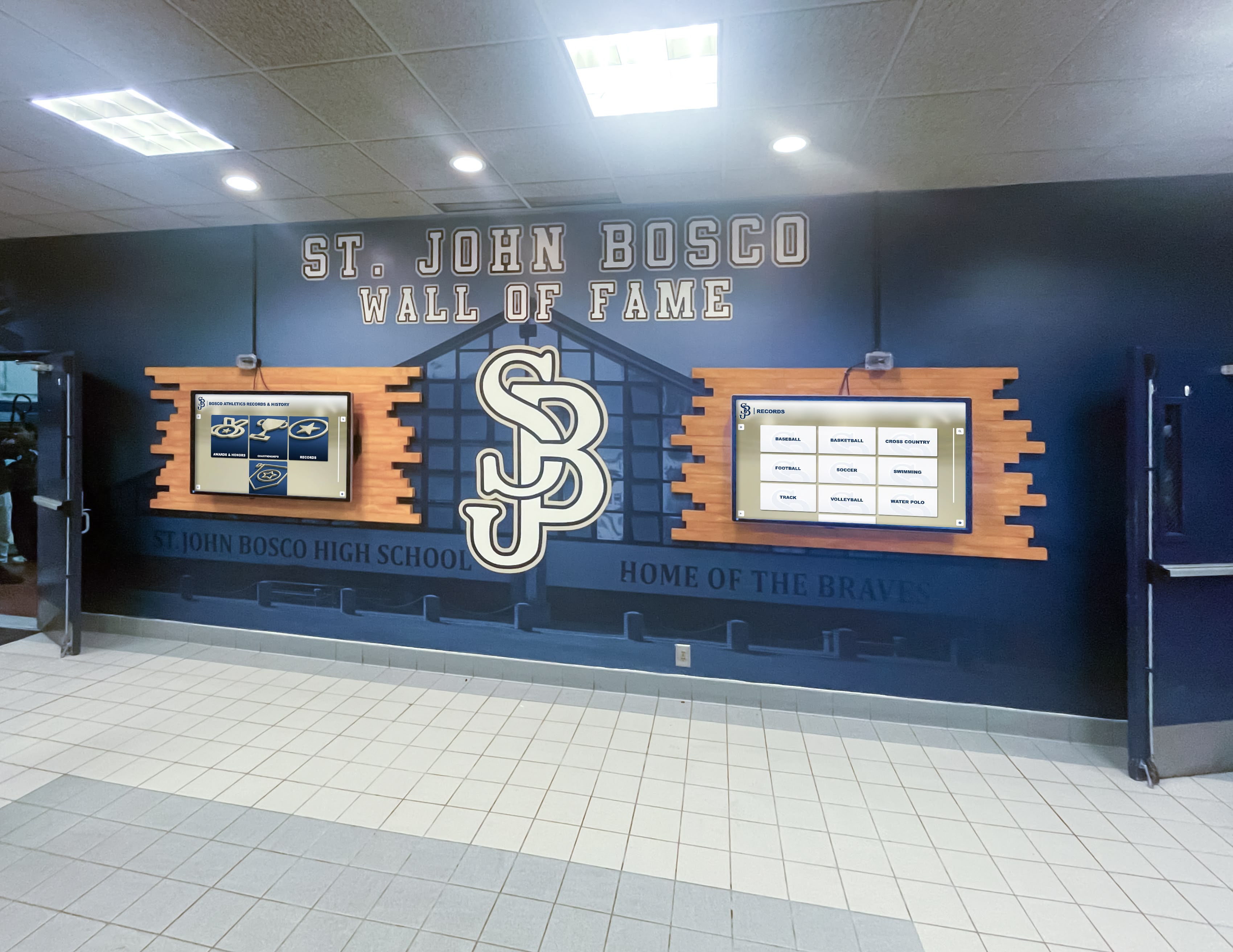
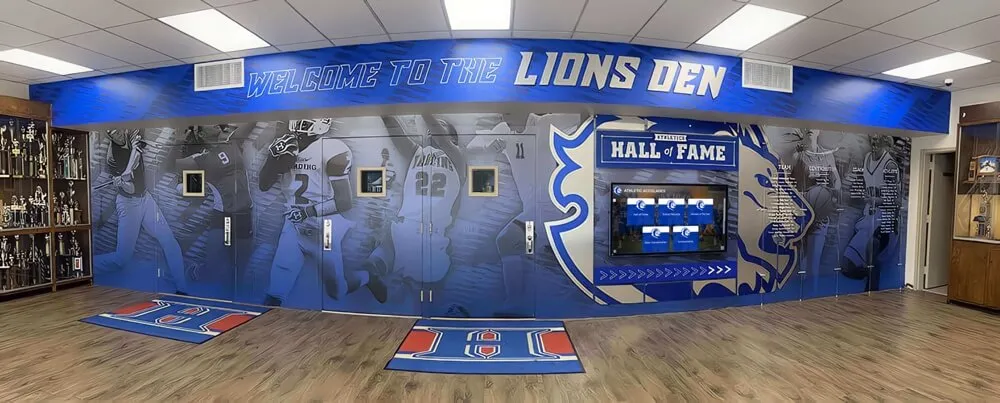
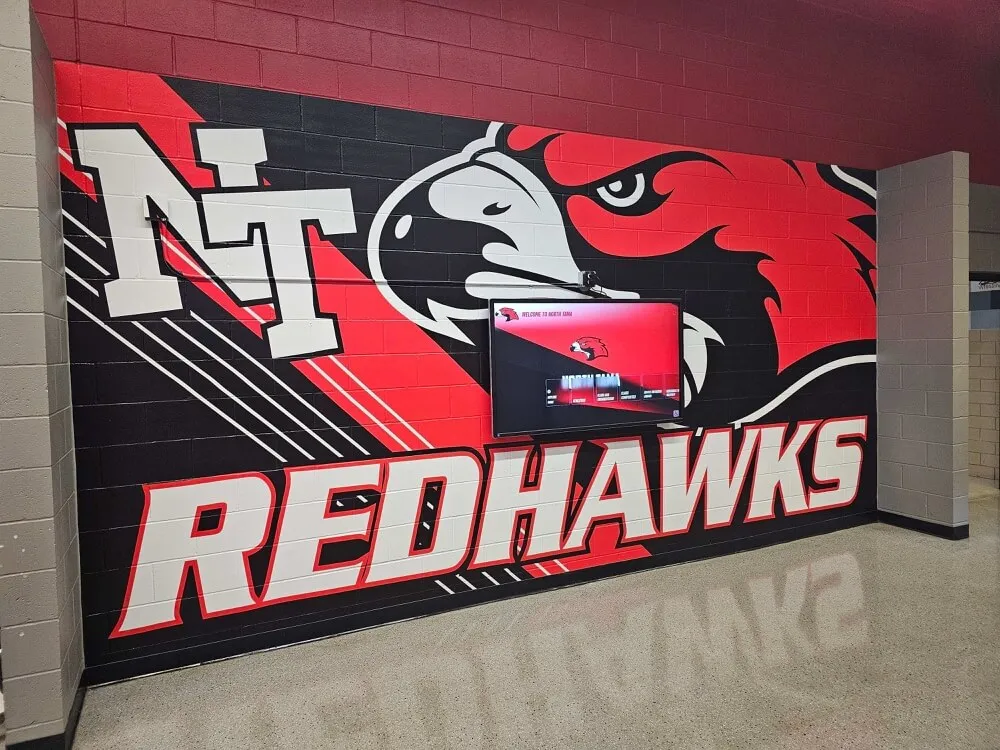
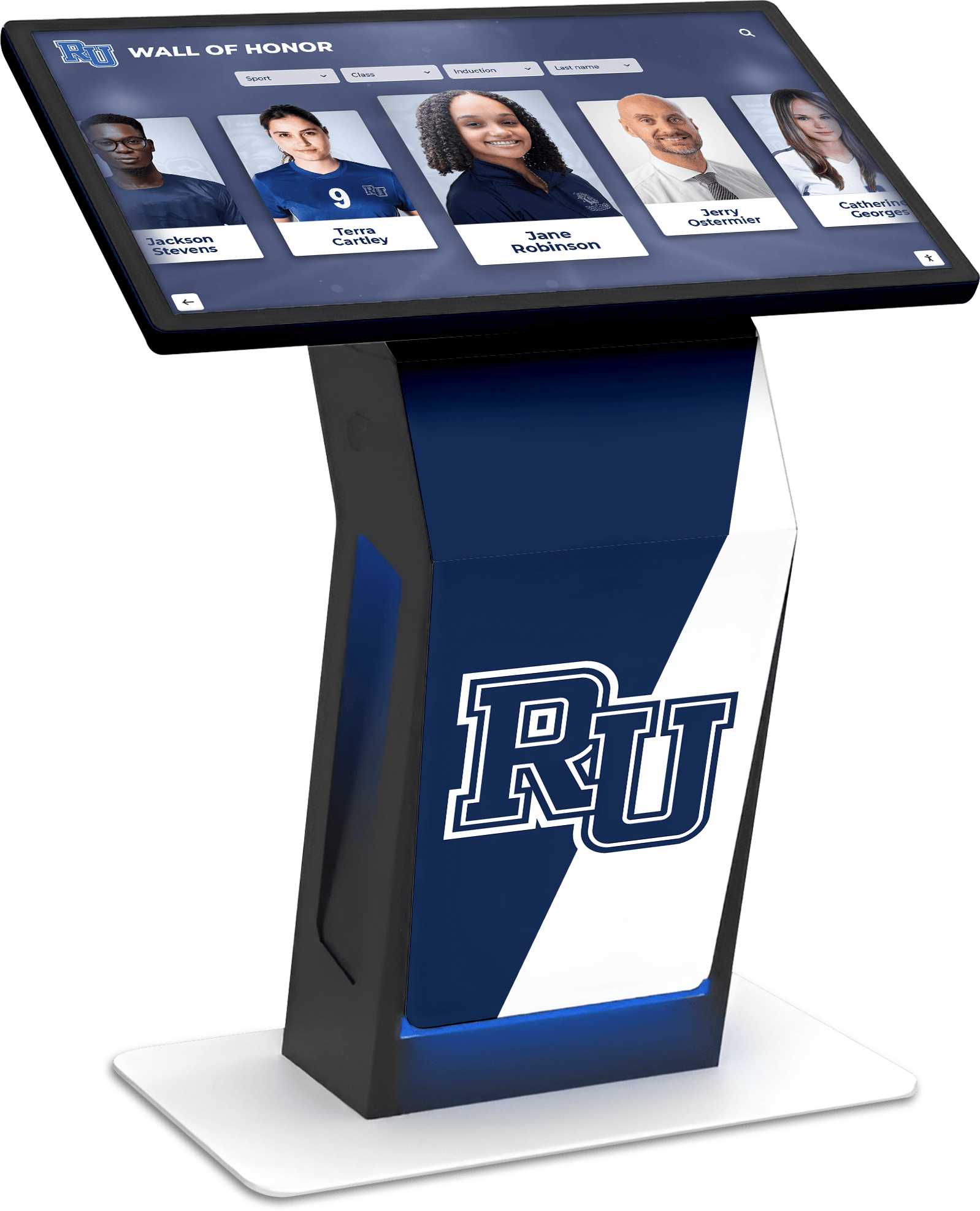
Professional recognition platforms deliver complete solutions beyond basic content playback
The Support and Reliability Premium
Cost comparisons must account for substantial differences in implementation support, ongoing service, and operational reliability.
Implementation Partnership
Rocket Alumni Solutions provides comprehensive implementation support: hardware recommendations coordinated with recognition goals, installation planning assistance, initial content migration help, staff training ensuring confident operation, and ongoing customer service addressing questions and issues.
This implementation partnership transfers expertise built across hundreds of installations, preventing common mistakes, accelerating deployment timelines, and ensuring launches meet professional standards from day one.
Budget solutions typically provide software access without implementation assistance. Schools independently research hardware, manage installation, develop content strategies, train staff, and troubleshoot issues—time investments and potential mistakes substantially exceeding subscription savings.
Kiosk Environment Reliability
Public touchscreen displays operate in demanding environments: constant interaction from users with varying technical sophistication, extended operating hours, diverse network conditions, and physical conditions ranging from climate-controlled spaces to temperature-variable athletic facilities.
Purpose-built recognition platforms optimize specifically for these kiosk environments through reliability features, automatic error recovery, offline capability, and remote monitoring. Budget signage software designed for corporate screensavers or retail advertising often struggles with continuous interactive operation.
Reliability differences manifest as operational burden. Displays requiring frequent manual restarts, experiencing regular crashes, or developing playback issues consume administrator time troubleshooting rather than running autonomously. Reliability improvements reducing intervention frequency provide value difficult to quantify but substantial in operational impact.
Future Expansion Without Rebuilding
Platform selection creates path dependencies affecting future options. Organizations starting with appropriate scalable solutions expand capabilities through configuration—adding features, enabling search, implementing advanced content types—without replacing underlying infrastructure.
Schools starting with inadequate platforms face eventual replacement decisions requiring complete rebuilds—new software research, content migration, staff retraining, and potential community confusion from interface changes. These disruptions exceed the cumulative cost differences between starting appropriately and starting cheaply.
Small Schools and Donor Perception
Recognition displays installed in small schools serve audiences extending beyond current students and staff—including alumni, prospective families, and critically, donors evaluating whether their philanthropic support advances institutional missions effectively.
The Visible Credibility Statement
Digital displays typically occupy prominent locations: main lobby entrances, athletic facility entryways, high-traffic hallways where visitors form first impressions about institutional quality, priorities, and professionalism.
Polished Presentation Matters
Modern, searchable, professionally designed recognition displays signal institutional investment in community celebration, technological competency, and operational excellence. These signals influence how alumni evaluate engagement worthiness, how prospective families assess educational quality, and how donors determine philanthropic confidence.
Amateur slide presentations with inconsistent formatting, obvious typos, or dated design aesthetics create opposite impressions—suggesting resource constraints, limited technological sophistication, or insufficient attention to community recognition. These negative signals undermine development efforts far exceeding the software cost differences between professional and budget solutions.
The ROI Beyond the Screen
Recognition display value stems not from hardware or software but from community engagement, donor confidence, and institutional pride they generate. Displays creating positive emotional responses from recognized individuals, their families, and extended networks justify costs through intangible returns: strengthened institutional loyalty, increased giving participation, enhanced word-of-mouth recruitment, and deeper community connections.
Organizations implementing high school recognition programs report these intangible returns materially impacting institutional health despite difficulty quantifying precise financial value.
Donor Confidence Factors
Philanthropists evaluating whether their contributions achieve intended impact assess operational competence through visible institutional touchpoints. Professional recognition systems demonstrating organizational sophistication, technical capacity, and community commitment build donor confidence that gifts will be stewarded effectively.
Budget solutions suggesting resource limitations, amateur execution, or minimal investment in donor appreciation undermine this confidence. The perception gap between professional and amateur recognition implementations often exceeds actual cost differences—small absolute expenditure variations creating substantial perception impacts.
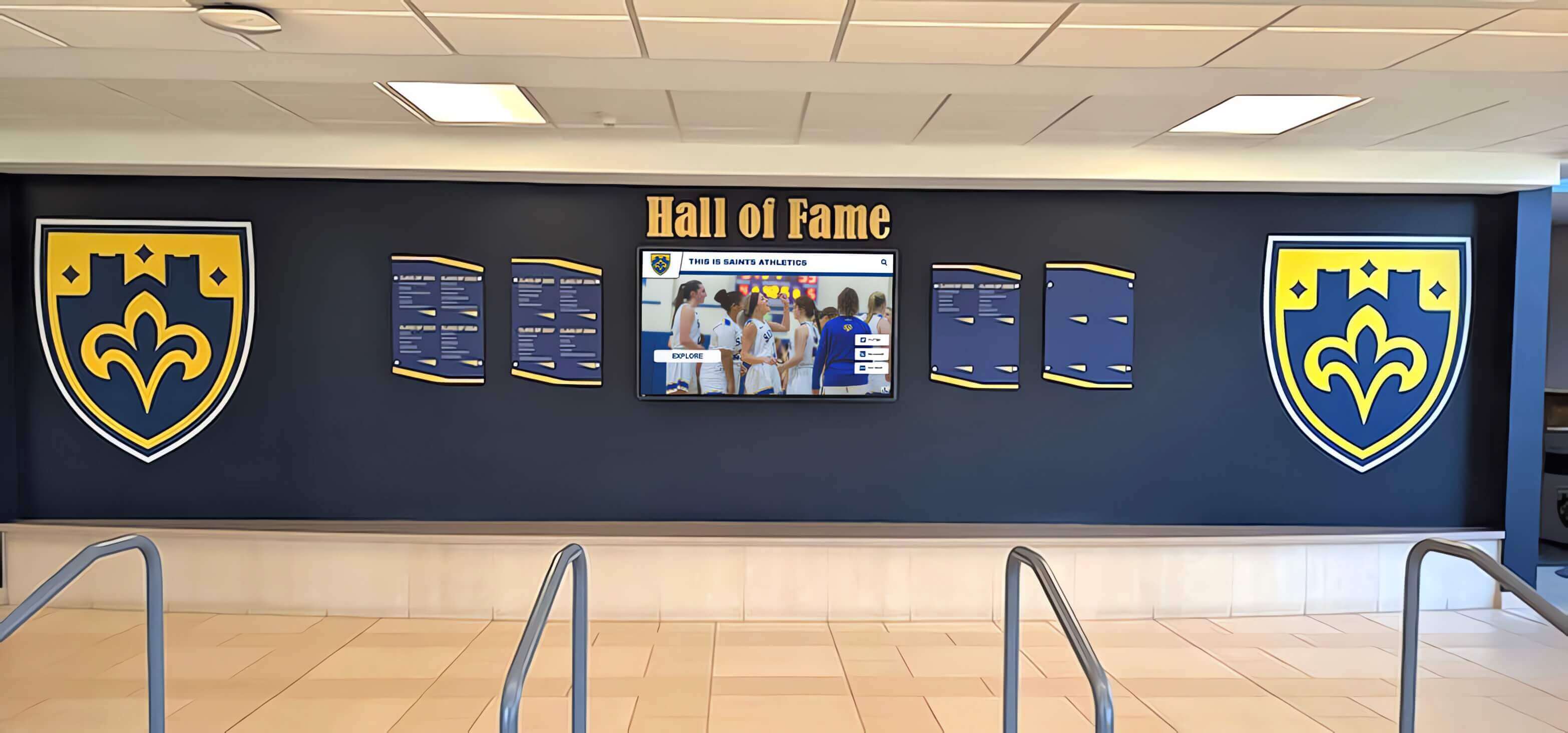
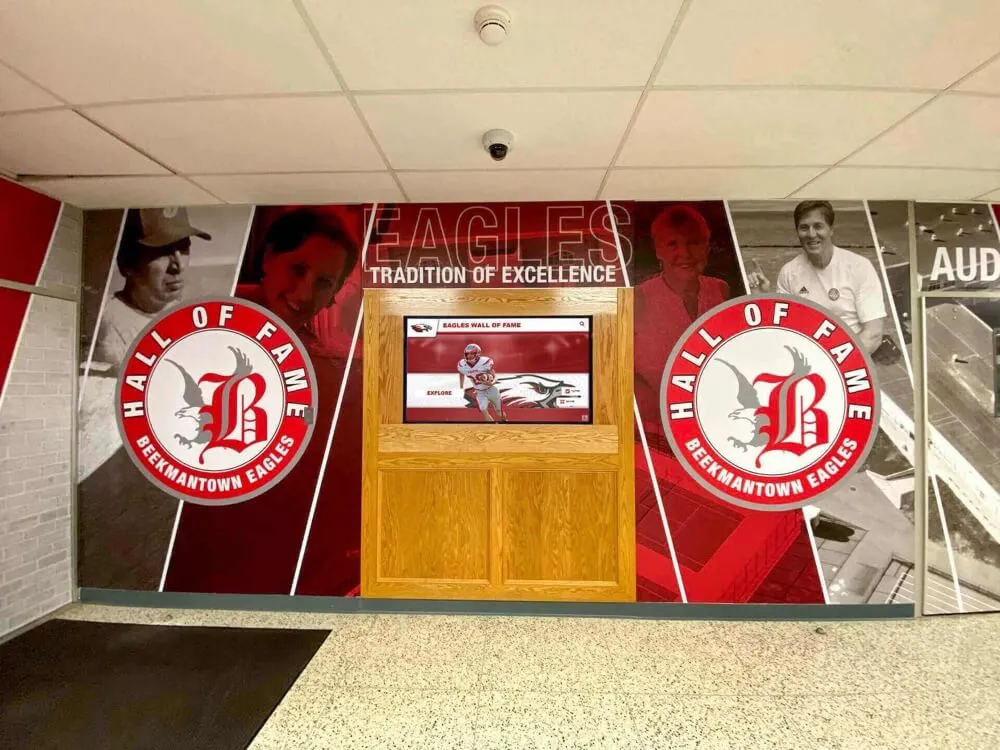
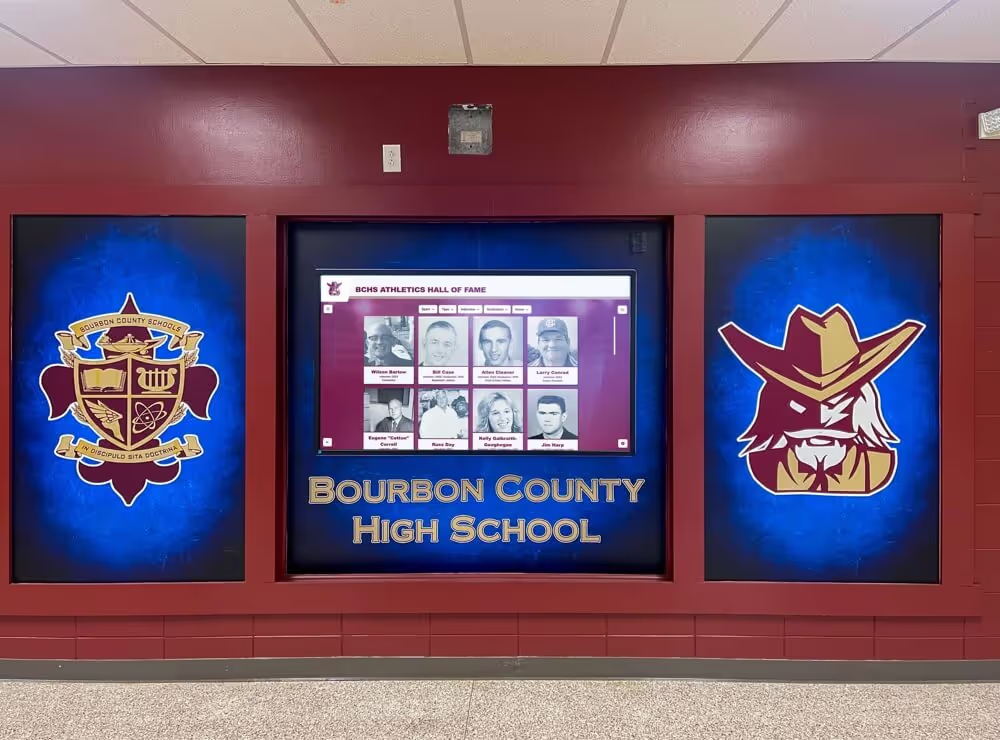
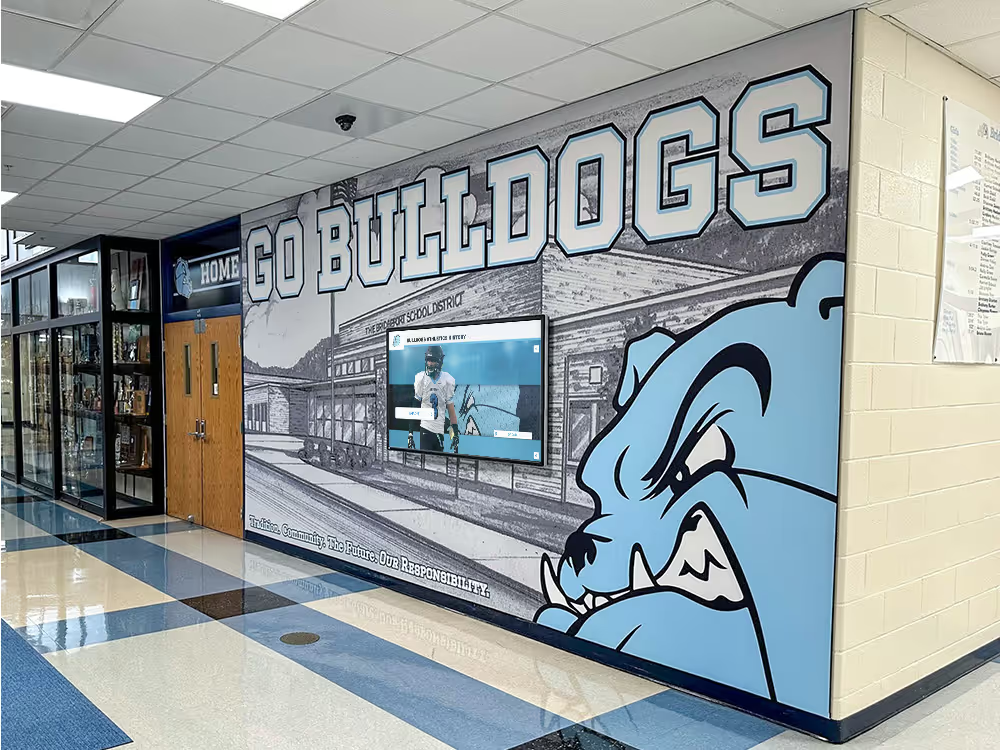
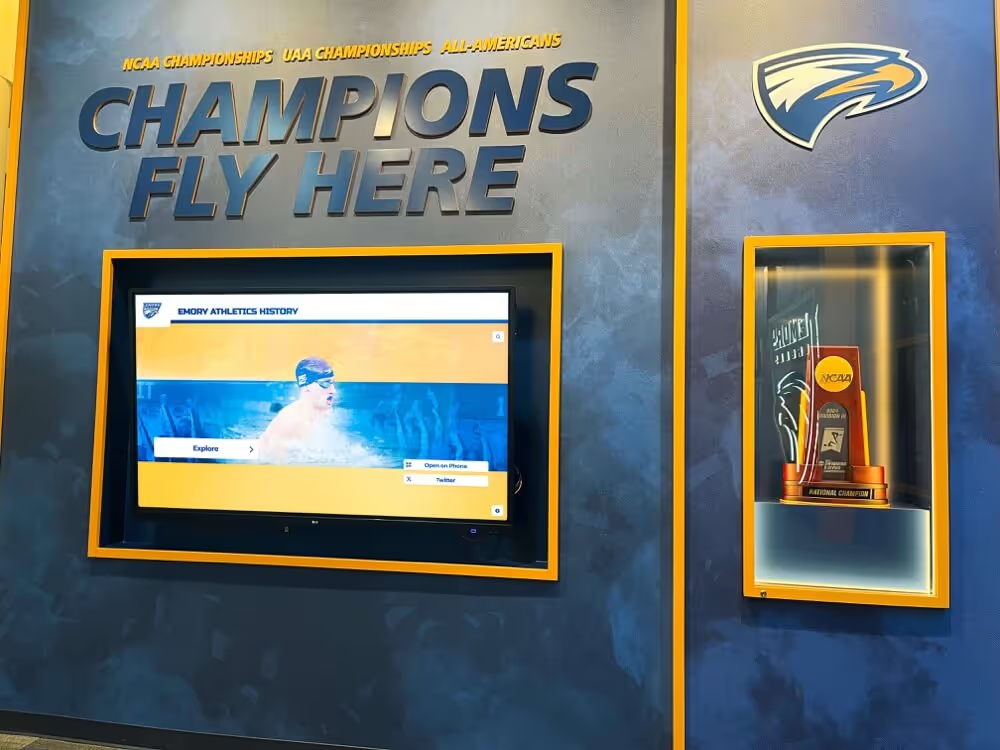
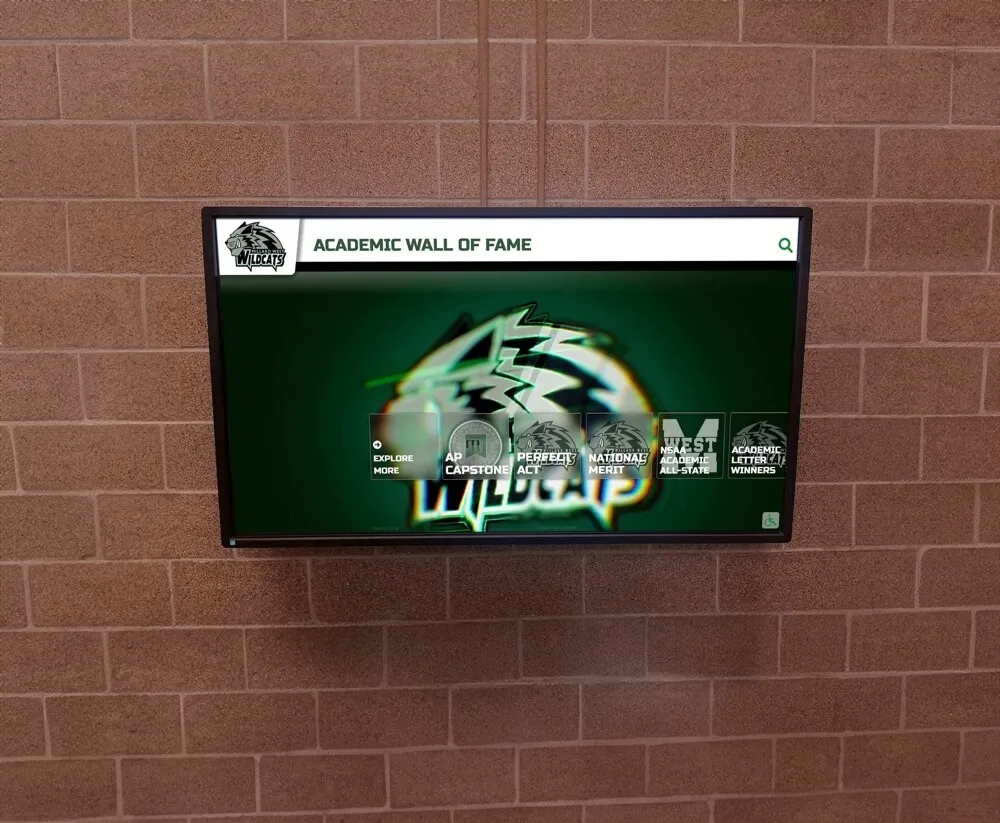
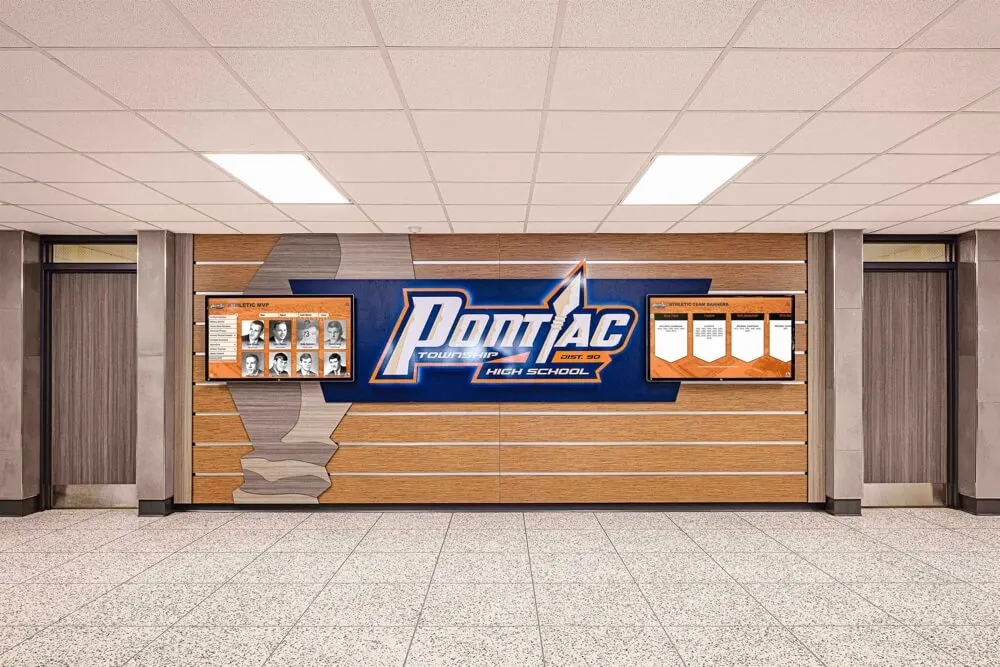
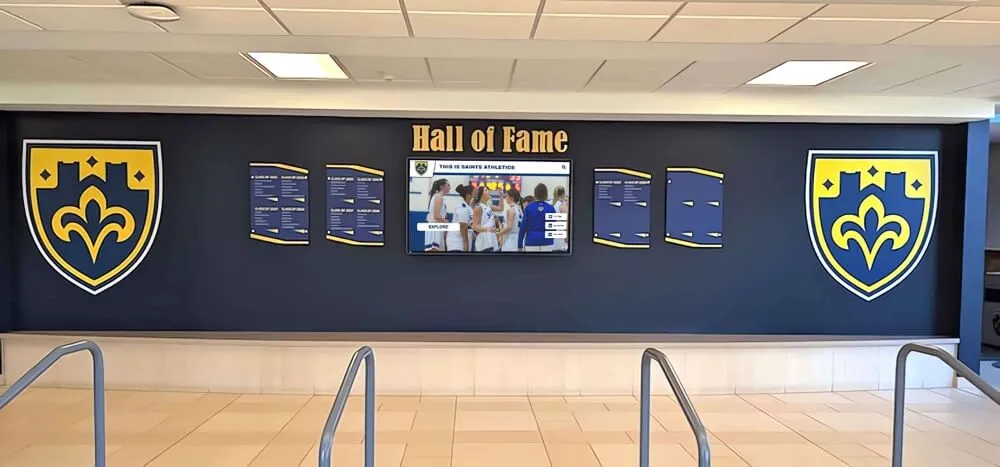
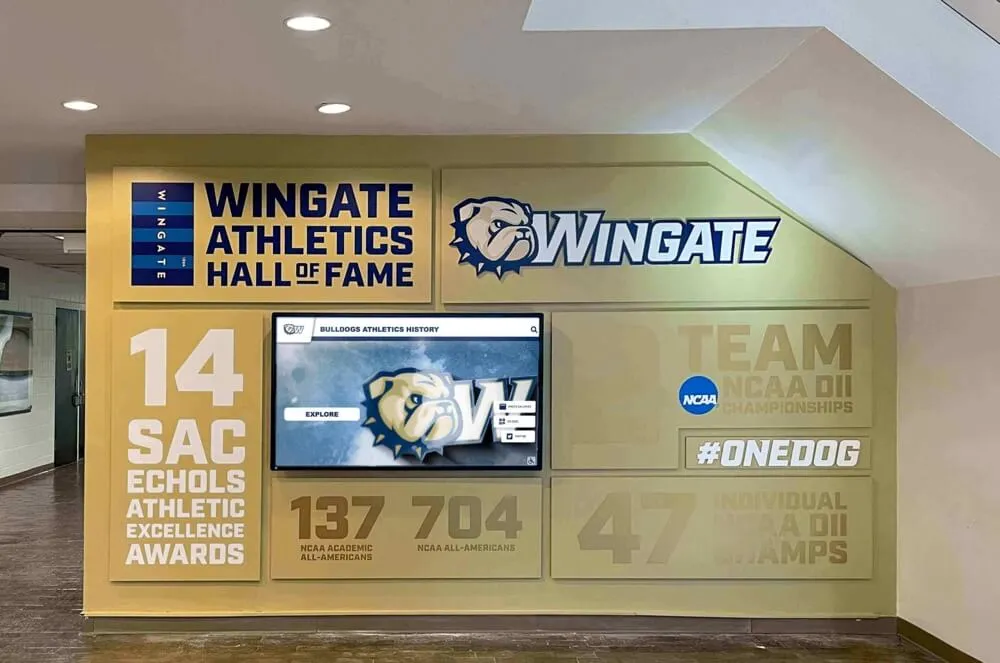
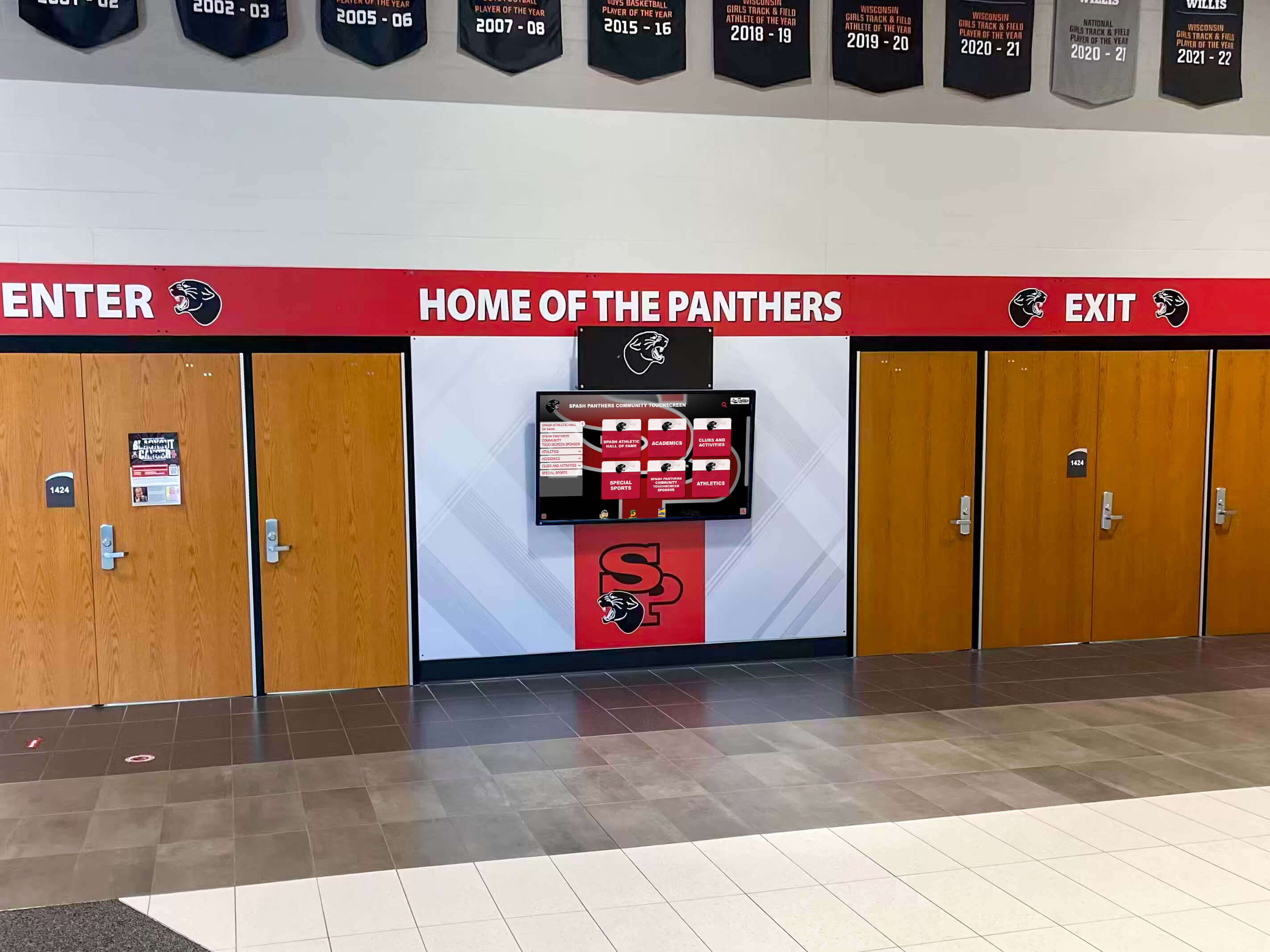
Professional recognition installations reflect positively on overall institutional quality and donor stewardship
Recognition as Strategic Touchpoint
Small schools competing for enrollment, donor support, and community engagement against better-funded institutions require strategic advantages wherever possible. Recognition displays represent controllable touchpoints where modest investments create disproportionate positive impressions.
Competing on Experience, Not Resources
Small schools rarely compete on facility budgets, equipment quantities, or program breadth against larger or better-funded institutions. However, recognition quality represents more level competitive ground where thoughtful implementation creates experiences matching or exceeding larger competitors despite resource disparities.
Well-designed interactive recognition allows small schools to showcase achievements, celebrate community members, and create engaging explorable experiences demonstrating institutional pride and technological competency regardless of overall budget scale.
The Network Effect of Recognition
Recognized individuals share digital profiles through social media, email, and conversations—extending recognition reach far beyond physical display locations. This social amplification creates marketing and engagement value impossible through traditional static recognition limited to facility visitors.
Small schools benefit disproportionately from this network effect. Where larger institutions rely on extensive marketing budgets, smaller schools leverage recognition sharing as organic promotion reaching alumni networks, prospective family circles, and community contacts through trusted personal connections rather than paid advertising.
When “Touch” Isn’t Required: Lean Mode Operation
The touchscreen emphasis in Rocket Alumni Solutions’ positioning sometimes creates misconceptions that interactive capability represents the primary value proposition rather than one interaction modality within comprehensive recognition systems.
Touch as Enhanced Option, Not Requirement
Organizations can implement Rocket Alumni Solutions in non-interactive “lean mode” configurations using displays as managed storytelling platforms without touch functionality while maintaining all content management, design consistency, and operational efficiency benefits.
Passive Display Operation
Non-touch deployments show rotating featured content, scheduled spotlights, current information, and designed presentations without requiring viewer interaction. This passive operation suits certain contexts: displays in areas with limited dwell time, supplementary screens showing curated highlights, or locations where touch interaction creates maintenance concerns.
The platform’s value in these passive configurations stems from centralized content management enabling easy updates across multiple displays, consistent professional design eliminating need for graphic design skills, scheduled automation maintaining fresh relevant content, and reliable kiosk-mode operation without manual intervention.
Schools implementing digital signage for athletics benefit from platform capabilities regardless of interactive versus passive operation mode.
Progressive Enhancement Philosophy
Starting with passive displays doesn’t preclude future touch capability. Schools can begin with simpler non-touch hardware displaying managed content, then add touch-enabled displays later as budgets permit or needs evolve. The underlying platform supports both modalities without requiring different software or content strategies.
This progressive enhancement allows organizations to start conservatively while maintaining upgrade paths as confidence and budgets support expanding capabilities.
The Database Advantage Persists
Whether displays operate interactively or passively, database-backed content management provides identical operational benefits: faster updates, easier coordination across multiple contributors, consistent presentation without design work, scalable performance accommodating growing content, and structured workflows reducing administrative burden.
Touch capability enhances engagement but database structure reduces maintenance—the more fundamental value proposition for resource-constrained small schools.
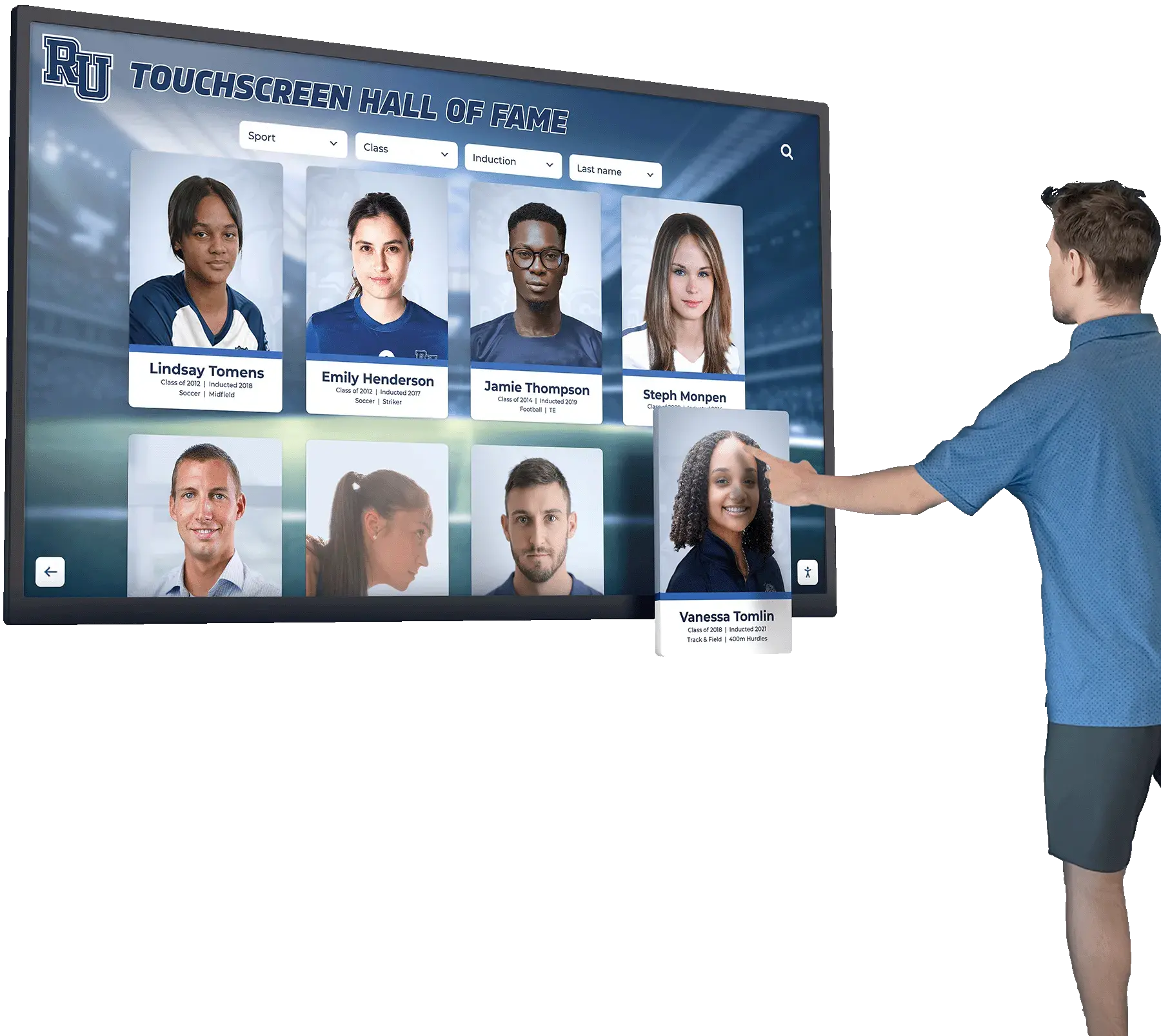
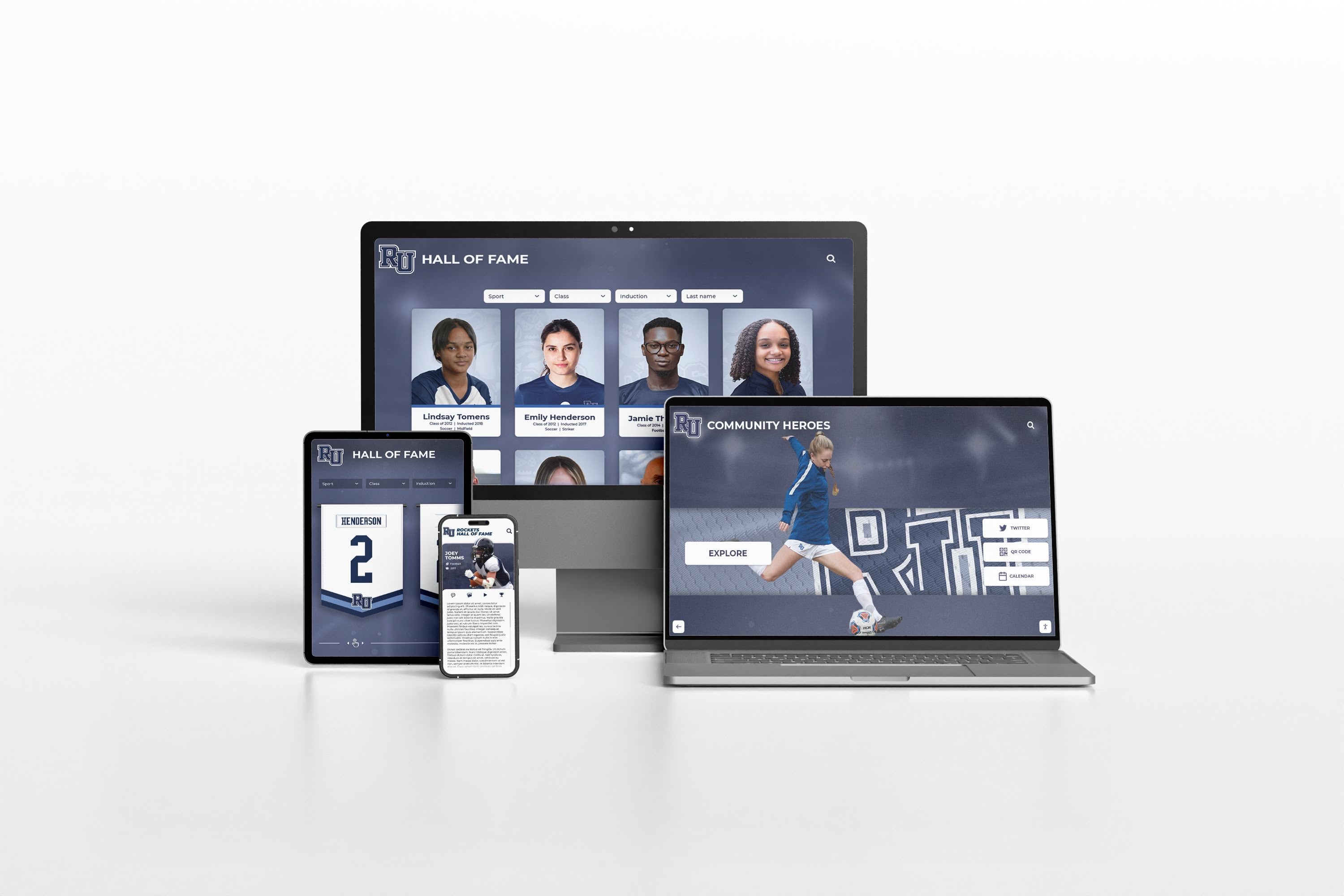
Recognition platforms support both interactive and passive display modes based on institutional needs
Honest Assessment: When Simple Solutions Suffice
Intellectual honesty requires acknowledging contexts where sophisticated platforms genuinely represent overkill and simpler solutions appropriately serve organizational needs without compromise.
Legitimate Simple Solution Scenarios
Single Display, No Expansion Plans
Organizations truly committed to single-display deployments without foreseeable expansion might reasonably choose simpler solutions. If institutional context makes growth genuinely unlikely—stable program scope, no fundraising initiatives, fixed recognition categories—investing in scalability provides minimal return.
However, schools should honestly evaluate whether “no expansion planned” reflects genuine strategic commitment or simply current state before voluntary growth. The distinction determines whether starting simple represents appropriate matching or underestimating inevitable evolution.
Dedicated Manual Management Preference
Some administrators genuinely enjoy manual content design processes—creating slide presentations, designing layouts, and managing files provides creative satisfaction rather than representing burdensome chores. For these individuals, slide-based approaches might provide preferred workflows regardless of efficiency comparisons.
This preference-based selection requires honest self-assessment distinguishing genuine enjoyment from rationalized acceptance of suboptimal tools. Additionally, preference-based decisions should consider succession planning—will replacement administrators share manual management enjoyment or inherit unwelcome burdens?
No Strategic Recognition Value
Rare organizational contexts exist where recognition displays serve purely functional information delivery without community engagement, donor stewardship, or institutional pride components. In these limited scenarios—temporary displays, purely utilitarian applications, experimental pilots—simple solutions appropriately match minimal strategic importance.
Most educational recognition contexts fail this test. Schools celebrating achievements, honoring donors, or building alumni connections derive strategic value from recognition warranting investment in quality implementation supporting those objectives effectively.
Budget as Exclusive Decision Variable
Organizations where budget represents the sole consideration without staff time valuation, strategic value accounting, or long-term total cost evaluation might reasonably select cheapest available options despite operational tradeoffs.
However, this extreme budget focus rarely serves institutional interests optimally. Even resource-constrained organizations benefit from holistic decision frameworks incorporating all cost categories and strategic considerations beyond immediate software pricing.
The “When Simple Works” Summary
Simple solutions appropriately serve organizations meeting ALL these conditions:
- Genuine single display commitment without likely expansion
- Stable indefinite manual management willingness and capacity
- Minimal strategic recognition value beyond basic information display
- No search, structured navigation, or interactive exploration needs
- Budget as exclusive decision criterion without staff time consideration
If ANY conditions prove false, the “overkill” argument weakens substantially. Most small schools fail multiple conditions making sophisticated platforms more appropriate despite appearing excessive based on surface-level feature comparisons.
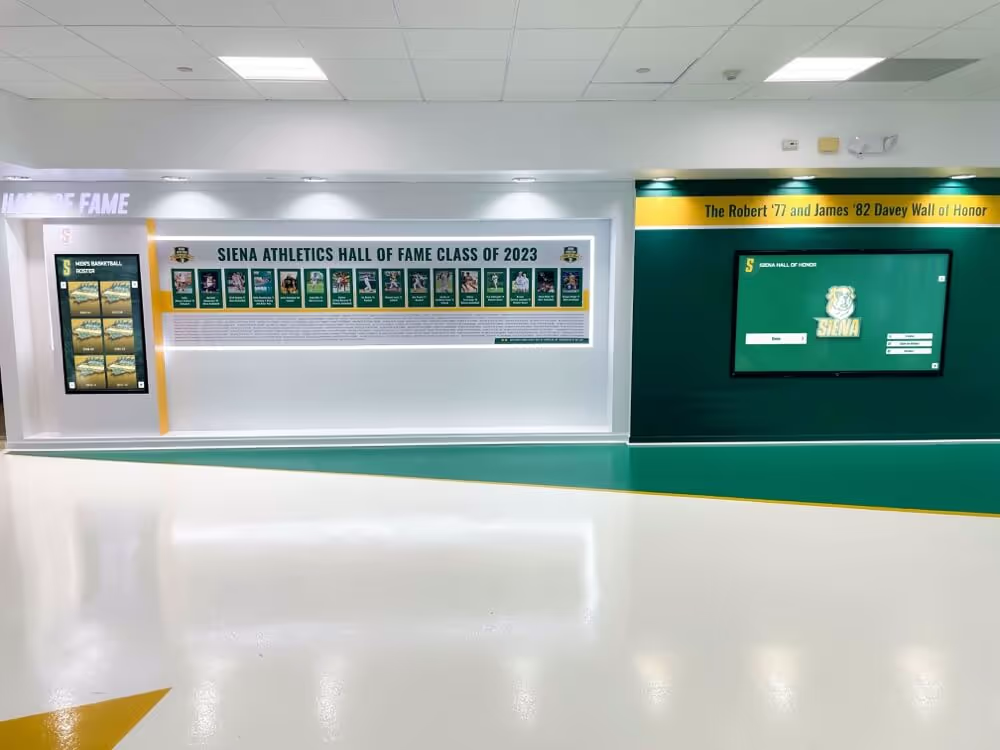
Simple implementations serve limited-scope applications but most schools benefit from structured platforms
The Counter-Argument in Practice
Synthesizing these perspectives reveals a coherent counter-narrative to the “overkill for small schools” objection:
Platform Depth Reduces Operational Burden
Sophisticated recognition platforms aren’t overkill for small schools because platform depth reduces maintenance rather than increasing it. Database structures, automated workflows, and intuitive interfaces transform time-consuming recurring tasks into quick repeatable actions.
Small school administrators wearing multiple hats benefit disproportionately from operational efficiency. Time saved on display maintenance redirects to educational priorities, athletic program management, or community engagement—mission-critical responsibilities that manual content management displaces.
The Maintenance Reduction Thesis
Platform sophistication should be evaluated not by feature count but by operational impact. Systems reducing weekly content management from hours to minutes provide value far exceeding subscription cost differences. Automation eliminating manual exports, file coordination, and playback troubleshooting multiplies effective staff capacity.
From this maintenance-focused perspective, structured platforms represent under-engineering solutions to operational challenges rather than over-engineering technology for simple applications.
Scalability Prevents Disruptive Rebuilds
Starting with platforms supporting growth trajectories prevents painful re-platform moments when inevitable expansion exceeds initial system capacity. Organizations naturally expanding recognition scope—adding sports, honoring donors, featuring seniors, acknowledging volunteers—avoid content migration projects, staff retraining efforts, and community disruption from interface changes.
The Path Dependency Problem
Early platform selection creates path dependencies affecting future options and costs. Choosing appropriate scalable foundations from the start—even when using only basic features initially—protects against eventual replacement necessitating complete rebuilds substantially exceeding cumulative cost differences between appropriate and inadequate starting platforms.
The Growth Accommodation Principle
Professional platforms accommodate growth through configuration rather than replacement. Schools add content categories, enable search features, or implement advanced capabilities without switching software, migrating content, or retraining staff. This configuration-based expansion maintains continuity while supporting evolution.
Budget platforms forcing eventual replacement due to capacity limitations, missing capabilities, or degrading performance impose discontinuous change costs—disruptions exceeding the value of initial savings.
Simple Use, Not Simple Platform
The appropriate framework distinguishes “simple use” from “simple platform.” Small schools want simple operation—quick updates, intuitive interfaces, minimal training requirements. Platform internal complexity matters far less than operational simplicity achieved through sophisticated design eliminating operational friction.
Rocket Alumni Solutions delivers simple use through sophisticated platform architecture. Administrators encounter intuitive web forms, not database schemas. Updates complete through familiar workflows, not technical procedures. The platform handles complexity internally while presenting simple interfaces externally.
The Complexity Inversion
Counterintuitively, simpler platforms often impose greater operational complexity. Slide-based recognition requires understanding file structures, managing versions, coordinating contributors, designing layouts, exporting presentations, and troubleshooting playback—substantial operational complexity stemming from platform simplicity.
Sophisticated platforms automate these tasks through internal complexity invisible during normal operation. Users experience simplicity because platform sophistication eliminates operational friction rather than exposing technical details.
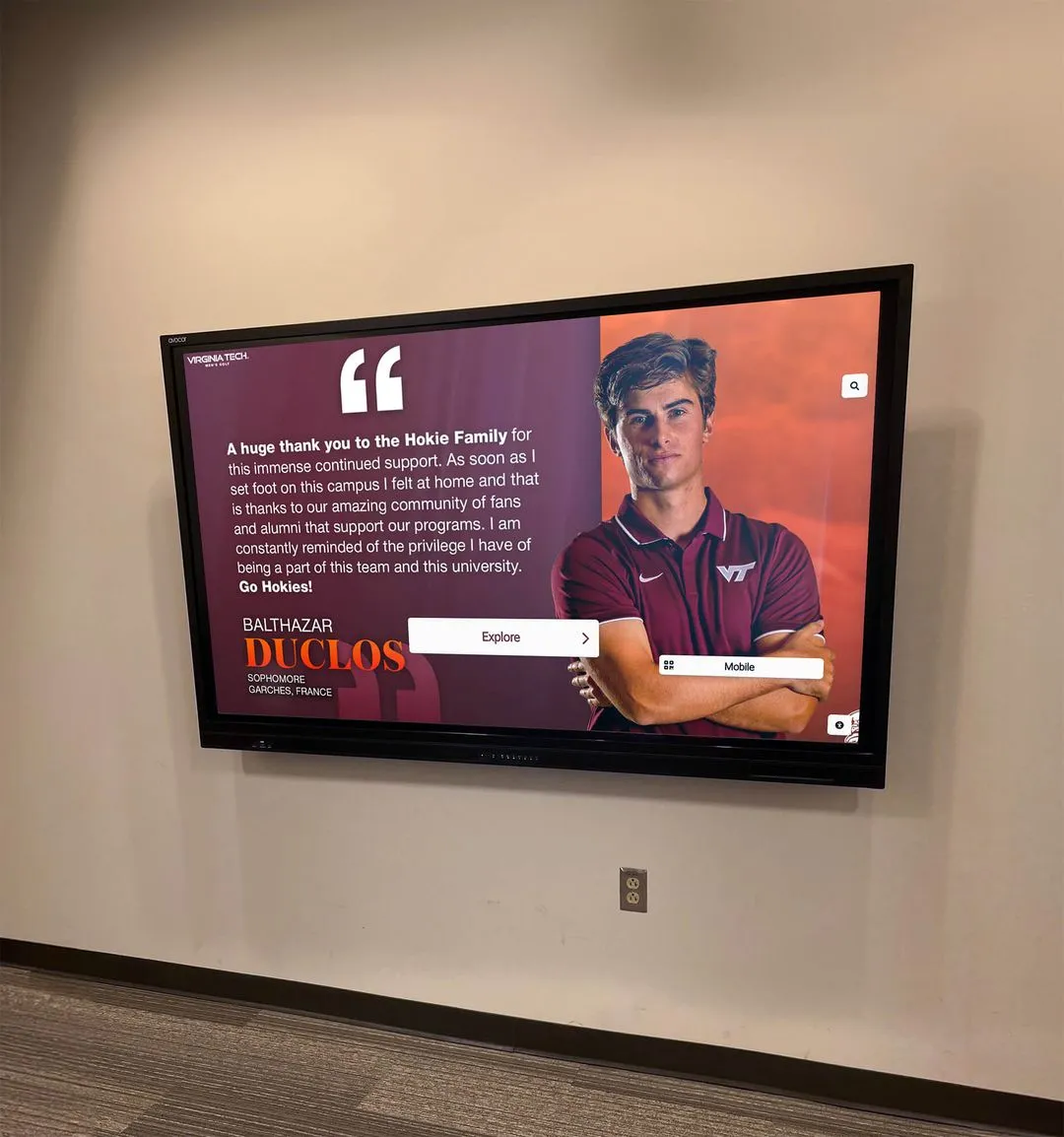
Sophisticated platforms create simple user experiences through internal complexity handling operational details
Real-World Small School Implementation Patterns
Understanding how small schools actually implement and benefit from recognition platforms provides concrete context grounding abstract arguments.
Common Starting Configurations
Small schools typically begin with focused implementations rather than attempting comprehensive recognition systems immediately:
Athletic Hall of Fame Foundation
Many schools start celebrating sports heritage through athletic hall of fame displays. Initial content includes historic championship teams, distinguished alumni athletes, coaching legends, and significant program milestones. This focused starting scope provides manageable initial content volume while creating foundation for future expansion.
As implementation matures, schools commonly add current rosters, season schedules, recent achievements, and coaching staff—expanding from pure historical recognition into current program promotion.
Academic and Athletic Combination
Some schools launch with dual recognition encompassing both academic honors and athletic achievements. This balanced approach prevents perception that displays favor athletics exclusively while creating more comprehensive community representation from the start.
Academic recognition commonly includes honor roll students, scholarship recipients, academic competition winners, valedictorians and salutatorians, and distinguished alumni across professional fields. Combined with athletic recognition, this creates inclusive displays celebrating diverse achievement pathways.
Donor Recognition Integration
Schools conducting capital campaigns or major fundraising initiatives often implement recognition displays with donor acknowledgment components from the start. Digital donor walls provide flexible recognition accommodating various giving levels, memorial tributes, corporate partnerships, and campaign progress indicators.
This integrated approach serves dual purposes: honoring philanthropic support while demonstrating appropriate stewardship to current and prospective donors evaluating gift confidence.
Organizations implementing comprehensive donor recognition benefit from platforms supporting both achievement celebration and development objectives through unified systems.
Expansion Trajectories
Schools rarely maintain initial limited scope indefinitely. Common expansion patterns reveal predictable growth trajectories:
Year One: Foundation Content
Initial implementation focuses on establishing core recognition: historic inductees, current teams, basic schedules. Content creation emphasizes historical digitization, photo collection, and building initial database foundation.
Operational focus centers on establishing workflows, training content managers, and validating hardware reliability. Modest content scope allows learning platform capabilities without overwhelming initial administrators.
Year Two: Enhanced Profiles and Current Updates
Second year typically expands content depth and timeliness. Historical profiles gain additional detail—statistics, career information, biographical context. Current content receives more frequent updates celebrating recent achievements, seasonal highlights, and ongoing programs.
Administrative confidence grows through accumulated experience, enabling more sophisticated features utilization and content experimentation.
Year Three and Beyond: Category Expansion
Mature implementations expand recognition categories: adding sports, incorporating non-athletic achievements, featuring community members beyond students, highlighting volunteers and donors, and celebrating institutional milestones.
Category expansion demonstrates platform value as diverse constituencies request recognition inclusion. The ability to accommodate growth through configuration rather than rebuild validates initial platform selection.
The Validation Cycle
Successful implementations create self-reinforcing expansion: community engagement demonstrates value, validating continued investment, enabling enhanced content creation, driving deeper engagement—positive cycles justifying and supporting ongoing program growth.
This validation cycle occurs only when initial platforms support natural expansion. Schools starting with limited-capacity solutions either plateau at inadequate scope or face disruptive platform replacements breaking momentum and consuming resources that content enhancement would better serve.

Recognition programs naturally expand from modest beginnings into comprehensive community celebration
Technical Considerations Affecting Small School Success
Beyond philosophical arguments about platform appropriateness, practical technical factors influence small school recognition program success.
Hardware Selection Flexibility
Platform selection constrains or enables hardware choices affecting both initial investment and long-term operational costs.
Proprietary Versus Open Platform Approaches
Some recognition solutions require specific proprietary hardware—particular display brands, custom mounting systems, specialized computer components—limiting options and potentially increasing costs through vendor lock-in. These proprietary requirements prevent shopping for value or utilizing existing compatible equipment schools may already own.
Open platform approaches like Rocket Alumni Solutions operate on diverse hardware: commercial displays from multiple manufacturers, standard Windows or Android computers, conventional touchscreen technologies, and typical network infrastructure. This hardware flexibility enables budget optimization through competitive shopping while supporting equipment upgrades without platform replacement.
Browser-Based Versus Native Application Architecture
Browser-based platforms operate through standard web browsers without requiring native application installation, operating system dependencies, or version compatibility management. This architecture simplifies deployment, enables cross-platform operation, and eliminates software update coordination.
Native application approaches requiring Windows-specific software, Android apps, or proprietary operating systems create ongoing maintenance obligations: coordinating software updates, managing version compatibility, troubleshooting installation issues, and potentially limiting hardware choices to platform-supported devices.
Small schools lacking dedicated IT staff benefit substantially from browser-based architectures eliminating technical complexity and reducing troubleshooting requirements.
Network and Infrastructure Requirements
Display operation requirements affect facility infrastructure investment and ongoing operational complexity.
Connectivity Dependency
Cloud-based recognition platforms require reliable internet connectivity for full functionality. Schools with robust network infrastructure easily accommodate these requirements. Organizations with limited connectivity may need network upgrades or face operational limitations during outages.
However, connectivity requirements enable remote management benefits: updating content from anywhere, supporting multiple displays across facilities, receiving automatic platform updates, and accessing customer support remotely. These operational advantages typically justify infrastructure investment requirements.
Bandwidth Considerations
Content-rich platforms streaming high-resolution photos and videos consume network bandwidth. Schools implementing multiple displays must ensure adequate connectivity supporting simultaneous operation without degrading other network services or causing playback stuttering.
Most modern school networks easily handle recognition platform bandwidth requirements. Organizations uncertain about capacity can conduct assessments or consult with platform providers about expected bandwidth consumption.
Offline Capability Expectations
Recognition platforms emphasizing interactive search and real-time content surfacing function best with consistent connectivity. Brief outages typically don’t disrupt operation significantly—displays continue showing cached content until connectivity restores.
Organizations requiring extended offline operation should evaluate platform offline capabilities and decide whether limited connectivity environments necessitate alternative approaches or infrastructure improvements enabling full platform utilization.
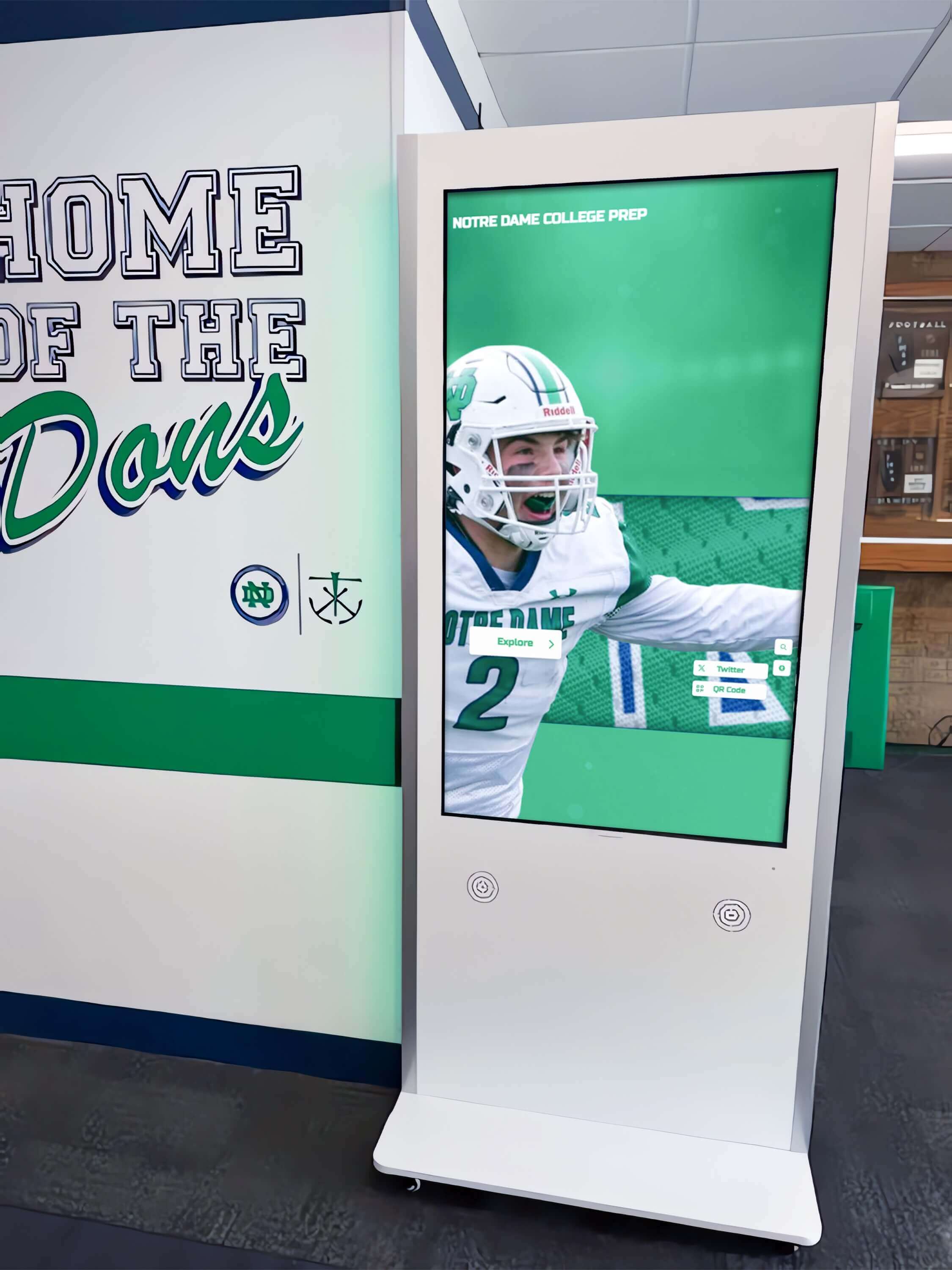
Successful installations require coordinating hardware, network infrastructure, and software capabilities
Building the Business Case for Small School Stakeholders
Securing stakeholder support for recognition platform investment requires articulating value propositions addressing diverse constituent concerns.
Arguments for Administrative Leadership
School administrators focus on operational efficiency, strategic value, and resource stewardship.
Operational Efficiency Case
Platform selection significantly impacts ongoing administrative burden. Present total operational cost comparisons showing staff time savings, reduced troubleshooting requirements, and eliminated repetitive manual tasks. Quantify maintenance time differences: “Current slide management requires 4 hours monthly. Platform-based approach reduces this to 30 minutes—saving 3.5 hours monthly or 42 hours annually per display.”
Frame time savings as capacity for mission-critical priorities rather than abstract efficiency. Redirecting administrator time from display maintenance to student engagement, community building, or educational improvement demonstrates clear operational value.
Strategic Value Demonstration
Position recognition displays as strategic assets serving multiple objectives: donor development through stewardship demonstration, enrollment marketing through prestige signaling, community engagement through pride building, and alumni activation through personal connection. Frame investment as serving institutional priorities rather than representing optional technology expenditure.
Provide examples of how recognition platforms support specific strategic initiatives: fundraising campaigns, enrollment growth objectives, alumni engagement goals, or community connection priorities.
Long-Term Stewardship Perspective
Demonstrate how initial appropriate platform selection prevents future replacement costs, protects content investment through avoiding migration necessities, and maintains operational continuity supporting sustained institutional value. Position starting correctly as prudent stewardship rather than excessive initial investment.
Arguments for Development and Advancement Offices
Development professionals focus on donor engagement, recognition appropriateness, and fundraising support.
Donor Confidence Building
Explain how professional recognition presentation builds philanthropic confidence through demonstrating institutional sophistication, showing appropriate gift stewardship, and creating positive emotional connections with recognition experiences. Connect display quality to donor retention and increased giving likelihood.
Provide examples of recognition displays serving fundraising objectives: campaign thermometers, giving level acknowledgment, memorial tributes, and corporate partnership visibility supporting sponsorship development.
Recognition Flexibility Value
Explain platform capabilities supporting diverse recognition needs: accommodating various giving levels, enabling memorial tributes, updating recognition as relationships deepen, and featuring donors appropriately without physical plaque limitations.
Explain how digital flexibility enables recognition approaches impossible with traditional plaques: featuring donor stories, highlighting gift impact, celebrating milestones, and maintaining current information as donor engagement evolves.
The Development ROI Framework
Frame recognition investment as development infrastructure supporting fundraising objectives rather than expense draining development budgets. Demonstrate return through increased donor satisfaction, enhanced giving participation, improved retention rates, and strengthened institutional relationships valued far beyond platform costs.
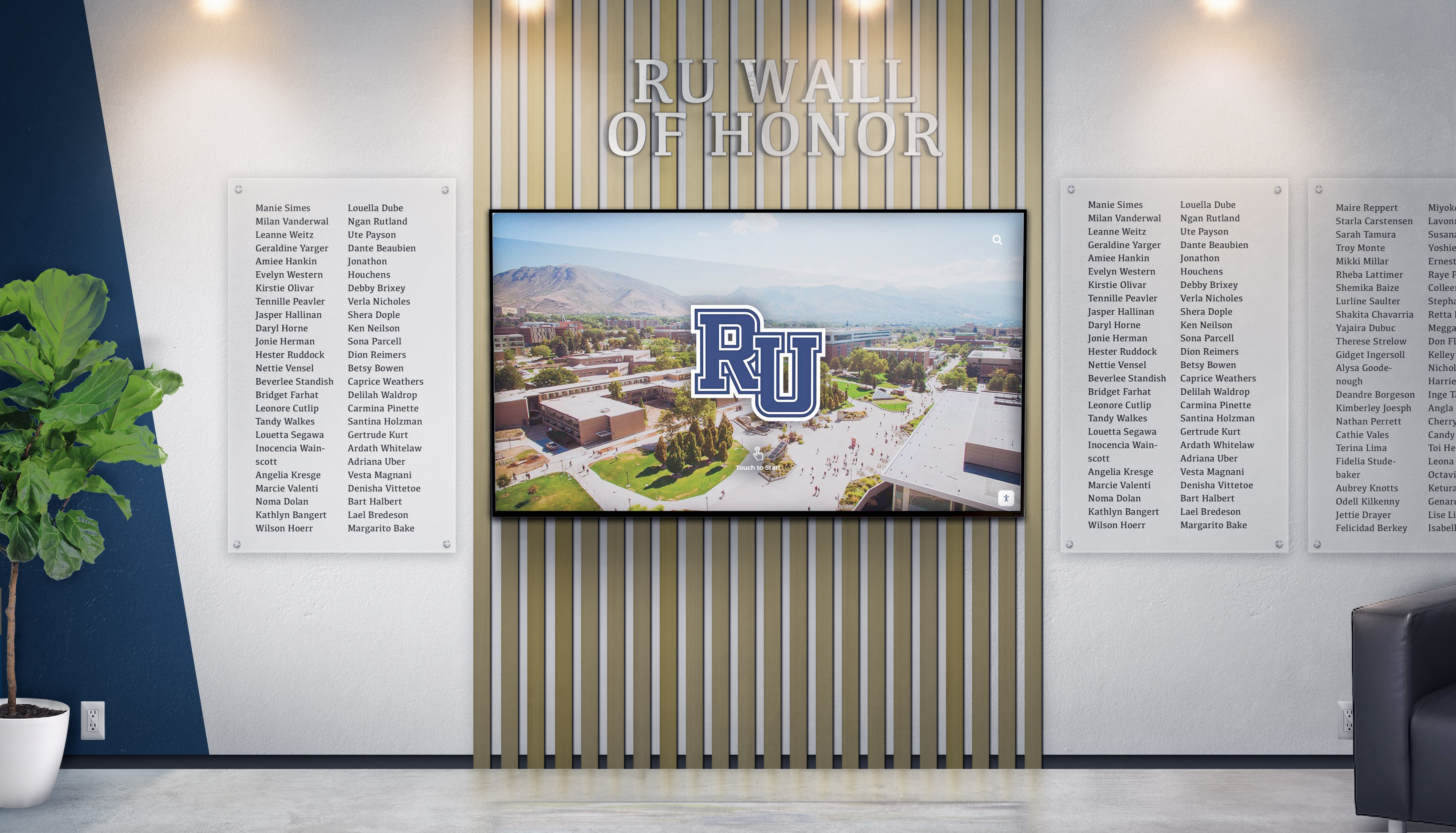
Development offices leverage recognition platforms supporting fundraising objectives and donor engagement
Arguments for Athletic Departments
Athletic directors prioritize team recognition, coaching support, and program promotion.
Comprehensive Team Recognition
Demonstrate platform capability recognizing all teams equitably rather than limiting recognition to highest-profile sports due to physical space or budget constraints. Show how digital displays enable celebrating diverse athletic programs—varsity and junior varsity, boys and girls, traditional and emerging sports—creating inclusive recognition impossible with traditional trophy cases.
Position platform as solving the equity challenge many athletic departments face: honoring all programs appropriately while managing limited physical space and recognition budgets.
Recruiting and Program Prestige
Explain how modern interactive recognition creates positive impressions during recruiting visits, demonstrates program history and tradition to prospective athletes, and signals athletic department sophistication through professional presentation. Connect display quality to recruiting success and program reputation.
Provide examples of displays serving recruiting objectives: featuring successful alumni athletes, celebrating championship traditions, demonstrating comprehensive program scope, and creating destination experiences prospective students and families remember.
Current Team Promotion
Show platform capability promoting current teams through rosters, schedules, season highlights, and achievement recognition in addition to historical celebration. Demonstrate how displays serve dual purposes: honoring heritage while supporting current programs through visibility and celebration.
Organizations implementing comprehensive athletic recognition balance historical tradition with current program support through unified platforms serving both objectives.
Implementation Recommendations for Small Schools
Small schools ready to implement recognition platforms benefit from strategic approaches maximizing initial success while supporting sustainable long-term operation.
Start Focused, Plan Comprehensive
Begin with manageable initial scope while selecting platforms supporting eventual expansion:
Phase One: Core Recognition
Launch with focused content creating immediate value without overwhelming initial implementation: one sport or achievement category, historical content providing foundation, current information demonstrating ongoing relevance, and professional presentation establishing quality standards.
This focused start enables learning platform operation, establishing content workflows, training initial administrators, and validating hardware reliability before expanding scope.
Platform Selection for Growth
Choose platforms supporting natural expansion even when starting modestly. Prioritize unlimited content capacity accommodating future growth, flexible category structures enabling diverse recognition types, intuitive management supporting distributed content creators, and responsive customer support assisting inevitable questions during learning phases.
Avoid false economy of choosing limited platforms requiring eventual replacement. Initial modest budgets can implement professional platforms starting with basic features while preventing future migration necessities.
Expansion Planning
Develop informal roadmaps guiding natural growth: Year one focuses on foundation content and workflow establishment, year two enhances profiles and increases update frequency, year three adds recognition categories based on community requests. Roadmaps prevent scope creep while ensuring purposeful evolution serving community needs.
Establish Sustainable Workflows
Long-term success requires workflows maintainable across staff transitions and workload variations:
Multiple Trained Administrators
Train several staff members on content management preventing single-person dependencies. Distribute access across relevant departments: athletic directors managing sports content, communications staff handling general announcements, development offices updating donor recognition, and administrators overseeing overall coordination.
Multiple trained managers create resilience, enable workload distribution, and prevent displays becoming neglected when key individuals transition to different roles or responsibilities shift.
Documentation and Process Standards
Document content standards, update procedures, troubleshooting steps, and contact information for support. Simple process documentation enables confident management during staff transitions while maintaining content quality consistency.
Documentation need not be extensive—simple guides covering common tasks, standards for photos and biographical information, and procedures for routine operations suffice for most small schools.
Regular Update Schedules
Establish predictable update rhythms preventing displays from showing stale content: monthly schedule updates, quarterly featured inductee rotations, seasonal current team spotlights, and annual comprehensive content reviews. Scheduled maintenance prevents reactive scrambling while ensuring displays remain current and valuable.
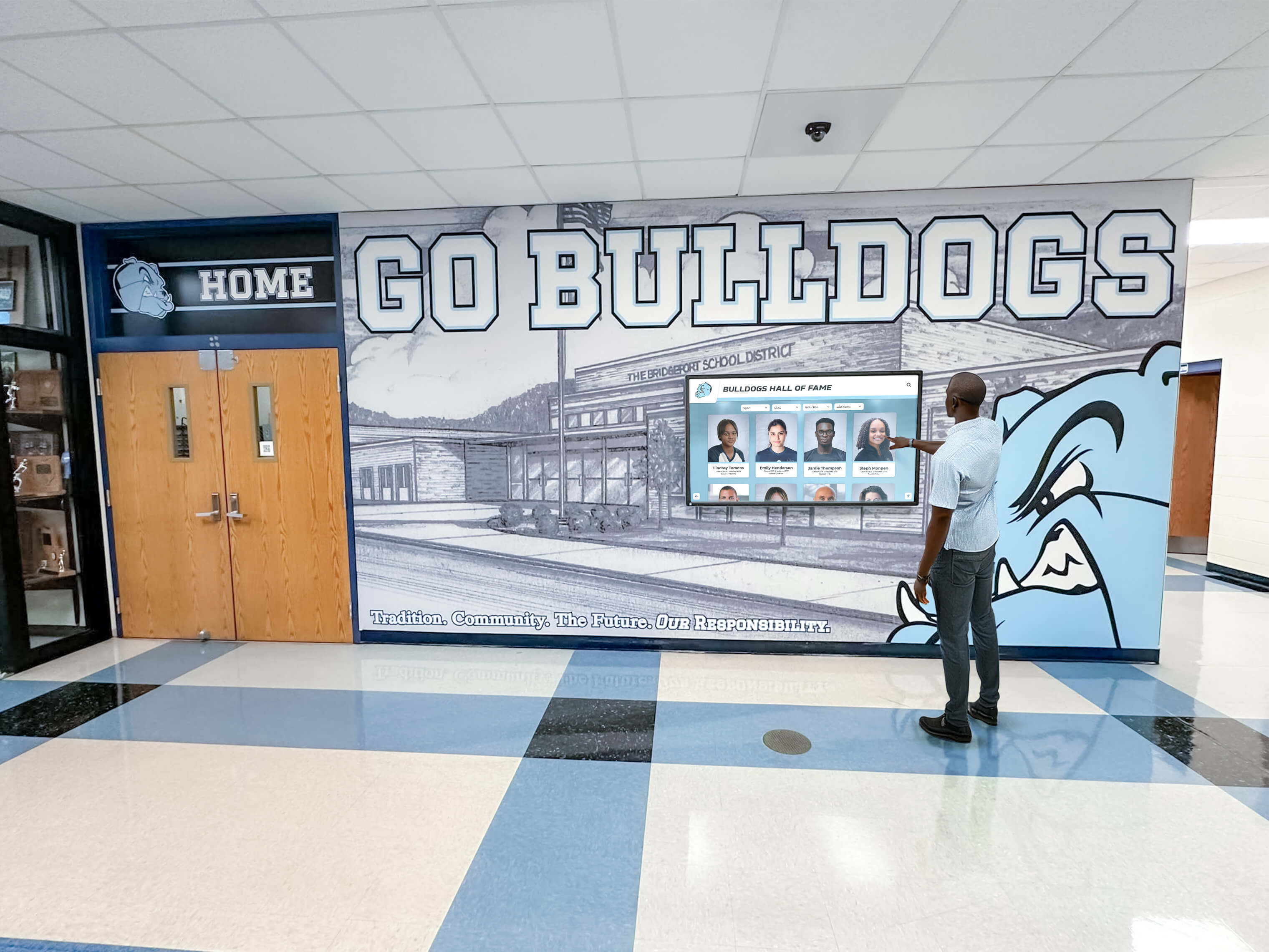
Successful programs distribute content management across multiple trained staff members
Measure and Communicate Impact
Systematic evaluation demonstrates value and secures continued support:
Engagement Metrics Tracking
Monitor platform-provided analytics: interaction frequency showing community interest, session duration indicating engagement depth, content view patterns revealing what communities value, and search queries demonstrating how visitors explore recognition.
These metrics provide evidence supporting continued investment, identify improvement opportunities, and demonstrate value to stakeholders questioning recognition program resources.
Qualitative Feedback Collection
Gather community testimonials from recognized individuals describing how recognition made them feel valued, alumni sharing discovery experiences reconnecting with classmates, prospective families noting positive first impressions, and donors expressing appreciation for appropriate acknowledgment.
Personal stories demonstrate human impact that quantitative metrics alone cannot fully capture—providing powerful advocacy supporting program expansion and continued funding.
Annual Value Communication
Report recognition program impact to stakeholders annually: board presentations showing community engagement, development office summaries connecting recognition to donor satisfaction, athletic department reports showing recruiting benefits, and administrative updates demonstrating operational efficiency.
Proactive value communication maintains stakeholder support, enables informed decision-making about program expansion, and celebrates recognition success building momentum for continued evolution.
Conclusion: Reframing the Overkill Question
The “overkill for small schools” objection reflects understandable but ultimately flawed assumptions about platform depth, operational burden, and small school needs. Sophisticated recognition platforms aren’t overkill because depth reduces maintenance rather than increasing it, scalability prevents painful rebuilds, and professional presentation serves strategic objectives extending far beyond display functionality.
Small schools benefit disproportionately from structured platforms eliminating recurring manual work, automating routine tasks, and providing professional presentation competing effectively against better-resourced institutions. The combination of operational efficiency, strategic flexibility, and scalable growth support makes appropriate platforms more valuable for resource-constrained organizations, not less.
Organizations implementing digital recognition should evaluate total operational context rather than isolated software pricing: staff time representing genuinely scarce resources, maintenance burden determining sustainability, strategic value justifying investment, and long-term scalability protecting initial decisions. Within this comprehensive framework, purpose-built recognition platforms like Rocket Alumni Solutions serve small school needs effectively despite appearing sophisticated based on surface-level feature assessments.
The appropriate question isn’t whether small schools need platform depth but whether they can afford the operational burden of inadequate alternatives. Manual content management consuming administrator time, frequent troubleshooting distracting from mission priorities, and eventual platform replacements forcing disruptive rebuilds represent costs far exceeding subscription price differences between appropriate and inadequate solutions.
Recognition displays serve strategic purposes beyond simple information delivery: building donor confidence through professional stewardship demonstration, creating community pride strengthening institutional bonds, supporting development efforts through appropriate acknowledgment, and providing competitive prestige signals helping smaller institutions compete effectively for enrollment, support, and community engagement.
Rocket Alumni Solutions specializes in helping schools of all sizes implement recognition programs serving these objectives effectively. Our platform combines operational simplicity through intuitive interfaces with internal sophistication automating complex tasks invisibly. Schools start with exactly the features serving immediate needs while maintaining growth capacity preventing future platform limitations from constraining natural evolution.
Whether implementing first recognition displays or upgrading outdated systems, small schools benefit from honest evaluation distinguishing genuine simplicity from deceptive simplicity—the difference between simple operation enabled by platform sophistication and simple platforms imposing complex operational burdens. Purpose-built recognition systems deliver the former, transforming what appears initially as excessive sophistication into practical tools serving small school needs more effectively than seemingly simpler alternatives.
Your achievements deserve celebration through systems honoring excellence while respecting operational realities. Platform selection creates path dependencies affecting not just initial implementation but years of ongoing operation, natural evolution, and community impact. Starting correctly with appropriate scalable solutions enables sustainable recognition programs building pride, strengthening connections, and celebrating accomplishments effectively regardless of institutional size or immediate budget constraints.
Ready to explore recognition solutions designed specifically for your school’s needs? Book a demo to discover how structured platforms reduce operational burden while supporting natural program evolution from simple displays into comprehensive community engagement systems.
Disclaimer: This comparison is based on publicly available information as of January 2026. All product names and trademarks belong to their respective owners. Comparative statements reflect Rocket Alumni Solutions’ interpretation of available data and may change over time. All trademarks are property of their respective owners. Rocket Alumni Solutions is not affiliated with or endorsed by Google, ScreenCloud, Rise Vision, Yodeck, or other mentioned companies. This content was produced by or on behalf of Rocket Alumni Solutions.