



For thousands of students across America, Science Olympiad represents one of the most challenging and rewarding academic competitions available. This rigorous STEM tournament brings together middle and high school teams to compete in 23 diverse events spanning biology, chemistry, physics, engineering, earth science, and more. From building balsa wood structures that support thousands of times their own weight to identifying hundreds of fossils and minerals, Science Olympiad challenges students to master both theoretical knowledge and hands-on skills.
As schools increasingly recognize the value of celebrating academic achievement alongside athletic success, Science Olympiad competitors are finally receiving the visibility they deserve. These students invest countless hours preparing for competitions, demonstrate exceptional dedication to learning, and represent their schools at regional, state, and national tournaments—accomplishments that merit the same level of recognition as any championship athletic team.
This comprehensive guide explores what Science Olympiad is, how the competition works, what events students compete in, strategies for building successful teams, and how schools can celebrate these outstanding STEM achievers through modern recognition programs.
Science Olympiad stands as one of the premier STEM competitions in the United States, engaging over 5,000 teams from all 50 states. Understanding this competition helps schools support participating students while creating recognition programs that celebrate academic excellence in science, technology, engineering, and mathematics.
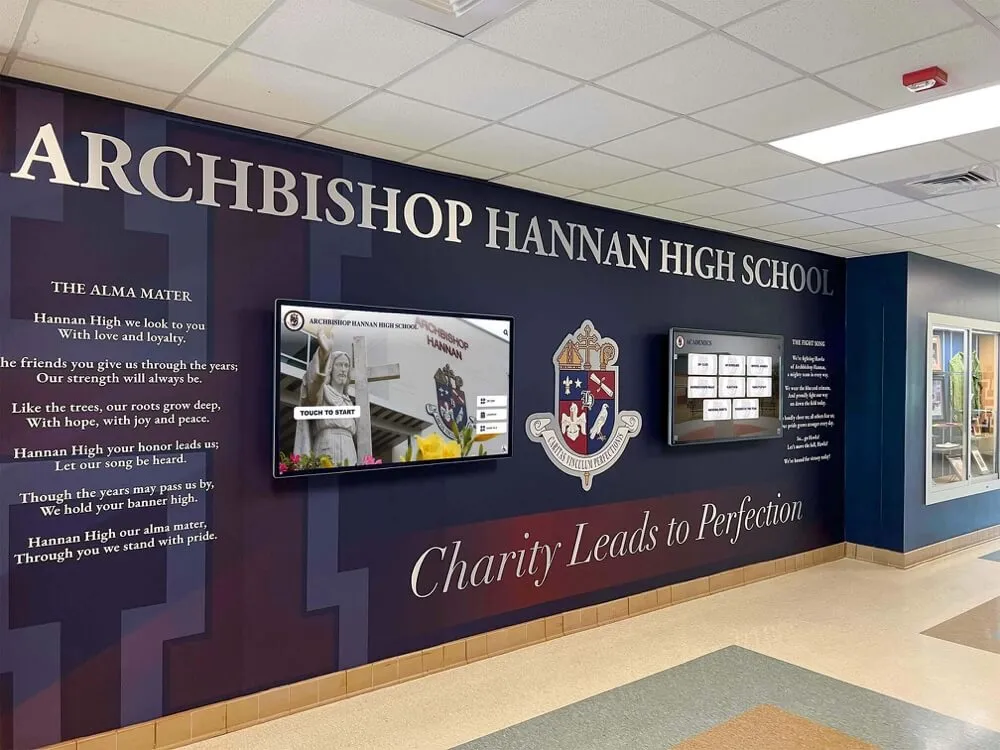
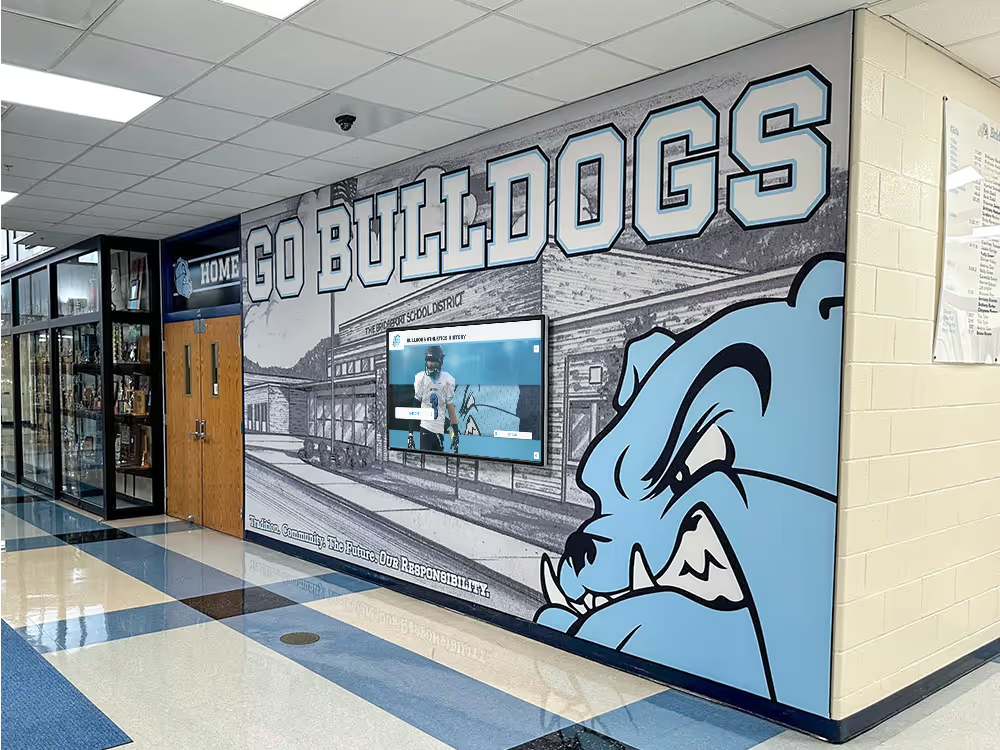
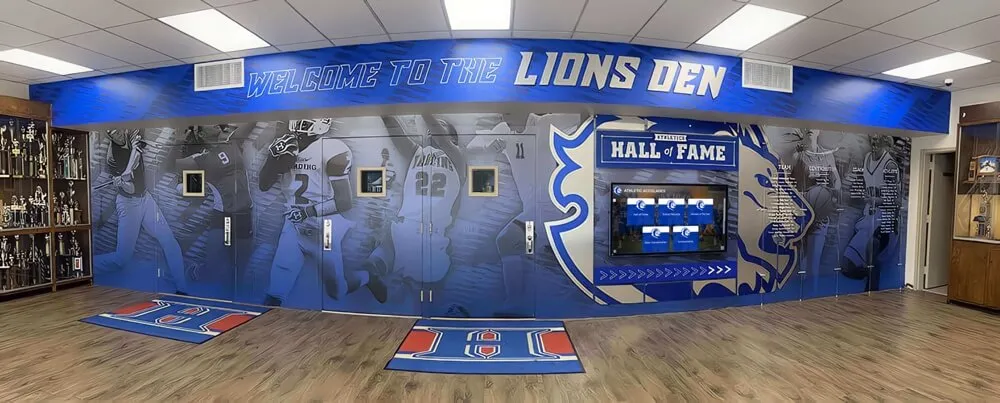
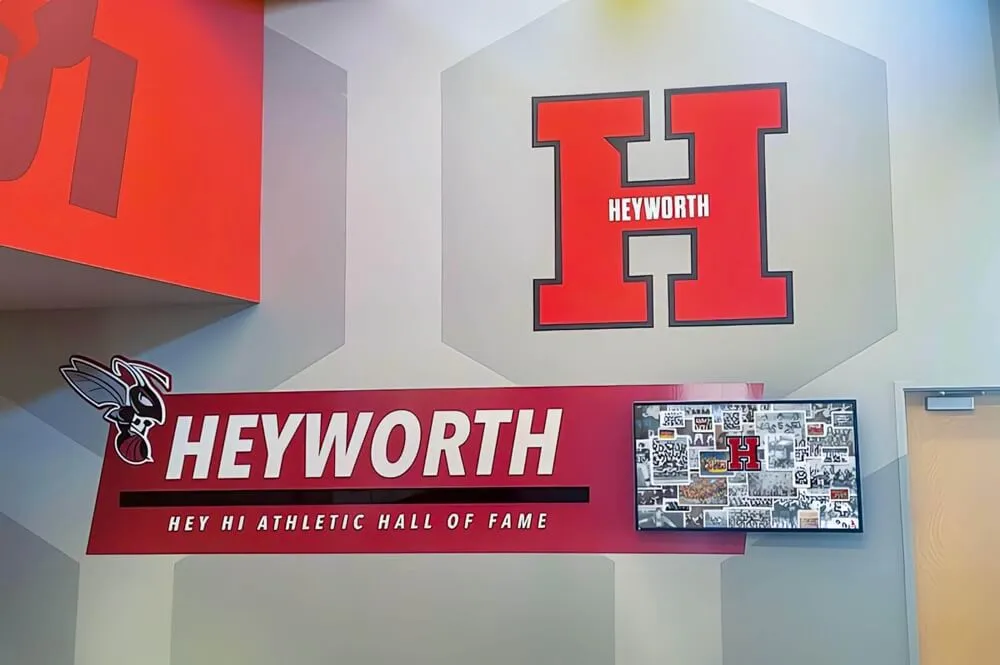
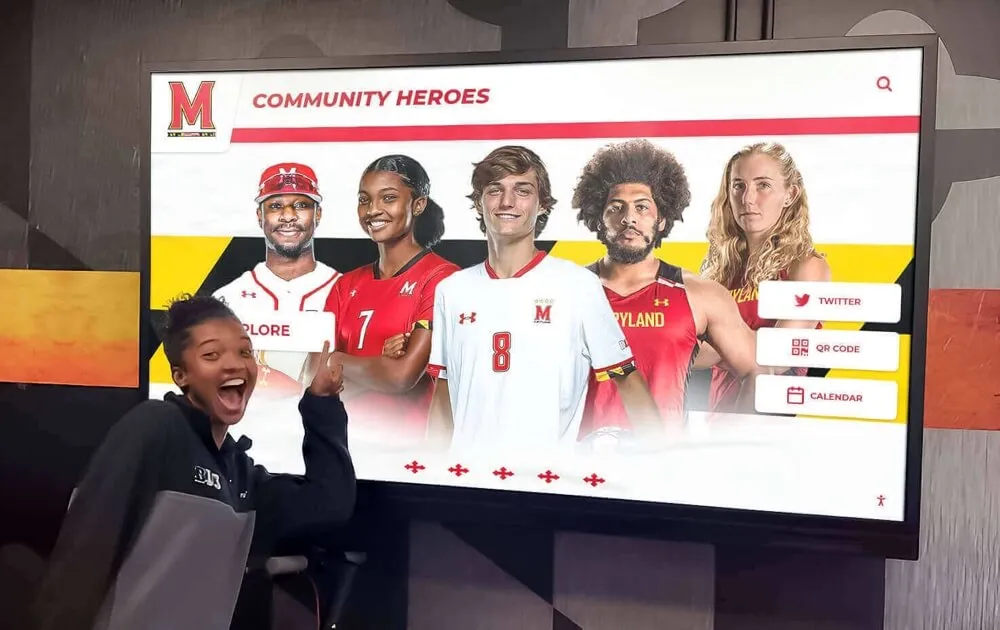
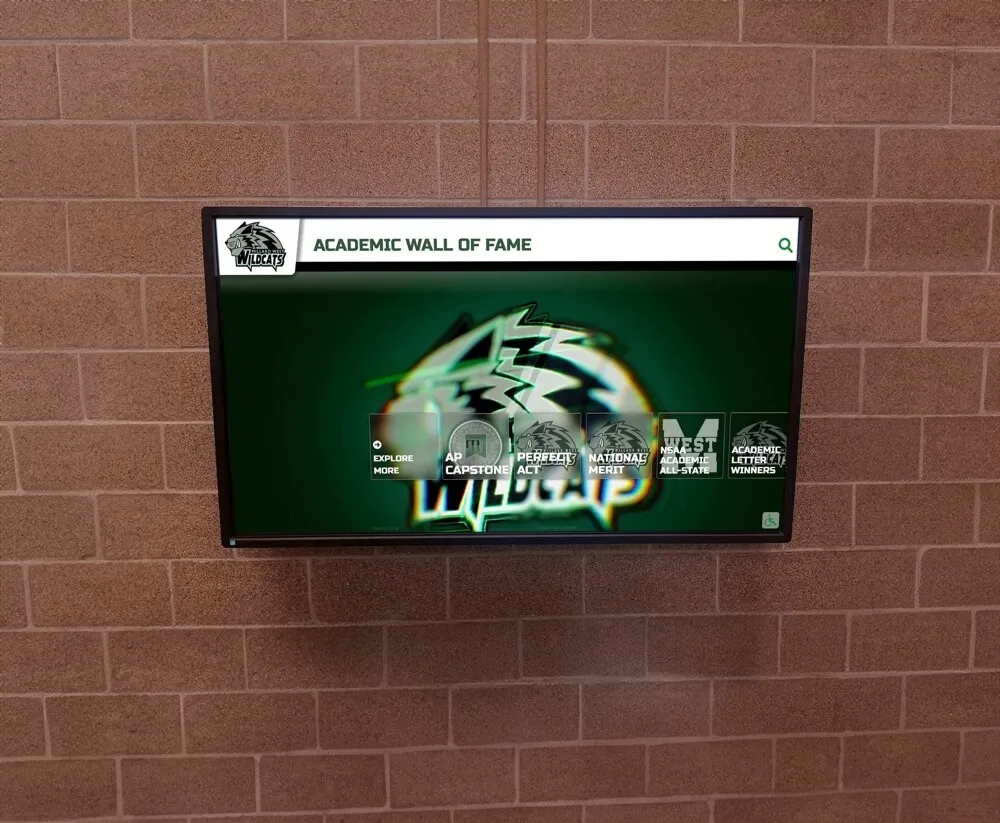
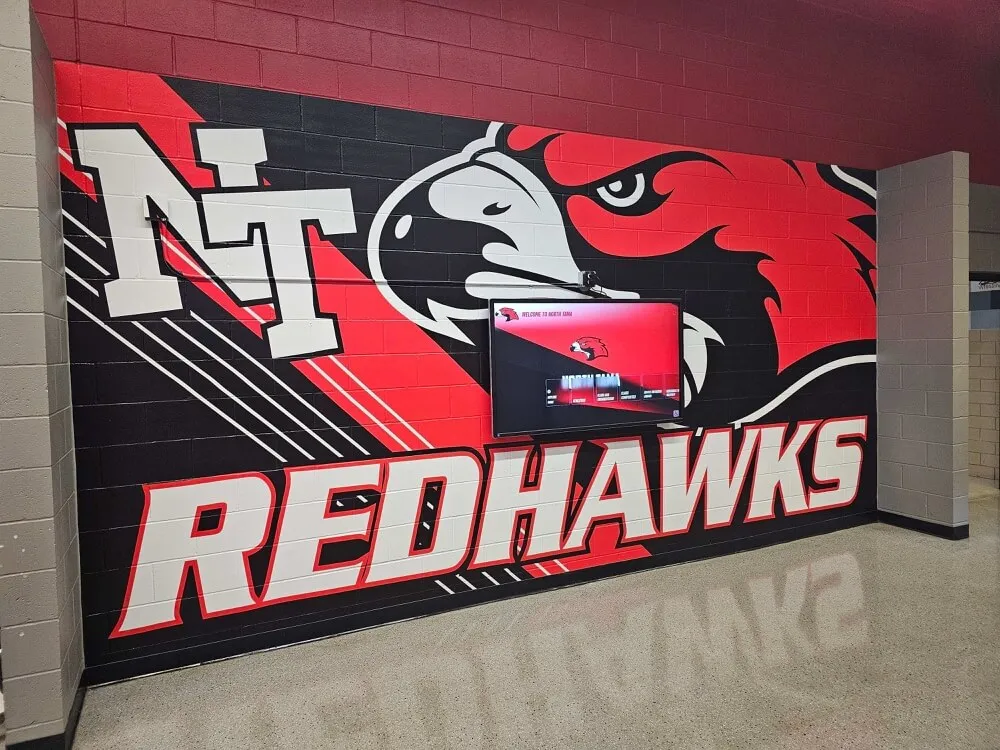
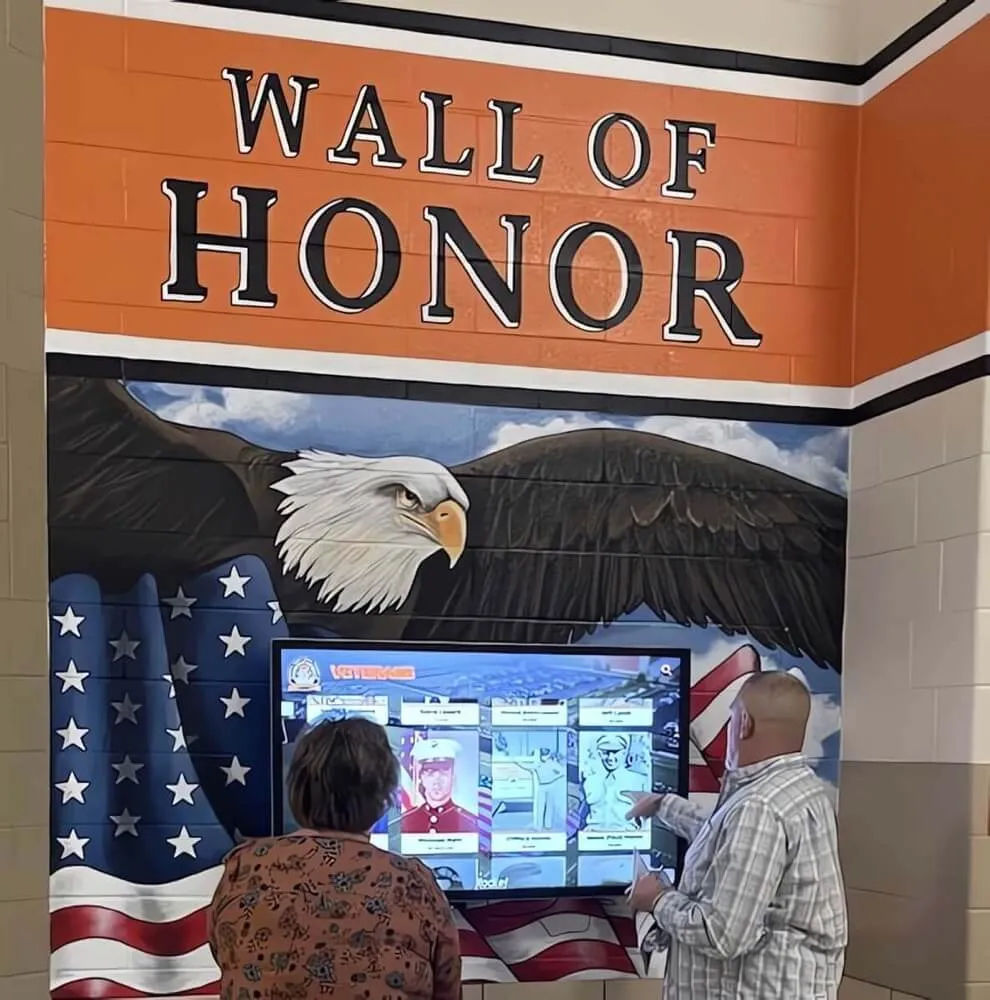
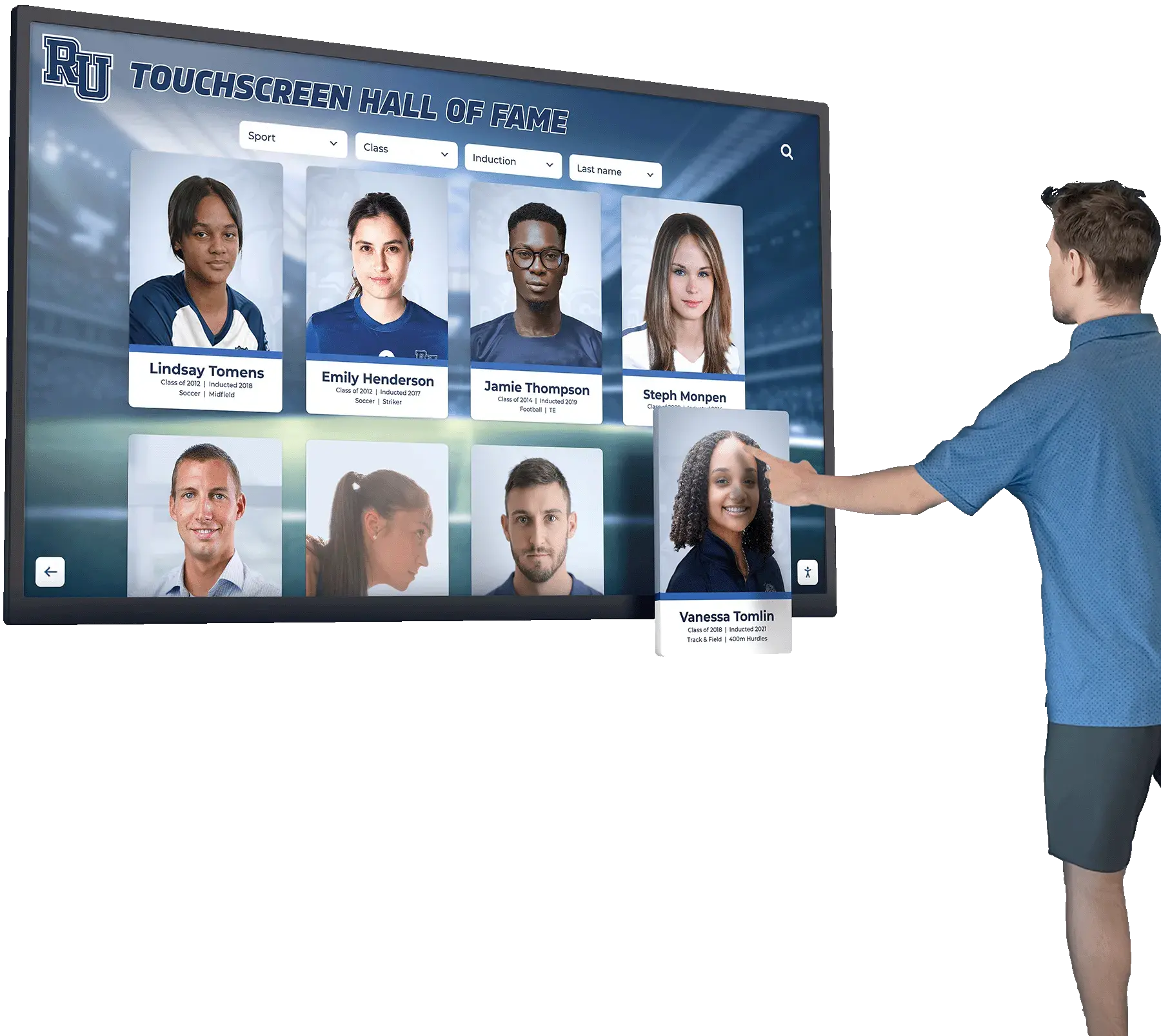
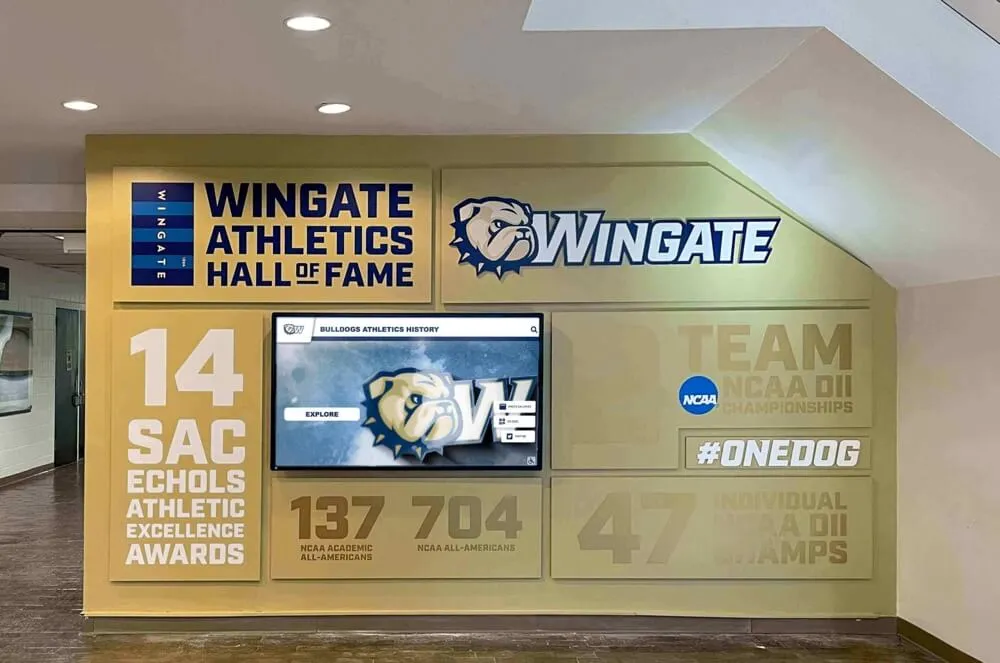
Schools increasingly celebrate STEM achievements through prominent displays that honor academic competitors alongside athletic champions
What Is Science Olympiad? Understanding the Competition
Science Olympiad is a national STEM competition that operates at three educational levels—elementary (grades 3-6), middle school (grades 6-9), and high school (grades 9-12). Each level features 23 distinct events testing knowledge and skills across scientific disciplines.
The Science Olympiad Mission and History
Founded in 1984, Science Olympiad was created to improve the quality of science education, increase student interest in science, provide recognition for outstanding achievement in science education, and create a technologically literate workforce. The competition has grown from a small regional tournament to a national program reaching millions of students over four decades.
Core Competition Philosophy
Science Olympiad differs from traditional academic competitions in several key ways:
- Team-Based Structure: Unlike individual competitions, Science Olympiad emphasizes collaboration with teams of up to 15 students
- Hands-On Application: Many events require building devices, conducting experiments, or performing practical skills rather than just answering questions
- Diverse Skill Recognition: The 23 events ensure students with different strengths—whether theoretical knowledge, engineering ability, or experimental technique—all contribute meaningfully
- Multi-Level Progression: Teams advance from invitational tournaments through regional and state competitions to the national tournament
- Year-Long Preparation: Success requires sustained commitment throughout the school year, not just cramming before competition day
This comprehensive structure creates a competition that truly tests the breadth and depth of student STEM knowledge while building teamwork, problem-solving, and time management skills.
Competition Levels and Divisions
Science Olympiad operates through a tiered structure:
Division A (Elementary)
- Grades 3-6
- Introduction to scientific concepts
- Foundation-building events
- School and regional competitions
Division B (Middle School)
- Grades 6-9
- More complex scientific concepts
- Introduction to advanced experimental techniques
- Regional, state, and national competitions
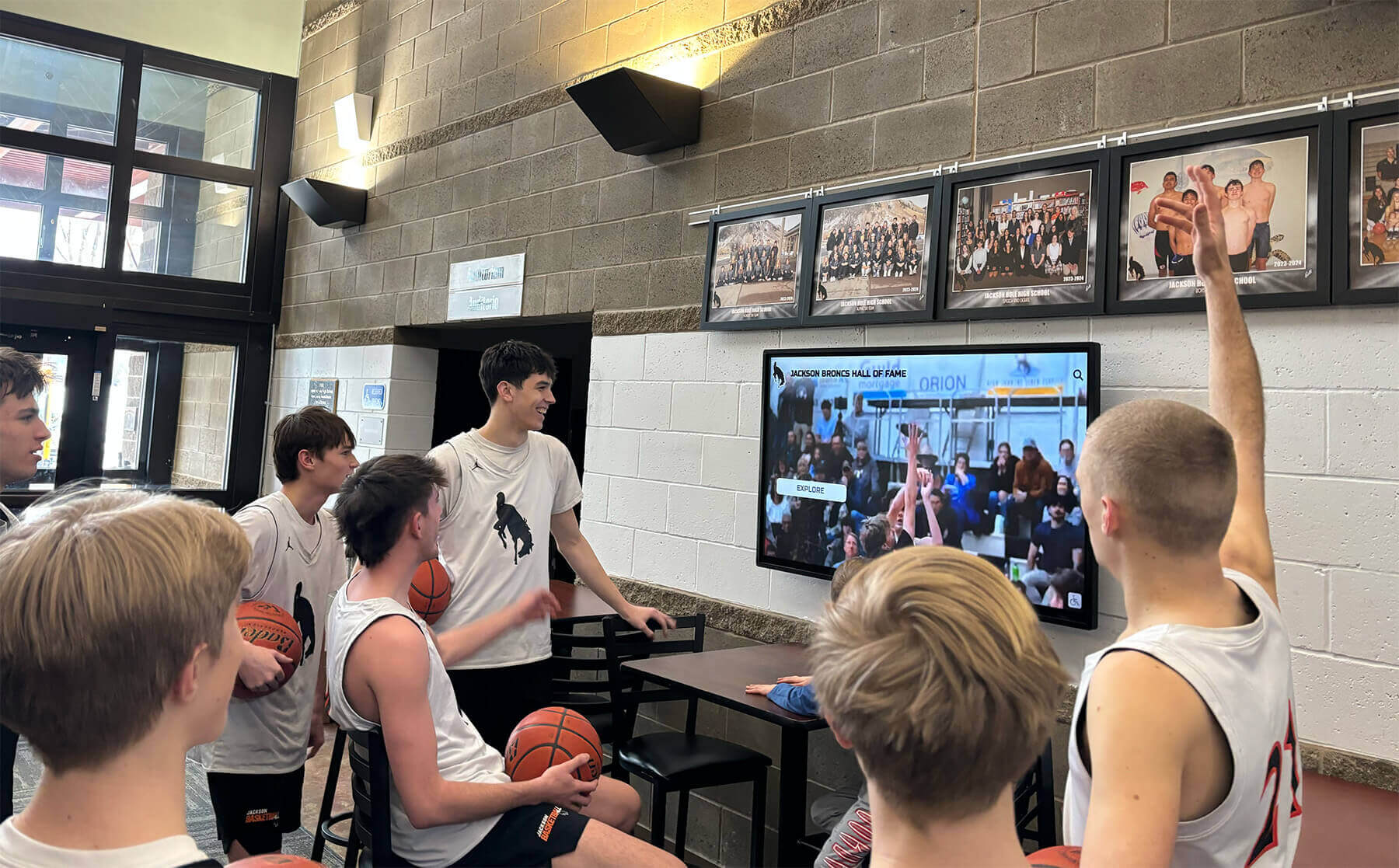
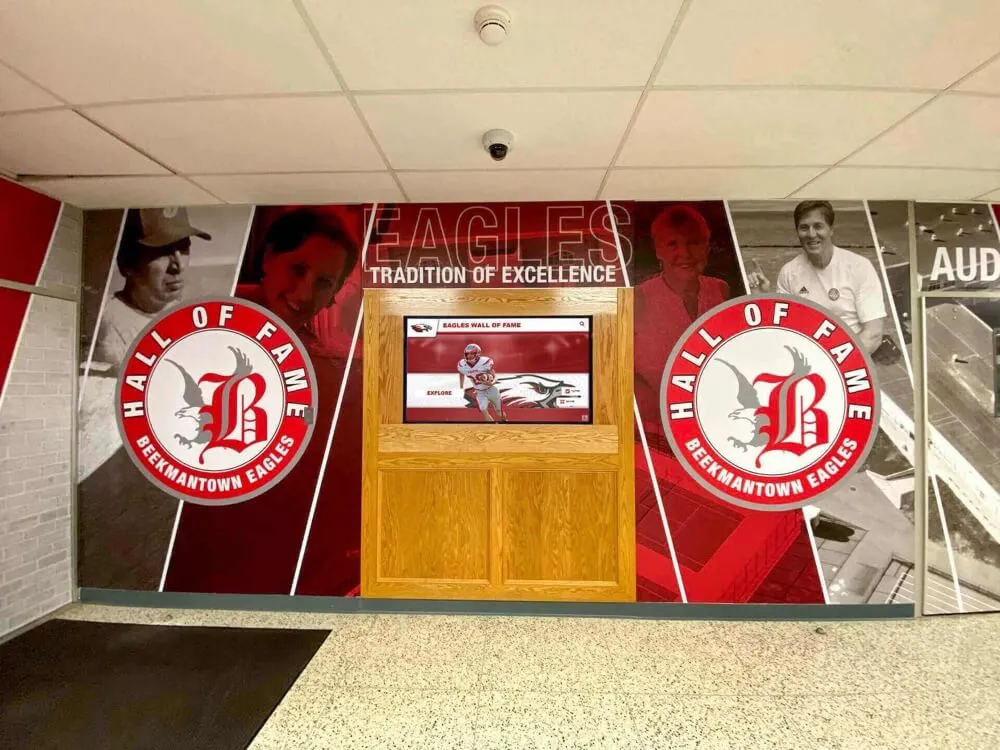
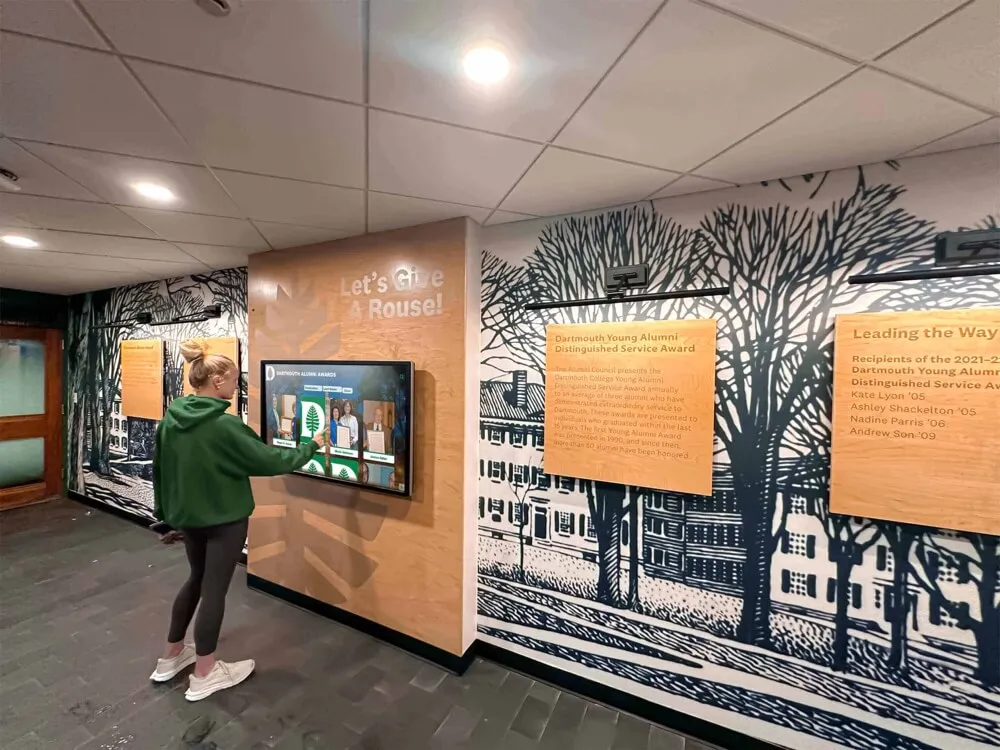
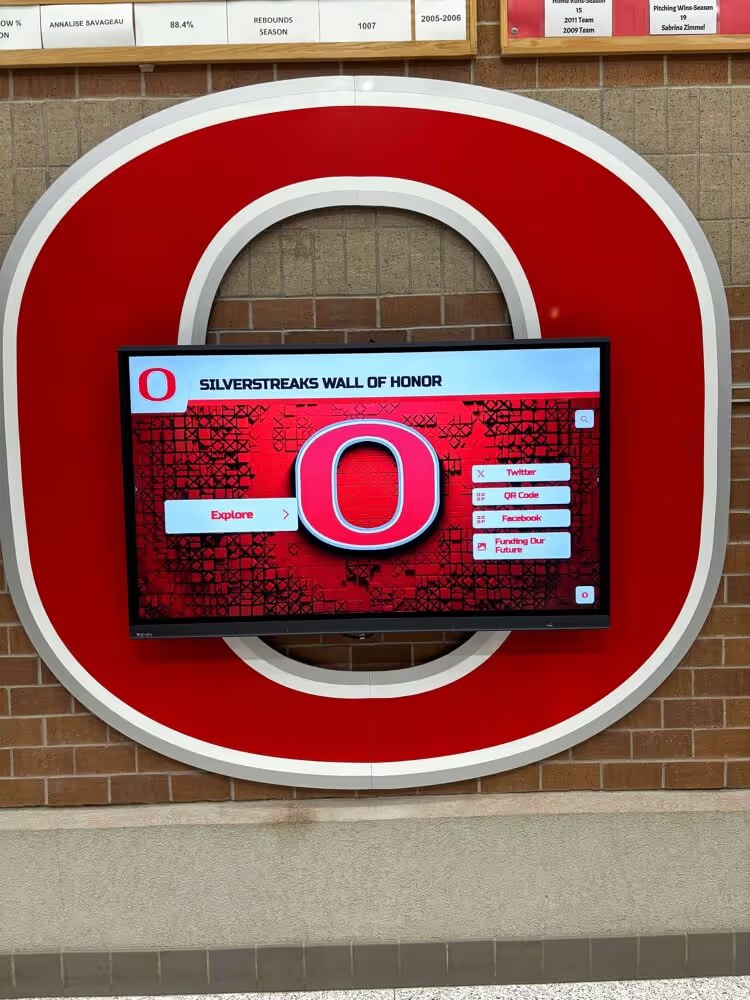
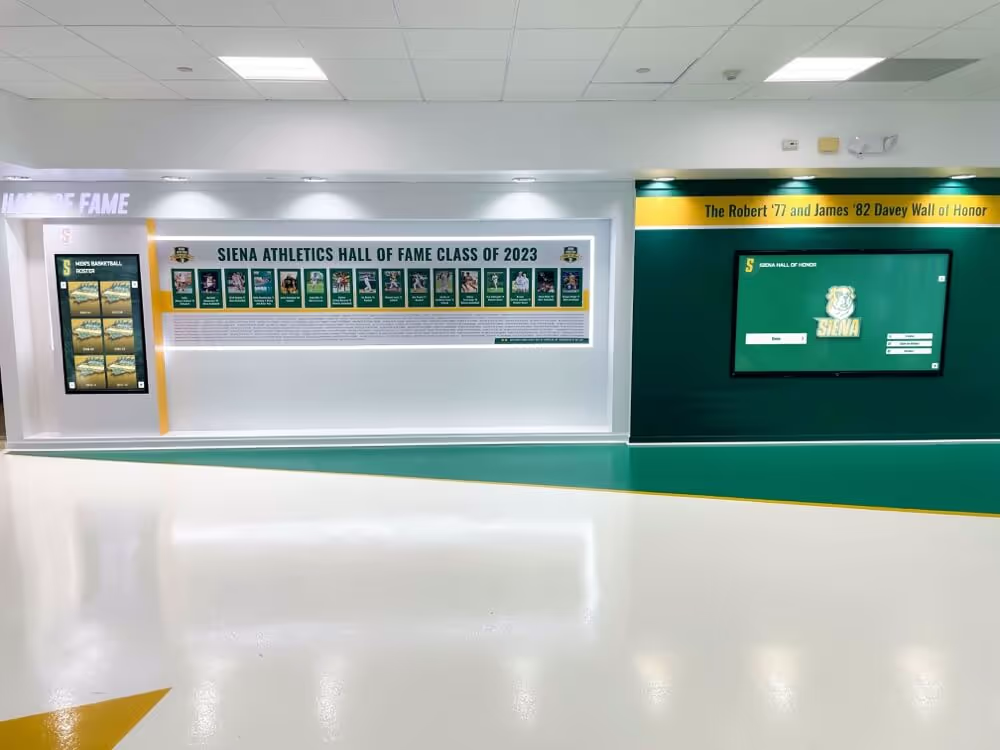
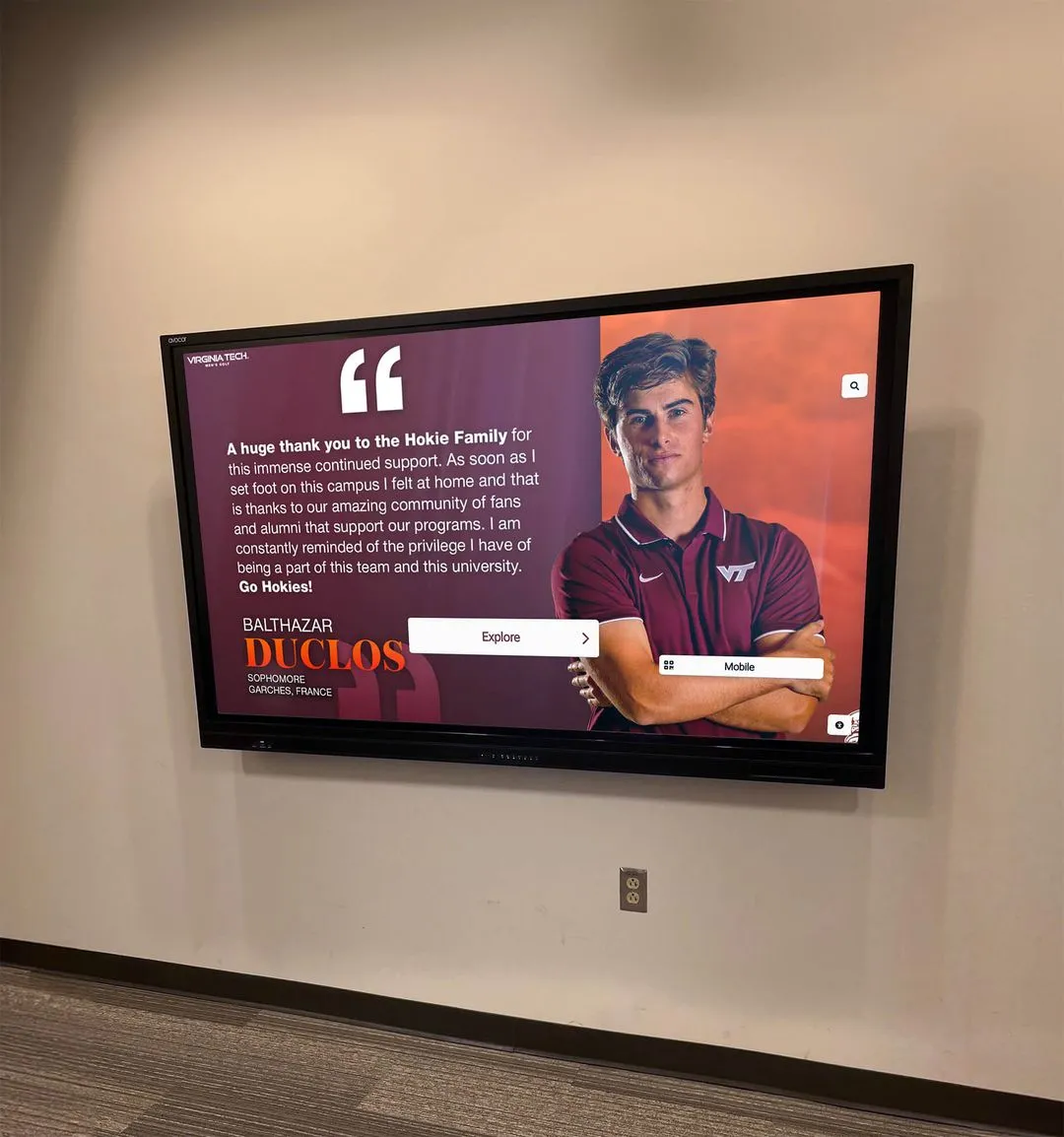
Interactive displays make exploring academic achievements engaging and accessible throughout the school community
Division C (High School)
- Grades 9-12
- College-level scientific concepts
- Advanced engineering challenges
- Most competitive division with regional, state, and national tournaments
Schools may enter one team per division, with each team consisting of up to 15 members. Only 15 students may compete at any tournament, though alternates can participate in different events across multiple tournaments throughout the season.
The 23 Science Olympiad Events Explained
Science Olympiad competitions feature 23 events across multiple scientific disciplines. Events are categorized as study events (tests), build events (engineering challenges), or hybrid events (combining both).
Life Science and Biology Events
Several events focus on biological sciences and life processes:
Anatomy and Physiology (Division C) A study event where students demonstrate understanding of human body systems. Students must identify anatomical structures, understand physiological processes, and answer questions about specific body systems that change annually (recent topics have included cardiovascular, respiratory, and digestive systems).
Disease Detectives (Divisions B and C) Students analyze public health data, investigate disease outbreaks, and propose prevention strategies. This event combines epidemiology, data analysis, and medical knowledge as students work through scenarios requiring them to track disease transmission, identify risk factors, and recommend interventions.
Ornithology (Division B) / Ecology (Division C) These taxonomy events require students to identify birds (Division B) or understand ecosystem relationships (Division C), answer questions about behavior, adaptations, and environmental interactions. Students must master hundreds of species or ecological concepts.
Entomology (Division B) Students identify insects from various orders, answer questions about insect biology, behavior, and ecology, and understand insect anatomy and classification. This event requires memorizing hundreds of insect specimens.
Microbe Mission (Division B) / Cell Biology (Division C) These events test knowledge of microbiology and cellular processes. Students answer questions about bacteria, viruses, fungi, cellular structures, metabolic pathways, and microscopic techniques.
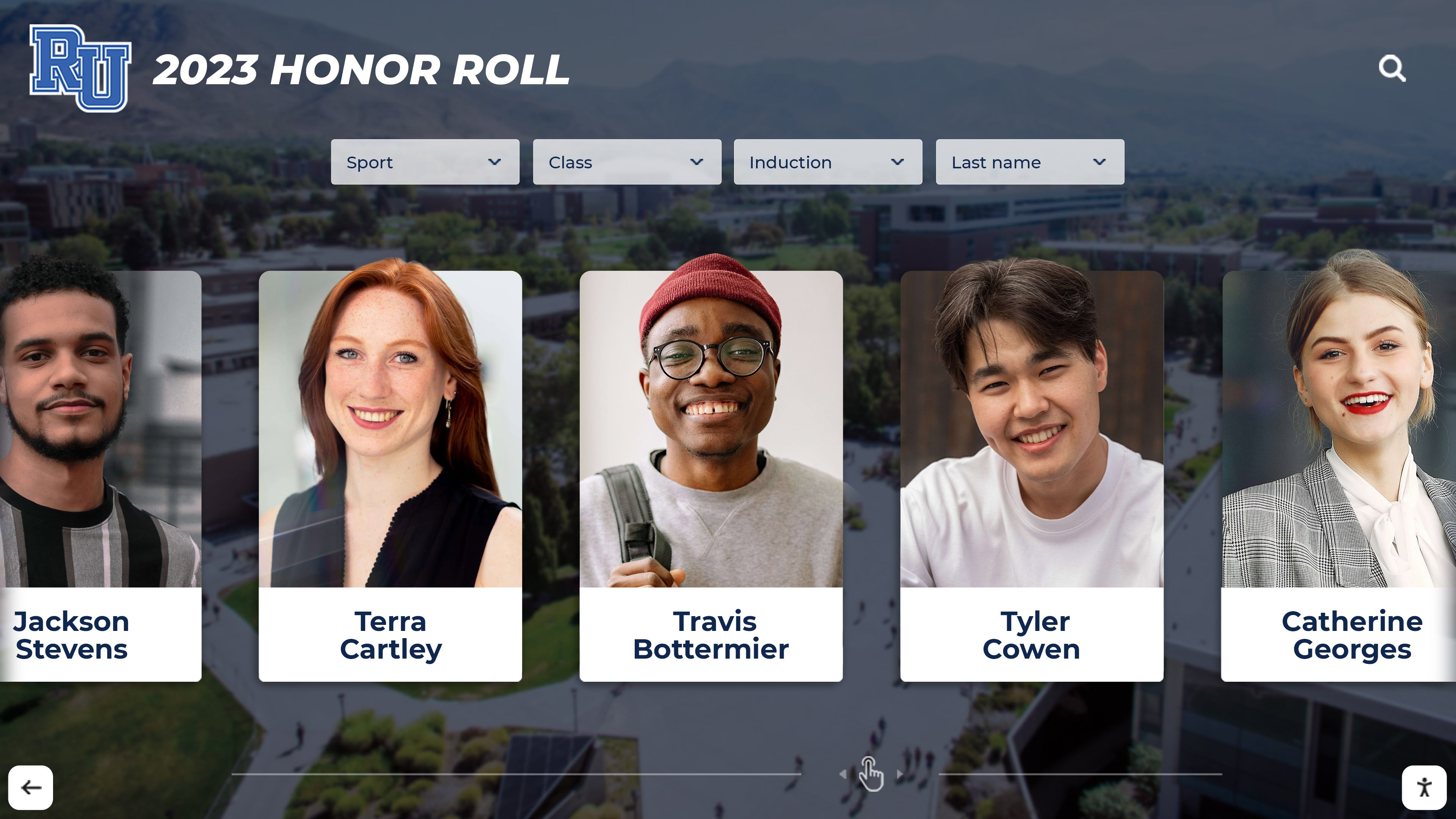
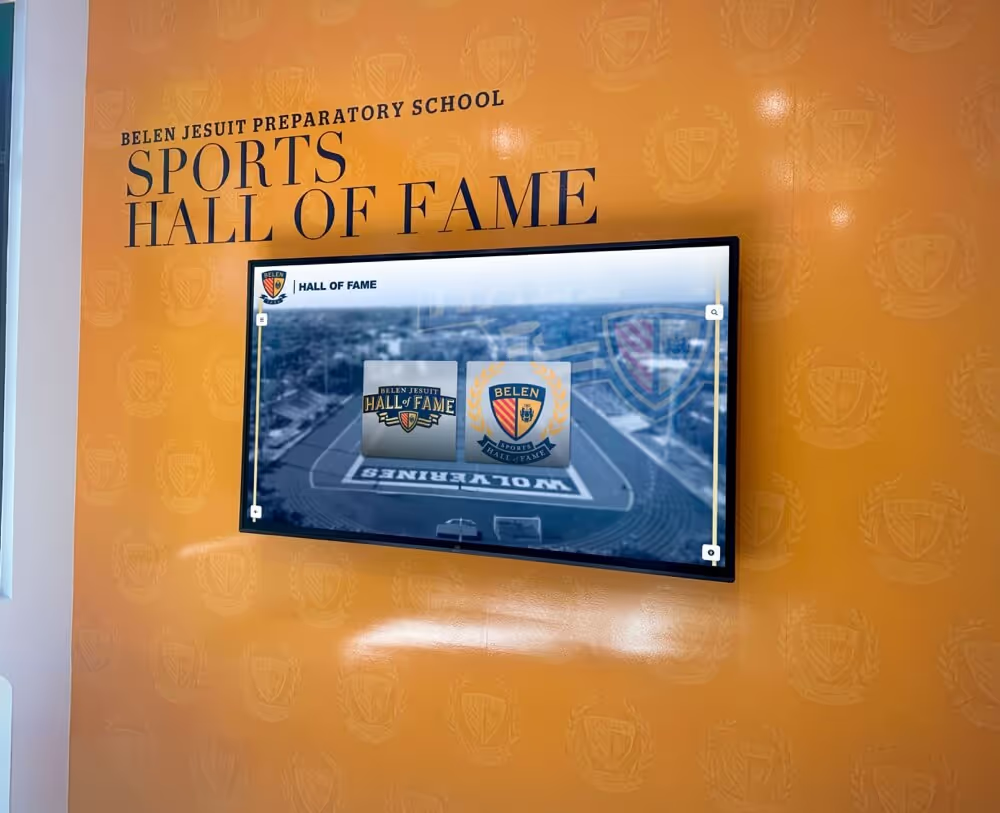
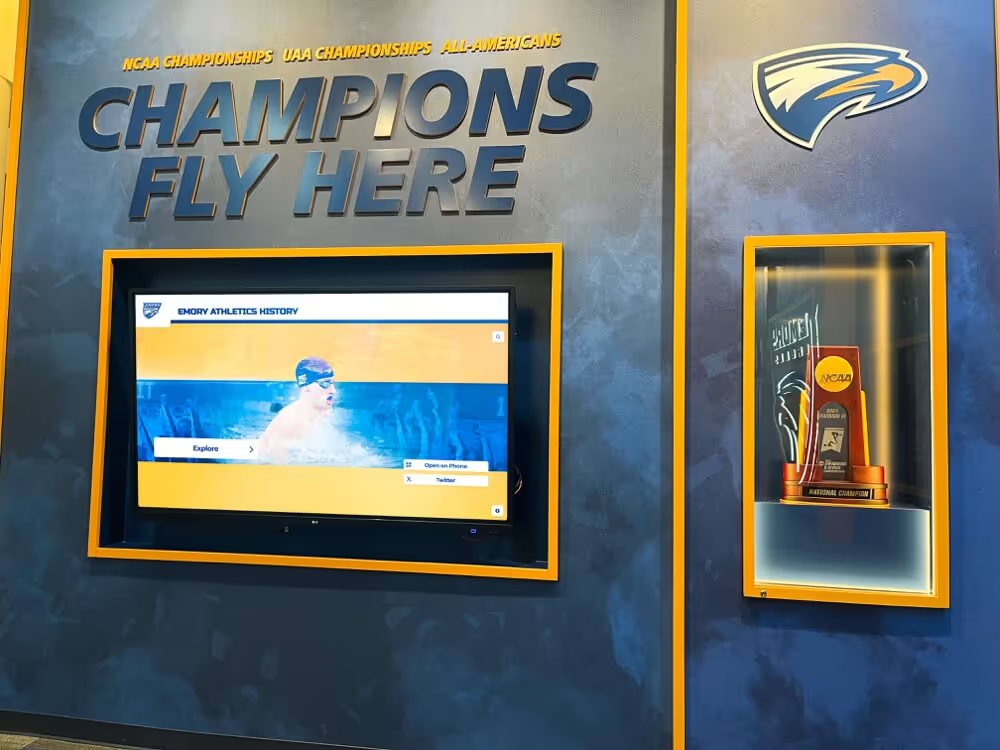
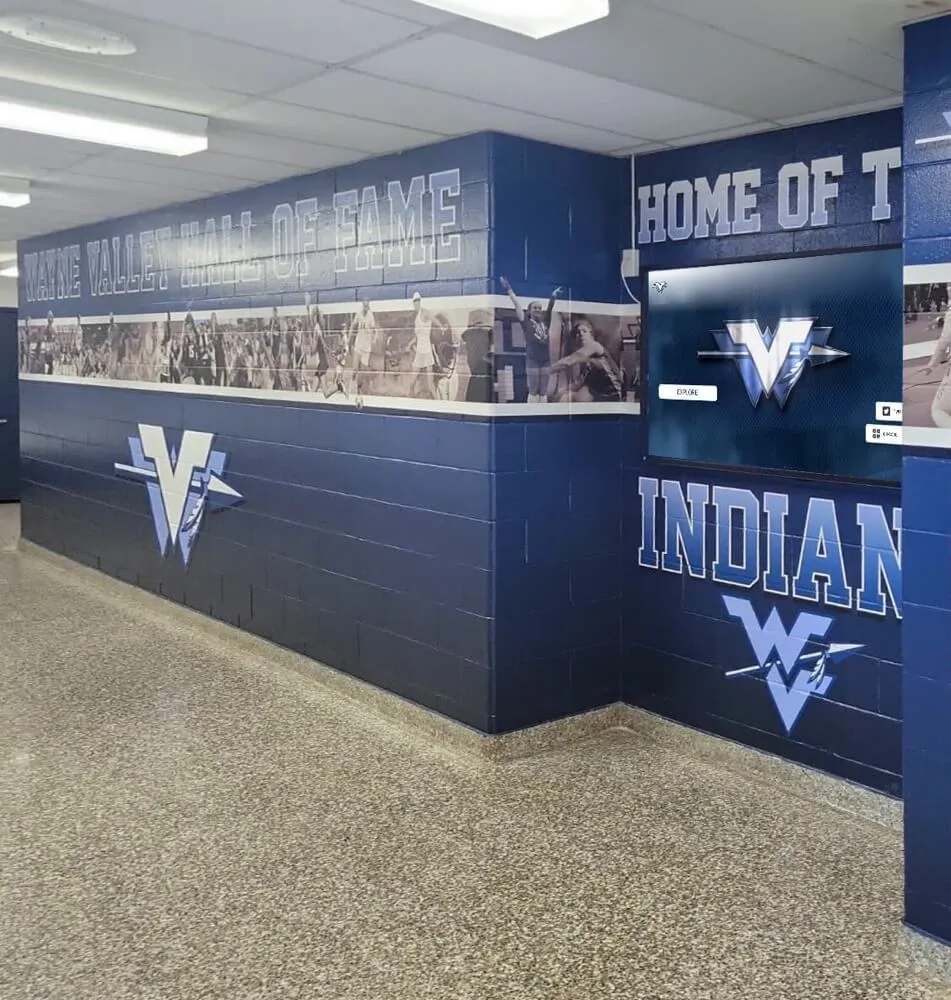
Comprehensive recognition systems document individual achievements across diverse academic competitions and programs
Physical Science and Chemistry Events
Several events focus on chemistry and physical science concepts:
Chemistry Lab (Division C) A practical laboratory event where students perform experiments, analyze data, and solve chemistry problems. This event tests lab techniques, chemical calculations, and understanding of chemical principles across general chemistry topics.
Forensics (Divisions B and C) Students analyze crime scene evidence using scientific techniques. This popular event combines chemistry, biology, and physics as students analyze fingerprints, perform chromatography, examine fibers and hair, and solve mock crimes using evidence analysis.
Materials Science (Division C) Students demonstrate understanding of material properties, structures, and applications. This event covers metals, polymers, ceramics, composites, and emerging materials, requiring knowledge of material characterization techniques and real-world applications.
Chem Lab (Division B) Similar to Chemistry Lab but at an introductory level, this event tests basic chemistry knowledge and laboratory skills appropriate for middle school students.
Earth and Space Science Events
Several events explore geology, astronomy, and atmospheric sciences:
Dynamic Planet (Divisions B and C) This event focuses on a rotating topic related to earth processes. Recent topics have included oceanography, glaciology, tectonics, and weathering/erosion. Students answer questions and interpret data related to the annual theme.
Fossils (Divisions B and C) Students identify fossil specimens, answer questions about paleontology, evolution, and ancient environments. This taxonomy event requires memorizing hundreds of fossil specimens across multiple geological time periods.
Meteorology (Division B) / Remote Sensing (Division C) These events test understanding of weather patterns, climate, atmospheric science (Division B) or satellite imagery interpretation and remote sensing technology (Division C). Students analyze maps, data, and imagery while answering conceptual questions.
Reach for the Stars (Division B) / Astronomy (Division C) Students demonstrate knowledge of stellar evolution, galaxies, cosmology, and specific astronomical objects. These events require understanding complex astrophysics concepts and identifying astronomical images.
Road Scholar (Division B) / Geologic Mapping (Division C) These events test map reading, geographic knowledge, and understanding of geological formations. Students interpret topographic maps, identify features, and answer questions about earth surface processes.
Engineering and Build Events
Build events require students to construct devices before the tournament and bring them to competition:
Bridge (Division C) / Ping-Pong Parachute (Division B) Bridge challenges students to build the lightest structure that can support the greatest load. Teams construct bridges from balsa wood and glue, then test them to failure. The load-to-weight ratio determines winners, with top bridges supporting thousands of times their own weight.
Flight (Divisions B and C) Students design, build, and fly rubber band-powered aircraft that stay airborne as long as possible. This event combines aerodynamics, engineering, and precise construction, with flight times exceeding two minutes for top competitors.
Tower (Divisions B and C) Similar to Bridge, Tower challenges students to build the lightest freestanding structure from balsa wood that supports the greatest load. Top towers support over 15 kilograms while weighing just 10-15 grams.
Wright Stuff (Divisions B and C) Another aircraft event, Wright Stuff focuses on building rubber-powered planes that stay aloft for maximum time. Different rules from Flight create distinct design challenges.
Detector Building (Divisions B and C) Students construct devices that measure and report air quality parameters. This event combines engineering with environmental science, requiring functional sensors and accurate calibration.
Learn about high school awards and recognition types that celebrate diverse student achievements including STEM competitions.
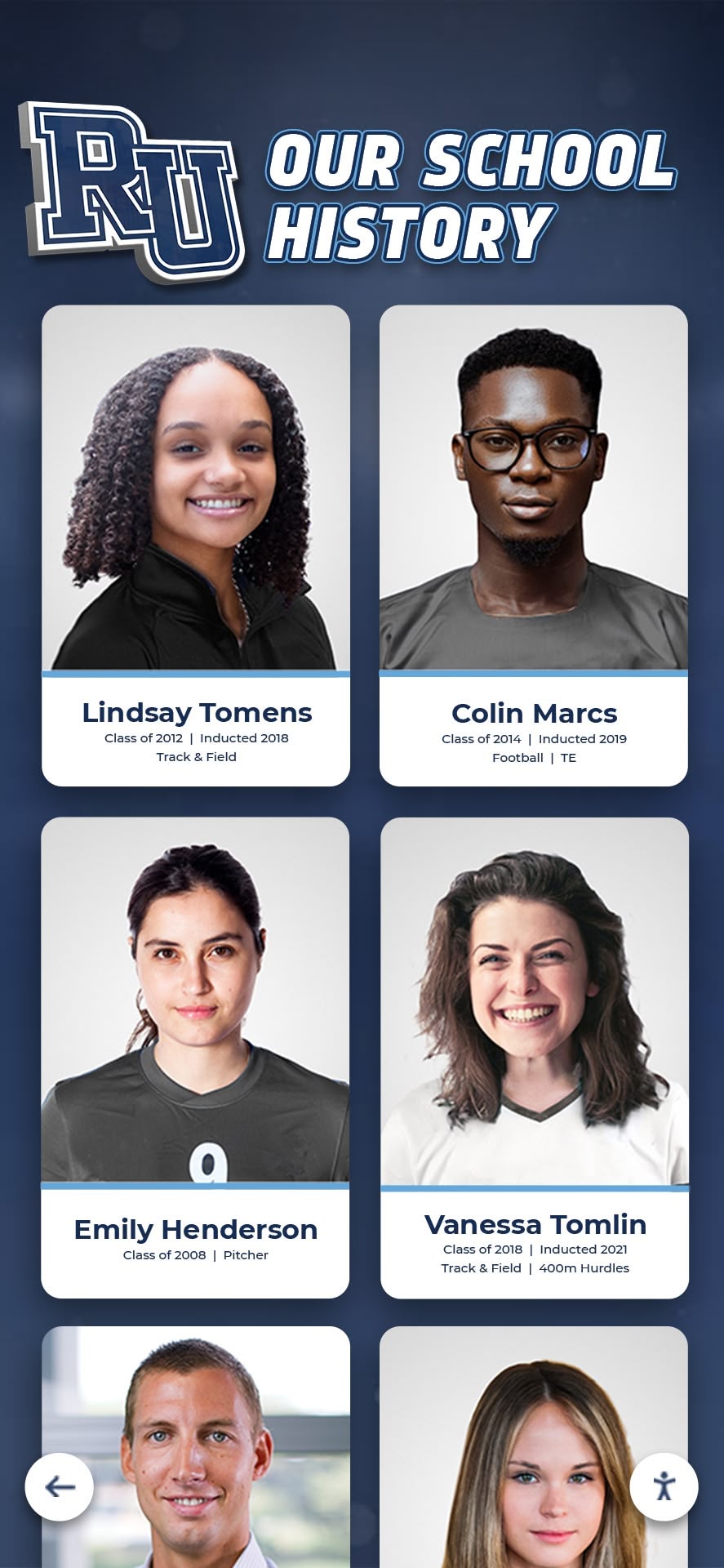
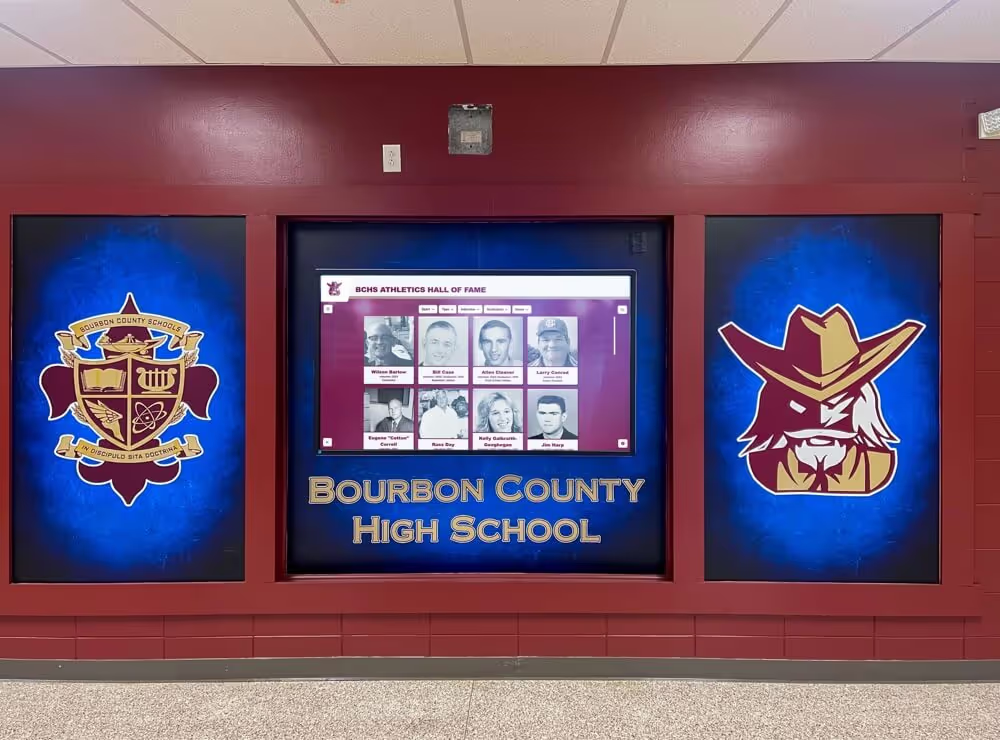
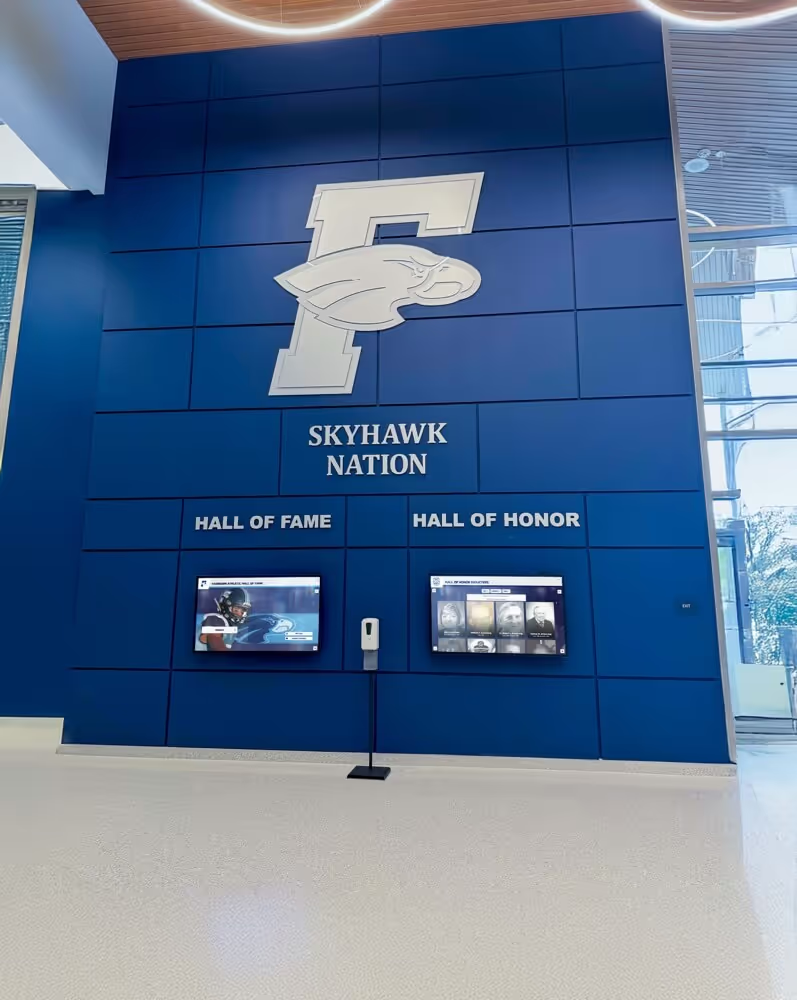
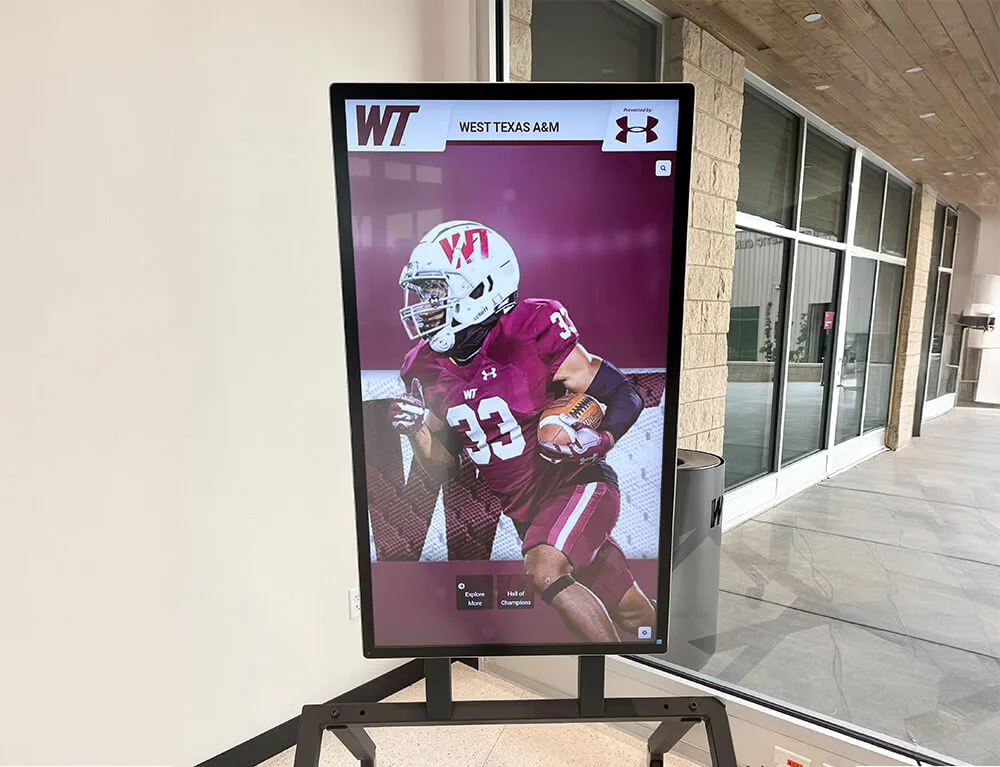
Permanent recognition systems preserve achievement histories connecting current competitors to school STEM traditions
Inquiry and Laboratory Events
Some events combine hands-on experimentation with theoretical knowledge:
Experimental Design (Divisions B and C) Students receive an unknown task at the tournament and must design and conduct an experiment, collect data, and present findings—all within a limited time period. This event tests scientific method application and experimental technique under pressure.
Wind Power (Divisions B and C) Students design and build wind turbines that lift maximum weight. This hybrid event combines engineering construction with understanding of energy conversion and aerodynamic principles.
Mousetrap Vehicle (Division B) / Scrambler (Division C) These vehicle events challenge students to build devices powered by mousetraps that travel specific distances or stop at precise targets. Success requires precise engineering, careful calibration, and understanding of mechanics and energy transfer.
Gravity Vehicle (Division C) Students design unpowered vehicles that race down an inclined track and stop at a target distance. This event tests understanding of friction, momentum, and precise engineering.
Trajectory (Division B and C) Students build devices that launch projectiles at targets. This event combines construction skills with physics understanding and precise calibration.
Building a Competitive Science Olympiad Team
Creating a successful Science Olympiad program requires strategic planning, sustained commitment, and effective organization.
Team Structure and Organization
Roster Management
With 23 events and a maximum of 15 competitors per tournament, strategic roster decisions become critical:
- Most successful teams recruit 15-20 students allowing for specialization and alternates
- Students typically prepare for 2-4 events based on their interests and strengths
- Some events require two partners while others allow solo competition
- Coaches match students to events based on strengths, interests, and schedule logistics
- Larger programs may have separate varsity and junior varsity teams
Role Assignments
Effective teams create clear role structures. Schools often organize recognition programs highlighting these specific contributions, similar to how athletic hall of fame displays celebrate team achievements across different positions.
- Team Captain: Coordinates communication, organizes meetings, and ensures timeline adherence
- Build Event Leaders: Oversee construction projects and material acquisition
- Study Event Coordinators: Organize group study sessions and resource sharing
- Equipment Manager: Maintains inventory and ensures devices meet competition rules
Coaching and Mentorship Structure
Coach Responsibilities
Science Olympiad coaches manage complex logistics:
- Tournament registration and travel coordination
- Rules interpretation and compliance verification
- Resource acquisition and budget management
- Practice schedule creation
- Team morale and conflict resolution
- Communication with school administration and families
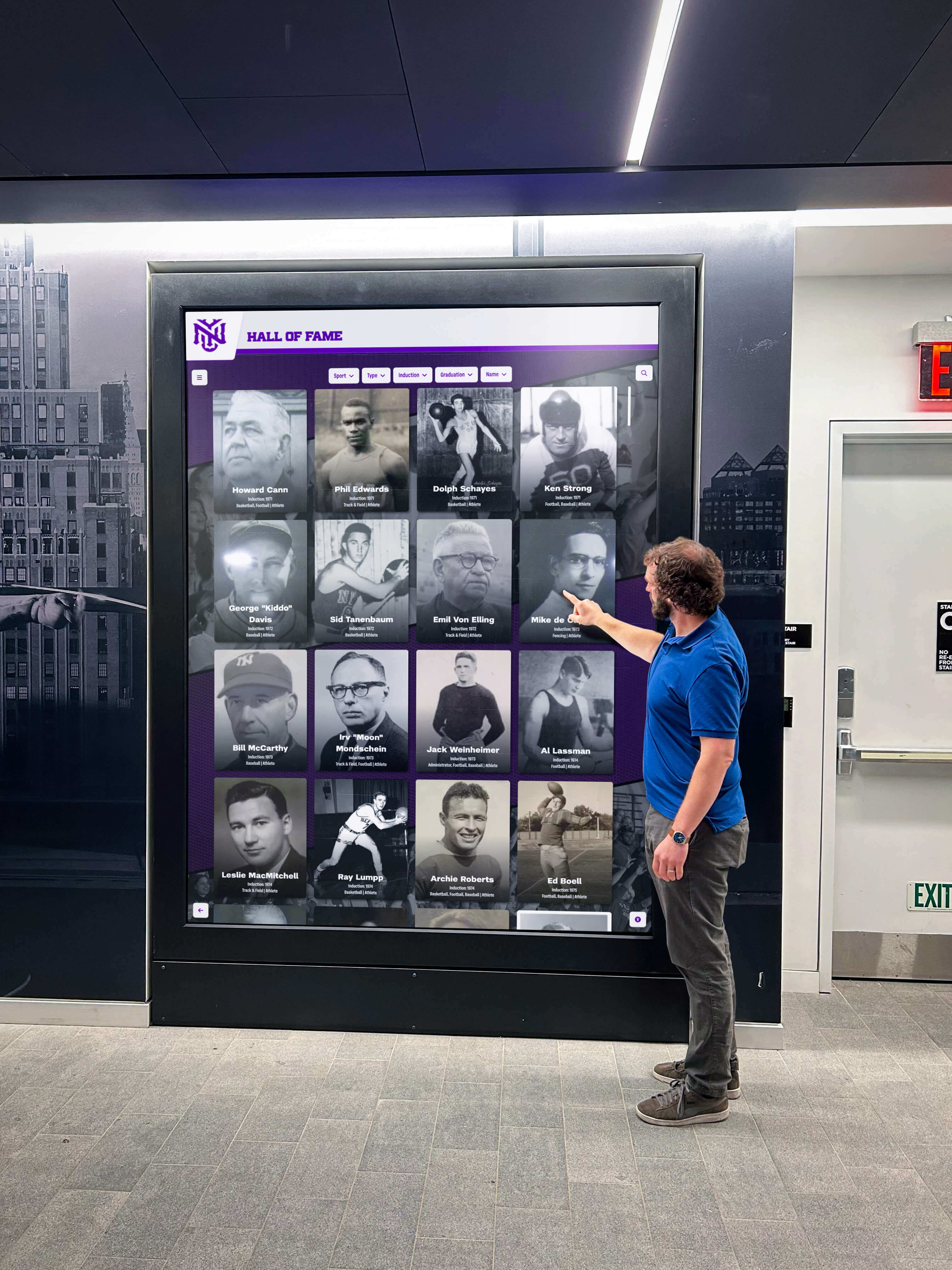
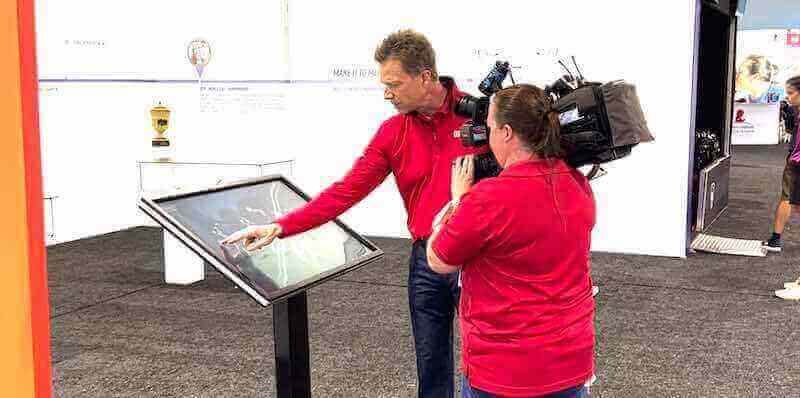
Modern recognition systems enable families to explore STEM achievements creating pride and community connection
Mentorship Models
Many successful programs incorporate multiple coaching levels:
- Head Coach: Usually a science teacher providing overall program leadership
- Assistant Coaches: Additional teachers or parents supporting specific event categories
- Alumni Mentors: Former team members providing continuity and specialized expertise
- Parent Volunteers: Supporting logistics, transportation, and event supervision
- Community Experts: Local scientists or engineers mentoring specific technical events
This distributed leadership model prevents coach burnout while providing students with specialized expertise across the diverse event portfolio.
Recruitment and Retention Strategies
Building Interest
Successful programs actively recruit diverse students:
- Information sessions at the start of each school year explaining the competition
- Demonstration events showcasing interesting builds and experiments
- Alumni presentations discussing their experiences and achievements
- Connection to career interests showing real-world STEM applications
- Emphasis on team aspects appealing to students seeking community
- Highlighting various event types ensuring students find matches for their interests
Many schools find success recruiting students who may not participate in traditional sports but seek competitive outlets and team experiences. Science Olympiad provides that opportunity while building valuable STEM skills.
Retention Approaches
Keeping students engaged throughout the demanding season requires intentional strategies:
- Celebrating small victories and improvements, not just tournament placements
- Creating social bonds through team activities beyond pure studying
- Recognizing effort and dedication, not just results
- Ensuring all team members feel valued and essential
- Providing appropriate challenge levels preventing boredom or overwhelming stress
- Building traditions and team culture creating sense of belonging
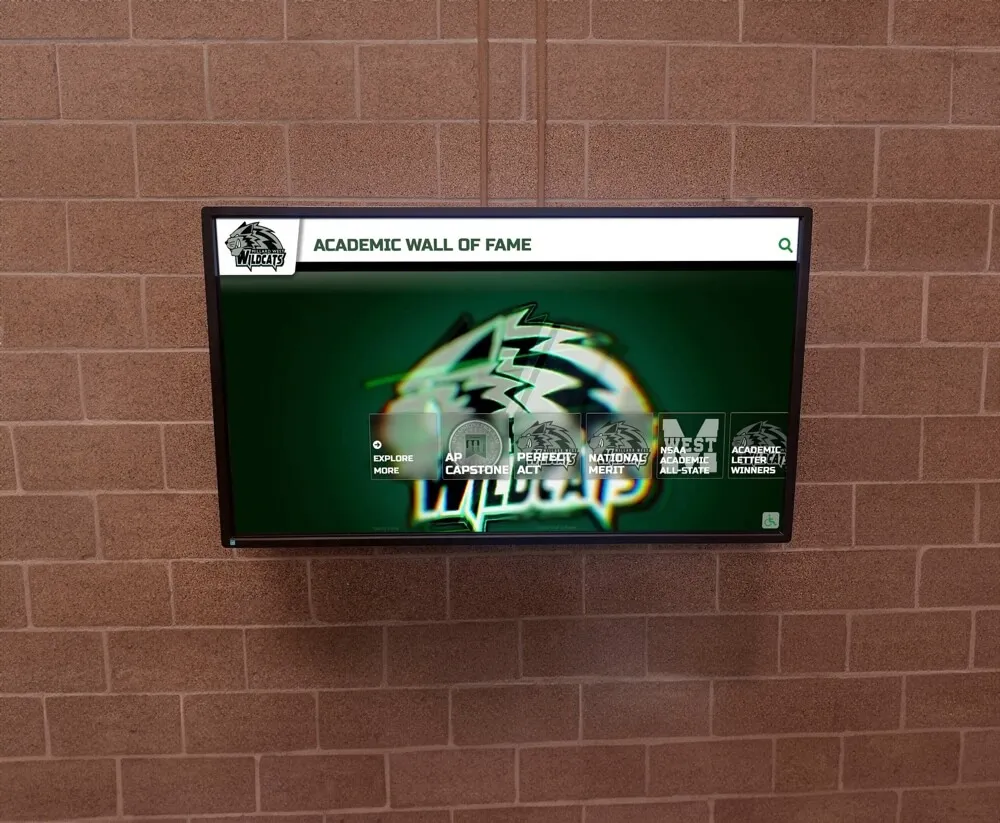
Schools increasingly use digital recognition displays to celebrate Science Olympiad achievements prominently, reinforcing that academic competitors receive the same visibility as athletes.
Competition Preparation Strategies
Success at Science Olympiad requires months of systematic preparation across multiple dimensions.
Study Event Preparation
Resource Development
Effective study event preparation requires comprehensive resource creation:
- Study Binders: Teams compile extensive reference binders containing relevant information, diagrams, charts, and data that can be brought to competitions for most study events
- Practice Tests: Teams use previous years’ tests and create custom practice materials
- Flashcards and Memorization Tools: Especially important for taxonomy events requiring identification of hundreds of specimens
- Summary Sheets: Condensing complex topics into quick-reference formats
- Formula Sheets and Problem Sets: For calculation-heavy events like Chemistry Lab or Astronomy
Top teams often spend 100+ hours per event preparing comprehensive resources and mastering content.
Study Techniques
Effective learning strategies maximize retention and application:
- Partner Study Sessions: Regular meetings where event partners review material together
- Timed Practice: Simulating competition conditions including time pressure and allowed resources
- Teach-Back Method: Students teaching concepts to each other reinforcing understanding
- Spaced Repetition: Reviewing material at increasing intervals optimizing long-term retention
- Application Practice: Solving problems and analyzing scenarios rather than just memorizing facts
- Expert Consultation: Connecting with teachers, scientists, or professionals for deeper understanding
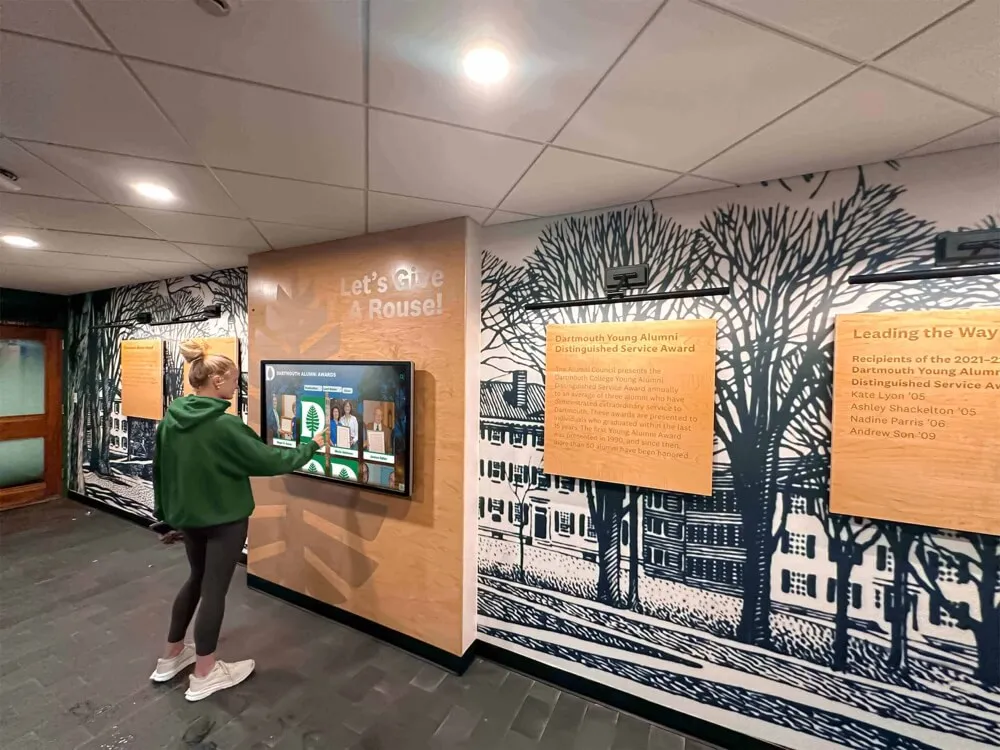
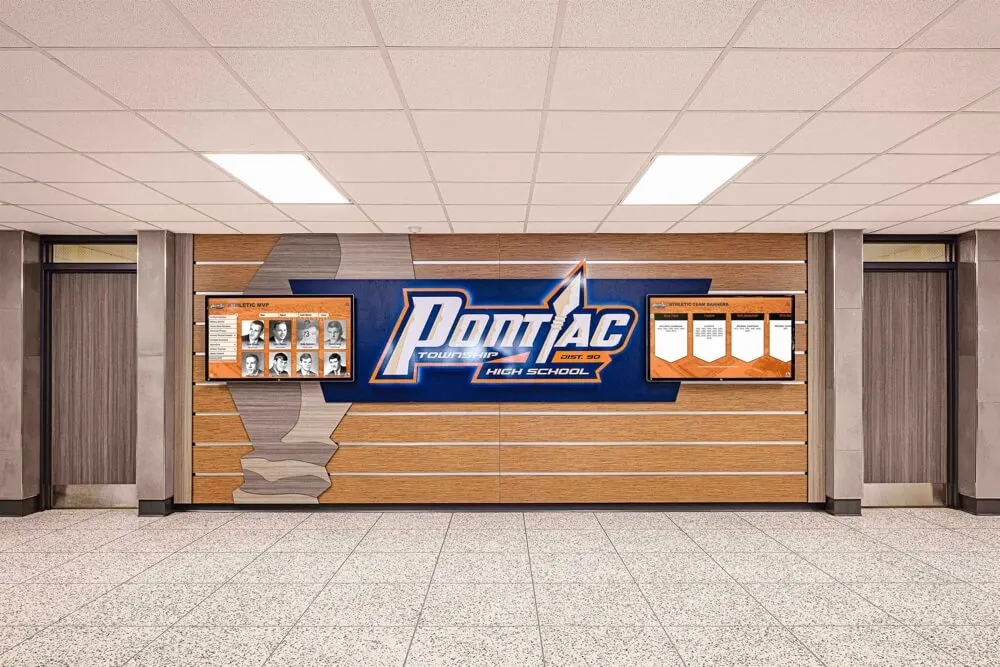
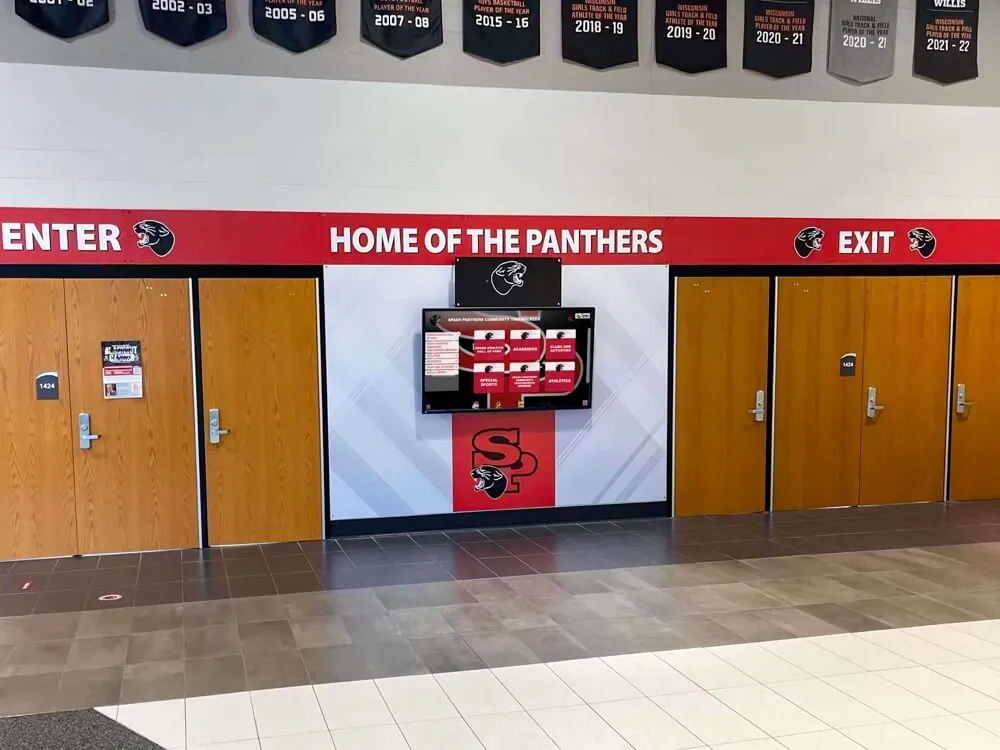
Strategic placement of recognition displays in high-traffic areas ensures academic achievements receive maximum visibility
Build Event Preparation
Design and Testing Cycles
Build events require iterative engineering processes:
- Initial Research: Understanding rules, scoring systems, and design parameters
- Multiple Prototypes: Building and testing various design approaches
- Systematic Testing: Collecting data on performance variables
- Optimization: Refining designs based on test results
- Backup Devices: Building multiple copies to account for competition-day failures
- Documentation: Maintaining engineering notebooks tracking design evolution
Top build competitors often create 10+ prototypes before finalizing competition designs, investing months in refinement.
Common Build Challenges
Students must navigate several engineering obstacles:
- Rules Compliance: Ensuring devices meet exact specifications (size limits, materials restrictions, construction rules)
- Consistency: Building devices that perform reliably despite environmental variations
- Durability: Creating structures that survive transport and multiple competition runs
- Precision: Achieving exact measurements and calibrations
- Resource Management: Working within budget constraints and material availability
Many schools showcase their trophy displays and competition achievements including Science Olympiad medals and devices, creating tangible recognition of engineering accomplishments.
Mock Competition and Invitational Tournaments
Value of Competition Practice
Experienced coaches emphasize participating in invitational tournaments before official competitions:
- Time Management Practice: Learning to navigate tournament logistics and scheduling
- Pressure Exposure: Experiencing competitive stress in lower-stakes environments
- Weakness Identification: Revealing gaps in preparation requiring additional focus
- Rules Clarification: Understanding how officials interpret rules in competition settings
- Strategy Refinement: Testing approaches to event order and resource allocation
- Team Bonding: Building camaraderie through shared competitive experiences
Most successful teams attend 3-5 invitational tournaments throughout the season in addition to hosting internal mock competitions.
Competition Day Strategy and Performance
Tournament day presents unique challenges requiring preparation beyond content mastery.
Tournament Logistics
Competition Format
Understanding the tournament structure helps teams prepare effectively:
- Self-Scheduling: Most tournaments allow teams to choose when they compete in each event within scheduled time blocks
- Simultaneous Events: Multiple events run concurrently requiring strategic scheduling decisions
- Testing Periods: Events typically run for 50 minutes with specific start times
- Build Testing: Build events may have designated impound periods when devices are tested
- Impounding: Some events require devices or materials to be secured before competition preventing last-minute adjustments
Strategic Scheduling
Optimal event scheduling balances several factors:
- Avoiding partner conflicts when students compete in multiple events
- Prioritizing highest-potential scoring events in optimal time slots
- Managing student energy and focus across long tournament days
- Accounting for build event testing schedules
- Building in buffer time for delays and adjustments
Experienced coaches create tentative schedules weeks before tournaments, adjusting as circumstances require.
Performance Optimization
Mental Preparation
Competition performance depends significantly on psychological factors:
- Stress Management: Teaching students techniques for managing competition anxiety
- Focus Strategies: Maintaining concentration during extended events
- Partnership Coordination: Dividing tasks efficiently during team events
- Resilience Building: Recovering from mistakes or poor performances
Detailed achievement profiles preserve complete competition histories including Science Olympiad accomplishments and medals
Resource Management
Effective use of allowed materials maximizes scoring potential:
- Bringing complete, well-organized binders for study events
- Having backup materials and tools for build events
- Knowing exactly where to find information quickly during timed events
- Using practice time strategically for challenging questions
- Prioritizing high-value questions when time becomes limited
Top teams practice with their actual competition resources under time pressure, developing familiarity that reduces stress on competition day.
Scoring and Placement Strategy
Understanding Scoring Systems
Science Olympiad uses placement scoring where lower scores are better:
- Each event awards points equal to the team’s placement (1st place = 1 point, 2nd = 2 points, etc.)
- Teams disqualified or failing to compete receive participation points (typically number of teams + 1 or + 2)
- Final team score equals the sum of all event placements
- Lowest total score wins overall tournament
This system means consistent solid performances often outperform scattered excellent results mixed with poor showings. Teams cannot afford multiple disqualifications or events where they fail to compete.
Strategic Implications
Understanding the scoring system influences preparation decisions:
- Building depth across all events rather than excelling in a few while neglecting others
- Prioritizing rules compliance to avoid disqualifications that severely damage overall scores
- Balancing specialization allowing students to prepare deeply for their events while maintaining backup competitors
- Strategic event selection choosing events where teams can reasonably place well
- Minimizing catastrophic failures that result in participation points
Tournament Competition Levels
Science Olympiad teams progress through multiple competition levels throughout the season.
Invitational Tournaments
Purpose and Structure
Invitational tournaments serve as practice competitions:
- Hosted by schools or universities throughout the season
- Lower stakes allowing experimentation and learning
- Varied difficulty levels from beginner-friendly to highly competitive
- Opportunity to see events written by different test authors
- Exposure to different competition venues and formats
Teams typically attend multiple invitationals to gain experience and identify preparation gaps before official competitions begin.
Regional Competitions
Qualifying Structure
Regional competitions represent the first official level:
- All registered teams compete at assigned regional tournaments
- Top teams from each regional advance to state competition (number varies by state)
- Results begin to matter for advancement
- Increased competition intensity compared to invitationals
- First requirement in the pathway to nationals
Strong regional performance builds confidence and momentum while identifying areas requiring refinement before state competition.
State Championships
High-Stakes Competition
State tournaments represent the culmination of the season for most teams:
- Top regional qualifiers compete for state championship
- Only top team(s) advance to national tournament (typically 1-2 teams per state)
- Highest level of competition for the state
- Significant recognition and pride associated with state medals and championship
- Often held at universities providing prestigious venues
State competition represents the goal for most programs, with advancing to nationals remaining an aspirational achievement for elite teams.
Many schools permanently recognize state qualifiers and medalists through recognition programs, similar to how they celebrate state championship achievements in athletics.
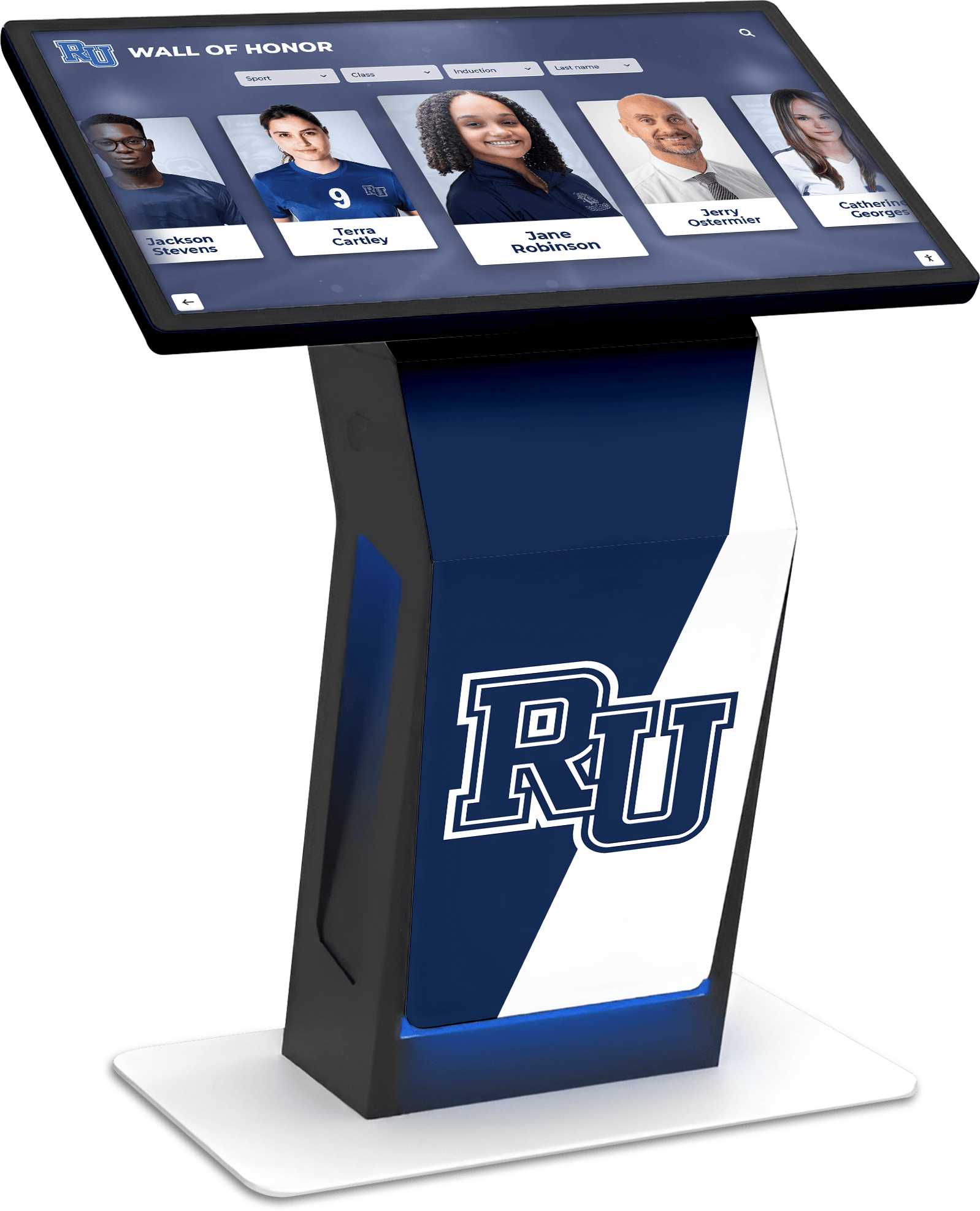
Modern recognition platforms enable unlimited celebration of academic achievements across all competition categories
National Tournament
Pinnacle Competition
The National Tournament represents the highest level:
- Held annually at a university campus (location rotates)
- Approximately 120 Division C teams compete (one or two per state)
- Similar number of Division B teams in separate competition
- Three days of intense competition and scientific celebration
- Top 6 teams in each event receive medals
- Overall national champions receive significant recognition
- Alumni often cite nationals as transformative educational experience
Reaching nationals represents an extraordinary accomplishment achieved by fewer than 1% of competing teams, deserving permanent recognition in school academic achievement programs.
Celebrating Science Olympiad Achievement
As schools recognize the value of celebrating academic excellence alongside athletic success, Science Olympiad competitors are receiving the visibility their accomplishments deserve.
Recognition Program Design
Multi-Level Celebration
Effective recognition honors achievements at all levels:
- Participation Recognition: Acknowledging all team members for their dedication and effort throughout the season
- Medal Recognition: Celebrating individual event medals at any competition level
- Tournament Success: Recognizing overall team performance and advancement through competition levels
- State Qualification: Specially honoring teams reaching state championships
- National Advancement: Providing highest-level recognition for the exceptional accomplishment of reaching nationals
- Improvement Recognition: Celebrating teams showing significant growth from previous years
Discover comprehensive approaches to academic recognition programs that celebrate diverse achievements including STEM competitions.
Recognition Methods
Schools employ various celebration strategies:
- Academic Award Ceremonies: Including Science Olympiad alongside other academic honors
- Morning Announcements: Publicizing medals and tournament results
- Social Media Recognition: Sharing achievements with school communities
- Local Media Coverage: Submitting results to community newspapers
- School Website Features: Highlighting team accomplishments prominently
- Digital Recognition Displays: Permanent celebration through interactive systems
Permanent Achievement Documentation
Digital Recognition Systems
Modern platforms overcome limitations of traditional recognition:
Traditional trophy cases and plaques face severe space constraints, forcing schools to choose whose achievements remain visible. Solutions like Rocket Alumni Solutions eliminate these limitations through digital displays that:
- Showcase unlimited Science Olympiad achievements across all years
- Include detailed profiles documenting specific medals and accomplishments
- Display team photos and competition highlights
- Enable searchable databases allowing discovery by student name, event, or year
- Provide equal visibility for academic competitors and athletes
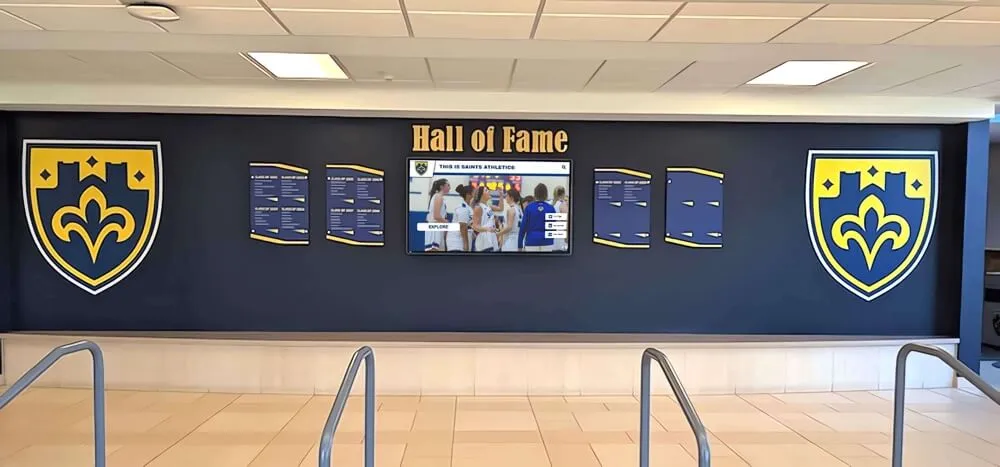
Comprehensive recognition systems integrate traditional elements with modern technology celebrating all forms of achievement
Implementation Approaches
Schools successfully celebrating Science Olympiad incorporate:
- Prominent lobby displays featuring recent tournament results and historical achievements
- Integration with existing academic recognition programs
- Annual ceremonies specifically recognizing STEM competition success
- Alumni profiles connecting past Science Olympiad competitors to career successes
- Social media campaigns celebrating preparation milestones and competition results
Learn about showcasing student achievement through comprehensive recognition approaches.
Building STEM Culture Through Recognition
Cultural Impact
Visible Science Olympiad recognition transforms school culture:
- Normalizing Academic Achievement: When STEM success receives equal visibility to athletic success, intellectual achievement becomes equally aspirational
- Recruitment Enhancement: Visible recognition attracts future participants seeing peers celebrated for academic competition
- Family Engagement: Parents become invested in academic programs receiving attention and visibility
- Community Awareness: Prominent recognition educates communities about school academic strengths
- Alumni Connection: Former competitors reconnect with schools through visible acknowledgment of their achievements
Long-Term Benefits
Schools maintaining comprehensive Science Olympiad recognition report:
- Increased program participation and depth
- Stronger community support and funding
- Enhanced school reputation for academic excellence
- Greater alumni engagement and mentorship
- Improved student pride in academic accomplishments
Explore school pride strategies that build on academic recognition.
Skills and Benefits Beyond Competition
Science Olympiad participation provides benefits extending far beyond tournament results.
Academic and Career Preparation
College Application Enhancement
Science Olympiad accomplishments strengthen college applications:
- Demonstrated sustained commitment to STEM fields
- Leadership experience through team roles
- Concrete achievements through medals and rankings
- Evidence of intellectual curiosity and depth
- Differentiation in competitive applicant pools
- Connection to intended major showing early specialization
Many colleges specifically seek Science Olympiad participants recognizing the program’s rigor and the qualities it develops in students.
STEM Career Pathways
Science Olympiad prepares students for various career directions:
- Research science through experimental design and analysis skills
- Engineering through design, testing, and optimization experience
- Medicine through anatomy, physiology, and disease investigation
- Data science through statistical analysis and interpretation
- Teaching through mentoring younger students and explaining complex concepts
- Project management through team coordination and timeline management
Alumni frequently cite Science Olympiad as formative in choosing STEM careers and developing essential professional skills.
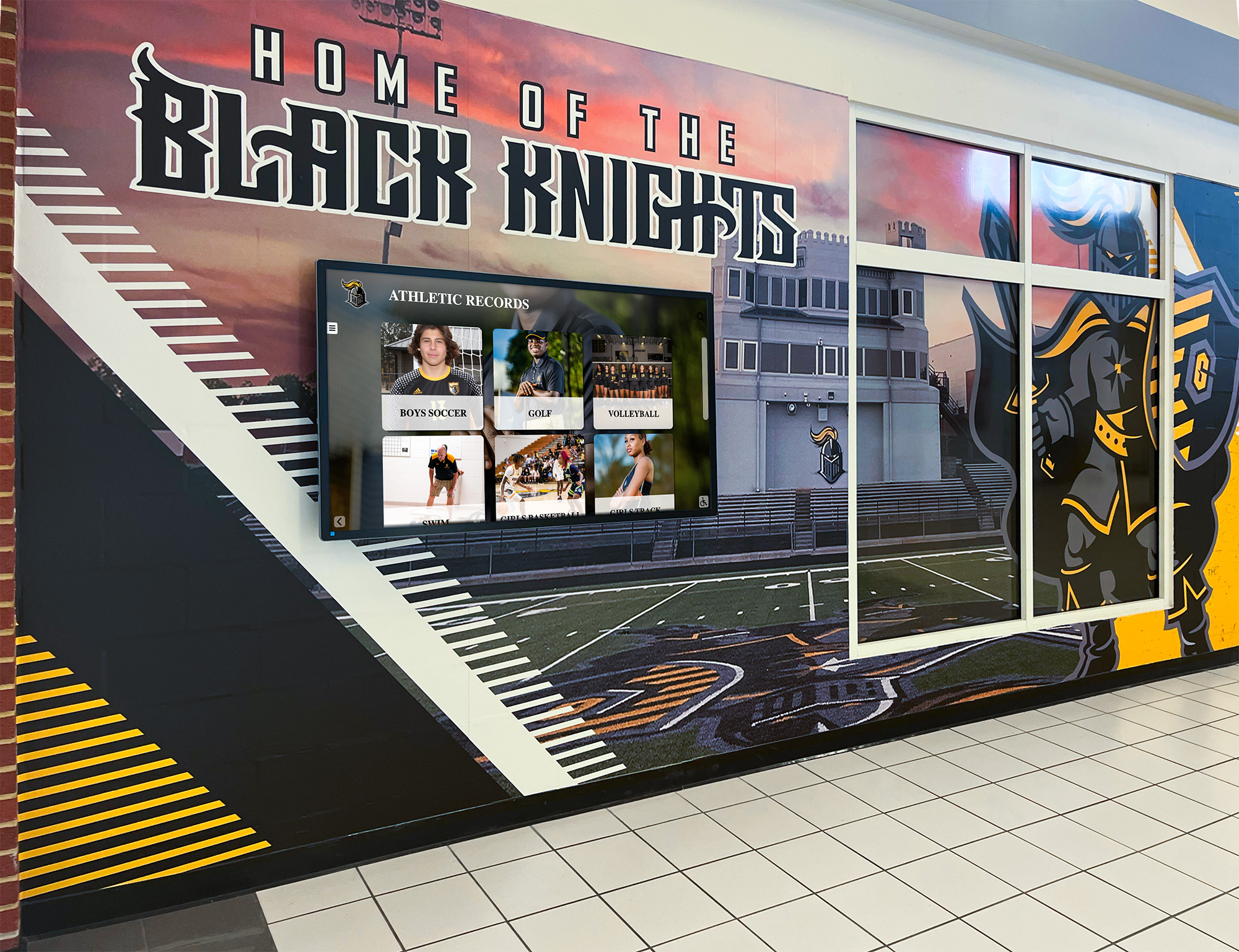
Strategic facility design integrates recognition throughout school spaces creating constant visibility for all achievement types
Personal Development Benefits
Essential Skill Building
Participation develops valuable life skills:
- Time Management: Balancing multiple events and preparation demands with academic coursework
- Collaboration: Working effectively in partnerships and teams toward shared goals
- Resilience: Learning from failures, device malfunctions, and disappointing results
- Problem-Solving: Approaching novel challenges systematically
- Communication: Explaining complex scientific concepts clearly
- Self-Direction: Managing independent preparation and learning
These transferable skills benefit students throughout education and career regardless of whether they pursue STEM fields.
Social and Emotional Growth
Beyond academic benefits, Science Olympiad provides:
- Sense of belonging through team community
- Confidence from mastering challenging content
- Friendships with like-minded peers
- Healthy competitive outlet for academic students
- Recognition and validation for intellectual interests
- Connection to broader STEM community
For many students, Science Olympiad team becomes a defining aspect of their high school experience, providing community and purpose beyond classroom academics.
Supporting Science Olympiad Programs
Schools and communities can support Science Olympiad teams in various ways beyond direct coaching.
Funding and Resources
Budget Requirements
Science Olympiad programs require financial support:
- Registration Fees: Tournament entry fees typically $75-150 per competition
- Travel Expenses: Transportation, meals, and potentially lodging for tournaments
- Materials: Build event supplies including balsa wood, glue, tools, electronics
- Resources: Reference books, practice materials, specimen sets for taxonomy events
- Equipment: Measuring devices, testing equipment, safety gear
Annual program costs typically range from $2,000-10,000 depending on team size, number of tournaments, and available donated resources.
Funding Sources
Programs access various funding streams:
- School budget allocations through academic or activities departments
- Booster club fundraising and donation campaigns
- Parent contributions and sponsorships
- Local business partnerships and sponsorships
- Grant applications through STEM education foundations
- Crowdfunding campaigns for specific needs
Learn about fundraising strategies for school clubs that can support Science Olympiad programs.
Community and Corporate Partnership
Mentorship Programs
Local STEM professionals provide valuable support:
- Scientists mentoring study event preparation
- Engineers assisting with build event design and testing
- Medical professionals supporting anatomy and physiology preparation
- Research facility tours providing hands-on learning experiences
- Alumni returning to share expertise and encouragement
These partnerships enrich student learning while building community connections to school programs.
Corporate Sponsorship
Local businesses increasingly support Science Olympiad:
- Financial sponsorship offsetting program costs
- In-kind donations of materials and supplies
- Facility access for building and testing
- Professional expertise and mentorship
- Recognition of achievement through awards and scholarships
- Sponsorship visibility through digital recognition displays
These partnerships benefit both students and businesses seeking to support STEM education and connect with future workforce.
Starting or Growing a Science Olympiad Program
Schools without Science Olympiad programs or seeking to strengthen existing teams can take systematic approaches to development.
Program Establishment
Initial Steps
Starting a Science Olympiad team requires:
- Coach Recruitment: Identifying passionate science teachers or community members willing to lead
- Administrative Approval: Securing school support and budget allocation
- Student Recruitment: Building initial team through information sessions and promotion
- Team Registration: Registering with state Science Olympiad organization
- Resource Acquisition: Obtaining initial materials, study resources, and testing equipment
- Tournament Identification: Finding local invitational tournaments for first season experience
Programs can start small with limited events and gradually expand as experience and resources grow.
First Season Strategies
New programs should set realistic expectations:
- Focus on learning and participation rather than winning
- Select events matching available expertise and resources
- Attend invitational tournaments for low-pressure experience
- Build team culture and enthusiasm for future years
- Document lessons learned for continuous improvement
- Celebrate all achievements regardless of placement
The most successful programs take multi-year approaches, accepting that building excellence requires sustained effort and patience.
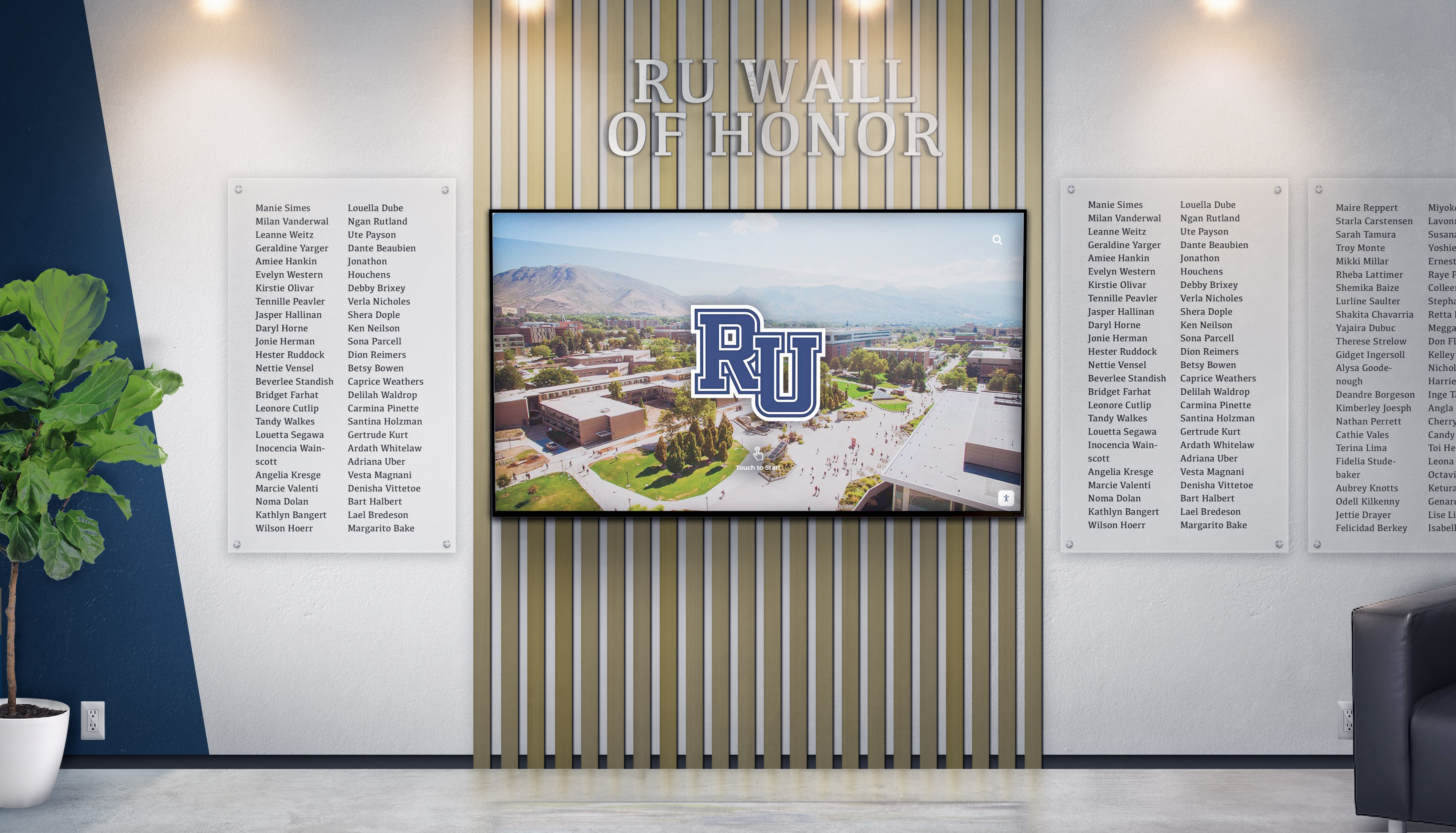
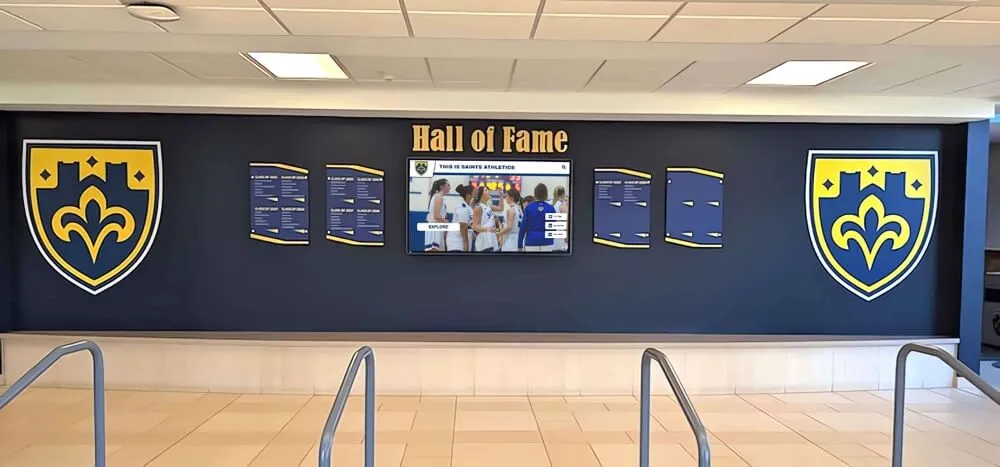
Combined traditional and digital recognition creates comprehensive celebration spaces honoring all achievement domains
Program Growth and Excellence
Scaling Successful Programs
Established programs can pursue excellence through:
- Depth Building: Recruiting larger teams allowing specialization and healthy internal competition
- Alumni Networks: Engaging former team members as mentors and supporters
- JV Programs: Creating developmental teams for younger or less experienced students
- Feeder Programs: Establishing middle school teams creating pipelines to high school
- Expert Consultation: Bringing in specialists for advanced event preparation
- Facility Development: Creating dedicated workspace for building and testing
Sustainability Planning
Long-term program success requires:
- Distributing coaching responsibilities preventing single-person dependency
- Documenting processes and resources for continuity
- Building relationships with school administration ensuring ongoing support
- Creating recognition traditions that outlive individual coaches or students
- Establishing funding structures providing stable resources
- Developing recruitment systems ensuring consistent new member pipelines
The strongest programs build institutional cultures around Science Olympiad, making the program a defining feature of school identity rather than dependent on specific individuals.
Conclusion: Celebrating Excellence in STEM Competition
Science Olympiad represents one of the most comprehensive and challenging STEM competitions available to middle and high school students. Through 23 diverse events spanning all scientific disciplines, students develop deep knowledge, practical skills, teamwork capabilities, and resilience while representing their schools in rigorous academic competition.
As schools increasingly recognize the importance of celebrating academic achievement with the same enthusiasm traditionally reserved for athletics, Science Olympiad competitors are finally receiving the visibility and recognition their accomplishments deserve. From digital hall of fame displays showcasing team achievements to comprehensive recognition programs honoring individual event medals, modern schools create cultures where intellectual excellence becomes aspirational and celebrated.
The comprehensive strategies explored in this guide provide frameworks for understanding Science Olympiad, building competitive teams, preparing effectively for competitions, and most importantly, celebrating these outstanding student achievements. From tournament structure and event categories to recognition programs and community support, schools have numerous opportunities to support STEM competitors and build cultures valuing academic excellence.
Science Olympiad participation builds far more than tournament trophies. Students develop essential skills—critical thinking, collaboration, time management, resilience, and problem-solving—that serve them throughout educational journeys and careers. They build communities of like-minded peers sharing intellectual passions. They connect with mentors opening doors to future opportunities. And they develop confidence in their academic abilities that influences self-concept and future aspirations.
When schools create visible, prominent recognition for Science Olympiad achievement, they send powerful messages about institutional values. They demonstrate that intellectual accomplishment matters as much as athletic success, that diverse forms of excellence deserve celebration, and that students can achieve recognition through academic passion and dedication. These recognition programs don’t just honor past achievement—they inspire future competitors, engage families and communities, and build the positive academic cultures where all students are encouraged to pursue excellence in their areas of strength and interest.
For schools seeking to strengthen STEM programs, attract academically-minded students, and build reputations for academic excellence, supporting and celebrating Science Olympiad creates opportunities achieving multiple goals simultaneously. These programs develop talent, build community, provide recognition opportunities, and demonstrate commitment to academic achievement—all while students gain invaluable experiences preparing them for college and career success.
Ready to transform how your school recognizes Science Olympiad achievement and creates comprehensive STEM recognition programs celebrating all academic accomplishments? Explore modern digital recognition solutions that enable unlimited achievement documentation, eliminate space constraints, and provide the engaging celebration experiences your academic competitors deserve alongside athletes and other recognized students.