



Homecoming stands as one of the most anticipated and cherished traditions in American high school culture. Every fall, schools across the nation transform their campuses into vibrant celebrations featuring football games, school dances, spirit weeks, parade floats, and elaborate court ceremonies. For many students, homecoming represents a defining moment of their high school experience—a time when school pride peaks, friendships deepen, and memories form that last a lifetime.
Yet for parents new to the American school system, incoming freshmen experiencing their first homecoming, or international families unfamiliar with this uniquely American tradition, the entire homecoming phenomenon can seem confusing and overwhelming. What exactly is homecoming? Why do schools celebrate it? What events happen during homecoming week? And how can students, families, and schools make the most of this special celebration?
This comprehensive guide explores everything you need to know about high school homecoming—from its historical roots to modern celebrations, from planning committees to recognition systems, and from traditional elements to contemporary innovations that enhance this beloved institution.
Homecoming represents far more than a single dance or football game. It embodies the spirit of community, tradition, and belonging that defines the best of American high school culture. Understanding homecoming’s significance helps families appreciate why this celebration matters so deeply to students, alumni, and entire communities.

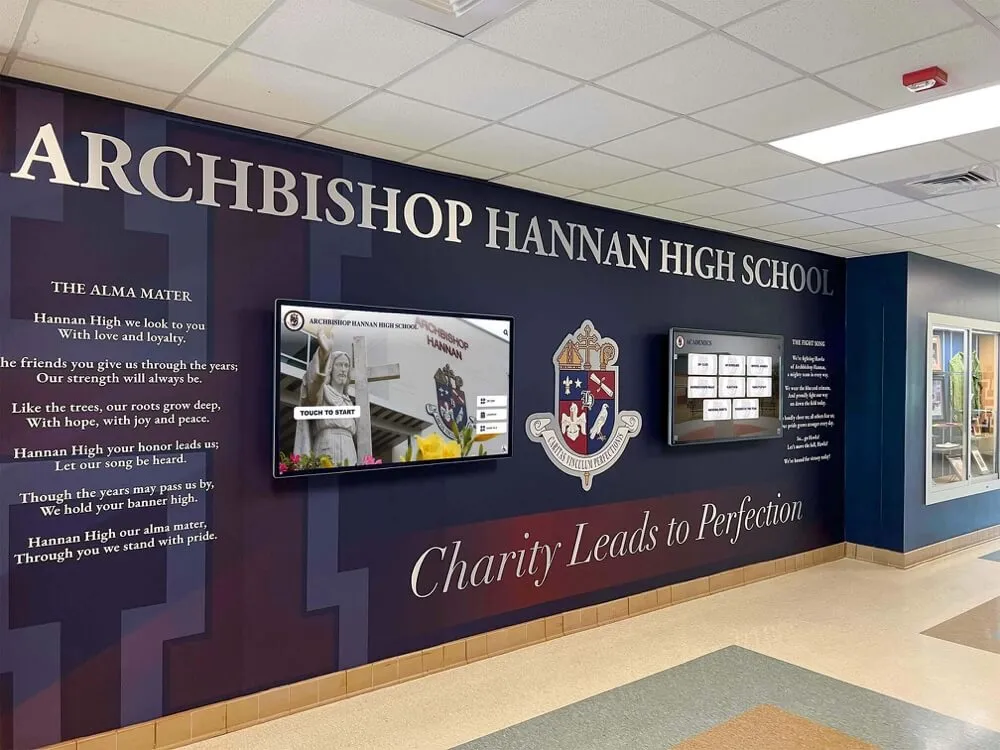
Homecoming celebrations bring school communities together in shared traditions and pride
Understanding Homecoming: The Basics
Before diving into the elaborate festivities and traditions, let’s establish a clear understanding of what homecoming actually means in the high school context.
What Exactly Is Homecoming?
Homecoming is an annual tradition celebrated primarily at American high schools (and colleges) that welcomes back alumni while celebrating school spirit and community. The celebration typically occurs in the fall and centers around a major athletic event—traditionally a football game—combined with a formal or semi-formal dance, spirit week activities, and various community-building events.
The name “homecoming” reflects the tradition’s original purpose: inviting alumni to “come home” to their alma mater, reconnect with former classmates, revisit their school, and celebrate their ongoing connection to the institution. While modern homecoming celebrations often focus more on current students than returning alumni, the tradition maintains its emphasis on community, belonging, and institutional pride.
When Does Homecoming Happen?
Homecoming typically takes place during the fall semester, most commonly in September or October. The specific timing varies by school and is often influenced by several factors:
Athletic Schedule Considerations Schools typically schedule homecoming around a home football game against a competitive but beatable rival—creating an exciting atmosphere without risking embarrassment from a significant loss during this celebratory occasion. The game should be compelling enough to draw community attendance while offering reasonable chances of victory.
Calendar and Weather Factors Schools balance desire for comfortable weather (not too hot, not too cold) with avoiding conflicts with other major school or community events. Most schools prefer early-to-mid fall when weather generally remains pleasant for outdoor activities while avoiding the heat of early September or the cold of late November.
Tradition and Scheduling Patterns Many schools maintain consistent homecoming timing year after year—perhaps always the second weekend of October or consistently the weekend before Halloween—creating predictable traditions that alumni can plan around when considering attendance.
The homecoming celebration typically spans an entire week, with spirit activities building momentum toward the culminating weekend featuring the dance and game. Learn more about effective spirit week planning and ideas that maximize participation.

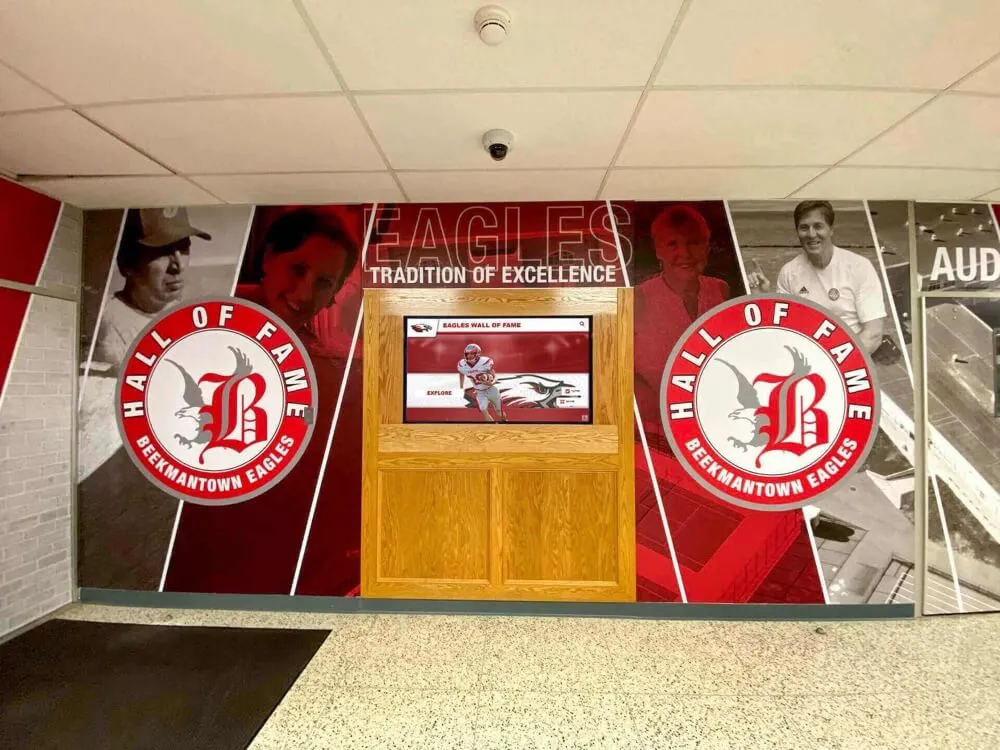
School environments transform during homecoming week with decorations celebrating tradition and achievement
How Homecoming Differs from Prom
Parents and students often confuse homecoming with prom, but these two major school dances differ significantly:
Timing and Seasonality Homecoming occurs in fall (September-October), while prom happens in spring (April-May). Homecoming marks the beginning of the school year’s social calendar, whereas prom serves as a culminating celebration near year’s end.
Formality Levels Prom is highly formal, typically requiring floor-length gowns and tuxedos. Homecoming maintains a semi-formal dress code—cocktail dresses and suits rather than formal wear—making it more accessible and less expensive for students.
Grade Level Participation Homecoming welcomes all grade levels—freshmen through seniors—creating an inclusive, whole-school celebration. Prom traditionally caters to juniors and seniors, though policies vary by school regarding underclassmen attendance.
Overall Atmosphere and Focus Homecoming emphasizes school spirit, community, and fun with a more casual, energetic atmosphere. Prom carries more gravitas as a once-in-a-lifetime milestone event with elevated expectations for elegance and sophistication.
Associated Events Homecoming integrates with football games, spirit weeks, parades, and alumni activities. Prom typically stands alone as a singular formal dance event without the surrounding community festivities.
Understanding these differences helps families set appropriate expectations and prepare students for the distinct experiences each event offers.
The History and Origin of Homecoming
Appreciating homecoming’s significance requires understanding its historical development and cultural roots in American education.
Early College Origins
Homecoming began at the collegiate level in the early 20th century. The University of Missouri claims to have hosted the first homecoming celebration in 1911, though other institutions contest this designation. Baylor University, the University of Illinois, and several other schools held similar events around the same period.
These early homecoming celebrations emerged from universities’ desire to strengthen alumni connections and boost school spirit during football season. Colleges invited graduates to return for special football games, held parades and rallies, and organized social gatherings reconnecting alumni with their institutions and former classmates.
The tradition resonated strongly because it addressed several institutional needs simultaneously—strengthening alumni networks that could provide financial support and advocacy, creating community-building events that enhanced current student experience, and generating publicity and enthusiasm around athletic programs during football’s growing cultural prominence.
Adoption by High Schools
High schools began adopting homecoming traditions in the 1920s and 1930s, adapting the collegiate model to secondary education contexts. The tradition spread rapidly because it served similar functions at the high school level—building community pride, celebrating athletic tradition, and maintaining connections between schools and graduates.
High school homecoming initially focused more heavily on alumni engagement, with schools actively recruiting recent graduates to return for festivities. As the tradition evolved, the emphasis gradually shifted more toward current student experience, though most schools maintain alumni components in homecoming celebrations.
Evolution of Modern Traditions
Today’s homecoming celebrations blend historical elements with contemporary innovations:
Enduring Traditional Elements The core structure—spirit week, football game, formal dance, and community celebration—remains consistent with historical patterns. Schools maintain these familiar elements because they work, providing reliable frameworks that generations of students understand and anticipate.
Contemporary Adaptations Modern homecoming incorporates technology through social media promotion, digital voting for homecoming courts, and interactive recognition displays celebrating court members and alumni. Schools also emphasize inclusivity, safety, and accessibility more than historical celebrations.
Cultural Significance Homecoming has transcended its origins to become a defining American cultural institution featured in countless movies, television shows, books, and popular culture references. The tradition shapes not just individual school communities but broader American identity and cultural mythology about adolescence and education.

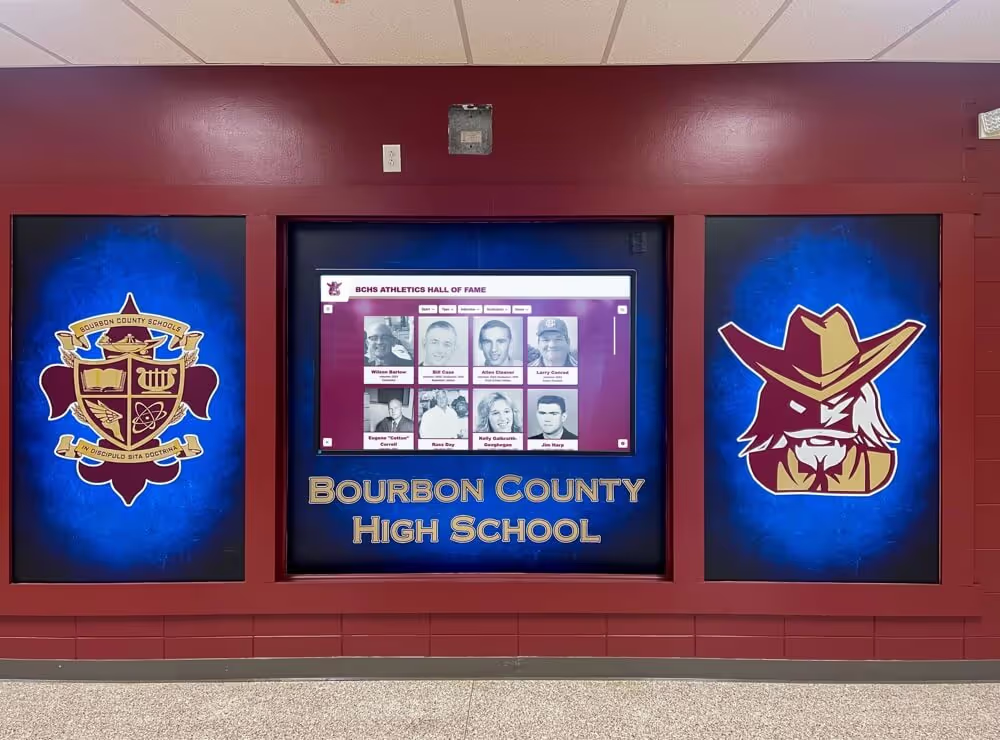
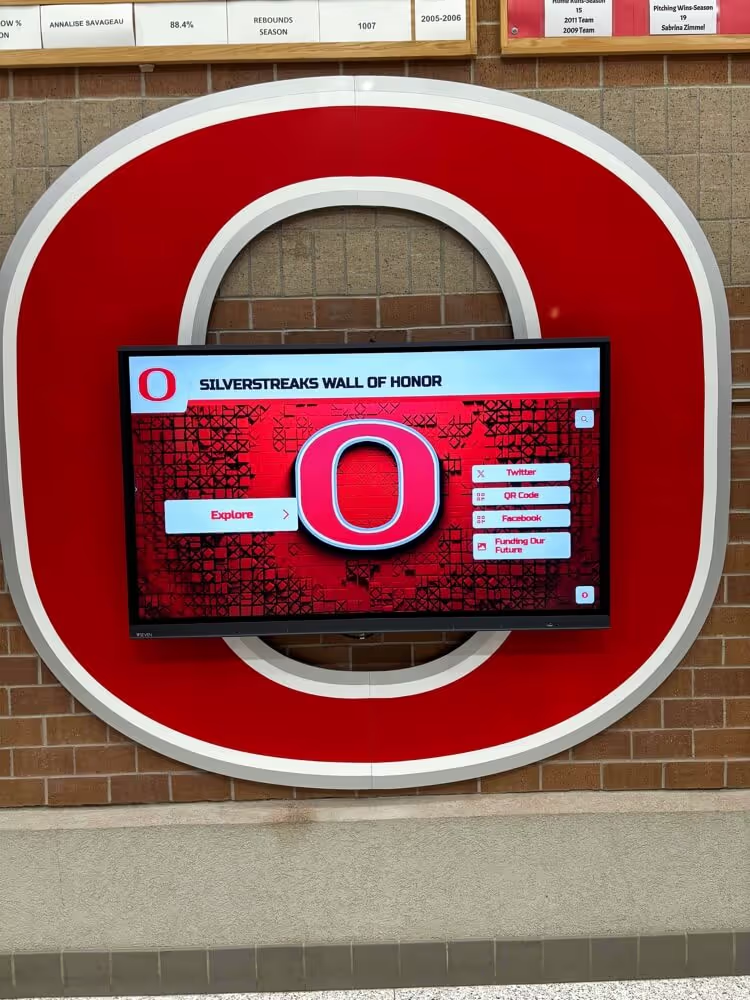
Schools celebrate homecoming achievements alongside historical accomplishments building institutional pride
Key Components of High School Homecoming
Understanding homecoming requires familiarity with the major events and activities that constitute a typical celebration.
The Homecoming Football Game
The football game serves as homecoming’s traditional centerpiece, providing the occasion around which other festivities revolve.
Game Selection and Scheduling Schools strategically select homecoming opponents—typically choosing competitive rivals that will draw substantial crowds while offering realistic victory prospects. Athletic directors coordinate with opposing schools months in advance to ensure scheduling aligns with both schools’ homecoming and seasonal calendars.
Enhanced Game Atmosphere Homecoming games feature elevated pageantry beyond typical contests. Expanded halftime shows showcase marching band performances, cheerleading demonstrations, and homecoming court presentations. Student sections coordinate themes and cheers, alumni return to tailgate and attend, and community attendance typically exceeds regular season games.
Alternative Sport Focuses Schools without football programs or in regions where other sports dominate often center homecoming around alternative athletics—basketball, soccer, volleyball, or hockey—adapting the tradition to their specific athletic culture while maintaining the spirit of community celebration around competitive sport. Discover how schools recognize diverse athletic achievements throughout their programs.
The Homecoming Dance
The dance represents homecoming’s other major tentpole event, providing social celebration following athletic competition.
Dance Format and Venue Most homecoming dances occur Saturday evening following Friday night football games, though some schools hold dances the same evening as afternoon or early games. Schools typically host dances in gymnasiums, cafeterias, or multipurpose rooms transformed through decorations, lighting, and sound systems into event venues, though some schools rent external venues for larger or more elaborate celebrations.
Dress Code and Expectations Semi-formal dress codes prevail at homecoming—cocktail dresses, dress slacks and nice shirts, or suits for those desiring more formality. This accessible dress code makes homecoming more inclusive than the formal attire requirements of prom, reducing financial barriers to participation while maintaining celebratory atmosphere.
Group Attendance Patterns Unlike prom, which centers on romantic couples, homecoming welcomes diverse attendance patterns—dates, friend groups, solo attendees, and mixed gatherings. This inclusive approach reduces pressure on students without romantic partners while accommodating those in relationships, creating comfortable participation options for all students.
Dance Activities and Programming Beyond dancing itself, homecoming typically includes photo opportunities, court crowning ceremonies, refreshments, and various entertainment elements. Student committees plan themes, decorations, and programming creating memorable experiences that balance structured events with free social time.
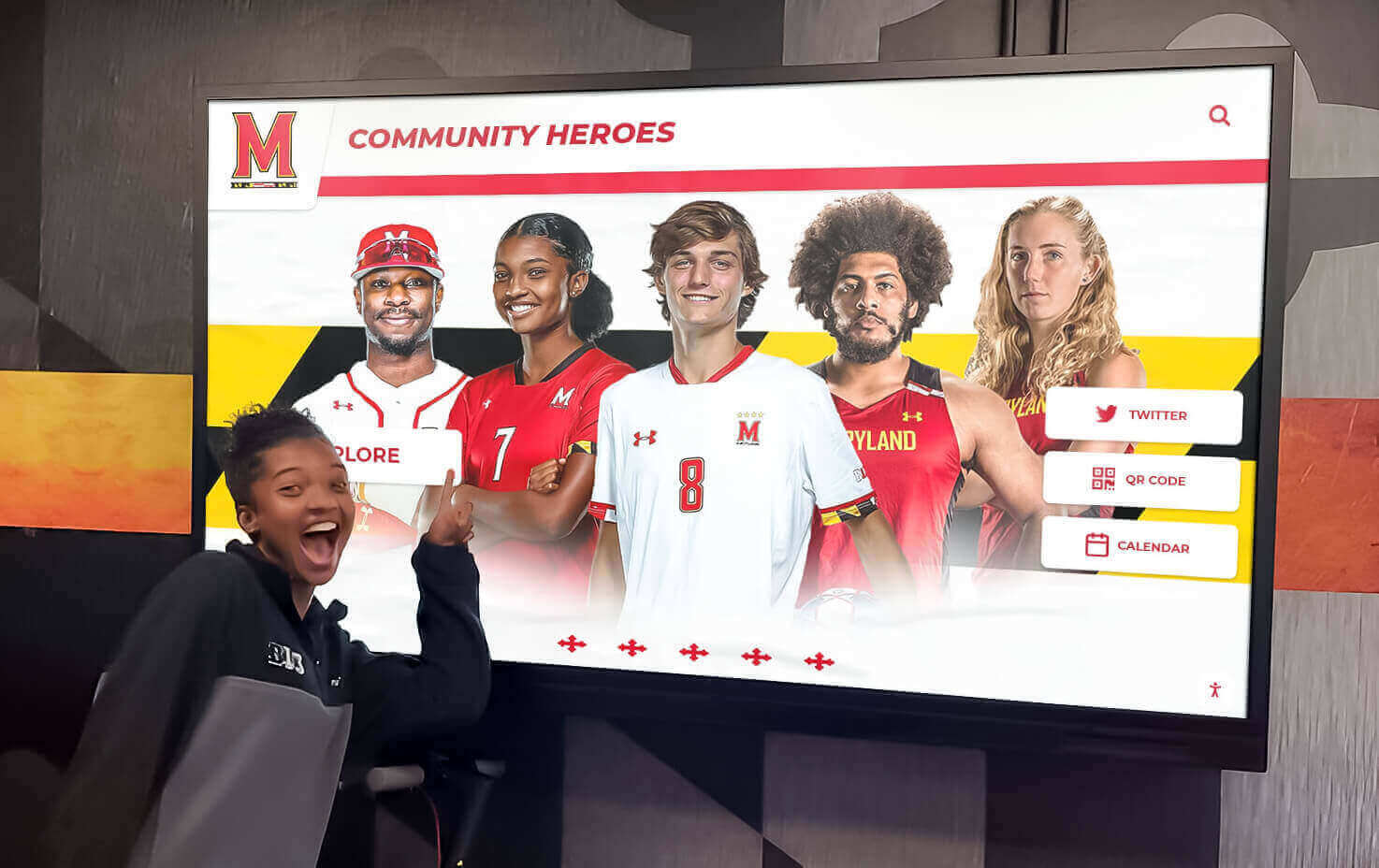
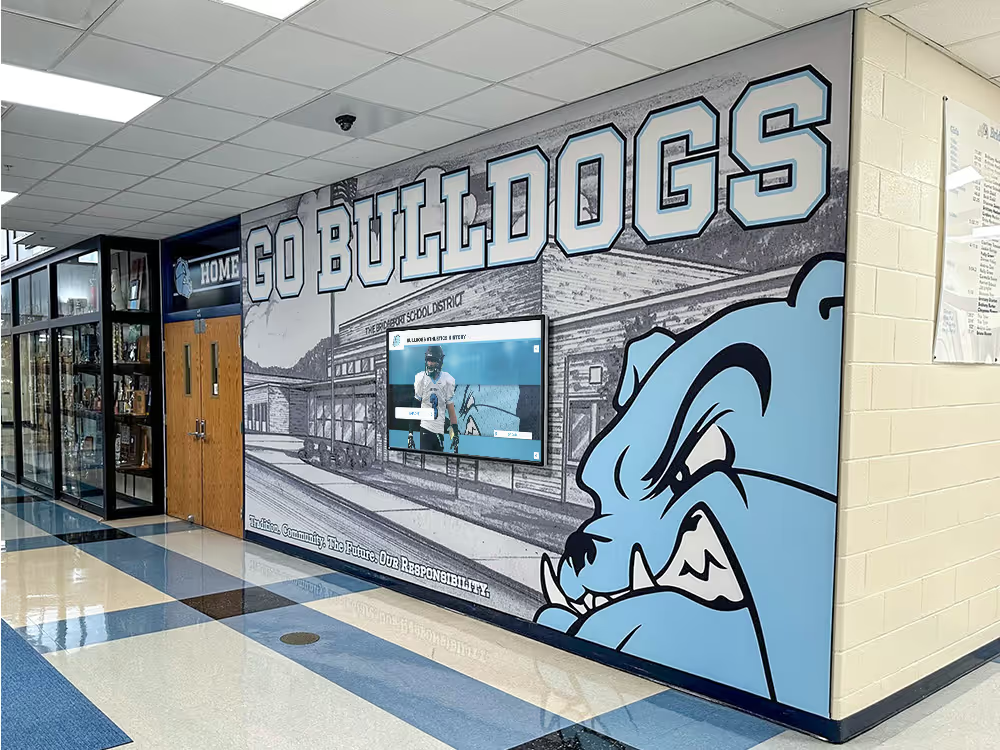
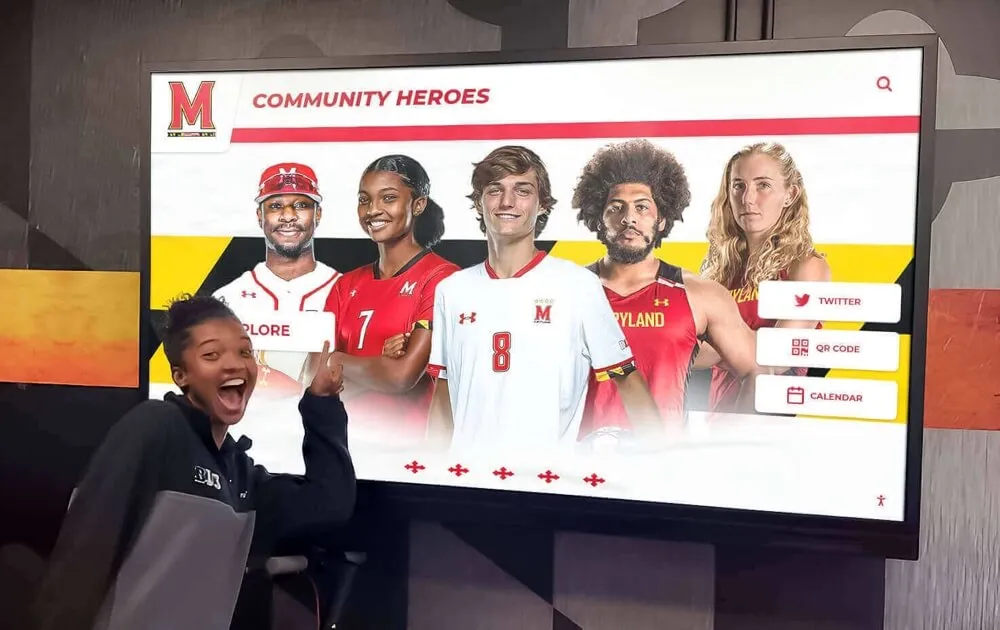
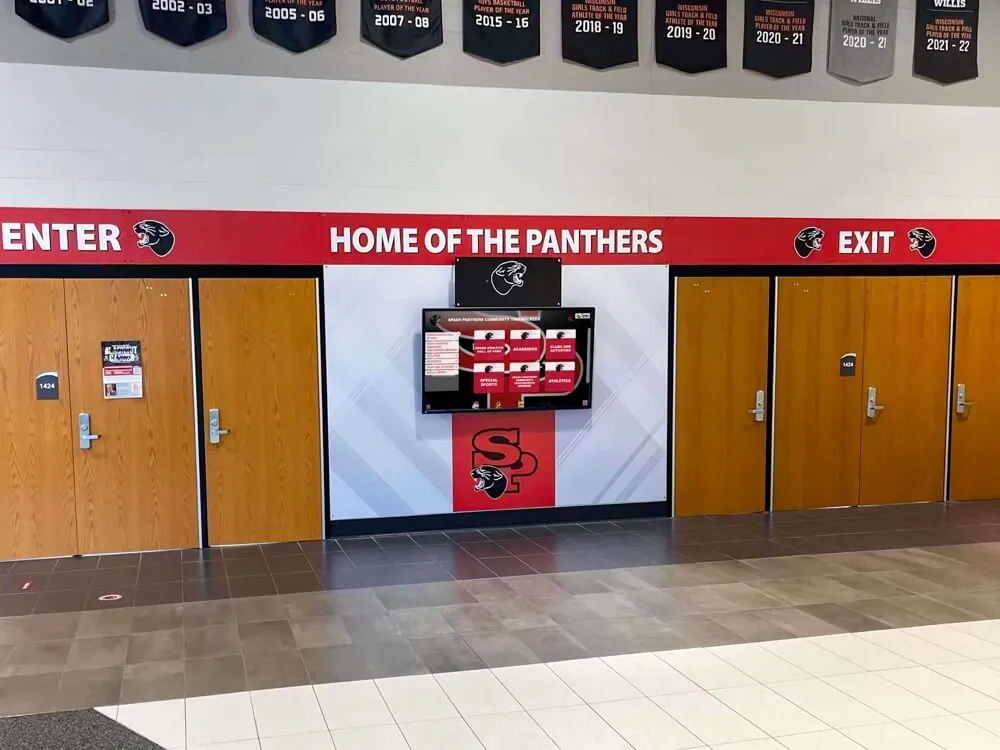
Modern homecoming celebrations incorporate technology showcasing achievements and building community pride
Spirit Week Activities
Spirit week precedes homecoming weekend, building momentum through daily themed activities that maximize participation and enthusiasm.
Daily Theme Traditions Schools organize spirit weeks around creative daily themes encouraging student participation through dress-up days, competitions, and activities. Common themes include:
- Monday: Decades Day, Class Color Day, or Twin Day
- Tuesday: Superhero/Character Day, College Colors Day, or Sports Jersey Day
- Wednesday: Dynamic Duo Day, Career Day, or Wacky Wednesday
- Thursday: Throwback Thursday, Spirit Wear Day, or Country vs. Country Club
- Friday: School Colors Day, Blackout/Whiteout, or Class Pride Day
Explore comprehensive spirit week ideas and themes that maximize student engagement and participation.
Spirit Competitions Many schools organize class competitions throughout spirit week, awarding points for participation percentages, hallway decoration quality, creative challenge completion, and various contests building friendly rivalry between grade levels. Final tallies announced at pep rallies or games celebrate winning classes while recognizing all participants.
Pep Rallies and School Assemblies Culminating spirit week, pep rallies unite entire school communities in celebration. These energetic assemblies feature performances by cheerleaders, dance teams, and marching bands, games and competitions between classes, athlete recognition and speeches, and enthusiastic school chants building excitement for upcoming games and dances.
Homecoming Court and Royalty
The homecoming court represents one of the tradition’s most visible and anticipated elements, though its form and significance vary substantially between schools.
Selection Process Schools employ various methods for determining homecoming court members—peer voting where students nominate and elect representatives, application processes requiring essays or participation criteria, teacher/administrator selection based on character and involvement, or hybrid approaches combining multiple selection mechanisms. Courts typically include representatives from each grade level or specifically senior nominees.
Diversity and Inclusivity Considerations Modern schools increasingly emphasize inclusive court selection moving beyond traditional king/queen binary frameworks. Progressive approaches recognize LGBTQ+ students through gender-neutral titles, honor diverse student populations ensuring representation across demographic groups, and celebrate varied forms of excellence beyond popularity including academic achievement, service leadership, and character exemplification.
Court Responsibilities and Recognition Court members participate in various homecoming activities including marching in parades or being introduced at assemblies, attending the football game and being recognized during halftime, riding in vehicles or walking on the field during ceremonies, and dancing at special court recognition moments during homecoming dances. Some schools create permanent homecoming court recognition displays honoring recipients across years.
Crowning Ceremony The traditional crowning ceremony occurs during halftime at the homecoming game, though some schools hold ceremonies at dances instead. Previous year’s royalty typically crown new king and queen or recognized individuals, photographers capture formal portraits, and the moment receives prominent placement in yearbooks and school media coverage.
Planning and Organizing Homecoming
Behind every successful homecoming lies extensive planning, coordination, and effort from students, staff, and community members.
Student Leadership and Committees
Student involvement in homecoming planning develops leadership skills while ensuring events reflect student interests and preferences.
Student Council/Government Leadership Student councils typically oversee overall homecoming coordination, delegating specific responsibilities to committees while maintaining cohesive vision and timeline. Leadership roles include overall homecoming chairs coordinating all aspects, spirit week coordinators organizing themes and activities, dance committee members handling venue, decorations, entertainment, and logistics, parade and float organizers managing these specific events, and court liaisons facilitating nominations, voting, and recognition.
Class Representatives and Responsibilities Each grade level typically designates representatives responsible for mobilizing their class participation in competitions, coordinating hallway decorations and class themes, recruiting volunteers for various homecoming tasks, and communicating with classmates about events and expectations.
Faculty Advisors Adult advisors provide essential guidance, institutional knowledge, and continuity while allowing student leadership. Effective advisors balance supporting student vision with ensuring safety, appropriateness, and regulatory compliance; connecting students with resources, vendors, and institutional processes; and maintaining budget oversight and financial responsibility.
Timeline and Organization
Successful homecoming requires months of advance planning with clear milestones and deadlines.
Early Planning (3-4 Months Before) Initial planning establishes foundational elements:
- Establish homecoming date coordinating with athletic schedules
- Form student committees and assign leadership roles
- Set initial budget and identify funding sources
- Select preliminary themes and begin conceptual planning
- Book venues, vendors, and entertainment requiring advance contracts
Mid-Range Planning (6-8 Weeks Before) Detailed planning takes shape during this phase:
- Finalize spirit week themes and activity schedules
- Launch court nomination and election processes
- Begin promotion and community communication
- Order decorations, supplies, and materials requiring lead time
- Confirm all vendor contracts and logistical details
Final Preparations (1-2 Weeks Before) Immediate pre-event activities accelerate during final weeks:
- Complete all decoration and setup preparation
- Conduct final committee meetings and responsibility confirmations
- Implement spirit week daily activities and competitions
- Manage court voting, counting, and announcement coordination
- Execute last-minute logistics and problem-solving

Schools create immersive homecoming environments through coordinated decorations and recognition displays
Budgeting and Fundraising
Homecoming expenses can be substantial, requiring careful financial planning and creative fundraising.
Typical Cost Categories Major expense categories include:
- Dance venue rental, sound system, lighting, and DJ/entertainment
- Decorations for dance venue, hallways, and common spaces
- Spirit week activity supplies and competition materials
- Court recognition materials including crowns, sashes, flowers, and plaques
- Promotion and printing costs for tickets, posters, and programs
- Security and supervision staff at dance and events
- Insurance and liability coverage
- Contingency funds for unexpected expenses
Funding Sources Schools finance homecoming through various revenue streams:
- Dance ticket sales priced to cover event costs while remaining affordable
- School activity budgets allocating funds for major events
- Booster organizations contributing to homecoming expenses
- Sponsorships from local businesses supporting school events
- Fundraising activities like car washes, concession sales, or donation campaigns
- Class dues or activity fees collected earlier in the year
Cost-Conscious Planning Schools on limited budgets employ creative strategies to maximize impact while controlling costs including utilizing volunteer labor for decorations and setup, borrowing or repurposing decorations from previous years, partnering with local businesses for donated goods or services, and focusing resources on most visible high-impact elements rather than attempting comprehensive lavishness.
Homecoming Beyond the Events: Building Community
While the specific events receive the most attention, homecoming’s deeper value lies in community building and lasting impact.
Strengthening School Spirit and Identity
Homecoming provides concentrated opportunities for developing collective identity and institutional pride that extends throughout the school year.
Creating Shared Experience When entire school communities participate in common traditions—wearing school colors, attending games, cheering together, celebrating court members—these shared experiences create collective memories binding individuals into cohesive communities. Students who might rarely interact across different social circles, academic tracks, or activity groups share common homecoming memories creating connection points that strengthen overall community fabric.
Establishing Living Traditions Schools build institutional identity through traditions maintained across generations. When current students participate in the same homecoming traditions their parents and grandparents experienced, these continuities create powerful intergenerational connections making school membership feel like participation in something larger than any single cohort or moment in time.
Showcasing Excellence Across Domains Comprehensive homecoming celebrations recognize diverse achievements—athletic excellence through game participation and recognition, academic achievement through honor student celebrations, artistic talent through performances and creative contributions, and service leadership through volunteer coordination and community involvement. This multi-domain recognition demonstrates that school pride encompasses all forms of excellence rather than narrow athletic focus.
Alumni Engagement and Connection
Though modern homecoming centers primarily on current students, maintaining alumni connections preserves the tradition’s original purpose while building valuable institutional networks.
Alumni Attendance and Participation Schools encourage alumni engagement through targeted invitations to recent graduates most likely to attend, dedicated alumni social events during homecoming weekend like receptions or tailgate gatherings, special recognition of milestone reunion classes (10th, 25th, 50th anniversaries), and coordinated communication through alumni associations and social media networks.
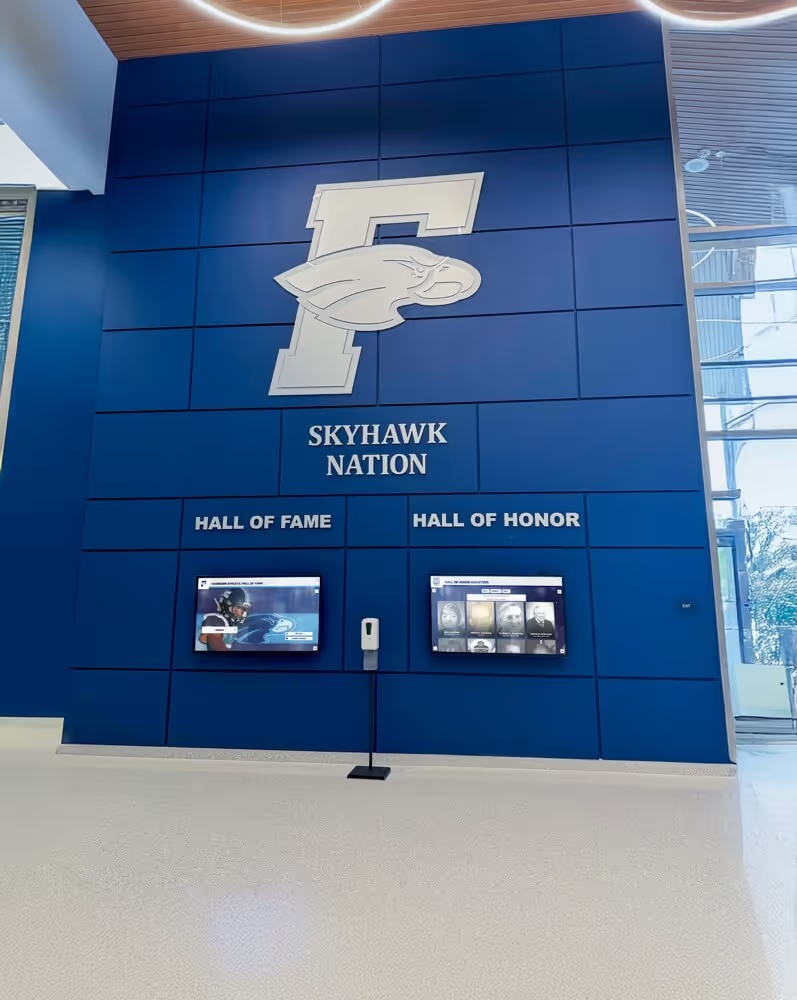
Alumni Recognition Programs Homecoming provides natural opportunities for distinguished alumni recognition through formal induction ceremonies into halls of fame, featured alumni profiles in programs and displays, opportunities for alumni speakers addressing current students, and permanent digital recognition systems showcasing accomplished graduates.
Building Ongoing Relationships Homecoming attendance often represents the beginning of renewed alumni engagement rather than isolated visits. Schools leverage homecoming contacts to recruit volunteers for mentorship programs, identify potential donors for advancement purposes, gather contact information for ongoing communication, and create positive experiences encouraging continued institutional connection.
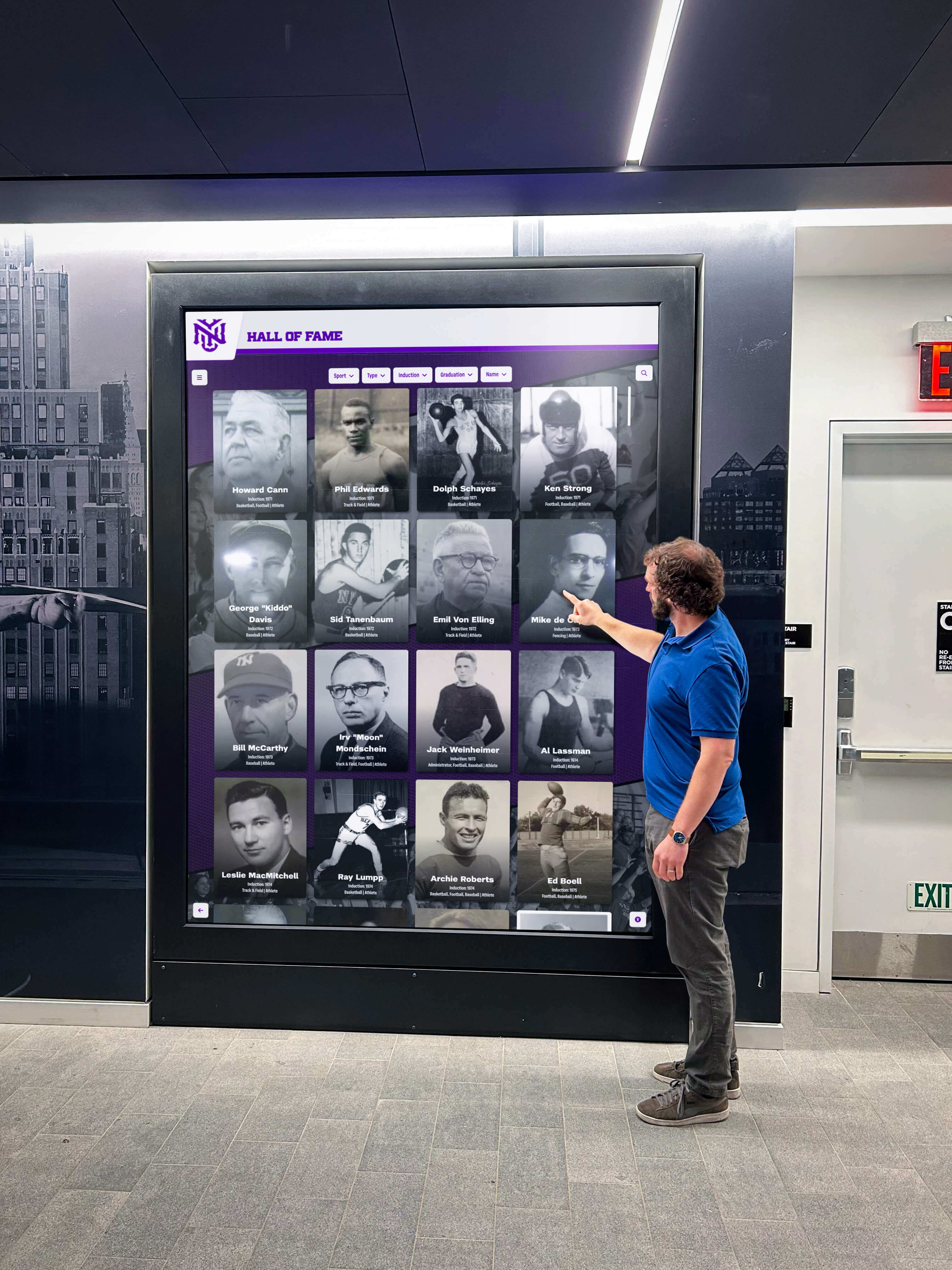
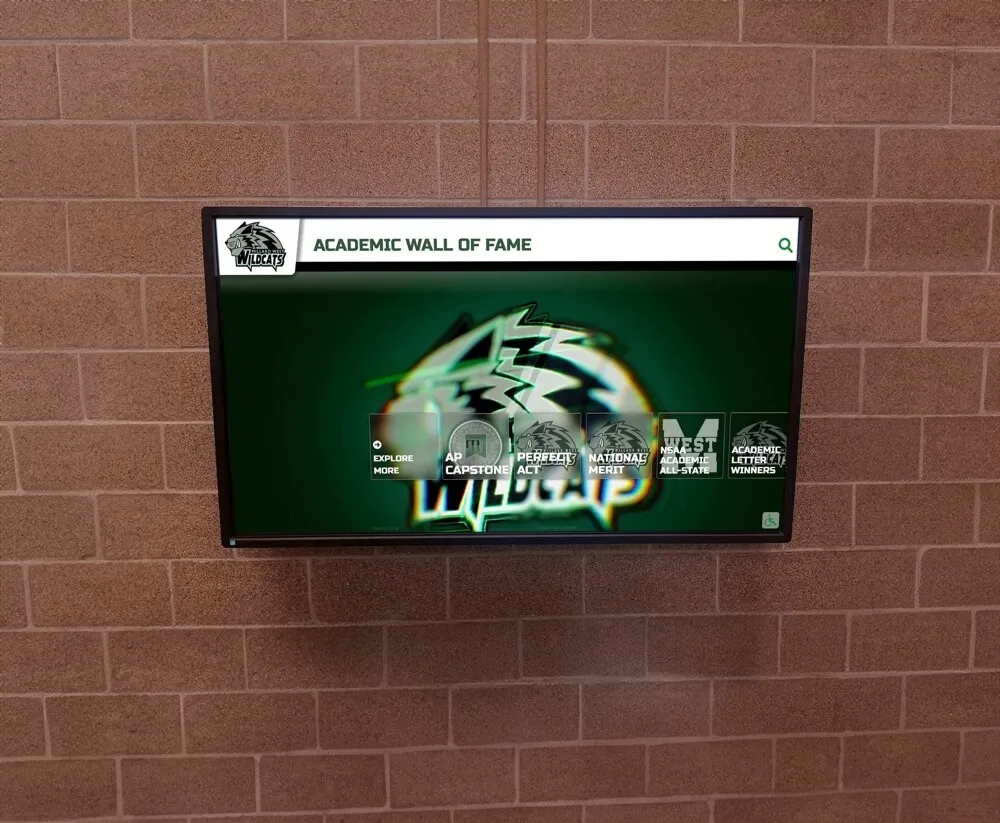
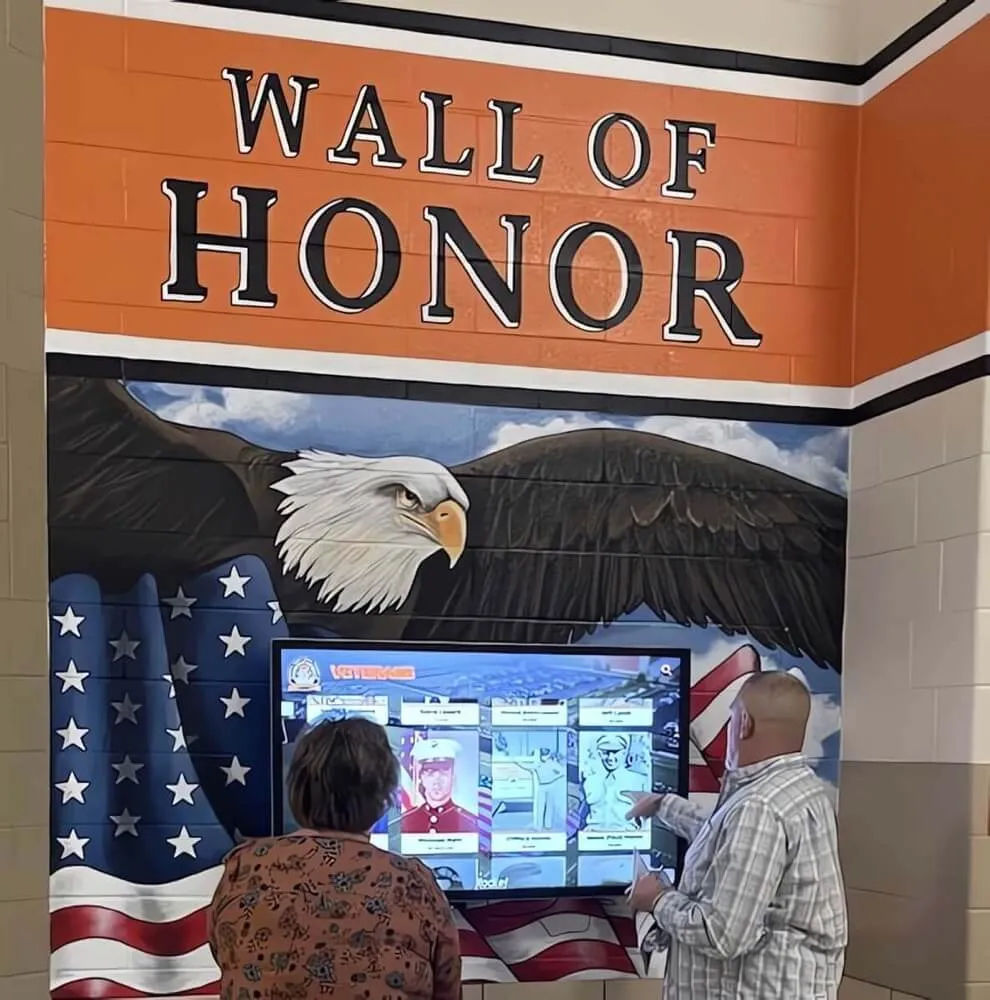
Modern recognition systems enable alumni to explore school history and reconnect with institutional heritage
Family and Community Integration
Successful homecoming extends beyond students to engage families and broader communities in celebration.
Family Participation Opportunities Schools welcome family involvement through attendance at games, parades, and public events; volunteer opportunities for event setup, supervision, and coordination; participation in spirit activities like family photo booths or alumni children introductions; and engagement with school community building relationships with other families.
Community Partnership Development Homecoming provides visibility demonstrating school vitality and community value, potentially leading to business sponsorships and support, positive media coverage and public relations, strengthened town-gown relationships between schools and communities, and enhanced community pride in local educational institutions.
Creating Welcoming Environments Intentional efforts to ensure homecoming welcomes all community members include providing clear information about events, dress codes, and expectations; offering affordable ticket prices and addressing financial accessibility; ensuring physical accessibility and accommodations for disabilities; and communicating that homecoming celebrates entire communities not just select student populations.
Modern Innovations in Homecoming Celebrations
While homecoming maintains beloved traditional elements, contemporary celebrations incorporate innovations that enhance experiences and accessibility.
Digital Recognition and Preservation
Technology transforms how schools celebrate and preserve homecoming memories.
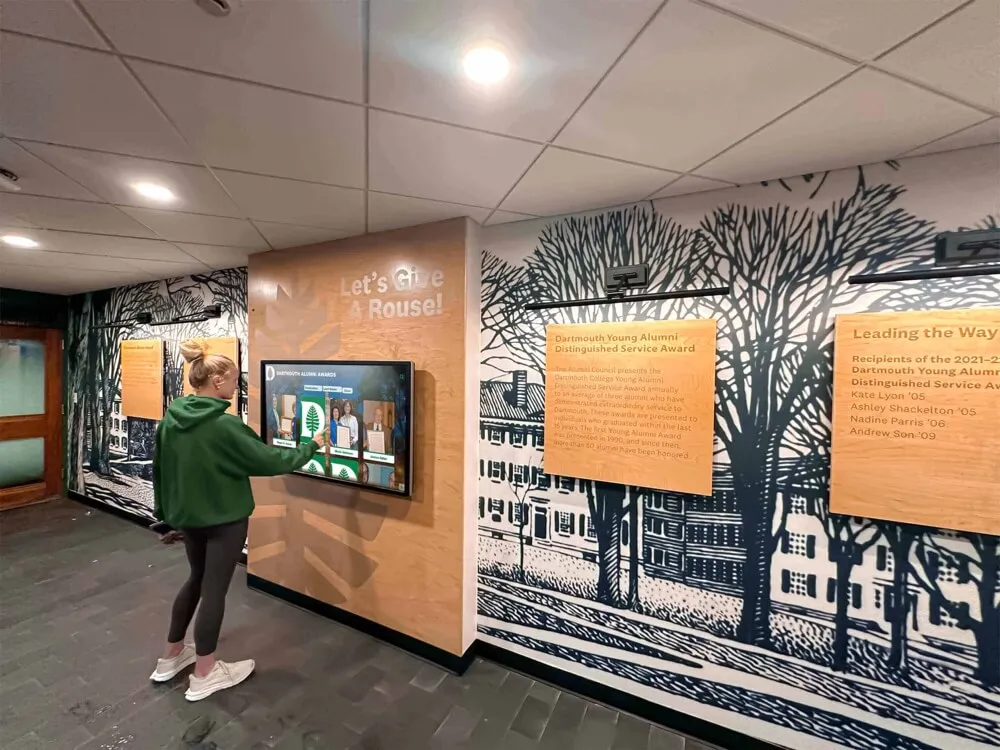
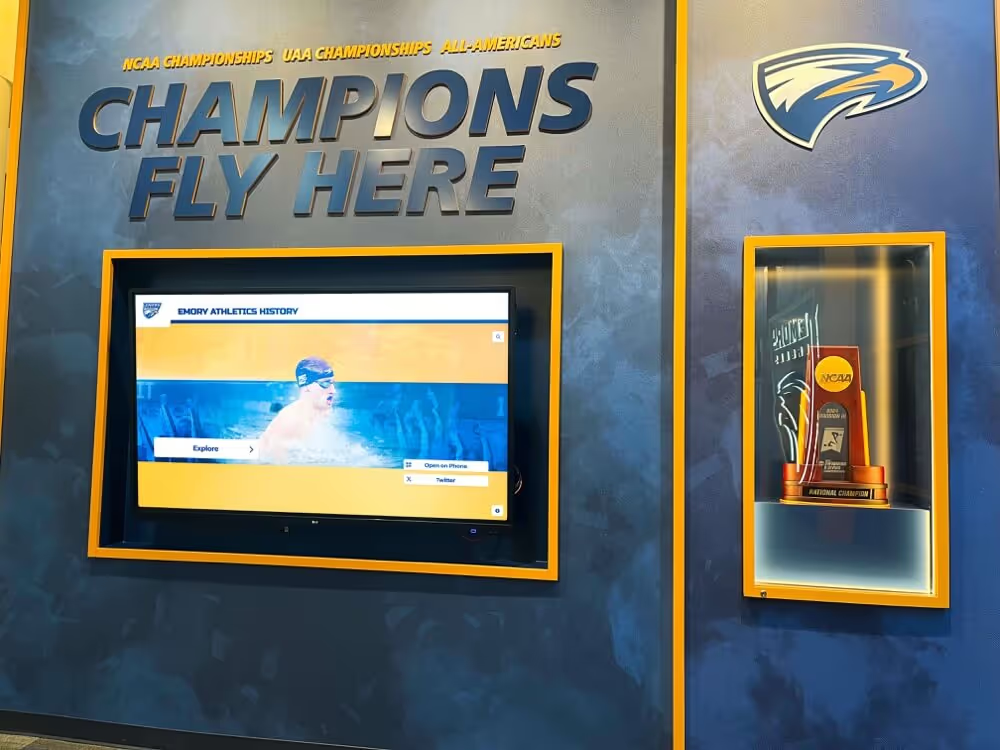
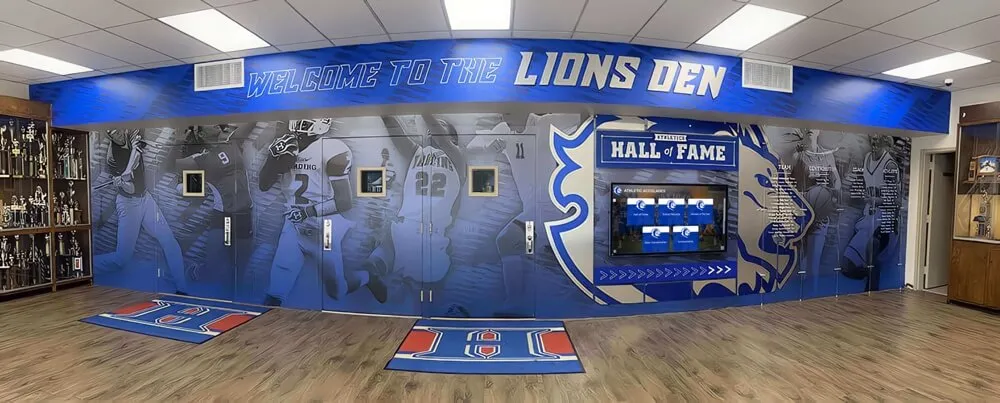
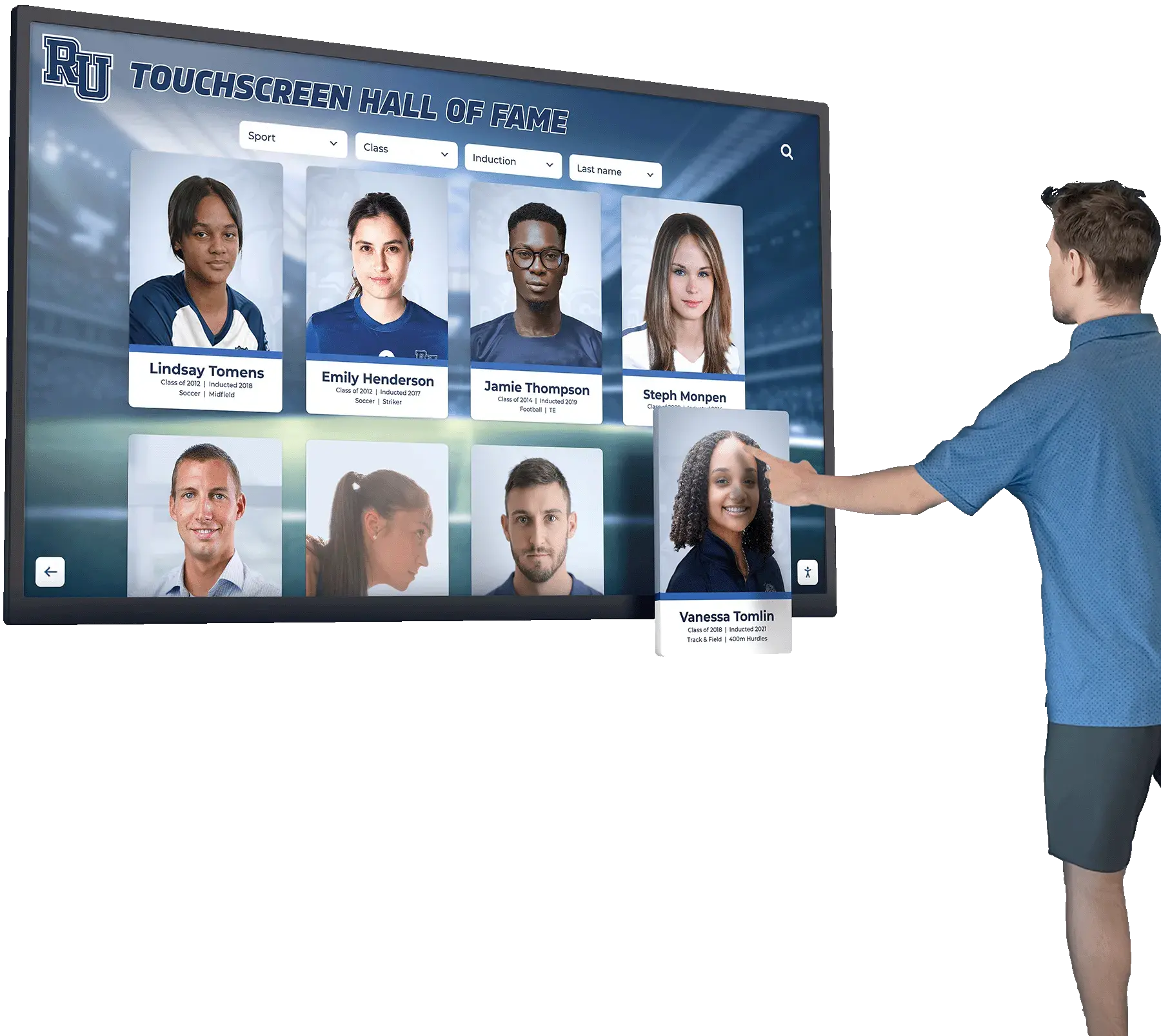
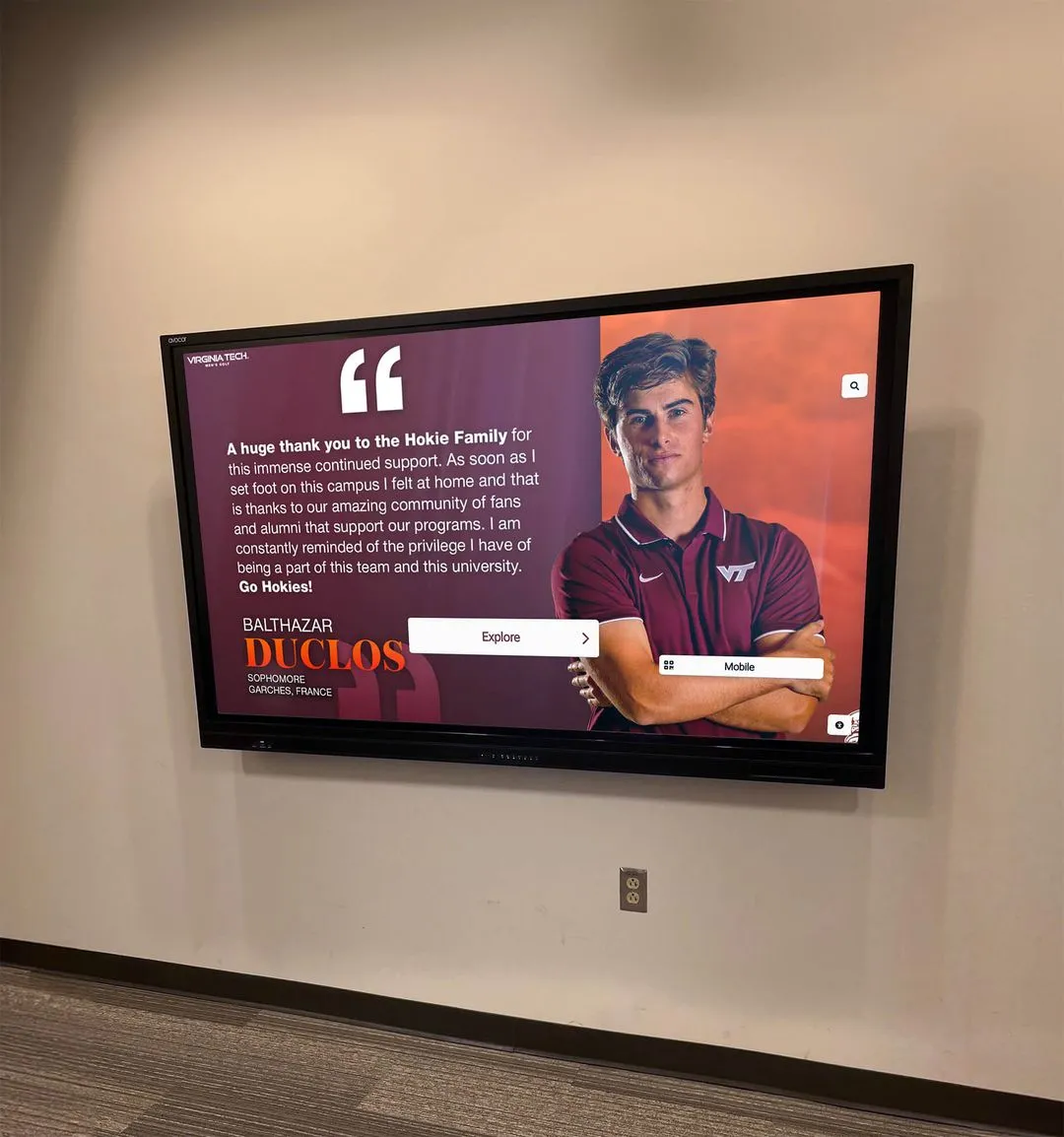
Interactive Recognition Displays Modern platforms like Rocket Alumni Solutions enable schools to create permanent digital homecoming archives featuring court members across decades, photos documenting celebrations through years, game scores and athletic achievements from historic homecoming contests, and searchable databases enabling alumni to find themselves in institutional history.
These systems overcome traditional recognition limitations—physical space constraints preventing comprehensive displays, static plaques providing minimal information, and inaccessible archives stored where community members cannot explore them. Digital platforms showcase unlimited recognition, enable rich multimedia storytelling, and provide mobile web access extending exploration beyond campus boundaries.
Social Media Integration Schools leverage social platforms for promoting homecoming events and building anticipation, coordinating real-time coverage and documentation during celebrations, sharing photos and highlights with extended communities, and creating official hashtags aggregating student-generated content creating organic marketing and memory preservation.
Virtual Participation Options Technology enables participation for those unable to attend physically through live-streaming games and ceremonies for distant alumni and deployed military families, virtual voting for homecoming courts for students who may be absent, online photo galleries and highlights for those unable to attend events, and digital guestbooks enabling alumni worldwide to share memories and well wishes.
Inclusive and Contemporary Practices
Modern homecoming increasingly emphasizes equity, inclusion, and diverse participation.
Gender-Inclusive Recognition Progressive schools move beyond traditional king/queen binary structures through gender-neutral titles like homecoming royalty or ambassadors, enabling students to self-nominate for recognition aligned with their identities, and celebrating diverse forms of excellence beyond popularity including academic achievement, service, and character.
Accessibility and Universal Design Intentional planning ensures full participation for all students including sensory-friendly environments for students with sensitivities, mobility accessibility at all events and venues, communication accommodations for deaf and hard-of-hearing students, and financial accessibility programs ensuring cost doesn’t prevent participation.
Diverse Programming Contemporary homecoming recognizes varied student interests beyond traditional athletics and dances through multiple celebration options, recognition of diverse excellence forms, and programming reflecting school community diversity.
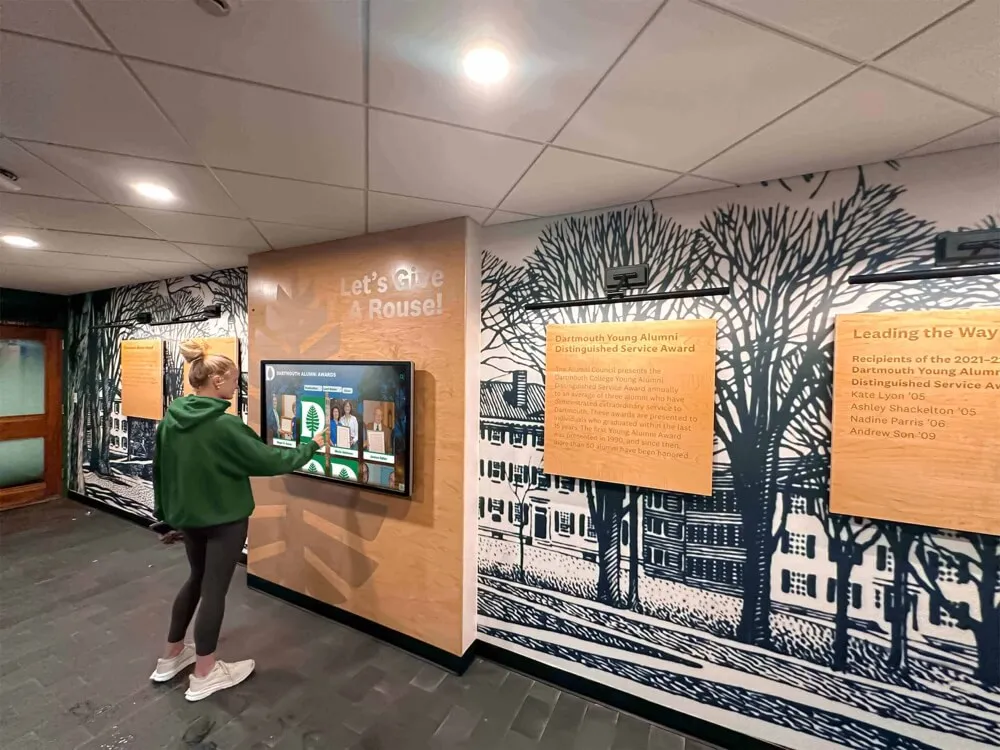
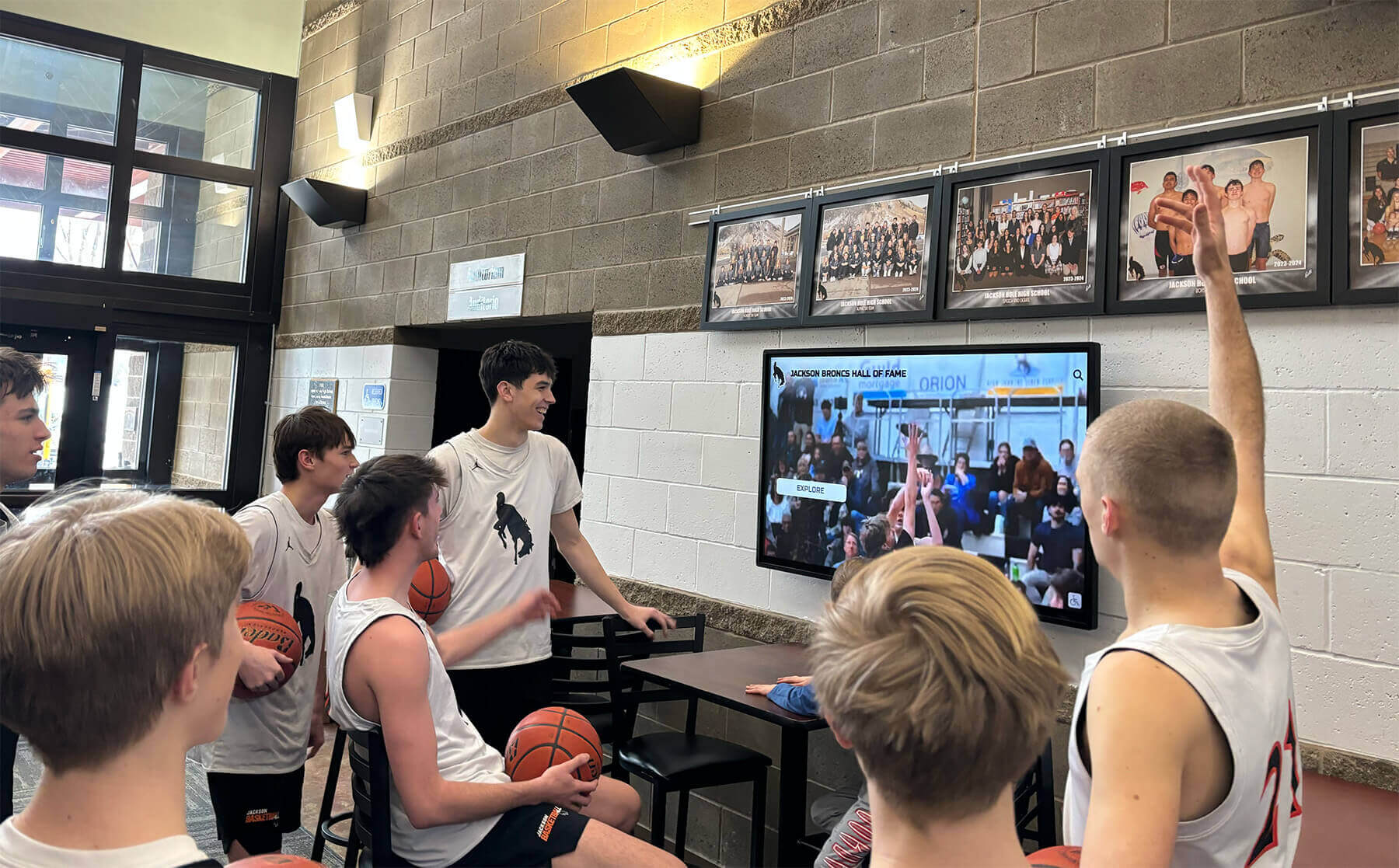
Interactive technology enables deep exploration of school traditions and community achievements
Safety and Supervision Enhancements
Modern homecoming incorporates comprehensive safety planning addressing contemporary concerns.
Event Security Measures Responsible schools implement controlled access and ticket verification systems, adult supervision ratios appropriate for attendance sizes, clear behavioral expectations and consequence frameworks, emergency response plans and trained personnel, and coordination with local law enforcement when appropriate for large-scale public events.
Substance Abuse Prevention Proactive approaches address alcohol and drug concerns through education about homecoming safety and responsible decision-making, breathalyzer or similar screening at dance entrances when appropriate, alternative transportation arrangements and safe ride programs, and appropriate consequences for policy violations while maintaining student dignity.
Cyberbullying and Digital Responsibility Contemporary celebrations address online dimensions of student interaction including education about respectful social media engagement, monitoring for cyberbullying or harassment related to court elections or events, addressing inappropriate online behavior promptly and clearly, and promoting positive digital citizenship during heightened social media activity.
Addressing Common Homecoming Questions and Concerns
Families navigating homecoming for the first time often have questions about expectations, participation, and logistics.
For Students: Participation Questions
Do I have to go to homecoming? Homecoming attendance is entirely voluntary. While many students attend and enjoy the celebration, others choose not to participate for various reasons—disinterest in dances, discomfort with large social events, financial concerns, or simply different preferences. Non-attendance carries no academic or social penalty, and students should feel completely comfortable making decisions aligned with their preferences and comfort levels.
Can I go to homecoming without a date? Absolutely. Unlike prom, which often centers on romantic couples, homecoming welcomes all attendance patterns—friend groups, solo attendees, couples, and mixed gatherings. Many students attend with groups of friends rather than romantic dates, and solo attendance is completely normal and accepted. Schools should explicitly communicate this welcoming policy to reduce pressure on students without romantic partners.
What should I wear to homecoming? Homecoming typically requires semi-formal attire—cocktail dresses or dressy separates for those preferring dresses, dress slacks and button-down shirts or suits for those preferring pants and jackets, and footwear ranging from dress shoes to dressy flats or heels based on comfort preferences. Check with your specific school for dress code details, but homecoming generally allows more flexibility and creativity than formal events like prom.
How much does homecoming cost? Costs vary substantially by school and individual choices. Basic participation might include dance tickets ($20-50), semi-formal attire (varying widely based on existing wardrobe and shopping choices), and optional expenses like corsages/boutonnieres, dinner beforehand, and transportation. Students on limited budgets can participate meaningfully through utilizing existing appropriate clothing, attending the game (free or low cost) instead of or in addition to the dance, and focusing on free spirit week activities.
For Parents: Understanding and Supporting Homecoming
How can I support my student during homecoming? Parents support homecoming participation through helping with appropriate attire acquisition within family budgets, providing transportation or coordinating with other families for rides, expressing interest in homecoming experiences without pressuring participation, respecting student privacy while remaining available for discussion, and helping navigate social situations or concerns if students seek guidance.
What safety concerns should I be aware of? Responsible schools implement comprehensive safety measures, but parents should understand school policies regarding supervision and security, discuss responsible decision-making about alcohol, drugs, and relationships, establish clear communication expectations and pickup arrangements, verify actual event locations and times, and ensure students have reliable ways to contact parents if situations arise requiring assistance.
How can families participate in homecoming beyond student attendance? Schools welcome family involvement through volunteering for event setup, decorating, or supervision; attending games and parades as family activities; contributing to fundraising efforts supporting homecoming; and engaging with school communications and social media celebrating homecoming.
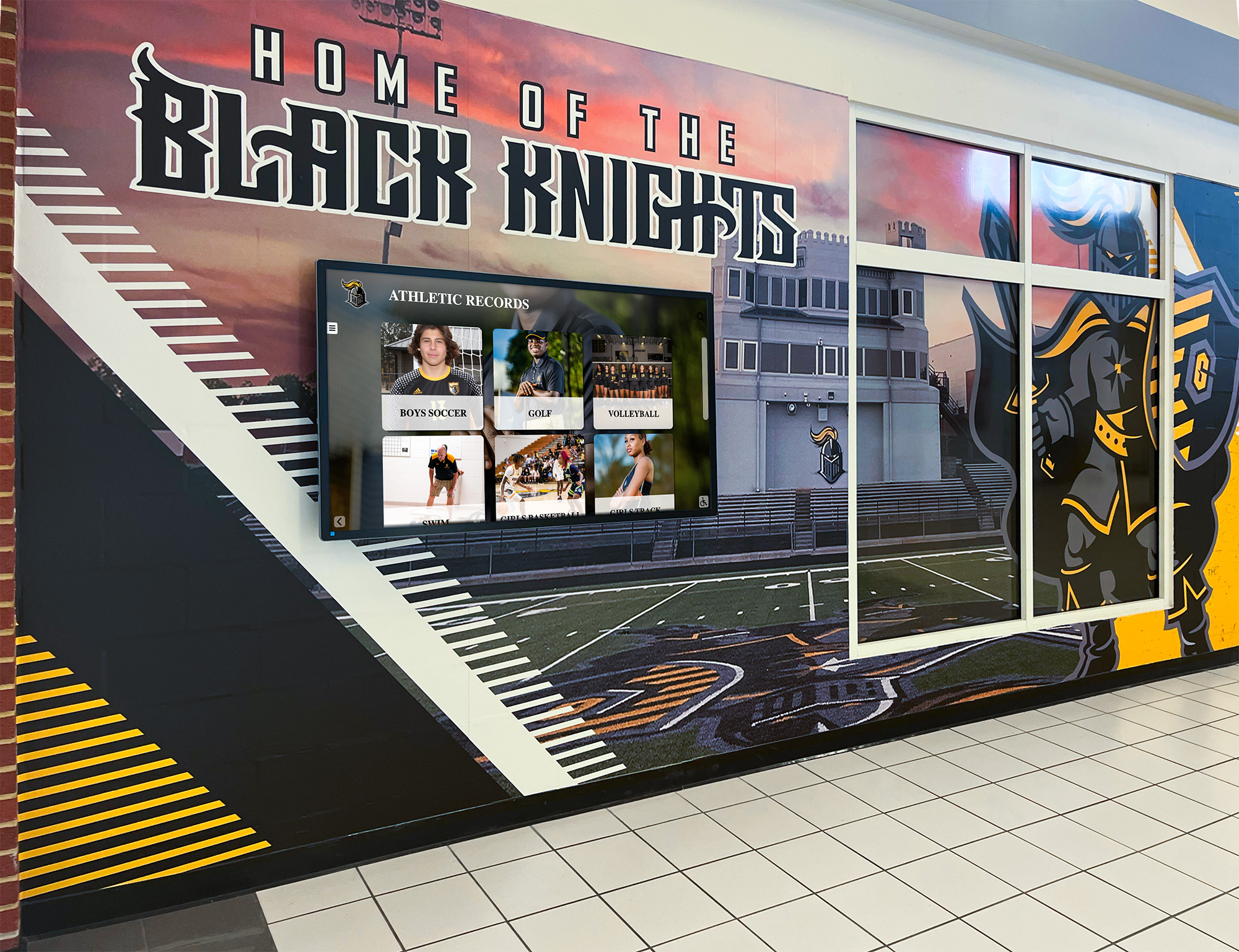
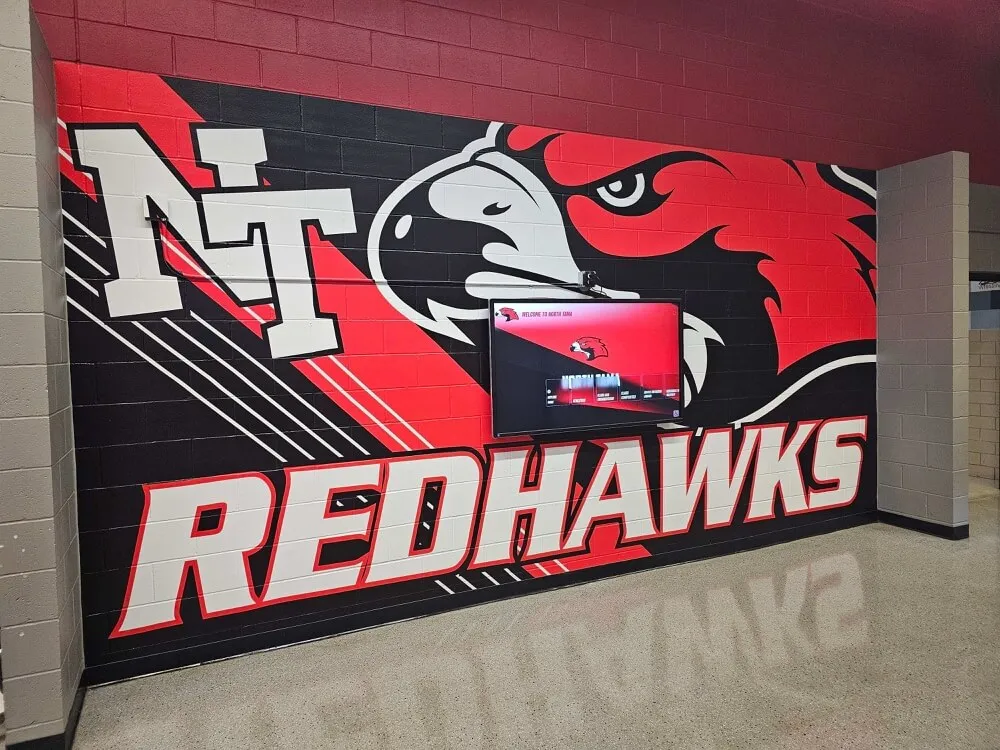
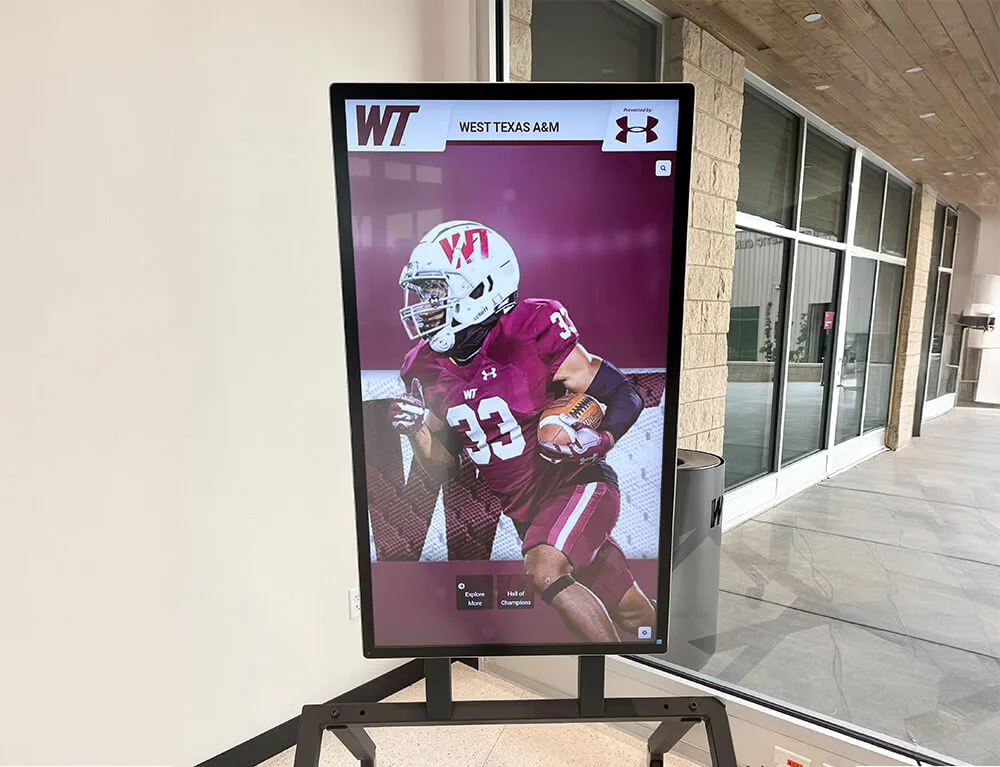
Schools create immersive environments celebrating athletic tradition and achievement during homecoming
Homecoming’s Lasting Impact
Beyond the immediate celebration, homecoming creates lasting effects on students, schools, and communities.
Memory Formation and Nostalgia
Homecoming generates powerful memories that shape how individuals remember their high school experience. Research on autobiographical memory demonstrates that emotionally significant events during adolescence create particularly strong memories that persist throughout life. Decades later, alumni often recall vivid homecoming details—what they wore, who they attended with, game outcomes, and feelings of belonging and excitement.
These memories serve important psychological functions including creating narrative coherence in life stories, maintaining connections to formative experiences and relationships, and providing nostalgic touchstones offering comfort during difficult periods. Schools preserving homecoming memories through digital archives and recognition systems enable alumni to revisit and share these meaningful experiences throughout their lives.
Building Lifelong School Connections
Positive homecoming experiences strengthen institutional bonds that persist long after graduation, influencing alumni engagement, philanthropic support, and ongoing connection to schools and classmates. Alumni who recall homecoming fondly demonstrate greater willingness to attend reunions and maintain friendships, volunteer as mentors or guest speakers, contribute financially to school initiatives, and promote their alma mater within professional and social networks.
These enduring connections benefit both individuals and institutions. Alumni maintain meaningful relationships and sense of continuity across their lifespans, while schools build engaged alumni networks supporting institutional missions through advocacy, resources, and community involvement.
Developing Social and Organizational Skills
Student participation in homecoming planning and execution develops valuable capabilities transferable to college and career contexts. Planning committee members develop project management skills coordinating complex events with multiple dependencies and tight deadlines, practice communication and collaboration working with diverse stakeholders toward common goals, build leadership capacity motivating peers and managing group dynamics, and learn financial responsibility through budget management and resource allocation.
These experiential learning opportunities often prove more valuable than classroom instruction precisely because they involve real stakes, authentic audiences, and genuine consequences for success or failure creating motivation and accountability supporting skill development.
Conclusion: The Enduring Significance of Homecoming
Homecoming represents far more than a football game and dance—it embodies American high school culture’s emphasis on community, tradition, celebration, and belonging. When schools thoughtfully design homecoming celebrations that honor tradition while embracing innovation, prioritize inclusion while maintaining meaning, and balance structure with student ownership, they create experiences students remember throughout their lives.
The evolution from simple alumni game invitations to elaborate week-long celebrations reflects homecoming’s deep cultural resonance and its successful fulfillment of multiple community functions—strengthening school spirit and identity, maintaining alumni connections, providing meaningful student engagement opportunities, and creating shared experiences that bind diverse individuals into cohesive communities.
Modern approaches to homecoming preserve beloved traditional elements while incorporating contemporary innovations that enhance accessibility, expand participation, leverage technology for memory preservation, and ensure celebrations reflect diverse community values and interests. Digital recognition platforms enable schools to celebrate homecoming court members, preserve historical traditions, and showcase athletic achievements in ways that overcome physical space limitations while creating engaging exploration experiences impossible with traditional static displays.
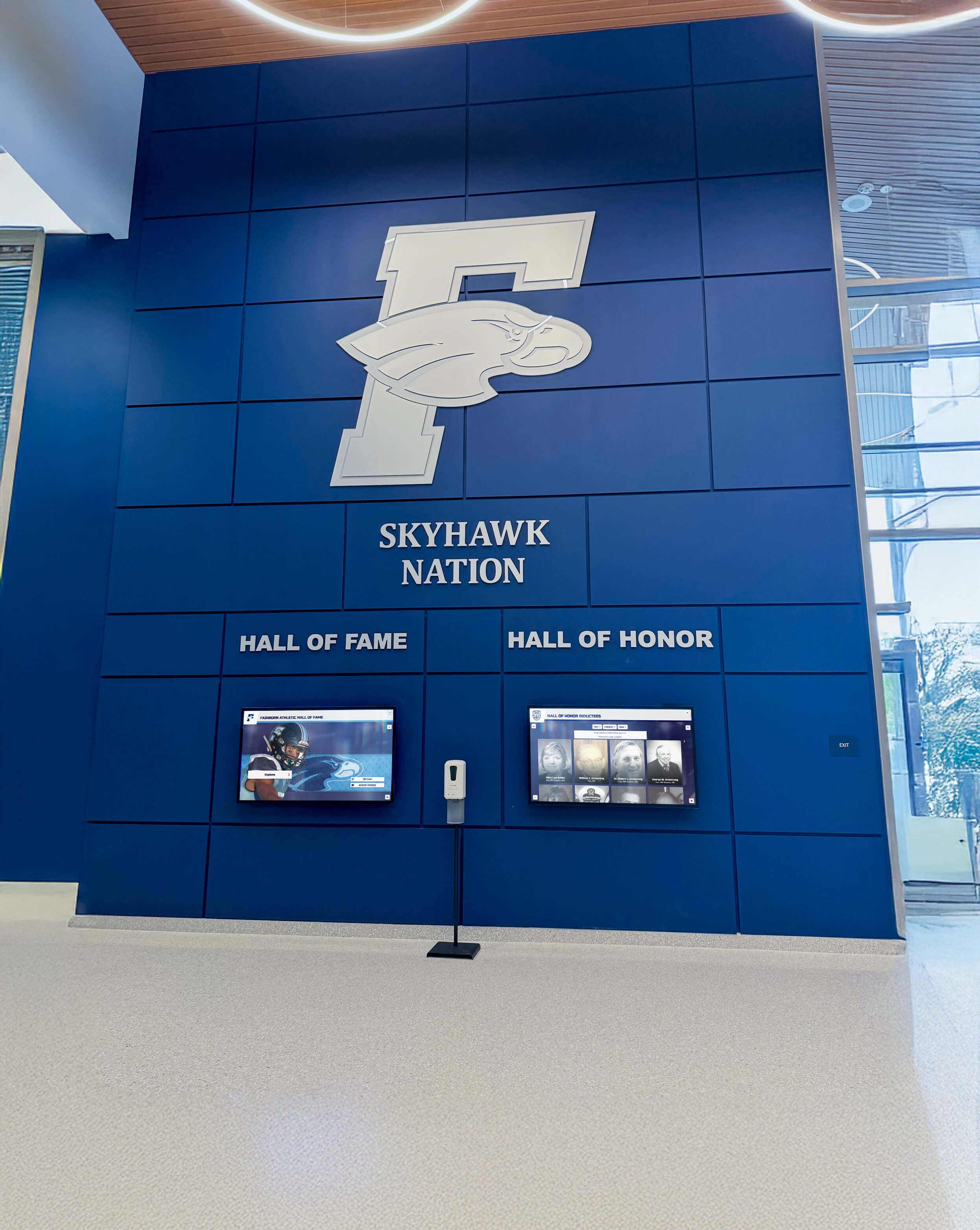
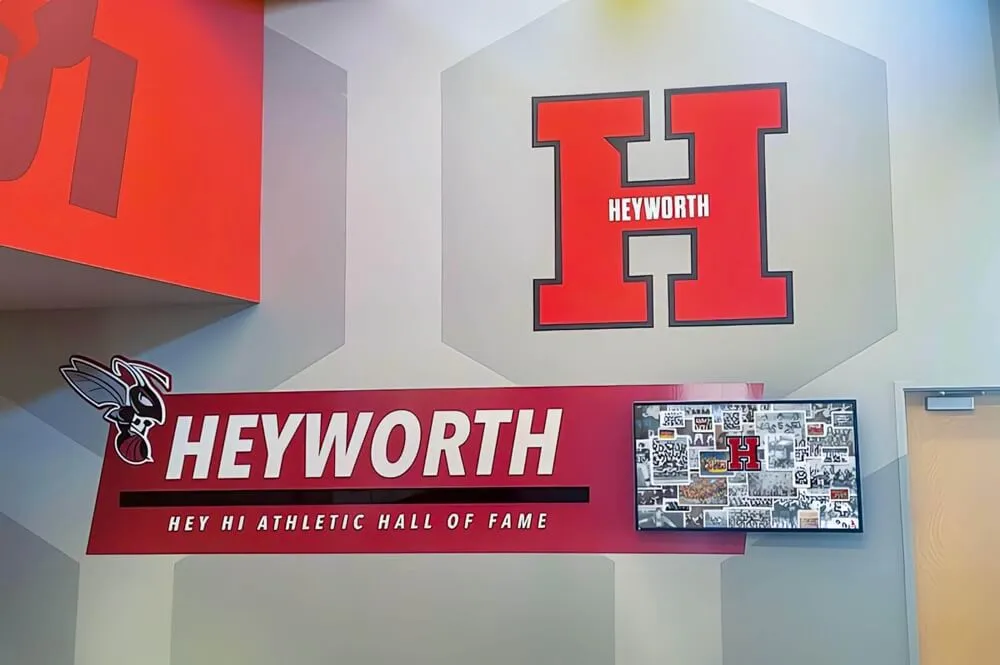
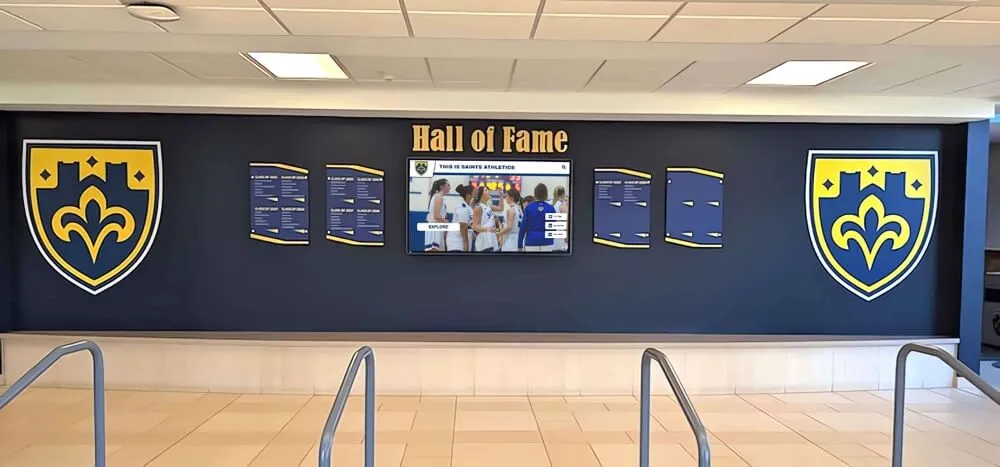
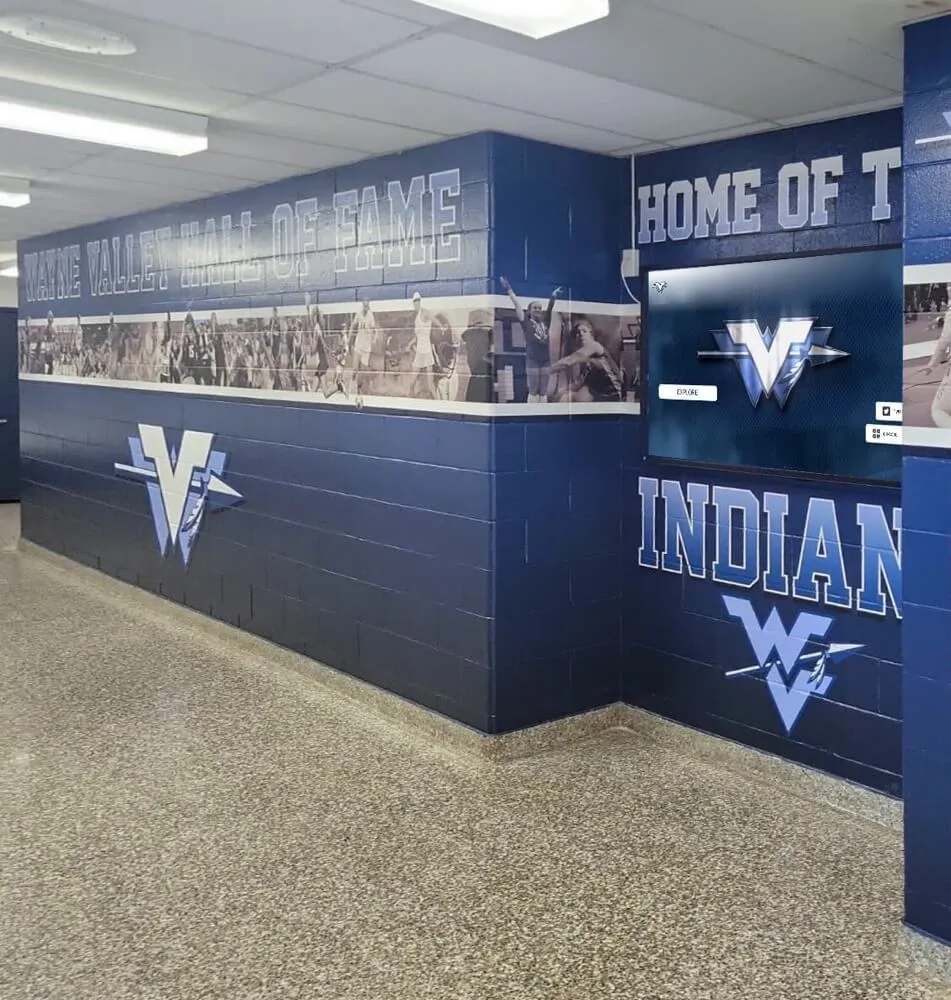
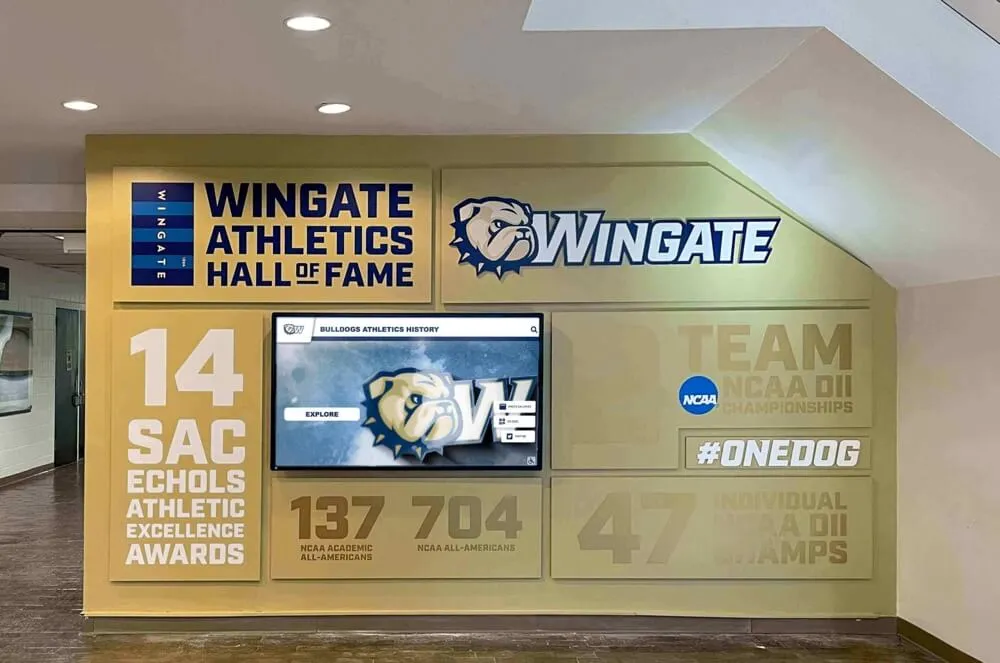
Professional recognition installations celebrate homecoming traditions alongside broader institutional achievements
For students experiencing their first homecoming, the celebration offers opportunities to develop school pride, create lasting friendships, explore leadership opportunities, and participate in traditions connecting them to generations of alumni who shared similar experiences. Parents supporting homecoming participation help students navigate social milestones while fostering healthy engagement with school communities.
For schools planning homecoming celebrations, success requires balancing multiple considerations—honoring tradition while remaining relevant, ensuring inclusivity while maintaining meaning, managing budgets while creating memorable experiences, and addressing contemporary safety concerns while preserving joy and freedom. Schools that navigate these tensions successfully create homecoming experiences deserving of the tradition’s central place in American high school culture.
The memories created during homecoming—students cheering together at games, dancing with friends, participating in creative spirit week themes, celebrating court members, and feeling genuine belonging within school communities—represent the warm, connected experiences that define exceptional educational environments. When students recall their high school years decades later, homecoming memories often rank among the most cherished and defining moments of their adolescent experience.
Your school’s homecoming traditions deserve thoughtful planning, meaningful celebration, and lasting recognition that honors participants while inspiring future generations. Whether you’re a student preparing for your first homecoming, a parent supporting participation, or a school leader planning celebrations, understanding homecoming’s significance and implementing best practices ensures this beloved tradition continues creating meaningful experiences building school pride and community connection.
Ready to enhance your school’s homecoming traditions with modern recognition systems that celebrate court members, preserve memories, and showcase achievements? Explore how digital recognition platforms can transform your homecoming celebration while building lasting school pride and community engagement that extends far beyond a single weekend of festivities.