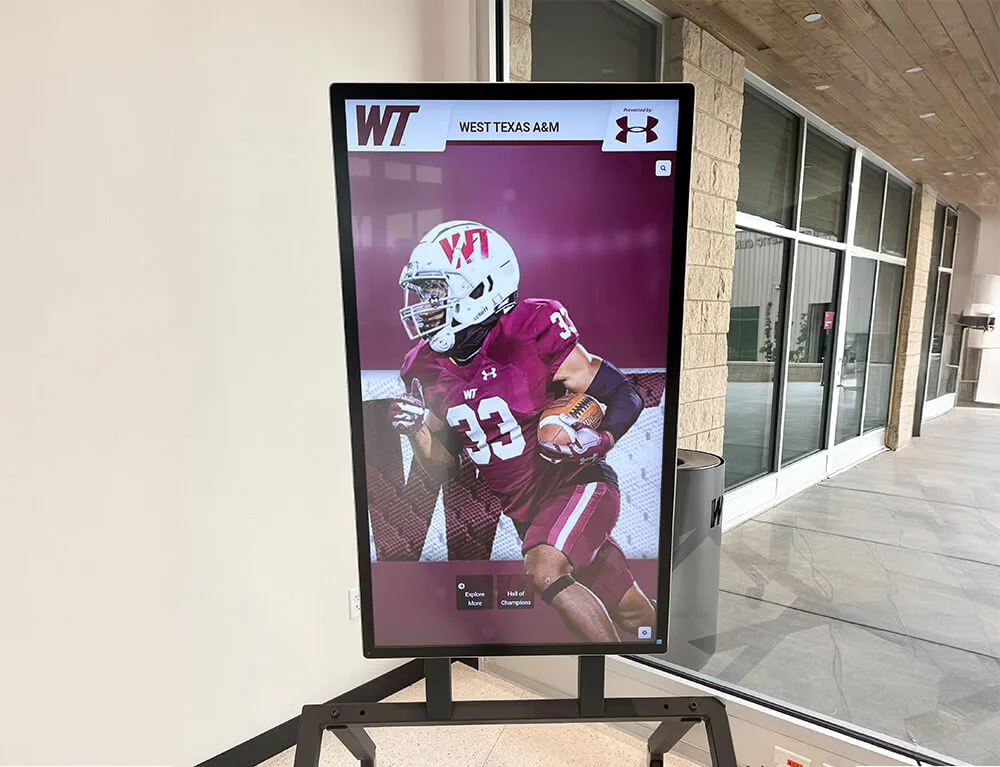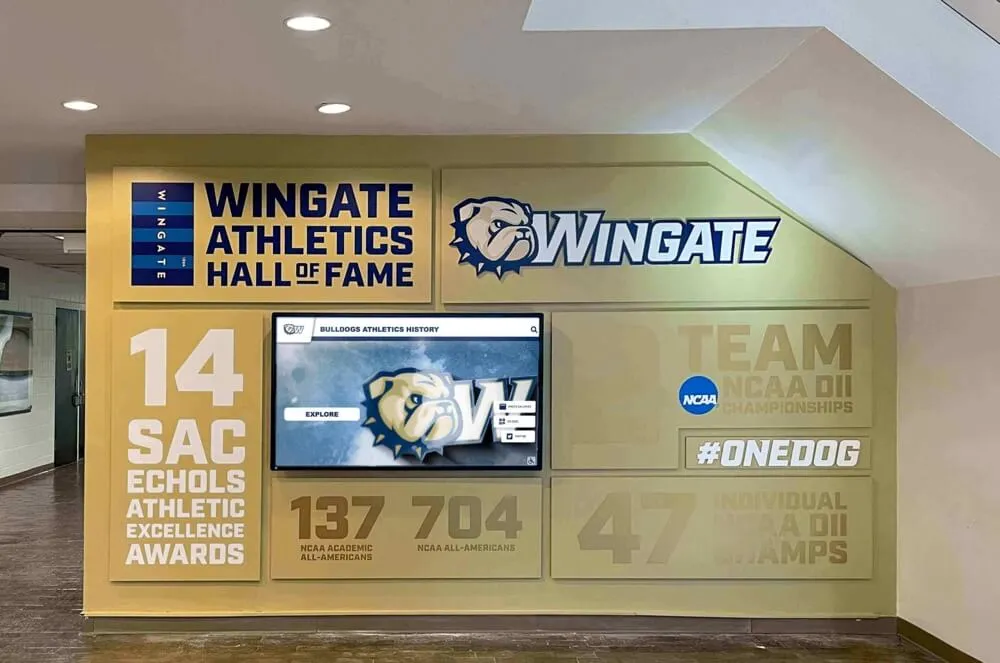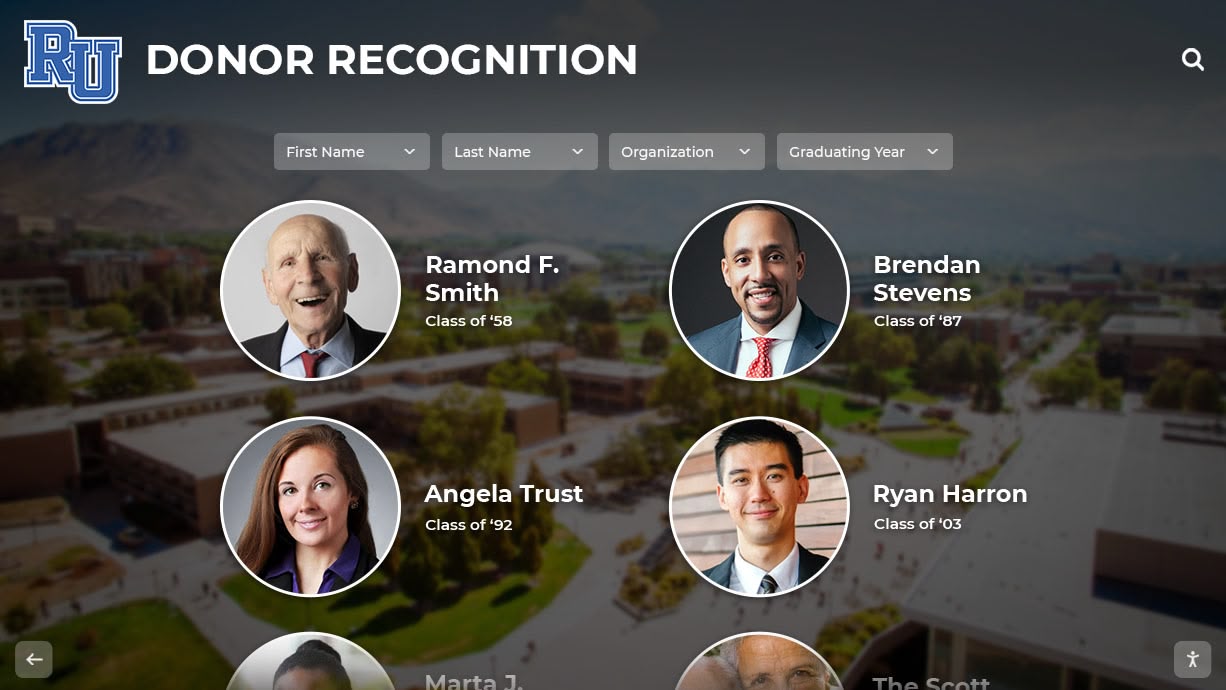
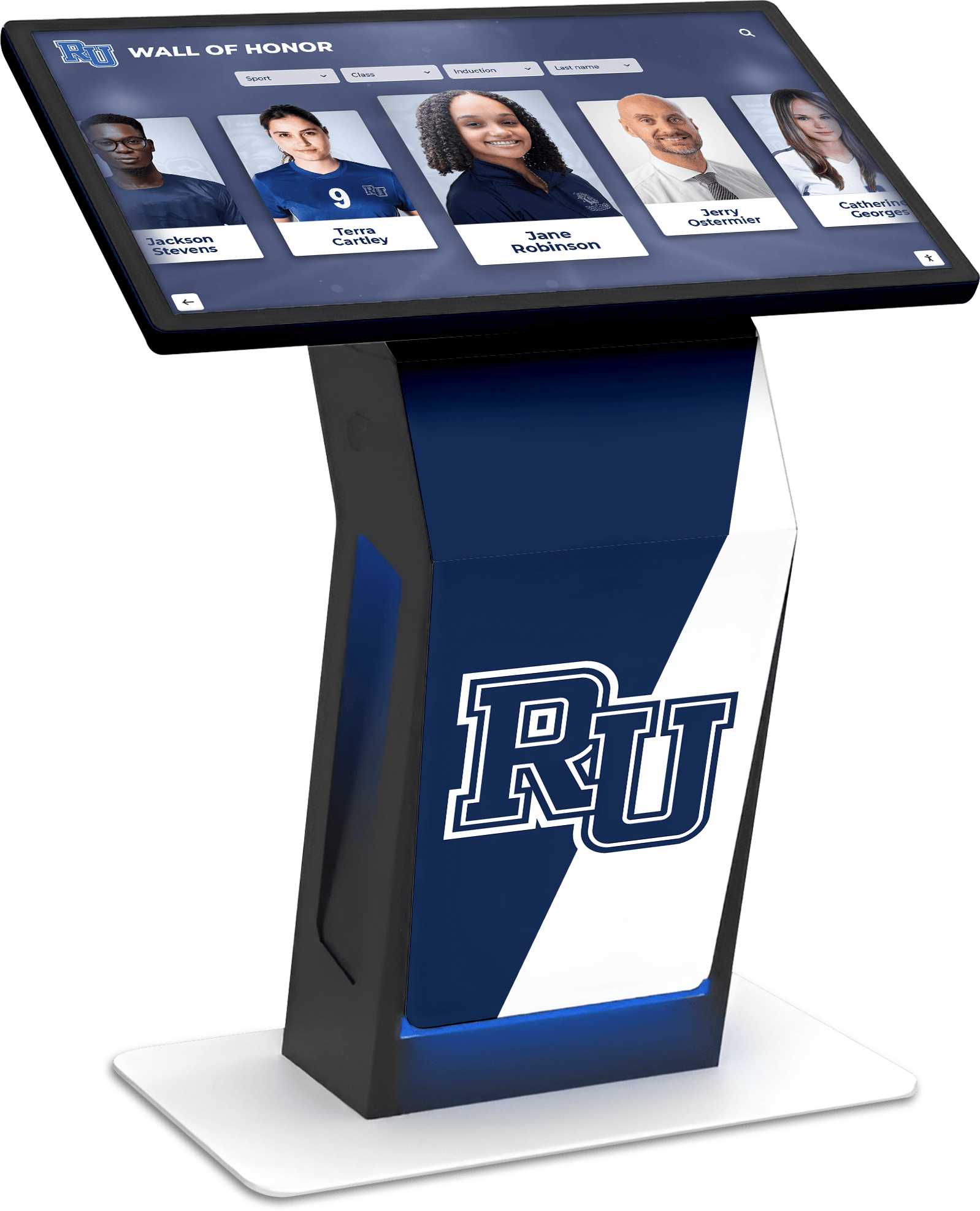
School development offices face a persistent challenge: first-time donors who contribute once and disappear. A parent writes a check at the annual gala, an alumnus makes a reunion gift, or a local business sponsors the fall fundraiser—and then these supporters fade into contact lists that receive annual appeals but little else. The result? Declining retention rates, shrinking donor bases, and development teams stuck on exhausting acquisition treadmills rather than building sustainable funding relationships.
Donor stewardship transforms this transactional pattern into lasting partnerships. Rather than treating contributions as endpoints, effective stewardship recognizes gifts as beginnings of ongoing relationships that require intentional cultivation, genuine appreciation, and strategic communication. Schools that master donor stewardship see 60-70% donor retention rates compared to nonprofit sector averages hovering around 40-45%, creating reliable funding streams that support long-term institutional priorities.
This comprehensive guide explains what donor stewardship means in practice for schools, universities, and educational institutions, providing actionable frameworks development professionals can implement regardless of team size or budget constraints. You’ll discover proven stewardship strategies that convert one-time contributors into lifelong supporters while creating recognition experiences donors genuinely value.
What Is Donor Stewardship? The Core Definition
Donor stewardship represents the intentional process of building, maintaining, and strengthening relationships with contributors through strategic communication, genuine appreciation, and meaningful engagement that extends far beyond transactional thank-you notes.
Beyond Basic Acknowledgment
While donor acknowledgment focuses on immediate gift receipts and tax documentation, stewardship encompasses the broader relationship lifecycle:
Acknowledgment answers “Did you receive my gift?” through timely receipts, tax letters, and confirmation emails that fulfill legal and operational requirements.
Stewardship answers “Does my gift matter?” through ongoing communication demonstrating impact, creating recognition experiences, and building personal connections that show donors their contributions create meaningful change aligned with values they care about.
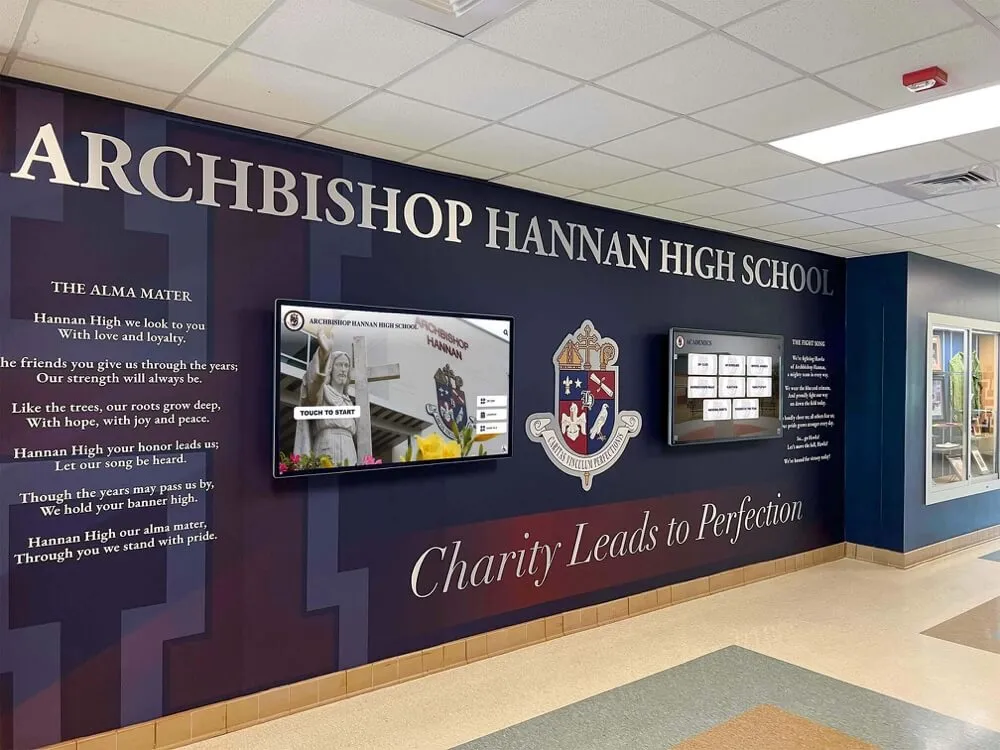
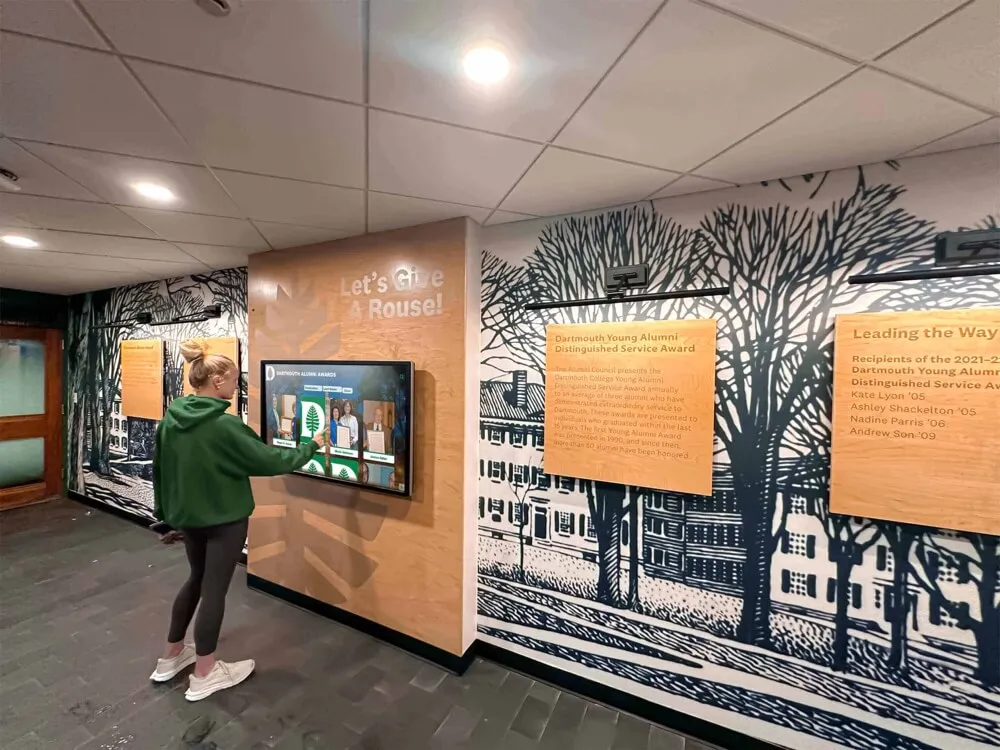
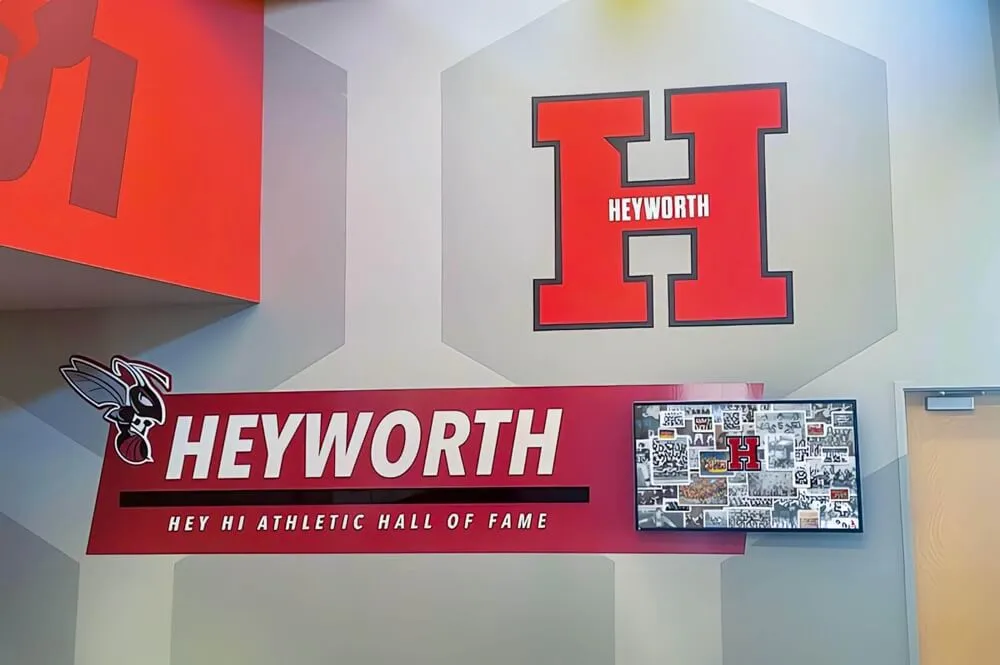
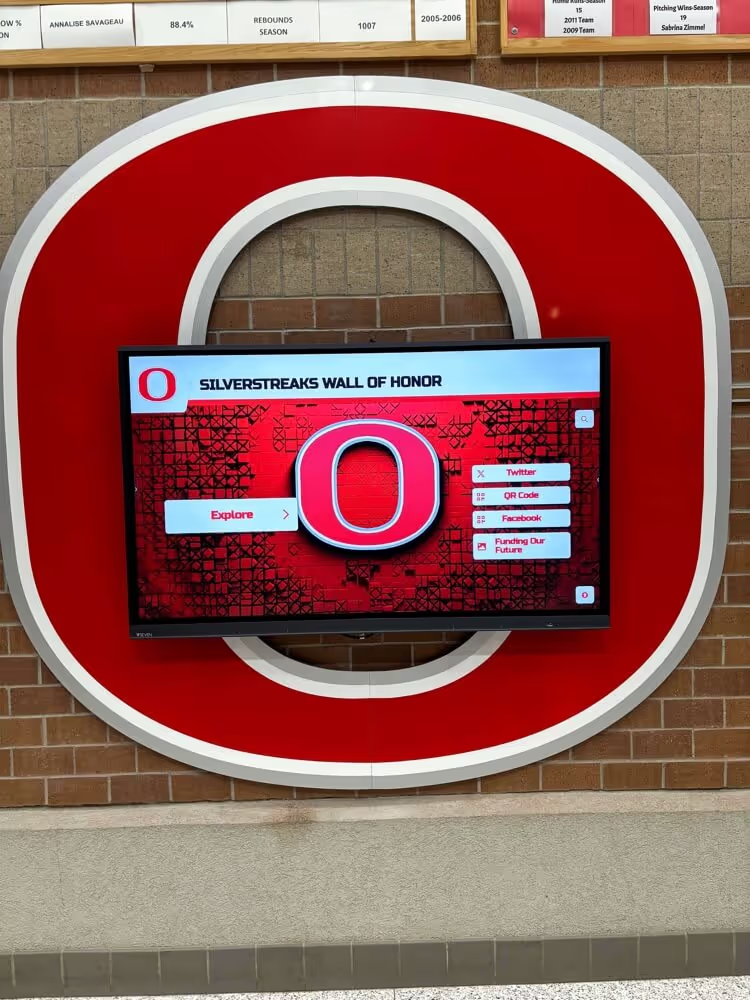
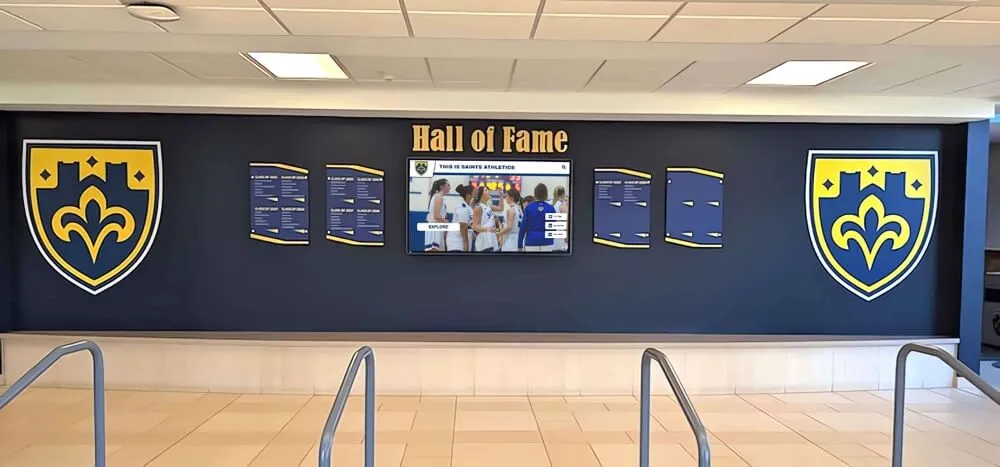
Modern donor stewardship combines personal engagement with visible recognition that honors contributions year-round
Schools excelling at donor stewardship treat supporters as essential partners in educational mission rather than ATMs funding budget gaps. This philosophical shift changes every interaction—from how development officers communicate impact to how institutions create donor recognition experiences that validate generosity.
The Five Core Components of Donor Stewardship
Effective stewardship programs integrate five essential elements that work together creating comprehensive donor experiences:
1. Timely Acknowledgment
First responses set relationship tone. Best practices include:
- Gift receipts within 48 hours of contribution
- Personalized thank-you communications within one week
- Phone calls or personal notes for major gifts
- Student or faculty thank-you messages when appropriate
2. Impact Reporting
Donors want to understand how contributions create change. Regular impact communication includes:
- Specific program updates funded by donor support
- Student success stories resulting from donor-funded scholarships
- Facility improvements donors made possible
- Measurable outcomes tied to donor contributions
Schools implementing digital displays for recognition can showcase impact through dynamic content that tells ongoing stories of donor contributions rather than static plaques that quickly become invisible.
3. Meaningful Recognition
Public and private appreciation that honors donor values:
- Recognition displays aligned with donor preferences (public vs. anonymous)
- Naming opportunities for significant contributions
- Donor societies and giving circles creating community among supporters
- Event invitations and exclusive engagement opportunities
4. Relationship Building
Personal connections beyond transactional exchanges:
- Campus visits and facility tours
- Meetings with students, faculty, or administrators
- Involvement in committees or advisory groups
- Regular communication from leadership
5. Respect for Donor Intent
Demonstrating that gifts support purposes donors specified:
- Transparency about fund usage and allocation
- Updates specific to designated gift areas
- Flexibility when circumstances change donor priorities
- Clear communication about restricted vs. unrestricted giving

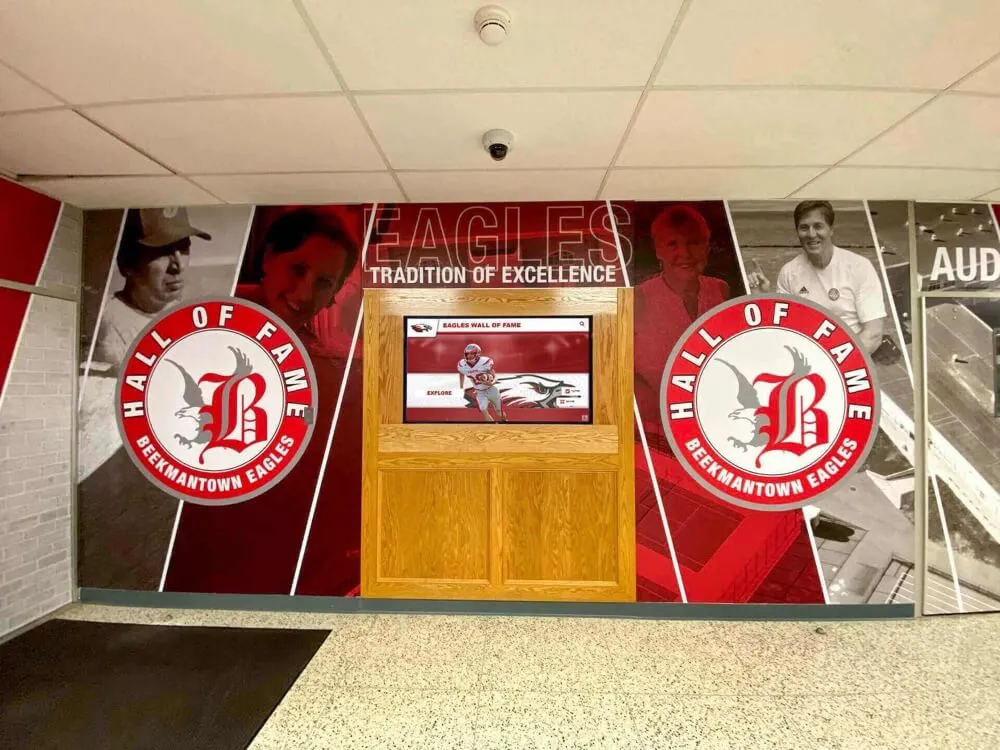
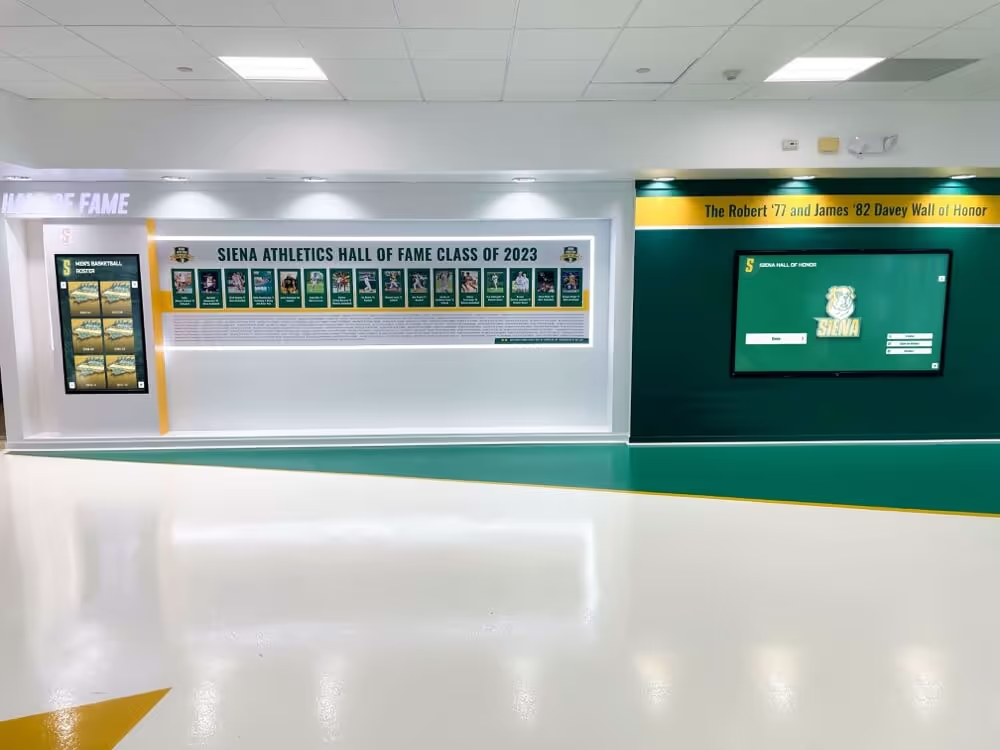
Integrated recognition programs create welcoming spaces where donors see their impact celebrated alongside institutional achievements
Why Donor Stewardship Matters: The Business Case
Development offices operating without strategic stewardship programs leave substantial money on the table while creating unsustainable fundraising models.
The Economics of Donor Retention
Acquisition costs for new donors typically run 5-7 times higher than retention costs for existing supporters. When schools focus fundraising energy on constant new donor recruitment while neglecting current supporter relationships, they create expensive cycles:
- Direct mail acquisition campaigns averaging $1.50-$3.00 cost per dollar raised
- Event expenses consuming 40-60% of gross revenue for donor acquisition galas
- Limited institutional knowledge about why donors give or what motivates continued support
- Declining lifetime donor value as supporters make single gifts and disappear
Compare this to stewardship-driven retention economics:
- Existing donors requiring primarily relationship maintenance and communication costs
- Higher average gift sizes from long-term supporters familiar with institutional impact
- Increased likelihood of planned gifts and major donations from cultivated relationships
- Referrals and peer-to-peer fundraising from engaged donor ambassadors
A donor giving $500 annually for fifteen years contributes $7,500 total. That same donor relationship might yield a $25,000 planned gift, major gifts for capital campaigns, and introductions to peer networks representing exponentially greater value than the initial transaction.
Retention Benchmarks and Goals
Understanding industry benchmarks helps development teams set realistic stewardship goals:
Overall Donor Retention Rates:
- Sector average: 40-45% year-over-year retention
- High-performing programs: 60-70% retention
- First-time donor retention: 15-25% (lowest category)
Stewardship Impact on Retention:
- Donors receiving personalized stewardship: 50-65% retention
- Donors receiving only standard acknowledgment: 25-35% retention
- Major donors with dedicated relationship management: 75-85% retention
Schools implementing comprehensive stewardship frameworks consistently outperform sector averages, creating predictable revenue streams that support strategic planning rather than reactive budget management.
Similar to how schools develop recognition programs for student achievement, effective donor stewardship requires intentional systems that celebrate contributions consistently rather than sporadically.
Building a Donor Stewardship Framework: Practical Steps
Effective stewardship programs don’t require massive teams or budgets—they require systematic approaches that scale with institutional capacity.
Step 1: Segment Your Donor Base
Not all donors require identical stewardship approaches. Segmentation allows development teams to allocate relationship-building resources strategically:
Major Donors ($10,000+ or institution-specific threshold)
- Dedicated relationship manager
- Personalized impact reports
- Regular personal communication (calls, meetings, campus visits)
- Exclusive event invitations and engagement opportunities
- Annual face-to-face meetings with leadership
Mid-Level Donors ($1,000-$9,999)
- Semi-personalized communication
- Donor society membership and recognition
- Program-specific impact updates
- Periodic phone outreach from development staff
- Priority event invitations
Annual Fund Donors (under $1,000)
- Systematic acknowledgment and recognition
- Quarterly or annual impact reporting
- Digital engagement opportunities
- Student thank-you communications when feasible
- Public recognition through donor walls or honor rolls
First-Time Donors (any level)
- Enhanced first-year stewardship
- Welcome communications explaining institutional impact
- Clear next steps and engagement invitations
- Extra attention given retention rates for new donors lag significantly
This segmentation enables development teams to deliver high-touch stewardship where it generates greatest retention value while creating scalable systems for broader donor populations.
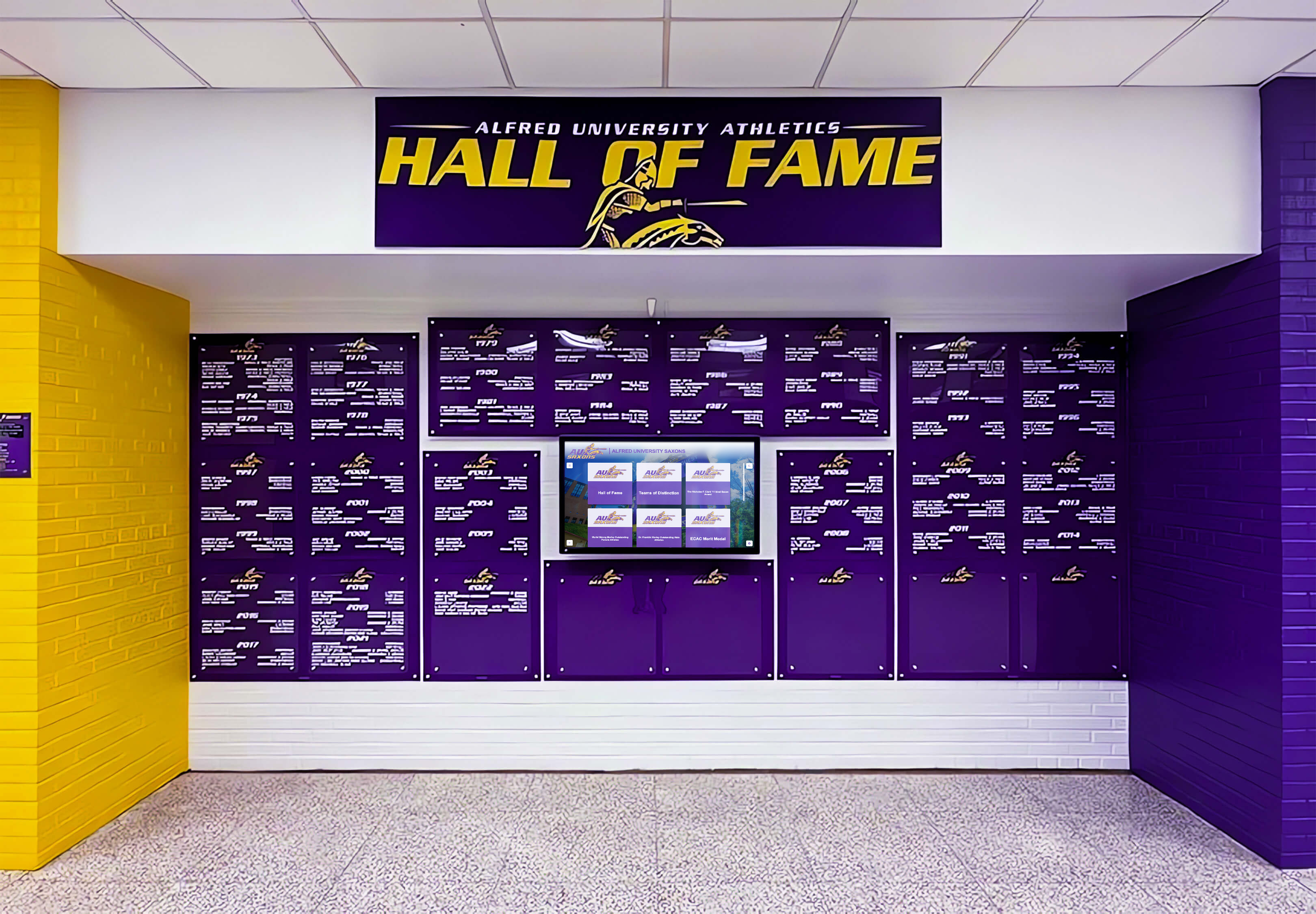
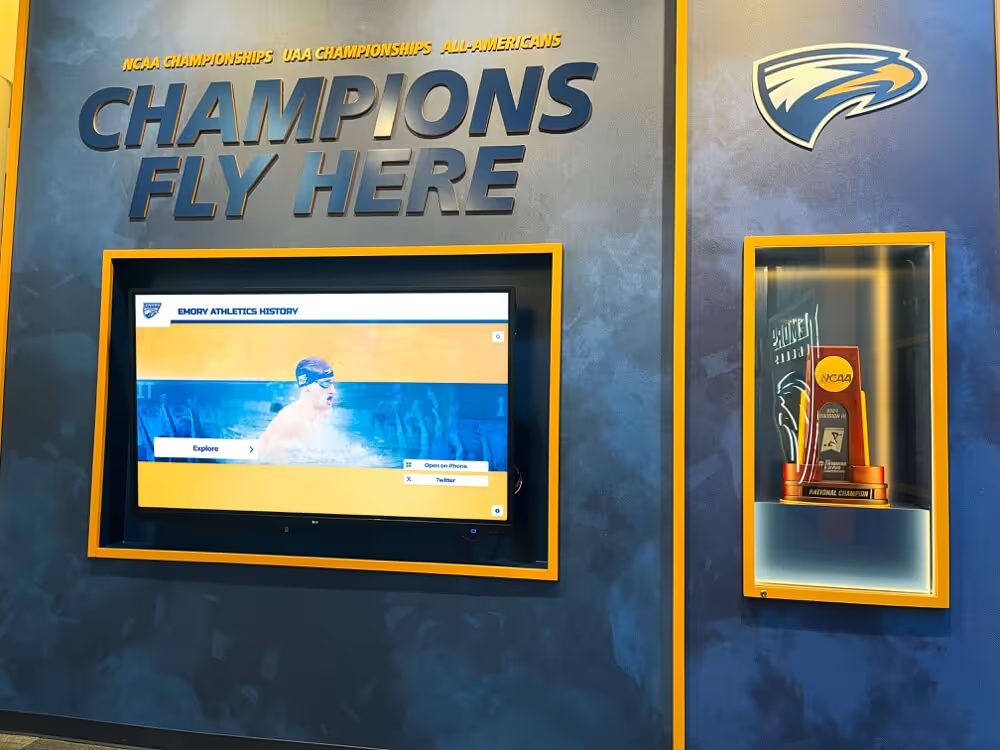
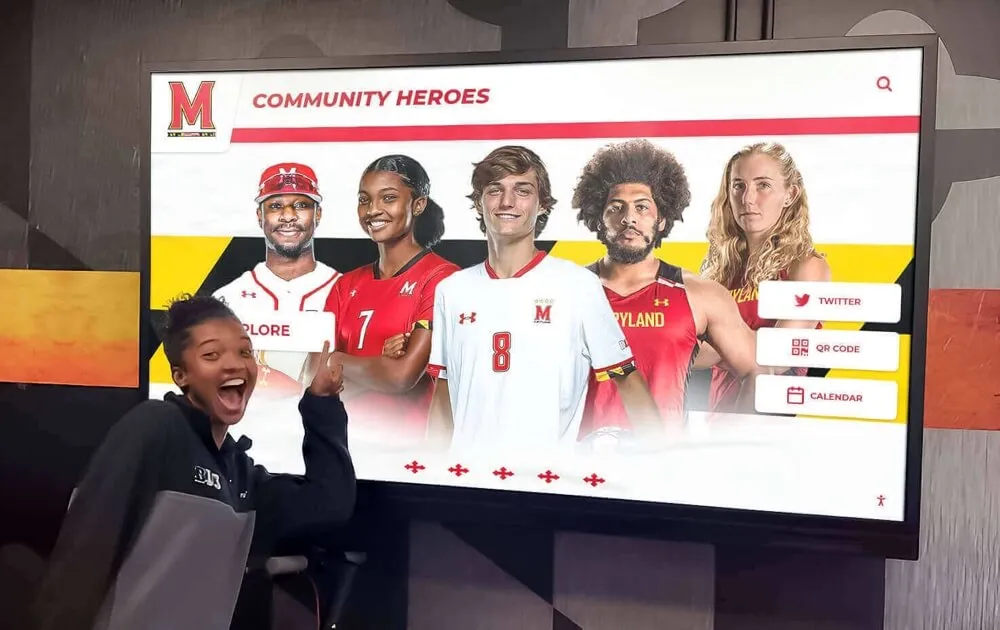
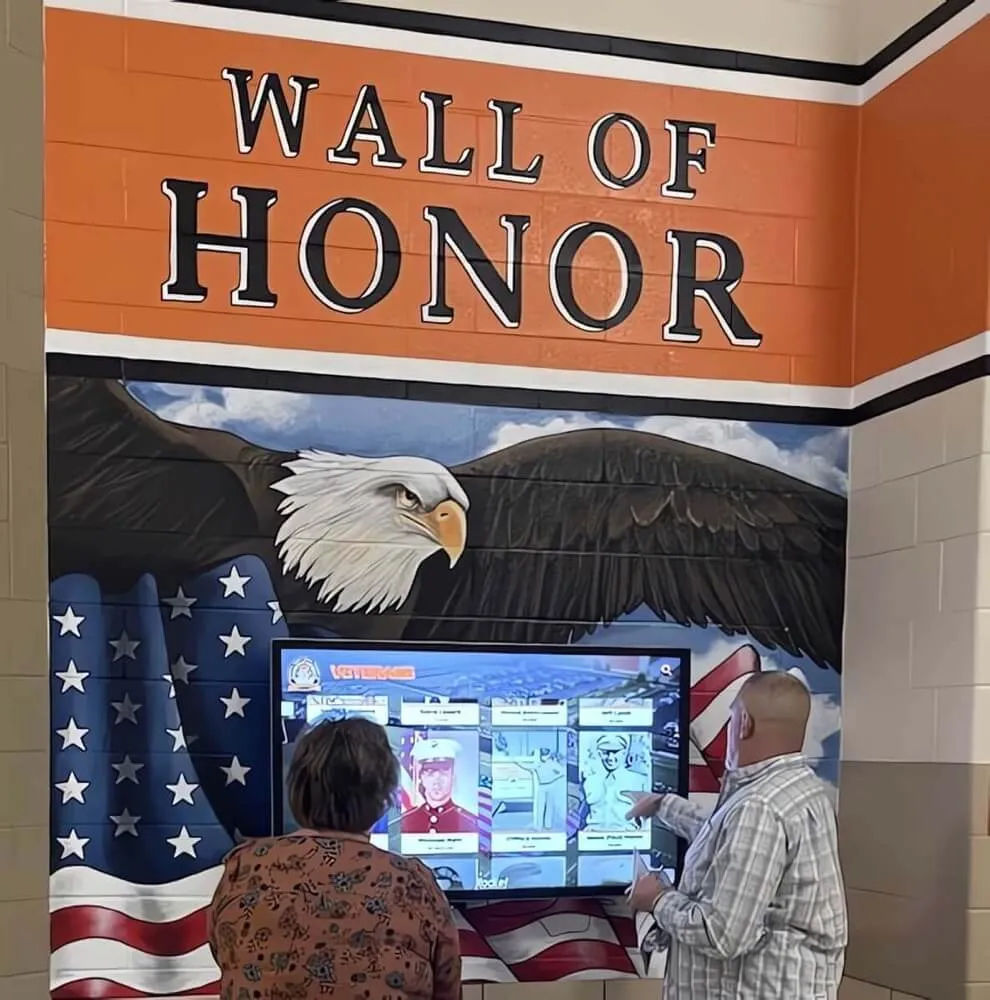
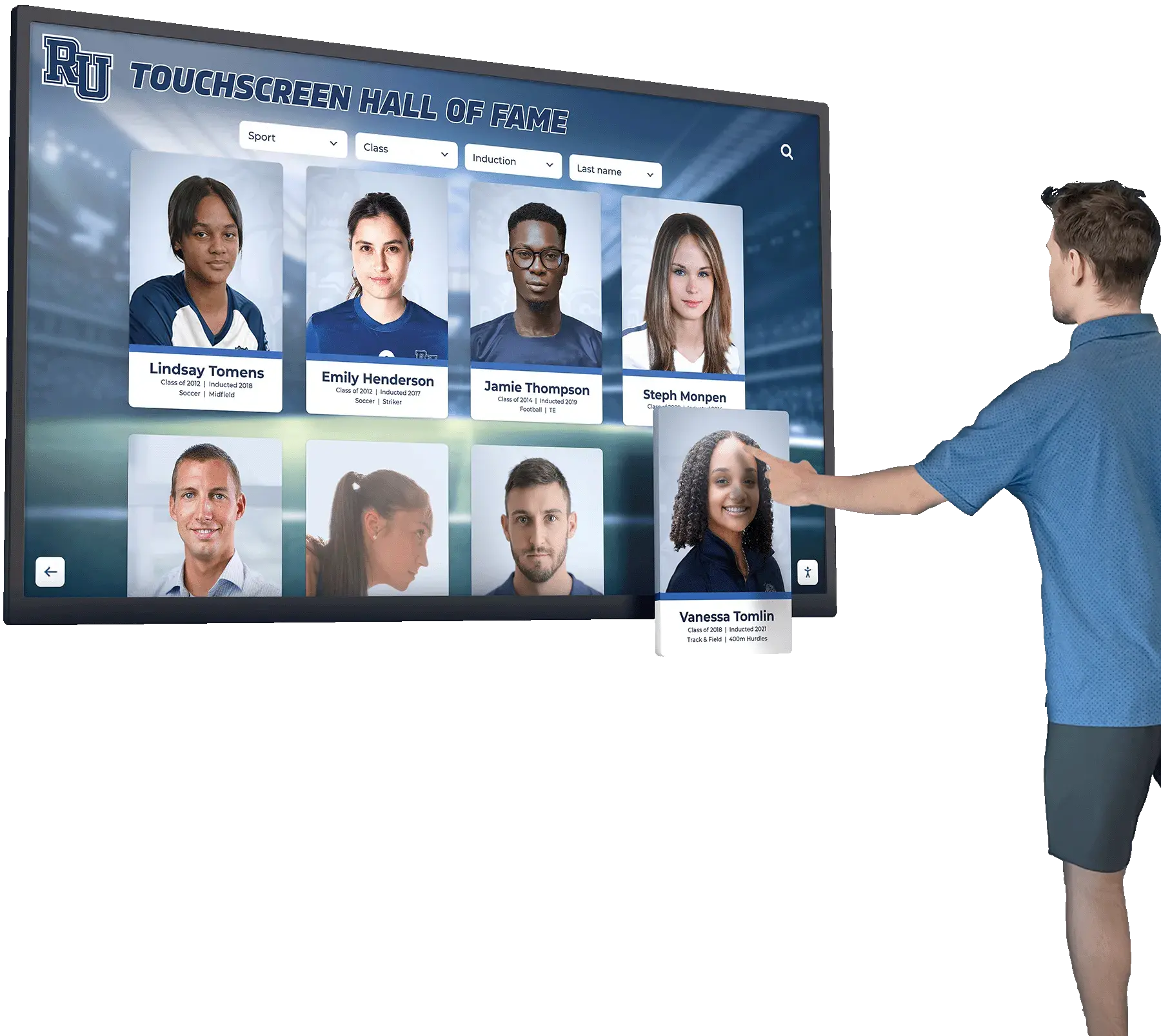
Effective donor stewardship creates visible recognition experiences that demonstrate institutional gratitude and inspire continued support
Step 2: Create a Stewardship Communication Calendar
Systematic communication prevents donors from experiencing the “black hole” where contributions disappear without acknowledgment or follow-up.
Immediate Response (within 48 hours)
- Automated gift receipt with tax documentation
- Personal thank-you email from development officer
- Gift entry into donor database
Short-Term Follow-Up (within 30 days)
- Handwritten note from development director or relevant program leader
- Student thank-you video or message when appropriate
- Social media recognition (with donor permission)
Ongoing Engagement (quarterly or as appropriate)
- Impact updates specific to funded programs
- Institutional newsletters featuring donor-supported achievements
- Invitations to campus events, lectures, or performances
- Annual reports demonstrating comprehensive institutional impact
Year-End Recognition (annually)
- Formal recognition in annual donor honor rolls
- Tax summary for giving year
- Year-in-review impact report
- Renewal invitation for annual donors
Schools sometimes overlook the importance of strategic timing for recognition initiatives, but coordinating stewardship touchpoints with institutional milestones creates natural engagement opportunities that feel authentic rather than formulaic.
Step 3: Develop Impact Reporting Systems
Generic “thank you for your support” messages fail to demonstrate how specific contributions create measurable change. Effective impact reporting requires systems connecting donations to outcomes:
Program-Specific Metrics
For scholarship funds:
- Number of students supported
- Student academic achievements and graduation rates
- Student testimonials about scholarship impact
- Career outcomes for scholarship recipients
For facility improvements:
- Before/after documentation of renovations
- Usage statistics showing increased capacity or engagement
- Student or faculty testimonials about improved learning environments
- Photos or videos showcasing completed projects
For program funding:
- Participation numbers and demographic reach
- Academic or developmental outcomes
- Program expansion enabled by donor support
- Specific innovations or enhancements funding enabled
Multi-Channel Delivery
Different donors prefer different communication formats:
- Email updates for digitally engaged supporters
- Printed newsletters for traditional donors
- Video content showcasing student experiences
- Social media updates for connected supporters
- In-person presentations during campus visits
Digital recognition displays offer unique advantages for impact storytelling by enabling dynamic content updates that show evolving outcomes from donor contributions rather than static messaging that quickly becomes stale.
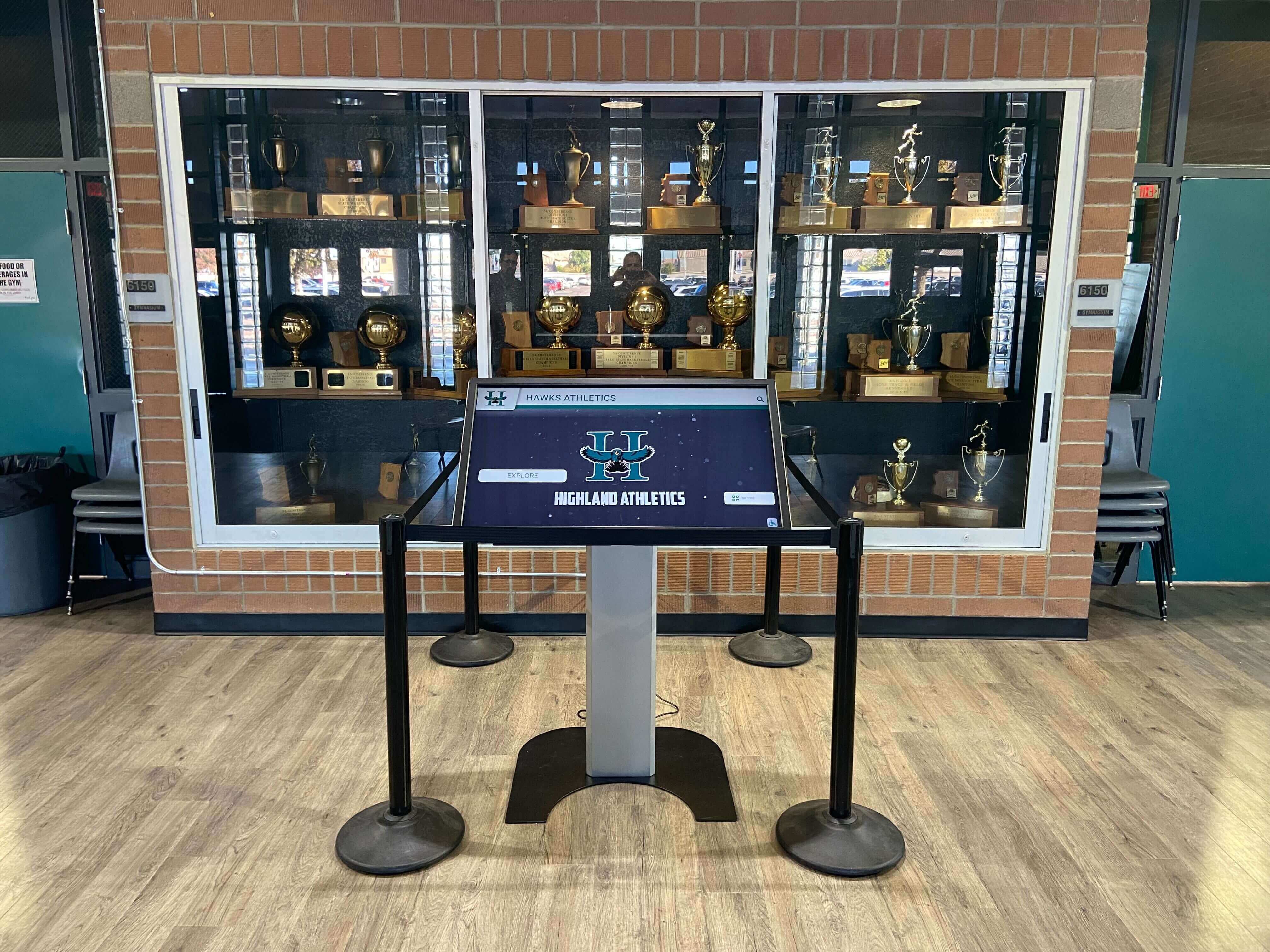
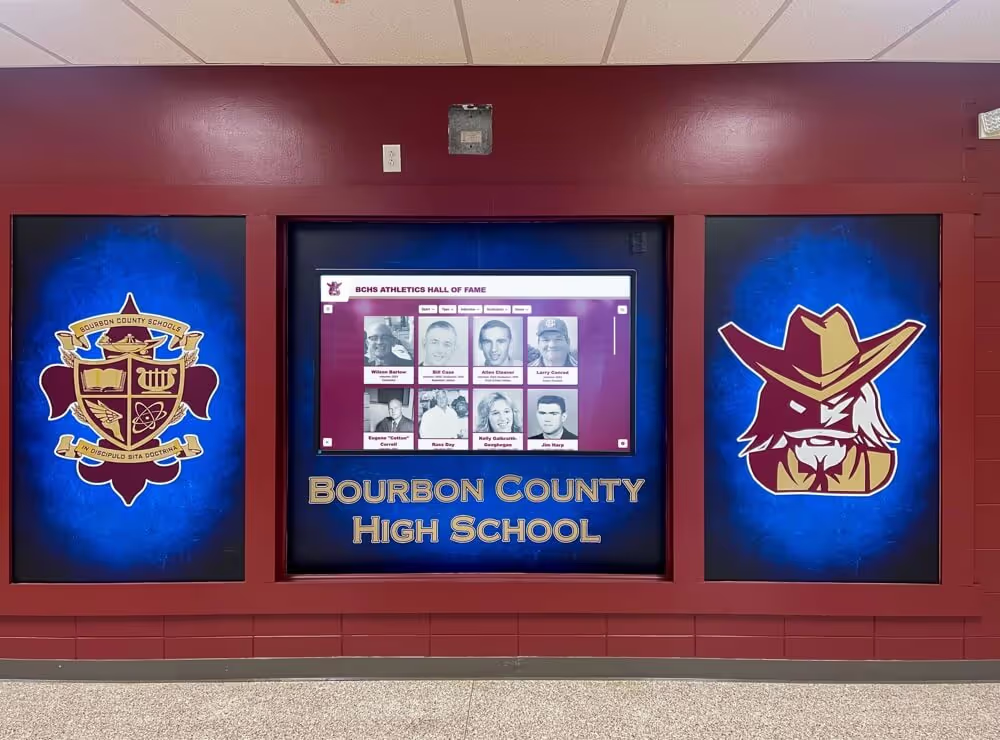
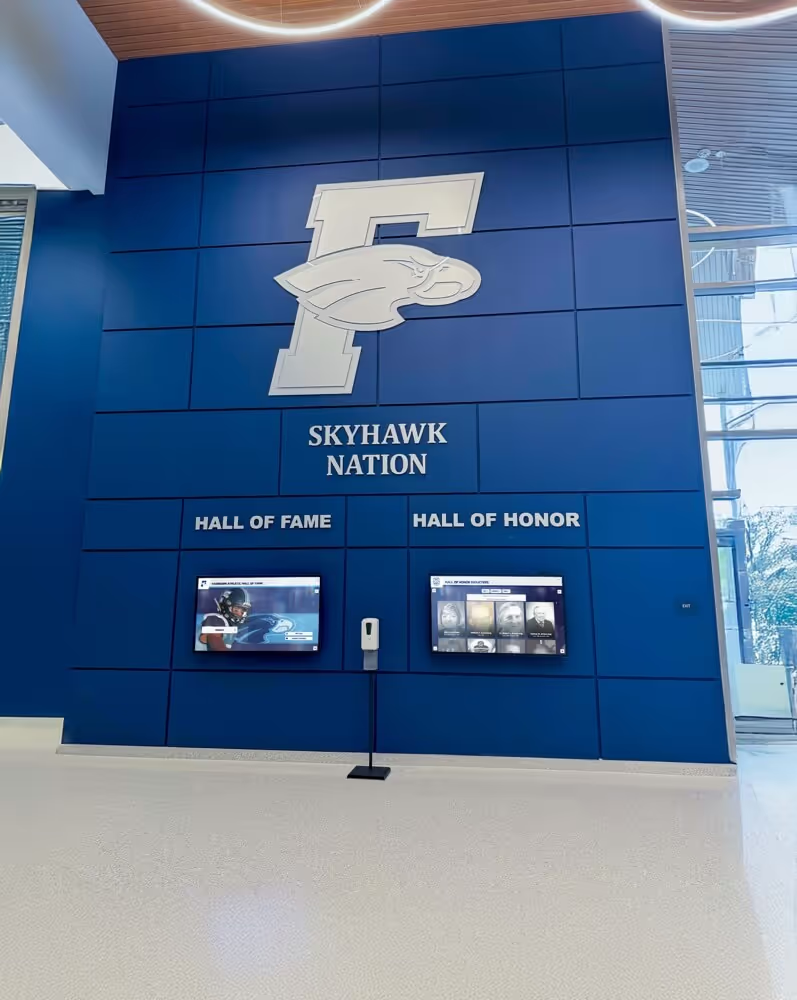
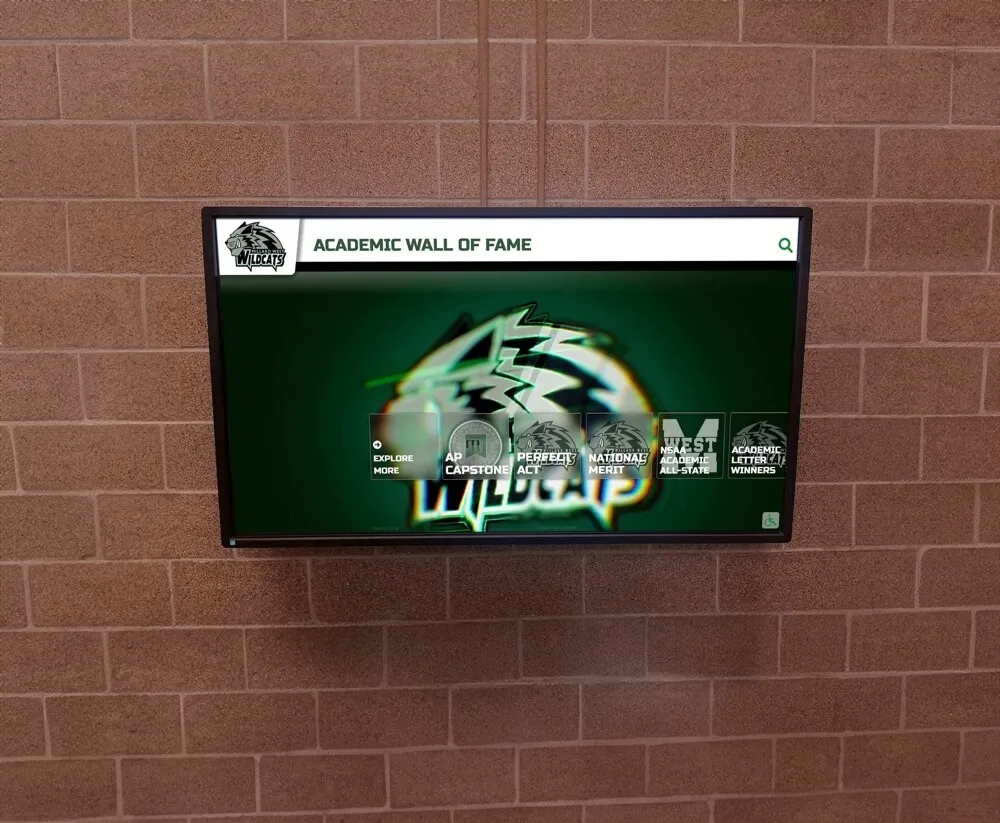
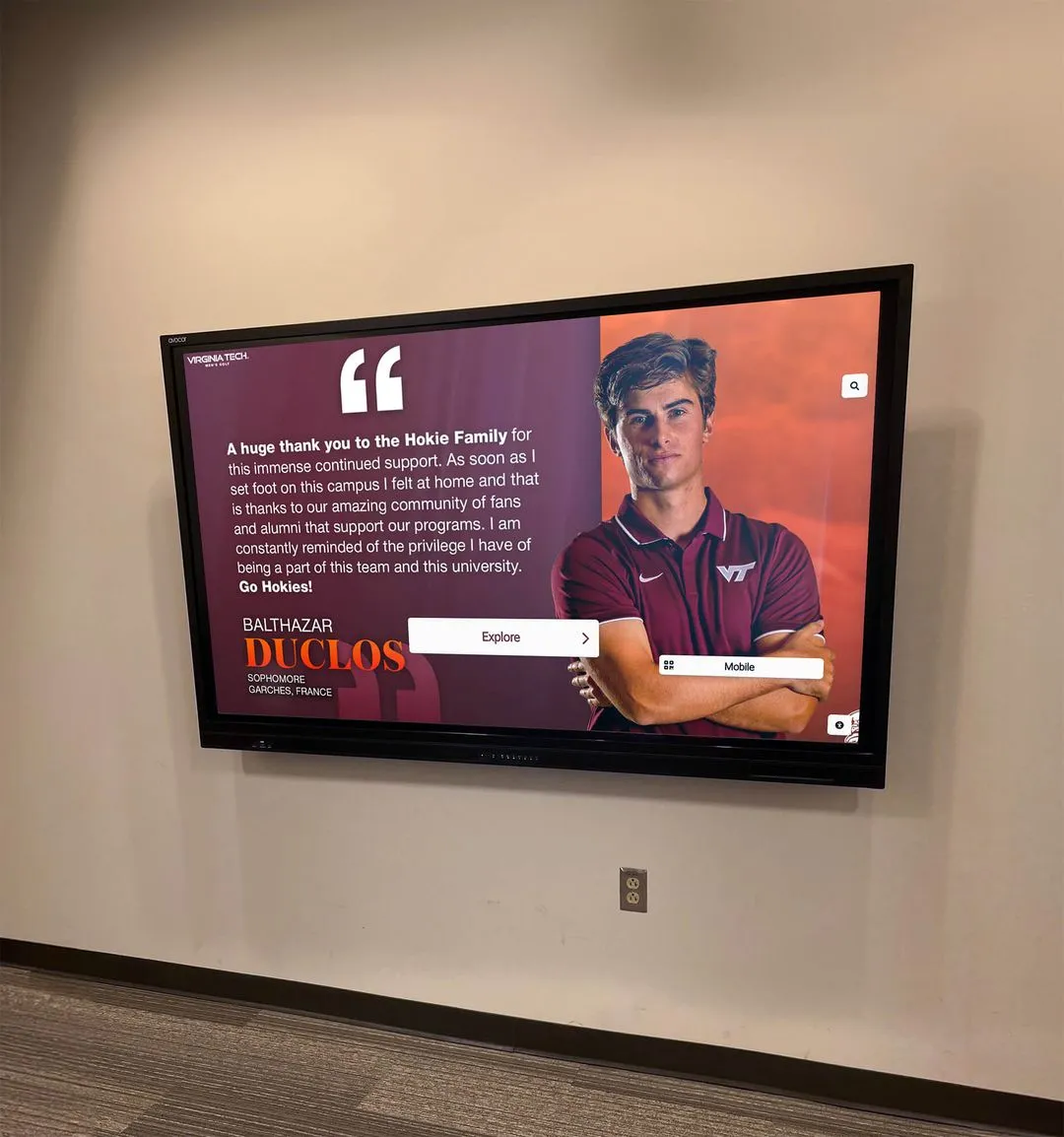
Interactive recognition systems enable schools to share ongoing impact stories and donor appreciation through engaging digital content
Step 4: Create Recognition Experiences Donors Value
Not all recognition resonates equally with different donor populations. Effective stewardship matches recognition approaches to donor preferences:
Public Recognition
Many donors appreciate visible acknowledgment:
- Donor walls in high-traffic campus locations
- Named spaces or programs honoring significant contributions
- Annual reports and publications listing supporters
- Event recognition during galas or ceremonies
- Social media celebration of donor generosity
Modern interactive recognition displays transform traditional static plaques into dynamic experiences where supporters can explore their giving history, see updated impact stories, and experience ongoing appreciation rather than one-time acknowledgment that fades into hallway backgrounds.
Private Recognition
Other donors prefer low-key appreciation:
- Personal thank-you calls from leadership
- Private campus tours or behind-the-scenes access
- One-on-one meetings with program beneficiaries
- Confidential impact reports
- Anonymous giving options with private acknowledgment
Experiential Recognition
Some supporters value involvement over visibility:
- Advisory board or committee participation
- Mentorship connections with students in funded programs
- Campus speaking or teaching opportunities
- Early access to institutional announcements or strategic planning
- Exclusive programming designed for donor engagement
Surveying donors about recognition preferences enables development teams to personalize stewardship approaches that resonate with individual values rather than applying one-size-fits-all recognition strategies that may miss the mark.
Common Donor Stewardship Challenges and Solutions
Even well-intentioned development teams encounter obstacles implementing comprehensive stewardship programs. Recognizing common challenges helps schools develop proactive solutions.
Challenge 1: Limited Development Staff Capacity
The Problem: Small development teams struggle to provide personalized stewardship for hundreds or thousands of donors while managing fundraising campaigns, event planning, and donor database administration.
Solutions:
- Prioritize high-touch stewardship for major donors and planned giving prospects while developing scalable systems for broader populations
- Leverage technology for donor communication and recognition where appropriate
- Engage volunteers, board members, and grateful program beneficiaries in stewardship activities
- Create stewardship templates and workflows that maintain personalization while reducing time investment
- Consider student workers or interns for specific stewardship tasks like handwritten notes or social media recognition
Schools successfully using digital displays for multiple purposes often find that recognition technology reduces ongoing stewardship workload while improving donor experience—particularly when systems enable remote content management without requiring physical plaque updates.
Challenge 2: Disconnection Between Fundraising and Program Staff
The Problem: Development officers request impact stories and donor connections, but faculty and program staff lack time or incentive to support stewardship activities, creating information gaps that weaken donor communication.
Solutions:
- Build stewardship expectations into program leader job descriptions
- Create simple reporting templates minimizing administrative burden
- Demonstrate how strong donor relationships benefit programs through sustainable funding
- Celebrate program staff who excel at donor engagement
- Schedule regular communication between development and program teams
- Provide training on donor stewardship importance and best practices
Challenge 3: Insufficient Donor Data and Segmentation
The Problem: Incomplete donor records, inconsistent data entry, and limited tracking of donor preferences, interests, and engagement history make personalized stewardship nearly impossible.
Solutions:
- Conduct data hygiene projects improving contact information accuracy
- Establish clear data entry protocols for all gift processing
- Document donor interactions, preferences, and relationship history consistently
- Implement donor database fields tracking stewardship activities and communication
- Survey donors directly about communication preferences and interest areas
- Set baseline data quality standards and measure improvement
Challenge 4: Measuring Stewardship Effectiveness
The Problem: Development teams struggle to demonstrate ROI from stewardship investments, making it difficult to justify resource allocation or identify which activities generate strongest results.
Solutions:
Track key stewardship metrics:
- Donor retention rates overall and by segment
- Average gift size progression for retained donors
- Upgrade rates (donors increasing giving levels)
- Lifetime donor value calculations
- Response rates to different stewardship communications
- Cost per retained dollar vs. cost per acquired dollar
Compare cohorts receiving different stewardship intensities to demonstrate impact. For example, track retention rates for donors receiving personalized phone calls vs. those receiving only email communication.
Much like schools measure student recognition program effectiveness, donor stewardship requires establishing baseline metrics and tracking improvement over time to validate strategy effectiveness and guide resource allocation.
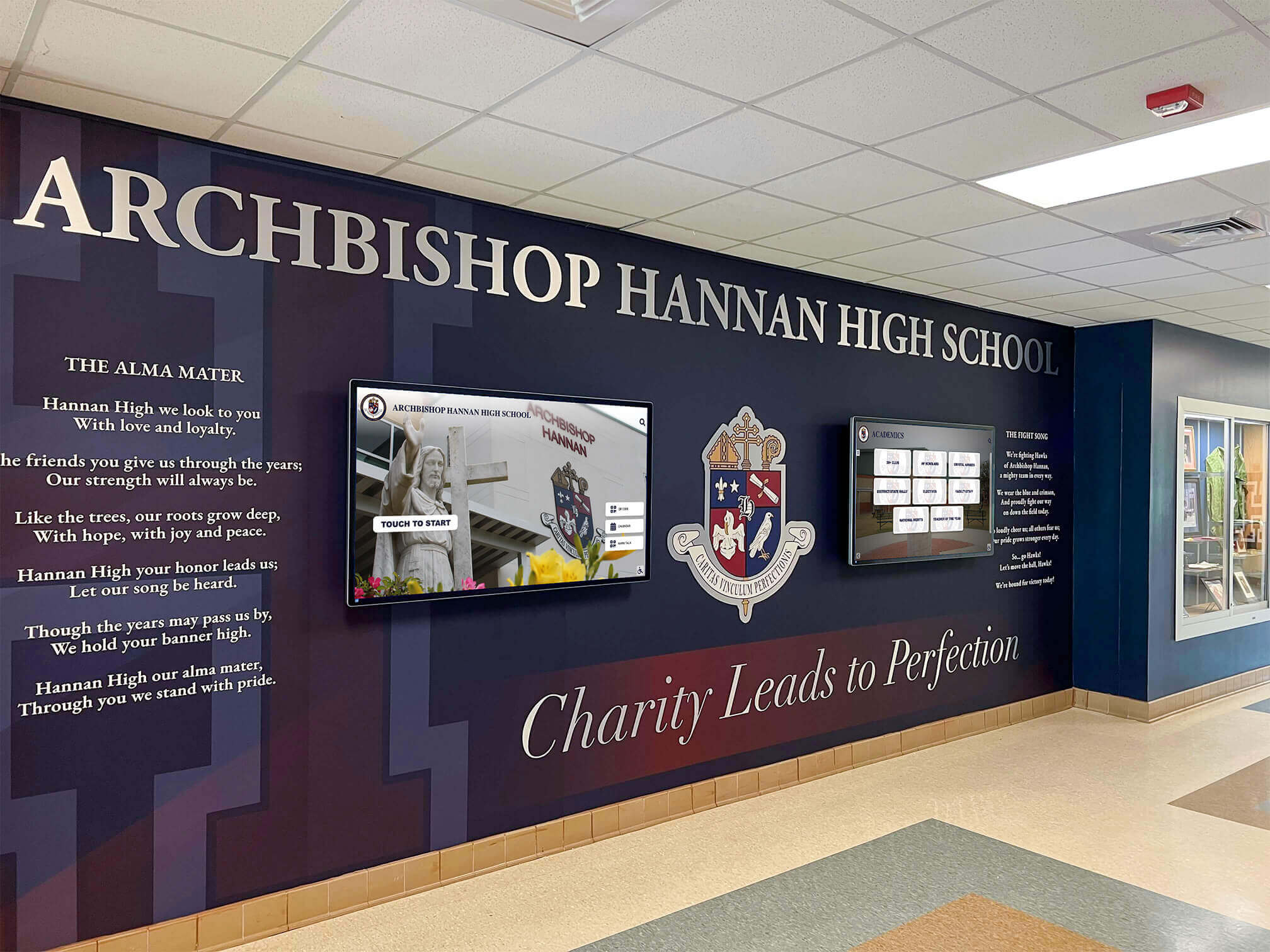
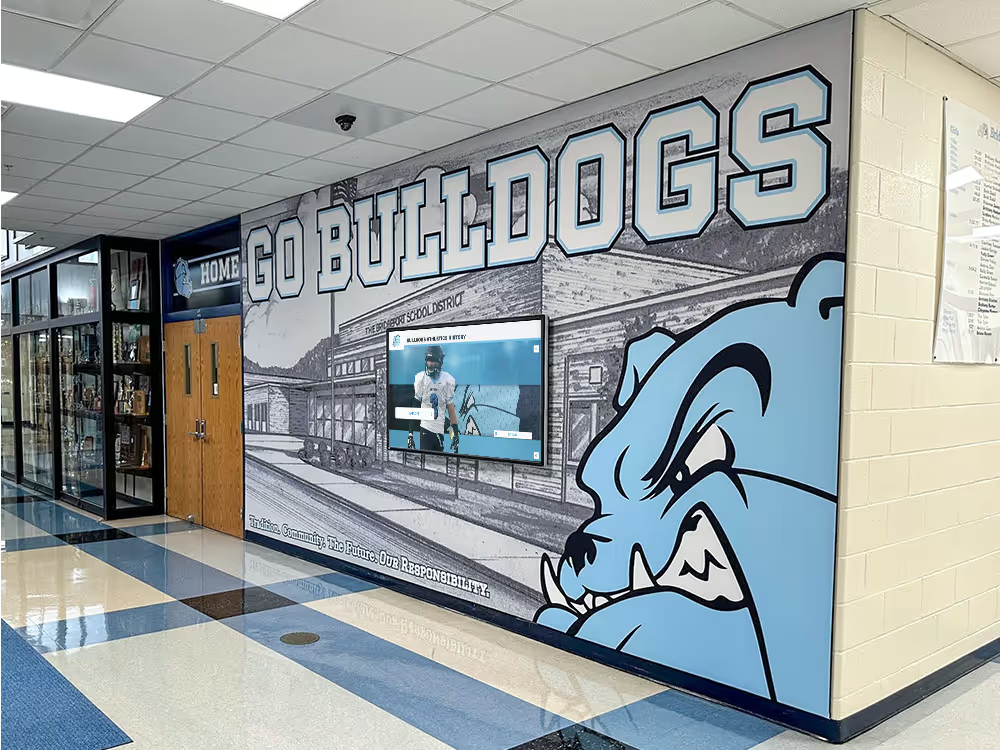
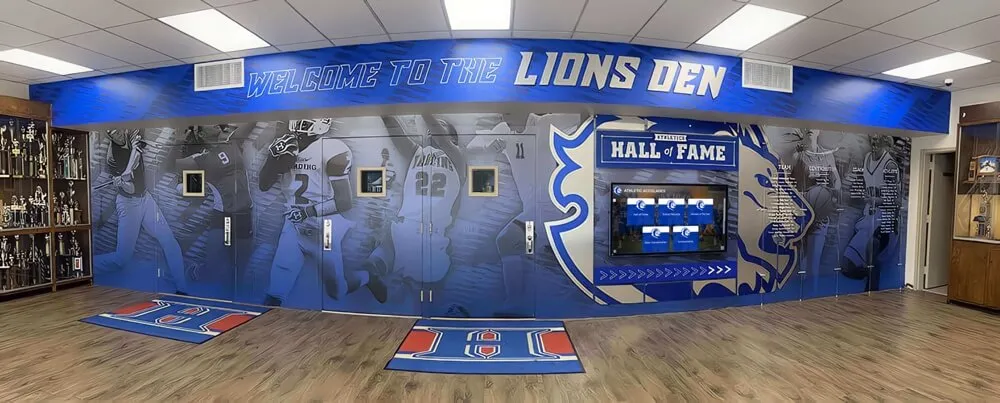
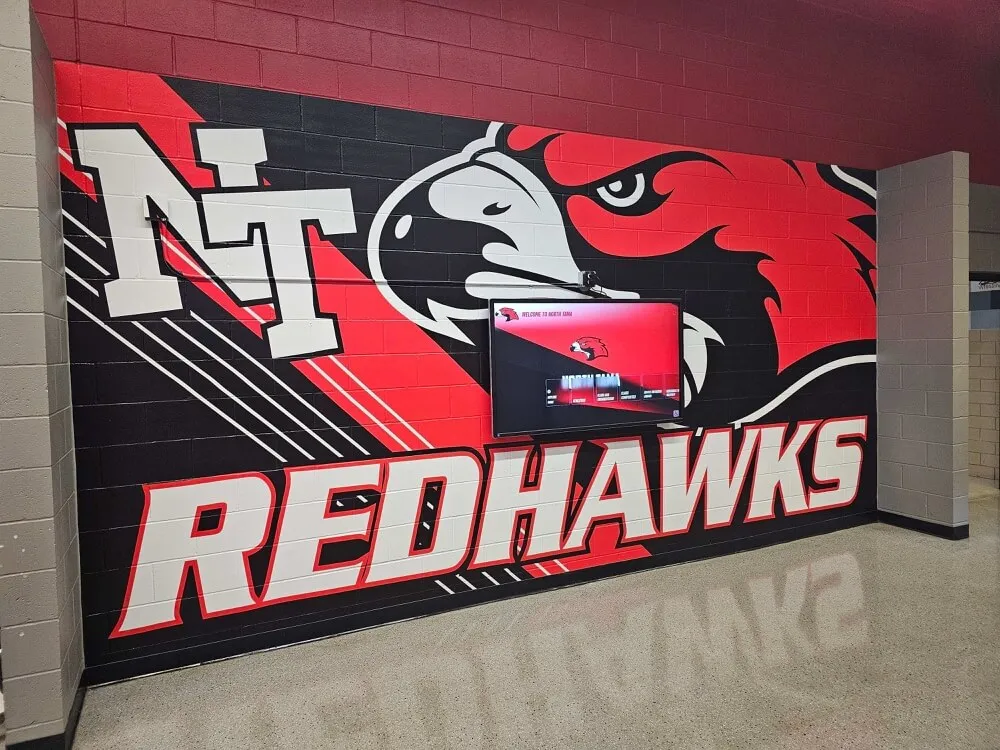
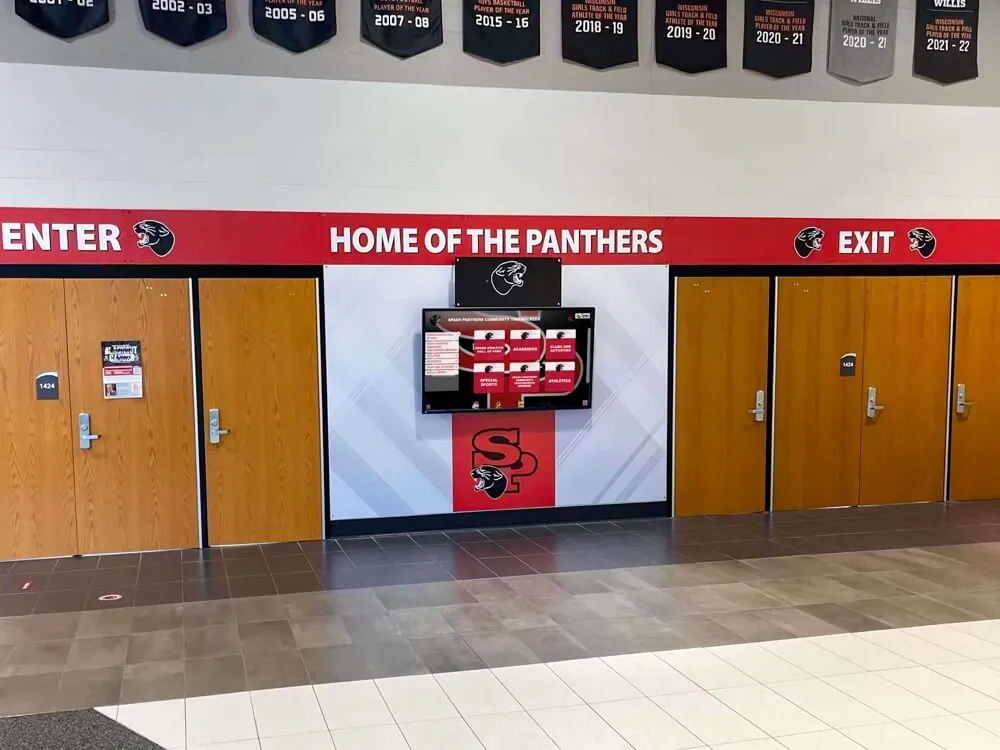
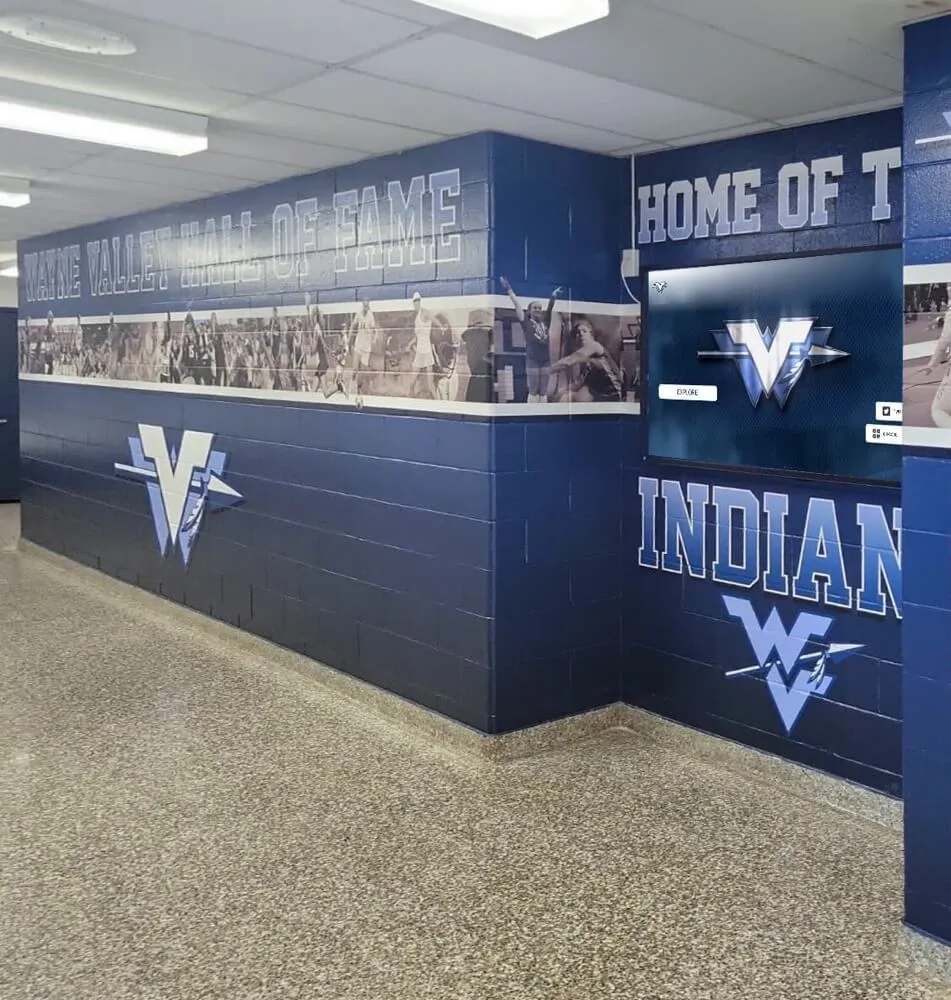
Integrated recognition environments combine traditional and digital elements creating comprehensive donor stewardship experiences
Technology Tools Supporting Donor Stewardship
Modern stewardship programs leverage technology creating efficient systems that deliver personalized donor experiences at scale.
Donor Database Systems
Comprehensive constituent relationship management (CRM) platforms enable development teams to:
- Track complete donor histories including gift records, event attendance, and communication touchpoints
- Segment donor populations for targeted stewardship approaches
- Automate acknowledgment communications and stewardship workflows
- Generate impact reports and tax documentation
- Monitor retention metrics and portfolio management
Popular educational CRM platforms include Blackbaud Raiser’s Edge, Salesforce Nonprofit Success Pack, and various specialized education fundraising systems.
Digital Recognition Platforms
Interactive donor recognition technology transforms static hallway plaques into dynamic engagement tools that support ongoing stewardship:
Benefits of Digital Donor Recognition:
- Dynamic Content Updates: Share evolving impact stories, updated donor honor rolls, and current fundraising campaign progress without physical plaque replacement
- Rich Media Capabilities: Incorporate photos, videos, and interactive content creating emotional connections to donor impact
- Search and Discovery: Enable donors to find their recognition listings, explore giving histories, and experience personalized appreciation
- Accessibility: Web-based platforms allow donors to experience recognition from anywhere rather than requiring campus visits
- Cost Efficiency: Update recognition content remotely without engraving costs or construction projects
Rocket Alumni Solutions provides schools with interactive touchscreen displays and web-based recognition platforms specifically designed for educational institutions. These systems enable development teams to maintain current donor honor rolls, share impact stories through multimedia content, and create recognition experiences that strengthen stewardship relationships while reducing administrative burden associated with traditional static displays.
Communication Automation Tools
Email marketing platforms and communication automation enable systematic stewardship touchpoints:
- Drip campaigns for first-time donor onboarding
- Automated birthday or giving anniversary messages
- Scheduled impact updates aligned with program milestones
- Personalized content based on donor interests and giving history
- A/B testing to optimize stewardship message effectiveness
Tools like Mailchimp, Constant Contact, and nonprofit-specific platforms integrate with donor databases enabling sophisticated segmentation and personalization while maintaining efficient workflows.
Social Media and Digital Engagement
Digital platforms expand stewardship reach and create community among supporters:
- Public donor recognition and impact story sharing
- Live event streaming for donors unable to attend in person
- Private Facebook groups or online communities for donor societies
- Instagram stories highlighting donor-funded programs
- LinkedIn engagement with professional alumni donors
Social media stewardship requires donor permission and sensitivity to recognition preferences, but provides valuable channels for demonstrating impact and building community among supporters who engage digitally.
Creating a Stewardship Culture Throughout Your Institution
The most effective donor stewardship programs extend beyond development office activities to create institutional cultures where everyone understands and participates in supporter relationship building.
Leadership Engagement
Presidents, heads of school, and senior administrators set stewardship tone through:
- Personal involvement in donor recognition and appreciation
- Thank-you calls to major donors within days of contributions
- Campus event attendance where donor interaction occurs
- Strategic planning that values long-term donor relationships
- Resource allocation supporting comprehensive stewardship programs
When institutional leadership prioritizes donor stewardship, it signals organizational values that influence behavior throughout the community.
Board Member Participation
Trustees and board members serve crucial stewardship roles:
- Peer-to-peer outreach and relationship building
- Personal thank-you calls to donors in their networks
- Event hosting and donor cultivation
- Sharing personal giving testimonials
- Identifying stewardship gaps and advocating for improvements
Board training should include stewardship expectations and best practices so trustees understand their roles as ambassador-stewards rather than only governance and policy leaders.
Faculty and Program Staff Involvement
Teachers, coaches, and program directors create powerful stewardship touchpoints:
- Thank-you messages from students or program beneficiaries
- Program updates and success stories for donor impact reporting
- Willingness to meet with donors supporting their work
- Recognition of donor support during programs and events
- Advocacy for donors within their networks
Development teams should make faculty involvement easy through simple templates, clear expectations, and visible appreciation for participation in stewardship activities.
Student Participation
Students themselves deliver the most compelling stewardship messages:
- Thank-you videos or handwritten notes from scholarship recipients
- Performance or presentation invitations for donors supporting arts or academic programs
- Campus tour leadership during donor visits
- Testimonials about how donor support changed educational experiences
- Social media posts celebrating donor-funded opportunities
Student involvement requires appropriate coaching and clear guidelines, but nothing communicates donor impact more powerfully than hearing directly from beneficiaries whose lives improved through philanthropic support.
Similar to how schools create comprehensive recognition programs celebrating achievements across their communities, donor stewardship works best as institution-wide commitment rather than isolated development office responsibility.
Measuring Donor Stewardship Success
Effective stewardship programs require ongoing evaluation and refinement based on measurable outcomes.
Key Performance Indicators
Track these essential metrics monitoring stewardship program health:
Retention Metrics:
- Overall donor retention rate year-over-year
- First-time donor retention rate
- Multi-year donor retention rate
- Retention by donor segment (major, mid-level, annual)
- Lapsed donor reactivation rate
Engagement Metrics:
- Response rates to stewardship communications
- Event attendance among donor populations
- Website and digital platform engagement
- Volunteer participation from donor base
- Donor referrals and peer recruitment
Revenue Metrics:
- Donor lifetime value calculations
- Average gift size progression
- Upgrade rates (donors increasing giving levels)
- Planned gift commitments
- Cost per dollar raised for retained vs. acquired donors
Relationship Quality Metrics:
- Donor satisfaction survey results
- Communication preference adherence
- Personalization effectiveness
- Gift designation alignment with donor intent
- Complaint or concern resolution
Continuous Improvement Strategies
Use performance data to refine stewardship approaches:
- Survey donors annually about communication preferences and satisfaction
- A/B test different acknowledgment timing, messaging, and formats
- Compare retention rates across different stewardship approaches
- Calculate ROI for various stewardship investments
- Benchmark against sector standards and peer institutions
- Conduct exit interviews with lapsed donors understanding attrition reasons
Regular data review enables development teams to identify what’s working, discontinue ineffective practices, and allocate resources toward highest-impact stewardship activities.
Start Building Your Donor Stewardship Program Today
Effective donor stewardship doesn’t require massive budgets or large development teams—it requires intentional systems that treat supporters as valued partners in educational mission rather than transactional funding sources.
Schools implementing comprehensive stewardship frameworks see dramatic improvements in donor retention, lifetime giving values, and sustainable revenue streams that support strategic institutional priorities rather than reactive budget management. The most important step is simply beginning—acknowledging that every donor interaction either strengthens or weakens relationships, and choosing to be intentional about building connections that last.
Start by auditing your current stewardship practices, identifying gaps in donor communication and recognition, and implementing systematic improvements that match your institutional capacity. Even small enhancements to acknowledgment timing, impact reporting, or recognition experiences create measurable retention improvements that compound over years into substantially stronger donor relationships and more reliable philanthropic support.
Modern technology platforms make comprehensive donor stewardship more achievable than ever before—from digital recognition systems that enable dynamic donor appreciation to communication tools that personalize outreach at scale. Schools investing in both relationship infrastructure and stewardship technology position themselves for long-term fundraising success built on gratitude, transparency, and authentic partnership with supporters who believe in educational mission.
Ready to transform your donor recognition and stewardship program? Discover how Rocket Alumni Solutions creates interactive donor recognition experiences that strengthen relationships with supporters while reducing administrative burden. Our touchscreen displays and web-based platforms enable development teams to share ongoing impact stories, maintain current donor honor rolls, and create recognition experiences that demonstrate genuine appreciation—building the lasting partnerships that sustain educational excellence for generations.