Intent: define — A class ring is one of the most enduring symbols in American education. Walk into any school’s hallway display case, scroll through an alumni reunion page, or ask a grandparent about their senior year, and the class ring will almost certainly appear somewhere in the story. Yet many students and parents approaching junior or senior year carry a surprisingly fuzzy picture of what class rings actually are, where they came from, and why generations of graduates have considered them worth wearing for decades.
Understanding what a class ring is goes far deeper than describing a piece of jewelry. The class ring tradition carries nearly two centuries of history, a precise symbolic vocabulary encoded in metals, stones, and engravings, and a social ritual that marks one of the most meaningful transitions in a young person’s life. When schools and families understand that context, the decision to order a ring—and the ceremony that follows—becomes far richer than a simple purchase.
This guide walks through the complete story of the class ring: its military origins, its spread across American high schools and colleges, the meaning packed into each customizable element, and how today’s schools can honor the tradition while building the kind of lasting alumni community that keeps graduates connected for life.
Every autumn, students across the country open small velvet boxes and slide a substantial, customized ring onto their right-hand ring finger for the first time. The weight of it feels deliberate—and it is. That weight carries the school’s name, the graduation year, the student’s chosen stone, and symbols selected to summarize four years of work, growth, and belonging. But the full story of the class ring begins almost 200 years ago, far from any high school hallway.

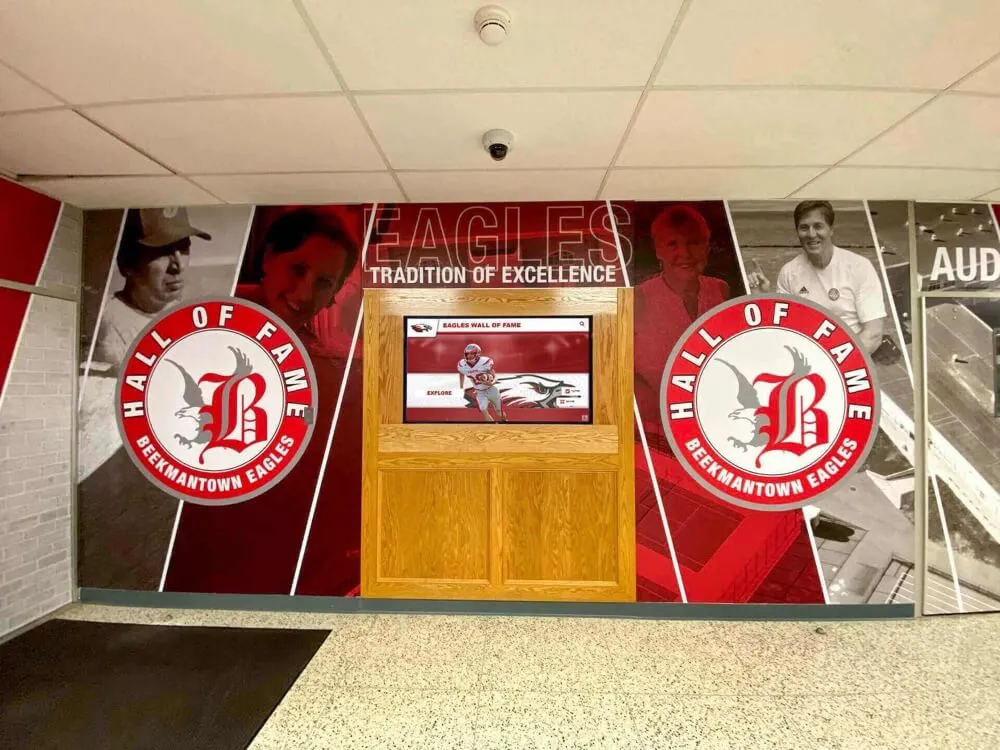
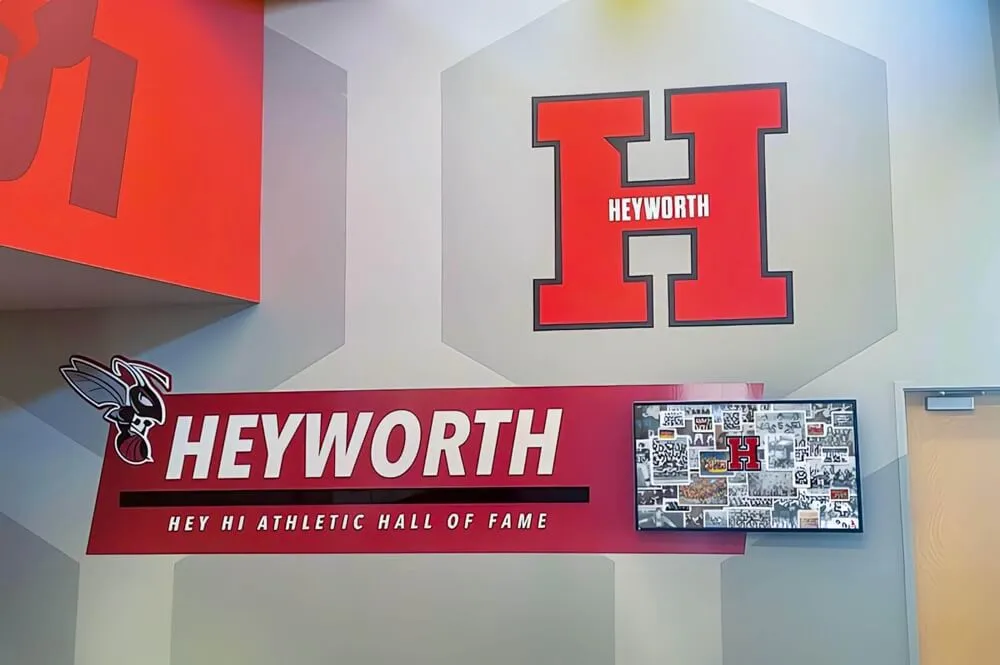
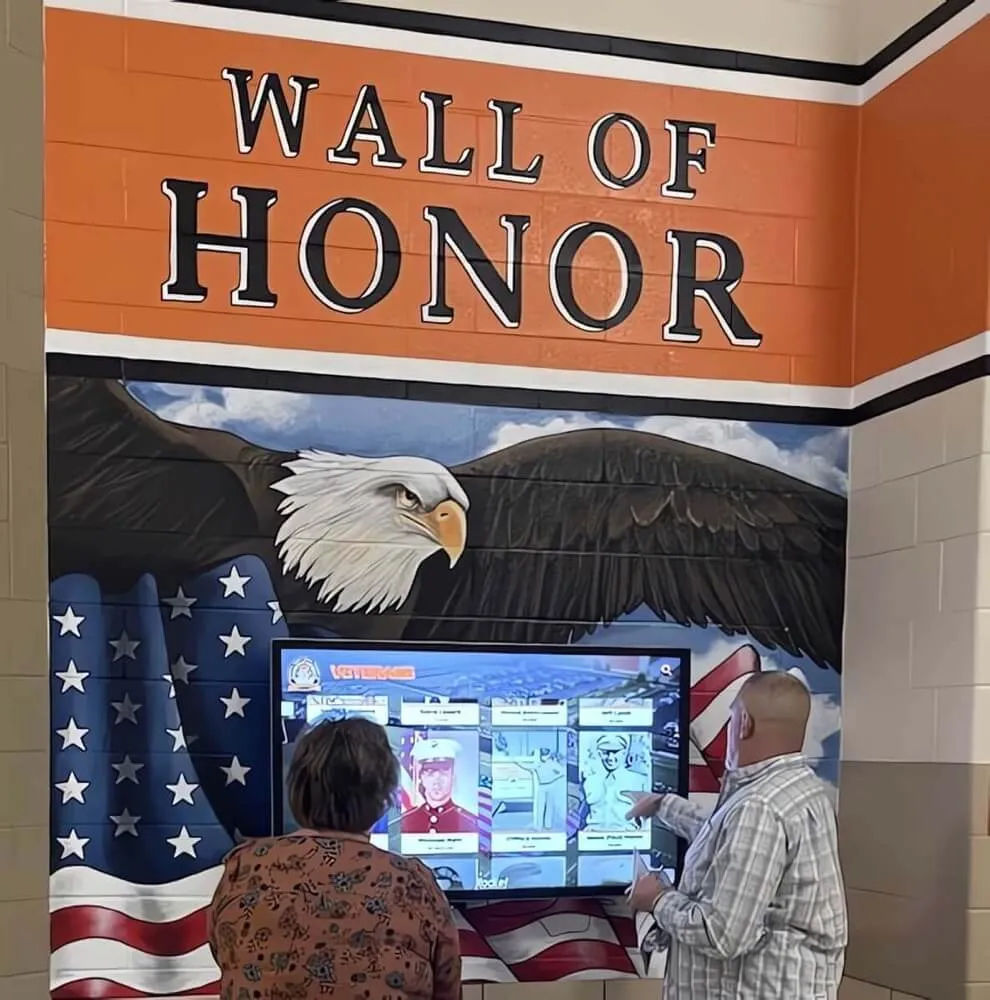
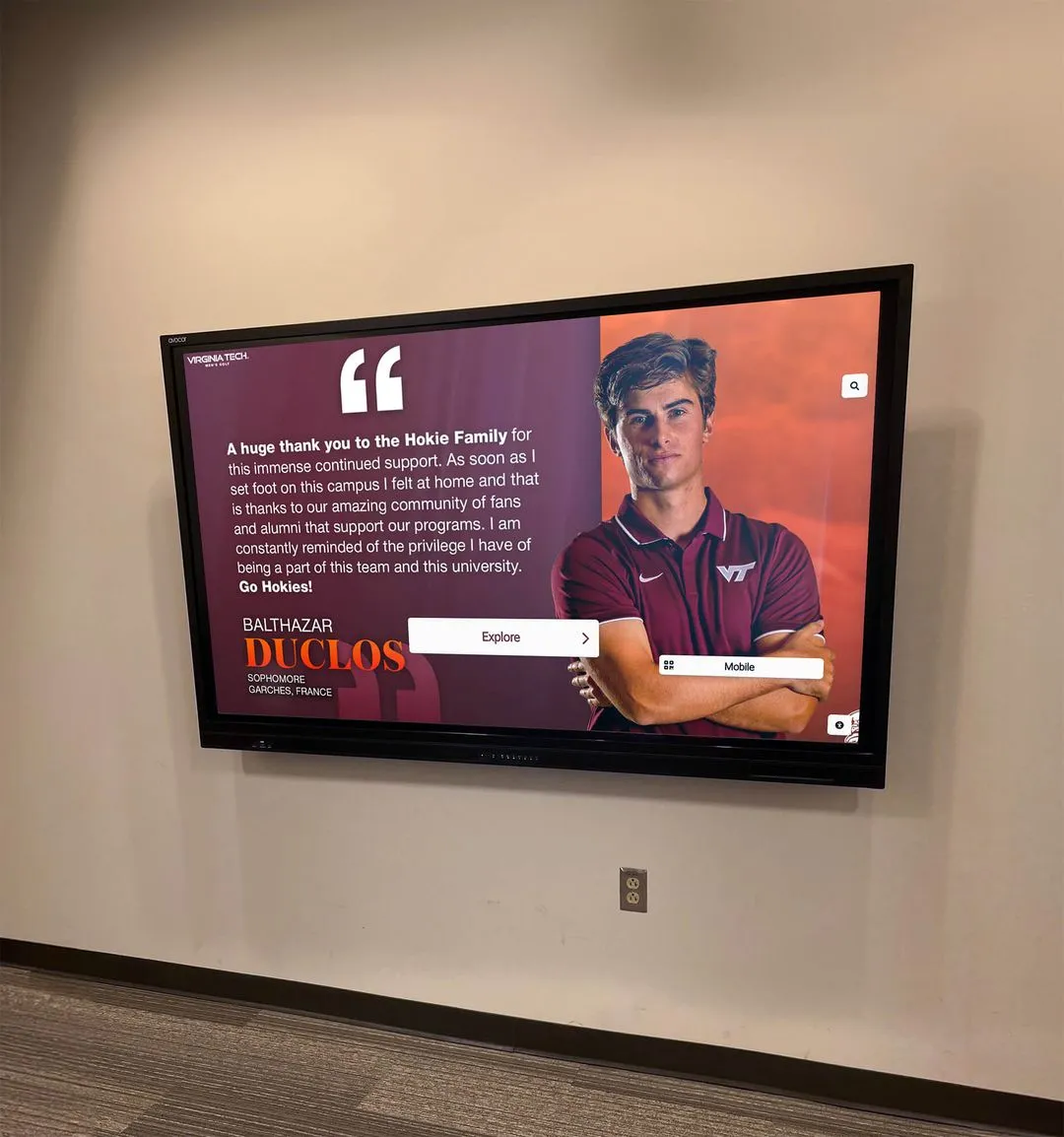
Schools pair class ring traditions with permanent recognition displays that honor graduates across generations — both physical and digital milestones mark a student's journey
What Is a Class Ring? The Core Definition
A class ring is a commemorative ring ordered and worn by members of a graduating class, typically in the junior or senior year of high school or during the final years of college. It serves as a tangible symbol of academic achievement, institutional identity, and the specific year a student completed their educational chapter.
Unlike general school spirit merchandise, a class ring is personalized. Each ring typically includes:
- The graduation year, most often stamped prominently on the top face or side panels
- The school’s name and/or mascot, identifying institutional affiliation
- A center stone, chosen by the student in a color that may represent school colors or personal preference
- Side panel engravings, which can depict sports, activities, academic honors, or personal imagery
- Metal choice, ranging from gold-tone alloys to sterling silver to solid gold
- Interior personalization, such as the student’s name, initials, or a meaningful inscription
The result is a ring that belongs entirely to one student’s experience—no two are exactly alike—while simultaneously connecting the wearer to every other person who ever graduated from that school.
Class rings are worn on the right-hand ring finger, distinguishing them from engagement and wedding rings on the left. Many graduates wear their class ring actively through college years, then shift to less frequent wear while retaining the ring as a keepsake for life.
The History of Class Rings: From West Point to Every High School in America
The West Point Origin (1835)
The class ring tradition in the United States traces directly to the United States Military Academy at West Point, New York. In 1835, the graduating class of West Point commissioned matching rings to commemorate their graduation and create a lasting bond among classmates. The rings symbolized shared sacrifice, institutional pride, and the transition from student to officer.
West Point’s tradition proved deeply influential. Subsequent graduating classes continued the custom, and the rings became embedded in military academy culture. The practice spread to other service academies and eventually to civilian colleges and universities across the country during the late 19th and early 20th centuries.
The Spread to American High Schools
By the early 20th century, high schools began adopting the class ring tradition from colleges. The tradition fit naturally with the growing emphasis on structured, milestone-marked education in American culture. High school, increasingly understood as a four-year journey with a meaningful conclusion, needed symbols to mark the achievement—and the class ring offered exactly that.
Ring manufacturers formalized the tradition. Companies specializing in scholastic jewelry established relationships with schools and developed standardized ordering processes, making it practical for entire graduating classes to order rings together. By mid-century, the class ring had become one of the most universally recognized symbols of American high school culture.
The tradition also crossed into college rings and university graduation traditions, running parallel to—rather than replacing—the high school ring. Many students who wore a high school ring went on to order a separate college or university ring at graduation, building a small collection of milestone markers across their educational career.
The Ring Ceremony Tradition
Perhaps the most distinctly American element of class ring culture is the ring ceremony, sometimes called a “ring presentation” or the “turning of the ring.” In this ceremony, typically organized by the school, students receive their rings in front of family, classmates, and faculty.
At some schools, the ceremony involves a specific ritual: the ring is initially worn face-inward (toward the wearer’s heart) during the student’s final year, symbolizing belonging to the school. At graduation, the student turns the ring outward, symbolizing that their knowledge and experience now flow outward into the world. Other schools simply present rings at a formal event, often including brief remarks from administrators or student speakers who mark the significance of the occasion.
The ring ceremony sits alongside graduation honor cord traditions and other milestone rituals that give students tangible, ceremonial recognition of their progress. When schools invest in these moments, they create memories graduates carry for decades.
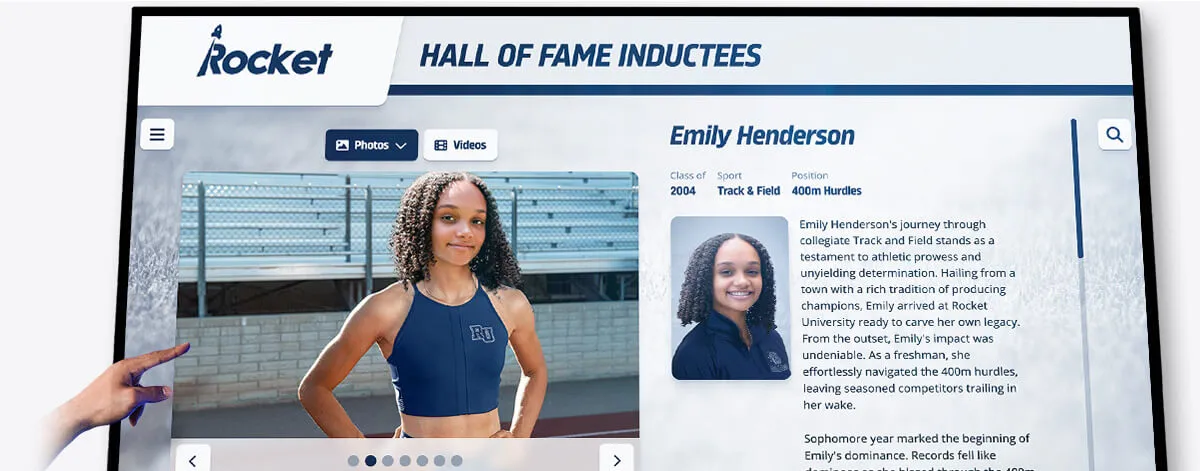
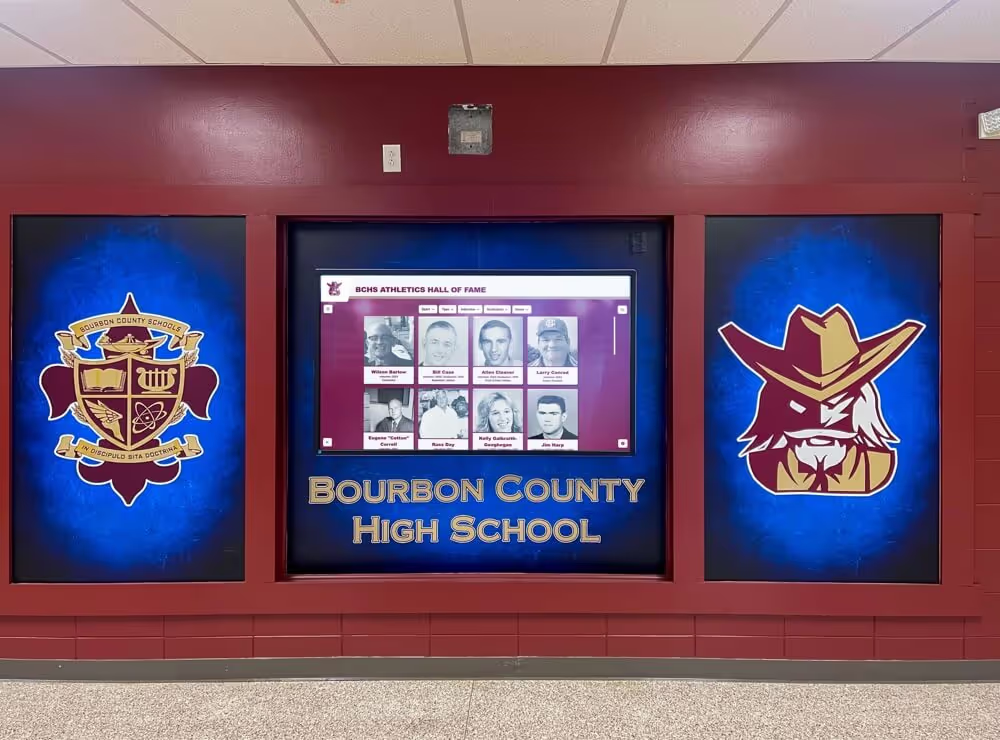
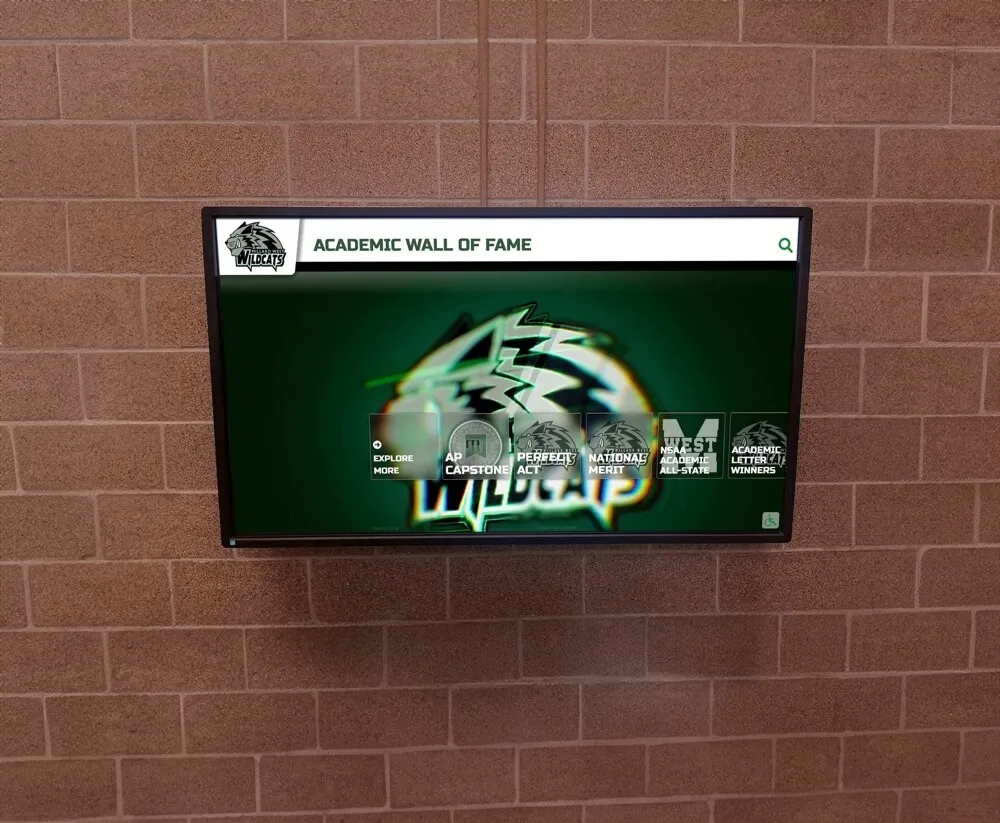
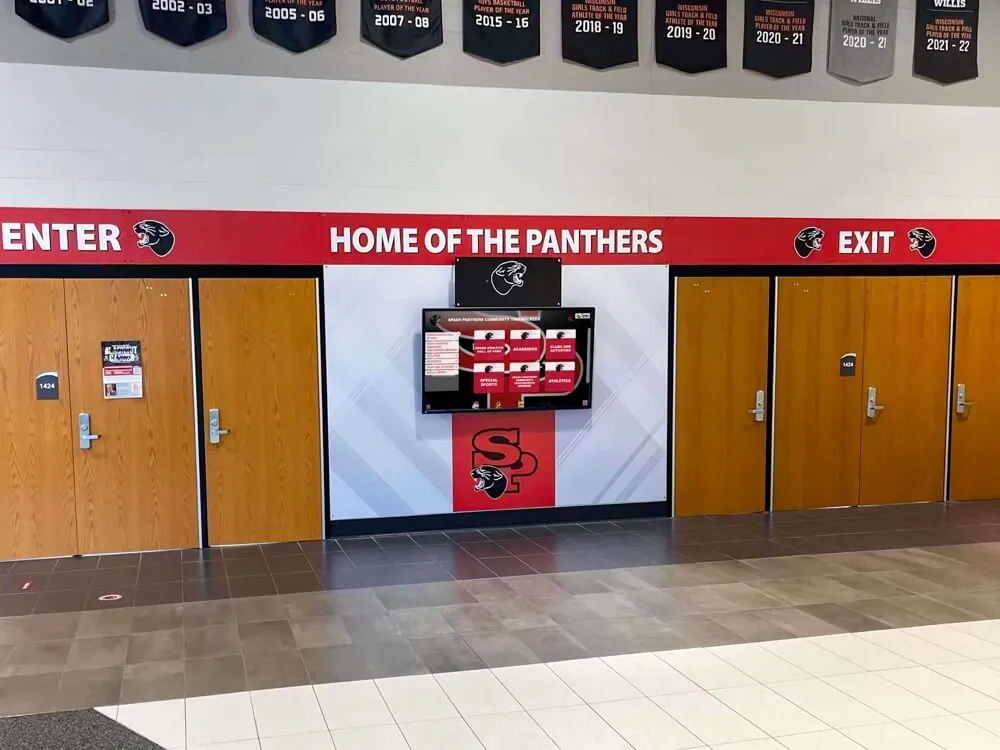
Milestone traditions like class rings connect students to a long line of graduates — digital halls of fame allow those same graduates to explore and celebrate that shared history
The Symbolism Encoded in a Class Ring
One of the most underappreciated aspects of the class ring tradition is its rich symbolic vocabulary. Every element of the ring carries meaning, and the choices students make during the ordering process create a miniature autobiography in metal and stone.
The Center Stone
The center stone is often the first choice students make and the most visually prominent feature of the ring. Common options include:
- Synthetic or natural gemstones in school colors (deep blue, crimson, green, gold, etc.)
- Birthstones, allowing students to personalize the ring beyond school identity
- Clear or simulated diamond stones for a traditional look
- Custom color options that match a student’s sport or activity color
The stone’s color often creates the ring’s most immediate visual impression. A student who dominated in a particular sport or activity might choose a stone in a color tied to that program, while another might prioritize their birth month or simply the school’s primary color.
Metal Choice and What It Communicates
Class ring metals range widely in material and price:
- Gold-tone or Lustrium alloys offer the look of gold at lower price points and remain the most common choice
- Sterling silver or white gold provide a different aesthetic and appeal to students who prefer cooler tones
- 10-karat or 14-karat solid gold represent heirloom-quality investment and are popular at colleges or among students seeking a ring to last generations
The metal choice communicates something about how a student intends to use the ring. Students planning to wear the ring actively for years often choose durable mid-range alloys; those treating the ring as a long-term keepsake may invest in solid precious metal.
Side Panels: The Student’s Story in Miniature
The two side panels flanking the center stone offer the most personalization opportunity in the entire ring. These panels typically display:
- Athletic symbols: Football helmets, basketballs, track shoes, swimming figures—representing sports the student competed in
- Academic emblems: Honor society seals, graduation cap imagery, or subject-specific icons for students in academic programs
- Activity and club imagery: Band instruments, theater masks, JROTC emblems, student government symbols
- Personal icons: Family crests, religious symbols, or custom imagery meaningful to the student
A student who lettered in two sports and participated in the National Honor Society might fit all three symbols into their side panels, creating a ring that summarizes four years of achievement at a glance. The side panels transform a class ring from a generic school symbol into something that tells a specific student’s unique story.
The Top Face and Year Engraving
The ring’s top face (the area surrounding or beneath the center stone) typically displays the school name, school mascot or crest, and the graduation year. Some designs place the year prominently on the side panels, while others integrate it into the top face design.
The graduation year is arguably the ring’s most important element for long-term meaning. Decades after graduation, when alumni wear their rings at reunions or pass them to grandchildren, the year creates an immediate historical anchor—connecting the wearer to a specific moment in time and a specific community of classmates who shared that year.
Interior Personalization
The inside of the ring band offers space for:
- The student’s full name or initials
- A personal motto or meaningful phrase
- An important date (graduation day, a significant achievement)
- A short personal inscription
Interior engraving is private—visible only when the ring is removed—but many graduates report that this hidden personalization becomes among the most treasured elements of the ring as years pass.

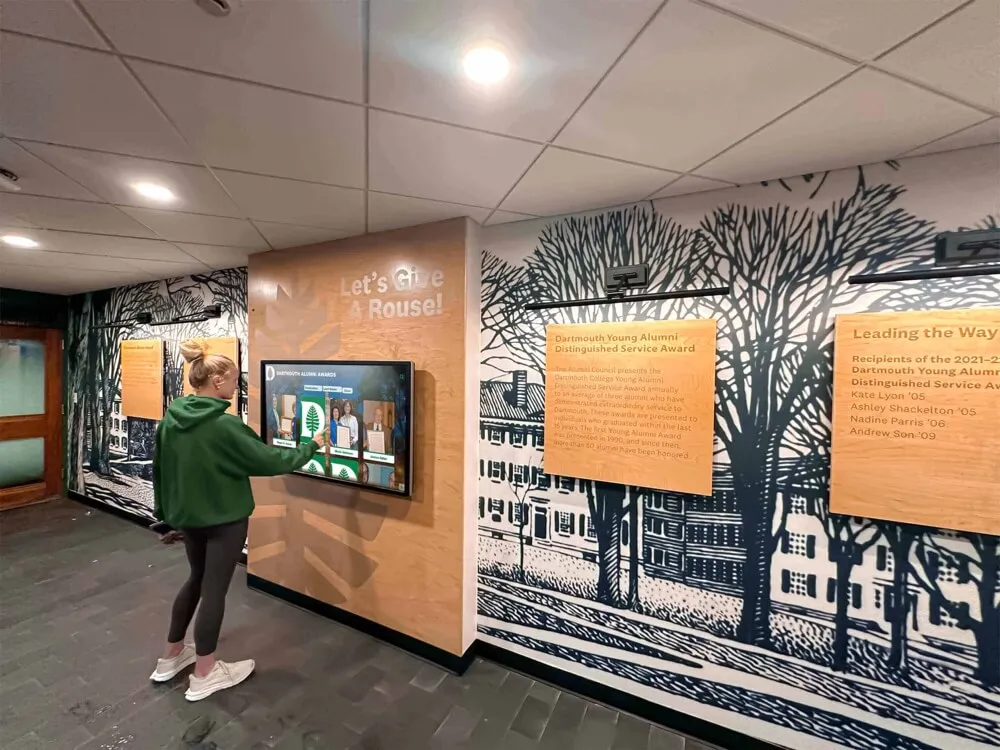
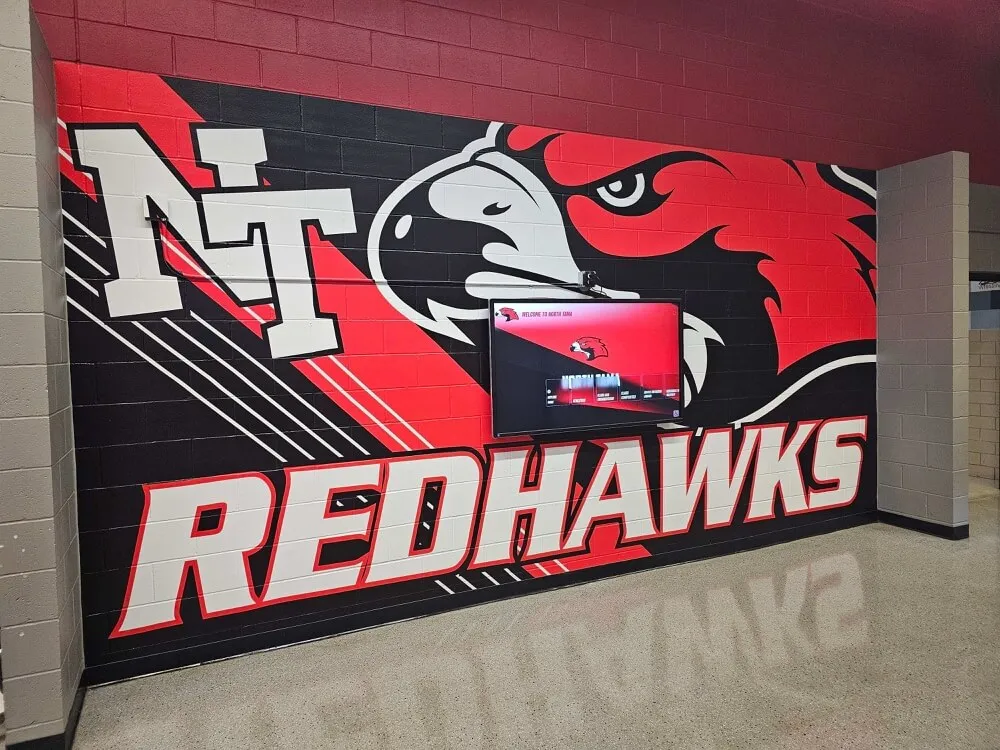
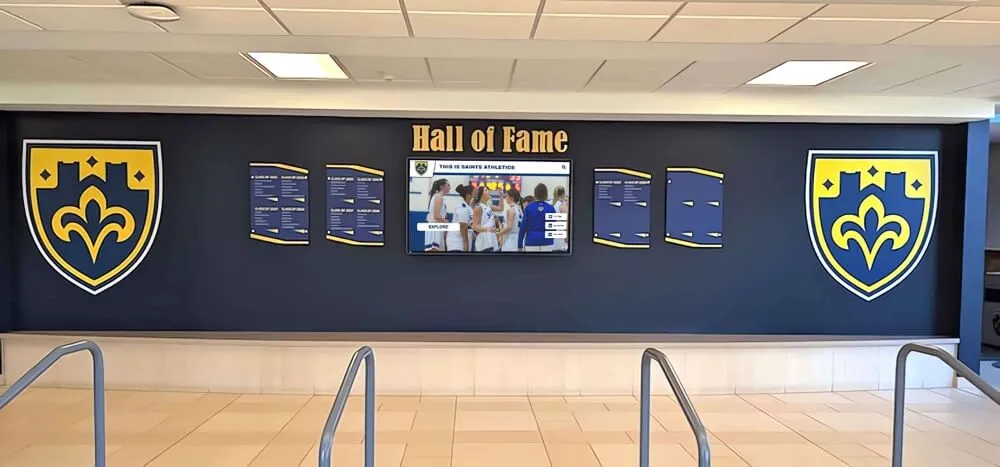
Class rings and digital recognition archives both serve the same purpose: preserving the specific people and achievements that define each graduating class
High School Class Rings vs. College Class Rings
While the core tradition is shared, high school and college class rings differ in meaningful ways.
High School Rings
High school rings are typically ordered in junior year (11th grade) and received in a ceremony before the final senior year, so students can wear them throughout their last year of school. This timing means the ring becomes part of the senior year experience itself—worn in senior photos, at prom, and to graduation.
High school rings tend to emphasize:
- School mascot and colors prominently
- Multi-sport or multi-activity side panels reflecting a broad high school experience
- Lower price points accessible to student budgets
- Strong participation rates, with large portions of each graduating class ordering rings together
The shared group experience of ordering, receiving, and wearing class rings builds a specific class identity. When an entire graduating class wears the same ring design, it creates visual cohesion that reinforces the “class of [year]” community identity that graduates carry into adult life.
College and University Rings
College rings carry many of the same traditions but typically reflect a more specialized identity. University rings often emphasize:
- Academic achievement and rigor: College rings frequently incorporate degree-specific imagery or honor society affiliations
- School prestige markers: Prominent universities may include distinctive seals or architectural symbols specific to campus
- Professional identity signals: Many professional schools (law, medicine, business) have specific ring traditions that signal membership in professional communities
- Higher materials investment: College graduates often invest in higher-quality metals, reflecting both the achievement level and the expectation of wearing the ring into professional life
Some universities maintain particularly strong ring traditions—Texas A&M’s Aggie Ring, for instance, is one of the most famous class ring traditions in American higher education, with its own detailed eligibility requirements and a formal ring day ceremony that draws enormous student participation each semester.
Understanding this broader context helps high school educators explain to students why the class ring tradition matters: they’re not just ordering a piece of jewelry, they’re joining a tradition that stretches from military academies to flagship universities and connects them to hundreds of thousands of graduates who made the same choice before them.
Ordering a Class Ring: What Schools and Students Should Know
The Ordering Process
Most schools work with established ring vendors who offer in-school ordering events, typically organized by the junior or senior class officers or the school’s student activities office. These events allow students to:
- View physical ring samples in various metals, stones, and sizes
- Work with vendor representatives to customize their design
- Understand pricing tiers and payment options
- Coordinate ordering with classmates to ensure delivery before the ring ceremony
Students and families exploring academic recognition programs often find that contributing toward a class ring—or gifting the ring itself—ranks among the most meaningful milestones to honor, precisely because the ring is both personal and permanent.
Timing Considerations
Schools typically schedule ring ordering events in the fall or early spring of junior year to ensure rings arrive before junior/senior ring ceremonies in spring. Custom manufacturing typically takes six to twelve weeks, so schools need to build adequate lead time into their planning calendars.
Accessibility and Equity
Ring costs can range from under $100 for basic alloy rings to several hundred dollars for gold or heavily customized versions. Schools that want full class participation sometimes work with:
- Payment plans offered through ring vendors
- Scholarship or assistance funds for students who demonstrate financial need
- School-funded options for students who cannot afford rings through normal channels
The goal is ensuring that financial circumstance doesn’t prevent deserving students from participating in a tradition that symbolizes shared achievement. When schools treat ring ordering as an equity matter—not just a sales event—they strengthen the class community ring traditions are meant to create.

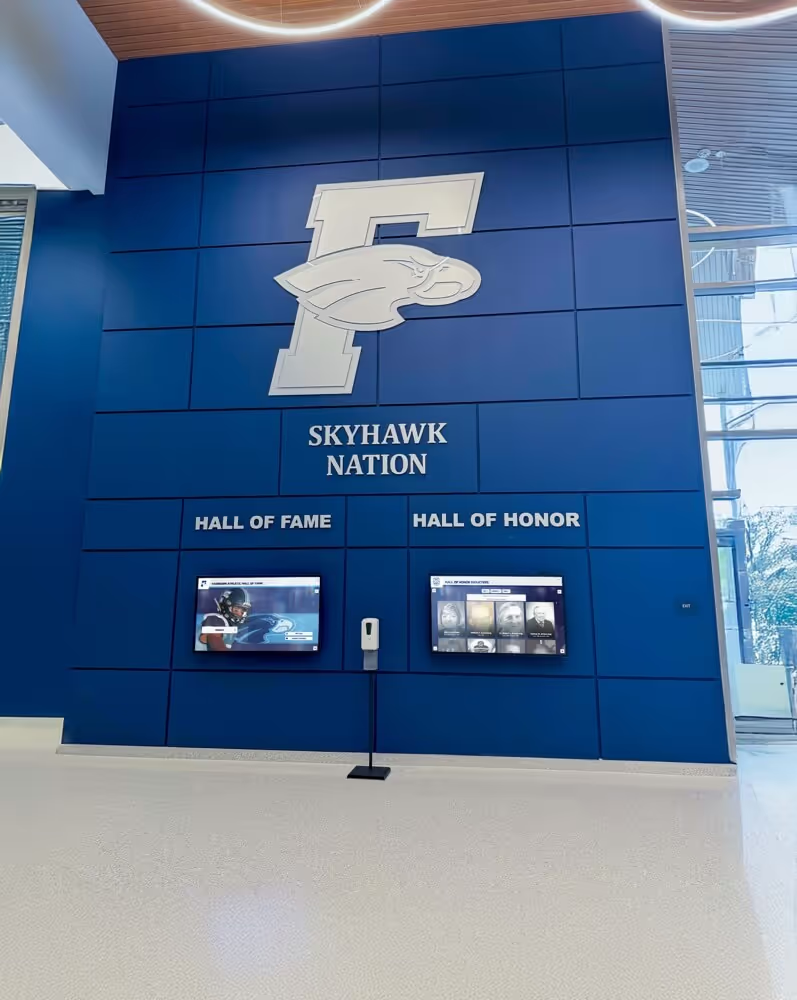
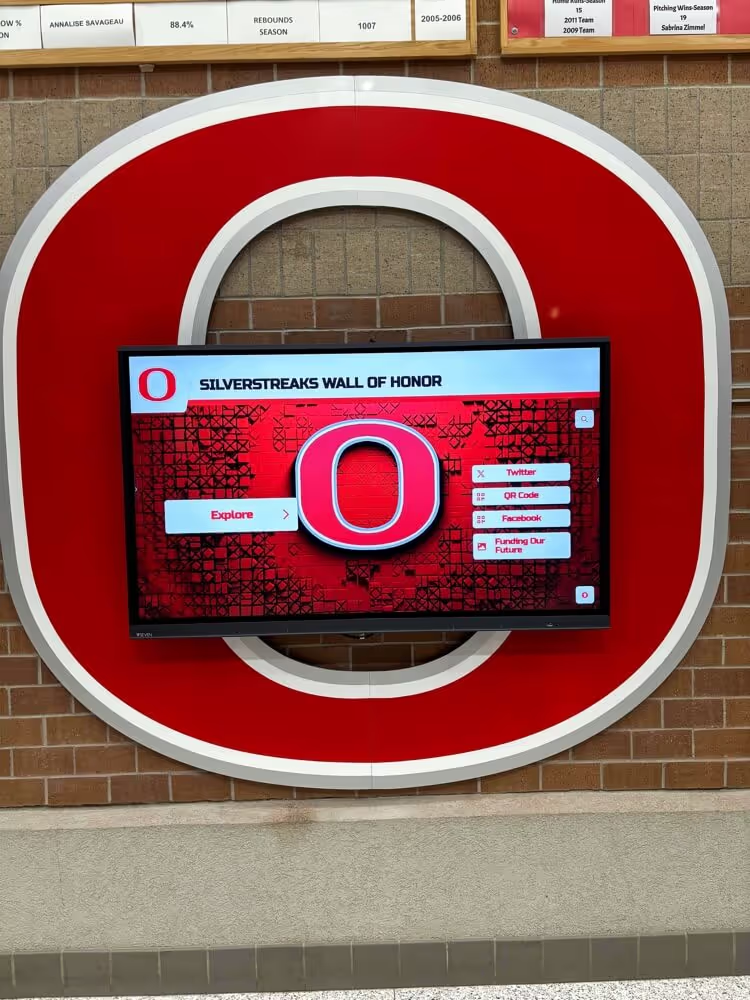
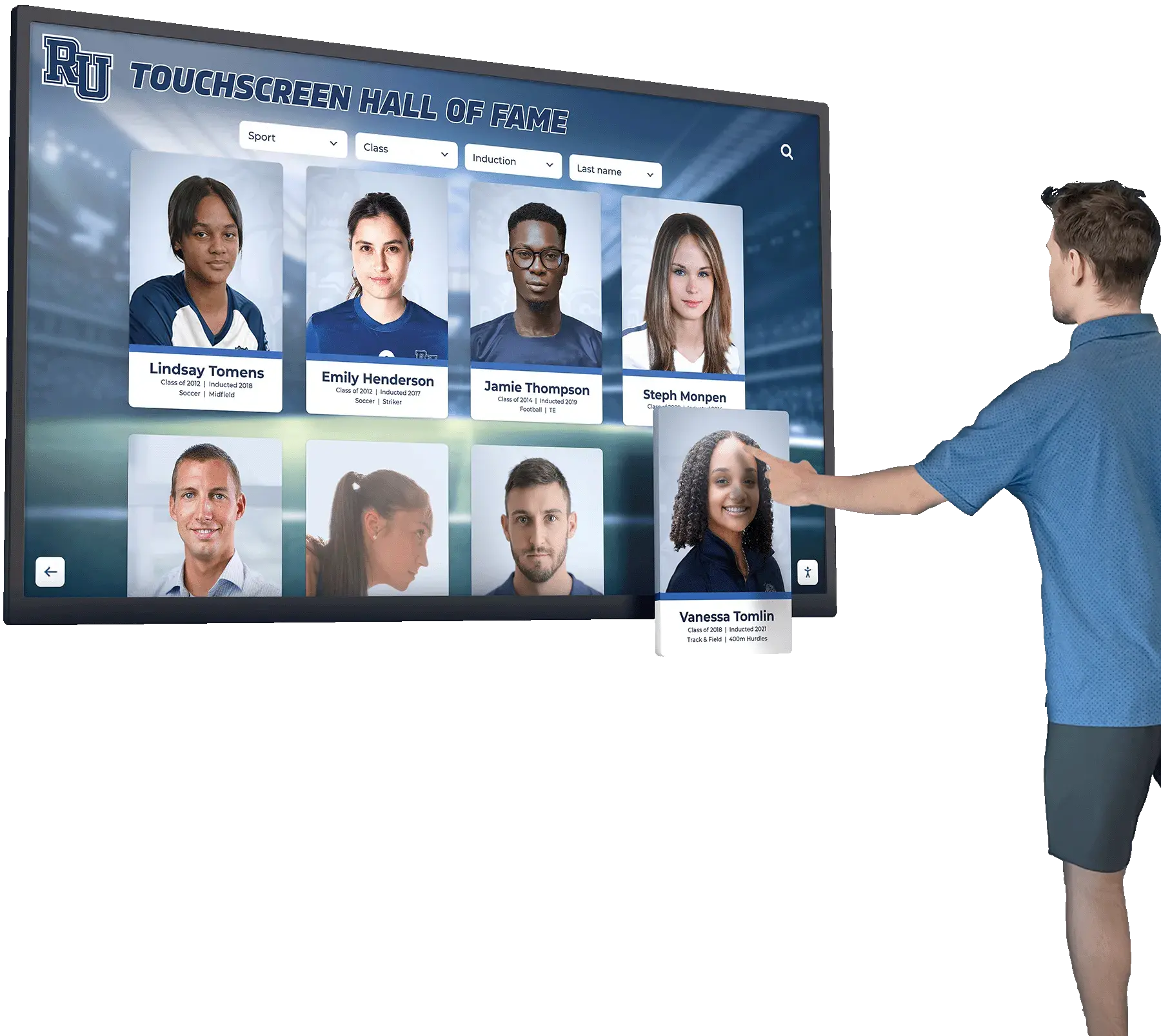
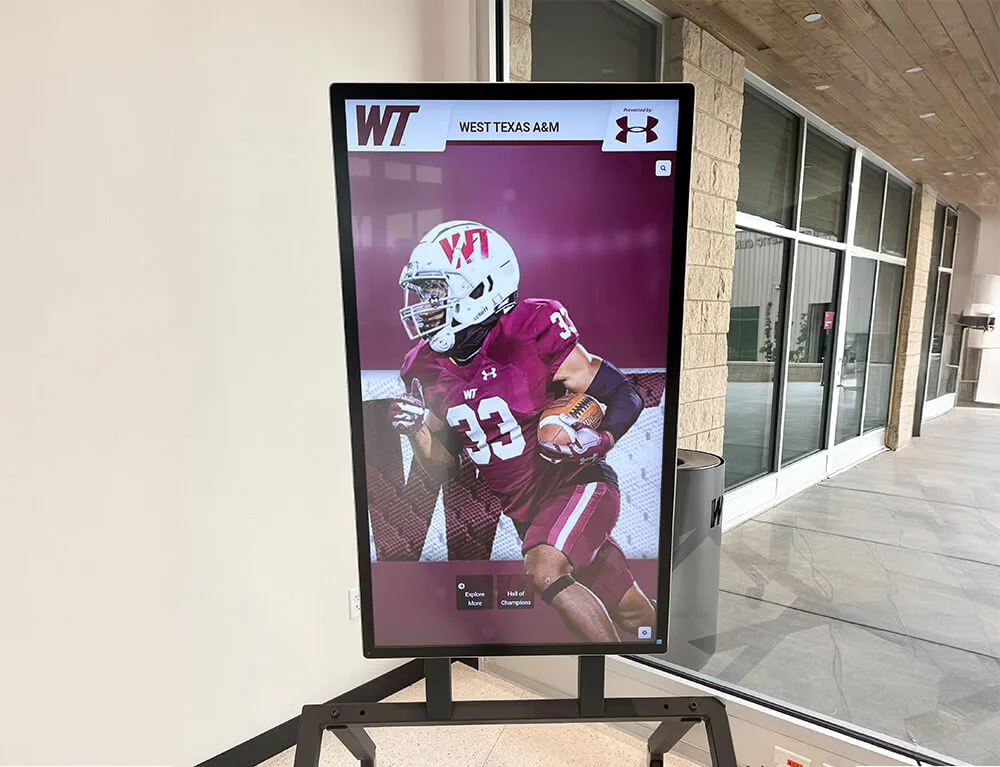
Modern schools pair physical traditions like class rings with digital recognition systems that let alumni revisit and share their achievements throughout their lives
What Happens After Graduation: Class Rings as Lifelong Symbols
The story of a class ring doesn’t end at graduation. For many graduates, the ring continues to carry meaning through college years, early careers, and decades of adult life.
Wearing Patterns Across Life Stages
- During college: Many high school graduates continue wearing their class ring through the first years of college, where it serves as a conversation starter and a visible marker of recent high school identity
- In early career: Wearing often decreases as professional identity becomes primary, but the ring remains in circulation as a keepsake
- At reunions and alumni events: Class rings resurface at alumni recognition events and high school reunions, where graduates sometimes dig rings out of jewelry boxes and wear them specifically to reconnect with shared identity
- As family heirlooms: Class rings frequently become cherished items passed down to children or grandchildren—physical objects that tell a story about who someone was at a specific moment in their life
The Alumni Connection
Class rings serve an important function in maintaining alumni engagement strategies long after graduation. Schools that cultivate strong ring traditions find that alumni maintain stronger emotional connections to their alma mater. The ring serves as a persistent physical reminder of institutional affiliation—every time a graduate sees it in a drawer, wears it to a reunion, or shows it to their children, the school’s presence remains alive.
This connection matters practically for schools. Engaged alumni are more likely to attend reunion events, support fundraising campaigns, and recommend the school to families considering enrollment. The class ring, as one of the most personal objects a graduate owns from their school years, functions as a soft but continuous thread connecting graduates to the institution across decades.
How Schools Can Honor and Modernize the Class Ring Tradition
Creating a Meaningful Ring Ceremony
A class ring ceremony, thoughtfully planned, elevates the ring from a commercial transaction to a genuine rite of passage. The most effective ring ceremonies include:
- Administrative leadership: A principal, department head, or coach personally presenting rings signals institutional investment in the moment
- Student speakers: Peers addressing the significance of the milestone create emotional resonance among classmates
- Family invitations: Parents and families attending the ceremony transforms a school event into a community milestone
- Connection to school history: Briefly acknowledging previous graduating classes who wore the same school’s ring connects the moment to something larger than a single cohort
Schools that invest in ring ceremonies tend to see higher ring participation rates in subsequent years—when underclassmen witness a meaningful ring ceremony, they want to participate when their turn comes.
Connecting the Ring Tradition to Broader Recognition Culture
The class ring tradition works best when it’s part of a larger school culture of meaningful recognition. Students who know their achievements are celebrated—not just in a ring, but in high school awards ceremonies, academic honor programs, and school displays—understand the ring as one component of a comprehensive recognition ecosystem.
Similarly, schools that celebrate graduation traditions broadly—including stoles, cords, pins, and rings—create a layered recognition culture where students feel genuinely honored for their work across multiple dimensions.
Preserving Ring Traditions Digitally
Here’s where the modern challenge becomes clear: class rings are physical objects with finite lifespans. They get stored in boxes, lost in moves, or simply worn less frequently as decades pass. The stories behind them—who wore the ring, what they achieved, why they chose specific side panel imagery—often disappear along with the ring’s visibility.
Schools that invest in digital recognition platforms create a permanent parallel archive that preserves what rings represent, even as the physical objects recede from daily wear. A digital hall of fame connected to class year archives can document graduating classes, their achievements, their activities, and the context that made each class’s rings meaningful.
When alumni return to a school—physically or virtually—and encounter an interactive touchscreen display that shows their graduating class, their peers, and the achievements those rings symbolized, the emotional reconnection is profound. Digital warming works precisely because it surfaces personalized, historically specific content that reminds community members: you belong here, you mattered here, your story is preserved here.
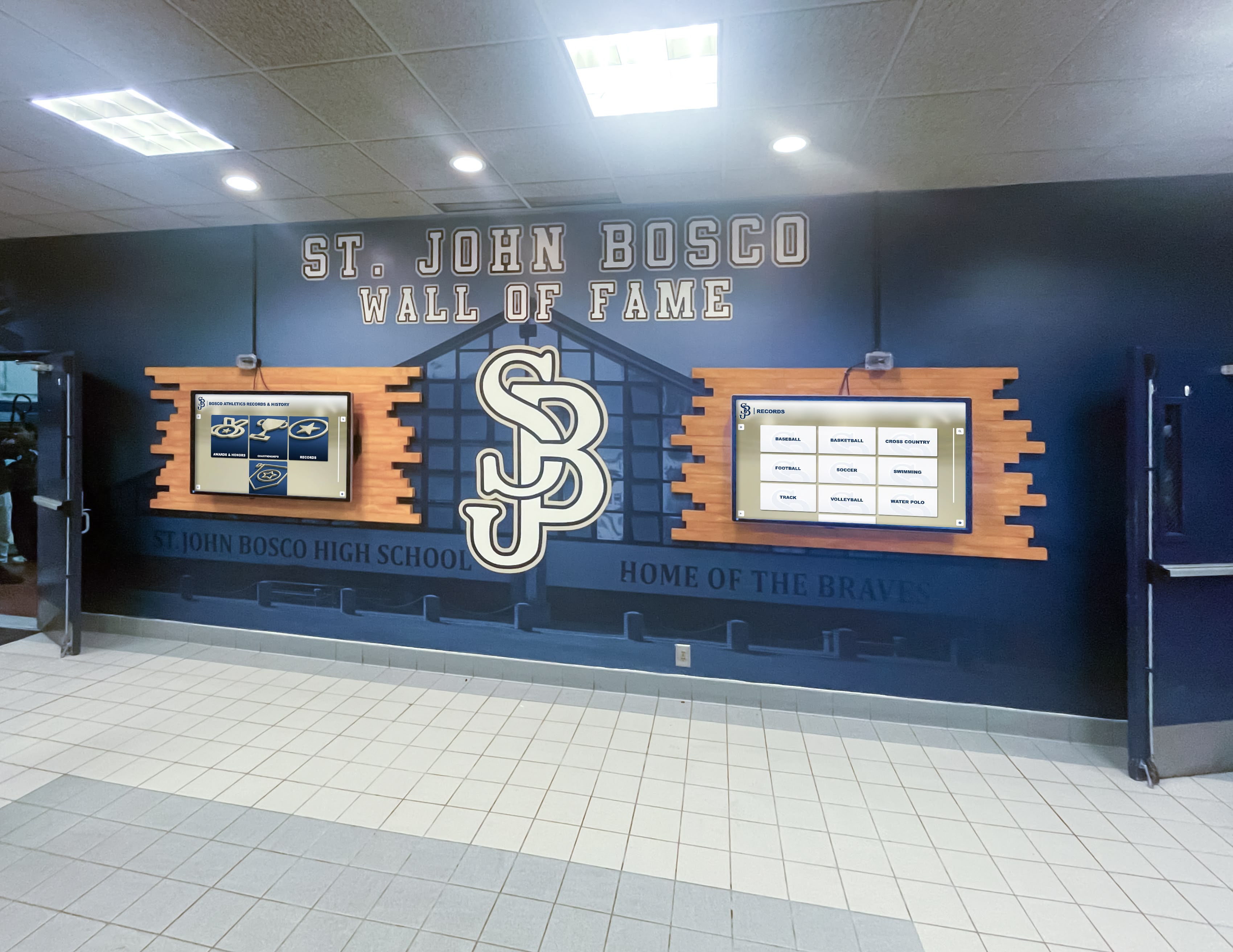
Digital wall displays extend class ring traditions by keeping graduating class histories visible and accessible to current students, parents, and returning alumni
Frequently Asked Questions About Class Rings
When should students order their class ring? Most high school students order class rings in 11th grade (junior year), typically in the fall semester. This timing allows rings to arrive before a spring ring ceremony and ensures students can wear their rings throughout their senior year, including senior photos and graduation.
Which hand does a class ring go on? Class rings are traditionally worn on the right hand ring finger, distinguishing them from engagement and wedding rings worn on the left.
How long does it take to receive a class ring after ordering? Standard manufacturing time ranges from six to twelve weeks depending on the vendor and the level of customization. Schools scheduling spring ceremonies should plan ordering events by January at the latest.
Can students order class rings independently, or does it go through school? Both options exist. Most students order through school-organized vendor events, which offer group pricing and coordinated delivery. Students can also order independently through major ring manufacturers, though school-organized events typically offer the best pricing and ensure ring designs match classmates’ rings.
Do college students get class rings? Yes. Many colleges and universities maintain strong class ring traditions, particularly at schools with deep alumni cultures. University rings often differ from high school rings in design aesthetic and materials, reflecting the shift from adolescent identity to professional and academic identity.
What happens if a class ring is lost? Most manufacturers maintain records of ring orders and can produce replacement rings. The cost is typically similar to the original purchase. Some graduates who lose rings choose to order a new one at a milestone birthday or reunion year as a way of reconnecting with the tradition.
The Enduring Power of a Class Ring
A class ring is many things simultaneously. It’s a piece of jewelry, a historical artifact, a symbolic vocabulary, a rite of passage, and a thread connecting graduates to their schools across entire lifetimes.
For students approaching their junior or senior year, understanding what the ring represents—the West Point tradition, the generations of graduates who wore the same school’s colors, the specific story encoded in their chosen stone and side panels—transforms the ordering process from a transaction into a deliberate act of joining a community.
For schools, the class ring tradition represents one of the most powerful tools available for building the kind of lasting alumni connection that sustains institutional mission across generations. When combined with thoughtful ring ceremonies, comprehensive recognition cultures, and modern digital platforms that preserve each graduating class’s story, the class ring doesn’t just mark a moment—it anchors a graduate’s identity to a community they’ll carry with them for life.
That’s digital warming in its most tangible form: a physical object, backed by institutional memory and accessible alumni recognition, continuously reminding graduates that their school valued who they were and what they achieved.
Explore How Rocket Alumni Solutions Preserves Class Traditions Digitally
Schools that honor class ring traditions alongside modern digital recognition systems create alumni communities that stay connected, stay engaged, and keep coming back—because the story of their time there never fades from sight.