



Intent: define — Capital campaigns represent one of the most significant fundraising undertakings schools and nonprofit organizations pursue. These intensive, time-limited efforts raise substantial funds for major projects—new buildings, facility renovations, endowment establishment, or transformational program launches. Yet many development professionals, school administrators, and nonprofit leaders approach capital campaigns with uncertainty, unsure how they differ from annual giving or what makes them successful.
Understanding what capital campaigns are and how they function proves essential for organizations contemplating major facility improvements, program expansions, or endowment building. Capital campaigns require different strategies, timelines, volunteer structures, and donor recognition approaches compared to ongoing fundraising. They create both opportunities and risks, as successful campaigns strengthen organizational capacity while unsuccessful efforts can damage donor relationships and institutional credibility.
When organizations implement capital campaigns with thoughtful planning, dedicated leadership, comprehensive donor recognition, and clear communication, they create what we call digital warming—transforming fundraising efforts into community-building experiences where supporters discover personal connections, celebrate collective achievements, and feel genuine pride in accomplishments their generosity makes possible. Rather than treating campaigns as isolated fundraising events, effective organizations integrate them into long-term engagement strategies that strengthen communities and inspire sustained support extending far beyond campaign completion.
This comprehensive guide explains what capital campaigns are, when organizations should launch them, how they differ from other fundraising, what phases they follow, and how effective donor recognition creates the momentum essential for campaign success. Whether you’re a school administrator considering facility expansion, a nonprofit leader contemplating program growth, or a development professional planning your first major campaign, this guide provides the foundational knowledge you need for confident decision-making and strategic planning.

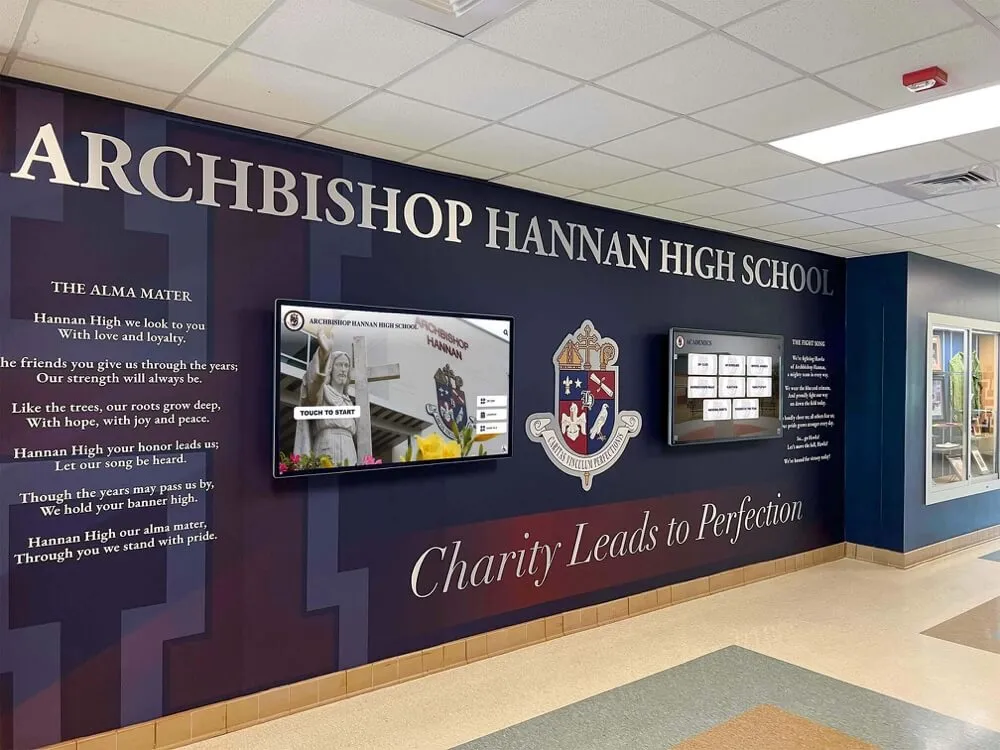
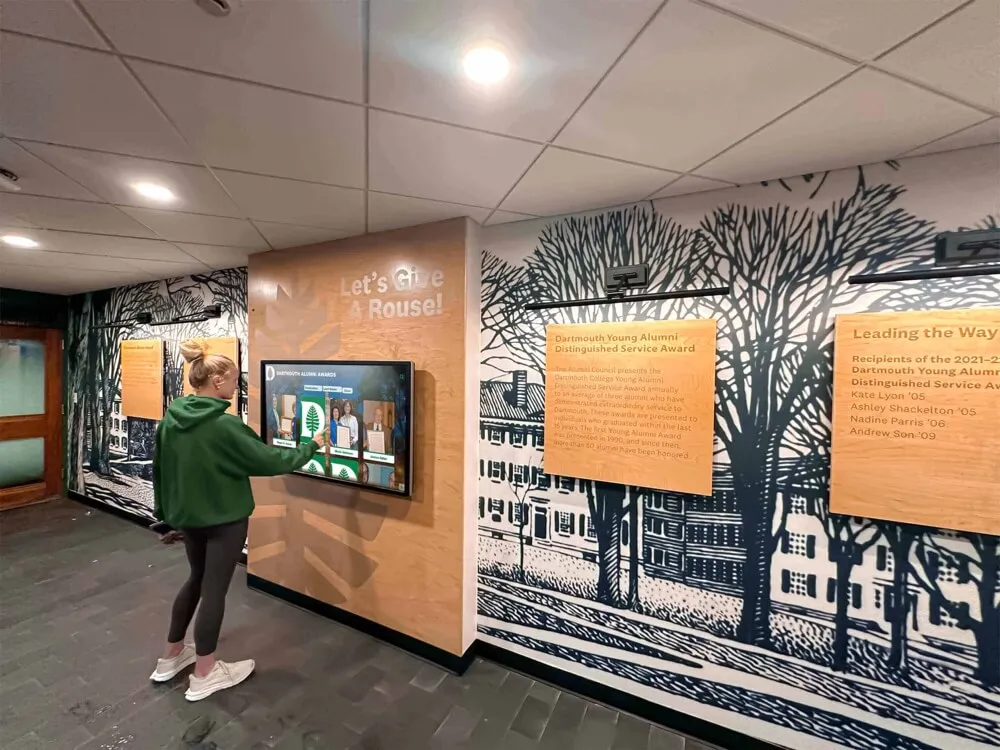
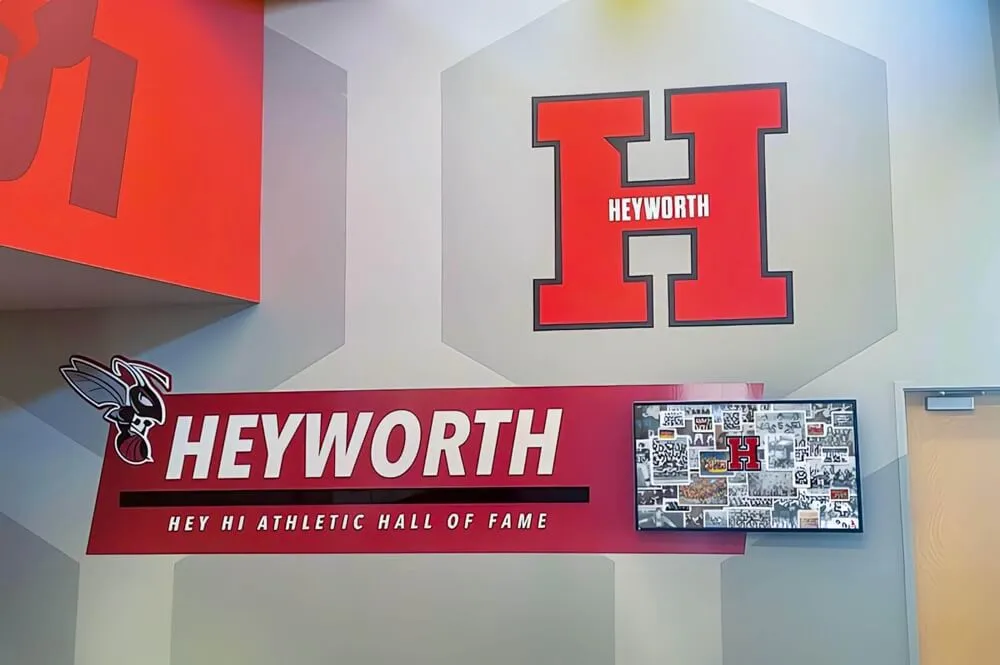
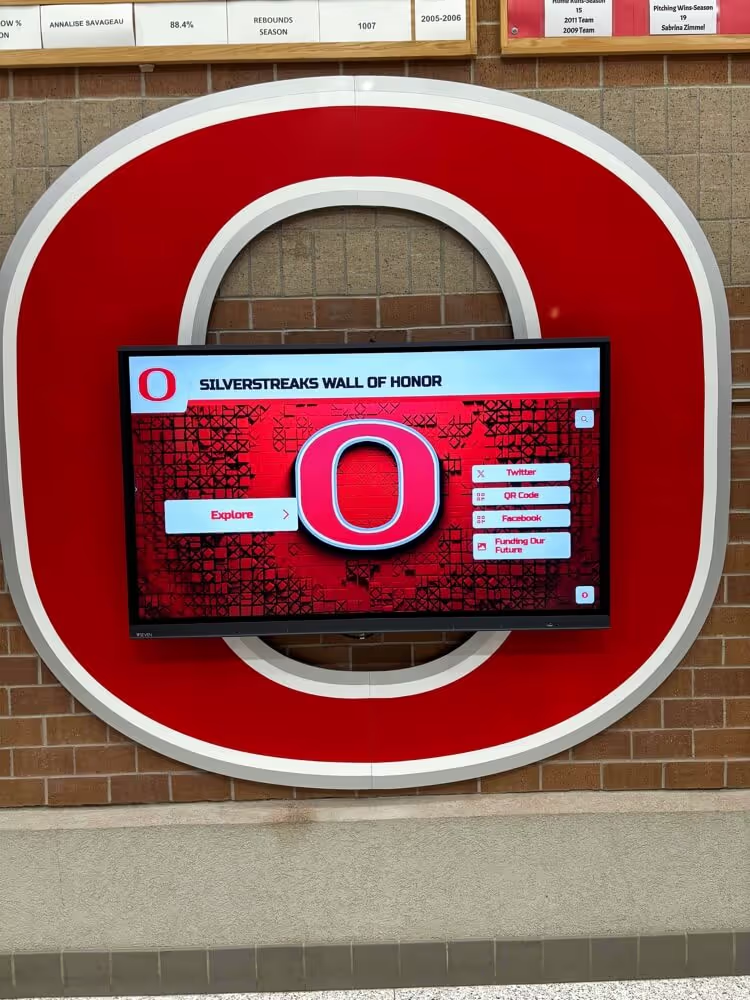
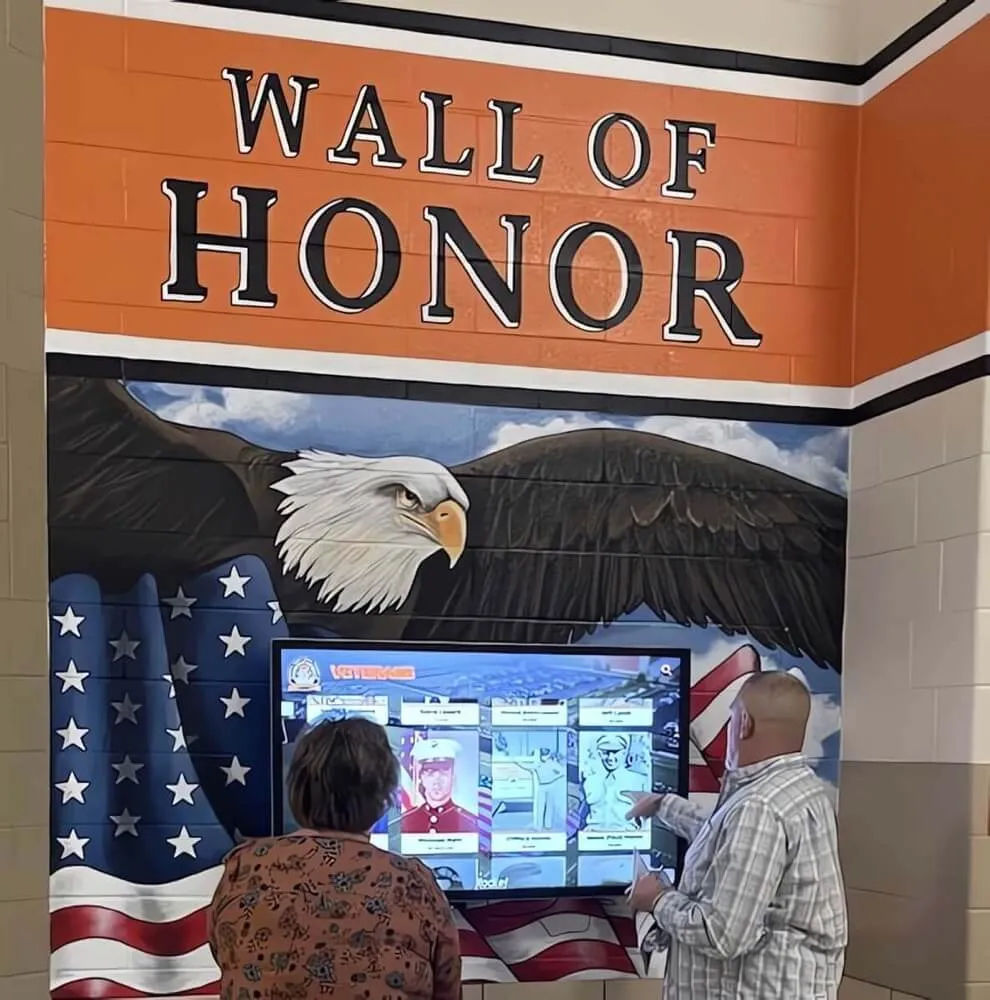
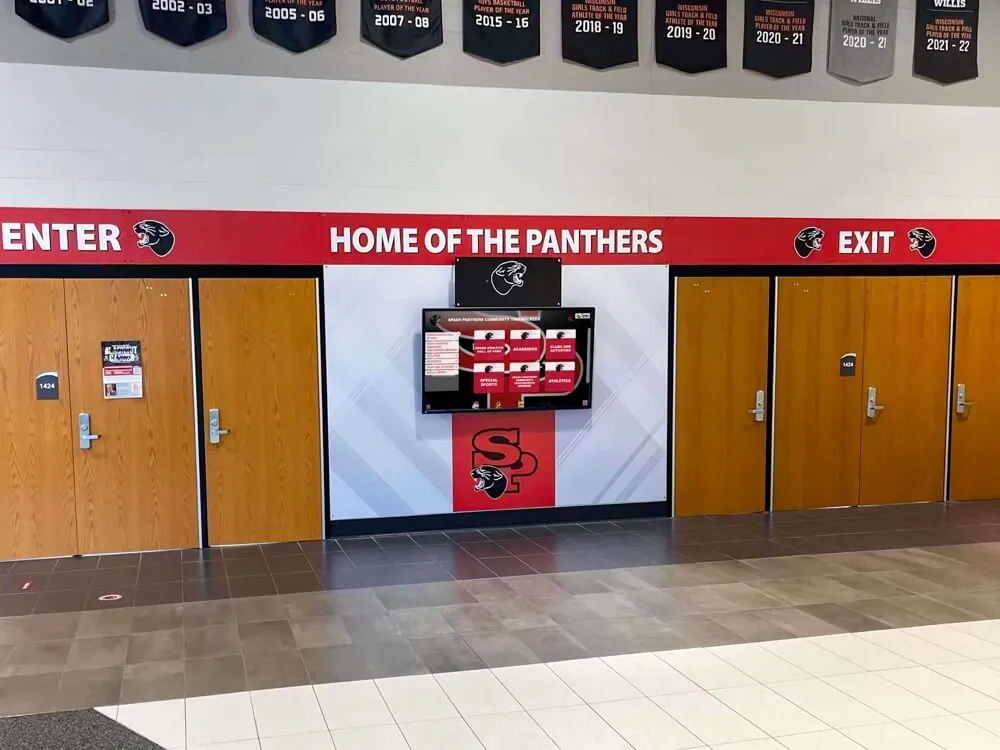
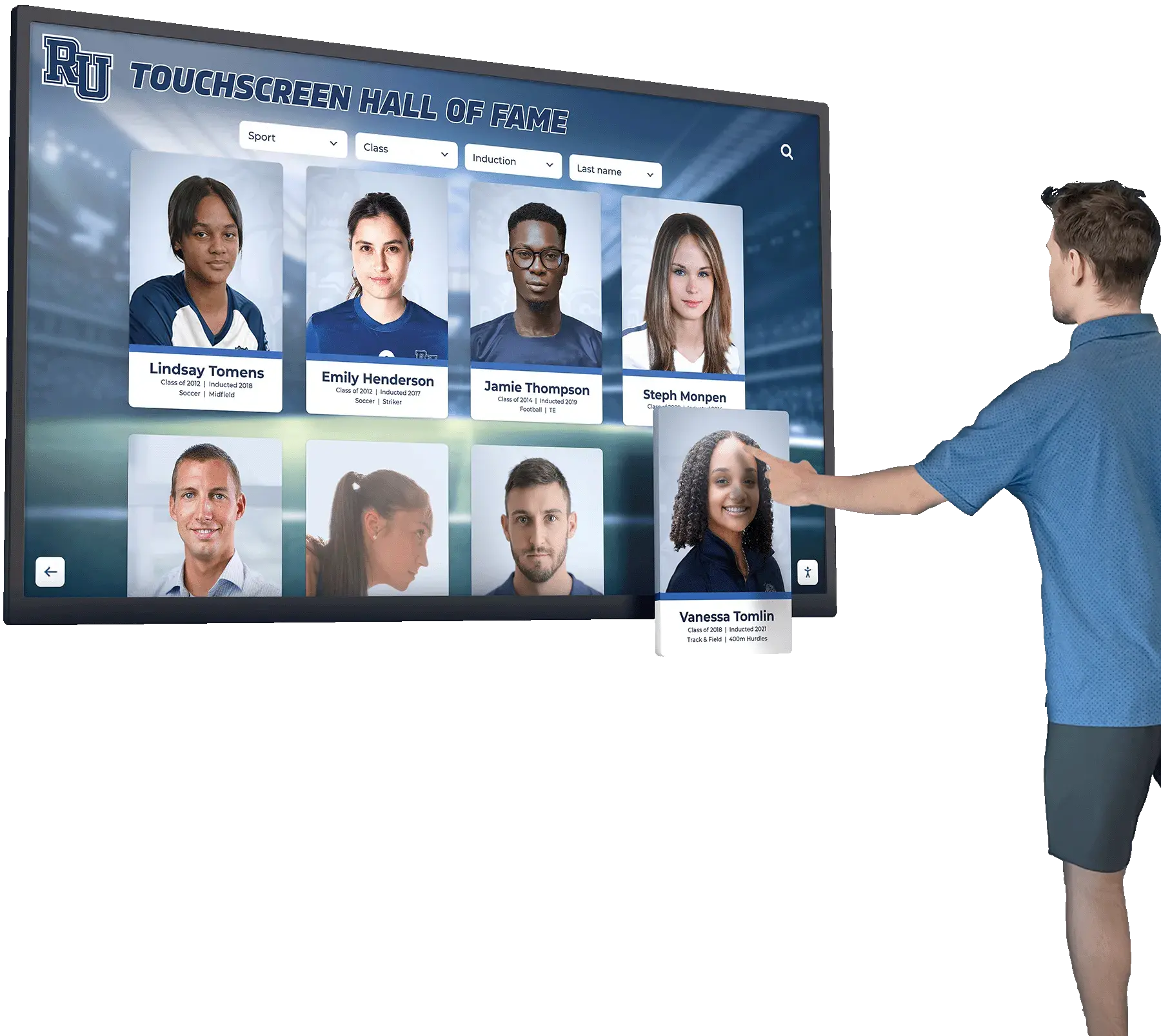
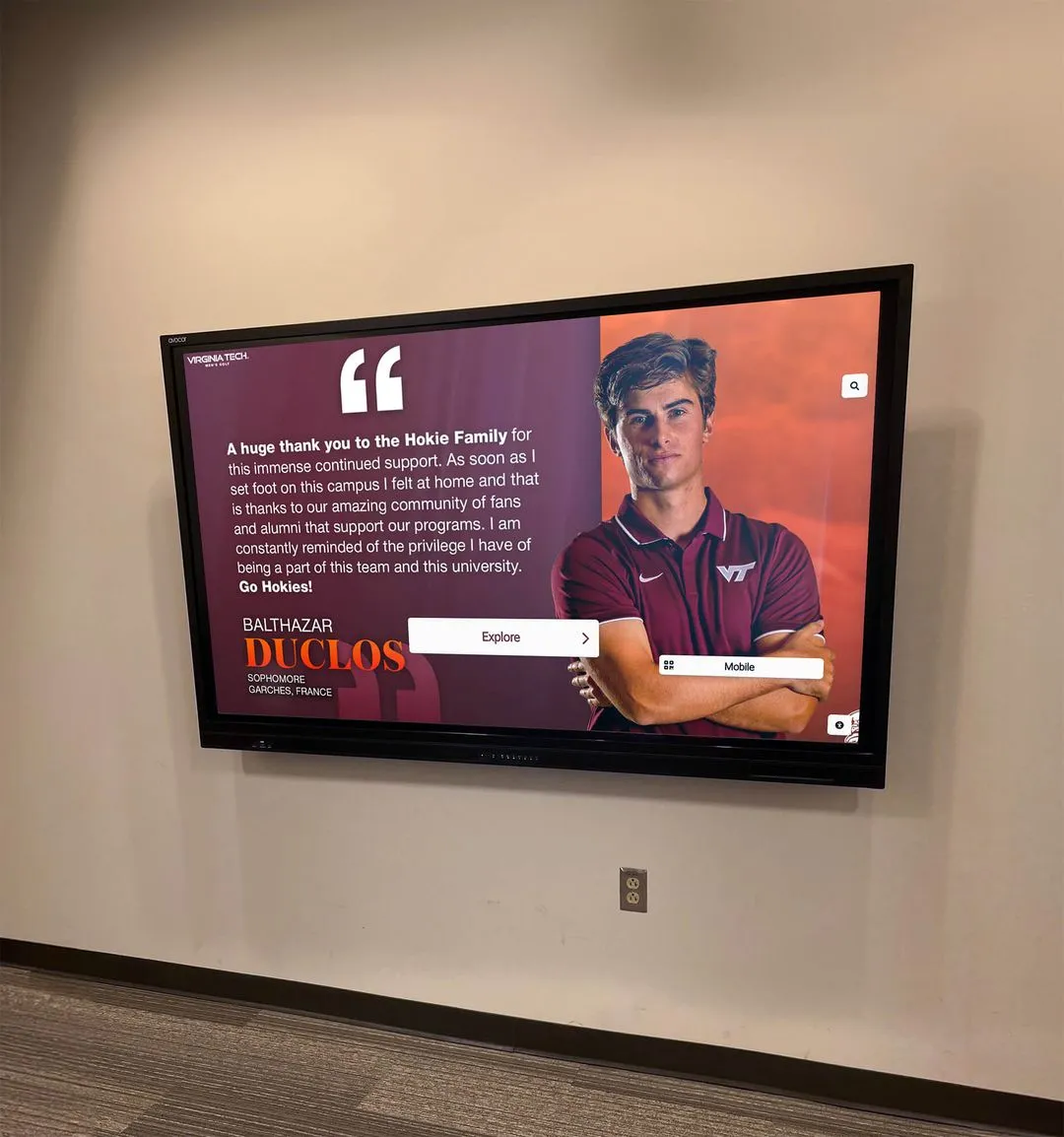
Capital campaigns create opportunities to build visible donor communities that inspire participation and celebrate collective achievement
Defining Capital Campaigns: What They Are and What Makes Them Different
Capital campaigns are intensive fundraising efforts with specific financial goals, defined timeframes, and focused purposes—typically funding major capital projects, building endowments, or supporting transformational program initiatives.
Core Characteristics of Capital Campaigns
Several distinguishing features separate capital campaigns from annual fundraising and other development activities.
Defined Financial Goals and Timelines
Capital campaigns establish specific monetary targets—$5 million, $20 million, $100 million—that organizations seek to raise within designated timeframes, typically 3-7 years. These finite goals and deadlines create urgency while enabling supporters to understand exactly what organizations hope to accomplish and when.
Unlike annual funds that continue perpetually, capital campaigns have clear beginnings and endings. Organizations launch campaigns publicly, pursue fundraising actively during designated periods, then conclude with celebration events acknowledging achievement and thanking contributors for making success possible.
Focus on Major Gifts and Transformational Funding
Capital campaigns prioritize significant individual gifts rather than broad-based small-dollar fundraising. While campaigns welcome support at all levels, success depends heavily on major gifts from individuals, corporations, and foundations capable of contributing five-, six-, or seven-figure amounts.
The traditional “gift pyramid” or “gift range table” guides capital campaign planning. This model suggests that successful campaigns typically receive roughly one-third of total funds from their single largest gift, half from the top ten gifts, and two-thirds from the top 20-25 donors. This concentration means that identifying, cultivating, and successfully soliciting major gift prospects determines campaign outcomes more than any other factor.
Designated Purposes Beyond Operating Expenses
Capital campaigns fund specific initiatives rather than general operating budgets—new buildings, major renovations, specialized equipment purchases, endowment establishment, program launches, or debt retirement. This designated purpose proves attractive to major donors who want to see exactly what their gifts accomplish rather than funding unspecified operational needs.
The term “capital campaign” historically referred to raising funds for capital projects like buildings and facilities. While modern campaigns often include program funding, technology infrastructure, or endowment building, the fundamental principle remains: campaigns fund specific, substantial initiatives enabling organizational growth, improvement, or transformation that current operations cannot support.
Organizations implementing comprehensive donor recognition programs during capital campaigns report improved participation, accelerated gift timing, and enhanced donor satisfaction compared to campaigns with minimal recognition planning.
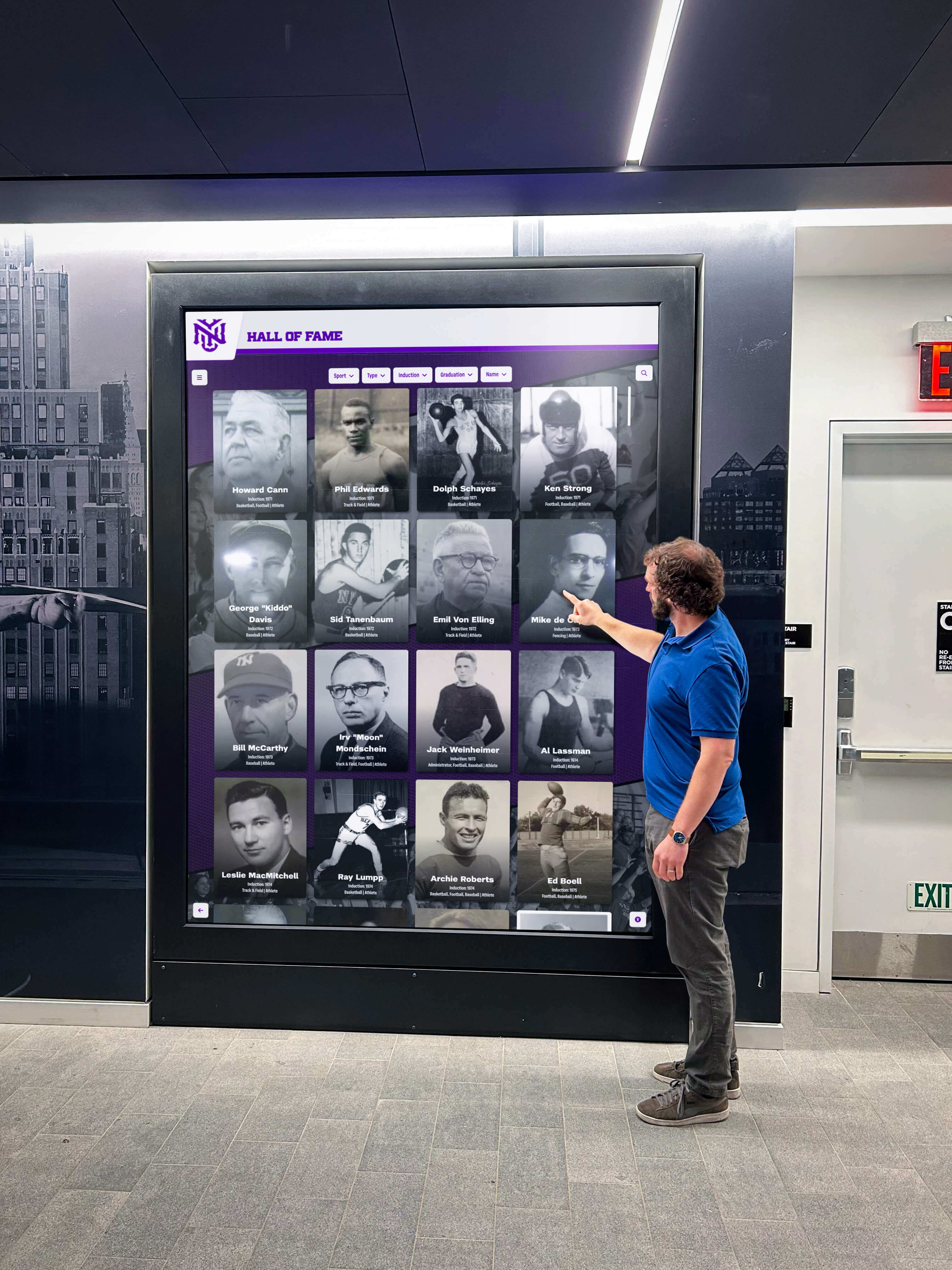
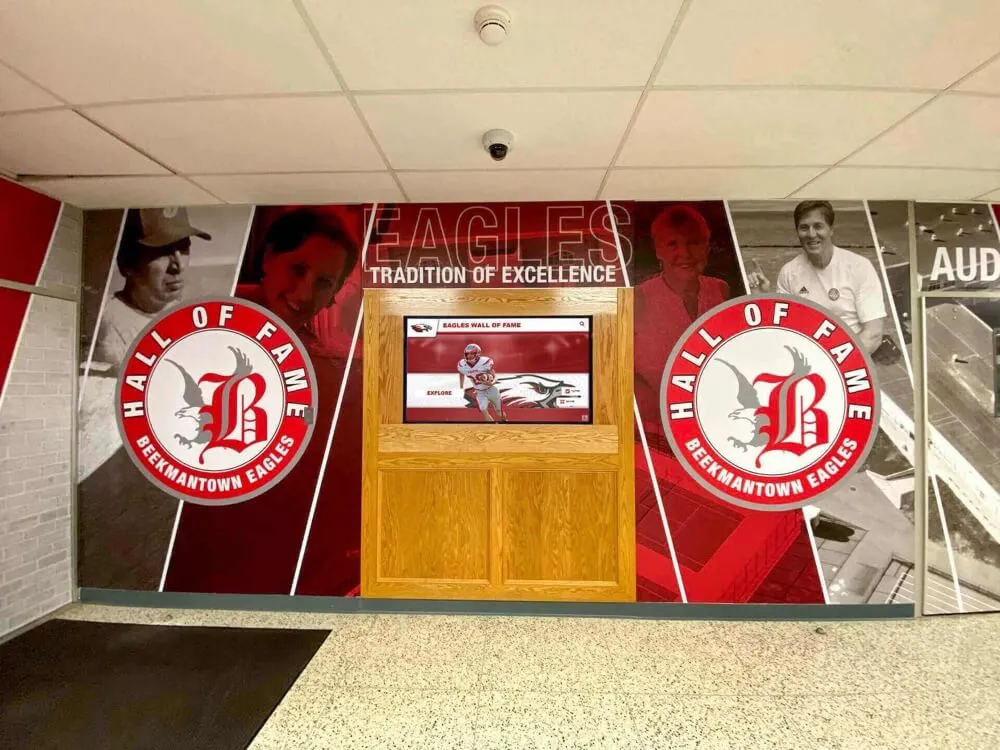
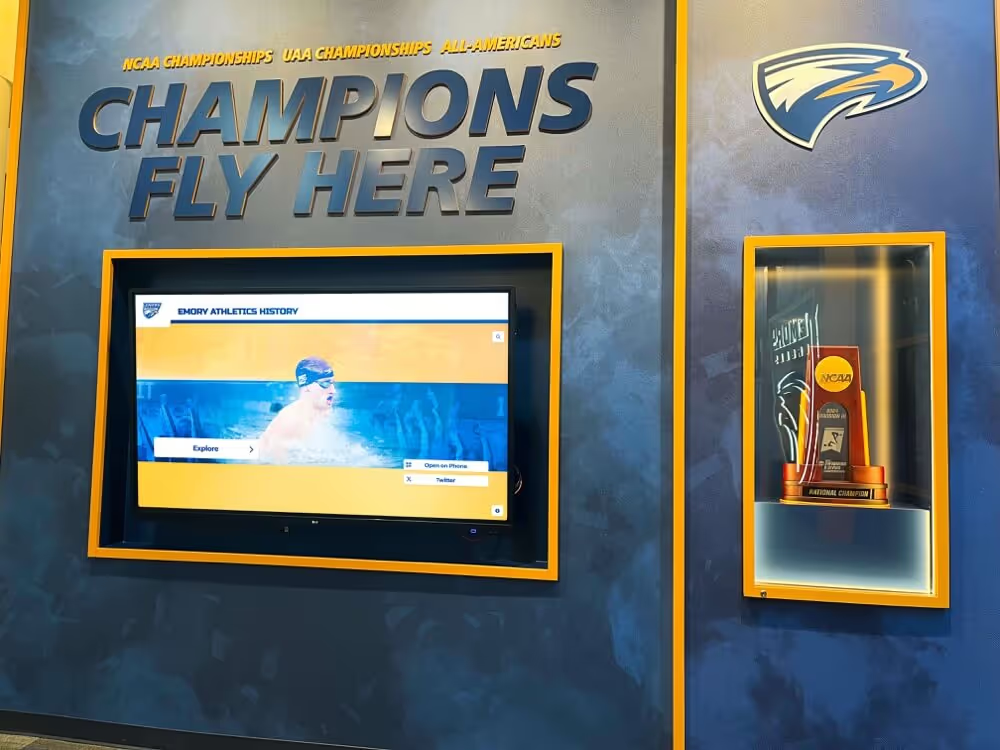
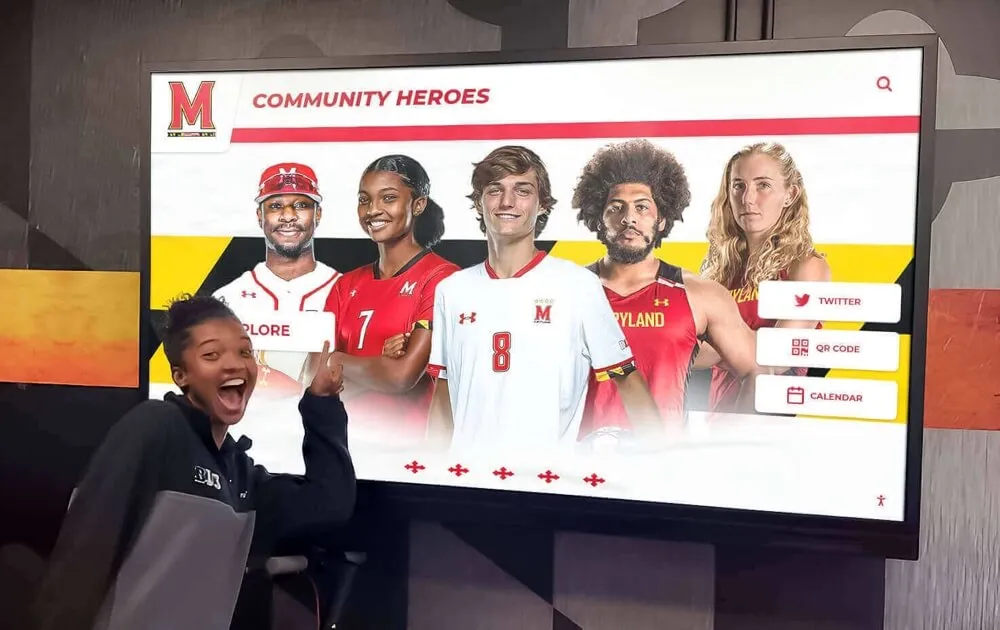
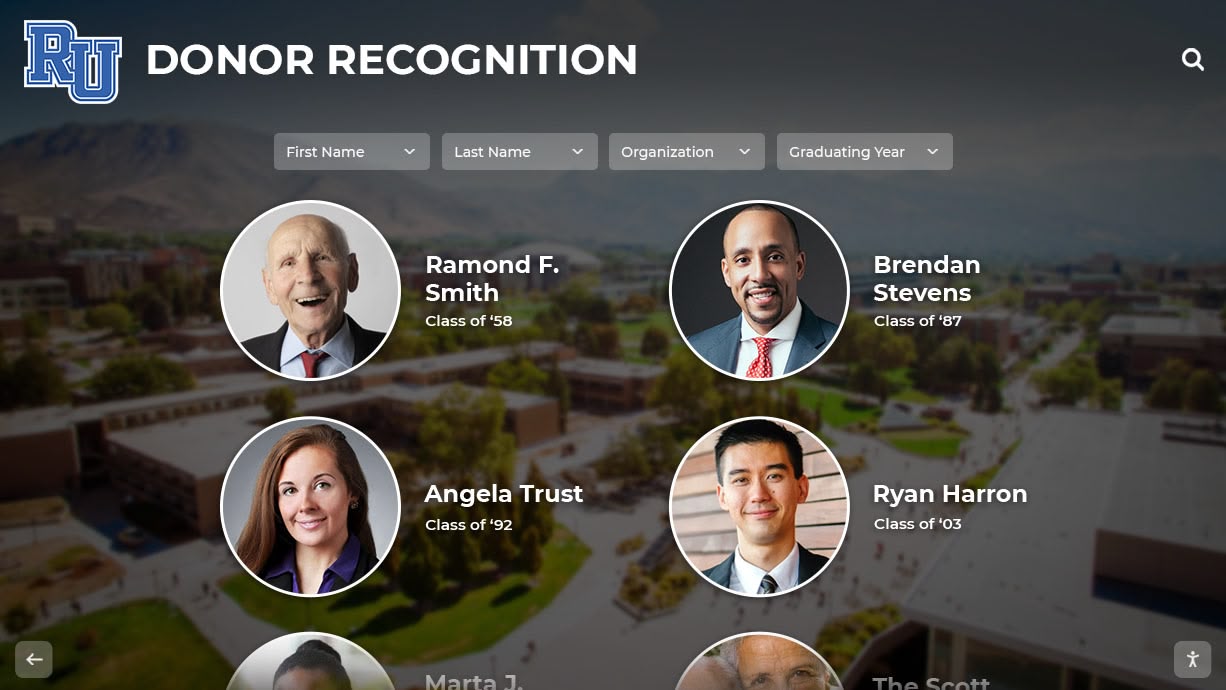
Interactive recognition platforms enable campaigns to showcase growing donor communities, creating momentum that attracts additional participation
How Capital Campaigns Differ from Annual Giving
While capital campaigns and annual funds both raise money, they employ fundamentally different approaches, timelines, and relationship dynamics.
Multi-Year Commitments vs. Annual Renewals
Capital campaigns encourage multi-year pledges payable over 3-5 years, enabling donors to make substantially larger commitments than they could afford through single payments. A donor unable to contribute $50,000 at once might comfortably pledge $10,000 annually for five years, making transformational giving accessible to broader supporter populations.
Annual giving programs, conversely, emphasize renewable gifts typically fulfilled within current fiscal years. Annual fund donors receive solicitations each year and make fresh giving decisions, with no expectation of sustained multi-year commitments.
Project-Specific vs. Operational Funding
Capital campaign donors know exactly what their gifts will accomplish—they’re funding defined projects with tangible outcomes like completed buildings or established scholarship endowments. This specificity appeals to donors who want clear connections between their generosity and organizational impact.
Annual giving typically supports general operations, enabling organizations to deploy funds where needs prove greatest. While this flexibility helps organizations maintain financial health, it provides less concrete connection between individual gifts and specific outcomes, potentially reducing appeal for donors seeking tangible impact evidence.
Intensive Cultivation vs. Ongoing Relationships
Capital campaigns involve concentrated cultivation efforts over months or years targeting specific major gift prospects. Development staff, volunteers, and organizational leaders invest substantial time building relationships, understanding donor motivations, and crafting personalized solicitation strategies for top prospects.
Annual giving operates more efficiently through scaled approaches—direct mail campaigns, email solicitations, giving days, and peer-to-peer fundraising reaching many supporters simultaneously with relatively standardized messaging. Personal cultivation occurs primarily for leadership-level annual donors rather than entire donor populations.
Explore effective approaches in capital campaign donor recognition strategies that strengthen relationships during intensive fundraising periods.
When Organizations Launch Capital Campaigns
Capital campaigns serve specific organizational needs and circumstances rather than representing default fundraising approaches for all situations.
Common Campaign Triggers and Purposes
Several situations frequently prompt capital campaign consideration and planning.
Facility Needs: New Buildings and Major Renovations
Schools and nonprofits launch capital campaigns when facility improvements exceed operating budget capacity. Growing schools need additional classrooms, athletic facilities, performing arts centers, or science labs. Aging buildings require comprehensive renovations addressing deferred maintenance, code compliance, accessibility improvements, or modernization bringing facilities to contemporary standards.
These facility campaigns appeal broadly to donors because buildings provide visible, permanent, and tangible evidence of philanthropic impact. Contributors see their names associated with physical spaces serving communities across decades, creating lasting legacies that connect individual generosity to enduring institutional improvement.
Endowment Building for Long-Term Sustainability
Organizations seeking financial stability and programmatic sustainability often launch endowment campaigns building permanent funds whose investment returns support operations perpetually. Endowed scholarships ensure educational access regardless of economic conditions. Endowed chairs attract distinguished faculty. Endowed program funds enable long-term planning rather than annual budget anxiety about whether current-year fundraising will sustain initiatives.
Endowment campaigns prove more challenging than building projects because donors cannot visit completed facilities or experience immediate tangible outcomes. However, they provide crucial financial foundations enabling organizations to weather economic volatility while maintaining mission commitments independent of annual fundraising fluctuations.
Program Expansion and New Initiative Launches
Nonprofits and schools expanding service capacity, launching new programs, or pursuing strategic initiatives often use capital campaigns for startup funding. Museums launching new exhibitions, schools establishing STEM programs, community organizations building youth centers, or healthcare providers expanding service lines need upfront capital that operating budgets cannot accommodate.
These campaigns emphasize mission impact over physical infrastructure, requiring compelling stories about community needs, program design, expected outcomes, and transformational potential that motivates major donors to invest in organizational vision and capacity growth.
Debt Retirement and Financial Stabilization
Organizations carrying significant debt sometimes launch capital campaigns for debt retirement, enabling financial stabilization that improves organizational health and frees resources for mission delivery. While less inspiring than new buildings or programs, debt campaigns prove essential for organizations whose legacy obligations consume resources better invested in current mission work.
Organizations developing campaign recognition approaches that celebrate collective progress discover improved donor satisfaction and accelerated gift timing compared to campaigns treating recognition as afterthoughts.

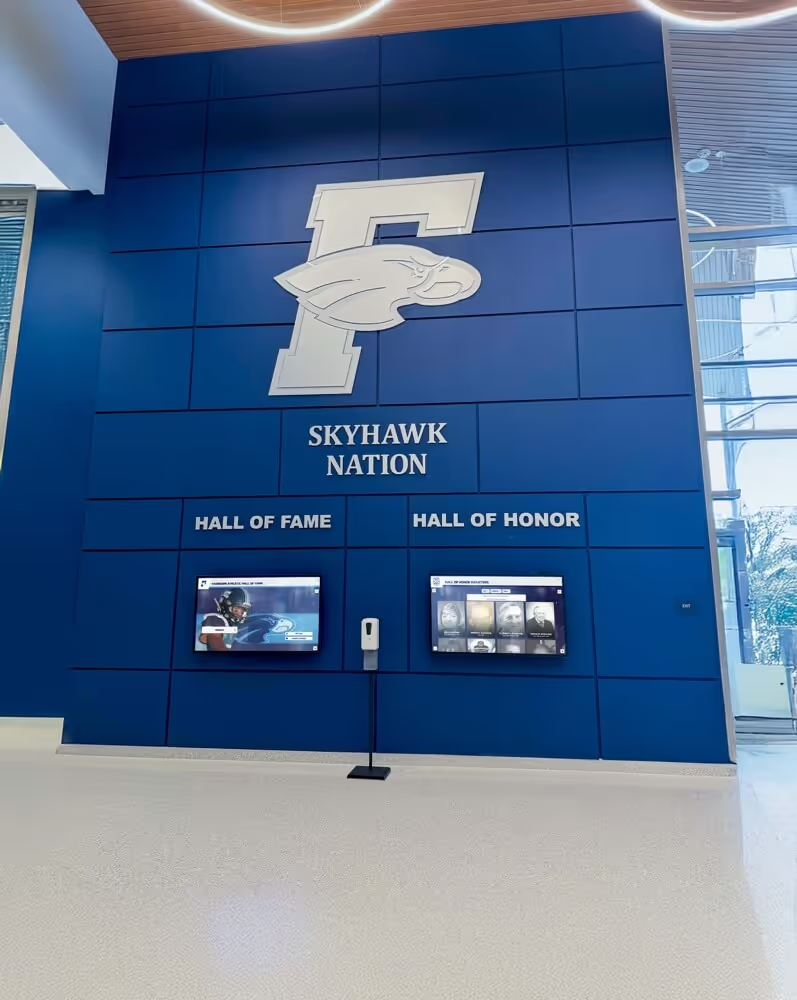
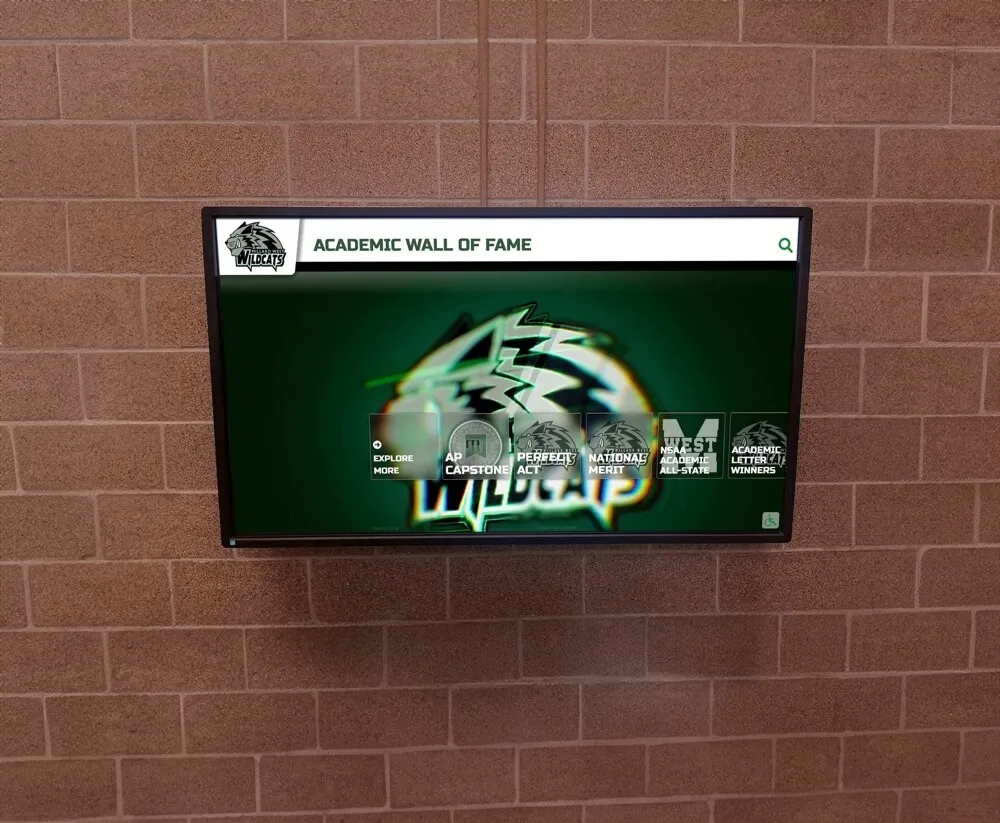
Real-time campaign progress displays create urgency while demonstrating momentum that encourages prospect participation
Readiness Assessment: Is Your Organization Campaign-Ready?
Not all organizations should launch capital campaigns at any given moment. Successful campaigns require specific organizational capacities and circumstances.
Leadership Commitment and Board Engagement
Capital campaigns demand extraordinary leadership commitment from executive directors, heads of school, board chairs, and key board members who must personally solicit major gifts, open doors to prospects, and dedicate substantial time to campaign cultivation. Organizations whose leadership lacks capacity, willingness, or skill for major gift fundraising should not attempt capital campaigns regardless of funding needs.
Board members must make personal gifts commensurate with their capacity before soliciting others. The traditional “board giving first” principle holds that organizations cannot credibly ask external supporters for major gifts when their own boards provide only modest financial support. Development professionals frequently cite the guideline that boards should contribute 15-25% of campaign goals, though exact percentages vary by organizational context and board composition.
Donor Base Assessment and Major Gift Prospects
Organizations need identified, qualified major gift prospects sufficient to reach campaign goals according to gift range table projections. Feasibility studies—formal research efforts involving confidential interviews with potential major donors—help organizations determine whether adequate major gift capacity exists within their communities to support contemplated campaign goals.
Attempting capital campaigns without sufficient major gift prospects virtually guarantees failure, as broad-based fundraising from modest-dollar donors cannot generate the concentrated major gifts essential for campaign success. Organizations discovering inadequate prospect capacity during feasibility studies typically defer campaigns while building relationships and cultivation pipelines that create future major gift potential.
Development Infrastructure and Staff Capacity
Capital campaigns require professional development staff capability beyond annual giving management. Organizations need advancement directors with major gifts experience, database systems for prospect tracking and relationship management, gift processing capabilities including pledge management and multi-year payment handling, and donor recognition systems appropriate for celebrating campaign supporters.
Small organizations lacking development infrastructure sometimes engage campaign counsel—consulting firms providing strategic planning, staff augmentation, volunteer training, and implementation support throughout campaign lifecycles. While adding expenses, professional counsel often improves outcomes dramatically for organizations lacking internal major gifts expertise.
Financial Stability and Organizational Health
Organizations experiencing financial crises, leadership instability, program quality concerns, or public relations challenges should not launch capital campaigns until addressing fundamental issues. Donors rarely contribute major gifts to organizations they perceive as struggling or poorly managed, as they lack confidence that institutions can successfully complete projects or sustain programs their gifts would support.
Capital campaigns work best for organizations with strong reputations, evident operational excellence, visible community support, and clear strategic direction. Success builds upon existing organizational strength rather than compensating for fundamental weaknesses or management failures.
Capital Campaign Phases and Timeline
Successful campaigns follow structured progressions through distinct phases, each with specific objectives, activities, and success criteria.
Phase 1: Planning and Preparation (6-18 months)
Comprehensive planning establishes foundations determining campaign feasibility and approach.
Feasibility Studies and Market Assessment
Organizations conduct feasibility studies—systematic research including confidential interviews with potential major donors—evaluating whether adequate financial capacity and donor interest exist supporting contemplated campaign goals. Professional consultants typically facilitate feasibility studies, providing objective third-party perspectives that enable frank donor feedback about organizational readiness, proposed projects, and potential giving intentions.
Feasibility study findings inform crucial go/no-go decisions. When studies reveal inadequate major gift capacity, skepticism about proposed projects, or concerns about organizational readiness, prudent organizations defer campaigns while addressing identified issues rather than proceeding toward likely failure.
Case for Support Development
Organizations articulate compelling reasons why donors should support campaigns through case statements—formal documents explaining campaign purposes, community needs being addressed, project specifics, funding requirements, expected outcomes, and organizational readiness for successful implementation. Strong cases combine emotional appeals with rational arguments, helping prospective donors understand both heart and head reasons for supporting campaigns.
Effective cases emphasize donor impact and community benefit rather than organizational needs. Rather than stating “we need a new building because our current facility is inadequate,” compelling cases explain “your support will enable us to serve 300 additional students annually in state-of-the-art learning environments that prepare them for competitive college admission and career success.”
Campaign Goal Setting and Gift Range Tables
Organizations establish campaign financial goals based on project costs, feasibility study findings, and gift range table projections. Gift range tables project how many gifts at various levels organizations need for campaign success—typically one leadership gift, several major gifts, numerous significant gifts, and many smaller contributions building toward total goals.
Conservative projections ensure realistic planning. Overly ambitious goals based on wishful thinking rather than prospect capacity assessment lead to campaign failures that damage organizational credibility and donor relationships. Experienced development professionals emphasize that it’s preferable to exceed modest goals than fall short of ambitious targets.
Leadership Recruitment and Campaign Structure
Organizations recruit campaign chairs—prominent community members providing visibility, credibility, and fundraising leadership—plus campaign committees comprising volunteers who will cultivate prospects, open doors, and solicit gifts. Campaign structure varies by organizational size and complexity, but typically includes steering committees providing overall guidance, major gifts committees focusing on top prospects, and special events committees managing public engagement activities.
Leadership recruitment success depends partly on compelling campaign cases and partly on existing organizational relationships. Well-connected, enthusiastic volunteers emerge from strong organizational support bases, while institutions lacking robust community ties struggle to recruit campaign leadership regardless of project merit.
Organizations developing strategic recognition planning during campaign preparation phases report smoother implementations and fewer recognition-related donor complaints compared to campaigns addressing recognition as afterthoughts following launches.
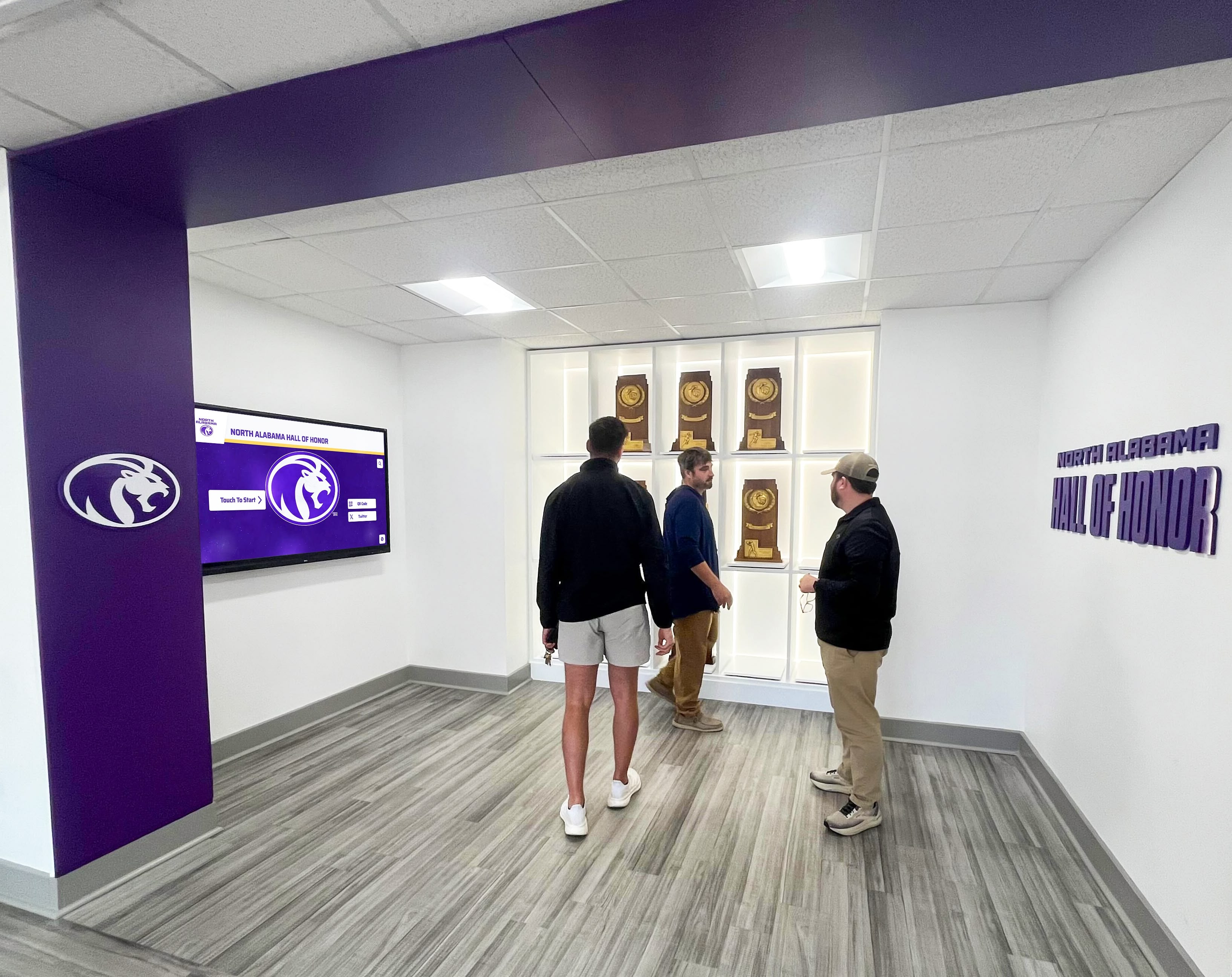
Volunteer leadership benefits from recognition tools that facilitate cultivation conversations and demonstrate campaign momentum
Phase 2: Quiet Phase (12-24 months)
The quiet phase—sometimes called the leadership phase—focuses on securing major gifts before public campaign launches.
Major Gift Identification and Cultivation
Development staff and volunteers identify top prospects, research giving capacity, develop cultivation strategies, and systematically build relationships preparing for eventual solicitations. Cultivation activities might include facility tours, leadership meetings, special briefings, involvement opportunities, and strategic communications positioning prospects for successful asks.
This intensive relationship building proves time-consuming but essential. Major gifts rarely result from cold solicitations. Rather, they emerge from trust relationships where prospects understand organizational excellence, believe in mission significance, see themselves as valued community members, and feel confident that their substantial investments will be managed effectively and achieve intended impact.
Leadership Gift Solicitation
Organizations solicit their largest gifts first during quiet phases, typically seeking lead gifts equaling 10-20% of campaign goals from individual donors or foundations. Leadership gifts often come from board members, whose personal commitments demonstrate organizational confidence while establishing giving standards for subsequent prospects.
Successful leadership gift solicitations follow careful preparation including cultivation meetings, proposal development, planned conversations addressing donor motivations and concerns, and follow-up stewardship demonstrating appreciation and maintaining engagement. These complex negotiations sometimes span months as prospects consider commitments, discuss terms, and finalize gift agreements.
Reaching Threshold Percentages
Organizations typically aim to secure 50-70% of campaign goals during quiet phases before public launches. This threshold ensures campaign momentum and reduces risk of public failure. When organizations announce campaigns having already secured majority funding through leadership commitments, remaining fundraising becomes easier as prospects see proven community support rather than questioning whether campaigns will succeed.
Some campaigns extend quiet phases when threshold goals prove elusive, delaying public launches until adequate leadership support confirms campaign viability. While extending timelines, this patience prevents premature public launches that could fail, damaging organizational credibility and donor relationships.
Phase 3: Public Phase (12-36 months)
Public campaign launches transition fundraising from quiet cultivation to visible community-wide solicitation.
Campaign Kick-Off Events and Public Announcements
Organizations host campaign launches—celebration events announcing goals, revealing leadership gifts, showcasing projects, and inviting community participation. These events generate publicity, build excitement, create urgency, and position campaigns as important community priorities worthy of broad support.
Effective kick-offs balance celebration with solicitation, honoring early supporters while motivating additional participation. Organizations might reveal preliminary totals, introduce campaign leadership, screen videos depicting project impact, and provide giving opportunities for event attendees inspired by celebration energy.
Broad-Based Solicitation and Community Engagement
Public phases expand solicitation beyond major gift prospects to broader communities—parents, alumni, patients, congregants, program participants, local businesses, community members, and anyone with connections to organizational missions. Solicitation methods diversify to include direct mail campaigns, email appeals, giving days, peer-to-peer fundraising, corporate matching gift programs, and special events generating revenue while building awareness.
While public phase gifts typically prove smaller than quiet phase leadership commitments, collective impact can be substantial. Broad participation creates ownership, demonstrates community endorsement, and provides pathways for modest donors to contribute meaningfully even when they cannot make major gifts.
Recognition and Stewardship Systems
Organizations implement comprehensive recognition programs celebrating campaign supporters and demonstrating appreciation worthy of their generosity. Recognition approaches vary from traditional donor walls featuring engraved plaques to modern interactive digital displays providing unlimited capacity, rich content, searchable databases, and web accessibility extending recognition globally.
Effective recognition serves multiple purposes during campaigns. It honors existing donors appropriately, creates social proof motivating prospects, demonstrates organizational professionalism and gratitude, and positions giving as desirable membership in visible supporter communities. Organizations treating recognition as strategic campaign tools rather than administrative obligations report improved fundraising outcomes and donor satisfaction.

Strategic recognition placement in renovated facilities ensures campaign donors see their acknowledgment in contexts where their generosity created impact
Phase 4: Campaign Completion and Celebration
Campaigns conclude with formal endings marking achievement and positioning organizations for sustained post-campaign engagement.
Final Push and Goal Achievement
As campaigns approach endings, organizations execute final solicitation efforts targeting remaining prospects, encouraging pledge fulfillment, and pursuing last gifts needed for goal achievement. Communications emphasize urgency—“only $500,000 to go,” “final weeks to participate,” “help us reach our goal”—creating scarcity that motivates action among procrastinating prospects.
Some campaigns extend timelines when goals prove elusive, though excessive extensions risk perception that campaigns failed or lost momentum. Organizations must balance goal achievement desires against timeline integrity, sometimes declaring success at revised goals rather than indefinitely extending campaigns that might never reach original targets.
Victory Celebrations and Donor Appreciation
Organizations host campaign completion events thanking supporters, celebrating collective achievement, recognizing major donors, and looking forward to project implementation or program launches that gifts will enable. These celebrations provide closure while transitioning relationships from campaign fundraising to ongoing stewardship and engagement.
Effective celebrations balance appreciation with inspiration, honoring past generosity while positioning supporters for continued future engagement. Organizations might preview upcoming facilities, introduce scholarship recipients, or share early program successes demonstrating that campaign investments are already creating the intended impact worthy of continued support.
Transition Planning for Sustained Engagement
Campaigns create extraordinary engagement opportunities—intensive cultivation, meaningful solicitations, substantive recognition, and shared accomplishment pride. Organizations must channel this engagement into sustained relationships supporting annual giving, volunteer recruitment, advocacy, and future campaign participation rather than allowing connections to dissipate following campaign conclusions.
Transition planning addresses how organizations will maintain contact, provide ongoing stewardship, create continued involvement opportunities, and position campaign donors for future support. Development professionals emphasize that campaign donors represent extraordinary assets—they’ve demonstrated major gift capacity, mission commitment, and trust in organizational stewardship—making their retention and continued cultivation crucial for long-term institutional health.
Donor Recognition Strategies for Capital Campaigns
Comprehensive recognition programs prove essential for campaign success, serving strategic functions beyond polite acknowledgment.
Recognition as Campaign Momentum Builder
Visible donor communities create social proof that attracts participation and accelerates gift timing.
Real-Time Campaign Progress Displays
Modern digital recognition platforms function as dynamic campaign hubs displaying real-time progress toward goals through live counters showing current donor numbers, funds raised, and participation rates. When prospective donors see “Join 500 community members who have given” or “Only $250,000 to go,” immediate social proof combines with urgency creating motivation that accelerates decision-making and increases gift likelihood.
Organizations implementing campaign progress visualization through touchscreen displays and web platforms report improved public phase fundraising compared to campaigns relying exclusively on printed materials and email updates that reach limited audiences.
Growing Donor Communities
Searchable recognition platforms enable prospects to discover friends, colleagues, classmates, neighbors, or community members who’ve already given, personalizing campaigns through relevant social connections. When prospects explore recognition finding people they know and respect among campaign supporters, abstract institutional campaigns become personally relevant community commitments they want to join.
This discovery-based social proof proves more powerful than institutional communications claiming broad support. Seeing actual names of familiar supporters provides concrete evidence that validates campaign importance and organizational credibility in ways promotional messaging cannot achieve.
Tiered Recognition Societies
Structured giving societies create clear recognition frameworks while providing aspirational levels motivating giving progression. Campaign recognition might include:
- Visionary Circle ($1,000,000+) – Transformational leadership gifts
- Founder’s Society ($500,000-$999,999) – Exceptional campaign leaders
- Benefactor Circle ($250,000-$499,999) – Major campaign supporters
- Leadership Society ($100,000-$249,999) – Significant campaign investors
- Partner Circle ($50,000-$99,999) – Substantial campaign participants
- Supporter Society ($25,000-$49,999) – Important campaign contributors
- Friend Circle ($10,000-$24,999) – Valued campaign donors
- Contributor Circle (Under $10,000) – Essential campaign participants
Clear tier structure ensures all donors receive appropriate acknowledgment while creating upgrade pathways. Donors approaching threshold amounts often make additional gifts reaching next recognition levels, demonstrating how structured societies motivate giving progression beyond initial commitments.
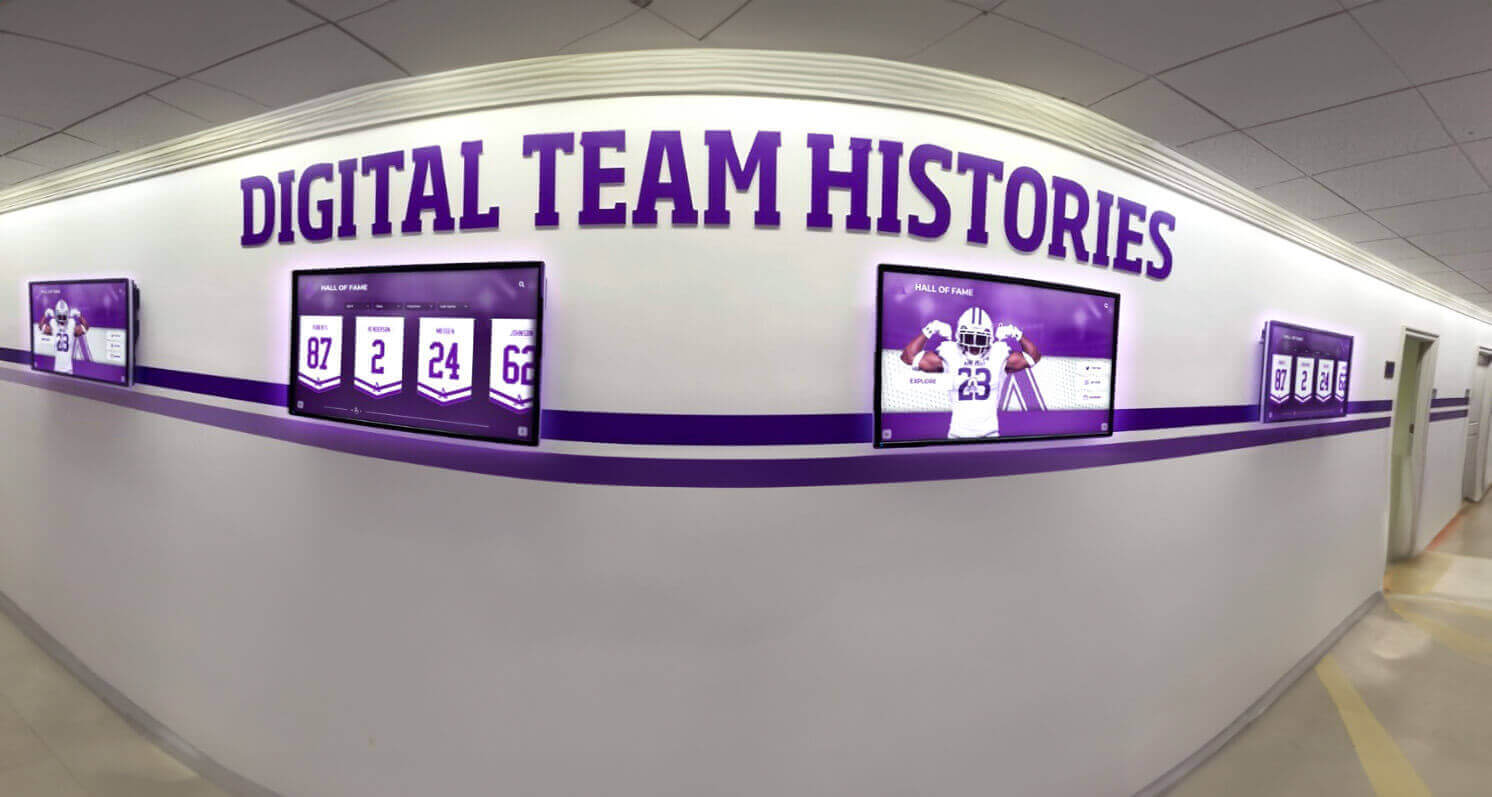
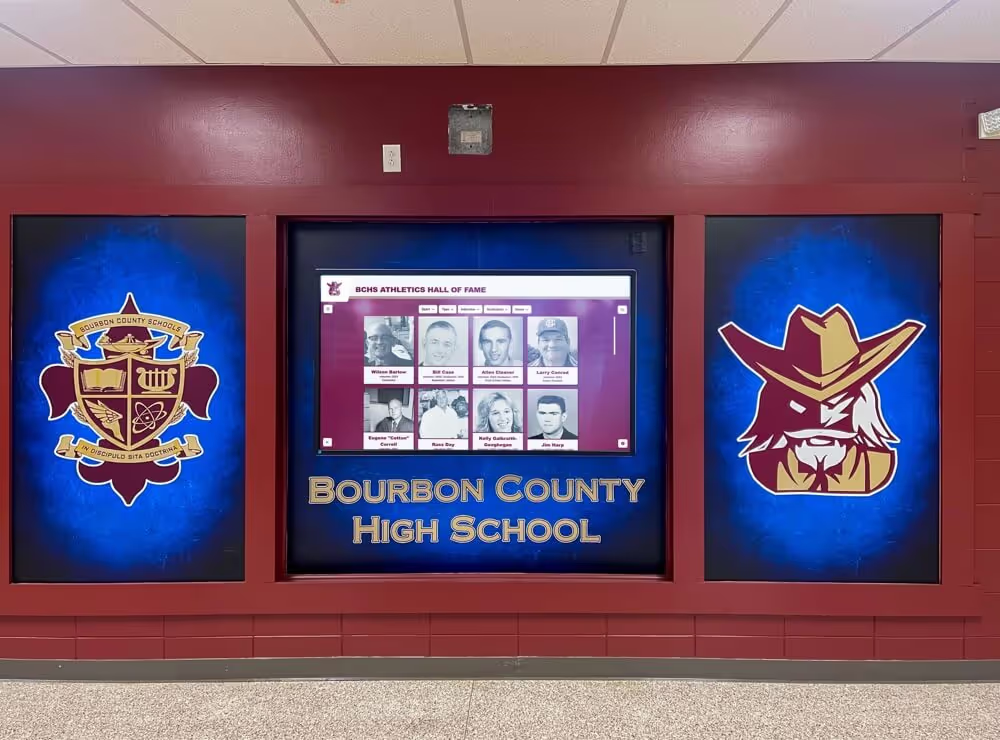
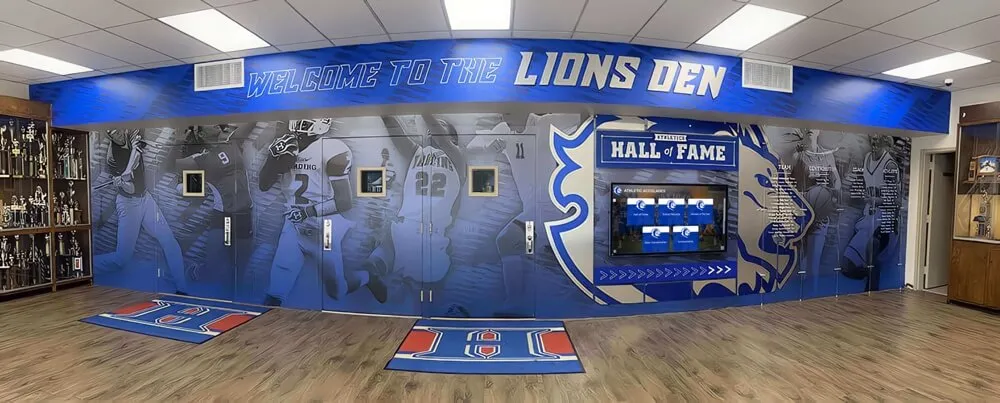
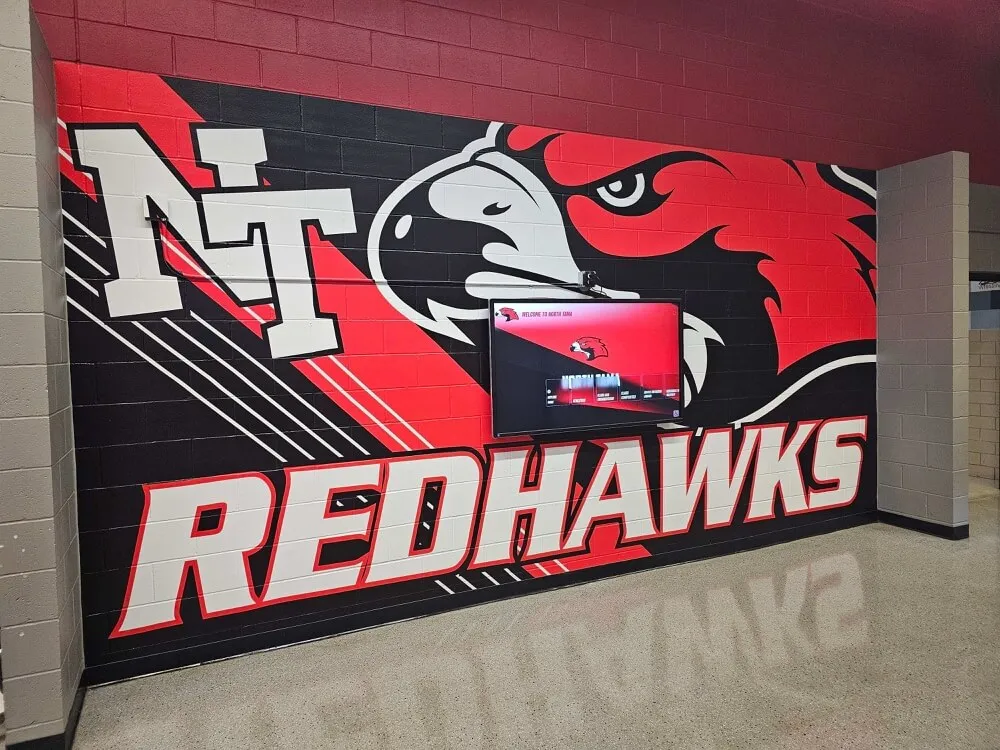
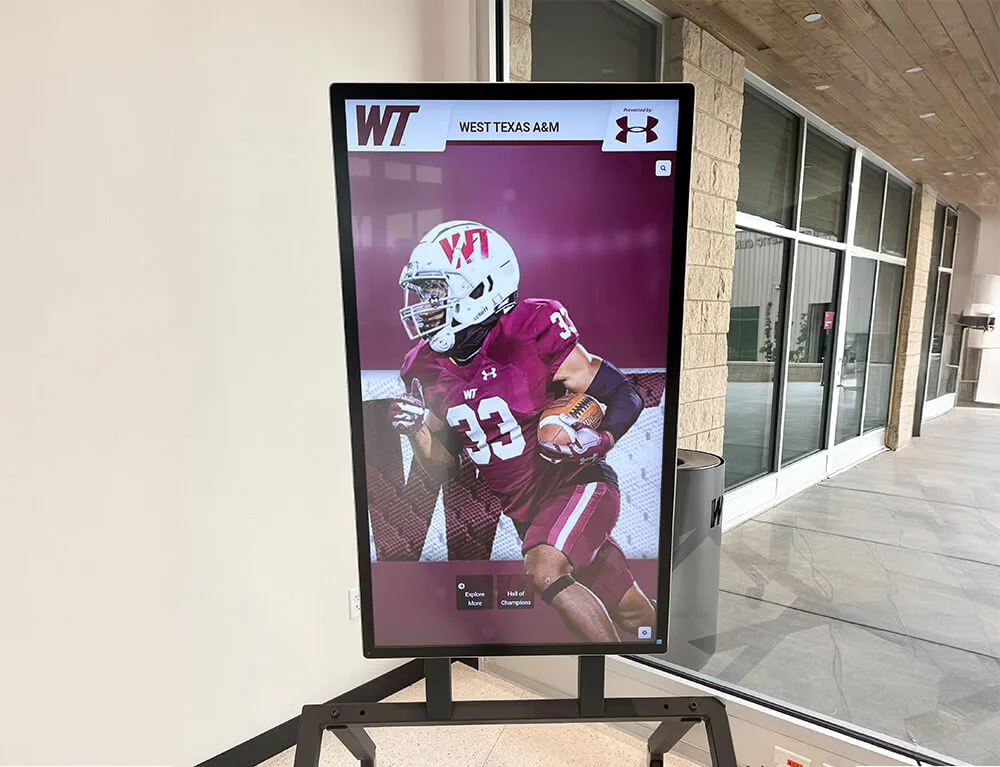
Multiple coordinated displays provide comprehensive capacity for recognizing diverse supporter communities across giving levels
Traditional vs. Digital Recognition Approaches
Organizations choose between conventional plaque-based recognition and modern digital platforms, each offering distinct advantages.
Traditional Recognition: Plaques, Nameplates, and Brick Pavers
Conventional approaches feature engraved plaques mounted on donor walls, nameplates on building elements like seats or rooms, or inscribed brick pavers creating physical recognition paths. Traditional recognition appeals to donors valuing permanent physical acknowledgment and creating tangible legacies connecting their names to facilities their generosity enabled.
However, traditional recognition faces inherent limitations. Physical space constraints force difficult decisions about whose support receives visibility when walls fill. Engraving costs typically range $50-200 per donor for production and installation, accumulating dramatically across campaigns attracting hundreds or thousands of supporters. Update processes require weeks or months from gift to recognition, creating delays undermining donor satisfaction. Errors require expensive replacement rather than simple corrections. Most significantly, static plaques offer no capacity for rich storytelling, searchability, or interactive engagement creating meaningful experiences.
Digital Recognition: Interactive Displays and Web Platforms
Modern digital recognition platforms like Rocket Alumni Solutions eliminate traditional limitations while creating new engagement opportunities. Unlimited capacity accommodates all campaign donors regardless of giving level, ensuring comprehensive inclusivity. Real-time updates enable immediate recognition following gift processing, demonstrating responsiveness that honors donors appropriately. Rich multimedia profiles can include photos, biographical information, personal statements, and video testimonials bringing recognition to life through donors’ own voices.
Interactive features transform passive name lists into engaging exploration. Searchable databases help visitors find specific donors or explore by giving society, campaign, location, or other attributes. Web accessibility extends recognition globally, enabling distant supporters to share acknowledgment with extended networks unable to visit facilities. Automated content rotation ensures all donors receive featured visibility over time rather than permanent hierarchy based solely on giving amounts.
Organizations exploring modern donor recognition technology discover capabilities purpose-built systems provide versus generic digital signage designed for corporate communications rather than donor celebration.
Hybrid Approaches: Combining Traditional and Digital Recognition
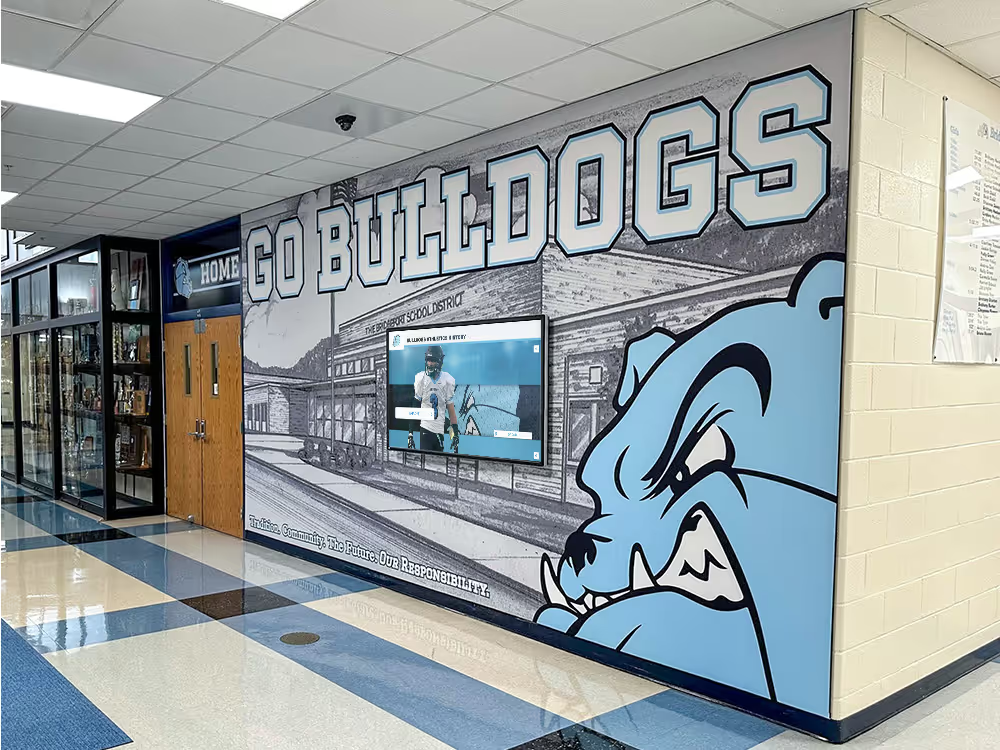
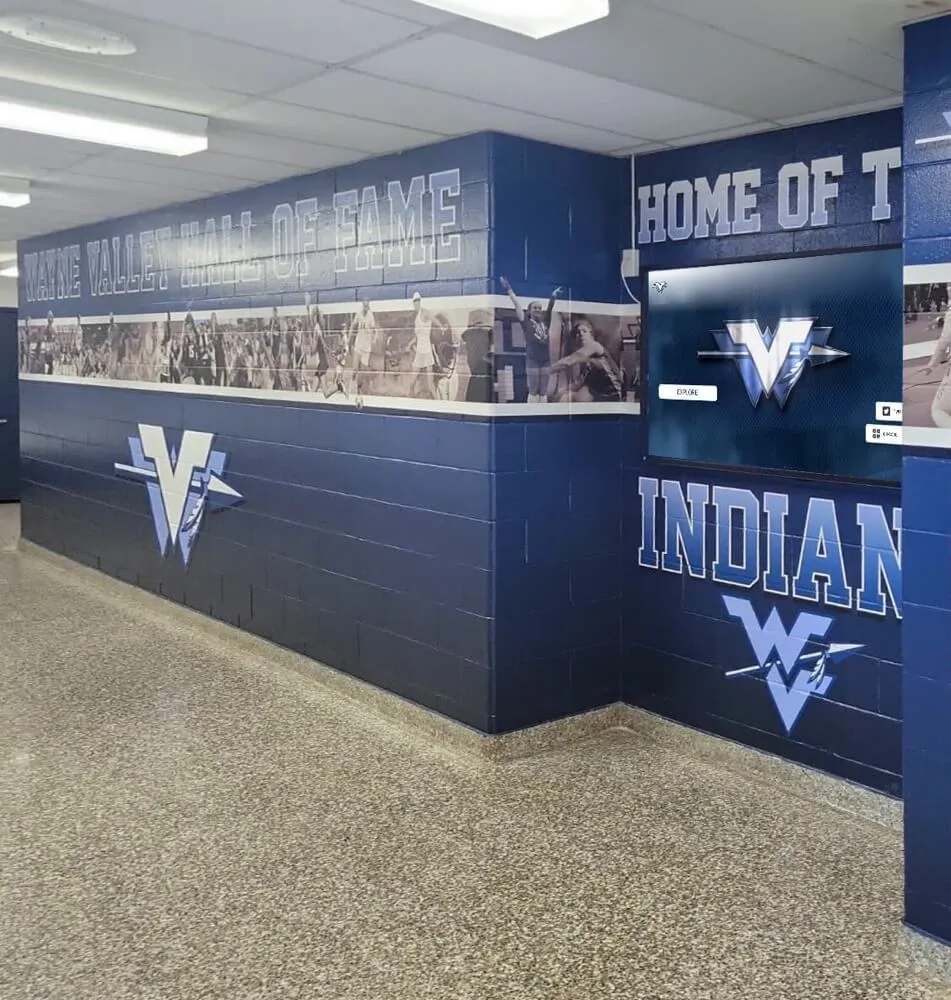
Many organizations implement hybrid recognition combining both traditional and digital elements. Major donors might receive traditional permanent plaques while broader donor communities appear in comprehensive digital systems. Architectural installations might feature branded environmental graphics creating visual impact alongside integrated digital displays providing content flexibility.
Hybrid approaches satisfy diverse stakeholder preferences. Traditional donors valuing permanent physical recognition receive expected acknowledgment, while digital platforms ensure all supporters achieve visibility regardless of contribution size. Combined systems often prove more impressive than purely traditional or digital approaches alone, honoring organizational identity through architectural integration while leveraging technology for recognition advantages static displays cannot provide.
Naming Opportunities and Major Donor Recognition
Capital campaigns frequently offer naming rights for buildings, spaces, programs, or endowments as incentives for leadership gifts.
Facility Naming Hierarchies
Comprehensive naming opportunity schedules create structured frameworks:
- Entire Buildings – $5-50 million depending on project scale and institutional context
- Building Wings or Major Sections – $1-10 million for substantial facility components
- Large Rooms or Specialized Spaces – $500,000-$2 million for classrooms, labs, performance spaces
- Standard Rooms – $100,000-$500,000 for typical classrooms, offices, conference rooms
- Smaller Spaces or Building Elements – $25,000-$100,000 for study rooms, locker rooms, equipment
Naming opportunity pricing reflects both construction costs and market assessment of what donors will invest for various recognition levels. Organizations balance revenue maximization against accessibility, ensuring naming opportunities exist at price points enabling broad participation rather than reserving all recognition for only the wealthiest prospects.
Endowment Naming and Program Recognition
Non-facility campaigns offer naming opportunities for endowed funds, programs, or initiatives. Endowed faculty chairs, scholarship funds, research centers, or program endowments provide permanent naming recognition while generating investment income supporting mission work perpetually.
Program naming proves valuable when facility naming inventory is exhausted or unavailable. Organizations can create unlimited named endowments without physical space constraints, accommodating major donors even when building naming opportunities are limited.
Family and Memorial Naming Designations
Naming opportunities often honor families or memorialize deceased loved ones, creating legacies extending beyond individual donors. “The Smith Family Auditorium” or “Johnson Memorial Scholarship Fund” positions philanthropy as family traditions while providing meaningful ways to remember loved ones through contributions supporting causes they valued.
Organizations should establish clear naming policies addressing duration (permanent vs. term-limited), transfer provisions if donors request changes, and procedures if named individuals later become controversial. Thoughtful policies prevent future conflicts while ensuring naming commitments remain honored appropriately across decades.
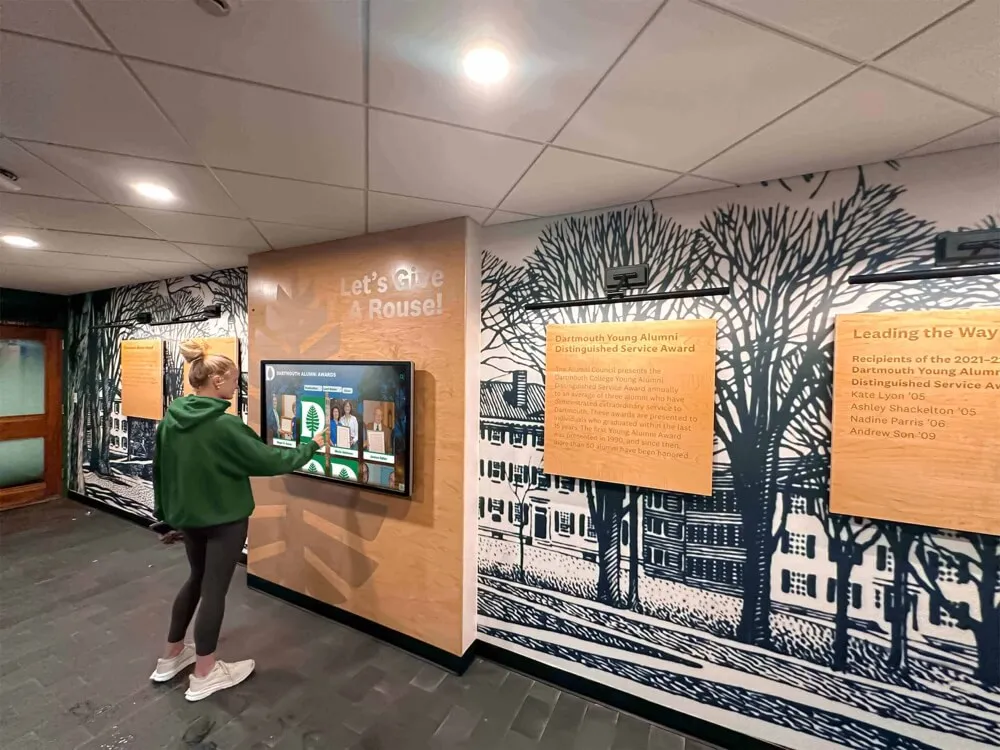
Recognition installations in renovated facilities ensure campaign donors see their acknowledgment in spaces their generosity created
Common Capital Campaign Challenges and Solutions
Even well-planned campaigns encounter obstacles requiring adaptive responses and problem-solving.
Challenge: Leadership Gift Shortfalls
Campaigns sometimes struggle securing leadership gifts adequate for quiet phase threshold achievement.
Extending Cultivation Timelines
Rather than proceeding with inadequate leadership support, organizations extend quiet phases allowing additional cultivation time. While delaying public launches, this patience prevents premature announcements that could fail publicly, damaging organizational credibility and donor relationships more severely than quiet delays.
Revising Campaign Goals
When feasibility studies or early solicitation results reveal that original goals exceed realistic capacity, prudent organizations revise targets downward. Modified goals might eliminate project components, reduce endowment targets, or scale facility plans to match available philanthropic capacity rather than pursuing unachievable targets guaranteed to produce campaign failures.
Enhancing Cultivation Strategies
Leadership gift shortfalls sometimes reflect inadequate cultivation rather than insufficient donor capacity. Organizations might engage professional counsel providing major gifts expertise, train volunteers more effectively in solicitation techniques, or develop more compelling cases addressing donor motivations and concerns more persuasively.
Challenge: Donor Fatigue and Competition
Organizations operating in competitive fundraising environments or having recently completed previous campaigns may encounter donor fatigue limiting campaign success.
Strategic Timing and Market Assessment
Organizations consider broader philanthropic environments when planning campaign timing. Launching capital campaigns immediately following community-wide fundraising initiatives or during economic uncertainty increases difficulty. Strategic timing positions campaigns for success by avoiding competitive periods or waiting until economic conditions improve.
Differentiated Positioning
Clear articulation of campaign distinctiveness helps organizations stand out in competitive environments. Rather than generic appeals claiming importance, effective positioning explains specifically how campaigns differ from other funding requests and why donors should prioritize particular projects over alternative giving opportunities.
Targeted Prospect Identification
Rather than broadly soliciting entire donor databases, strategic campaigns identify prospects with specific connections to projects—alumni who benefited from programs being expanded, grateful patients whose care occurred in facilities being renovated, parents whose children will benefit from new academic programs, or community members passionate about mission areas receiving investment.
Challenge: Recognition Management Complexity
Large campaigns attracting hundreds or thousands of donors create recognition management challenges that strain development offices.
Purpose-Built Recognition Technology
Organizations implementing professional recognition platforms like Rocket Alumni Solutions eliminate manual processes while providing comprehensive capabilities. Cloud-based systems enable real-time updates, accommodate unlimited donors without capacity constraints, provide sophisticated categorization and searchability, and extend recognition through web platforms accessible globally.
Clear Recognition Policies
Written policies addressing gift minimums for various recognition levels, anonymous donor procedures, naming duration and transfers, and profile content guidelines prevent confusion while ensuring consistent acknowledgment approaches. Clear policies enable efficient decision-making when donors request special accommodation or unusual circumstances arise.
Automated Workflows
Integration between gift processing systems and recognition platforms enables automated workflows triggering recognition updates when gifts process, minimizing manual intervention while accelerating donor acknowledgment. This automation proves especially valuable during public campaign phases when gift volumes peak and development staff time becomes constrained.
Best Practices for Capital Campaign Success
Organizations following proven practices improve campaign outcomes while avoiding common pitfalls.
Practice 1: Invest in Comprehensive Planning
Adequate preparation proves essential for campaign success and represents time well-invested rather than delays to be rushed.
Conduct Thorough Feasibility Studies
Feasibility studies provide objective assessment of campaign readiness, prospect capacity, and community receptivity. While adding expense and extending timelines, studies prevent costly mistakes by identifying issues before campaigns launch publicly. Organizations should engage experienced consultants providing professional expertise and third-party credibility that enables honest donor feedback impossible through internal research.
Develop Compelling Cases for Support
Strong cases combine emotional appeals with rational arguments, helping prospective donors understand both heart and head reasons for campaign support. Effective cases emphasize donor impact and community benefit rather than organizational needs, positioning support as opportunities to create meaningful change rather than obligations to solve institutional problems.
Create Realistic Gift Range Tables
Conservative projections ensure achievable goals while preventing overambitious targets that lead to campaign failures. Organizations should base gift range tables on prospect capacity assessment rather than wishful thinking, accepting that realistic goals successfully achieved prove superior to ambitious targets that campaigns cannot reach.
Practice 2: Secure Strong Leadership and Board Commitment
Campaign success depends heavily on leadership quality, commitment, and personal giving.
Board Giving First and at Leadership Levels
Boards must contribute meaningfully before external solicitation begins. The traditional principle holds that organizations cannot credibly ask others for major gifts when their own boards provide only modest support. Many campaigns establish expectations that board members contribute at levels placing them in upper recognition societies, demonstrating commitment warranting requests for similar support from external prospects.
Recruit Connected, Enthusiastic Campaign Volunteers
Campaign chairs and committee members should bring community connections enabling prospect access, enthusiasm generating contagious excitement, and credibility providing assurance that projects merit support. Organizations benefit from systematic volunteer recruitment identifying individuals with optimal combinations of capacity, connections, and commitment rather than settling for whoever agrees to serve.
Provide Comprehensive Training and Support
Volunteers need training in solicitation techniques, campaign messaging, objection handling, and gift processing procedures. Development staff should provide substantial support including prospect research, cultivation event planning, solicitation materials, and follow-up coordination. Well-supported volunteers make more asks, achieve higher success rates, and maintain engagement longer than unsupported volunteers struggling independently.
Practice 3: Implement Strategic, Comprehensive Recognition
Recognition serves strategic campaign functions beyond polite acknowledgment and deserves thoughtful planning and adequate investment.
Plan Recognition Early in Campaign Preparation
Organizations should determine recognition approaches during campaign planning rather than addressing them reactively after launches. Early planning ensures adequate budget allocation, enables recognition integration into campaign communications and volunteer training, and prevents donor complaints about inadequate or delayed acknowledgment that undermines satisfaction.
Choose Scalable Recognition Systems
Digital platforms accommodating unlimited donors without space constraints or tiered pricing eliminate concerns about recognition capacity limits. Solutions like Rocket Alumni Solutions ensure that campaigns can celebrate all supporters comprehensively regardless of ultimate participation levels, creating inclusive communities rather than exclusionary hierarchies where only top donors receive meaningful visibility.
Leverage Recognition for Fundraising
Recognition displays function as fundraising tools creating social proof, demonstrating momentum, enabling prospect discovery of relevant donors, and positioning giving as desirable membership in visible supporter communities. Organizations treating recognition strategically rather than administratively report improved campaign outcomes justifying recognition investments through accelerated fundraising results.
Learn about comprehensive approaches in capital campaign recognition planning that maximize impact throughout campaign lifecycles.
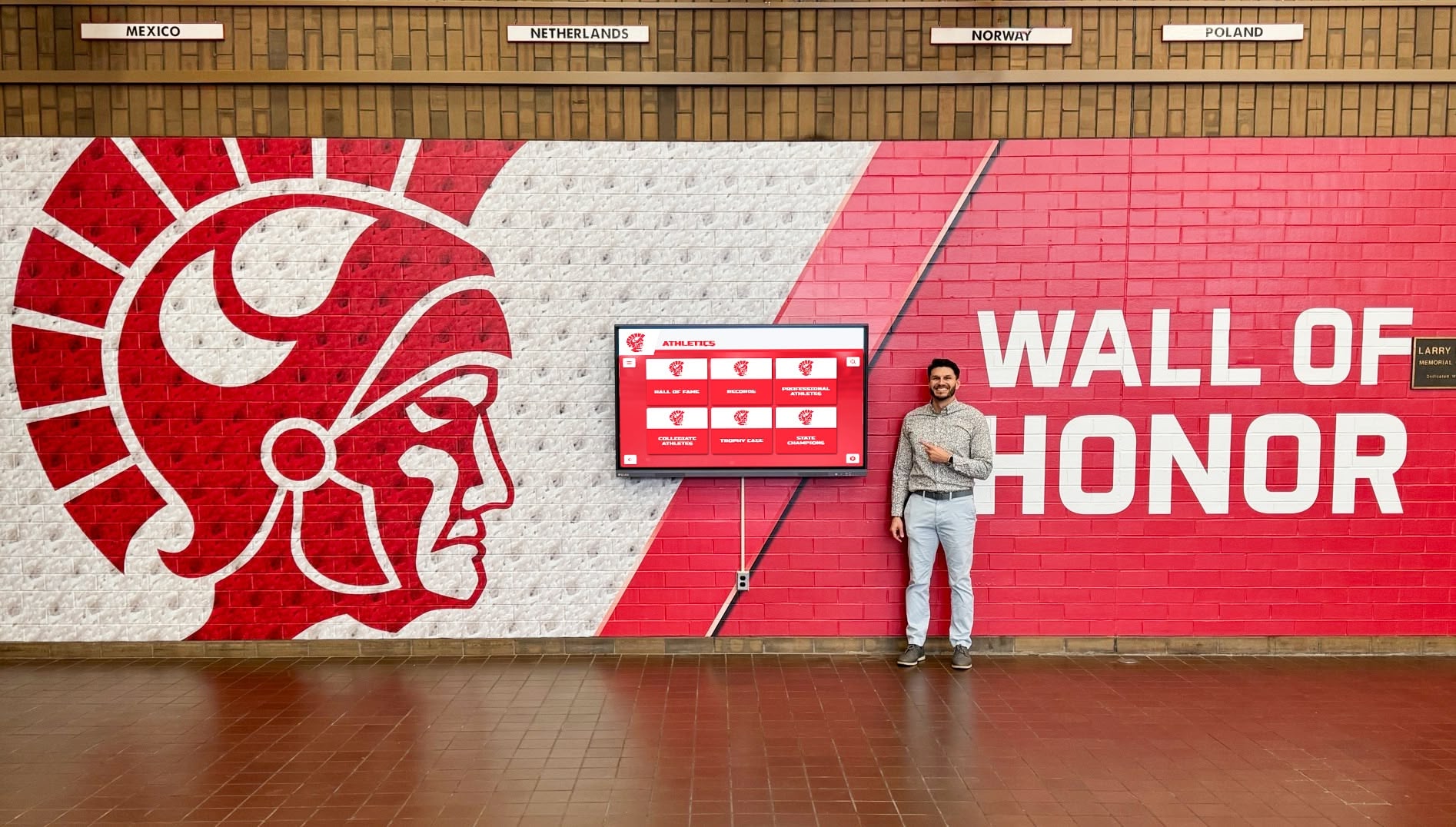
Comprehensive recognition celebrates all campaign supporters while creating experiences that inspire continued engagement
Capital Campaign Trends and Future Directions
Capital campaign approaches continue evolving with changing donor expectations, technological capabilities, and fundraising best practices.
Trend 1: Shorter, More Frequent Campaigns
Traditional multi-decade comprehensive campaigns are giving way to shorter, more focused efforts addressing specific priorities.
Three-to-Five Year Campaign Timelines
Modern campaigns typically span 3-5 years rather than the decade-long efforts common historically. Shorter timelines create urgency, maintain volunteer and staff focus, and accommodate faster-changing institutional priorities and community needs. Organizations benefit from achieving goals relatively quickly rather than maintaining campaign infrastructure across extended periods during which leadership changes, priorities shift, and momentum becomes difficult to sustain.
Campaign-to-Campaign Transitions
Rather than lengthy “quiet periods” between campaigns, some organizations transition quickly from completed campaigns to new initiatives, maintaining advancement momentum while capitalizing on established fundraising infrastructure, trained volunteers, and engaged donor communities. This approach requires careful positioning ensuring donors don’t experience fatigue while demonstrating that previous campaign investments are already creating intended impact worthy of continued confidence.
Trend 2: Enhanced Digital Integration
Technology plays increasingly central roles in campaign communications, donor engagement, and recognition.
Virtual Cultivation and Solicitation
Geographic distribution of donor populations, pandemic experiences accelerating digital adoption, and efficiency considerations drive increased virtual cultivation through video calls, webinars, and online events. While not replacing in-person relationship building entirely, digital approaches expand reach, reduce travel costs, and provide flexibility accommodating busy schedules.
Comprehensive Digital Recognition Platforms
Organizations increasingly adopt digital recognition systems providing capabilities traditional approaches cannot match—unlimited capacity, rich multimedia content, searchability, real-time updates, web accessibility, and social sharing. Purpose-built platforms like Rocket Alumni Solutions designed specifically for donor recognition deliver features generic digital signage cannot provide, ensuring campaign supporters receive acknowledgment worthy of their generosity.
Integrated Campaign Management Technology
Sophisticated platforms coordinate prospect tracking, gift processing, recognition management, and stewardship communications through integrated systems eliminating redundant data entry while providing analytical insights informing strategic decisions. Technology integration improves efficiency, reduces errors, and enables data-driven campaign management that optimizes outcomes.
Trend 3: Values-Driven Campaigns and Impact Emphasis
Modern donors increasingly prioritize mission alignment, measurable outcomes, and organizational values when making major gift decisions.
Sustainability and Environmental Considerations
Campaign projects increasingly incorporate sustainability features reflecting donor values and environmental stewardship priorities. Renovations pursue energy efficiency, new buildings achieve LEED certification, and campaign communications emphasize environmental responsibility as organizational commitment rather than mere compliance with building codes.
Equity, Access, and Inclusion Focus
Campaigns emphasizing expanded access, demographic diversity, financial aid, and inclusive program design appeal to donors prioritizing social justice and equitable opportunity. Organizations articulate how campaign investments will reduce barriers, expand participation among underrepresented populations, and create inclusive communities reflecting stated institutional values.
Transparent Impact Measurement and Reporting
Donors expect clear evidence that their investments create intended outcomes. Organizations implement impact measurement systems tracking project outcomes, reporting results transparently, and demonstrating accountability through regular campaign updates showing exactly what donor support accomplished. This transparency builds confidence supporting continued giving beyond campaign completion.
Conclusion: Building Communities Through Capital Campaigns
Capital campaigns represent far more than fundraising mechanics—they embody opportunities to unite communities around shared visions, demonstrate collective capacity for achieving ambitious goals, and create lasting institutions serving future generations. When organizations implement campaigns with thoughtful planning, strong leadership, compelling communication, and comprehensive donor recognition, they experience what we call digital warming: fundraising efforts transform into community-building experiences where supporters discover personal connections, celebrate collective achievements, and feel genuine pride in accomplishments their generosity makes possible.
Understanding what capital campaigns are proves essential for organizations contemplating major facility improvements, program expansions, or endowment building. Capital campaigns require different strategies, timelines, volunteer structures, and donor recognition approaches compared to annual fundraising. They create both opportunities and risks—successful campaigns strengthen organizational capacity and donor relationships while unsuccessful efforts can damage institutional credibility and community confidence.
The most successful campaigns share common characteristics regardless of organizational type or campaign scale. They begin with comprehensive planning including feasibility studies, compelling cases for support, realistic goal setting, and careful leadership recruitment. They progress through structured phases prioritizing major gifts during quiet periods before expanding to community-wide solicitation during public launches. They implement strategic recognition systems celebrating all supporters while creating social proof that attracts participation and accelerates gift timing. They conclude with celebration events positioning donors for continued engagement rather than allowing relationships to dissipate following campaign completion.
Comprehensive donor recognition proves essential throughout campaign lifecycles. Recognition serves multiple strategic purposes beyond polite acknowledgment—creating social proof that motivates participation, demonstrating campaign momentum that reduces giving hesitation, enabling prospect discovery of relevant donors through searchable platforms, positioning giving as desirable community membership, and honoring generosity appropriately through meaningful celebration extending beyond transactional receipts. Organizations treating recognition as strategic campaign infrastructure rather than administrative afterthoughts report improved outcomes justifying recognition investments through accelerated fundraising results.
Modern recognition technology transforms what’s possible in campaign donor celebration. Solutions like Rocket Alumni Solutions provide unlimited capacity accommodating all supporters regardless of giving level, enable real-time updates demonstrating responsiveness, support rich multimedia profiles telling compelling donor stories, offer searchable databases facilitating personal discovery, extend recognition globally through web platforms, and create engaging interactive experiences impossible with traditional plaques. These capabilities prove particularly valuable for capital campaigns attracting hundreds or thousands of donors whose comprehensive acknowledgment exceeds what physical donor walls can accommodate.
Your capital campaign represents an extraordinary opportunity to unite your community around shared vision while building visible supporter networks that inspire participation, demonstrate organizational health, and create lasting legacies connecting individual generosity to transformational institutional improvement. Whether you’re planning your first campaign or leading your fifth, successful outcomes depend on thoughtful preparation, strong leadership, clear communication, and donor recognition worthy of the generosity your supporters demonstrate through their commitment to missions they care about deeply.
Ready to develop capital campaign donor recognition that builds engaged communities while accelerating fundraising success? Explore how Rocket Alumni Solutions creates recognition experiences that celebrate supporters, demonstrate campaign momentum, and deliver the digital warming essential for fundraising excellence and lasting donor relationships.
Disclaimer: This content was produced by Rocket Alumni Solutions to demonstrate how purpose-built digital recognition technology supports capital campaign success and donor engagement. Product capabilities mentioned reflect publicly available information as of January 2026 and may evolve over time.