Intent: define — Walk into any thriving high school athletic program and you’ll find the same invisible engine running beneath the surface: a booster club. These parent-led volunteer organizations quietly fund the equipment coaches dream about, coordinate the volunteers who keep game days running, celebrate the athletes who dedicate years to their craft, and build the community connections that transform programs from good to genuinely extraordinary.
Yet despite their importance, many parents, new athletic directors, and even veteran administrators struggle to explain exactly what a booster club is, how it operates, and why it matters so profoundly to school communities. The confusion is understandable. Booster clubs wear many hats simultaneously—part fundraising arm, part volunteer corps, part recognition engine, part community builder. Their scope varies enormously from small single-sport parent groups to sophisticated nonprofits supporting entire athletic departments.
When booster clubs invest in recognition programs that preserve athletic history, celebrate donors, and engage alumni across generations, they create something deeper than fundraising infrastructure—they create what might be called digital warming. Cold, passive archives transform into living celebrations that surface personal connections, inspire current athletes, and activate latent community investment. The programs they support don’t just produce championship seasons; they build communities that remain engaged for decades.
This comprehensive guide explores what booster clubs are, who runs them, what they fund, how they raise money, and how modern recognition technology amplifies their community impact—creating the engaged, warm environments where programs and people thrive together.

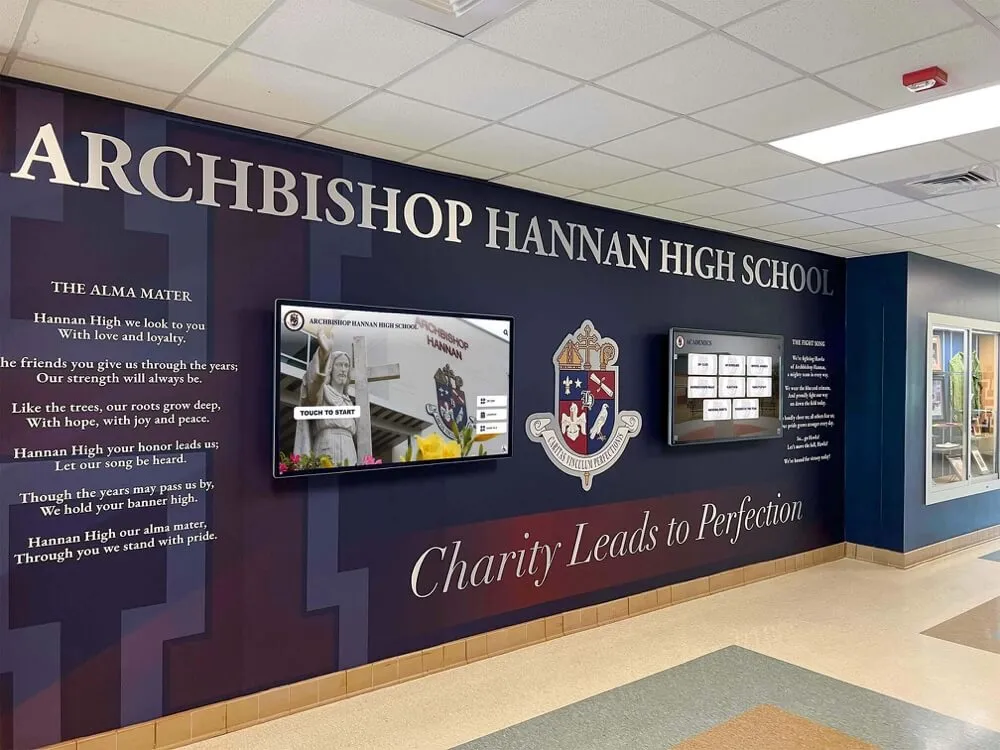
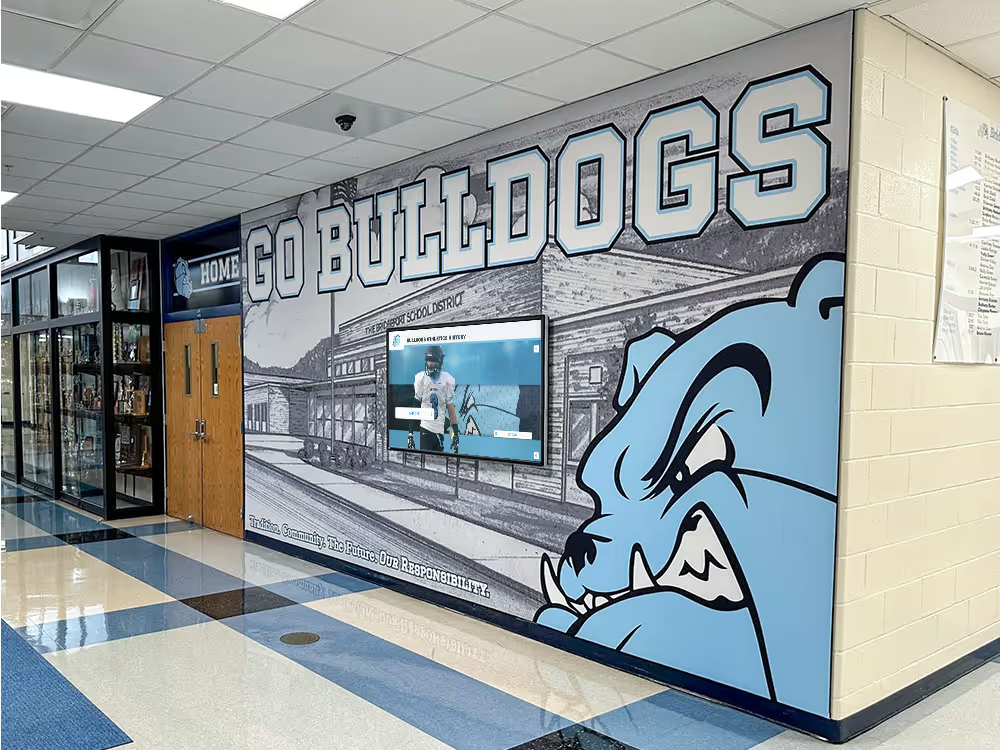
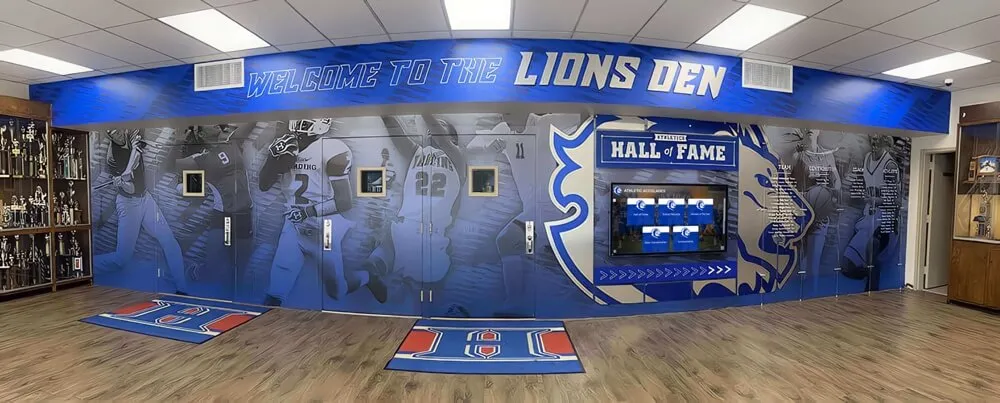
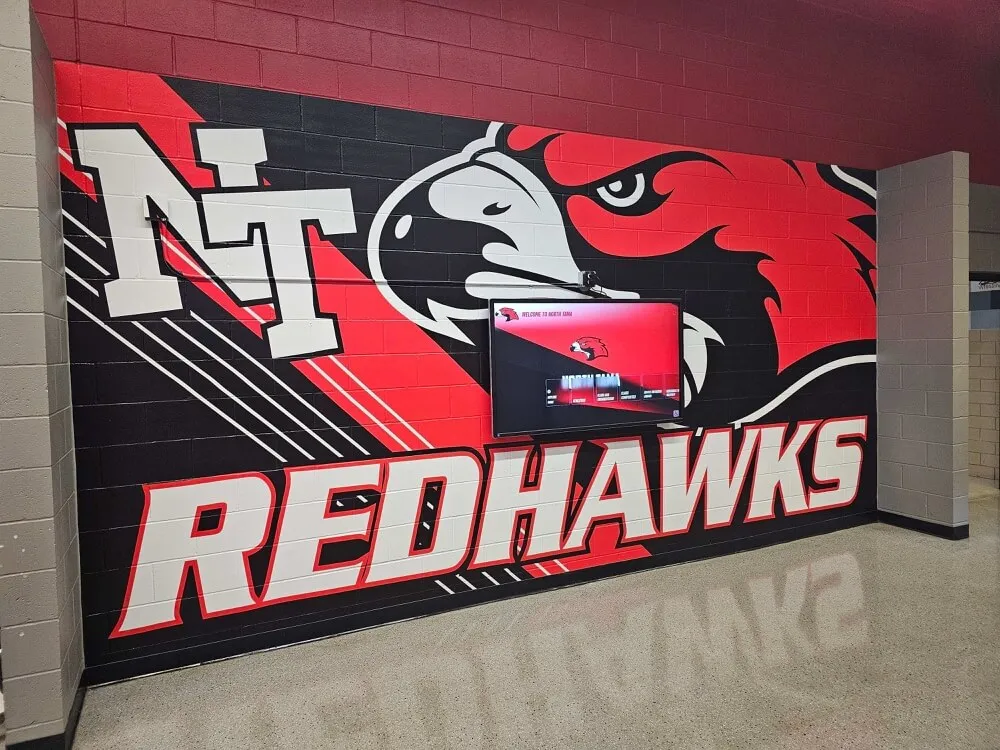
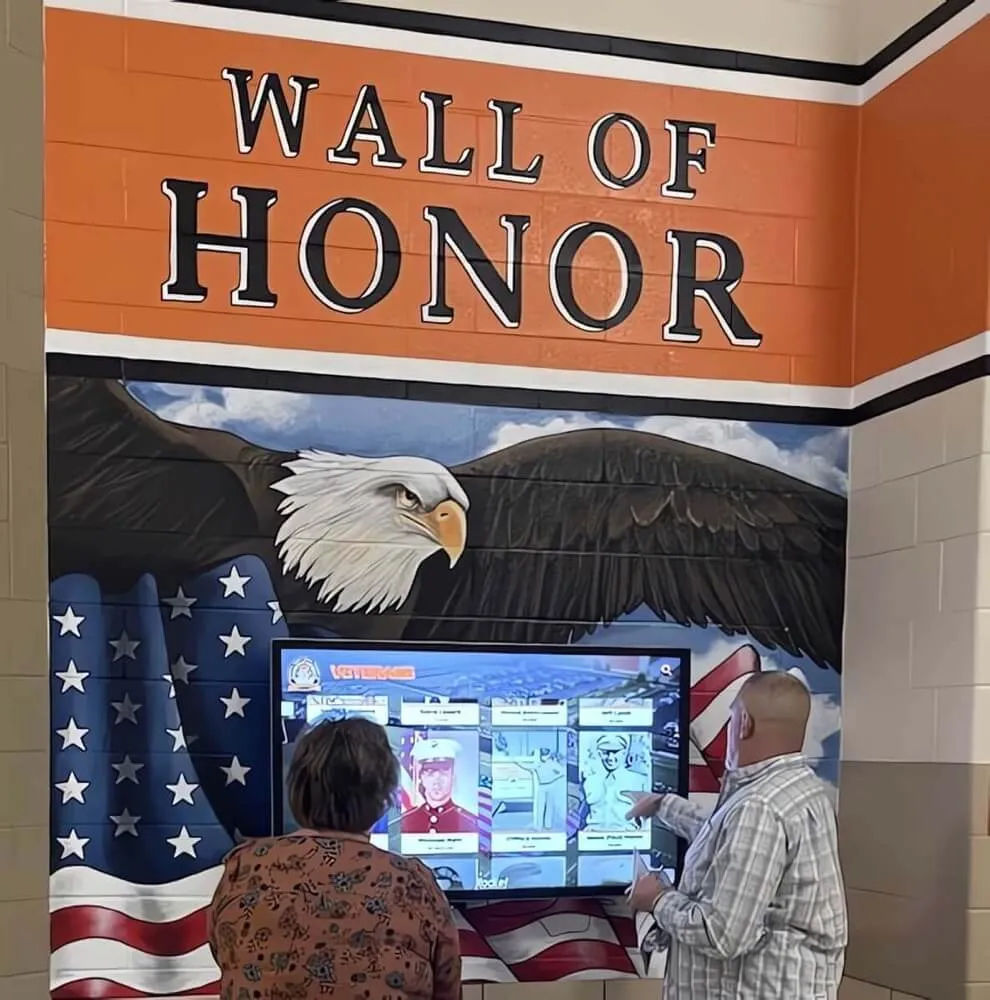
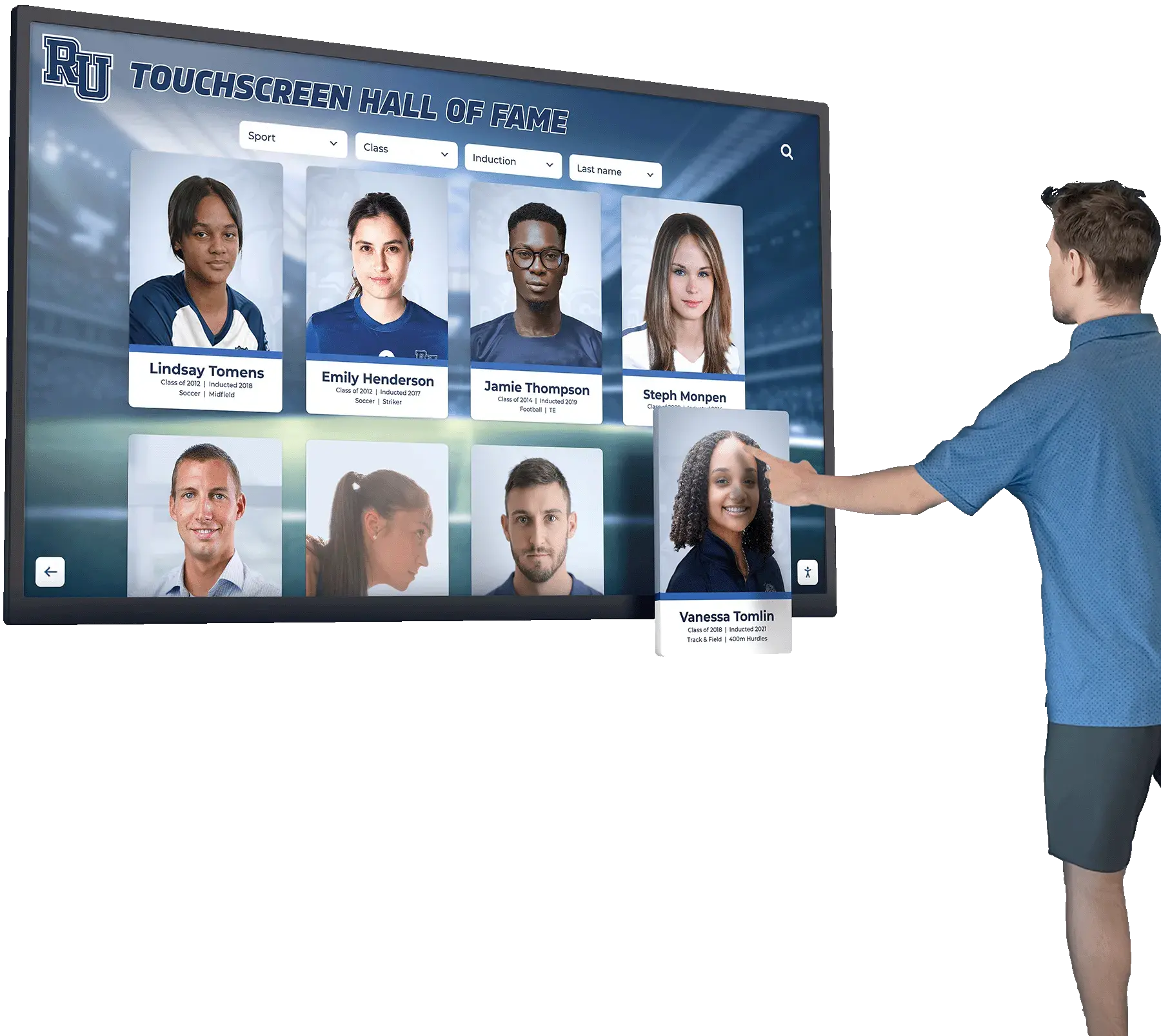
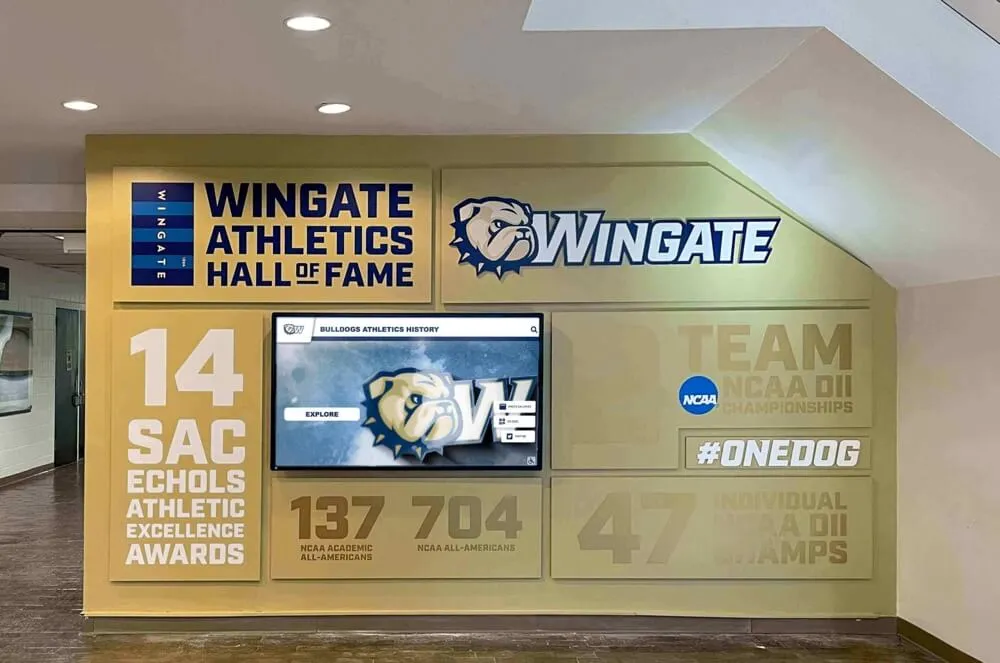
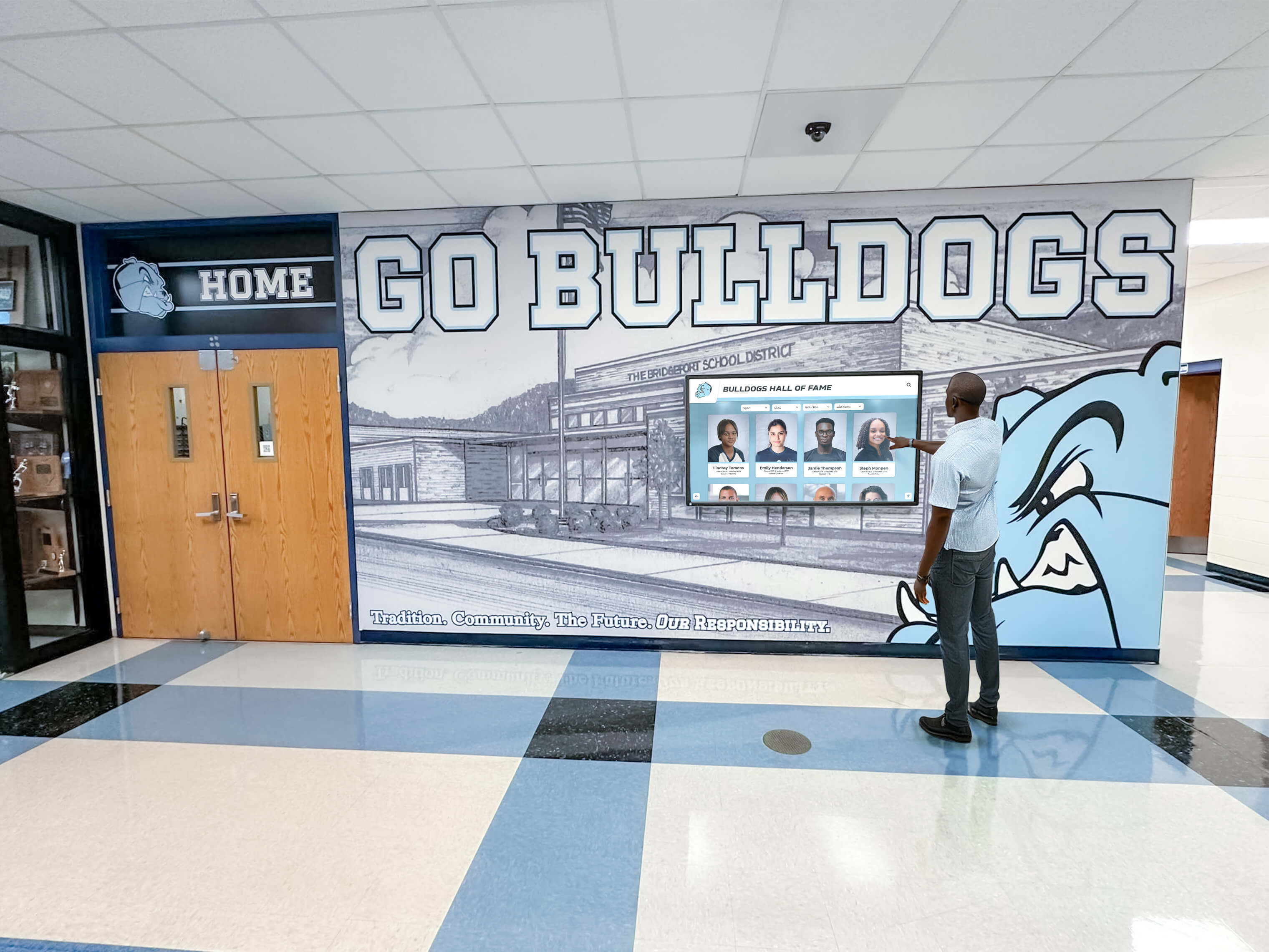
Modern athletic recognition installations—frequently funded by booster clubs—transform hallways into living tributes that build program pride and engage the entire school community year-round
What Is a Booster Club?
A booster club is a volunteer organization—typically composed primarily of parents, alumni, community members, and program supporters—formed to provide supplementary financial, operational, and community support to a specific school program or group of programs. The word “booster” captures the core purpose perfectly: these organizations exist to boost what schools can do for students beyond what institutional budgets alone allow.
Most booster clubs form around specific programs: a football booster club supporting the varsity program, a band booster club funding uniforms and competition travel, or an all-sports booster club supporting every athletic team at a school. Increasingly, comprehensive booster organizations support entire schools, providing a unified fundraising and advocacy voice that serves students across all extracurricular activities.
The Three Core Functions of a Booster Club
Every effective booster club performs three interconnected functions that together define what these organizations contribute:
Financial Support
School athletic and activity budgets face persistent constraints. Districts typically fund core operational costs—coaching salaries, basic equipment replacement, required competition fees—but rarely cover the enhancements that distinguish exceptional programs: specialized training gear, team travel to premium competitions, recognition systems, banquet celebrations, or facility improvements. Booster clubs bridge this gap through systematic fundraising, donor cultivation, and business sponsorship programs generating revenue that supplements school allocations.
Volunteer Coordination
Programs need people, not just money. Concession stands require staffing. Game days demand scoreboard operators, ticket sellers, and equipment managers. Season-ending banquets need setup crews and decoration committees. Fundraising events need organized volunteers executing complex logistics. Booster clubs create the infrastructure for recruiting, organizing, training, and scheduling the volunteer workforce coaches and advisors need to focus on students rather than operational logistics.
Community Building
Perhaps the most underappreciated booster function is community creation. Well-run clubs develop engaged supporter networks extending beyond immediate team families to include alumni, local businesses, and community members invested in student success. These networks generate resources, advocacy, and social capital supporting programs across generations—not just during any single season.
What Booster Clubs Are Not
Understanding booster clubs requires equal clarity about their appropriate scope limitations. Booster clubs are support organizations, not governance bodies. They supplement coaching and administrative decisions—they don’t override them. Effective booster clubs never attempt to influence playing time, coaching strategy, student eligibility, or personnel decisions. These boundaries, clearly maintained, preserve collaborative relationships with schools essential for any effective support function.
Types of Booster Clubs in Schools
Booster organizations form around virtually any program that benefits from supplementary support, though athletic boosters remain most common.
Athletic Booster Clubs
Athletic boosters support sports programs ranging from single-team organizations dedicated solely to football, baseball, or wrestling, to comprehensive clubs supporting all varsity and junior varsity teams in a school’s athletic program. Single-sport clubs often develop deep expertise in specific program needs and build tight-knit parent communities. Comprehensive athletic boosters develop broader fundraising capacity and avoid the fragmentation that occurs when multiple small clubs compete for the same community support dollars.
Band and Performing Arts Boosters
Performing arts booster clubs fund instrument purchases and maintenance, uniform acquisition and dry cleaning, competition entry fees, travel expenses, and performance venue costs. Band programs in particular depend heavily on booster support—a single competitive marching band season can require tens of thousands of dollars in equipment, uniforms, and travel that school budgets cannot accommodate.
Academic and Activity Boosters
Academic competition programs—debate teams, STEM clubs, robotics teams, mock trial, and academic decathlon—increasingly rely on boosters to fund registration fees, coaching, materials, and travel to regional and national competitions. These clubs attract parents motivated by academic excellence who bring professional skills like accounting, legal expertise, event planning, and marketing particularly valuable for sophisticated booster operations.
Comprehensive School Boosters
Some schools establish single umbrella booster organizations supporting all programs. These comprehensive clubs pool fundraising capacity, avoid donor fatigue from multiple competing solicitations, develop more professional organizational structures, and create community spaces where supporters of different programs interact and build cross-program school pride.
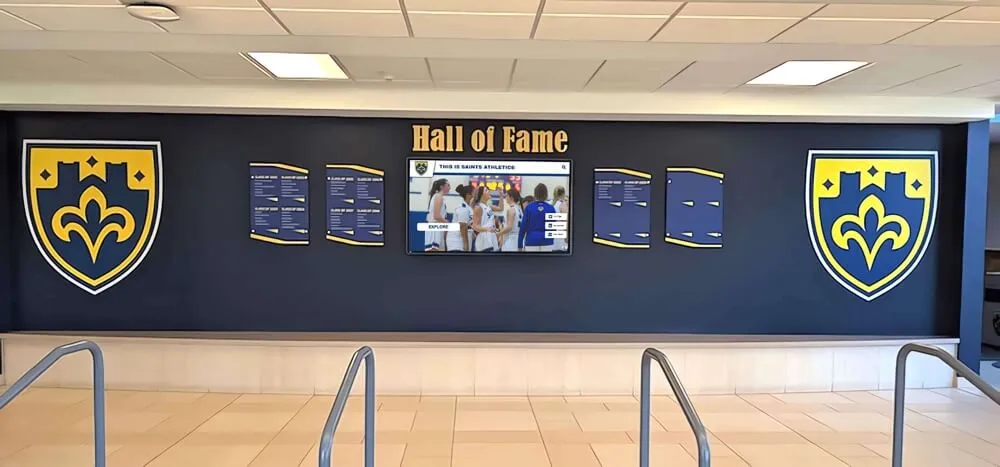
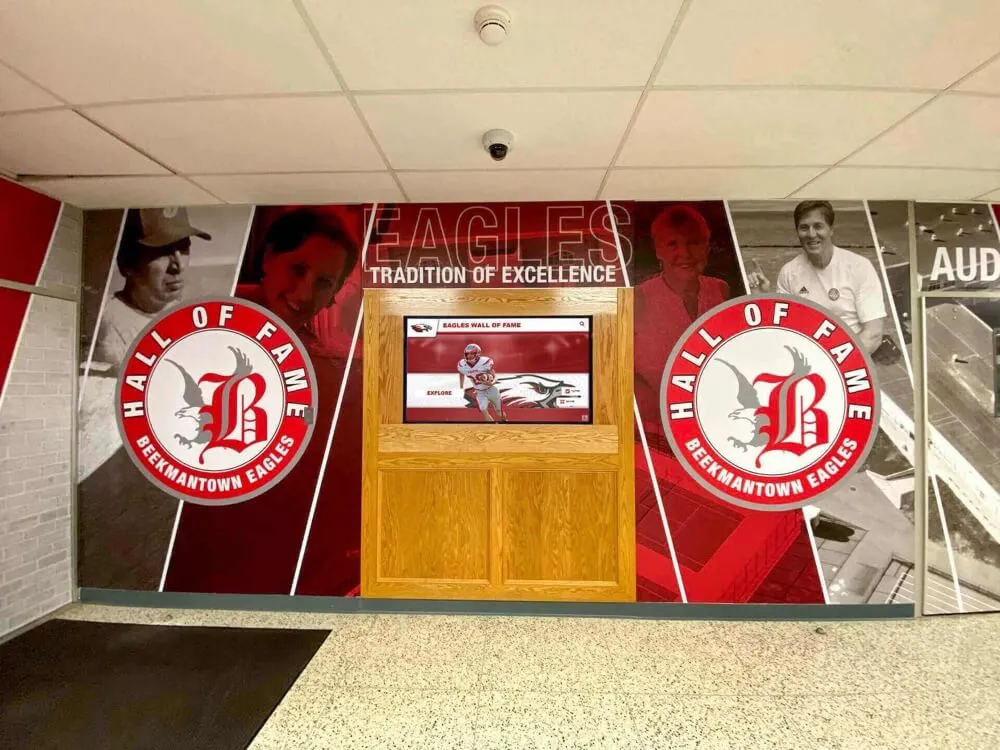
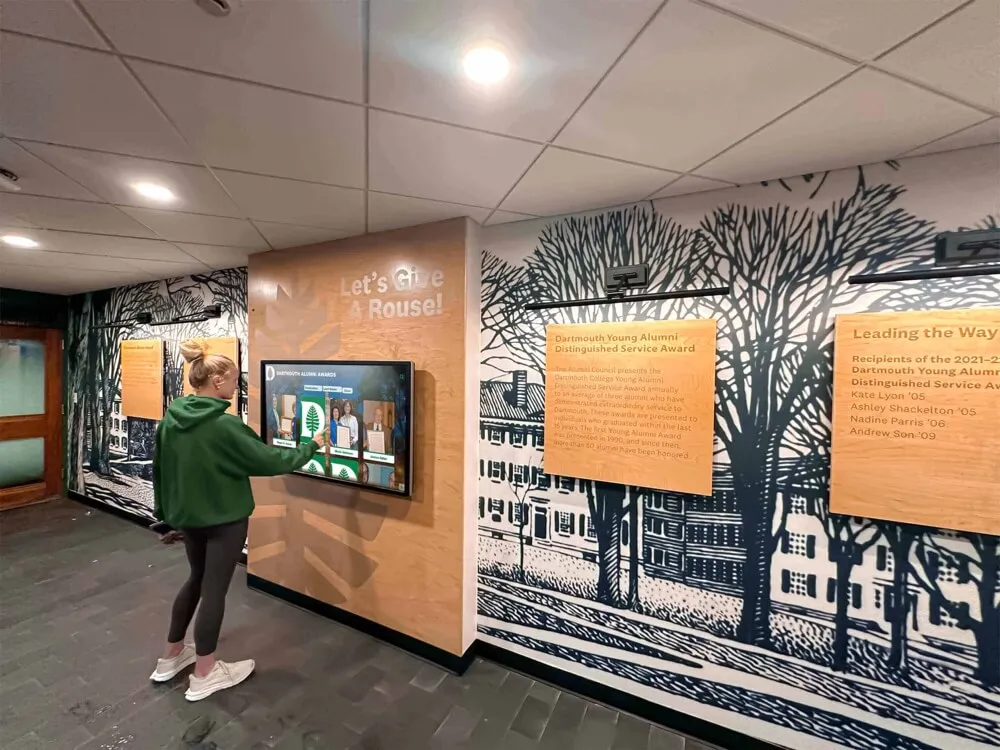
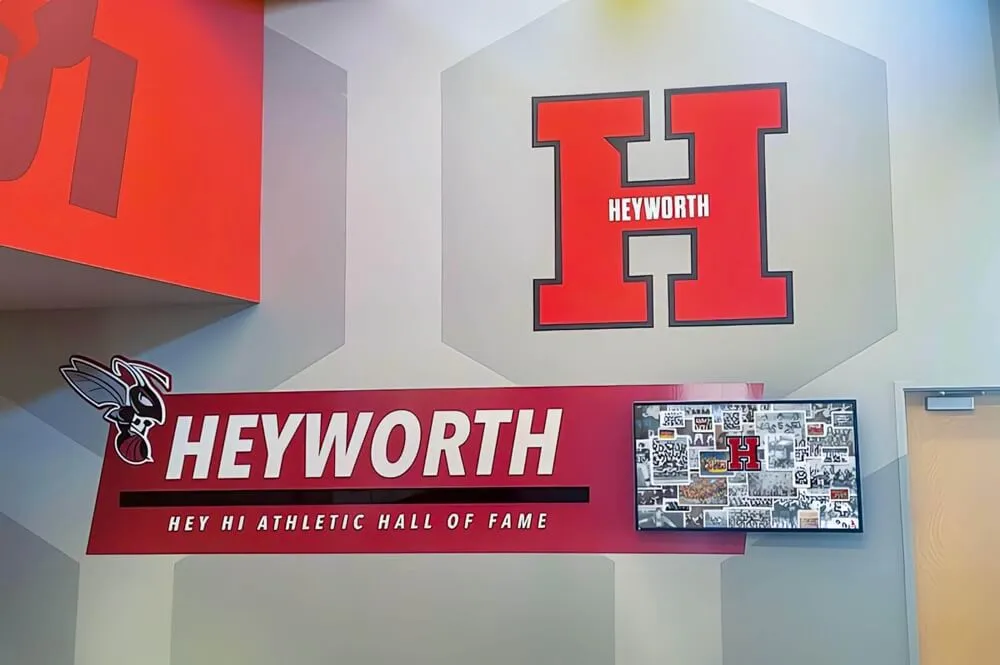
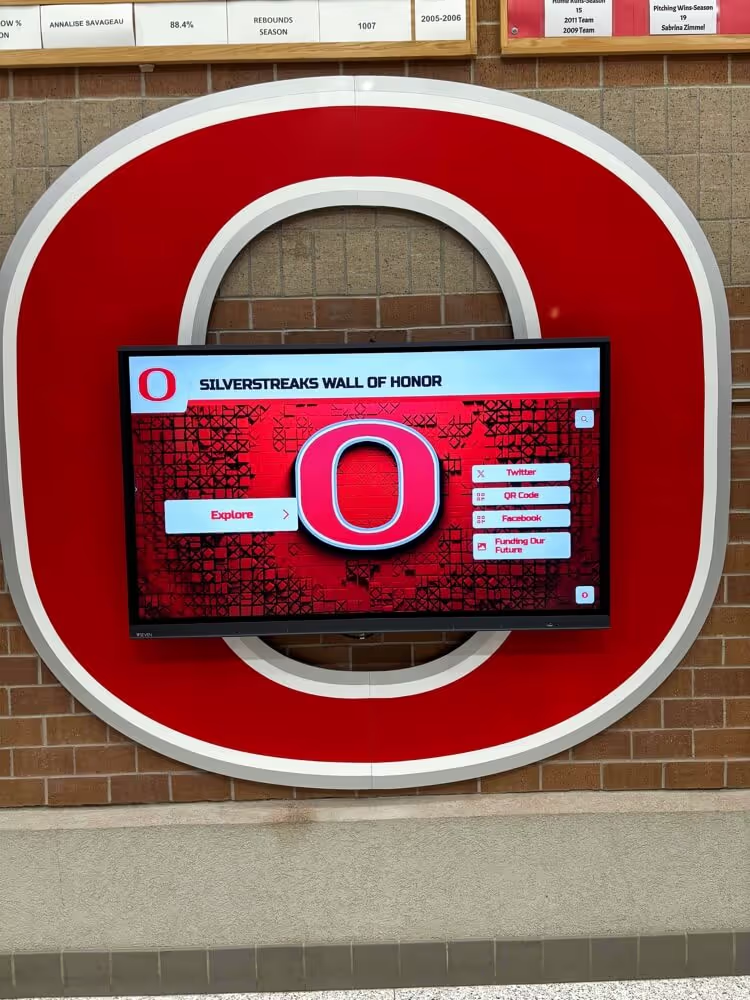
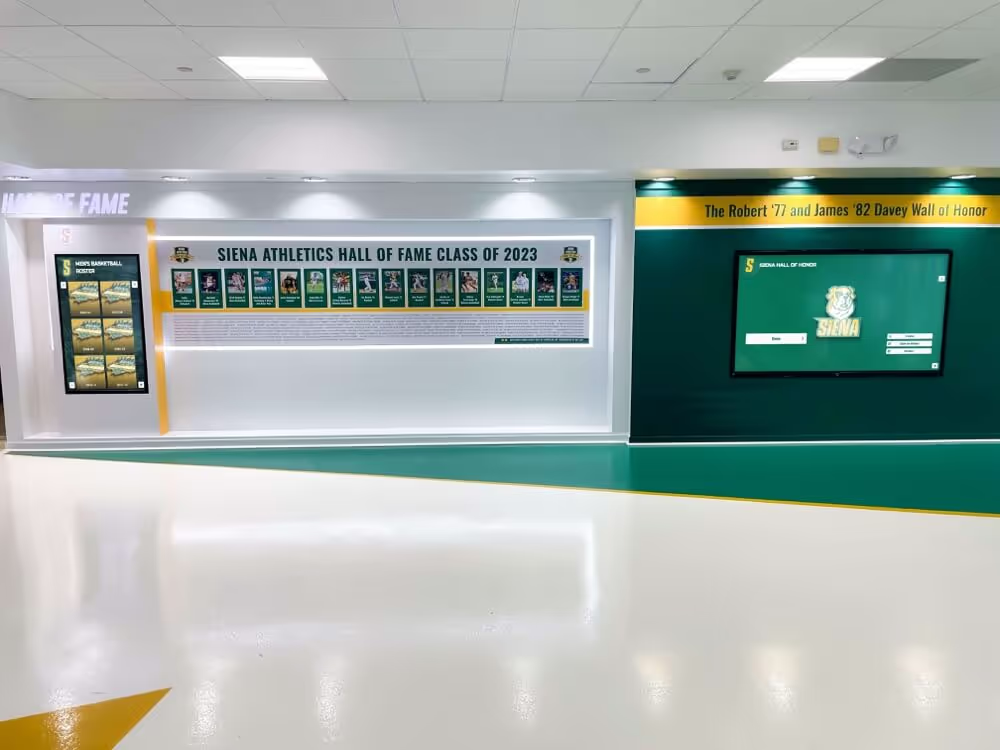
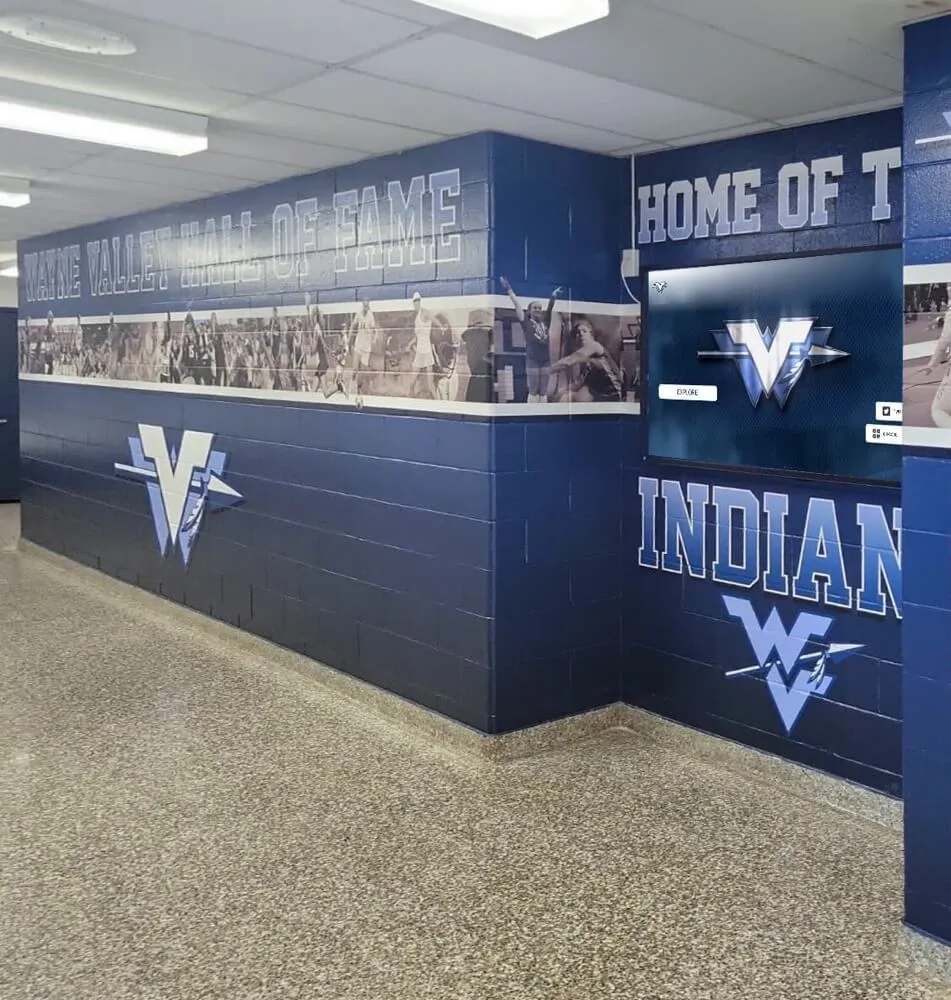
Recognition walls funded by booster clubs communicate program pride visibly to every student, athlete, and visitor who enters the building—building the ambient cultural environment where excellence becomes expectation
Who Runs a Booster Club?
Booster clubs succeed or struggle based primarily on the quality and commitment of their volunteer leadership. Understanding who fills key roles clarifies what effective booster governance looks like.
Core Officer Positions
Most booster clubs establish four foundational officer roles:
President: The organizational leader responsible for board meeting management, school liaison relationships, external program representation, and strategic direction. Effective presidents combine organizational capacity with relationship skills, managing both internal operations and external partnerships with coaches, administrators, and community stakeholders.
Vice President: Supports the president, leads specific functional areas, and provides leadership continuity when presidents complete terms or depart unexpectedly. The vice presidency serves as the primary succession pathway preventing leadership crises that destabilize organizations.
Treasurer: Manages all financial operations—bookkeeping, budget preparation, financial reporting, tax compliance, and banking relationships. This position requires particular trustworthiness and financial competency. Strong financial management builds community confidence enabling major fundraising success.
Secretary: Maintains meeting minutes, official correspondence, membership records, and organizational documentation. Accurate record-keeping proves invaluable when tax filings, leadership transitions, or administrative inquiries require documentation of organizational history and decisions.
Expanding Leadership Structures
Growing organizations add functional leadership positions beyond core officers: Fundraising Chair managing revenue-generating activities, Volunteer Coordinator organizing event staffing, Communications Director managing digital and print outreach, and Event Chairs leading specific major programs like banquets or tournaments.
These expanded structures distribute workload preventing the burnout that devastates single-volunteer-dependent organizations while developing deeper leadership pipelines sustaining clubs beyond founding members’ involvement.
Membership and Participation
Beyond formal leadership, booster clubs draw from broad membership bases. Most organizations welcome any parent, alumni member, local business representative, or community supporter as a member—some with minimal dues providing organizational revenue while creating stakeholder investment in organizational success.
Healthy membership cultures create tiered involvement opportunities: high-commitment leadership roles for those with substantial availability, committee work for moderate contributors, and single-event volunteer shifts for busy parents who can only give occasional hours. This diversity prevents the all-or-nothing dynamic that excludes many potential contributors.
What Do Booster Clubs Fund?
The tangible investments booster clubs make vary by program and organizational capacity, but common funding priorities reveal how these organizations translate financial resources into student experiences.
Equipment and Facility Improvements
Athletic programs require specialized equipment school budgets cannot fully cover: weight room upgrades, position-specific training tools, timing systems, protective gear, and technology enabling video analysis and performance tracking coaches rely on for competitive preparation. Booster investments in quality equipment directly affect athletic development outcomes while demonstrating community commitment to student success.
Facility improvements funded by boosters—from new scoreboards and weight room flooring to locker room renovations and facility signage—create environments inspiring athletes while building school pride visible to every student, family, and community member who enters the building.
Travel and Competition
Travel to premier competitions—tournaments, invitationals, state championships, and national events—creates experiences impossible to replicate locally. These opportunities expose students to elite competition levels, build program reputation attracting future talent, and create shared team experiences forging bonds lasting far beyond high school years. School travel budgets typically cover only required competitions; booster support opens access to prestigious events that elevate programs and student athlete development simultaneously.
Recognition and Celebration Programs
Athletic banquets, senior nights, award ceremonies, and year-end celebrations require significant funding: venue rentals, catering, awards purchasing, program printing, decorations, and audiovisual equipment. Booster clubs also fund permanent recognition installations: championship banners hanging in gymnasiums, trophy cases displaying competitive hardware, and increasingly, digital recognition systems celebrating complete program histories.
For clubs looking for inspiration beyond standard trophies, exploring creative sports awards ideas helps recognition programs reflect authentic program values and create awards that athletes actually treasure.
Scholarships and Academic Support
Many booster clubs establish scholarship programs rewarding student-athletes who demonstrate both athletic achievement and academic excellence. These scholarships honor the whole-student development philosophy athletic programs espouse while creating legacy giving vehicles connecting current booster generosity with long-term alumni development.
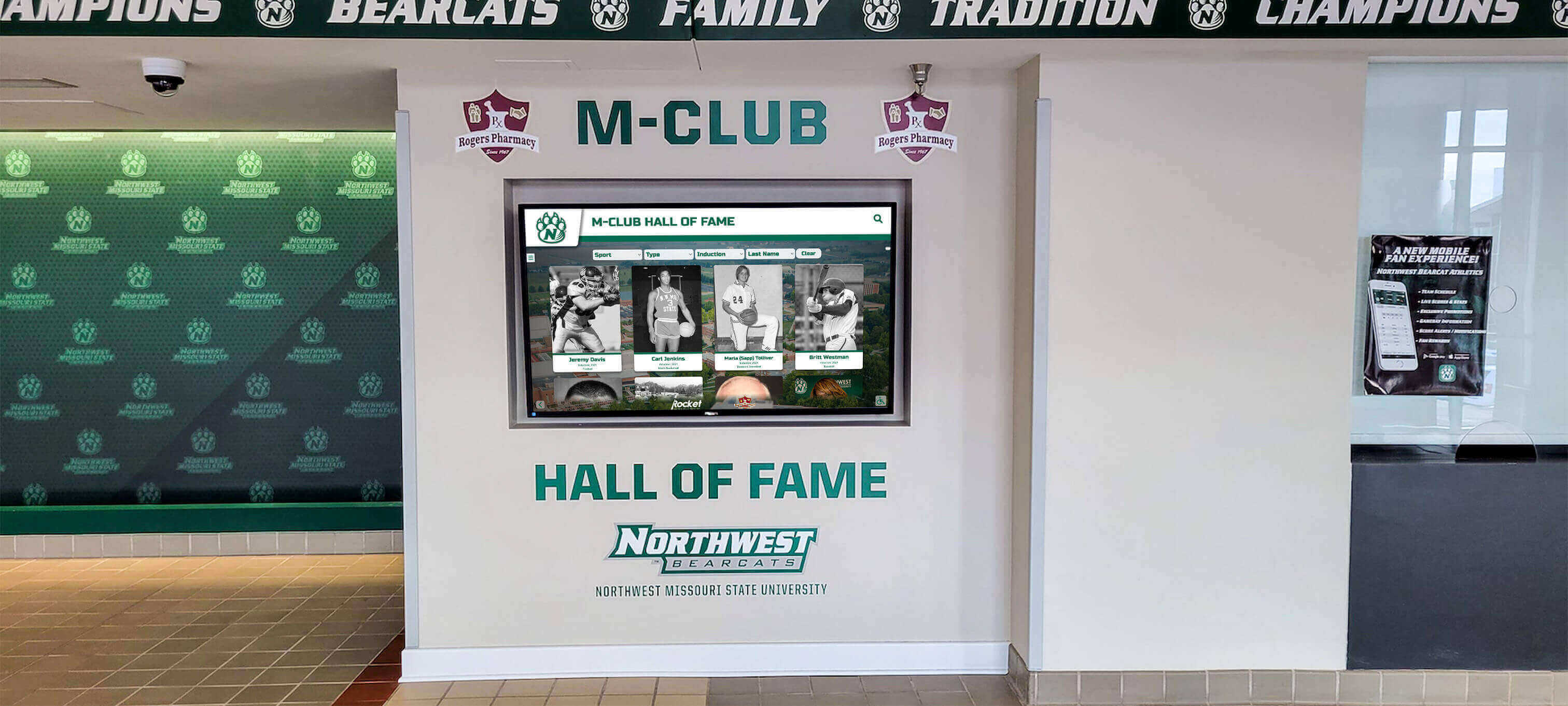
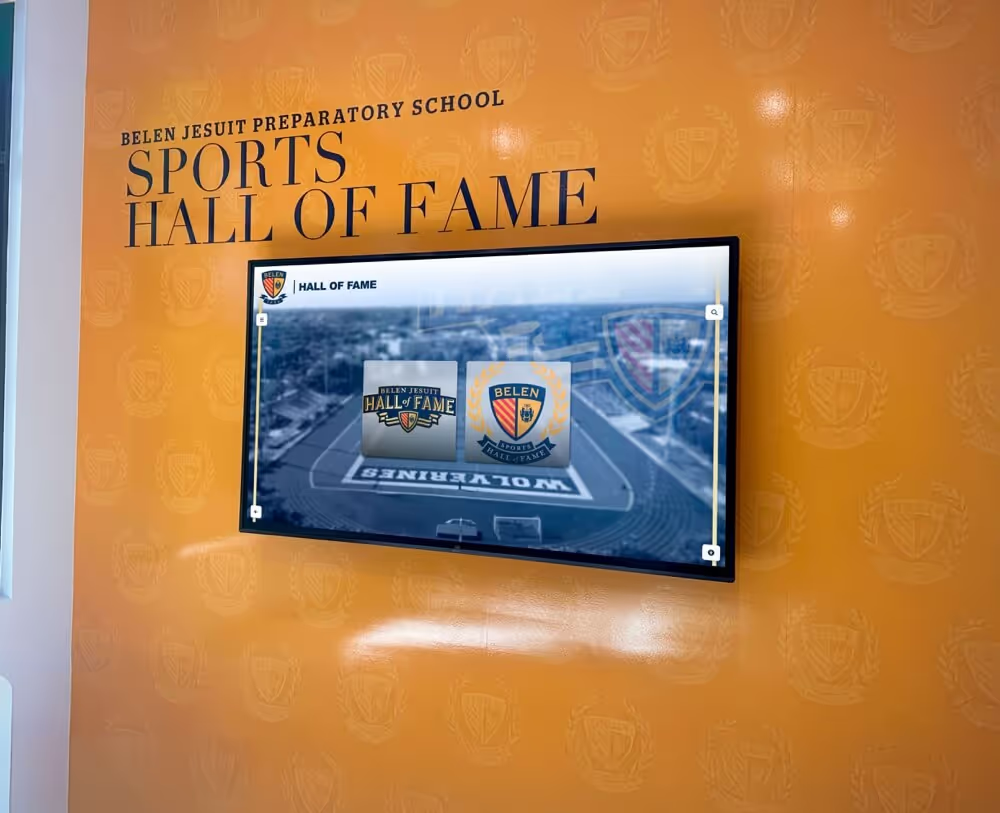
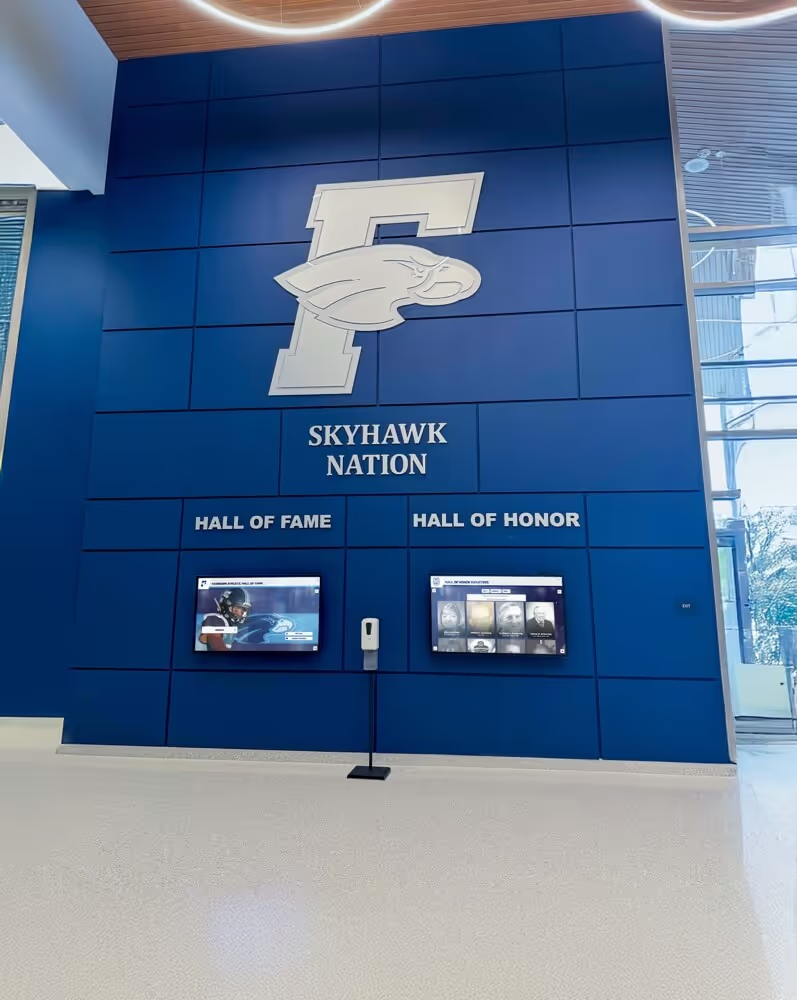
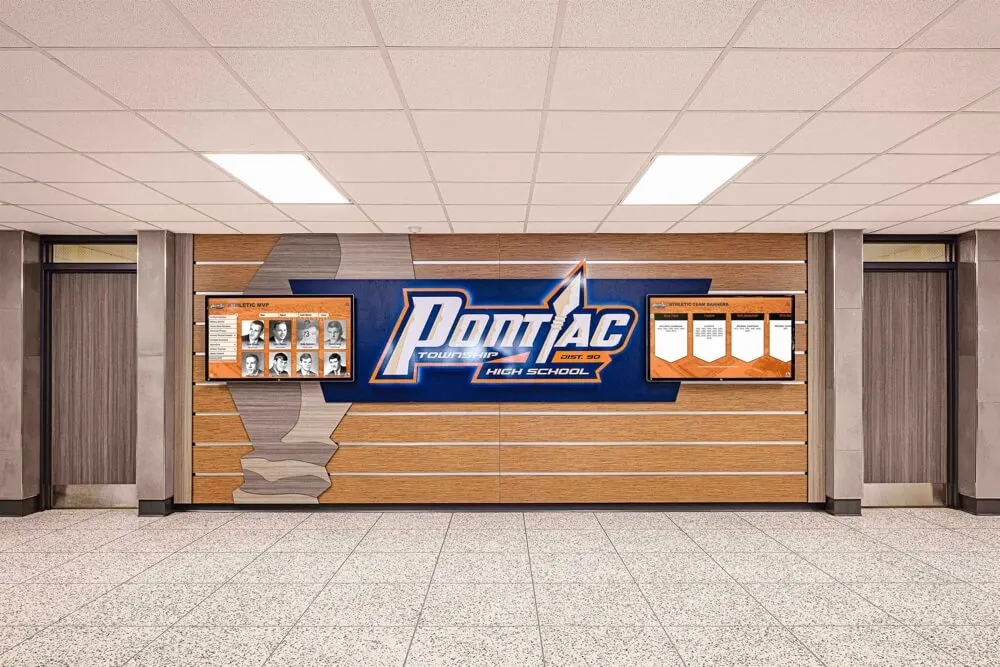
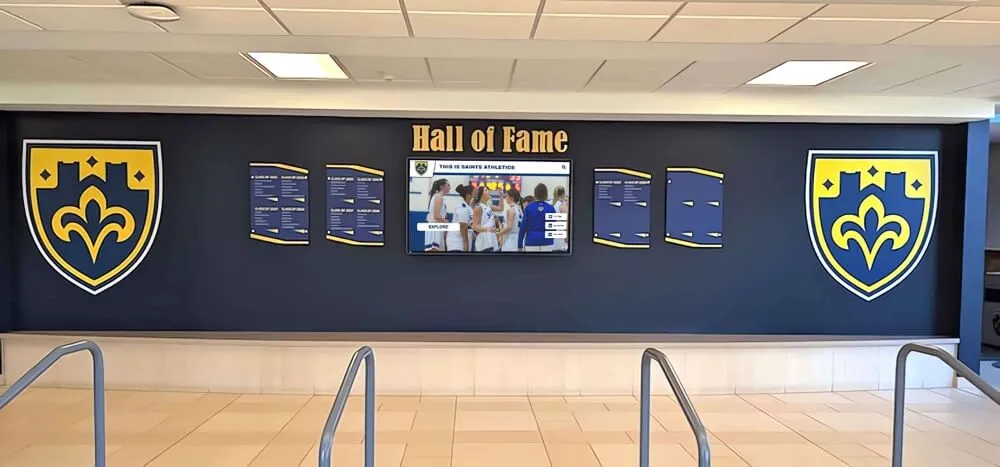
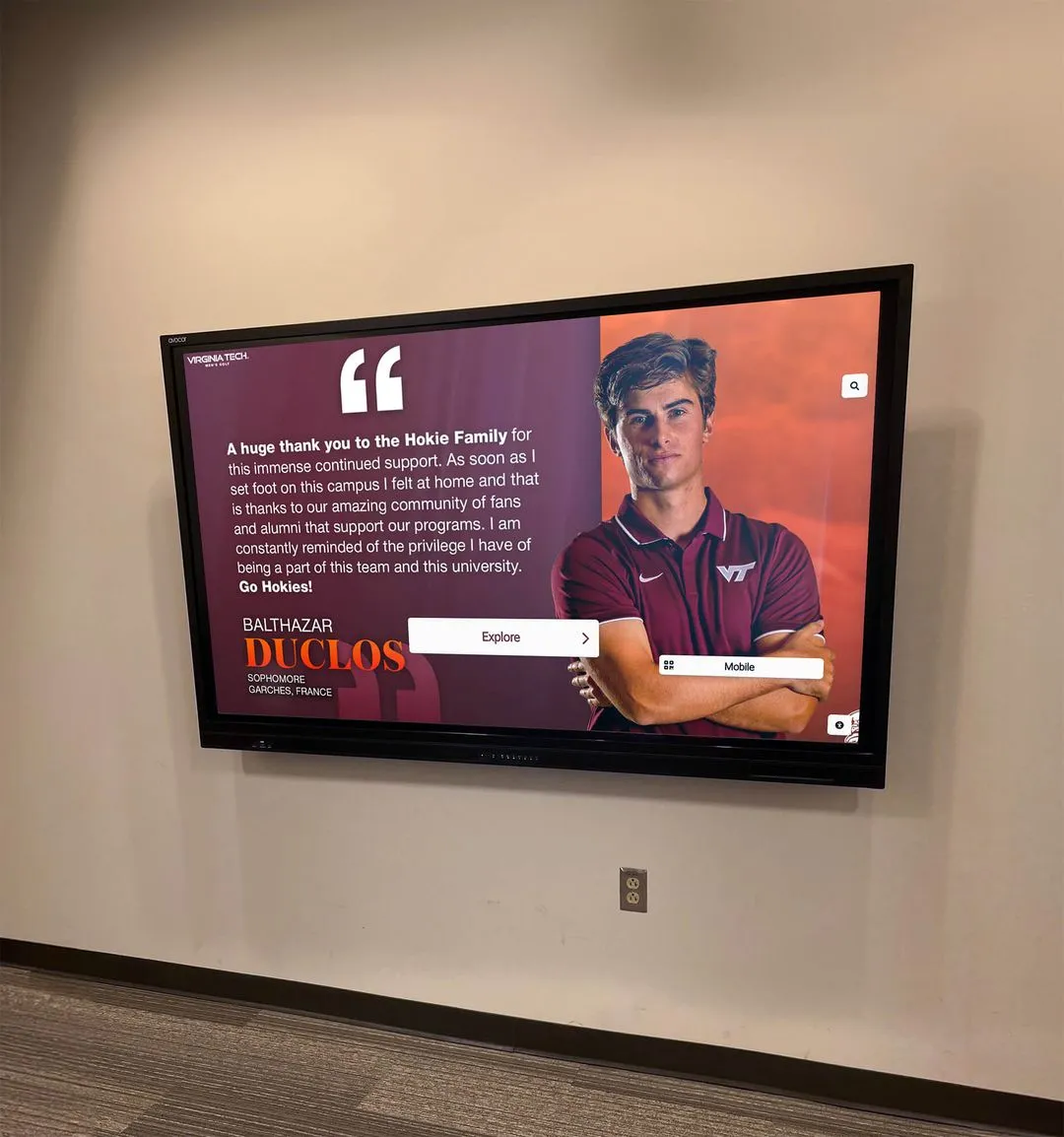
Varsity club hall of fame installations represent some of the most meaningful investments booster clubs make—permanent, visible recognition that honors generations of athletic achievement across complete program histories
How Booster Clubs Raise Money
Fundraising strategy determines organizational capacity. Successful booster clubs build diverse revenue streams rather than depending on single approaches.
Traditional Revenue Sources
Concession Stand Operations: Athletic event concessions provide steady, predictable income with favorable margins. Captive audiences, manageable inventory, and multiple volunteer engagement opportunities make concessions a cornerstone revenue source for most athletic boosters. Clubs that treat concession quality seriously—offering good products at reasonable prices—build positive reputations while maximizing per-transaction revenue.
Spirit Wear and Apparel Programs: Branded clothing celebrating school identity appeals across family, alumni, student, and community audiences. Modern print-on-demand platforms eliminate inventory risk, allowing clubs to offer diverse product lines while keeping upfront investment minimal. Spirit wear campaigns timed around homecoming, rivalry games, and graduation create multiple annual revenue opportunities.
Special Event Fundraisers: Annual signature events—golf tournaments, auction galas, 5K runs, carnival nights—create excitement, build community, and generate substantial revenue when executed with sufficient planning and volunteer coordination. Limiting these to one to three major events annually maintains donor engagement while preventing volunteer fatigue from too many competing time demands.
Clubs seeking fresh revenue approaches benefit from exploring proven high school fundraising ideas that work across diverse school communities and organizational capacities—from small booster groups just getting started to established organizations with decades of fundraising history.
Corporate and Business Sponsorships
Local business sponsorships generate reliable revenue while building authentic community partnerships. Effective sponsorship programs offer tiered benefit packages: banner placement, program advertising, digital display recognition, social media acknowledgments, and naming opportunities for major investments. Local businesses respond particularly well because sponsorships reach engaged community audiences directly relevant to their customer bases.
Creating professional sponsorship prospectuses demonstrates organizational seriousness while helping sponsors understand exactly what their investment provides—visibility, community association, and authentic connection to programs their employees and customers care about.
Digital Fundraising Platforms
Crowdfunding campaigns, online giving portals, and digital pledge drives expand fundraising reach beyond in-person networks. Platform-enabled social sharing turns every donor into a potential ambassador, extending campaign visibility through family and alumni networks far beyond traditional geographic limits. Purpose-specific campaigns—“Fund New Athletic Displays,” “Support Championship Travel,” “Build Our Hall of Fame”—generate stronger emotional responses than general operating fund appeals by connecting donations to tangible outcomes donors can visualize.
Booster Club Legal Structure and Governance
Sustainable booster clubs require proper organizational foundations protecting volunteers and enabling institutional partnerships.
Nonprofit Incorporation and Tax Exemption
Most functional booster clubs incorporate as nonprofit corporations under state law and apply for federal tax-exempt status under Internal Revenue Code Section 501(c)(3). Tax exemption provides meaningful advantages: donations become tax-deductible for contributors, organizations avoid corporate income tax on program revenue, and credibility increases substantially with major donors and grant-making foundations.
Smaller operations with annual receipts under $50,000 can use simplified IRS Form 1023-EZ applications. Clubs should consult their school district first—some districts maintain group exemptions covering affiliated booster organizations, eliminating the need for independent applications.
Written Bylaws and Financial Controls
Comprehensive bylaws—covering membership structure, officer elections, financial management, meeting requirements, and conflict resolution—provide governance frameworks preventing disputes while ensuring transparent consistent operations across leadership transitions. Financial controls, including dual check signatories, regular treasurer reporting, and annual internal reviews, protect treasurers as much as organizations by demonstrating systemic safeguards against mismanagement.
School Partnership Agreements
Booster-school relationships benefit from formal documentation: written memorandums of understanding clarifying fundraising approval processes, spending authority boundaries, communication protocols, and dispute resolution mechanisms. These agreements protect both parties by establishing shared expectations before the misunderstandings that most commonly arise when authority boundaries remain ambiguous.
Organizations building their booster infrastructure from scratch will find detailed practical guidance on how to start a booster club—covering the legal, organizational, and operational steps necessary for building a sustainable organization that serves its school community for years to come.
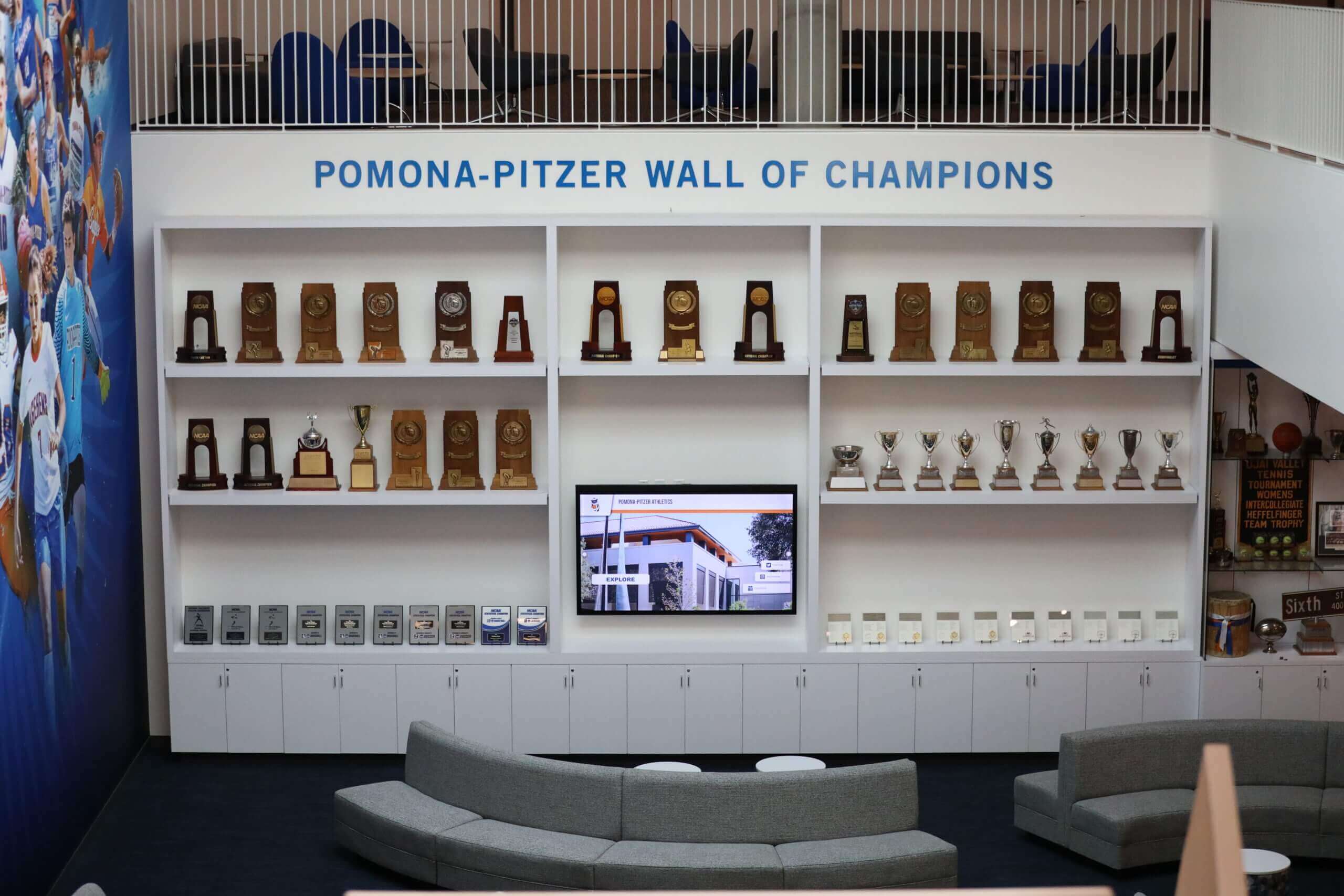
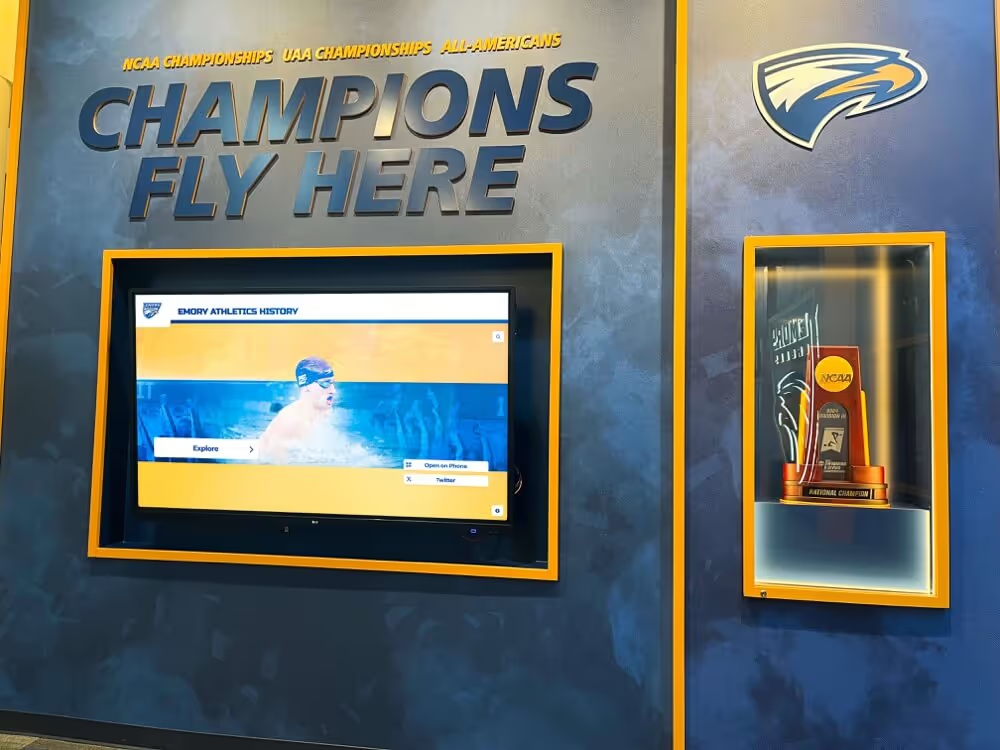
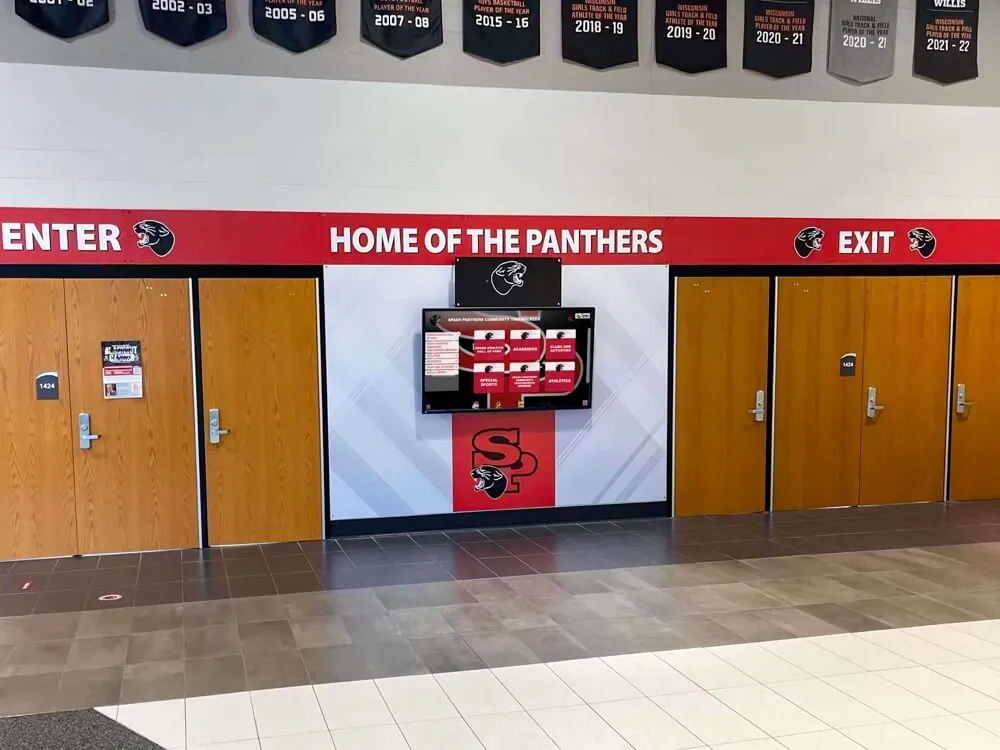
Trophy and recognition spaces funded by booster investments become focal points of program culture—locations where teams gather, traditions form, and the institutional memory that defines program identity lives visibly
Booster Club Recognition Programs: From Banquets to Digital Walls
Recognition represents one of booster clubs’ most powerful contributions—creating moments and systems that validate athletic dedication, honor community support, and build the institutional memory that defines program culture across generations.
Traditional Recognition Approaches
Season-ending banquets create milestone celebrations where coaches honor individual achievement, teams celebrate collective accomplishment, and families mark transitions—particularly for senior athletes experiencing their final chapter of organized competition.
Physical recognition—championship banners, trophy cases, letterboard displays, engraved plaques—provides permanent visible celebration throughout facilities. These installations communicate program excellence daily to every student, athlete, and visitor who encounters them, building ambient school pride that extends far beyond specific game results.
For athletic departments developing recognition programs that honor both athletic excellence and academic achievement, exploring comprehensive academic recognition programs provides frameworks for honoring the complete student-athlete identity—celebrating the whole person, not just the competitor.
Digital Recognition: The Modern Booster Investment
Technology has transformed what booster-funded recognition can accomplish. Rather than static installations with fixed capacity and expensive update costs, digital recognition platforms enable:
Unlimited capacity: Every athlete, donor, and contributor can receive meaningful recognition regardless of how many seasons of program history require documentation.
Rich multimedia profiles: Photos, videos, statistics, and biographical narratives create complete individual stories rather than name-only acknowledgments.
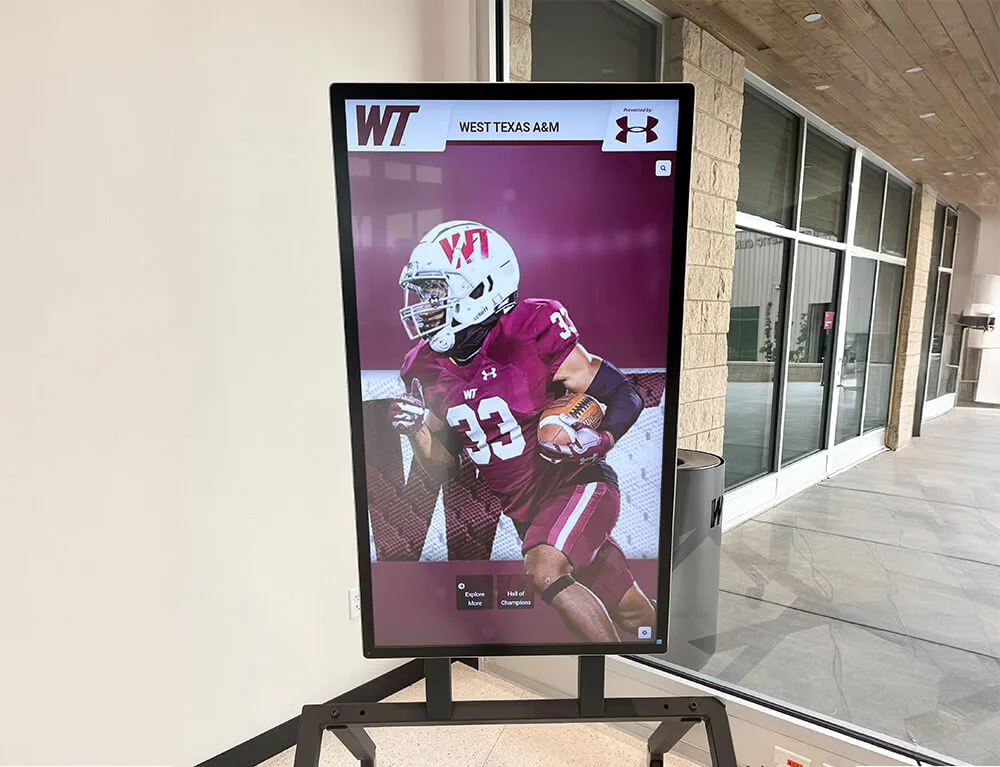
Interactive exploration: Touchscreen installations enable visitors to search, filter, and discover program history in engaging ways impossible with traditional physical displays.
Remote updating: New achievements, inductees, and record-holders can be added without expensive re-engraving or physical replacement—keeping recognition current and accurate.
Mobile accessibility: Web-accessible recognition platforms allow alumni, families, and community members to explore program history from anywhere, extending institutional memory beyond physical facility walls.
For clubs evaluating digital recognition investments, comprehensive resources on building a best-in-class digital wall of fame illuminate the landscape of available platforms, critical selection criteria, and implementation best practices that help organizations choose solutions aligned with their program needs and budget realities.
Donor Recognition: Honoring the Supporters Behind the Scenes
Recognizing financial supporters publicly—through digital donor walls, annual report listings, event acknowledgments, and facility naming opportunities—builds giving cultures where community investment feels visible and valued rather than anonymous and transactional. When donors see their contributions celebrated alongside the athletes they support, continued giving becomes an expression of community identity rather than a financial obligation.
Understanding donor walls as community-building tools helps booster clubs design recognition systems that inspire continued generosity, attract new donors who see their peers celebrated, and transform individual giving into visible collective community commitment.
For organizations ready to formalize donor relationships beyond one-time acknowledgments, implementing a structured individual donor stewardship program provides frameworks for building the sustained, personalized relationships that transform annual donors into multi-year investors who feel genuine ownership in program success.
Alumni Engagement: Booster Clubs as Community Connectors
The most forward-thinking booster clubs recognize that their community-building mission extends beyond current program families to encompass alumni networks whose continued engagement provides both financial resources and cultural continuity across generations.
Why Alumni Engagement Matters for Booster Clubs
Former athletes often become the most committed long-term program supporters when properly cultivated. They experienced firsthand how the program shaped their development, they maintain emotional connections to facilities and traditions, and they possess growing financial capacity as careers advance. Yet most booster clubs invest almost exclusively in current family engagement, leaving alumni connections underdeveloped.
Understanding what alumni associations do and why schools need them illuminates the parallel community infrastructure that booster clubs can either integrate with or model as they develop their own approaches to sustaining former participant engagement beyond graduation.
Digital Warming Through Alumni Recognition
When programs preserve and display comprehensive program histories—recognizing athletes from every era, not just recent seasons—former participants discover their place in an ongoing story that gives current achievement deeper meaning. This creates a digital warming effect: cold archived records transform into living community experiences that surface relevant personal connections, inspire current athletes, and activate latent alumni support.
Digital hall of fame platforms represent the clearest expression of this warming approach for booster-funded installations. Rather than static plaques acknowledging a single induction moment, digital platforms create ongoing connection points where alumni return, family members share, and community members engage with stories that give the program its distinctive character and history.
For communities evaluating comprehensive digital recognition approaches, thorough resources on high school digital hall of fame platforms help decision-makers understand feature sets, technical requirements, implementation timelines, and cost structures associated with different digital recognition investments.
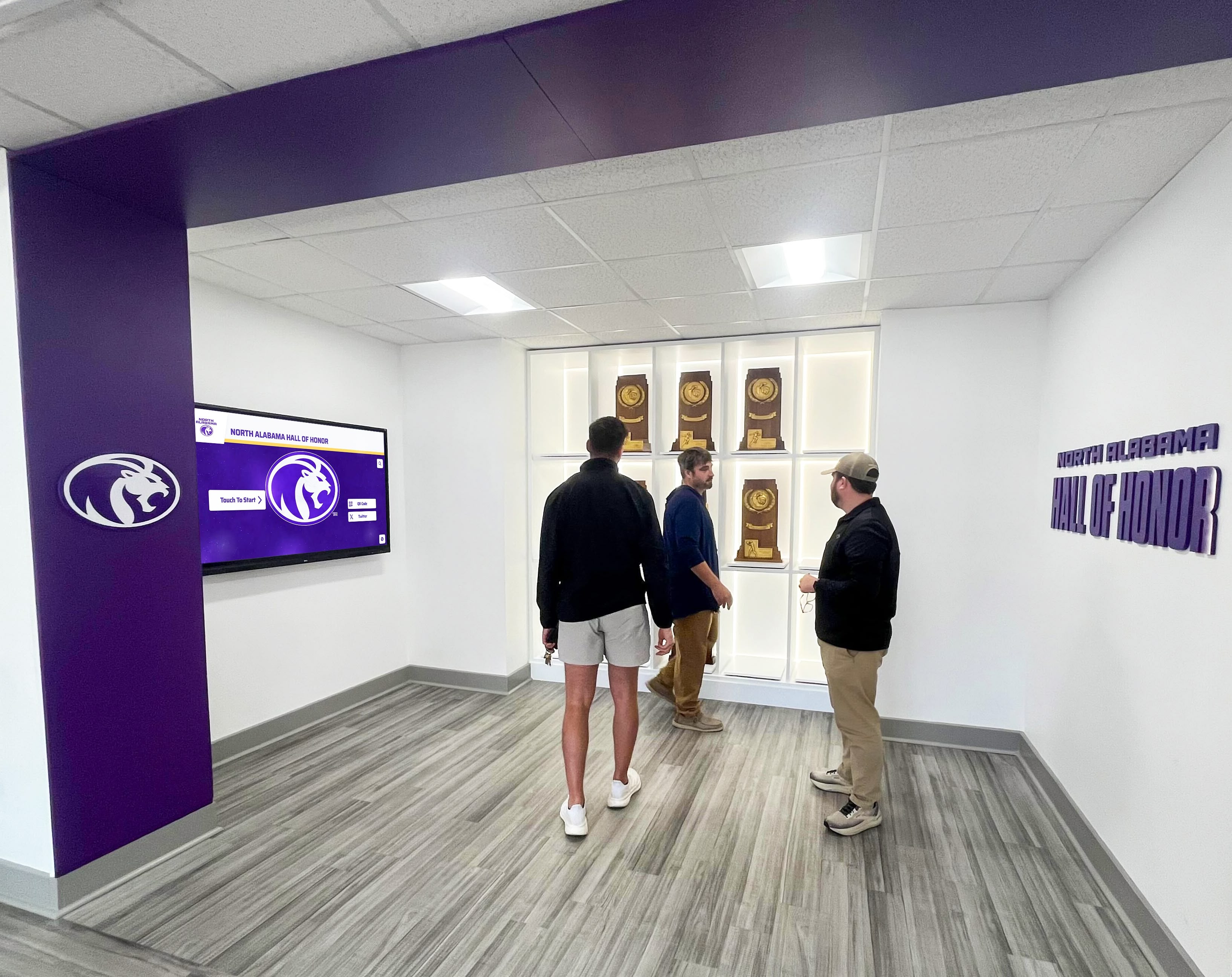
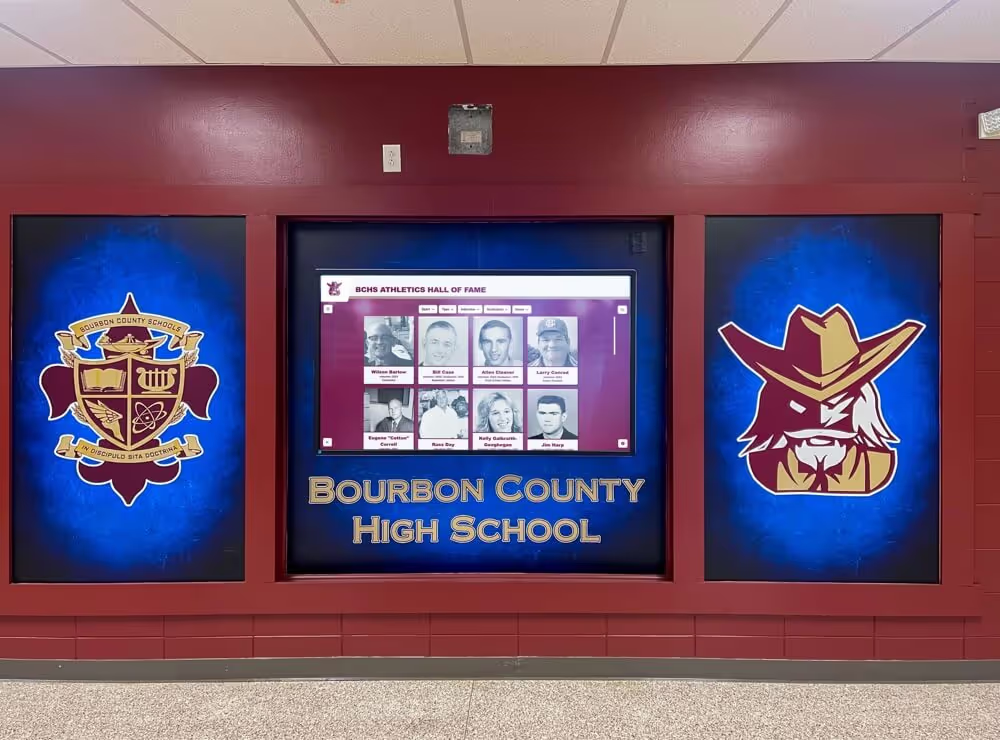
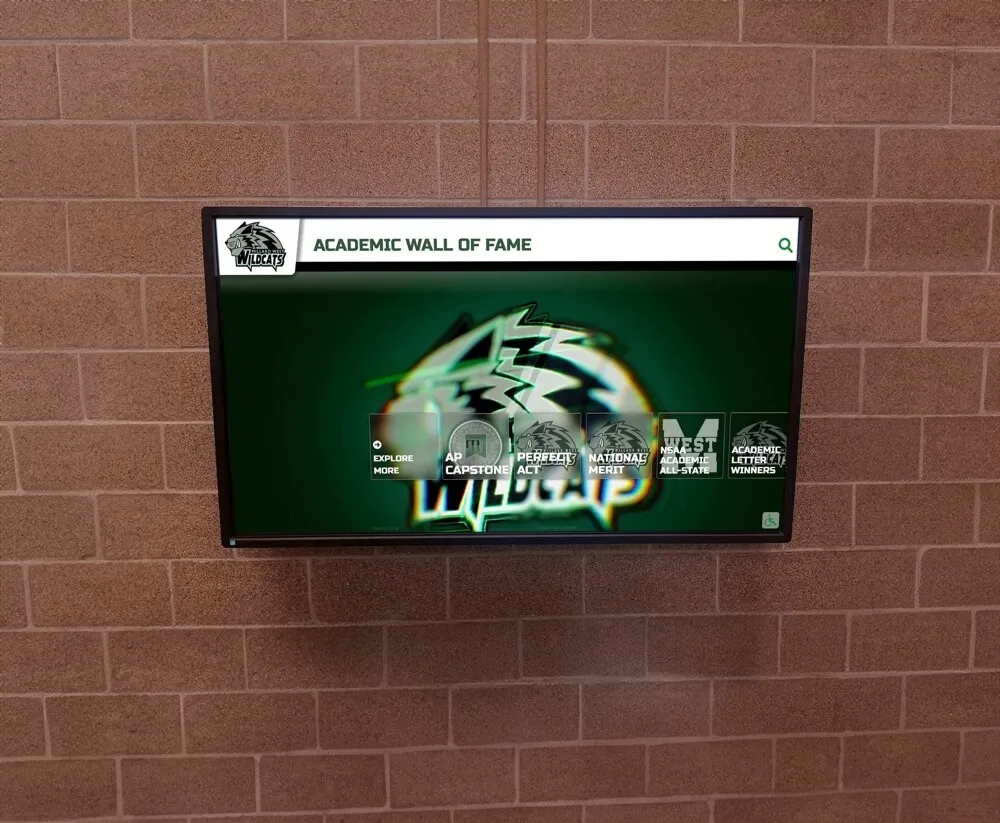
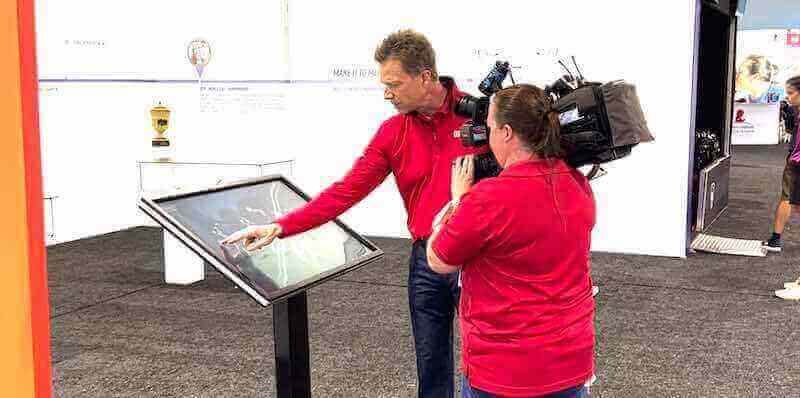
Digital recognition systems create interactive community experiences—moments where current students discover program history, connect with alumni stories, and understand the traditions their participation continues
Common Booster Club Challenges and How to Overcome Them
Even well-intentioned booster organizations encounter predictable obstacles. Understanding these challenges enables proactive problem-solving rather than reactive crisis management.
Volunteer Burnout and Leadership Turnover
Organizations concentrating too much responsibility in too few people face inevitable burnout when those individuals’ capacities change. Combat this through distributed committee structures, term limits encouraging leadership rotation, co-chair arrangements sharing major positions, and systematic leadership development cultivating future officers from current committee members.
Fundraising Fatigue
Communities asked to support too many simultaneous campaigns—multiple single-sport clubs competing for the same donor dollars—develop fatigue that depresses overall giving. Comprehensive booster models, or formal inter-club coordination agreements, prevent the fragmentation that exhausts potential supporters while limiting each organization’s reach.
School Relationship Tensions
The most common booster-school conflicts arise from boundary ambiguity. Boosters who attempt to influence coaching decisions, lobby for specific athlete treatment, or commit schools to financial obligations without administrative approval damage relationships essential for any effective support function. Maintaining clear scope boundaries—supplementing, never directing—preserves the collaborative partnerships where booster organizations genuinely thrive.
Recognition System Limitations
Physical recognition installations fill. Engraved plaques require expensive updates. Trophy cases run out of space. Game program acknowledgments disappear after a single use. These limitations prompt growing numbers of booster clubs to invest in digital recognition platforms providing unlimited capacity with ongoing update flexibility—creating the scalable recognition infrastructure that grows with program history rather than constraining it.
Developing a systematic donor stewardship matrix helps booster clubs move from ad hoc recognition to structured programs that match acknowledgment intensity to gift levels—ensuring major investors receive meaningful ongoing recognition while managing staff and volunteer time efficiently.
How Rocket Alumni Solutions Supports Booster Club Missions
Booster clubs that invest in comprehensive digital recognition infrastructure create multiplied impact—not just celebrating current achievements, but building the living institutional memory that activates community engagement for decades.
Rocket Alumni Solutions provides interactive touchscreen walls of fame, digital donor recognition displays, and web-accessible recognition platforms purpose-built for schools and athletic departments. These systems enable booster clubs to:
- Honor every contributor: From major donors to concession volunteers, from all-state athletes to program managers—comprehensive digital recognition ensures no contribution goes uncelebrated
- Build lasting institutional memory: Searchable archives preserving program history across decades create the connection between past and present that energizes current program communities
- Extend recognition beyond facilities: Web-accessible platforms allow alumni, families, and community members anywhere in the world to explore program history and share recognition moments
- Update without physical limitations: New inductees, record-holders, and donors added remotely without engraving costs or space constraints
- Create ADA-accessible experiences: WCAG 2.1 AA compliant installations ensure every community member can engage with recognition content regardless of ability
For booster clubs evaluating recognition investments, the platform’s combination of unlimited capacity, multimedia capability, and accessible web reach transforms what recognition programs can accomplish—moving recognition from occasional milestone acknowledgment to continuous community engagement that warms otherwise cold institutional spaces.
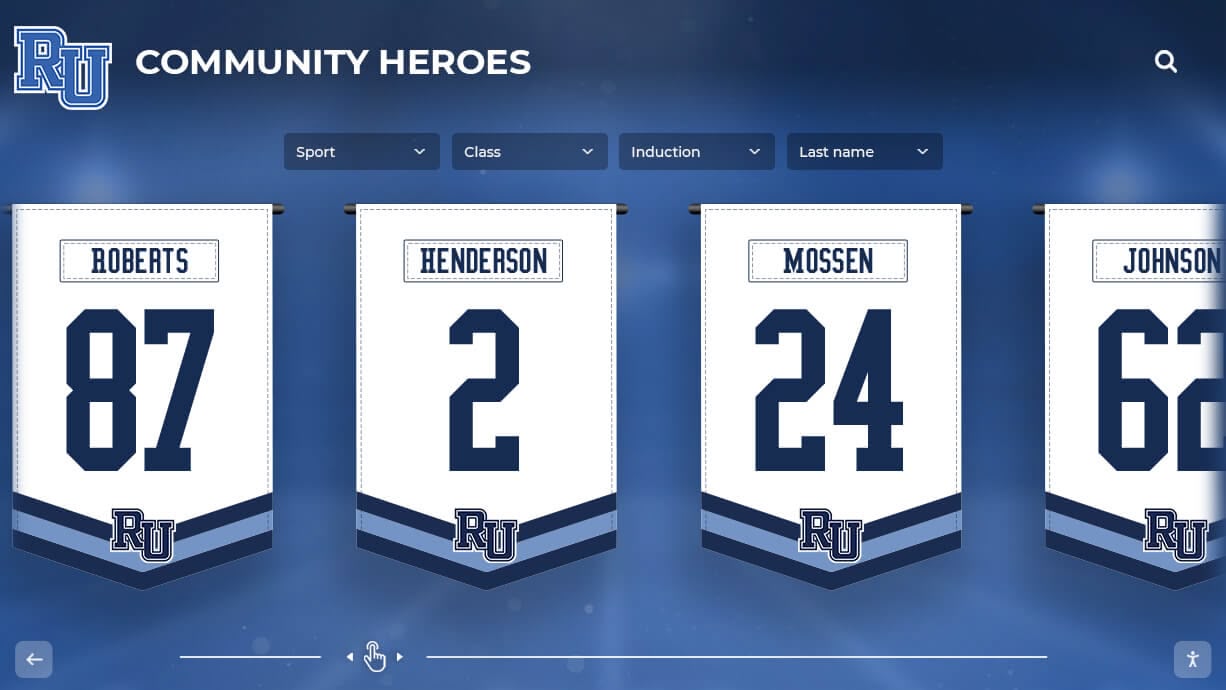
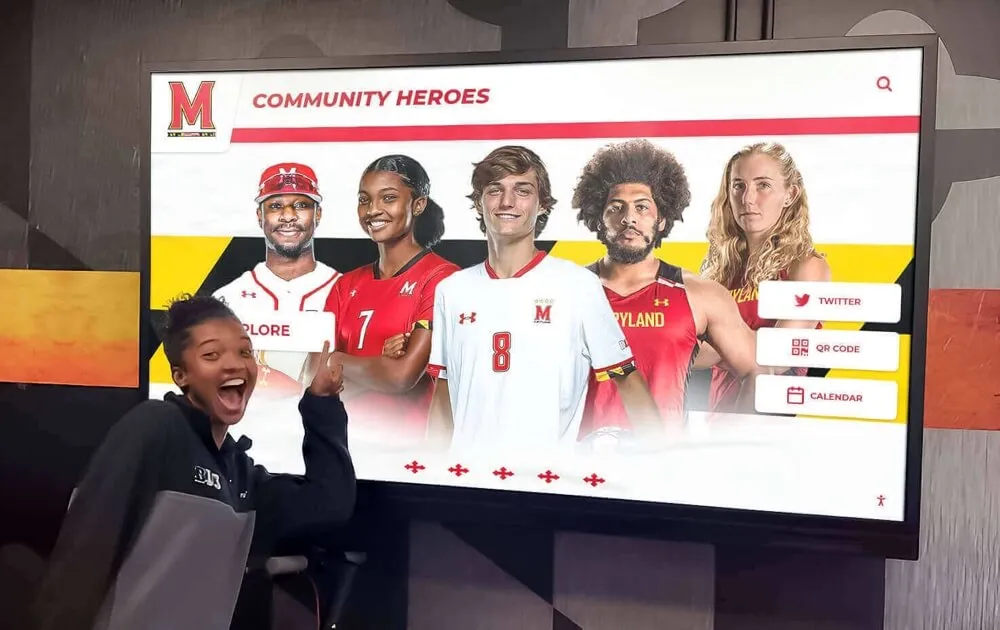
Community hero programs funded by booster investments extend recognition across entire program communities—celebrating not just championship performers but every contributor who makes program excellence possible
Frequently Asked Questions About Booster Clubs
Do booster clubs need to be nonprofit organizations?
Not legally required, but practically essential for organizations conducting substantial fundraising. Nonprofit incorporation provides liability protection for officers and volunteers, while 501(c)(3) tax exemption makes donations deductible for contributors and eliminates income tax on program-related revenue. Most states also require charitable solicitation registration for organizations raising funds from the public.
Can booster clubs influence coaching decisions?
No—and maintaining this boundary is essential for sustainable school-booster relationships. Effective booster clubs provide financial, volunteer, and community support while leaving coaching, personnel, and student eligibility decisions entirely to professional staff. Clubs that attempt to influence these areas typically find their school partnerships deteriorating rapidly, ultimately undermining the support function that justifies their existence.
How much time does booster club leadership require?
Officer positions typically require 5-10+ hours monthly, with additional time during major fundraising events or recognition programs. Committee member involvement averages 2-5 hours monthly. Single-event volunteers contribute only specific time blocks—even a few hours annually—making meaningful contribution accessible to parents with demanding work schedules.
What’s the difference between a booster club and a PTA?
PTAs (Parent-Teacher Associations) support overall school communities with general focus on education and school-family partnerships. Booster clubs typically support specific programs—an athletic team, performing arts program, or academic activity—with focused fundraising and volunteer efforts directed at that program’s particular needs.
How do booster clubs handle transparency?
Strong booster clubs publish regular financial reports to full membership, maintain accessible meeting minutes, require board approval for major expenditures, and implement financial controls including dual-signature requirements for large transactions. This transparency builds the community trust essential for sustained fundraising success and volunteer commitment.
What happens to booster club funds when the organization dissolves?
Properly structured nonprofit booster clubs include dissolution provisions directing residual assets to qualifying organizations upon closure—typically the school district itself or another educational nonprofit. This prevents funds raised for student benefit from reverting to individual members and satisfies both IRS requirements for tax-exempt organizations and donor expectations about how contributions will be used.
Conclusion: Booster Clubs as Community Builders
Booster clubs are far more than parent fundraising groups. At their best, they represent communities choosing to invest—in time, energy, and financial resources—in the young people developing through programs that school budgets alone cannot fully support. They create volunteer infrastructure enabling professional staff to focus on students. They build recognition programs honoring achievement in ways that validate years of dedication. They develop alumni connections transforming former participants into lifelong community investors. And they create the engaged, warm community environments where programs generate institutional pride extending far beyond any single season’s results.
For parents considering involvement: booster clubs offer meaningful opportunities to support programs your students love while connecting with families sharing your values around youth development through athletics and activities. Even modest volunteer contributions—a concession shift, a committee meeting, an online donation—aggregate into transformative impact when combined with the organized efforts of committed organizations.
For athletic directors and administrators: effective booster partnerships multiply what you can provide students without requiring additional district resources. Investing in clear partnership frameworks, transparent communication channels, and defined scope boundaries creates collaborative relationships where booster energy becomes organizational amplifier rather than governance challenge.
For school communities broadly: the presence of active, well-run booster clubs signals something important about community values—that the adults surrounding student programs care enough to invest their most precious resources in making those programs excellent.
Transform Your Booster Club's Recognition Impact
Discover how interactive digital recognition platforms help booster clubs honor athletes, celebrate donors, preserve program history, and build the engaged communities where sustained support naturally flourishes—creating digital warming that turns cold archives into vibrant, living community celebrations.
Explore Rocket Alumni SolutionsThe programs booster clubs support shape students in ways that transcend competitive results. They teach discipline through daily practice, resilience through inevitable setbacks, teamwork through shared goals requiring collective contribution, and character through competitions demanding integrity regardless of outcome. The communities these programs build—connections among families, friendships among athletes, bonds between coaches and the young people they guide—represent investments in human capital that compound for lifetimes. Booster clubs exist because communities understand this, and choose to invest accordingly.