



When fall leaves drop and temperatures fall, high school athletic programs transition from football fields and soccer pitches to gymnasiums, pools, wrestling mats, and ice rinks. Winter sports seasons bring new opportunities for student-athletes to compete, develop skills, build friendships, and earn recognition that shapes their high school experience and beyond. Yet many students and parents navigate winter sports with uncertainty: What sports are actually available? When do seasons start? How competitive are tryouts? What time commitment should families expect? How do winter athletes earn recognition that supports college recruiting or simply celebrates their dedication?
Understanding winter sports options helps students make informed decisions about athletic participation while allowing parents to support their athletes effectively. Winter seasons differ significantly from fall and spring athletics in timing, training environments, competition formats, and recognition opportunities. Indoor sports create unique team dynamics, weather eliminates game cancellations that plague outdoor seasons, and winter athletes often balance demanding practice schedules with shorter daylight hours and holiday breaks that complicate training consistency.
This comprehensive guide explores what winter sports high schools offer, how these programs operate, what students and families should expect, and how modern recognition approaches celebrate winter athletic achievements in ways that engage school communities year-round.
High school winter sports encompass competitive athletic programs conducted primarily during winter months, typically spanning November through February or March depending on geographic location, state athletic association calendars, and playoff qualification. Unlike fall sports beginning with preseason practices in late summer or spring sports extending into early summer, winter sports operate within compressed timeframes intensified by holiday interruptions yet benefit from climate-controlled indoor facilities that eliminate weather-related scheduling disruptions.

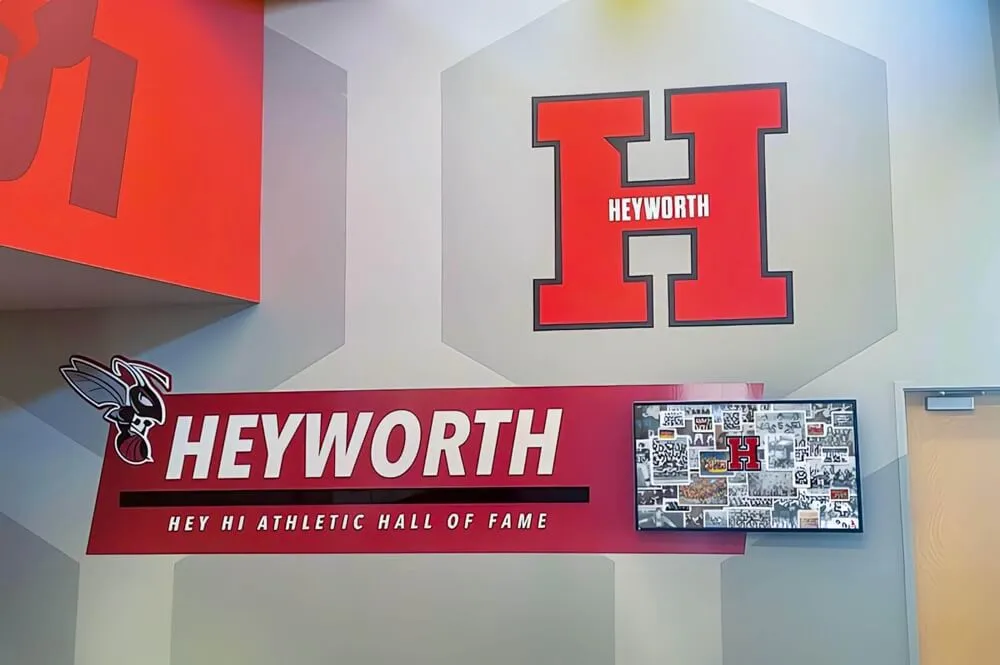
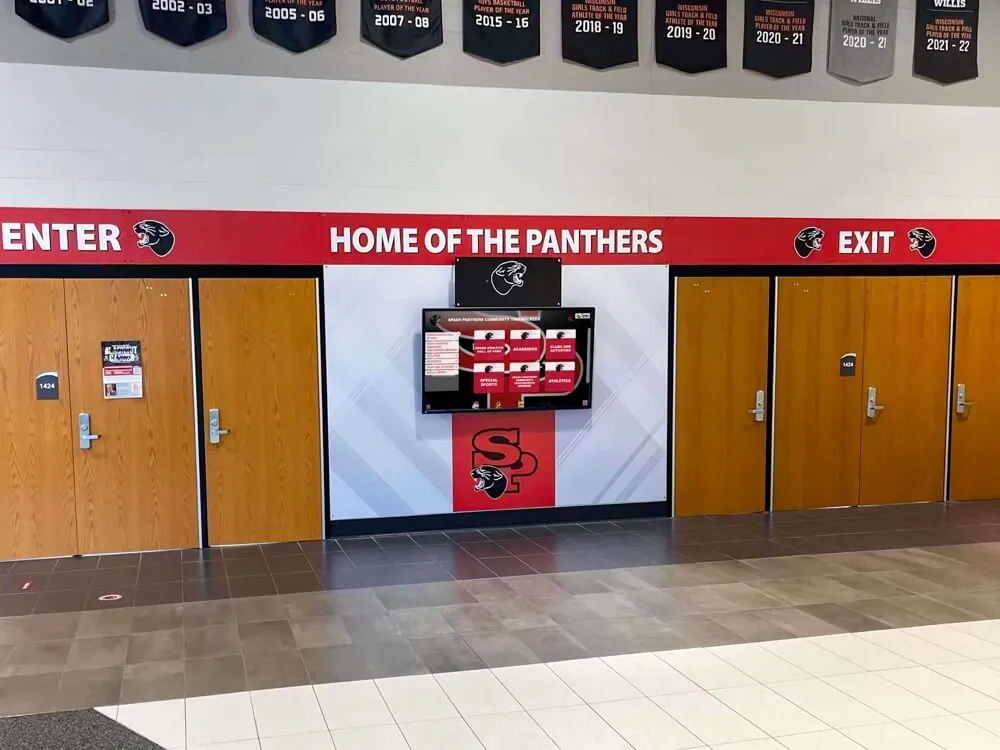
Winter sports create memorable moments worth celebrating through modern recognition displays that engage current athletes and school communities
Common Winter Sports Offered in High Schools
Winter sport availability varies significantly by school size, geographic region, facility access, and tradition, but several sports appear consistently across most high school athletic programs.
Basketball (Boys and Girls)
Basketball dominates high school winter sports participation nationwide, offering opportunities for athletes of varying skill levels through varsity, junior varsity, and freshman teams. The sport’s accessibility, requiring only a gymnasium and equipment already present in virtually every school, makes it the most widely available winter sport.
Season Structure and Competition High school basketball seasons typically begin with tryouts in November, followed by 20-25 regular season games spanning December through February, culminating in conference tournaments and state playoff brackets that extend into March. Teams practice 5-6 days weekly, with games scheduled 2-3 times per week during the regular season.
Participation Opportunities Most high schools field multiple basketball teams, creating roster spots for athletes with varying experience levels. Larger schools may support separate freshman, sophomore, junior varsity, and varsity teams, while smaller schools combine levels. This multi-team structure provides more participation opportunities than single-team sports.
Skills Development Focus Basketball winter seasons emphasize fundamental skill development—shooting mechanics, defensive positioning, ball-handling, and team offensive and defensive systems. Athletes benefit from controlled indoor practice environments allowing consistent skill work regardless of weather conditions.

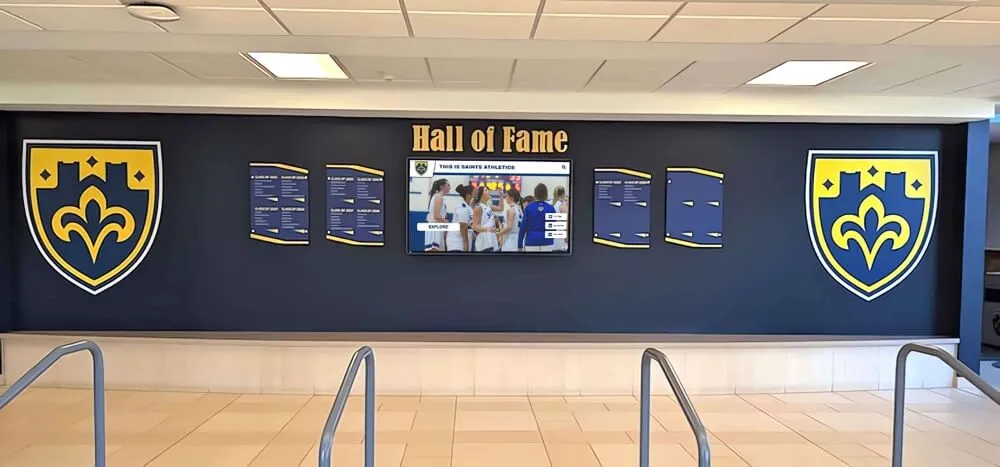
Basketball achievements and team histories deserve recognition displays that preserve program heritage while inspiring current athletes
Wrestling (Boys and Co-Ed)
Wrestling represents one of the most physically demanding winter sports, combining strength, technique, strategy, and mental toughness in individual competition within team contexts. The sport continues expanding girls wrestling programs nationwide, with many states now sponsoring separate girls wrestling championships alongside traditional boys competitions.
Competition Format Wrestling features unique dual meet formats where teams compete across weight classes, alongside tournament competitions where individual wrestlers compete for placement. Season structures include regular season dual meets, invitational tournaments, conference championships, district/regional qualifying tournaments, and state championships spanning multiple days.
Weight Class System Wrestlers compete within defined weight classes, requiring careful attention to nutrition, hydration, and weight management throughout the season. High school wrestling typically features 14 weight classes for boys (106 to 285 pounds) and expanding weight class structures for girls programs.
Training Intensity Wrestling practices rank among the most physically intense in high school athletics, combining cardiovascular conditioning, strength training, technique drilling, and live wrestling. Athletes should expect 2-3 hour practices most days, with additional weight training and conditioning work.
Swimming and Diving (Boys and Girls)
Competitive swimming provides winter athletic opportunities for students with pool access through school facilities or community partnerships. Many schools combine boys and girls teams for practice while competing separately in meets, maximizing efficient use of pool time.
Event Structure High school swimming includes individual events (freestyle, backstroke, breaststroke, butterfly) across various distances (50, 100, 200, 500 yards) plus relay events (200 medley relay, 200 and 400 freestyle relays). Divers compete separately in 1-meter springboard diving, with scoring contributing to overall team totals. Digital recognition systems help swimming programs showcase individual event records and relay achievements.
Training Requirements Swimmers typically practice 5-6 days weekly, with morning practice sessions common before school and afternoon sessions following classes. The demanding schedule requires significant time commitment and dedication, particularly for athletes balancing multiple swimming events.
Facility Considerations Swimming participation depends on pool access, making it unavailable in some schools without facilities. Schools may partner with community pools, YMCAs, or neighboring schools to provide swimming opportunities, sometimes requiring athletes to travel for practices.
Ice Hockey (Boys and Girls)
Ice hockey thrives in northern states and regions with established hockey traditions, requiring ice rink access that limits availability compared to sports using standard school facilities. Where available, hockey builds passionate followings and strong program traditions.
Season Competition Hockey seasons mirror basketball timelines, with games typically scheduled twice weekly and practices on non-game days. Team travel becomes significant for away games, particularly in rural areas where ice facilities are spread across wide geographic areas.
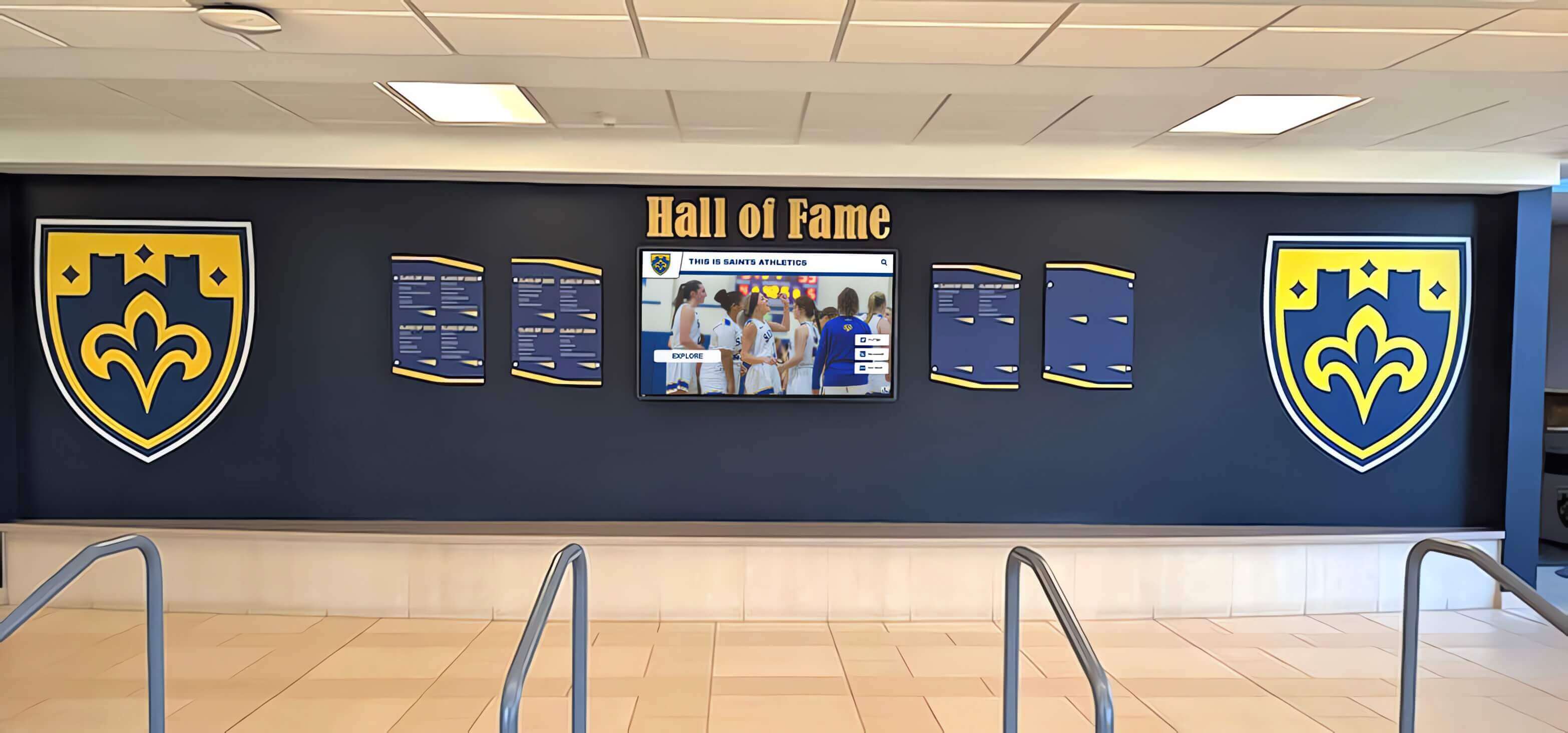
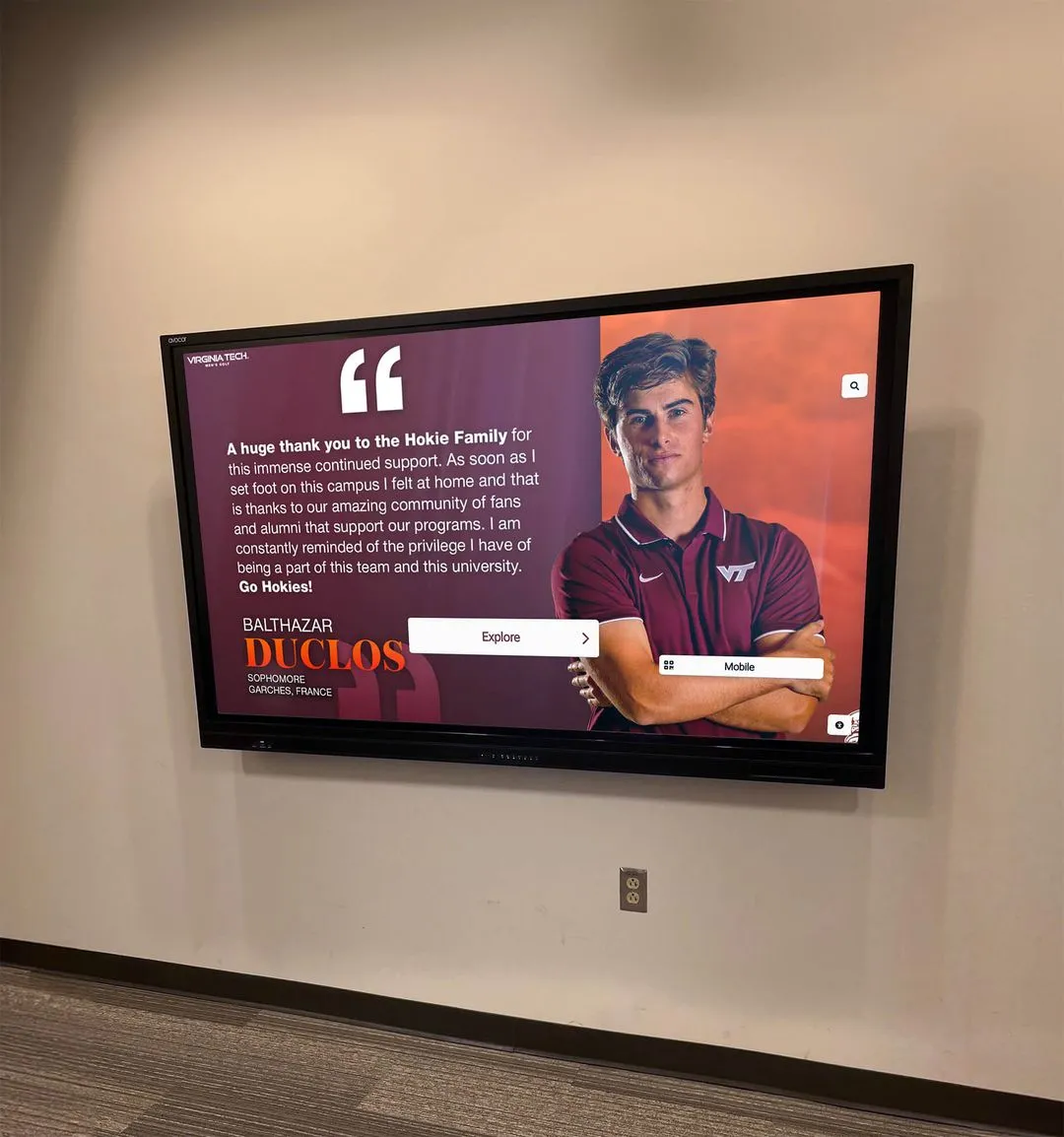
Hockey programs preserve championship seasons and standout athletes through comprehensive recognition installations
Equipment and Costs Hockey represents one of the most expensive high school sports due to equipment requirements (skates, protective gear, sticks) and ice time costs. Many schools require families to contribute to program costs through fees or fundraising, making financial planning important for interested athletes.
Skill Prerequisites Unlike sports where beginners can learn fundamentals during high school participation, hockey typically requires prior skating and playing experience through youth programs. Athletes interested in high school hockey should begin skill development through youth leagues years before high school.
Indoor Track and Field (Boys and Girls)
Indoor track provides winter competition for runners, jumpers, and throwers in regions with indoor track facilities. The sport offers events for athletes with diverse physical capabilities and interests, from distance running to sprinting to field events.
Event Categories Indoor track includes running events (60m dash, 200m, 400m, 800m, 1600m, 3200m, relay races), field events (high jump, long jump, triple jump, pole vault, shot put), and sometimes combined events (pentathlon). Athletes typically specialize in event categories matching their physical attributes and interests.
Facility Availability Indoor track participation depends on facility access, with many schools sharing indoor facilities at colleges or athletic complexes. Schools without nearby indoor facilities may only offer outdoor track during spring seasons.
Training Balance Indoor track athletes often train outdoors for distance work and technique development, moving indoors only for meets and specific workouts. This balance allows programs to operate without exclusive indoor facility access while still competing in indoor championships.
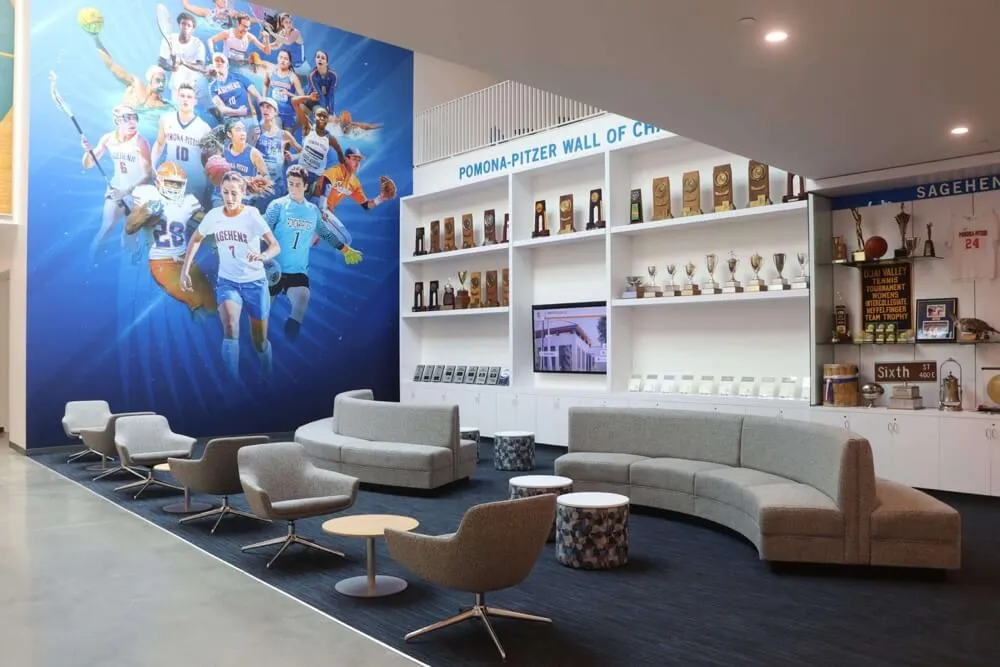
Track and field programs celebrate diverse achievements across running, jumping, and throwing events through comprehensive recognition installations
Gymnastics (Girls and Boys)
Gymnastics offers opportunities for athletes with backgrounds in the sport, though availability remains limited compared to more common winter sports. Girls gymnastics programs are more widely available than boys programs, which exist primarily in regions with strong gymnastics traditions.
Competition Events Girls gymnastics includes vault, uneven bars, balance beam, and floor exercise, with all-around competition combining scores across all four events. Boys gymnastics (where available) features floor exercise, pommel horse, still rings, vault, parallel bars, and horizontal bar.
Skill Development Timeline Gymnastics requires years of skill development before high school competition, making it challenging for athletes without youth gymnastics backgrounds to join high school teams. Most high school gymnasts train through club programs while competing for school teams during winter seasons.
Judging and Scoring Unlike sports with objective scoring, gymnastics relies on judging subjective routines, requiring athletes to understand scoring systems, deduction categories, and how to maximize scores through routine construction and execution.
Other Regional Winter Sports
Geographic regions and school traditions produce additional winter sport options in specific areas:
Skiing and Snowboarding - Schools in mountainous regions offer alpine skiing, nordic skiing, and sometimes snowboarding teams competing at local resorts or cross-country trails.
Cheerleading - Competitive cheerleading seasons often align with winter months, supporting basketball games while preparing for championship competitions. Many states now recognize cheerleading as a varsity sport with official championships.
Bowling - Increasingly popular as a school sport, bowling offers low-impact competition accessible to athletes of varying physical abilities, requiring partnership with bowling facilities.
Competitive Dance - Dance teams compete during winter months in choreographed routines judged on technique, execution, and artistic elements, separate from halftime performances at basketball games.
Understanding Winter Sports Schedules and Commitments
Winter sports demand significant time investments from student-athletes, requiring families to understand typical schedules before making participation commitments.
Practice Schedules and Time Requirements
Most winter sports conduct practices 5-6 days weekly, typically immediately after school for 2-3 hours. Morning practices occur in some sports, particularly swimming, where pool access limitations require early start times. Athletes should expect to arrive home between 5:30-6:30 PM most weekdays during season, later when away competitions occur.
Holiday Scheduling Considerations Winter sports uniquely navigate Thanksgiving, winter break, and sometimes spring break within their seasons. Many programs schedule tournaments during holiday weeks, requiring athletes to balance family commitments with competition schedules. Some programs take breaks during holidays, while competitive programs view holiday weeks as valuable practice and competition opportunities.
Weekend Competitions Winter sports schedule most competitions on weeknights (Tuesday, Thursday, Friday) with tournaments and championship events on weekends. Athletes should expect 1-2 weekend competitions monthly, with frequency increasing during championship portions of seasons.
Academic Balance and Time Management
Successfully balancing winter sports with academic responsibilities requires planning and discipline, particularly during seasons that include final exams in December and midterms in January.
Study Time Considerations Athletes must build study time around practices and competitions, often completing homework late evenings or utilizing study halls and free periods more efficiently than non-athletes. Schools sometimes provide study tables for athletes, creating structured academic support.
Communication with Teachers Student-athletes benefit from proactive communication with teachers regarding competition schedules, particularly for away games requiring early school dismissal. Most teachers support athletes when students take responsibility for missed work and plan ahead for absences.
Academic Eligibility Requirements State athletic associations and individual schools enforce academic eligibility standards requiring minimum GPAs or passing grades in specified numbers of classes. Athletes must maintain eligibility throughout seasons, with some schools checking grades weekly to identify struggling students early.
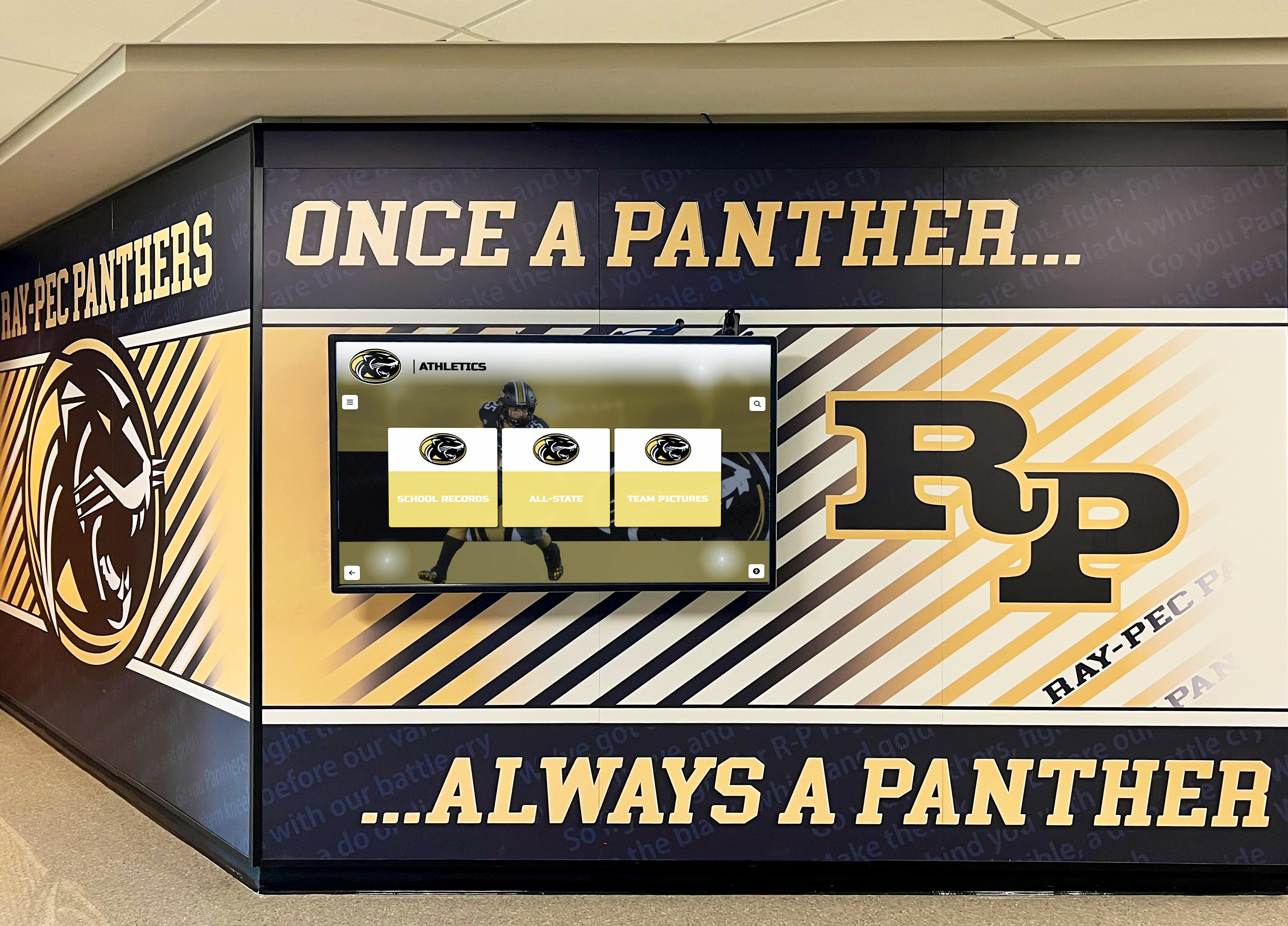
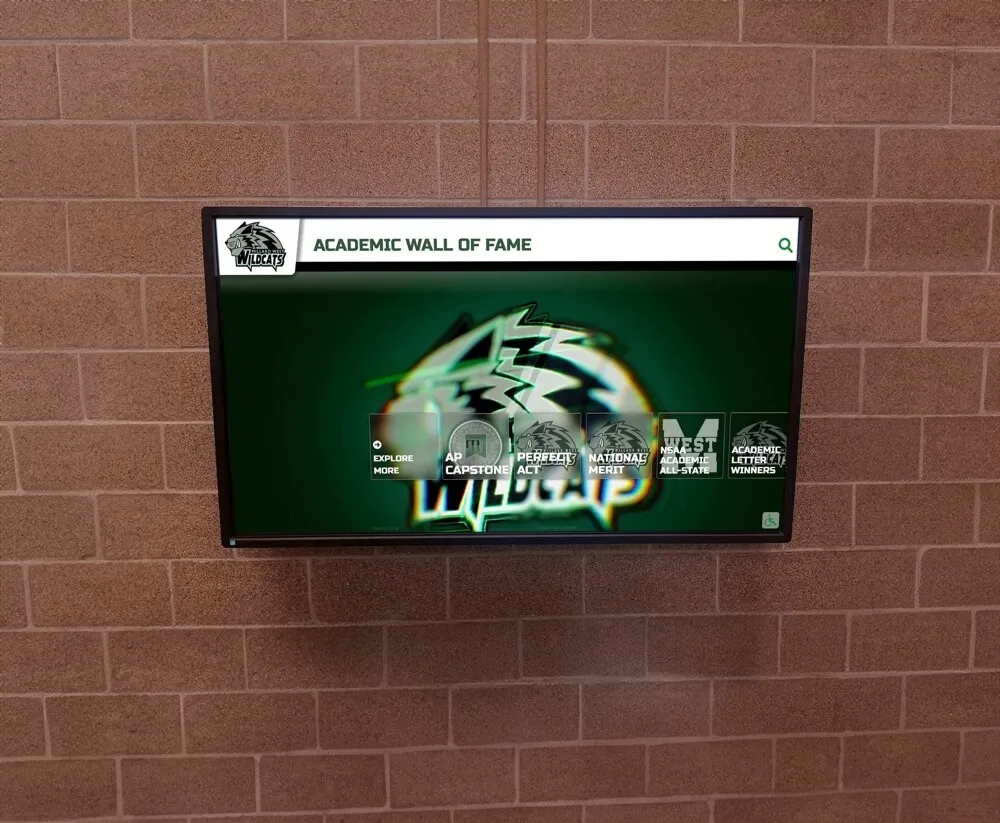
Modern recognition displays help schools celebrate student-athletes who excel in both athletics and academics
Preparing for Winter Sports Tryouts
Most winter sports conduct tryouts during early November, with specific timing varying by sport and state regulations regarding practice start dates.
Pre-Season Conditioning and Preparation
Athletes serious about making competitive teams should begin physical preparation weeks or months before official tryouts, maintaining fitness from fall sports or building conditioning if transitioning from non-athletic fall activities.
Sport-Specific Skill Development Basketball players should work on ball-handling, shooting mechanics, and individual skill development. Wrestlers benefit from technique work at clubs or camps before the season. Swimmers should maintain conditioning through summer swim teams or recreational swimming. Sport-specific preparation demonstrates commitment while building confidence entering tryouts.
General Fitness Foundation Cardiovascular endurance, strength, flexibility, and movement quality provide foundations for success across all winter sports. Athletes benefit from running, strength training, and flexibility work regardless of specific sport interests.
Mental Preparation Tryouts create stress and anxiety, particularly for athletes trying out for the first time or attempting to make competitive varsity teams. Mental preparation including visualization, positive self-talk, and understanding that tryouts evaluate current ability rather than personal worth helps athletes perform their best under pressure.
What Coaches Evaluate During Tryouts
Coaching staffs evaluate multiple factors during tryout periods, looking beyond raw athletic ability to identify athletes who will contribute to team success.
Athletic Skills and Physical Ability Coaches assess sport-specific skills, athletic movement quality, speed, strength, coordination, and body control. Evaluation methods vary by sport—basketball tryouts include shooting, ball-handling, and defensive drills; wrestling evaluates technique, strength, and mat awareness; swimming measures times across multiple events.
Coachability and Learning Ability Coaches observe how quickly athletes learn new concepts, implement coaching feedback, and adjust based on instruction. Coachability often matters more than current skill level, particularly for younger athletes with development potential.
Work Ethic and Attitude Effort, competitiveness, communication with teammates, and attitude during challenging drills reveal character coaches value beyond pure athletic ability. Athletes who consistently demonstrate maximum effort stand out regardless of current skill level.
Team Chemistry Contributions Coaches consider how potential team members interact with others, encourage teammates, and contribute to positive team culture. Athletes who build others up rather than only promoting themselves appeal to coaches building cohesive teams.
Making Cuts and Roster Decisions
Not all athletes who try out make teams, particularly at large schools with competitive programs. Understanding how coaches make decisions helps athletes and families navigate disappointing outcomes.
Communication of Decisions Coaches communicate roster decisions through various methods—posting roster lists, individual conversations, emails to families, or team meetings. Most coaches strive to deliver disappointing news respectfully, though time constraints sometimes limit individual communication.
Exploring Alternative Options Athletes not making varsity teams may have opportunities on junior varsity or freshman teams, developing skills for future varsity competition. Some athletes contribute as practice players without competing in games, building skills while supporting varsity teammates. Schools sometimes allow athletes to switch sports if spaces exist on different teams.
Growing from Disappointment Not making teams creates significant disappointment, but also provides opportunities for growth, resilience development, and honest self-assessment. Athletes can use setbacks as motivation for skill development preparing for future tryouts or pursue alternative activities better matching their interests and abilities.
Winter Sports Recognition and Achievement Celebration
Winter athletic achievements deserve recognition celebrating individual accomplishments and team success while building school spirit and community around winter sports programs. Traditional trophy cases and seasonal banquets provide some recognition, but modern approaches create more engaging, accessible, and ongoing celebration of winter athletes.
Traditional Recognition Approaches
Schools traditionally recognize winter sports achievements through several established methods that remain meaningful but sometimes lack visibility and engagement.
Trophy Cases and Physical Displays Most schools maintain trophy cases displaying championship trophies, conference titles, and significant team accomplishments. While providing tangible recognition, these static displays require physical space, become cluttered over time, and offer limited information beyond basic identification of awards.
Seasonal Awards Banquets End-of-season banquets celebrate team accomplishments while distributing individual athlete awards recognizing MVPs, most improved players, academic achievements, and character-based honors. These meaningful events create memories for athletes and families but reach limited audiences beyond attendees.
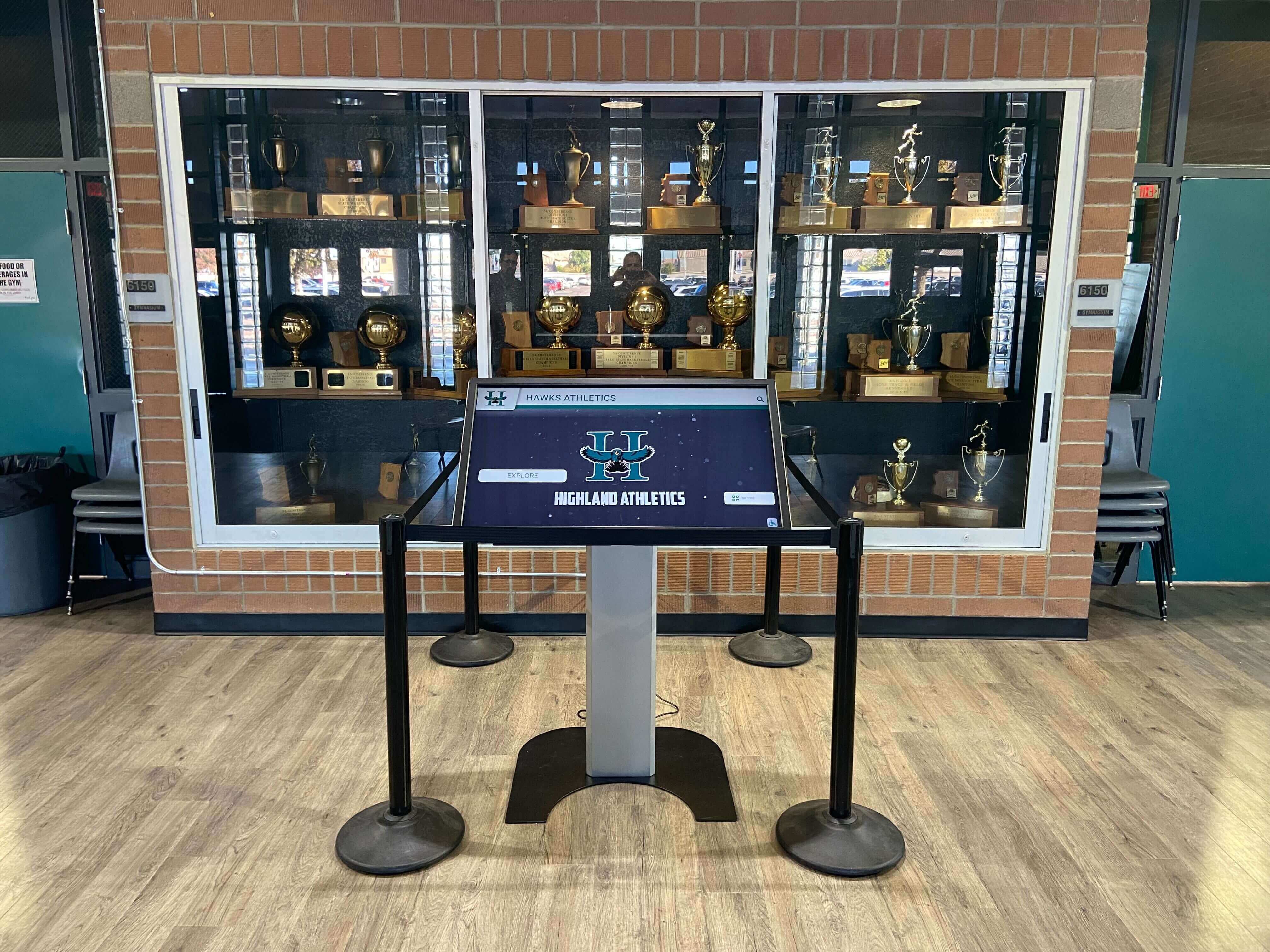
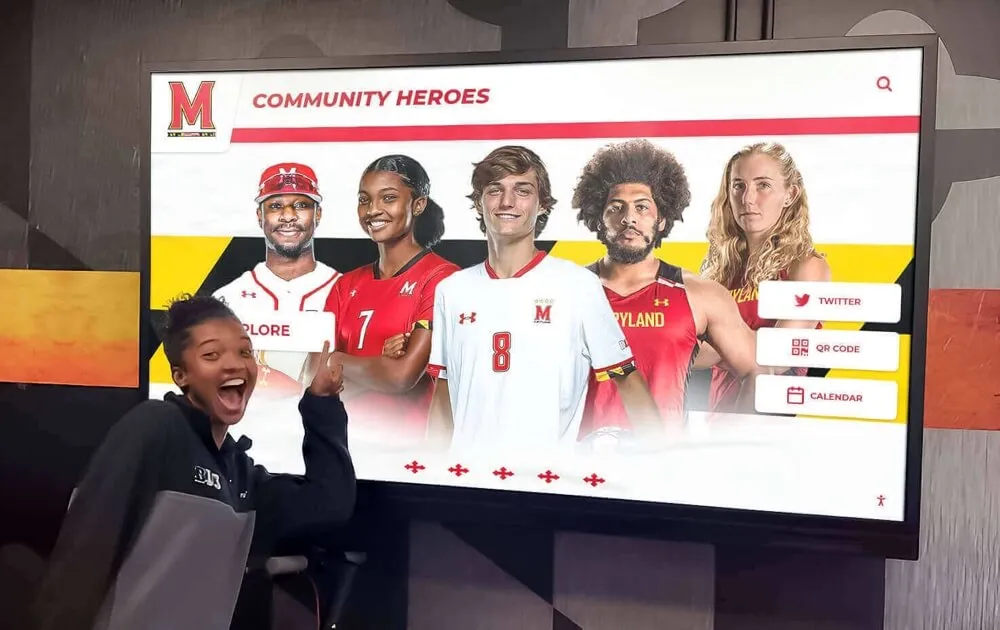
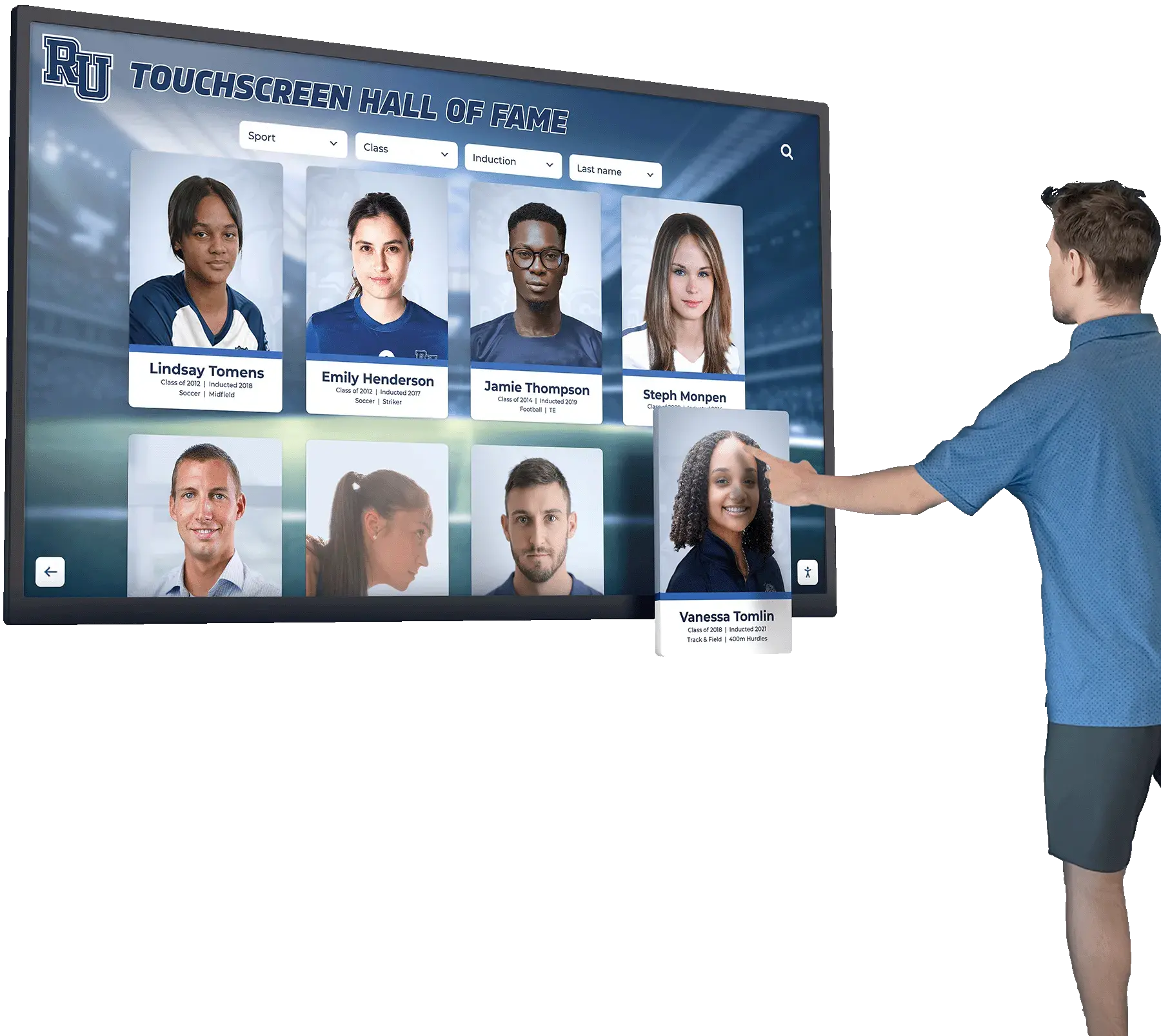
Interactive recognition kiosks modernize trophy case displays while expanding recognition capacity beyond physical limitations
Gymnasium Banners Championship banners hanging in gymnasiums provide visible reminders of team success, though traditional banner printing proves expensive and requires wall space that eventually becomes scarce as programs accumulate achievements across decades.
Website and Social Media Schools share winter sports updates, game results, and athlete highlights through websites and social media platforms, creating timely recognition with broad reach. However, this content becomes difficult to locate after seasons end, limiting long-term accessibility and preservation of athletic heritage.
Modern Digital Recognition Solutions
Digital recognition platforms transform how schools celebrate winter sports achievements, creating engaging, accessible, and sustainable recognition that benefits current athletes while preserving program history for future generations.
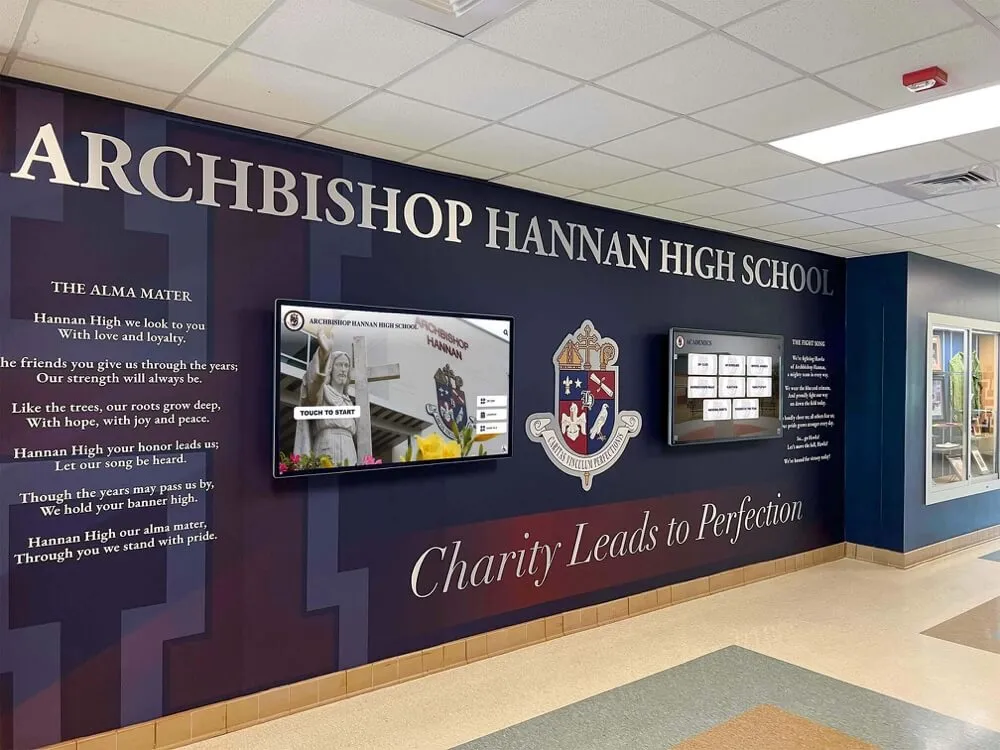
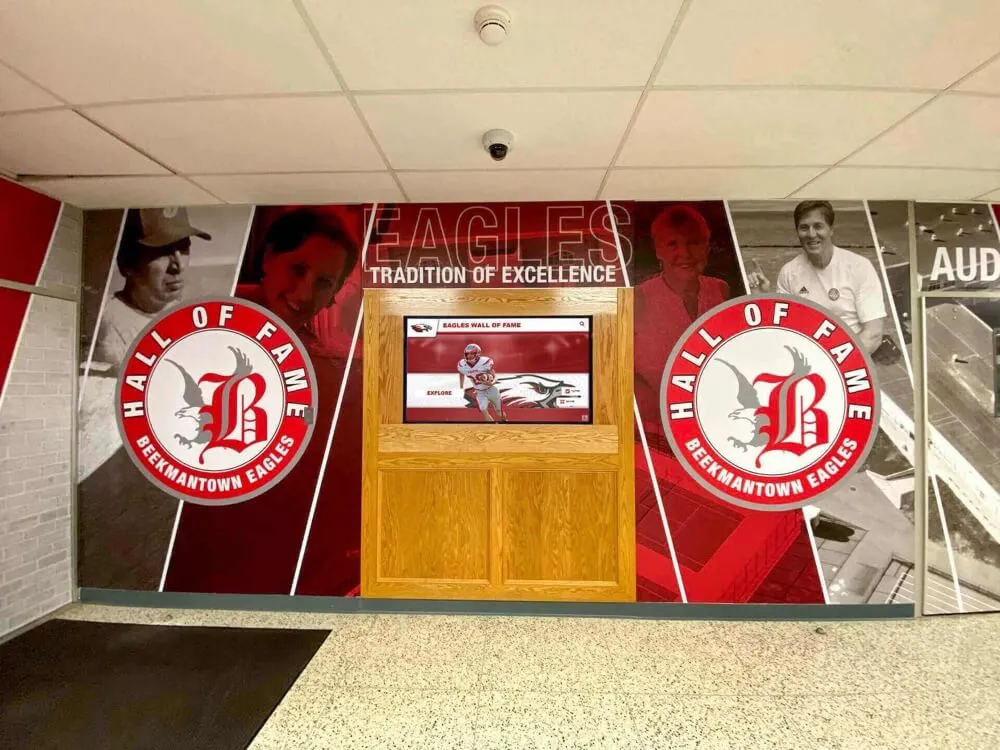
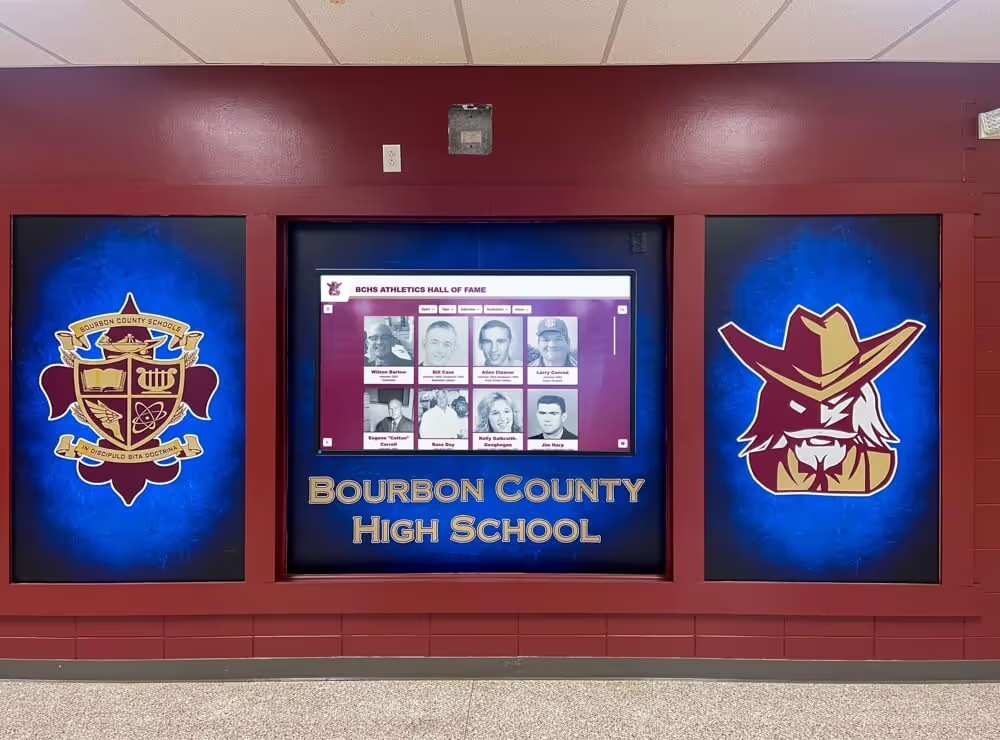
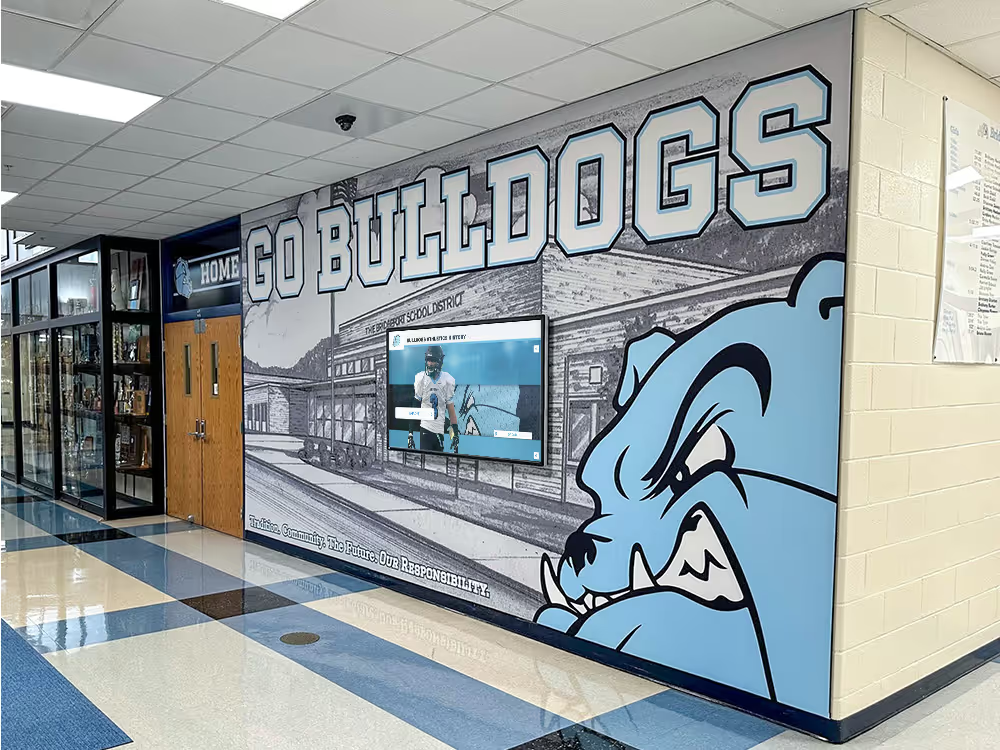
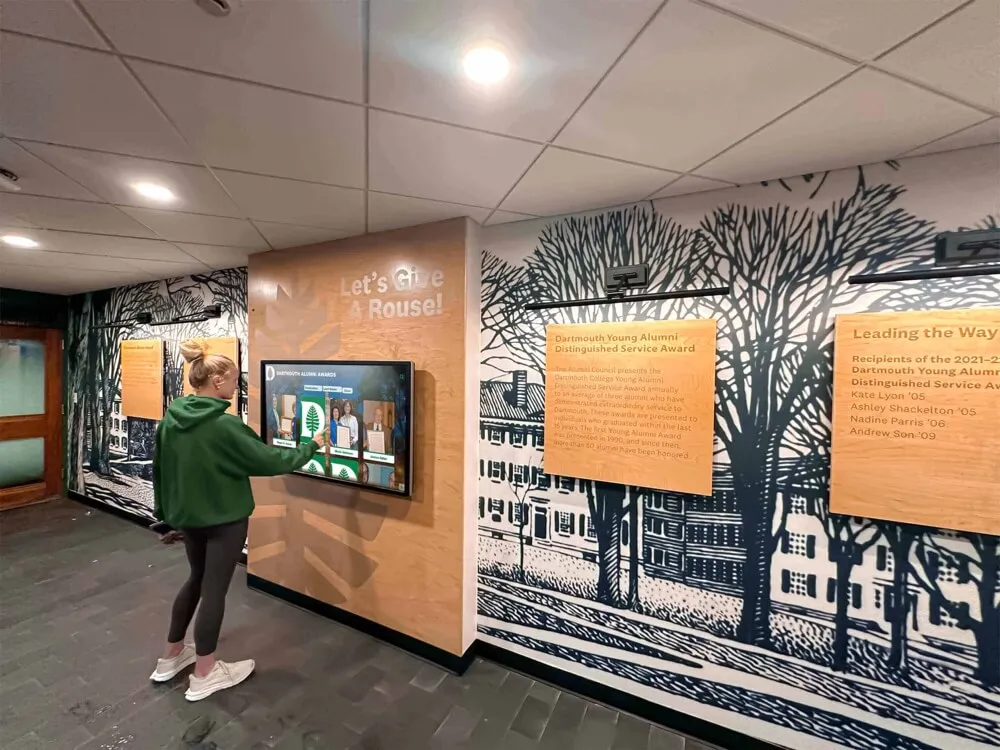
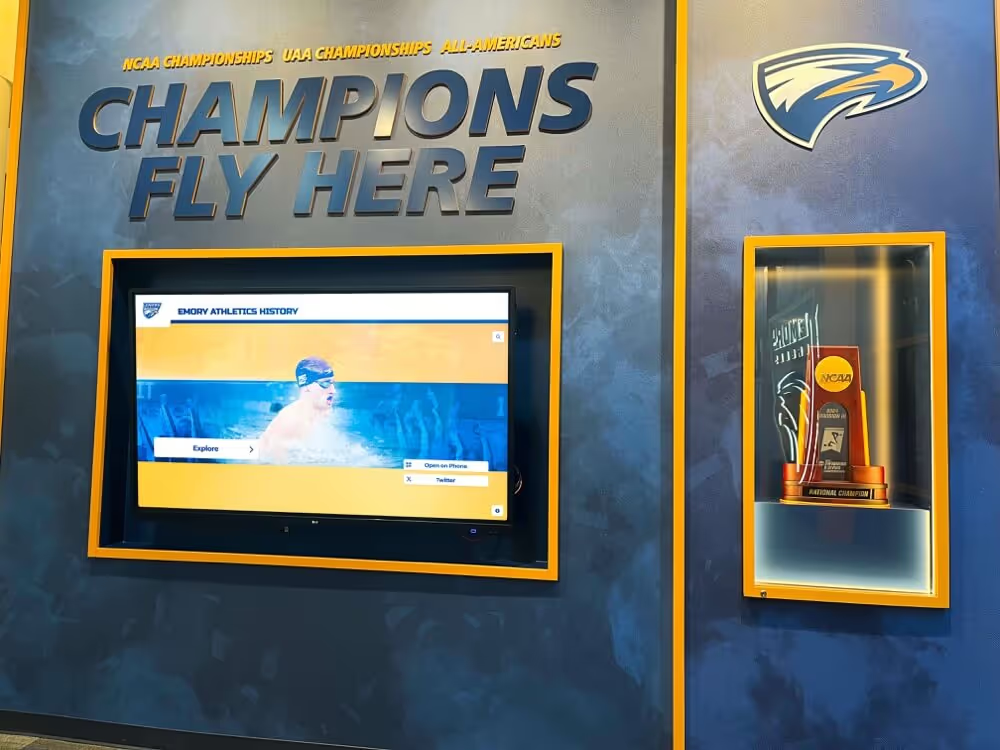
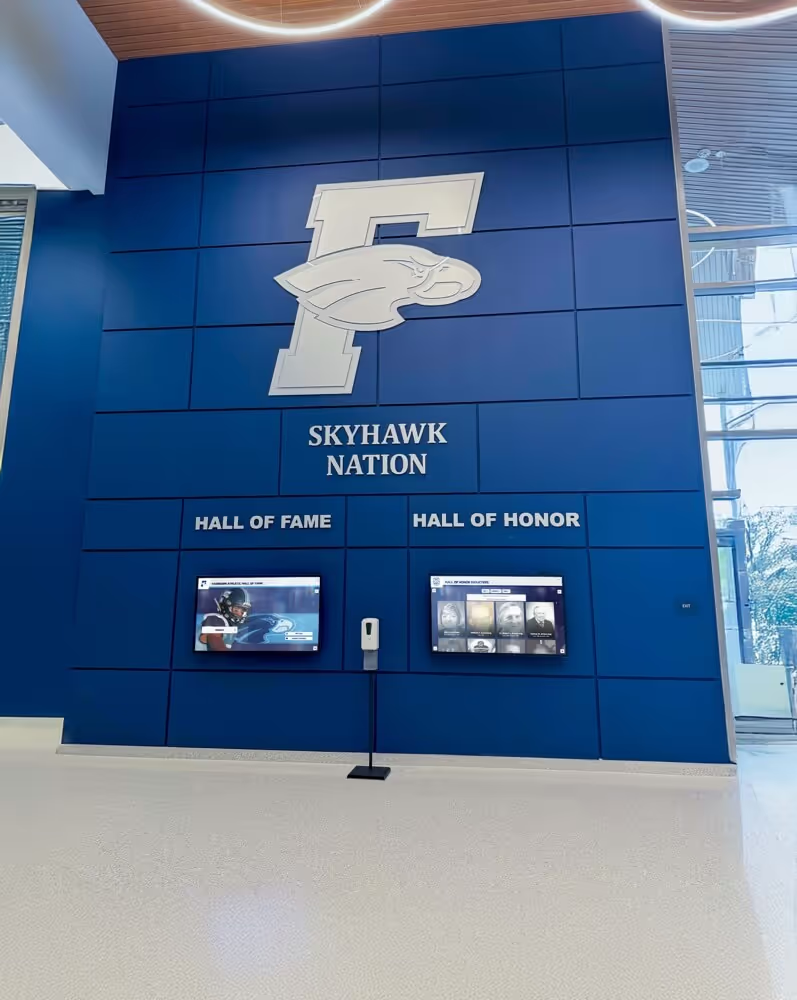
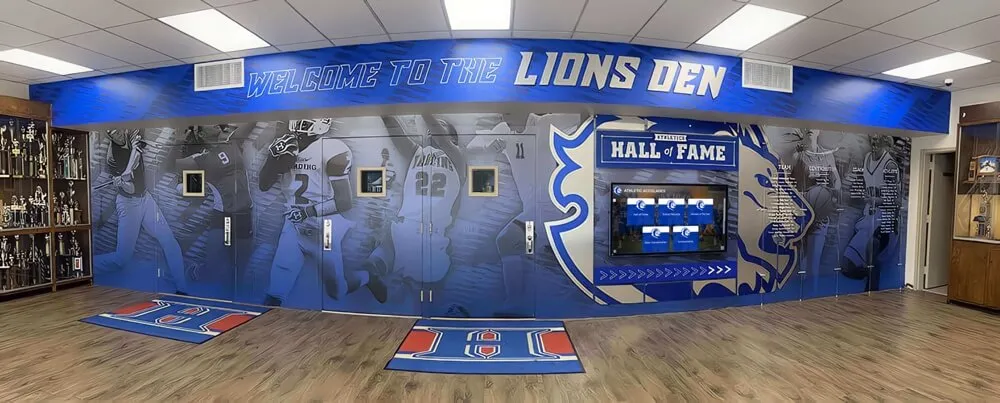
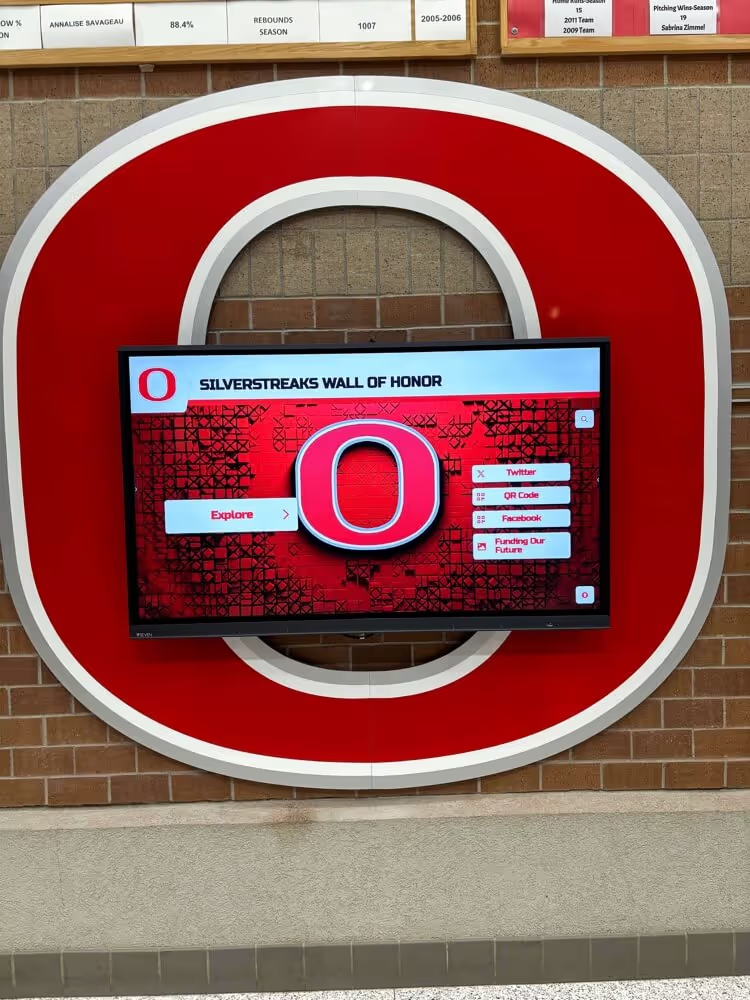
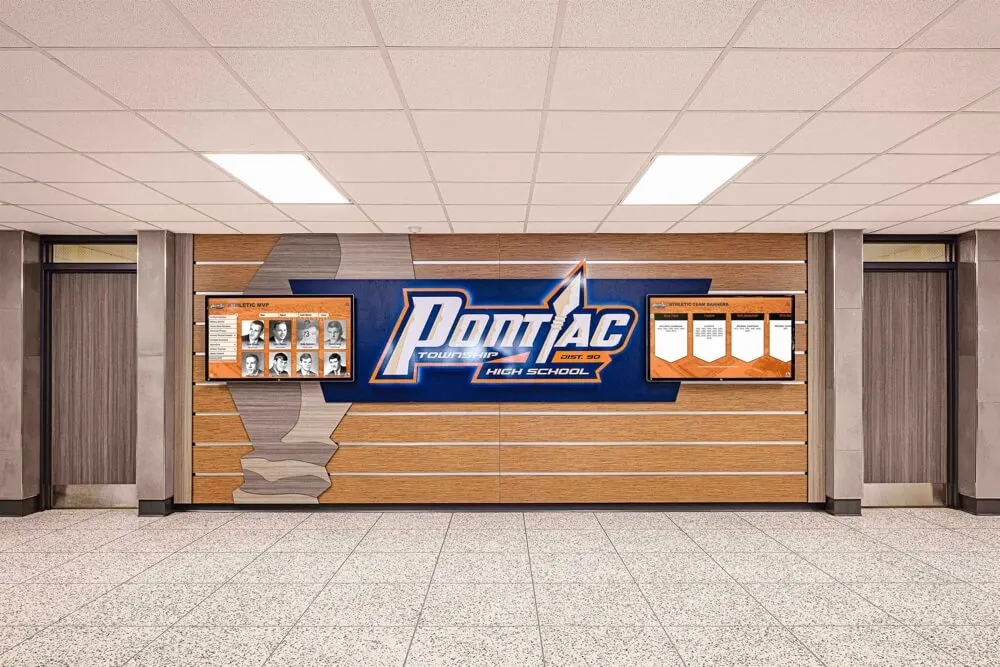
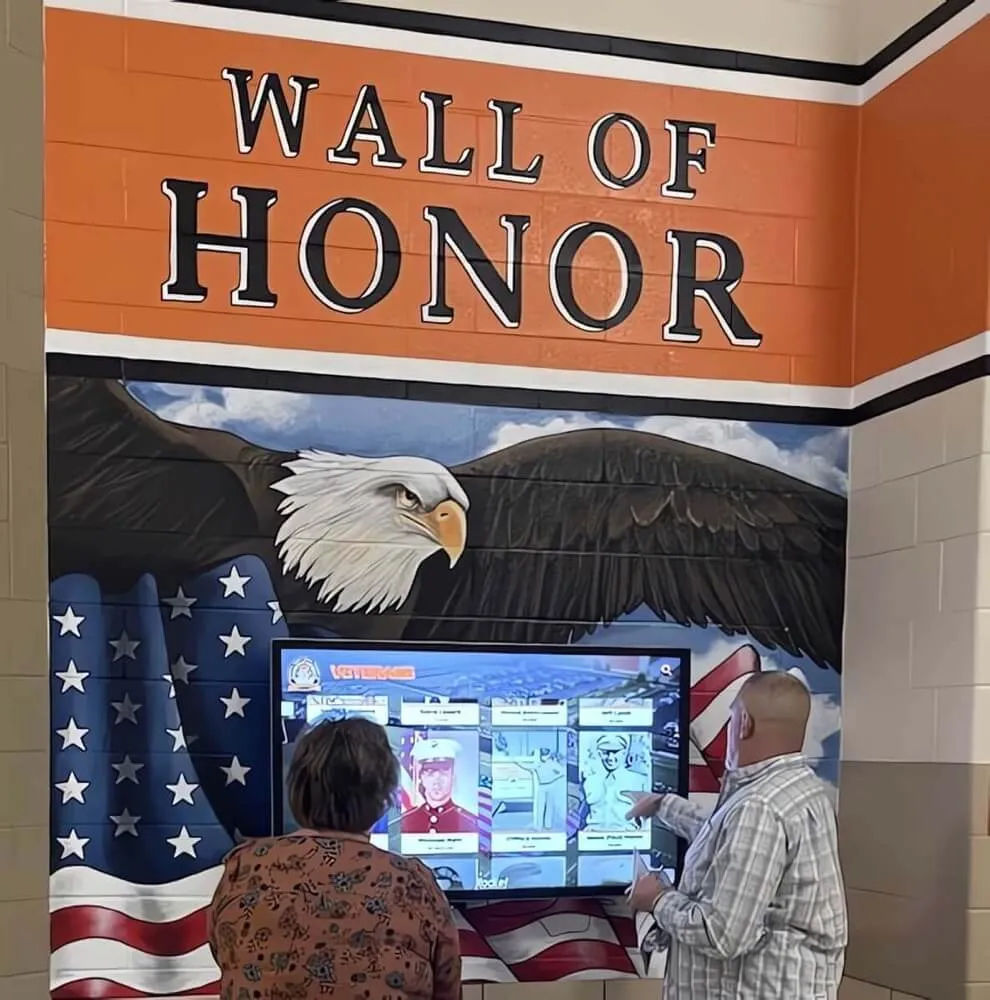
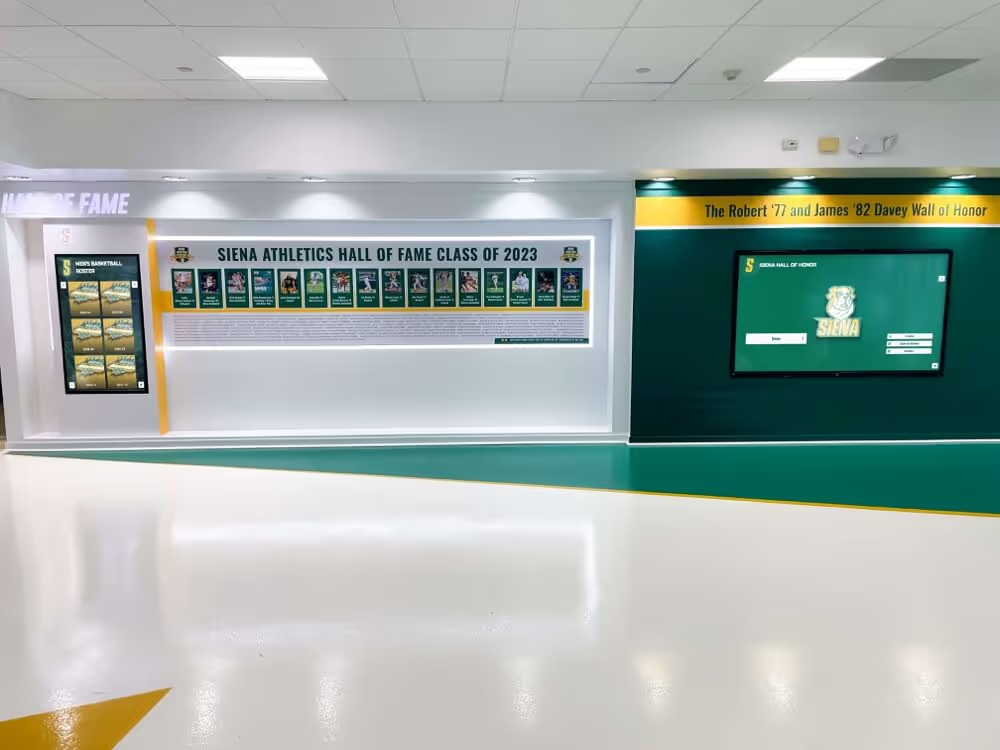
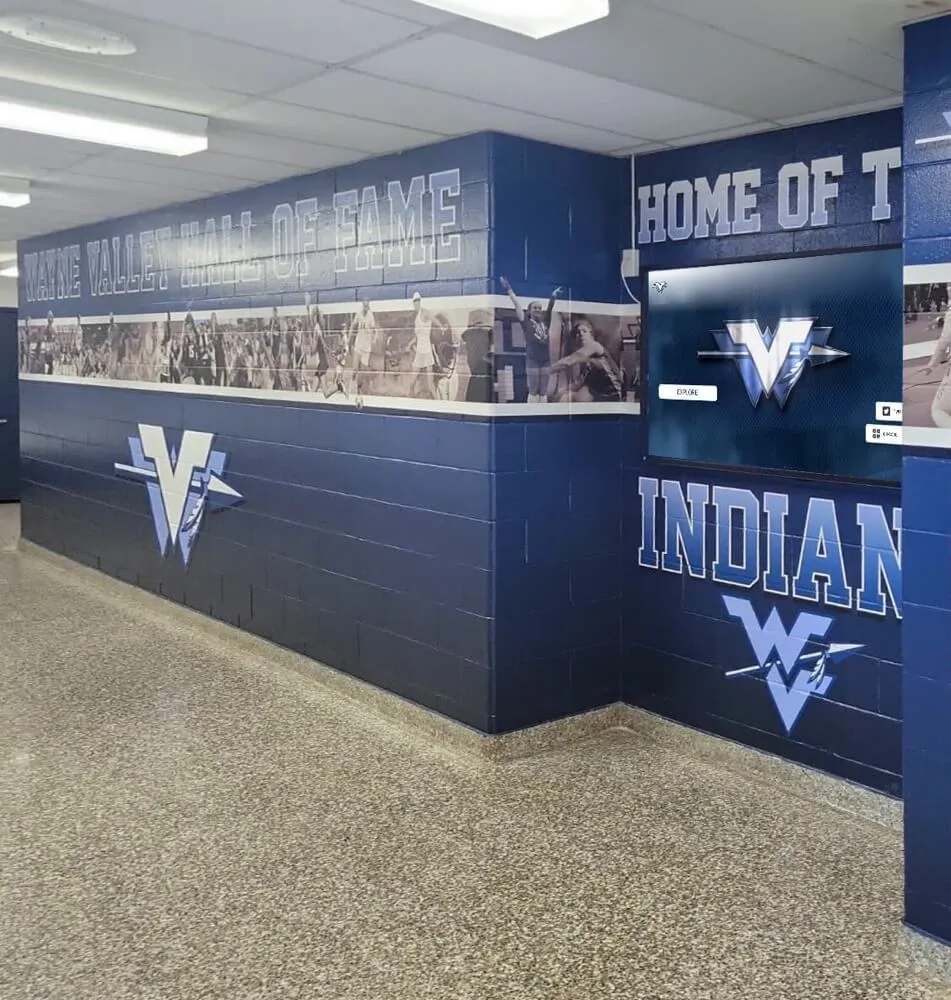
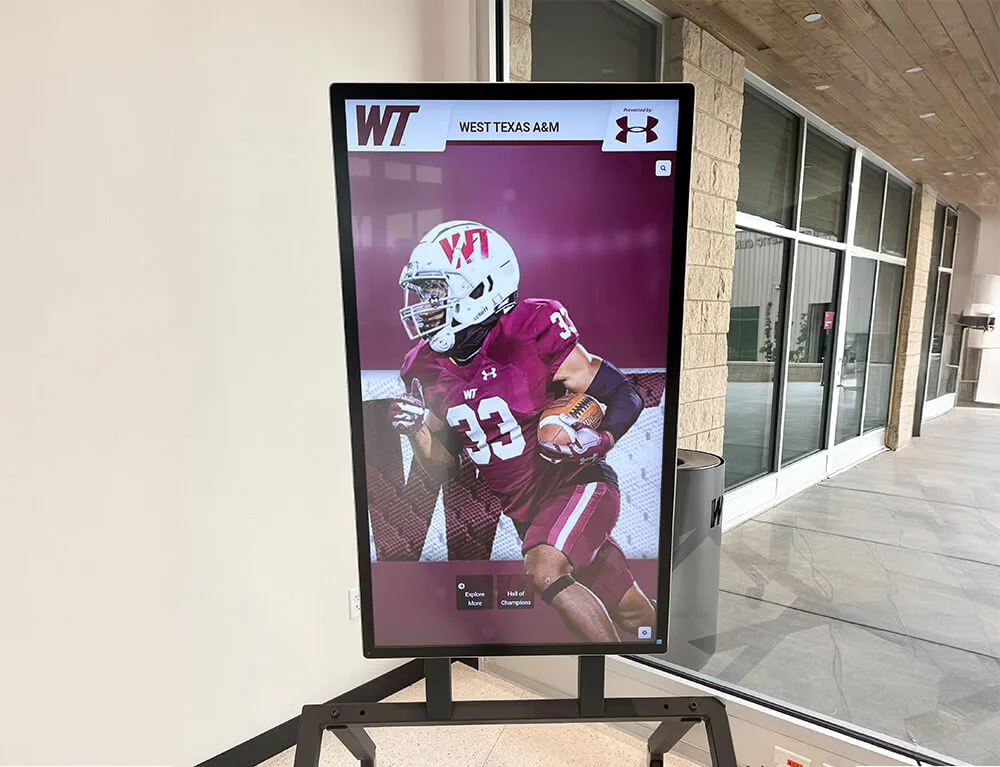
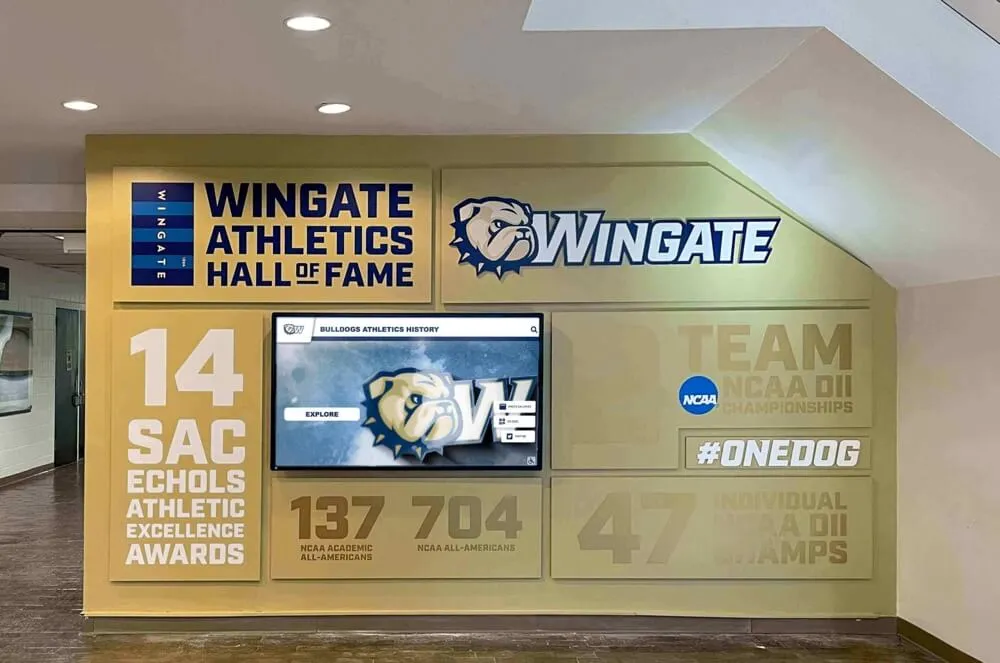
Interactive Touchscreen Displays Solutions like Rocket Alumni Solutions provide interactive touchscreen displays installed in gymnasiums, athletic facilities, or school lobbies where students, families, and visitors explore athlete profiles, team histories, championship seasons, and individual records. These systems replace static trophy cases with dynamic platforms showcasing unlimited content without physical space constraints.
Searchable Digital Archives Digital platforms allow visitors to search athletes by name, sport, year, or achievement, making recognition accessible rather than limited to chronological displays or alphabetical listings. Students can find their own profiles, discover legendary athletes from their sport, or explore program history across decades.
Multi-Sport Recognition Integration Unlike separate trophy cases or gym banners for each sport, integrated digital recognition displays celebrate all athletic programs equally, ensuring winter sports receive visibility comparable to high-profile fall football or spring baseball programs. This equity matters for programs working to build participation and community support.
Record Boards and Statistical Tracking Digital record boards automatically update when athletes break records, maintaining accurate statistical tracking across team and individual categories. Wrestling programs track most wins or fastest pins, basketball programs maintain scoring records and career statistics, and swimming programs preserve event records across all events and distances.
Mobile Access and Family Engagement QR codes near physical displays enable mobile access to recognition content, allowing families to explore athlete profiles from their phones during events or share recognition with distant relatives unable to visit campus. This accessibility extends recognition reach far beyond physical locations.
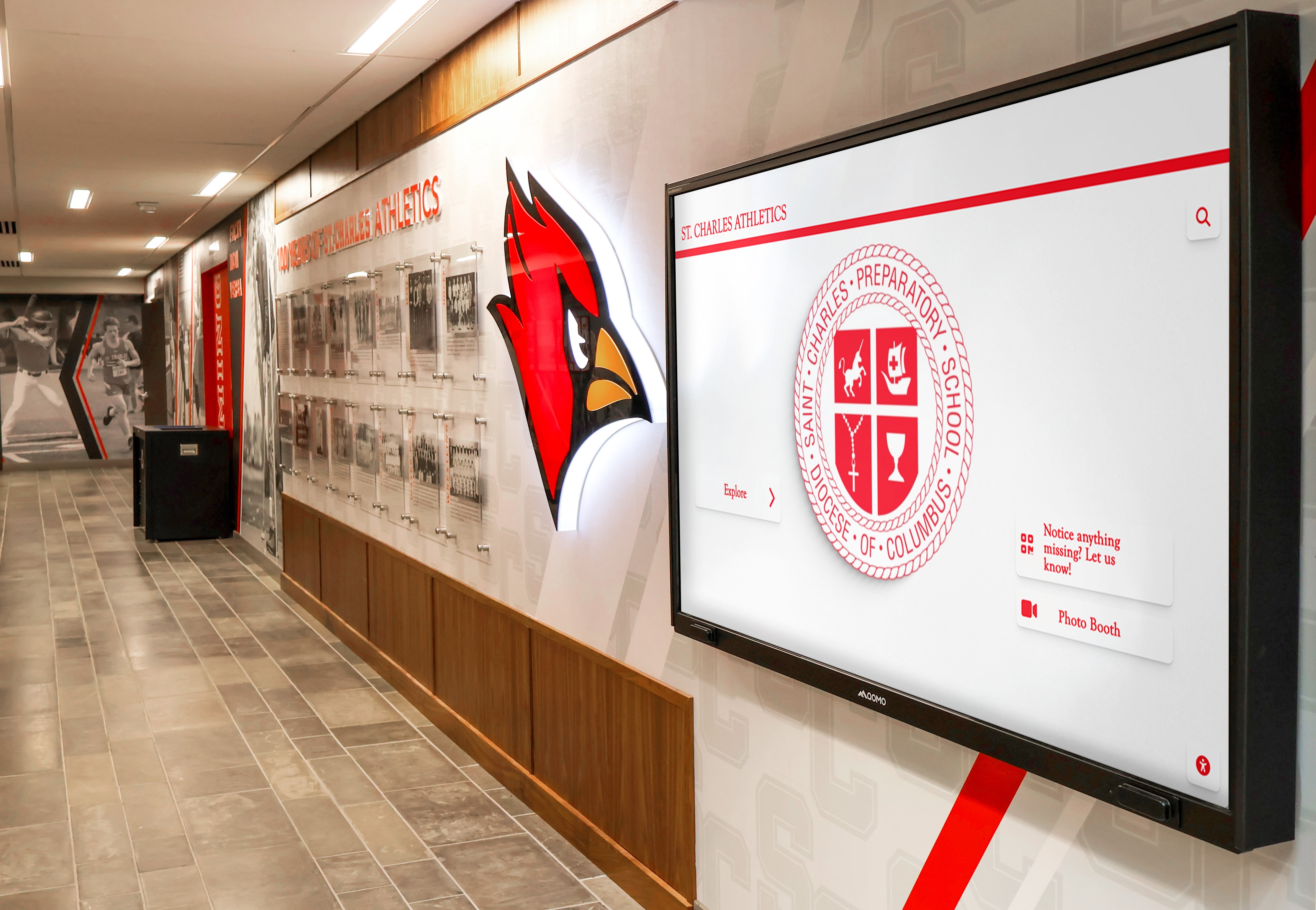
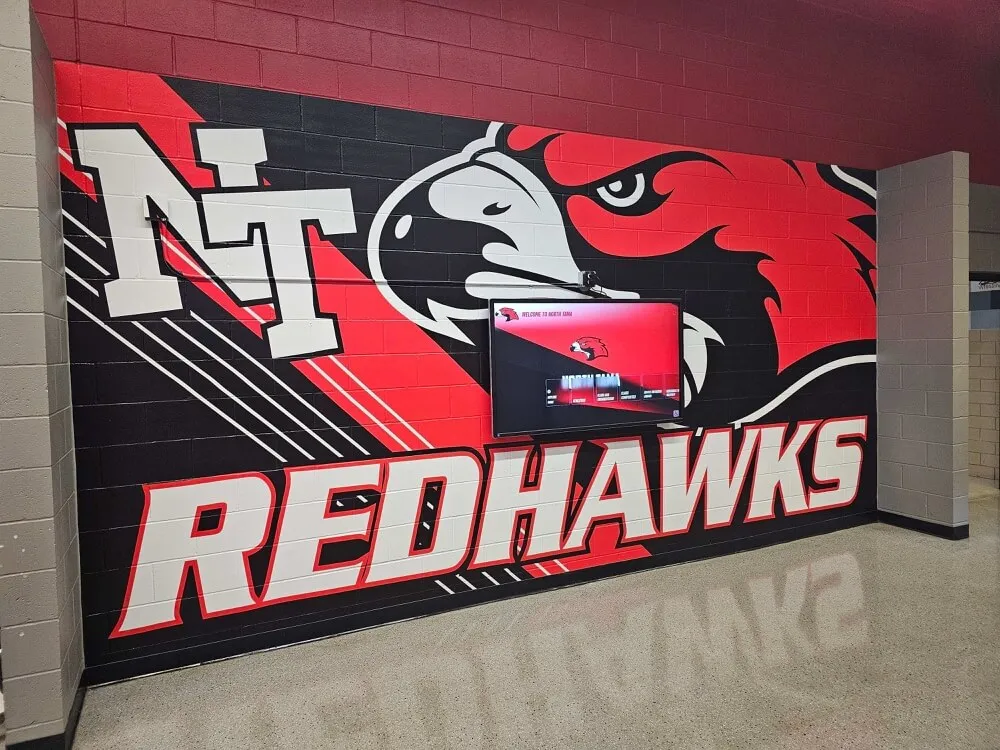
Strategic placement of digital recognition displays in high-traffic areas ensures winter sports athletes receive the visibility they deserve
Recognition Supporting College Recruiting
For winter athletes pursuing college athletics opportunities, proper recognition and documentation of achievements supports recruiting processes requiring verified statistics, highlight videos, and achievement records.
Centralized Achievement Documentation Digital platforms create centralized records documenting career statistics, championship participation, individual awards, and academic achievements that athletes reference when completing recruiting questionnaires or communicating with college coaches. This documentation proves more reliable than athletes reconstructing statistics from memory or scattered records.
Highlight Video Integration Modern recognition platforms integrate video highlights alongside athlete profiles, creating shareable content useful for recruiting while celebrating memorable performances for school communities. Senior night celebrations often feature video tributes that become valuable recruiting content when properly preserved.
Academic Achievement Visibility College coaches recruiting winter sport athletes value academic achievement as strongly as athletic performance. Recognition systems highlighting scholar-athlete awards and GPA achievements alongside athletic statistics support recruiting by demonstrating students’ comprehensive student-athlete profiles.
Building School Spirit Around Winter Sports
Winter sports face unique challenges building community support and school spirit compared to fall football or spring sports occurring during better weather when attendance comes more easily. Strategic recognition approaches help schools overcome these challenges.
Creating Visible Celebration
Winter athletes deserve recognition creating pride and visibility comparable to other seasonal sports. Digital displays in prominent locations ensure winter sports achievements remain visible year-round rather than only during their competitive seasons, building awareness and appreciation among students who may not attend games.
Lobby and Entrance Displays Recognition installations near school entrances, main lobbies, or athletic facility entrances ensure every student, family member, and visitor encounters winter sports celebration regularly, normalizing wrestling, basketball, swimming, and hockey as integral components of school athletic identity.
Athletic-Focused Common Areas Schools creating athletic lounge areas with recognition displays, team histories, and comfortable spaces for athletes to gather between classes build community while celebrating athletic programs. These spaces become sources of pride for athletes who see their contributions valued institutionally.
Engaging Current Students and Athletes
Recognition systems that engage current students rather than simply displaying historical information create more meaningful connections with winter sports programs.
Current Season Updates Digital recognition platforms updated throughout seasons with recent game results, athlete spotlights, or upcoming competition schedules keep content relevant and interesting for current students, encouraging repeated engagement with displays rather than one-time viewing of static content.
Athlete-Generated Content Involving current athletes in content creation—team photos, season reflections, or highlight selection—builds ownership while ensuring recognition feels relevant rather than purely administrative. Students engage more deeply with content they helped create.
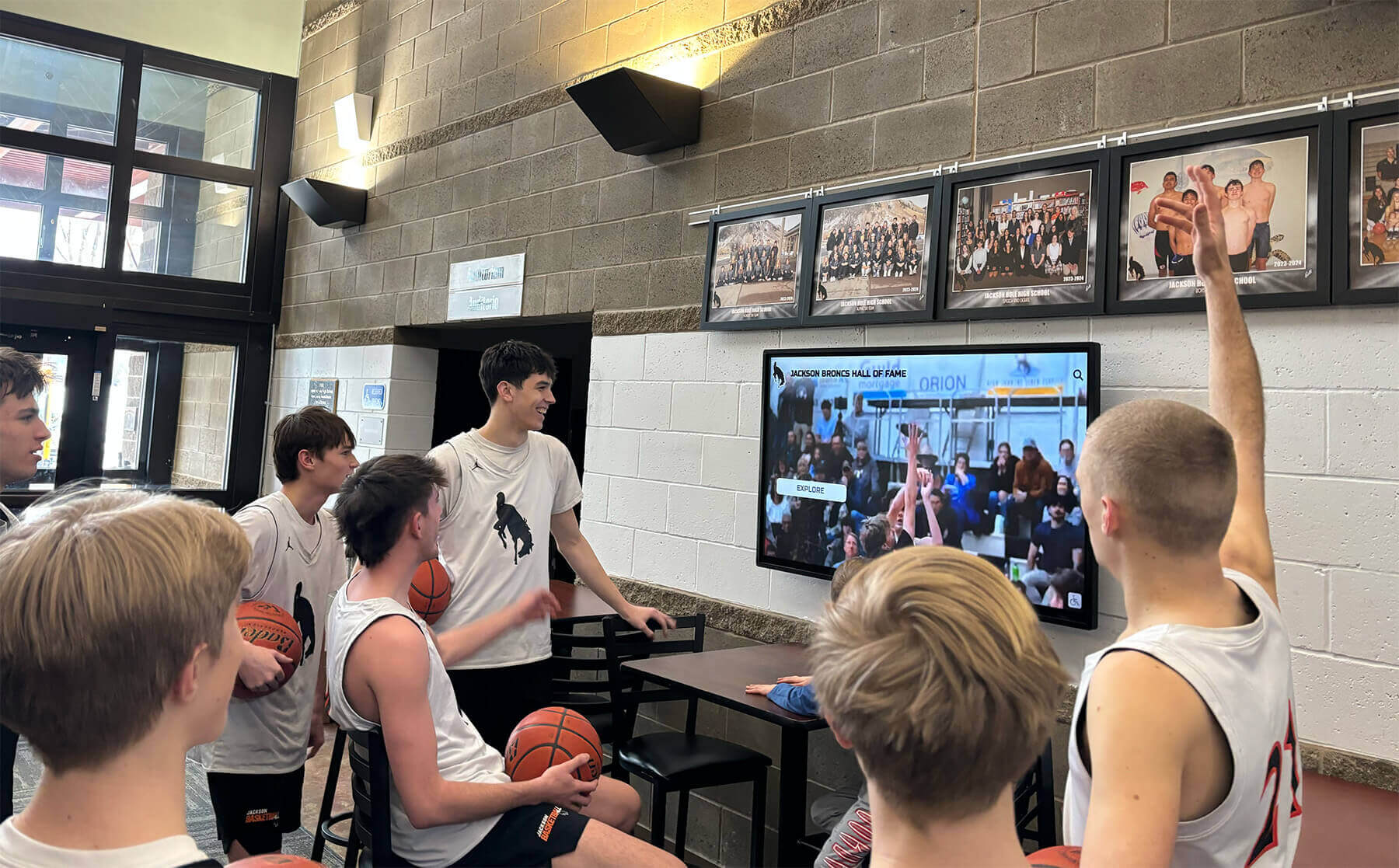
Interactive Exploration Touchscreen interfaces invite exploration rather than passive viewing, increasing engagement time and emotional connection with content. Students discovering alumni athletes who attended their school decades earlier or finding record holders in their sports creates meaningful connections to program history.
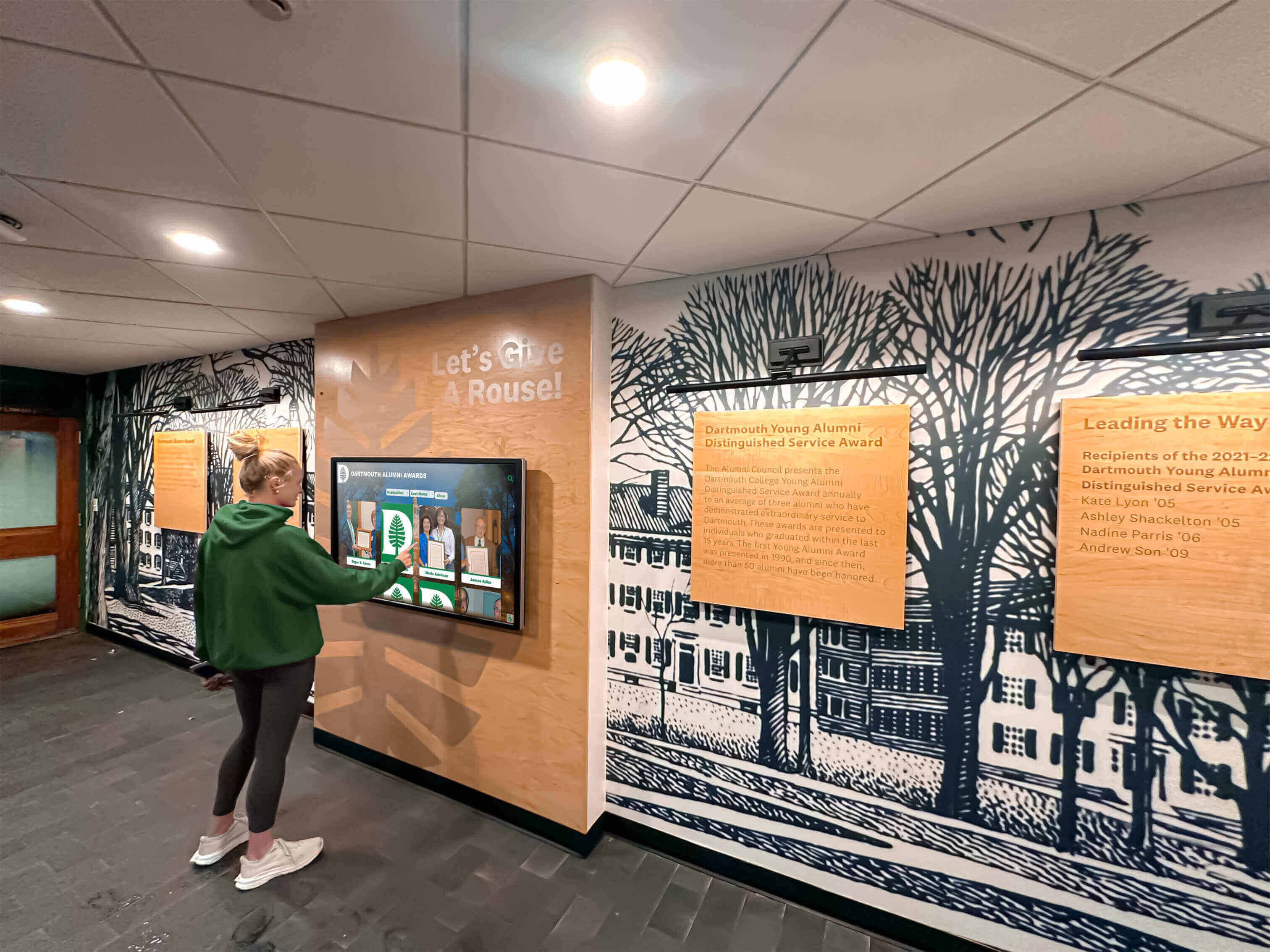
Interactive displays transform passive viewing into active exploration, increasing student engagement with athletic program history
Supporting Your Winter Sport Athlete
Parents play crucial roles supporting winter sport athletes through demanding seasons requiring significant time commitments, financial investments, and emotional support through competitive pressures.
Understanding Financial Commitments
Winter sports involve various costs families should anticipate when students begin participation. Transparent understanding of financial expectations helps families budget appropriately while avoiding surprises during seasons.
School Athletic Fees Many schools charge athletic participation fees ranging from $100-$500 per sport, funding program operations, equipment, uniforms, and facility maintenance. Some schools offer fee waivers or reductions for families experiencing financial hardship.
Equipment and Gear Costs Equipment costs vary dramatically by sport. Basketball players need shoes and practice gear ($100-$200). Wrestlers require shoes, headgear, and practice equipment ($150-$300). Hockey players face significant equipment investments ($500-$1,500) for pads, helmets, skates, and sticks. Swimmers need suits, caps, and goggles ($50-$150). Schools typically provide uniforms but athletes purchase practice equipment and sport-specific gear.
Additional Program Costs Beyond fees and equipment, families may encounter costs for team apparel, tournament fees, team meals during away competitions, fundraising obligations, or booster club memberships supporting programs. Understanding full cost pictures before seasons begin prevents financial stress mid-season.
Providing Emotional and Mental Support
Winter sports create physical and mental demands requiring family support beyond transportation and attendance at competitions.
Managing Performance Pressure Athletes face pressure from personal expectations, coaching demands, peer competition, and sometimes parental expectations. Parents help by maintaining perspective, emphasizing effort over results, and avoiding adding pressure through criticism after disappointing performances.
Supporting Through Adversity Not making starting lineups, losing positions to teammates, sustaining injuries, or experiencing team struggles create disappointment requiring parental support. Listen empathetically, validate feelings without immediately problem-solving, and help athletes learn from setbacks rather than only celebrating successes.
Balancing Multiple Demands Winter athletes juggling practices, competitions, academics, social lives, and sometimes jobs need help prioritizing commitments and maintaining balance. Parents support by helping students realistically assess capabilities, communicate with coaches when overwhelmed, and make difficult choices when conflicts arise.
Celebrating Achievement Appropriately
Recognizing athlete achievements while maintaining healthy perspective helps students develop positive relationships with sports and competition.
Attending Competitions When Possible Your attendance at games and competitions matters to athletes even when they don’t acknowledge it directly. Make efforts to attend when possible while recognizing that work obligations or family commitments sometimes prevent attendance.
Focusing on Effort and Growth Celebrate consistent effort, skill improvement, and positive attitude rather than only victories or statistical achievements. Athletes internalize messages about what parents value, developing healthier motivations when parents emphasize controllable factors over outcomes.
Preserving Memories Meaningfully Take photos, save programs, and preserve meaningful mementos from athletic careers, but avoid pressure to document every moment. Athletic recognition displays at schools often preserve career highlights more comprehensively than families can manage individually.
College Athletic Opportunities in Winter Sports
For athletes considering college athletics participation, winter sports offer opportunities ranging from elite NCAA Division I scholarships to club sport participation at schools without varsity programs.
Understanding College Athletic Divisions
College winter sports exist across multiple competitive levels, each offering different experiences, scholarship availability, and time commitments.
NCAA Division I The highest competitive level, Division I programs offer athletic scholarships, require year-round training commitments comparable to part-time jobs, and recruit nationally for top high school athletes. Division I basketball, hockey, swimming, and wrestling programs compete at elite levels producing professional athletes.
NCAA Division II Division II programs balance athletics with broader college experiences, offering partial scholarships while requiring significant training commitments. Many Division II athletes were strong high school competitors who value opportunities to continue competing while pursuing academic priorities.
NCAA Division III Division III prohibits athletic scholarships but provides opportunities for athletes valuing continued competition within balanced college experiences. Many Division III athletes report high satisfaction with experiences allowing athletic participation without demands that dominate college life.
NAIA and Junior College NAIA and junior college programs provide additional competitive opportunities, often with scholarship availability and serving as pathways to four-year programs for athletes developing skills or improving academic qualifications.
Recruiting Process Fundamentals
College recruiting processes vary by sport but follow general patterns athletes should understand when pursuing college athletic opportunities.
When Recruiting Happens College coaches begin evaluating prospects early in high school careers, with serious recruiting conversations typically occurring during junior year. Winter sport athletes should communicate with college coaches during sophomore and junior years, attending camps or showcases where college coaches evaluate talent.
Academic Requirements NCAA eligibility requires completion of core academic courses, minimum GPAs, and standardized test scores meeting NCAA Clearinghouse standards. Athletes must maintain academic focus throughout high school to preserve college athletic opportunities.
Highlighting Athletic and Academic Achievement Athletes benefit from comprehensive documentation of achievements including statistics, awards, team successes, and academic records when communicating with college coaches. Digital recognition platforms provide this documentation in accessible formats useful during recruiting processes.
Frequently Asked Questions About High School Winter Sports
When do winter sports seasons typically start and end? Winter sports seasons typically begin with tryouts in early November, regular season competition from December through February, and playoffs/championships extending into March. Specific timing varies by state athletic associations and geographic regions.
How many winter sports can a student participate in simultaneously? Most schools prohibit students from participating in multiple sports during the same season due to schedule conflicts and school policies preventing athletes from missing one team’s practices or competitions for another sport. Athletes typically choose one winter sport per year.
Are there opportunities for athletes who don’t make varsity teams? Yes, most schools offer junior varsity, freshman, or developmental teams for athletes not making varsity rosters. Some sports allow practice players who practice with varsity but don’t compete. Athletes can also pursue club sports or recreational leagues outside school programs.
Do winter sport athletes need prior experience to try out? Experience requirements vary by sport and competitive level. Basketball and wrestling often welcome beginners at freshman levels, though varsity teams expect prior experience. Hockey and gymnastics typically require years of prior participation through youth programs. Swimming welcomes varying experience levels depending on program competitiveness.
How do schools recognize winter sports achievements? Schools recognize winter sports through trophy cases, gym banners, awards banquets, and increasingly through digital recognition platforms that preserve athlete profiles, statistics, and team histories accessible to school communities year-round.
What time commitment should families expect for winter sports? Athletes typically commit to daily practices (2-3 hours) five days weekly, plus 1-2 competitions weekly during season. Total time commitments range from 15-20 hours weekly for most sports, with additional time for travel to away competitions and occasional weekend tournaments.
How much do winter sports typically cost families? Costs vary significantly by sport and school. Budget approximately $100-$500 for participation fees, $100-$300 for equipment and gear (except hockey at $500-$1,500), plus additional costs for team apparel, tournament fees, and fundraising. Schools often offer financial assistance for families experiencing hardship.
Do winter sports help with college admissions or scholarships? Athletic participation demonstrates commitment, time management, and teamwork valued by college admissions. Winter sports athletes can pursue athletic scholarships at NCAA Division I and II programs, while athletic participation may support admissions at academically selective colleges valuing well-rounded students even without athletic scholarship opportunities.
How can athletes balance winter sports with academic responsibilities? Success requires time management, communication with teachers about competition schedules, utilizing study halls efficiently, completing homework early, and maintaining organized systems tracking assignments. Schools often provide study tables or academic support for athletes struggling with balance.
What should athletes do if they experience injuries during winter sports? Report injuries immediately to coaches and athletic trainers rather than attempting to play through pain. Follow medical guidance regarding treatment and return-to-play protocols. Most schools require medical clearance before athletes return to competition following significant injuries.
Conclusion: Embracing Winter Sports Opportunities
Winter sports provide valuable opportunities for high school students to compete athletically, develop skills, build relationships, and create memories lasting beyond high school years. Understanding available sports, season structures, time commitments, and recognition opportunities helps students and families make informed decisions about winter sports participation while supporting athletes effectively through demanding competitive seasons.
Modern recognition approaches ensure winter athletes receive celebration their achievements deserve, creating visible appreciation that builds school spirit while preserving athletic heritage for future generations. Digital platforms transform recognition from static displays limited by physical space into dynamic, engaging systems showcasing unlimited athletes, preserving comprehensive program history, and making recognition accessible to entire school communities year-round.
Whether you’re a student-athlete exploring winter sports opportunities, a parent supporting your athlete through competitive seasons, or a school administrator building athletic programs that engage communities, understanding winter sports comprehensively helps create positive experiences that benefit students athletically, academically, and personally while building school culture around athletic excellence.
Ready to explore how your school can better celebrate winter sports achievements and engage your athletic community year-round? Discover how Rocket Alumni Solutions creates interactive recognition experiences that honor winter athletes while preserving program heritage for future generations.