



As winter snow melts and temperatures warm, high school campuses across America burst into renewed athletic energy. Spring represents one of three major athletic seasons in high school sports, bringing unique opportunities for student athletes to compete, develop skills, and create lasting memories. For parents navigating their child’s athletic journey and students considering which sports to pursue, understanding the landscape of spring athletics provides essential context for making informed decisions.
Spring sports occupy a special place in the high school athletic calendar. Unlike fall sports that launch the school year with football-centered excitement, or winter sports competing during academic intensity, spring athletics coincide with improving weather, approaching summer break, and culminating celebrations like senior nights and end-of-season recognition ceremonies. Schools celebrate spring sport achievements through award presentations, recognition displays, and traditions that honor graduating seniors while inspiring returning athletes.
This comprehensive guide explores everything families need to know about high school spring sports—from understanding which sports fall into this season to discovering how schools recognize and celebrate spring athletes’ accomplishments in ways that build lasting community pride and school spirit.
High school athletics serve multiple vital functions: developing physical fitness and athletic skills, teaching teamwork and perseverance, creating opportunities for college recruitment, and building school community through shared traditions and collective pride. Spring sports deliver all these benefits while offering distinct seasonal advantages and unique sport-specific experiences.

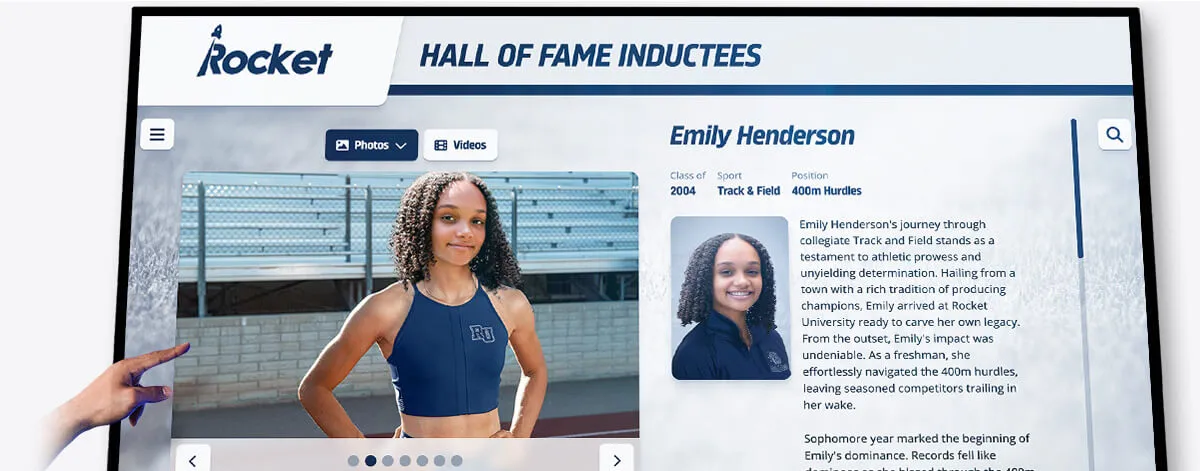
Spring track and field provides opportunities for athletes with diverse strengths from sprinting to distance running to field events
Understanding the High School Athletic Calendar
Before diving into specific spring sports, understanding how the athletic year divides into seasons helps contextualize where spring athletics fits within the broader high school sports landscape.
The Three-Season Structure
Most American high schools organize athletics around three distinct seasons aligned with academic terms:
Fall Sports Season (August-November) Fall sports typically begin practice in August before school starts, with competitions running through October or November. This season features football as the traditional centerpiece, alongside cross country, volleyball, soccer (in many regions), field hockey, competitive cheerleading, and tennis (in some regions). Fall sports benefit from warm early-season weather and community energy around back-to-school traditions and Friday night football culture.
Winter Sports Season (November-March) Winter athletics launch in late November or early December, continuing through February or early March depending on playoff success. Basketball dominates this season as the marquee sport, joined by wrestling, swimming and diving, indoor track, gymnastics, and competitive dance. Winter sports compete during academically intensive months while providing vital physical activity and community connection during cold, dark seasons.
Spring Sports Season (March-June) Spring sports typically begin practice in late February or early March, with competitions extending through May or early June for teams reaching state championships. This season features baseball, softball, track and field, soccer (in many regions), tennis, golf, lacrosse, and volleyball (in some regions). Spring athletics benefit from improving weather, outdoor competition venues, and culminating traditions celebrating graduating seniors.
Seasonal Overlap and Multi-Sport Athletes
While this three-season structure provides clear organization, some overlap exists at season boundaries. Winter championship tournaments may extend into early March as spring sports begin practice, and fall playoffs sometimes run into early winter. Schools manage these overlaps through practice scheduling coordination and communication between coaching staffs.
Many student athletes participate in multiple sports across seasons, creating what sports educators call “three-sport athletes.” A student might play football in fall, basketball in winter, and baseball in spring—developing diverse athletic skills while remaining engaged in school athletics year-round. This multi-sport participation pattern has decreased in recent decades as sport specialization has increased, but many schools and athletic directors actively encourage multi-sport participation for athlete development benefits.
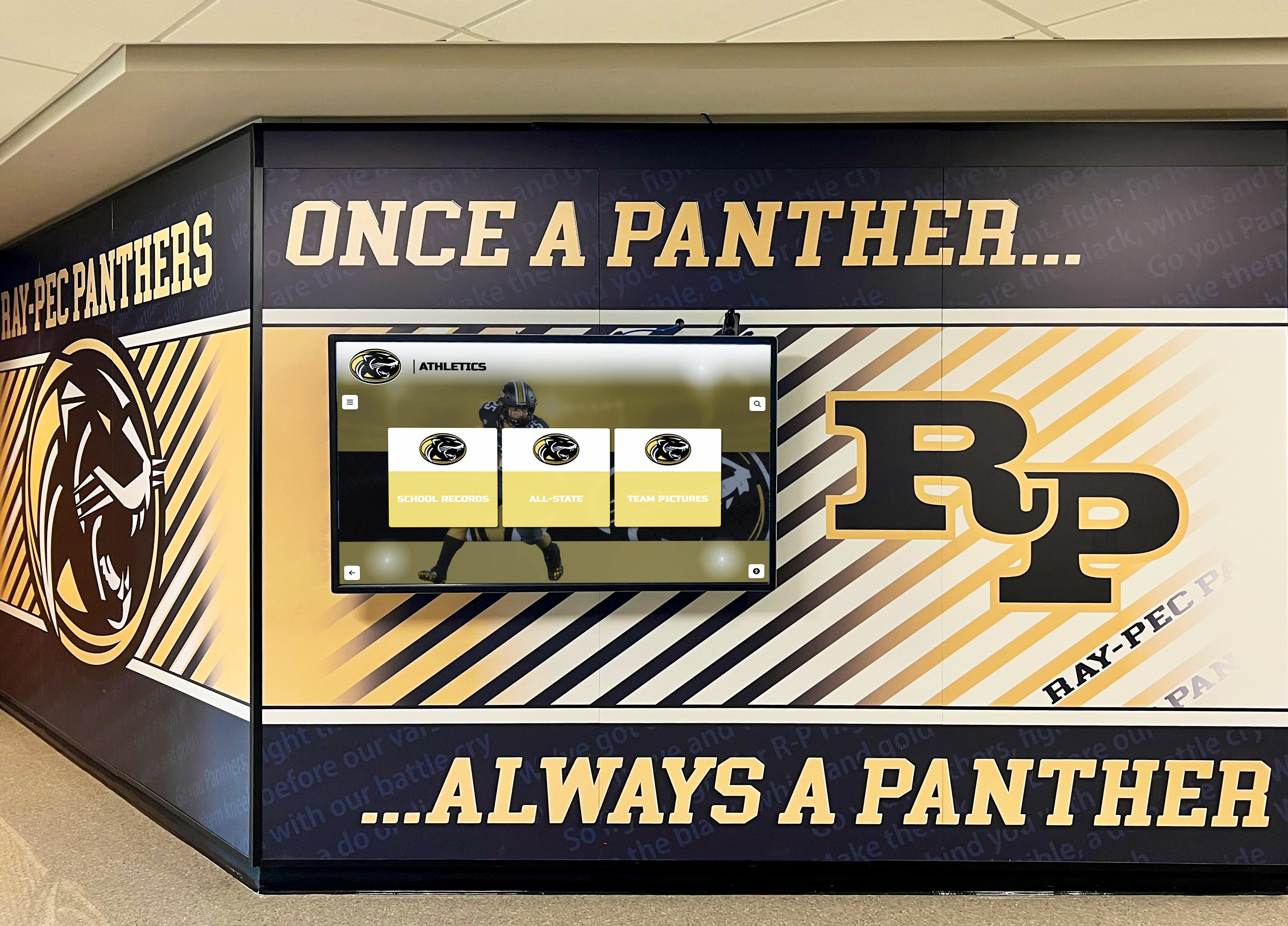
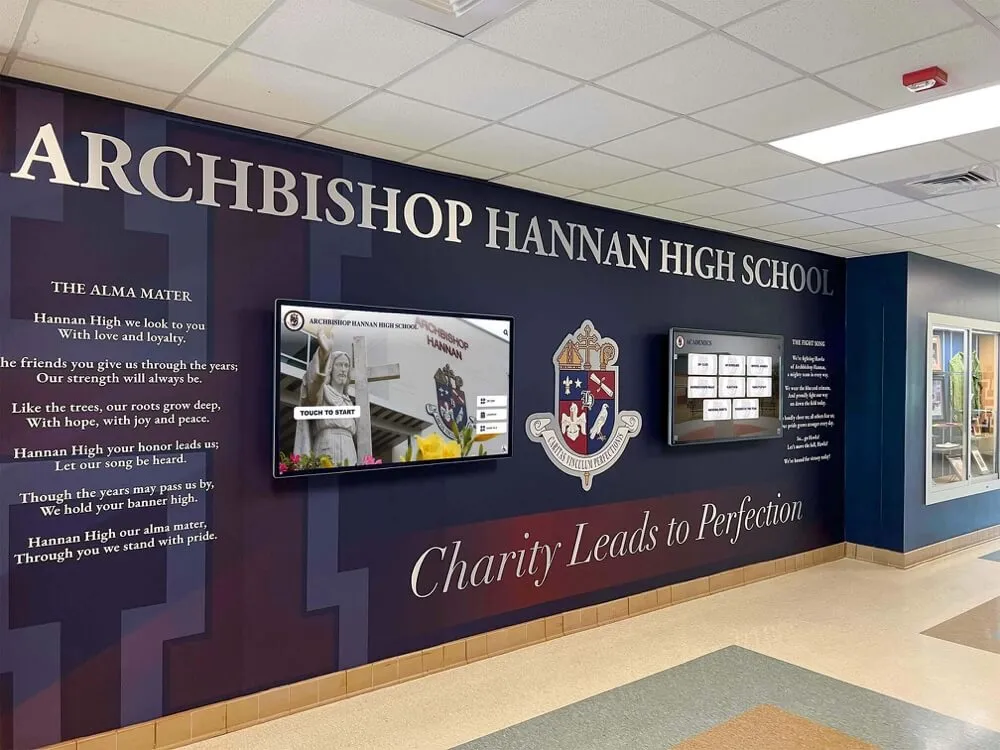
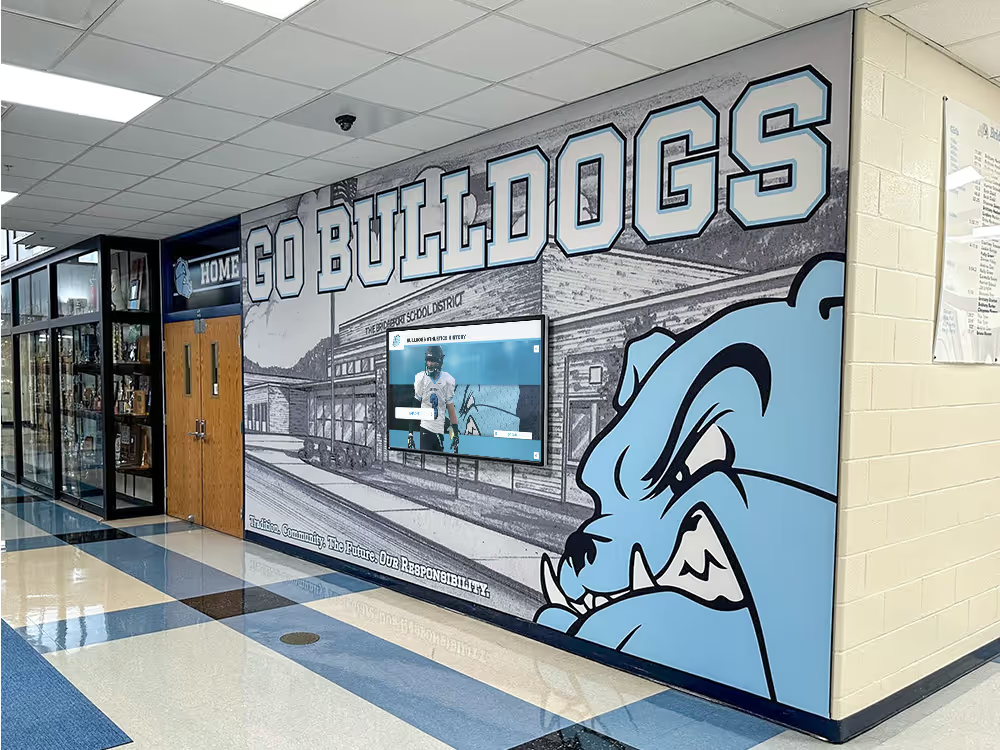
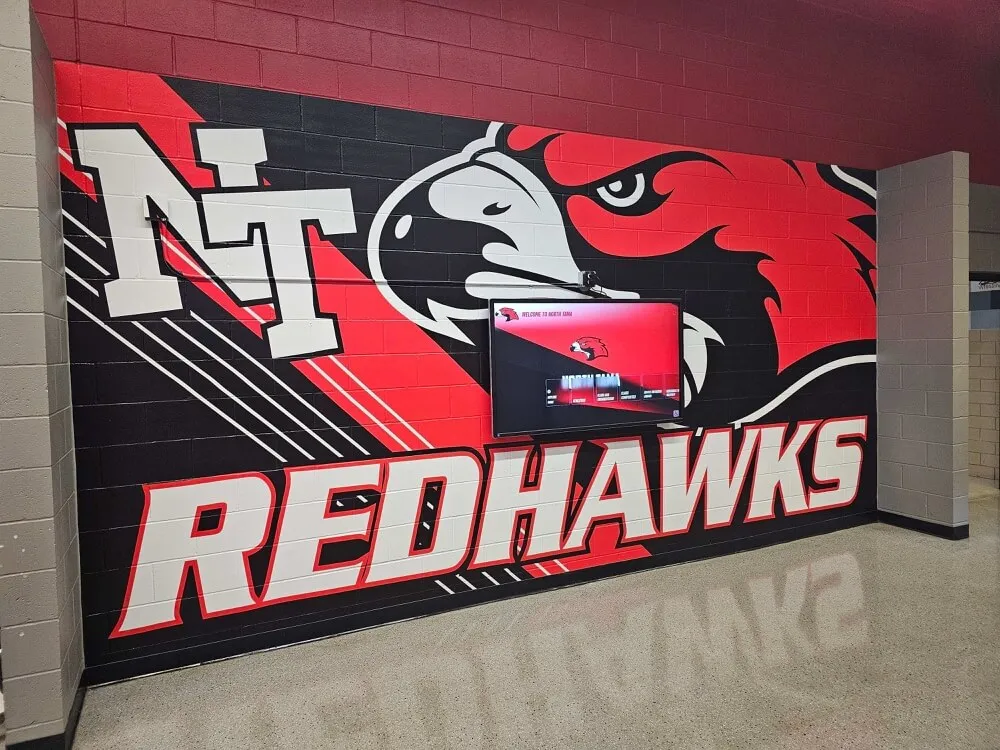
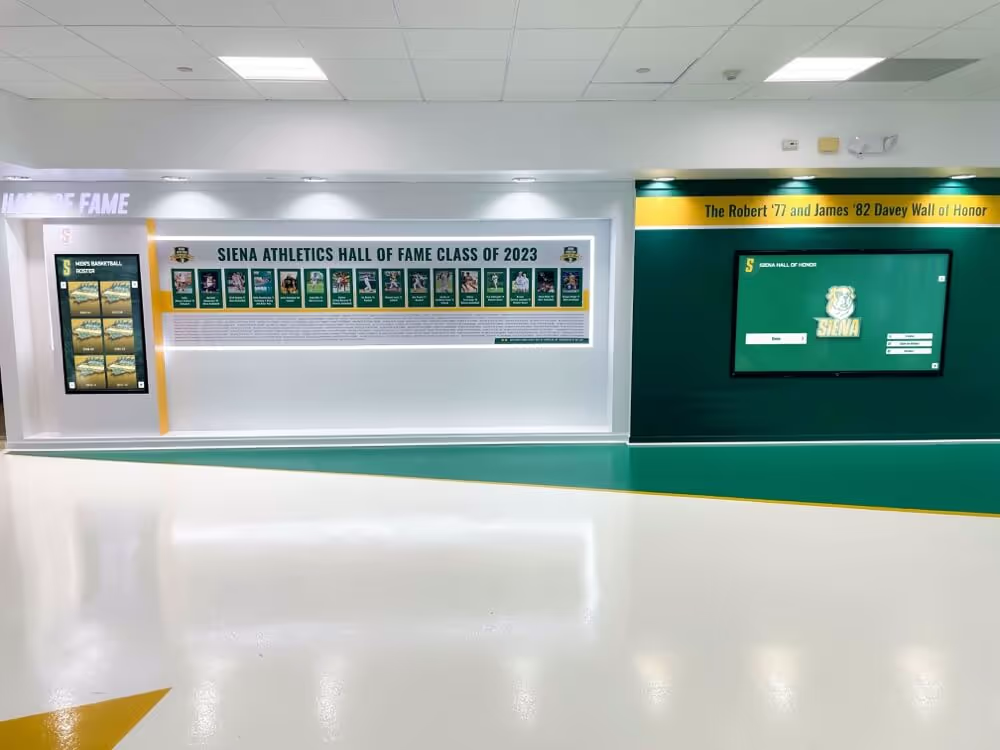
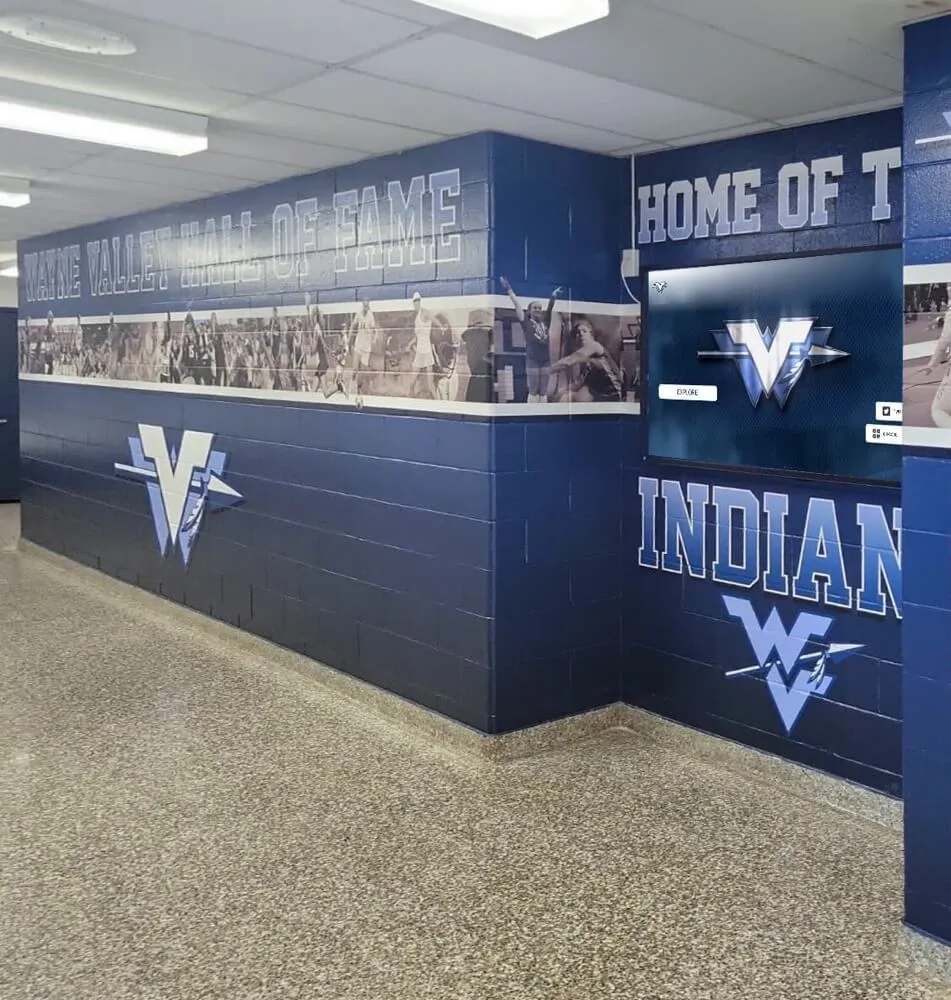
Schools celebrate athletic achievement across all seasons through permanent recognition displays showcasing student accomplishments
Common High School Spring Sports
Spring athletics encompasses diverse sports providing opportunities for students with varying athletic interests, physical attributes, and skill development goals.
Baseball
Baseball represents one of the quintessential American spring sports with deep high school tradition.
Sport Characteristics and Structure High school baseball typically features varsity, junior varsity, and sometimes freshman teams allowing participation across skill levels and grade levels. Teams generally play 20-30 games during regular seasons, with conference tournaments and state playoff structures extending seasons for successful programs. Games traditionally occur on weekday afternoons and occasional Saturdays, though some schools schedule under-the-lights evening games when facilities permit.
Skills and Physical Requirements Baseball requires diverse skill sets depending on position—pitchers need arm strength and control, infielders require quick reflexes and sure hands, outfielders need speed and throwing distance, and catchers must combine physical toughness with game management skills. Hitting represents a universal skill all position players develop, demanding hand-eye coordination, timing, and situational awareness. The sport accommodates various body types and athletic profiles more than some other athletics, with specialized positions suited to different physical attributes.
Equipment and Facility Needs Baseball requires significant equipment investment including bats, gloves, helmets, catching gear, and team uniforms. Many schools provide most equipment except personal gloves and cleats, though equipment quality varies substantially between well-funded and resource-limited programs. Facilities range from basic fields with minimal infrastructure to comprehensive baseball complexes with dugouts, batting cages, bullpens, and spectator seating.
College Recruitment Opportunities Baseball offers substantial college recruitment pathways through NCAA Division I, II, and III programs, NAIA schools, and junior colleges. Talented players showcase abilities through high school performance, summer travel teams, showcases, and camps. Baseball represents one of the more competitive college recruitment sports, with many recruited athletes having invested years in travel baseball alongside high school competition.
Softball
Softball parallels baseball in structure while offering specific opportunities for female athletes.
Sport Structure and Competition Format Like baseball, softball programs typically field varsity and junior varsity teams, with similar season lengths of 20-30 games plus potential tournament and playoff competition. Games follow similar scheduling patterns to baseball, with most competitions occurring on weekday afternoons. The sport uses a smaller field and larger ball than baseball, with pitchers throwing underhand from a closer distance, creating distinct strategic and skill elements despite structural similarities to baseball.
Skill Development and Position Specialization Softball demands quick reaction times due to shorter base paths and pitching distances. Infielders must field sharply hit balls with minimal reaction time, pitchers develop multiple pitch types and speeds, catchers manage game calling while blocking wild pitches, and outfielders track balls off bats with different flight characteristics than baseball. Hitting requires adjustments to different pitch speeds and movement patterns than baseball.
Team Dynamics and Culture Softball culture emphasizes team cohesion, dugout energy, and collective support systems. Successful teams develop strong chemistry and communication, with position players constantly communicating defensive strategies and backing up plays across the field. The sport’s fast pace and constant action create engaging team environments where every player remains mentally engaged throughout games.
Pathways to College Competition Softball provides excellent college recruitment opportunities across NCAA divisions, NAIA, and junior college levels. The sport has experienced significant growth in college programs and scholarship opportunities in recent decades. Like baseball, many recruited softball players supplement high school competition with travel softball participation, showcases, and college camps that provide exposure to recruiting coaches.
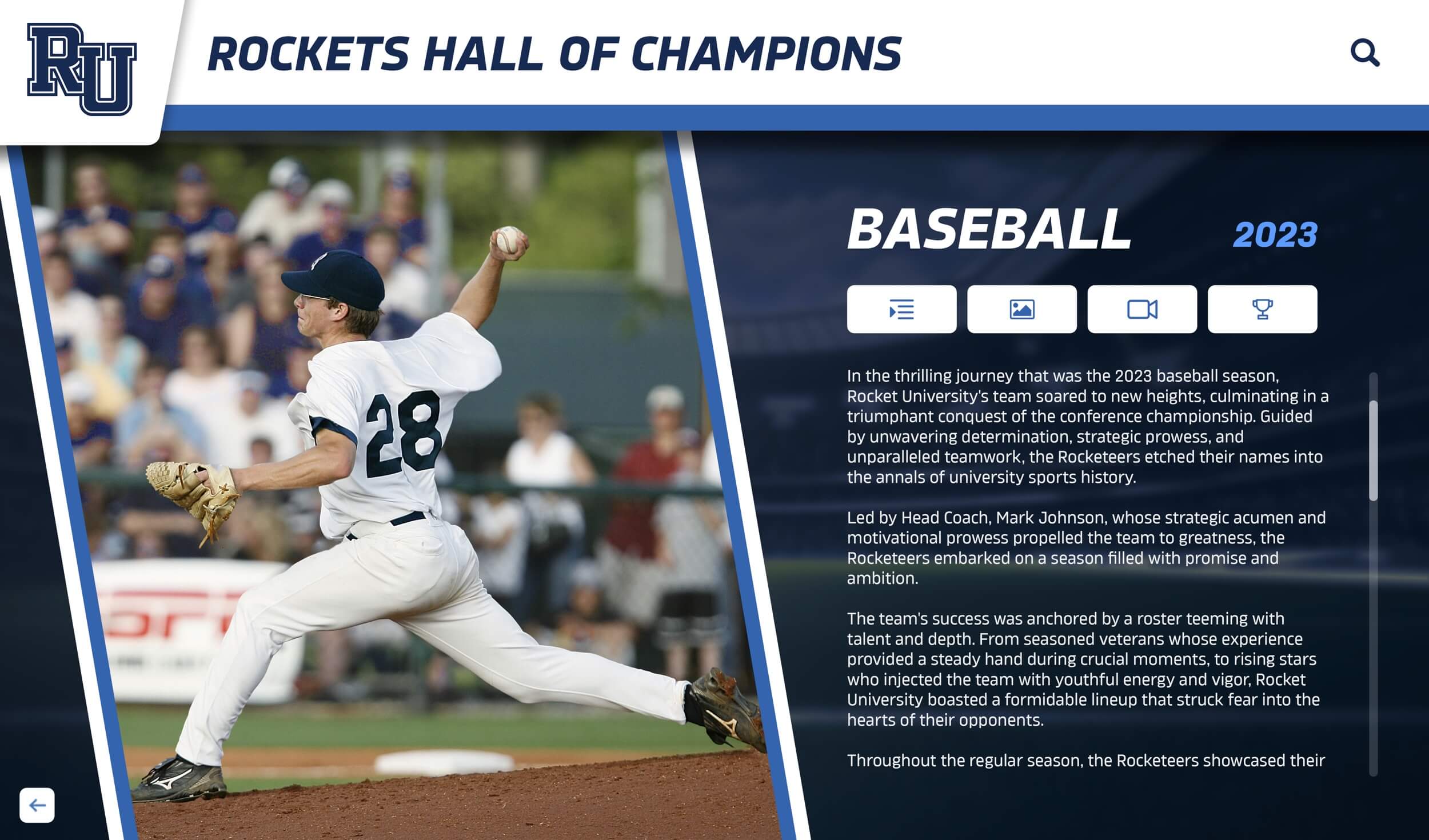
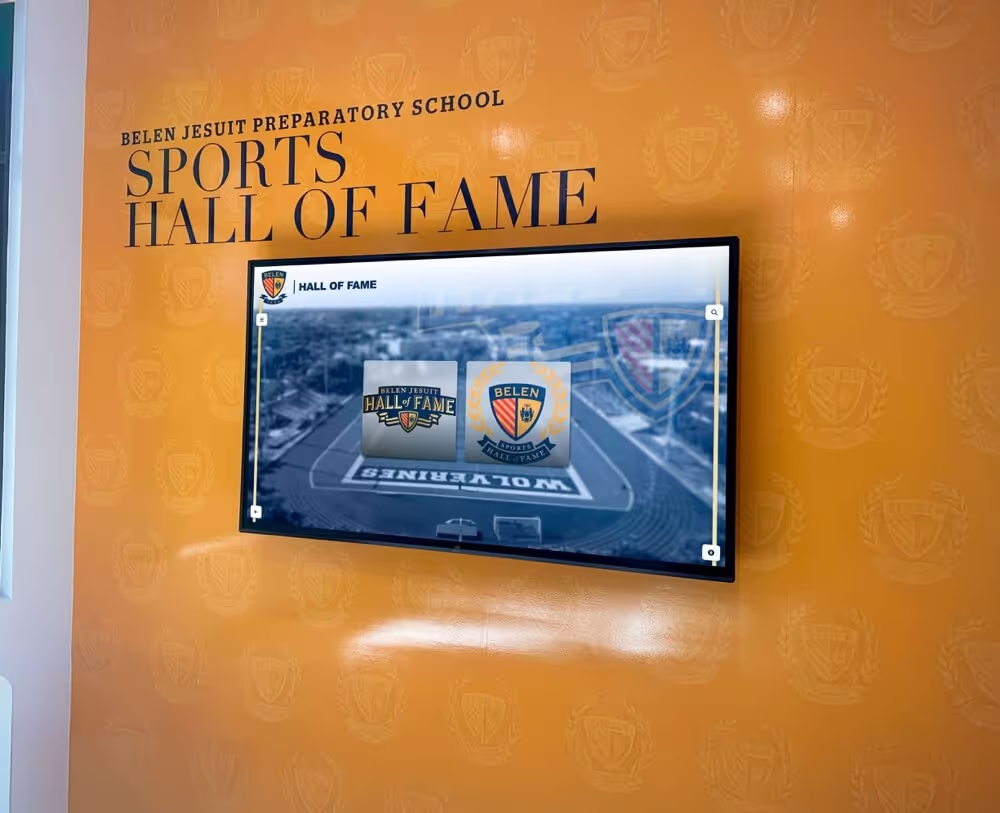
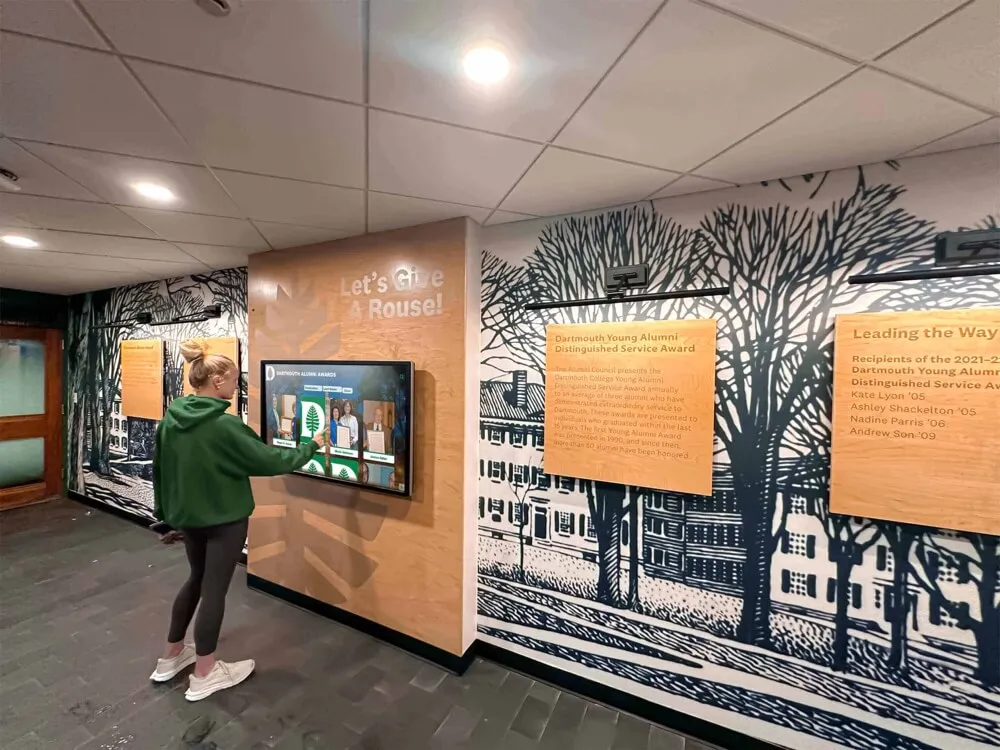
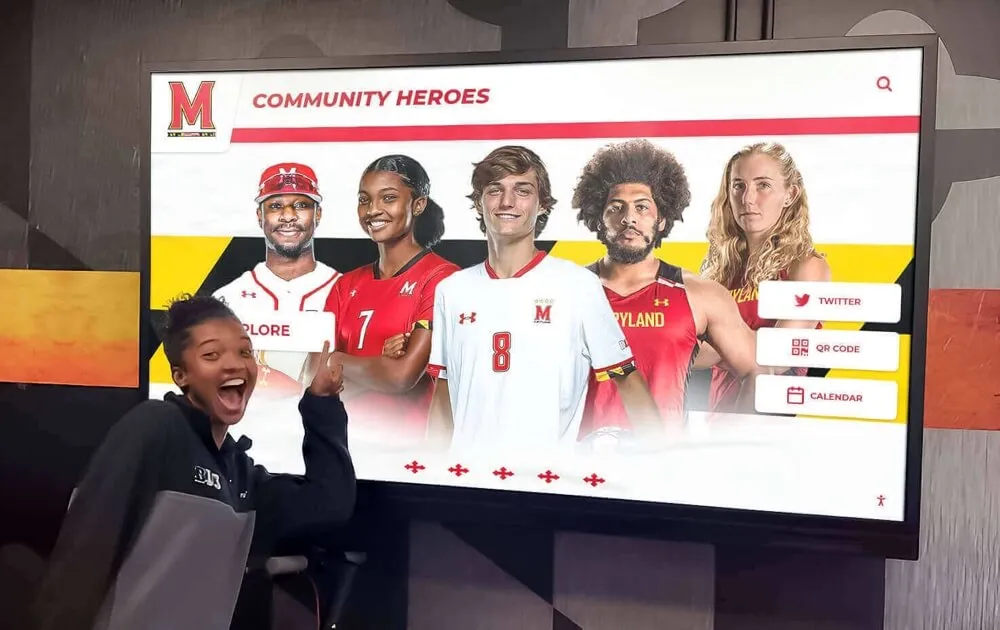
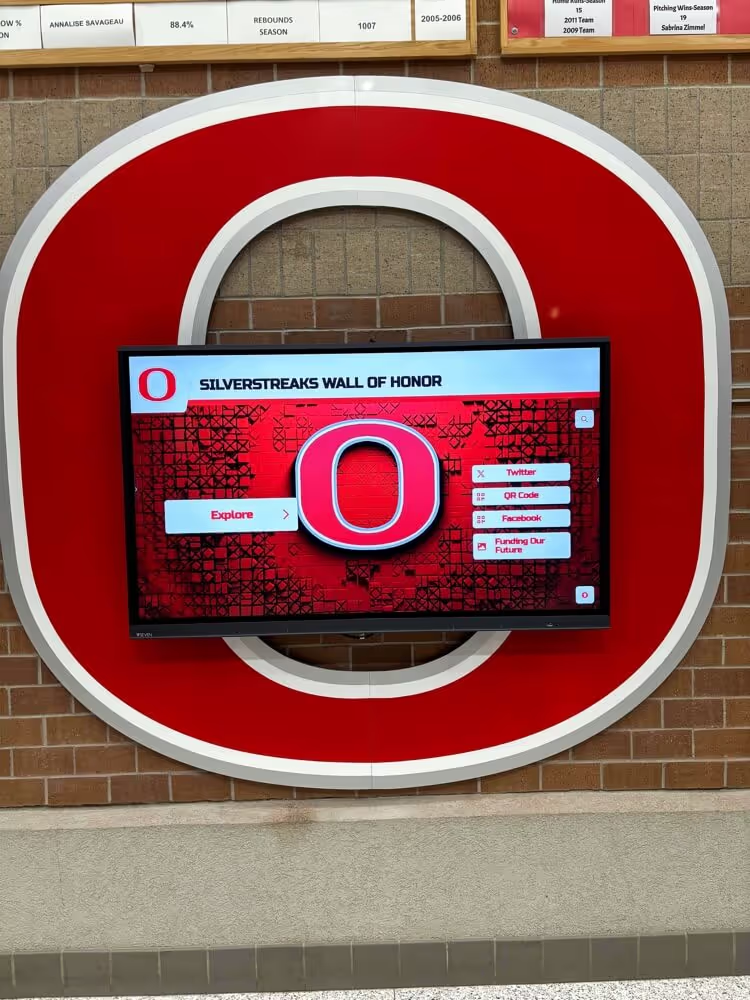
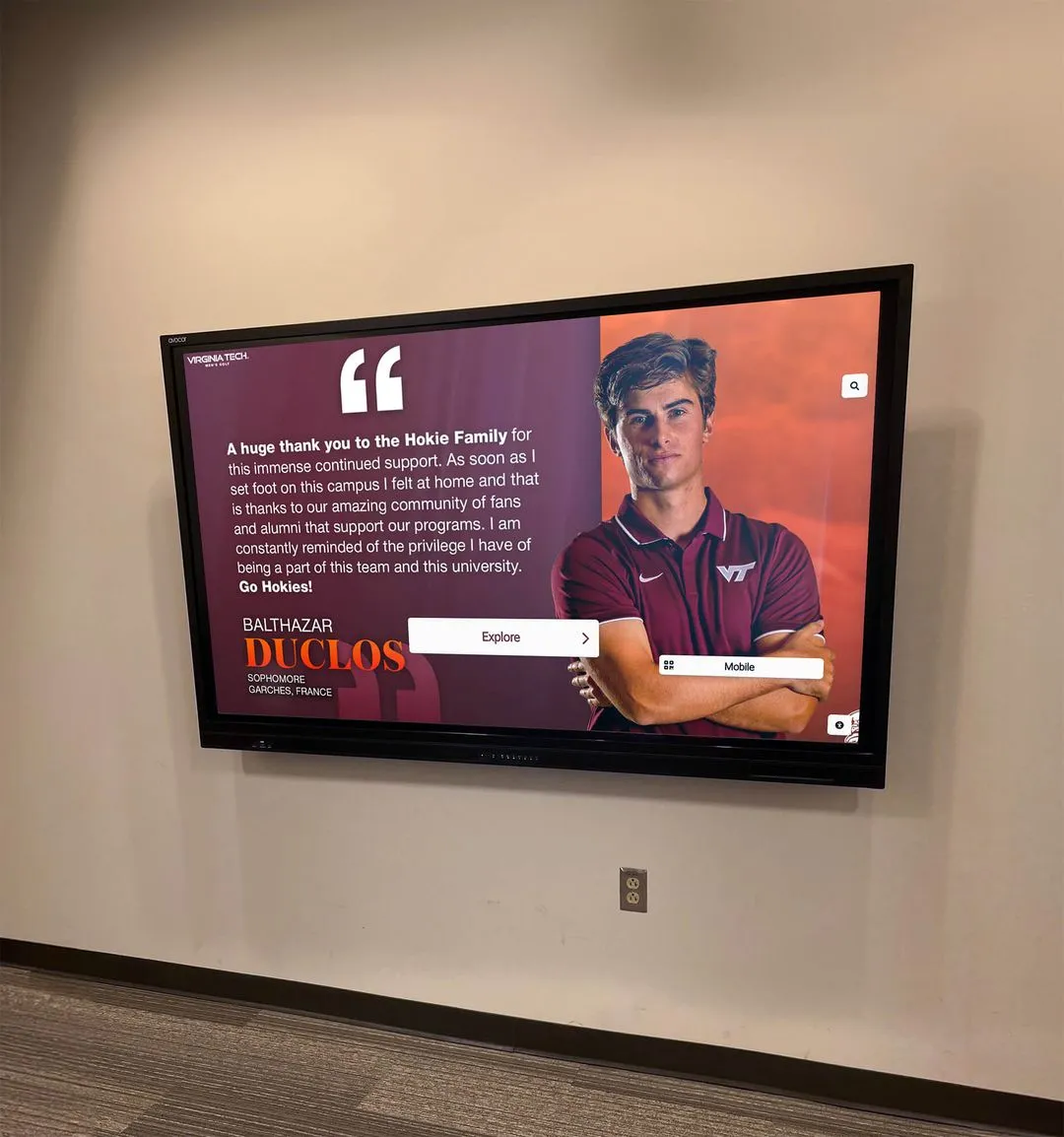
Schools preserve athletic achievements through [digital recognition systems](https://halloffame-online.com/blog/athletic-hall-of-fame-creation-guide/?utm_source=organic&utm_medium=seo&utm_content=digitalwarming&utm_campaign=what-are-spring-sports-in-high-school) celebrating individual and team accomplishments
Track and Field
Track and field stands apart from team sports by encompassing numerous individual events within a single sport structure.
Event Diversity and Specialization Track and field divides into three major categories: track events (sprints, middle distance, distance races, hurdles, and relays), field events (long jump, triple jump, high jump, pole vault), and throwing events (shot put, discus, javelin). This diversity allows athletes with vastly different physical attributes and skills to contribute to team success—tall athletes may excel at high jump or hurdles, powerful athletes dominate throws, quick athletes sprint, and endurance-focused athletes compete in distance races.
Individual and Team Scoring Unlike most high school sports focused on team competition, track and field combines individual performance with team scoring. Athletes earn individual recognition for personal bests and event victories while contributing points toward team scores in meets. This dual structure means every athlete potentially contributes to team success regardless of finishing position, as scoring typically extends through multiple places (often 1st through 8th place earn points).
Training and Conditioning Track and field demands sport-specific training varying dramatically by event specialization. Sprinters perform explosive power work and speed training, distance runners build aerobic capacity through mileage, jumpers develop technique and explosive strength, throwers emphasize strength and rotational power, and hurdlers combine speed with technical precision. This training diversity means track teams include athletes with widely varying physical development and workout routines all competing under the same program.
Year-Round Development Opportunities Many track athletes compete in multiple seasons—outdoor track in spring, cross country in fall (for distance runners), and indoor track in winter where facilities exist. This year-round competition structure allows continuous development and provides multiple seasons of potential recruitment exposure for college-aspiring athletes. Track and field offers one of the highest numbers of college roster positions across all sports, creating substantial recruitment opportunities.
Soccer
Soccer (often called spring soccer in regions where fall soccer also exists) provides one of the most globally connected high school sports.
Regional Seasonal Variations Soccer scheduling varies significantly by region and state association rules. Some states place boys soccer in fall and girls soccer in spring, others reverse this pattern, and some offer soccer for both genders in the same season. This regional variation affects recruitment timing and multi-sport participation possibilities. Families should verify their specific state’s soccer scheduling when considering participation and planning college recruitment strategies.
Global Sport Connection Unlike sports primarily popular in North America, soccer’s worldwide prominence creates unique cultural dimensions. Many high school soccer players also participate in club soccer programs affiliated with national organizations like US Soccer or US Youth Soccer, creating parallel competitive structures alongside high school seasons. This club soccer environment significantly influences college recruitment, with many recruited players discovered through club competition rather than exclusively high school play.
Physical and Tactical Demands Soccer requires sustained cardiovascular endurance, as field players may run 5-7 miles during matches while constantly transitioning between offense and defense. The sport demands technical ball skills (dribbling, passing, shooting, receiving), tactical awareness (positioning, spacing, transitions), and mental toughness. Position specialization ranges from forwards focused on scoring, to midfielders controlling game tempo, to defenders preventing opposition attacks, to goalkeepers requiring unique specialized skills.
College Recruitment Landscape Soccer offers extensive college opportunities across NCAA divisions, NAIA, and junior colleges, with both men’s and women’s programs widely available. The recruitment process typically involves club soccer as much or more than high school competition, with players attending showcases, tournaments, and college camps. Understanding how high school and club soccer intersect proves essential for families navigating college recruitment pathways.
Tennis
Tennis provides opportunities for individual competition within team structures similar to track and field.
Competition Structure High school tennis teams compete through individual matches contributing to team scoring. Typical competition formats include several singles matches (often 6 positions, though this varies by state) and several doubles matches (typically 2-3 pairs). Team scores aggregate match results, with some states using different scoring systems (total matches won vs. total sets won vs. total games won). This individual-within-team structure means athletes compete individually while contributing to collective team success.
Singles and Doubles Specialization Some players specialize in singles competition, others in doubles, and many compete in both during high school careers. Singles demands complete court coverage and self-reliance, while doubles requires partner communication, specialized positioning, and complementary playing styles. The ability to compete in both formats provides roster flexibility for coaches while developing diverse strategic skills in players.
Skill Development and Training Tennis requires substantial technical skill development including various stroke types (forehand, backhand, serve, volley, overhead), spin variations, court positioning, and strategic game management. Many successful high school players began training young and supplement school teams with private lessons, club play, and tournament competition outside school seasons. The sport’s individual nature means practice quality and personal dedication substantially influence development trajectories.
Recruitment and College Opportunities Tennis offers college roster positions across NCAA divisions and NAIA schools, though Division I programs are highly competitive with international recruitment. College coaches evaluate players through junior tournament results, Universal Tennis Rating (UTR) rankings, and sometimes high school match results. Understanding the tournament circuit and UTR system alongside high school competition proves important for recruitment-focused families. Explore how schools celebrate diverse athletic achievements including individual sports like tennis through comprehensive recognition programs.
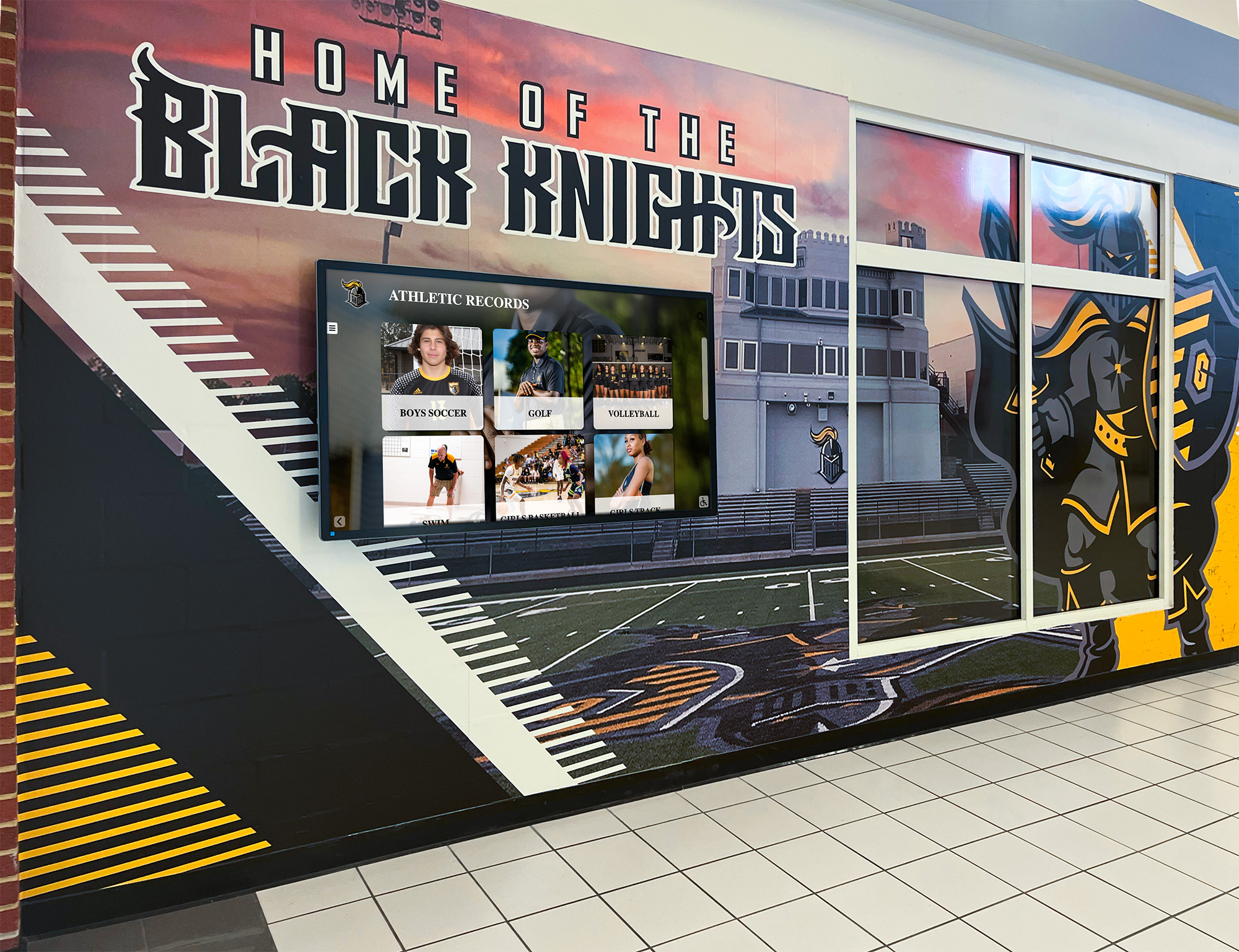
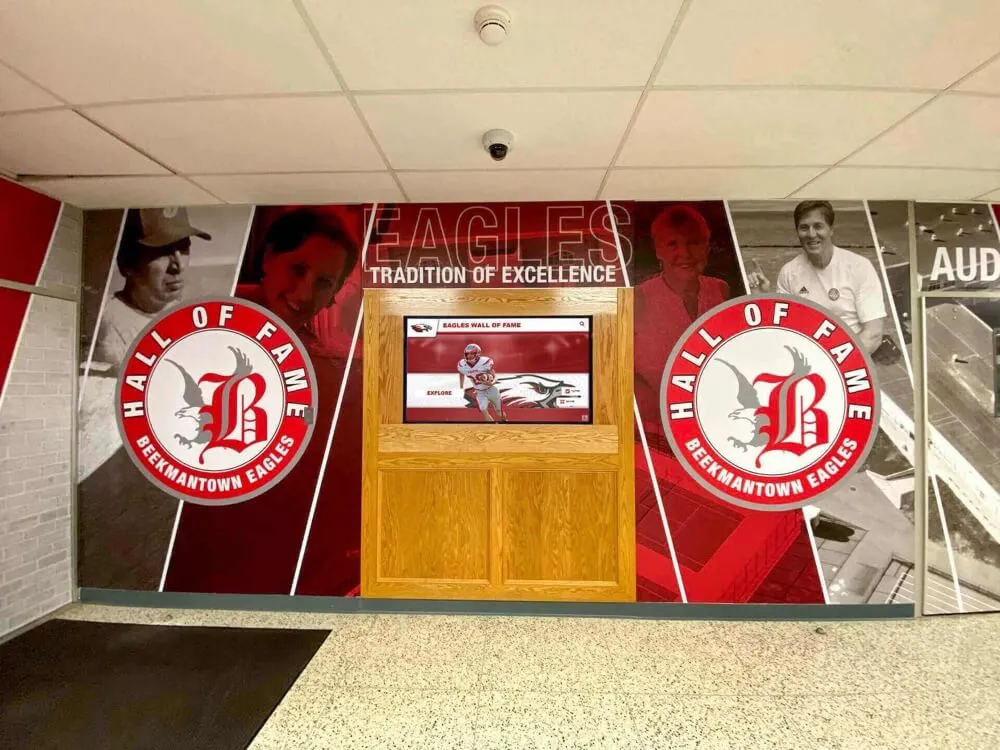
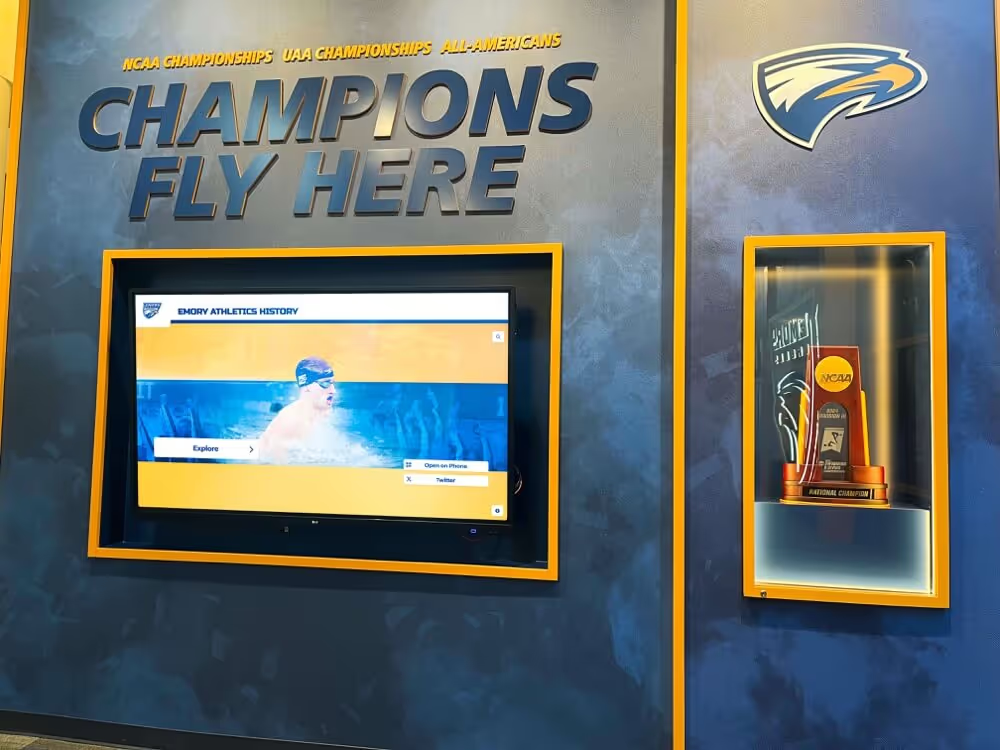
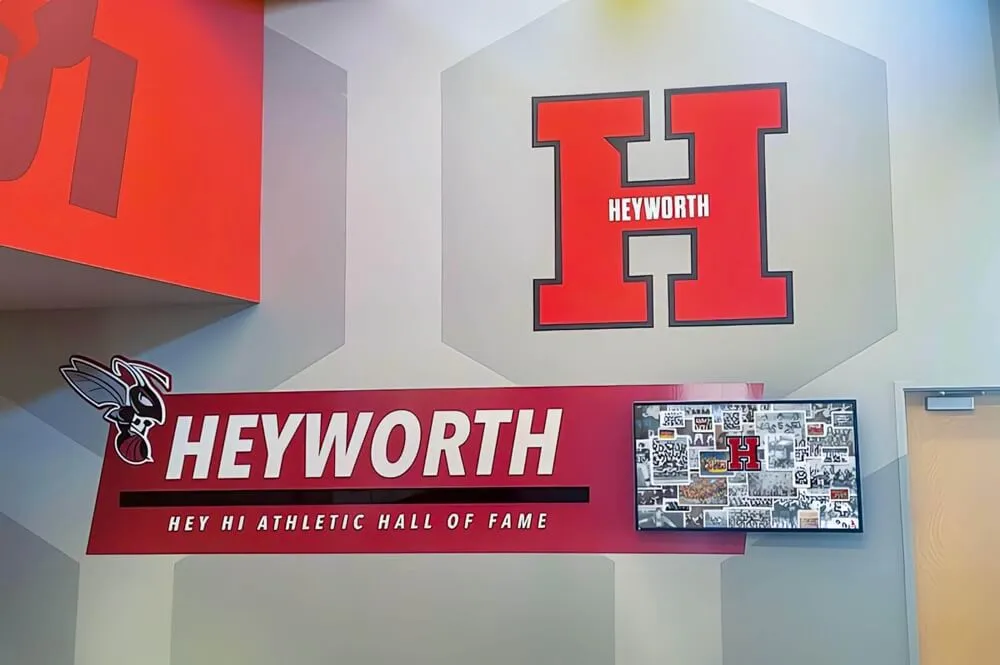
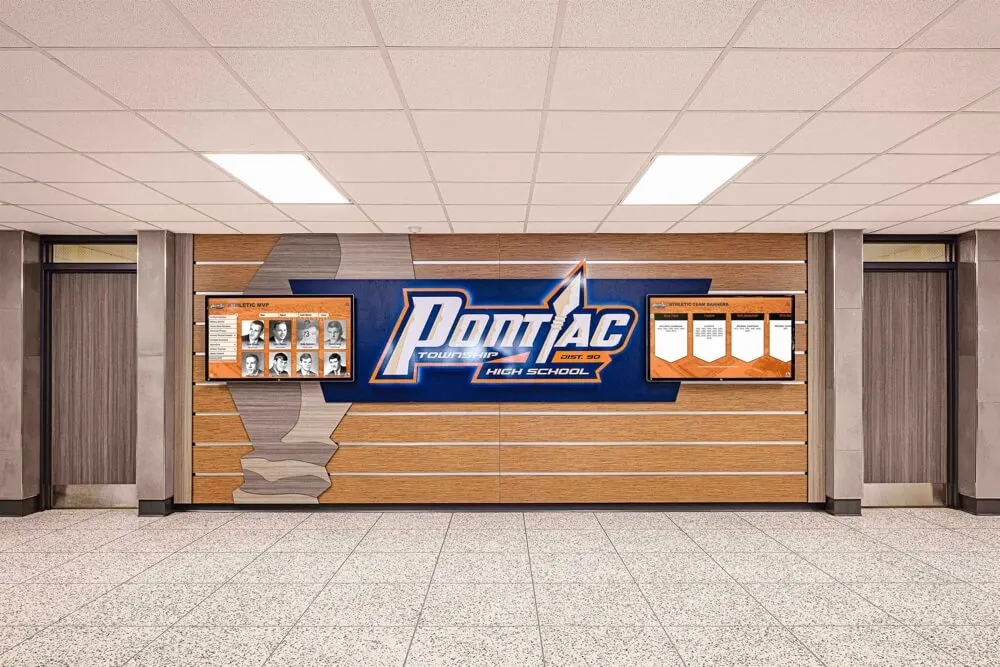
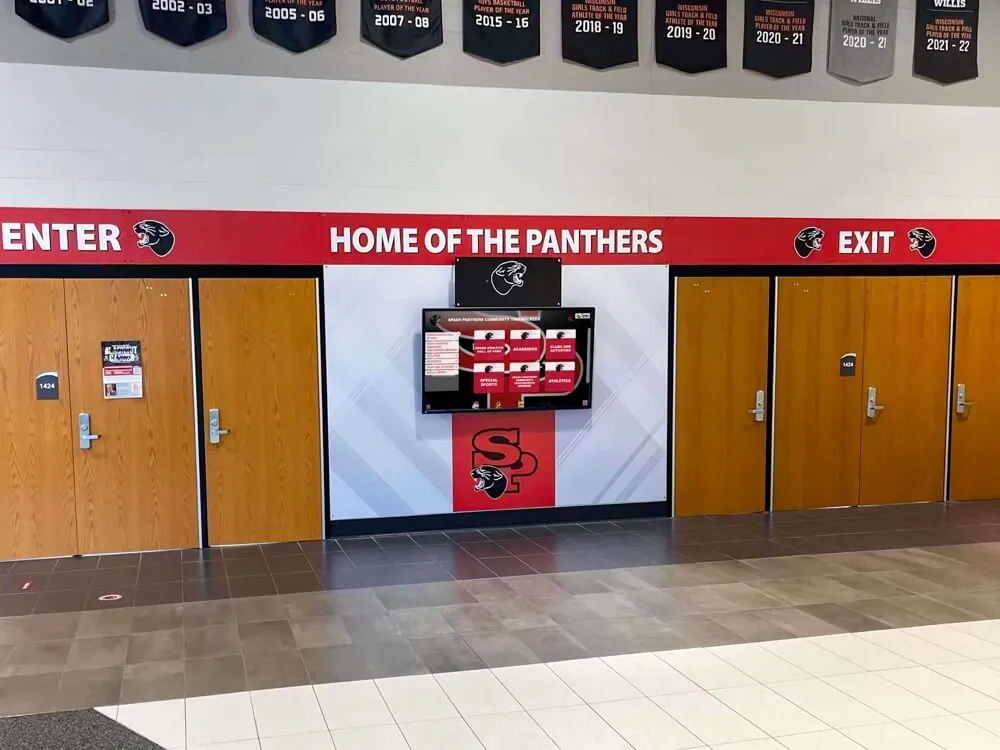
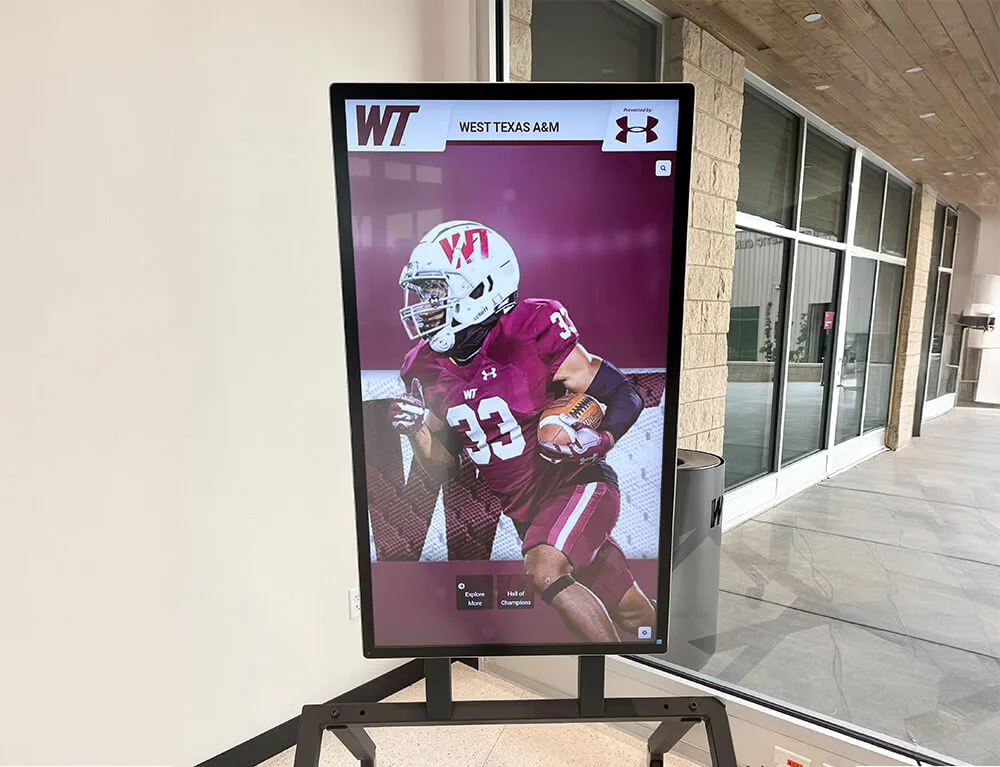
Modern schools integrate athletic recognition throughout facilities celebrating achievements across all sports and seasons
Golf
Golf represents one of the most unique high school sports in structure and competition format.
Individual Focus Within Team Context Golf competitions focus on individual scores while contributing to team totals. Teams typically feature 5-6 golfers, with the top 4-5 individual scores counting toward team scoring at tournaments. This structure creates interesting dynamics where athletes compete individually while supporting teammates and pulling for collective team success. Unlike many team sports, golfers can clearly quantify individual contributions through scoring.
Competition Format and Scheduling High school golf typically involves multiple competitions per week, with matches and tournaments hosted at various golf courses rather than home facilities (unless schools have on-site courses, which is rare). Competitions usually occur on weekday afternoons, with athletes missing considerable school time for travel to competition venues. Practice similarly occurs at golf courses or practice facilities rather than school campuses in most cases.
Accessibility and Equipment Considerations Golf requires access to golf courses for practice and competition, creating participation barriers in communities with limited golf facilities. Equipment costs (clubs, bags, balls, shoes) can prove substantial, though many schools provide some equipment support. The sport’s country club associations and facility access requirements make it less accessible than sports played on school campuses, affecting participation demographics and creating equity considerations for athletic departments.
Lifetime Sport Benefits Golf offers unique lifetime participation benefits, as unlike contact sports or physically explosive athletics, golf can be played recreationally and competitively throughout life. Many high school golfers develop skills and passions supporting lifelong athletic participation, recreational enjoyment, business networking opportunities, and continued competitive outlets through adult amateur golf. College golf programs exist across NCAA divisions, providing recruitment opportunities for skilled junior golfers.
Lacrosse
Lacrosse, while not universal across all states and regions, has experienced dramatic growth in high school athletics over recent decades.
Regional Popularity and Growth Patterns Lacrosse has traditional strongholds in Mid-Atlantic and Northeastern states, but has expanded significantly into Southern, Midwestern, and Western regions over the past two decades. Many schools and states have added lacrosse programs recently, creating emerging competitive environments. This geographic expansion creates opportunities for athletes in newer lacrosse regions to compete with less established competition while the sport develops.
Men’s and Women’s Game Differences Men’s lacrosse and women’s lacrosse differ significantly in rules, equipment, physicality, and playing style. Men’s lacrosse allows more physical contact, requires extensive protective equipment, and features more checking and physical play. Women’s lacrosse prohibits body checking, requires less protective gear, and emphasizes skill, speed, and finesse over physicality. These differences create distinct sport experiences despite sharing names and basic objectives.
Skill Requirements and Physical Demands Both versions require stick skills (catching, throwing, cradling, shooting), field awareness, conditioning, and strategic understanding. The sports combine elements of basketball (constant motion, pick and roll actions, fast breaks), soccer (field coverage, endurance), and hockey (physicality in men’s game, possession-based offense). This multi-dimensional nature attracts athletes from various sport backgrounds while rewarding diverse skill sets.
College Recruitment Growth College lacrosse has expanded substantially with new programs at Division I, II, III, and NAIA levels. The recruitment landscape varies dramatically by region and competitive level, with traditional lacrosse states featuring highly competitive recruitment environments while emerging regions offer opportunities for athletes to gain college attention more readily as programs expand. Understanding regional differences proves important for families navigating lacrosse recruitment.
Other Spring Sports
Depending on state associations, region, and individual school offerings, additional spring sports may include:
Volleyball (in states where it’s not a fall sport) Some states and regions schedule volleyball in spring rather than fall, particularly in areas where fall is dominated by football and soccer. Spring volleyball follows similar structures to fall volleyball elsewhere, with similar skill requirements and competition formats.
Water Polo (where facilities exist) Schools with swimming facilities sometimes offer water polo in spring, providing opportunities for swimmers to compete in a team sport environment during the spring season.
Badminton (in certain regions) Some states and regions offer high school badminton, particularly in areas with cultural populations where badminton enjoys popularity.
Competitive Cheerleading and Dance (year-round programs) Some schools structure cheerleading and competitive dance as spring sports, though others operate these programs year-round supporting multiple athletic seasons.
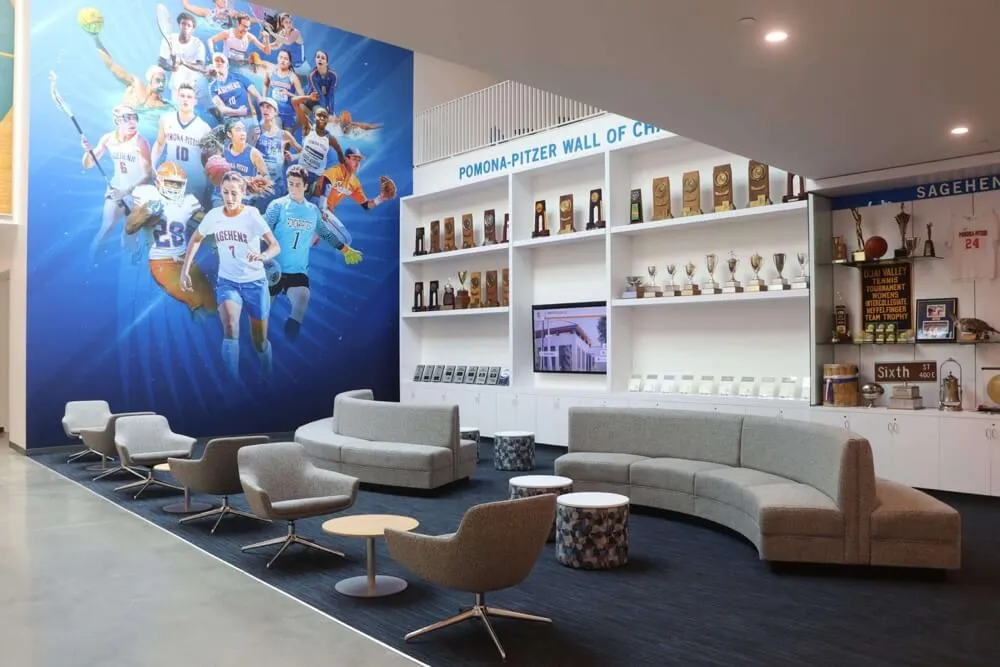
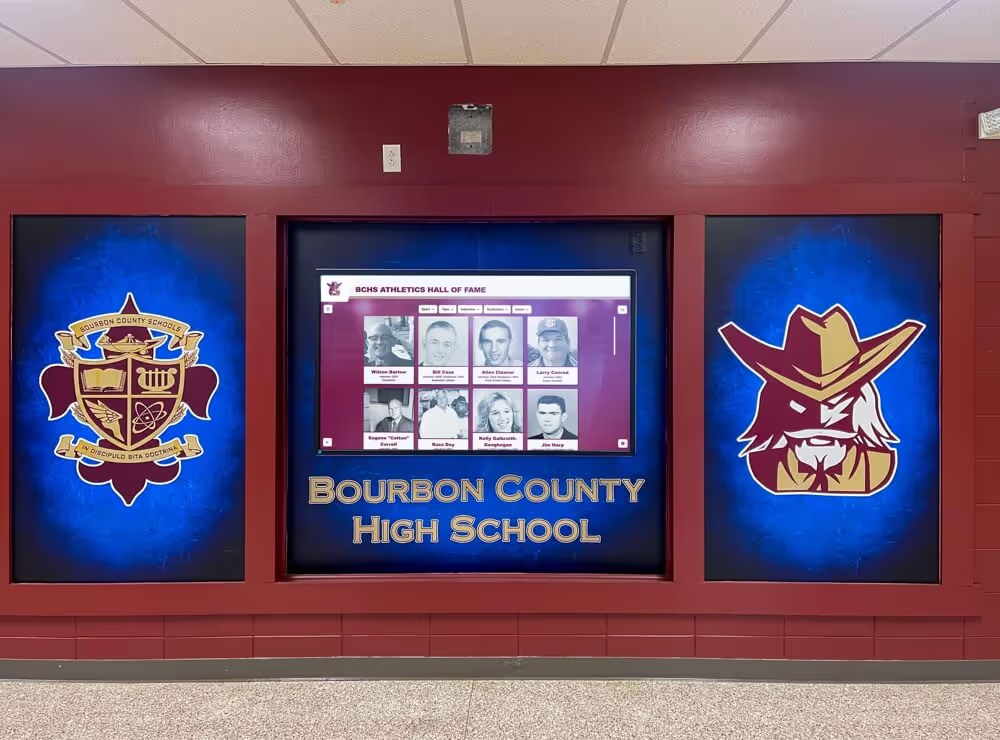
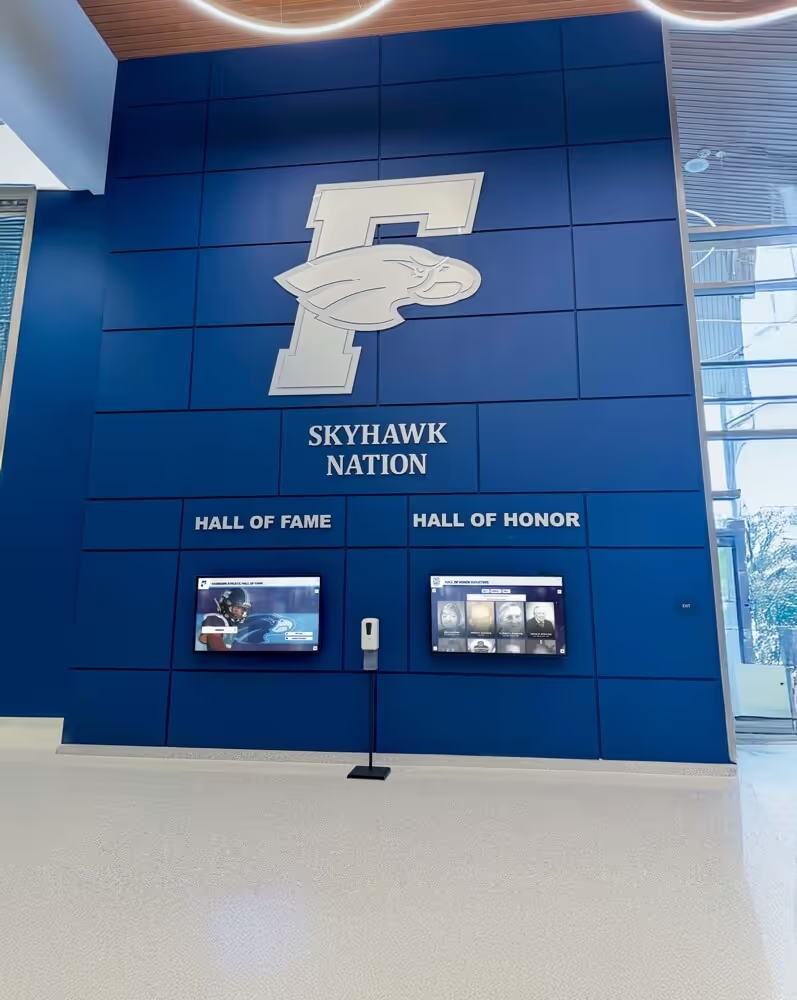
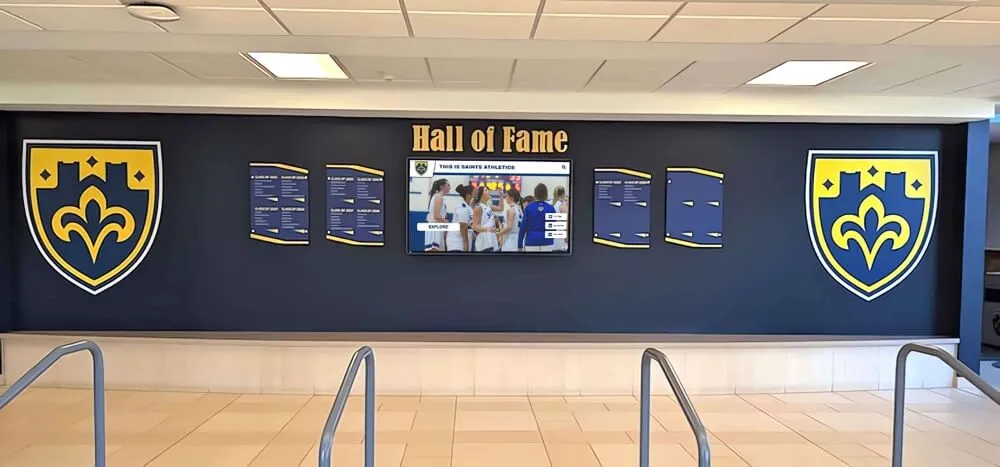
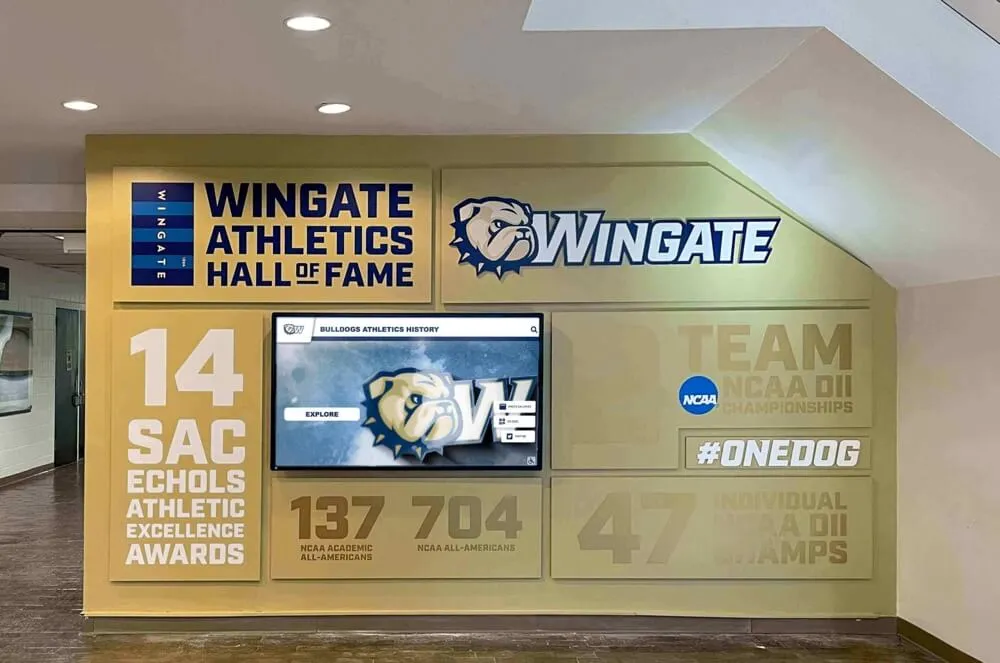
Comprehensive athletic recognition spaces celebrate achievements across all sports creating year-round school pride and tradition
Recognizing and Celebrating Spring Sport Athletes
Schools build athletic culture and community pride through systematic recognition of spring sport achievements, senior celebrations, and award programs that honor athlete dedication and accomplishments.
Senior Night Celebrations
Spring sports feature particularly poignant senior night traditions, as these often represent graduating students’ final high school athletic competitions.
Traditional Senior Night Elements Senior nights typically occur during late-season home competitions, allowing schools to honor graduating athletes before family, friends, and school communities. Common traditions include pre-game senior athlete introductions with family members, public recognition of each senior’s contributions and achievements, special presentations like flowers or small gifts to senior athletes and sometimes their parents, photo opportunities with families on competition fields or courts, and starting lineups featuring all seniors regardless of typical playing time distribution.
These ceremonies create emotional celebrations marking transitions from high school athletics to the next life chapter. For many students, senior night represents closure on athletic careers begun in elementary school, making these tributes particularly meaningful for athletes and families who have invested years in sport participation.
Coordinating Multiple Sport Senior Nights Spring seasons often feature multiple sports competing simultaneously with overlapping senior nights. Athletic departments must coordinate scheduling to avoid conflicts when students participate in multiple spring sports or when family members have siblings competing in different programs. Thoughtful scheduling ensures families can attend all senior night celebrations while giving each program dedicated recognition time.
Digital Recognition Preservation Forward-thinking schools preserve senior night celebrations through digital recognition systems that permanently archive senior athlete profiles, photos from ceremonies, career statistics, and personal reflections. These digital archives ensure graduating athletes remain connected to school communities while allowing future students to discover program history and former athlete accomplishments that inspire current participation.
End-of-Season Awards and Recognition
Spring sport seasons conclude with award presentations celebrating individual and team achievements.
Traditional Award Categories Common spring sports awards include Most Valuable Player recognizing overall excellence, Coaches Award honoring leadership and dedication beyond statistics, Most Improved Player celebrating growth throughout the season, Offensive and Defensive Player awards in applicable team sports, statistical achievement awards (batting titles, scoring leaders, event champions), Academic All-Conference for students maintaining high GPAs, team captain recognition, and All-Conference or All-State selections celebrating external recognition.
Award Presentation Settings Schools present spring sports awards through various formats: end-of-season team banquets allowing extended celebration with families, all-sports award ceremonies combining spring and year-round recognition, individual team meetings for intimate recognition settings, or school-wide athletic award assemblies showcasing achievements to broader student bodies. Presentation format selection affects celebration tone, family participation, and community visibility for athlete recognition.
Making Awards Meaningful The most impactful award programs move beyond generic trophies to create meaningful recognition. Strategies include presenting awards with detailed explanations of why recipients earned recognition, sharing specific examples of honoree contributions and achievements, involving teammates or captains in nominating or presenting awards, creating personalized elements unique to individual recipients, and preserving award recognition through digital displays that showcase honorees permanently rather than storing trophies in forgotten locations.
Record-Setting Performances and Historical Recognition
Spring sports generate school records and historical performances deserving permanent preservation and celebration.
Traditional Record Boards and Limitations Many schools maintain painted or engraved record boards in gymnasiums or athletic facilities listing top performances in various categories. These traditional approaches face significant limitations: expensive updates when records fall requiring repainting or engraving, limited space restricting the number of records displayed, static presentation providing minimal context or athlete information, and eventual obsolescence as boards become full or outdated in presentation style.
Digital Record Board Advantages Modern digital recognition systems overcome traditional limitations by providing unlimited capacity for record categories and historical performances, instant updates when records fall requiring no physical modifications, comprehensive athlete profiles accompanying record listings providing context and biography, searchable databases enabling community members to explore records by sport, event, era, or individual, and integration with current season statistics showing how current athletes compare to historical standards.
These systems transform static record preservation into engaging exploration experiences where students discover role models, alumni reconnect with program heritage, and communities celebrate institutional athletic tradition across generations.
Celebrating Milestone Achievements Beyond outright records, spring sports create milestone achievements worthy of recognition: 1,000-point scorers in track and field, perfect seasons for golf teams, batting average or home run achievements in baseball/softball, tennis match win streaks, and championship team accomplishments. Schools implementing systematic milestone tracking through comprehensive digital platforms ensure these special achievements receive visibility comparable to outright school records.
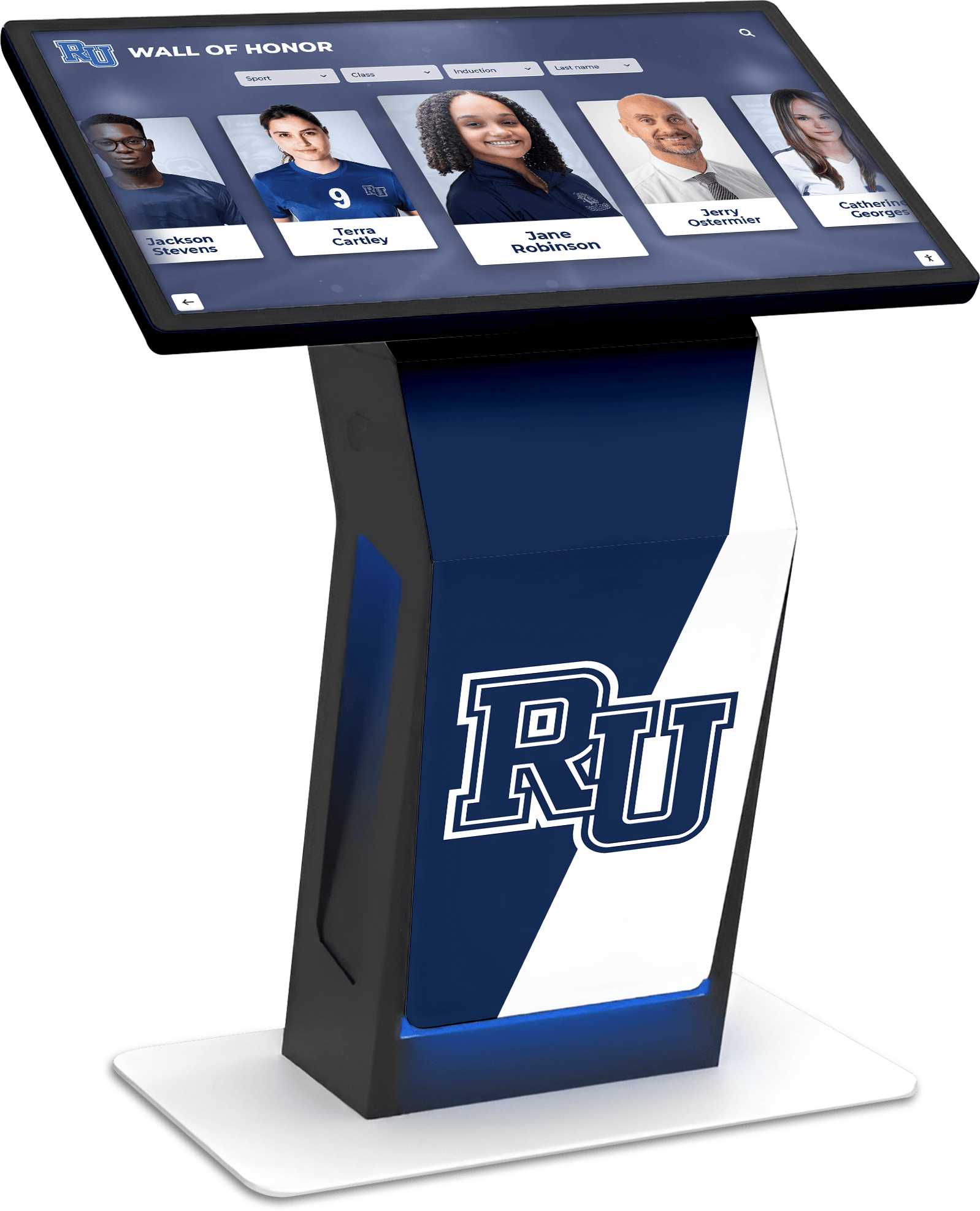
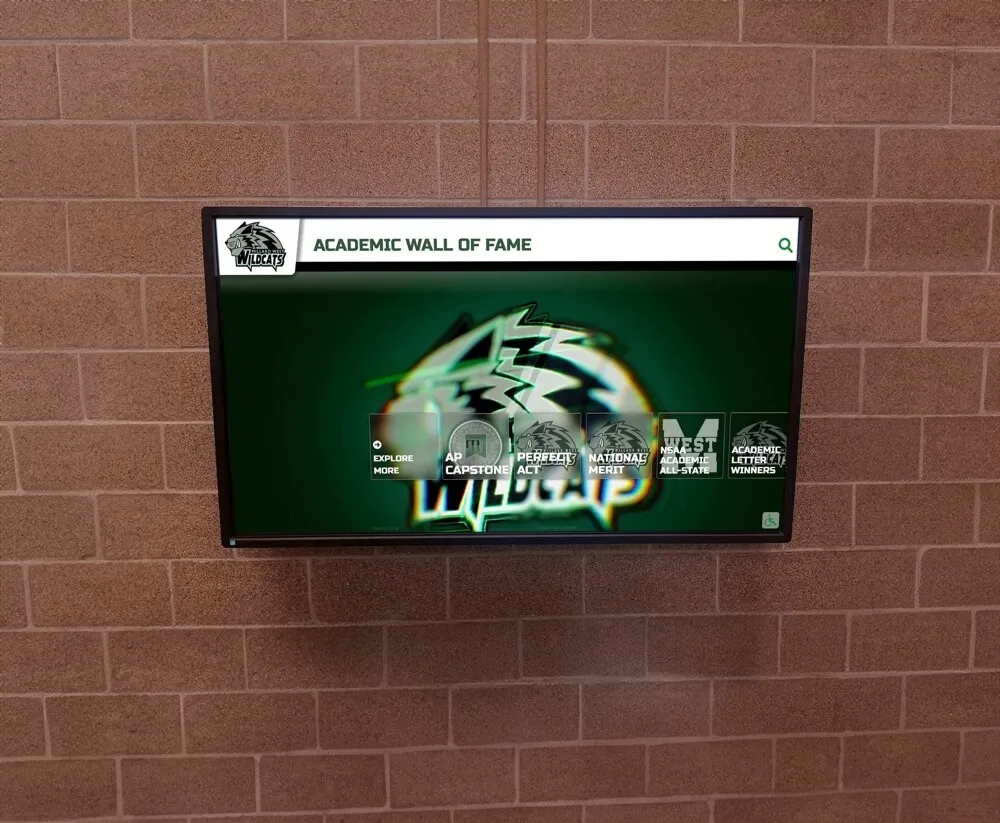
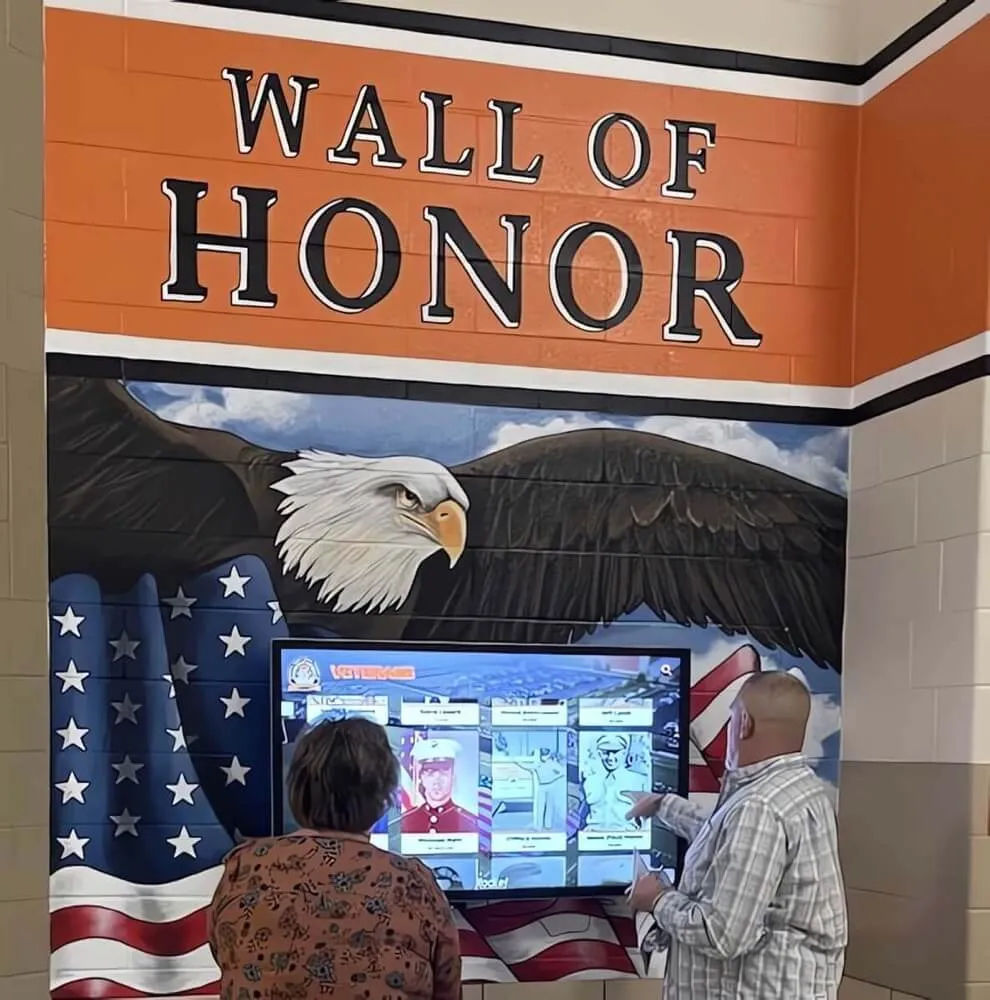
Professional recognition installations celebrate athletic achievements while creating engaging exploration experiences for students and visitors
Preparing for Spring Sports Participation
Students and families considering spring sports participation benefit from understanding expectations, preparation strategies, and decision-making factors.
Choosing Spring Sports
Students face important decisions about which spring sports to pursue based on multiple considerations:
Matching Interests and Physical Attributes Different spring sports reward different physical characteristics and skill sets. Students should consider their natural athletic strengths—endurance-focused athletes might gravitate toward distance running or soccer, explosive athletes toward sprinting or baseball, technically-skilled athletes toward tennis or golf, and multi-dimensional athletes toward lacrosse or softball. Trying various sports during middle school and early high school years helps students discover best athletic fits.
Balancing Academic Demands Spring sports occur during final academic quarters when Advanced Placement exams, final projects, and year-end assessments create substantial academic pressure. Students should realistically assess whether they can balance sport commitments with academic responsibilities during academically intensive spring terms. Some sports demand more time than others—golf travel can create significant school absences, while track and field competitions typically occur after school with minimal academic disruption.
College Recruitment Considerations Students with college athletic aspirations should research which sports offer realistic recruitment pathways based on competitive levels and available roster positions. Some sports like track and field or soccer offer numerous college opportunities, while others like golf feature limited college roster positions relative to high school participation numbers. Understanding recruitment landscapes helps students make strategic sport selection decisions aligning with college aspirations.
Multi-Sport Participation Benefits Many coaches, athletic directors, and college recruiters encourage multi-sport participation over year-round single-sport specialization. Multi-sport athletes develop diverse movement patterns, reduce overuse injury risks, experience varied coaching philosophies, maintain year-round competitive engagement, and demonstrate adaptability valued by college coaches. Students should consider whether spring sport participation complements fall and winter athletic involvement creating beneficial multi-sport development.
Pre-Season Preparation
Successful spring sport seasons begin with proper preparation before official practices start:
Sport-Specific Conditioning Different spring sports require different pre-season preparation. Baseball and softball pitchers should gradually increase throwing volume and intensity before full team practices, distance runners should build mileage bases before track season, soccer players should develop cardiovascular conditioning, tennis players should practice stroke mechanics and footwork, and golfers should refine swing mechanics and short game skills. Sport-specific preparation helps athletes enter seasons ready to handle competition demands while reducing early-season injury risks.
Strength and Flexibility Training General athletic preparation—strength training appropriate for age and development stage, flexibility work through stretching or yoga, core stability development, and movement pattern training—supports injury prevention and performance across all spring sports. Many high schools offer pre-season conditioning programs, but students can also work independently or with trainers developing athletic foundations supporting sport-specific skills.
Understanding Team Expectations Before seasons begin, students should understand coaching expectations regarding practice attendance, academic performance, behavioral standards, off-season preparation, and commitment levels. Clear expectation communication prevents misunderstandings and helps students determine whether programs align with their priorities and availability. Different programs maintain different philosophical approaches—some highly competitive emphasizing year-round commitment, others more recreational focusing on seasonal participation—and students benefit from understanding program cultures before committing.
Managing Academic-Athletic Balance
Spring sport athletes must navigate challenging academic-athletic balance during intensive final academic terms:
Time Management Strategies Successful spring athletes develop systematic time management including daily practice schedules accounting for athletics and academics, proactive homework completion rather than procrastination, efficient study strategies maximizing limited time, strategic use of study halls and free periods, and communication with teachers about schedule demands. Many schools provide academic support for athletes including required study halls, tutoring access, and academic monitoring, but ultimate responsibility rests with individual students.
Communication With Teachers Proactive communication with teachers about athletic schedules, travel conflicts, and make-up work requirements prevents academic problems. Athletes should inform teachers about competition schedules requiring absences, discuss make-up work policies and expectations, request extensions when reasonable given athletic demands, and demonstrate consistent effort maintaining academic standards. Teachers typically support athletes who communicate professionally and maintain academic integrity despite sport commitments.
Prioritizing Academic Responsibilities While spring sports provide valuable experiences, academic success must remain the first priority. Students should understand that eligibility requirements mandate minimum academic standards, college admission depends primarily on academic qualifications regardless of athletic ability, and life success ultimately depends more on education than high school athletic achievement. Schools and families should reinforce that spring sports enhance rather than replace academic focus during critical final academic terms.

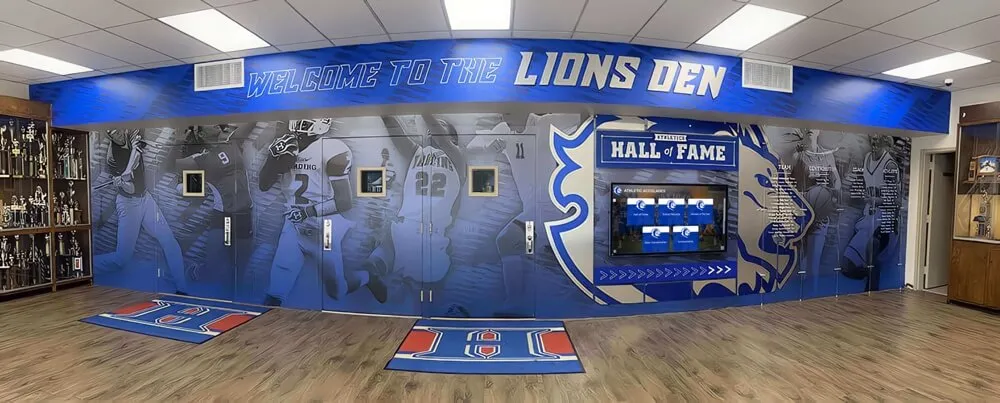
Schools create athletic pride through coordinated facility design integrating traditional trophy displays with modern digital recognition
The Role of Parents and Families in Spring Sports
Family support significantly influences student athletes’ spring sports experiences and outcomes.
Supporting Without Overstepping
Parents navigate challenging balance between supportive involvement and problematic over-involvement:
Appropriate Parental Involvement Healthy parental support includes attending competitions when possible to demonstrate interest, providing necessary transportation and equipment, offering encouragement and emotional support after difficult performances, helping manage schedules and commitments, communicating with coaches through proper channels about logistical issues, and celebrating achievements without overemphasis on winning. Appropriate involvement supports athletic participation without creating excessive pressure or undermining coach authority.
Avoiding Common Pitfalls Problematic over-involvement patterns include criticizing coaches’ decisions about playing time or strategy, creating pressure through excessive emphasis on performance outcomes, comparing athletes to teammates or siblings, coaching from stands during competitions, and contacting coaches excessively or inappropriately about subjective decisions. These behaviors create stress for student athletes while damaging coach-family relationships essential for positive athletic experiences.
Respecting Coach-Athlete Relationships Coaches serve as primary athletic mentors during seasons, and healthy coach-athlete relationships require space for direct communication without parental interference. Parents should encourage athletes to communicate directly with coaches about concerns, respect coaching decisions even when disagreeing, follow proper communication protocols (24-hour rules, appropriate meeting requests), and recognize that coach relationships teach important life skills about navigating authority relationships and advocating for oneself professionally.
Understanding College Recruitment Realities
Families with college athletic aspirations need realistic perspectives about recruitment possibilities:
Recruitment Statistics and Competition College athletic recruitment is highly competitive across all sports and divisions. Understanding actual recruitment statistics—percentage of high school athletes competing in college, roster sizes relative to high school participation numbers, scholarship availability, and academic admission requirements—helps families maintain realistic expectations. Many families overestimate recruitment probability, leading to disappointment and poor planning for post-high school transitions.
Financial Realities of College Athletics Athletic scholarships vary dramatically by sport, division, and gender. Some sports offer full scholarships (football, basketball at Division I), others offer partial scholarships that don’t cover full attendance costs (most Olympic sports), and Division III schools offer no athletic scholarships though they may provide need-based or merit-based financial aid. Families should understand financial realities of college athletics rather than assuming scholarship support will necessarily materialize or cover complete college costs.
Supporting Recruitment Process Appropriately When athletes demonstrate legitimate recruitment potential, families can support processes by helping create highlight videos and athlete profiles, researching appropriate competitive level programs, facilitating campus visit logistics, understanding NCAA eligibility requirements and timelines, and supporting athletes emotionally through recruitment uncertainty. However, families should avoid counterproductive behaviors like contacting coaches excessively, exaggerating athlete abilities, or pressuring athletes toward schools primarily because of athletic opportunities rather than overall institutional fit.
Encouraging Holistic Development
The most impactful spring sport experiences support complete personal development beyond athletic skill:
Life Skills Development Spring sports teach valuable life skills including time management, handling disappointment, working with diverse personalities, accepting coaching and criticism, balancing competing demands, setting goals and working persistently toward achievement, and experiencing both individual and collective success. Parents can reinforce these developmental benefits by emphasizing growth and learning rather than exclusively focusing on competitive outcomes.
Social Connection and Belonging Athletic team membership provides important social connection and school belonging, particularly meaningful during adolescence when peer relationships become central to identity development. Supporting athletic participation for social and community benefits, not exclusively competitive achievement, helps students develop healthy perspectives about sports’ place in balanced lives.
Enjoyment and Intrinsic Motivation Research consistently demonstrates that intrinsic motivation—participating because of genuine enjoyment and interest—predicts longer sport participation and better outcomes than extrinsic motivation driven by external rewards, parental pressure, or college recruitment aspirations. Parents can support intrinsic motivation by emphasizing enjoyment, celebrating effort and improvement, avoiding excessive result-focus, and ensuring participation remains the athlete’s choice rather than parental mandate.
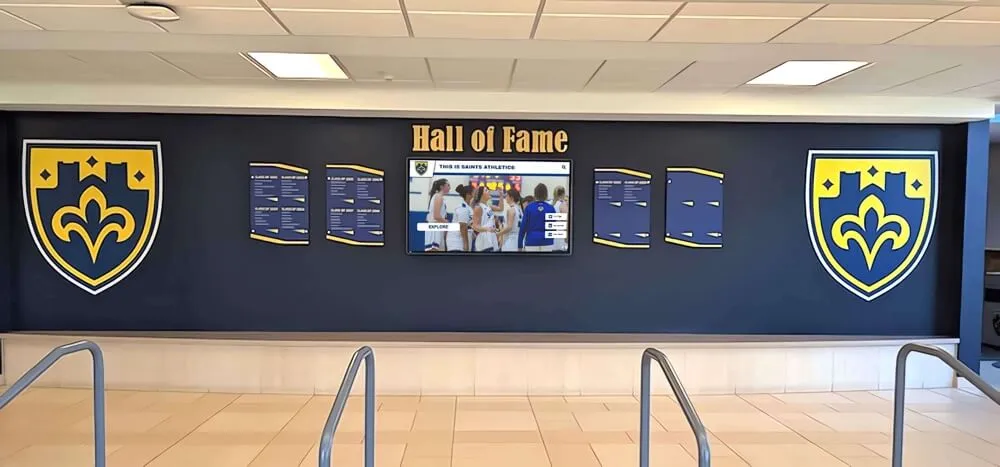
Permanent recognition displays honor [distinguished athletes](https://halloffame-online.com/blog/digital-donor-walls/?utm_source=organic&utm_medium=seo&utm_content=digitalwarming&utm_campaign=what-are-spring-sports-in-high-school) while inspiring current students through visible celebration of achievement
Building School Spirit Through Spring Sports Recognition
Schools that systematically celebrate spring sport achievements build athletic culture and community pride extending beyond individual seasons.
Creating Lasting Recognition Systems
Traditional recognition approaches face significant limitations that modern solutions overcome:
Limitations of Traditional Physical Recognition Static plaques, painted record boards, and trophy cases restrict recognition to limited numbers of athletes due to physical space constraints, require expensive updates through engraving or repainting when records fall or new achievements occur, provide minimal information beyond names and dates reducing engagement value, and eventually become full or outdated requiring difficult decisions about removing historical recognition to accommodate new achievements.
Digital Recognition Advantages Platforms like Rocket Alumni Solutions enable schools to celebrate unlimited athletes across all sports and achievement categories, update recognition instantly without physical modification or engraving costs, provide comprehensive athlete profiles with statistics, photos, biographical information, and career details, enable searchable exploration allowing students and community members to discover achievements by name, sport, year, or achievement type, and preserve complete athletic history accessible to current students, alumni, and community members regardless of physical space limitations.
These modern systems ensure every deserving spring sport athlete receives permanent recognition regardless of whether they set records or earn individual honors—creating inclusive celebration of participation, improvement, character, and contribution alongside competitive achievement.
Integration With Facility Design Strategic schools integrate digital recognition throughout athletic facilities: lobby displays welcoming visitors with featured athlete profiles and current season highlights, hallway installations providing exploration opportunities during daily student traffic, competition venue displays showcasing records and achievements in sport-specific contexts, training facility recognition motivating current athletes through historical performance standards, and mobile-optimized web access extending recognition beyond physical campus to alumni, families, and broader communities. See how schools implement digital hall of fame designs that engage users while celebrating achievement.
Equity Across Athletic Programs
Schools build stronger athletic cultures by ensuring recognition equity across all sports rather than favoring traditionally prominent programs:
Multi-Sport Recognition Platforms Comprehensive recognition systems celebrate spring sports alongside fall and winter athletics, ensuring track and field receives comparable visibility to football, tennis gets recognition equitable to basketball, and golf achievements are honored as prominently as volleyball. This multi-sport equity demonstrates institutional commitment to complete athletic programs rather than select sports, supporting participation across diverse athletics and preventing perception that certain sports matter more than others.
Celebrating Diverse Achievement Types Recognition systems should honor various achievement categories including competitive success (championships, records, statistical leaders), individual excellence (All-Conference selections, personal bests, milestone achievements), character and leadership (sportsmanship awards, team captains, coaches awards), academic achievement (Academic All-Conference, Scholar Athletes, team GPA recognition), and participation longevity (senior recognition, four-year athletes, multi-sport athletes). This achievement diversity ensures athletes with different strengths receive recognition for varied contributions.
Including Non-Varsity Recognition Comprehensive programs recognize junior varsity and freshman team participants alongside varsity athletes. These developing athletes represent program futures and deserve recognition encouraging continued participation and improvement. Digital platforms’ unlimited capacity enables including all program participants rather than restricting recognition to varsity-level achievement exclusively. Learn about comprehensive athletic equity approaches that ensure all athletes receive appropriate celebration.
Engaging Alumni and Building Tradition
Spring sports recognition connects current athletes to program history and distinguished alumni:
Historical Archive Preservation Schools with decades of spring sports tradition often possess valuable historical content—old photographs, newspaper clippings, record books, championship documentation, and institutional memory—that risks loss without systematic preservation. Digital archiving initiatives preserve this heritage while making historical achievement discoverable by current students who might never encounter archived materials stored in inaccessible locations.
Alumni Engagement Opportunities Recognition systems create natural alumni engagement touchpoints. Former athletes can explore their profiles, share recognition with personal networks, submit updated career information and photos, nominate teammates or competitors for historical recognition, and maintain connection to programs and schools through ongoing engagement with athletic history. This sustained connection supports broader alumni relations objectives while building program tradition appreciation.
Inspiring Current Athletes Through History When current spring sport athletes discover former program participants who achieved at high levels, these historical examples inspire present performance. A baseball player seeing records set decades ago creates motivation to pursue similar achievement, a track athlete discovering former competitors who became college athletes sees possible pathways forward, and a tennis player learning about distinguished program alumni understands participation in tradition extending beyond personal experience. Historical connection builds program pride while motivating contemporary excellence.
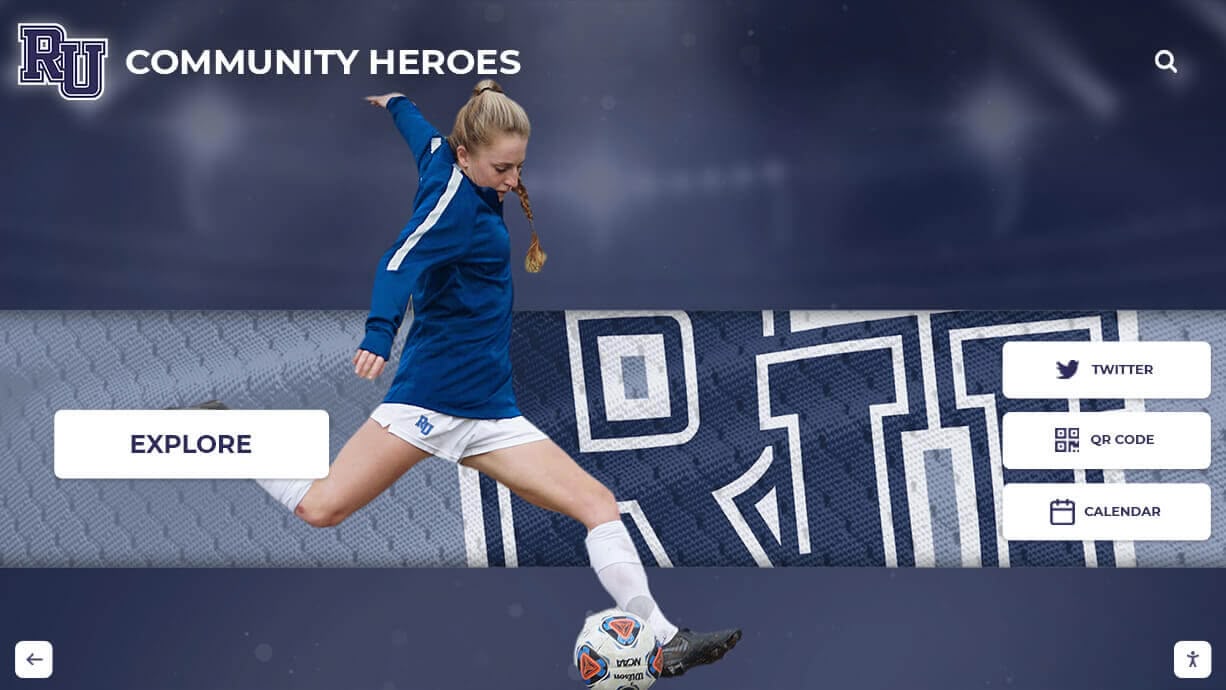
Modern recognition systems celebrate diverse athletic achievements including spring sports across all participation levels
The Future of Spring Sports Recognition
Technology continues evolving how schools celebrate spring sport achievements and build athletic communities.
Interactive Digital Recognition
Modern recognition systems move beyond static displays toward interactive experiences:
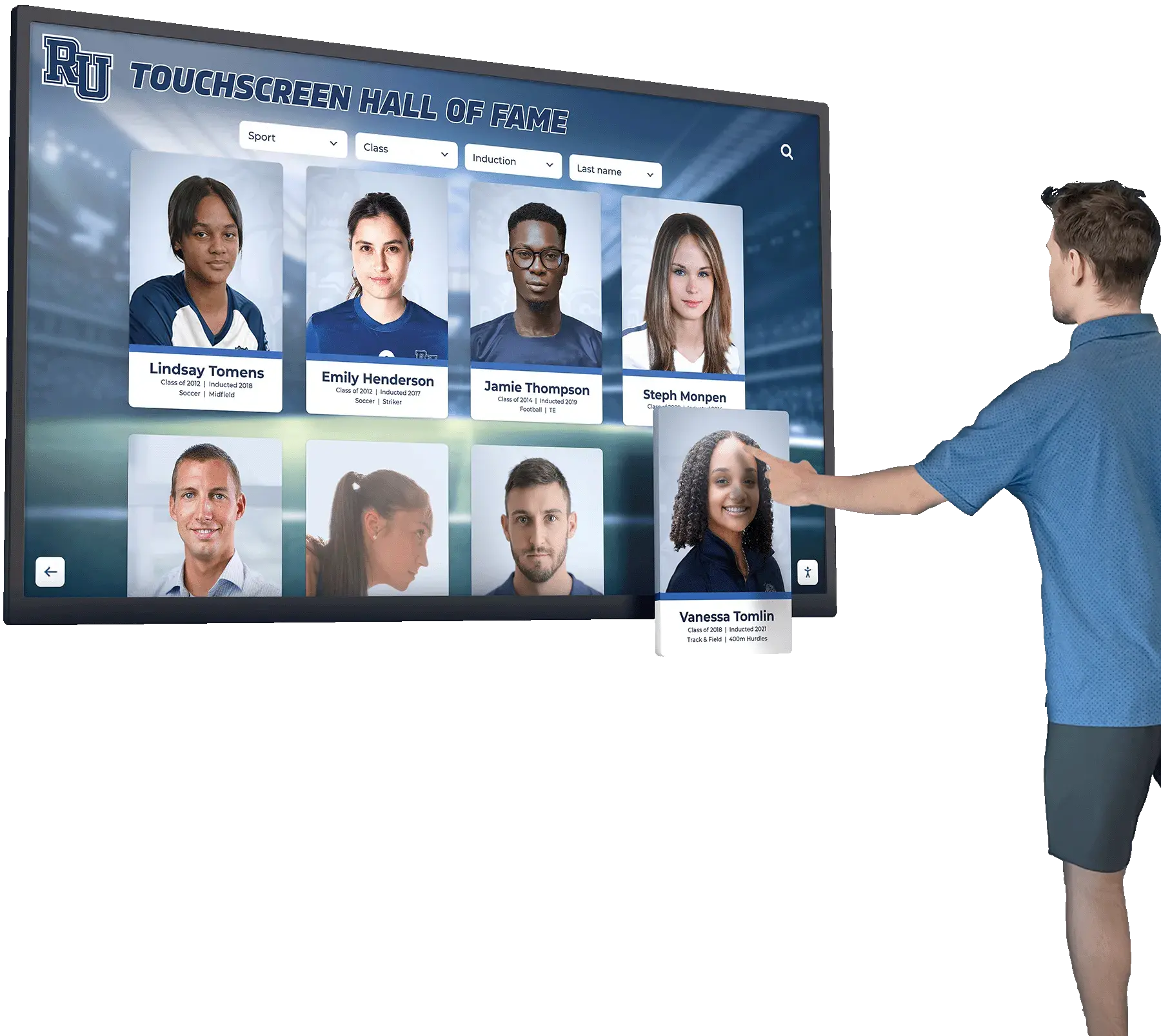
Touchscreen Exploration Interactive touchscreen displays enable students, families, and visitors to explore spring sports achievements through intuitive search and browsing. Users can discover athletes by name, browse by sport or season, filter by achievement type or year, view detailed athlete profiles with statistics and photos, and explore team championship histories. This interactive exploration creates engagement impossible with traditional static recognition, encouraging repeated discovery as users explore athletic history and current accomplishments. Discover how schools implement interactive digital systems that transform recognition experiences.
Mobile and Web Access Cloud-based recognition platforms extend beyond physical displays to mobile-optimized websites accessible anywhere. This web access enables alumni exploring recognition from distant locations, prospective families researching school athletic culture before enrollment decisions, current students sharing achievements with extended networks, and community members engaging with school athletics without campus visits. Mobile access democratizes recognition making athletic history universally accessible rather than requiring physical presence.
Social Media Integration Modern systems integrate with social media allowing users to share athlete profiles, championship celebrations, and record achievements across social networks. This social sharing amplifies recognition reach while providing authentic content showcasing school athletic culture to extended audiences. When athletes and families share recognition, they create organic marketing demonstrating school commitment to athletic celebration more effectively than institutional promotional content.
Real-Time Statistics and Updates
Technology enables unprecedented current season engagement:
Live Statistics During Competitions Some advanced systems integrate real-time statistics during competitions, displaying current game or meet statistics on facility screens. Baseball box scores update live during games, track meet results post as events conclude, and tennis match scores display throughout competitions. This real-time information enhances spectator experience while creating immediate recognition of athlete performance.
Season Leaderboards and Rankings Digital systems can maintain current season statistical leaderboards automatically updating as competition results are entered. A track program might display current season leaders in each event, a baseball team could showcase batting average and ERA leaders, or a tennis program might track match win streaks. These dynamic leaderboards create ongoing recognition throughout seasons while motivating competitive excellence.
Achievement Notifications Automated systems can generate achievement notifications when significant accomplishments occur—school records falling, milestone achievements, championship victories, or individual honors. These timely notifications enable immediate celebration and communication rather than waiting for end-of-season recognition ceremonies that may occur weeks after achievements.
Comprehensive Athletic Profiles
Future recognition systems will provide increasingly comprehensive athlete documentation:
Multi-Sport Career Tracking Advanced platforms track complete athletic careers across multiple sports and seasons. An athlete competing in soccer, basketball, and track across high school career would have unified profile documenting complete athletic journey rather than fragmented sport-specific records. This comprehensive documentation provides complete picture of athletic contributions while facilitating college recruitment by showcasing multi-sport participation and diverse skill development.
Academic Achievement Integration Progressive systems integrate academic recognition alongside athletic achievement, celebrating Academic All-Conference selections, high GPAs, National Honor Society membership, and college academic achievements. This academic-athletic integration demonstrates institutional commitment to complete student-athlete development rather than exclusively competitive success. Explore how schools celebrate academic excellence alongside athletics through comprehensive recognition systems.
Post-Graduation Updates Many athletes continue athletics at college level or achieve professional success in careers unrelated to high school sports. Recognition systems accepting post-graduation updates enable celebrating alumni achievements—college athletic careers, professional accomplishments, community service, and personal milestones—connecting former spring sport athletes to school communities throughout life rather than ending recognition at graduation.
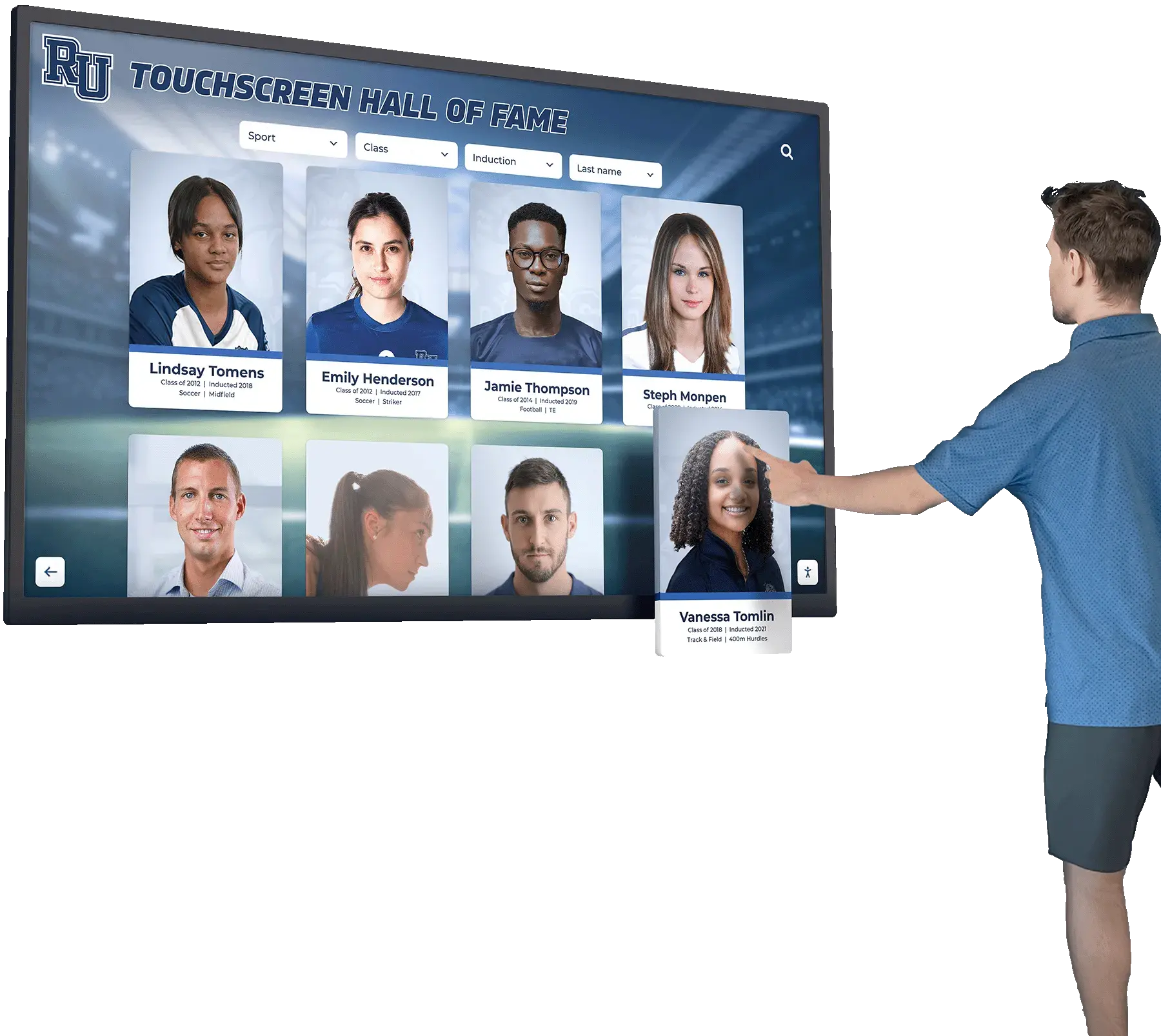
Professional recognition installations create engaging exploration experiences celebrating athletic achievement while building lasting school pride
Conclusion: Celebrating Spring Sports Excellence
Spring sports represent essential components of comprehensive high school athletic programs, providing opportunities for thousands of student athletes across baseball, softball, track and field, soccer, tennis, golf, lacrosse, and other sports to develop athletic skills, build friendships, learn valuable life lessons, and create lasting memories during final months of academic years. Understanding the landscape of spring athletics helps students make informed participation decisions, enables parents to provide appropriate support, and guides schools in creating programs celebrating spring sport achievement appropriately.
The seasonal timing of spring sports creates unique dynamics. Athletes compete as school years conclude, seasons culminate with emotional senior night celebrations marking transitions from high school athletics, and end-of-season recognition occurs amid year-end academic demands and approaching summer. These timing factors make systematic recognition particularly important—ensuring spring sport achievements receive documentation and celebration comparable to fall and winter athletics despite occurring during academically intensive and logistically complex final school terms.
Modern schools increasingly recognize limitations of traditional recognition approaches and embrace digital solutions overcoming physical space constraints, update difficulties, and engagement limitations. Platforms like Rocket Alumni Solutions enable schools to celebrate unlimited spring sport athletes across all achievement categories, provide comprehensive athlete profiles with statistics and biographical information, update recognition instantly without engraving or physical modification costs, enable interactive exploration through touchscreen displays and web access, and preserve complete athletic history accessible to current students, alumni, and communities.
This digital transformation creates what we call “warming” effects—transforming cold, disconnected athletic recognition into vibrant, engaging experiences where personalized content surfaces relevant connections, comprehensive documentation preserves complete athletic history, and accessible technology enables discovery and exploration impossible with traditional static displays. When spring sport athletes see their achievements celebrated prominently, when families can explore recognition systems showcasing their students, when alumni discover former teammates and program history, and when communities engage with athletic tradition through intuitive technology, schools build the warm, connected communities where athletic participation creates lasting value extending far beyond individual playing careers.
Spring sports deserve recognition equity with fall and winter athletics. Track athletes working toward personal bests and school records, baseball and softball players developing skills across years of participation, soccer players demonstrating endurance and tactical intelligence, tennis competitors pursuing individual excellence within team contexts, golfers representing schools across multiple courses and competitions, and lacrosse athletes building programs in emerging sports—all contribute to comprehensive athletic cultures worthy of celebration and preservation.
Schools implementing systematic spring sports recognition—through senior night traditions, end-of-season awards, digital recognition platforms, facility-integrated displays, and social media celebration—build athletic cultures where every participant receives acknowledgment, historical achievements inspire current athletes, alumni maintain lifelong connections to programs, and communities develop pride around institutional athletic tradition. This comprehensive recognition approach benefits everyone: athletes gain validation for effort and achievement, coaches build program culture attracting committed participants, families appreciate institutional commitment to athletic celebration, alumni sustain school connections, and communities rally around shared athletic tradition and contemporary success.
As spring arrives and high school athletes across America take fields, tracks, and courts pursuing athletic excellence, schools have unprecedented opportunities to celebrate these achievements through recognition systems that honor tradition while embracing innovation, preserve complete athletic history while remaining accessible to modern audiences, and build the warm, engaged communities where spring sport participation creates lasting impact on individual athletes and entire school communities.
Ready to transform your school’s spring sports recognition and celebrate athletic achievement comprehensively? Explore how digital recognition platforms create engaging experiences honoring spring sport athletes while building lasting school pride and athletic tradition across generations.