



Every successful school, nonprofit, and community organization depends on dedicated volunteers who donate countless hours supporting missions they believe in. These individuals serve without expectation of financial compensation, motivated by commitment to community, passion for causes they support, and desire to make meaningful difference in others’ lives. Volunteers staff events, mentor students, support programs, serve on committees, coach teams, and perform countless essential tasks that organizations simply could not accomplish without their generous service.
Volunteer Recognition Day, observed annually on April 20th, provides dedicated opportunity to honor these essential contributors whose service makes organizational success possible. Yet many schools and organizations struggle with volunteer recognition—celebrating contributions meaningfully while building sustainable appreciation programs that inspire continued engagement and recruit new volunteers through visible celebration of service excellence.
The most effective volunteer recognition accomplishes something transformative: it validates individual contributions while building institutional cultures where service receives genuine ongoing appreciation, inspiring current volunteers to continue their commitment while attracting new community members eager to join celebrated traditions of service excellence.
This comprehensive guide explores creative, meaningful approaches to volunteer recognition that schools, nonprofits, and community organizations can implement. You’ll discover specific recognition ideas spanning single-day celebrations to permanent honor programs, learn how successful organizations build volunteer appreciation into their cultures, understand how digital systems preserve volunteer legacy across generations, and gain practical frameworks for designing appreciation programs that truly honor those who serve your mission through dedicated volunteer commitment.

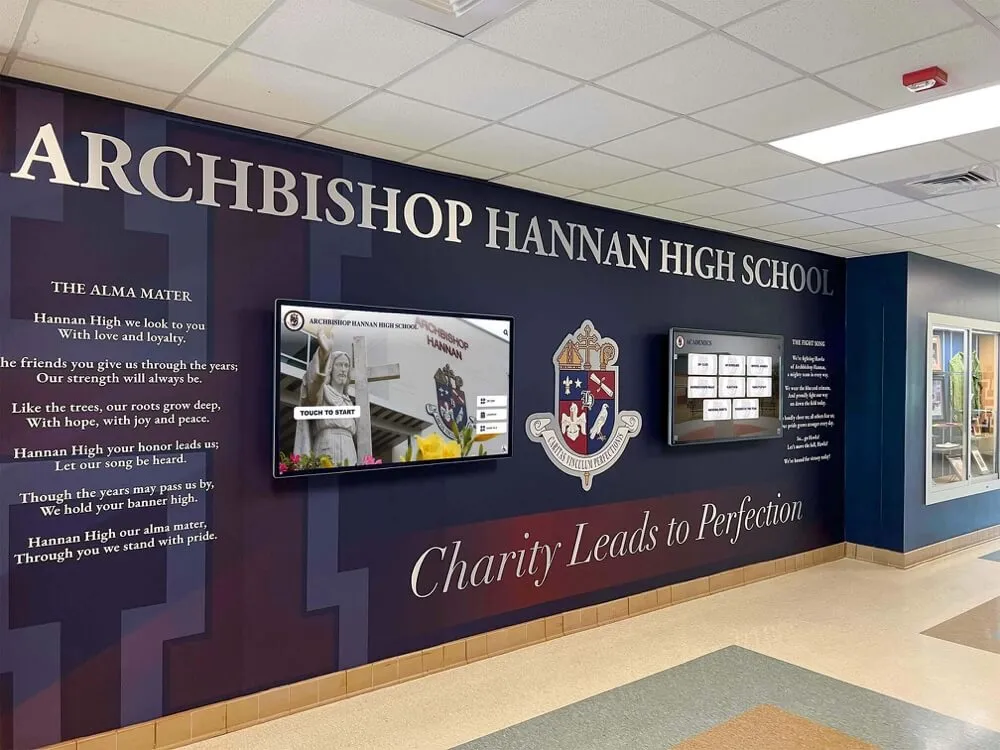
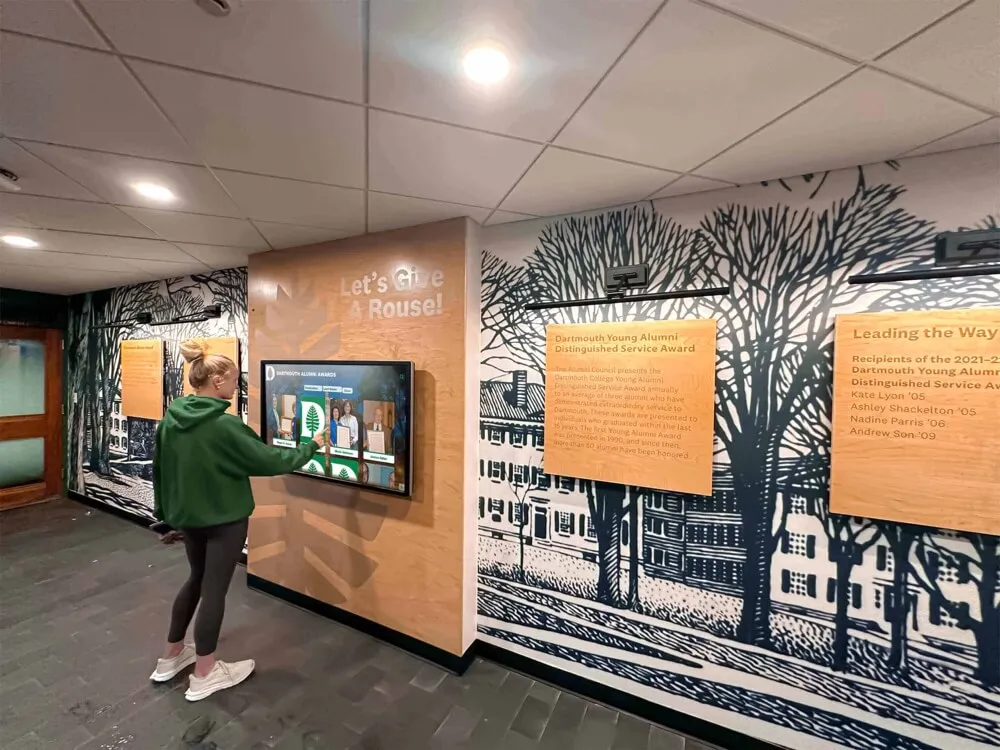
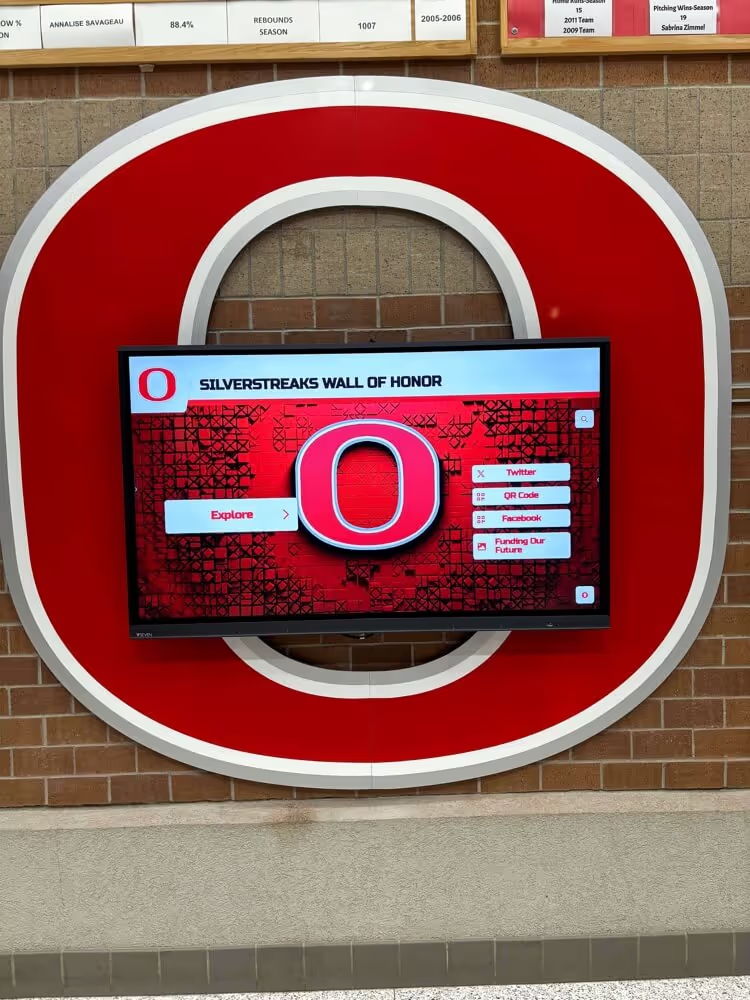
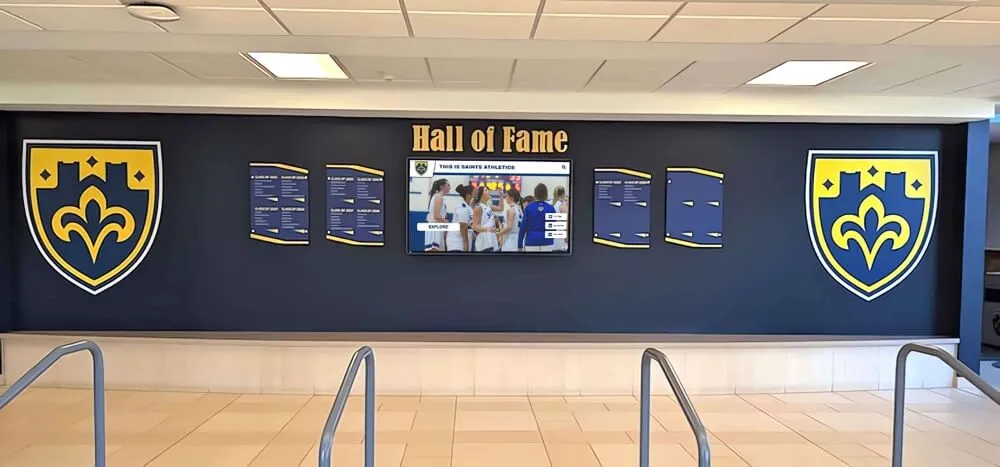
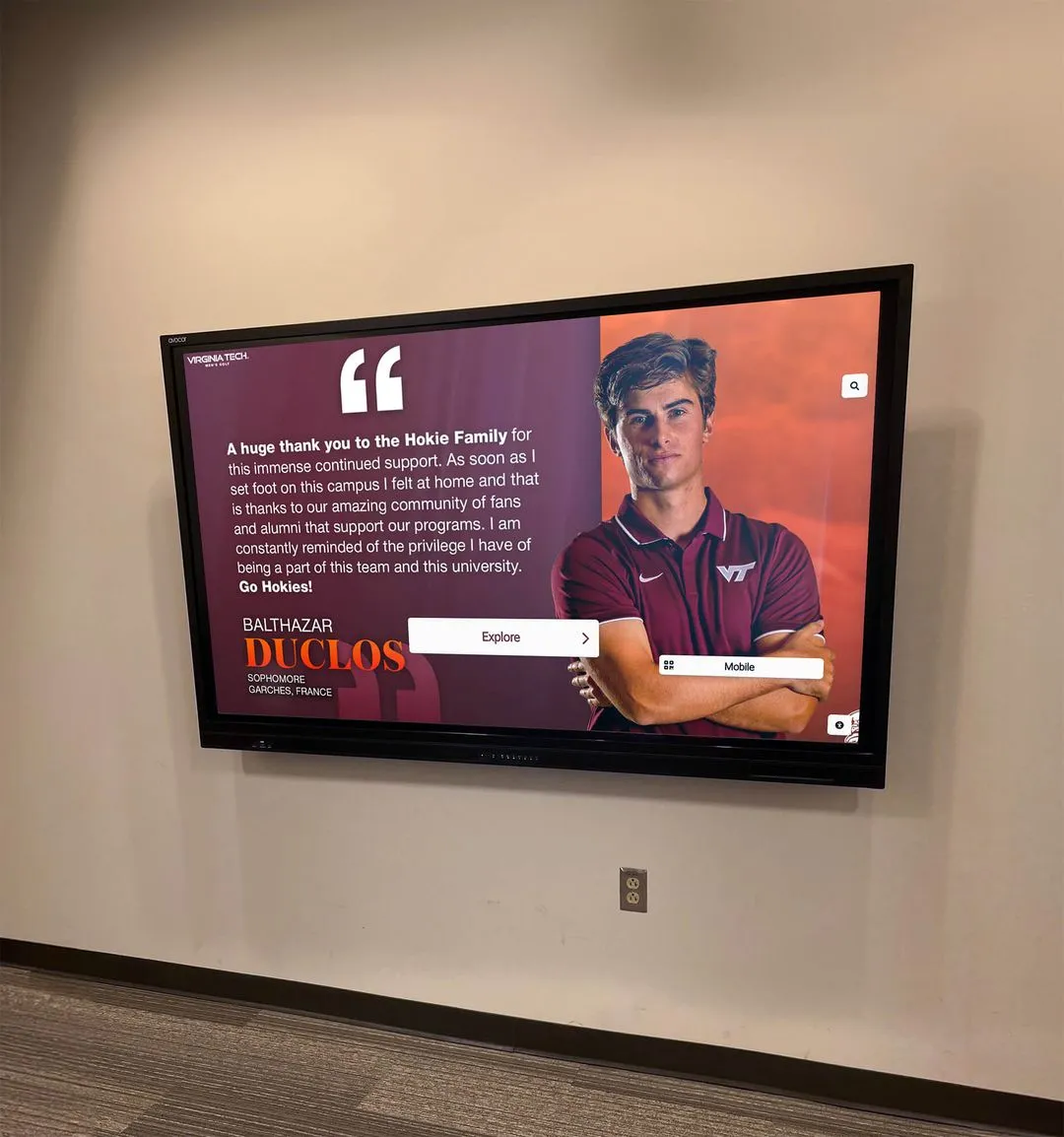
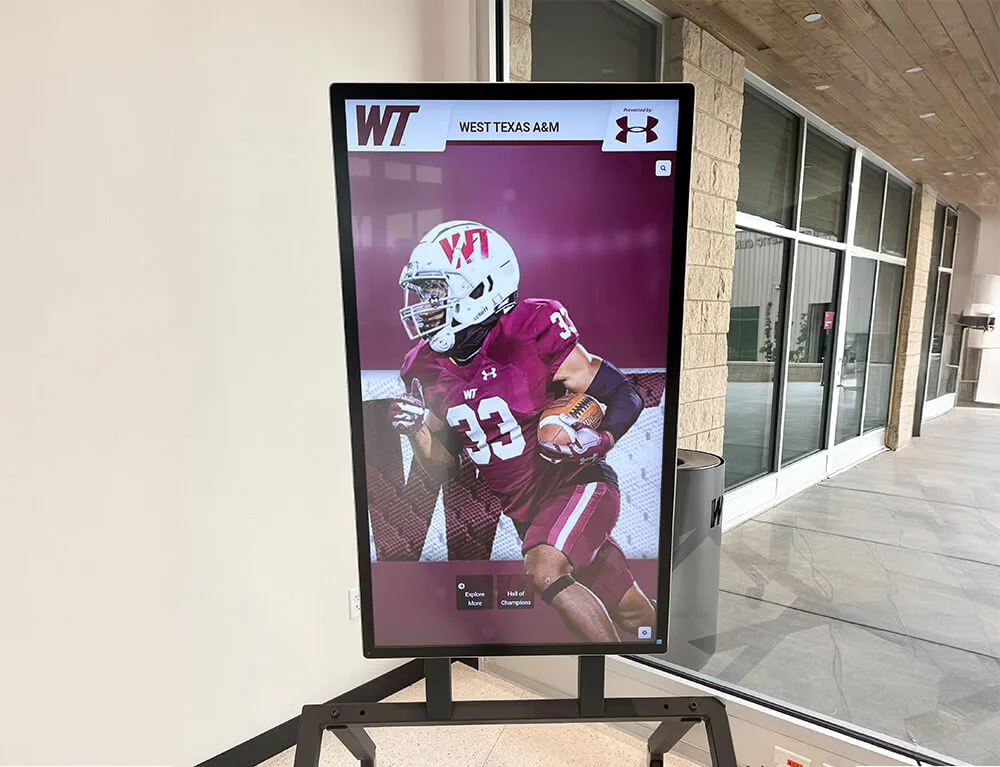
Modern volunteer recognition creates engaging destinations where community members discover service contributions and feel genuine connection to organizational missions
Understanding the Impact of Volunteers on Organizational Success
Before exploring specific appreciation approaches, understanding the profound value volunteers provide helps organizations design recognition matching volunteer contributions’ true significance.
The Essential Role Volunteers Play
Volunteers serve critical functions that directly enable organizational success and mission accomplishment.
Expanding Organizational Capacity
The most obvious volunteer contribution involves expanding what organizations can accomplish through donated time and skills. Volunteer hours represent substantial economic value—Independent Sector estimates the value of volunteer time at $33.49 per hour nationally in 2024. Organizations engaging 50 volunteers contributing 10 hours monthly provide equivalent value to adding nearly $17,000 monthly to operational budgets.
Beyond simple economic calculation, volunteers enable programs and services organizations could never fund through paid staff alone. School volunteers support classrooms enabling lower student-teacher ratios, chaperone field trips expanding learning experiences, staff libraries extending access hours, and support athletics creating opportunities for broader student participation. Nonprofit volunteers deliver direct services to beneficiaries, staff events generating fundraising revenue, provide specialized expertise through pro bono professional service, and extend organizational reach into communities through grassroots engagement.
This capacity expansion proves essential for mission accomplishment across education, nonprofit, and community sectors where funding limitations constrain what paid staff alone could achieve.
Building Community Connection and Investment
Volunteers create vital bridges connecting organizations to broader communities. When community members volunteer, they develop personal investment in organizational success through direct participation and relationship building. These invested volunteers become organizational ambassadors—advocating for support, recruiting additional volunteers, defending against criticism, and amplifying organizational messages through trusted personal networks.
Research consistently demonstrates that volunteers make financial contributions at substantially higher rates than non-volunteers. United Way studies show that volunteers donate 10 times more money annually than non-volunteers, while giving at volunteer-recruiting organizations proves 30-50% higher than comparable institutions without strong volunteer programs. This dual contribution of time and treasure makes volunteers particularly valuable stakeholders deserving comprehensive recognition.
Organizations implementing comprehensive recognition approaches that celebrate all contributors—staff, donors, and volunteers—build inclusive communities where everyone feels valued.
Providing Specialized Skills and Expertise
Many volunteers contribute specialized professional skills through pro bono service worth far more than standard volunteer hour valuations. Attorneys provide legal counsel, accountants offer financial expertise, marketing professionals contribute communications support, technology experts provide IT services, and experienced executives offer strategic guidance through board service and advisory roles.
This professional volunteer contribution enables organizations to access expertise they could never afford to purchase, dramatically enhancing organizational effectiveness while building sustainable operations supported by skilled guidance.
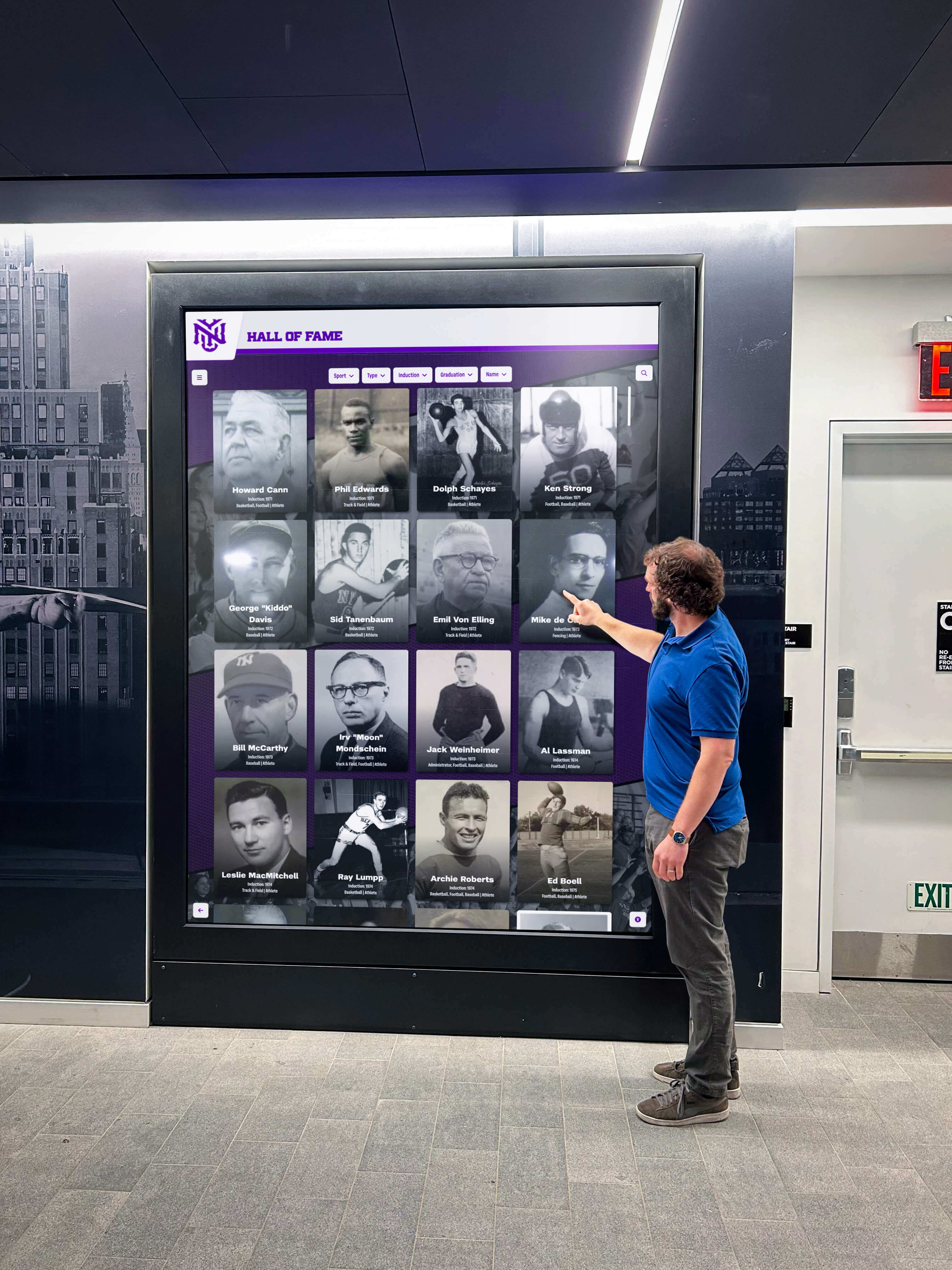
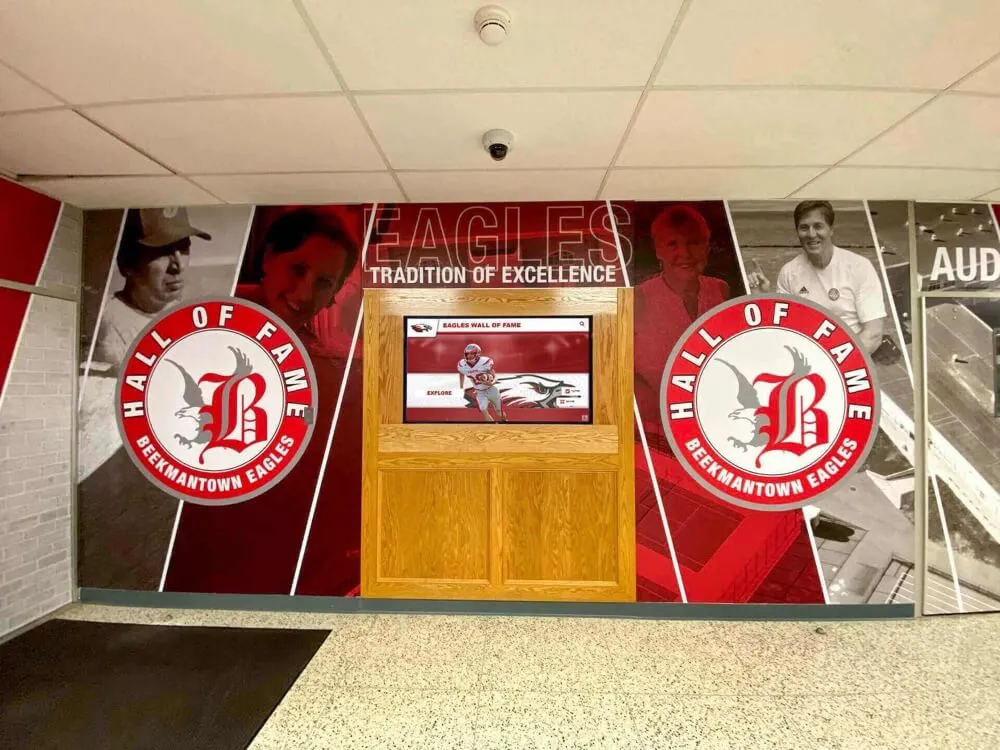
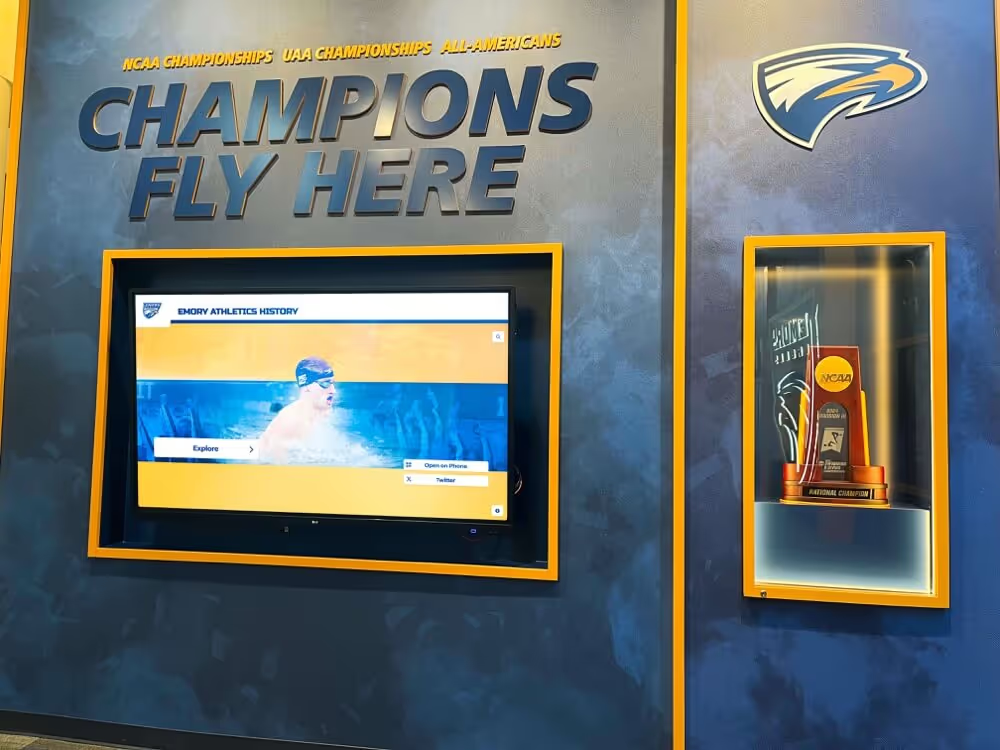
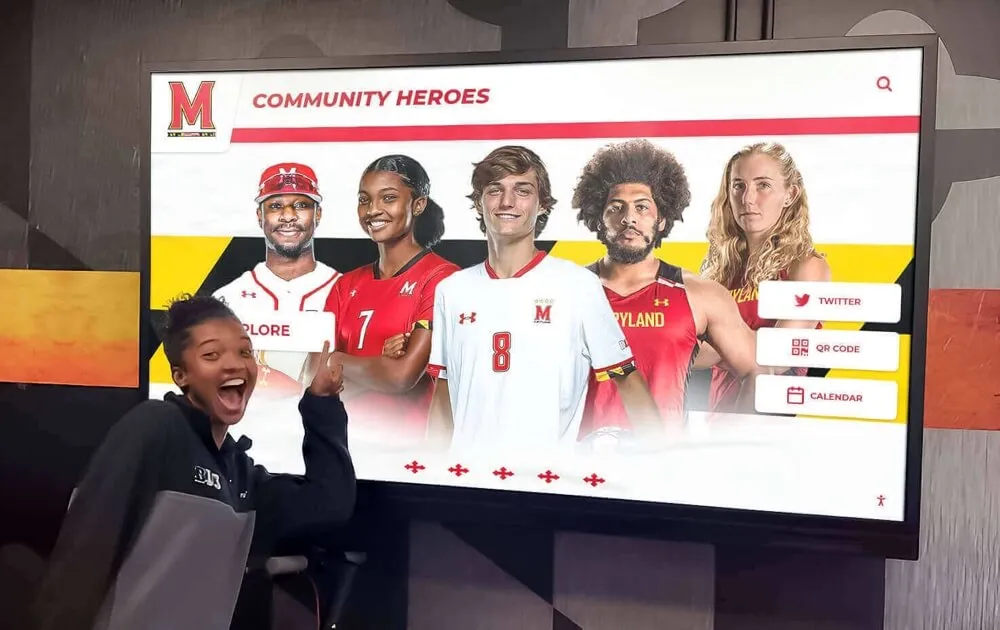
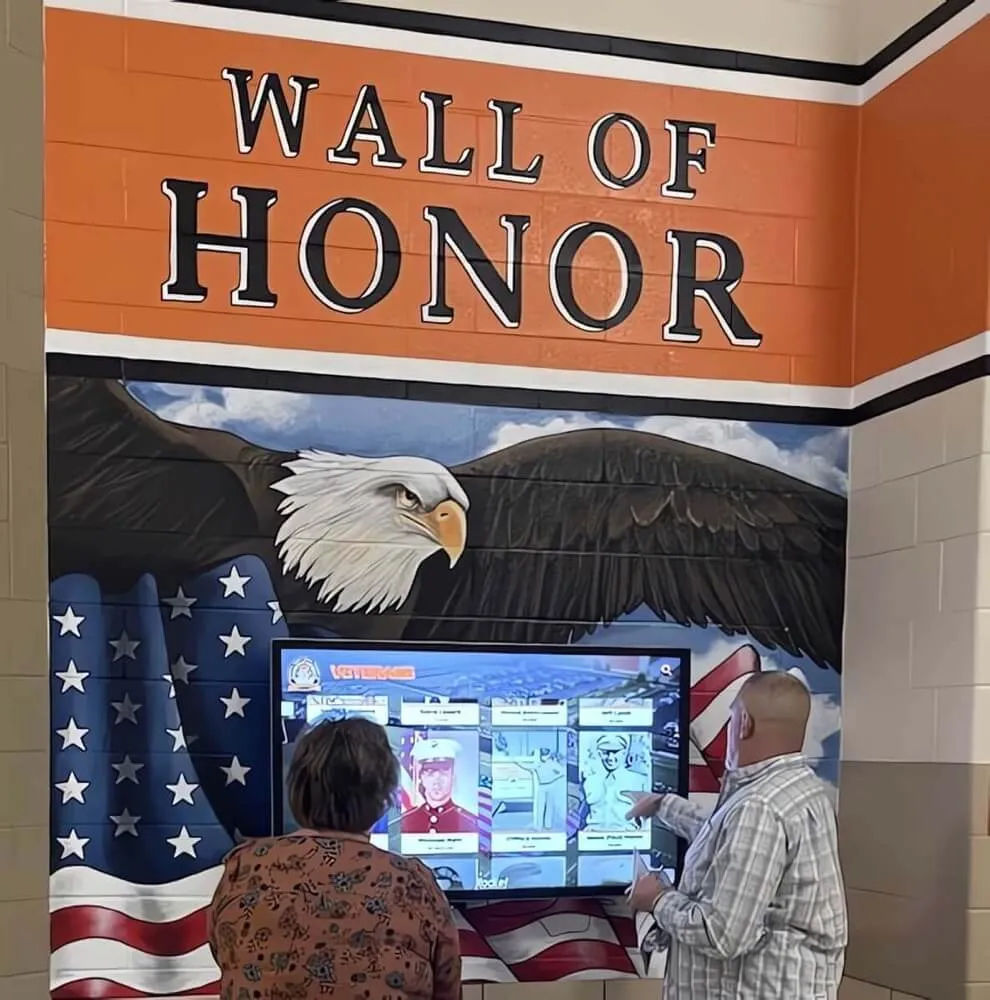
Interactive displays transform passive acknowledgment into active engagement where volunteers discover their place in organizational communities
Creating Organizational Stability and Continuity
Long-term volunteers provide institutional memory and continuity extending beyond staff transitions. In schools, parent volunteers who serve across multiple children’s educational years maintain program knowledge spanning principal changes and teacher turnover. In nonprofits, board members and committee volunteers preserve strategic direction through executive transitions while longtime program volunteers maintain service consistency despite staffing changes.
This continuity proves particularly valuable for organizations facing resource constraints and frequent turnover. Stable volunteer leadership and sustained volunteer engagement create operational foundation enabling organizations to weather challenges while maintaining mission focus.
The Cost of Inadequate Volunteer Recognition
Failing to recognize volunteers appropriately carries measurable consequences impacting organizational sustainability.
Volunteer Attrition and Recruitment Challenges
Volunteers who feel unappreciated discontinue service at substantially higher rates than those receiving meaningful recognition. Corporation for National and Community Service research demonstrates that inadequate appreciation ranks among top three reasons volunteers cite for discontinuing service, alongside time constraints and lack of meaningful engagement opportunities.
Replacing departed volunteers requires significant investment in recruitment, orientation, training, and relationship building before new volunteers achieve the effectiveness and commitment long-term volunteers provided. This recruitment burden creates ongoing resource drain while reducing service consistency.
Organizations with strong recognition cultures retain volunteers substantially longer—often 3-5 years versus 1-2 years for institutions with weak appreciation—while recruiting new volunteers more easily through visible celebration attracting community members inspired by service recognition they observe.
Diminished Volunteer Engagement Quality
Volunteers who feel undervalued reduce engagement quality and commitment even when they don’t completely discontinue service. They may limit hours contributed, decline leadership responsibilities, reduce effort quality, and withhold the discretionary commitment distinguishing exceptional volunteers from those simply fulfilling minimum obligations.
This engagement erosion proves particularly costly because organizations lose the extraordinary contributions exceptional volunteers provide—innovative problem solving, flexible responsiveness to emerging needs, willingness to tackle difficult challenges, and enthusiastic advocacy recruiting additional support.
Competitive Disadvantage in Volunteer Markets
Communities offer countless worthy organizations competing for limited volunteer time. In this competitive environment, volunteer experience quality increasingly influences where community members choose to serve. Organizations providing meaningful recognition, clear impact connection, and appreciation demonstrating genuine gratitude position themselves advantageously against competitors offering poor volunteer experiences.
Schools with visible volunteer recognition programs report easier recruitment and stronger volunteer engagement compared to peer institutions lacking appreciation infrastructure.
Traditional Volunteer Recognition Day Celebrations
Volunteer Recognition Day on April 20th provides natural focal point for concentrated appreciation. Organizations implement various approaches to single-day celebrations honoring volunteer contributions.
Simple Gestures With Meaningful Impact
Even modest appreciation efforts demonstrate genuine gratitude when executed thoughtfully and authentically.
Personalized Thank-You Communications
Individual acknowledgment proves remarkably powerful despite minimal cost. Effective approaches include:
- Handwritten thank-you notes from organizational leaders expressing specific appreciation for individual volunteer contributions
- Personal phone calls from executive directors or principals thanking volunteers for their service
- Email acknowledgments highlighting specific impacts individual volunteers created
- Video messages from beneficiaries served explaining how volunteer support changed their lives
- Social media posts celebrating individual volunteers with photos and service descriptions
The key to impactful personal recognition lies in specificity and authenticity. Generic “thanks for volunteering” messages hold less meaning than detailed appreciation for specific contributions—the weekly tutoring sessions that helped a struggling student achieve breakthrough, the event coordination ensuring fundraising success, the committee leadership guiding strategic decisions, or the countless small acts of service making daily operations possible.
Recognition Events and Celebrations
Dedicated appreciation events provide communal celebration and social connection among volunteers:
- Volunteer appreciation luncheons or dinners honoring service
- Recognition receptions during Volunteer Recognition Week (April 20-26)
- Coffee and treats served to volunteers during service shifts
- Special performances or presentations created by beneficiaries thanking volunteers
- Awards ceremonies recognizing exceptional service and milestone achievements
Event effectiveness depends less on expense than on authenticity and genuine appreciation. Simple gatherings featuring heartfelt thank-you speeches from organizational leaders and beneficiary testimonials often prove more meaningful than elaborate productions where volunteers feel like afterthoughts rather than honored guests.
Organizations coordinating comprehensive appreciation events across multiple recognition needs find coordinated approaches build institutional appreciation cultures.

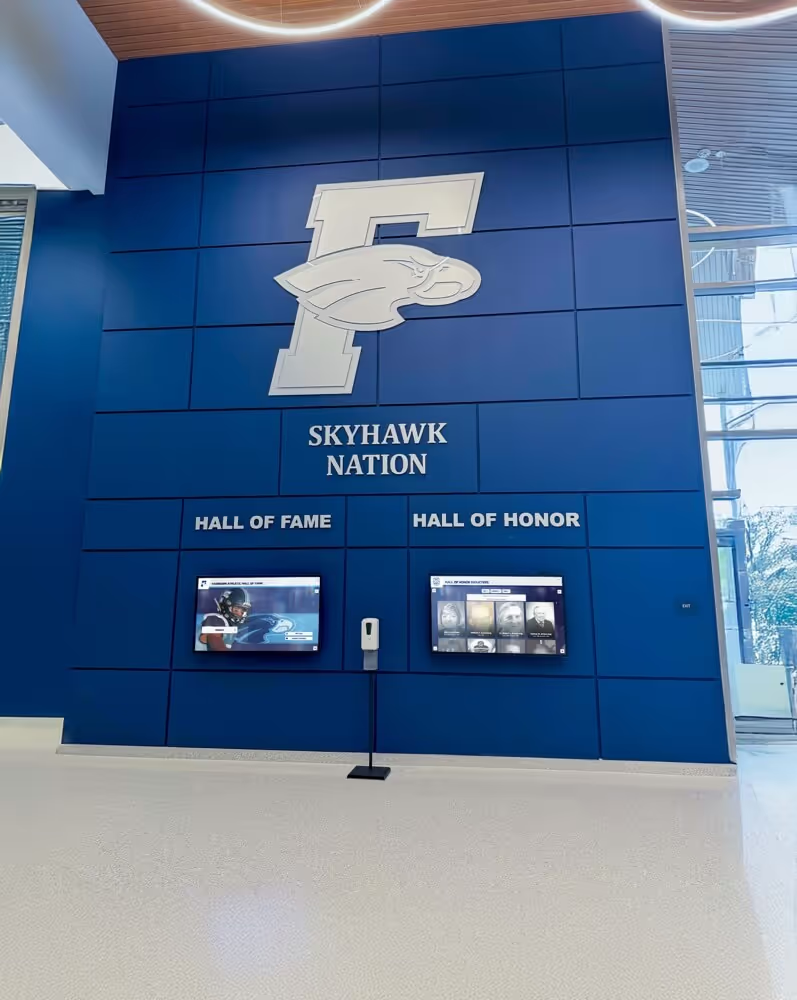
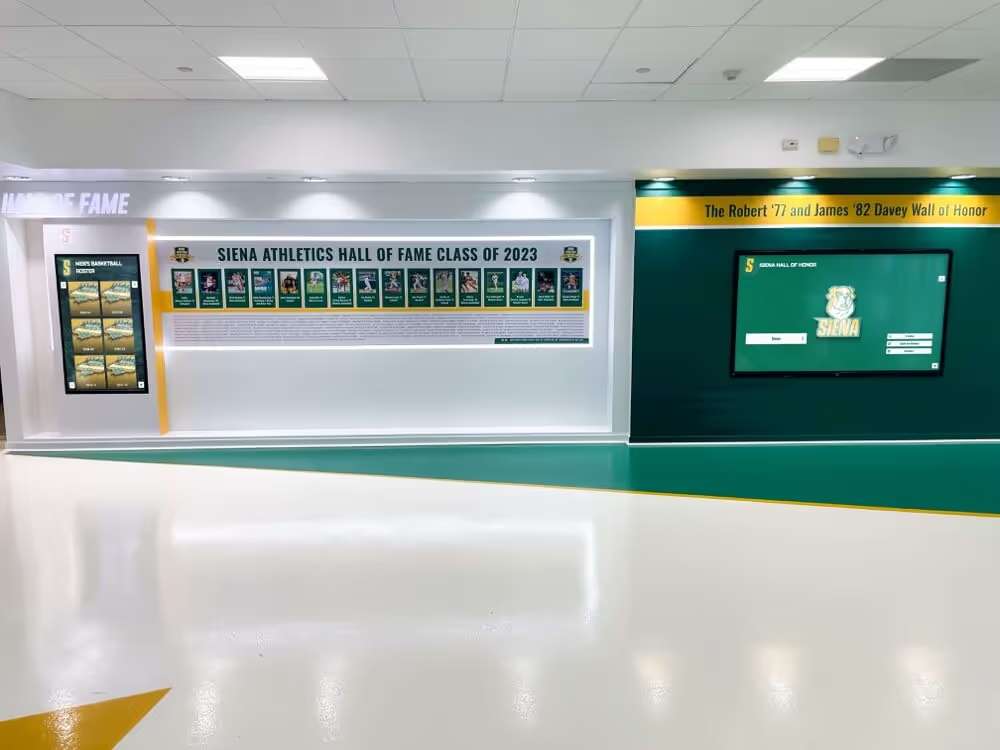
Professional recognition events document volunteer contributions through video tributes and interactive displays celebrating service achievements and beneficiary testimonials
Small Tangible Gifts
Modest gifts demonstrate appreciation without requiring significant budget:
- Branded organizational items (t-shirts, water bottles, tote bags) volunteers can use proudly
- Gift cards to local businesses supporting community economy
- Plants or flowers with appreciation cards
- Certificates of appreciation suitable for framing
- Pins, buttons, or badges identifying volunteer service levels
- Books or journals with personalized inscriptions
Tangible recognition provides lasting physical reminders of appreciation while creating visible identification enabling community members to recognize volunteers’ service contributions in daily life.
Public Recognition and Visibility
Public acknowledgment amplifies appreciation impact through community-wide visibility:
- Recognition during organization-wide meetings, assemblies, or events
- Website features highlighting volunteer contributions with photos and stories
- Newsletter articles celebrating volunteer service and impact
- Social media campaigns throughout Volunteer Recognition Week
- Local media coordination featuring volunteer profiles in community newspapers
- Proclamations from local government officials declaring volunteer appreciation days
Public recognition serves dual purposes—honoring individual volunteers while demonstrating to broader communities that organizations genuinely value volunteer contributions, potentially attracting additional volunteers inspired by visible appreciation.
Formal Recognition Programs and Awards
More structured appreciation takes form of formal programs creating ongoing recognition frameworks.
Service Milestone Recognition
Systematic acknowledgment of volunteer tenure creates regular appreciation touchpoints:
- One-year service recognition for volunteers completing initial commitment
- Five-year milestone awards honoring sustained dedication
- Ten-year recognition celebrating long-term commitment
- Lifetime achievement awards for volunteers providing decades of service
- Cumulative hour milestones (100, 500, 1,000+ hours) acknowledging time investment
Milestone recognition demonstrates that organizations notice and appreciate sustained commitment rather than only acknowledging exceptional single-year contributions. This long-term appreciation encourages volunteer retention while honoring loyalty.
Volunteer of the Year Awards
Annual excellence recognition celebrates exceptional contributions:
- Overall Volunteer of the Year recognizing outstanding service across organization
- Category-specific awards by program area or service type
- Rising Star awards honoring newer volunteers showing exceptional promise
- Team awards recognizing collaborative volunteer groups
- Impact awards highlighting volunteers whose service created transformational outcomes
Selection processes should involve nomination opportunities enabling peers, staff, and beneficiaries to recommend deserving volunteers, review committees evaluating nominations against clear criteria, and public ceremonies celebrating recipients while honoring all nominees.
Volunteer Leadership Recognition
Specialized acknowledgment honors volunteers serving governance and leadership roles:
- Board member appreciation recognizing governance leadership
- Committee chair recognition honoring volunteer leaders
- Mentor awards celebrating volunteers guiding newer community members
- Ambassador awards for volunteers recruiting additional service
- Advocacy awards recognizing volunteers advancing organizational mission publicly
Leadership recognition acknowledges that some volunteers contribute not only direct service but also strategic guidance, organizational development, and community building that multiply impact beyond individual contributions.
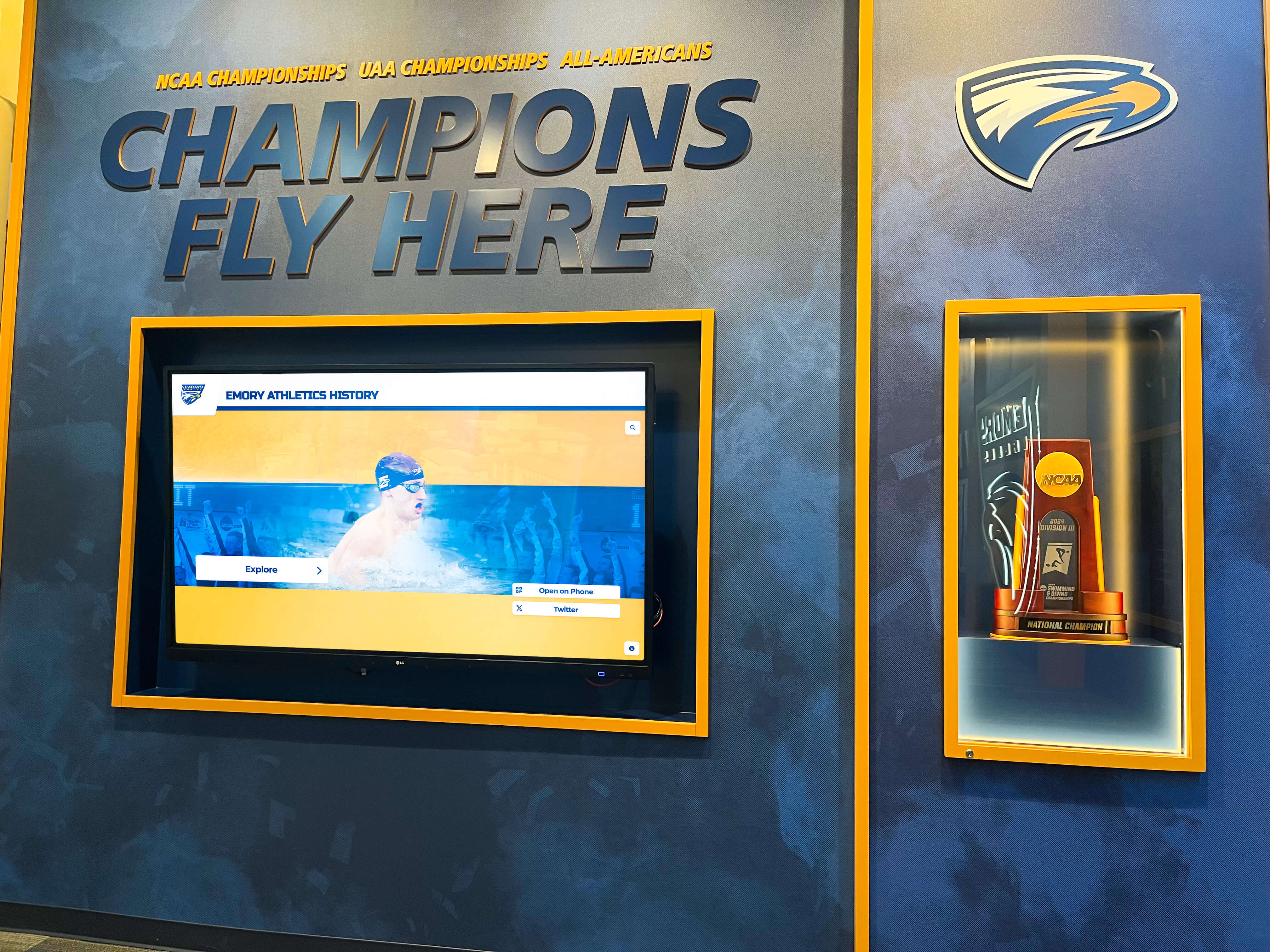
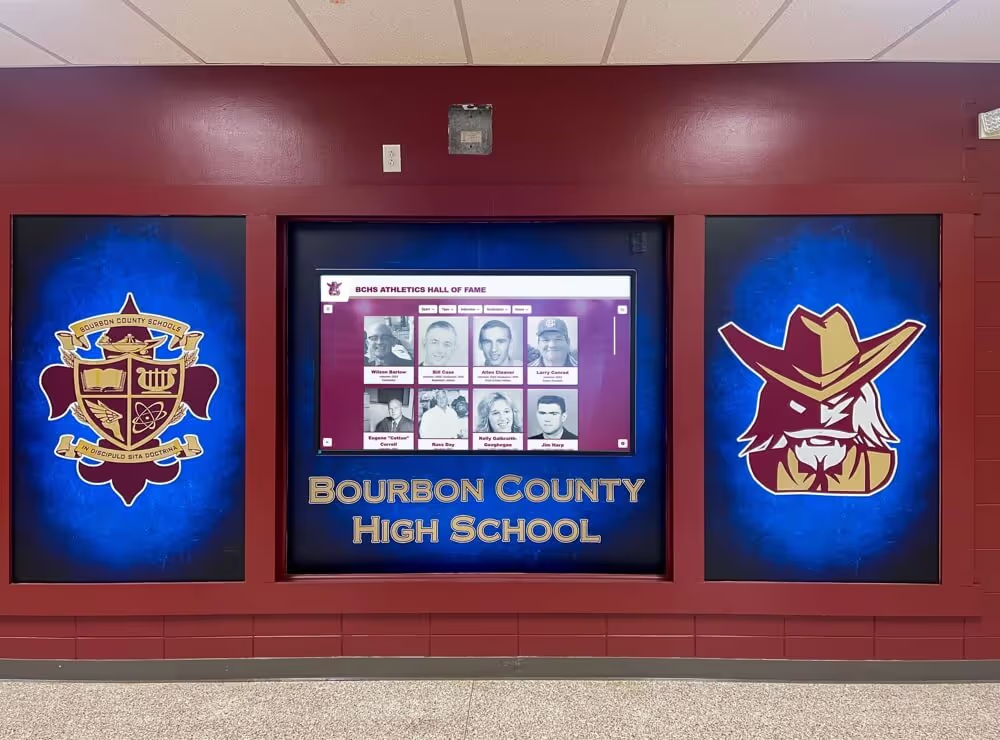
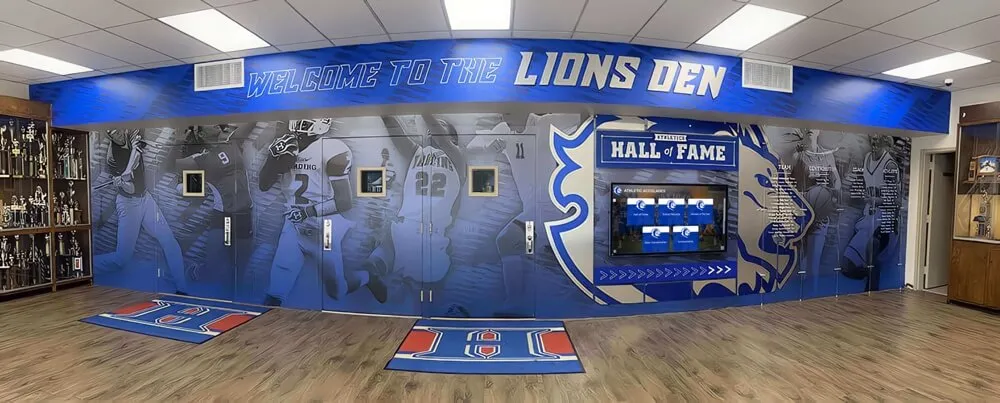
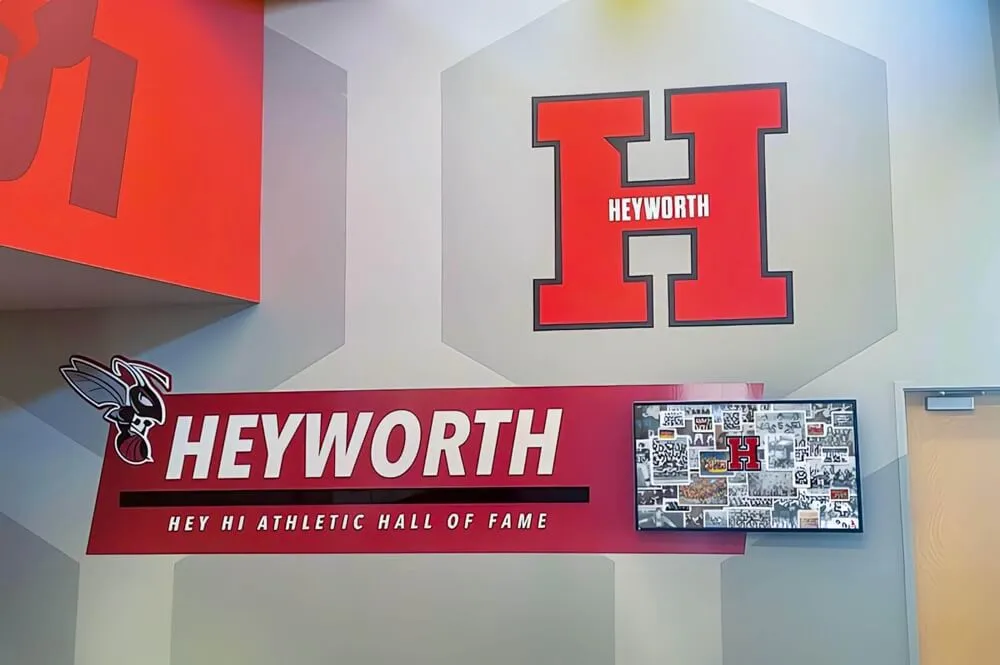
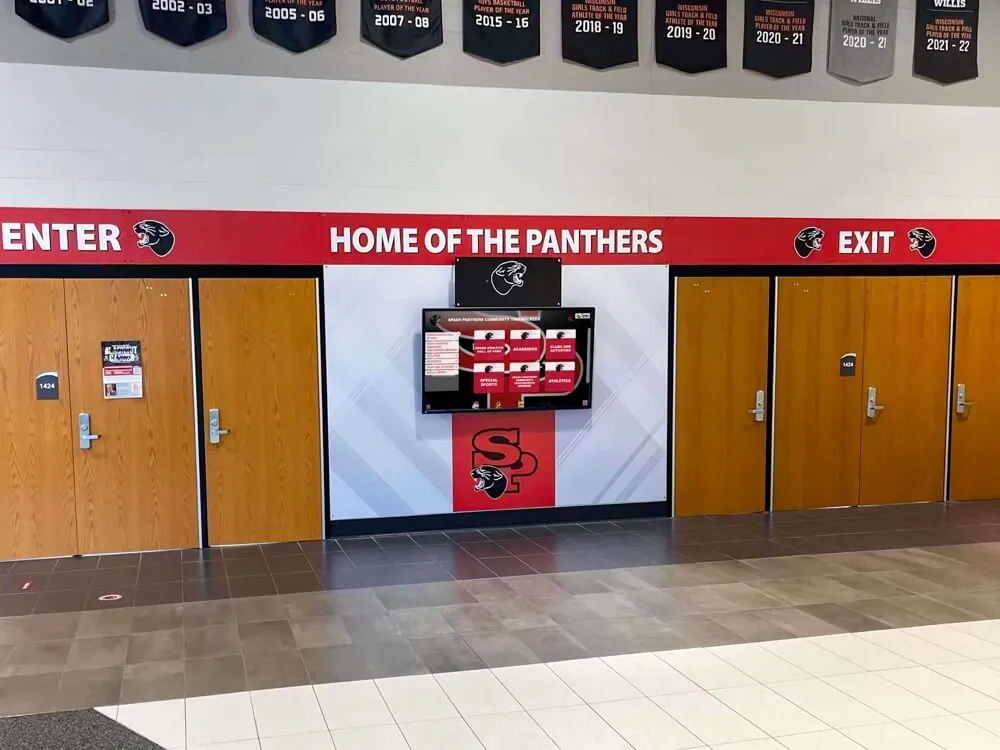
Recognition displays naturally integrate volunteer appreciation with other institutional celebrations acknowledging all contributors to organizational excellence
Building Permanent Volunteer Recognition Programs
While single-day appreciation has value, the most meaningful recognition creates lasting tribute to volunteer service that honors current volunteers while inspiring future service leaders.
Volunteer Honor Walls and Recognition Displays
Permanent physical recognition within organizational facilities creates visible, sustained tribute to volunteer excellence.
Traditional Plaque-Based Recognition
Classic approaches feature:
- Engraved plaques listing volunteer names organized by service level or tenure
- Donor and volunteer walls combining financial and service contributions
- Annual recognition adding new volunteers to expanding displays
- Category organization by program area, service type, or contribution level
- Architectural headers identifying recognition purpose and organizational appreciation
Traditional recognition provides permanence and prestige volunteers value while creating always-visible appreciation throughout organizational facilities. However, space limitations eventually constrain traditional approaches, forcing difficult decisions about which volunteers to recognize as wall space fills.
Digital Recognition Displays
Modern technology transforms volunteer recognition from static displays into dynamic, engaging tributes accessible to entire communities.
Interactive touchscreen recognition provides:
- Unlimited Recognition Capacity: Accommodate thousands of volunteers across all service levels without space constraints
- Rich Multimedia Profiles: Individual volunteer pages featuring photos, service descriptions, impact stories, volunteer testimonials, and comprehensive biographical content
- Advanced Search and Discovery: Visitors find volunteers by name, program area, service year, or any searchable attribute
- Real-Time Updates: Cloud-based management enables immediate recognition as volunteers begin service
- Web Accessibility: Online platforms extend recognition globally beyond physical facilities
- Automated Content Features: Ensure all volunteers receive prominent visibility through algorithmic rotation
- Engagement Analytics: Measure interaction rates and popular content informing recognition optimization
Organizations implementing solutions like Rocket Alumni Solutions’ interactive recognition platforms eliminate space constraints while creating engaging experiences impossible with traditional plaques.
Schools and nonprofits report that digital recognition increases volunteer engagement and pride while simplifying management compared to maintaining traditional plaque systems requiring ongoing manufacturing, engraving, and installation coordination for routine updates.
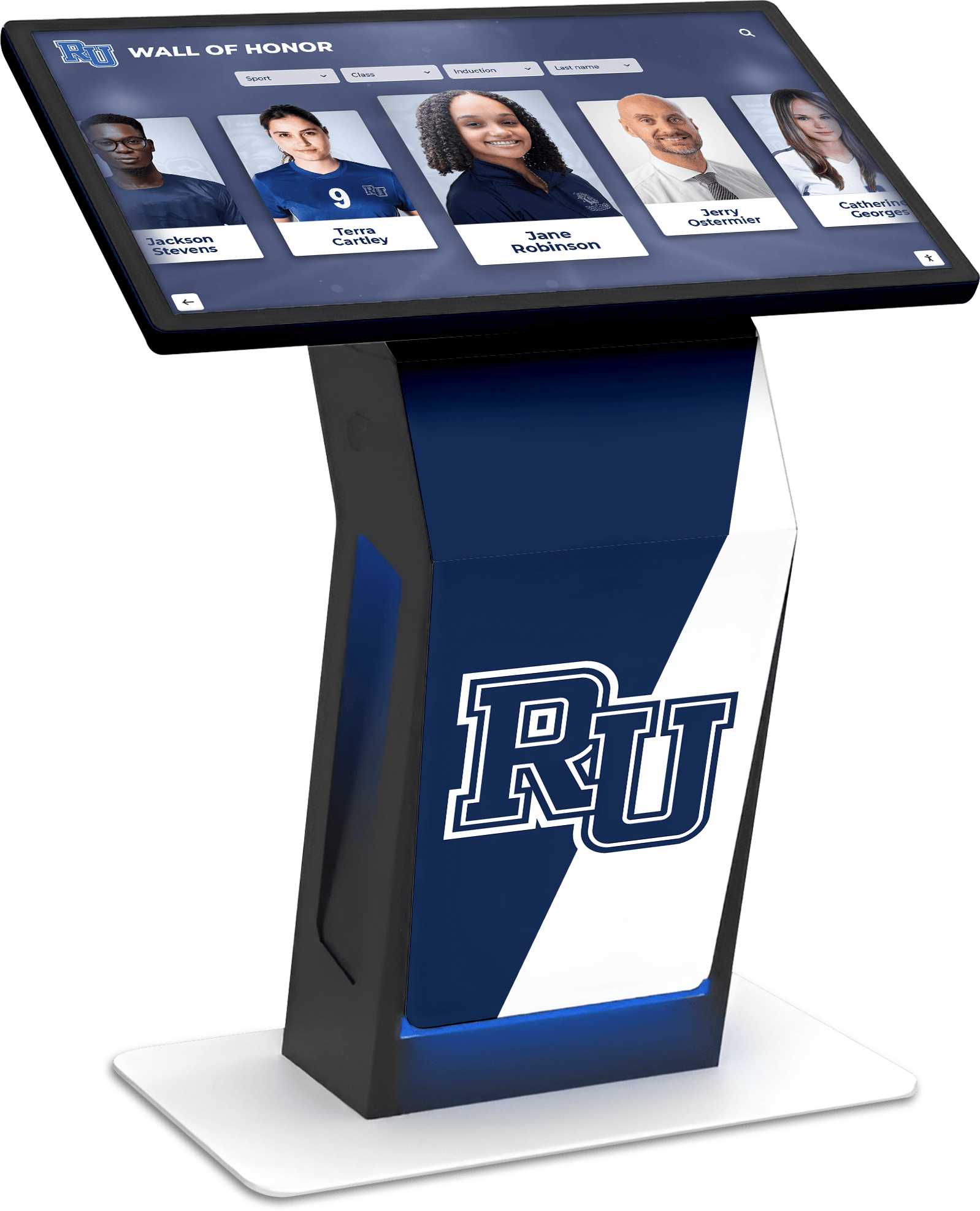
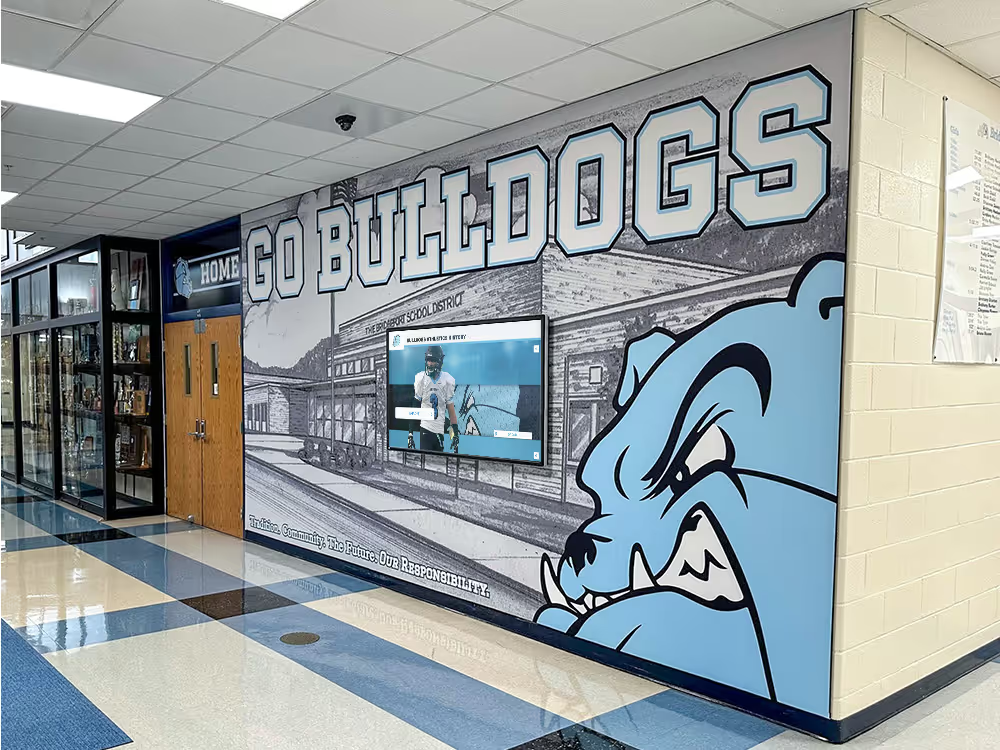
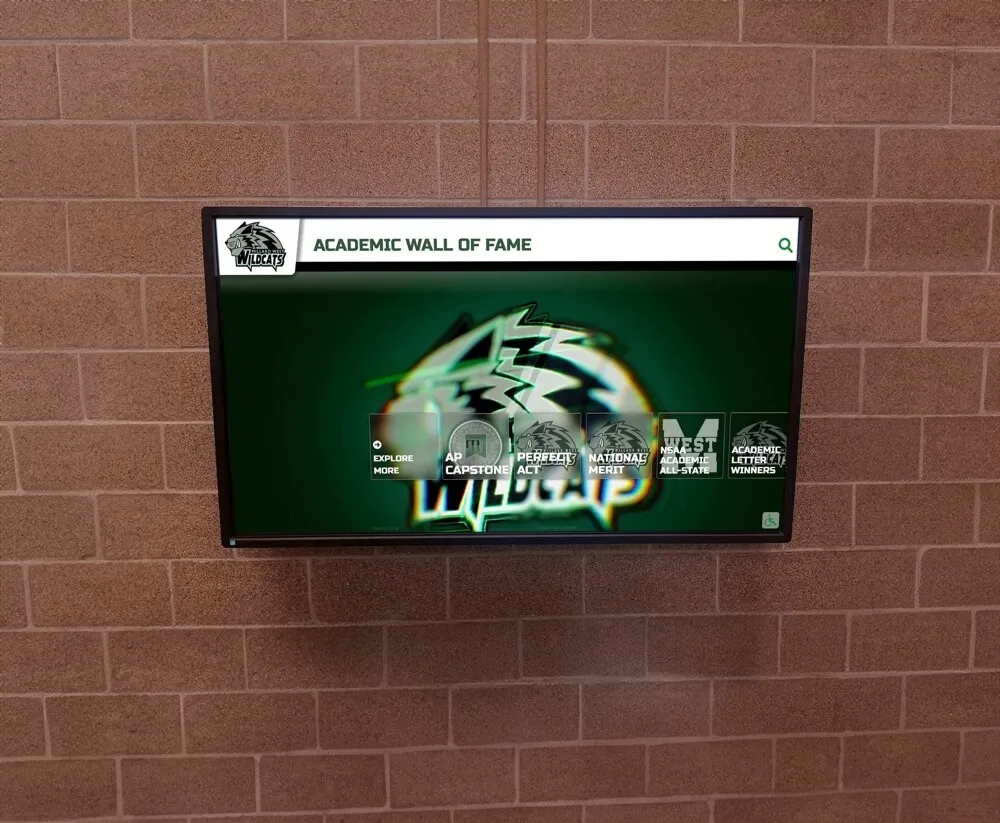
Modern recognition installations combine digital technology with elegant design creating permanent tributes to volunteer service accessible to entire organizational communities
Volunteer Hall of Fame Programs
Formal recognition programs provide systematic frameworks for celebrating exceptional volunteer careers and contributions.
Establishing Selection Criteria
Credible volunteer halls of fame require clear criteria ensuring fair selection and recognition prestige:
- Years of volunteer service (typically minimum 5-10 years for schools, 10-15 for community organizations)
- Total hours contributed demonstrating sustained commitment
- Service breadth across multiple programs or roles showing organizational dedication
- Leadership contributions through committee service, mentorship, or program development
- Impact evidence demonstrating outcomes volunteer service created
- Character and conduct reflecting organizational values
- Continued engagement and community connection
Selection criteria should balance tenure with impact, recognizing that exceptional contributions sometimes come from volunteers serving shorter periods but creating transformational outcomes alongside long-term volunteers providing sustained reliable service.
Selection Process and Governance
Fair, transparent selection benefits from:
- Diverse selection committees including staff, board members, previous honorees, and community representatives
- Open nomination processes enabling community-wide participation
- Clear evaluation procedures assessing candidates against published criteria
- Voting standards requiring supermajority support ensuring broad consensus
- Regular selection cycles creating predictable recognition opportunities
- Appeals procedures addressing concerns about selection decisions
Well-designed governance builds community confidence in recognition legitimacy while ensuring deserving volunteers receive appropriate honor.
Induction Ceremonies and Celebration
Inducted volunteers deserve meaningful celebration validating service achievements:
- Comprehensive volunteer profile presentations covering service history, contributions, impact stories, and personal motivations
- Video tributes including service highlights, beneficiary testimonials, and volunteer reflections
- Speeches from organizational leaders expressing appreciation and describing volunteer impact
- Testimonials from fellow volunteers and community members
- Physical recognition including plaques, certificates, or commemorative items
- Reception opportunities enabling attendees to congratulate honorees personally
Induction ceremonies create memorable experiences honoring volunteers while inspiring current and future volunteers toward exceptional service through visible celebration of volunteer excellence.
Named Volunteer Programs and Service Awards
Organizations create ongoing recognition through named programs honoring legendary volunteers while encouraging current service.
Legacy Volunteer Awards
Annual awards bearing distinguished former volunteers’ names provide ongoing tribute while recognizing current excellence. These programs:
- Keep legendary volunteers’ memories and contributions alive
- Create aspirational standards for current volunteers
- Provide annual recognition opportunities
- Build volunteer tradition and organizational culture
- Connect generations of service across time
Award criteria typically mirror the service qualities defining honored volunteers—an award named for a volunteer known for mentoring might emphasize mentorship contributions, while recognition honoring a program-building volunteer might weight innovative service highly.
Service Level Recognition Societies
Many organizations create tiered recognition structures:
- Platinum Circle: 1,000+ lifetime volunteer hours
- Gold Society: 500-999 lifetime hours
- Silver Circle: 250-499 lifetime hours
- Bronze Society: 100-249 lifetime hours
- Emerging Leader Circle: First-year volunteers showing exceptional promise
Tiered structures provide clear progression pathways, create aspirational next levels motivating continued service, and ensure volunteers at all engagement levels receive appropriate acknowledgment.
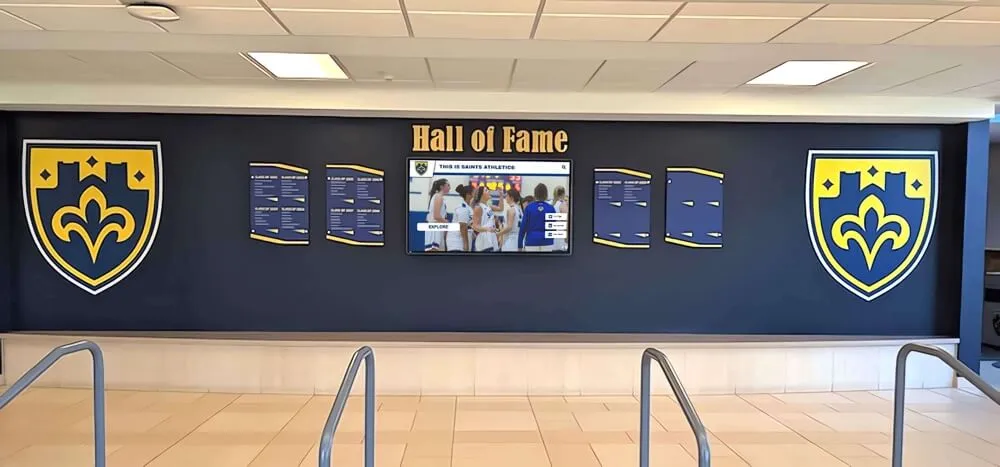
Hybrid approaches combining traditional architectural elements with digital recognition provide both permanence and flexibility for comprehensive volunteer appreciation
Creative Volunteer Appreciation Ideas Beyond Traditional Recognition
Organizations seeking unique approaches can implement creative recognition strategies that surprise, delight, and meaningfully honor volunteers.
Beneficiary-Led Appreciation Campaigns
Those directly served by volunteers provide authentic, powerful appreciation through organized tribute campaigns.
Video Testimonial Compilations
Organizations coordinate with beneficiaries to create video compilations where students, clients, patients, or community members share personal stories about volunteer impact:
- Specific examples of how volunteer service changed their lives
- Skills developed or opportunities accessed through volunteer support
- Appreciation for volunteer investment in their success
- Reflections on relationships built with caring volunteers
- Messages thanking volunteers for their dedication and caring
Video testimonials can be presented during appreciation events, incorporated into digital recognition displays, or shared via social media amplifying appreciation reach while creating deeply moving tributes that often mean more to volunteers than formal institutional recognition.
Thank-You Card Campaigns
Beneficiaries create handwritten cards or artistic expressions thanking volunteers:
- Students create appreciation cards for classroom and library volunteers
- Program participants write letters to volunteers supporting their activities
- Community members share gratitude for volunteers serving them
- Client families express appreciation for volunteer support during difficult times
- Youth groups create artistic thank-you posters displayed prominently
These personal expressions prove remarkably meaningful because they demonstrate tangible impact—showing volunteers that their service truly made difference in real people’s lives rather than merely fulfilling abstract organizational needs.
Volunteer Legacy Projects
Projects preserving volunteer wisdom and experience create lasting educational resources while honoring volunteer excellence.
Oral History Documentation
Organizations interview long-serving volunteers about their service experiences, motivations, and lessons learned:
- Video interviews covering volunteer journeys and reflections
- Written narratives documenting service history and organizational evolution
- Photo collections showing volunteers throughout service years
- Impact stories describing outcomes volunteer service created
- Wisdom and advice for future volunteers
These legacy interviews create valuable recruitment and orientation resources for new volunteers while preserving institutional memory that might otherwise be lost as long-term volunteers eventually transition from active service.
Schools implementing comprehensive archival and recognition systems often include volunteer content alongside academic and athletic recognition, creating complete institutional history preservation.
Volunteer Mentorship Programs
Honor distinguished volunteers by establishing formal mentorship programs connecting experienced volunteers with newcomers:
- Structured mentorship matching based on interests and service areas
- Regular meeting frameworks with check-ins and support
- Training workshops featuring veteran volunteers sharing expertise
- Recognition celebrating mentor volunteers’ continued contributions
- Community building among volunteer cohorts across experience levels
Mentorship programs demonstrate that volunteer legacy extends beyond personal service to include developing future volunteer leaders who will continue organizational mission.
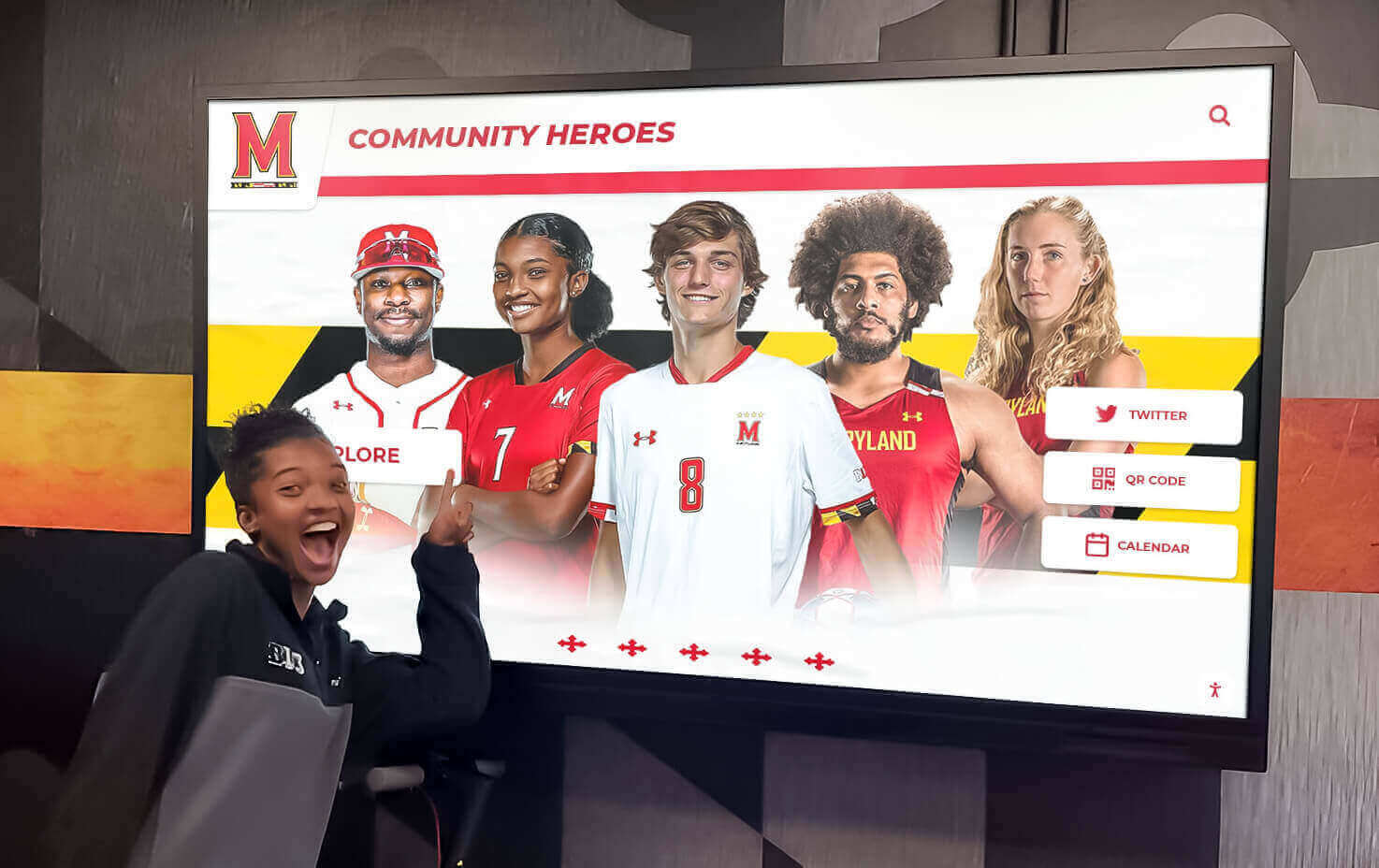
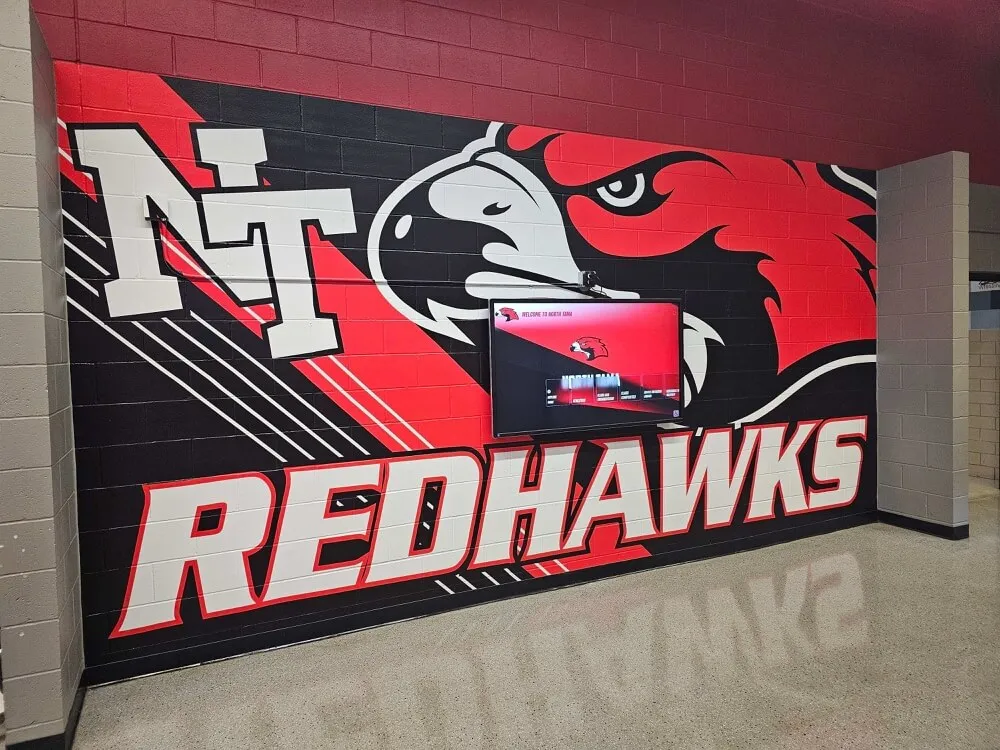
Strategic placement of recognition in student areas ensures daily visibility while educating younger community members about service excellence and volunteer contributions
Community Partnership Recognition Initiatives
Expand volunteer appreciation beyond organizational boundaries to engage broader communities in celebrating volunteer excellence.
Local Business Partnership Programs
Businesses can support volunteer recognition through:
- Sponsored appreciation events or luncheons
- Donated gifts, services, or experiences for honored volunteers
- Business window displays celebrating local volunteers
- Employee volunteer time-off programs supporting community service
- Discount programs for recognized volunteers
- Matching gift programs doubling volunteer service impact
Business partnerships provide resources supporting enhanced appreciation while building community engagement and demonstrating broad support for volunteer service beyond just organizational beneficiaries.
Media Partnership and Public Awareness
Coordinate with local media to amplify volunteer recognition:
- Newspaper feature stories profiling exceptional volunteers
- Radio interviews with volunteer leaders during Volunteer Recognition Week
- Television news segments highlighting volunteer impact
- Social media campaigns with media partner amplification
- Public service announcements celebrating volunteer service
- Community calendar listings promoting volunteer appreciation events
Media coordination educates broader communities about volunteer contributions while potentially attracting additional volunteers inspired by recognition they observe through trusted local news sources.
Municipal Recognition Programs
Many communities provide official recognition for exceptional volunteers:
- Mayor or city council proclamations declaring volunteer appreciation days
- County board resolutions honoring distinguished volunteers
- Official volunteer appreciation ceremonies at government facilities
- Integration with community-wide volunteer recognition initiatives
- Coordination with statewide volunteer programs and awards
Official government recognition provides prestigious honor while demonstrating that volunteer service receives appreciation extending beyond individual organizations to entire communities valuing service excellence.
Building Sustainable Volunteer Appreciation Cultures
Most impactful volunteer recognition isn’t single events but sustained cultures where volunteer service receives ongoing acknowledgment and celebration.
Integrating Appreciation Into Organizational Culture
Organizations building lasting appreciation cultures embed volunteer recognition throughout operations.
Regular Recognition Touchpoints
Rather than limiting appreciation to annual Volunteer Recognition Day, create ongoing acknowledgment:
- Monthly volunteer spotlights in organizational communications
- Recognition during staff meetings and organizational gatherings
- Social media features highlighting volunteer milestones and service
- Newsletter articles celebrating volunteer contributions and impact
- Annual reports prominently featuring volunteer statistics and stories
- Website volunteer directories with profiles and service descriptions
Regular recognition demonstrates sustained appreciation rather than perfunctory annual compliance. Consistent volunteer celebration builds cultural norms where everyone—staff, board members, beneficiaries, community—understands that volunteer excellence receives genuine ongoing appreciation.
Staff Training on Volunteer Appreciation
Organizational staff should understand volunteer appreciation importance and practices:
- Orientation training emphasizing volunteer value and appreciation expectations
- Communication skills for expressing authentic gratitude
- Recognition program knowledge enabling staff to nominate deserving volunteers
- Understanding volunteer motivations and appreciation preferences
- Skills for integrating volunteers effectively while showing respect and appreciation
When all staff understand volunteer appreciation importance and feel comfortable expressing gratitude, recognition becomes embedded in organizational culture rather than depending solely on designated volunteer coordinators or annual events.

Multiple display installations throughout facilities create distributed recognition celebrating volunteer service alongside other organizational achievements and contributors
Volunteer Input and Co-Creation
Most effective appreciation involves volunteers themselves:
- Advisory committees including volunteers in recognition planning
- Surveys gathering volunteer feedback about appreciation preferences
- Volunteer-led recognition teams coordinating peer appreciation
- Focus groups exploring volunteer satisfaction and improvement opportunities
- Volunteer ambassadors representing volunteer community to organizational leadership
When volunteers help shape recognition approaches, programs better reflect actual volunteer preferences while demonstrating that organizations value volunteer perspectives beyond just accepting their labor.
Administrative Support for Volunteer Recognition
Organizational leaders play critical roles ensuring volunteer appreciation receives institutional priority and resources.
Budget Allocation for Recognition Programs
Sustainable volunteer recognition requires dedicated funding:
- Appreciation events and ceremonies
- Recognition awards, certificates, and tangible gifts
- Digital recognition platform subscriptions or maintenance
- Video production and multimedia content development
- Marketing and communication materials
- Recognition program administration and coordination
Administrative advocacy ensures volunteer recognition receives adequate resources rather than depending on inconsistent ad hoc funding. Treating volunteer recognition as programmatic priority comparable to program budgets signals that institutions genuinely value volunteer contributions.
Policy and Governance Frameworks
Leaders establish governance ensuring fair, credible recognition:
- Written volunteer recognition policies and procedures
- Hall of fame or honor program bylaws and selection standards
- Selection committee composition and term structures
- Regular recognition cycles and nomination processes
- Privacy considerations respecting volunteer preferences
- Appeals procedures addressing recognition concerns
Formal governance creates transparent, fair recognition building community confidence while ensuring consistent standards as leadership changes over time.
Measuring Volunteer Program Health
Organizations investing in volunteer recognition should assess program effectiveness ensuring efforts achieve intended impacts.
Volunteer Retention and Recruitment Metrics
Track volunteer program health indicators:
- Volunteer retention rates comparing year-over-year return
- Average volunteer tenure showing sustained engagement
- New volunteer recruitment success and onboarding completion
- Hours contributed tracking service volume trends
- Volunteer satisfaction survey results
- Volunteer referral rates indicating advocacy
Positive trends in retention, recruitment, and satisfaction support arguments that recognition programs contribute to overall volunteer program health and organizational sustainability.
Volunteer Engagement Quality
Beyond participation numbers, assess engagement quality:
- Leadership role acceptance rates showing willingness to increase responsibility
- Attendance consistency and reliability
- Service quality feedback from staff and beneficiaries
- Volunteer initiative and innovation beyond assigned tasks
- Advocacy and ambassador behaviors recruiting additional support
- Financial giving rates among volunteers compared to non-volunteers
Quality indicators reveal whether volunteers feel sufficiently appreciated to provide discretionary commitment beyond minimum service expectations.
Recognition Program Participation
Monitor recognition-specific metrics:
- Nomination volumes for volunteer awards and recognition
- Recognition event attendance and participation
- Digital recognition platform usage and engagement
- Social media interaction with volunteer recognition content
- Community awareness of volunteer programs and recognition
- Media coverage quantity and sentiment
These metrics demonstrate recognition program reach while identifying enhancement opportunities maintaining relevance as volunteer populations evolve.
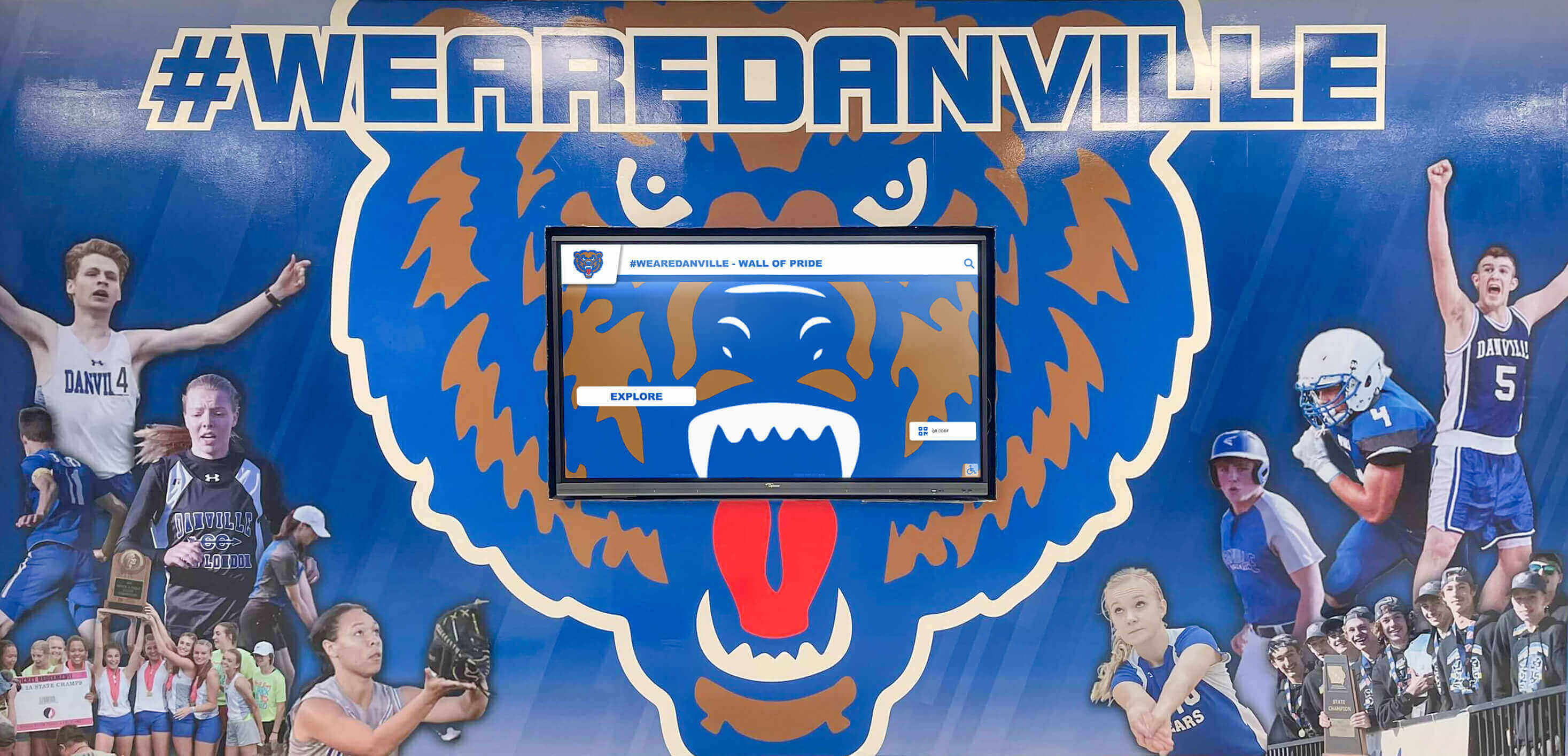
Recognition installations create destinations where communities gather, building pride while celebrating all contributors including volunteers essential to program success
Volunteer Recognition Across Organization Types
Recognition approaches should adapt to organizational contexts, volunteer roles, and institutional cultures.
Educational Institutions: Schools and Universities
Parent and Family Volunteers
Schools depend heavily on parent volunteers serving multiple roles:
- Classroom assistance supporting teachers and students
- Library staffing extending access and services
- Field trip chaperoning enabling learning experiences
- Event coordination supporting fundraisers and celebrations
- Athletic team support including concessions, transportation, and scorekeeping
- Booster club leadership funding programs through volunteer-organized fundraising
Schools should recognize family volunteers through coordinated appreciation programs honoring contributions across all programs rather than fragmenting recognition by individual departments or teams.
Alumni Volunteers
Educational institutions benefit from alumni returning to volunteer:
- Career mentorship and professional guidance
- College admissions advising and application support
- Guest speaking and educational enrichment
- Alumni association leadership and engagement
- Fundraising campaign service and giving
- Reunion planning and community building
Alumni volunteer recognition should integrate with broader alumni engagement systems celebrating former students’ continued connection and contribution to institutional success.
Student Volunteers
Many schools implement service learning programs where student volunteers serve younger students or broader communities. Recognition should:
- Acknowledge student service hours supporting graduation requirements
- Celebrate exceptional student volunteer leadership
- Connect service to character education and values development
- Provide documentation supporting college applications
- Create service traditions passed between student generations
Nonprofit Organizations
Direct Service Volunteers
Nonprofits depend on volunteers providing direct beneficiary services:
- Tutoring and mentoring programs
- Meal delivery and food distribution
- Healthcare support and patient services
- Social services assistance
- Environmental conservation and community cleanup
- Animal care and shelter support
Recognition should prominently feature beneficiary testimonials demonstrating tangible impact volunteer service created.
Governance and Leadership Volunteers
Nonprofit boards and committees provide essential volunteer governance:
- Strategic planning and organizational direction
- Financial oversight and resource stewardship
- Fundraising leadership and donor cultivation
- Policy development and advocacy
- Community representation and stakeholder connection
- Executive search and leadership transitions
Board and committee recognition should acknowledge governance contributions while maintaining appropriate boundaries between governance and operational appreciation.
Skills-Based Volunteers
Professional volunteers contribute specialized expertise:
- Legal services and contracts review
- Accounting and financial management
- Marketing and communications support
- Technology services and IT infrastructure
- Human resources and organizational development
- Facilities management and maintenance
Skills-based volunteer recognition should acknowledge both service value and professional expertise contributed, potentially referencing monetary value of pro bono services provided.
Community Organizations and Associations
Civic Volunteers
Community organizations coordinate civic participation:
- Community improvement projects and beautification
- Emergency response and disaster relief
- Neighborhood watch and public safety support
- Environmental stewardship and conservation
- Youth development programs and recreation
- Senior services and aging support
Civic volunteer recognition should emphasize community impact while building broader public awareness of volunteer contributions improving community quality of life.
Cultural and Arts Volunteers
Museums, theaters, libraries, and cultural institutions depend on volunteers:
- Docents and tour guides
- Gallery attendants and visitor services
- Performance support and technical assistance
- Archive and collection management
- Educational program facilitation
- Fundraising and development support
Cultural volunteer recognition can integrate with exhibition and display systems celebrating contributions alongside institutional missions and collection highlights.
Conclusion: Honoring Those Who Serve Without Expectation
Volunteers represent organizational lifeblood—dedicated community members who serve without financial compensation because they believe in missions, care about communities, and desire to make meaningful difference through generous service. Their contributions enable organizations to extend reach, deliver programs, build community connections, and accomplish missions that would be impossible through paid staff alone.
This profound volunteer impact deserves recognition matching its significance. Volunteer Recognition Day provides natural focal point for concentrated appreciation, but most meaningful recognition builds sustained cultures where volunteer service receives ongoing celebration through multiple channels—single-day events and permanent recognition programs, personal gestures and institutional honors, immediate appreciation and legacy preservation across generations.
The comprehensive approaches explored throughout this guide provide frameworks organizations can adapt to their unique contexts and resources. Simple thank-you communications, formal volunteer halls of fame, digital recognition systems, beneficiary tribute campaigns, and community partnership initiatives all contribute to cultures genuinely valuing volunteer excellence. Organizations can implement single strategies or comprehensive recognition programs combining multiple approaches creating layered appreciation honoring volunteers through immediate celebration and lasting legacy preservation.
Modern digital recognition technology transforms what volunteer appreciation can accomplish. Solutions like Rocket Alumni Solutions eliminate physical space constraints preventing comprehensive recognition, reduce long-term costs while simplifying management, create interactive engagement impossible with static plaques, and extend recognition reach far beyond physical facilities through web accessibility and social sharing. These platforms preserve complete volunteer legacies—service histories, impact testimonials, personal motivations, and multimedia content—creating permanent tributes accessible to entire communities while connecting current volunteers to service traditions embodied by distinguished volunteer predecessors.
Effective volunteer recognition accomplishes multiple strategic objectives simultaneously. It validates individual volunteers’ dedication while inspiring current and future service leaders. It builds organizational culture connecting generations through shared service excellence standards. It engages broader communities demonstrating that organizations genuinely value those who serve missions. It creates institutional memory preserving volunteer wisdom and service history that might otherwise be lost. And it demonstrates to all stakeholders that service contributions receive recognition—modeling appreciation and gratitude influencing how communities value service to others.
Your volunteers dedicate countless hours, make substantial personal sacrifices, invest emotionally in organizational success, and contribute essential capacity enabling mission accomplishment. They deserve recognition matching these contributions’ significance—thoughtful appreciation demonstrating genuine gratitude, comprehensive recognition celebrating complete service contributions, and lasting legacy preservation ensuring their influence continues inspiring future generations long after individual service concludes.
Whether implementing first Volunteer Recognition Day celebrations or transforming existing programs through comprehensive recognition systems, the frameworks and ideas explored throughout this guide provide actionable approaches for building appreciation cultures that truly honor those who serve your mission. Volunteers expand organizational capacity, build community connections, contribute specialized expertise, and create operational stability. This transformative service deserves our best appreciation efforts—recognition matching volunteer contributions’ true significance in organizational success and community impact.
Ready to create lasting recognition celebrating the volunteers who make your organizational mission possible? Explore comprehensive volunteer recognition solutions that preserve volunteer legacy while building the engaged community where volunteers, staff, and beneficiaries celebrate service excellence together across generations.