



End-of-season volleyball recognition represents more than distributing trophies—it’s about creating moments that validate months of dedication, celebrating diverse contributions that made teams successful, and building program traditions that inspire future athletes. Whether you’re coaching a youth recreational league, managing a competitive travel program, or leading a high school or college team, thoughtful awards recognition strengthens team culture while creating memories players carry throughout their lives.
Yet many coaches struggle to design volleyball award programs that feel comprehensive and meaningful. How do you recognize outstanding performance without overlooking the setter who made every hitter look good, the defensive specialist who kept rallies alive, or the practice player who pushed starters to improve daily? Which recognition categories celebrate the full spectrum of contributions volleyball teams need for success? How do you create award presentations that feel personal and significant rather than rushed ceremonies players endure rather than treasure?
This guide explores creative volleyball awards ideas spanning competitive achievement, position-specific recognition, character and leadership honors, development celebration, and team culture acknowledgment—helping coaches design comprehensive programs where every player finds pathways to recognition while exceptional performance receives appropriate spotlight.
Effective volleyball awards accomplish multiple objectives simultaneously. Recognition validates the countless hours players invested in practices, games, and conditioning. Awards create tangible memories families treasure long after playing careers end. Recognition ceremonies provide opportunities for coaches to articulate program values, highlight positive examples, and reinforce behaviors supporting individual development and team success. When designed thoughtfully, volleyball awards become powerful tools teaching young athletes about goal-setting, teamwork, perseverance, and the relationship between effort and acknowledgment.
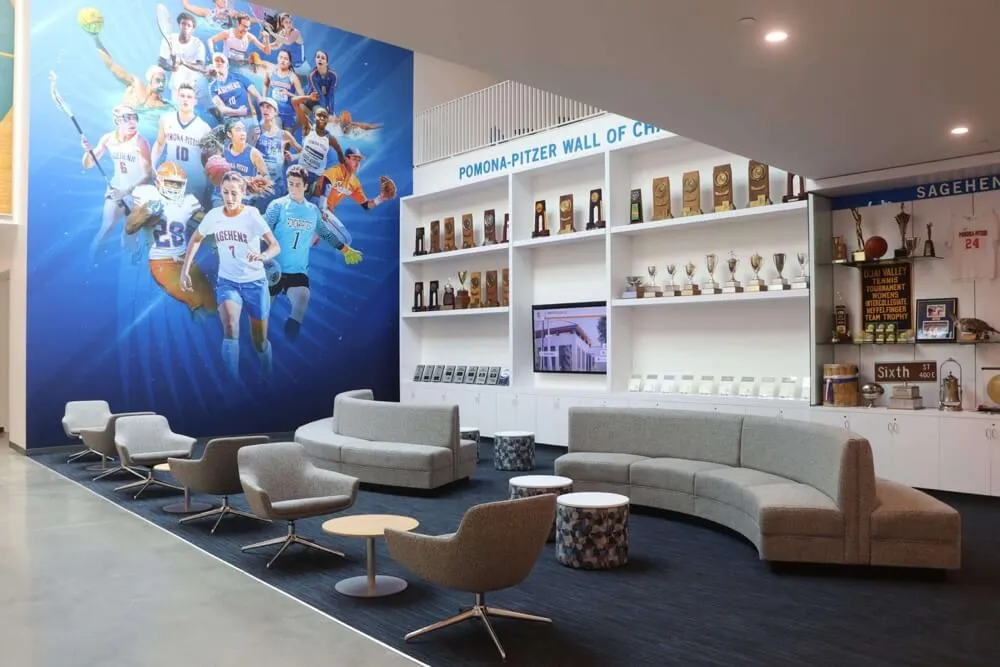
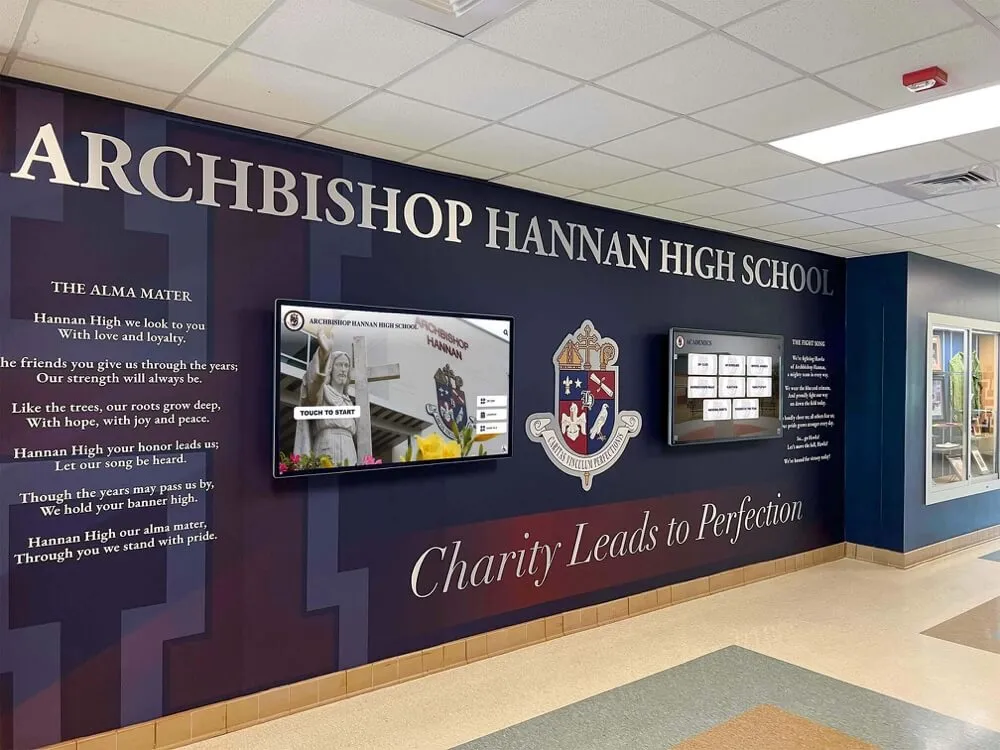
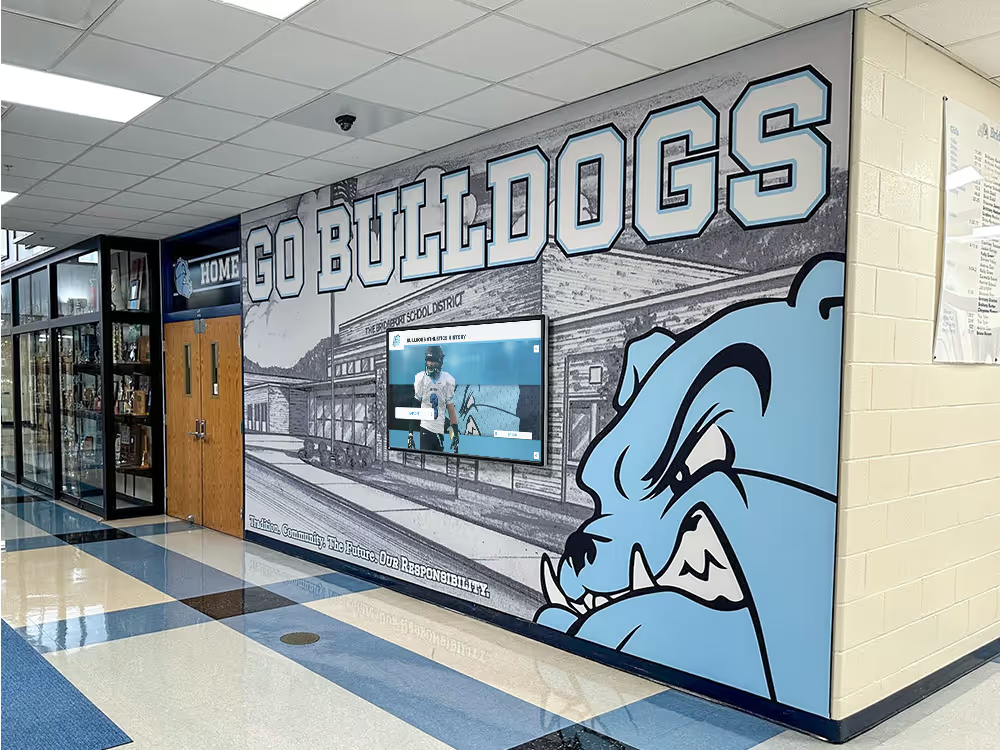
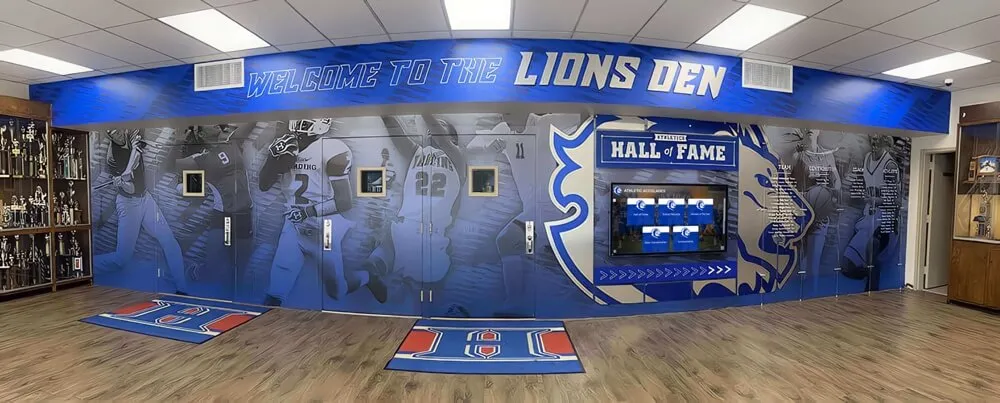
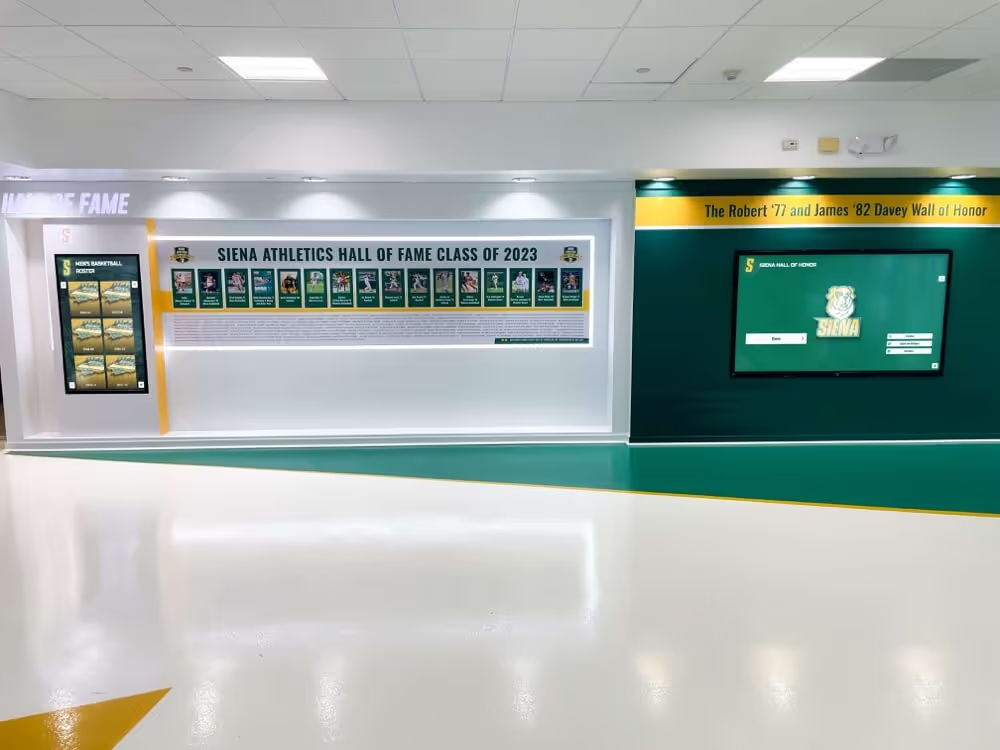
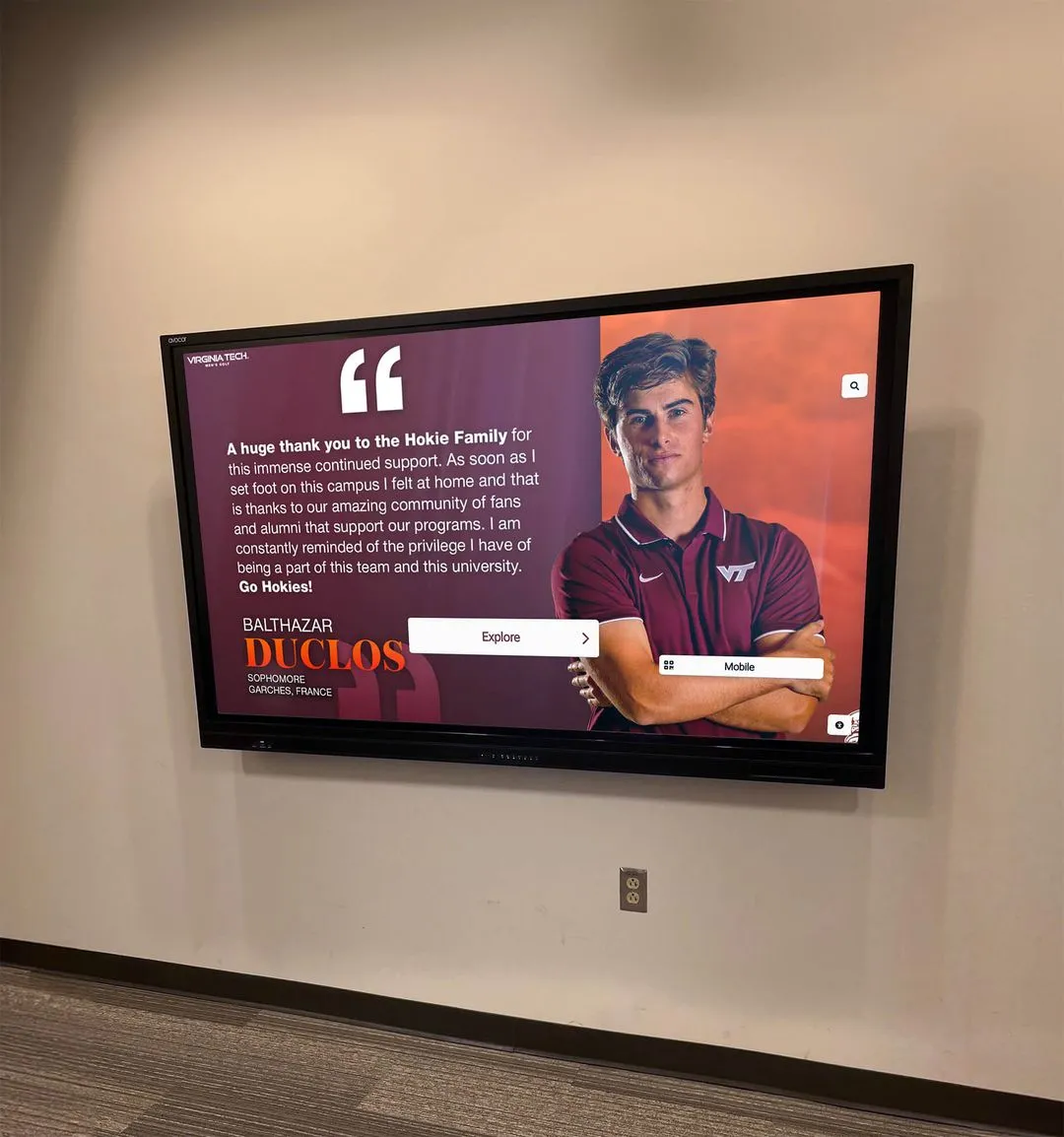
Comprehensive recognition displays celebrate volleyball achievements while creating inspiring environments that motivate current and future athletes
Understanding Volleyball-Specific Recognition Needs
Before exploring specific award categories, understanding what makes volleyball recognition unique helps coaches design programs that honor the sport’s distinctive characteristics and contribution patterns.
Position Interdependence and Specialized Roles
Unlike many sports where individual statistics clearly identify top performers, volleyball success depends on seamless coordination across specialized positions with contributions that don’t always translate to prominent statistics.
The Invisible Contributions Challenge
Setters touch nearly every offensive play but rarely appear atop scoring lists. Liberos make spectacular defensive saves that enable offensive opportunities without recording kills. Middle blockers create scoring opportunities for outside hitters by drawing defensive attention. These essential contributions deserve recognition equal to more statistically visible achievements.
Comprehensive volleyball award programs celebrate diverse contribution types ensuring all position groups find recognition pathways. When only outside hitters and opposite hitters who accumulate kills receive acknowledgment, programs implicitly communicate that defensive specialists, setters, and middles matter less—damaging team culture and undermining the collaborative excellence volleyball requires.
Schools implementing comprehensive athletic recognition systems understand that effective celebration documents full contribution spectrum rather than exclusively spotlighting scoring leaders.
Team Success Through Individual Excellence
Volleyball presents unique tension between individual achievement and collective performance. Outstanding individual players can’t succeed without quality teammates, yet exceptional talents often carry teams through challenging matches.
Balancing Individual and Team Recognition
Award programs should recognize both individual excellence and team achievement—celebrating statistical leaders while honoring players whose contributions made those statistics possible. The outside hitter who leads in kills deserves recognition, but so does the setter who delivered perfect sets enabling those attacks, the passers who controlled serve receive creating offensive opportunities, and the blockers who forced opponents into predictable patterns.
This balanced approach builds team cultures valuing collective success while appropriately spotlighting exceptional individual performance. Programs should include both traditional individual awards (Most Valuable Player, statistical leaders) and team-focused recognition (Best Team Chemistry, Most Valuable Teammate) creating comprehensive celebration of everything contributing to volleyball success.

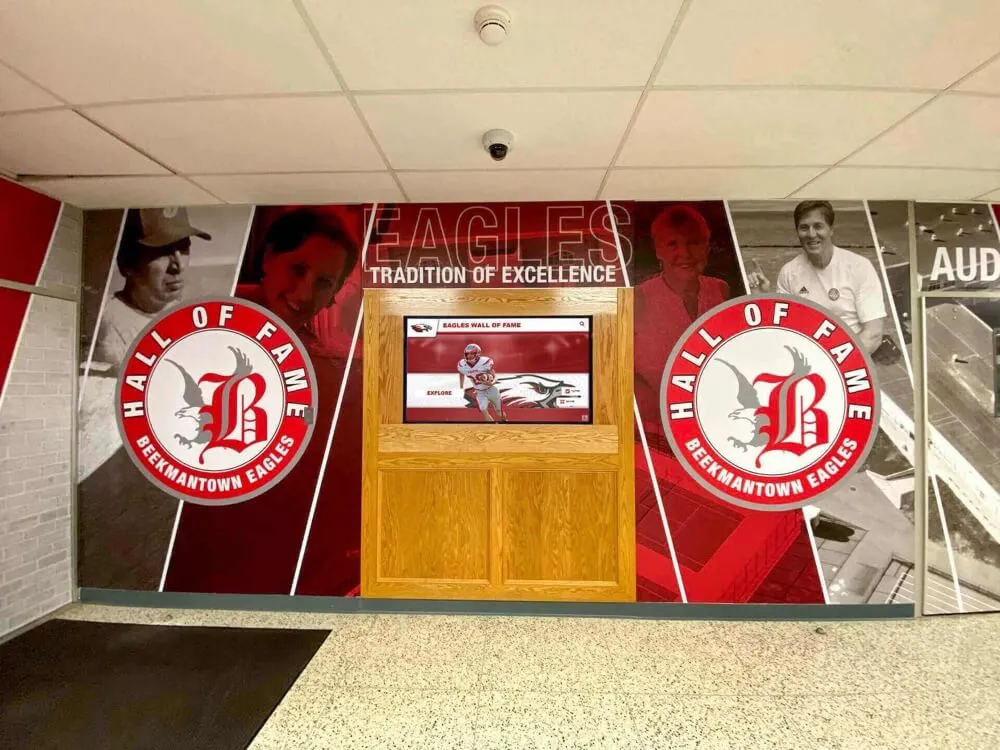
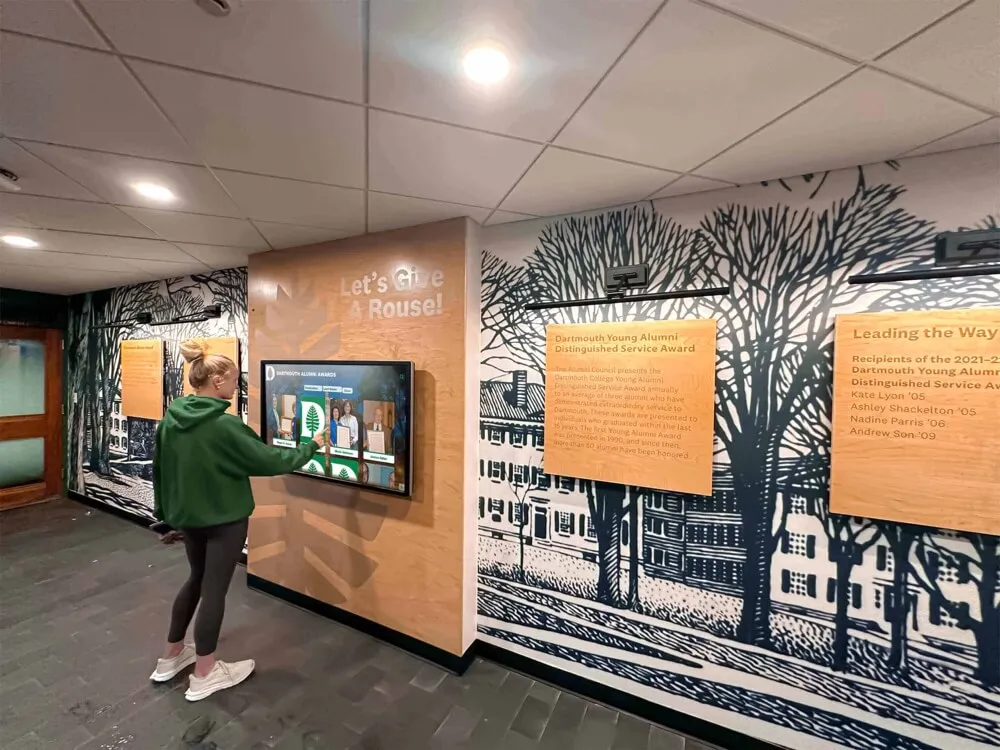
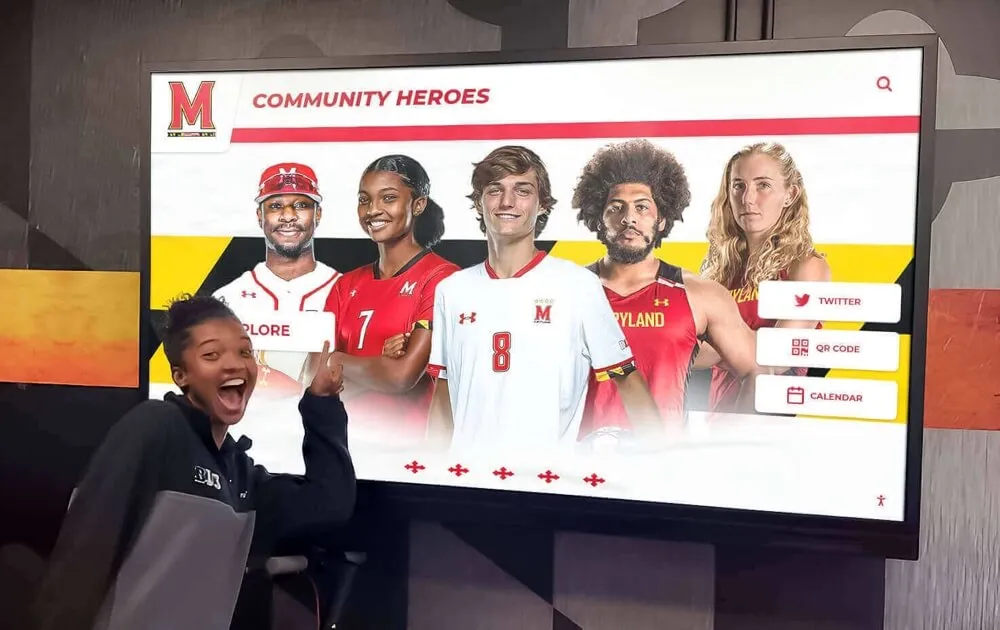
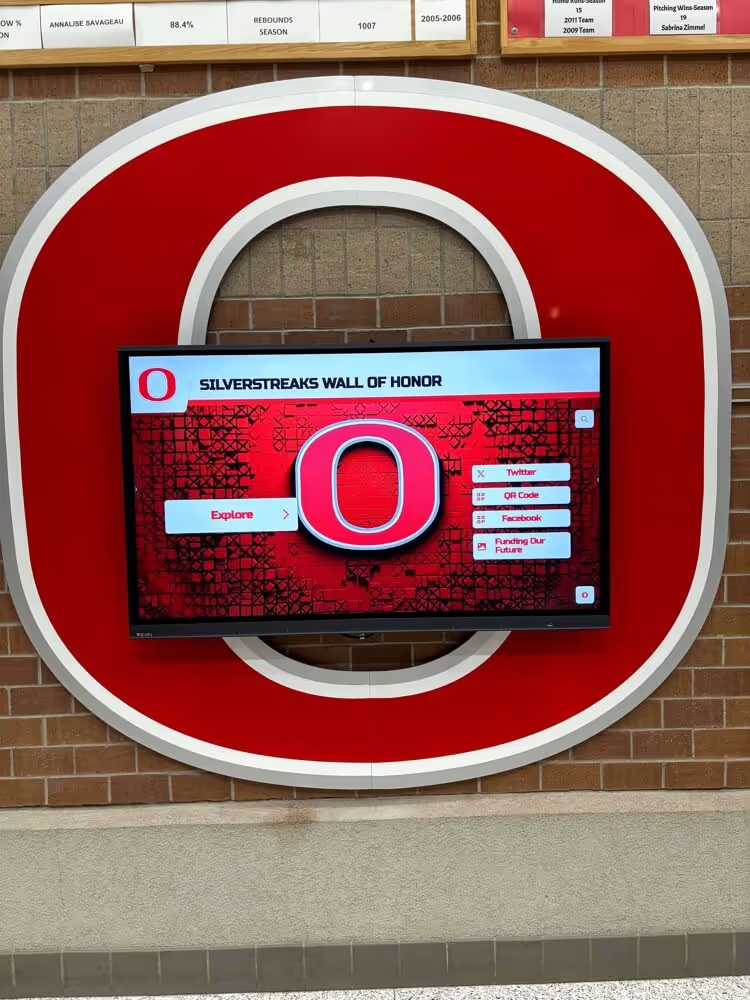
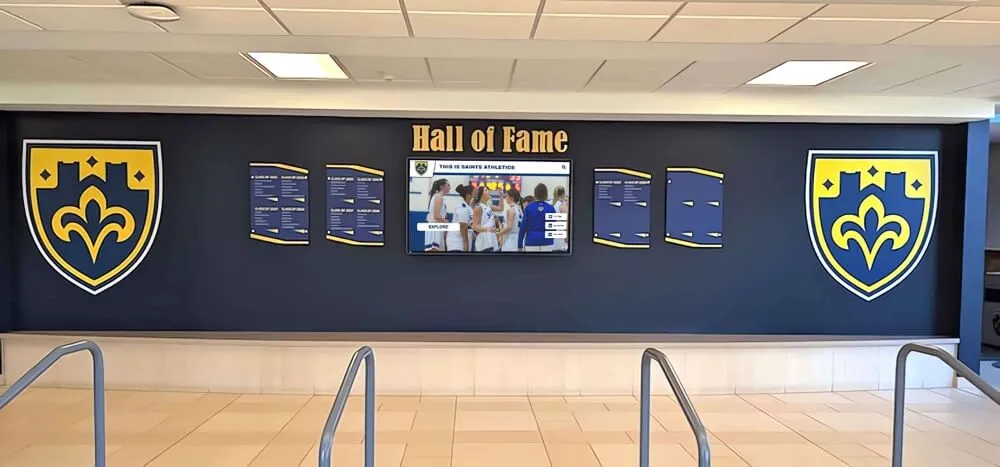
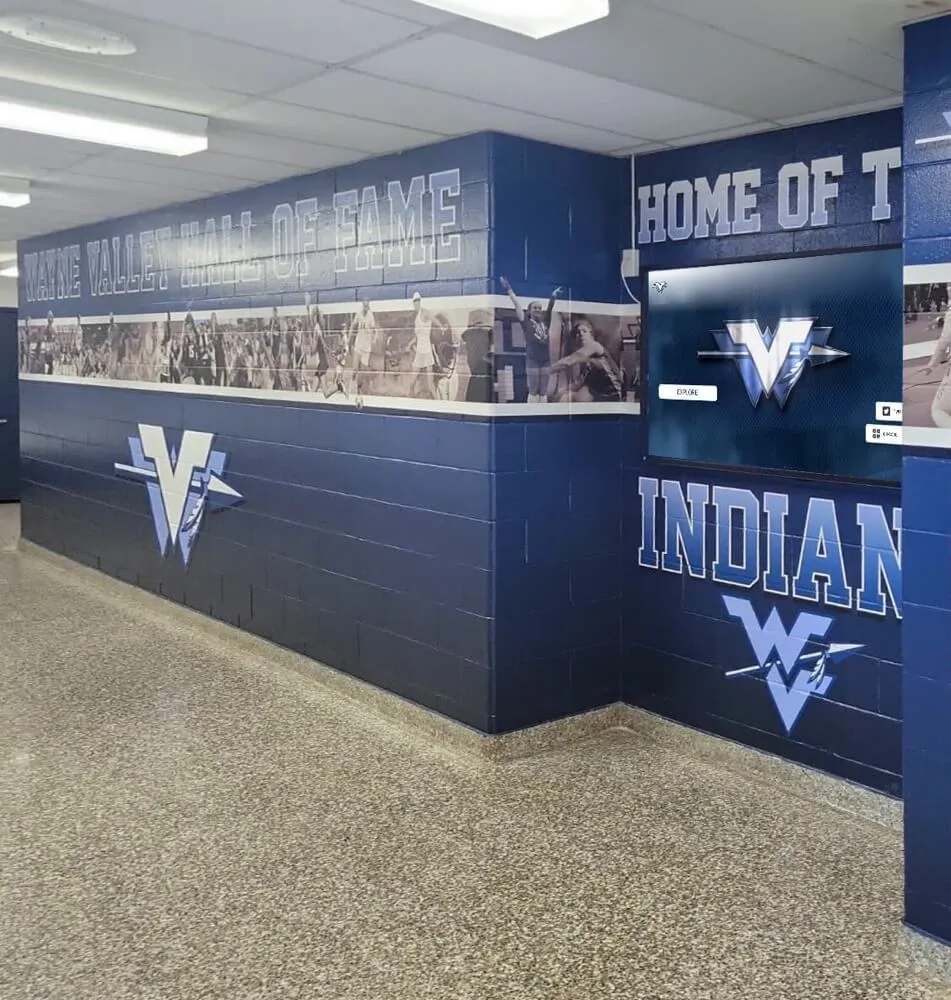
Modern recognition systems enable exploration of individual player achievements while celebrating team accomplishments and program traditions
Creating Pathways for Multi-Year Development
Volleyball players typically develop over several seasons, with younger athletes often contributing in limited roles before emerging as key contributors in later years.
Recognition That Motivates Sustained Commitment
Award programs should include categories recognizing development and improvement, not just absolute performance levels. Most Improved awards celebrate dramatic growth from season start to finish. Future Star recognition identifies younger players demonstrating potential suggesting future excellence. Practice Player awards honor athletes who contributed significantly to team development despite limited playing time.
These development-focused categories create recognition opportunities for athletes at all skill levels while reinforcing that programs value growth, work ethic, and sustained commitment as much as current performance levels. When younger players see pathways to recognition through improvement and dedication, they remain motivated during seasons when playing time comes primarily in practice rather than matches.
Performance and Statistical Achievement Awards
Traditional performance-based awards remain essential for volleyball programs, celebrating competitive excellence and measurable contributions to team success.
Most Valuable Player Award
The classic MVP award recognizes the player whose overall contribution most significantly impacted team success throughout the season.
Comprehensive MVP Selection Criteria
Effective MVP selection considers multiple dimensions beyond simple statistics. The MVP should demonstrate sustained excellence across the full season, not just peak performances in memorable matches. Selection should evaluate statistical production appropriate to position, leadership influence on teammates, performance consistency especially in crucial matches, competitive intensity elevating team focus and effort, and intangible contributions that made the team better beyond measurable statistics.
When presenting MVP awards, coaches should provide specific examples illustrating why recipients earned recognition—game-changing performances, leadership moments, statistical achievements, and qualities making them invaluable to team success. This context transforms generic recognition into meaningful tribute celebrating specific contributions.
Many programs distinguish between overall MVP and offensive or defensive MVP awards, creating multiple recognition opportunities while acknowledging that excellence takes different forms across volleyball’s specialized position groups.
Position-Specific Excellence Awards
Volleyball’s specialized positions benefit from dedicated recognition celebrating excellence within distinct roles.
Setter of the Year Award
This recognition celebrates the player who orchestrated team offense most effectively, distributing sets that maximized hitters’ success while reading defensive formations and making smart decisions under pressure. Selection criteria include setting accuracy and consistency, offensive distribution spreading attacks effectively across hitters, decision-making under defensive pressure, communication directing offensive systems, and leadership organizing teammates and maintaining court presence.
Outstanding setters make everyone around them better, and this award validates their often-underappreciated contributions to every successful attack their team executes.
Libero/Defensive Specialist Award
Recognizing exceptional defensive play ensures the athletes who keep rallies alive through spectacular digs and consistent passing receive appropriate acknowledgment. Consider defensive efficiency statistics (digs per set, passing rating), serve-receive consistency providing platforms for effective offense, leadership communicating defensive positioning and responsibilities, competitive intensity diving for every ball regardless of score, and clutch defensive plays in crucial moments.
Liberos and defensive specialists rarely receive public recognition comparable to offensive stars, making these position-specific awards particularly meaningful for players who embrace challenging defensive roles.
Middle Blocker of the Year
Middle blockers contribute through blocking, quick attacks, and drawing defensive attention that creates opportunities for outside hitters. Recognition criteria include blocking effectiveness (blocks per set, opponent hitting percentage against), offensive efficiency on quick attacks and slides, transition ability moving from defense to fast offensive tempo, reading opponent tendencies and anticipating sets, and drawing double blocks creating advantageous matchups for teammates.
Great middle blockers impact matches in ways that don’t always appear in highlight reels, and this recognition validates their specialized contributions to both offense and defense.
Outside Hitter/Opposite Excellence Award
These primary offensive threats typically lead statistical categories, but recognition should acknowledge complete contributions rather than kills alone. Consider overall offensive production (kills, hitting percentage, efficiency), serving effectiveness generating aces or disrupting opponent offense, defensive contributions on back row rotations, passing reliability on serve receive, and clutch performance delivering in pressure situations.
Acknowledging the complete contribution these players make—serving, passing, hitting, and defending—reinforces that volleyball excellence requires well-rounded skills even for primary offensive threats.

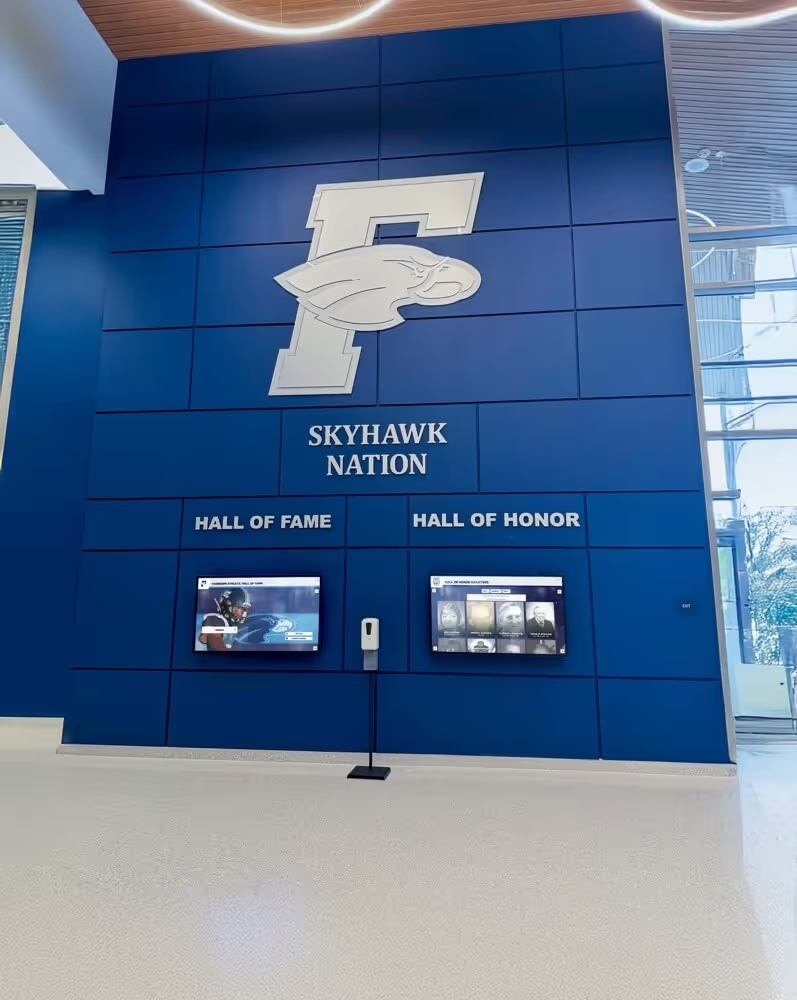
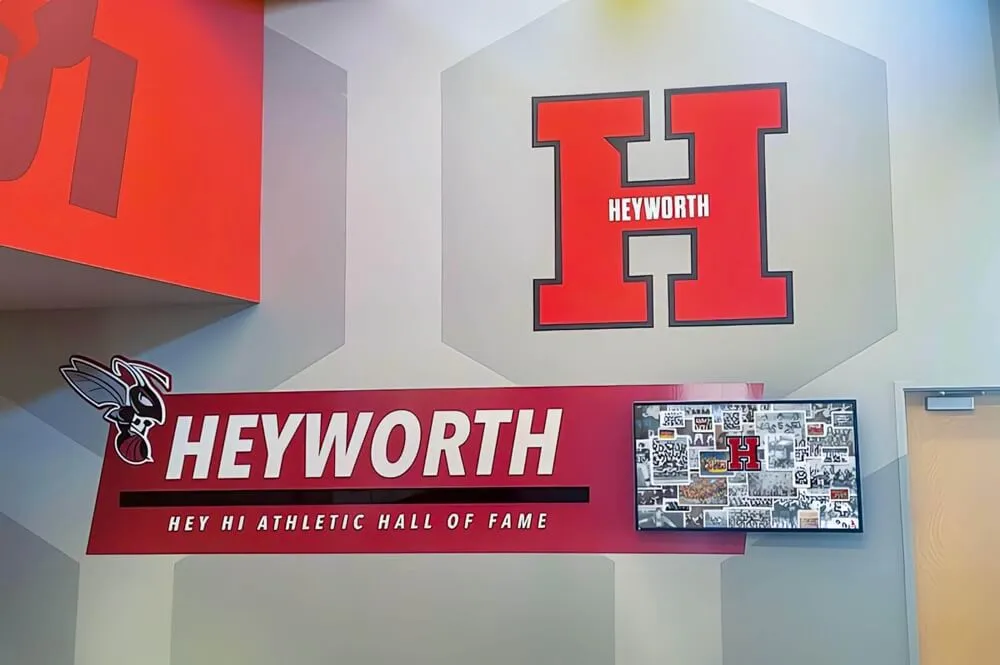
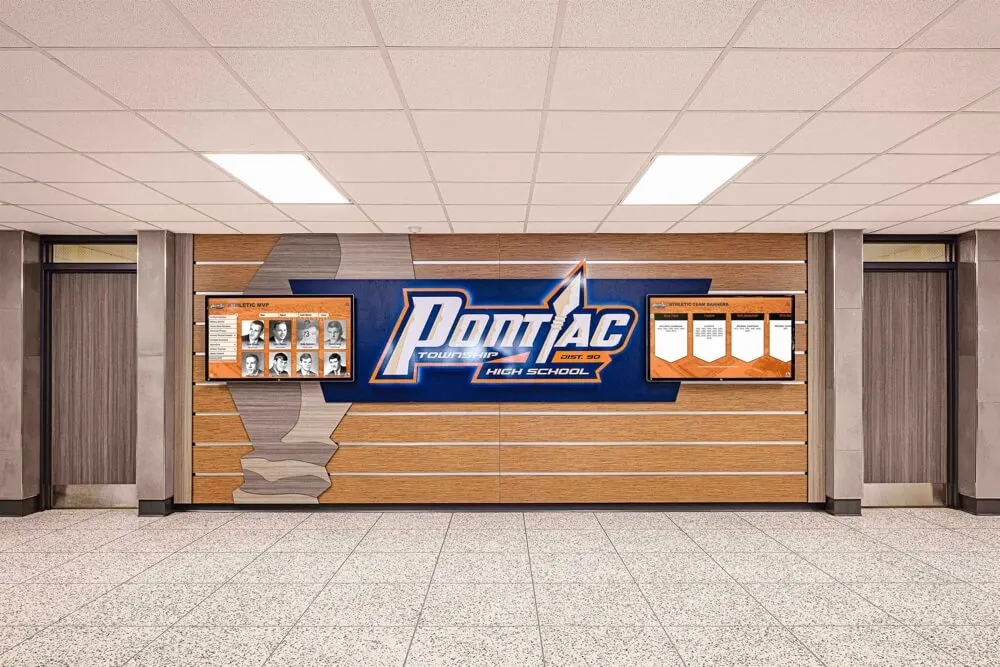
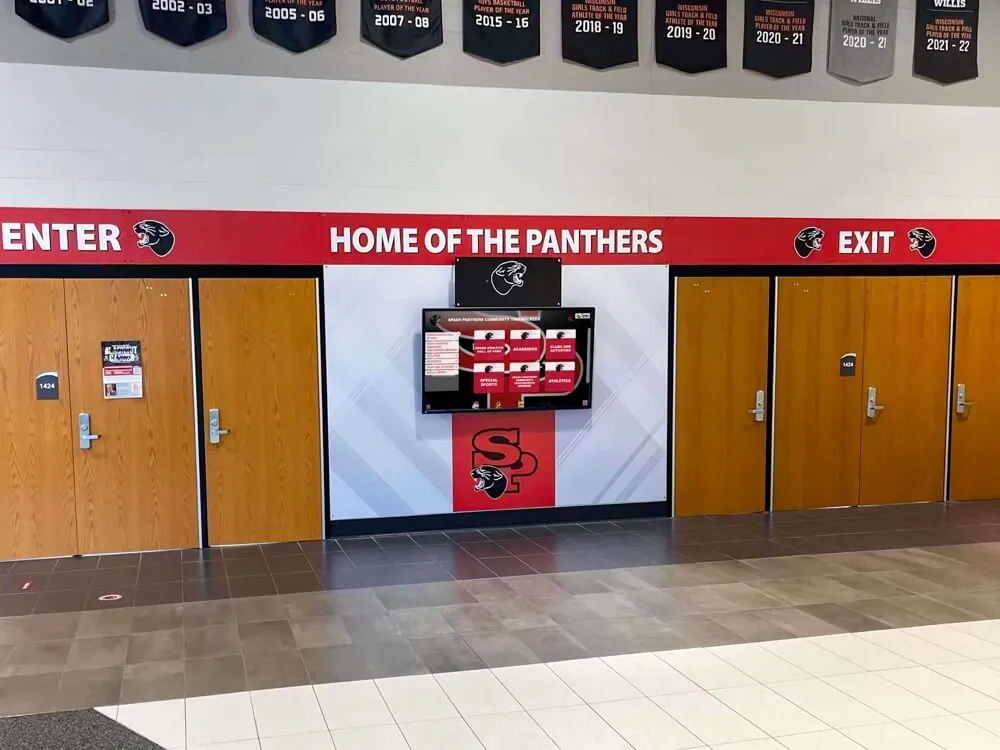
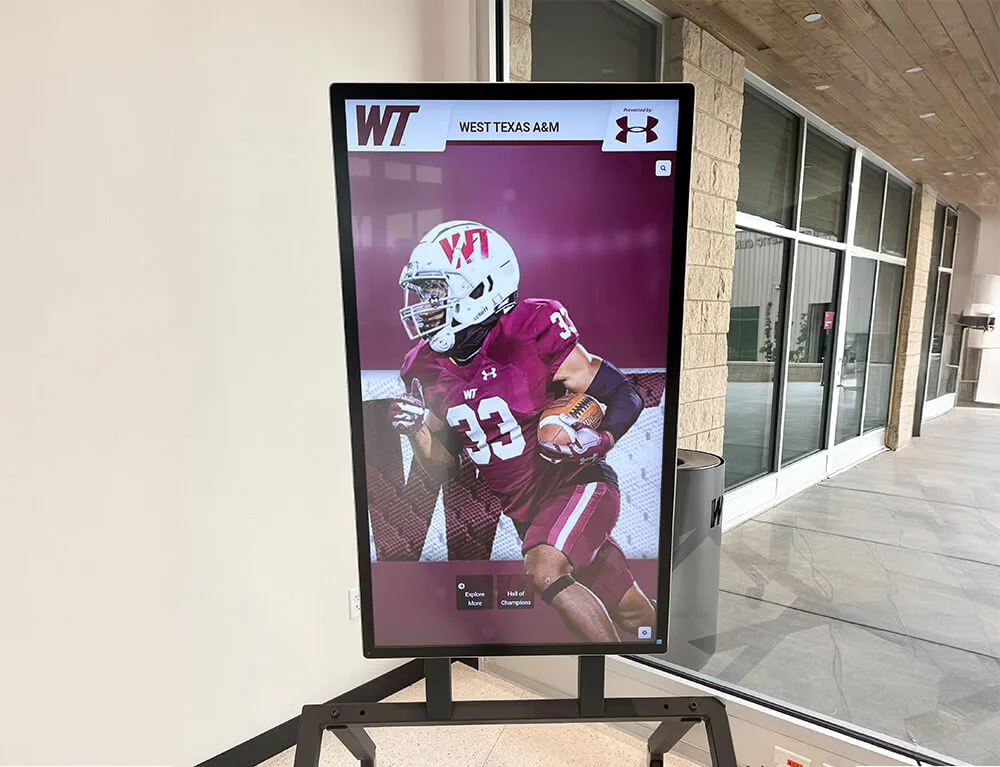
Permanent recognition installations celebrate diverse volleyball achievements through [comprehensive athletic displays](https://digital-trophy-case.com/blog/athletic-hall-of-fame-complete-guide-school-admin/?utm_source=organic&utm_medium=seo-auto&utm_content=digitalwarming&utm_campaign=volleyball-awards-ideas&utm_term=seo) honoring all position groups
Statistical Category Leaders
Objective statistical recognition provides measurable acknowledgment based on quantifiable performance.
Offensive Statistical Awards
- Kills Leader: Recognizes the player with most total kills across the season
- Hitting Percentage Champion: Celebrates offensive efficiency (kills minus errors divided by attempts)
- Aces Leader: Honors the most effective server generating direct scoring
- Points Leader: Acknowledges total points scored (kills plus aces plus blocks)
Defensive Statistical Awards
- Digs Leader: Recognizes the player with most defensive touches preventing opponent kills
- Blocks Leader: Celebrates front-row dominance stuffing opponent attacks
- Serve Receive Rating Champion: Honors passing consistency on opponent serves
- Assist Leader: Recognizes setters who distributed most successful attacks
Statistical awards provide objective recognition based on measurable contributions while offering multiple acknowledgment opportunities across different skill categories. Programs should determine which statistics merit recognition based on importance to team success in their specific competitive contexts.
Character, Leadership, and Team Culture Awards
Beyond competitive achievement, comprehensive volleyball recognition celebrates the character qualities and leadership contributions that define positive program cultures.
Coaches Award
The Coaches Award represents one of volleyball’s most meaningful recognitions, celebrating players who embody everything coaches value beyond pure athletic talent.
Identifying Coaches Award Recipients
Recipients typically demonstrate exceptional work ethic approaching every practice with focus and intensity, positive attitude maintaining optimism and encouraging teammates through adversity, coachability accepting feedback with open minds and implementing corrections quickly, teammate support celebrating others’ successes and helping struggling players improve, and embodiment of program values representing everything coaches emphasize about character and commitment.
This award’s power comes from its subjective nature—coaches personally selecting players who most represent program ideals creates deeply meaningful recognition validating recipients’ complete contributions beyond statistics. When presenting Coaches Awards, sharing specific examples of why recipients earned recognition creates emotional moments honoring athletes’ character and dedication.
Many coaches consider the Coaches Award their most important recognition because it celebrates the complete package of character, effort, and attitude that defines ideal program participants regardless of talent level or playing time.
Leadership and Sportsmanship Recognition
Team Captain Award
While teams typically select captains before seasons begin, formal end-of-season captain recognition validates the additional responsibility these leaders accepted. Consider recognizing captains who demonstrated consistent leadership presence throughout seasons, effective communication with teammates and coaches, positive influence during challenging moments, by-example leadership through work ethic and attitude, and advocacy representing teammates’ perspectives and needs.
Captain recognition acknowledges that formal leadership roles require sustained effort and commitment deserving special acknowledgment beyond simply wearing captain designations on uniforms.
Sportsmanship Award
Sportsmanship recognition celebrates players who competed with integrity, respected opponents and officials, maintained composure under pressure, demonstrated grace in both victory and defeat, and represented programs positively through behavior and character. These awards communicate that programs value how athletes compete as much as competitive results.
Effective sportsmanship recognition includes specific examples—moments when recipients demonstrated exceptional character, instances where they supported struggling opponents, times they accepted difficult officiating calls with maturity, or ways they represented programs with class. Concrete examples provide teachable moments about program values and expected behavior.
Unsung Hero Award
Every volleyball team includes players whose contributions prove essential to success but receive limited public recognition. Unsung Hero awards celebrate role players who embraced supporting roles for team benefit, practice contributors who pushed starters to improve daily, defensive specialists who made spectacular saves in crucial moments, or athletes who made significant personal sacrifices supporting team success.
Presenting Unsung Hero awards with detailed explanations ensures recipients understand genuine appreciation behind recognition rather than viewing acknowledgment as consolation prize. These tributes to behind-the-scenes contributions often prove most emotionally impactful for recipients who rarely receive spotlight attention.
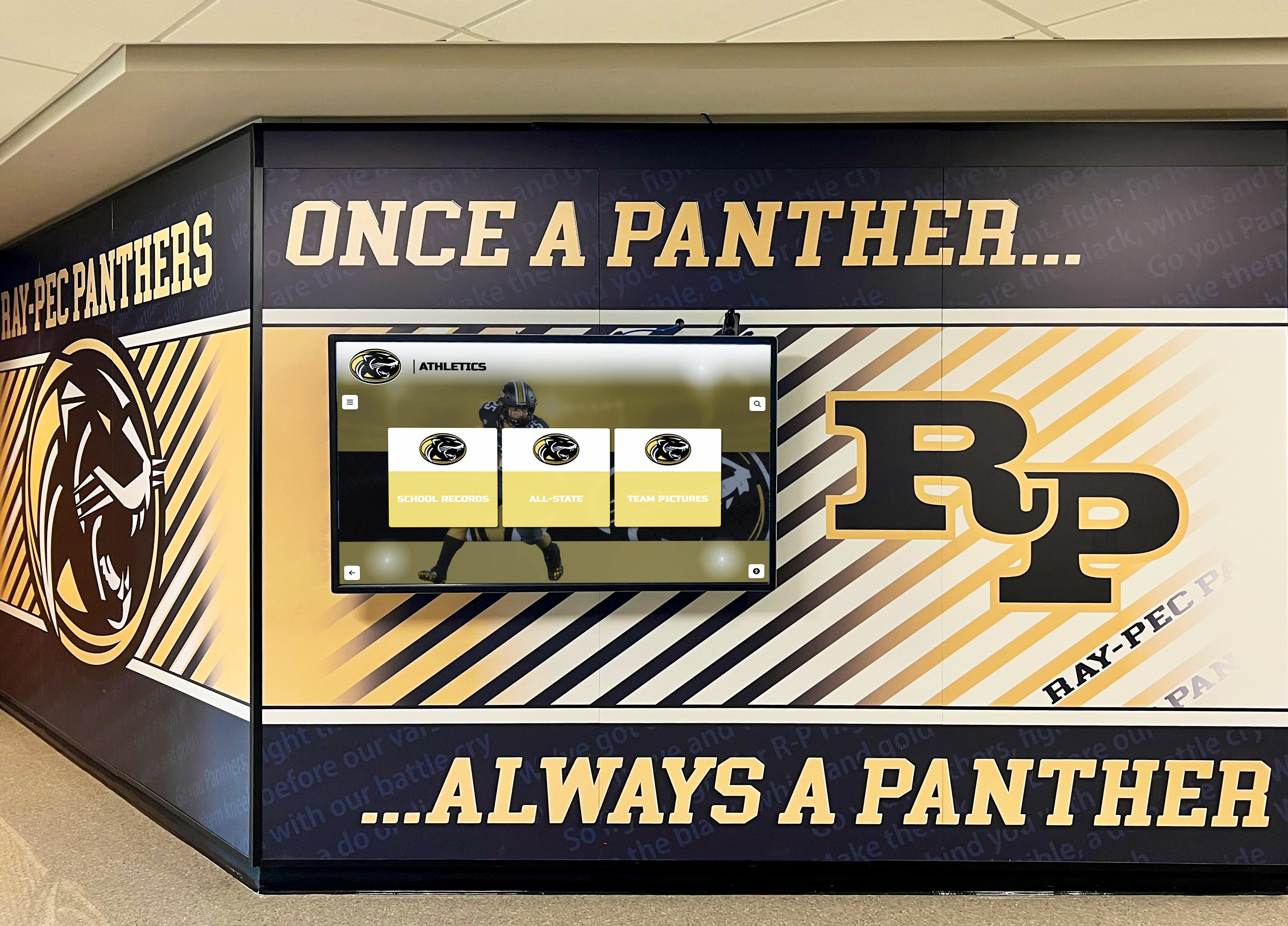
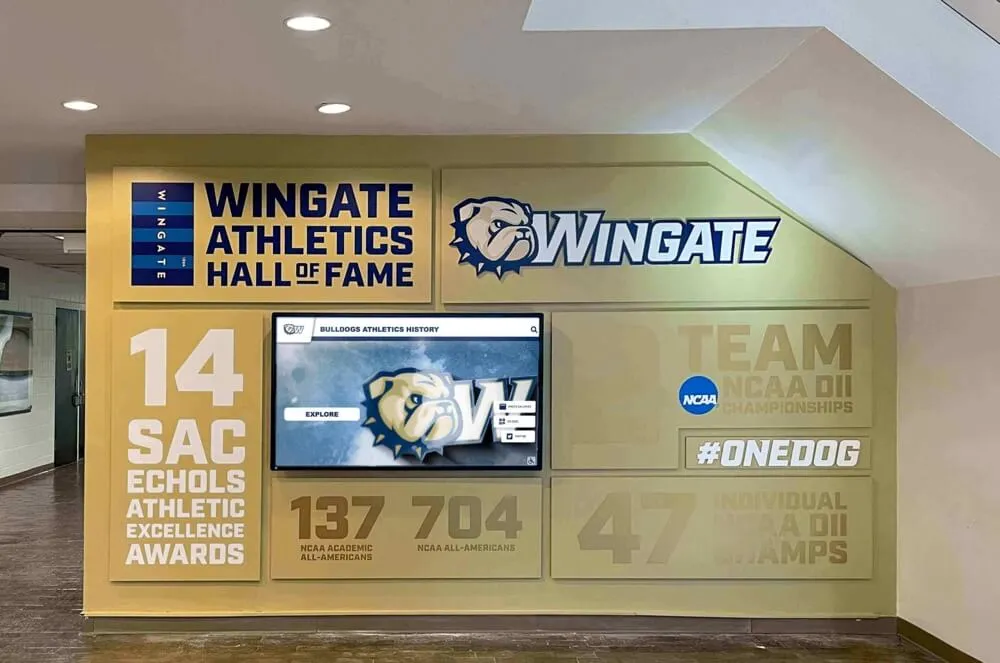
Comprehensive recognition programs honor both competitive achievement and character contributions through [integrated display systems](https://best-touchscreen.com/blog/volleyball-senior-night-ideas/?utm_source=organic&utm_medium=seo-auto&utm_content=digitalwarming&utm_campaign=volleyball-awards-ideas&utm_term=seo) celebrating program values
Team Spirit and Culture Awards
Best Team Spirit Award
Spirit recognition celebrates players who consistently brought energy, enthusiasm, and positive attitudes to practices and competitions—elevating team morale, maintaining optimism during adversity, celebrating teammates’ successes genuinely, and creating infectious enthusiasm making volleyball more enjoyable for everyone involved.
Spirit awards validate that positive energy and enthusiasm represent valuable contributions regardless of playing time or statistical production. Athletes who make teams more fun, supportive, and positive deserve acknowledgment for building cultures where all participants thrive.
Best Teammate Award
Teammate awards celebrate players who exemplified ideal teammate qualities—supporting others unconditionally, putting team success before personal recognition, maintaining positive relationships across team dynamics, and creating inclusive environments where all athletes felt valued.
Some programs allow team voting for Teammate awards, ensuring recognition reflects genuine peer appreciation. When presenting these honors, providing examples of specific teammate behaviors—moments when recipients supported struggling athletes, times they sacrificed personal goals for team benefit, or ways they built bridges across team social dynamics—creates meaningful recognition celebrations.
Heart and Hustle Award
Heart awards celebrate players who competed with exceptional passion, demonstrated persistent effort regardless of circumstances, refused to quit when challenged, showed emotional investment in team success, and brought intensity inspiring teammates. These recognitions honor competitors who played with depth of commitment and emotion that elevated entire programs.
Recipients typically include athletes who competed at maximum effort regardless of score situations, demonstrated visible passion during matches, led through vocal intensity and physical commitment, or showed teams what maximum effort looks like. Heart awards communicate that programs value athletes who bring everything they possess to team efforts.
Development and Improvement Recognition
Awards celebrating growth and development motivate players at all skill levels while reinforcing that programs value improvement processes as much as absolute performance.
Most Improved Player Award
Most Improved recognition celebrates players who demonstrated greatest development from season beginning to end—working diligently improving skills, elevating performance levels significantly, or transforming from contributors to key players through sustained effort and dedication.
Documenting Improvement Effectively
Effective Most Improved recognition requires establishing baseline performance early in seasons and documenting growth across time. Coaches should provide specific examples illustrating improvement—technical skill development (serving consistency, passing accuracy, hitting approach mechanics), tactical understanding advances (court positioning, reading opponents, decision-making), physical conditioning gains (jumping ability, lateral movement, endurance), confidence growth visible in more aggressive play, and performance increases especially under match pressure.
These concrete examples demonstrate genuine achievement rather than generic improvement recognition, helping recipients understand exactly how they developed while reinforcing that sustained effort produces measurable growth.
Breakthrough Performer and Rising Star Awards
Breakthrough Performer Award
Breakthrough recognition celebrates players who exceeded expectations, emerged as significant contributors after previously filling minor roles, or demonstrated capabilities surprising coaches and teammates. This differs from Most Improved by emphasizing unexpected emergence rather than steady incremental development.
Recipients might include athletes who seized opportunities created by injuries, players who suddenly elevated performance after struggling early in seasons, or individuals making dramatic leaps in contribution. Breakthrough recognition creates excitement around unpredictable athletic development while celebrating players’ responses to opportunities.
Rising Star/Future Star Award
This forward-looking recognition identifies younger players—typically freshmen or sophomores—who demonstrated potential suggesting future excellence. Award criteria include current ability showing already-significant contribution, growth trajectory indicating rapid skill development, work ethic suggesting dedication to continued improvement, coachability demonstrating openness to feedback and instruction, and competitive makeup showing mental toughness and passion for competition.
When presenting Future Star awards, coaches should explain specifically what they see in recipients—physical tools, technical skills, competitive personality, learning capacity, or dedication creating confidence in future excellence. This explanation helps recipients understand development pathways while setting expectations for continued growth.
Most Versatile Player Award
Versatility recognition celebrates athletes who contributed successfully across multiple positions or roles. Perhaps a player excelled as both middle blocker and outside hitter, or demonstrated effectiveness in both offensive and defensive specialist roles, or seamlessly transitioned between setter and right-side positions as team needs dictated.
Versatile players provide tremendous value through adaptability enabling coaches to adjust lineups and rotations based on matchups and situations. This recognition validates the extra effort required to master multiple positions while acknowledging the strategic advantages versatility provides.
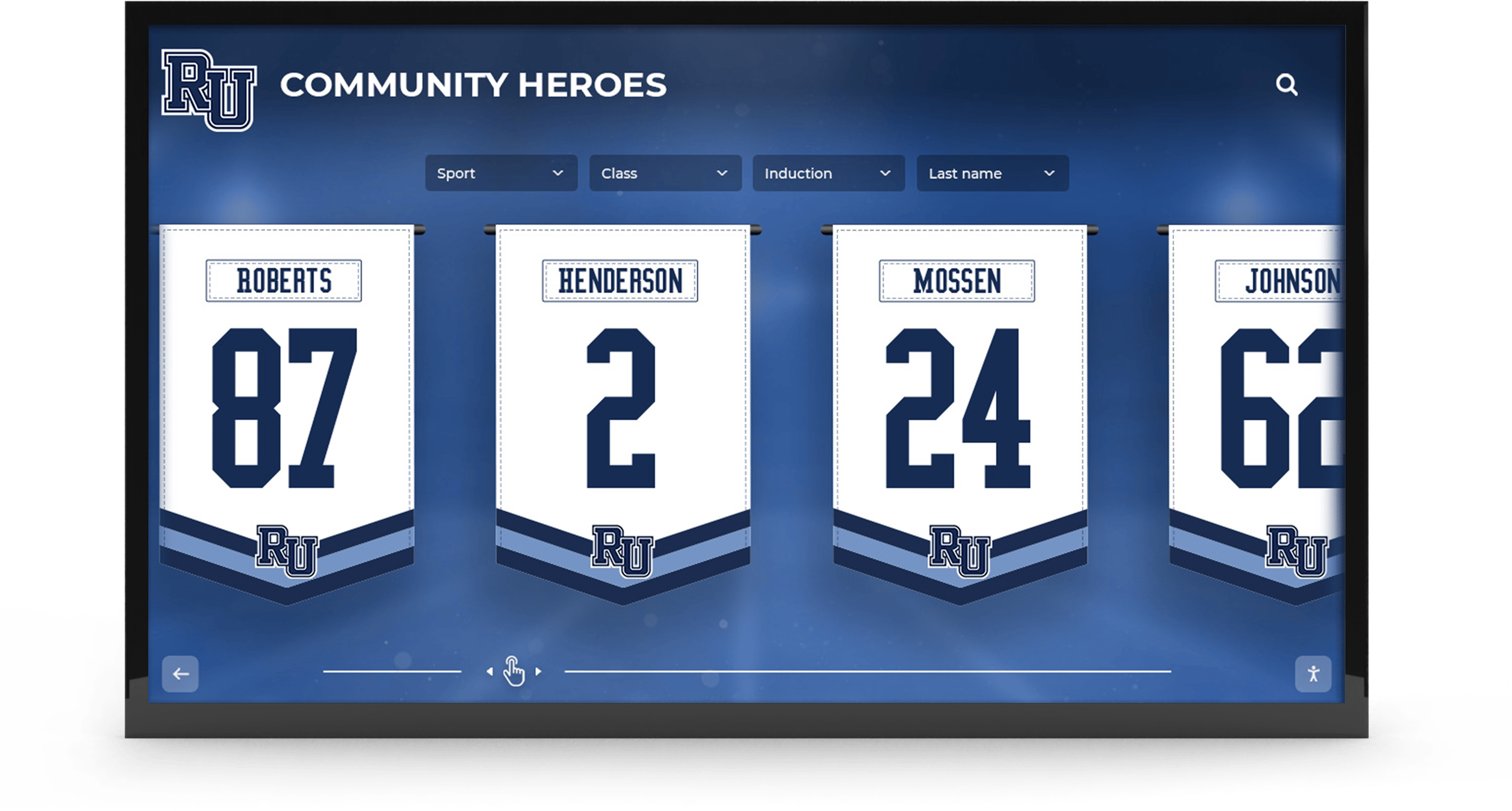
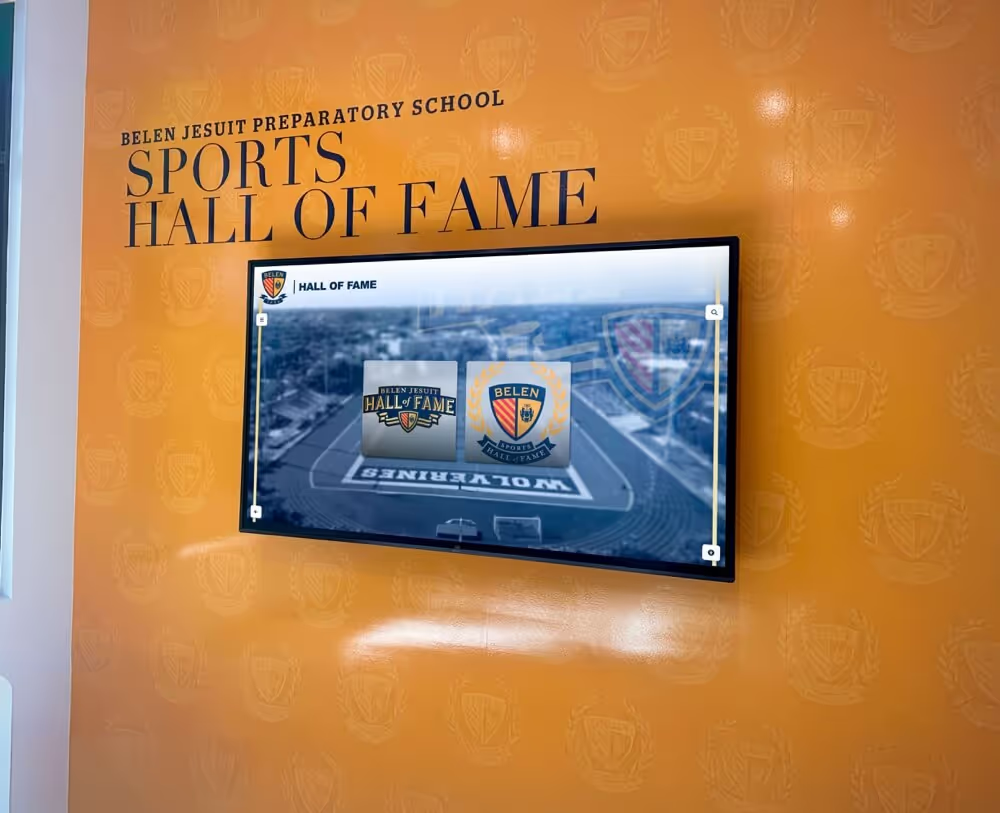
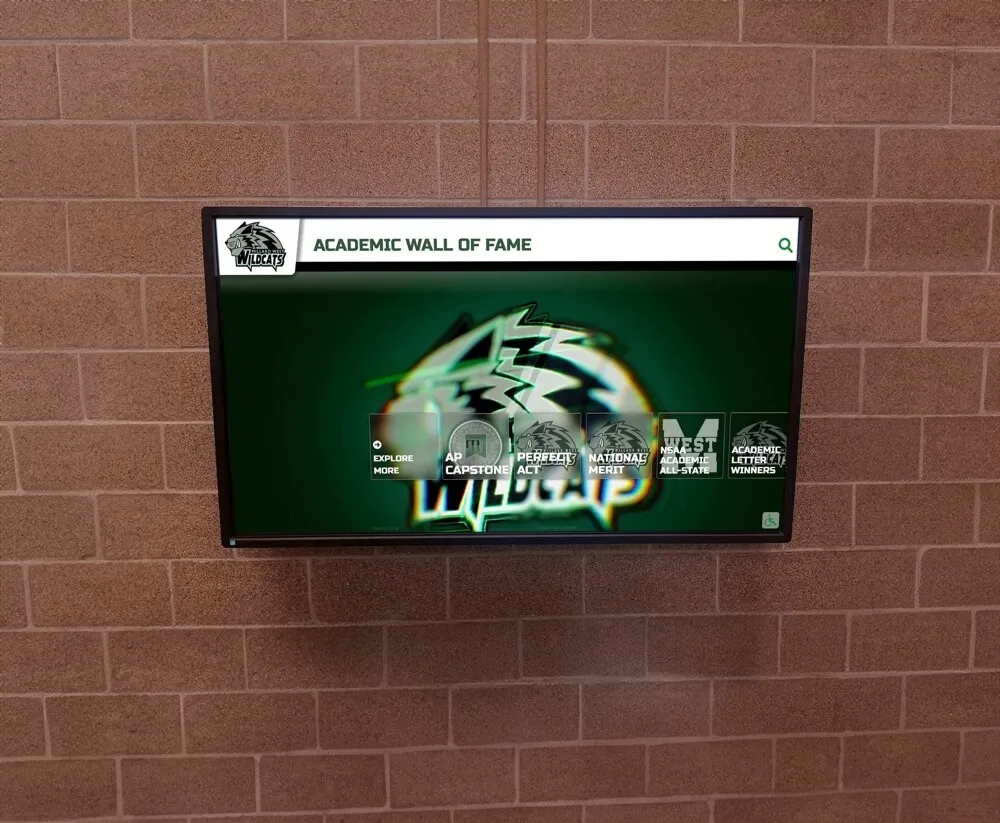
Modern [digital recognition systems](https://best-touchscreen.com/blog/100-youth-sports-awards-ideas/?utm_source=organic&utm_medium=seo-auto&utm_content=digitalwarming&utm_campaign=volleyball-awards-ideas&utm_term=seo) enable creative presentation celebrating diverse volleyball contributions
Creative and Fun Volleyball-Specific Awards
Beyond traditional categories, creative recognition adds personality and fun to award ceremonies while celebrating aspects of team culture that contribute to positive volleyball experiences.
Best Team Celebration Award
Volleyball naturally generates exciting celebration moments after successful plays, and recognizing creative or enthusiastic celebrations adds fun to award ceremonies. This might honor the player who created the most memorable celebration routines, the athlete whose genuine enthusiasm elevated team energy, or the individual who developed signature celebration moves teammates adopted.
While lighthearted, this recognition validates that joy and enthusiasm enhance team culture and competitive success. Players who maintain visible passion and celebration create infectious energy benefiting entire programs.
Best Serve Routine Award
Volleyball servers often develop distinctive pre-serve routines—some bounce the ball specific numbers of times, others have elaborate movements they complete before every serve, some engage in quick breathing exercises, and others perform superstitious rituals they believe improve serving success.
Recognizing the most distinctive or entertaining serve routine celebrates individual personality while acknowledging the mental preparation serving requires. This fun recognition typically generates laughter during ceremonies while validating that pre-serve routines serve important psychological purposes for many players.
Best Pre-Match Playlist/DJ Award
Music plays significant roles in team culture, with many teams designating players responsible for warmup playlists or bus ride music selections. Recognizing the athlete who provided best music selections celebrates contribution to team atmosphere and morale.
This lighthearted award acknowledges that positive team experiences extend beyond court performance to include social connections, shared experiences, and environmental factors like music that influence team chemistry and enjoyment.
Best Team Communicator Award
Effective volleyball requires constant communication—calling balls, identifying defensive positions, directing serve receive patterns, and coordinating coverage. The Best Communicator award recognizes the player whose verbal leadership most effectively organized teammates and maintained court communication.
While presented somewhat playfully as recognizing the “loudest” or “most vocal” player, this award actually celebrates genuine leadership through communication—one of volleyball’s most essential but sometimes overlooked skills. Strong communicators make everyone around them better by ensuring teammates always know positioning, responsibilities, and tactical adjustments.
Highlight Reel/Spectacular Play Award
Highlight recognition celebrates players who created most memorable individual moments—spectacular defensive saves, powerful kills that brought crowds to their feet, perfectly executed attacks off challenging sets, or remarkable athletic plays defining seasons. This acknowledges that volleyball creates unforgettable moments transcending statistics.
Presenting this award with actual video highlights creates entertaining ceremony moments while honoring spectacular athletic achievements. Programs implementing digital recognition systems with multimedia capabilities can preserve highlight moments permanently within athlete profiles, creating lasting records of remarkable performances.
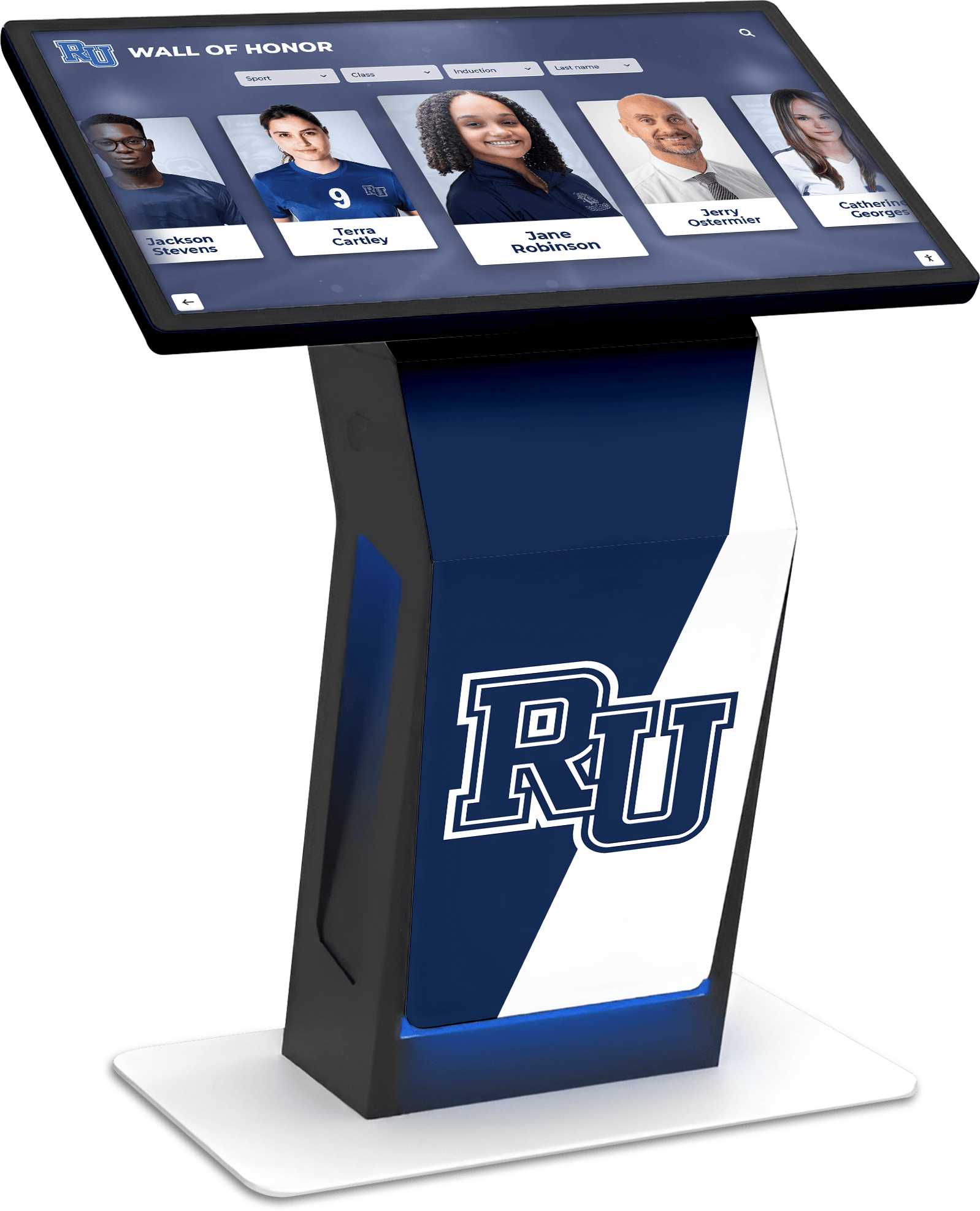
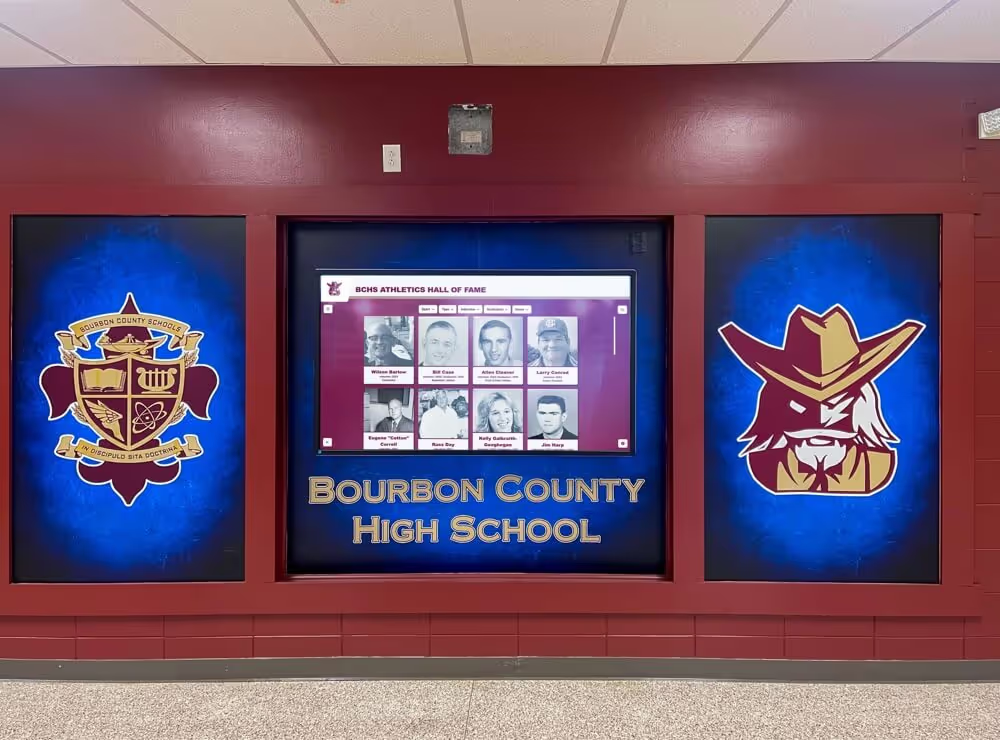
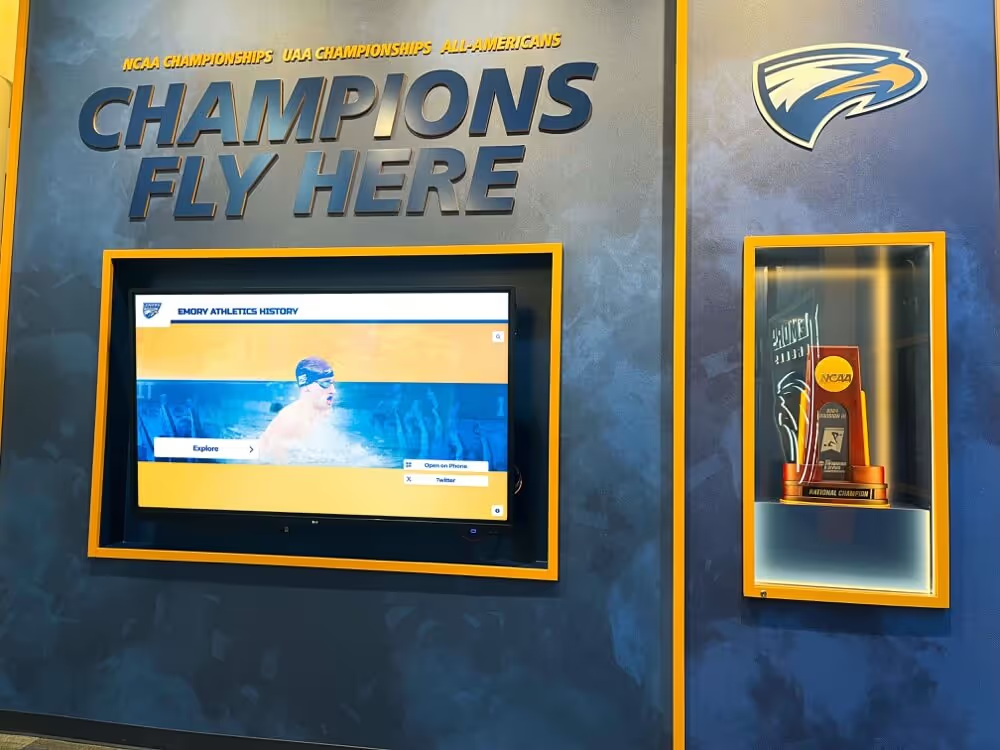
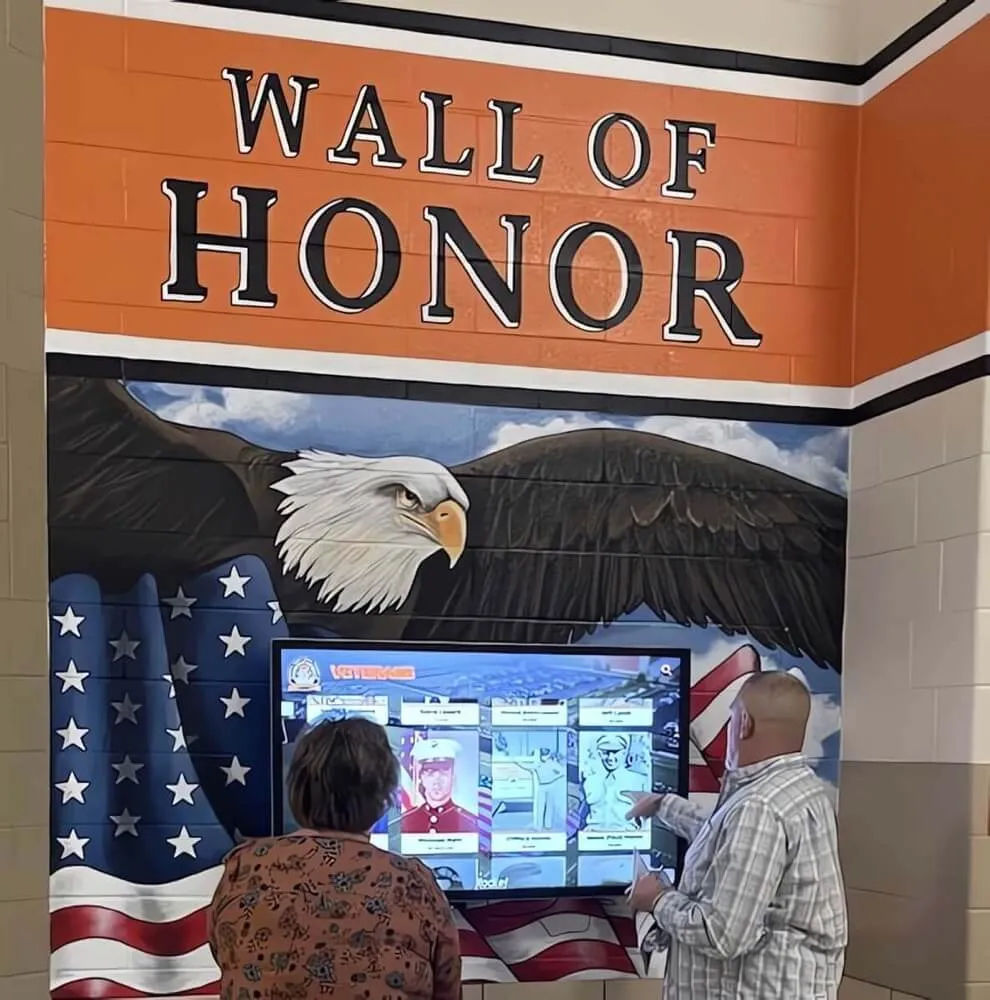
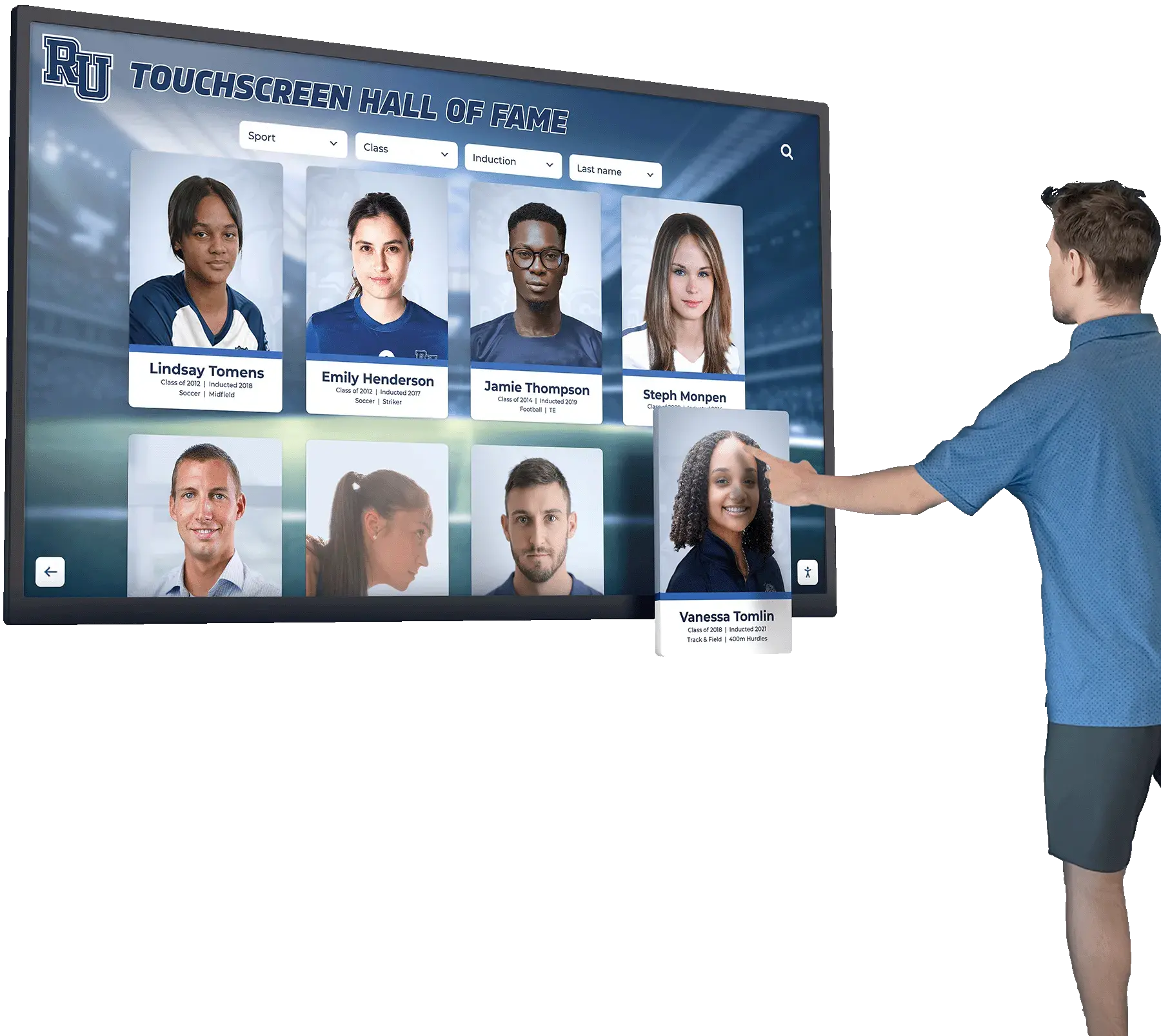
Professional recognition installations create engaging celebration experiences while preserving volleyball achievements permanently
Team-Based and Collective Recognition
While individual awards celebrate personal achievement, team-based recognition honors collective success and shared accomplishment.
Team Championship and Achievement Awards
Championship Recognition
Championship trophies represent ultimate team recognition, celebrating conference titles, tournament victories, or championship competitions. Championship recognition becomes central to program tradition and pride, with teams often displaying these trophies prominently while referencing championship seasons for years.
Even teams not winning championships can celebrate significant team achievements like reaching playoffs for first time, achieving winning records after rebuilding seasons, defeating rival programs, or exceeding preseason expectations. Recognizing these meaningful team accomplishments validates collective effort and progress.
Team Statistical Excellence
Some programs recognize team statistical achievements like best team hitting percentage across the season, most improved team defense measured by opponent hitting percentage, best serve receive efficiency ratings, most aces generated collectively, or fewest total errors reflecting consistent execution.
These team statistical awards celebrate collective performance rather than individual contributions, reinforcing that volleyball success requires coordinated excellence across all players and rotations.
Best Team Chemistry Award
Chemistry recognition honors teams demonstrating exceptional cohesion, cooperation, and collective spirit regardless of competitive record. This validates that positive team culture matters independently of wins and losses.
Selection might consider team bonding evident in genuine friendships, supportive environment where all players felt valued, resilience through adversity maintaining positivity during challenges, celebration of collective success over individual recognition, and inclusive dynamics across different social groups and skill levels.
Best Chemistry awards communicate that how teams function socially and emotionally matters as much as technical volleyball skills and tactics. Programs building strong chemistry create environments where all participants thrive.
Senior Class Legacy Award
For high school and college programs, recognizing the collective contribution of graduating senior classes creates meaningful acknowledgment of their complete impact. This award celebrates seniors’ leadership establishing team culture and standards, competitive achievements across their careers, program building through recruiting or advocacy, tradition establishment creating lasting program elements, and mentorship developing younger players.
Senior Class Legacy recognition helps departing athletes understand their collective impact while providing closure as they transition beyond playing careers. This acknowledgment typically proves deeply meaningful for seniors who invested years in building programs.
Implementing Effective Volleyball Award Programs
Understanding award categories matters little without thoughtful selection processes and meaningful presentation approaches.
Developing Fair Selection Criteria
Award credibility depends on fair selection based on clear criteria established before seasons begin.
Balancing Statistics and Intangibles
Volleyball statistics provide valuable objective data but don’t capture complete contributions. Effective selection processes incorporate statistical analysis (performance metrics appropriate to positions and roles), coach assessment (professional judgment about complete contributions), peer input (team perspectives on leadership and teammate qualities), and specific achievement documentation (memorable performances, crucial moments, consistent excellence).
This multi-dimensional approach prevents purely statistical selection ignoring intangible contributions while avoiding entirely subjective processes potentially appearing biased.
Documenting Selection Rationales
Coaches should document specific reasons supporting award selections—performance examples, statistical evidence, character demonstrations, and peer feedback. Documentation helps coaches defend selections if questioned while creating historical records supporting program integrity.
Written rationales also help coaches prepare meaningful presentation speeches explaining exactly why recipients earned recognition rather than offering generic congratulations.
Creating Memorable Award Presentations
Presentation format significantly affects recognition impact and memorability.
Personalized Presentation Speeches
Generic award presentations—simply announcing recipients without context—miss opportunities to create meaningful recognition moments. Effective presentations include detailed explanations of why recipients earned recognition, specific examples of contributions or qualities being honored, stories illustrating recipients’ impacts on teams, statistical context for performance awards when applicable, and involvement of teammates or captains in presenting or acknowledging recipients.
These personalized presentations transform trophy distribution into meaningful tributes resonating emotionally with recipients and creating lasting memories. Consider asking assistant coaches, team captains, or teammates to share brief comments about award recipients, adding peer perspectives to coach recognition.
Award Ceremony Formats and Timing
Traditional team banquets provide dedicated time for comprehensive recognition without competition pressure. Effective banquets balance formal recognition with social celebration, include family members creating community experiences, provide coach speeches and athlete acknowledgments, and create elevated atmospheres signaling recognition significance.
Some programs present certain awards immediately following season conclusions during final team gatherings rather than waiting for formal banquets. Senior-specific awards might occur during senior night ceremonies. Balance in-season and banquet recognition based on what creates most meaningful experiences for athletes and families.
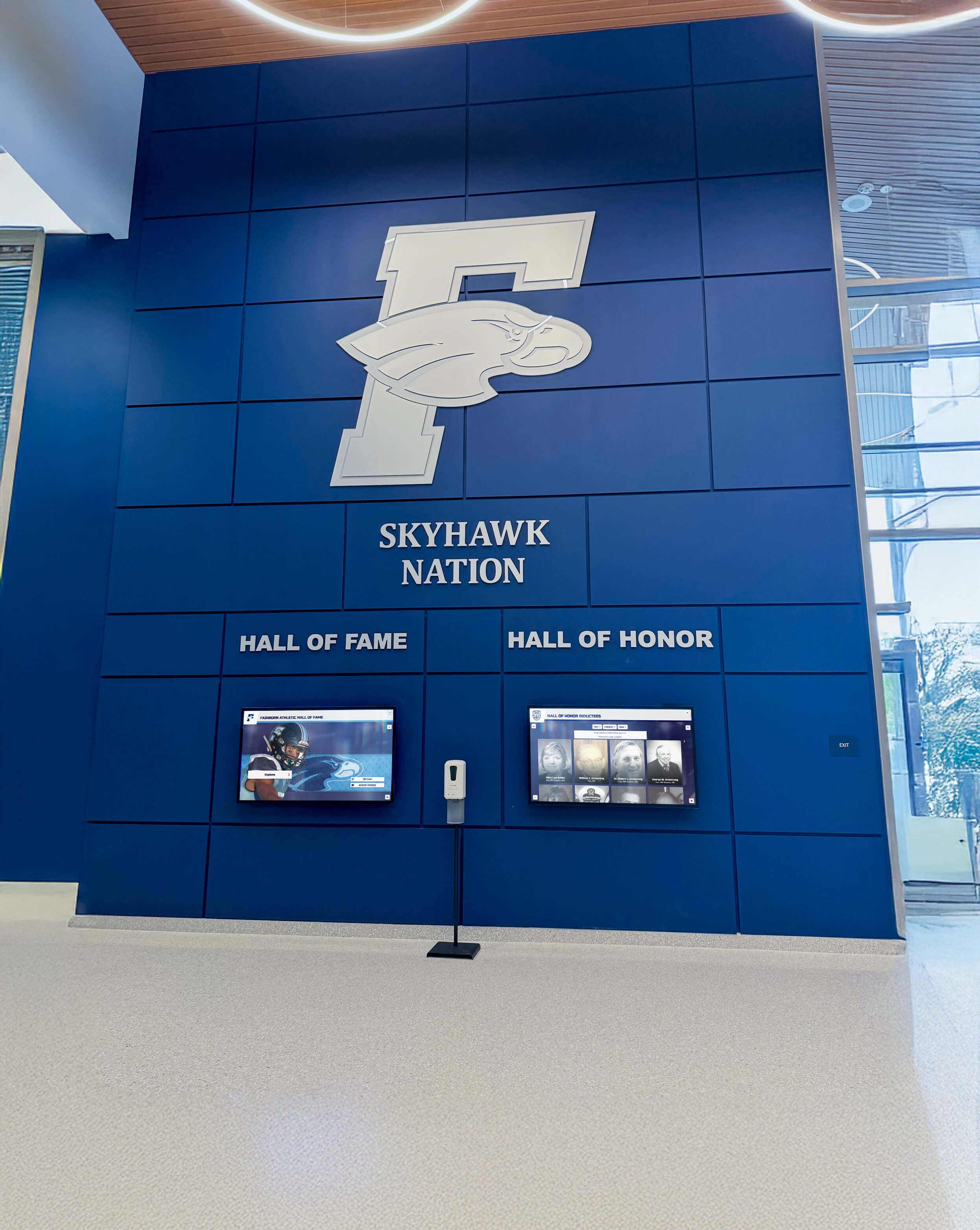
Permanent recognition installations create year-round celebration environments while providing frameworks for [season-ending award ceremonies](https://halloffame-online.com/blog/sports-banquet-ideas/?utm_source=organic&utm_medium=seo-auto&utm_content=digitalwarming&utm_campaign=volleyball-awards-ideas&utm_term=seo)
Preserving Volleyball Recognition Through Digital Systems
Award ceremonies create meaningful moments, but recognition value extends when achievements receive permanent accessible preservation beyond physical trophies.
Beyond Physical Trophies and Plaques
Physical awards serve important symbolic functions but face inherent limitations including space constraints as decades of awards accumulate, visibility limitations once awards leave display or athletes’ homes, minimal context limited to what fits on trophy engravings, and eventual disposal as trophies collect dust in storage.
Digital Recognition Advantages
Digital systems like Rocket Alumni Solutions overcome physical limitations by providing unlimited capacity for historical recognition across all seasons, comprehensive athlete profiles including photos, statistics, biographical information, and award details, permanent accessibility for athletes, families, and communities regardless of physical location, searchable databases enabling award recipient discovery, and integration with current content creating living recognition remaining relevant.
These platforms transform one-time presentations into permanent recognition that alumni share decades later, current athletes explore discovering program traditions, and families revisit celebrating achievements throughout life.
Implementing Comprehensive Recognition Systems
Effective digital recognition requires systematic content development and ongoing maintenance.
Initial Historical Documentation
Begin by compiling complete lists of historical award recipients across all categories and seasons, gathering photos when available, collecting additional context (statistics, accomplishments, biographical information), and documenting awards themselves (titles, criteria, history).
Historical compilation creates baseline content while identifying gaps requiring additional research or alumni outreach to complete. Well-documented award history provides rich recognition content while preserving institutional memory.
Ongoing Award Documentation
Implement systematic processes documenting current awards immediately following presentations including high-quality ceremony photos, recording presentation speeches and athlete responses (with permission), compiling selection rationales, updating digital profiles with current recognition, and preserving physical awards through photography.
Immediate documentation while information remains readily available prevents future scrambles recreating historical records after details fade or materials are lost.
Connecting Physical and Digital Recognition
Most effective systems combine traditional physical awards with comprehensive digital preservation. Athletes receive physical trophies creating tangible recognition and ceremony moments. Physical awards connect to digital profiles through QR codes enabling extended exploration of achievement details beyond what fits on physical recognition.
Display cases can include QR codes linking to complete digital recognition systems, transforming static displays into gateways for comprehensive interactive exploration of athletic achievement and award history.
Engaging Communities Through Recognition
Digital recognition extends beyond athletes to engage broader communities in celebrating volleyball achievement.
Social Sharing and Alumni Connection
Digital recognition enables easy social sharing by athletes, families, and programs. When athletes share comprehensive profiles showcasing achievements—including award details, career statistics, photos, and biographical information—they extend recognition reach throughout personal networks.
Award recognition creates natural alumni engagement opportunities where former recipients explore historical profiles, discover which teammates earned recognition in past seasons, submit current life updates and photos, and maintain connections to programs through ongoing recognition engagement.
Inspiring Current Athletes
When current players easily explore historical award recipients and program achievements, they discover role models and inspiration connecting them to program traditions. An outside hitter learning about former Most Valuable Player award winners sees possible pathways toward similar recognition. A libero discovering that alumni who won Defensive Player awards developed into college athletes understands that specialized role recognition predicts future success.
Historical connection builds program pride while motivating contemporary excellence. Athletes want to earn recognition placing them among distinguished predecessors they respect and admire.
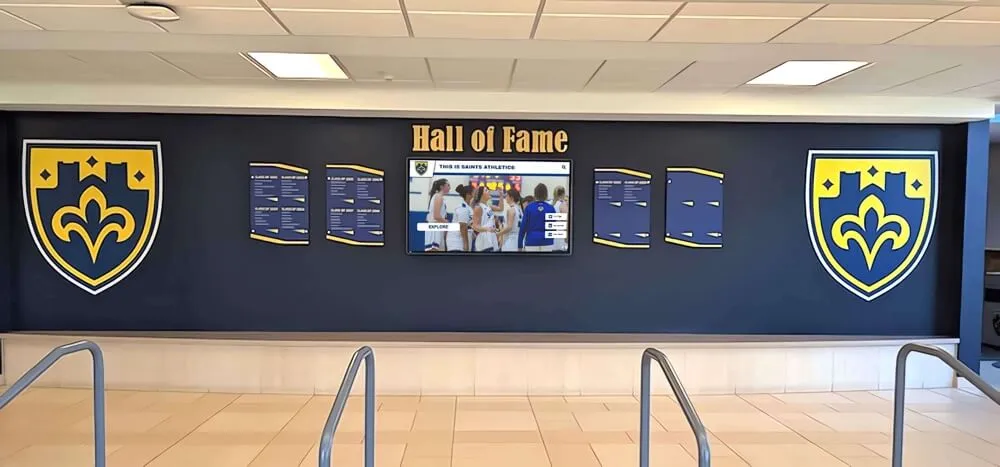
Integrated recognition systems combine traditional honorary elements with digital technology creating engaging [volleyball achievement celebration](https://toucharchives.org/blog/wrestling-awards-ideas-creative-recognition-wrestling-team/?utm_source=organic&utm_medium=seo-auto&utm_content=digitalwarming&utm_campaign=volleyball-awards-ideas&utm_term=seo)
Age-Appropriate Volleyball Recognition
Effective volleyball awards differ across age groups, with recognition approaches appropriate for youth programs varying from high school and college team celebrations.
Youth and Recreational Volleyball Recognition
Young athlete celebrations benefit from inclusive recognition approaches emphasizing participation, effort, and enjoyment rather than exclusive competitive achievement focus.
Participation-Based Recognition for Youngest Players
Elementary and early middle school programs benefit from ensuring every athlete receives acknowledgment celebrating their season. Award categories might emphasize best friend to teammates, most helpful at practice, best listener, most improved fundamental skills, best smiler showing consistent joy, most enthusiastic participant, and best practice attendance.
These categories create recognition opportunities for every child while teaching values supporting long-term development and continued participation. As athletes mature into competitive middle school and high school programs, shift toward achievement-based recognition while maintaining character categories ensuring diverse athletes find recognition pathways.
High School Volleyball Recognition
High school programs warrant comprehensive recognition matching the significance of these important athletic experiences.
Comprehensive Achievement Celebration
High school recognition spans diverse elements including competitive achievement (Most Valuable Player, position-specific awards, statistical leaders), character recognition (Coaches Award, Sportsmanship, Leadership), development celebration (Most Improved, Rising Star), team culture acknowledgment (Best Teammate, Team Spirit), and senior legacy recognition connecting graduates to program history.
High school volleyball recognition should feel sophisticated and significant matching the importance of these formative athletic experiences while celebrating the full breadth of accomplishment across multiple achievement domains.
College and Travel Team Recognition
Competitive programs at college and elite travel team levels require sophisticated recognition approaches balancing individual excellence with team achievement.
Elite Program Recognition Strategies
Highly competitive programs might implement conference or league recognition (all-conference selections, defensive team honors, offensive team recognition), tournament and championship awards, position-specific excellence across multiple categories, statistical achievement requiring documentation of comprehensive performance metrics, and academic achievement integration recognizing student-athlete balance.
College programs increasingly rely on digital recognition platforms providing comprehensive athlete profiles supporting recruiting, alumni engagement, and program promotion while preserving award history permanently.
Conclusion: Building Volleyball Programs Through Meaningful Recognition
Volleyball awards serve purposes extending far beyond ceremony trophy distribution. Thoughtfully designed recognition programs motivate sustained athlete effort, reinforce program values and culture, create lasting memories athletes carry throughout life, inspire current participants through historical example, engage families and communities in celebrating achievement, and build proud traditions connecting generations of players through shared program identity.
The creative volleyball awards ideas explored throughout this guide provide starting points for comprehensive recognition honoring diverse contributions—from Most Valuable Player awards celebrating overall excellence to Unsung Hero recognition validating behind-the-scenes contributions, from Most Improved awards acknowledging development to Leadership recognition honoring character and influence, from position-specific awards celebrating specialized roles to team chemistry acknowledgment reinforcing collective success.
Effective programs balance traditional competitive achievement awards with character recognition, improvement celebration, and team culture acknowledgment—ensuring every player finds potential recognition pathways for unique contributions while exceptional performance receives appropriate spotlight. Beyond selecting appropriate awards, presentation quality determines recognition impact through personalized speeches with specific examples, emotional context creating meaningful moments, and teammate involvement generating authentic celebration.
Modern volleyball recognition extends beyond single ceremonies through digital systems preserving award history permanently and accessibly. Solutions like Rocket Alumni Solutions enable programs to create comprehensive recognition combining meaningful ceremony presentations with permanent digital celebration accessible to athletes, families, and alumni communities indefinitely—creating the “warming” effects that transform temporary recognition into lasting program pride and connection.
Your volleyball players invested countless hours in practice and competition, demonstrated dedication through adversity, contributed to team success in diverse ways, and represented your program throughout seasons. They deserve recognition matching the significance of their commitment—thoughtful award selection honoring varied contributions, meaningful presentations creating lasting memories, and permanent preservation ensuring their achievements inspire future athletes while remaining accessible throughout their lives.
Ready to create volleyball recognition programs that truly honor athletic achievement while building lasting program pride and tradition? Explore how comprehensive digital recognition platforms preserve award history, engage communities, and transform end-of-season recognition into permanent celebration connecting generations of volleyball athletes through shared traditions of excellence.