



Intent: demonstrate — Traditional donor recognition reaches its breaking point when physical plaques run out of space, engraving costs accumulate, and supporters wait months for acknowledgment that matters to them. Organizations committed to celebrating every contributor discover that conventional approaches force difficult choices about whose generosity receives visibility and whose disappears into printed lists nobody reads. These space-constrained, expensive, and inflexible methods undermine the very gratitude they’re meant to express.
Virtual donor walls represent a fundamental transformation in how organizations acknowledge support. These digital recognition platforms eliminate physical limitations while creating engaging experiences that honor individual generosity, build visible communities, and inspire continued giving through personalized, accessible acknowledgment extending far beyond momentary thank-you messages. Rather than donors existing as engraved names that quickly fade into background wallpaper, virtual recognition creates dynamic community spaces where supporters discover personal connections, explore compelling stories, and feel the warmth of genuine appreciation.
Solutions like Rocket Alumni Solutions enable what we call digital warming—the transformation of cold, impersonal lobbies into vibrant community spaces through continuously surfaced, personalized content that activates engagement and strengthens bonds between supporters and the missions they value. As organizations embrace hybrid and digital-first approaches, virtual donor walls complement physical touchscreen displays while extending recognition reach to global audiences impossible to serve through facility-based installations alone.
This comprehensive guide explores how virtual donor walls work, why they outperform traditional recognition methods, what features create the most impact, and how organizations across education, healthcare, nonprofits, and community sectors leverage digital recognition to build engaged supporter communities that sustain missions across years and generations.

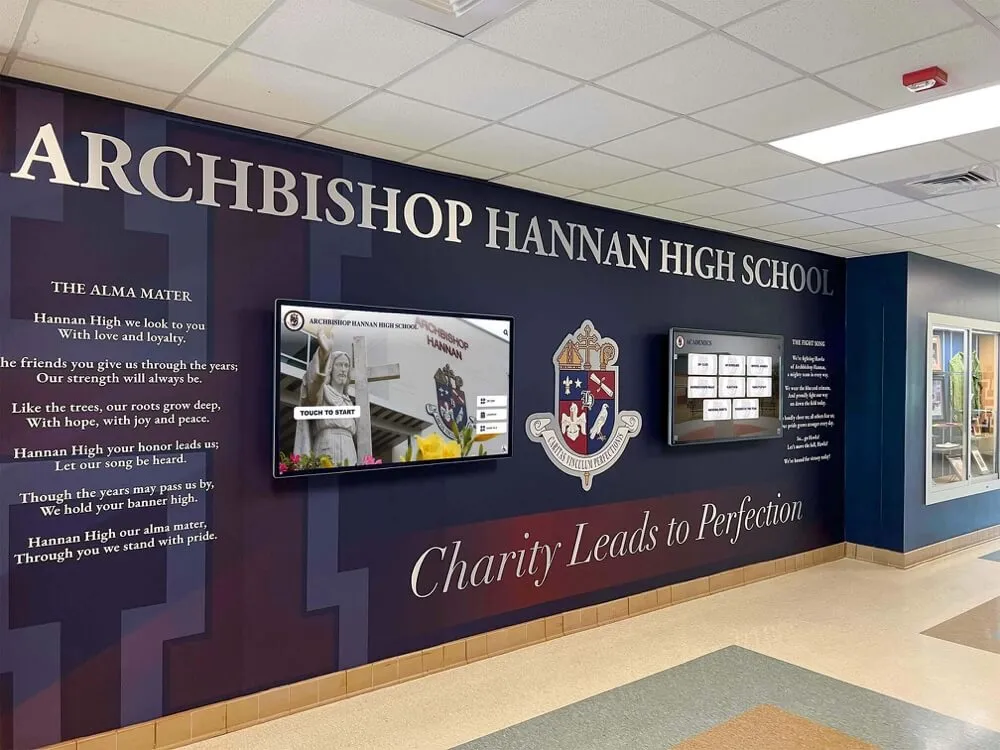
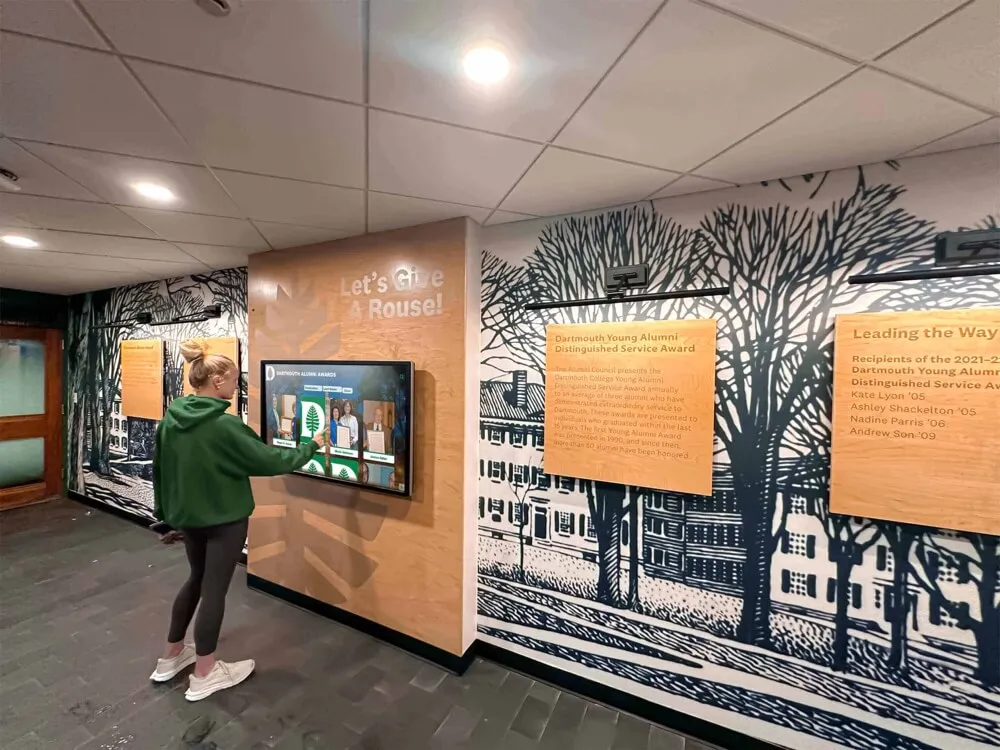
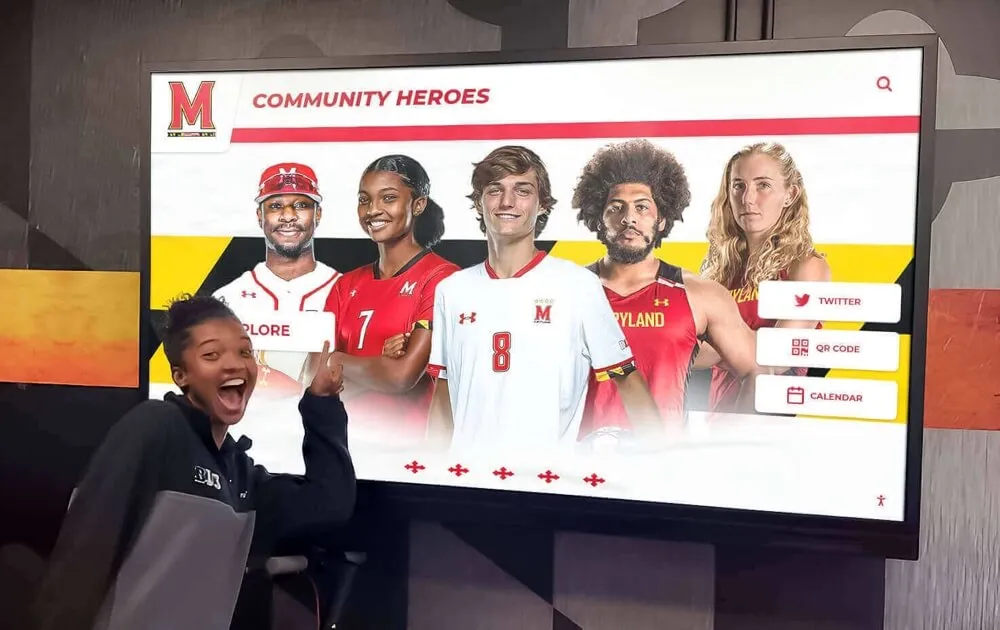
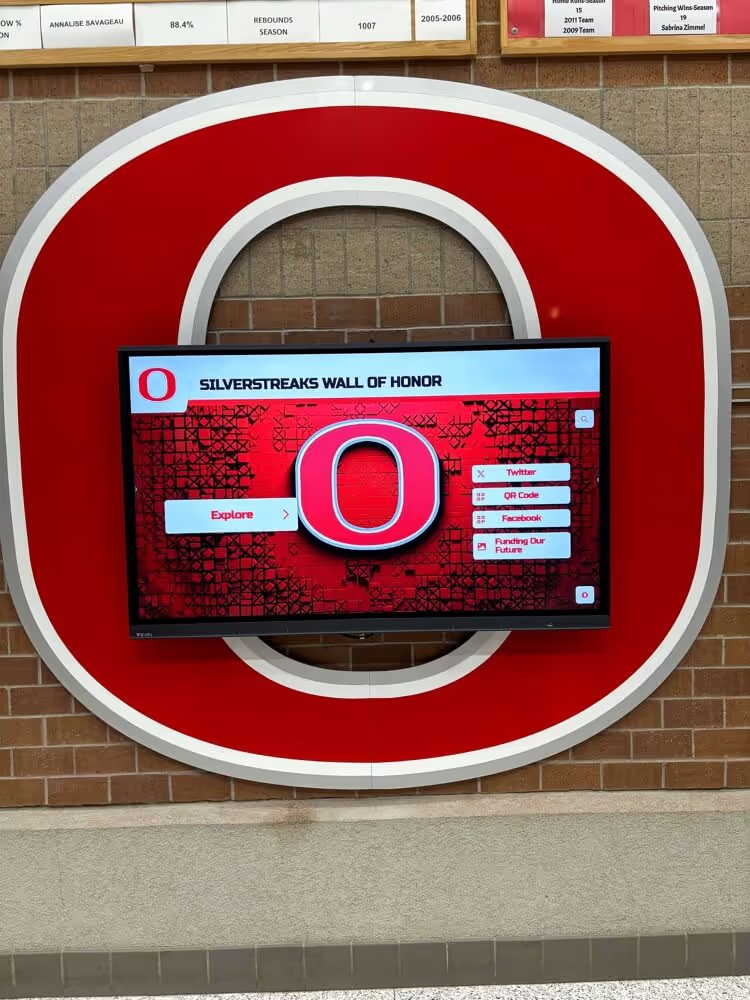
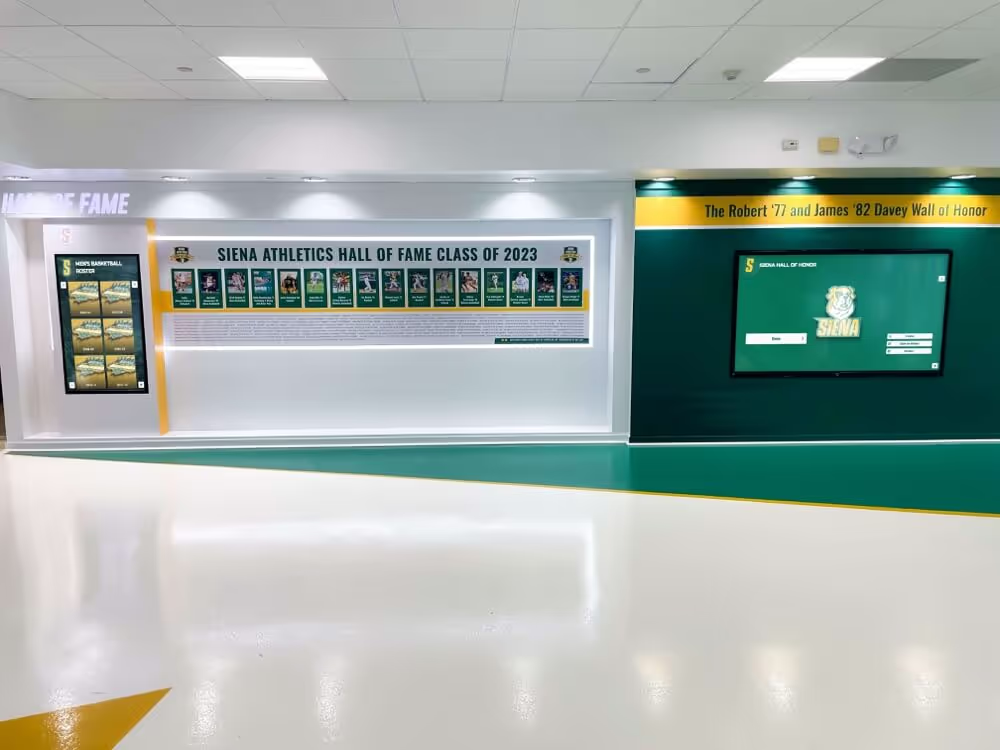
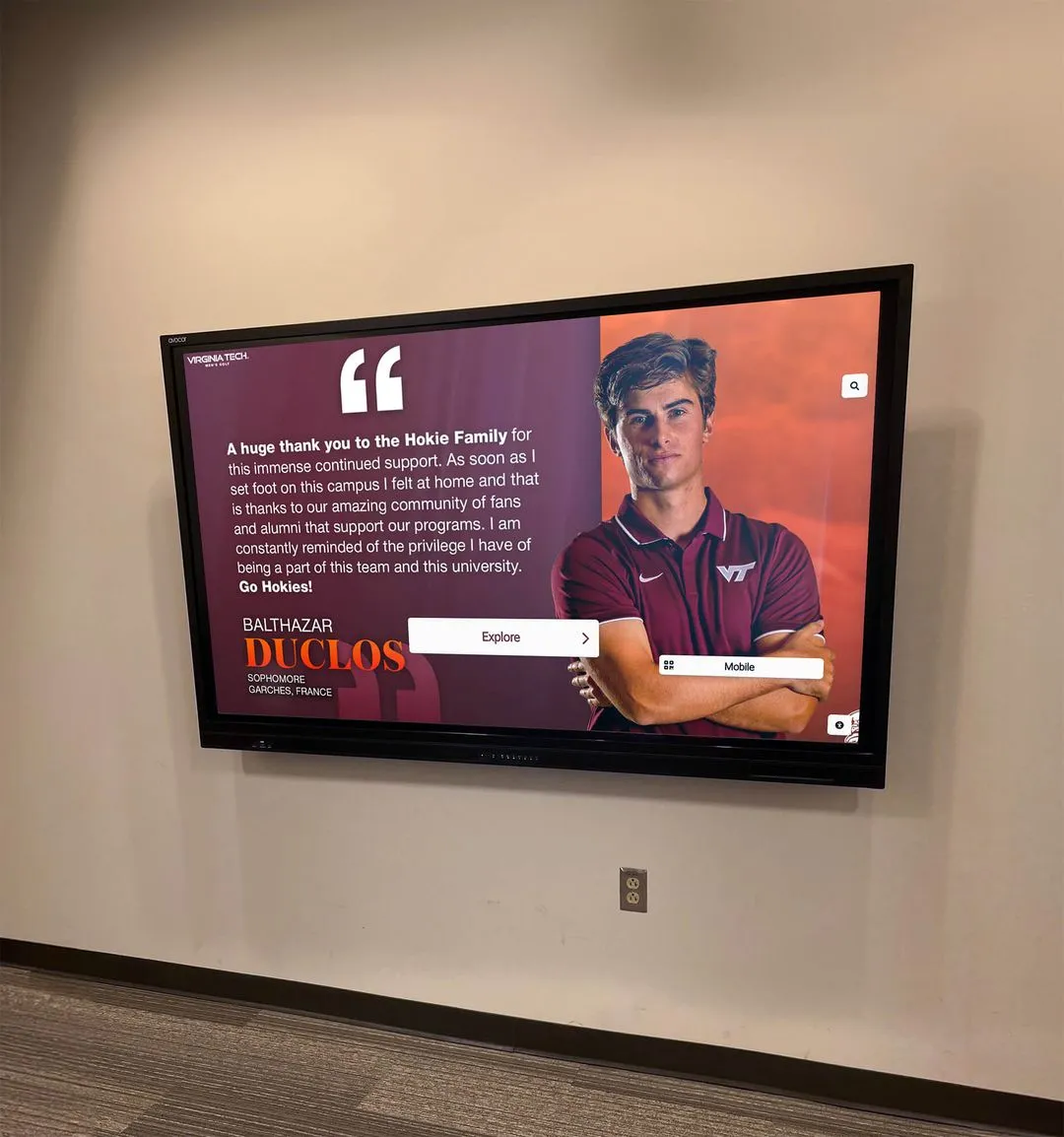
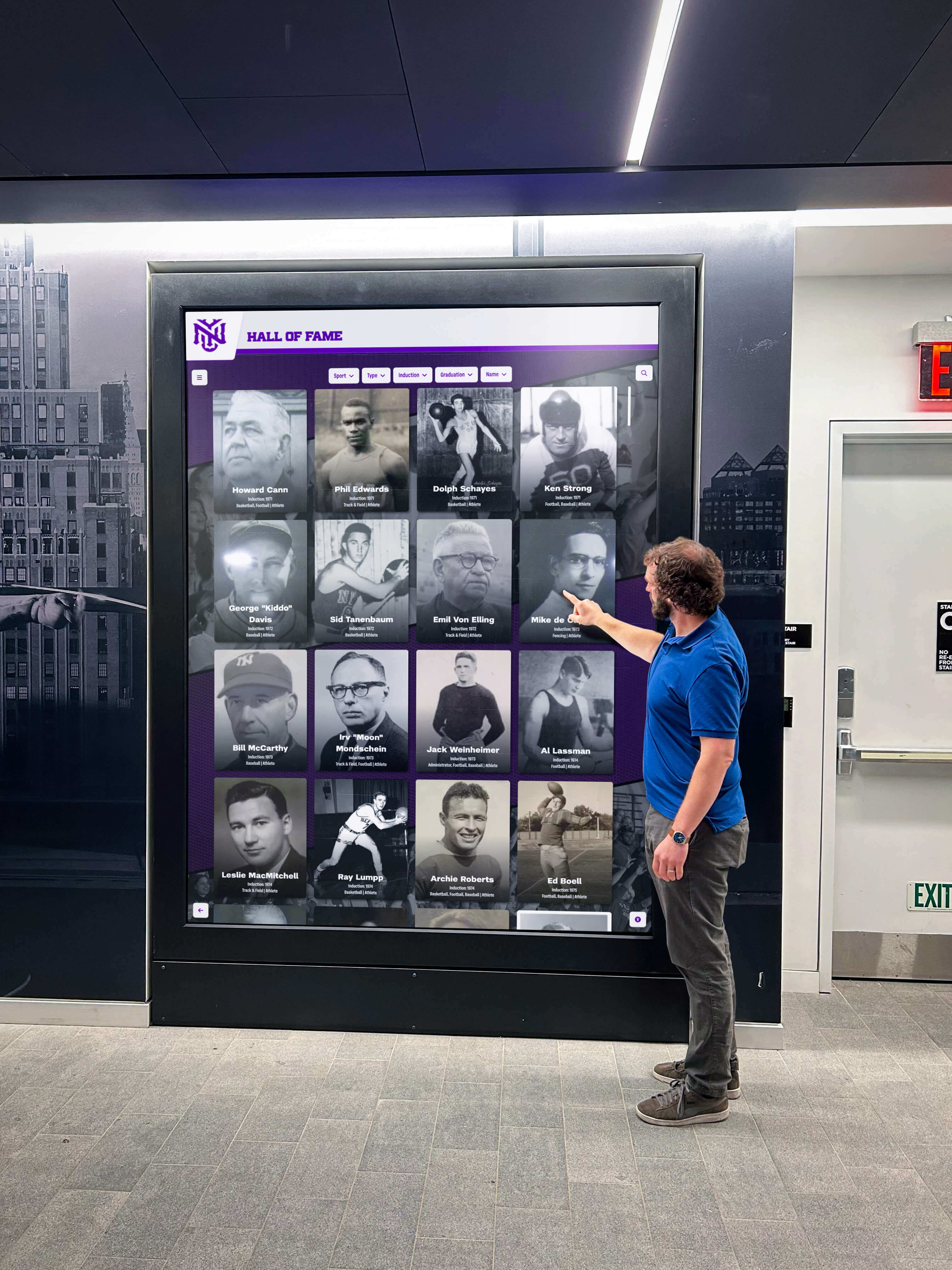
Virtual donor walls transform passive viewing into active exploration creating meaningful connections
Understanding Virtual Donor Walls: Beyond Traditional Recognition
Virtual donor walls represent cloud-based recognition platforms that celebrate supporters through digital displays, web-accessible interfaces, and interactive features fundamentally reimagining what donor acknowledgment can accomplish.
What Virtual Donor Walls Are (and Aren’t)
Clarity about virtual donor wall capabilities helps organizations make informed decisions about recognition investments.
Cloud-Based Recognition Platforms
Virtual donor walls exist as software platforms rather than physical objects. Content lives in secure cloud databases accessible through multiple touchpoints—touchscreen kiosks in institutional lobbies, responsive websites viewable on smartphones and computers, social media integration enabling sharing, and embedded displays within organizational digital properties. This multi-channel approach ensures supporters encounter recognition wherever they engage with organizations rather than only during facility visits.
Unlike simple digital signage displaying static images, virtual donor walls function as comprehensive content management systems specifically designed for recognition. Organizations upload donor information, photos, biographical content, and impact stories through intuitive interfaces, then display this content across all channels automatically without requiring separate updates to each presentation format.
Interactive Exploration Systems
The “virtual” designation emphasizes not just digital format but interactive capability enabling personalized exploration. Visitors search for specific donors by name, browse recognition societies by giving level, explore campaign communities, discover geographic connections, and investigate personal networks—creating active engagement impossible with traditional plaques displaying fixed alphabetical lists.
This searchability proves essential for large donor communities. When organizations recognize hundreds or thousands of supporters, alphabetical scrolling becomes impractical. Search and filter capabilities enable visitors to find personally relevant donors within seconds, creating discovery moments that strengthen emotional connections to supporter communities and missions.
Hybrid Physical-Digital Recognition
Many organizations implement hybrid approaches combining physical touchscreen installations with web-accessible virtual platforms. Lobby kiosks provide impressive visibility for facility visitors while web extensions ensure distant supporters, family members, and community members worldwide access recognition from personal devices. This dual-channel strategy maximizes reach while accommodating diverse stakeholder preferences and engagement patterns.
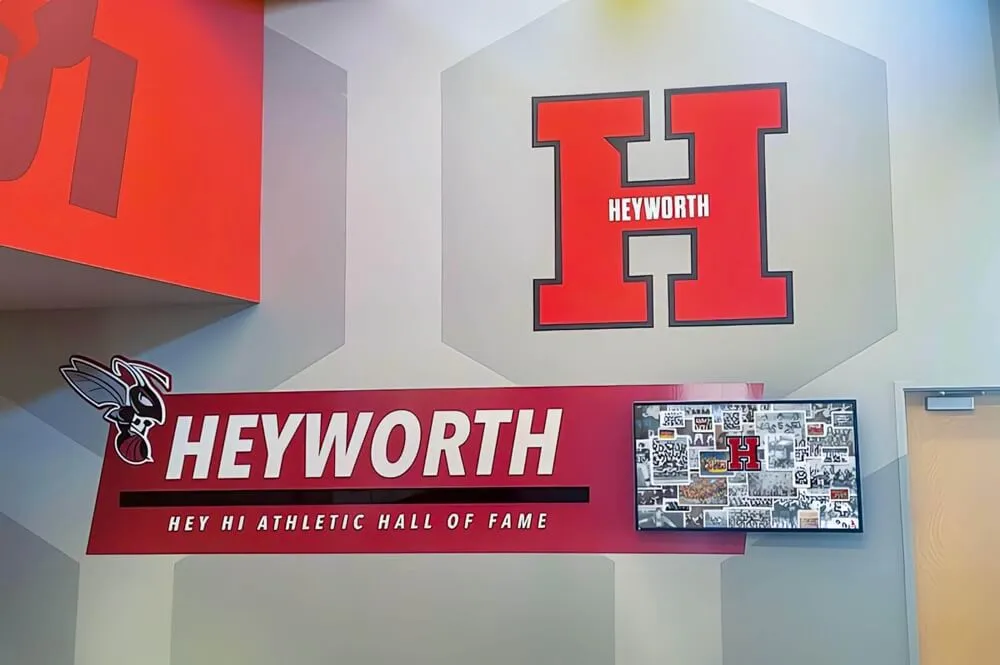
Some schools combine traditional trophy displays with virtual donor walls creating comprehensive recognition destinations honoring both athletic achievement and philanthropic support through coordinated installations.
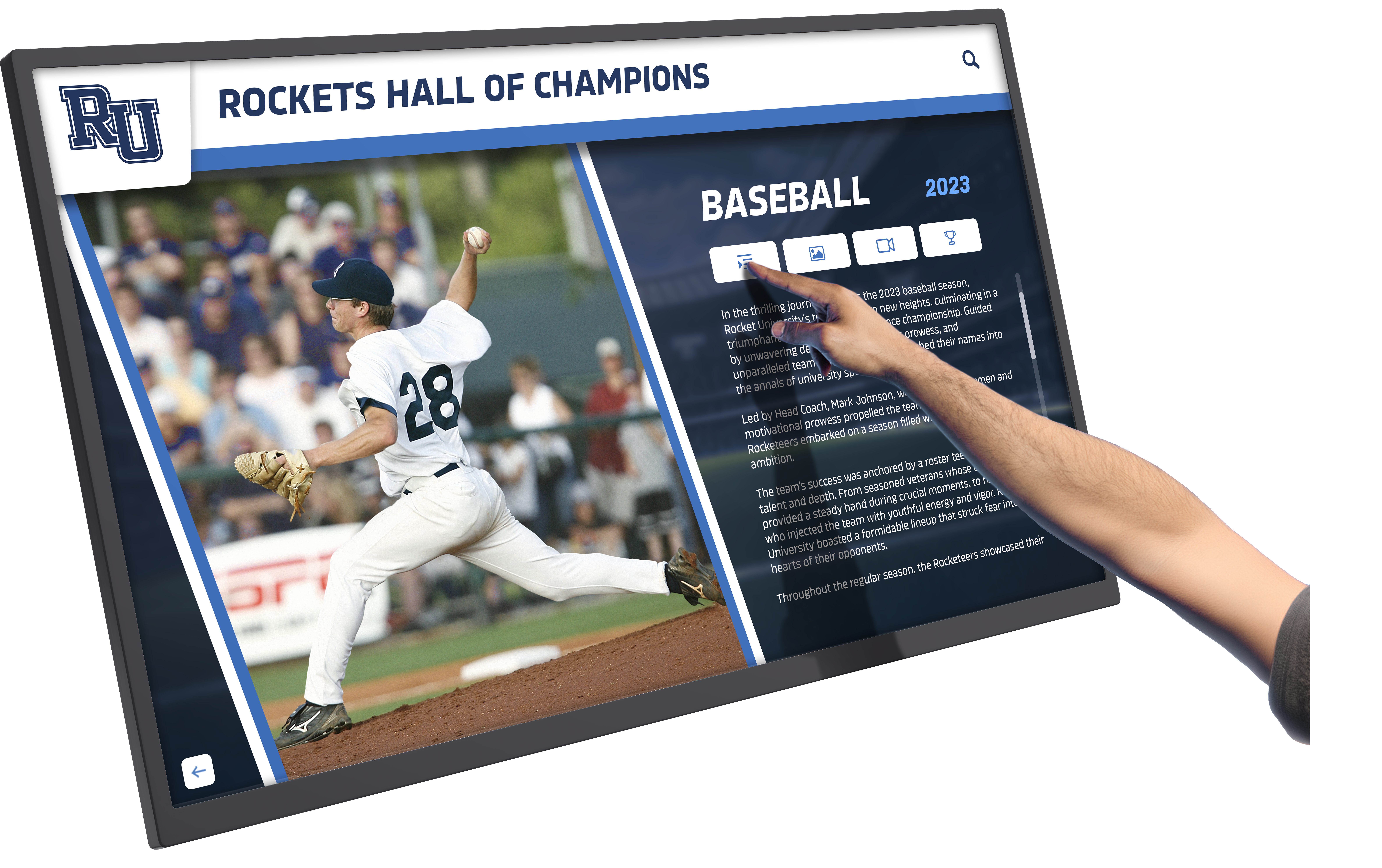
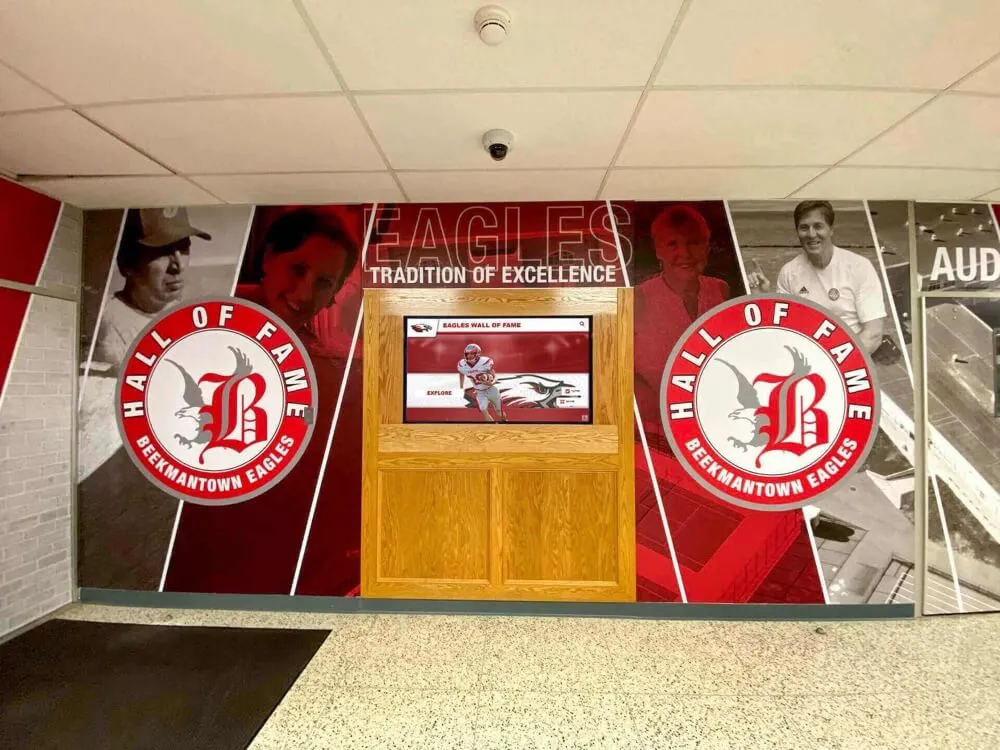
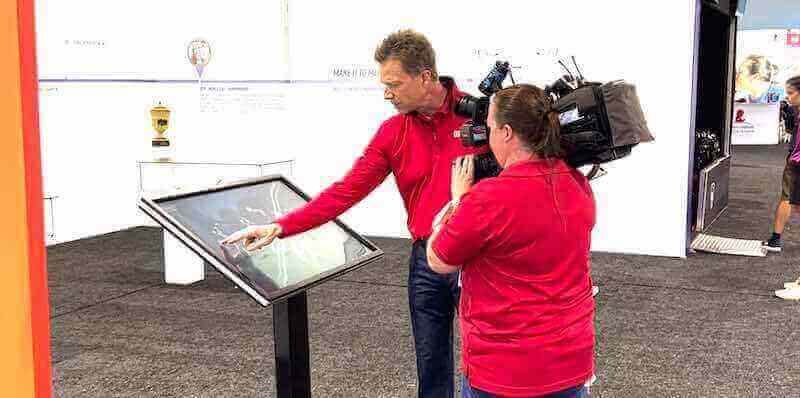
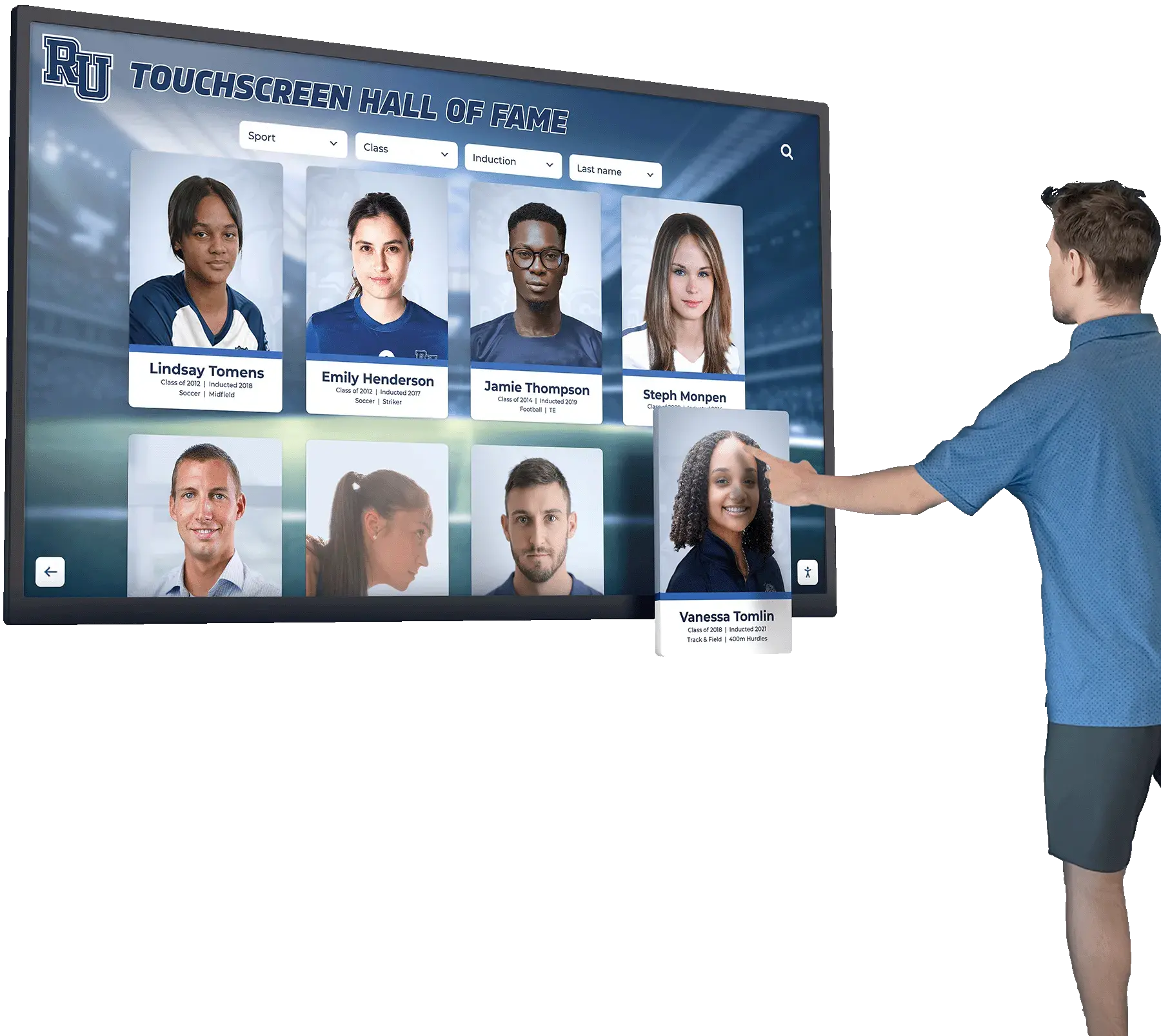
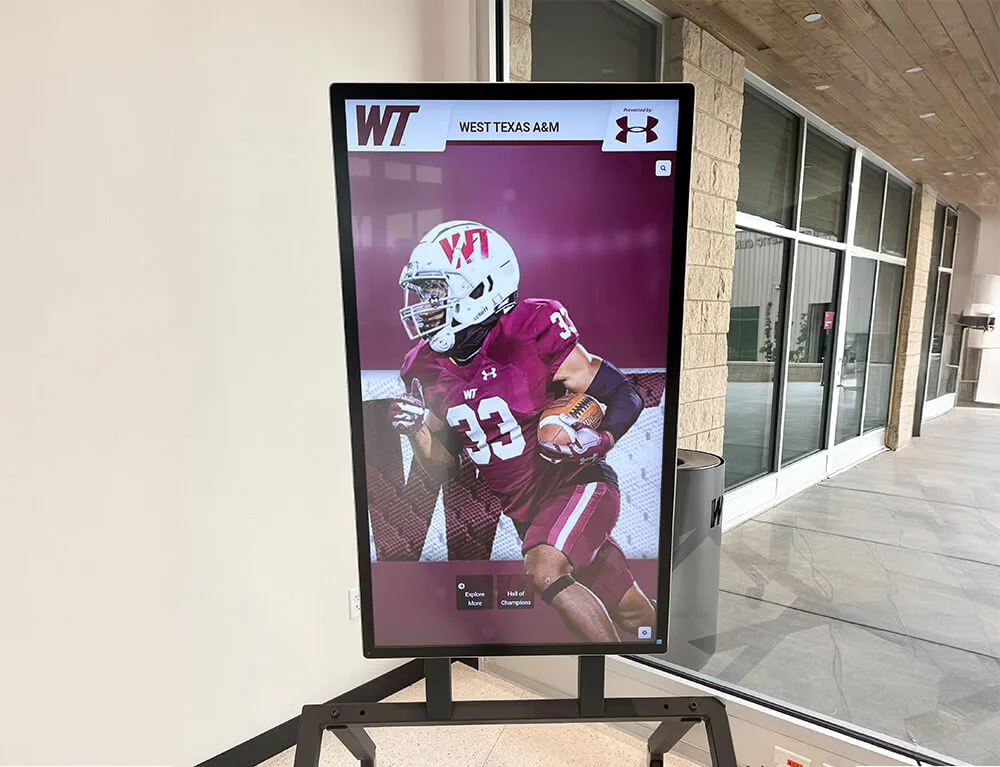
Intuitive touch interfaces make exploration natural for visitors of all ages and technical comfort levels
Key Differences from Traditional Donor Recognition
Understanding how virtual donor walls differ from conventional approaches reveals their strategic advantages.
Unlimited Capacity Versus Space Constraints
Physical donor walls accommodate finite numbers of plaques before available space fills completely. Organizations then face difficult choices: remove historical donors to accommodate current contributors, invest thousands in physical expansion, or establish minimum giving thresholds excluding grassroots supporters whose collective impact often equals major gifts.
Virtual donor walls eliminate these space constraints entirely. Platforms like Rocket Alumni Solutions accommodate unlimited donors across all giving levels without capacity limitations, performance degradation, or tiered pricing penalties based on supporter counts. Every contributor receives recognition regardless of gift size, creating inclusive communities celebrating collective impact rather than only exceptional individual generosity.
Real-Time Updates Versus Production Delays
Traditional plaque production follows time-consuming workflows: design approval, engraving manufacturing, shipping, and professional installation consuming 8-12 weeks or longer. Donors making October contributions might not see public recognition until the following spring, creating delayed gratification undermining the positive reinforcement immediate acknowledgment provides.
Virtual platforms enable recognition updates within hours or days. Cloud-based content management allows development staff to add donors, correct information, update giving levels, or enhance profiles immediately without hardware access, manufacturing delays, or installation services. This responsiveness demonstrates organizational efficiency while maintaining campaign momentum through visible growth attracting additional participation.
Rich Storytelling Versus Basic Information
Engraved plaques accommodate only names and perhaps giving levels due to space limitations and production costs. This minimal information reduces recognition to transactional acknowledgment rather than meaningful celebration honoring complete individuals and their motivations.
Virtual donor profiles support comprehensive content including professional portrait photography, personal statements explaining giving motivations, biographical narratives celebrating community connections, impact stories connecting gifts to tangible outcomes, and video testimonials bringing recognition to life through donors’ own voices. This depth transforms generic acknowledgment into compelling storytelling that inspires others while appropriately honoring generosity.
Global Accessibility Versus Location Constraints
Physical recognition serves only facility visitors—missing distant alumni, out-of-state family members, relocated donors, and prospective supporters researching organizations online before visiting campuses or facilities. This limited reach restricts recognition impact to small fractions of stakeholder communities.
Web-accessible virtual donor walls extend recognition globally. Supporters, family members, and community members worldwide explore acknowledgment from smartphones, tablets, or computers—dramatically expanding recognition reach while accommodating distributed constituencies common among educational institutions, healthcare systems, and national nonprofits serving regional populations.
Organizations implementing comprehensive digital recognition strategies maximize impact through coordinated physical and virtual touchpoints serving diverse audiences.
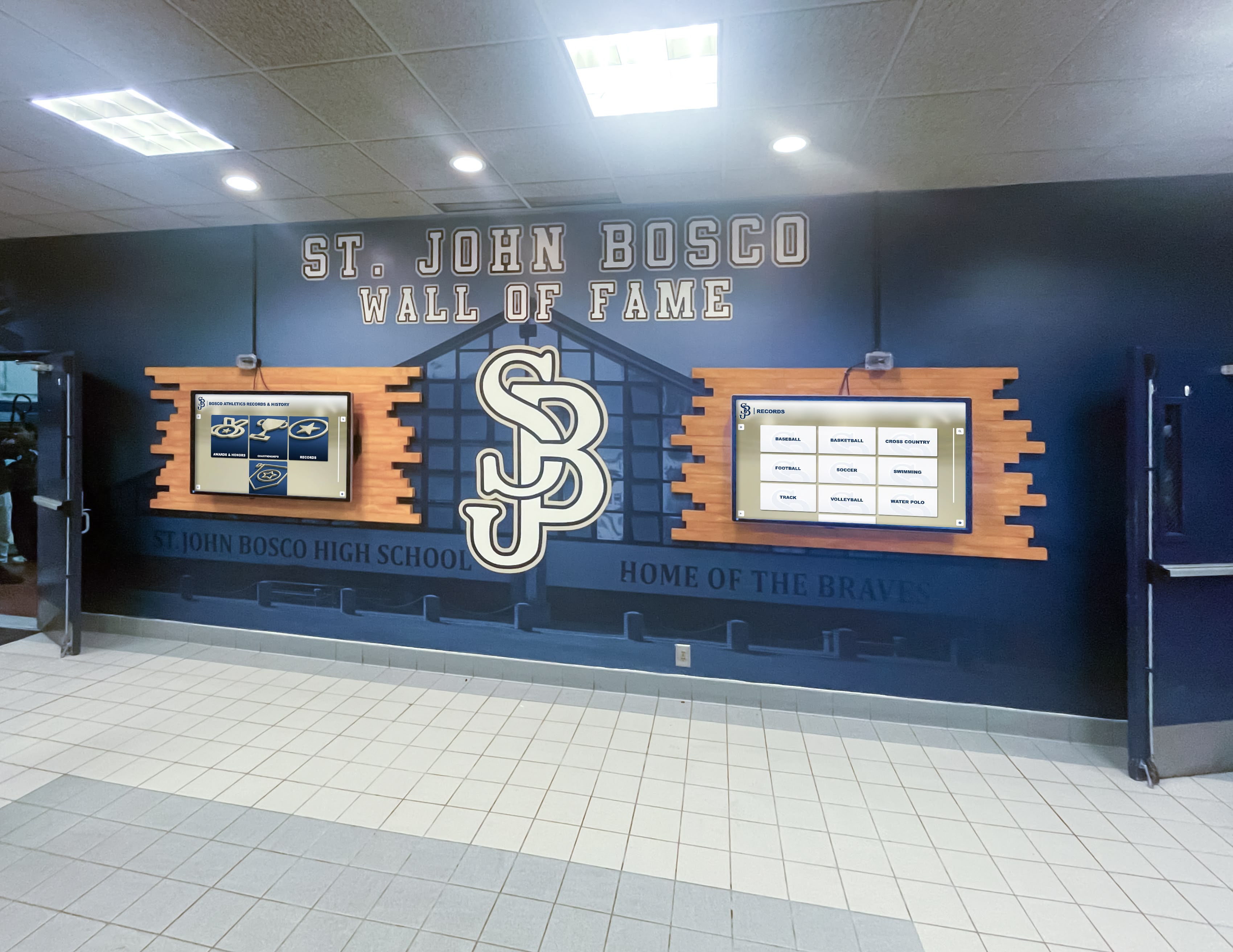
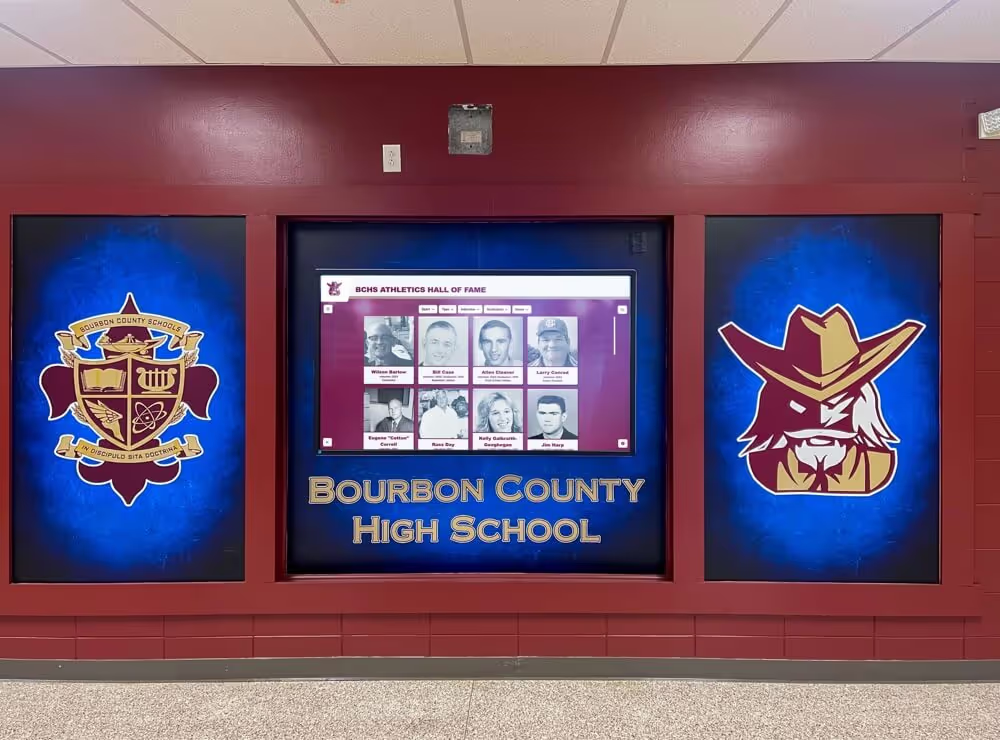
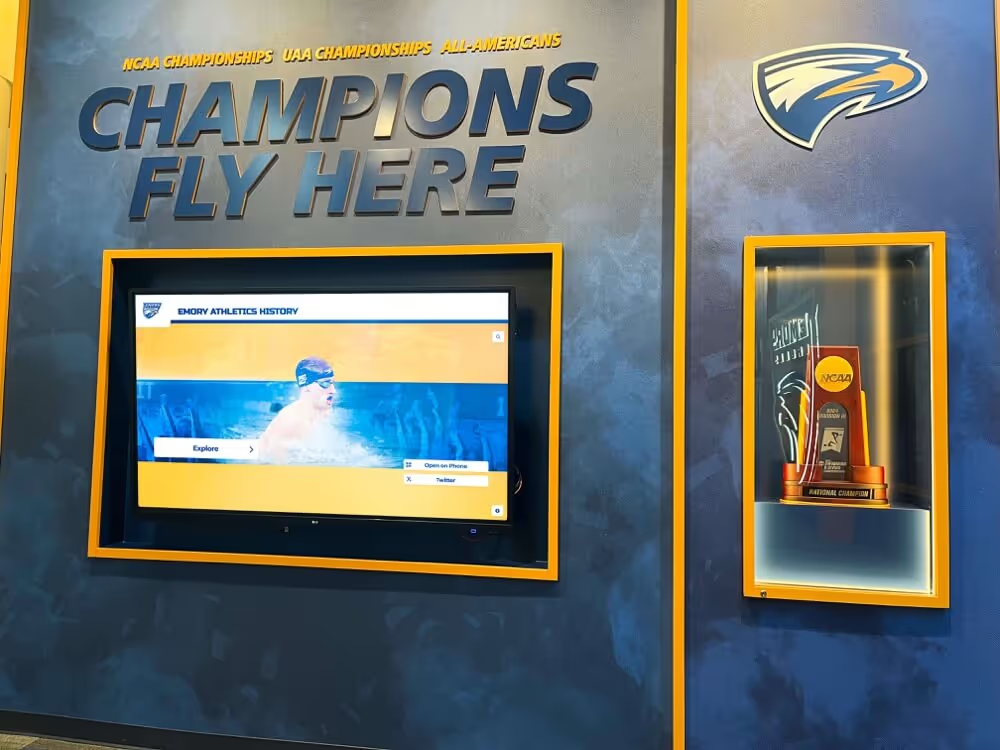
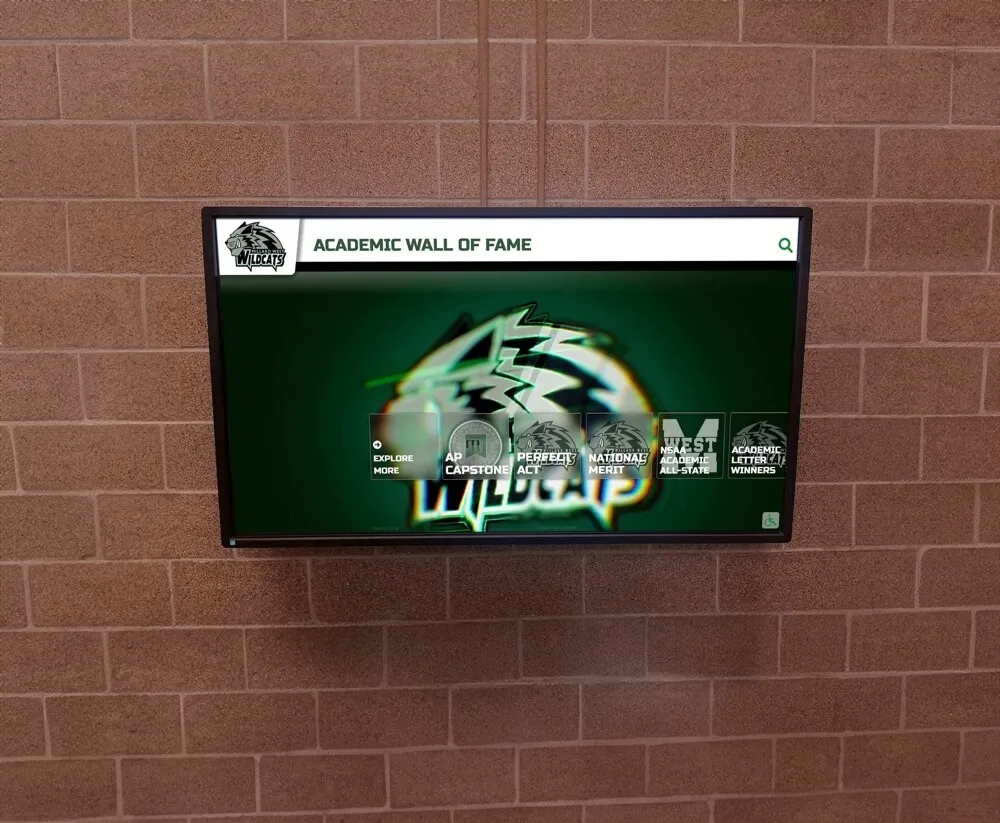
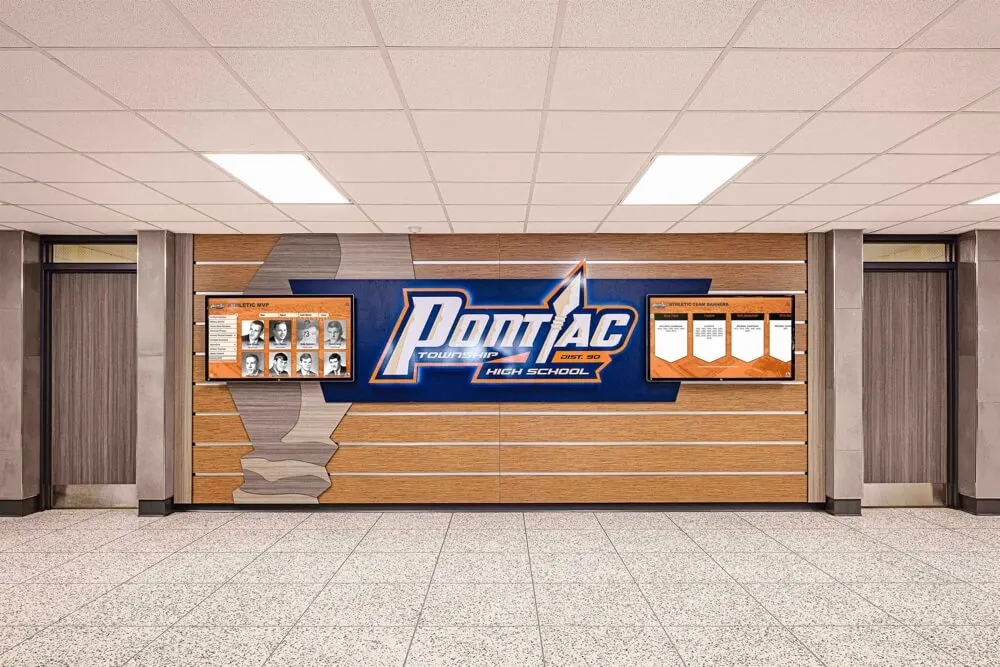
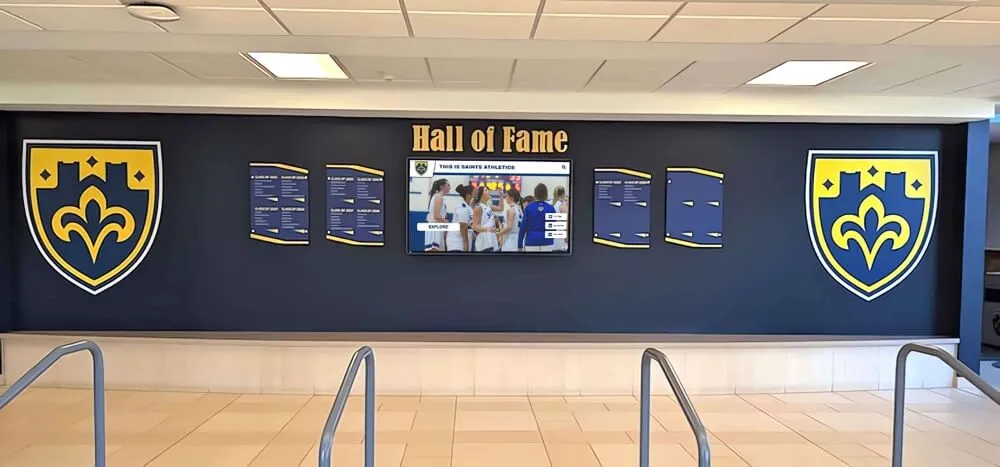
Multiple coordinated displays create impressive installations with unlimited content capacity
Strategic Benefits Virtual Donor Walls Provide Organizations
Beyond addressing traditional recognition limitations, virtual platforms create strategic advantages supporting fundraising effectiveness, community building, and organizational sustainability.
Enhanced Donor Retention and Lifetime Value
Effective recognition represents essential stewardship practice directly impacting retention rates and giving progression determining organizational financial health.
Continuous Appreciation Visibility
Unlike momentary acknowledgment through emails or social media posts, virtual recognition provides year-round donor visibility ensuring sustained appreciation. Supporters visiting facilities encounter their recognition prominently displayed, creating positive reinforcement while demonstrating organizational gratitude extending beyond transactional communications. This consistent visibility strengthens donor identity and attachment essential for retention.
Research consistently demonstrates that recognized donors give more frequently and at higher levels over time. Organizations implementing comprehensive virtual recognition commonly report retention improvements ranging from 10-25 percentage points—for example, advancing from 40% to 55% retention represents substantial progress directly impacting mission funding stability and donor lifetime value.
Social Proof Inspiring New Giving
Visible donor communities create powerful social proof motivating participation. Behavioral research demonstrates that people feel more confident supporting causes when they see evidence others—especially similar individuals—have already given. Virtual recognition platforms displaying robust supporter communities provide this confidence-building evidence while enabling searchability helping prospects discover personal network connections they didn’t know existed.
When prospective donors explore recognition platforms finding former classmates, professional colleagues, community neighbors, or faith community members among existing supporters, giving becomes personally relevant rather than abstract. This relevance dramatically increases conversion likelihood, as prospects transition from evaluating unfamiliar organizations to joining communities where they already have connections and shared values.
Transparent Impact Demonstration
Comprehensive donor recognition creates transparency demonstrating community strength essential for motivating new commitments. Prospective supporters evaluating participation opportunities gain confidence discovering robust donor bases while understanding giving level expectations and recognition associated with various contribution tiers. This transparency eliminates common objections while providing evidence that organizations merit support.
Virtual platforms accommodating employee recognition alongside donors create comprehensive community celebrations honoring all contribution types strengthening organizational culture.
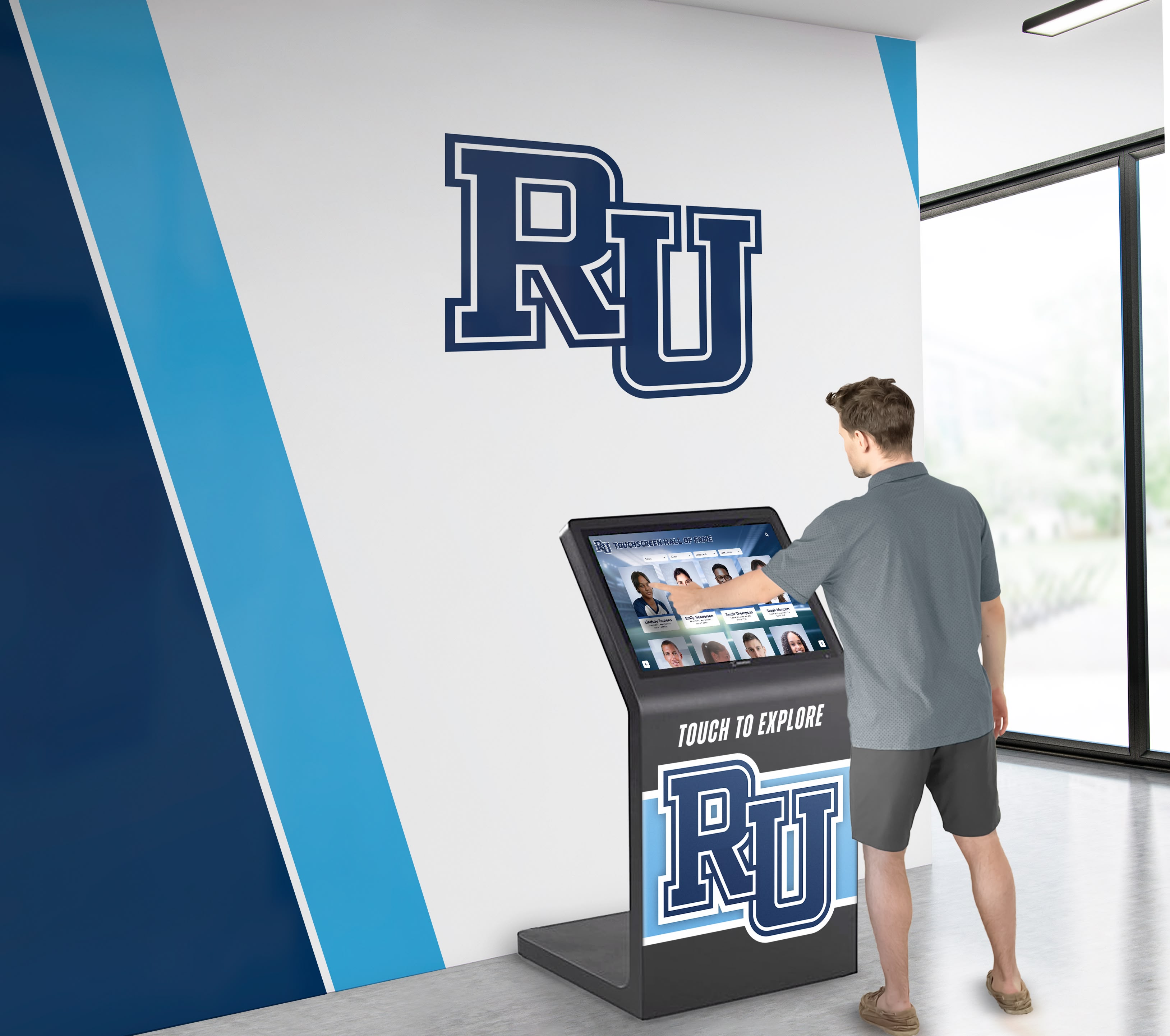
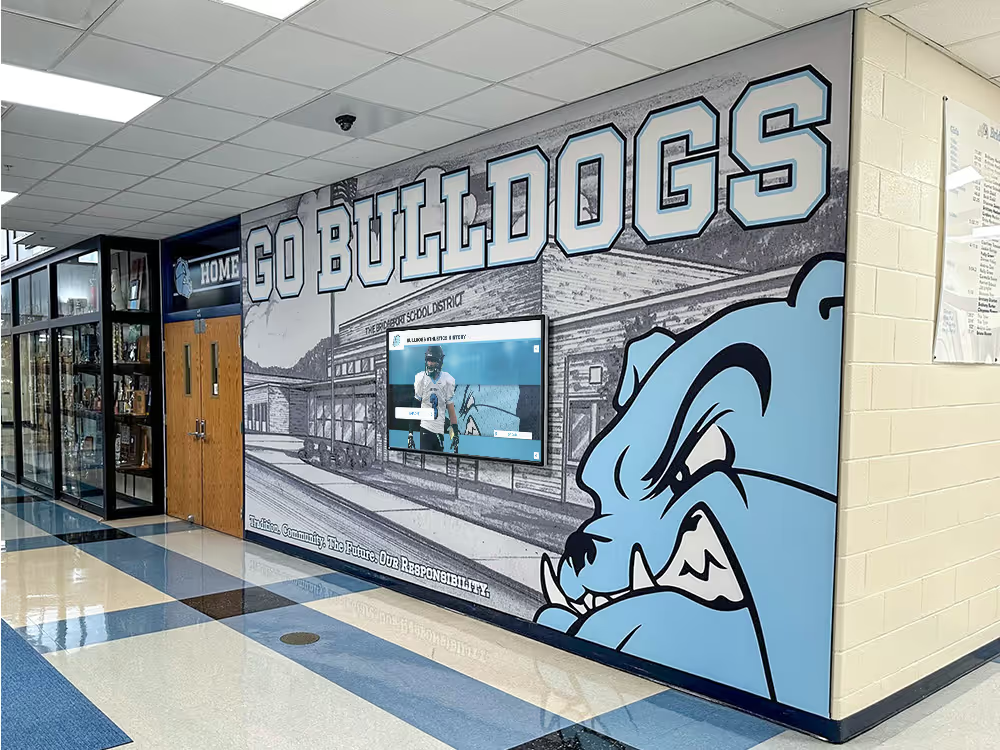
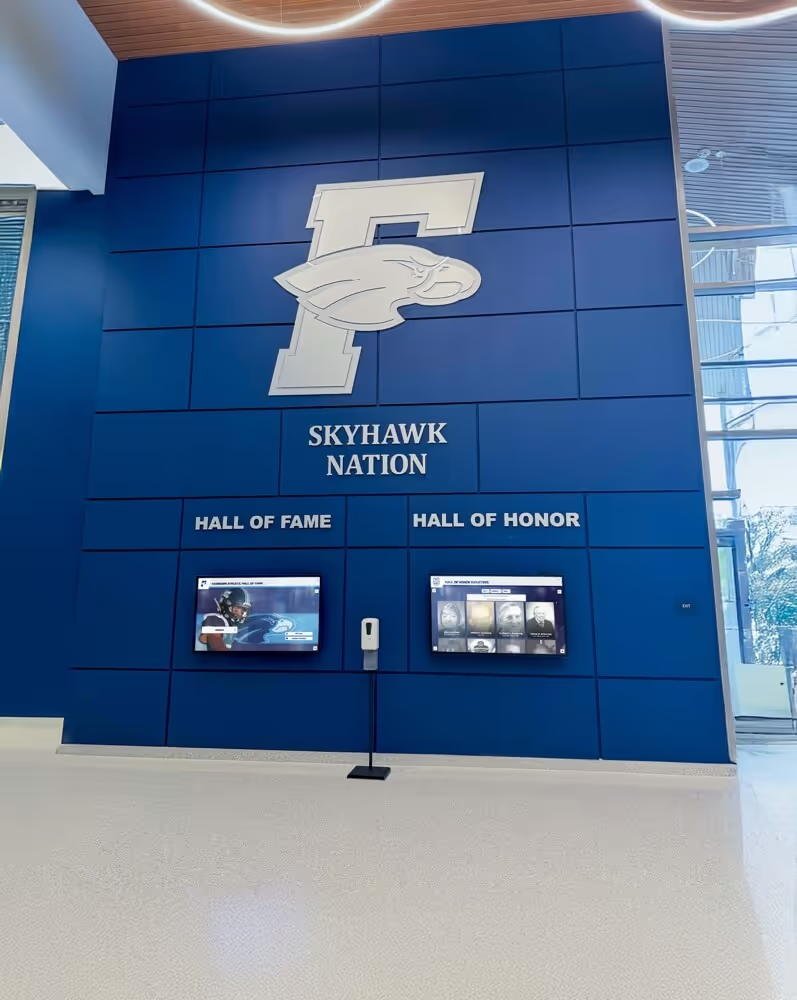
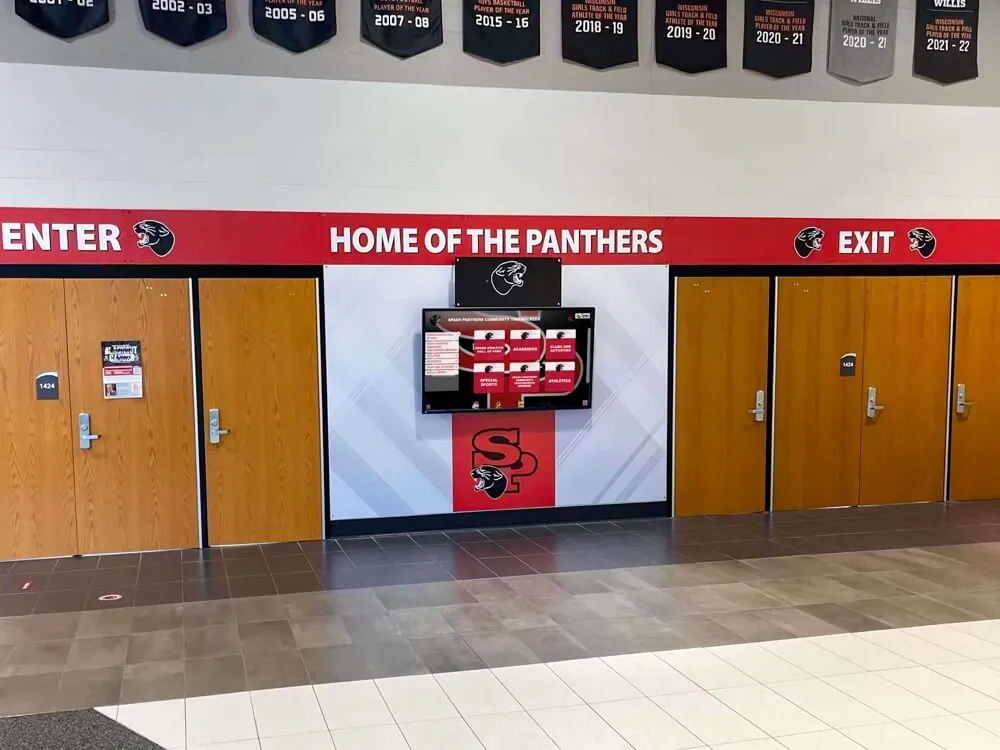
Strategic lobby placement ensures recognition reaches all visitors during routine facility usage
Operational Efficiency and Cost Effectiveness
Virtual recognition delivers superior outcomes while reducing long-term costs compared to traditional approaches.
Elimination of Recurring Engraving Expenses
Traditional donor walls require substantial ongoing investment. Engraving costs typically range from $50-200 per donor for plaque production, mounting hardware, and professional installation. These recurring expenses accumulate dramatically across campaigns attracting hundreds or thousands of supporters, creating recognition budgets competing with program funding.
Virtual platforms replace these variable per-donor costs with predictable subscription pricing unaffected by supporter counts. Organizations recognizing ten donors or ten thousand pay consistent platform fees rather than incremental production expenses for each new contributor. This pricing structure makes comprehensive recognition economically sustainable even for budget-conscious organizations.
Simplified Content Management
Cloud-based platforms enable non-technical development staff to update recognition independently without IT department dependencies, hardware access, or specialized training. Intuitive interfaces accommodate donor additions, profile edits, photo uploads, and category management through straightforward workflows comparable to social media posting or email composition.
This operational simplicity reduces staff time requirements while eliminating bottlenecks that create recognition delays. When campaign coordinators add new donors immediately upon gift processing without waiting for IT tickets, engraving orders, or installation scheduling, acknowledgment becomes timely and responsive rather than bureaucratic and delayed.
Perpetual Content Value
Unlike physical plaques requiring removal when space fills, virtual donor recognition preserves complete giving histories indefinitely. Organizations maintain comprehensive archives spanning institutional lifespans, creating perpetual value from content development investments while honoring long-term commitment across generations.
This historical preservation serves multiple purposes beyond recordkeeping. Long-term supporters appreciate seeing sustained commitment documented across years or decades. Anniversary celebrations and legacy storytelling leverage archived content demonstrating organizational longevity and community depth. Researchers access historical data supporting institutional narratives that strengthen advancement messaging and mission communication.
Accessibility and Inclusion Advantages
Virtual platforms ensure recognition reaches all stakeholders regardless of location, abilities, or technological access.
ADA Compliance and Universal Design
Web-based virtual donor walls built to accessibility standards ensure inclusive experiences for supporters using screen readers, keyboard navigation, high-contrast displays, or other assistive technologies. This universal design demonstrates organizational values while extending recognition to community members physical installations might unintentionally exclude.
Solutions like Rocket Alumni Solutions achieving ADA WCAG 2.1 AA compliance provide the only web-based touchscreen platforms meeting rigorous accessibility requirements, ensuring all community members engage with recognition regardless of visual, auditory, motor, or cognitive abilities.
Mobile-Optimized Responsive Platforms
Recognition websites adapting seamlessly across devices—smartphones, tablets, laptops, desktop computers—ensure supporters access acknowledgment using whatever technology they prefer. Mobile optimization proves particularly important as smartphone usage dominates personal technology, with visitors increasingly expecting institutional platforms to function flawlessly on handheld devices.
Responsive design eliminates frustrating experiences where desktop-optimized websites prove unusable on mobile devices through tiny text, misaligned elements, or inaccessible navigation. When recognition platforms work beautifully on all screen sizes, supporters share acknowledgment more readily while engagement increases through convenient access matching personal technology preferences.
Language Support for Diverse Communities
Multilingual virtual donor walls serve diverse communities where supporters speak different primary languages. Platform internationalization enables content presentation in preferred languages through automated translation or manual localization, ensuring non-English speakers receive recognition in formats they comfortably engage with while demonstrating organizational commitment to inclusion.
Organizations serving communities where diverse student populations deserve celebration implement similar multilingual approaches honoring varied backgrounds.
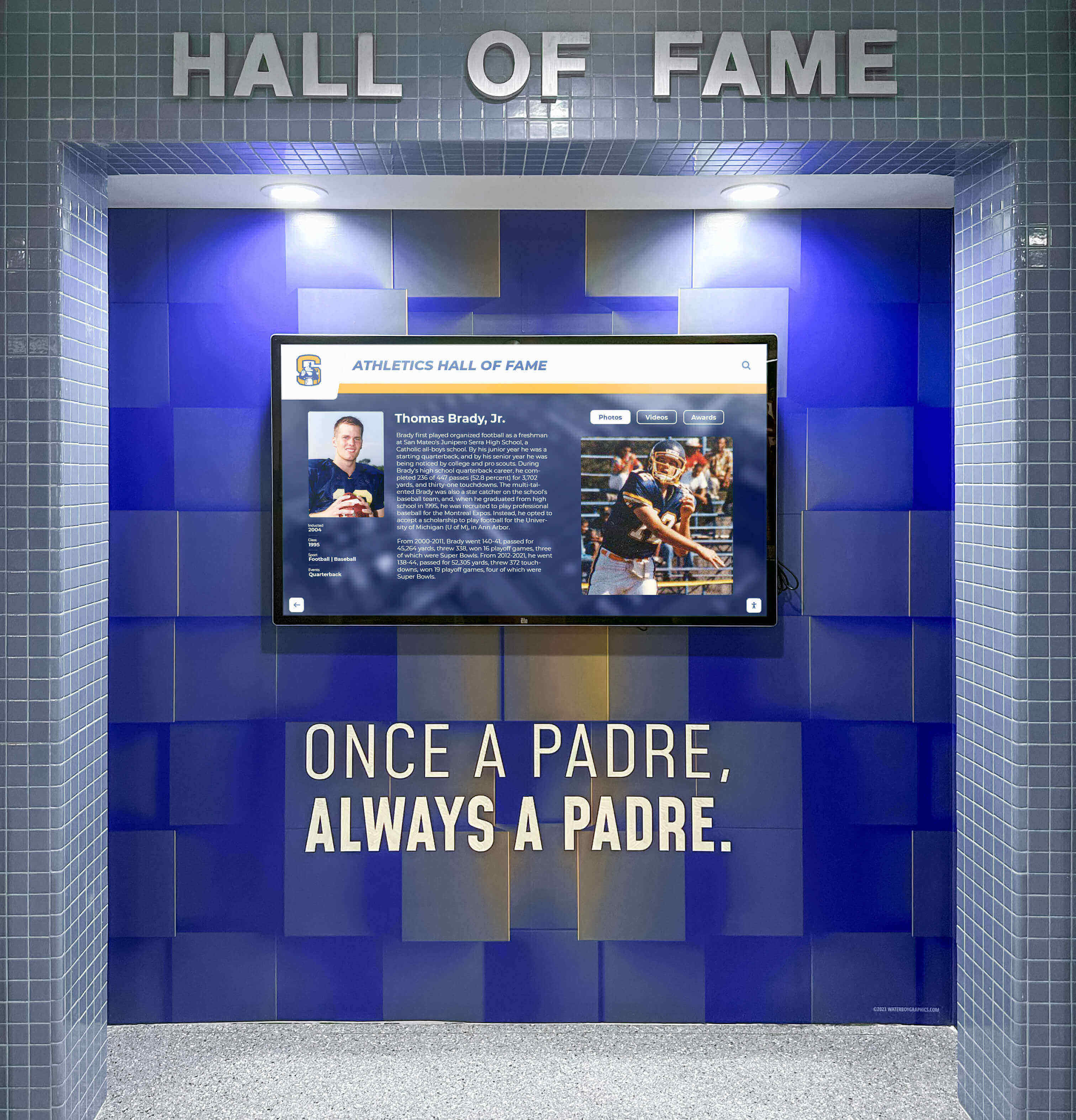
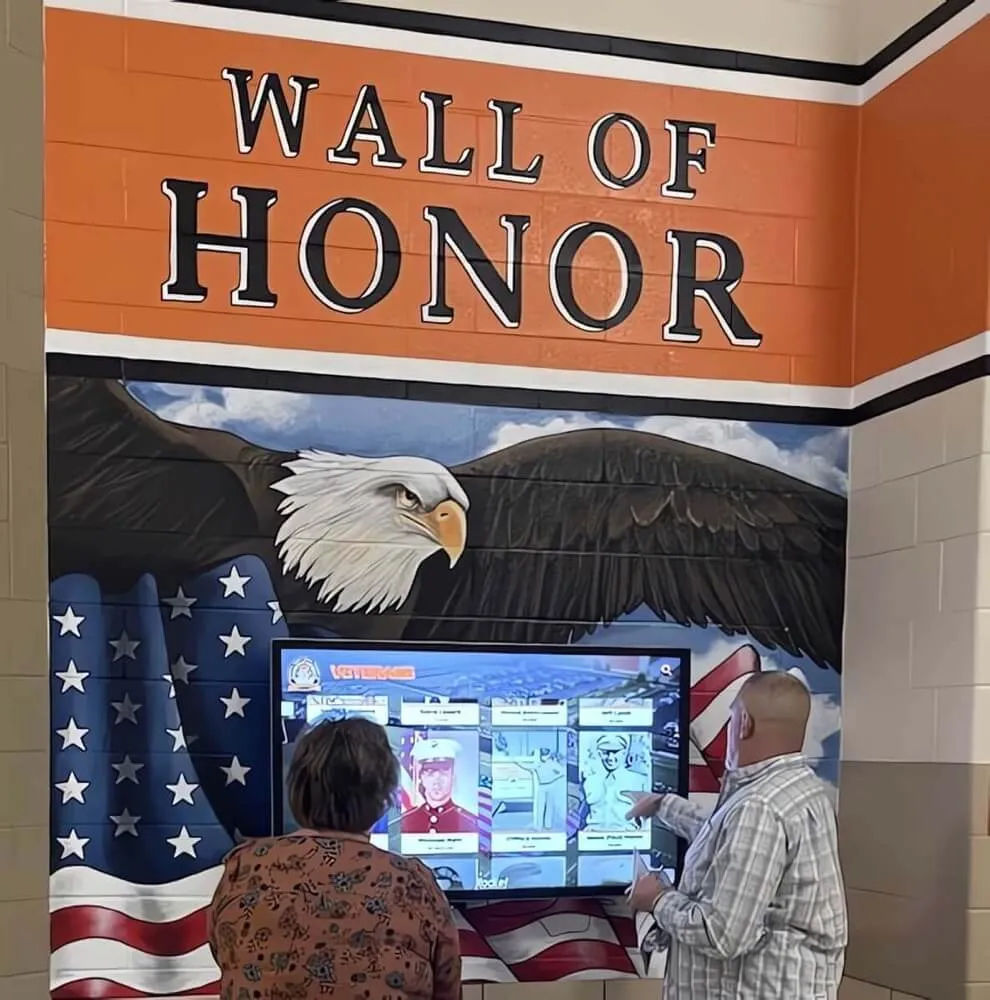
Program-specific installations connect philanthropic support to mission outcomes at point of impact
Essential Features for Effective Virtual Donor Walls
Platform capabilities determine whether virtual recognition creates meaningful engagement or delivers disappointing generic experiences that fail to honor supporters appropriately.
Comprehensive Search and Discovery Tools
Effective search proves essential for large donor communities where manual browsing becomes impractical.
Robust Name Search Functionality
Search systems must accommodate various ways visitors might look for donors—full names, partial names, maiden names, nicknames, professional names, or abbreviated versions. Fuzzy matching algorithms returning relevant results despite minor spelling variations or incomplete queries significantly improve user experience and discovery success.
Advanced search might include phonetic matching finding names that sound similar, synonym recognition accommodating nickname variations, and partial string matching retrieving all donors whose names contain entered text regardless of position. These sophisticated approaches ensure visitors successfully locate sought donors even when uncertain about exact spelling or formal name usage.
Multi-Criteria Filtering Options
Beyond name search, comprehensive filtering enables exploration by giving society, campaign participation, contribution year, geographic location, program support, or custom categories organizations define. These filters help visitors discover personally relevant donor communities—fellow residents from specific cities, supporters of particular programs, members of graduated classes, or participants in memorial giving honoring loved ones.
Filter combinations create powerful discovery enabling questions like “Show me all donors from Texas who support scholarship programs and have given for 10+ consecutive years.” This analytical capacity supports both visitor exploration and advancement team research identifying cultivation prospects and recognition program patterns.
Intuitive Browse by Category
Not all visitors arrive seeking specific names. Browse interfaces organized by recognition societies, giving levels, campaign types, chronological periods, or thematic collections enable casual exploration where visitors discover donors they didn’t specifically seek but find interesting or relevant upon encounter.
Well-designed category navigation accommodates both directed search (finding known individuals) and exploratory browsing (discovering interesting donors), ensuring visitors with different intentions all find intuitive pathways to meaningful content.
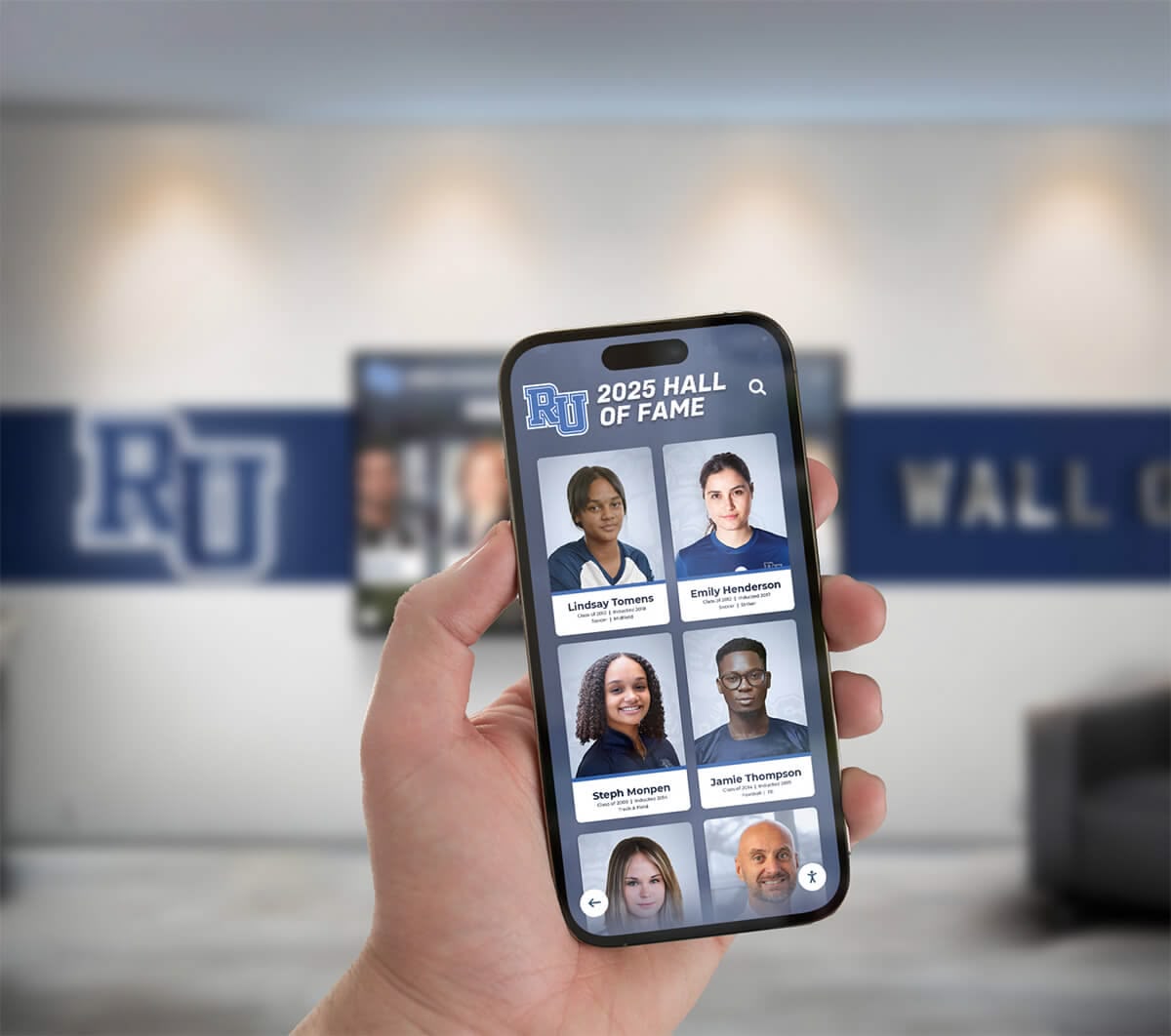
Mobile-optimized platforms extend recognition beyond physical displays through personal devices
Rich Profile Content Capabilities
Beyond basic name listings, comprehensive profiles honor individual generosity while inspiring others through compelling examples.
Multimedia Content Support
Virtual donor profiles accommodate diverse content types creating engaging recognition:
- Professional portrait photography showcasing supporter personality and creating visual interest
- Personal statements and quotes explaining giving motivations in donors’ own voices
- Biographical narratives celebrating careers, community contributions, and organizational connections
- Impact stories connecting gifts to tangible outcomes demonstrating accountability
- Video testimonials bringing recognition to life through authentic supporter storytelling
- Photo galleries documenting donor engagement through event images and program participation
- Historical timeline visualizations showing giving journeys across years or decades
This multimedia richness transforms generic acknowledgment into meaningful celebration honoring complete individuals rather than reducing generosity to names and dollar amounts.
Flexible Information Architecture
Different donors merit different profile depths based on giving levels, willingness to share information, and organizational relationships. Effective platforms accommodate this variability, enabling simple name recognition for modest donors preferring privacy alongside comprehensive multimedia profiles for major supporters wanting enhanced visibility.
This flexibility ensures all donors receive acknowledgment appropriate to their comfort levels and engagement desires while maximizing storytelling impact for supporters eager to share compelling narratives inspiring others.
Dynamic Content Updates
Donor circumstances change—cumulative giving reaches new milestones, consecutive year streaks extend, memorial gifts honor additional loved ones, or biographical information requires updating. Virtual platforms enable ongoing profile enhancement maintaining accuracy and relevance impossible with static physical plaques permanently fixed upon installation.
This update capability proves particularly valuable for long-term supporters whose relationships with organizations evolve across years. Recognition can document complete philanthropic journeys rather than acknowledging only initial gifts or single campaign participation.
Social Sharing and Network Amplification
Recognition impact multiplies when supporters broadcast acknowledgment through personal networks.
Integrated Social Sharing Tools
One-click sharing to Facebook, LinkedIn, Twitter, email, and messaging platforms enables recognized donors to amplify organizational visibility through trusted personal networks institutional communications cannot reach directly. When supporters proudly share their community membership, they become voluntary ambassadors providing authentic testimonials demonstrating organizational value through revealed preferences—their own financial support—rather than promotional claims.
Social sharing creates organic marketing paid advertising cannot replicate. Prospective donors encountering recognition through trusted personal connections develop confidence organizations merit consideration and potential support, as recommendations from people they know carry more credibility than institutional marketing messages.
Embeddable Recognition Widgets
Organizations might provide donors with embeddable widgets displaying their recognition on personal websites, professional portfolios, LinkedIn profiles, or blogs. This distributed acknowledgment extends organizational visibility while enabling supporters to showcase philanthropic commitment as components of personal brand and professional identity.
Some donors—particularly corporate partners, foundation representatives, or individual philanthropists—value public association with supported causes as demonstrations of values alignment and community commitment. Recognition widgets facilitate this identity expression while promoting organizational awareness.
QR Code Mobile Access
Physical recognition displays featuring QR codes enable smartphone users to transition seamlessly from lobby kiosks to personal devices where they continue exploration, bookmark content for later reference, or share profiles with contacts. This mobile bridge extends engagement beyond brief facility visits while accommodating visitors who prefer personal device interaction to public touchscreen use.
Organizations implementing comprehensive digital signage strategies integrate QR codes throughout campuses creating ubiquitous access points.

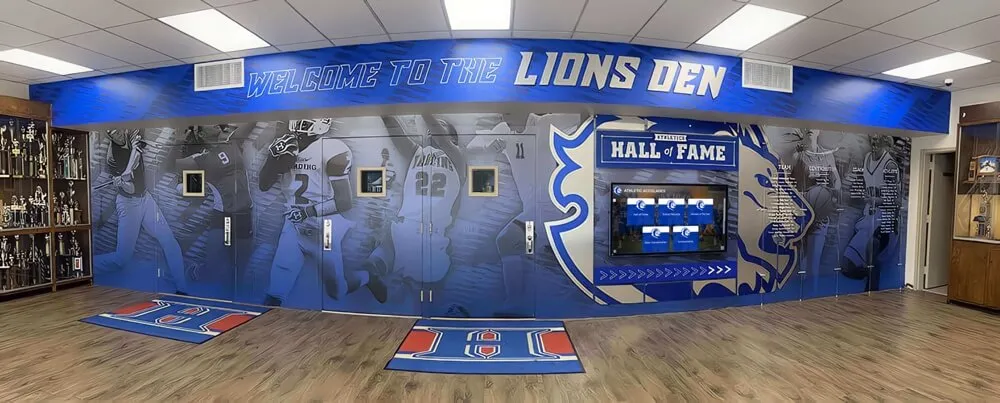
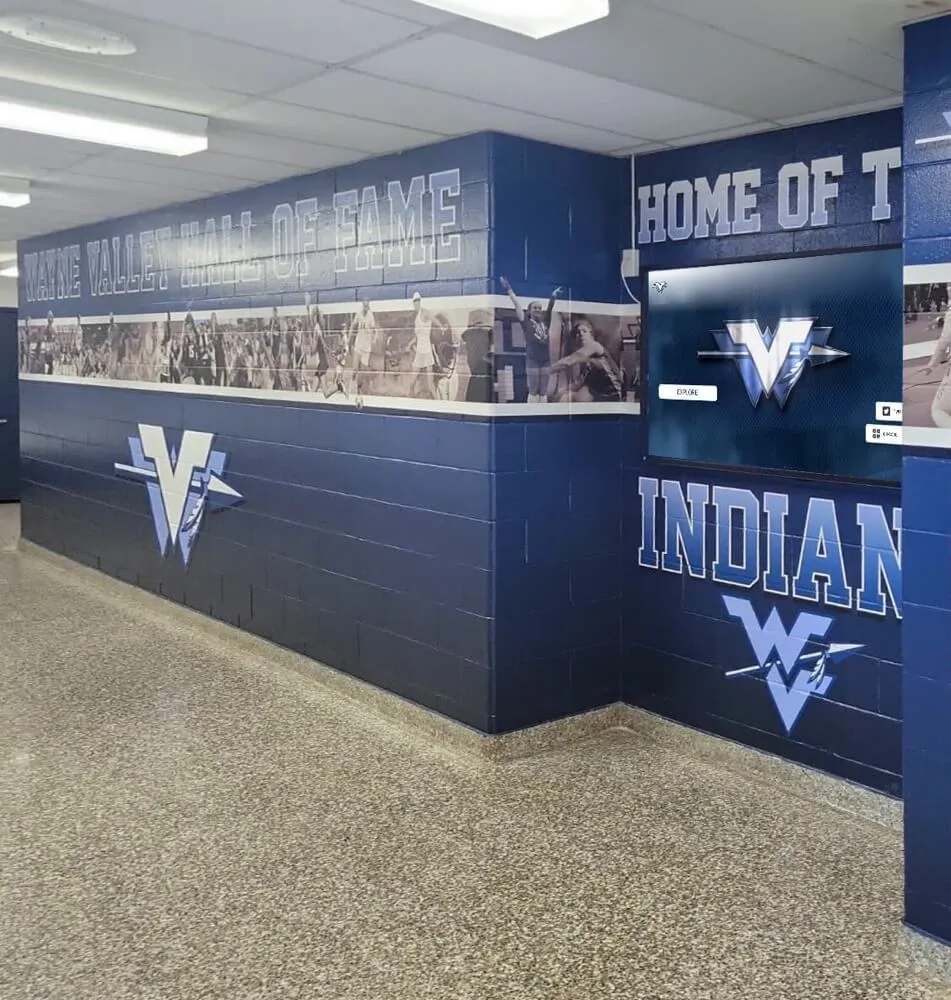
Coordinated installations combine architectural elements with digital recognition for cohesive presentations
Implementation Strategies for Virtual Donor Walls
Successful deployment requires thoughtful planning addressing organizational contexts, stakeholder needs, and technical requirements.
Defining Recognition Philosophy and Scope
Clear objectives guide implementation decisions ensuring recognition systems align with institutional priorities.
Establishing Recognition Criteria
Organizations must articulate acknowledgment approaches addressing fundamental questions:
- Will all donors receive individual recognition regardless of gift size, or do minimum thresholds apply?
- How will giving levels, recognition societies, and cumulative milestones be structured and displayed?
- What anonymous donor options accommodate supporters preferring privacy while acknowledging participation?
- How will memorial and tribute gifts honor both donors making contributions and individuals being remembered?
- Will recognition focus exclusively on financial donors, or include volunteer contributors and in-kind supporters?
These philosophical decisions shape platform requirements and content strategies while communicating organizational values through recognition approaches. Inclusive philosophies celebrating all supporters regardless of capacity signal democratic values and collective impact emphasis, while hierarchical approaches highlighting major gifts communicate appreciation for exceptional generosity enabling ambitious expansion.
Stakeholder Requirements Gathering
Development departments, communications teams, program staff, board members, and volunteers each have distinct perspectives on recognition needs. Involving stakeholders early through interviews, focus groups, or surveys ensures selected platforms accommodate diverse uses while establishing content governance preventing conflicts and maintaining quality standards.
Common stakeholder priorities include development teams needing efficient content management enabling timely acknowledgment without IT dependencies, program staff wanting recognition demonstrating how support enables specific mission activities, communications teams seeking content supporting storytelling across channels, and board members requiring confidence that recognition reflects organizational professionalism.
Success Metrics Definition
Establishing clear indicators enables post-implementation assessment and ongoing optimization. Common metrics organizations track include donor retention rate improvements, average lifetime value increases, display interaction analytics measuring engagement frequency and duration, web platform traffic to recognition pages, social sharing activity, advancement efficiency gains, and stakeholder satisfaction survey results.
Content Development and Migration
Comprehensive donor information forms the foundation of effective virtual recognition.
Donor Data Collection and Organization
Compile existing donor information from databases, spreadsheets, annual reports, and historical records. Clean and standardize data ensuring consistency in name formats, address information, giving totals, and category assignments. Identify gaps where enhanced information would improve recognition quality—missing photos, incomplete contact information, or unknown biographical details warranting research or donor outreach.
This data preparation proves time-intensive but essential. Quality recognition depends on accurate, comprehensive information presented consistently. Organizations discovering significant data gaps sometimes phase implementation, launching with basic information while systematically enhancing profiles over months through donor communication campaigns and research initiatives.
Profile Content Creation
Beyond basic data, compelling profiles require thoughtful content development. Organizations might request personal statements from donors explaining giving motivations, commission professional photography capturing supporter personality, record video testimonials bringing stories to life, or write impact narratives connecting gifts to tangible outcomes.
Not every donor provides extensive content, but offering opportunities creates tiered engagement matching supporter preferences. Major donors often welcome enhanced visibility sharing detailed stories, while modest contributors may prefer simple name recognition. Effective platforms accommodate both approaches within unified systems.
Historical Archive Integration
Organizations with substantial recognition histories face migration decisions about incorporating legacy content. Some implement comprehensive archives preserving decades of donor acknowledgment, while others establish cutoff dates focusing on recent support. These choices involve balancing historical preservation desires against practical content development constraints given limited staff time and budgets.
Schools managing historical archives and legacy content develop systematic approaches accommodating institutional memory alongside contemporary recognition.
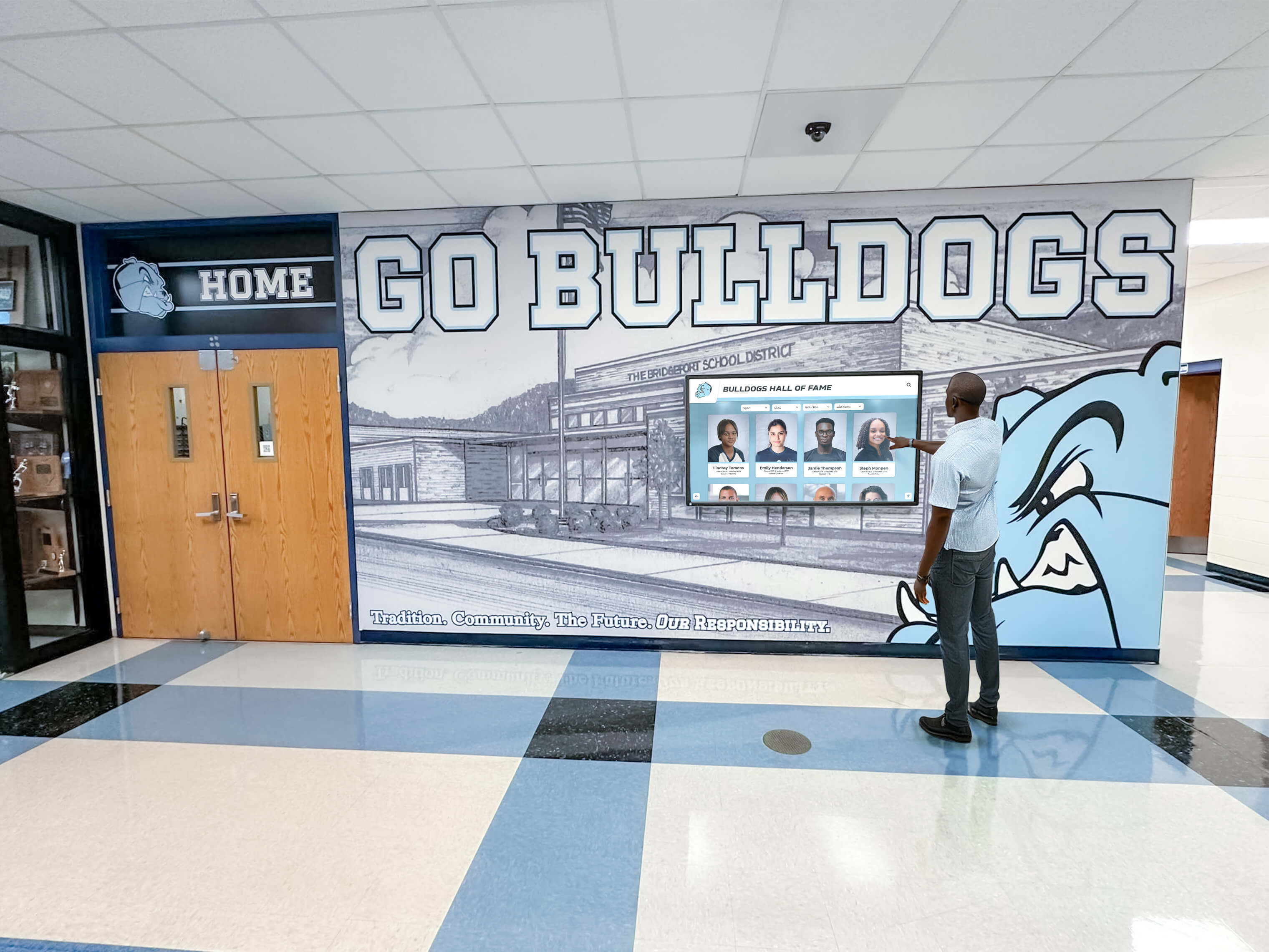
Interactive features encourage extended exploration creating meaningful connections to donor communities
Platform Selection and Technical Implementation
Choosing purpose-built recognition platforms versus generic alternatives significantly impacts long-term satisfaction.
Purpose-Built Recognition Versus Generic Digital Signage
Solutions like Rocket Alumni Solutions designed specifically for donor recognition provide capabilities generic digital signage cannot match—unlimited donor capacity without performance degradation, sophisticated searchability enabling personal discovery, individual profile support accommodating rich multimedia content, web accessibility extending recognition globally, ADA WCAG 2.1 AA compliance ensuring universal engagement, and social sharing integration amplifying organizational visibility through supporter networks.
Generic digital signage systems displaying static slideshows or basic scrolling lists lack these specialized features, creating disappointing experiences that fail to honor donors appropriately while missing opportunities for meaningful engagement driving retention and inspiring new giving.
Cloud-Based Versus Local Installation
Cloud platforms hosted by vendors provide automatic updates, reliable uptime, professional security, and remote content management from any internet-connected device. Local installations running on-premise servers require organizational IT resources for maintenance, security patching, backup management, and troubleshooting—creating ongoing operational burdens while limiting update flexibility.
Most organizations lacking substantial IT departments benefit from cloud solutions eliminating technical overhead while ensuring platforms receive continuous improvements without requiring staff intervention or facility access.
Vendor Support and Partnership Quality
Implementation assistance, staff training, ongoing technical support, and responsive customer service significantly impact user experience and long-term satisfaction. Evaluating vendor support through reference calls with existing customers provides valuable insights beyond marketing materials.
Questions to ask references include responsiveness when issues arise, helpfulness during implementation, update frequency demonstrating platform evolution, and vendor understanding of nonprofit or educational contexts versus primarily corporate focus.
Organizations exploring touchscreen software options should evaluate vendors comprehensively before committing.
Virtual Donor Wall Best Practices and Optimization
Strategic approaches maximize recognition impact while avoiding common implementation pitfalls.
Content Quality and Maintenance
Compelling recognition requires ongoing attention maintaining relevance and accuracy.
Regular Profile Updates and Enhancements
Donor circumstances evolve—cumulative giving reaches new milestones, consecutive year streaks extend, or biographical information changes. Establishing systematic review processes ensures recognition remains current and accurate rather than becoming outdated snapshots frozen at launch.
Some organizations assign responsibility for quarterly recognition audits reviewing recent gifts, identifying milestone achievements warranting featured content, correcting discovered errors, and enhancing profiles with newly available photos or testimonials. This proactive maintenance demonstrates ongoing stewardship attention while keeping recognition fresh and engaging for repeat visitors.
Donor Communication About Recognition
Effective programs involve donors in recognition processes through communication explaining how acknowledgment works, requesting profile enhancements, verifying information accuracy, and offering enhanced visibility options for supporters interested in sharing personal stories or participating in video testimonials.
This communication demonstrates respect for donors while gathering content improving recognition quality. When supporters understand that organizations value their input and prefer accurate personalized acknowledgment to generic listings, engagement and satisfaction increase while content richness improves.
Seasonal and Campaign-Specific Content
Recognition platforms can highlight timely content—giving Tuesday participants, year-end donors, campaign milestones reached, or anniversary celebrations of historical gifts. This dynamic presentation keeps displays relevant and interesting for repeat visitors while creating cultivation touchpoints development teams leverage for ongoing donor communication.
Automated content rotation ensuring all donors receive featured prominence over time prevents recognition from becoming invisible through familiarity while demonstrating that organizations value all supporters equitably regardless of giving amounts or alphabetical position.
Strategic Placement and Promotion
Location and visibility significantly affect recognition reach and engagement.
High-Traffic Physical Display Locations
Touchscreen installations should occupy prominent positions where target audiences encounter recognition naturally—main entrance lobbies ensuring all visitors see displays immediately upon arrival, development office areas supporting cultivation activities during donor meetings, or program facilities demonstrating philanthropic impact at point of mission delivery.
Entrance placement signals that donor recognition represents institutional priorities worthy of premium real estate, communicating respect for supporters while providing maximum visibility generating return through social proof encouraging additional giving.
Web Platform Integration and Discovery
Beyond dedicated recognition websites, organizations should integrate donor acknowledgment throughout digital properties—homepage features highlighting recent donors, newsletter content showcasing featured supporters, social media campaigns celebrating giving milestones, and email signatures linking to recognition platforms.
This distributed promotion ensures stakeholders discover recognition through multiple channels rather than requiring direct navigation to standalone donor wall websites that many community members might not know exist.
Event and Occasion Activation
Recognition platforms provide valuable assets during fundraising events, stewardship gatherings, board meetings, and community celebrations. Organizations might feature recognition displays on event screens, distribute QR codes enabling smartphone exploration, or incorporate donor profiles into program materials and presentations.
These activation strategies transform recognition from passive acknowledgment into dynamic engagement tools that advancement teams leverage across diverse cultivation and stewardship contexts.
Educational institutions implementing year-round content strategies for digital displays apply similar approaches to donor recognition.
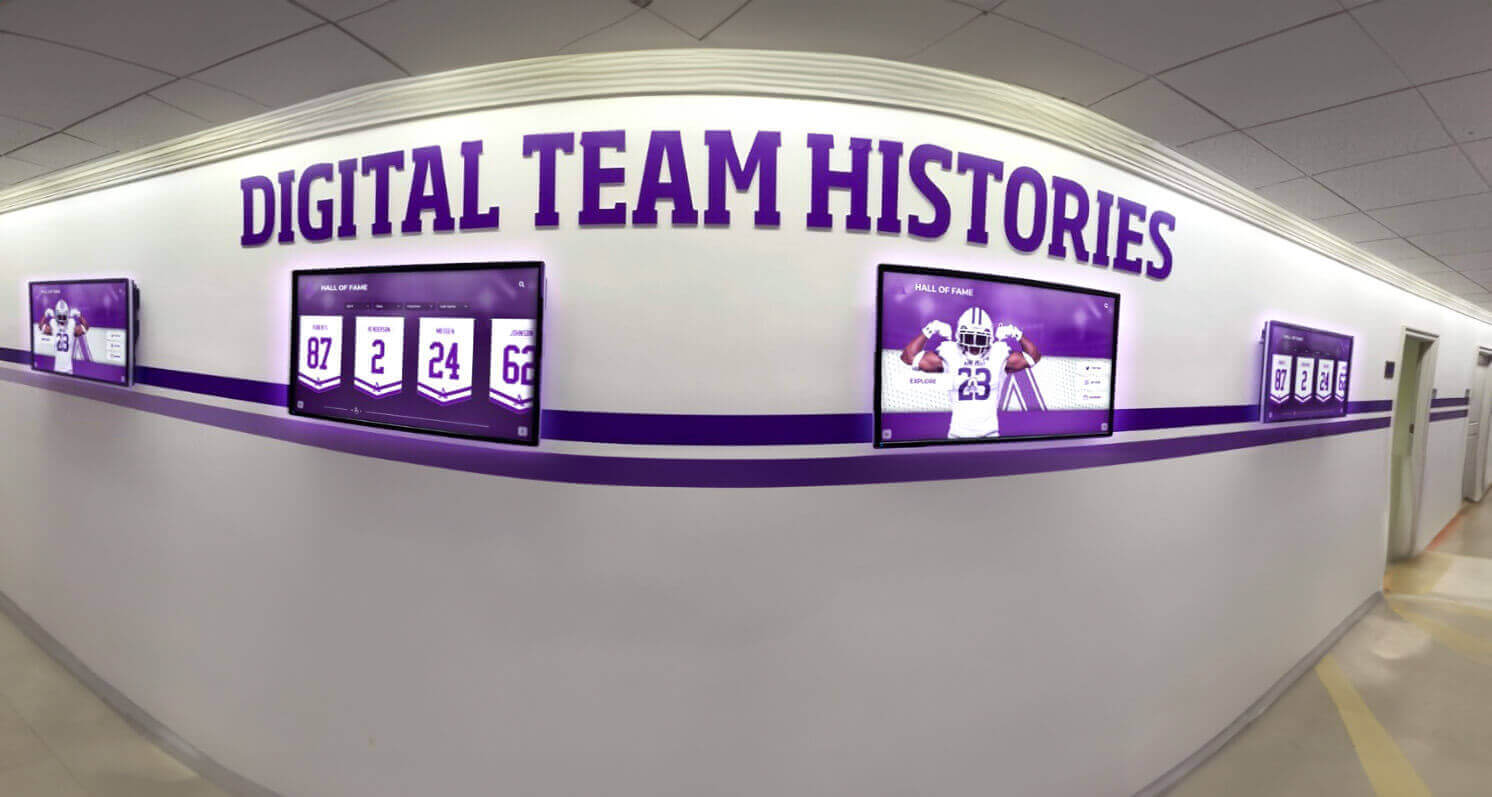
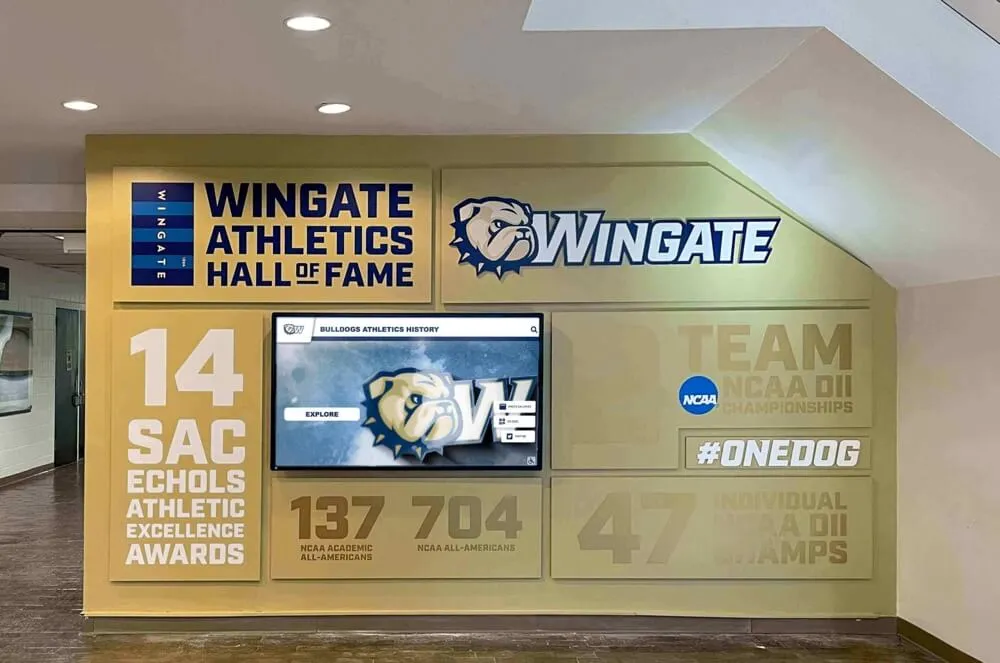
Multiple displays create impressive visual impact while accommodating diverse content categories
Analytics and Continuous Improvement
Data-driven optimization ensures recognition investments achieve maximum impact.
Engagement Metrics Tracking
Digital platforms provide quantitative data revealing usage patterns—total interactions measuring overall engagement volume, session duration indicating content depth and genuine interest, return visitor rates showing sustained engagement beyond initial curiosity, most-viewed profiles identifying compelling content, and search patterns revealing what visitors seek.
These metrics inform optimization decisions. If analytics show visitors primarily search specific names rather than exploring featured content, enhanced search capabilities might warrant priority. If session durations prove shorter than desired, content depth or visual interest might require enhancement.
Conversion and Retention Correlation
While multiple variables affect fundraising outcomes making definitive causation claims impossible, tracking advancement metrics alongside recognition implementations reveals directional relationships supporting investment decisions. Organizations should monitor donor retention rates comparing periods before and after virtual wall launches, giving level progression among recognized supporters, and campaign performance during recognition-featured initiatives.
Consistent improvements following implementations provide valuable evidence supporting recognition program value even when controlled experiments proving causation prove impractical for most organizations.
Stakeholder Feedback Collection
Systematic donor, staff, board member, and volunteer feedback reveals reception and identifies enhancement opportunities. Questions might explore recognition significance and emotional impact, profile accuracy and appropriateness, visibility perceptions and prominence satisfaction, and suggestions for improvement.
This qualitative feedback provides context beyond quantitative metrics, revealing what stakeholders value most and where optimization opportunities exist.
Sector-Specific Virtual Donor Wall Applications
Different organizational types implement virtual recognition addressing unique contexts and supporter communities.
Educational Institutions: Schools, Colleges, Universities
Educational organizations leverage virtual donor walls celebrating support enabling student opportunity and academic excellence.
Alumni Giving and Class-Based Recognition
Virtual platforms organize alumni donors by graduation year, enabling classmates to discover fellow supporters while strengthening bonds facilitating reunion planning and peer-to-peer giving initiatives leveraging social dynamics within cohort communities.
Class-based giving societies—recognizing years achieving specific participation thresholds or fundraising totals—create friendly competition while celebrating collective achievement rather than only individual capacity. Recognition highlighting “Class of 1985: 45% participation, $127,000 raised” honors group accomplishment motivating continued engagement.
Scholarship Donors and Student Recipient Connections
Virtual recognition connects scholarship supporters directly to student outcomes their generosity enables. Platforms might integrate recipient testimonials thanking donors who made attendance possible, current student profiles showing what funding supports, and alumni success stories demonstrating long-term impact of educational access.
This visible connection between donor generosity and student transformation creates compelling impact evidence reinforcing giving decisions while inspiring others discovering how meaningful educational support proves for recipients.
Capital Campaign and Facility Recognition
Building campaigns and major facility projects generate concentrated fundraising around specific capital needs. Virtual recognition showcases these campaign donors separately while maintaining integration with annual fund communities, enabling visitors to explore specific initiatives matching their interests.
Some organizations create virtual dedication ceremonies for facility donors featuring building tours, construction progress documentation, completion celebrations, and ongoing usage highlighting how spaces donors funded serve daily missions.
Schools managing comprehensive recognition programs coordinate donor acknowledgment with student achievement celebration.
Healthcare Organizations: Hospitals, Medical Centers, Clinics
Healthcare institutions implement virtual donor recognition celebrating support enabling care excellence and medical advancement.
Grateful Patient Donor Programs
Patients and families giving back after receiving care represent crucial constituent groups deserving sensitive recognition. Virtual platforms enable these supporters to share personal care stories explaining giving motivations, creating powerful testimonials inspiring others while demonstrating medical excellence and compassionate service.
These first-person narratives prove more compelling than institutional messaging, as they represent authentic lived experiences rather than promotional claims. “This hospital saved my life” resonates more powerfully than abstract quality assertions.
Research and Program Funding Recognition
Medical research supporters, program funders, and equipment donors receive recognition explaining what contributions accomplish—breakthrough discoveries, specialized care programs, faculty recruitment, patient support services, or technological acquisitions. Impact storytelling demonstrates accountability essential for continued confidence while educating communities about philanthropic importance to healthcare excellence.
Memorial and Tribute Sensitivity
Healthcare giving frequently honors individuals through memorial or tribute donations. Virtual recognition systems accommodate these dedications thoughtfully, acknowledging both donors making gifts and individuals remembered through contributions.
Searchable memorial sections enable families to locate tributes to loved ones, creating lasting legacies maintaining connections between organizations and bereaved families who may support missions over many years.
Nonprofit Organizations: Social Services, Environmental, Arts
Diverse nonprofits implement virtual recognition celebrating support enabling mission work across sectors.
Mission Impact Storytelling
Nonprofit virtual donor walls emphasize impact stories connecting contributions to tangible outcomes—lives changed, communities strengthened, environments protected, or cultural experiences enabled. This outcome focus demonstrates accountability while reinforcing supporters’ decisions to invest in organizations.
Rather than listing donors generically, effective recognition explains what generosity accomplishes: “Support from donors like Maria Garcia enables our youth mentorship program to serve 200 young people annually, connecting them with caring adults who guide positive development.”
Volunteer and In-Kind Recognition Integration
Many nonprofits benefit from both financial contributions and volunteer service or in-kind donations. Comprehensive virtual recognition acknowledges all contribution types, building inclusive communities honoring diverse participation rather than creating false dichotomies between “donors” and “volunteers.”
This integrated approach demonstrates that organizations value all resource contributions, encouraging continued service while potentially transitioning volunteers toward financial support when circumstances permit.
Corporate and Foundation Sponsor Visibility
Corporate partners and foundation grantmakers increasingly expect recognition demonstrating how support contributes to broader community engagement. Virtual platforms showcase institutional funders alongside individual donors, illustrating how corporate grants leverage grassroots support amplifying collective impact.
Enhanced profiles for institutional supporters might include partnership descriptions, logos, mission alignment statements, and employee engagement initiatives connecting corporate social responsibility to philanthropic investment.
Organizations exploring effective donor recognition approaches can adapt strategies across nonprofit sectors.
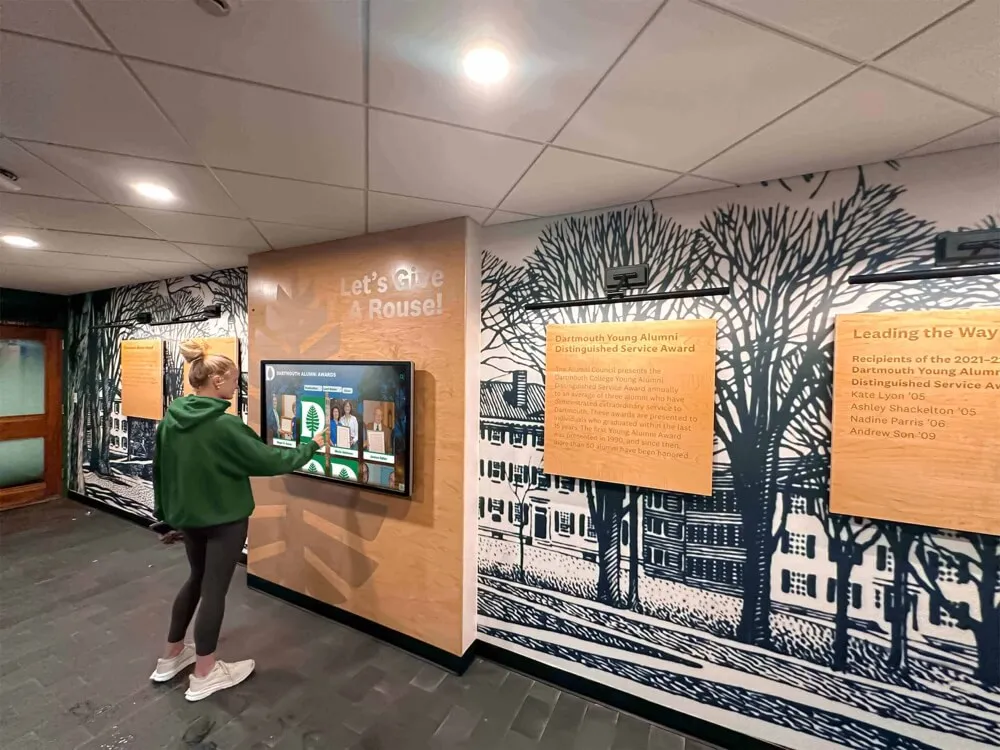
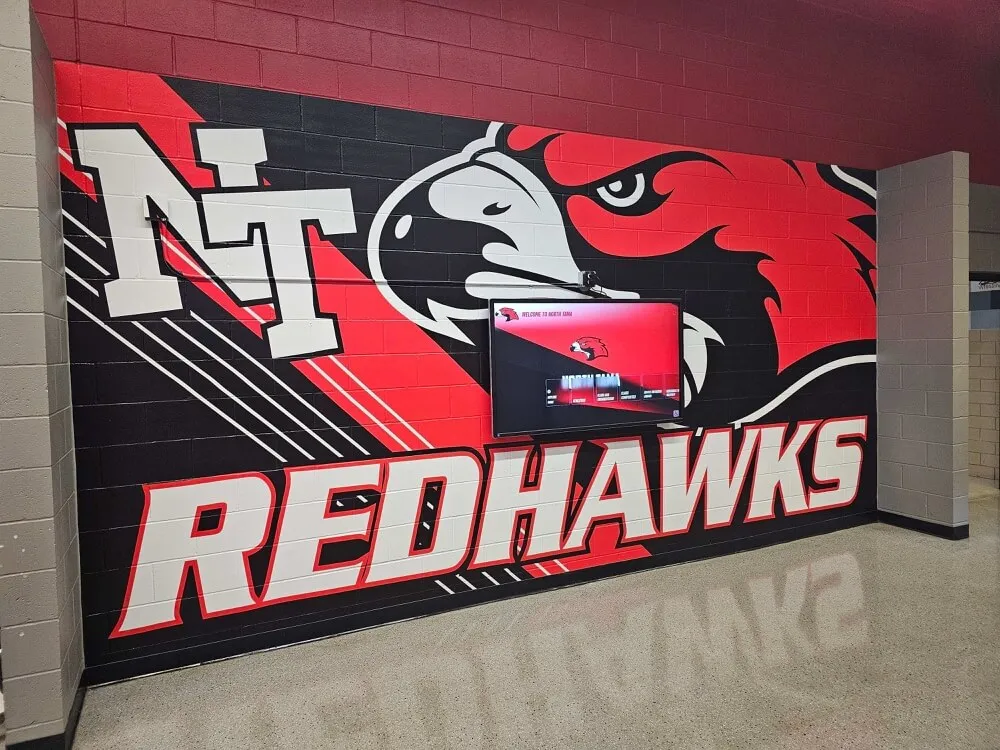
Branded environmental design creates cohesive recognition destinations honoring institutional identity
Future Trends Shaping Virtual Donor Wall Evolution
Emerging technologies and changing expectations continue transforming digital recognition capabilities.
Enhanced Personalization and Intelligence
Advancing technologies enable increasingly personalized recognition experiences creating deeper engagement.
Visitor-Aware Content Adaptation
Emerging systems recognizing individual visitors based on authenticated logins or interaction patterns can highlight personally relevant donors—professional colleagues, geographic neighbors, shared interest connections, or demographic peers. This contextual personalization makes recognition more meaningful while demonstrating communication sophistication that impresses visitors.
Predictive Content Suggestions
Intelligent platforms might suggest donor profiles visitors would find interesting based on viewing patterns, search history, or known connections. These recommendations encourage extended exploration beyond initial search objectives, increasing time spent with recognition content while facilitating discovery of compelling stories visitors wouldn’t independently seek.
Expanded Integration Ecosystems
Recognition platforms increasingly coordinate with comprehensive advancement technology creating seamless constituent experiences.
CRM and Database Synchronization
Direct integration with constituent relationship management systems enables automatic data synchronization eliminating duplicate entry while ensuring recognition accuracy. When gifts process in advancement databases, recognition platforms update automatically without requiring manual staff intervention—minimizing delay between contributions and public acknowledgment.
This automation proves particularly valuable for organizations with limited development staffing who cannot dedicate significant time to manual recognition updates across multiple disconnected systems.
Virtual Event and Digital Fundraising Integration
As hybrid events become standard practice, recognition platforms coordinate with virtual event technology enabling real-time donor acknowledgment during livestreamed fundraisers, online galas, or digital cultivation programs. Remote participants experience meaningful recognition making them feel valued despite physical distance from facilities.
Sustainability and Values Alignment
Recognition trends emphasize institutional values and environmental responsibility resonating with donor priorities.
Environmental Benefits of Digital Recognition
Organizations increasingly highlight sustainability advantages of virtual recognition replacing physical plaques requiring manufacturing, shipping, and eventual disposal. Recognition content might feature organizational environmental commitments that donor support advances, creating alignment between acknowledgment methods and mission values.
Accessibility and Inclusion Emphasis
Institutions prioritize recognition accessibility ensuring all community members engage regardless of abilities, technological literacy, or language preferences. Universal design demonstrates values-driven decision making resonating with supporters who prioritize inclusion.
Forward-thinking organizations exploring future recognition strategies position themselves to adopt emerging capabilities.
Conclusion: Building Vibrant Supporter Communities Through Virtual Recognition
Virtual donor walls represent far more than technological upgrades to traditional plaques—they embody fundamental transformations in how organizations cultivate relationships, demonstrate gratitude, and build engaged communities sustaining missions across generations. The evolution from space-constrained physical recognition toward comprehensive digital platforms reflects growing understanding that acknowledgment impact depends on accessibility, meaningful content, interactive engagement, and genuine celebration worthy of the generosity organizations receive.
Traditional approaches—engraved plaques, printed directories, basic thank-you communications—face inherent limitations undermining long-term effectiveness. Physical space constraints force exclusionary decisions about whose support receives visibility. Static formats offer no capacity for updates, rich storytelling, or interactive features creating memorable experiences. Expensive production creates delays and costs limiting recognition sustainability. Most critically, conventional methods fail to inspire prospective supporters through compelling examples demonstrating that giving produces satisfaction, community belonging, and lasting acknowledgment worthy of philanthropic investment.
Virtual donor walls that embrace unlimited capacity, interactive exploration, rich multimedia content, global web accessibility, and strategic integration transform acknowledgment from momentary ceremony expressions into permanent infrastructure building engaged communities where supporters feel valued, prospective donors discover inspiration, and organizations demonstrate stewardship capacity worthy of continued confidence.
The digital warming concept describes what happens when cold, impersonal lobbies transform into vibrant community spaces through personalized, continuously surfaced recognition. When donors discover themselves prominently displayed among comprehensive supporter communities, when they explore compelling stories explaining why people give, when they see their generosity celebrated meaningfully rather than buried in dense lists—these interactions create warmth strengthening bonds and motivating ongoing participation extending across years or decades.
Implementation success requires systematic planning addressing recognition philosophy establishing criteria and frameworks, thoughtful content development honoring individuals appropriately through rich profiles, careful platform selection balancing specialized features with usability, strategic placement and promotion maximizing visibility and engagement, and operational excellence ensuring sustained quality over time. Organizations following comprehensive approaches create recognition delivering value for decades while adapting to evolving technologies and community expectations.
Purpose-built recognition platforms like Rocket Alumni Solutions deliver capabilities specifically optimized for celebrating supporters while eliminating complexity inherent in custom development or adapting generic digital signage. Unlimited capacity accommodating all donors regardless of contribution size, intuitive content management enabling prompt updates without technical expertise, comprehensive accessibility ensuring universal engagement, responsive web platforms extending recognition globally, and professional implementation support enable organizations to focus on recognition program success rather than technical challenges.
Every donor whose generosity enables your mission deserves recognition creating motivation, engagement, and community pride rather than perfunctory acknowledgment quickly forgotten. Your supporters invest financial resources, but more importantly they invest confidence, hope, and commitment in your capacity to accomplish meaningful work. This trust deserves celebration matching its significance—recognition honoring complete individuals rather than reducing generosity to names and amounts, telling compelling stories inspiring others, and creating lasting impressions demonstrating the genuine gratitude their support warrants.
Ready to transform your donor recognition approach through virtual walls that honor supporters meaningfully while building engaged communities? Explore how Rocket Alumni Solutions creates recognition experiences that celebrate generosity, inspire giving, and deliver the digital warming essential for thriving organizations committed to mission excellence and donor stewardship worthy of continued philanthropic partnership.
Disclaimer: This content was produced by Rocket Alumni Solutions to demonstrate how purpose-built digital recognition technology supports advancement goals and community engagement. Product capabilities mentioned reflect publicly available information as of January 2026 and may evolve over time.