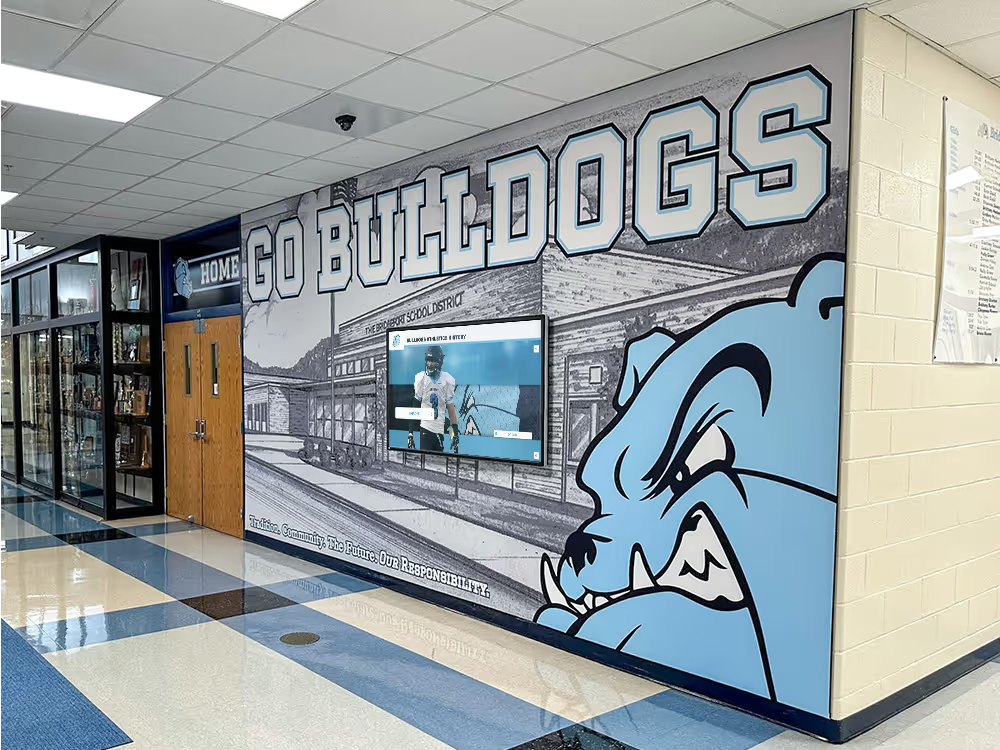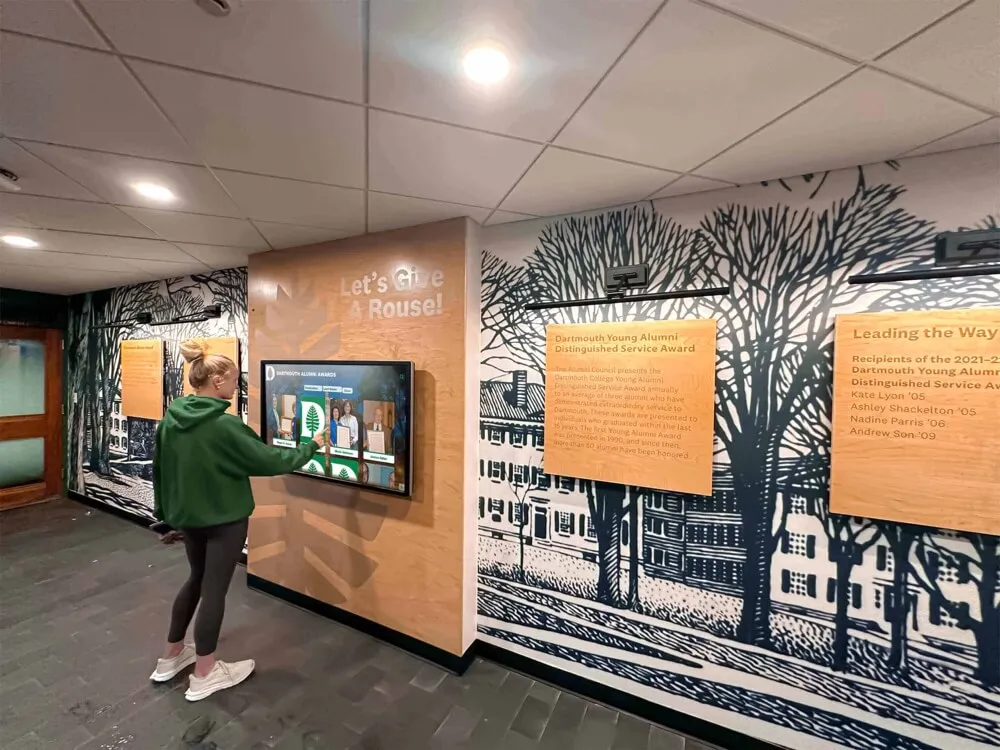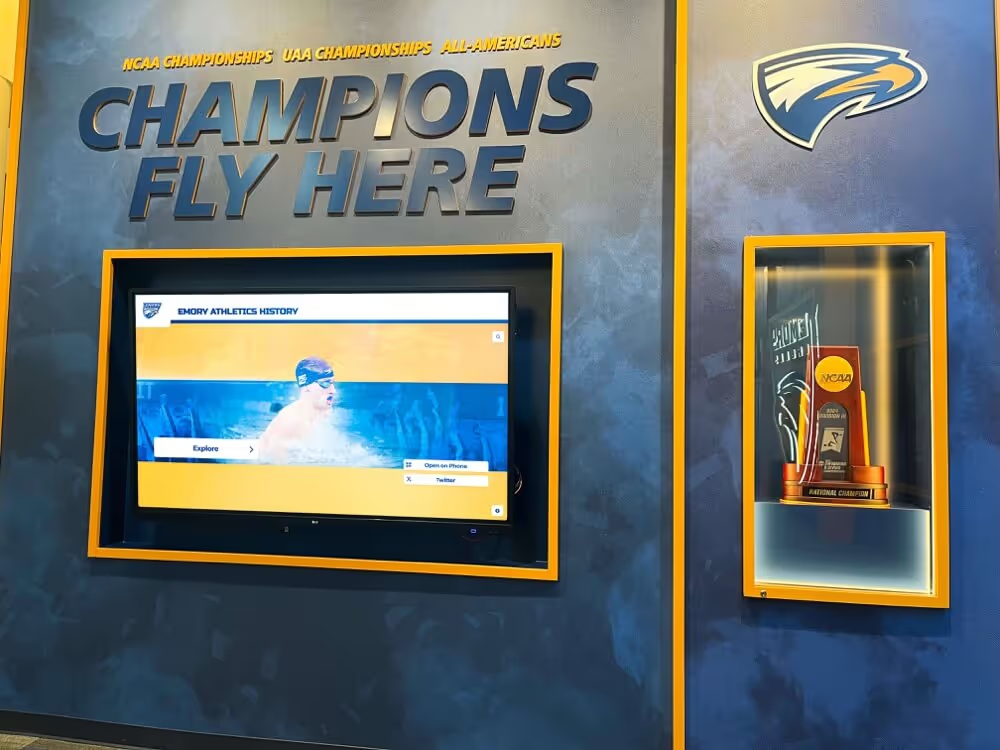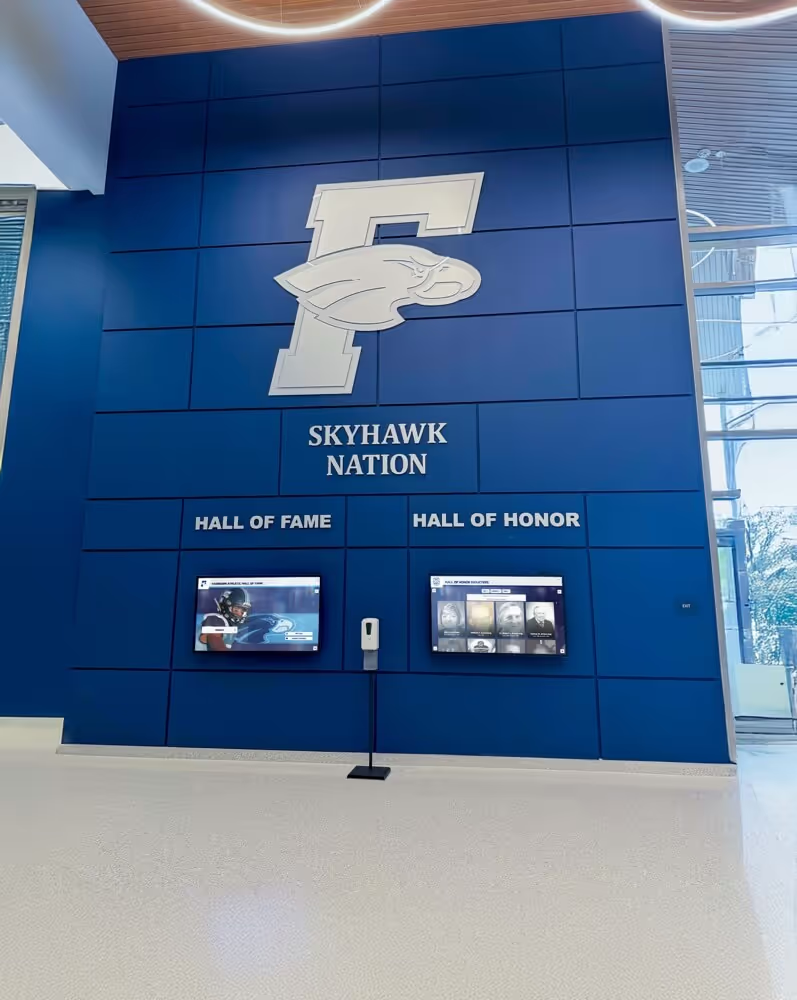




Distance no longer needs to create barriers between alumni and the institutions that shaped them. The most successful alumni engagement programs now leverage digital platforms to create meaningful connections that transcend geographic limitations, making participation accessible to graduates regardless of where life has taken them since graduation.
Yet many virtual alumni events feel hollow—awkward Zoom meetings with poor attendance, generic webinars that fail to inspire engagement, and online gatherings that leave participants feeling more isolated than connected. Alumni log in dutifully but log off unchanged, their emotional bonds to alma maters weakening rather than strengthening through disappointing digital experiences.
The critical difference between forgettable virtual events and transformative digital experiences lies in thoughtful design that creates what we call “digital warming”—the phenomenon where personalized, relevant content transforms sterile online spaces into vibrant communities. When virtual alumni events surface content meaningful to individual participants, facilitate authentic connection opportunities, and honor personal histories while building ongoing relationships, remote alumni become active community members rather than passive observers.
This comprehensive guide explores proven virtual alumni event ideas spanning interactive online programming, hybrid gatherings combining physical and digital participation, continuous engagement platforms maintaining connection between formal events, and recognition strategies that honor individual alumni journeys. Whether launching inaugural virtual programs or enhancing existing digital efforts, these strategies create memorable experiences activating remote alumni communities and building participation extending far beyond single event attendance.

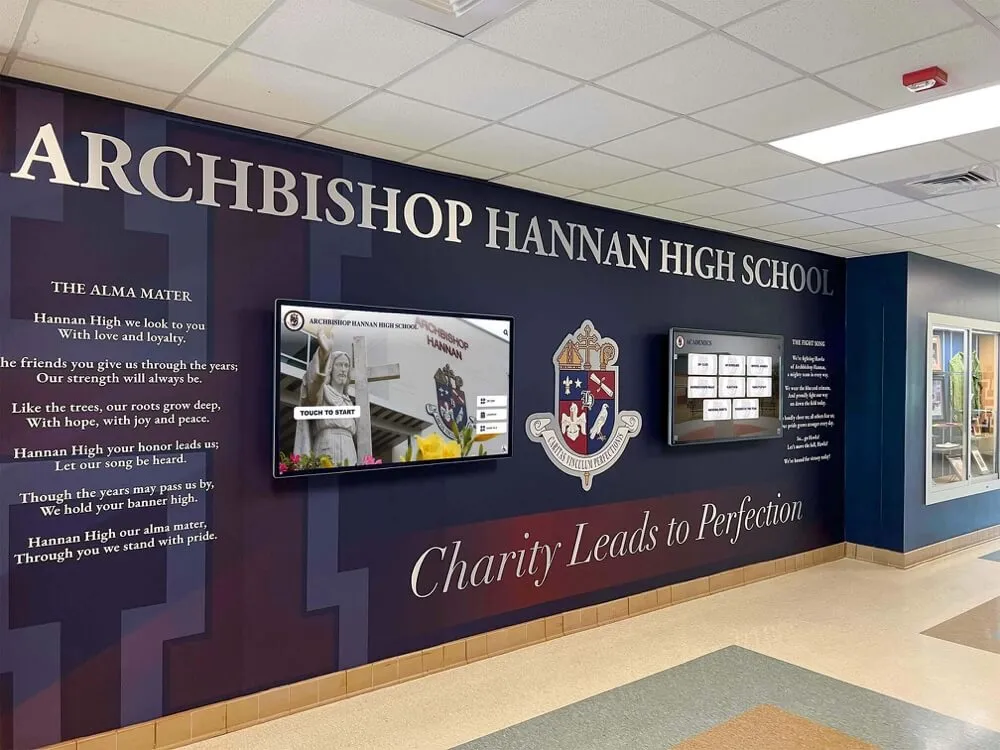
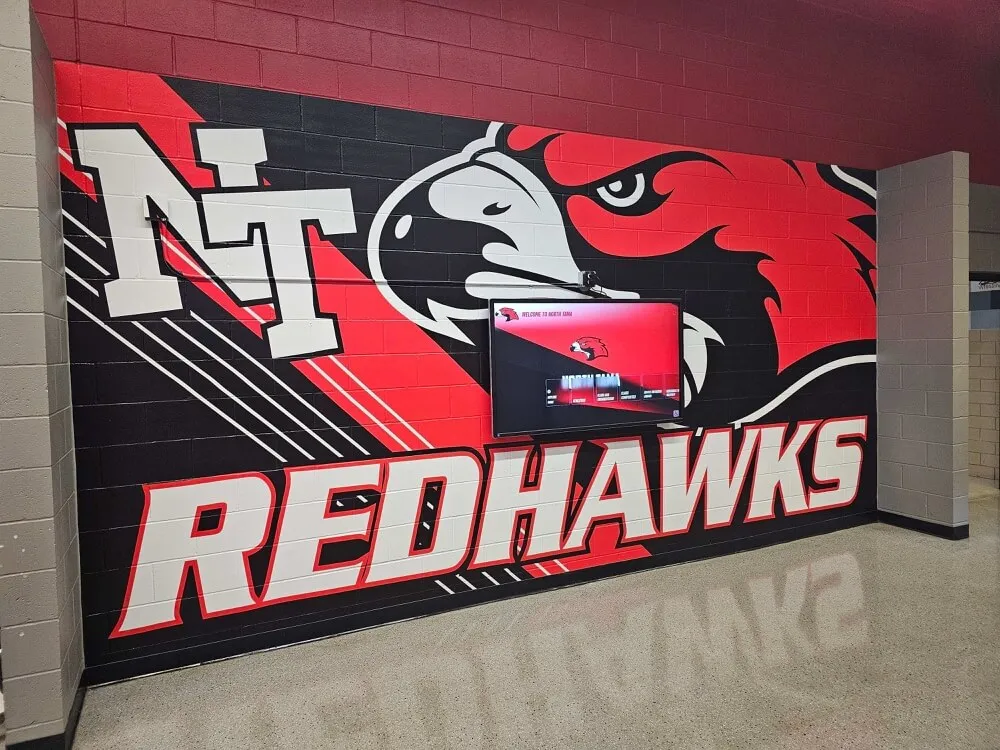
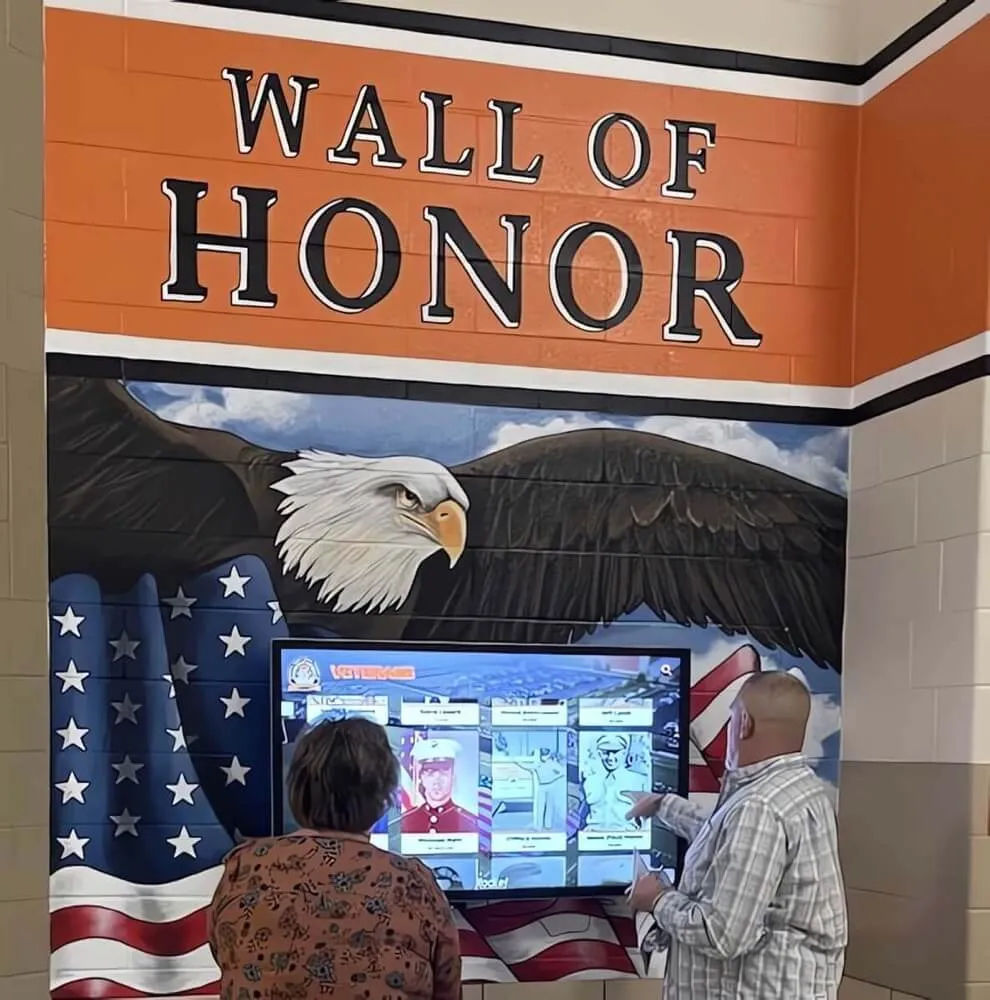
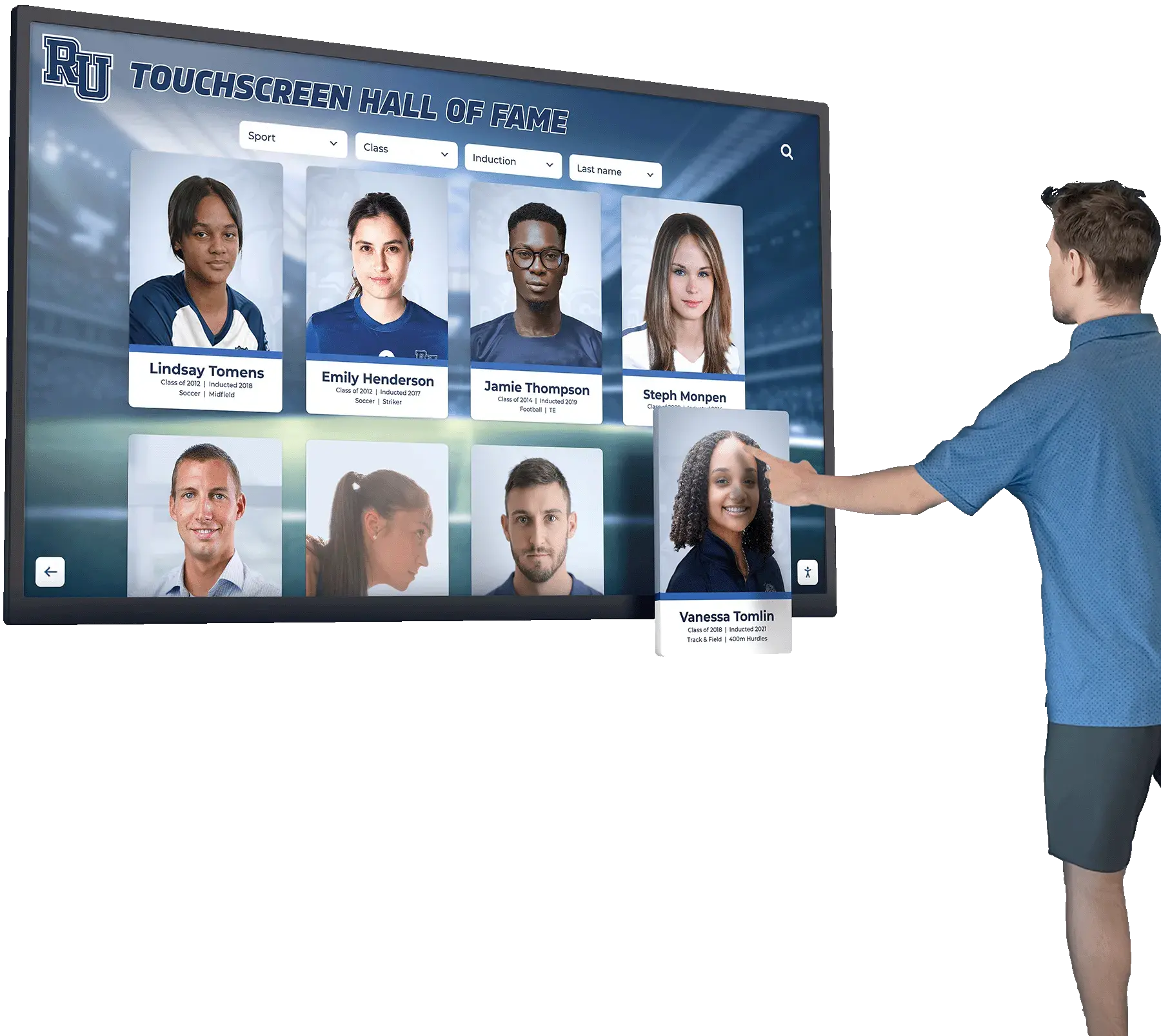
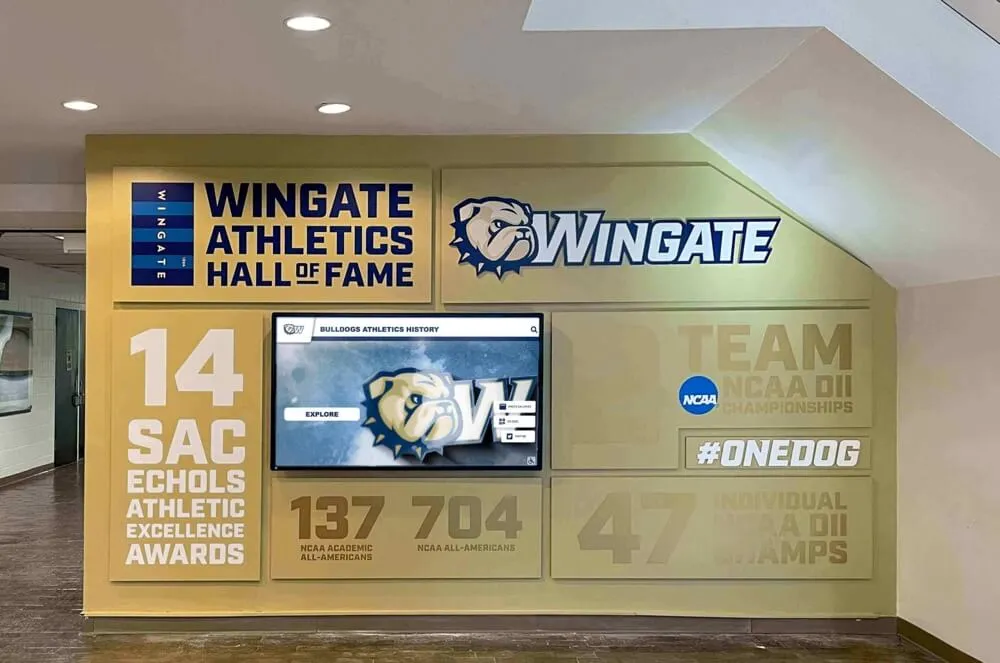
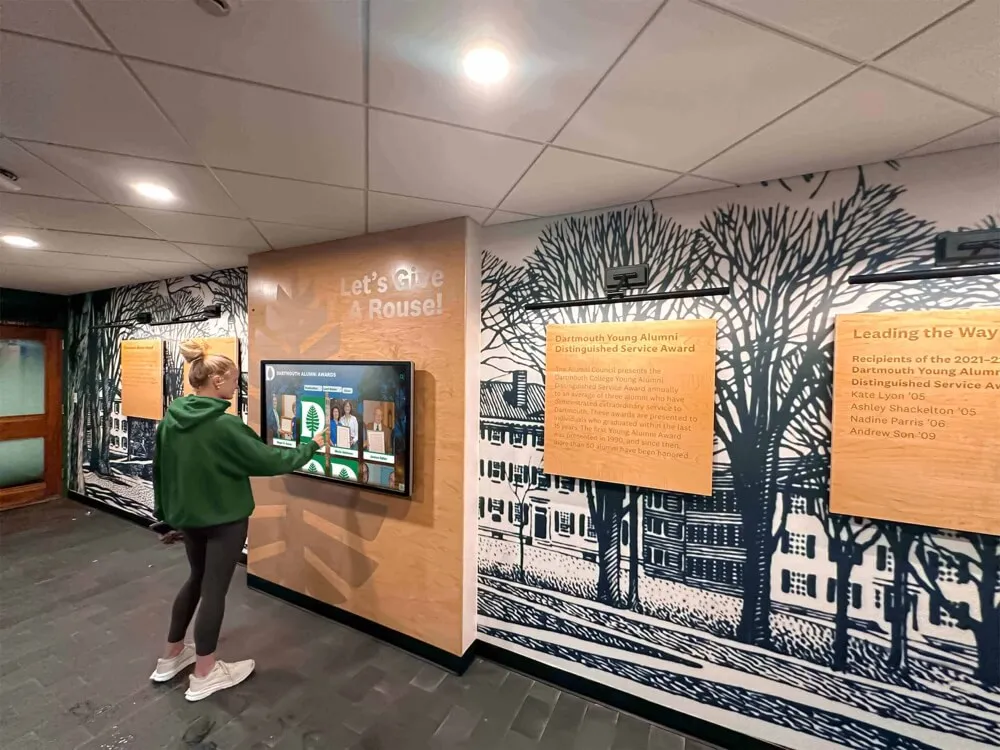
Digital platforms enable alumni engagement across distances while creating personalized discovery experiences
Understanding the Virtual Alumni Engagement Challenge
Before implementing specific virtual event ideas, understanding what makes remote engagement uniquely challenging helps alumni relations professionals design programs addressing real barriers rather than replicating in-person events through video calls.
Why Traditional Events Fail in Virtual Formats
Simply moving existing programming online rarely produces satisfying results because digital environments fundamentally change interaction dynamics.
Passive Viewing Versus Active Participation
In-person events naturally facilitate spontaneous conversation—alumni mingle during breaks, network over meals, and connect through proximity. Virtual platforms require intentional facilitation creating these organic moments. Without structured interaction opportunities, online attendees become passive viewers watching presentations rather than active participants building relationships. Cameras-off Zoom fatigue demonstrates how easily virtual attendees psychologically check out while technically remaining present.
Lack of Personal Recognition and Discovery
Physical gatherings provide visual recognition cues—name tags, familiar faces, physical spaces triggering memories. Virtual events strip away these context clues, leaving alumni feeling anonymous within sea of gallery view rectangles. Without mechanisms enabling personal discovery and recognition, remote participants struggle finding meaningful connections among hundreds or thousands of fellow alumni attending virtually.
One-Size-Fits-All Programming Limitations
Scheduled virtual events serve specific time zones and availability windows, automatically excluding international alumni, working professionals with inflexible schedules, parents managing childcare, or graduates in demanding careers. Single-time offerings create access barriers that physical events—with extended hours and drop-in flexibility—partially mitigate through varied participation windows.
What Remote Alumni Actually Want
Successful virtual programming starts by understanding what geographically distributed alumni genuinely seek from digital engagement.
Flexible Participation on Their Terms
Alumni want engagement fitting their schedules rather than requiring calendar blocking for specific events. On-demand content, asynchronous participation options, recorded sessions available for later viewing, and continuous platforms enabling engagement whenever convenient create accessibility that scheduled-only programming cannot achieve.
Personalized Content Relevant to Individual Journeys
Generic alumni communications feel impersonal. Remote graduates seek content directly relevant to graduation years, majors and academic programs, career paths and professional interests, geographic regions where they currently live, or life stages they currently navigate. This personalization transforms institutional messaging into personally meaningful engagement.
Authentic Connection Opportunities
Alumni crave genuine relationships, not superficial networking. Discovery mechanisms revealing shared experiences, interests, backgrounds, or current circumstances enable meaningful connection initiation. Small group interactions, facilitated conversations around specific topics, and structured networking create authentic engagement that open virtual receptions rarely achieve.
Ongoing Relationship Rather Than Event Attendance
The strongest alumni engagement transcends episodic event participation. Graduates want continuous community connection—platforms for discovering classmates, sharing life updates, exploring institutional history, or maintaining emotional bonds between formal programming. Single events without ongoing touchpoints allow relationships to dissipate completely between scheduled gatherings.
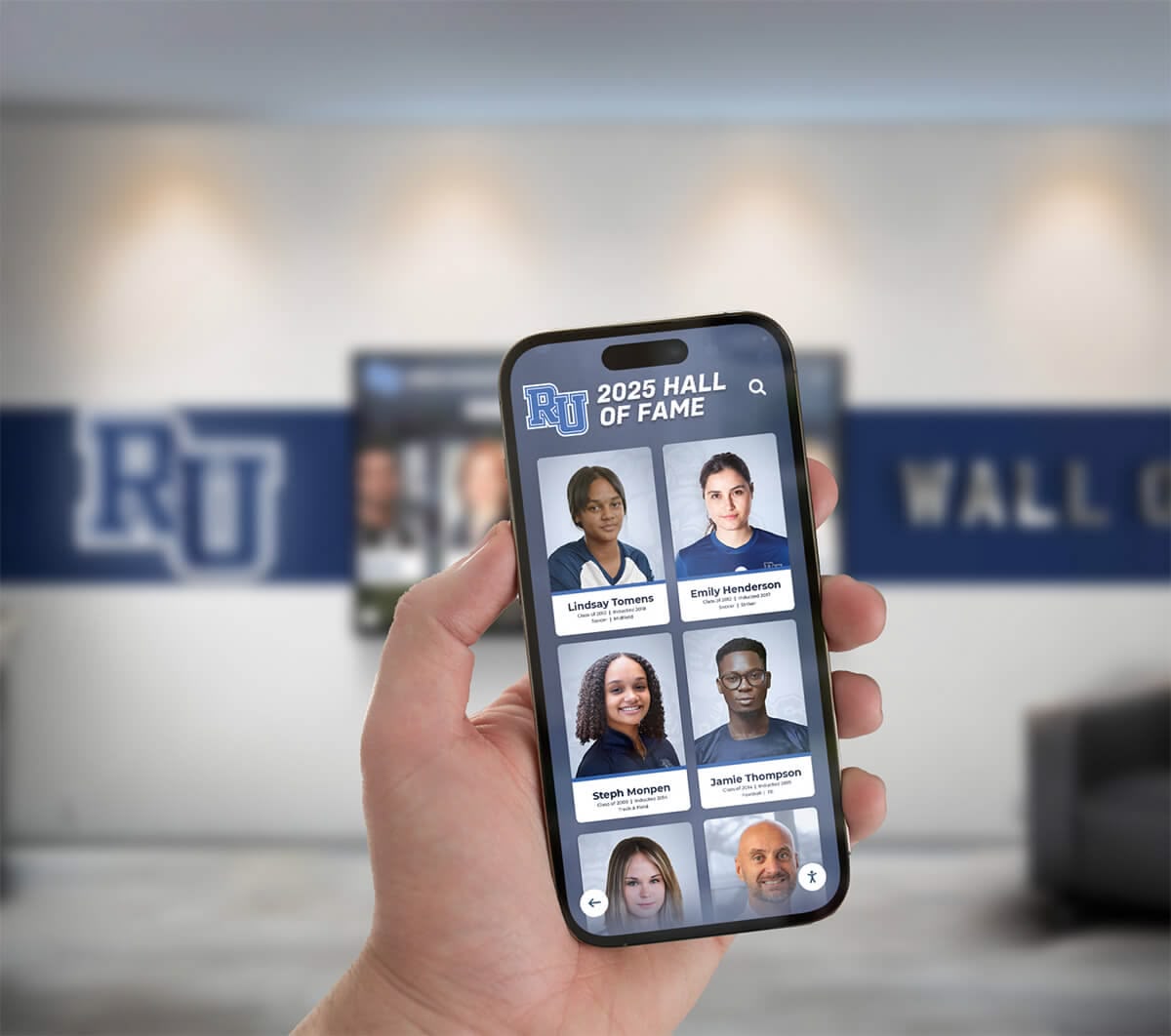
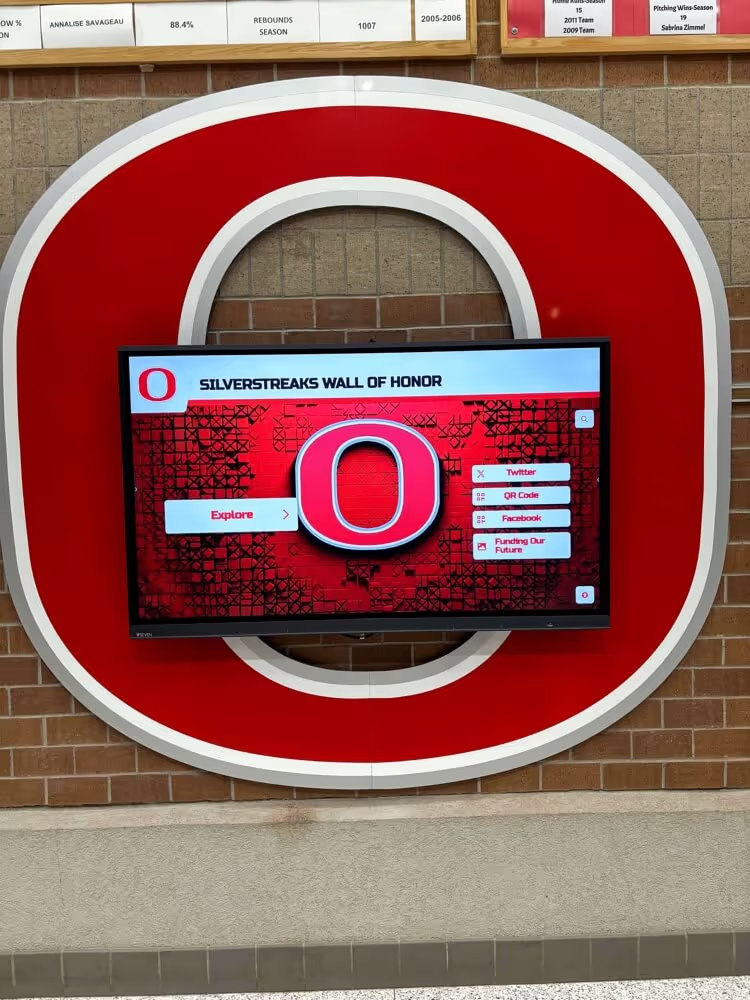
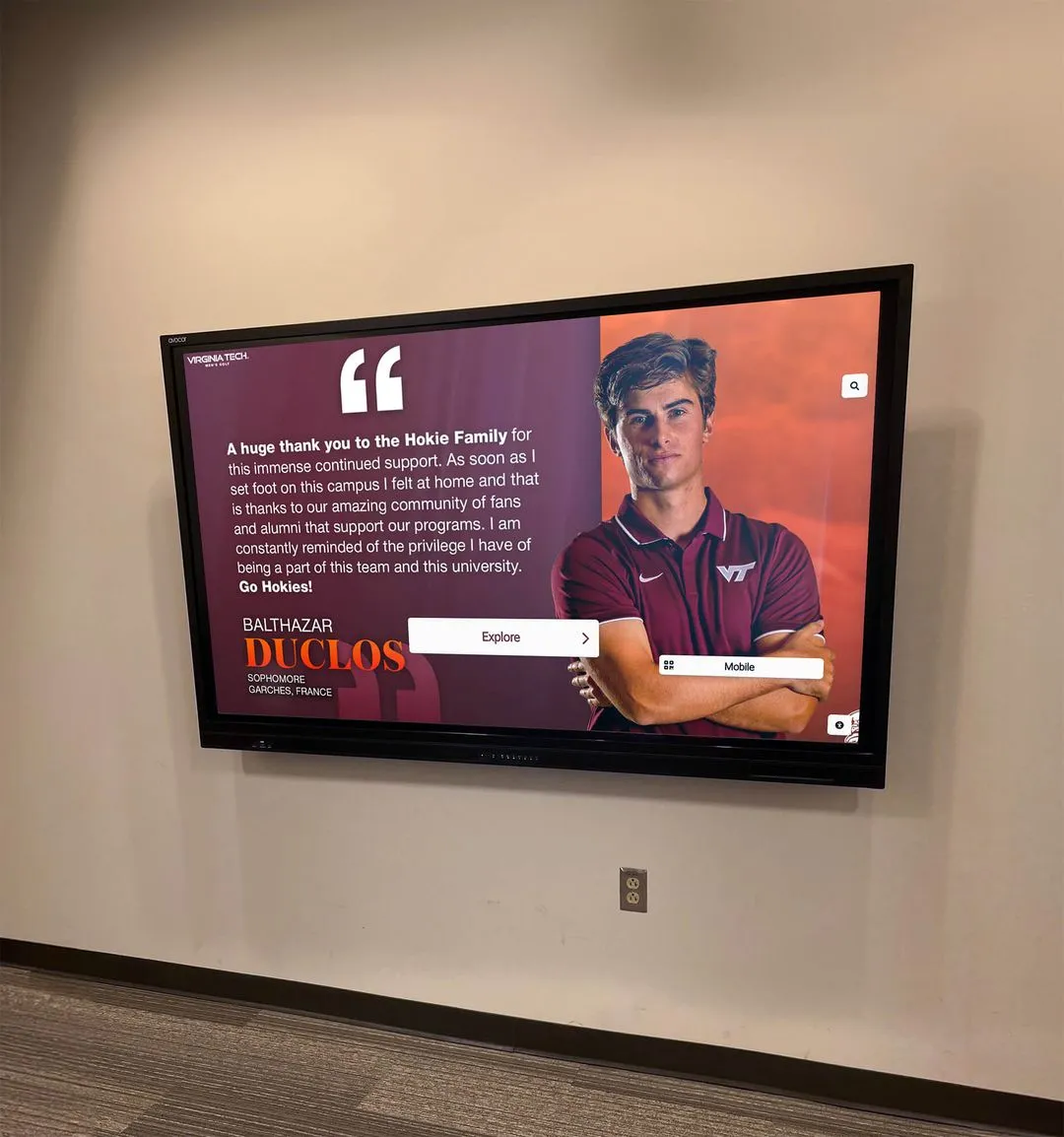
Mobile-accessible platforms enable alumni engagement from anywhere while maintaining personal connection to campus
Core Virtual Alumni Event Ideas
Proven programming formats create engaging experiences for remote alumni while accommodating digital environment constraints.
Interactive Virtual Reunions
Class reunions translate effectively to digital formats when thoughtfully designed around virtual strengths rather than merely replicating physical gatherings online.
Pre-Event Digital Memory Activation
Launch interactive digital platforms weeks before scheduled virtual reunions, enabling classmates to browse reunion content asynchronously before live events. Digital yearbook archives, searchable class rosters with current photos and biographical updates, memory wall contributions where alumni share favorite stories, and “where are they now” profiles help participants reconnect before formal programming begins. This advance engagement transforms virtual reunion events from awkward first reconnections into continuation of already-initiated conversations.
Solutions like Rocket Alumni Solutions provide purpose-built platforms for comprehensive alumni recognition featuring unlimited profile capacity, sophisticated search enabling instant classmate discovery, rich multimedia integration showcasing photos and videos from school years through present day, and web accessibility extending participation beyond scheduled events. These digital recognition systems create ongoing engagement infrastructure serving both virtual reunion preparation and continuous community building between formal gatherings.
Structured Small Group Video Conversations
Large group video calls feel impersonal and chaotic. Instead, organize structured breakout sessions grouping classmates by shared experiences—athletic teams, academic programs, extracurricular activities, current geographic regions, or career industries. These focused conversations enable genuine reconnection impossible in hundred-person Zoom meetings. Rotate groups throughout events, exposing participants to multiple small-group interactions rather than single extended conversations.
Interactive Game Elements and Trivia
Nostalgic activities create engagement while activating shared memories. Class history trivia challenges test collective knowledge about school events, teachers, traditions, or pop culture from graduation eras. “Two truths and a lie” alumni edition spotlights interesting classmate accomplishments while creating entertainment. Scavenger hunts directing participants to find specific alumni fitting various criteria force mingling beyond comfortable friend groups. These structured activities provide frameworks for interaction reducing pressure to generate conversation organically.
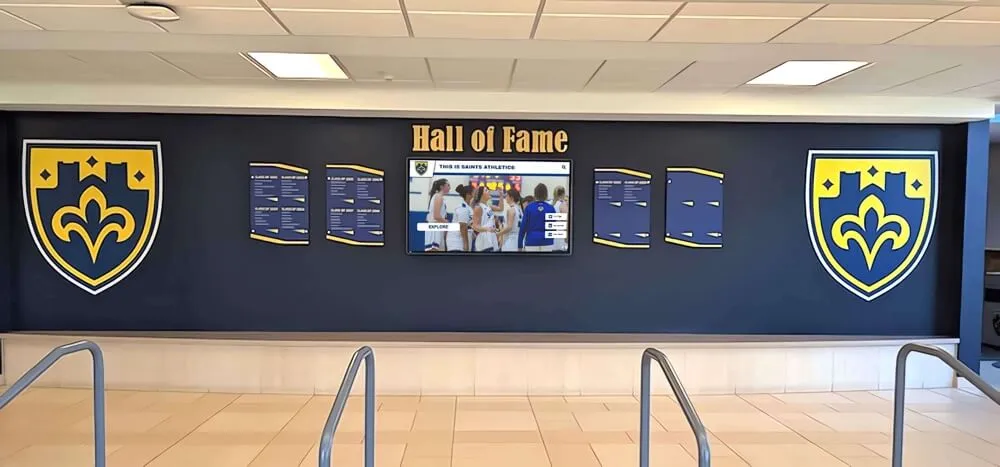
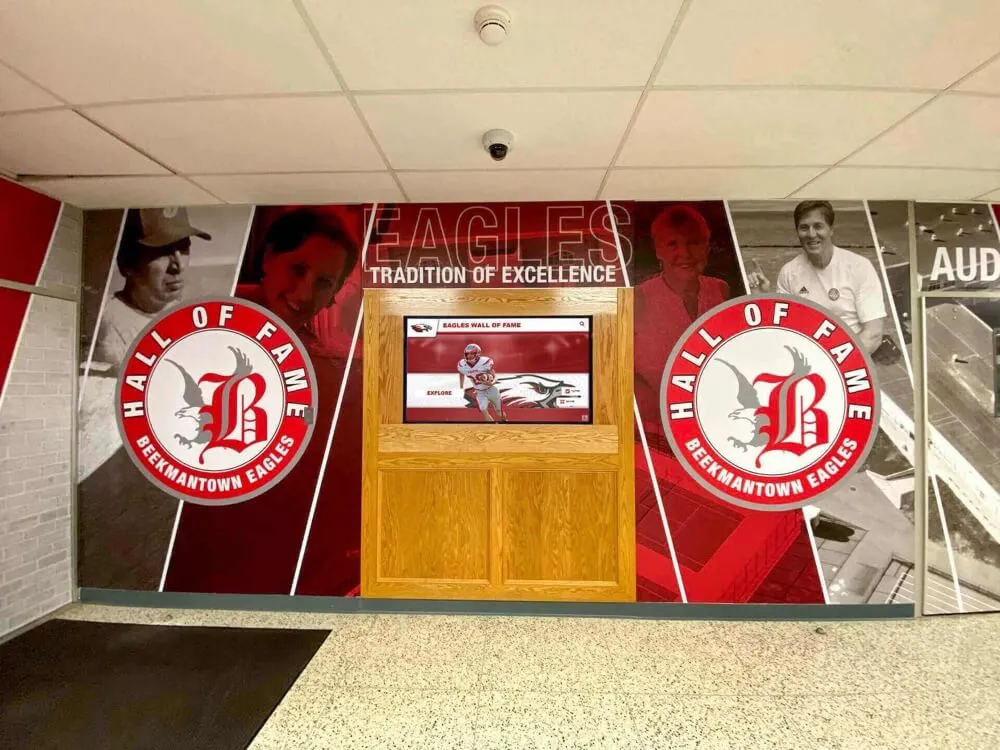
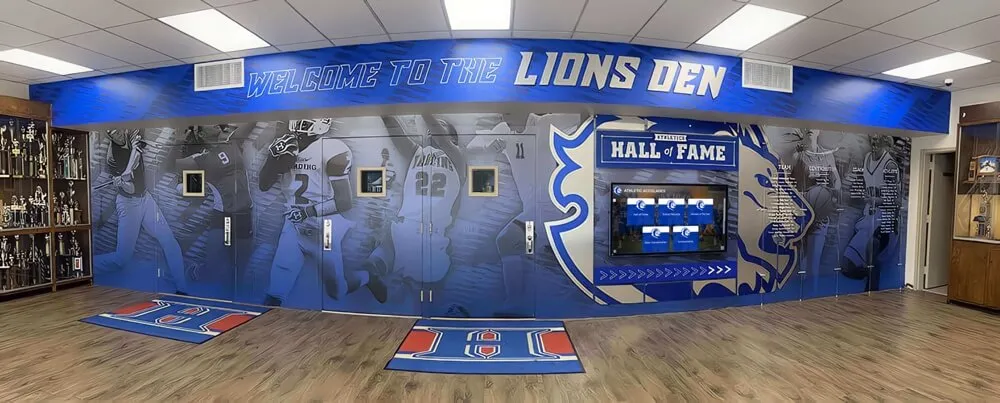
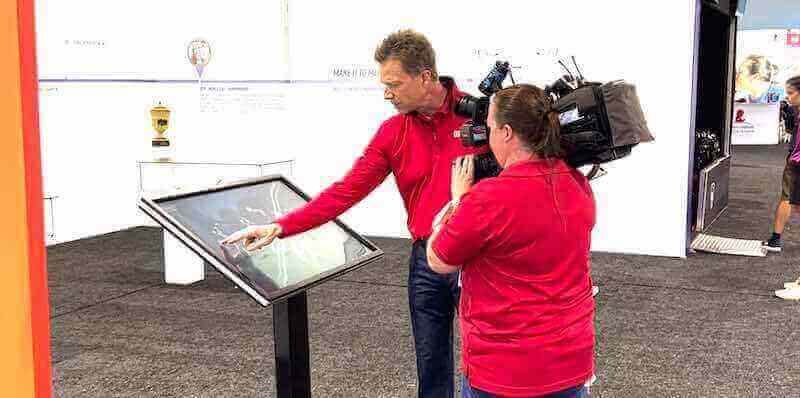
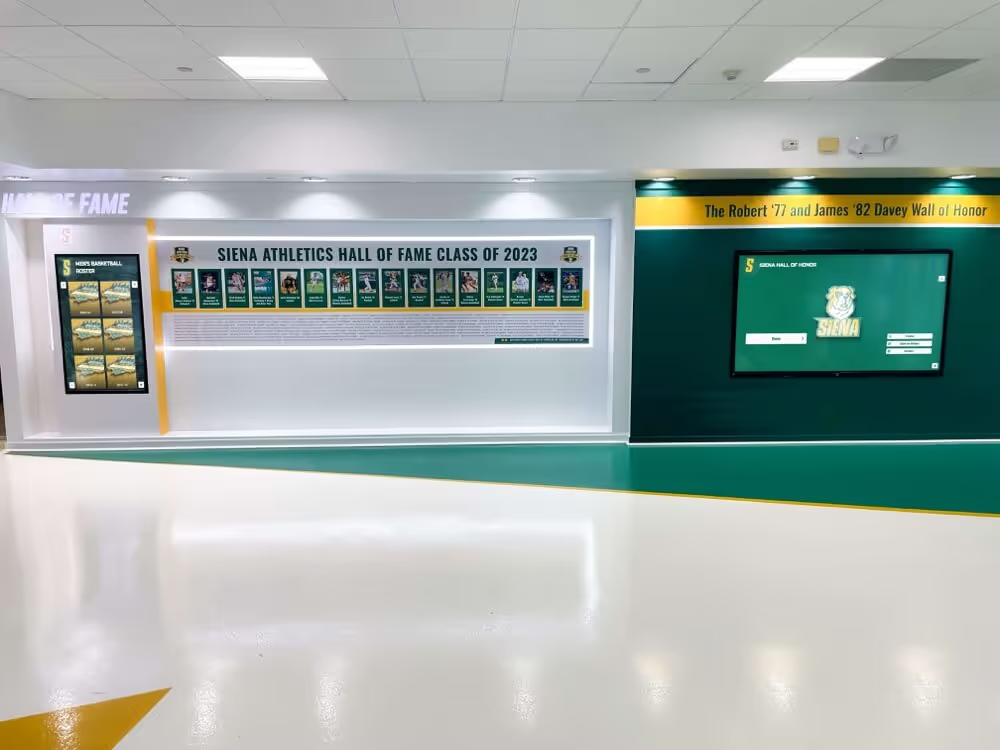
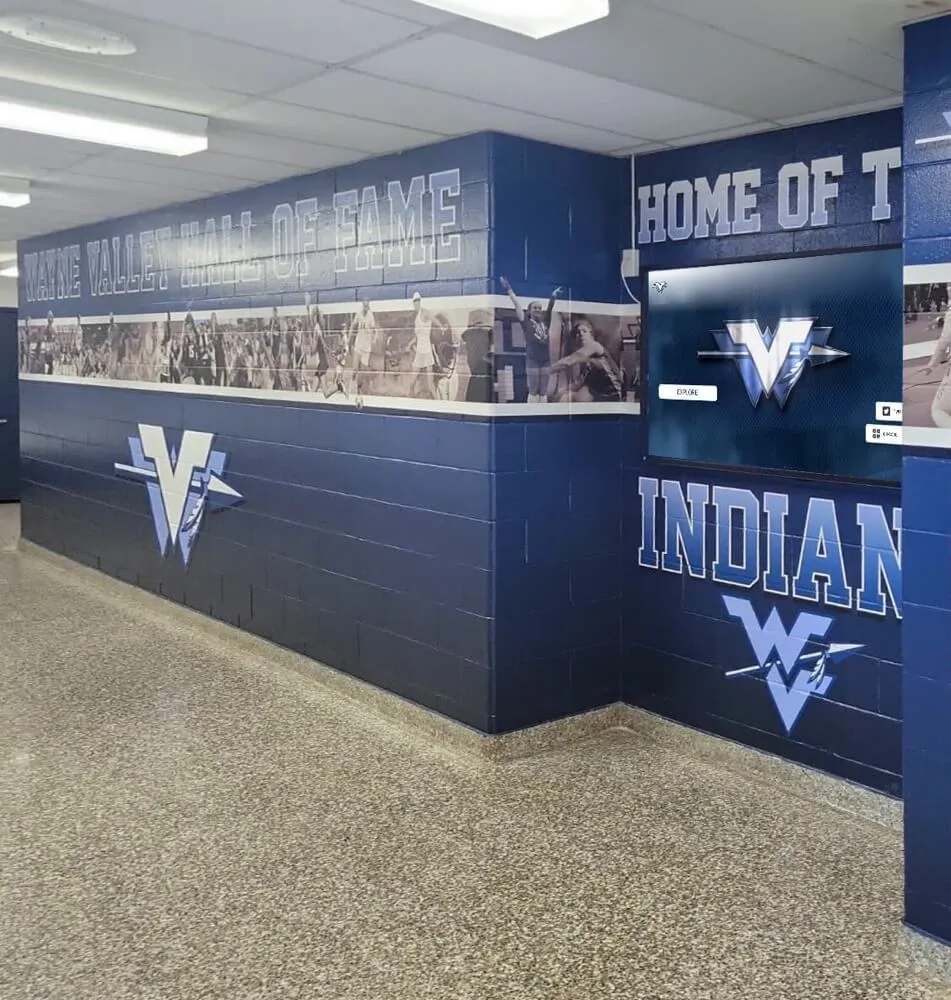
Hybrid recognition combining physical displays with [digital platforms](https://halloffame-online.com/blog/donor-recognition-wall-ideas/?utm_source=organic&utm_medium=seo-auto&utm_content=digitalwarming&utm_campaign=virtual-alumni-event-ideas&utm_term=seo) enables both in-person and remote alumni engagement
Professional Development Webinar Series
Career-focused programming provides tangible value while creating natural networking opportunities around shared professional interests.
Industry-Specific Panel Discussions
Organize panels featuring alumni working in specific industries—technology, healthcare, finance, education, nonprofit, or emerging sectors. Industry-focused sessions enable targeted promotion to alumni in relevant fields while creating valuable networking among participants sharing career contexts. Panel formats showcase multiple alumni voices while providing variety preventing single-speaker fatigue.
Include interactive Q&A segments, breakout networking enabling attendees to connect with panelists and each other, recorded sessions for on-demand viewing by alumni unable to attend live, and follow-up discussion forums maintaining conversation after formal events conclude.
Alumni Career Mentorship Speed Networking
Facilitate structured virtual mentorship connections pairing early-career alumni with experienced professionals in desired fields. Brief rotation formats—ten-minute video conversations before rotating to new matches—expose mentees to multiple mentors while preventing overwhelming time commitments. These efficient interactions create relationship foundations that participants can develop further through ongoing communication outside formal event structures.
Skill-Building Workshops Led by Alumni Experts
Leverage alumni expertise providing workshops on practical professional skills—public speaking, leadership development, negotiation strategies, personal branding, or industry-specific technical skills. Workshop formats offer concrete value beyond generic networking while positioning institutions as resources supporting ongoing alumni career success. Recording workshops creates content libraries providing lasting value extending far beyond live session attendance.
Engaging Lecture Series and Campus Conversations
Intellectual programming leverages institutional academic strengths while honoring alumni continuing curiosity about subjects that once fascinated them.
Distinguished Alumni Speaker Events
Spotlight accomplished alumni sharing professional journeys, lessons learned, advice for current students and fellow alumni, or expertise in specialized fields. Speaker events create institutional pride while providing role models demonstrating diverse paths to success. Interactive Q&A components enable audience participation transforming passive viewing into engaging conversation.
Promote speaker backgrounds weeks in advance, building anticipation while reminding non-attending alumni about accomplished peers. Post-event recordings extend reach to graduates unable to participate live while creating promotional content demonstrating vibrant alumni community.
Faculty Research Presentations for Alumni Audiences
Enable alumni to maintain intellectual connection with academic institutions through faculty presentations on cutting-edge research, emerging trends in various fields, or topics of broad public interest. Alumni appreciate remaining intellectually engaged with institutions that shaped their thinking while faculty benefit from public audiences beyond academic conferences. Tailor presentations for general educated audiences rather than specialist peers, ensuring accessibility to alumni regardless of academic backgrounds.
Timely Topic Roundtables
Organize discussions around current events, emerging trends, controversial topics, or issues relevant to specific alumni demographics. Facilitated conversation formats enable varied perspectives while creating engagement around subjects alumni care about beyond institutional loyalty. These intellectually substantive gatherings demonstrate that alumni relationships extend beyond nostalgia into ongoing community of thoughtful individuals.
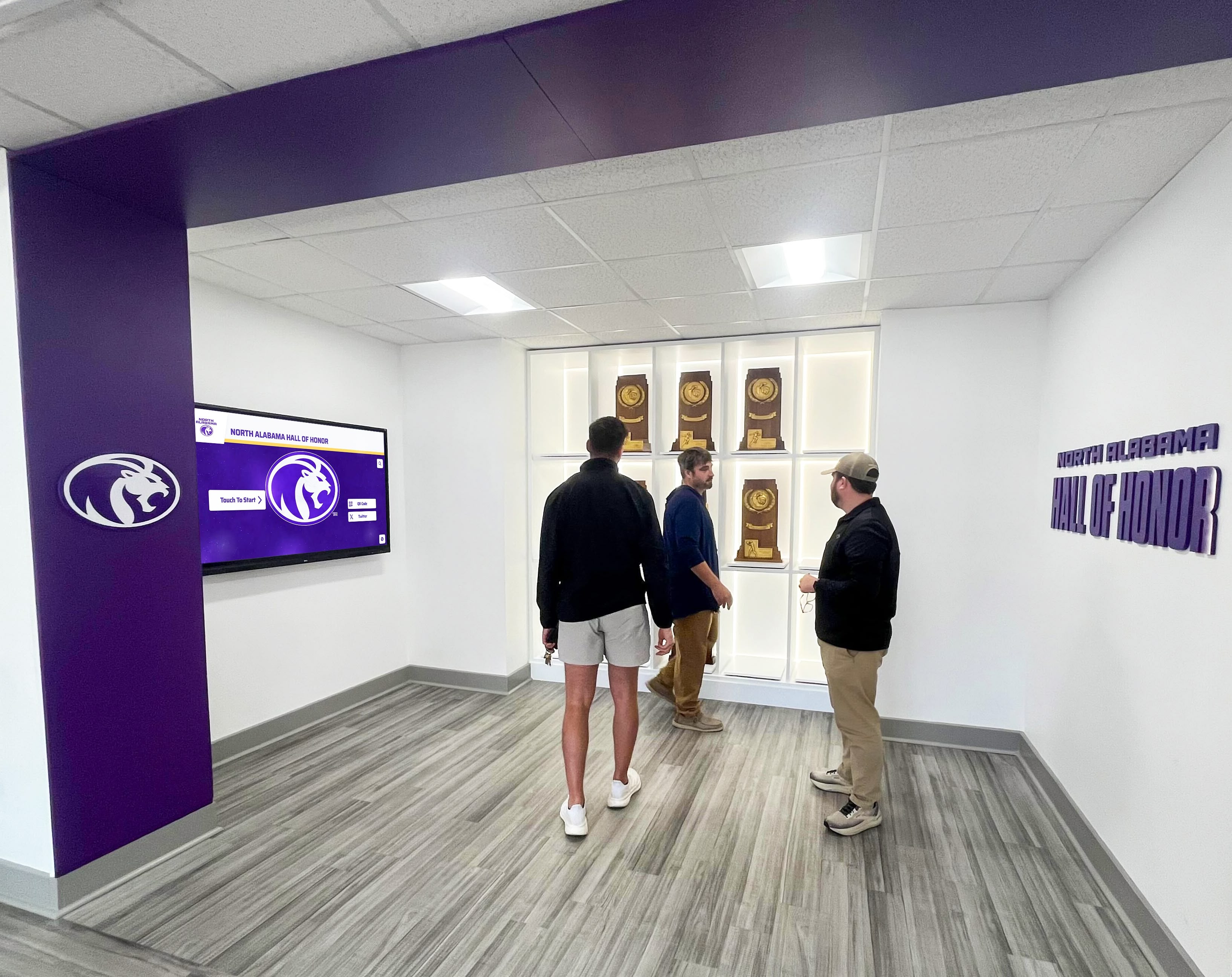
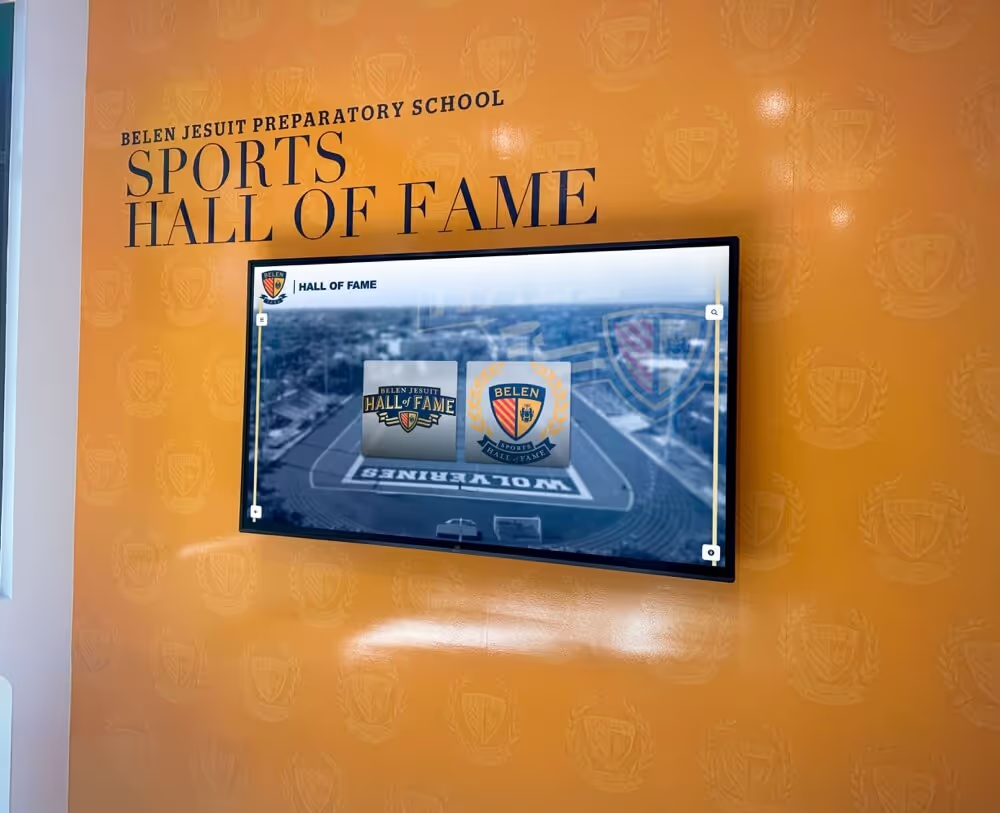
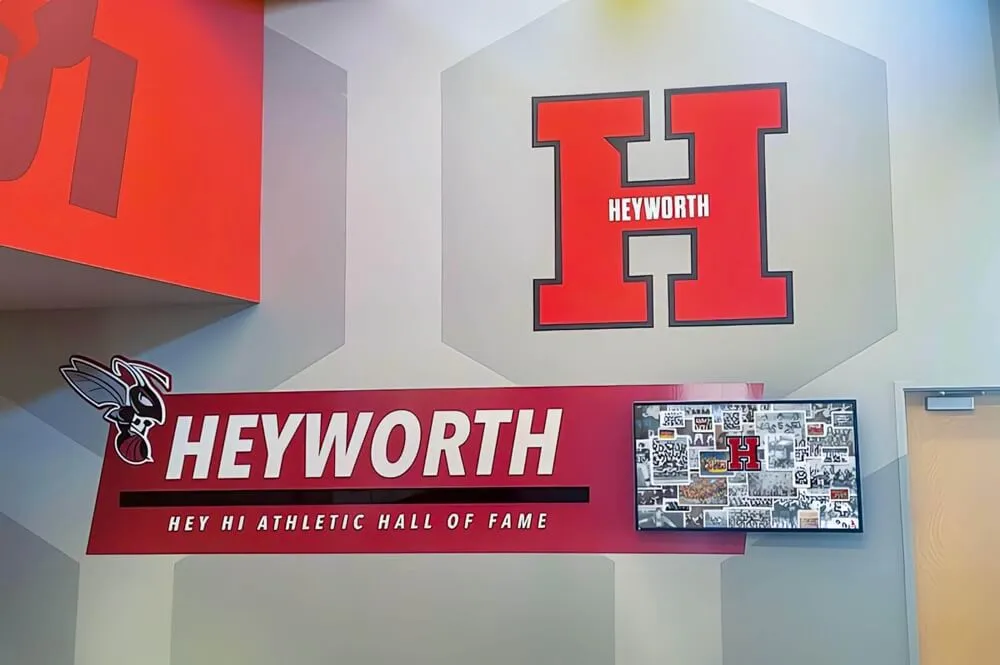
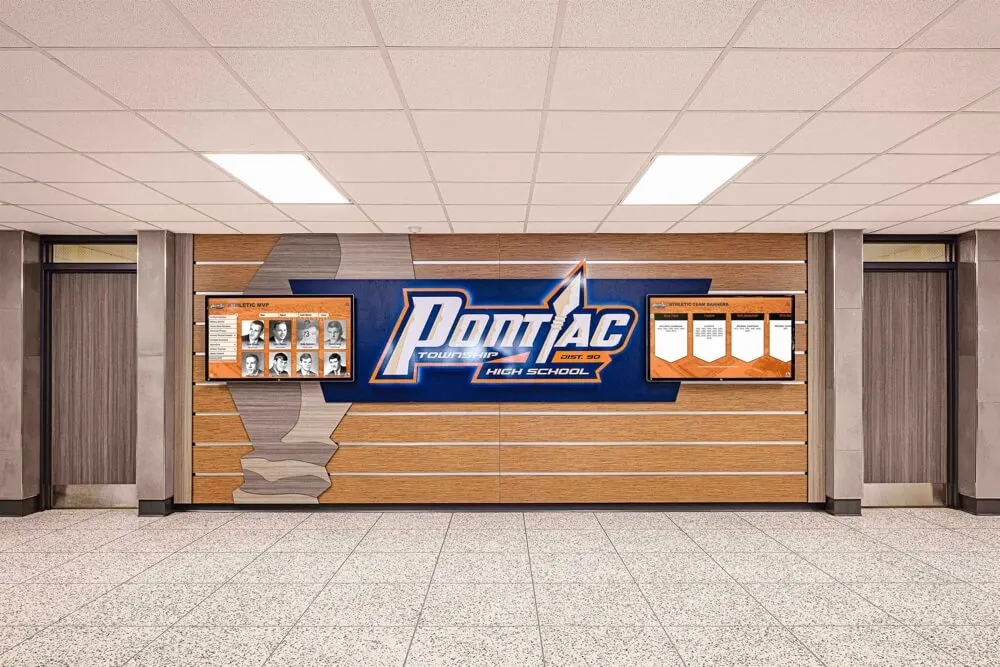
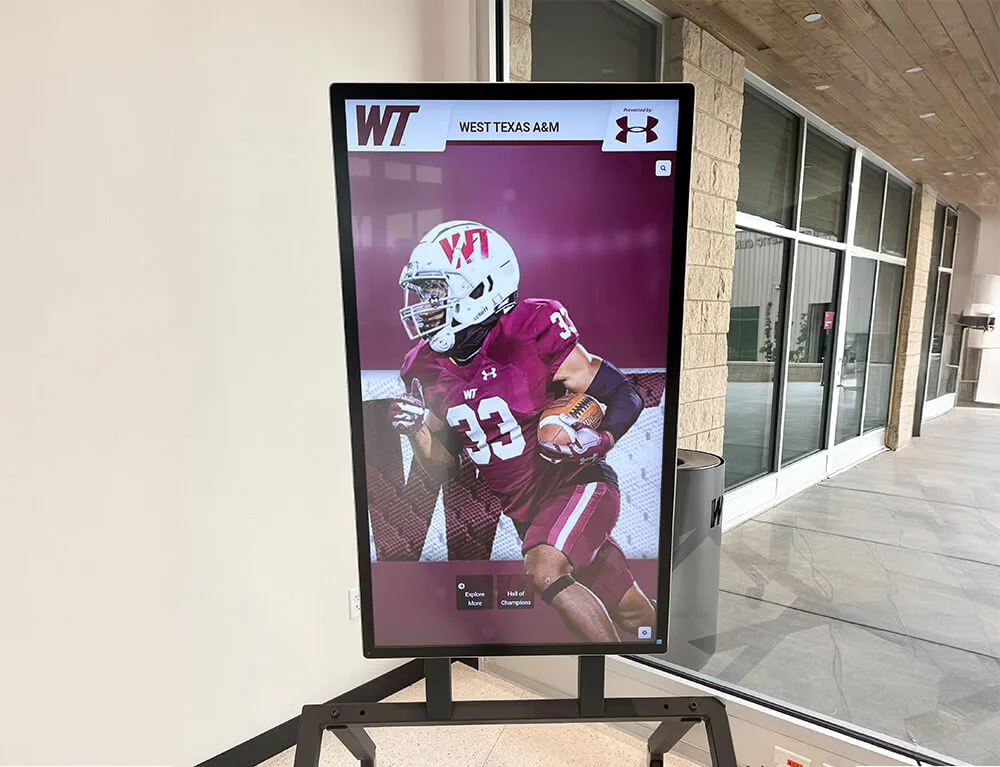
Recognition displays create [conversation starters](https://digital-trophy-case.com/blog/athletic-hall-of-fame-complete-guide-school-admin/?utm_source=organic&utm_medium=seo-auto&utm_content=digitalwarming&utm_campaign=virtual-alumni-event-ideas&utm_term=seo) during both physical campus visits and virtual exploration
Hybrid Event Models Combining Physical and Digital
The most effective alumni engagement strategies blend in-person and virtual participation, maximizing accessibility while preserving benefits of physical gatherings.
Live-Streamed Campus Events
Major campus occasions provide natural opportunities for hybrid participation enabling remote alumni to experience institutional life despite geographic distance.
Homecoming and Reunion Weekends
Stream key homecoming programming—athletic competitions, parade festivities, award ceremonies, or entertainment events—enabling alumni worldwide to participate virtually in signature campus traditions. Interactive chat features allow remote participants to comment and connect with both in-person attendees and fellow virtual viewers. Social media integration amplifies event visibility while creating community across physical and digital spaces.
Position physical touchscreen displays at in-person events showcasing alumni who couldn’t attend physically but submitted messages, photos, or updates for virtual inclusion. This visible recognition demonstrates that remote participation matters equally to physical presence, encouraging continued engagement from geographically distant graduates.
Commencement Ceremonies
Graduation represents peak institutional pride moments when alumni fondly recall their own commencement experiences. Live streaming enables alumni to witness current students reaching milestones, reinforcing institutional continuity and triggering nostalgic connection. Virtual viewing parties—organized regionally or by graduation year—create community among remote viewers while adding social dimension to individual streaming.
Lecture Series and Guest Speaker Events
Extend reach of distinguished speaker programming through simultaneous virtual attendance options. Hybrid formats enable capacity expansion beyond physical venue limitations while providing premium content to alumni unable to travel for single evening lectures. Interactive components—live polling, virtual Q&A submission, real-time social media conversation—create engagement transcending passive viewing.
Dual-Mode Recognition Ceremonies
Alumni award events and recognition programs achieve broader impact through hybrid delivery enabling honorees, families, and broader community to participate regardless of location.
Athletic Hall of Fame Induction Ceremonies
Athletic hall of fame programs naturally incorporate hybrid elements—physical induction banquets for honorees, families, and local alumni combined with live streams enabling teammates, former coaches, and geographically distant supporters to witness recognition. Digital platforms permanently preserving inductee profiles, career statistics, photographs, and tribute videos extend recognition beyond single ceremony moments into ongoing celebration accessible anytime from anywhere.
Rocket Alumni Solutions specializes in comprehensive athletic recognition systems combining physical touchscreen displays in campus facilities with web-accessible platforms enabling exploration from any device. These integrated approaches ensure all alumni—whether visiting campus physically or engaging remotely—can discover and celebrate athletic excellence and institutional tradition.
Distinguished Alumni Awards
Honor exceptional alumni through ceremonies that blend in-person celebrations with virtual participation. Live streaming enables honorees unable to travel, alumni worldwide wishing to celebrate accomplished peers, and community members interested in recognizing excellence. Post-event, permanent digital recognition preserves award recipients’ stories and achievements in searchable databases accessible to future students, prospective donors, and entire alumni community.
Memorial Services and Remembrance Events
Sensitive occasions honoring deceased alumni particularly benefit from hybrid approaches enabling broad participation during grief periods when travel may be challenging. Virtual attendance options ensure no one who wishes to participate feels excluded due to distance or circumstances while physical gatherings provide tangible community support for those able to attend in person.
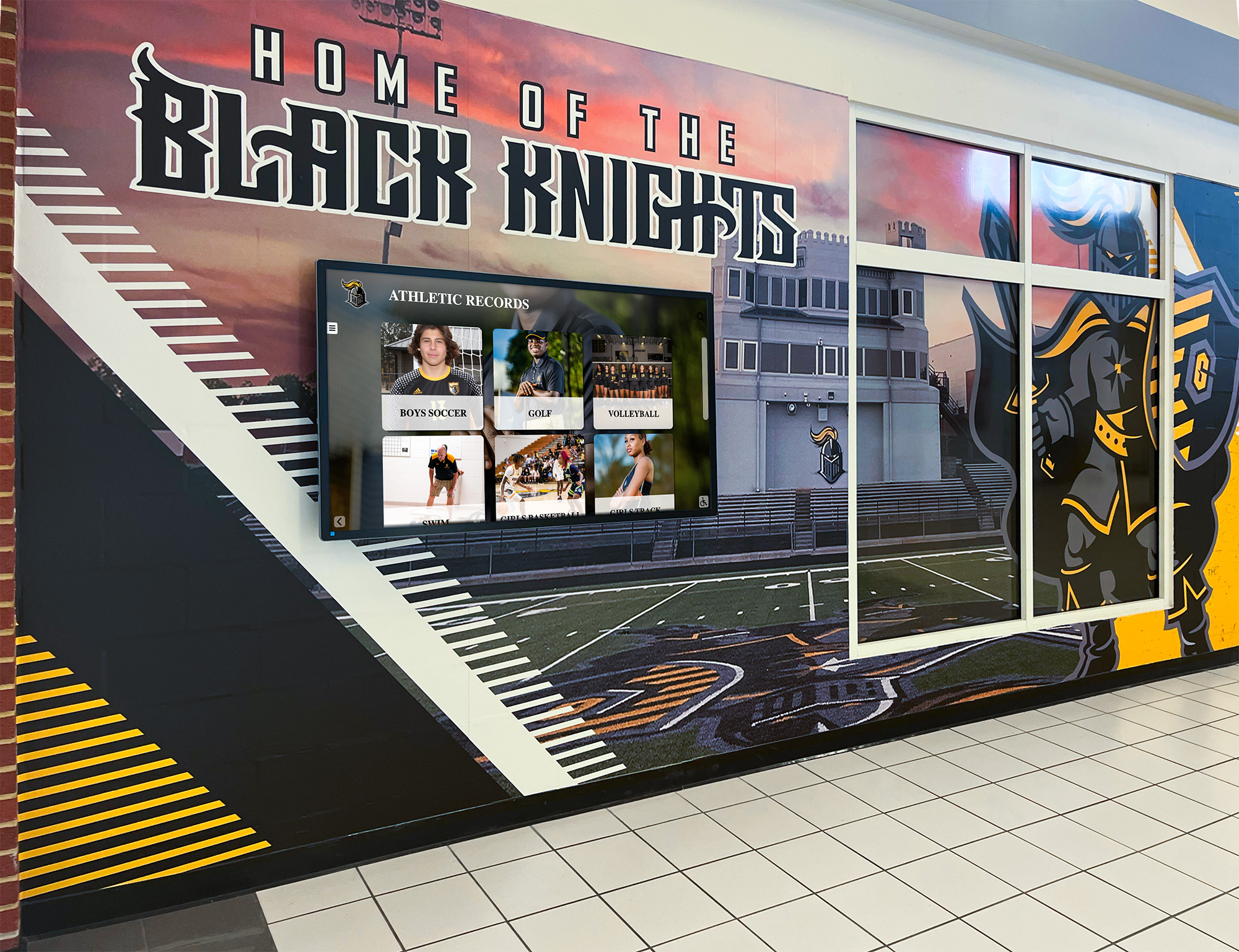
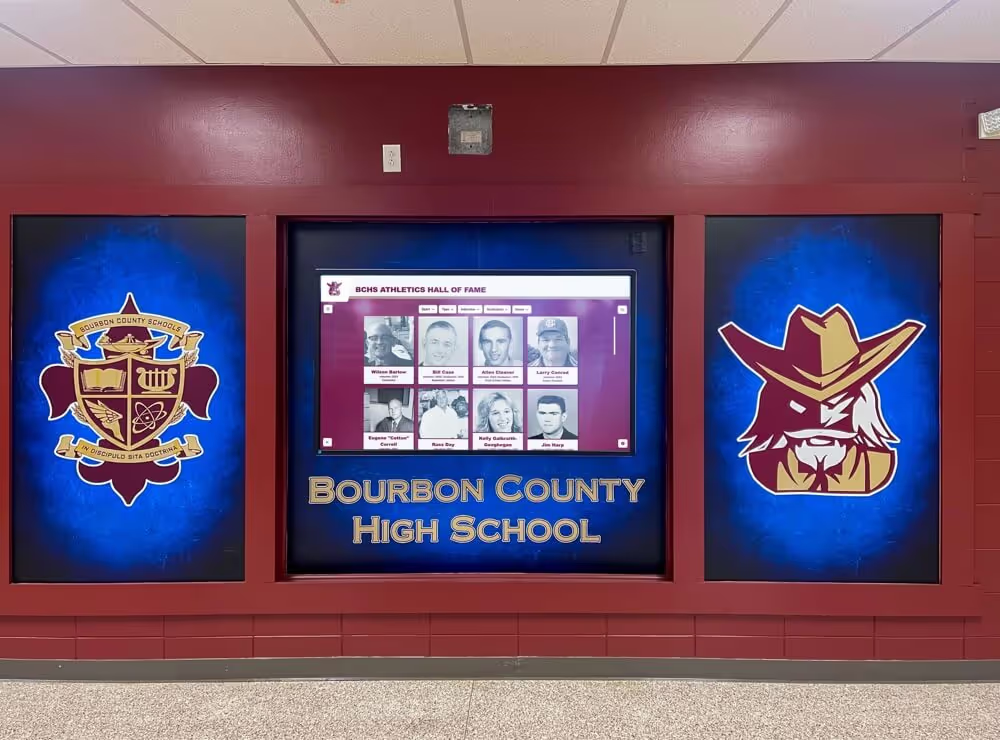
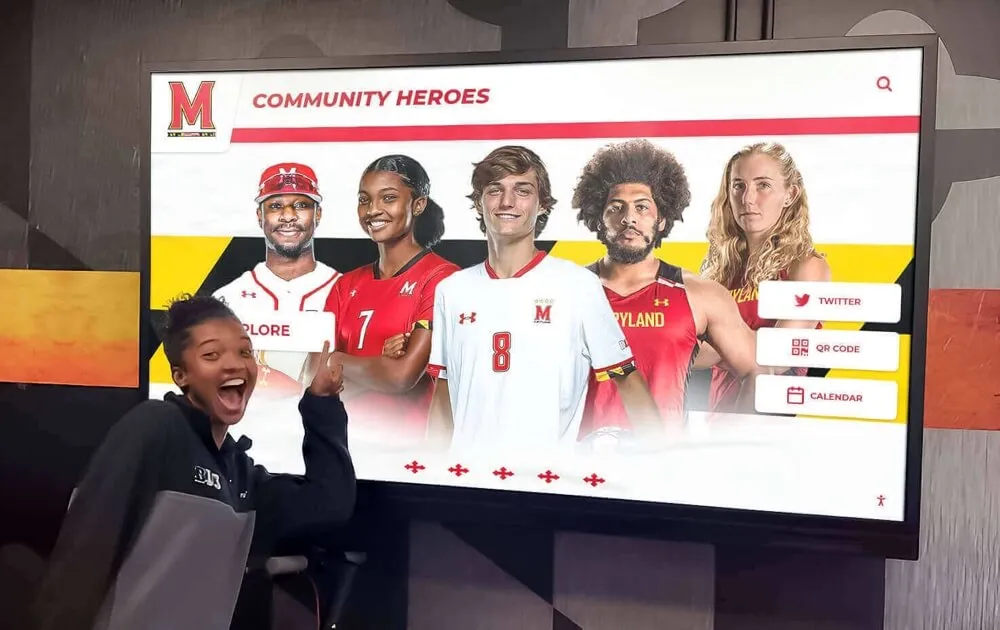
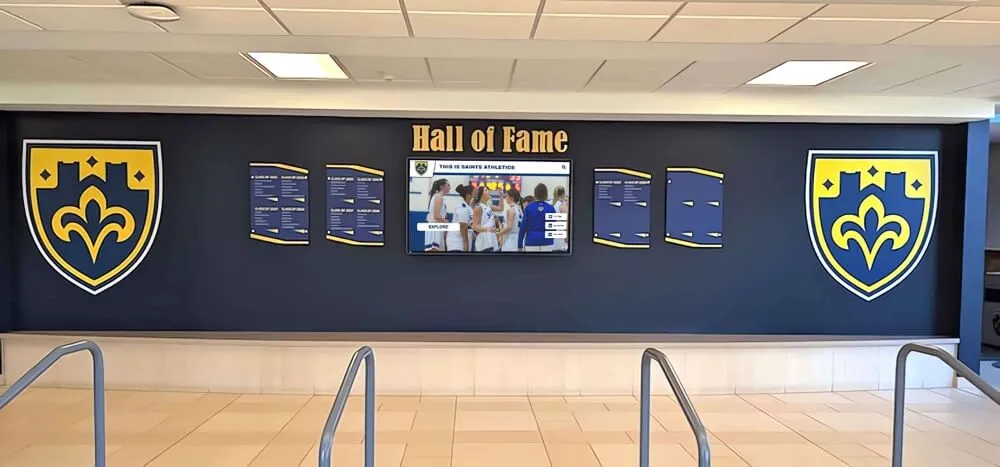
Campus recognition installations honor alumni achievements while [digital extensions](https://touchwall.tv/blog/digital-donor-walls-guide/?utm_source=organic&utm_medium=seo-auto&utm_content=digitalwarming&utm_campaign=virtual-alumni-event-ideas&utm_term=seo) enable remote exploration and engagement
Regional Chapter Virtual Integration
Alumni chapters organized by geographic location create natural communities, yet even regional groups benefit from virtual options accommodating varying schedules and mobility constraints.
Hybrid Regional Gatherings
Host chapter events with both physical venue components for local attendees and simultaneous virtual access for members unable to attend in person. This dual-mode approach ensures accessibility for parents with childcare constraints, professionals traveling frequently, alumni with mobility limitations, or members living on chapter geographic peripheries making regular attendance challenging.
Virtual participants should experience genuine inclusion rather than second-class attendance. Ensure quality audio-visual enabling remote viewers to see, hear, and participate fully. Structure programming incorporating both in-person and virtual voices—perhaps through hybrid Q&A, shared chat feeds visible to all participants, or collaborative activities bridging physical and digital spaces.
Virtual-First Regional Programming
For chapters spanning large territories or experiencing low in-person attendance, embrace virtual-first approaches removing physical gathering requirements entirely. Online formats eliminate venue costs, parking concerns, weather dependencies, and travel time commitments—often increasing participation beyond what physical events achieved. Virtual programming paradoxically can strengthen regional community by removing barriers that prevented many members from ever attending physical gatherings.
Occasional in-person social gatherings for those desiring face-to-face connection can supplement regular virtual programming without requiring all chapter activities to depend on physical attendance.
Continuous Engagement Platforms Beyond Events
The most effective alumni engagement transcends episodic event programming through platforms enabling ongoing connection between formal gatherings.
Interactive Digital Recognition Walls
Permanent digital displays—both physical touchscreen installations on campus and web-accessible platforms available remotely—create 24/7 alumni engagement opportunities independent of scheduled event attendance.
Comprehensive Alumni Databases
Purpose-built platforms accommodating unlimited alumni profiles with photographs from school years through present day, biographical information including education, careers, locations, achievements, and family details, searchable functionality enabling instant discovery by name, year, major, location, or other criteria, and continuous update capabilities allowing profiles to remain current rather than frozen in time.
These comprehensive databases transform casual curiosity into deep exploration. Alumni spending time discovering classmates, exploring different graduation years, researching school history, or learning about accomplished peers build emotional connections strengthening institutional bonds. The “digital warming” effect occurs when personalized, relevant content transforms sterile databases into engaging experiences where every alumnus discovers something personally meaningful.
Recognition of Ongoing Achievements
Digital platforms accommodate continuous recognition additions as alumni achieve career milestones, publish books or research, earn advanced degrees, launch businesses, receive community awards, or accomplish noteworthy feats. Unlike static plaques with finite capacity, digital recognition scales infinitely while remaining always current. This ongoing celebration demonstrates that institutional interest in alumni persists throughout entire lives rather than ending at graduation.
Web and Mobile Accessibility
Modern alumni recognition platforms must extend beyond physical campus installations to web-based versions accessible from any internet-connected device anywhere globally. Alumni exploring recognition from home computers, browsing profiles on smartphones during commutes, or sharing impressive accomplishments with family members create engagement moments completely independent of campus visits or scheduled events.
QR codes positioned near physical displays enable seamless transition between campus touchscreens and personal devices, allowing alumni to continue exploration after leaving campus or share discoveries with distant friends and family.
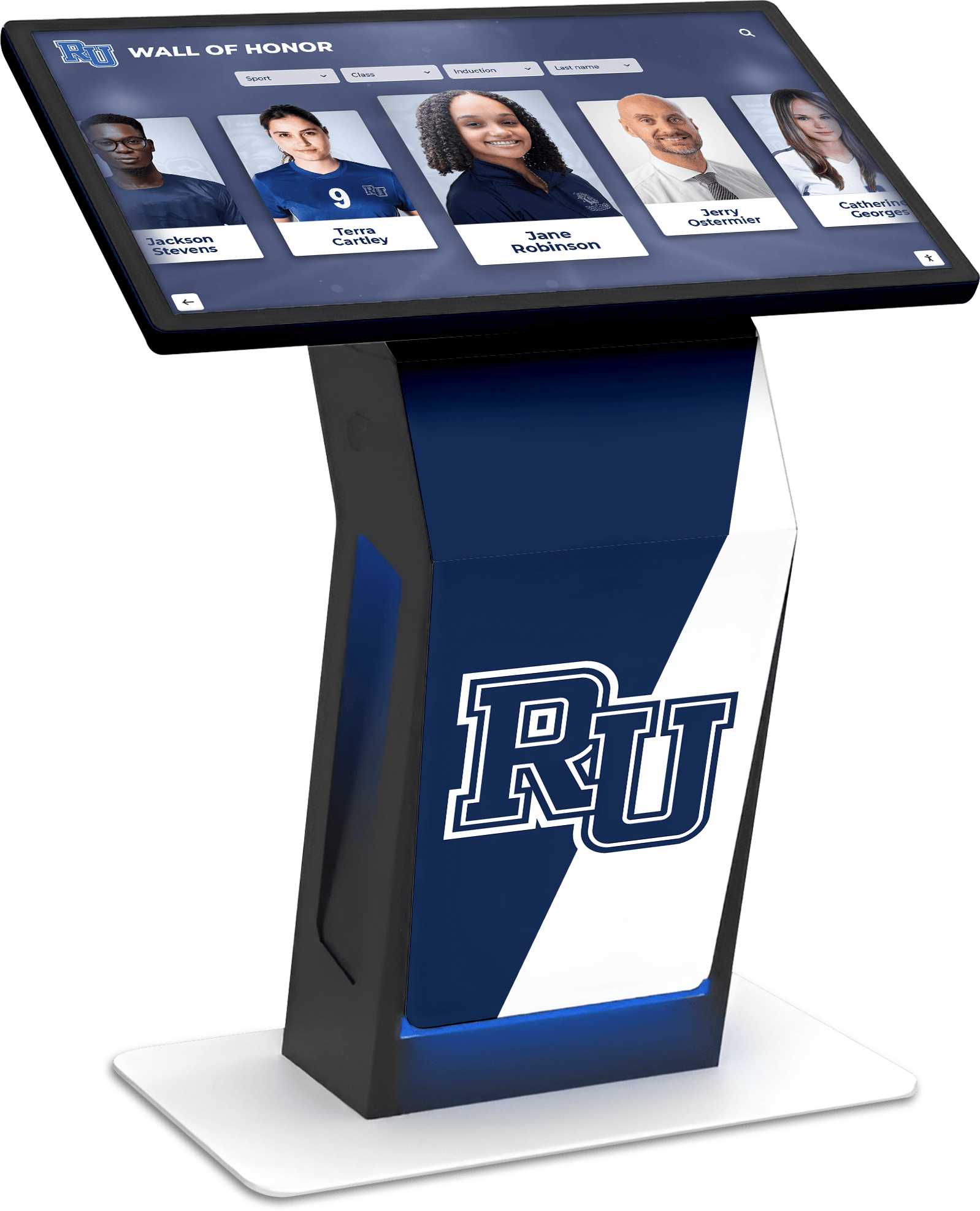
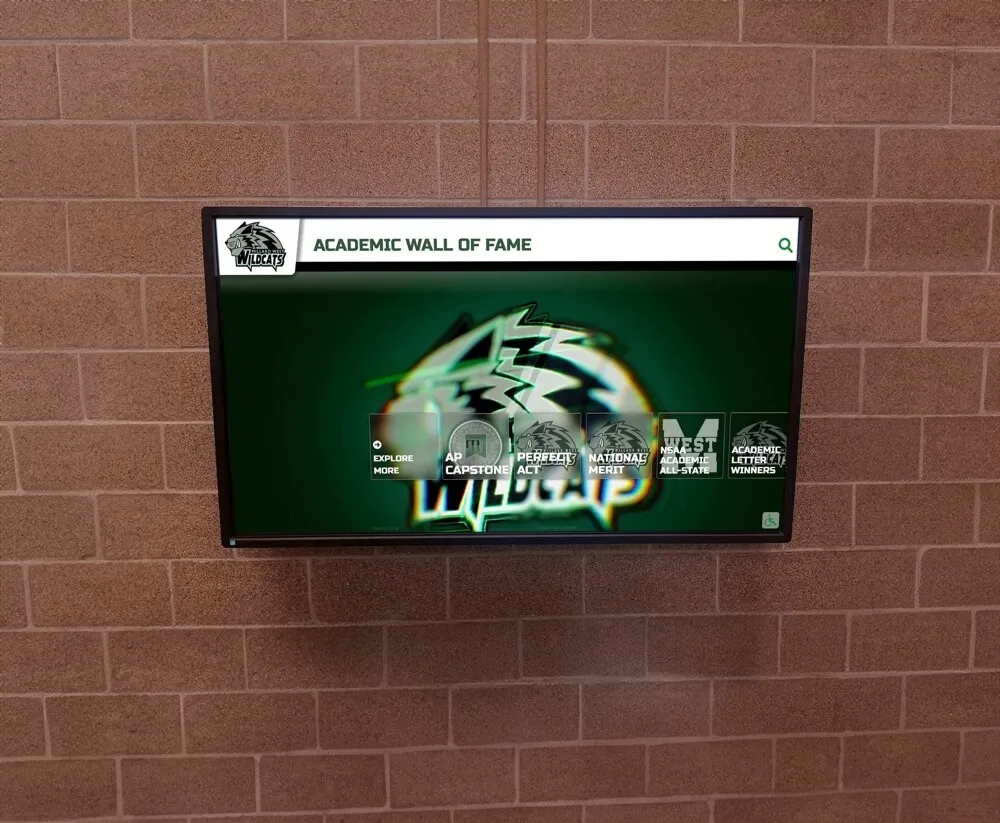
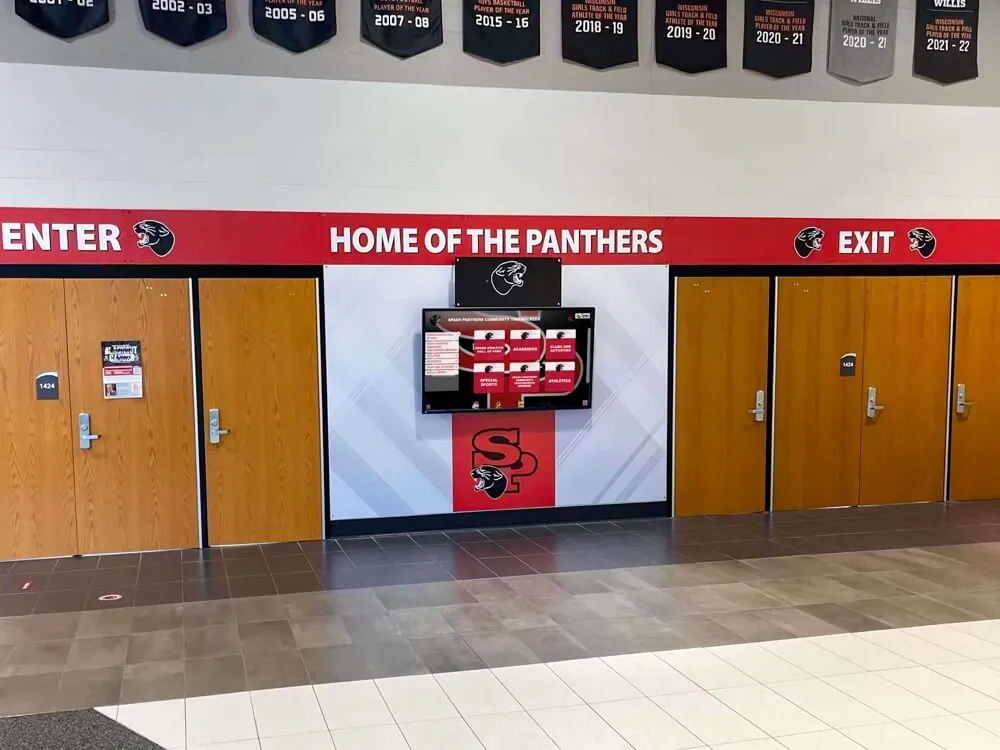
Professional [touchscreen installations](https://donorswall.com/blog/mwe-qixzocv-touchscreen-kiosk-interactive-displays-guide/?utm_source=organic&utm_medium=seo-auto&utm_content=digitalwarming&utm_campaign=virtual-alumni-event-ideas&utm_term=seo) create engaging campus destinations while web platforms extend access globally
Social Media Community Building
Strategic social media presence creates ongoing alumni connection through platforms where graduates already spend time.
Private Alumni Groups and Communities
Facebook groups, LinkedIn communities, or platform-specific alumni networks provide spaces for ongoing conversation, question asking, resource sharing, and informal connection. Private groups feel safer for personal sharing than public pages while enabling organic community development without heavy institutional moderation requirements.
Successful communities balance institutional content with member-driven conversation. Avoid over-promoting official messaging while enabling alumni to share job opportunities, seek advice, organize informal gatherings, celebrate milestones, or simply stay connected with peers.
User-Generated Content Campaigns
Encourage alumni content creation around specific themes—throwback photos from school years, “where I am now” updates, career advice for current students, or favorite campus memories. User submissions create authentic content resonating more powerfully than institutional marketing while giving alumni voice and visibility within broader community.
Feature compelling submissions prominently, creating incentive for participation while showcasing diverse alumni experiences. This approach transforms social media from one-way institutional broadcast into genuine community conversation.
Strategic Hashtag Campaigns
Develop branded hashtags enabling content aggregation across platforms while building community identity. Hashtags like #OnceA[Mascot]Always, #[Institution]Alumni, or campaign-specific tags facilitate discovery of alumni content, encourage participation through visible community activity, and provide measurement mechanisms tracking engagement volume and reach.
Email Communication and Digital Newsletters
Email remains highly effective alumni communication channel when approached strategically rather than treated as spam outlet.
Segmented Communication Strategies
Abandon one-size-fits-all alumni communications in favor of targeted messaging based on graduation year, academic major, career industry, geographic location, engagement history, or specific interests. Personalized content dramatically increases open rates, click-through engagement, and perceived value compared to generic institutional updates sent to entire alumni databases regardless of relevance.
Modern marketing automation enables sophisticated segmentation without manual list management, making personalized communication scalable even for large alumni populations.
Content-Rich Newsletters Versus Promotional Blasts
Alumni tune out emails that feel like fundraising pitches or event promotions. Instead, provide genuinely valuable content—alumni spotlights, campus news, industry insights, historical retrospectives, or practical resources. When emails consistently deliver value, recipients open messages eagerly rather than deleting reflexively.
Occasional calls-to-action for giving, event attendance, or volunteer participation feel appropriate within content alumni actually want to read rather than seeming like relentless solicitation.
Interactive Email Elements
Modern email capabilities enable interactive components—embedded videos, polls and surveys, personalized content blocks displaying information specific to recipients, or dynamic elements pulling current data. These sophisticated approaches transform static emails into engaging experiences while demonstrating institutional investment in quality communication.
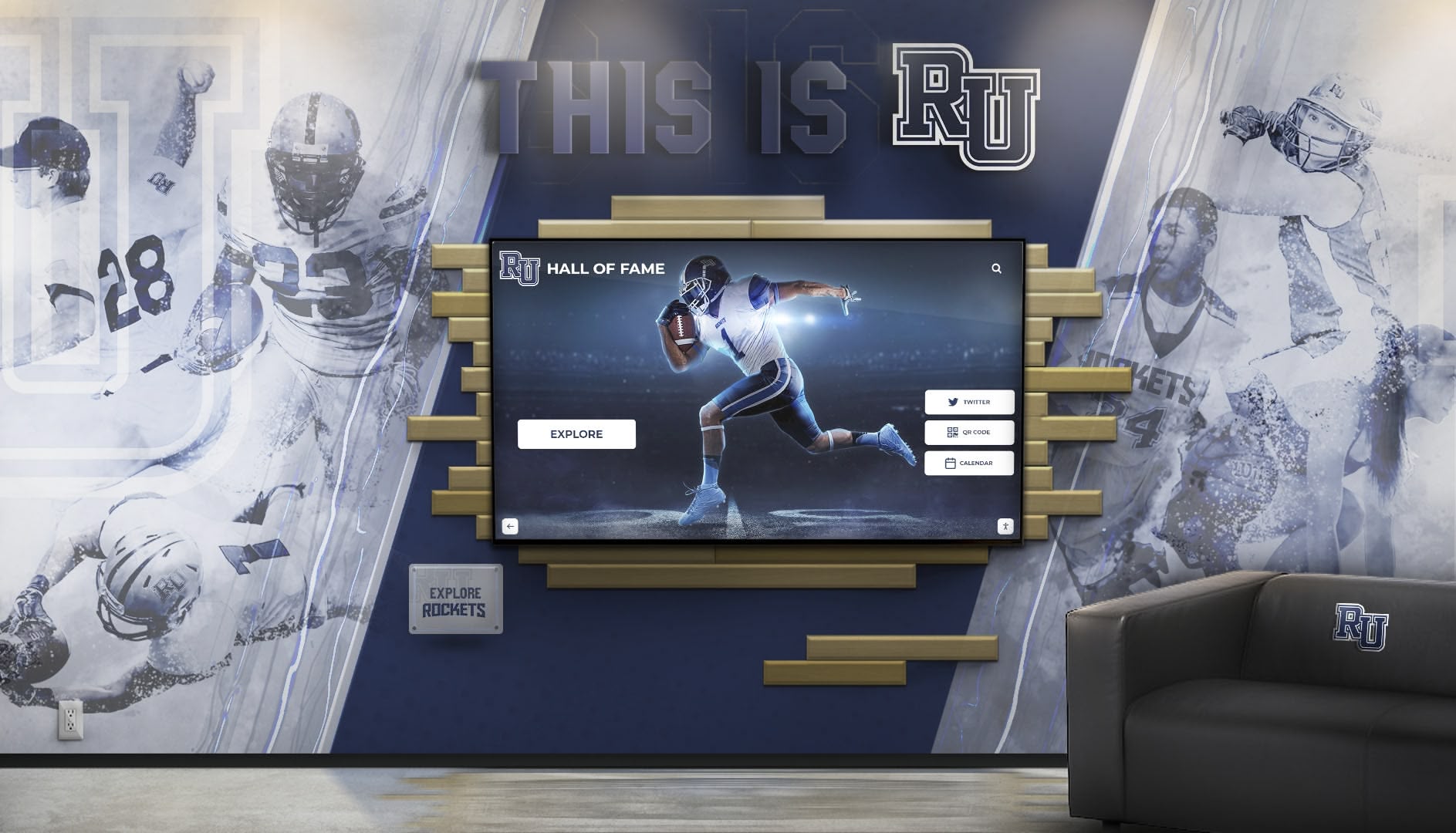
Strategic display placement creates [natural engagement destinations](https://touchwall.us/blog/touchscreen-electronic-trophy-case-kiosk-schools-setup-guide/?utm_source=organic&utm_medium=seo-auto&utm_content=digitalwarming&utm_campaign=virtual-alumni-event-ideas&utm_term=seo) combining recognition with environmental design
Specialized Virtual Programming Ideas
Beyond core event categories, specialized programming addresses specific alumni demographics and interests.
Young Alumni Engagement
Recent graduates have unique needs and preferences requiring tailored approaches distinct from older alumni programming.
Career Launch Support Programming
Young alumni navigating early career stages appreciate practical support—resume review sessions, interview preparation, networking skill development, or industry entry strategies. Virtual delivery suits young professionals’ schedules and digital fluency while providing tangible value during critical career establishment years.
Alumni mentorship connections pairing recent graduates with established professionals in desired fields create mutual value—mentees gain guidance while mentors experience satisfaction supporting the next generation. Virtual formats eliminate geographic constraints enabling optimal mentor-mentee matching regardless of physical locations.
Virtual Social Events and Affinity Groups
Recent graduates often maintain social connections with college friends through regular informal gatherings. Facilitate these organic communities through virtual happy hours, game nights, watch parties for athletic events, book clubs, or hobby-based groups. Less formal programming matches young alumni lifestyle and relationship preferences while maintaining institutional connection.
Student Mentorship Opportunities
Enable recent graduates to mentor current students—providing career advice, major selection guidance, internship insights, or transition-to-workforce preparation. These mentorship relationships benefit students while giving young alumni meaningful institutional involvement before establishing financial capacity for philanthropic giving. Virtual formats make mentorship accessible despite busy early-career schedules.
International Alumni Communities
Graduates living outside primary institutional regions require dedicated engagement strategies acknowledging unique geographic circumstances.
Time-Zone Appropriate Programming
Schedule events accessible to international alumni—early morning or late evening programming accommodating Europe, Asia, or other regions. Offering multiple sessions at different times demonstrates commitment to global alumni inclusion rather than expecting international graduates to accommodate North American schedules exclusively.
On-demand content viewing eliminates time zone concerns entirely while enabling asynchronous participation for alumni in any location.
Regional Virtual Gatherings
Organize online events for alumni in specific international regions—European alumni community calls, Asian graduate networking sessions, or Latin American alumni programming. Region-specific gatherings create community among alumni sharing geographic context while occurring at locally reasonable times.
Global Campus News and Updates
International alumni particularly appreciate maintaining connection with institutional developments, campus evolution, and academic program updates since they rarely visit physically. Virtual campus tours, facilities update presentations, or academic program showcases help distant alumni remain current with campus they fondly remember but seldom experience in person.
Giving Day and Fundraising Campaign Integration
Virtual engagement naturally supports fundraising objectives when approached authentically rather than transactionally.
Live-Streamed Giving Day Events
Transform giving days into engaging virtual experiences through live streaming featuring campus activities, student testimonials, faculty presentations, athletic competitions, or entertainment. Real-time giving trackers, challenge matches, and community competitions create excitement while demonstrating collective impact. Virtual participation enables alumni worldwide to experience campaign energy rather than merely receiving donation solicitations.
Virtual Thank-You Events
Host appreciation events exclusively for donors—virtual receptions with institutional leadership, behind-the-scenes campus access, student thank-you presentations, or impact report presentations. These stewardship events demonstrate gratitude while building relationships that inspire continued giving.
Digital donor recognition platforms featuring comprehensive giving societies, named fund information, impact stories, and donor spotlights provide ongoing stewardship visibility between formal events. Solutions like Rocket Alumni Solutions enable sophisticated donor recognition walls combining physical campus installations with web-accessible platforms ensuring all donors receive appropriate recognition regardless of whether they visit campus.
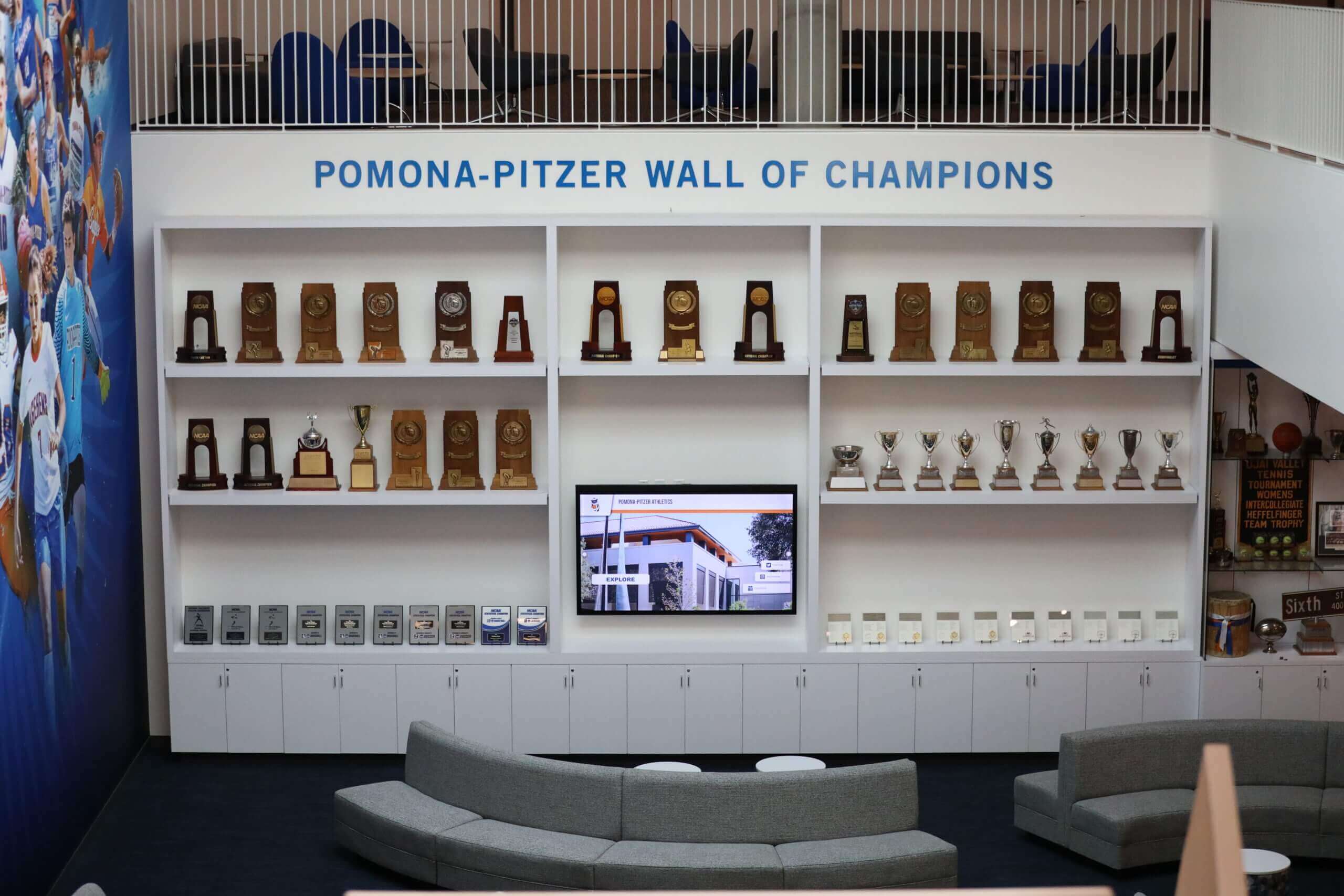
Comprehensive recognition celebrating [diverse achievements](https://digitalyearbook.org/blog/annual-5k-school-fundraiser-event-digital-showcase-guide/?utm_source=organic&utm_medium=seo-auto&utm_content=digitalwarming&utm_campaign=virtual-alumni-event-ideas&utm_term=seo) creates pride while inspiring ongoing community support
Technology Platforms and Tools for Virtual Events
Selecting appropriate technology infrastructure enables smooth virtual programming while avoiding technical frustrations that undermine engagement.
Video Conferencing Platform Selection
Different platforms offer varying capabilities matching specific event needs.
Large-Scale Webinar Platforms
Zoom Webinar, Microsoft Teams Live Events, or YouTube Live provide one-to-many broadcast capabilities for large presentations, speaker events, or lecture series. These platforms accommodate thousands of participants while offering features like panelist management, Q&A functionality, live polling, and recording capabilities. Limited interactivity suits content-focused programming where audience participation occurs through structured mechanisms rather than open conversation.
Interactive Meeting Platforms
Zoom Meetings, Google Meet, or Microsoft Teams enable smaller group conversations with higher interactivity—visible participant video, screen sharing, breakout rooms, and chat features. These platforms suit networking events, small group discussions, committee meetings, or intimate gatherings prioritizing conversation over presentations.
Specialized Event Platforms
Purpose-built virtual event platforms like Hopin, Airmeet, or vFairs provide comprehensive environments simulating physical events through virtual booths, networking lounges, multiple simultaneous sessions, and integrated registration and engagement tracking. These sophisticated platforms justify costs for major annual events but exceed needs for simple programming.
Registration and Attendee Management
Smooth registration experiences encourage participation while providing data for event planning and follow-up.
Integrated Registration Systems
Event management platforms like Eventbrite, Cvent, or higher education-specific solutions enable registration, payment processing, automated confirmations and reminders, attendee data collection, and post-event follow-up. Integration with constituent relationship management (CRM) systems ensures attendee data flows into alumni databases for ongoing relationship tracking.
Calendar Integration and Reminders
Generate calendar invitations automatically upon registration, reducing no-shows through automated addition to participants’ personal calendars. Send reminder emails at strategic intervals—one week before, one day before, one hour before events—acknowledging that busy alumni need multiple touchpoints to remember commitments made weeks earlier.
Engagement and Interaction Tools
Passive viewing rarely creates memorable experiences—interactive elements foster genuine participation.
Live Polling and Q&A
Tools like Slido, Mentimeter, or Poll Everywhere enable real-time polling generating audience feedback, interactive quizzes testing knowledge or gathering opinions, Q&A collection allowing participants to submit and upvote questions, and word cloud generation visualizing collective responses. These engagement mechanisms transform viewers into active participants while providing speakers instant audience feedback.
Virtual Networking Facilitation
Platforms like Remo, Gather, or Spatial Chat create virtual networking spaces mimicking physical event mingling through visual room representations, proximity-based audio enabling organic conversation initiation, and movement between groups replicating walking between conversation clusters. These approaches feel more natural than forced breakout room assignments while enabling serendipitous connection.
Gamification Elements
Event apps incorporating scavenger hunts, achievement badges, leaderboards, or reward systems create playful engagement increasing participation. Alumni compete for recognition, unlock content through participation, or earn prizes for engagement milestones. While requiring thoughtful implementation avoiding juvenile approaches, gamification can significantly increase involvement when designed appropriately for audience sophistication.
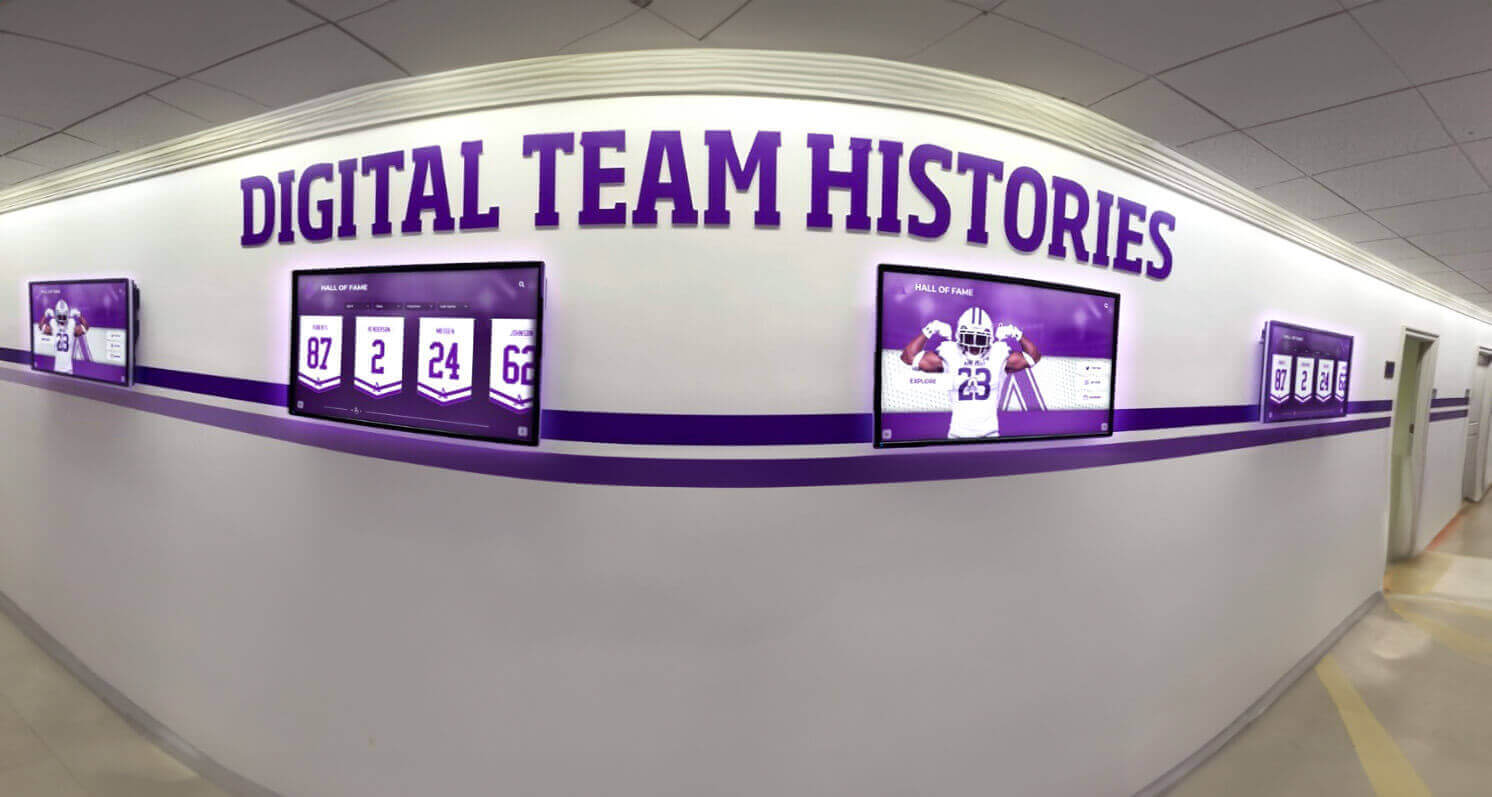
Multiple display installations provide [comprehensive recognition](https://digitalrecordboard.com/blog/online-hall-of-fame-website/?utm_source=organic&utm_medium=seo-auto&utm_content=digitalwarming&utm_campaign=virtual-alumni-event-ideas&utm_term=seo) across different categories and locations
Measuring Virtual Event Success
Understanding program effectiveness enables continuous improvement while demonstrating value to institutional stakeholders.
Quantitative Engagement Metrics
Numbers provide objective assessment revealing program reach and participation patterns.
Registration and Attendance Tracking
Monitor registration volume indicating initial interest, actual attendance rates revealing conversion from registration to participation, geographic distribution showing alumni reached across locations, and demographic breakdowns by graduation year, major, or other characteristics revealing which alumni segments engage most strongly.
Compare metrics across events identifying trends—growing participation suggesting successful programming, declining attendance indicating need for format or content changes, or demographic patterns revealing underserved alumni populations requiring targeted outreach.
Participation Duration and Interaction
Average viewing duration indicates whether content held attention or attendees dropped off early. Time-stamped departure data reveals specific moments losing audience—perhaps particular speakers, content transitions, or program length issues. High early departure suggests opening content fails to engage while gradual decline may indicate appropriate program length limits.
Interaction metrics—poll responses, Q&A submissions, chat activity, breakout room participation—measure active engagement beyond passive viewing. High interaction rates indicate genuine participant investment while low engagement suggests format adjustments needed.
Post-Event Content Consumption
Recording views, download volumes, and on-demand content engagement measure ongoing impact beyond live events. Alumni unable to attend live but consuming recordings afterward demonstrate program value extending past single moments. Growing on-demand viewership may suggest scheduling changes enabling more live participation or validation that asynchronous access appropriately serves alumni needs.
Qualitative Feedback Collection
Stakeholder perspectives provide context beyond quantitative data revealing participant experiences and satisfaction.
Post-Event Surveys
Brief surveys capturing attendee reactions, gathering improvement suggestions, identifying particularly valuable program elements, and collecting ideas for future events provide actionable intelligence. Keep surveys short—five questions or fewer—respecting respondent time while gathering essential feedback.
Incentivize completion through prize drawings, early access to future event registration, or exclusive content for survey participants. Higher response rates generate more representative feedback informing planning improvements.
Social Media Sentiment Analysis
Monitor social media conversation during and after events assessing participant sentiment, identifying popular moments generating excitement, discovering concerns or complaints requiring attention, and measuring organic social sharing extending event visibility. Social listening tools automate sentiment tracking at scale while manual review captures nuanced reactions automated analysis misses.
Long-Term Engagement Impact
Assess whether virtual programming generates sustained engagement increases—growing social media community participation, increased website traffic to alumni resources, rising volunteer inquiries, or expanding giving participation. These downstream indicators reveal whether events successfully activate dormant alumni rather than merely entertaining already-engaged graduates.
Return on Investment Analysis
Demonstrate program value through metrics resonating with institutional leadership.
Cost-Effectiveness Comparisons
Calculate per-participant costs for virtual versus in-person programming, considering venue expenses, catering costs, travel stipends, printing materials, and staff time. Virtual formats typically deliver substantial cost savings while reaching broader audiences, providing compelling financial justification even before considering engagement quality improvements.
Participation Reach Expansion
Compare virtual event attendance against typical in-person turnout quantifying expanded reach. If virtual programming achieves 3x physical event attendance while costing half as much, ROI calculations become straightforward. Geographic diversity metrics showing international alumni participation impossible for physical events further demonstrate value.
Pipeline Metrics for Institutional Priorities
Connect virtual engagement with broader objectives—volunteer recruitment, giving participation, student recruitment referrals, or career networking supporting current students. If virtual events generate measurable increases in desired behaviors, programs justify investment through demonstrated impact on institutional priorities beyond engagement for its own sake.
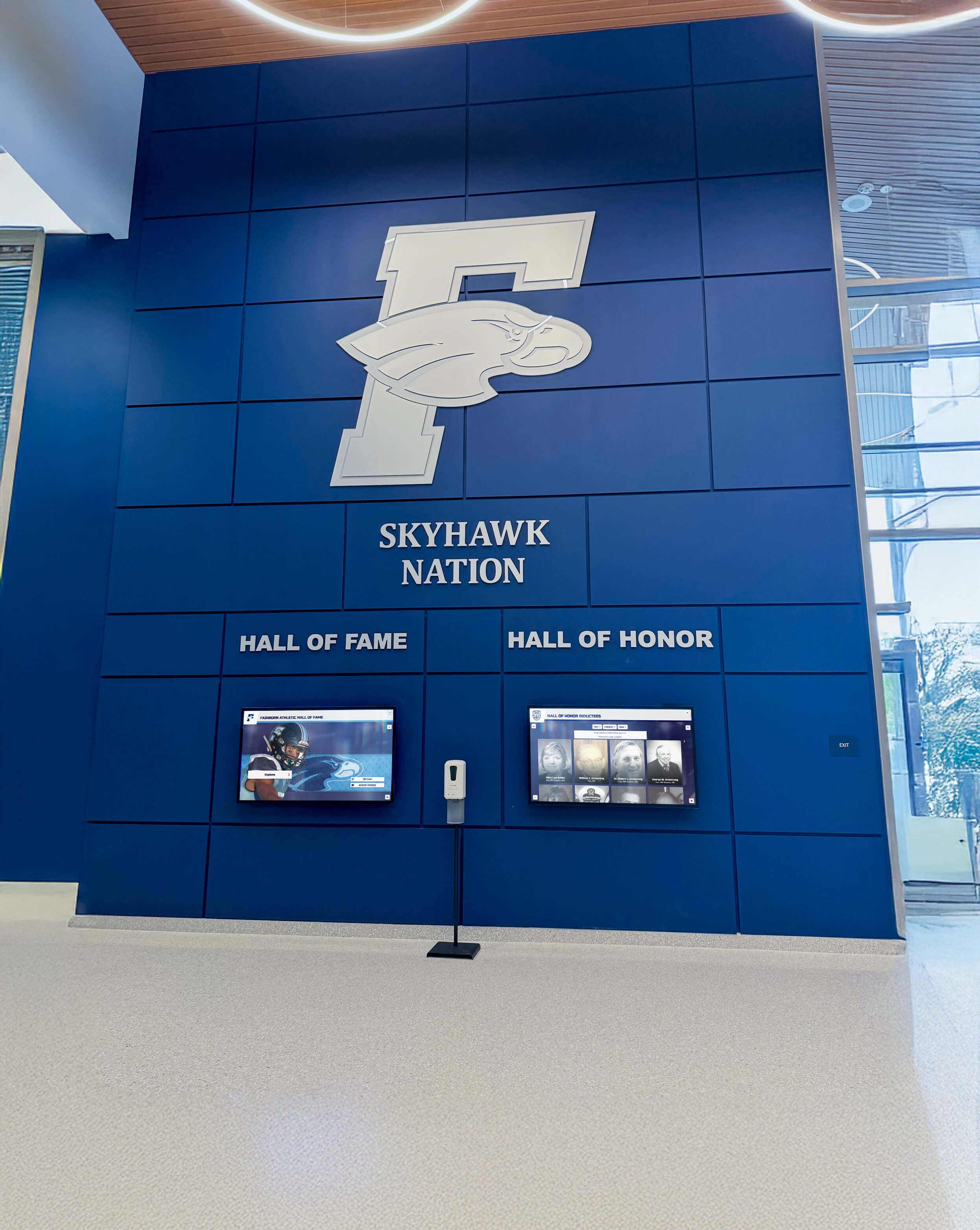
Professional recognition installations create [welcoming campus destinations](https://halloffamewall.com/blog/hall-of-fame-induction-ceremony-planning-guide/?utm_source=organic&utm_medium=seo-auto&utm_content=digitalwarming&utm_campaign=virtual-alumni-event-ideas&utm_term=seo) celebrating community while supporting engagement objectives
Best Practices for Virtual Alumni Event Success
Proven strategies maximize virtual programming effectiveness while avoiding common pitfalls undermining engagement potential.
Design for Digital-First Experience
Avoid replicating in-person events through video calls—instead embrace digital strengths while compensating for virtual limitations.
Shorter, Focused Program Segments
Virtual attention spans differ from physical event engagement. Limit program segments to 45-60 minutes maximum rather than multi-hour marathons appropriate for in-person gatherings. Multiple shorter sessions across weeks often engage better than single comprehensive events requiring sustained virtual attendance.
Structure programming with varied pacing—alternating presentations with interactive segments, incorporating breaks for longer programs, and changing speakers or formats frequently maintaining interest.
Interactive Over Passive Formats
Minimize lecture-style presentations favoring conversation, Q&A, panel discussions, breakout interactions, and participatory activities. Every 10 minutes of content should include interactive elements—polls, chat questions, discussion prompts, or engagement mechanisms preventing passive viewing.
Professional Production Quality
Poor audio quality, bad lighting, awkward camera angles, or technical difficulties create terrible first impressions undermining content quality. Invest in adequate equipment, rehearse technical setups, conduct speaker training on virtual presentation best practices, and provide technical support during live events. Professional polish demonstrates respect for participant time while eliminating distractions from content and connection.
Enable Multiple Participation Pathways
Acknowledge diverse alumni preferences and constraints through varied engagement mechanisms rather than single-mode programming.
Synchronous and Asynchronous Options
Offer both live events and on-demand content viewing. Some alumni relish real-time community experience while others prefer consuming content independently on their schedules. Recording live sessions provides asynchronous access without requiring separate content production.
Active and Observational Participation
Welcome both active participants contributing through video, chat, and voice and passive observers watching silently. Not everyone feels comfortable visible participation, yet silent attendees still experience value and connection. Forced interaction alienates introverts while optional engagement enables appropriate personal comfort levels.
Deep and Casual Engagement
Accommodate alumni seeking intensive engagement—attending full programs, participating actively, exploring additional resources—and casual participants briefly sampling content, attending portions of events, or occasionally checking in. Both engagement styles contribute to community vibrancy while serving different alumni needs and availability.
Promote Authenticity and Personal Connection
Institutional polish sometimes creates emotional distance—thoughtful authenticity builds stronger bonds.
Showcase Individual Alumni Stories
Feature compelling personal narratives over generic institutional messaging. Alumni relating career journeys, life challenges overcome, or meaningful experiences resonate more powerfully than polished marketing content. These authentic stories create emotional connection while demonstrating diverse paths alumni navigate.
Facilitate Peer-to-Peer Connection
Enable alumni to connect directly with each other rather than exclusively communicating through institutional intermediaries. Networking time, contact sharing, ongoing discussion platforms, and relationship facilitation create community among alumni rather than just between institution and individual graduates.
Acknowledge Challenges and Imperfections
Perfect polish feels inauthentic—acknowledging technical glitches gracefully, sharing behind-the-scenes glimpses of event planning, or demonstrating appropriate vulnerability creates humanity resonating more deeply than slick productions. Audiences forgive imperfections while appreciating genuine effort and authenticity.
Future Trends in Virtual Alumni Engagement
Emerging technologies and evolving practices suggest where virtual alumni programming continues developing.
Immersive Virtual Reality Experiences
As VR technology becomes more accessible, virtual campus tours, immersive event experiences, and spatial gathering environments may transform remote engagement creating presence sensations impossible through traditional video platforms.
Artificial Intelligence Personalization
AI-driven content recommendations, automated alumni matching based on shared interests and backgrounds, chatbot assistants providing instant information, and predictive analytics identifying disengagement risks enable sophisticated personalization at scale previously requiring manual effort.
Persistent Virtual Communities
Rather than episodic events, evolving platforms create persistent virtual spaces where alumni continuously gather—digital student unions, virtual lounges, ongoing forums combining elements of social media, messaging platforms, and virtual event spaces into cohesive community environments.
Integrated Physical-Digital Recognition Systems
Advanced solutions seamlessly blend physical campus recognition installations with comprehensive web platforms, mobile applications, augmented reality experiences, and continuous content updates creating unified recognition ecosystems serving both campus visitors and remote alumni through optimal interfaces for respective contexts.
Solutions like Rocket Alumni Solutions lead this integration, providing comprehensive platforms combining professional touchscreen displays for campus installations with fully-accessible web versions enabling exploration from any device globally. These unified recognition systems create continuous engagement infrastructure serving virtual event preparation, ongoing alumni discovery, and permanent achievement celebration.
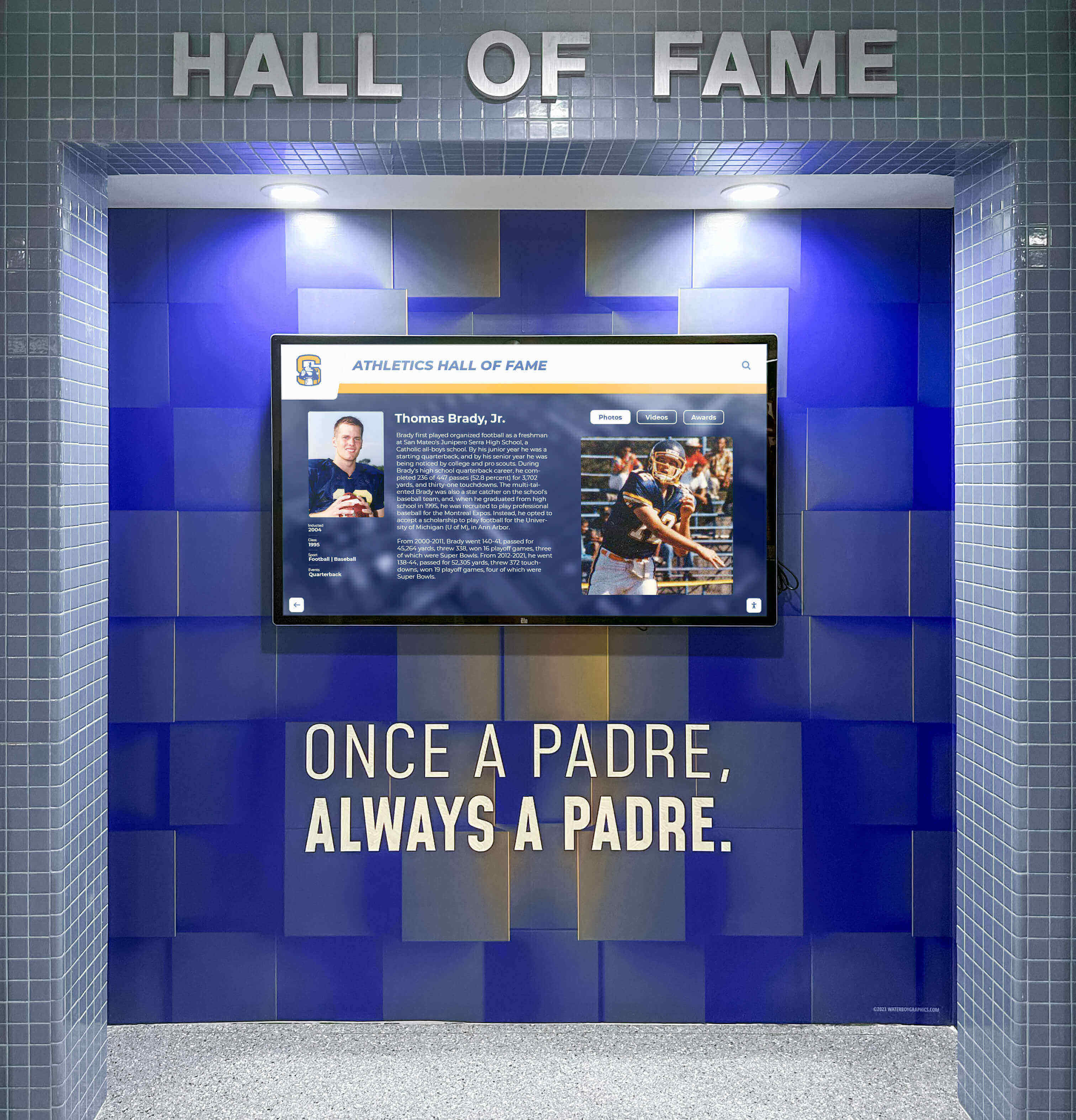
Modern recognition technology creates [engaging experiences](https://best-touchscreen.com/blog/school-digital-signage-complete-implementation-guide/?utm_source=organic&utm_medium=seo-auto&utm_content=digitalwarming&utm_campaign=virtual-alumni-event-ideas&utm_term=seo) that honor tradition while embracing innovation
Conclusion: Building Vibrant Virtual Alumni Communities
Geographic distance no longer justifies accepting weak alumni engagement. Thoughtfully designed virtual programming, continuous digital platforms, and hybrid event models enable institutions to activate remote alumni communities building meaningful connections regardless of where graduates currently live. The institutions succeeding in this digital age recognize that virtual engagement represents not a compromise necessitated by circumstances but an opportunity to reach alumni previously excluded by geographic constraints, scheduling conflicts, financial limitations, or life circumstances preventing physical event attendance.
The virtual alumni event ideas explored throughout this comprehensive guide—interactive online reunions, professional development programming, engaging lectures, hybrid physical-digital events, continuous recognition platforms, and specialized demographic programming—share common characteristics. They design for digital strengths rather than merely replicating in-person events online. They enable multiple participation pathways accommodating diverse alumni preferences and constraints. They facilitate authentic connection and personal recognition transforming institutional communication into community conversation. And they build ongoing relationships rather than treating alumni engagement as episodic event attendance.
The digital warming phenomenon proves particularly powerful in virtual alumni engagement. When online programming surfaces content personally relevant to individual alumni, when digital platforms enable discovery of classmates and shared experiences, when virtual events create genuine interaction rather than passive viewing, and when continuous engagement infrastructure maintains connection between formal programming—cold digital spaces transform into vibrant communities. Alumni discover unexpected commonalities sparking continued conversation, recognition demonstrates institutional appreciation for individual journeys, and geographic barriers dissolve as communities form around shared heritage rather than physical proximity.
Technology now enables virtual alumni experiences that often surpass physical event engagement through sophisticated personalization, unlimited content capacity, comprehensive searchability, permanent accessibility, and continuous evolution impossible with episodic in-person programming. Platforms like Rocket Alumni Solutions provide purpose-built infrastructure for comprehensive alumni recognition combining campus touchscreen installations with web-accessible versions, unlimited profile capacity accommodating entire institutional histories, rich multimedia integration bringing stories to life, and sophisticated search enabling instant discovery. These systems serve both virtual event enhancement and ongoing engagement independent of scheduled programming.
Successful virtual alumni programming requires intentional design addressing how remote alumni actually connect rather than assuming traditional approaches translate directly to digital formats. Every planning decision—platform selection, program format, content personalization, interaction facilitation, follow-up communication—either enables meaningful connection or creates barriers preventing the engagement all alumni relations professionals seek to achieve. Prioritizing authentic storytelling, enabling peer connection, embracing appropriate technology, and building continuous engagement infrastructure ensures virtual programming activates remote alumni communities rather than disappointing participants with hollow experiences reinforcing geographic disconnection.
Your geographically distributed alumni deserve engagement opportunities honoring shared institutional heritage while respecting life circumstances preventing regular physical attendance. Whether launching inaugural virtual programming or enhancing existing digital efforts, implementing thoughtful virtual alumni event strategies creates accessible experiences building vibrant communities transcending distance while strengthening lifelong relationships with institutions that shaped who graduates became.
Ready to transform virtual alumni engagement from occasional video calls into comprehensive community activation? Discover how Rocket Alumni Solutions creates digital warming through personalized recognition platforms serving both virtual programming and continuous engagement that strengthens alumni relationships regardless of geographic location.