



Intent: demonstrate — Children facing extended hospital stays encounter challenges beyond physical illness: anxiety about procedures, isolation from friends and normal activities, boredom during long recovery periods, and fear about unfamiliar medical environments. While medical treatment addresses physical conditions, emotional and psychological wellbeing significantly impacts healing outcomes and patient experiences during hospitalization.
Progressive children’s hospitals recognize that play remains essential for child development even during medical treatment. Video games, once viewed merely as entertainment, now serve as powerful therapeutic tools helping young patients cope with stress, maintain connections with peers, engage in physical rehabilitation, and reclaim normalcy during hospital stays. Gaming technology transforms sterile medical environments into spaces where children can laugh, connect, compete, and remember they’re kids first, patients second.
This comprehensive guide explores how children’s hospitals implement therapeutic gaming programs, examines evidence-based benefits of gaming technology in healthcare settings, and demonstrates how digital engagement platforms create warmer, more supportive healing environments for pediatric patients and their families.
The integration of gaming technology into pediatric healthcare represents fundamental shifts in understanding how children experience hospitalization and what supports optimal healing. Where hospitals once focused exclusively on clinical interventions, modern child life programs recognize that emotional wellbeing, social connection, and maintaining childhood normalcy directly influence medical outcomes and recovery trajectories.
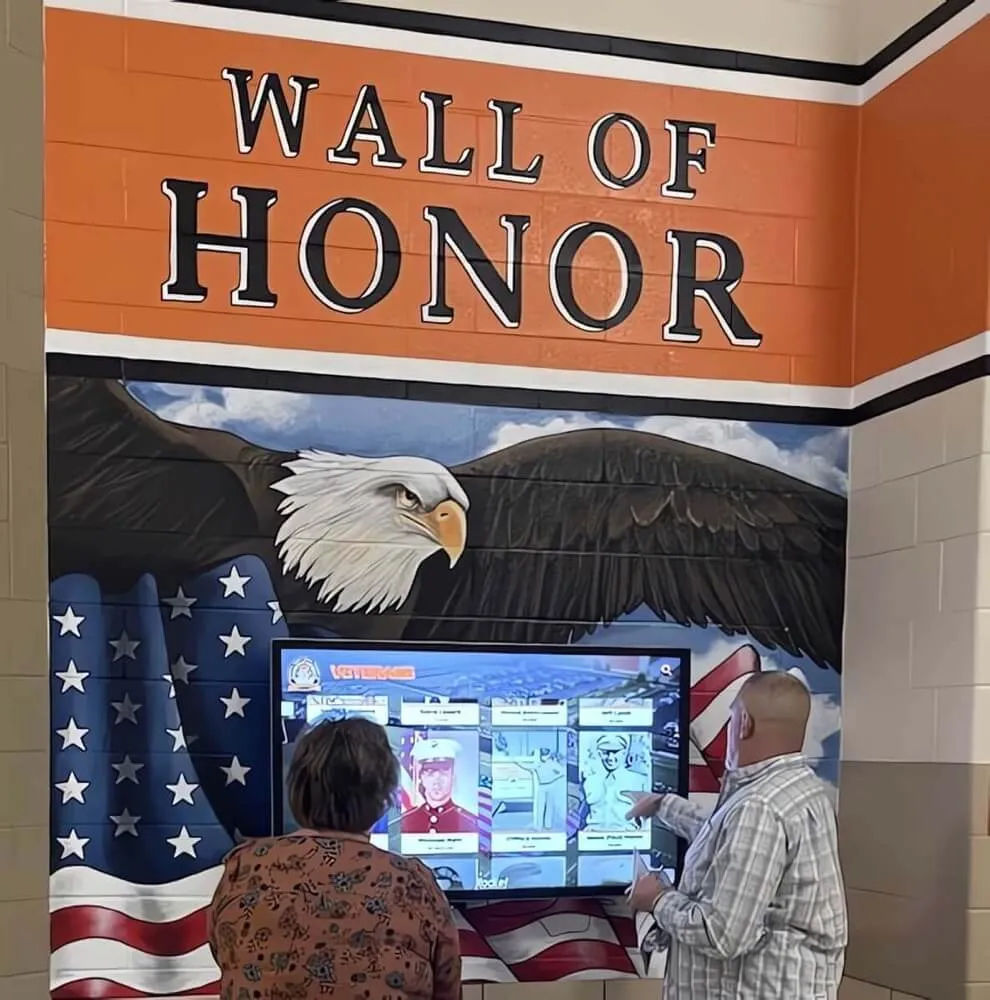
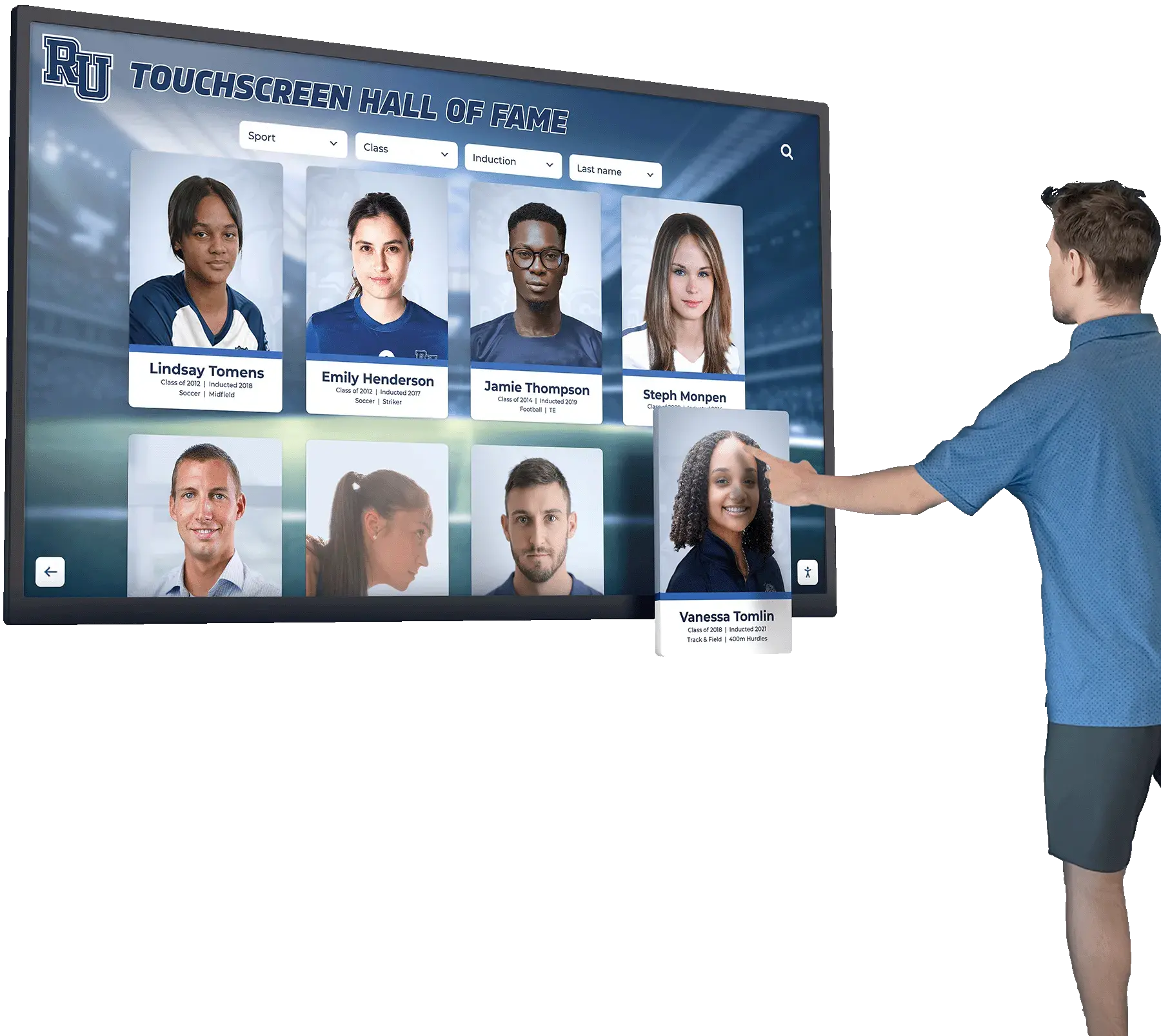
Interactive technology provides children with control and engagement opportunities during hospital experiences
The Therapeutic Gaming Movement in Pediatric Healthcare
Gaming technology in children’s hospitals has evolved from donated entertainment equipment in waiting rooms to sophisticated therapeutic programs integrated into comprehensive child life services.
Evolution of Hospital Gaming Programs
From Entertainment to Therapy
Early hospital gaming consisted primarily of recreational activities—video game consoles in playrooms providing distraction during brief visits or emergency department waits. While appreciated by patients, these programs lacked therapeutic frameworks or integration with care plans. Gaming existed separate from treatment rather than complementing medical interventions.
According to Seattle Children’s Hospital, the therapeutic gaming field has experienced remarkable growth, expanding from approximately five patient gaming technology specialists in 2018 to an estimated 60 worldwide by 2022, with visions for gaming specialists embedded in every children’s hospital.
Professionalization of Gaming Specialists
The emergence of dedicated gaming technology specialists represents critical evolution. These professionals combine child life expertise with gaming knowledge, therapeutic frameworks, and technology literacy. Gaming specialists assess individual patient needs, select appropriate games supporting specific therapeutic goals, facilitate gaming experiences addressing psychological and physical challenges, and document outcomes demonstrating program effectiveness.
Mary Bridge Children’s Hospital employs gaming technology specialists embedded within Child Life teams, using interactive technology to help young patients heal, cope, and feel like kids again. This professional approach differentiates modern therapeutic gaming from passive entertainment provision.
Evidence-Based Program Development
Contemporary hospital gaming programs rest on research demonstrating measurable benefits. Therapeutic video game guides developed in collaboration with mental health professionals identify specific games addressing pain management, anxiety reduction, sadness mitigation, and boredom relief. Evidence-based frameworks guide game selection, session structure, and therapeutic integration ensuring gaming serves clinical objectives rather than simply occupying time.
Organizational Support Infrastructure
Multiple organizations now support hospital gaming initiatives:
Child’s Play Charity
Child’s Play delivers therapeutic games and technology directly to pediatric hospitals, improving patients’ lives through play’s power. The organization provides capacity-building grants strengthening and expanding Child Life centers, including funding for Pediatric Gaming and Technology Specialists.
Starlight Children’s Foundation
Starlight provides specially-designed, hospital-safe gaming stations and technology to children’s hospitals nationwide. These purpose-built systems meet healthcare environment requirements while delivering engaging gaming experiences. Starlight’s gaming programs help hospitalized children stay courageous during extended stays.
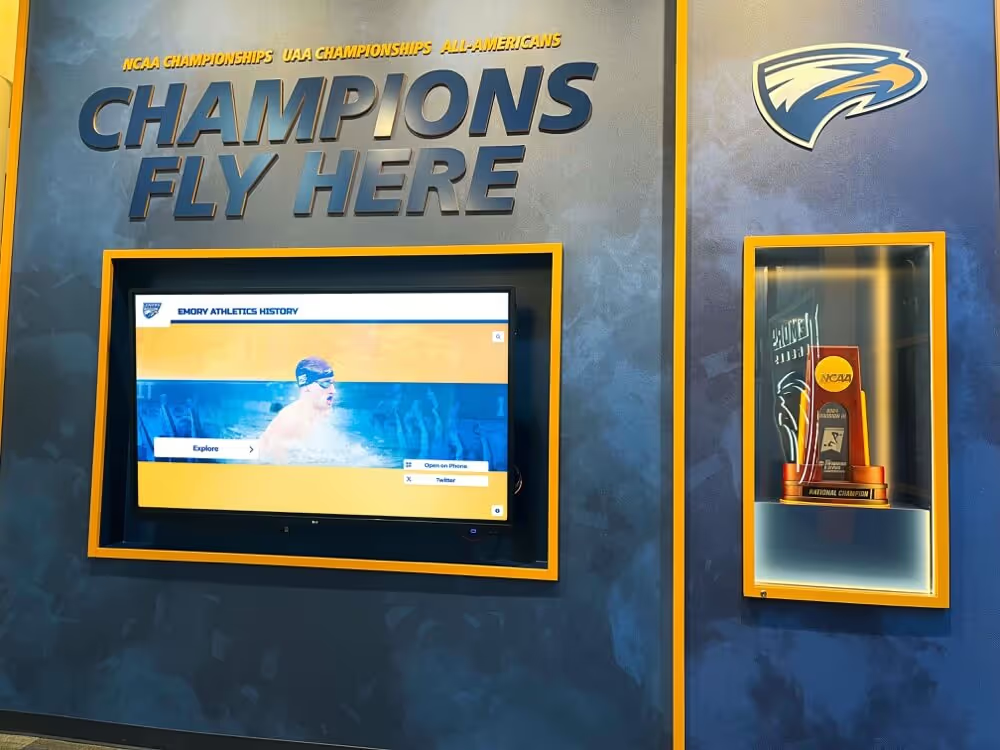
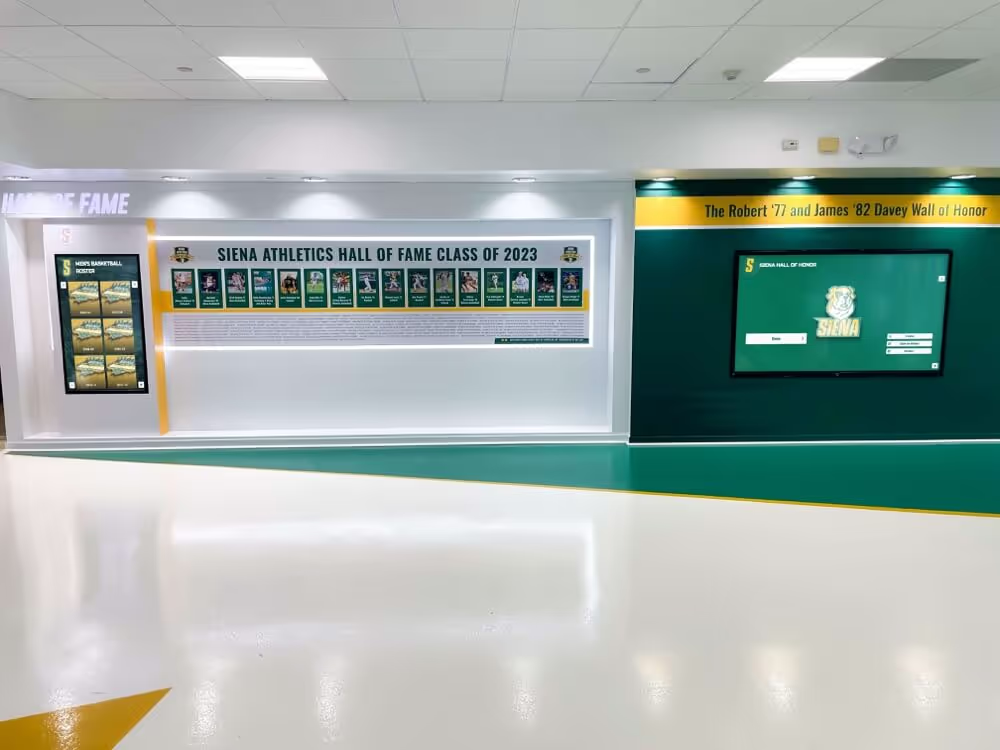
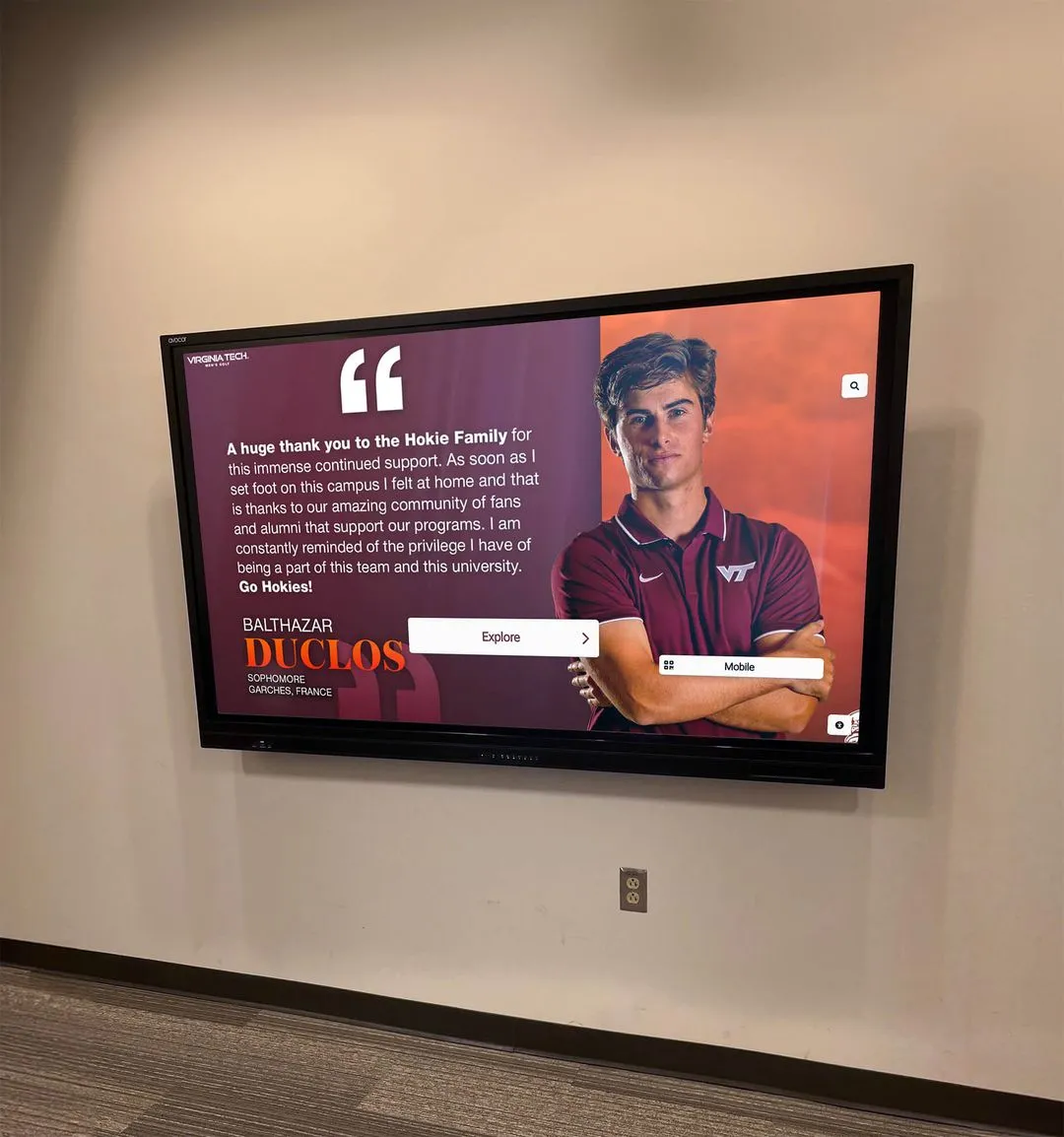
Digital displays in healthcare environments create engagement opportunities during waiting and recovery periods
Children’s Miracle Network Hospitals
The Extra Life program enables gamers worldwide to fundraise for local children’s hospitals while playing games. Children’s Miracle Network Hospitals’ inaugural Extra Life: Unlocked event in November 2025 raised $2.8 million, contributing to $10.5 million raised year-to-date for pediatric healthcare programs including gaming technology.
This organizational infrastructure ensures sustainable funding, equipment access, professional development, and program expansion enabling therapeutic gaming adoption across pediatric healthcare facilities regardless of individual hospital resources.
Evidence-Based Therapeutic Benefits of Hospital Gaming
Research consistently demonstrates that gaming technology provides measurable therapeutic benefits addressing multiple dimensions of pediatric patient experience.
Anxiety and Stress Reduction
Medical procedures, unfamiliar environments, separation from family routines, and health uncertainty create significant anxiety for hospitalized children.
Distraction and Redirection
Playing video games serves as effective distraction, reducing anxiety and stress in children by redirecting focus from pain and procedures to enjoyable activities. When children concentrate on gameplay challenges, puzzle-solving, or narrative progression, cognitive attention shifts away from discomfort and worry toward engaging tasks.
Sense of Control and Agency
Hospitalization strips children of normal control over daily life—schedules dictated by medical needs, choices limited by treatment requirements, autonomy replaced by institutional routines. Gaming provides domains where children exercise complete control making consequential decisions, achieving goals through their actions, and experiencing agency typically absent during medical treatment.
Emotional Regulation Support
Gaming experiences help children practice emotional regulation through manageable challenges, appropriate difficulty progression, and safe failure opportunities. Overcoming gaming obstacles builds confidence transferring to medical challenges, while collaborative gameplay creates opportunities for emotional expression and peer support.
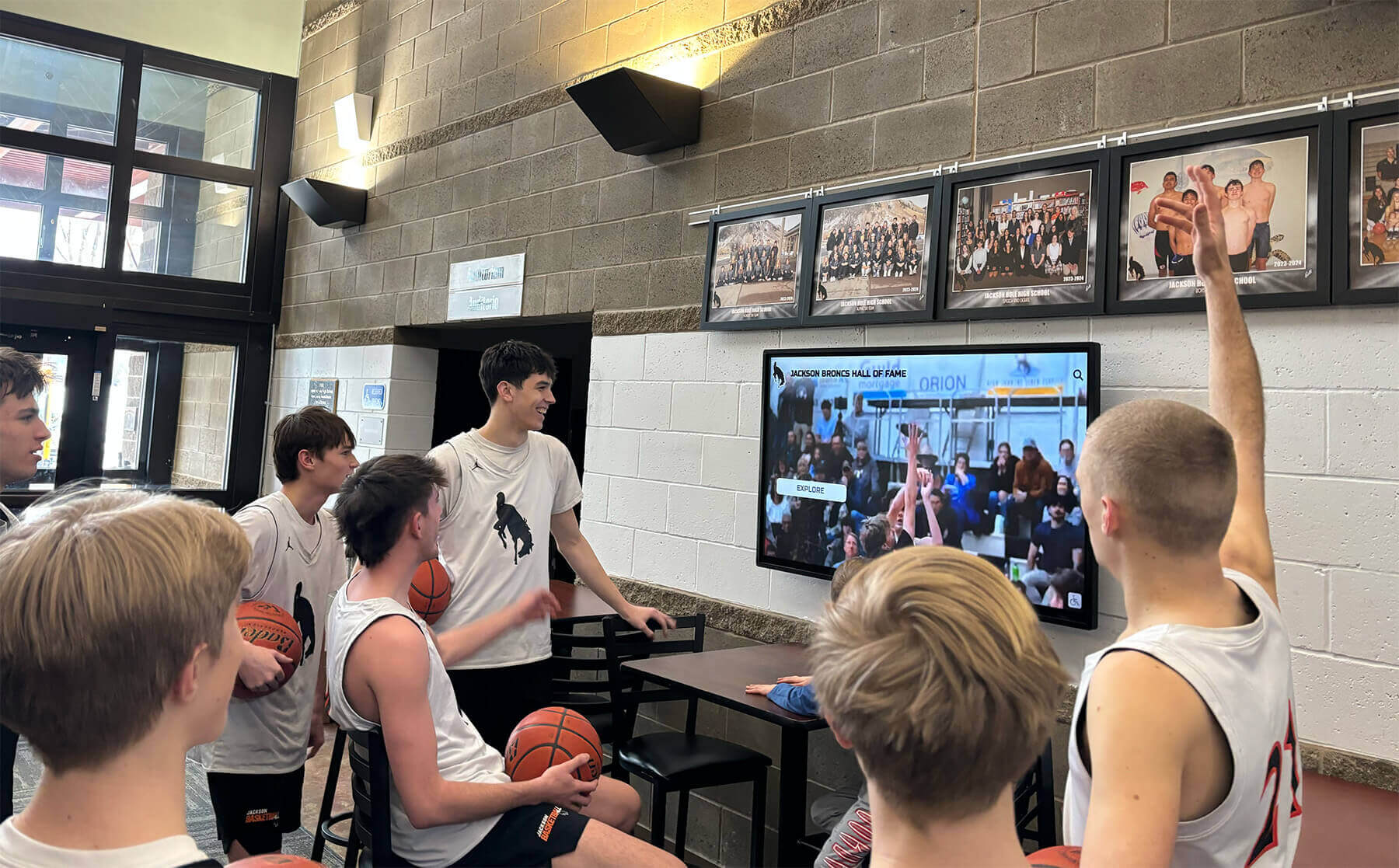
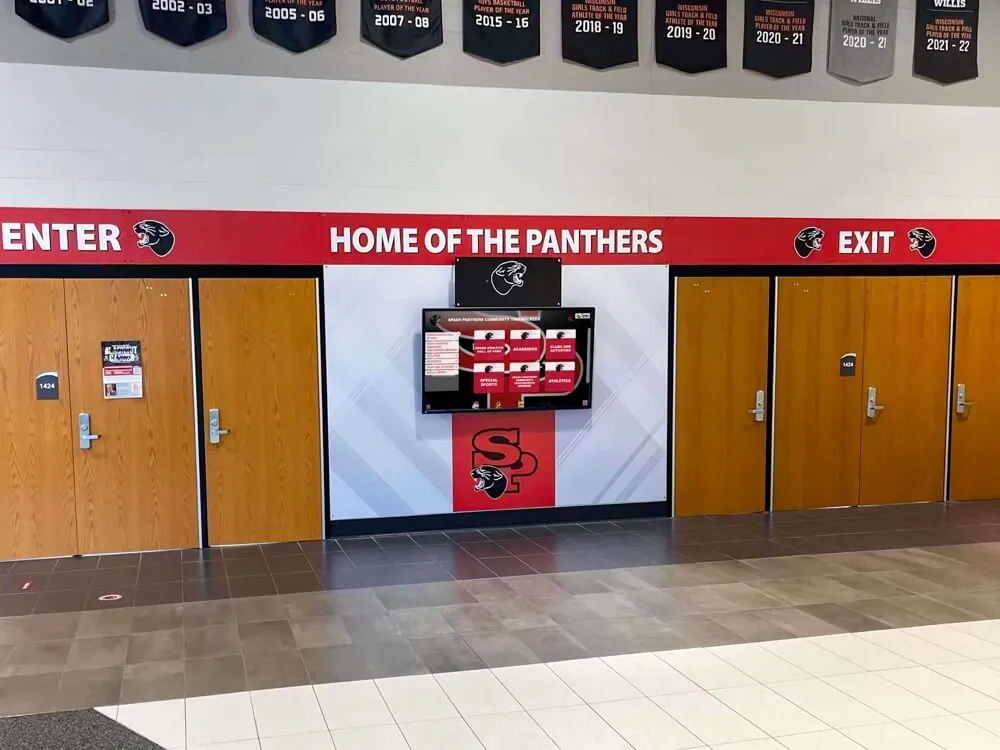
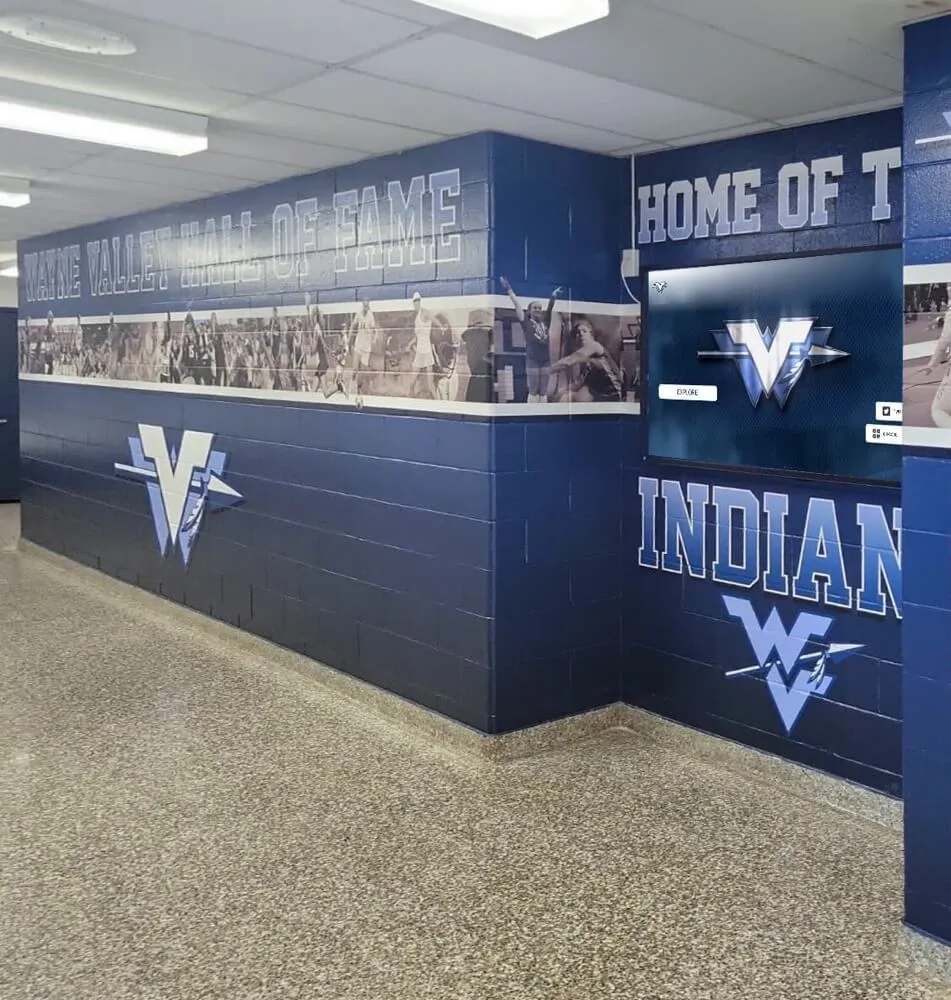
Shared viewing experiences create social connection opportunities in healthcare and community settings
Physical Rehabilitation and Movement
Gaming technology increasingly supports physical therapy and rehabilitation goals.
Active Gaming Integration
Motion-controlled gaming systems transform rehabilitation exercises into engaging activities. According to Seattle Children’s therapeutic gaming program, patients who resist traditional arm lifts for physical therapy willingly swing controllers playing Fruit Ninja in virtual reality, accomplishing therapeutic exercises through gameplay.
Physical therapists and occupational therapists partner with gaming specialists incorporating active games promoting movement and healing. This integration helps patients:
- Complete repetitive exercises required for rehabilitation without boredom or resistance
- Achieve greater range of motion through natural gaming movements
- Build strength and coordination while focused on gameplay rather than physical effort
- Track progress through game performance providing motivating feedback
- Maintain engagement during longer therapy sessions
Motor Skills Development
Gaming encourages fine motor movement, hand-eye coordination development, and dexterity improvement. These benefits prove particularly valuable for patients recovering from injuries affecting motor skills, neurological conditions requiring coordination rebuilding, or developmental delays addressed during hospitalization.
Virtual Reality Physical Therapy
VR technology creates immersive environments making physical therapy engaging and tolerable. Children explore virtual worlds, complete movement-based challenges, and achieve rehabilitation goals within game narratives rather than sterile exercise repetitions.
Cognitive Engagement and Development
Gaming provides cognitive stimulation supporting continued development during hospitalization:
Problem-Solving and Critical Thinking
Many games require strategic thinking, pattern recognition, logical reasoning, and creative problem-solving. These cognitive challenges maintain intellectual engagement during hospital stays when normal educational activities may be disrupted.
Educational Content Integration
Gaming platforms increasingly incorporate educational content aligned with academic standards, enabling children to continue learning during extended hospitalizations without feeling they’re falling behind peers academically.

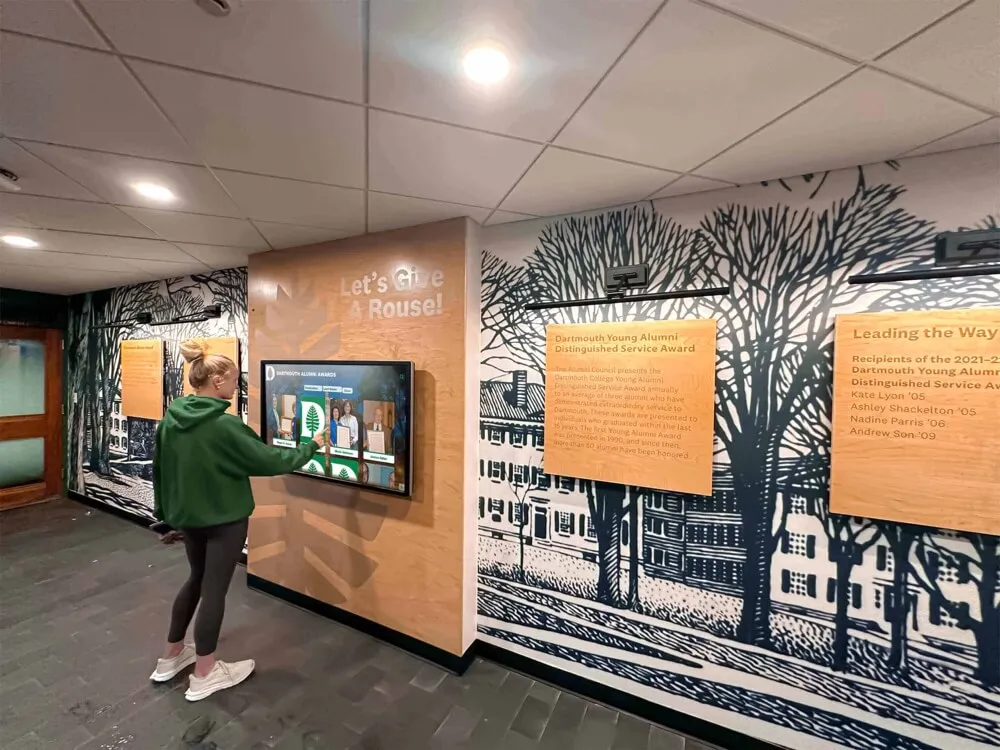
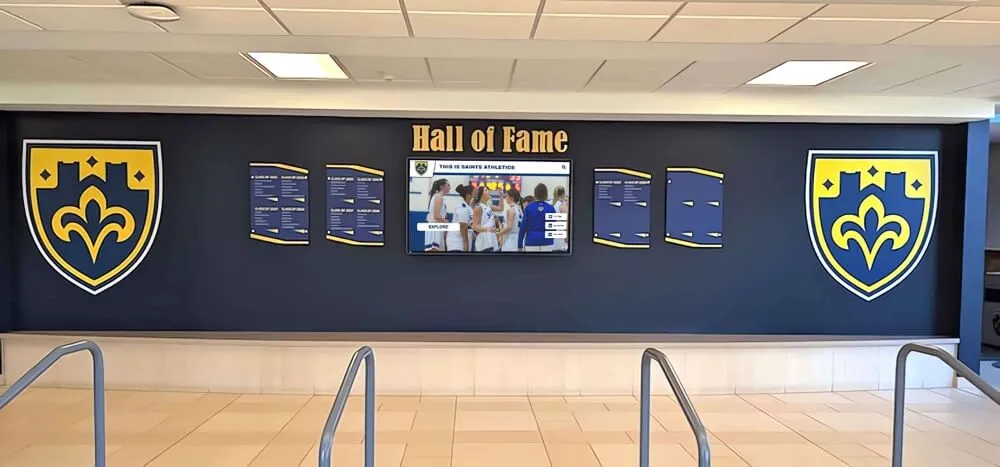
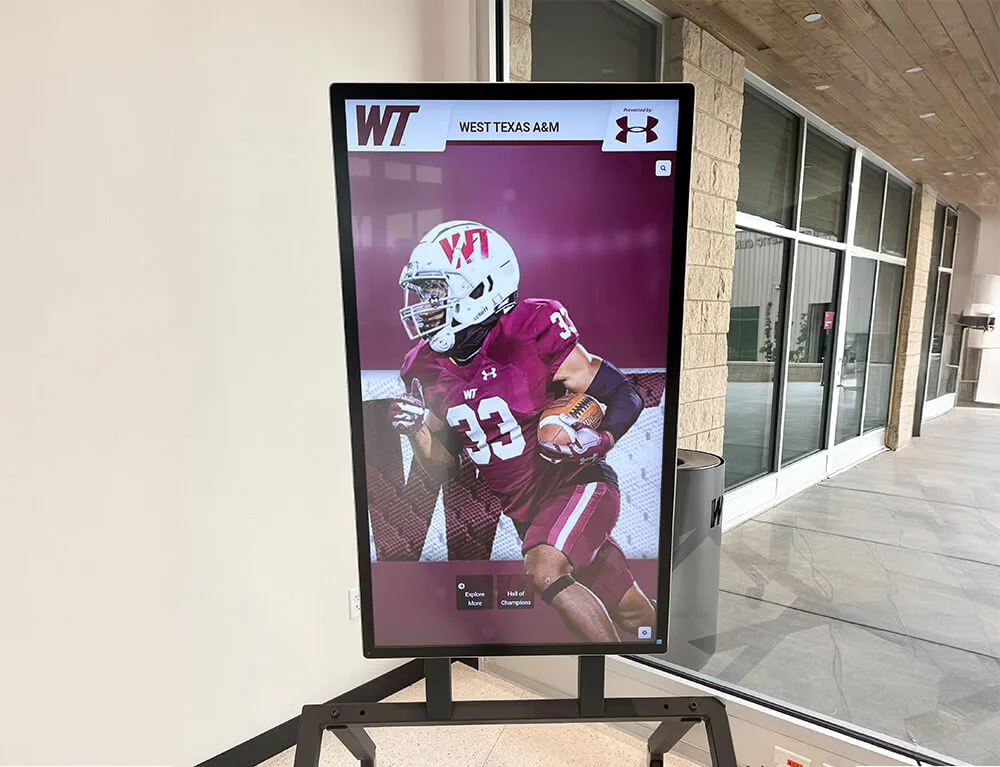
Intuitive touchscreen interfaces make digital content accessible and engaging for users of all ages
Attention and Focus Maintenance
Gaming requires sustained attention and concentration, helping children maintain cognitive skills during periods when illness or treatment might otherwise result in cognitive disengagement or developmental regression.
Gaming specialists select games matching individual patients’ developmental levels, cognitive abilities, and therapeutic needs ensuring appropriate challenge without frustration while supporting continued growth.
Social Connection and Isolation Reduction
Hospitalization often isolates children from normal social environments, peer relationships, and family routines.
Peer Interaction Opportunities
Gaming provides natural contexts for peer interaction even during medical isolation. According to OHSU research, gaming facilitates cooperative gameplay encouraging socialization and normalization, reducing isolation from friends and family through online gaming.
Children can:
- Play multiplayer games with other hospitalized patients in shared playrooms
- Connect with friends and siblings outside hospitals through online gaming
- Participate in gaming communities creating social belonging
- Engage with gaming specialists and child life staff through shared gaming experiences
- Develop new friendships with peers facing similar medical challenges
Family Engagement Activities
Gaming creates opportunities for family members to interact with hospitalized children through shared activities. Parents, siblings, and extended family participate in cooperative games, compete in friendly challenges, and experience normal family interaction despite medical settings.
Normalization of Childhood Experience
When hospitalized children engage in activities their healthy peers enjoy at home—playing popular video games, discussing gaming strategies, following gaming content—they maintain connections to childhood normalcy and peer culture rather than feeling defined solely by patient status.
Organizations understand that isolation and disconnection negatively impact emotional wellbeing and recovery. Gaming technology builds bridges maintaining crucial social connections during medical treatment. Solutions like Rocket Alumni Solutions create digital recognition displays enabling healthcare facilities to celebrate patient courage, share recovery milestones, and build community within pediatric units.
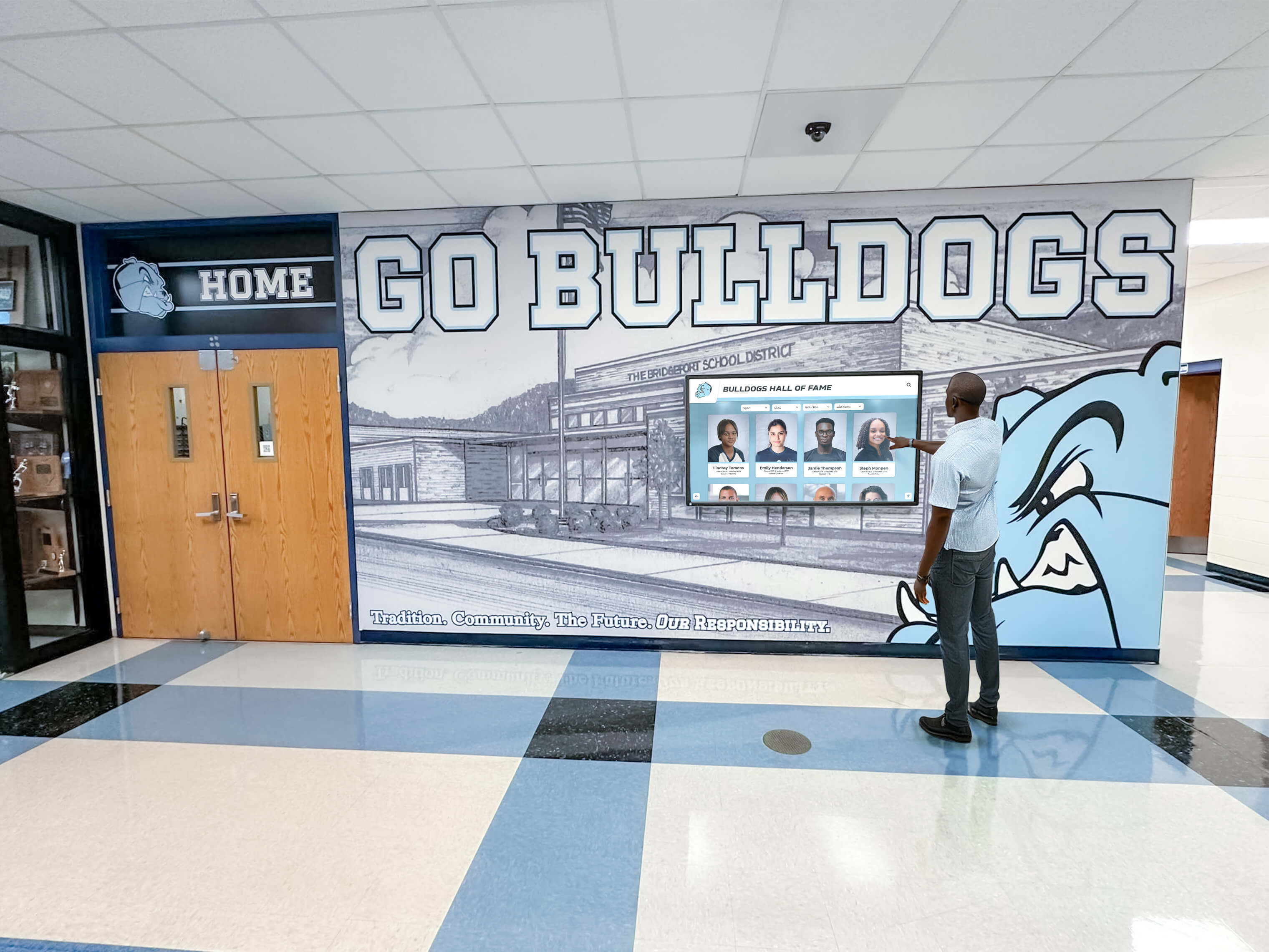
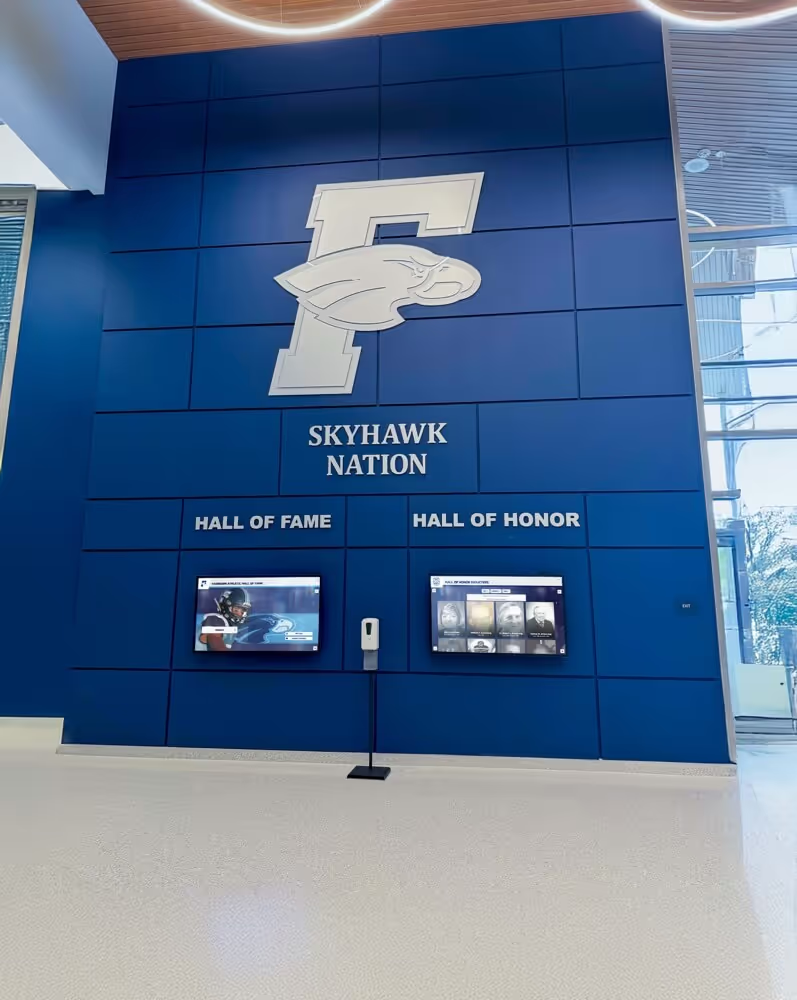
Interactive displays create engagement hubs in various institutional settings including healthcare facilities
Implementing Therapeutic Gaming Programs
Successful hospital gaming programs require thoughtful planning, appropriate technology selection, trained staff, and integration with comprehensive child life services.
Program Structure and Staffing
Gaming Technology Specialist Roles
Dedicated gaming specialists bring essential expertise:
- Assessing individual patient therapeutic needs and gaming preferences
- Selecting appropriate games supporting specific clinical goals
- Facilitating gaming sessions ensuring therapeutic benefit rather than passive entertainment
- Training other child life staff in therapeutic gaming principles
- Collaborating with medical teams integrating gaming into care plans
- Documenting outcomes and gathering data supporting program effectiveness
- Maintaining equipment and troubleshooting technical issues
- Staying current with gaming industry developments identifying new therapeutic opportunities
Child Life Team Integration
Gaming specialists function as Child Life team members alongside play therapists, music therapists, and other professionals supporting pediatric patient emotional and developmental needs. This integration ensures gaming complements rather than replaces other therapeutic modalities while coordinating comprehensive support.
Volunteer and Peer Support Programs
Many hospitals incorporate gaming-focused volunteers providing supervised gaming opportunities, organizing tournaments and special events, and offering peer support through shared gaming interests. These programs extend gaming access beyond gaming specialist availability while building community within pediatric units.
Technology and Equipment Selection
Hospital gaming programs require equipment meeting healthcare environment standards while providing engaging experiences.
Console Gaming Systems
Traditional gaming consoles (Nintendo Switch, PlayStation, Xbox) provide familiar gaming experiences children recognize from home. Hospital-safe gaming stations with antimicrobial materials, secure mounting, and durable construction adapt consumer technology for medical environments.
Mobile Gaming Solutions
Tablets and handheld devices offer portability enabling gaming at bedsides during treatment, in isolation rooms, or locations where console gaming proves impractical. Mobile platforms provide extensive game libraries, accessibility features, and lower cost enabling broader equipment distribution.
Virtual Reality Systems
VR technology creates immersive experiences particularly effective for pain management, phobia treatment, physical therapy, and transporting patients psychologically beyond hospital walls. Hospitals implement medical-grade VR systems meeting safety and hygiene requirements.
Interactive Display Technology
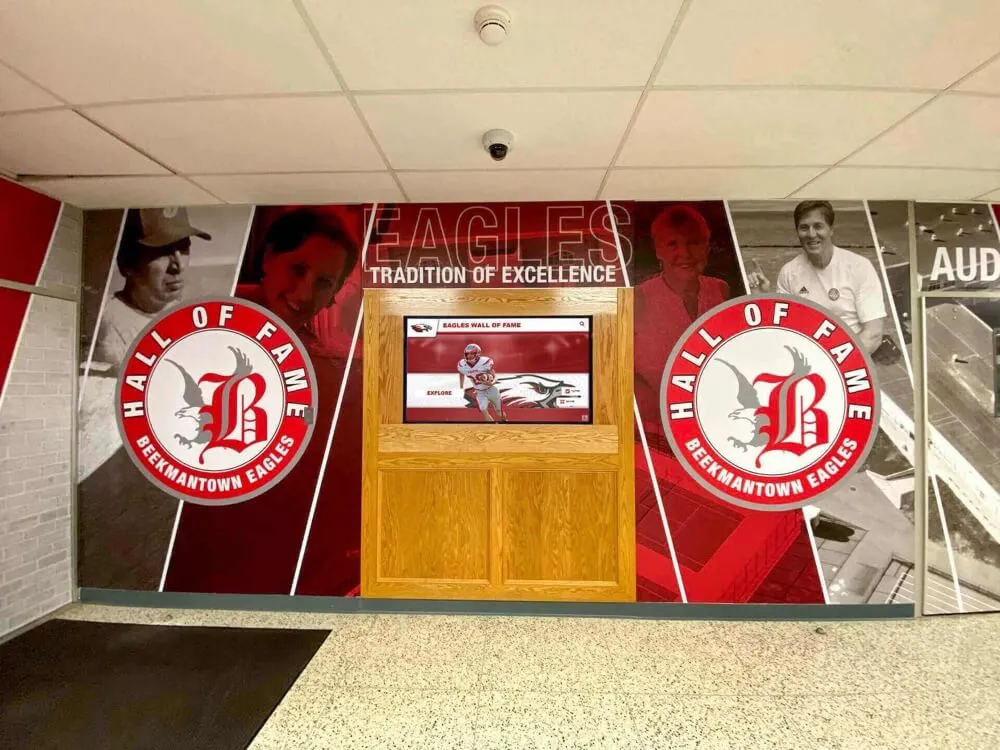
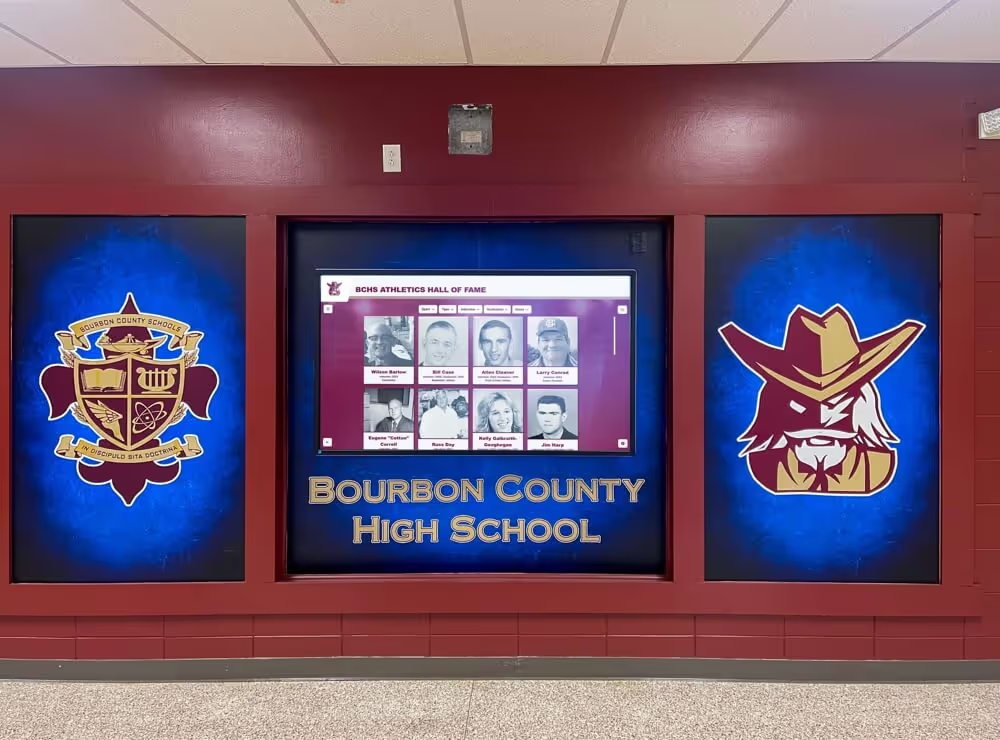
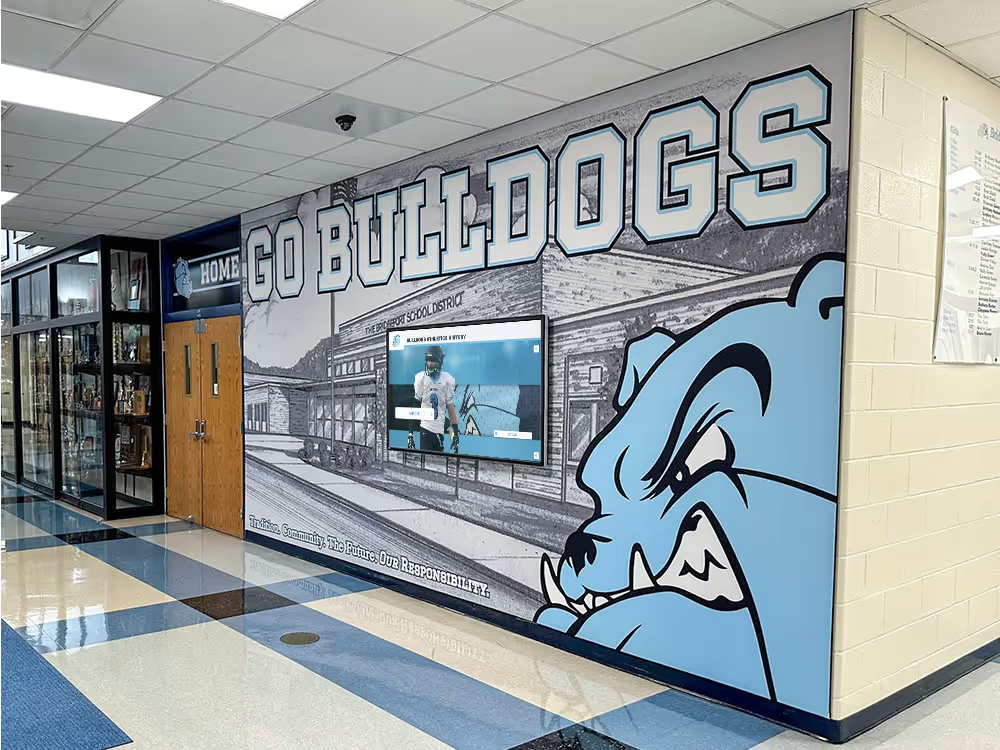
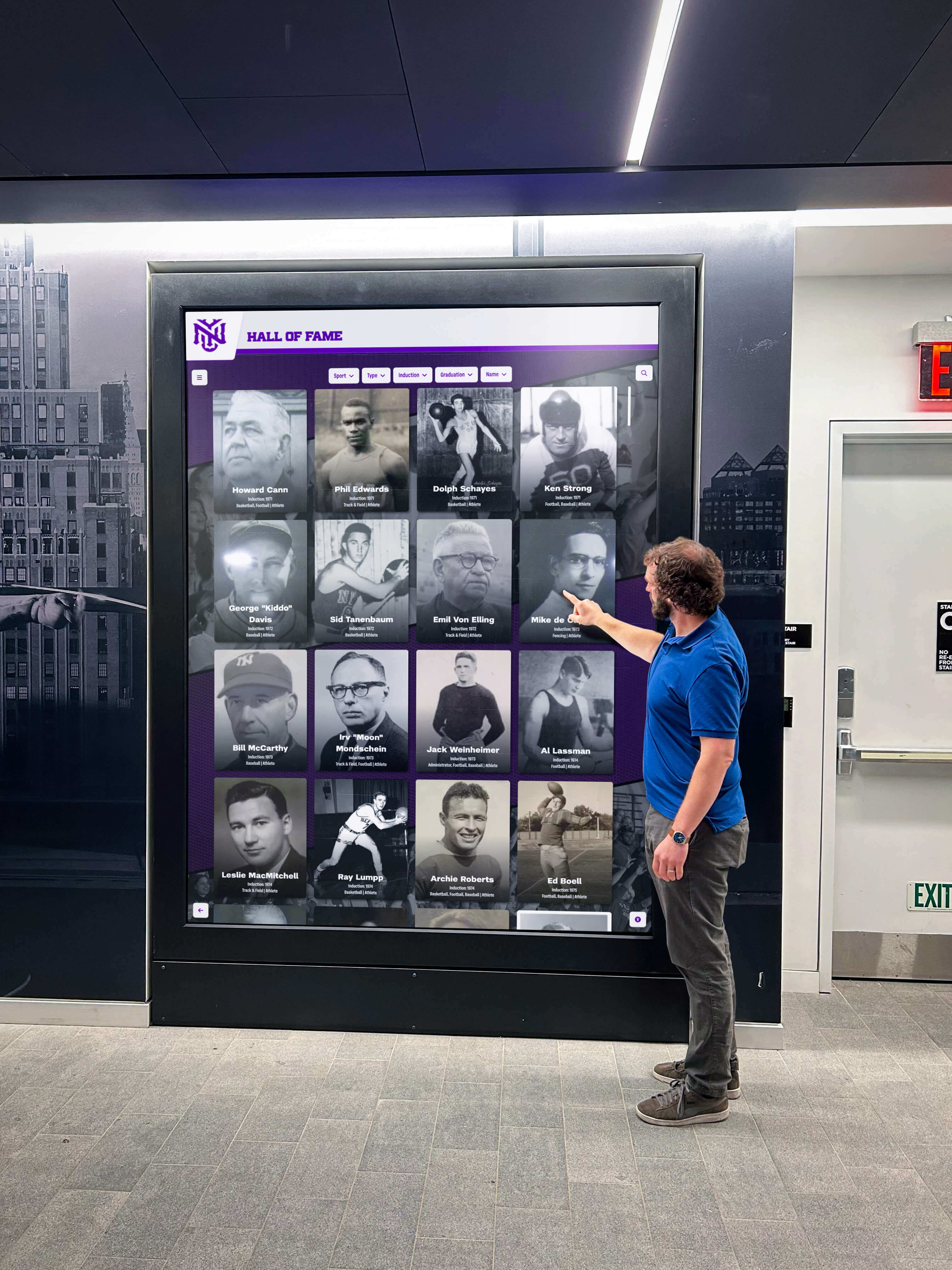
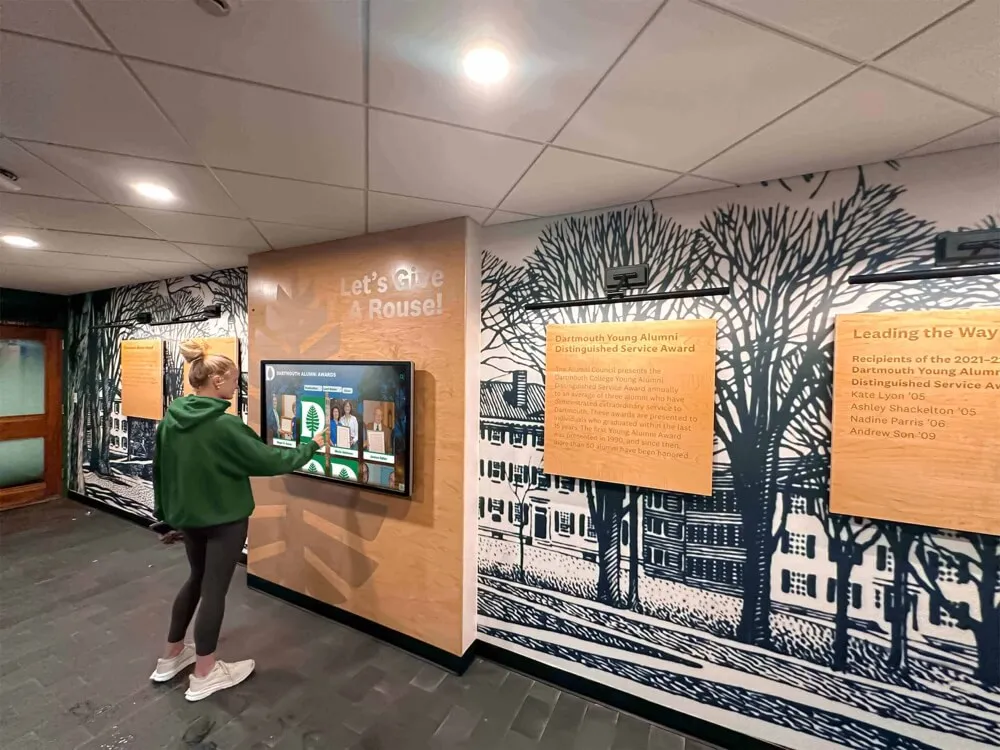
Large touchscreen displays in common areas, waiting rooms, and playrooms enable group gaming experiences, educational content access, and digital recognition celebrating patient achievements. These installations create engagement hubs within pediatric facilities while supporting broader communication and recognition functions.
Game Library Development
Therapeutic gaming programs require curated game collections supporting diverse needs:
Age-Appropriate Content
Game libraries span early childhood through adolescence with content matching developmental stages, interest levels, and complexity requirements. Rating systems ensure appropriate content while selection processes identify games providing therapeutic value beyond entertainment.
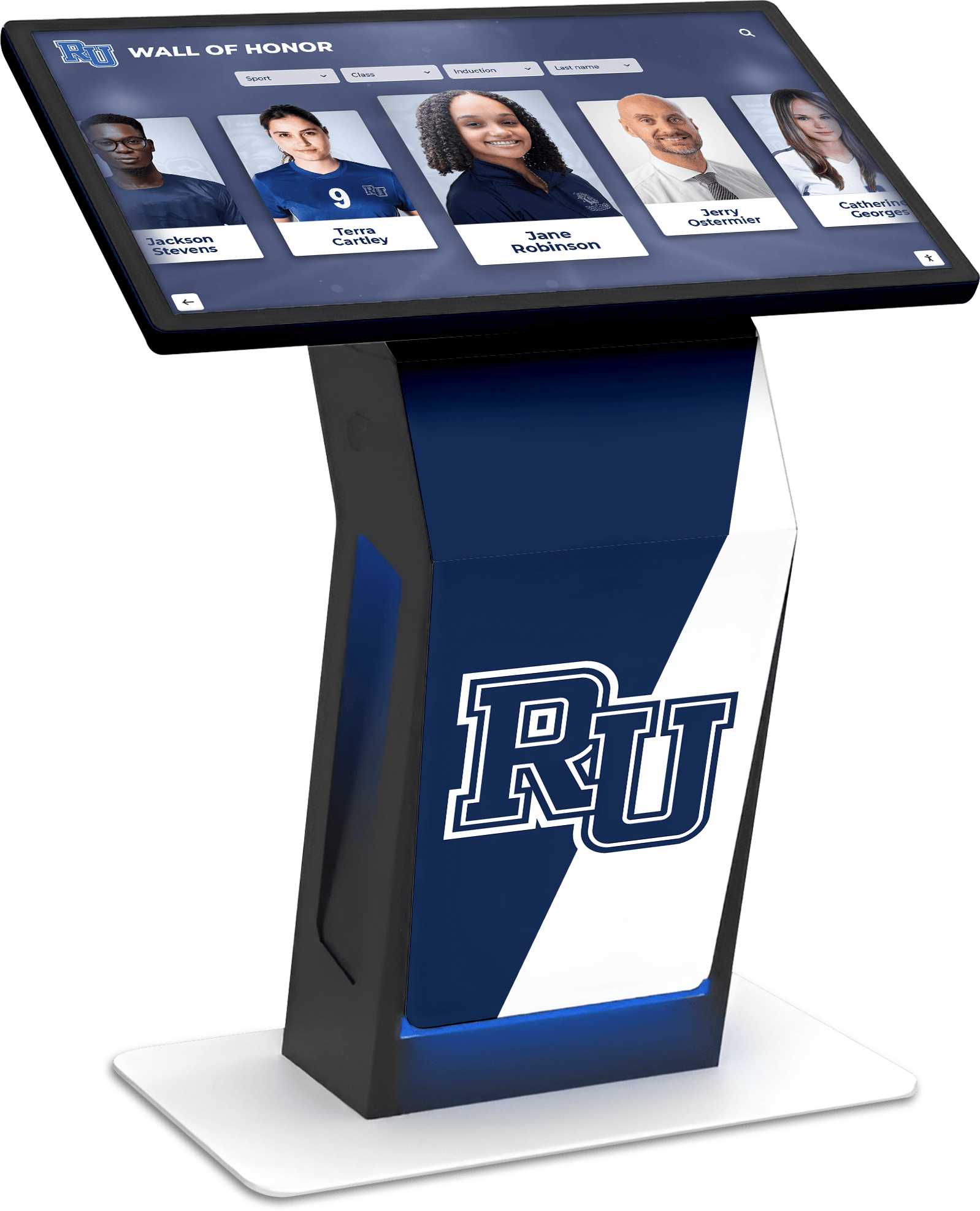
Self-contained kiosk systems provide accessible interactive experiences in healthcare and community environments
Therapeutic Game Categories
Game selections address specific therapeutic goals:
- Anxiety reduction games: Calming puzzle games, exploration titles, creative building experiences
- Physical rehabilitation games: Motion-controlled active games, rhythm challenges, sports simulations
- Cognitive stimulation games: Strategy games, educational content, problem-solving challenges
- Social connection games: Multiplayer experiences, cooperative challenges, competitive games supporting positive interaction
- Emotional expression games: Narrative experiences, creative tools, role-playing games supporting identity exploration
Accessibility Considerations
Game libraries include titles with comprehensive accessibility features accommodating diverse abilities—customizable difficulty, alternative control schemes, visual and auditory accessibility options, and adaptive technology compatibility ensuring all patients can participate regardless of physical or cognitive limitations.
Program Policies and Safety Protocols
Hospital gaming requires policies ensuring patient safety, appropriate use, and infection control:
Hygiene and Infection Control
Equipment cleaning protocols, disposable controller covers, and regular sanitization schedules prevent cross-contamination. Some facilities implement personal device programs where patients receive dedicated equipment for their hospital stay eliminating sharing concerns.
Screen Time Guidelines
While gaming provides therapeutic benefits, programs establish reasonable screen time limits ensuring gaming complements rather than replaces other activities like outdoor time, reading, family interaction, and therapeutic activities. Guidelines balance therapeutic gaming access with diverse developmental needs.
Content Monitoring and Age Restrictions
Staff supervision and content filtering ensure children access only age-appropriate games while preventing exposure to violent, frightening, or otherwise unsuitable content. Rating systems provide frameworks while individual assessment considers specific patient sensitivities.
Digital Recognition and Patient Celebration
Beyond gaming, digital display technology supports patient recognition, family communication, and community building within pediatric facilities.
Patient Achievement Celebration
Hospitals increasingly recognize that celebrating patient courage, treatment milestones, and recovery progress supports emotional wellbeing similar to schools recognizing academic and athletic achievement.
Milestone Recognition Displays
Interactive displays in pediatric units can showcase:
- Treatment milestone achievements (completing difficult procedures, reaching recovery goals)
- Acts of courage and bravery during challenging medical experiences
- Artwork, stories, and creative expression from current and former patients
- Birthday celebrations for patients spending special days in hospitals
- Discharge celebrations when patients complete treatment and return home
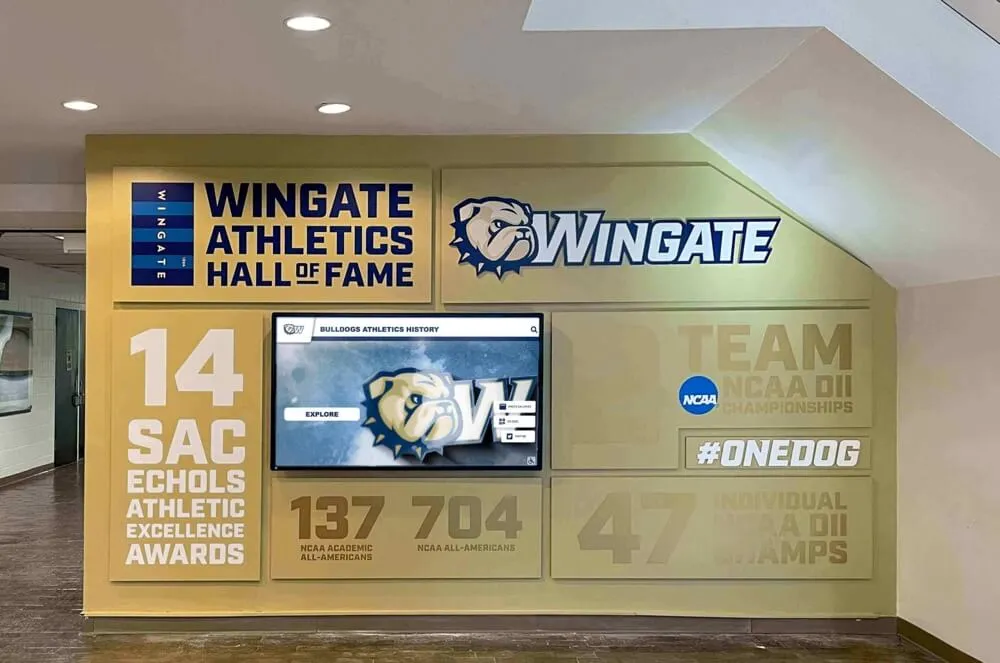
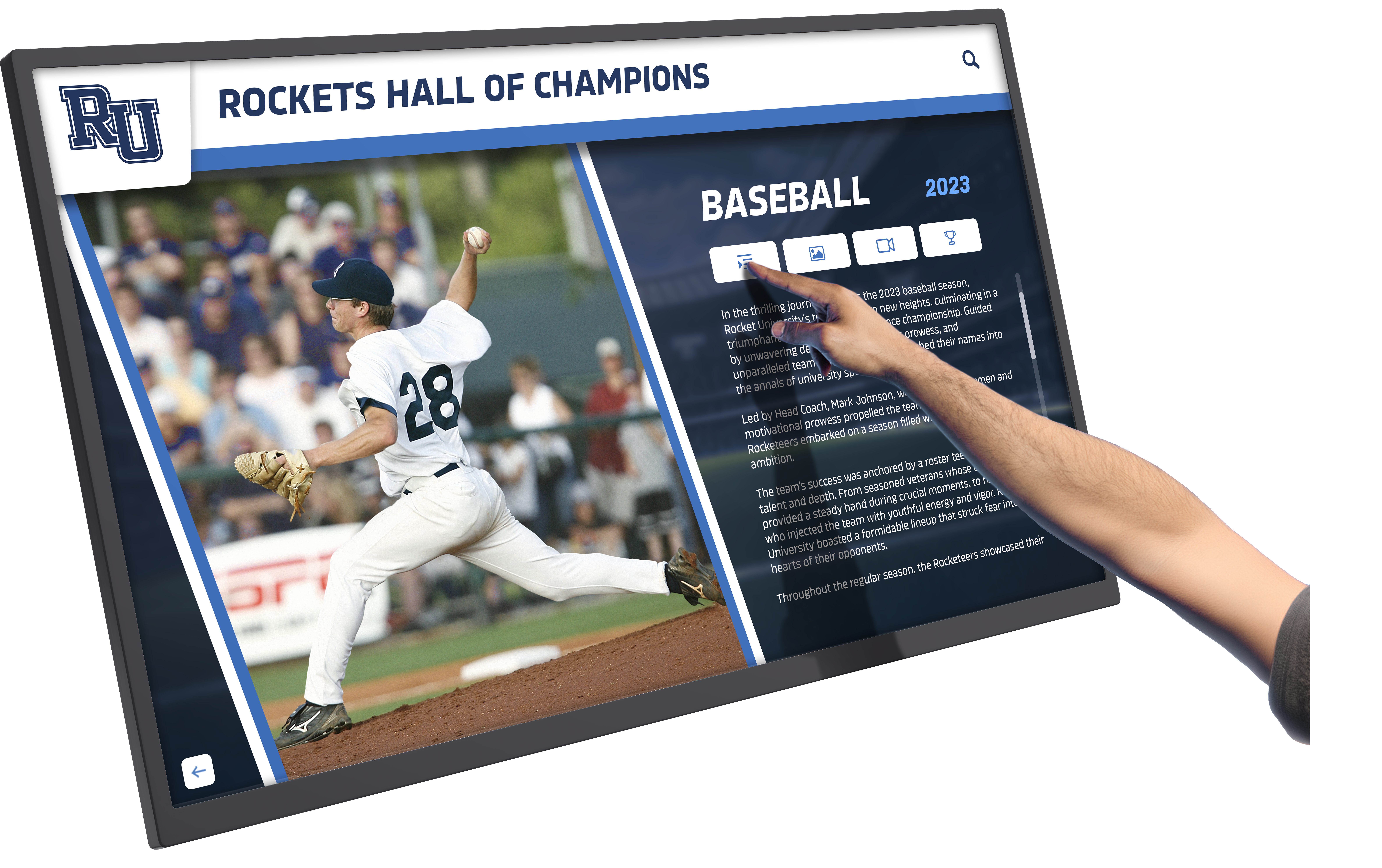
Solutions like Rocket Alumni Solutions adapt recognition technology developed for schools and athletic programs to healthcare contexts. Interactive touchscreen displays enable hospitals to celebrate patient journeys while creating engaging content families can explore together.
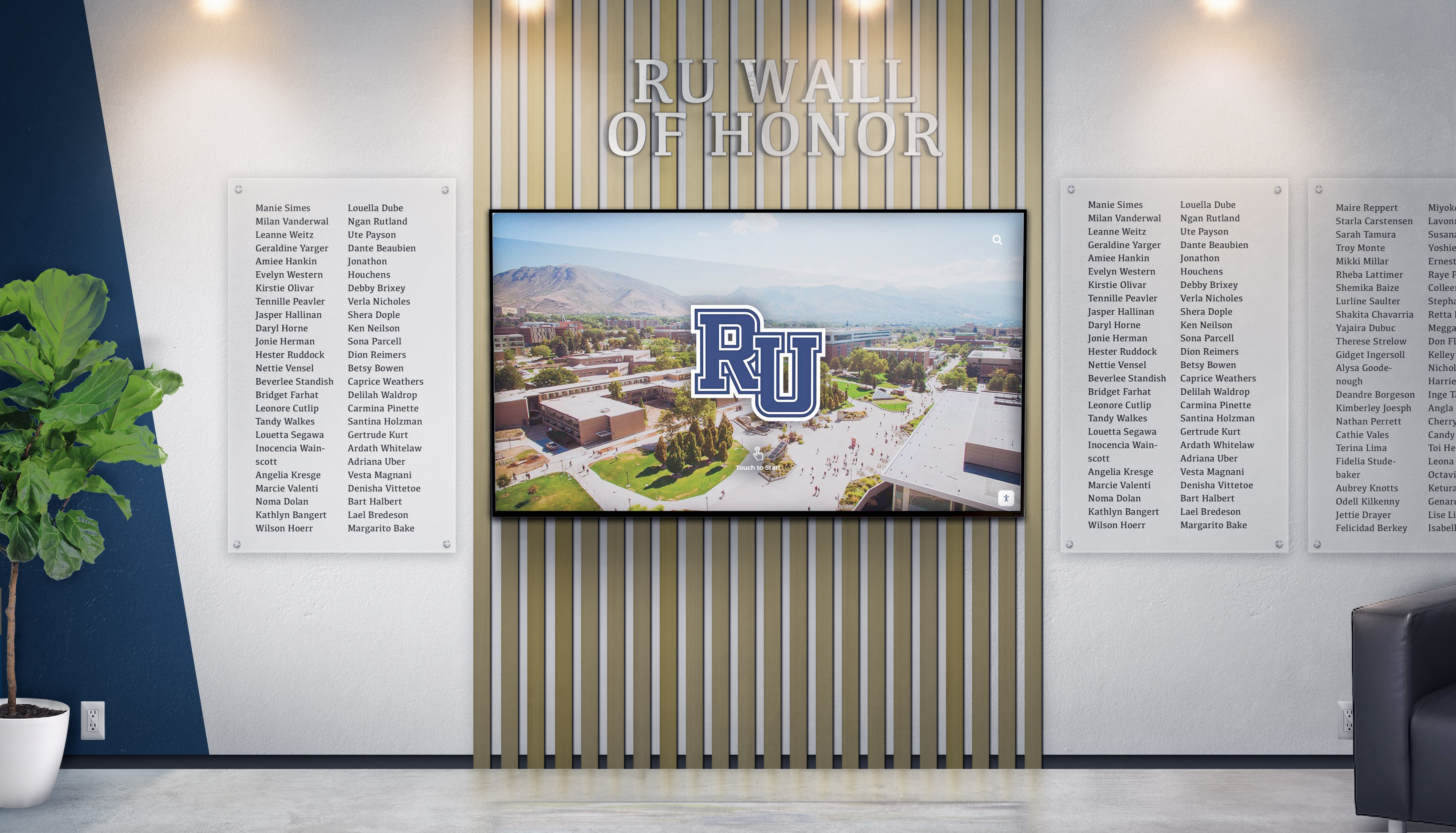
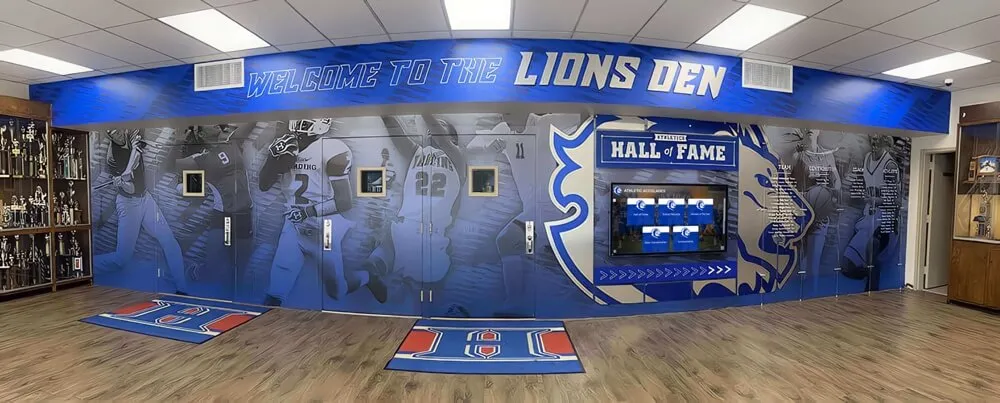
Combining digital displays with physical recognition creates comprehensive celebration systems
Family Communication Platforms
Digital displays provide valuable communication channels:
Treatment Progress Sharing
With appropriate privacy protections, displays can share general updates about treatment processes, upcoming events, facility news, and resource information helping families navigate hospital experiences.
Resource Directories
Interactive displays enable families to explore available support services, locate facility amenities, access educational resources about conditions and treatments, and connect with support organizations—transforming cold institutional spaces into helpful information hubs.
Community Connection
Digital platforms help families feel less isolated by sharing stories from families who’ve navigated similar experiences, highlighting support community opportunities, and creating connection among families facing comparable challenges.
Donor and Volunteer Recognition
Children’s hospitals depend on philanthropic support and volunteer contributions. Digital recognition platforms serve multiple purposes:
Donor Acknowledgment
Interactive donor recognition walls celebrate philanthropic support while communicating impact to current donors and inspiring future contributions. Unlike static plaques with limited capacity, digital systems accommodate unlimited recognition while sharing stories about how donations improve patient experiences.
Volunteer Celebration
Recognizing volunteers who provide gaming support, patient companionship, family assistance, and program facilitation builds volunteer community, expresses appreciation, and encourages continued service. Digital displays enable rotating volunteer spotlights with photos and stories personalizing recognition.
Program Impact Communication
Digital platforms communicate program outcomes, share patient success stories (with appropriate permissions), and demonstrate how gaming technology and therapeutic programs positively impact patient experiences—helping donors and volunteers understand contribution impact while encouraging ongoing support.
Organizations implementing recognition displays benefit from platforms designed for unlimited content, remote management enabling updates without technical expertise, and accessibility ensuring inclusive experiences. Touchscreen software solutions provide healthcare facilities with tools creating warmer, more engaging environments supporting healing and community.
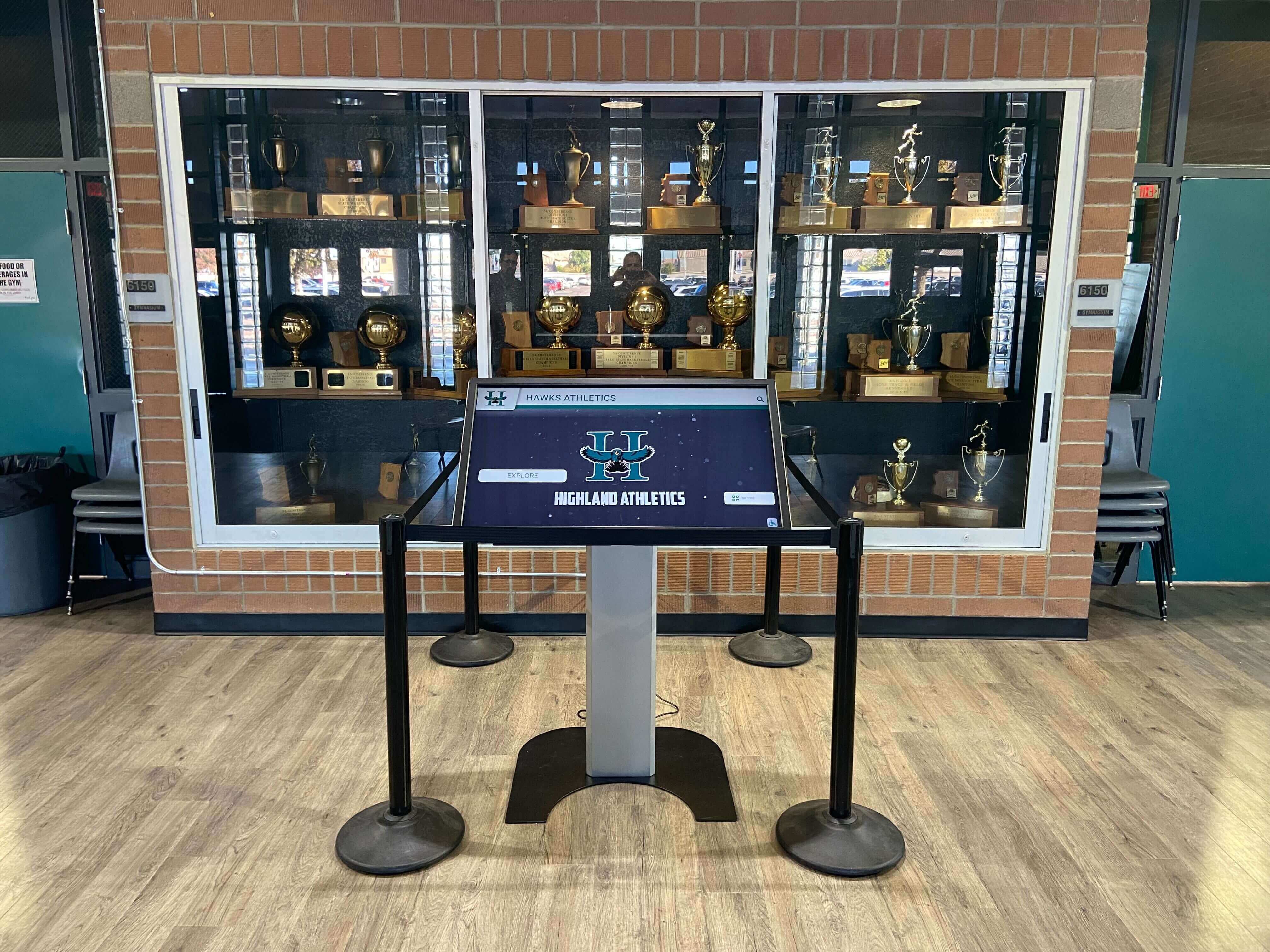
Thoughtful display integration creates seamless experiences within existing environments
Community Gaming Fundraising and Support
Beyond therapeutic programs within hospitals, gaming communities worldwide support pediatric healthcare through fundraising initiatives.
Extra Life Gaming Marathon
Extra Life represents the gaming community’s largest charitable initiative benefiting Children’s Miracle Network Hospitals. Participants play games during 24-hour marathons while soliciting donations supporting local children’s hospitals.
Program Impact
According to recent data, Children’s Miracle Network Hospitals’ inaugural Extra Life: Unlocked event in November 2025 raised $2.8 million, contributing to a year-to-date total of $10.5 million for pediatric healthcare programs.
Community Engagement
Extra Life transforms gaming from individual entertainment into collective charitable action. Gamers organize teams, stream gameplay, and leverage social networks mobilizing donations while demonstrating gaming’s positive community impact. This collective effort funds gaming equipment, gaming specialist positions, child life programs, and comprehensive pediatric care.
Hospital Partnerships
Local children’s hospitals partner with Extra Life participants, connecting donors directly with facilities benefiting from support. This connection personalizes fundraising while helping donors understand how gaming technology improves patient experiences in their communities.
Other Gaming Charity Initiatives
Multiple organizations connect gaming communities with children’s hospital support:
Child’s Play Annual Donations
Child’s Play coordinates gaming community donations during holiday seasons and throughout years, delivering therapeutic games and technology directly to pediatric hospitals. The organization maintains hospital wish lists enabling donors to provide specific equipment and games facilities need.
Streamer Charity Events
Gaming content creators frequently organize charity streams, tournaments, and special events raising funds for children’s hospitals. These initiatives leverage large online audiences and passionate gaming communities generating substantial support while raising awareness about therapeutic gaming benefits.
Gaming Industry Contributions
Gaming publishers and hardware manufacturers increasingly partner with children’s hospitals providing equipment donations, game libraries, and financial support recognizing opportunities to demonstrate positive social impact while connecting with communities.
This ecosystem of support ensures pediatric facilities access gaming technology regardless of individual hospital budgets, while gaming communities demonstrate medium’s positive potential extending far beyond entertainment.
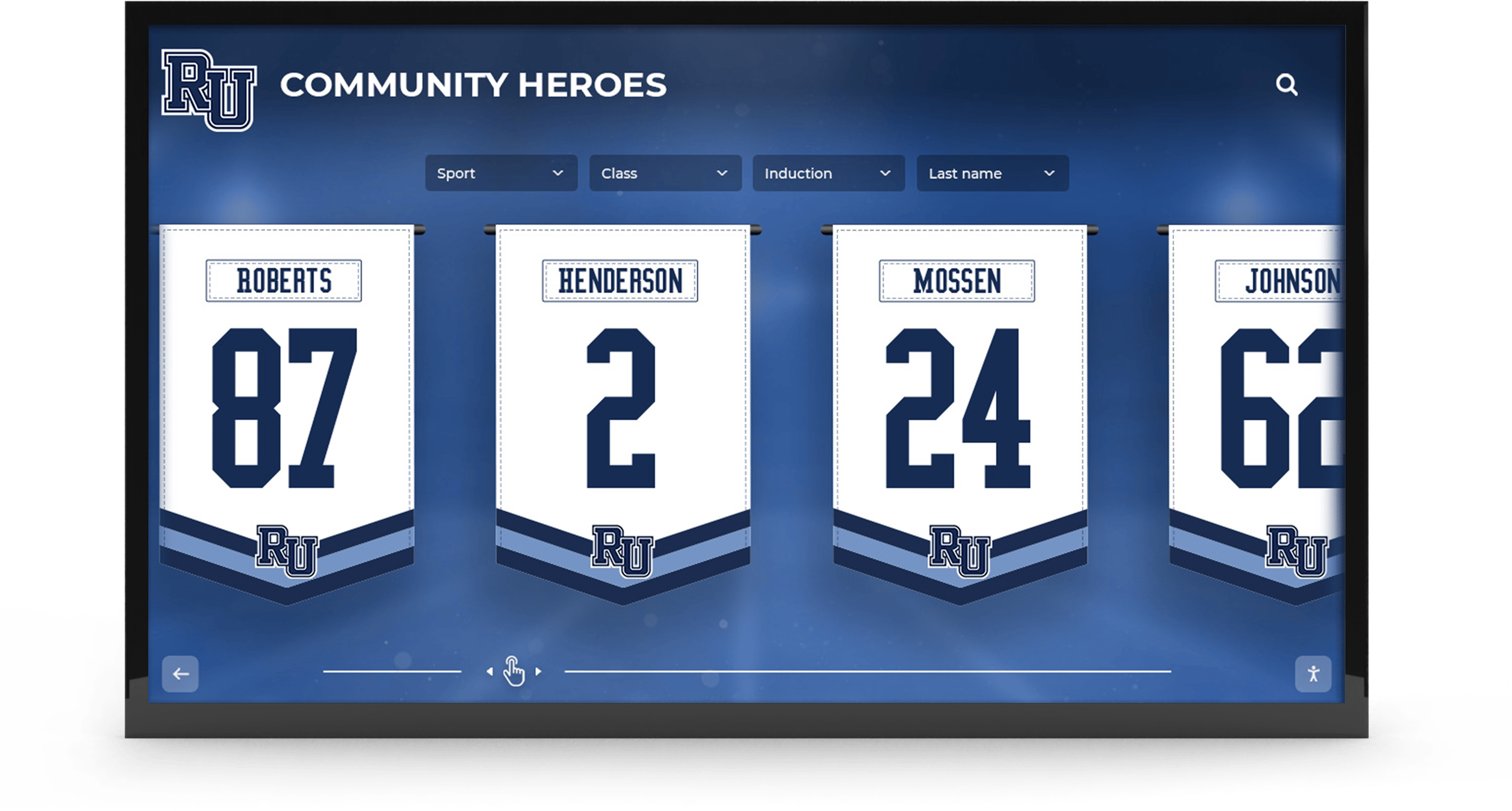
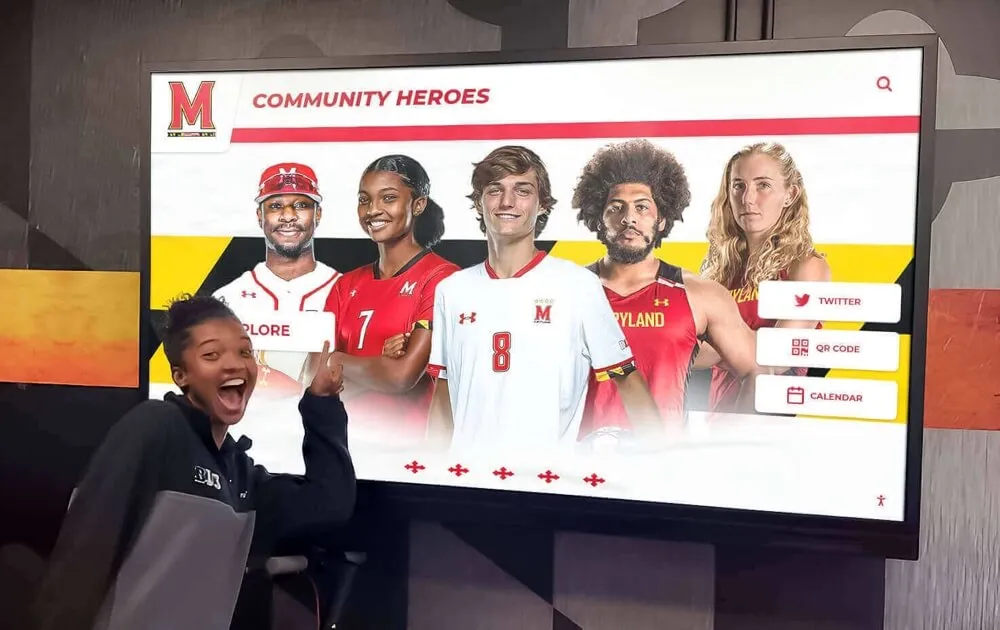
Digital recognition celebrates heroes and contributors in various community contexts including healthcare
Broader Applications: Interactive Technology in Healthcare Environments
Gaming technology represents one dimension of how interactive digital displays transform healthcare environments creating more engaging, informative, and comforting experiences.
Waiting Room and Common Area Engagement
Hospital waiting areas traditionally feel sterile, anxious, and uncomfortable. Interactive displays create engagement opportunities:
Educational Content Access
Touchscreen displays enable patients and families to explore health information, learn about conditions and treatments, access wellness resources, and understand care processes—transforming anxious waiting time into educational opportunities reducing fear through knowledge.
Entertainment and Distraction
Interactive games, puzzles, and engaging content help pass time during long waits while reducing anxiety about upcoming procedures or appointments. Unlike passive television, interactive displays enable user control creating engagement matching individual preferences.
Wayfinding and Information
Interactive directory systems help visitors navigate complex healthcare facilities, locate departments and services, understand visiting policies, and access practical information reducing confusion and stress. Intuitive touchscreen kiosk software makes information accessible regardless of technical comfort.
Patient Education and Treatment Preparation
Interactive technology supports patient education and treatment preparation:
Procedure Preparation Content
Age-appropriate interactive content explains medical procedures, shows what to expect, introduces care teams, and reduces anxiety through familiarity. Children explore content at their own pace, review information multiple times, and ask questions based on interactive learning.
Medication and Treatment Information
Patients and families access detailed information about medications, treatment protocols, and care instructions through interactive displays supplementing provider explanations. Visual presentations, videos, and interactive tools improve understanding compared to text-only materials.
Recovery and Home Care Guidance
Before discharge, families use interactive systems to review home care instructions, understand medication schedules, learn about follow-up requirements, and access support resources ensuring successful transitions from hospital to home care.
Interactive displays in facility entrances provide welcoming engagement and practical information access
Staff Recognition and Culture Building
Healthcare organizations use digital recognition displays celebrating staff excellence:
Employee Recognition Programs
Interactive displays showcase employee achievements, service milestones, exceptional patient care stories, and professional accomplishments. Recognition strengthens workplace culture, improves retention, and demonstrates appreciation for healthcare workers’ dedication.
Team Celebrations
Displays highlight departmental achievements, quality improvement successes, research contributions, and collaborative accomplishments building team pride and reinforcing organizational values.
Values Communication
Digital platforms communicate organizational mission, values, and cultural priorities through stories, patient testimonials, and examples demonstrating values in action—helping staff connect daily work to larger organizational purpose.
Healthcare organizations implementing recognition displays find that platforms designed for interactive digital recognition easily adapt to medical contexts while providing unlimited capacity, remote content management, and comprehensive accessibility benefiting diverse healthcare populations.
Creating Warmer Healthcare Environments Through Digital Engagement
The concept of “digital warming”—transforming cold, impersonal digital spaces into engaging, personalized experiences building connected communities—applies powerfully to healthcare environments where emotional wellbeing significantly impacts healing and patient satisfaction.
From Clinical to Welcoming
Traditional healthcare environments prioritize clinical efficiency and medical function often at the expense of emotional comfort and human connection. Sterile walls, institutional signage, and purely functional spaces communicate medical necessity but can feel cold, frightening, and dehumanizing particularly for children.
Digital engagement platforms warm these spaces by:
Personalizing Experiences
Interactive content adapts to individual users showing relevant information, recognizing returning visitors, and enabling personalized exploration rather than broadcasting identical content to all viewers. This personalization helps patients and families feel seen as individuals rather than cases.
Creating Choice and Control
Touch-enabled exploration provides agency and control—scarce commodities during medical treatment when schedules, procedures, and decisions often happen to patients rather than with them. Interactive displays offer domains where users make choices, control experiences, and explore according to personal interests.
Building Community Connection
Recognition displays celebrating patient courage, sharing family stories, and highlighting community support help individuals feel part of larger communities rather than isolated in personal medical crises. This connection combat loneliness and isolation while building hope through others’ success stories.
Humanizing Medical Environments
Photos, stories, names, and personal narratives on interactive displays remind everyone in healthcare facilities that medicine serves individual humans with unique stories, not generic patients with standard conditions. This humanization benefits both patients and care providers.
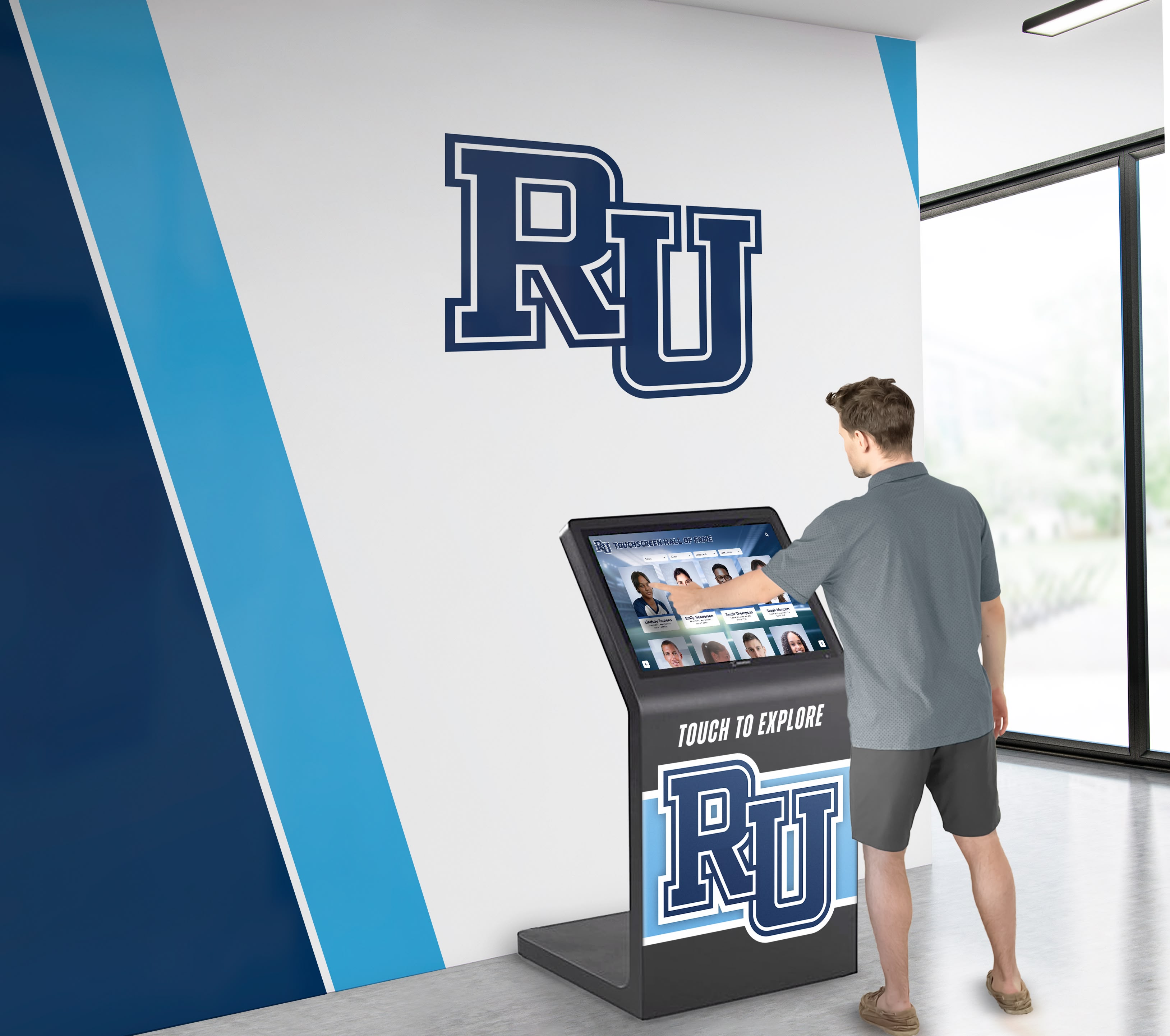
Modern touchscreen kiosks create welcoming technology touchpoints in institutional environments
Implementation Considerations for Healthcare Facilities
Healthcare organizations implementing interactive displays require specialized considerations:
Infection Control Compliance
Displays must accommodate frequent cleaning with medical-grade disinfectants without degrading touchscreen functionality or visual quality. Some facilities implement antimicrobial screen protectors, voice-activated interfaces reducing touch requirements, or UV sanitization systems.
Patient Privacy Protection
Healthcare displays must comply with HIPAA and patient privacy regulations ensuring protected health information remains secure. Recognition programs require explicit consent, content management systems need robust access controls, and displays should enable anonymous engagement without requiring user identification.
Accessibility Requirements
Healthcare facilities serve populations with diverse abilities making comprehensive accessibility essential rather than optional. ADA-compliant mounting heights, screen reader compatibility, high-contrast viewing modes, and alternative interaction methods ensure all patients and families can access content regardless of physical or cognitive abilities.
Durability and Reliability
Healthcare environments require 24/7 operation with minimal downtime. Hardware must withstand constant use, and systems need remote management enabling troubleshooting without interrupting facility operations. Cloud-based platforms providing remote content management prove particularly valuable avoiding on-site technical visits.
Integration with Existing Systems
Healthcare IT environments include complex systems for medical records, scheduling, facility management, and communication. Interactive displays should integrate seamlessly without creating additional IT burden or security vulnerabilities while complementing existing patient engagement strategies.
Organizations selecting interactive display platforms for healthcare contexts benefit from providers understanding institutional requirements. Solutions designed for schools, universities, and community organizations like Rocket Alumni Solutions adapt well to healthcare settings sharing similar needs: celebrating individuals, building community, providing information access, and creating warmer, more engaging environments supporting organizational missions.
Create Warmer, More Engaging Healthcare Environments
Discover how interactive digital displays can transform waiting rooms, patient areas, and common spaces into welcoming environments that reduce anxiety, celebrate courage, and build supportive communities throughout your healthcare facility.
Schedule Your ConsultationFuture Directions: Emerging Technologies in Pediatric Healthcare
Gaming and interactive technology in children’s hospitals continues evolving as new capabilities emerge.
Advanced Virtual Reality Therapeutics
VR technology increasingly serves specific therapeutic purposes beyond entertainment:
Pain Management VR
Immersive VR experiences demonstrably reduce pain perception during procedures, wound care, and recovery. Distraction through VR proves more effective than traditional distraction techniques, potentially reducing medication requirements and improving patient comfort.
Exposure Therapy for Medical Phobias
VR enables gradual exposure helping children overcome fears of needles, medical equipment, or specific procedures through controlled virtual experiences building tolerance before actual medical encounters.
Mobility and Physical Therapy Advancement
VR rehabilitation programs create engaging physical therapy experiences tracking progress, adjusting difficulty dynamically, and providing real-time feedback improving outcomes compared to traditional rehabilitation approaches.
Artificial Intelligence Personalization
AI technology promises increasingly personalized therapeutic gaming:
Adaptive Difficulty and Content
AI-powered games automatically adjust difficulty, pacing, and content based on individual patient responses, engagement levels, and therapeutic needs ensuring optimal challenge without frustration while maximizing therapeutic benefit.
Emotion Recognition and Response
Systems detecting emotional states through gameplay patterns, voice analysis, or facial recognition could alert care teams to patients experiencing anxiety, depression, or distress enabling timely intervention and support.
Predictive Therapeutic Matching
AI analyzing patient characteristics, conditions, and responses could recommend specific games, activities, or therapeutic approaches most likely to benefit individual patients personalizing treatment beyond human specialists’ capacity.
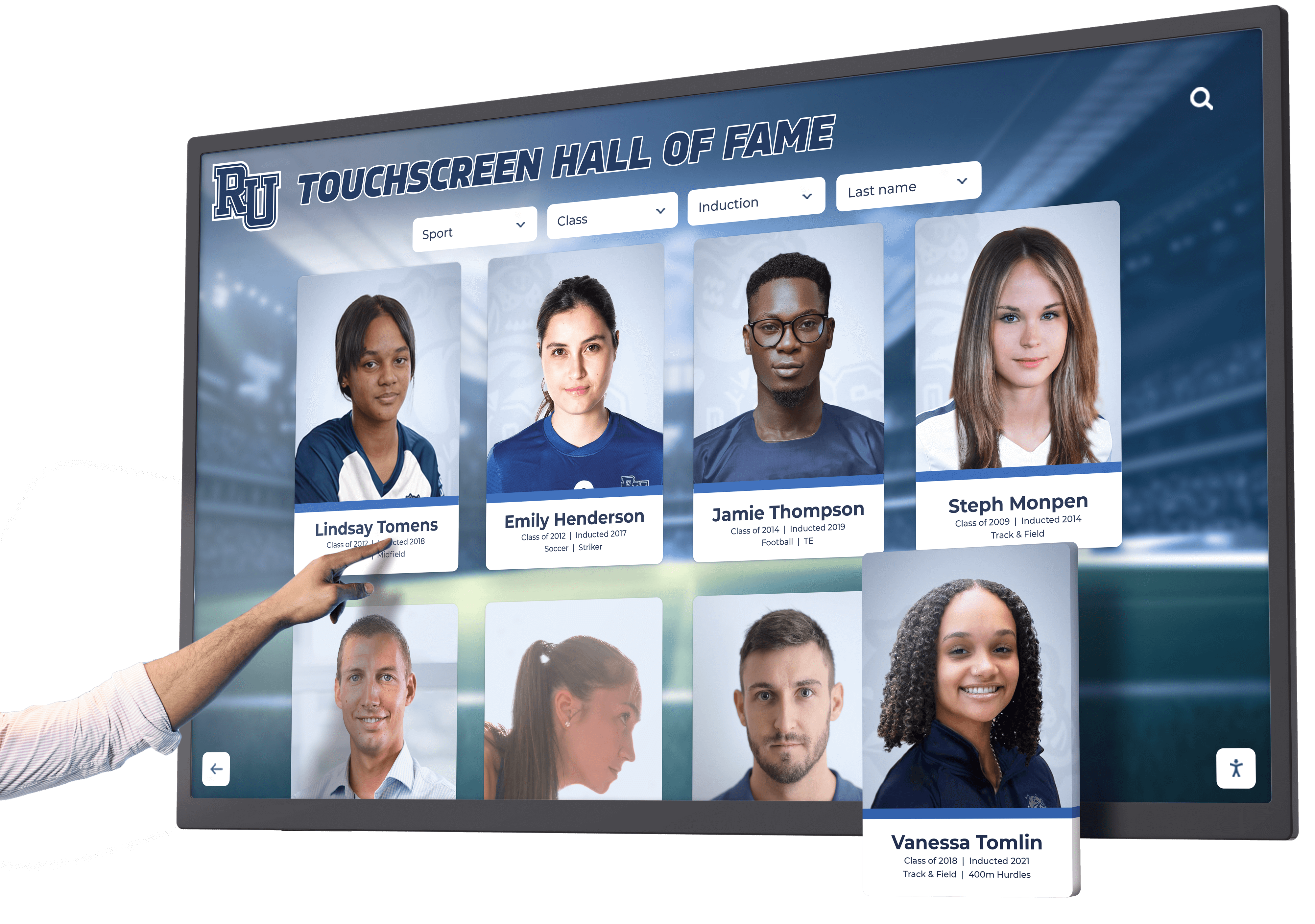
Intuitive touch interfaces make content exploration natural and accessible across generations
Expanded Telehealth Gaming
Gaming technology supports telehealth and remote care:
Remote Therapeutic Gaming Sessions
Gaming specialists conduct virtual sessions with patients at home during outpatient treatment, post-discharge follow-up, or chronic condition management extending therapeutic benefits beyond hospital stays.
Peer Support Gaming Communities
Online gaming communities connect children with similar diagnoses, treatment experiences, or healthcare journeys creating peer support networks reducing isolation while building understanding among those sharing experiences.
Family Connection Gaming
Gaming provides connection methods for children separated from family members during extended hospitalizations or isolation requirements, maintaining crucial family bonds through shared gameplay bridging physical separation.
Integration with Broader Child Life Services
Gaming technology increasingly integrates with comprehensive child life approaches:
Cross-Modal Therapeutic Programs
Gaming complements music therapy, art therapy, pet therapy, and other modalities within coordinated programs addressing multiple dimensions of patient wellbeing through diverse therapeutic approaches.
Longitudinal Engagement Tracking
Digital platforms track patient engagement, preferences, and responses over time informing ongoing care planning, therapeutic adjustments, and outcome measurement demonstrating program effectiveness.
Research and Program Evaluation
Data from therapeutic gaming programs supports research understanding how specific games, activities, and approaches benefit different patient populations, conditions, and circumstances advancing evidence-based therapeutic gaming practices.
Practical Implementation Guidance for Healthcare Facilities
Healthcare organizations considering therapeutic gaming programs or interactive display technology benefit from systematic planning.
Needs Assessment and Goal Definition
Patient Population Analysis
- Age ranges and developmental stages requiring appropriate content
- Common diagnoses and typical length of stay informing program design
- Cultural and linguistic diversity requiring multilingual and culturally appropriate content
- Accessibility needs within patient populations
- Current patient experience challenges gaming technology might address
Resource Evaluation
- Available budget for equipment, staffing, and ongoing program maintenance
- Physical spaces suitable for gaming and interactive displays
- IT infrastructure capacity and security requirements
- Existing child life staffing and training needs
- Volunteer and community resources supporting program implementation
Phased Implementation Approach
Pilot Programs
Beginning with limited pilots enables learning before large investments:
- Single unit or department implementation testing approaches
- Small equipment sets validating technology choices
- Limited staffing assessing training and support requirements
- Defined evaluation periods measuring outcomes informing expansion decisions
Gradual Expansion
Successful pilots inform systematic expansion:
- Additional units and departments based on demonstrated success
- Equipment variety addressing diverse needs and preferences
- Enhanced staffing including gaming specialists and trained child life staff
- Expanded game libraries and activity options
- Integration with broader patient experience and quality initiatives
Continuous Improvement
Ongoing evaluation enables program refinement:
- Patient and family feedback gathering
- Staff input about program effectiveness and operational challenges
- Outcome data collection demonstrating therapeutic benefits
- Benchmarking against peer institutions
- Technology updates incorporating emerging capabilities
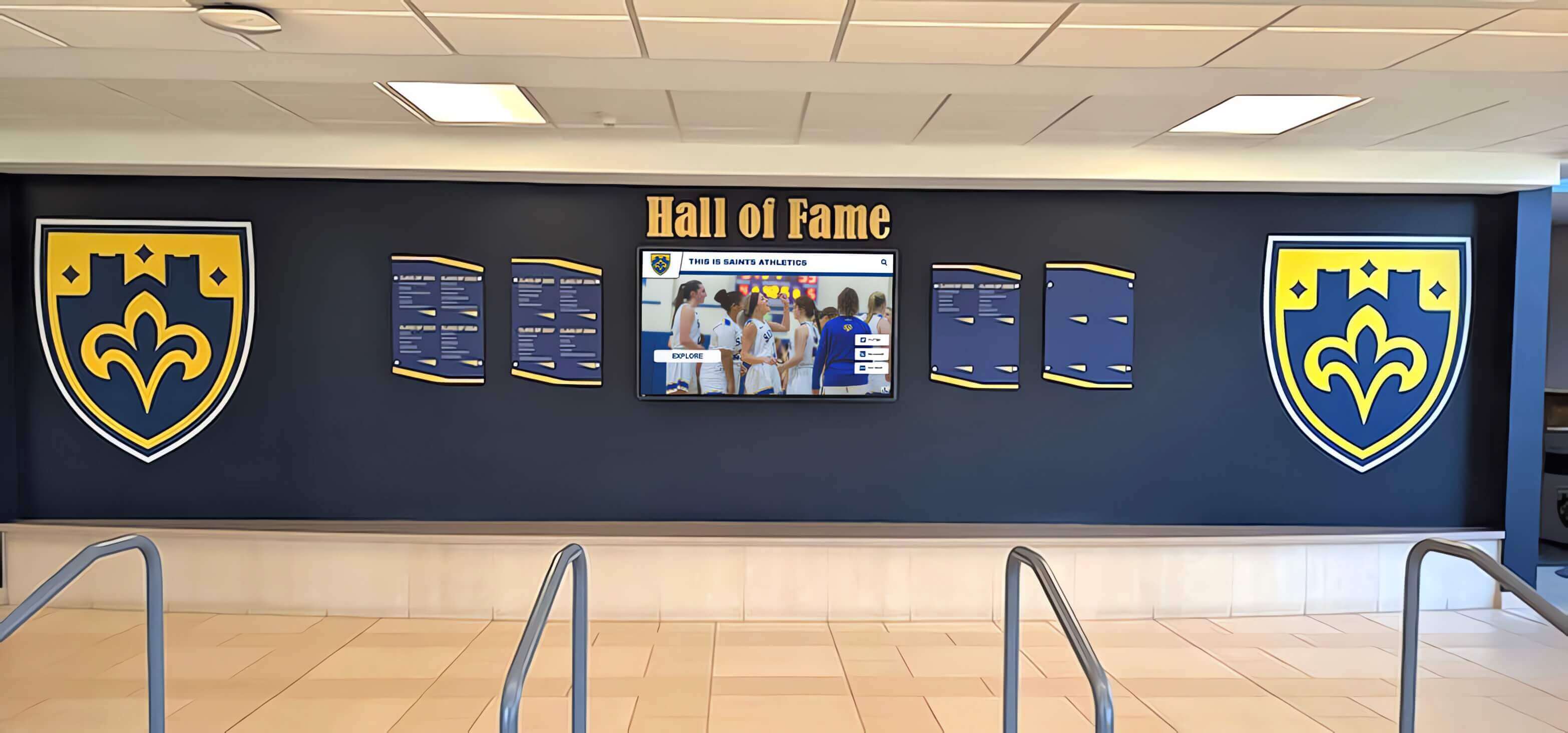
Thoughtful display integration creates cohesive environments supporting institutional identity and community building
Partnership and Funding Development
Philanthropic Support
Gaming programs attract donor interest:
- Equipment naming opportunities recognizing major donations
- Program sponsorships from gaming industry and technology companies
- Foundation grants supporting innovative patient experience programs
- Individual donor campaigns appealing to personal experiences
- Corporate partnerships providing equipment donations
Community Gaming Fundraising
Leverage gaming community support:
- Extra Life hospital partnerships encouraging local gamer fundraising
- Esports team and gaming organization charitable partnerships
- Gaming content creator collaborations raising awareness and funds
- Gaming tournament benefits generating support and visibility
Grant Opportunities
Multiple funding sources support therapeutic gaming:
- Children’s hospital association grants
- Technology and innovation healthcare grants
- Child life program development funding
- Patient experience improvement initiatives
- Research grants studying therapeutic gaming outcomes
Healthcare organizations establishing interactive technology and therapeutic gaming programs join growing movements transforming pediatric care through thoughtful technology integration creating more humane, engaging, and supportive healing environments. Whether implementing comprehensive gaming programs, installing interactive recognition displays, or creating digital communication platforms, facilities benefit from solutions designed for institutional contexts prioritizing accessibility, sustainability, and mission alignment.
Conclusion: Gaming and Digital Technology Transforming Pediatric Healthcare
The evolution of video games in children’s hospitals from entertainment afterthought to integral therapeutic tool represents broader recognition that healing encompasses more than clinical intervention. Children facing medical challenges need psychological support, social connection, physical engagement, and preserved childhood normalcy alongside medical treatment. Gaming technology addresses these comprehensive needs through evidence-based approaches demonstrating measurable benefits.
Therapeutic gaming programs help pediatric patients manage anxiety and stress during frightening medical experiences, engage in physical rehabilitation through enjoyable active gaming, maintain cognitive stimulation and educational progress during extended hospitalizations, and combat isolation through peer and family gaming connections. These benefits extend beyond individual patients improving overall pediatric unit culture, family experiences, and care team satisfaction.
The infrastructure supporting hospital gaming continues expanding through dedicated gaming specialists, organizational support from charities and foundations, gaming community fundraising generating millions annually, and healthcare systems prioritizing patient experience alongside clinical outcomes. This ecosystem ensures therapeutic gaming access regardless of individual hospital resources while advancing evidence-based practices through research and professional development.
Beyond gaming specifically, interactive digital display technology warms healthcare environments through patient recognition celebrating courage and milestones, family communication platforms providing information and resources, donor and volunteer appreciation building supportive communities, and wayfinding and educational content reducing anxiety through knowledge. These applications demonstrate how thoughtful technology integration transforms cold institutional spaces into welcoming environments supporting healing.
Healthcare facilities implementing interactive displays benefit from platforms designed for institutional contexts. Solutions like Rocket Alumni Solutions developed for schools, universities, and community organizations adapt naturally to healthcare settings sharing similar needs: unlimited recognition capacity, comprehensive accessibility, remote content management, and intuitive interfaces requiring no technical expertise. The same technology celebrating athletic achievements and academic excellence translates effectively to recognizing patient courage, highlighting staff excellence, and building supportive healthcare communities.
Looking forward, emerging technologies including advanced VR therapeutics, AI-powered personalization, expanded telehealth gaming, and enhanced integration with comprehensive child life services promise increasingly sophisticated approaches. However, fundamental principles remain constant: children need play even during medical treatment, emotional wellbeing impacts physical healing, social connection combats isolation’s harms, and humanizing healthcare environments benefits everyone.
Healthcare organizations prioritizing patient experience recognize that sterile efficiency alone inadequately serves human needs during vulnerable medical experiences. Gaming technology and interactive displays represent practical tools warming cold spaces, building connections, celebrating courage, and remembering that beyond patients lie individual children deserving joy, agency, and normalcy even during their most challenging moments.
Every healthcare facility can take steps toward warmer, more engaging environments whether implementing comprehensive therapeutic gaming programs, installing interactive displays in waiting areas, or simply ensuring children access appropriate entertainment during visits. These investments in patient experience generate returns through improved satisfaction, better cooperation with treatment, enhanced emotional wellbeing, and stronger family engagement—outcomes benefiting individual patients while advancing organizational missions serving children’s comprehensive health.
Ready to explore how interactive digital displays can transform your healthcare environment? Schedule a consultation with Rocket Alumni Solutions to discuss recognition platforms, interactive displays, and digital engagement solutions creating warmer, more supportive spaces throughout your facility.
Sources
- Seattle Children’s Therapeutic Gaming Program Uses Video Games
- Therapeutic Gaming Program Boosts the Patient Experience
- Press play, not pause: Gaming program levels up hospital stays - Mary Bridge Children’s
- Child’s Play Charity - Hospitals
- Video games support young patients’ social, emotional health | OHSU News
- Gaming in Hospitals: More Than A Distraction | Starlight Children’s Foundation
- 4 Positive Effects Video Games in Hospitals Have on Kids | Starlight Children’s Foundation
- Seattle Children’s Therapeutic Gaming Program Uses Power of Video Games to Improve Patient Outcomes - On the Pulse
- Gamers Break Records and Raise Funds for Kids’ Health at Children’s Miracle Network Hospitals