



Earning a varsity letter represents one of the most meaningful achievements in high school athletics. For generations, these chenille patches have symbolized athletic dedication, competitive excellence, and the commitment required to excel in high school sports. Yet for many student-athletes and families navigating the varsity sports landscape, questions persist: What exactly qualifies an athlete for a varsity letter? How much playing time or participation is required? Do different sports have different standards? How do coaches make these recognition decisions?
Understanding varsity letter requirements helps student-athletes set clear goals, appreciate the honor these awards represent, and navigate the path from freshman tryouts to senior-year recognition. Letter requirements vary significantly across schools, sports, and competitive levels, but underlying principles of participation, performance, character, and commitment create common frameworks guiding recognition decisions at high schools nationwide.
This comprehensive guide explores varsity letter requirements across high school athletics, explaining the standards athletes must meet, the factors coaches consider, and how modern recognition systems extend traditional lettering into digital platforms that celebrate achievement year-round while engaging entire school communities.
Varsity letter requirements balance objective participation standards with subjective coach discretion, creating recognition systems that honor sustained athletic commitment while maintaining meaningful achievement thresholds. The most effective programs establish clear baseline criteria while allowing flexibility recognizing exceptional circumstances and contributions beyond simple statistics.

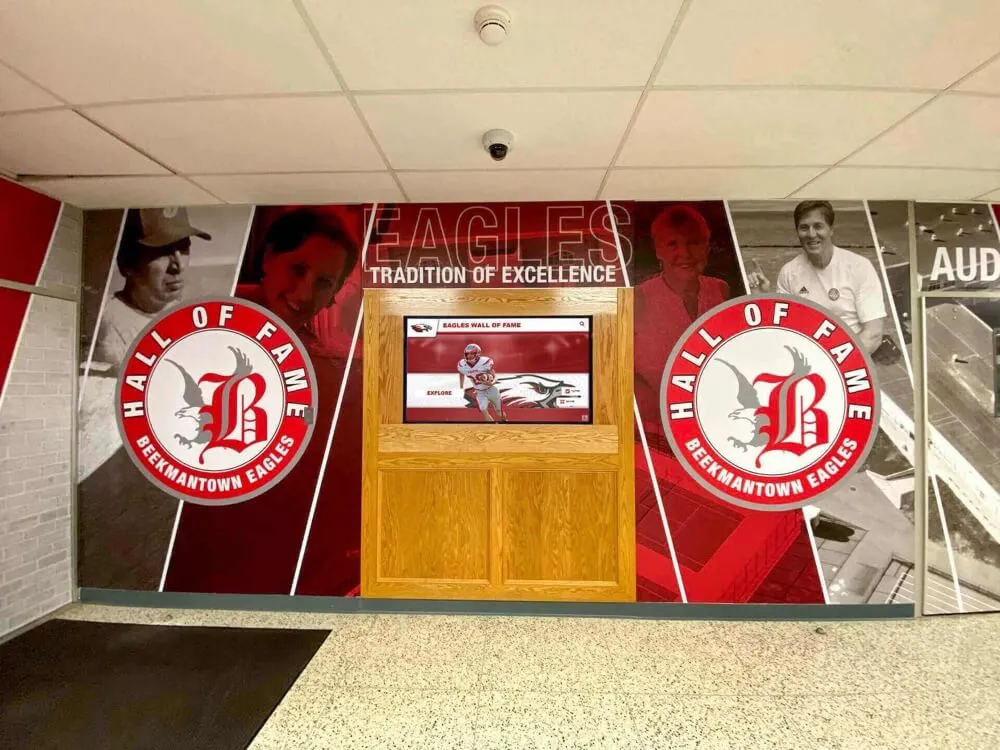
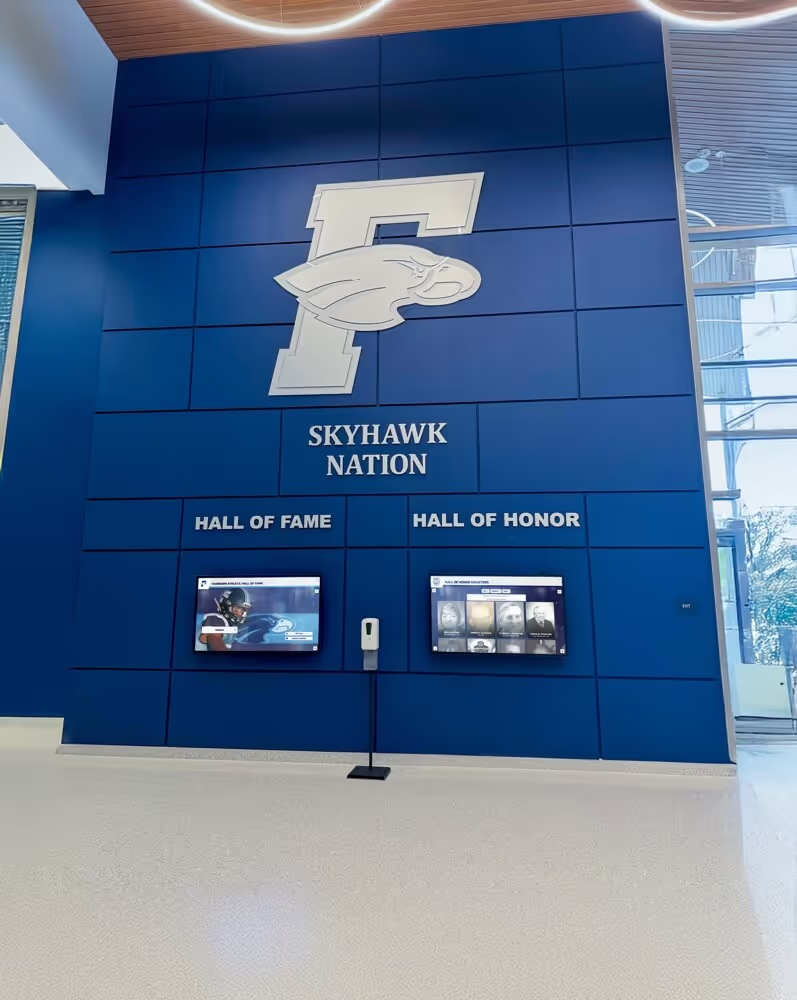
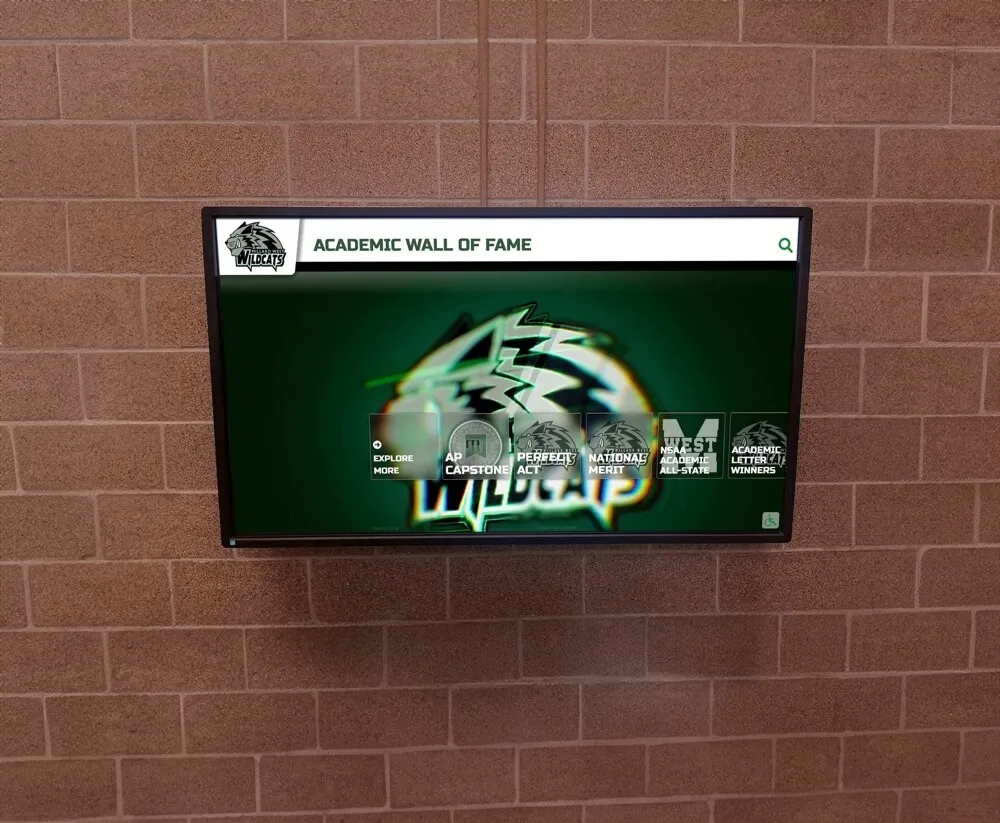
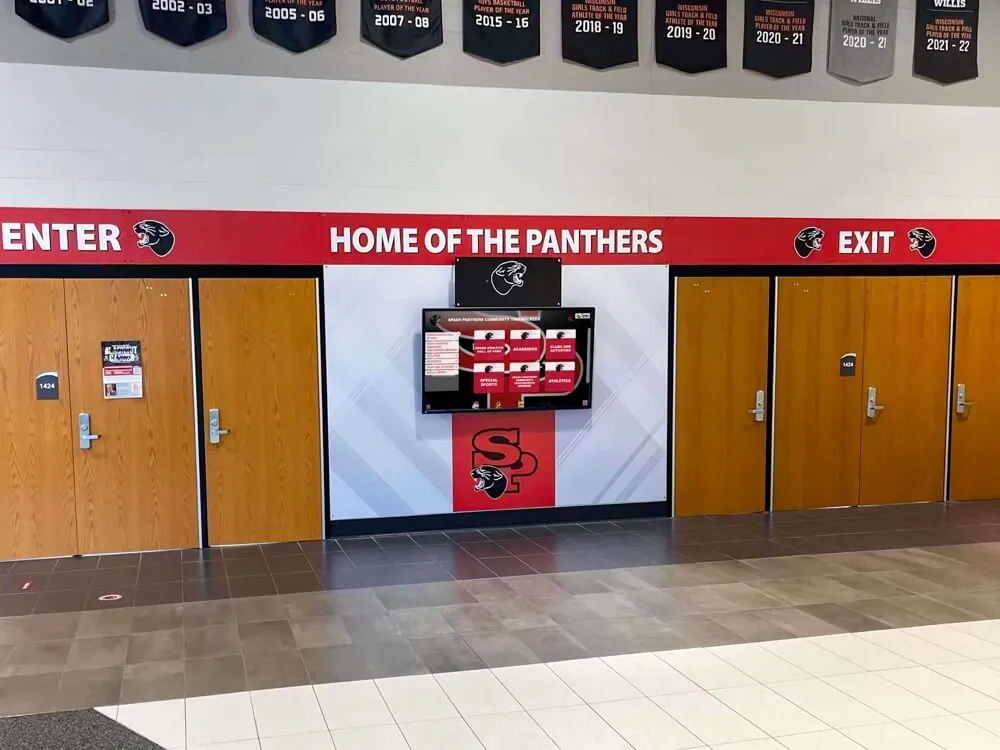
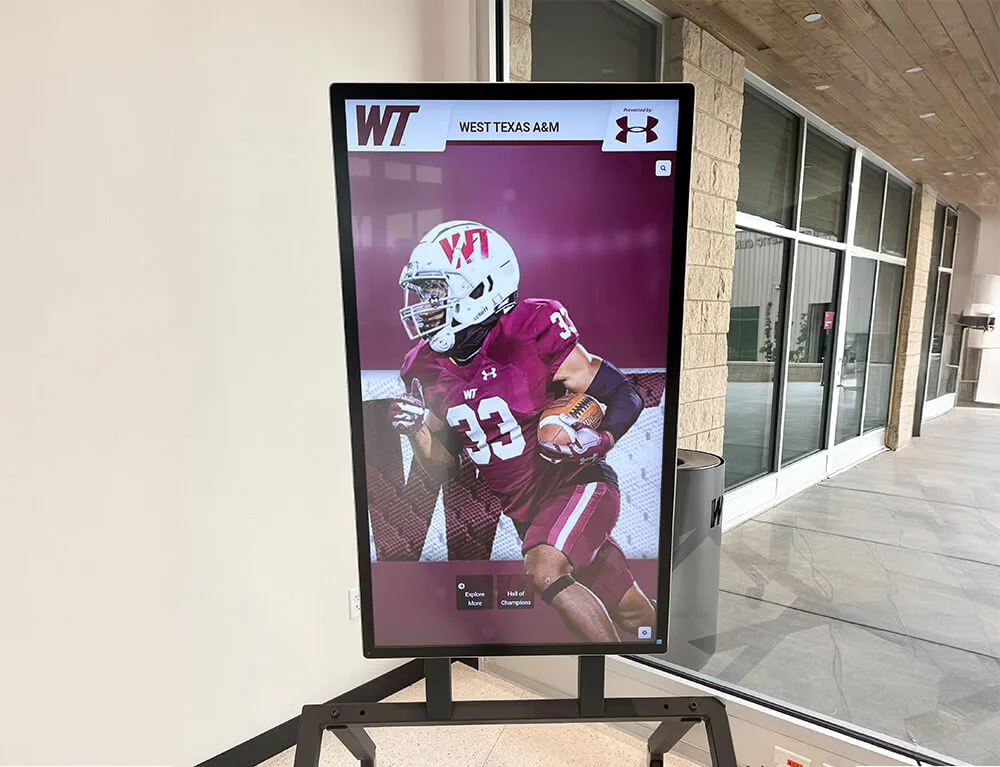
Modern schools celebrate varsity letter recipients through digital recognition displays alongside traditional physical awards
Understanding the Varsity Letter Tradition
Before diving into specific requirements, understanding the history and significance of varsity letters provides important context for why these awards matter and what they represent within athletic culture.
Origins and Historical Significance
The varsity letter tradition began at Harvard University in 1865 when the baseball team awarded large felt “H” letters to outstanding players. This recognition system quickly spread throughout college athletics and eventually became standard practice at high schools across America by the mid-20th century. The tradition created visible markers distinguishing athletes who earned recognition through sustained contribution and achievement from those who simply participated briefly or without meaningful impact.
Varsity letters transcended pure athletic recognition to become cultural symbols representing achievement, belonging, and dedication. The iconic letterman jacket—wool body with leather sleeves displaying the earned letter—became synonymous with high school athletic success, creating aspirational goals for younger athletes while providing lasting tangible recognition for letter winners.
Why Varsity Letters Still Matter Today
Despite changing fashion trends and recognition approaches, varsity letters maintain remarkable cultural staying power for several reasons:
Tangible physical recognition that athletes earn and display creates immediate visible acknowledgment of achievement. Letters communicate athletic accomplishment to school communities, families, and peers in ways that digital recognition alone cannot replicate. The tradition connects current athletes to generations of predecessors who earned similar recognition, creating continuity and institutional memory across decades. Letters provide external validation during formative years when peer recognition carries substantial weight, reinforcing positive identity as dedicated athletes.
For many athletes, earning that first varsity letter represents a defining high school moment—validation that years of practice, dedication, and sacrifice produced meaningful achievement worthy of permanent recognition.
The Modern Lettering Landscape
Contemporary varsity letter programs have evolved from their historical roots while maintaining core recognition principles:
Expanded Recognition Categories
Traditional letter programs focused exclusively on athletics, but many schools now award letters for academic excellence, fine arts achievement, and sustained participation in activities like debate, journalism, or student government. This expanded approach recognizes that dedication and excellence take many forms beyond athletic competition.

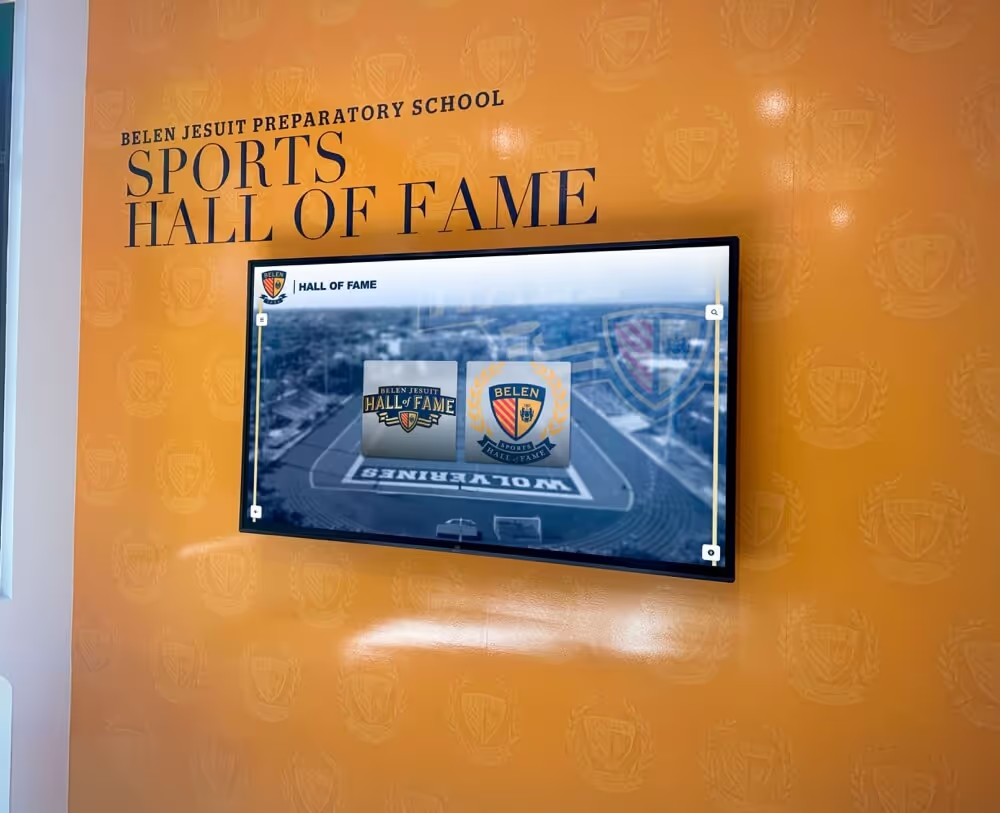
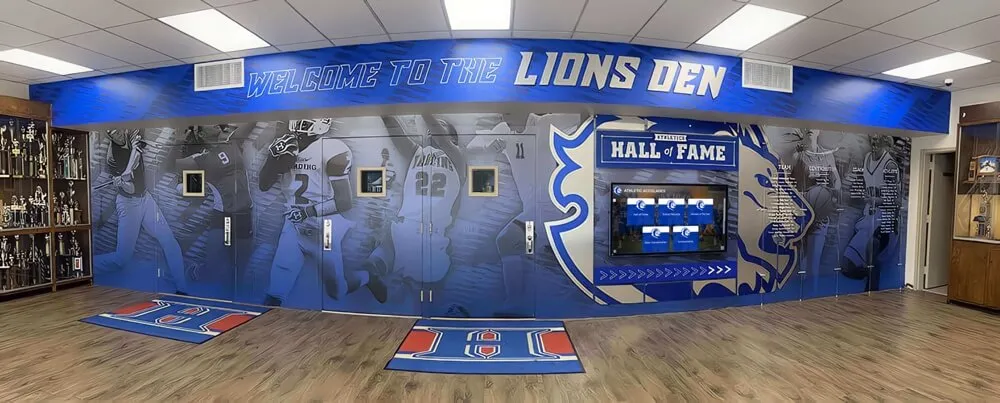
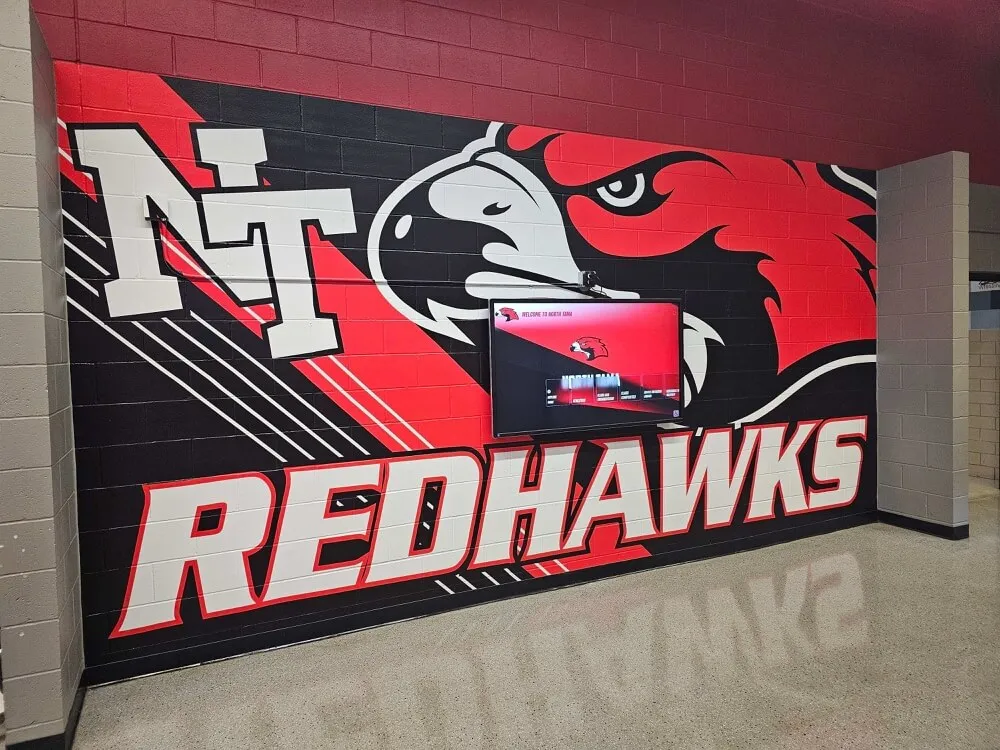
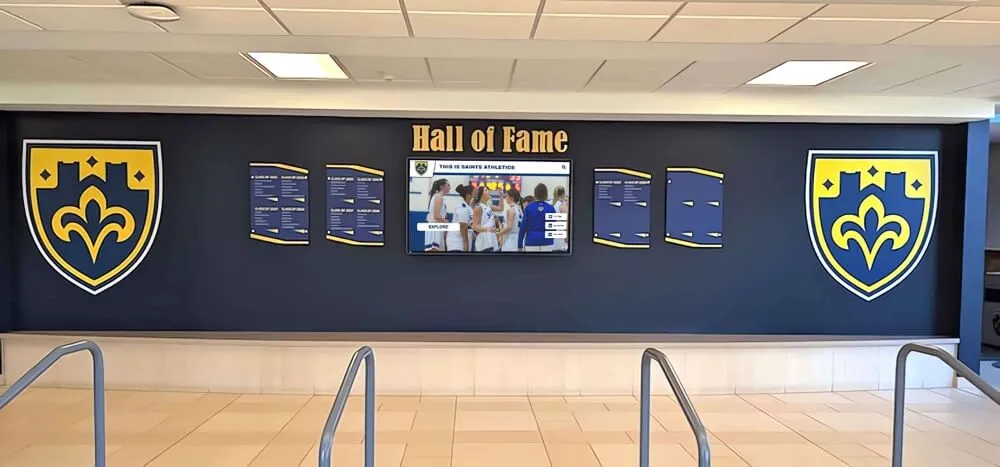
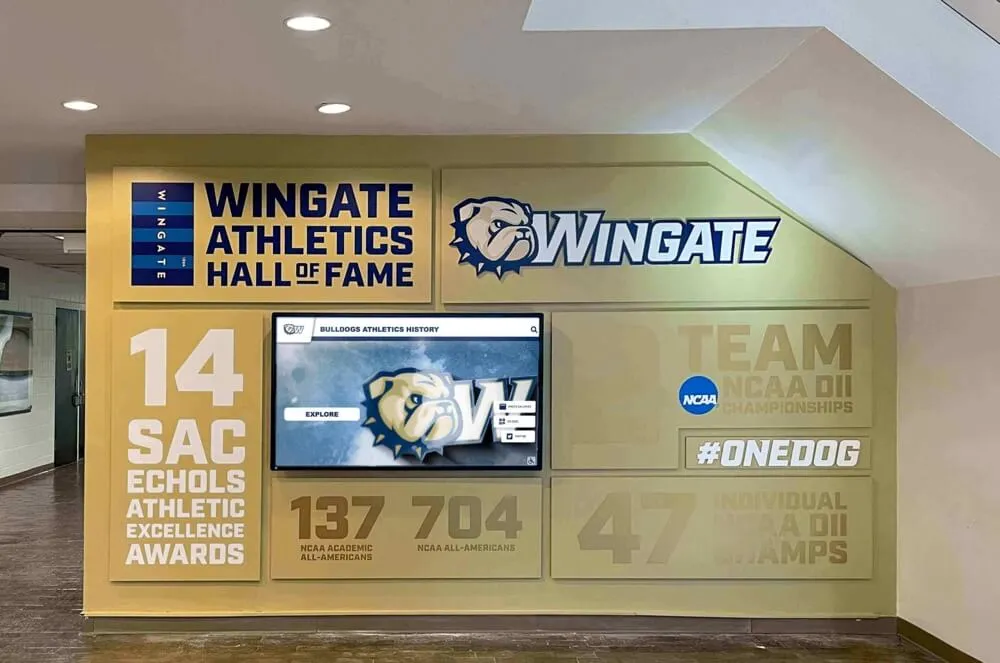
Schools honor letter winners through permanent digital recognition alongside traditional jacket awards
Digital Recognition Integration
Forward-thinking athletic programs complement traditional letters with digital recognition systems that document letter recipients, preserve achievement details, and create year-round visibility for athletic accomplishment. These platforms extend recognition beyond physical jackets while maintaining the prestige and significance of earning varsity letters.
Core Varsity Letter Requirements
Most high school athletic programs establish letter requirements around several fundamental criteria that together define what it means to earn this recognition.
Participation Standards
The most common varsity letter requirement involves meeting minimum participation thresholds throughout athletic seasons.
Competition Appearance Requirements
Typical participation standards include competing in a specified percentage of varsity contests throughout seasons. Common thresholds include:
- Participating in 50-75% of varsity games, meets, or competitions
- Playing in specific numbers of quarters, halves, or innings depending on sport
- Competing at varsity level rather than junior varsity for minimum durations
- Appearing on varsity rosters for entire seasons
These objective standards create clear expectations while preventing situations where athletes receive recognition despite minimal actual participation or contribution. The specific percentage varies by school and sport, with some programs requiring 50% participation while others set 75% thresholds or even higher standards for particularly competitive programs.
Practice and Attendance Expectations
Beyond competition appearances, letter requirements typically include consistent practice attendance and engagement throughout seasons. Coaches expect letter candidates to attend practices regularly except when excused for legitimate reasons, demonstrate consistent effort and engagement during training, complete full seasons without quitting or being dismissed for disciplinary issues, and meet all team obligations including team meetings, film sessions, and off-season conditioning when applicable.
These practice requirements acknowledge that athletic development and team success depend on sustained commitment beyond game days. Athletes who attend competitions but skip practices or demonstrate poor practice habits typically don’t meet the character and dedication standards varsity letter recognition represents.

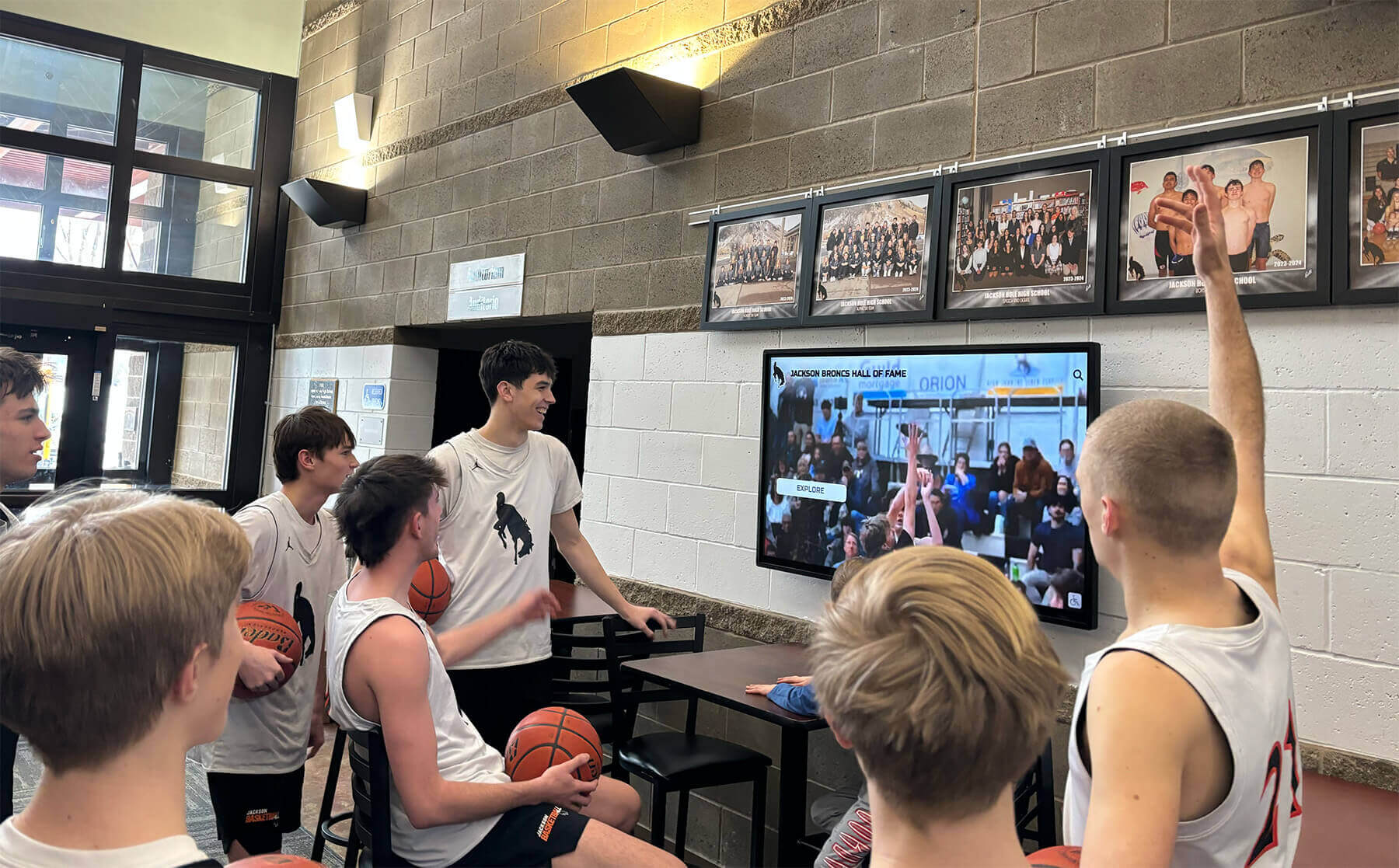
Comprehensive recognition programs celebrate letter recipients alongside [team achievements and athletic excellence](https://best-touchscreen.com/blog/senior-night-posters-creative-ideas-every-high-school-sport/?utm_source=organic&utm_medium=seo-auto&utm_content=digitalwarming&utm_campaign=varsity-letter&utm_term=seo)
Performance and Contribution Standards
While participation requirements create baseline expectations, many programs also consider performance quality and team contribution when determining letter awards.
Playing Time and Impact
Some sports distinguish between being on varsity rosters and actually contributing meaningfully to team success through playing time or performance impact. Consideration factors might include:
- Actual playing time during competitions, not just roster membership
- Contribution to team success through performance, scoring, defensive plays, or other measurable impact
- Improvement and development demonstrated throughout seasons
- Readiness to contribute when called upon during competitions
These performance considerations help ensure varsity letters recognize athletes who genuinely contributed at varsity competition levels rather than simply occupying roster spots without meaningful participation. However, coaches typically balance performance standards with recognition that even athletes with limited playing time demonstrate commitment and dedication deserving acknowledgment.
Individual Achievement Benchmarks
Certain sports lend themselves to specific performance standards for letter awards. Track and field programs might require achieving qualifying times or distances in events. Swimming programs may establish time standards athletes must reach to earn letters. Wrestling programs could require minimum match victories or tournament placements.
These objective performance benchmarks work well in individually-measured sports where clear standards exist. Team sports rely more heavily on participation percentages and coach discretion since individual statistical thresholds don’t capture the full range of valuable contributions athletes make to team success.
Character and Sportsmanship Requirements
Athletic programs increasingly emphasize that varsity letter recognition extends beyond physical performance to include character, attitude, and sportsmanship.
Behavioral Standards
Letter candidates typically must demonstrate positive behavior and character throughout seasons including respectful treatment of opponents, officials, coaches, and teammates, appropriate conduct representing schools in competitions and travels, compliance with team rules and athletic department expectations, good citizenship both within athletic programs and broader school communities, and positive attitude supporting team cohesion and culture.
Athletes who meet participation and performance standards but demonstrate poor sportsmanship, negative attitudes, or serious behavioral issues may be denied letters despite meeting quantitative criteria. This character component reinforces that letter recognition celebrates complete student-athlete development, not just physical achievement.
Leadership and Team Contribution
While not always explicit requirements, leadership and positive team contribution often influence letter decisions, particularly for borderline cases. Athletes who demonstrate vocal or example-based leadership, mentor younger teammates, contribute to positive team culture, and represent programs well in school and community settings often receive consideration even when falling slightly short of rigid participation thresholds.

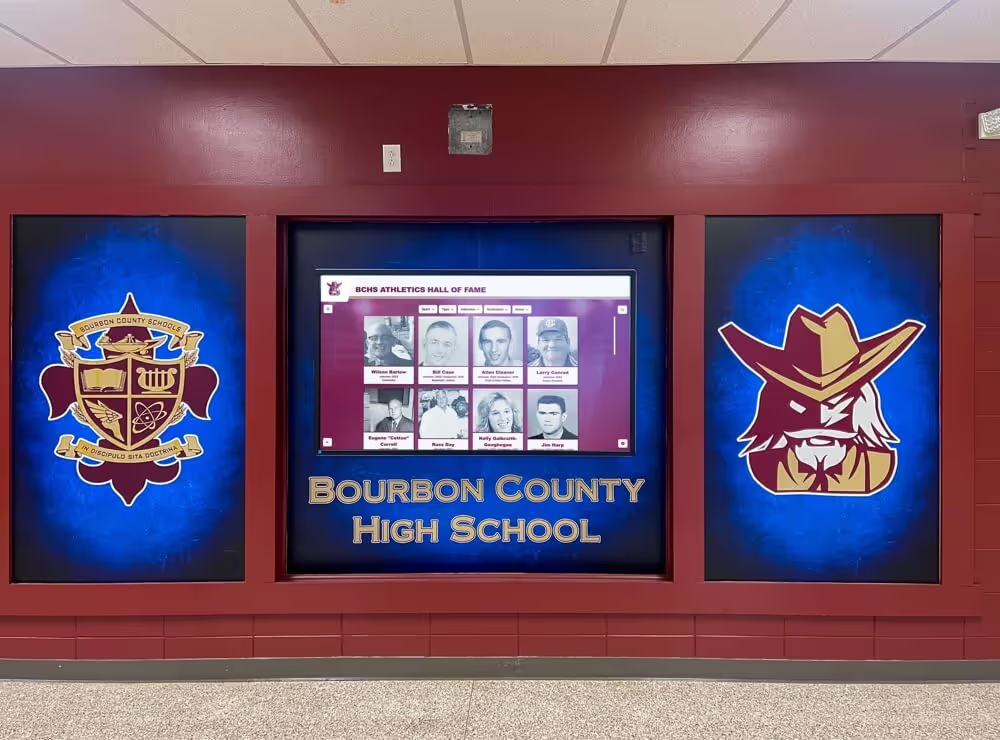
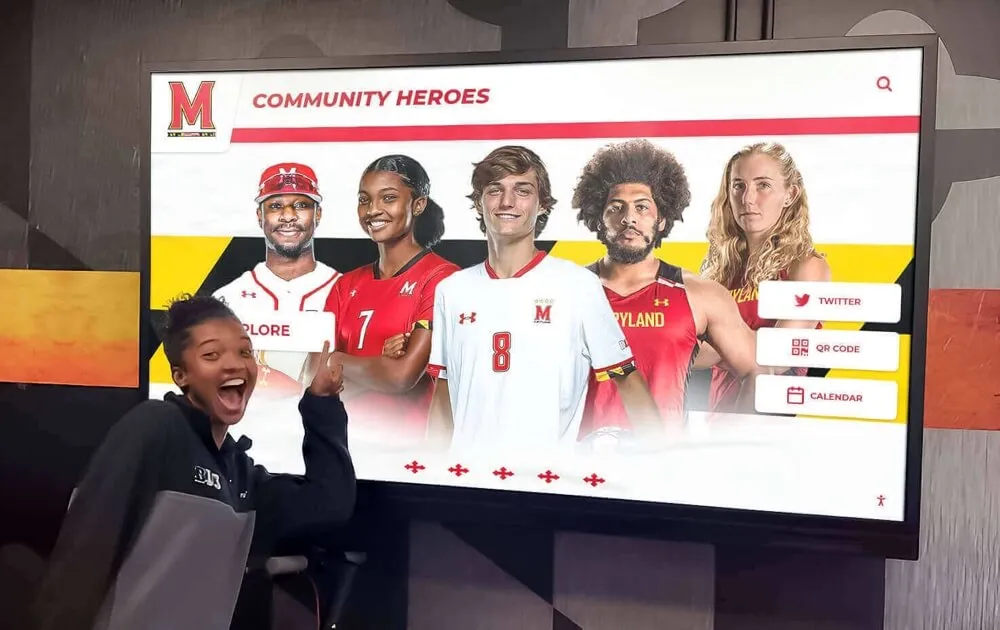
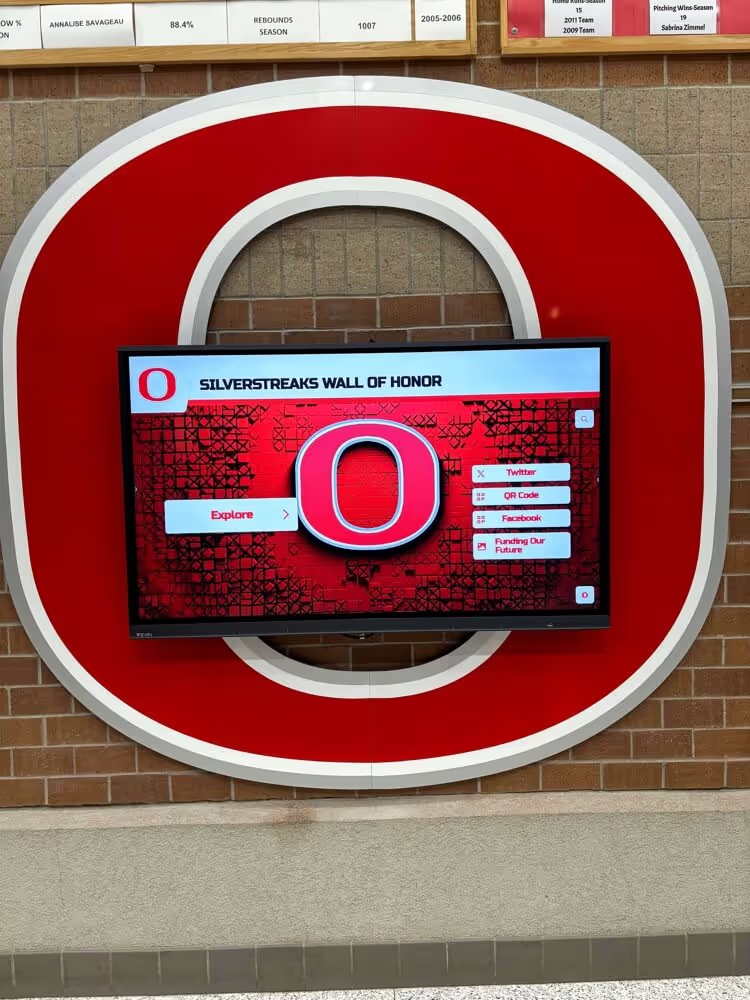
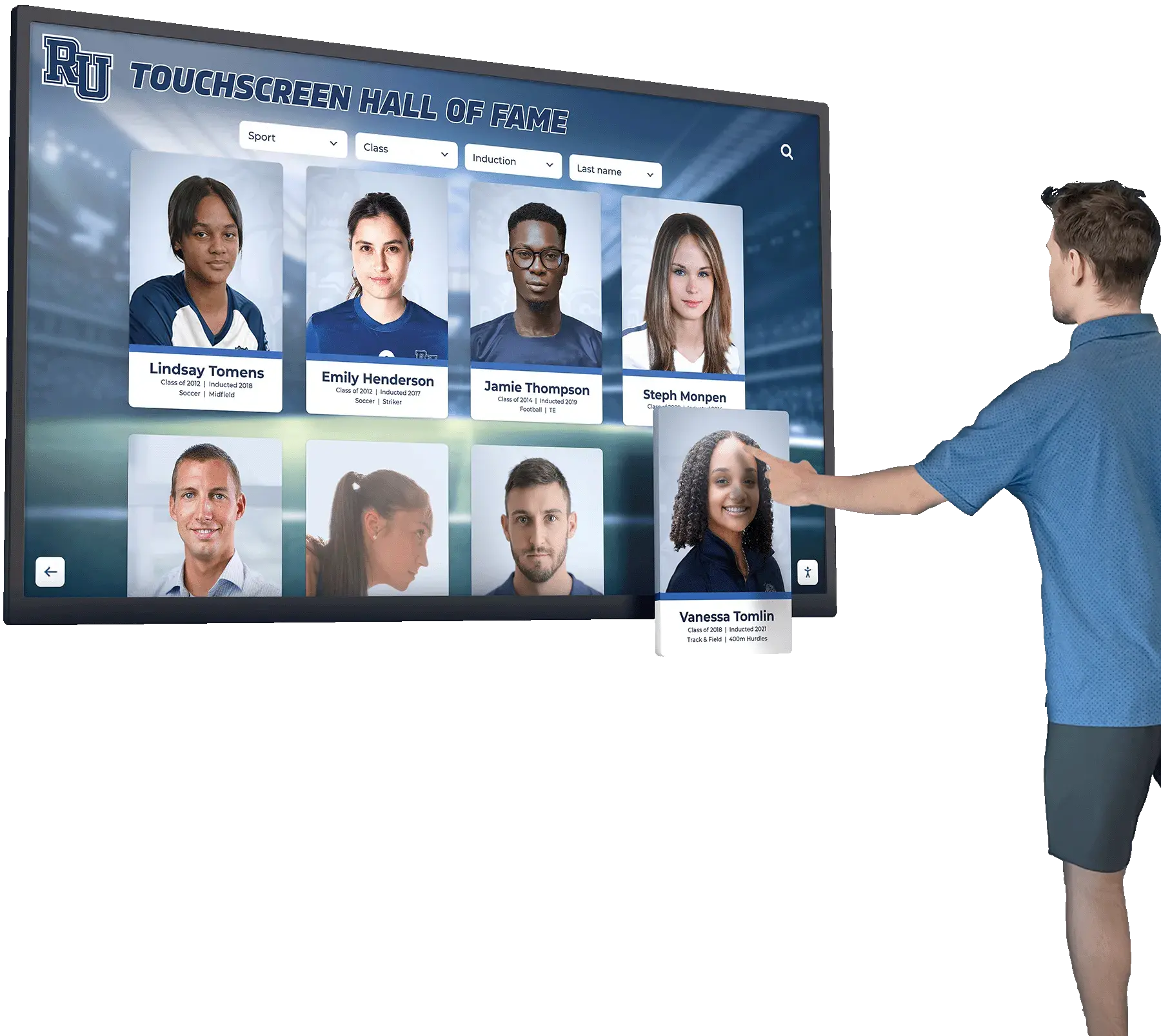
Interactive systems allow students to explore [athletic achievement histories](https://touchwall.tv/blog/digital-trophy-wall-guide/?utm_source=organic&utm_medium=seo-auto&utm_content=digitalwarming&utm_campaign=varsity-letter&utm_term=seo) including varsity letter recipients
Sport-Specific Letter Requirements
While general principles guide most letter programs, specific requirements vary significantly across different athletic activities.
Team Sports Lettering Standards
Team sports present unique challenges for letter requirements since contributions take diverse forms beyond simple statistics.
Football Letter Requirements
Football programs typically award letters based on game participation thresholds. Common standards include playing in specified numbers of quarters across seasons (often 50-75% of total quarters available), appearing on varsity rosters for complete seasons, or contributing on special teams even when not playing offensive or defensive positions. Seniors who complete four-year commitments sometimes receive letters based on sustained dedication even if they don’t meet strict playing time standards.
The large roster sizes and specialized position groups in football mean many dedicated athletes never start or play extensively but still contribute meaningfully to program success through practice performance, scout team work, and team leadership.
Basketball Letter Requirements
Basketball letter standards often focus on games played or quarters participated in, with thresholds typically ranging from competing in 50-75% of varsity games throughout seasons, playing minimum numbers of quarters or minutes across seasons, or contributing both during regular season and post-season tournament competition.
Smaller roster sizes in basketball compared to football mean playing time distribution concentrates among fewer athletes, potentially making letter standards more difficult to achieve for bench players despite their commitment and contribution to team success.
Soccer, Volleyball, and Other Team Sports
These sports typically establish letter criteria around match or set participation, with standards including playing in specified percentages of varsity contests, contributing minimum amounts of playing time across seasons, participating in both regular season and tournament or playoff competitions, or demonstrating readiness to contribute when called upon during competitions.
Learn more about comprehensive athletic recognition approaches that celebrate team sport achievements beyond traditional letters.
Individual Sports Lettering Standards
Individual sports often allow more precise performance-based letter criteria since results are measured individually rather than as team outcomes.
Track and Field Requirements
Track programs frequently establish performance standards athletes must achieve to earn letters, such as qualifying for regional or state competitions in events, achieving times, distances, or heights meeting program standards, scoring points in designated number of meets, or placing in top positions at championship competitions.
These performance standards ensure letters recognize genuine competitive achievement rather than simply appearing at practices and meets without achieving performance benchmarks demonstrating varsity-level capability.
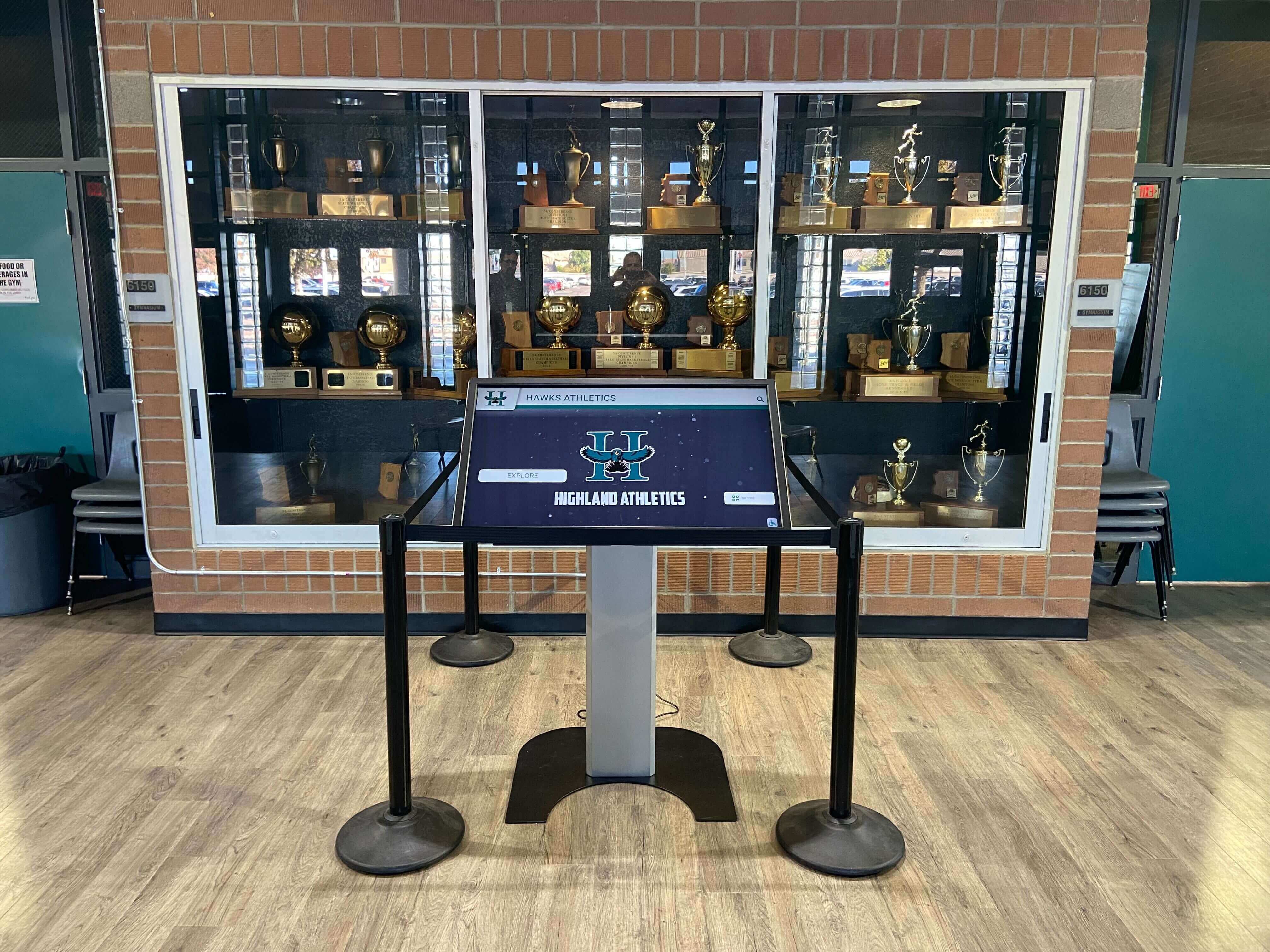
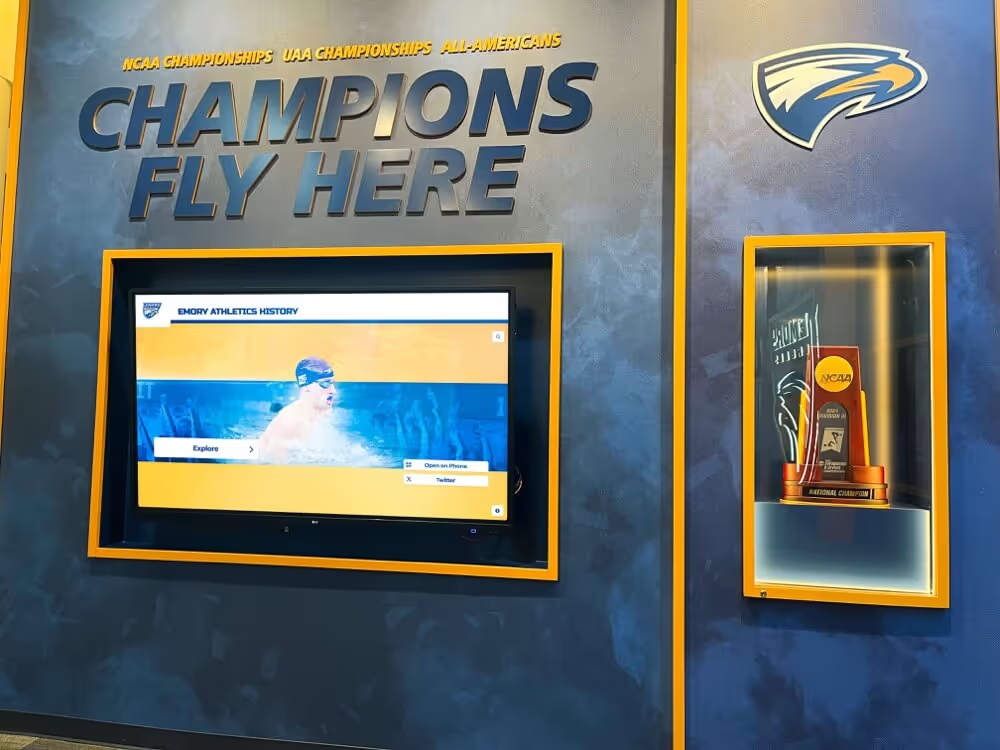
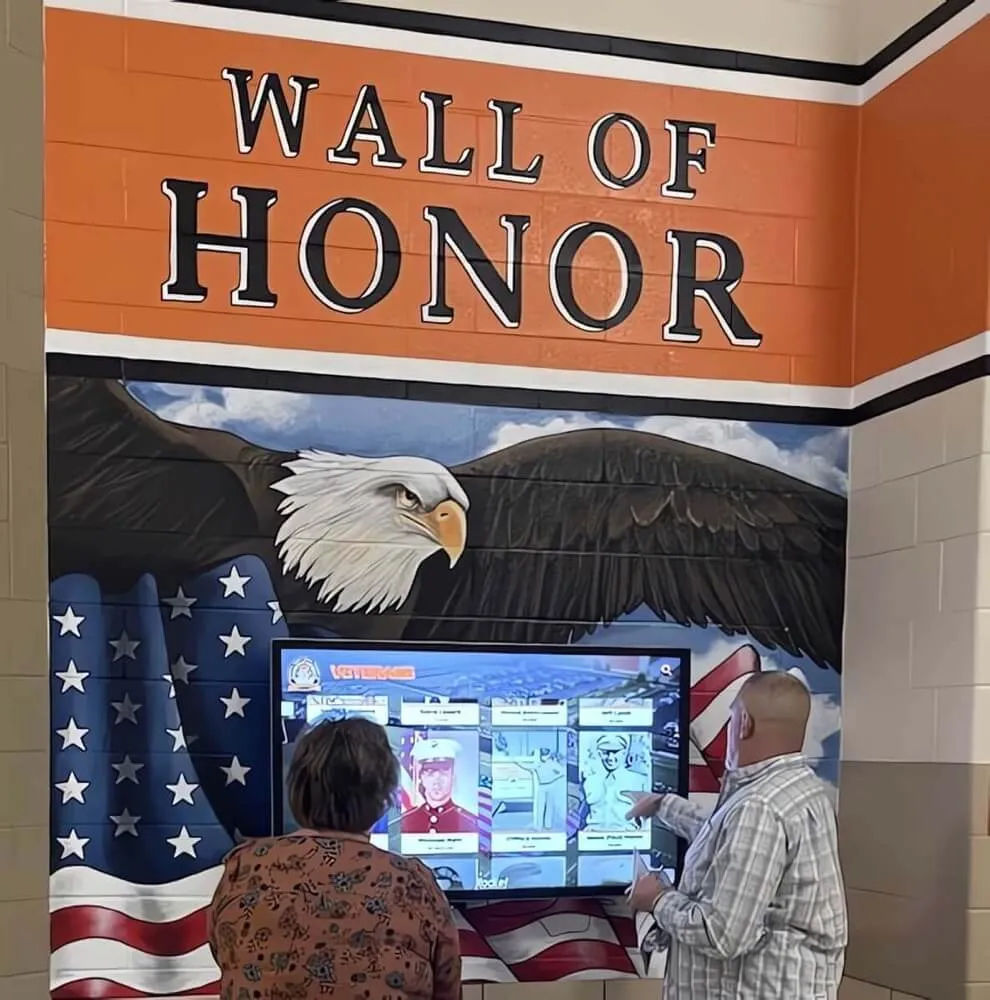
Modern trophy cases integrate digital displays providing [unlimited recognition capacity](https://halloffame-online.com/blog/1000-points-scorer-recognition-guide/?utm_source=organic&utm_medium=seo-auto&utm_content=digitalwarming&utm_campaign=varsity-letter&utm_term=seo) for letter winners
Wrestling Letter Requirements
Wrestling programs often combine participation with performance standards, requiring wrestlers to compete in minimum numbers of varsity matches, achieve specified win totals or winning percentages, qualify for post-season tournaments at sectional, regional, or state levels, or demonstrate competitive performance against varsity opponents even without winning records.
The individual nature of wrestling allows clearer performance standards than team sports while still recognizing that consistent competition against challenging opponents demonstrates varsity-level commitment even when results don’t include championship placements.
Swimming, Cross Country, and Other Individual Sports
These sports typically establish letter criteria around performance benchmarks appropriate to their competitive structures. Swimming programs might require achieving qualifying times in events or scoring in designated numbers of meets. Cross country programs could establish time standards for courses or require top finishes at important invitationals and championship meets.
Academic Eligibility and Letter Requirements
Maintaining academic standing represents a universal requirement underlying all athletic participation, including varsity letter eligibility.
Academic Standards for Athletic Participation
High school athletic associations and individual schools establish minimum academic standards athletes must maintain to participate in athletics and therefore remain eligible for varsity letter recognition.
Grade Point Average Requirements
Most athletic programs require minimum GPAs for continued participation, typically ranging from 2.0 to 2.5 on 4.0 scales. Athletes falling below these thresholds become academically ineligible for competition and cannot earn letters during ineligibility periods. Some schools establish higher academic standards for letter awards specifically, such as requiring 2.5 GPAs to letter even when 2.0 suffices for basic participation eligibility.
These academic standards reinforce student-athlete priorities—academic success enables athletic participation, not the reverse. Schools communicate that athletic achievement matters but not at the expense of educational progress and academic responsibility.
Progress Toward Graduation
Beyond GPA requirements, athletic eligibility typically requires students to maintain satisfactory progress toward graduation by earning appropriate credits each semester or year. Athletes who fail multiple courses or fall significantly behind graduation requirements may lose athletic eligibility and therefore letter eligibility regardless of their athletic performance.
Scholar-Athlete Recognition
Many schools complement basic academic eligibility with enhanced recognition for athletes who excel both athletically and academically. Scholar-athlete programs recognize students maintaining high GPAs (often 3.5 or higher) while lettering in athletics, providing additional recognition patches, certificates, or special designation acknowledging balanced excellence.
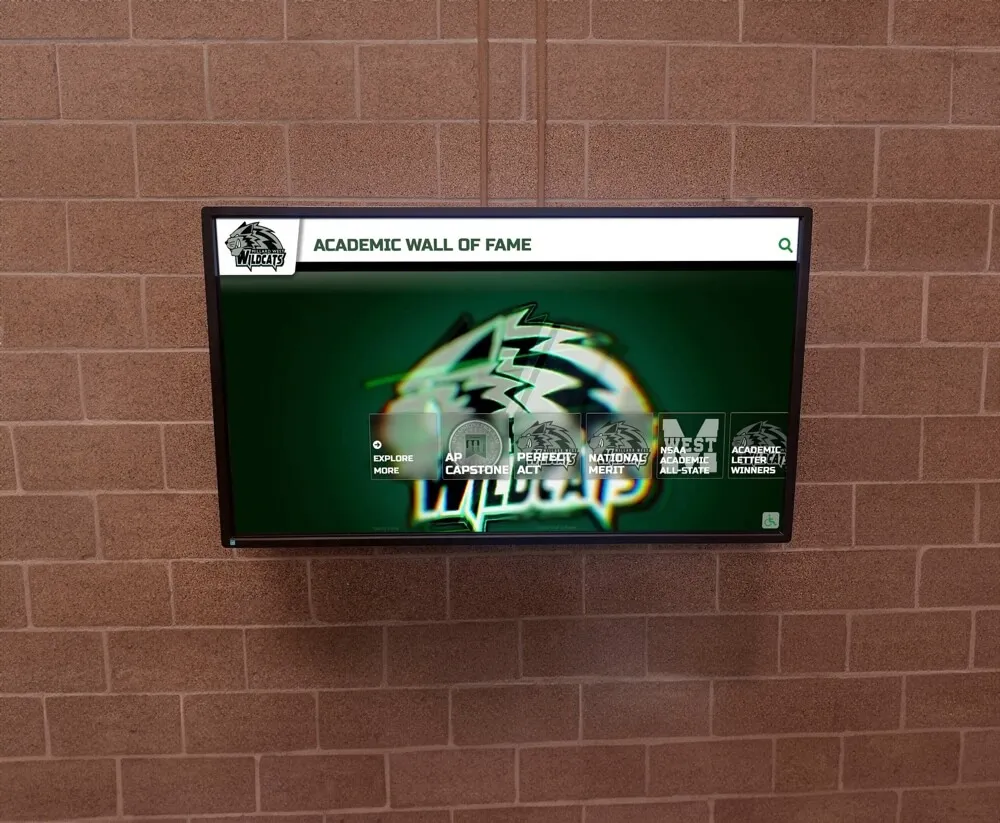
Integrated recognition systems celebrate both [academic excellence and athletic letter achievements](https://halloffame-online.com/blog/academic-recognition-programs-guide/?utm_source=organic&utm_medium=seo-auto&utm_content=digitalwarming&utm_campaign=varsity-letter&utm_term=seo)
Coach Discretion and Subjective Factors
While written requirements provide frameworks, coach discretion plays significant roles in final letter award decisions.
When Coaches Use Discretion
Most letter programs explicitly grant coaches final authority over letter awards, acknowledging that rigid quantitative standards cannot capture all circumstances and contributions deserving recognition.
Exceptional Circumstances
Coaches exercise discretion to award letters to athletes who fall slightly short of stated requirements but demonstrate exceptional circumstances warranting recognition, such as season-ending injuries preventing athletes from meeting participation thresholds after strong season starts, family emergencies or health issues causing temporary absences that reduce overall participation below stated thresholds, or athletes making exceptional contributions during limited playing opportunities that significantly impacted team success.
This flexibility prevents overly rigid standards from excluding deserving athletes whose dedication and contribution clearly merit recognition despite technical requirement shortfalls.
Character and Intangibles
Coaches also consider intangible factors when making letter decisions, particularly for borderline cases. Athletes demonstrating exceptional leadership and positive influence on teammates, outstanding practice performance pushing teammates to improve, consistent positive attitude supporting team culture, significant personal growth and development throughout seasons, or exemplary character representing programs well in all settings may receive letters based on these valuable contributions even when statistical participation falls slightly below stated thresholds.
Conversely, athletes meeting quantitative requirements but demonstrating poor attitudes, negative team impact, or serious behavioral or sportsmanship issues may be denied letters despite meeting written criteria. This coach discretion acknowledges that varsity letters represent comprehensive achievement and character, not just appearing at specified numbers of competitions.
Communicating Letter Decisions
Effective programs ensure transparent communication about letter decisions and criteria.
Clear Criteria Documentation
Athletic departments should publish written letter requirements for each sport, making expectations clear to athletes and families at season starts. These documented standards should include participation thresholds, performance expectations where applicable, character and behavioral requirements, academic eligibility standards, and explanation of coach discretion circumstances.
Clear documentation prevents misunderstandings while establishing shared expectations that guide athletes throughout seasons. When athletes understand exactly what earning a letter requires, they can set appropriate goals and track progress toward meeting criteria.
Season-End Letter Announcements
Letter award announcements typically occur during end-of-season team meetings or banquets, providing public recognition while allowing coaches to explain decisions when appropriate. For athletes who fall short of letter standards, coaches should communicate specific reasons privately, offering constructive feedback about what would be needed to earn recognition in subsequent seasons.
This communication shows respect for athlete effort and dedication while maintaining letter prestige by upholding meaningful standards that not all participants automatically achieve.

Letter presentations during [athletic banquets and ceremonies](https://best-touchscreen.com/blog/football-banquet-ideas-planning-unforgettable-team-celebration/?utm_source=organic&utm_medium=seo-auto&utm_content=digitalwarming&utm_campaign=varsity-letter&utm_term=seo) create memorable recognition moments
Multi-Year and Multi-Sport Considerations
Athletes participating across multiple seasons or in multiple sports face unique letter scenarios.
Earning Multiple Letters
Athletes continuing to meet letter standards in subsequent seasons receive additional recognition beyond their initial letter.
Second, Third, and Fourth Year Recognition
First-year letter recipients receive the large chenille letter displayed on letterman jackets. Athletes earning letters in subsequent years typically receive recognition through chevron or bar pins attached below letters indicating additional years, sport-specific pins or emblems for each lettered season, participation stars or other symbols marking continued achievement, or certificate recognition noting sustained letter earning across multiple seasons.
Four-year letter winners represent rare sustained excellence and commitment, particularly in sports with high physical demands or competitive roster dynamics. Schools should provide special recognition for athletes who letter all four years, acknowledging extraordinary dedication spanning entire high school careers.
Cumulative Achievement Recognition
Some schools maintain digital recognition systems that document cumulative letter earning across athletes’ careers, creating permanent records showing exactly which seasons and sports athletes lettered in while preserving complete achievement histories beyond what jacket patches alone can communicate.
Multi-Sport Athletes and Letter Recognition
Athletes participating in multiple sports can earn separate letters for each activity.
Multiple Letter Awards
Multi-sport athletes receive distinct letters for each sport where they meet letter requirements. Athletes display these multiple letters on jackets through sport-specific patches on sleeves identifying each lettered activity, multiple letters worn on jackets (though most athletes choose single primary letter with sport patches), or comprehensive jacket displays documenting complete multi-sport achievement.
Special Multi-Sport Recognition
Schools increasingly provide special recognition for multi-sport athletes given declining participation rates in multiple sports as athletic specialization becomes more common. This recognition might include special awards during athletic banquets, featured profiles in digital athletic recognition displays, certificates or plaques honoring multi-sport participation, or social media and website features celebrating well-rounded athletes.
Multi-sport athletes demonstrate exceptional time management, diverse athletic skill, and remarkable dedication deserving celebration and encouragement as increasingly rare participants in comprehensive athletic programs.
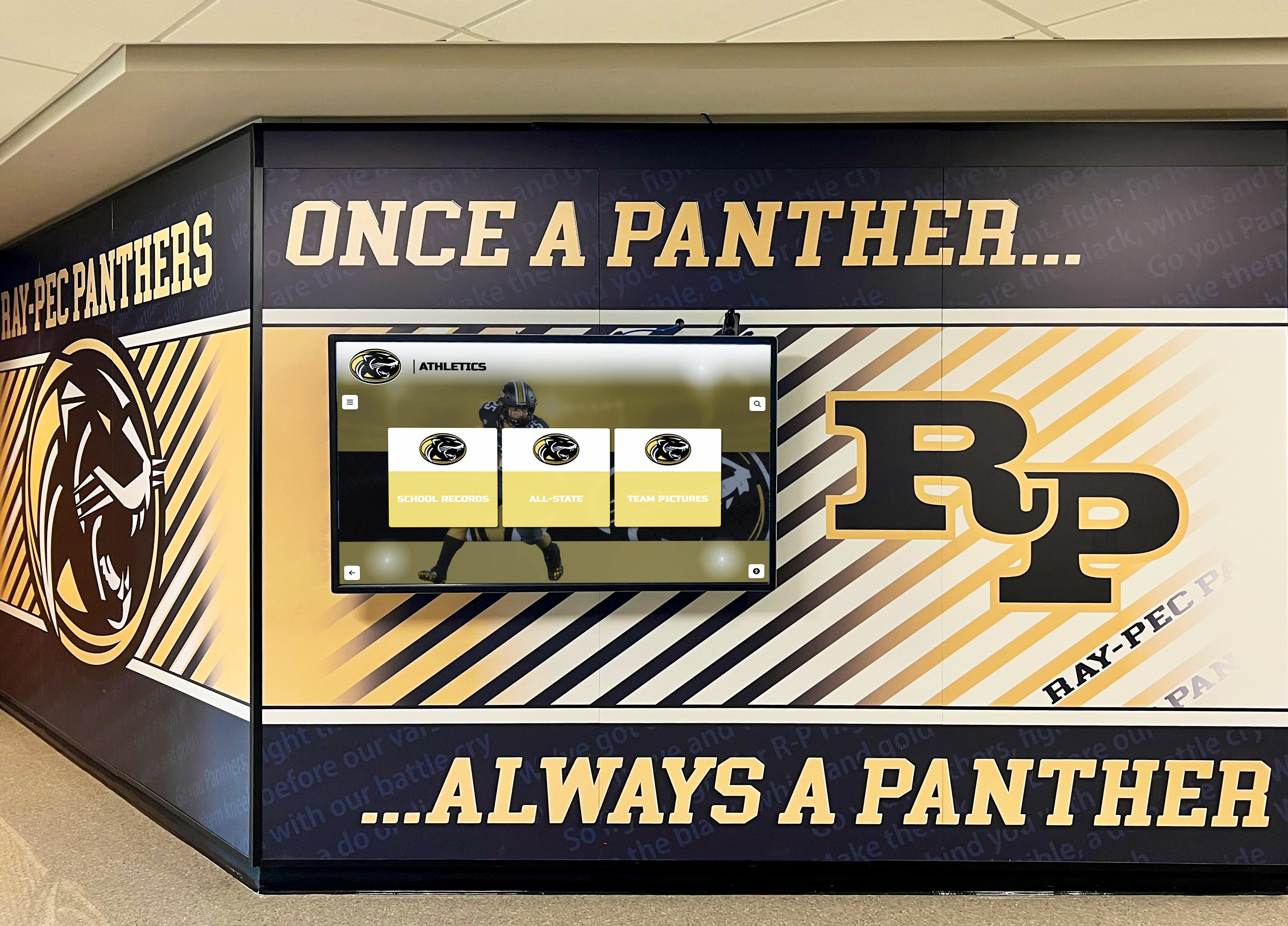
Comprehensive recognition systems celebrate multi-sport achievement alongside single-sport excellence
Modern Recognition Beyond Physical Letters
While traditional chenille letters remain valued recognition forms, modern technology enables enhanced recognition extending beyond physical awards.
Digital Letter Recognition Platforms
Contemporary schools implement digital recognition systems complementing traditional letter programs.
Comprehensive Athlete Profiles
Solutions like Rocket Alumni Solutions enable schools to create detailed digital profiles for all letter recipients including complete listing of earned letters across all sports and years, statistical achievements and performance highlights, photos and videos documenting athletic participation, biographical information and post-graduation updates, and searchable databases allowing easy discovery of all program letter winners across history.
These digital systems preserve letter recipient information permanently while creating engaging exploration experiences impossible with physical displays alone. Current students discover role models and program traditions, families share athlete recognition with extended networks, alumni reconnect with their achievements and fellow letter winners, and prospective students understand school athletic culture and recognition traditions.
Unlimited Recognition Capacity
Physical space constraints limit traditional recognition displays—trophy cases fill, hallway walls run out of room, and schools face difficult decisions about whose recognition remains visible as decades of letter recipients accumulate. Digital recognition platforms eliminate space limitations entirely, allowing recognition of every letter winner across all sports and all years without competing for finite display area.
This unlimited capacity ensures comprehensive recognition honoring complete program histories rather than only recent years or select sports dominating available physical space.
Social Media and Online Recognition
Modern communication platforms extend letter recognition reach beyond school campuses.
Digital Announcement Strategies
Schools should leverage multiple channels announcing letter recipients: social media posts featuring individual athletes with photos and achievement descriptions, school website news sections highlighting letter winners, email communications to families and school communities, digital displays in school common areas rotating featured letter recipients, and athletic department newsletters celebrating lettering achievements.
These multi-channel approaches amplify recognition impact while ensuring visibility extending beyond athletes, coaches, and immediate families to broader school communities that support athletic programs.
Shareable Recognition Content
Creating shareable digital content allows letter recipients and families to celebrate achievements with extended networks. Schools can provide digital graphics featuring athlete photos with letter achievement information, video announcements congratulating letter winners, links to athlete profiles in digital recognition systems that families can share via social media, or certificate designs optimized for printing and sharing.
This shareable content extends recognition pride beyond individual moments to sustained celebration that reinforces letter prestige and significance.
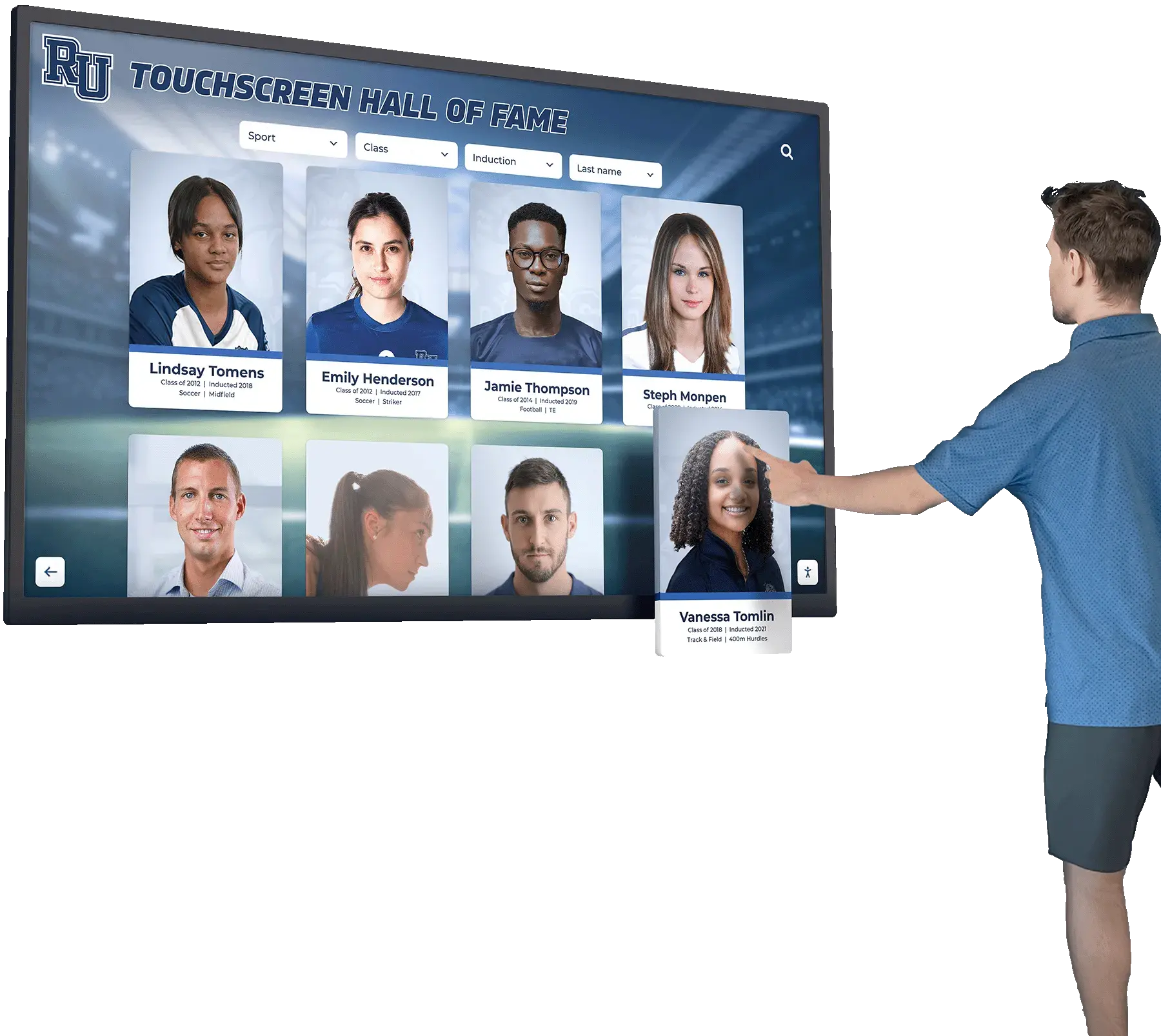
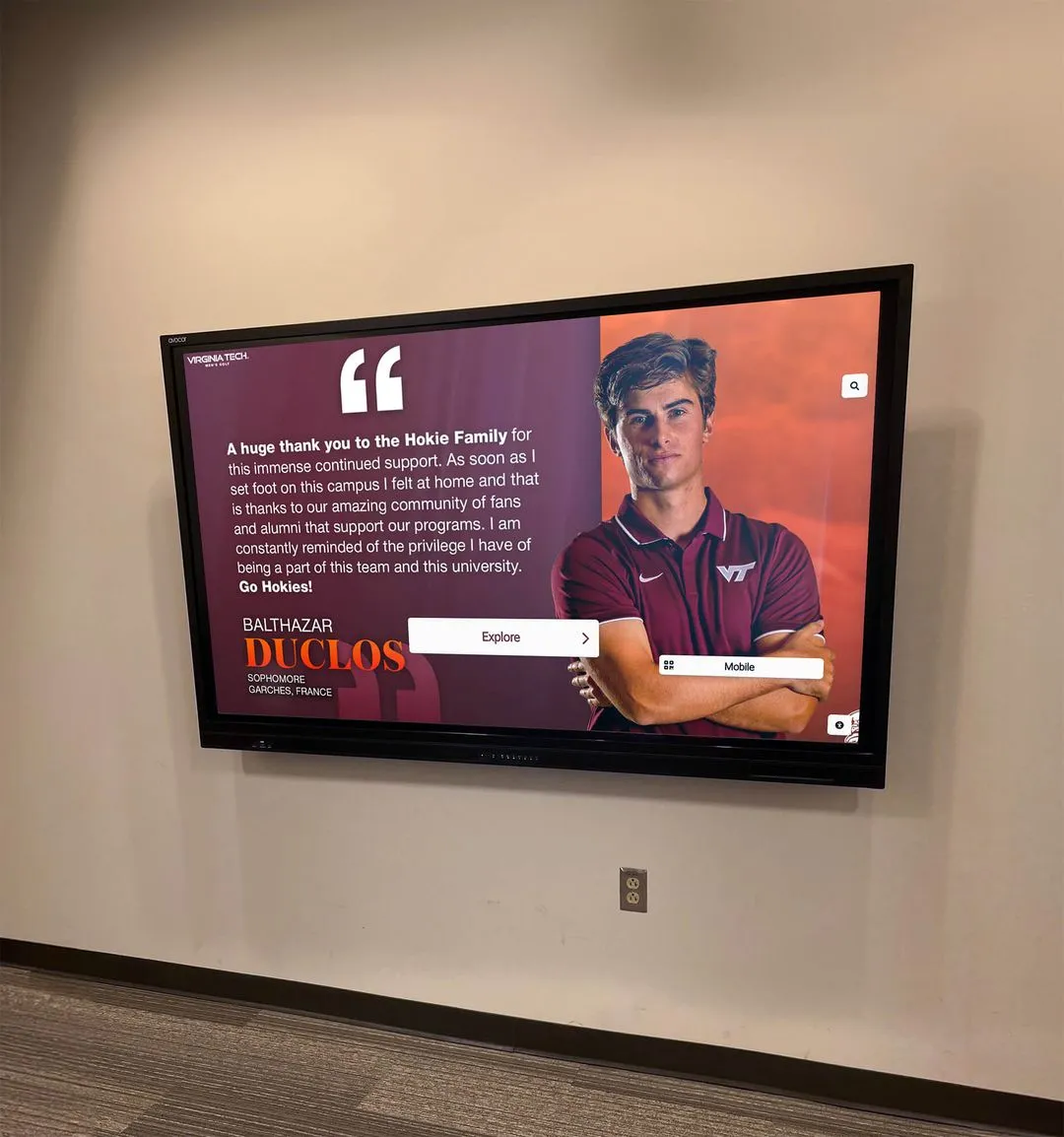
Interactive displays enable exploration of [complete athletic histories](https://touchwall.us/blog/student-awards-recognition-programs-guide/?utm_source=organic&utm_medium=seo-auto&utm_content=digitalwarming&utm_campaign=varsity-letter&utm_term=seo) including all letter recipients
What Varsity Letters Mean for College Recruitment
Earning varsity letters provides benefits extending beyond high school recognition into college recruitment processes.
College Application and Recruitment Value
Varsity letter achievements strengthen college applications and athletic recruitment profiles.
Application Enhancement
College admissions officers view varsity letters as evidence of sustained athletic commitment, time management balancing academics and athletics, dedication and perseverance, leadership and teamwork skills, and competitive achievement in structured programs.
These qualities translate well to college success, making varsity letters valuable additions to applications even for students not pursuing collegiate athletics. Letters demonstrate commitment to excellence and sustained participation in challenging activities requiring dedication beyond academic coursework.
Athletic Recruitment Context
For athletes seeking to compete collegiately, varsity letters provide important but not determinative context in recruitment. College coaches evaluate prospects primarily based on athletic performance, potential, and fit with program needs rather than simply whether athletes earned high school letters. However, varsity letter status indicates that athletes competed at highest high school levels, met program standards for participation and performance, demonstrated character and commitment earning coach recognition, and participated in competitive athletic programs preparing them for college athletics.
Multi-year letter winners show sustained excellence and commitment that appeals to college coaches seeking athletes who will contribute across four-year college careers rather than short-term participants.
Documentation for College Coaches
Detailed letter achievement documentation supports recruitment communication.
Athletic Resume Content
Athletes should include letter achievements in athletic resumes sent to college coaches, specifying which sports they lettered in, which years they earned letters, any special designations (team captain, all-conference, etc.), and notable achievements during lettered seasons.
This documentation provides college coaches with quick understanding of high school athletic participation and achievement levels.
Digital Profile Integration
Schools using comprehensive digital athlete recognition systems can generate shareable profile links that athletes send to college coaches, providing detailed information about high school careers including statistics, achievements, videos, and complete lettering histories in professionally-presented formats that enhance recruitment communication.
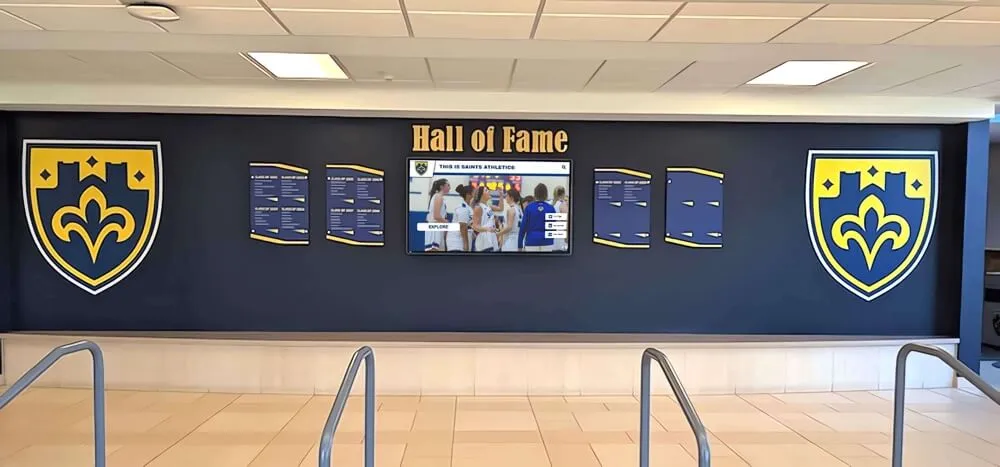
Modern recognition integrates traditional letter displays with digital systems celebrating complete athletic achievement
Frequently Asked Questions About Varsity Letter Requirements
What percentage of games do you need to play to earn a varsity letter?
Most schools require athletes to participate in 50-75% of varsity competitions to earn letters, though specific thresholds vary by school and sport. Some programs require playing in specific numbers of quarters, halves, or innings rather than overall game percentages. Beyond minimum participation, coaches typically consider practice attendance, attitude, character, and overall contribution when making final letter decisions.
Can you letter as a freshman in high school?
Yes, freshmen can earn varsity letters if they compete at varsity levels and meet all letter requirements. However, most letter winners are sophomores, juniors, and seniors since younger athletes typically develop skills and physical maturity on junior varsity teams before advancing to varsity competition. Freshmen lettering demonstrate exceptional athletic ability earning immediate varsity roster spots and meaningful playing time.
Do JV players get letters?
Most schools award letters only for varsity participation, not junior varsity. However, some programs provide junior varsity certificates or alternative recognition acknowledging JV participation and contribution. A few schools award modified letters for JV athletes who meet specific criteria, though these differ from standard varsity letter recognition.
What if you get injured during the season?
Athletes suffering season-ending injuries after participating significantly in early-season competition often receive letter consideration at coach discretion. Coaches evaluate whether athletes met letter standards before injuries, the timing of injuries relative to season progression, athletes’ commitment and contribution prior to injuries, and whether athletes remained engaged with teams supporting teammates despite inability to compete. Many coaches award letters recognizing dedication despite injury preventing full season participation.
Do you need to be a starter to earn a varsity letter?
No, athletes don’t need to start to earn letters. Most programs award letters based on participation thresholds measured by games played or playing time rather than starting status. Reserve players meeting participation requirements while demonstrating good character and commitment typically earn letters alongside starters. However, in sports with limited roster sizes and playing time concentration, non-starters may struggle to meet participation thresholds.
Can coaches deny letters to players who meet requirements?
Yes, most programs grant coaches final discretion over letter awards. While written requirements provide guidelines, coaches can deny letters to athletes meeting quantitative standards but demonstrating poor attitudes, serious behavioral issues, negative team impact, or violations of team or school rules. This discretion maintains letter prestige by ensuring recognition celebrates complete student-athlete development including character and citizenship, not just physical presence at competitions.
How do letter requirements differ between sports?
Requirements vary significantly across sports based on their competitive structures. Team sports like football and basketball typically use game or playing time percentages. Individual sports like track and wrestling often include performance standards like qualifying times or match victory totals. Sports with fewer competitions may have lower game thresholds but higher performance expectations. Schools should document sport-specific criteria clearly at season starts.
What happens if you quit mid-season?
Athletes who quit before season completions typically forfeit letter eligibility regardless of participation prior to quitting. Letter requirements almost universally include completing full seasons without being dismissed or quitting voluntarily. This standard reinforces that letters recognize sustained commitment and dedication, not partial-season participation.
Do letter requirements apply to managers and support staff?
Some schools award letters to team managers, trainers, and support staff who demonstrate sustained commitment throughout seasons. These letter standards typically involve attendance at practices and competitions throughout seasons, exceptional dedication and contribution to team success, and completion of multiple years of service. Manager and support staff letters acknowledge that valuable contributions extend beyond athletic performance.
How are letter recipients recognized at schools?
Recognition formats vary but commonly include letter presentations at end-of-season banquets or team meetings, recognition during school-wide award ceremonies, listing in digital athletic recognition displays and athletic department websites, social media announcements and features, and physical letters for display on letterman jackets. Schools should implement comprehensive recognition ensuring appropriate visibility for this significant achievement.
Conclusion: Honoring Athletic Dedication Through Meaningful Standards
Varsity letter requirements create frameworks recognizing athletic achievement, sustained commitment, and character development that define high school sports participation at its best. These standards balance objective participation thresholds with subjective coach discretion, ensuring recognition honors genuine contribution and dedication while maintaining flexibility addressing exceptional circumstances and comprehensive athlete evaluation beyond simple statistics.
Understanding letter requirements helps student-athletes set clear goals from their first practices through senior seasons. Athletes who know exactly what earning a letter requires can track progress, communicate with coaches about their standing, and appreciate the honor when recognition arrives. Families understanding letter standards can support athletes appropriately while maintaining realistic expectations about recognition likelihood based on playing time and participation levels.
For coaches and athletic directors, well-designed letter programs communicate program values while motivating athletes toward sustained excellence. Clear criteria prevent misunderstandings while coach discretion ensures circumstances beyond rigid standards receive appropriate consideration. Recognition maintains prestige through meaningful standards that not all participants automatically achieve, while broad enough pathways exist that dedicated athletes can realistically earn letters through sustained commitment and positive contribution.
Modern technology transforms how schools celebrate letter recipients beyond traditional physical awards. Digital recognition platforms preserve complete letter winner histories, create engaging exploration experiences for current students and alumni, extend recognition reach through shareable content and social media, and eliminate space constraints limiting traditional recognition displays. Schools implementing these systems honor traditional letter significance while expanding recognition impact throughout school communities.
The varsity letter tradition endures because it recognizes something profoundly important—the dedication required to excel in competitive athletics while balancing academic responsibilities, the character developed through sports participation, the commitment demonstrated across full seasons and often multiple years, and the achievement earned through sustained effort rather than momentary success. These qualities serve athletes well beyond high school athletics into college, careers, and life experiences where dedication, perseverance, and commitment to excellence create success across all endeavors.
Whether you’re a freshman athlete beginning your high school sports journey, a parent supporting your student-athlete through the challenges and triumphs of competitive athletics, or a coach building programs that recognize achievement while developing character, understanding that effective letter requirements balance meaningful standards with comprehensive evaluation creates recognition systems serving their essential purpose—celebrating the athletic dedication and achievement that enrich high school experiences while building the character and commitment that last lifetimes.
Ready to explore how your athletic program can honor varsity letter traditions while implementing comprehensive digital recognition celebrating every achievement? Discover modern recognition platforms that preserve letter winner legacies, inspire current athletes, and build the engaged athletic community where every dedicated athlete receives the lasting recognition they deserve.