



Standing before your graduating class as valedictorian is one of the highest honors a student can receive. But with that honor comes a unique challenge: crafting a speech that captures years of shared experiences, celebrates collective achievement, and inspires your classmates as they step into their futures. For many valedictorians, the question isn’t whether they’ve earned the academic distinction—it’s how to translate that achievement into words that resonate with hundreds of people at one of life’s most significant milestones.
The pressure to deliver a memorable valedictorian speech can feel overwhelming. You’re expected to be funny but not inappropriate, inspiring but not preachy, personal but universally relatable, and profound but still authentic to who you are as a teenager. Add the spotlight, the emotional weight of graduation, and the knowledge that your words will be remembered (and possibly recorded) for years, and it’s no wonder many valedictorians experience anxiety about this responsibility.
This comprehensive guide provides everything you need to write and deliver a valedictorian speech your classmates will remember. From understanding what makes speeches memorable to proven structural templates, from addressing diverse audiences to delivery techniques, we’ll walk through the complete process of transforming the daunting task of speechwriting into an opportunity to create a defining moment for your graduating class.
A successful valedictorian speech accomplishes multiple goals simultaneously: it honors the collective journey of the graduating class, acknowledges the people who supported students along the way, celebrates individual and shared achievements without arrogance, provides perspective on this transition moment, and sends graduates into their futures with inspiration and confidence. The best speeches feel both deeply personal and universally applicable—specific enough to resonate with your particular school community while touching on themes that connect with the broader human experience of growth and transition.

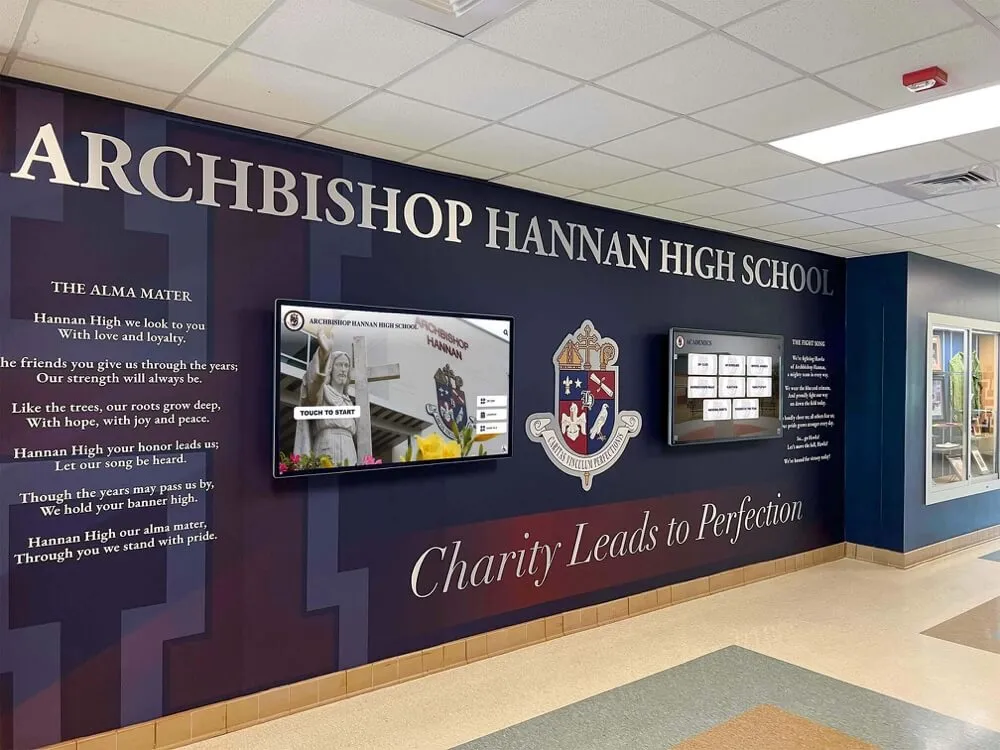
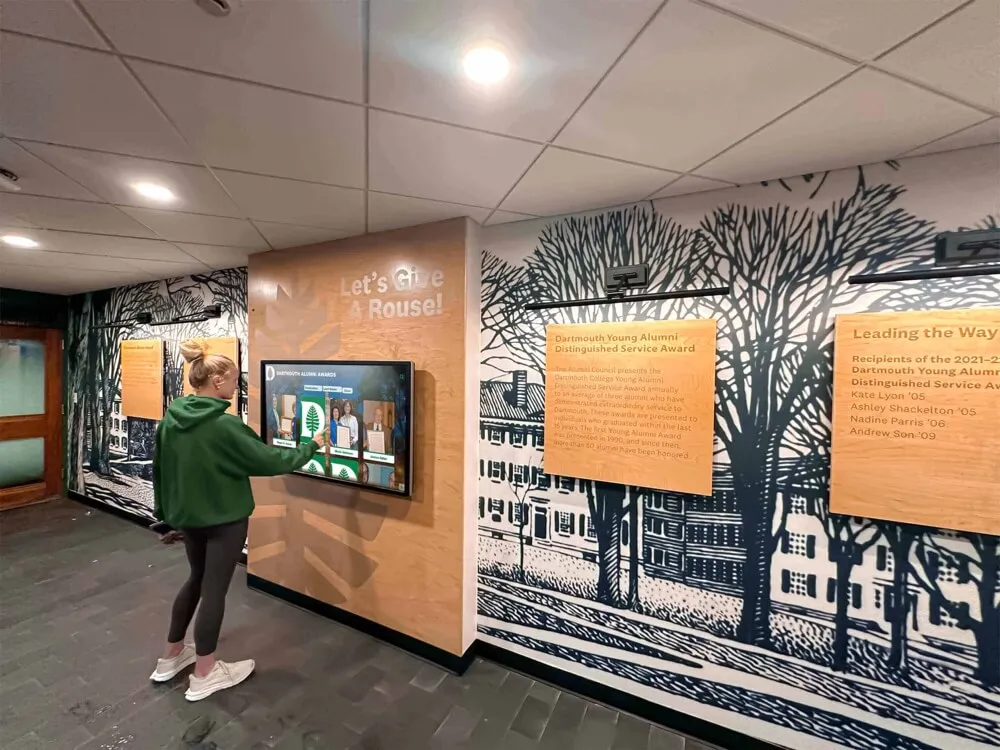
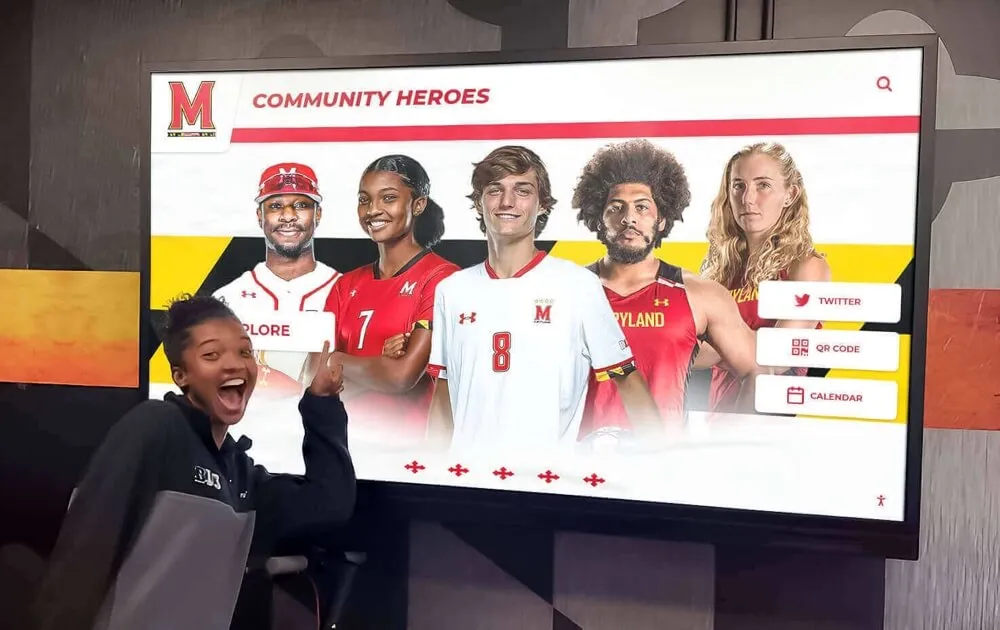
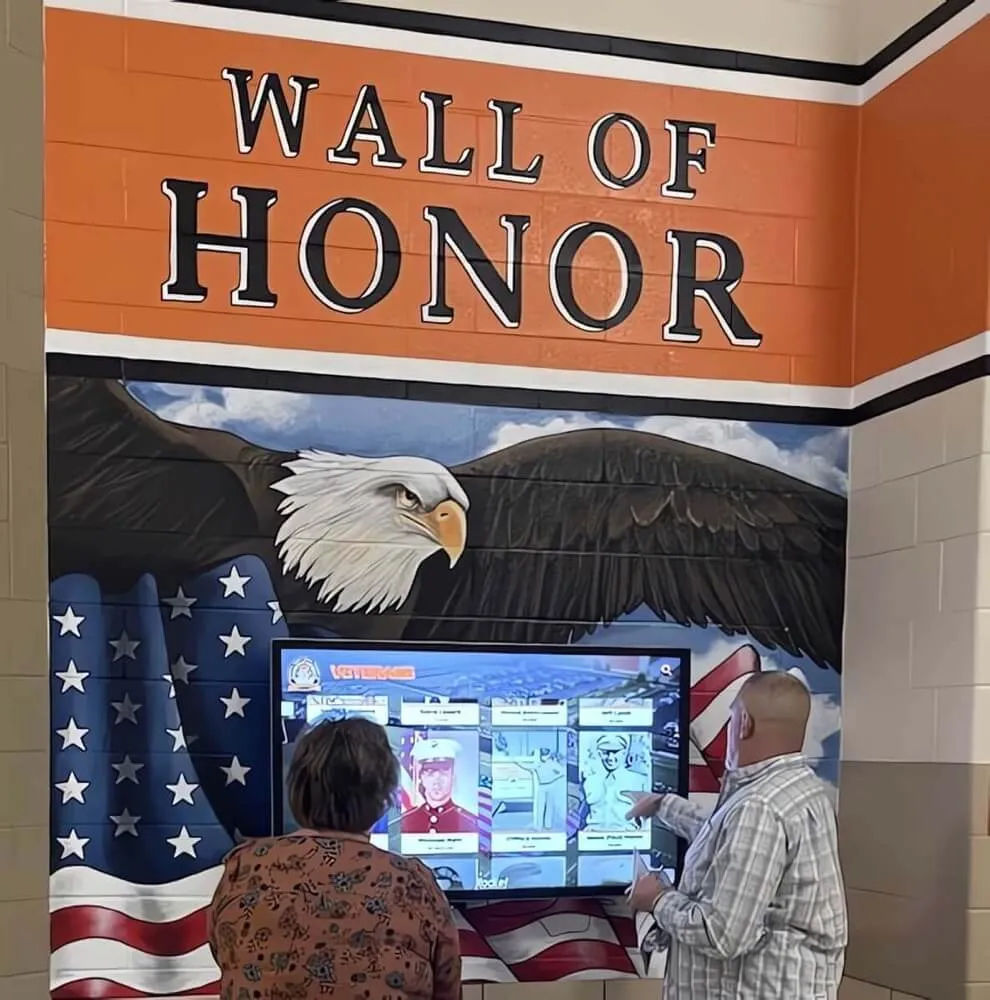
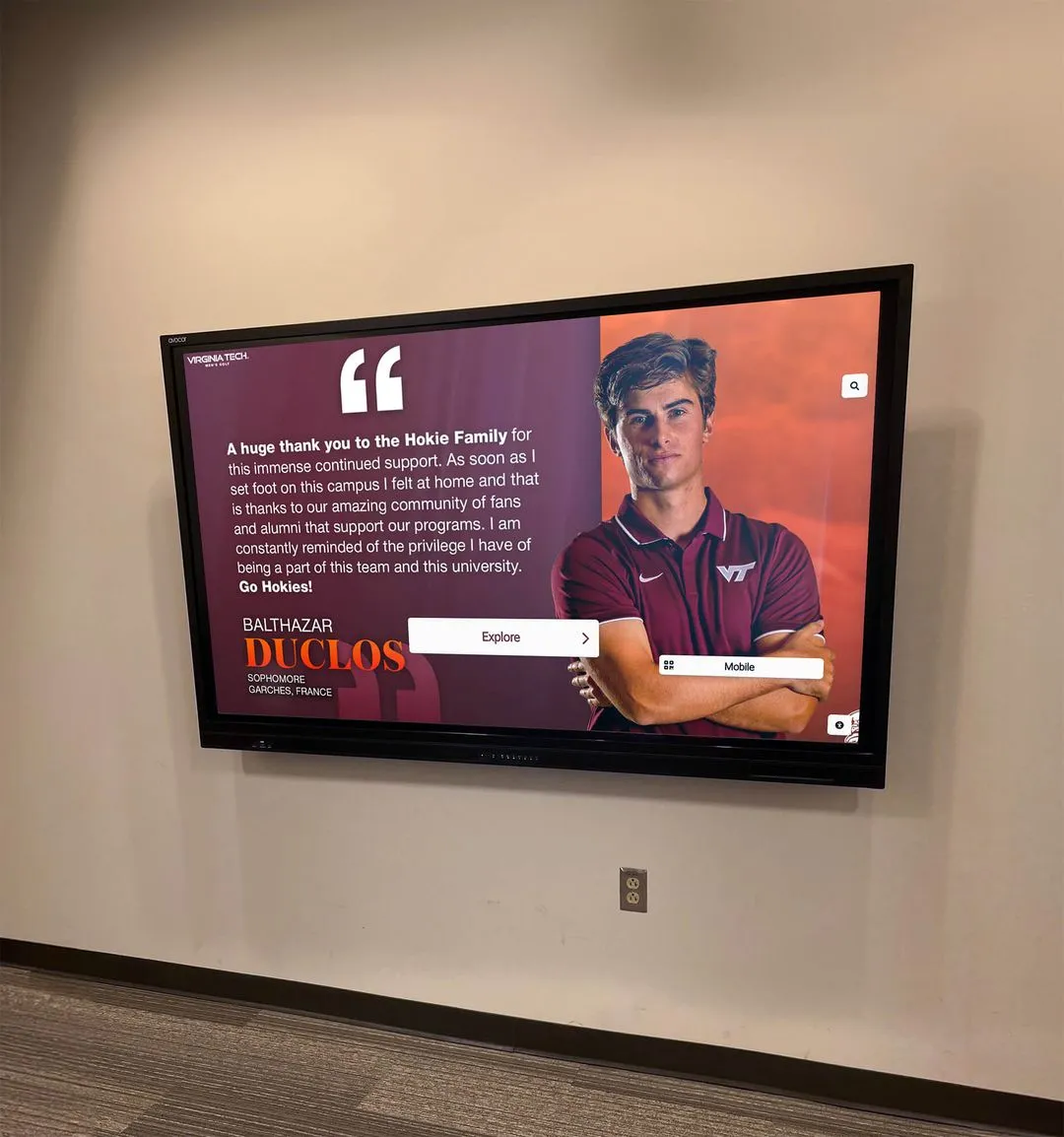
Schools preserve milestone moments like valedictorian speeches through digital recognition systems that celebrate academic excellence across generations
Understanding the Purpose of a Valedictorian Speech
Before diving into structure and content, understanding what a valedictorian speech should accomplish helps guide every writing decision.
The Core Functions of a Graduation Speech
Valedictorian speeches serve several distinct purposes within graduation ceremonies:
Reflecting on Shared Experience
Your classmates have spent years together navigating academic challenges, social dynamics, extracurricular activities, and personal growth. The valedictorian speech provides a moment to acknowledge this shared journey. Effective speeches capture specific memories and experiences that resonate with the graduating class—the awkward freshman orientation, the intense exam weeks, the championship game, the school traditions that became meaningful rituals. These shared reference points create connection between speaker and audience while validating the significance of what everyone has experienced together.
When you reference specific moments from your school’s history, you’re not just recounting events—you’re affirming that these experiences mattered and shaped who your classmates have become. This validation creates emotional resonance that makes speeches memorable long after graduation day.
Expressing Gratitude
Graduation marks the culmination of not just student effort but countless hours of support from parents, teachers, administrators, staff, and community members. Your speech provides an opportunity to express collective gratitude on behalf of the entire graduating class. While you shouldn’t spend half your speech thanking every possible person, thoughtful acknowledgment of key supporters demonstrates maturity and perspective that graduates are moving beyond self-centered adolescence toward adult understanding of interdependence and community.
Schools increasingly recognize the importance of celebrating these relationships through comprehensive academic recognition programs that honor not just student achievement but the educators and mentors who make excellence possible.
Providing Perspective and Meaning
In the midst of celebrating completion, valedictorian speeches help audiences understand the significance of what they’re experiencing. You have the opportunity to place this moment within a larger narrative—connecting it to institutional history, to broader educational purpose, or to the personal growth journeys each graduate has traveled. This perspective-giving transforms graduation from a routine procedural milestone into a meaningful transition moment worth honoring and remembering.
The best speeches help graduates see their high school years not as time that’s ending but as foundation for what comes next, reframing completion as preparation rather than conclusion.
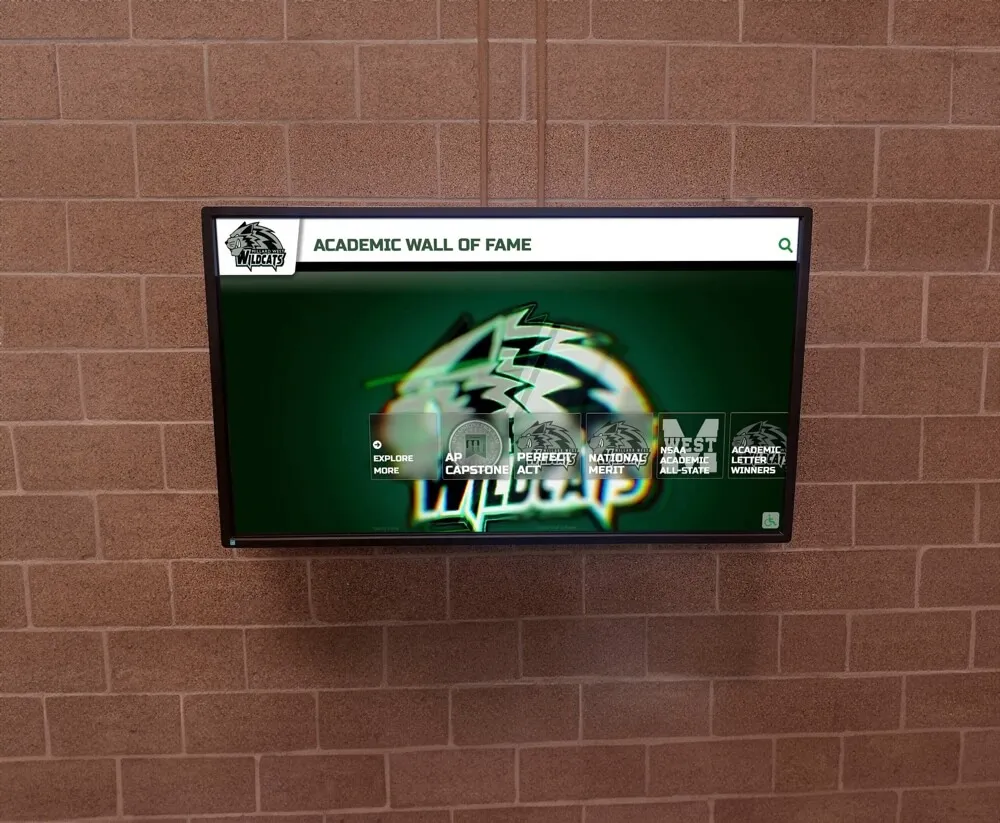
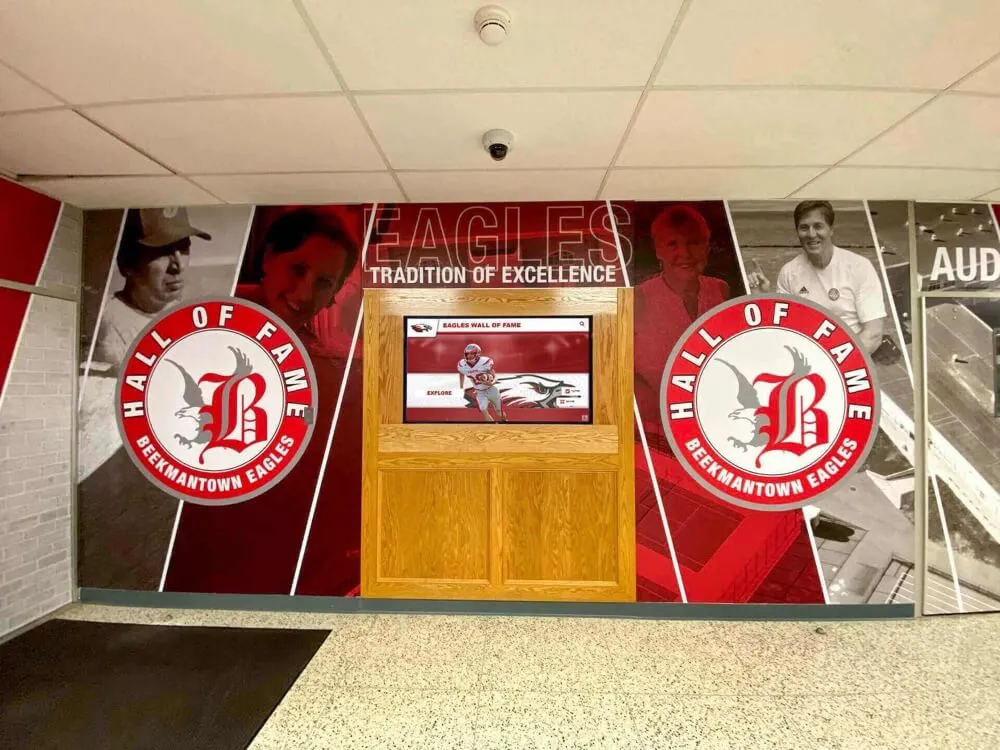
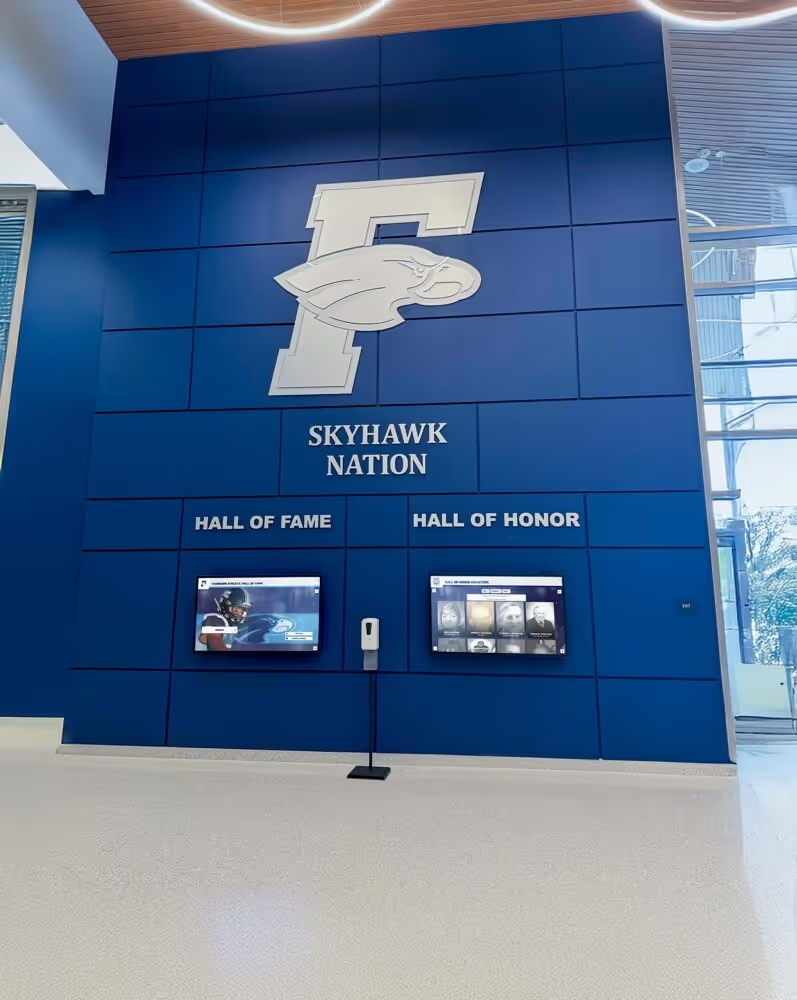
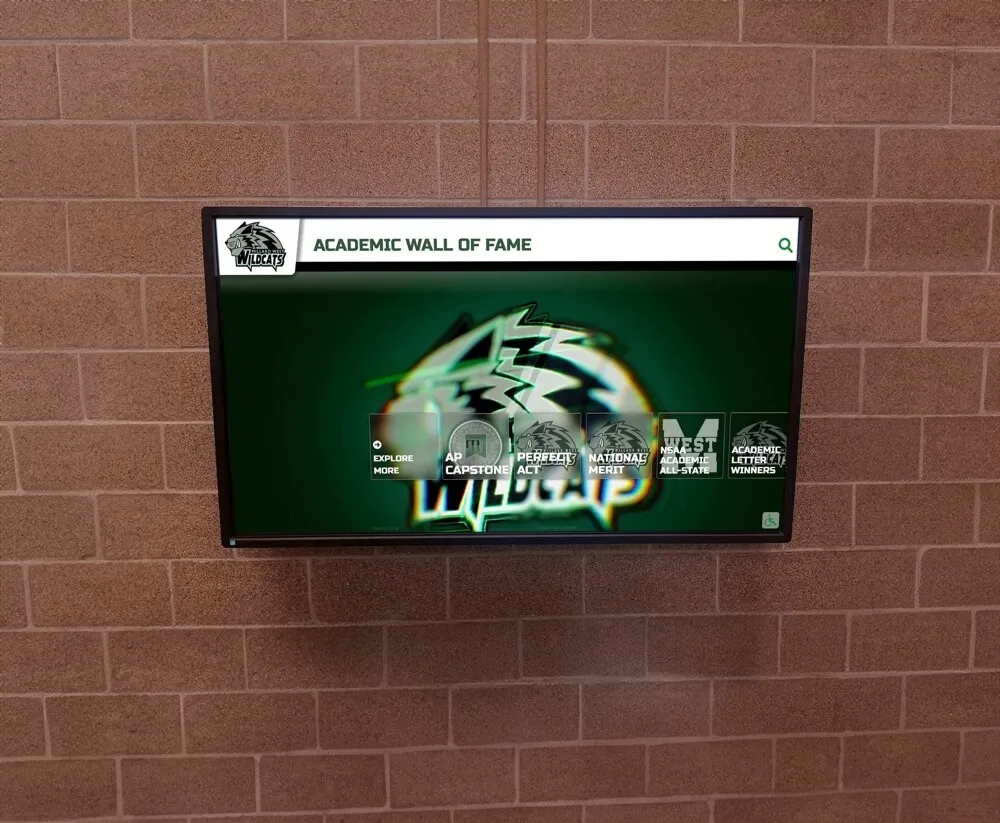
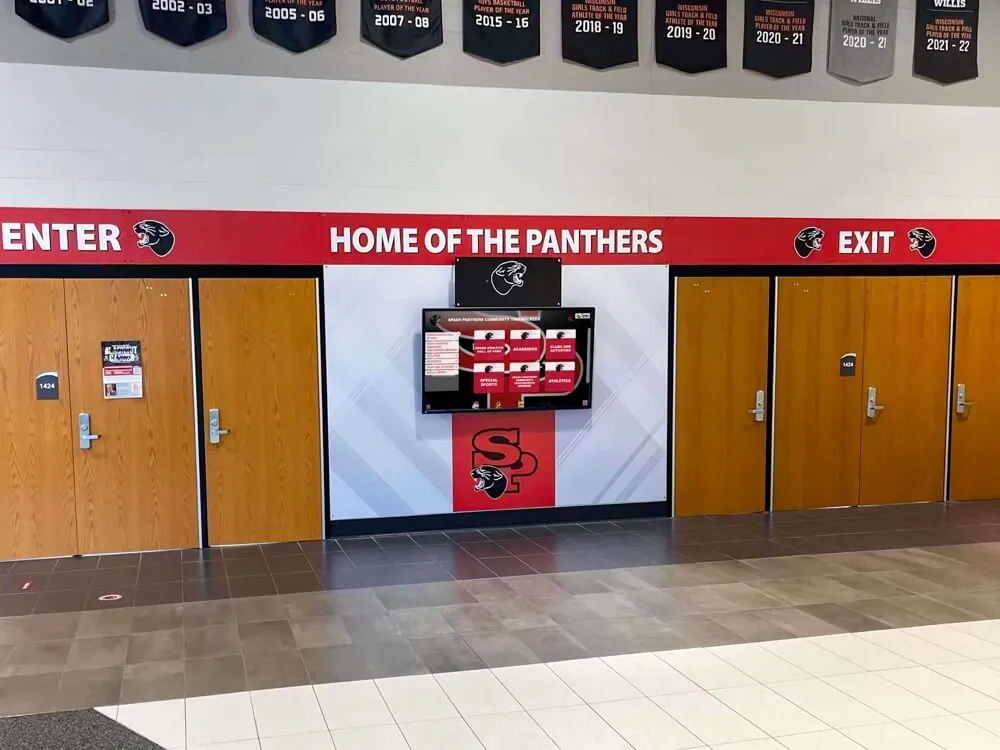
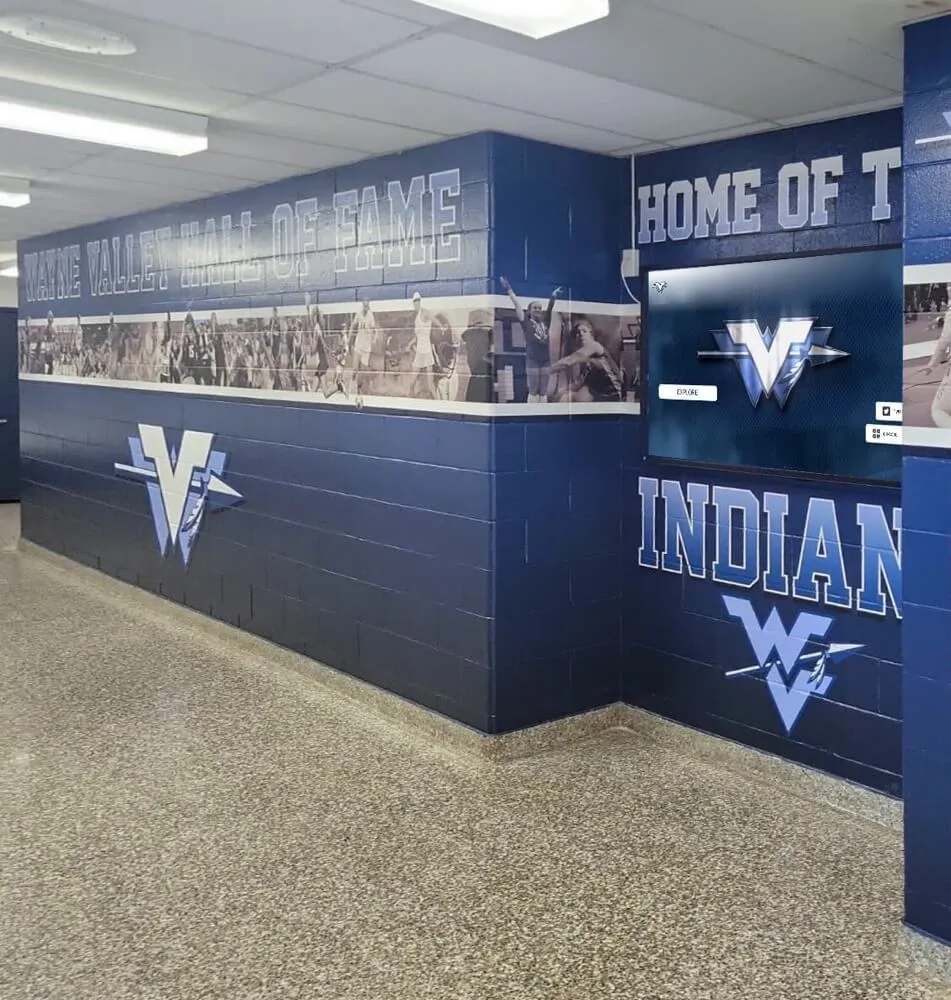
Modern schools preserve valedictorian legacies alongside other academic honors through permanent digital displays
Inspiring the Next Chapter
While reflection matters, graduation fundamentally looks forward. Your speech should energize and inspire your classmates as they face uncertain futures. This doesn’t mean generic motivational platitudes about “reaching for stars” or “following dreams.” Effective inspiration comes from honest acknowledgment of both excitement and uncertainty about what comes next, coupled with confidence in your class’s ability to handle whatever challenges and opportunities arise.
Inspiration works best when it feels authentic to your voice and grounded in the real experiences you’ve shared rather than borrowed from inspirational quote websites or generic commencement speech formulas.
What Makes a Valedictorian Speech Memorable
Years after graduation, alumni rarely remember every detail of valedictorian speeches, but certain elements make speeches stand out:
Authenticity and Personal Voice
The speeches graduates remember feel genuinely from the speaker rather than written by adults or copied from templates. Your unique voice—whether humorous, reflective, passionate, or thoughtful—should come through clearly. Attempts to sound older, more formal, or artificially profound usually backfire, creating distance between speaker and audience. The most powerful speeches embrace authenticity, allowing your genuine personality and perspective to shape the message rather than forcing yourself into someone else’s speechwriting mold.
Specificity and Concrete Detail
Generic speeches blur together in memory. Speeches that cite specific moments, teachers, traditions, or inside jokes from your school experience create vivid mental images that stick with people. Rather than saying “we’ve had great times together,” reference the exact moment—the surprising pep rally, the teacher’s memorable quote, the tradition that confused freshmen but became beloved by seniors. These specific details prove you’re speaking from genuine experience rather than universal platitudes applicable to any graduating class at any school.
Emotional Resonance Without Manipulation
Graduation already carries substantial emotional weight. The best speeches acknowledge and honor these emotions without forcing or manipulating them. You don’t need to manufacture tearjerker moments or overly sentimental language. Honest reflection on meaningful experiences naturally evokes appropriate emotion without requiring forced sentimentality. Trust that your audience is already feeling the significance of this moment—your job is to give shape to those feelings through language rather than manufacture emotions from scratch.
Balance of Humor and Gravity
Entirely serious speeches feel oppressively heavy. Entirely comedic speeches feel inappropriately light for the occasion. The sweet spot combines levity and gravity in appropriate measure. Well-placed humor releases tension and keeps audiences engaged, while serious moments honor the significance of graduation. The key is ensuring humor serves the speech rather than dominates it, and that serious moments feel earned rather than forced or cliché.
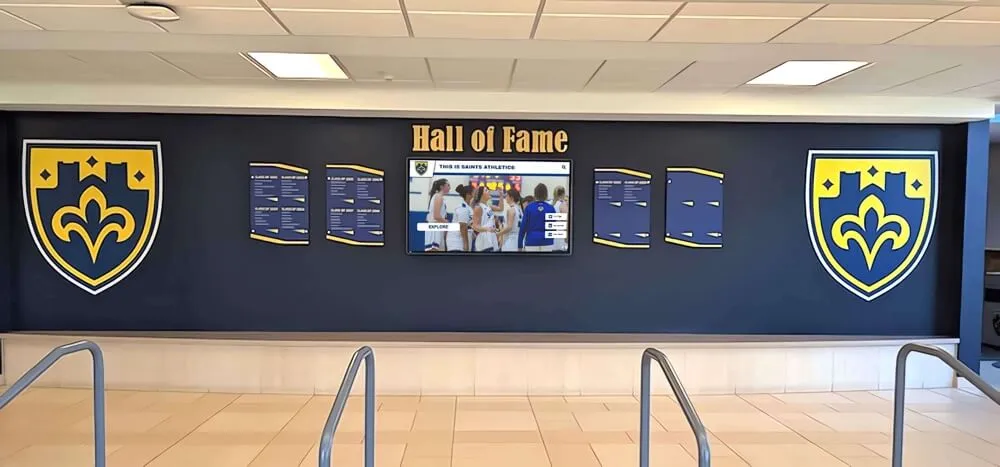
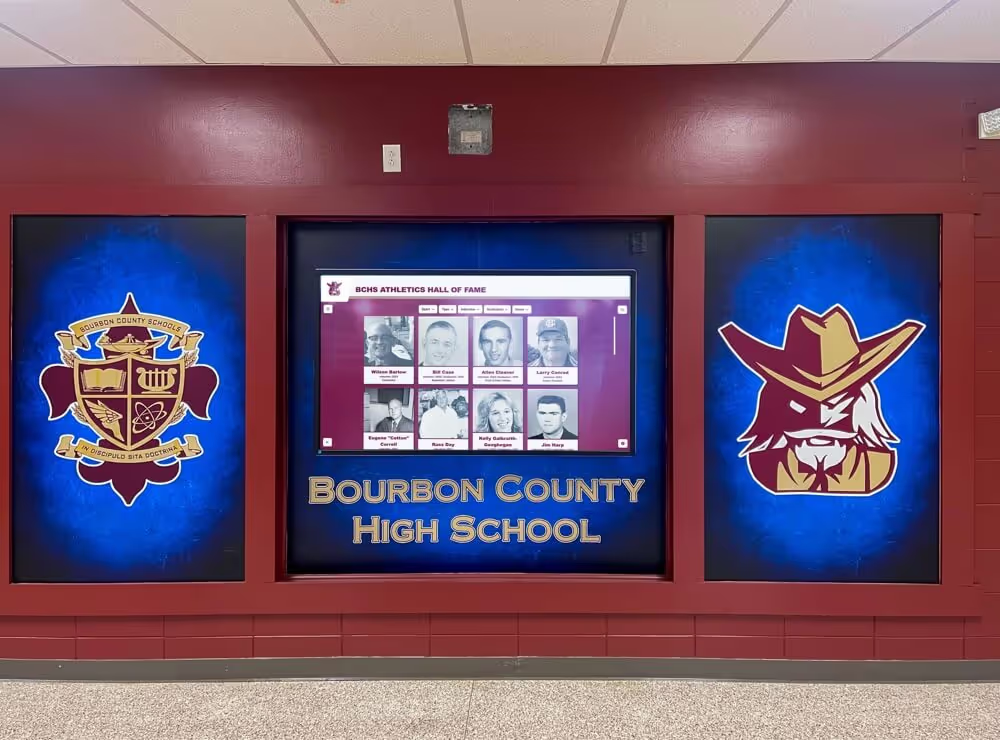
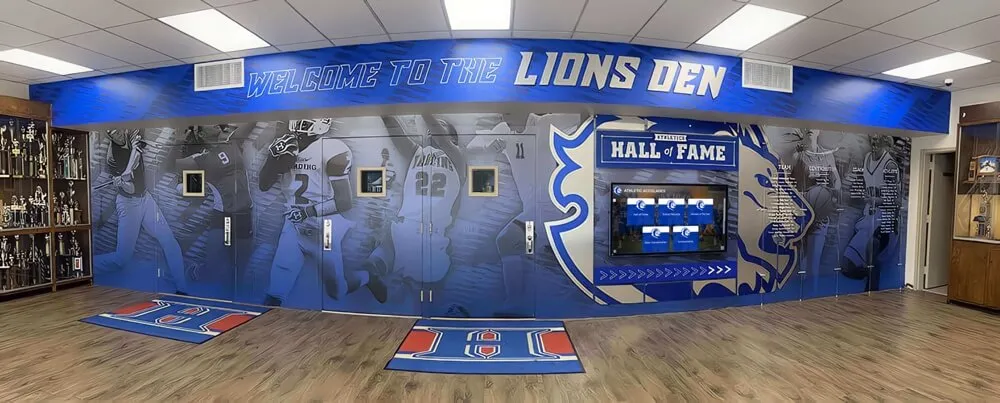
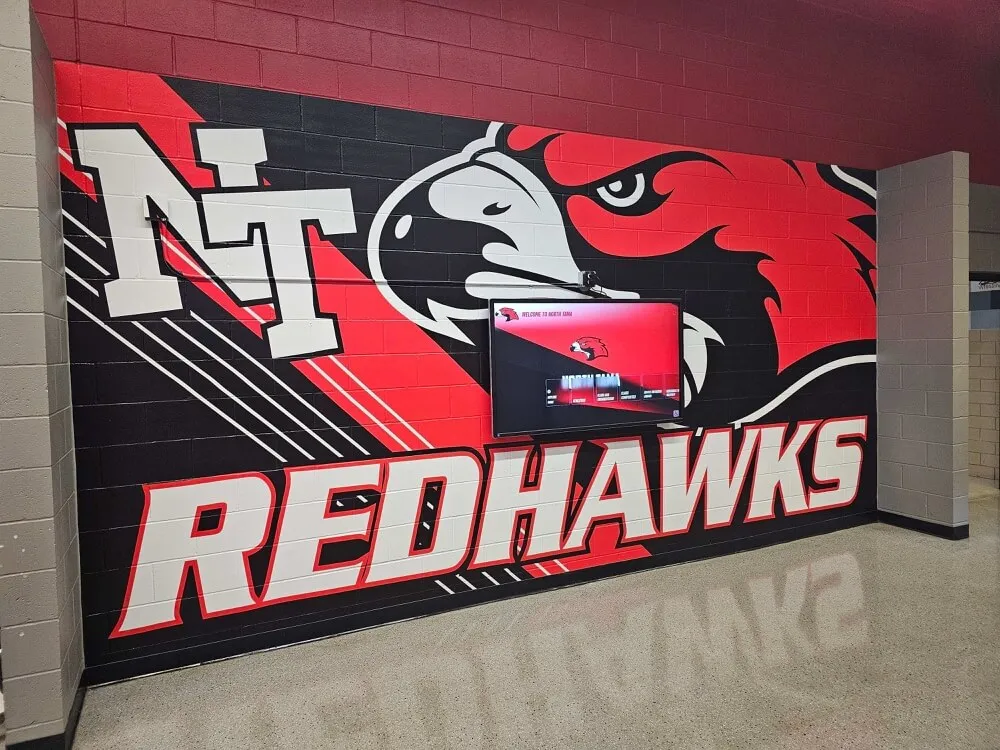
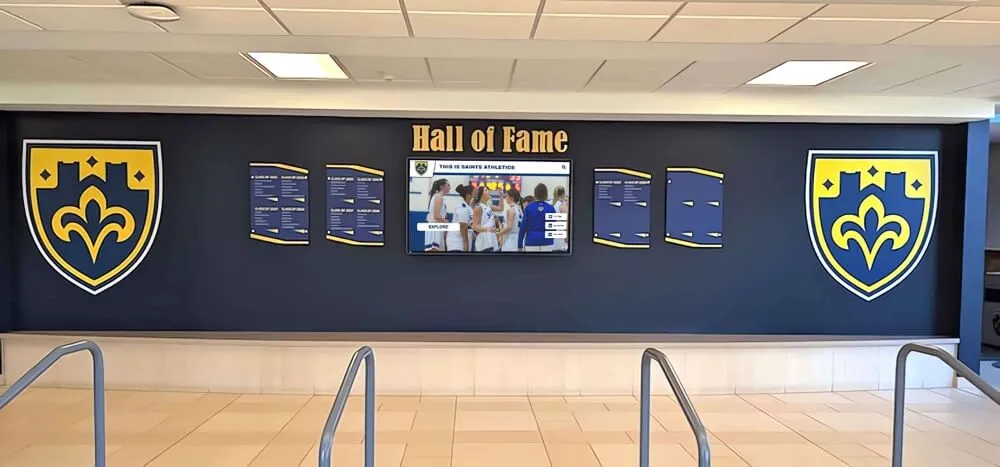
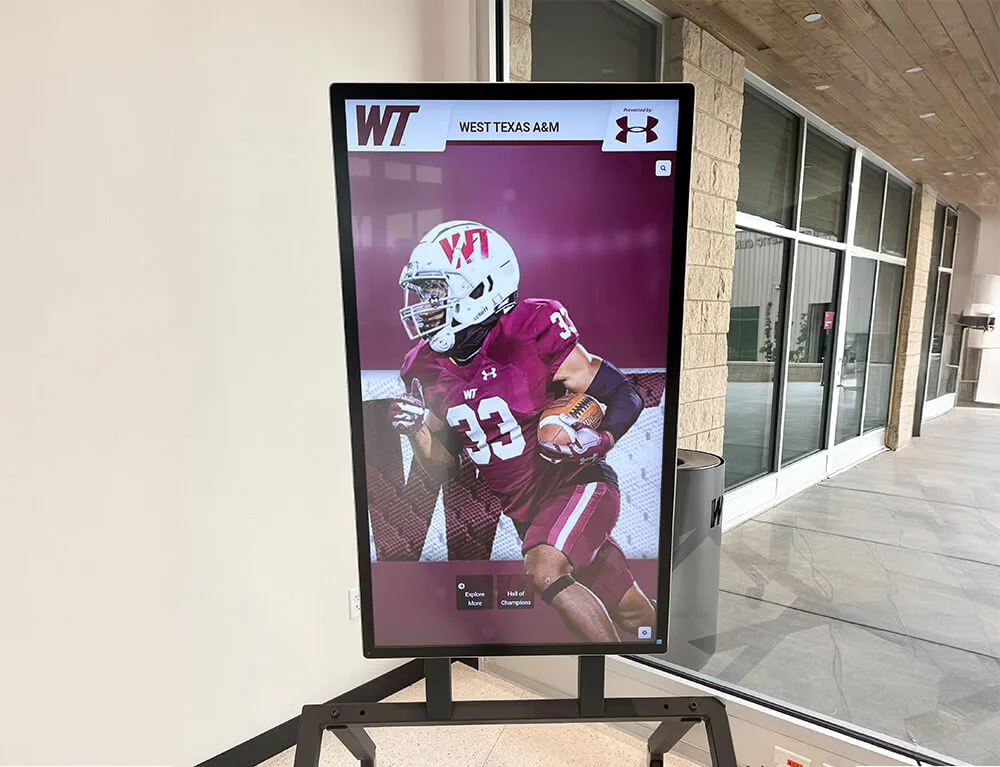
Schools celebrate valedictorian achievement as part of comprehensive recognition that preserves academic excellence across generations
Essential Elements of a Successful Valedictorian Speech
While every speech should reflect your unique voice and perspective, certain structural elements consistently appear in effective graduation addresses.
Opening Strong: Capturing Attention Immediately
The first 30 seconds determine whether your audience engages with your speech or mentally checks out while waiting for it to end. Strong openings grab attention and establish the tone you’ll maintain throughout.
Effective Opening Strategies
Several approaches consistently work well for valedictorian speeches:
Personal Anecdote: Begin with a brief story that captures something meaningful about your class’s experience. This might be your first day of freshman year, a defining moment in school history, or a realization about your shared journey. The story should be specific, relatable, and lead naturally into your broader message.
Surprising Statement or Question: Open with something unexpected that makes your audience lean in. This might be a provocative question about the future, an surprising statistic about your class, or a counterintuitive observation about high school. The surprise creates engagement while signaling this won’t be a predictable speech.
Meaningful Quote or Reference: If you use a quote, make sure it genuinely connects to your message rather than serving as generic filler. The best quotes come from unexpected sources—a teacher’s offhand comment that became meaningful, a line from a song your class embraced, or words from an unconventional source that captures something true about your shared experience. Avoid overused inspirational quotes that appear in countless other graduation speeches.
Observational Humor: Light humor that acknowledges the shared experience of sitting through graduation ceremonies can create immediate connection. Reference something everyone in the room is experiencing—the uncomfortable chairs, the heat under graduation robes, the surreal feeling of the moment. This demonstrates you’re speaking with your audience rather than at them.
Whatever opening approach you choose, keep it concise. Your opening should capture attention and establish tone within the first minute, then transition smoothly into the body of your speech rather than extending into a long meandering introduction.
Structure and Flow: Organizing Your Message
Even the most insightful observations fall flat without clear organization that helps audiences follow your thinking.
The Classic Three-Part Structure
Most effective valedictorian speeches follow variations on three-part structure:
Part One: Looking Back (3-4 minutes) Reflect on the shared journey of high school. Include specific memories and experiences that capture what these years meant. Acknowledge challenges overcome and growth achieved. Express gratitude to those who supported the class. This section creates emotional connection by validating shared experience while establishing your credibility as someone who genuinely understands what your classmates have been through.
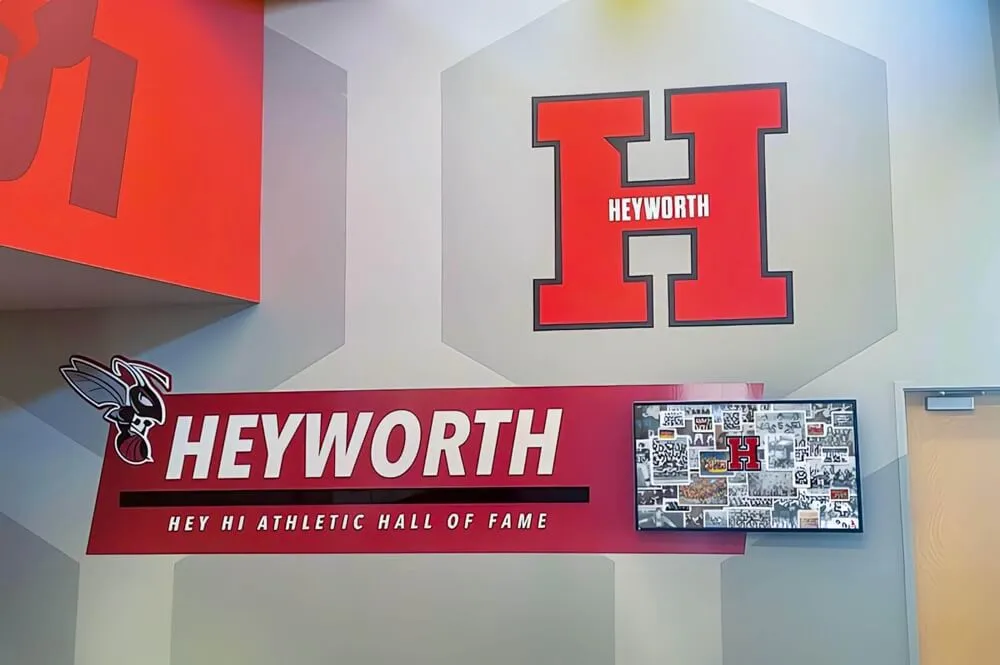
Schools preserve these milestone achievements through comprehensive recognition systems that celebrate academic excellence alongside athletic, artistic, and community achievements.
Part Two: Understanding the Present (2-3 minutes) Acknowledge the significance of this transition moment. Recognize the mix of excitement and uncertainty everyone feels. Provide perspective on what graduation means—not just an ending but a beginning. This section helps audiences process the emotional complexity of graduation by naming and validating the conflicting feelings most people experience but might not articulate.
Part Three: Looking Forward (3-4 minutes) Inspire confidence about the future. Share insights about what this class is capable of achieving. Offer wisdom about approaching the next chapter. End with a memorable conclusion that leaves your classmates feeling energized and connected. This section transforms reflection into momentum, ensuring your speech sends people forward rather than leaving them mired in nostalgia.
This three-part structure works because it mirrors the emotional journey of graduation itself—honoring the past, processing the present, and embracing the future.
Transition Management
The difference between adequate and excellent speeches often comes down to transitions between sections. Smooth transitions maintain flow and help audiences understand the relationship between different parts of your message. Clear transitions might sound like: “But even as we celebrate what we’ve accomplished together, we also have to acknowledge…”, “That reflection on where we’ve been helps us understand where we’re going…”, or “So what does all this mean as we stand on the edge of whatever comes next?”
These verbal signposts help audiences follow your thinking while maintaining momentum and engagement throughout your speech.
Balancing Multiple Audiences
One unique challenge of valedictorian speeches involves addressing diverse audiences simultaneously:
Speaking to Your Classmates
Your primary audience consists of fellow graduates who shared your high school experience. They should feel like you’re speaking directly to them rather than performing for adults. Use language, references, and examples they’ll recognize and appreciate. Inside jokes work if most of your class understands them, but avoid references so niche that they exclude significant portions of your audience.
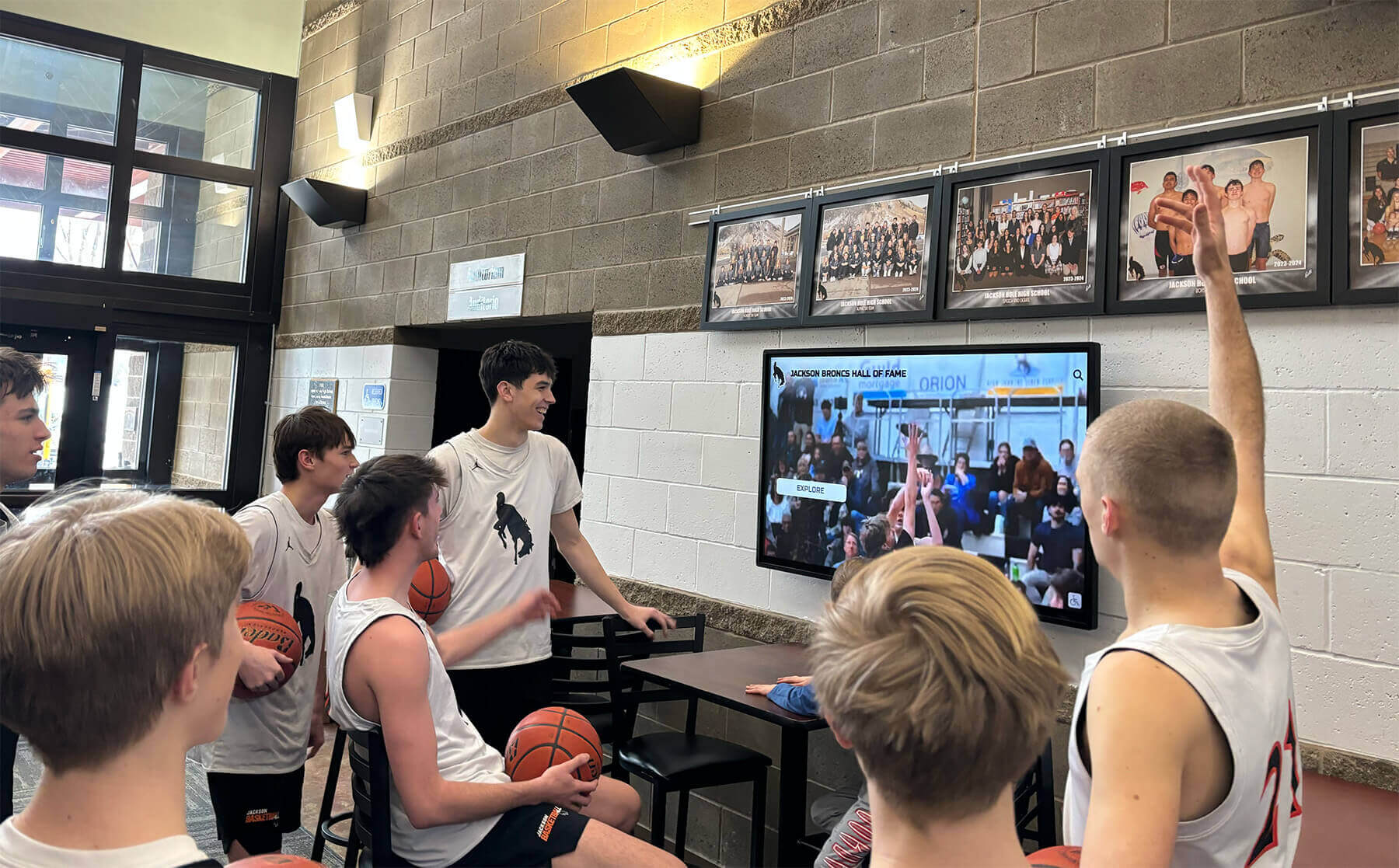
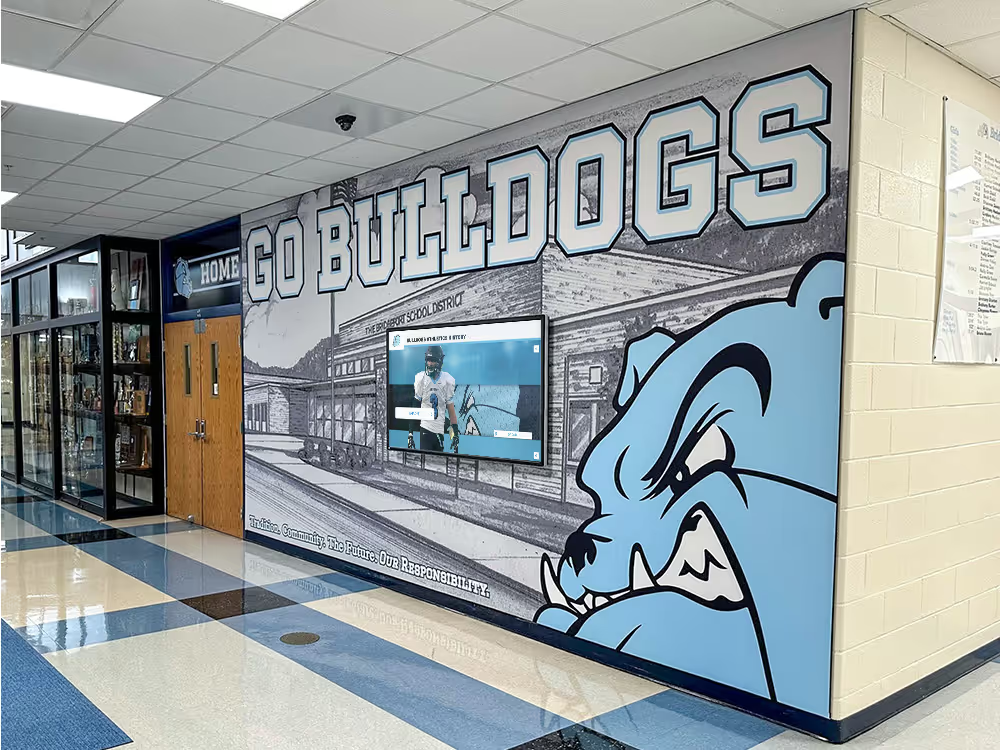
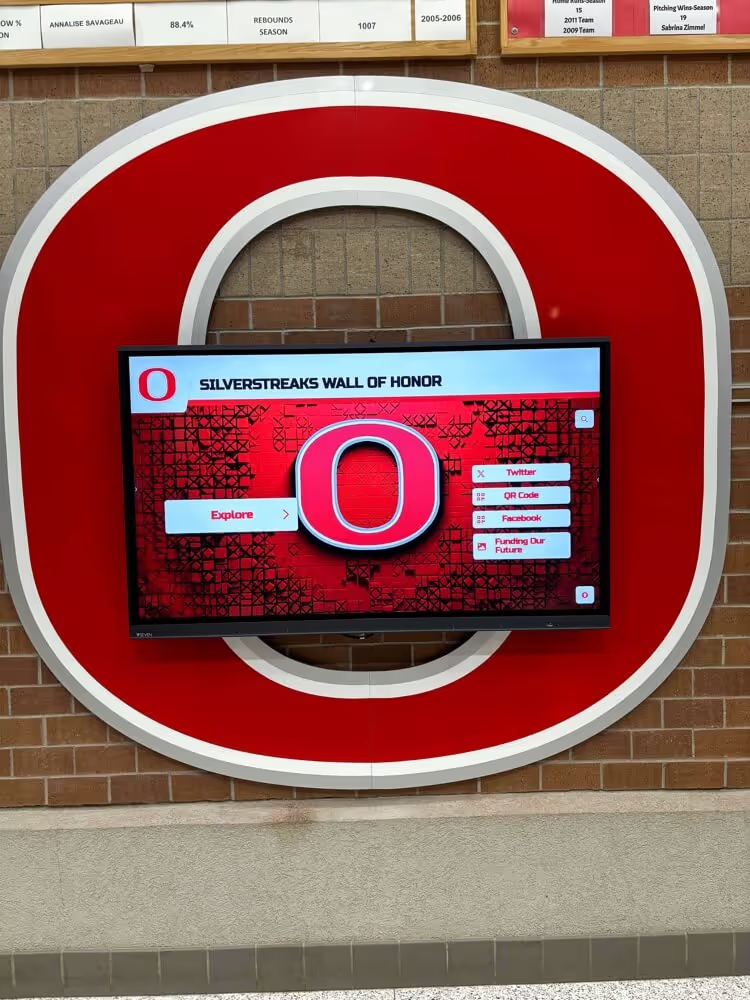
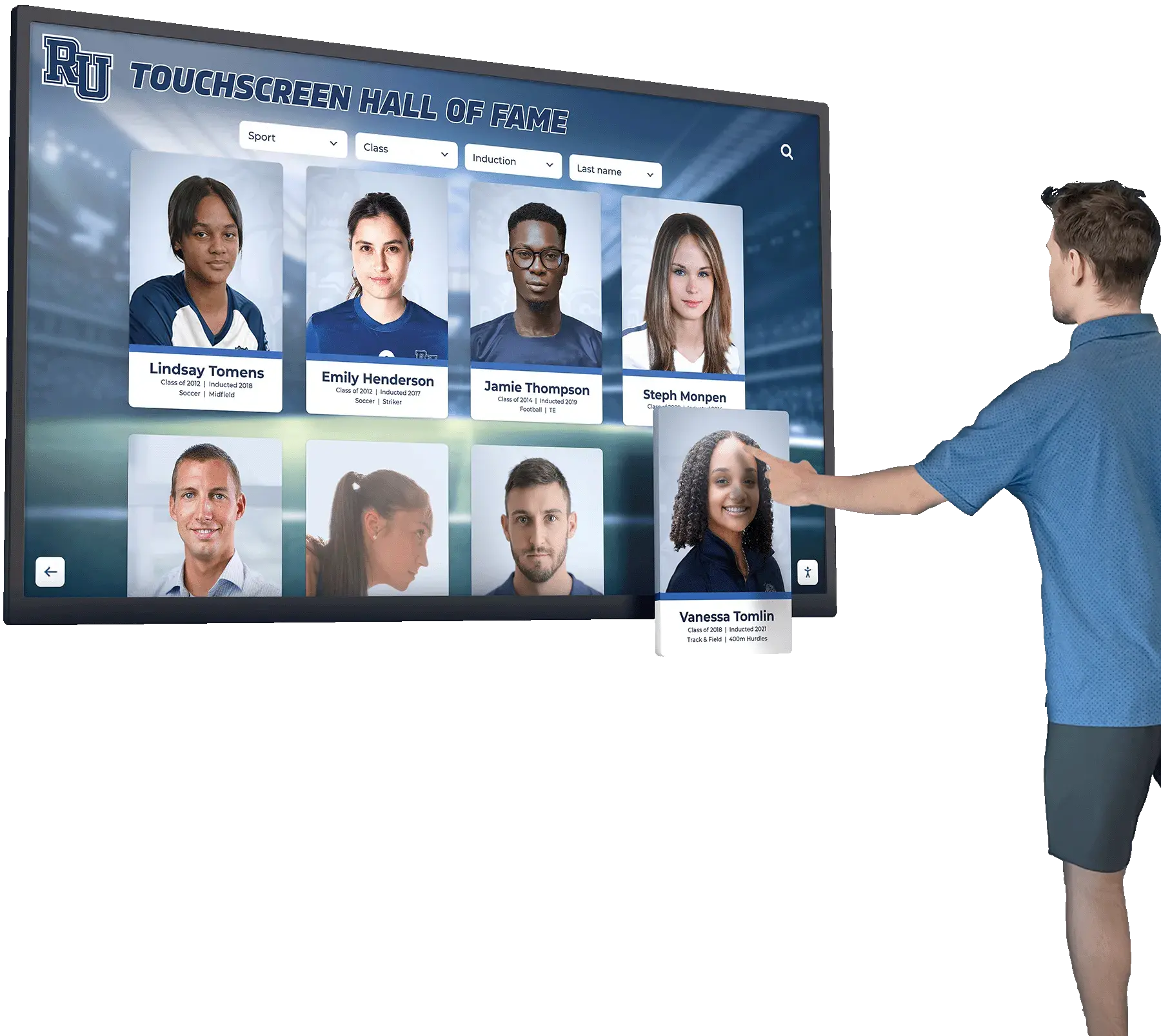
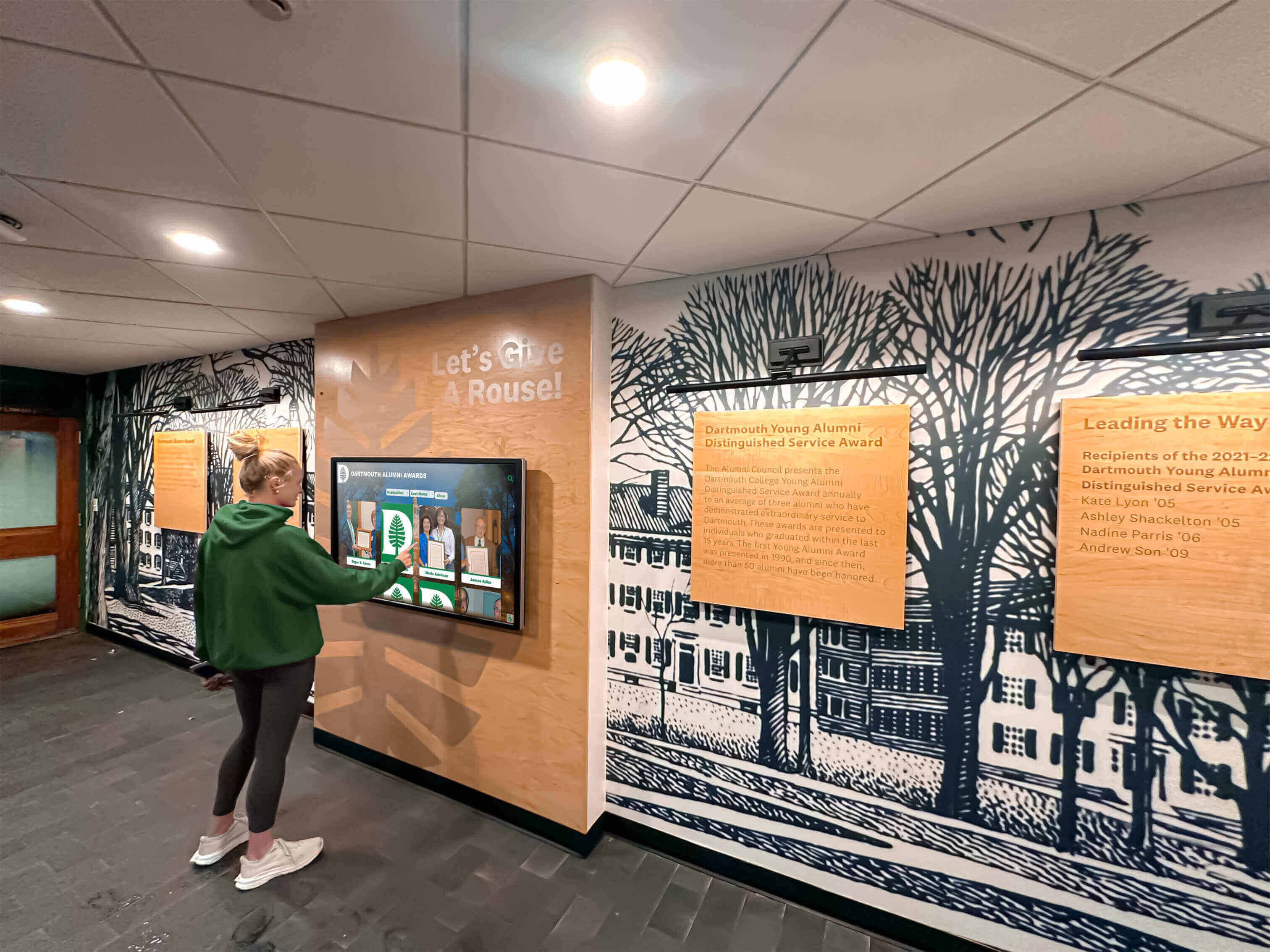
Digital platforms enable students to explore achievements and celebrate excellence together
Acknowledging Parents and Families
Parents, grandparents, and other family members constitute your second major audience. They’re experiencing their own complex emotions watching students graduate. While you shouldn’t direct your entire speech to families, acknowledging their sacrifices and support creates meaningful moments. Brief tributes to parental support usually land well, but avoid excessive sentimentality that might feel performative to your peers.
Respecting Faculty and Administration
Teachers, administrators, and staff also attend graduation and deserve acknowledgment. They’ve invested countless hours in your class’s education and development. Thoughtful gratitude expressed genuinely (not perfunctorily) honors their contributions while demonstrating maturity and perspective.
The key to balancing these audiences involves speaking primarily to your classmates while incorporating moments that acknowledge and honor other stakeholders. Your fellow graduates should always feel like the main audience rather than bystanders in a performance directed at adults.
Length and Pacing Considerations
Even brilliant speeches lose effectiveness when they run too long:
Optimal Speech Length
Most valedictorian speeches should run 8-12 minutes. This provides enough time to develop meaningful ideas without testing audience patience. Remember that graduation ceremonies often include multiple speeches, performances, and procedural elements. Your speech represents one component of a longer event, and respecting time limits demonstrates professionalism while ensuring audiences remain engaged throughout your remarks.
If given specific time guidance from administrators, stay within those parameters. If no specific limit exists, aim for 10 minutes as a reasonable target.
Maintaining Appropriate Pace
Beyond overall length, pacing within your speech matters significantly. Vary your rhythm by alternating between longer reflective passages and shorter, punchier statements. Include strategic pauses that give audiences time to process important ideas or emotional moments. Build toward climactic moments rather than maintaining one flat tone throughout. End strong rather than trailing off with diminishing energy.
Practice with a timer to develop intuitive sense of pacing. What feels rushed when you’re writing might actually work perfectly when spoken aloud, while passages that seem reasonable on paper might drag when delivered. Multiple practice run-throughs help you internalize appropriate pacing.

Schools create dedicated spaces celebrating achievement, providing inspiration for future valedictorians
Writing Your Valedictorian Speech: Step-by-Step Process
With understanding of purpose, elements, and structure, you’re ready to begin the actual writing process.
Step 1: Brainstorming and Gathering Material
Before writing connected prose, generate raw material to work with:
Reflecting on Shared Experiences
Make lists of significant moments from your high school years that most of your class would remember. Include both major events (championship wins, memorable performances, school-wide traditions) and smaller moments that somehow captured something meaningful about your shared experience. Don’t filter too much during brainstorming—gather everything that comes to mind, then select the most powerful material later.
Consider asking classmates what they remember most about high school. Their responses often surface shared memories you might not think of yourself but that resonate broadly across your class.
Identifying Themes
Look for patterns in your brainstorming material. What themes emerge across different experiences? Growth and overcoming challenges? Building community across differences? Discovering passions and identities? Resilience through difficult times? The power of support systems? Identifying 2-3 major themes helps organize disparate memories and anecdotes into coherent narrative rather than random collection of nostalgia.
Strong themes connect personal specifics to universal truths, helping audiences see how your particular school’s experiences reflect broader human experiences of transition, growth, and community.
Collecting Wisdom and Insights
What have you learned during high school that feels worth sharing? This might come from classes, from teachers, from struggles and failures, from achievements, or from relationships. The most powerful insights usually involve some kind of change in perspective—realizing something you previously misunderstood, discovering unexpected truth, or learning to see familiar things differently.
Avoid trying to sound artificially wise or profound. The insights that resonate most come from genuine reflection on real experience rather than borrowed wisdom from inspiration quotes or famous speeches.
Step 2: Creating Your Outline
With raw material gathered, organize it into coherent structure:
Selecting Your Best Material
You can’t include everything from your brainstorming. Choose the stories, insights, and themes that best serve your overall message and resonate most powerfully. A few well-developed examples beat many superficial references. Select material that balances personal specificity with broad relatability—specific enough to feel genuine and vivid but general enough that most of your class can connect with it.
Determining Your Message Arc
Decide what journey you want to take your audience on. Where should they be emotionally and mentally at the start of your speech? Where do you want them to end up? What path will take them from start to finish? This arc might move from nostalgia to inspiration, from gratitude to empowerment, from reflection to anticipation, or along some other emotional trajectory that serves your purpose and message.
Creating Section-by-Section Breakdown
Outline each section of your speech with key points and examples. You don’t need to write full paragraphs yet—bullet points indicating what each section will cover suffice at this stage. This outline becomes your roadmap ensuring you include all essential elements while maintaining logical flow from section to section.
Step 3: Writing Your First Draft
With outline complete, write your full first draft:
Embrace Imperfection in First Drafts
Your first draft won’t be perfect—that’s not its purpose. First drafts give you complete material to work with during revision. Write all the way through without stopping to perfect each sentence. Maintain forward momentum rather than getting stuck trying to perfect your opening before moving to the body. You can always revise later, but you can’t revise a blank page.
Many writers find it easier to write the body before the introduction and conclusion. Once you’ve developed your main content, crafting an opening that leads effectively into it and a conclusion that follows logically often becomes easier.
Writing for the Spoken Word
Remember you’re writing a speech to be heard, not an essay to be read. Use conversational language rather than overly formal academic writing. Include shorter sentences that are easier to follow when heard. Use active voice that creates energy and clarity. Repeat key phrases for emphasis and rhythm. Include rhetorical questions that engage audiences mentally. Read sentences aloud as you write to hear how they sound rather than just how they look on paper.
The best speeches sound like enhanced conversation—more polished and purposeful than casual talk but still retaining natural speech patterns rather than sounding like written essays being read aloud.
Incorporating Specific Examples and Details
General statements create forgettable speeches. Transform generic observations into vivid specifics by naming particular teachers, citing exact quotes, describing specific scenes, referencing memorable moments, and using concrete details that create mental images. Compare these two versions:
Generic: “We’ve had great teachers who helped us learn and grow.”
Specific: “Who can forget Mrs. Johnson’s notorious pop quizzes that somehow always fell on days we were least prepared, or Mr. Rodriguez’s insistence that we could write better essays than we thought we could, pushing us through five drafts until we finally believed him?”
The specific version creates memory and emotion because audiences can see and remember those teachers and experiences rather than processing abstract concepts of “learning and growth.”
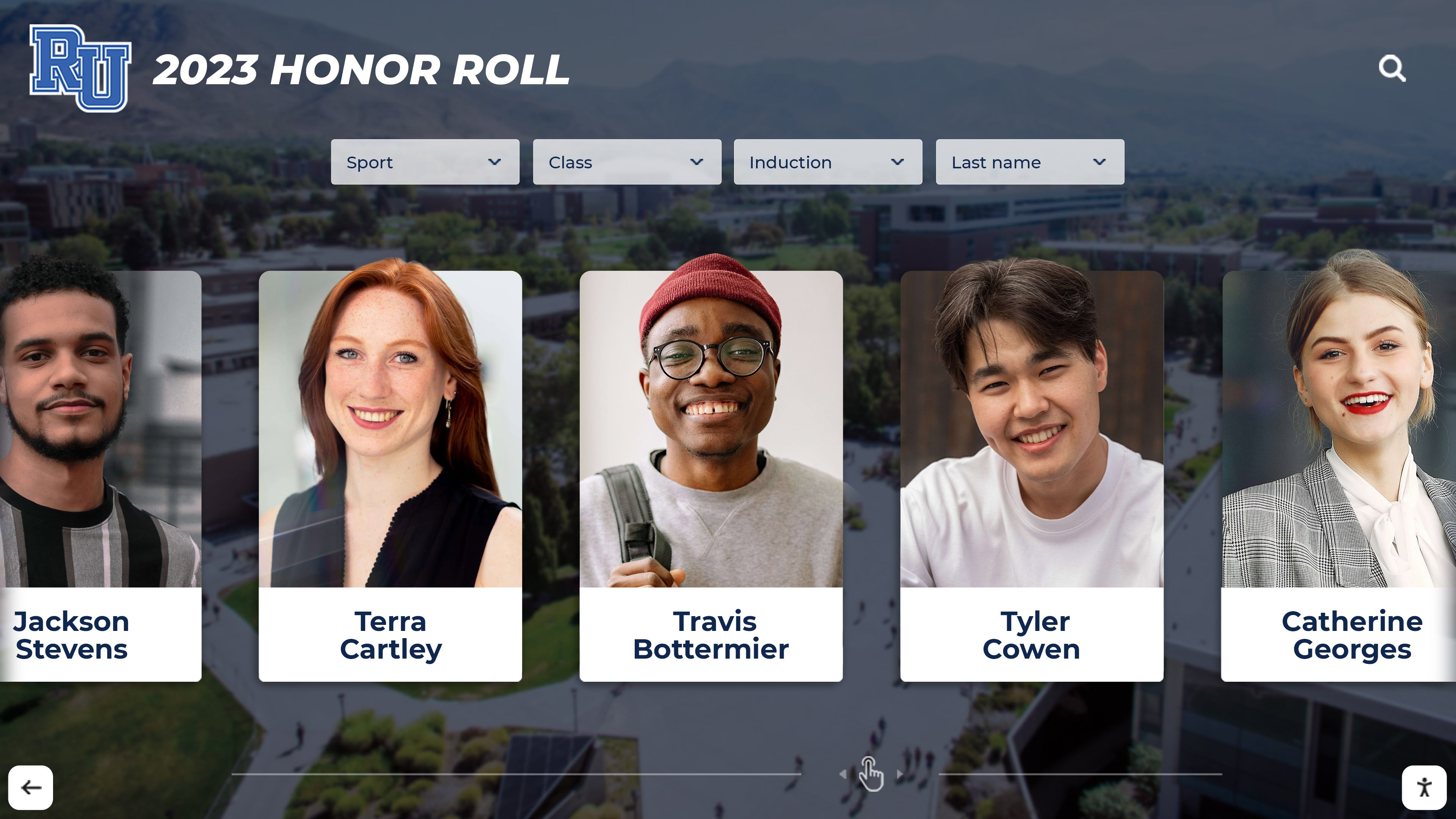
Comprehensive [student recognition systems](https://best-touchscreen.com/blog/spirit-week-themes-creative-ideas-schools-workplaces/?utm_source=organic&utm_medium=seo-auto&utm_content=digitalwarming&utm_campaign=valedictorian-speech&utm_term=seo) celebrate valedictorians alongside diverse achievements across school communities
Step 4: Revising and Refining
First drafts provide raw material—revision transforms them into polished speeches:
Reading Aloud for Flow and Rhythm
Read your entire speech aloud multiple times. Listen for awkward phrasing, sentences that run too long, unclear transitions, rhythm that feels choppy or monotonous, and places where you stumble over words or phrases. Your mouth and ear catch problems your eyes miss when reading silently. Revise anything that doesn’t flow smoothly when spoken.
Consider recording yourself reading the speech, then listening back with fresh ears. You’ll hear issues you don’t notice while reading that become obvious when you’re purely listening.
Cutting Unnecessary Content
First drafts often run long. Be ruthless about cutting material that doesn’t serve your core message. Ask of each section: Does this support my main themes? Does this add something necessary, or am I just including it because I like it? Could I communicate this point more concisely? Is this the best example, or do I have stronger material?
Tightening your speech by removing redundancy and tangents strengthens what remains by increasing its proportion of the total speech. Every sentence should earn its place through contribution to your overall message.
Strengthening Your Opening and Closing
Your opening and closing carry disproportionate weight since they’re what audiences remember most clearly. Invest extra effort ensuring both are as strong as possible. Your opening should immediately capture attention and establish your tone. Your closing should feel conclusive and memorable rather than just trailing off or ending abruptly because you ran out of things to say.
Many speakers write multiple versions of openings and closings, testing different approaches before selecting the strongest option.
Testing on Friendly Audiences
Practice delivering your speech to friends, family members, or trusted teachers. Ask for honest feedback about what works and what doesn’t. Do certain sections drag? Are jokes actually funny? Does the emotional arc work? Are there confusing parts? Fresh perspectives help you see your speech objectively rather than through your own overly familiar eyes.
Be specific about the feedback you want. Rather than just asking “what did you think?”, ask targeted questions: “Did the opening grab your attention? Was the transition between sections two and three clear? Did the ending feel too abrupt?”
Step 5: Final Polish and Preparation
After revising based on feedback, complete final preparation:
Checking Against Time Limits
Deliver your speech at performance pace with a timer running. If you’re over time, make additional cuts. If you’re significantly under, consider whether you need to develop ideas more fully or if your speech simply runs efficient and concise (which isn’t necessarily bad).
Account for factors that affect timing in actual performance—audience laughter, applause, emotional pauses, and nervousness that might speed up or slow down your delivery.
Creating Speaker Notes
Decide whether you’ll memorize completely, read from a manuscript, or use notes. Each approach has advantages and disadvantages. Memorization allows maximum connection with your audience but risks forgetting lines under pressure. Full manuscripts ensure you say exactly what you planned but can sound wooden and limit eye contact. Notes providing key points and transitions with some memorized sections often balance these concerns effectively.
Whatever approach you choose, prepare your materials professionally. If using notes or manuscript, print in large font for easy reading. Consider highlighting important sections or cues for emphasis and pacing.
Planning Delivery Elements
Think beyond words to how you’ll deliver them. Where will you pause for effect? Which phrases deserve emphasis? How will you modulate your pace? Where might you expect audience reactions? Mark these delivery notes on your manuscript or notes so you remember them during actual performance.
Consider also logistics: Where will you stand? Will you use a podium or speak without one? If using a microphone, how will you hold notes while managing it? Practicing these physical elements reduces ceremony-day stress.
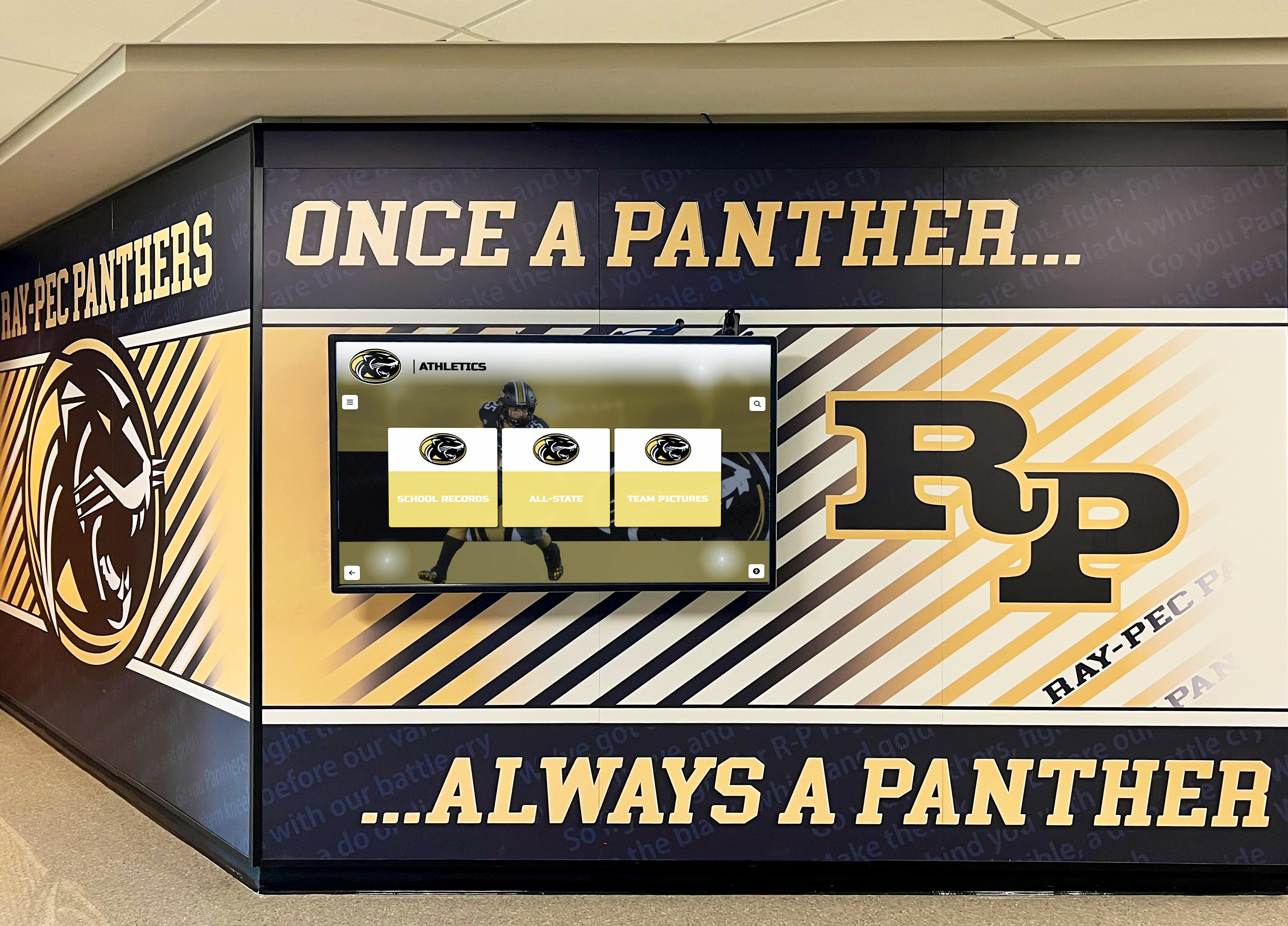
Schools integrate recognition throughout facilities, creating environments that inspire future valedictorians and celebrate excellence
Valedictorian Speech Templates and Examples
While your speech should ultimately reflect your unique voice and experience, templates and examples provide useful starting frameworks.
Template 1: The Journey Framework
This structure emphasizes the path your class has traveled together:
Opening (1 minute) Begin with vivid description of your class’s first day of freshman year. Capture the nervousness, excitement, or confusion of beginning high school. Use specific sensory details—what the building smelled like, how the hallways sounded, what everyone wore, how lost everyone felt.
Body Section 1: Early Years (2-3 minutes) Reflect on freshman and sophomore experiences—the adjustment period, forming friendships, finding your place, memorable early moments that now seem amusingly naïve. Include funny anecdotes about early mistakes or awkwardness that your class has since grown past.
Body Section 2: Turning Points (2-3 minutes) Identify key moments or experiences that changed your class or revealed something important—perhaps a challenging event that brought everyone together, a success that built confidence, or a loss that taught resilience. Explain what these experiences taught you collectively about who you are as a class.
Learn how schools preserve these milestone moments through digital recognition platforms that celebrate achievements across all areas of student life.
Body Section 3: Who We’ve Become (2 minutes) Describe the graduating class as you see them now—their strengths, diversity, achievements, character. Paint a picture of who these people are beyond grades and accomplishments. What makes this particular class special or distinctive?
Closing (2 minutes) Look forward to the journey continuing beyond graduation. Acknowledge that while this chapter closes, your classmates’ most important journeys are just beginning. Express confidence in what this class will accomplish. End with memorable final thought that encapsulates your message.
Template 2: The Lesson-Learned Framework
This structure organizes around key lessons or insights from high school:
Opening (1 minute) Begin with a provocative question or surprising observation about what high school teaches beyond official curriculum. Hook your audience by suggesting they learned things more valuable than what appeared on syllabi or transcripts.
Body: 3-4 Key Lessons (2-3 minutes each) Organize the body around 3-4 major lessons your class learned during high school. Each lesson section should include a catchy statement of the lesson, specific anecdotes or examples illustrating the lesson, reflection on why this matters, and connection to what comes next.
Possible lessons might include: the importance of asking for help, the value of failing and trying again, discovering passions through exploration, building community across differences, the power of persistence, or learning that success has many definitions. Choose lessons that genuinely reflect your class’s experience rather than generic inspirational truisms.
Closing (2 minutes) Tie together your lessons with a unifying message about growth, change, or readiness for the future. Acknowledge that learning continues beyond graduation. End by challenging your classmates to keep learning these lessons throughout their lives.
Template 3: The Gratitude and Future Framework
This structure balances acknowledgment of support with forward-looking inspiration:
Opening (1 minute) Begin with observation about how graduation ceremonies traditionally focus on students but perhaps should broaden that focus. Introduce the idea that success is rarely individual achievement but collective effort.
Body Section 1: Acknowledging Supporters (3-4 minutes) Systematically thank the people who made this moment possible: parents and families for sacrifices and support, teachers for sharing knowledge and believing in potential, administrators and staff for creating environments where learning flourishes, and each other for friendship, challenge, and companionship through these years. Include specific examples of how these people contributed rather than generic thanks. Balance honoring supporters with keeping your classmates as the primary audience.
Body Section 2: What We’re Taking Forward (3-4 minutes) Transition from gratitude to discussing what your class has gained that prepares them for the future—not just knowledge but skills, character, relationships, and perspective. Discuss how high school experiences (both positive and challenging) have built foundation for whatever comes next.
Closing (2 minutes) Look forward to proving worthy of the investment others have made in your class. Express confidence that your classmates will make positive impact on the world. End with call to action or memorable vision of your class’s future collective contribution.
Example Opening Lines That Work
Strong openings vary widely in approach but all create immediate engagement:
Anecdote Opening: “Four years ago, I walked into this building for freshman orientation, got completely lost trying to find Room 247, and ended up in the janitor’s closet instead. At the time I thought it was the most embarrassing moment of my life. Looking back now, it was perfect practice for the four years of learning through mistakes that followed.”
Question Opening: “How many of you can actually remember what you thought your life would look like when you started high school four years ago? If you’re like me, reality turned out nothing like that plan—and maybe that’s the best education we received.”
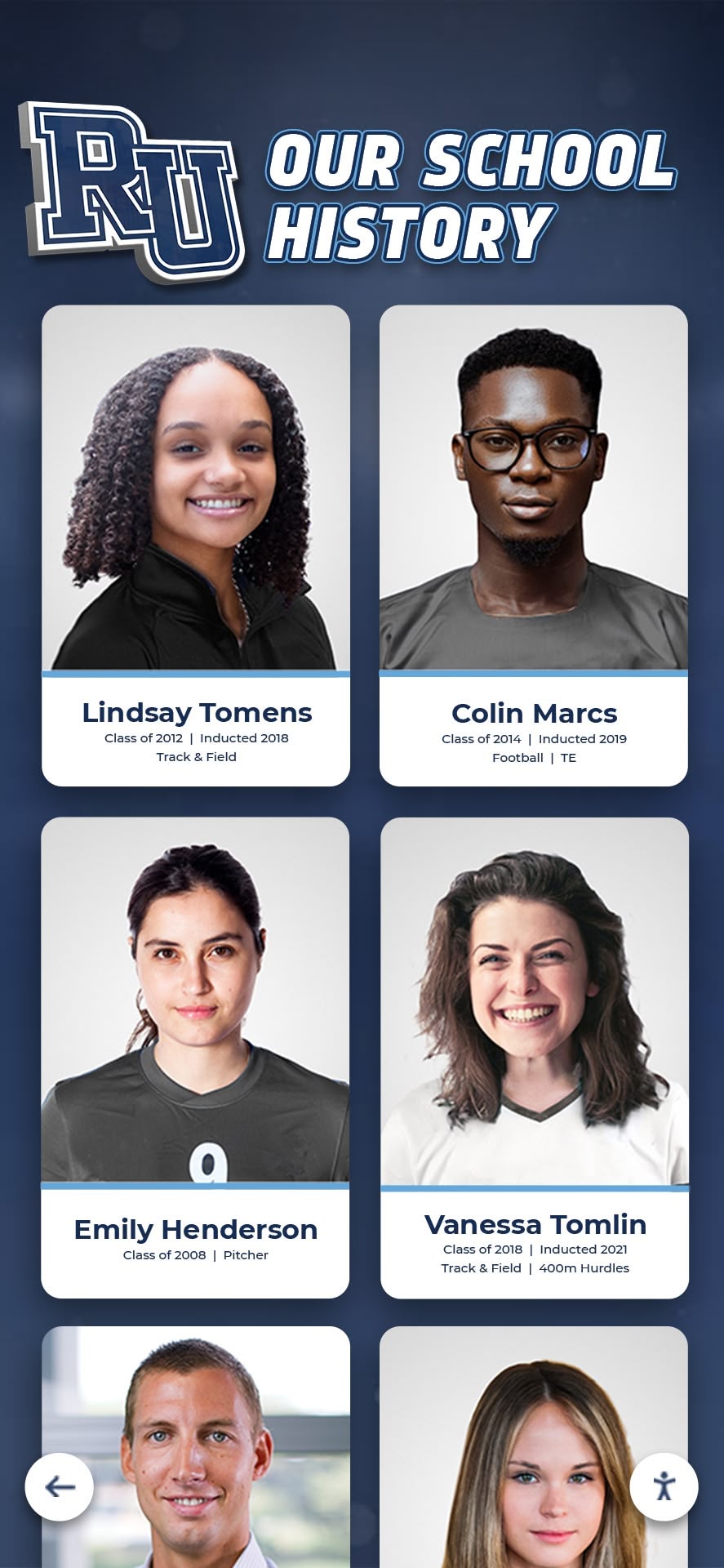
Modern recognition systems preserve valedictorian legacies alongside other achievements throughout school history
Observation Opening: “We’re sitting here in these uncomfortable robes on a beautiful day, about to receive diplomas for an educational experience that happened largely through computer screens for part of our high school career. There’s something perfectly appropriate about how strange this moment feels—because nothing about the last four years went exactly as planned.”
Humor Opening: “The administration asked me to keep this speech under ten minutes. That’s approximately the same amount of time we spent actually understanding what was happening in Calculus, so this should go great.”
Quote Opening: “Coach Martinez told us before our first game freshman year, ‘You’re going to lose games this season. What matters is whether you lose as individuals or as a team.’ We lost that first game 42-7. But over four years, we learned what he meant—not just in sports but in everything.”
Example Closing Lines That Work
Memorable closings provide appropriate conclusion while leaving audiences energized:
Call to Action Closing: “So here’s what I want you to remember as we leave here today: we didn’t make it through four years of high school just to stop surprising people with what we’re capable of. This is where we prove that everything we learned, everything that challenged us, and everyone who believed in us weren’t wrong. We’ve got this. Let’s go show them what Class of 2026 means.”
Future Vision Closing: “Ten years from now, we’ll gather for our reunion. Some of us will be doing exactly what we planned, others will have taken completely unexpected paths, and all of us will have stories we never imagined. But we’ll still be the people who went through these four years together. That connection doesn’t end today—it just evolves as we do. See you in ten years.”
Reflective Closing: “We came here as kids trying to figure out who we wanted to become. We’re leaving as young adults beginning to understand who we already are. That transformation didn’t happen in a moment—it happened in four years of countless small moments we experienced together. Today we celebrate those moments and the people they’ve shaped us into. Thank you for sharing this journey with me.”
Inspirational Closing: “The world has no idea what’s about to hit it. We’re walking out of here ready to question assumptions, challenge injustices, create solutions, build communities, and refuse to accept that ‘it’s always been done that way’ is good enough reason for anything. We’ve been preparing for this. Now it’s time to go do it.”
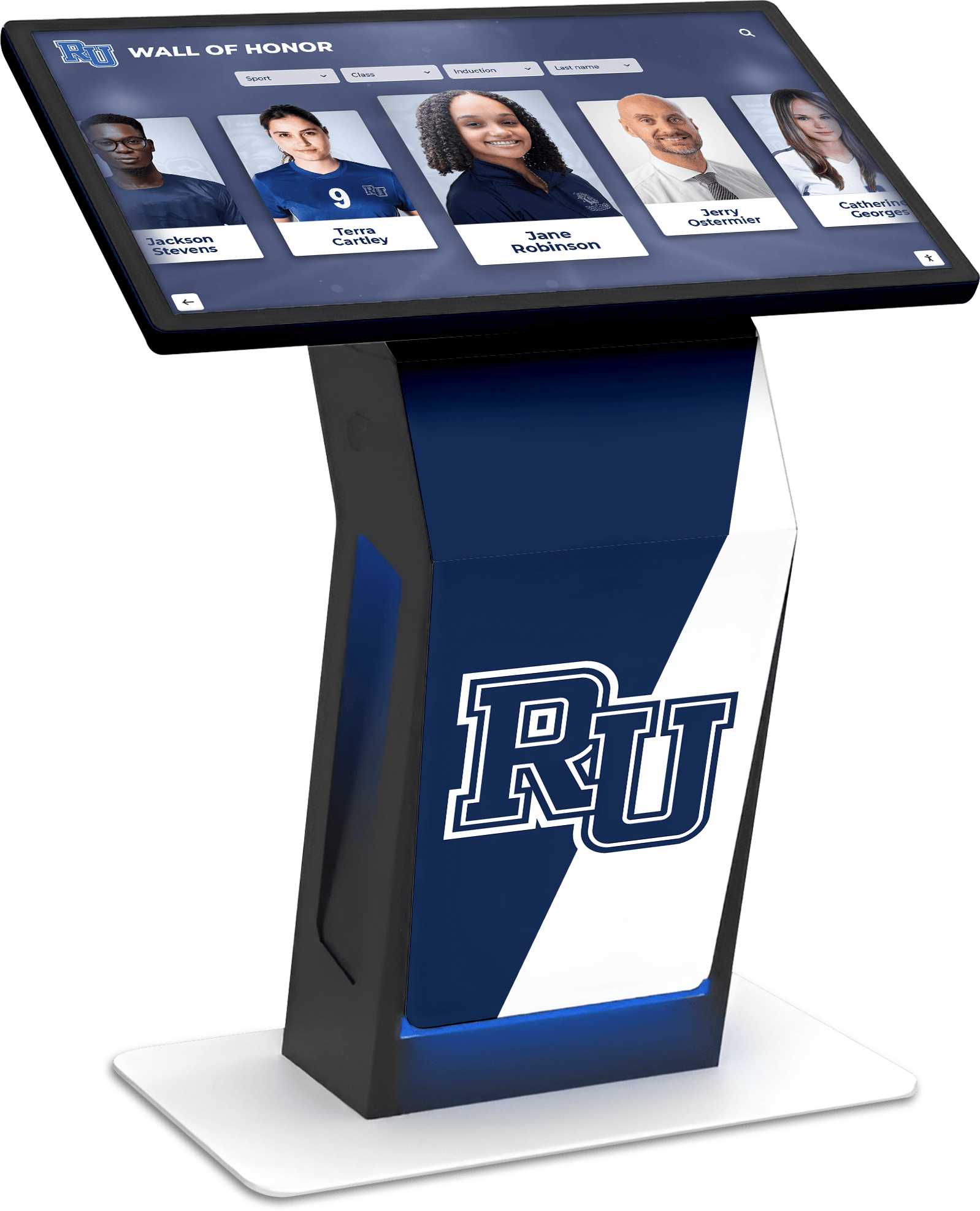
Schools preserve valedictorian speeches and recognition through interactive digital systems accessible to future generations
Common Valedictorian Speech Mistakes to Avoid
Even well-intentioned speeches fall flat when they include certain common pitfalls:
Being Too Generic or Cliché
The biggest mistake in valedictorian speeches involves relying on overused phrases and generic observations that could apply to any graduating class anywhere. Phrases like “the future is what we make it,” “reach for the stars,” “believe in yourself,” and “follow your dreams” appear in countless speeches because they’re safe and inoffensive. They’re also forgettable and meaningless because they lack specificity and genuine insight.
How to Avoid This Mistake
Replace every generic statement with specific detail. Instead of “we’ve shared great memories,” describe one particular memory vividly. Instead of “believe in yourself,” share a specific story about someone who demonstrated that principle. Test each paragraph by asking: “Could this apply to any high school anywhere?” If yes, make it more specific to your actual experience at your actual school with your actual classmates.
Making It About Yourself
While personal anecdotes strengthen speeches, valedictorian addresses should focus on collective experience rather than individual achievement. Speeches that feel like showcases for the speaker’s accomplishments create distance between speaker and audience rather than connection. Your classmates should feel you’re speaking for them and with them, not performing for their admiration.
How to Avoid This Mistake
Use “we” far more than “I.” When you do share personal stories, make sure they lead to insights or observations that apply broadly. Frame personal achievements as examples of what many classmates accomplished in their own ways rather than celebrating yourself. Remember your role is representing your class’s voice, not establishing your superiority over them.
Ignoring Difficult Realities
Some valedictorian speeches pretend high school was entirely positive—four perfect years without struggle, conflict, or challenge. This dishonest nostalgia rings false for anyone who experienced the actual complexity of adolescence. The best speeches acknowledge challenges while focusing on how the class navigated them rather than pretending they didn’t exist.
How to Avoid This Mistake
Address difficult moments or challenges your class faced—perhaps a tragedy, social conflicts, pandemic disruptions, or collective struggles. Demonstrate that acknowledging difficulty doesn’t contradict celebration but enriches it by showing resilience and growth. Balance realism with optimism, acknowledging challenges while emphasizing how they shaped your class’s strength and character.
Running Too Long
Even brilliant speeches lose effectiveness when they exceed audience attention spans. Graduation ceremonies involve prolonged sitting, heat under robes, emotional intensity, and desire to reach the actual diploma presentation. A twelve-minute speech that says something meaningful beats a twenty-minute speech that says the same thing with extra padding.
How to Avoid This Mistake
Be ruthless in editing. Every sentence should earn its place by contributing something necessary. Cut repetition, remove tangents, eliminate examples that don’t add new insights beyond what you’ve already established. Practice with a timer and cut anything that pushes you beyond reasonable time limits. Trust that concise impact beats extended rambling.
Inappropriate Humor or References
Humor strengthens speeches when it’s inclusive and appropriate for mixed audiences including children, grandparents, and school staff. Inside jokes that only twenty people understand, references to inappropriate behavior, or humor at anyone’s expense create awkwardness rather than connection.
How to Avoid This Mistake
Test humor on diverse audiences before ceremony day. If parents, teachers, or younger siblings wouldn’t find something funny or would find it inappropriate, cut it. Ensure humor unites your audience through shared experience rather than dividing them into those who get references and those who don’t. When in doubt, err on the side of appropriate over edgy.
Copying Others’ Speeches
With thousands of valedictorian speeches available online, the temptation exists to borrow structure, stories, or even whole paragraphs from speeches that worked elsewhere. Beyond the ethical problems with plagiarism, copied speeches fail because they don’t reflect your authentic voice or your class’s authentic experience.
How to Avoid This Mistake
Use other speeches for inspiration and structural ideas but never copy content. If a particular speech inspires you, ask what makes it work, then apply those principles to your own material rather than borrowing their material. Remember that what made another speech powerful was its authenticity to that speaker’s experience—not the specific words they used.

Comprehensive recognition environments inspire valedictorians while celebrating diverse achievements across school communities
Delivering Your Valedictorian Speech With Confidence
Writing a strong speech is only half the challenge—delivery determines how your words actually land with your audience.
Managing Pre-Speech Nerves
Feeling nervous before giving a valedictorian speech is completely normal. The key is managing nervousness so it doesn’t overwhelm you:
Reframe Nervousness as Excitement
Physiologically, nervousness and excitement create similar sensations—increased heart rate, heightened awareness, energy surges. Research shows that reframing “I’m nervous” as “I’m excited” helps performance. Rather than trying to eliminate nervous energy, channel it into enthusiastic delivery.
Practice Until You’re Overprepared
Confidence comes from preparation. Practice your speech enough times that you could deliver it effectively even if moderately nervous. This doesn’t necessarily mean memorizing every word verbatim, but knowing your content and flow so well that nerves can’t completely derail you.
Practice in conditions similar to the actual ceremony—standing up, using your actual notes or manuscript, timing yourself, practicing with the physical setup you’ll use. The more familiar everything feels on ceremony day, the more confident you’ll be.
Focus on Your Message, Not Yourself
Shift mental focus from “everyone is judging me” to “I have something meaningful to share.” When you concentrate on communicating your message effectively rather than on your own performance anxiety, nervousness often decreases because you’re less self-focused. Remember that your audience wants you to succeed and is already on your side.
Many schools now recognize the importance of helping students develop these communication skills through comprehensive leadership development programs that prepare students for moments like valedictorian speeches.
Physical Delivery Techniques
Beyond words, your physical presence affects how audiences receive your message:
Posture and Stance
Stand up straight with shoulders back and weight balanced. Avoid swaying, pacing excessively, or shifting weight nervously. Confident posture projects authority and helps you breathe properly for strong vocal delivery. If using a podium, avoid gripping it too tightly or leaning heavily on it.
Eye Contact
Make regular eye contact with different sections of your audience rather than staring at your notes, looking over everyone’s heads, or focusing only on one area. Eye contact creates connection and engagement. If looking directly at individuals feels too intense, look at groups or sections rather than specific faces.
Gestures and Movement
Natural gestures emphasize points and maintain audience interest, but forced or excessive movement distracts. Let gestures flow naturally from your emotional connection to what you’re saying. Avoid repetitive gestures that become noticeable patterns (like repeatedly adjusting your hair or touching the podium).
If moving away from a podium, move purposefully to emphasize transitions between sections rather than pacing randomly. Return to stable positions for delivering key points rather than talking while walking.
Facial Expressions
Your face should reflect the emotional content of what you’re saying—smiling during light moments, showing thoughtfulness during reflection, expressing appropriate emotion during serious passages. Audiences read facial expressions and connect more deeply when your expressions align with your words.
Vocal Delivery Techniques
How you sound significantly impacts your message’s effectiveness:
Volume and Projection
Speak loudly enough that everyone can hear clearly without needing to strain. If using a microphone, adjust your volume appropriately—you don’t need to shout but should project enough that the microphone picks up your voice clearly. Test microphone levels before the ceremony if possible.
Project from your diaphragm rather than your throat to avoid strain and create fuller, more pleasant vocal tone. Practice projection during rehearsals so it feels natural during the ceremony.
Pace and Rhythm
Many nervous speakers rush through speeches, creating a flat, rushed delivery that’s hard to follow. Consciously slow down, especially at the beginning when nervousness peaks. Vary your pace, slowing down for important points and speeding slightly through transitional material. Strategic pauses create emphasis and give audiences time to process important ideas.
Emphasis and Inflection
Vary your vocal tone to maintain interest and emphasize key points. A monotone delivery, no matter how brilliant the content, loses audience attention. Raise your volume or intensity on key words, lower it for more intimate moments, and use pitch variation to keep vocal patterns interesting.
Pausing for Effect
Strategic silence can be more powerful than words. Pause before delivering important points to create anticipation. Pause after significant statements to let them land. Pause when you expect audience reactions like laughter or applause. Don’t rush to fill every second with sound—comfortable silence demonstrates confidence and gives weight to your words.
Handling Unexpected Situations
Despite preparation, unexpected things happen during speeches:
If You Lose Your Place
Stay calm. Pause, look at your notes, find your place, and continue. Audiences understand that people sometimes lose their place and will wait patiently if you handle it confidently. Don’t apologize profusely or draw excessive attention to the mistake—just smoothly resume when you’ve found your place.
If You Get Emotional
Crying or becoming emotional during graduation speeches is completely normal and often increases audience connection rather than undermining your credibility. If you feel yourself getting emotional, pause, take a breath, and continue when ready. Audiences generally respond with empathy and patience. If emotions become overwhelming, simply pause longer until you’ve composed yourself enough to continue.
If Technical Issues Occur
Microphones fail, papers blow away, audio cuts out—technical problems happen. Handle them with grace and humor when possible. If the microphone stops working, project your voice to finish without it. If papers blow away, improvise from memory. Audiences often remember how speakers handle disruptions more than the disruptions themselves.
If Audience Reactions Are Different Than Expected
Maybe a joke doesn’t land, or perhaps audiences laugh at something you didn’t intend to be funny. Roll with it. Don’t let unexpected reactions throw you off your rhythm. Acknowledge audience reactions naturally (“I guess that was funnier than I thought” or “Apparently we needed that laugh”) and continue with your planned content.
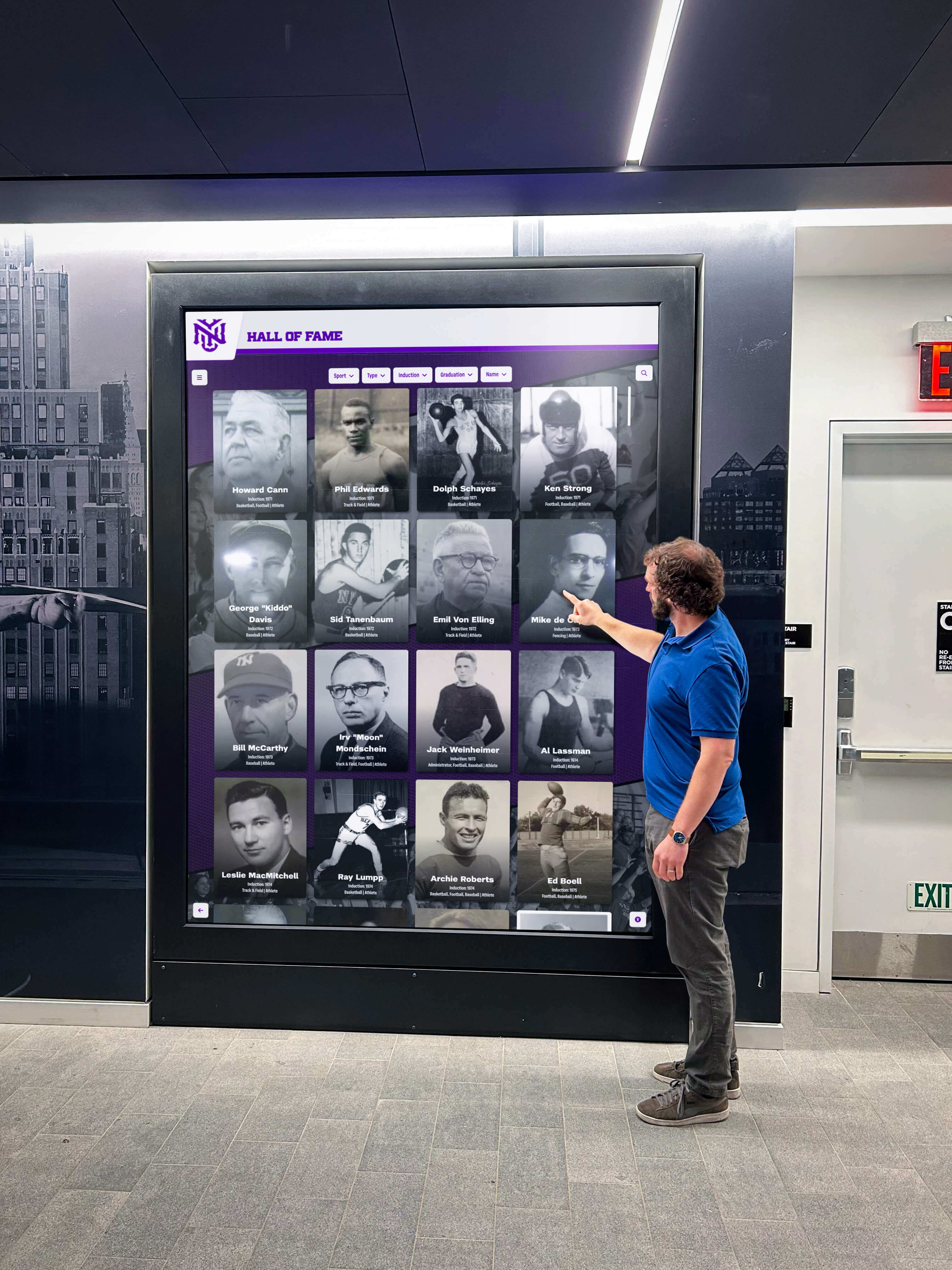
Interactive displays engage graduates and families during celebrations while preserving milestone achievements
After the Speech: Preserving and Extending the Moment
Your valedictorian speech represents just one moment in a larger journey of recognition and celebration.
Preserving Your Speech
Many valedictorians later appreciate having their speeches preserved:
Written Records
Save your final manuscript or detailed notes. Years later, you’ll want to remember not just what you said but how you said it. Consider formatting your speech professionally and saving multiple copies digitally and in print.
Video and Audio Recording
Most graduation ceremonies are recorded. Obtain a copy of the recording showing your speech delivery. Beyond personal memory, these recordings often mean a great deal to family members who want to preserve the moment.
Sharing Appropriately
If you want to share your speech more widely, consider appropriate venues. Some schools publish valedictorian speeches on websites or in school publications. Some graduates share on social media or personal blogs. Think carefully about your comfort with public sharing versus keeping your speech primarily as personal memory.
The Lasting Impact of Recognition
Your valedictorian achievement represents years of dedication and excellence. Schools increasingly recognize the importance of preserving and celebrating these achievements permanently rather than limiting recognition to single ceremony moments.
Modern digital recognition platforms like Rocket Alumni Solutions enable schools to create comprehensive celebration of valedictorians and other high-achieving students that extends far beyond graduation day. These systems preserve speeches, photos, achievement documentation, and personal stories in accessible formats that graduates, families, and future students can explore indefinitely.
Unlike traditional recognition approaches limited by physical space constraints—trophy cases that fill up, plaques that deteriorate, or bulletin boards that come down after ceremonies—digital systems provide unlimited capacity for celebrating every valedictorian across school history. These platforms create what we call “digital warming”—transforming cold, static recognition into engaging exploration where personalized content surfaces relevant connections and achievement stories remain accessible rather than disappearing into dusty archives.
When schools implement comprehensive recognition systems, valedictorian speeches and achievements become part of living institutional history that inspires future students while maintaining connection with alumni. Current students can explore past valedictorians’ paths and achievements, discovering role models and possibilities. Alumni can reconnect with their recognition and follow how their classmates and school have evolved. Families can access permanent celebration of their graduates’ achievements.
This lasting recognition transforms the valedictorian speech from an isolated ceremony moment into a preserved piece of institutional tradition that continues creating value and inspiration long after graduation day concludes.
Looking Forward
Being named valedictorian and delivering a graduation speech represents significant achievement, but it’s also just one milestone in ongoing journeys of learning, growth, and contribution. The qualities that earned you this honor—dedication, perseverance, intellectual curiosity, and commitment to excellence—will serve you throughout life in ways that extend far beyond academic achievement.
Your valedictorian speech offers opportunity to reflect on what you’ve learned, express gratitude for support you’ve received, and inspire your classmates as they face uncertain futures. Approached thoughtfully, speechwriting becomes not just a required task but meaningful reflection on your own growth and values.
Whatever happens when you deliver your speech—whether it goes perfectly according to plan or includes unexpected moments—remember that you’ve already succeeded by earning the academic distinction that gave you this platform. Your speech is simply one expression of the excellence you’ve demonstrated throughout your high school career.
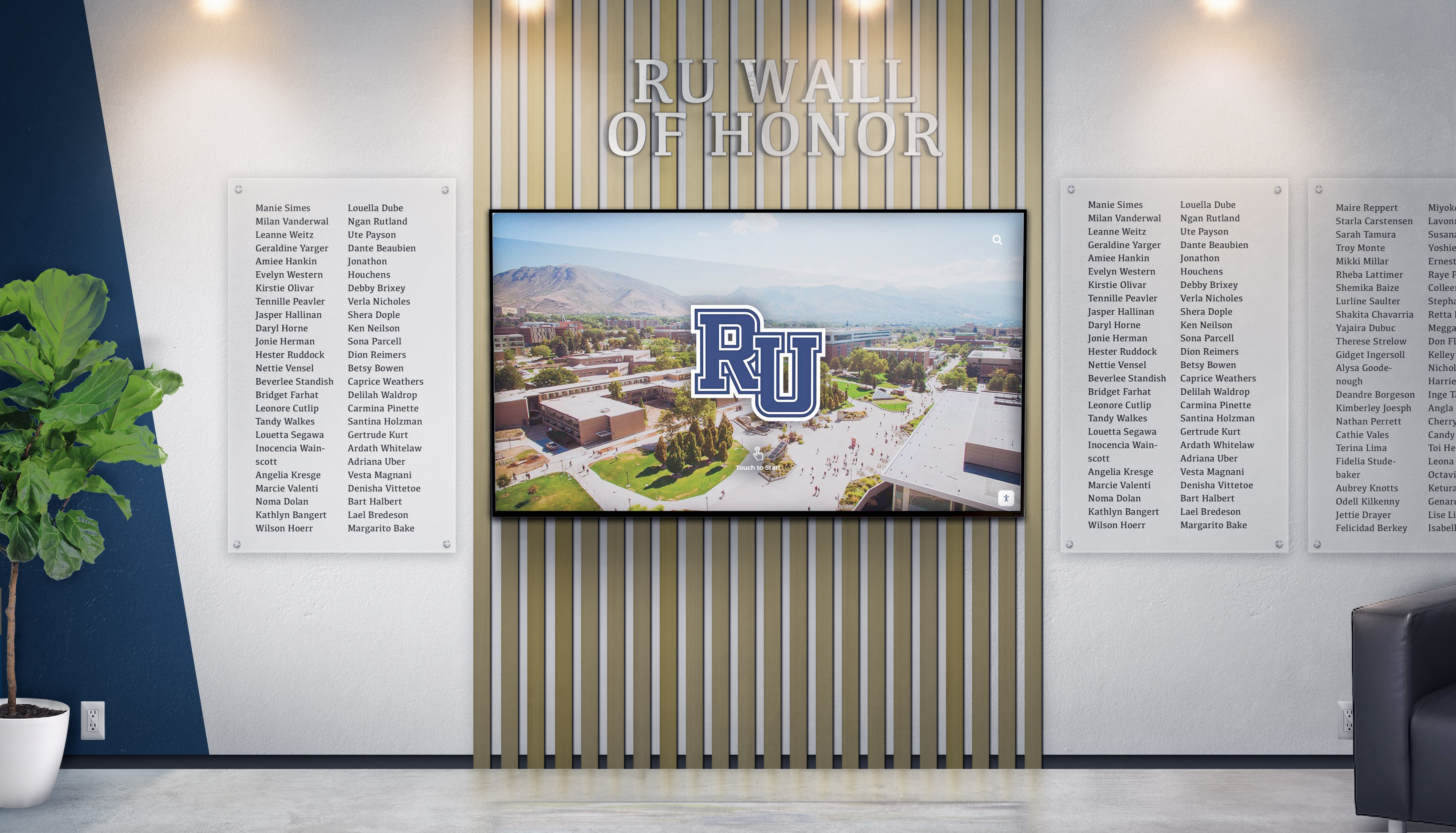
Integrated recognition systems combine traditional and digital elements to celebrate valedictorians and other distinguished students
Conclusion: Making Your Valedictorian Speech Memorable
Writing and delivering a valedictorian speech represents both an honor and a challenge. The responsibility of speaking for your entire graduating class during one of life’s most significant transitions carries real weight. But it also provides a unique opportunity to create a defining moment that your classmates remember as they move forward into their futures.
The most memorable valedictorian speeches share common characteristics regardless of their specific content or structure: they feel authentically from the speaker rather than generic or copied, they balance honoring the past with inspiring the future, they acknowledge both joys and challenges of the high school experience, they express genuine gratitude without becoming overly sentimental, they include specific details and stories that create vivid memories, and they leave audiences feeling energized and connected rather than deflated or disconnected.
Your speech doesn’t need to be perfect to be meaningful. Audiences aren’t expecting professional oratory from teenagers—they’re hoping for honest reflection, appropriate humor, and genuine inspiration from someone who shares their experience. When you speak from authentic experience about shared journey, when you acknowledge what these years have meant and express confidence in what comes next, you accomplish what valedictorian speeches are meant to do: mark this transition with words worthy of the occasion.
The comprehensive strategies, templates, and techniques explored in this guide provide frameworks for transforming the daunting task of speechwriting into manageable process. From brainstorming through final delivery, from structure decisions through word choice, these approaches help you create a speech that represents both your unique voice and your class’s collective experience.
Beyond the immediate ceremony, schools increasingly recognize the value of preserving these milestone achievements through comprehensive recognition that extends far beyond physical trophies or certificates. Digital platforms enable unlimited celebration of academic excellence, preserving valedictorian speeches and achievements in accessible formats that inspire future students while maintaining connection with alumni.
Start your speechwriting process early enough to think deeply rather than writing under pressure. Gather material from real experience rather than generic inspirational quotes. Organize thoughtfully around clear themes and messages. Write in your authentic voice for the spoken word. Revise ruthlessly to strengthen your best material. Practice enough to deliver confidently. And remember that your audience is already on your side, hoping you succeed.
Your valedictorian achievement reflects years of dedication, and your speech provides opportunity to make that achievement meaningful not just for yourself but for everyone who shared the journey. With thoughtful preparation, honest reflection, and confident delivery, you can create a speech that honors this moment while inspiring everyone present to embrace whatever challenges and opportunities lie ahead.
Ready to celebrate valedictorians and other high-achieving students with recognition that extends beyond single ceremonies? Explore how modern digital recognition platforms enable schools to preserve valedictorian speeches, document academic excellence, and create comprehensive achievement celebration that inspires current students while maintaining connection with distinguished alumni across generations.