



Every spring, the fastest, strongest, and most determined high school track and field athletes from across Texas converge on Mike A. Myers Stadium at the University of Texas at Austin for the UIL State Track Meet. This championship event represents the pinnacle of Texas high school track and field—where dreams of state medals become reality, where school records are shattered, and where athletic excellence earns permanent recognition in the halls of Texas high schools.
For Texas student-athletes, qualifying for the UIL state track meet means joining an elite tradition of athletic achievement. The journey to Austin requires months of early morning practices, weekend invitationals across the state, and intense competition through district, area, and regional meets where only the very best advance. When athletes finally step onto the track at Mike A. Myers Stadium, they carry the pride of their schools, the support of their communities, and years of dedication toward this defining moment.
Yet many Texas schools struggle to adequately celebrate track achievements—state qualifiers deserve recognition equal to other athletic accomplishments, personal records and medal performances merit comprehensive documentation, and track traditions should be honored through year-round displays connecting current athletes to program history. This guide explores the UIL state track meet while demonstrating how modern recognition systems help schools honor track excellence.
Track and field holds a special place in Texas athletic culture. While the state is famous for Friday night football and championship basketball, track and field provides opportunities for athletes across diverse events—from sprinters and hurdlers to throwers and jumpers—to showcase specialized skills and compete for individual glory alongside team success.

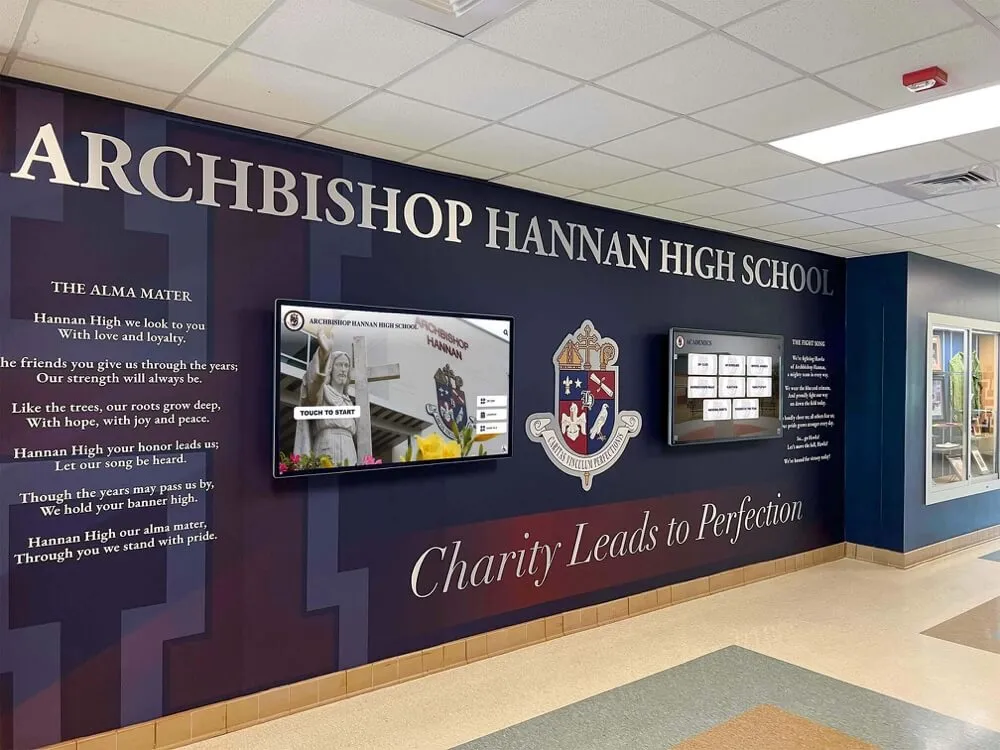
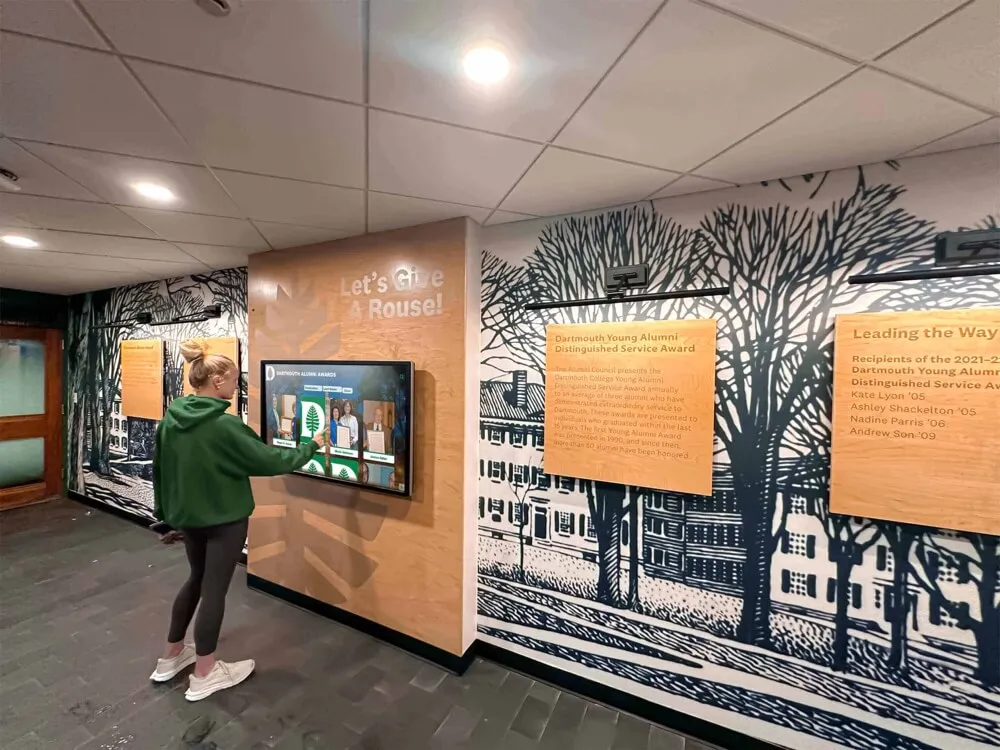
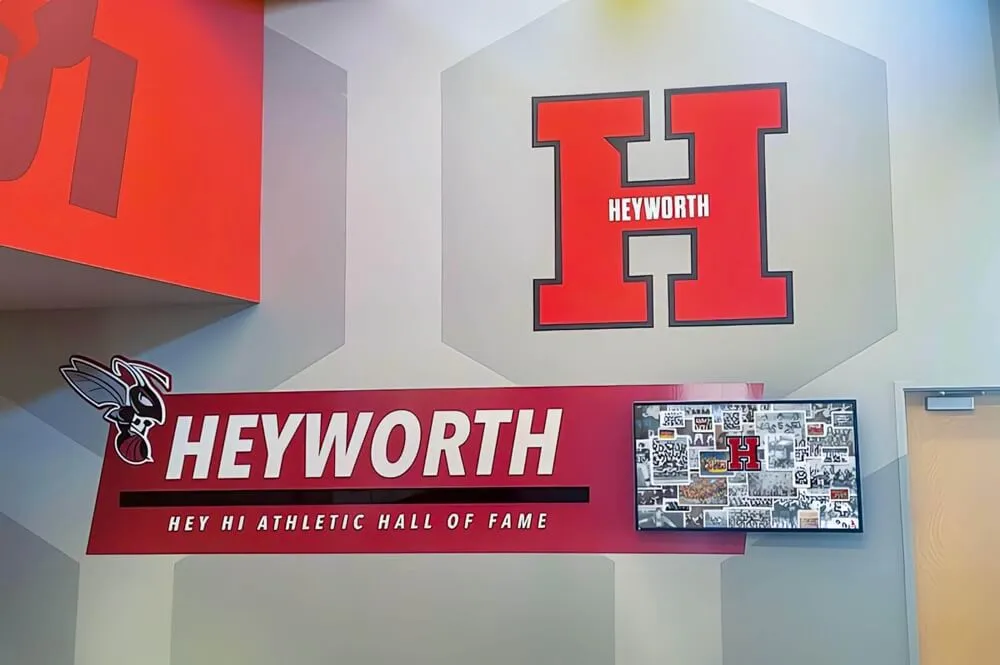
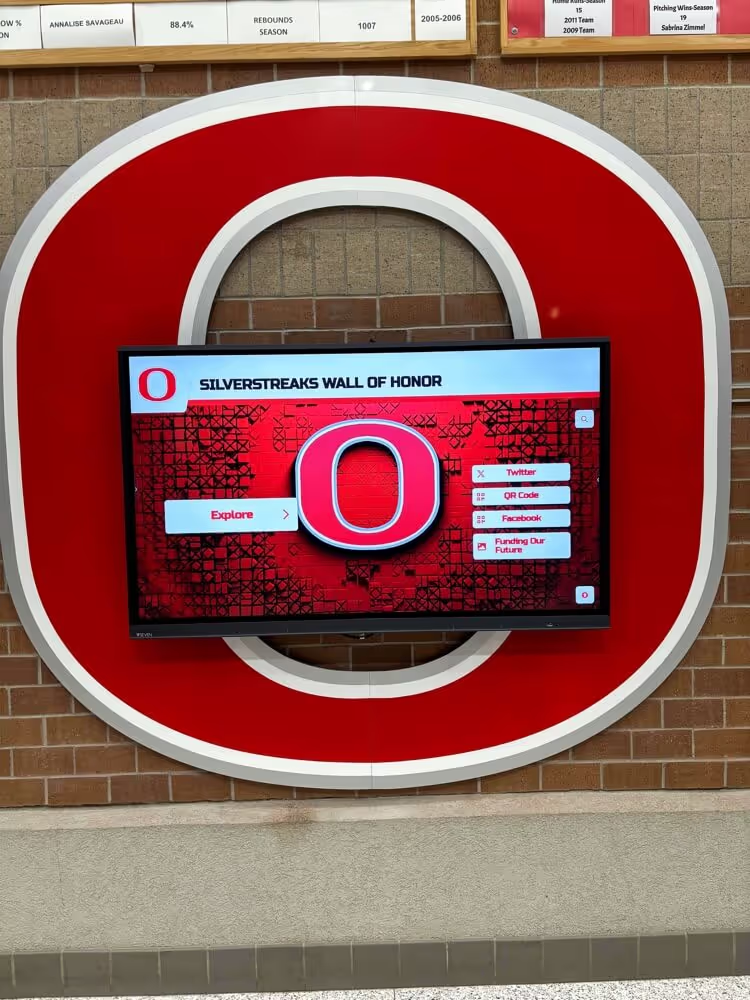
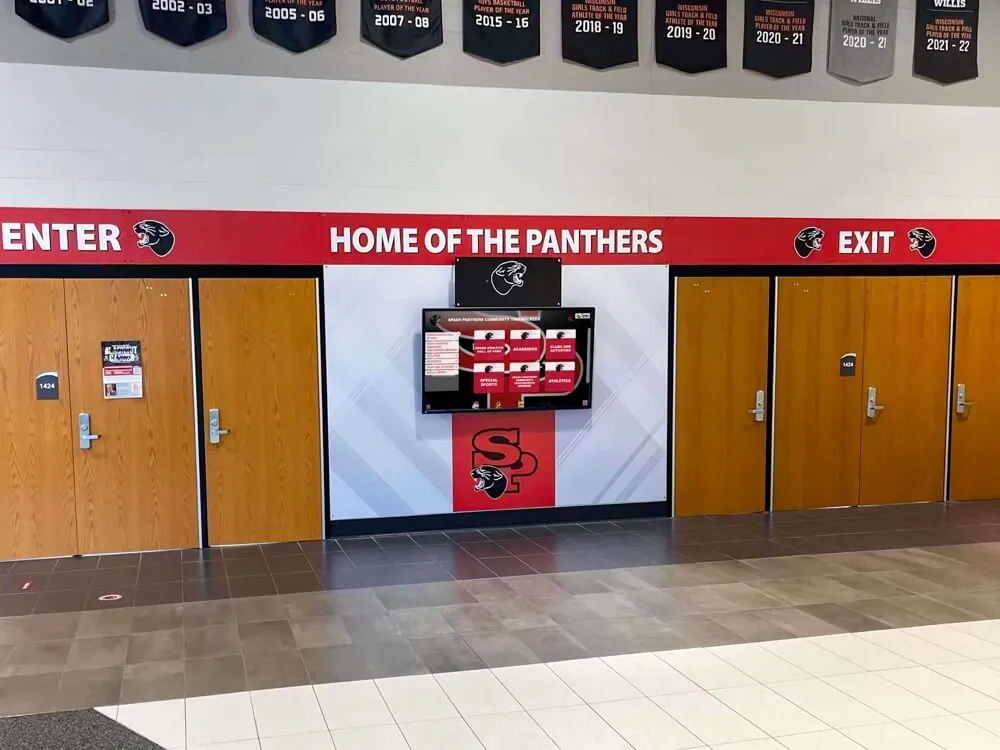
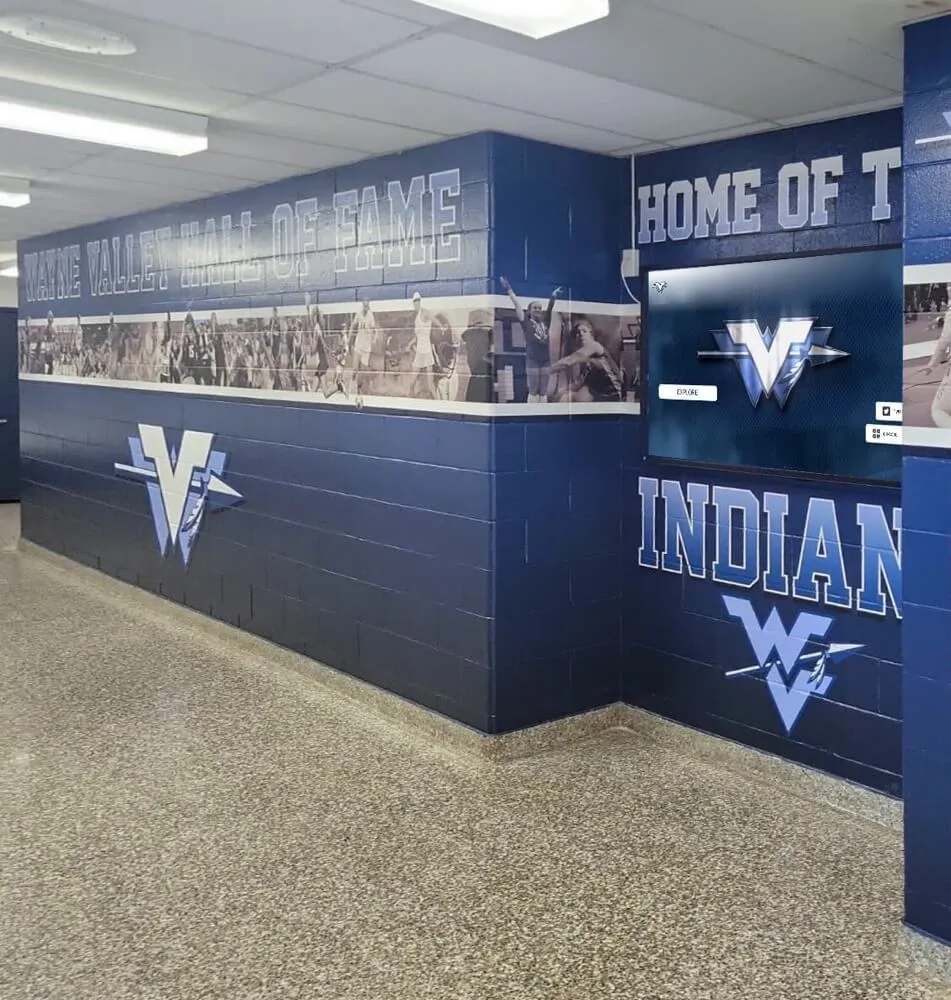
Texas schools honor track traditions through recognition systems celebrating state qualifiers, medalists, and program excellence
Understanding the UIL State Track Meet Structure
The University Interscholastic League organizes one of the nation’s largest and most competitive high school track and field championships, with thousands of athletes competing annually across multiple classifications and events.
UIL Classification System and Competition Divisions
Texas divides high school track into six classifications based on school enrollment, ensuring equitable competition while maintaining championship excellence standards.
Six-Classification Structure
The UIL organizes track competition across these classifications:
- Class 6A: Largest schools with enrollments typically over 2,200 students
- Class 5A: Large schools with enrollments from approximately 1,230-2,225 students
- Class 4A: Medium-large schools with enrollments from approximately 515-1,229 students
- Class 3A: Medium schools with enrollments from approximately 230-514 students
- Class 2A: Small schools with enrollments from approximately 105-229 students
- Class 1A: Smallest schools with enrollments under 105 students
This classification system enables schools of all sizes to compete fairly while pursuing state championships. Each classification conducts separate state meets, meaning Texas actually crowns six state champions in every track and field event—creating numerous opportunities for athletes to achieve championship glory regardless of school size.
Gender Divisions and Event Categories
The UIL state track meet includes both boys’ and girls’ divisions, with each gender competing in their own championship events. This structure doubles the number of championship opportunities while ensuring equitable recognition for male and female athletes achieving track excellence.
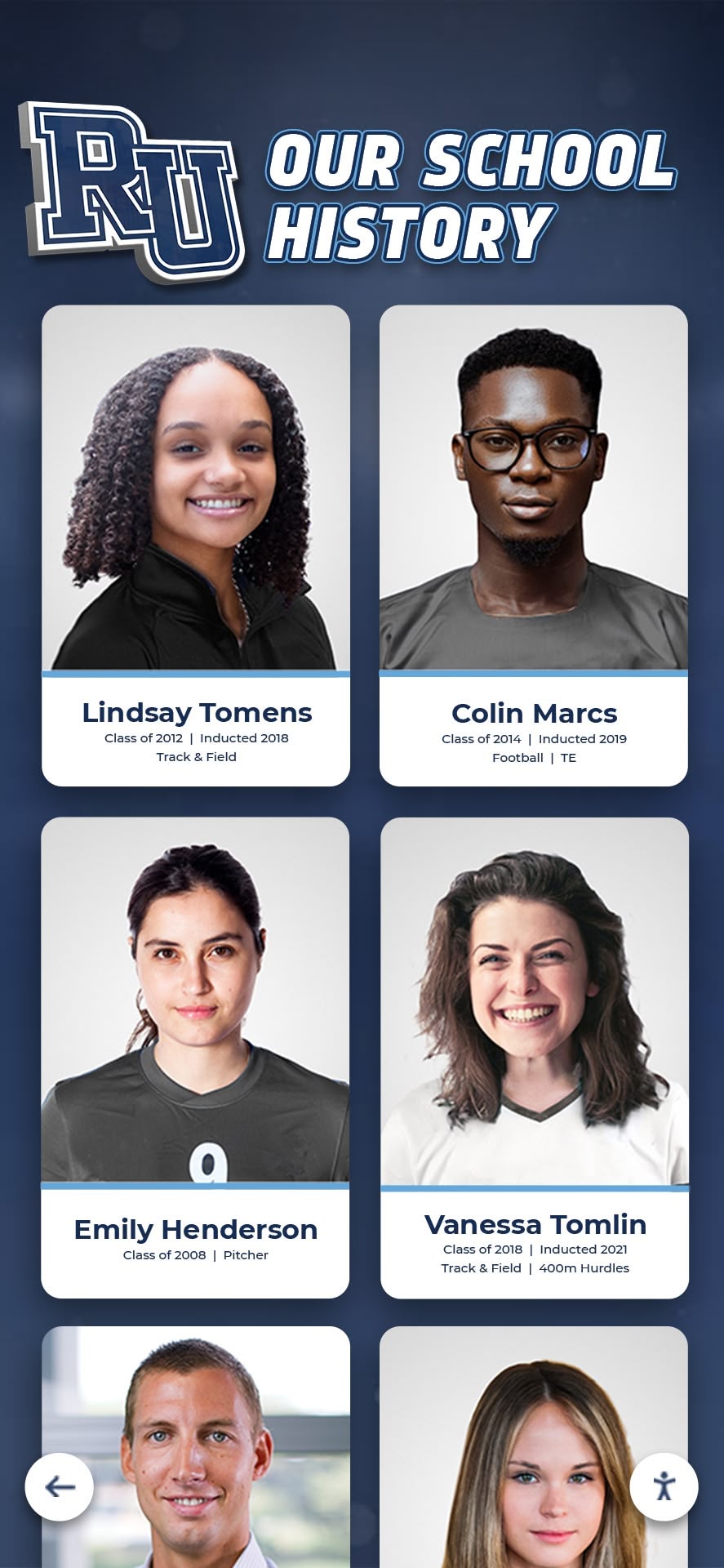
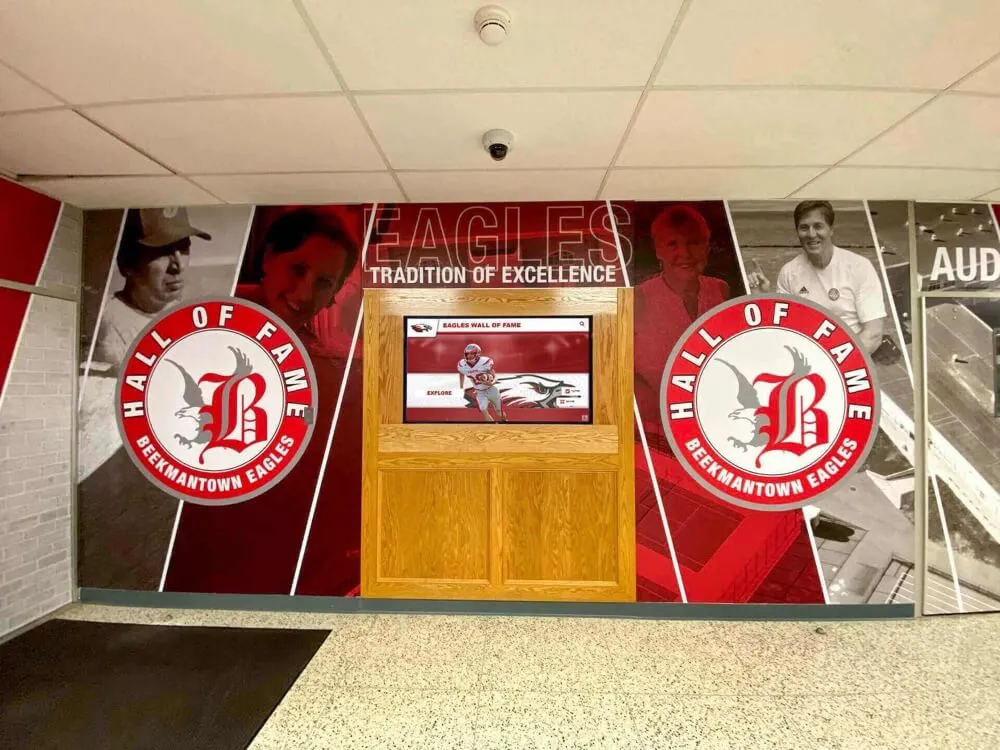
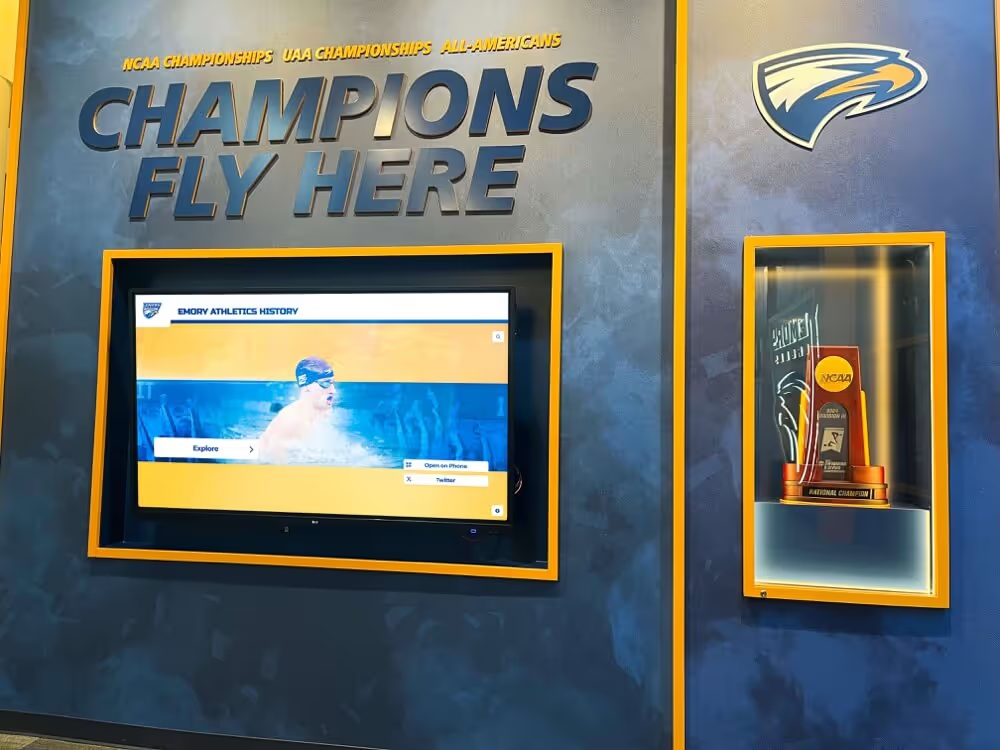
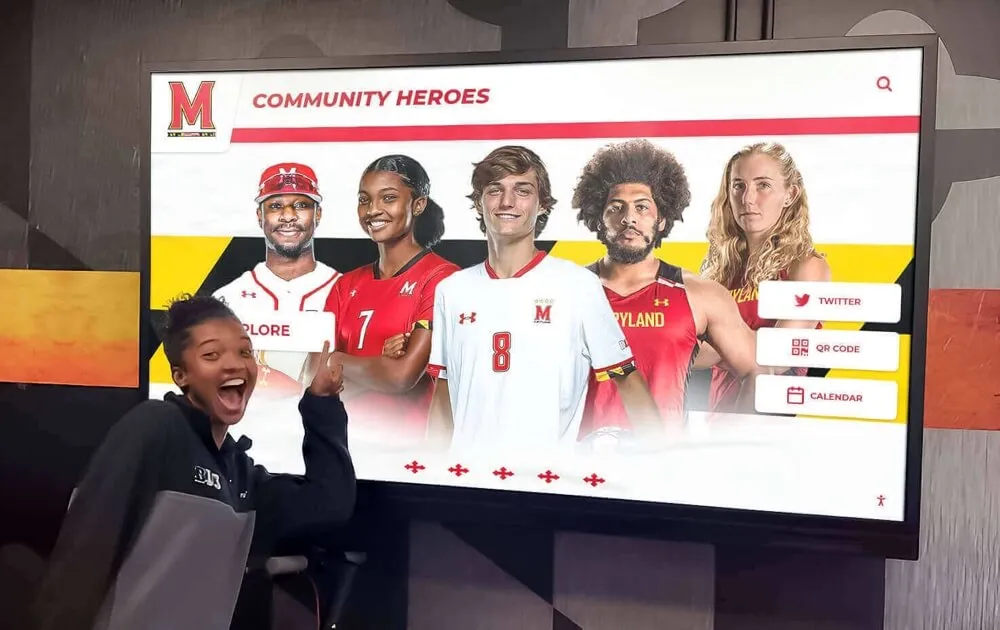
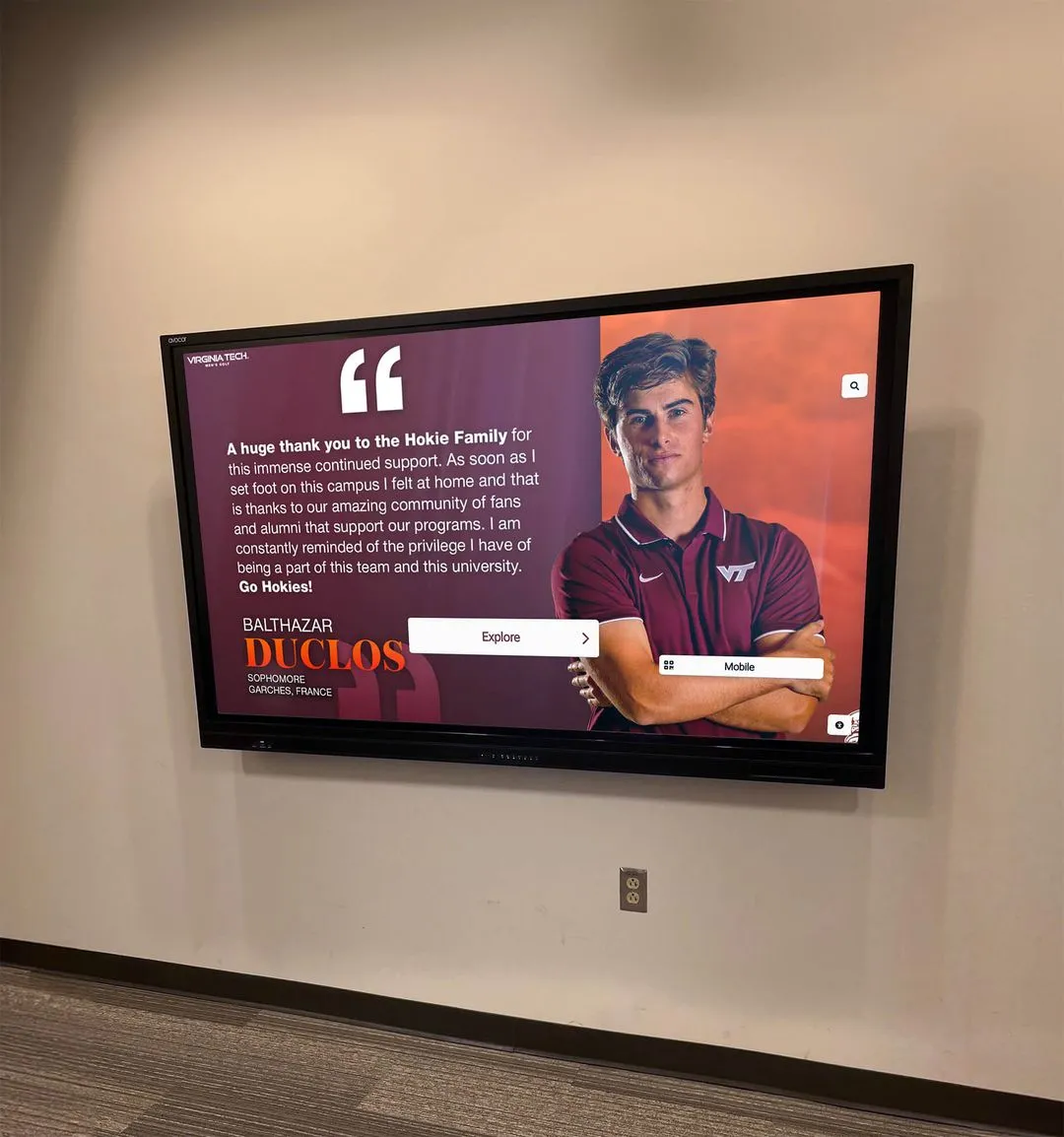
Comprehensive athlete profiles document track careers, state meet performances, and contributions to program excellence
Track and Field Events at State Meet
The UIL state track meet encompasses a full range of track and field disciplines, allowing athletes with diverse skills to compete for championships.
Running Events
Track athletes compete across various distances testing different athletic capabilities:
- Sprints: 100 meters, 200 meters, and 400 meters—pure speed events where races are decided by hundredths of seconds
- Middle Distance: 800 meters—demanding combination of speed and endurance
- Distance: 1600 meters and 3200 meters—requiring sustained pace and tactical racing strategy
- Hurdles: 110-meter high hurdles (boys), 100-meter hurdles (girls), 300-meter intermediate hurdles—technical events combining speed with precise hurdle clearance
Relay Events
Team relay races create opportunities for collaborative championship pursuit:
- 4x100 meter relay: Explosive speed relay requiring perfect baton exchanges
- 4x200 meter relay: Speed endurance relay building on individual 200-meter strength
- 4x400 meter relay: Most challenging relay demanding speed, stamina, and strategic leg assignments
Relay events often provide the most dramatic moments at state meets—close exchanges, strategic positioning, and anchor leg heroics that determine championships. Schools celebrate relay championship teams prominently, recognizing that successful relays require synchronized team excellence beyond individual talent.
Field Events
Field event athletes pursue championships through strength, technique, and explosive power:
Jumping Events:
- High Jump: Athletes clearing progressively higher bars using technical approach and form
- Pole Vault: Combining speed, strength, and technique to clear heights using flexible poles
- Long Jump: Explosive sprinting speed converted to horizontal distance
- Triple Jump: Complex event requiring speed, rhythm, and three-phase jumping technique
Throwing Events:
- Shot Put: Raw power event hurling heavy implements for maximum distance
- Discus: Rotational technique launching flat discs across throwing sector
Field events often receive less attention than high-profile running races, yet state champions in these disciplines demonstrate remarkable athletic ability deserving equal recognition alongside track medalists.
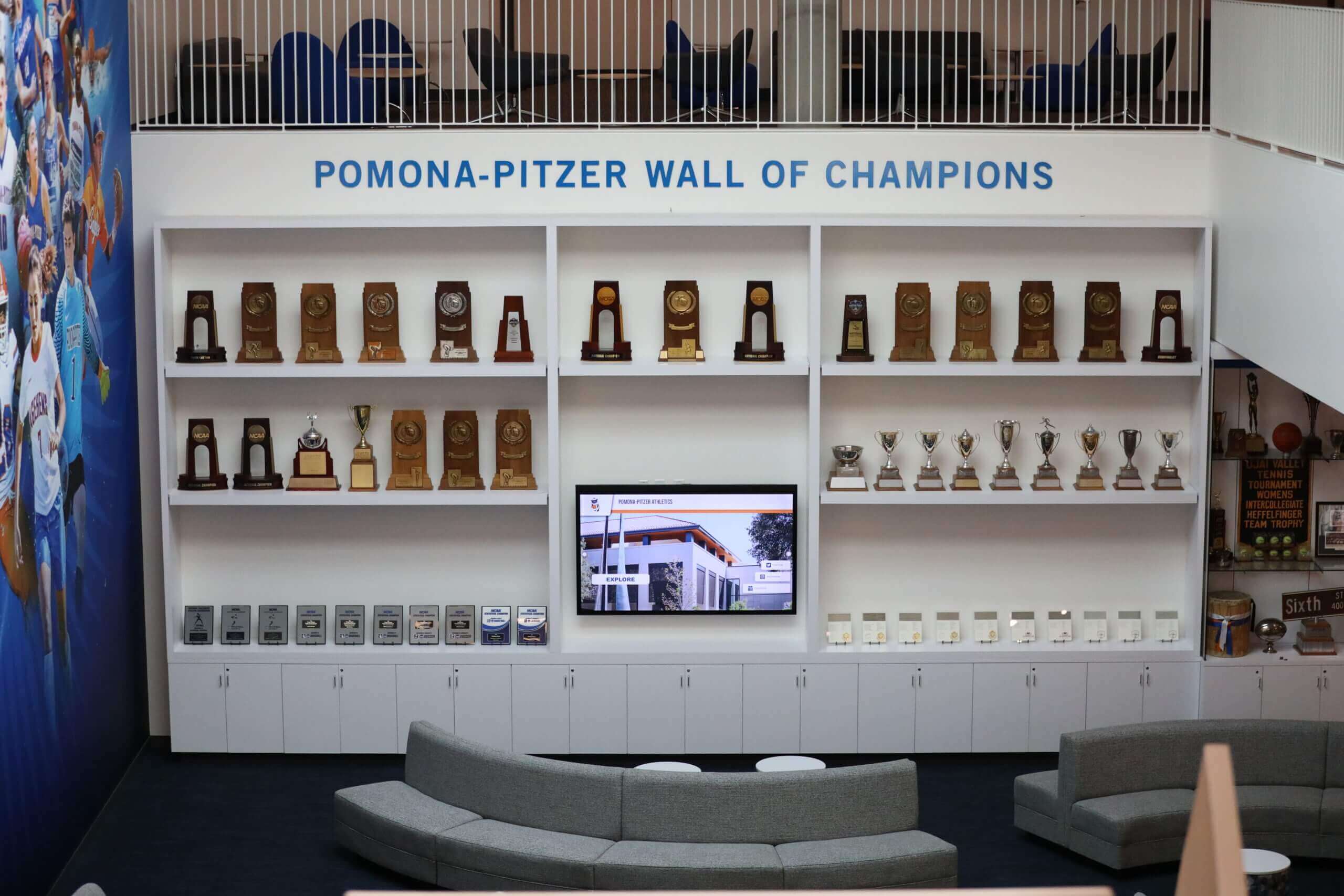
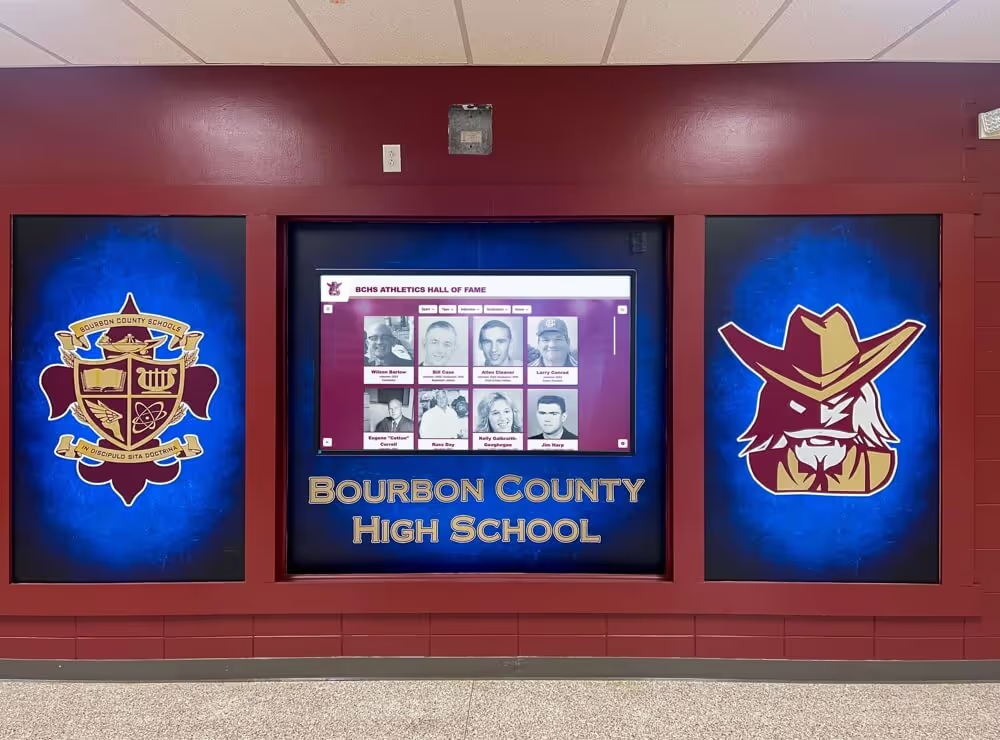
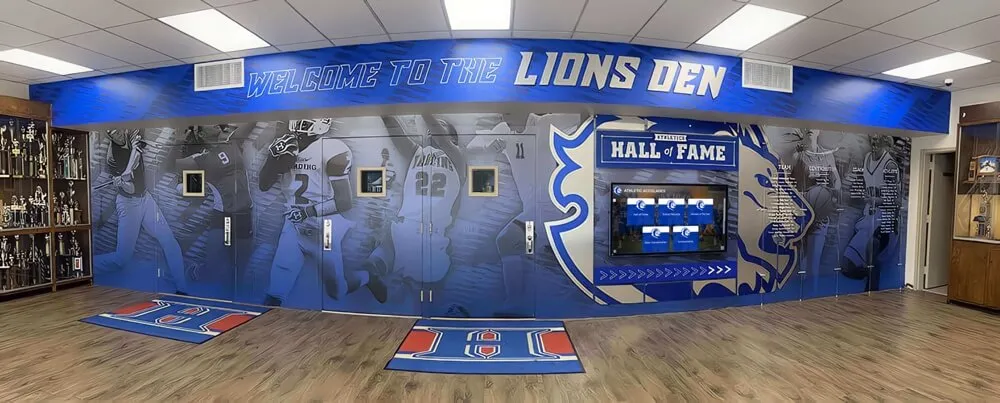
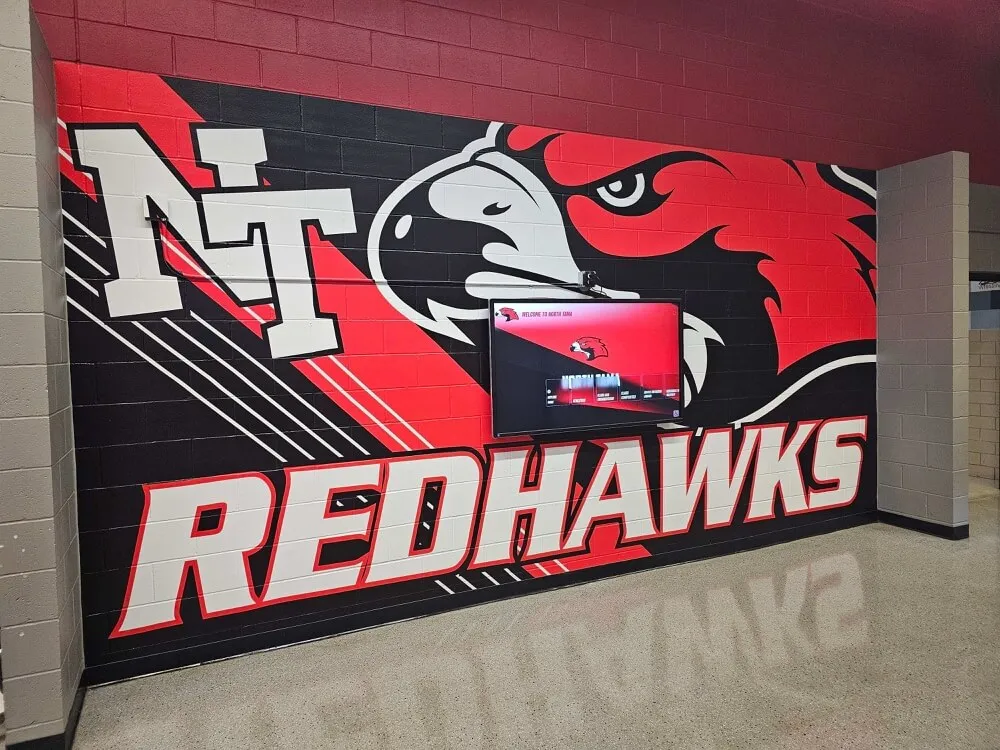
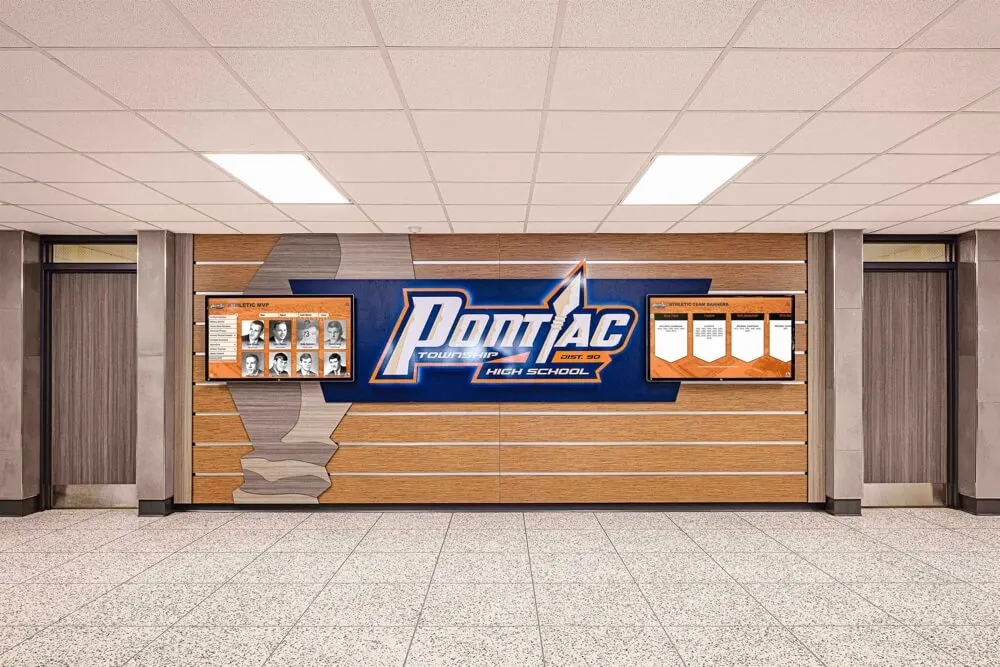
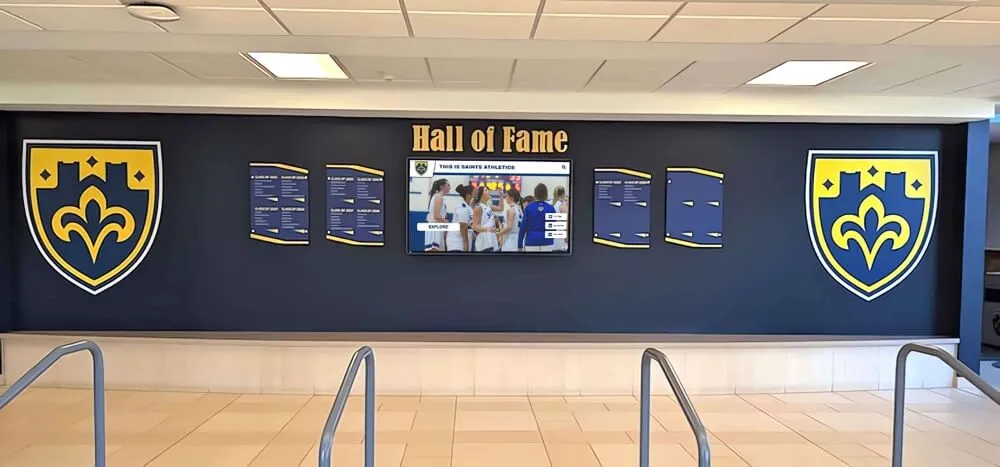
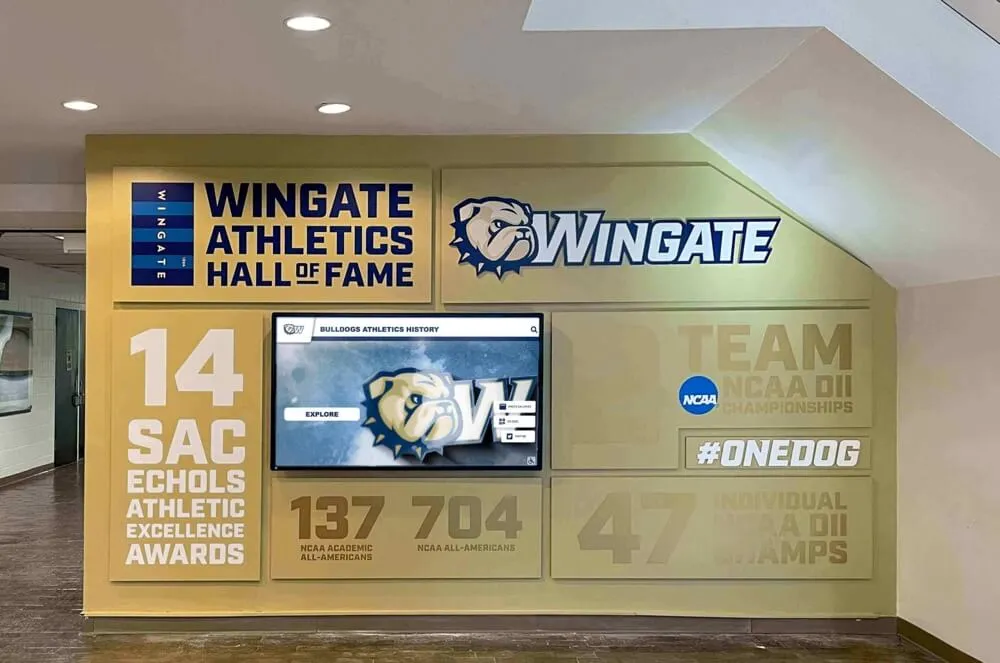
Dedicated track recognition spaces create impressive environments celebrating program traditions and championship moments
The Qualification Journey to UIL State Track Meet
Reaching the state track meet requires navigating a rigorous qualification structure testing athletes through three preliminary rounds of progressively more difficult competition.
District Track Meet Competition
The qualification journey begins with district meets in late March or early April, where schools within the same classification and geographic region compete for advancement opportunities.
District Meet Format and Advancement
District meets typically include 8-12 schools competing across all track and field events. The top four finishers in individual events and the top two relay teams advance to the area meet. This competitive threshold means athletes must perform at high levels simply to survive the first qualification round—finishing fifth means watching teammates advance while ending individual postseason hopes.
District competition creates intense local rivalries as schools with long competitive histories battle for limited advancement spots. Athletes who dominated regular season invitational meets discover that district championship requires peak performance when advancement is on the line. The pressure to place top four generates dramatic finishes, surprising upsets, and breakthrough performances from athletes rising to high-stakes moments.
Strategic Considerations at Districts
Coaches make crucial strategic decisions at district meets—determining which events athletes will compete in when they’re capable of competing in multiple events, managing scratch rules when athletes qualify in more preliminaries than they can contest in finals, and deciding whether to prioritize individual medals or team championships requiring strategic event assignments.
These coaching decisions can determine entire seasons. An athlete placed in the optimal event might advance to area and beyond, while the same athlete competing in a different event might finish fifth and end their postseason. Quality coaching proves as important as athletic talent in navigating district qualification successfully.
Area and Regional Meet Progression
Athletes surviving districts face progressively more difficult competition at area and regional meets.
Area Meet Structure
Area meets combine district qualifiers from two or more districts, typically creating fields of 16-32 competitors per event. The top four finishers advance to regional meets. This increased competition means many district champions fail to advance further—the athlete who dominated districts might face multiple opponents with comparable or superior abilities at areas.
Area meet competition occurs in mid-April, giving athletes roughly two weeks between districts and areas to recover, refine technique, and prepare for significantly upgraded competition. Athletes describe area meets as where the competition “gets real”—gone are the weaker district opponents who filled out bottom half of district results, replaced by only the best athletes from multiple districts.
Regional Meet Competition
Regional meets represent the final qualification round before state, typically scheduled in late April. These meets combine area qualifiers into even larger competitive fields where typically only the top two finishers advance to state (though some regional configurations advance top three or four depending on field sizes and regional structure).
Regional weekend creates intense drama as months of preparation culminates in races determining who advances to Austin. Athletes who qualified comfortably through districts and areas suddenly face their toughest competition—knowing that finishing third, however fast the time or however impressive the performance, means watching state from home while two competitors celebrate Austin advancement.
The pressure at regionals distinguishes championship-caliber athletes from those who excel without championship mental toughness. Some athletes rise to pressure moments with season-best performances securing state berths, while equally talented athletes struggle under advancement pressure. Schools using comprehensive athletic recognition systems honor not just state qualifiers but also regional competitors who achieved significant accomplishments even when state qualification remained elusive.
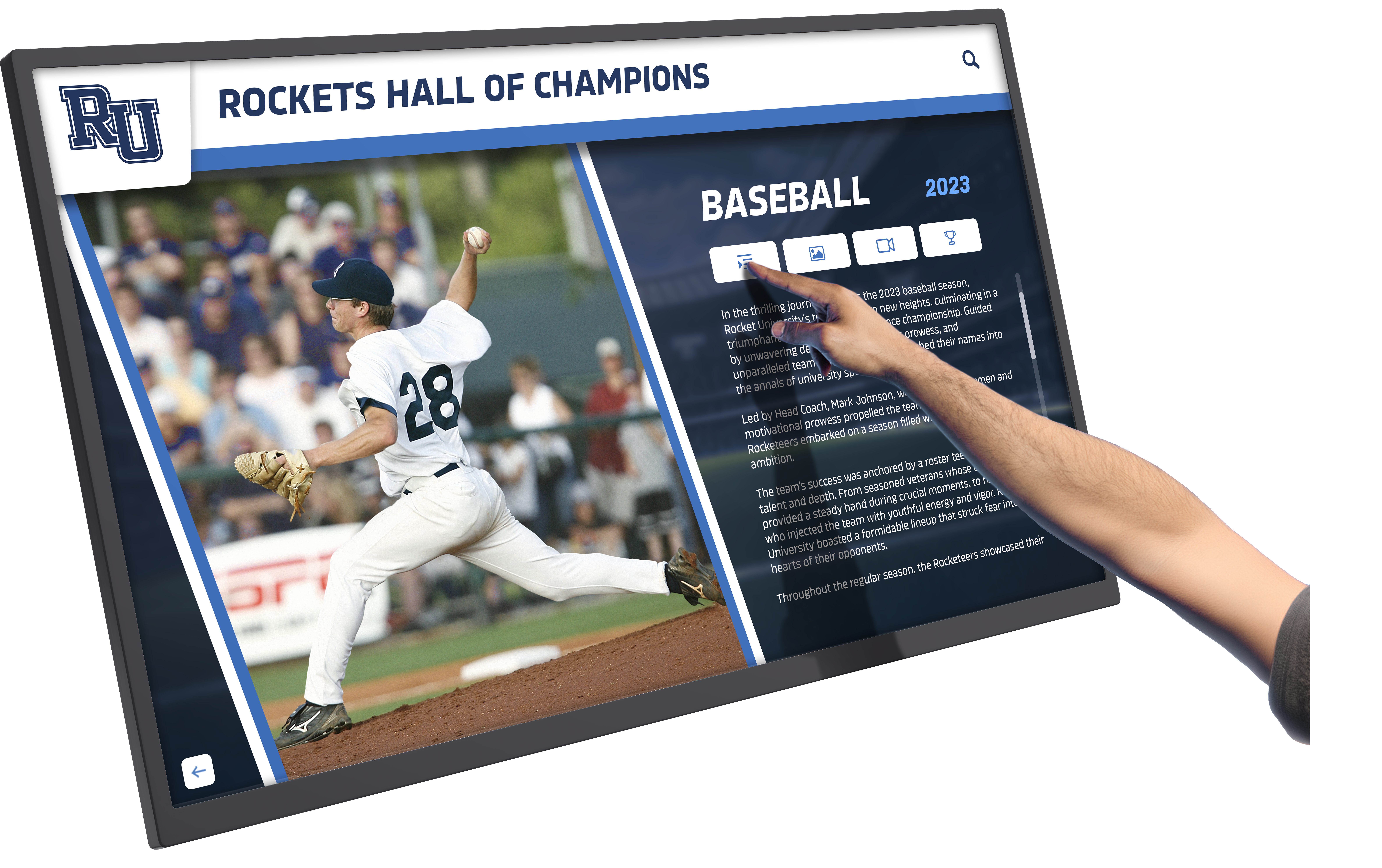
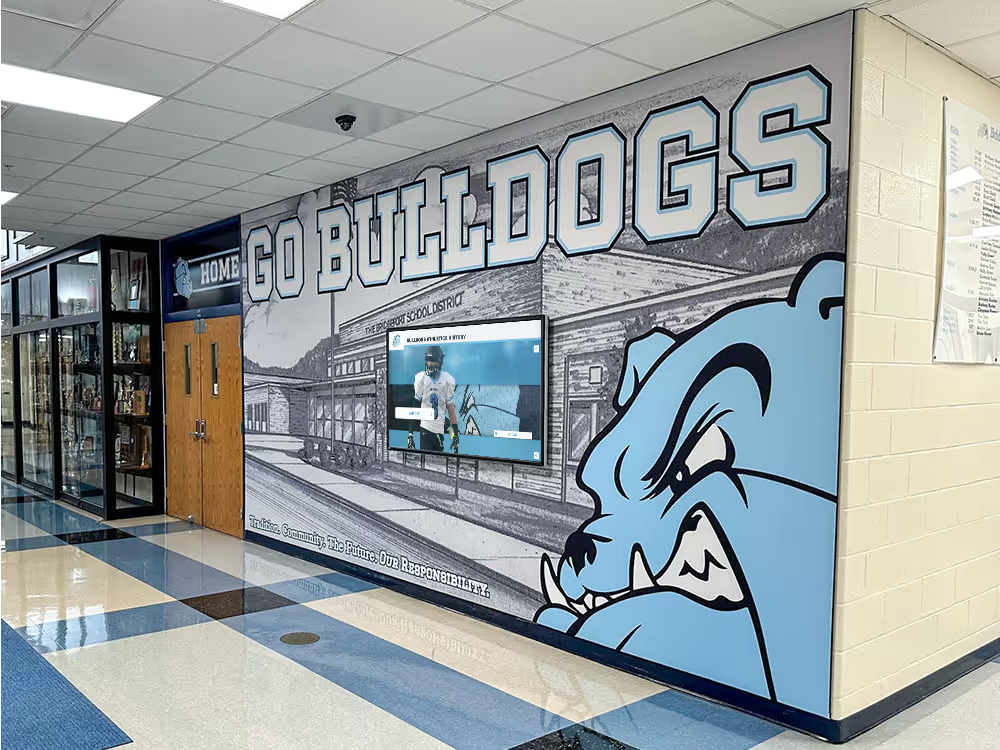
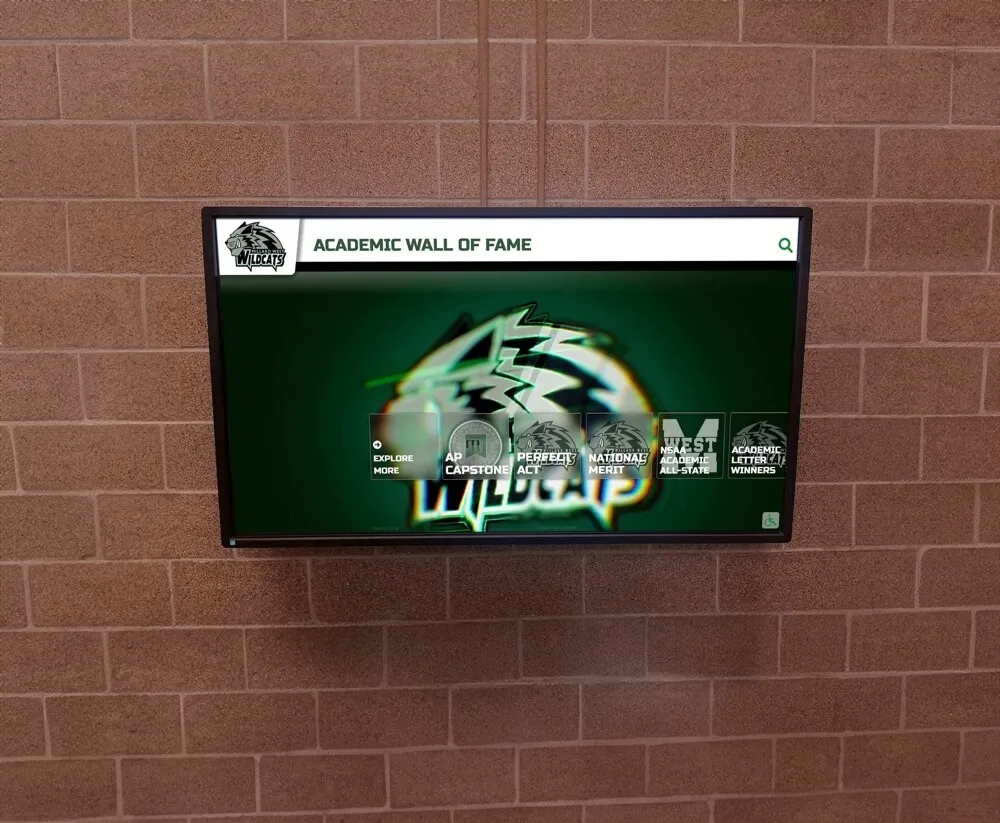
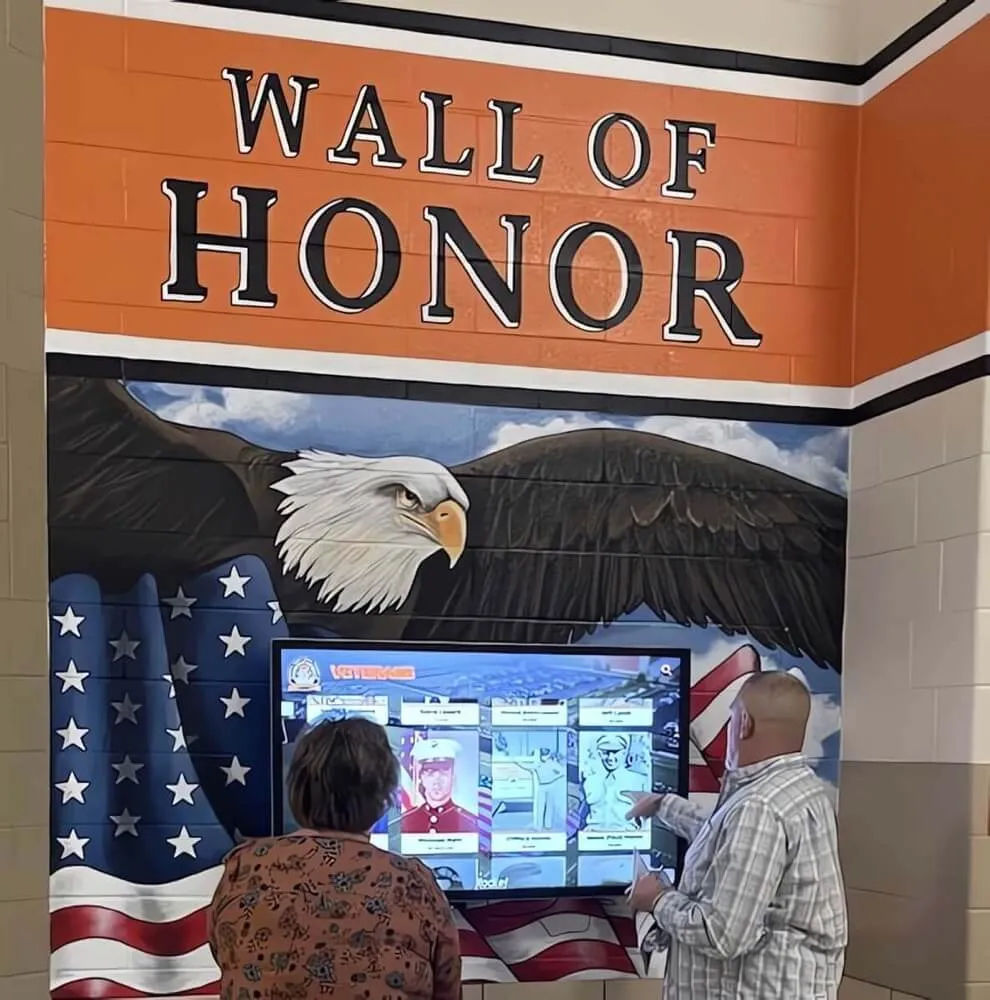
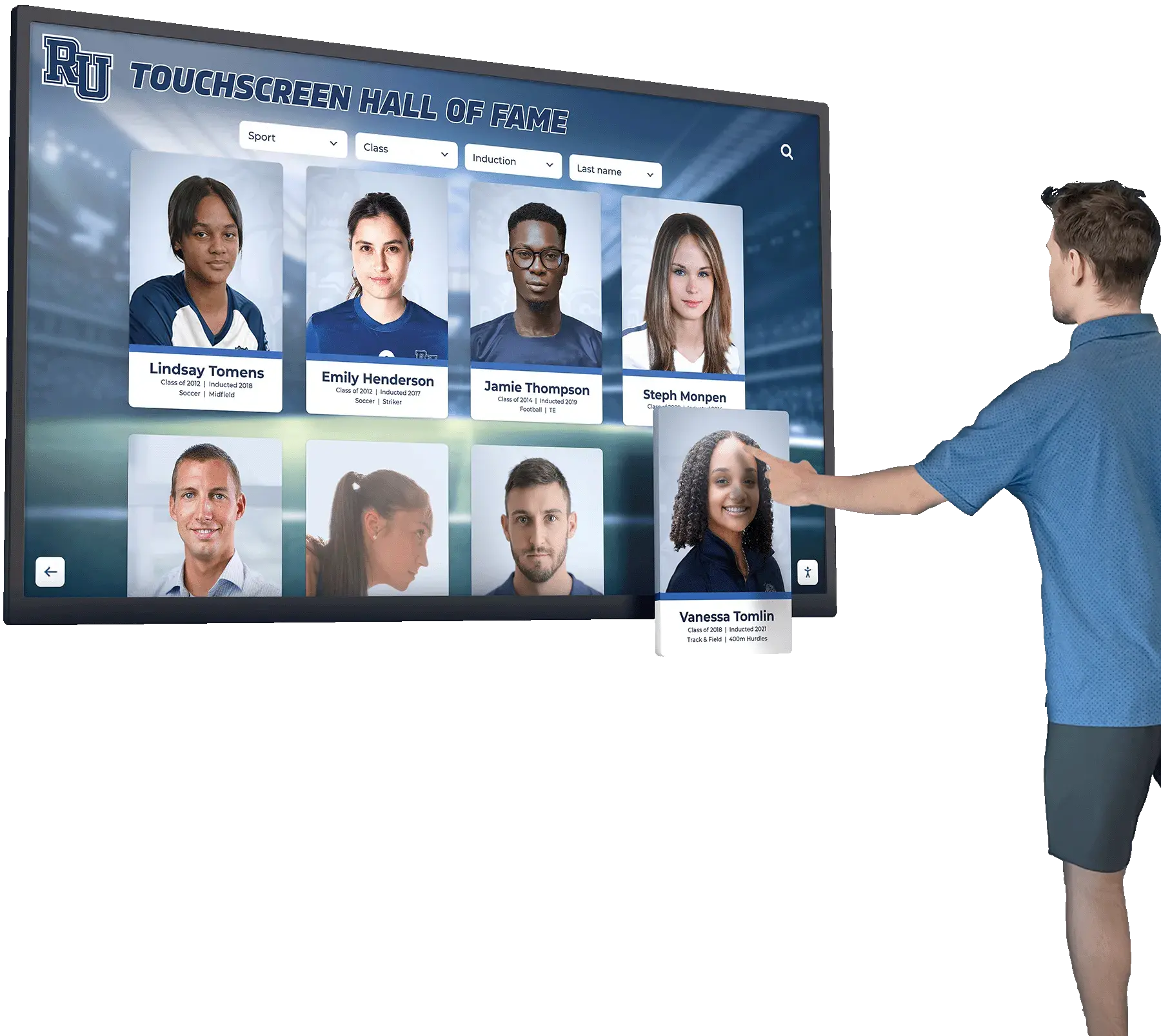
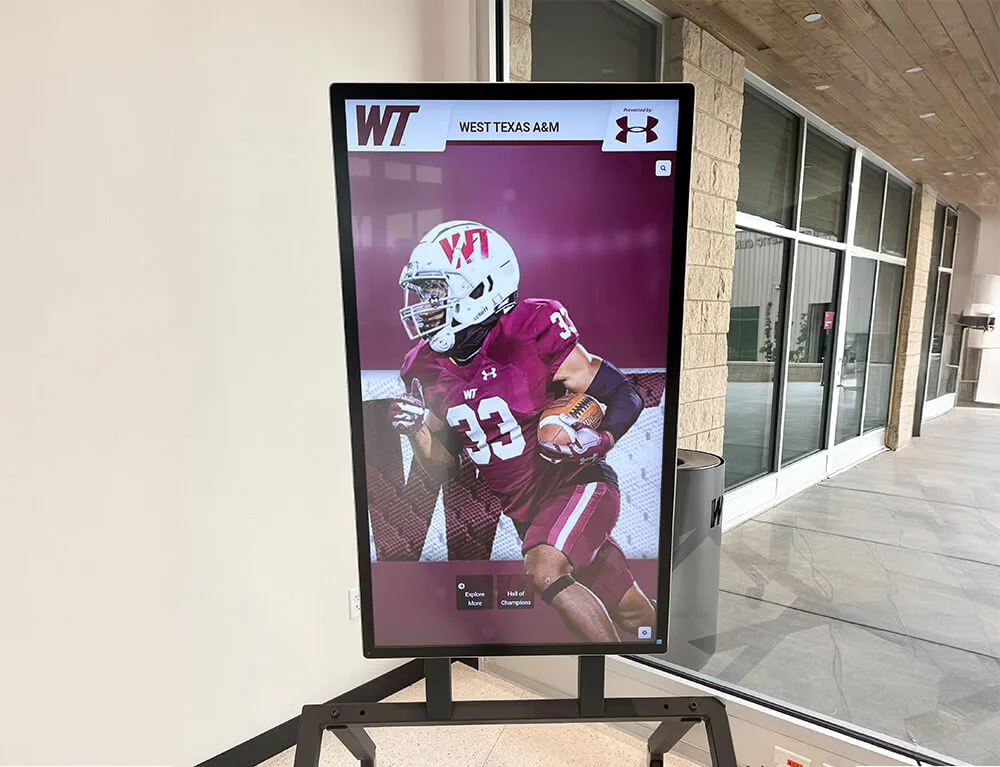
Touchscreen interfaces enable intuitive exploration of athlete profiles, performances, and program history
The State Track Meet Experience at Mike A. Myers Stadium
For athletes qualifying for state, competing at the University of Texas facility represents the pinnacle of their high school track careers, creating memories lasting lifetimes.
Championship Week Schedule and Format
The UIL state track meet typically occurs over three days in early May, with each classification competing on designated days ensuring manageable competition schedules.
Multi-Day Competition Structure
Smaller classifications typically compete early in the week, with larger classifications following. Each classification completes its entire championship in a single day, with preliminary rounds conducted in morning and early afternoon sessions, followed by championship finals in late afternoon and evening.
This compressed schedule creates festival-like atmosphere where track dominates Texas high school sports attention for an entire week. Athletes, coaches, and families from across Texas converge on Austin, filling hotels, attending multiple sessions supporting various classification championships, and experiencing the championship environment that makes state qualification special.
Preliminary Rounds and Finals Progression
Most running events conduct preliminary heats in morning or early afternoon sessions, with the fastest times advancing to finals later that day. This format means athletes must perform well multiple times on the same day—handling preliminary pressure, recovering between rounds, and delivering peak performance in finals when medals are decided.
Field events typically conduct complete competitions in single sessions, with all competitors receiving multiple attempts and medals awarded based on best performances. The extended field event competitions create their own drama as athletes battle through multiple rounds knowing each attempt could determine championship outcomes.
Athletes describe unique exhaustion competing at state—not just physical fatigue from multiple rounds and all-day competition, but mental exhaustion from sustained championship pressure, Austin heat and sun exposure, and emotional intensity of competing at track’s highest Texas high school level.
The Mike A. Myers Stadium Atmosphere
Competing at a premier collegiate track facility creates experiences distinguishing state competition from regular season meets.
Professional Venue Advantages
Mike A. Myers Stadium offers world-class track surfaces, professional timing systems, excellent spectator sight lines, and overall atmosphere matching collegiate and professional track competitions. Athletes remember specific details—the perfectly maintained mondo track surface, the electronic timing systems displayed on massive scoreboards, the roar of capacity crowds during championship finals, and the feeling of competing in a venue hosting NCAA championships and Olympic trials qualifying.
These professional venue experiences validate years of early morning practices, countless intervals, and countless hours dedicated to track development. Competing at Myers Stadium represents achievement on a stage matching the quality found in college and professional athletics, creating pride extending far beyond typical high school athletic experiences.
Community Support and School Spirit
When schools have multiple state qualifiers, entire communities often travel to Austin supporting their athletes. School buses transport student sections, families coordinate hotels and meals, and communities transform sections of the stadium into school spirit zones with coordinated colors and organized cheering.
This community support provides tangible energy for athletes competing on championship stages. Athletes describe drawing strength from seeing their communities fill stadium sections, hearing school cheers during races, and experiencing pride in representing schools properly before audiences that traveled hours to support them.

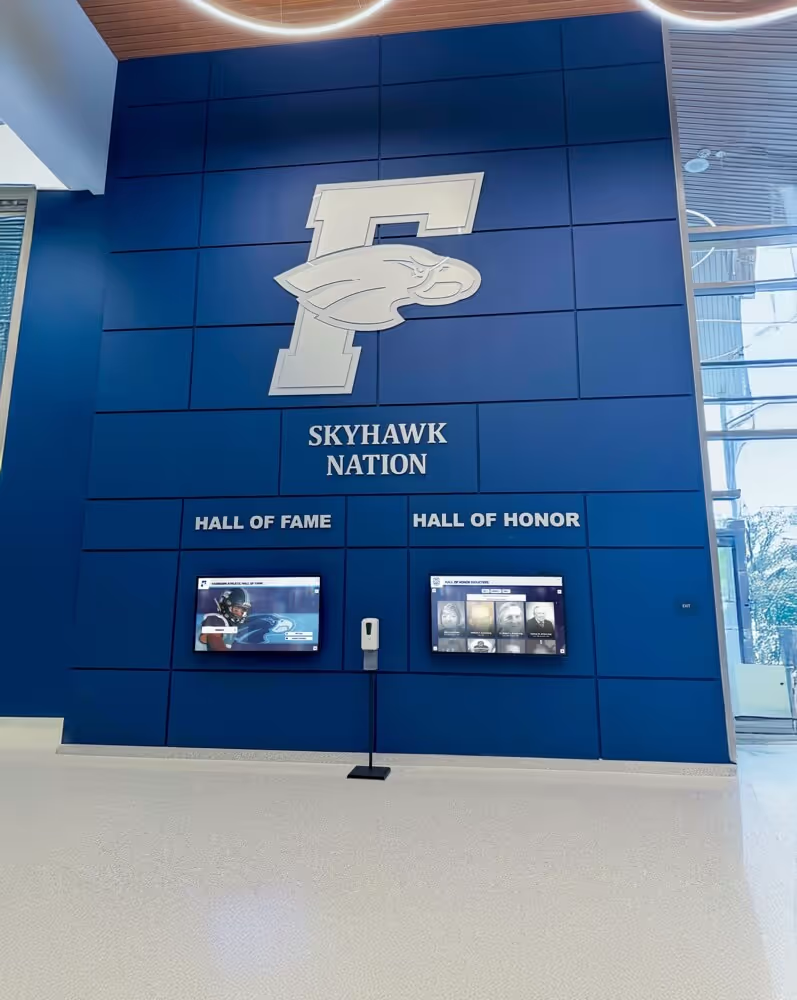
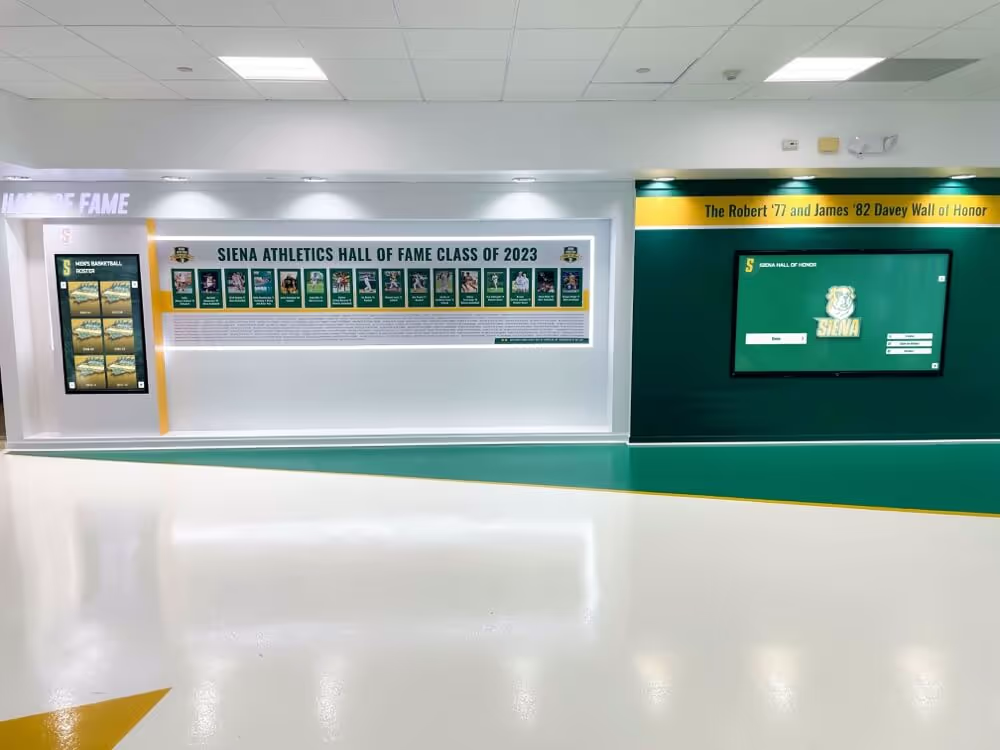
Comprehensive recognition systems integrate physical displays with digital interactivity celebrating complete program histories
Recognizing Track Excellence in Texas Schools
State track achievements deserve celebration and recognition matching the sport’s significance in Texas athletic programs.
Traditional Track Recognition Approaches
Many Texas schools rely on traditional recognition methods displaying track accomplishments:
Trophy Cases and Physical Displays
Track medals, trophies, and awards fill trophy cases in many Texas schools. State medals, relay batons, and championship trophies create visible testaments to program excellence.
However, traditional trophy cases face inherent limitations—finite space restricts how much can be displayed, static presentations lack engagement potential, and physical displays offer no search or exploration capabilities enabling visitors to discover specific athletes or performances of interest.
Stadium and Fieldhouse Banners
Track recognition often appears through banners in stadiums, fieldhouses, or gymnasiums listing state qualifiers and medalists. These banners provide visible reminders of program tradition.
Banner recognition also faces challenges—hanging space limitations, deterioration requiring replacement, difficulty updating with current achievements, and limited information capacity reducing recognition to names and years without comprehensive achievement documentation. Many schools are replacing expensive gym banners with digital recognition providing unlimited capacity and engaging interactivity.
Yearbook and Program Documentation
School yearbooks and track program guides preserve season documentation including rosters, schedules, results, and state meet achievements. These publications create valuable historical records but suffer from limited accessibility—yearbooks sit on shelves rarely consulted, program guides reach only those attending specific events, and information remains difficult to search or access for those seeking specific athletes or performances.
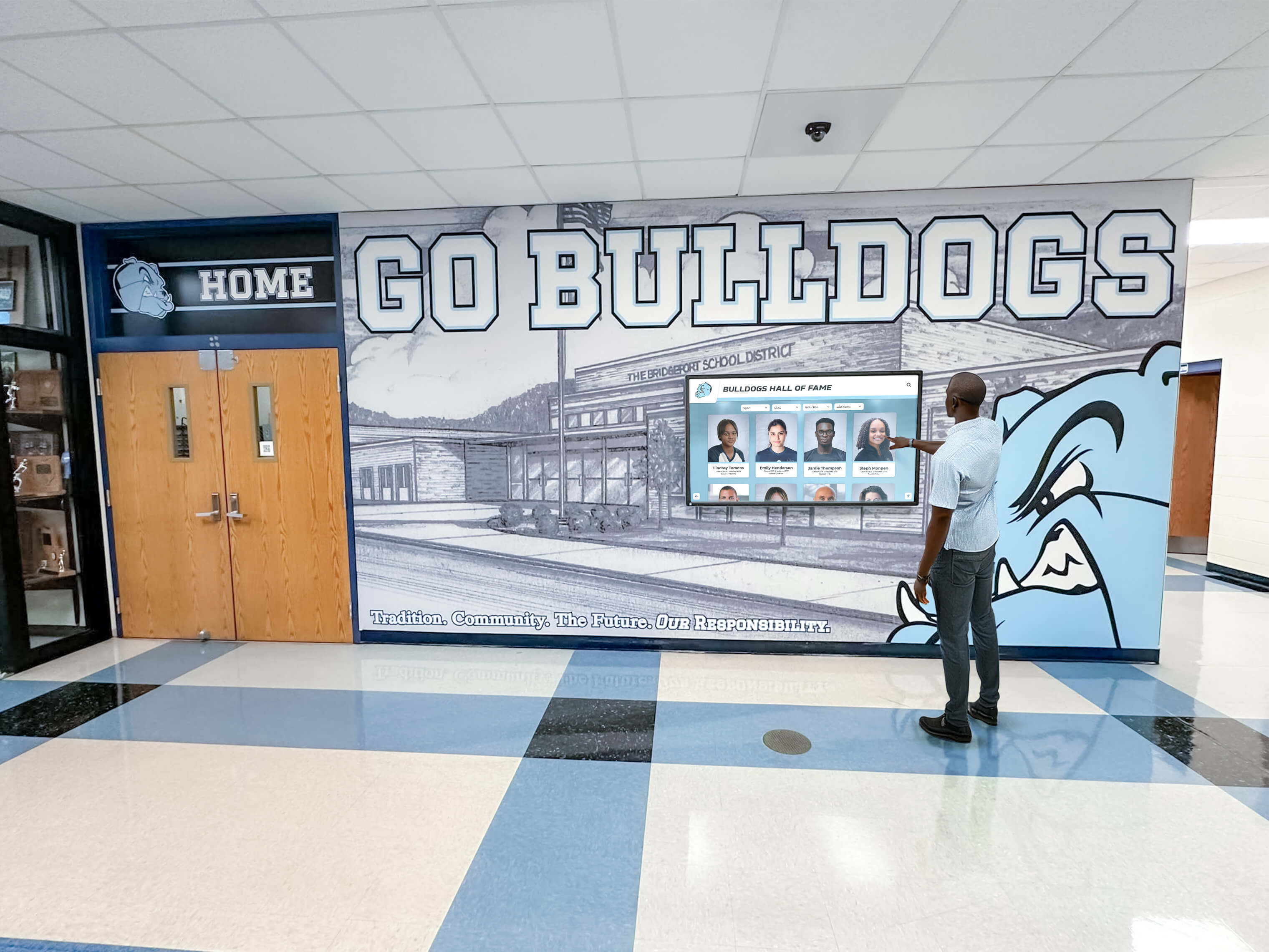
Interactive displays enable athletes, families, and communities to explore program history and championship achievements
Modern Digital Recognition Solutions for Track Programs
Digital recognition platforms transform how Texas schools celebrate track excellence while addressing traditional approach limitations.
Unlimited Recognition Capacity
Digital systems eliminate space constraints entirely. Schools can honor every state qualifier, every district champion, every school record performance, and every memorable achievement across decades without competing for limited display space. This comprehensive recognition ensures no achievement goes uncelebrated regardless of how many athletes and seasons accumulated over program history.
For Texas schools with rich track traditions spanning decades, unlimited capacity proves essential. Programs might have hundreds of state qualifiers and dozens of medalists across various events and classifications—comprehensive recognition requires systems accommodating this volume while maintaining engagement and accessibility.
Comprehensive Athlete Profiles and Achievement Documentation
Unlike simple name-and-year trophy case recognition, digital platforms support rich athlete profiles including:
- Complete track careers with season-by-season progression and results
- Event specializations and personal record progression across high school careers
- State meet performances with preliminary and finals results
- Video footage of races, jumps, or throws showcasing technique and peak performances
- District, area, and regional results showing qualification paths
- Post-graduation updates documenting college track careers or other achievements
- Coach testimonials and teammate reflections providing personal context
- Statistical career summaries documenting medals, personal records, and competitive excellence
This comprehensive documentation tells complete track stories celebrating individual athletes’ dedication, improvement, and achievement rather than reducing careers to simple qualifier-or-medalist labels.
Interactive Exploration and Search Capabilities
Digital recognition enables active exploration impossible with static displays:
- Search by athlete name finding specific individuals across program history
- Filter by graduation year, event, or achievement level
- Compare eras examining how track evolved across decades
- Discover athletes from specific seasons or coaching tenures
- Explore state meet results year-by-year reliving championship performances
- Access athlete profiles through intuitive touchscreen navigation
This interactivity creates engagement transforming passive viewing into active discovery. Track families explore their athletes’ profiles, alumni reconnect with teammates and competition memories, and current athletes research program history understanding traditions they’re joining.
Solutions like Rocket Alumni Solutions provide purpose-built platforms designed specifically for athletic recognition including track-specific features like event organization, performance tracking, and progression documentation.
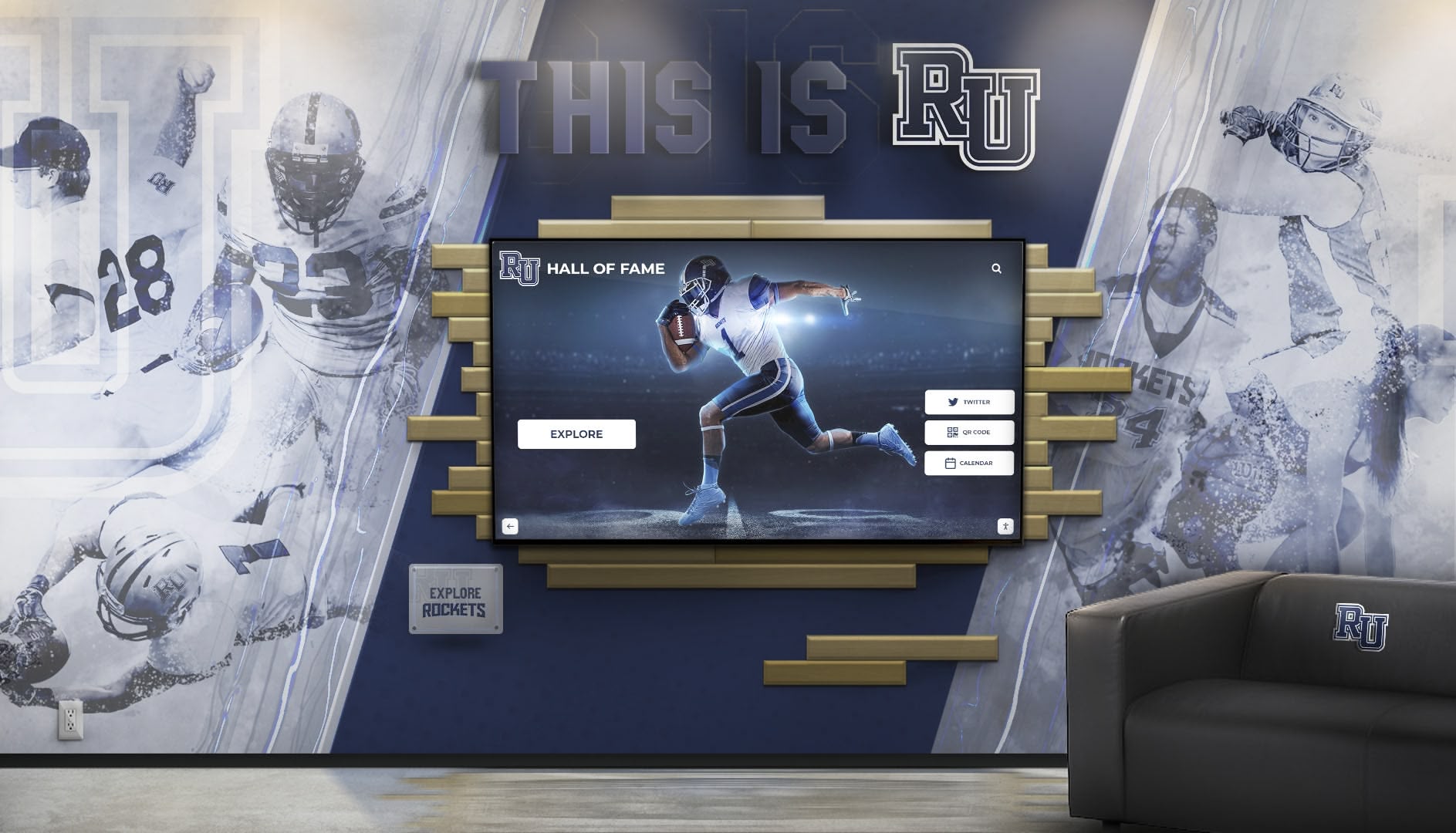
Professional installations create impressive environments demonstrating institutional commitment to track excellence
Specific Recognition Categories for Track Programs
Comprehensive track recognition celebrates diverse achievement forms across multiple disciplines.
State Meet Qualifiers and Competitors
Reaching the UIL state track meet represents significant accomplishment deserving recognition. State qualifier recognition should include:
- Qualification year, classification, and specific events
- District, area, and regional performances leading to state qualification
- State meet results including preliminary and finals placements
- Season personal records and notable performances
- Relay team membership with individual contributions documented
Many athletes never reach podium heights at state, but qualifying for Austin demonstrates excellence worthy of permanent acknowledgment. Multi-year qualifiers demonstrating consistency across seasons deserve particular recognition for sustained competitive excellence.
State Medalists and Champions
Medal and championship performances merit enhanced recognition:
- Detailed state meet results including times, distances, or heights achieved
- Comparison to school records and historical program performances
- Video highlights of championship races or field event performances
- Post-race interviews and reactions capturing emotional significance
- Multiple medal or championship recognition for athletes winning across events or years
- Relay championship team documentation with all contributors honored equally
State champions and medalists become permanent parts of school athletic lore. Their achievements inspire future athletes while demonstrating program capabilities to prospective students considering school options.
School Records and Performance Milestones
Individual excellence beyond state meet results deserves recognition:
- All-time school records in each event with historical progression
- Single-season performance lists in all events
- Records by classification as programs move between UIL classifications
- Notable breakthrough performances breaking long-standing records
- Comparison to district, area, and regional records demonstrating competitive context
Schools should celebrate not just state qualifiers but also athletes who set school records, achieved significant district success, or demonstrated remarkable improvement trajectories even without Austin qualification. Comprehensive recognition celebrates all forms of excellence contributing to program tradition.
Team Championships and Combined Success
Track recognition should extend beyond individuals to celebrate team accomplishments:
- Team district, area, and regional championships
- Combined point totals at state meets
- Multiple state qualifiers in single seasons demonstrating program depth
- Dominant seasons where teams excelled across multiple event categories
- Championship relay teams that earned titles through collaborative excellence
Team recognition acknowledges that championship programs require depth across sprint, distance, and field events—not just individual stars but comprehensive program development producing excellence across the entire roster.
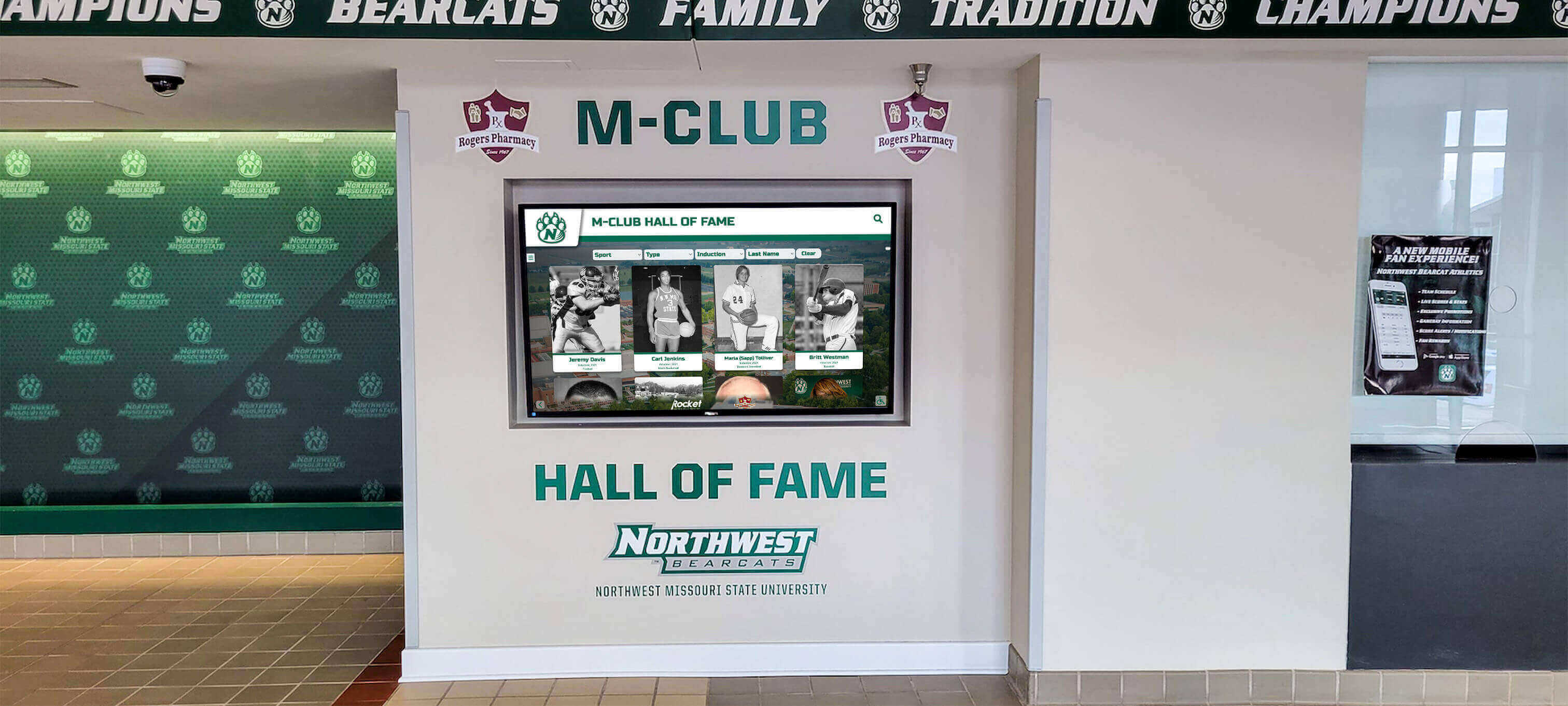
Comprehensive recognition systems celebrate excellence across all athletic programs including track traditions
Planning and Implementing Track Recognition Systems
Schools seeking to establish or enhance track recognition should follow systematic approaches ensuring effective implementation.
Assessing Current Recognition and Identifying Gaps
Begin by evaluating existing recognition approaches:
Current Recognition Audit
Document what recognition currently exists:
- Trophy case contents and available space for additional recognition
- Banner displays and physical condition
- Historical documentation in archives, yearbooks, and records
- Digital presence on websites or social media
- Notable gaps in recognition coverage across different eras
This audit reveals what’s working, what needs improvement, and where significant athletes or achievements lack appropriate recognition.
Stakeholder Input Gathering
Consult key track program stakeholders:
- Current and former athletes about recognition preferences and gaps
- Track coaches regarding program history and priority achievements
- Athletic directors about budget, installation, and broader athletic recognition alignment
- Booster clubs and athletic parent groups regarding support and fundraising
- Alumni about historical achievements and athletes deserving recognition
Stakeholder input ensures recognition systems serve community needs while identifying potential support sources for funding and implementation.
Content Development and Historical Research
Comprehensive track recognition requires systematic content collection:
Historical Athlete and Achievement Research
Gather information about past athletes and accomplishments:
- Review yearbooks, track program archives, and school records
- Contact former coaches and track alumni requesting information and photos
- Research newspaper archives for state meet coverage and athlete features
- Review UIL archives for official state meet results and records
- Compile comprehensive lists of state qualifiers, medalists, and school record holders
Historical research often reveals forgotten athletes and achievements deserving recognition, ensuring comprehensive celebration of complete program tradition rather than only recent, well-documented seasons.
Performance Data and Statistical Documentation
Track’s quantitative nature enables detailed statistical recognition:
- Compile all-time performance lists in each event
- Document progression of school records showing improvement across eras
- Gather state meet results with preliminary and finals times/distances/heights
- Collect relay splits and individual contributions to team achievements
- Document championship meet results across district, area, regional, and state levels
This statistical documentation enables rich recognition showcasing not just who qualified or medaled but how they performed, how times improved across careers, and how current athletes compare to historical program excellence.
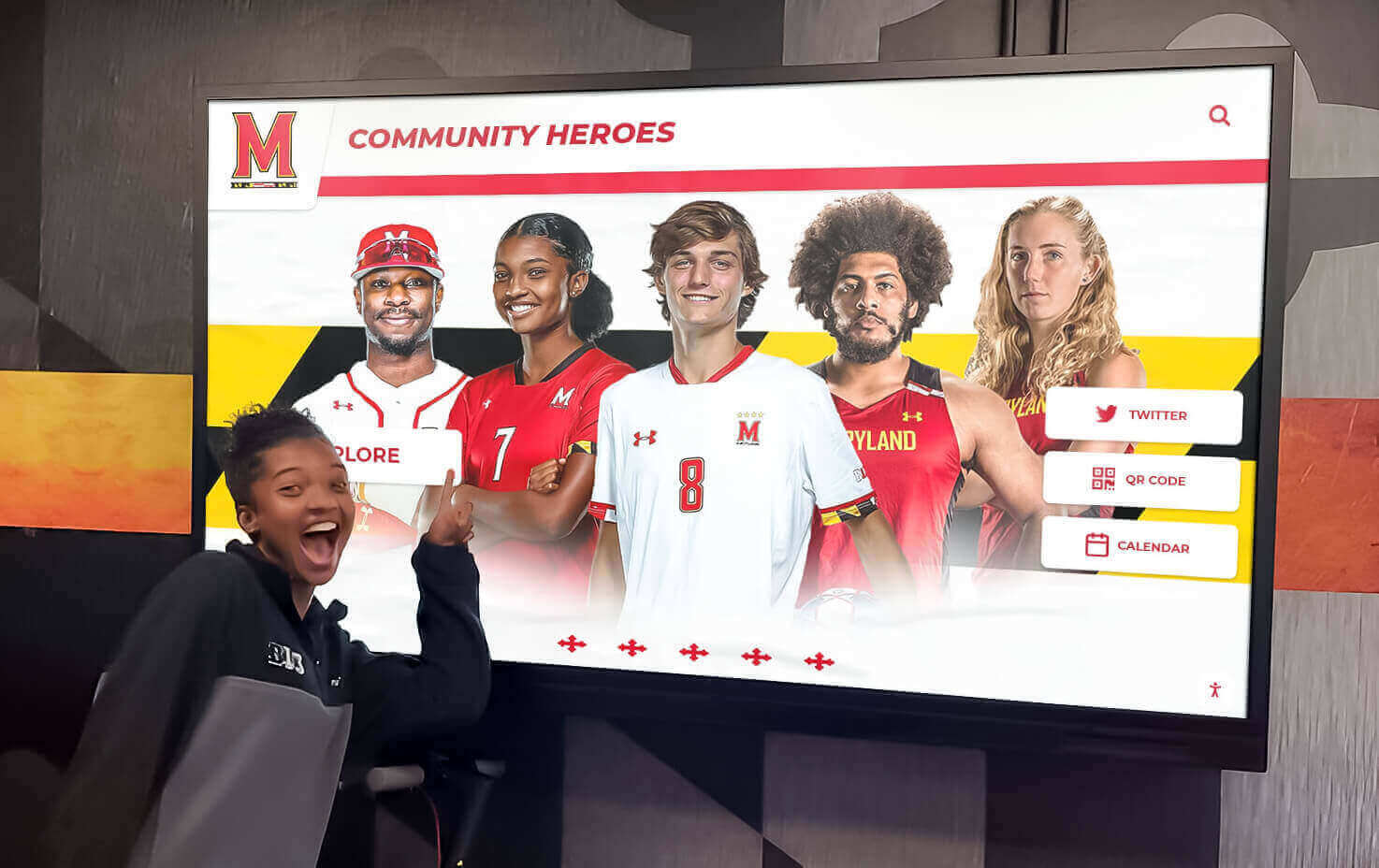
Interactive displays engage track communities with achievement stories celebrating program excellence
Creating Digital Warmth Through Track Recognition
Digital warming occurs when technology transforms cold achievement lists into warm, engaging experiences deepening community connections to track programs.
Personalization and Community Engagement
Modern recognition creates personalized experiences connecting individuals to content most relevant to them:
Family and Alumni Discovery
Recognition platforms enable personal discovery:
- Families locate their athletes’ profiles quickly through search functionality
- Alumni explore teammates and competition from their track eras
- Graduates share digital profiles with extended family networks
- Current athletes research program history connecting to traditions
- College recruiters access comprehensive athlete documentation
Personal relevance transforms generic school pride into specific emotional connections as families celebrate their specific athletes and alumni reconnect with their particular seasons and teammates.
Social Sharing and Extended Reach
Digital recognition extends beyond physical campus:
- Athletes share profiles on social media celebrating achievements with friends and extended family
- Alumni post profiles during throwback celebrations maintaining program visibility
- Schools promote state qualifiers and medalists through digital content reaching broader audiences
- Family members living far from Texas maintain connection to school track programs
- College coaches access athlete documentation supporting recruitment processes
Extended reach amplifies recognition impact while marketing track programs to prospective athletes considering school options.
Maintaining Year-Round Track Visibility
Unlike traditional recognition visible primarily during track season, digital platforms maintain year-round track presence:
Seasonal Feature Rotation
Automated content rotation maintains engagement:
- Feature current athletes during season with updated personal records and upcoming meets
- Highlight state qualifiers and medalists during May state meet week
- Celebrate championship anniversaries throughout the year
- Showcase alumni athletes achieving post-graduation success
- Display historical throwbacks introducing newer community members to program traditions
Dynamic rotation prevents recognition from becoming stale while ensuring all athletes receive visibility rather than only most recent or most accomplished athletes dominating limited static display space.
Integration with Other Athletic Recognition
Comprehensive athletic hall of fame systems integrate track with other sports creating holistic athletic celebration:
- Track achieves visibility comparable to traditionally higher-profile sports
- Multi-sport athletes receive recognition across all sports participated
- School athletic excellence demonstrates breadth across multiple competitive areas
- Track traditions connect to broader school identity and community pride
Integration ensures track receives appropriate recognition within comprehensive athletic programs rather than being overshadowed by sports with larger budgets or more media attention.
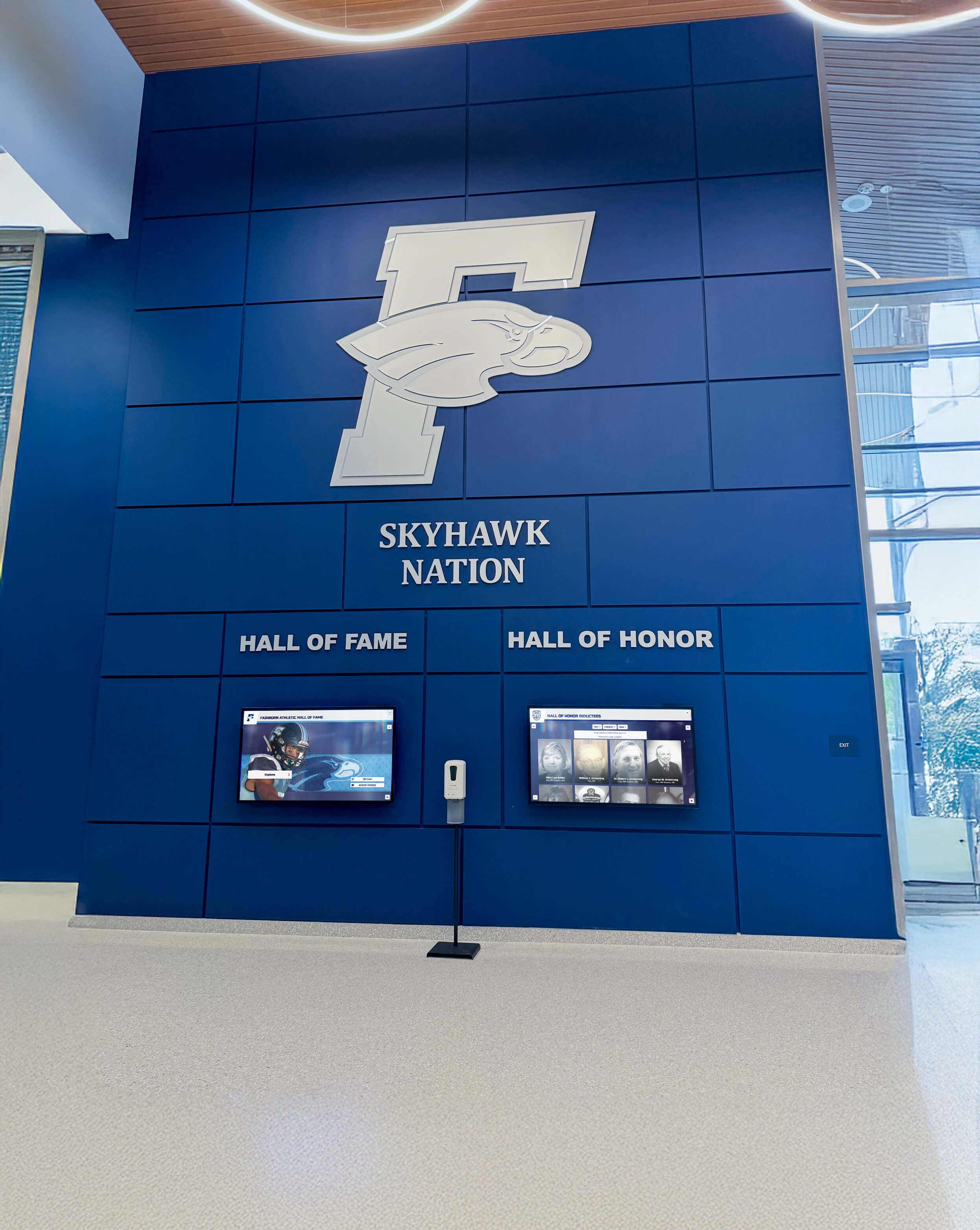
Professional recognition installations demonstrate institutional commitment to track excellence and program tradition
Special Considerations for Texas Track Recognition
Texas’s unique athletic culture and UIL system create specific track recognition considerations.
Honoring Multi-Classification History
Many Texas schools have competed in different UIL classifications across their histories as enrollments changed:
Classification Context in Recognition
Recognition systems should acknowledge classification contexts:
- Document which classification schools competed in during different eras
- Explain that state qualifiers competed against appropriate-sized schools
- Celebrate achievements within proper classification context
- Acknowledge that competition difficulty varies across classifications while honoring all achievements
This classification awareness ensures fair recognition across program history as schools moved between classifications while maintaining appreciation that state qualification represents significant achievement regardless of classification size.
Celebrating Diverse Track Disciplines
Track and field encompasses remarkably diverse athletic skills:
Equal Recognition Across Events
Recognition should celebrate all track disciplines equally:
- Sprint and distance runners receiving comparable recognition
- Field event athletes highlighted as prominently as track competitors
- Hurdle specialists and relay team members celebrated appropriately
- Understanding that some events receive less attention but equal achievement significance
Comprehensive recognition ensures throwers and jumpers receive visibility matching high-profile sprint and distance stars, acknowledging that diverse events require equally impressive athletic abilities and dedication.
Preserving Multi-Decade Program Histories
Many Texas track programs have rich histories spanning 50+ years:
Complete Historical Documentation
Recognition should preserve complete program timelines:
- State qualifiers from 1970s, 80s, and 90s deserving recognition alongside recent achievers
- Legendary coaches who built programs through decades of service
- Historic moments defining program identity and community pride
- Evolution of program traditions showing continuity across eras
Comprehensive recognition ensures complete program history receives visibility rather than only recent, easily-documented achievements overshadowing earlier program builders. Schools should consider implementing recognition systems designed for historical preservation alongside celebrating contemporary success.
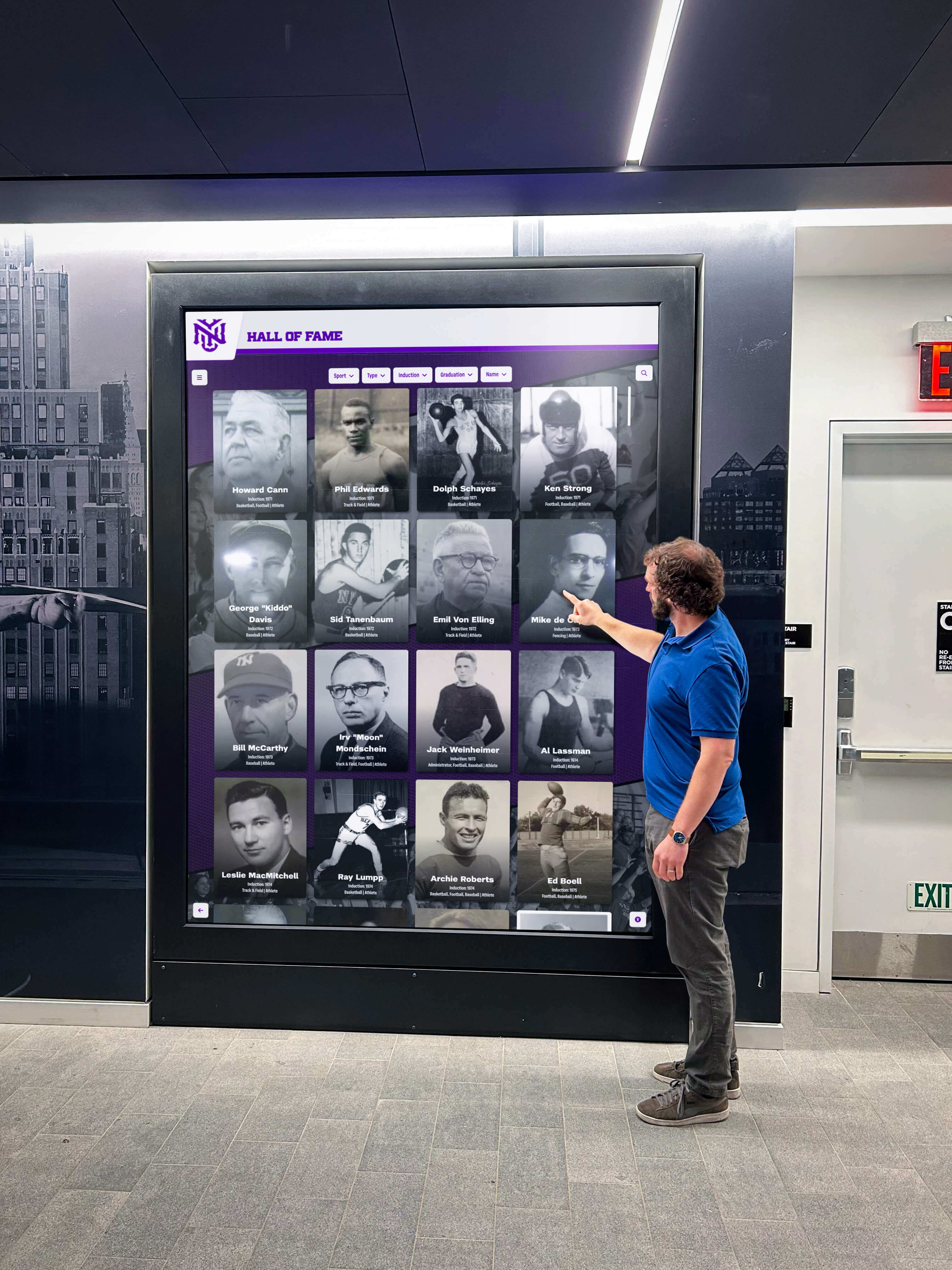
Interactive displays enable exploration of complete program histories spanning multiple decades
Funding Track Recognition Systems
Establishing comprehensive recognition requires budget planning and potential fundraising.
Typical Recognition System Costs
Understanding investment requirements enables appropriate planning:
Hardware and Installation
Physical display components include:
- Commercial touchscreen displays ranging from $2,000-6,000 depending on size and specifications
- Professional mounting and installation: $500-1,500
- Network connectivity and electrical work as needed
- Extended warranties or service agreements for ongoing support
Hardware represents one-time capital investment lasting 5-7 years with proper maintenance, making per-year costs modest when amortized across expected lifespan.
Software Platform and Content Management
Digital recognition platforms typically charge:
- Annual subscription fees covering software access, hosting, support, and updates
- Initial content development and profile creation if utilizing professional services
- Ongoing content management requiring staff time for updates and maintenance
Many schools find that comprehensive digital solutions cost less annually than traditional plaque and trophy approaches when accounting for per-athlete recognition costs and ongoing physical display maintenance.
Fundraising and Sponsorship Opportunities
Track recognition systems create natural fundraising opportunities:
Booster Club Support
Athletic booster clubs often fundraise for program enhancements including recognition:
- Campaign to fund recognition system as signature booster project
- Annual giving programs supporting ongoing recognition and updates
- Legacy campaigns enabling families to sponsor athlete profiles or recognition categories
- Alumni appeals leveraging emotional connections to program traditions
Booster support demonstrates community commitment to track while creating sustainable funding ensuring long-term recognition success.
Corporate and Community Sponsorship
Local businesses benefit from association with athletic programs:
- Recognition system naming rights providing prominent business acknowledgment
- Sponsored content areas within digital displays
- Multi-year partnerships providing sustained funding and community relationships
- Track meet sponsorships connecting businesses to athletic community
Sponsorship arrangements can offset recognition costs while building mutually beneficial business-school relationships supporting athletic programs comprehensively.
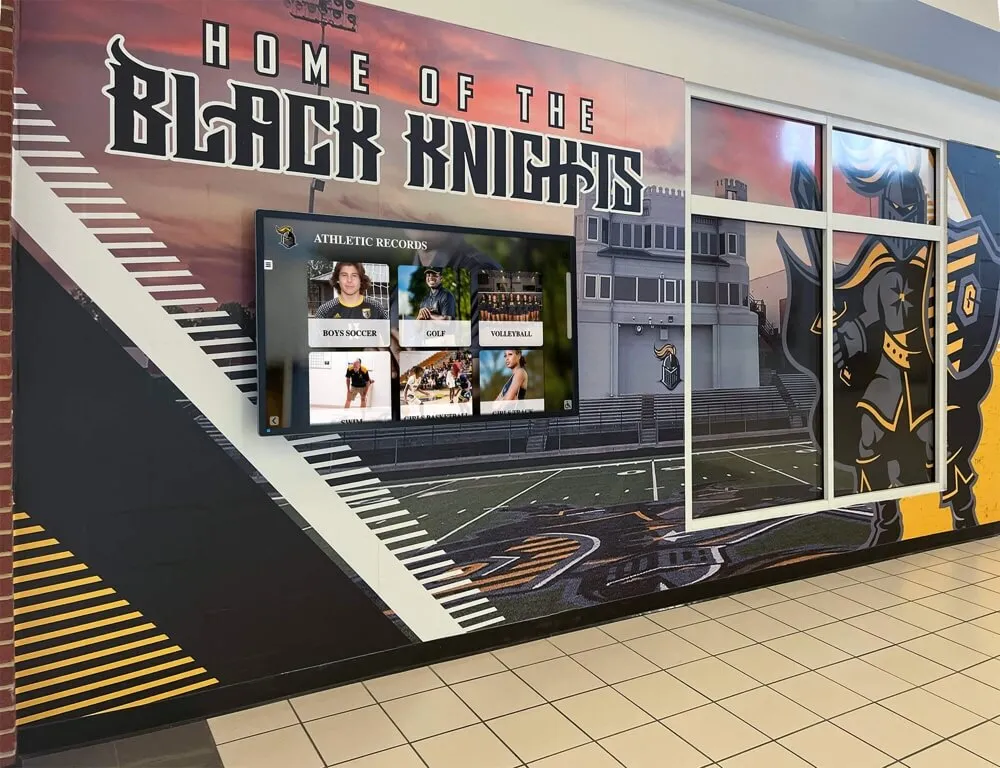
Recognition installations enhance athletic facilities while celebrating program excellence
Best Practices for State Meet Recognition
Schools celebrating UIL state track meet achievements should follow proven recognition approaches.
Immediate Post-Meet Documentation
Comprehensive recognition begins immediately after state meet participation concludes:
Capturing State Meet Content
Schools should systematically collect state meet documentation while fresh:
- High-quality photos from all events and competition sessions
- Video footage of races, field event attempts, and medal ceremonies
- Complete results including preliminary and finals performances
- Media coverage from newspapers, television, and digital outlets
- Athlete and coach reflections captured through interviews or written statements
This immediate documentation prevents loss of materials that become increasingly difficult to recover as time passes.
Creating Performance Context
State meet achievements require proper context:
Comprehensive Performance Documentation
Recognition should document complete achievement contexts:
- Season progression showing improvement leading to state qualification
- Personal record development across high school careers
- Competition contexts including district, area, and regional performances
- Comparison to school records and historical program performances
- Team contributions beyond individual results
Contextual recognition presents athletes as complete competitors with full season contributions rather than reducing careers to single state meet performances.
Connecting Recognition to Broader Programs
State meet recognition should integrate with comprehensive athletic celebration:
Multi-Sport Recognition Integration
Track recognition should connect to broader athletic programs:
- Integration with football, basketball, and other sports recognition
- Multi-sport athlete profiles spanning all sports participated
- Unified recognition systems serving all athletic programs
- Consistent recognition approaches across different sports
Comprehensive platforms ensure track receives visibility matching other sports while creating sustainable recognition systems serving entire athletic programs efficiently. Solutions like Rocket Alumni Solutions provide unified athletic recognition serving diverse sports within integrated platforms.

Comprehensive recognition systems celebrate excellence across all athletic programs within unified platforms
Conclusion: Celebrating Texas Track Excellence
The UIL state track meet represents pinnacle achievement in Texas high school athletics. From the rigorous qualification path through district, area, and regional competitions to the championship performances at Mike A. Myers Stadium, reaching and competing at state embodies dedication, athletic excellence, and competitive achievement deserving recognition matching significance.
For too long, track achievements have relied on limited trophy case space, deteriorating stadium banners, or forgotten yearbook documentation failing to adequately celebrate athletes who invested years building programs and representing schools in one of athletics’ most demanding sports. Modern digital recognition platforms transform how schools honor track excellence—unlimited capacity celebrates every state qualifier and medalist across decades, rich multimedia profiles tell complete athletic stories, and interactive exploration creates engaging experiences connecting communities to program traditions.
Implementation success requires systematic approaches—comprehensive historical research preserving complete program documentation, stakeholder engagement ensuring recognition serves community needs, appropriate technology selection providing intuitive management and accessibility, and sustainable funding through booster support or sponsorships enabling long-term recognition success.
Digital warming occurs when track recognition transforms from cold achievement lists into warm, engaging community experiences. When athlete families discover their students’ profiles and share them with extended networks, when alumni explore teammates and relive competition memories, when current athletes research program history understanding traditions they’re joining, and when communities gather around displays celebrating track excellence—recognition succeeds in building connections strengthening programs and pride.
Texas track culture deserves recognition systems matching the sport’s significance in state athletic tradition. The state qualifiers who battled through three rounds of elimination, the medalists who reached podiums at Mike A. Myers Stadium, the multi-year qualifiers demonstrating remarkable consistency, the program-building coaches who developed generations of athletes—all deserve celebration creating institutional memory honoring their contributions while inspiring future athletes pursuing their own state meet dreams.
Your track program’s history—the state qualifiers and medalists, the school records and breakthrough performances, the coaching legacies and team achievements—represents tradition worthy of comprehensive recognition. With thoughtful planning, appropriate technology selection, and commitment to complete program celebration, you can transform track recognition from limited trophy case space into engaging experiences celebrating excellence while building warm, connected communities maintaining track pride throughout the year and across generations.
Ready to transform your track program recognition? Explore how digital recognition platforms help Texas schools celebrate track excellence through comprehensive, engaging systems honoring state qualifiers, medalists, and the program traditions that make UIL state track meet achievements truly special.