Intent: decide — School administrators and athletic directors rarely think about their trophy cases until a fire alarm sounds, a pipe bursts, or an evacuation order arrives. At that moment, decades of irreplaceable awards, championship memorabilia, and school history become acutely vulnerable. A trophy case emergency evacuation plan tells every staff member exactly what to save first, how to document what exists, and how to recover and continue recognizing achievement after a facility emergency.
Without a documented plan, well-meaning staff grab items at random, prioritization becomes instinct rather than strategy, and priceless one-of-a-kind pieces get left behind in favor of items that could actually be replaced. The gap between schools that preserve their recognition heritage through emergencies and those that lose it permanently often comes down to a single prepared document reviewed at the start of each school year.
This guide provides a complete trophy case emergency evacuation framework—including a priority matrix for rapid triage, a physical inventory checklist, digital backup strategies, staff role assignments, and an FAQ covering the scenarios school administrators actually face.
When a facility emergency requires fast decisions about school awards and memorabilia, the core principle is simple: irreplaceable items and documentation come before decorative or replaceable pieces. Your trophy case emergency evacuation plan should pre-assign every item in your display a priority tier so no one has to think under pressure. Complete your inventory and tier assignments before any emergency, assign staff roles in writing, prepare physical evacuation kits, and back up your entire collection digitally so recognition history survives regardless of what happens to the cases themselves.

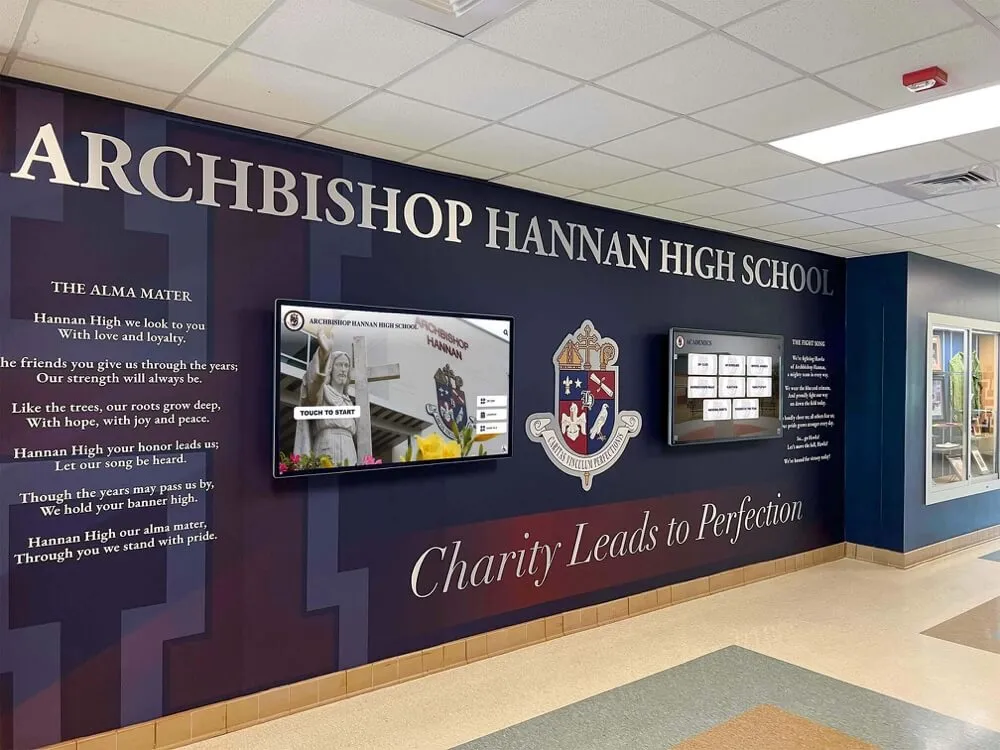
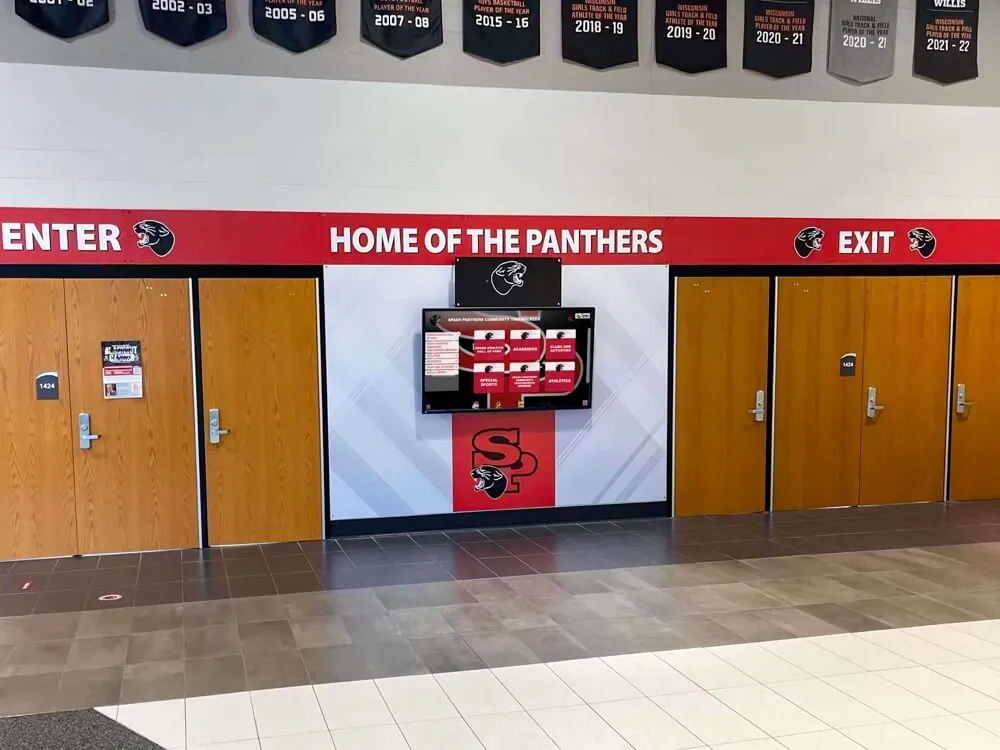
Trophy cases containing decades of awards and memorabilia require a documented emergency evacuation plan to protect irreplaceable pieces during facility crises
Why Schools Need a Trophy Case Emergency Evacuation Plan
Physical trophies, championship rings, game balls, and retired jerseys are irreplaceable. A state championship trophy from 1987 cannot be reordered. A framed letter signed by an alumnus who became a community leader has no duplicate. Recognition displays representing a school’s entire athletic and academic history can disappear in a single incident—whether fire, flood, structural failure, or vandalism.
Beyond sentiment, school awards and memorabilia serve active functions. They anchor recognition programs, connect alumni generations, support advancement and fundraising narratives, and provide source documentation for hall of fame inductions. Losing them damages ongoing recognition and alumni engagement programs, not just historical archives.
Schools maintaining trophy display cases as part of their broader recognition infrastructure have the most to protect—and the most to lose without a documented plan that staff can act on immediately.
Common Emergency Scenarios
| Scenario | Risk to Trophy Cases | Lead Time Available |
|---|---|---|
| Fire or smoke | Destruction and smoke damage | Minutes |
| Pipe burst or flooding | Water damage to trophies, photos, documents | Hours (sometimes minutes) |
| Tornado or structural damage | Physical destruction | Minimal to none |
| Evacuation order (chemical, utility) | Displacement, extended facility closure | Hours to days |
| Theft or vandalism | Loss of selected high-value pieces | After the fact |
| Building renovation or relocation | Damage during moves | Days to weeks |
Each scenario demands a different response. A fire evacuation plan prioritizes speed and pre-assignment; a flood scenario allows slightly more time for methodical removal; a renovation plan enables full documentation and professional packing. The tier system below works across all scenarios.
Trophy Priority Matrix: What to Evacuate First
The trophy case emergency evacuation plan starts with a tiered priority matrix. Assign every item a tier before any emergency happens. During an evacuation, staff work through Tier 1 completely before moving to Tier 2.
Priority Tier Definitions
Tier 1 — Irreplaceable Original Items (Save First)
These items have no duplicate and cannot be recreated:
- Original state, regional, or national championship trophies
- Retired jerseys, game balls, and equipment with documented provenance
- Signed photographs, letters, or memorabilia from notable alumni
- Historical photographs predating digital archives
- Original plaques for hall of fame inductees who have passed away
- Game-worn equipment with historical significance
- School founding-era recognition pieces
Tier 2 — High-Value Documentable Items (Save If Time Allows)
These items are significant but have supporting documentation or could be partially recreated:
- Current-season championship awards and plaques
- Hall of fame inductee plaques with living alumni who can be re-honored
- Team composite photographs from the past decade with digital backups
- Award plaques with names, dates, and achievement descriptions intact
- Donor recognition pieces in display cases
Tier 3 — Decorative and Replaceable Items (Lowest Priority)
These items support the display but are not primary targets for emergency removal:
- Display case lighting, hardware, and fixtures
- Generic decorative items without school-specific engraving
- Duplicate trophies or awards where originals exist elsewhere
- Printed posters, banners, or reproduction prints
Priority Matrix Quick Reference
| Item Type | Tier | Notes |
|---|---|---|
| State/national championship trophies | 1 | Cannot be recreated |
| Original signed memorabilia | 1 | Verify authenticity documentation |
| Historical photos (pre-digital) | 1 | Scan and digitize proactively |
| Hall of fame plaques (deceased inductees) | 1 | No reorder possible |
| Retired jerseys with documented history | 1 | Provenance documentation required |
| Current-year championship awards | 2 | Vendor may hold originals |
| Active hall of fame inductee plaques | 2 | Inductees can be re-honored |
| Recent composite photos | 2 | Digital backups may exist |
| Display case hardware and lighting | 3 | Replaceable |
| Generic decorative pieces | 3 | No historical significance |

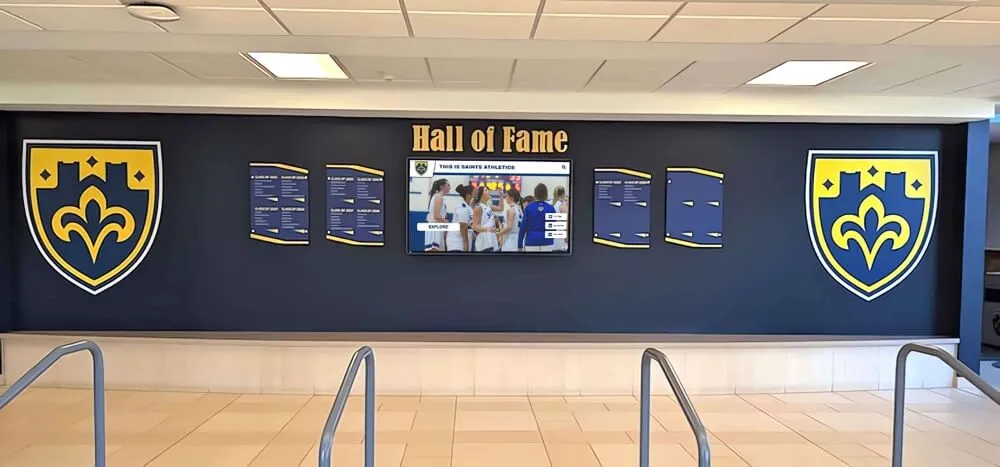
Schools with established trophy case collections should document every item's tier assignment before an emergency requires fast decisions under pressure
Step-by-Step Trophy Case Emergency Evacuation Procedures
Step 1: Build the Physical Inventory Before Any Emergency
Before you can evacuate effectively, you need a complete record of what exists and where it is. A trophy case inventory serves as both a planning document and a post-emergency recovery reference.
For each item, record:
- Item name and description
- Year acquired or year the achievement represents
- Associated athlete, team, or program name
- Physical condition
- Approximate replacement or appraisal value where applicable
- Whether any digital documentation exists (scans, photos)
- Priority tier assignment (1, 2, or 3)
Maintaining a documented key control log for trophy case access ensures that when evacuation is needed, authorized staff can get into locked cases quickly without hunting for keys under pressure. Document which staff hold which keys, where spare keys are stored, and who authorizes access during off-hours.
Step 2: Photograph and Digitize Every Item
A physical inventory is valuable. A photographic inventory is essential. Photograph every item from multiple angles before any emergency forces your hand.
For high-priority items:
- Photograph all sides including engraved bases and backs
- Photograph each item in its display context to support insurance claims
- Photograph any accompanying documentation—certificates, letters, programs
- Store copies in at least two off-site or cloud locations simultaneously
For historical photographs and documents:
- Scan at minimum 600 DPI for black-and-white images, 300 DPI for color
- Record the names of people depicted if known
- Document approximate year and occasion
- Store as both archival TIFF and access JPEG formats
- Upload off-site copies immediately after scanning
Step 3: Assign Roles and Prepare Evacuation Kits
Effective trophy case emergency evacuation requires pre-assigned responsibilities, not improvised volunteerism during a crisis.
Staff Role Assignments
| Role | Responsibility | Key Resource |
|---|---|---|
| Athletic Director | Authorizes evacuation, directs Tier 1 priorities | Physical inventory list, key access |
| Athletic Secretary | Operates display case keys, leads Tier 2 removal | Key log, packed materials list |
| Head Custodian | Provides padded containers, carts, and staging area | Packing supplies location |
| IT/Technology Coordinator | Ensures cloud backups are current, credentials available | Backup access log |
| Advancement/Archives Staff | Oversees historical documentation items | Item provenance files |
Prepare sealed emergency kits stored near—but not inside—trophy cases:
- Acid-free tissue paper for wrapping fragile items
- Small banker’s boxes for plaques and flat items
- Bubble wrap and padded envelopes for large trophies
- Permanent marker and pre-printed label sheets for chain-of-custody tracking
- Laminated copy of the Tier 1 inventory with item photographs
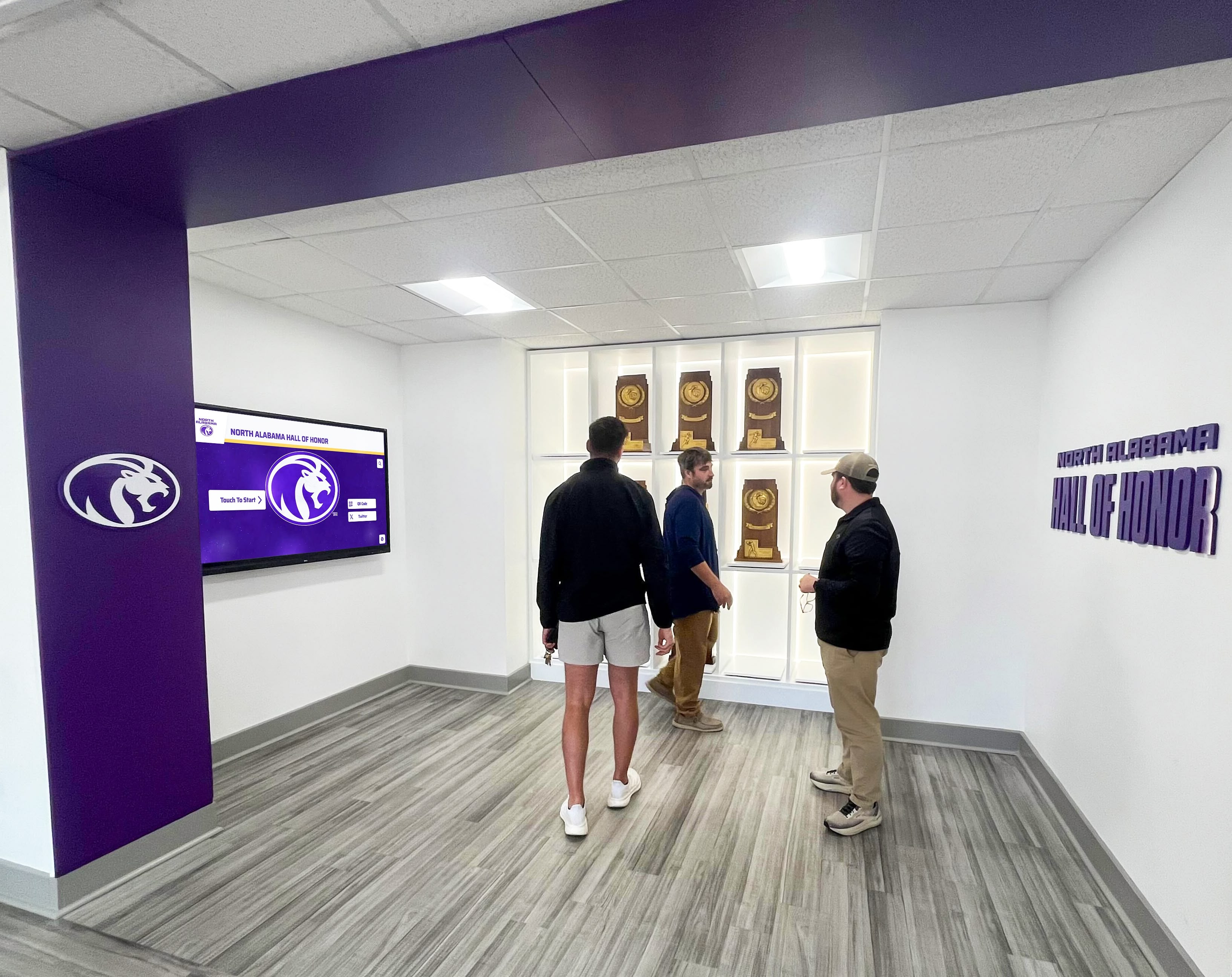
Pre-assigned staff roles and documented responsibilities ensure coordinated trophy case evacuation rather than improvised response during a facility emergency
Step 4: Establish a Staging and Chain-of-Custody Process
Evacuated items need to go somewhere specific, tracked carefully. Improvised staging—“just put it in the gym”—leads to damaged items and incomplete records after the emergency.
Designate before any emergency occurs:
- Primary staging location: A nearby space within the building for brief holds during drills or minor events
- Off-site staging location: An identified facility for extended displacements such as a district warehouse or partner school
- Chain-of-custody log: A simple sheet where each item is signed out with a staff name, time, and destination
Items removed without chain-of-custody documentation become difficult to track for insurance claims and may fall outside school property policy coverage. A two-minute sign-out process protects months of recovery work.
Step 5: Plan for Recovery and Reinstallation
The end of an emergency is the beginning of recovery. Include a recovery checklist in your trophy case emergency evacuation plan:
- Compare all evacuated items against the physical inventory
- Document any items that could not be evacuated with photographs of the display
- Photograph any damage to items and cases for insurance documentation
- Contact trophy vendors for any awards requiring replacement
- Assess whether display cases require repair or replacement before reinstallation
- Re-photograph all returned items before reinstalling
- Update the digital inventory to reflect any changes in condition or location
For items that are genuinely lost or destroyed, the recovery phase also involves decisions about whether to reconstruct recognitions. Many championship trophy display arrangements and football trophy case collections that were damaged can be partially reconstructed using documented records, vendor archives, and community contributions. Schools with strong digital archives have a significant advantage at this stage—digital records document what was there even when the physical objects are gone.
Step 6: Drill and Review the Plan Annually
An evacuation plan reviewed once and never practiced is a plan that will be ignored under pressure. Build a 30-minute annual review into the school year calendar—ideally at the beginning of the year before athletic seasons begin.
Annual review agenda:
- Walk through every trophy case and confirm the inventory is current
- Verify keys are accessible to all assigned staff members
- Confirm emergency kits are fully stocked
- Update the digital inventory if new items have been added since last review
- Confirm off-site staging arrangements are still available
- Update the staff roles list to reflect any personnel changes
Trophy Case Inventory Checklist
Use this checklist to build your complete physical inventory before any emergency occurs.
Before You Begin
- Gather all keys for every display case and case room
- Prepare inventory forms or a spreadsheet (item name, year, tier, condition, digital backup Y/N)
- Prepare a camera or phone with sufficient storage for full photography
- Identify a secure storage location for the completed inventory documents
For Each Display Case
- Record case location (building, hallway, room number)
- Photograph case exterior before opening
- Count and photograph all items in the case
- Assign a unique ID to each item (tape a small label to the base)
- Record item description, year, and associated program
- Assign priority tier (1, 2, or 3) to each item
- Note physical condition (excellent, good, fair, damaged)
- Document whether a digital record already exists
- Note whether replacement documentation is available from vendors or news archives
For Historical Photographs and Documents
- Photograph or scan at archival resolution
- Record names of people depicted if known
- Record year and occasion
- Store originals in acid-free archival sleeves
- Upload digital copies to off-site backup immediately after scanning
For Signed and Provenance Items
- Record all signatures and attributions
- Photograph close-up of all signatures and inscriptions
- Document any authentication information available
- Note the associated person’s relationship to the school (alumnus, donor, coach)
Documentation Storage
- Save master inventory file to the school network drive
- Upload a copy to cloud storage accessible to key administrators
- Print a laminated quick-reference sheet (Tier 1 items only) for the evacuation kit
- Store a physical copy in a school safe or fire-resistant cabinet
- Provide a copy to district archives or central administration
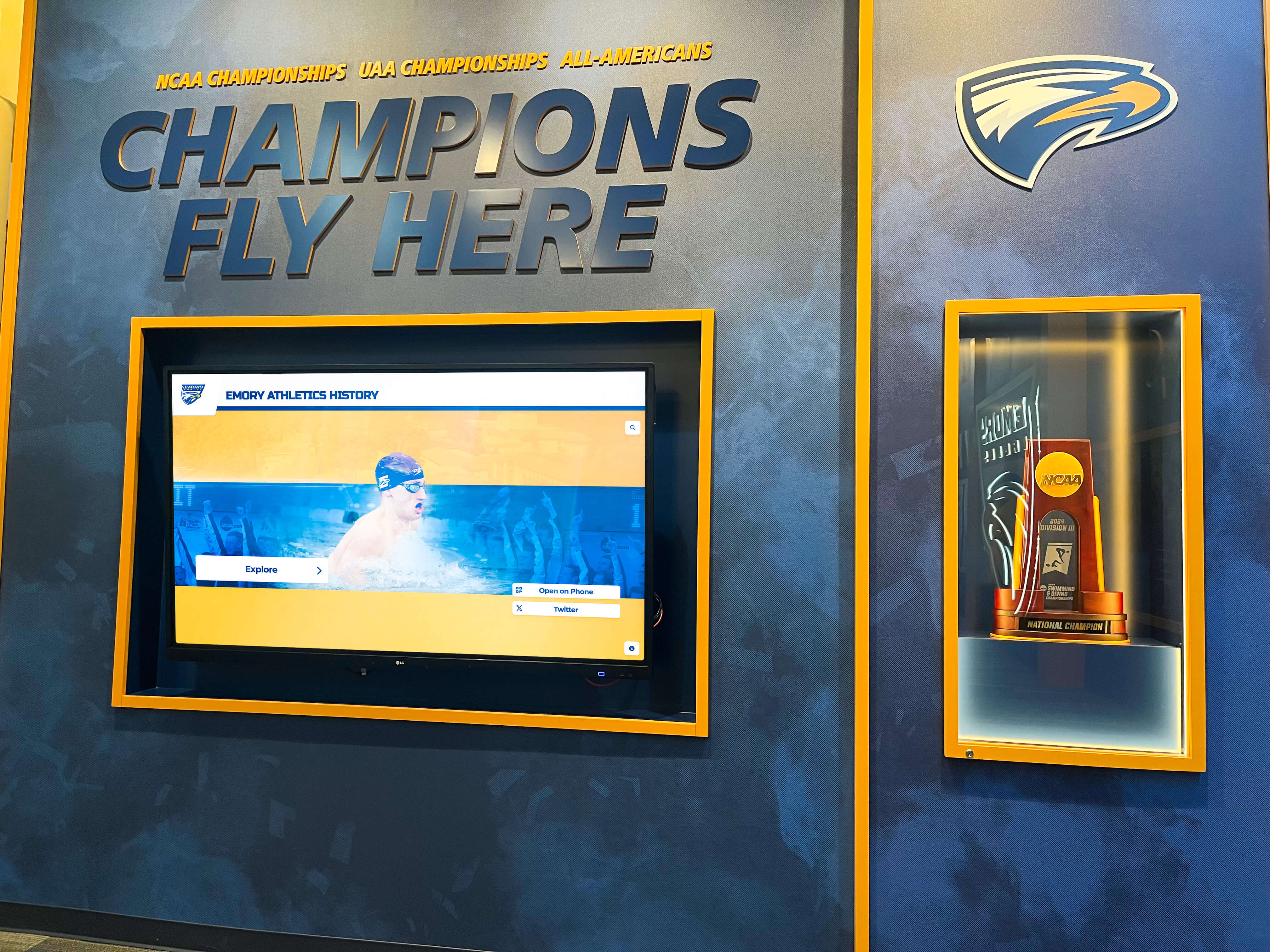
A documented physical inventory helps staff quickly identify and prioritize championship trophies and irreplaceable awards during an emergency evacuation
Digital Backup Strategy: The Most Resilient Emergency Protection
Physical evacuation protects items you can carry. But the most resilient way to protect your school’s recognition heritage is to ensure it exists independently of any single physical location. Digital documentation that survives a facility emergency continues supporting alumni engagement, recognition programs, and institutional memory regardless of what happens to the cases themselves.
This is where digital warming becomes most apparent in emergency contexts. When recognition content lives only in physical cases, a facility emergency creates a gap in institutional memory that takes years—sometimes decades—to fill through reconstruction. When recognition is also accessible digitally, it remains available to alumni, students, and community members throughout any recovery period, and the warming effect continues uninterrupted.
Three Digital Backup Tiers for Schools
Tier 1 Digital: Cloud Storage Archive
Basic photo backups in cloud storage provide off-site redundancy for documented items. Staff can access records during a recovery even if the building remains inaccessible. This is the minimum viable digital strategy.
Tier 2 Digital: Searchable Database
A structured database or content management system where items are tagged, searchable, and accessible to multiple staff members simultaneously. This level dramatically simplifies both emergency recovery and routine recognition program management throughout the year.
Tier 3 Digital: Interactive Recognition Platform
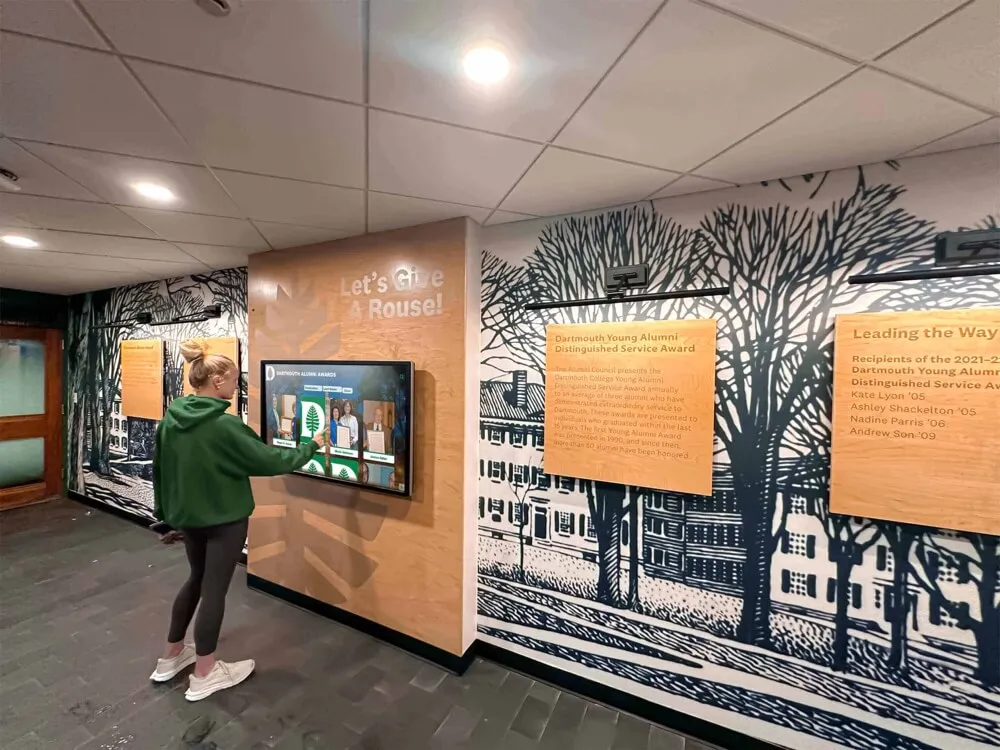
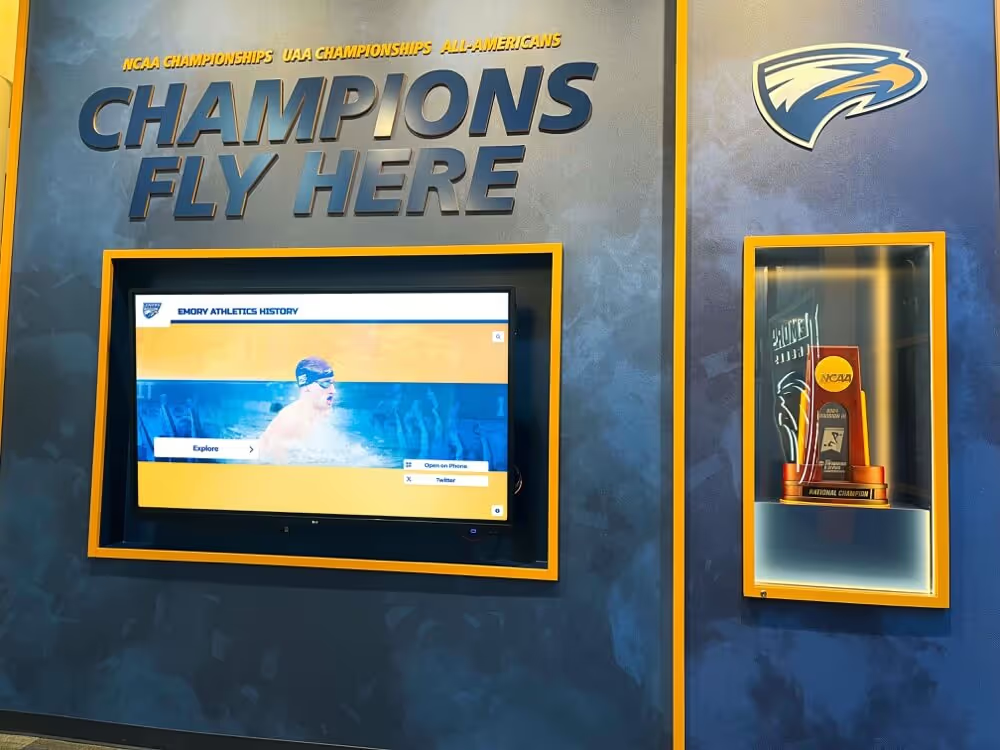
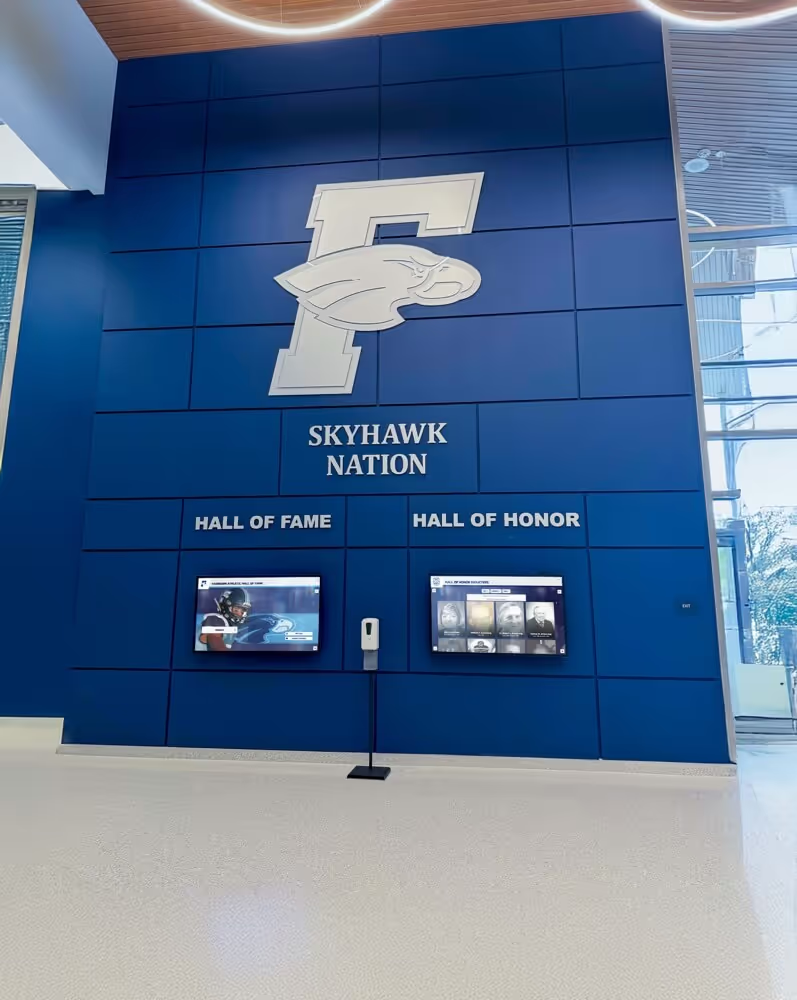
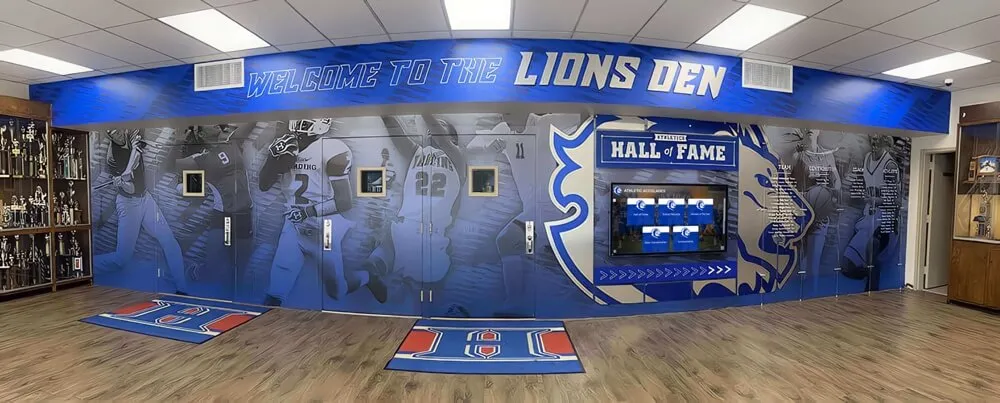
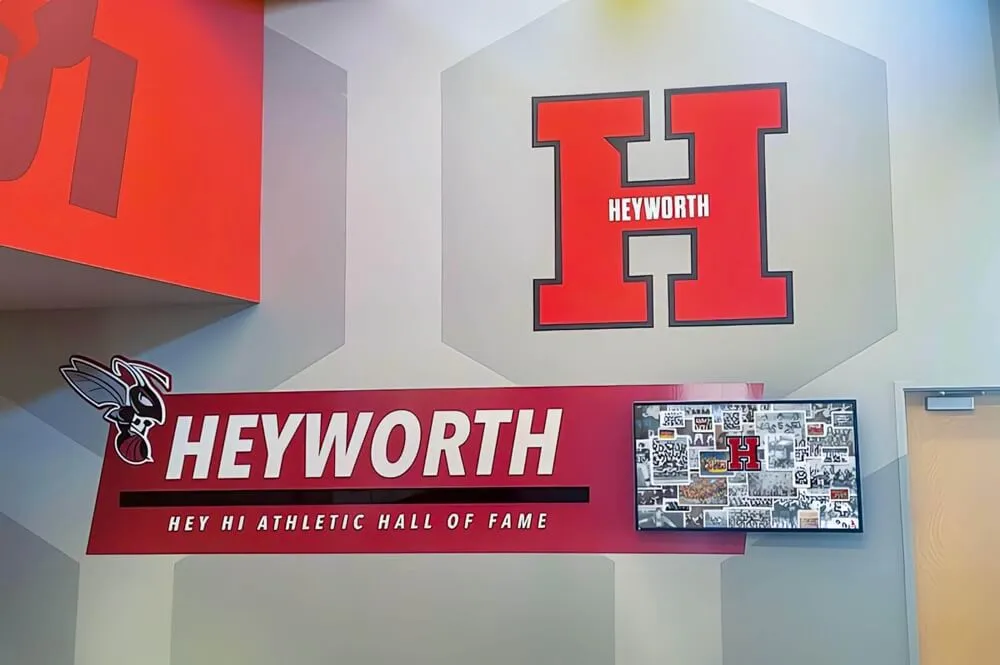
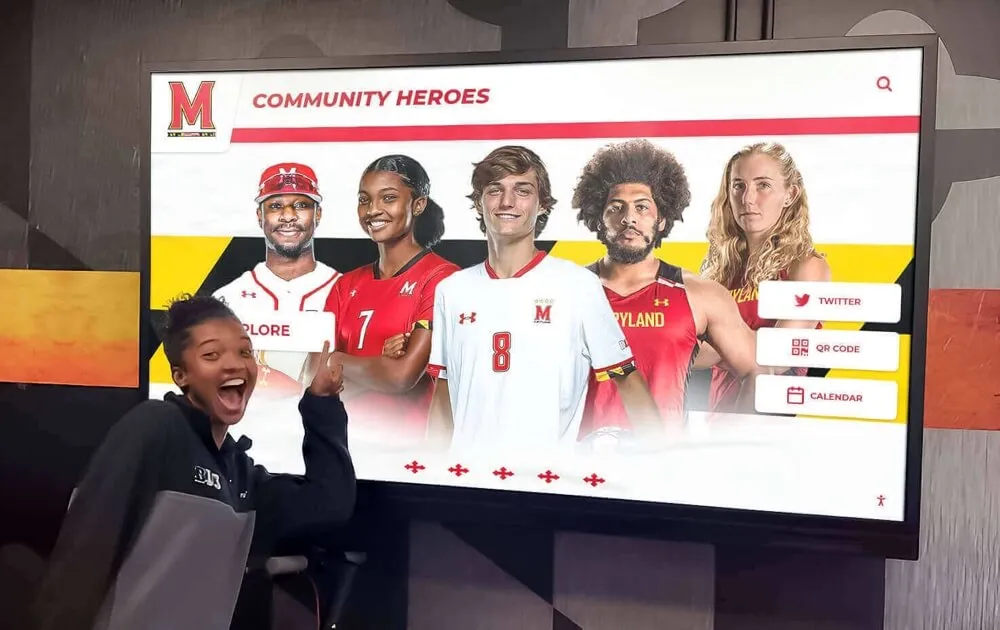
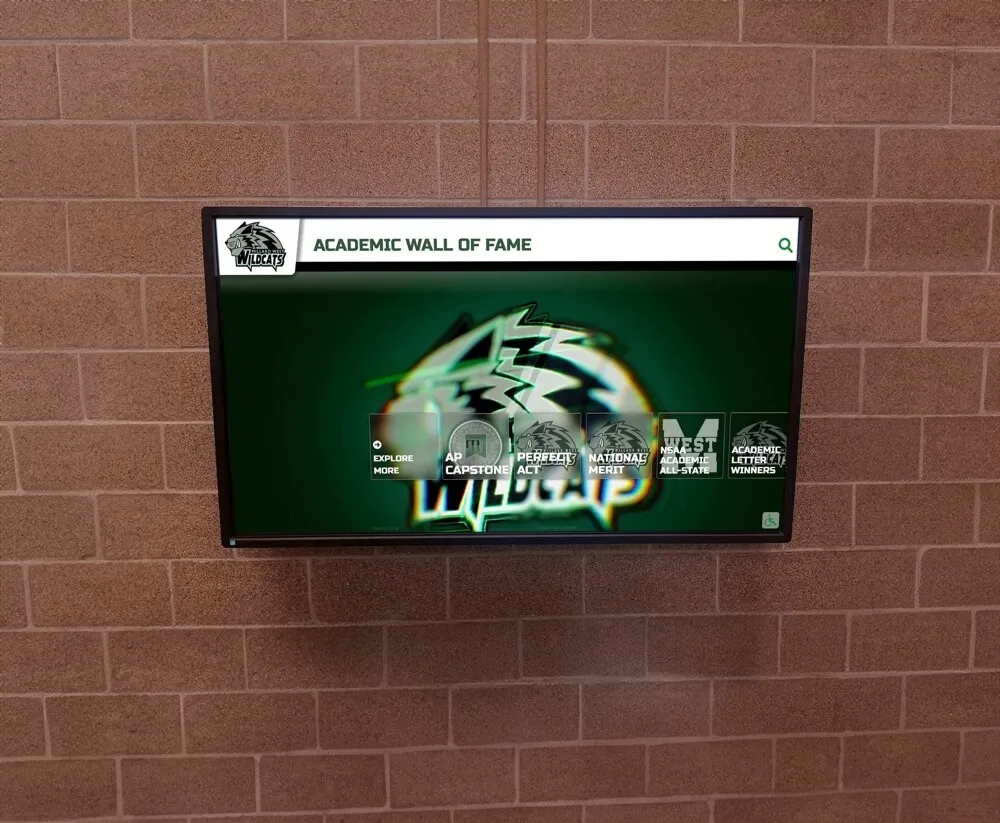
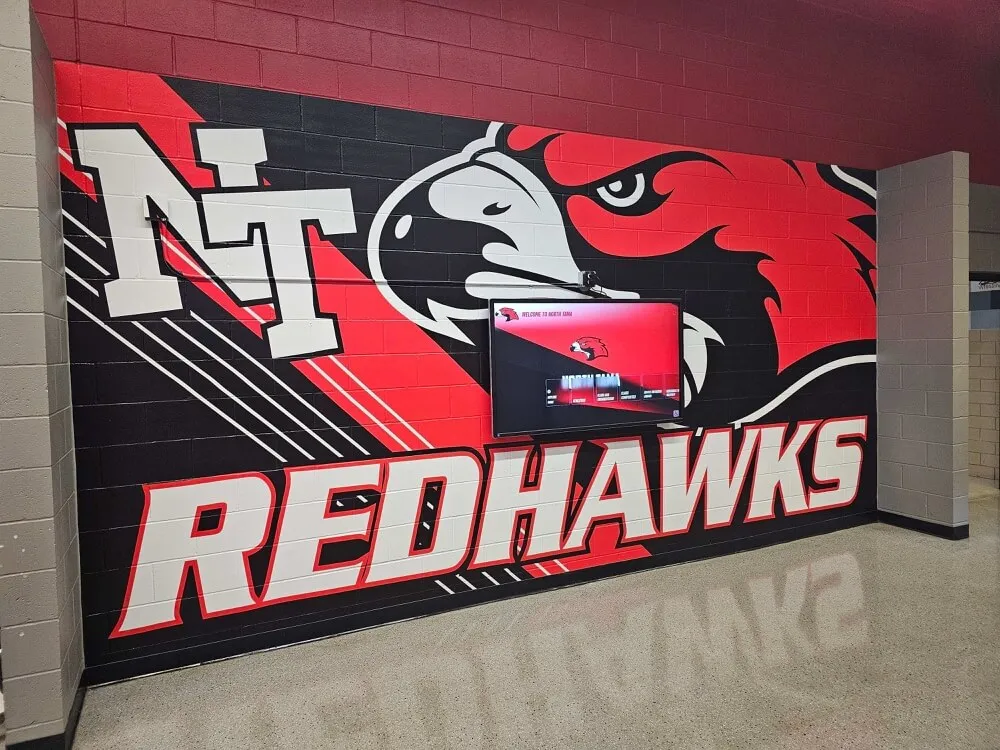
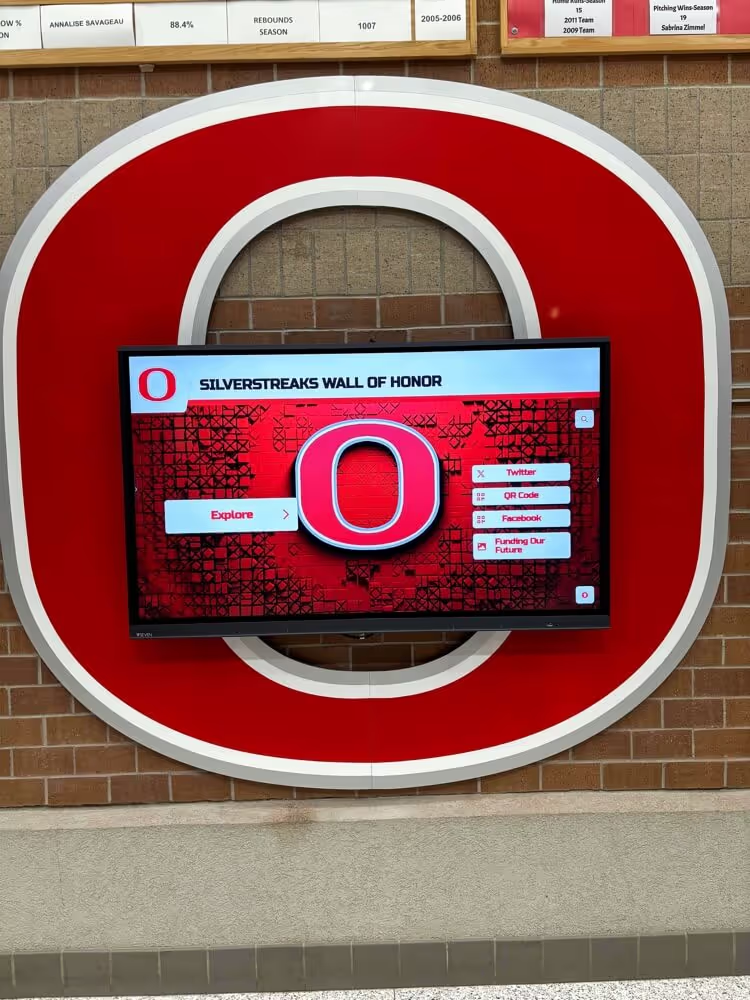
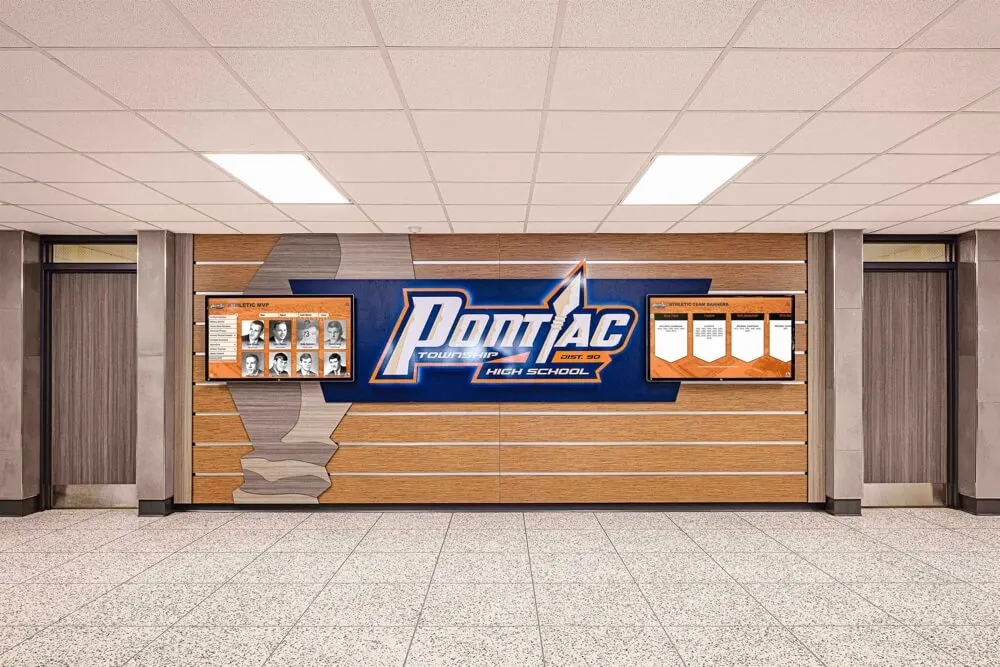
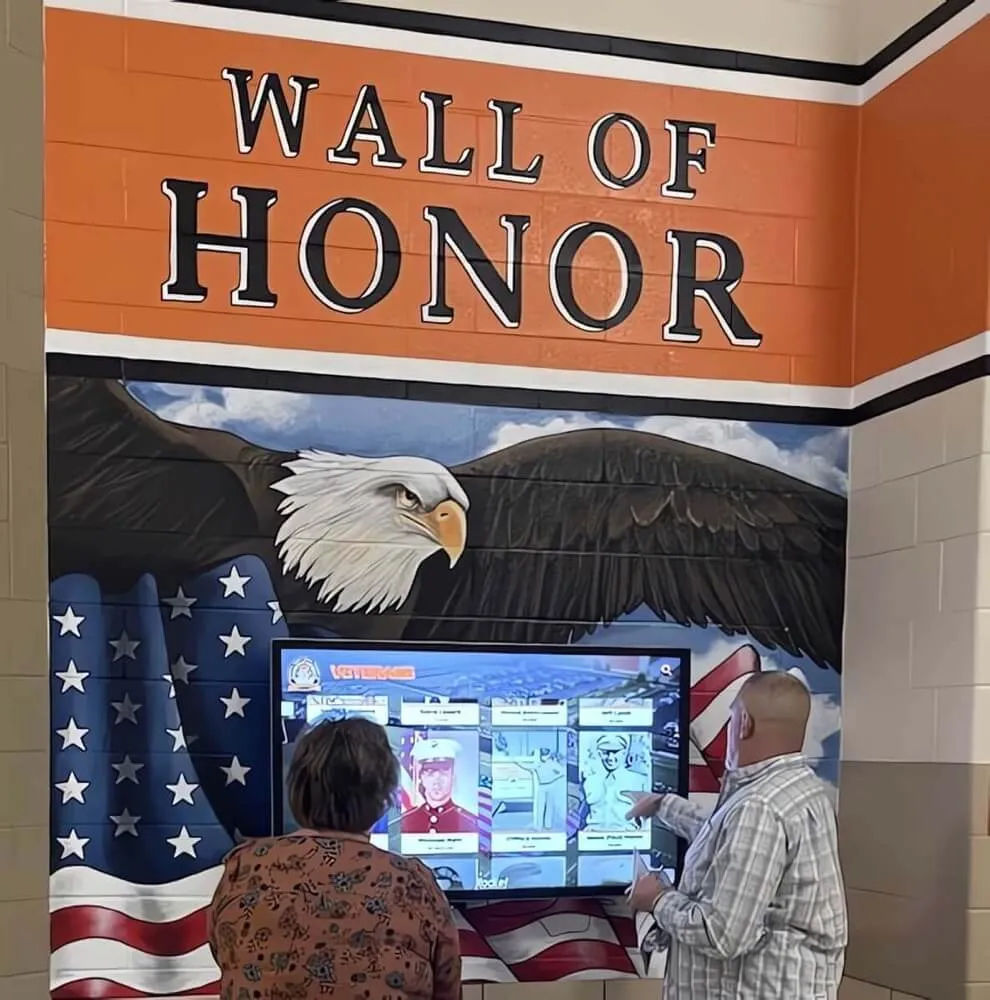
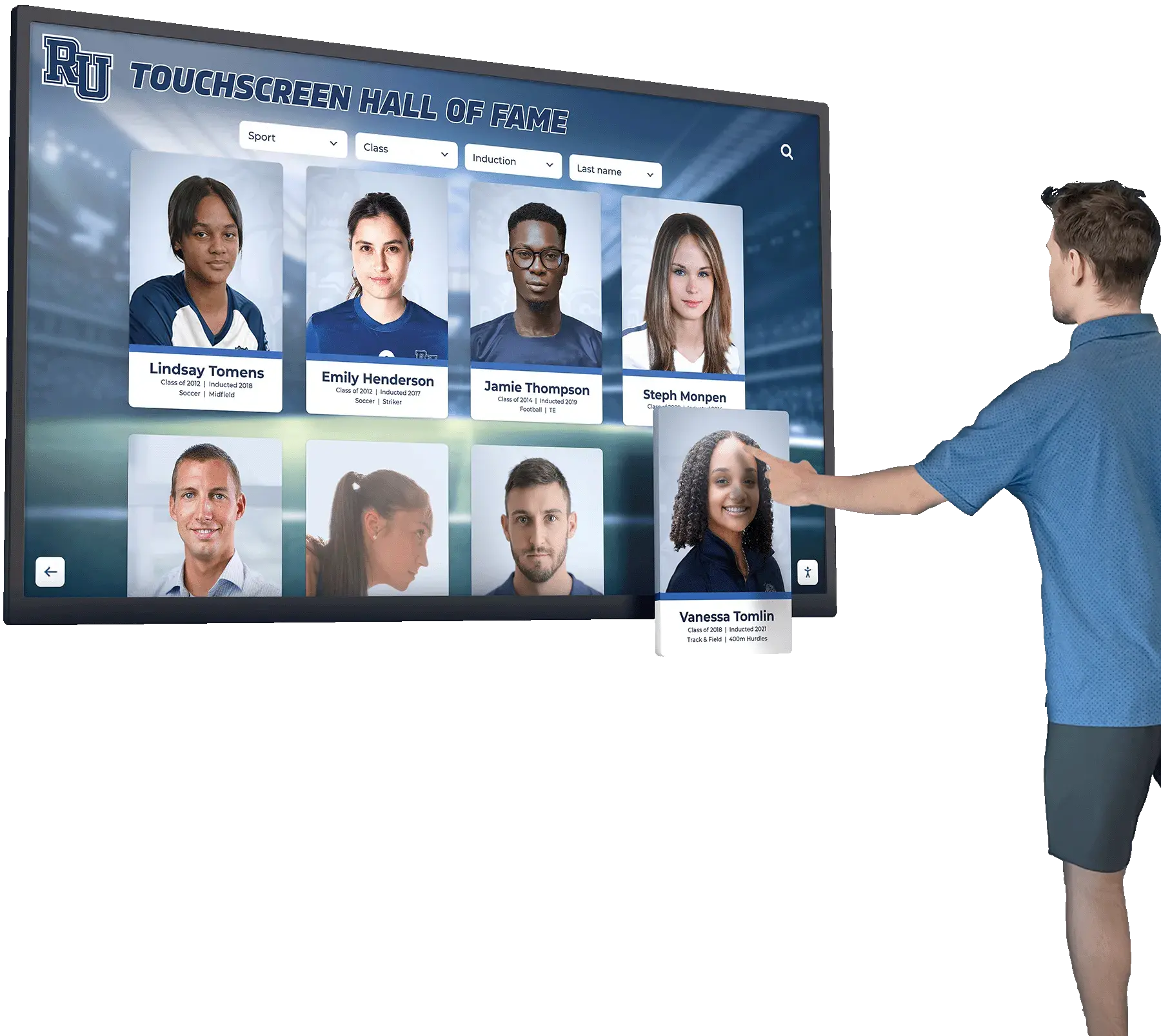
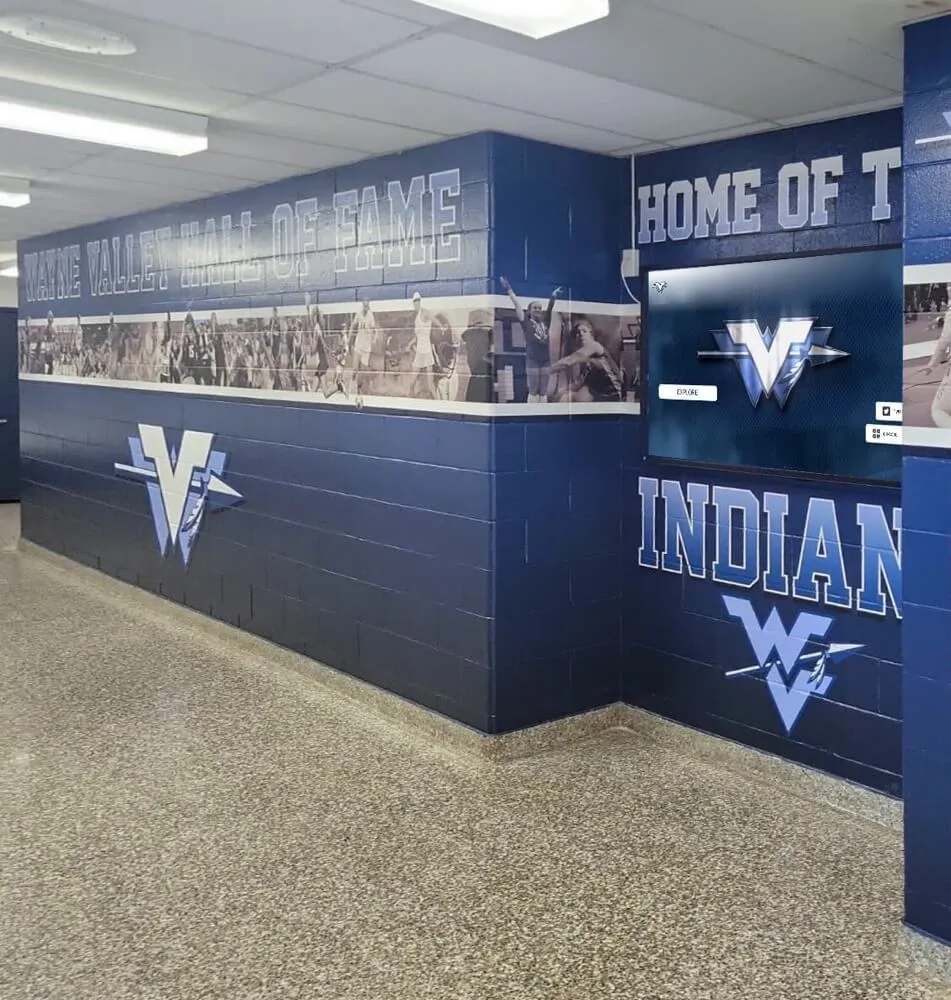
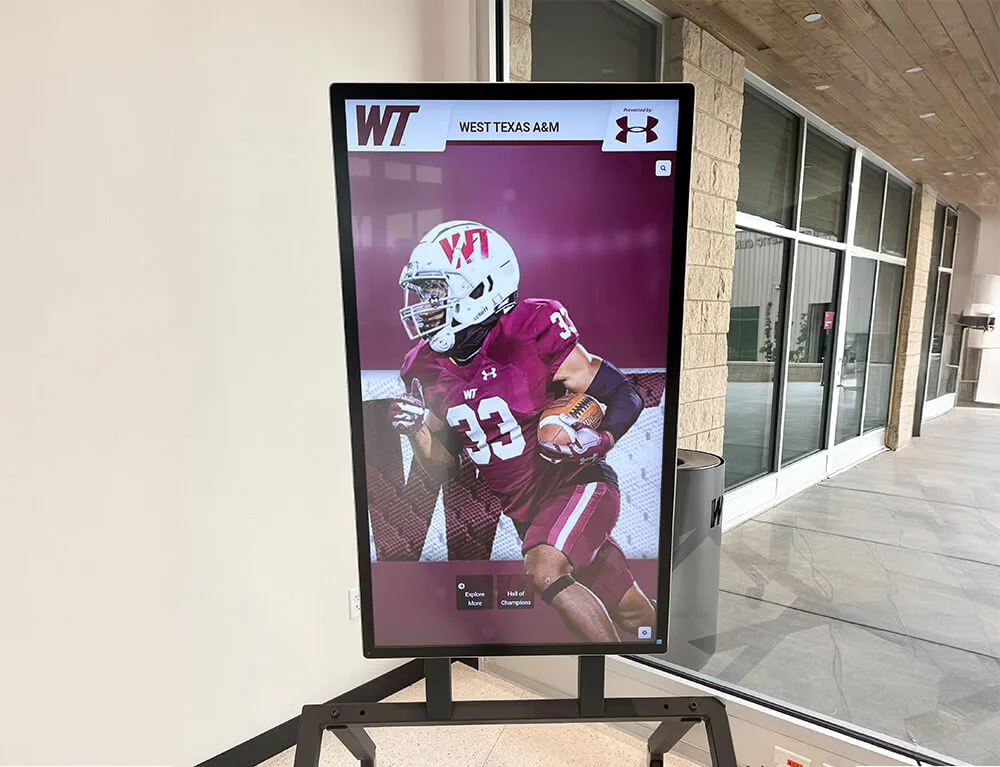
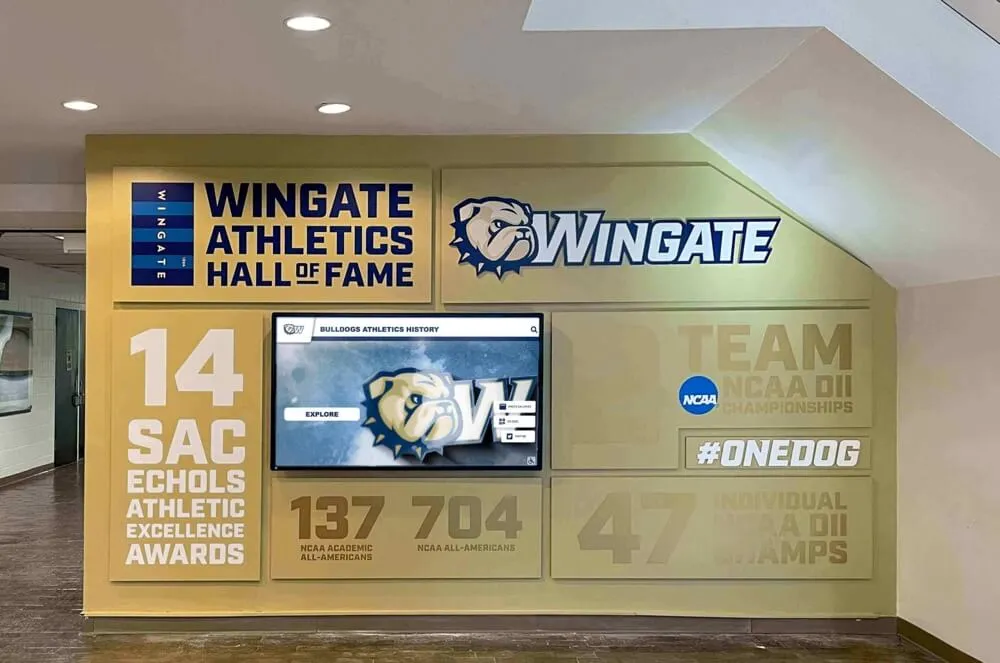
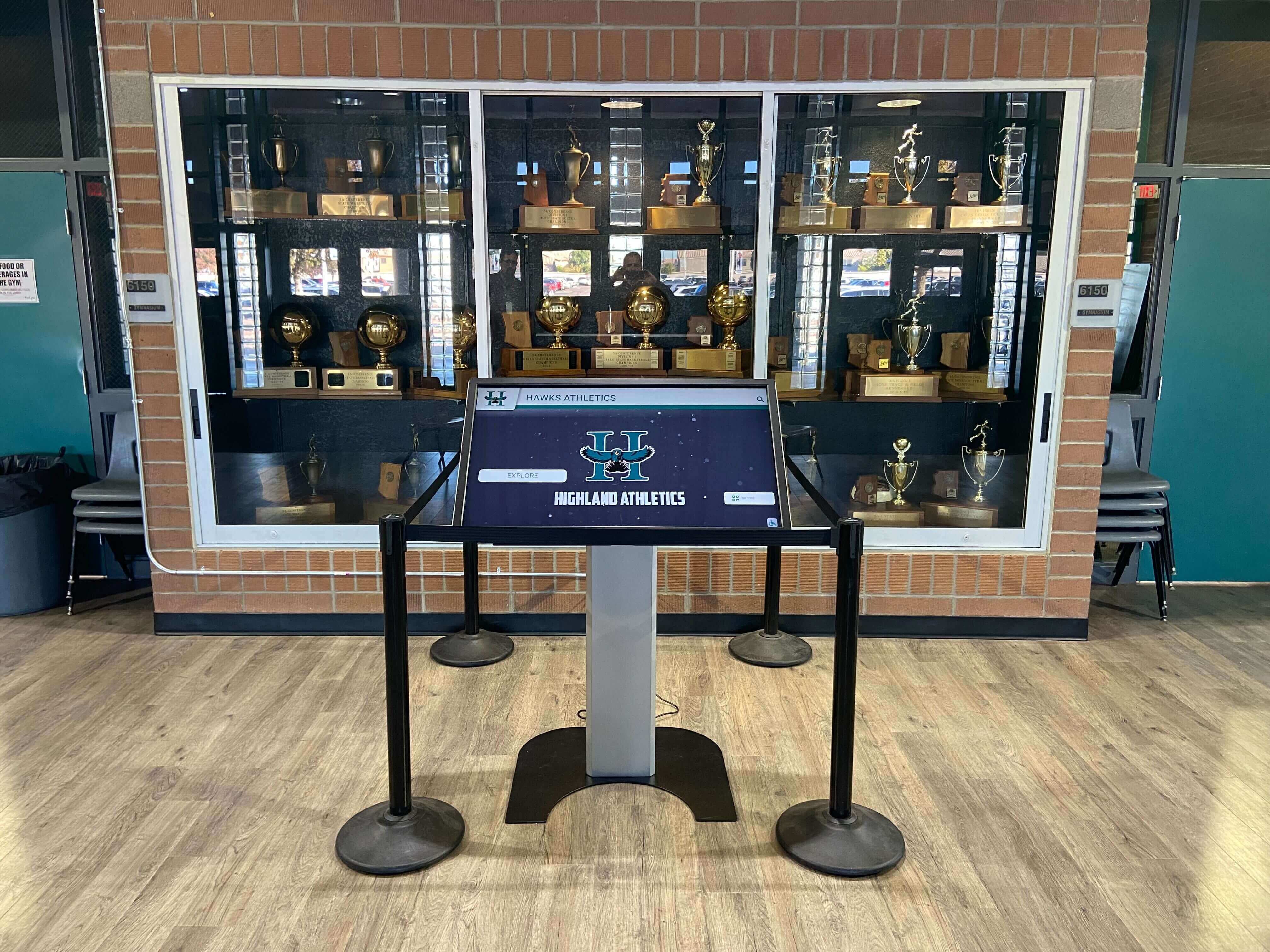
A purpose-built hall of fame platform that makes recognition content accessible on campus touchscreens, school websites, and mobile devices. When the trophy case is temporarily unavailable, digital displays and web-based platforms continue serving the full recognition function for alumni, students, and visiting families.
Schools exploring memorabilia display and digital recognition approaches increasingly find that emergency resilience alone justifies investing in digital infrastructure alongside physical cases. The comparison between digital hall of fame displays and traditional trophy cases consistently shows that digital systems provide resilience that physical-only approaches cannot match. Additional comparisons of digital versus traditional recognition for school hallways and digital hall of fame versus traditional trophy case approaches reinforce the same conclusion.
If your school is ready to pair physical emergency planning with a digital recognition system that keeps community engagement running through any disruption, explore Rocket Alumni Solutions to see how schools are building resilient recognition programs.
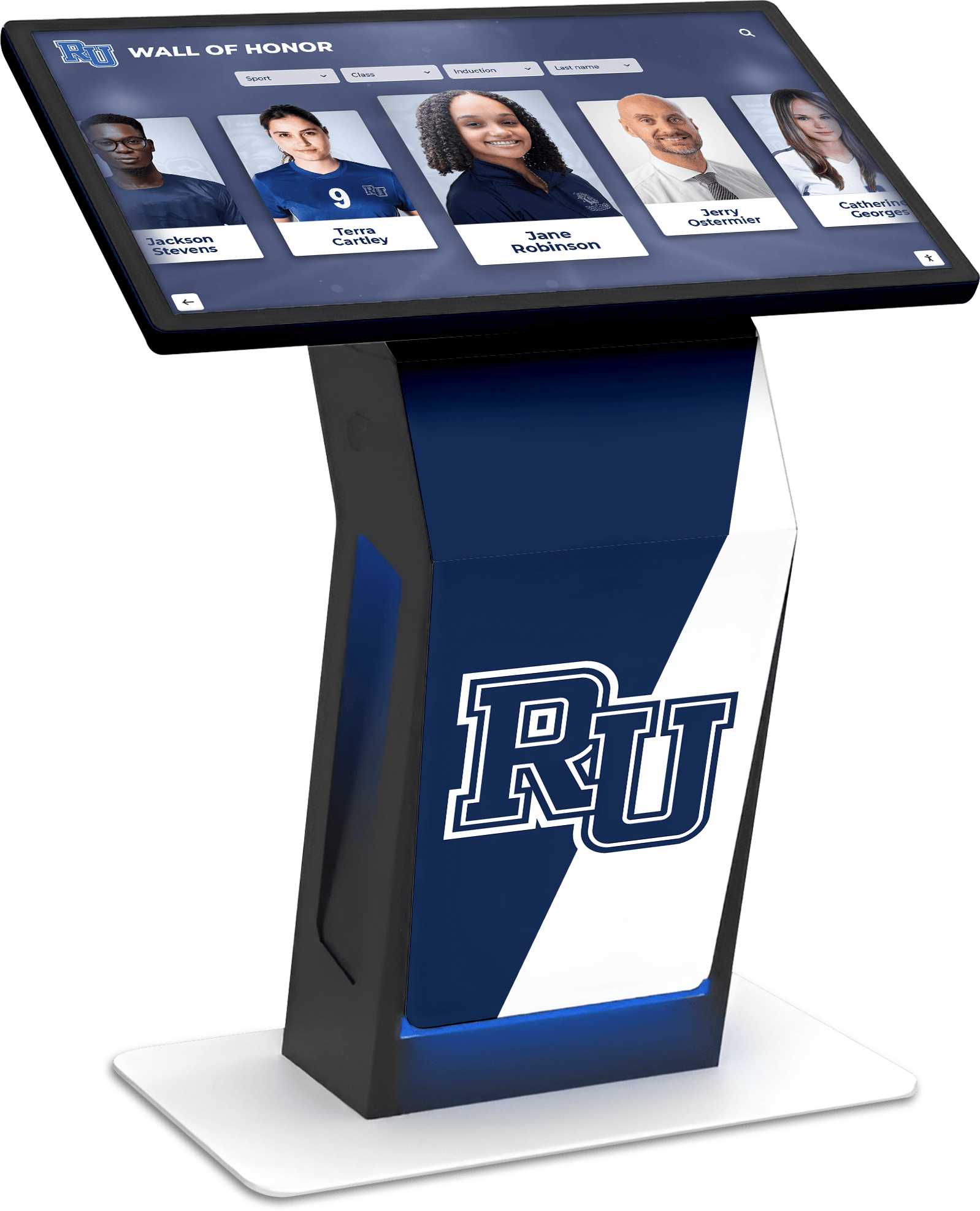
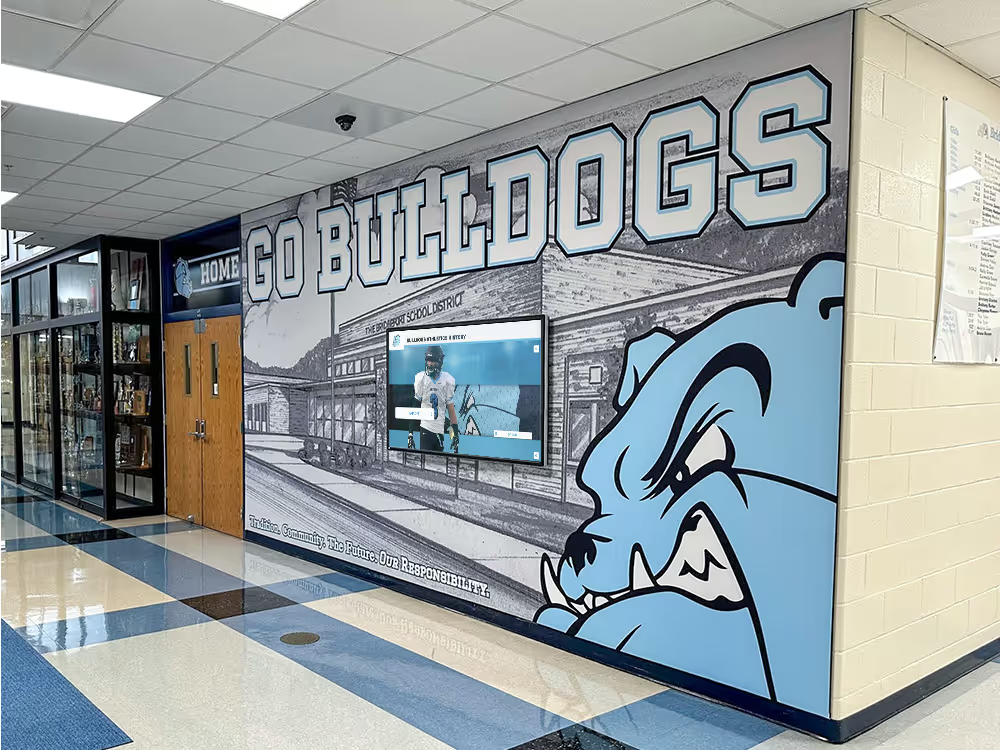
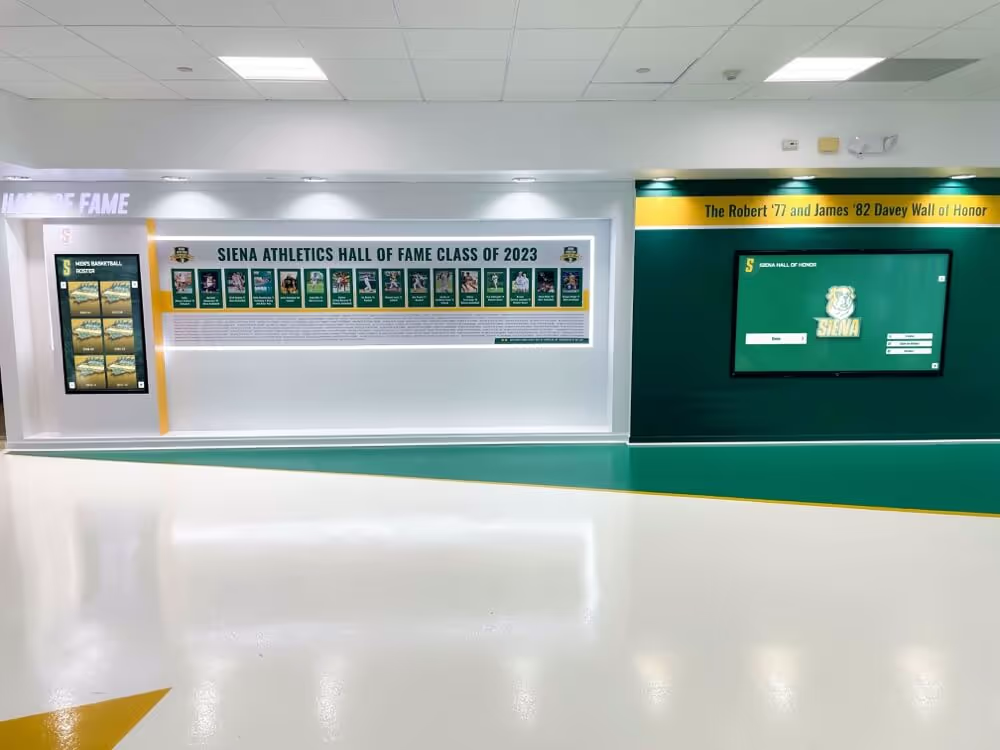
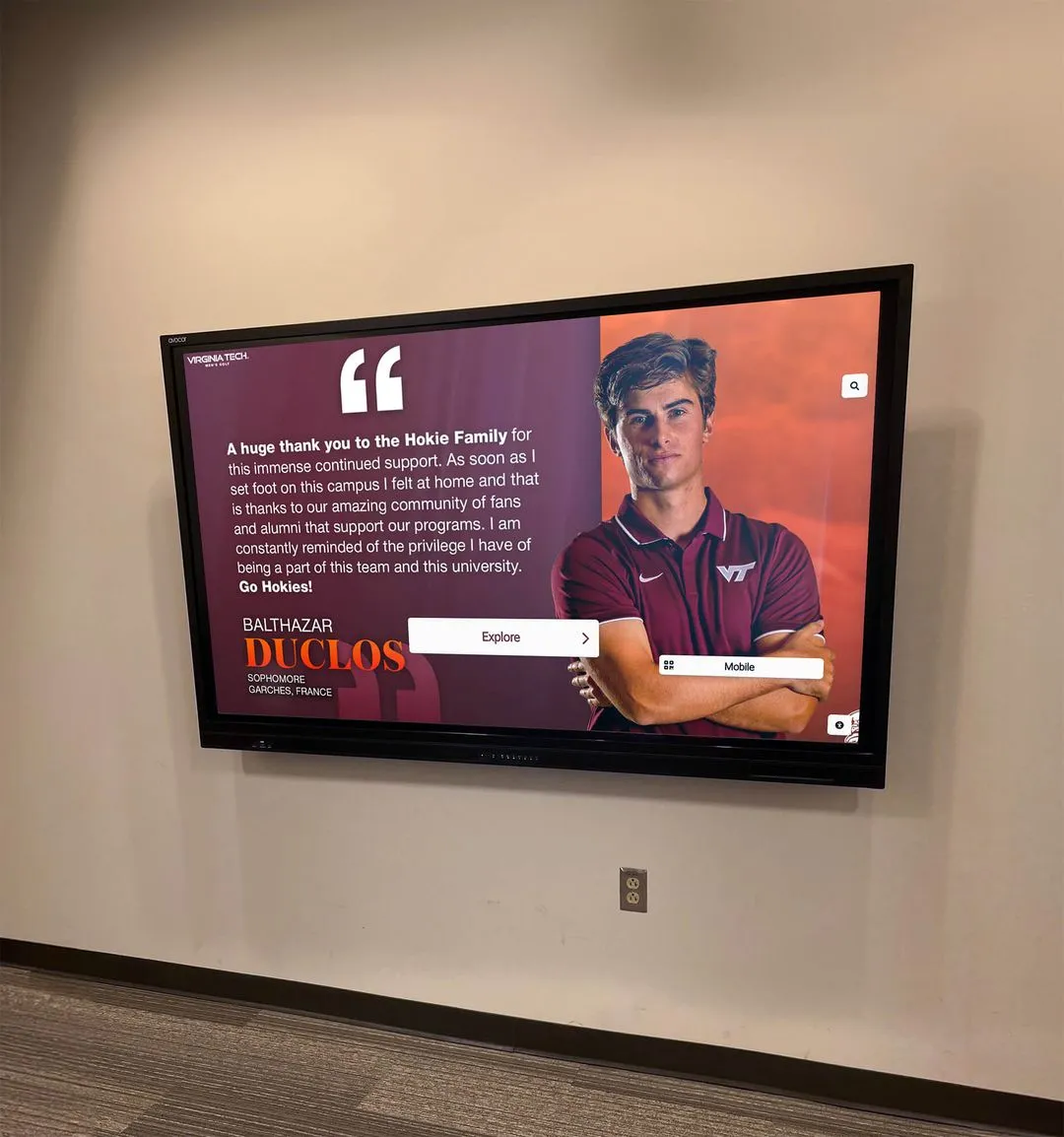
Digital recognition platforms provide continuous access to school awards content regardless of physical facility conditions—the most resilient complement to any emergency evacuation plan
Frequently Asked Questions
What should we do first if we have no plan and an emergency is happening right now?
Move immediately to Tier 1 priorities: original championship trophies, signed memorabilia, and historical photographs with no digital duplicates. Use any phone camera to photograph items as you remove them. Use any available boxes or bags and get items to a designated staff member who can record them. After the emergency resolves, build the proper plan so the next event is handled systematically.
Who should be responsible for the trophy case emergency plan?
The athletic director typically owns the plan for athletic awards, while the principal or vice principal owns it for academic and institutional recognition. The advancement or alumni director should be included wherever donor recognition or named awards are involved. Assign a single plan owner who is responsible for annual updates and communicating changes to all assigned staff.
Should trophy cases be included in the school’s main emergency evacuation plan?
Yes, as an appendix or supplemental document. The main evacuation plan focuses on life safety—people exit first, always. The trophy case plan activates only when personnel safety is confirmed and time permits recovery operations. Ensure all staff understand this order of operations in writing.
What documentation do we need for insurance claims on lost or damaged awards?
Insurance claims for irreplaceable items require pre-loss documentation of existence and value: photographs, written inventory records, and purchase receipts or appraisals where available. Many school insurance policies require documented pre-loss evidence for items above a certain value threshold. A well-maintained physical inventory with photographs is the primary evidence for successful claims.
How often should we update the trophy case inventory?
At minimum, update the inventory at the end of each school year to capture new additions from the season. Schools with active athletic programs and frequent awards ceremonies benefit from quarterly updates. Any time a significant piece of memorabilia is added to a case, add it to the digital record the same day.
What happens if the building is completely inaccessible during or after an emergency?
This is precisely why digital documentation matters. If physical items cannot be retrieved, your digital inventory becomes the primary record for insurance documentation, reconstruction planning, and continued recognition. Schools with robust digital archives can continue honoring alumni, referencing championships, and maintaining institutional memory even during extended facility closures—preserving the digital warming effect that keeps communities engaged.
Protect Your School’s Recognition Heritage Before the Next Emergency
A trophy case emergency evacuation plan protects what took decades to build. The most resilient recognition programs pair physical emergency preparedness with digital systems that preserve and present school history regardless of facility conditions—keeping alumni engagement and community recognition active through any disruption.
Rocket Alumni Solutions provides interactive touchscreen displays, unlimited digital content archives, and remote content management specifically designed for schools, so your recognition heritage continues serving alumni, students, and community members through any recovery period.
Schedule a demo with Rocket Alumni Solutions to see how schools are protecting and presenting their recognition heritage with digital systems built to last.