



Music programs create spaces where students develop discipline, creativity, and collaboration while discovering lifelong passions. Within these programs, certain students demonstrate exceptional dedication—spending hours perfecting technique, leading sectionals, mentoring younger musicians, and contributing to their school’s musical culture in ways that extend far beyond individual performance. These outstanding student musicians deserve recognition systems that celebrate their achievements with the same visibility and prestige reserved for academic scholars and athletic champions.
The Tri-M Music Honor Society provides exactly this framework: a nationally recognized program that identifies and honors secondary school students demonstrating excellence in music scholarship, leadership, service, and character. For schools seeking to elevate their music programs and create meaningful recognition for exceptional musicians, Tri-M offers structured pathways that transform musical achievement from informal acknowledgment to prestigious, visible celebration.
Yet many schools and communities remain unfamiliar with Tri-M despite its significant impact on student musicians, music program strength, and fine arts culture. Understanding how this honor society functions, what it requires, and how schools can implement effective recognition systems around it enables music educators and administrators to build comprehensive approaches that celebrate musical excellence throughout their institutions.
This comprehensive guide explores Tri-M Music Honor Society fundamentals, membership requirements, program benefits, implementation strategies, and how schools can extend recognition beyond membership to create year-round celebration of musical achievement that strengthens arts culture and inspires continued excellence.

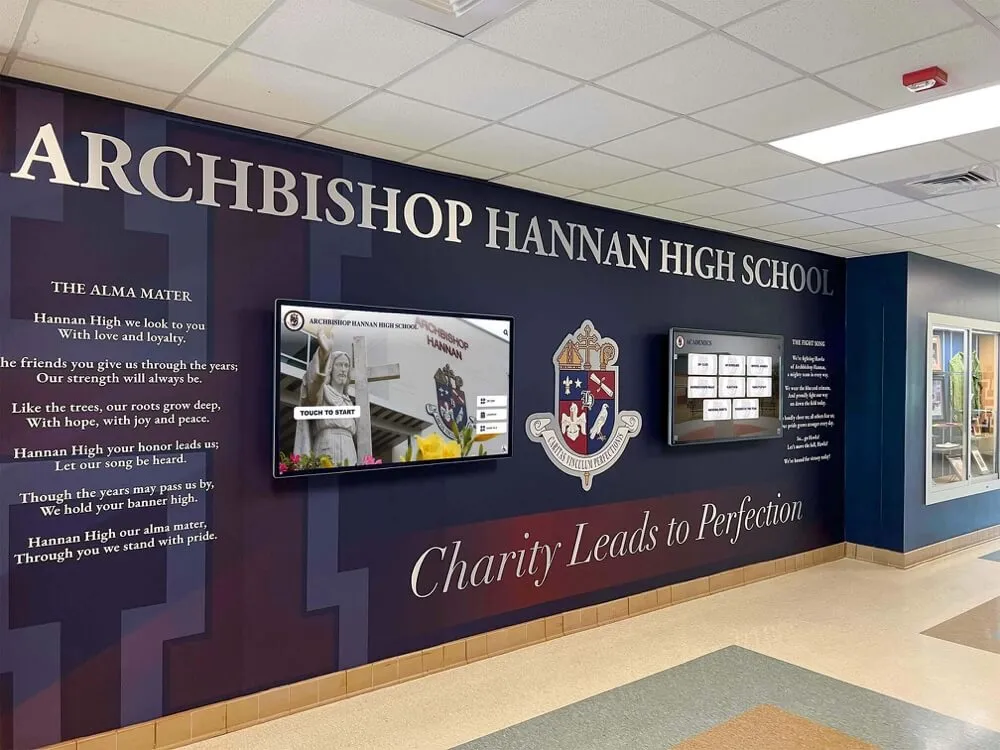
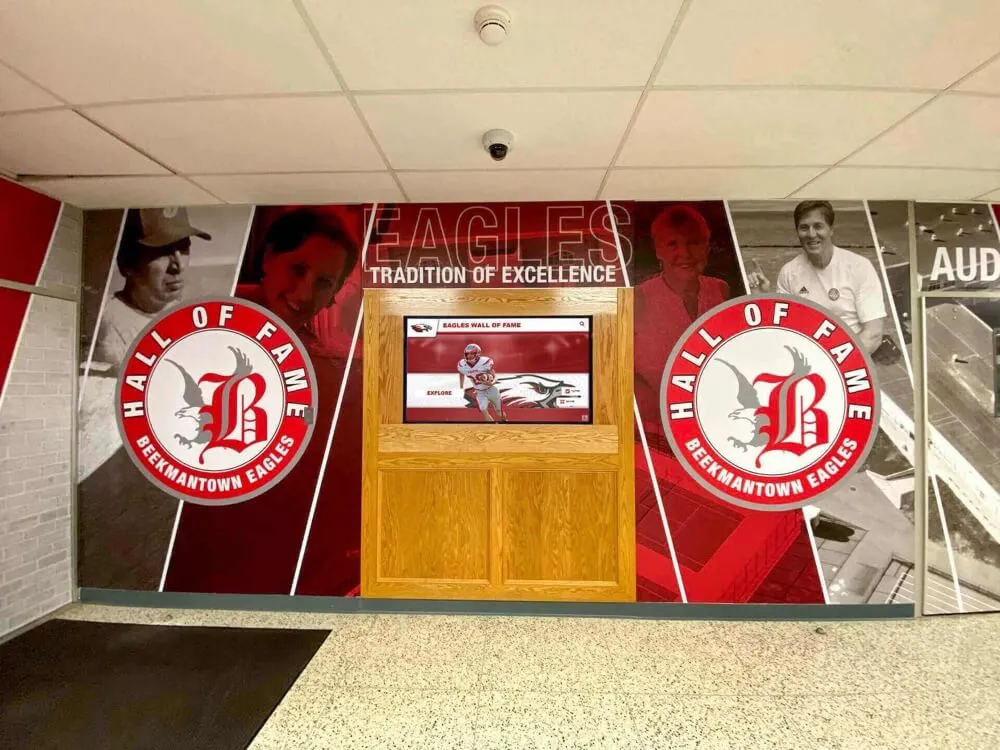
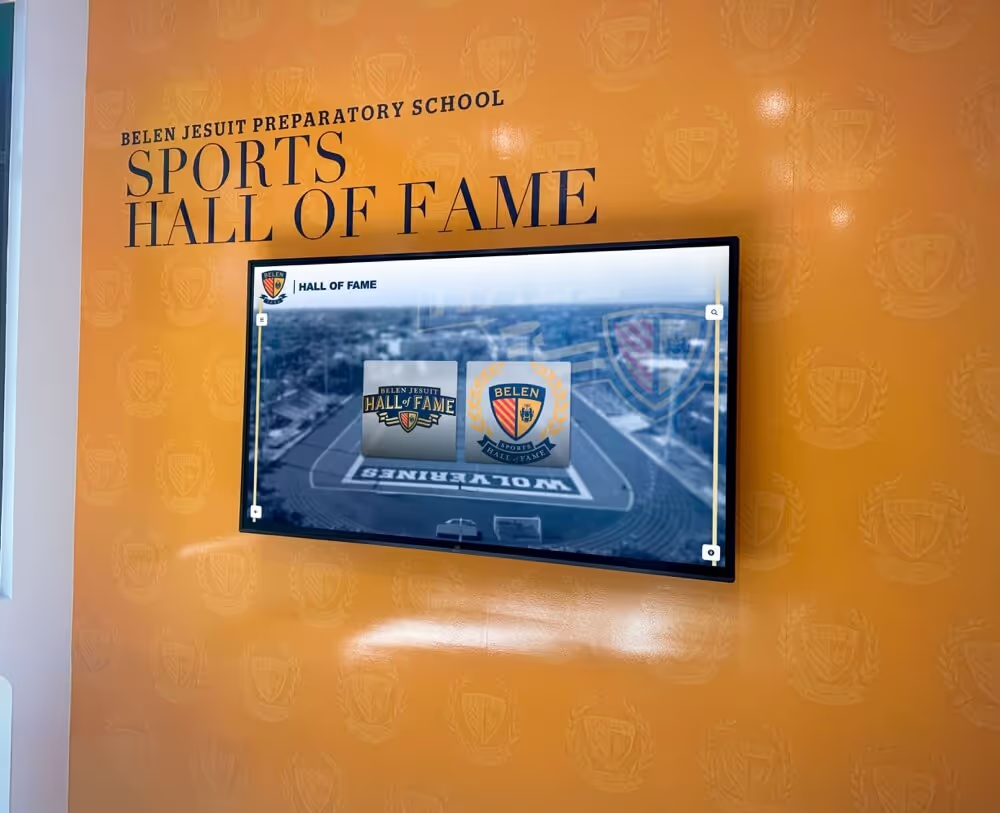
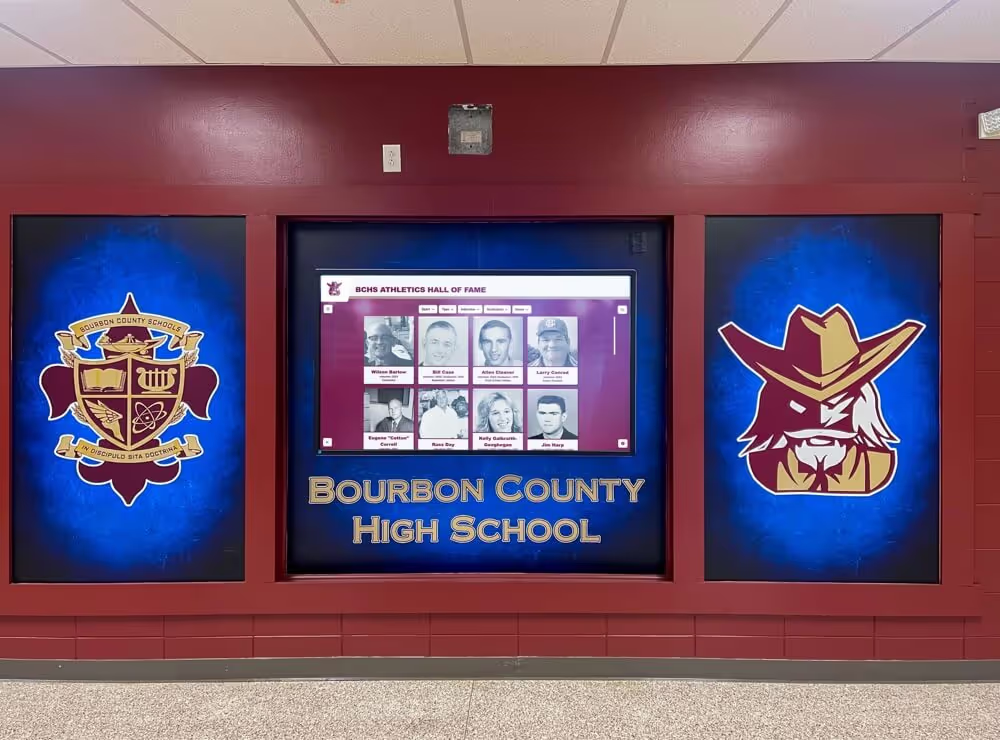
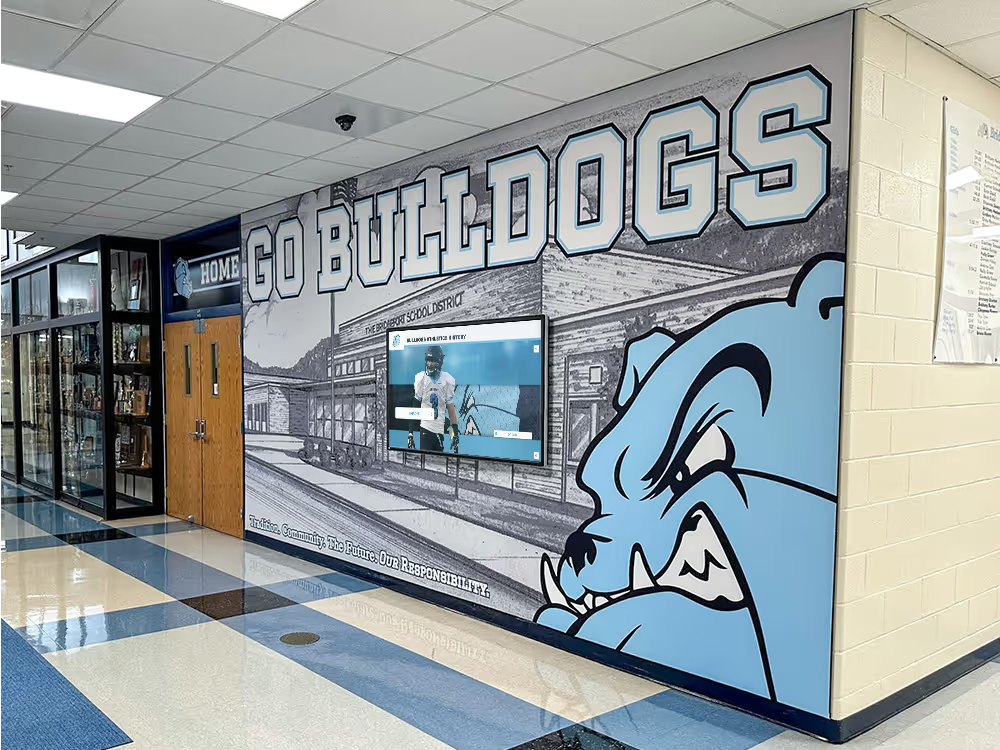
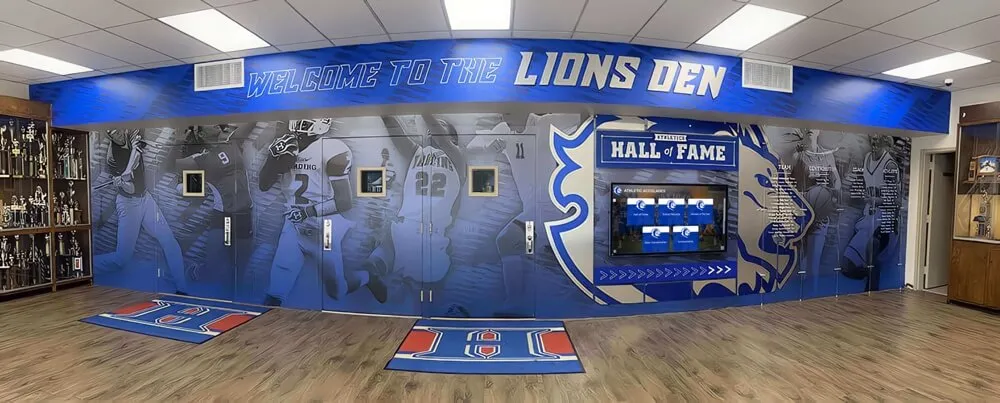
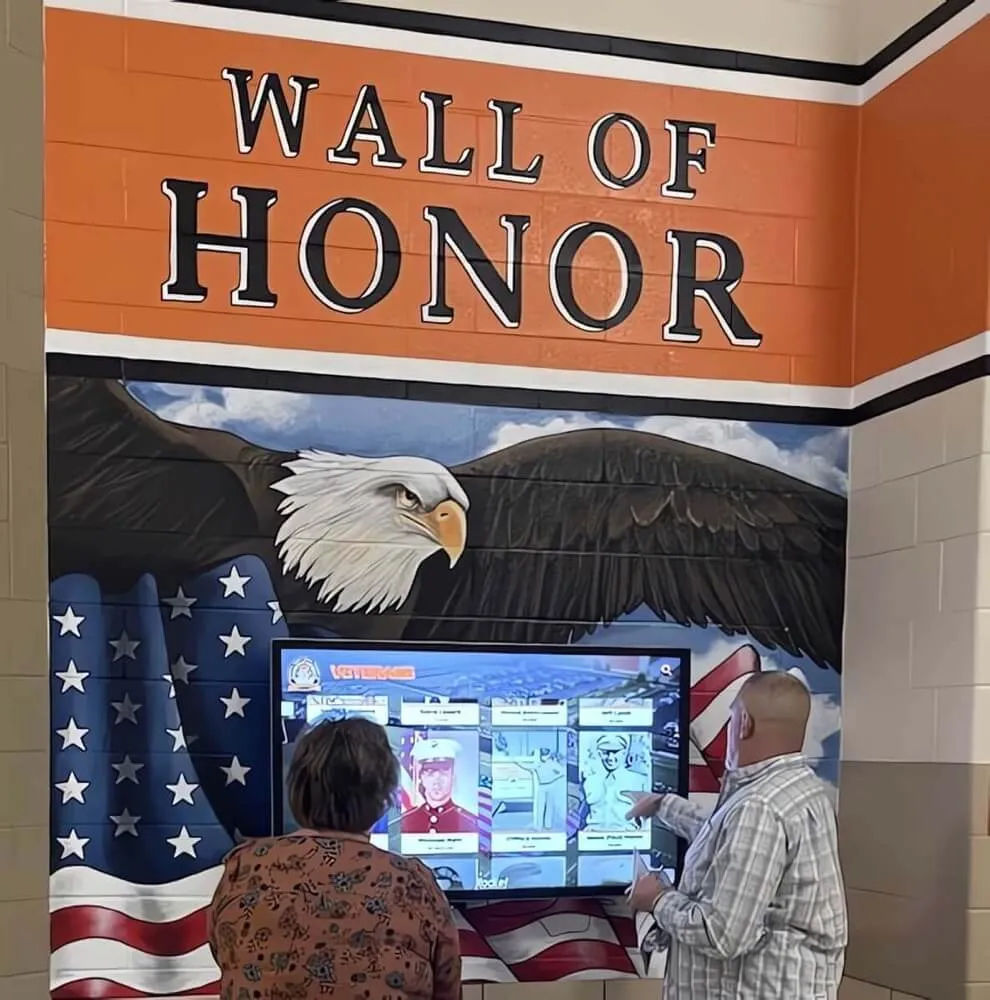
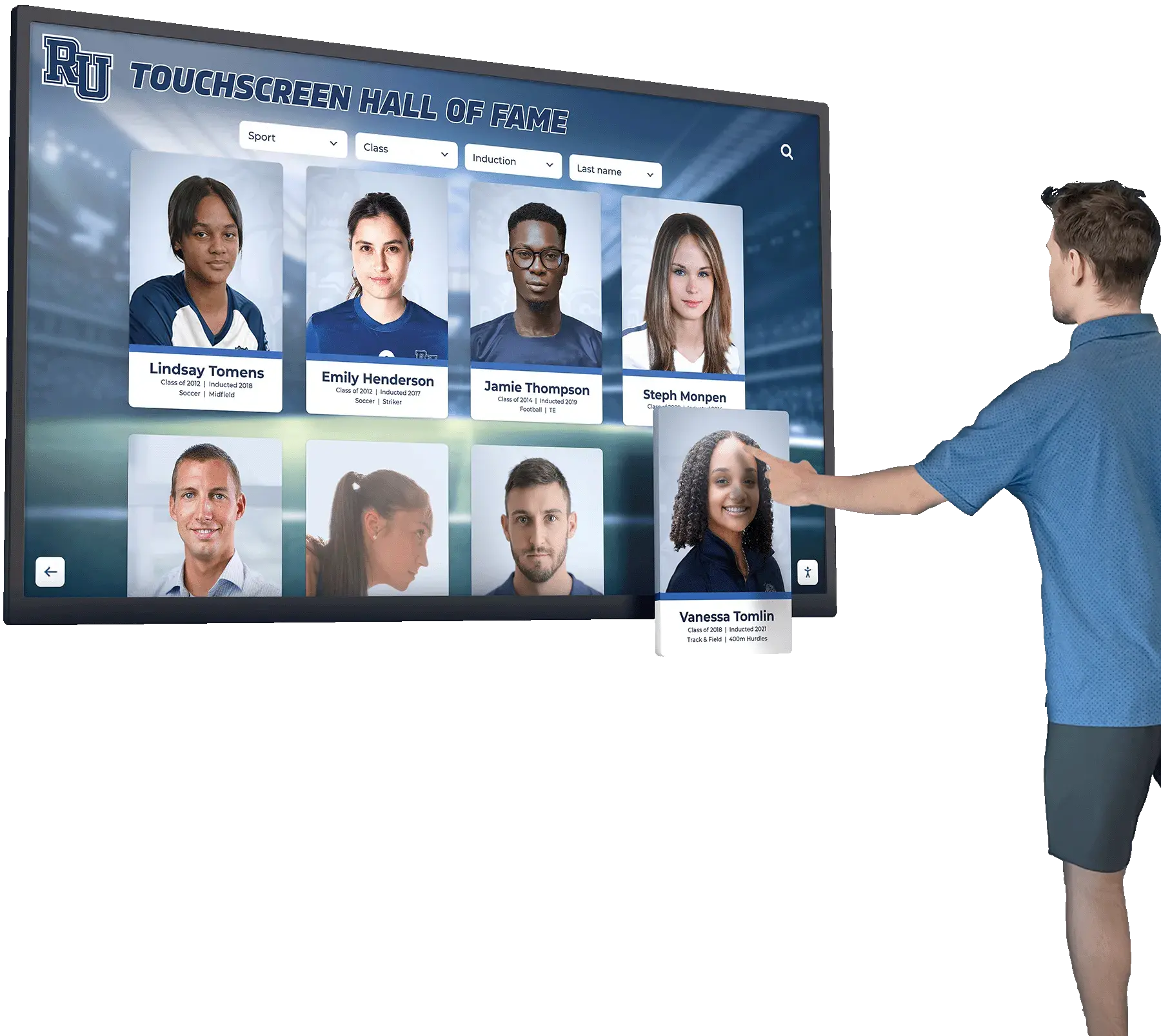
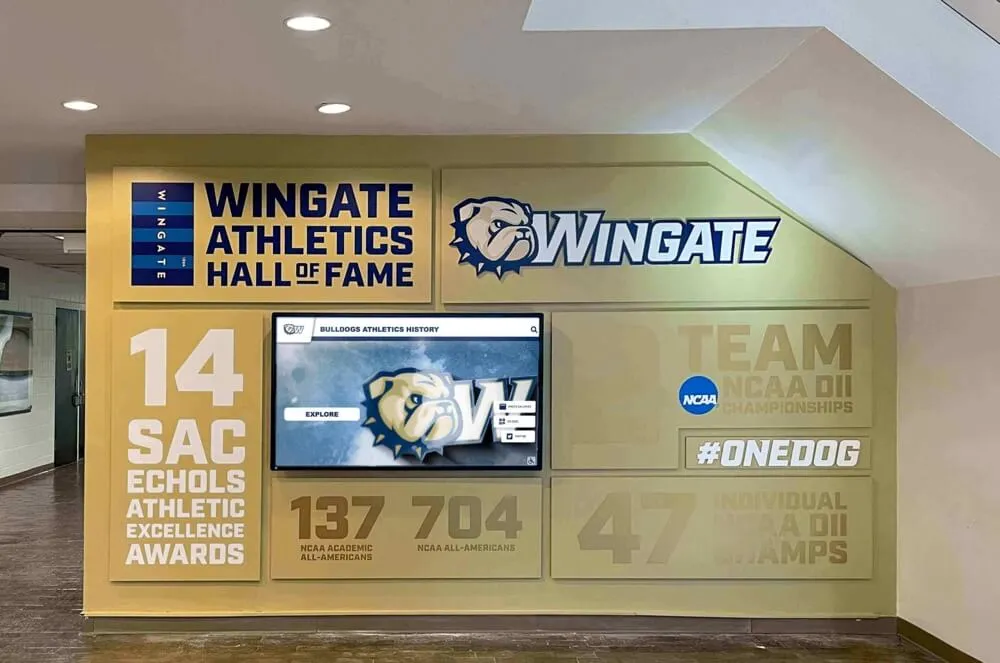
Modern recognition systems make musical achievements visible alongside other school accomplishments, elevating arts program prestige
Understanding Tri-M Music Honor Society
Founded as the Modern Music Masters in 1936, Tri-M Music Honor Society represents the nation’s premier recognition program for secondary school music students.
Tri-M Foundation and Purpose
The National Association for Music Education (NAfME) established and oversees Tri-M Music Honor Society, creating nationally standardized criteria ensuring consistent recognition standards across thousands of schools.
Core Mission Elements
Tri-M pursues multiple interconnected goals:
- Recognizing musical achievement: Honoring students demonstrating excellence in music scholarship and performance
- Developing leadership skills: Creating opportunities for student musicians to guide music program initiatives
- Promoting service: Engaging members in community music education and outreach activities
- Strengthening music programs: Building peer support systems that elevate overall program quality
- Fostering lifelong music engagement: Encouraging continued musical involvement beyond school years
This multi-dimensional mission ensures Tri-M extends beyond simple achievement recognition to develop well-rounded musicians who contribute meaningfully to music education and community cultural life.
National Organization Support
NAfME provides comprehensive resources for schools implementing Tri-M chapters:
- Standardized membership criteria ensuring recognition consistency
- Chapter chartering processes and ongoing institutional support
- Advisor training materials and best practice guidance
- Official recognition certificates, pins, and regalia
- Annual reporting frameworks maintaining program integrity
- Connection to national music education initiatives
This organizational infrastructure means schools don’t build music honor societies from scratch but rather implement proven systems with national credibility enhancing recognition significance.
Tri-M Recognition Structure
Understanding what Tri-M recognition entails helps schools communicate its value to students, families, and communities.
Membership Designation Meaning
Tri-M membership signifies exceptional achievement across multiple dimensions:
- Musical scholarship: Demonstrated knowledge, skill development, and artistic understanding
- Performance excellence: Consistent high-quality participation in school music ensembles
- Leadership contribution: Active roles advancing music program goals and supporting fellow musicians
- Service commitment: Engagement in music-related community service and outreach
- Character demonstration: Conduct reflecting positively on music education and school community
This comprehensive qualification standard ensures Tri-M recognition carries genuine significance rather than participation-only acknowledgment, making membership prestigious within school communities.
Chapter-Based Implementation
Schools establish individual Tri-M chapters operating under national guidelines:
- Each school chapter maintains selection autonomy within national criteria frameworks
- Local music educators serve as chapter advisors guiding operations
- Chapters customize service projects, leadership opportunities, and activities to school contexts
- Student officers lead chapter functions developing authentic leadership experience
- Annual reporting maintains alignment with national standards
This structure balances national credibility with local flexibility enabling chapters to fit school-specific music program needs and community contexts.
Explore comprehensive approaches to arts recognition in academic recognition programs that can complement music honors.

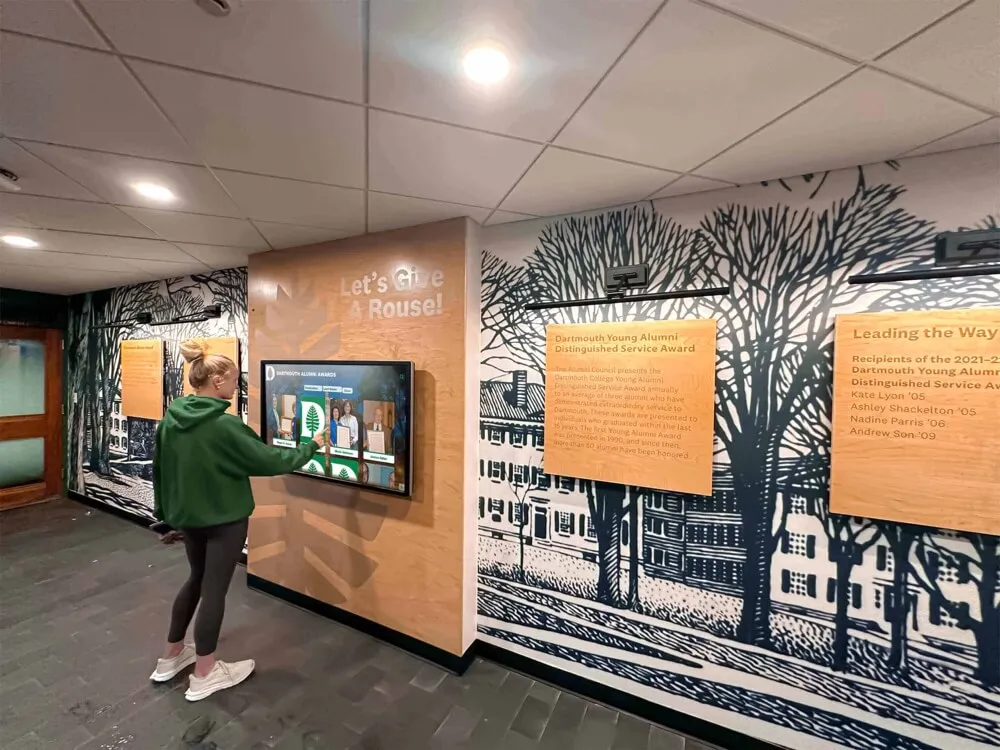
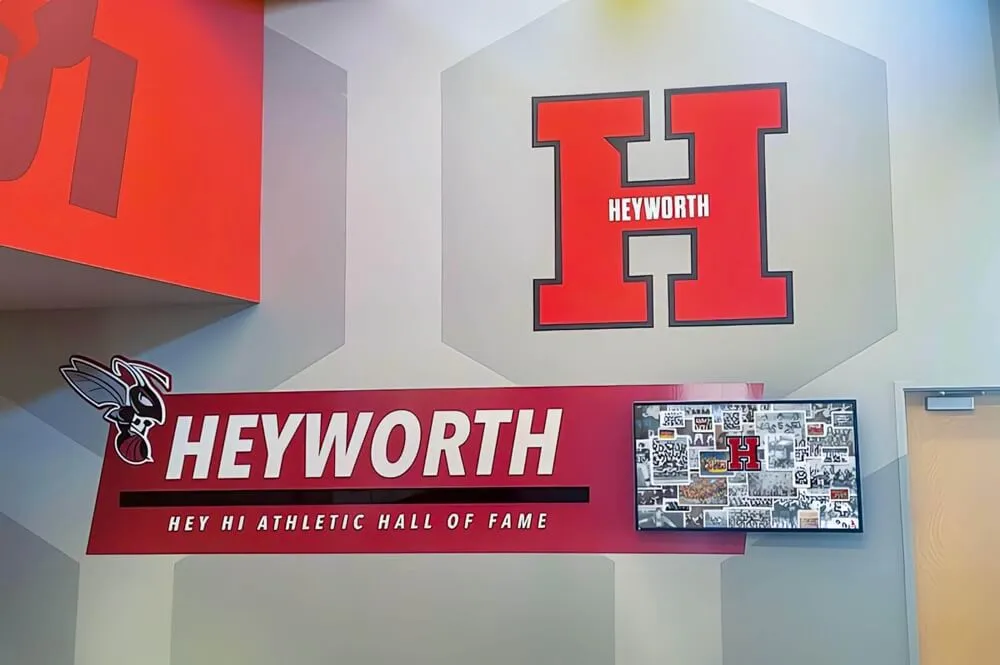
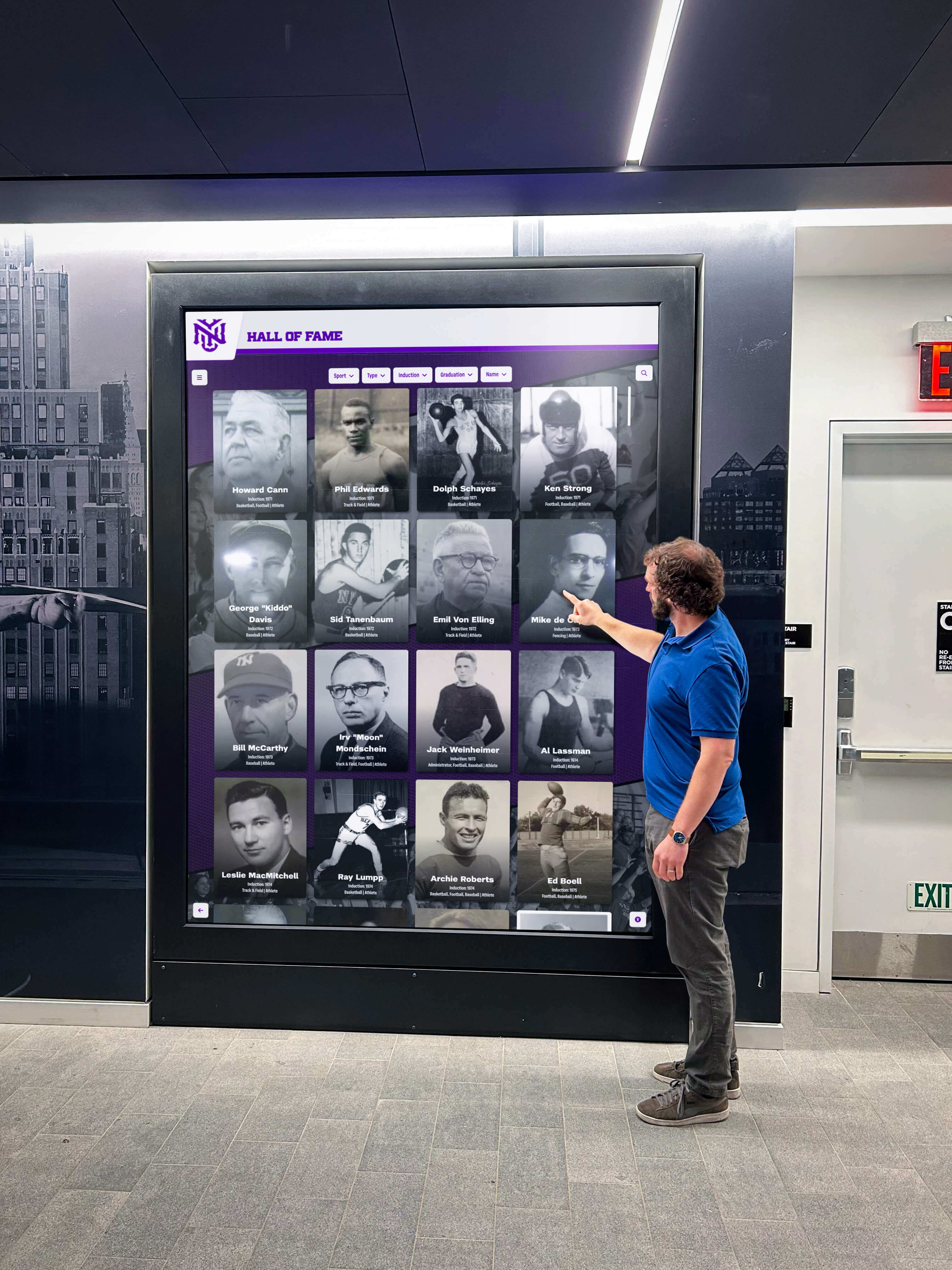
Personalized recognition profiles showcase individual musical achievements and contributions to school arts programs
Tri-M Membership Requirements and Selection
Clear understanding of qualification criteria helps students aspire to membership while ensuring selection integrity.
Academic and Musical Standards
Tri-M establishes baseline requirements balancing achievement expectations with accessibility:
Musical Participation Requirements
Students must demonstrate sustained music program engagement:
- Minimum one year’s active participation in school music ensembles, classes, or programs
- Consistent attendance and preparation meeting ensemble standards
- Performance in school concerts, festivals, and music program events
- Skill development progression appropriate to experience level
- Positive contribution to ensemble quality and music program culture
These requirements ensure inductees possess genuine musical commitment rather than sporadic involvement, maintaining recognition meaning.
Academic Performance Standards
Tri-M requires academic achievement demonstrating well-rounded excellence:
- Generally B average (3.0 GPA) or equivalent across all courses
- Good academic standing without disciplinary issues
- Successful balance of music commitment with academic responsibilities
- Intellectual engagement extending beyond music specialization
Academic requirements recognize that outstanding musicians develop discipline and dedication benefiting all educational dimensions, not just performance areas.
Character and Conduct Expectations
Membership requires exemplary school citizenship:
- Conduct reflecting positively on music education and school community
- Respectful treatment of music teachers, ensemble directors, and peers
- Appropriate care of school instruments and music facilities
- Adherence to school policies and ensemble expectations
- Positive representation of music program values
Character standards ensure Tri-M members serve as music program ambassadors worthy of prestigious recognition, understand more about building school pride through recognition.
Leadership and Service Components
Beyond baseline qualifications, Tri-M emphasizes active contribution distinguishing members from general program participants.
Leadership Expectations
Members demonstrate initiative advancing music program goals:
- Mentoring younger or less experienced musicians
- Leading sectionals or practice sessions
- Serving in ensemble leadership roles like section leader or drum major
- Organizing music program events, fundraisers, or performances
- Representing music program in school and community settings
- Contributing ideas improving ensemble quality or program culture
These leadership activities develop skills students carry into college music programs, professional settings, and lifelong community engagement.
Service Requirements
Tri-M chapters establish service expectations connecting music education to community benefit:
- Performing for nursing homes, hospitals, or community events
- Teaching music lessons to younger students or community members
- Supporting elementary music programs through performances or assistance
- Organizing music-related fundraising for charitable causes
- Participating in music advocacy promoting arts education importance
- Engaging in projects expanding community access to music experiences
Service activities help members understand music’s community role while building empathy, citizenship, and commitment to music education access.
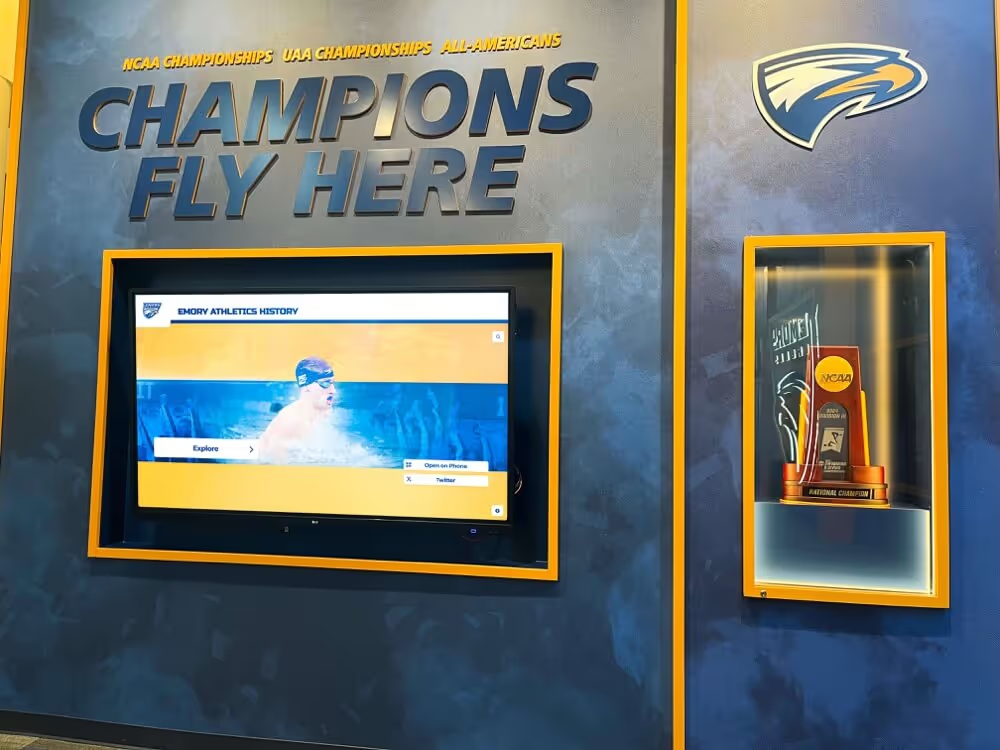
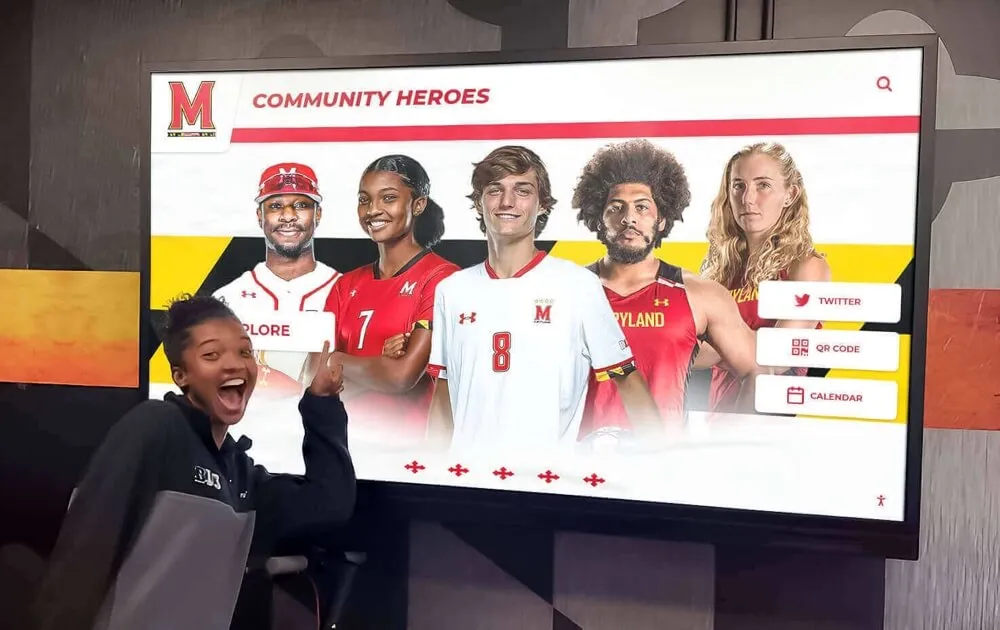
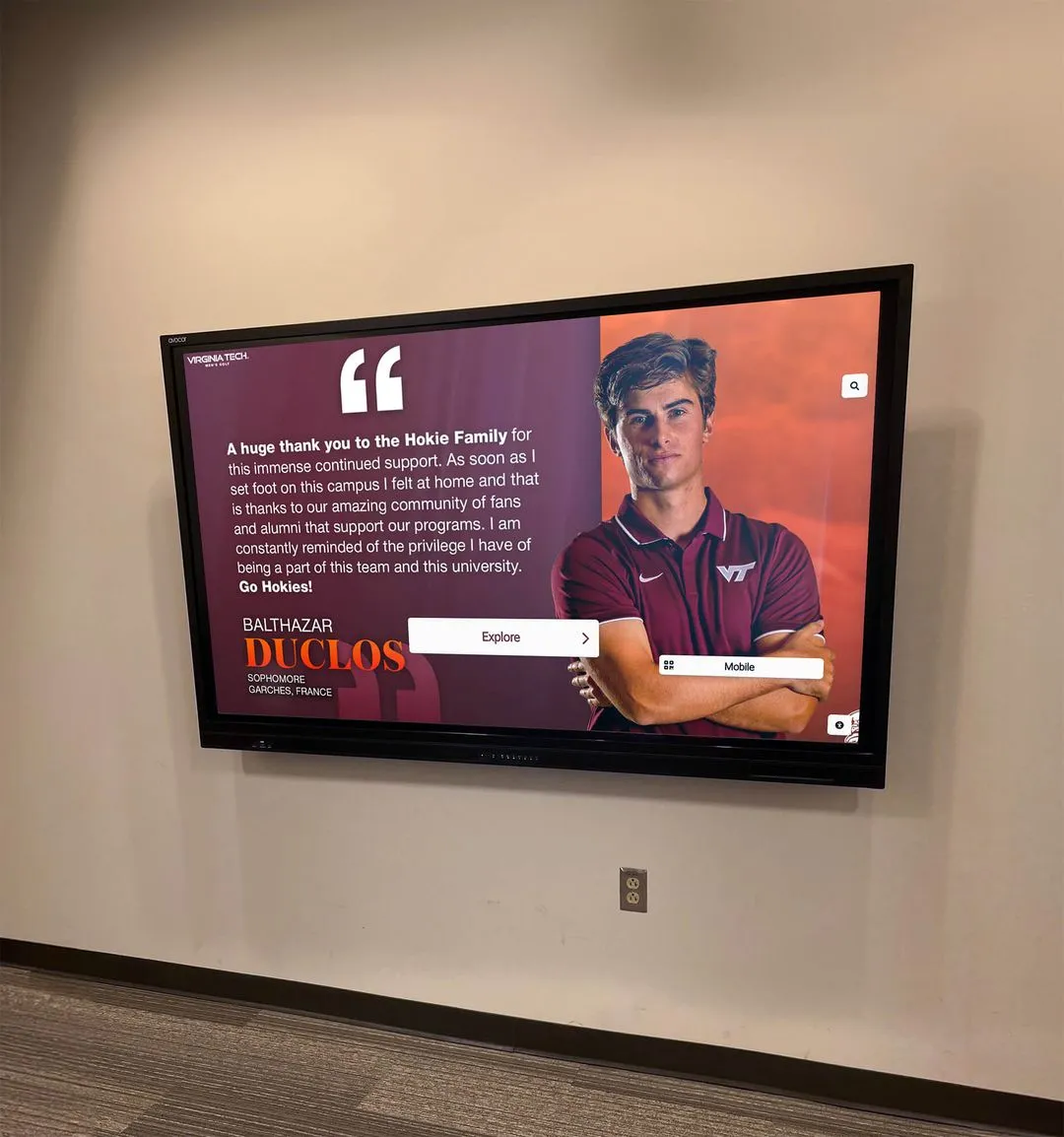
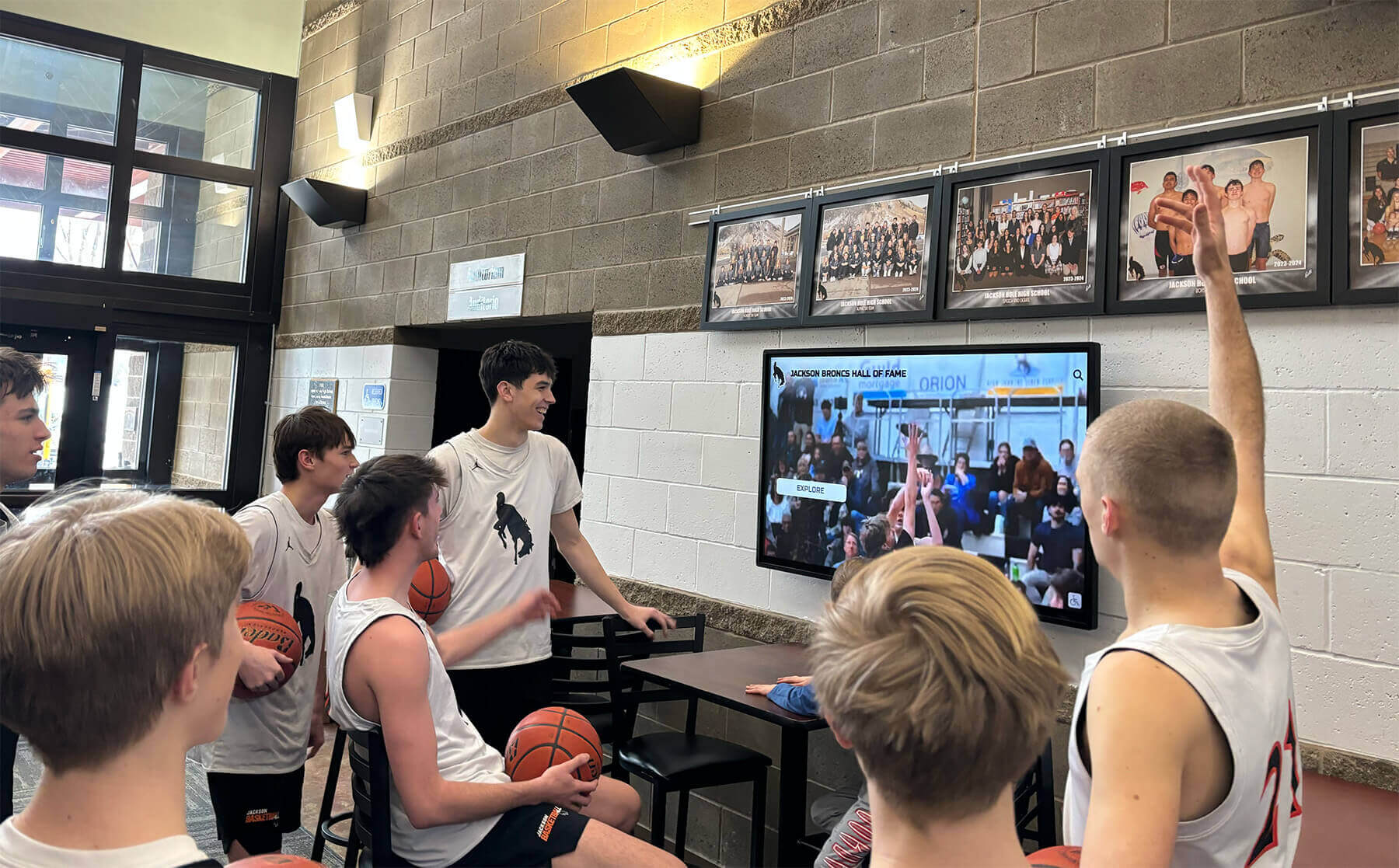
Accessible recognition systems allow families and community members to celebrate student achievements year-round
Selection Process Considerations
Schools implement selection procedures ensuring fairness and transparency:
Application and Evaluation
Most chapters establish systematic review processes:
- Written applications documenting musical participation, achievements, and contributions
- Faculty recommendations from music teachers and ensemble directors
- Academic transcript review confirming grade requirements
- Service and leadership activity documentation
- Student essays articulating music education’s personal meaning
- Selection committee review ensuring consistent standards application
Structured processes prevent favoritism while enabling holistic evaluation beyond simple grade or performance metrics.
Induction Timing and Frequency
Chapters typically induct new members annually:
- Spring inductions allowing full academic year evaluation
- Sophomore through senior eligibility with some schools including eighth grade
- Multiple grade levels creating peer mentorship opportunities
- Annual ceremonies maintaining recognition significance
- Clear communication of deadlines and application procedures
Regular induction cycles create aspirational milestones motivating younger musicians while maintaining manageable selection processes for music faculty.
Benefits of Tri-M Membership
Understanding membership advantages helps schools communicate value encouraging student participation and family support.
Recognition and Prestige
Tri-M membership provides tangible acknowledgment of musical excellence:
National Recognition Credentials
Members receive:
- Official National Association for Music Education recognition certificates
- Tri-M membership pins and regalia for concerts and ceremonies
- Transcript notation enhancing college applications
- National honor society designation carrying educational prestige
- Connection to legacy of music excellence spanning decades
This formal recognition equals or exceeds prestige of academic honor societies like National Honor Society, elevating music achievement status.
College Application Enhancement
Tri-M membership strengthens higher education applications:
- Demonstrates sustained commitment to music education
- Provides evidence of leadership beyond performance participation
- Shows service orientation and community engagement
- Indicates academic-artistic balance appealing to admissions committees
- Carries NAfME organizational credibility college reviewers recognize
For students pursuing music or liberal arts programs, Tri-M membership significantly strengthens application competitive positioning.
Learn about comprehensive recognition approaches in high school end-of-year awards programs.
Leadership Development Opportunities
Tri-M creates structured pathways for musical leadership growth:
Chapter Officer Roles
Members elect peers to leadership positions including:
- Chapter president coordinating activities and representing membership
- Vice president supporting operations and leading specific initiatives
- Secretary managing communications and documentation
- Treasurer handling chapter finances and fundraising
- Historian documenting chapter activities and maintaining archives
Officer experiences develop organizational, communication, and management skills transferable to college and career settings.
Program Leadership Activities
Chapters engage members in music program advancement:
- Organizing and leading music education outreach programs
- Planning and executing chapter service projects
- Coordinating recruitment activities introducing music programs to younger students
- Developing innovative approaches to music program challenges
- Representing student perspectives in music department planning
These activities position students as program stakeholders rather than passive participants, deepening investment in music education quality.
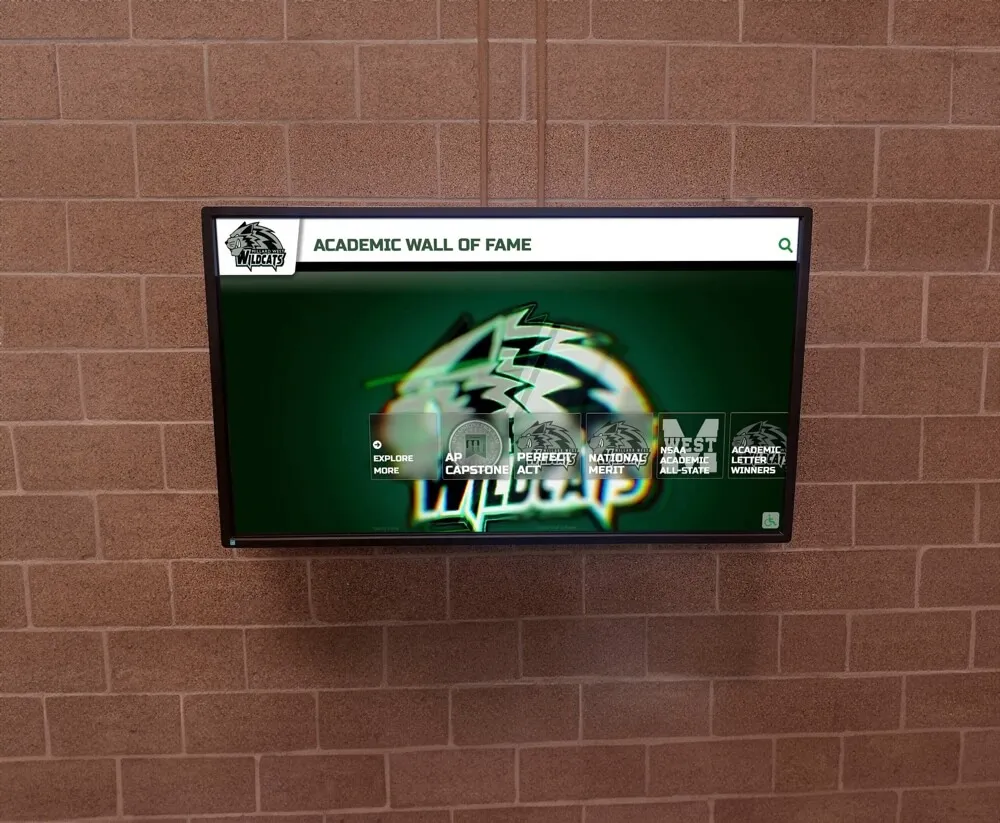
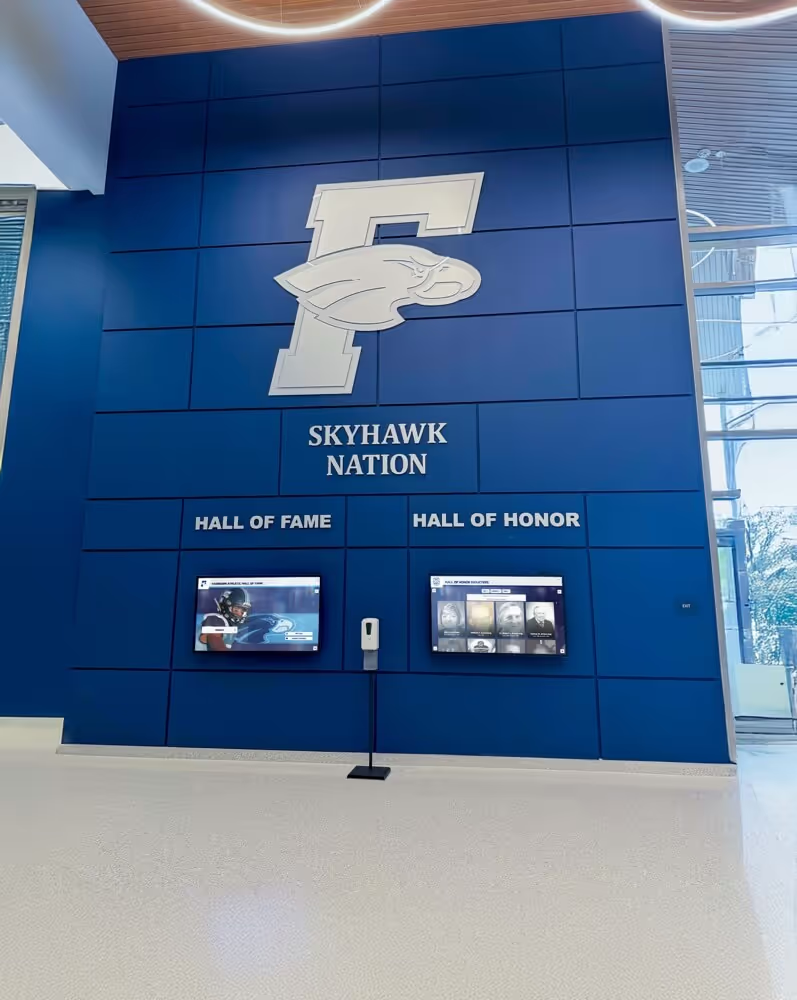
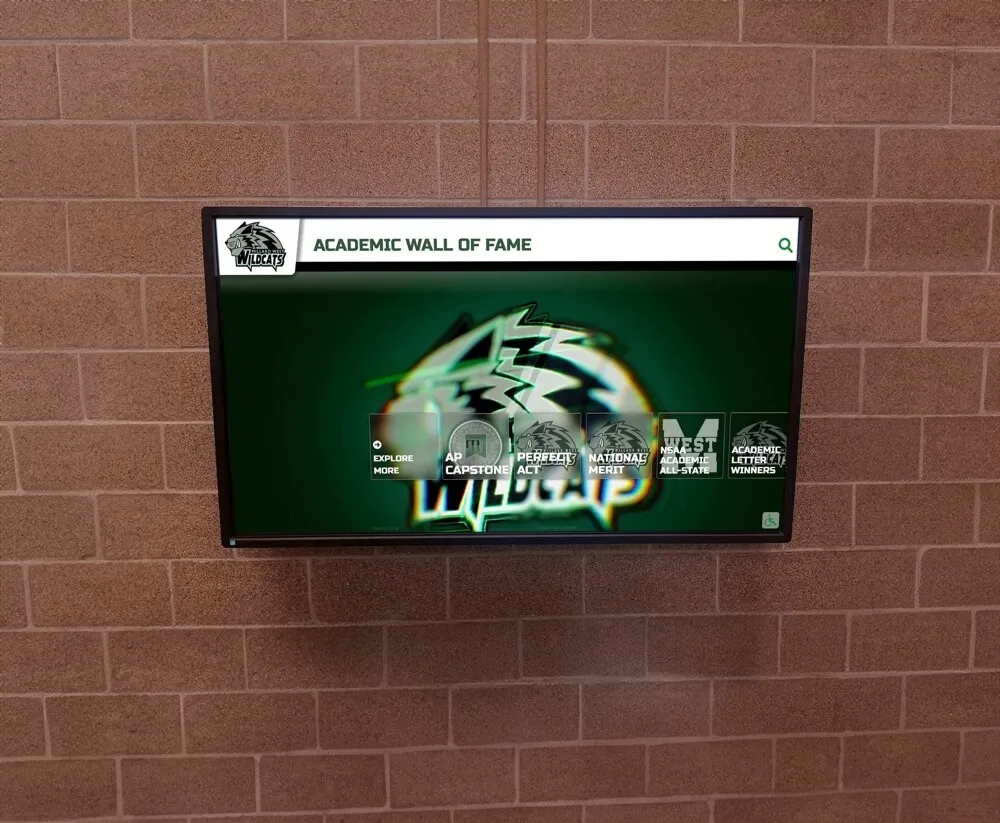
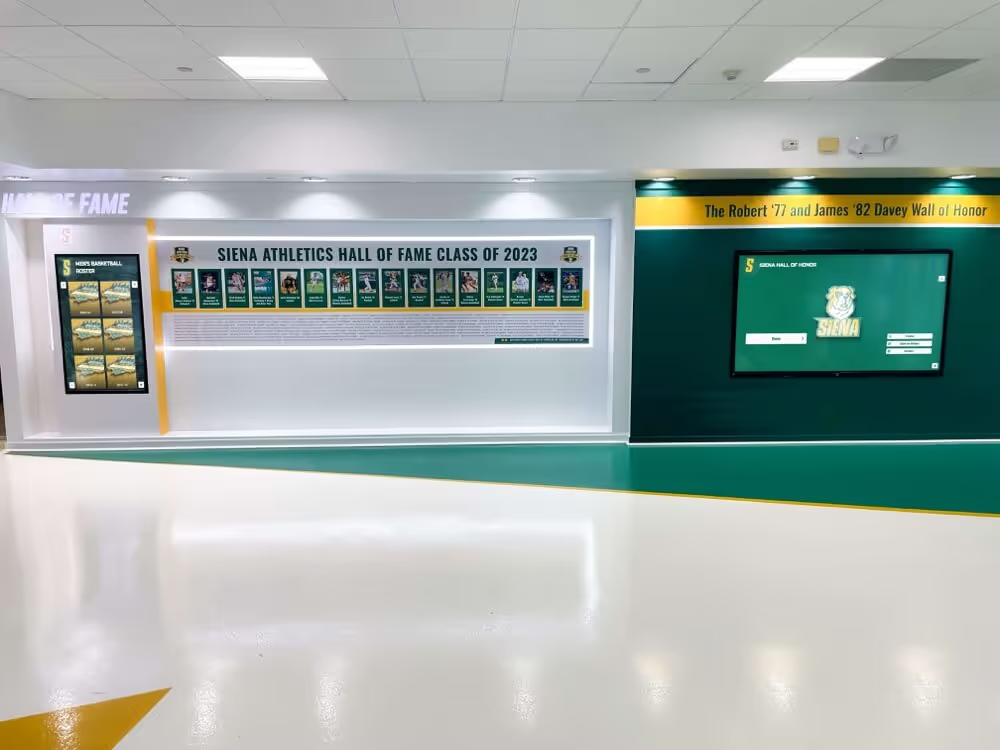
Integrated recognition systems celebrate excellence across academics, arts, and athletics creating comprehensive achievement culture
Community and Networking Benefits
Membership creates connections extending beyond individual school programs:
Peer Community Development
Tri-M chapters build supportive musician communities:
- Shared identity among serious music students strengthening program culture
- Peer mentorship networks supporting skill development
- Collaborative relationships transcending ensemble or grade divisions
- Mutual accountability encouraging sustained excellence
- Social connections based on shared musical passion
These communities help students weather challenging periods while maintaining motivation through natural performance plateaus.
Professional Network Foundations
Tri-M connections often extend into college and career contexts:
- Alumni networks in college music programs
- Relationships with music educators providing mentorship and guidance
- Connections with community music organizations through service projects
- Introduction to music career pathways beyond performance
- Lifelong friendships rooted in shared musical experiences
Early professional network development provides advantages as students transition into higher education and music careers.
Implementing Effective Tri-M Chapters
Schools seeking to establish or strengthen Tri-M programs benefit from understanding implementation best practices.
Chapter Establishment Process
Starting new Tri-M chapters requires systematic planning:
NAfME Affiliation Steps
Schools follow standardized chartering procedures:
- Music teacher joins or confirms National Association for Music Education membership
- Complete official Tri-M chapter application through NAfME
- Pay annual chapter dues ($100-200 depending on chapter size)
- Review and agree to implement national membership standards
- Receive charter certificate, advisor materials, and ongoing support access
This process typically takes 4-6 weeks enabling same-school-year implementation when initiated early.
Selection Criteria Establishment
Chapters develop specific qualification standards within national frameworks:
- Define GPA requirements appropriate to school context (typically 3.0+)
- Establish music participation expectations matching program structure
- Create service hour requirements feasible for student schedules
- Develop leadership demonstration criteria
- Design application and evaluation procedures ensuring fair selection
Clear criteria prevent misunderstandings while creating transparent pathways students can plan to achieve, explore trophy display case ideas that can showcase music honors alongside athletic achievements.
Chapter Operations and Activities
Successful chapters establish regular activities maintaining engagement throughout the year:
Regular Meeting Structures
Consistent meetings build chapter culture:
- Monthly gatherings planning service projects and chapter initiatives
- Officer meetings coordinating operational details
- Induction rehearsals preparing ceremonies
- Planning sessions for major events and activities
- Social gatherings strengthening member relationships
Regular meetings ensure Tri-M remains active organizational presence rather than honorary designation without substance.
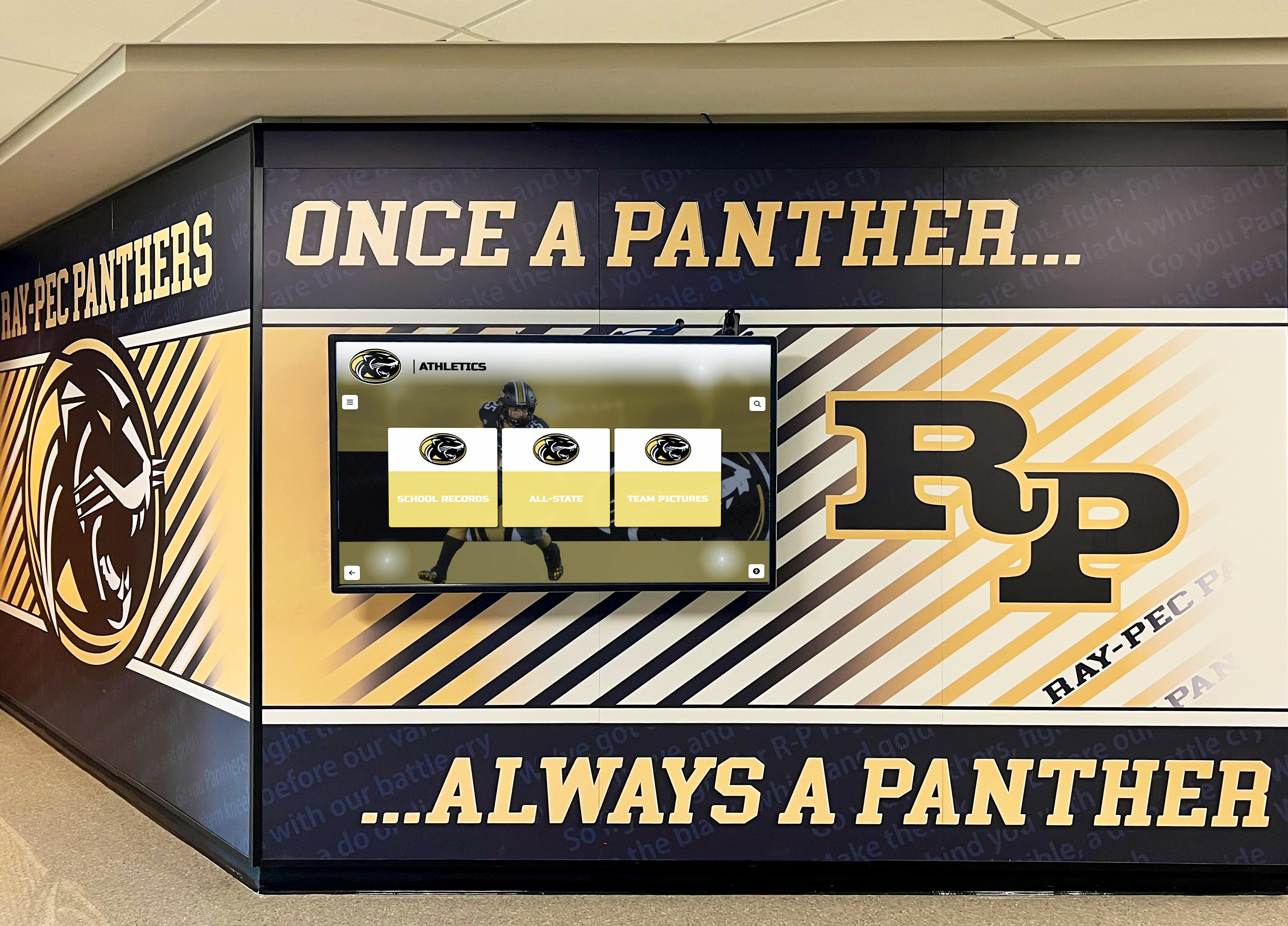
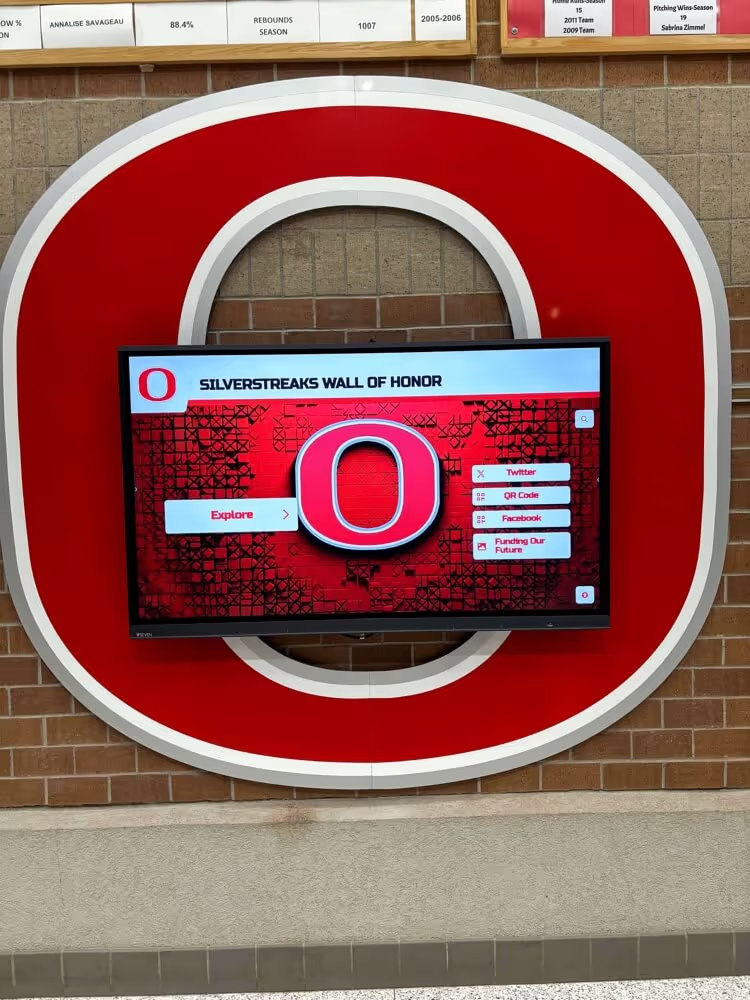
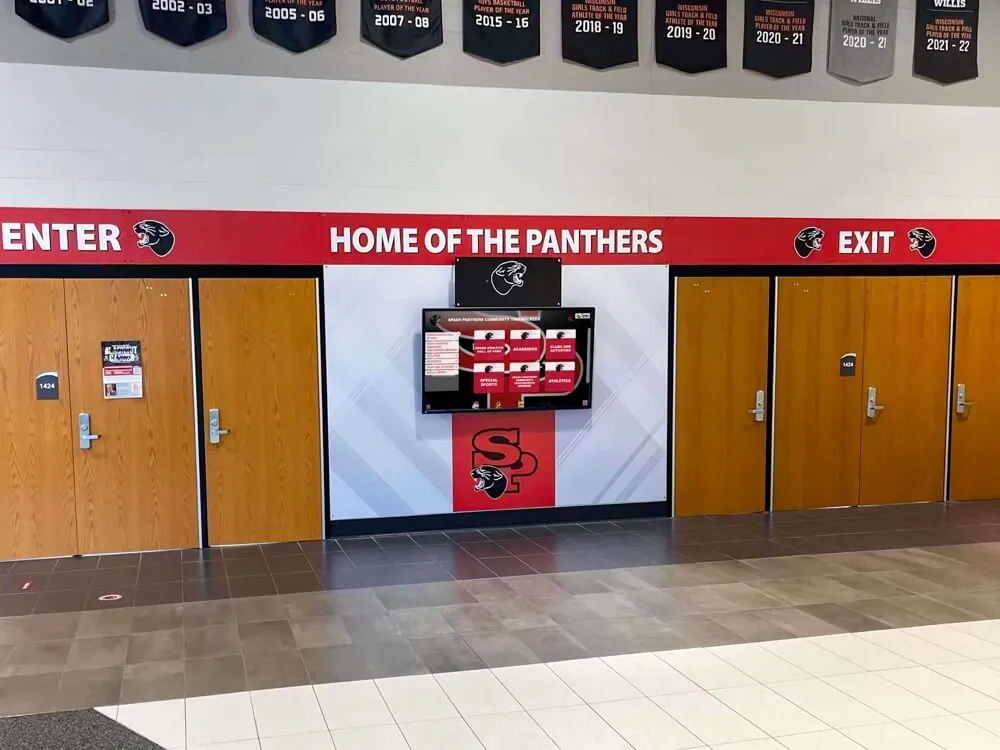
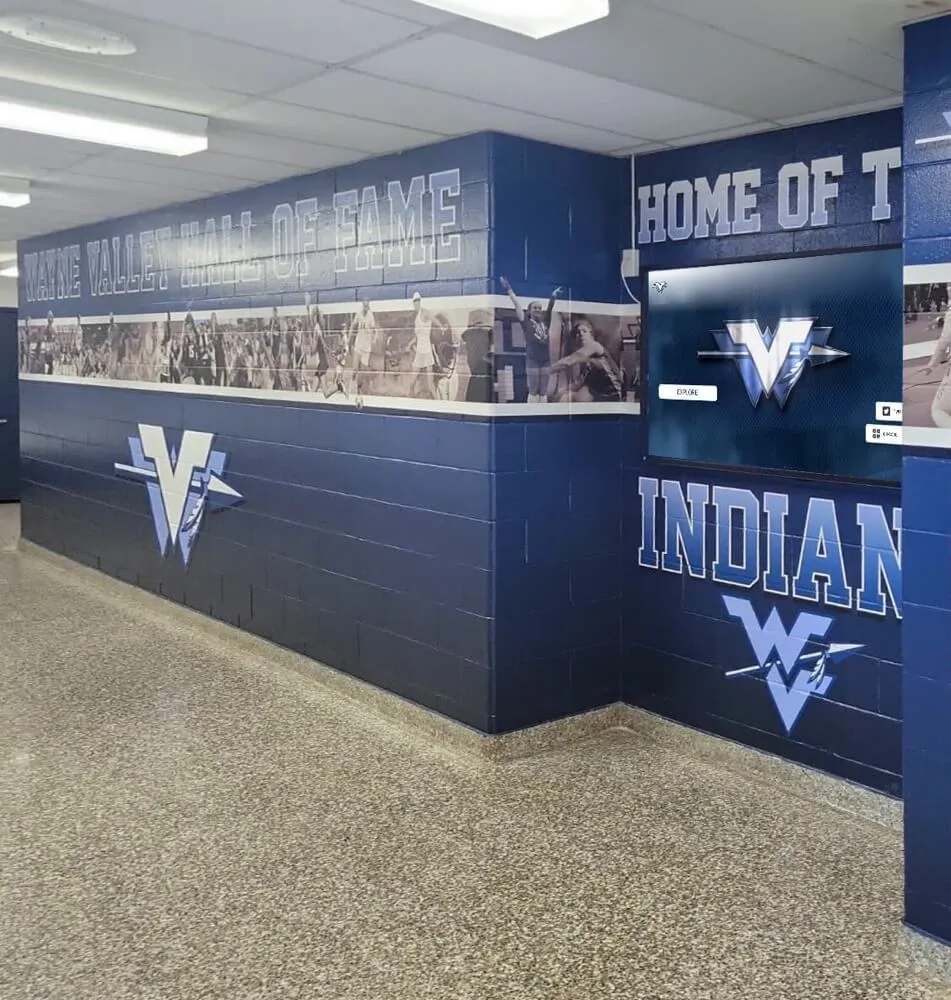
Strategic placement of recognition displays in high-traffic areas ensures music program achievements receive consistent visibility
Service Project Development
Chapters design meaningful service activities connecting music to community benefit:
- Elementary school music program support through performances and mentoring
- Nursing home and assisted living facility concerts bringing music to seniors
- Community festival performances sharing musical talents publicly
- Music lesson programs providing instruction to underserved populations
- Instrument donation drives expanding music education access
- Music therapy support activities in healthcare settings
Service projects help members understand music’s broader social role while developing citizenship and empathy.
Leadership Programming
Chapters create development opportunities for all members:
- Workshops on conducting, arranging, or music technology
- Guest speaker presentations from professional musicians or music educators
- Ensemble leadership skill-building sessions
- Music advocacy training promoting arts education importance
- College and career exploration connecting music to future pathways
Programming ensures membership offers substantive experiences beyond recognition alone.
Induction Ceremony Planning
Formal ceremonies create memorable recognition experiences celebrating new members:
Ceremony Design Elements
Effective inductions include:
- Musical performances by current members or school ensembles
- Candle lighting or other symbolic recognition rituals
- Individual member recognition with certificate presentations
- Officer introductions and chapter vision statements
- Guest speaker reflections on music education’s impact
- Family and community invitation maximizing audience
Ceremonies comparable to National Honor Society inductions demonstrate music achievement equivalency creating appropriate prestige.
Recognition Documentation
Schools should thoroughly document induction events:
- Professional photography capturing ceremony moments
- Video recording creating lasting records
- Press releases to community media outlets
- Social media coverage reaching extended communities
- School website features highlighting new members
- Digital display content celebrating inductees
Documentation extends recognition beyond single evening while creating archives demonstrating program strength over time.
Expanding Music Recognition Beyond Tri-M
While Tri-M provides excellent framework, comprehensive music recognition encompasses multiple approaches celebrating diverse achievements.
Multi-Tiered Music Recognition Systems
Effective programs acknowledge excellence across different dimensions:
Performance Excellence Recognition
Beyond Tri-M membership, schools can celebrate:
- All-county, all-state, and all-region ensemble selection
- Solo and ensemble festival superior ratings
- Audition-based honor ensemble participation
- Outstanding section leader or ensemble leadership awards
- Chair placement improvements and achievements
- Technical examination successes like NYSSMA levels
Multiple recognition pathways ensure opportunities exist for students at various skill levels and specializations.
Musical Growth Acknowledgment
Recognition should include improvement measures:
- Most improved musician awards by instrument or section
- Practice achievement milestones recognizing sustained effort
- Skill level advancement celebrations
- Performance confidence development recognition
- Ensemble contribution awards valuing teamwork over individual excellence
Growth-focused recognition motivates developing musicians while preventing sole emphasis on naturally gifted students.
Learn about comprehensive student recognition in end of the year awards for students.
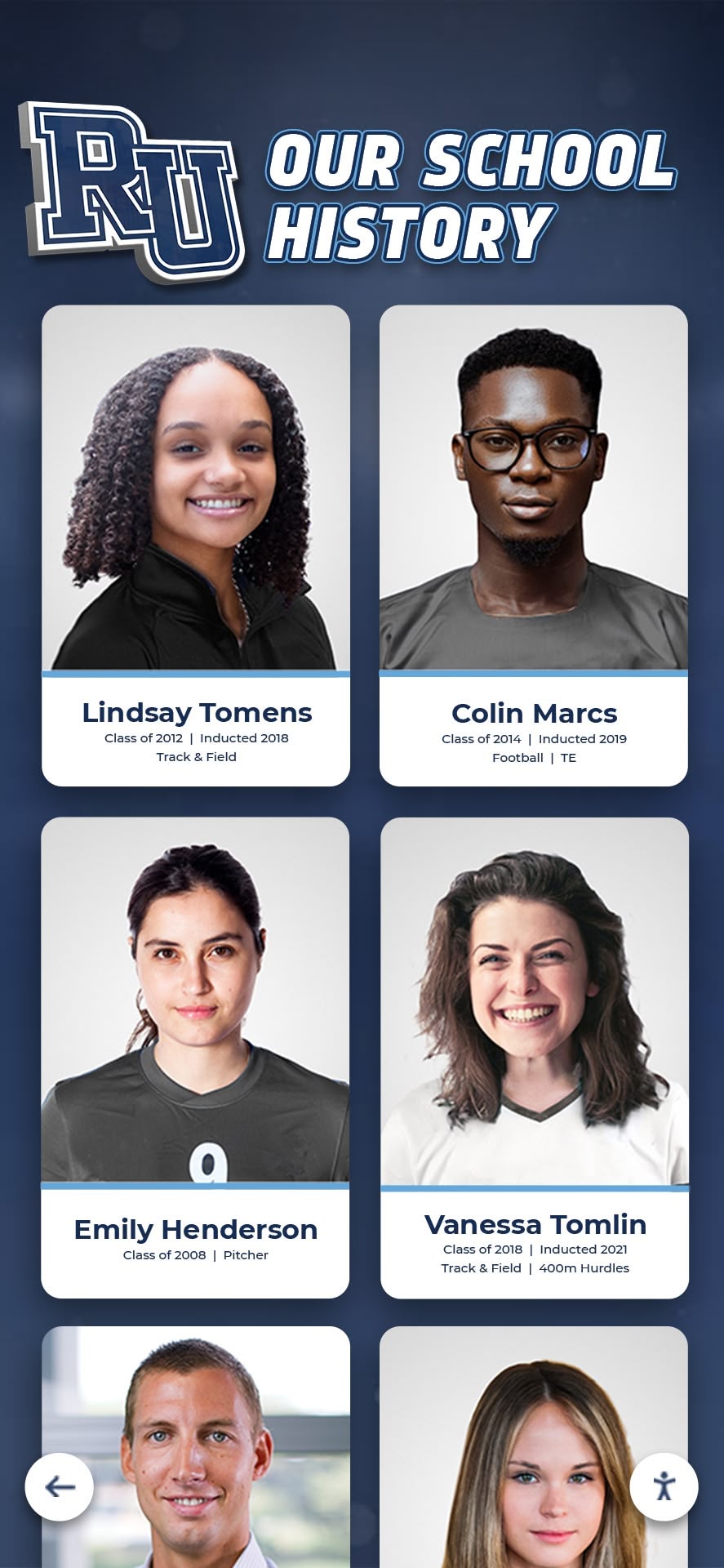
Individual profile cards document complete musical journeys from beginners through advanced achievement
Digital Recognition Solutions for Music Programs
Modern technology transforms music recognition visibility and accessibility:
Interactive Display Systems
Solutions like Rocket Alumni Solutions enable schools to showcase unlimited music achievements through engaging digital displays:
Unlimited Recognition Capacity Traditional trophy cases and wall plaques severely limit what schools can celebrate. Single case might display current year all-state musicians while previous years’ achievements disappear into storage. Digital systems eliminate this constraint:
- Display every Tri-M member from chapter founding forward
- Showcase all-county, all-state, and honor ensemble selections across decades
- Feature festival award recipients without space limitations
- Document competition achievements preserving institutional music legacy
- Include performing arts achievements beyond instrumental music
This unlimited capacity means schools never choose whose achievements receive visibility based on physical space constraints.
Engaging Exploration Features Interactive touchscreens enable students, families, and visitors to explore music achievements in ways static displays cannot:
- Search functionality finding specific students or achievement types
- Year filtering showing music program strength evolution
- Instrument or ensemble category browsing
- Individual student profile pages documenting complete musical journeys
- Photo galleries from concerts, festivals, and music events
- Performance video integration when available
Engagement transforms passive recognition viewing into active exploration strengthening connection between observers and music program excellence.
Simple Content Management Cloud-based systems eliminate technical barriers to maintaining current recognition:
- Remote updates from any internet-connected device
- No physical display modification or printing costs
- Bulk import tools for historical achievement data
- Scheduled publishing automating awards ceremony timing
- Multiple staff access enabling distributed management responsibility
- Intuitive interfaces requiring no technical expertise
Schools report 80-90% time savings maintaining digital recognition versus physical displays while achieving far greater content currency and comprehensiveness.
Discover more about interactive display technology transforming school recognition.
Web-Based Recognition Extensions
Music recognition should extend beyond physical campus:
Online Music Halls of Fame
Web-accessible platforms amplify recognition reach:
- Alumni worldwide viewing current music program achievements
- Prospective families researching music program strength before enrollment
- College admissions reviewers accessing comprehensive achievement records
- Community members celebrating local music education excellence
- Social sharing enabling students to distribute personal achievements
Online extensions particularly benefit music programs where community support drives funding, volunteering, and program advocacy.
Multi-Channel Communication Strategies
Systematic communication ensures maximum visibility for music achievements:
- Email announcements to families when students receive honors
- Social media posts celebrating Tri-M inductions and other achievements
- Newsletter features highlighting music program excellence
- Morning announcement integration providing school-wide acknowledgment
- Community media partnerships extending recognition beyond school
- Concert program inserts listing recent honors and achievements
Multi-channel approaches ensure music recognition receives visibility comparable to athletic achievements, correcting historical imbalance favoring sports over arts.
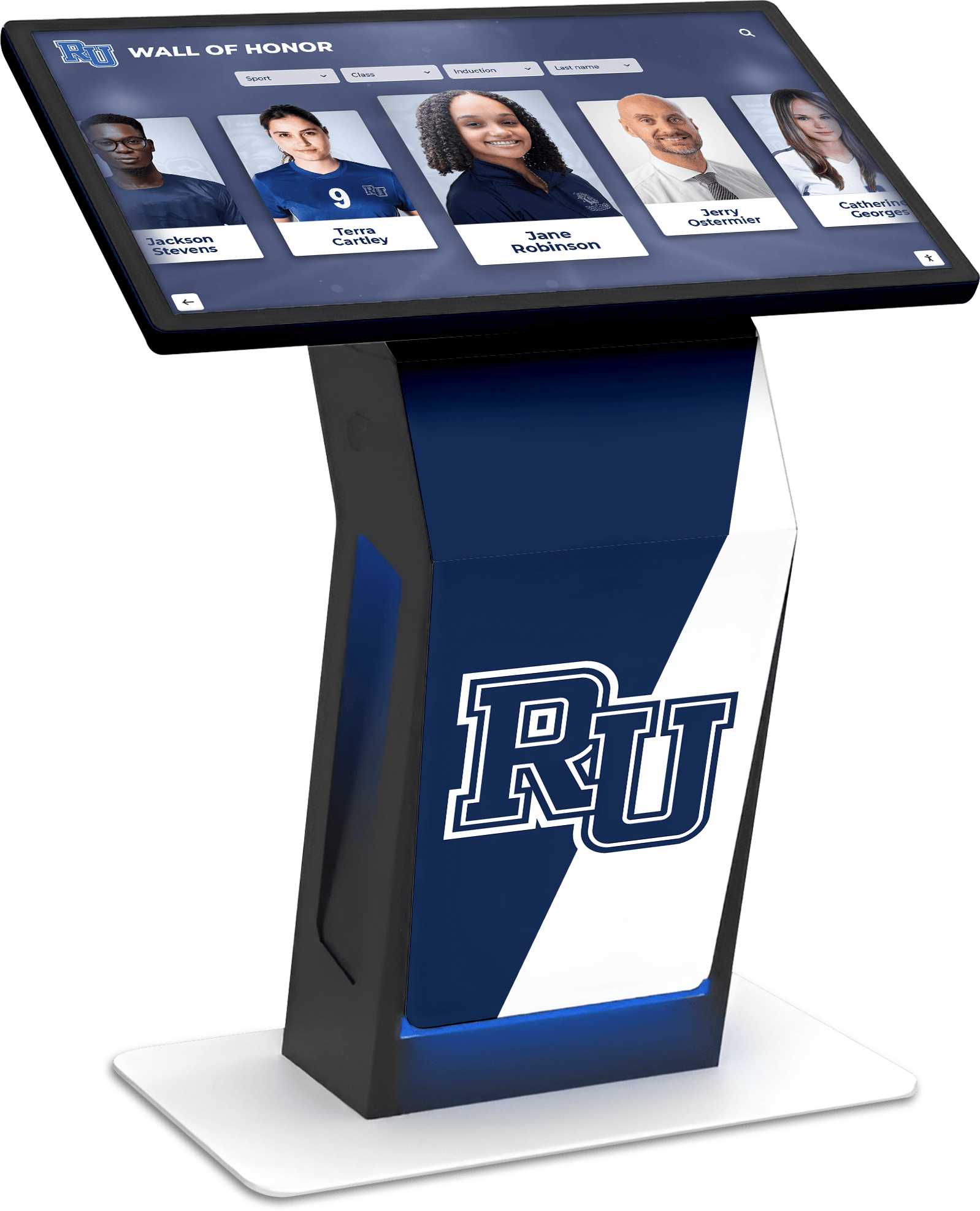
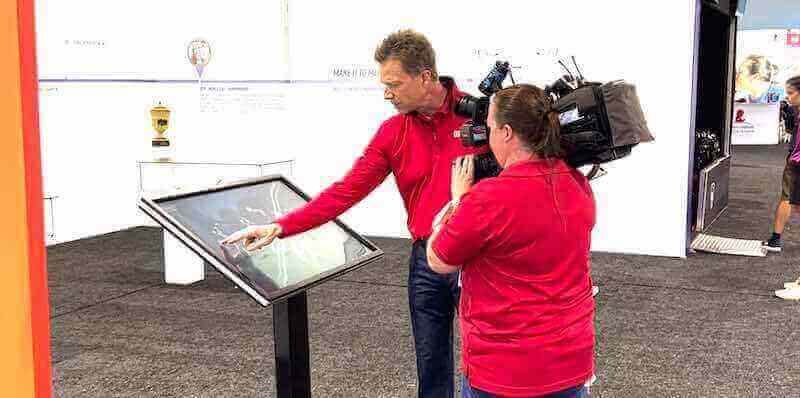
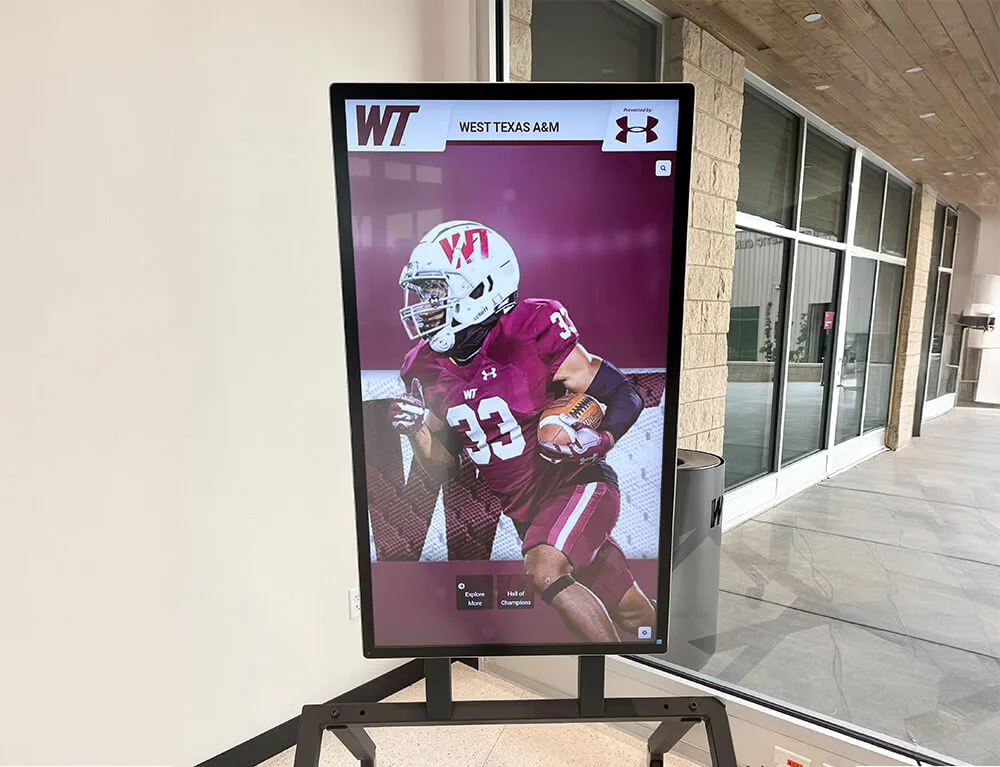
Dedicated recognition kiosks create destination installations celebrating school excellence across all programs
Music Recognition and Program Culture
Systematic recognition strengthens overall music program quality beyond individual student benefits.
Recruitment and Retention Impact
Visible achievement celebration affects program enrollment:
Elementary and Middle School Recruitment
When younger students see music recognition prominence:
- Aspirational goal-setting motivates initial music program enrollment
- Parent perception of music program quality improves
- Music achievement appears valued equally with athletics and academics
- Successful musician visibility provides role models
- Program prestige attracts students seeking excellence environments
Schools with prominent music recognition consistently report stronger elementary feeder program enrollment and better middle school retention through high school.
High School Musician Retention
Recognition helps retain musicians through secondary years:
- Visible achievement pathways motivate sustained participation
- Peer community around excellence reduces attrition
- Recognition offsets opportunity costs versus non-music activities
- Parent support remains strong when achievement receives appropriate acknowledgment
- Student identity as “musician” strengthens with formal recognition
Retention particularly matters in high school where competing demands on student time often force difficult participation choices.
Music Advocacy Strengthening
Recognition systems support music education advocacy:
Community Awareness Building
Prominent music recognition demonstrates program value:
- Visible achievements counter misconceptions about arts education as “extra”
- Community pride in student musical excellence builds political support
- Parent advocacy strengthens when achievement receives appropriate celebration
- School board members witness music program impact through recognition
- Funding requests backed by visible excellence evidence prove more compelling
Systematic recognition essentially creates ongoing marketing for music program importance, value, and quality.
Music Education Value Communication
Recognition helps articulate why music education matters:
- Excellence evidence counters claims arts education diverts resources from “core” subjects
- Leadership development through Tri-M demonstrates life skills cultivation
- Service projects show community benefit beyond individual student achievement
- College admissions success linked to music participation proves academic compatibility
- Lifelong engagement stories from alumni highlight lasting impact
Schools facing budget pressures or enrollment challenges benefit significantly from recognition systems making music program value continually visible.
Explore donor recognition strategies that can support music program fundraising.
Integrating Music Recognition with Broader School Culture
Music achievements deserve celebration alongside other excellence dimensions:
Cross-Program Recognition Integration
Unified Recognition Platforms
Schools benefit from integrated approaches celebrating all achievements:
- Single digital display system showcasing music, athletics, academics, and community service
- Common recognition ceremonies highlighting diverse excellence types
- Parallel honor society structures (Tri-M, NHS, athletic halls of fame) receiving equivalent treatment
- School communications platforms featuring all achievement categories equally
- Physical recognition spaces designed for multi-program use
Integration ensures music achievements don’t remain isolated in band rooms but rather appear prominently in main hallways, lobbies, and community spaces where all students and visitors experience them.
Balanced Recognition Philosophy
Administrative commitment to comprehensive recognition includes:
- Budget allocations supporting music recognition equal to athletic recognition
- Administrative attendance at music recognition events matching athletic ceremony presence
- School communication featuring music achievements with frequency comparable to sports
- Physical space allocation providing music recognition visibility matching athletics
- Staff professional development on comprehensive excellence celebration
Balanced approaches require intentional leadership ensuring historical athletic-dominated recognition patterns don’t perpetuate by default.
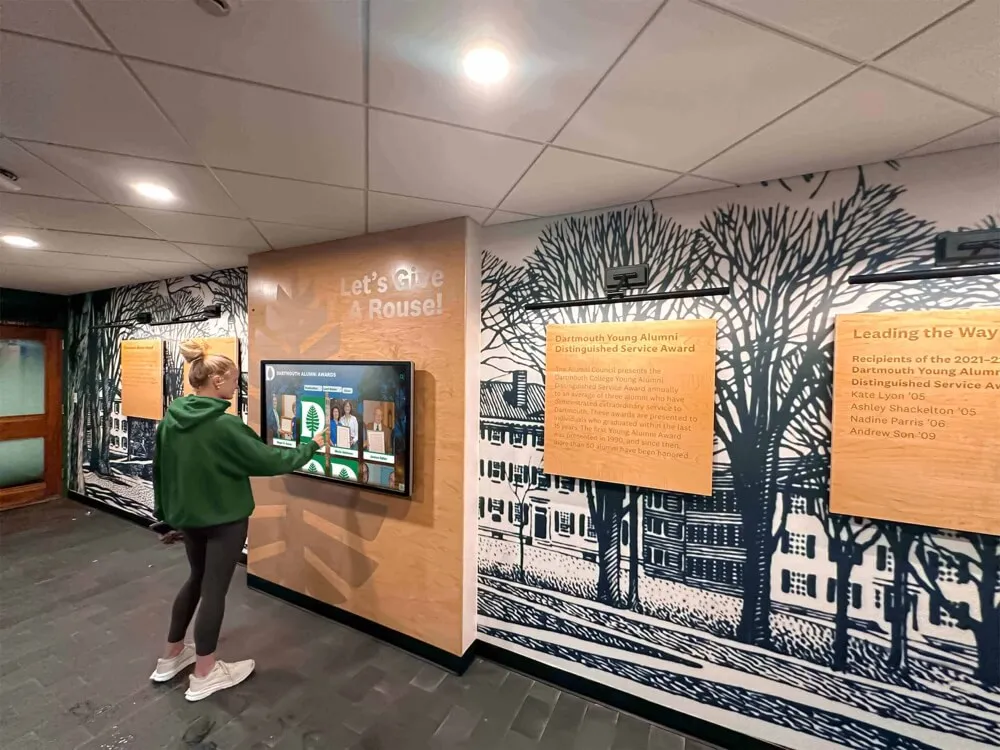
Recognition systems placed in high-traffic areas create frequent touchpoints reinforcing program values and celebrating excellence
Fine Arts Recognition Ecosystems
Music recognition can anchor broader arts celebration:
Comprehensive Arts Recognition
Schools should develop parallel systems for:
- Visual arts achievement through exhibitions, competitions, and portfolio development
- Theatre arts recognition for productions, festivals, and individual performances
- Dance program achievement in competitions and showcases
- Creative writing and literary arts accomplishment
- Film and media production excellence
Comprehensive fine arts recognition creates cultural environments where creative excellence receives systematic celebration rather than occasional acknowledgment.
Arts Education Advocacy
Collective arts recognition strengthens advocacy:
- Combined arts achievement visibility demonstrates broad creative excellence
- Unified arts parent groups leveraging multiple constituencies
- Coordinated communication about arts education value
- Shared resources for recognition systems reducing per-program costs
- Community perception shifts recognizing arts program strength
Schools with comprehensive arts recognition report stronger resilience during budget challenges compared to institutions where arts achievements remain invisible.
Special Considerations and Challenges
Implementing effective Tri-M chapters and music recognition requires addressing common obstacles:
Equity and Access Considerations
Music recognition must address systemic barriers:
Socioeconomic Inclusivity
Ensuring all talented musicians can pursue recognition:
- Instrument access programs eliminating ownership barriers
- Fee waivers for honor ensemble auditions and participation costs
- Private lesson scholarship programs supporting skill development
- Summer music camp financial assistance
- Concert attire support preventing participation obstacles
Recognition loses meaning when achievement pathways remain accessible only to economically advantaged students.
Diverse Musical Tradition Recognition
Expanding beyond Eurocentric classical music focus:
- Jazz excellence recognition equal to classical achievement
- Contemporary music and popular styles acknowledgment
- Cultural music traditions from diverse communities
- Music technology and production achievement
- Non-traditional ensemble participation like mariachi, steel drum, or gospel choir
Inclusive recognition definitions ensure students from all cultural backgrounds find music program opportunities resonating with their identities.
Learn about inclusive recognition programs serving diverse student populations.
Maintaining Program Sustainability
Successful Tri-M chapters require ongoing commitment:
Advisor Capacity Management
Music teachers often face overwhelming workload:
- Reasonable chapter management expectations given teaching responsibilities
- Student officer leadership reducing advisor administrative burden
- Parent volunteer support for events and activities
- Administrative recognition that Tri-M advising requires time and energy
- Stipend or compensation acknowledgment for extra-duty responsibilities
Unsustainable advisor expectations lead to chapter abandonment despite initial enthusiasm.
Budget and Resource Allocation
Chapters need financial support:
- School budget allocations for dues, regalia, and ceremony costs
- Fundraising approval and support for student-led initiatives
- Recognition that music honor societies deserve funding equal to other honor societies
- Long-term financial planning preventing year-to-year uncertainty
- Community partnerships supplementing school resources
Financial constraints shouldn’t prevent deserving students from accessing prestigious recognition they’ve earned.
Measuring Music Recognition Impact
Assessment ensures recognition programs achieve intended goals:
Quantitative Metrics
Participation and Achievement Data
Track measurable outcomes:
- Tri-M membership numbers and membership percentage of eligible musicians
- All-state, all-county, and honor ensemble selection rates
- Festival rating improvements over time
- College music program matriculation rates
- Music program enrollment trends across grade levels
Data demonstrates recognition impact on program strength and student achievement trajectories.
Engagement Indicators
When using digital recognition systems:
- Display interaction rates showing family and community engagement
- Search frequency indicating how often people explore music achievements
- Session duration revealing depth of engagement with content
- Peak usage times informing content update scheduling
- Content performance showing which achievement types generate most interest
Analytics inform continuous recognition program improvement ensuring maximum impact.
Qualitative Assessment
Stakeholder Feedback
Gather perspectives on recognition effectiveness:
- Student surveys about recognition program awareness and impact
- Parent perception of music program quality and prestige
- Alumni reflection on how recognition influenced their musical journeys
- Music educator assessment of recognition’s cultural effects
- Community perception of school music program strength
Qualitative data reveals recognition impacts beyond simple metrics providing insight for program refinement.
Cultural Indicators
Observe broader program effects:
- Changes in music student pride and identity
- Peer attitudes toward music program participation
- School climate regarding arts education value
- Community engagement with music program events
- Administrative support for music program initiatives
Cultural shifts indicate recognition creates desired systemic effects beyond individual student acknowledgment.
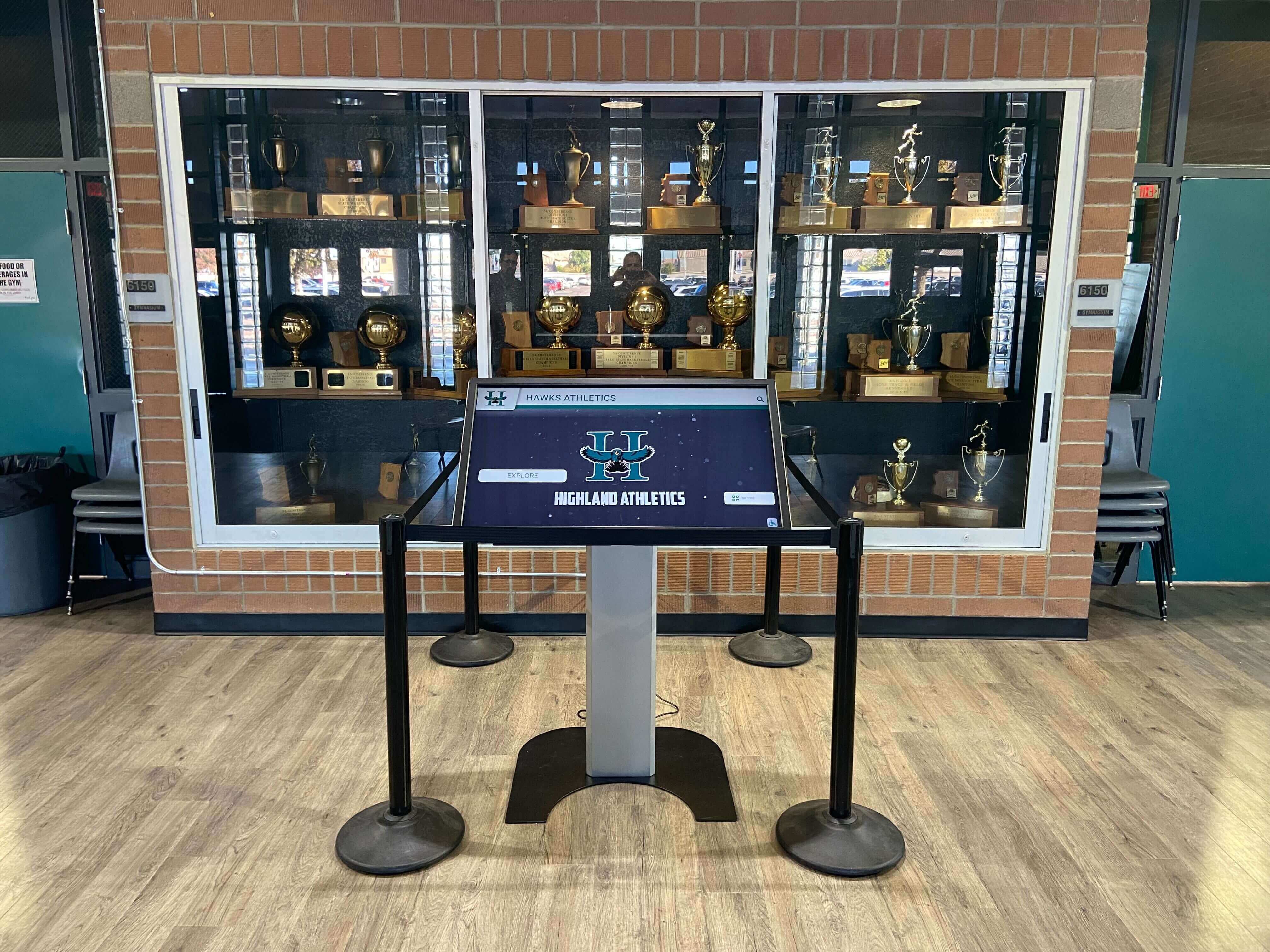
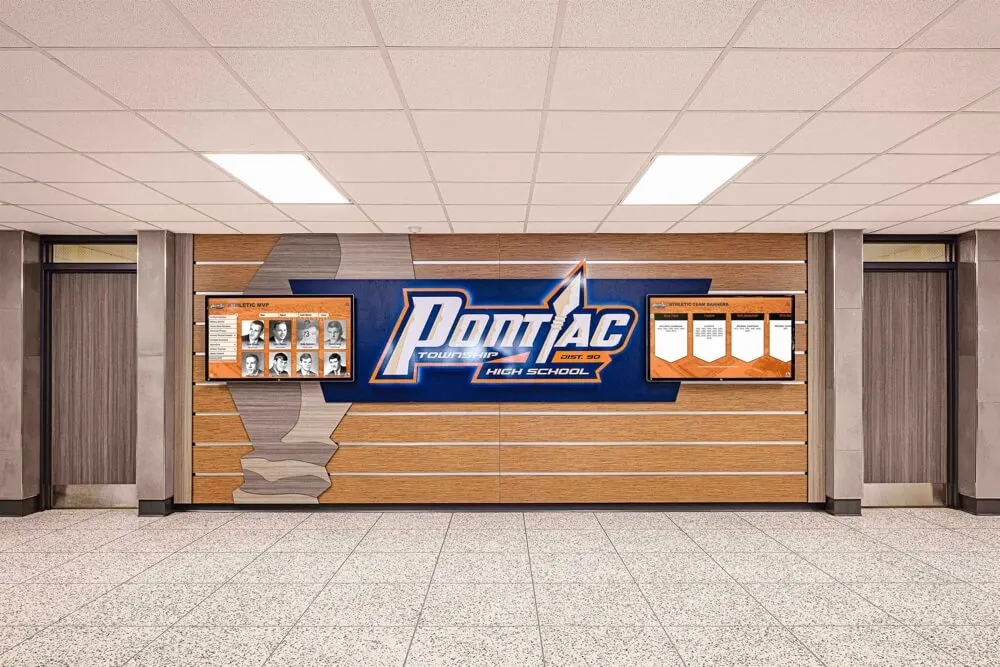
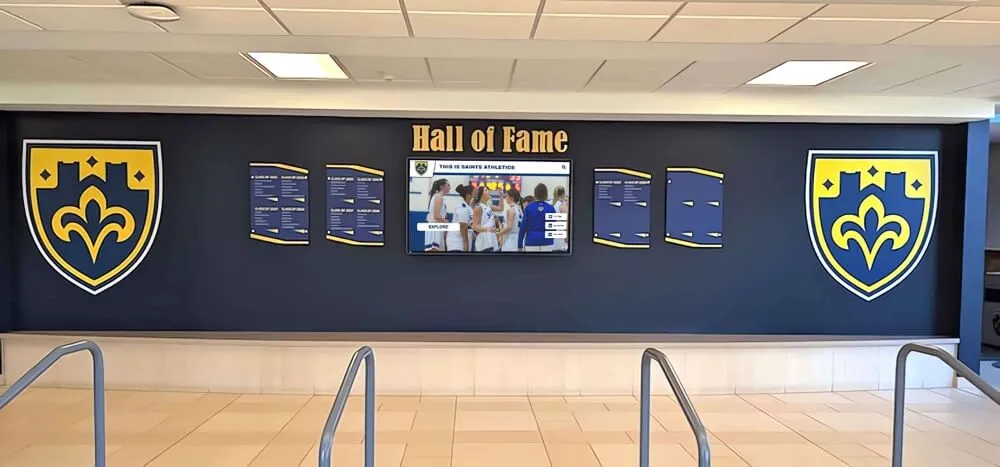
Modern recognition systems complement traditional displays, expanding capacity while maintaining familiar formats
Conclusion: Building Musical Excellence Culture Through Recognition
Tri-M Music Honor Society provides outstanding framework for recognizing secondary school musicians demonstrating exceptional achievement, leadership, service, and character. For schools seeking to strengthen music programs, elevate arts education prestige, and create meaningful pathways for student musicians, implementing active Tri-M chapters offers nationally recognized structures with proven impact on student development and program quality.
Yet Tri-M represents one component within comprehensive music recognition ecosystems that celebrate diverse achievements, acknowledge growth at all levels, and make musical excellence visible throughout school communities. The strategies explored in this guide—from digital recognition displays eliminating space constraints to systematic communication ensuring music achievements receive appropriate visibility—enable schools to create recognition cultures where music education thrives and students pursue artistic excellence with the same enthusiasm they bring to athletics and academics.
Transform Your Music Program Recognition
Discover how modern digital recognition solutions can help you celebrate every musical achievement and build a thriving arts culture that honors student musicians alongside all other forms of excellence.
Explore Recognition SolutionsBuilding effective music recognition requires moving beyond limiting assumptions about whose achievements deserve visibility and how recognition should appear. Digital platforms make comprehensive recognition achievable across unlimited students and achievement categories, while systematic approaches ensure consistent implementation reaching all deserving musicians. Solutions like Rocket Alumni Solutions provide the technology infrastructure enabling schools to maintain current, engaging recognition without overwhelming music educators already managing demanding responsibilities.
Start with establishing or revitalizing your Tri-M chapter, then systematically expand to create comprehensive approaches your student musicians deserve. Every student who receives meaningful recognition for musical accomplishments develops stronger connection to music education and greater motivation to continue growing artistically—impacts that extend far beyond school years into lifelong engagement with music.
Your student musicians’ dedication, discipline, and artistic achievements deserve celebration equal to any other accomplishment. With thoughtful planning, appropriate technology, and consistent implementation supported by administrative commitment, you can create recognition systems that honor every achievement while building positive, motivating musical cultures where all students thrive artistically and develop skills serving them throughout their lives.