



Intent: demonstrate — High school class reunions create powerful opportunities for reconnection, nostalgia, and community building—yet many reunions struggle to facilitate meaningful engagement beyond superficial conversations. Alumni arrive uncertain how to break the ice with classmates they haven’t seen in decades, reunion committees scramble to create personalized experiences that resonate with diverse attendees, and precious reunion hours slip away without the deep connections everyone hoped to make.
Traditional reunion approaches rely on name tags, printed programs, poster boards with old yearbook photos, and awkward small talk trying to bridge years of separation. These static elements provide minimal engagement support, leaving attendees to navigate reconnection independently while reunion organizers watch valuable community-building opportunities fade as the evening progresses.
Interactive touchscreen displays positioned strategically at reunion venues transform these gatherings from awkward mingling into engaging community experiences that surface personalized content, facilitate discovery of shared connections, celebrate individual achievements, and create the digital warming effect where alumni feel immediately welcomed into vibrant communities celebrating their shared heritage.
This comprehensive guide explores how high schools and reunion committees leverage touchscreen technology to create memorable reunion experiences that reconnect alumni, preserve class memories, build ongoing engagement extending beyond single events, and warm up what would otherwise be cold social situations with personalized, relevant content that sparks conversation and rebuilds connections.

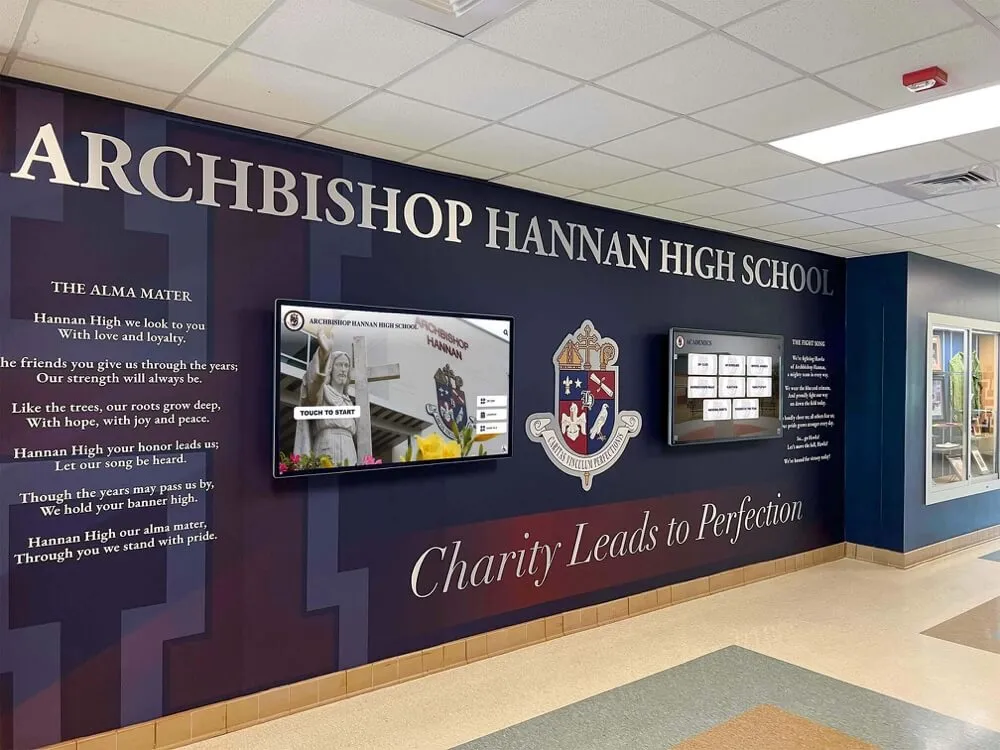
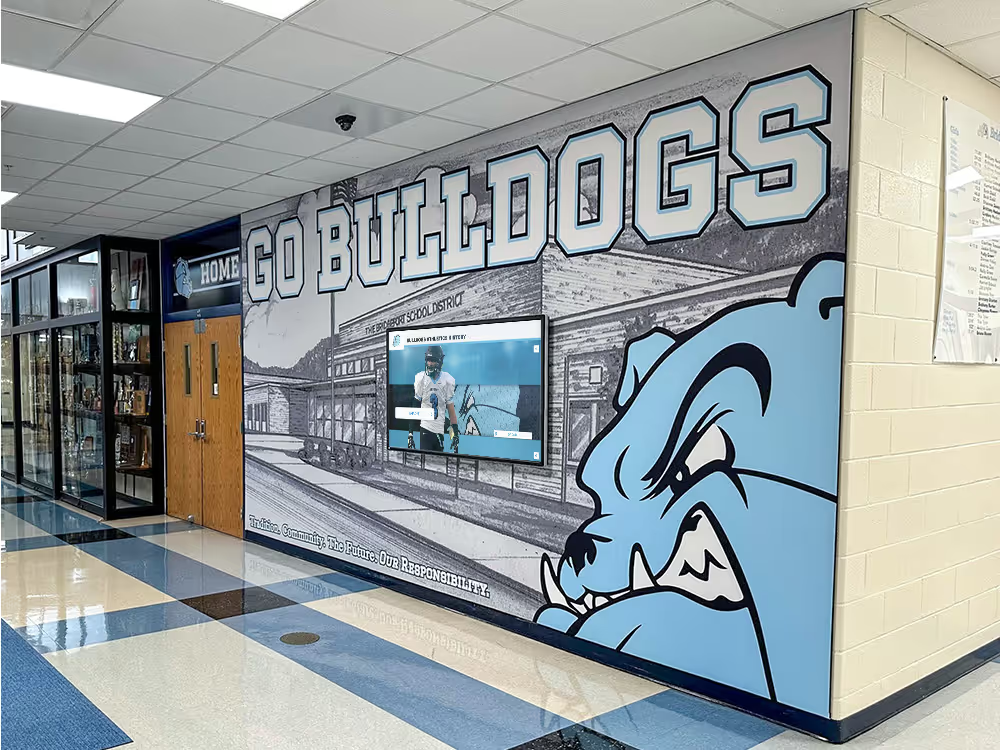
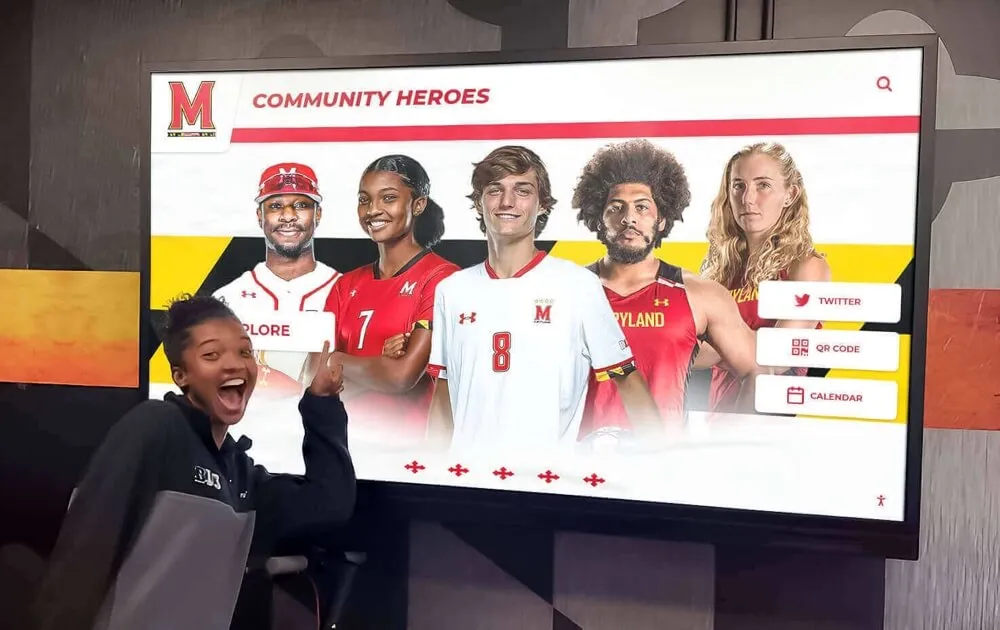
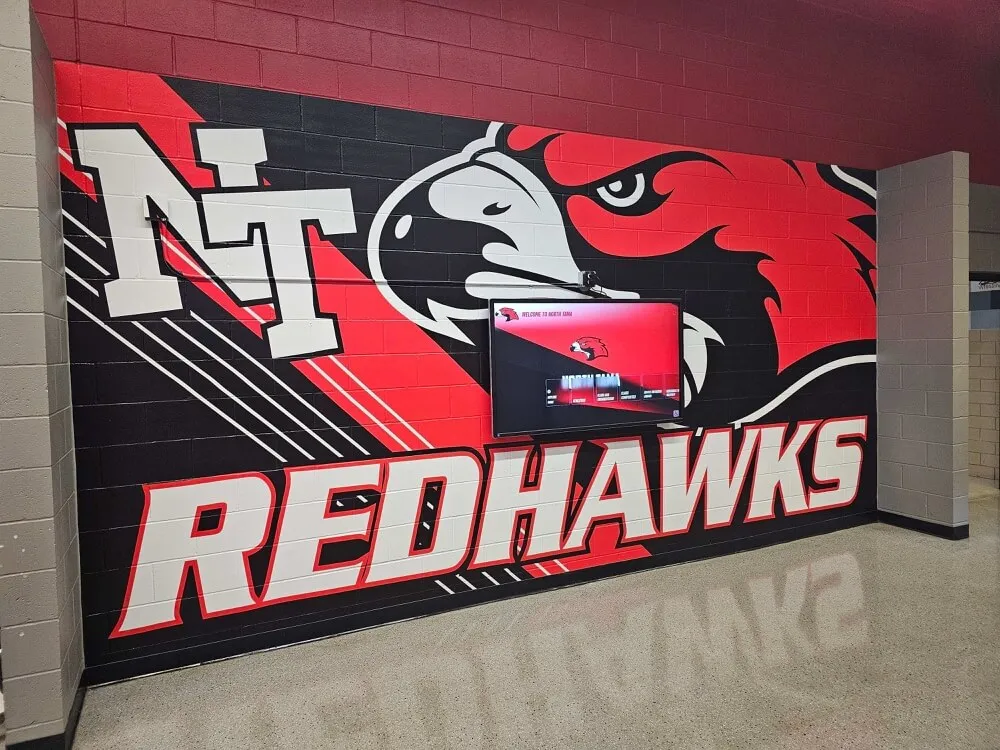
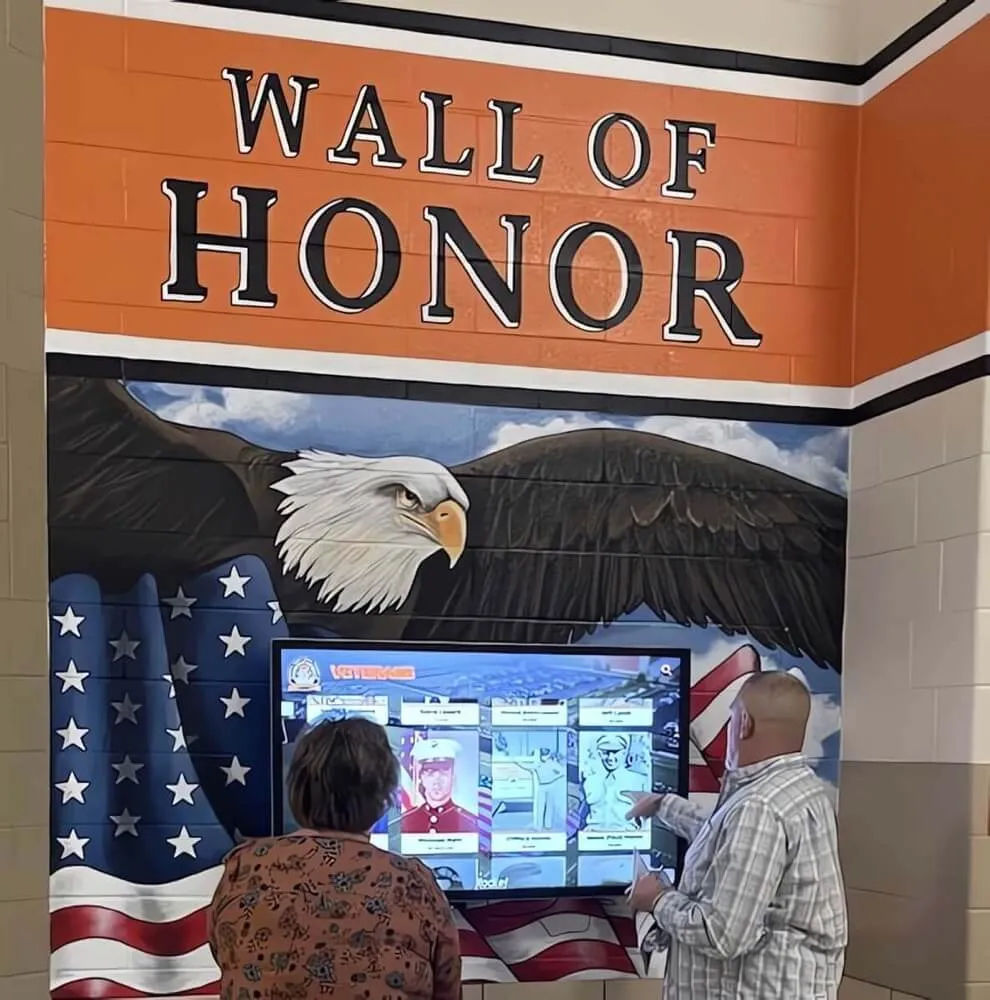
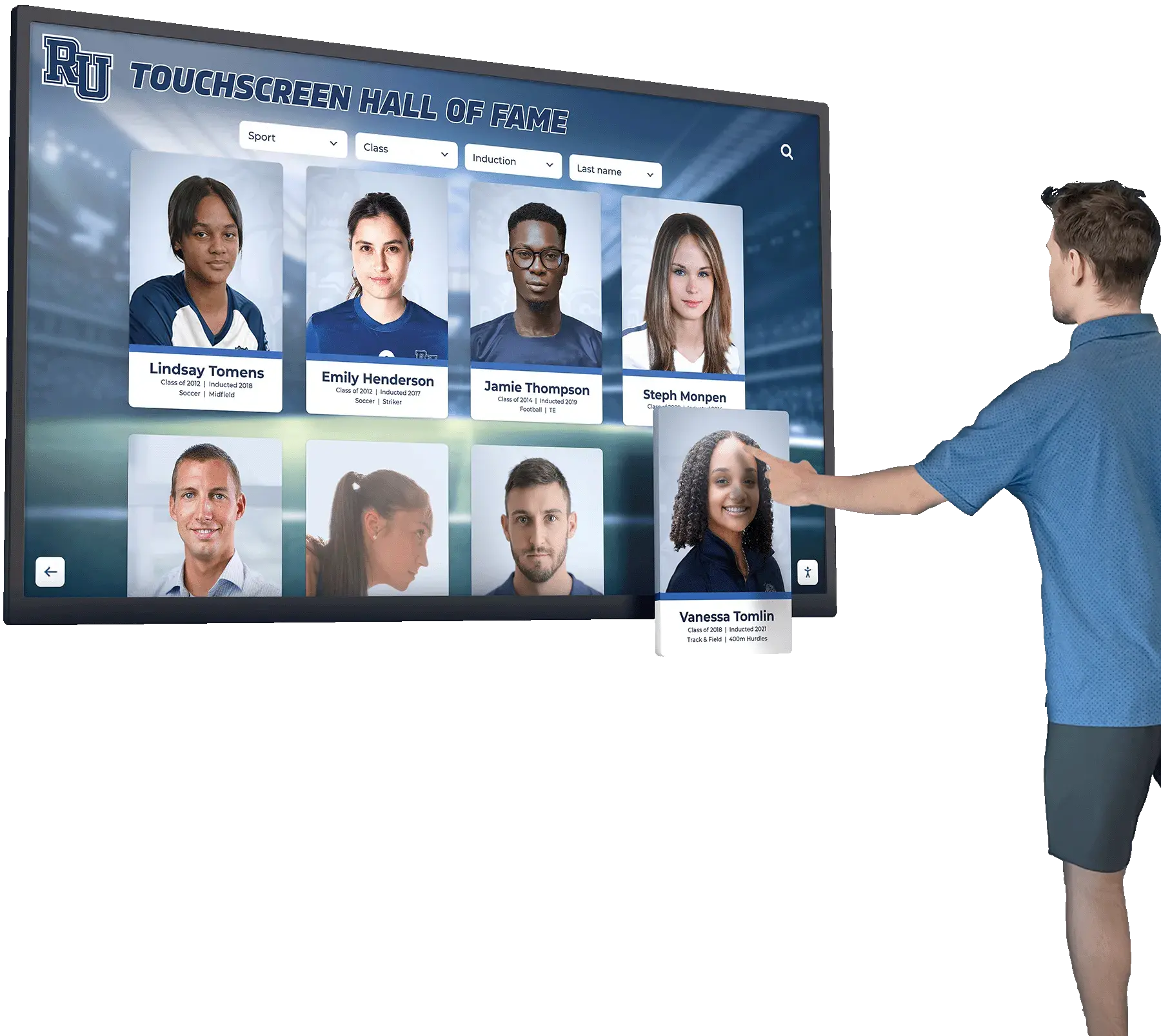
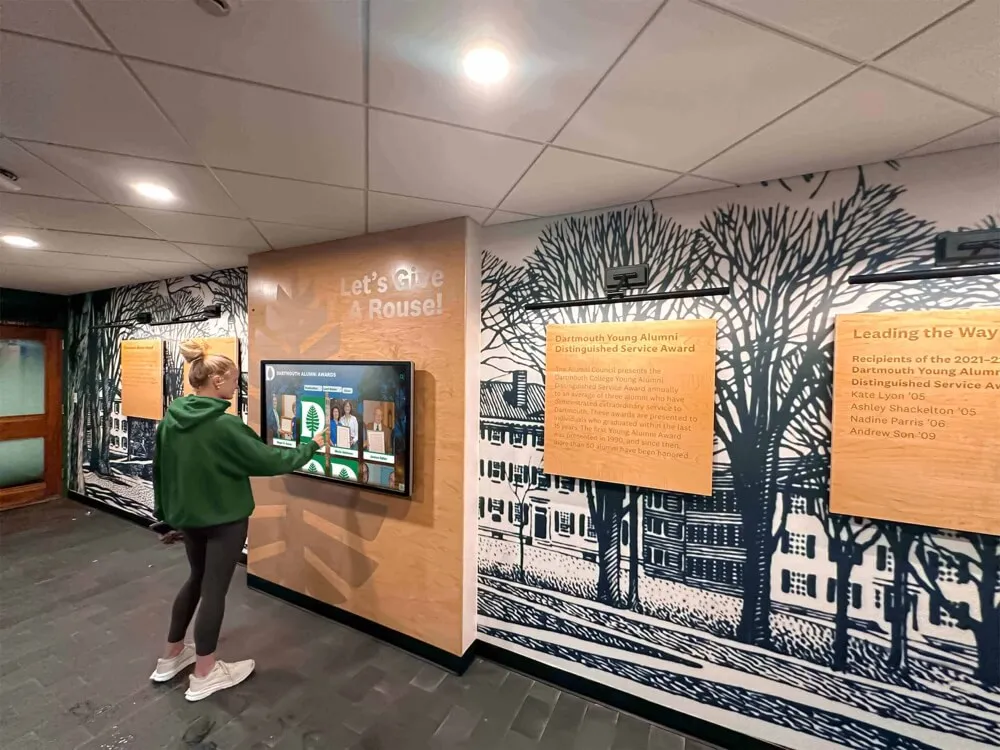
Interactive touchscreen displays become natural gathering points where alumni discover classmates, explore shared memories, and reconnect around personalized content
Understanding High School Class Reunion Challenges
Successful reunion planning requires addressing common obstacles that prevent meaningful reconnection and community building during these significant occasions.
The Reconnection Challenge
Class reunions unite people who once shared daily experiences but have lived separate lives for years or decades, creating unique social dynamics requiring thoughtful facilitation.
Identity Recognition Difficulties After 10, 20, or 50 years, physical appearances change dramatically. Alumni struggle to recognize former classmates, creating awkward interactions where neither party remembers the other despite years of shared experiences. Name tags help minimally—seeing “Jennifer Thompson” means little without visual references connecting present appearance to yearbook memories.
Conversation Starter Scarcity Beyond basic “what have you been doing since graduation?” exchanges, many alumni struggle to find meaningful conversation topics with classmates they knew superficially decades ago. Without prompts surfacing shared experiences—classes together, athletic team membership, club participation, mutual friends—conversations remain shallow despite genuine interest in deeper reconnection.
Social Group Reformation High school social dynamics often reemerge at reunions, with former friend groups clustering while others feel excluded or uncomfortable approaching different social circles. Breaking these invisible barriers requires intentional facilitation that traditional reunion formats fail to provide, leaving many attendees feeling isolated at events designed to foster community.
Geographic and Life Experience Gaps Alumni attending reunions arrive from diverse life circumstances—some achieved remarkable career success, others faced significant hardships, some never left their hometown while others traveled internationally. These divergent experiences create connection challenges as attendees seek common ground beyond increasingly distant shared memories.
Traditional Reunion Format Limitations
Conventional reunion approaches rely on elements that provide insufficient engagement support for meaningful reconnection.
Static Photo Displays Poster boards featuring yearbook photos or printed composites offer passive viewing experiences requiring no interaction. Alumni glance at familiar faces but miss opportunities for deeper exploration discovering forgotten classmates, reviewing additional photos, or learning what classmates accomplished since graduation. These static displays generate momentary nostalgia without facilitating ongoing engagement.
Printed Programs and Directories Paper directories listing attendees with basic contact information and career summaries become outdated immediately after printing while providing minimal discovery support. Finding specific individuals requires reading through alphabetical lists, and learning about classmate achievements depends on brief text descriptions lacking visual impact or comprehensive detail.
Limited Content Capacity Physical space constraints limit what reunion committees can display. With hundreds of class members, poster boards accommodate only selected photos, printed programs include abbreviated biographies, and venue limitations prevent comprehensive achievement celebration or historical documentation. These capacity constraints force difficult choices about who receives visibility and what content gets excluded.
Ephemeral Event Focus Traditional reunions concentrate exclusively on single-evening events without considering ongoing community building between reunions. Once events conclude, reconnection momentum dissipates, newly exchanged contact information goes unused, and communities wait years before next opportunities to strengthen bonds barely reestablished during brief reunion gatherings.
Minimal Personalization Generic reunion decorations, standardized programs, and one-size-fits-all formats fail to create personalized experiences acknowledging individual alumni or celebrating specific accomplishments. Without personalization, reunions feel impersonal despite intimate settings meant to honor shared heritage and individual journeys since graduation.
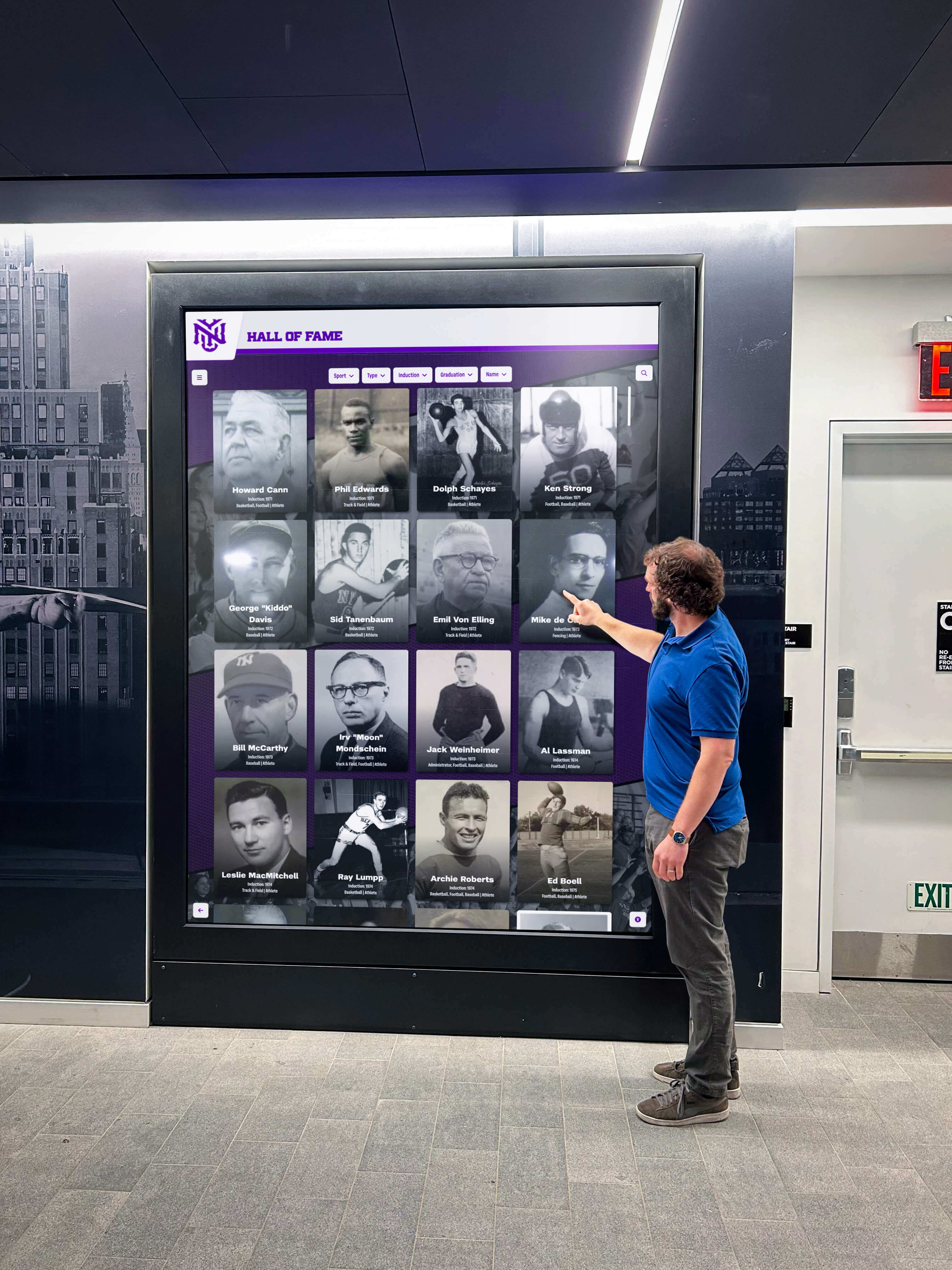
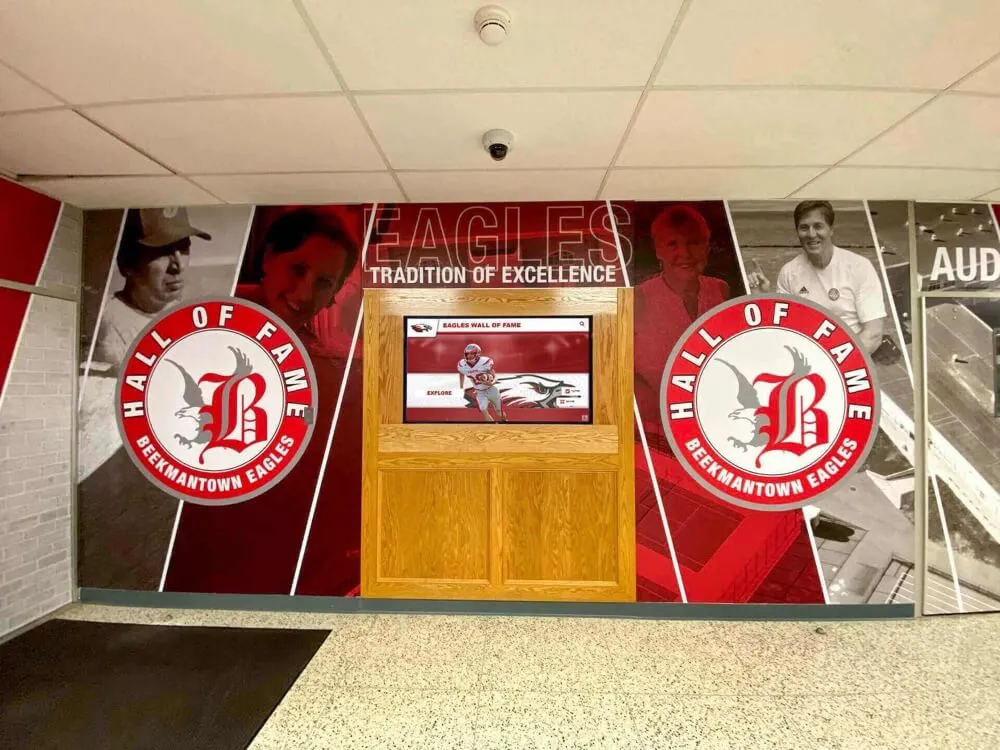
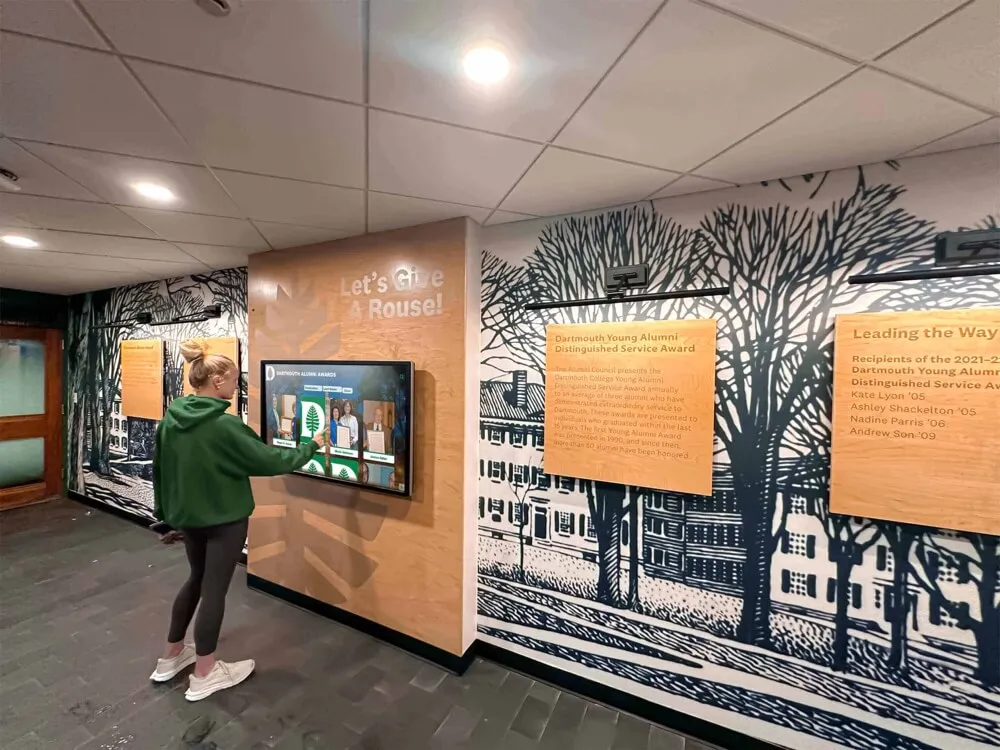
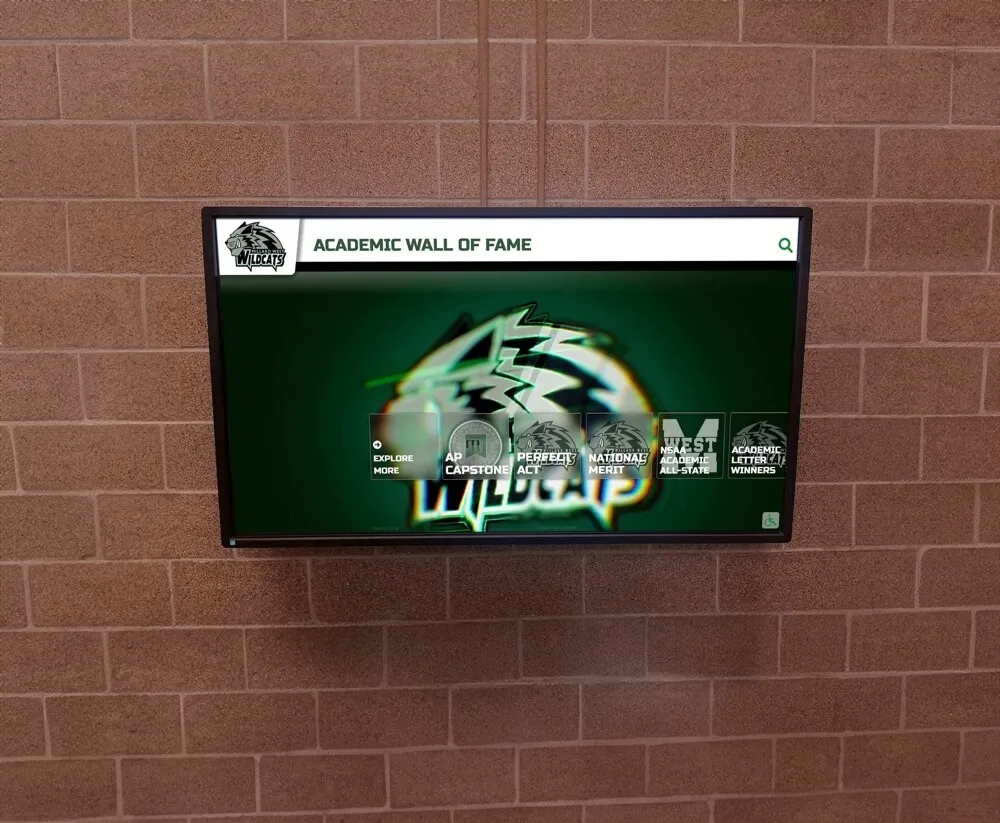
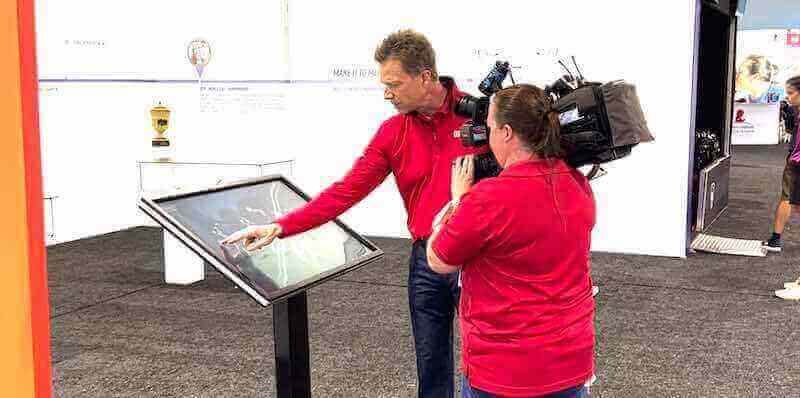
Touchscreen displays create interactive discovery experiences that passive poster boards and printed materials cannot achieve
How Touchscreen Displays Transform Class Reunions
Interactive digital recognition platforms address traditional reunion limitations while creating engaging experiences that facilitate meaningful reconnection and community building.
Creating Interactive Memory Walls
Digital reunion memory walls combine touchscreen hardware with specialized content management systems enabling comprehensive alumni recognition and exploration.
Unlimited Content Capacity Unlike poster boards accommodating limited photos or printed programs restricted by page counts, digital platforms showcase unlimited alumni profiles. Every class member receives comprehensive recognition including multiple photos spanning high school years through present day, detailed biographical information, achievement highlights, career updates, family information, and personal reflections. This unlimited capacity ensures equitable visibility regardless of class size.
Intuitive Search and Discovery Advanced search functionality enables multiple discovery pathways addressing different user needs and exploration styles. Alumni can instantly find themselves by typing names, discover former teammates by browsing athletic rosters, identify classmates who participated in specific activities through club membership filters, or explore “where are they now” career categories finding alumni in similar professions or geographic regions.
Rich Multimedia Integration Comprehensive platforms host photos, videos, audio recordings, documents, and interactive timelines creating multidimensional memory exploration impossible with static displays. Video interviews featuring alumni reflecting on high school experiences, yearbook page scans enabling complete annual browsing, audio clips from school events, and digitized school newspapers transform simple photo viewing into immersive historical journeys.
Personalized Content Surfacing Intelligent systems highlight relevant connections for individual users. When alumni interact with displays, systems can surface classmates they knew well but haven’t yet discovered at the reunion, suggest profiles of people with shared interests or career paths, and feature alumni with geographic proximity enabling ongoing connection after reunions conclude.
Facilitating Conversation and Reconnection
Beyond information display, touchscreen systems actively facilitate the social interactions reunions aim to foster.
Natural Gathering Points Strategically positioned displays create destination areas where alumni naturally congregate, browse content together, and discover shared connections sparking conversations. Rather than awkward mingling without clear purpose, displays provide focal points organizing social interaction around shared content exploration.
Conversation Starters and Ice Breakers Discovering former teammates, identifying mutual friends, finding classmates who participated in same activities, or exploring where classmates currently live provides natural conversation starters. When two alumni simultaneously discover they both played soccer, participated in drama club, or currently live near each other, displays facilitate introductions and provide immediate common ground for meaningful conversation.
Shared Memory Activation Browsing yearbook photos, reviewing athletic team rosters, exploring school event documentation, or watching video clips from shared experiences activates collective memories that isolated alumni might not recall independently. These shared memory activations create emotional resonance strengthening bonds while generating storytelling opportunities as alumni reminisce together around displayed content.
Cross-Generational Connection Comprehensive systems showcasing multiple graduating classes enable cross-generational discovery. Alumni exploring displays might discover younger siblings of classmates, older siblings who graduated before them, or parents who attended the same school decades earlier. These cross-generational connections expand community building beyond single classes while demonstrating institutional traditions spanning generations.
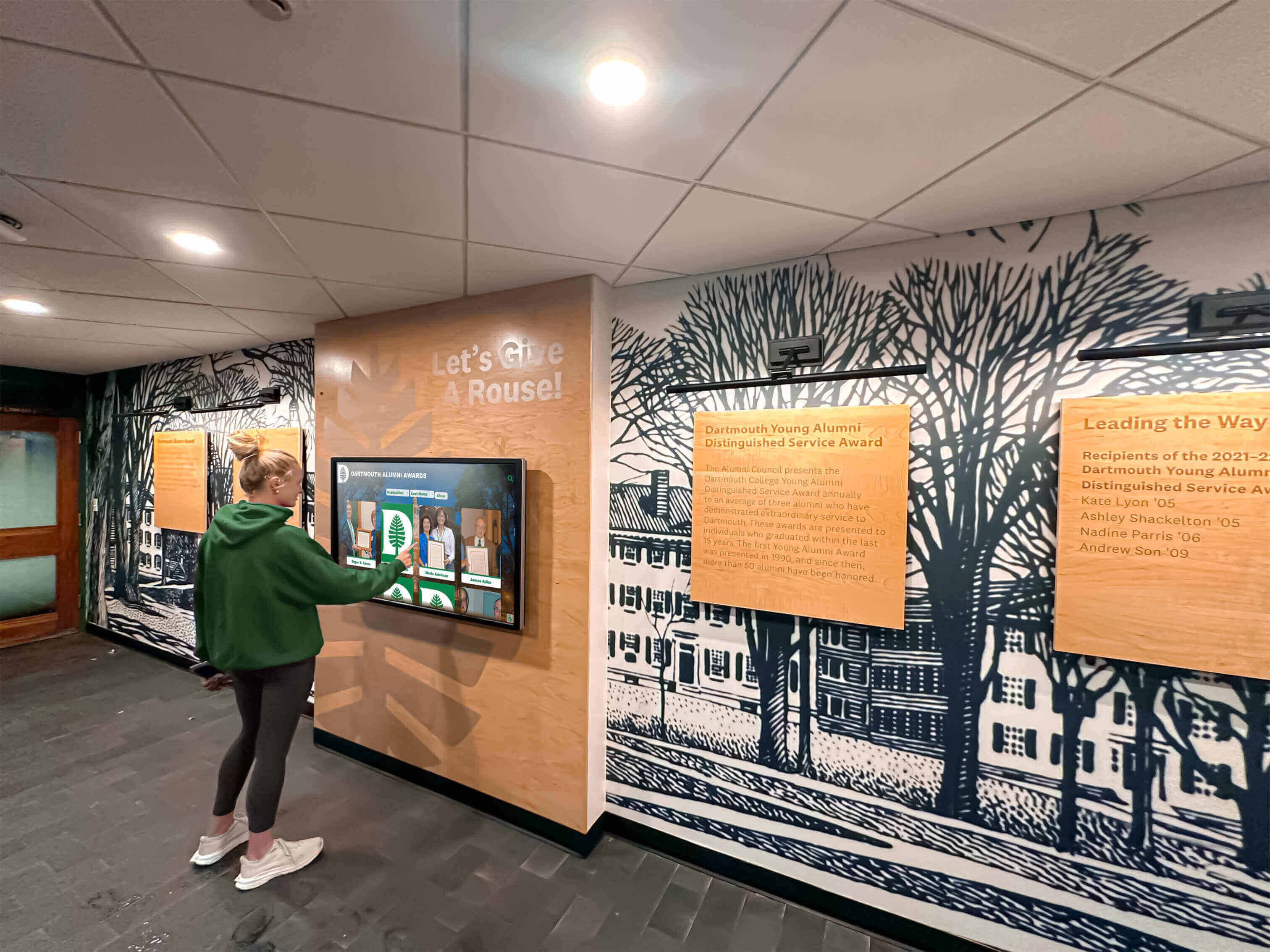
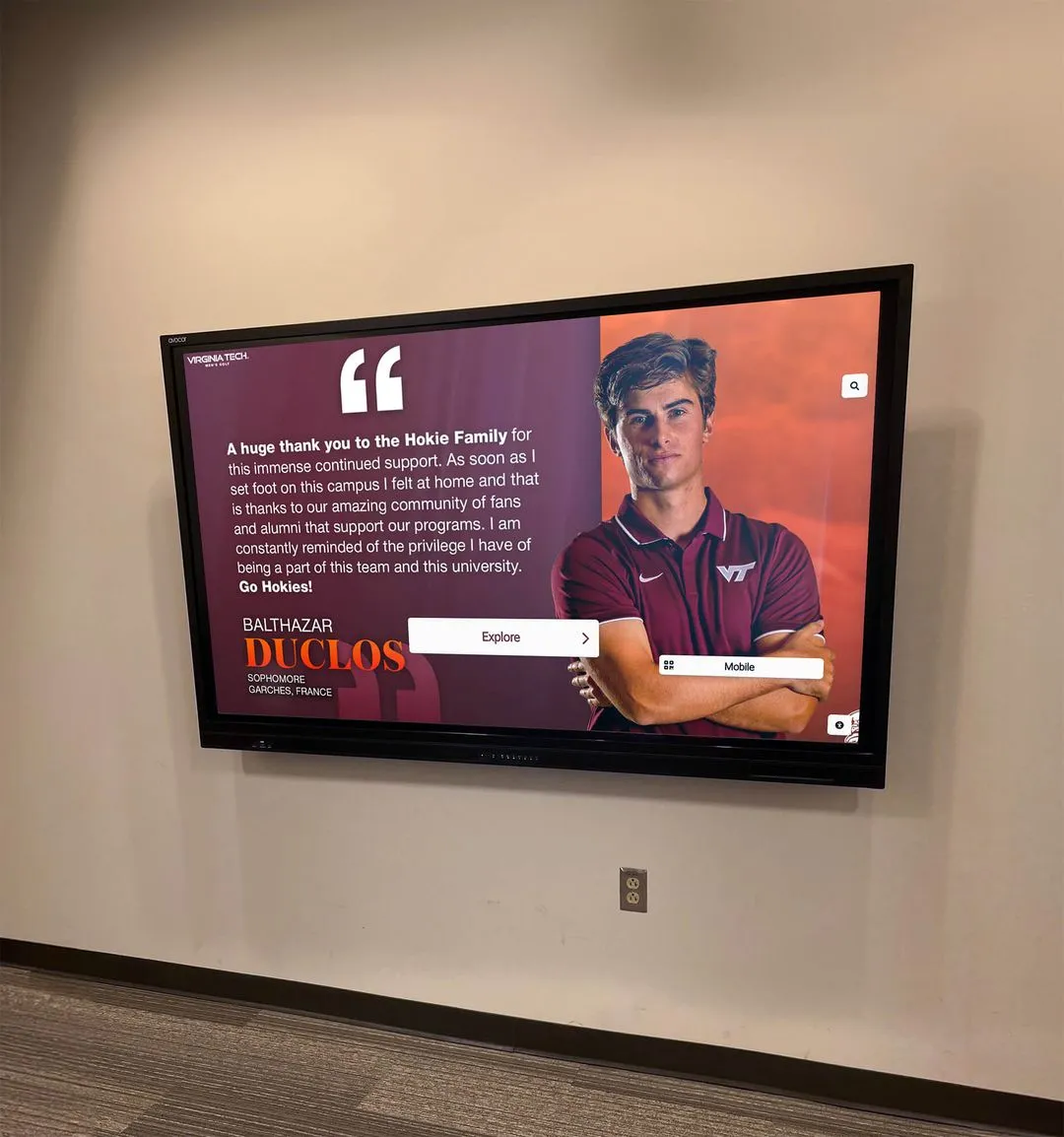
Individual exploration enables alumni to discover classmates at their own pace before approaching for personal conversation
Celebrating Individual and Collective Achievement
Recognition systems honor both personal accomplishments and collective class heritage creating pride that strengthens institutional attachment.
Comprehensive Alumni Profiles Detailed individual profiles celebrate what alumni accomplished since graduation. Career achievements, advanced degrees, entrepreneurial ventures, creative accomplishments, community service, family milestones, and personal reflections receive visibility creating meaningful recognition. Solutions like Rocket Alumni Solutions provide unlimited profile capacity ensuring every alumni receives recognition regardless of fame level or conventional achievement metrics.
Career and Achievement Categories Organizing alumni by career fields, advanced degrees, military service, entrepreneurial ventures, creative pursuits, or community leadership enables discovery patterns. Alumni interested in specific career paths can explore classmates who pursued similar directions, those considering career changes can identify alumni with relevant experience, and industries seeking alumni networking can connect professionals across graduation years.
Distinguished Alumni Recognition Formal recognition programs honoring exceptional achievement, service, or character receive prominent display features. Alumni hall of fame inductees appear with comprehensive profiles explaining selection criteria and celebrating contributions, creating inspiration while demonstrating institutions produce accomplished, principled graduates.
Class Legacy and Historical Context Beyond individual recognition, displays celebrate collective class achievements and characteristics. Graduation year contexts explaining historical events during school years, class statistics and fun facts, collective community service hours, aggregate educational attainment, or notable class-wide accomplishments create shared identity while demonstrating class contributions to institutional heritage.
Extending Engagement Beyond Reunion Events
Strategic implementations leverage reunion gatherings as entry points for ongoing community building rather than treating them as isolated occasions.
Permanent School Installations Schools installing touchscreen displays in high-traffic campus locations—main lobbies, alumni centers, athletic facilities—create permanent alumni recognition platforms extending reunion experience visibility throughout the year. Current students discover accomplished alumni inspiring their own aspirations, prospective families touring campus observe strong alumni communities suggesting institutional quality, and alumni visiting campus outside reunion schedules engage with recognition maintaining connections between formal gatherings.
Web-Based Access Extensions Mobile-optimized web portals extend reunion memory wall access indefinitely, enabling alumni to explore content, update profiles, discover classmates, and maintain community connection from anywhere at any time. Alumni unable to attend reunions physically can participate virtually, those reflecting after events can continue exploration, and ongoing engagement between reunions maintains relationship momentum that single-event formats allow to dissipate.
Social Sharing Integration Enable alumni to share profiles, photos, or discovery moments through social media directly from displays amplifies reunion visibility beyond physical attendance. When alumni share their reunion experience with extended networks, content showcasing high school heritage and current community vibrancy reaches prospective donors, admission families, and community stakeholders expanding institutional marketing reach organically.
Continuous Content Updates Unlike static displays frozen at creation, digital platforms enable continuous content enrichment. Alumni can submit updated photos and biographical information between reunions, reunion committees can add newly discovered historical content, and schools can incorporate recent institutional achievements maintaining platform currency rather than allowing content to become stale across multi-year reunion cycles.
Technical Implementation for Reunion Success
Successful touchscreen reunion implementations require thoughtful planning addressing hardware, software, content, and logistics considerations.
Hardware Selection and Setup
Choosing appropriate display technology significantly impacts user experience and operational success.
Display Size and Positioning Reunion venues vary dramatically—intimate restaurants, hotel ballrooms, school gymnasiums, outdoor pavilions—requiring adaptable display solutions. Most implementations utilize 55-75 inch commercial-grade touchscreens providing optimal viewing size for group exploration while remaining transportable to different venues. Multiple smaller displays distributed throughout larger venues often prove more effective than single large installations, ensuring all attendees encounter displays during natural movement patterns.
Touchscreen Technology Considerations Capacitive touch technology providing smartphone-like responsiveness proves essential for intuitive interaction. Infrared or resistive touch technologies common in older systems feel sluggish and imprecise, frustrating users and discouraging engagement. Commercial-grade displays designed for continuous operation in public settings withstand heavy reunion traffic better than consumer displays prone to overheating or touch sensor degradation with intensive use.
Portability and Venue Flexibility Reunion committees often change venues across reunion cycles or host events in locations without permanent mounting infrastructure. Portable display solutions using professional-grade mobile stands enable flexible positioning while maintaining stable, secure installations. Displays should accommodate standard electrical outlets without requiring specialized power infrastructure, and wireless internet connectivity ensures network access in venues lacking ethernet availability.
Environmental Adaptability Reunion venues present challenging display environments—bright banquet hall lighting, outdoor evening events, dimly lit nostalgia-themed spaces—requiring displays with adaptive brightness maintaining visibility across conditions. Anti-glare screen treatments reduce reflection issues in bright environments, and automatic brightness adjustment responds to ambient lighting changes ensuring consistent usability throughout events.
Backup and Redundancy Planning Technical failures during reunions prove catastrophic given irreplaceable event timing. Backup plans should include redundant displays enabling quick substitution if primary units fail, offline content access modes functioning without internet connectivity, and technical support availability during event hours addressing issues immediately rather than waiting for business-hour assistance.
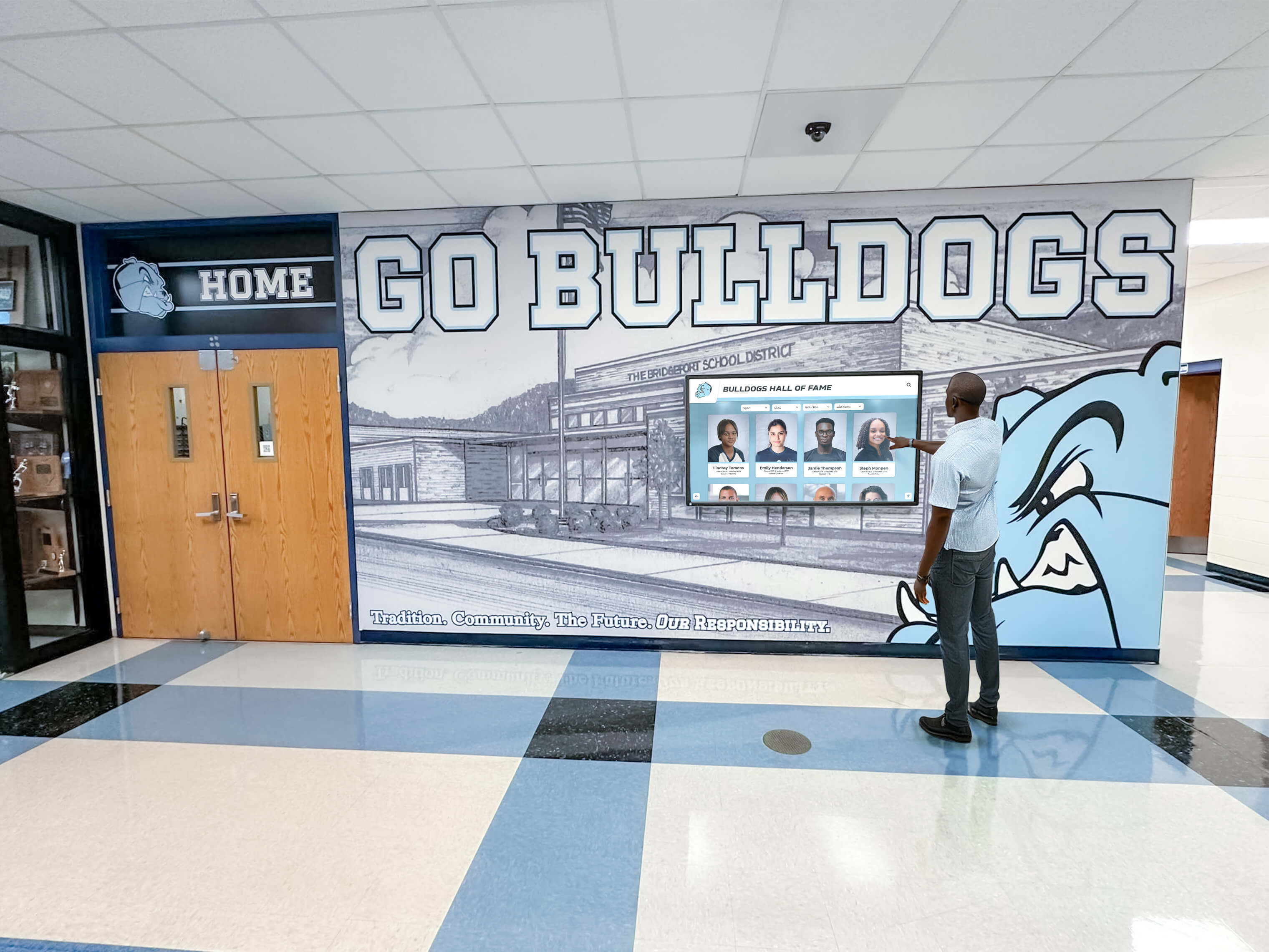
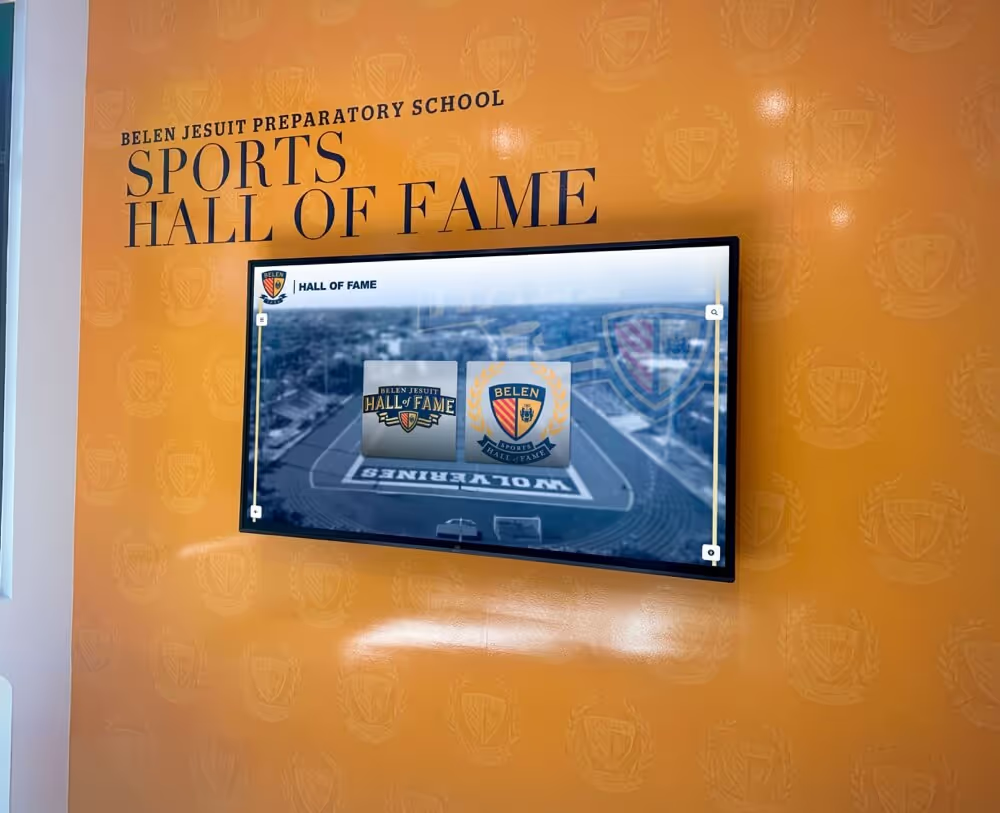
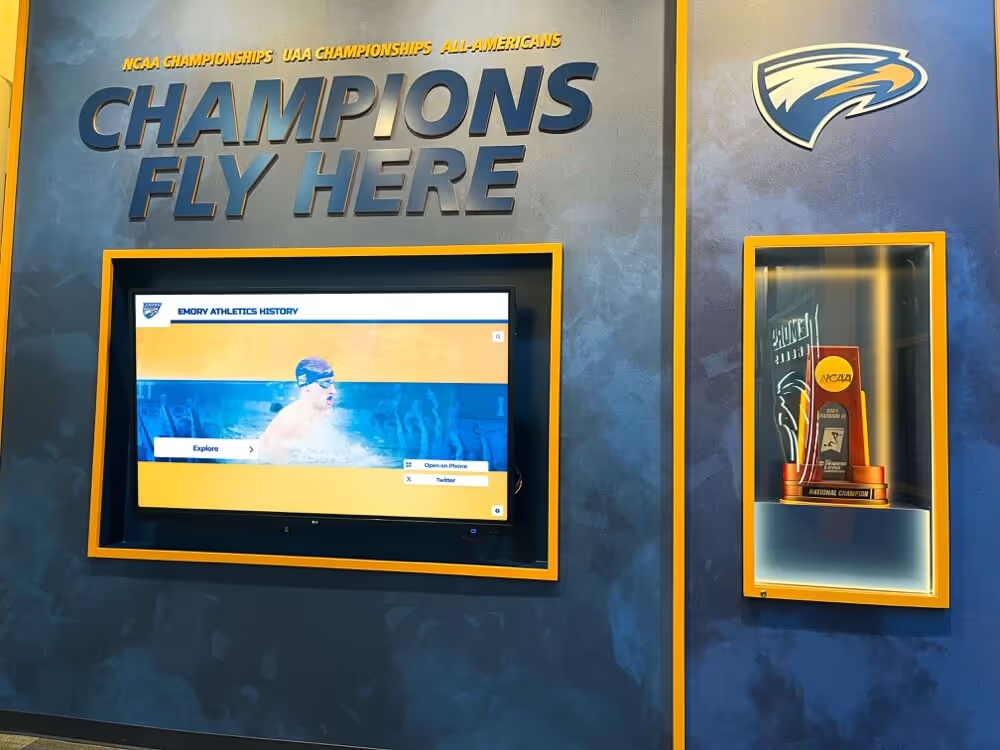
Permanent school installations extend reunion experiences year-round while serving daily campus engagement functions
Software Platform Requirements
Backend systems powering displays determine long-term usability, content management ease, and feature accessibility.
Intuitive Content Management Reunion committees typically include volunteers with limited technical expertise managing content creation and updates. Cloud-based platforms with intuitive interfaces enable confident content management without IT dependencies. Drag-and-drop profile creation, template-based designs requiring minimal customization, and bulk upload tools processing spreadsheet data make large-scale content development manageable for small volunteer teams.
Flexible Content Organization Different reunion classes and schools require varied organizational approaches. Comprehensive platforms accommodate multiple classification schemes—graduation year, participation in specific activities, career fields, geographic locations, achievement categories—while enabling individual alumni to appear across multiple categories without duplicate profile creation.
Search and Filter Capabilities Sophisticated search functionality proves essential for reunion utility. Name-based search enabling instant profile location, keyword search finding profiles mentioning specific topics, advanced filters combining multiple criteria, and visual browsing modes displaying thumbnail arrays of all alumni accommodate diverse discovery preferences and exploration patterns.
Responsive Design and Multi-Device Support Platforms should function equally well on large touchscreen displays at reunion venues and personal smartphones or tablets enabling extended access. Responsive web-based systems automatically adapt interface layouts to different screen sizes, ensuring consistent user experience across devices while eliminating need for separate mobile applications requiring additional development and maintenance.
Analytics and Engagement Tracking Understanding how alumni interact with displays informs future reunion planning and content development. Analytics tracking most-viewed profiles, popular search terms, average engagement duration, peak usage times, and navigation patterns reveal what content resonates while identifying underutilized features requiring better promotion or redesign.
Content Development Strategies
Compelling, comprehensive content maximizes display value and engagement potential.
Gathering Historical Content Comprehensive reunion displays require extensive content collection from diverse sources. Yearbooks provide baseline photos and activity documentation, school archives may contain additional photos and event documentation, newspaper archives offer external coverage of school events and alumni achievements, and alumni submissions contribute personal photos and biographical updates. Systematic collection processes using online submission forms, scanning events, and volunteer coordination efforts make large-scale digitization manageable.
Creating Engaging Alumni Profiles Individual profiles should balance standardization enabling consistent user experience with personalization celebrating unique journeys. Essential profile elements include multiple photos showing high school years and present day, comprehensive biographical narratives beyond brief text blurbs, achievement highlights celebrating accomplishments across diverse domains, family information connecting multi-generational school relationships, and personal reflections where alumni share memories or perspective on school influence.
Developing Contextual Timeline Content Historical context enriches memory exploration by connecting individual experiences to broader narratives. Timelines featuring significant school events by year, local and national historical events during different class graduation periods, evolving school traditions and customs, demographic changes in student populations, and institutional development milestones provide frameworks helping alumni understand their place in larger institutional stories.
Ensuring Content Accuracy and Sensitivity Recognition accuracy matters enormously given public visibility and personal significance. Systematic review processes involving multiple verification stages, alumni self-verification when possible, careful fact-checking of achievement claims, and sensitivity review ensuring appropriate inclusion of personal information prevents errors and privacy violations undermining platform credibility and community trust.
Planning Ongoing Content Enrichment Initial reunion content represents starting points rather than finished products. Establishing processes for continuous improvement—alumni submitting corrections or updates, volunteers adding newly discovered historical materials, reunion committees incorporating current reunion photos and videos—maintains platform vitality while demonstrating ongoing institutional commitment to alumni recognition and community building.
Strategic Benefits Beyond Reunion Events
Touchscreen display investments deliver value extending beyond single reunion occasions when integrated into comprehensive alumni engagement and institutional advancement strategies.
Supporting Alumni Relations and Engagement Goals
Recognition platforms create infrastructure supporting broader alumni relations objectives while generating specific reunion benefits.
Ongoing Alumni Directory Functions Digital platforms function as comprehensive alumni directories accessible year-round through web interfaces. Unlike printed directories becoming outdated immediately after publication, digital systems enable continuous profile updates maintaining currency while providing sophisticated search functionality impossible with static publications. Alumni networking and connection becomes simpler when comprehensive, current directories enable discovery and outreach.
Event Promotion and Registration Integration Recognition platforms provide natural venues for reunion promotion and registration. Alumni exploring content receive notifications about upcoming reunions for their classes, displays at reunions promote subsequent reunion dates, and integrated registration systems reduce friction in event commitment by enabling immediate signup without leaving platform environments.
Volunteer and Mentorship Recruitment Comprehensive career and achievement information enables targeted recruitment for school initiatives. Career services offices identify alumni in specific fields for mentorship programs, development offices discover successful alumni with philanthropic capacity, admissions departments connect prospective families with alumni ambassadors in their communities, and volunteer coordinators find alumni with expertise matching specific needs.
Fundraising and Development Support Recognition demonstrates effective donor investment stewardship while identifying philanthropic prospects. Alumni seeing comprehensive recognition of generous donors understand giving cultures and expectations, distinguished alumni profiles reveal individuals with likely capacity to contribute, and integrated giving information enables direct contribution without leaving recognition environments. Learn about comprehensive approaches in donor recognition best practices applicable to alumni giving contexts.
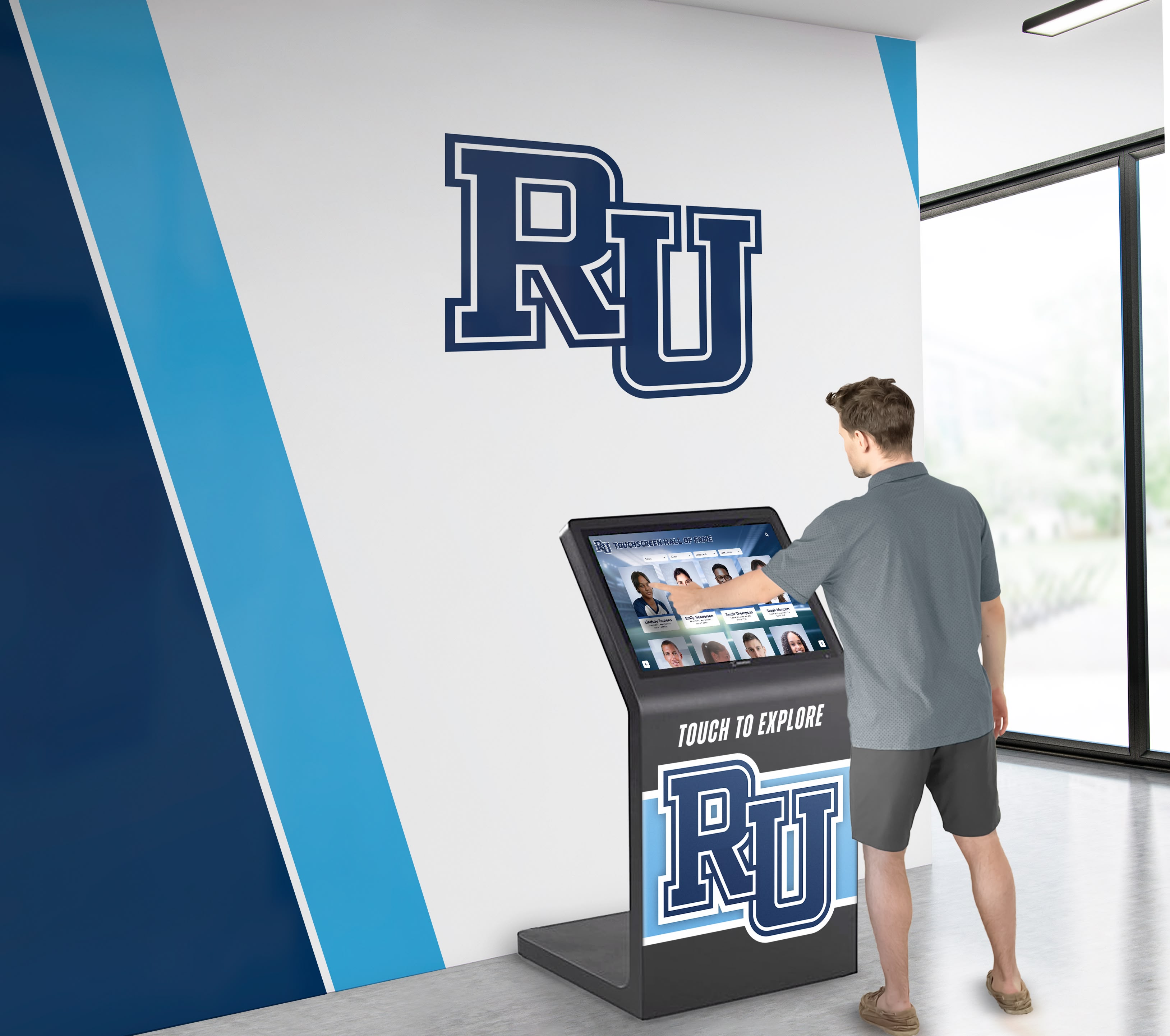
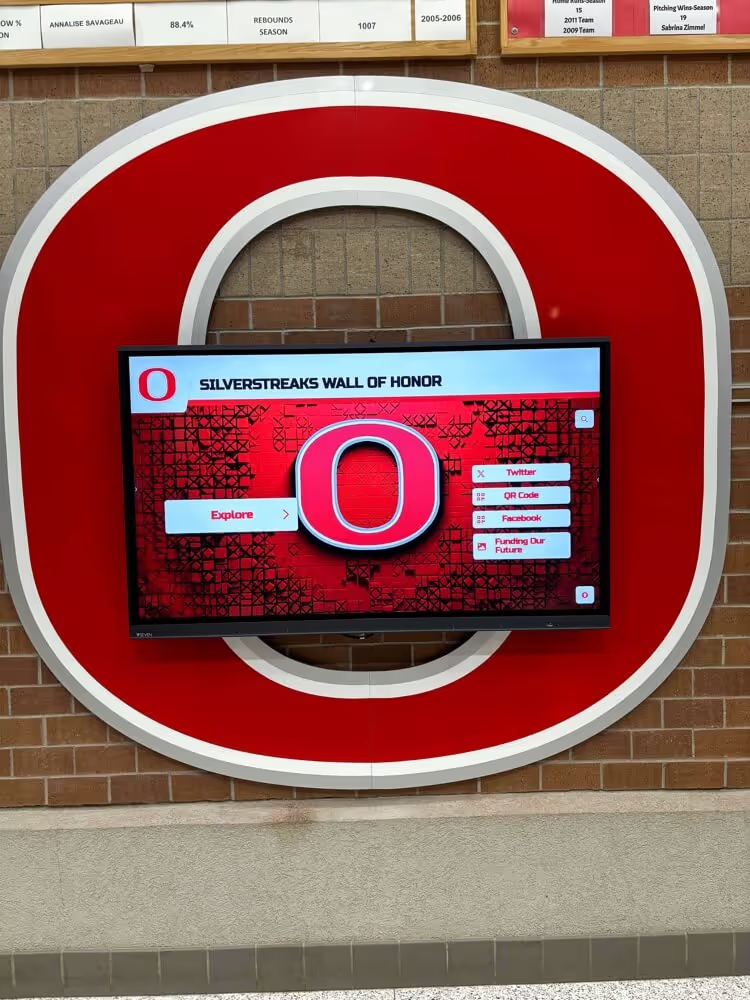
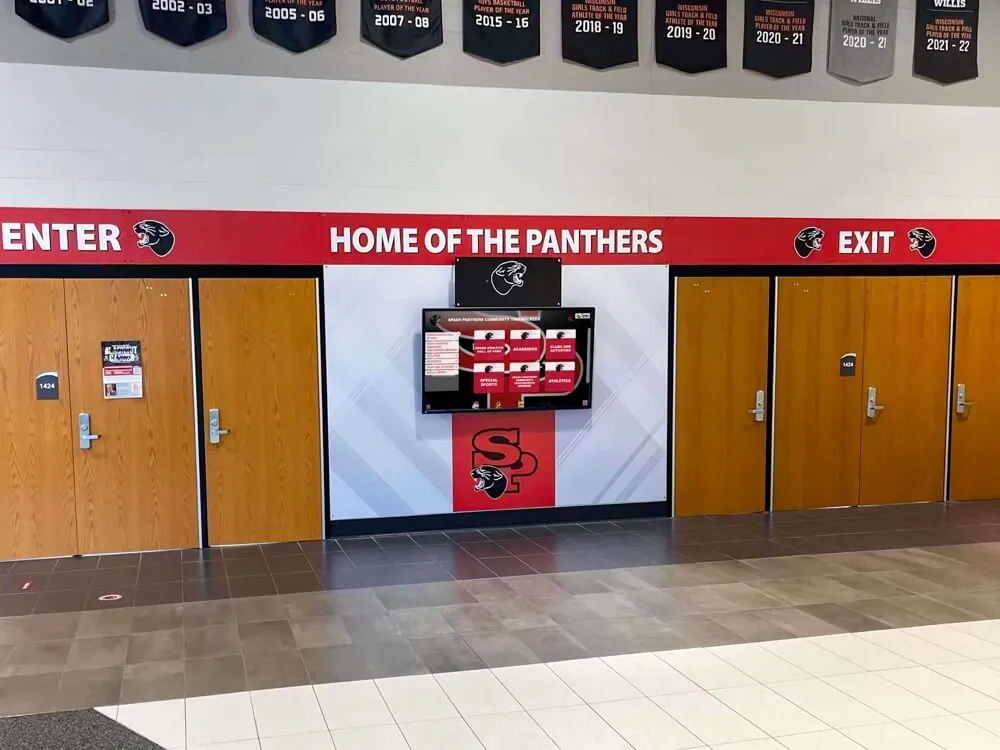
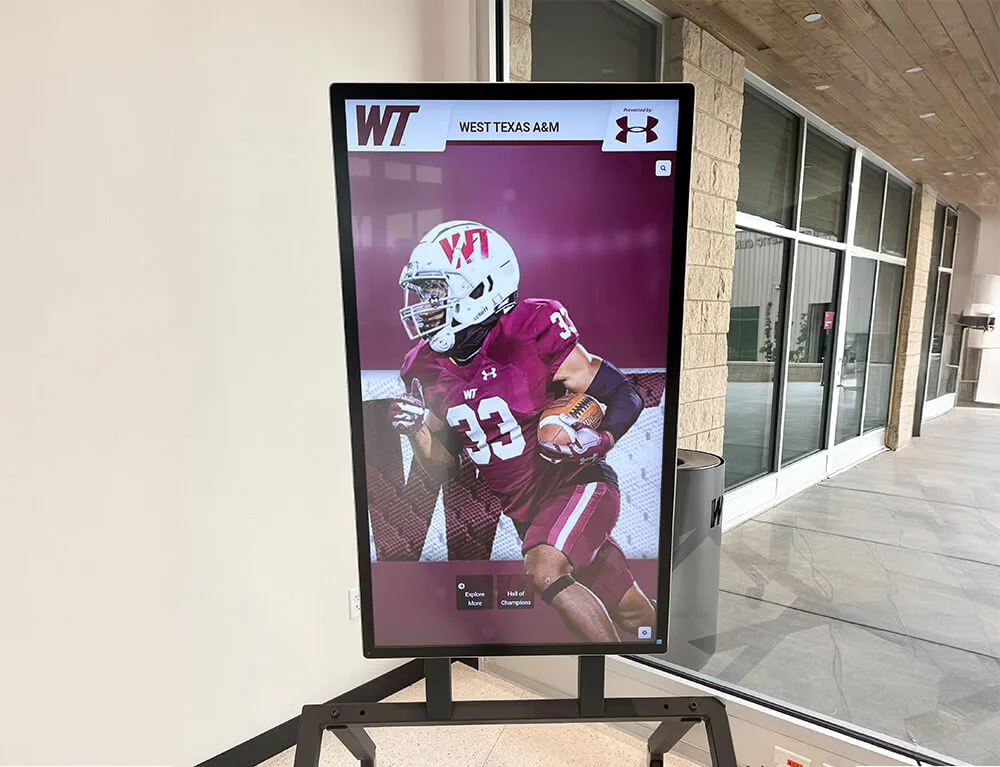
Strategic lobby placements ensure alumni, visitors, and prospective families encounter recognition during campus visits
Enhancing Admission and Marketing Efforts
Alumni recognition provides compelling content supporting enrollment and institutional marketing objectives.
Demonstrating Strong Alumni Communities Prospective families evaluating schools seek evidence of strong alumni networks suggesting lasting institutional value beyond immediate education. Visible, comprehensive alumni recognition demonstrates institutions maintain lifelong community relationships, celebrate graduate success, and build networks benefiting current students through mentorship, career support, and sustained engagement.
Showcasing Diverse Alumni Success Stories Recognition platforms highlighting alumni achievements across varied career paths, creative pursuits, entrepreneurial ventures, community service, and personal accomplishments demonstrate educational effectiveness preparing students for successful, meaningful lives. Prospective families seeing diverse alumni success gain confidence institutions can serve students with varied interests and aspirations.
Building School Pride and Culture Current students, families, and staff encountering robust alumni recognition develop institutional pride and stronger identification. When schools visibly celebrate accomplished alumni, current community members feel part of traditions producing distinguished graduates, reinforcing culture valuing excellence, character, and lifelong institutional attachment.
Creating Marketing Content and Stories Distinguished alumni profiles provide ready marketing content for websites, social media, publications, and communications. Alumni achievement stories attract prospective families while engaging current constituents, creating positive institutional narratives difficult to generate through internal communications alone.
Supporting Current Student Inspiration and Development
Alumni recognition benefits extend to current students who discover role models and envision future possibilities through displayed content.
Career Exploration and Planning Students exploring career interests can discover alumni in relevant fields, learn about diverse professional pathways, understand educational requirements for different careers, and identify potential mentors or networking contacts. This career exploration proves particularly valuable for first-generation college students lacking family career networks.
College and Post-Secondary Planning Seeing where alumni attended college, what degrees they pursued, and how educational choices connected to career outcomes helps current students make informed post-secondary decisions. Alumni attending less-familiar institutions provide proof points that success emerges from many educational paths, not just most-competitive colleges.
Character Development and Values Formation Recognition honoring service, character, leadership, and citizenship alongside conventional achievement metrics demonstrates institutional values and what characteristics receive celebration. Students internalize these value signals shaping aspirations and behavior toward qualities institutions aim to cultivate.
Building Realistic Success Expectations Comprehensive recognition showcasing alumni across achievement spectrums—from modest local success to international acclaim—helps students develop realistic expectations. Not every graduate becomes famous, but all can lead meaningful, successful lives. This balanced representation prevents discouragement while maintaining inspiration.
Implementing Touchscreen Displays for Your Reunion
Schools and reunion committees considering touchscreen implementations should approach planning systematically to maximize success probability and return on investment.
Planning Timeline and Committee Structure
Successful implementations require adequate preparation time and clear responsibility assignment.
Recommended Planning Timeline Major reunion preparations typically begin 12-18 months before events, and touchscreen implementations should align with overall planning schedules:
- 12-15 months before reunion: Research platform options, evaluate vendors, establish budgets, and make technology selection decisions
- 9-12 months out: Begin content collection requesting alumni submissions, digitizing historical materials, and developing profile templates
- 6-9 months prior: Complete bulk content creation entering alumni information, uploading photos, and building searchable database
- 3-6 months ahead: Refine content through quality review, implement feedback from alumni reviewing draft profiles, and develop supplementary timeline and contextual content
- 1-3 months before: Finalize technical logistics confirming venue requirements, testing equipment, training volunteer operators, and preparing backup plans
- Event week: Conduct final system checks, position displays strategically, and ensure technical support availability throughout reunion
Committee Roles and Responsibilities Clear responsibility assignment prevents important tasks from falling between gaps:
- Technology Coordinator: Manages vendor relationships, oversees hardware/software selection and setup, troubleshoots technical issues, and ensures backup plans exist
- Content Manager: Coordinates historical material digitization, manages alumni information collection, oversees profile creation and quality review, and maintains ongoing content accuracy
- Communications Lead: Promotes platform to alumni encouraging profile updates, manages social media integration, develops instructions for display usage, and gathers feedback for future improvements
- Event Logistics: Coordinates display positioning at reunion venues, ensures adequate electrical and internet access, manages equipment transportation if necessary, and supervises setup/teardown
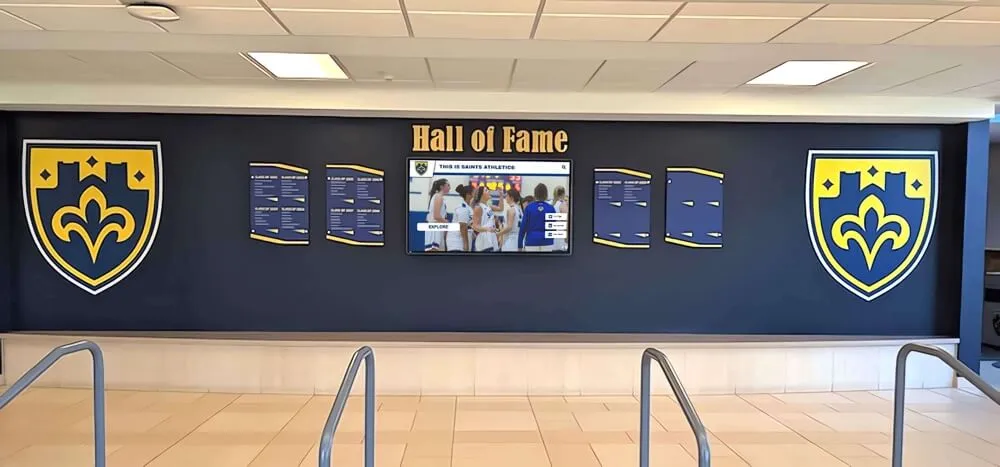
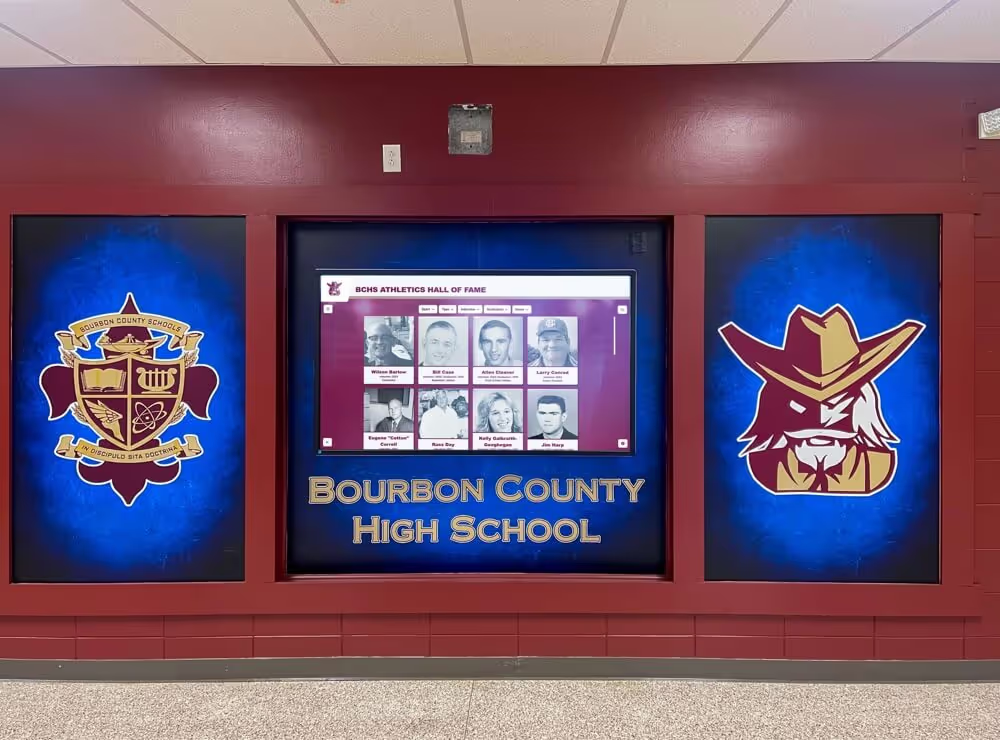
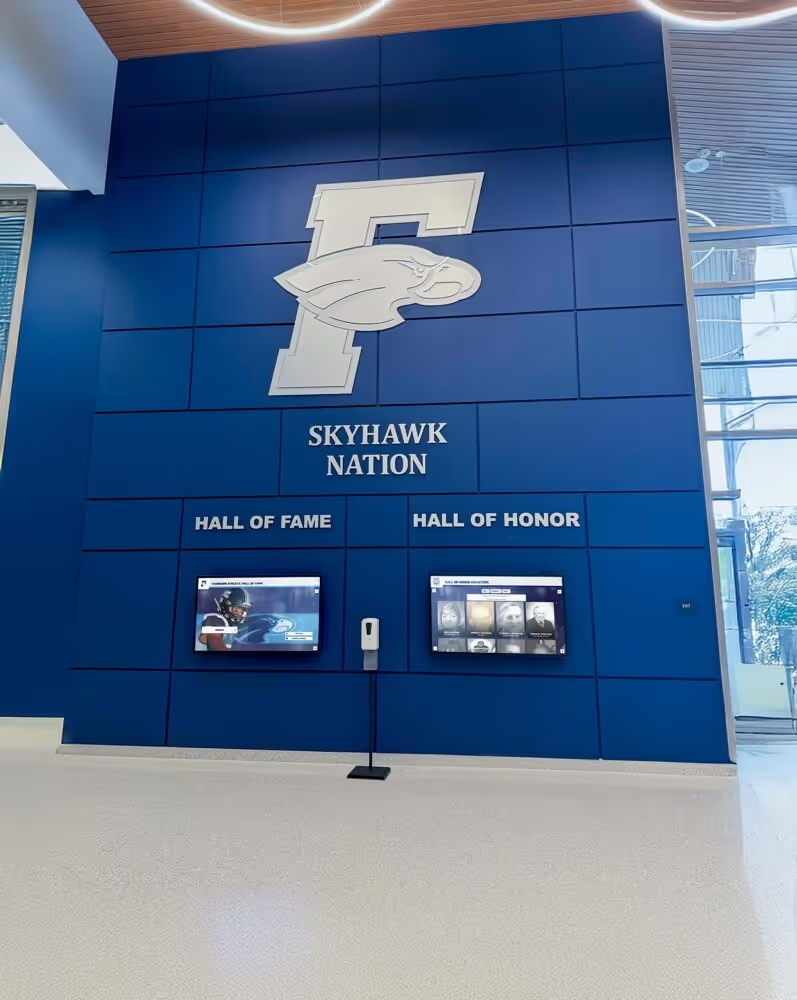
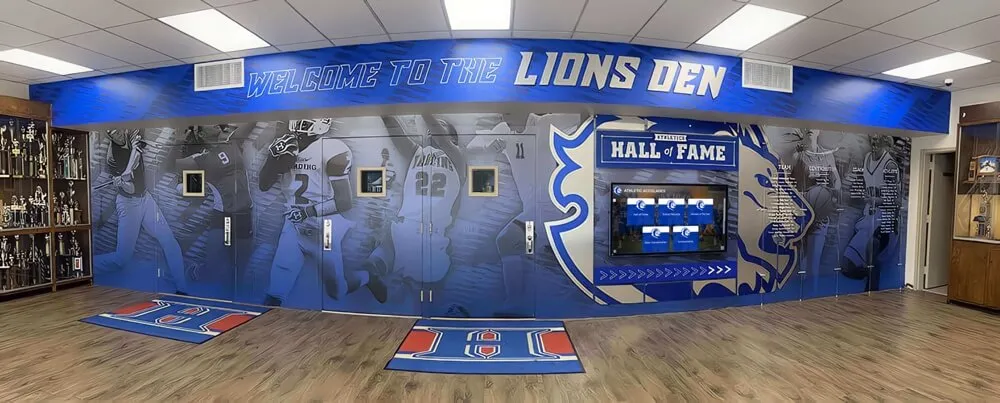
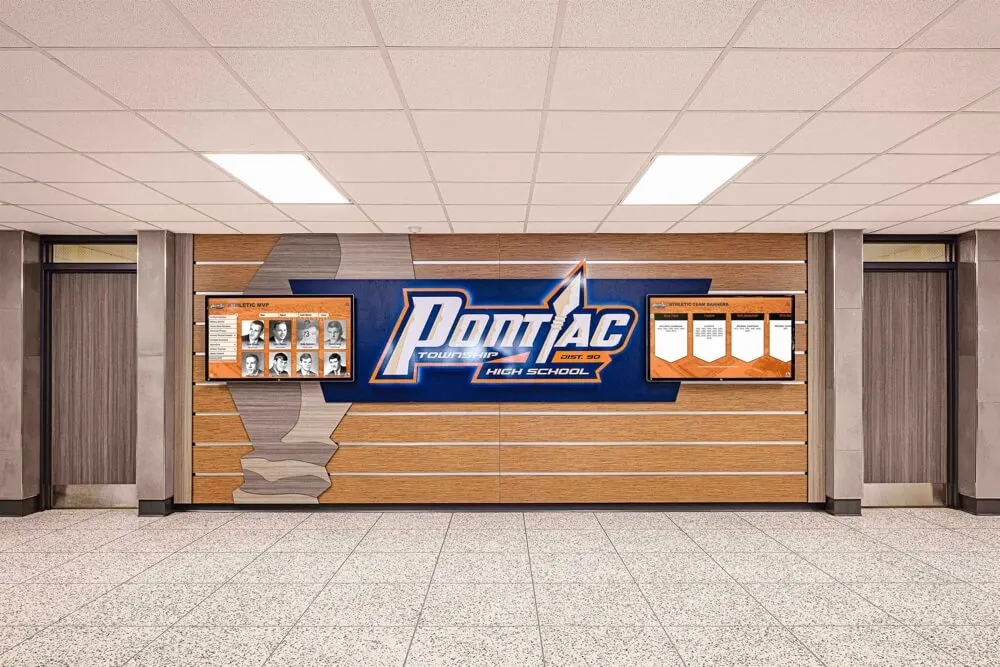
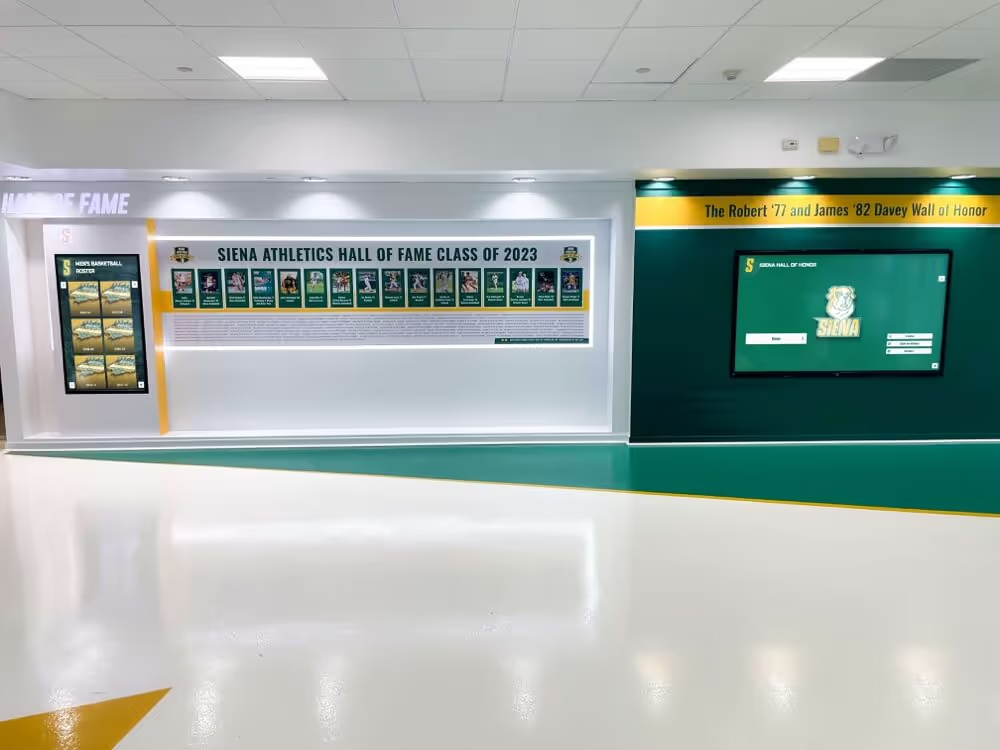
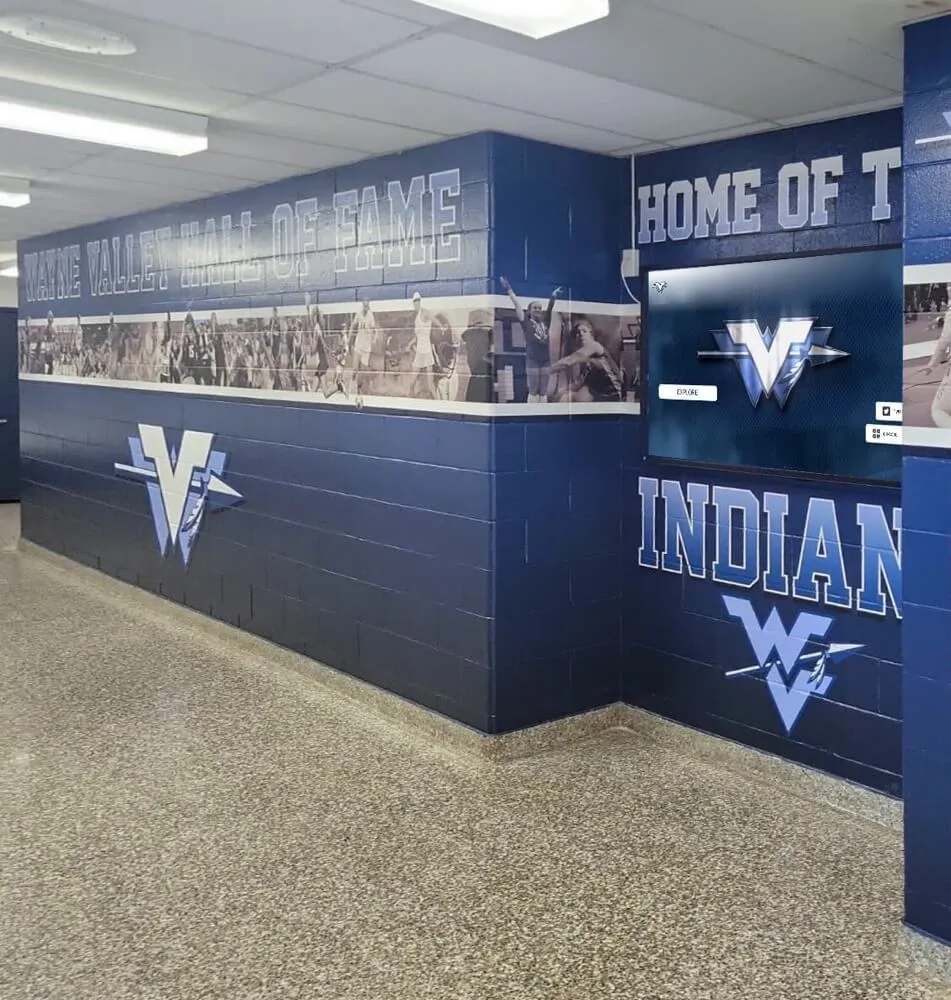
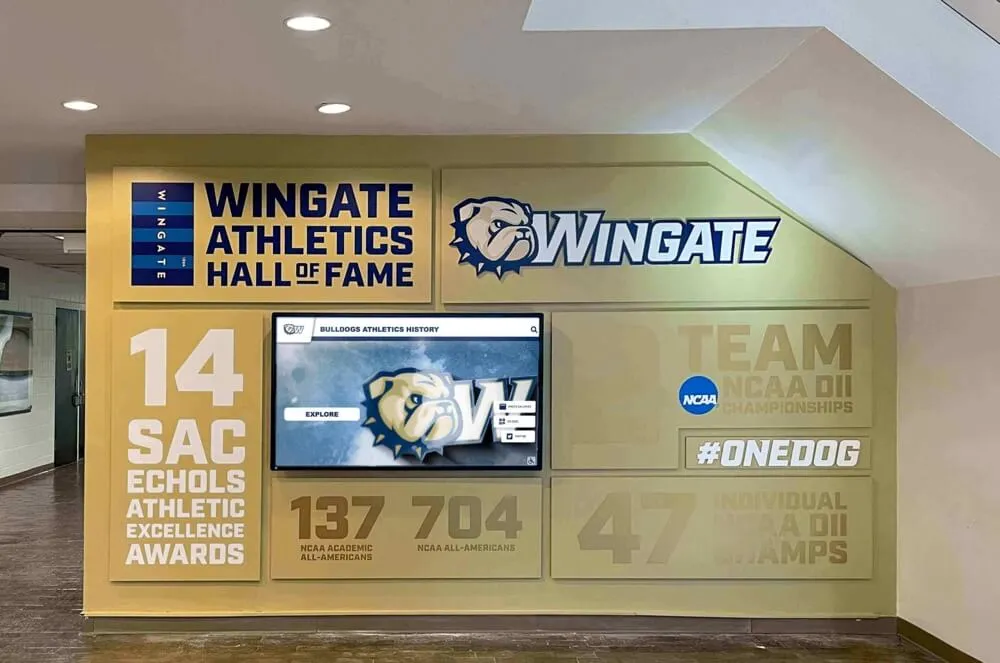
Permanent recognition walls combine digital displays with traditional design elements creating prestigious installation aesthetics
Budget Considerations and Investment Levels
Understanding complete costs enables realistic planning and appropriate resource allocation.
Entry-Level Reunion Solutions Basic implementations suitable for single-class reunions or schools testing concepts before larger investments typically cost $2,500-$6,500 including consumer-grade large displays with touch capability, basic content management software, portable stands or temporary mounting, and limited implementation support. These solutions work well for smaller reunions (under 100 attendees) or pilot programs building support for comprehensive implementations.
Mid-Range Comprehensive Systems Purpose-built recognition platforms like Rocket Alumni Solutions designed specifically for schools and alumni organizations typically cost $8,000-$15,000 for complete systems including commercial-grade touchscreen hardware, sophisticated content management platforms, professional installation or portable mounting, comprehensive training and support, and unlimited content capacity. These systems serve multiple reunion classes, function as permanent school installations, and integrate with broader alumni engagement strategies.
Enterprise Multi-Location Implementations Large schools, multi-campus systems, or comprehensive installations featuring multiple displays in various campus locations typically invest $15,000-$35,000 depending on scope. These implementations might include video wall displays, integration with existing school databases and websites, custom design and branding, extensive historical content digitization services, and ongoing managed services for content maintenance.
Ongoing Operating Costs Annual software licensing, content hosting, technical support, and system maintenance typically cost $1,500-$5,000 annually depending on system sophistication and included services. Schools should budget for ongoing costs rather than treating recognition as one-time capital investments, recognizing that continuous platform currency requires sustained investment.
Return on Investment Considerations While initial investments may seem significant, evaluating value over multi-year periods typically shows favorable economics. Consider savings from eliminating repeated poster board printing, reduced printed program costs, staff efficiency gains from centralized content management, and increased reunion attendance and alumni giving attributable to improved engagement. Many schools report implementations paying for themselves within 2-3 reunion cycles through combination of direct savings and increased fundraising.
Selecting the Right Technology Partner
Vendor selection significantly impacts long-term satisfaction, operational ease, and platform success.
Purpose-Built vs. Generic Solutions Platforms designed specifically for alumni recognition and halls of fame like Rocket Alumni Solutions provide features generic digital signage or slideshow software lack—sophisticated searchability, individual profile pages with rich content, automated rotation ensuring equitable visibility, web accessibility extending recognition beyond physical displays, and ADA WCAG 2.1 AA compliance ensuring accessibility for all community members.
Content Management Intuitiveness Prioritize systems enabling non-technical reunion volunteers to confidently manage content. Evaluation should involve actual committee members testing profile creation, editing, and publishing workflows ensuring platforms match volunteer capabilities and workflow preferences. Overly complex systems requiring IT expertise create bottlenecks and frustration undermining platform currency.
Customer Service and Support Quality Implementation support, volunteer training, ongoing technical assistance, and responsive customer service significantly impact user experience and long-term satisfaction. Evaluate provider support quality through reference calls with existing customers, understanding typical response times, after-hours support availability for reunion events, and proactive assistance with content development and platform optimization.
School and Reunion Experience Vendors with extensive installations at schools and reunion events understand specific needs, common challenges, and effective practices compared to providers primarily serving corporate or retail environments. Ask prospective vendors for school references, review example installations similar to planned implementations, and evaluate whether providers demonstrate genuine understanding of educational and alumni engagement contexts.
Scalability and Future-Proofing Consider whether selected platforms can grow with evolving needs. Can additional displays be added easily? Does web access extend to mobile apps? Can the system integrate with future school database systems? Does the vendor regularly update features based on customer feedback? Platforms accommodating growth prevent premature obsolescence requiring costly system replacements.
Best Practices for Reunion Display Success
Maximizing touchscreen value requires attention to strategic positioning, content curation, user experience, and integration with broader reunion programming.
Strategic Display Positioning and Promotion
Physical placement and visibility promotion significantly impact engagement levels and overall reunion experience enhancement.
High-Traffic Location Selection Position displays where alumni naturally congregate or pass frequently—venue entrances ensuring all attendees encounter displays upon arrival, near registration areas where alumni wait during check-in, adjacent to food and beverage stations attracting repeated traffic, or in lounge areas where conversation happens naturally. Avoid isolated corners requiring intentional seeking that many attendees never discover.
Creating Destination Experiences Frame displays as featured reunion elements rather than background decorations. Signage directing alumni to “Memory Wall” or “Alumni Recognition Center” establishes displays as primary attractions, designated hosts encourage exploration and assist uncertain users, and reunion programs referencing displays as key features ensure attendees know to seek them out.
Pre-Reunion Promotion Build anticipation before events through email campaigns showing display previews, social media posts highlighting featured alumni profiles, website landing pages explaining what attendees will discover, and registration communications encouraging profile updates ensuring current information appears at reunions.
Group Exploration Encouragement Displays function best when alumni explore together, discovering classmates and sharing reactions. Reunion programming might include structured “memory wall tours” led by hosts highlighting interesting features, scavenger hunt activities encouraging specific profile discovery, or dedicated time blocks when entire reunion group explores displays collectively before transitioning to other programming.
Balancing Display Engagement with Social Interaction While displays facilitate reconnection, reunions ultimately succeed through face-to-face conversation. Strategic positioning near but not blocking conversation areas, encouraging alumni to use displays as conversation starters then step away for discussion, and ensuring displays complement rather than replace traditional reunion socializing maintains appropriate balance.
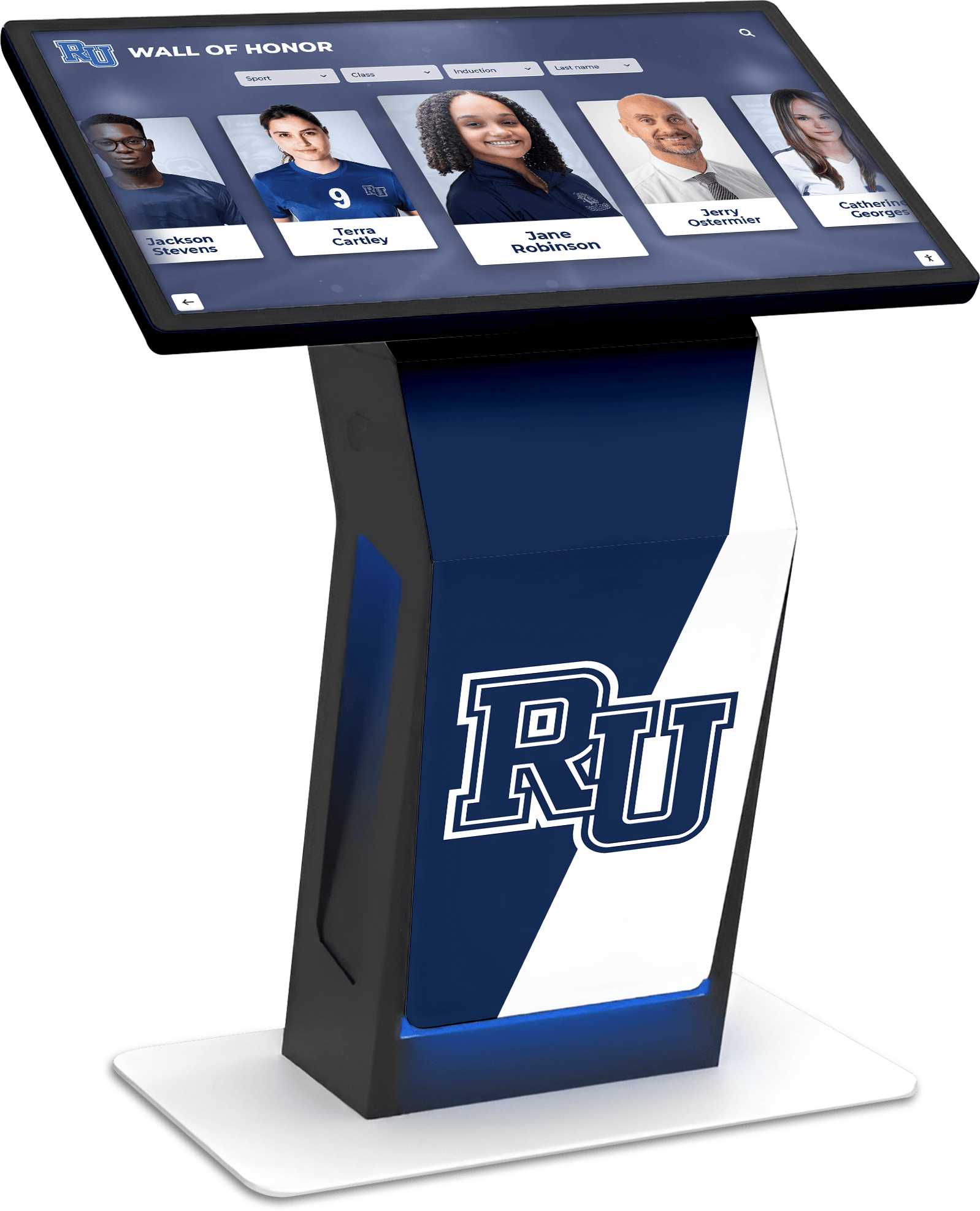
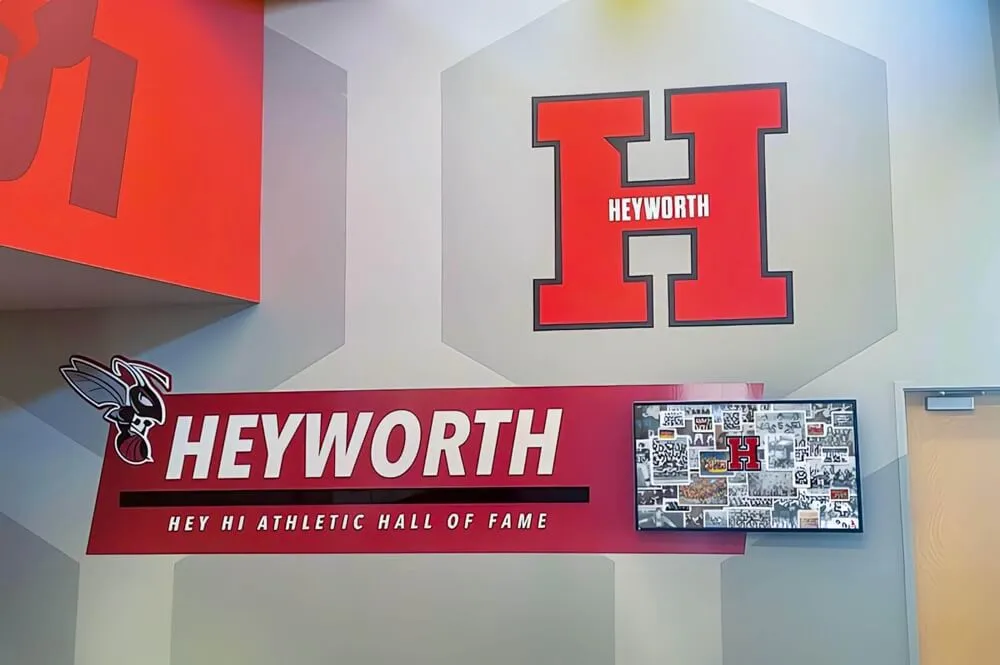
Custom branding integrates displays with institutional identity while maintaining professional presentation quality
Content Curation for Engagement Optimization
Thoughtful content selection and presentation maximizes discovery potential and emotional resonance.
Featured Content Rotation Automated rotation highlighting different alumni profiles, historical photos, achievement categories, or class trivia throughout reunion events ensures diverse content visibility. Alumni arriving at different times or returning to displays multiple times discover fresh content encouraging extended exploration rather than quickly exhausting available material.
Nostalgia-Focused Historical Content Balance current “where are they now” content with nostalgic historical material activating emotional connections—complete yearbook digitization enabling browsing graduation year annuals, video clips from school events if available, reproduced newspaper articles covering school activities, and historical timeline context explaining what was happening in the world during specific graduation years.
Cross-Class Connection Features For all-school reunions hosting multiple graduation years simultaneously, content should facilitate cross-class discovery. Display features might highlight alumni siblings across different graduation years, showcase students who participated in the same activities across eras, identify alumni who married classmates from different years, or present geographical groupings showing where alumni from multiple classes currently live.
Interactive Games and Activities Gamification elements increase engagement while creating fun reunion moments—“Can you guess who this baby photo shows?” features revealing identity after interaction, “What happened this year?” trivia connecting graduation years to historical events, or “How many teammates can you name?” challenges testing memory of athletic roster composition.
Incorporating Current School Updates While reunions focus on nostalgia, alumni also care about current school status. Content showcasing recent school achievements, facility improvements since graduation, current student accomplishments, or teacher/staff recognitions keeps alumni connected to living institutions rather than frozen memories of schools that no longer exist.
Measuring Success and Gathering Feedback
Systematic assessment ensures investments achieve intended goals while identifying optimization opportunities for future reunions.
Quantitative Engagement Metrics Digital platforms capture data unavailable with traditional reunion elements:
- Total touchscreen interactions and unique users measuring overall engagement volume
- Average session duration indicating content depth and user interest
- Most-viewed profiles revealing community interest patterns
- Peak usage timing showing when displays receive heaviest traffic
- Search term analysis revealing discovery patterns and interests
Qualitative Feedback Collection Stakeholder perspectives provide context beyond quantitative metrics:
- Short exit surveys asking reunion attendees about display value and suggestions for improvement
- Social media monitoring capturing unsolicited reactions and shared experiences
- Reunion committee debriefs discussing observations of how alumni interacted with displays
- Follow-up emails requesting detailed feedback after reunion enthusiasm settles
- Comparison with previous reunions assessing whether displays improved perceived reunion quality
Attendance and Participation Impact Longer-term metrics may reveal display implementation effects on reunion success:
- Reunion attendance rate changes comparing pre and post-implementation events
- Registration timing analyzing whether promotion of displays accelerates early commitments
- First-time attendee rates among alumni who skipped previous reunions
- Inter-reunion engagement measuring whether platforms maintain community connection between events
- Next reunion planning interest showing whether improved experiences motivate future volunteer participation
Extending Digital Warming Beyond Reunions
The most successful implementations view reunion displays as entry points for ongoing community engagement rather than isolated event enhancements.
Building Year-Round Alumni Communities
Recognition platforms can facilitate continuous community building maintaining momentum between quinquennial reunion cycles.
Milestone Recognition Programs Systematic recognition of alumni milestones throughout the year maintains engagement—birthday messages linking to alumni profiles, graduation anniversary features celebrating round-number years since graduation, career achievement spotlights when alumni receive promotions or honors, and life milestone acknowledgments for marriages, births, or other significant events reported by community members.
Regional Alumni Network Support Geographic clustering features enable regional alumni community building. Alumni can discover classmates living nearby enabling local gathering organization, schools can identify regional concentrations supporting alumni chapter development, and alumni networking initiatives leverage digital platforms for initial discovery before facilitating face-to-face regional connections.
Career Networking and Mentorship Professional networking facilitated through career-categorized alumni discovery creates value extending beyond social reconnection. Current students or recent graduates identify alumni mentors in career fields of interest, alumni exploring career changes connect with those who successfully navigated similar transitions, and entrepreneurial alumni discover potential collaborators or advisors from school communities.
Class-Specific Community Building While all-school platforms serve valuable functions, class-specific areas where graduation year cohorts maintain private communities facilitate deeper bonds. Shared photo albums from reunions and personal events, class-specific announcements about upcoming gatherings, memorials for deceased classmates, and discussion forums for class-specific topics create intimate spaces within broader institutional communities.
Integrating with Comprehensive School Engagement Strategies
Recognition platforms deliver maximum value when coordinated with broader institutional advancement and communication initiatives.
Advancement Communications Integration Recognition provides natural content for ongoing alumni communications—monthly email features spotlighting distinguished alumni profiles, social media content celebrating achievements and milestones, annual report content demonstrating vibrant engaged communities, and website homepage features maintaining current institutional narrative vitality.
Special Event Enhancement Beyond class reunions, recognition platforms enhance numerous school occasions—homecoming events featuring era-specific content relevant to attendees, athletic hall of fame induction ceremonies providing comprehensive context about honorees and programs, fundraising galas showcasing alumni donors and their motivations, and admission open houses demonstrating strong alumni communities to prospective families.
Historical Preservation and Institutional Memory Comprehensive digitization supporting recognition platforms preserves institutional history that might otherwise deteriorate or disappear—yearbook digitization rescuing aging physical volumes, newspaper article preservation before print archives disintegrate, oral history projects capturing alumni reflections while still available, and systematic documentation creating archives supporting future research and historical understanding.
Current Student Engagement Strategic implementations position displays where current students encounter them regularly, creating inspiration and aspirational role models. Displays in main campus hallways, cafeterias, libraries, or student centers ensure daily exposure, while thoughtful content highlighting diverse achievement types ensures all students find relatable examples regardless of interests or backgrounds. Learn about comprehensive recognition approaches in creating school digital showcase environments that engage multiple constituencies.
Transform Your Class Reunion Experience
Discover how interactive touchscreen displays create engaging reunion experiences that reconnect alumni through personalized content, facilitate meaningful conversations, and build vibrant communities extending far beyond single reunion evenings.
Book Your DemoConclusion: From Awkward Gatherings to Vibrant Communities
High school class reunions hold tremendous potential for reconnection, community building, and relationship strengthening—yet traditional formats often fail to fully realize this potential, leaving alumni with superficial interactions and missed opportunities for meaningful engagement. Interactive touchscreen displays positioned strategically at reunion venues transform these gatherings by surfacing personalized content that facilitates discovery, sparks conversation, celebrates achievement, and creates the digital warming effect where alumni feel immediately welcomed into vibrant communities honoring shared heritage.

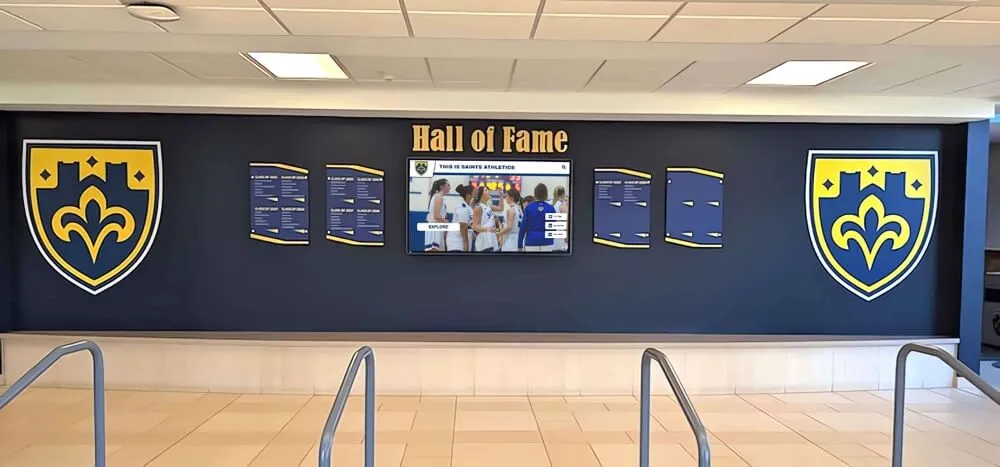
Recognition displays become community focal points creating shared experiences and facilitating multi-generational connections
The concept of digital warming proves particularly powerful in reunion contexts where time constraints and years of separation create natural engagement barriers. When platforms surface relevant content—former teammates, shared activities, mutual friends, similar career paths, geographic proximity—these personalized discoveries provide natural conversation starters and connection points that awkward small talk around generic name tags cannot achieve. Cold social situations warm instantly when alumni discover unexpected commonalities sparking genuine interest and facilitating meaningful dialogue.
Beyond single-event enhancement, strategic implementations extend reunion value by maintaining community engagement between events, supporting ongoing alumni networking and mentorship, preserving institutional memory through comprehensive digitization, and serving multiple stakeholder needs from current students seeking inspiration to admission offices demonstrating strong alumni communities. These extended benefits transform reunion display investments from event expenses into community infrastructure delivering lasting value across multiple constituencies.
Successful implementation requires thoughtful planning addressing technology selection, content development, volunteer training, venue logistics, and integration with broader reunion programming and institutional engagement strategies. Schools and reunion committees following systematic approaches create memorable reunion experiences while building community engagement infrastructure serving needs well beyond immediate reunion enhancement.
Your alumni community deserves reunion experiences that honor their shared heritage while facilitating the meaningful reconnection everyone hopes to achieve. Interactive touchscreen displays provide the technology infrastructure enabling these experiences, warming up cold social situations through personalized content surfacing while building the vibrant, engaged alumni communities where members maintain lifelong connections to institutions and classmates who shaped their formative years.
Ready to transform your reunion? Explore comprehensive approaches to interactive recognition displays or learn about creating digital alumni engagement systems that celebrate your community while strengthening institutional connections across generations.
Sources: