



Intent: decide — Organizations implementing sales recognition programs face critical decisions determining whether displays create motivating, engaging experiences driving performance or become forgotten wall fixtures failing to inspire achievement. Top sales performers deserve celebration matching their contributions—recognition that feels meaningful, public, and aligned with competitive drive propelling sales excellence. The right recognition display transforms organizational culture, elevates top performer visibility, and creates healthy competition inspiring entire teams toward greater achievement.
In 2025, sales recognition extends far beyond annual awards ceremonies and static plaques gathering dust in back offices. Modern organizations leverage digital recognition displays, interactive leaderboards, real-time performance visualization, and continuous acknowledgment systems creating ongoing motivation rather than once-yearly gestures. Sales teams respond powerfully to visible, timely, and specific recognition celebrating concrete achievements—closed deals, quota attainment, relationship building, and revenue generation driving business success.
This comprehensive guide explores how organizations implement effective top sales performer recognition displays, examines evidence-based benefits of sales team recognition, and demonstrates how digital engagement platforms create warmer, more motivating work environments where sales excellence receives celebration it deserves while inspiring peers toward similar achievement.
Sales professionals thrive on recognition. The competitive drive, achievement orientation, and results focus characterizing successful salespeople make visible acknowledgment particularly powerful for this population. When top performers see their achievements celebrated prominently—displayed in common areas, shared with colleagues, recognized by leadership—it validates effort while reinforcing behaviors organizations want replicated across sales teams.

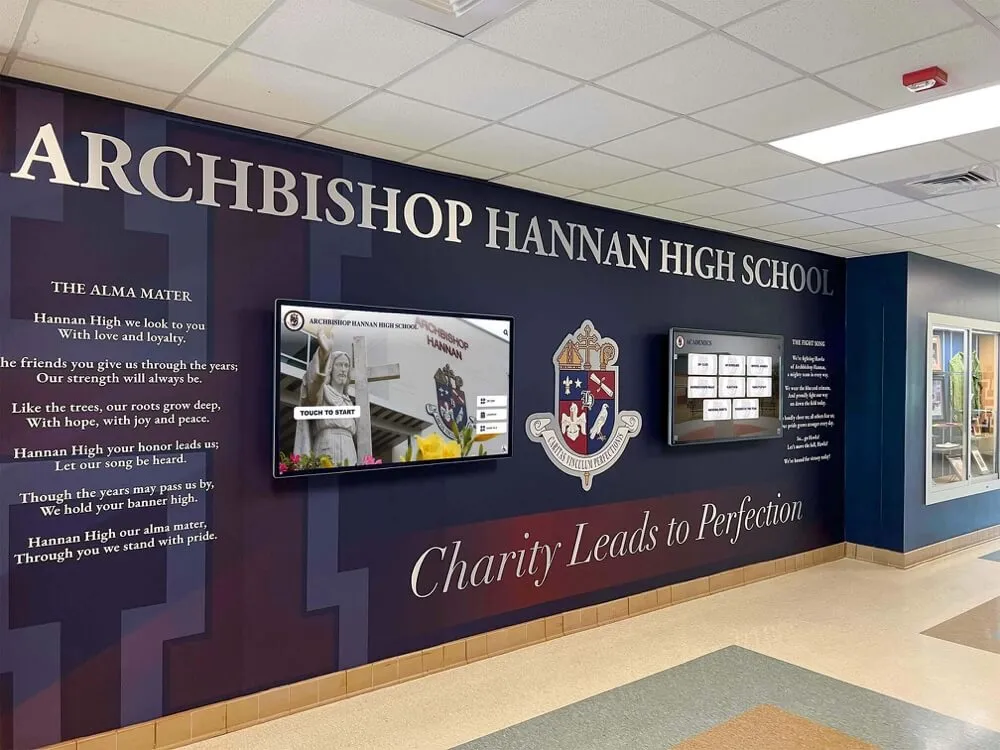
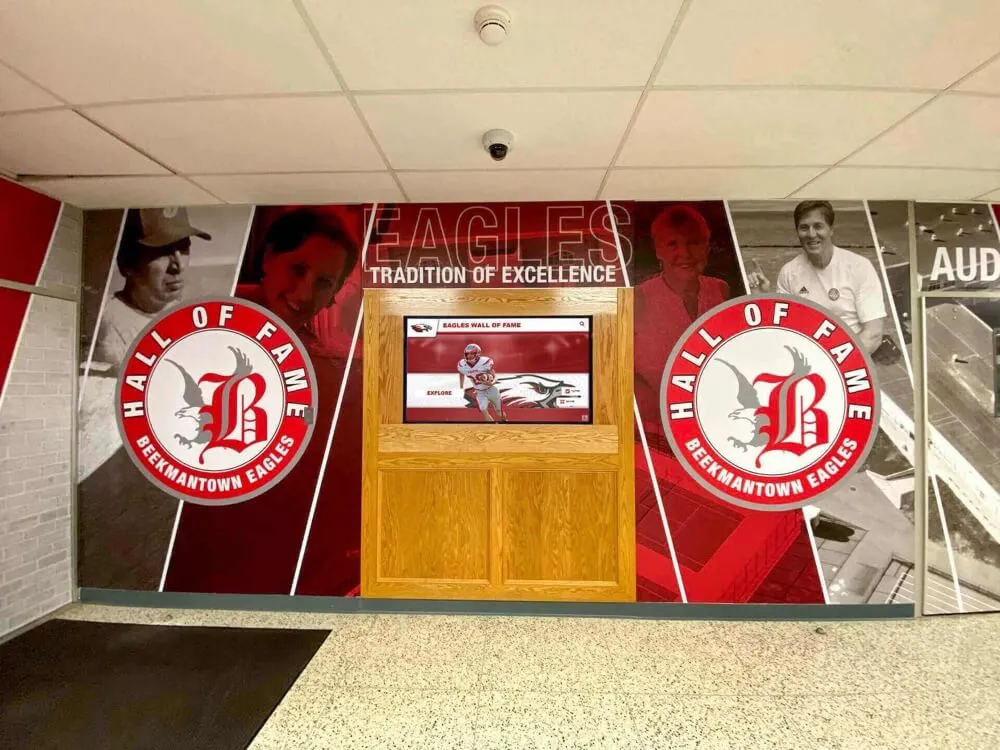
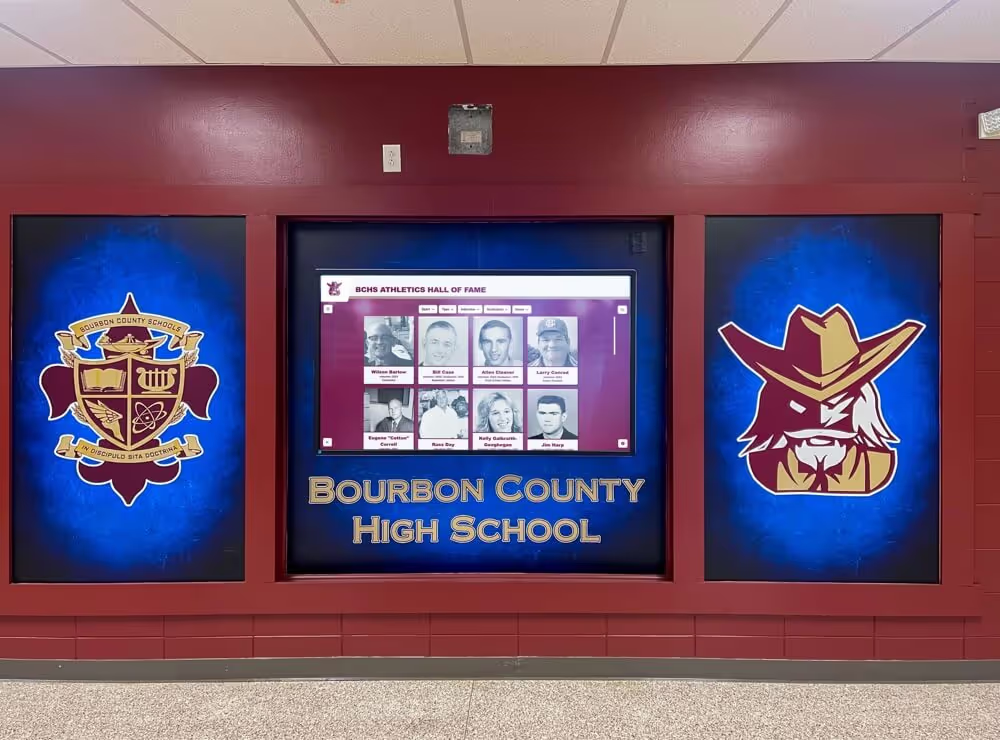
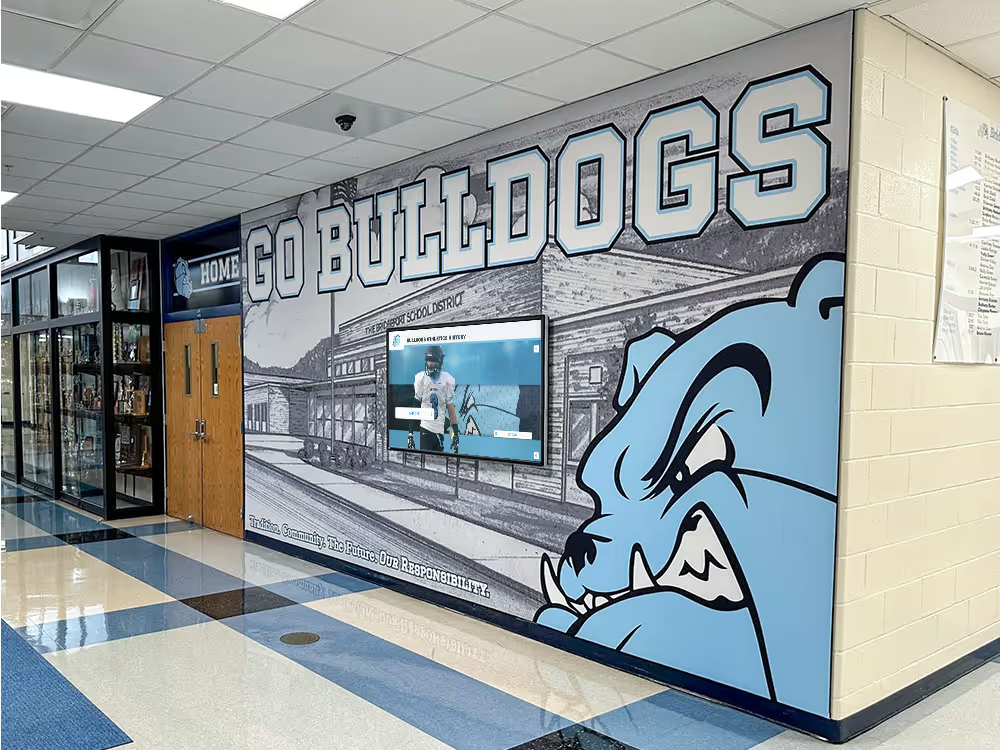
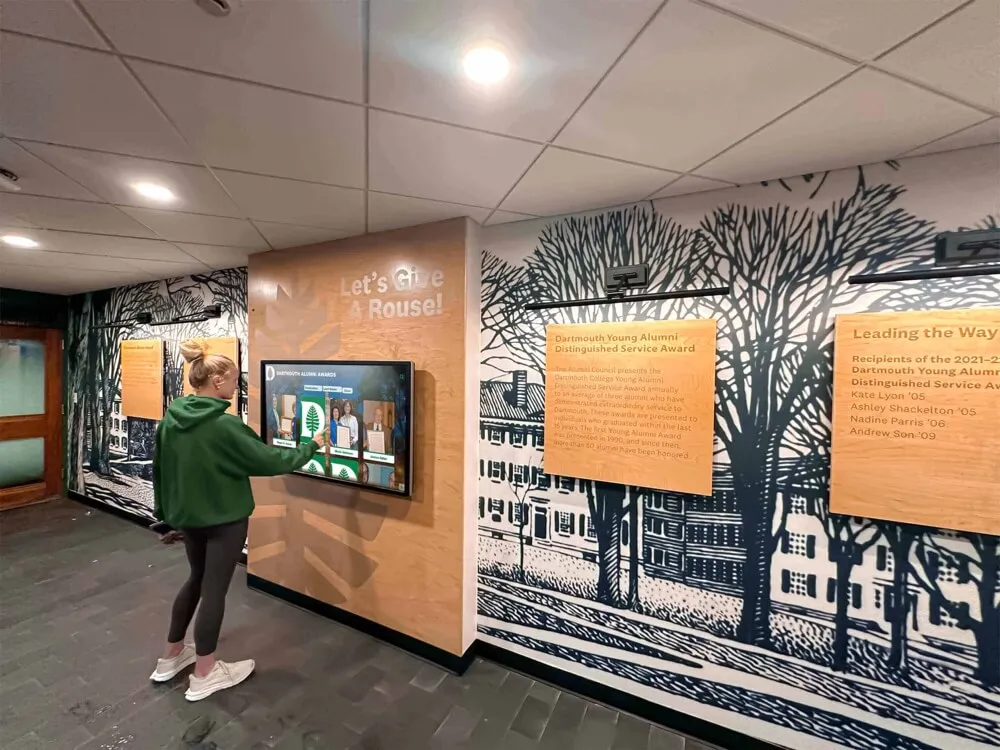
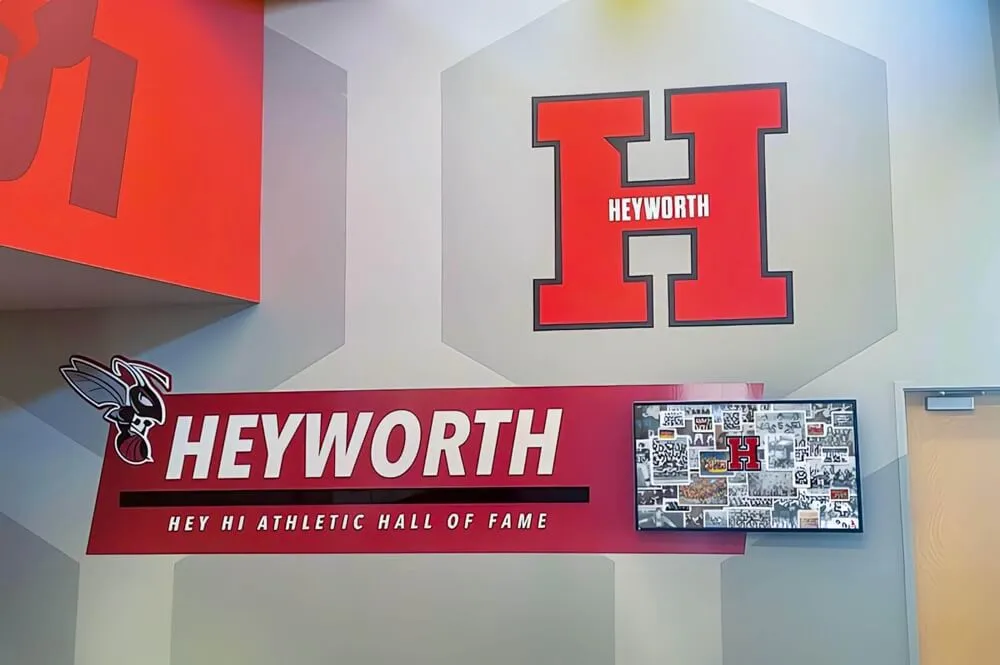
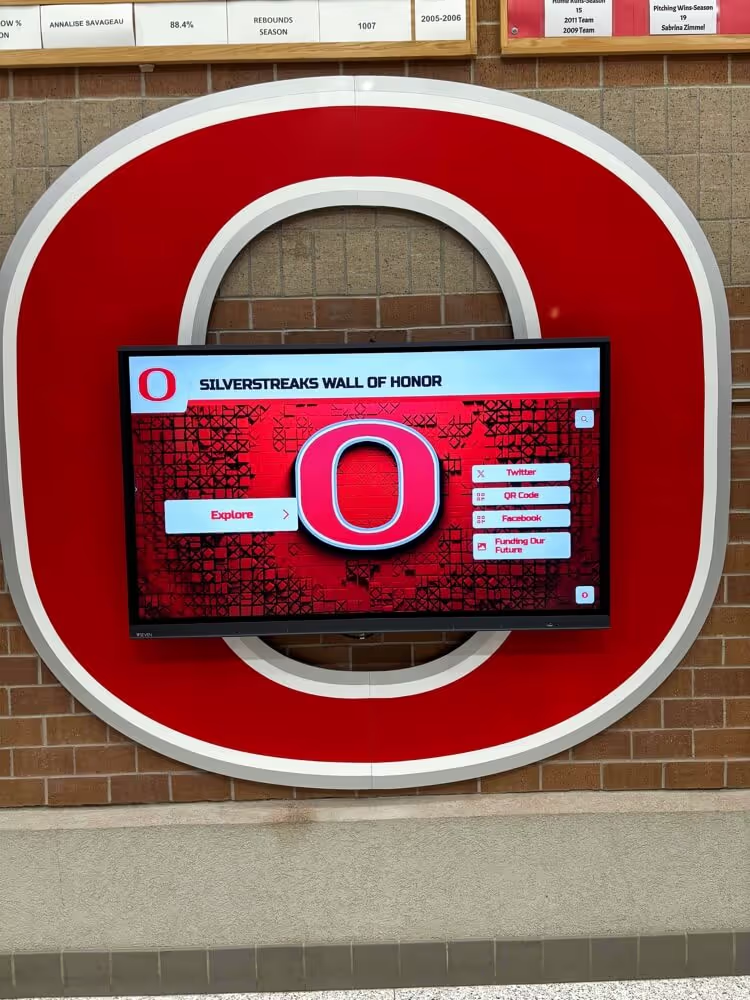
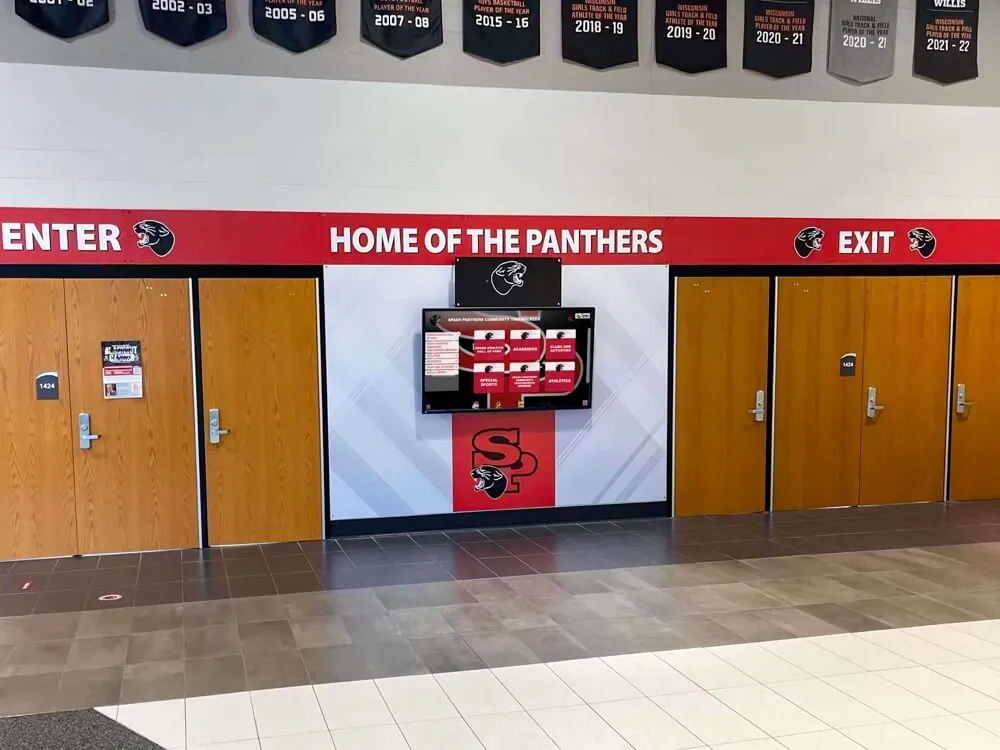
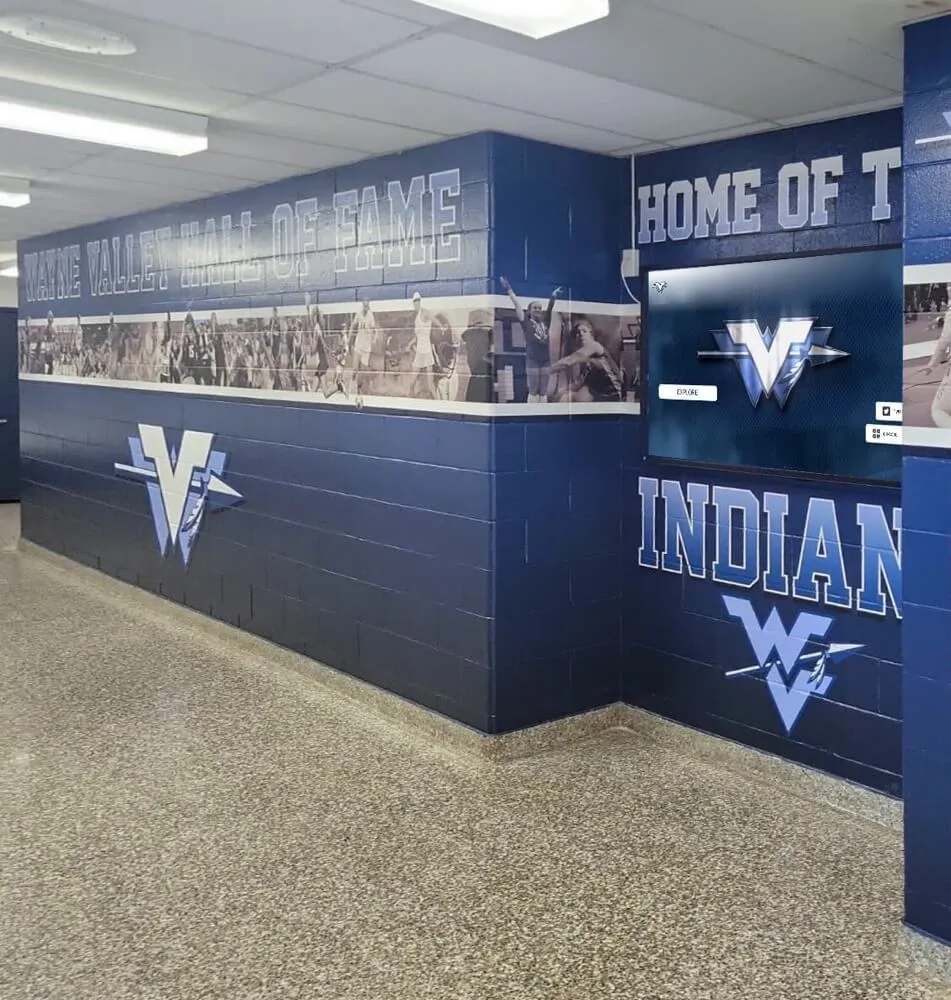
Modern digital displays create engaging recognition experiences celebrating individual and team excellence
The Psychology of Sales Recognition and Performance
Understanding how recognition affects sales motivation and achievement helps organizations design programs maximizing impact on individual and team performance.
Why Sales Teams Need Visible Recognition
Sales represents uniquely challenging work—constant rejection, demanding quotas, performance pressure, and competitive environments. Recognition serves multiple psychological functions supporting sustained performance:
Achievement Validation and Reinforcement
Sales success requires persistent effort despite frequent setbacks. According to research on employee engagement, visible recognition increases employee engagement by up to 29%, while organizations with highly engaged staff show 21% higher profitability. When organizations publicly celebrate closed deals, quota attainment, or exceptional client relationships, they validate the worth of effort invested while reinforcing specific behaviors driving results.
Competitive Motivation and Peer Comparison
Sales professionals often possess competitive personalities finding motivation through comparison with peers. Leaderboards, performance rankings, and top performer spotlights tap into competitive drive by making relative performance visible. This healthy competition—when managed appropriately—inspires improvement across entire teams as individuals strive for recognition positions.
Social Status and Peer Recognition
Beyond management acknowledgment, salespeople value peer recognition. When colleagues see achievements displayed prominently, top performers gain social status and respect within teams. This peer recognition often matters more than formal awards because it reflects standing among those understanding the difficulty of sales success.
Tangible Progress Visualization
Sales work involves abstract goals—revenue targets, pipeline development, relationship cultivation. Recognition displays make progress tangible by visualizing achievement, providing concrete evidence of success, and creating memorable milestones marking career progression.
According to Gallup research, employees who feel recognized are 63% more likely to stay with their current employer. For sales organizations where top performer retention critically impacts revenue, recognition becomes strategic retention tool preventing competitors from recruiting best talent.
The Impact of Public vs. Private Recognition
Recognition effectiveness varies based on visibility:
Public Recognition Benefits
- Creates aspirational examples for entire teams
- Builds recognized individual’s personal brand
- Demonstrates organizational values and priorities
- Generates social proof validating achievement
- Creates stories teams share about success
Private Recognition Role
- Provides personal validation for individual contributors
- Enables specific performance feedback
- Supports relationship building between managers and reps
- Addresses situations requiring confidentiality
- Complements public celebration with personal connection
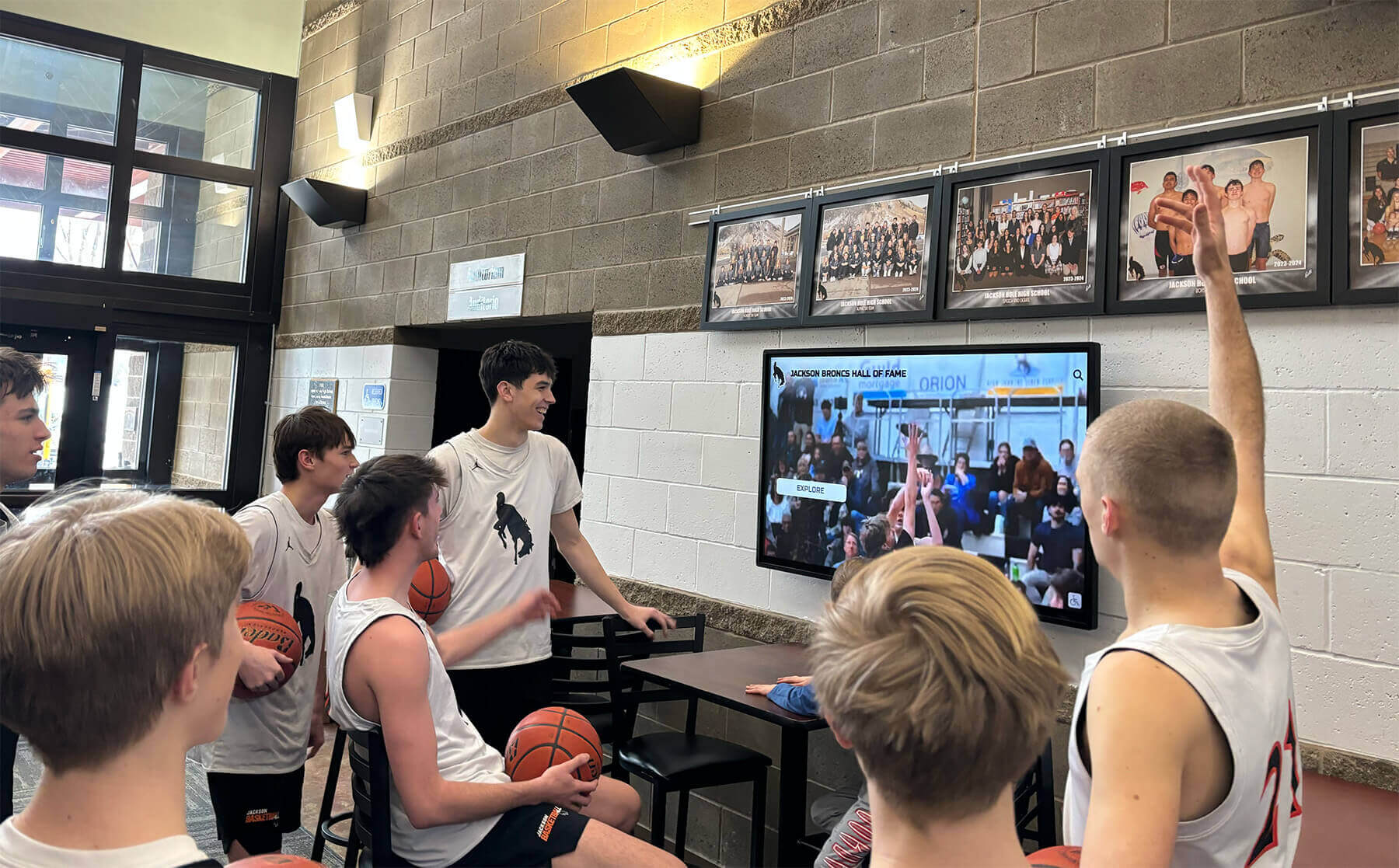
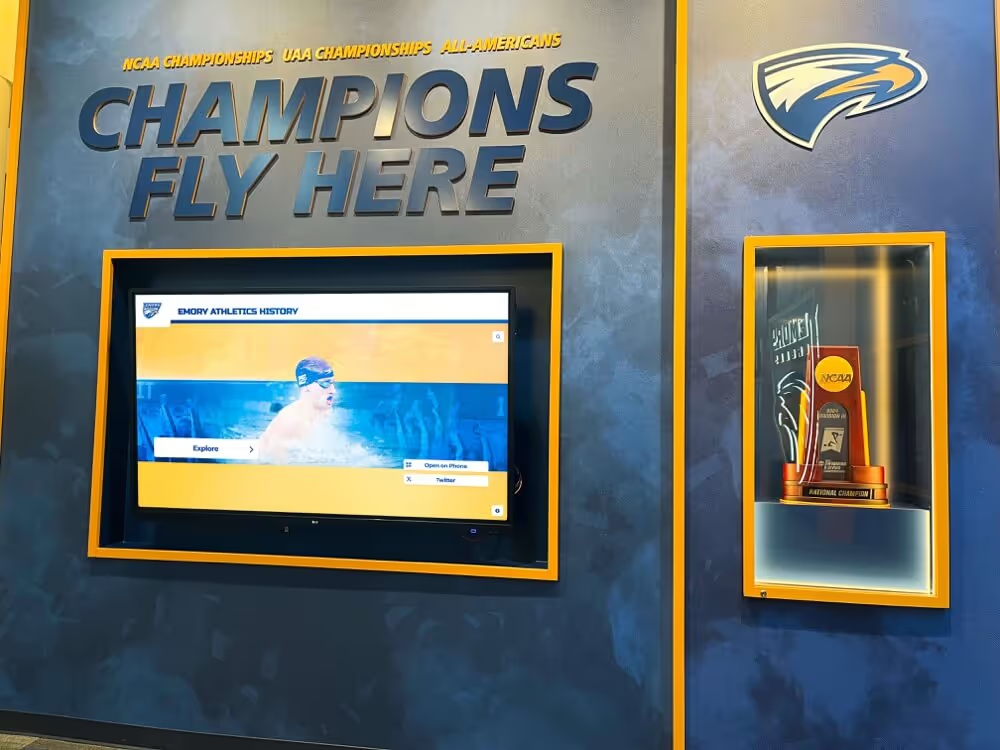
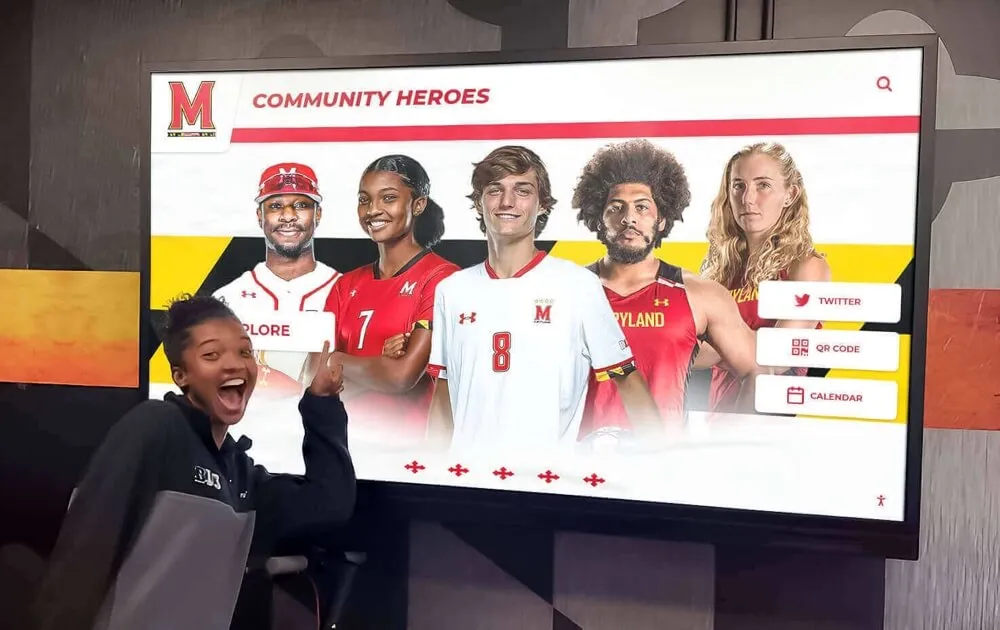
Shared recognition experiences build team culture and inspire collective achievement
Effective sales recognition programs balance both approaches—public displays celebrating top performers while private conversations provide individual feedback and acknowledgment. This combination ensures recognition feels meaningful at personal level while generating organizational impact through visibility.
Traditional vs. Digital Sales Recognition Displays
Sales recognition displays have evolved dramatically as technology enables capabilities impossible with static approaches.
Limitations of Traditional Recognition Methods
Static Award Plaques
Traditional plaques mounted on walls face multiple constraints:
- Limited physical space restricts how many individuals receive visibility
- Outdated quickly as new achievements occur
- Difficult and expensive to update requiring new plaques
- Often relegated to low-traffic areas where impact diminishes
- Provide no context about specific achievements beyond names and dates
Annual Awards Ceremonies
Year-end recognition events serve purposes but have drawbacks:
- Once-yearly acknowledgment fails to provide ongoing motivation
- Lag between achievement and recognition reduces psychological impact
- Limited to small number of top performers leaving many unrecognized
- Difficult to remember specific achievements months after occurrence
- Create winners-and-losers dynamic potentially demotivating non-recipients
Email Announcements and Newsletters
Written recognition communications face challenges:
- Easy to overlook or ignore among email volume
- Lack visual impact making recognition forgettable
- Disappear quickly without lasting visibility
- Difficult to search or reference historical achievements
- Miss employees who don’t regularly check communication channels
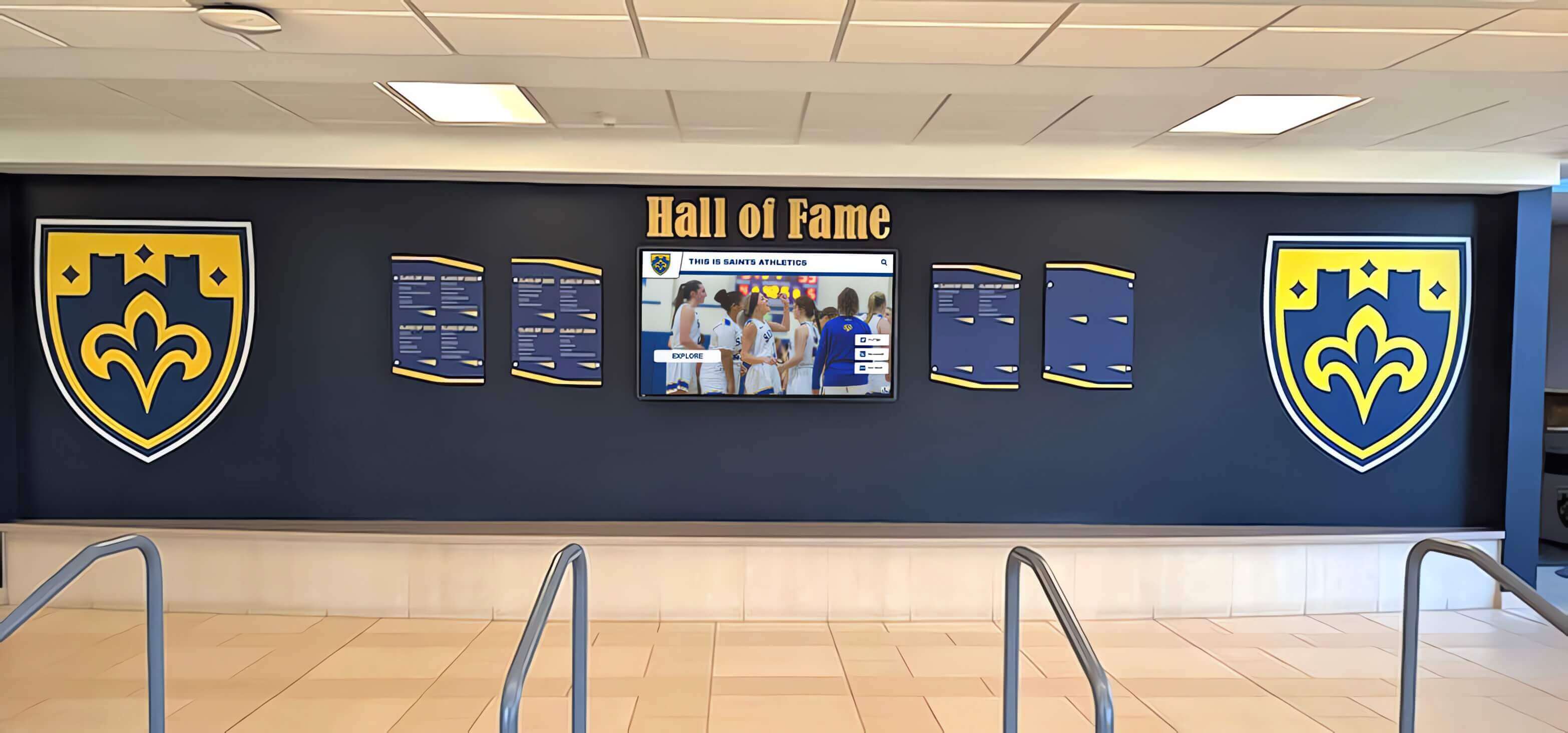
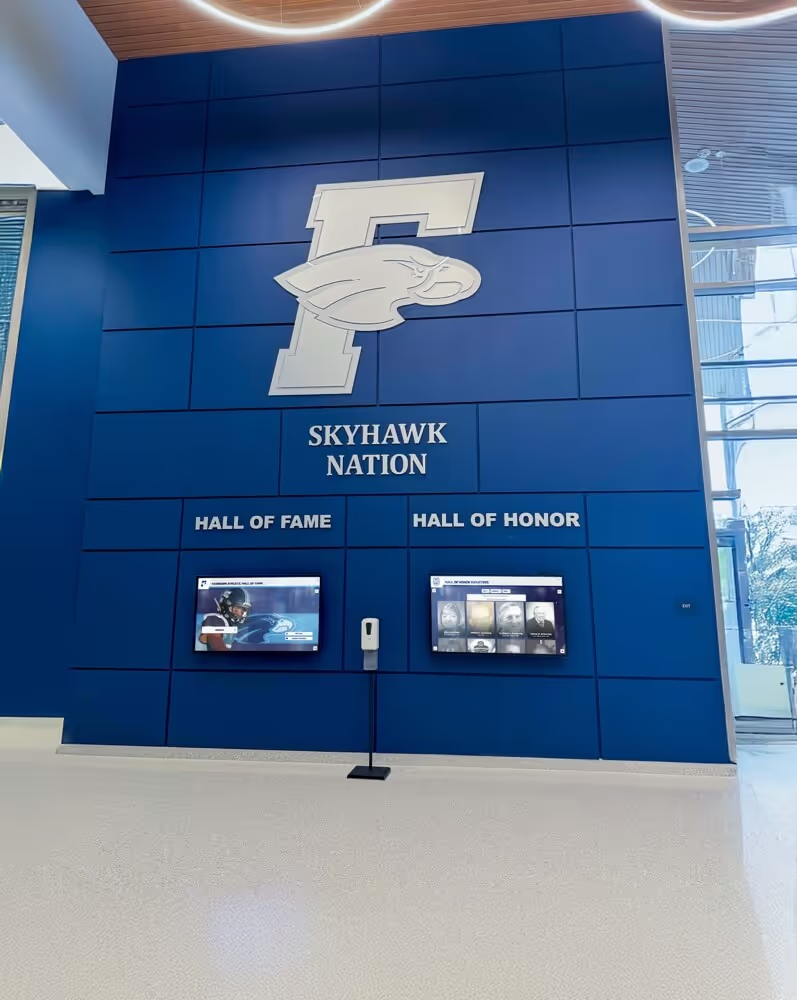
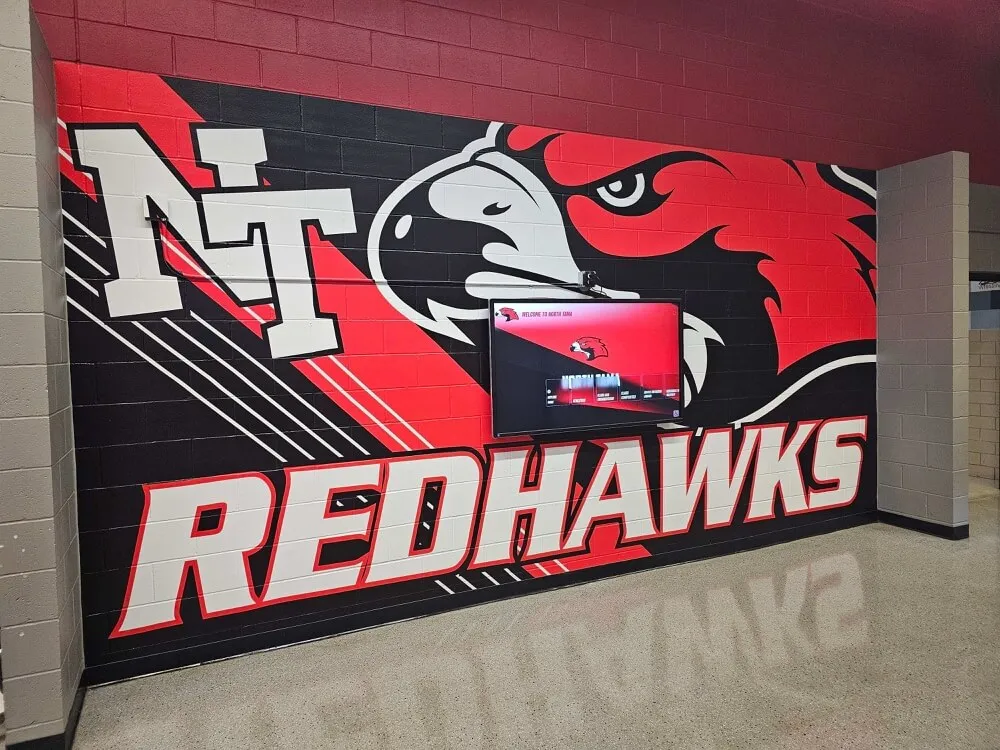
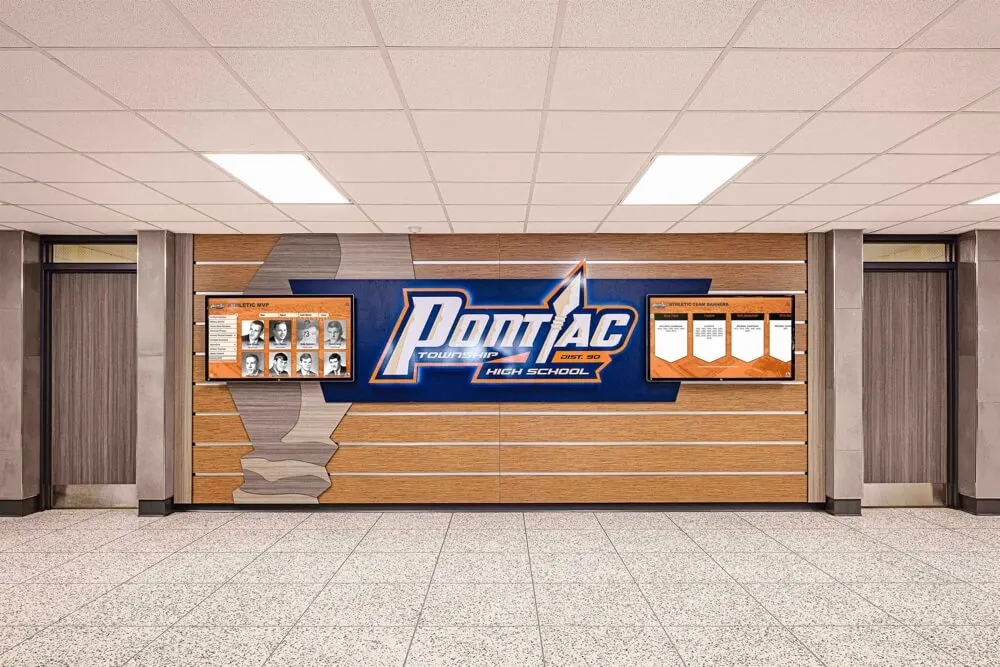
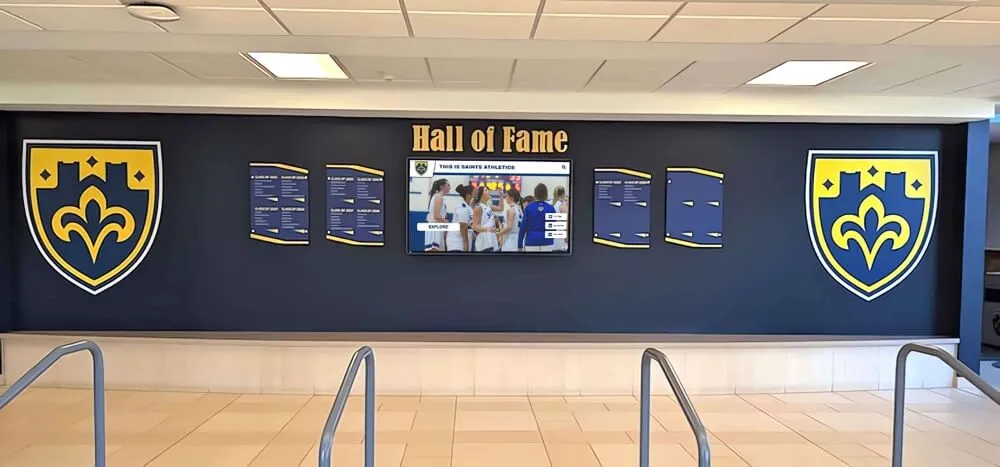
Modern recognition combines traditional physical elements with dynamic digital displays
Advantages of Digital Recognition Displays
Digital platforms overcome traditional limitations while adding capabilities:
Unlimited Recognition Capacity
Digital displays accommodate unlimited individuals across all performance levels without physical space constraints. Organizations can recognize top monthly performers, quarterly achievers, annual excellence, improvement awards, and specialized achievements within single displays.
Real-Time Updates and Timeliness
Cloud-based content management enables immediate recognition updates. When salespeople close major deals or reach milestones, recognition appears within hours or days rather than waiting for plaque ordering or annual ceremonies.
Rich Multimedia Content
Digital platforms showcase achievements through photos, videos, detailed narratives, performance data visualizations, and interactive content impossible with static displays. This rich content makes recognition more engaging and memorable.
Interactive Exploration Features
Touchscreen displays enable employees to explore recognition content, search for specific individuals, filter by achievement type or time period, and engage with content matching their interests. Organizations implementing interactive touchscreen displays create exploration experiences encouraging ongoing engagement rather than passive viewing.
Performance Analytics and Tracking
Digital systems measure engagement with recognition content—who views displays, which achievements generate interest, how long employees engage, and which recognition types resonate most strongly. Analytics inform continuous improvement while demonstrating program ROI.
Extended Reach Beyond Physical Locations
Web-based recognition platforms extend visibility beyond physical office displays to remote employees, distributed teams, mobile devices, and home offices. This extended reach proves essential for modern sales organizations with field representatives, remote workers, and distributed territories.
Designing Effective Sales Recognition Display Programs
Successful recognition displays require strategic planning addressing what achievements to recognize, how to celebrate them, and where displays create maximum impact.
Defining Recognition Categories and Criteria
Comprehensive sales recognition extends beyond single metrics to celebrate diverse contributions:
Revenue and Quota Achievement Recognition
- Top monthly revenue generators
- Quarterly and annual quota attainment
- Highest deal values closed
- Fastest growing accounts or territories
- Most improved sales performance year-over-year
Organizations implementing digital recognition for achievement milestones adapt athletic recognition frameworks to sales contexts, celebrating quantifiable accomplishments with same visibility sports programs provide athletes.
Activity and Pipeline Recognition
- Most meetings booked or proposals delivered
- Highest quality pipeline development
- Best conversion rates from leads to opportunities
- Most consistent prospecting activity
- Strongest relationship cultivation metrics
Client Satisfaction and Retention Awards
- Highest customer satisfaction scores
- Best client retention rates
- Most positive testimonials or referrals received
- Strongest long-term relationship development
- Excellence in account management and service
Team Collaboration and Leadership
- Mentoring contributions helping newer representatives
- Best team players supporting colleagues
- Leadership in training or onboarding
- Cross-functional collaboration excellence
- Cultural contributions strengthening team dynamics
Innovation and Problem-Solving Recognition
- Creative approaches to challenging sales situations
- Process improvements benefiting entire team
- New market or product line development
- Competitive wins in difficult circumstances
- Strategic thinking advancing organizational goals
This multi-dimensional approach ensures recognition opportunities exist for sales professionals at different career stages, possessing different strengths, and contributing diverse value beyond pure revenue metrics.
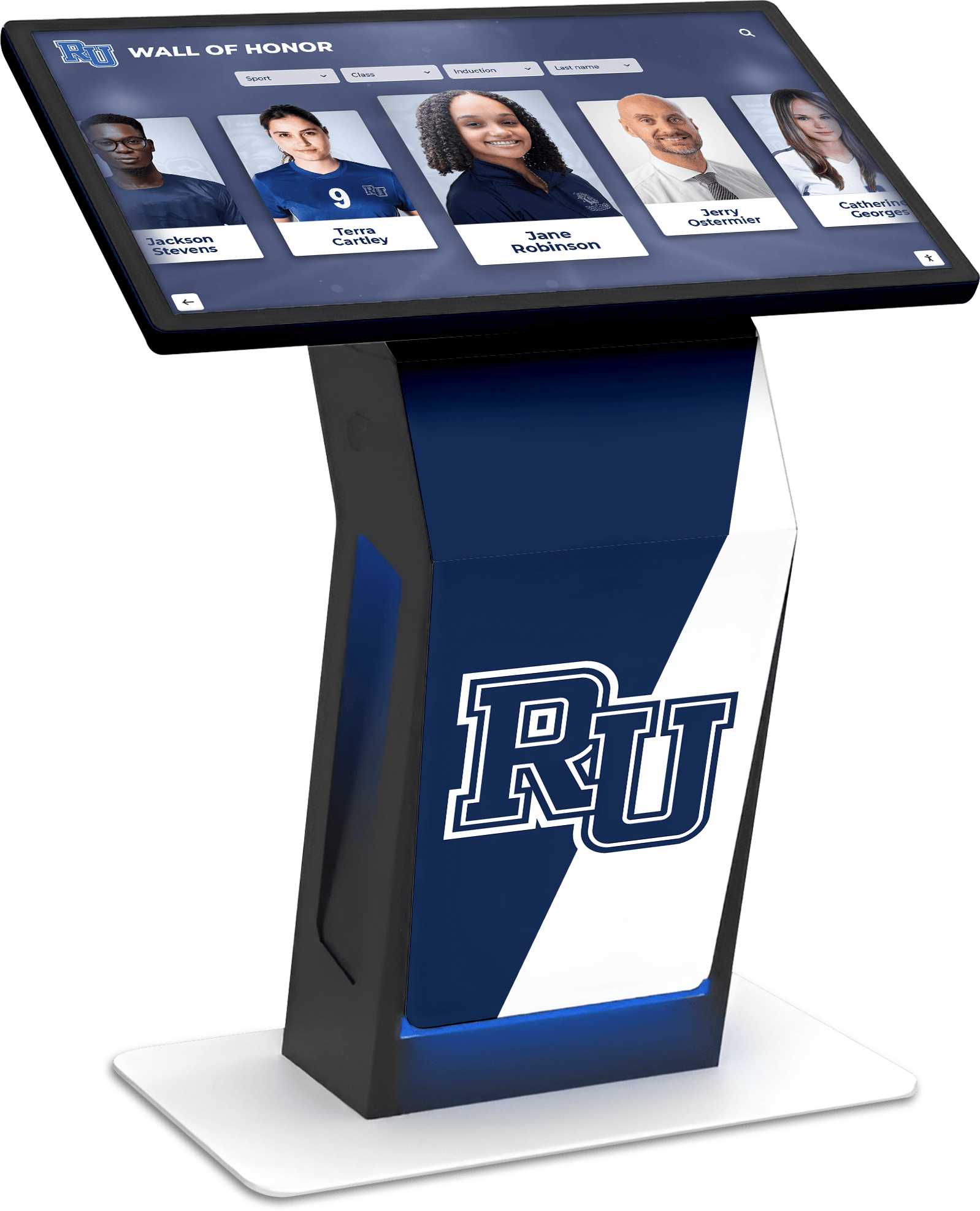
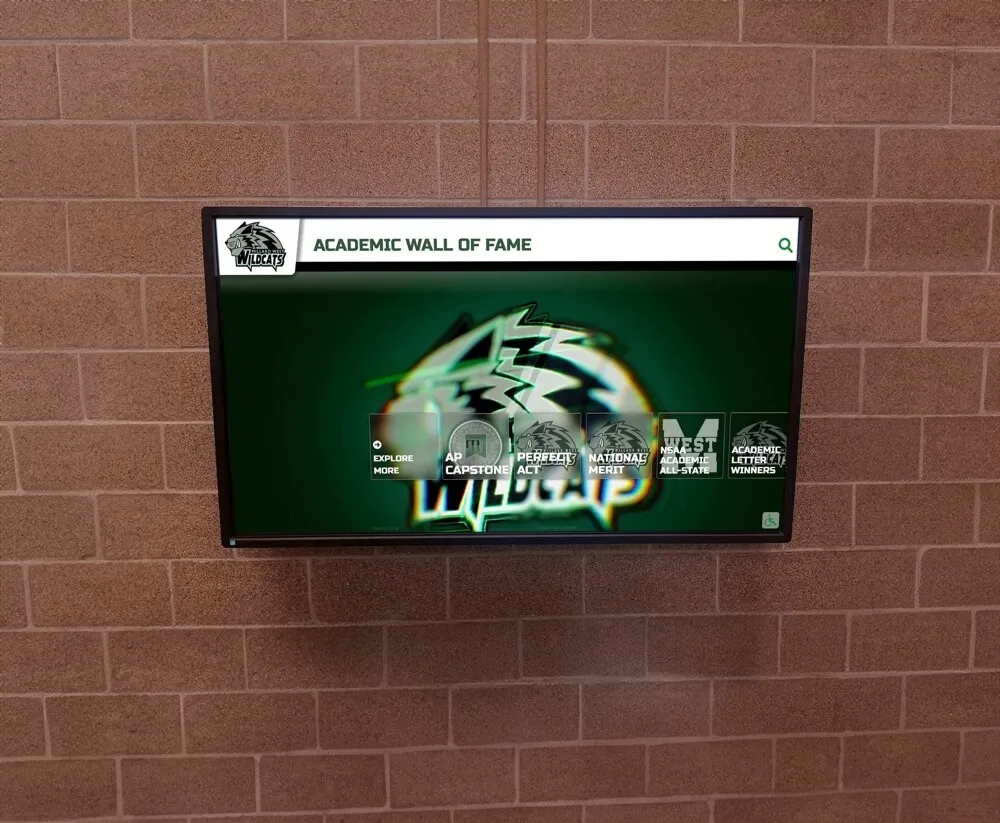
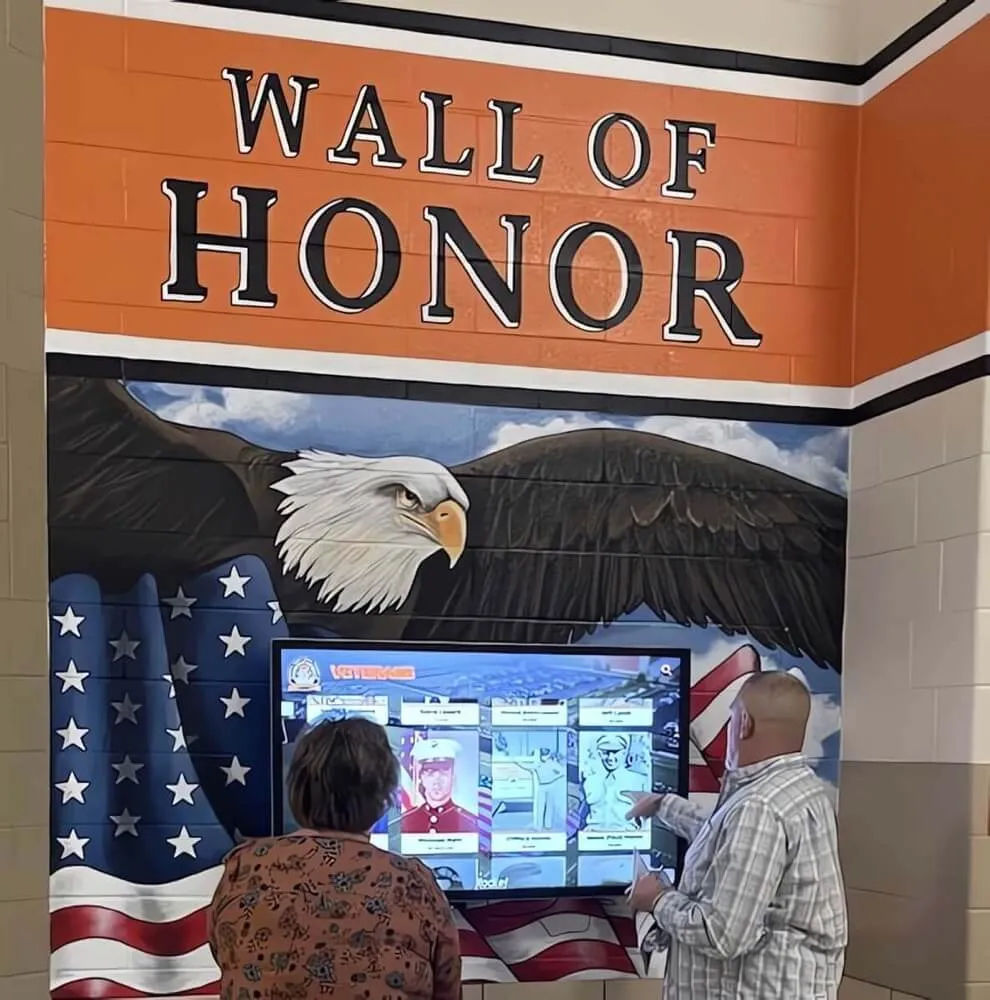
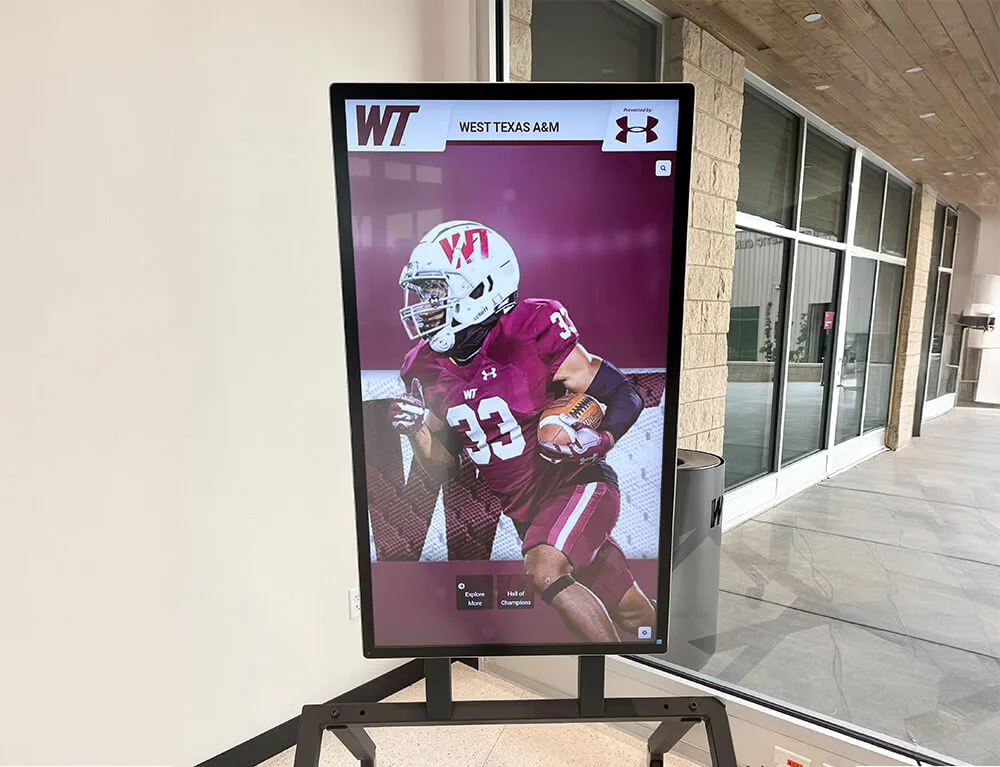
Self-contained recognition kiosks provide accessible celebration in high-traffic office areas
Frequency and Timing of Recognition
Recognition impact depends heavily on timing and frequency:
Real-Time Recognition Moments
Immediate acknowledgment provides strongest psychological reinforcement. When salespeople close major deals, digital displays should update within 24-48 hours celebrating achievement while excitement remains fresh. This timeliness reinforces connection between behavior and recognition.
Monthly Performance Spotlights
Monthly top performer recognition maintains ongoing visibility while providing regular motivation cycles. Monthly cadence feels achievable—representatives can visualize achieving recognition within near-term timeframe—while preventing recognition staleness that occurs with longer cycles.
Quarterly and Annual Honors
Longer-term recognition celebrates sustained excellence rather than single achievements. Quarterly awards acknowledge consistent performance across three months, while annual recognition provides pinnacle honors for year-long achievement. Organizations should implement comprehensive recognition programs spanning multiple timeframes ensuring both immediate and sustained performance receives acknowledgment.
Milestone Celebration
Career milestones deserve special recognition: first deal closed, achieving specific revenue thresholds, years of service, major account wins, or personal bests. Milestone recognition builds narrative about individual sales journeys creating memorable moments representatives remember throughout careers.
Event-Tied Recognition
Connecting recognition to company events—sales kickoffs, annual meetings, leadership conferences, or all-hands gatherings—creates natural celebration moments. Digital displays should update before events enabling live recognition during gatherings while maintaining ongoing visibility afterward.
Display Placement and Visibility Strategy
Recognition location dramatically affects impact:
High-Traffic Common Areas
Recognition displays belong where employees naturally gather: main lobbies, break rooms, cafeterias, central hallways, or elevator areas. High-traffic placement ensures maximum visibility and repeated exposure reinforcing recognition impact.
Sales Team Workspaces
Dedicated displays in sales department areas provide targeted visibility where sales teams work daily. Proximity to desks and meeting spaces keeps recognition visible throughout workdays while reinforcing sales-focused culture.
Executive and Leadership Areas
Displays visible to executive leadership demonstrate top performer achievements to decision-makers while signaling organizational value placed on sales excellence. This visibility can influence compensation decisions, promotion considerations, and resource allocation.
Client-Facing Spaces
Recognition displays in customer meeting areas or client-accessible spaces serve dual purposes: motivating sales teams while demonstrating organizational excellence to clients. Client exposure adds prestige to recognition while building confidence in sales organization capability.
Virtual and Remote Visibility
For distributed teams, web-based recognition platforms provide essential visibility. Sales representatives working from home offices, traveling to client sites, or covering remote territories need digital access ensuring equal recognition regardless of physical location. Solutions like Rocket Alumni Solutions provide mobile-accessible recognition extending visibility beyond physical displays to any internet-connected device.
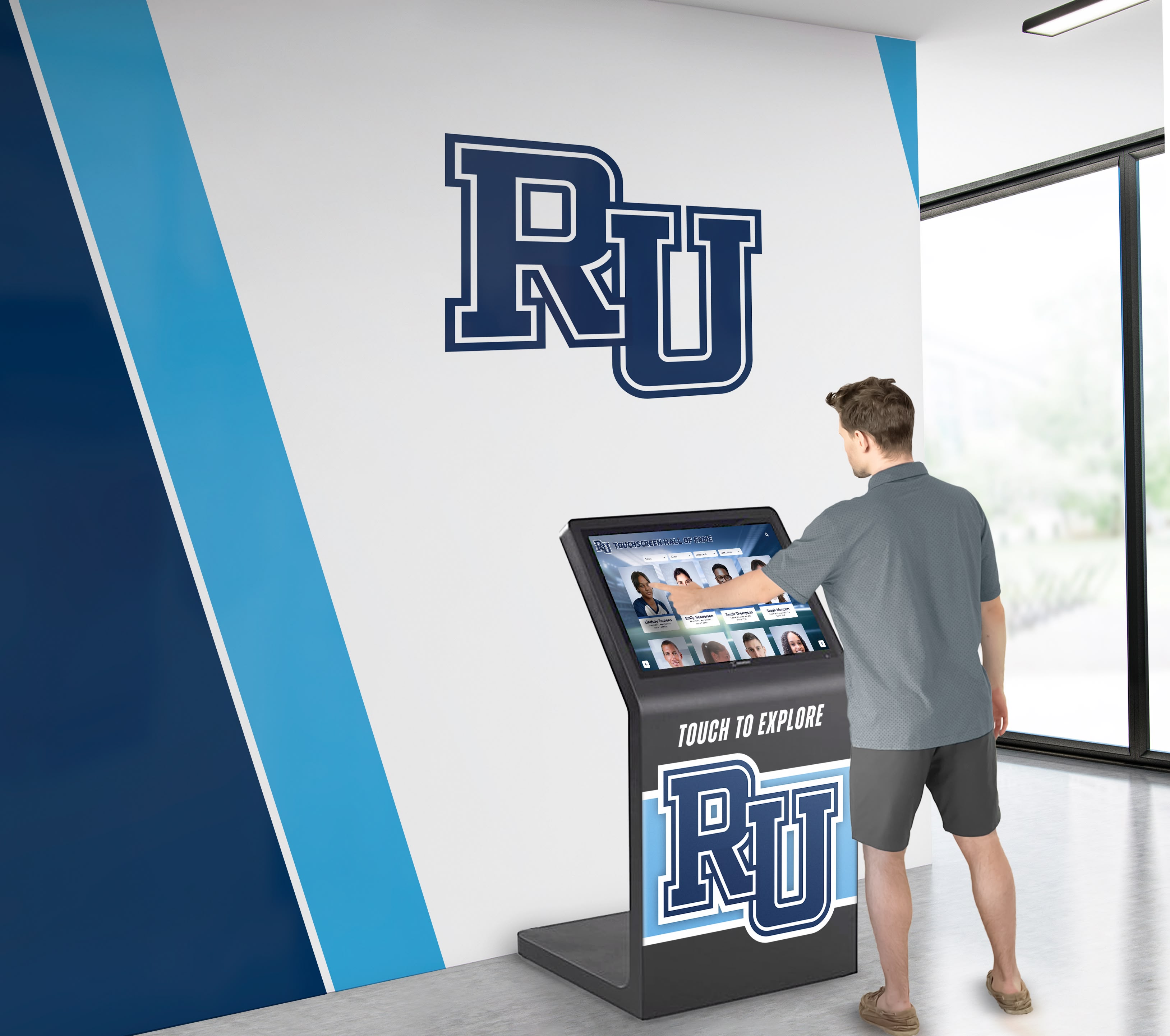
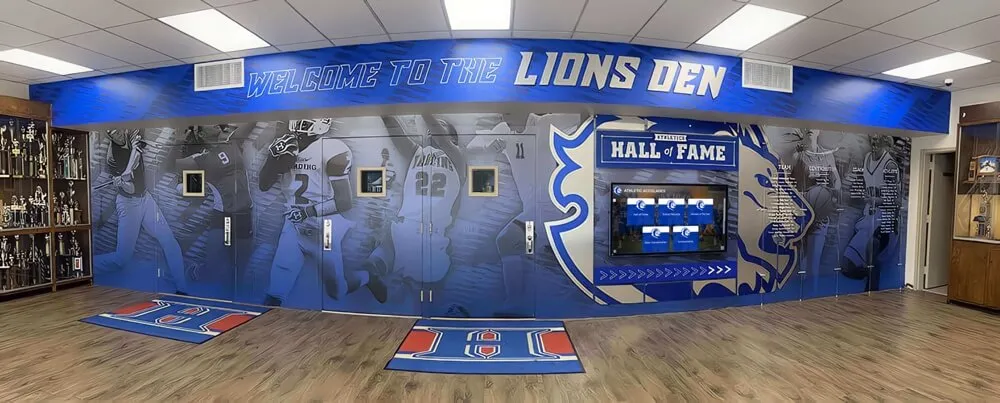
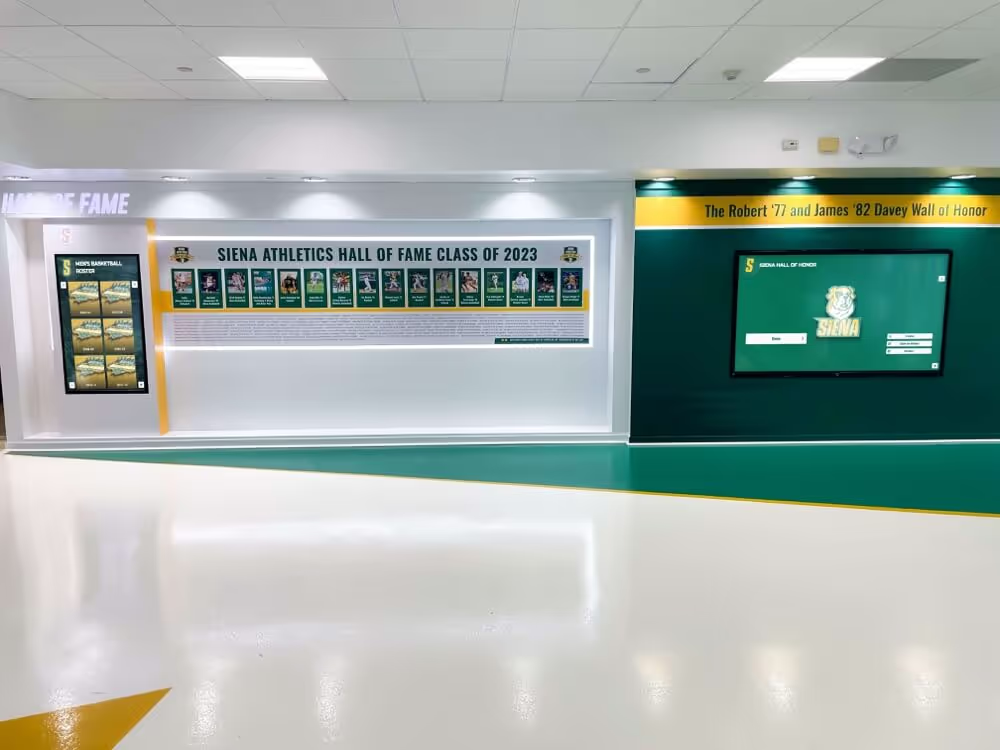
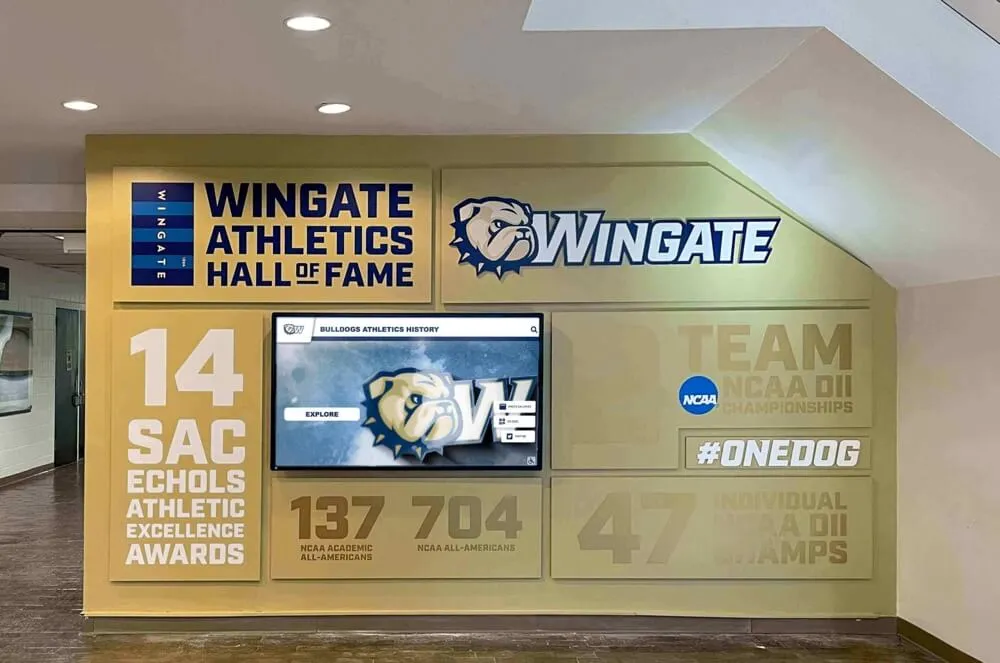
Strategic placement in lobby areas creates professional first impressions while celebrating team excellence
Implementing Digital Recognition Display Technology
Modern digital platforms provide capabilities transforming how organizations celebrate sales excellence.
Platform Selection Considerations
Organizations selecting recognition display technology should evaluate:
Content Management Accessibility
Sales managers need simple content management requiring no technical expertise. Intuitive interfaces enabling quick recognition additions, photo uploads, and achievement updates ensure programs remain current. Remote management from any device proves essential for busy sales leaders managing recognition alongside regular responsibilities.
Unlimited Capacity and Scalability
Recognition platforms should accommodate unlimited individuals without performance degradation or additional costs. Organizations grow, sales teams expand, and historical recognition accumulates over years. Platforms like Rocket Alumni Solutions provide unlimited capacity ensuring comprehensive recognition without constraints.
Customization and Brand Alignment
Recognition displays should reflect organizational identity through custom branding, color schemes, logos, and design elements. Generic templates feel impersonal while customized displays demonstrate thoughtful investment in recognition programs.
Multi-Location Management
Organizations with multiple offices, regional sales centers, or distributed locations need centralized management coordinating recognition across all displays. Cloud-based systems enable consistent recognition experiences while allowing location-specific content when appropriate.
Analytics and Measurement Capabilities
Understanding recognition program effectiveness requires analytics measuring engagement, identifying popular content, and tracking recognition distribution. Data-informed decisions improve programs over time while demonstrating ROI to executive stakeholders.
Accessibility and Inclusion
Recognition platforms should accommodate diverse abilities ensuring all employees can engage with content. ADA WCAG 2.1 AA compliance ensures inclusive experiences while meeting legal requirements for public-facing displays.
Hardware Options for Recognition Displays
Physical display hardware varies based on organizational needs and environments:
Wall-Mounted Touchscreen Displays
Large touchscreen monitors (43" to 65") mounted in common areas provide prominent visibility while enabling interactive exploration. Touchscreen functionality encourages engagement allowing employees to search for themselves, explore colleague achievements, and filter recognition content.
Freestanding Kiosk Systems
Self-contained kiosks work well in open floor plans or areas without suitable wall space. Professional kiosk enclosures create polished appearances while protecting equipment in high-traffic environments. Organizations implementing kiosk software for recognition benefit from secure, reliable operation preventing unauthorized access.
Digital Signage Displays
Non-interactive digital signs rotating recognition content suit areas where touch interaction proves impractical—high-mounted displays, client waiting areas, or locations requiring passive viewing. These displays cost less than touchscreen alternatives while still providing dynamic content.
Desktop and Mobile Access
Web-based recognition extends beyond physical displays to desktop computers and mobile devices. Representatives can view recognition from anywhere, share achievements through social networks, and maintain connection with organizational recognition regardless of location.
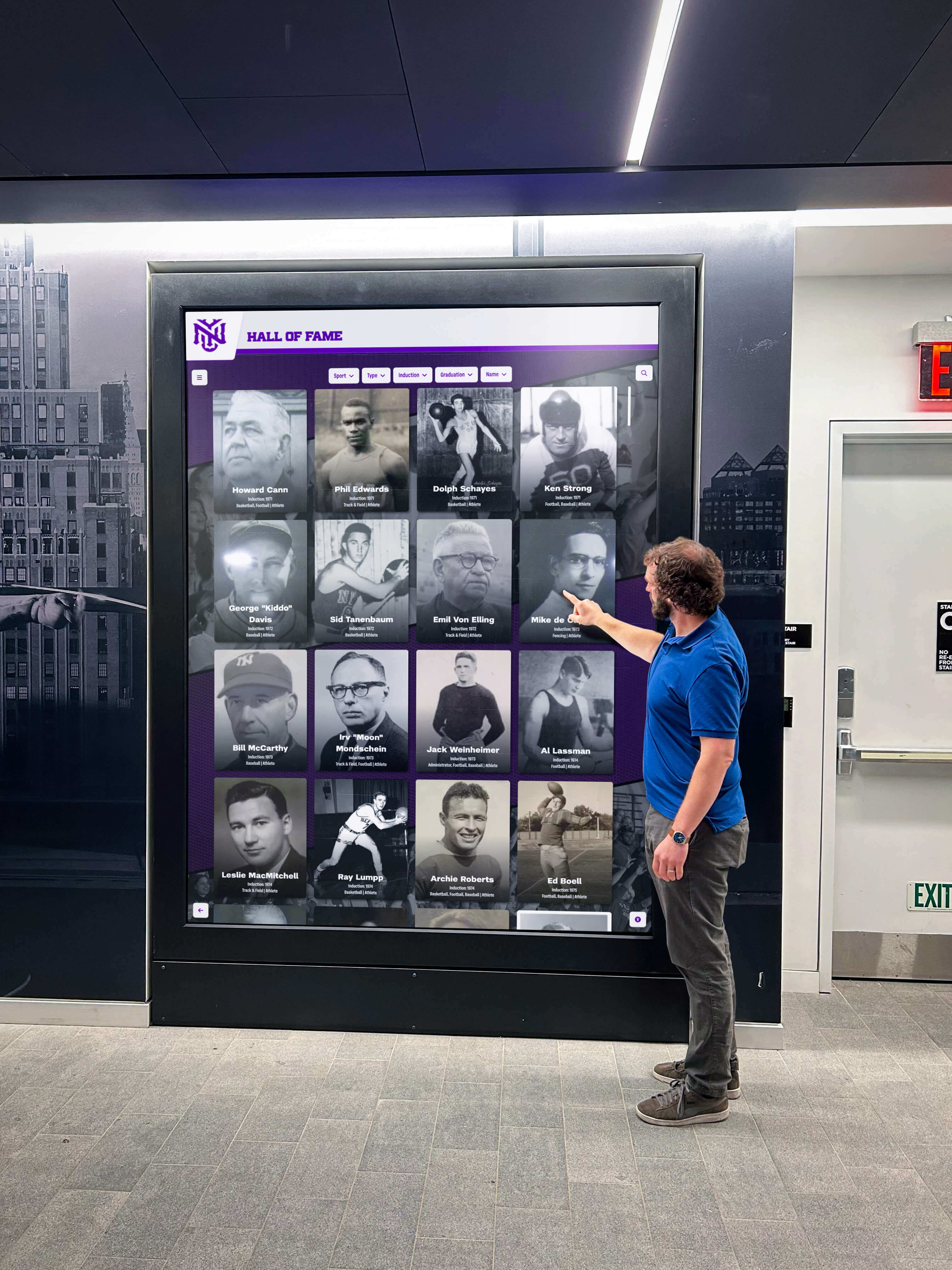
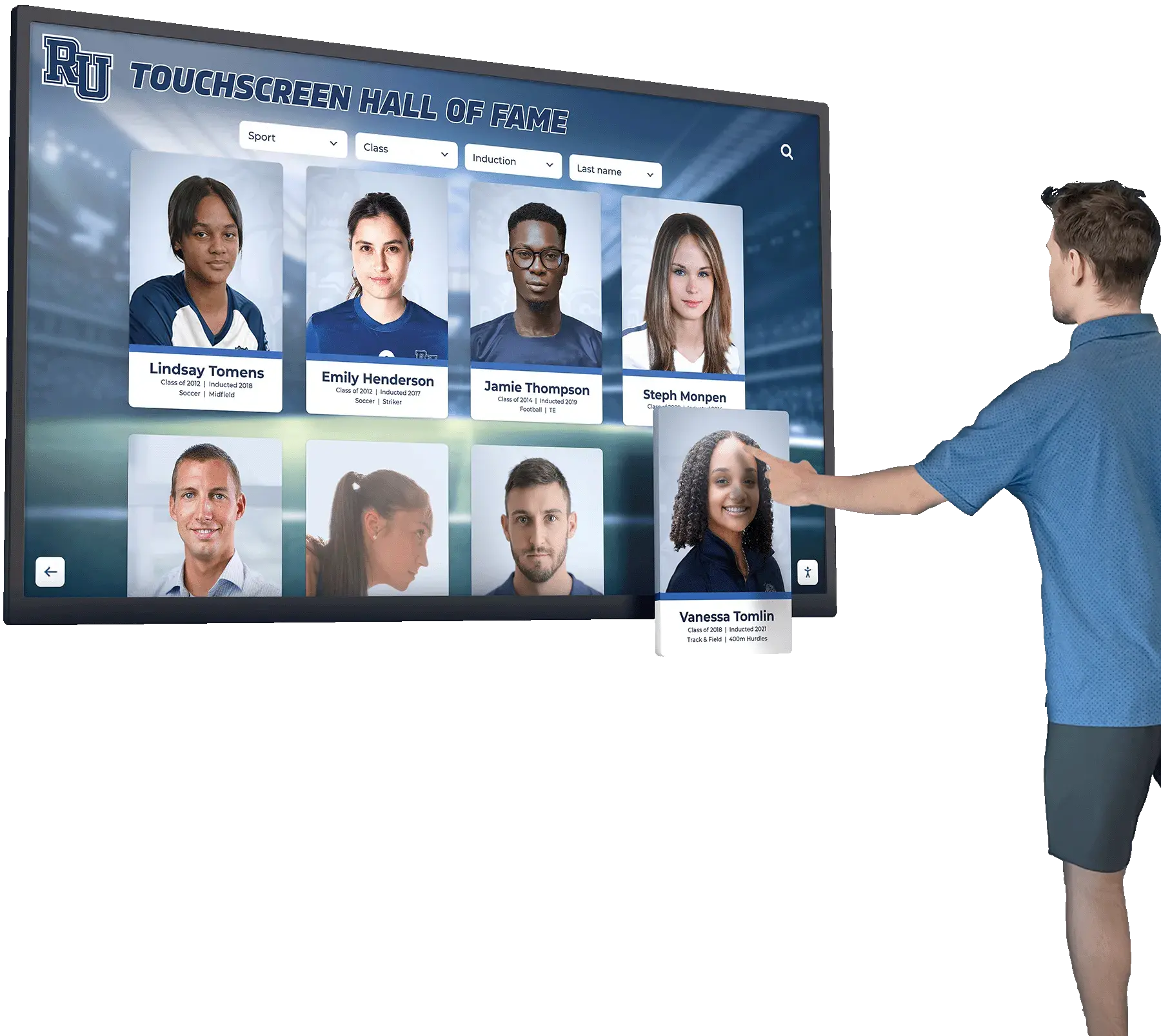
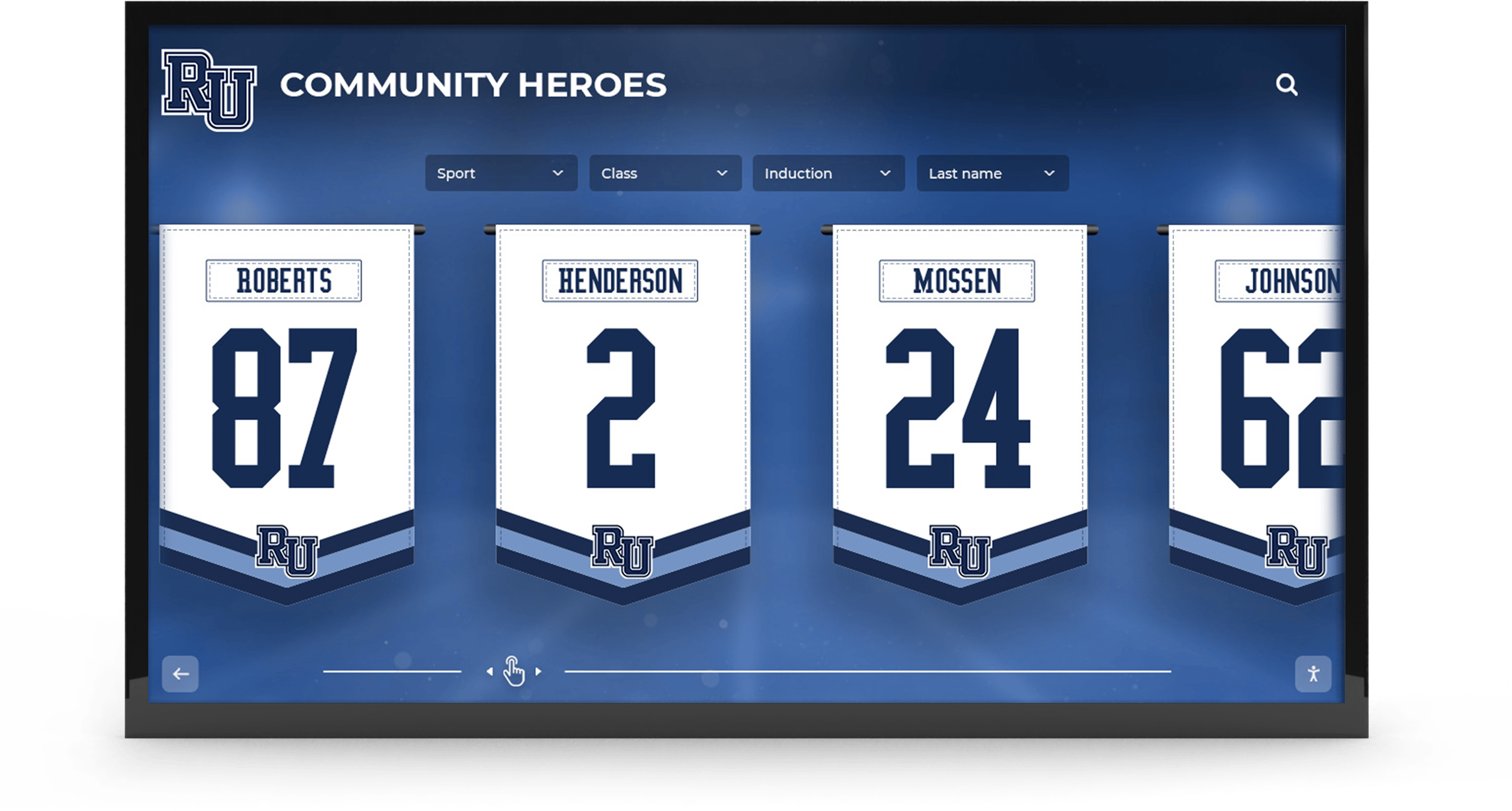
Interactive displays create engaging experiences encouraging exploration and deeper connection with recognition content
Content Design Best Practices
Effective recognition content balances visual appeal with meaningful information:
High-Quality Professional Photography
Professional headshots of recognized individuals create polished appearances reflecting organizational standards. Investing in quality photography demonstrates respect for achievements while ensuring displays look professional.
Specific Achievement Details
Generic recognition like “excellent performance” lacks impact. Effective recognition specifies exactly what individuals accomplished: “Closed $2.5M in new business, representing 135% of annual quota” or “Achieved highest client retention rate in company history at 98.5%.” Specificity makes achievements feel authentic and meaningful.
Contextual Performance Data
Visualizing achievement through charts, progress indicators, or comparative data helps viewers understand magnitude. Showing someone exceeded quota by 35% provides more context than simply stating “exceeded quota.”
Recognition Timeline and History
Displaying when achievements occurred and historical context enriches recognition. Showing representatives earned “Top Performer” recognition three consecutive quarters demonstrates sustained excellence versus single-month success.
Personal Statements or Reflections
When appropriate, including recognized individuals’ reflections on achievements adds personal dimension. Brief statements about what success meant, challenges overcome, or appreciation for team support humanize recognition.
Organizations creating recognition content benefit from platforms designed for showcasing individual achievements comprehensively, adapting alumni recognition approaches to sales contexts.
Gamification and Leaderboard Integration
Modern sales recognition increasingly incorporates gamification elements creating ongoing engagement and motivation.
Real-Time Performance Leaderboards
Digital leaderboards displaying current performance rankings tap into competitive drive:
Daily and Weekly Leaderboards
Short-term leaderboards showing current week or month performance create urgency and immediate focus. Sales representatives can see exactly where they stand relative to peers, what gap exists to next position, and how daily activity affects rankings. According to research, 89% of employees reported gamification at work made them feel more productive and happier.
Multiple Ranking Categories
Beyond simple revenue rankings, leaderboards can display multiple metrics: most meetings booked, highest conversion rates, best customer satisfaction scores, or strongest pipeline development. Multiple categories ensure diverse contributions receive visibility while providing recognition opportunities for specialists in different sales aspects.
Team vs. Individual Rankings
Balancing individual and team leaderboards prevents excessive individual competition undermining collaboration. Team rankings foster collective achievement while individual rankings provide personal motivation. Organizations should prominently display both reinforcing that individual excellence and team success both matter.
Historical Comparison and Progress
Showing representatives’ current performance against their historical averages or previous periods provides personal progress indicators. This individual improvement focus motivates through personal bests rather than solely peer comparison.
Progress Visualization and Goal Tracking
Making abstract goals tangible improves focus and motivation:
Visual Progress Indicators
Progress bars, milestone markers, and goal visualization show exactly where individuals stand relative to targets. These visual representations make quota attainment feel concrete and achievable rather than abstract numbers.
Personalized Goal Setting
Enabling representatives to set personal goals beyond organizational quotas—stretch targets, improvement objectives, or skill development aims—creates additional motivation layers. Displays can showcase both company expectations and personal aspirations.
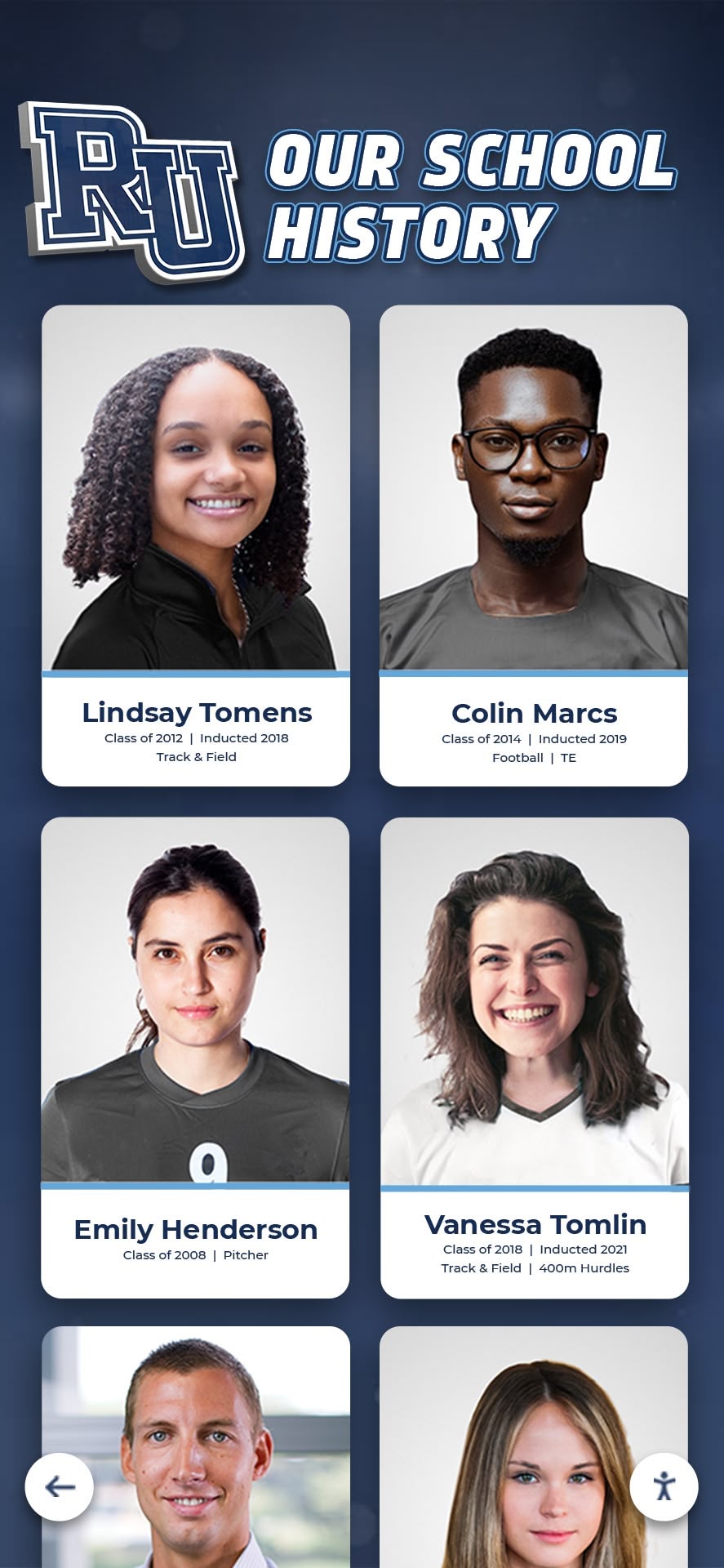
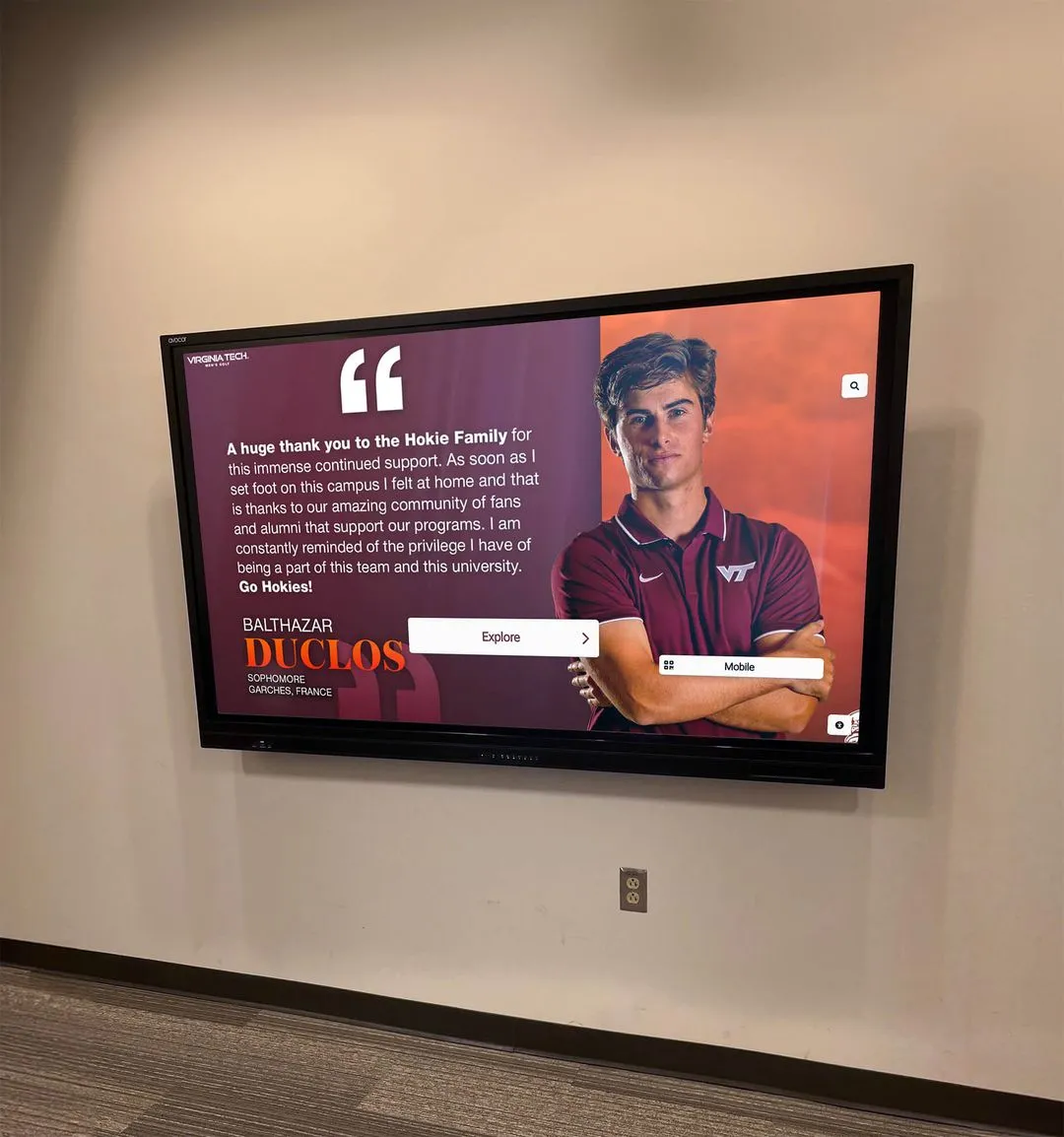
Detailed individual profiles celebrate specific accomplishments and career journeys
Achievement Badges and Milestones
Gamification through achievement badges—“10-Deal Month,” “Perfect Conversion,” “Relationship Builder”—adds playful elements motivating ongoing performance. Collecting achievements over time builds visible track records demonstrating capabilities.
Organizations implementing digital achievement tracking apply athletic record board concepts to sales, creating comprehensive achievement histories celebrating individual and team excellence.
Competition Management and Healthy Cultures
While competition motivates sales teams, organizations must manage potential downsides:
Transparent Recognition Criteria
Clear, objective criteria prevent perceptions of favoritism or politics. When everyone understands exactly what earns recognition, competition feels fair encouraging participation rather than cynicism.
Multiple Recognition Tiers
Recognizing top three, top five, or top 10% rather than solely #1 position provides more recognition opportunities reducing winner-takes-all dynamics that can demoralize majority.
Improvement and Growth Recognition
Celebrating most-improved performers, fastest-growing accounts, or biggest quota percentage increases ensures representatives starting from different baselines have recognition paths. This inclusion prevents competition from feeling rigged favoring those with easiest territories or best starting positions.
Team-Based Recognition
Balancing individual competition with team recognition prevents excessive individualism undermining collaboration. Celebrating team quota attainment, collective revenue milestones, or cross-functional collaboration excellence reinforces cooperation while maintaining healthy individual competition.
Recognition Beyond Top Performers: Building Inclusive Programs
While top performer recognition provides important motivation, comprehensive programs celebrate broader contributions.
Consistent Performance Recognition
Representatives who reliably meet expectations without topping leaderboards deserve acknowledgment:
Steady Achiever Awards
Recognizing representatives consistently hitting quota quarter after quarter demonstrates that reliable performance holds value. These “rock of the team” acknowledgments validate consistency’s importance.
Tenure and Loyalty Celebration
Long-term representatives bring institutional knowledge, client relationships, and cultural stability. Service milestone recognition—5, 10, 15 years—celebrates loyalty while modeling career longevity.
Professional Development Achievement
Completing training programs, earning certifications, developing new skills, or volunteering for mentorship roles deserves recognition beyond quota attainment. This development focus signals organizational values around growth and learning.
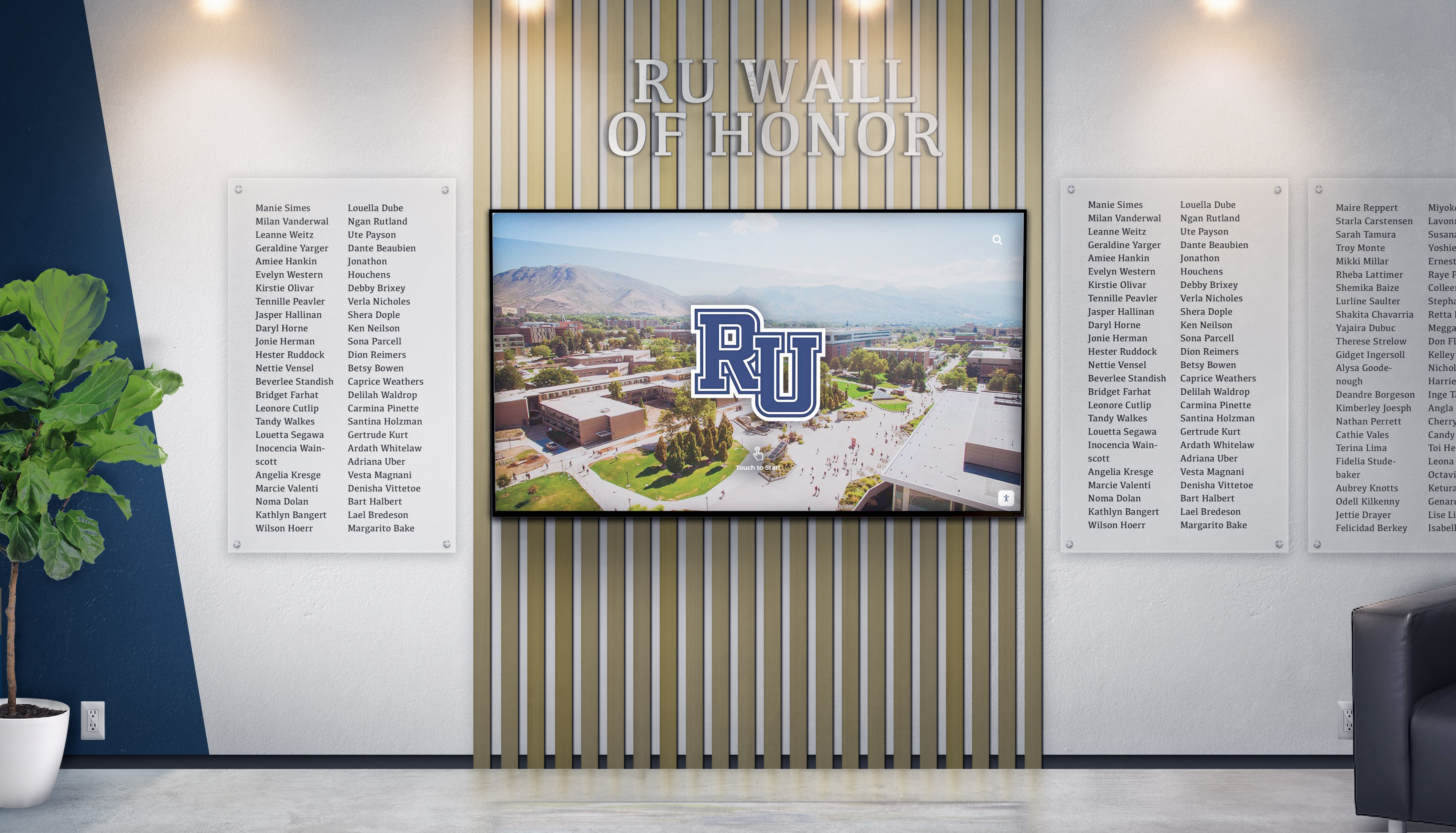
Integrated recognition systems celebrate diverse achievements across all team members
Values-Based Recognition
Connecting recognition to organizational values beyond pure performance:
Customer-First Recognition
Celebrating representatives who deliver exceptional client experiences, solve difficult customer problems, or go beyond expectations demonstrates that how sales happen matters alongside results achieved.
Collaboration and Teamwork Awards
Recognizing individuals helping colleagues succeed, sharing knowledge freely, or supporting cross-functional projects reinforces collaborative culture. Organizations implementing peer recognition approaches create cultures where team members celebrate each other.
Innovation and Creative Problem-Solving
Sales representatives developing creative approaches, finding unconventional solutions, or pioneering new market strategies deserve recognition for innovation advancing organizational capabilities.
Cultural Contribution Recognition
Individuals strengthening company culture—organizing team events, supporting onboarding, promoting inclusion, or maintaining positive attitudes during challenges—provide value warranting acknowledgment.
New Representative Support and Recognition
Entry-level salespeople need recognition appropriate to their development stage:
First Achievement Milestones
Celebrating first deal closed, first quota achievement, or first major account provides memorable career moments for new representatives. These early successes build confidence and commitment.
Learning and Improvement Recognition
Acknowledging fastest skill acquisition, best attitude during training, or strongest pipeline development for new reps provides motivation during challenging ramp-up periods.
Mentorship Pair Recognition
Celebrating successful mentor-mentee partnerships recognizes both experienced representatives investing in development and new team members embracing guidance.
Organizations should implement comprehensive recognition spanning career stages, ensuring newcomers through veterans all have recognition paths appropriate to their situations.
Measuring Sales Recognition Program Success
Systematic evaluation ensures recognition investments deliver intended organizational benefits.
Quantitative Performance Metrics
Sales Performance Indicators
- Individual and team quota attainment rates before and after recognition program implementation
- Revenue growth trajectories correlated with recognition program launch
- Win rate improvements in competitive situations
- Average deal size increases potentially tied to confidence from recognition
- Sales cycle length changes as motivation accelerates processes
Employee Engagement Metrics
- Participation rates in recognition program viewing and engagement
- Employee satisfaction survey results about recognition adequacy
- Turnover rates among top performers before and after enhanced recognition
- Internal mobility and promotion rates for recognized individuals
- Recruiting success attracting talent with strong recognition culture
Research indicates that 79% of employees who quit cite lack of appreciation as a key factor, making recognition programs critical retention tools.
Display Engagement Analytics
- Session counts and frequency showing how often displays are viewed
- Average engagement duration indicating content relevance
- Search patterns revealing which achievements generate most interest
- Content sharing rates through social or email features
- Return visitor patterns demonstrating sustained engagement
Organizations measuring digital hall of fame success through analytics apply similar frameworks to sales recognition contexts.
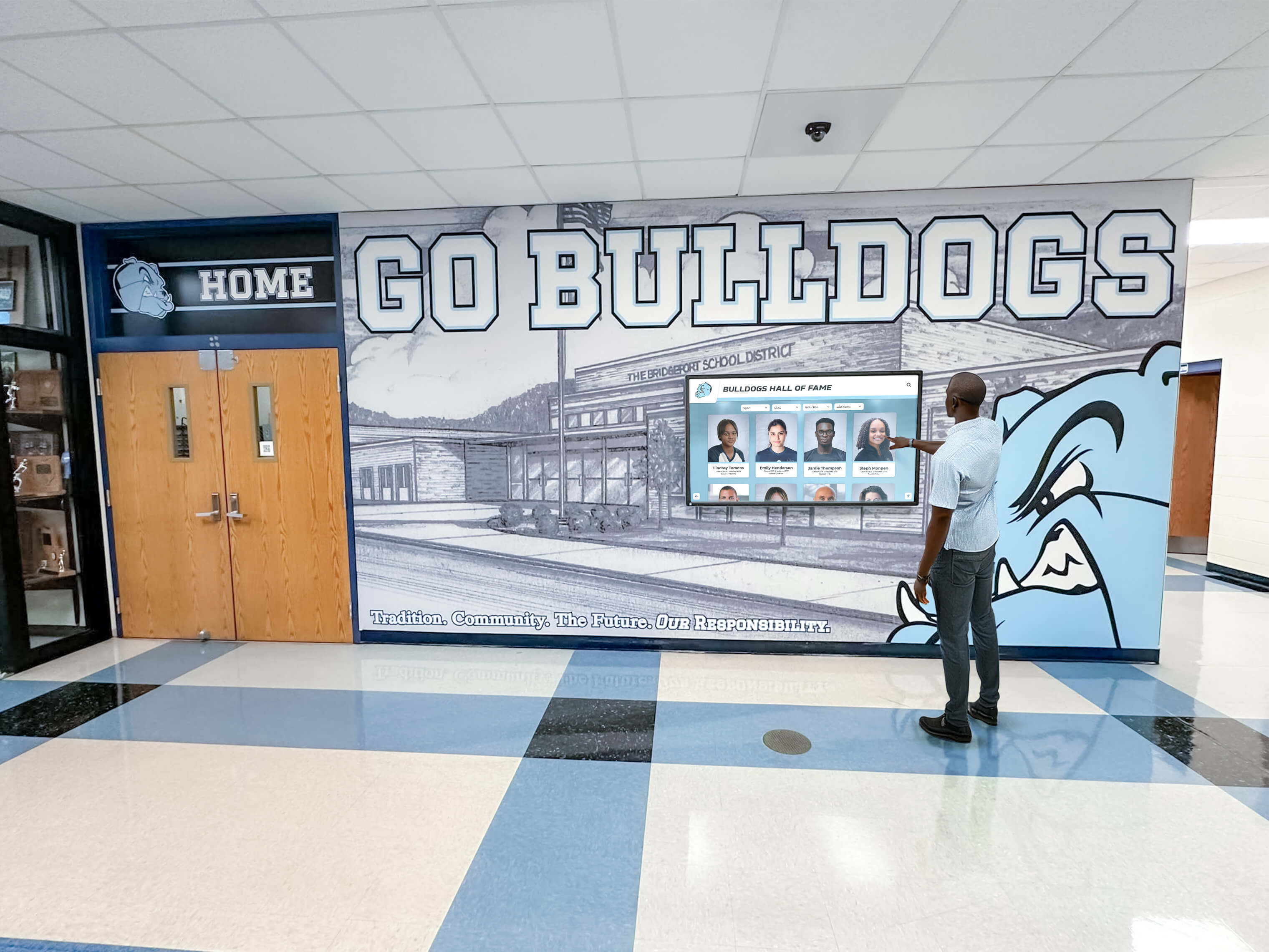
Measuring engagement with recognition displays provides insights for continuous program improvement
Qualitative Feedback and Cultural Impact
Sales Team Feedback
- Structured surveys gathering representative opinions about recognition adequacy, fairness, and impact
- Focus groups exploring deeper attitudes about recognition programs
- One-on-one conversations between managers and team members about motivation factors
- Suggestion gathering for recognition program improvements
- Recognition program awareness and understanding assessment
Cultural Observation Indicators
- Conversations about recognition in team meetings and informal discussions
- Social sharing of recognition beyond formal channels
- Competitive intensity and healthy rivalry observations
- Collaboration quality despite competitive recognition
- Overall morale and team spirit shifts
Leadership Perception
- Executive visibility into sales team performance and achievements
- Leadership confidence in sales organization capabilities
- Recognition program support and advocacy from senior management
- Budget allocation reflecting recognition program value
- Integration of recognition into broader talent management strategies
Regular assessment enables continuous improvement ensuring recognition remains meaningful, relevant, and aligned with organizational evolution.
Transform Your Sales Recognition Program
Discover how modern digital recognition displays can help you celebrate top sales performers, motivate entire teams, and build the high-achievement culture driving sustained revenue growth.
Schedule Your DemoImplementation Roadmap: Launching Sales Recognition Displays
Organizations implementing recognition displays benefit from systematic planning ensuring successful adoption.
Phase 1: Program Design and Planning (Weeks 1-2)
Stakeholder Engagement
- Gather input from sales leadership about recognition priorities
- Survey sales teams about current recognition adequacy and preferences
- Secure executive sponsorship and budget approval
- Involve marketing and HR in brand alignment and program design
- Establish cross-functional implementation team
Recognition Framework Definition
- Define specific achievement categories and criteria
- Establish recognition frequencies and update schedules
- Determine display locations and visibility strategy
- Create content standards for photos, descriptions, and data
- Develop recognition nomination and approval processes
Technology Selection
- Evaluate recognition platform options against requirements
- Assess hardware needs based on locations and environments
- Consider solutions like Rocket Alumni Solutions offering purpose-built recognition platforms
- Verify technology accessibility and compliance requirements
- Plan IT infrastructure needs and integrations
Phase 2: Content Development and Preparation (Weeks 3-4)
Historical Content Population
- Identify historical achievements worthy of initial recognition
- Gather photos, performance data, and achievement details
- Create initial recognition profiles for recent top performers
- Develop achievement narrative descriptions
- Prepare launch content ensuring displays feel complete from day one
Visual Design and Branding
- Customize display templates reflecting organizational identity
- Create branded recognition graphics and visual elements
- Develop achievement category icons and badges
- Design leaderboard layouts and data visualizations
- Ensure visual consistency across physical and web-based displays
Process Documentation
- Create content management procedures and workflows
- Document recognition nomination processes
- Develop update schedules and responsibilities
- Train sales managers on content addition and management
- Establish quality standards and approval processes
Phase 3: Installation and Launch (Weeks 5-6)
Physical Installation
- Install hardware at designated locations
- Configure network connectivity and system access
- Test touchscreen functionality and display performance
- Verify remote content management capabilities
- Ensure accessibility compliance and ergonomic mounting
Organizations implementing touchscreen kiosks effectively plan installations carefully ensuring reliable operation and professional appearances.
Launch Communication
- Announce recognition program to entire organization
- Explain recognition criteria and processes
- Promote display locations and web access
- Celebrate initial recognized individuals with fanfare
- Generate excitement through leadership messaging
Training and Support
- Train sales managers on content management systems
- Provide ongoing technical support resources
- Create user guides and documentation
- Establish helpdesk processes for issues
- Schedule follow-up training sessions as needed
Phase 4: Ongoing Management and Optimization (Ongoing)
Regular Content Updates
- Maintain consistent recognition addition schedules
- Update leaderboards with current performance data
- Rotate featured content maintaining display freshness
- Add new achievement categories as programs evolve
- Archive historical content while maintaining accessibility
Continuous Improvement
- Monitor engagement analytics identifying optimization opportunities
- Gather ongoing feedback from sales teams
- Benchmark recognition distribution across individuals and teams
- Adjust recognition criteria based on organizational evolution
- Expand programs based on success and learnings
Program Marketing
- Maintain visibility through ongoing internal communications
- Share recognition externally when appropriate for recruiting
- Integrate recognition into sales team meetings and events
- Celebrate program milestones and participation levels
- Continuously reinforce recognition program value
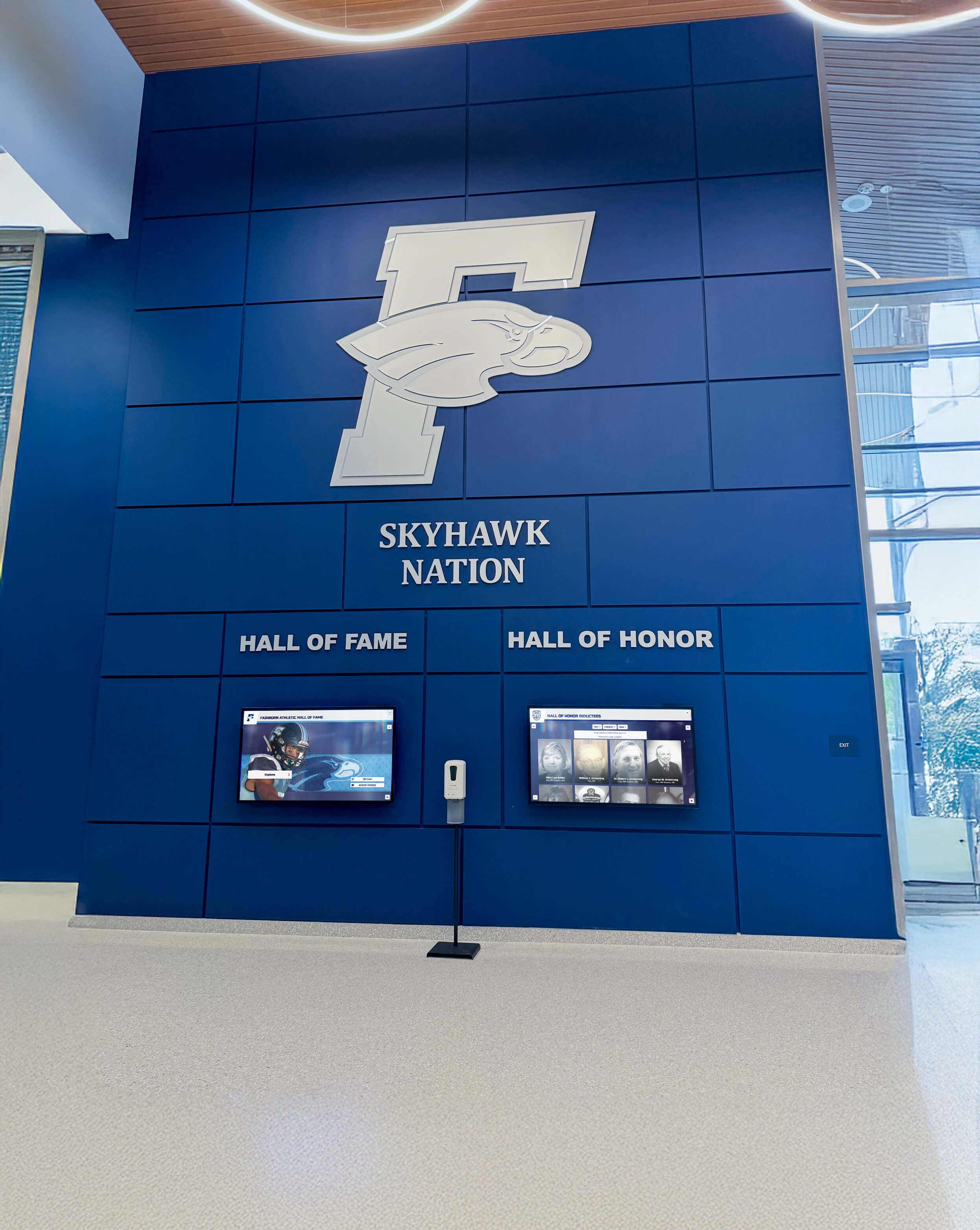
Professional recognition installations create impressive first impressions while celebrating team excellence
Beyond Sales: Expanding Recognition Display Applications
Recognition display technology serving sales teams adapts to broader organizational contexts:
Cross-Functional Team Recognition
Operations and Support Excellence
Customer service teams, operations staff, technical support, and administrative functions all contribute to organizational success. Recognition displays celebrating these contributions signal that excellence matters beyond revenue-generating roles. Solutions designed for employee recognition broadly extend visibility to all organizational contributors.
Project and Initiative Recognition
Cross-functional project teams, innovation initiatives, process improvement efforts, and strategic projects deserve celebration. Highlighting these achievements demonstrates organizational values around collaboration, innovation, and excellence across all work types.
Corporate Values and Behavior Recognition
Organizations increasingly recognize employees exemplifying cultural values: integrity, customer focus, innovation, inclusion, or teamwork. These values-based recognition programs complement performance-based acknowledgment creating comprehensive cultures of appreciation.
Multi-Location and Enterprise Coordination
Centralized Recognition Management
Organizations with distributed locations benefit from centralized content management coordinating recognition across all sites while enabling location-specific content when appropriate. Cloud-based platforms provide this coordination ensuring consistent recognition experiences enterprise-wide.
Regional Competition and Collaboration
Recognition displays can showcase regional leaderboards, district competitions, or territory rankings creating broader competitive contexts. Simultaneously, they can celebrate cross-regional collaboration and knowledge sharing balancing competition with cooperation.
Executive Visibility and Communication
Recognition displays provide executive teams with visibility into accomplishments across organizations. This visibility influences strategic decisions, resource allocation, and leadership understanding of front-line excellence.
External Communication and Recruiting
Client-Facing Recognition
Recognition displays in client-accessible areas demonstrate organizational excellence to customers and prospects. This external visibility builds client confidence while adding prestige to recognition for employees.
Recruiting and Employer Branding
Recognition program visibility attracts talent seeking employers valuing contributions and celebrating success. Prospective employees touring facilities or viewing recognition online gain insights into organizational culture and appreciation practices.
Investor and Stakeholder Communication
For organizations where investors or board members visit facilities, recognition displays demonstrate organizational capability, talent quality, and performance culture supporting confidence in leadership and strategy.
Rocket Alumni Solutions: Purpose-Built Recognition Platforms
Among recognition display options available in 2025, Rocket Alumni Solutions offers specialized platforms specifically designed for celebrating achievements and building engagement.
Recognition-Focused Design Philosophy
Unlike generic content management systems or custom development approaches, Rocket’s platform incorporates purpose-built capabilities addressing recognition needs:
Unlimited Recognition Capacity
Organizations never face constraints on how many individuals receive recognition. Unlimited inductees, achievements, photos, videos, and content ensures comprehensive recognition without difficult decisions about whose accomplishments remain visible.
Intuitive Content Management
Sales leaders and program administrators manage recognition through simple web interfaces requiring no technical expertise. Remote updates from any device enable timely recognition additions without IT dependencies.
Comprehensive Accessibility
Full ADA WCAG 2.1 AA compliance ensures inclusive experiences for all employees including those with visual, auditory, motor, or cognitive disabilities. This accessibility matters for legal compliance and inclusive organizational cultures.
Mobile and Web Extension
Recognition extends beyond physical displays to mobile devices and web browsers enabling remote employees, distributed teams, and off-site workers to engage with organizational recognition programs regardless of location.
Professional Implementation Support
Rocket provides comprehensive implementation assistance including hardware recommendations, installation coordination, initial content population, staff training, and ongoing technical support distinguishing complete solutions from software-only approaches.
When Purpose-Built Recognition Platforms Fit Best
Several organizational profiles particularly benefit from specialized recognition solutions:
Sales Organizations
Companies prioritizing sales team recognition find Rocket’s achievement-focused approach provides optimal balance of capabilities, simplicity, and cost-effectiveness compared to custom development or generic platforms.
Multi-Location Enterprises
Organizations with distributed offices, regional centers, or national footprints benefit from centralized management coordinating recognition across locations while maintaining consistent experiences.
Growing Companies
Organizations expanding teams and entering new markets need scalable recognition platforms accommodating growth without platform limitations or costly upgrades.
Recognition-Focused Cultures
Companies viewing employee recognition as strategic advantage rather than HR checkbox benefit from specialized platforms reflecting recognition program importance.
Organizations implementing recognition displays should explore comprehensive approaches to digital recognition understanding how purpose-built platforms deliver capabilities specifically optimized for celebrating excellence.
Conclusion: Building High-Achievement Cultures Through Recognition
Effective sales recognition represents far more than acknowledgment—it becomes strategic tool driving performance, retention, motivation, and organizational culture. When organizations systematically celebrate top performers through visible, timely, and meaningful recognition displays, they create environments where excellence feels valued, achievement receives appropriate acknowledgment, and entire teams find inspiration through colleague success.
The evolution from static plaques and annual ceremonies toward dynamic digital recognition displays reflects broader understanding that recognition impact depends on visibility, timeliness, comprehensiveness, and accessibility. Modern recognition platforms eliminate traditional constraints enabling unlimited recognition capacity, real-time updates, rich multimedia content, interactive exploration, and extended reach ensuring every team member can engage with organizational recognition regardless of location or role.
Top sales performers deserve recognition matching their contributions to organizational success. Digital recognition displays provide this visibility while motivating peers, strengthening culture, demonstrating values, and building the high-achievement environments where sales excellence flourishes. The competitive drive propelling sales success finds powerful reinforcement through leaderboards, achievement visualization, peer comparison, and public celebration tapping into psychological factors driving top performer motivation.
Beyond top performers specifically, comprehensive recognition programs celebrate diverse contributions across experience levels, roles, and achievement types. This inclusive approach ensures recognition opportunities exist for consistent performers, collaborative team players, cultural contributors, and developing representatives alongside revenue leaders. Balanced recognition prevents top-performer-only focus that can demoralize majority while creating sustainable motivation across entire organizations.
Implementation success requires strategic planning addressing recognition criteria, display placement, technology selection, content development, and ongoing management. Organizations should begin with clear recognition frameworks, engage stakeholders in program design, select appropriate technology platforms, and commit to consistent content updates maintaining program relevance and engagement over time.
Purpose-built recognition platforms like Rocket Alumni Solutions deliver capabilities specifically optimized for celebrating achievements while eliminating complexity inherent in custom development or adapting generic systems to specialized recognition needs. Unlimited capacity, simple content management, comprehensive accessibility, and professional support enable organizations to focus on recognition program success rather than technical implementation challenges.
Whether implementing first recognition displays or upgrading aging systems, organizations benefit from recognizing that top performers represent critical assets deserving investment in meaningful acknowledgment. Recognition displays provide visible, lasting, and engaging celebration honoring sales excellence while inspiring continued achievement across teams driving organizational revenue, growth, and success.
Your sales professionals’ achievements deserve celebration creating the motivation, engagement, and competitive spirit propelling continued excellence. Modern recognition display technology makes comprehensive, accessible, and impactful acknowledgment achievable for organizations committed to building cultures where top performers receive recognition they’ve earned and deserve.
Ready to transform your sales recognition program? Schedule a demo with Rocket Alumni Solutions to explore how digital recognition displays create engaging experiences celebrating excellence, learn about employee recognition best practices, or discover comprehensive approaches to achievement celebration inspiring high-achievement cultures throughout organizations.
Sources
- 25 Sales Award Wording Examples for 2025 - Award Maven
- Employee Recognition with Dynamic Recognition Board - Look Digital Signage
- How to create a digital employee recognition board - ScreenCloud
- Increase workplace engagement and performance with a digital employee recognition board - Samsung Business Insights