Intent: decide — Every athletic season ends with a final score. Team captains don’t appear in that score. They show up in practice intensity, locker room culture, how younger athletes handle adversity, and whether a program competes with character year after year. Yet most schools recognize captains with nothing more than a ceremony and a handshake—then the season moves on and the memory fades.
A team captain wall changes that equation. Unlike a trophy case that celebrates championships or a hall of fame reserved for all-time program greats, a dedicated captain wall recognizes leadership specifically—the athletes coaches trusted enough to set the tone and teammates respected enough to follow. Done right, it becomes one of the most meaningful recognition spaces in any athletic facility.
This guide covers everything you need to build a team captain wall worth building: what format to use, how to structure content, where to place the display, how to handle multi-sport programs, and when a digital solution makes more sense than physical plaques.
Walk into a school gymnasium where a team captain wall stretches back twenty years and you understand something about that program immediately. It doesn’t just celebrate wins. It has always valued the harder-to-measure things—leadership, character, the willingness to be accountable when no one is keeping score. That’s the case for building a captain wall, and it doesn’t require a large budget or a facility renovation to make.

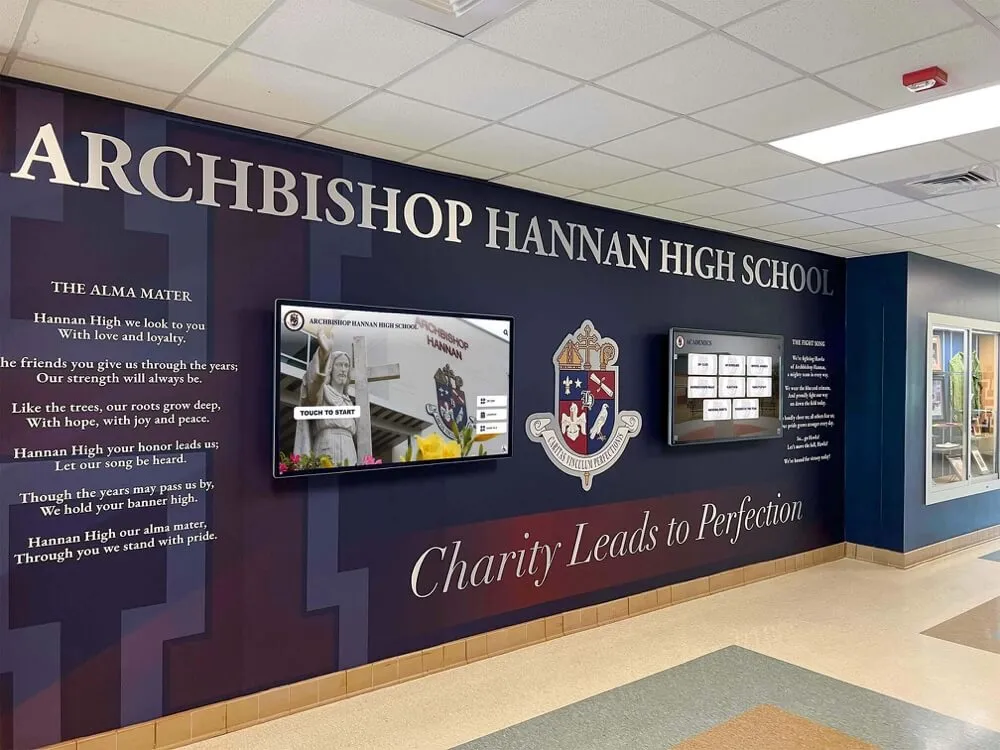
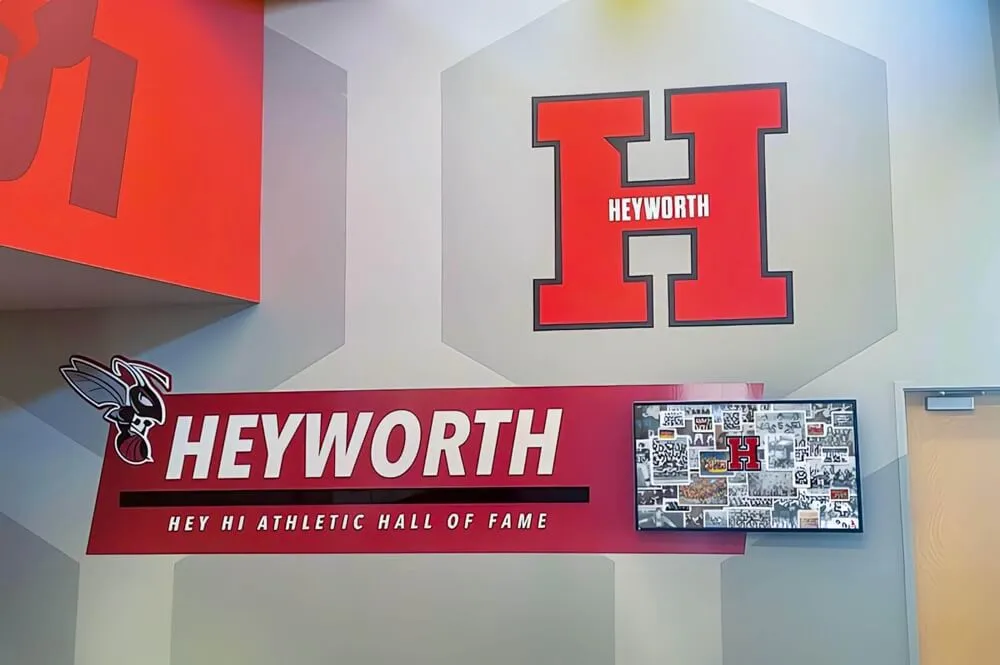
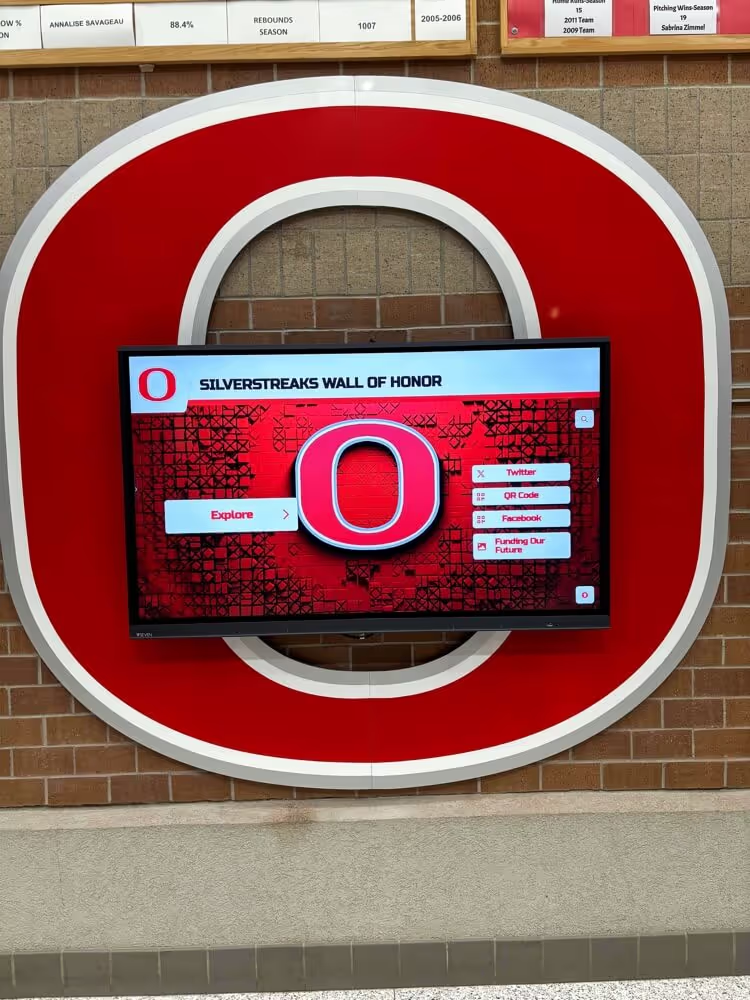
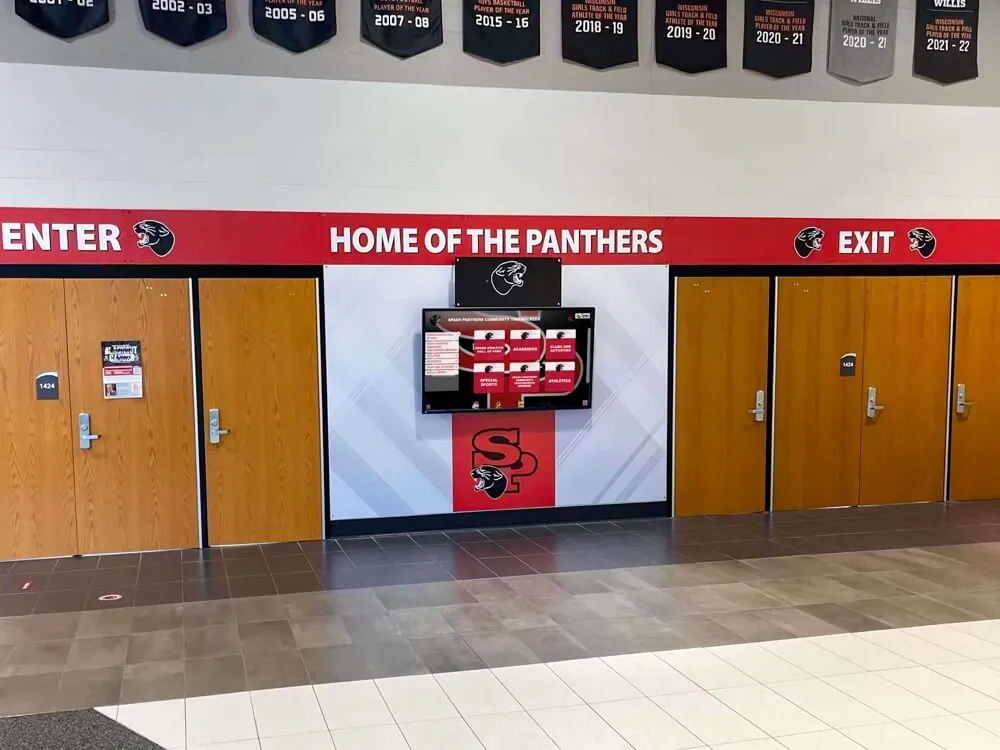
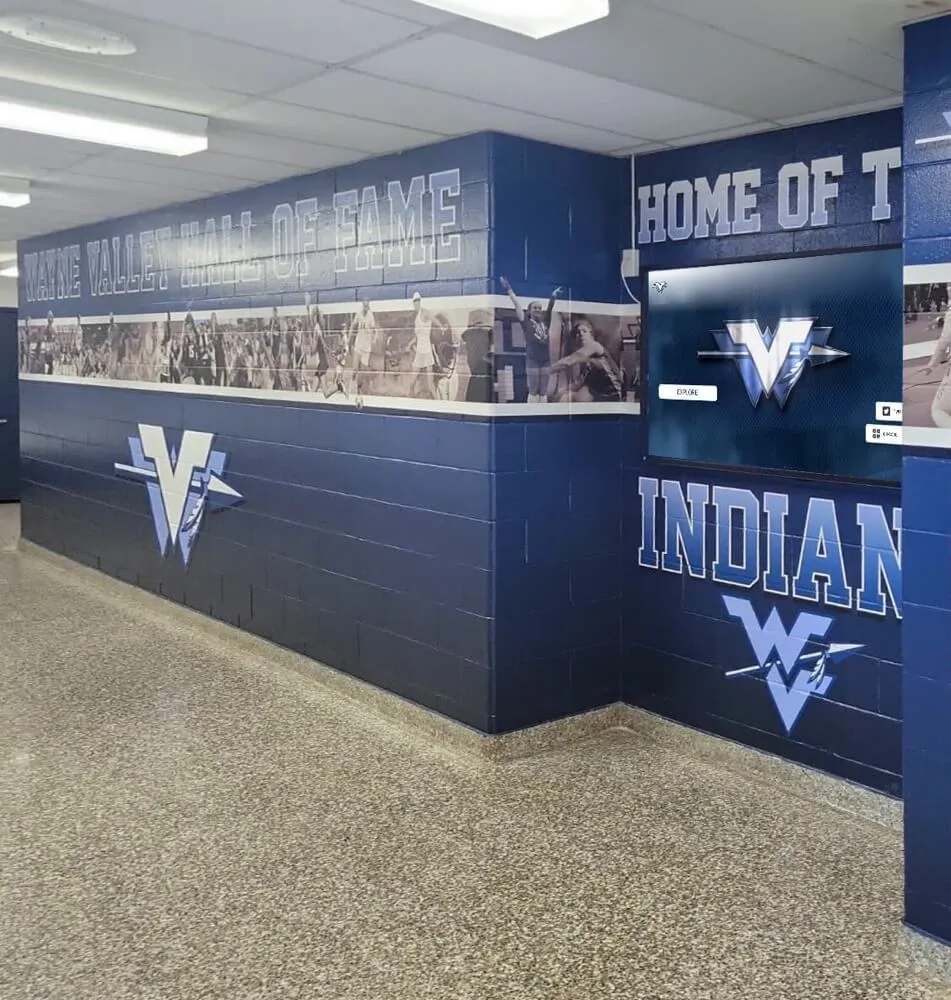
Athletic honor walls that recognize leadership alongside championships create a more complete picture of what a program stands for—and what it expects from its athletes every season
Why Team Captains Deserve Their Own Wall
Most schools maintain three types of athletic recognition: trophy cases (team championships), record boards (individual statistics), and halls of fame (career excellence). All three share a bias toward measurable outcomes—wins, points, records.
Team captains often don’t appear in any of these. A defensive captain who never appeared on a scoring summary but held a team together across a difficult rebuilding season may be exactly the athlete a program should honor most visibly. A multi-sport captain who served three different teams across four years may have shaped program culture more lastingly than any individual record holder.
A dedicated team captain wall creates a recognition category for contribution that existing systems overlook. It makes the implicit explicit: this program values leadership as a formal achievement, not an afterthought.
This philosophy extends beyond athletics. Schools building recognition cultures that honor multiple types of contribution—academic, artistic, civic—find that peer leadership program recognition creates reinforcing effects where students understand that their school prizes who leads as much as who scores.
What to Include on Each Captain Entry
Before choosing a physical format or digital platform, decide what information each entry carries. Consistency across years is essential—entries from 2005 and 2025 need to read as part of the same unified display.
Core entry elements (required for every entry):
- Athlete name — Full name, formatted the same way across all years
- Sport — Essential for multi-sport walls; never assume context
- Season or year — “2024–25” or “Fall 2024” depending on program convention
- Photo — A uniform-wear headshot creates far stronger visual impact than name-only plaques
- Captain designation — “Team Captain,” “Co-Captain,” or “Senior Captain” if your program distinguishes between them
Optional enrichment elements:
- Jersey number — Connects the wall entry to game-day identity
- Position — Provides context, especially for sports where captains typically come from specific roles
- One-line self-written statement — Gives individual voice to the display and creates character that pure data cannot
- Class year — Helps alumni locate themselves in the timeline when they return
- Post-graduation note — Where the athlete went next; can be added retroactively as a living update
The decision between short entries and rich biographical content has real downstream implications. Shorter entries are easier to maintain annually. Richer entries create more compelling storytelling. A digital team captain wall resolves this trade-off by supporting deep content without consuming physical space—one reason schools with large athletic programs tend to move to digital formats within a few years of launching a physical captain wall.
Physical Team Captain Wall Design Options
Physical captain walls exist on a spectrum from minimal and budget-friendly to elaborate and professionally fabricated. The right approach depends on how many sports you’re covering, how many years of history you’re starting with, and whether you’re working within a facility renovation or adding to existing wall space.
Plaque-Based Captain Walls
The most common approach mounts individual plaques—typically 4×6 or 6×8 inches—on a dedicated wall panel or painted backing board. Each plaque carries the captain’s name, sport, and season year. Plaques accumulate row by row, creating an expanding historical record.
Pros: Low per-entry cost; familiar format; straightforward to scale year by year Cons: Requires annual plaque procurement; wall space eventually fills; text-only plaques read as lists rather than portraits
For multi-sport programs, color-coding plaques by sport—gold edge for football, silver for basketball, green for soccer—adds visual organization without requiring separate sections for each team.
Photo-Forward Captain Displays
Photo-based walls mount framed headshots in a uniform grid. Each photo is labeled with name, sport, and season. These walls carry significantly higher visual impact than text-only plaques and communicate the human dimension of athletic leadership immediately.
This format requires a reliable annual photography infrastructure. Programs without standardized team photo processes need to establish one before launching a photo wall—the display only works when photography is visually consistent across years.
Pros: Highly visual; creates strong personal recognition; alumni and current athletes recognize faces Cons: Requires consistent annual photography; frames need uniform sizing and matting
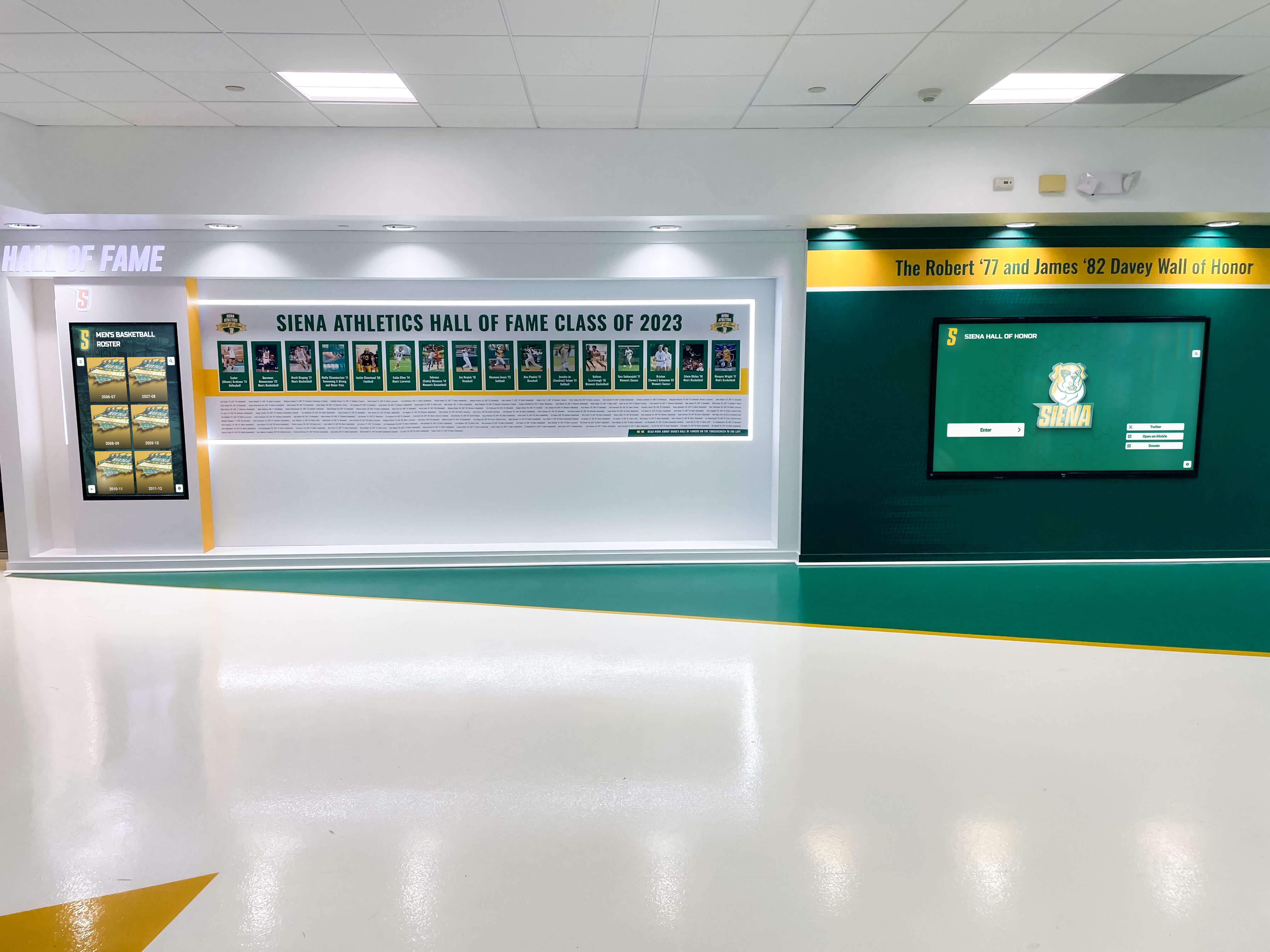
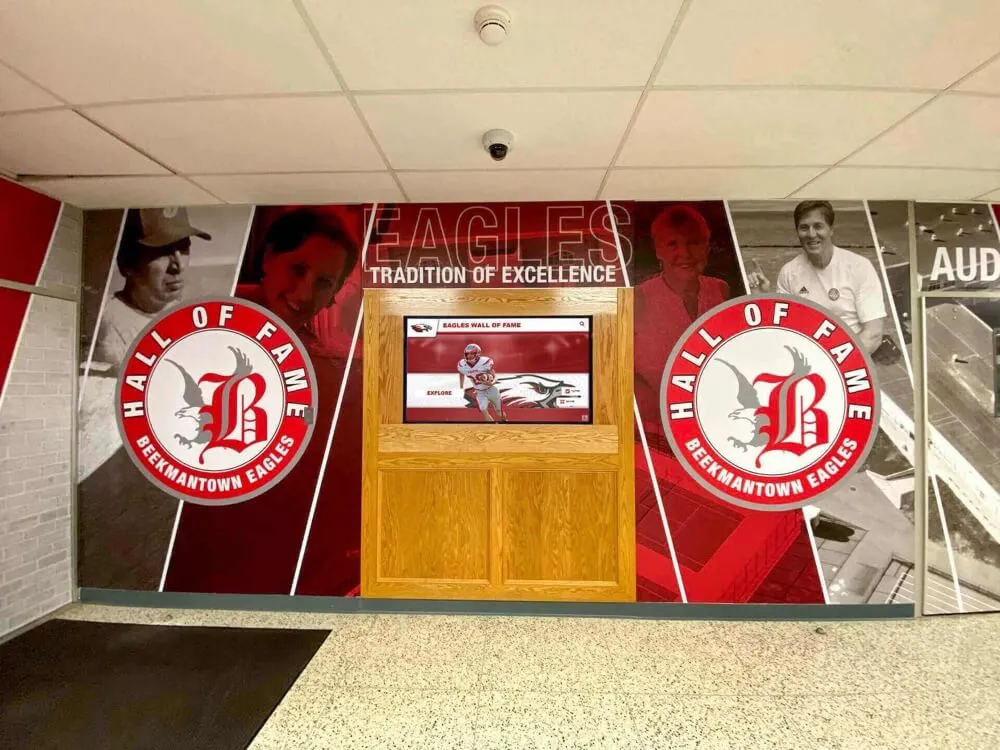
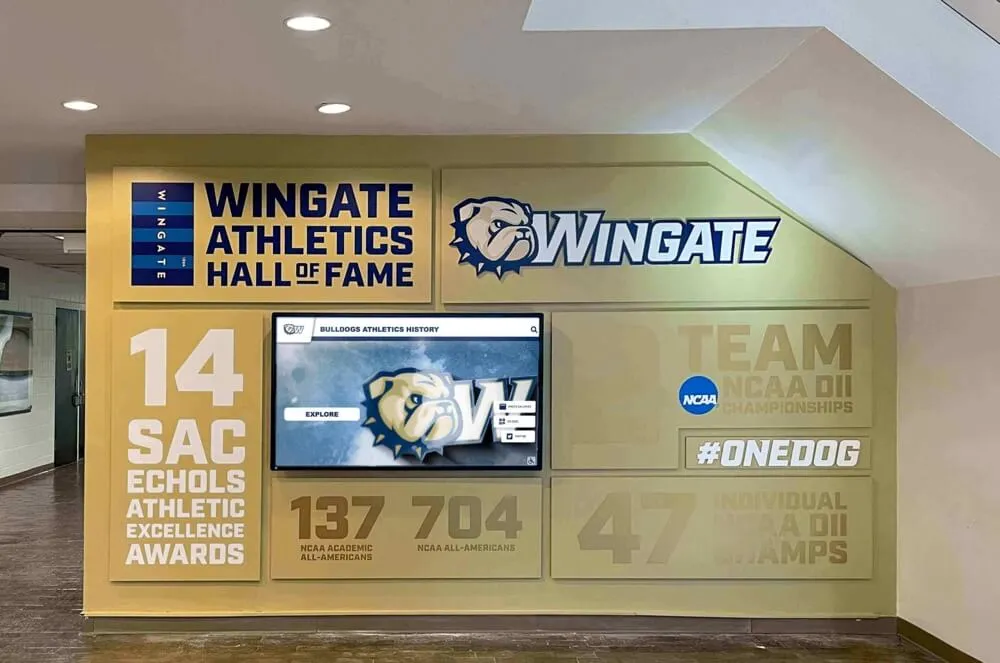
Photo-forward recognition walls create immediate human connection—visitors recognize faces, not just names, making the display feel alive rather than archival
Purpose-Built Honor Boards
Some programs invest in custom-fabricated honor boards—designed displays with a permanent header (“Athletic Leadership” or “Team Captains”) and pre-formatted panels or slots for annual entries. These look substantially more finished than ad-hoc plaque installations and signal institutional commitment in a way that individual plaques rarely achieve alone.
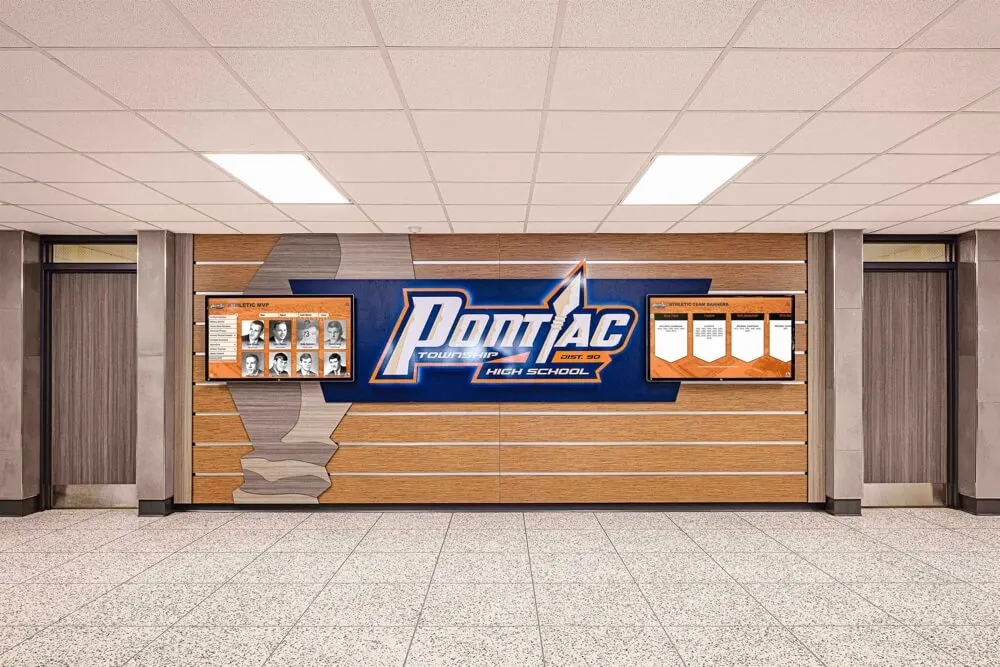
Purpose-built boards work especially well at gym entrances, lobby walls, or corridor spaces where the display is the first athletic recognition a visitor encounters. The upfront investment is higher, but the long-term result is a display that communicates deliberate institutional pride rather than accumulated additions.
Where to Place Your Team Captain Wall
Location determines whether a captain wall serves its purpose or simply exists. These placement options each create different recognition outcomes.
Athletic lobby or gym entrance foyer: The most common and most effective placement. Captains are recognized in the space athletes and families pass through before every game and practice. Visibility is high, traffic is consistent, and the athletic context is unmistakable.
Main school lobby or front hallway: Placing the captain wall in the school’s primary entrance communicates institutional priority—leadership is central to who we are as a school, not just an athletic department feature. This placement reaches non-athletes, prospective families, visiting parents, and community members who may never enter the gymnasium.
Athletic corridor connecting sports spaces: Hallways connecting the gymnasium, weight room, and team rooms see daily traffic from athletes and coaches. A captain wall here becomes part of the daily athletic environment. Athletes pass it while going to practice, not just during games.
Gymnasium interior walls: End walls or sideline walls offer large surface areas visible to every spectator during games. Bleacher crowds create organic recognition moments when fans notice the captain wall during play.
The school pride and community identity that recognition spaces generate depends heavily on visibility—a wall in a high-traffic primary location generates more community engagement than one placed in a secondary corridor, regardless of design quality.
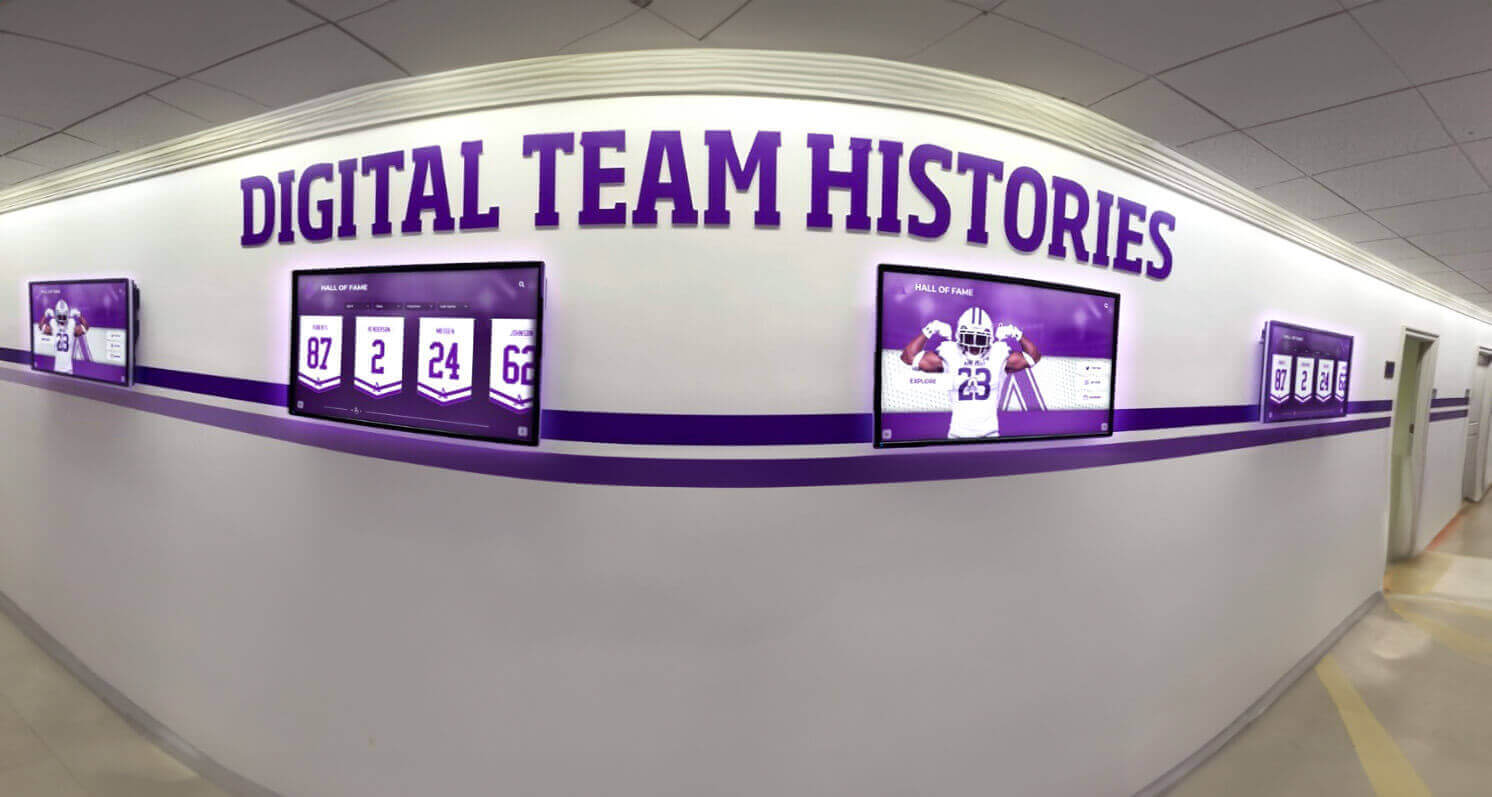
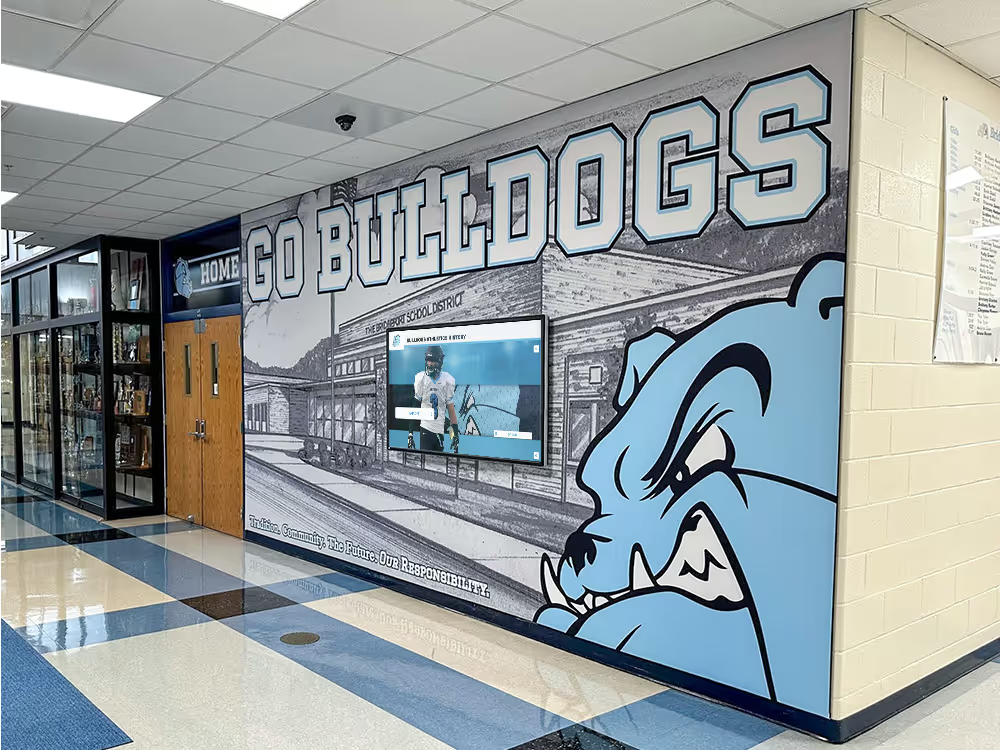
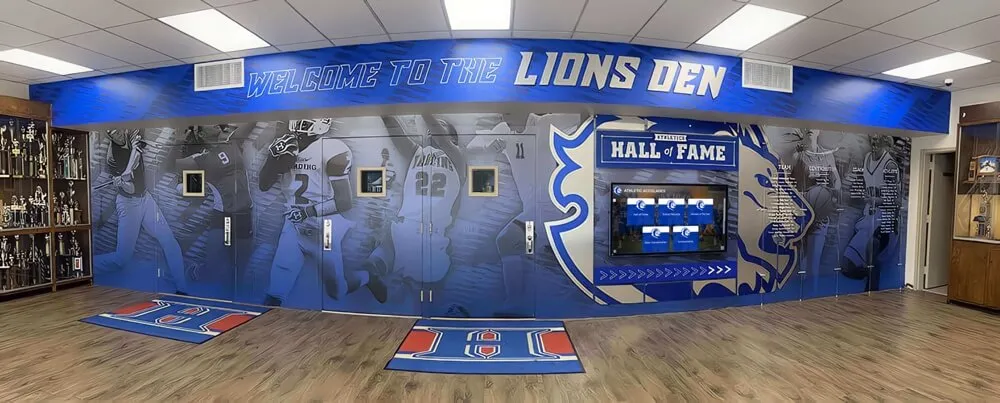
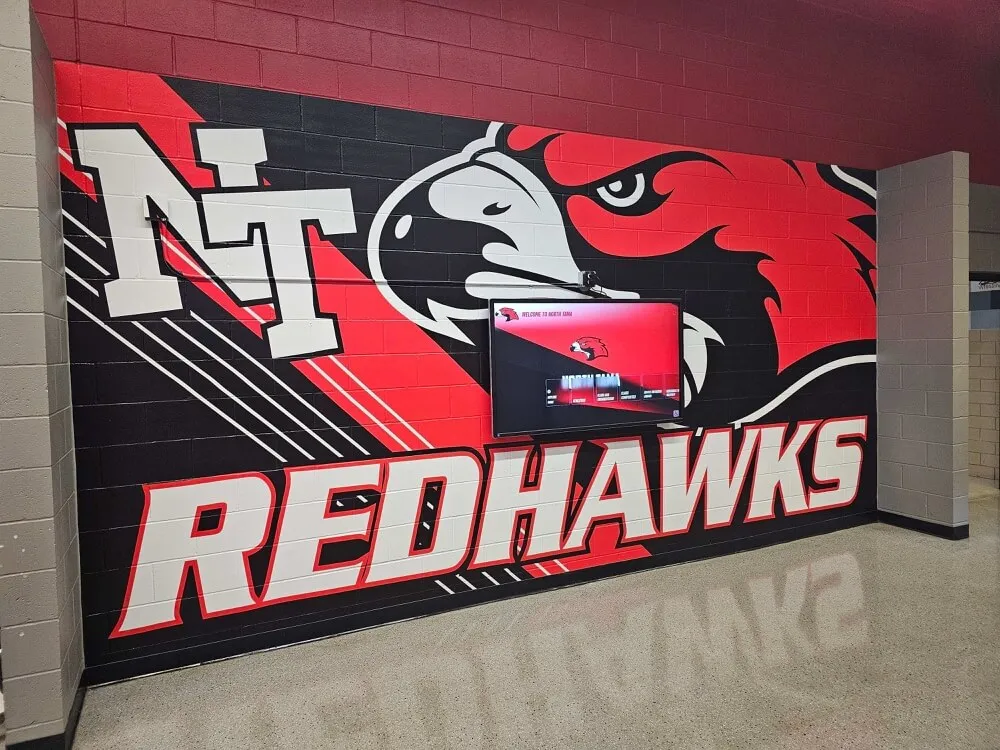
Hallway placement gives a team captain wall maximum daily visibility—athletes pass it on the way to every practice and every game, reinforcing the program identity it represents
Managing Multi-Sport Captain Walls
Schools with large athletic programs face a specific design challenge: how do you honor captains from fifteen or more sports without creating a wall that takes minutes to scan and years to update?
Year-by-year rows with sport labels: Organize by academic year rather than by sport. Each row represents one school year; entries within the row are labeled by sport. The full year’s captains read left to right across a single band, making the passage of time immediately clear. Best for programs where visitors search by “Who were the captains my senior year?”
Sport-specific columns or sections: Dedicate a column or section to each sport. Within each section, entries accumulate year by year. This format makes it easy to trace “Wrestling Captains” as a complete lineage but reads as multiple smaller lists rather than one unified history.
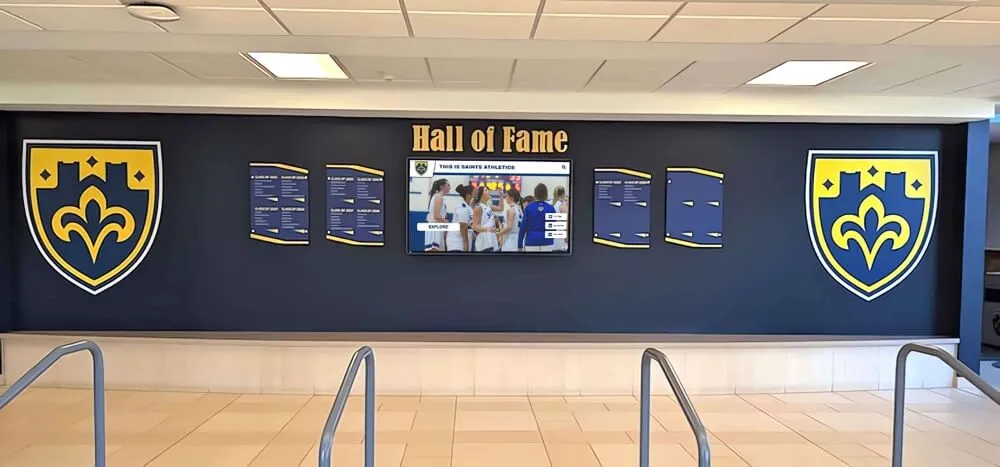
Digital multi-sport display: A touchscreen captain wall organizes all sports in a single interface, lets visitors filter by sport or year, and surfaces complete captain profiles with photos and backstory—without any physical space constraint. This approach scales indefinitely.
For programs where the sheer volume of annual captains creates space challenges within five to ten years, understanding what an athletic director manages across all recognition commitments helps clarify why scalable systems matter more than cost-efficient short-term solutions.
Digital and Touchscreen Team Captain Walls
A physical captain wall has one fundamental constraint: space. Add enough years and enough sports and you eventually run out of wall, start making plaques smaller, or stop adding new entries altogether. A digital captain wall removes that constraint entirely and adds capabilities no physical display can match.
What a Digital Captain Wall Can Do
Interactive touchscreen displays dedicated to team captains support content that physical walls cannot accommodate:
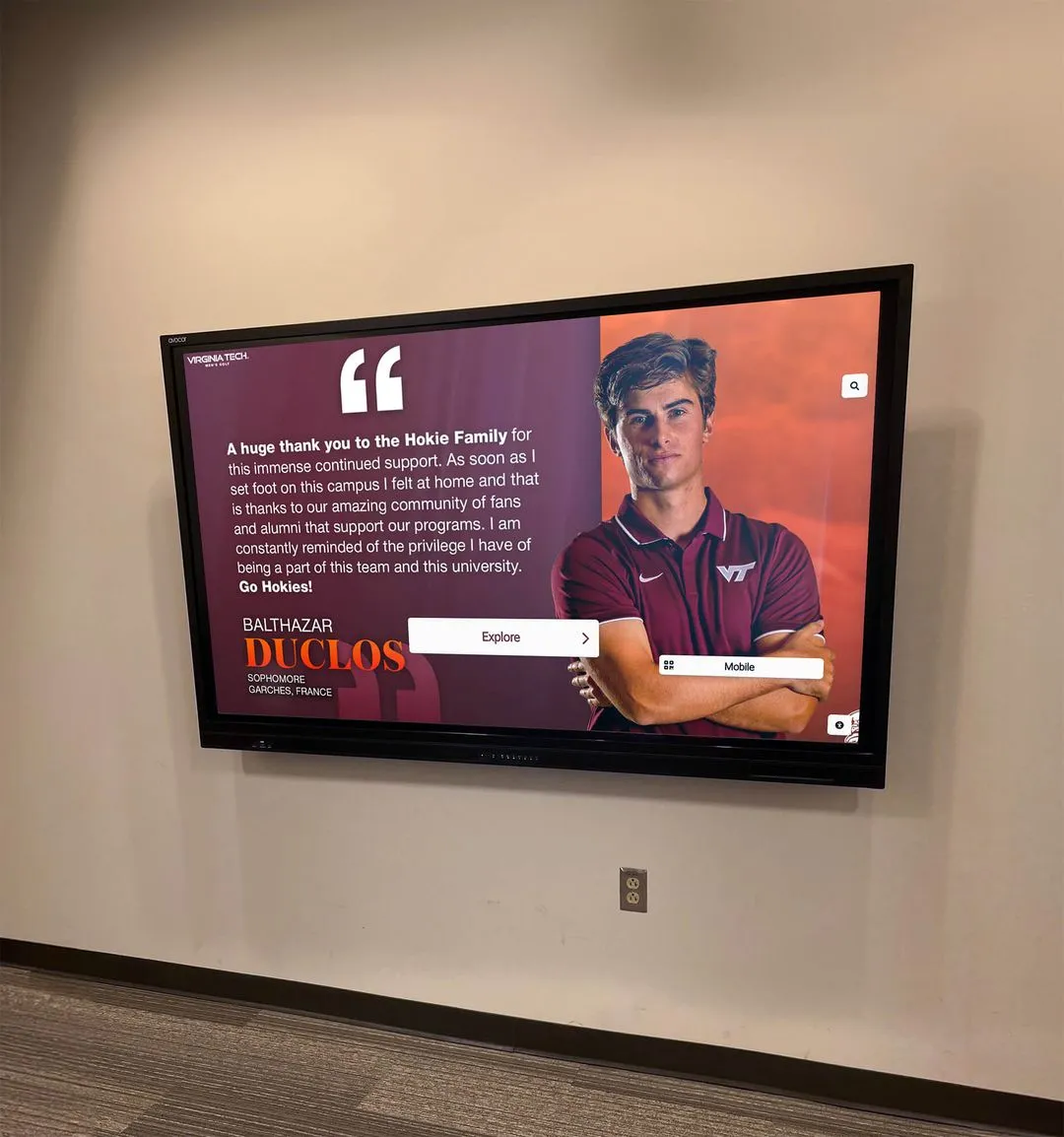
- Full biographical profiles — Beyond name and year, digital entries support paragraphs of background, a coach’s written statement, academic recognition alongside athletic leadership, and personal reflections
- Multiple photos — Display a formal portrait alongside game-action photography for richer storytelling
- Video content — Short interviews or highlight clips for captains who contribute media content
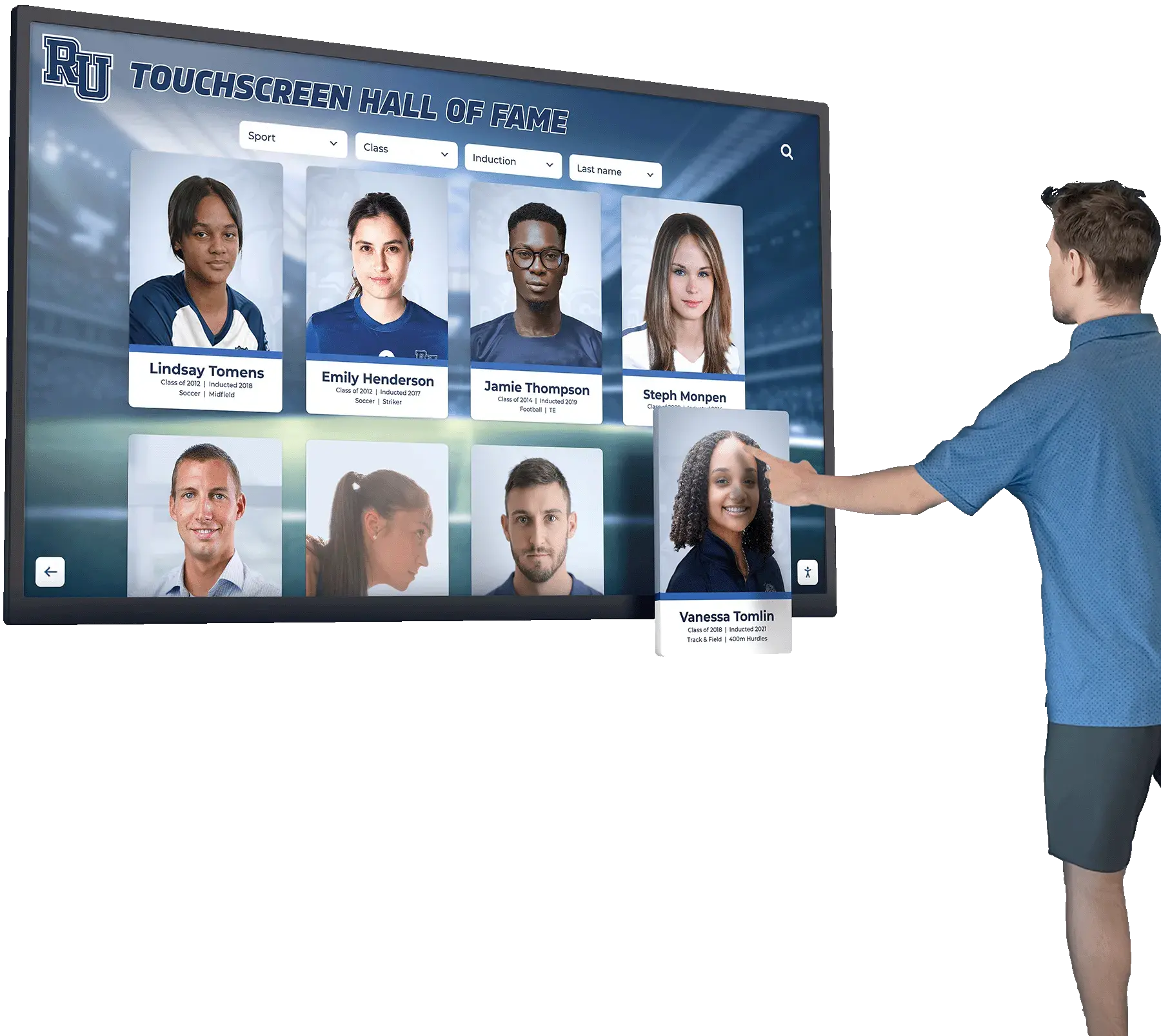
- Navigable history — Visitors browse by year (“Show all captains from 2019–20”) or by sport (“Show all soccer captains”) through a simple touch interface
- QR code mobile access — Visitors scan from the physical display or lobby signage to browse captain profiles on their phones, keeping recognition accessible beyond facility visits
This depth of persistent recognition creates the digital warming effect that keeps leadership histories alive across generations. Alumni returning for games can find their own entry, browse the years since they graduated, and share profiles through mobile access—maintaining connection to the program long after their playing days.
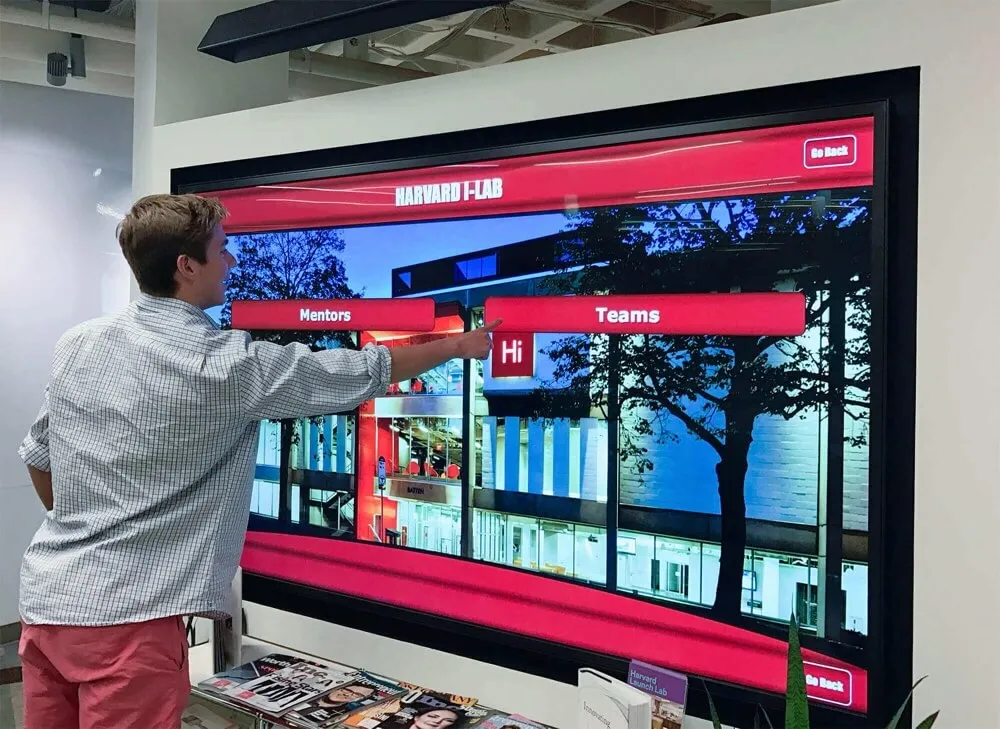
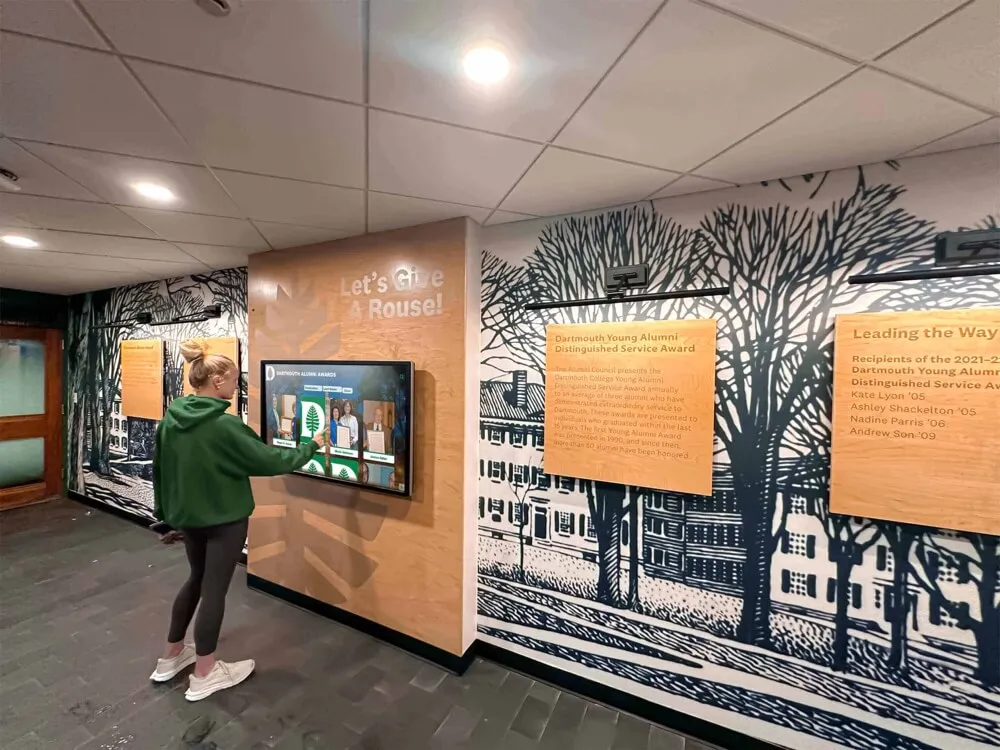
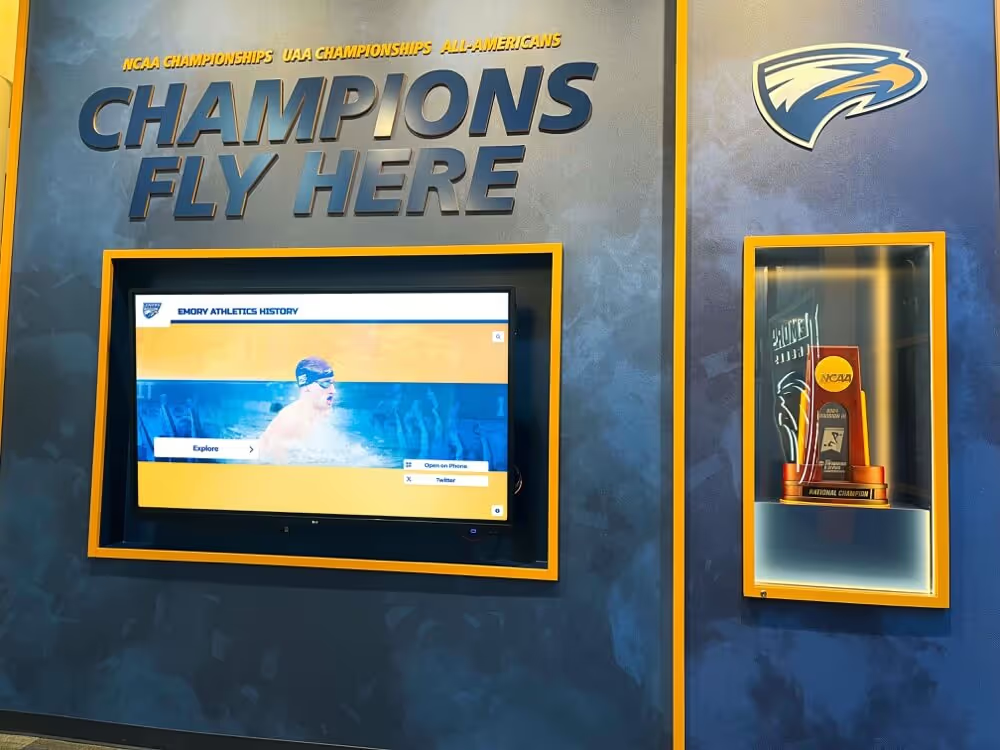
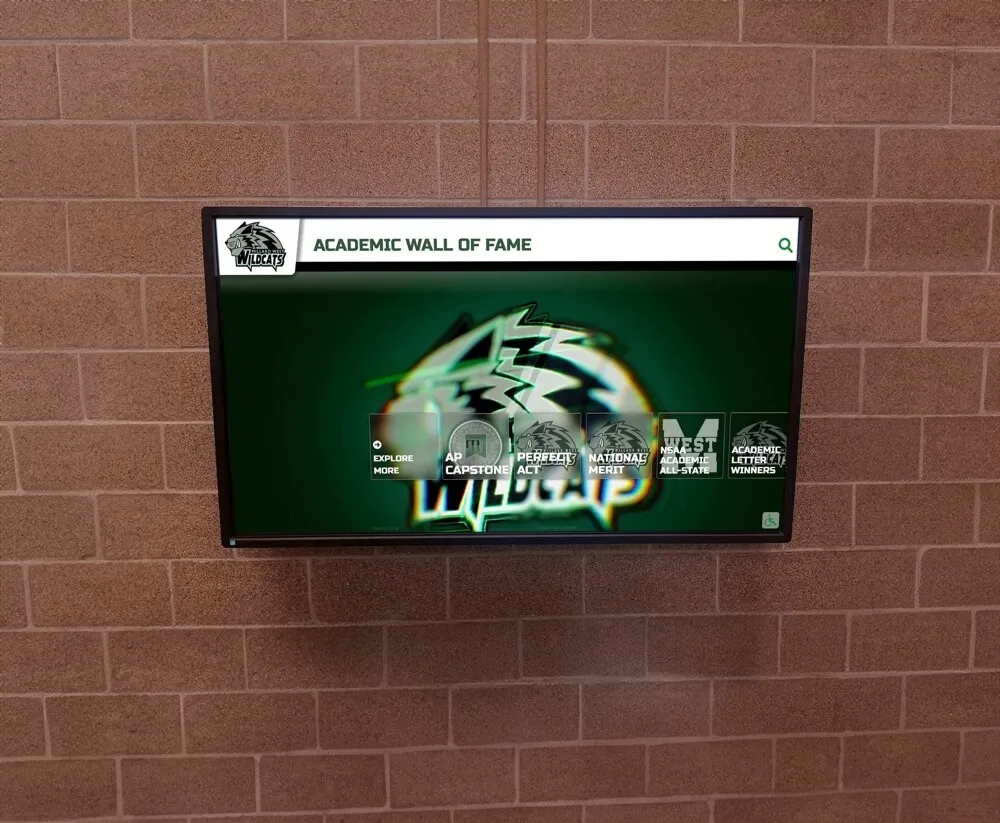
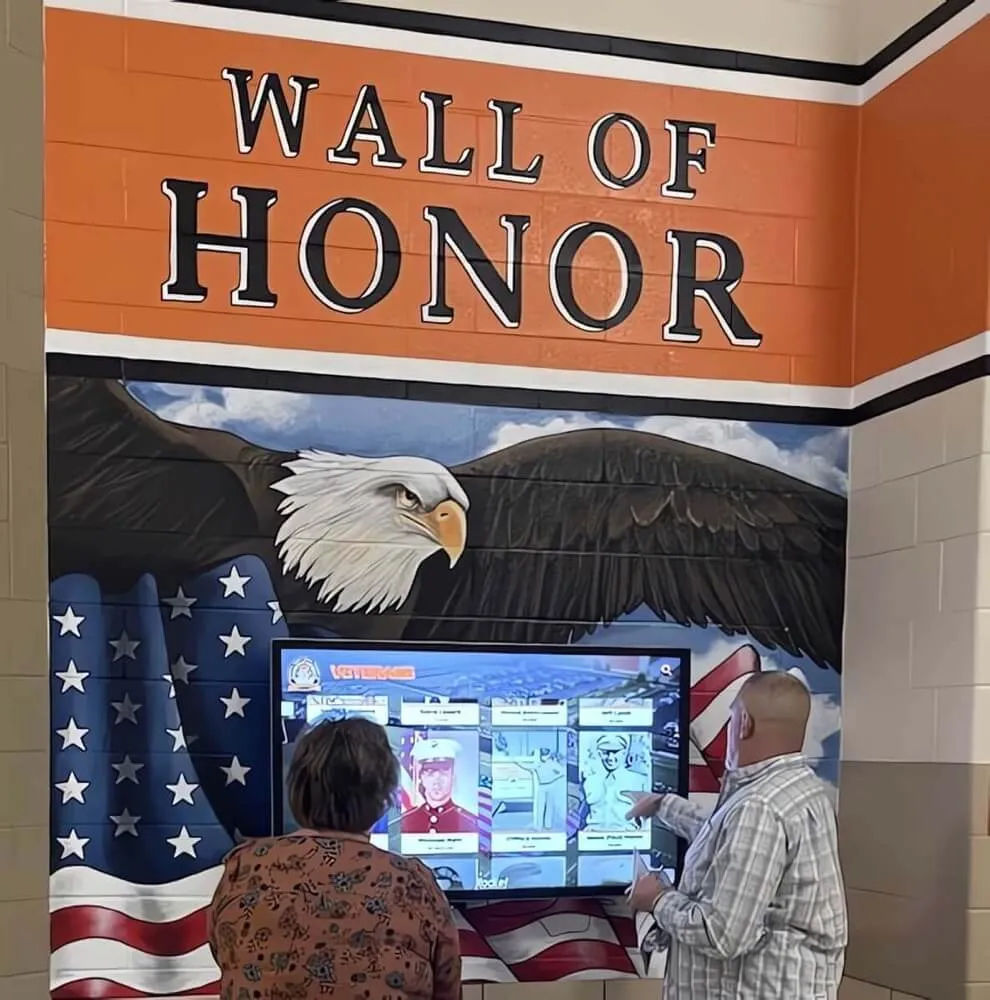
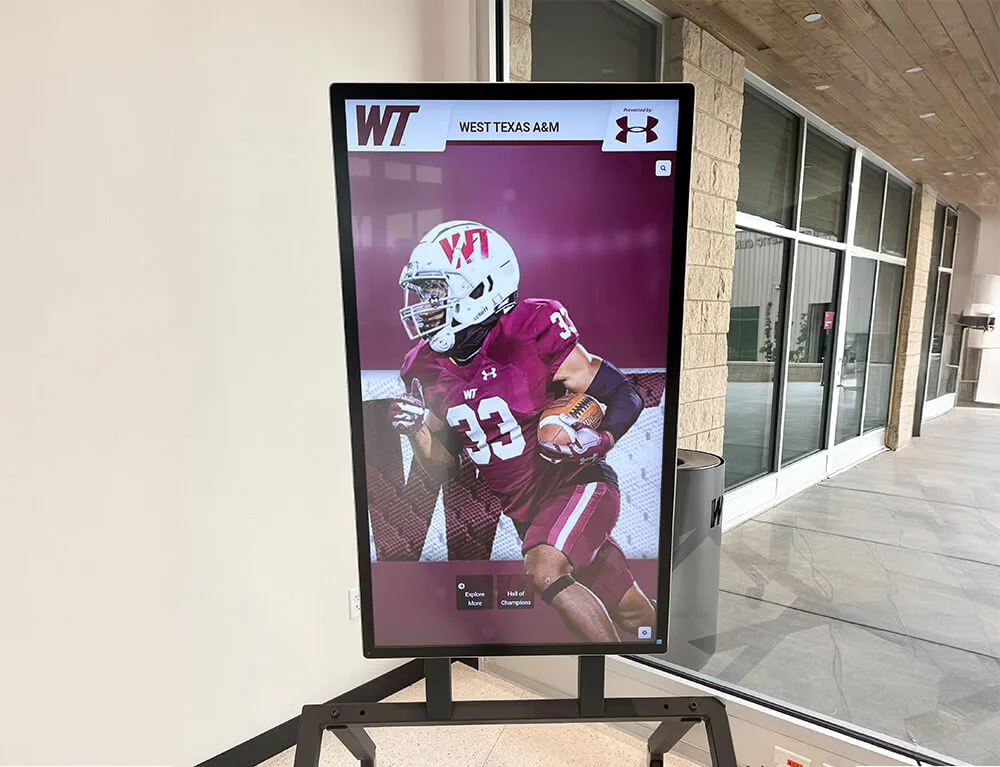
Interactive touchscreen displays let visitors actively navigate program history by sport or year—turning a passive wall into a searchable archive that serves alumni, recruits, and current athletes differently
Interactive touchscreen kiosk software has evolved significantly, with platforms built specifically for athletic recognition offering out-of-the-box templates for captain walls, hall of fame displays, and record boards that programs can configure without custom development.
Hybrid Approaches: Physical Anchor with Digital Depth
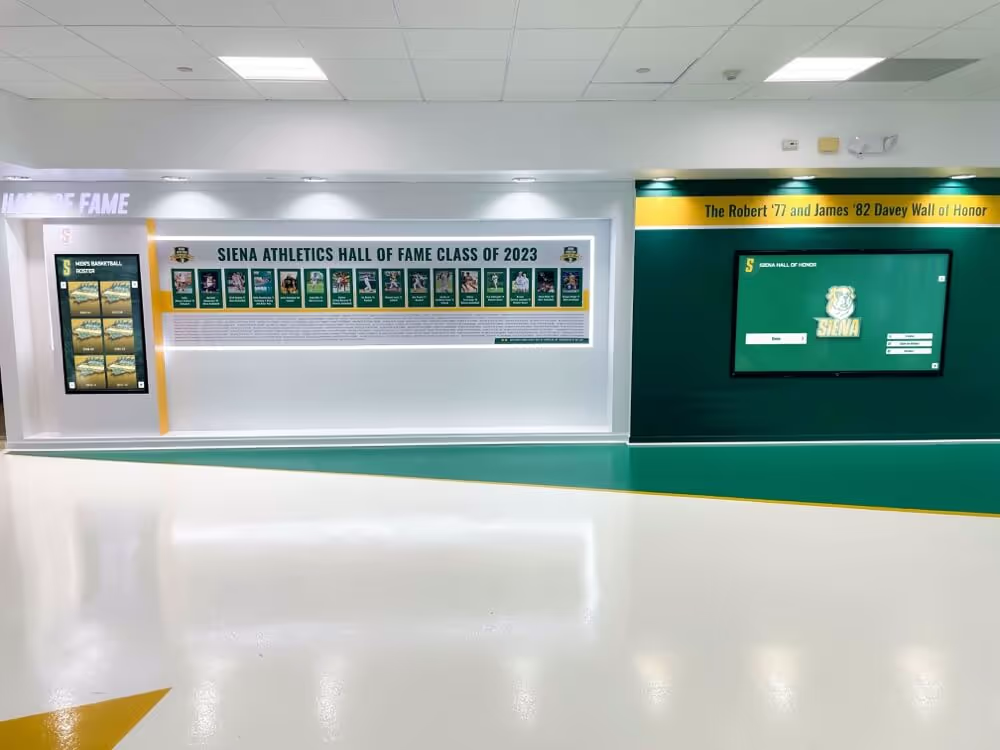
Many programs find the most effective format is hybrid: a physical captain wall that anchors the space visually, paired with a digital component that provides full stories and searchability.
A visitor sees the physical wall, recognizes a name, and then uses an adjacent QR code or touchscreen to access the complete profile. The physical wall serves casual viewers; the digital layer serves engaged visitors—alumni who want to explore, recruits who want to understand program culture, and current athletes who want to see who held the captain’s role before them.
This approach lets programs maintain the permanence and visual presence of a physical installation while building the depth that makes recognition meaningful over time.
Annual Update Processes
A team captain wall only fulfills its purpose if it stays current. A display that stops updating at some point sends an unintended message—recognition mattered for a while, then it didn’t. A repeatable annual process prevents that drift.
For physical walls:
- Establish a captain designation deadline before each season ends
- Order plaques or frames immediately after designation so they arrive before the season concludes
- Schedule installation updates at a consistent time—end-of-season banquets or senior recognition events are natural occasions
- Build a modest annual budget line dedicated to plaques and installation labor
For digital walls:
- Create a standardized captain entry template: required fields, photo specifications, optional quote format
- Designate one person—typically the athletic director or department coordinator—as responsible for updating entries each season
- Set a content submission deadline tied to each sport’s final game or championship
- Enter and publish entries immediately after the season concludes; same-season recognition matters more than off-season documentation
Senior day celebrations are a natural inflection point for captain wall updates. Many programs formally announce captains at senior night, making that event a logical trigger for both in-person celebration and the permanent documentation that follows.
Maintaining consistent annual photo archives is what makes photo-based captain walls succeed or stagnate. Programs using team photos archive systems with mobile access ensure photos are organized and retrievable when entries need to be created or updated—rather than searching through folders and drives when a plaque order comes due.
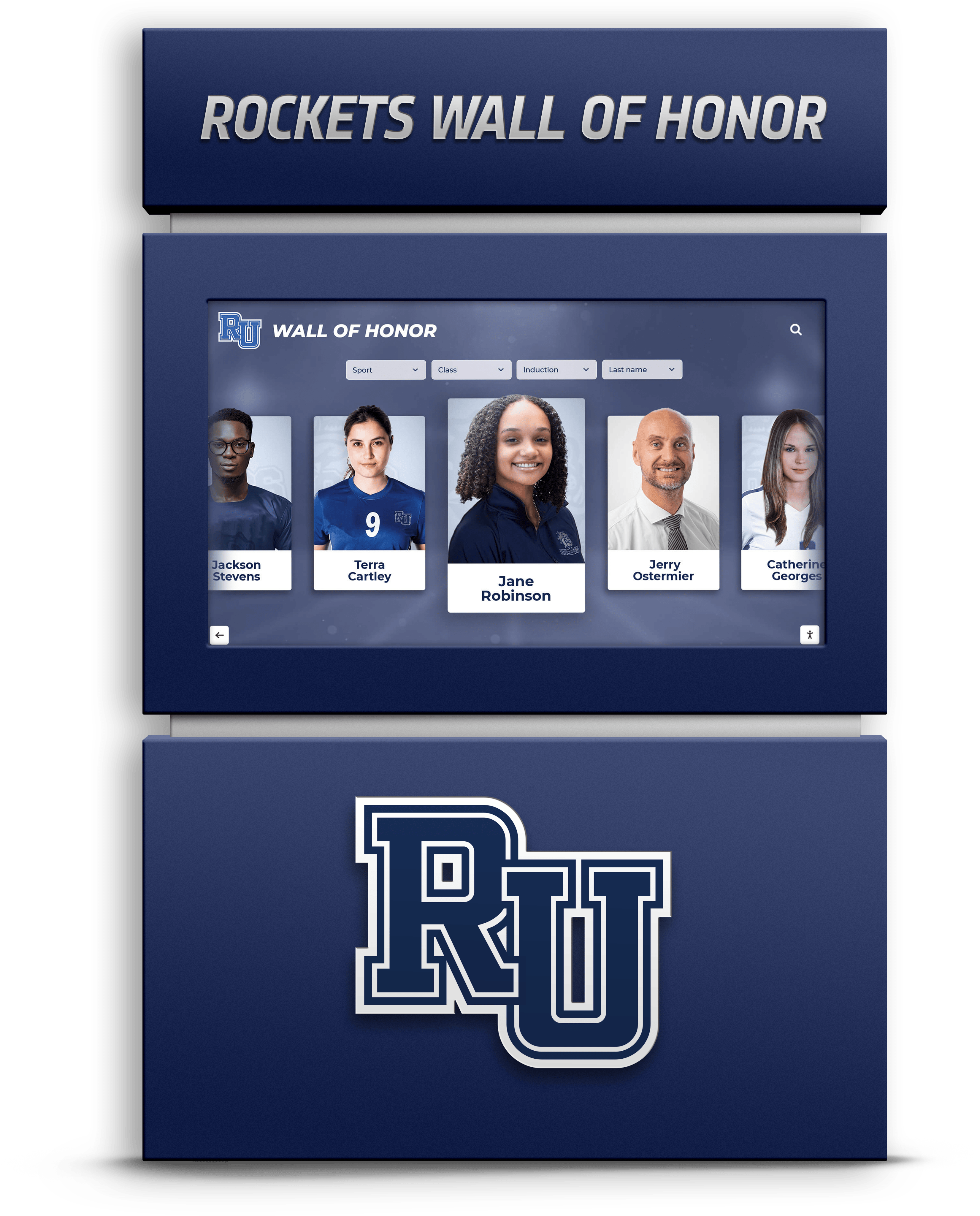
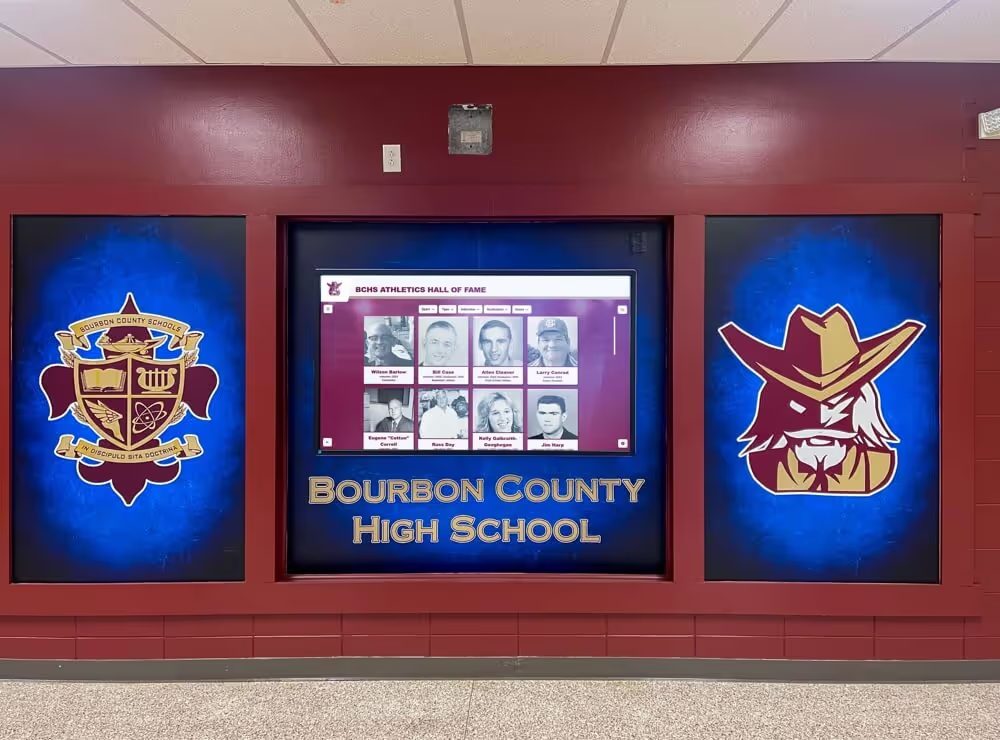
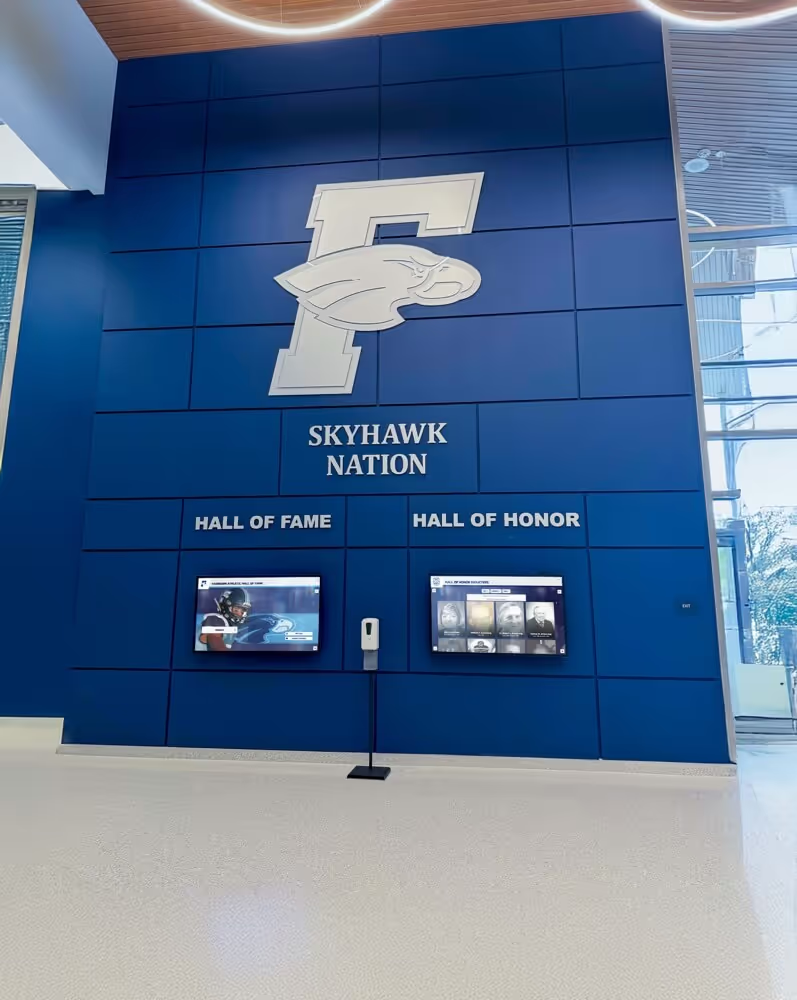
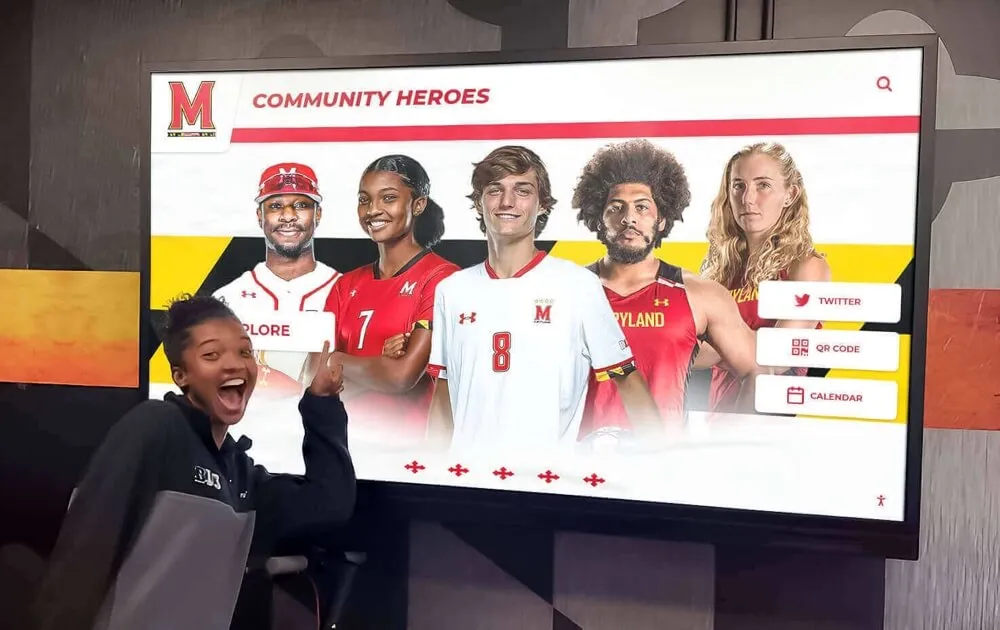
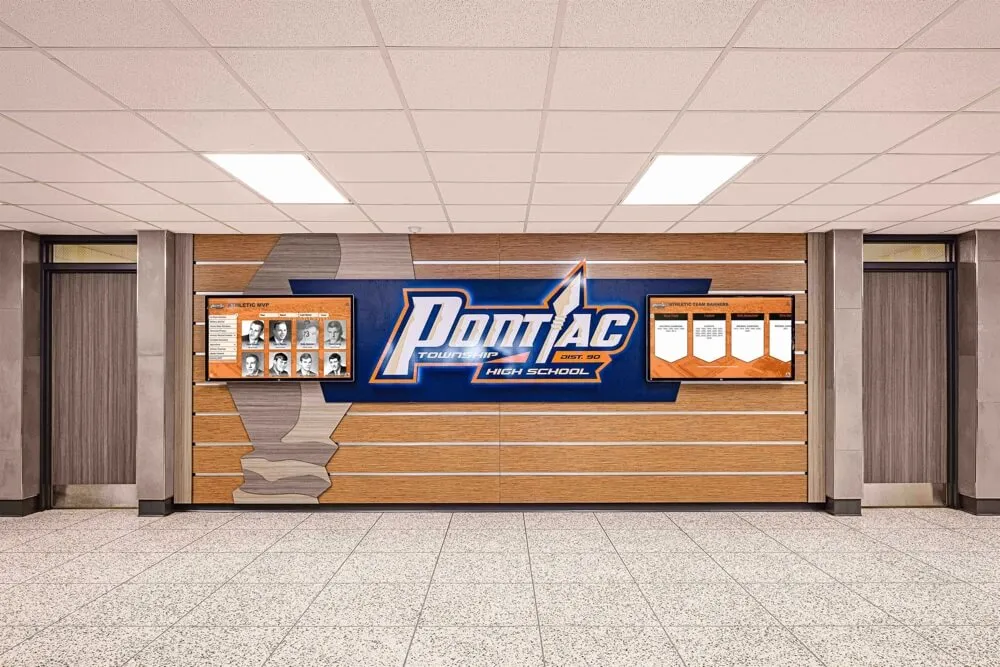
Digital captain walls with portrait-based interfaces create immediate visual engagement—visitors see faces and names together, building the personal connection that makes recognition meaningful
The Long-Term Value: Alumni Connection and Program Culture
Team captain walls do more than honor past athletes. Over years of consistent maintenance, they become reference points for program culture and bridges between generations.
An alumnus who captained a team in 2009 has a meaningfully different relationship with a program that still displays their name than with one that doesn’t. That connection—seeing their contribution preserved more than a decade later—is what generates the alumni engagement that leads to volunteer coaching, booster support, and sustained advocacy for programs they once led.
Student mentorship through alumni recognition creates this two-way relationship: the school honors past leaders, and those past leaders invest back in the program because they feel genuinely recognized rather than forgotten.
Current athletes benefit differently. Walking past a captain wall that stretches back ten or fifteen years communicates something about program identity that no speech can achieve. This program has always valued leadership. These are the athletes who embodied it in every era. You are part of that lineage now.
That sense of continuity is the foundation of championship culture—not the trophies themselves, but the shared understanding of what the program stands for and has always stood for.
Connection to Broader Recognition Systems
A team captain wall works best when it connects to a broader recognition ecosystem rather than existing in isolation. Schools building comprehensive athletic recognition programs often pair captain walls with:
- Hall of fame displays that recognize career achievement across all contributions
- Record boards that track statistical excellence by sport
- Championship banner systems that celebrate team titles
- Academic recognition that honors student-athlete dual excellence
Preserving athletic history through digital archiving allows programs to build captain wall records even for historical years where documentation was incomplete—digitizing old yearbooks, scrapbooks, and photo archives to create the comprehensive historical record that makes a multi-decade captain wall possible.
Sports awards recognition programs across different sports each carry their own recognition traditions that a well-designed captain wall can complement—honoring leadership specifically while other systems handle statistical achievement and team honors.
Frequently Asked Questions
How often should a team captain wall be updated?
Immediately after each season for the relevant sport. For multi-sport programs, that means several updates across the school year. Building a fixed process—ordering plaques or entering digital records within a week of each sport’s final game—prevents backlogs that cause walls to fall out of date.
Should co-captains both appear on the wall?
Yes. If a team had multiple captains in a season, all of them belong on the wall. Label entries “Co-Captain” if the format supports it; otherwise list all names for that season alongside the sport and year.
What if our program doesn’t formally use the title “captain”?
Some programs use “team leader,” “player representative,” or “program ambassador.” The captain wall concept applies equally—use whatever title the program uses and maintain consistency across years.
How much wall space does a physical captain wall require?
It depends on program size. A small program adding eight to twelve captains per year needs roughly one square foot of wall per year with compact plaques. A large program with fifteen-plus sports and thirty or more captains per year benefits significantly from a digital solution to avoid space exhaustion within a decade.
Can a digital captain wall be part of a larger recognition system?
Yes, and that integration usually makes the most sense. Rocket Alumni Solutions’ unlimited screens platform allows schools to house captain walls as dedicated sections within a comprehensive recognition platform that also includes career records, championship history, and academic achievement recognition—creating a complete picture of program excellence accessible through a single interface.
How does a captain wall support recruiting?
Prospective athletes on facility visits encounter the wall and immediately understand something about program culture: leadership is formally recognized here, not just assumed. The depth of the history communicates longevity and stability. Current captains can point recruits to the wall and say honestly that this is where they will appear if they lead.
Building a Captain Wall That Earns Its Place
A team captain wall doesn’t require a large budget, a facility renovation, or a dedicated staff position. It requires a clear purpose, a consistent format, a reliable annual process, and a location that ensures recognition gets seen.
What distinguishes programs that do this well from those that let it stagnate is commitment to the ongoing process—not the initial installation. The wall only works if it grows. Captains from twelve years ago matter more on a wall that also includes captains from last season. A display that stops updating becomes historical artifact; a display that keeps growing becomes a living record of program character.
Rocket Alumni Solutions builds the digital infrastructure that makes persistent, scalable captain recognition practical for athletic programs of any size—interactive touchscreen displays, searchable captain profiles, QR mobile access, and remote content management that keep recognition current, visible, and meaningful across every season and every graduating class.