Being named team captain represents one of the highest honors athletic programs bestow—recognition that coaches, teammates, and sometimes entire athletic communities trust you to lead. Whether elected by peers or selected by coaches, captaincy validates your character, commitment, work ethic, and influence. Yet this honor often arrives with an unexpected challenge: the captain’s acceptance speech.
Standing before teammates, coaches, families, and supporters expecting leadership words can feel overwhelming. What should you say that feels authentic rather than clichéd? How do you balance humility with confidence, gratitude with vision? What message sets the right tone for your leadership tenure while honoring this recognition? Many newly appointed captains struggle to articulate what this honor means and what leadership they’ll provide.
These speech challenges intensify because captain addresses serve multiple purposes beyond polite thank-yous. Effective captain speeches establish leadership tone, communicate values and priorities, build team unity and shared purpose, earn continued teammate trust, and create memorable moments that define team culture throughout seasons.
This comprehensive guide explores team captain speech ideas for every situation—acceptance speeches when first honored, season-opening addresses setting team tone, halftime motivation during competitions, and team meeting communication throughout seasons. You’ll discover speech frameworks providing structure, specific language examples demonstrating authentic expression, tips for delivery that maximizes impact, and strategies for developing your unique captain voice that feels genuine to your personality and leadership style.

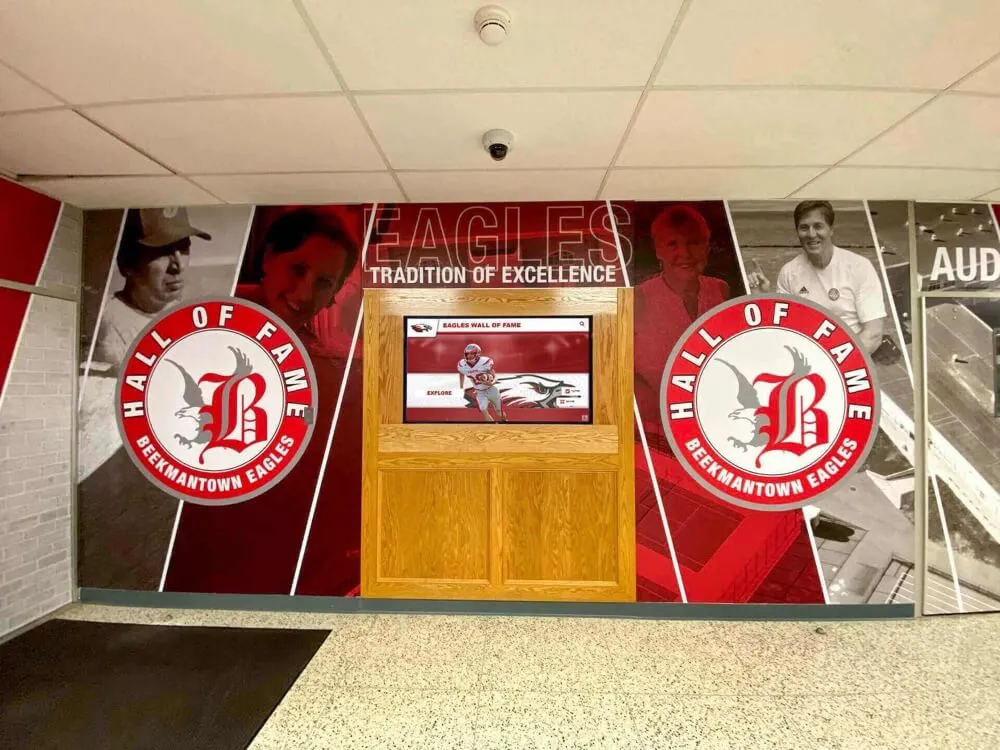
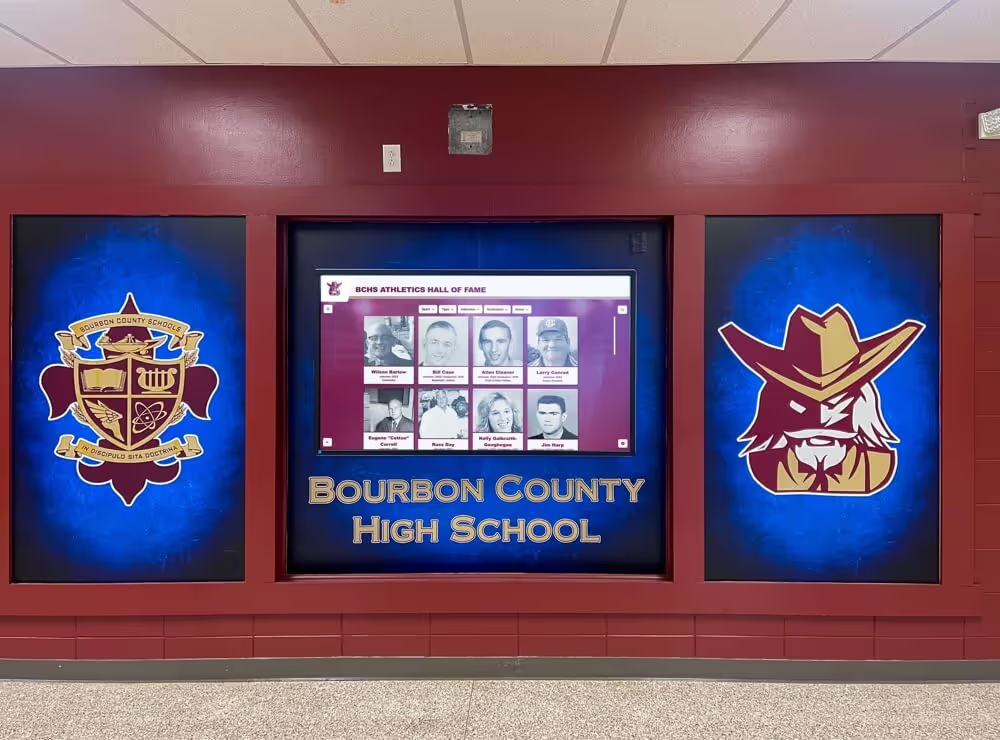
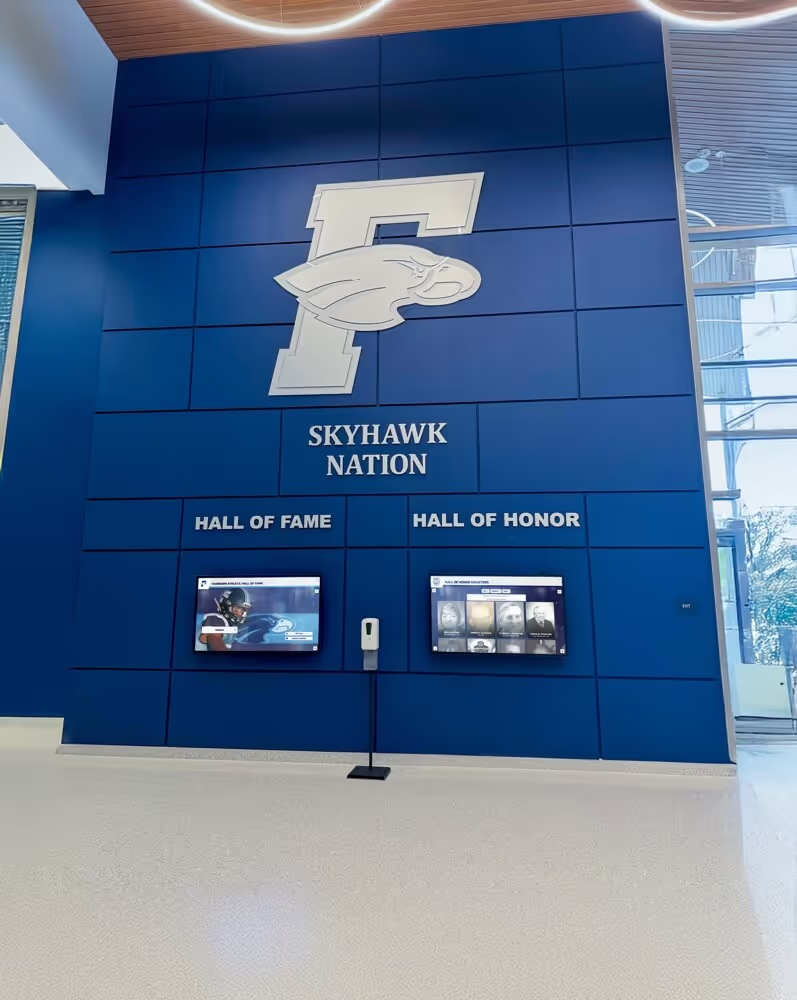
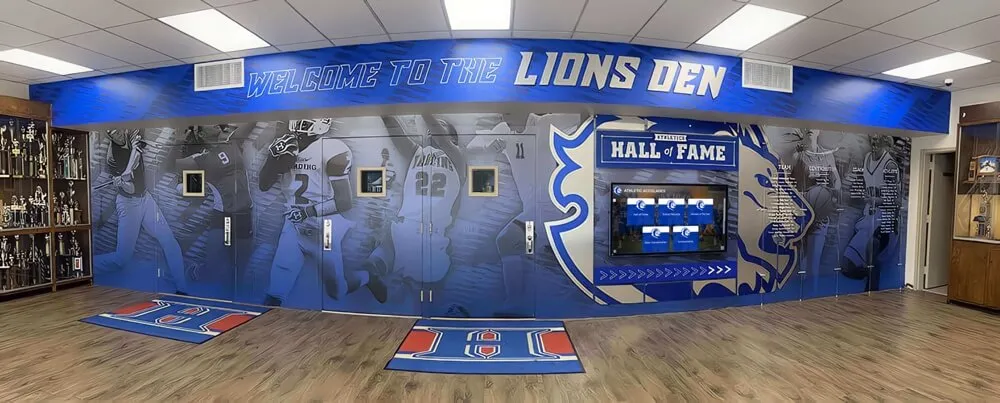
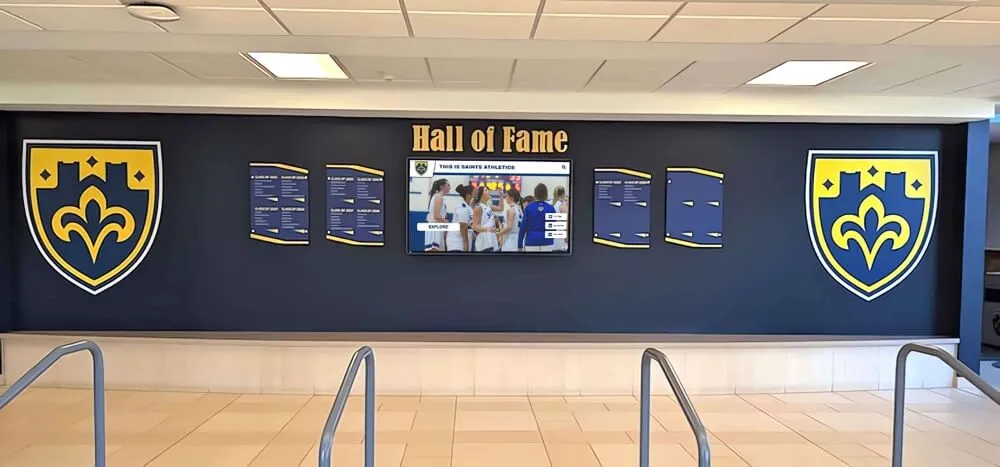
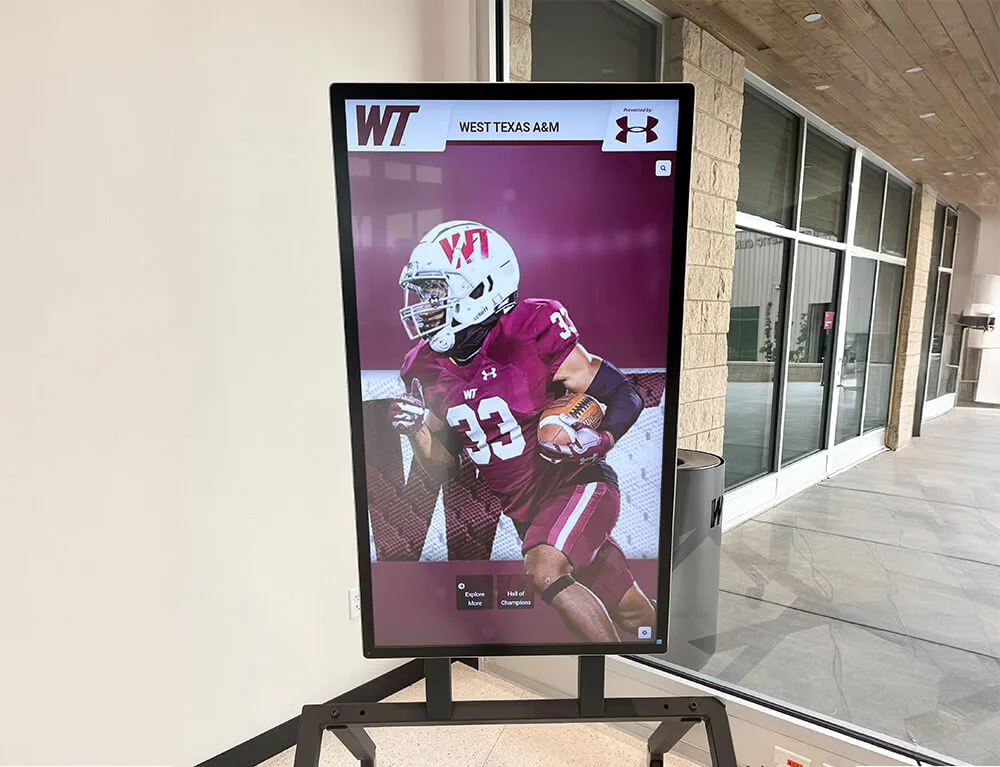
Captain recognition displays honor leadership tradition while inspiring current team leaders to uphold standards of excellence established by distinguished predecessors
Understanding the Captain’s Communication Role
Before exploring specific speech examples, understanding why captain communication matters helps you develop messages that serve intended purposes.
Why Captain Speeches Matter Beyond Words
Captain addresses accomplish objectives that extend beyond information delivery.
Establishing Leadership Tone and Identity
Your first speeches as captain establish how you’ll lead—through inspiration, accountability, example, strategy, or emotional connection. Teammates observe your communication style, content priorities, and delivery approach, forming expectations about your captaincy. A captain emphasizing effort and unity signals different leadership than one focusing primarily on competitive achievement or individual excellence.
This tone-setting function means early captain speeches deserve thoughtful preparation. First impressions of your leadership persist throughout seasons, influencing how teammates receive future communication and whether they genuinely accept your leadership authority beyond the title.
Building Trust and Credibility
Effective captain communication builds trust that you understand team needs, share teammates’ values and goals, will represent their interests to coaches and administration, and possess wisdom worthy of leadership position. Speeches demonstrating self-awareness, genuine care for teammates, and clear vision earn credibility that makes future leadership more effective.
Conversely, speeches perceived as self-congratulatory, generic, or disconnected from team reality undermine captain authority. Teammates follow captains they trust to guide them effectively, not those who merely enjoy leadership recognition without demonstrating leadership substance.
Creating Shared Team Identity and Purpose
Captain speeches provide opportunities to articulate collective identity—what your team represents, values it upholds, goals it pursues, and standards it maintains. This identity-building function proves particularly important at season beginnings when teams establish culture or when addressing adversity threatening team cohesion.
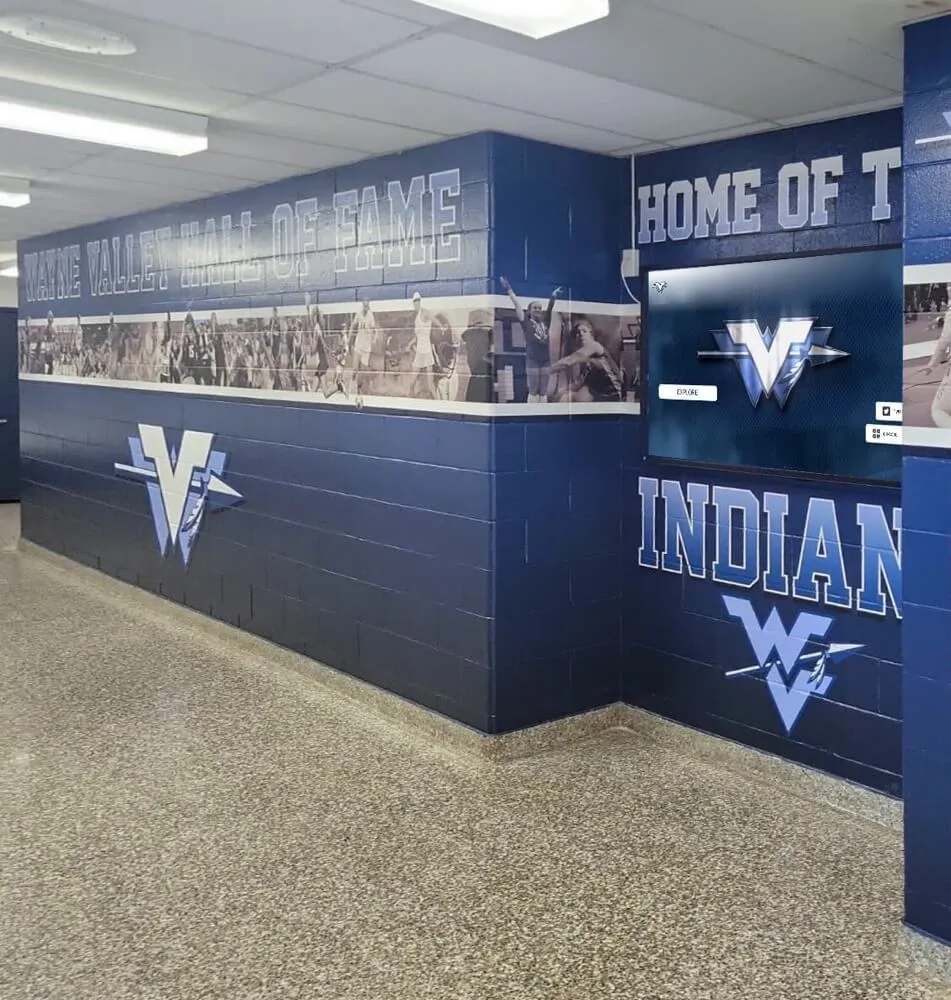
Programs implementing comprehensive recognition systems preserve captain leadership legacies, allowing current captains to understand how distinguished predecessors communicated and built team culture, providing models for effective captain communication.
Different Speech Types and Their Purposes
Captains deliver multiple speech types throughout seasons, each serving distinct purposes requiring different approaches.
Acceptance Speeches
Delivered immediately after selection or during formal recognition ceremonies, acceptance speeches acknowledge the honor while establishing initial leadership tone. These addresses balance gratitude with forward-looking vision, personal humility with leadership confidence, and acknowledgment of responsibility with excitement about opportunity.
Acceptance speeches typically last 2-4 minutes and reach audiences including teammates, coaches, families, and sometimes broader school communities. The goal isn’t comprehensive leadership vision but rather gracious acknowledgment while previewing leadership approach.
Season-Opening Addresses
At first team meetings or practices, captain season-opening addresses set tone for upcoming campaigns. These speeches establish team goals and standards, communicate captain priorities and expectations, build excitement and commitment, and create unity around shared purposes.
Season openers typically run 5-7 minutes and address teammates exclusively, creating intimate team moments. Effective openers balance inspiration with practical focus, excitement with seriousness, and individual accountability with collective commitment.
In-Competition Communication
During practices and competitions, captains deliver shorter motivational messages—pregame speeches, halftime addresses, timeout huddles, or post-game reflections. These situational communications require adaptability to circumstances, brevity due to time constraints, emotional resonance connecting to competition intensity, and actionable focus driving immediate performance.
Competitive communication effectiveness depends less on eloquent language than authentic passion, situational awareness, and ability to identify what teammates need hearing in specific moments.

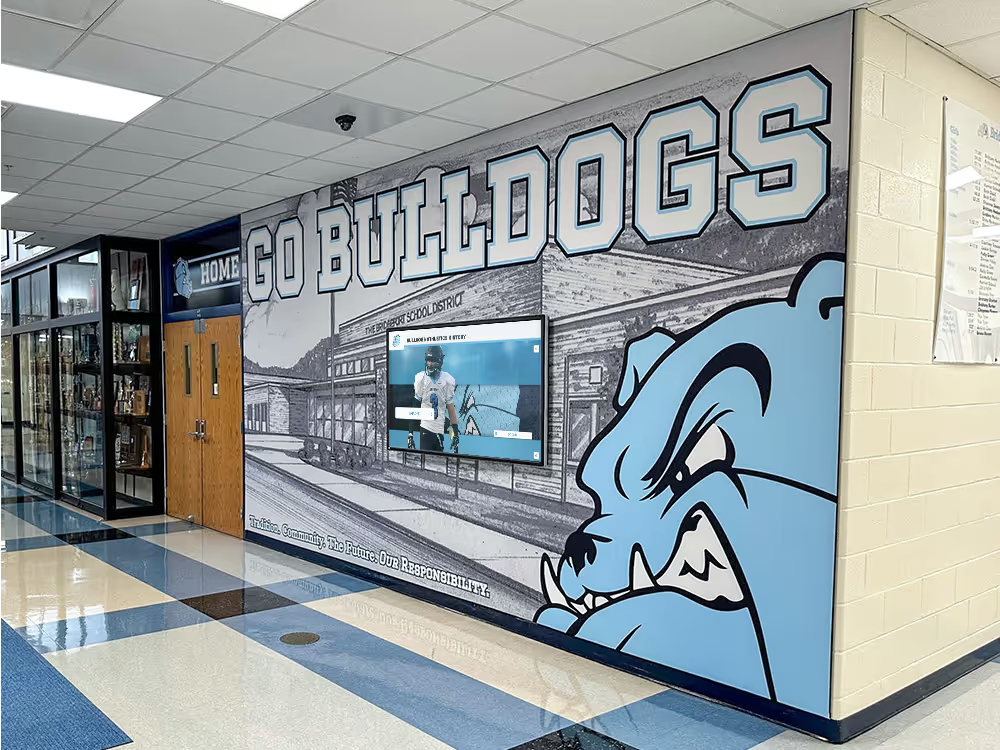
Modern recognition systems enable exploration of [captain leadership histories](https://digital-trophy-case.com/blog/sports-banquet-ideas-how-to-plan-unforgettable-team-celebration/?utm_source=organic&utm_medium=seo-auto&utm_content=digitalwarming&utm_campaign=team-captain-speech&utm_term=seo) connecting current leaders to program traditions
Team Meeting Leadership
Throughout seasons, captains address teammates during meetings about team issues, performance concerns, cultural challenges, or program direction. These addresses require diplomatic communication acknowledging problems without destroying morale, accountability messaging that motivates rather than demoralizes, constructive criticism balanced with positive reinforcement, and conflict resolution promoting unity over division.
Meeting communication proves most challenging because it addresses difficult topics without the emotional safety valve competition provides. Captains must deliver hard truths while maintaining team cohesion and forward momentum.
Acceptance Speech Frameworks and Examples
Acceptance speeches follow similar structures regardless of specific circumstances or sport.
The Classic Gratitude-Humility-Vision Framework
This time-tested structure provides clear organization while hitting essential acceptance speech elements.
Opening: Express Genuine Gratitude
Begin by acknowledging the honor and expressing authentic appreciation:
“I’m deeply honored to serve as your captain this season. This recognition means more to me than I can express—not just because of the title, but because of the trust it represents. To my coaches, thank you for believing I can lead this team. To my teammates, thank you for placing confidence in me. And to everyone who supported our program, thank you for creating an environment where leadership and character matter as much as competition results.”
Effective gratitude expressions name specific groups (coaches, teammates, families, program supporters) demonstrating awareness that leadership emerges from supportive communities, not individual achievement alone. Avoid generic “I’m honored” without explaining what specifically resonates about the recognition.
Middle: Acknowledge Humility and Responsibility
Transition to recognizing both the magnitude of responsibility and your awareness of those who came before:
“Being named captain connects me to a proud tradition. I’ve watched previous captains lead with integrity, passion, and selflessness. They set standards I aspire to match. I don’t claim I’ll be a perfect leader—I’m still learning and growing like everyone else. But I promise to honor this responsibility by leading with the same dedication I bring to every practice and competition. I’ll represent our team values, support every teammate, and work tirelessly to help us achieve our collective goals.”
Humility statements demonstrate self-awareness and respect for position significance. Acknowledging previous captains shows you understand leadership continuity and program tradition. Promising specific leadership behaviors provides substance beyond generic “I’ll do my best” commitments.
Closing: Cast Vision and Call to Action
Conclude by looking forward with optimism and shared purpose:
“This season presents incredible opportunities. We have talent, experience, and most importantly, character. But potential means nothing without commitment. My role as captain is to help us translate individual ability into collective achievement. I need every person in this room—starters and role players, veterans and newcomers—fully invested in our success. When we leave here today, we begin something special together. Let’s make this a season we’ll remember with pride for years to come. Thank you again for this honor. Now let’s get to work.”
Vision statements articulate possibility while maintaining realism. Collective language (“we,” “our,” “us”) reinforces shared endeavor over individual leadership. Ending with forward-looking momentum prevents speeches from dwelling entirely on past recognition rather than future opportunity.
The Story-Based Personal Connection Approach
Some captains prefer opening with personal narratives that create emotional connection before addressing leadership.
Opening: Share Your Journey
“When I first joined this program as a nervous freshman, I never imagined standing here as captain. I remember my first practice—overwhelmed by pace, intimidated by upperclassmen, questioning whether I belonged. What got me through was teammates who welcomed me, coaches who believed in me, and gradually discovering I could contribute not just through talent but through work ethic, positive attitude, and commitment to team success over personal recognition.”
Personal stories humanize captains, reminding teammates that leaders experience the same doubts, challenges, and growth everyone faces. Vulnerability creates connection more effectively than presenting yourself as having always been leadership material.
Middle: Connect Personal Growth to Leadership Philosophy
“That journey taught me that teams succeed when everyone feels valued and supported. The teammates who helped me belong didn’t just make me a better player—they showed me what real leadership looks like. It’s not about being the most talented or vocal. It’s about making others better, creating environment where everyone can succeed, and putting team before self. That’s the captain I want to be—not perfect, but committed to serving this team the way others served me when I needed it most.”
Connecting personal experience to leadership approach provides authentic foundation for your captain philosophy. This demonstrates that your leadership style emerges from genuine conviction based on lived experience, not generic leadership platitudes.
Closing: Invite Teammates Into Shared Story
“Our season is a story we’ll write together. It won’t always go smoothly—we’ll face adversity, disappointment, and challenges. But how we respond to those moments will define us more than talent ever could. I’m honored to help write this chapter with each of you. Let’s create something memorable.”
Narrative framing positions the season as collective storytelling where everyone contributes to outcomes. This inclusive approach reinforces that captaincy doesn’t separate you above teammates but rather positions you to facilitate collective achievement.

Integrated recognition throughout facilities celebrates [captain leadership](https://toucharchives.org/blog/academic-recognition-programs-guide/?utm_source=organic&utm_medium=seo-auto&utm_content=digitalwarming&utm_campaign=team-captain-speech&utm_term=seo) alongside team achievements creating comprehensive athletic culture
The Challenge-Focused Forward-Looking Model
Some situations call for captains to immediately address known challenges or establish ambitious goals requiring bold vision.
Opening: Acknowledge Current Reality
“I’m honored to captain this team, and I want to be direct about what we face. Last season didn’t end how we hoped. We’ve lost key contributors to graduation. People outside this room doubt us. But those circumstances don’t define what we can accomplish—our response does. I accepted this captaincy because I believe in every person here and our potential to exceed expectations everyone’s placing on us.”
Acknowledging difficult realities demonstrates you’re not naive about challenges ahead. This honesty builds credibility while framing adversity as motivation rather than excuse for accepting limitations.
Middle: Articulate Path Forward
“Excellence isn’t given—it’s built through daily choices. Starting today, we choose to be exceptional in our effort, our attitude, and our commitment to each other. We’ll outwork everyone who doubts us. We’ll support teammates when they struggle. We’ll hold each other accountable to standards others might consider unrealistic. As your captain, I’ll demand excellence starting with myself. But I can’t do this alone. I need every teammate making the same commitment.”
Challenge-focused speeches work best when they provide specific behaviors and standards rather than just inspirational language without substance. Describing what excellence looks like in practical terms helps teammates understand concrete expectations.
Closing: Express Confidence Despite Challenges
“This season won’t be easy. Nothing worth achieving ever is. But when we look back years from now, I believe we’ll be proud of what we accomplished together. We have everything we need right here. Now let’s prove it.”
Confident endings balanced with realistic acknowledgment of difficulty strike appropriate tones. Avoiding both false bravado (“We’ll destroy everyone!”) and excessive caution (“Let’s hope for the best”) demonstrates mature leadership understanding that success requires both confidence and hard work.
Season-Opening Address Ideas
Season-opening captain speeches differ from acceptance addresses by focusing more on team culture, goals, and standards than personal leadership acknowledgment.
The Culture-Building Approach
Captains often use season openers to establish or reinforce team culture and values.
Define What Your Team Represents
“Before we talk about wins, championships, or statistics, let’s establish who we are as a team. I want us known for three things: relentless work ethic, unwavering support for each other, and competing with integrity that makes our families and school proud. Those values matter more than results. When we’re old and can’t remember specific scores, we’ll remember how we treated teammates and represented this program. Let’s build something we’ll be proud of decades from now.”
Culture-defining speeches articulate principles transcending competitive outcomes. This establishes that captain leadership emphasizes character and process over exclusively results-focused orientation. Values-based culture attracts and retains athletes who might otherwise feel sports participation is solely about winning.
Explain What Culture Means Practically
“Talking about culture is easy—living it is hard. Relentless work ethic means maximum effort in every drill, every practice, every competition regardless of score or circumstances. Supporting each other means celebrating teammates’ successes without jealousy, helping struggling teammates without judgment, and putting team success before personal recognition. Integrity means respecting opponents and officials, following rules even when no one watches, and competing with class in victory and defeat. Those aren’t just words—they’re commitments we make to each other today.”
General value statements need practical translation into observable behaviors. Describing what principles look like in daily practice helps teammates understand abstract concepts through concrete examples they can implement immediately.
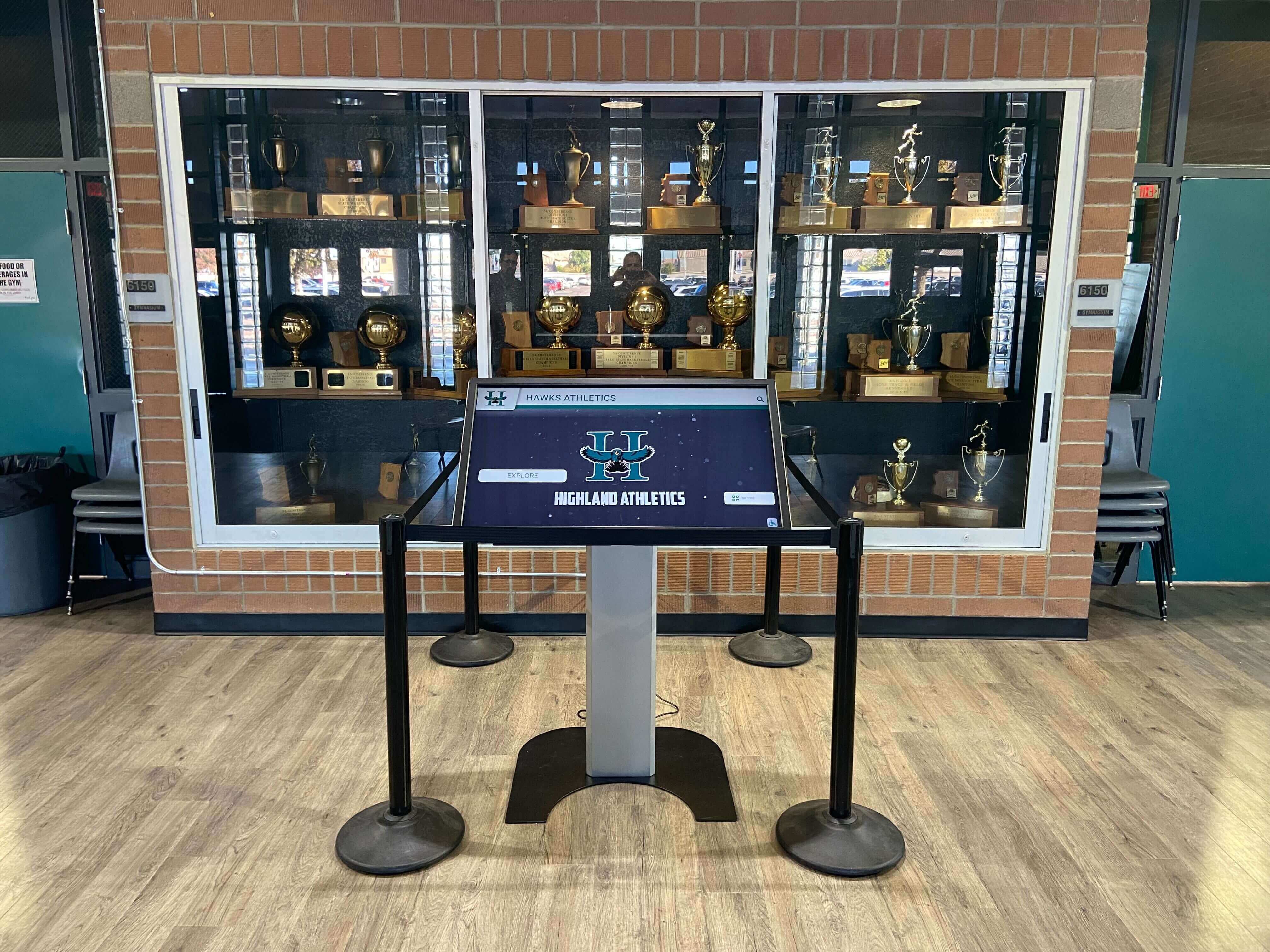
Modern recognition systems celebrate [team captain traditions](https://digitalyearbook.org/blog/athletic-hall-of-fame-complete-guide-school-admin/?utm_source=organic&utm_medium=seo-auto&utm_content=digitalwarming&utm_campaign=team-captain-speech&utm_term=seo) alongside competitive achievements creating comprehensive program history
The Goal-Oriented Vision Casting
Some captains prefer season openers focused on establishing clear team goals and competitive ambitions.
Present Specific Team Goals
“This season, we have three goals: win our conference championship, qualify for state playoffs, and improve our defensive rating to top three in the league. These aren’t unrealistic—we have talent and experience to achieve them. But wanting isn’t enough. We must work specifically toward these outcomes every single day. That means film study, extra conditioning, and attention to details that separate good teams from championship teams.”
Specific measurable goals provide clear targets focusing team effort. Explaining why goals are achievable prevents perception that you’re setting unrealistic expectations disconnected from team capabilities. Connecting goals to required work prevents magical thinking that desire alone produces results.
Address Individual Roles in Collective Success
“Achieving team goals requires every teammate fulfilling their role with excellence. Starters, we need consistent high-level performance. Role players, we need you ready when opportunities come. Practice squad, we need you pushing starters daily. Everyone matters. Championships aren’t won by five stars—they’re won by twelve, fifteen, twenty committed teammates each doing their part. Embracing your role isn’t settling for less—it’s recognizing that team success requires diverse contributions all working together.”
Role acknowledgment prevents perception that only starters matter to team success. Helping every athlete understand how their specific contribution enables collective achievement builds inclusive culture where everyone feels valued regardless of playing time or publicity.
The Adversity-Anticipating Preparation Speech
Experienced captains often use season openers to prepare teams mentally for inevitable challenges ahead.
Acknowledge That Adversity Will Come
“Here’s a guarantee: this season will include disappointment, frustration, conflict, injuries, losses, and moments when we question ourselves. I’m not being negative—I’m being realistic. No season goes perfectly. The question isn’t whether we’ll face adversity but how we’ll respond when it arrives. Teams that fracture during challenges are forgotten. Teams that unite through adversity become legendary. Which kind of team will we be?”
Adversity preparation prevents surprise when difficulties emerge. Teams that expect smooth journeys often crumble when first challenges appear because they interpret problems as failures rather than normal experiences requiring navigation. Acknowledging inevitable difficulties normalizes them while positioning the team to maintain resilience.
Establish Adversity Response Standards
“When adversity hits, we won’t point fingers, we won’t quit, and we won’t make excuses. Instead, we’ll support struggling teammates, we’ll problem-solve together, and we’ll focus on controlling what we can control. Adversity reveals character—it doesn’t build it. Starting now, we’re building character that will carry us through whatever challenges this season brings. That’s the foundation for sustainable success.”
Defining adversity response standards in advance creates behavioral commitments teams can reference when actually facing difficulties. Rather than making reactive emotional decisions during crises, teams with pre-established standards maintain consistency guided by values articulated during calmer moments.
In-Competition and Motivational Speech Ideas
Captain communication during competitions requires different skills than planned speeches at ceremonies or season openings.
Pregame Motivation Approaches
Pregame captain addresses set immediate tone and mental preparation for upcoming competition.
Focus-Building Simplicity
“Everyone knows the game plan. You’ve prepared all week. Now it’s time to execute. Focus on your assignment, trust your teammates, and play with passion. Let’s have fun, compete hard, and show them who we are. Team on three—1, 2, 3, TEAM!”
Brief pregame messages work better than lengthy speeches. Athletes already experience pregame nerves and tactical information—they need emotional centering and unity reinforcement, not additional complexity. Simple messages emphasizing preparation, trust, and collective identity provide psychological foundation for performance.
Emotional Connection to Bigger Purpose
“This game matters beyond the scoreboard. We represent every teammate who wore this uniform before us, every coach who invested in our development, every family member who supported our journey, and every young athlete watching us as role models. Let’s honor everyone who believes in us by competing with maximum effort and class. Make them proud.”
Connecting competition to broader meaning beyond wins elevates significance while providing motivation transcending just competitive outcomes. Athletes often perform better when viewing competition as service to communities rather than merely personal achievement.
Underdog Mindset Activation
“They think they’re better than us. They expect to win. That’s perfect—expectations create pressure. We have nothing to lose and everything to gain. Let’s shock them. Let’s play free, aggressive, and fearless. Embrace being underdogs and prove everyone wrong. This is our moment.”
Underdog framing can liberate teams from pressure while creating chip-on-shoulder motivation. This approach works best when teams actually face favored opponents or genuinely occupy underdog positions. Attempting underdog motivation when clearly favored often backfires by appearing manufactured.
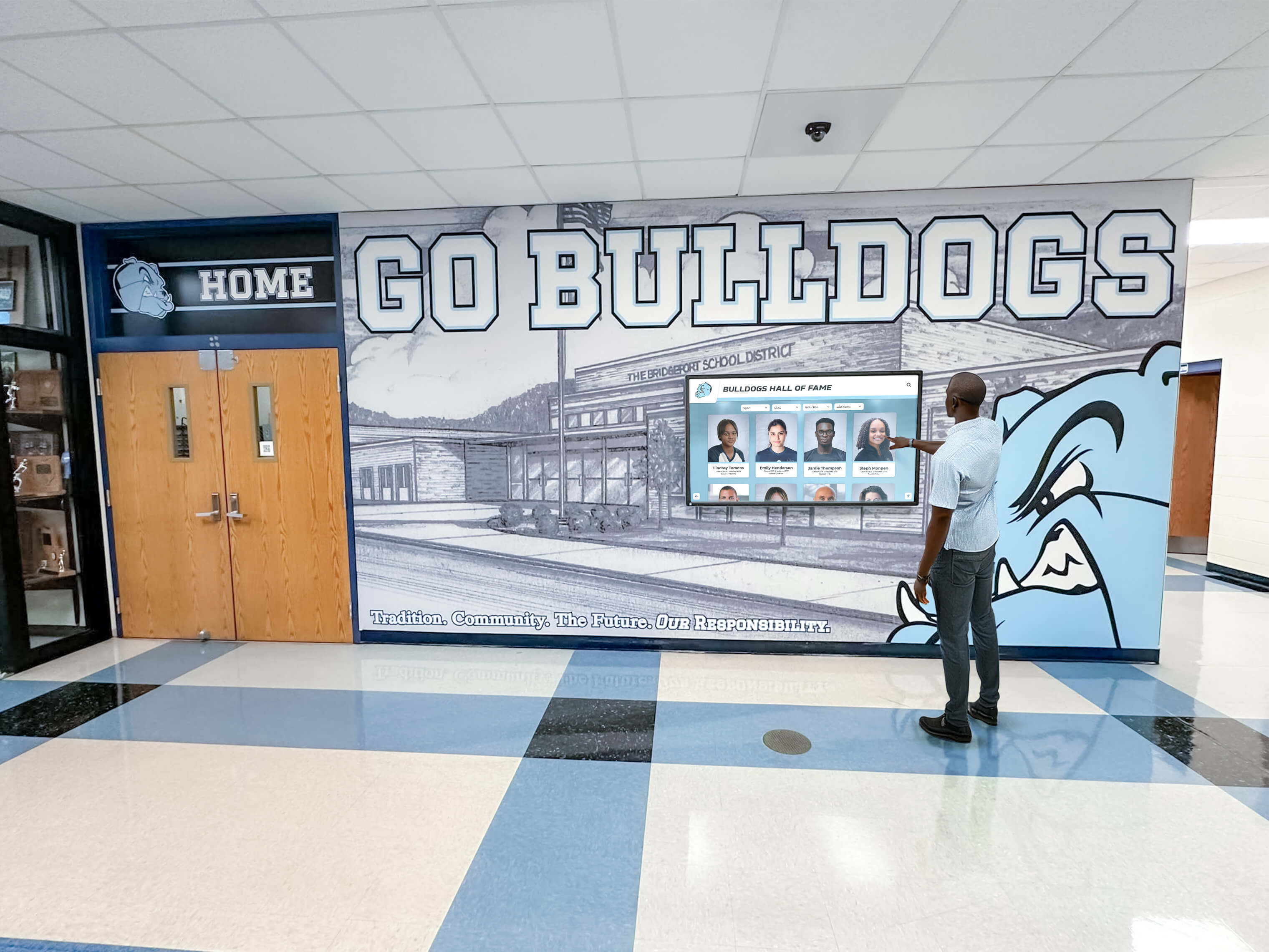
Interactive displays enable discovery of [captain leadership legacies](https://best-touchscreen.com/blog/senior-night-ideas-unforgettable-athlete-celebration/?utm_source=organic&utm_medium=seo-auto&utm_content=digitalwarming&utm_campaign=team-captain-speech&utm_term=seo) inspiring current team leaders
Halftime Adjustment Communication
Halftime presents unique communication challenges requiring response to current competition dynamics.
Addressing Deficit Situations
“We’re down, but this game is far from over. They’re celebrating like they’ve won—they haven’t. This is where we show our character. Second half belongs to whoever wants it more. I know we want it. Stick to our game plan, elevate our intensity, and go take what’s ours. We can win this. Let’s go prove it.”
Halftime deficit speeches must balance honest acknowledgment of current situation with confidence that outcomes remain undecided. Avoiding both panic (“We’re in trouble”) and false optimism (“Everything’s fine”) demonstrates mature leadership acknowledging reality while maintaining competitive mentality.
Managing Overconfidence When Leading
“Great first half, but nothing’s won yet. They’re going to come out desperate in the second half. We cannot relax or celebrate prematurely. Let’s match their intensity, stay focused on our execution, and finish what we started. Comfortable teams lose leads. Hungry teams protect them. Stay hungry.”
Leading at halftime creates dangerous psychological comfort. Captain communication must counteract natural human tendency to relax when ahead by emphasizing continued urgency and warning against assuming victory before competition concludes.
Navigating Tight Competition
“This game will be decided by details—effort plays, smart decisions, mental toughness. Every possession matters. Every defensive stand counts. This is where preparation meets opportunity. Trust your training, support each other, and embrace this battle. Close games are won by teams that refuse to blink. We don’t blink. Let’s go finish this.”
Competitive halftime situations benefit from emphasizing importance of small margins and mental toughness over dramatic emotional appeals. Athletes in tight competitions need confidence in their preparation and reminders that execution matters more than inspiration when games hang in balance.
Post-Game Communication
Post-game captain remarks require reading room and responding to outcome emotions appropriately.
After Victories
“Great win today! You earned it through your preparation and effort. Enjoy this tonight—you should be proud. But tomorrow we get back to work. This season is far from over, and sustained success requires consistent excellence. Celebrate tonight, then recommit tomorrow. Well done, team.”
Post-victory speeches balance warranted celebration with perspective preventing complacency. Acknowledging effort behind success validates that wins aren’t lucky accidents while forward-looking reminders prevent single-game satisfaction from undermining season-long focus.
After Losses
“This loss hurts—I feel it too. We’re disappointed and frustrated. That’s normal and acceptable. But we don’t quit, we don’t fracture, and we don’t carry negativity into tomorrow. We’ll learn from this loss, correct our mistakes, and come back stronger. Adversity either breaks teams or bonds them. I know what kind of team we are. Heads up—we’ve got work ahead.”
Post-loss communication must acknowledge pain while preventing spiraling into destructive negativity or blame. Permitting appropriate disappointment while establishing timeline for moving forward (tonight to grieve, tomorrow to work) prevents both toxic positivity (“It’s fine, don’t worry”) and wallowing in defeat.
After Poor Effort Regardless of Outcome
“That performance was unacceptable. We didn’t compete with the effort and focus this team demands. Whether we won or lost, we failed to meet our standards. We need to address why this happened and ensure it never repeats. We owe each other better than what we showed today. We’ll discuss this more tomorrow.”
Sometimes captains must deliver difficult accountability messages when team performance falls short of standards regardless of scoreboard results. These speeches require direct honesty balanced with avoiding destructive team destruction. Establishing that standard violations require correction while promising constructive problem-solving prevents pure negativity without accountability.
Building Your Authentic Captain Voice
Reading speech examples helps, but effective captain communication requires developing your genuine leadership voice.
Know Your Leadership Style
Different captains lead effectively through different approaches—none inherently superior to others.
The Vocal Emotional Leader
Some captains lead through passionate speeches, visible intensity, and emotional inspiration. If you naturally express feelings openly and teammates respond to your energy, embrace vocal emotional leadership. Just ensure emotion serves genuine conviction rather than performing what you think leadership should look like.
The Lead-by-Example Quiet Captain
Other captains lead primarily through consistent exceptional work ethic, reliable performance, and actions demonstrating standards without extensive verbal communication. Quiet leadership proves equally valid when your example sets clear benchmarks and teammates respect your consistency. Don’t force yourself into vocal leadership if it feels inauthentic to your personality.
The Strategic Communicator
Some captains excel at analytical communication—tactical discussions, strategic problem-solving, and intellectual approaches to competition and team dynamics. If you naturally think strategically and teammates value your insights, lean into this communication strength while ensuring you also address emotional and relational team needs beyond pure analysis.
The Relational Connector
Certain captains lead through building individual relationships, understanding diverse teammate personalities, and creating inclusive environments where everyone feels valued. Relationship-focused leadership builds strong team chemistry while requiring you to balance individual attention with team-wide leadership preventing perception of favoritism.

Recognition spaces celebrating [team leadership history](https://best-touchscreen.com/blog/football-banquet-ideas-planning-unforgettable-team-celebration/?utm_source=organic&utm_medium=seo-auto&utm_content=digitalwarming&utm_campaign=team-captain-speech&utm_term=seo) inspire current captains while building program pride
Develop Content That Resonates With Your Team
Generic leadership language often falls flat because it lacks specific relevance to your team’s unique context.
Reference Team-Specific Experiences
Connect speeches to shared experiences teammates recognize: memorable practices, inside jokes, previous competitions, or team traditions. These specific references create intimacy and authenticity impossible with generic speeches that could apply to any team anywhere.
“Remember that morning practice in the rain when we could have gone through the motions but instead brought maximum energy? That’s who we are when we’re at our best—choosing excellence regardless of circumstances. Let’s bring that mentality to every opportunity this season.”
Address Your Team’s Specific Challenges
Different teams face unique obstacles—rebuilding after losing key contributors, overcoming previous season disappointments, managing high expectations, or integrating new teammates into established cultures. Acknowledge these specific situations rather than delivering generic speeches ignoring your actual team context.
Honor Your Sport’s Unique Culture
Different sports have distinct cultures, values, and competitive dynamics. Football captain speeches emphasize different themes than cross country captain addresses. Team sport communication differs from individual sport leadership. Understanding your sport’s specific culture ensures communication resonates with teammate experiences and values.
Practice Delivery, Not Just Content
Even brilliant speech content falls flat with poor delivery, while mediocre content delivered authentically often succeeds.
Speak Conversationally, Not Performatively
Effective captain communication sounds like talking with teammates, not performing speeches at them. Avoid overly formal language or dramatic delivery that feels disconnected from how you normally communicate. Teammates respond better to authentic conversational tone than theatrical performance.
Make Eye Contact and Read the Room
During speeches, make eye contact with different teammates throughout rather than staring at notes or focusing on single individuals. Monitor teammate reactions—are they engaged, distracted, emotional, skeptical? Adjust delivery and pacing based on feedback you observe.
Keep Energy Appropriate to Message
Match vocal energy, pacing, and intensity to content. Inspirational calls to action warrant higher energy than thoughtful reflections. Serious accountability messages require different tone than celebration. Monotone delivery regardless of content undermines message impact.
Don’t Read Speeches Verbatim
Preparing speech notes or outlines helps organization, but reading word-for-word kills authenticity and connection. Know your main points and let specific wording flow naturally. Imperfect spontaneous communication feels more genuine than perfect recitation.
Common Captain Speech Mistakes to Avoid
Understanding frequent pitfalls helps you navigate them successfully.
Authenticity Failures
Being Someone You’re Not
Attempting to emulate captains with different personalities or leadership styles than yours creates inauthentic communication teammates detect immediately. Lead from your genuine strengths rather than performing what you think captaincy should look like.
Using Clichés Without Meaning
Sports leadership clichés (“Leave it all on the field,” “110% effort,” “One day at a time”) become meaningless through overuse. If you use common phrases, provide specific context explaining what they mean practically in your team’s situation. Better yet, find fresh authentic language expressing genuine thoughts rather than recycling tired expressions.
Overcomplicated Language
Speaking with vocabulary or complexity beyond how you normally communicate creates distance. Teammates don’t need SAT words—they need clear honest communication. Simpler language often carries more power than elaborate rhetoric.
Content Missteps
Making It About You
Captaincy honors your leadership qualities, but effective captain speeches focus on teammates and collective success more than personal recognition or achievement. Balance acknowledging the honor with emphasizing your commitment to serve team interests.
Setting Unrealistic Expectations
Promising outcomes you can’t guarantee (“We’ll win every game”) or claiming perfection you won’t deliver (“I’ll always make the right decision”) creates credibility problems when reality inevitably falls short. Set ambitious but achievable standards and acknowledge your own growth areas.
Ignoring Problems or Conflict
Pretending team challenges don’t exist or avoiding difficult topics prevents genuine leadership. Address known issues diplomatically while focusing on solutions. Acknowledge elephant-in-room situations everyone recognizes even if uncomfortable discussing.
Delivery Problems
Speaking Too Long
Most captain speeches should last 2-7 minutes depending on context. Longer addresses lose attention and dilute impact. Edit ruthlessly to essential messages rather than including every thought.
Poor Timing Selection
Reading situations incorrectly—delivering lengthy speeches when teammates need action, staying silent when communication is needed, or choosing inappropriate moments for serious discussions—undermines leadership effectiveness. Develop awareness of when teams need words versus when they need something else.
Inconsistency Between Words and Actions
Nothing destroys captain credibility faster than hypocrisy—demanding standards from teammates that you don’t meet yourself. Ensure your behavior consistently reflects principles you articulate. “Do as I say, not as I do” leadership fails immediately.
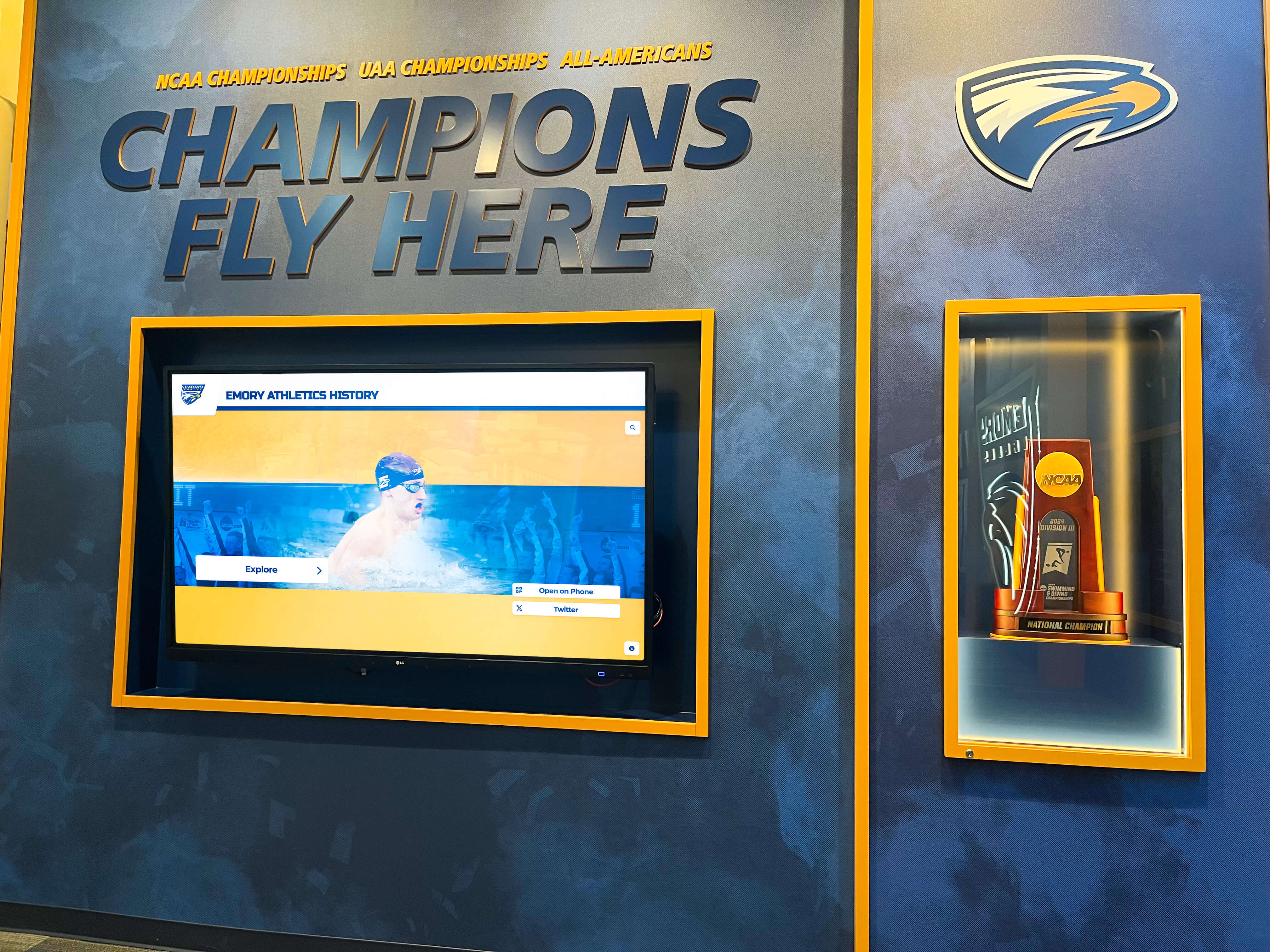
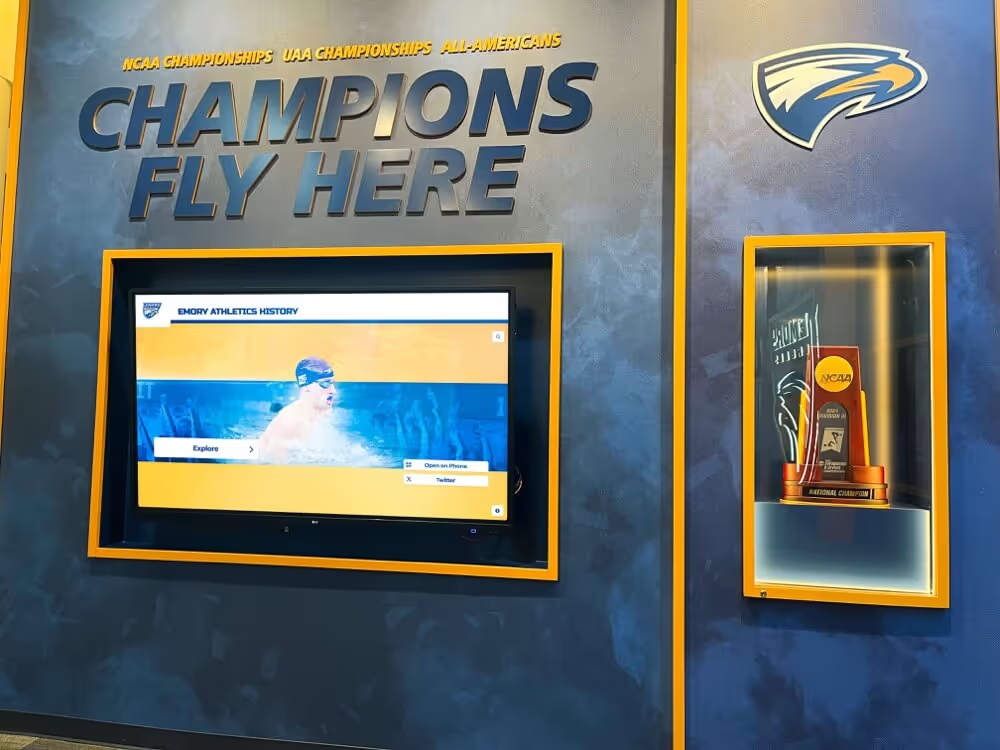
Elite programs celebrate [championship achievement alongside captain leadership](https://digital-trophy-case.com/blog/coach-appreciation-day-creative-ways-schools-honor-coaches/?utm_source=organic&utm_medium=seo-auto&utm_content=digitalwarming&utm_campaign=team-captain-speech&utm_term=seo) honoring comprehensive excellence
Preserving Captain Leadership Legacy
While speeches serve immediate purposes, preserving captain leadership legacies inspires future team leaders.
Why Captain Recognition Matters Beyond the Season
Captain leadership shapes team culture, establishes program standards, and influences how teammates view leadership throughout lives. Preserving captain contributions creates several valuable outcomes.
Inspiring Future Captains
Current and future athletes benefit from understanding how distinguished captains approached leadership. When young athletes explore previous captain profiles, they discover leadership models and understand pathways toward their own future captaincy. This historical connection builds leadership development pipeline as younger athletes observe and internalize effective captain qualities.
Building Program Leadership Tradition
Programs known for strong captain leadership attract athletes who value character, teamwork, and leadership development. Preserving captain legacy communicates that programs genuinely value leadership as central to athletic experience, not peripheral to competitive success.
Connecting Generations Through Leadership
Alumni captains often maintain strongest program connections because leadership experience creates deeper investment. When programs preserve captain recognition, former leaders can revisit their leadership moments, share experiences with others, and maintain bonds with programs that honored their service beyond just athletic ability.
Modern Captain Recognition Systems
Digital recognition platforms overcome traditional physical recognition limitations while creating engaging captain celebration.
Comprehensive Captain Profiles
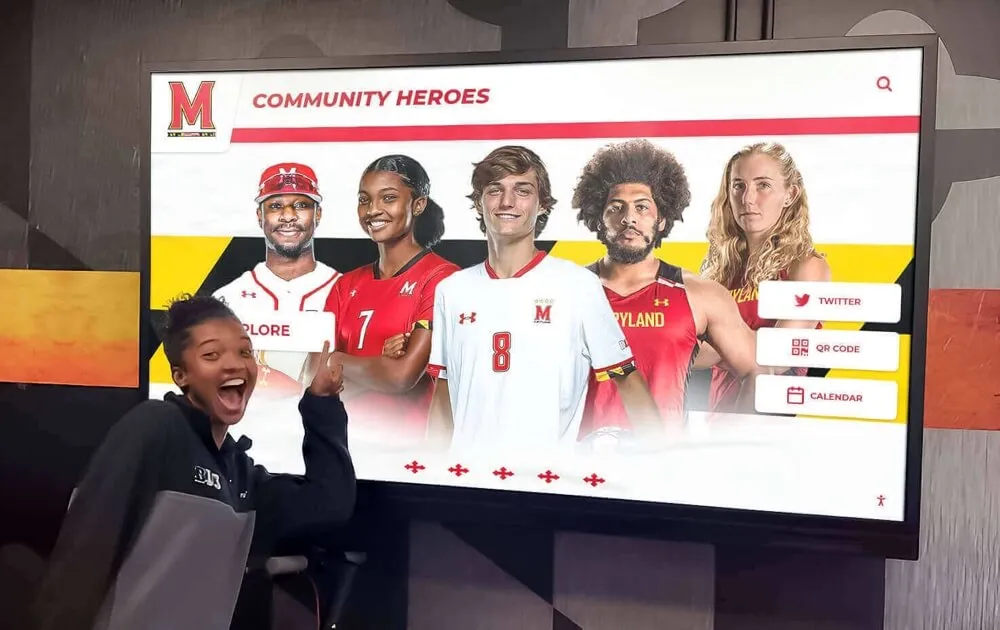
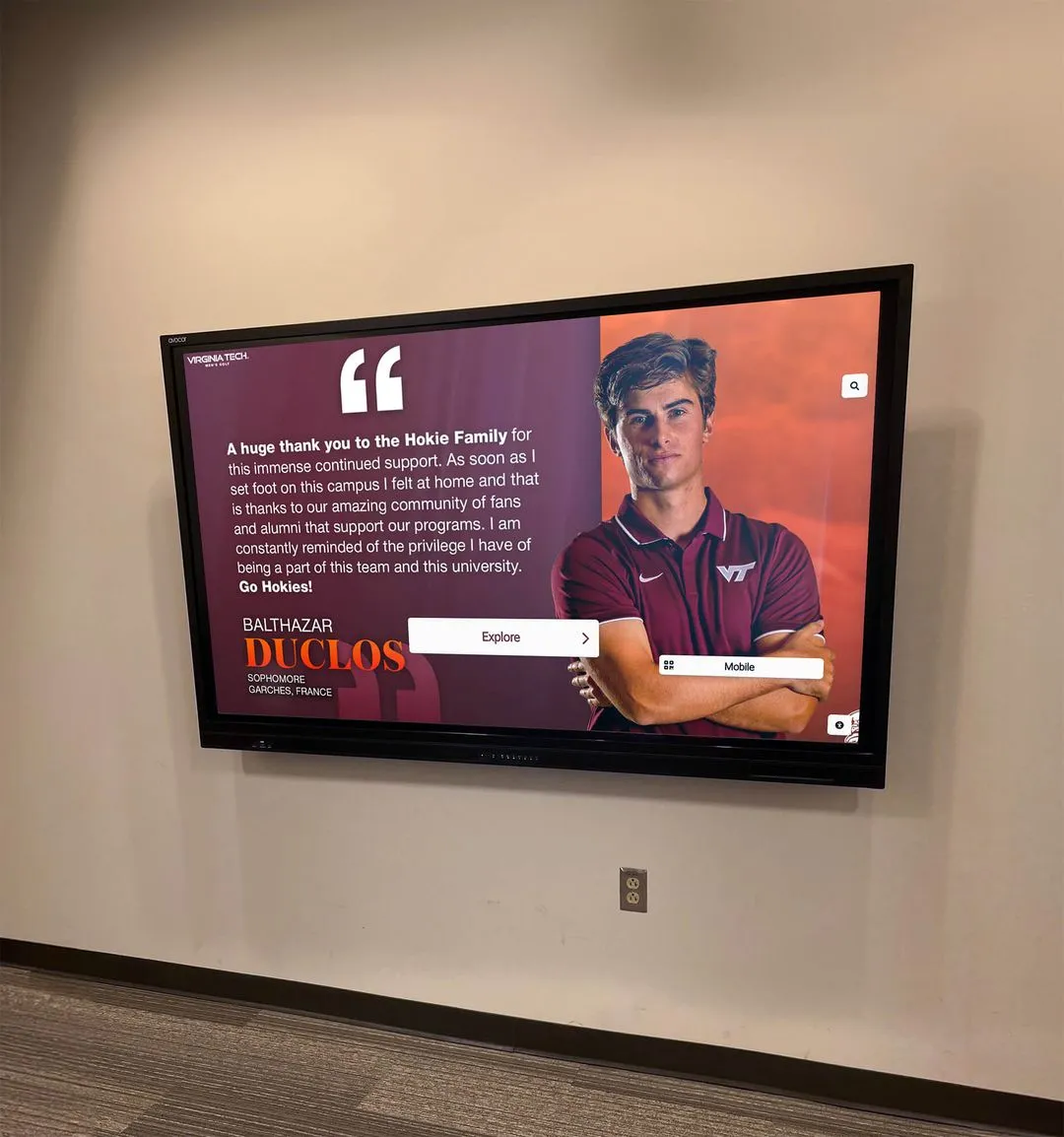
Solutions like Rocket Alumni Solutions enable programs to create comprehensive captain recognition including biographical information and selection basis, captain season records and team achievements, leadership philosophy and approach descriptions, teammate testimonials sharing captain impact, photos capturing captain leadership moments, and connection to team rosters linking captains with teammates they led.
These rich profiles celebrate complete captain stories rather than reducing leadership to names on plaques. Current athletes discover comprehensive captain legacies, understanding program leadership traditions while seeing detailed models of captain excellence to emulate.
Interactive Captain History Exploration
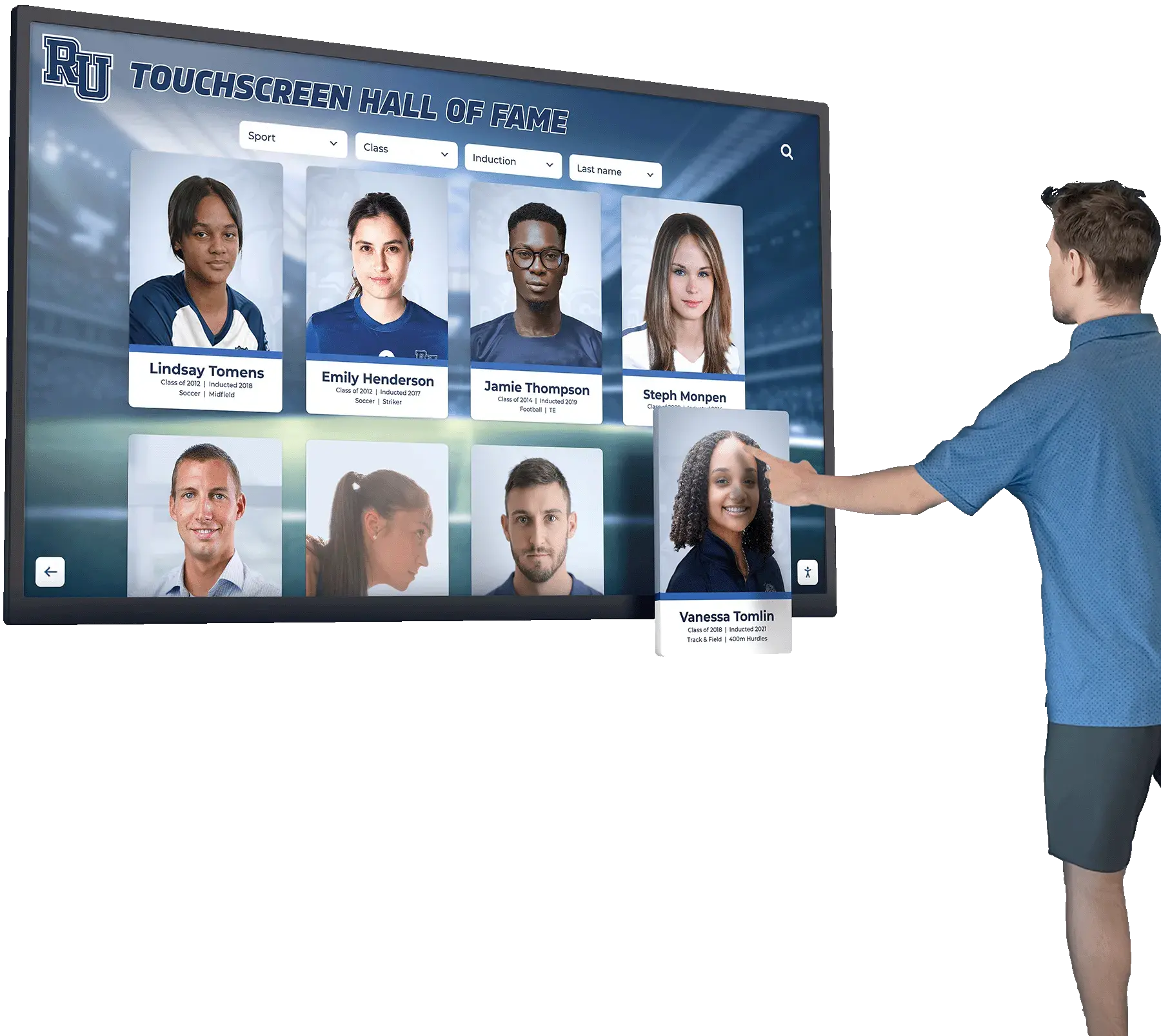
Digital systems enable intuitive captain history navigation through searchable databases finding specific captains by name, sport, or era, timeline interfaces visualizing captain progression across decades, featured content rotation spotlighting different captains regularly, and filtering enabling comparison of captains across different teams or time periods.
Interactive exploration creates engagement impossible with static plaques. Athletes exploring captain histories discover role models, understand program evolution, and build pride in joining distinguished captain traditions.
Accessible Recognition Extending Beyond Campus
Physical captain recognition remains visible only to campus visitors. Digital platforms with web accessibility enable global reach for alumni, families, and communities regardless of location. Captains share recognition profiles celebrating leadership through social media, maintain connections to programs from anywhere, and introduce new networks to program leadership traditions.
This extended accessibility proves particularly valuable for captain alumni living distant from schools who want to maintain connections to leadership experiences that significantly influenced their development.
Conclusion: Leading Through Authentic Communication
Team captain speeches represent opportunities to inspire teammates, establish leadership tone, build team culture, navigate challenges, and create memories that define seasons. Whether delivering acceptance addresses acknowledging leadership honor, season-opening speeches setting team direction, competitive communication motivating performance, or team meeting remarks addressing challenges—effective captain communication combines authenticity with intentionality, personal voice with team focus, and inspiration with practical substance.
The speech frameworks, specific examples, and delivery tips explored throughout this guide provide starting points for developing effective captain communication. Yet the most powerful captain speeches ultimately emerge from genuine conviction expressed authentically in your unique voice. Generic leadership clichés disconnected from team reality fall flat regardless of eloquent delivery. Simple honest communication reflecting genuine care for teammates and commitment to collective success resonates far more powerfully than elaborate rhetoric lacking authentic foundation.
Your captaincy represents more than wearing “C” patches or leading stretching lines. It’s opportunity to influence teammate experiences, shape program culture, develop your own leadership capacity, and create impact extending far beyond competitive results. The speeches you deliver throughout seasons contribute significantly to that influence—establishing whether teammates genuinely accept your leadership beyond the title, trust your guidance through challenges, embrace values and standards you articulate, and look back on your captaincy as meaningful chapter in their athletic journeys.
As you prepare captain speeches throughout your leadership tenure, remember that perfect eloquence matters less than authentic connection. Teammates follow captains they trust, respect, and believe genuinely care about their success. Communication demonstrating those qualities—even if imperfectly delivered—succeeds far more effectively than polished speeches lacking genuine substance. Lead from your authentic strengths, speak from honest conviction, focus on serving teammates rather than performing leadership, and continuously learn from each communication experience.
Programs implementing comprehensive recognition systems preserve captain leadership legacies permanently and accessibly. These platforms transform one-time leadership recognition into lasting celebration that inspires future captains, honors leadership contributions beyond athletic ability, and creates “digital warming” effects connecting communities through personalized leadership celebration.
Your captain speeches create moments teammates remember years later—words that motivated them through challenges, vision that unified diverse individuals into cohesive teams, and leadership that influenced how they approach challenges throughout life. Those moments deserve your thoughtful preparation, authentic delivery, and genuine commitment to serving your team’s success above personal recognition. The frameworks and examples provided here offer guidance, but your unique voice and specific team context ultimately determine communication effectiveness.
Whether you’re preparing your first acceptance speech or looking to improve ongoing captain communication, focus on clarity, authenticity, and teammate service. Know what you want to communicate, express it genuinely in your natural voice, and center messages on collective success rather than personal platform. Do that consistently, and your captain leadership will resonate powerfully throughout your tenure and long into the future as teammates reflect on the leader who helped them achieve more together than they could have accomplished alone.