



After decades shaping young minds, inspiring curiosity, and changing countless lives through patient dedication, teachers approach retirement having given their best years to students who will carry forward the values, knowledge, and confidence these educators instilled. Yet finding words adequate to honor careers spanning 20, 30, or 40 years of teaching proves remarkably challenging—how do you capture in brief tributes the profound impact of educators who shaped generations?
Teacher retirement recognition requires more than perfunctory “congratulations” and “thank you for your service” platitudes. These educators deserve messages reflecting genuine appreciation for their dedication, acknowledging specific contributions to school communities, celebrating their influence on individual student lives, and offering warm wishes for retirement chapters ahead. Whether composing retirement card messages, preparing speeches for recognition ceremonies, or creating permanent tributes honoring teaching legacies, the right words transform routine acknowledgment into meaningful celebration of remarkable careers.
The most effective retirement tributes accomplish something significant—they validate decades of teaching dedication while preserving educator legacies that continue inspiring current and future teachers through their example of excellence, commitment, and genuine love for students and learning.
This comprehensive guide explores meaningful teacher retirement quotes perfect for various recognition contexts, provides practical frameworks for personalizing generic messages into authentic tributes, examines how successful schools design retirement recognition programs honoring educator contributions, and shares strategies for creating permanent tributes that preserve teaching legacies across generations. You’ll discover classic literary quotes expressing educational values, original messages capturing teaching impact, guidance for writing personalized retirement speeches, and modern approaches to lasting recognition ensuring retiring educators’ influence endures.

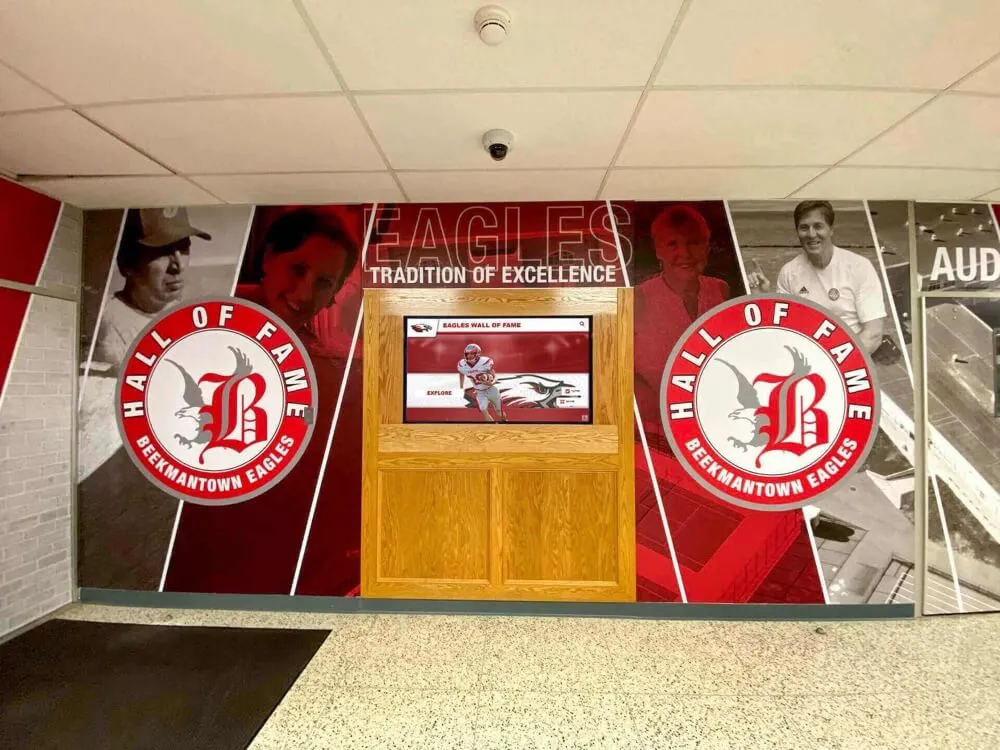
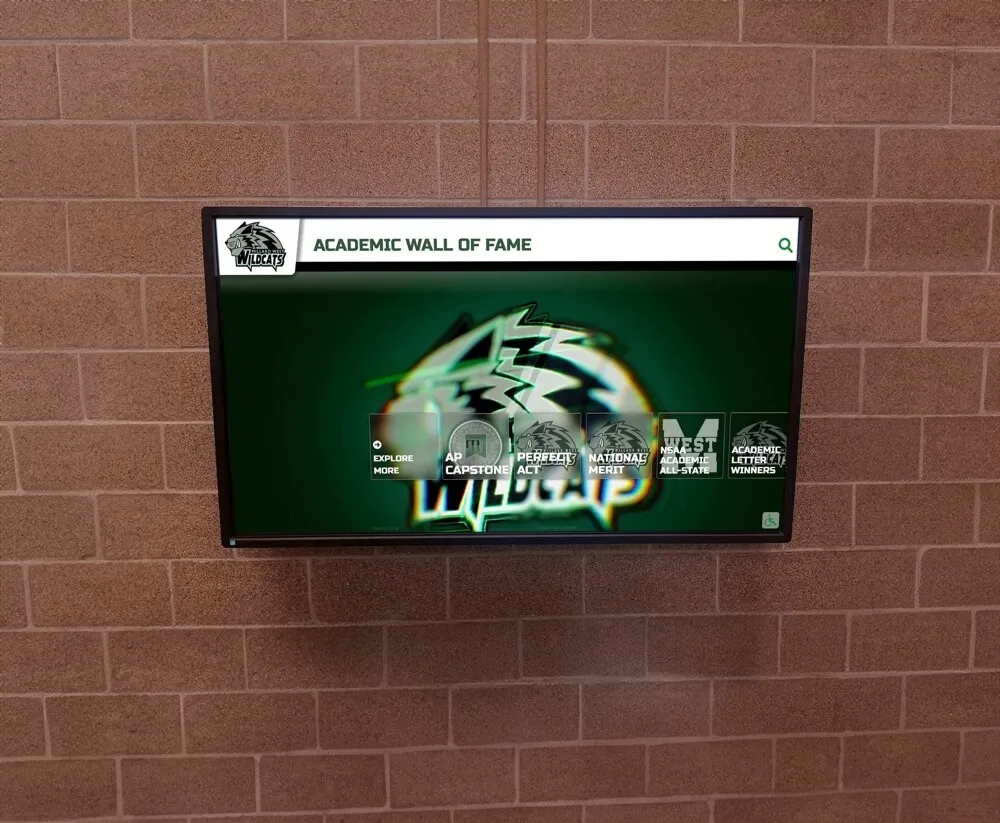
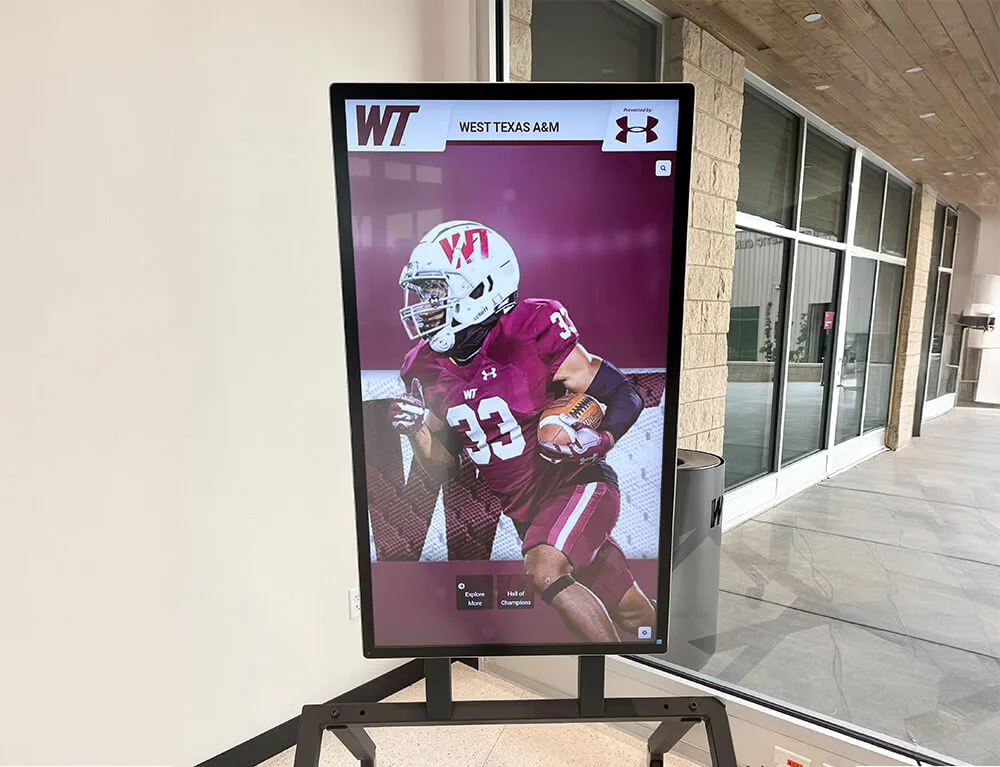
Modern recognition systems enable schools to create permanent tributes honoring retiring teachers alongside active educator profiles celebrating current contributions
Understanding the Significance of Teacher Retirement Recognition
Before exploring specific quotes and messages, understanding why thoughtful teacher retirement recognition matters helps schools and colleagues design tributes matching these educators’ profound contributions.
The Depth of Teaching Impact
Teachers influence student lives far beyond academic content delivery, shaping development across multiple critical dimensions.
Academic Foundation and Intellectual Development
Effective teachers don’t merely transmit information—they build intellectual foundations enabling lifelong learning. They teach students how to think critically, approach problems systematically, question assumptions thoughtfully, and pursue knowledge independently. These intellectual capabilities, developed through years of skilled teaching, influence career success, personal growth, and civic engagement long after students leave classrooms.
The academic impact proves particularly profound for students who struggled until specific teachers believed in their potential, adapted instruction to their learning needs, provided extra support during difficult periods, or opened intellectual worlds students didn’t know existed. Many successful adults trace pivotal academic turning points to specific teachers who refused to accept underperformance, recognized hidden talents, or demonstrated that learning could be engaging and meaningful.
Character Formation and Values Education
Beyond academics, teachers model and teach values including integrity, perseverance, respect, responsibility, and compassion. They create classroom cultures emphasizing kindness over cruelty, collaboration over competition, growth over fixed ability, and effort over innate talent. Through thousands of daily interactions—how they handle mistakes, respond to disrespect, celebrate improvement, and maintain fairness—teachers demonstrate values that shape students’ character development.
Former students frequently reflect that their most significant educational experiences involved teachers who believed in them during difficult periods, held them accountable when they struggled with discipline, taught them resilience after failures, or modeled integrity and ethics that influenced their own values and choices throughout life. This character formation represents teaching impact extending decades beyond final report cards and graduation ceremonies.
Mentorship and Personal Support
Many teachers serve as trusted adults in students’ lives—safe people they confide in about family struggles, personal challenges, academic anxieties, or future uncertainties. Teachers provide guidance during developmental transitions, advocate for students facing difficulties, offer perspective on challenges that feel overwhelming, and create stable supportive relationships that prove particularly significant for students lacking consistent adult support elsewhere.
This mentorship role explains why decades after graduation, former students maintain connections with teachers who influenced them, returning to share life milestones, seek advice during major decisions, or simply express ongoing gratitude for support that shaped who they became. These enduring relationships demonstrate teaching impact that transcends formal educational roles into lasting human connections.

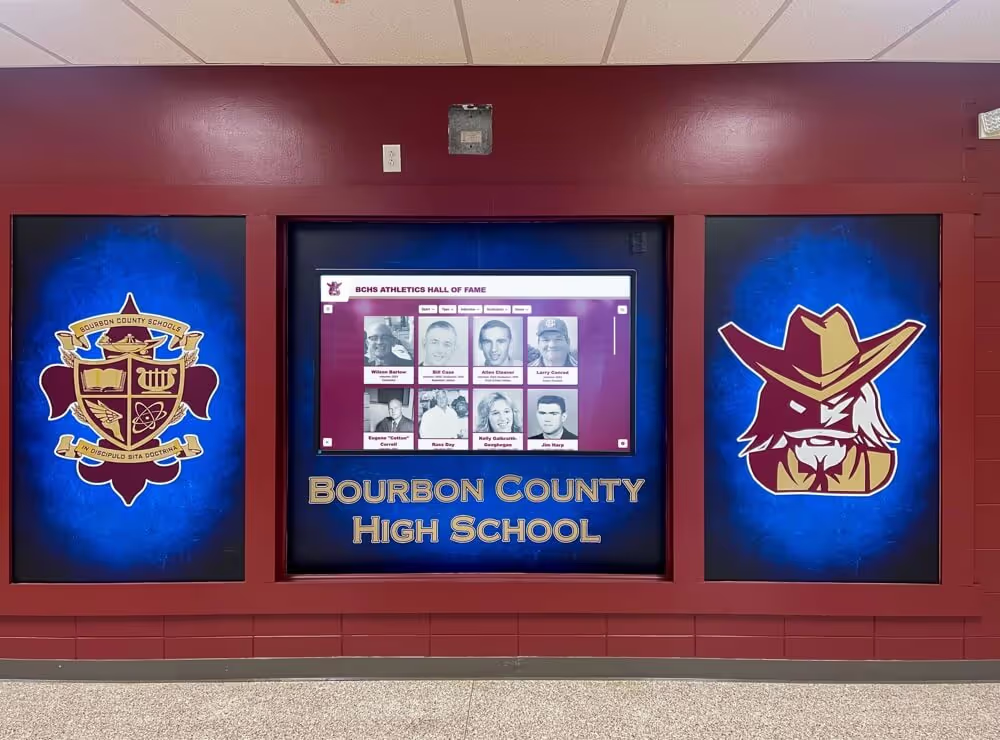
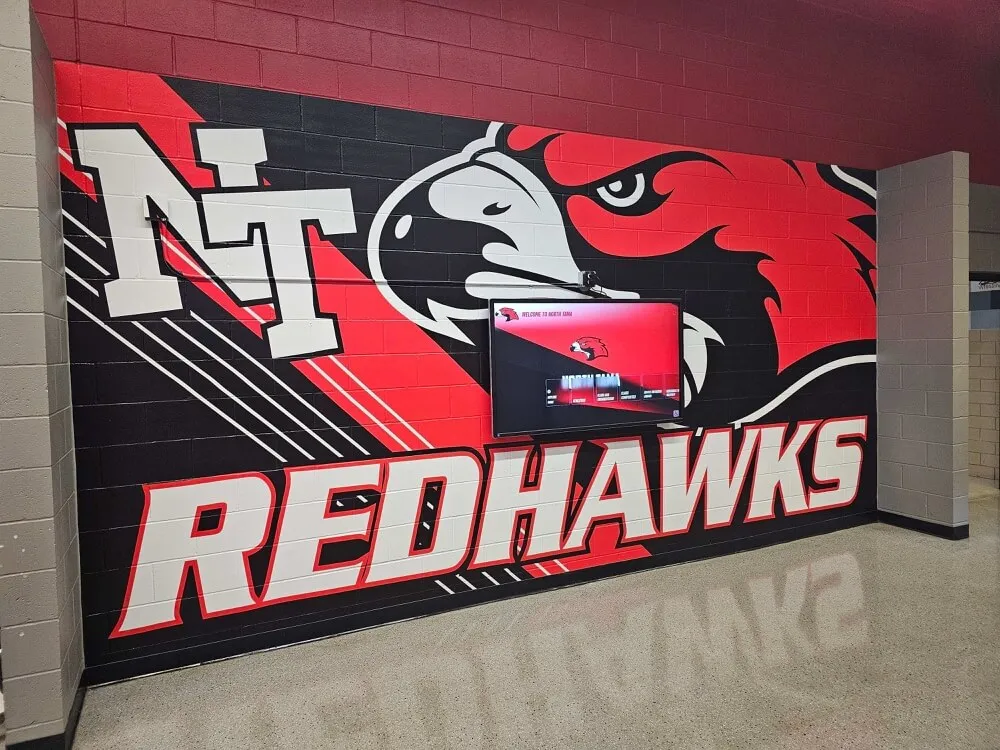
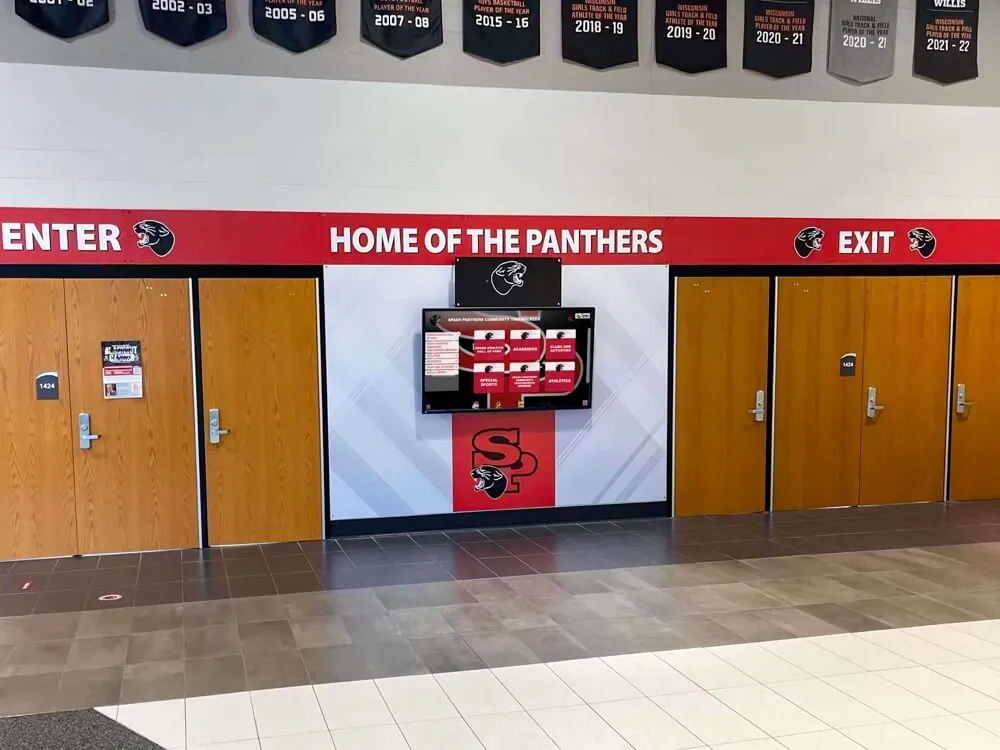
School recognition installations honor educator contributions while celebrating institutional history and shared values that define school communities
The Personal Investment Teachers Make
Understanding the actual dedication teaching careers require helps communities develop retirement recognition matching teachers’ genuine investment.
Time Investment Beyond Classroom Hours
While school days typically run six to seven hours, effective teaching requires substantial additional time. Teachers spend evenings and weekends planning engaging lessons, grading student work with detailed feedback, communicating with parents about student progress, attending professional development, participating in school committees and activities, supporting extracurricular programs, and managing administrative responsibilities.
Many teachers report working 50-60 hour weeks during school years, with summer “breaks” spent on curriculum development, classroom preparation, and continued learning. Over 30-year careers, these additional hours accumulate to thousands of unpaid overtime hours representing genuine dedication to teaching excellence rather than merely fulfilling minimum contractual obligations.
Emotional Investment and Daily Challenges
Effective teaching requires significant emotional engagement with student success and wellbeing. Teachers celebrate student breakthroughs as personal victories and feel student struggles as concerns requiring problem-solving and support. They worry about struggling students, deal with challenging classroom dynamics, manage diverse student needs simultaneously, and handle administrative pressures while maintaining positive learning environments.
This emotional investment, while driving teaching excellence, also creates stress. Teachers balance competing demands from students with different needs and learning styles, parents with varying expectations and involvement levels, administrators requiring accountability and results, and community members holding strong opinions about curriculum and methodology. Managing these relationships while maintaining teaching integrity and focus on student learning requires emotional resilience and interpersonal skill that goes underappreciated.
Financial Sacrifice for Professional Purpose
Despite requiring advanced education and demonstrating high professional skill, teaching compensation typically lags private sector careers requiring comparable educational credentials and expertise. Teachers accept modest salaries because they value student development, find intrinsic satisfaction in teaching impact, and prioritize meaningful work over financial maximization.
Many teachers supplement classroom salaries through summer work, tutoring, or part-time employment to meet family financial needs. Others forgo more lucrative career opportunities because they’re committed to teaching despite financial trade-offs. This financial sacrifice deserves recognition—educators choose service-oriented careers prioritizing student needs over personal financial gain.
Classic Teacher Retirement Quotes for Cards and Recognition
Thoughtfully selected quotes from literature, education philosophy, and cultural wisdom provide elegant, meaningful retirement messages when generic language feels insufficient.
Literary and Philosophical Quotes Honoring Teaching
Classic quotations from respected sources lend weight and eloquence to retirement tributes.
Quotes Celebrating Teaching Impact
“A teacher affects eternity; he can never tell where his influence stops.” — Henry Adams
This timeless quote acknowledges teaching’s far-reaching impact extending across generations. It validates that while teachers may never fully know their complete influence, their contributions ripple outward through students whose lives they shaped and who themselves influence others throughout their lifetimes.
“The art of teaching is the art of assisting discovery.” — Mark Van Doren
This quote honors the skillful facilitation that distinguishes excellent teaching—not merely delivering information but creating conditions where students discover understanding through guided exploration. It celebrates the intellectual artistry involved in effective teaching that helps students develop independent learning capabilities.
“In learning you will teach, and in teaching you will learn.” — Phil Collins
Acknowledging that teaching is reciprocal—great educators continuously learn from students, colleagues, and experience—this quote honors teachers who remained learners throughout careers, growing and developing alongside their students rather than treating teaching as static information delivery.
“Education is not the filling of a pail, but the lighting of a fire.” — William Butler Yeats
This classic quote distinguishes transformative teaching that ignites intellectual curiosity and passion for learning from mere information transfer. It celebrates educators who inspired students to become enthusiastic, self-directed learners rather than passive recipients of knowledge.
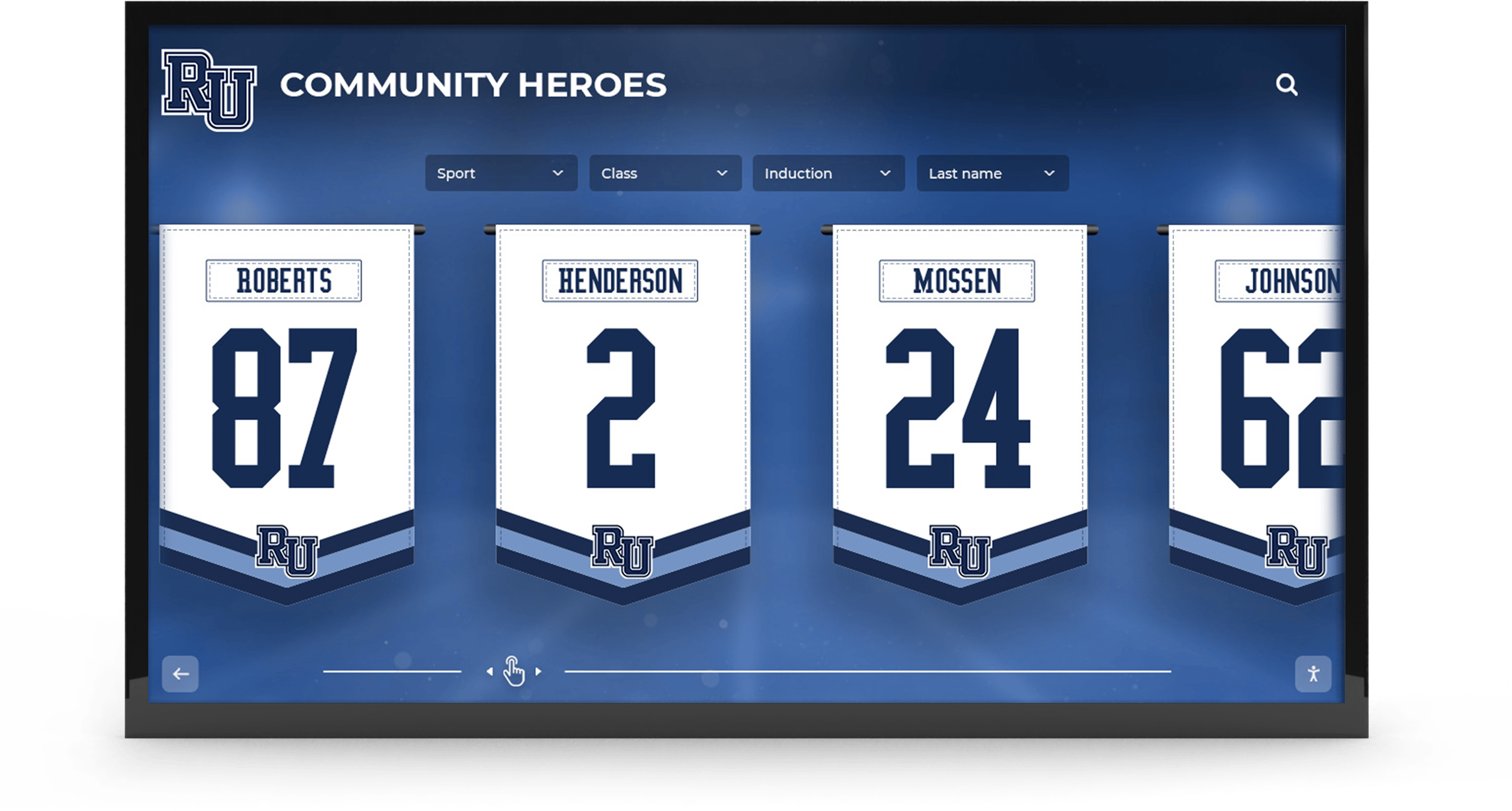
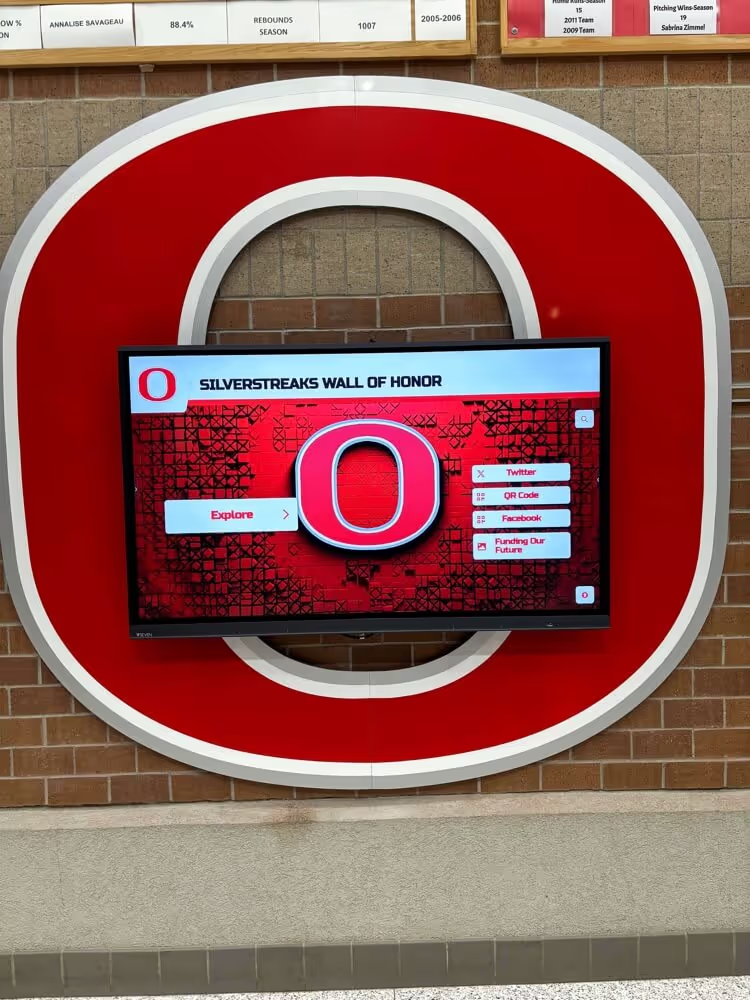
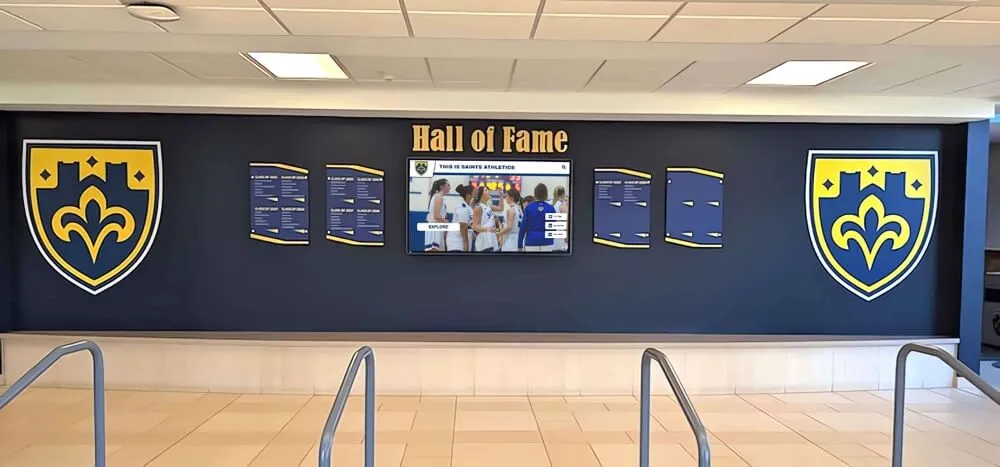
Recognition programs honor educators alongside community supporters creating comprehensive celebration of those who build strong schools and programs
Quotes About Educational Purpose and Mission
“The mediocre teacher tells. The good teacher explains. The superior teacher demonstrates. The great teacher inspires.” — William Arthur Ward
This graduated description of teaching excellence celebrates the inspirational impact that defines truly great educators who don’t merely convey information but inspire students to discover their capabilities and pursue excellence.
“To teach is to touch a life forever.” — Anonymous
Simple yet profound, this quote acknowledges the permanent mark teachers leave on student lives through their influence, care, and investment in student development and success.
“Teaching is the profession that teaches all other professions.” — Anonymous
Honoring teaching’s foundational role in all other careers, this quote celebrates educators as the professionals who prepare students for every other field, making teaching essential to all professional advancement and societal progress.
“The best teachers teach from the heart, not from the book.” — Anonymous
This quote distinguishes authentic, caring teaching driven by genuine concern for students from mechanical instruction focused solely on content coverage. It celebrates the emotional authenticity and personal investment that defines memorable, impactful teaching.
Inspirational Retirement Wishes and Future-Focused Messages
Beyond honoring past contributions, thoughtful retirement quotes celebrate the new chapter beginning and express warm wishes for the future.
Messages Celebrating Well-Deserved Rest
“Retirement is not the end of the road. It is the beginning of the open highway.” — Anonymous
This optimistic message reframes retirement from career conclusion to exciting new opportunity, suggesting freedom, adventure, and possibility rather than loss or ending.
“Your years of teaching excellence have earned you this wonderful next chapter. May your retirement be filled with joy, relaxation, and the fulfillment you so richly deserve.” — Original
A warm, personalized message acknowledging that retirement represents earned reward for dedication while expressing genuine wishes for future happiness and satisfaction.
“The students whose lives you’ve touched will carry your influence forward. Now it’s time to enjoy the retirement your dedication has earned.” — Original
This message connects past teaching impact to deserved future enjoyment, acknowledging that while teaching work concludes, influence continues through students whose lives were shaped by this educator’s dedication.
Messages Honoring Legacy and Ongoing Impact
“Though you retire from teaching, your legacy continues through every student whose life you changed, every mind you inspired, and every heart you touched.” — Original
Emphasizing continuity rather than ending, this message honors ongoing impact through students who carry forward what they learned from this educator throughout their own lives.
“Your classroom may be closing, but the knowledge, values, and inspiration you shared will echo through generations of students you’ll never meet.” — Original
This message acknowledges the multiplier effect where teachers influence not only direct students but, through them, countless others who benefit from values and capabilities these students develop and share throughout their lives.
“Retirement marks the end of your daily teaching, but never the end of your influence. You’ve shaped countless lives in ways that will continue inspiring excellence for decades to come.” — Original
Distinguishing between daily teaching activities ending and ongoing influence continuing indefinitely, this message validates that career conclusion doesn’t diminish lifetime impact already established.

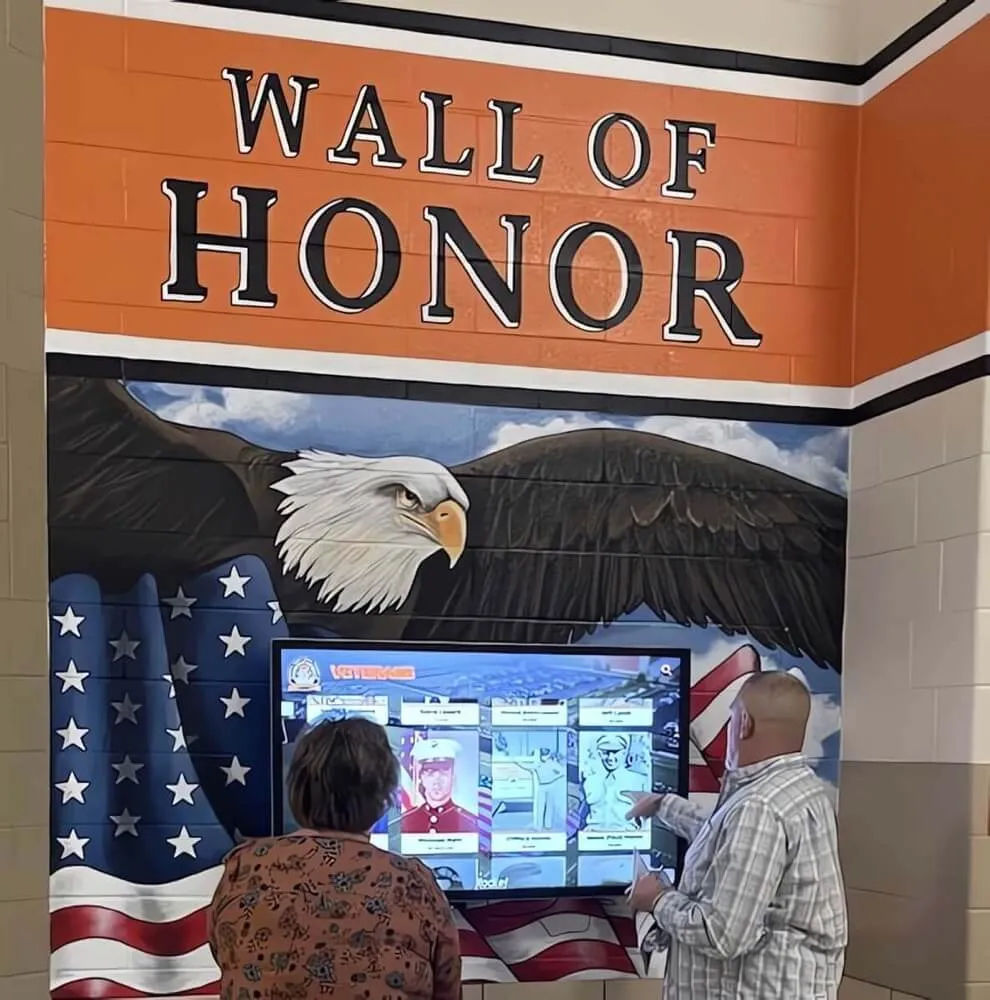
Permanent recognition displays enable schools to honor retiring educators alongside institutional history creating visible tributes accessible to entire school communities
Personalizing Retirement Messages for Individual Teachers
While classic quotes provide elegant language, the most meaningful retirement tributes incorporate specific details about individual educators’ contributions, teaching styles, memorable moments, and unique qualities making their careers distinctive.
Identifying Specific Contributions to Celebrate
Move beyond generic appreciation to acknowledge particular achievements and characteristics defining this educator’s career.
Signature Teaching Approaches and Innovations
Recognize distinctive teaching methods or innovations this educator pioneered:
“Your creative project-based learning transformed how our students understand science, turning abstract concepts into hands-on discoveries that inspired countless students to pursue STEM careers.”
“The writing workshop model you developed became our school’s signature approach, improving student writing across all grade levels while helping students discover their voices and confidence.”
Specific recognition of teaching innovations demonstrates that colleagues noticed and valued this educator’s professional creativity and willingness to develop more effective pedagogical approaches benefiting students and fellow teachers.
Student Populations Served and Specialized Impact
Acknowledge specific student populations this teacher served with particular dedication:
“Your unwavering commitment to English language learners transformed how our school serves immigrant families, with your advocacy and specialized instruction opening educational opportunities for hundreds of students.”
“The specialized support you provided students with learning differences changed countless lives, helping struggling students discover their capabilities and achieve success they never thought possible.”
Recognition of dedicated service to specific student populations validates that colleagues understand the additional effort, specialized expertise, and personal commitment required to effectively serve students with particular needs.
Leadership Beyond Classroom Teaching
Celebrate contributions extending beyond direct classroom instruction:
“Your leadership of our Professional Learning Communities transformed teaching culture, creating collaborative environments where teachers support each other’s professional growth and student success.”
“As department chair for fifteen years, you mentored countless new teachers, sharing your expertise generously while building one of our district’s strongest academic departments.”
Acknowledging leadership roles and contributions to broader school improvement demonstrates appreciation for the extra responsibilities and influence this educator assumed beyond contractual teaching obligations.
Incorporating Memorable Moments and Student Stories
Personal anecdotes and specific memories transform generic appreciation into authentic recognition reflecting actual relationships and experiences.
Classroom Traditions and Memorable Practices
Reference distinctive classroom traditions or practices students and colleagues remember:
“How many students will forever remember your poetry tea parties, where Shakespeare suddenly became accessible and beloved through the welcoming community you created around classic literature?”
“Your tradition of surprise field trips rewarded students’ hard work while teaching them that learning extends far beyond textbooks into the real world waiting to be explored.”
Specific references to distinctive practices demonstrate genuine familiarity with this teacher’s work rather than generic appreciation that could apply to any educator.
Impact on Individual Students
Share specific examples of student lives changed by this teacher’s intervention:
“We remember Sarah, who struggled with math anxiety until your patient encouragement and creative teaching helped her discover capabilities she doubted existed—she’s now an engineer, thanks to your belief in her potential.”
“Countless students like Miguel arrived in your classroom as reluctant readers and left as voracious consumers of literature because you took time to discover what sparked each student’s interest and matched them with perfect books.”
These concrete stories provide powerful evidence of teaching impact in ways that abstract statements about “changing lives” cannot capture.
Schools implementing comprehensive digital recognition systems can preserve these stories alongside educator profiles, creating permanent tributes where student testimonials honor specific teaching contributions for generations to discover.
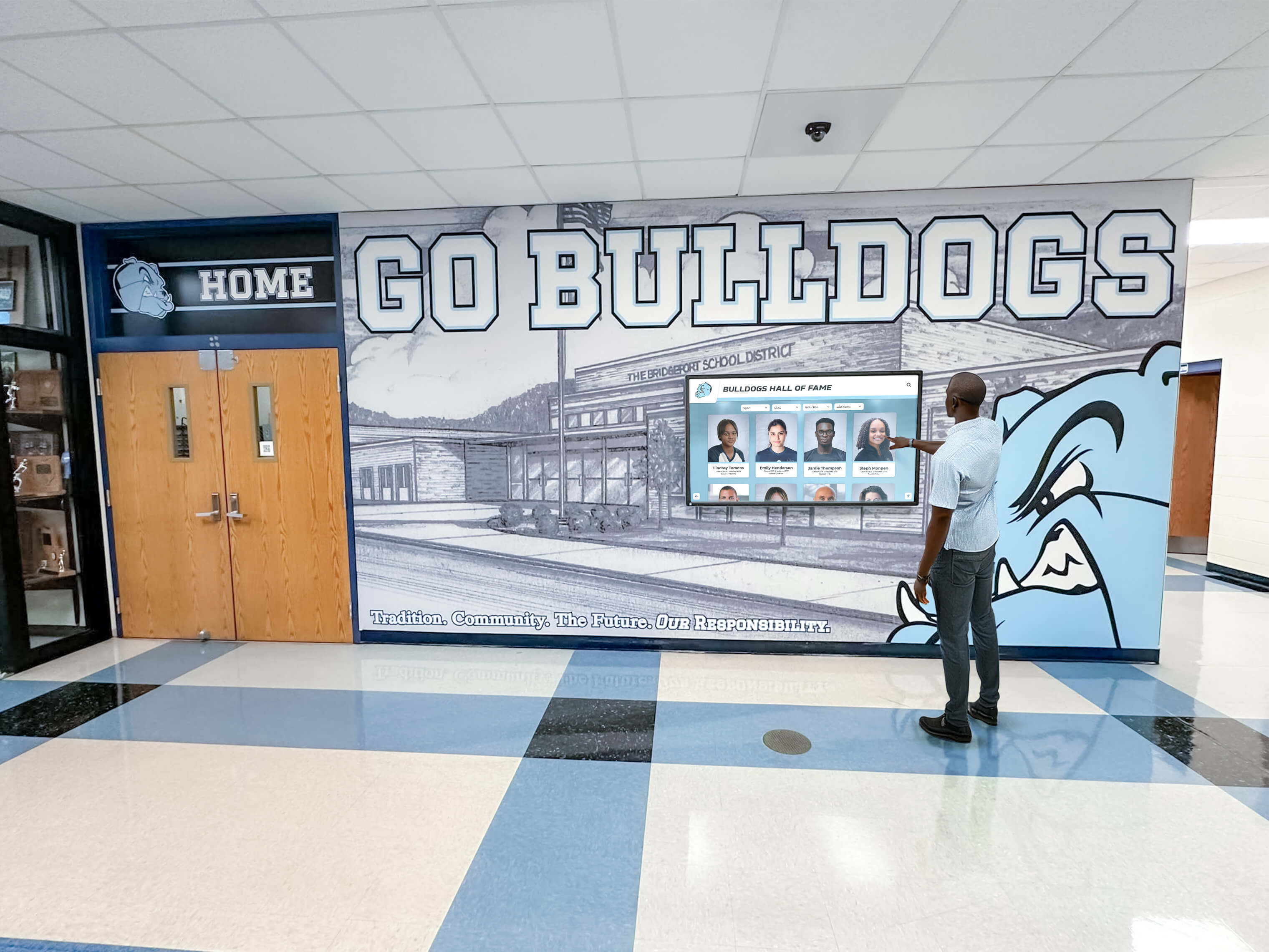
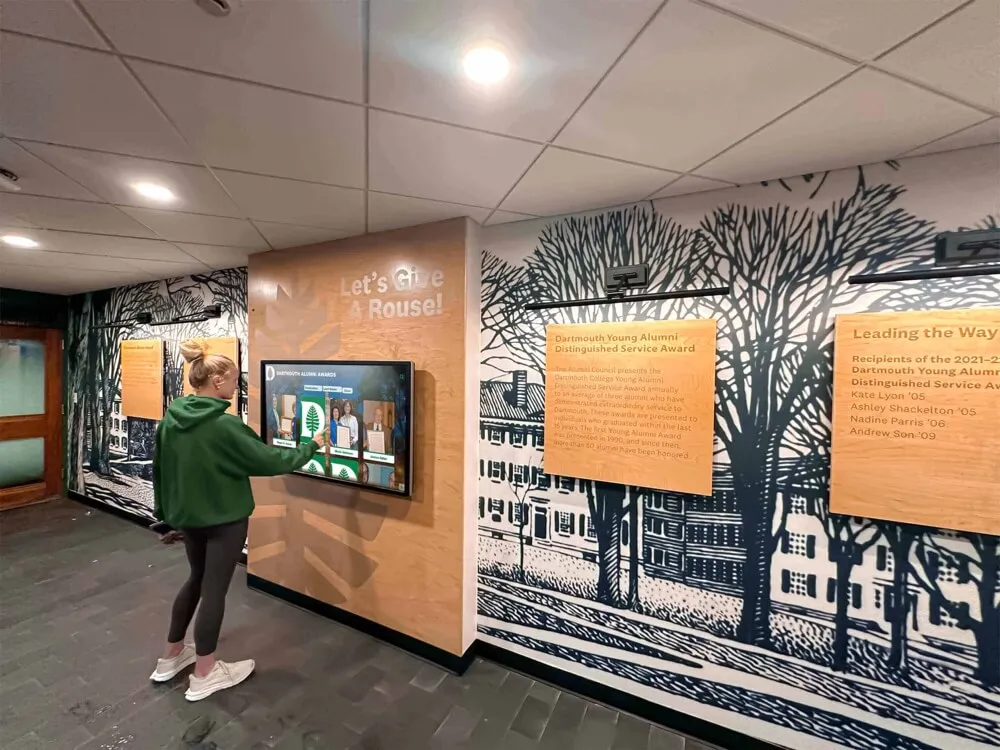
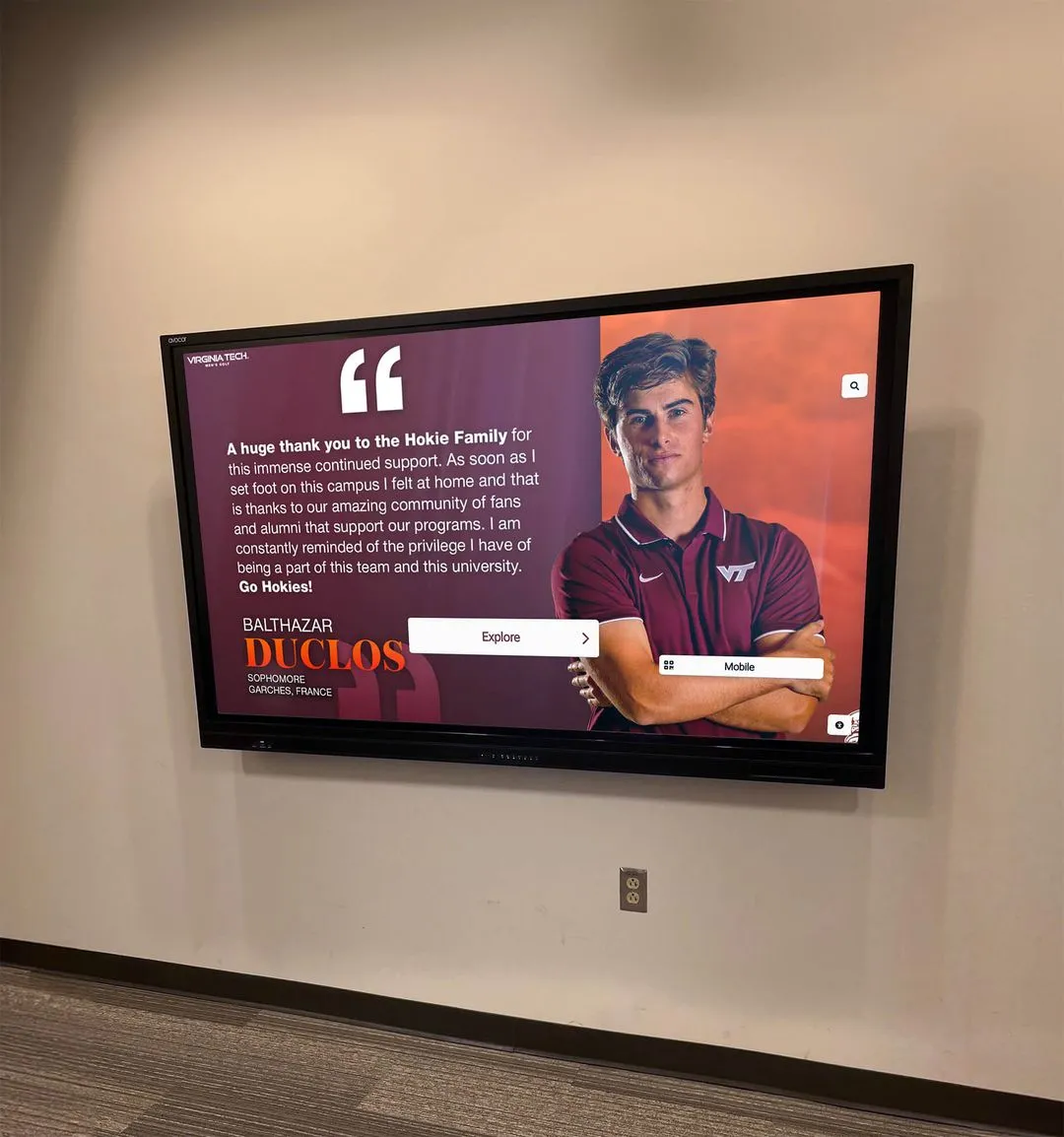
Interactive recognition technology enables exploration of comprehensive educator profiles including career highlights, teaching philosophy, and student testimonials celebrating teaching excellence
Reflecting Teaching Philosophy and Personal Qualities
Honor the values, beliefs, and personal characteristics that defined this educator’s approach to teaching and relationships with students.
Core Teaching Values and Beliefs
Acknowledge the educational philosophy that guided this teacher’s work:
“Your belief that every student possesses unique gifts waiting to be discovered transformed how colleagues think about differentiation, inclusion, and the true meaning of leaving no child behind.”
“Your conviction that education extends beyond academics to encompass character, citizenship, and compassion shaped not only what students learned but who they became as human beings.”
Recognition of teaching philosophy validates the intellectual and moral framework guiding career-long decisions about pedagogy, student relationships, and educational priorities.
Personal Qualities That Defined Their Teaching
Celebrate personal characteristics that made this educator special:
“Your legendary patience with struggling students created safe learning environments where students felt comfortable taking risks, making mistakes, and growing without fear of judgment or ridicule.”
“Your infectious enthusiasm for history made even the most reluctant students excited to learn, proving that teacher passion remains the most powerful teaching tool available.”
“Your calm, steady presence provided stability for students and colleagues through countless challenges, with your quiet wisdom and thoughtful perspective guiding our school through difficult periods.”
Personal quality recognition feels more intimate and authentic than achievement-focused messages, demonstrating that colleagues valued who this teacher was as a person, not merely what they accomplished professionally.
Crafting Meaningful Retirement Speeches and Presentations
Retirement ceremonies provide opportunities for extended recognition where colleagues, administrators, and sometimes former students deliver speeches honoring retiring educators. Effective speeches balance formal tribute with personal warmth, specific recognition with broader legacy acknowledgment, and celebration with appropriate emotion.
Speech Structure for Retirement Recognition
Organized speeches provide coherent narratives that meaningfully honor retiring educators without rambling or becoming disorganized.
Opening: Establishing Connection and Context
Begin by establishing your relationship to the retiring teacher and career context:
“I’ve had the privilege of working alongside Maria Lopez for eighteen years, watching her transform hundreds of students’ lives through her dedication to mathematics education and her genuine care for every student who entered her classroom.”
“When Janet Mitchell began teaching at Lincoln Elementary thirty-two years ago, our school served 400 students and occupied just the original building. Janet has been constant presence through every expansion, every educational reform, and countless changes in leadership—the steady heart of our school community.”
Strong openings provide context helping audiences understand the speaker’s perspective while establishing the retirement significance through career length, institutional role, or relationship depth.
Body: Specific Recognition and Impact Stories
The speech core should include specific contributions, memorable moments, and impact stories illustrating this educator’s influence:
Share 2-3 specific anecdotes demonstrating teaching excellence, student impact, or personal qualities. These stories should be detailed enough to paint vivid pictures while remaining concise enough to maintain audience attention. Balance celebration with appropriate humor where suitable, though avoiding anything potentially embarrassing or overly personal.
Acknowledge specific achievements including awards received, leadership roles assumed, innovations pioneered, or programs developed. Cite concrete examples of impact like former student successes, program growth under their leadership, or improved outcomes resulting from their initiatives.
Include diverse perspectives by incorporating quotes from colleagues, former students, parents, or administrators (gathered beforehand) sharing brief reflections on this educator’s influence. Multiple voices strengthen recognition by demonstrating broad appreciation across various relationships.
Conclusion: Honoring Legacy and Expressing Wishes
Close by acknowledging ongoing legacy and expressing warm retirement wishes:
“While Maria’s daily presence will be deeply missed, her legacy continues through the mathematical confidence she built in countless students, the collaborative teaching culture she fostered among colleagues, and the model of excellence she provided for every teacher who had the privilege of learning from her example. Maria, may your retirement bring the joy, relaxation, and fulfillment your years of dedication have earned.”
Strong conclusions provide closure while offering forward-looking wishes that acknowledge retirement as beginning rather than merely ending.
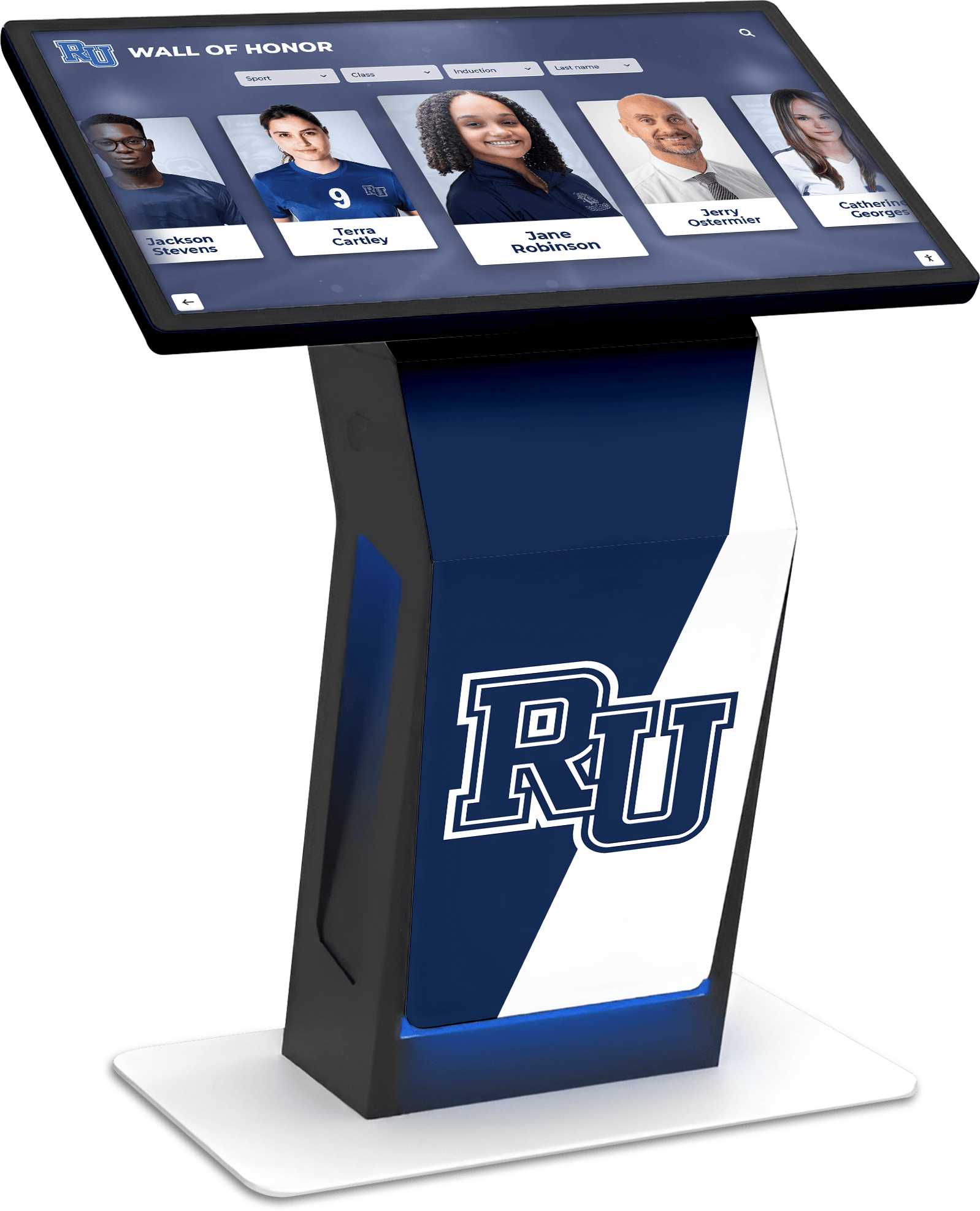
Professional recognition installations with elegant design create dignified tributes honoring retiring educators while maintaining accessibility for current recognition programs
Balancing Emotion and Professionalism
Retirement speeches naturally involve emotion given the relationships ending and transitions occurring, yet maintaining appropriate professional tone ensures dignity rather than awkwardness.
Acknowledging Emotions Appropriately
It’s natural and appropriate to acknowledge that farewells evoke sadness, gratitude, or other emotions:
“It’s impossible to imagine Lincoln Elementary without Janet’s steadying presence, and frankly, many of us don’t want to try. Her absence will be felt daily, and we’ll miss her wisdom, kindness, and gentle humor that made difficult days manageable.”
Brief emotional acknowledgment validates authentic feelings while avoiding extended emotional displays that might make subjects uncomfortable or overshadow celebration with sadness.
Maintaining Celebratory Rather Than Mournful Tone
While acknowledging loss, the overall tone should celebrate achievement and look forward optimistically:
Emphasize retirement as earned reward and exciting opportunity rather than sad ending or unfortunate departure. Focus on what this educator accomplished and how students and colleagues benefited from their presence. Express confidence that their influence continues through former students and colleagues who learned from their example.
Balance acknowledging that this educator will be missed with celebration that they’ve earned this transition and deserve to enjoy new opportunities ahead. The goal is helping both retiree and audience feel positive about transitions rather than dwelling on loss.
Including Appropriate Humor
Well-chosen humor humanizes recognition while providing relief from sustained emotional seriousness, though humor requires careful judgment to remain appropriate.
Affectionate Professional Humor
Gentle humor about well-known quirks, teaching methods, or shared experiences can work well:
“We’ll certainly miss Bob’s legendary coffee consumption—the staff room coffee fund will likely go bankrupt without his single-handed support of our caffeine infrastructure.”
“Future freshmen will never experience the terror of Ms. Rodriguez’s infamous surprise pop quizzes, though decades of her former students maintain these unexpected assessments prepared them for every surprise life threw at them.”
Effective humor feels affectionate rather than critical, celebrates shared experiences rather than embarrassing moments, and demonstrates genuine familiarity with this educator’s personality and teaching style.
Humor to Avoid
Steer clear of humor that might embarrass, references that seem critical rather than affectionate, inside jokes that exclude most audience members, or attempts at humor during sincere emotional moments that might trivialize genuine sentiment.
When uncertain whether humor is appropriate, err on the side of sincere appreciation. Better to be earnest and heartfelt than to attempt humor that falls flat or offends.
Creating Permanent Recognition Honoring Teaching Legacies
Beyond retirement events and card messages, the most meaningful recognition creates lasting tributes preserving educator legacies and inspiring current and future teachers through their example.
Traditional Permanent Recognition Approaches
Physical installations and programs provide visible, enduring educator appreciation.
Educator Halls of Honor and Recognition Walls
Many schools establish educator recognition programs honoring distinguished teaching careers:
These programs typically feature selection criteria including years of service (often 25-30+ years minimum), teaching excellence evidenced by awards or peer recognition, contributions beyond classroom teaching through leadership or program development, and positive impact on students, colleagues, and school community.
Selection committees evaluate nominations from colleagues, former students, administrators, and community members. Inducted educators receive plaques displayed on dedicated recognition walls, recognition during school ceremonies, and permanent place in school honor roll celebrating educational excellence.
Physical recognition walls traditionally feature engraved plaques or photo displays with educators’ names, teaching years, and brief descriptions of contributions. While creating permanent visible tributes, these physical approaches face space limitations and update challenges as new educators are inducted annually.
Named Spaces and Programs
Schools honor legendary educators through facility naming:
Classrooms, libraries, common spaces, or entire buildings may be named after distinguished educators, creating permanent legacy ensuring these teachers’ names remain associated with their schools indefinitely. These dedications typically require board approval and may follow significant donations from grateful families or community members or serve as recognition for exceptional career-long contributions.
Similarly, schools establish scholarships, awards, or programs named for retiring educators, creating ongoing tributes while supporting students in ways reflecting these teachers’ values and priorities. A scholarship named for an English teacher might support aspiring writers, while an award honoring a science educator could recognize scientific curiosity and experimental thinking.
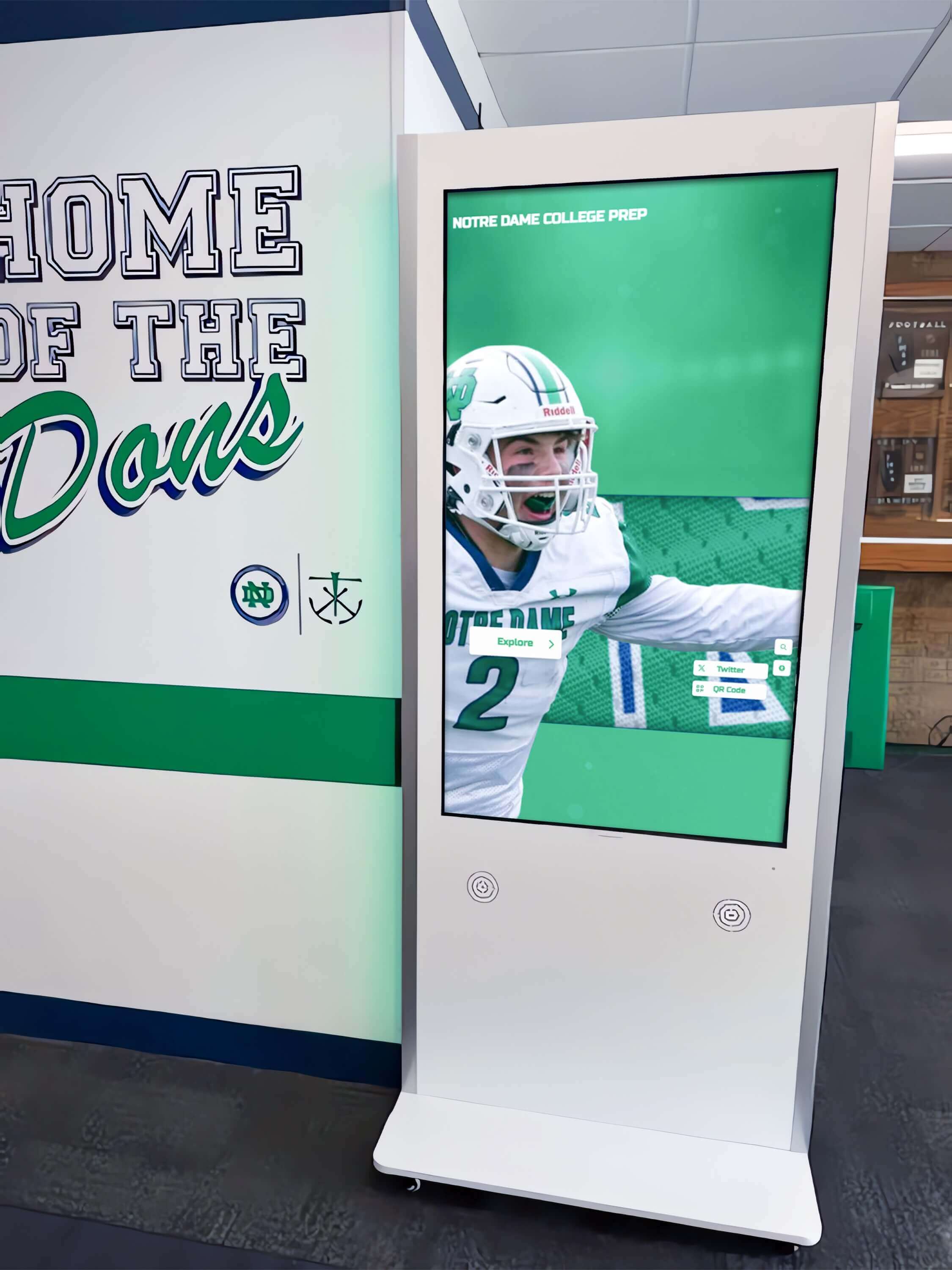
Strategic placement of recognition displays in high-traffic hallways ensures daily visibility for students and visitors while celebrating educator excellence alongside student achievements
Retirement Memory Books and Tribute Compilations
Many schools create memory books compiling:
- Letters and messages from colleagues sharing appreciation and memories
- Student testimonials expressing gratitude for teaching impact
- Photos from throughout careers showing classroom moments and school events
- Administrative tributes acknowledging professional contributions
- Family messages celebrating personal qualities and dedication
These compiled tributes provide deeply personal retirement gifts that educators treasure, containing specific memories and authentic appreciation from people whose lives they touched. While primarily personal rather than public recognition, memory books preserve career documentation and relational reflections that become increasingly precious over time.
Modern Digital Recognition Systems
Digital technology transforms educator recognition from static displays into dynamic, engaging tributes accessible to entire communities while providing unlimited capacity for comprehensive recognition.
Advantages of Digital Educator Recognition
Digital platforms address traditional recognition limitations while creating new possibilities for celebrating teaching excellence:
Unlimited Recognition Capacity: Physical plaques and hallway space face finite constraints requiring schools to limit recognition to only most distinguished educators. Digital systems eliminate space limitations entirely, enabling schools to recognize all long-serving teachers, multiple tiers of distinction, and comprehensive career documentation within single installations.
Rich Multimedia Profiles: Traditional plaques convey minimal information—typically names, years, and perhaps brief descriptions. Digital platforms support comprehensive recognition including detailed career histories, teaching philosophy statements, photo galleries spanning entire careers, video tributes from former students and colleagues, documentation of awards and achievements, and post-retirement updates.
Interactive Exploration: Static displays offer passive viewing. Digital touchscreen interfaces enable active exploration through search functionality, filtering by subject or era, featured content rotation, timeline interfaces visualizing school teaching history, and cross-references connecting educators to students they influenced.
Web Accessibility and Global Reach: Physical recognition remains accessible only to campus visitors. Digital systems with web extensions enable global access for alumni, families, and community members regardless of location, with educators able to share recognition profiles via social media.
Simplified Management: Physical plaques require manufacturing, installation, and permanent facility modifications. Digital platforms provide cloud-based content management enabling remote updates without technical expertise, bulk import tools for historical content, and scheduled publishing for ceremony-timed releases.
Schools implementing digital recognition report 80-90% time savings for recognition maintenance while dramatically expanding recognition capacity and richness compared to traditional physical approaches.
Implementing Comprehensive Digital Teacher Recognition
Schools evaluating digital educator recognition should understand available solutions and implementation best practices.
Purpose-built recognition platforms like Rocket Alumni Solutions provide educator-specific functionality including teacher profile templates, career timeline displays, searchable databases, student testimonial integration, and intuitive content management designed specifically for school recognition needs. These specialized systems eliminate custom development while providing professional results impossible with generic digital signage.
Most effective educator recognition integrates within comprehensive school recognition systems celebrating teachers alongside student achievements, school history, and alumni accomplishments. Integrated approaches connect educators to students they taught who later achieved distinction, link teaching tenures to school historical periods and institutional evolution, present cohesive school narratives, and eliminate duplicate systems and content management.
Content development requires systematically compiling complete lists of recognized educators, gathering career information and achievements, sourcing photos from yearbooks and archives, recording video testimonials from former students sharing teaching impact stories, developing standardized profile templates, and implementing phased rollouts prioritizing recent retirees with readily available information.
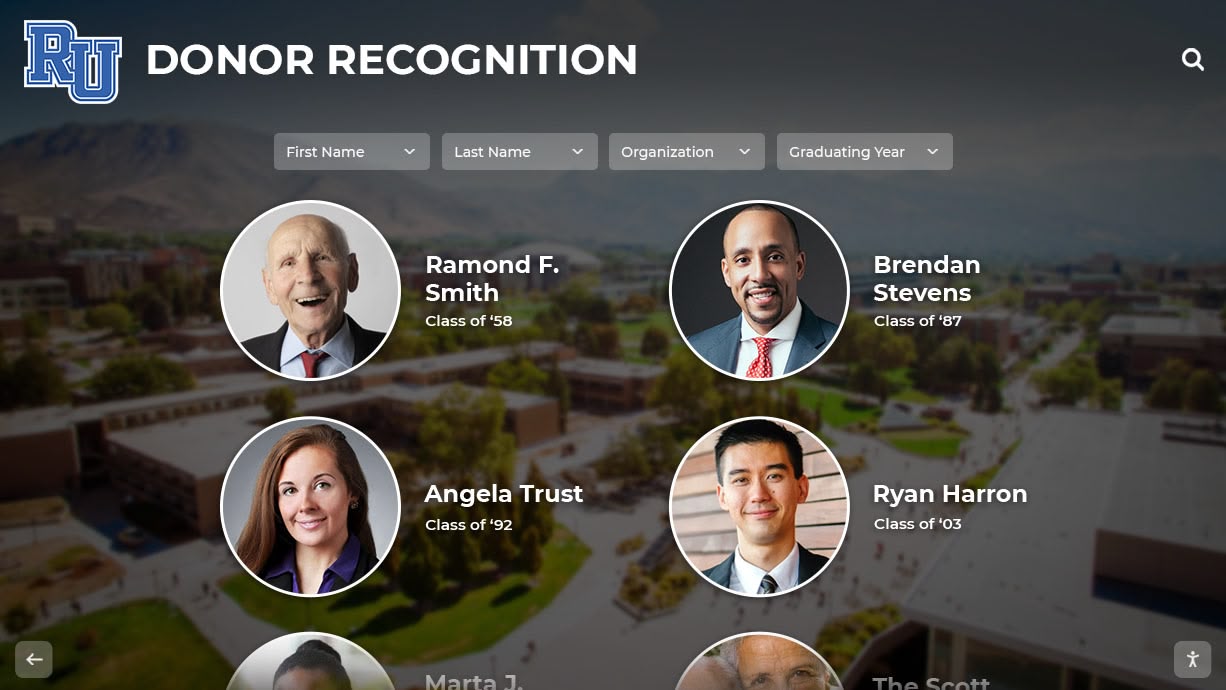
Comprehensive recognition systems honor educators alongside alumni achievements and donor support creating unified celebration of those who build strong educational institutions
Retirement Recognition Best Practices for Schools
Schools developing comprehensive retirement recognition programs should implement systematic approaches ensuring consistent, meaningful appreciation for all retiring educators.
Planning Retirement Recognition Events
Well-organized retirement celebrations honor departing educators while engaging broader school communities in appreciation.
Timing and Format Considerations
Schedule retirement recognition during times maximizing attendance and visibility:
End-of-year celebrations allow broader community participation before summer dispersal, though multiple retirees may require shared recognition. Standalone retirement receptions or dinners enable focused individual recognition though may limit attendance compared to school-wide events. Board of education recognition provides formal institutional acknowledgment and public visibility though may feel more ceremonial than personally warm.
Consider retirees’ preferences—some welcome large public celebrations while others prefer intimate gatherings with close colleagues. When possible, offer options respecting individual comfort levels and personalities.
Involving Multiple Stakeholder Groups
Meaningful recognition incorporates perspectives from various groups this educator influenced:
Current colleagues share professional appreciation and memories of collaboration. Administrative leaders provide institutional recognition acknowledging career contributions to school mission and success. Former students offer authentic testimonials about teaching impact on their lives. Parents who worked with this educator over multiple children’s education share community appreciation.
This diverse participation demonstrates broad appreciation across all relationships this educator built throughout their career.
Creating Meaningful Keepsakes
Beyond spoken recognition, tangible gifts provide lasting retirement reminders:
Personalized plaques or framed recognitions, memory books compiling messages from colleagues and students, photo collections spanning career milestones, school memorabilia including pennants or custom items, or charitable donations to causes this educator cares about all provide meaningful keepsakes reflecting genuine thought about this individual’s values and preferences.
Avoid generic corporate gifts lacking personal connection. The most meaningful keepsakes demonstrate genuine knowledge of who this person is and what matters to them.
Ensuring Equity in Recognition Programs
Systematic recognition programs should honor all long-serving educators consistently regardless of profile, popularity, or administrative favor.
Clear Criteria and Consistent Application
Establish written standards defining what triggers formal recognition:
Typical criteria include minimum years of service (often 20-25 years for full retirement recognition), completion of full career at the institution versus partial careers, and equivalent recognition tiers for different career lengths.
Apply criteria consistently to all educators regardless of position, subject area, or personal relationships. Assistant teachers, specialists, and support educators deserve recognition equivalent to classroom teachers when meeting service criteria. Avoid inconsistent recognition based on administrator preferences or educator popularity that creates perceptions of favoritism.
Recognizing Diverse Teaching Contributions
Ensure recognition systems value different teaching roles and contributions equitably:
Special education teachers, ESL specialists, counselors, librarians, arts educators, and other specialized positions deserve recognition equivalent to core academic teachers. Teachers who served primarily struggling students or taught essential but non-tested subjects merit appreciation equal to those teaching high-profile honors classes or tested subjects.
Recognition should celebrate dedicated service and positive student impact regardless of which populations were served or what specific subjects were taught. Equitable recognition demonstrates that schools value all teaching contributions to comprehensive student development.
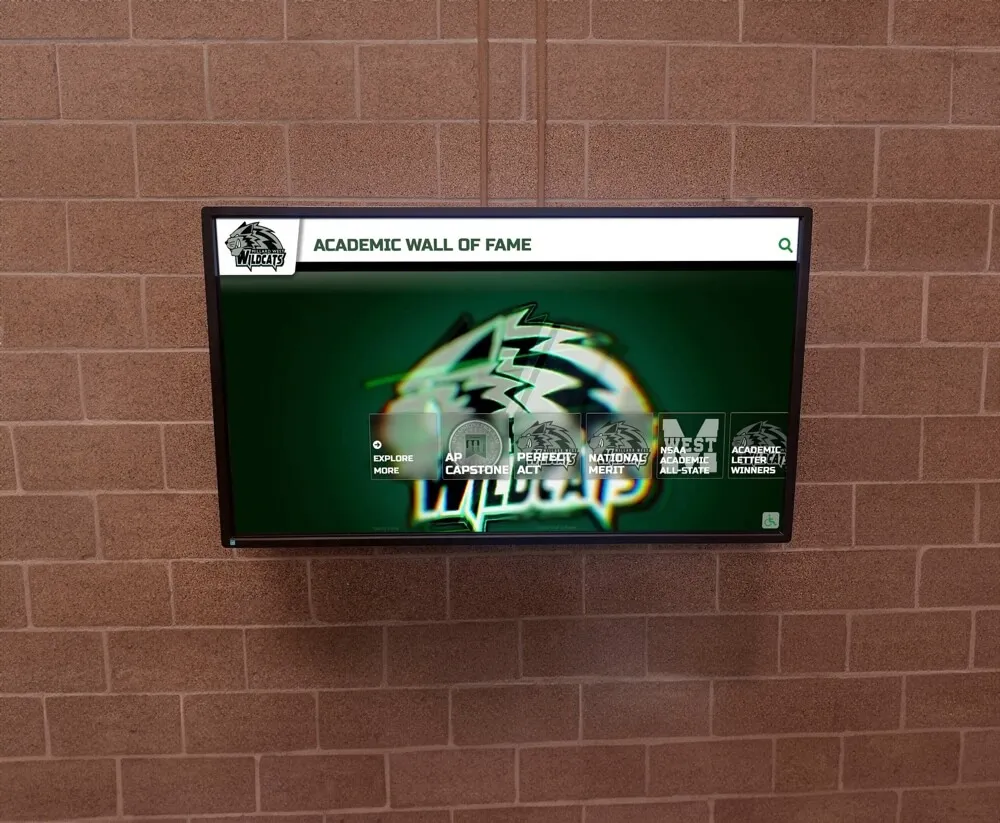
Academic recognition installations honor educators alongside student achievements creating comprehensive celebration of teaching excellence and learning success
Maintaining Connections with Retired Educators
Thoughtful schools maintain relationships with retired educators beyond final retirement ceremonies.
Ongoing Inclusion in School Community
Invite retired educators to school events, reunions, and celebrations maintaining their connection to institutions where they invested careers. Share school newsletters and updates keeping retirees informed about school evolution. Welcome retirees as volunteers, guest lecturers, or mentors when they’re interested in continued limited involvement.
This ongoing inclusion demonstrates that retirement doesn’t terminate relationships but transforms them, with retirees remaining valued community members whose perspective and institutional knowledge continue offering value.
Supporting Retiree Networks
Some districts or schools facilitate retiree organizations enabling former educators to maintain colleague relationships:
These networks organize social gatherings, coordinate volunteer opportunities, provide forums for staying connected to education, and offer peer support during retirement transitions. Schools can support these networks by providing meeting space, facilitating communication, and including retirees in appropriate school activities.
Updating Recognition as Legacies Evolve
Digital recognition systems enable continued profile updates as retirees achieve post-career milestones:
Schools can add information about retiree volunteer work, continued involvement in education, significant personal achievements, or sadly, memorial tributes when retirees pass away. This ongoing documentation ensures recognition remains current and complete rather than frozen at retirement moment.
Special Considerations for Teacher Retirement Recognition
Certain situations require adapted approaches ensuring appropriate, meaningful recognition despite complicating factors.
Recognizing Early Retirement and Difficult Departures
Not all retirements occur under ideal circumstances, requiring sensitive approaches.
Health-Related Early Retirement
When health issues force premature retirement, recognition should acknowledge circumstances appropriately:
Focus on career achievements and positive impact while being sensitive to health challenges. Avoid minimizing health realities with overly optimistic messages that feel dismissive. Offer support and express hopes for health improvement while honoring career contributions cut short by circumstances beyond this educator’s control.
Departures Following Conflict or Disappointment
Occasionally educators retire following difficult situations, conflicts, or disappointments:
Maintain professional recognition of actual career contributions regardless of circumstances prompting departure. Avoid references to conflicts or problems that would embarrass anyone or extend difficulties into what should be graceful transitions. Focus on genuine positive contributions this educator made throughout majority of career rather than allowing final challenges to overshadow decades of service.
Buyout or Reduction-in-Force Retirement
Some retirements occur through voluntary buyouts or involuntary reductions:
Acknowledge career contributions and service without dwelling on circumstances prompting retirement. Express genuine appreciation for years of dedication regardless of departure circumstances. Maintain dignity in recognition even when institutional decisions created retirement timing.
Posthumous Recognition and Memorial Tributes
When educators die during service or shortly after retirement:
Create appropriate memorial recognition honoring career contributions while acknowledging loss. Involve family in recognition planning when appropriate, respecting their preferences for public or private recognition. Consider lasting memorial approaches including scholarships, named spaces, or permanent recognition ensuring this educator’s memory and contributions endure.
Balance appropriate grief acknowledgment with celebration of life well-lived and career that positively impacted countless students. Memorial tributes should feel celebratory of contributions rather than only mournful about loss.
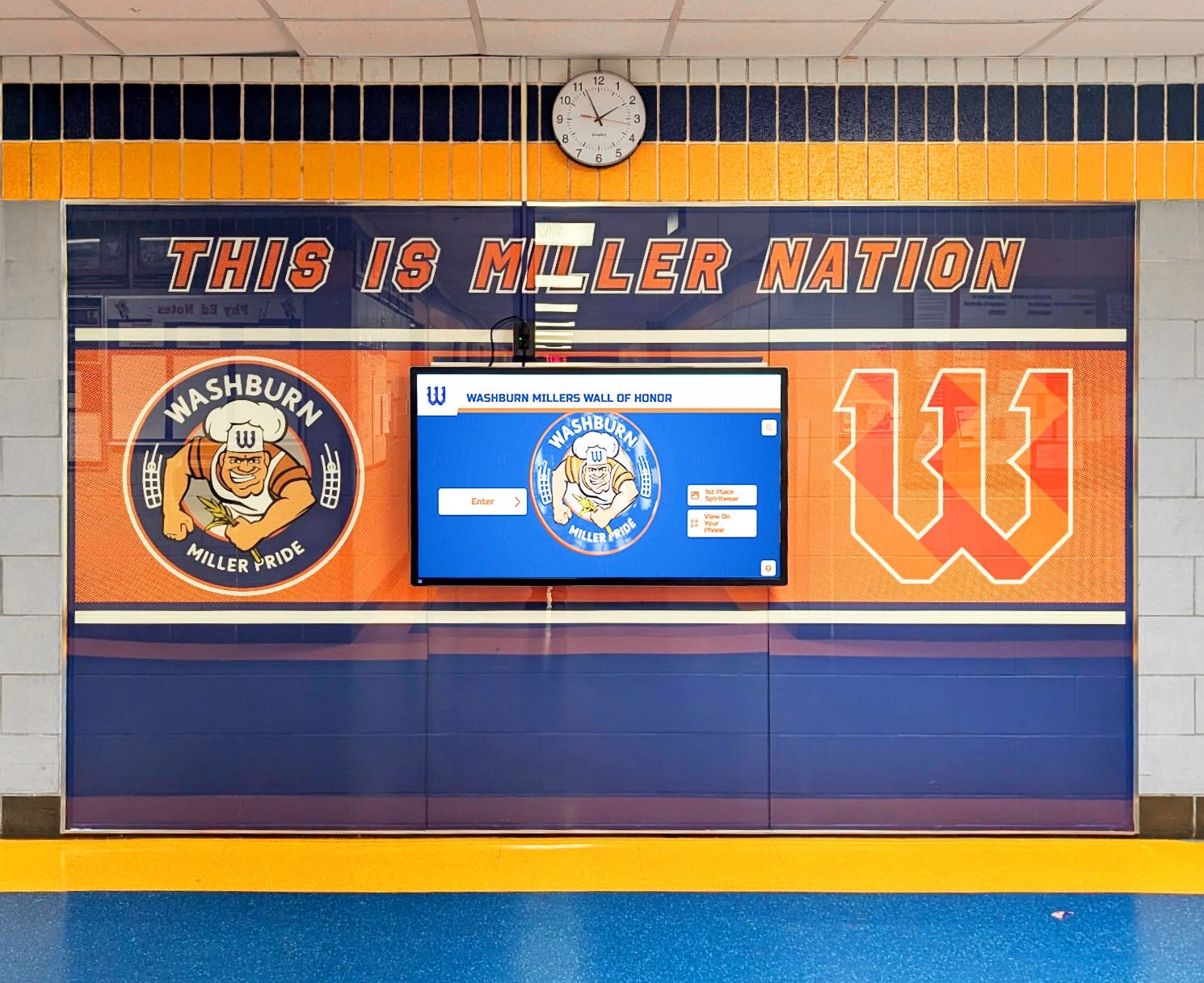
Hallway recognition installations create constant visibility for educator tributes ensuring daily awareness and appreciation for teaching excellence throughout school communities
Digital Warming: From Transactional Retirement to Lasting Community Connection
The concept of digital warming describes what happens when perfunctory retirement recognition transforms into genuine community celebration creating lasting connection. Rather than brief ceremonies quickly forgotten after educators depart, thoughtful recognition creates warmth—continuous visibility of teaching contributions, personalized acknowledgment making retirees feel valued, accessible archives enabling former students to reconnect with teachers who influenced them, and social connections where current educators discover distinguished predecessors whose examples inspire their own teaching.
Schools implementing comprehensive digital recognition report not just improved retirement satisfaction but qualitatively different relationships. Retired educators remain visibly connected to school communities through permanent recognition accessible to all, feel ongoing appreciation as current students and families explore their profiles and contributions, maintain relationships with colleagues and former students who can easily reconnect through recognition platforms, and experience pride seeing their legacies preserved with dignity and accessibility.
This transformation proves particularly powerful in education where teaching impact extends decades beyond daily instruction but often goes inadequately recognized once educators retire and visibility ends. Digital recognition creates ongoing presence ensuring contributions remain acknowledged, accessible, and celebrated indefinitely.
Solutions like Rocket Alumni Solutions provide purpose-built platforms creating these warming effects—unlimited recognition capacity accommodating all deserving educators regardless of school size or budget, sophisticated search enabling students to discover former teachers decades later, rich profile capabilities honoring complete careers rather than just names and dates, seamless integration connecting educator recognition to student achievement and school history, and comprehensive accessibility ensuring all community members can engage regardless of disabilities.
These platforms enable the permanent, dignified recognition that teaching careers deserve while creating engaging exploration experiences impossible with traditional static plaques. Current students discover school teaching history understanding institutional traditions and excellence standards. Alumni reconnect with educators who influenced them sharing appreciation and life updates. Colleagues explore predecessors’ contributions gaining perspective on teaching profession evolution and inspiration from distinguished examples.
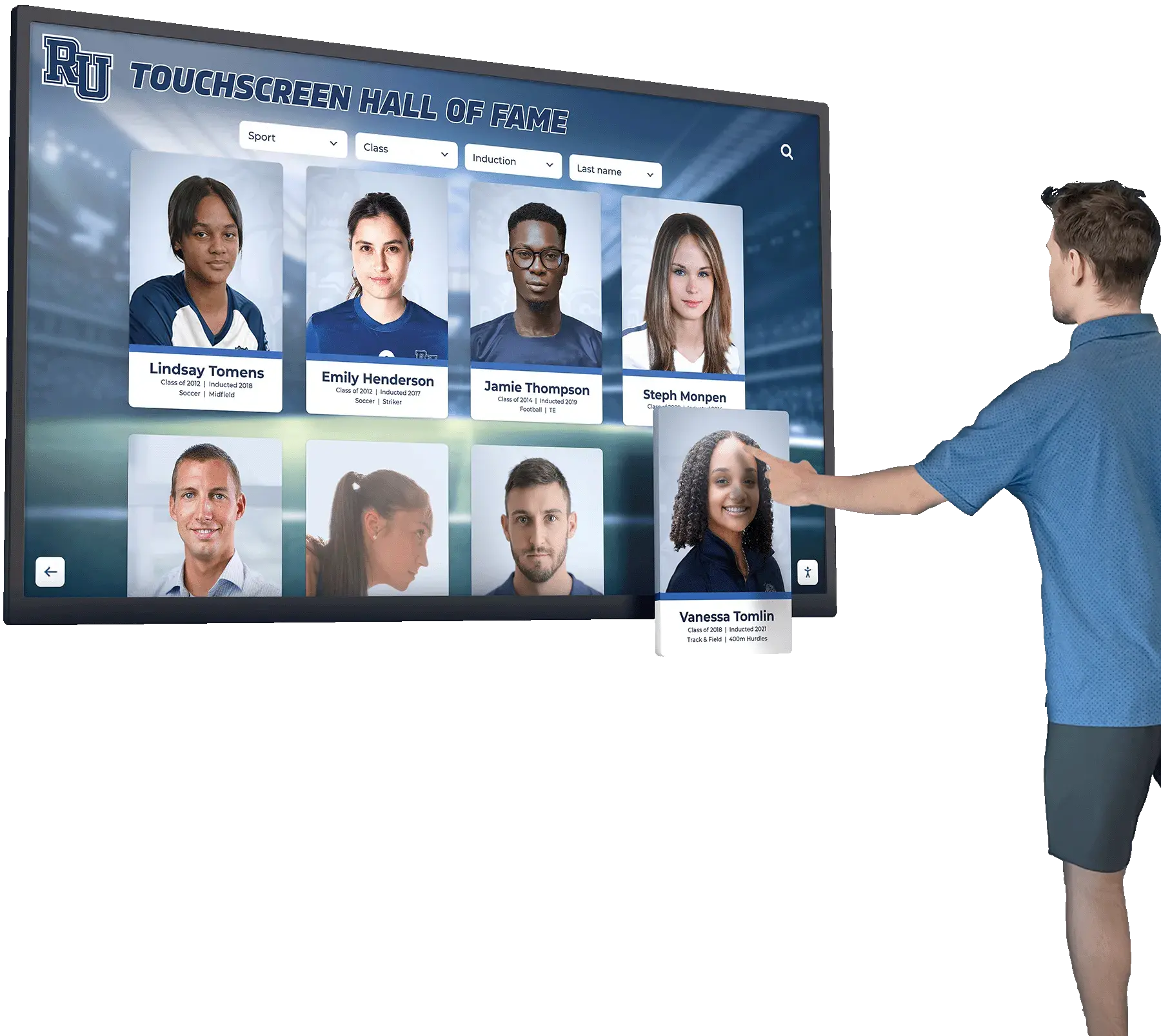
Intuitive touchscreen interfaces enable exploration of comprehensive educator profiles including teaching philosophy, career achievements, and student testimonials celebrating teaching excellence
Conclusion: Honoring Those Who Shape Minds and Build Futures
Teachers who dedicate careers to education deserve retirement recognition matching their profound contributions to student lives, school communities, and society’s educational foundations. After decades shaping young minds, inspiring intellectual curiosity, developing character, mentoring personal growth, and influencing countless lives through patient dedication and professional excellence, these educators merit more than perfunctory “thanks for your service” acknowledgments.
Meaningful teacher retirement recognition requires thoughtfulness about specific contributions, authentic appreciation expressed through personalized messages rather than generic platitudes, appropriate ceremony celebrating career achievements and ongoing legacy, and lasting tributes preserving teaching contributions for future generations who benefit from understanding institutional history and excellence standards these educators established.
The retirement quotes, message frameworks, speech structures, and recognition approaches explored throughout this guide provide practical resources schools and colleagues can adapt to honor individual educators appropriately. Classic literary quotes lend eloquence and gravitas to retirement tributes. Original messages and personalization frameworks enable authentic recognition reflecting actual relationships and specific contributions. Speech guidelines support colleagues preparing formal recognition presentations. Digital recognition strategies create lasting tributes accessible to entire communities.
Whether writing brief retirement card messages, preparing comprehensive ceremony speeches, or establishing permanent recognition programs, the goal remains consistent—validating decades of teaching dedication while ensuring these educators’ legacies continue inspiring current and future teachers through their example of excellence, commitment, and genuine love for students and learning.
Create Lasting Recognition Honoring Teaching Excellence
Discover how comprehensive digital recognition platforms help schools honor retiring educators alongside active teachers and alumni—creating engaged communities where teaching excellence receives the permanent celebration and accessible appreciation it deserves.
Explore Recognition SolutionsYour retiring educators deserve recognition matching the profound impact they’ve had on generations of students whose lives they shaped through dedication, expertise, and genuine care. Students deserve to understand the teaching excellence traditions that define institutional identity. Current teachers deserve inspiration from distinguished predecessors whose examples demonstrate what dedicated teaching careers accomplish. Communities deserve to celebrate the educators who built strong schools and developed capable, ethical citizens.
Ready to honor your retiring educators with recognition worthy of their contributions? Start with thoughtful messages incorporating specific appreciation for actual contributions rather than generic thanks. Plan comprehensive retirement celebrations engaging multiple stakeholder groups in meaningful tribute. Explore modern recognition solutions creating permanent accessible tributes that preserve teaching legacies while connecting current and future community members to the educators who shaped institutional excellence.
Most importantly, remember that retirement recognition ultimately honors not just individual educators but the teaching profession itself—demonstrating that education as calling receives genuine appreciation, dedication to student development creates lasting legacy, and schools value those who commit careers to shaping minds and building futures. That recognition benefits everyone—retiring educators who receive appreciation they’ve earned, current teachers who see their profession valued, students who understand teaching excellence traditions, and communities strengthened by celebrating those who build educational foundations enabling opportunity and advancement.
Your school’s retiring educators have given their best years to students who will carry forward their influence throughout life. Give them the recognition their remarkable careers deserve—heartfelt appreciation expressing genuine gratitude, comprehensive celebration acknowledging specific contributions, and lasting tributes ensuring their legacies inspire excellence across generations.