



Teachers shape futures, inspire learning, and transform lives through daily dedication that extends far beyond classroom hours. They arrive early, stay late, invest personal funds in classroom supplies, develop individualized learning plans, counsel struggling students, celebrate breakthroughs, and carry the weight of their students’ success and wellbeing. Yet teaching contributions often go underrecognized—acknowledged briefly during National Teacher Appreciation Week before returning to the demanding routine of educating tomorrow’s leaders.
Schools and communities seeking meaningful ways to honor educators during Teacher Appreciation Week face important questions: How do we celebrate teachers authentically rather than perfunctorily? What recognition approaches create lasting impact beyond single-week acknowledgment? How can schools preserve teaching legacy while inspiring current and future educators?
The most effective teacher appreciation efforts accomplish something remarkable—they validate the profound impact educators have on individual lives while building institutional recognition systems that honor teaching excellence as permanent part of school culture and community pride.
This comprehensive guide explores creative, meaningful approaches to teacher appreciation that schools, parent organizations, communities, and students can implement. You’ll discover specific recognition ideas spanning single-week celebrations to permanent honor programs, learn how successful schools build teacher recognition into educational culture, understand how digital systems preserve teaching legacy across generations, and gain practical frameworks for designing appreciation programs that truly honor the professionals who shape young minds.

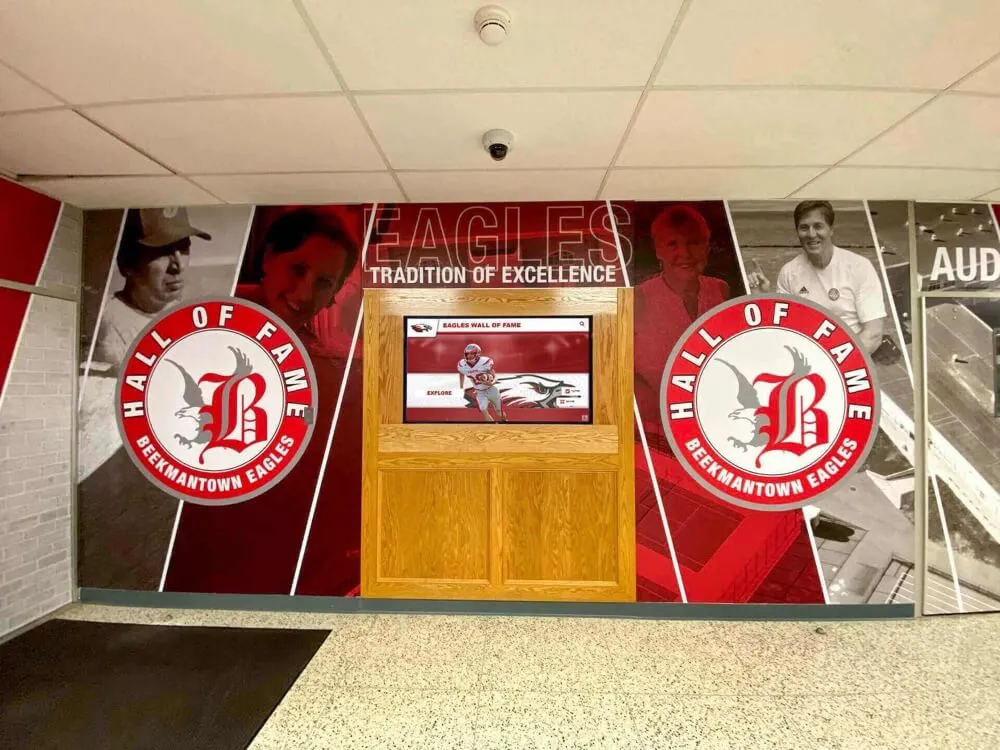
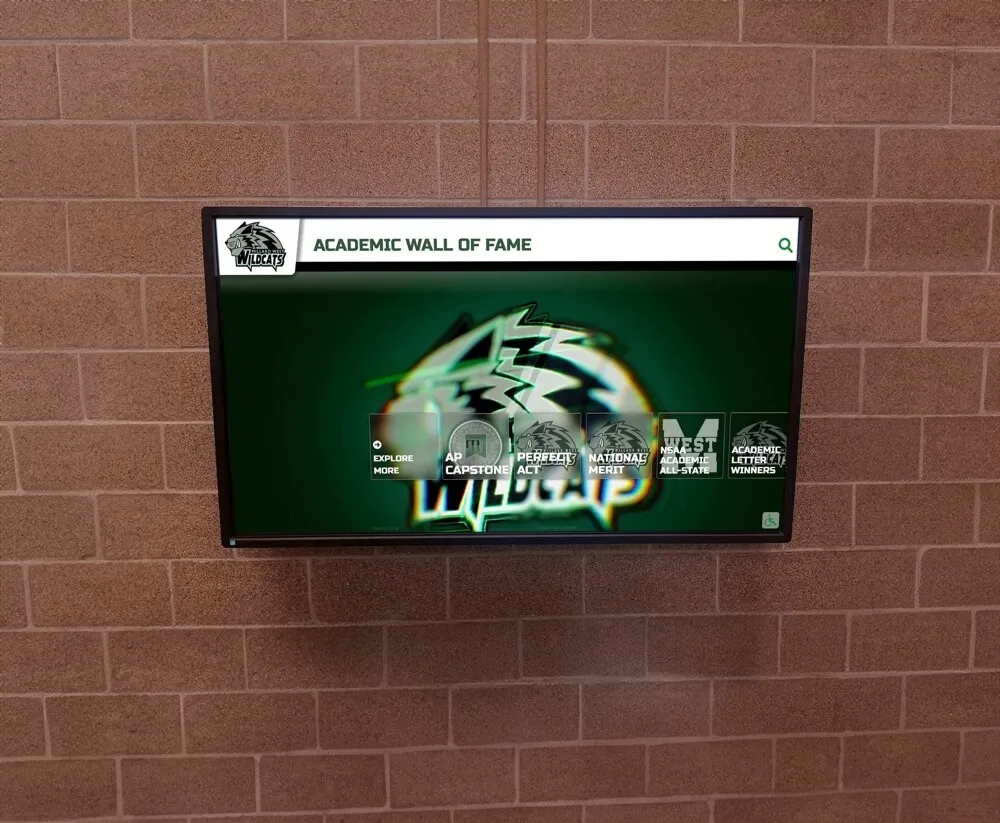
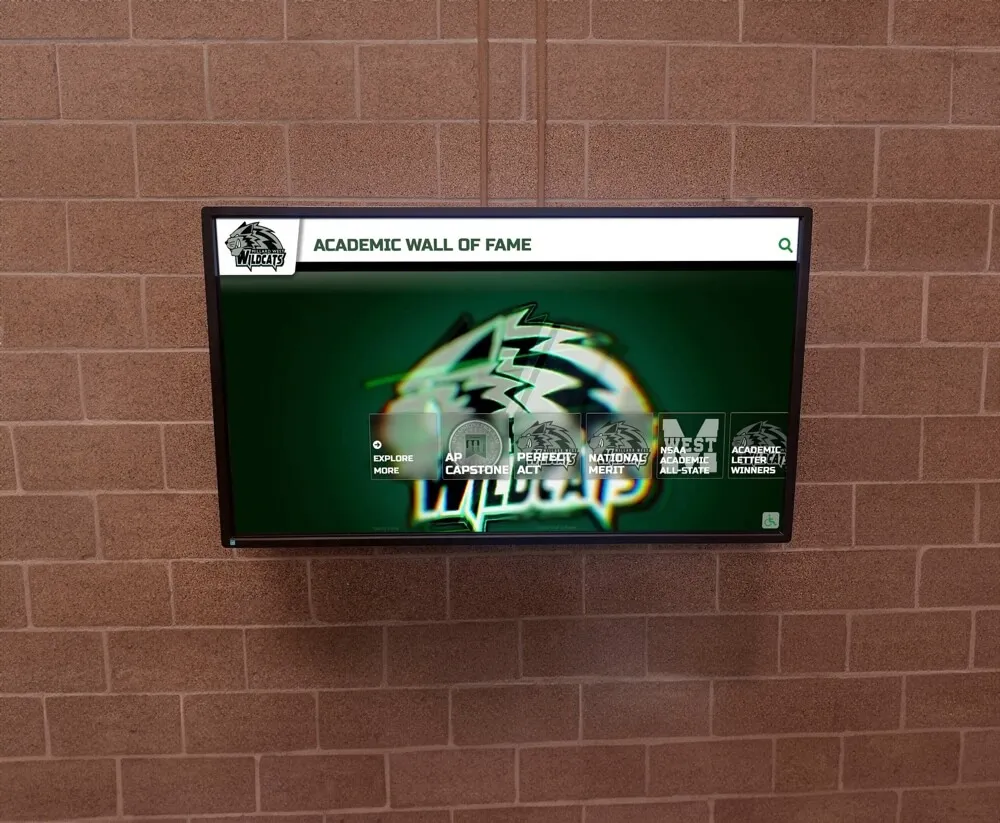
Permanent recognition displays honor teaching excellence while creating visible tributes inspiring current students and future educational leaders
Understanding the Profound Impact of Teachers
Before exploring specific appreciation approaches, understanding the comprehensive influence teachers have on students’ lives helps communities design recognition that matches teaching contributions’ true significance.
Beyond Curriculum Delivery: The Complete Teaching Role
Effective teachers serve multiple critical functions that extend far beyond content instruction and academic standards.
Academic Excellence and Skill Development
Teachers develop intellectual capabilities through systematic instruction, differentiated learning approaches, assessment and feedback, and individualized support addressing diverse learning needs. They identify student strengths and challenges, design learning experiences maximizing understanding, create classroom environments conducive to focused learning, and provide instruction that transforms raw curiosity into refined knowledge and critical thinking skills.
This academic development function represents teachers’ most visible contribution—the student achievement gains and learning growth directly reflecting teaching quality and dedication. Yet skill development constitutes only one dimension of effective teaching.
Social-Emotional Development and Character Formation
Classrooms create natural laboratories for social-emotional learning—situations requiring cooperation, conflict resolution, emotional regulation, empathy, and resilience. Teachers guide young people through these character-testing moments, teaching values through both explicit instruction and personal modeling. When teachers demonstrate patience with struggling learners, show respect for diverse perspectives, maintain composure during classroom challenges, and hold students accountable to high behavioral standards, they shape character development influencing how young people approach challenges throughout life.
Many former students reflect decades later that their most significant teaching influence wasn’t academic content but values internalized through their teachers’ instruction and example—perseverance, integrity, curiosity, and compassion that shaped career success, relationship quality, and personal fulfillment.
Mentorship and Whole-Child Support
Teachers often develop relationships with students extending beyond pure academics into broader mentorship encompassing personal challenges, family difficulties, identity development, and life direction. Students facing challenging home situations, peer conflicts, or personal crises frequently turn to teachers for guidance and support. This mentorship role requires teachers to be trusted adults in young people’s lives—listeners, counselors, advocates, and sources of stability during developmental years.
The mentorship dimension explains why schools benefit from recognition systems enabling ongoing connection between former students and the teachers who influenced them, maintaining relationships that endure long after graduation.
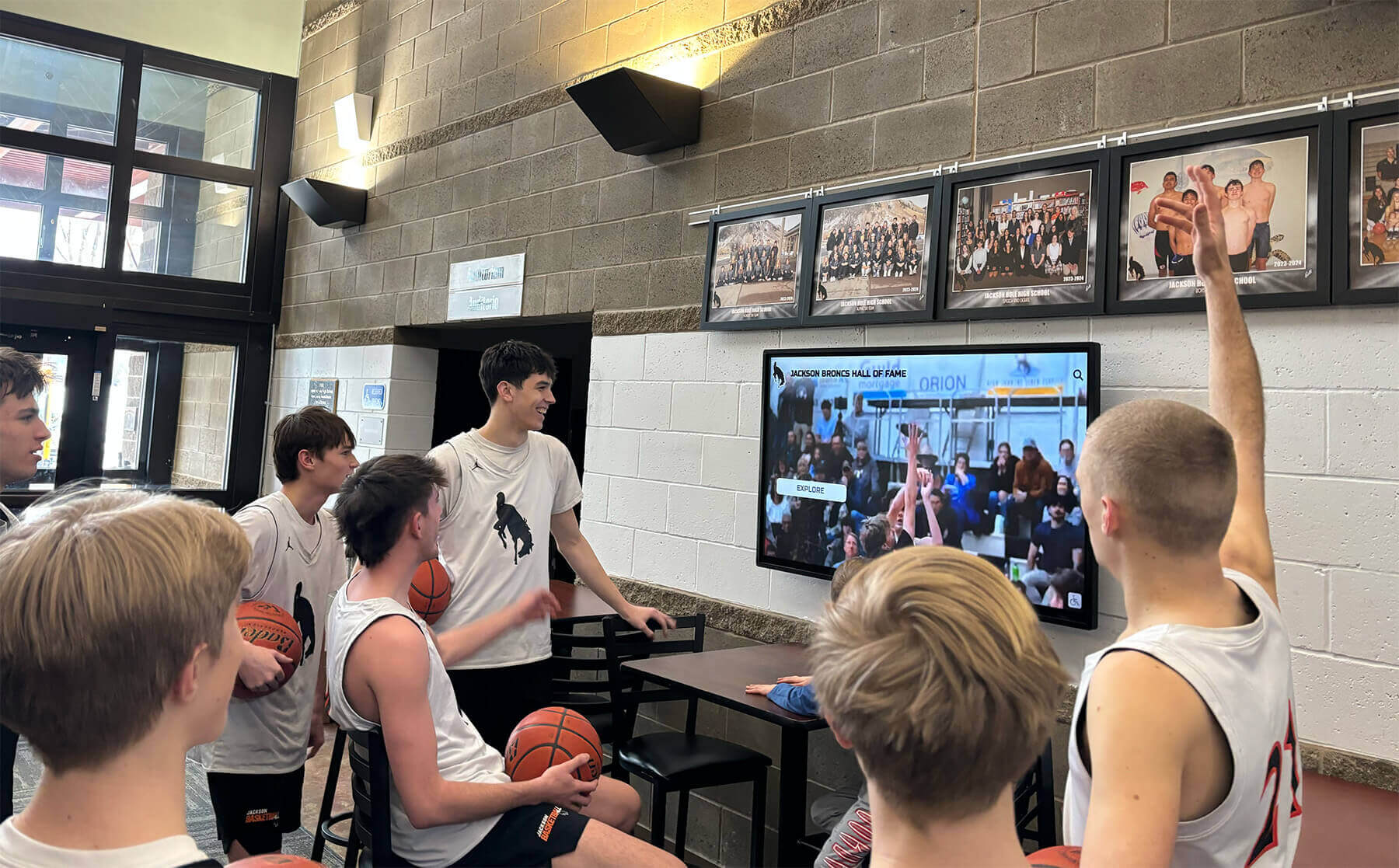
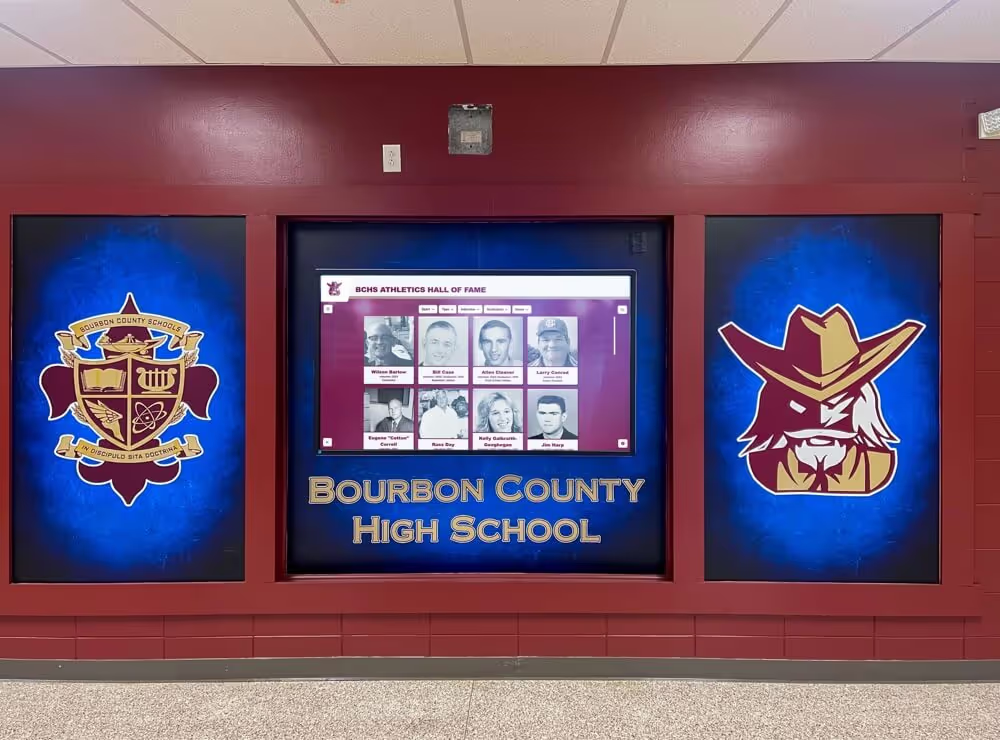
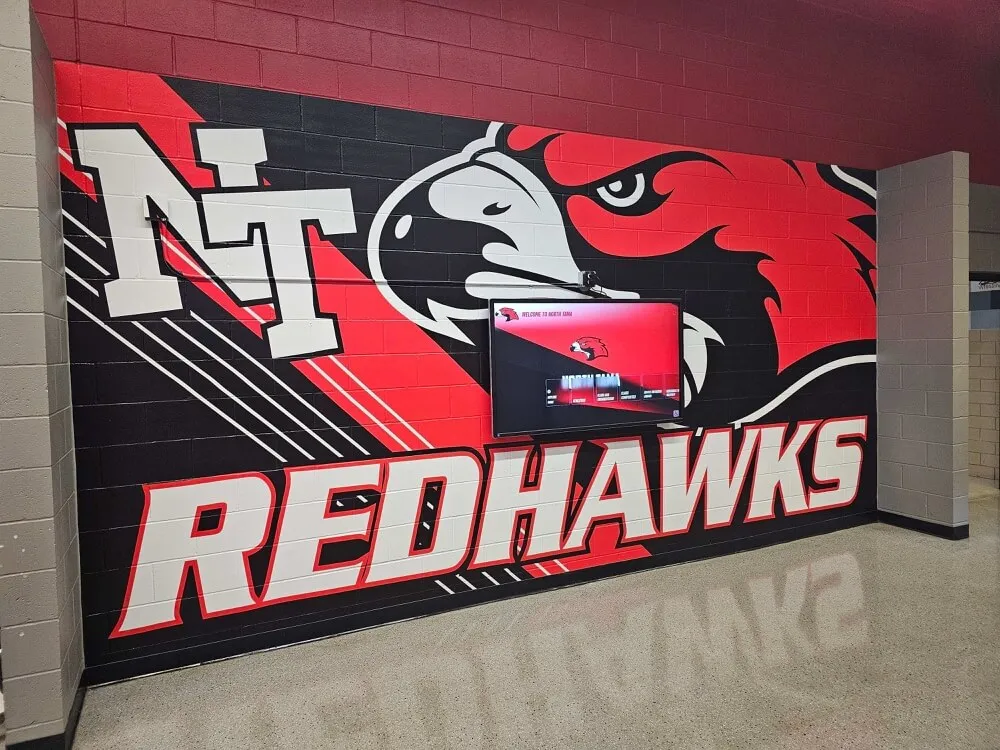
Modern recognition systems celebrate teaching impact through accessible displays showcasing educator excellence and student achievements
Creating Learning Communities
Teachers build classroom cultures creating sense of belonging, intellectual safety, and community that proves particularly significant during formative years when young people develop academic identities. Well-managed classrooms become communities where students develop collaborative skills, learn to navigate diverse perspectives, experience collective achievement, and build identity as learners capable of academic success.
This community-building function has profound developmental impact. Research consistently demonstrates that students who experience supportive, well-structured classroom communities demonstrate higher academic achievement, stronger social connections, improved mental health, and greater persistence through academic challenges. These outcomes flow directly from the belonging and community teachers create through classroom cultures emphasizing inclusion, respect, and shared learning purpose.
The Personal Investment Teachers Make
Understanding the actual time, energy, and personal sacrifice teaching requires helps communities develop appreciation matching educators’ genuine investment.
Time Commitment Beyond School Hours
Most people see teachers during instructional hours, but teaching work extends far beyond visible classroom time. Comprehensive teaching involves lesson planning and curriculum development, assessment creation and student work grading, individualized education plan development, parent communication and conferences, professional development and continued education, extracurricular advising and sponsorship, committee participation and school improvement work, and classroom preparation and materials management.
Teachers typically invest 50-60 hours weekly when accounting for all professional responsibilities, with many dedicating summer hours to curriculum planning, classroom preparation, and professional learning. This time commitment represents substantial personal sacrifice—evenings and weekends away from family, limited vacation flexibility during school breaks, and competing demands on limited personal time and energy.
Emotional Investment and Mental Load
Effective teaching requires significant emotional investment in student success and wellbeing. Teachers celebrate student achievements as personal triumphs and feel student struggles as personal concerns requiring intervention and support. This emotional engagement drives teaching excellence but also creates stress—worry about struggling students, pressure to meet accountability standards, concern for students facing difficult circumstances, and responsibility for classroom dynamics and learning outcomes.
Teachers balance competing demands from students, parents, administrators, and policymakers who may have conflicting expectations about instructional approaches, assessment methods, behavioral management, and educational priorities. Managing these relationships while maintaining instructional integrity and focus on student learning requires emotional resilience and interpersonal skill that goes underappreciated.
Financial Sacrifice and Resource Investment
Most teachers invest personal funds purchasing classroom supplies, learning materials, books, technology, decorations, and student necessities. Research indicates teachers spend an average of $500-$1,000 annually from personal funds—often more in under-resourced schools or specialized subject areas requiring specific materials. These expenditures represent genuine financial sacrifice made because teachers prioritize student learning and classroom environment quality over personal financial security.
Teachers accept modest compensation relative to educational requirements and professional demands because they’re motivated by love of learning, commitment to youth development, and intrinsic satisfaction from teaching impact rather than financial incentive. Yet this financial sacrifice deserves recognition—teachers invest resources they could direct toward personal needs because they value student success.
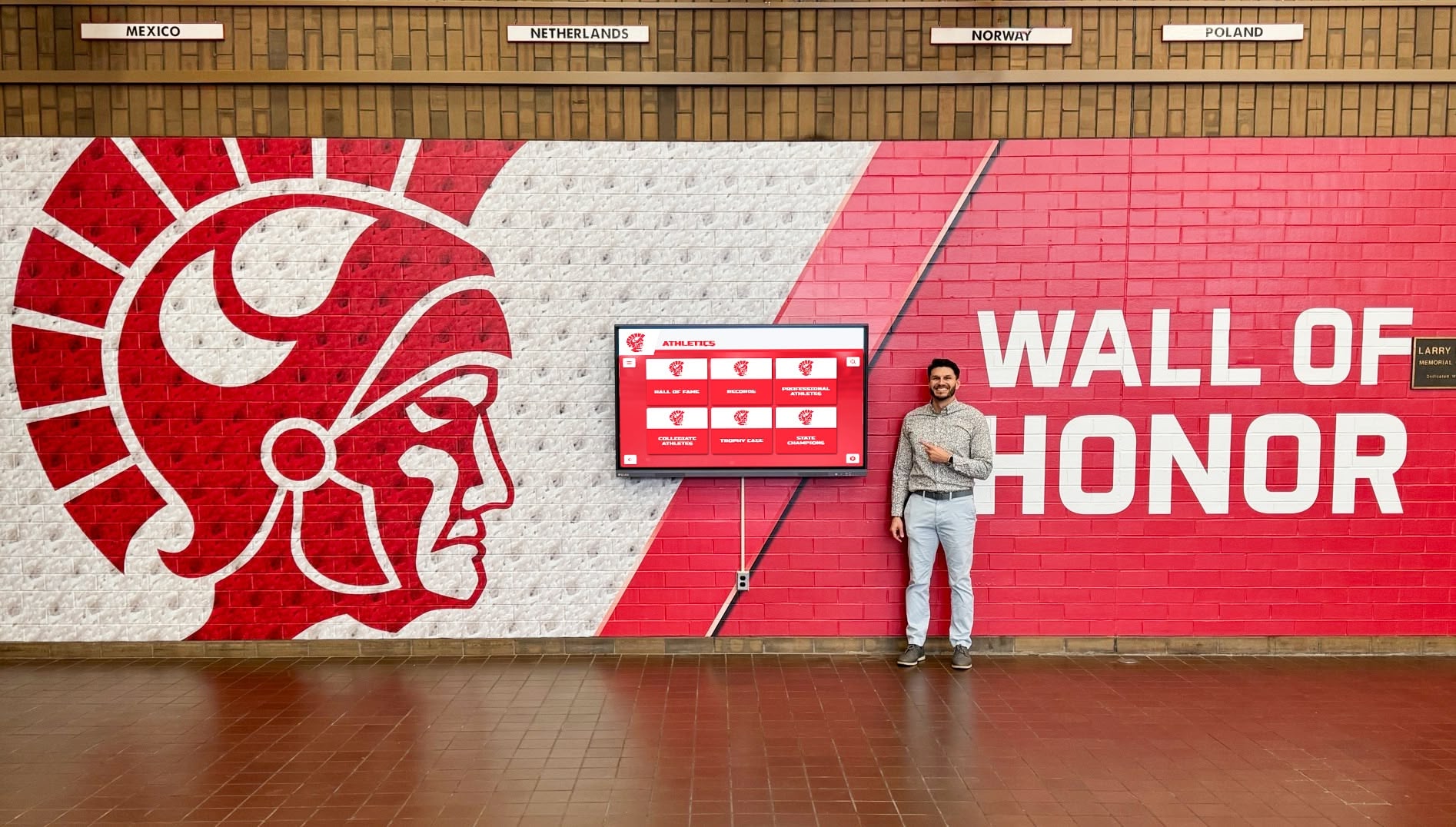
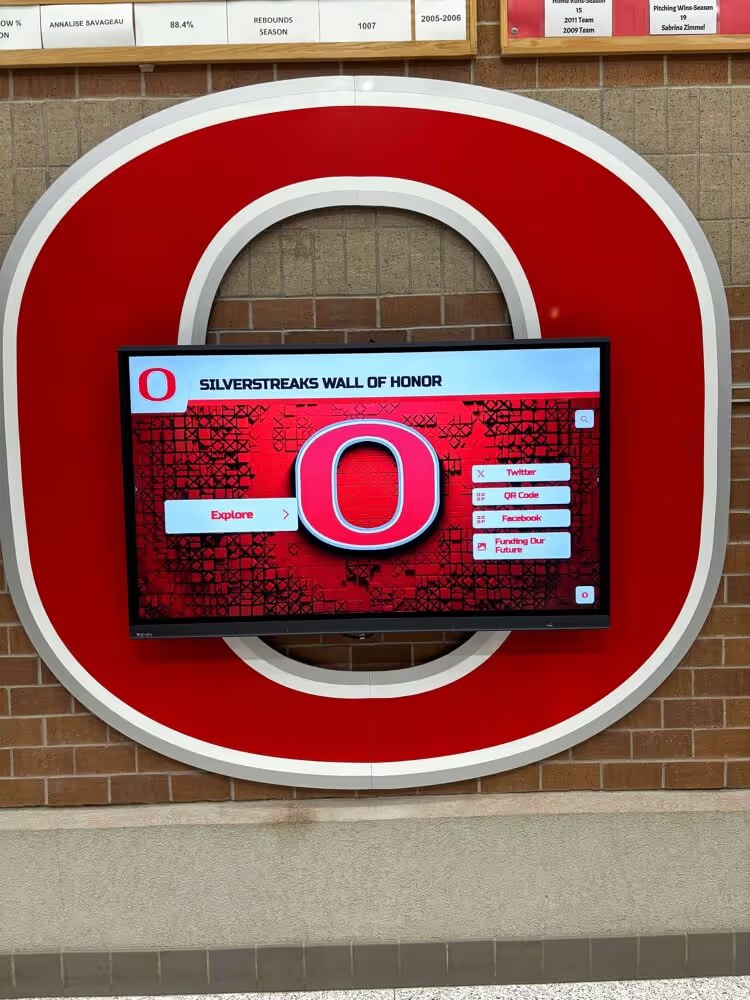
Professional recognition installations demonstrate institutional commitment to celebrating educational excellence and teaching dedication
Traditional Teacher Appreciation Week Celebrations
Teacher Appreciation Week, observed annually during the first full week of May, provides dedicated opportunity for focused recognition. Schools and communities implement various approaches to week-long celebrations honoring teaching contributions.
Simple Gestures With Meaningful Impact
Even modest appreciation efforts demonstrate genuine gratitude when executed thoughtfully and authentically.
Student-Organized Recognition
Students organizing appreciation efforts create particularly meaningful recognition because it demonstrates that learners recognize and value teaching investment. Simple student-initiated gestures include:
- Handwritten thank-you notes from individual students sharing specific teaching impacts and learning breakthroughs
- Class-created posters or cards acknowledging teacher dedication and influence
- Small gifts reflecting teacher interests, favorite snacks, or classroom needs
- Classroom surprises including decorations, breakfast treats, or coordinated appreciation activities
- Video compilations where students share what they appreciate about their teachers
- Student council-coordinated school-wide appreciation campaigns
The key to impactful student-organized recognition lies in specificity and authenticity. Generic “thanks for teaching” notes hold less meaning than detailed reflections on specific moments when teaching made difference—the extra help session that clarified confusing concepts, the encouraging comment that rebuilt confidence, the creative lesson that sparked genuine interest, or the belief expressed when students doubted their capabilities.
Parent and Family Support
Parents and broader school communities can supplement student recognition with additional appreciation:
- Parent organization-sponsored appreciation breakfasts or luncheons
- Community-donated gift cards, services, or appreciation baskets
- Organized social media campaigns highlighting teacher impact
- Video messages from families expressing appreciation for teacher dedication
- Volunteer support providing classroom assistance or teacher relief
- Fundraising efforts supporting teacher classroom needs or professional development
Schools implementing comprehensive recognition programs often coordinate parent and community involvement to create unified appreciation efforts rather than fragmented individual initiatives.
Administrative and School-Wide Recognition
Principals and school administrators provide institutional recognition validating teaching contributions:
- Principal statements during morning announcements or school assemblies
- Superintendent or board of education recognition resolutions
- School newsletter or website features highlighting teaching excellence
- Staff meeting acknowledgments celebrating teaching achievements
- Formal letters or certificates of appreciation from administration
- Social media campaigns showcasing individual teachers and their contributions
Administrative recognition proves particularly meaningful because it signals institutional appreciation beyond just students and families directly benefiting from teaching. When school leadership publicly celebrates teaching excellence, it reinforces that education systems value teachers as essential professionals driving educational mission.

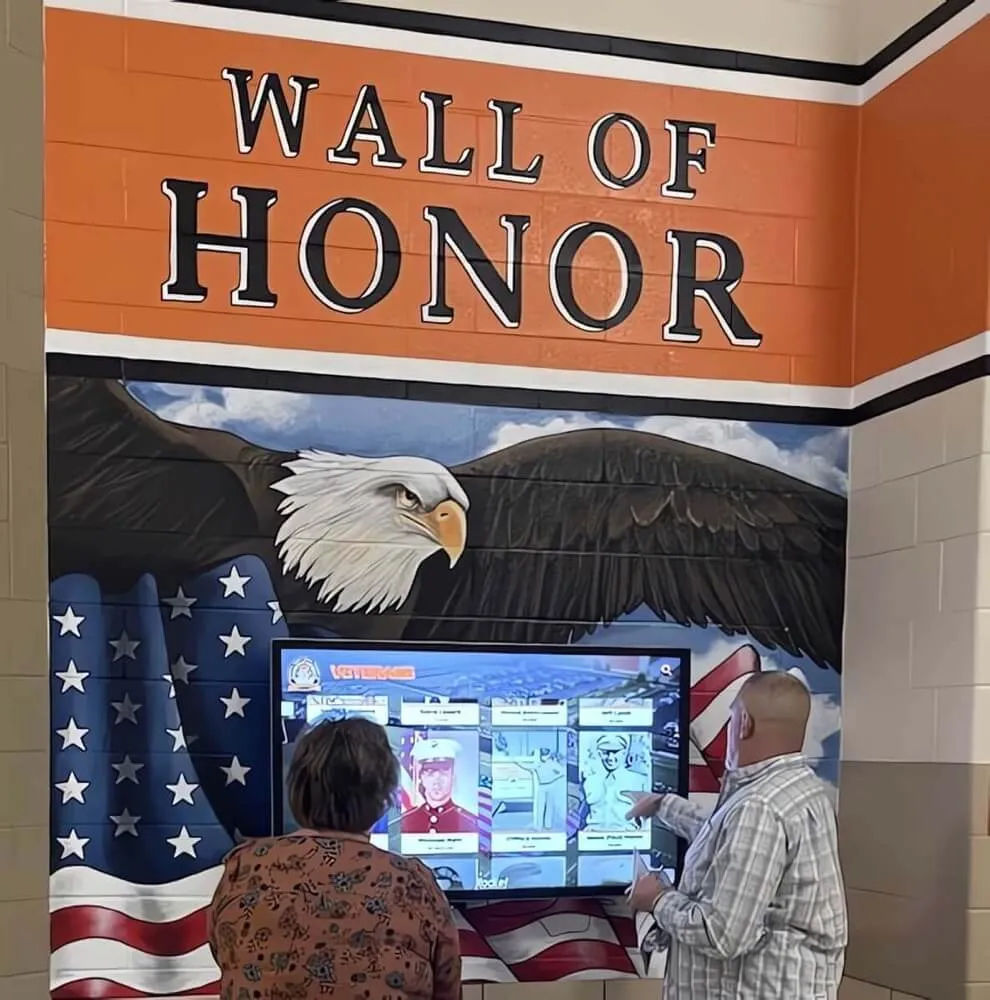
Systematic recognition approaches celebrate both student achievement and the teaching excellence that enables academic success
Creative Daily Themes Throughout the Week
Many schools organize Teacher Appreciation Week around daily themes creating variety and sustained engagement throughout the celebration period.
Monday: Gratitude and Thank-You Notes
Launch the week focused on written appreciation. Students across grade levels write personalized thank-you notes to teachers sharing specific gratitude and appreciation. Teachers receive collections of heartfelt messages from current students, and schools might invite alumni to submit notes to influential teachers from their educational experience.
Tuesday: Favorite Things and Personalized Gifts
Students bring small gifts reflecting teachers’ favorite things—favorite snacks, coffee, books, school supplies, or hobby items. Parent organizations might coordinate “favorite things” surveys gathering teacher preferences, enabling families to contribute appropriate gifts matching individual teacher interests.
Wednesday: Dress-Up and Theme Days
Organize fun dress-up themes where students and staff participate together—school colors day, decades day, career day, or comfortable clothing day. These shared experiences build community while creating lighthearted celebration atmosphere recognizing teachers as integral community members.
Thursday: Classroom Assistance and Service
Students, parents, and administrators provide practical support lightening teacher workload. Volunteers assist with classroom organization, lesson preparation, bulletin board updates, or administrative tasks. Parent organizations might arrange substitutes enabling teachers to attend appreciation luncheons without missing instructional time.
Friday: Celebration and Recognition Ceremony
Conclude the week with formal recognition events—staff appreciation assemblies, award presentations, video tributes showcasing teacher impact, or after-school celebrations bringing together teachers, students, families, and community members for communal appreciation.
Daily themes create sustained appreciation momentum throughout the week while enabling diverse participation from various school community members based on their interests, availability, and contribution capabilities.
Formal Recognition Events and Ceremonies
More elaborate appreciation takes form of special events or ceremonies dedicated to comprehensive teacher celebration.
Teacher Appreciation Banquets
Formal banquets provide venues for extended recognition impossible during school day constraints. Effective banquet recognition includes:
- Video tributes combining classroom photos, student testimonials, and teaching highlights
- Student or alumni speakers sharing personal stories about teacher impact on their lives
- Teaching awards recognizing specific excellence categories—innovative instruction, mentorship, curriculum development, or longevity
- Gifts, plaques, or other tangible recognition items commemorating the occasion
- Keynote speakers celebrating teaching profession and importance
Banquet settings enable deep celebration while bringing together teachers, families, administrators, and community members for shared appreciation creating emotional resonance and community-wide acknowledgment of teaching excellence.
School-Wide Assemblies
Student assemblies dedicated to teacher appreciation demonstrate collective student gratitude. Assembly elements might include:
- Student performances celebrating teachers through music, drama, or multimedia presentations
- Principal or superintendent addresses honoring teaching profession
- Student council-led recognition activities
- Surprise teacher recognition with family member participation
- Alumni video messages sharing how former teachers influenced their life trajectories
The public, communal nature of assembly recognition amplifies appreciation impact by demonstrating school-wide support and gratitude before entire student body witnessing the respect teachers command.

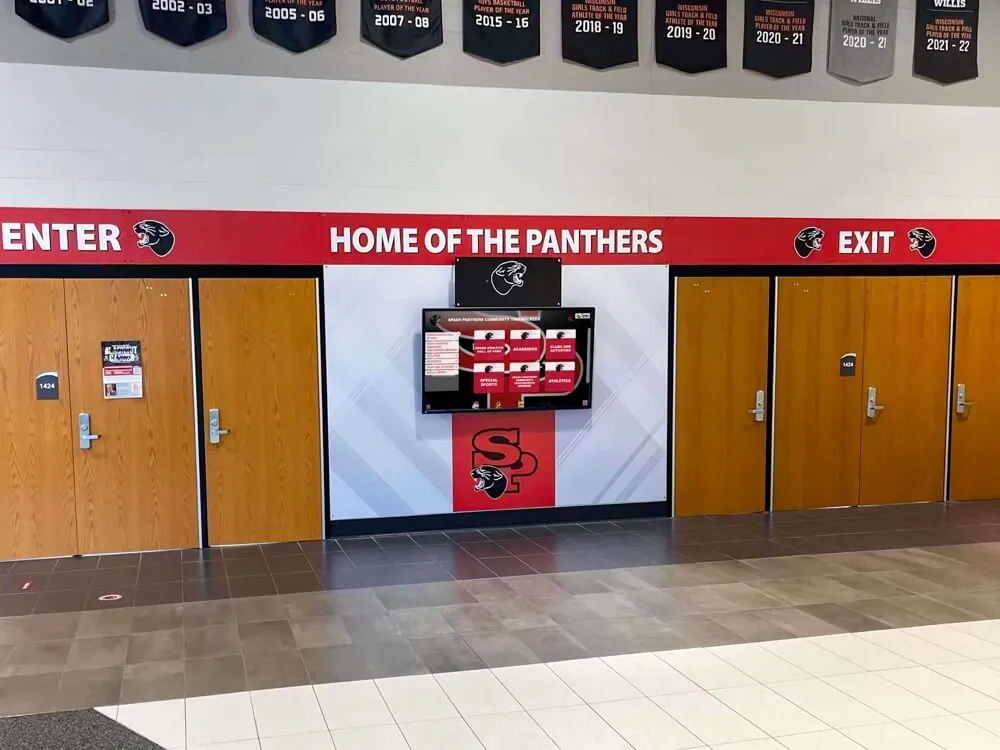
Strategic placement of recognition displays throughout school facilities ensures daily visibility while honoring educational excellence
Community Recognition Events
Extend appreciation beyond school boundaries through community-wide celebrations:
- Local business partnerships providing discounts or special offers for educators
- Community organization sponsorship of appreciation events
- Media features showcasing local teachers and their contributions
- Municipal proclamations designating Teacher Appreciation Week
- Chamber of commerce or civic group recognition dinners
Community engagement demonstrates that teacher appreciation extends beyond immediate school constituencies to include broader societal recognition of education’s critical importance.
Building Permanent Teacher Recognition Programs
While week-long appreciation has value, the most meaningful recognition creates lasting tribute to teaching excellence that honors current teachers while inspiring future educators.
Teacher Halls of Fame and Honor Programs
Formal teaching recognition programs provide systematic frameworks for celebrating exceptional teaching careers and contributions.
Establishing Selection Criteria
Credible teacher halls of fame require clear criteria ensuring fair selection and recognition prestige. Common criteria include:
- Years of teaching service (typically minimum 10-15 years at the institution)
- Teaching excellence demonstrated through student achievement, innovative instruction, or curriculum development
- Professional recognition including teaching awards, grants, or published work
- Mentorship and professional leadership within teaching community
- Student and family testimonials documenting teaching impact
- Contributions to school culture, extracurricular programs, or institutional improvement
- Character and professional conduct exemplifying teaching profession
Selection criteria should balance measurable outcomes with qualitative teaching impact including student relationships, classroom culture, and professional integrity. The best teachers aren’t always those with highest test scores but those who consistently inspired learning, built supportive communities, and influenced countless students through dedicated teaching.
Selection Committee Structure
Teacher hall of fame selection benefits from diverse committee representation including:
- Building principals or instructional administrators
- Current teaching staff members representing various departments
- Previously inducted hall of fame teachers
- Alumni representing multiple graduation classes and teaching eras
- Parent organization representatives
- Student representatives for secondary schools
Committees typically establish nomination processes allowing broad school community input, evaluation procedures assessing candidates against stated criteria, and voting standards (often requiring supermajority support) ensuring broad consensus behind selections. Annual or biennial selection cycles maintain recognition momentum while preserving honor prestige through selectivity.
Induction Ceremonies and Celebration
Inducted teachers deserve meaningful celebration validating career achievement and inspiring current educators and students. Effective induction ceremonies include:
- Comprehensive teaching profile presentations covering career highlights, teaching philosophy, and student impact
- Video tributes including classroom moments, student testimonials, and career retrospectives
- Speeches from former students sharing personal stories about teacher influence
- Recognition from colleagues and administrators acknowledging professional contributions
- Physical awards, plaques, or commemorative items honoring induction
- Reception opportunities for attendees to personally congratulate honorees
Schools implementing structured recognition programs find that formal ceremonies create memorable celebrations strengthening institutional culture while demonstrating genuine commitment to teaching excellence.
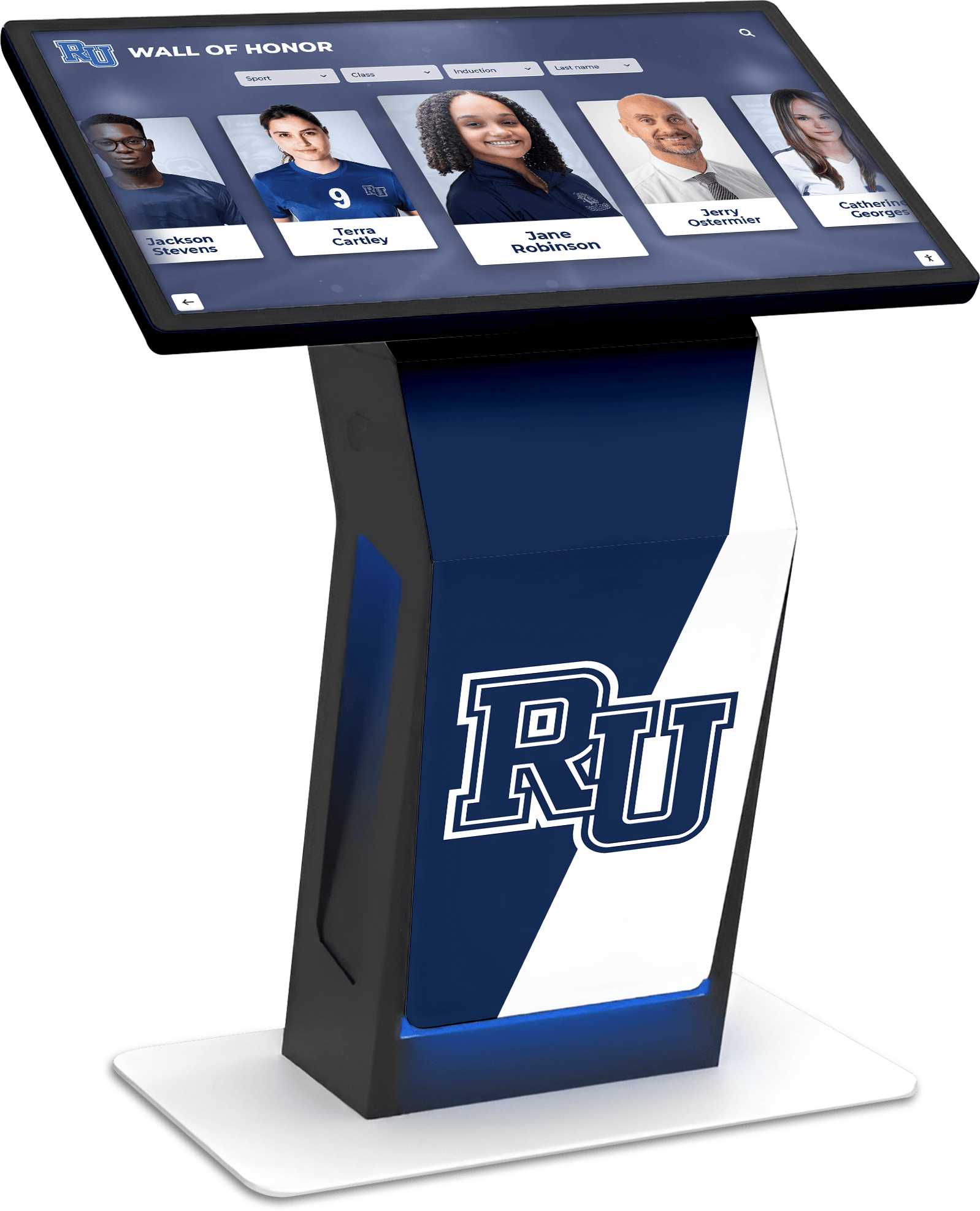
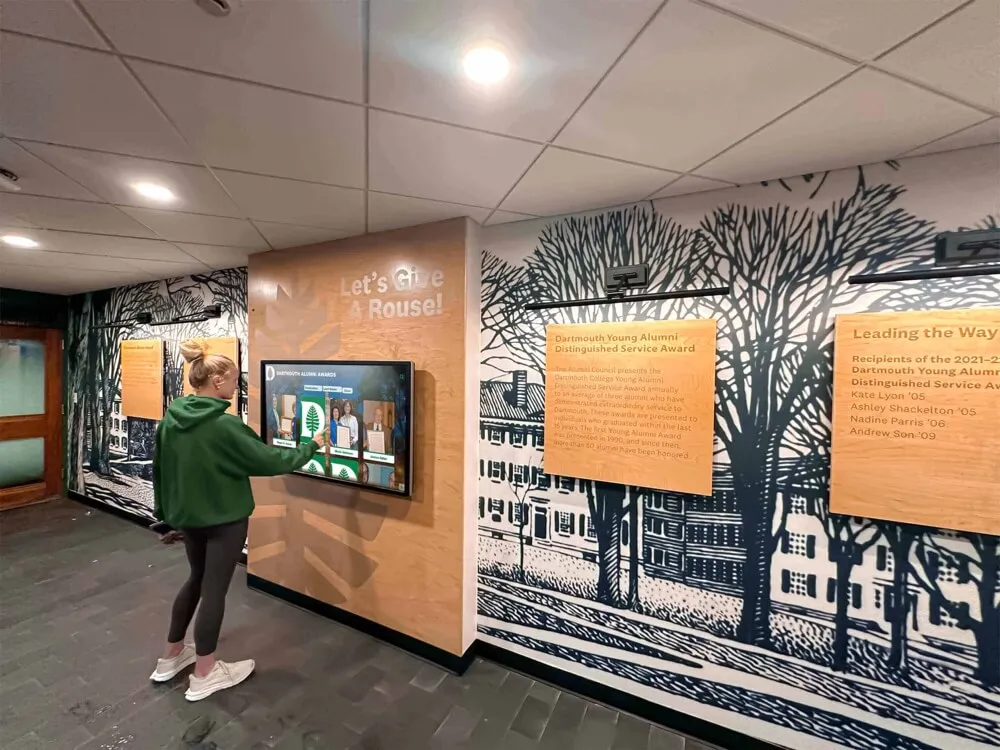
Modern recognition installations combine elegant design with intuitive technology creating engaging exploration experiences
Named Awards and Annual Recognition
Beyond hall of fame induction, schools create ongoing recognition through named awards honoring legendary teachers while celebrating current excellence.
Legacy Teacher of the Year Awards
Schools name annual teaching awards after distinguished former teachers, creating ongoing tribute while recognizing current teaching excellence. Recipients of awards bearing legendary teachers’ names join honored tradition connecting past and present teaching excellence. These named awards:
- Keep legendary teachers’ memories and contributions alive across generations
- Create aspirational standards for current teachers demonstrating valued qualities
- Provide annual recognition opportunities celebrating excellent teaching
- Build teaching tradition and school culture around educational excellence
- Connect generations of teachers and students through shared appreciation
Selection criteria for named awards typically mirror the teaching qualities and achievements that defined the teacher being honored. An award named for a teacher known for innovative instruction might emphasize creative pedagogy, while recognition honoring a devoted mentor might weight student relationships and support more heavily.
Career Milestone Recognition
Systematic recognition of teaching milestones creates regular appreciation touchpoints throughout careers. Common milestones include:
- Years-of-service anniversaries (5, 10, 15, 20, 25+ years)
- National Board Certification achievement
- Advanced degree completion supporting professional growth
- Teaching award receipt from professional organizations or education agencies
- Publication of educational research or curriculum resources
- Retirement recognition celebrating complete teaching careers
Milestone recognition demonstrates that schools notice and appreciate teaching longevity and sustained excellence. Public celebration of milestones during faculty meetings, at school events, or through special ceremonies provides recognition opportunities while these teachers remain active rather than waiting until retirement or hall of fame eligibility.
Physical Recognition Infrastructure
Permanent physical recognition within school facilities creates visible, lasting tribute to teaching excellence.
Teaching Excellence Recognition Walls
Dedicated wall space honoring teachers provides centralized recognition showcasing teaching excellence for current students, visitors, and community members. Traditional approaches include:
- Engraved plaques listing inducted hall of fame teachers with induction years
- Photo walls displaying teaching portraits with names, subjects, and tenure years
- Recognition boards listing teaching award recipients and special achievements
- Timeline displays showing school history and influential teachers across eras
- Quote walls featuring inspiring messages from honored teachers
Physical recognition walls face inherent limitations including space constraints, update complexity when adding new inductees, and limited information capacity. Yet they provide tangible, always-visible celebration creating institutional memory and school pride.
Digital Recognition Systems
Modern digital recognition transforms traditional limitations through interactive displays providing unlimited capacity, rich multimedia content, and engaging exploration experiences. Digital systems enable:
- Comprehensive teacher profiles including biographical information, teaching philosophy, career achievements, and student testimonials
- Photo and video galleries showcasing classroom teaching, special moments, and career retrospectives
- Searchable databases enabling visitors to explore teaching history by name, department, era, or achievement
- Interactive timelines visualizing school history and teaching legacy across generations
- Web accessibility extending recognition reach beyond physical campus to alumni and broader community
Solutions like Rocket Alumni Solutions provide purpose-built recognition platforms specifically designed for educational institutions, eliminating complexity of custom development while delivering professional results. These systems accommodate unlimited teachers across all departments and eras, support intuitive content management without requiring technical expertise, and provide accessibility features ensuring universal community engagement.

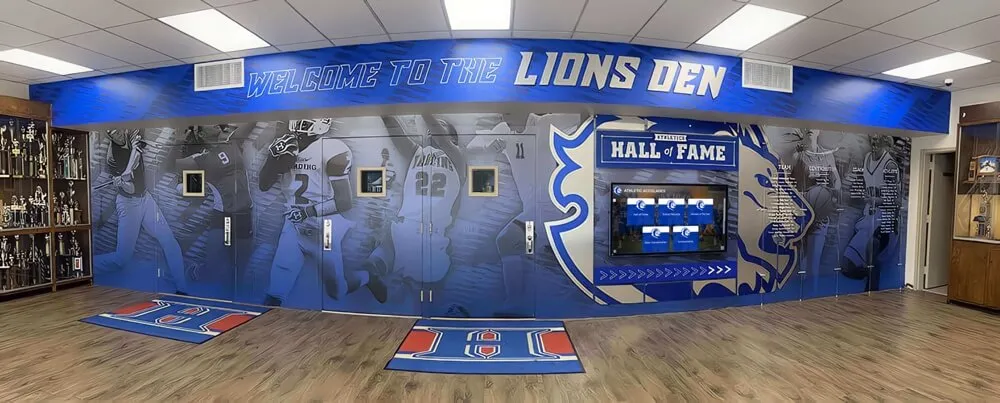
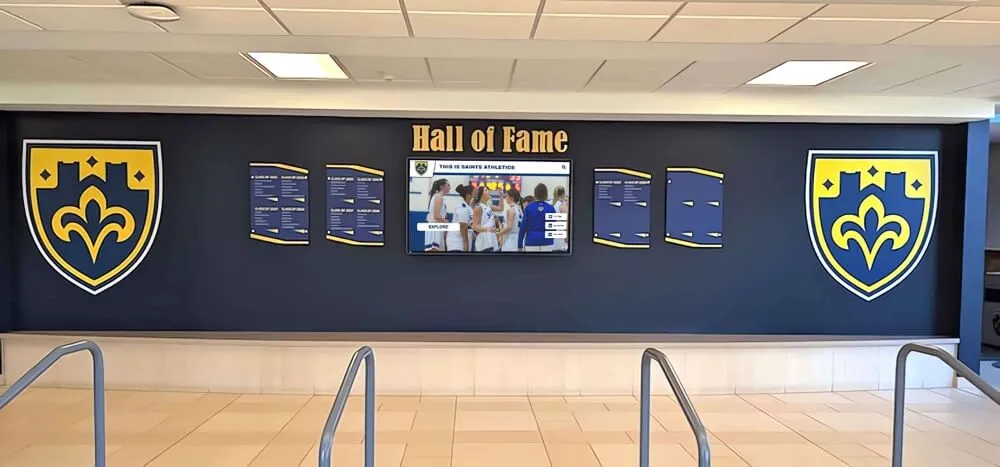
Comprehensive recognition environments integrate digital technology with traditional displays creating immersive celebration spaces
Named Classrooms and Spaces
Schools honor exceptional teachers through classroom or facility naming:
- Individual classrooms named for distinguished teachers
- Specialized spaces like libraries, labs, or learning centers
- Garden areas, outdoor classrooms, or campus features
- Academic departments or program areas
Classroom naming provides meaningful honor creating permanent legacy ensuring teachers’ names remain associated with learning spaces where they taught and influenced students. These dedications typically follow retirement or commemorate deceased teachers, requiring board approval and potentially donor support for associated renovations or enhancements.
Leveraging Digital Recognition for Teaching Excellence
Modern technology transforms teacher recognition from static displays into dynamic, engaging tributes accessible to entire communities while providing unlimited capacity for comprehensive recognition.
Benefits of Digital Teacher Recognition
Digital platforms address traditional physical recognition limitations while creating new possibilities for teaching celebration and legacy preservation.
Unlimited Recognition Capacity
Physical trophy cases and hallway plaques face finite space constraints forcing schools to make difficult decisions about which teachers to recognize and how much space to dedicate to teaching recognition versus other school priorities. Digital systems eliminate space limitations entirely. Schools can recognize all deserving teachers across all departments and eras through searchable, browsable interfaces showcasing hundreds of teaching profiles within single installations.
This unlimited capacity proves particularly valuable for schools with long histories and multiple deserving teachers spanning decades. Rather than choosing which teachers merit limited physical recognition space, digital systems enable comprehensive recognition celebrating every teaching contributor to educational excellence.
Rich Multimedia Teaching Profiles
Traditional plaques convey minimal information—typically just names, subjects, and years taught—limiting storytelling depth. Digital platforms support comprehensive teacher recognition including:
- Detailed biographical information and educational background
- Teaching philosophy statements explaining educational approaches and values
- Career achievement documentation including awards, recognitions, and special contributions
- Photo galleries showing teachers throughout their careers and in classroom settings
- Video content including classroom teaching clips, retirement speeches, or personal reflections
- Student testimonial collections sharing personal stories about teacher impact
- Alumni updates documenting how former students credit teachers with life influence
These rich multimedia profiles celebrate complete teaching stories rather than reducing careers to names on plaques. Current students discover comprehensive teaching legacies, understanding school traditions while seeing detailed models of teaching excellence to aspire toward during their own educational journeys.
Interactive Exploration and Discovery
Static displays offer passive viewing with limited engagement beyond brief glances while passing through hallways. Digital touchscreen interfaces enable active exploration through:
- Search functionality finding specific teachers by name, subject, or teaching era
- Department filtering discovering teachers within specific academic areas
- Achievement browsing exploring teachers by award categories or recognitions
- Timeline interfaces visualizing school history and teaching evolution across decades
- Featured content rotation highlighting different teachers regularly maintaining freshness
- Cross-reference connections between teachers and notable alumni they influenced
Interactive exploration creates engaging experiences impossible with traditional plaques. Young students explore teaching histories discovering inspiring role models and understanding school traditions, while alumni reconnect with teachers who influenced them years or decades earlier, often sharing these discoveries via social media amplifying recognition reach.
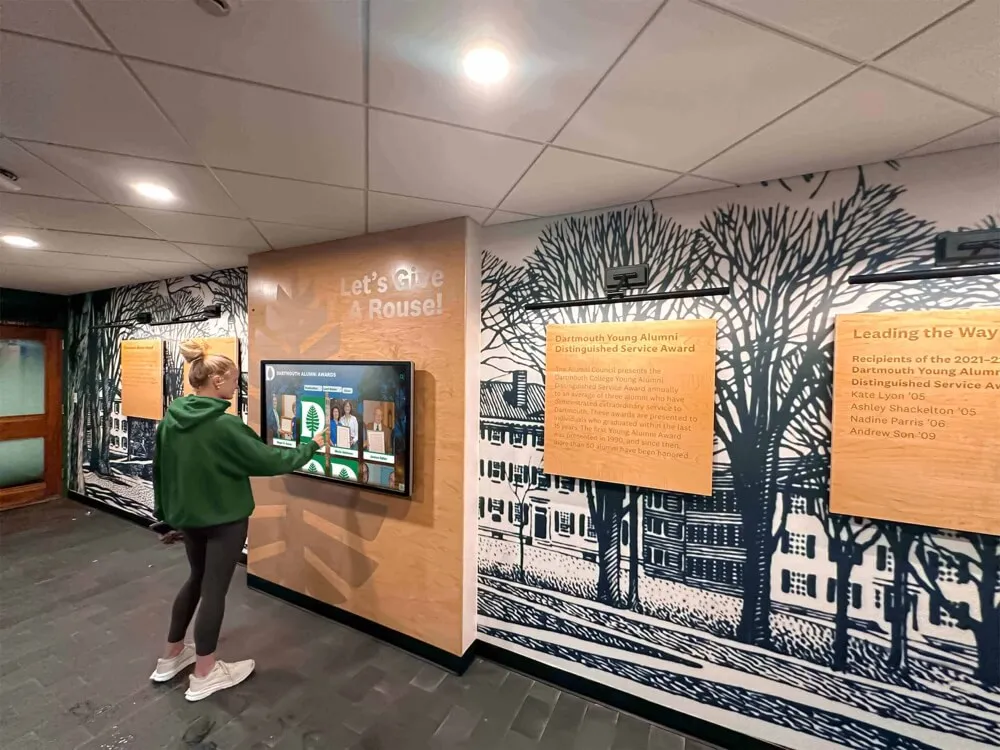
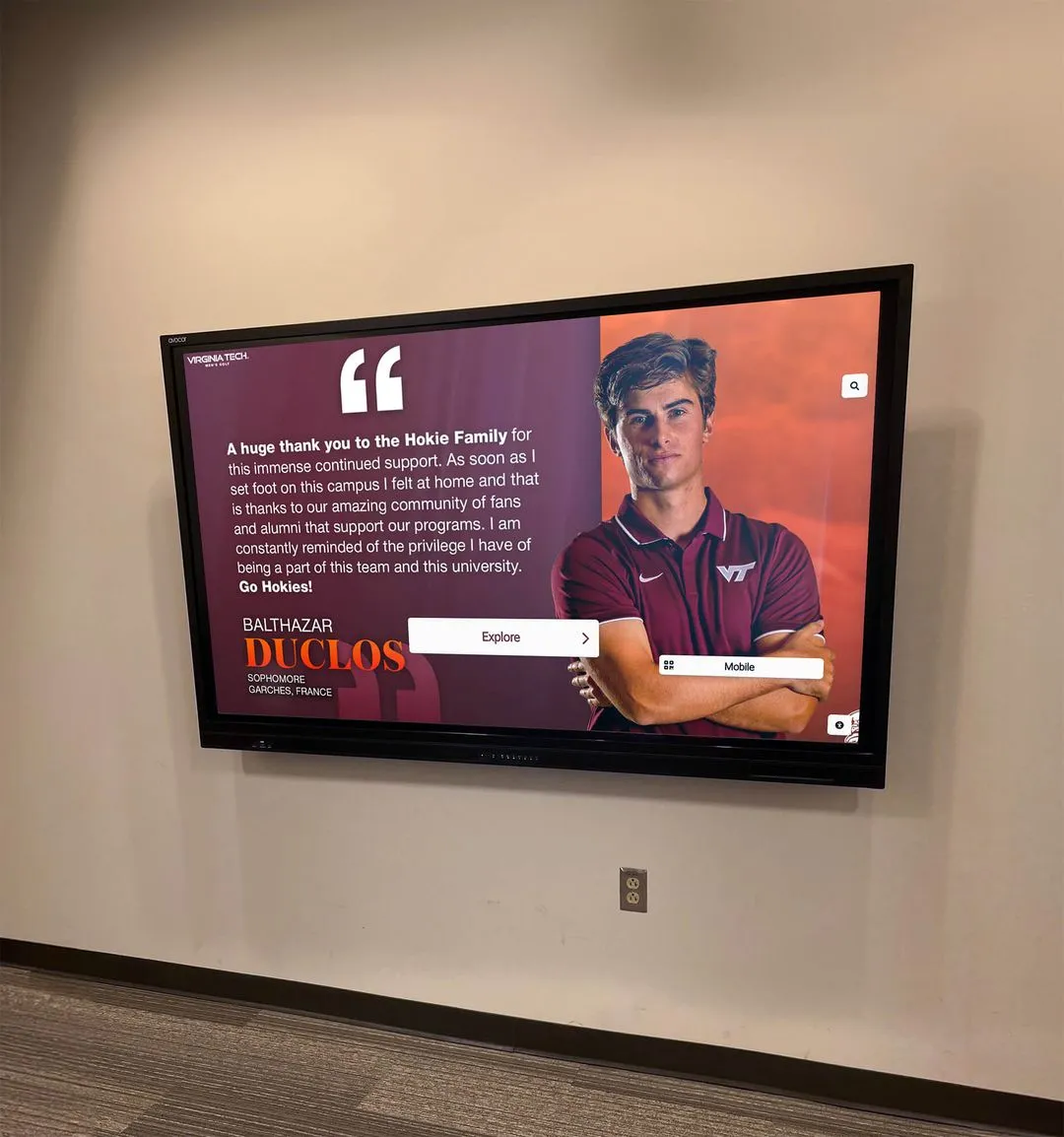
Intuitive interfaces enable exploration of comprehensive teaching profiles including career achievements and student testimonials
Web Accessibility and Social Sharing
Physical recognition remains accessible only to campus visitors, limiting reach to those who can visit facilities personally during school hours. Digital systems with web extensions enable global access for alumni, former students, families, and community members regardless of location or time. Teachers share their recognition profiles via social media celebrating career achievements with extended networks while promoting school excellence.
Web accessibility proves particularly valuable for alumni living far from schools who want to revisit memories of teachers who influenced them. Rather than requiring return visits to campus, digital systems enable connection to teaching recognition from anywhere, maintaining bonds between former students and the teachers who shaped their development and educational trajectories.
Simplified Content Management
Physical plaques require engraving, manufacturing, and professional installation, creating per-teacher costs and logistical complexity coordinating updates when adding new inductees. Digital platforms provide cloud-based content management enabling remote updates from any internet-connected device without specialized technical expertise required.
Authorized staff add newly inducted teachers, update existing profiles with new information or photos, schedule content publication timing coordinating with induction ceremonies, and maintain recognition databases independently without vendor involvement or specialized technical skills. Bulk import tools enable historical content migration from existing databases or school archives, while scheduled publishing allows ceremony-timed content releases ensuring recognition appears exactly when intended.
Schools report 80-90% time savings for recognition maintenance after implementing digital management compared to coordinating traditional plaque updates, engraving services, and installation logistics.
Implementing Comprehensive Digital Teacher Recognition
Schools evaluating digital teacher recognition should understand available solutions, implementation processes, and best practices ensuring successful recognition programs.
Purpose-Built Recognition Platforms
Generic digital signage displays content but lacks recognition-specific functionality like searchable teacher databases, individual profile pages, intuitive navigation, or content management designed specifically for educational recognition. Purpose-built systems like Rocket Alumni Solutions provide recognition-specific features including teacher profile templates, advanced search and filtering capabilities, automated timeline displays, social sharing integration, and intuitive content management eliminating custom development complexity while providing professional results.
Integration with Broader School Recognition
Most effective teacher recognition integrates within comprehensive school recognition systems celebrating teachers alongside student achievements, alumni accomplishments, school history, and institutional milestones. Integrated approaches:
- Connect teachers to notable students they taught and influenced
- Link teaching careers to school history and institutional evolution
- Present cohesive institutional narrative rather than isolated recognition categories
- Eliminate duplicate systems and redundant content management
- Provide more complete storytelling celebrating interconnected educational community
Schools implementing comprehensive digital recognition typically include teaching excellence as core recognition category alongside student honors, athletic achievements, and school history creating unified celebration serving multiple purposes.
Content Development and Historical Migration
Launching comprehensive teaching recognition requires systematic content development and historical data migration from various sources. Schools should:
- Compile complete lists of recognized teachers across all subject areas and eras
- Gather teaching information including biographical details, subjects taught, and years served
- Source photos from yearbooks, school archives, and personal collections
- Record video testimonials from former students sharing teacher impact stories
- Develop standardized teaching profile templates ensuring consistent presentation quality
- Implement phased rollout prioritizing recent teachers with readily available information
- Continuously enhance historical profiles as additional research uncovers more teaching history
Historical teaching recognition often involves gaps where complete information isn’t available for teachers from distant eras. Digital systems accommodate varying information richness—comprehensive profiles for recent teachers with extensive documentation, more basic recognition for historical teachers with limited available information. Schools can continuously enhance historical profiles over time as alumni contribute memories, photos, and additional information about beloved teachers from their educational experience.

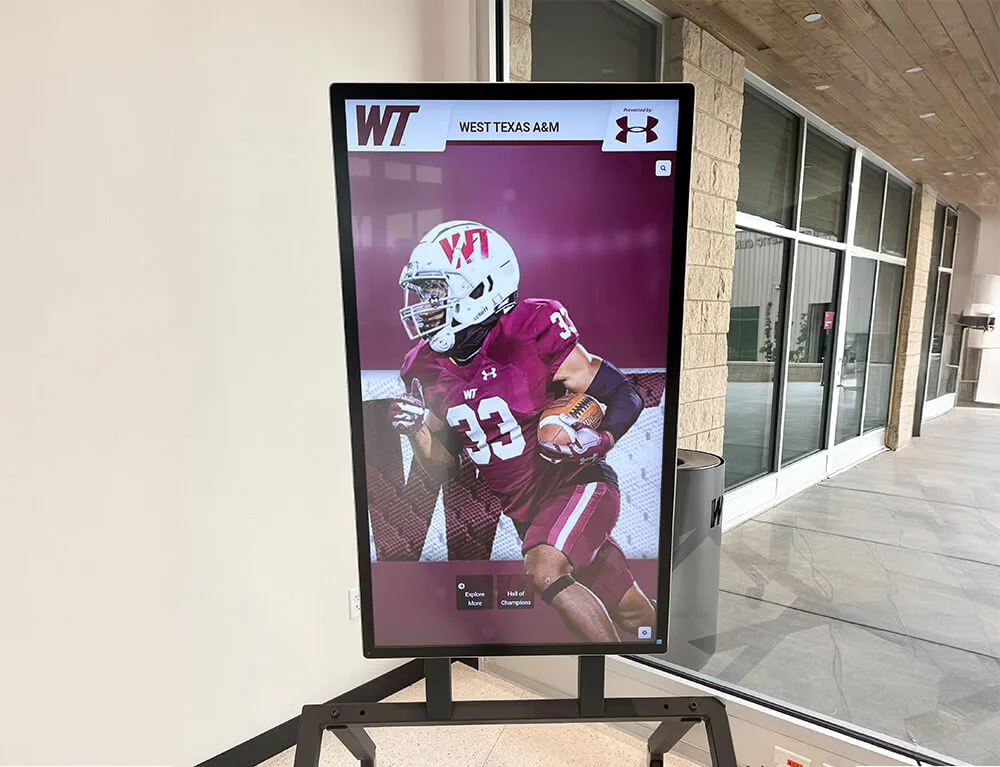
Accessible displays enable students to explore teaching excellence and community contributions creating inspiration and connection
Creative Teacher Appreciation Ideas Beyond Traditional Recognition
Schools seeking unique approaches to teacher appreciation can implement creative recognition strategies that surprise, delight, and meaningfully honor educators.
Student-Generated Content Projects
Student-created appreciation content provides authentic, powerful teacher recognition through various creative formats.
Video Tribute Compilations
Students coordinate with media classes or technology programs to create professional-quality video tributes where classmates share personal stories about teacher impact. Effective testimonials include:
- Specific memories of teaching moments that made lasting impressions
- Learning breakthroughs facilitated by patient teaching and effective instruction
- Appreciation for teacher investment in personal growth and development
- Reflections on how teaching shaped academic interests or career aspirations
- Expressions of gratitude for believing in students’ potential
Video compilations can be presented during appreciation assemblies, shared via social media, or incorporated into digital recognition profiles providing permanent multimedia tribute to teaching excellence.
Alumni Testimonial Campaigns
Coordinate with alumni associations to organize testimonial campaigns where former students share how teachers influenced their lives and careers. Organized campaigns generate substantial content while enabling participation from alumni regardless of geographic distance. Campaign elements include:
- Campaign hashtags enabling social media tracking and discovery
- Submission platforms for written testimonials, photos, or video messages
- Featured alumni profiles highlighting specific teacher influences
- Reunion event coordination capturing alumni appreciation during gatherings
- Digital archive integration preserving alumni testimonials within teacher recognition profiles
Alumni testimonials provide particularly powerful validation because they demonstrate teaching impact extending years or decades beyond classroom instruction, showing how educational influence shaped professional success, personal development, and life trajectories.
Community Partnership Recognition Programs
Extend teacher appreciation beyond school boundaries through community collaboration creating broader societal recognition.
Business Partnership Initiatives
Local businesses partner with schools to provide teacher appreciation support including:
- Sponsored appreciation meals at local restaurants providing teachers dining experiences
- Donated services like spa treatments, car washes, or professional services
- Special discounts or offers specifically for educators during appreciation week
- Business window displays or signage celebrating local teachers and educational profession
- Financial sponsorships supporting teacher recognition events or programs
Business partnerships provide tangible appreciation while demonstrating community-wide support for teaching excellence beyond just school constituencies and parent organizations.
Media Feature Stories
Coordinate with local newspapers, radio stations, and television news programs to feature teacher profiles during Teacher Appreciation Week. Media features amplify appreciation visibility while educating broader community about teaching dedication and impact. Effective media cooperation includes:
- Providing media-ready content including photos, biographical information, and achievement highlights
- Facilitating teacher interviews for feature stories or broadcast segments
- Sharing student testimonials about specific teacher impact
- Documenting teaching contributions beyond test scores—community service, innovative programs, or mentorship
- Connecting teaching to broader community benefits and future workforce development
Local media often welcomes positive community stories featuring dedicated professionals impacting young people’s lives—providing valuable content while supporting school efforts to honor teaching excellence publicly.

Prominent lobby installations establish teacher recognition as institutional priority visible to all students, families, and visitors
Experience-Based Appreciation
Beyond tangible gifts and public recognition, experience-based appreciation provides meaningful professional and personal renewal opportunities.
Professional Development Support
Recognize teaching excellence by investing in professional growth through:
- Funded conference attendance enabling teachers to pursue specialized training
- Workshop or seminar registration fees supporting continuous learning
- Professional organization membership sponsorships
- Collaborative learning opportunities including peer observation or instructional coaching
- Graduate course tuition assistance supporting advanced degree completion
Professional development appreciation demonstrates that schools value teaching growth and excellence while providing meaningful resources supporting career advancement and instructional improvement.
Wellness and Self-Care Opportunities
Teaching stress and burnout present significant professional challenges. Wellness-focused appreciation includes:
- Extended lunch periods or planning time during appreciation week
- Substitute coverage enabling teachers to attend appreciation events without missing instructional time
- Classroom coverage allowing mid-day breaks or personal time
- Wellness activities like yoga classes, meditation sessions, or stress management workshops
- Personal day encouragement with administrator messaging supporting self-care
Wellness appreciation acknowledges teaching demands while providing practical support for emotional and physical wellbeing essential for sustained teaching excellence.
Building Sustainable Teacher Appreciation Culture
Most impactful teacher appreciation isn’t single-week events but sustained cultures where teaching excellence receives ongoing recognition and celebration throughout school years.
Integrating Appreciation Into School Culture
Schools building lasting appreciation cultures embed teacher recognition throughout educational operations and institutional identity.
Regular Recognition Touchpoints
Rather than limiting appreciation to annual Teacher Appreciation Week, create regular recognition opportunities including:
- Monthly teacher spotlights in school newsletters, websites, or social media
- Student of the month programs including student testimonials about influential teachers
- Staff meeting acknowledgments celebrating teaching achievements and milestones
- School board meeting presentations recognizing teaching excellence publicly
- Social media campaigns featuring teaching innovations, classroom highlights, or special achievements
Regular recognition demonstrates sustained appreciation rather than perfunctory annual compliance with appreciation week observances. Consistent teaching celebration builds cultural norms where everyone—students, families, administrators, community members—understands that teaching excellence receives genuine ongoing appreciation rather than occasional token acknowledgment.
Student Leadership in Appreciation
Most meaningful teacher appreciation comes from students themselves demonstrating that learners recognize and value teaching investment. Schools can cultivate student-led appreciation through:
- Student council committees specifically dedicated to teacher appreciation planning
- Peer education about teaching dedication, investment, and impact
- Student advisory groups coordinating recognition activities throughout school years
- Student leadership training including appreciation initiative development
When students lead appreciation efforts, it demonstrates genuine gratitude rather than adult-initiated requirements that students tolerate rather than embrace. This student-driven appreciation proves most emotionally meaningful to teachers because it validates that their investment truly impacted young people they serve.

Comprehensive recognition environments celebrate both academic and extracurricular excellence honoring complete educational mission
Teaching Excellence Awards and Standards
Formal teaching excellence awards establish clear standards while providing ongoing recognition incentives. Award criteria might include:
- Instructional innovation and pedagogical creativity
- Student achievement growth and learning outcomes
- Classroom culture and supportive learning environment creation
- Professional conduct and collegial collaboration
- Mentorship of early-career teachers or student teachers
- Contributions to curriculum development or school improvement initiatives
Excellence awards communicate institutional values around teaching while celebrating educators who exemplify these standards. Public award recognition during faculty meetings, school events, or board meetings provides visibility while inspiring all teachers toward excellence in pursuit of professional recognition.
Administrative Support for Teacher Recognition
Principals and school administrators play critical roles ensuring teacher appreciation receives institutional priority and adequate resources.
Budget Allocation for Recognition Programs
Sustainable teacher recognition requires dedicated budget supporting:
- Appreciation week events including meals, decorations, and activities
- Recognition awards, plaques, or commemorative gifts
- Digital recognition platform subscriptions or maintenance
- Video production and multimedia content development
- Marketing and communication materials promoting recognition initiatives
- Hall of fame induction expenses including ceremonies and physical recognition elements
Administrative advocacy ensures teacher recognition receives adequate funding rather than depending entirely on voluntary parent organization support that may vary year to year. Treating teacher recognition as programmatic priority comparable to instructional resources, technology budgets, and facility maintenance signals that institutions genuinely value teaching excellence as essential to educational mission.
Policy and Governance Frameworks
Administrators establish governance ensuring fair, credible recognition including:
- Written teacher recognition criteria and selection processes providing transparency
- Hall of fame or teaching honor program bylaws and nomination procedures
- Selection committee composition and term structures ensuring diverse representation
- Regular recognition cycles and timeline expectations maintaining program consistency
- Appeals and reconsideration procedures addressing concerns appropriately
Formal governance creates transparent, fair recognition building community confidence while ensuring consistent standards across time as leadership transitions and school priorities evolve.
Connecting Recognition to Recruitment and Retention
Strategic teacher recognition serves broader educational goals beyond pure appreciation, supporting critical workforce challenges.
Recruitment Tool Demonstrating School Culture
Comprehensive teacher recognition programs demonstrate to prospective educators that schools value and celebrate teaching excellence. During hiring processes, schools can showcase:
- Established hall of fame and recognition programs highlighting institutional commitment
- Recent teaching honorees and induction ceremonies demonstrating active celebration
- Digital recognition systems preserving teaching legacy with professional quality
- Institutional commitment to teacher appreciation evidenced by dedicated resources
- School culture prioritizing teaching excellence and professional support
This recognition culture appeals to quality teaching candidates seeking schools where they’ll feel genuinely valued and know their eventual contributions will be honored appropriately. Strong recognition differentiates schools in competitive teacher recruitment markets.
Retention Strategy Supporting Career Longevity
Teachers are more likely to remain with schools where they feel genuinely valued and appreciated. Recognition contributes to retention through:
- Regular acknowledgment preventing feelings of being taken for granted
- Public celebration validating teaching impact and career choices
- Professional community building through shared recognition events
- Career milestone recognition marking progress and longevity
- Legacy preservation providing long-term meaning beyond daily teaching demands
While compensation, working conditions, and administrative support remain primary retention factors, genuine appreciation contributes to job satisfaction and organizational commitment supporting teaching career longevity.

Systematic recognition approaches celebrate complete school community including educators who develop future leaders and achievers
Measuring Teacher Appreciation Program Impact
Schools investing in teacher recognition should assess program effectiveness ensuring efforts achieve intended impacts on teacher satisfaction, school culture, and educational outcomes.
Qualitative Assessment Approaches
Stakeholder feedback provides valuable insights into recognition program meaning and impact on school community.
Teacher Satisfaction and Feedback
Gather feedback from teachers about:
- Personal meaning and emotional impact of recognition received
- Perceived authenticity and thoughtfulness of appreciation efforts
- Fairness and transparency of selection processes for special recognition
- Ongoing visibility and sustainability of recognition programs
- Comparison to teacher appreciation at previous schools or districts
Teacher reflections reveal whether recognition feels genuine and meaningful or perfunctory and superficial. This feedback guides recognition refinement ensuring future efforts create authentic appreciation matching teachers’ contributions and preferences.
Student and Family Perspectives
Students and families provide important perspectives on:
- Whether teacher recognition reinforces positive school culture and values
- Impact of appreciation initiatives on student understanding of teaching dedication
- Community perception of school commitment to teacher support
- Personal meaning derived from teachers’ recognition and celebration
- Willingness to participate in future appreciation initiatives
Student and family feedback assesses whether recognition achieves cultural impact—building appreciation for teaching while strengthening school community bonds and shared commitment to educational excellence.
Cultural Climate Assessment
Observe broader indicators suggesting recognition influences school culture:
- Collegial relationships and professional community among teaching staff
- Public expressions of teaching pride and professional satisfaction
- Student respect for teachers and classroom learning environments
- Family engagement with school and support for educational programs
- Community perceptions of school quality and educational excellence
Cultural improvements suggest recognition contributes to school transformation beyond merely satisfying individual teachers, creating systemic benefits affecting overall educational environment and institutional reputation.
Quantitative Indicators
Measurable metrics demonstrate program reach and potential correlation with desired outcomes.
Recognition Program Participation
Track program statistics including:
- Number of teachers recognized through various programs annually
- Representation across subject areas, grade levels, and demographic groups
- Nomination volumes and community participation in selection processes
- Event attendance and participation trends over time
- Digital platform usage analytics including visitors, profile views, and engagement duration
Participation metrics reveal program reach while identifying potential gaps requiring attention. Declining participation or unbalanced representation suggests needed program refinement addressing access barriers or selection bias.
Teacher Retention and Satisfaction Metrics
Assess whether recognition correlates with:
- Teacher retention rates and average tenure length
- Teacher satisfaction survey results and workplace climate scores
- Recruitment applicant pool quality and quantity
- Professional development participation and engagement
- Teacher absenteeism and turnover rates
While causation is difficult to establish definitively, positive trends in teacher retention and satisfaction support arguments that recognition programs contribute to overall workplace health and teaching profession support.
School Performance Indicators
Monitor indicators suggesting recognition influences broader school success:
- Student achievement trends and academic growth measures
- School climate survey results from students and families
- Parent and community engagement levels
- School choice enrollment trends for districts with open enrollment
- Employer and community perception of school quality
Recognition programs that successfully celebrate teaching while building community pride should correlate with enhanced performance across multiple indicators demonstrating that investment in teaching appreciation generates value extending beyond honored teachers’ personal satisfaction.
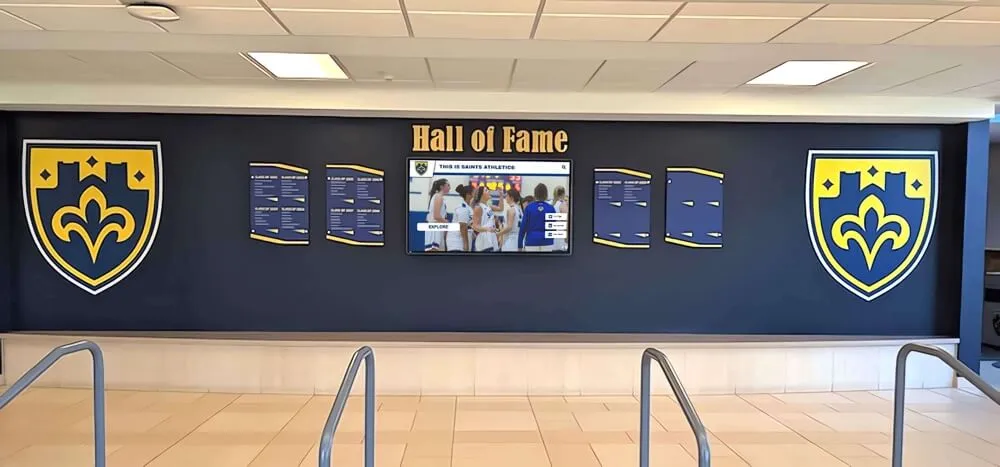
Professional installations combining traditional elements with modern technology create comprehensive recognition celebrating teaching excellence
Conclusion: Honoring Those Who Shape Futures
Teachers represent some of the most influential professionals in society—educators who invest countless hours developing not only academic knowledge but critical thinking, character, resilience, and love of learning that shape how young people approach challenges throughout life. Teaching influence extends far beyond test scores to include relationships built, confidence developed, curiosity sparked, and potential unlocked through patient instruction, genuine care, and unwavering belief in students’ capabilities.
This profound teaching impact deserves recognition matching its significance. Teacher Appreciation Week provides natural focal point for concentrated recognition, but most meaningful appreciation builds sustained cultures where teaching excellence receives ongoing celebration through multiple channels—week-long events and permanent recognition programs, student-initiated gestures and institutional honors, immediate appreciation and legacy preservation across generations.
The comprehensive approaches explored throughout this guide provide frameworks schools can adapt to their unique contexts, resources, and community characteristics. Simple student-organized appreciation, formal teaching halls of fame, digital recognition systems, alumni testimonial campaigns, and community partnership initiatives all contribute to cultures genuinely valuing teaching excellence. Schools can implement single strategies or comprehensive recognition programs combining multiple approaches creating layered appreciation honoring teachers through immediate celebration and lasting legacy preservation.
Modern digital recognition technology transforms what teacher appreciation can accomplish. Solutions like Rocket Alumni Solutions eliminate physical space constraints preventing comprehensive recognition, reduce long-term costs while simplifying management, create interactive engagement impossible with static plaques, and extend recognition reach far beyond physical campus through web accessibility and social sharing. These platforms preserve complete teaching legacies—career achievements, teaching philosophy, student testimonials, and multimedia content—creating permanent tributes accessible to entire communities while connecting current students to educational traditions embodied by distinguished teaching predecessors.
Effective teacher recognition accomplishes multiple strategic objectives simultaneously. It validates individual teachers’ dedication while inspiring current and future educators. It builds school culture connecting generations through shared teaching excellence standards. It engages alumni maintaining connections to teachers who influenced them. It strengthens community support for education by demonstrating that schools genuinely value those who develop young people. It creates institutional memory preserving teaching wisdom and educational history that might otherwise be lost. And it demonstrates to current students that their teachers’ investment in their development receives recognition—modeling appreciation and gratitude that influences how young people value others’ contributions to their own success.
Your teachers dedicate countless hours, make substantial personal sacrifices, invest emotionally in student success, and shape young people’s character and development far beyond academic content. They deserve recognition matching these contributions’ significance—thoughtful appreciation demonstrating genuine gratitude, comprehensive recognition celebrating complete career contributions, and lasting legacy preservation ensuring their influence continues inspiring future generations long after teaching careers conclude.
Whether implementing first Teacher Appreciation Week celebrations or transforming existing programs through comprehensive recognition systems, the frameworks and ideas explored throughout this guide provide actionable approaches for building appreciation cultures that truly honor the professionals who shape young minds. Teachers transform curious students into capable learners, develop skills enabling future success, mentor young people through challenges, model values guiding life decisions, and create communities where students develop lasting relationships and love of learning. This transformative work deserves our best appreciation efforts—recognition matching teaching contributions’ true significance in young people’s lives and communities’ educational excellence.
Ready to create lasting recognition celebrating the teachers who shape your school’s educational excellence? Explore comprehensive teaching recognition solutions that preserve teaching legacy while building engaged educational communities where teachers, students, and families celebrate excellence together across generations.