Every competitive swimmer knows that races are won and lost at the wall. While most athletes focus obsessively on stroke technique and conditioning, the swim flip turn remains one of the most underutilized opportunities for immediate time improvement. A properly executed flip turn can save 0.3 to 0.6 seconds per wall compared to an open turn—which translates to 2-4 seconds over a typical 200-yard race. For high school swimmers chasing state qualifying times or trying to break school records, mastering the flip turn often represents the difference between making cuts and missing them entirely.
Yet flip turns intimidate many swimmers, especially those transitioning from recreational to competitive swimming. The disorienting underwater rotation, the fear of misjudging the wall distance, concerns about losing breath control during the flip—these anxieties cause swimmers to slow down heading into turns rather than accelerating through them. Meanwhile, swimmers who never properly learned flip turn mechanics often execute technically flawed turns that waste energy, disrupt rhythm, and sacrifice precious seconds at every wall throughout their races.
This comprehensive guide breaks down swim flip turn technique into learnable components covering approach timing, rotation mechanics, wall contact optimization, explosive push-off technique, and streamline positioning. Whether you’re a beginner learning your first flip turn or an experienced swimmer refining technique to drop tenths of seconds, you’ll find actionable instruction for improving this race-critical skill that separates good swimmers from great ones.
Efficient flip turns require coordination between approach speed, rotation timing, wall contact, push-off power, and streamline glide—five distinct phases that must flow together seamlessly. Swimmers who treat flip turns as isolated maneuvers rather than integrated race components consistently lose time at walls, while those who approach turns with the same technical precision they apply to stroke mechanics gain competitive advantages that compound across every lap of every race throughout their careers.

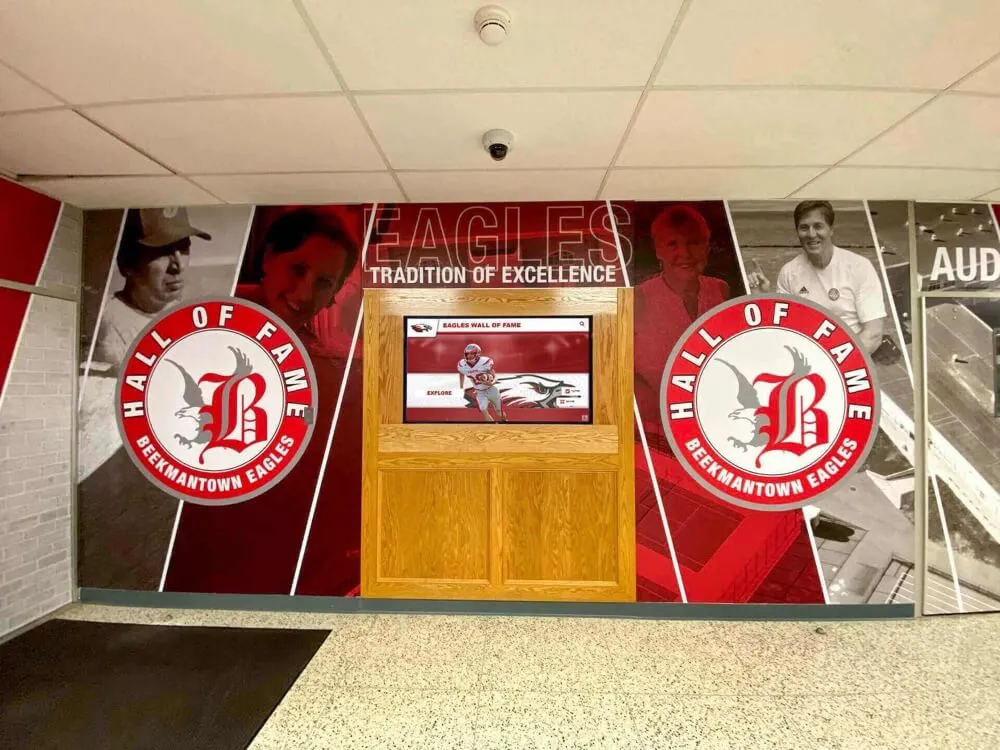
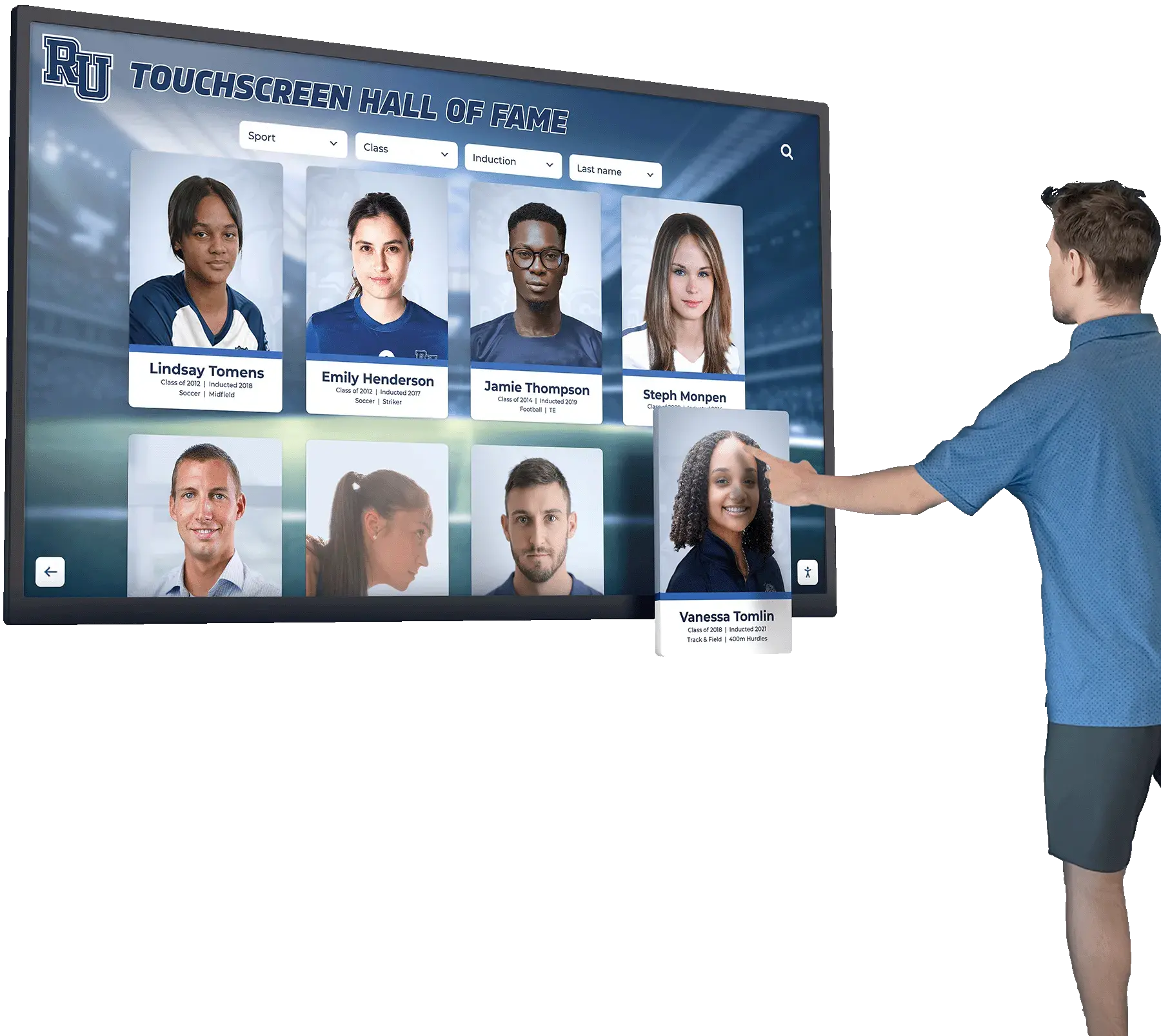
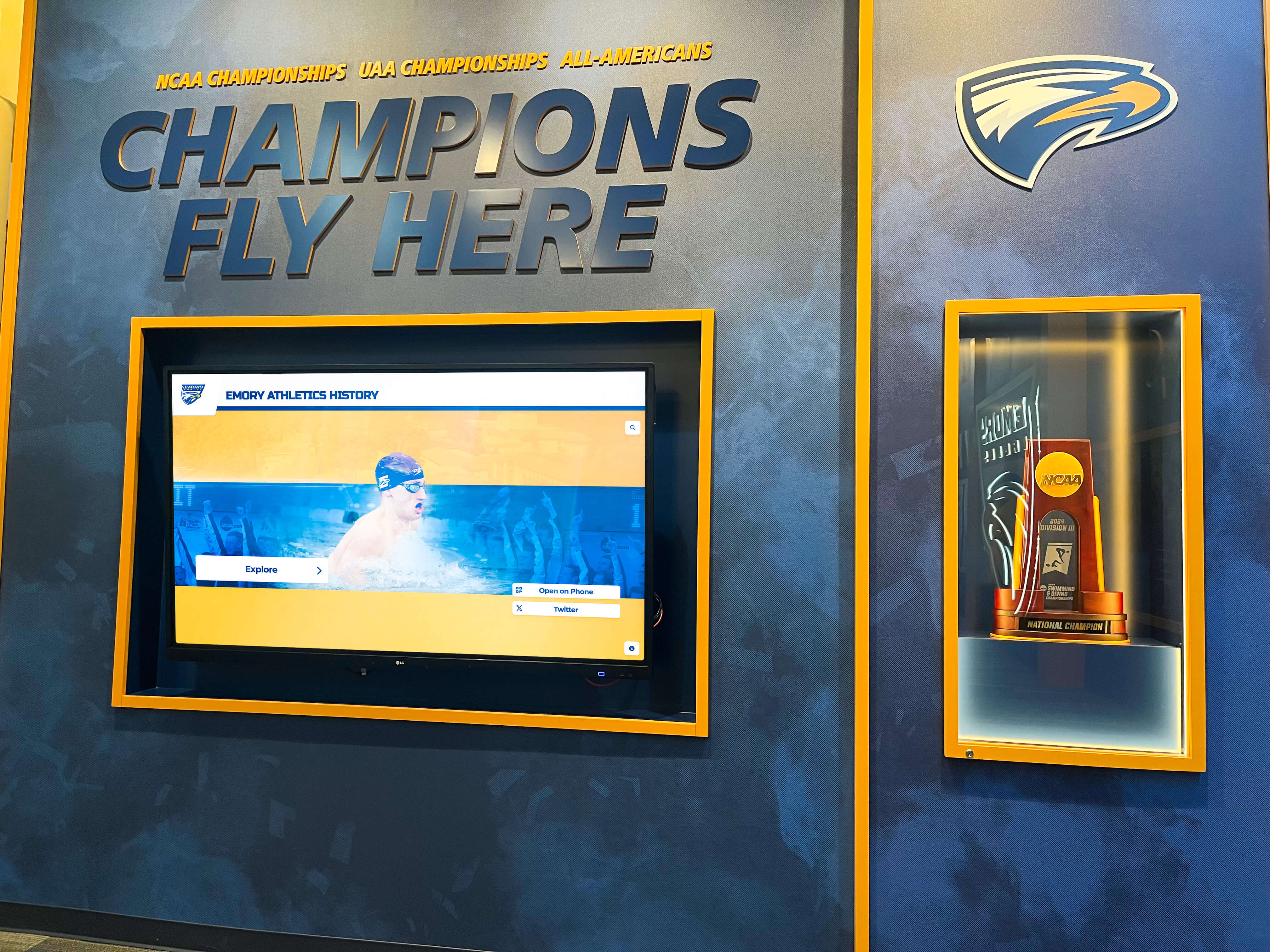
Championship swimming programs track pool records where flip turn efficiency often determines the margin between placement levels
Understanding Flip Turn Fundamentals
The freestyle and backstroke flip turn—also called a tumble turn—involves a forward somersault rotation executed underwater as swimmers approach the wall, allowing them to plant their feet against the wall and push off in streamline position without stopping forward momentum. This continuous motion maintains speed through the turn far more effectively than open turns where swimmers touch the wall with their hands, reorient their bodies, and push off from a near-standstill.
The Five Phases of a Perfect Flip Turn
Breaking down flip turns into distinct phases helps swimmers identify exactly where their technique needs improvement rather than treating turns as mysterious maneuvers they either “get” or don’t.
Phase 1: The Approach
Your approach to the wall sets up everything that follows. Swimmers should maintain normal stroke tempo and speed through the final strokes before the turn rather than slowing down. The critical skill involves judging distance accurately so your flip begins at the optimal spot—typically when the “T” marking on the pool bottom passes beneath you, or about 3-4 feet from the wall depending on your height and rotation speed.
Many swimmers make the mistake of taking a final “setup stroke” that disrupts their rhythm. Instead, trust your distance judgment and maintain consistent stroking right into your flip. Your last arm pull should drive your head downward to initiate rotation rather than reaching forward toward the wall.
Phase 2: The Rotation
The flip itself happens quickly—elite swimmers complete their somersault in under half a second. As your final stroke brings your head down, tuck your chin to your chest and drive your knees toward your chest in a tight tuck position. Your core muscles initiate the rotation; your arms don’t swim or pull during the flip.
The rotation should be compact and fast. Think about pulling your knees to your chest rather than trying to flip your whole body. The tighter your tuck, the faster you’ll rotate. Your body follows a forward somersault pattern, with your hips rising toward the surface as your head and shoulders rotate downward.
Phase 3: Wall Contact
Your feet should contact the wall with your knees bent at approximately 90-120 degrees—deep enough to generate explosive push-off power but not so deep that you’re crouched into a weak position. Your feet should land slightly below the surface rather than near the top of the water, typically 12-18 inches underwater.
Plant both feet simultaneously on the wall, with feet about shoulder-width apart. Your toes should point slightly upward and outward. This positioning allows you to drive off the wall at the optimal angle—slightly downward—that maximizes underwater streamline distance before you need to surface.
Phase 4: The Push-Off
The push-off generates the fastest speed you’ll achieve during your entire race, often exceeding the speed you can maintain through normal swimming. Explosive leg drive is critical. Push through your entire leg, engaging your glutes, hamstrings, and calves to drive your body off the wall with maximum force.
Time your push-off to coincide with achieving perfect streamline position. Don’t push before your body is straight and your arms are locked overhead in streamline, but don’t wait in a crouched position against the wall either. The transition from landing to pushing should be virtually instantaneous—elite swimmers spend less than 0.3 seconds with feet on the wall.
Phase 5: The Streamline and Breakout
Push off on your side (for freestyle) or on your back (for backstroke), holding a tight streamline position with arms squeezed against your ears, one hand over the other, body straight and rigid. For freestyle turns, you’ll rotate from your side to your stomach as you glide underwater.
Begin your dolphin kicks while still underwater, maintaining streamline position through 3-5 powerful kicks before breaking the surface. The underwater phase should carry you 10-15 feet from the wall for high school swimmers, with elite swimmers often reaching 15-20 feet. Break out at maximum velocity rather than waiting until you slow down, timing your first stroke to maintain the speed generated by your push-off and underwater kicks.

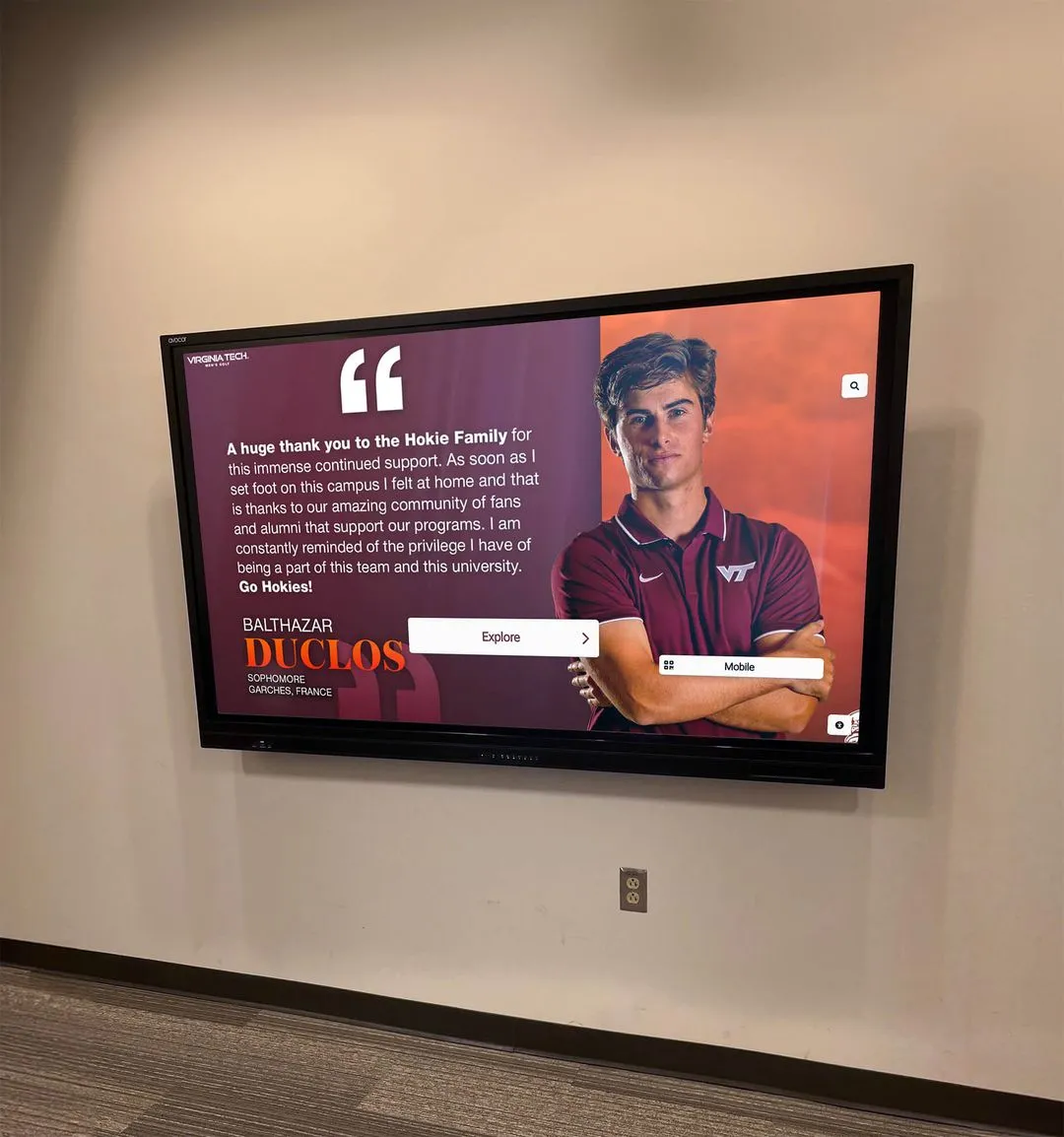
High school swimming programs celebrate pool records and championship performances, with flip turn proficiency often determining record-breaking swims
Common Flip Turn Mistakes and How to Fix Them
Most swimmers execute flip turns with technical flaws that cost time on every lap. Identifying and correcting these common mistakes produces immediate improvement in turn speed and efficiency.
Approaching Too Slowly
The Mistake: Swimmers decelerate as they approach the wall, either because they’re afraid of hitting it or because they’re preparing mentally for the flip. This deceleration kills momentum that’s difficult to regain even with a strong push-off.
The Fix: Maintain full stroke tempo and speed through your final three strokes before the turn. Practice “accelerate into the wall” drills where you consciously try to increase your speed heading into turns rather than maintaining it. Trust your distance judgment rather than slowing down to ensure you don’t hit the wall.
Advanced swimmers actually generate slightly more power on their final stroke before the turn, using that stroke to drive their head downward and initiate rotation at maximum speed. Your goal should be approaching the wall at full race pace, not cautiously creeping up to it.
Rotating Too Early or Too Late
The Mistake: Beginning your flip too far from the wall forces you to glide underwater in a tucked position before your feet reach the wall, wasting time and momentum. Flipping too close to the wall doesn’t give you space to complete your rotation, resulting in awkward foot placement or even hitting your feet on the wall edge.
The Fix: Develop consistent distance judgment through repetition. Most swimmers should initiate their flip when the “T” marking passes beneath them, though individual variation exists based on height and rotation speed. Practice flip turns with eyes open underwater so you can see exactly where you are relative to the wall and adjust your flip timing accordingly.
Use the pool’s bottom markings as your reference points. Count strokes from the flags (typically positioned 5 yards/meters from the wall) to develop a consistent approach rhythm. Eventually, you’ll develop proprioceptive awareness of your distance from the wall without consciously thinking about it.
Executing a Lazy, Slow Rotation
The Mistake: Swimmers who rotate slowly spend extra time inverted underwater, losing speed and wasting breath. Slow rotations often result from insufficient tuck or from trying to rotate their entire body rather than driving their knees to their chest.
The Fix: Focus on an explosive, compact tuck. Drive your knees hard toward your chest while simultaneously tucking your chin. Your abs and hip flexors should engage powerfully to create rapid rotation. Think “fast and tight” rather than “big and slow.”
Practice rotation drills on land or in shallow water where you can isolate the tucking motion. Some swimmers benefit from dolphin kick drills that develop the core strength necessary for explosive rotation. The flip should feel almost violent in its quickness—if you’re rotating slowly enough to think about what you’re doing, you’re rotating too slowly.
Poor Foot Placement on the Wall
The Mistake: Feet that land too high (near the surface) or too low (near the bottom) create inefficient push-off angles. Feet landing unevenly or too wide apart reduce push-off power. Toes pointing directly backward rather than slightly upward create flat push-offs that keep swimmers at the surface rather than allowing powerful underwater streamlines.
The Fix: Aim for foot placement 12-18 inches below the surface with knees bent at approximately 90-120 degrees. Your feet should land simultaneously with toes pointed slightly upward (about 20-30 degrees above horizontal). Practice wall push-offs from a standing position in the pool, focusing on explosive drives at the correct angle before adding the rotation component.
Consider foot placement during your rotation rather than waiting until you’ve completed the flip. As you rotate, actively position your legs to land in the optimal spot rather than passively letting them find the wall wherever they happen to end up.
Weak or Delayed Push-Off
The Mistake: Swimmers who pause with feet on the wall, even for a fraction of a second, lose the momentum they carried into the turn. Weak push-offs that don’t fully extend the legs waste the opportunity to generate maximum speed off the wall.
The Fix: Your push-off should be instantaneous and explosive. The moment your feet contact the wall, drive through your entire leg with maximum force. Think about pushing the wall away from you rather than pushing yourself away from the wall—this mental cue often helps swimmers engage more power.
Incorporate wall push-off drills into every practice. Start each practice swim with explosive push-offs, focusing on generating as much speed as possible off every wall. Over time, your neuromuscular system will learn to automatically execute powerful push-offs without conscious thought.
Schools that track athletic performance achievements often find that flip turn improvements correlate directly with faster race times and more frequent pool record performances.

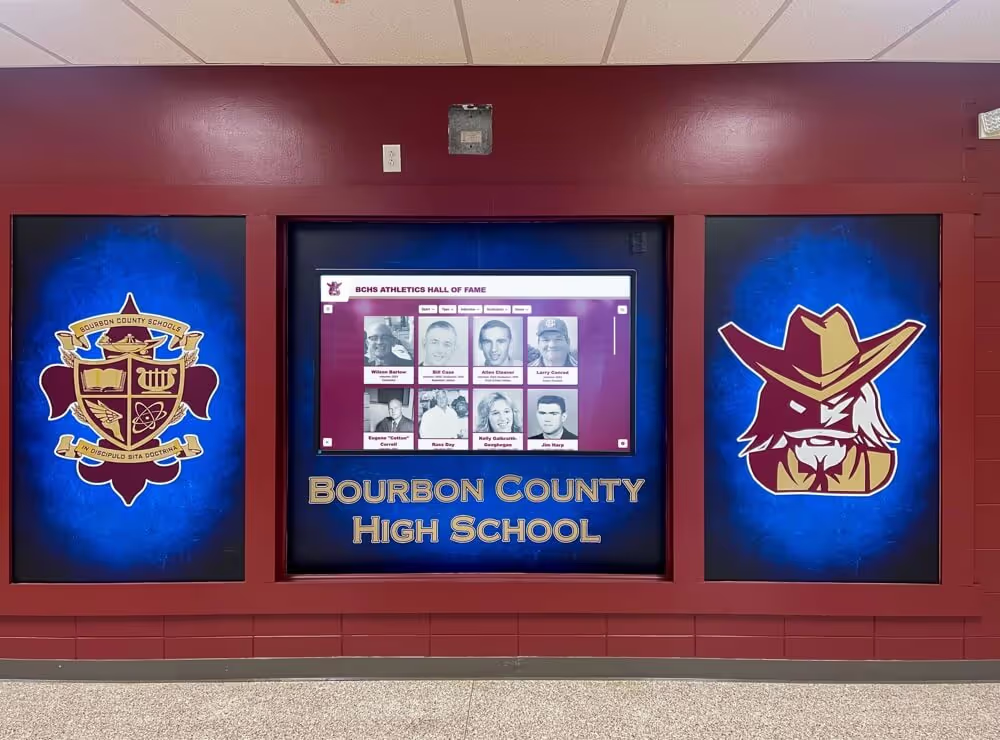
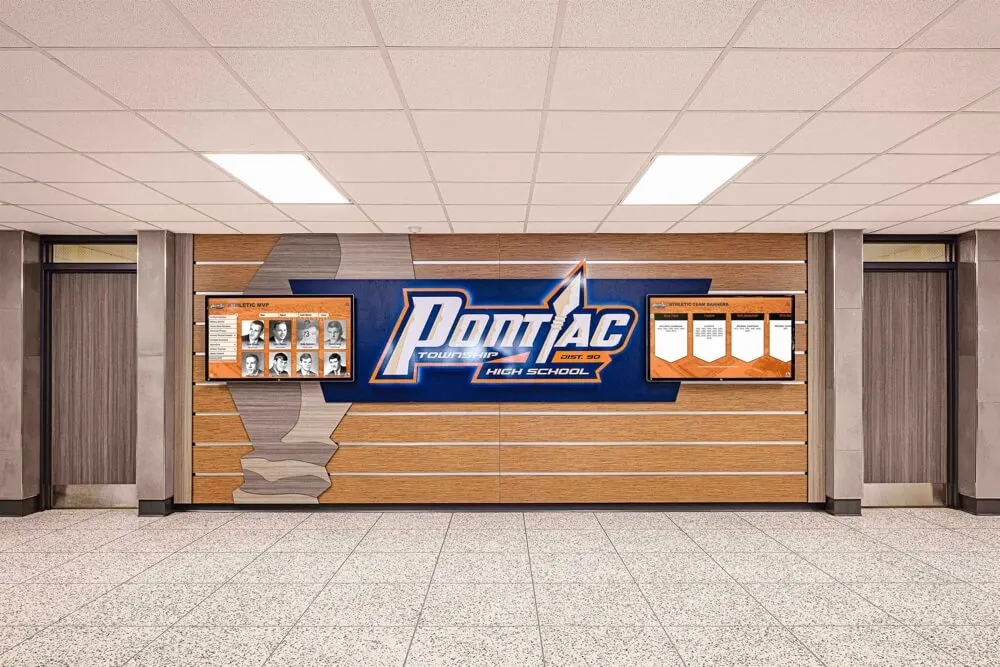
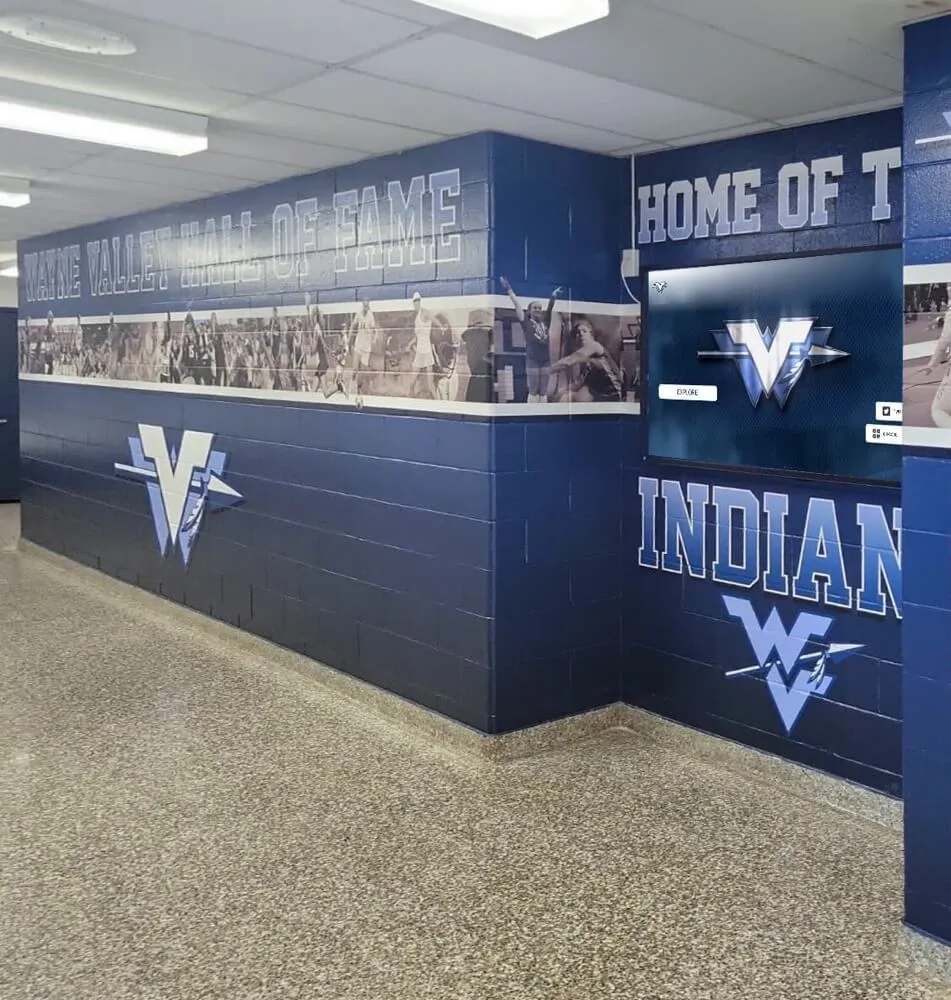
Swimming programs preserve championship achievements and pool records where technical skills like flip turns often determine record-breaking performances
Breaking Streamline Too Early
The Mistake: Swimmers who begin stroking immediately after pushing off the wall waste their fastest speed. The velocity generated by your push-off and underwater kicks exceeds your swimming speed, so breaking streamline too early actually slows you down.
The Fix: Hold your streamline position through your entire underwater phase, typically 3-5 dolphin kicks for high school swimmers. Don’t break out until you feel your speed beginning to decrease. Time your first stroke to coincide with maximum velocity rather than waiting until you’ve slowed significantly.
Practice underwater streamline drills, measuring the distance you can travel off the wall while maintaining perfect streamline position. Gradually extend your underwater distance by adding one more dolphin kick each week. Remember that underwater streamline represents free speed—you’re traveling faster than you can swim with less effort than stroking requires.
Progressive Flip Turn Drills for Skill Development
Systematic drill progression allows swimmers to build flip turn proficiency from basic mechanics through race-speed execution. These drills address specific technical components before integrating them into complete turns.
Beginner: Somersault Drills in Open Water
For swimmers just learning flip turns, practice forward somersaults in open water away from the wall. This drill isolates the rotation mechanics without the added complexity of distance judgment or wall contact.
Execution: From a swimming position, tuck your chin to your chest and drive your knees to your chest, completing a forward somersault. Focus on tight, fast rotation. Practice until you can complete somersaults smoothly without getting disoriented underwater.
Progress this drill by doing somersaults while wearing fins (which help maintain momentum) and then without fins. Practice rotating to both your right and left sides to develop balanced technique.
Beginner: Wall Push-Off Practice
Before combining rotation with push-offs, practice powerful push-offs from a standing position.
Execution: Stand in shallow water facing the wall with feet planted against the wall at the appropriate depth (12-18 inches below surface). Assume streamline position and push off explosively, focusing on maximum distance traveled in perfect streamline. Add 3-5 dolphin kicks while underwater before surfacing.
Count your streamline distance by noting which pool bottom markings you reach. Try to extend your distance by one foot each practice session through more powerful push-offs and better streamline position.
Intermediate: Half-Flip Drills
This drill practices the flip rotation with wall contact but removes the approach component.
Execution: Start in the middle of the pool, swim toward the wall at moderate speed. When you reach your normal flip distance, execute your flip turn including wall contact and push-off. Focus on explosive rotation, proper foot placement, and powerful push-off.
This drill allows you to practice turns repeatedly without swimming full laps, giving you more turn repetitions per practice session. It also lets you focus on turn mechanics rather than approach speed since you’re starting relatively close to the wall.
Intermediate: One-Arm Approach Drills
This drill develops distance judgment by restricting your vision and forcing you to rely on proprioceptive awareness.
Execution: Swim toward the wall using only one arm (the other extended forward in streamline). This forces you to approach the wall from a slightly different angle while developing awareness of your distance from the wall. Execute your flip turn normally.
Alternate which arm you use on successive turns. This drill also strengthens your weaker side if you have imbalanced stroke technique.
Advanced: Sprint-Into-Turn Drills
Once you’ve mastered basic flip turn mechanics, this drill develops race-specific skill by practicing turns at maximum speed.
Execution: Sprint the final 10-15 yards into the wall at absolute maximum speed, execute your flip turn without decelerating, and maintain maximum effort for 10-15 yards coming off the wall. Rest fully between repetitions.
This drill trains your neuromuscular system to execute perfect technique under the fatigue and disorientation that occur during races when you’re swimming at maximum effort. It also develops the mental confidence to attack the wall at full speed rather than backing off as you approach turns.
Time your turn execution by having a coach or teammate time from when your head passes 5 yards before the wall to when your head passes 5 yards after the wall. Elite high school swimmers complete this 10-yard turn section in under 3.5 seconds.
Advanced: Continuous Turn Sets
Build turn endurance and consistency by practicing high volumes of consecutive turns.
Execution: Swim continuous 25s or 50s with minimal rest, focusing on maintaining perfect turn technique even as fatigue accumulates. For example, swim 20 x 50 yards on a short interval, concentrating on explosive turns on every wall.
This drill simulates race conditions where you must execute multiple turns while fatigued. It also develops the muscular endurance necessary for powerful push-offs late in longer races when leg fatigue typically causes deteriorating turn quality.
High-achieving swimming programs often showcase both individual technique achievements and race results, recognizing that technical mastery in areas like flip turns directly contributes to competitive success.

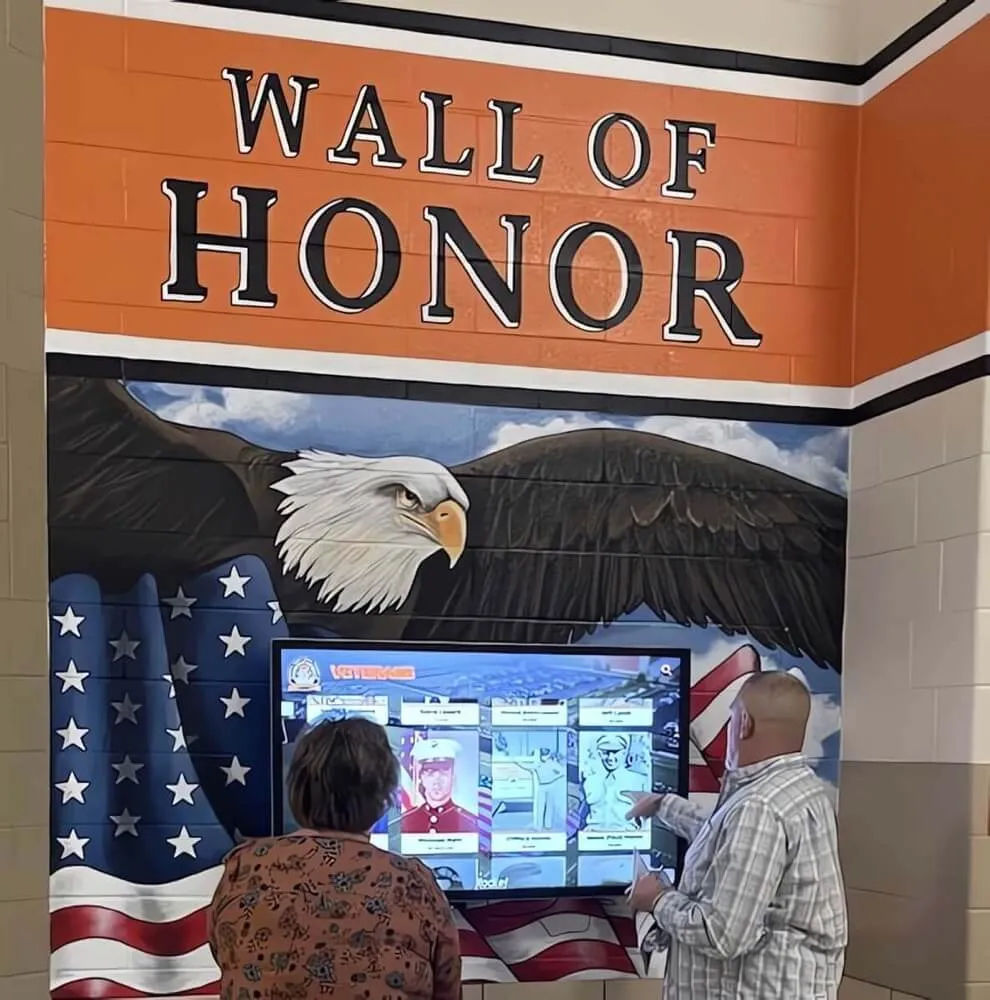
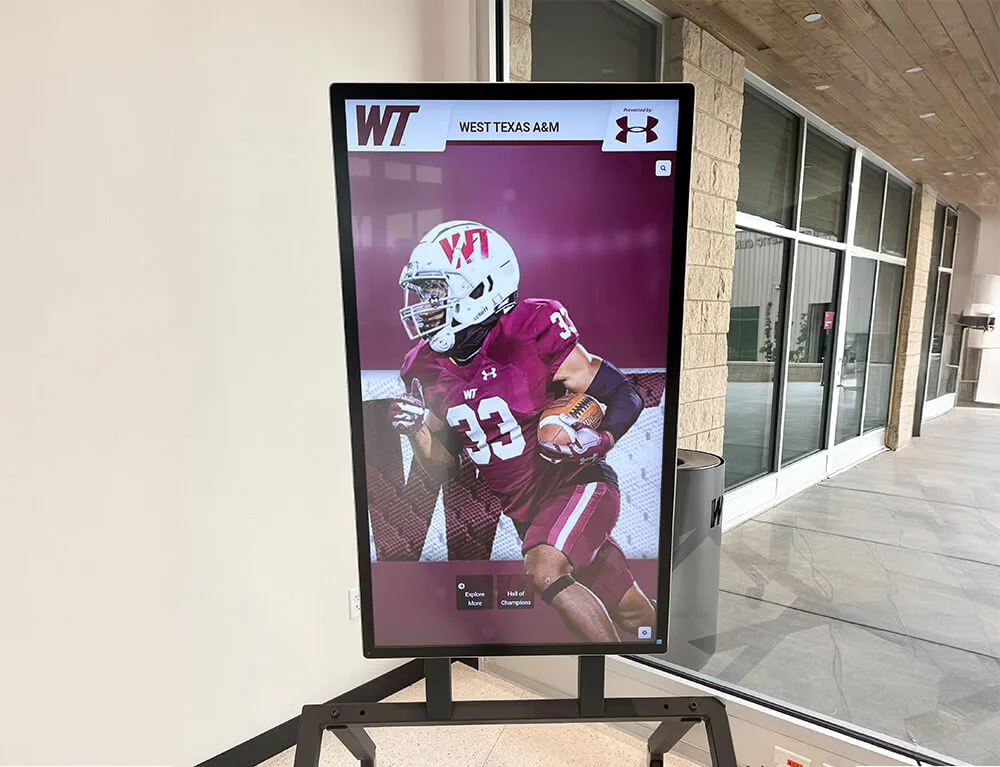
Modern athletic programs use digital recognition to celebrate both championship results and the technical excellence that produces them
Flip Turn Variations for Different Strokes
While freestyle flip turns represent the most common application, competitive swimmers must also master backstroke flip turns and understand why breaststroke and butterfly use different turn techniques.
Freestyle Flip Turns
The classic flip turn described throughout this guide applies to freestyle events. Swimmers approach on their stomachs, execute a forward somersault, plant feet on the wall, and push off on their sides before rotating to their stomachs during the streamline glide.
The side position during push-off is crucial for freestyle turns. Pushing off on your side rather than on your stomach creates a more streamlined body position, reducing drag during your fastest speed. You’ll rotate from your side to your stomach as you begin your dolphin kicks and breakout.
Practice rotating in the same direction consistently—most swimmers rotate toward their breathing side, though either direction works as long as you’re consistent.
Backstroke Flip Turns
Backstroke flip turns follow similar mechanics to freestyle but with additional complexity because you approach the wall while swimming on your back and can’t see the wall approaching.
The Backstroke Flags: Flags positioned 5 yards (or 5 meters in long course pools) from the wall serve as your distance reference. Count your strokes from the flags to develop consistent awareness of your distance from the wall.
The Transition Stroke: As you approach the wall, take one final stroke pulling you onto your stomach (this is legal as long as you’ve completed your final arm cycle on your back). This transition stroke positions you to execute a forward somersault identical to the freestyle flip turn.
The Push-Off: After flipping and planting your feet on the wall, push off on your back rather than on your side. You’ll remain on your back throughout your streamline and dolphin kicks before taking your first backstroke.
The backstroke flip turn is actually faster than the backstroke open turn (where you touch the wall with your hand), but it requires more practice to develop consistent distance judgment when approaching backwards. Many age-group swimmers avoid backstroke flip turns due to fear of hitting the wall, but mastering this skill provides significant time advantages in backstroke events.
Breaststroke and Butterfly Turns
Breaststroke and butterfly both require two-hand touch turns where you must touch the wall simultaneously with both hands. These strokes use open turns rather than flip turns.
However, the principles of explosive wall contact, powerful push-off, and extended underwater streamline still apply. Breaststroke swimmers can maximize their underwater phase through one powerful pull-down and breaststroke kick before surfacing. Butterfly swimmers can use multiple dolphin kicks underwater before their breakout stroke.
While these open turns don’t offer the speed advantages of flip turns, swimmers can still gain time through technical excellence in their approach speed, wall contact, push-off power, and underwater phase.
Training Your Flip Turn for Race-Day Performance
Technical proficiency in practice conditions doesn’t automatically transfer to race situations where pressure, adrenaline, and fatigue affect execution. Specific race-preparation training helps ensure your flip turns remain sharp when they matter most.
Practicing Under Fatigue
Your flip turn technique during fresh warm-up laps differs dramatically from your technique during the final lap of a 200 IM when your legs are burning and you’re gasping for air. Race-specific training must include flip turn practice under fatigue conditions.
Incorporate turn-focused sets at the end of practices when you’re already tired. For example, after a demanding main set, swim 8 x 50 yards at race pace with 10 seconds rest, focusing specifically on maintaining perfect turn technique despite fatigue. Your legs will be tired, making explosive push-offs difficult, which is exactly the condition you’ll face during races.
Time these fatigued turn sets to establish baseline performance that you can work to improve over weeks of training. If your turn times deteriorate significantly when fatigued, you need more sport-specific conditioning focusing on maintaining technique under stress.
Visualization and Mental Rehearsal
Elite swimmers mentally rehearse their turns during warm-up, during races, and during visualization sessions outside the pool. Mental practice strengthens the neural pathways that control movement, improving execution consistency.
Before important races, mentally walk through your entire race including each turn. Visualize accelerating into the wall, executing a tight explosive flip, planting your feet at the perfect depth, driving off powerfully, holding streamline, and breaking out at maximum speed. Include the kinesthetic feeling of the water, the visual cues you use for distance judgment, and the explosive muscular contraction of your push-off.
This mental rehearsal helps prevent the “race-day brain” phenomenon where adrenaline and pressure cause swimmers to abandon their trained technique and revert to old habits or cautious, slow execution.
Video Analysis
Recording your flip turns from both side and front angles provides feedback that you can’t get from how turns feel during execution. Many swimmers are shocked to discover that their “explosive” turns actually include noticeable pauses at the wall, or that their “tight” tucks are actually quite loose and slow.
Have your coach or a teammate record your turns during practice and during meets. Compare your race turns to your practice turns to identify technique deterioration under pressure. Compare your turns to elite swimmers’ turns available on competitive swimming footage online.
Focus on specific elements during video review: Is your rotation compact and fast? Do your feet hit the wall simultaneously at the optimal depth? Is your push-off instantaneous? Are you maintaining streamline position throughout your underwater phase? Use objective video evidence to override your subjective sense of how your turns feel.
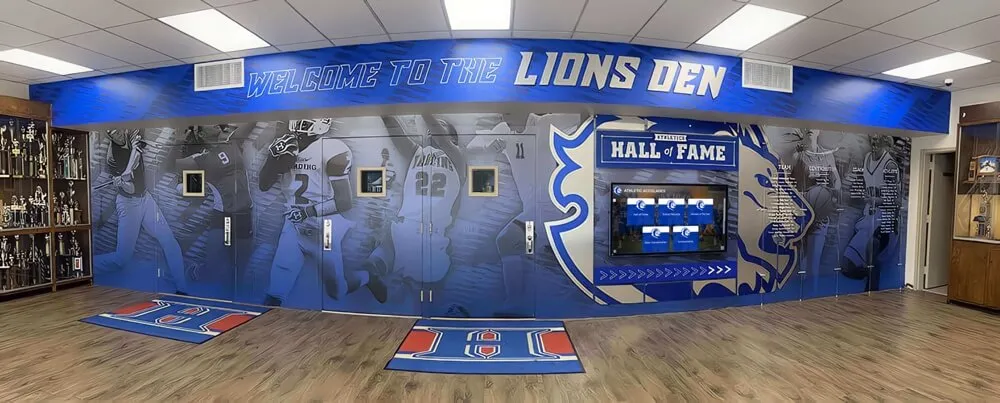
Swimming programs that invest in comprehensive athletic recognition systems often create cultures where technical excellence is celebrated alongside competitive results, motivating swimmers to perfect details like flip turn mechanics.

Championship swimming programs recognize both season results and the individual skills development that enables competitive success
Quantifying Flip Turn Improvement
Measuring your flip turn performance provides concrete feedback that motivates continued technical development and reveals exactly how much time you’re gaining through improved technique.
The 10-Yard Turn Test
This standardized test measures your turn efficiency by timing a 10-yard section centered on the wall.
Test Protocol: Have a coach or teammate time from when your head crosses 5 yards before the wall to when your head crosses 5 yards after the wall. This captures your approach speed, flip execution, push-off power, and streamline effectiveness in a single metric.
Perform this test at maximum effort. Elite high school swimmers complete the 10-yard turn section in 3.0-3.5 seconds. Age group swimmers typically range from 3.5-4.5 seconds. Beginners with developing technique often require 4.5-5.5 seconds.
Test yourself monthly to track improvement. A reduction of 0.2 seconds in your 10-yard turn time translates to approximately 1.6 seconds saved over a 200-yard race (which includes 7 turns) and 3.6 seconds saved over a 500-yard race (which includes 19 turns). These margins often represent the difference between qualifying for championship meets and missing cuts.
The Streamline Distance Test
Maximum streamline distance off the wall indicates push-off power and streamline quality—two critical turn components.
Test Protocol: Execute your flip turn at maximum effort and measure the distance from the wall to where your head breaks the surface. Elite high school swimmers reach 15-20 feet. Developing swimmers typically achieve 10-15 feet. Swimmers with weak push-offs or poor streamlines may surface at only 8-10 feet.
Improvement in this test comes from both increased push-off power (strength and explosive speed) and improved streamline position (body position and underwater kick efficiency). Track this metric over time to ensure you’re developing the strength and technique necessary for competitive turns.
Turn Efficiency Within Full-Distance Time Trials
The ultimate measure of turn quality is how your turn speed affects your overall race times.
Test Protocol: Swim time trials of race distances (50, 100, 200, 500 yards) with maximum effort. Have someone count your turns and calculate your average time per turn using the 10-yard turn timing method on several turns throughout the swim.
Compare your turn speed when fresh (first 1-2 turns) versus when fatigued (final 1-2 turns). Significant deterioration indicates that you need both technique work to make your turns more automatic and conditioning work to maintain turn quality under fatigue.
Elite swimmers maintain nearly identical turn speeds throughout distance events. If your final turns are more than 0.3-0.4 seconds slower than your initial turns, you’re losing significant time to competitors who maintain turn quality throughout races.
Many championship swimming programs integrate performance tracking with end-of-season athletic recognition, celebrating both competitive results and individual improvement in technical skills like flip turns.
Flip Turns and Pool Record Breaking
High school swimming programs track pool records for each event, with records sometimes standing for years or even decades. Swimmers chasing these records often find that flip turn improvement provides the marginal gains necessary to break long-standing marks.
The Compound Effect of Turn Efficiency
Consider a swimmer attempting to break a 200-yard freestyle pool record. The existing record might be 1:42.50, while the challenger’s best time is 1:43.20. The 0.7-second gap feels insurmountable through stroke improvement alone, but analyzing turn efficiency reveals opportunities.
If this swimmer currently executes turns in 3.8 seconds (measured by the 10-yard turn test) but could improve to 3.5 seconds through better technique, they would save 0.3 seconds per turn. With 7 turns in a 200-yard event, this represents 2.1 seconds of potential improvement—far more than needed to break the record.
This analysis demonstrates why many coaches tell swimmers that “races are won at the walls.” Stroke technique improvements often require months or years of development, while flip turn improvements can happen within weeks of focused practice, providing immediate time drops.
Breaking Records Through Technical Excellence
Swimming record boards in school pools tell stories of technical mastery as much as physical ability. When records fall, coaches and programs should recognize not just the final time but the technical elements that enabled it.
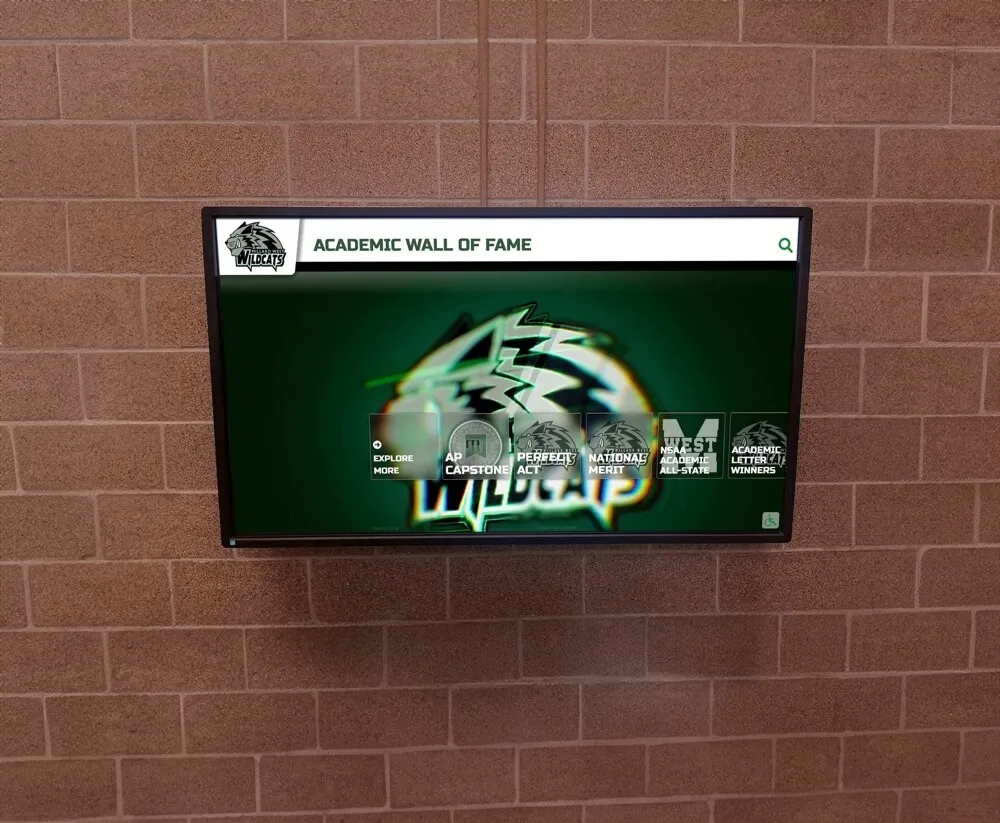
Modern swimming programs increasingly use digital recognition platforms that can showcase not just record times but also split times, turn speeds, and other technical metrics that reveal how records were achieved. This detailed recognition serves dual purposes—celebrating current achievers while educating future swimmers about the technical elements they must master to compete for records themselves.
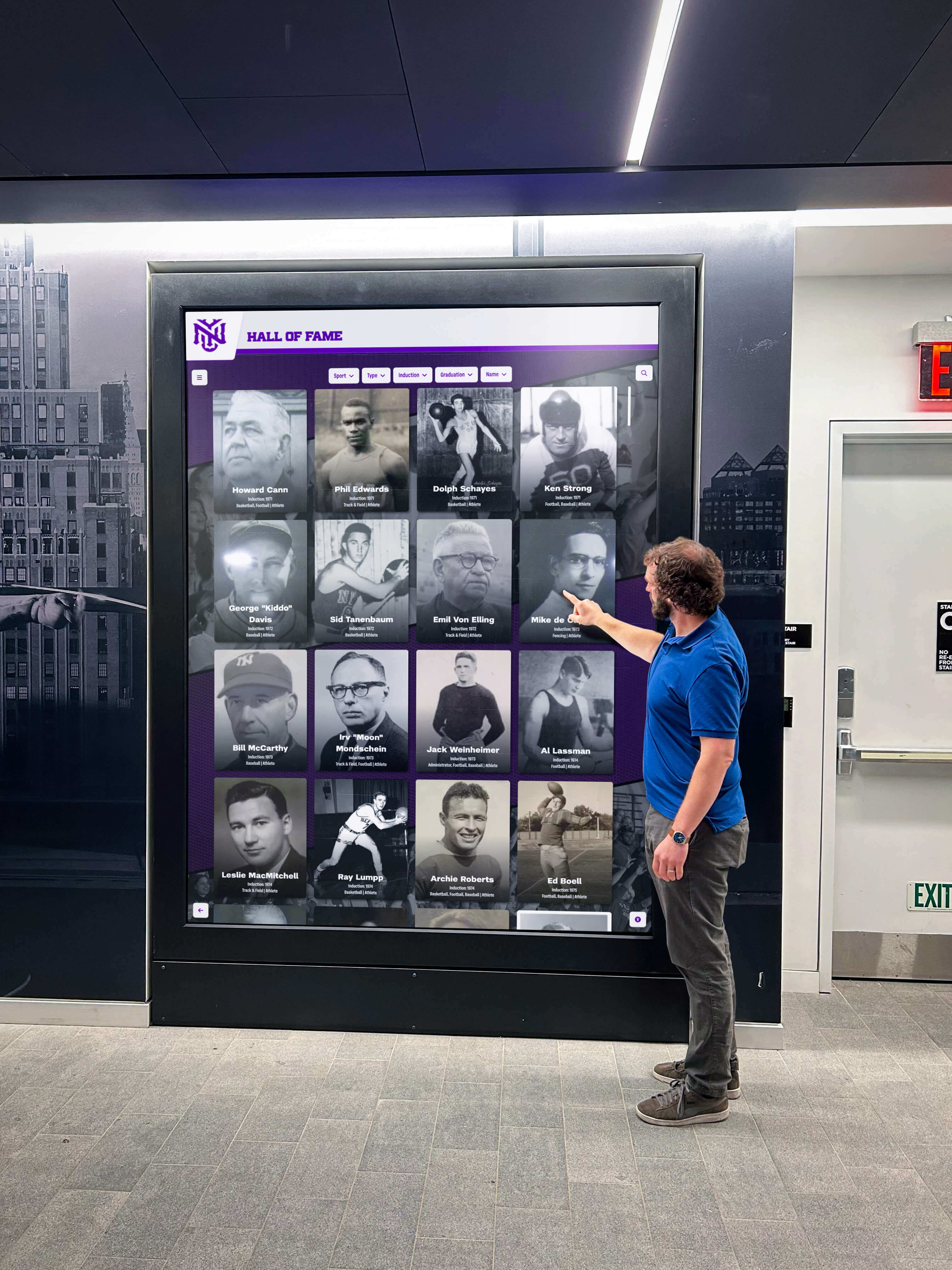
Interactive recognition systems allow swimming programs to showcase pool records alongside the technical achievements that produced them
Building a Culture of Technical Excellence
Swimming programs that consistently produce fast swimmers and break records share common characteristics: they emphasize technical skill development as much as conditioning, they celebrate technical improvements alongside competitive results, and they create cultures where athletes take pride in mastering details like flip turn mechanics.
Coaching Emphasis on Turn Quality
Coaches shape program culture through what they choose to measure, recognize, and celebrate. Programs where coaches consistently track turn times, provide detailed turn feedback, and dedicate specific practice time to turn development produce swimmers who execute superior turns.
This coaching emphasis doesn’t require complex technology. Simple tools—stopwatches for timing 10-yard turn sections, measuring tapes for checking streamline distance, occasional video recording—provide sufficient feedback for continuous improvement. The critical element is consistent attention to turn quality rather than treating turns as incidental components of swimming that athletes will somehow naturally master.
Peer Learning and Competition
Creating practice environments where swimmers learn from each other accelerates skill development. Organize practice groups to partner stronger turn practitioners with developing swimmers. Use relay-style turn competitions where teams compete for fastest cumulative turn times. Publicly recognize “turn of the week” when swimmers demonstrate exceptional improvement or consistently excellent execution.
This peer focus creates positive pressure for technical excellence. When swimmers know their teammates are watching and evaluating their turns, they bring greater focus to turn execution rather than going through motions mindlessly.
Programs that celebrate athletic banquet achievements can include turn-specific recognition alongside traditional race result awards, reinforcing that technical mastery deserves celebration equal to competitive outcomes.
Long-Term Athlete Development
Flip turn proficiency builds progressively from beginner to elite levels. Young swimmers in their first competitive seasons should focus on basic somersault mechanics and distance judgment. Intermediate swimmers should refine foot placement, push-off power, and streamline position. Advanced swimmers should work on maintaining perfect technique under race conditions and continuing to shave hundredths of seconds from their turn execution.
This progressive development requires patience. Swimmers and coaches should resist the temptation to rush through basic skill development to reach advanced techniques before foundations are solid. A swimmer who masters explosive rotation and powerful push-offs will eventually execute faster turns than a swimmer who learned sloppy technique quickly and never went back to rebuild fundamentals.
Flip Turn Mastery as a Competitive Differentiator
In the highly competitive world of high school swimming where hundredths of seconds determine state championship qualification, college recruitment opportunities, and school record status, flip turn mastery represents one of the most accessible paths to meaningful time improvement.
Unlike strength development (which requires years of progressive training), endurance development (which demands extensive mileage), or stroke technique refinement (which often requires significant neuromuscular repatterning), flip turn improvement can happen relatively quickly for swimmers who dedicate focused practice to this skill. A swimmer with mediocre turns can develop competent turns within weeks and excellent turns within a season of dedicated practice.
This accessibility makes flip turns the great equalizer in competitive swimming. Swimmers who may not have genetic advantages in height, wingspan, or fast-twitch muscle composition can compete effectively against more physically gifted athletes by maximizing turn efficiency. Every wall provides an opportunity to gain tenths of seconds on competitors who neglect turn technique.
Swimming programs that recognize both competitive achievements and technical skill development create comprehensive cultures of excellence where athletes understand that championship performance emerges from mastering countless details rather than relying on natural ability alone.
Conclusion: Every Wall Is an Opportunity
The swim flip turn represents far more than a mechanical requirement of competitive swimming—it’s a skill that separates swimmers who maximize their potential from those who leave seconds on the pool deck at every wall. Whether you’re chasing state qualifying times, pursuing school records, or simply trying to achieve your fastest possible swimming, flip turn mastery offers immediate, measurable improvement.
The path to exceptional turns follows a clear progression: master basic somersault mechanics, develop accurate distance judgment, practice explosive push-offs, refine your streamline position, and then maintain these elements under the pressure and fatigue of race conditions. Systematic drill work, consistent measurement of turn performance, and dedicated practice time focused specifically on turns rather than treating them as incidental to swimming laps will transform this critical skill.
Remember that every turn in every practice represents an opportunity to reinforce excellent technique or to allow mediocre habits to become ingrained. Choose to treat every wall with the same technical focus you bring to stroke mechanics. Count your turns during practice—dozens of opportunities every session to practice explosive flips, powerful push-offs, and streamlined glides.
For high school swimming programs seeking to celebrate both competitive success and the technical excellence that produces it, Rocket Alumni Solutions provides digital recognition platforms that showcase pool records, season results, and individual achievement in permanent, engaging displays. These systems help programs create cultures where technical mastery in skills like flip turns receives recognition alongside championship performances, inspiring current and future swimmers to pursue excellence in every element of competitive swimming.
The next time you approach a wall in practice or competition, remember that these few critical seconds offer your fastest speed of the entire race—if you execute properly. Accelerate into your turn, flip explosively, plant your feet powerfully, drive off the wall, and hold your streamline. Master these elements, and you’ll transform every wall from an interruption in your swim into an opportunity to gain time on your competition and chase the records that define championship swimming.