



Every school wants to celebrate students who embody excellence—those who excel academically, demonstrate outstanding character, contribute positively to school culture, or show remarkable improvement. Student of the Month programs represent one of the most visible and impactful ways schools systematically recognize these exceptional individuals throughout the academic year. When designed thoughtfully, these recognition initiatives create powerful motivational effects that ripple throughout entire school communities.
Yet many schools struggle with Student of the Month program design that feels fresh and meaningful. Recognition can become perfunctory—the same types of students winning repeatedly, limited criteria that overlook diverse forms of excellence, generic announcements that fail to inspire, or forgotten names posted briefly on bulletin boards before disappearing into obscurity. Meanwhile, students achieving significant growth or demonstrating valuable character qualities go unrecognized simply because existing programs focus too narrowly on traditional academic metrics.
This comprehensive guide explores creative, engaging student of the month ideas that transform routine recognition into meaningful celebration. You’ll discover diverse selection criteria ensuring every student can aspire to recognition, innovative presentation formats that maximize visibility and impact, strategies for sustaining programs year after year, and modern approaches to preserving recognition through digital systems that create lasting value extending far beyond single months.
Student of the Month recognition represents more than identifying top performers—it communicates institutional values, motivates continued excellence, builds positive school culture, and creates individual moments students remember throughout their lives. Schools excelling at this recognition create warm, engaging environments where achievement receives the visibility and celebration it deserves.

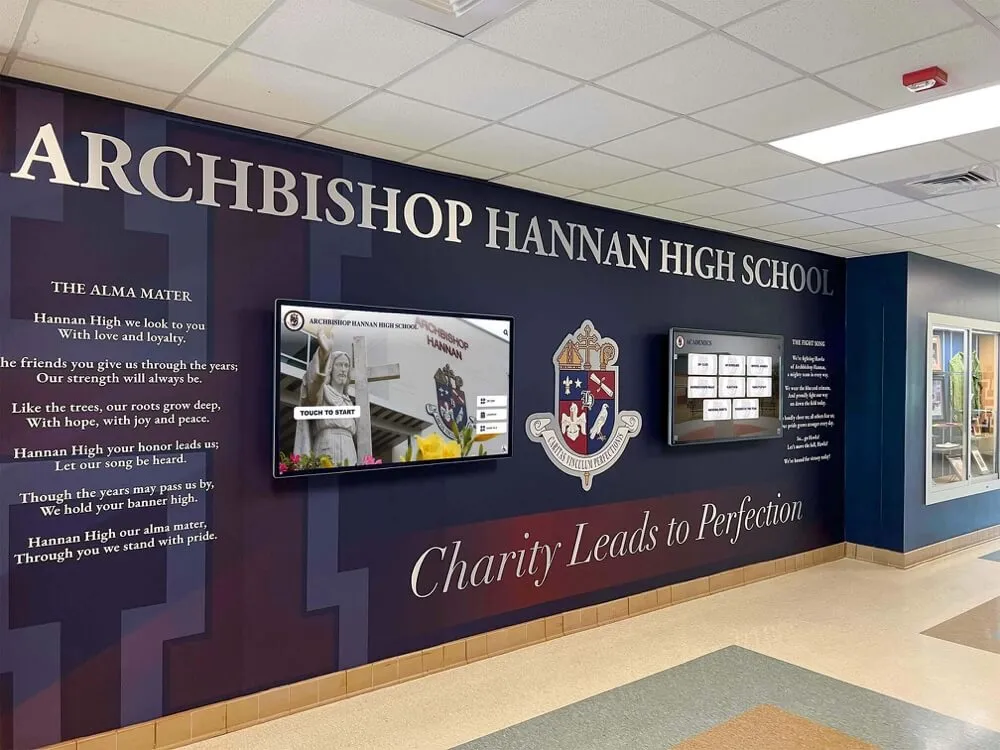
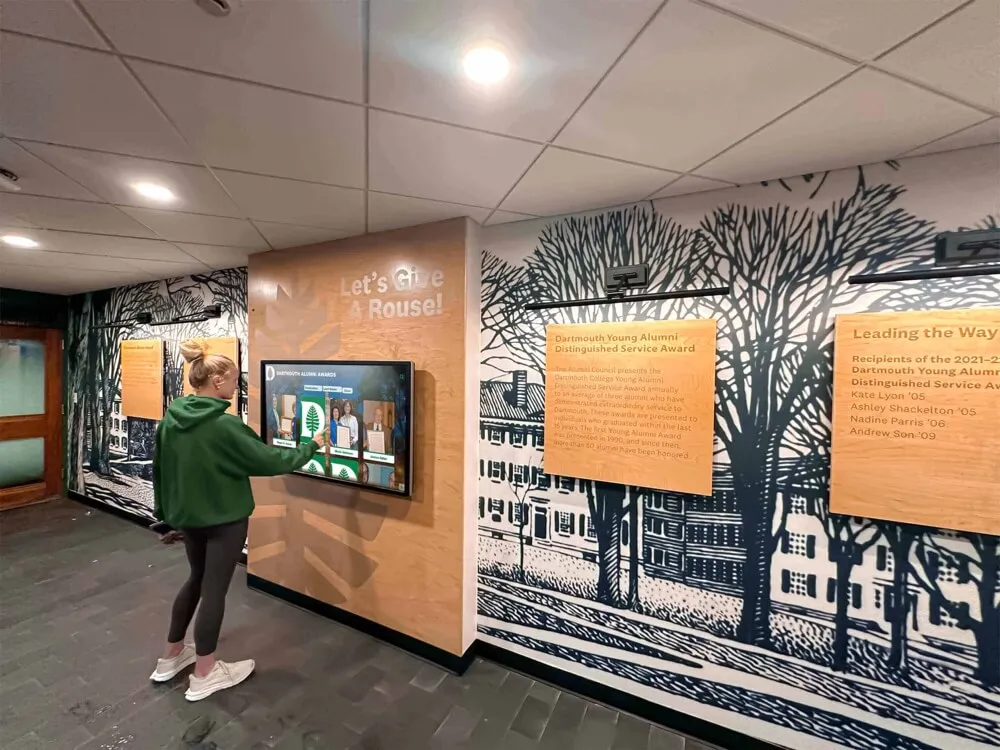
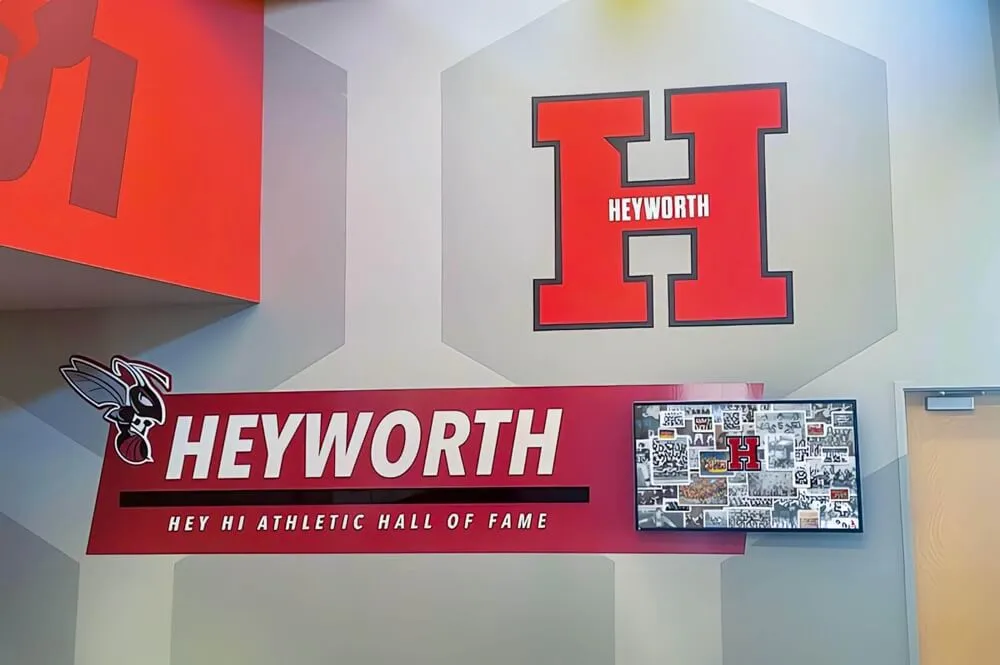
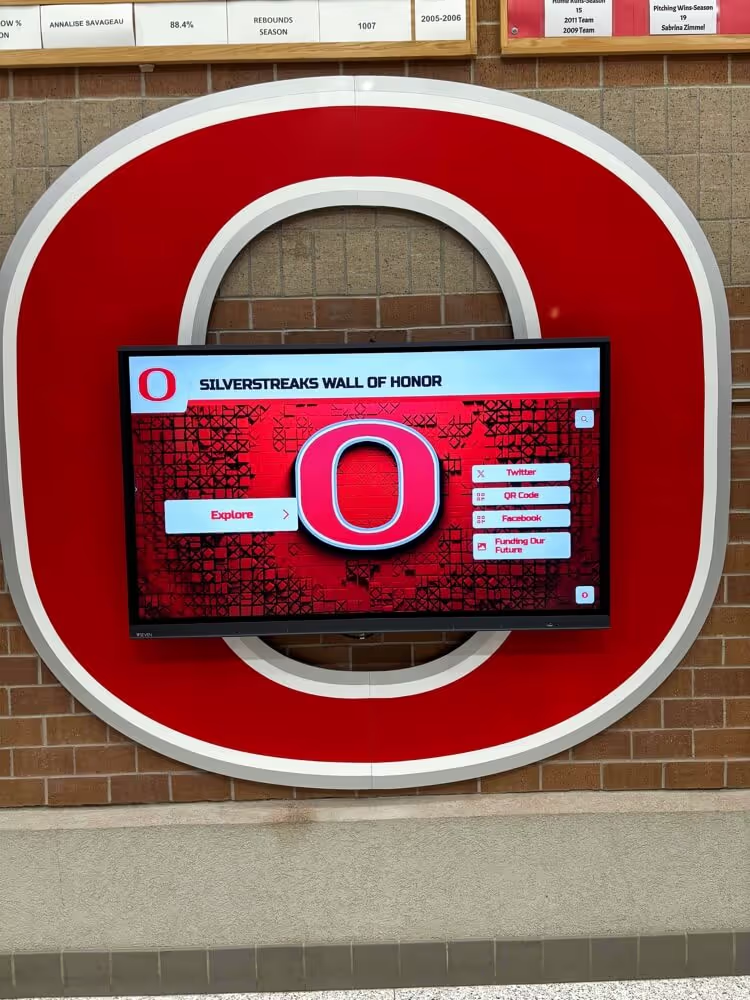
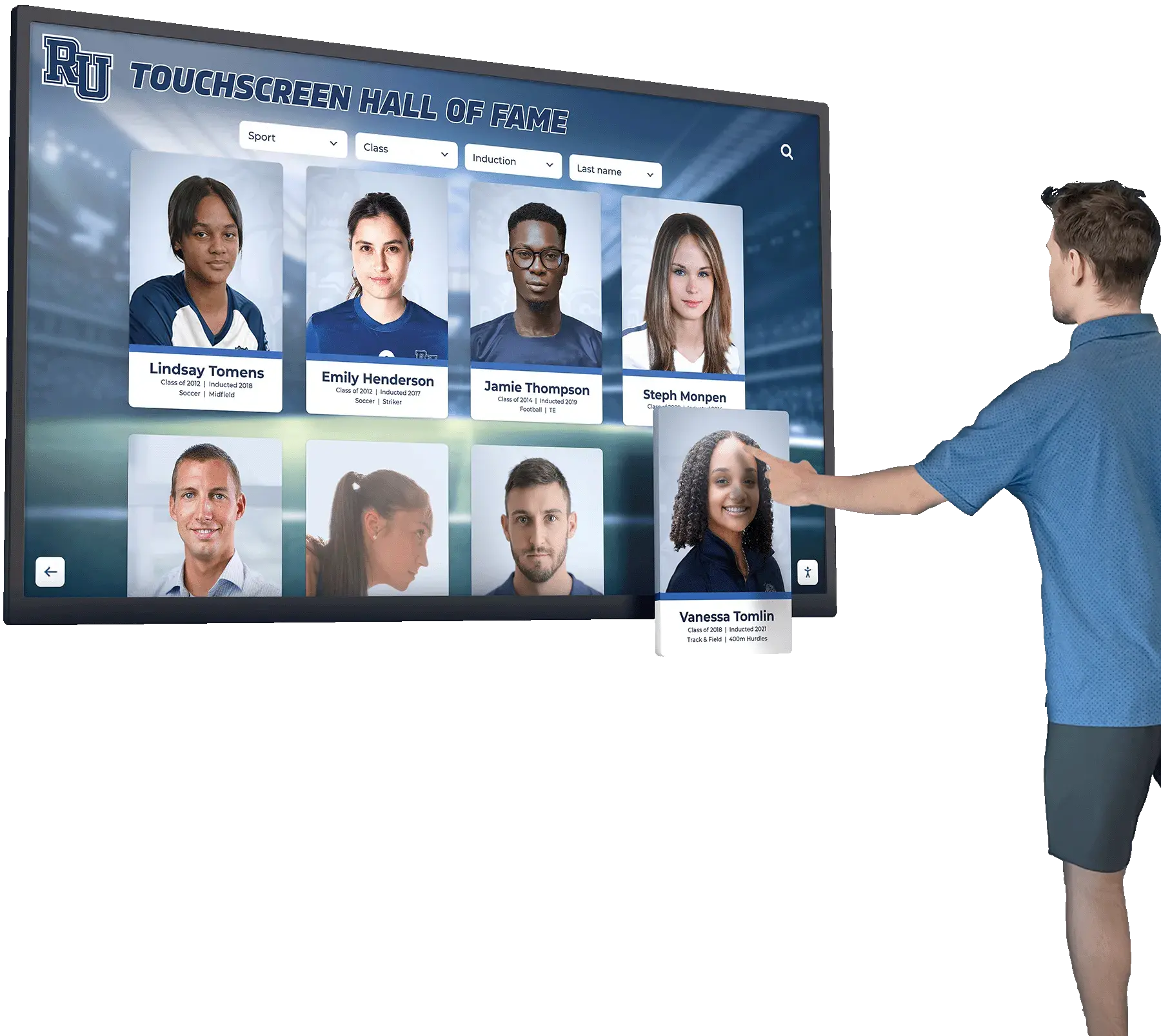
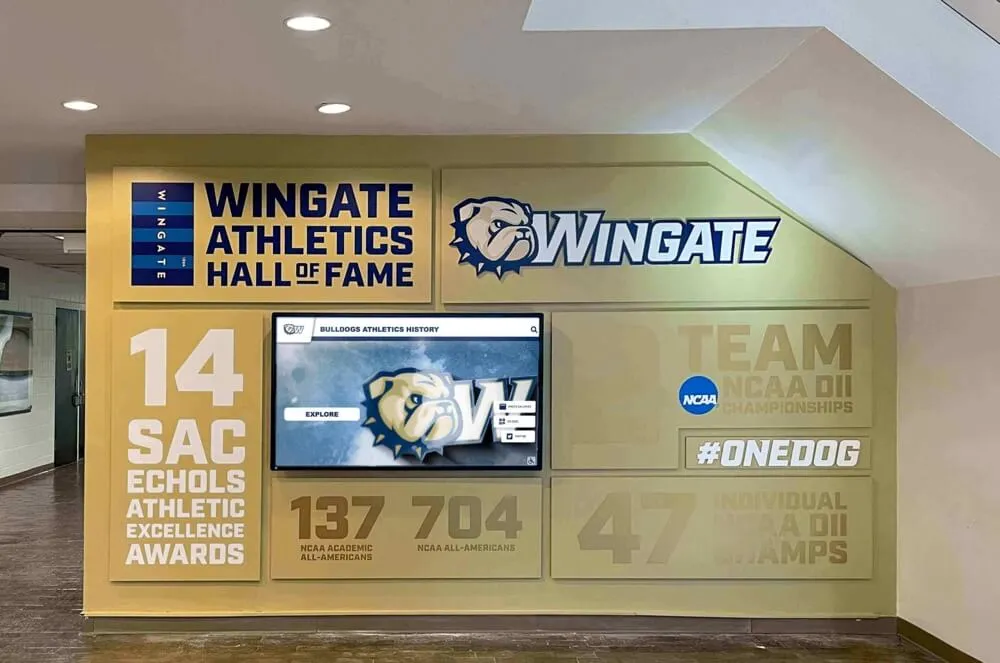
Modern recognition displays create engaging touchpoints where students discover peers' achievements and connect with school culture
Why Student of the Month Programs Matter
Understanding the purpose and impact of systematic monthly recognition helps schools design programs that achieve intended outcomes while avoiding common pitfalls.
Building Positive School Culture
Monthly recognition programs create continuous celebration throughout academic years rather than limiting acknowledgment to annual ceremonies. This consistent visibility ensures recognition remains top-of-mind for students, staff, and families while reinforcing that achievement happens every day, not just during special occasions.
Communicating Institutional Values
Every Student of the Month selection sends clear messages about what schools prioritize. Programs exclusively recognizing highest GPAs communicate that only absolute academic achievement matters. Recognition honoring improvement, character, service, and diverse talents alongside academic excellence tells students that schools value multiple forms of contribution and development.
Thoughtfully designed programs recognize students demonstrating academic excellence across subjects, significant academic growth regardless of starting points, exceptional character and citizenship, leadership within school communities, service to schools and broader communities, overcoming personal challenges with resilience, positive attitude and school spirit, and specialized talents in arts, athletics, or other domains.
This multi-dimensional approach creates inclusive cultures where students with varying strengths, interests, and backgrounds all see pathways to recognition rather than feeling that honor remains perpetually out of reach.
Creating Peer Role Models
When schools highlight specific students monthly, they create visible role models whose examples influence peer behavior and aspirations. Students observing classmates recognized for academic improvement may feel motivated to pursue their own growth. Those seeing peers honored for kindness or service may be inspired to contribute similarly to school communities.
This peer modeling effect proves particularly powerful during adolescence when peer influence significantly shapes behavior and values. Recognition programs leveraging this dynamic transform individual student acknowledgment into tools for broader cultural development.
Motivating Student Achievement and Behavior
Recognition serves as powerful intrinsic and extrinsic motivation influencing student choices and efforts.
The Psychology of Recognition
Educational psychology research consistently demonstrates that meaningful recognition enhances student motivation, engagement, and performance. When students receive acknowledgment for specific achievements or behaviors, they experience positive reinforcement that encourages continuation of recognized actions.
However, recognition effectiveness depends on authenticity and specificity. Generic acknowledgment providing minimal context or appearing perfunctory generates limited motivational impact. Recognition explaining specifically why students earned honor and highlighting particular examples of excellence creates meaningful validation that genuinely influences future behavior.
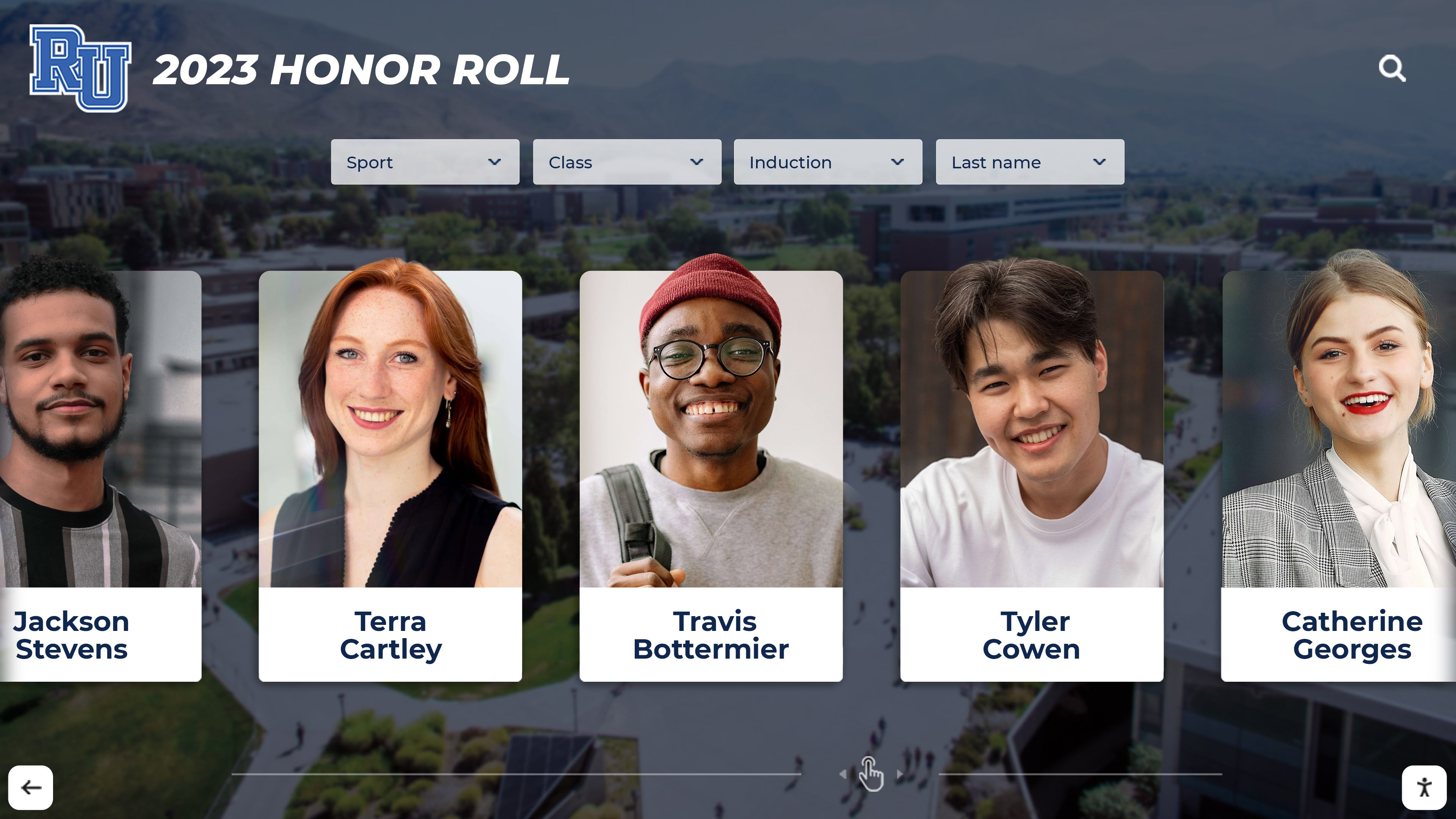
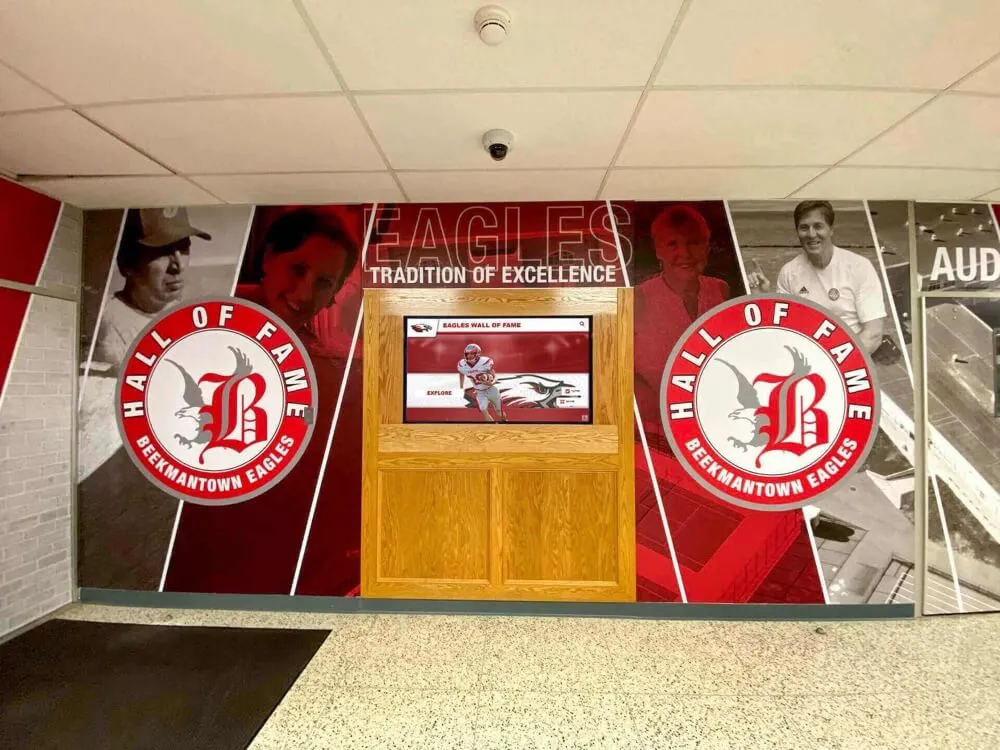
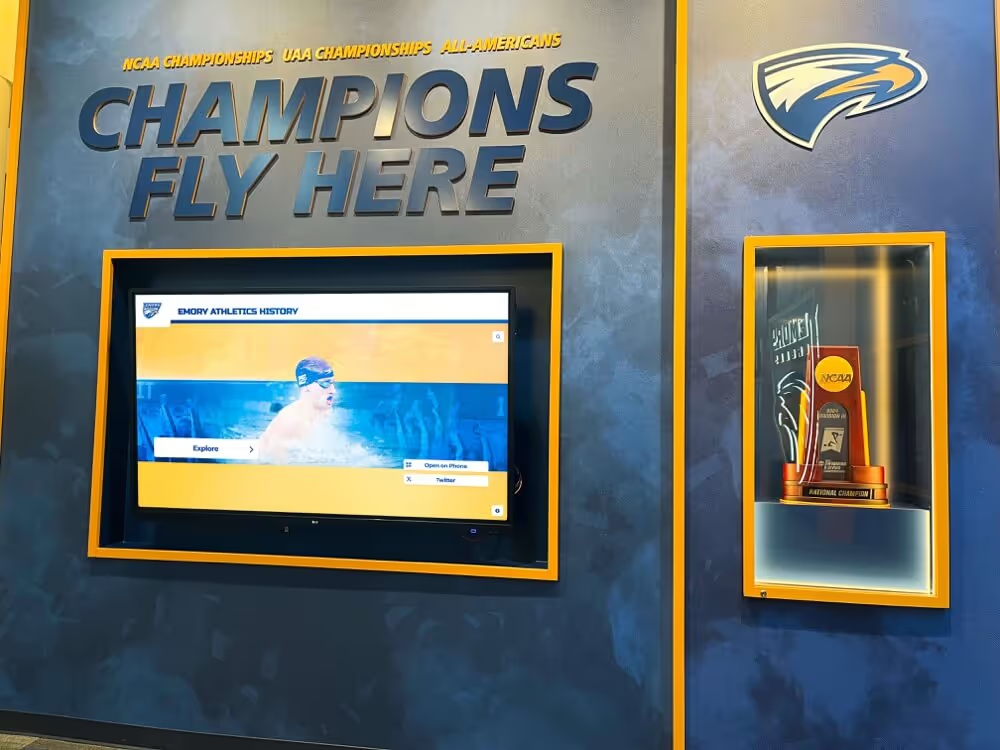
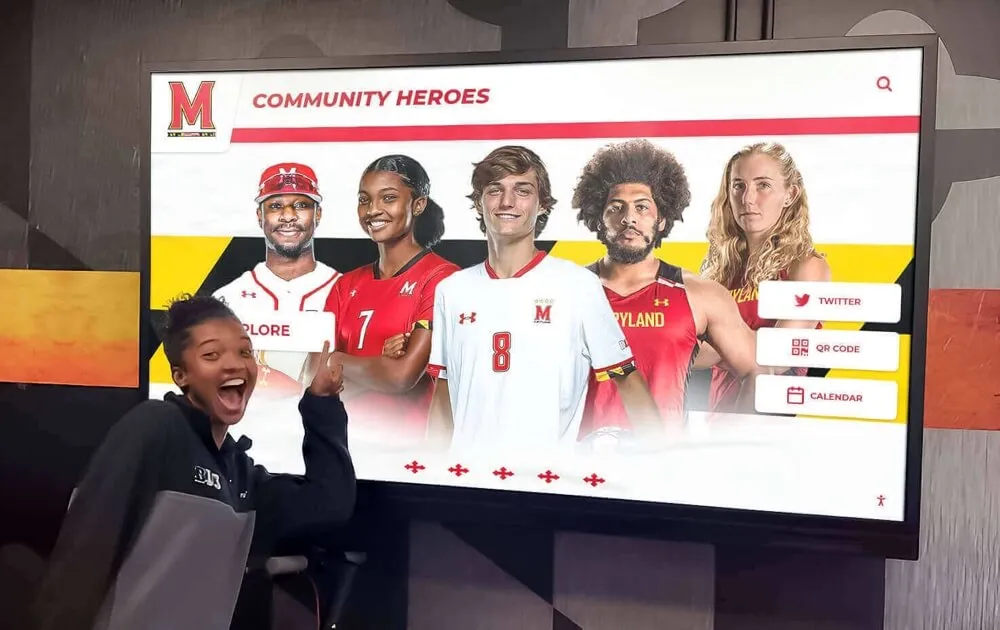
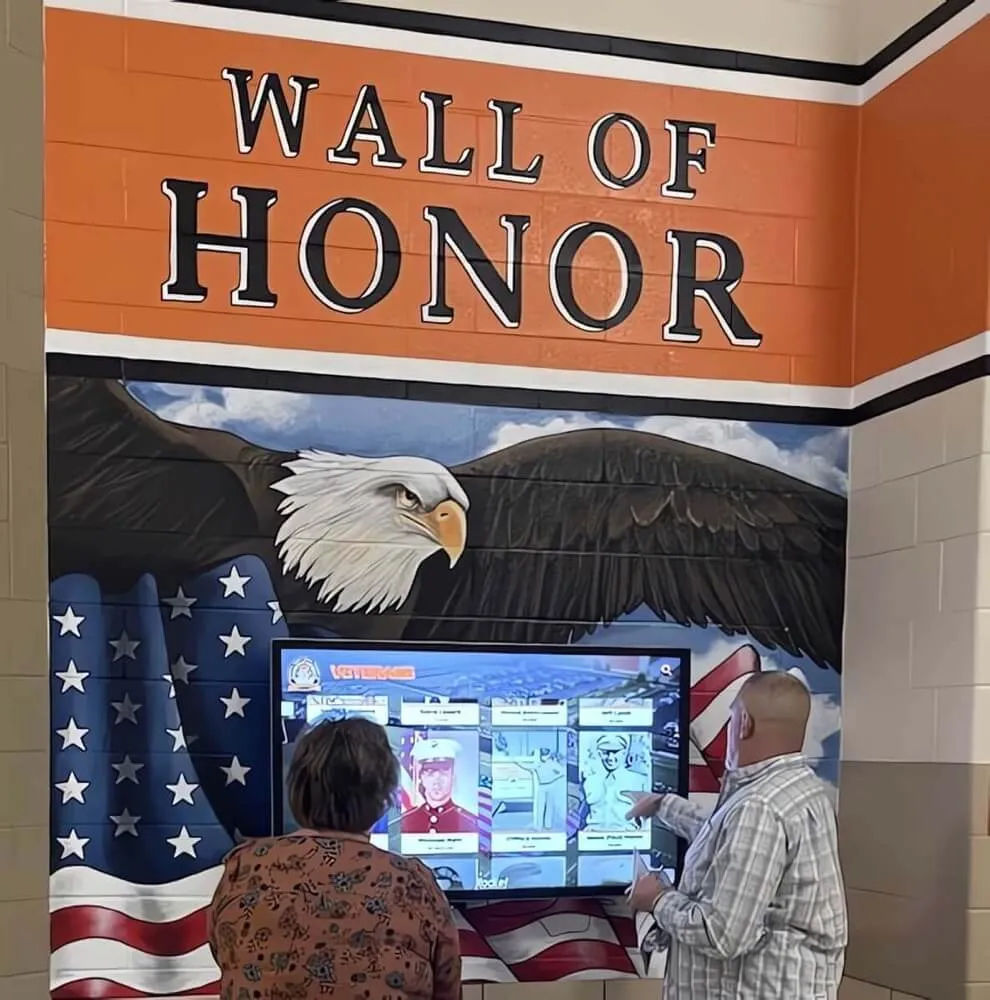
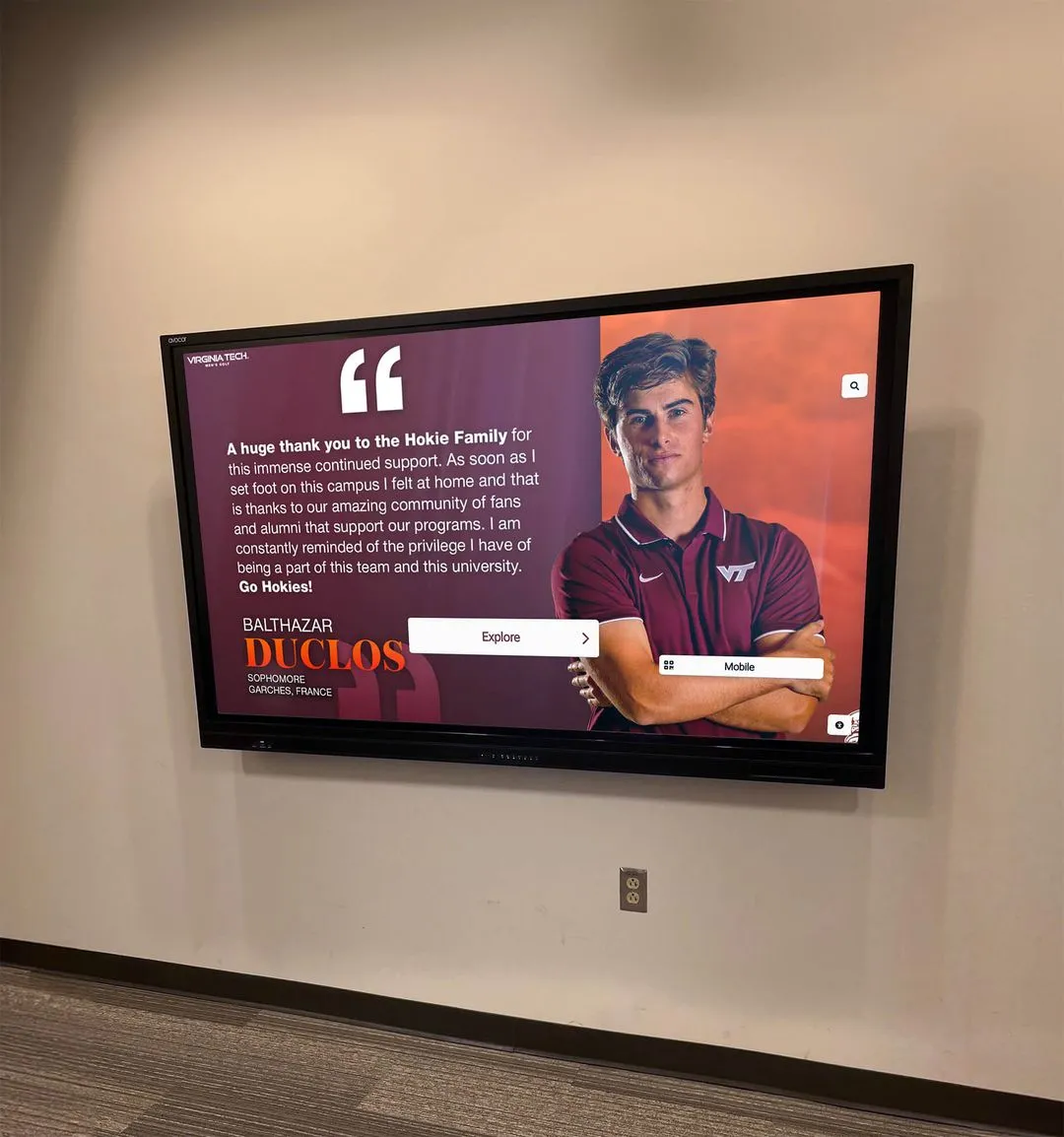
Individual student profiles celebrate specific achievements while building comprehensive recognition throughout school year
Creating Aspiration Throughout Student Body
Student of the Month programs that recognize diverse achievement types and regularly rotate which students receive honor create aspiration across entire student populations. When various students—those excelling academically, demonstrating character, showing improvement, or contributing through service—receive recognition throughout the year, all students can identify potential pathways to similar acknowledgment.
This inclusive aspiration proves more motivating than programs appearing to exclusively recognize the same small group of elite achievers repeatedly. Programs should balance celebrating pinnacle achievement with honoring growth and contribution across achievement levels.
Building Family and Community Connections
Recognition programs create positive touchpoints connecting schools with families and broader communities.
Engaging Families in Educational Process
When students receive Student of the Month recognition, families naturally engage more deeply with schools. Recognition announcements prompt parent-student conversations about school experiences and achievement, create positive association with educational institutions, provide concrete evidence of student success and school quality, and generate family pride strengthening support for continued academic engagement.
Many families share Student of the Month recognition widely—posting on social media, informing extended family, celebrating at home—amplifying recognition visibility far beyond school communities themselves. This sharing creates positive public relations for schools while validating students through acknowledgment from multiple sources.
Demonstrating School Investment in Individual Students
Monthly recognition programs signal that schools notice individual students beyond treating them as anonymous members of large populations. This personal acknowledgment proves particularly meaningful in larger schools where students might otherwise feel overlooked or invisible within crowds.
When schools take time to identify, celebrate, and publicly honor individual students monthly, they demonstrate commitment to recognizing each person’s unique contributions and development. This individualized attention strengthens student-school connection while creating warm environments where students feel genuinely valued. Explore how academic recognition programs build comprehensive achievement cultures throughout educational institutions.
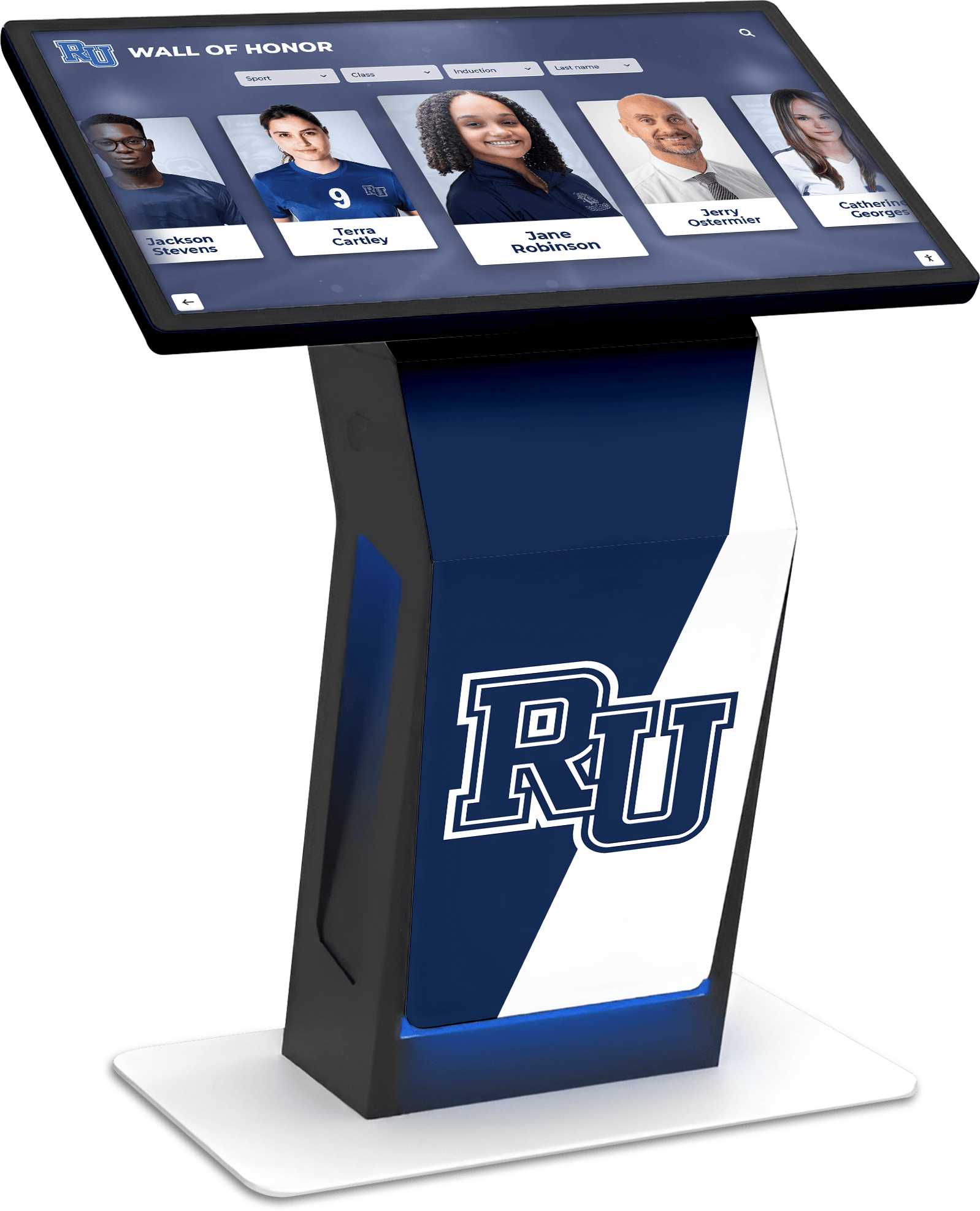
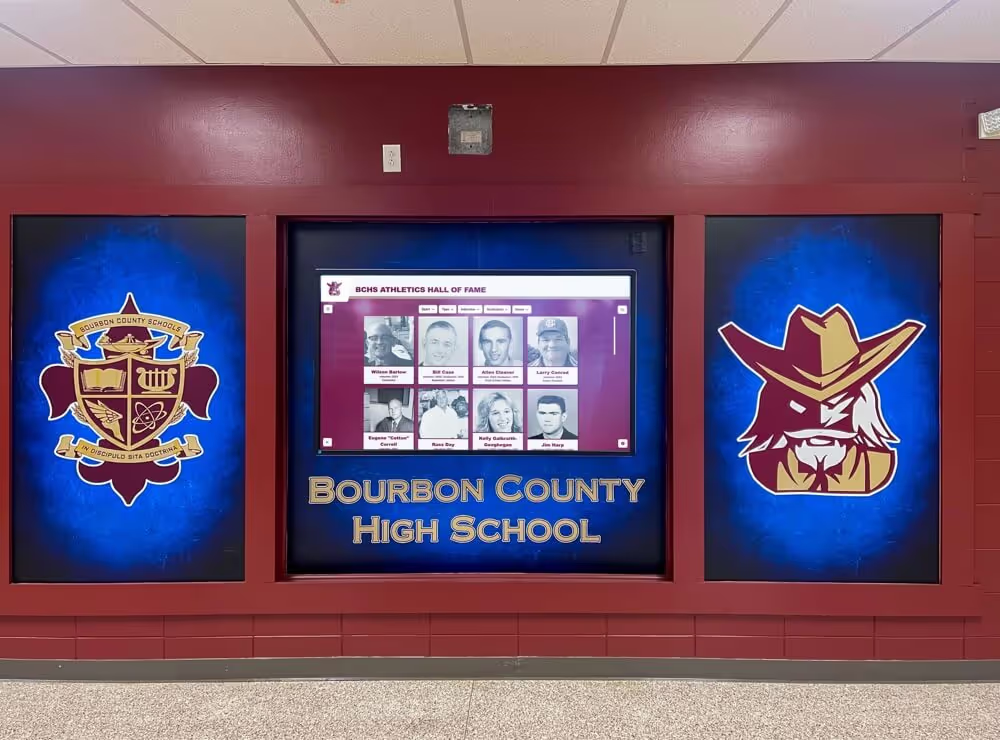
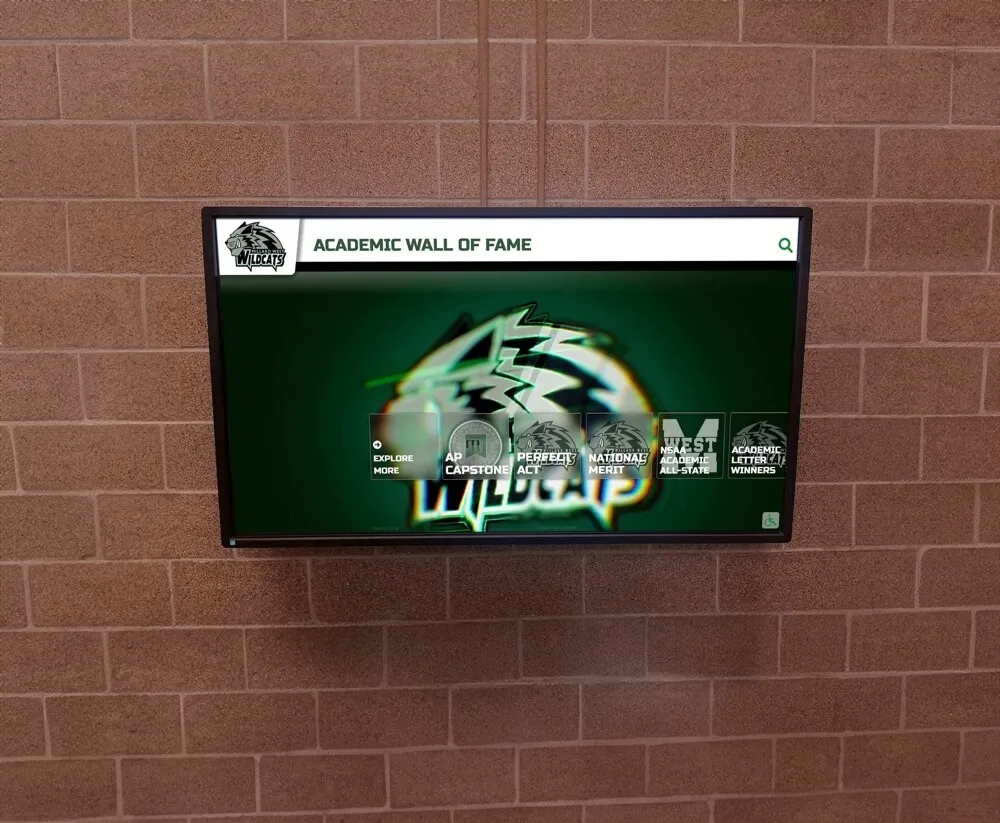
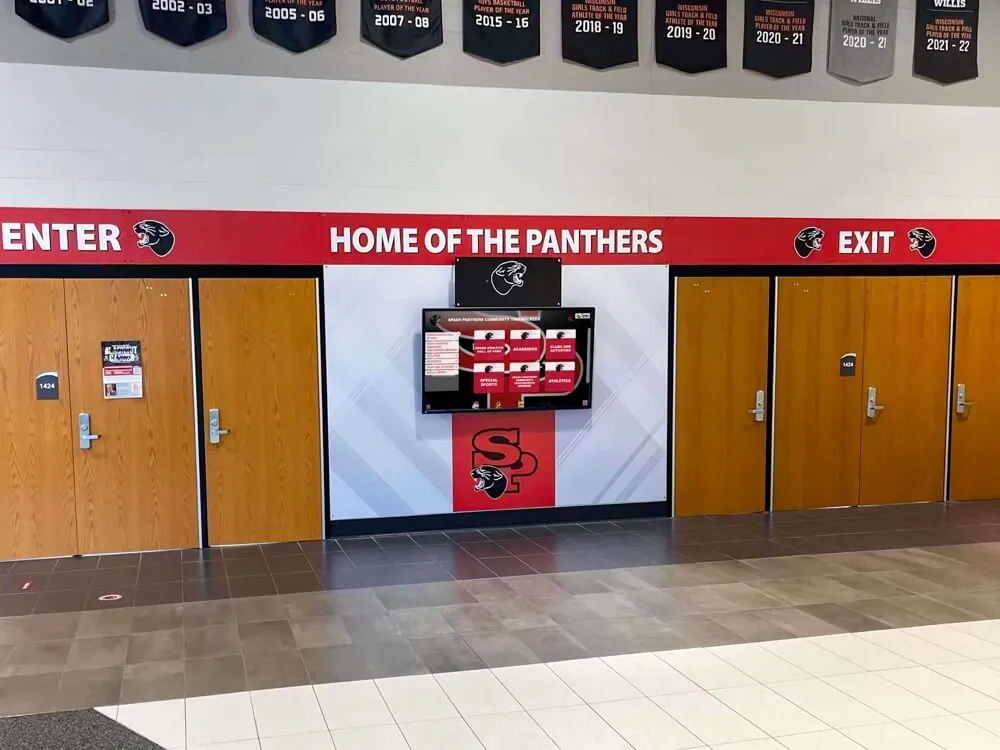
Interactive recognition systems enable exploration of student achievements while preserving complete recognition histories
Creative Selection Criteria for Student of the Month
Moving beyond traditional GPA-based recognition ensures comprehensive programs celebrating diverse student excellence.
Academic Achievement and Growth
Academic recognition remains central to most Student of the Month programs, but thoughtful approaches extend beyond simple highest-GPA selection.
Absolute Academic Excellence
Traditional academic recognition honors students maintaining exceptional grades, demonstrating mastery across multiple subjects, performing strongly on standardized assessments, or completing advanced coursework successfully. These recognitions celebrate students operating at highest academic levels.
When presenting academic excellence recognition, schools should highlight specific accomplishments—perfect test scores, particularly challenging coursework completion, sustained honor roll achievement across years, or academic competition success—providing concrete examples of honored achievement.
Academic Improvement and Growth
Recognizing significant academic growth proves equally valuable as celebrating pinnacle performance. Students demonstrating substantial GPA increases, improving from academic struggles to solid performance, making breakthrough progress in particularly challenging subjects, or elevating study habits and academic engagement deserve acknowledgment for development regardless of absolute achievement levels.
Most Improved recognition proves particularly meaningful for students who may never reach honor roll status but demonstrate remarkable dedication and progress worthy of celebration. This growth-focused recognition motivates continued improvement while validating that schools notice and value development efforts.
Subject-Specific Excellence
Rather than exclusively recognizing students with highest overall GPAs, schools can rotate monthly recognition through specific academic areas: mathematics achievement one month, English/language arts excellence another, science mastery, social studies achievement, world languages proficiency, arts excellence, or career and technical education accomplishment.
This subject-specific rotation ensures diverse students receive recognition throughout years while allowing schools to celebrate excellence across complete curricula rather than defaulting to students strongest in traditional core academic areas.
Character and Citizenship Recognition
Character-based recognition reinforces that schools value who students are becoming as people, not just their academic or athletic performance.
Demonstrating School Values
Students embodying specific school values deserve systematic recognition. Schools might rotate monthly recognition through core values like integrity and honesty, respect for others, responsibility and accountability, perseverance and resilience, kindness and compassion, or courage and leadership.
This values-based approach creates direct connection between Student of the Month programs and broader character education initiatives while providing vocabulary and frameworks for discussing character development with students.
Citizenship and Community Contribution
Recognition celebrating exemplary citizenship acknowledges students who consistently demonstrate positive behavior and engagement, contribute positively to classroom and school climate, show respect to peers, teachers, and staff, follow school rules and expectations consistently, or serve as positive role models for peers.
Citizenship recognition validates students who may not dominate academically or athletically but demonstrate character qualities creating positive educational environments where all students thrive.
Acts of Kindness and Compassion
Monthly recognition spotlighting specific acts of kindness or compassion highlights students who welcomed new classmates, supported struggling peers academically or emotionally, demonstrated empathy during difficult situations, or performed unexpected generous actions benefiting others.
These recognitions prove particularly impactful when accompanied by stories explaining specific kind actions, creating narratives that inspire similar behavior throughout school communities. Consider how high school end-of-year awards can complement ongoing monthly recognition throughout academic years.
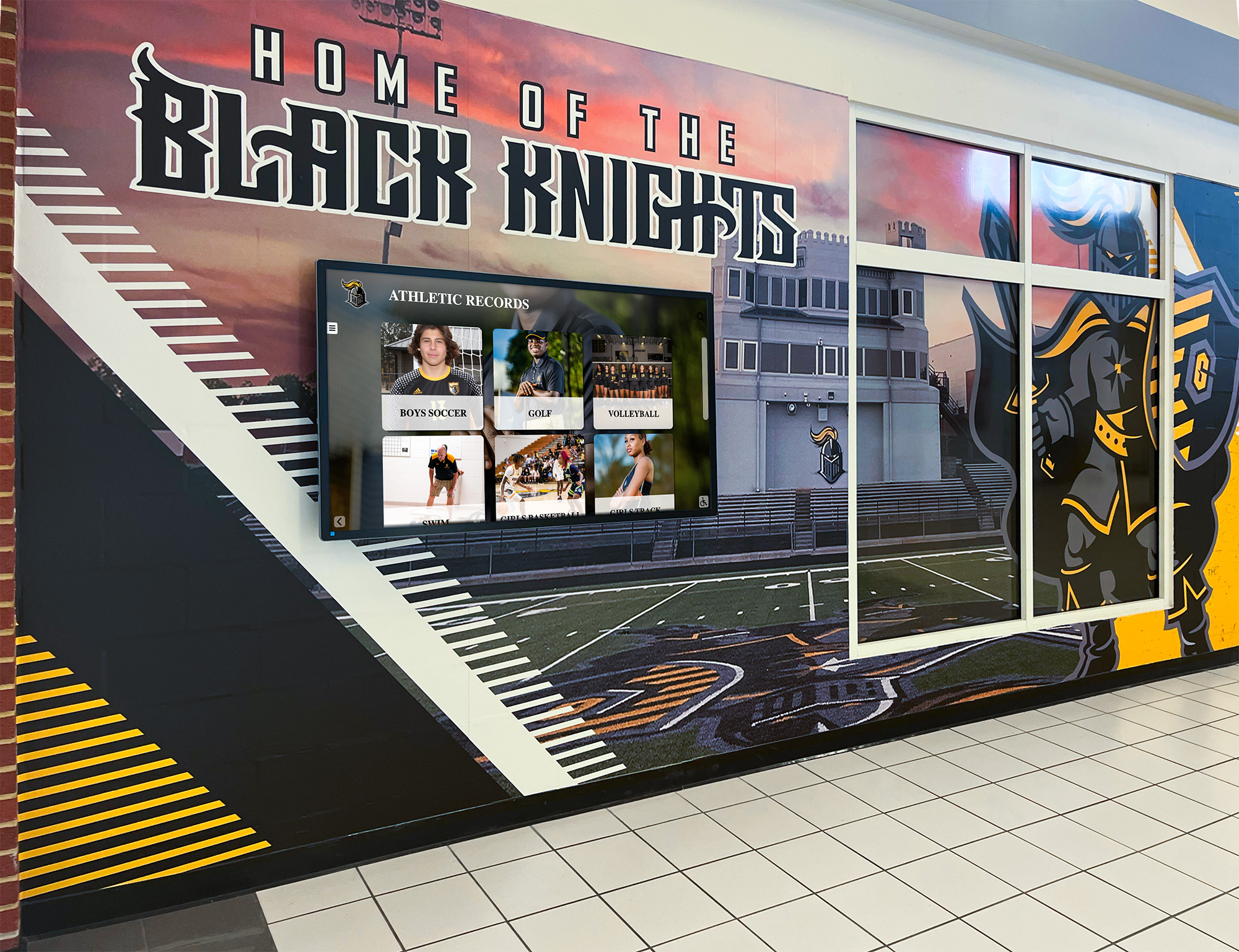
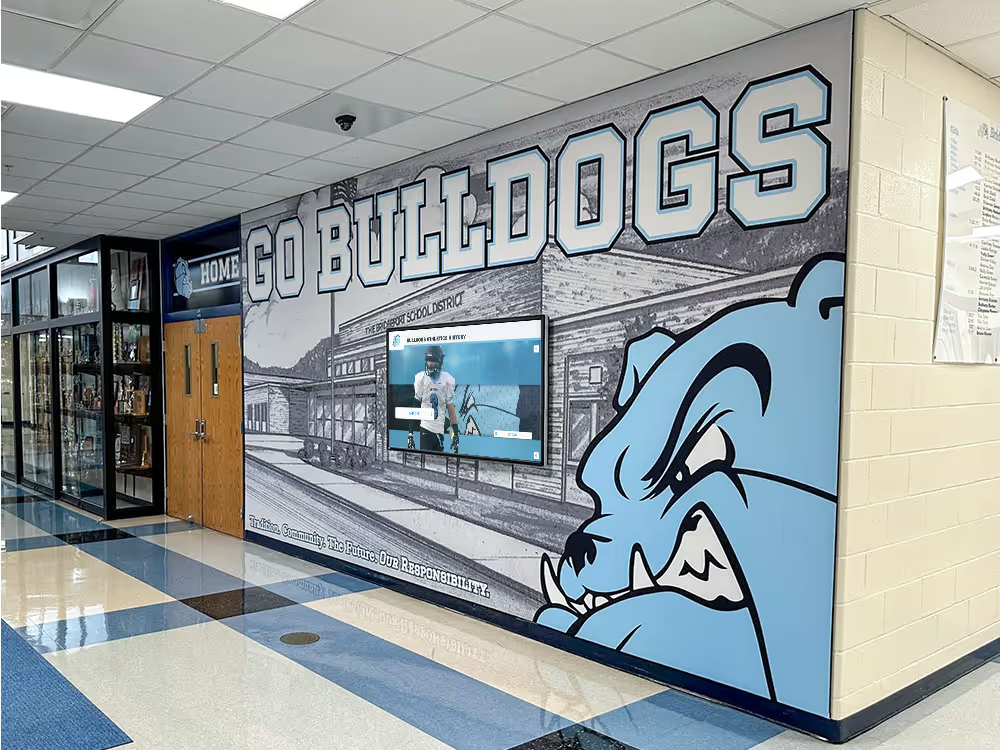
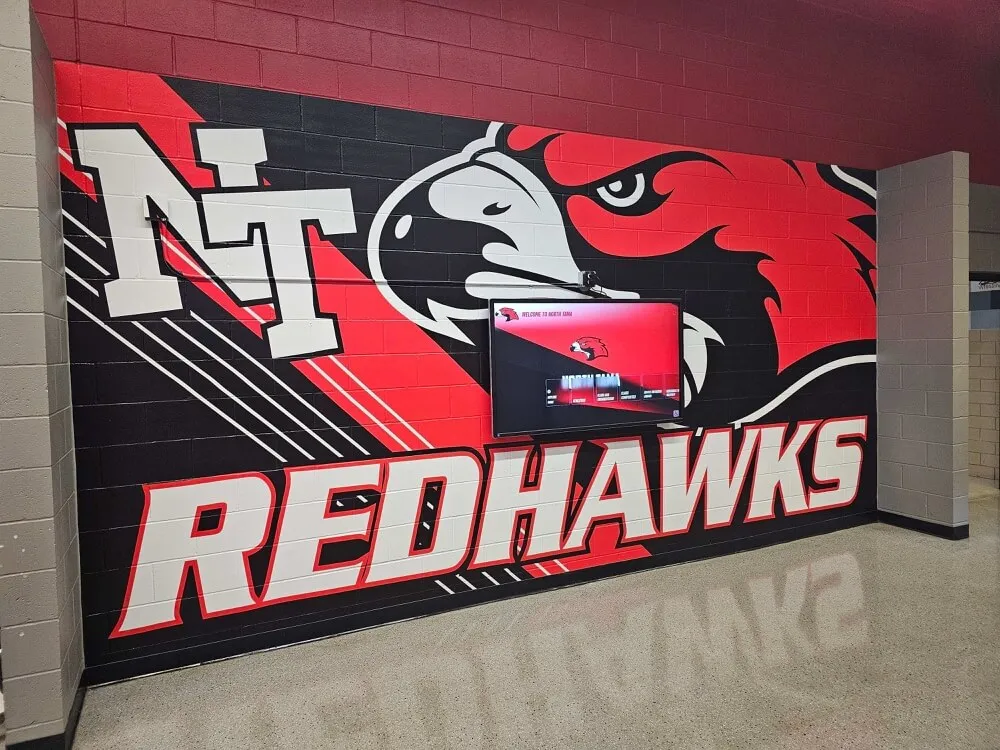
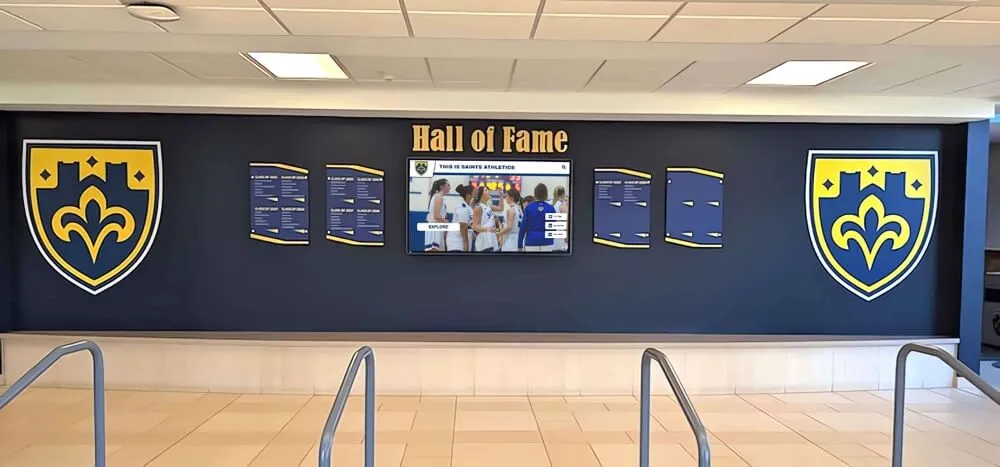
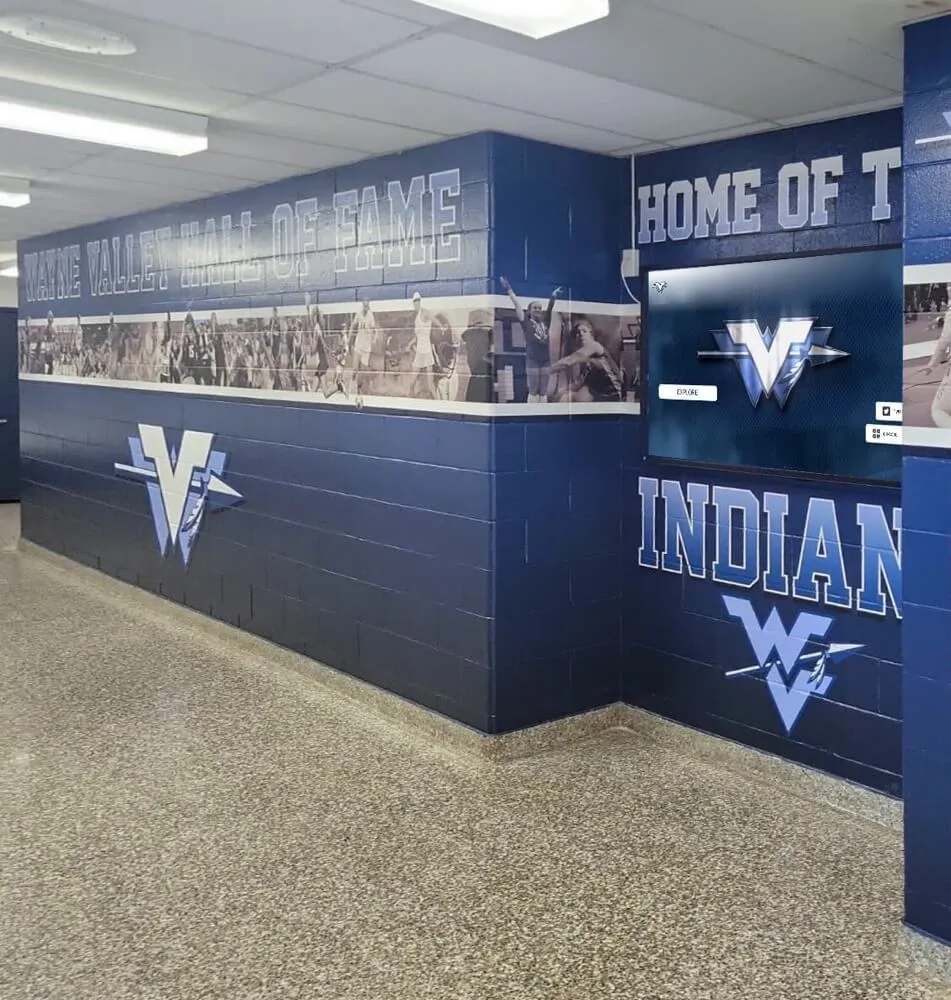
Strategic placement of recognition throughout school spaces creates continuous visibility for student achievement
Leadership and Service Recognition
Students demonstrating leadership or contributing through service deserve systematic acknowledgment.
Student Leadership
Monthly recognition can celebrate students demonstrating leadership through elected positions like student government, class officers, or club leadership, informal leadership through positive influence and peer mentorship, academic leadership like tutoring or study group facilitation, or project leadership organizing initiatives benefiting school communities.
Leadership recognition proves particularly valuable when highlighting specific leadership examples—particular projects led, challenges overcome, or positive impacts created—providing concrete illustrations of effective leadership for all students.
Community Service and Volunteerism
Students dedicating significant time to community service deserve recognition for contributing beyond school walls. Monthly service recognition might honor students volunteering extensively with community organizations, organizing service projects benefiting broader communities, demonstrating consistent commitment to causes they value, or mobilizing peers toward collective service efforts.
This recognition validates that schools value contribution to broader society alongside internal school achievement, preparing students for lifelong civic engagement and social responsibility.
Peer Support and Mentorship
Recognition celebrating students who provide exceptional peer support acknowledges those who assist classmates academically, welcome and integrate new students socially, support struggling peers emotionally, or create inclusive environments where all students feel valued and supported.
These peer support contributions often go unnoticed despite proving crucial to positive school climates. Systematic recognition ensures these vital contributions receive appropriate acknowledgment and reinforcement.
Improvement and Perseverance Recognition
Recognizing growth and persistent effort motivates students at all achievement levels.
Overcoming Challenges
Monthly recognition can celebrate students who overcame significant personal challenges while maintaining school commitment, demonstrated resilience through difficult circumstances, persisted through academic struggles to achieve success, or balanced demanding responsibilities outside school while remaining engaged academically.
These recognitions honor student contexts and challenges, validating that achievement means different things for students starting from varied circumstances and facing diverse obstacles.
Consistent Effort and Work Ethic
Recognition celebrating exceptional work ethic acknowledges students who demonstrate consistent effort regardless of innate ability, complete all assignments thoroughly and punctually, participate actively in class discussions and activities, or approach challenges with positive attitude and determination.
Work ethic recognition proves valuable for students whose absolute achievement may not reach highest levels but whose dedication and effort deserve acknowledgment and serve as models for peers.
Attendance and Engagement
While some educators debate attendance awards, recognition celebrating exceptional school attendance and engagement acknowledges commitment and priority given to education. This recognition can celebrate perfect attendance throughout marking periods, significant attendance improvement, or consistent engagement despite challenges that might justify absences.
Attendance recognition should be presented sensitively, acknowledging that some absences result from circumstances beyond student control while honoring those who demonstrate commitment to consistent school presence and participation.
Specialized Talent and Contribution Recognition
Beyond traditional academic and character categories, recognition should celebrate diverse talents and contributions.
Arts and Creative Excellence
Monthly recognition can spotlight students demonstrating exceptional talent or development in visual arts, instrumental or vocal music performance, theatre and dramatic arts, creative writing, or other artistic domains.
Arts recognition ensures these vital program areas receive visibility equal to athletics and academics while validating students whose primary strengths and passions lie in creative expression.
Athletic Achievement and Sportsmanship
Student of the Month recognition can complement team-specific athletic awards by celebrating outstanding athletic performance, exceptional sportsmanship and team leadership, multi-sport athlete achievement, or significant athletic development and improvement.
Athletic recognition within comprehensive Student of the Month programs prevents perception that schools prioritize academics while athletics operate as separate domain, instead positioning all achievement types as equally valuable contributions to school communities.
School Spirit and Participation
Recognition celebrating exceptional school spirit acknowledges students who consistently attend and support school events, demonstrate visible enthusiasm for school activities, organize or lead spirit initiatives, or create positive energy contributing to vibrant school culture.
Spirit recognition validates that active participation and positive energy contribute meaningfully to school communities beyond formal achievement in academic or athletic domains. Learn about comprehensive student awards recognition programs that celebrate diverse student contributions throughout school years.
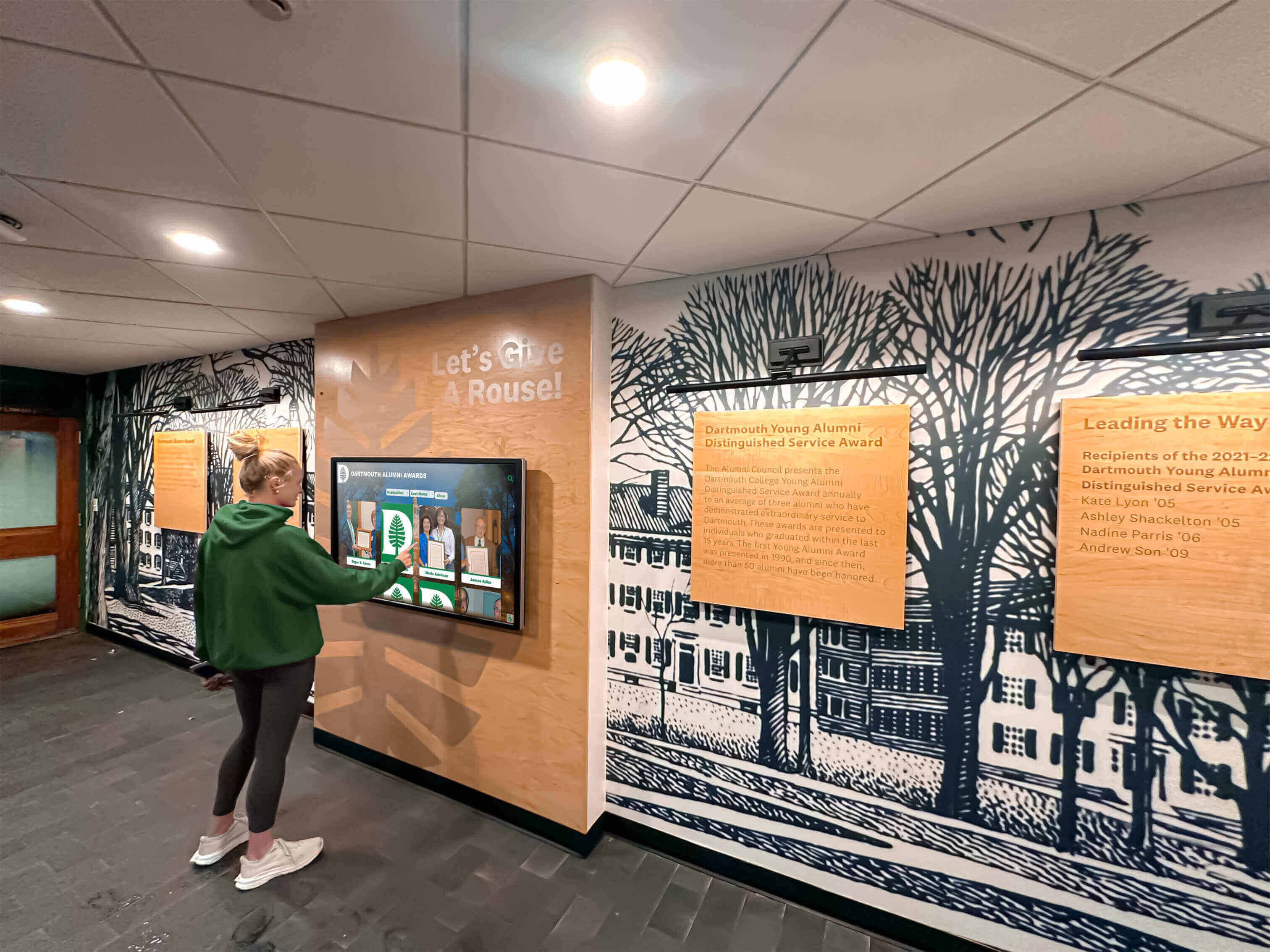
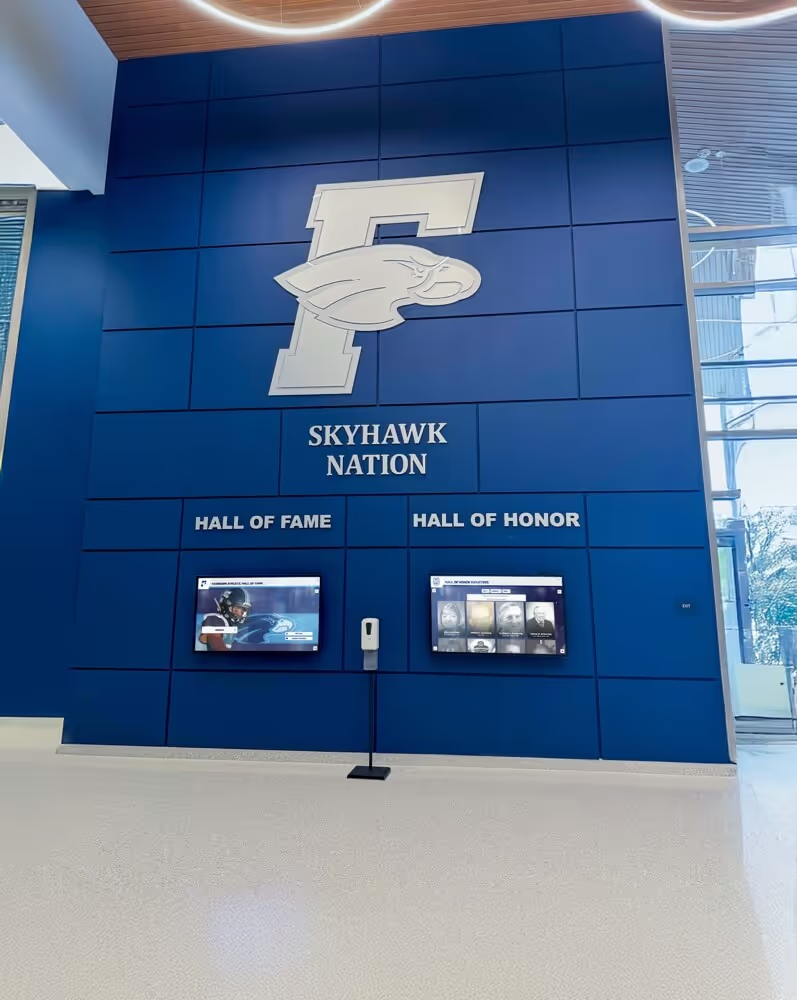
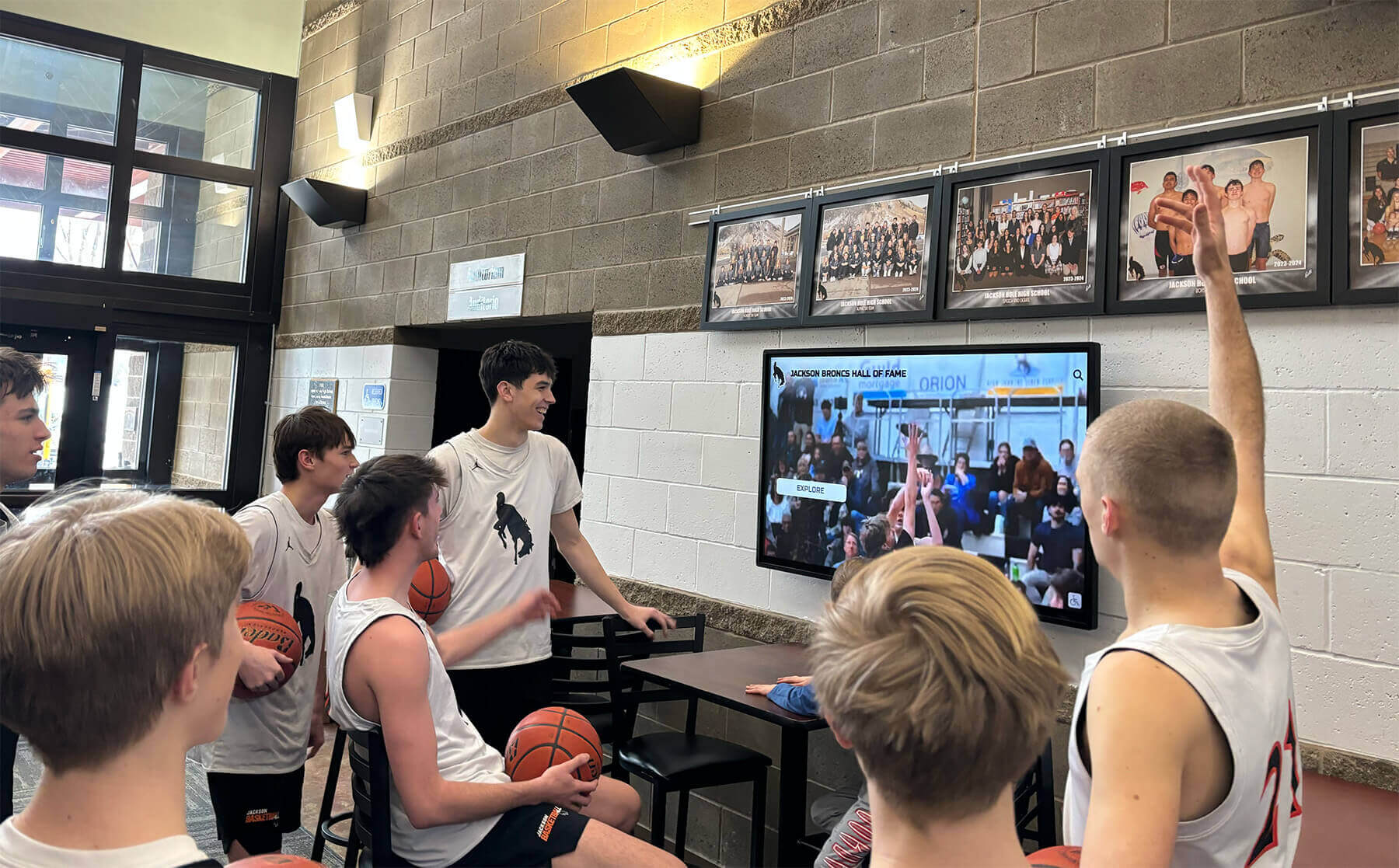
Touchscreen systems create engaging experiences where students actively explore recognition rather than passively viewing static displays
Innovative Presentation and Visibility Ideas
Recognition impact depends substantially on presentation format and visibility throughout school communities.
Traditional Announcement and Display Methods
While traditional approaches remain valuable, schools should maximize their effectiveness through thoughtful implementation.
Morning Announcements and Assemblies
Recognizing Students of the Month during morning announcements ensures school-wide awareness, but effectiveness depends on presentation quality. Simply reading names generates minimal impact compared to announcements that explain specifically why students earned recognition, share particular examples of honored achievements or behaviors, include quotes from nominating teachers or peers, and connect recognition to broader school values and culture.
When possible, having recognized students present for acknowledgment during assemblies or other gatherings creates more memorable moments than remote announcements alone. Seeing honored students receive applause and celebration generates greater impact for recipients and observers alike.
Physical Display Boards and Cases
Traditional bulletin boards or trophy cases displaying Student of the Month recognition remain common, but schools should ensure displays are strategically located in high-traffic areas ensuring maximum visibility, updated promptly each month maintaining relevance and engagement, designed attractively avoiding generic clip-art aesthetics, and accompanied by information beyond just names and photos providing context about achievements.
Physical displays work best when they complement rather than substitute for other recognition methods, creating one touchpoint among multiple channels for celebrating achievement.
Certificates and Physical Recognition Items
Presenting Students of the Month with certificates, medallions, t-shirts, or other tangible recognition creates commemorative items students and families value. These physical artifacts serve as lasting reminders of achievement while creating ceremonial moments during presentations.
Consider presenting recognition items during public settings—before classes, during lunch periods, or at assemblies—rather than privately distributing them, maximizing visibility and ceremonial significance while inspiring peers who witness recognition.
Digital and Social Media Recognition
Modern technology enables enhanced recognition visibility and engagement impossible with traditional approaches alone.
School Website Features
Featuring Students of the Month prominently on school websites through dedicated recognition pages, homepage spotlights, individual student profile pages with photos and achievement descriptions, and searchable historical databases creates accessible year-round visibility extending far beyond single recognition months.
Web-based recognition enables families to easily share achievements with extended networks, provides lasting documentation students can reference in future applications or resumes, and demonstrates school commitment to recognition making investment in systematic celebration visible to prospective families and broader communities.
Social Media Celebration
Schools active on social media platforms should regularly celebrate Students of the Month through dedicated posts with photos and achievement descriptions, video features with student interviews or testimonials, photo albums or galleries celebrating each month’s recipients, and stories or reels creating engaging visual content.
Social sharing dramatically amplifies recognition visibility beyond school walls while creating shareable content families proudly distribute throughout their networks. This extended visibility increases recognition value for students while generating positive public relations for schools demonstrating commitment to celebrating achievement.
Email Communications to Families
Systematic email communications announcing Students of the Month to parent communities ensure families learn about recognition even if students forget to mention it at home. Effective emails include student photos and biographical information, specific explanations of why students earned recognition, quotes from nominating teachers or peers providing third-party validation, and celebration messages encouraging families to acknowledge achievements.
Family communication extends recognition impact while creating positive touchpoints building home-school partnerships and engagement.
Interactive Digital Recognition Systems
Modern interactive platforms transform recognition from static announcements into engaging experiences creating lasting value.
Permanent Digital Recognition Archives
Solutions like Rocket Alumni Solutions enable schools to create comprehensive digital recognition systems preserving all Student of the Month recipients across years, detailed profiles documenting specific achievements and contributions, photo galleries showing students in various contexts, searchable databases allowing discovery by name, year, or recognition category, and unlimited capacity accommodating decades of recognition without space constraints.
Traditional approaches like bulletin boards or trophy cases face severe limitations—restricted space requiring removal of past recognition to accommodate current honorees, minimal information beyond names and dates, and eventual invisibility once displays fill or get replaced. Digital systems overcome these limitations while creating engaging exploration experiences where students discover peers’ achievements and role models, alumni reconnect with their recognition and school communities, families share recognition with extended networks, and prospective families understand school recognition culture and values. Explore how digital recognition displays create comprehensive celebration systems throughout educational institutions.
Touchscreen Exploration and Engagement
Interactive touchscreen systems installed in school lobbies or common areas enable intuitive exploration through search functionality allowing students to find themselves and peers, filtering by recognition category, grade level, or time period, detailed profile pages telling complete achievement stories, multimedia content including photos, videos, and documents, and social sharing enabling students to share achievements from displays.
These systems create what we call “warming” effects throughout school communities—transforming cold static bulletin boards into vibrant accessible celebration where personalized content surfaces relevant connections, comprehensive documentation preserves complete recognition across categories, and interactive exploration creates engaging experiences impossible with traditional static approaches. When students see their achievements celebrated prominently, when families can explore recognition systems showcasing their children, and when communities engage with school tradition through intuitive technology, schools build warm, connected environments where recognition creates lasting value.
Mobile-Accessible Recognition
Modern digital recognition extends beyond physical displays to mobile-accessible platforms enabling students and families to access recognition from anywhere, view achievements on personal devices, easily share accomplishments through social media or messaging, and maintain connections to school recognition throughout students’ lives.
This mobile accessibility proves particularly valuable for alumni who maintain access to their Student of the Month profiles years or decades after graduation, creating lasting connections to schools and validating that recognition remains accessible rather than disappearing once students move forward.
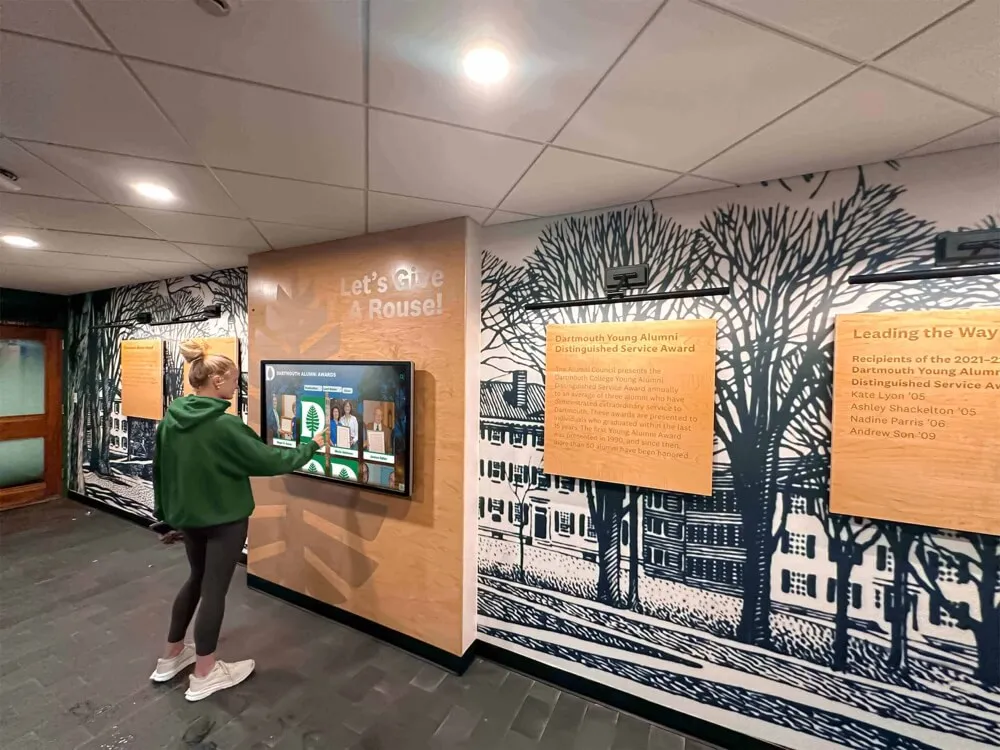
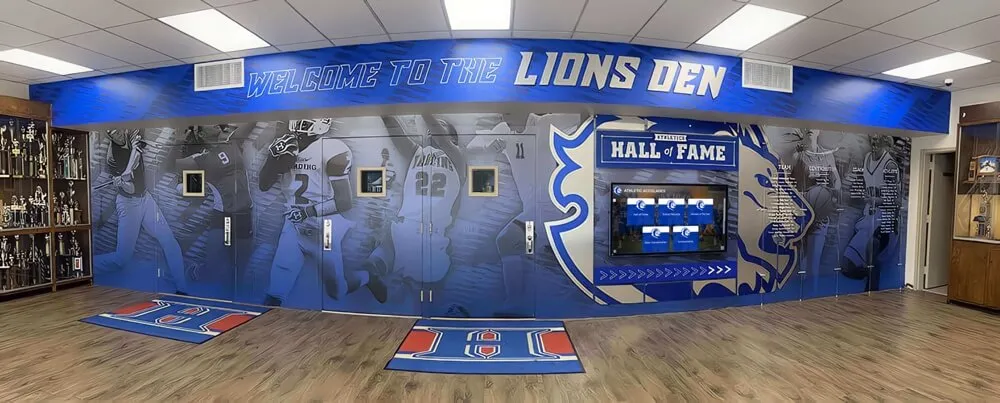
Modern recognition platforms integrate seamlessly with facility design creating comprehensive celebration throughout school spaces
Implementing and Sustaining Effective Programs
Creating meaningful Student of the Month recognition requires systematic planning, fair selection processes, and sustainable management.
Establishing Clear Selection Criteria and Processes
Program credibility depends on transparent selection based on clear consistent criteria.
Defining Recognition Categories
Schools should establish specific monthly recognition categories well before school years begin. Options include rotating through different criteria each month (academic achievement in September, character/citizenship in October, leadership in November, etc.), maintaining consistent criteria throughout years with multiple recipients each month across categories, or thematic approaches aligning recognition with school calendar events (service recognition during community service month, attendance recognition during attendance awareness campaigns, etc.).
Clear predetermined categories provide structure preventing arbitrary ad-hoc recognition while ensuring comprehensive coverage of diverse achievement types throughout years.
Creating Nomination Processes
Student of the Month selection benefits from systematic nomination rather than single-person decisions. Effective nomination processes might include teacher nominations with supporting explanations, peer nominations allowing students to recognize classmates, self-nominations with supporting documentation for appropriate categories, or automatic qualification based on objective criteria like GPA thresholds or attendance records.
Multi-source nominations ensure diverse students receive consideration rather than programs favoring students most visible to administrators or having strong relationships with specific teachers.
Selection Committee Review
For subjective recognition categories, selection committees provide fair evaluation through multiple staff members offering diverse perspectives, established rubrics and evaluation criteria guiding consistent assessment, documentation of selection rationales supporting decisions if questioned, and recusal procedures addressing conflicts of interest.
Committee processes add administrative complexity but enhance fairness and credibility, particularly for competitive recognition in schools where many students might qualify for limited monthly selections.
Managing Administrative Requirements
Sustainable programs require manageable administrative processes.
Streamlining Nomination and Selection
Schools should create simple nomination forms requiring minimal time, establish realistic deadlines providing adequate selection time, utilize technology like Google Forms or online surveys for easy submission and compilation, and assign clear staff responsibility for managing monthly processes.
Overly complex or time-consuming processes increase likelihood that programs fade or become inconsistent when busy staff members struggle to maintain requirements.
Maintaining Consistency Across School Years
Documented processes and criteria prevent programs from becoming idiosyncratic or inconsistent when responsibilities change. Schools should maintain written program guidelines and procedures, train new staff members responsible for program coordination, create annual calendar scheduling nomination deadlines and selection dates, and regularly review programs ensuring they remain aligned with goals and values.
This documentation enables smooth transitions when staff turnover occurs while maintaining program quality and consistency students, families, and communities expect.
Budget Considerations
Sustainable recognition programs should be financially manageable. Budget requirements might include certificates or awards for recognition recipients, display materials for physical bulletin boards, promotional materials for program visibility, or technology investments for digital recognition systems.
Schools should establish realistic budgets reflecting available resources while prioritizing program elements generating greatest impact. Simple well-executed recognition proves more valuable than elaborate unsustainable programs that fade due to cost constraints.
Ensuring Equity and Inclusivity
Recognition programs must intentionally address equity concerns ensuring fair opportunities for all students.
Monitoring Recognition Distribution
Schools should regularly analyze Student of the Month recipients by demographic categories, grade levels, academic tracks or programs, and participation in various school activities, then examine distribution patterns identifying potential equity gaps, review criteria potentially creating unintended barriers, and adjust programs ensuring fair recognition opportunities.
This data-driven approach prevents recognition from inadvertently favoring certain student populations while excluding others who contribute and achieve in ways not captured by existing program structures.
Creating Multiple Recognition Pathways
Comprehensive programs ensure recognition opportunities exist across achievement starting points at all performance levels, growth and improvement regardless of absolute achievement, effort-based recognition valuing work regardless of outcomes, specialized talents beyond traditional academic metrics, and character-based recognition for persistence and qualities beyond performance.
Multiple pathways prevent programs from becoming vehicles exclusively recognizing same student types repeatedly while ensuring diverse students can pursue recognition aligned with their unique strengths and contributions.
Cultural and Linguistic Inclusivity
Recognition should be accessible and meaningful across diverse student populations through translation of communications for non-English-speaking families, recognition criteria avoiding cultural biases favoring specific backgrounds, diverse achievement forms receiving equal honor, and students from all cultural backgrounds seeing themselves reflected in recognition.
This intentional inclusivity ensures all students and families experience recognition as genuinely accessible rather than implicitly favoring dominant cultural groups. Discover comprehensive approaches to student recognition that increases future success across diverse student populations.

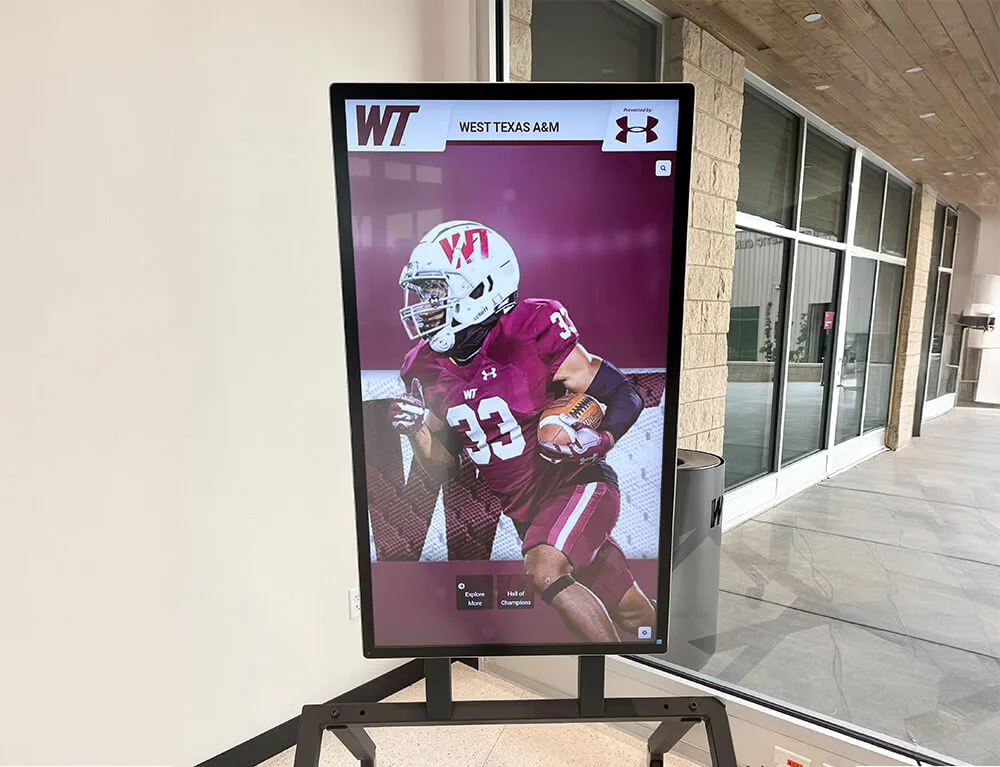
Coordinated recognition systems combining traditional and digital elements create comprehensive celebration throughout school facilities
Measuring Program Impact and Continuous Improvement
Effective programs require regular assessment and adjustment based on evidence of impact.
Quantitative Impact Indicators
Data-driven assessment helps schools understand program effectiveness.
Participation and Coverage Metrics
Schools should track number of unique students receiving recognition annually, distribution across grade levels and demographic groups, percentage of student body receiving recognition over multi-year periods, and variety of recognition categories utilized throughout years.
This quantitative analysis reveals whether programs successfully recognize diverse students or inadvertently favor narrow populations receiving repeated recognition while majority students never receive acknowledgment.
Engagement Indicators
Digital recognition systems enable tracking of display interaction rates and session duration, web-based platform usage statistics, social media engagement with recognition content, and family response rates to recognition communications.
These engagement metrics indicate whether recognition generates meaningful interest and visibility or gets lost among competing priorities and information overload facing school communities.
Behavioral and Achievement Correlations
While challenging to establish definitive causation, schools might analyze achievement trends among recognized versus non-recognized students, attendance patterns and school engagement metrics, behavioral referral rates and positive behavior indicators, and participation in school activities and programs.
These correlational analyses, while not proving recognition directly causes outcomes, can suggest whether Student of the Month programs associate with positive student outcomes warranting continued investment.
Qualitative Assessment
Stakeholder perspectives provide essential context beyond quantitative metrics.
Student Feedback
Regular student surveys or focus groups can assess awareness of Student of the Month programs, perceptions of recognition fairness and accessibility, motivational impact on achievement and behavior, and suggestions for program improvements.
Student voice proves particularly valuable for understanding whether recognition feels meaningful and motivating versus perfunctory and irrelevant to student experiences and aspirations.
Family and Community Perception
Family surveys can evaluate satisfaction with recognition communication and visibility, perceptions of program impact on their children’s motivation, confidence in recognition fairness and transparency, and suggestions for program enhancement.
Family perspectives often differ from student views, providing additional insights about recognition impact extending beyond school walls into homes and family dynamics.
Staff Assessment
Regular staff feedback about nomination process manageability, perceived impact on school culture and student motivation, adequacy of program resources and support, and recommendations for program evolution provides essential operational perspectives.
Staff implementing programs daily often identify practical challenges or opportunities invisible to administrators creating policies and structures.
Conclusion: Building Recognition That Warms School Communities
Student of the Month programs represent more than routine acknowledgment or administrative obligation. When designed thoughtfully and implemented consistently, these programs create warm, connected school environments where achievement receives continuous celebration, diverse students see pathways to recognition, families engage positively with schools, and communities understand institutional values through visible systematic acknowledgment.
The creative student of the month ideas explored throughout this guide provide comprehensive frameworks for recognition celebrating diverse excellence—from academic achievement and growth to character development, leadership, service, and specialized talents. Effective programs move beyond narrow highest-GPA recognition to honor multiple achievement dimensions ensuring students at all levels and with varying strengths find genuine pathways to acknowledgment.
Beyond selection criteria, presentation quality determines recognition impact. Generic announcements generate minimal effect compared to personalized celebration explaining specific achievements, sharing concrete examples, and connecting recognition to broader school values and culture. Traditional bulletin boards create single static touchpoints, while comprehensive multi-channel approaches—announcements, social media, family communications, and especially interactive digital systems—maximize visibility and engagement creating recognition that students experience as genuinely meaningful rather than perfunctory checkbox exercises.
Modern digital recognition platforms like Rocket Alumni Solutions transform one-time monthly recognition into permanent celebration that students share throughout lives, families treasure as lasting achievement documentation, alumni revisit maintaining school connections, and communities engage with understanding excellence spanning generations. These systems create the “warming” effects that distinguish truly engaging schools from institutions where recognition feels cold and forgettable—personalized content surfaces relevant connections, comprehensive documentation preserves complete achievement across categories, unlimited capacity eliminates painful choices about whose recognition remains visible, and intuitive exploration creates engaging experiences impossible with static bulletin boards or trophy cases.
Your students demonstrate excellence daily—academic achievement, character development, leadership emergence, service contribution, perseverance through challenges, and specialized talents deserving celebration. They deserve recognition matching the significance of their accomplishments: diverse selection criteria honoring varied achievement forms, meaningful presentations creating memorable moments, sustained visibility extending beyond single months, permanent preservation ensuring achievements inspire future students, and accessible systems enabling sharing with families and communities supporting their development.
Student of the Month recognition done well creates one of the most powerful tools schools possess for building positive achievement-oriented cultures where all students feel valued, diverse excellence receives systematic acknowledgment, and continuous celebration reinforces that schools genuinely notice and appreciate individual students’ unique contributions and growth.
Transform Your Student Recognition Programs
Discover how modern digital recognition solutions can help you celebrate every student's achievements while building lasting traditions that inspire excellence throughout your school community.
Explore Recognition SolutionsStart where you are with recognition programs you can implement immediately, then systematically expand creating comprehensive approaches your students deserve. Every student achieving excellence, demonstrating character, showing improvement, or contributing positively to school communities deserves meaningful acknowledgment. With thoughtful planning, appropriate technology, and consistent implementation, you can create Student of the Month programs that honor every accomplishment while building the warm, positive school culture where all students thrive and feel genuinely valued for their unique contributions.
Ready to begin transforming your student recognition? Explore comprehensive recognition strategies that celebrate diverse achievement while building lasting school traditions connecting generations through shared commitment to excellence.