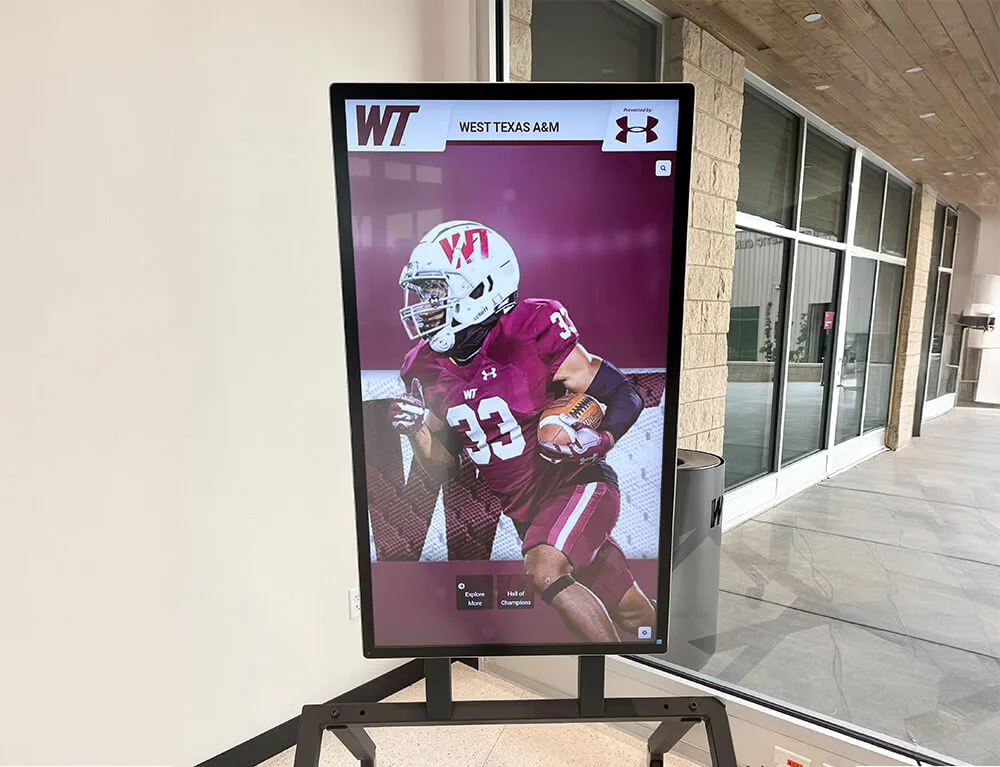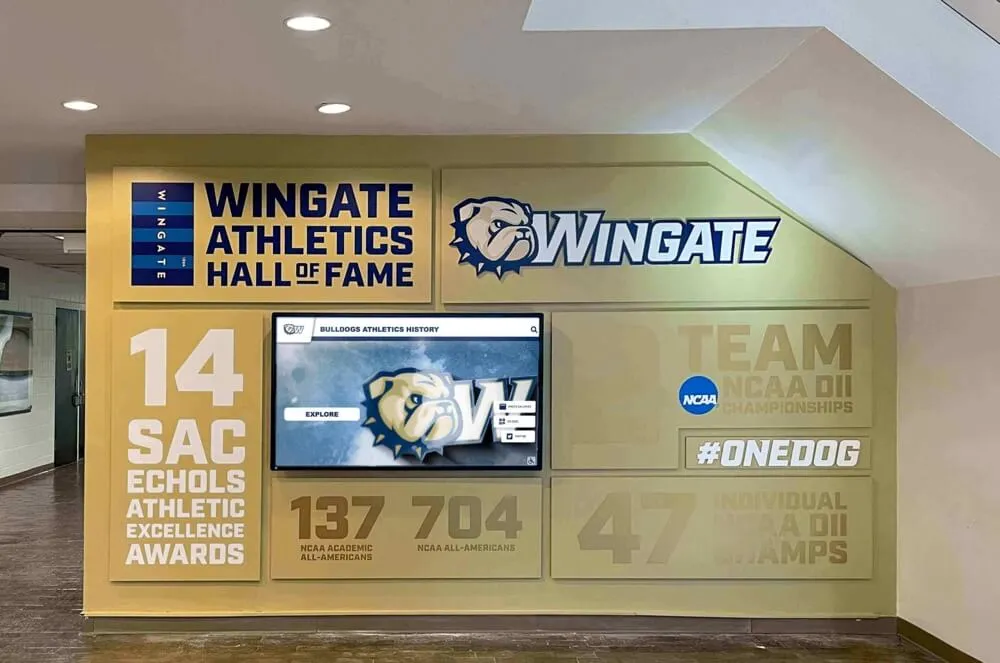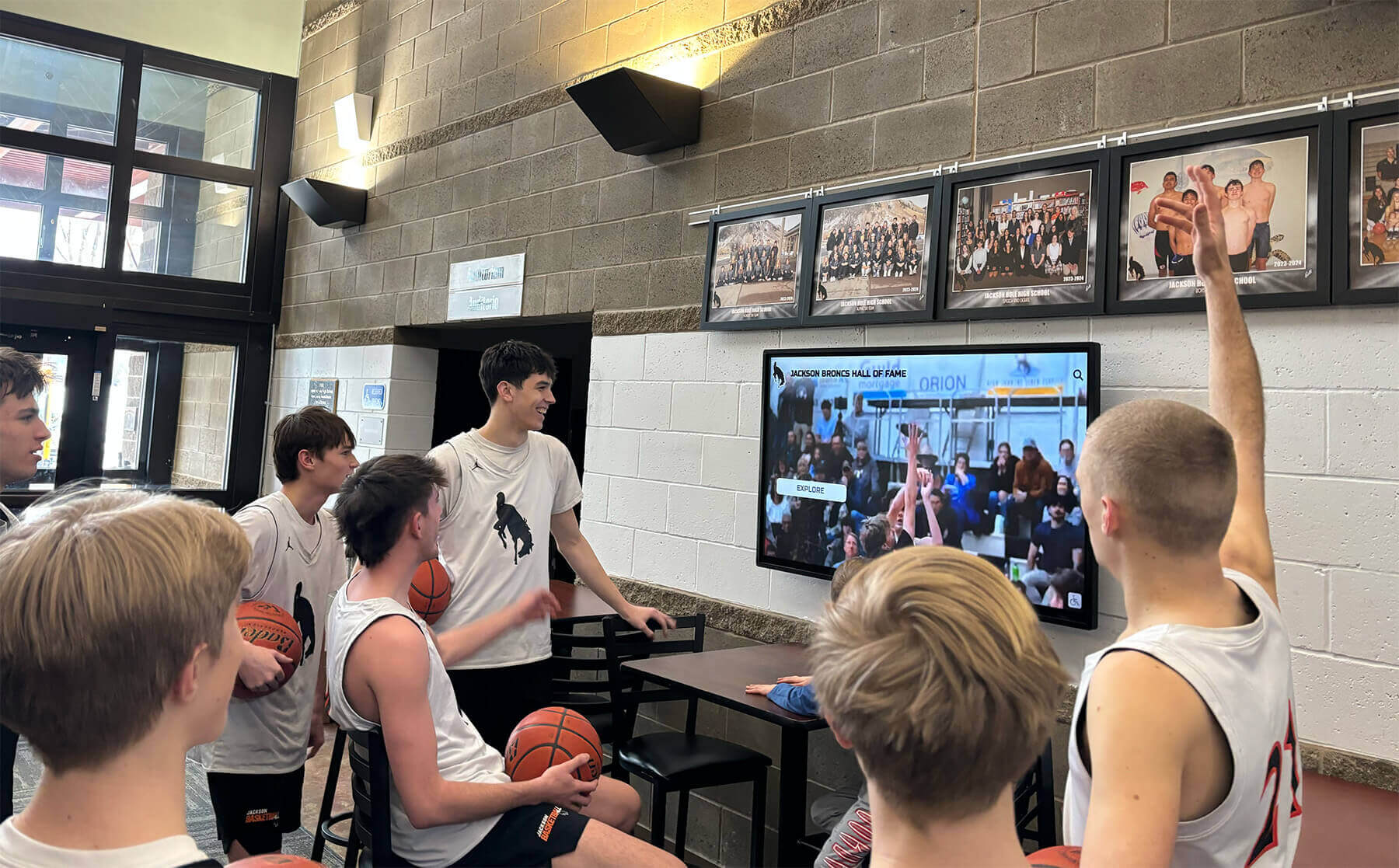




Student athletes face unique challenges when applying to colleges—balancing athletic prowess with academic credentials while demonstrating leadership, character, and the time management skills that distinguish exceptional recruits from talented competitors. A well-crafted student athlete resume serves as your comprehensive marketing document, showcasing the complete package that college coaches and admissions officers seek: competitive athletic performance, academic achievement, leadership experience, and the personal qualities that predict collegiate success both on the field and in the classroom.
Yet many talented student athletes struggle to create resumes that effectively communicate their value. Athletic accomplishments get reduced to basic statistics without context. Academic achievements receive minimal attention despite representing significant dedication alongside athletic commitments. Leadership roles, community service, and character attributes—qualities coaches value as highly as physical talent—disappear entirely or receive cursory mentions failing to differentiate candidates from hundreds of other recruits with similar credentials.
Creating an effective student athlete resume requires understanding what college coaches and admissions officers actually evaluate, how to present athletic and academic achievements with appropriate context, and strategies for demonstrating the intangible qualities that separate committed student athletes from talented individuals lacking the character, work ethic, and coachability essential for collegiate athletic success.
This comprehensive guide provides student athletes, parents, and coaches with practical frameworks for creating compelling resumes that showcase complete athletic and academic profiles while demonstrating the leadership, character, and dedication that college programs seek. Whether you’re beginning the recruiting process as a freshman establishing your foundation, actively communicating with college programs as a junior, or finalizing applications as a senior, you’ll discover strategies for presenting your achievements effectively while positioning yourself as the complete package that successful college programs pursue.
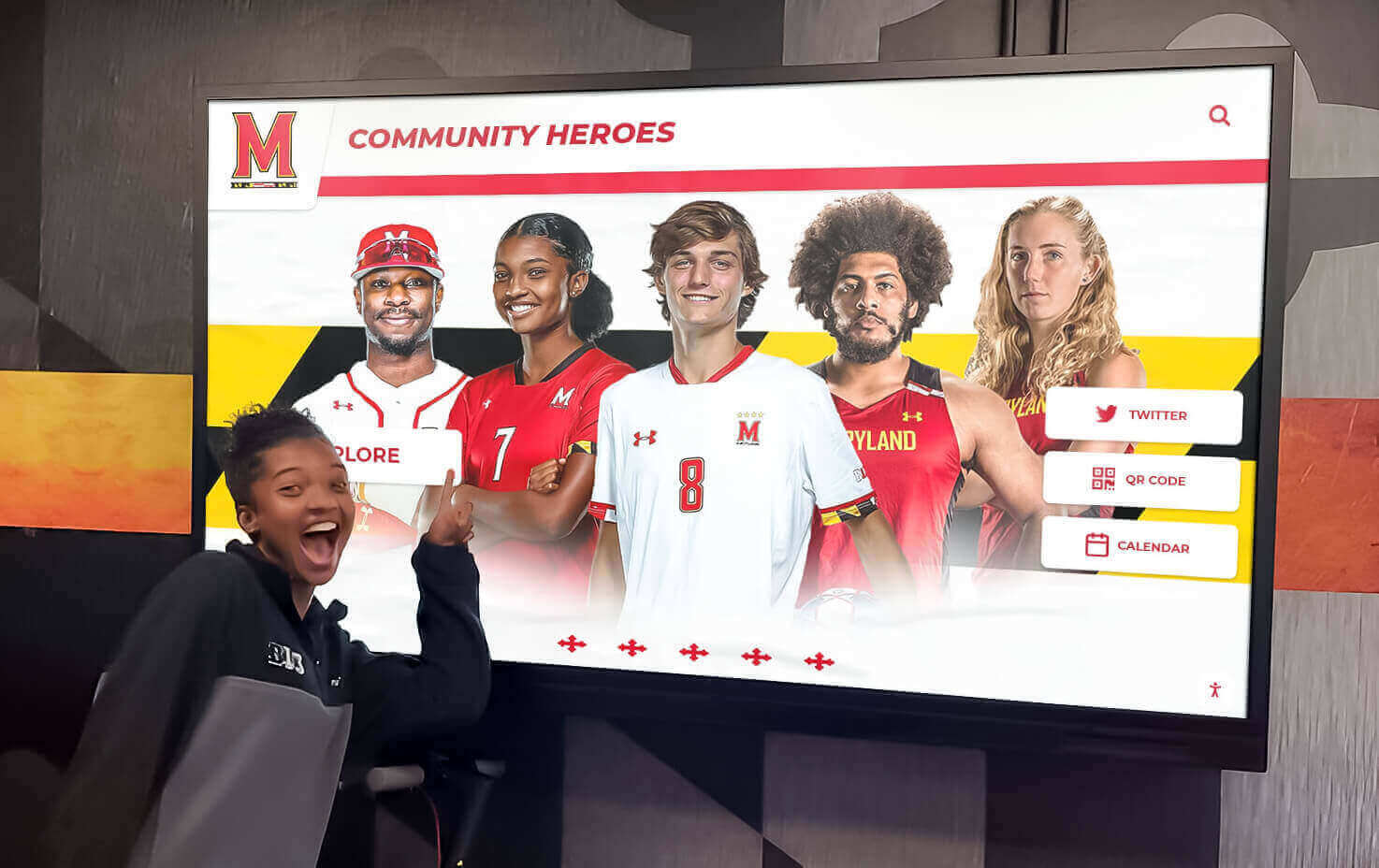
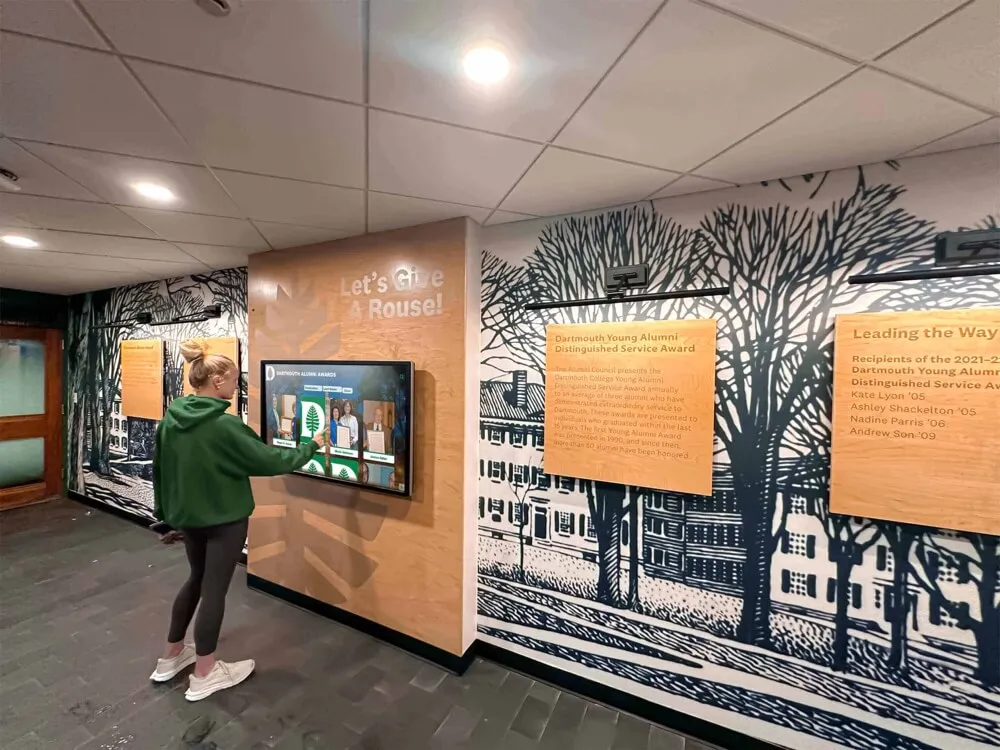
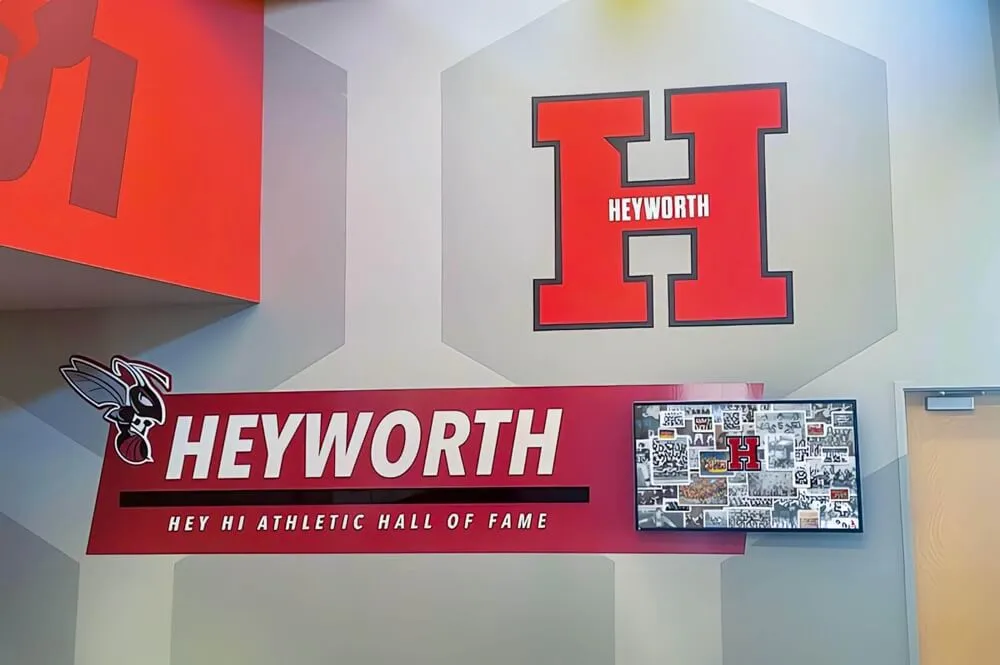
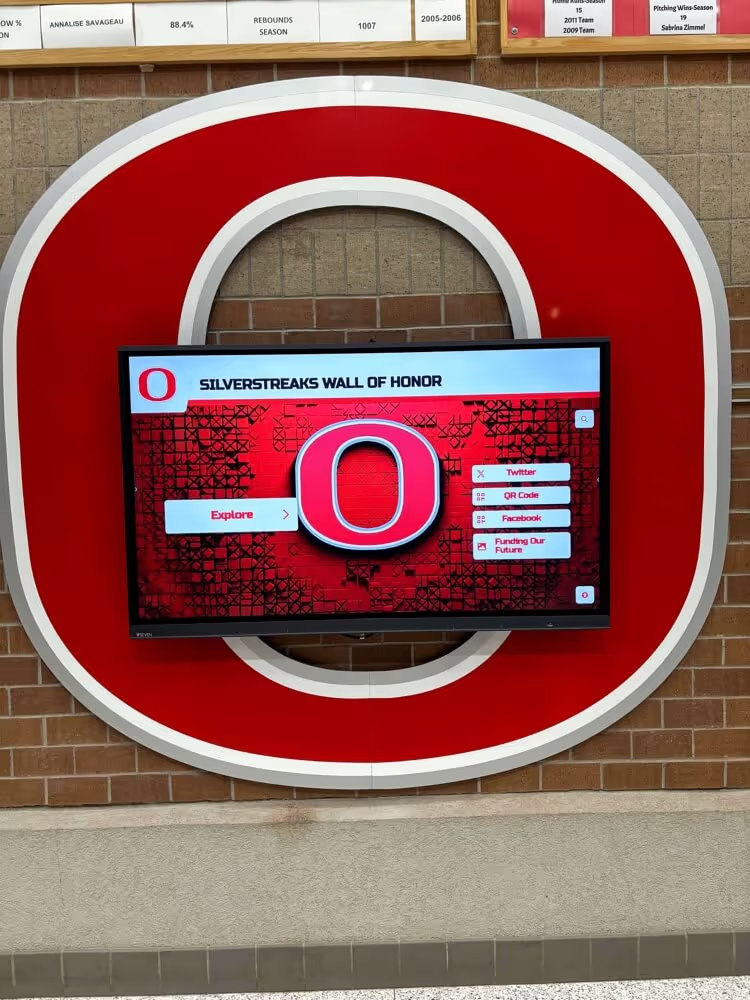
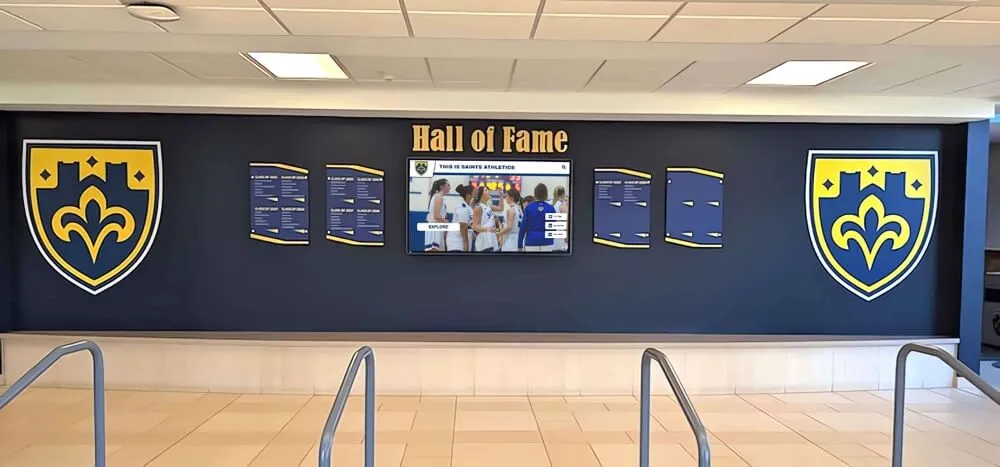
Modern recognition platforms help student athletes document and showcase comprehensive achievement records essential for creating strong college recruiting profiles
Understanding the Purpose of a Student Athlete Resume
Before diving into resume construction, understanding what college coaches and admissions officers actually seek helps you prioritize content and structure information effectively.
What College Coaches Look For
Athletic recruiters evaluate multiple dimensions simultaneously when assessing potential recruits, looking beyond simple statistics to understand complete athlete profiles.
Athletic Performance and Potential
Coaches obviously assess athletic ability through statistics, performance metrics, competition level, and physical attributes relevant to specific sports. However, they’re equally interested in athletic trajectory—improvement patterns, injury history, training commitment, and development potential suggesting you’ll continue improving at the collegiate level rather than having peaked during high school.
Include context with your statistics: competition level faced, team success during your participation, individual awards received, and comparisons to program records or league standards. A 1,000-yard rushing season competing against elite suburban conferences carries different weight than identical statistics accumulated against smaller rural competition, though both demonstrate achievement within their respective contexts.
Academic Credentials and Eligibility
Academic performance determines initial eligibility through NCAA, NAIA, or specific institutional requirements. Coaches waste no time recruiting athletes who can’t meet minimum academic standards regardless of athletic talent. Your GPA, standardized test scores (when required), course rigor, and academic trajectory demonstrate both eligibility and likelihood of maintaining academic standards while managing collegiate athletic demands.
Strong academic recognition like honor roll placement, AP Scholar awards, or subject-specific achievements signals intellectual capability essential for success at academically rigorous institutions where athletic programs emphasize the “student” in student athlete.
Character, Leadership, and Coachability
Coaches prioritize character attributes predicting success within team environments: coachability, work ethic, leadership capability, emotional maturity, and resilience handling adversity. Team captaincy, peer recognition, coach testimonials, and community service involvement provide evidence of these intangible qualities that separate recruits coaches want from talented individuals who may disrupt team culture or fail to meet collegiate program demands.
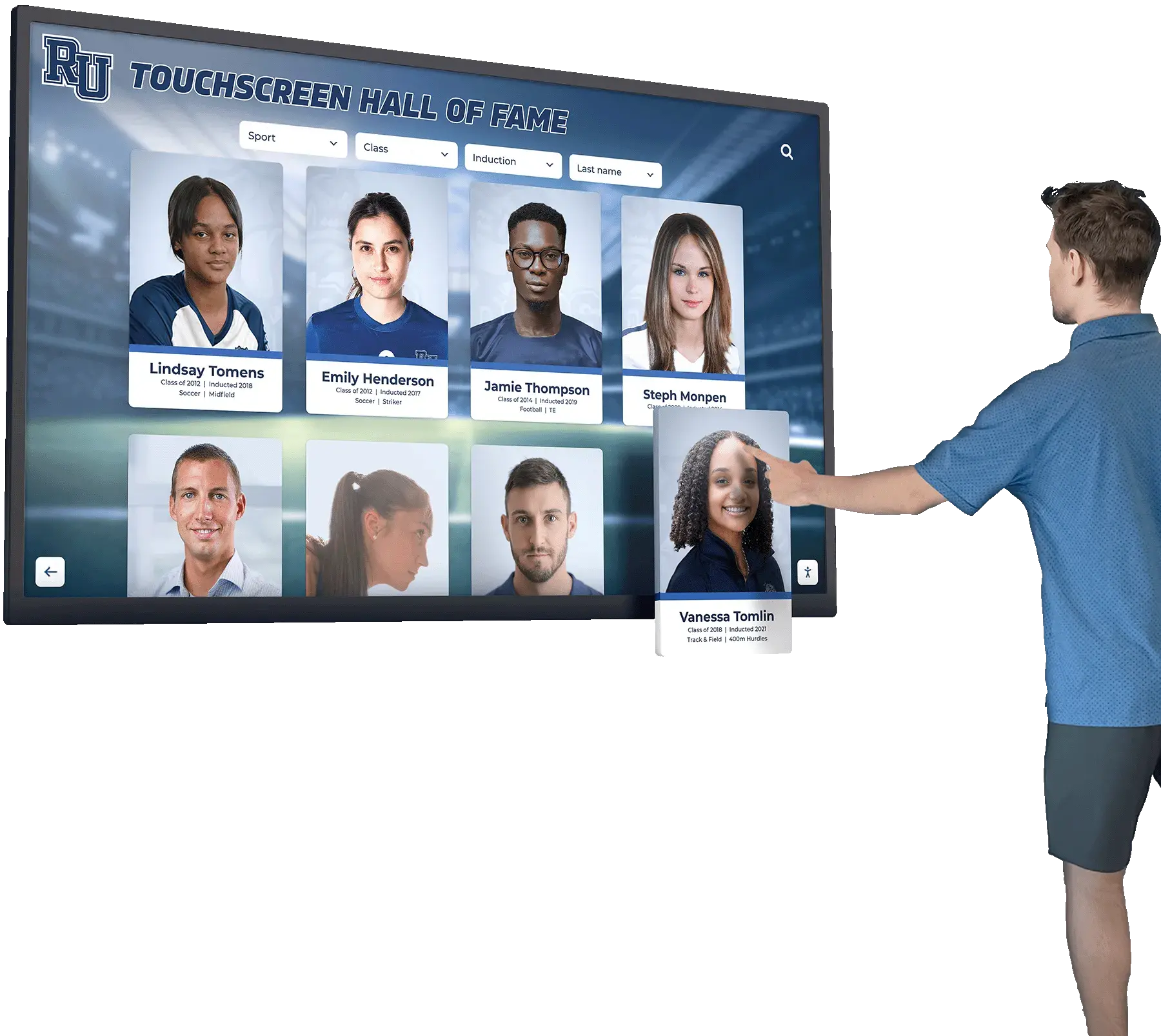
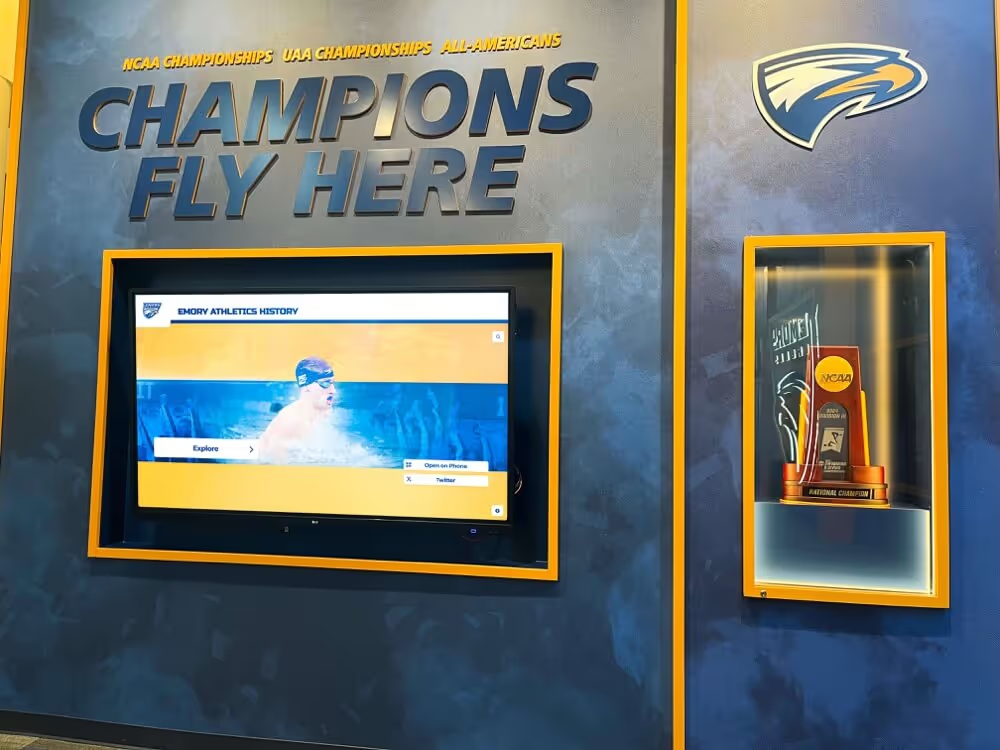
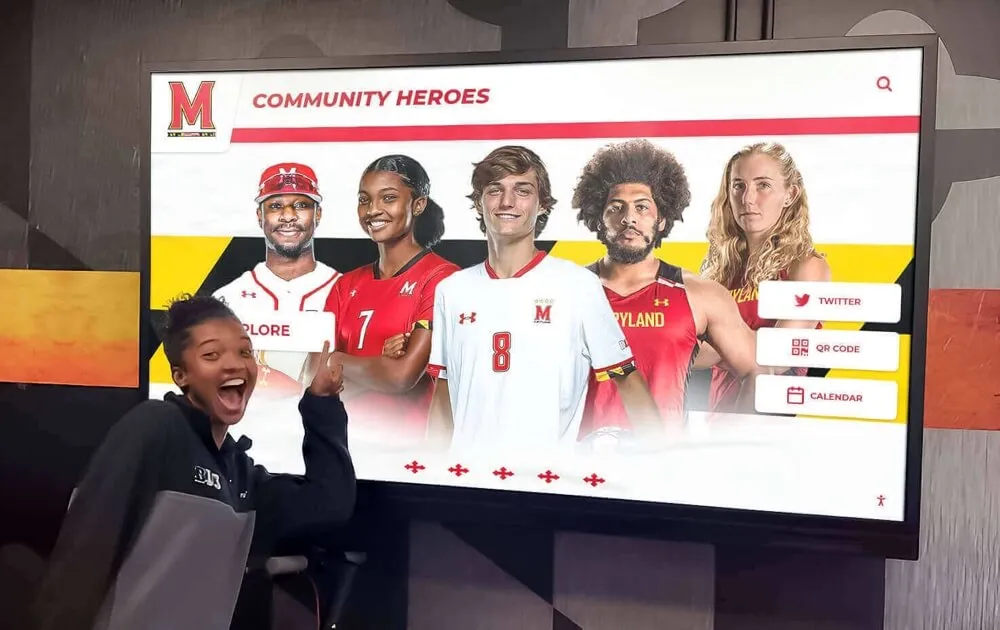
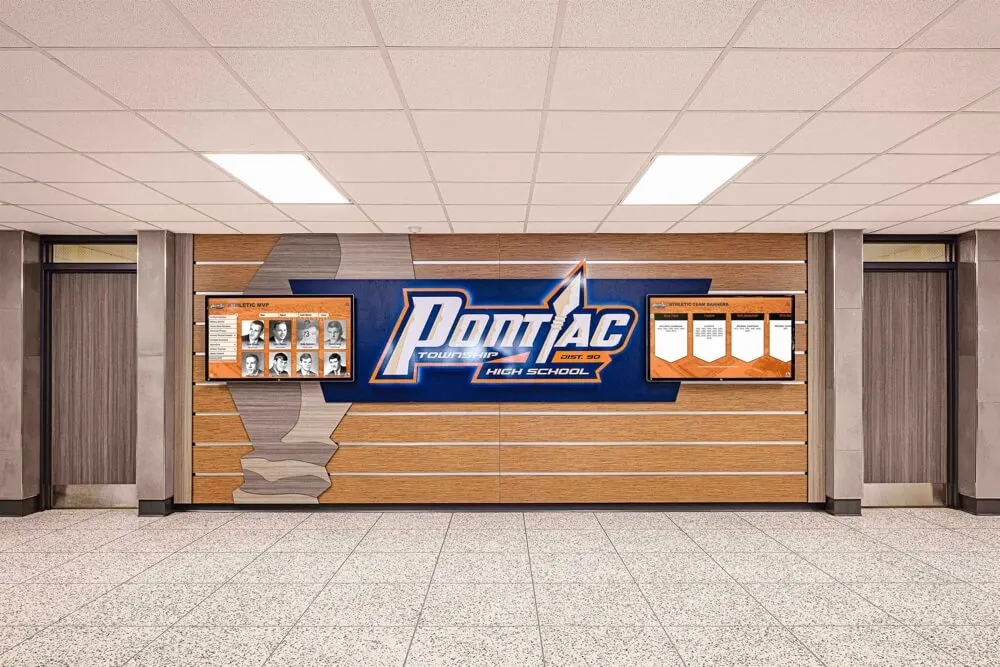
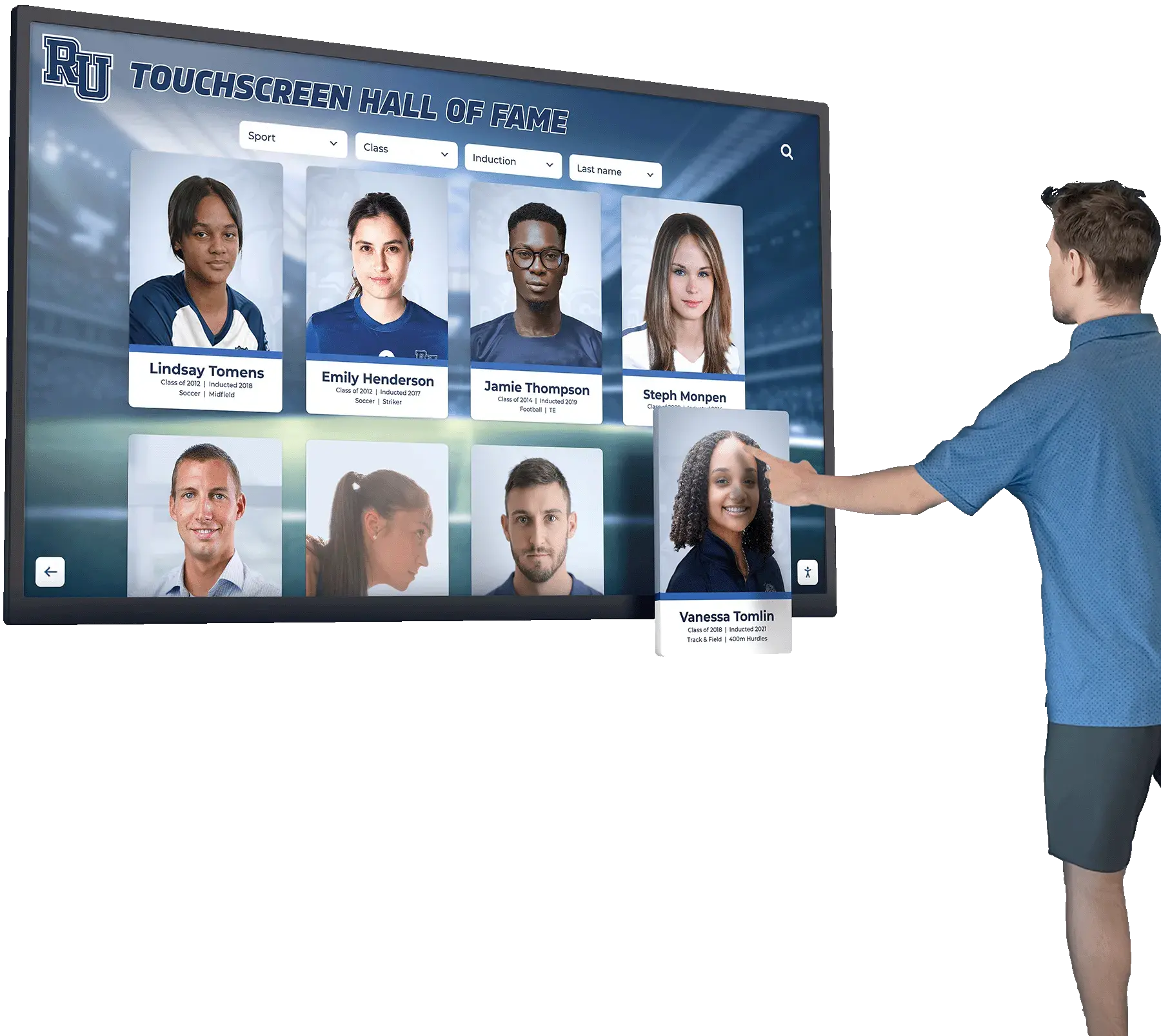
College recruiters increasingly rely on comprehensive athlete profiles that document performance, character, and achievement across multiple dimensions
How Admissions Officers Evaluate Student Athletes
At academically selective institutions, athletic ability alone doesn’t guarantee admission—student athletes must demonstrate the same intellectual capability and personal qualities required of non-athlete applicants while bringing additional dimensions through athletic excellence.
Holistic Profile Assessment
Selective colleges evaluate how athletic dedication complements academic achievement, leadership development, and personal growth. Your resume should demonstrate that athletic commitment enhanced rather than hindered intellectual development, showing sophisticated time management, goal-setting capability, and personal discipline transferable to academic and professional contexts beyond sports participation.
Admissions officers appreciate student athletes who articulate clear connections between athletic experience and broader personal development—leadership lessons from team captaincy, resilience developed through injury recovery, or time management skills refined through balancing 20-hour training weeks with honors course loads.
Institutional Fit and Contribution Potential
Beyond individual credentials, admissions officers assess how you’ll contribute to campus community—through athletic team success, campus leadership potential, diverse perspective contributions, and institutional mission alignment. Your resume should position you as someone bringing value beyond athletic performance alone, demonstrating engagement potential across multiple campus dimensions.
Essential Components of an Effective Student Athlete Resume
Comprehensive student athlete resumes include specific sections presenting athletic, academic, and personal information in organized formats that enable quick evaluation while providing sufficient detail for thorough assessment.
Contact Information and Personal Profile
Start with clear identification enabling coaches to contact you easily while providing essential demographic and eligibility information.
Header Section
Include your full name (prominently displayed), current address (city and state sufficient for privacy), phone number (with professional voicemail greeting), email address (professional format avoiding inappropriate usernames), and graduation year clearly indicated. Add links to online profiles when relevant: recruiting service profiles, athletic video platforms, or personal websites showcasing achievements comprehensively.
Personal Profile Summary
A brief 2-3 sentence profile immediately following contact information provides snapshot introduction highlighting your primary sport, competitive level, key athletic accomplishments, academic standing, and collegiate athletic aspirations. This summary enables quick assessment before detailed review of complete resume content.
Example: “Varsity soccer midfielder with four-year starting experience at 5A competitive level. Three-time All-Conference honoree combining athletic excellence with 3.8 GPA and AP Scholar distinction. Seeking Division I or II program valuing competitive drive, academic commitment, and team leadership.”
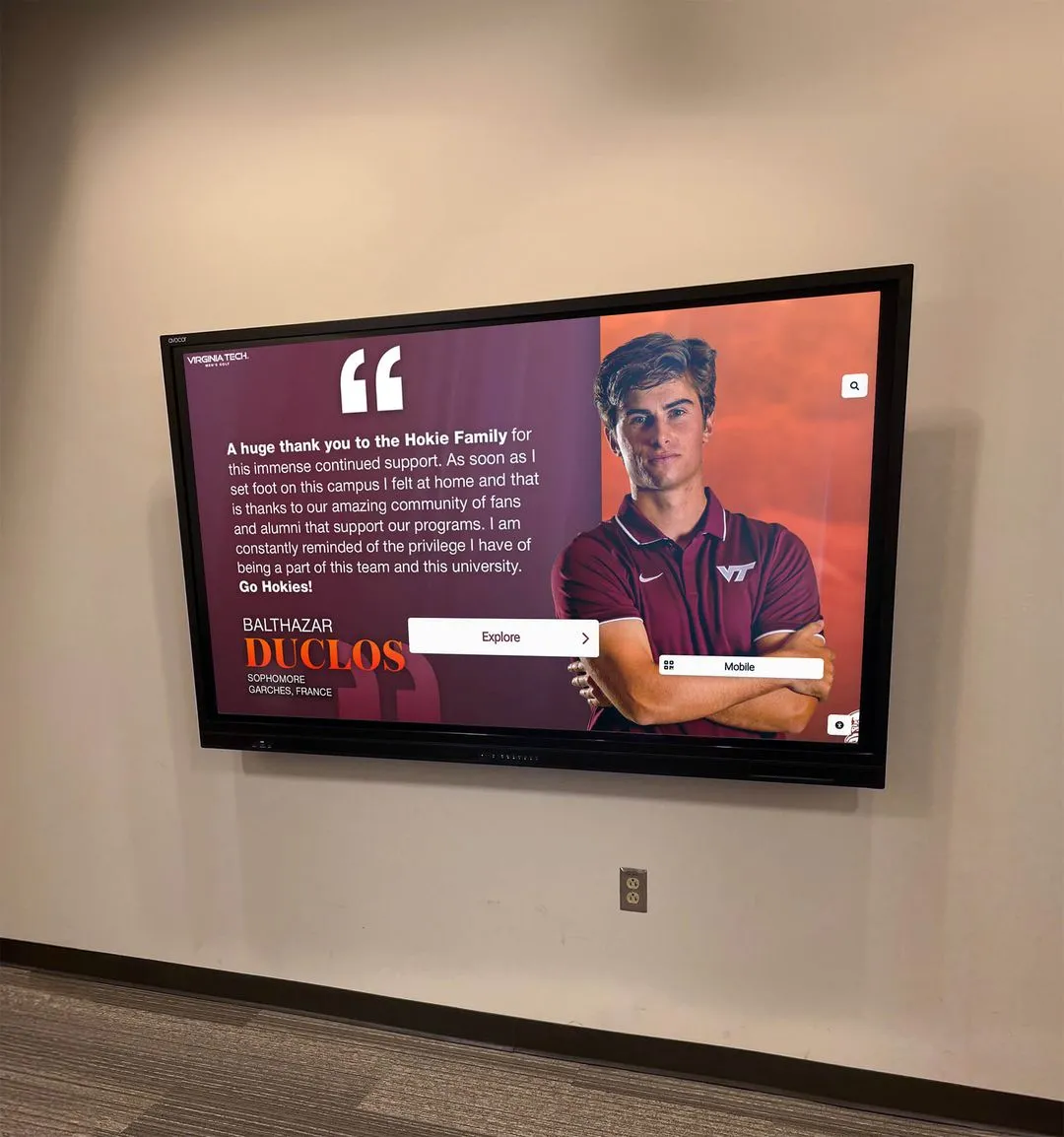
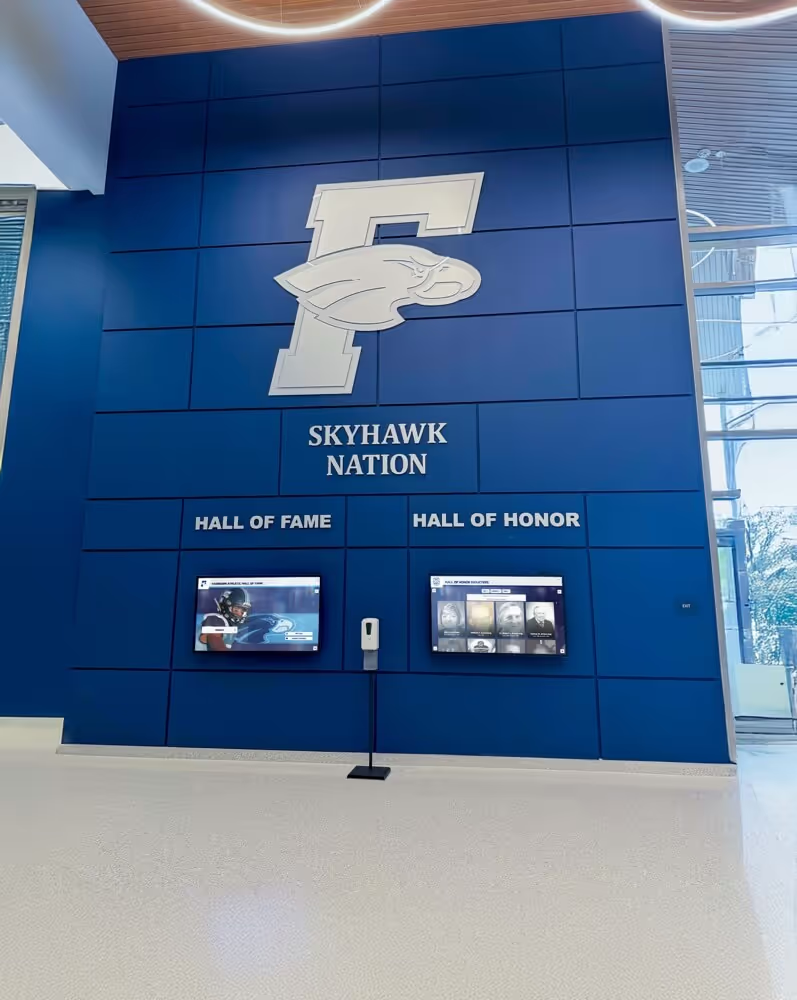
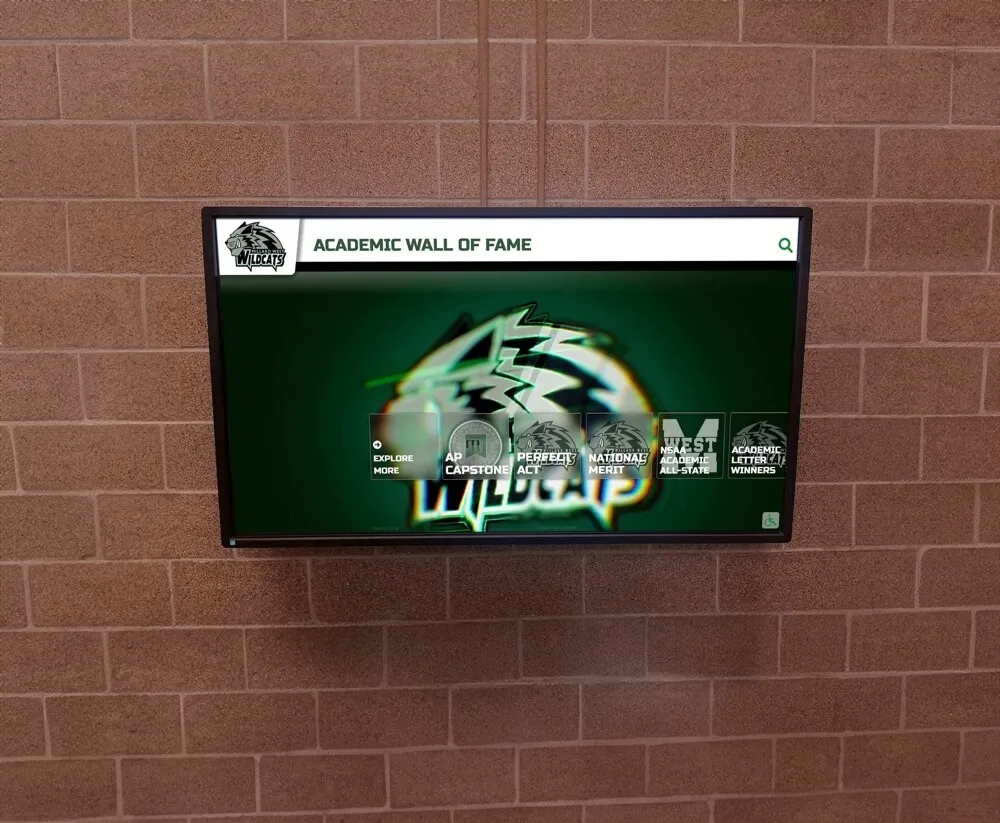
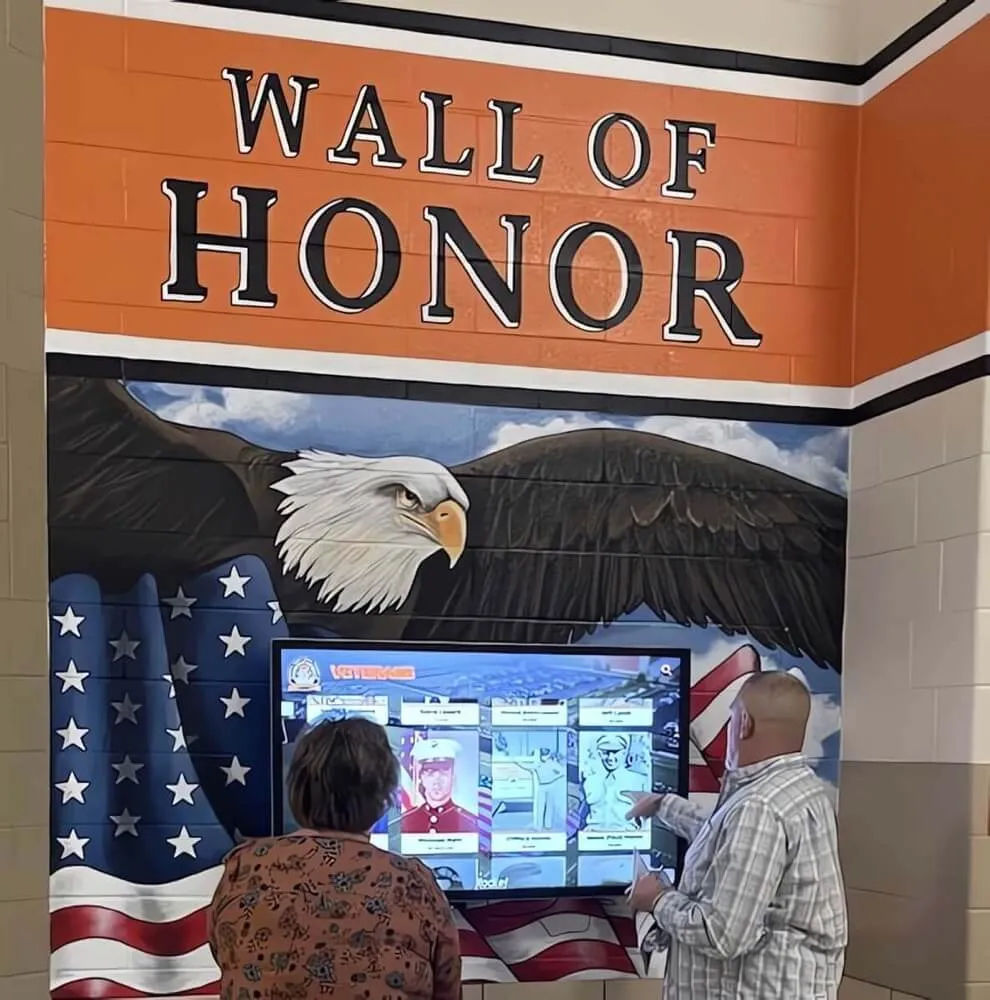
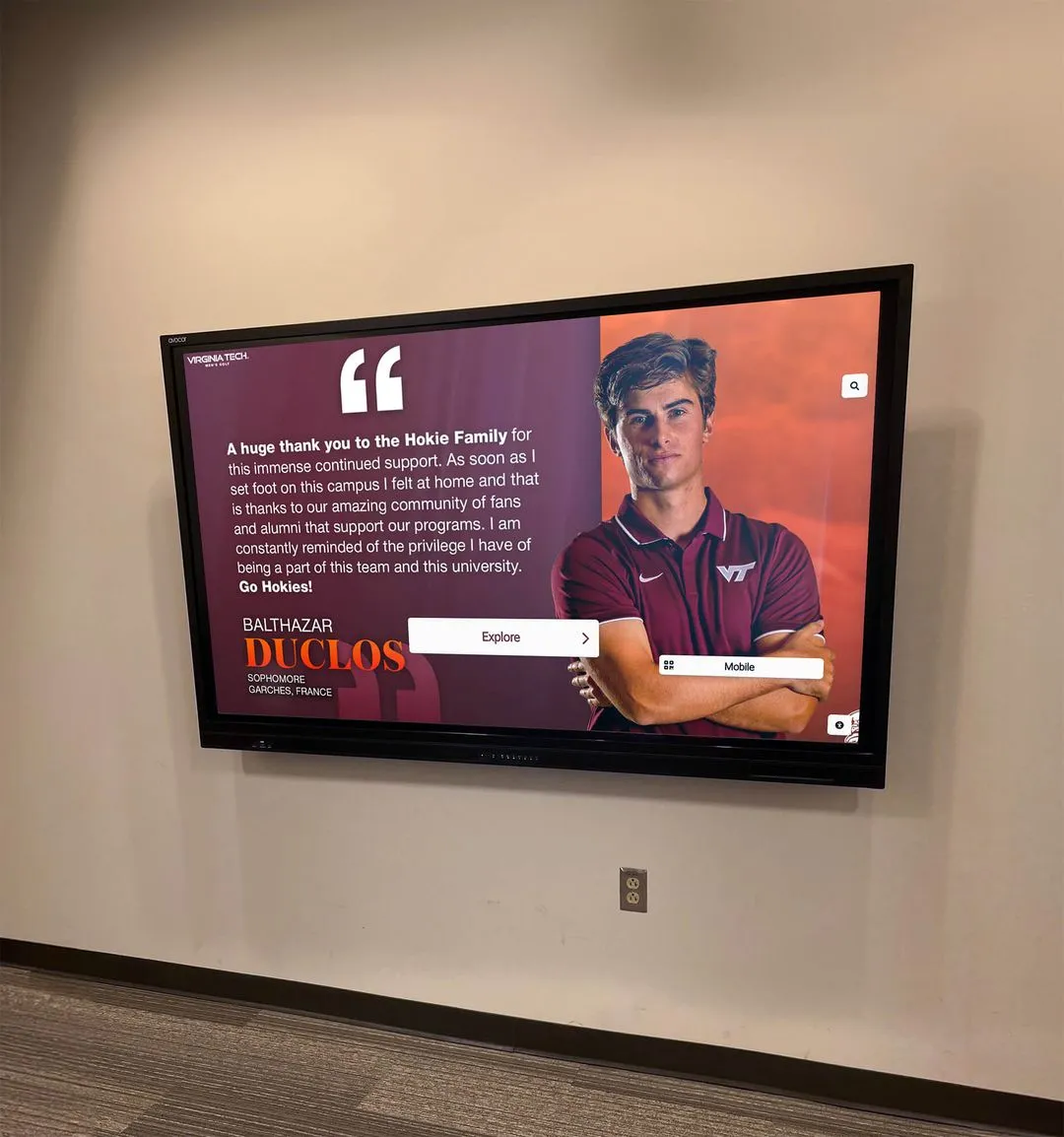
Digital achievement profiles enable student athletes to maintain comprehensive records essential for creating strong recruiting materials
Athletic Experience and Achievements
The athletic section represents your resume’s cornerstone, requiring detailed presentation of competitive experience, statistical achievements, awards received, and athletic development demonstrating collegiate potential.
Sport-Specific Statistics and Performance Metrics
Present relevant statistics with appropriate context enabling meaningful evaluation. Include:
- Varsity participation years and starting status
- Key performance statistics relevant to your position and sport
- Personal records and improvement trajectories
- Team success during your participation (league standings, playoff appearances, championships)
- Competition level and conference quality
- Significant individual performances or breakthrough achievements
Avoid overwhelming readers with exhaustive statistics—focus on metrics most relevant to college-level evaluation for your specific sport and position. Running backs emphasize rushing yards, touchdowns, and yards per carry; volleyball players highlight kills, blocks, and hitting percentage; swimmers focus on best times with improvement patterns across high school career.
Athletic Honors and Recognition
List awards and recognition demonstrating peer respect, coach acknowledgment, and competitive distinction:
- All-Conference, All-State, or All-American selections with specific levels indicated
- Team captain designation and leadership years
- Most Valuable Player or positional awards
- Sportsmanship or character-based recognition
- Academic All-State or scholar-athlete honors
- Tournament MVP or championship game recognition
- Camp or showcase selections demonstrating elite performance
- Program records set or approached
Recognition from respected sources carries more weight than participation certificates—prioritize selective honors demonstrating competitive distinction rather than listing every certificate received throughout athletic career.
Club and Travel Team Experience
Many student athletes compete beyond high school varsity teams through club organizations, travel teams, or elite development programs providing additional competitive experience and higher-level training environments.
Include club affiliations with team names and competitive levels, years of participation indicating commitment duration, national or regional tournament participation, club team achievements and championships, coaching relationships with recognized instructors, and position-specific training or specialized skill development. Club experience often provides superior competition exposure compared to high school seasons, particularly in sports like soccer, volleyball, and lacrosse where elite club programs compete nationally.

Comprehensive [athletic achievement recognition](https://best-touchscreen.com/blog/track-and-field-awards-ideas-recognizing-athletes/?utm_source=organic&utm_medium=seo-auto&utm_content=digitalwarming&utm_campaign=student-athlete-resume&utm_term=seo) helps student athletes document credentials essential for college recruiting success
Academic Credentials and Achievements
Academic information demonstrates eligibility, intellectual capability, and your capacity to succeed academically while managing collegiate athletic demands that exceed high school time commitments.
Core Academic Metrics
Present essential academic credentials prominently:
- Cumulative GPA (weighted and unweighted when both are calculated)
- Class rank if available (percentile or specific ranking)
- SAT/ACT scores when submitted (include subscores if particularly strong in specific areas)
- Academic trajectory showing improvement patterns or sustained excellence
- NCAA Core GPA if calculated and relevant for Division I or II recruiting
Be strategic with test score presentation—include scores strengthening your profile while omitting optional testing when scores don’t enhance your overall presentation, particularly at test-optional institutions prioritizing other credential dimensions.
Course Rigor and Academic Challenge
Simply presenting GPA provides incomplete pictures—admissions officers and coaches value course selection demonstrating intellectual ambition and academic preparation for college-level work. List advanced coursework including:
- Advanced Placement (AP) courses with exam scores when strong (4-5)
- International Baccalaureate (IB) courses and anticipated diploma pursuit
- Dual enrollment or college courses completed during high school
- Honors-level courses demonstrating elevated academic challenge
- Sequential STEM coursework or other rigorous academic pathways
Course rigor matters particularly at academically selective institutions where coaches must ensure recruited athletes can handle institutional academic demands while maintaining athletic eligibility and contributing to team success.
Academic Honors and Recognition
Beyond grades and test scores, academic awards demonstrate distinction and peer/faculty recognition:
- Honor roll placement (specify highest honors, honors, or standard recognition)
- National Honor Society membership and leadership roles
- Academic competition achievements (Math League, Science Olympiad, Quiz Bowl)
- Subject-specific awards recognizing departmental excellence
- National Merit recognition (Scholar, Finalist, Semifinalist, Commended)
- Perfect attendance or citizenship recognition demonstrating character
- Academic improvement awards showing growth mindset and development
Academic recognition proves particularly valuable for student athletes pursuing academically elite institutions where coaches must balance athletic recruiting with admissions office academic standards and limited recruiting slots allocated to lower-academic-index athletes.
Leadership Experience and Extracurricular Involvement
Student athletes who demonstrate leadership capacity and balanced involvement beyond sports present more compelling profiles than single-dimension athletes lacking broader engagement.
Team Leadership Roles
Athletic team leadership demonstrates peer respect, coach confidence, and leadership capability that translates to collegiate team environments:
- Team captain positions with years served
- Leadership council or player representative roles
- Mentorship of younger athletes or freshman integration support
- Community or youth coaching demonstrating knowledge transfer
- Team fundraising or event organization leadership
Provide context about leadership scope—captaining 80-person football programs demonstrates different scale than leading 12-person cross country teams, though both reflect meaningful peer recognition and leadership responsibility.
Non-Athletic Extracurricular Activities
Balanced involvement proves you’re capable of managing multiple commitments while suggesting engagement potential beyond athletic participation at collegiate level:
- Student government positions demonstrating peer leadership
- Club memberships with leadership roles when applicable
- Fine arts participation (band, choir, theater, visual arts)
- Academic clubs relevant to intended college major
- School spirit activities and community-building involvement
- Publication or media roles (newspaper, yearbook, broadcasting)
Avoid spreading too thin with superficial involvement in numerous activities—depth of commitment and leadership in select areas proves more impressive than token participation across extensive activity lists suggesting resume padding rather than genuine engagement.
Community Service and Volunteer Work
Service involvement demonstrates character, community awareness, and values beyond personal achievement:
- Regular volunteer commitments showing sustained engagement
- Service organization leadership (Key Club, volunteer coordinators)
- Youth sports coaching or recreational program support
- Community event participation and organization
- Service hours accumulated and causes supported
- Mission trips or service-based travel experiences
- Nonprofit board participation or advisory roles for youth members
Coaches value recruits who bring positive character and community engagement to teams, contributing to program culture beyond individual athletic performance.

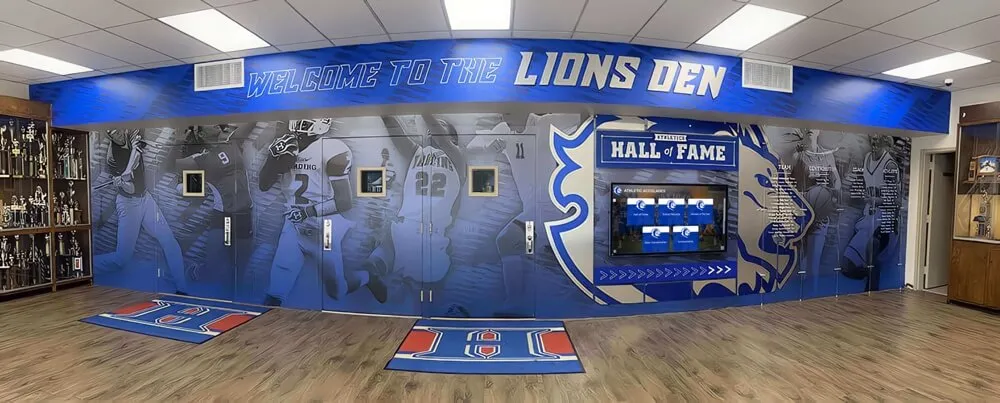
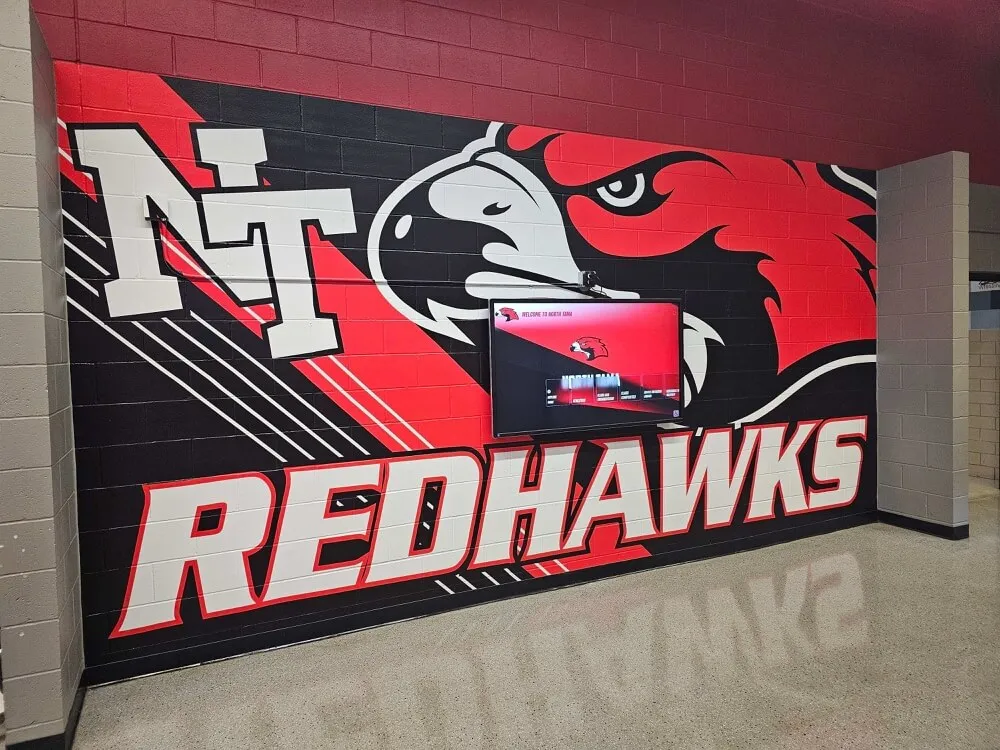
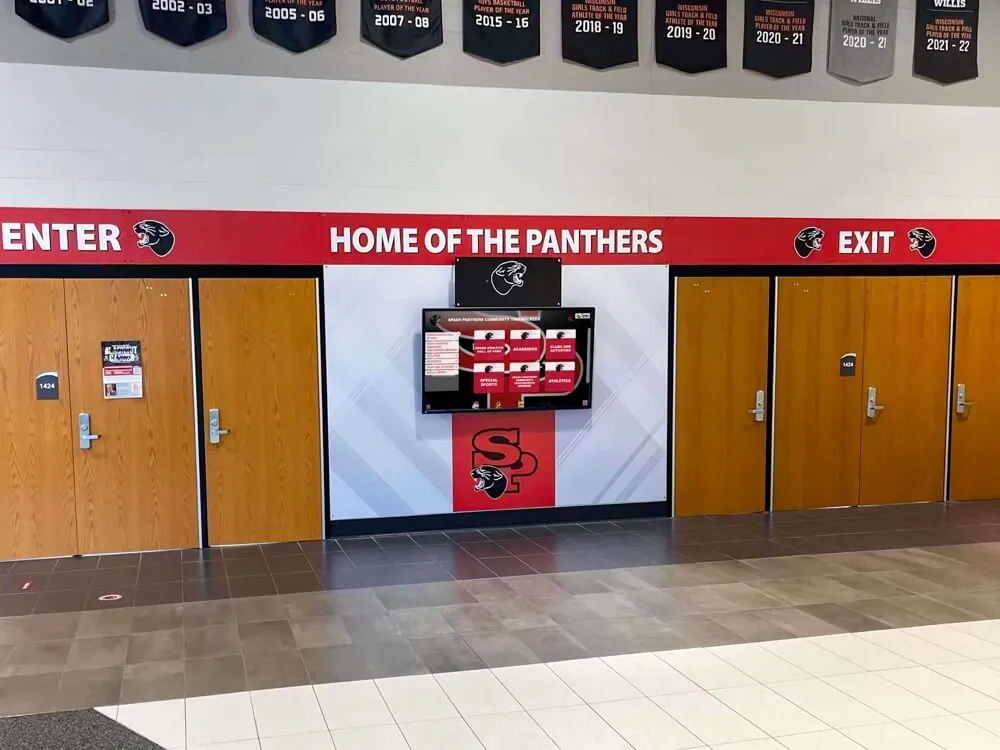
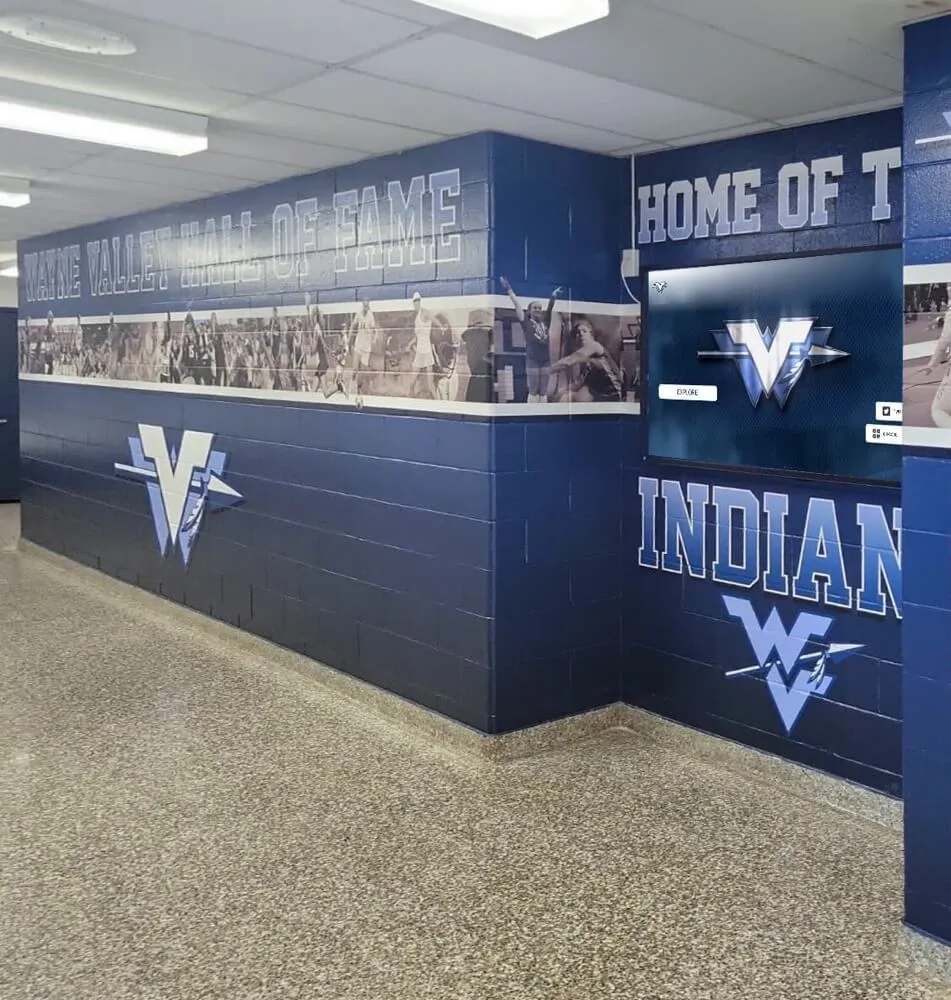
Recognition displays showcasing athletic achievement, leadership, and community service demonstrate the comprehensive profiles that college programs seek
Strategic Resume Organization and Formatting
How you organize and present information significantly affects resume effectiveness—poor formatting obscures strong credentials while strategic organization highlights your most compelling attributes.
Resume Format Options
Chronological Format
Traditional chronological resumes list experiences in reverse time order, starting with most recent positions and working backward. This format works well for student athletes with consistent athletic participation, steady academic progression, and clear achievement trajectories demonstrating growth and development over time.
Chronological organization proves intuitive for evaluators, enabling quick assessment of recent accomplishments and current capabilities most relevant to immediate college recruitment decisions.
Skills-Based Format
Skills-focused resumes organize content by competency categories—athletic achievements, academic credentials, leadership experience—rather than strict chronological progression. This approach highlights strengths thematically while downplaying potential weaknesses like brief athletic participation or recent emergence as serious recruit.
Skills-based formatting works particularly well for multi-sport athletes whose diverse experiences create compelling profiles without traditional single-sport depth, or for late-developing athletes who’ve achieved significant recent growth not reflected in four-year participation histories.
Hybrid Approach
Many effective student athlete resumes combine organizational strategies, using skills-based sections for major categories while incorporating chronological presentation within each section. This hybrid approach enables thematic organization highlighting key strengths while maintaining clarity about timing, progression, and current status.
Visual Design and Readability
Professional Appearance
Resume design should project professionalism appropriate for college-level recruiting:
- Clean, consistent formatting with clear section headers
- Professional fonts (Arial, Calibri, Times New Roman, Helvetica) sized 10-12 points
- Appropriate white space preventing dense, overwhelming appearance
- Consistent date formatting and alignment throughout
- Bullet points for easy scanning of achievements and responsibilities
- Bold or italic emphasis used sparingly for key information
Avoid excessive design elements, graphics, photos (unless specifically requested), colors beyond conservative accent use, or novelty formatting that distracts from content rather than enhancing presentation.
Length Considerations
High school student athlete resumes typically span 1-2 pages depending on experience breadth and achievement depth. Freshmen and sophomores building initial profiles may have sufficient content for one page, while juniors and seniors with extensive athletic, academic, and leadership experience may require two pages for comprehensive presentation without sacrificing important details or achievements.
Never pad resumes with irrelevant information to reach arbitrary length—quality and relevance matter more than page count. Conversely, don’t compress extensive achievements into cramped single pages by using tiny fonts, narrow margins, or eliminated white space reducing readability.
Digital Format and Accessibility
Most resume submissions occur electronically, requiring appropriate file formatting:
- PDF format preserving formatting across different devices and software
- Clear file naming: “LastName_FirstName_StudentAthleteResume_2026”
- Text-based documents enabling keyword searching by recruiting software
- Appropriate file size enabling email attachment without compression issues
- Mobile-friendly formatting recognizing coaches often review materials on tablets or phones
Avoid proprietary formats (.pages) or legacy file types (.doc) that may not render correctly on recipient systems, potentially causing formatting issues that undermine professional presentation.
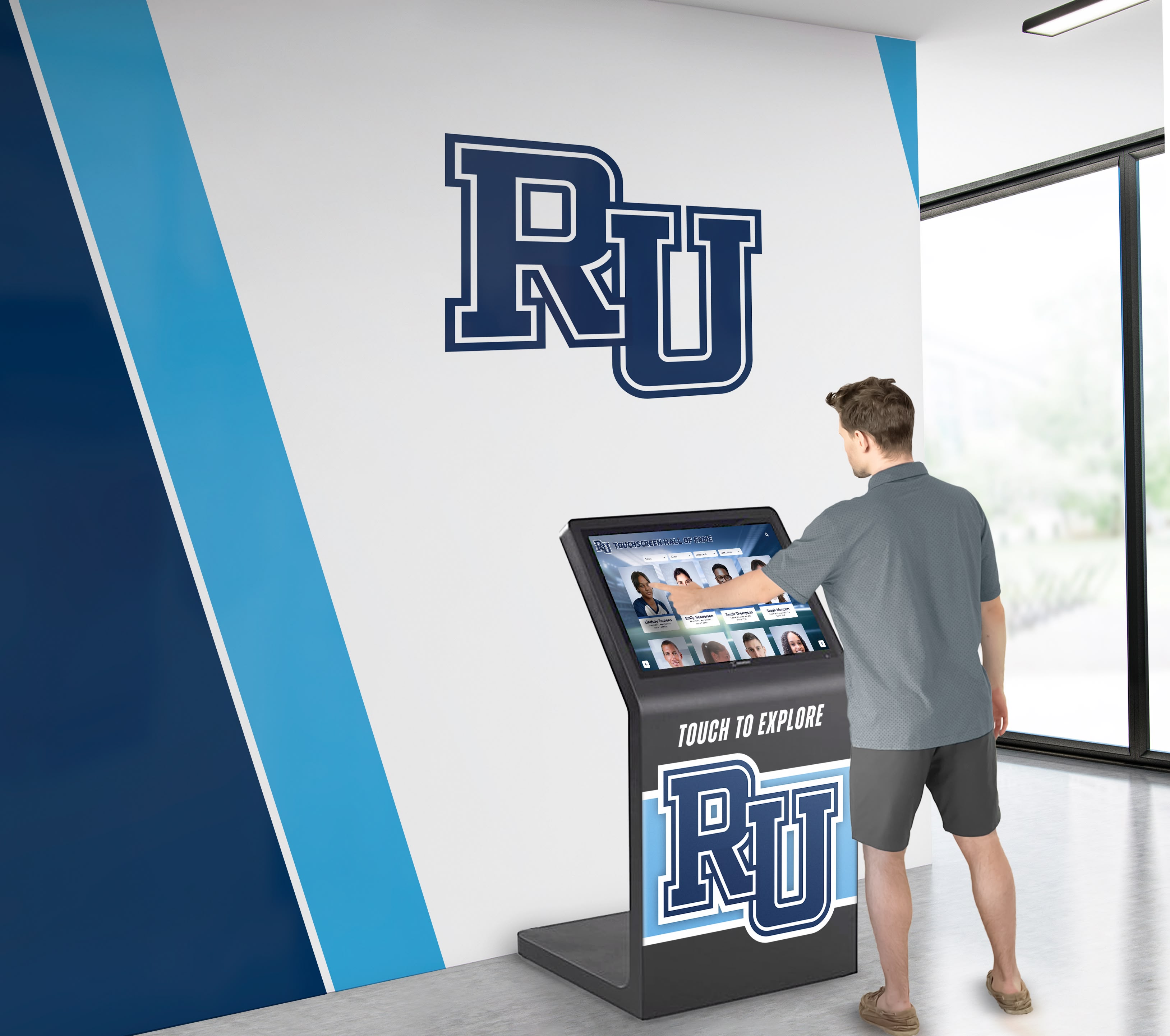
Digital platforms enable student athletes to maintain comprehensive achievement records that simplify resume creation and college application processes
Creating Impact Through Strategic Content Presentation
Beyond including appropriate information, how you present achievements determines whether your resume generates interest or gets overlooked among hundreds of similar submissions.
Using Action Verbs and Quantifiable Results
Strong Action Verbs
Begin achievement descriptions with powerful action verbs conveying competence and accomplishment:
Athletic: Competed, achieved, earned, led, set, recorded, improved, contributed, helped Academic: Maintained, achieved, earned, completed, pursued, mastered, excelled Leadership: Captained, organized, coordinated, mentored, initiated, developed, facilitated Service: Volunteered, served, supported, organized, contributed, assisted, participated
Avoid passive language or weak verbs (“was responsible for,” “helped with”) that diminish achievement significance or suggest secondary involvement rather than direct contribution.
Quantifiable Achievements
Specific numbers provide concrete evidence of achievement scope and impact:
- “Led team to 18-4 record and conference championship” vs. “Helped team succeed”
- “Maintained 3.87 weighted GPA while training 20+ hours weekly” vs. “Balanced academics and athletics”
- “Mentored 15 freshman athletes in program traditions” vs. “Helped younger players”
- “Organized fundraiser generating $3,200 for equipment” vs. “Participated in fundraising”
Quantification transforms vague descriptions into concrete accomplishments demonstrating specific contributions and measurable impact.
Contextualizing Achievements
Raw statistics or achievements without context lose impact—provide framing that enables appropriate evaluation.
Competition Level Context
“Conference MVP” means little without understanding competitive level. Specify:
- Conference classification and competitive strength
- Geographic scope (regional, state, national)
- Team rankings or tournament seeding during achievement
- Historical significance (program record, first in decade, etc.)
“Named All-Conference in 6A classification competing against top-ranked suburban programs” provides meaningful context that “All-Conference selection” alone doesn’t convey.
Statistical Context
Present statistics with comparative framing:
- Relationship to team or program records
- Improvement from previous years demonstrating development
- Ranking within league or against competitors
- Comparison to typical performance at your competitive level
“Averaged 15.3 points per game (3rd in conference, 2nd in program history)” tells more compelling story than simple “15.3 ppg” presentation.
Tailoring Resumes for Specific Opportunities
While maintaining core resume structure, strategic tailoring for specific programs, divisions, or institutional types strengthens applications.
Division-Specific Emphasis
Different competitive divisions prioritize various factors:
Division I: Emphasize elite competitive experience, statistical achievement, physical measurements, national recruiting ranking when available, and demonstrated ability to perform against highest competition levels.
Division II: Balance athletic capability with academic credentials, highlight leadership and character, emphasize fit with program culture, and demonstrate commitment to balanced student-athlete experience.
Division III: Prioritize academic credentials and intellectual engagement, emphasize multi-dimensional involvement beyond athletics, highlight leadership and community service, and demonstrate understanding of athletic experience as enhancement to comprehensive educational experience rather than primary focus.
Institutional Fit Alignment
Research specific programs to understand their values, competitive philosophy, and recruiting priorities:
- Academic emphasis programs value course rigor and intellectual engagement
- Service-oriented institutions appreciate demonstrated community commitment
- Programs emphasizing team culture look for leadership and coachability evidence
- Competitive powerhouses prioritize elite athletic credentials and performance
Subtle resume adjustments emphasizing attributes most valued by specific programs improve effectiveness without misrepresenting your profile.
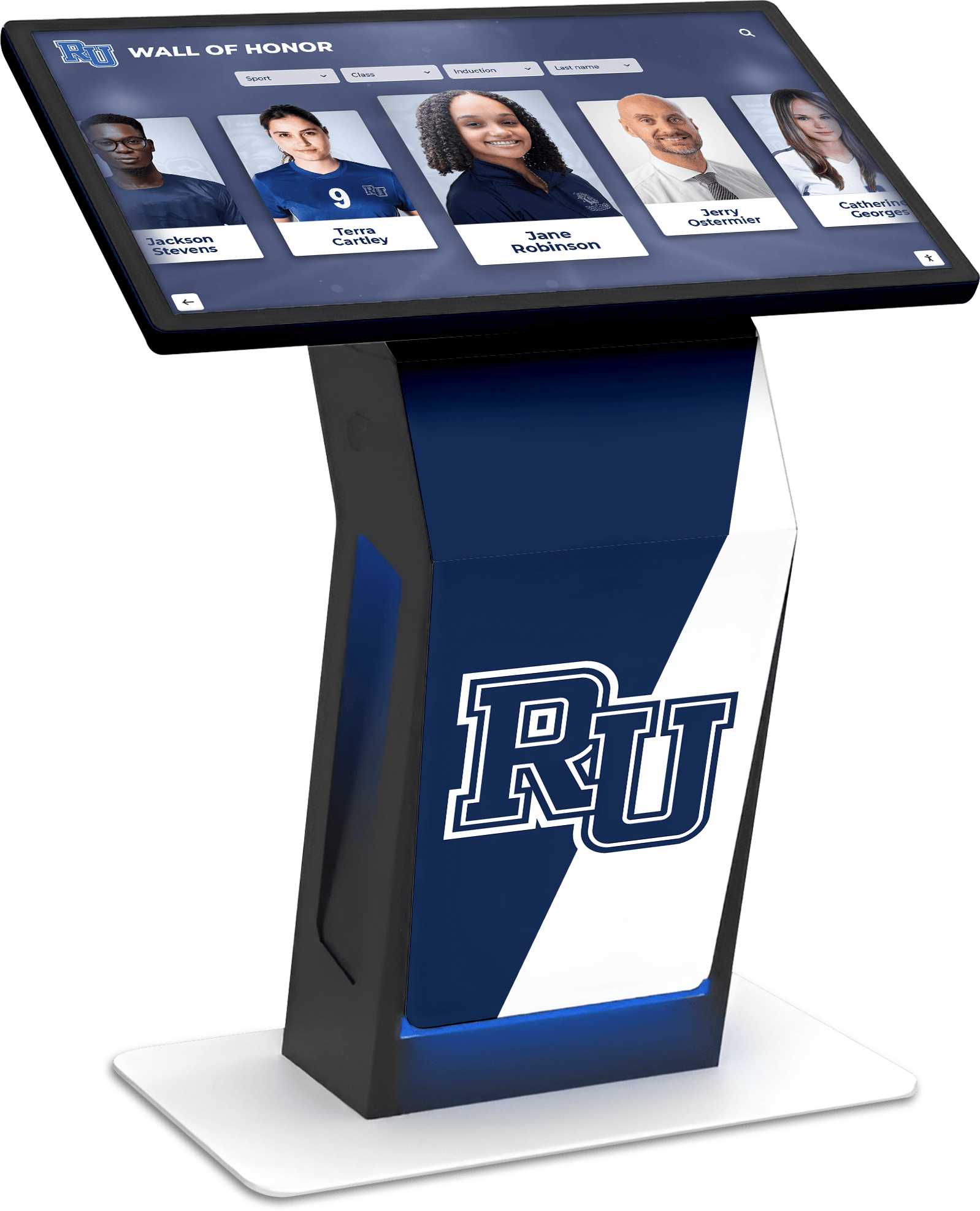
Modern recognition platforms enable flexible presentation of achievements tailored to specific audiences and opportunities
Common Student Athlete Resume Mistakes to Avoid
Understanding frequent pitfalls helps you create more effective presentations while avoiding errors that undermine otherwise strong credentials.
Content-Related Mistakes
Exaggeration or Misrepresentation
Never inflate statistics, invent awards, or misrepresent achievements. Coaches verify credentials through film evaluation, reference checks, and statistical research. Discovered dishonesty eliminates recruiting interest immediately while potentially damaging relationships with high school coaches whose credibility suffers when they recommend athletes who misrepresent credentials.
Present achievements honestly while framing them positively—“team captain voted by peers” accurately represents election without exaggerating selection process or suggesting coach appointment when peer vote occurred.
Overemphasis on Early Achievements
Focus on recent accomplishments demonstrating current capability rather than dwelling on middle school or freshman achievements. College coaches care most about junior and senior year performance indicating collegiate readiness, not historical early-career highlights suggesting peak performance already passed.
Include progression showing development, but prioritize recent achievement demonstrating continuing improvement trajectory suggesting collegiate potential for further growth.
Neglecting Academic Credentials
Some student athletes minimize academic presentation, assuming athletic ability alone determines recruitment. However, academic credentials determine eligibility, affect recruiting timeline (early admission options), and influence roster position competition among similarly talented athletic recruits where academic strength becomes tiebreaker for limited roster spots.
Even athletically dominant recruits should present academic credentials thoroughly, recognizing coaches’ institutional accountability for academic progress rates and graduation success rates that depend on recruiting academically capable student athletes who can maintain eligibility throughout collegiate careers.
Resume Length Extremes
Overly brief resumes omit important context and achievements, suggesting limited experience or accomplishment despite actual credential strength. Conversely, excessive length with minor detail about every athletic contest or activity participation suggests poor judgment about relevant information and evaluator time constraints.
Aim for comprehensiveness without exhaustiveness—include all significant achievements while exercising editorial judgment about minor accomplishments better omitted for focused presentation.
Formatting and Presentation Issues
Inconsistent Formatting
Formatting inconsistencies suggest carelessness and lack of attention to detail. Ensure consistent date formatting, alignment, bullet styles, font usage, spacing, and section organization throughout resume. Sloppy presentation raises concerns about work habits and conscientiousness—attributes coaches value highly in recruited athletes.
Poor Proofreading
Spelling errors, grammatical mistakes, and typos undermine credibility while suggesting insufficient care in presentation. Have multiple reviewers check resumes before submission—parents, English teachers, counselors, or coaches can catch errors you’ve become blind to after multiple revisions.
Contact Information Errors
Double-check all contact information ensuring coaches can reach you reliably. Test email addresses, verify phone numbers, and ensure voicemail includes professional greeting. Missed connections due to incorrect contact information waste recruitment opportunities impossible to recapture.
Unprofessional Email Addresses
Create professional email specifically for college communication if your personal email includes inappropriate usernames, slang, or content unsuitable for coach correspondence. FirstnameLastnameGradYear@email.com provides appropriate professional format versus nicknames or humor-based addresses projecting wrong impression.
Leveraging Technology and Digital Platforms
Modern student athletes benefit from digital tools that enhance resume effectiveness, simplify updating processes, and provide innovative presentation formats beyond traditional static documents.
Online Athletic Profiles
Recruiting Platforms
Services like NCSA, BeRecruited, and sport-specific platforms enable comprehensive online profiles including resume information, athletic videos, statistics, academic credentials, and coach communications in centralized locations accessible to college recruiting coordinators.
These platforms often provide:
- Standardized profile formats recognized by college coaches
- Video hosting and highlight reel integration
- Direct messaging capabilities connecting athletes and coaches
- Recruiting guidance and timeline management
- Tournament and showcase schedules connecting athletes with coaches
While platform value varies by sport and geographic region, maintaining updated profiles provides additional exposure channels supplementing direct communication with prospective programs.
Digital Achievement Documentation
Schools implementing comprehensive recognition platforms like Rocket Alumni Solutions enable student athletes to access complete achievement records documented throughout their high school careers.
These systems provide:
Comprehensive Achievement Records
Digital platforms maintain detailed documentation of:
- Athletic statistics and performance progression
- Award and recognition history with dates and contexts
- Academic honors and achievement milestones
- Leadership roles and service activities
- Media coverage and accomplishment documentation
- Photo and video libraries showing development over time
Resume Creation Efficiency
Accessing comprehensive achievement databases dramatically simplifies resume creation, enabling students to:
- Review complete four-year achievement histories avoiding omitted accomplishments
- Verify accurate statistics and recognition details
- Access supporting documentation and contextual information
- Update resumes efficiently as new achievements occur
- Export formatted achievement summaries for application materials
Professional Presentation Materials
Digital recognition systems often enable generation of professional achievement portfolios, printable profile summaries, and shareable digital credentials that supplement traditional resumes with visually compelling formats showcasing achievements through photos, graphics, and multimedia content impossible in standard document formats.

Digital achievement platforms enable student athletes to access comprehensive records across multiple devices throughout recruiting processes
Video Integration
Highlight Reels
Athletic video proves essential in modern recruiting, enabling coaches to evaluate skills, athleticism, game understanding, and competitive performance beyond statistics and accolades. Your resume should reference video availability with clear links to hosted content on platforms like Hudl, YouTube, or Vimeo.
Effective highlight videos:
- Feature 3-5 minutes of best athletic performances (longer for position-specific evaluation)
- Include recent footage from junior/senior seasons showing current capability
- Show multiple skill demonstrations relevant to your position
- Include game situations demonstrating decision-making and athletic application
- Feature quality production with clear labeling and appropriate editing
Academic Showcases
For academically elite institutions, consider supplementing athletic video with academic project presentations, research symposium recordings, or other intellectual work demonstrations showcasing engagement depth beyond transcripts and test scores.
Timeline Strategies for Resume Development
Strategic timing for resume creation, updating, and distribution maximizes recruiting effectiveness while ensuring materials accurately reflect current capabilities and achievements.
Freshman and Sophomore Years: Building Foundation
Early Achievement Documentation
Begin recording achievements systematically from freshman year onward, even before formal recruiting begins. Maintaining achievement logs prevents forgotten accomplishments when resume creation begins junior year.
Document: every athletic statistic, award, or recognition; academic honors and GPA progression; leadership positions and service activities; significant athletic or academic milestones; and relevant personal development experiences.
Initial Resume Creation
Developing preliminary resumes during sophomore year provides several benefits:
- Identifies credential gaps suggesting areas for development focus
- Enables participation in summer showcases and camps requiring advance registration
- Provides practice creating professional materials before high-stakes junior recruiting
- Allows time for multiple revision rounds improving quality
Sophomore resumes remain working documents updated regularly rather than final products distributed widely to college programs.
Junior Year: Active Recruiting Engagement
Resume Finalization and Distribution
Junior year represents peak recruiting activity requiring polished, comprehensive resumes ready for distribution to coaching staffs at target programs.
Update resumes to include:
- Complete junior year athletic statistics and achievements
- Updated academic credentials through junior year
- Recent leadership positions and service involvement
- Summer athletic participation and showcase performances
- Any standardized testing completed through junior year
Begin distributing resumes to college programs at various competitive levels—reach programs representing aspirational targets, target programs matching your realistic profile, and safety programs where you exceed typical recruit credentials.
Regular Updates Throughout Junior Year
As achievements occur throughout junior year, distribute updated resumes to programs showing interest:
- After exceptional athletic performances or major competitions
- Following academic recognition or honor roll updates
- After team championships or significant team success
- When receiving athletic or academic awards
- Following positive camp or showcase performances
Regular updates maintain coach awareness of your developing profile while demonstrating continued improvement and achievement beyond initial resume presentation.
Senior Year: Finalizing Recruitment
Final Resume Polish
Senior year resumes incorporate complete high school athletic careers, final academic credentials, and accumulated leadership experiences representing your complete profile at recruitment conclusion.
Include:
- Senior season statistics and achievements
- Final cumulative academic credentials
- Completed leadership positions and service hours
- Athletic and academic recognition received throughout career
- College intentions and commitment status when applicable
Application Supplement Materials
Many college applications request athletic supplements or additional materials beyond standard application components. Updated senior resumes serve as foundation for these supplements, ensuring consistency across all application materials while providing comprehensive achievement documentation to both admissions offices and athletic departments.
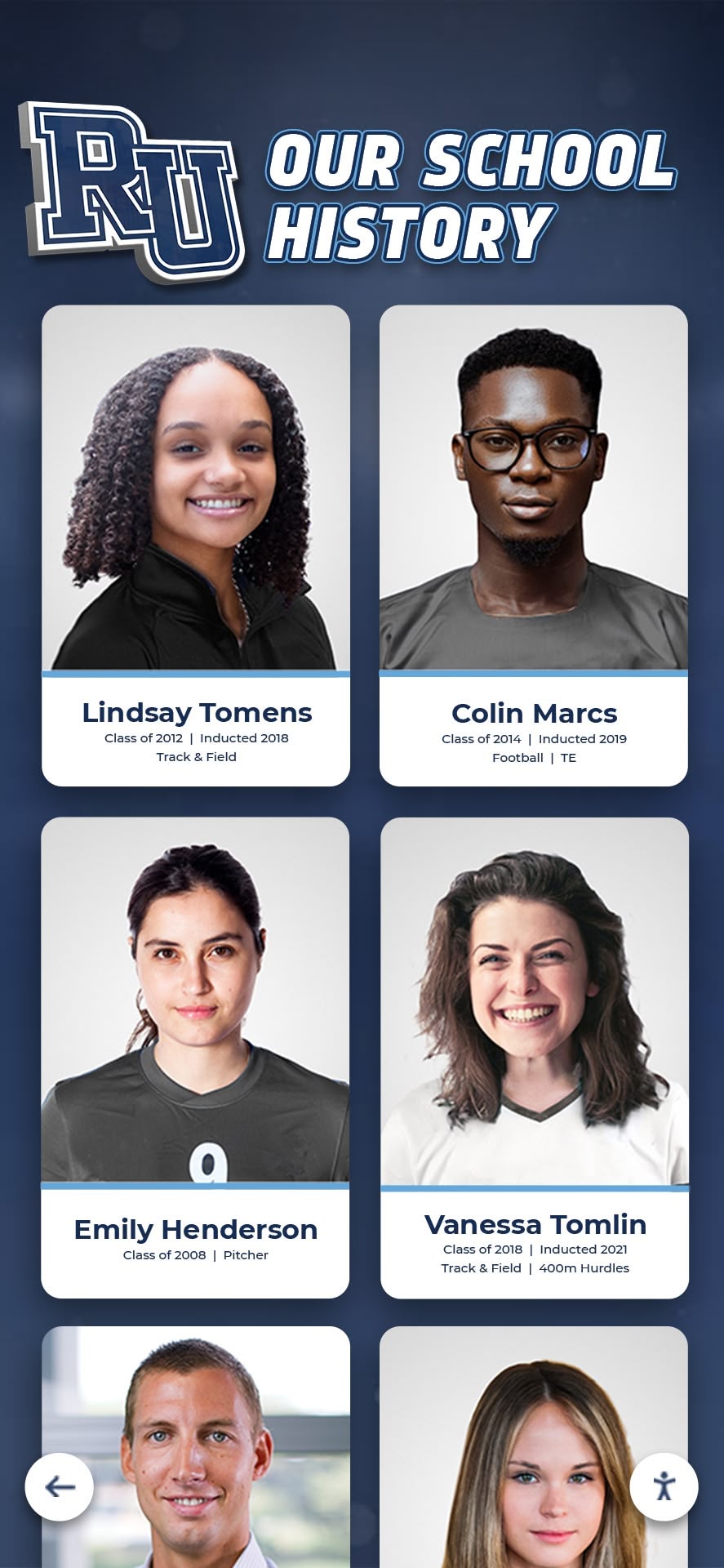
Comprehensive achievement documentation throughout high school careers ensures student athletes can create complete, accurate recruiting materials when needed
Beyond the Resume: Supplementary Materials
While resumes provide essential foundations, comprehensive recruiting profiles incorporate additional materials that complement basic credential presentation.
Athletic Highlight Videos
As discussed previously, video represents critical recruiting tool enabling coaches to evaluate athletic capability directly. Resumes should clearly reference video availability with direct links enabling immediate viewing.
Update videos regularly incorporating recent performances while retiring dated footage that no longer represents current capability. Coaches value seeing development progression but prioritize recent footage indicating collegiate readiness.
Coach and Teacher Recommendations
Strong recommendation letters from credible sources—high school coaches, club coaches, teachers, counselors—provide third-party validation of character, work ethic, academic engagement, and leadership qualities that resumes claim but recommendations verify through specific examples and professional assessment.
Select recommenders who know you well, can provide specific achievement examples, understand your collegiate aspirations, and write effective letters clearly articulating your strengths. Generic recommendations from casual acquaintances carry minimal weight compared to detailed letters from sources with deep knowledge of your capabilities and character.
Academic Transcripts
Official transcripts verify academic credentials claimed in resumes while providing complete course histories enabling coaches and admissions officers to assess course selection patterns, grade trends, and academic preparation thoroughness.
Request transcripts well in advance of application deadlines, allowing processing time while ensuring most recent grades appear on submitted documents.
Athletic Statistics and Records
While resumes summarize key statistics, comprehensive statistical documentation provides detail enabling thorough evaluation. Many sports maintain online statistical databases accessible to coaches; reference these resources in resumes when available.
For sports lacking centralized databases, consider creating supplementary statistical documents providing seasonal breakdowns, game-by-game performance records, or career progression tables that exceed resume space constraints while offering detail valuable for coach evaluation.
Supporting Student Athletes: Resources for Parents and Coaches
Creating effective resumes represents team efforts with parents, coaches, and counselors providing essential support, guidance, and information that students may lack experience or perspective to develop independently.
Parental Guidance and Support
Achievement Documentation
Parents can support resume development by:
- Maintaining achievement records throughout high school careers
- Collecting award certificates, news clippings, and recognition documentation
- Photographing awards ceremonies and significant athletic moments
- Organizing materials enabling efficient resume compilation when needed
- Reminding students of accomplishments they may not recall or consider significant
Objective Feedback and Editing
Parents provide valuable perspective reviewing resume drafts:
- Identifying unclear descriptions or insufficient context
- Catching grammatical errors and formatting inconsistencies
- Suggesting alternative phrasings that strengthen presentation
- Ensuring humble yet confident tone avoiding excessive modesty or inappropriate bragging
- Confirming accuracy of factual claims and statistical presentations
Avoiding Over-Involvement
While parental support proves valuable, students should maintain resume ownership, write their own content, make final editorial decisions, and communicate directly with college coaches developing relationships beyond parental intermediation.
Parents who dominate recruiting processes raise coach concerns about student maturity, independence, and ability to function autonomously in collegiate environments away from parental involvement in daily athletic and academic decisions.
Coach Recommendations and Verification
Credential Verification
College coaches often contact high school coaches verifying resume claims, seeking additional context about achievements, and asking character assessment questions that determine whether recruiting relationships progress.
High school coaches support student athlete recruiting by:
- Verifying statistical accuracy and achievement legitimacy
- Providing context about competition level and athletic development
- Offering honest character assessment and coachability feedback
- Sharing insights about student work ethic, leadership, and team contributions
- Connecting college coaches with additional references or information sources
Direct Coach Advocacy
Beyond verification, high school coaches often proactively advocate for athletes to college programs:
- Initiating contact with college coaches at appropriate programs
- Sending highlight videos and athlete profiles to coaching staffs
- Providing detailed scouting reports and development projections
- Arranging campus visits or coach conversations during recruiting periods
- Offering recommendations about program fit and competitive level appropriateness
Strong relationships with high school coaches who advocate effectively prove invaluable in competitive recruiting environments where coach endorsements carry significant weight in staff evaluations.
Celebrating Student Athlete Achievement Beyond Recruiting
While resumes serve immediate recruiting purposes, student athlete achievements deserve lasting celebration and recognition extending beyond college application utility into permanent institutional memory and community pride.
School Recognition Programs
Schools implementing comprehensive student athlete recognition systems create cultures valuing athletic and academic excellence while providing ongoing motivation for current students pursuing similar achievements.
Effective recognition includes:
Public Achievement Celebration
- School assemblies honoring athletic and academic accomplishments
- Digital displays showcasing current student athlete achievements
- Social media features celebrating individual and team success
- Website profiles documenting comprehensive achievement records
- Community events highlighting student athlete contributions
Permanent Recognition Archives
Solutions like Rocket Alumni Solutions enable schools to maintain perpetual recognition of student athlete achievements through:
- Searchable databases documenting historical achievement
- Interactive displays accessible to current students, alumni, and visitors
- Comprehensive profiles celebrating complete student athlete stories
- Integration with other recognition programs honoring diverse excellence forms
- Mobile accessibility extending recognition beyond campus boundaries
Motivational Impact on Current Students
Visible recognition of previous student athletes inspires current students by:
- Demonstrating achievement possibilities within their reach
- Providing role models representing diverse paths to success
- Creating institutional culture valuing both athletic and academic excellence
- Connecting current students to program traditions and legacy
- Establishing clear achievement standards and aspirational targets
When schools systematically celebrate student athlete achievement, they create virtuous cycles where recognition motivates current students to pursue similar excellence, perpetuating cultures of achievement that strengthen athletic programs, academic performance, and community pride simultaneously.
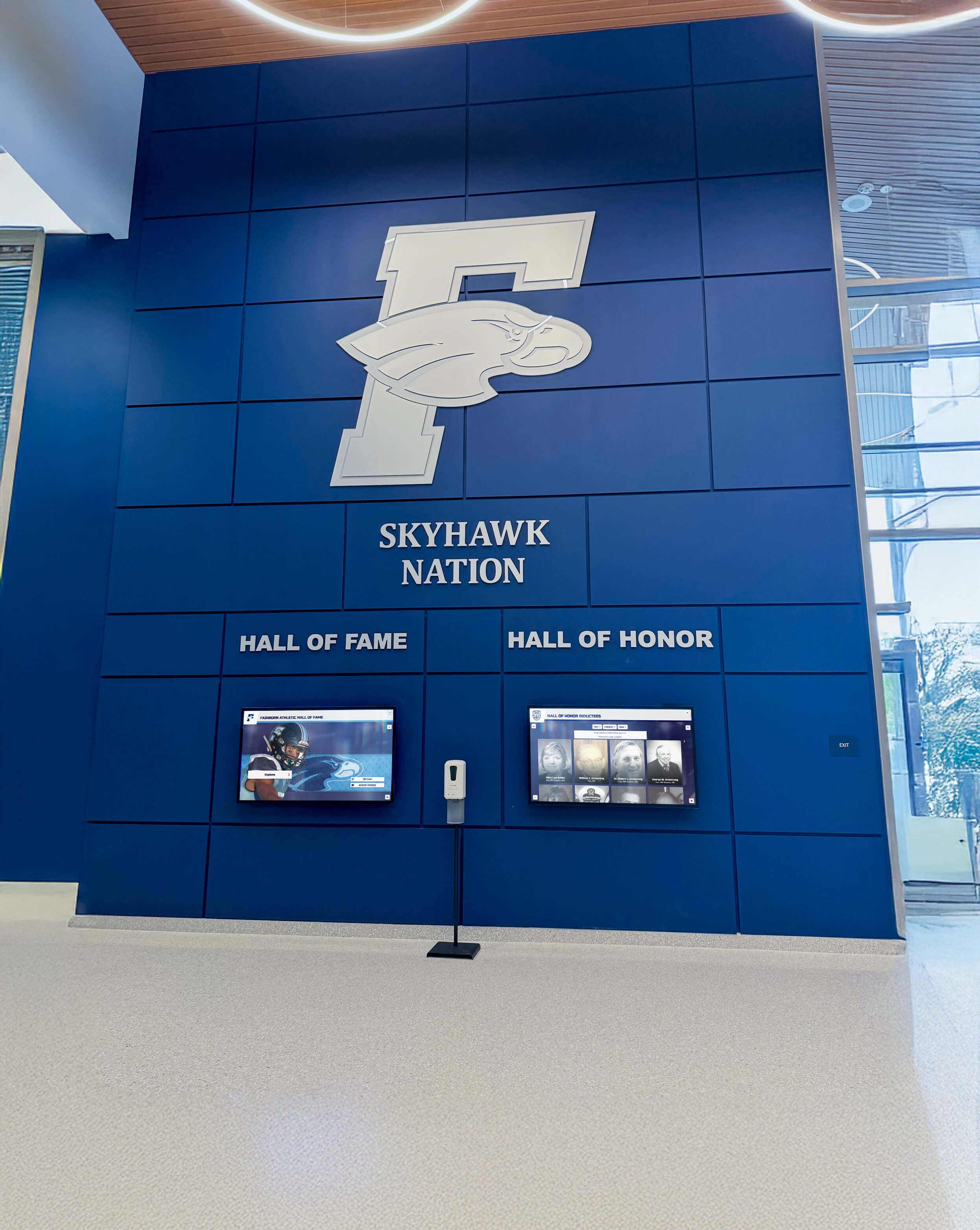
Schools implementing comprehensive recognition create warm, connected communities that celebrate student athlete achievement while inspiring future excellence
Conclusion: Your Complete Student Athlete Profile
Creating an effective student athlete resume represents more than document preparation—it’s the process of understanding your complete profile, articulating your value comprehensively, and presenting yourself as the multidimensional student athlete that successful college programs seek. Beyond athletic statistics, your resume should communicate academic capability, leadership character, personal qualities, and development potential that distinguish you from similarly talented competitors lacking the complete package necessary for collegiate success.
The most compelling student athlete resumes tell complete stories—not just what you’ve achieved, but how you’ve grown, what you’ve learned, and who you’ve become through athletic and academic pursuit. They demonstrate that athletic dedication enhanced rather than hindered intellectual development, that competitive experience built character and leadership capability, and that you possess the maturity, work ethic, and coachability essential for contributing positively to collegiate team cultures while maintaining academic progress toward degree completion.
Successful resume development requires systematic achievement documentation throughout high school, strategic organization presenting credentials effectively for quick evaluation and comprehensive review, honest presentation balancing confident promotion with humble authenticity, and regular updating ensuring materials accurately reflect current capabilities as you develop throughout high school career.
Remember that resumes represent starting points for recruiting conversations rather than final comprehensive profiles. They open doors, generate coach interest, and secure opportunities for deeper relationship building through campus visits, coach conversations, and recruiting process progression. Beyond immediate recruiting utility, the process of creating comprehensive achievement documentation provides valuable self-reflection about your growth, accomplishments, and aspirations that serves you well beyond college athletic recruiting in job applications, scholarship pursuits, and personal development throughout life.
Your achievements as a student athlete—balancing athletic excellence with academic success, demonstrating leadership while maintaining humility, pursuing competitive dreams while serving your community—deserve celebration matching their significance. Modern recognition platforms enable comprehensive documentation and celebration of these achievements, creating resources that simplify resume development while ensuring your accomplishments receive the lasting honor they merit.
Ready to document your student athlete journey comprehensively? Explore recognition platforms that enable systematic achievement tracking, simplify recruiting material creation, and ensure your dedication receives the lasting celebration it deserves—building connected communities where excellence inspires continued achievement across generations of student athletes pursuing their collegiate dreams.