Intent: demonstrate — Creating a student athlete resume for college applications represents a critical moment where years of athletic dedication, competitive achievement, and personal growth must translate into compelling documentation that admissions counselors and coaches can quickly evaluate. Yet many talented student-athletes struggle to present their accomplishments effectively, uncertain which achievements matter most, how to quantify athletic performance, or what format best showcases their competitive credentials alongside academic excellence.
Traditional approaches to documenting athletic achievements often fall short. Generic activity lists fail to convey competitive context or achievement significance. Unstructured narratives lack the clarity busy admissions teams need. Missing metrics prevent meaningful evaluation of athletic performance levels. Most critically, conventional resume formats struggle to communicate the complete athlete story—the leadership developed, the adversity overcome, the team contributions extending beyond statistics, and the character forged through years of competition.
The stakes extend beyond college admissions. Comprehensive athletic documentation supports scholarship applications, demonstrates well-rounded development to selective universities, provides conversation foundations for recruiting interactions, and creates lasting records celebrating high school achievement. When student-athletes invest hundreds or thousands of hours in athletic pursuits, they deserve recognition systems that honor these commitments while positioning them competitively for future opportunities.
This comprehensive guide explores everything student-athletes and families need to create effective athletic resumes for college applications—from identifying which achievements matter most and structuring information for maximum impact to documenting performance through metrics and leveraging modern digital recognition systems that validate accomplishments. Whether applying to competitive academic institutions, pursuing athletic scholarships, or simply seeking to present complete personal narratives, these strategies help student-athletes showcase athletic excellence alongside academic achievement.

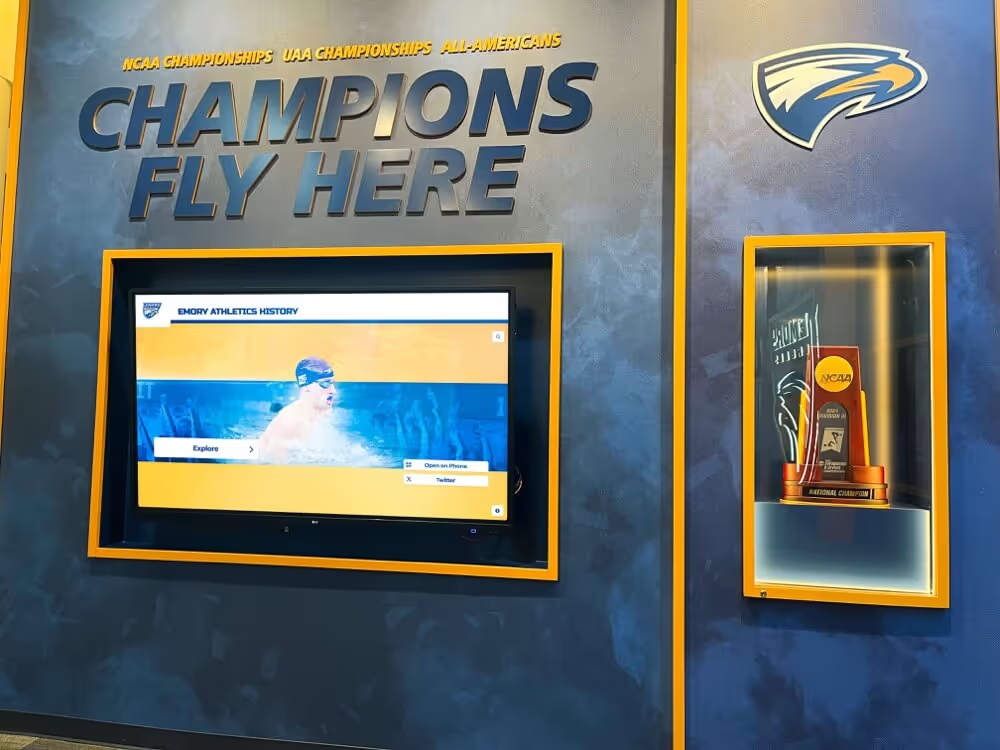
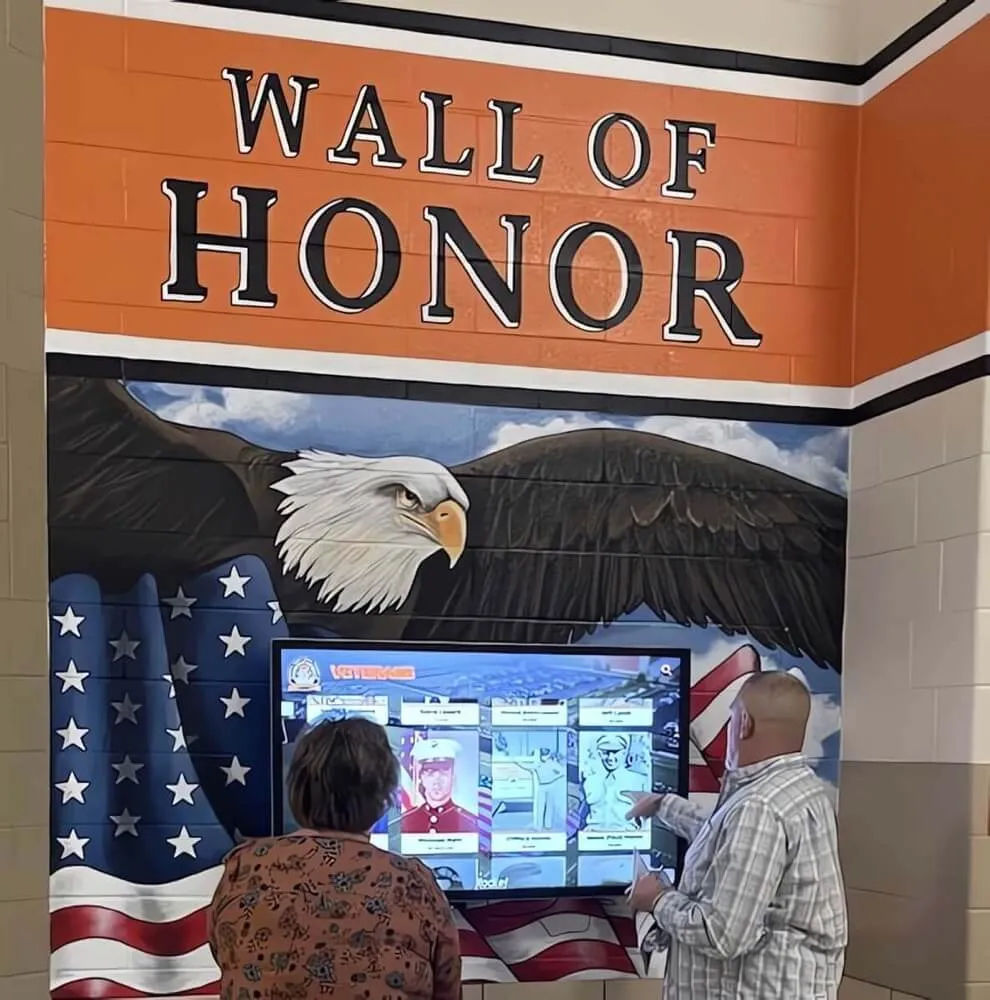
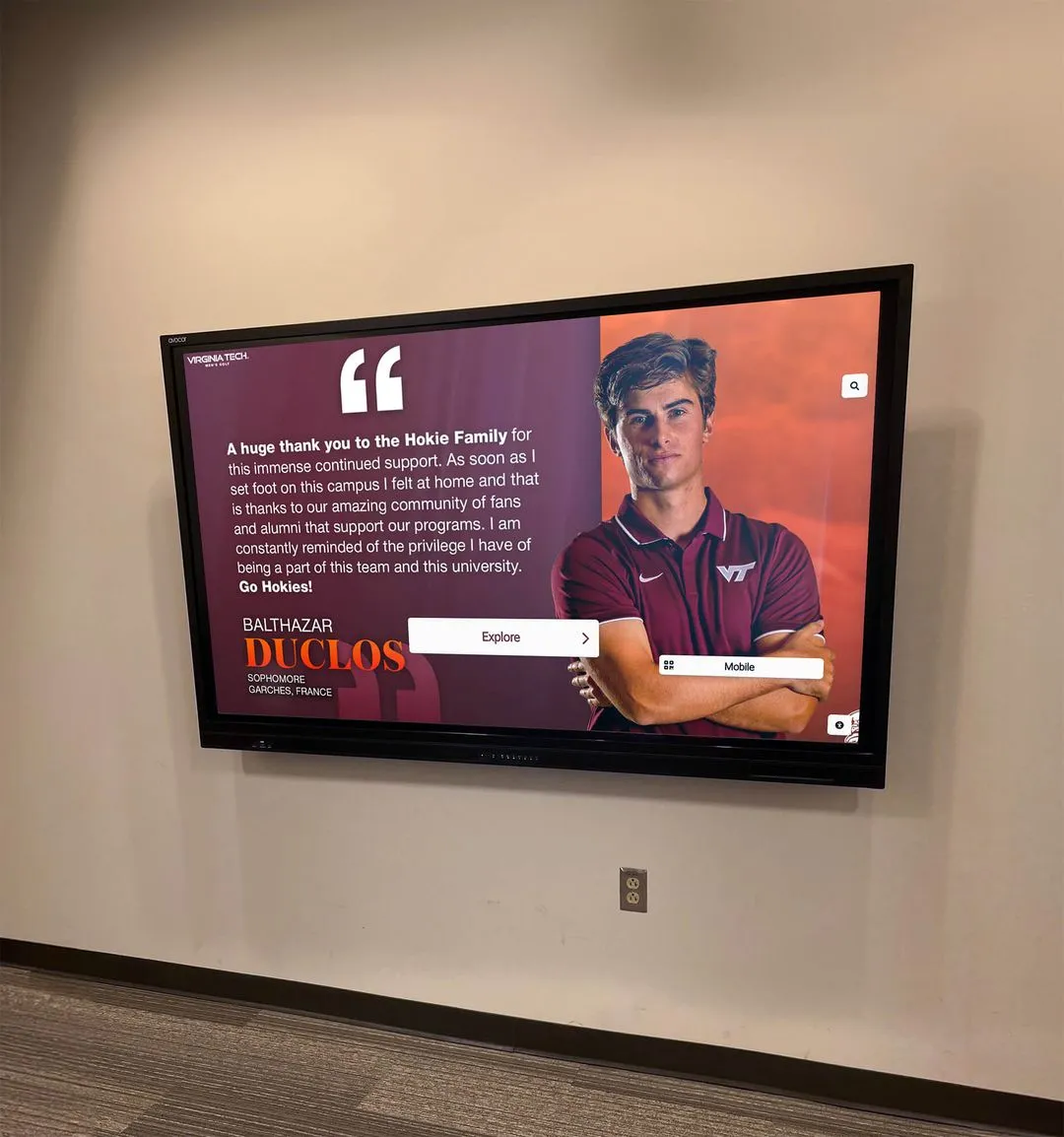
Student athlete resumes translate years of competitive dedication into compelling documentation for college applications
Understanding What Matters in Student Athlete Resumes
Before documenting athletic achievements, understanding what college admissions teams and coaches actually value helps student-athletes prioritize information strategically.
The College Admissions Perspective on Athletic Achievement
College admissions counselors evaluate athletic participation through multiple lenses extending beyond simple participation acknowledgment.
Demonstrating Sustained Commitment and Time Management
Admissions teams recognize that serious athletic participation requires extraordinary time commitment and organizational discipline. When student-athletes maintain competitive athletic schedules while achieving academic excellence, they demonstrate time management capabilities, commitment to long-term goals, capacity to balance competing priorities, and resilience managing demanding schedules—all qualities predicting college success regardless of whether students continue athletic participation.
A student-athlete resume effectively communicating years of early morning practices, weekend competitions, and sustained team commitment while maintaining strong academics sends powerful signals about work ethic and capability that brief activity lists cannot convey.
Understanding Competitive Context and Achievement Levels
Not all athletic participation carries equal weight in admissions evaluation. Counselors seek understanding of competitive levels and achievement significance including state, regional, or national competitive levels, selection to all-conference, all-state, or elite teams, individual championships or record-breaking performances, and progression demonstrating improvement and dedication over time.
Student-athlete resumes must provide sufficient context enabling admissions teams to understand whether athletic achievements represent casual participation, solid competitive performance, or truly exceptional accomplishment deserving special consideration.
Identifying Leadership and Character Development
Beyond competitive performance, admissions teams value leadership roles and character demonstration through athletics including team captaincies and leadership positions, mentorship of younger athletes, sportsmanship recognition and character awards, community service through athletic programs, and academic honor society participation balancing athletic commitment.
The most compelling student-athlete resumes communicate not just what athletes accomplished but who they became through athletic participation—the leadership they demonstrated, the teammates they supported, and the values they embodied.

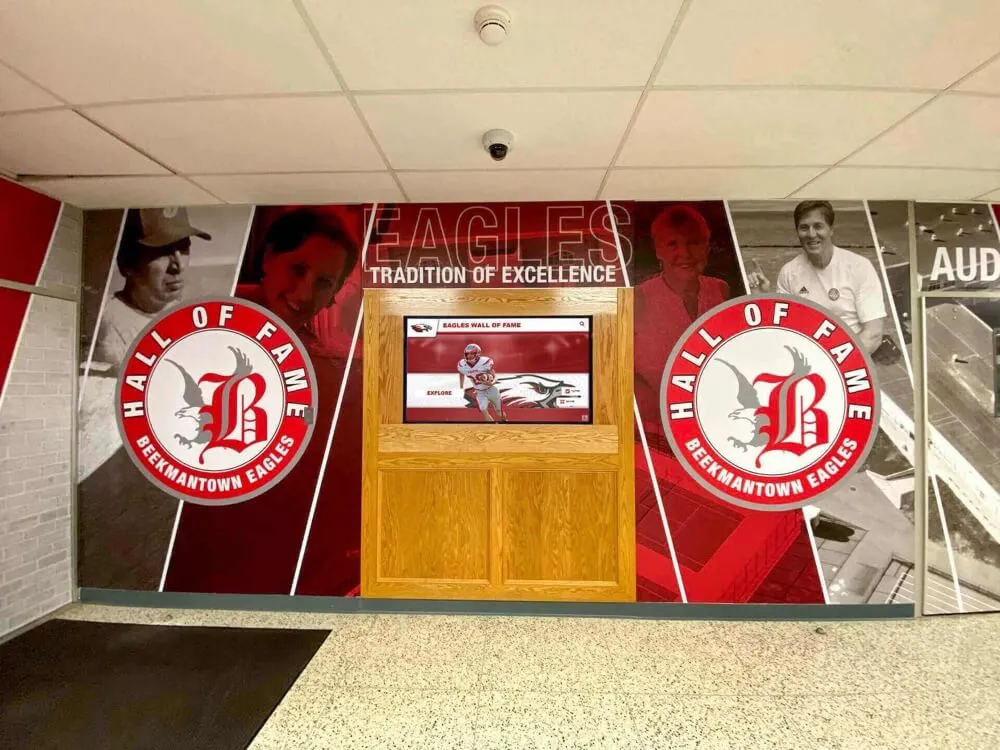
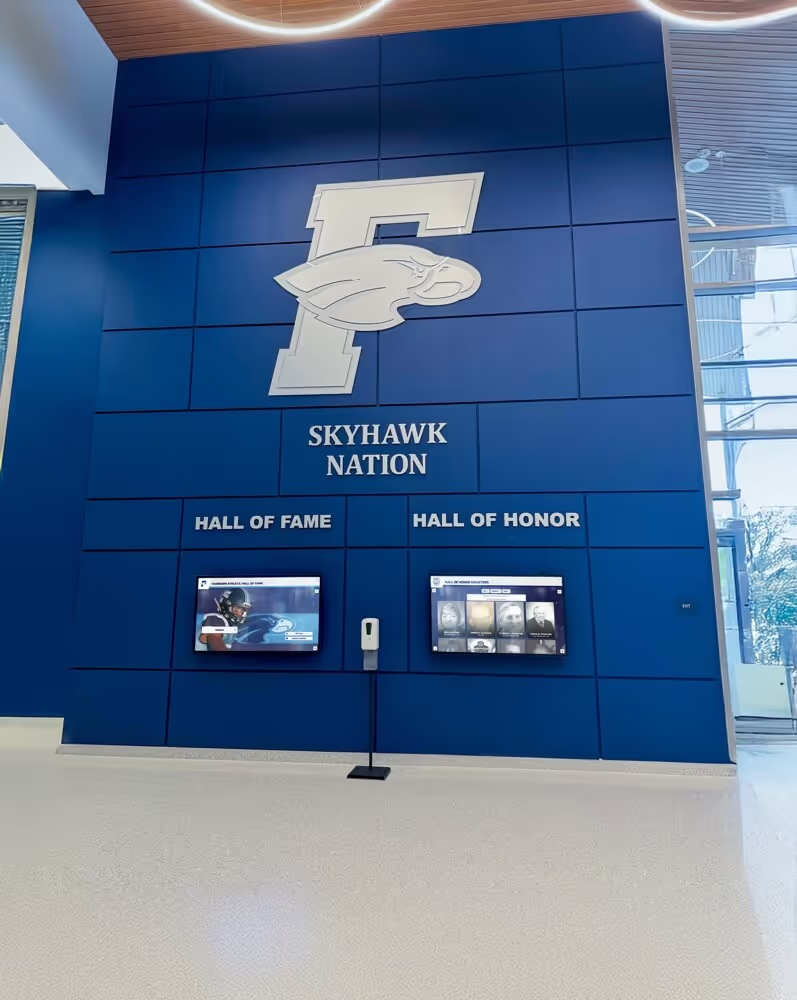
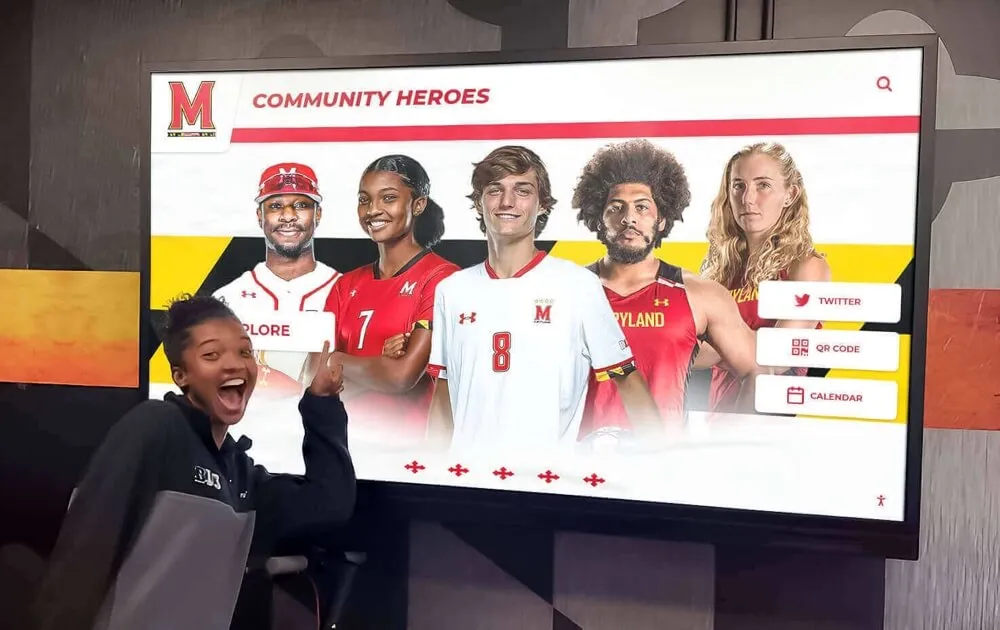
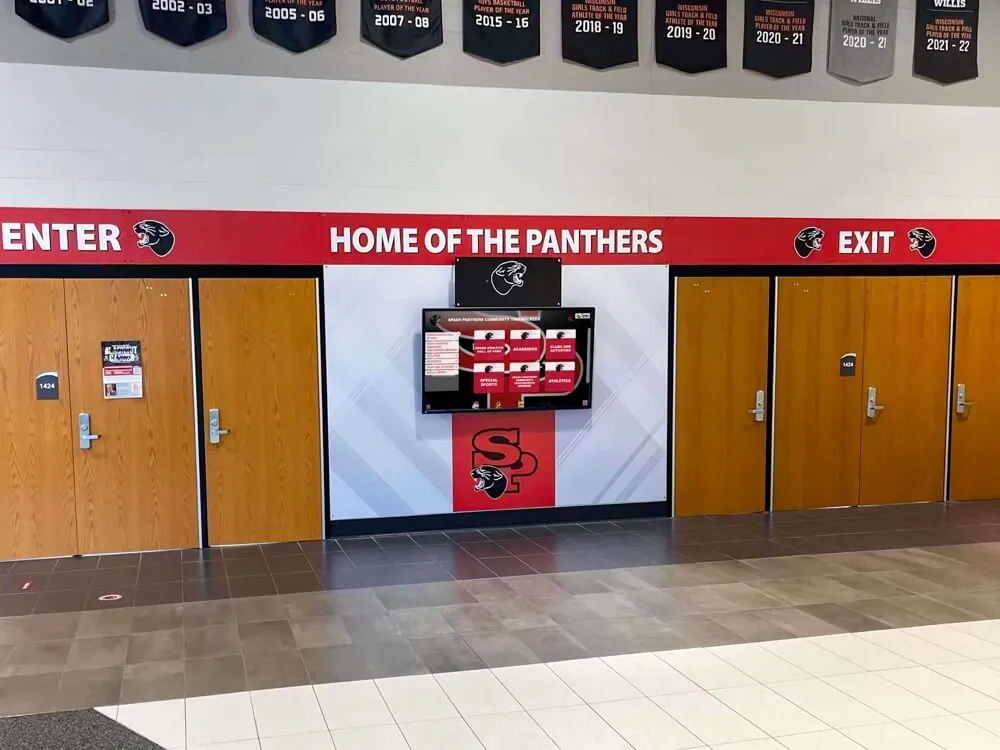
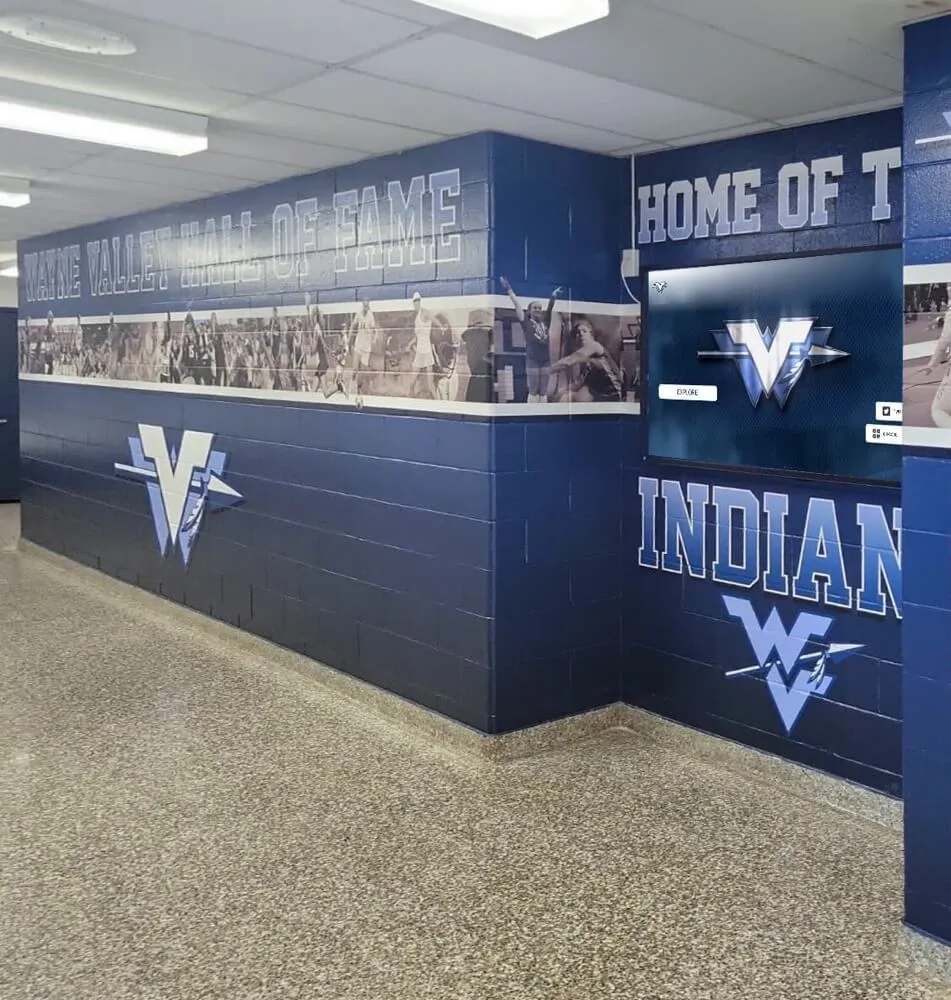
Digital recognition systems provide comprehensive athletic achievement documentation supporting college application portfolios
The Athletic Recruiting Perspective
For student-athletes pursuing competitive college athletics, coaches evaluate resumes through performance-focused lenses.
Performance Metrics and Statistical Achievement
College coaches need concrete performance data evaluating athletic potential:
Sport-Specific Performance Standards
- Track and field athletes: Personal best times, distances, and heights with date progression
- Team sport athletes: Statistics per game/season, shooting percentages, assists, defensive metrics
- Swimming: Times across events with meet contexts (conference, state, national)
- Wrestling: Win-loss records, pins, tournament placements, competitive level
The more specific and contextualized the metrics, the more effectively coaches can evaluate talent and potential fit within their programs. Vague descriptions like “strong performer” mean nothing compared to “averaged 18.5 points and 7.2 rebounds per game, shooting 42% from three-point range against 5A competition.”
Competition Level and Advancement Potential
Coaches evaluate not just current performance but trajectory suggesting continued development including competition against high-level opponents, performance improvement trends across seasons, physical development suggesting continued growth, and technical skill progression indicating coachability.
Student-athletes who can document consistent improvement—faster times each season, expanded skill sets, increased competitive levels—present more compelling recruiting profiles than those showing plateau despite strong overall achievement.
Athletic Awards and External Validation
Third-party recognition provides objective validation of athletic excellence including all-conference and all-state team selections, player of the year awards within leagues or regions, state championship participation or titles, and national ranking or recognition in individual sports.
These external validations from coaches, journalists, and athletic organizations provide credibility beyond self-reported achievement, particularly valuable when coaches evaluate athletes from unfamiliar programs or regions.
Learn more about how schools celebrate and document high school awards and recognition that strengthen college application profiles.
Essential Components of Effective Student Athlete Resumes
Comprehensive athletic resumes include specific information categories enabling complete evaluation of athletic credentials.
Athletic Participation Overview
Begin with clear summary information establishing athletic background.
Sports and Participation Timeline
List all sports with participation duration:
- Sport name and competitive level (varsity, club, travel)
- Years of participation (9th grade - 12th grade, or club years)
- Position or event specialization
- Team names and competitive conference/league
Example: “Varsity Soccer - Midfielder (9th-12th grade), Metro Conference 5A Competition” or “Club Volleyball - Outside Hitter (2021-2026), AAU Regional Elite Division”
This foundational information quickly communicates athletic commitment scope and competitive context.
Coaching and Program Context
Include relevant coaching credentials and program quality indicators:
- Head coach names (particularly if well-known in sport)
- Program achievements (state championships, national rankings)
- Facility or training advantages (Olympic-level facilities, specialized training)
- Competitive conference or league reputation
Strong programs and respected coaches provide implicit validation of training quality and competitive standards, particularly valuable when admissions teams or coaches unfamiliar with specific schools evaluate applications.
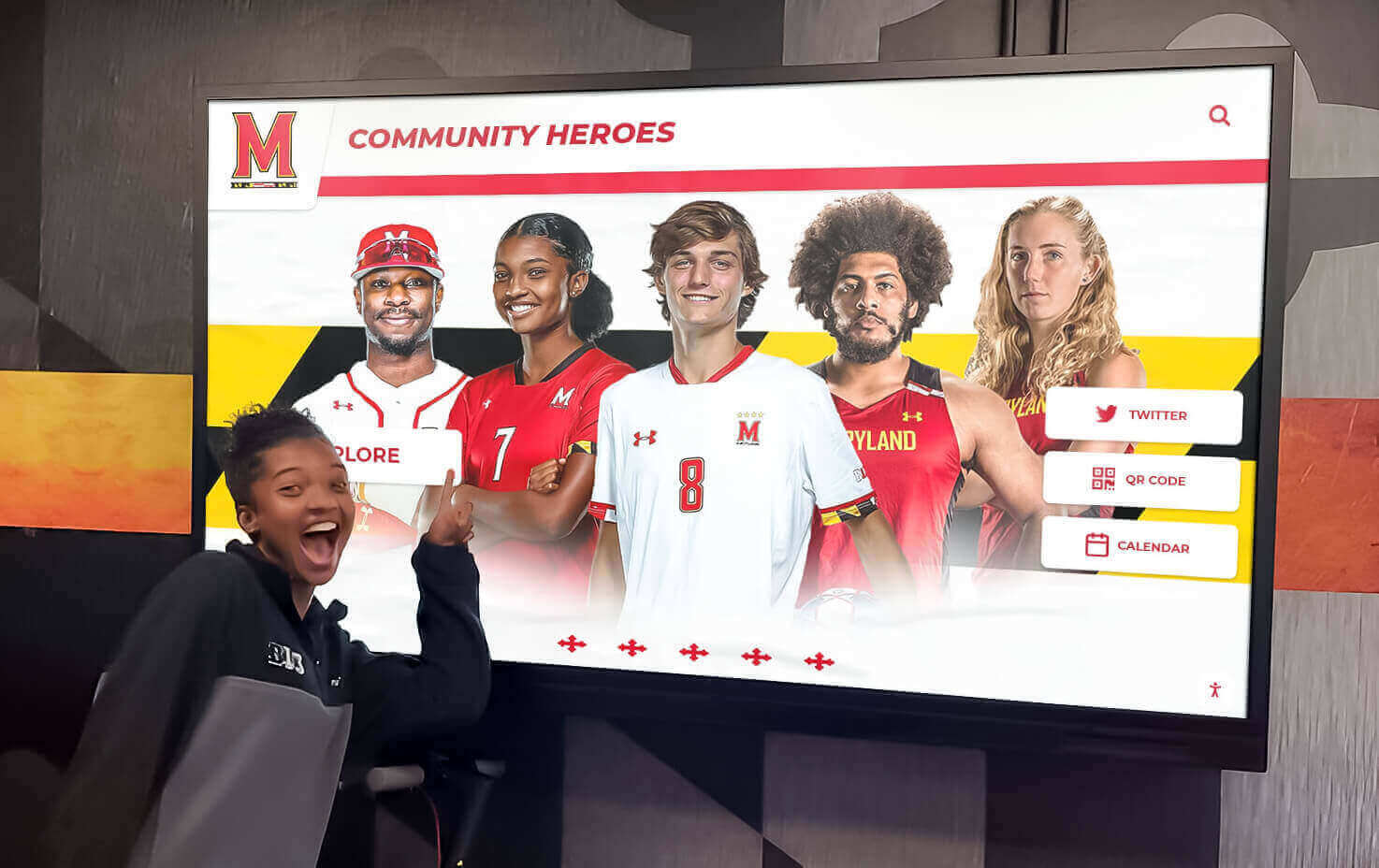
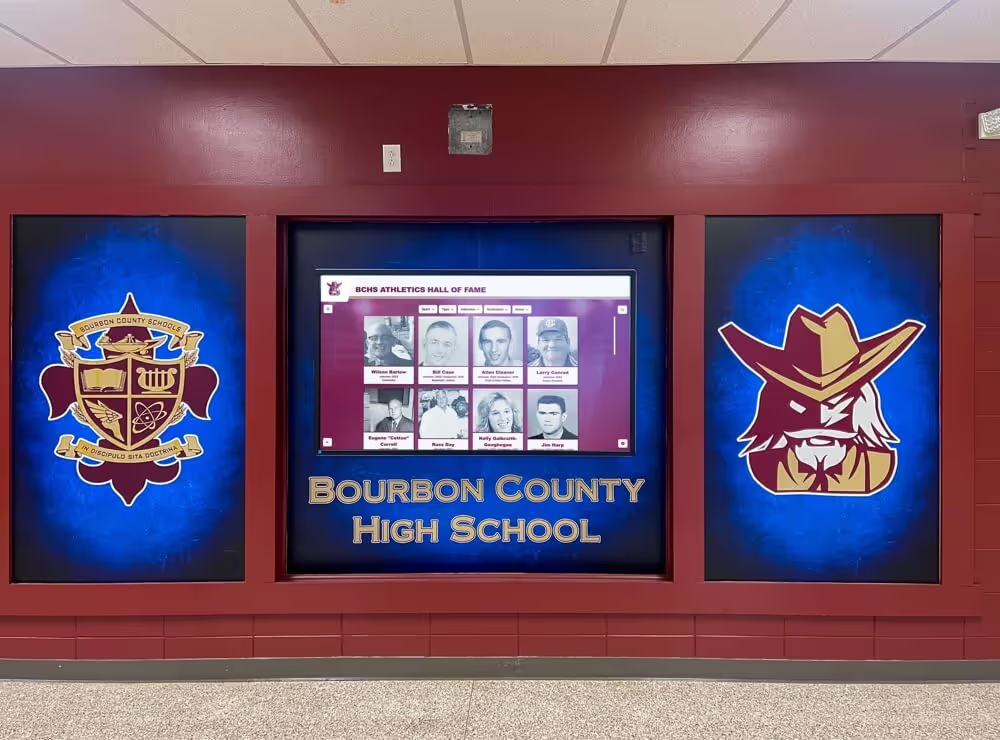
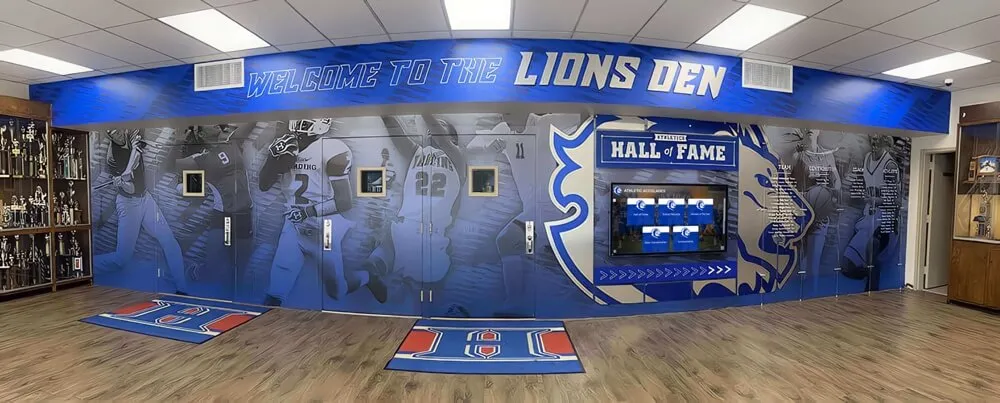
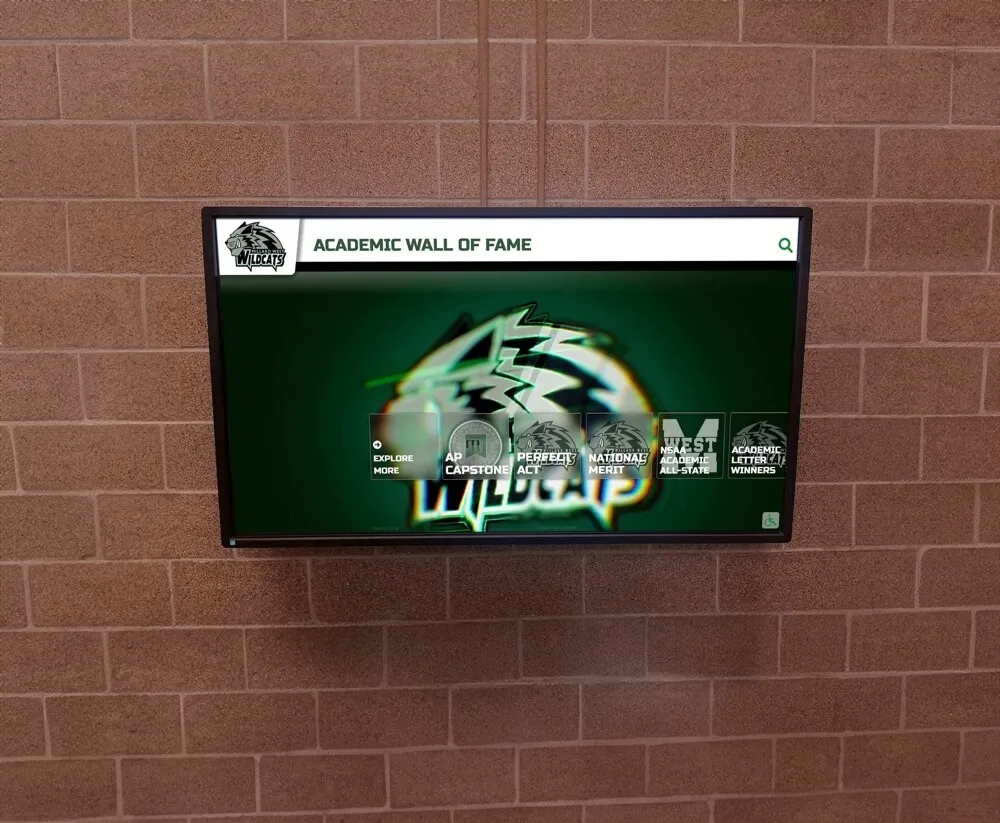
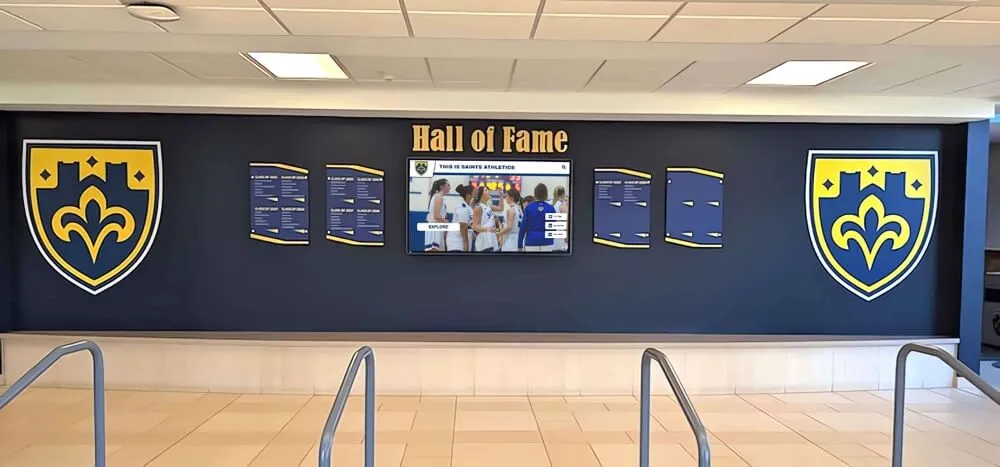
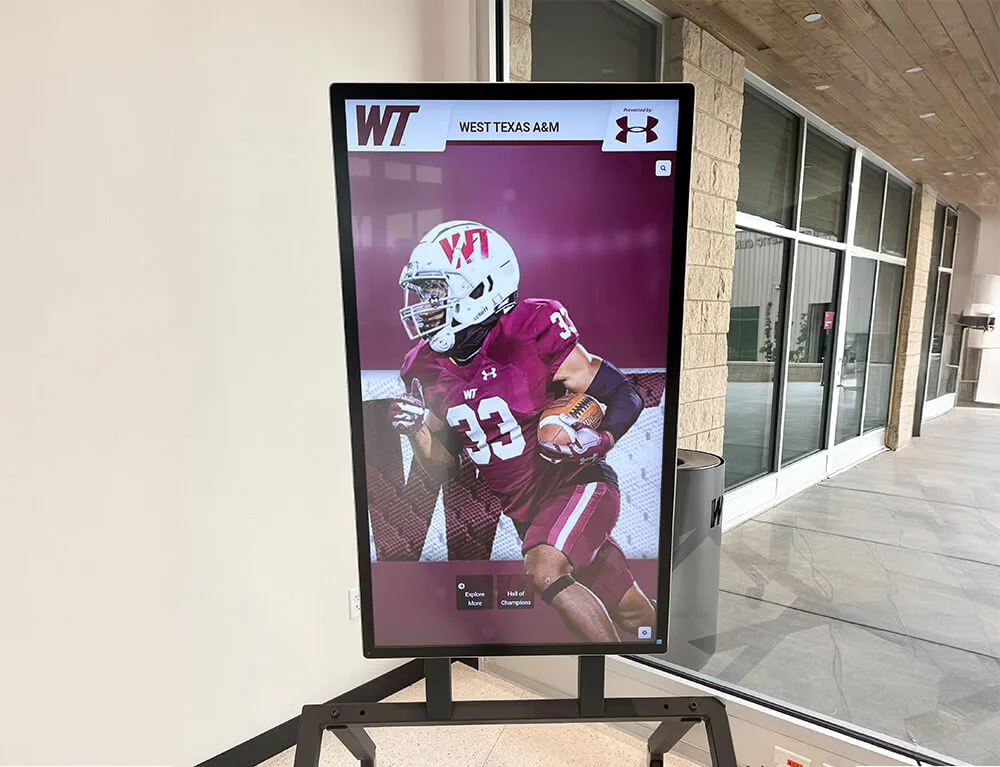
Schools increasingly use digital platforms enabling student-athletes to access and share achievement documentation for college applications
Competitive Achievement and Performance Documentation
Detailed achievement information demonstrates athletic excellence through concrete evidence.
Individual Performance Statistics and Records
Document measurable performance through sport-appropriate metrics:
Individual Sport Athletes:
- Personal best performances with dates and competitive contexts
- School, conference, or meet records held
- Performance progression across high school career
- Comparison to state or national standards when relevant
Team Sport Athletes:
- Career and season statistics (points, goals, assists, rebounds, etc.)
- Per-game or per-match averages
- Shooting percentages, defensive statistics, specialized metrics
- Career totals and single-game/season highlights
Always provide context making numbers meaningful—statistics against elite competition carry more weight than those achieved against weak opponents.
Team Success and Championships
Document team achievements and personal contributions:
- Conference championships and regular season titles
- State tournament appearances and placements
- National tournament participation or rankings
- Win-loss records during participation years
Strong team success validates individual performance while demonstrating the ability to contribute to collective achievement—highly valued in college athletics where team success matters most.
Awards, Honors, and External Recognition
List all athletic recognition received:
- All-conference, all-region, all-state team selections
- Player of the year awards (team, conference, state, regional)
- Academic all-state or all-American recognition
- Sport-specific honors (Golden Glove, academic achievement awards)
- National ranking or recognition services (for recruited sports)
External validation from coaches associations, sports writers, and athletic organizations provides third-party credibility particularly valuable during college evaluation processes.
Understanding fall high school sports competitive structures helps contextualize achievements within specific seasonal competition frameworks.
Leadership Roles and Team Contributions
Document leadership extending beyond individual performance statistics.
Formal Leadership Positions
Highlight official leadership roles:
- Team captain positions with years served
- Leadership council or athlete advisory board participation
- Multi-sport captaincy demonstrating broad respect
- Mentorship program participation with younger athletes
Captaincy selection by coaches and peers validates leadership capabilities and respect earned through character and commitment.
Informal Leadership and Team Impact
Describe meaningful contributions that might not have formal titles:
- Mentoring younger or less experienced teammates
- Leading team community service initiatives
- Organizing team activities and building team culture
- Supporting teammates through challenges or adversity
These contributions demonstrate leadership qualities and team-first attitudes that coaches and admissions teams value highly, particularly for students who may not have held formal captain positions.
Character Recognition and Sportsmanship Awards
Include awards specifically recognizing character and values:
- Sportsmanship awards from conferences or tournaments
- Character awards from school athletic departments
- Community impact recognition through athletic participation
- Coach’s awards recognizing intangible contributions
These awards communicate values and character development—increasingly important factors in holistic college admissions evaluation.
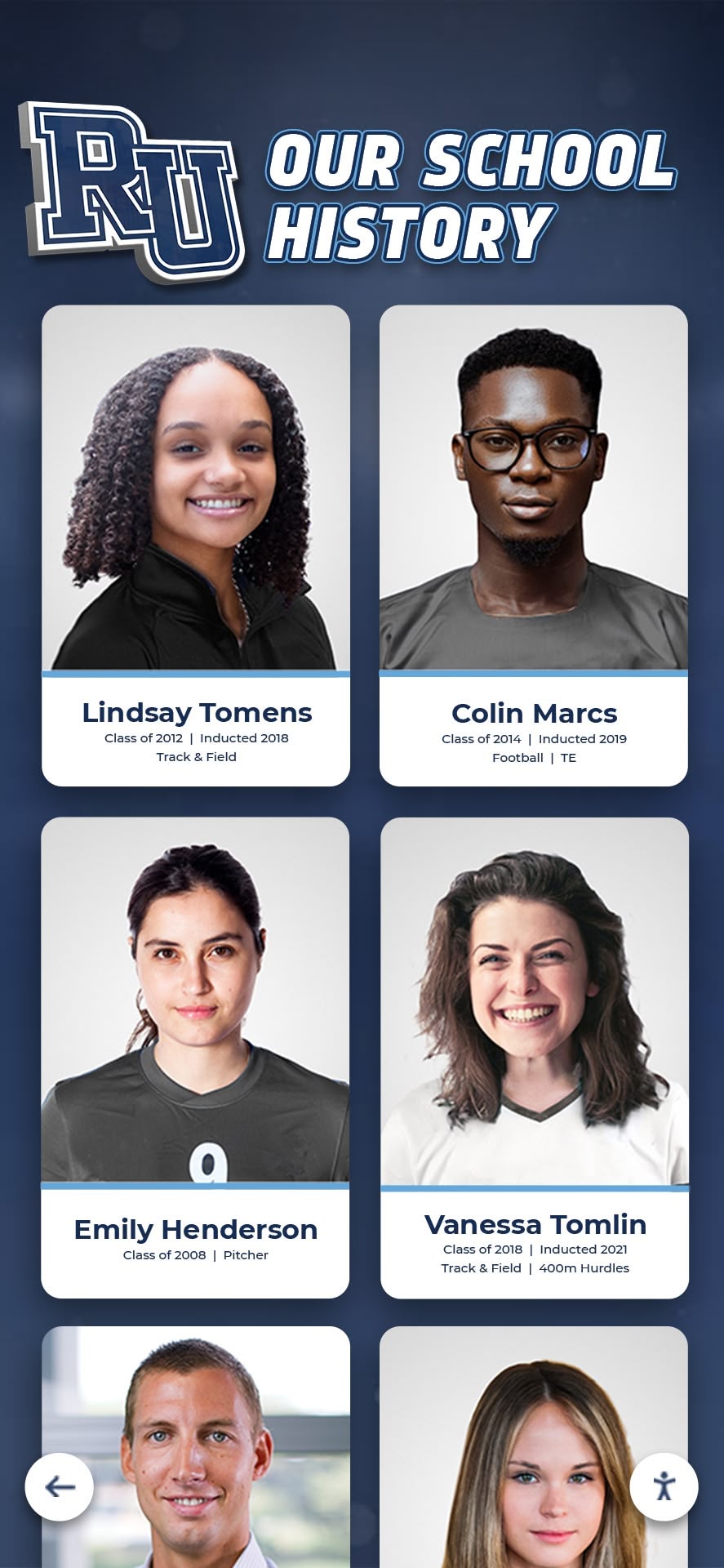
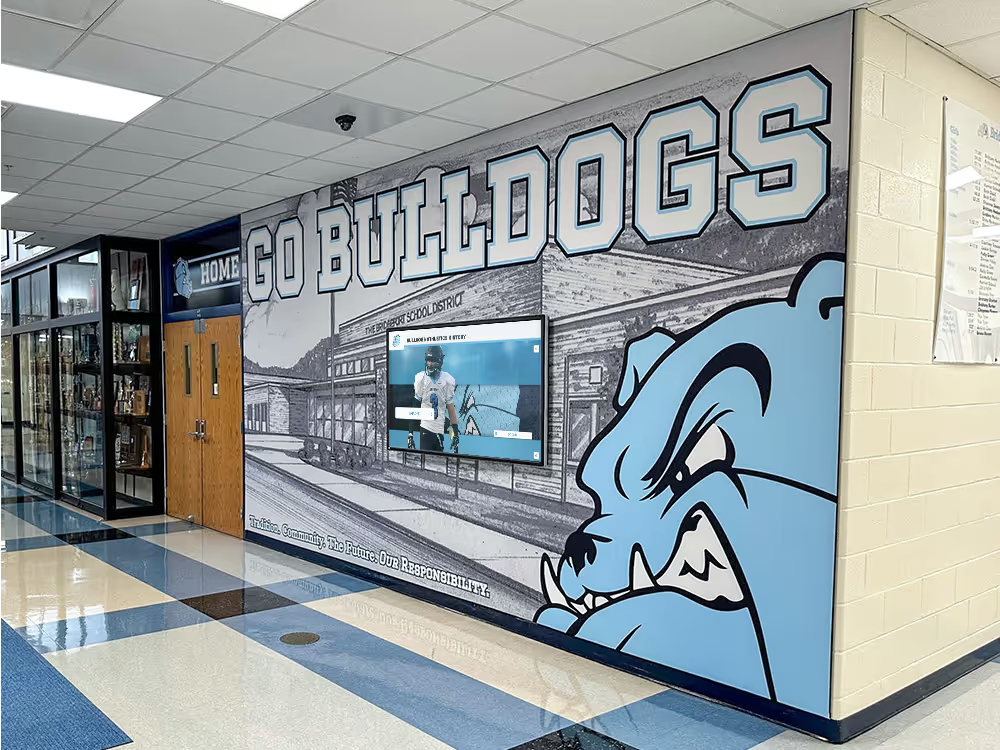
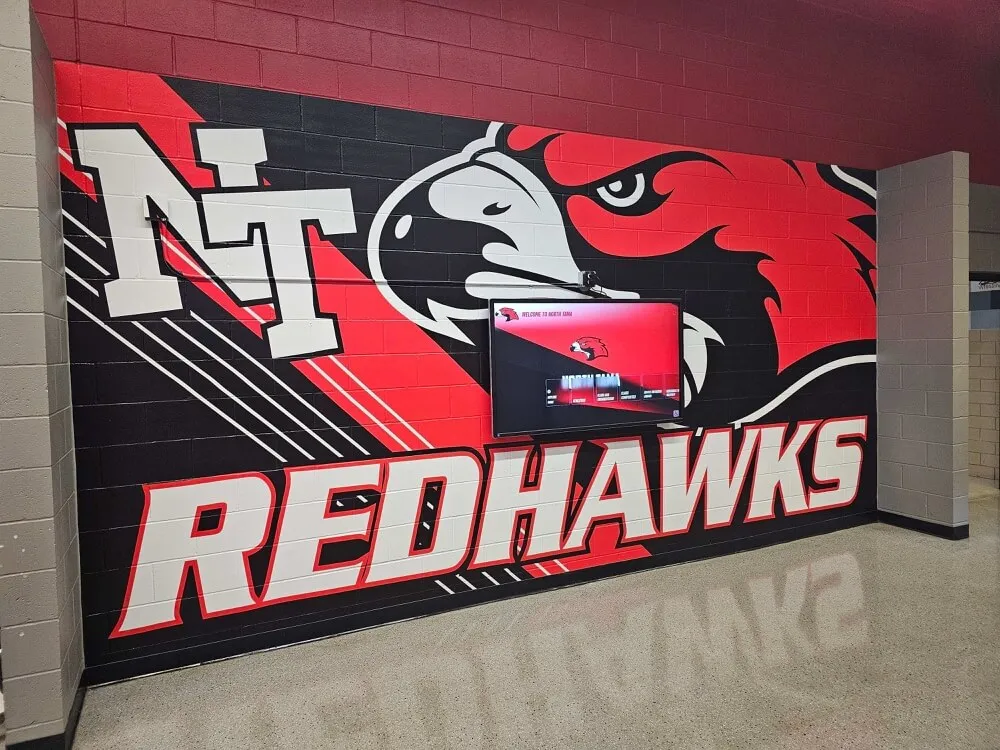
Complete athletic profiles document performance, leadership, and character—creating comprehensive records supporting college applications
Academic Achievement and Balance
Demonstrate successful balance of athletic commitment with academic excellence.
Academic Performance Metrics
Include academic information validating well-rounded achievement:
- Overall GPA and class rank
- Honors or AP courses completed despite athletic demands
- Academic awards and recognition (honor roll, valedictorian consideration
- Standardized test scores if strong
Strong academics demonstrate that athletic commitment didn’t compromise educational excellence—critical for selective academic institutions evaluating well-rounded candidates.
Academic-Athletic Balance Recognition
Highlight awards specifically recognizing academic-athletic excellence:
- Academic all-conference or all-state teams
- Scholar-athlete awards from athletic departments
- National Honor Society or academic society membership
- Athletic department academic achievement awards
These recognitions specifically validate successful balance of competing demands—exactly what college admissions teams seek in student-athletes.
Time Management and Schedule Demands
Consider briefly describing schedule demands when particularly significant:
- Early morning training schedules (5 AM practices before school)
- Weekend tournament travel requiring homework completion on road
- Off-season training maintaining fitness while managing academics
- Multi-sport participation requiring year-round commitment
Concrete schedule details help admissions teams appreciate the time management required for successful academic-athletic balance.
Structuring and Formatting Student Athlete Resumes
How information presents matters as much as what information includes—effective formatting ensures busy evaluators quickly grasp achievement significance.
Resume Structure and Organization Options
Several organizational approaches work effectively for student-athlete resumes.
Chronological Sport-by-Sport Format
Organize by sport with achievements listed chronologically:
Soccer (Varsity) — 9th-12th Grade
- Accomplishments listed by year or overall
- Statistics and awards for each season
- Leadership roles and team success
Track and Field (Varsity) — 10th-12th Grade
- Event specialization and performance progression
- Meet results and awards
- Records and recognition
This format works well for multi-sport athletes wanting to highlight distinct achievement in different sports.
Achievement Category Format
Organize by achievement type across all sports:
Athletic Performance and Statistics
- All statistical achievements across sports
Awards and Recognition
- All athletic honors earned
Leadership and Service
- All leadership roles and contributions
Team Success and Championships
- All team achievements during participation
This format emphasizes achievement magnitude by consolidating all top accomplishments together, potentially creating stronger initial impact.
Hybrid Timeline Format
Combine chronological progression with categorical organization:
Freshman Year (2022-2023)
- Sports participated
- Key achievements
- Emerging leadership
Sophomore Year (2023-2024)
- Continued participation
- Performance improvement
- Growing recognition
This format tells a developmental story showing growth and progression—particularly effective for athletes who improved dramatically across high school career.
Formatting Best Practices for Readability
Ensure format enables quick comprehension during brief evaluation windows.
Clear Hierarchy and Visual Organization
Use formatting creating clear information hierarchy:
- Bold section headers making categories immediately obvious
- Bullet points enabling quick scanning rather than paragraph blocks
- Consistent formatting conventions throughout document
- White space preventing overwhelming density
Remember that college coaches and admissions counselors review hundreds or thousands of applications—documents must communicate key information within seconds of initial scan.
Quantification and Specificity
Replace vague descriptions with concrete metrics:
- Instead of “strong scorer,” use “averaged 22.3 points per game”
- Instead of “fast runner,” use “5:02 mile, 16:45 5K”
- Instead of “team leader,” use “three-year team captain”
- Instead of “successful team,” use “back-to-back state champions”
Specific numbers enable meaningful evaluation while demonstrating precision and credibility.
Contextual Information Enabling Comparison
Provide context making achievements meaningful:
- Conference or division competitive level (5A, Division I, etc.)
- State or national percentile rankings when available
- Team success context (state ranking, overall record)
- Opponent quality (victories against ranked opponents)
Without context, even impressive statistics may not communicate true achievement level.

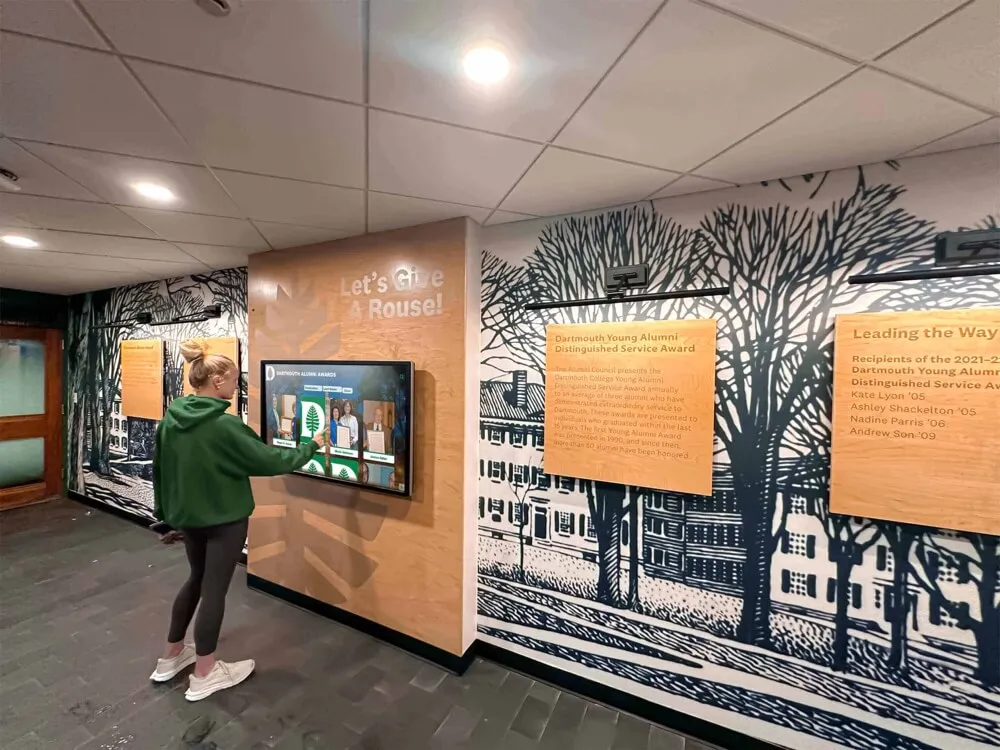
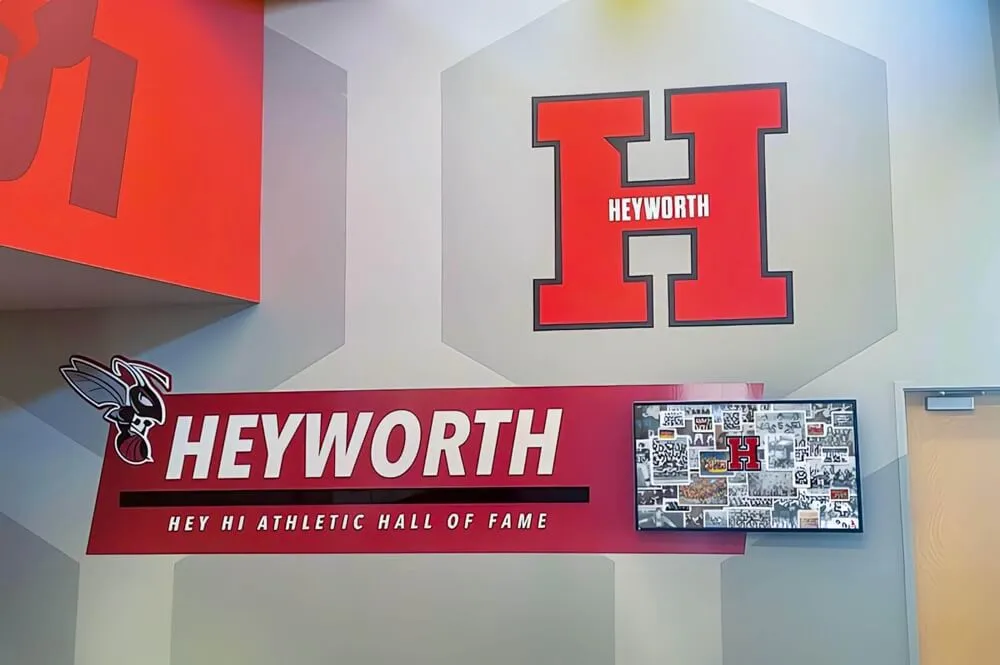
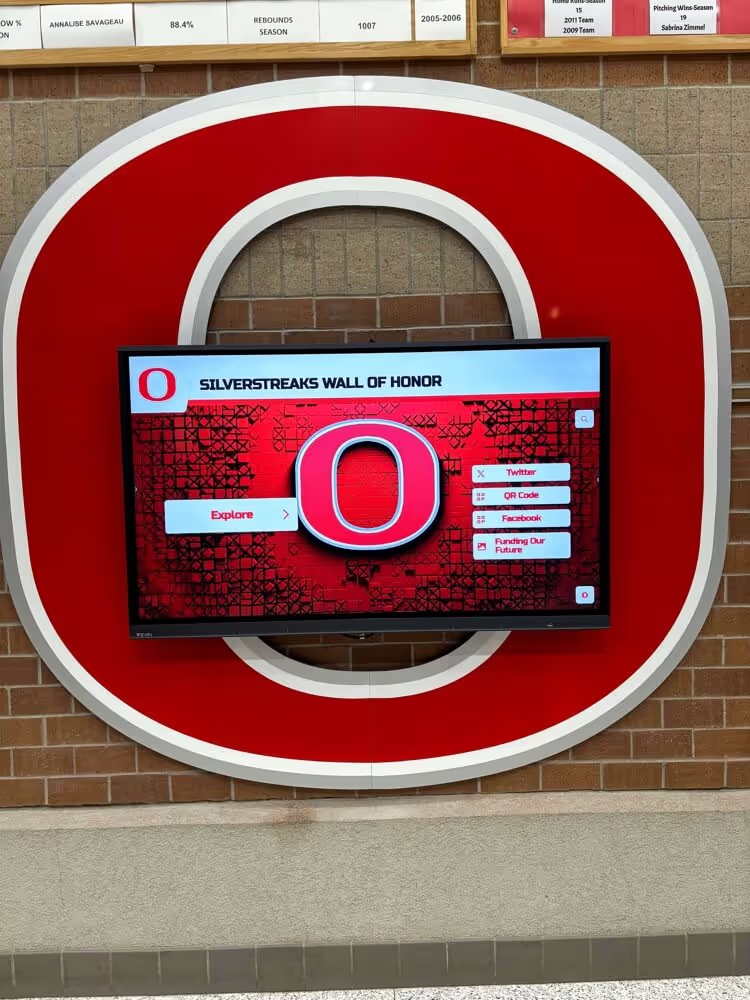
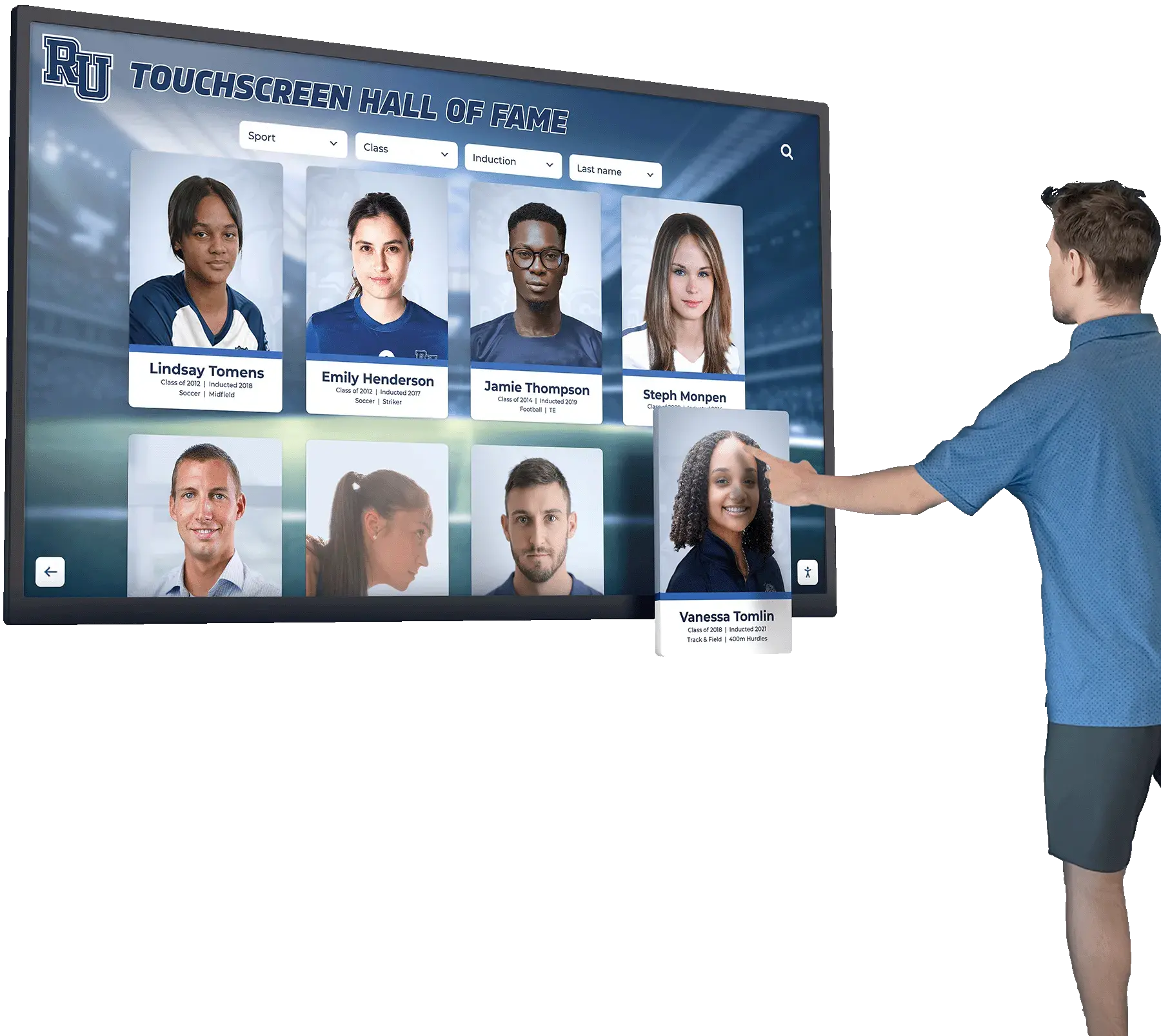
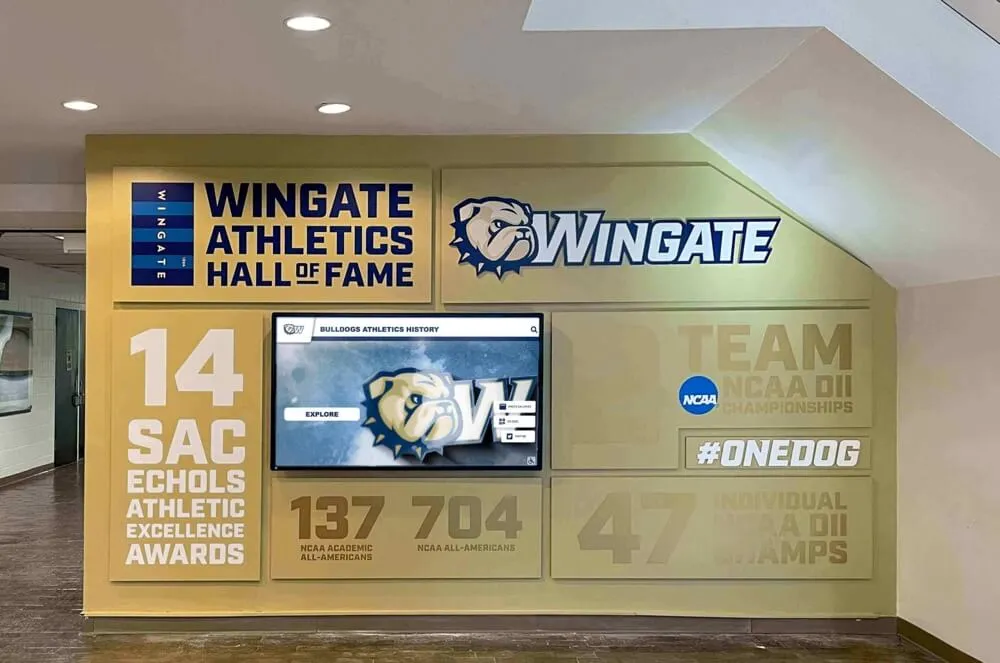
Interactive digital systems enable comprehensive achievement documentation with rich context supporting thorough evaluation
Length and Depth Considerations
Balance comprehensiveness with conciseness for maximum impact.
Appropriate Resume Length
Student-athlete resumes typically range from one to three pages depending on achievement depth:
- Single sport athletes with focused achievement: 1-2 pages
- Multi-sport athletes with extensive achievement: 2-3 pages
- Recruited athletes providing detailed performance data: 2-3 pages
- General admissions athletic documentation: 1-2 pages
Prioritize quality over quantity—comprehensive documentation of meaningful achievement matters more than exhaustive listing of minor accomplishments.
Supporting Materials and Supplementation
Consider supplementary materials enhancing core resume:
- Athletic highlight videos or performance recordings
- Coach recommendation letters specifically addressing athletic achievement
- Links to digital recognition displays or achievement archives
- News articles or media coverage of significant achievements
- Tournament programs or all-star game rosters
Supplementary materials provide rich context and validation beyond what resume text alone can communicate.
Documenting Athletic Achievement Through Modern Recognition Systems
Traditional paper resumes represent just one approach to documenting athletic achievement—modern digital recognition systems offer powerful complementary options.
Digital Athletic Achievement Archives
Schools increasingly maintain comprehensive digital achievement records providing credible third-party documentation.
Interactive Digital Halls of Fame and Recognition Displays
Progressive schools implement digital recognition systems documenting athletic achievement comprehensively:
- Searchable databases of all athletic achievements and award winners
- Individual athlete profiles with statistics, awards, and photos
- Team championship records and season results
- Historical achievement context and record books
When student-athletes can direct college admissions teams or coaches to official school recognition displays documenting their achievements, they provide third-party validation strengthening application credibility.
Solutions like Rocket Alumni Solutions enable schools to create comprehensive achievement archives that student-athletes can reference during college application processes, effectively providing official institutional documentation of accomplishments.
Digital Record Boards and Statistical Archives
Schools maintaining digital statistical records provide valuable documentation resources:
- All-time record books across all sports
- Career statistical leaders in various categories
- Single-season and single-game achievement records
- Performance progression data across years
Student-athletes whose achievements appear in official school record books gain credible third-party documentation that simple self-reported resumes cannot provide.
Learn how schools effectively showcase athletic achievement awards digitally creating accessible documentation supporting student college applications.
Leveraging Recognition for College Application Enhancement
Digital recognition systems create multiple benefits beyond simple documentation.
Official Institutional Validation
When achievement appears on official school recognition displays:
- Third-party credibility eliminates concerns about self-reporting accuracy
- Institutional backing validates achievement significance
- Professional presentation enhances achievement perception
- Permanence demonstrates lasting recognition beyond temporary acknowledgment
College evaluators can verify claims by visiting school digital displays, providing validation level that paper resumes alone cannot deliver.
Visual and Multimedia Documentation
Digital systems enable rich documentation impossible in traditional formats:
- Photo galleries documenting competitive participation
- Video highlights demonstrating skill and performance
- Award ceremony documentation showing recognition context
- News coverage and media references
Multimedia documentation brings achievements to life in ways that text-based resumes cannot match, creating memorable impressions with admissions teams and coaches.
Accessibility and Sharing Capabilities
Modern recognition platforms offer sharing functionality supporting application processes:
- Direct links to individual athlete profiles
- QR codes enabling quick mobile access
- Social media integration facilitating sharing
- Print-friendly formats for traditional application components
Student-athletes can include recognition display links in application materials, email signatures, and recruitment communications—continuously reinforcing documented achievement.
Discover how college commitment recognition celebrates and documents these achievement milestones that student-athletes can reference in future applications and professional portfolios.
Creating Compelling Achievement Narratives
Beyond listing accomplishments, effective student-athlete resumes tell coherent stories about development, values, and impact.
The Personal Statement Athletic Component
When applications require personal statements or essays, athletic achievement often provides compelling narrative material.
Achievement Through Adversity Stories
Powerful narratives emerge from challenges overcome:
- Recovering from significant injury to return stronger
- Overcoming early struggles to achieve breakthrough success
- Balancing family responsibilities with athletic commitment
- Persisting despite lack of early physical development or natural talent
These narratives demonstrate resilience, determination, and character—qualities admissions teams value highly when evaluating potential student success and campus contributions.
Leadership Development Narratives
Athletic leadership provides rich material for personal growth stories:
- Evolution from individual performer to team leader
- Learning to motivate and support struggling teammates
- Navigating team conflicts or challenges
- Building inclusive team culture welcoming all skill levels
Leadership stories demonstrate interpersonal skills, emotional intelligence, and commitment to collective success beyond individual achievement.
Values and Identity Formation Through Sport
Athletics often shapes core values and personal identity:
- Learning discipline and work ethic through training demands
- Developing competitive drive and performance standards
- Understanding teamwork and collective commitment
- Building confidence through achievement and capability development
These deeper reflection demonstrate self-awareness and thoughtfulness that distinguish compelling applications from generic activity lists.
Connecting Athletic Achievement to Academic and Career Interests
The strongest applications show coherent connections between athletic participation and broader interests.
Transferable Skills and Competencies
Explicitly connect athletic development to academic and professional capability:
- Time management skills enabling academic-athletic balance
- Goal-setting and strategic planning through training periodization
- Data analysis through performance metric evaluation
- Leadership and communication through team roles
Making these connections explicit helps admissions teams understand athletic participation as integral to overall development rather than separate extracurricular pursuit.
Academic Interests Emerging from Athletic Participation
Sometimes athletics inspire academic directions:
- Sports medicine and athletic training interests from injury experience
- Sports psychology interests from competitive mental preparation
- Sports management interests from leadership roles
- Exercise science interests from training and performance focus
These connections demonstrate authentic integration between extracurricular participation and academic passion—exactly what selective colleges seek.
Career Aspirations Informed by Athletic Values
Athletic participation often shapes career interest through values development:
- Coaching and education interests from mentorship experiences
- Physical therapy interests from rehabilitation experiences
- Organizational leadership interests from team captain roles
- Nonprofit or community service interests from athletic community impact
Showing how athletic participation shaped aspirations and values creates narrative coherence strengthening overall application impact.
Practical Implementation: Building Your Student Athlete Resume
Moving from understanding to action requires systematic approach to creating comprehensive athletic documentation.
Information Gathering and Organization
Begin by collecting all relevant achievement information from multiple sources.
Compiling Statistical Records
Gather performance data from various sources:
- Official team statistics from coaches or athletic departments
- Personal training logs documenting performance progression
- Meet results or game statistics from online databases
- Tournament programs or bracket results
- News coverage mentioning performance statistics
Cross-reference multiple sources ensuring accuracy—credibility depends on precise, verifiable information.
Documenting Recognition and Awards
Collect evidence of all athletic recognition:
- Award certificates or physical awards received
- All-star team rosters or selection announcements
- Athletic department award programs listing recipients
- End of year award programs documenting recognition
- Newspaper articles or social media posts announcing awards
Maintaining organized files of these materials throughout high school career prevents last-minute scrambling during application season.
Gathering External Validation
Identify sources providing third-party achievement validation:
- Coach letters of recommendation addressing specific achievements
- Athletic director confirmation of records or achievements
- News articles covering significant performances
- School recognition displays or digital halls of fame featuring achievements
- Conference or state athletic association websites listing honors
External validation from authoritative sources strengthens resume credibility beyond self-reporting alone.
Drafting and Refining Content
Create initial resume draft then refine through multiple revision cycles.
First Draft Development
Begin by getting all information documented:
- List every sport participation with dates
- Document all statistics, records, and performance data
- Include all awards, honors, and recognition
- Note all leadership roles and team contributions
Initial drafts should prioritize comprehensiveness—editing comes later.
Refinement Through Editing
Improve drafts through systematic revision:
- Eliminate redundancy and minor achievements cluttering presentation
- Enhance specificity by adding context and comparative data
- Improve organization ensuring logical information flow
- Verify accuracy of all claims with supporting documentation
Strong final products emerge through multiple revision cycles progressively improving clarity and impact.
Seeking Feedback from Knowledgeable Reviewers
Gather input from people understanding both athletic achievement and college admissions:
- Coaches who can verify achievement accuracy and significance
- Athletic directors familiar with college recruiting processes
- School counselors experienced with college admissions
- Recently graduated athletes who completed application processes
Fresh perspectives identify confusing elements, missing context, or opportunities for stronger presentation.
Maintaining and Updating Documentation
Athletic resumes require ongoing maintenance throughout high school career.
Season-End Updates
After each competitive season:
- Add new statistical achievements and performance data
- Include new awards or recognition received
- Update leadership roles or responsibilities
- Revise achievement rankings as performance improves
Regular updates prevent overwhelming work during application season while ensuring comprehensive documentation.
Summer Program and Off-Season Achievement
Document year-round athletic development:
- Elite camp participation and performance
- Off-season tournament or competition results
- Training achievements (strength gains, speed improvement)
- Summer league or club team statistics
Year-round athletes often accumulate significant achievement outside school seasons deserving documentation.
Portfolio Development Across High School Career
Build comprehensive achievement portfolios including:
- Photos from competitions and award ceremonies
- Video highlights from significant performances
- News clippings and media coverage
- Award certificates and recognition letters
Rich portfolios provide material for both initial resume development and supplementary application materials.
Conclusion: Athletic Achievement as Integral to College Applications
Student-athlete resumes represent far more than simple documentation of extracurricular participation—they communicate years of dedication, demonstrate character and commitment, showcase time management and achievement, and validate capabilities extending well beyond academic transcripts. For the hundreds of thousands of student-athletes applying to colleges annually, effective athletic documentation often provides the differentiation determining admission to selective institutions or qualification for meaningful scholarship support.
Traditional approaches treating athletic participation as brief activity list entries fail to communicate achievement depth, competitive context, or personal development characterizing serious athletic commitment. Generic descriptions lack the specificity enabling meaningful evaluation. Missing metrics prevent assessment of competitive level. Inadequate documentation of leadership, character, and values leaves evaluators unable to appreciate the complete student-athlete story.
Strategic student-athlete resume development—documenting comprehensive achievement through specific performance metrics, providing competitive context enabling meaningful evaluation, highlighting leadership and character development alongside athletic performance, and leveraging modern digital recognition systems providing third-party validation—transforms athletic participation from simple resume line item into compelling narrative demonstrating excellence, commitment, and capability.
The evolution from basic participation acknowledgment toward comprehensive achievement documentation reflects broader understanding that serious athletic participation shapes student development profoundly. The discipline developed through years of training, the resilience built through competition and adversity, the leadership forged through team roles, and the values formed through sportsmanship and competition create capabilities serving students throughout college careers and beyond.
Implementation success requires systematic information gathering starting freshman year rather than senior scrambling, regular documentation updates capturing achievement throughout high school career, strategic organization emphasizing most significant and meaningful accomplishments, specific quantification with context making achievements evaluable, and thoughtful narrative development connecting athletic participation to broader development and aspirations.
Modern recognition platforms like Rocket Alumni Solutions provide powerful complementary documentation enabling schools to create official athletic achievement archives that student-athletes reference during application processes. When student achievement appears in searchable digital displays with comprehensive statistics, awards, and recognition history, student-athletes gain third-party institutional validation strengthening application credibility beyond self-reported accomplishments alone.
Every student-athlete investing thousands of hours in competitive pursuit deserves recognition systems honoring these commitments while positioning them competitively for college opportunities. These students demonstrate work ethic through early morning training, commitment through multi-year participation, capability through competitive achievement, and character through sportsmanship and leadership. These qualities deserve documentation worthy of their significance.
Your athletic achievements represent remarkable dedication and growth—competitive excellence achieved, adversity overcome, teammates supported, and values developed through years of commitment. When effectively documented and presented through comprehensive resumes complemented by digital recognition validation, these achievements strengthen college applications while creating lasting records celebrating high school accomplishment.
Ready to see how comprehensive digital recognition systems can document and celebrate student-athlete achievement while providing official validation supporting college applications? Explore how Rocket Alumni Solutions creates achievement archives that honor athletic excellence while providing the documentation student-athletes need to showcase accomplishments effectively during college application processes.
Disclaimer: This content was produced by Rocket Alumni Solutions to demonstrate how digital recognition technology supports comprehensive athletic achievement documentation. Product capabilities mentioned reflect publicly available information as of March 2026 and may evolve over time.