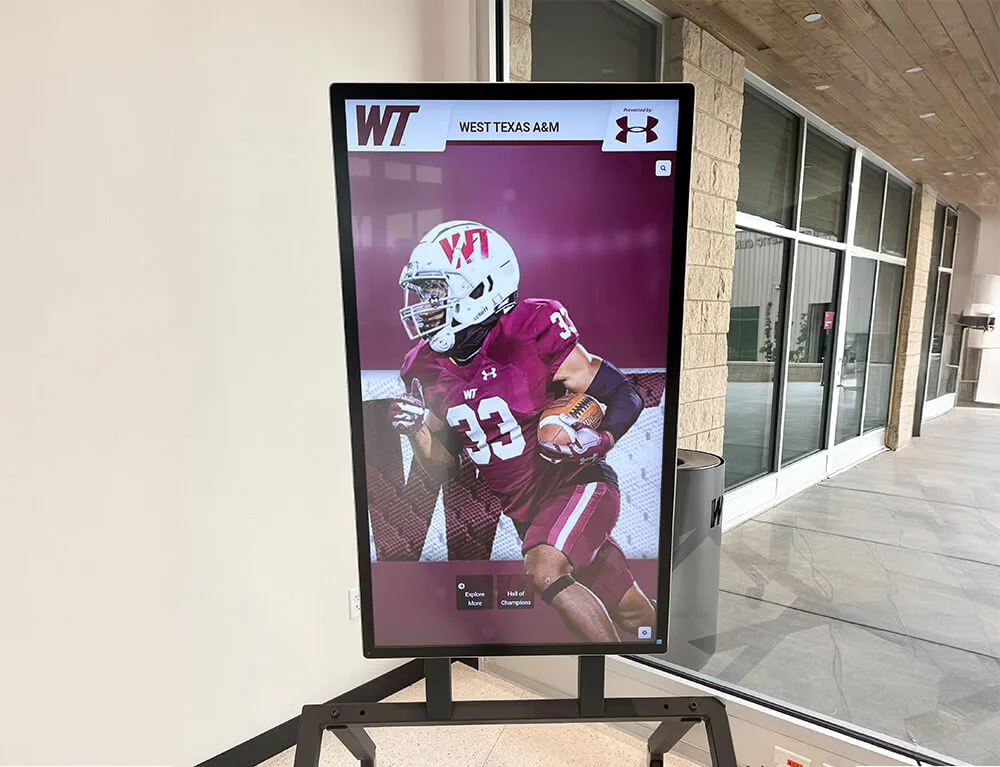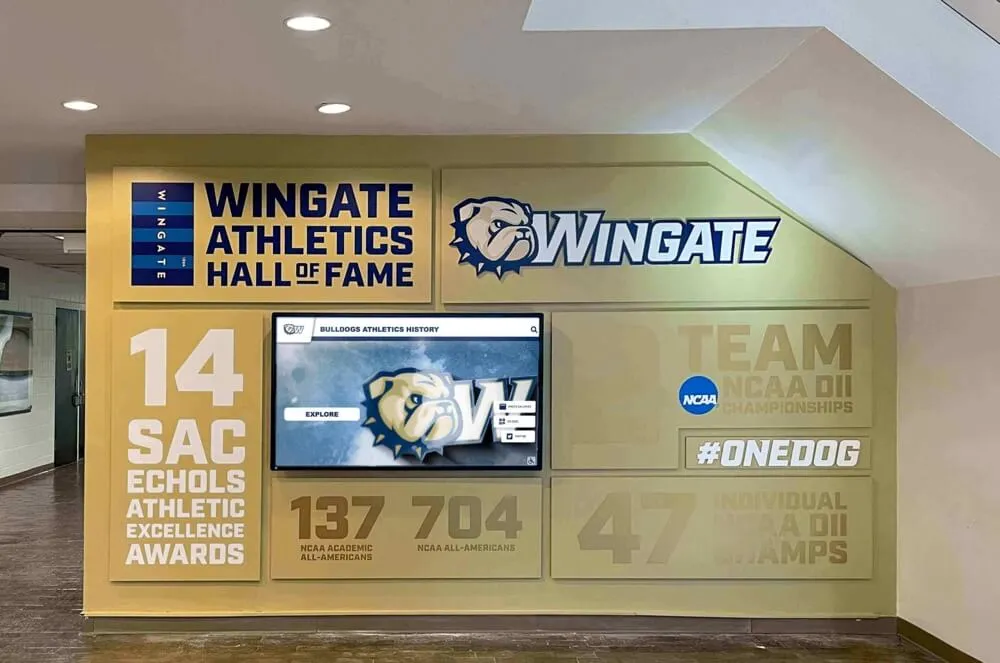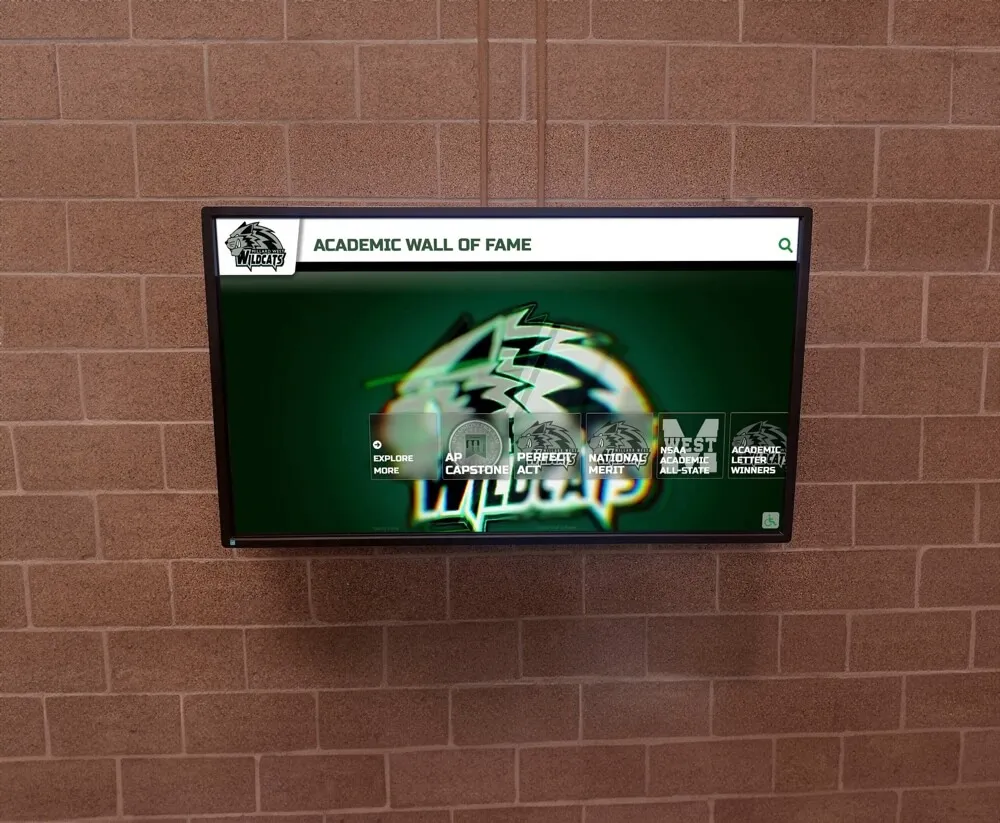
Student achievement extends far beyond test scores and grade point averages. When schools recognize and celebrate student success comprehensively—honoring academic excellence, personal growth, character development, leadership, creative accomplishment, and community contribution—they create powerful cultures where every student feels valued and motivated to reach their full potential. Recognition transforms abstract achievement into visible validation that reinforces positive behaviors while inspiring peers to pursue similar excellence.
Yet many schools struggle with student achievement recognition. Traditional approaches often favor narrow definitions of success that exclude numerous deserving students. Annual award ceremonies celebrate a handful of top performers while overlooking countless students demonstrating meaningful progress and excellence in diverse domains. Physical trophy cases sit static in hallways, their contents unchanged for years, failing to engage modern students accustomed to dynamic, interactive experiences. Recognition systems remain disconnected from daily school life, limiting their motivational impact.
Effective student achievement recognition requires strategic thinking about what schools celebrate, how recognition happens, who receives acknowledgment, and how systems preserve and display accomplishments in ways that inspire current and future students. The most successful programs balance traditional academic honors with comprehensive recognition reflecting the full spectrum of student excellence.
This comprehensive guide explores proven strategies for recognizing and celebrating student achievement across multiple dimensions. You’ll discover frameworks for identifying diverse accomplishments deserving recognition, learn how successful schools design multi-tiered recognition systems honoring various achievement levels, understand implementation approaches for different recognition types, and explore how modern digital systems amplify recognition impact through engaging, accessible displays that celebrate student success throughout school communities.

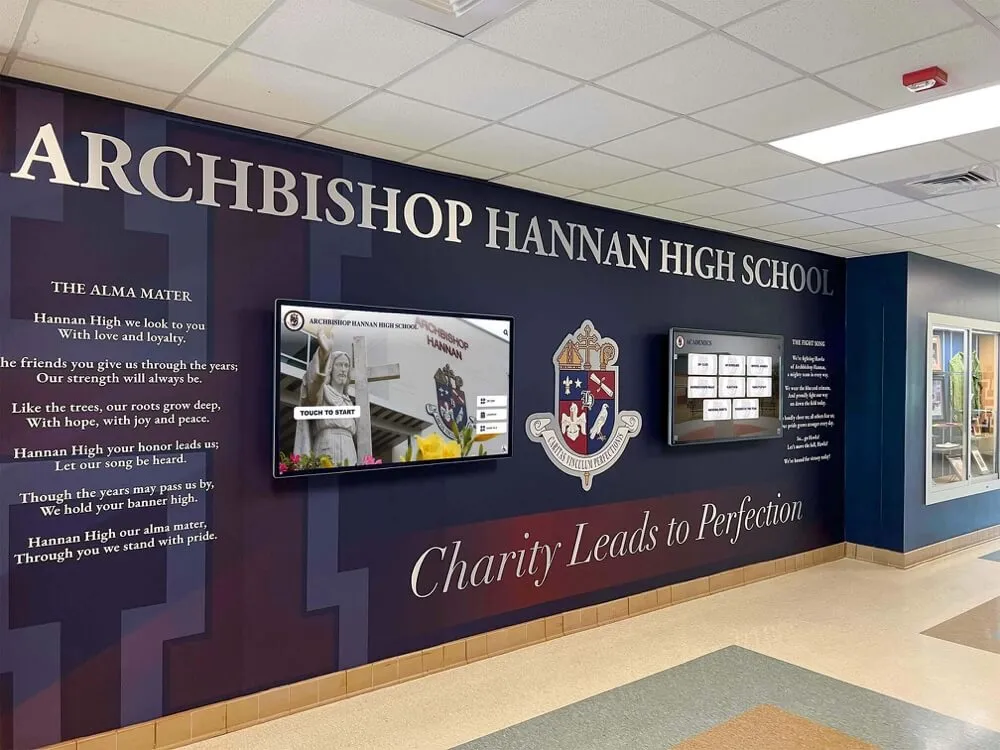
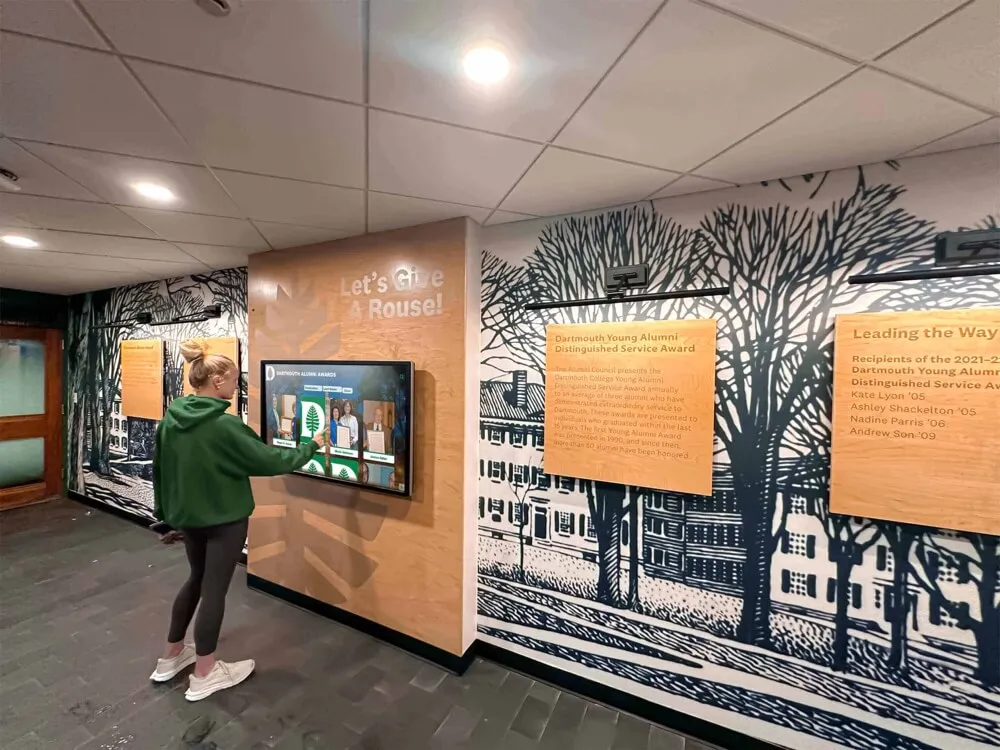
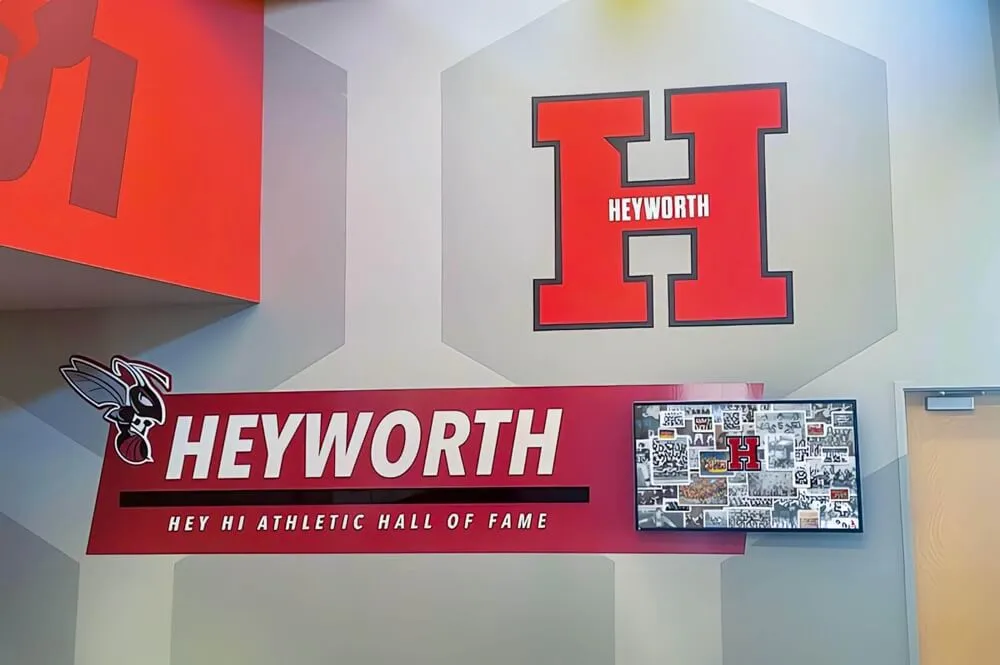
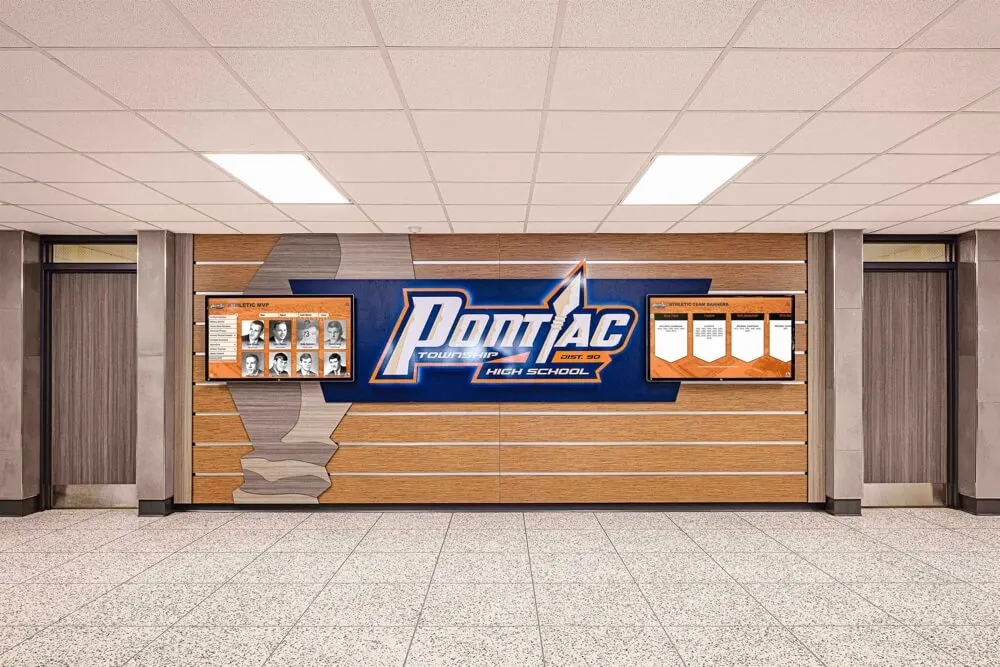
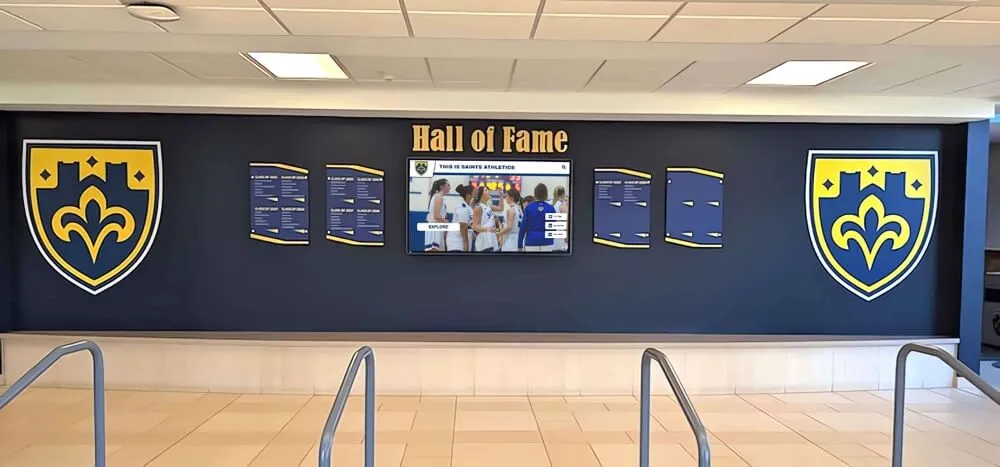
Modern recognition systems celebrate student achievement through visible, engaging displays that honor academic excellence throughout school environments
Understanding the Impact of Student Achievement Recognition
Before implementing specific recognition strategies, understanding why acknowledgment matters helps schools design programs that maximize positive effects on students and school culture.
The Psychology Behind Recognition and Motivation
Student achievement recognition produces measurable effects on motivation, engagement, and future performance when implemented thoughtfully.
Reinforcing Positive Behaviors and Effort
Recognition serves as powerful behavioral reinforcement. When schools publicly acknowledge specific achievements, students internalize what their institutions value and channel effort toward recognized accomplishments. This cycle proves particularly effective when recognition celebrates not just innate ability but demonstrated effort, improvement, and perseverance—characteristics students can control regardless of starting ability levels.
Students who receive meaningful recognition for academic achievement show sustained engagement with learning compared to peers whose accomplishments go unacknowledged. Recognition validates that hard work produces results worth celebrating, building growth mindsets where students view ability as developable through effort rather than fixed traits determining success.
The key lies in recognition specificity. Generic praise like “good job” holds less motivational power than detailed acknowledgment explaining exactly what students achieved and why it matters—the consistent effort that raised a grade level, the creative problem-solving demonstrated in a project, the leadership shown while helping classmates, or the courage required to tackle challenging material.
Building Academic Self-Efficacy
Self-efficacy—students’ beliefs in their abilities to succeed—directly predicts academic achievement across subject areas and grade levels. Recognition builds self-efficacy by providing concrete evidence of capability. When students see their names on honor rolls, receive awards at ceremonies, or view their accomplishments displayed throughout schools, they develop stronger confidence in their academic abilities.
This confidence proves particularly crucial for students from backgrounds historically underrepresented in advanced academics. Visible recognition demonstrating that students “like them” achieve academic excellence challenges deficit narratives while building belief that they too belong among top achievers.
Schools implementing comprehensive academic recognition programs that celebrate diverse achievement types create inclusive environments where all students see pathways to recognition matching their strengths and growth.
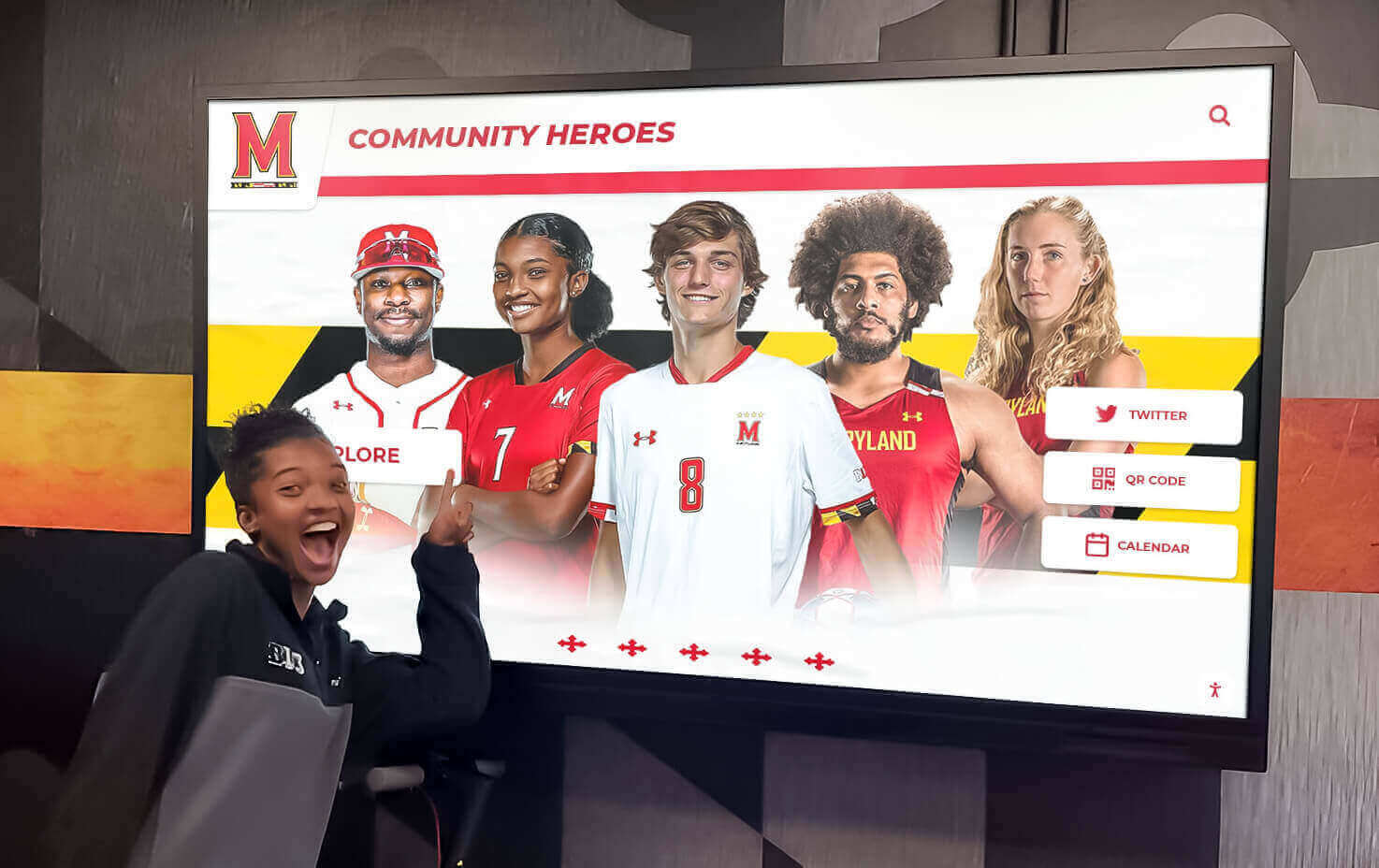
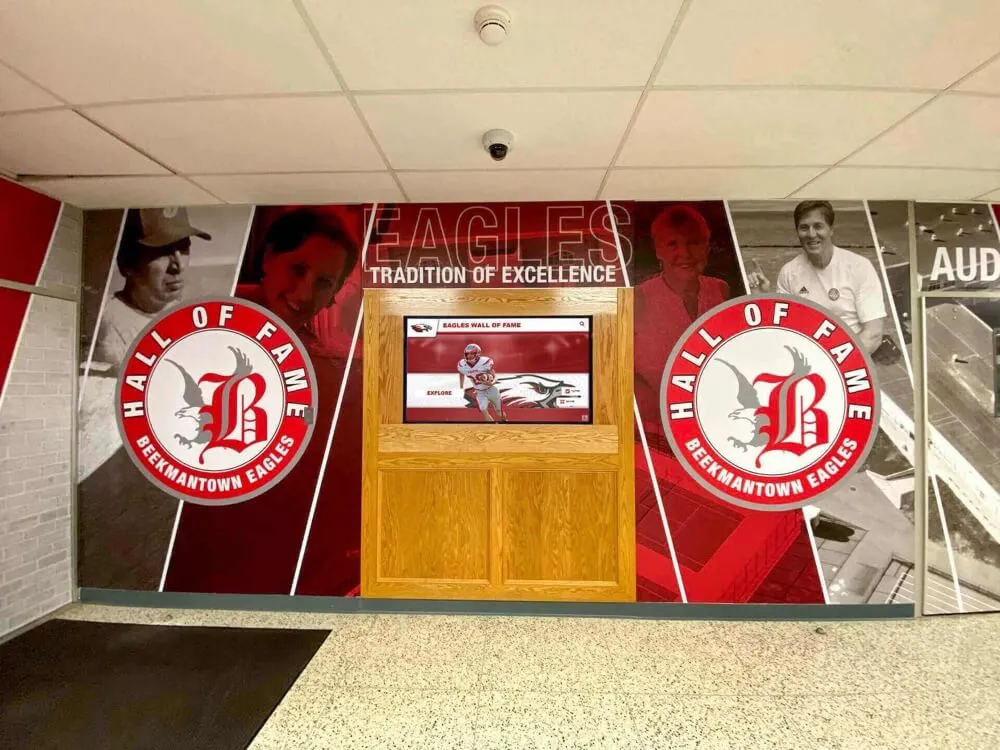
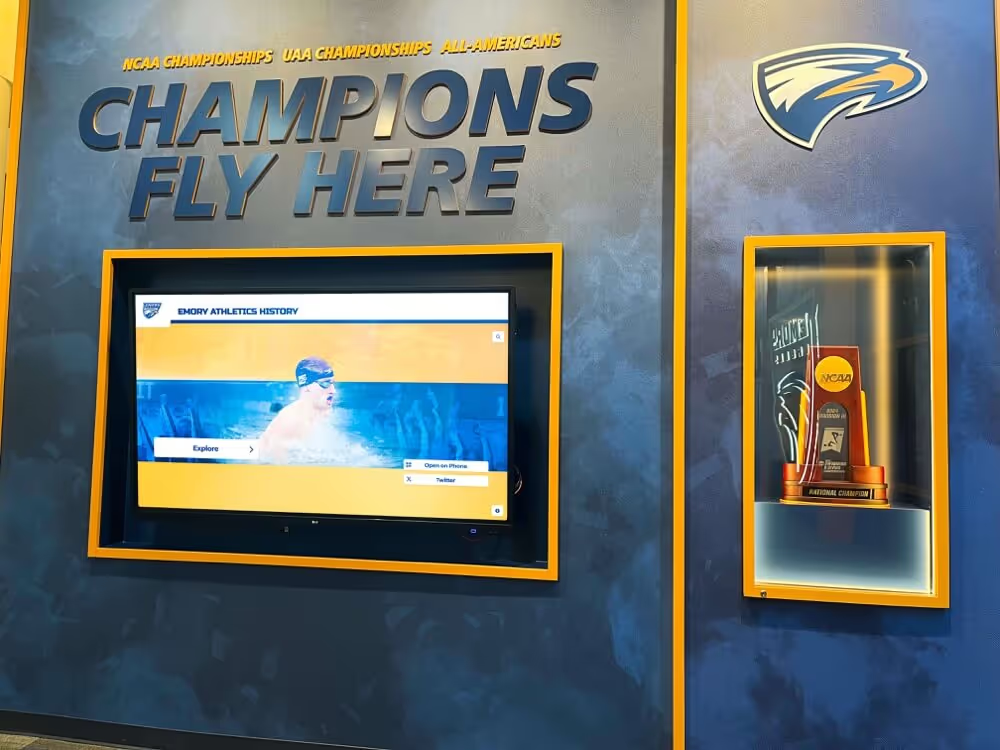
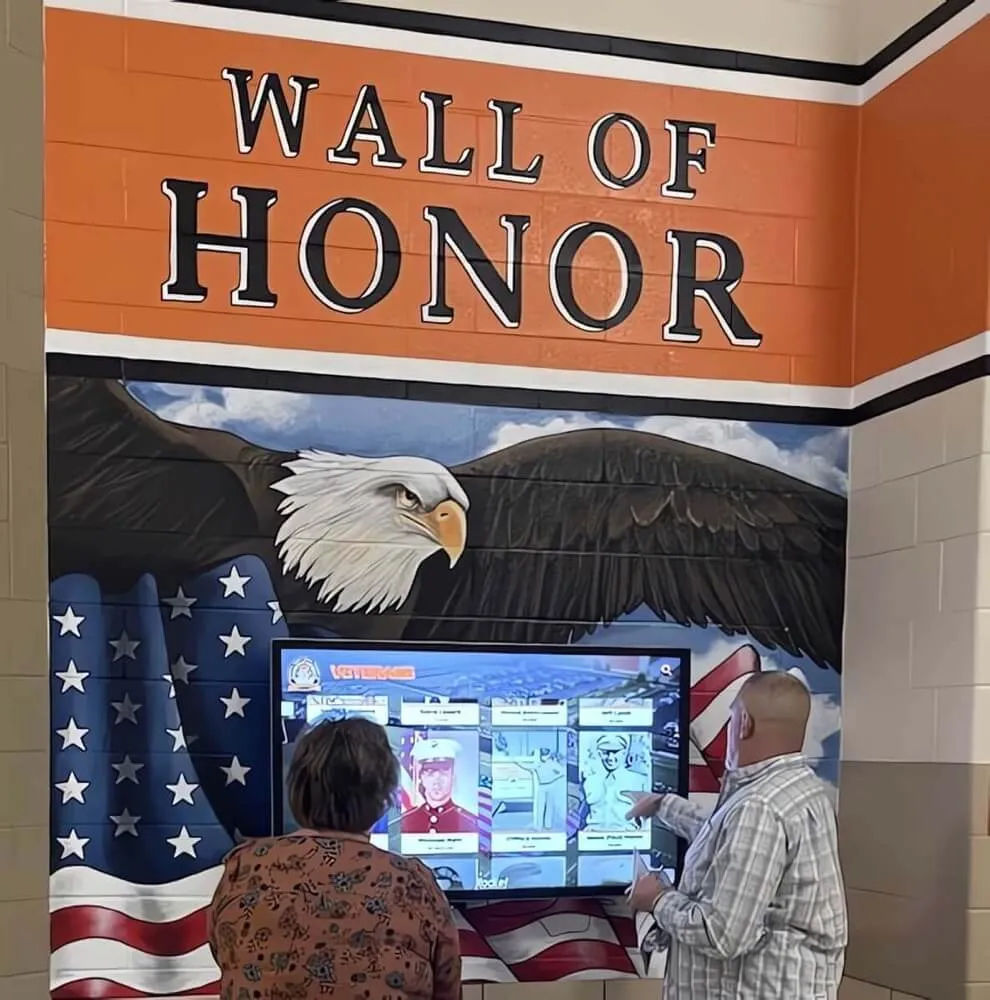
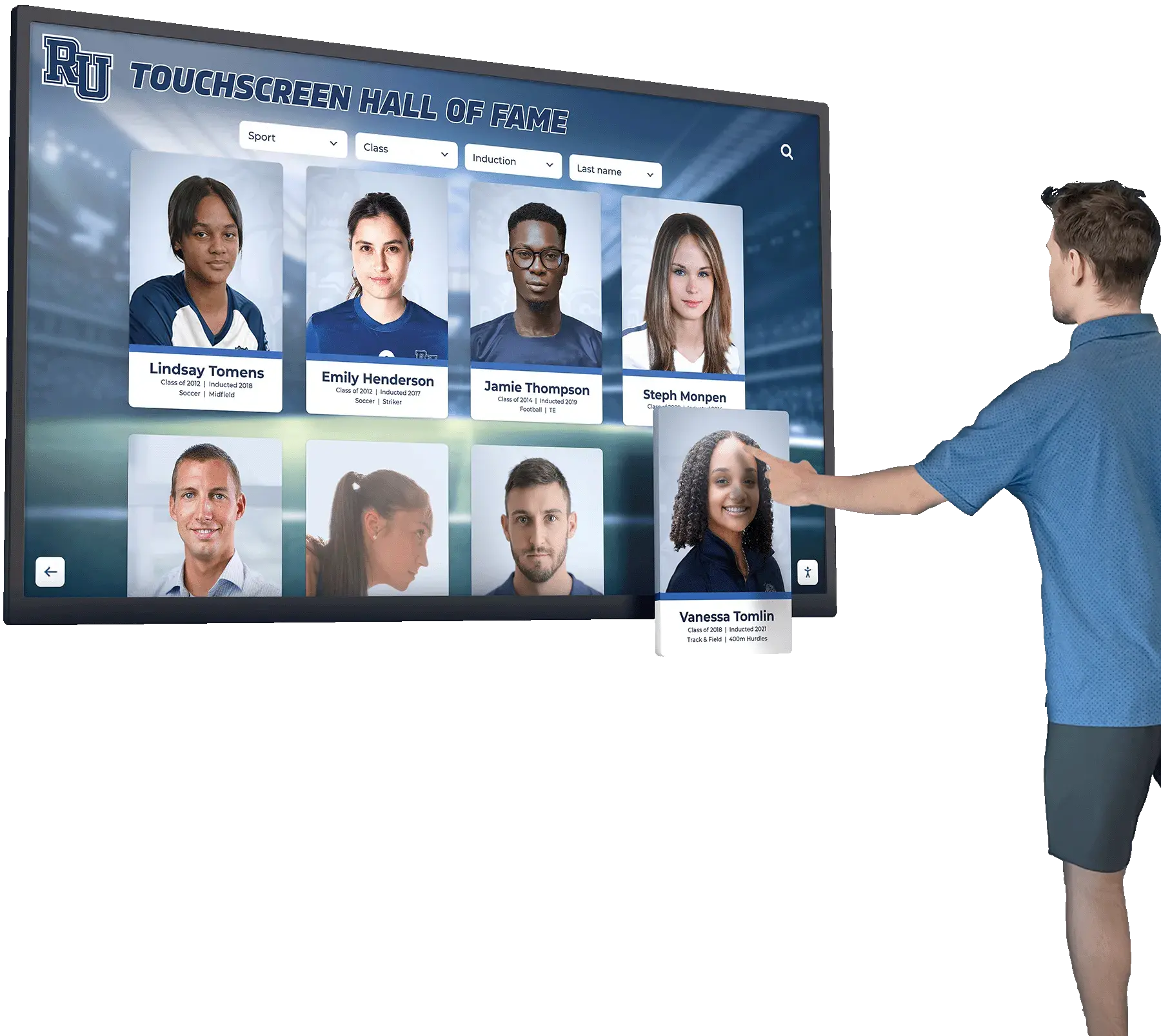
Interactive recognition displays engage students with achievement stories, helping them understand diverse pathways to success and excellence
Creating Peer Influence and Aspirational Models
Students powerfully influence each other’s academic behaviors and aspirations. When schools recognize peer achievement visibly, they create concrete examples of what excellence looks like. Classmates see friends honored for specific accomplishments and naturally aspire toward similar recognition, channeling competitive instincts toward productive academic pursuit.
This peer influence proves especially powerful when recognition systems honor diverse achievement types. Students with different strengths, interests, and backgrounds see peers “like them” receiving acknowledgment, making excellence feel accessible rather than reserved for a narrow subset of students.
Recognition also provides role models and mentoring opportunities. Younger students identify accomplished upperclassmen to emulate, honored students mentor peers seeking similar achievement, and schools cultivate cultures where academic excellence becomes normalized rather than exceptional.
Building Positive School Culture Through Recognition
Systematic student achievement recognition shapes overall school culture in ways extending beyond individual student motivation.
Communicating Institutional Values and Priorities
Schools communicate values not primarily through mission statements but through what they consistently recognize and celebrate. When institutions honor academic achievement prominently alongside athletic success, they signal that intellectual excellence matters equally. When recognition includes character, service, improvement, and effort alongside absolute performance, schools demonstrate comprehensive values extending beyond simple meritocracy.
Students, families, and staff internalize these priorities through observation. Recognition systems reveal what schools truly value—making strategic recognition design essential for cultural alignment.
Creating Inclusive Communities Where All Students Belong
Narrow recognition systems celebrating only top absolute performers create hierarchical cultures where most students feel excluded from excellence. Comprehensive recognition honoring diverse achievement types—subject-specific excellence, improvement trajectories, character demonstration, creative accomplishment, leadership, service, and effort—enables far more students to experience recognition.
This inclusion builds belonging. When students see the school celebrates many forms of excellence, more students identify pathways to recognition matching their particular strengths and circumstances. Schools become places where diverse talents receive validation rather than institutions privileging narrow achievement definitions.
Explore approaches for recognizing diverse student accomplishments that honor excellence across academic and character dimensions.
Engaging Families and Communities in Educational Success
Student achievement recognition creates natural family engagement opportunities. Recognition ceremonies bring families together in celebration, honor roll publications enable parents to share student accomplishments with extended networks, visible displays throughout schools provide conversation starters between students and visiting families, and recognized achievement generates community pride supporting school funding and advocacy.
These engagement benefits extend beyond individual families of recognized students. When community members visit schools and see comprehensive recognition systems celebrating diverse student accomplishment, they develop positive perceptions of educational quality and student capability that shape broader support.
Defining What Student Achievement to Recognize
Comprehensive recognition systems honor diverse accomplishment types, ensuring numerous students experience validation while schools reinforce varied excellence forms they wish to cultivate.
Academic Excellence and Subject-Specific Achievement
Traditional academic recognition remains foundational to student achievement programs while offering opportunities for strategic expansion.
Honor Rolls and GPA-Based Recognition
Most schools implement tiered honor roll systems recognizing different academic achievement levels:
High Honor Roll (Principal’s List)
- Typically requires 3.75-4.0 GPA with no grades below A-
- Represents highest academic achievement tier
- Often includes specific course rigor requirements
- May require minimum advanced course participation
Honor Roll
- Generally requires 3.25-3.74 GPA with no failing grades
- Recognizes strong overall academic performance
- Provides recognition tier accessible to broader student populations
- Celebrates consistent achievement across subject areas
Merit Recognition
- Sometimes offered for 3.0-3.24 GPA achievement
- Acknowledges solid academic performance and effort
- Expands recognition to students showing consistent commitment
- Validates achievement for students working toward higher tiers
The value in tiered systems lies in creating multiple recognition levels motivating different student populations. Top performers pursue high honor roll, while students currently achieving lower GPAs have accessible near-term recognition goals driving improvement effort.
Subject-Specific Academic Awards
Departmental and course-specific awards honor excellence in particular academic domains:
- Top performers in specific subjects (English, mathematics, science, history, languages, arts)
- Recognition for exceptional projects, papers, or presentations
- Subject-specific improvement awards honoring growth trajectories
- Specialized honors like science fair winners, writing contest recognition, or mathematics competition achievement
- Advanced Placement, International Baccalaureate, or dual enrollment excellence
Subject-specific recognition enables students to experience acknowledgment in strength areas even if overall academic performance doesn’t reach highest tiers. This targeted celebration validates specialized excellence while encouraging students to develop deep competency in areas matching their interests and abilities.
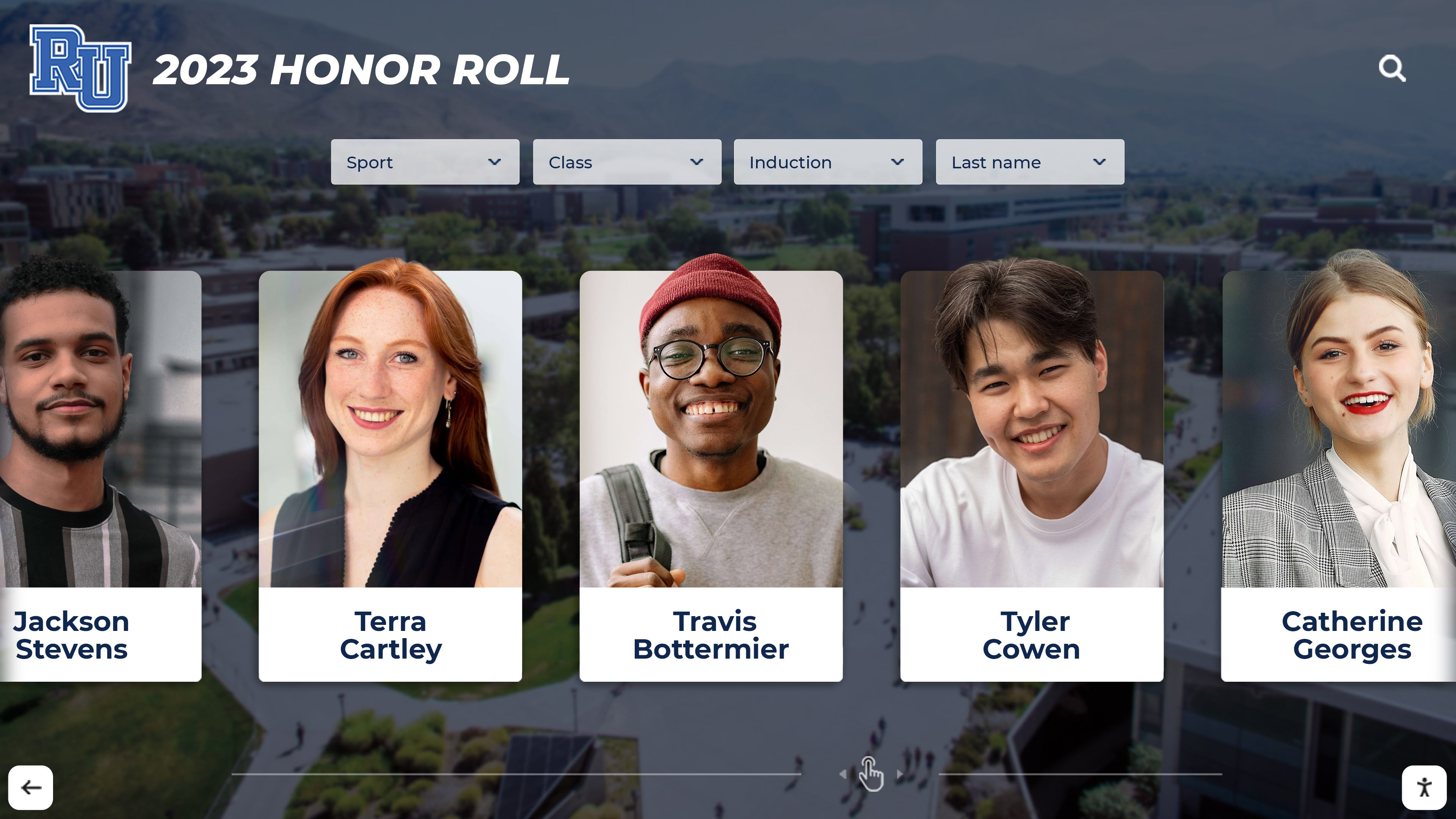
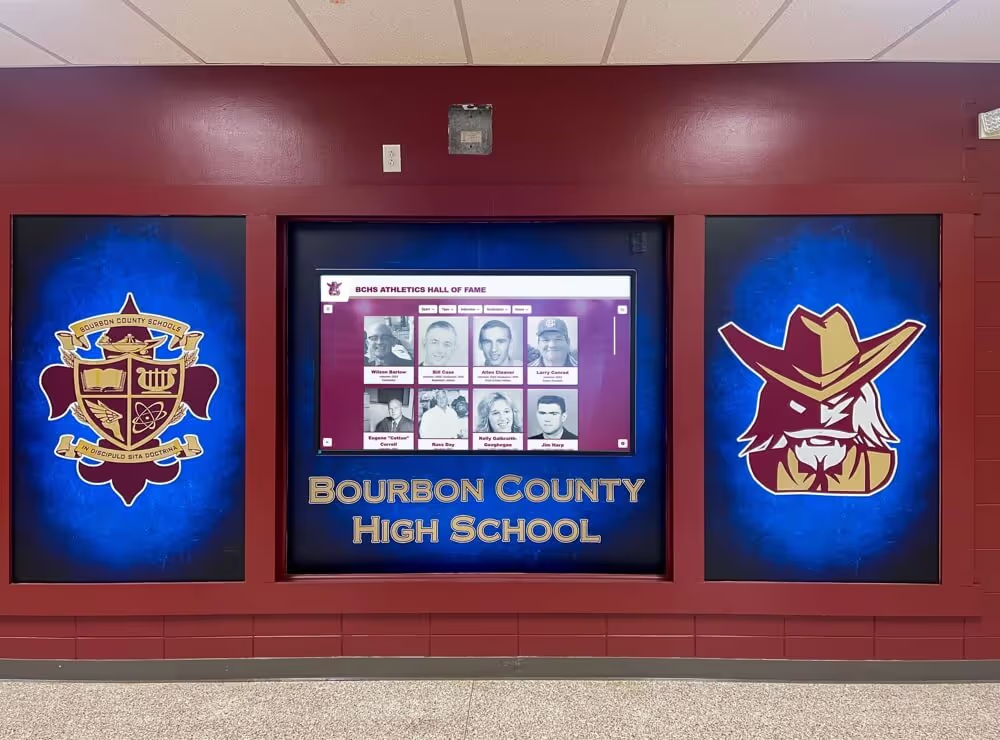
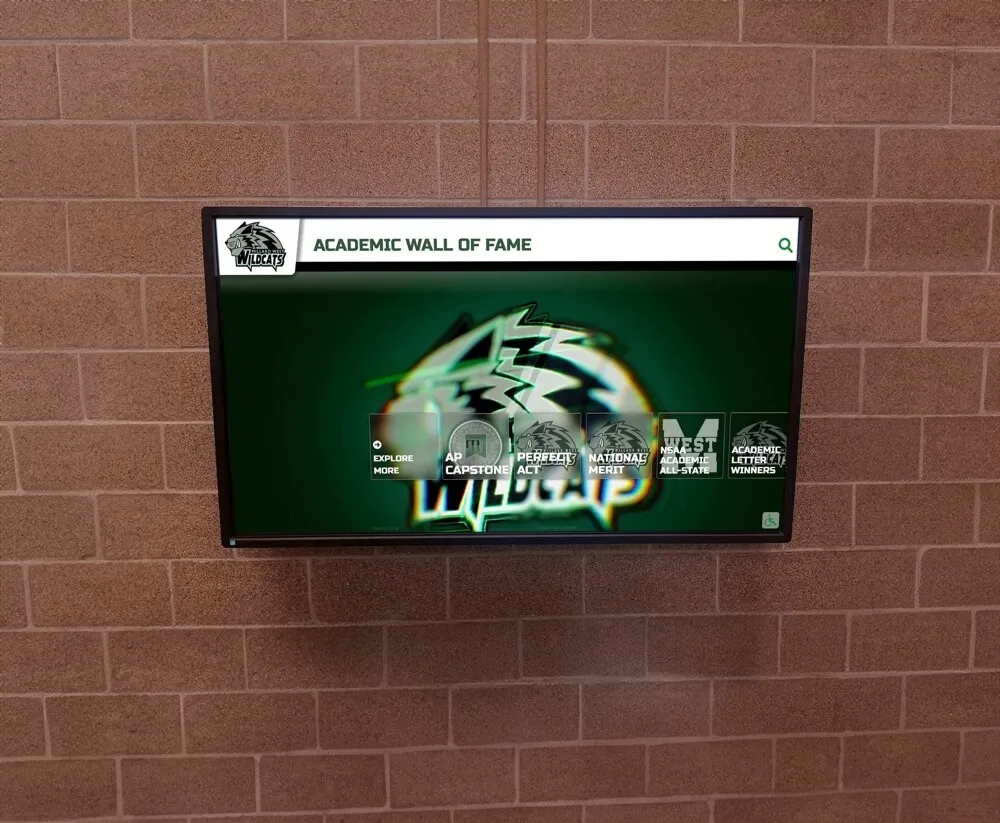
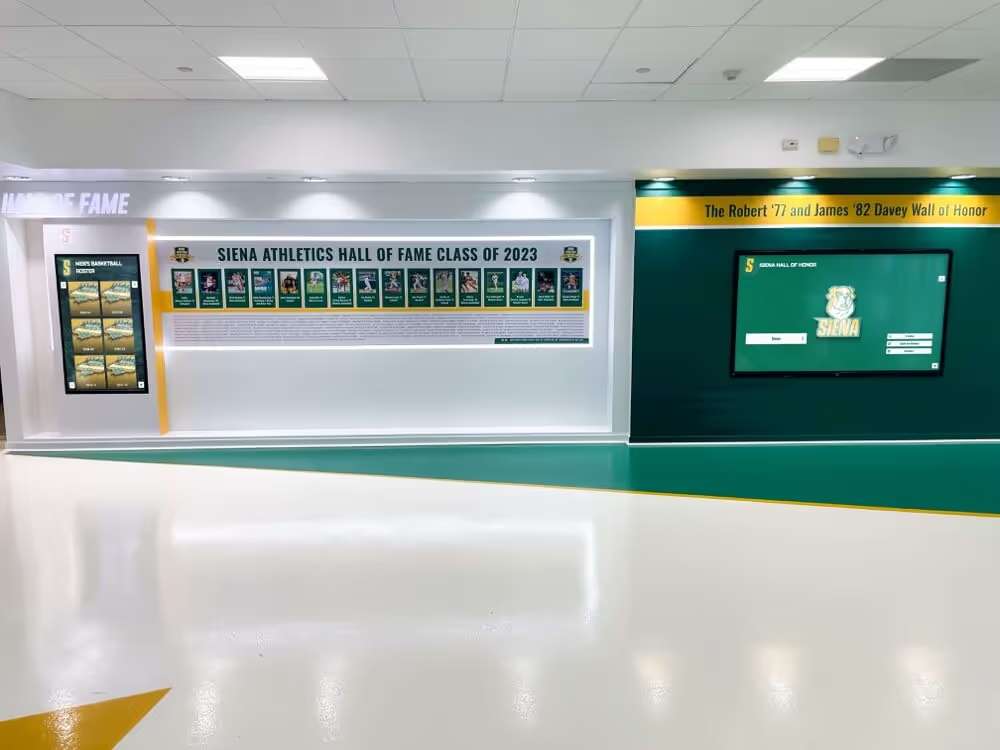
Visual recognition displays honor academic excellence through student profiles celebrating honor roll achievement and academic accomplishments
Academic Growth and Improvement Recognition
Achievement recognition focused solely on absolute performance overlooks students demonstrating tremendous growth from lower starting points. Growth-based recognition provides powerful motivation for students who may never reach top GPA tiers but deserve validation for significant improvement.
Most Improved Student Awards
Systematic improvement recognition honors students demonstrating significant academic progress:
- Grade point average increases across marking periods or school years
- Subject-specific improvement in courses where students previously struggled
- Progression from failing or near-failing to passing performance
- Movement from standard to honors or AP course levels
- Standardized test score improvement trajectories
Growth recognition proves particularly valuable for students overcoming learning challenges, developing work habits, addressing behavior issues that previously interfered with achievement, or building foundational skills in areas where they started behind peers. These students deserve celebration for improvement requiring extraordinary effort even when final achievement levels don’t match top absolute performers.
Effort and Work Ethic Recognition
Some schools honor demonstrated effort independent of absolute achievement levels:
- Consistent homework completion and assignment submission
- Active class participation and engagement
- Attendance records demonstrating commitment to learning
- Extra help seeking and utilization of academic support resources
- Persistence on challenging assignments requiring multiple attempts
Effort-based recognition reinforces that schools value hard work and commitment, not just outcomes. This messaging proves crucial for students from disadvantaged backgrounds, students with learning differences, or those lacking prior academic preparation. When effort receives recognition, all students gain agency over their ability to earn acknowledgment regardless of starting circumstances.
Character, Leadership, and Service Recognition
Comprehensive student achievement extends beyond academics to honor personal qualities schools wish to cultivate.
Character and Values-Based Awards
Many schools recognize students exemplifying core institutional values:
- Respect, responsibility, integrity, compassion, and citizenship demonstration
- Positive behavior and discipline records
- Kindness toward peers and positive community contribution
- Conflict resolution and mediation efforts
- Inclusion behaviors welcoming diverse classmates
Character recognition sends powerful messages about what schools value beyond test scores, helping shape school cultures prioritizing human development alongside academic achievement.
Schools implementing comprehensive recognition systems that honor character alongside academics build balanced communities valuing complete student development.
Leadership and Service Achievements
Student leadership and community contribution deserve recognition distinct from academic performance:
- Student government participation and elected leadership roles
- Club and organization leadership positions
- Peer mentoring, tutoring, and academic support provision
- Community service hours and volunteer project completion
- Initiative in creating new programs or solutions to school challenges
Leadership recognition validates students who contribute to school communities beyond their own individual achievement, reinforcing that success includes lifting others and improving collective environments.
Specialized Talents and Creative Accomplishments
Students demonstrate excellence across domains extending beyond traditional academics.
Arts and Creative Achievement
Artistic accomplishment deserves recognition parallel to academic and athletic excellence:
- Excellence in visual arts, music, theater, dance, and creative writing
- Recognition for performances, exhibitions, and creative presentations
- Competition achievements in arts domains
- Portfolio development and artistic skill progression
- Creative contribution to school culture and community events
Arts recognition validates students whose primary talents and passions lie in creative expression, ensuring these students feel valued within school communities.
Athletic and Extracurricular Excellence
While athletic achievement often receives substantial recognition, systematic acknowledgment ensures consistency:
- All-conference, all-state, and championship achievements
- Team contribution awards and most valuable player recognition
- Sportsmanship and team leadership honors
- Athletic improvement and dedication awards
- Participation milestone recognition
Explore comprehensive approaches to athletic achievement recognition that celebrate performance alongside character and team contribution.
Special Recognition Categories
Some schools create unique recognition categories matching institutional priorities:
- Innovation and entrepreneurship awards
- Technology and digital creativity recognition
- Environmental stewardship and sustainability efforts
- Cultural contributions and diversity celebration
- Overcoming adversity and resilience demonstration
These specialized categories enable recognition of accomplishments that traditional award structures might overlook while communicating evolving values and priorities.
Implementing Effective Recognition Systems
Strategic implementation transforms recognition from occasional acknowledgment to systematic culture-building infrastructure.
Creating Multi-Tiered Recognition Approaches
Effective recognition systems operate at multiple scales, creating frequent acknowledgment opportunities alongside prestigious annual awards.
Daily and Weekly Recognition
Regular, informal recognition maintains consistent positive reinforcement:
- Teacher shout-outs during class or morning announcements
- Digital signage rotating student accomplishments
- Social media posts celebrating specific achievements
- Classroom bulletin boards highlighting excellent work
- Brief recognition during faculty meetings informing all staff of student successes
Frequent recognition keeps achievement visible in daily school life rather than limiting acknowledgment to annual ceremonies.
Monthly and Quarterly Programs
Periodic recognition programs create regular celebration rhythms:
- Monthly honor roll publication and celebration
- Student of the month programs by grade level or department
- Quarterly awards assemblies recognizing diverse achievement types
- Newsletter features highlighting student accomplishments
- Regular family communication sharing student recognition
These mid-frequency recognition opportunities provide near-term goals motivating sustained effort while offering multiple chances throughout school years to earn acknowledgment.
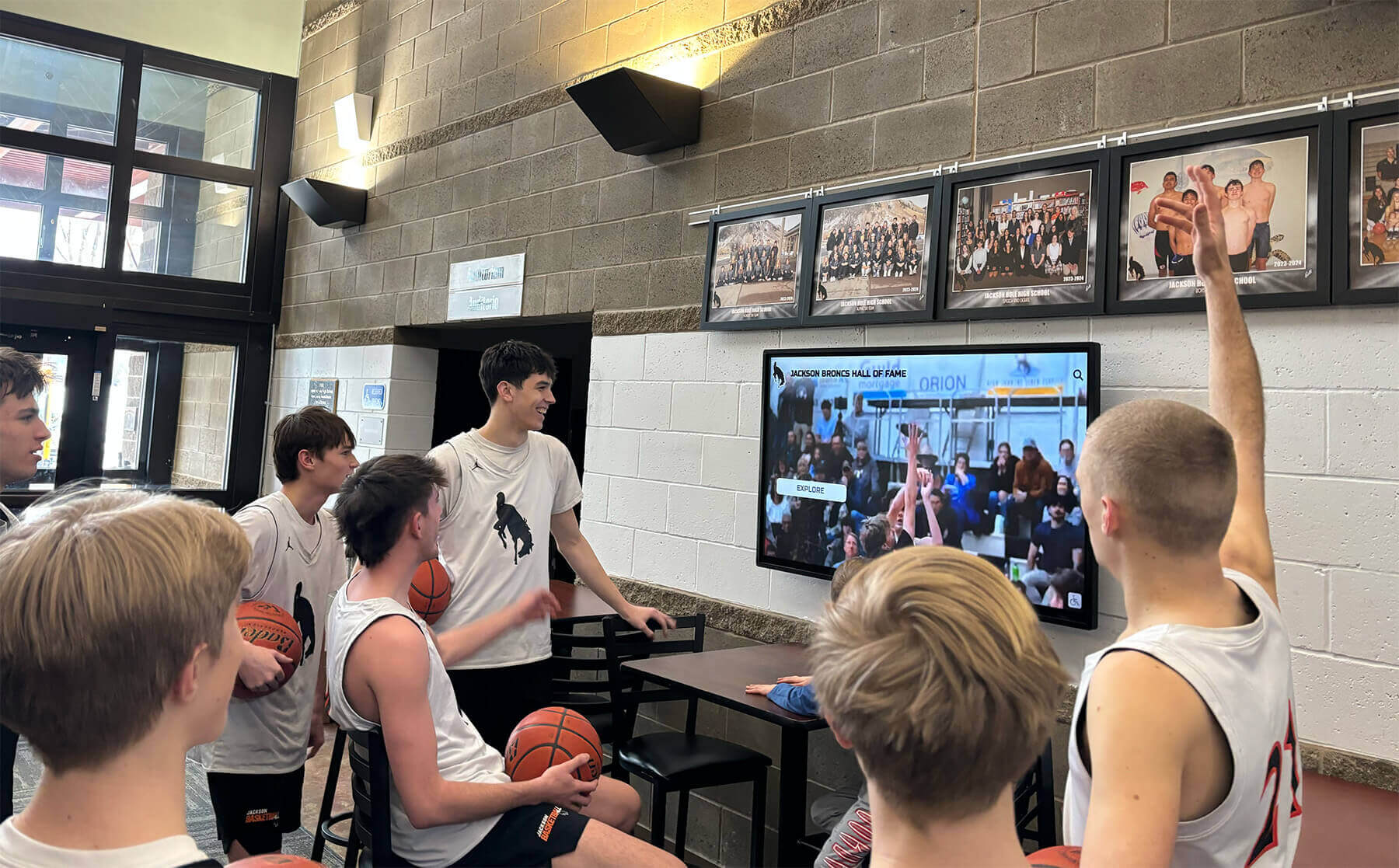
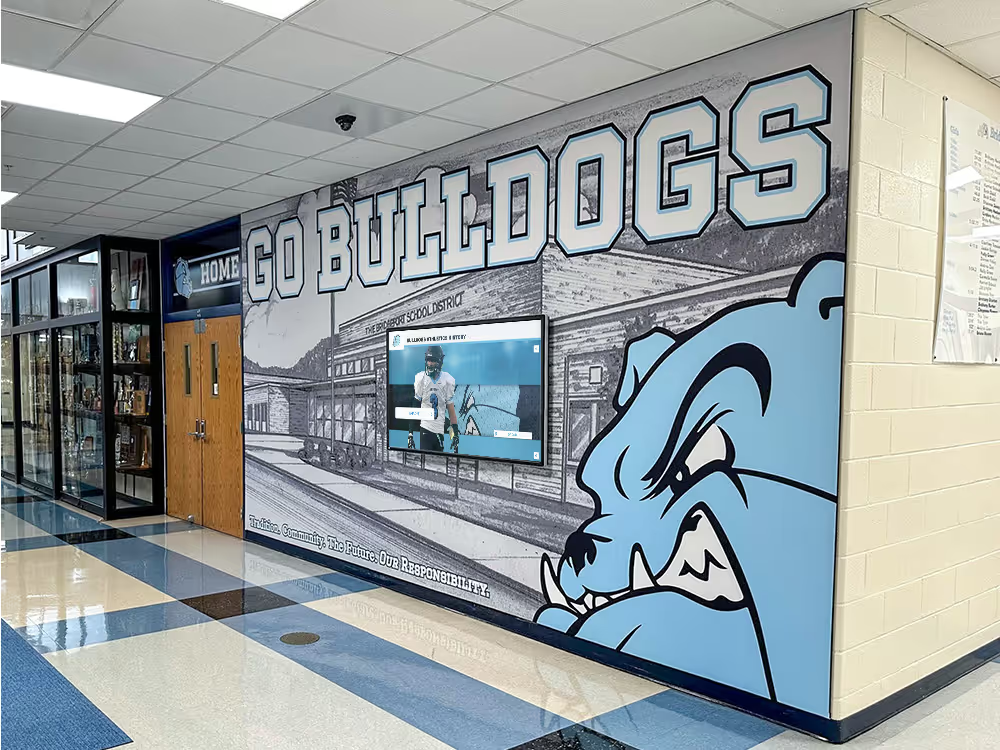
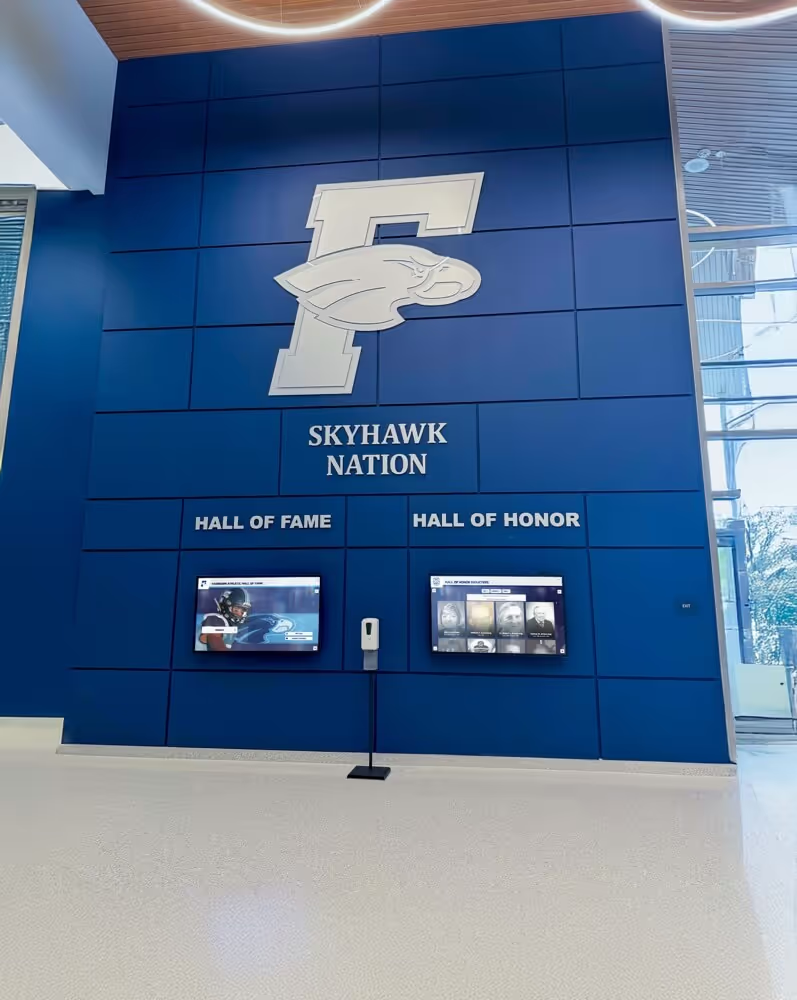
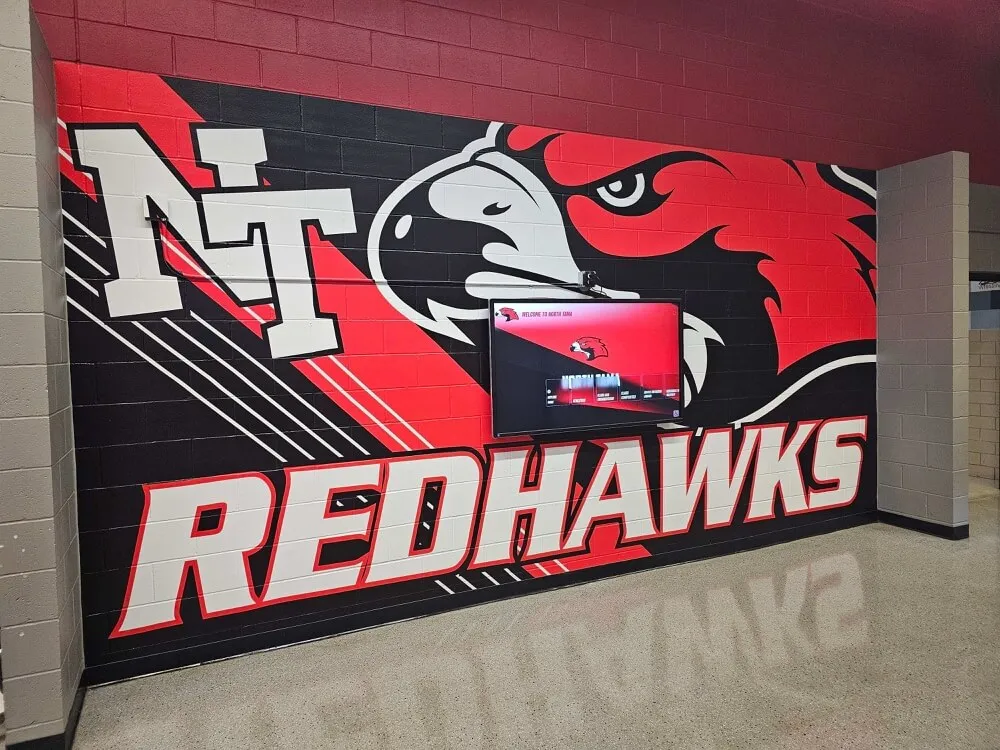
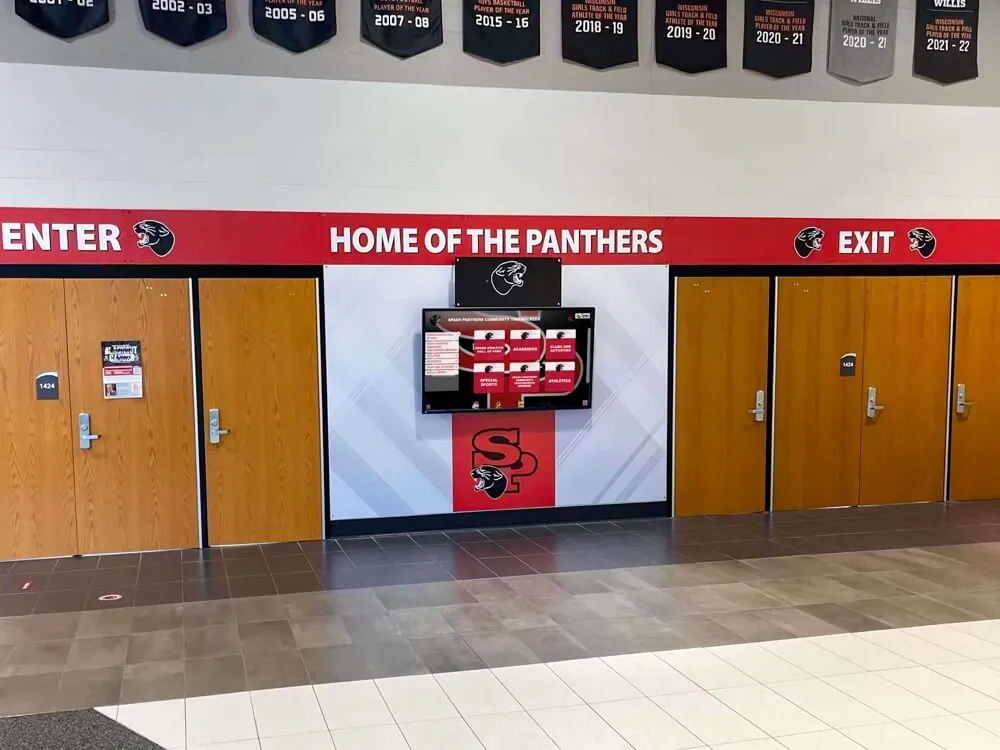
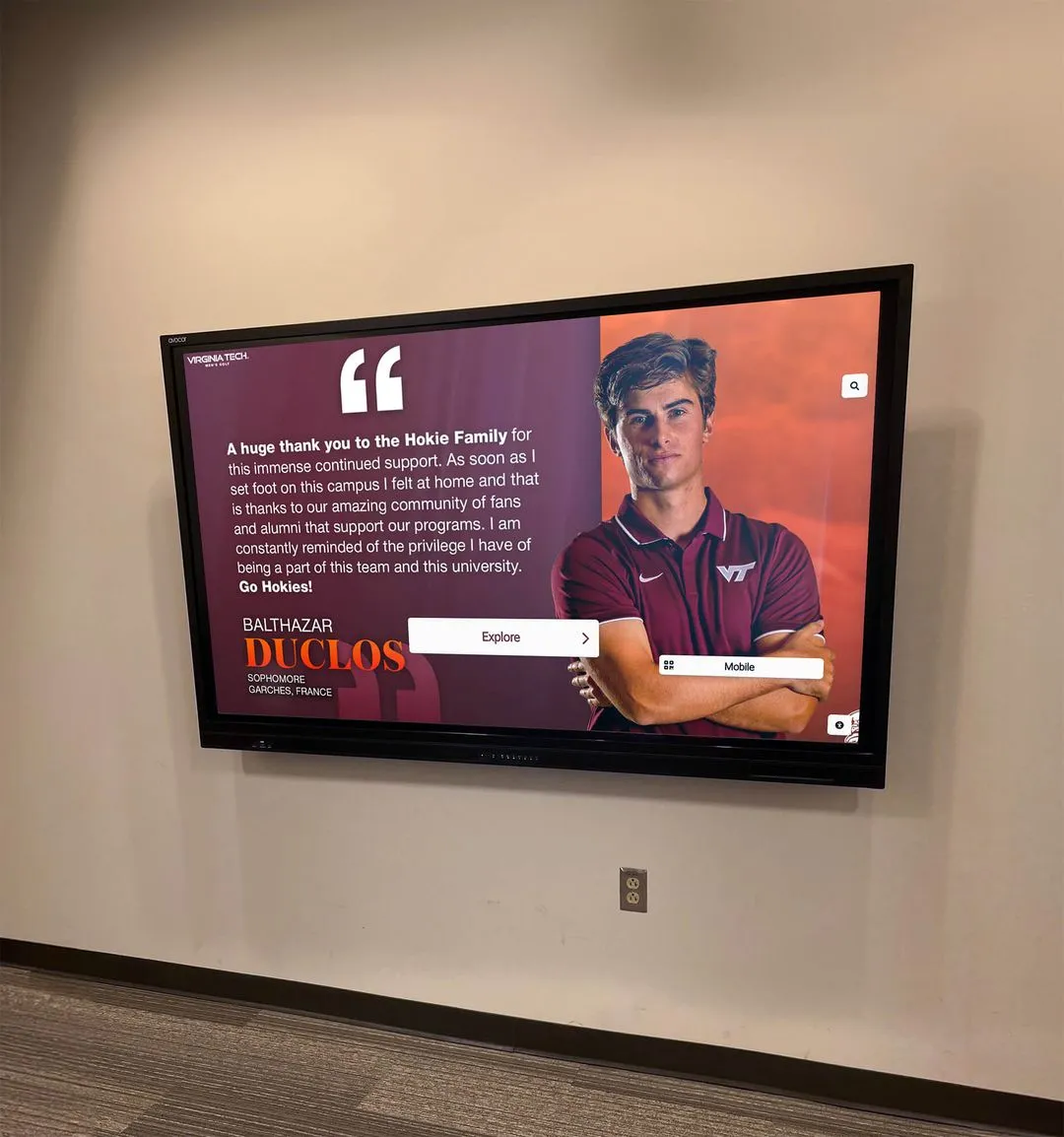
Digital displays create engaging destinations where students explore achievement content and connect with school excellence traditions
Annual Recognition Events and Permanent Honors
Major annual recognition creates pinnacle achievement validation:
- Year-end academic awards ceremonies honoring top achievers
- Graduation recognition for cumulative achievement
- Permanent honor societies like National Honor Society
- Hall of fame inductions for exceptional multi-year achievement
- Lasting displays preserving recognition across years and generations
Annual recognition provides aspirational targets driving sustained effort throughout school years while permanent honors create legacy students carry beyond graduation.
Ensuring Fair and Transparent Selection Processes
Recognition credibility depends on fair, transparent processes that students, families, and staff trust as merit-based.
Clear Criteria and Objective Standards
Effective recognition systems publish explicit criteria:
- Specific GPA requirements for honor roll tiers
- Quantifiable standards for improvement awards (minimum GPA increase thresholds)
- Clear rubrics for subjective awards (character, leadership, service)
- Transparent selection committee composition and processes
- Published timelines for nomination, selection, and announcement
Transparency ensures students understand exactly what they must accomplish to earn recognition, enabling strategic effort while preventing perceptions of favoritism or arbitrary selection.
Inclusive Nomination and Selection
Broad participation in nomination and selection builds buy-in while surfacing deserving students who might otherwise be overlooked:
- Teacher nomination processes identifying students across classrooms
- Peer nomination opportunities for character and service awards
- Student self-nomination options for improvement and specialized achievement
- Family input for recognition requiring context outside school observation
- Selection committees representing diverse staff perspectives and student populations
Inclusive processes reduce single points of failure where individual bias might exclude deserving students while ensuring recognition reflects community-wide observation rather than narrow visibility.
Documentation and Appeals Mechanisms
Professional recognition systems maintain appropriate documentation:
- Records of criteria used for specific recognition years
- Documentation of selection processes and committee deliberations
- Communication systems informing students of recognition decisions
- Clear processes for addressing questions or concerns about selections
- Regular review and refinement of criteria based on experience and outcomes
Documentation enables consistent application of standards while providing accountability and continuous improvement mechanisms.
Modern Approaches to Displaying Student Achievement
How schools display recognition significantly impacts its visibility, accessibility, and inspirational power within school communities.
Digital Recognition Systems and Interactive Displays
Modern technology enables dynamic, engaging recognition that surpasses traditional static displays.
Interactive Touchscreen Recognition Walls
Digital displays transform recognition from passive viewing to active engagement:
- Searchable databases allowing students, families, and visitors to explore achievement histories
- Filtering capabilities showing recognition by type, year, student, or criteria
- Individual student profiles detailing complete achievement records
- Photo integration bringing recognition to life with student images
- Multimedia content including videos, project samples, and achievement context
Interactive systems make vast amounts of recognition information accessible without requiring enormous physical space. A single digital display can showcase hundreds or thousands of student achievements spanning multiple years, all searchable and explorable in ways static plaques never enable.
Schools implementing interactive digital recognition displays create engaging destinations where community members actively explore achievement rather than passively glancing at static information.

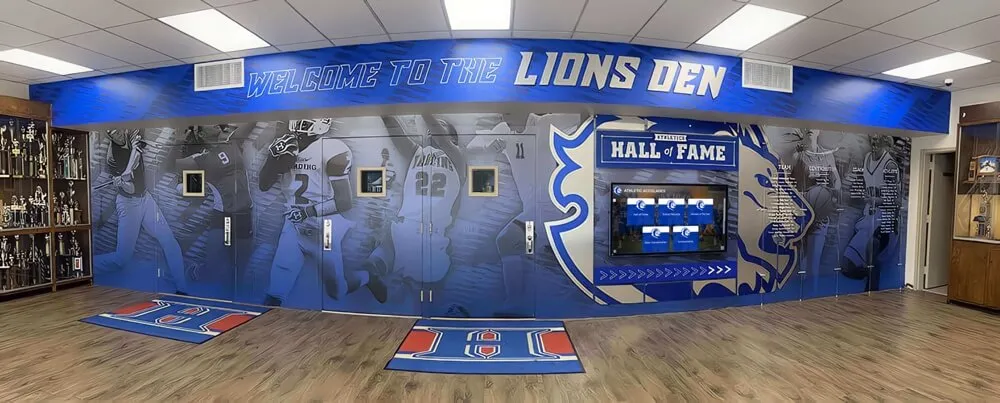
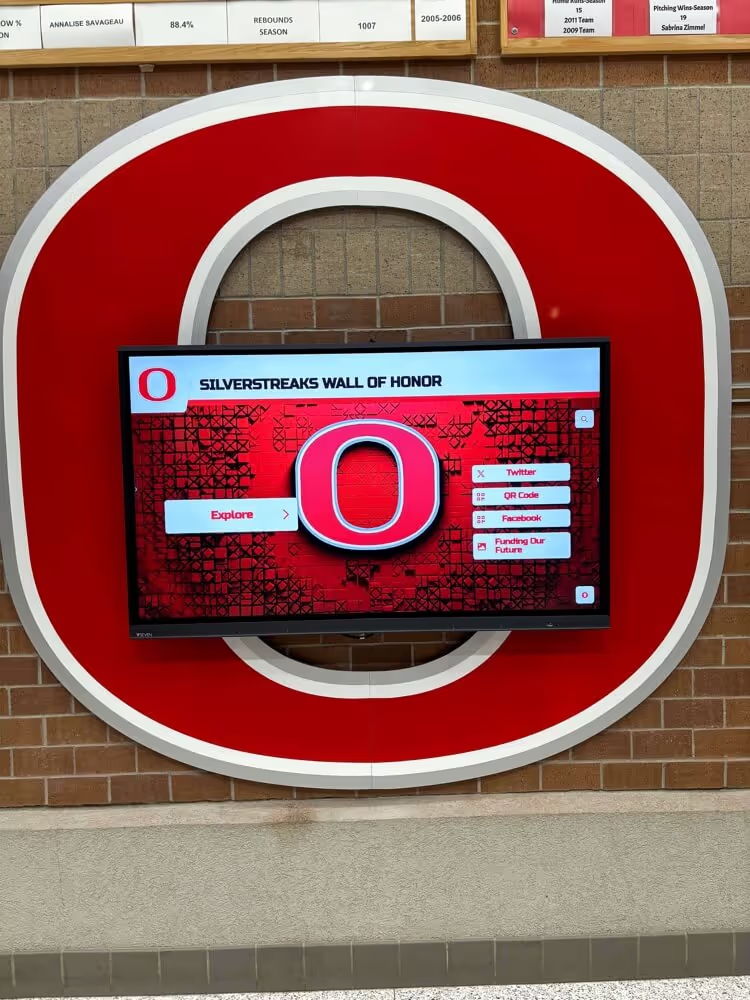
Touchscreen displays enable comprehensive recognition showcasing diverse student achievements through searchable, interactive interfaces that engage school communities
Dynamic Content and Real-Time Updates
Digital recognition systems enable currency impossible with physical displays:
- Real-time honor roll updates as marking periods conclude
- Immediate addition of new achievements without physical production delays
- Rotating content showing different recognition types throughout days or weeks
- Current student highlights alongside historical achievement preservation
- Easy correction of errors without physical replacement costs
This flexibility ensures recognition remains current and relevant rather than becoming outdated installations that students ignore.
Accessibility and Reach Extensions
Digital systems extend recognition beyond physical school locations:
- Web-based platforms enabling family access from home
- Mobile applications letting students explore achievement on personal devices
- Social media integration amplifying recognition through sharing
- Virtual assembly capabilities for remote community participation
- Digital certificates and recognition artifacts students can share electronically
Extended reach amplifies recognition impact while accommodating modern communication preferences.
Balancing Digital and Traditional Recognition
Most effective approaches combine modern digital systems with valued traditional elements.
Physical Awards and Tangible Recognition
Despite digital advantages, physical recognition maintains unique value:
- Certificates students can frame and display at home
- Medals, pins, or cords worn at graduation ceremonies
- Trophies and plaques marking major achievements
- Physical honor roll publications families can preserve
- Traditional wall displays in high-visibility locations
Tangible awards provide personal keepsakes with emotional resonance that digital records alone cannot replicate. Students value physical objects commemorating achievement long after school years end.
Ceremony and Public Acknowledgment
In-person recognition events create memorable experiences:
- Awards assemblies or ceremonies celebrating achievement publicly
- Graduation recognition honoring cumulative accomplishment
- Class-based or grade-level recognition events building community
- Family invitation to recognition events creating shared pride moments
- Peer acknowledgment creating social validation and belonging
Public ceremony provides irreplaceable social validation and emotional impact. The experience of walking across a stage to receive recognition, hearing applause from peers and families, and seeing proud reactions creates lasting memories that motivate continued excellence.
Integrated Systems Combining Strengths
The most effective recognition systems integrate digital and traditional approaches:
- Physical awards ceremonies with digital documentation preserving moments
- Traditional plaques in prominent locations complemented by digital displays offering comprehensive information
- Physical certificates backed by digital profiles students can share online
- In-person recognition supplemented by digital platforms extending reach
- Historical physical artifacts preserved while digital systems provide accessibility
Integration enables schools to honor valued traditions while embracing modern capabilities that enhance rather than replace traditional recognition.
Strategic Display Placement and Visibility
Recognition location significantly impacts its influence on school culture.
High-Traffic Central Locations
Position recognition where students, families, and visitors naturally congregate:
- Main entrance lobbies creating first impressions
- Cafeterias and common areas where students gather
- Main hallways connecting different school sections
- Auditoriums and gymnasiums hosting events and assemblies
- Administrative areas where families conduct business
Central placement ensures recognition remains visible in daily school life rather than hidden in seldom-visited spaces.
Explore approaches for creating welcoming spaces featuring recognition in entrance areas that communicate institutional values to all visitors.
Department and Classroom Recognition
Supplement central displays with distributed recognition throughout buildings:
- Departmental hallways showcasing subject-specific achievement
- Classroom-level recognition celebrating immediate peer accomplishment
- Library recognition for reading achievement and literacy excellence
- Specialized spaces (art rooms, music halls, science labs) featuring domain-specific honors
- Athletic facilities displaying sports achievement alongside academic recognition
Distributed recognition brings acknowledgment directly to relevant learning environments while demonstrating that excellence permeates entire school cultures.
Creating Recognition Destinations
Design recognition displays as intentional destinations rather than afterthoughts:
- Dedicated recognition areas with seating enabling extended exploration
- Quality finishes and professional design communicating importance
- Lighting highlighting recognition displays
- Accompanying information explaining recognition programs and criteria
- Integration with school branding and identity elements
Destination design elevates recognition importance while creating environments where students want to spend time exploring achievement.
Measuring Recognition Program Impact
Systematic evaluation ensures recognition programs produce desired outcomes while identifying improvement opportunities.
Student Engagement and Motivation Metrics
Track whether recognition drives intended behaviors and attitudes:
- Academic performance trends among recognized students and broader populations
- Student survey data measuring perceived recognition value and fairness
- Participation rates in activities qualifying for recognition
- Student goal-setting patterns showing aspirations toward recognition
- Engagement quality indicators (assignment completion, class participation, attendance)
Positive trends suggest recognition effectively motivates while stagnant or declining metrics indicate program refinement needs.
Cultural and Climate Indicators
Assess recognition program contributions to overall school culture:
- School climate surveys measuring student belonging and value perception
- Family satisfaction data regarding recognition program quality and inclusiveness
- Staff perspectives on recognition impact and implementation effectiveness
- Equity analyses ensuring recognition reaches diverse student populations appropriately
- Comparison of recognition recipients to overall student demographics
Cultural indicators reveal whether recognition builds inclusive, positive environments or inadvertently creates hierarchies that exclude significant student populations.
Program Reach and Inclusiveness Analysis
Examine who receives recognition and identify gaps:
- Percentage of student body receiving some form of recognition annually
- Distribution of recognition across different achievement types
- Demographic analysis of recognition recipients by race, ethnicity, gender, socioeconomic status, and other factors
- Recognition accessibility for students with disabilities or learning differences
- Balance between absolute achievement and growth-based recognition
Reach analysis ensures recognition programs honor the diverse excellence schools wish to cultivate rather than narrowly celebrating limited achievement types.
Learn about comprehensive approaches to recognizing diverse achievements that build inclusive communities celebrating all forms of student excellence.
Continuous Program Improvement
Use evaluation data to refine recognition systems:
- Regular criteria review ensuring alignment with current educational priorities
- Process refinement based on student, family, and staff feedback
- Technology updates maintaining modern, engaging displays
- Recognition category expansion addressing emerging achievement types
- Communication enhancement improving program awareness and understanding
Continuous improvement treats recognition as evolving system requiring regular attention rather than static program implemented once and ignored.
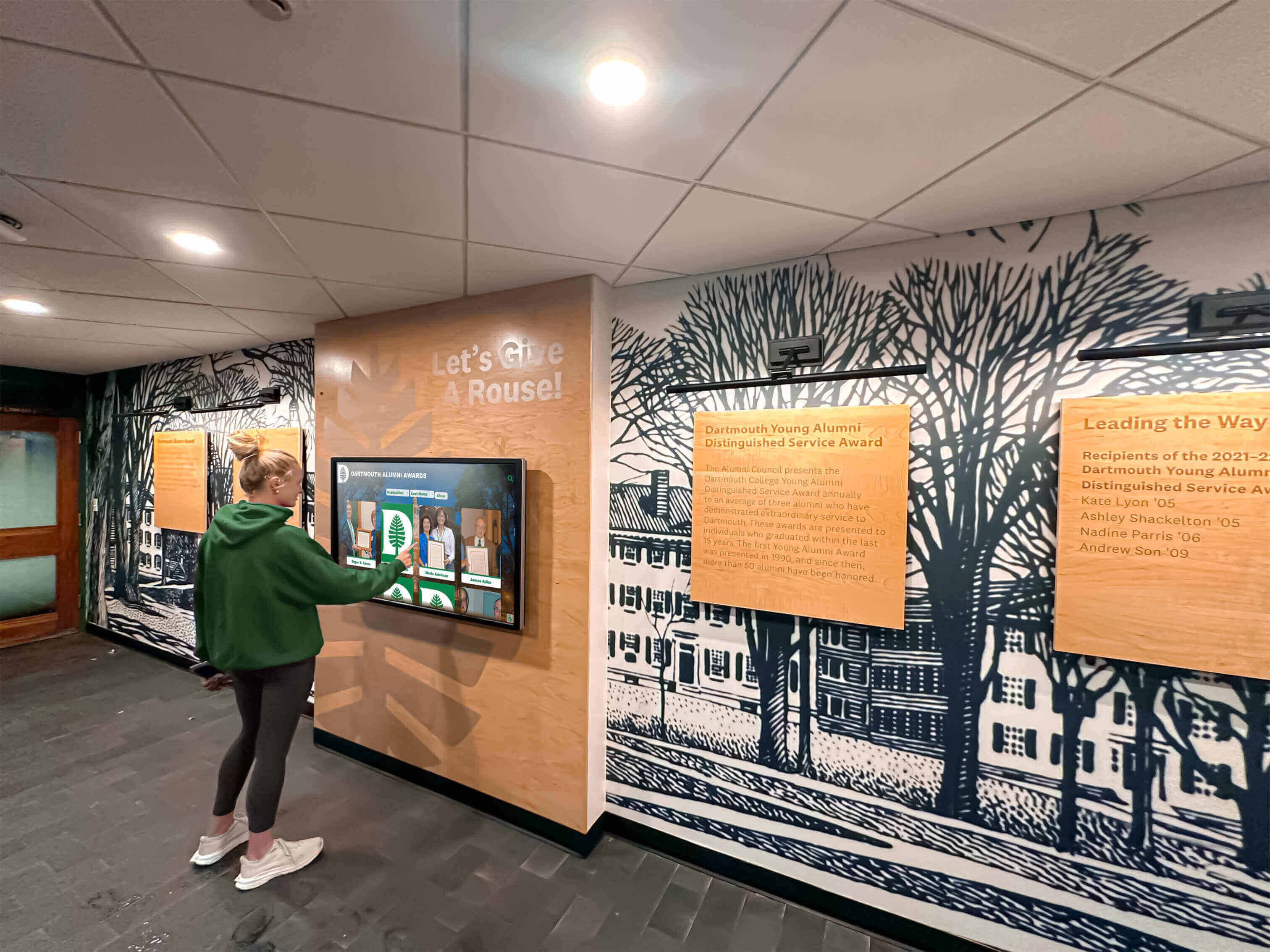
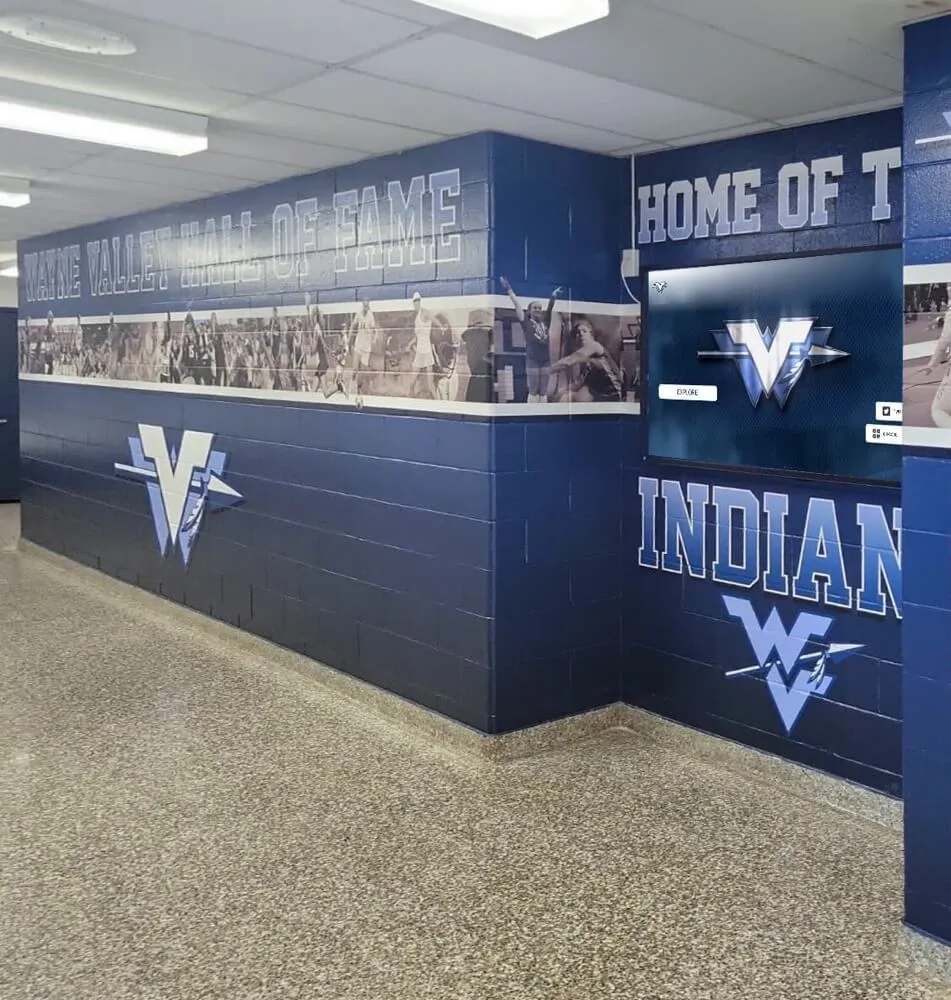
Modern recognition systems create interactive experiences where students actively engage with achievement content and explore excellence pathways
Overcoming Common Recognition Program Challenges
Schools implementing comprehensive student achievement recognition encounter predictable challenges requiring proactive solutions.
Maintaining Recognition Freshness and Relevance
Recognition systems risk becoming stale fixtures students ignore without ongoing attention.
Regular Content Updates
Establish systematic update processes:
- Defined schedules for adding new recognition (quarterly, annually, or as achievements occur)
- Assigned staff responsibility for recognition system maintenance
- Student or staff committees supporting recognition updates
- Digital systems enabling easy content addition without technical expertise
- Communication protocols informing school communities about new recognition
Regular updates ensure recognition reflects current achievement rather than becoming historical artifacts disconnected from present student populations.
Evolving Recognition Categories
Periodically review and refresh what schools recognize:
- Add recognition for emerging fields (technology, innovation, environmental stewardship)
- Retire outdated categories no longer aligned with priorities
- Respond to student interests and passions with new recognition opportunities
- Balance traditional categories with innovative acknowledgment types
- Solicit student and staff input on recognition expansion
Category evolution demonstrates that recognition systems value contemporary excellence while maintaining core commitment to academic and character achievement.
Ensuring Equity and Avoiding Recognition Fatigue
Recognition systems must balance celebrating excellence with avoiding exclusionary dynamics or devaluation through over-recognition.
Creating Accessible Excellence Standards
Design recognition criteria enabling diverse student participation:
- Multiple achievement tiers with varying difficulty levels
- Growth-based recognition alongside absolute performance acknowledgment
- Subject-specific and specialized awards beyond general academic honors
- Effort and improvement categories accessible to all students
- Clear pathways showing students how to earn recognition
Accessible standards enable more students to experience recognition without lowering expectations or devaluing accomplishment.
Preventing Recognition Inflation
Maintain recognition value through appropriate standards:
- Meaningful criteria requiring genuine achievement rather than minimal effort
- Limited recognition percentages preserving honor roll prestige
- Selective major awards recognizing truly exceptional accomplishment
- Clear differentiation between participation acknowledgment and achievement recognition
- Regular standards review ensuring criteria maintain challenge levels
Recognition maintains motivational power only when it signifies meaningful accomplishment deserving celebration.
Managing Resource Constraints
Comprehensive recognition requires time, budget, and personnel that constrained schools may struggle to provide.
Leveraging Technology Efficiencies
Digital systems reduce long-term recognition costs while improving capabilities:
- One-time display investments serving recognition needs for years
- Content updates requiring minimal time compared to physical display changes
- Unlimited recognition capacity without space constraints requiring building expansions
- Multi-purpose systems serving recognition alongside other communication needs
- Reduced physical production costs for certificates, plaques, and static displays
While initial technology investments may seem substantial, they often prove more cost-effective than traditional approaches over multi-year periods.
Explore digital recognition solutions that combine athletic, academic, and donor recognition in unified systems maximizing technology investments.
Streamlining Recognition Processes
Efficient systems minimize administrative burden:
- Automated honor roll generation from student information systems
- Digital nomination and selection workflows reducing paper processing
- Template-based certificate and award production
- Student or volunteer assistance with recognition system maintenance
- Batch processing of recognition at natural intervals rather than ad-hoc individual additions
Process efficiency enables comprehensive recognition without overwhelming staff responsible for implementation.
Prioritizing High-Impact Recognition
Resource-constrained schools focus on recognition types producing greatest impact:
- Core academic recognition (honor rolls, subject awards) forming foundation
- Character and improvement recognition addressing motivation and culture
- Efficient digital display systems maximizing recognition capacity
- Strategic ceremony timing combining multiple recognition types in single events
- Digital platforms reducing physical production needs
Prioritization enables meaningful recognition even when ideal comprehensive programs exceed available resources.
Building Sustainable Recognition Cultures
Long-term recognition program success requires embedded cultural commitment rather than dependence on individual champions.
Leadership Commitment and Resource Allocation
Sustainable recognition requires visible administrative support.
Principal and Administrative Leadership
School leaders demonstrate recognition importance through:
- Personal participation in recognition ceremonies and events
- Regular communication highlighting student achievement
- Budget allocation supporting recognition infrastructure and programs
- Time allocation ensuring recognition fits into schedules without feeling rushed
- Public statements connecting recognition to school mission and values
Leadership commitment signals that recognition matters institutionally, encouraging staff investment and student engagement.
Staff Training and Participation
Broaden recognition responsibility beyond single coordinators:
- Professional development educating staff about recognition program goals and processes
- Department-level responsibility for subject-specific recognition
- Teacher training on daily and weekly recognition best practices
- Shared committee responsibility for major recognition decisions
- Recognition of staff who excel at identifying and acknowledging student achievement
Distributed ownership builds sustainable systems surviving individual staff transitions while ensuring recognition receives ongoing attention from multiple perspectives.
Connecting Recognition to School Mission and Values
Recognition programs prove most powerful when explicitly connected to broader institutional purposes.
Alignment With Educational Philosophy
Recognition should reinforce core educational commitments:
- Academic excellence recognition supporting learning outcome priorities
- Character and service acknowledgment demonstrating that schools value complete human development
- Improvement recognition reflecting commitment to growth mindset education
- Diverse recognition types honoring multiple intelligence and varied talents
- Inclusive criteria ensuring all students see pathways to acknowledgment
Alignment ensures recognition authentically represents institutional values rather than operating as disconnected program with minimal cultural impact.
Integration With Curriculum and Instruction
Recognition connects to daily teaching and learning:
- Teacher discussions helping students understand pathways to recognition
- Classroom goal-setting incorporating recognition as aspirational targets
- Student reflection on recognized peers’ strategies and approaches
- Recognition criteria informing curriculum design and instructional emphasis
- Achievement standards aligning with course expectations and learning objectives
Integration makes recognition relevant to daily educational experiences rather than external system disconnected from core academic work.
Preserving Recognition Across Generations
The most meaningful recognition programs preserve achievement records creating lasting institutional memory.
Historical Archives and Digital Preservation
Modern systems enable comprehensive preservation:
- Complete digital records of all recognized students across decades
- Searchable archives allowing current students to discover past achievement
- Alumni access to recognition records reconnecting graduates with school communities
- Historical comparison enabling students to understand achievement context
- Permanent preservation immune to physical display deterioration or space constraints
Digital archives transform recognition from temporary acknowledgment to permanent institutional record celebrating student achievement across generations.
Discover how digital archives preserve student achievement while creating engaging displays connecting current students with school history.
Connecting Past and Present Achievement
Historical preservation enables powerful connections:
- Current students discovering that parents, older siblings, or relatives received similar recognition
- Recognition traditions spanning decades demonstrating sustained institutional values
- Historical achievement providing context for contemporary standards
- Alumni stories illustrating how recognized achievement contributed to future success
- Multi-generational family recognition creating powerful legacy connections
These connections deepen recognition meaning while building institutional pride and continuity across time.
Conclusion: Building Achievement Cultures Through Strategic Recognition
Student achievement recognition represents far more than acknowledgment of individual accomplishment. Thoughtfully designed recognition systems communicate institutional values, motivate sustained excellence, build inclusive cultures where diverse students see pathways to success, engage families and communities in educational mission, and preserve achievement records celebrating student success across generations.
The schools that excel at student achievement recognition share common characteristics. They recognize diverse accomplishment types honoring the full spectrum of student excellence. They implement multi-tiered systems providing frequent acknowledgment alongside prestigious annual awards. They ensure fair, transparent processes building trust and credibility. They leverage modern technology creating engaging, accessible recognition displays that inspire while preserving comprehensive achievement records. They connect recognition to core educational mission rather than treating it as peripheral activity. And they build sustainable cultures where recognition permeates daily school life rather than depending on isolated events or individual staff champions.
Comprehensive student achievement recognition requires strategic thinking and sustained commitment. Yet the investment produces powerful returns measured not just in individual student motivation but in transformed school cultures where excellence becomes norm, where all students feel valued and recognized for their particular contributions, and where achievement traditions inspire current and future generations to reach their full potential.
Honor Student Achievement With Modern Recognition Systems
Create engaging, comprehensive recognition systems that celebrate student success across academic, athletic, character, and service dimensions. Rocket Alumni Solutions provides interactive touchscreen displays that transform how schools recognize student achievement—enabling searchable databases showcasing thousands of student accomplishments, creating destination displays that inspire excellence, and preserving recognition records across generations. Discover how modern recognition technology helps schools build achievement cultures where every student sees pathways to success and receives validation for their particular forms of excellence.