



Schools thrive when staff members feel valued, appreciated, and connected to organizational missions. Yet too many institutions struggle with employee disengagement, declining morale, and costly turnover—challenges that comprehensive staff recognition programs directly address through systematic celebration of the contributions that drive educational excellence.
When organizations fail to implement strategic recognition, talented professionals drift toward environments where their dedication receives genuine acknowledgment. Research demonstrates that employees who don’t feel valued become three times more likely to seek employment elsewhere within a year, creating turnover costs that strain budgets while disrupting institutional knowledge and relationship continuity essential for student success.
The gap between sporadic appreciation and comprehensive recognition programs creates opportunity costs affecting every dimension of organizational performance. Disengaged staff deliver minimum requirements rather than pursuing excellence. Veteran employees who could mentor emerging professionals instead keep their expertise private. Innovation stagnates when contributors doubt that creative efforts will receive appropriate acknowledgment. Meanwhile, recruitment becomes increasingly difficult when prospective candidates research institutional cultures and discover minimal recognition of employee contributions.
This comprehensive guide explores proven approaches for implementing staff recognition programs that transform employee engagement from abstract aspiration to measurable reality. Whether your institution employs fifteen staff members or fifteen hundred, these strategies enable recognition systems that professionals experience as genuine celebration rather than perfunctory obligation—building engaged workplaces where dedicated employees choose to build careers rather than merely occupy positions.

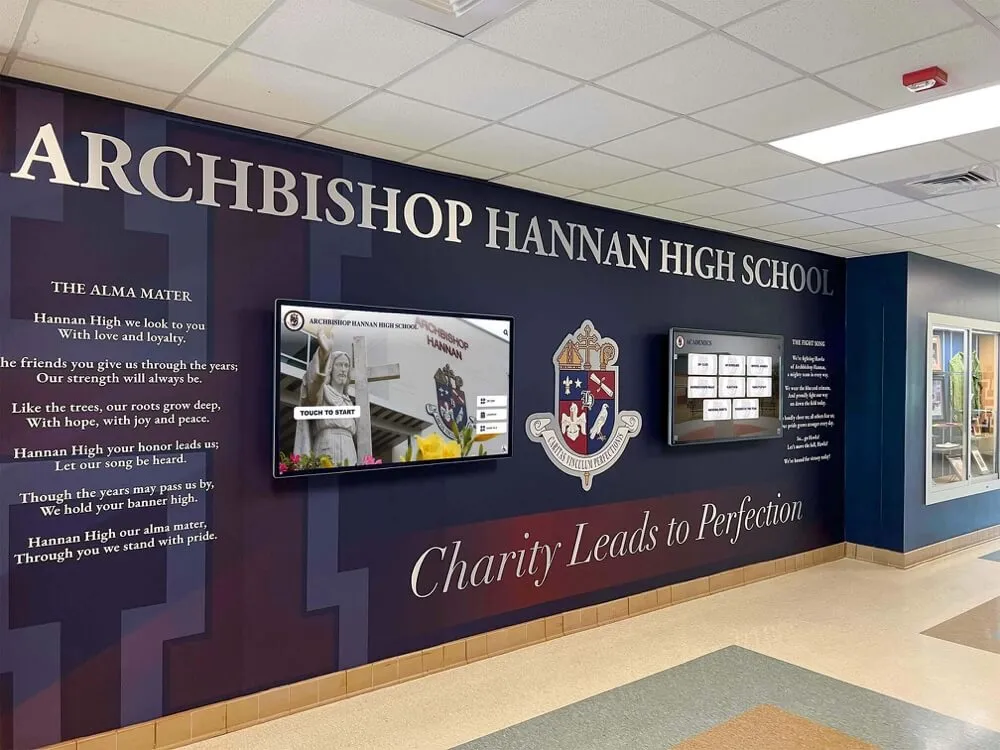
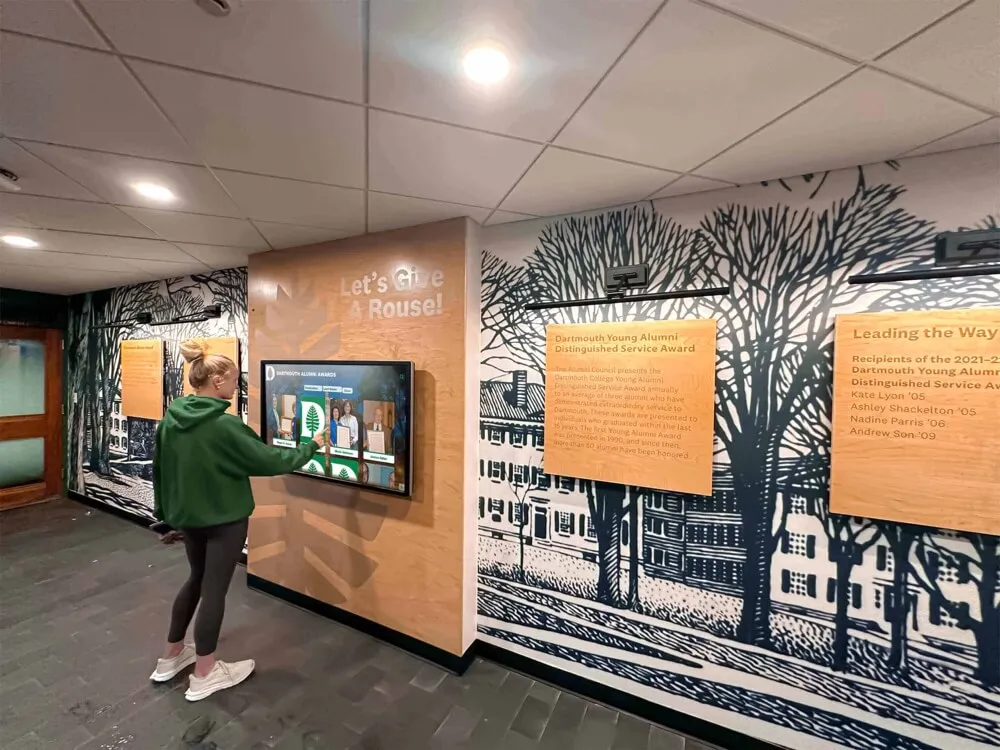
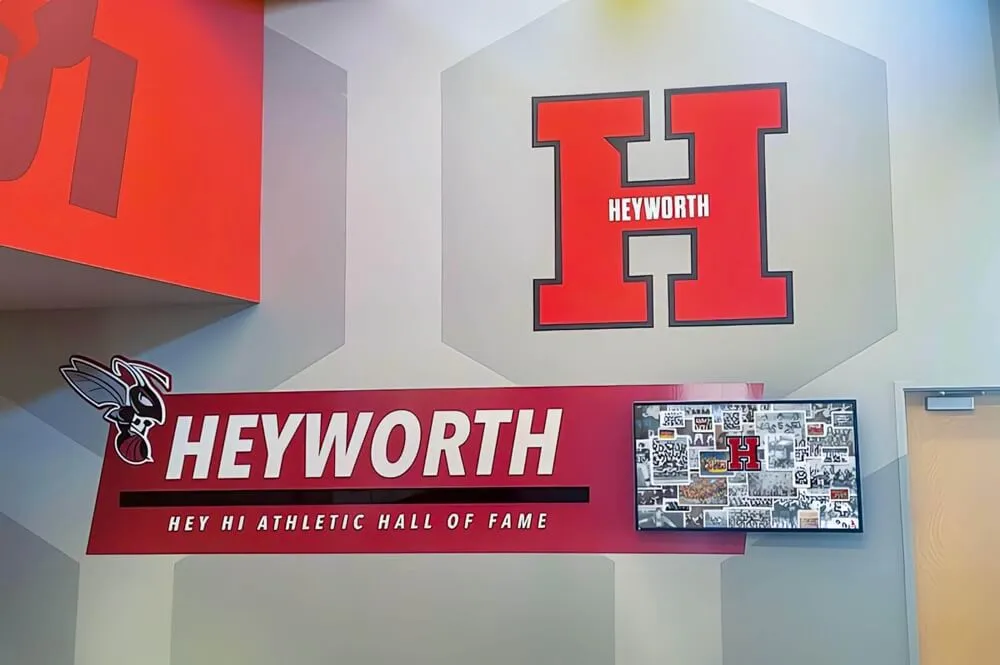
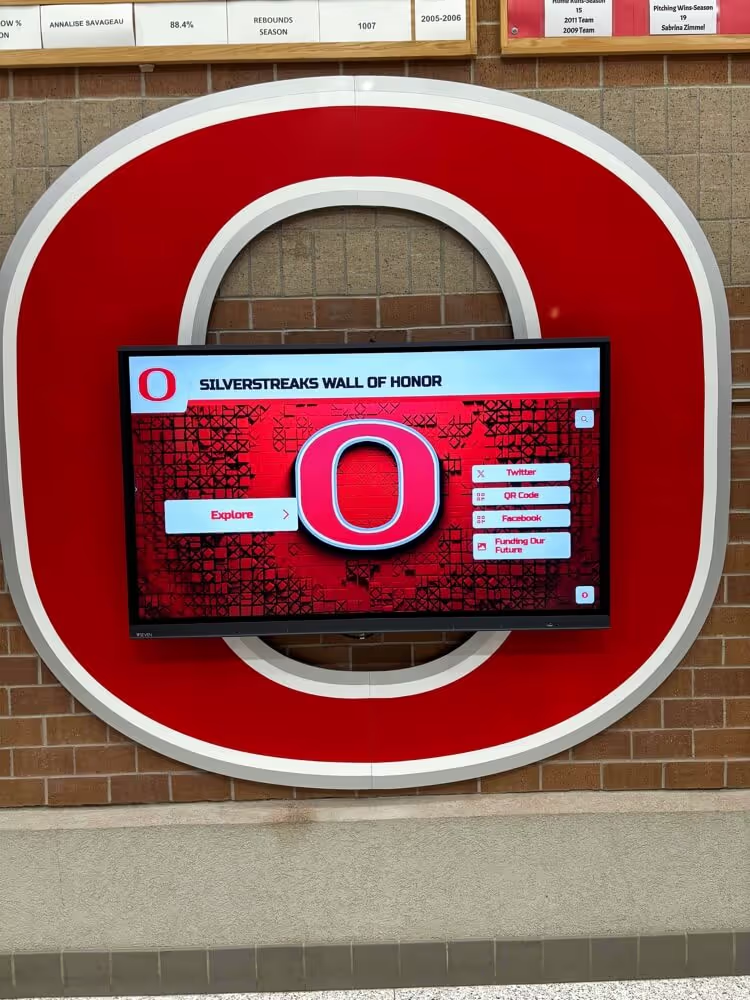
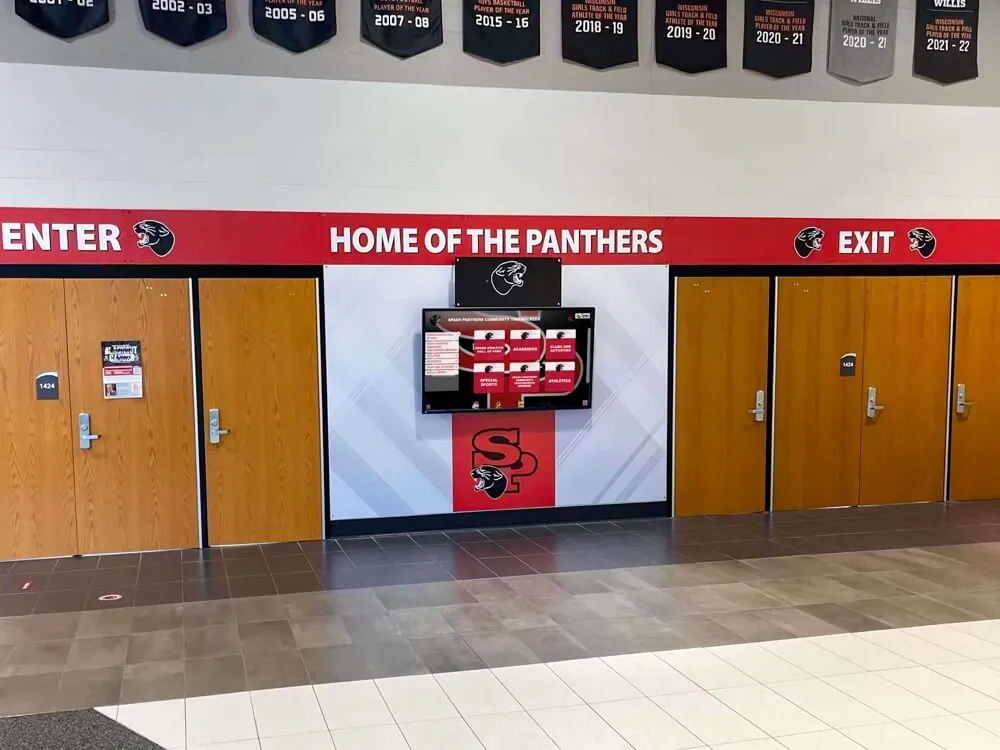
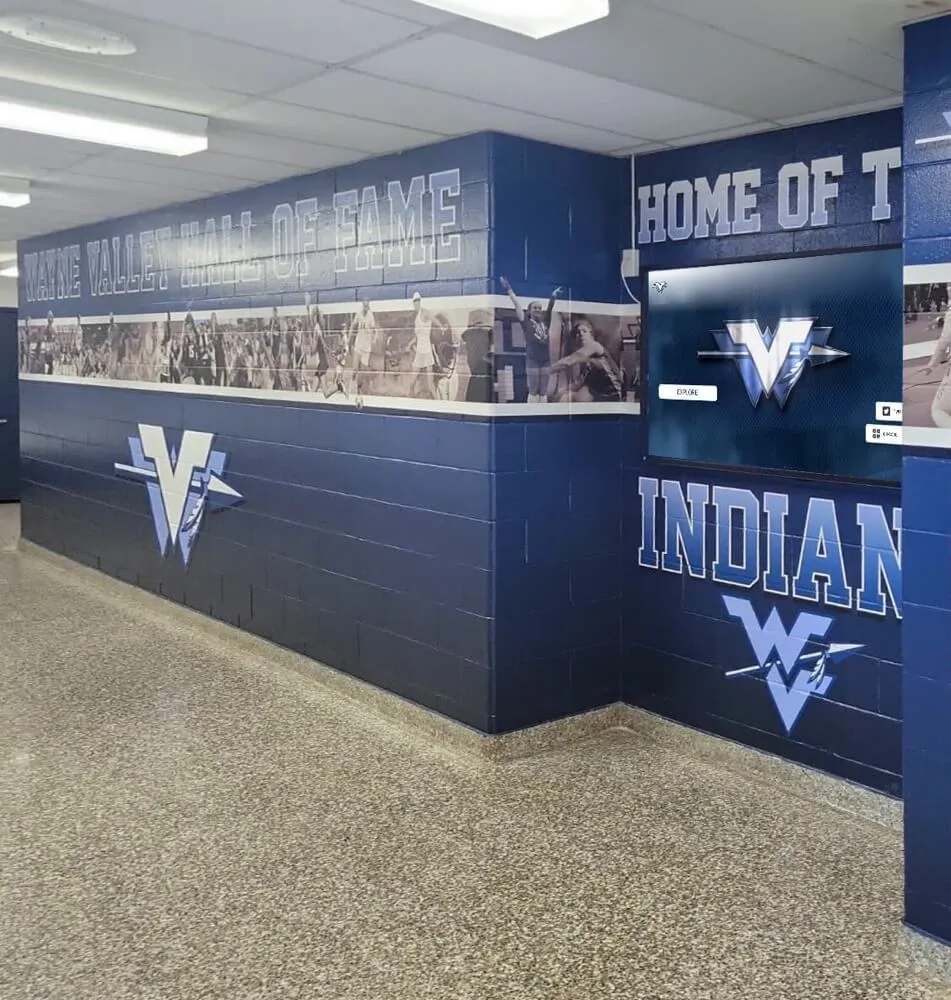
Modern recognition programs create visible celebration that engages entire communities in honoring staff excellence
Understanding the Connection Between Recognition and Employee Engagement
Before implementing recognition programs, understanding how acknowledgment affects engagement helps organizations design initiatives that maximize impact on satisfaction, performance, and retention.
What Employee Engagement Actually Means
Employee engagement extends far beyond job satisfaction or workplace happiness:
Defining True Engagement
Engaged employees demonstrate:
- Emotional commitment to organizational missions beyond contractual obligations
- Discretionary effort exceeding minimum job requirements
- Advocacy for institutions both internally and externally
- Innovation mindset seeking continuous improvement opportunities
- Resilience during challenging periods maintaining dedication despite difficulties
- Voluntary contribution to organizational success beyond assigned responsibilities
This depth of connection differs fundamentally from mere satisfaction, where employees feel content with working conditions but lack deeper investment in organizational outcomes. Truly engaged professionals identify personally with institutional missions, viewing organizational success as intertwined with their professional identities and purpose.
Engagement’s Organizational Impact
Research consistently demonstrates that engaged workforces deliver superior outcomes:
- Performance excellence: Organizations with highly engaged employees experience 23% higher profitability according to Gallup research
- Retention improvements: Engaged employees show 87% less likelihood to leave organizations compared to disengaged colleagues
- Innovation acceleration: Engaged staff generate more creative solutions and improvement suggestions
- Customer satisfaction: Student and family satisfaction correlates strongly with staff engagement levels
- Quality improvements: Engaged professionals maintain higher standards and attention to detail
These measurable advantages make engagement improvement a strategic priority rather than merely a human resources preference.
Current Engagement Crisis in Education
Educational institutions face particularly acute engagement challenges:
- Approximately 30% of teachers report feeling engaged according to Gallup education surveys
- Staff burnout rates increased dramatically following pandemic disruptions
- Compensation limitations make non-monetary recognition critically important
- Public perceptions of education careers affect professional identity and morale
- Workload intensification creates appreciation deficits where contributions exceed acknowledgment
These factors make systematic staff recognition essential for educational excellence and institutional sustainability.
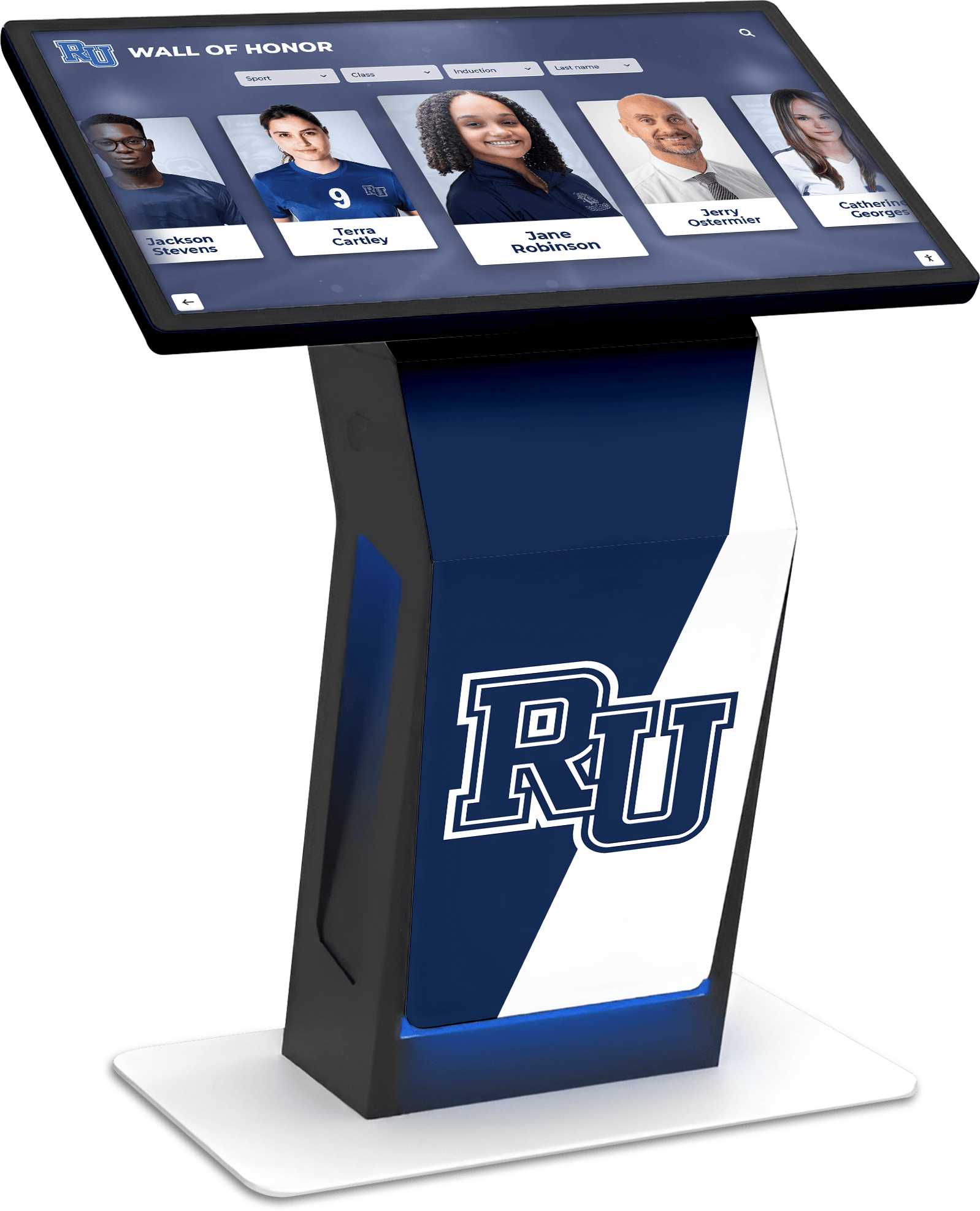
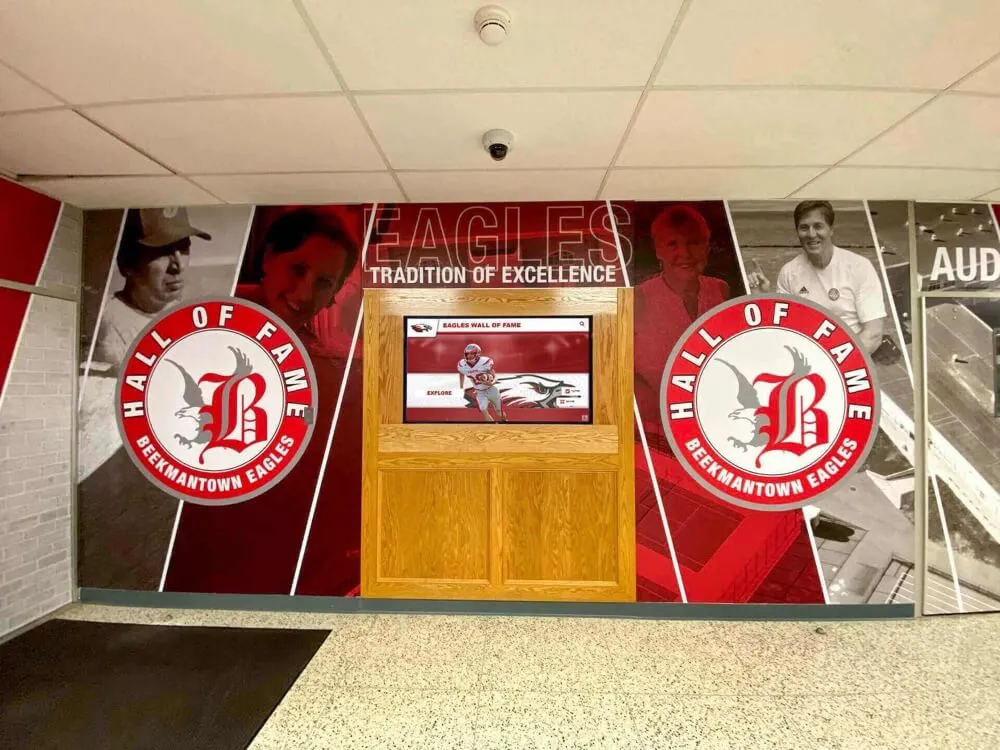
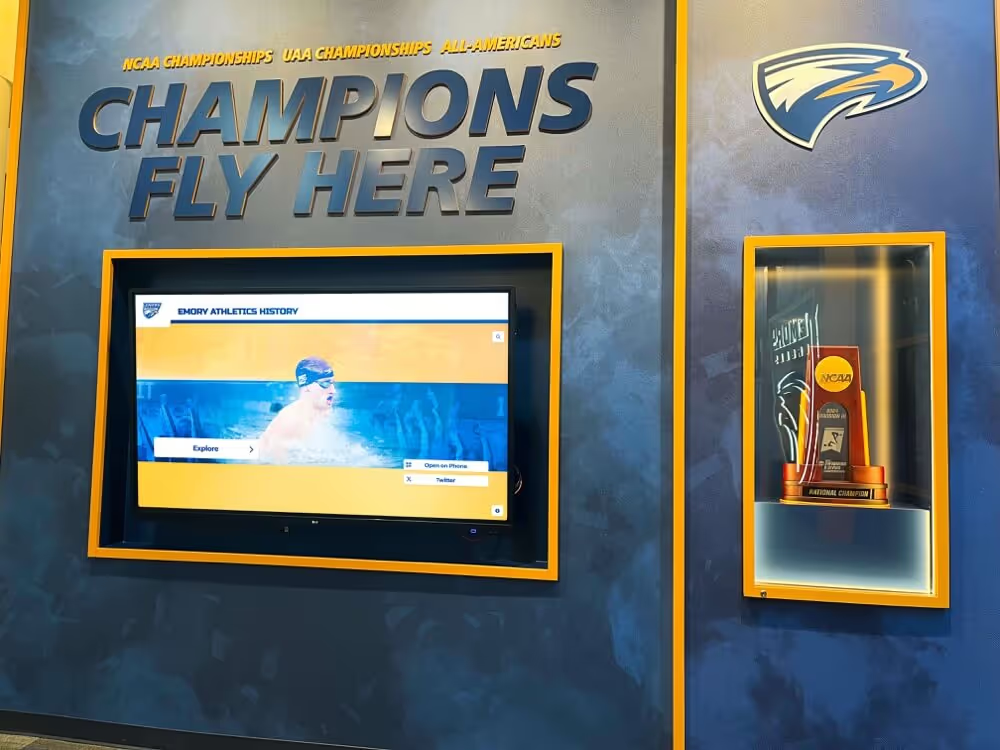
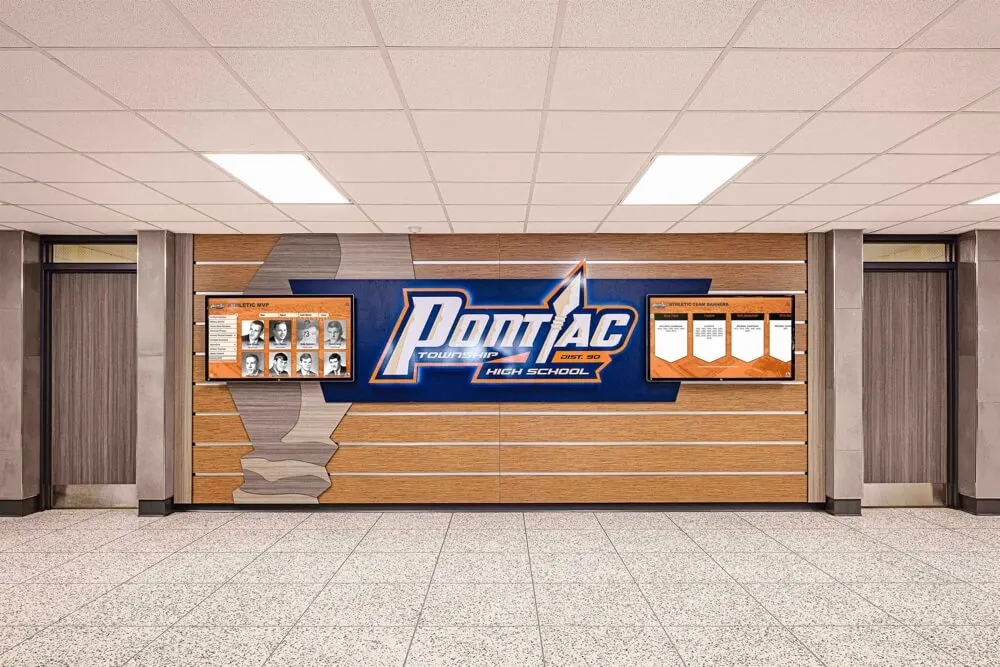
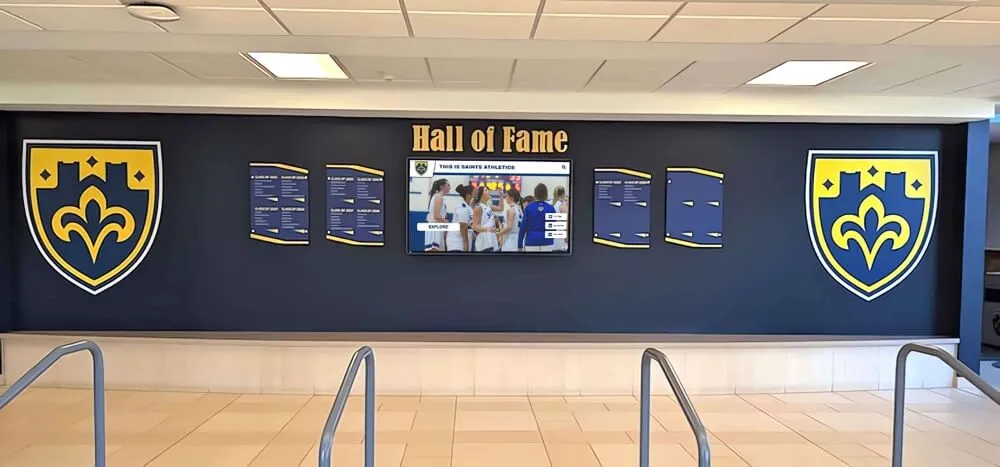
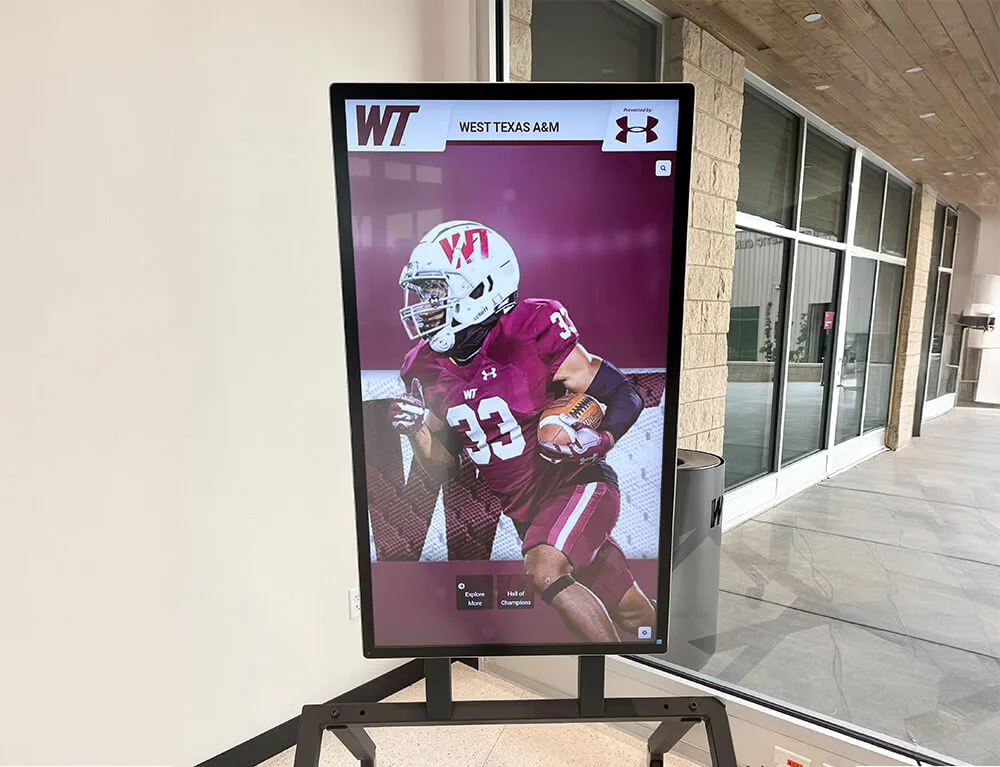
Professional recognition installations demonstrate institutional commitment to employee appreciation
How Recognition Drives Engagement Specifically
Recognition affects engagement through psychological mechanisms that organizations can leverage strategically:
Psychological Needs Fulfillment
Effective recognition satisfies fundamental human needs:
- Belonging: Public acknowledgment affirms organizational membership and community value
- Competence: Achievement recognition validates professional skills and contribution quality
- Autonomy support: Celebrating diverse excellence approaches respects individual strengths
- Purpose connection: Recognition linking contributions to mission outcomes strengthens meaning
- Growth affirmation: Acknowledging development demonstrates investment in professional advancement
When recognition programs address these needs systematically, they create conditions where engagement naturally flourishes rather than requiring forced enthusiasm or artificial motivation campaigns.
Reciprocity and Organizational Commitment
Recognition activates reciprocity principles fundamental to human psychology:
When organizations invest resources in celebrating staff contributions, employees reciprocate through increased commitment and discretionary effort. This reciprocity operates unconsciously—recognized professionals naturally feel motivated to justify the appreciation they receive by maintaining or exceeding the performance that generated recognition. Organizations implementing comprehensive recognition that honors teaching excellence consistently report engagement improvements beyond what compensation adjustments alone achieve.
Social Identity and Professional Pride
Visible recognition strengthens professional identity and organizational pride:
- Public celebration connects individual identity with institutional affiliation
- Recognition shared on social media becomes part of personal professional brands
- Family awareness of workplace appreciation strengthens career satisfaction
- Peer recognition validates professional standing within communities of practice
- External visibility positions individuals as respected professionals in broader networks
These identity effects create engagement depth that private acknowledgment cannot achieve, making public recognition components essential for maximum impact.
Motivation Sustainability
Unlike extrinsic motivators that require continuous escalation, recognition creates sustainable motivation:
Financial incentives demonstrate diminishing returns—today’s salary increase becomes tomorrow’s baseline expectation requiring larger increases to generate equivalent satisfaction. Recognition operates differently: personalized appreciation for specific contributions never becomes routine expectation when programs maintain authenticity and variety. Organizations implementing recognition best practices that celebrate supporters discover that thoughtful acknowledgment maintains motivational power across years without escalating costs.
Core Components of Effective Staff Recognition Programs
Successful recognition programs combine multiple elements creating comprehensive appreciation ecosystems rather than isolated initiatives.
Clear Recognition Philosophy and Criteria
Systematic programs require foundational frameworks ensuring consistency and fairness:
Defining Recognition Purpose
Establish clear objectives beyond generic “appreciation”:
- Reinforcing specific behaviors and values aligned with institutional missions
- Building inclusive cultures where all roles receive appropriate acknowledgment
- Strengthening retention by demonstrating employee value continuously
- Supporting professional development by celebrating growth and learning
- Creating recruitment advantages through visible appreciation cultures
Explicit purpose statements guide implementation decisions ensuring recognition investments generate intended strategic outcomes.
Transparent Selection Criteria
Establish clear standards for recognition eligibility:
- Performance excellence dimensions specific to different roles and departments
- Innovation and improvement contributions that advance organizational goals
- Service longevity recognizing sustained commitment across years or decades
- Collaborative excellence acknowledging team contributions and peer support
- Values alignment celebrating behaviors exemplifying institutional character
- Student impact honoring contributions directly affecting educational outcomes
Transparent criteria prevent recognition from appearing arbitrary or based on favoritism, building credibility essential for engagement impact. Schools implementing comprehensive academic recognition frameworks demonstrate how clear standards strengthen program legitimacy.
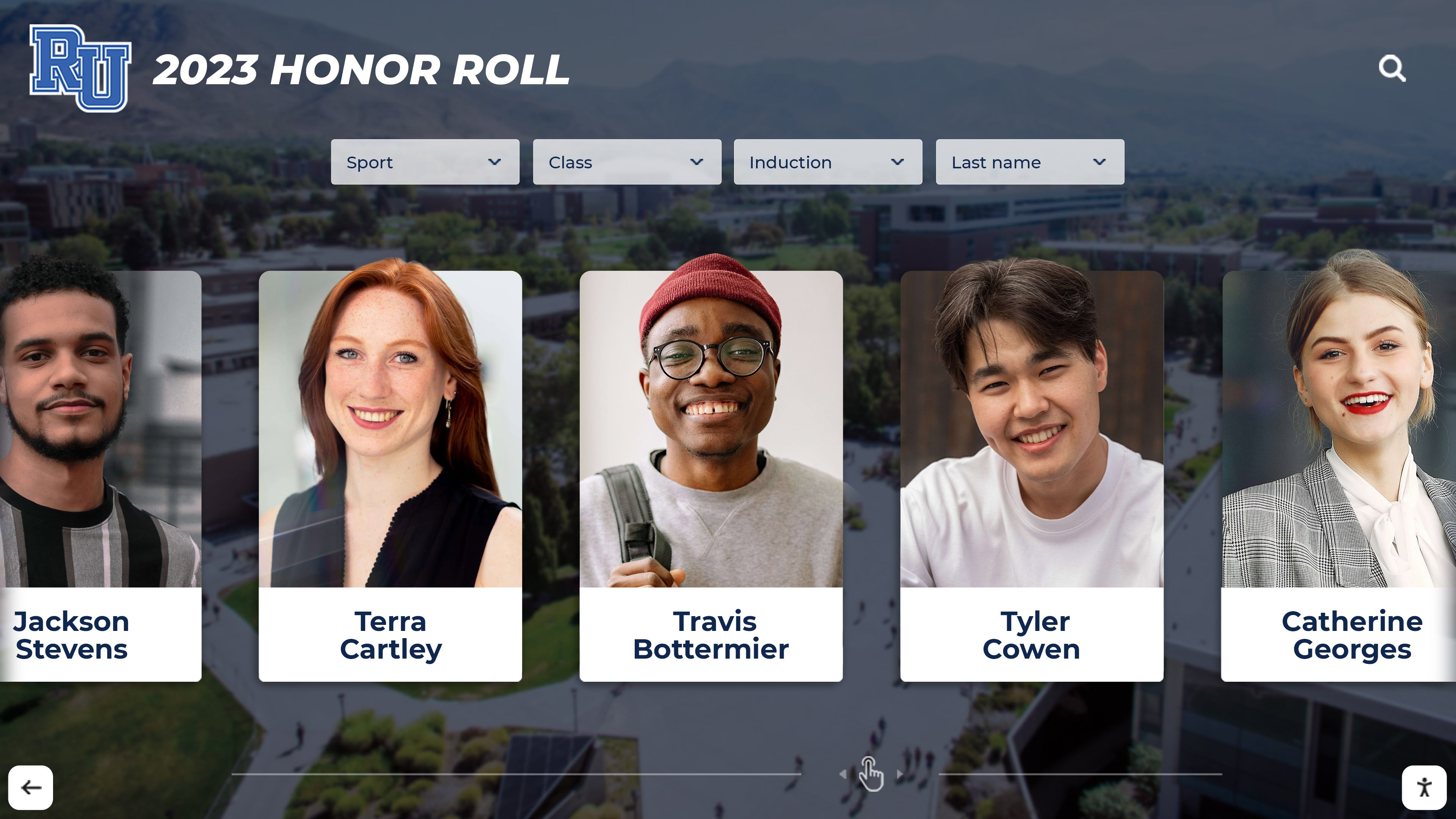
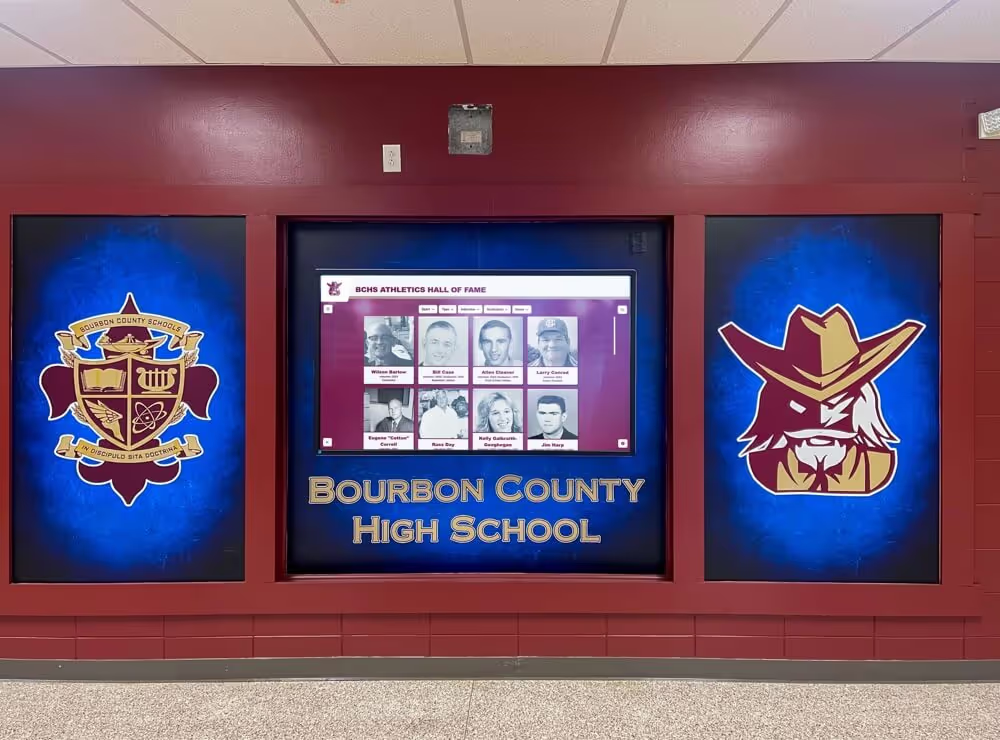
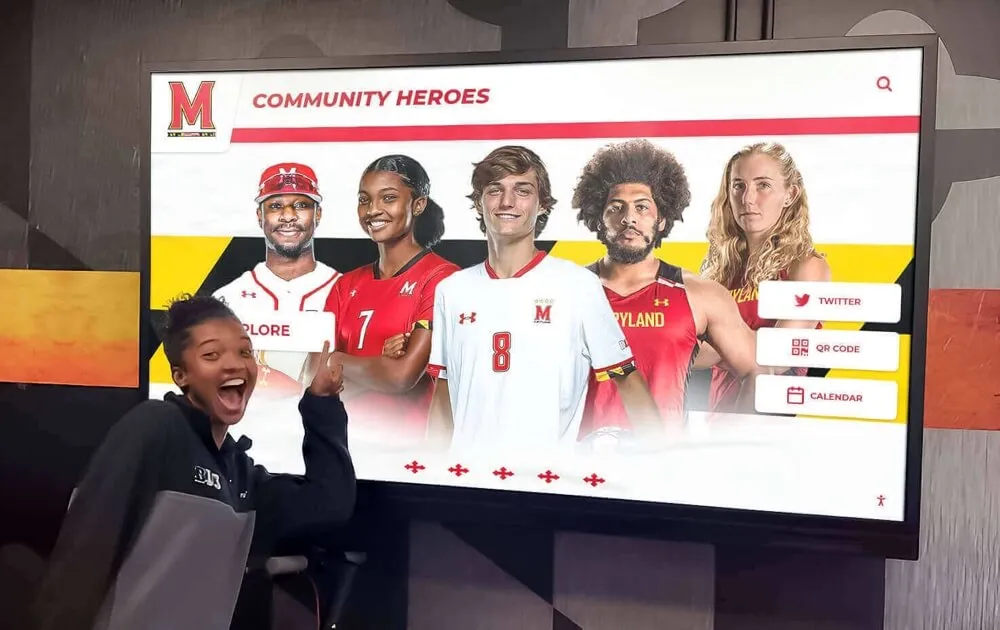
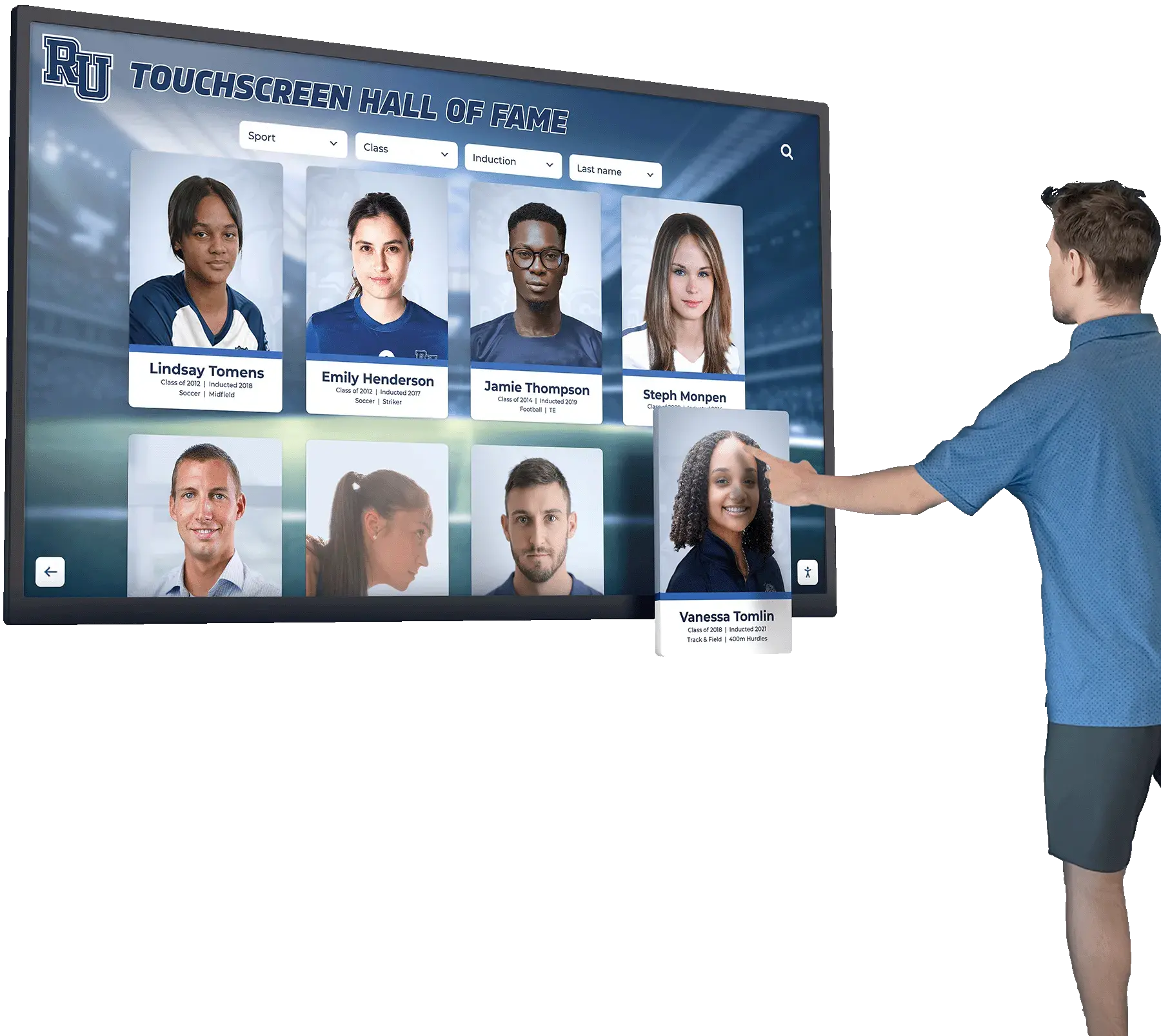
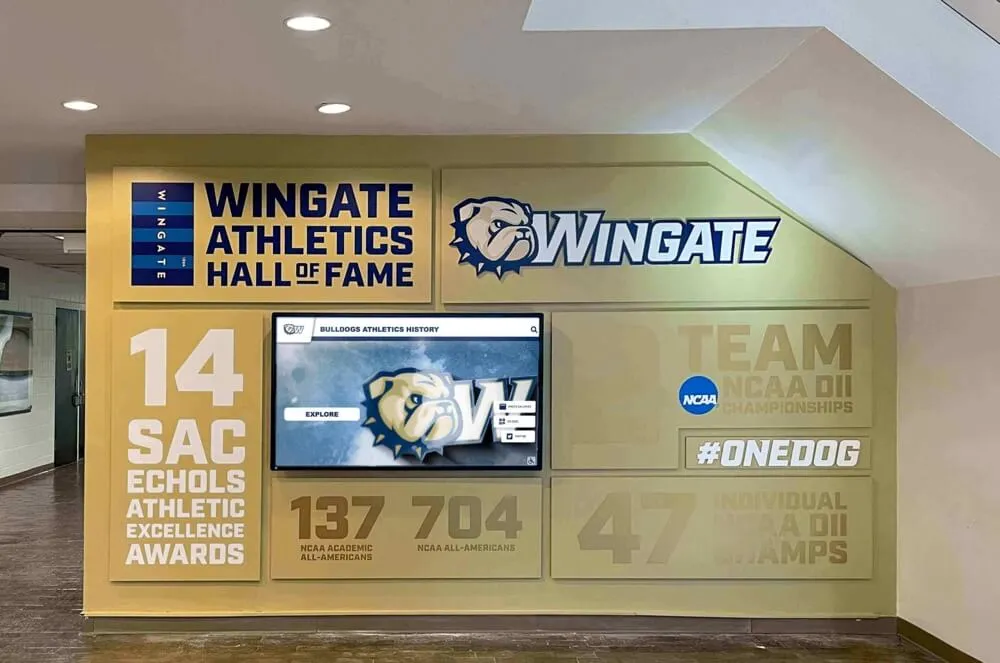
Detailed individual profiles enable personalized appreciation that honors complete professional contributions
Inclusive Recognition Frameworks
Comprehensive programs acknowledge diverse contribution types:
- Teaching excellence: Instructional innovation, student learning outcomes, and pedagogical effectiveness
- Operational excellence: Facilities management, administrative efficiency, and support service quality
- Student support: Counseling effectiveness, mentorship impact, and individual student assistance
- Leadership contributions: Department coordination, initiative implementation, and peer professional development
- Institutional service: Committee participation, accreditation support, and strategic planning involvement
- Community connection: Family engagement, partnership development, and external relationship building
This multi-dimensional approach ensures that excellence receives recognition regardless of role or department, preventing recognition concentration on high-visibility positions while other essential contributors feel overlooked.
Multiple Recognition Modalities
Comprehensive programs combine various acknowledgment approaches addressing diverse preferences and situations:
Formal Recognition Ceremonies
Traditional events maintain importance within comprehensive systems:
- Annual awards banquets celebrating major achievements with community visibility
- Department recognition events acknowledging team accomplishments and collaboration
- Professional development day acknowledgments honoring learning investments
- Board meeting presentations demonstrating staff excellence to governance leadership
- Community appreciation events connecting employees with constituent support
Ceremonial recognition provides memorable moments that professionals cherish throughout careers, particularly when ceremonies genuinely honor contributions rather than feeling like obligatory social functions.
Informal Acknowledgment
Spontaneous appreciation creates authentic celebration:
- Leadership walk-throughs with immediate verbal recognition of observed excellence
- Handwritten notes acknowledging specific contributions noticed by administrators
- Surprise staff lounge treats expressing gratitude during challenging periods
- Email acknowledgments copied broadly celebrating recent accomplishments
- Social media spotlights featuring individual contributors and their achievements
Informal recognition’s spontaneity often generates greater emotional impact than scheduled ceremonies because unpredictability signals genuine appreciation rather than routine obligation.
Peer Recognition Systems
Colleague-initiated appreciation carries unique authenticity:
- “Caught being awesome” programs enabling staff to nominate peers demonstrating excellence
- Peer-voted recognition awards celebrating colleagues’ professional respect
- Team shout-outs during staff meetings acknowledging collaborative contributions
- Cross-departmental appreciation initiatives building school-wide connections
- Gratitude boards where employees post appreciation notes for colleagues
Peer recognition proves particularly meaningful because colleagues understand job demands and challenges, making their acknowledgment especially credible validation of professional excellence.
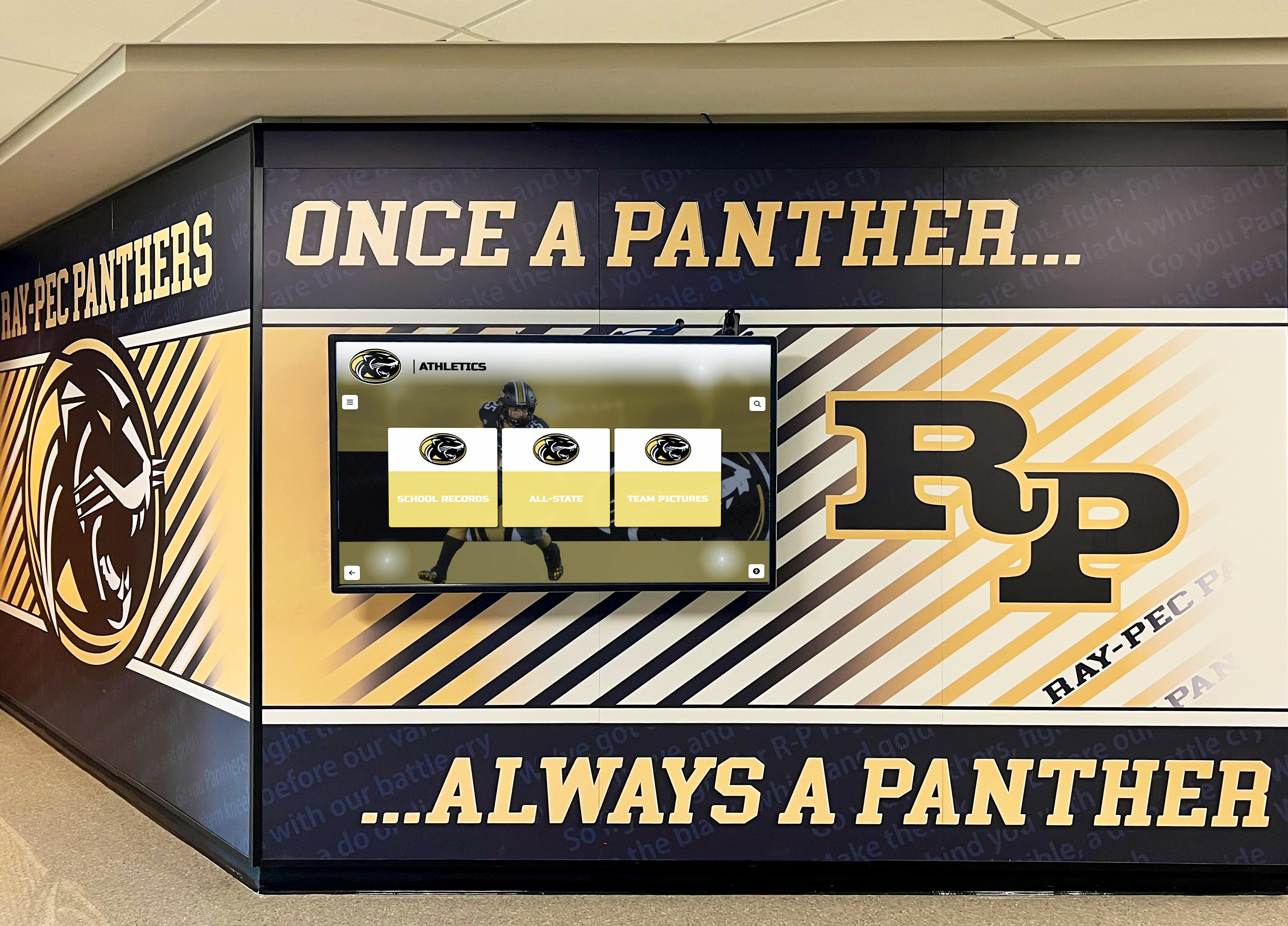
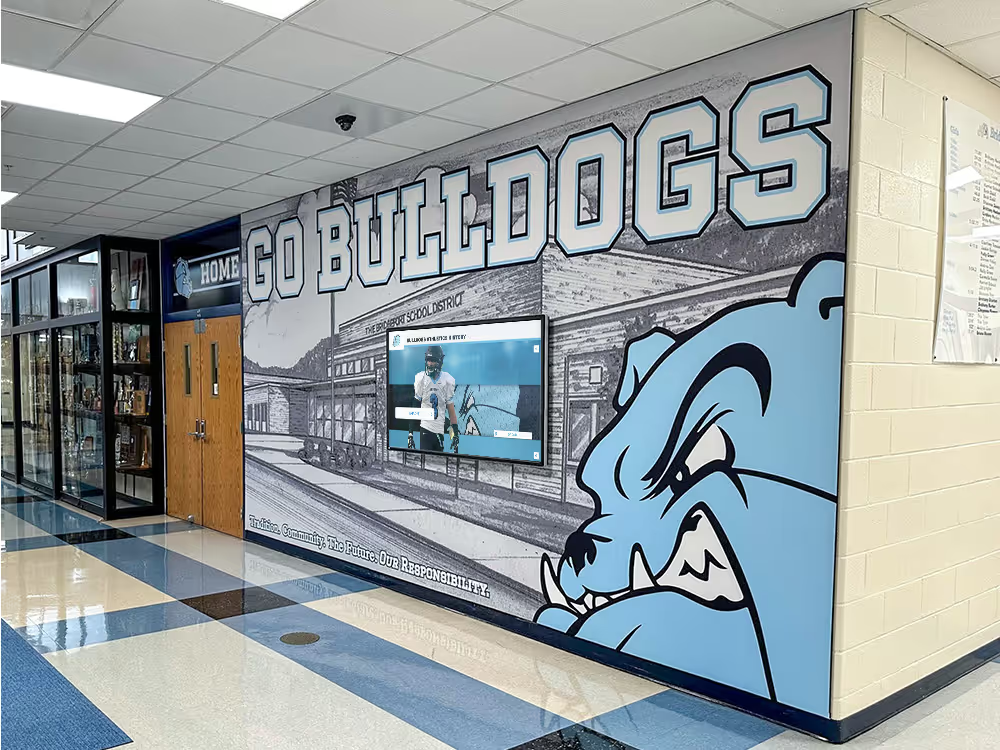
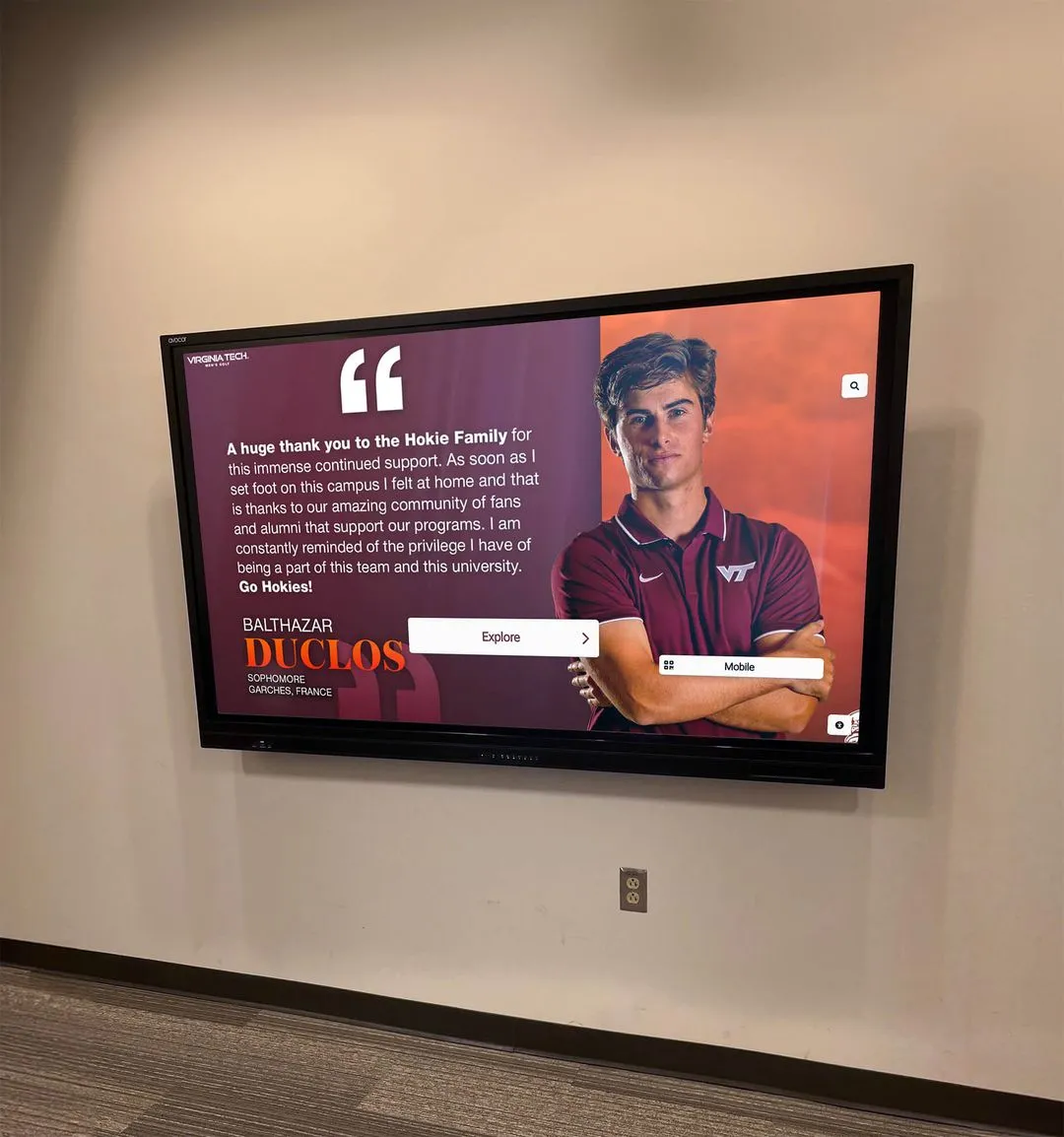
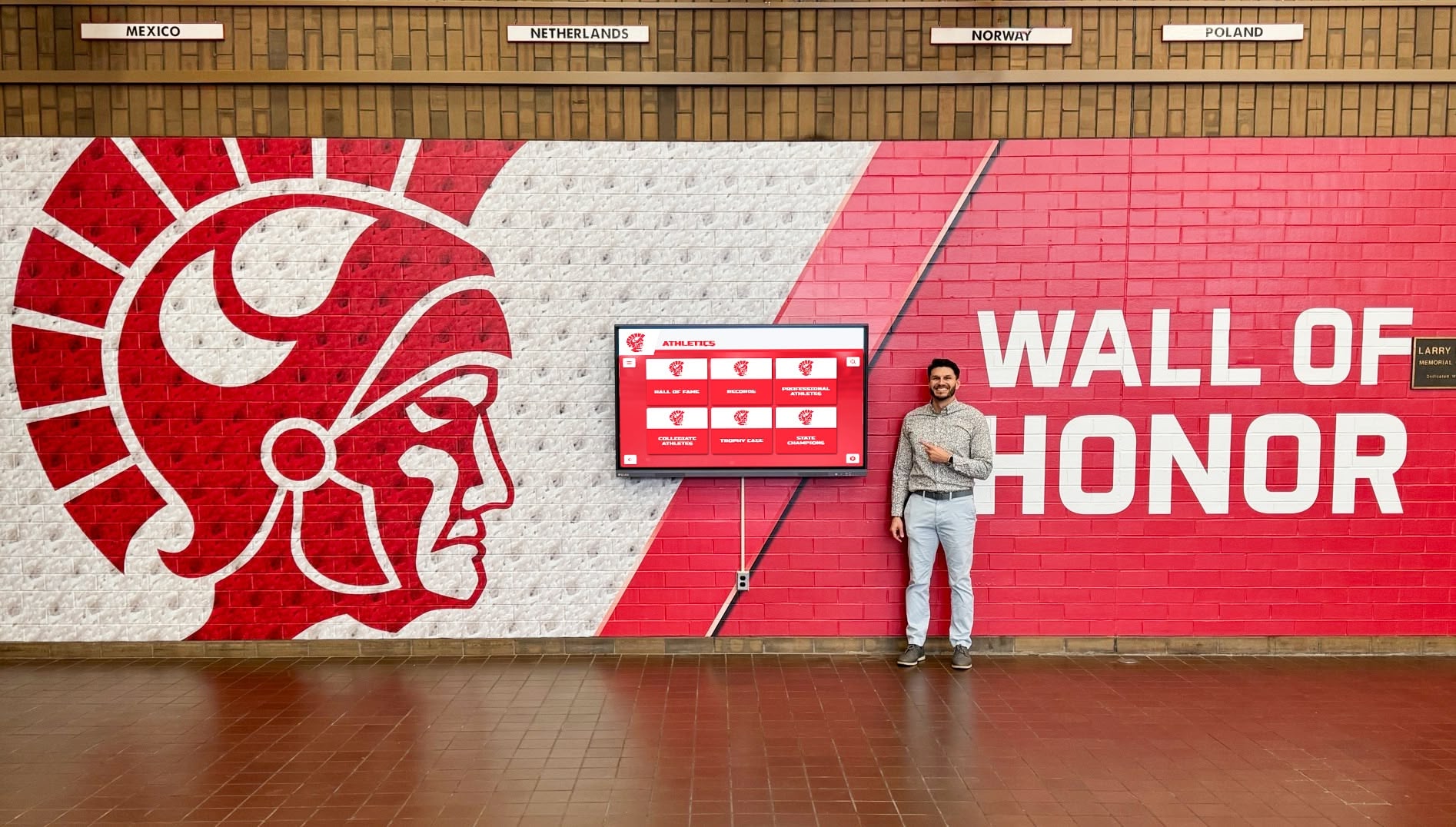
Environmental integration makes recognition displays natural parts of institutional identity and culture
Digital Recognition Platforms
Modern technology enables continuous, accessible appreciation:
- Interactive displays featuring comprehensive staff profiles and achievements
- Web-accessible platforms enabling global recognition visibility
- Mobile-optimized interfaces supporting smartphone engagement
- Social sharing capabilities amplifying appreciation through personal networks
- Automated milestone recognition appearing on anniversaries and achievements
- Searchable databases enabling personalized content discovery
Solutions like Rocket Alumni Solutions provide purpose-built platforms specifically designed for educational staff recognition, eliminating the complexity of custom development while delivering comprehensive functionality. These systems enable unlimited recognition capacity accommodating entire workforces across all roles and departments, rich multimedia profiles telling complete professional stories, intuitive content management allowing easy updates without technical expertise, and accessibility compliance ensuring universal community engagement.
Timely and Specific Acknowledgment
Recognition impact depends significantly on timing and specificity:
Immediate Recognition
Acknowledge contributions promptly:
- Real-time appreciation connecting acknowledgment temporally to specific actions
- Weekly recognition roundups celebrating recent accomplishments while still fresh
- Milestone celebrations appearing automatically on significant dates
- Achievement spotlights featuring contributions immediately after occurrence
- Responsive updates to digital platforms documenting excellence quickly
Delayed recognition loses psychological impact—celebrating October innovations the following May disconnects appreciation from the specific contributions deserving acknowledgment, reducing emotional resonance and behavioral reinforcement.
Detailed Specificity
Generic appreciation lacks impact compared to specific acknowledgment:
- Describing exactly what actions or outcomes generated recognition
- Explaining why contributions matter and how they advance institutional missions
- Connecting individual efforts to visible outcomes and student success
- Quantifying impact when measurable results demonstrate contribution significance
- Including personal observations revealing genuine attention and authentic appreciation
“Thank you for your dedication” communicates far less than “Your implementation of differentiated reading groups raised literacy achievement by 15% among struggling learners, demonstrating the personalized instruction that defines excellent teaching.” Specificity proves that recognition comes from genuine observation rather than perfunctory obligation.
Implementing Digital Recognition Infrastructure
While informal appreciation and traditional ceremonies maintain value, modern recognition programs increasingly rely on digital infrastructure enabling comprehensive, accessible, continuous celebration.
Advantages of Digital Recognition Systems
Purpose-built platforms deliver capabilities impossible with traditional approaches:
Unlimited Recognition Capacity
Digital systems eliminate physical constraints:
- Single installations showcase unlimited staff across all departments without space limitations
- Comprehensive profiles accommodate complete career documentation rather than brief descriptions
- Historical recognition remains permanently accessible rather than being removed for new content
- Growing workforces receive accommodation without facility renovations or display replacements
- Multi-dimensional recognition frameworks organize diverse achievement categories systematically
Unlike physical trophy cases or bulletin boards with finite capacity, digital platforms ensure every deserving employee receives appropriate recognition without forced prioritization or exclusion.
Rich Multimedia Content
Modern displays support comprehensive storytelling:
- Professional photographs presenting employees personally and authentically
- Video testimonials allowing staff to share teaching philosophies and approaches
- Student impact stories connecting contributions to educational outcomes
- Career timeline visualizations showing professional development across years
- Achievement documentation including awards, certifications, and accomplishments
- Colleague testimonials sharing peer perspectives on professional excellence
These rich profiles celebrate complete individuals rather than reducing careers to names and job titles, creating meaningful appreciation that honors the fullness of professional contributions.
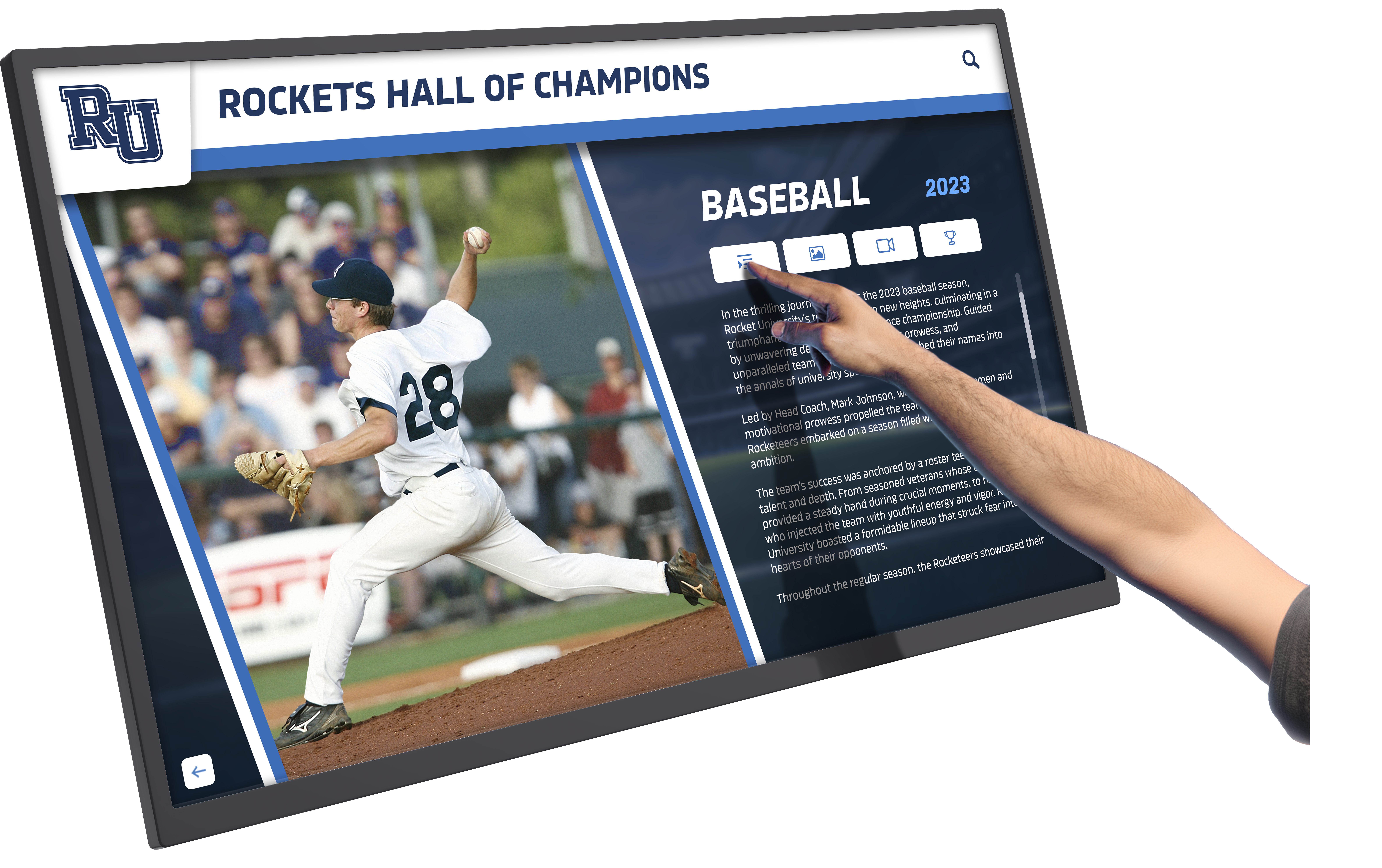
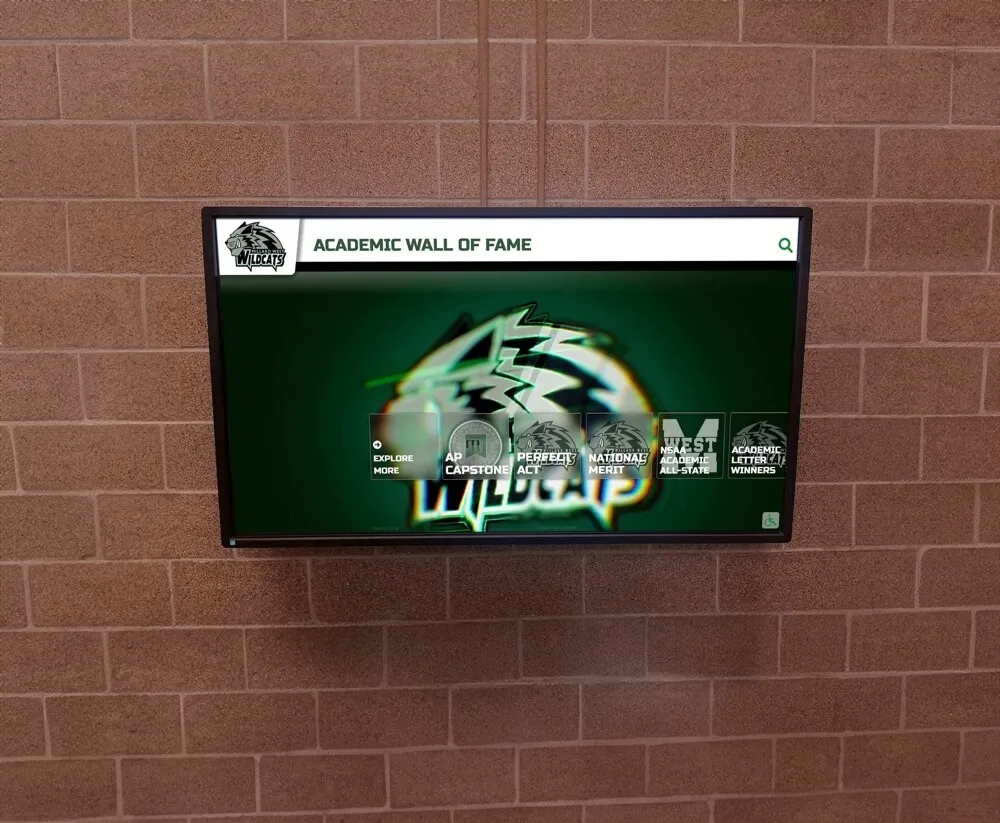
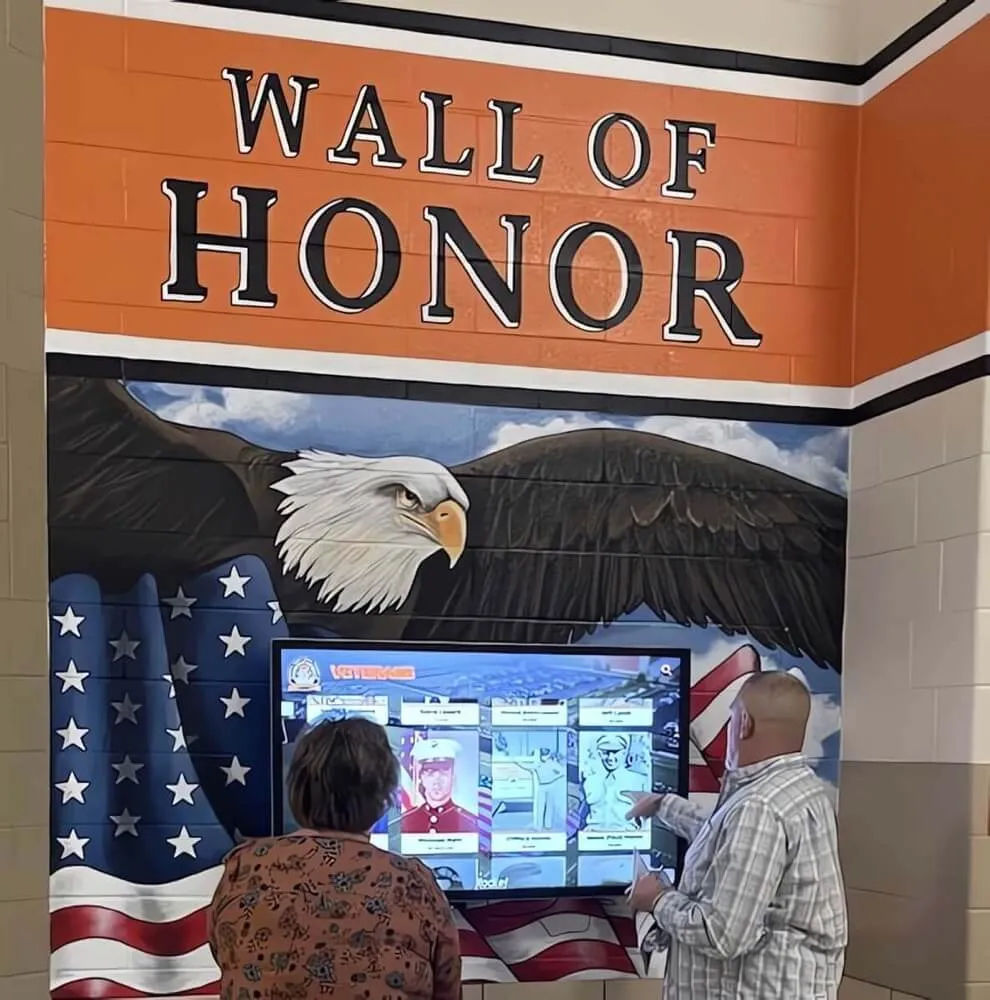
Intuitive interfaces enable exploration that creates personal discovery and emotional connection
Interactive Exploration
Digital platforms create engagement impossible with static displays:
- Search functionality enabling visitors to find specific staff members quickly
- Department and role filtering helping users discover team members by function
- Years of service sorting recognizing veteran employees and longevity
- Recognition category browsing highlighting specific types of excellence
- Testimonial exploration connecting users with personal impact stories
- Timeline interfaces visualizing institutional history and workforce evolution
Interactive exploration transforms recognition from passive viewing into active engagement where community members invest time discovering staff excellence, creating meaningful experiences that strengthen connections.
Extended Digital Access
Web-enabled recognition reaches audiences beyond physical locations:
- Family members accessing employee recognition remotely celebrating career achievements
- Prospective staff researching institutional culture during recruitment processes
- Alumni maintaining connections with influential staff members from their educational experiences
- Community stakeholders exploring workforce quality supporting local schools
- Board members and oversight bodies monitoring staff excellence and recognition
This extended reach multiplies recognition value by ensuring appreciation serves entire communities rather than only campus visitors, making investment justification substantially easier through broader stakeholder engagement.
Strategic Display Placement
Physical installations require thoughtful location decisions maximizing visibility and impact:
High-Traffic Public Locations
Recognition displays belong where diverse audiences encounter them naturally:
- Main entrance lobbies greeting all visitors and establishing institutional priorities
- Administrative office areas where families complete registration and conduct business
- Cafeterias and common spaces with sustained daily traffic from diverse populations
- Library and media centers where students and staff gather regularly
- Conference areas where board meetings and community events occur
Strategic placement ensures recognition receives visibility proportional to its importance while demonstrating that staff appreciation represents institutional values worthy of prominent real estate.
Coordinated Recognition Environments
Comprehensive approaches integrate multiple elements:
- Digital touchscreen displays providing interactive exploration capabilities
- Environmental graphics incorporating institutional branding and identity
- Complementary physical elements maintaining traditional recognition appeals
- Coordinated color schemes and design aesthetics matching facility standards
- Architectural integration making recognition natural parts of campus identity
Schools implementing comprehensive display installations combining digital and traditional elements create powerful statements about institutional commitments to employee appreciation.
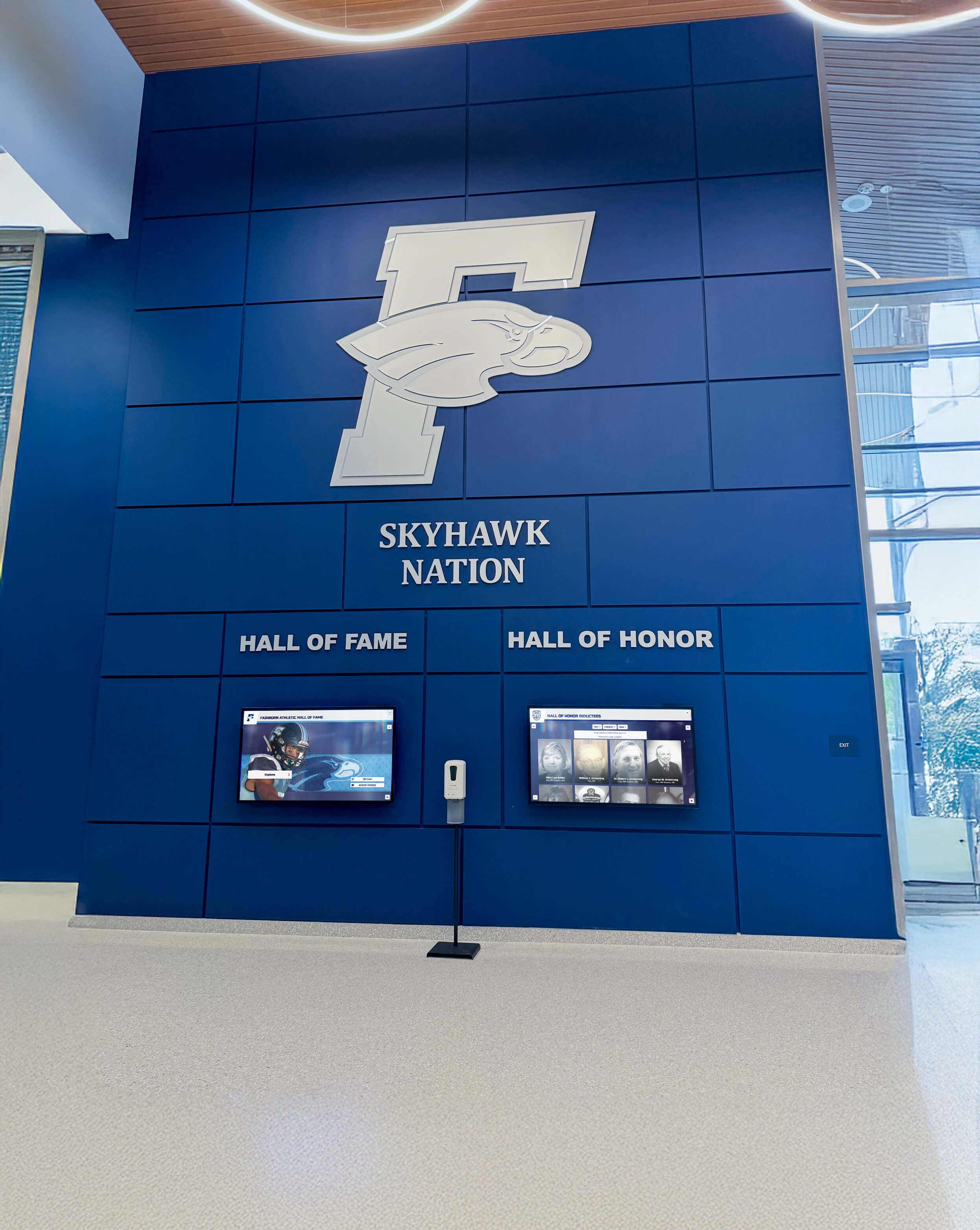
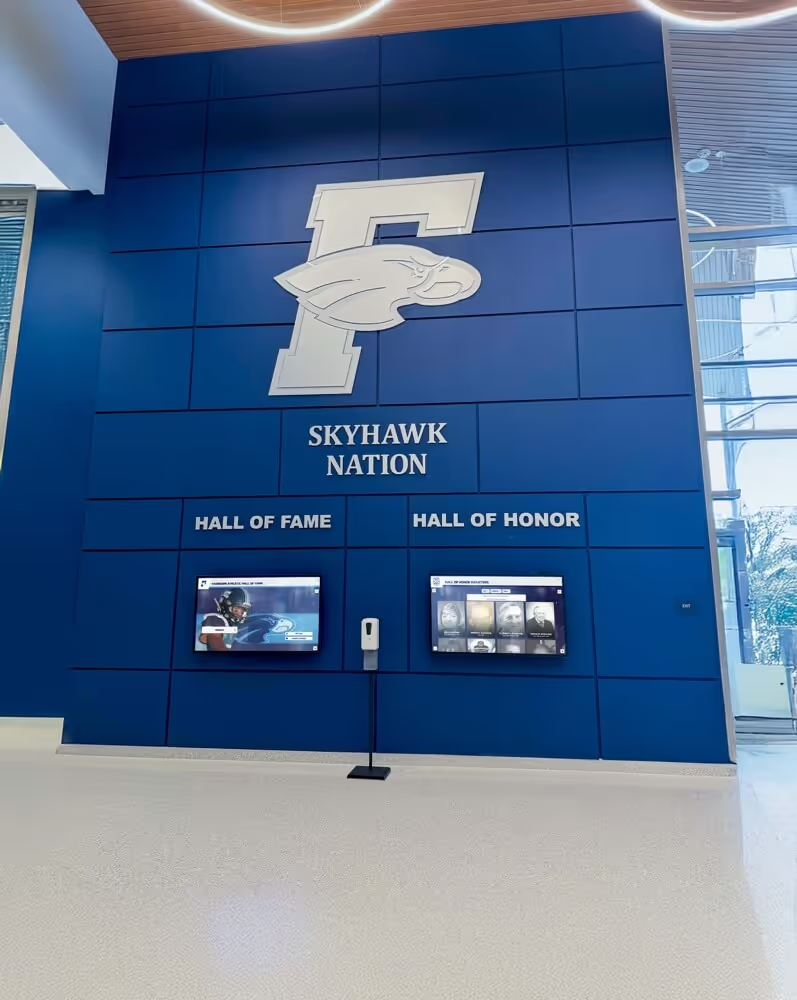
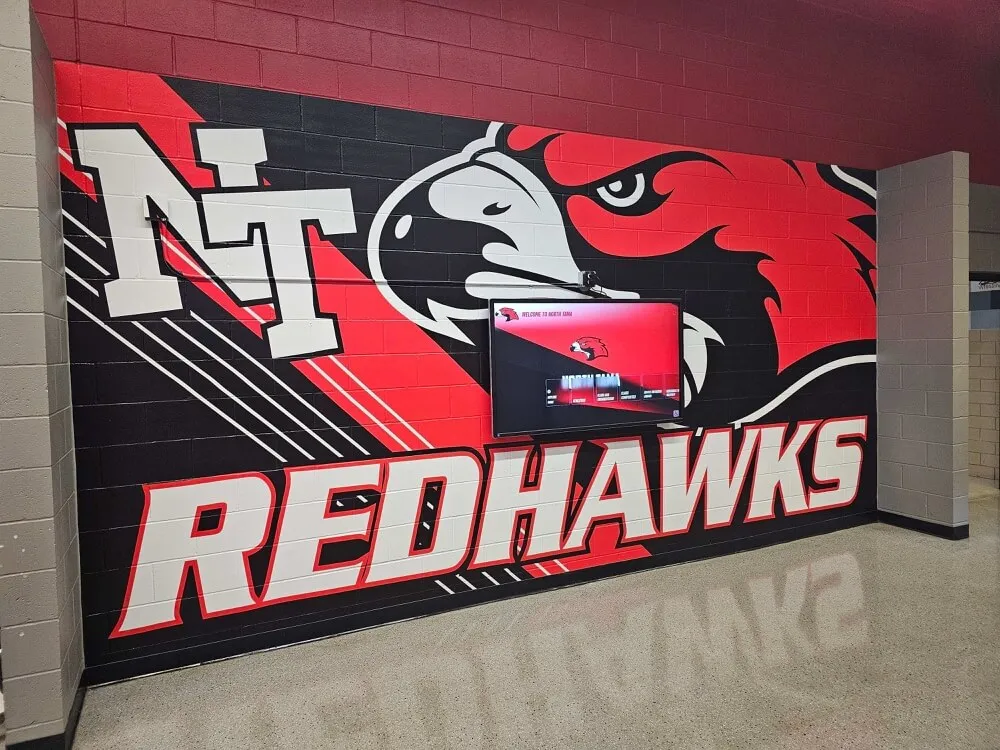
Prominent lobby installations establish recognition as institutional priority visible to all visitors
Content Development and Management
Sustainable recognition requires systematic content processes:
Initial Profile Creation
Launch comprehensive recognition through organized information gathering:
- Biographical details and educational backgrounds establishing professional foundations
- Career history documentation showing position progression and experience
- Achievement inventories cataloging awards, recognitions, and accomplishments
- Professional development records demonstrating continuous learning commitments
- Service contributions documenting institutional involvement beyond job requirements
- Testimonial collection gathering colleague and student appreciation statements
Systematic collection processes ensure comprehensive initial content while engaging staff in recognition program development, building buy-in essential for long-term success.
Staff Participation and Ownership
Involving employees creates authentic recognition:
- Self-authored professional philosophy statements explaining educational approaches
- Personal reflections on rewarding career moments and meaningful experiences
- Achievement narratives describing contributions and their significance
- Professional goal statements connecting recognition to future aspirations
- Family and personal interest information humanizing professional profiles
- Testimonial contribution requests allowing staff to recognize colleagues
Staff participation ensures recognition authentically represents their values and accomplishments rather than administrative interpretations, strengthening emotional connections to appreciation programs.
Ongoing Maintenance Systems
Sustainable programs require manageable update processes:
- Annual profile review cycles ensuring current accuracy
- New achievement additions throughout years as accomplishments occur
- Milestone recognition appearing automatically on significant dates
- Retirement and departure updates maintaining historical accuracy
- New hire onboarding integrating employees into recognition from arrival
- Content quality monitoring ensuring professional presentation standards
Establishing clear responsibilities and efficient workflows prevents recognition platforms from becoming outdated through administrative neglect, maintaining long-term value that justifies initial investment.
Creating Recognition That Warms Communities
Digital warming occurs when recognition transforms cold staff directories into vibrant celebrations that deepen community connections and strengthen engagement.
Personalization That Creates Meaning
Generic mass recognition loses impact compared to personalized appreciation acknowledging individual uniqueness:
Individual Excellence Narratives
Comprehensive profiles tell complete professional stories:
- Career journey descriptions showing professional development and growth
- Specific accomplishment documentation explaining achievement significance
- Impact evidence connecting contributions to student outcomes and organizational success
- Innovation stories celebrating creative approaches and problem-solving
- Challenge narratives describing obstacles overcome through dedication and skill
- Future vision statements revealing professional goals and aspirations
These detailed narratives honor complete individuals rather than reducing professionals to job titles and years of service, creating appreciation that employees experience as genuine respect for their contributions.
Multi-Dimensional Recognition
Acknowledge diverse excellence dimensions rather than single achievement categories:
- Instructional excellence celebrating teaching effectiveness and student learning
- Innovation recognition honoring creative approaches and continuous improvement
- Service appreciation acknowledging institutional contributions and committee work
- Collaboration celebration recognizing team contributions and peer support
- Mentorship acknowledgment honoring professional development of colleagues
- Community connection celebrating family engagement and partnership building
Multi-dimensional frameworks ensure that excellence receives recognition regardless of how it manifests, preventing recognition concentration on narrow achievement types while diverse contributions go unacknowledged.
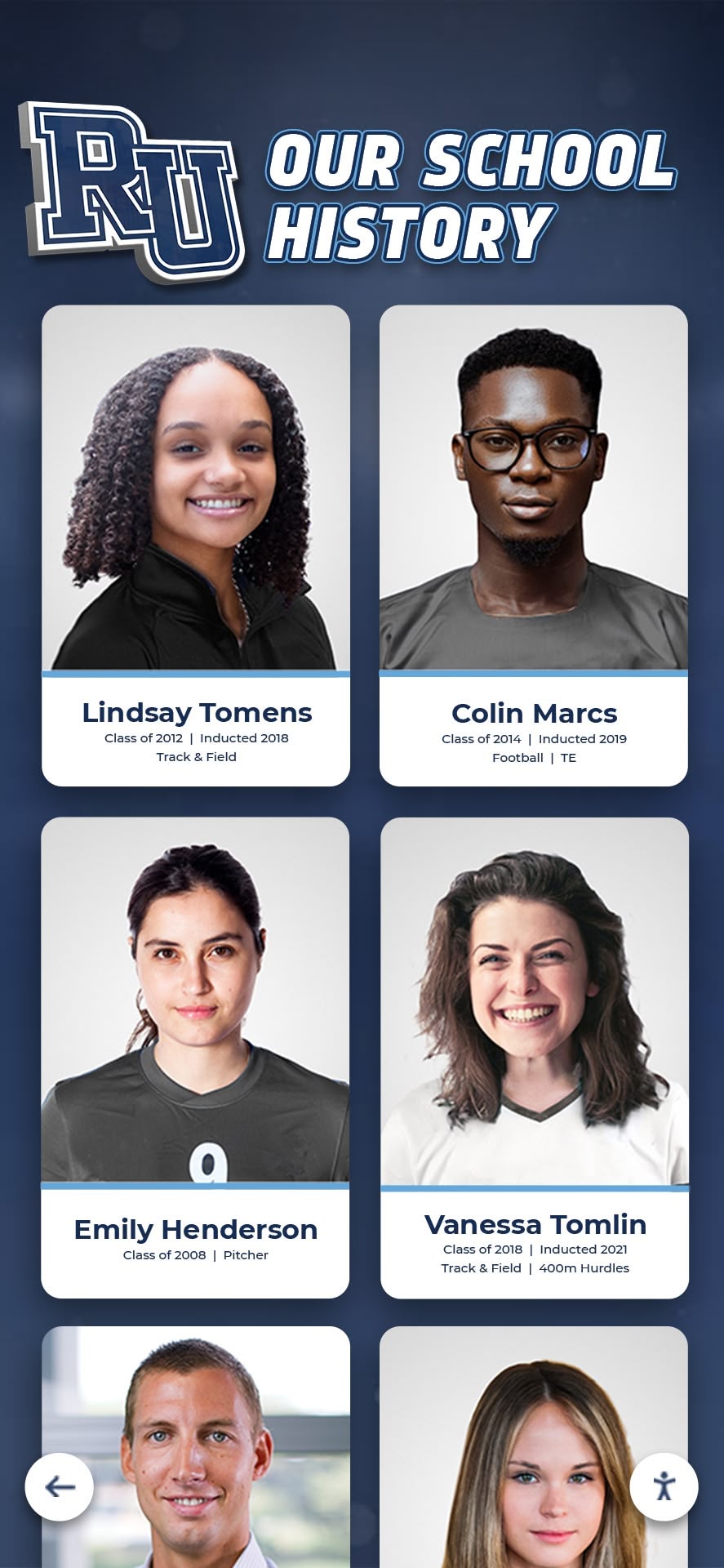
Organized profile collections enable systematic recognition while maintaining individual celebration
Community Engagement Features
Recognition creates maximum engagement when communities actively participate:
Student Voice Integration
Student perspectives add authenticity and emotional resonance:
- Testimonial collection systems gathering student appreciation statements
- Video tributes allowing students to express gratitude directly
- Recognition nomination processes enabling student input on teacher excellence
- Graduation reflection surveys asking students to identify influential staff
- Project showcase features connecting student success to staff support
- Multi-year relationship documentation showing sustained mentorship impact
Student participation demonstrates that recognition reflects genuine impact on those most directly served by educational institutions, creating validation that administrative acknowledgment alone cannot achieve.
Family Appreciation Pathways
Parent and family engagement strengthens recognition authenticity:
- Thank-you note submission systems collecting family gratitude expressions
- Parent nomination processes allowing families to recommend recognition
- Family testimonial videos sharing perspectives on staff excellence
- Event integration presenting recognition during family engagement activities
- Newsletter features amplifying appreciation visibility across communities
- Social media amplification enabling families to celebrate educators broadly
Family engagement ensures staff experience appreciation from those personally invested in educational outcomes, creating meaningful validation of professional contributions.
Alumni Connection Programs
Former students provide powerful long-term perspective:
- Alumni testimonial collection documenting lasting influence across years or decades
- Career attribution stories crediting staff with professional trajectory influence
- Return visit documentation when alumni reconnect with influential mentors
- Professional network connections linking alumni success to staff mentorship
- Legacy story features celebrating multi-generational teaching impact
- Reunion coordination enabling sustained staff-alumni relationships
Alumni appreciation demonstrates that professional impact extends far beyond immediate service years, providing meaningful recognition especially for veteran educators who may not receive sufficient current student acknowledgment. Organizations implementing comprehensive alumni engagement strategies discover that these connections strengthen both staff recognition and institutional advancement.
Continuous Recognition vs. Event Concentration
Year-round appreciation creates superior engagement compared to occasional ceremonies alone:
Always-Present Digital Recognition
Platforms provide 365-day visibility:
- Continuous accessibility ensuring persistent rather than episodic appreciation
- Automated milestone recognition appearing on significant dates without manual updates
- Featured content rotation maintaining freshness for repeat visitors
- Responsive updates celebrating achievements immediately after occurrence
- Consistent presence reminding communities of staff excellence continuously
Continuous recognition demonstrates that employee value extends throughout years rather than being confined to designated appreciation periods, creating sustained morale support during challenging periods when visible acknowledgment matters most.
Event Amplification
Digital platforms enhance rather than replace traditional recognition:
- Providing permanent record of annual award presentations extending ceremony impact
- Documenting recognition speeches and testimonials for long-term accessibility
- Sharing ceremony highlights broadly through web platforms and social media
- Creating anticipation through pre-event recognition program updates
- Maintaining ceremony momentum through post-event digital features
Integrated approaches combining continuous digital recognition with traditional appreciation ceremonies create comprehensive celebration greater than either method alone, following principles demonstrated by schools implementing effective principal appreciation programs.
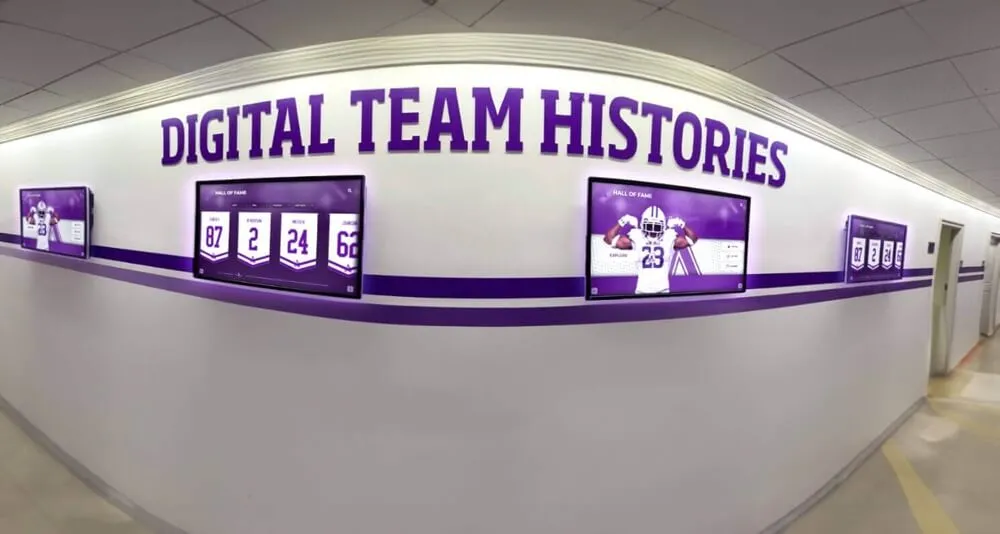
Multiple coordinated displays create distributed recognition throughout facilities ensuring widespread visibility
Measuring Recognition Program Impact
Systematic evaluation demonstrates program value while identifying improvement opportunities:
Engagement Metric Tracking
Quantitative measures reveal recognition effectiveness:
Employee Satisfaction Indicators
- Staff survey scores measuring recognition adequacy and appreciation value perception
- Job satisfaction ratings correlating with recognition visibility and frequency
- Intent to stay measurements revealing retention likelihood
- Recommendation scores indicating whether staff would encourage others to join
- Climate assessment results reflecting overall workplace culture quality
Strong satisfaction scores following recognition implementation provide evidence justifying continued investment and program expansion.
Digital Platform Analytics
Purpose-built systems provide detailed engagement data:
- Total platform visits and unique visitor counts indicating reach
- Return visitor rates revealing sustained community interest
- Session duration measurements showing content exploration depth
- Search and filter usage patterns informing content organization
- Most-viewed profiles identifying particularly compelling recognition
- Social sharing frequency measuring voluntary content amplification
High engagement metrics demonstrate that recognition resonates with communities rather than existing as ignored administrative formality, validating digital platform investments.
Retention and Recruitment Impacts
Recognition programs should demonstrate effects on workforce stability:
- Turnover rate changes following program implementation
- Average employee tenure comparing pre- and post-recognition periods
- Exit interview data revealing whether insufficient recognition contributed to departures
- Recruitment application quality and quantity improvements
- Position fill time reductions when recognition enhances employer attractiveness
Measurable retention improvements justify recognition investments through reduced turnover costs that substantially exceed program expenses.
Qualitative Impact Assessment
Beyond quantitative metrics, successful recognition demonstrates cultural shifts:
Professional Culture Transformation
Observable changes in workplace environment:
- Increased colleague collaboration and mutual support
- Enhanced pride in institutional affiliation and mission
- Reduced cynicism and improved professional morale
- Strengthened dedication during challenging periods
- Greater innovation willingness and continuous improvement initiative
Cultural improvements suggest recognition contributes to workplace transformation beyond merely satisfying individual employees, creating systemic benefits affecting organizational performance.
Community Perception Enhancement
Recognition affects external stakeholder views:
- Family satisfaction with visible employee appreciation and institutional culture
- Community confidence in educational quality based on workforce excellence
- Prospective family responses during campus visits and recruitment activities
- Media coverage amplifying staff excellence and organizational reputation
- Alumni engagement with staff recognition demonstrating sustained connections
Broad stakeholder awareness indicates recognition creates intended effects extending appreciation from internal obligation to visible community celebration that strengthens institutional standing.
Sustaining Recognition Programs Long-Term
Initial enthusiasm often fades without systematic approaches ensuring ongoing program vitality:
Administrative Leadership and Support
Sustainable recognition requires leadership commitment:
Budget Allocation
Dedicate resources supporting recognition sustainability:
- Platform subscription fees or maintenance contracts ensuring technical reliability
- Event budgets funding appreciation ceremonies and celebrations throughout years
- Award purchases providing tangible acknowledgment of specific achievements
- Communications resources amplifying recognition visibility across channels
- Professional development supporting recognition program management skills
Treating staff recognition as programmatic priority comparable to instructional investments signals that institutions genuinely value employees rather than providing lip service while allocating minimal resources.
Recognition Program Governance
Establish frameworks ensuring fairness and credibility:
- Written policies defining recognition criteria and selection processes transparently
- Selection committee composition ensuring diverse perspectives and representation
- Regular recognition cycles maintaining consistent program rhythm
- Appeals procedures addressing concerns appropriately and fairly
- Annual program evaluation identifying improvements and refinements
Formal governance prevents recognition from appearing arbitrary or political, building community confidence essential for engagement impact.
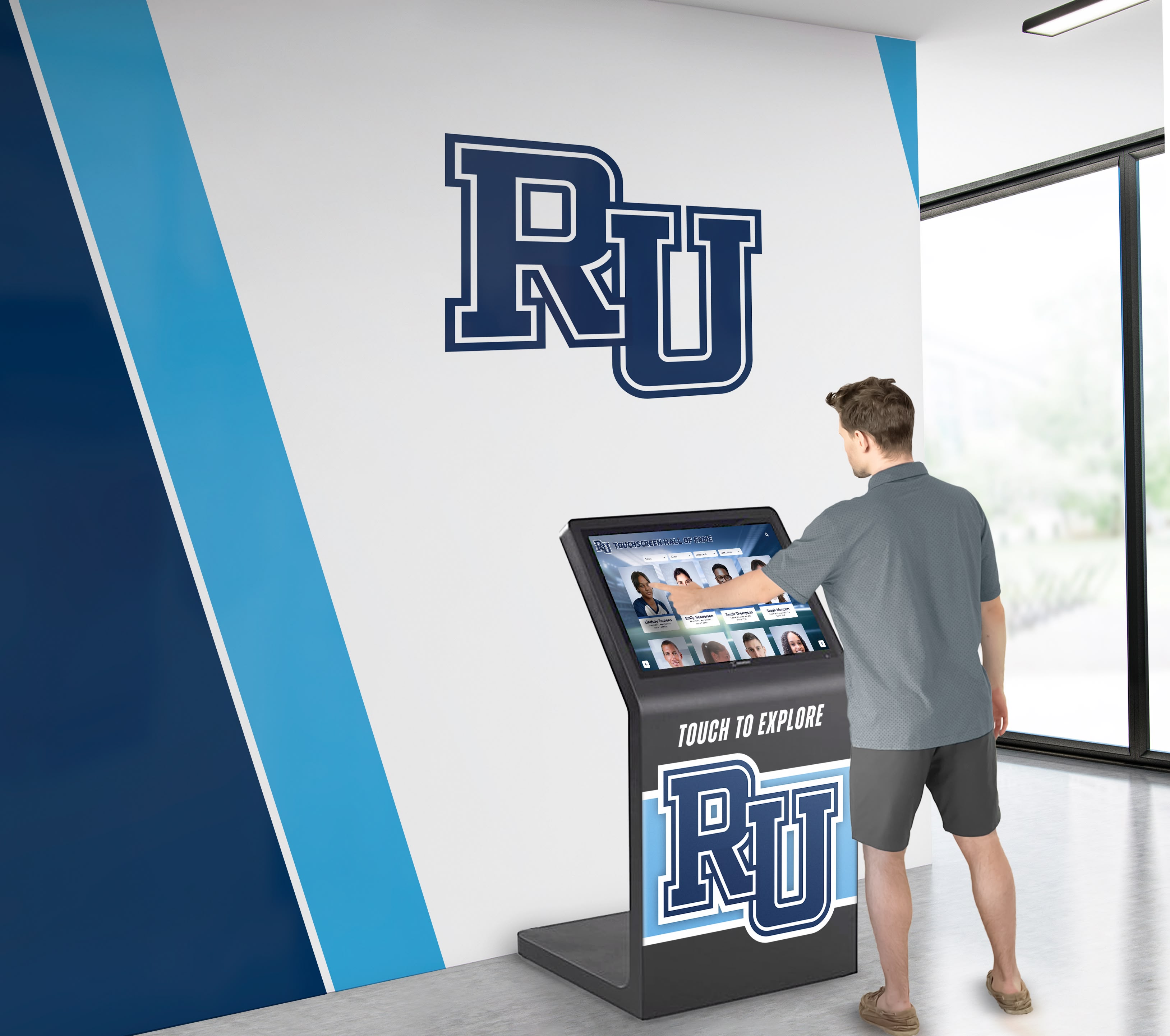
Professional installations with intuitive interfaces ensure accessible community engagement with recognition
Integration with Organizational Operations
Recognition maximizes impact when woven throughout regular activities:
Daily Operations Integration
Make recognition routine rather than special:
- Morning announcement segments featuring staff spotlights regularly
- Meeting agenda items celebrating recent accomplishments systematically
- Email signature recognition prompts reminding communicators to acknowledge excellence
- Digital signage rotation featuring recognized employees throughout facilities
- Newsletter segments highlighting staff achievements in every edition
Regular touchpoints demonstrate that employee value extends throughout operations rather than being confined to designated appreciation periods, building cultures where recognition becomes expected and normalized.
Professional Development Connection
Link recognition to growth and learning:
- Celebrating professional development completion and certification achievement
- Recognizing implementation of new strategies and instructional approaches
- Highlighting peer learning and mentorship contributions
- Acknowledging conference presentations and professional leadership
- Featuring action research and classroom innovation projects
Connecting recognition to development demonstrates that institutions value continuous learning and improvement, creating cultures where professional growth receives celebration rather than existing as isolated compliance requirement.
Strategic Planning Alignment
Ensure recognition supports institutional priorities:
- Celebrating contributions advancing strategic plan goals and objectives
- Highlighting innovation supporting mission advancement and vision realization
- Recognizing collaboration demonstrating values and cultural commitments
- Acknowledging service supporting accreditation and quality assurance
- Featuring leadership driving improvement initiatives and organizational change
Strategic alignment ensures recognition reinforces rather than contradicts institutional priorities, creating consistency between stated values and actual celebration.
Technology Platform Selection for Staff Recognition
Choosing appropriate recognition technology significantly affects program success and sustainability:
Purpose-Built Recognition System Benefits
Specialized platforms designed specifically for staff recognition offer substantial advantages:
Pre-Configured Recognition Features
Purpose-built systems include functionality optimized for celebrating employees:
- Staff profile templates designed for professional information and achievements
- Recognition category frameworks enabling systematic organization
- Milestone tracking with automated anniversary and achievement triggers
- Testimonial collection and display supporting multi-voice appreciation
- Multimedia integration accommodating photos, videos, and documents seamlessly
- Intuitive search and discovery enabling personalized content exploration
Generic content management systems require extensive customization achieving comparable functionality, consuming significant time and technical resources while delivering inferior user experiences compared to purpose-built alternatives.
Accessibility and Universal Design
Recognition platforms must serve all community members:
- ADA WCAG 2.1 AA compliance ensuring legal accessibility standards
- Keyboard navigation supporting users unable to operate touchscreens
- Screen reader compatibility serving visually impaired community members
- Mobile responsiveness enabling access across all device types
- High contrast modes and adjustable text sizes supporting diverse visual needs
- Alternative text descriptions enabling assistive technology content access
Accessibility compliance ensures that recognition serves complete communities rather than only able-bodied populations, fulfilling both ethical obligations and legal requirements for public institutions.
Implementation and Ongoing Support
Technology selection should consider operational requirements:
- Professional implementation assistance including content migration and setup
- Staff training on content management systems and update procedures
- Design consultation ensuring professional presentation matching institutional branding
- Technical integration connecting with existing websites and communication systems
- Quality assurance testing verifying smooth operation before public launch
- Ongoing platform updates maintaining security, performance, and feature enhancements
Professional support enables organizations to launch comprehensive recognition quickly without requiring technical expertise or consuming excessive staff time on technology management.
When institutions implement comprehensive digital recognition solutions like Rocket Alumni Solutions, they access turnkey systems providing complete recognition infrastructure without custom development complexity, enabling focus on program content and strategy rather than technical challenges.

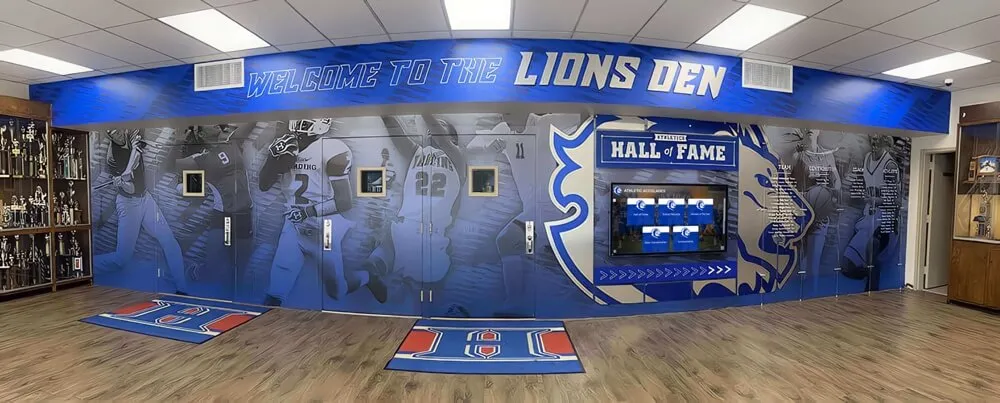
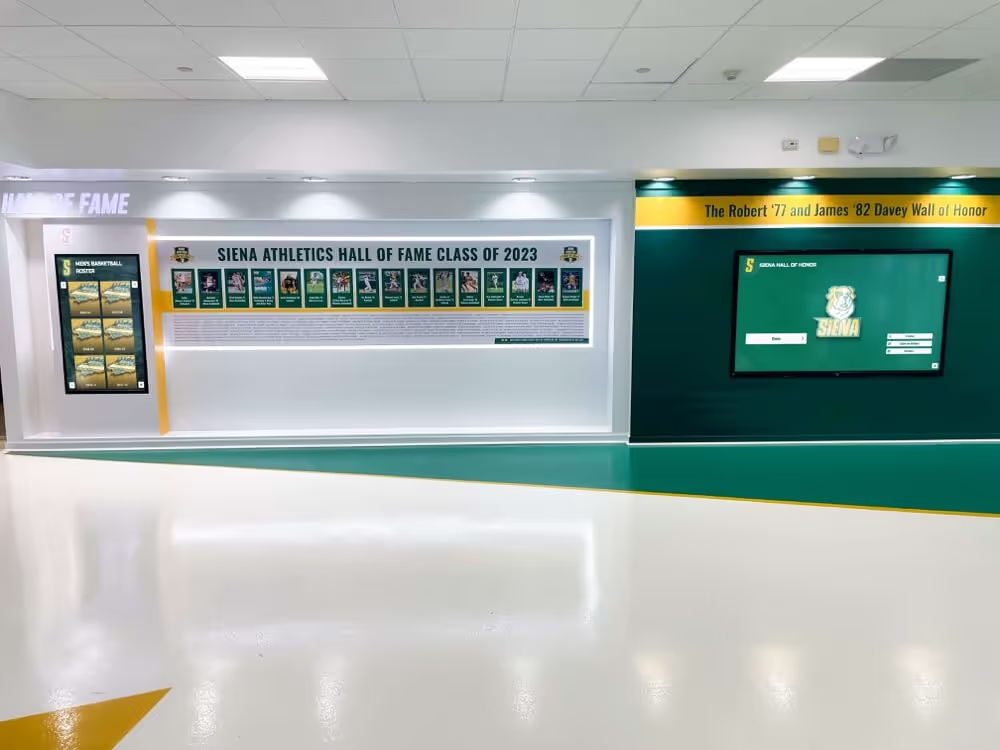
Comprehensive recognition environments integrate technology with architecture creating immersive appreciation experiences
Conclusion: Building Engagement Through Strategic Recognition
Staff recognition programs represent strategic investments in organizational excellence rather than optional gestures toward employee satisfaction. When institutions implement comprehensive recognition systems celebrating contributions continuously through multiple modalities addressing diverse preferences and situations, they create environments where professionals feel genuinely valued, dedication receives appropriate acknowledgment, and engagement flourishes rather than requiring forced enthusiasm campaigns.
The challenge facing many organizations—sporadic appreciation creating engagement deficits where contributions exceed acknowledgment—finds resolution through systematic programs combining clear recognition philosophy, multiple appreciation modalities, digital infrastructure enabling continuous celebration, community engagement features strengthening authenticity, and measurement systems demonstrating impact. These comprehensive approaches transform recognition from periodic obligation to sustained cultural characteristic defining institutional identity.
Modern digital recognition platforms eliminate constraints that previously limited appreciation to occasional ceremonies or bulletin board mentions quickly becoming invisible through familiarity. Solutions like Rocket Alumni Solutions provide unlimited capacity accommodating entire workforces across all roles and departments, rich multimedia profiles telling complete professional stories beyond names and job titles, intuitive exploration creating personalized discovery rather than passive viewing, extended digital access reaching families and communities globally, and simplified management enabling easy updates without technical expertise. These capabilities make comprehensive, engaging recognition achievable for institutions previously constrained by space limitations, update complexity, or budget concerns.
The concept of digital warming describes the transformation that occurs when cold employee directories become vibrant celebrations of professional excellence creating emotional connections and strengthening community bonds. When staff members discover their contributions receive comprehensive visible recognition they can share with families and professional networks—when students and families explore employee profiles understanding the expertise and dedication supporting educational quality—when prospective staff research institutional culture discovering genuine appreciation rather than generic claims—these interactions create warmth that strengthens engagement, improves retention, and builds excellence cultures where dedicated professionals choose to build careers.
Your staff members dedicate professional lives to organizational missions, often exceeding contractual obligations through discretionary effort motivated by personal commitment rather than compensation alone. These contributions deserve recognition matching their significance while building the appreciative cultures where excellent professionals choose to remain throughout careers. Strategic recognition programs transform engagement from abstract aspiration to measurable reality creating competitive advantages in recruitment, retention, and organizational performance.
Ready to implement comprehensive staff recognition that transforms employee engagement? Explore how Rocket Alumni Solutions creates recognition experiences that celebrate professional excellence while building vibrant communities where engaged employees create the organizational success that defines institutional excellence across generations.