Whether you’re a passionate collector preserving decades of baseball cards, a school athletic director honoring alumni achievements, or an organization celebrating sports heritage, the question of how to display sports cards professionally matters tremendously. A sports card display case transforms valuable collectibles from storage boxes into celebrated showcases that educate, inspire, and build community connections around shared athletic passion.
Sports cards represent more than cardboard and statistics—they capture moments in athletic history, celebrate exceptional performances, and connect generations through shared sports memories. Yet many collections remain hidden in binders or boxes where they generate no engagement, inspire no conversations, and create no community value. The difference between stored collections and displayed collections is the difference between private ownership and shared celebration.
This comprehensive guide explores sports card display case ideas spanning traditional approaches like shadow boxes and wall-mounted frames to innovative digital solutions that schools and organizations increasingly use for recognizing athletic achievements. Whether showcasing personal collections or institutional sports heritage, these strategies help you present sports cards in ways that honor their significance while creating engaging visual experiences.
Sports card collectors and institutions face common challenges when planning displays. Cards vary dramatically in size from vintage tobacco cards to modern oversized memorabilia cards, requiring flexible display solutions. Valuable cards need protection from UV damage, humidity, and handling while remaining visible and accessible. Display spaces must accommodate growing collections without requiring complete redesign, and presentation quality should match collection value—rare vintage cards deserve better than discount store frames.

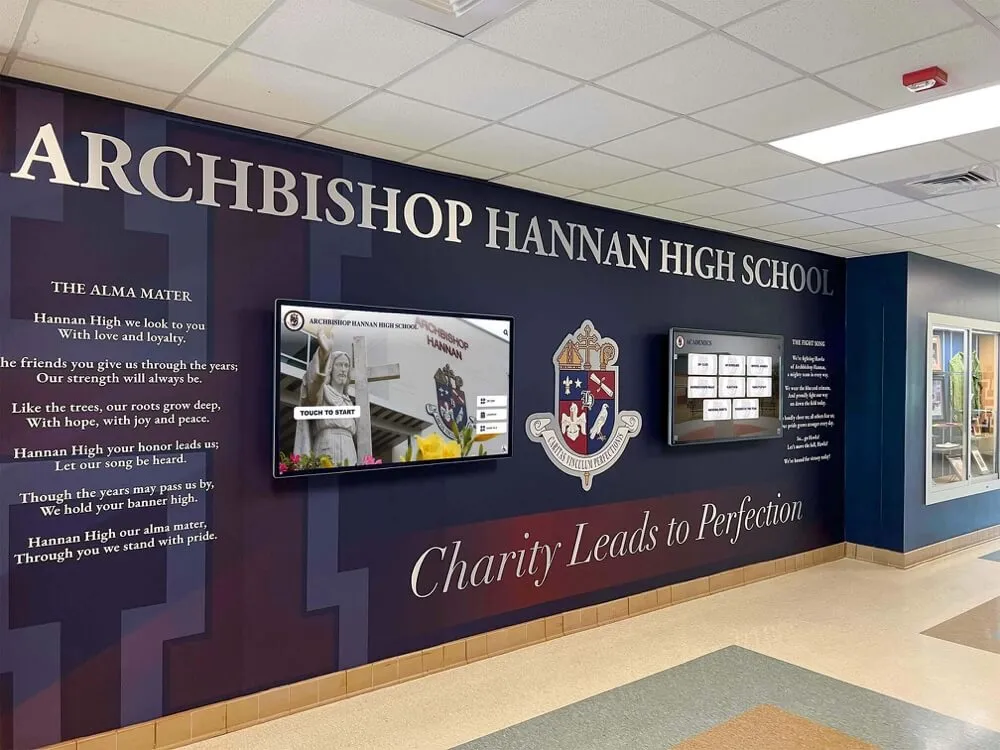
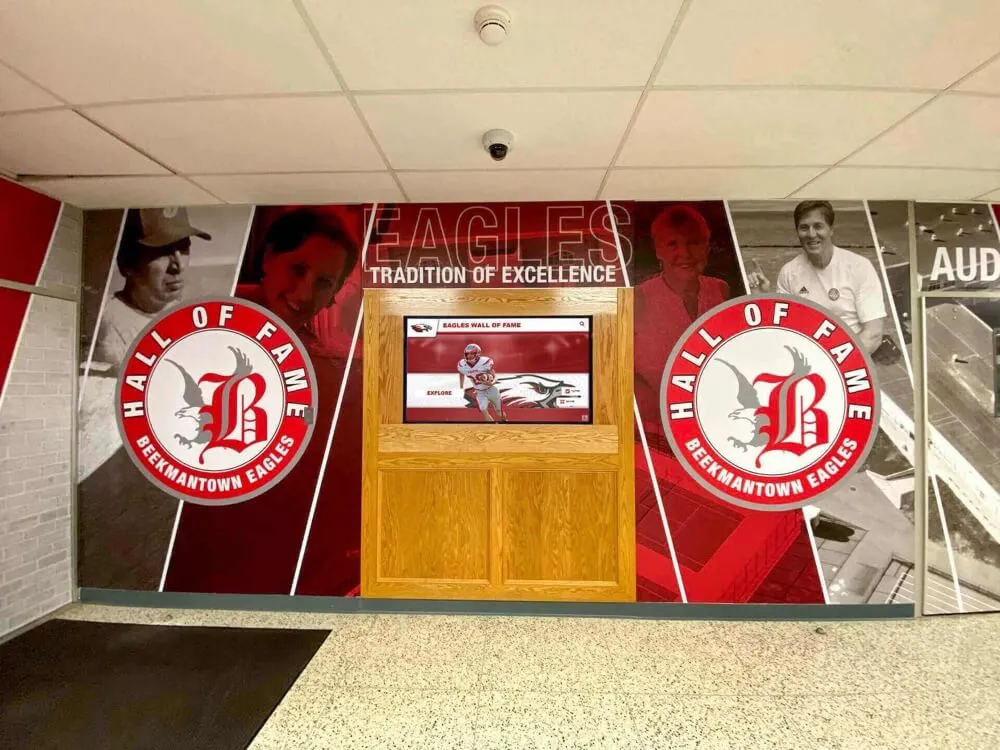
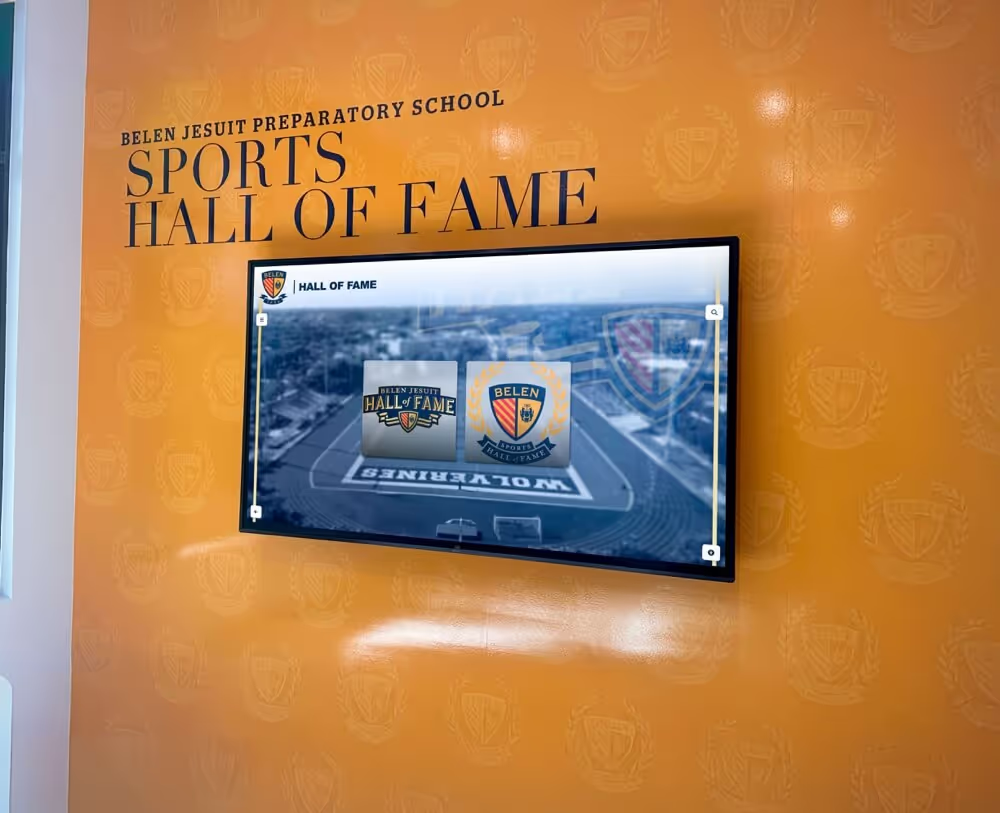
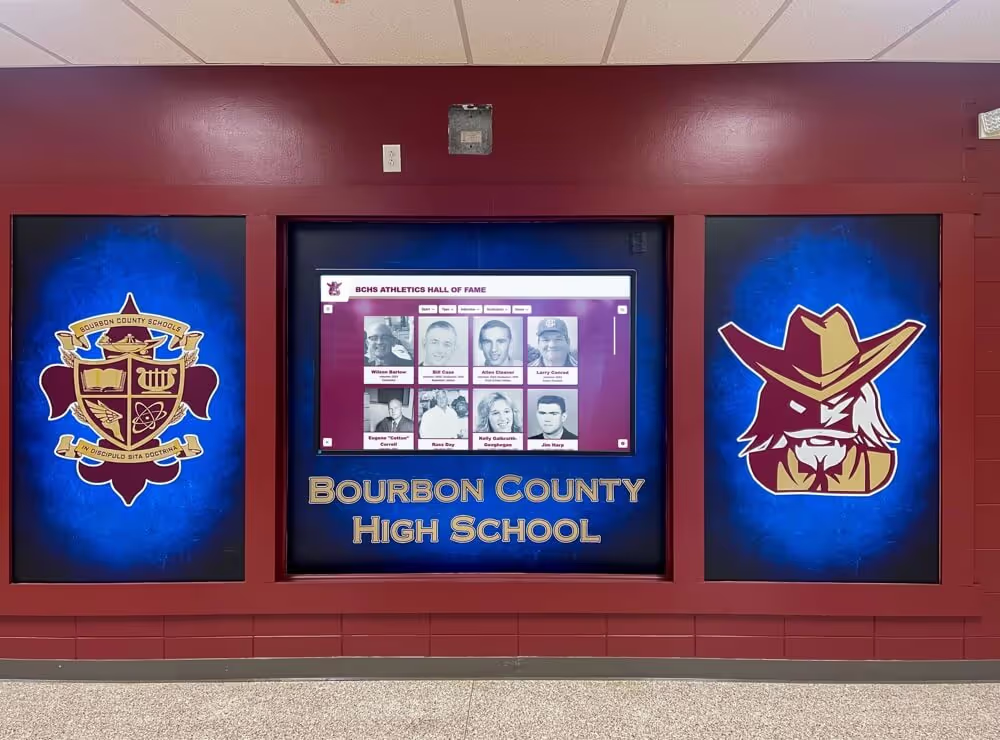
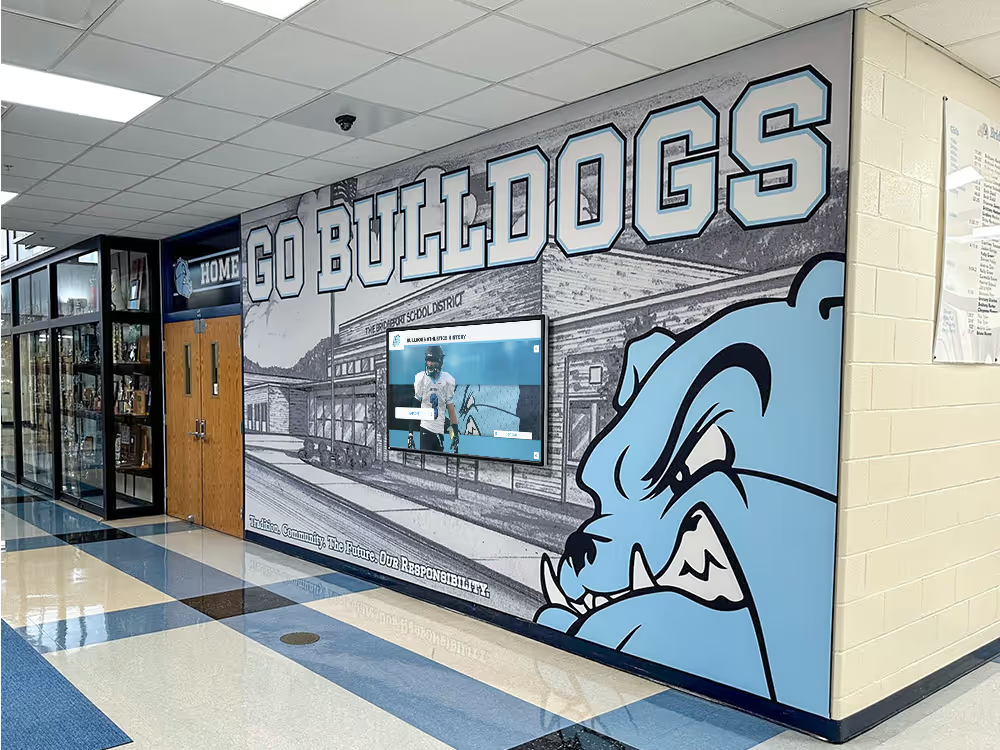
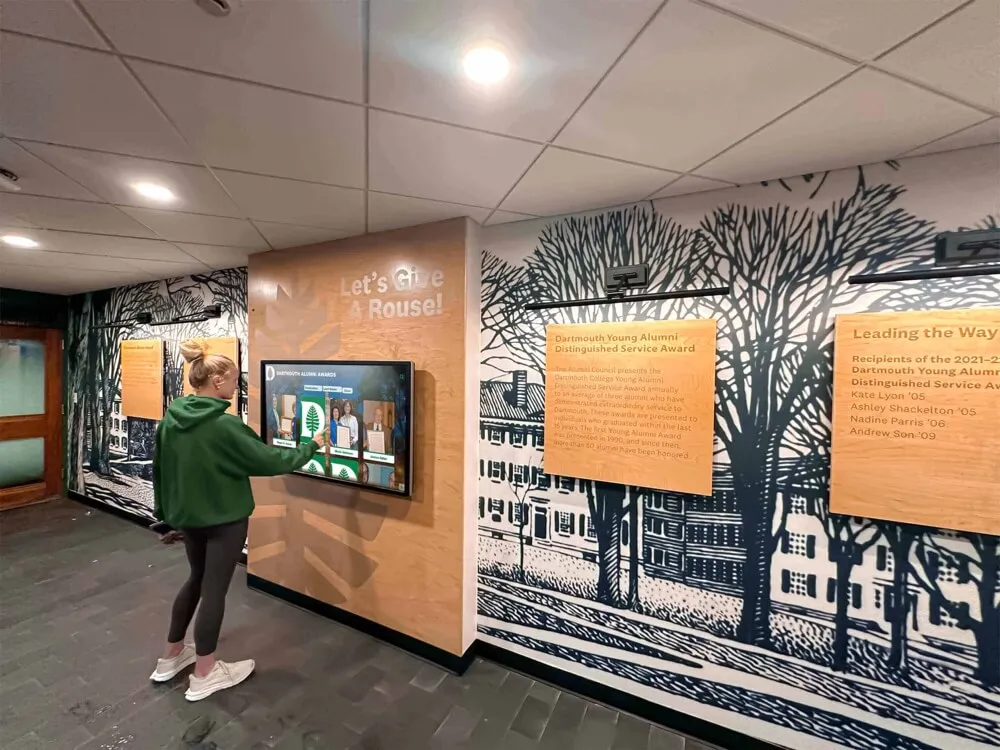
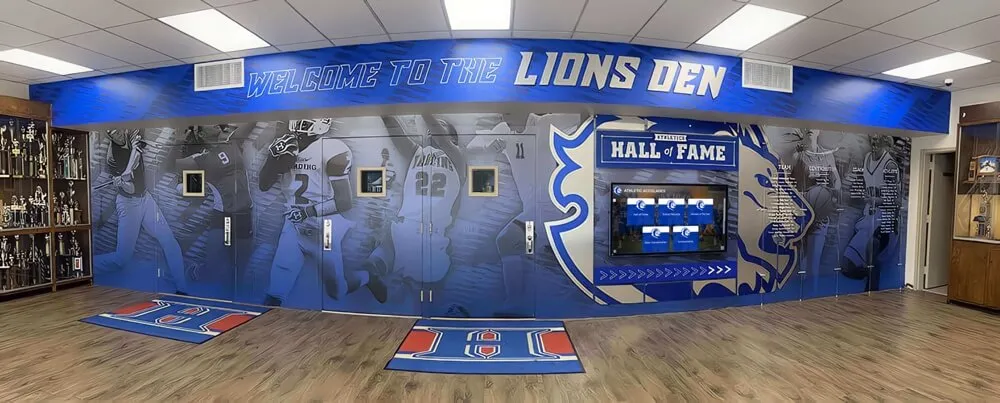
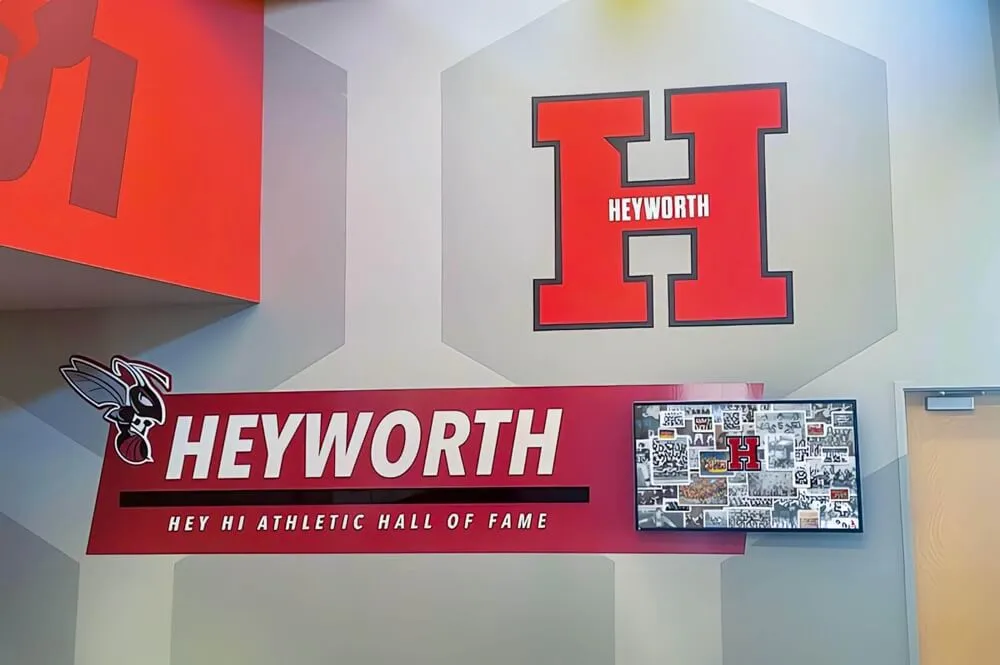
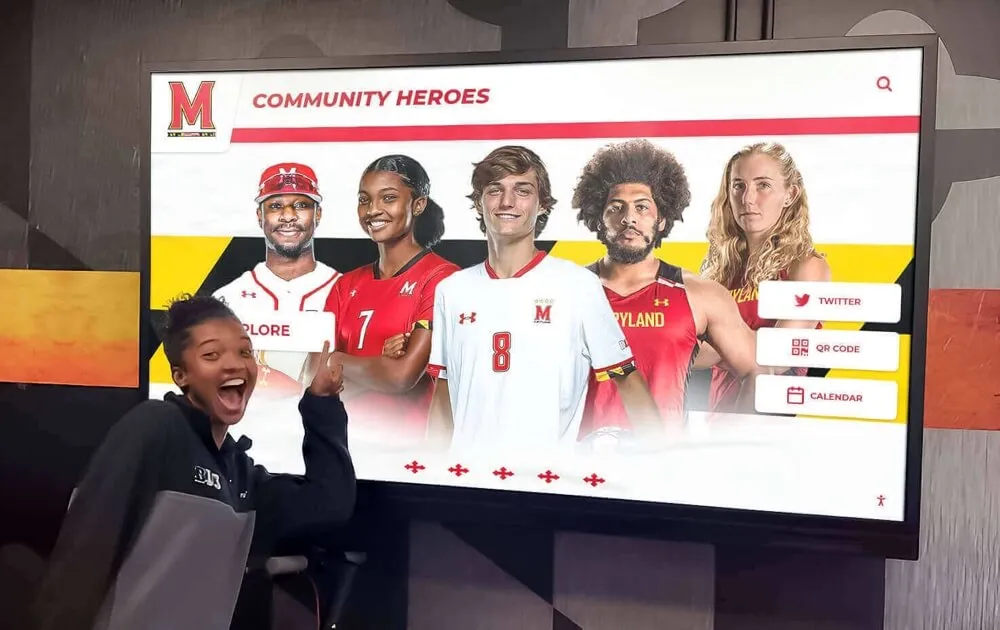
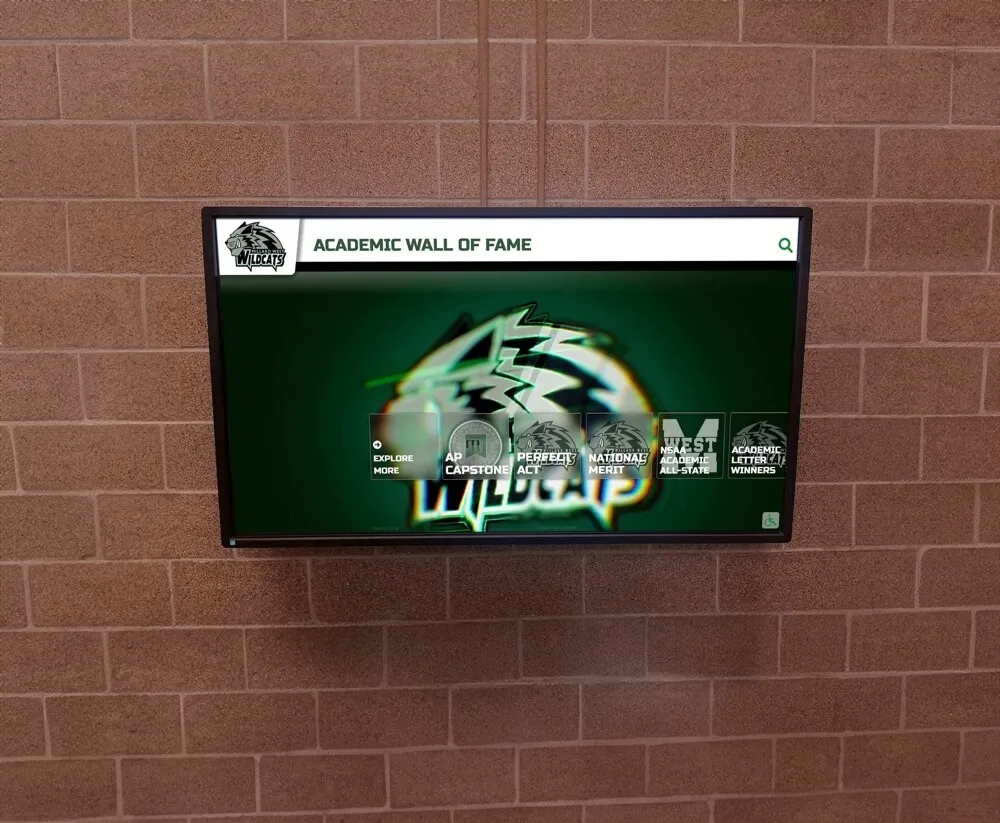
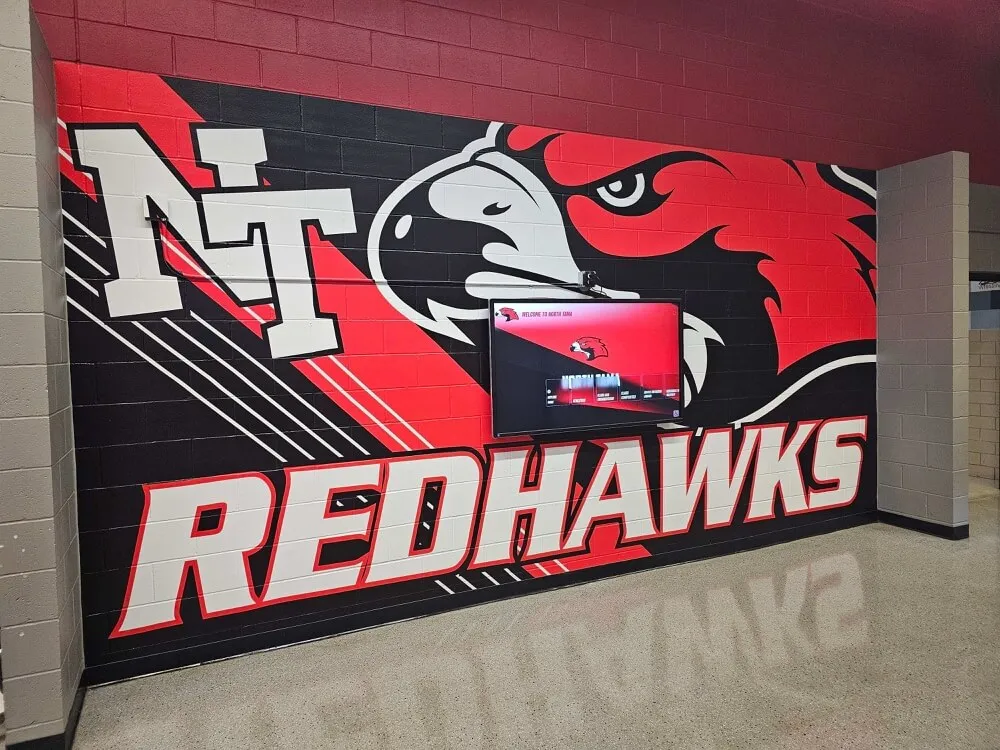
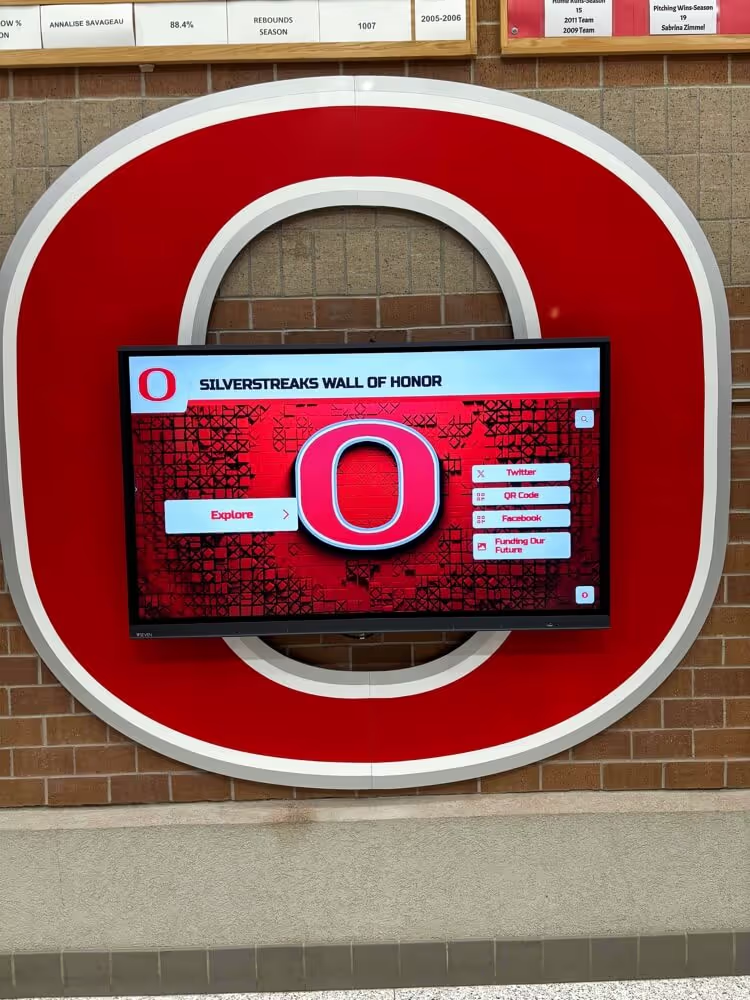
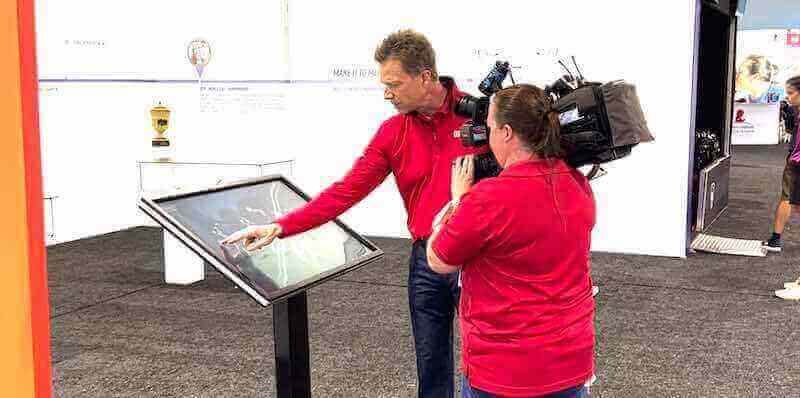
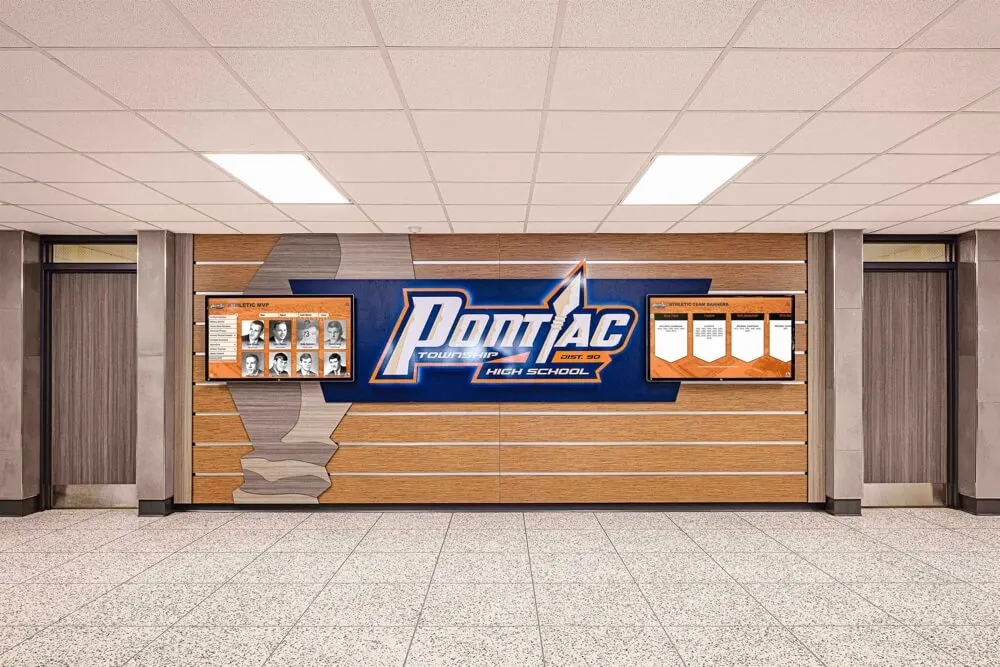
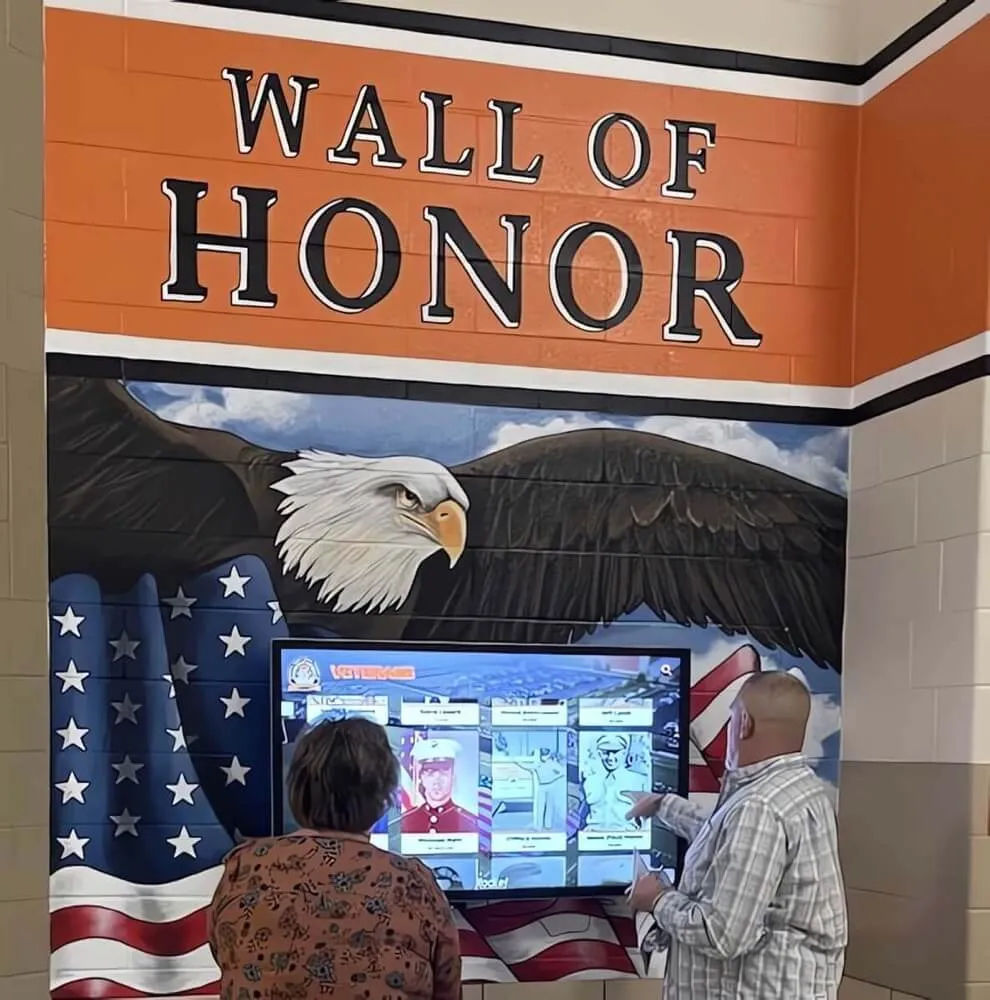
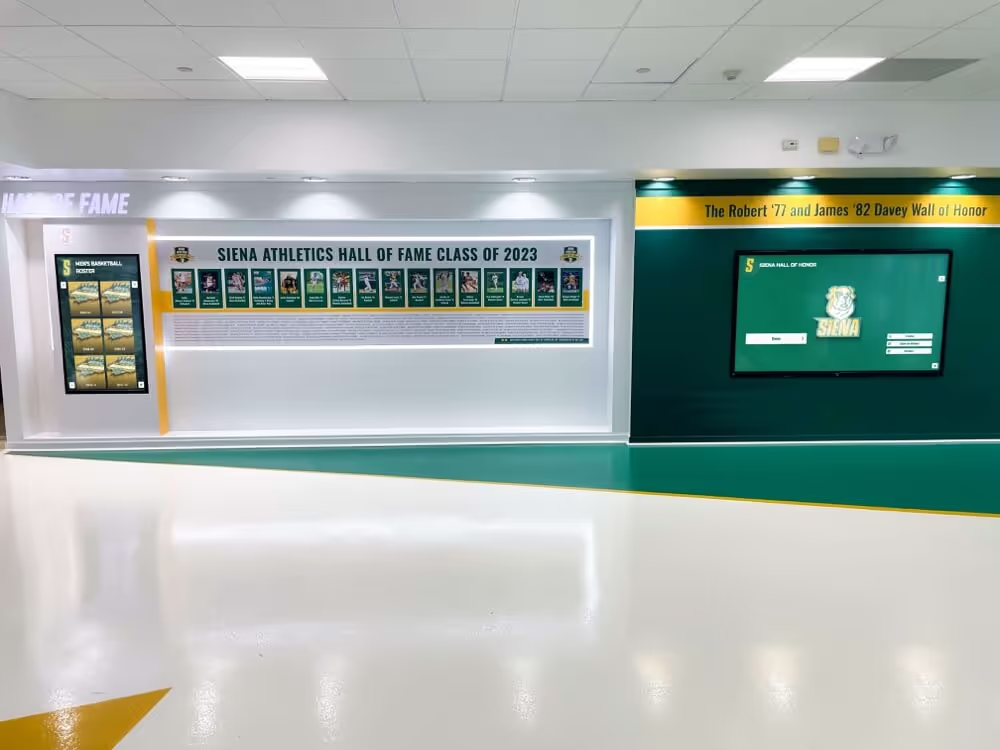
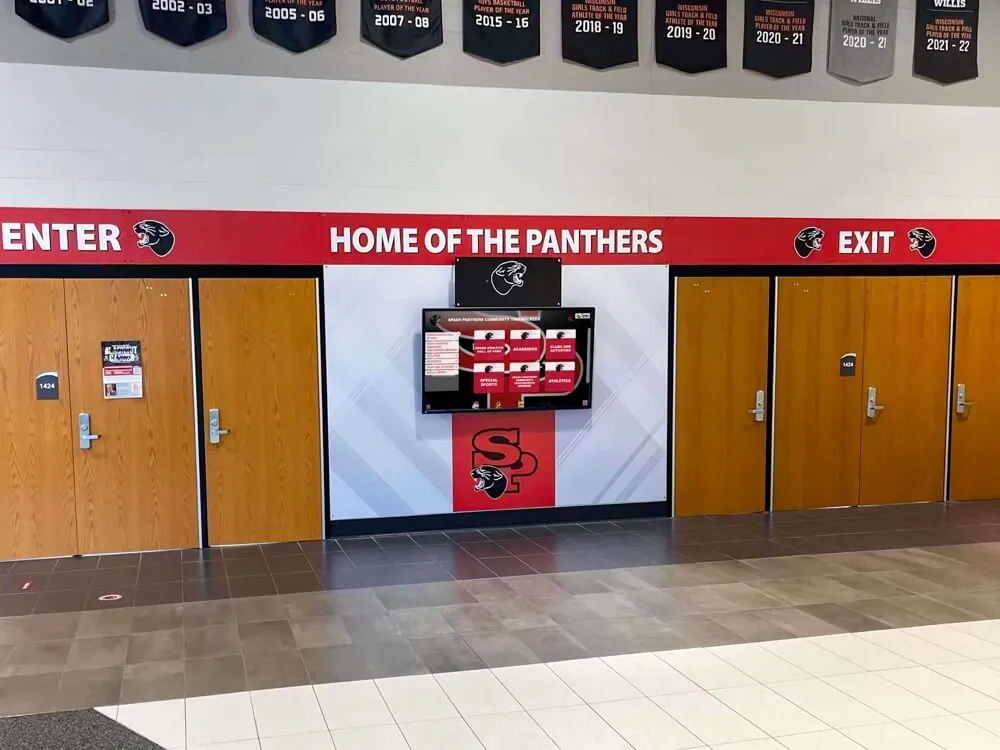
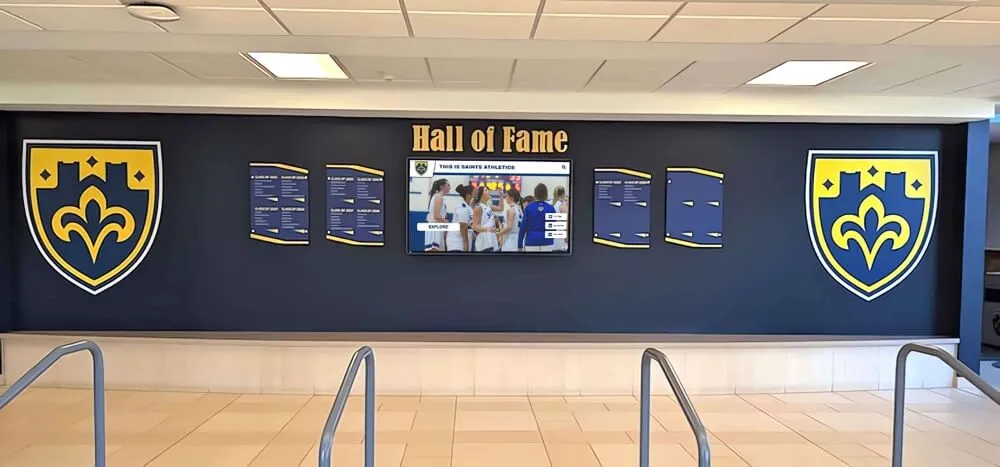
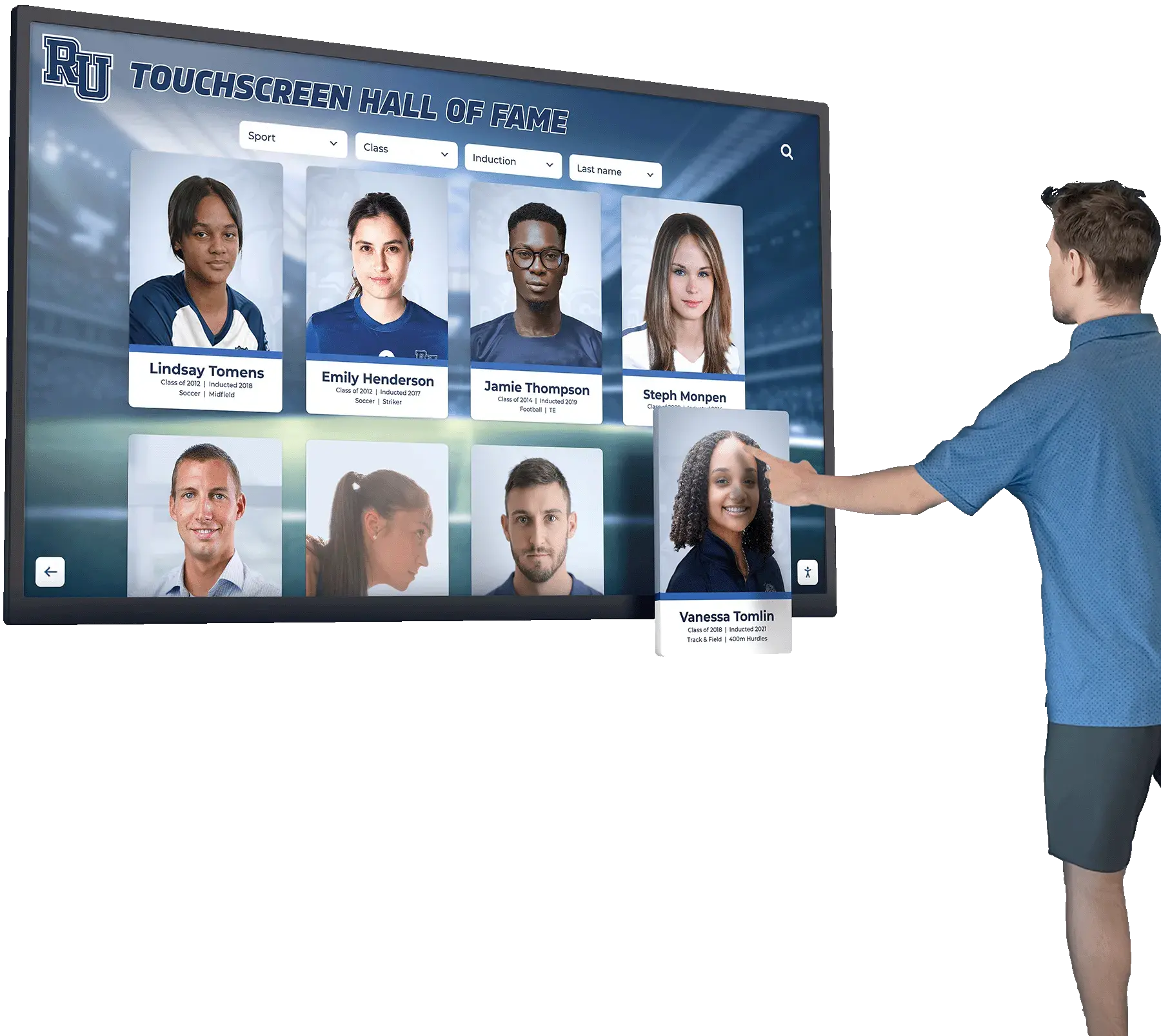
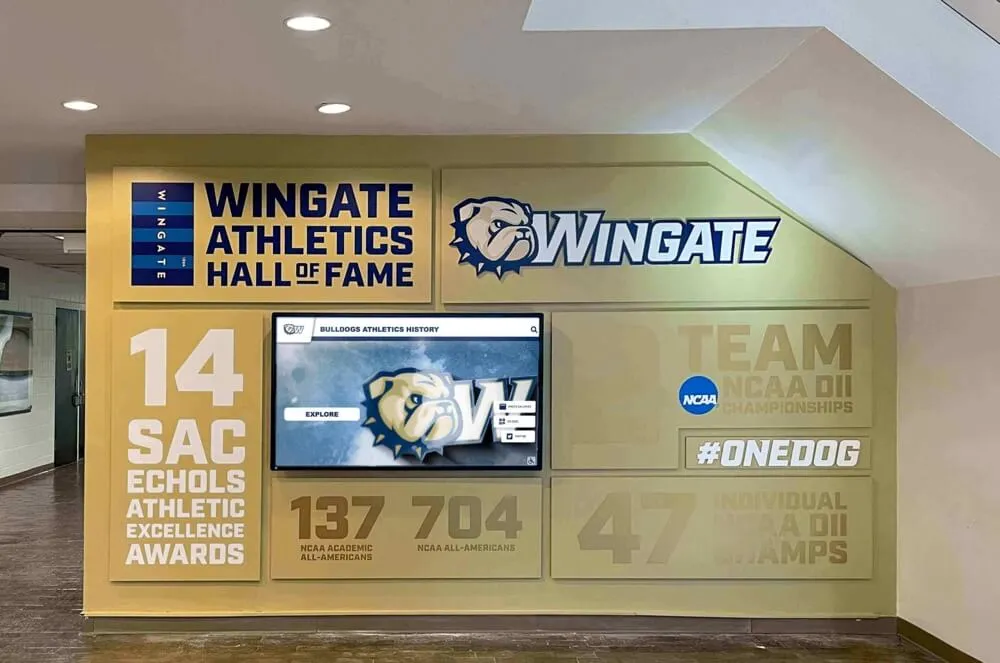
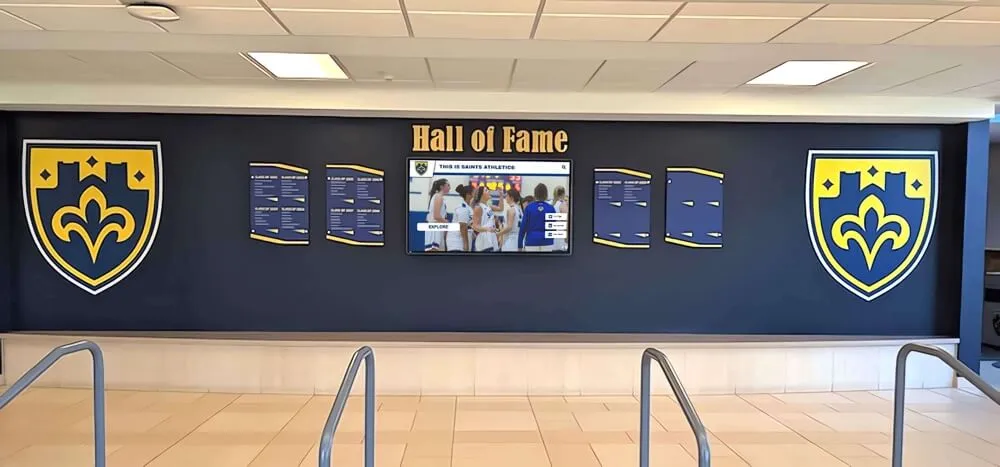
Professional display environments combine traditional recognition elements with modern technology to create engaging spaces that celebrate athletic excellence
Understanding Sports Card Display Fundamentals
Before selecting specific display cases, understanding core principles ensures your showcase effectively protects cards while creating visual impact.
Why Display Quality Matters
The presentation quality of your sports card display case directly affects how viewers perceive collection value and significance.
Professional Presentation Builds Credibility
When schools display athletic trading cards of distinguished alumni, championship teams, or local sports heroes, presentation quality communicates institutional respect for these achievements. A professionally mounted display suggests these cards represent meaningful institutional history worthy of preservation. Conversely, poorly presented cards—even valuable ones—appear like casual decorations rather than celebrated heritage.
This credibility effect proves equally important for personal collections. Visitors viewing your collection in quality display cases understand they’re seeing a curated collection representing genuine passion and knowledge, not random cards taped to walls.
Protection Preserves Long-Term Value
Valuable sports cards deteriorate when exposed to direct sunlight, fluctuating humidity, physical handling, or environmental contaminants. Quality display cases provide UV-protective glazing, climate-controlled environments, and secure mounting preventing damage while maintaining visibility. This protection proves essential whether cards have monetary value or sentimental significance.
Schools and organizations displaying sports memorabilia alongside digital recognition systems combine physical preservation with digital accessibility, ensuring original cards remain protected while digital versions enable unlimited exploration without handling risks.
Visual Impact Creates Engagement
Well-designed sports card display cases become conversation pieces and gathering points. In schools, students stop to examine displays showing cards of famous alumni athletes, sparking interest in program history and creating aspirational connections. Collectors hosting visitors find that professional displays transform casual viewing into engaged discussions about players, eras, and collecting stories.
This engagement potential explains why institutions increasingly invest in quality sports memorabilia displays. The cards themselves hold value, but displayed effectively they become community assets building pride, educating viewers, and strengthening connections to athletic traditions.
Traditional vs. Digital Display Approaches
Collectors and institutions face fundamental choices between physical display cases and modern digital solutions, each offering distinct advantages.
Traditional Physical Display Cases
Classic sports card displays use shadow boxes, wall frames, acrylic cases, or custom-built trophy cases to showcase physical cards behind protective glazing.
Advantages of Traditional Physical Displays:
- Authentic Physical Presence: Viewers appreciate seeing actual vintage cards rather than reproductions or digital images, creating tangible connections to sports history
- No Technology Requirements: Traditional cases need no power, software, or technical maintenance beyond occasional cleaning
- Collector Satisfaction: Many collectors value physically displaying original cards as part of ownership enjoyment
- Established Aesthetics: Traditional displays match classic trophy case environments common in schools and athletic facilities
- Permanent Installation: Once mounted, physical displays require minimal ongoing attention
Limitations to Consider:
- Space Constraints: Physical displays accommodate finite numbers of cards—eventually running out of wall space or case capacity
- Rotation Challenges: Changing which cards are displayed requires dismounting frames, opening cases, and physically swapping cards
- Environmental Risks: Even protected displays expose valuable cards to some UV light, temperature fluctuation, and potential damage
- Static Presentation: Physical displays show cards only—no player statistics, career highlights, or contextual information
- Security Concerns: Valuable card displays may require additional security measures preventing theft
Schools maintaining both traditional trophy cases and digital displays often find that combining physical memorabilia with interactive technology creates the most engaging recognition environments.
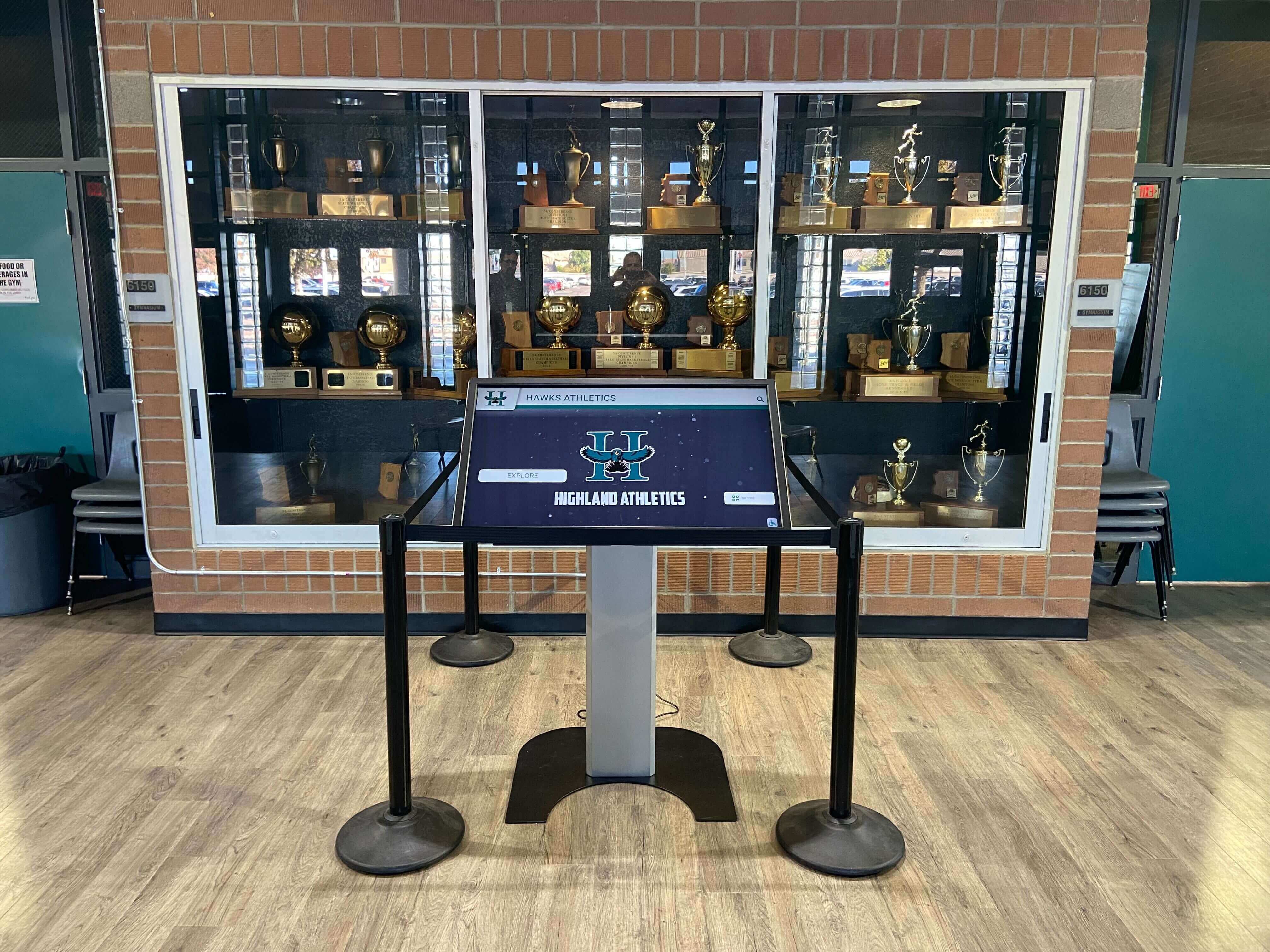
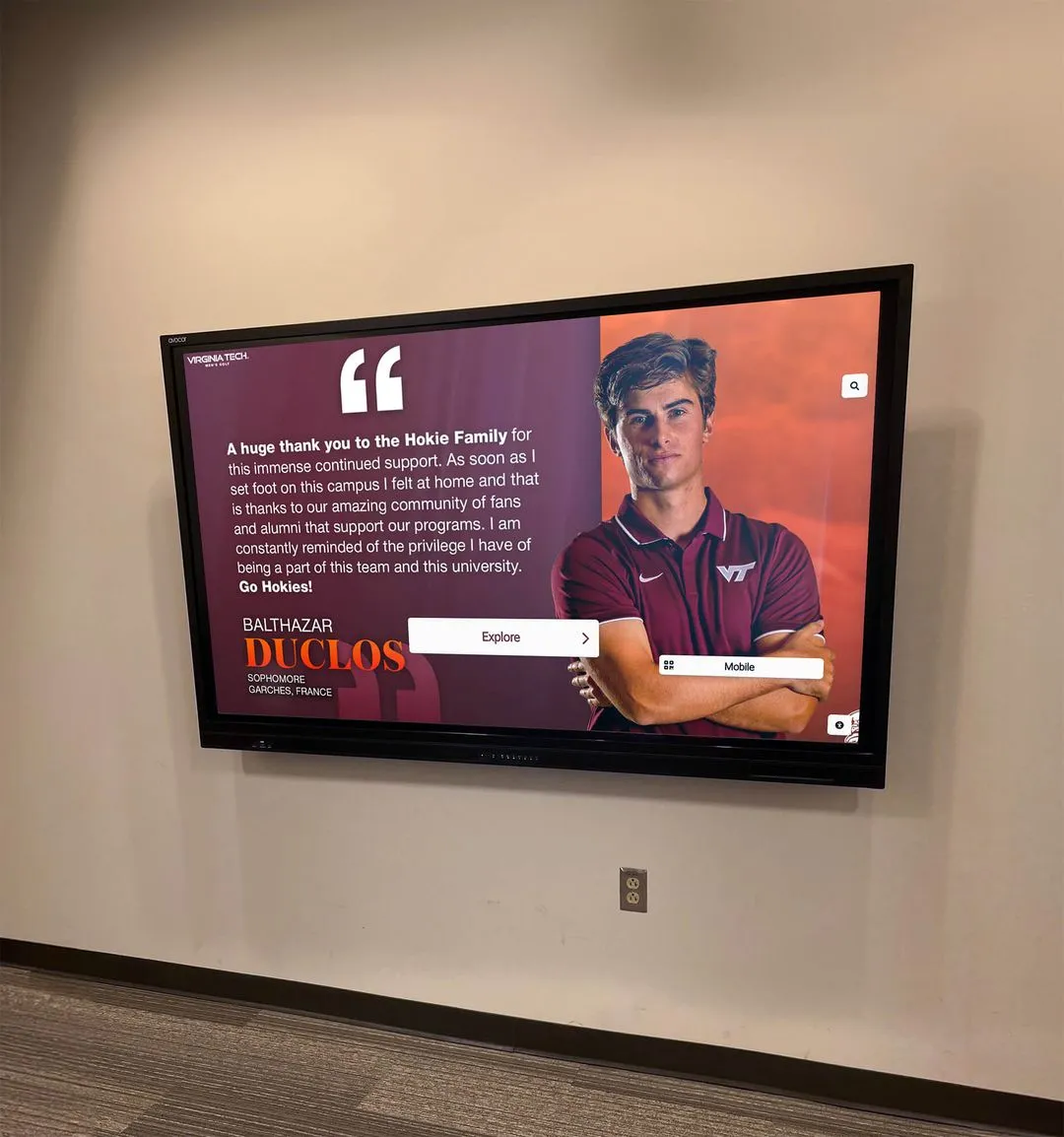
Modern installations integrate digital displays within traditional trophy cases, combining physical memorabilia with interactive technology for comprehensive recognition
Digital Sports Card Display Solutions
Modern institutions increasingly showcase sports cards through digital displays that present high-resolution card images alongside comprehensive player information, statistics, and biographical context.
Digital Display Advantages:
- Unlimited Capacity: Digital systems accommodate unlimited cards without physical space constraints—showcase entire collections rather than selecting favorites
- Complete Information: Display cards alongside player statistics, career highlights, team histories, and contextual information impossible with physical cards alone
- Easy Rotation: Change featured cards instantly through simple content management rather than physical case modifications
- Enhanced Protection: Original cards remain in climate-controlled storage while high-quality digital reproductions provide public viewing
- Interactive Exploration: Touchscreen displays enable visitors to search specific players, eras, teams, or card types, creating personalized discovery experiences
- Multimedia Integration: Add video highlights, audio commentary, related photographs, and historical documentation creating comprehensive athletic archives beyond card display
Implementation Considerations:
- Initial Investment: Quality digital display systems require appropriate hardware, software platforms, and content preparation
- Content Digitization: Cards must be scanned or photographed at high resolution for effective digital presentation
- Technical Management: Digital systems require basic technical capability for content updates and system maintenance
- Viewer Preferences: Some collectors specifically value seeing physical cards rather than digital reproductions
Institutions implementing digital recognition displays discover that digital formats enable showcasing comprehensive sports card collections while maintaining physical cards in protective storage, combining preservation with accessibility.
Sports Card Display Case Ideas for Every Collection Size
Effective display solutions exist for collections ranging from dozen prized cards to thousands spanning multiple sports and decades.
Small Collection Display Ideas (10-50 Cards)
Collectors with curated selections benefit from display approaches emphasizing individual card presentation and thematic grouping.
Shadow Box Displays
Deep shadow boxes provide elegant presentation for valuable or meaningful cards while offering space for contextual elements. Mount individual cards on acid-free backing within shadow boxes that include small plaques identifying players, championship team cards with roster lists, or rookie cards of Hall of Fame players with career statistics summaries.
This approach works particularly well for schools displaying cards commemorating athletic achievements—showing cards of alumni who became professional athletes alongside their high school jerseys, medals, or newspaper clippings creates comprehensive recognition beyond the cards themselves.
Wall-Mounted Multi-Card Frames
Specialized sports card frames accommodate multiple cards in organized grids—common configurations include 9-card, 16-card, or 25-card displays. These frames work effectively for thematic collections like complete rookie card sets, single team through different years, or specific player’s career spanning multiple teams.
Select frames with UV-protective glazing, acid-free matting, and secure mounting systems that hold cards firmly without adhesives that might damage valuable collectibles. Premium frames include individual labels for each card position, allowing identification of players, years, or card details.
Acrylic Display Cases
Freestanding acrylic cases provide 360-degree visibility ideal for showcasing exceptionally valuable or rare cards. These cases work well on office desks, trophy case shelves, or dedicated display pedestals, and typically include locking mechanisms for valuable cards requiring security.
Schools displaying cards of distinguished alumni athletes often use acrylic cases for exceptional items—a Mickey Mantle rookie card of an alumnus, championship team cards, or autographed memorabilia cards receive prominent individual presentation communicating their significance.
Medium Collection Display (50-200 Cards)
Collectors with more extensive holdings need display systems balancing comprehensive presentation with space efficiency.
Rotating Display Stands
Multi-sided rotating displays maximize vertical space while showcasing numerous cards. These freestanding units typically feature 3-4 sided frames rotating on bases, with each side accommodating 12-20 cards. This approach suits retail-style displays in game rooms, offices, or athletic department spaces where visitors can spin displays to view different cards.
Some rotating displays include individual card pockets enabling easy card swapping without frame disassembly—useful for collectors who regularly rotate featured cards or update displays with new acquisitions.
Grid Wall Systems
Modular grid wall mounting systems accommodate expandable configurations where individual card holders attach to wall-mounted grids. This flexibility enables starting with modest displays and adding capacity as collections grow without replacing entire mounting systems.
Grid configurations work particularly well for institutional displays where different sports, eras, or achievement categories each receive dedicated wall sections. The modular nature enables reallocating space as program histories evolve—basketball programs might expand their display section after championship seasons while other sports maintain consistent space.
Dedicated Display Rooms
Collectors with substantial holdings sometimes convert spare rooms into dedicated card display galleries. Wall-to-wall frame coverage combined with appropriate lighting transforms ordinary rooms into immersive collection experiences where visitors can appreciate entire collections systematically organized by sport, era, team, or player.
This comprehensive approach mirrors how schools create dedicated athletic recognition spaces where trophies, championship banners, record boards, and memorabilia create environments celebrating program excellence.

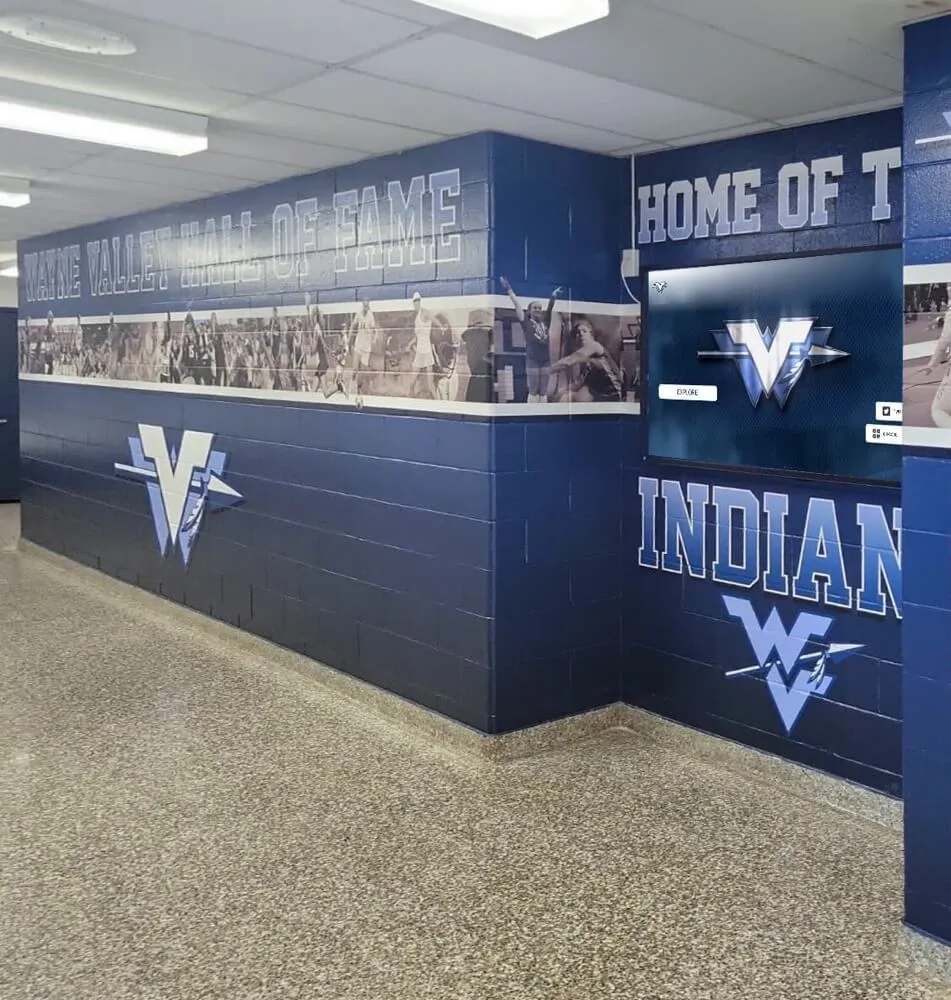
Dedicated recognition spaces combine multiple display approaches creating comprehensive environments that celebrate athletic heritage and program achievements
Large Collection Display (200+ Cards)
Extensive collections require strategic approaches preventing overwhelming presentations while ensuring comprehensive access.
Digital Interactive Displays
For collectors or institutions with hundreds or thousands of cards, digital display solutions become practical necessities. Interactive touchscreen systems enable showcasing entire collections through searchable databases where visitors explore cards by player, team, year, manufacturer, or custom categories.
Schools with extensive sports card collections—perhaps donated by alumni collectors or accumulated through decades of trading cards featuring program athletes—increasingly use digital displays that accommodate unlimited cards without space constraints. Visitors search for specific players, browse by sport or era, and discover cards they’d never encounter in selective physical displays limited by space.
Solutions like Rocket Alumni Solutions provide purpose-built platforms specifically designed for institutional recognition, offering unlimited content capacity, intuitive search interfaces, and displays that integrate seamlessly into school athletic environments. These systems transform sports card collections from static displays into engaging community resources where students discover program history while alumni reconnect with their athletic eras.
Combination Physical-Digital Approaches
Many institutions implement hybrid strategies showing select exceptional cards in traditional protected cases while digital systems provide access to comprehensive collections. The physical displays highlight particular treasures—cards of Heisman Trophy winners, Olympic athletes, professional sports stars, or exceptionally rare vintage cards—while digital platforms enable exploring complete collections including common cards with local significance.
This combination approach delivers both the authentic presence collectors value and the accessibility digital platforms enable, creating recognition environments serving diverse viewer interests and engagement preferences.
Climate-Controlled Display Rooms
The most valuable collections sometimes warrant dedicated climate-controlled spaces with professional-grade environmental monitoring, security systems, and conservation-quality display cases. These installations mirror museum-quality presentations protecting investment-grade collections while enabling controlled public viewing.
Institutions establishing this level of display often create museum-style environments where sports cards integrate with other athletic memorabilia—game-worn jerseys, championship trophies, signed equipment, and historical photographs—creating comprehensive sports heritage centers.
Display Organization and Presentation Strategies
How you organize cards within display cases dramatically affects visual impact and viewer engagement.
Thematic Organization Approaches
Thoughtful organization helps viewers understand collection significance while creating coherent visual presentations.
Single Sport Collections
Organizing displays by sport creates clear thematic focus—baseball cards in one section, basketball in another, football separately. Within each sport, further organization might group by era (vintage vs. modern), team, or player position.
Schools displaying sports memorabilia typically organize by sport to match how athletic programs are structured, with football cards near gymnasium hallways, basketball cards in basketball lobbies, and comprehensive multi-sport displays in main athletic areas.
Player Collections
Collectors focused on specific players benefit from chronological displays showing player evolution from rookie cards through career progression to retirement cards. This storytelling approach creates narrative coherence helping viewers appreciate player development across teams and years.
Team-Based Displays
Cards organized by team work well for collectors with team loyalty or schools displaying championship team cards. This organization enables showing complete team sets, multiple years of single teams, or comparative displays showing franchise evolution through different eras.
Era and Vintage Focus
Some collectors organize by card manufacturing era—tobacco cards, vintage pre-1980s cards, junk wax era cards from the 1980s-90s, or modern cards with advanced printing techniques. This chronological organization educates viewers about collecting history while showcasing design evolution across decades.
Visual Presentation Best Practices
Beyond organization, specific presentation techniques enhance display quality and viewer engagement.
Consistent Framing and Matting
Visual consistency creates professional appearances. Use matching frame styles, consistent mat colors, and uniform spacing between cards within multi-card displays. This consistency helps eyes process cards as coherent collections rather than random assortments.
Schools implementing institutional recognition displays prioritize this consistency, ensuring sports card displays match other recognition elements like trophy cases, banner displays, and record boards creating cohesive athletic recognition environments.
Proper Lighting
Quality lighting transforms card displays from barely visible to dramatic showcases. Use LED strip lighting with appropriate color temperature (typically 3000-4000K) providing even illumination without UV emissions that damage cards. Position lights to minimize glare on protective glazing while adequately illuminating card details.
Labeling and Context Information
Even readily identifiable cards benefit from labels providing player names, years, manufacturers, and achievement context. This information proves essential for viewers unfamiliar with cards, educates younger generations about players they don’t recognize, and adds depth for knowledgeable collectors appreciating specific card details.
Digital displays excel at providing this context, showing comprehensive player biographies, career statistics, championship achievements, and historical significance alongside card images—creating educational experiences beyond simple card viewing.
Grouping by Visual Similarity
Cards with similar color schemes, designs, or aesthetic qualities create visually pleasing groupings. Some collectors arrange cards creating gradient effects with color progressions, group similar card designs together, or organize by manufacturer creating sections with consistent visual styles.
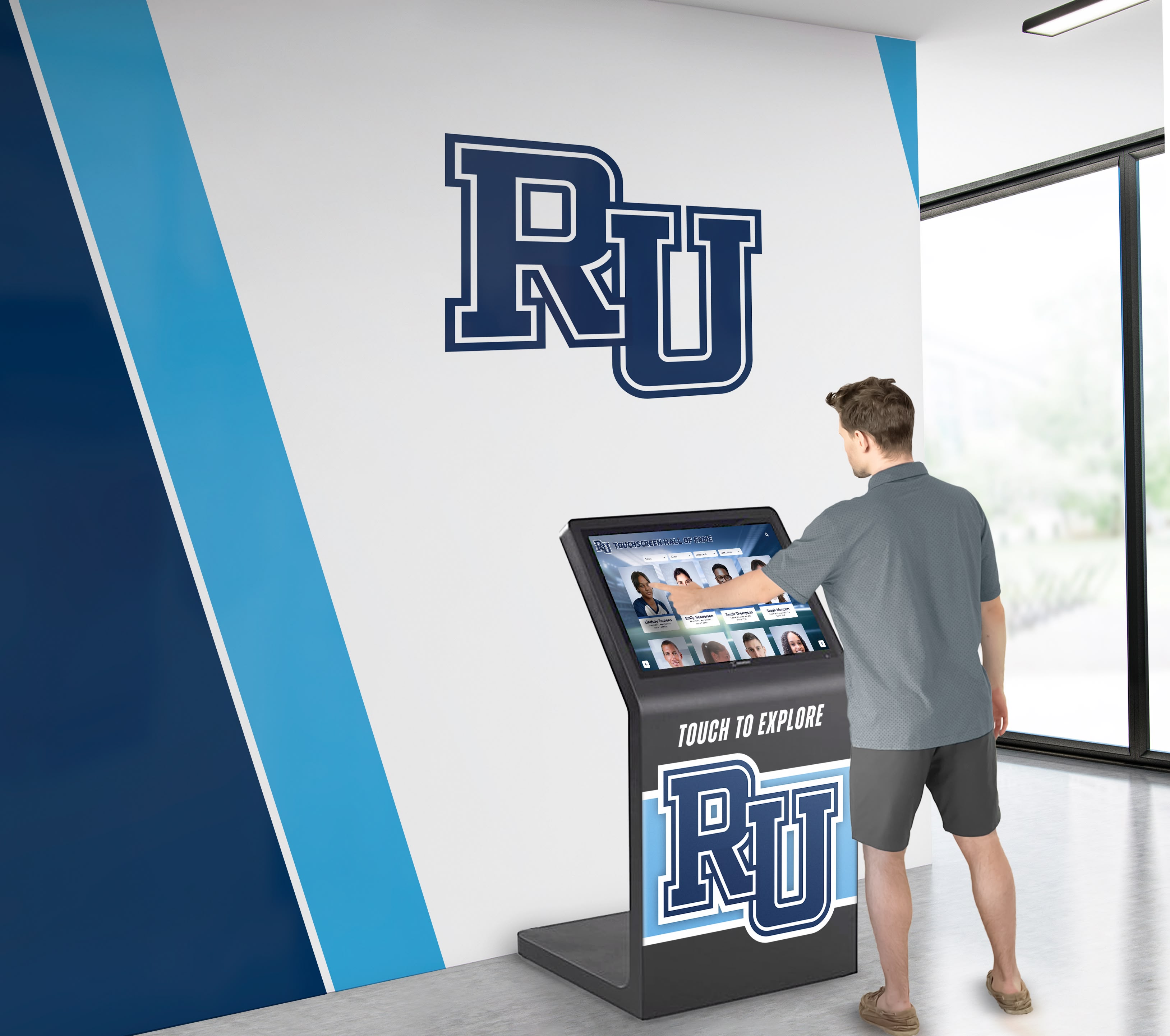
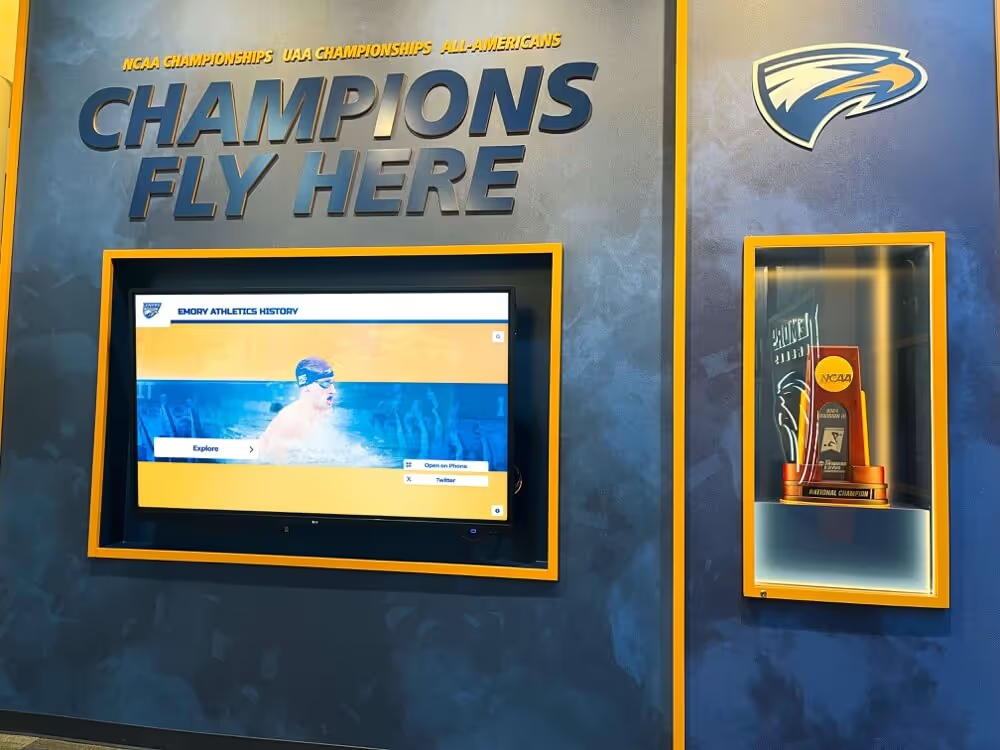
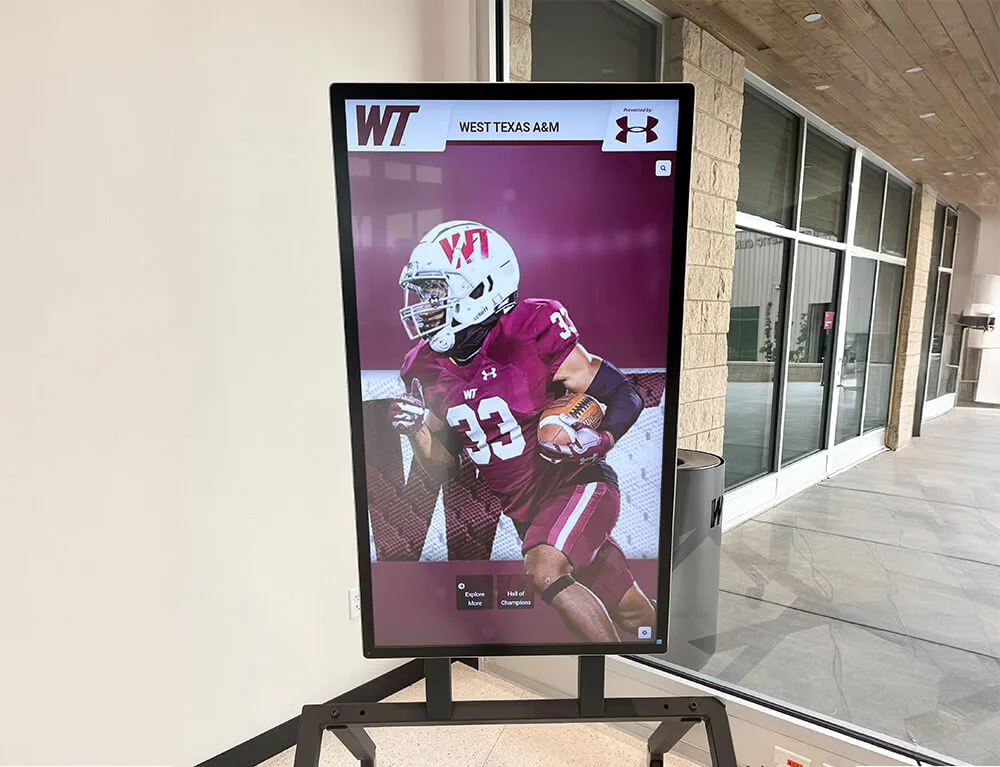
Interactive touchscreen displays enable visitors to explore comprehensive collections through intuitive search and discovery rather than passive viewing of pre-selected items
Institutional Sports Card Display Applications
While individual collectors drive much sports card interest, schools, universities, athletic programs, and sports organizations increasingly recognize sports cards as valuable institutional assets worth professional display.
Schools and Athletic Programs
Educational institutions display sports cards celebrating distinguished alumni, championship teams, and program heritage.
Alumni Athlete Recognition
Schools with alumni who became professional athletes often display their sports cards as recognition elements. A high school that produced an NBA player might showcase their complete card collection from rookie cards through career highlights. These displays create powerful connections for current students seeing tangible evidence of where athletic dedication might lead.
Digital platforms enable comprehensive alumni athlete recognition showing cards alongside high school career statistics, college achievements, professional accomplishments, and current activities. This complete biographical approach transforms simple card display into inspiring recognition celebrating athletic achievement journeys from high school through professional careers.
Championship Team Cards
Many schools purchase complete team card sets when manufacturers produce cards featuring their championship teams. These sets receive prominent display in trophy cases or athletic hallways, providing physical representation of championship achievements complementing traditional trophies and banners.
Combining physical team card displays with digital athletic record boards creates comprehensive recognition where physical memorabilia provides tangible connection while digital systems deliver detailed achievement information, player profiles, and championship game highlights.
Local Sports Heritage Collections
Some schools accumulate sports cards of all athletes with local connections—players born in the area, attended local schools before professional careers, or maintain community ties. These collections celebrate broader sports heritage beyond school-specific achievements, positioning institutions as stewards of community sports history.
Sports Clubs and Organizations
Athletic clubs, booster organizations, and sports halls of fame use sports card displays as recognition and engagement tools.
Hall of Fame Inductee Cards
Sports halls of fame displaying cards of inducted members create tangible recognition alongside traditional plaques or digital profiles. Vintage cards of older inductees provide nostalgic connections while modern cards showcase contemporary achievers.
Organizations implementing comprehensive hall of fame recognition systems find that sports cards add visual interest and collector appeal to recognition programs focused primarily on biographical achievement documentation.
Donor Recognition Through Sports Cards
Some organizations create custom sports cards featuring major donors, sponsors, or supporters as unique recognition elements. These personalized cards displayed in recognition areas provide creative alternatives to traditional donor plaques while creating collectible memorabilia that donors themselves cherish.
Community Engagement Collections
Athletic organizations sometimes establish community sports card collections where members contribute cards, displays rotate featuring different member collections, and regular events bring collectors together. These programs build community engagement while creating dynamic recognition environments that change regularly maintaining visitor interest.
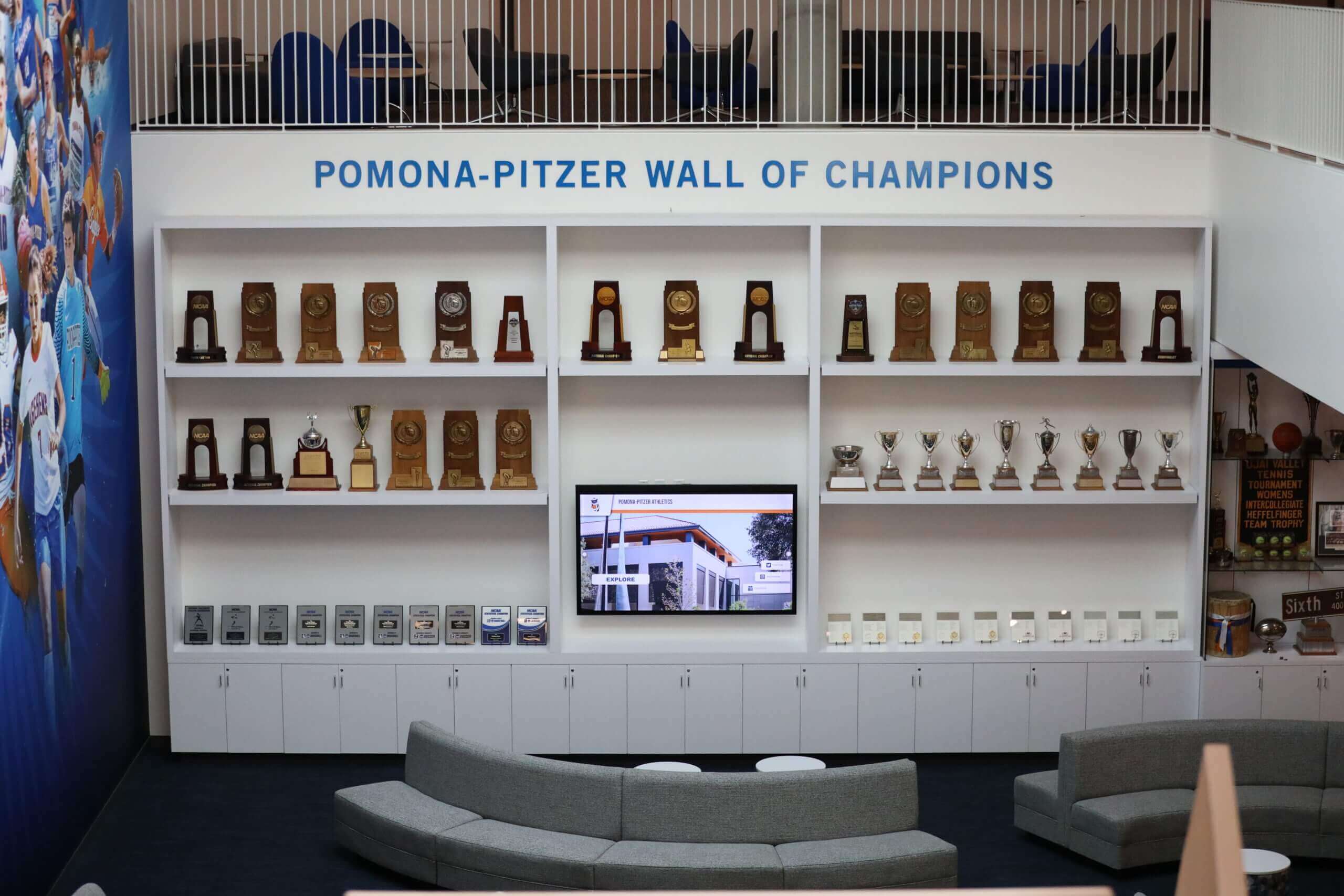
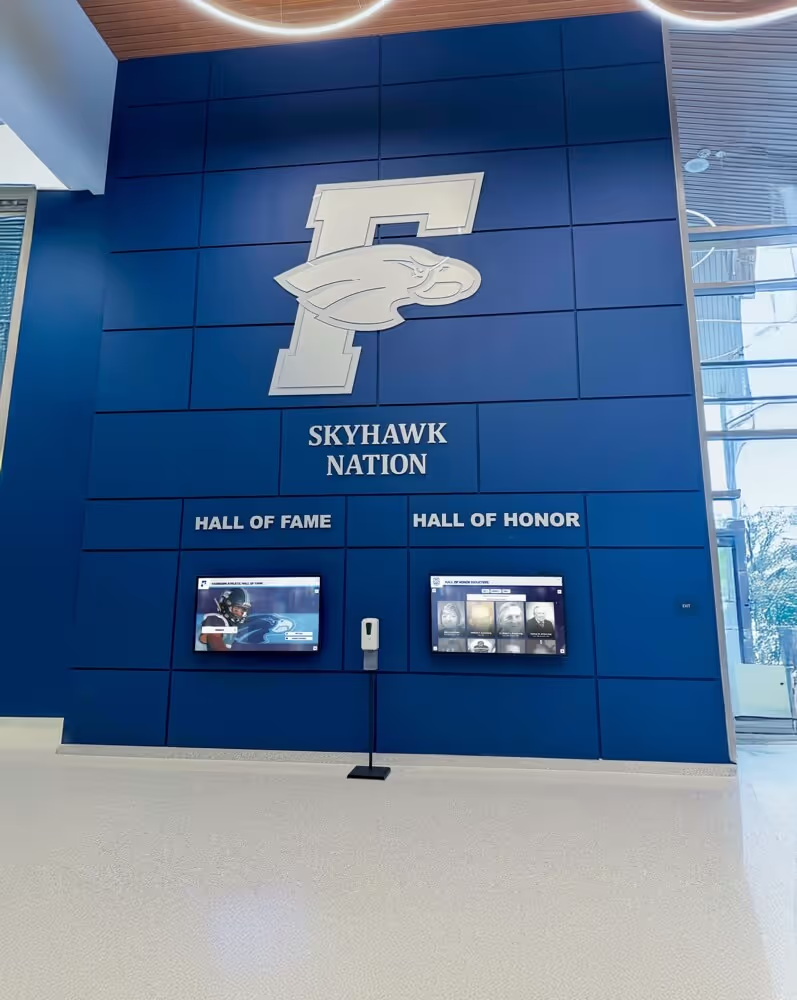
Comprehensive athletic recognition spaces integrate multiple display types creating engaging environments that celebrate program excellence through varied presentation approaches
Modern Digital Solutions for Sports Card Display
Digital technology transforms what’s possible with sports card display, offering capabilities traditional physical cases cannot match.
Interactive Touchscreen Card Galleries
Modern touchscreen displays enable visitors to explore comprehensive sports card collections through intuitive interactive experiences impossible with physical displays limited by space and organization constraints.
Search and Discovery Features
Digital card galleries allow visitors to search by player name, team, year, manufacturer, card type, or custom attributes instantly finding specific cards within collections containing thousands. This searchability proves invaluable for extensive collections where desired cards would never appear in selective physical displays.
Interactive features enable visitors to save favorites, compare cards across different years or manufacturers, view complete player card chronologies, and discover related cards they might not know existed. These discovery capabilities transform passive card viewing into active exploration where visitors spend meaningful time engaging with collections.
Comprehensive Information Integration
Digital displays show cards alongside unlimited contextual information—complete player biographies, career statistics tables, championship achievements, team histories, and card manufacturing details. Some systems integrate video highlights showing players in action, audio interviews, or historical documentation creating multimedia experiences far beyond physical card display capabilities.
Schools implementing digital recognition platforms discover that this information depth educates students about program history while alumni enjoy discovering details they didn’t previously know about familiar athletes and teams.
Unlimited Rotation and Featured Content
Digital systems easily rotate featured content highlighting different cards, players, or themes automatically. A display might feature vintage cards during throwback weeks, highlight current professional athletes during their seasons, or showcase championship team cards during tournament periods.
This dynamic rotation keeps displays feeling fresh for repeat visitors while ensuring comprehensive collections receive systematic visibility rather than permanently featuring only select cards while others remain perpetually unseen.
Cloud-Based Collection Management
Behind effective digital sports card displays exist content management systems determining how easily collections can be maintained and expanded.
Remote Collection Administration
Modern platforms enable authorized users to add cards, update information, organize collections, and manage displays from any internet-connected device without physical system access. This remote capability proves essential for sustainable long-term collection management as administrators change, collections grow, and featured content needs updating.
Scalable Growth Without Hardware Changes
Digital collection platforms accommodate growing card counts without requiring new displays, expanded physical cases, or hardware modifications. Adding cards requires uploading new images and entering information—the existing display system seamlessly incorporates additions within searchable databases.
This unlimited scalability proves particularly valuable for institutions where collections grow through donations, new acquisitions, or expanded collection scope. Systems never become full requiring difficult decisions about which cards to remove as new ones arrive.
Collaborative Management
Multiple authorized users can contribute to digital collections with appropriate permissions—athletic directors manage overall content, individual coaches add sport-specific cards, alumni coordinators incorporate donated collections, and archivists handle historical documentation. This collaborative capability distributes workload while maintaining quality control through permission structures.
Digital Warming Through Sports Card Recognition
Rocket Alumni Solutions’ approach creates what we call “digital warming”—transforming static sports card displays into dynamic community engagement experiences where personalized content surfacing strengthens connections to athletic heritage.
Individual Discovery Experiences
Robust search enables students finding cards featuring themselves, family members, neighbors, or role models creating personal connections to collections. A student discovering their grandfather’s college baseball card establishes emotional connections to both family history and institutional athletic heritage impossible with generic trophy displays.
Continuous Content Surfacing
Featured card rotation, anniversary highlights, birthday celebrations of athletes shown on cards, and milestone recognition ensure all collection cards receive visibility over time. This continuous surfacing maintains engagement for repeat visitors while preventing displays from becoming ignored permanent fixtures people stop noticing.
Social Amplification
Modern systems enable sharing favorite cards through social media, email, or messaging. Students share discoveries about interesting cards, alumni post cards featuring themselves celebrating recognition, and families share cards showing relatives. This social amplification extends collection reach far beyond physical display locations building institutional pride among distributed communities.
Community Connection Points
Physical touchscreen displays create gathering points where students explore cards together, athletes discover predecessors in their sports, and community members build shared knowledge about athletic heritage. Digital sports card displays become conversation starters and relationship builders strengthening community bonds through shared appreciation of sports history.
These engagement features create warming effects where technology enhances rather than replaces human connections around sports heritage and collective achievement celebration.

Intuitive touch interfaces encourage exploration through familiar gestures and immediate feedback, creating engaging discovery experiences around athletic recognition and heritage
Protecting and Preserving Sports Card Displays
Regardless of display approach, protecting cards from environmental damage and security threats ensures long-term collection preservation.
Environmental Protection
Sports cards deteriorate when exposed to harmful conditions during display.
UV Protection
Direct sunlight and even indirect UV exposure fade card colors, yellow white borders, and damage protective coatings over time. Quality display cases include UV-filtering glazing blocking harmful wavelengths while maintaining visibility. Position displays away from windows receiving direct sunlight and use LED lighting eliminating UV emissions unlike older fluorescent or incandescent bulbs.
Digital display approaches eliminate UV concerns entirely—original cards remain in protective storage away from light exposure while high-quality scans provide unlimited public viewing without conservation risks.
Temperature and Humidity Control
Fluctuating temperature and humidity cause cardboard expansion and contraction leading to warping, adhesive failure in laminated cards, and accelerated deterioration. Maintain display areas with stable conditions—ideally 65-70°F with 40-50% relative humidity.
Valuable collections sometimes warrant dedicated climate control for display areas ensuring optimal preservation conditions regardless of general building environmental fluctuations.
Physical Handling Protection
Frequent handling damages cards through oils from hands, edge wear from insertion and removal, and potential dropping or bending accidents. Display systems should minimize required handling—cards mount securely without regular removal needs, and protective sleeves or top-loaders protect cards within display cases from dust and incidental contact.
Interactive touchscreen systems eliminate handling entirely as visitors explore digital card reproductions while originals remain safely stored in climate-controlled environments following archival preservation standards.
Security Considerations
Valuable sports card displays require security measures preventing theft or vandalism.
Locked Display Cases
Physical displays containing valuable cards should include locking mechanisms with key access limited to authorized personnel. Even displays in secure facilities benefit from locks deterring impulsive theft by visitors or students.
Alarm Systems
High-value collections sometimes warrant dedicated alarm systems alerting security when display cases open, glass breaks, or motion occurs during closed hours. These systems integrate with broader facility security providing comprehensive protection.
Insurance Documentation
Document displayed cards through high-resolution photographs, detailed inventories with card descriptions and values, and professional appraisals for insurance purposes. This documentation proves essential for insurance claims following theft, damage, or natural disasters affecting collections.
Digital Display Security
Digital systems face different security considerations—preventing unauthorized content modification, protecting against system tampering, and maintaining data backups ensuring content preservation despite hardware failures. Quality platforms provide role-based access control, automatic backups, and secure cloud storage protecting digital collections from loss or corruption.
Implementing Your Sports Card Display
Moving from planning to actual display installation requires systematic approaches ensuring successful outcomes.
Planning Your Display Project
Thoughtful planning prevents common mistakes and ensures displays serve intended purposes effectively.
Define Display Objectives
Clarify what you want your sports card display to accomplish. Personal collectors might prioritize aesthetic enjoyment and guest impression. Schools typically emphasize student inspiration, alumni recognition, and community pride building. Sports organizations might focus on member engagement and heritage preservation.
Clear objectives guide all subsequent decisions—display locations, organization approaches, technology choices, and content selection—ensuring coherent displays truly serving intended purposes.
Assess Available Space
Evaluate where displays will live considering available wall space, viewing distances, lighting conditions, traffic patterns, and integration with surrounding environments. Measure precisely and consider how displays fit within existing trophy cases, recognition areas, or dedicated gallery spaces.
Schools planning comprehensive athletic recognition often implement institutional display strategies coordinating multiple recognition types—sports cards, trophies, championship banners, record boards, and hall of fame recognition—creating cohesive environments rather than disconnected elements competing for attention.
Budget Appropriately
Quality display cases range from $100 for simple frames to $25,000+ for comprehensive digital interactive systems. Establish realistic budgets considering both initial installation and ongoing maintenance costs.
Traditional physical displays involve higher ongoing costs for periodic card rotation requiring frame opening and remounting. Digital systems have higher initial investment but dramatically lower ongoing update costs as content changes require simple digital updates rather than physical modifications.
Timeline Realistic Expectations
Physical display installations might complete within weeks once cases arrive—mounting frames, inserting cards, and adding lighting proceeds relatively quickly. Digital systems typically require longer implementation—content digitization, database creation, system configuration, and installation coordination—often spanning 2-3 months from planning to activation.
Plan accordingly to ensure displays launch during appropriate timing—before athletic seasons begin, during alumni weekends, or coordinating with facility renovations rather than rushing installations compromising quality.
Working With Display Professionals
Complex display projects benefit from professional expertise ensuring optimal outcomes.
Custom Display Case Manufacturers
For unique spaces or specific requirements, custom display case manufacturers create solutions perfectly fitting available spaces, accommodating unusual card sizes or arrangements, and matching existing architectural elements or organizational branding.
Digital Platform Providers
Organizations implementing digital sports card displays should evaluate platforms specifically designed for institutional recognition rather than adapting generic digital signage. Purpose-built solutions like Rocket Alumni Solutions understand educational and organizational needs, provide appropriate content management tools, offer implementation support, and deliver displays designed for community engagement rather than simple content broadcasting.
Installation Specialists
Professional installation ensures proper mounting, appropriate lighting, secure hardware attachment, and clean finished appearances. Poor installation undermines even quality display cases—crooked frames, inadequate lighting, or insecure mounting create amateur appearances inappropriate for valued collections.
Launching and Promoting Your Display
Completed displays deserve promotion ensuring intended audiences discover and appreciate collections.
Announcement and Celebration
Celebrate new display launches through announcements to school communities, press releases to local media, social media posts showcasing highlights, or dedication ceremonies for major institutional displays. This promotion builds awareness while demonstrating organizational commitment to athletic heritage preservation.
Guided Tours and Education
Offer guided tours of new displays explaining organization approaches, highlighting notable cards, and sharing collecting or institutional history. These tours build initial engagement while educating viewers helping them appreciate collection significance.
Ongoing Updates and Maintenance
Establish update schedules ensuring displays remain current, featured content rotates maintaining visitor interest, new acquisitions receive timely incorporation, and maintenance prevents deterioration diminishing display quality over time.
Digital platforms excel at enabling effortless updates—changing featured cards, adding new acquisitions, or adjusting organization requires simple content management system edits completed in minutes rather than physical display modifications requiring frame disassembly and card remounting.
Showcase Your Athletic Heritage Professionally
Whether you're displaying sports cards, recognizing distinguished alumni, or celebrating championship achievements, discover how purpose-built digital recognition platforms create engaging community experiences that honor excellence while building lasting connections. Transform static displays into dynamic recognition that inspires current athletes while preserving institutional heritage.
Explore Recognition SolutionsConclusion: Creating Sports Card Displays That Inspire
Sports card display cases transform collections from stored possessions into celebrated showcases that educate, inspire, and build connections around shared athletic passion. Whether you’re a collector showcasing personal treasures or an institution honoring sports heritage, display quality directly affects how viewers perceive collection significance and engage with athletic history.
The most effective sports card displays combine thoughtful organization with appropriate presentation quality. Traditional physical displays offer authentic presence and established aesthetics many collectors value, while modern digital solutions provide unlimited capacity, comprehensive information integration, and interactive exploration capabilities impossible with space-constrained physical cases.
For schools, universities, athletic programs, and sports organizations, sports card displays represent more than nostalgia—they become community assets building institutional pride, inspiring current athletes, and preserving heritage for future generations. Digital recognition platforms like Rocket Alumni Solutions enable comprehensive sports memorabilia presentation within broader athletic recognition systems that also accommodate hall of fame profiles, championship records, donor recognition, and historical archives.
Modern solutions create what we call digital warming—transforming static displays into dynamic engagement experiences where personalized content discovery, continuous surfacing of collection highlights, and social amplification strengthen community connections to athletic heritage. These systems honor the past while engaging present communities and preserving achievements for future appreciation.
Whether implementing traditional shadow boxes for prized vintage cards or comprehensive digital systems showcasing thousands of cards spanning decades of sports history, the key lies in creating displays that truly serve your collection and community. Consider protection requirements ensuring long-term preservation, organization approaches that help viewers understand collection significance, presentation quality matching collection value, and sustainable management enabling displays remaining current as collections grow and evolve.
Your sports cards deserve display approaches that honor their significance while creating engaging experiences inspiring everyone who encounters them. From passionate collectors sharing beloved collections to institutions preserving community sports heritage, effective display transforms cards from cardboard into celebrated recognition building pride and strengthening connections through shared athletic passion.
Ready to explore modern approaches to sports memorabilia display and athletic recognition? Discover how Rocket Alumni Solutions helps schools and organizations create comprehensive recognition systems celebrating athletic excellence through displays that remain dynamic, engaging, and inspiring year after year.
All product names, logos, and brands mentioned in this article are property of their respective owners. Any company, product, or service names may be trademarks or service marks of others.