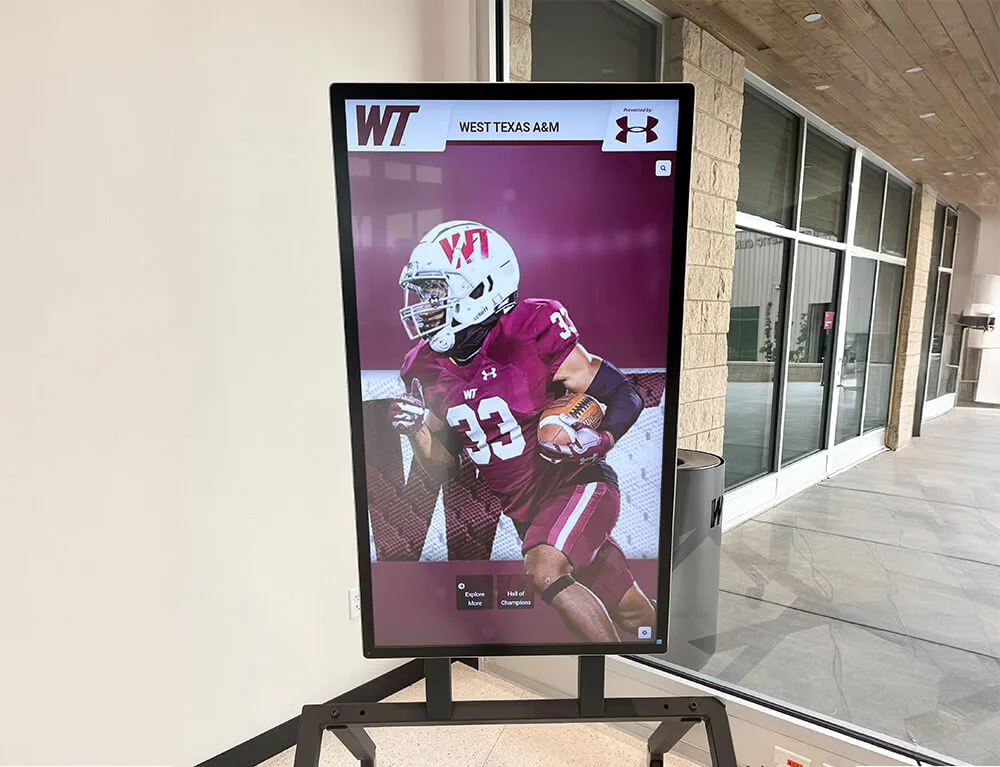




The end of each athletic season brings opportunities to celebrate athlete dedication, team accomplishments, and individual excellence through thoughtfully designed award programs. Sport end of year awards serve multiple vital functions—recognizing outstanding performance, validating effort and improvement, reinforcing team values, building program culture, and creating memories athletes carry long after their playing days conclude.
Yet many coaches and athletic directors struggle with award program design. How many awards should you present? Which recognition categories best honor diverse contributions? How do you balance traditional awards with creative recognition that feels personal and meaningful? What presentation formats create memorable experiences rather than rushed ceremonies athletes tolerate rather than treasure?
These questions intensify as athletic programs grow more inclusive, teams embrace diverse definition of success beyond competitive results, and schools recognize that effective recognition programs motivate future performance while celebrating past achievement. The most impactful end of year award programs accomplish something remarkable—they make every athlete feel valued for their unique contributions while spotlighting exceptional performance that sets standards for program excellence.
This comprehensive guide explores everything athletic directors, coaches, and booster clubs need to create memorable sport end of year award programs. You’ll discover 20 creative award ideas spanning competitive achievement, character development, team contribution, and improvement recognition. We’ll examine best practices for award selection, presentation strategies that maximize emotional impact, and modern approaches to preserving recognition through digital systems that extend celebration beyond single ceremonies into permanent institutional memory.

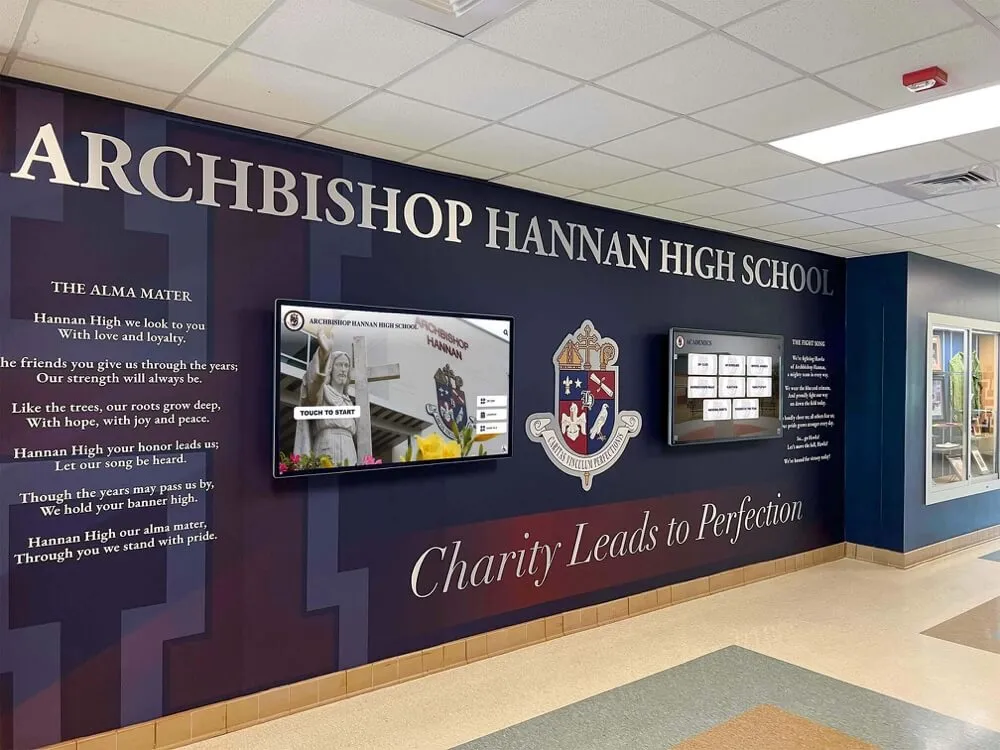
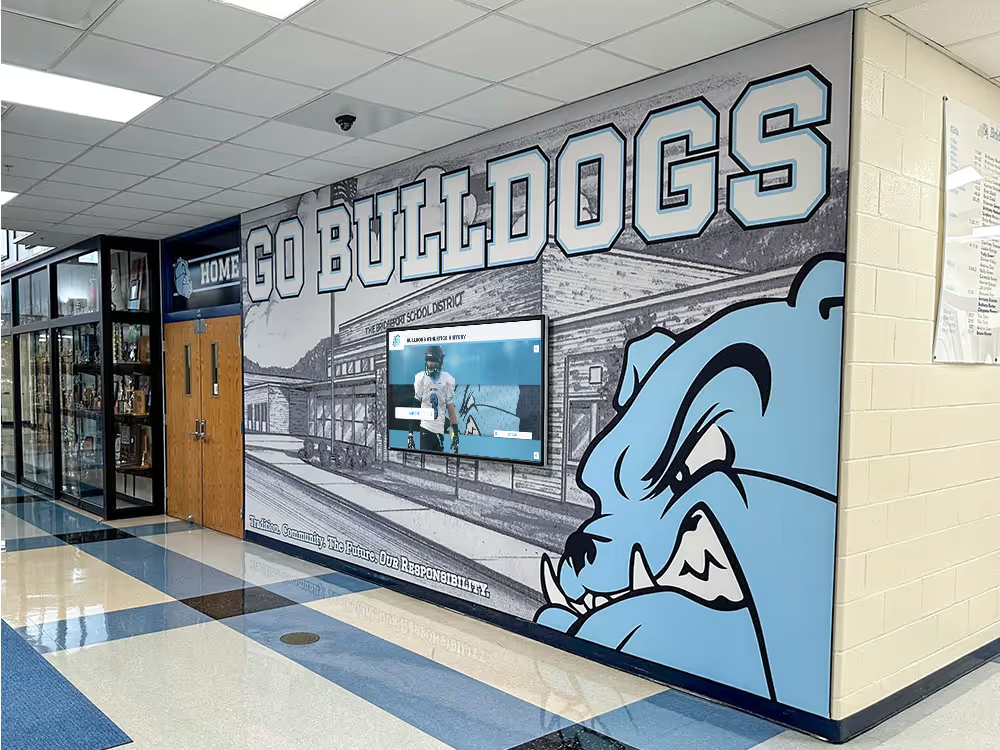
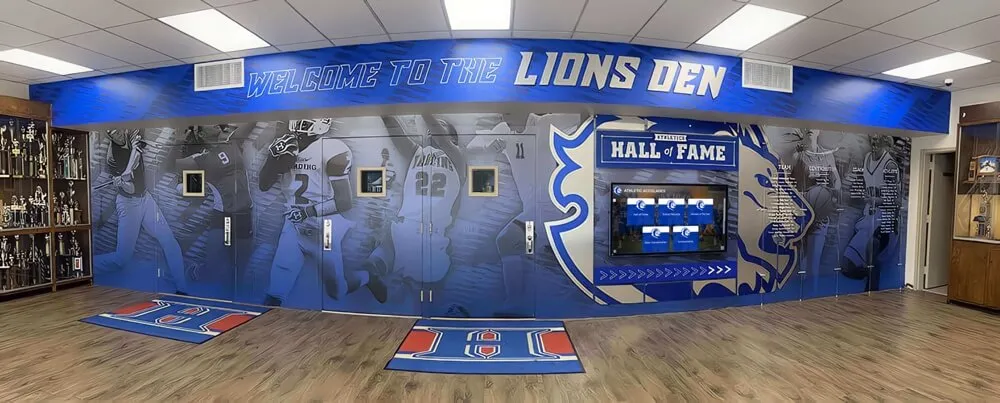
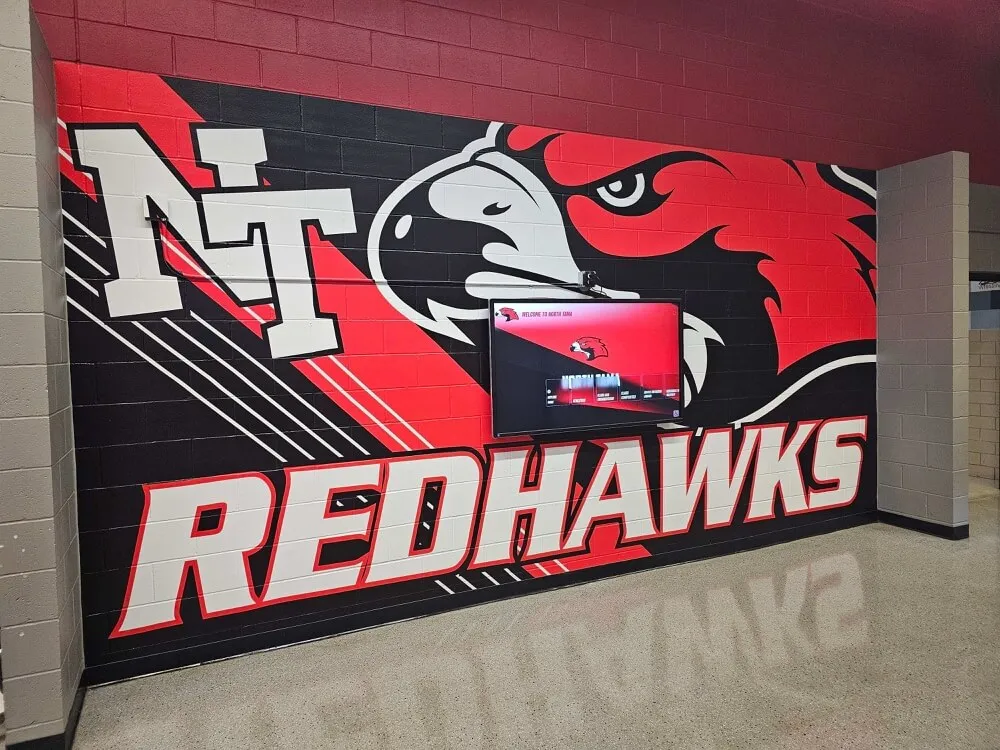
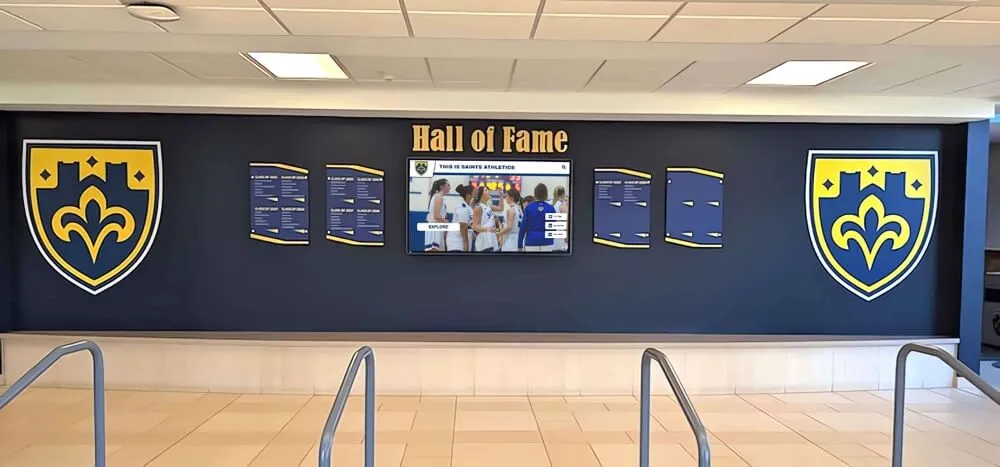
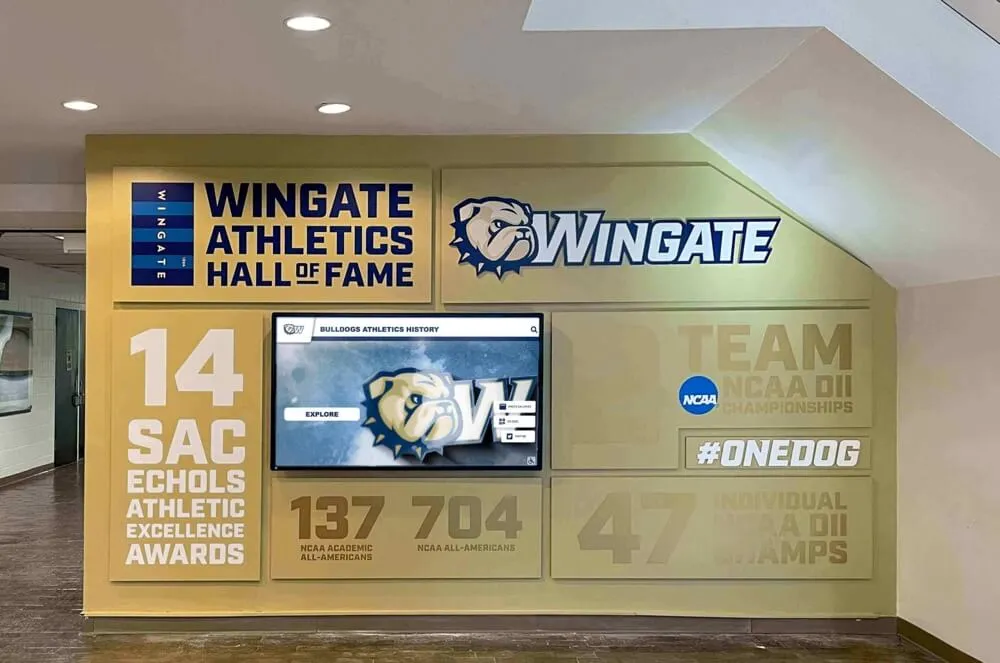
Comprehensive recognition spaces celebrate season achievements while building lasting athletic program pride and tradition
Understanding the Purpose of Sport End of Year Awards
Before exploring specific award ideas, understanding why end of season recognition matters helps coaches design programs achieving intended impacts.
Building Team Culture and Program Identity
Award programs communicate what athletic programs value beyond competitive scoreboard results.
Reinforcing Core Values Through Recognition
Every award presented sends messages about program priorities. Most Valuable Player awards emphasize performance excellence. Coaches Awards highlight qualities coaches most value—leadership, work ethic, coachability, positive attitude, or consistent practice commitment. Sportsmanship awards celebrate character and competitive integrity. Most Improved awards validate growth and development processes regardless of absolute performance levels.
Thoughtfully designed award programs recognize diverse contribution types, ensuring athletes with varying roles and abilities find pathways to recognition. Star performers deserve acknowledgment, but comprehensive programs also celebrate role players, practice contributors, positive team culture builders, and athletes demonstrating character qualities that define program identity beyond competitive success.
When award programs exclusively honor competitive achievement, they implicitly communicate that only top performers matter. Teams that recognize leadership, improvement, character, and team contribution alongside performance excellence build inclusive cultures where every athlete feels valued for their unique contributions.
Creating Traditions That Connect Generations
Annual award traditions create continuity connecting current athletes to program history. When today’s athletes receive awards that honored distinguished alumni decades prior, they join proud traditions extending beyond individual seasons. This historical connection builds program pride while giving current achievement broader significance.
Schools implementing comprehensive digital recognition systems preserve award recipient history permanently, allowing current athletes to discover former honorees, understand program excellence traditions, and see their recognition join institutional legacy celebrated across generations.
Motivating Future Performance and Effort
End of season recognition doesn’t just celebrate past achievement—it influences future behavior and effort.
The Motivational Power of Recognition
Athletes who receive meaningful recognition for effort, improvement, or contribution tend to sustain high engagement in subsequent seasons. Recognition validates that coaches notice and appreciate their work, creating psychological rewards that motivate continued commitment. Even athletes who don’t receive individual awards benefit when they see teammates honored for qualities like work ethic, positive attitude, or improvement—these examples show pathways to recognition that don’t require being the most talented athlete on the roster.
Research in sports psychology consistently demonstrates that recognition serves as one of the most powerful motivational tools available to coaches. Athletes who feel appreciated and valued maintain higher engagement, demonstrate greater resilience through adversity, and exhibit stronger long-term commitment than athletes who perceive their contributions go unnoticed or unappreciated.
Setting Standards Through Public Recognition
Award presentations communicate performance and behavior standards to all program participants. When coaches present Most Valuable Player awards with detailed explanations of why recipients earned recognition—specific examples of excellence, leadership moments, performance statistics, and character demonstrations—they provide concrete examples of program excellence that set aspirational standards for all athletes.
This educational function of award ceremonies proves particularly valuable for younger athletes or new program participants who haven’t yet internalized program expectations and standards. Seeing upperclassmen honored for specific qualities and achievements provides clear roadmaps for what excellence looks like within specific program contexts.
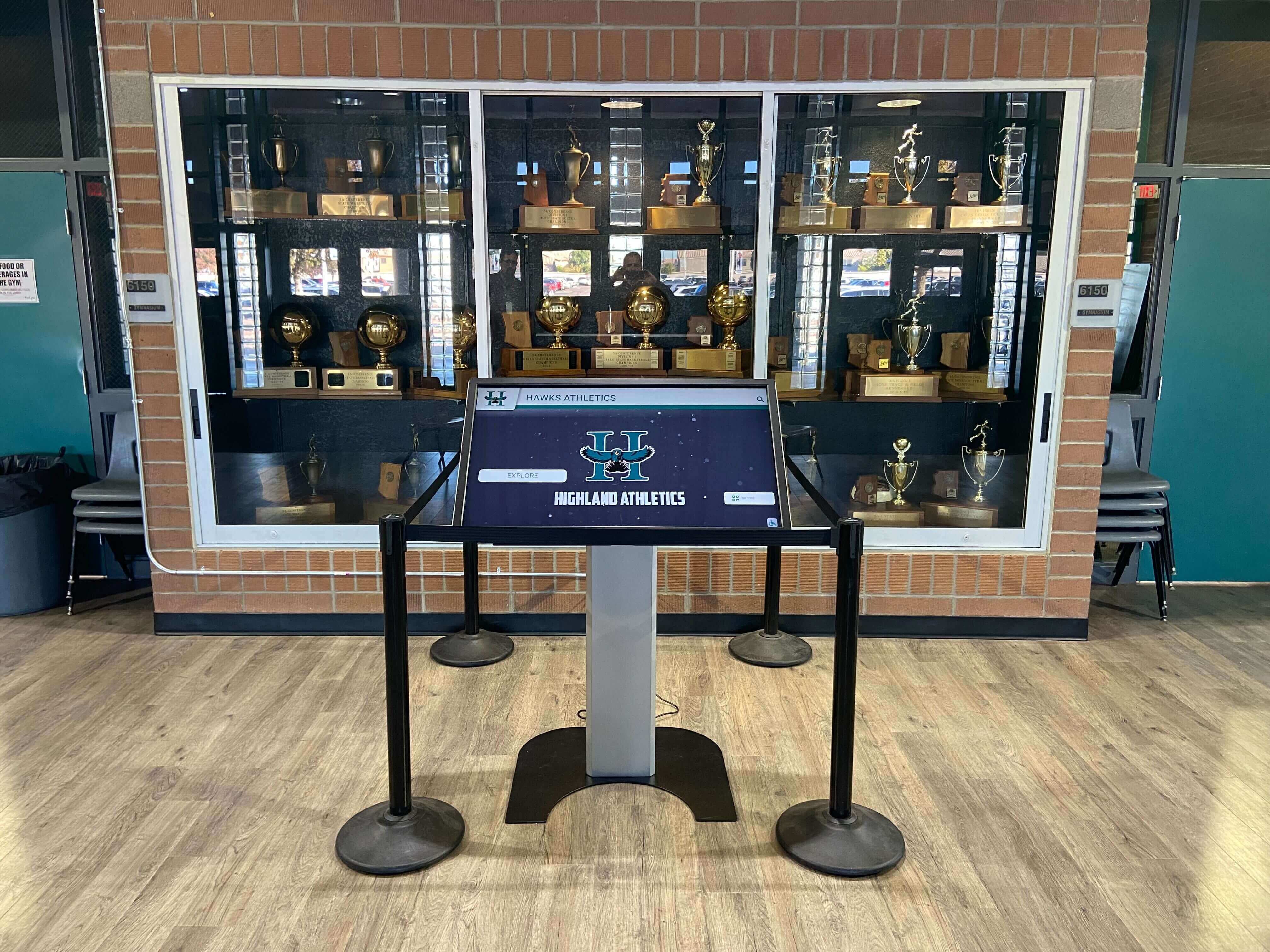
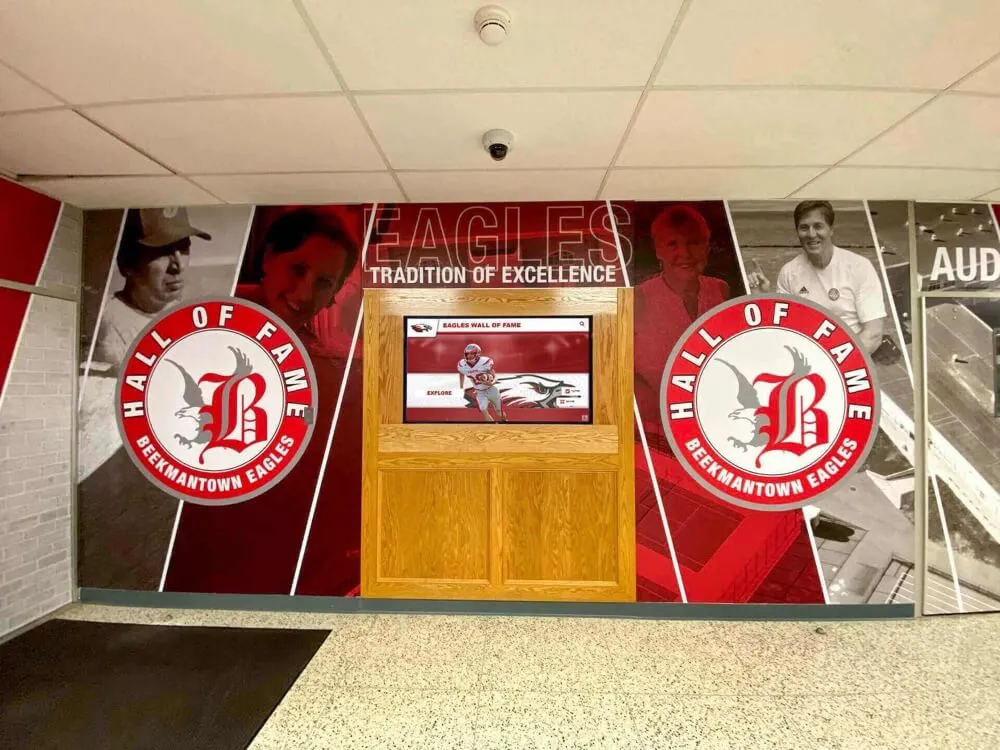
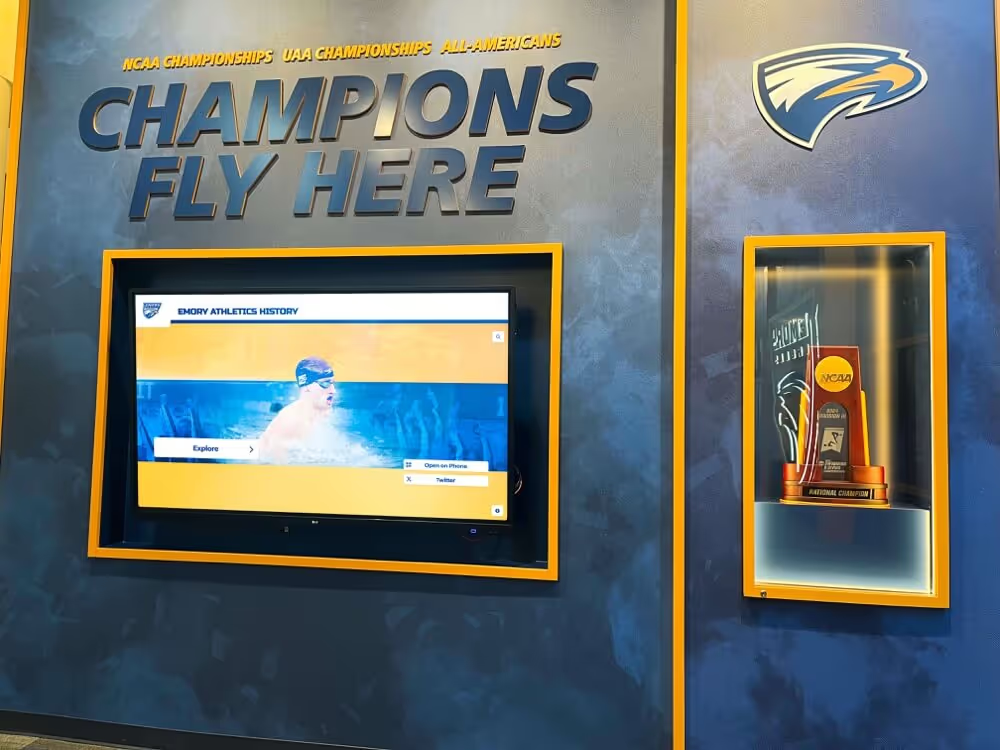
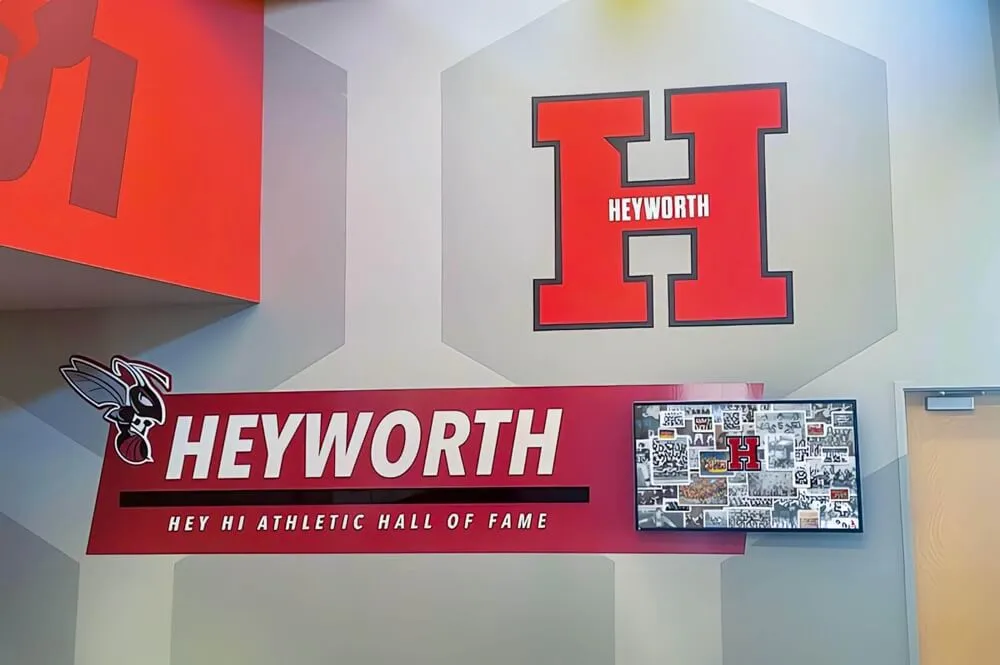
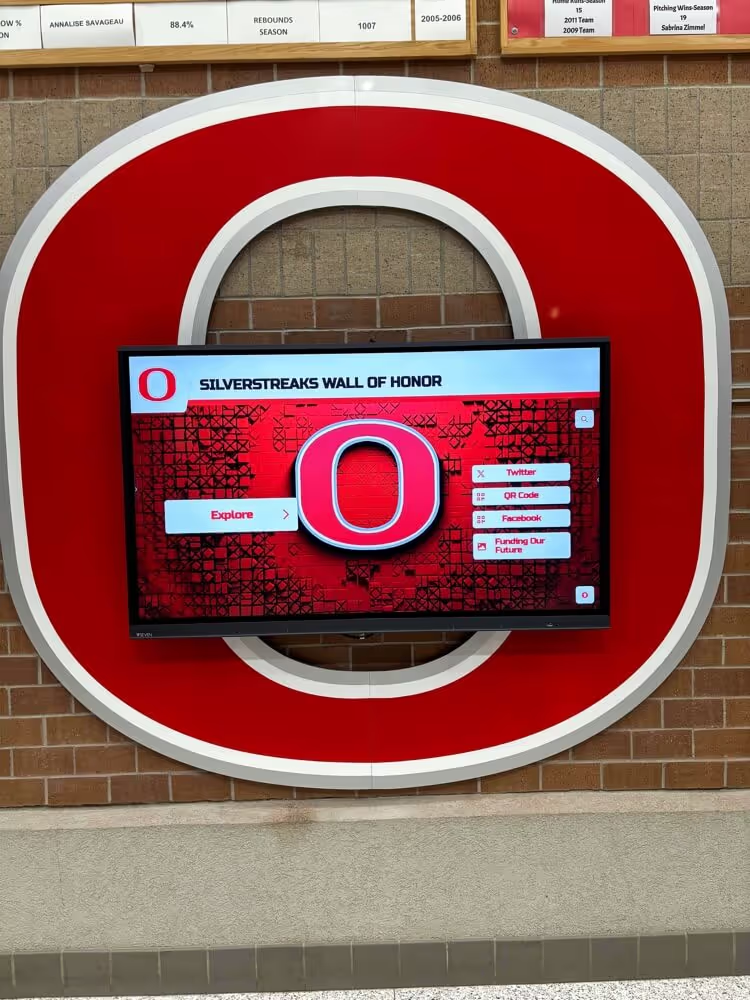
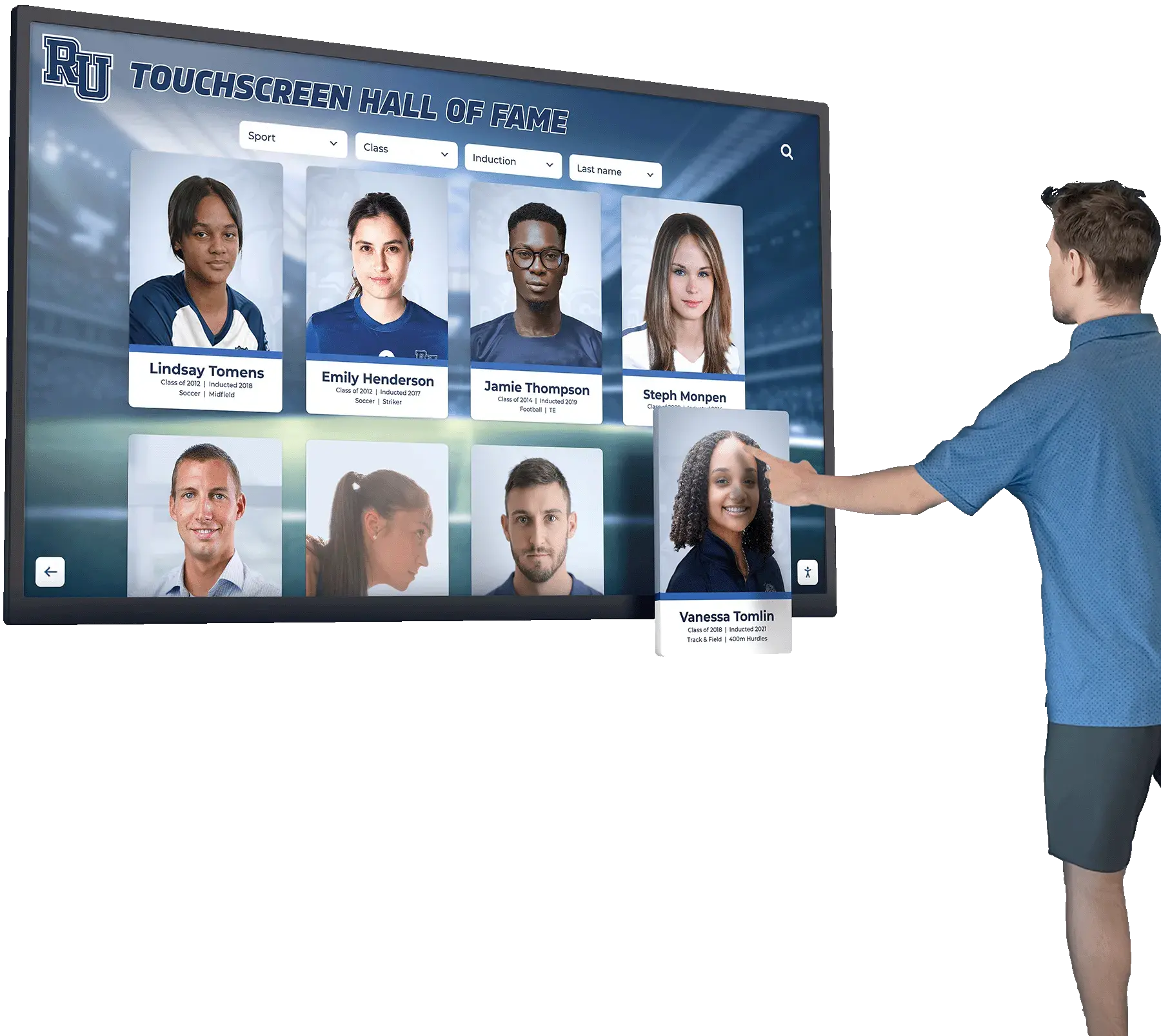
Modern recognition systems integrate with traditional trophy displays celebrating current achievements while providing unlimited capacity for comprehensive historical recognition
Creating Lasting Memories and Life Impact
For many athletes, high school sports represent pinnacle athletic experiences they’ll remember throughout life.
The Significance of Recognition Moments
Years after graduation, former athletes remember specific recognition moments—the coach’s speech presenting their award, teammates’ reactions, family presence during ceremonies, and emotions they felt receiving acknowledgment for their dedication. These memories often rank among most significant high school experiences, creating positive associations with athletic participation that influence how athletes view their sport involvement for decades.
Thoughtful award presentations that provide context, share specific examples, involve teammates or captains in recognition, and create emotional resonance generate more meaningful memories than perfunctory awards handed out during rushed ceremonies. The goal isn’t just distributing trophies—it’s creating moments athletes treasure as validation of years of dedication and commitment.
Beyond Athletics: Life Lessons and Identity Formation
Sport end of year awards often represent some of athletes’ first experiences receiving formal recognition for sustained effort toward long-term goals. This recognition teaches lessons extending beyond athletics: that dedication produces results recognized by others, that improvement efforts receive acknowledgment even when absolute performance levels fall short of the best, that character and contribution matter alongside talent, and that being part of collective success creates fulfillment alongside individual achievement.
These lessons inform how young people approach future challenges—academic pursuits, career development, community involvement, and personal relationship building. Athletic recognition programs that honor diverse qualities and contributions prepare athletes for life beyond sports more effectively than programs exclusively celebrating competitive victory.
20 Creative Sport End of Year Award Ideas
Comprehensive award programs recognize excellence across multiple dimensions, ensuring diverse athletes find recognition pathways matching their unique contributions and strengths.
Performance and Achievement Awards
Traditional competitive achievement awards remain essential components of balanced recognition programs.
1. Most Valuable Player (MVP)
The classic MVP award recognizes the athlete who contributed most significantly to team success through sustained excellence across the season. Effective MVP selection considers statistical performance, impact in crucial competitions, leadership influence, and overall contribution to team achievement. Rather than simply honoring the most talented athlete, strong MVP awards recognize athletes whose presence elevated entire programs.
When presenting MVP awards, coaches should provide specific examples of how recipients impacted teams—game-changing performances, leadership moments, statistical achievements, and qualities that made them invaluable to team success. This context transforms generic recognition into meaningful tributes celebrating specific contributions.
2. Offensive Player of the Year
Team sports benefit from specialized recognition acknowledging offensive excellence separately from overall value. Offensive Player awards celebrate athletes who consistently produced scoring, created opportunities for teammates, or demonstrated technical excellence in offensive roles. This specialized recognition allows programs to honor multiple forms of excellence without forcing single MVP selections that overlook outstanding contributors in specific areas.
Selection criteria might include scoring statistics, offensive efficiency metrics, consistency across competitions, performance against top opponents, and impact on team offensive success. Providing data supporting selections helps athletes and audiences understand recognition basis beyond subjective coach preferences.
3. Defensive Player of the Year
Defensive excellence deserves recognition equal to offensive achievement. Defensive Player awards honor athletes who prevented opponent success, demonstrated consistent defensive effort, exhibited technical defensive skill, and elevated team defensive performance. These awards prove particularly important in sports where defensive contributions receive less public recognition than scoring or offensive production.
Selection should consider both statistical metrics (when available) and qualitative defensive contributions—communication, positioning, competitive intensity, and intangible defensive impacts that don’t always appear in statistics. Acknowledging defensive excellence reinforces that winning requires comprehensive team performance beyond just offensive production.
4. Rookie of the Year
Programs with distinct grade-level participation (varsity, junior varsity, freshman teams) benefit from recognizing outstanding first-year performers. Rookie awards celebrate newcomers who made immediate impacts, demonstrated rapid skill development, or showed promise suggesting future excellence. This recognition provides early positive reinforcement for young athletes while setting examples of successful program entry for future newcomers.
Coaches should balance recognizing immediate performance with acknowledging development trajectory and potential. Sometimes the most impressive rookie performance comes from athletes who arrived with limited experience but demonstrated exceptional growth and learning capacity throughout seasons.
5. Most Valuable Underclassman
Distinguishing underclassman achievement creates recognition opportunities for younger athletes while building anticipation for their upperclass years. This award celebrates the non-senior who demonstrated greatest value to teams, providing early recognition that motivates continued development while acknowledging that they’ll be expected to assume increased leadership roles as they mature within programs.

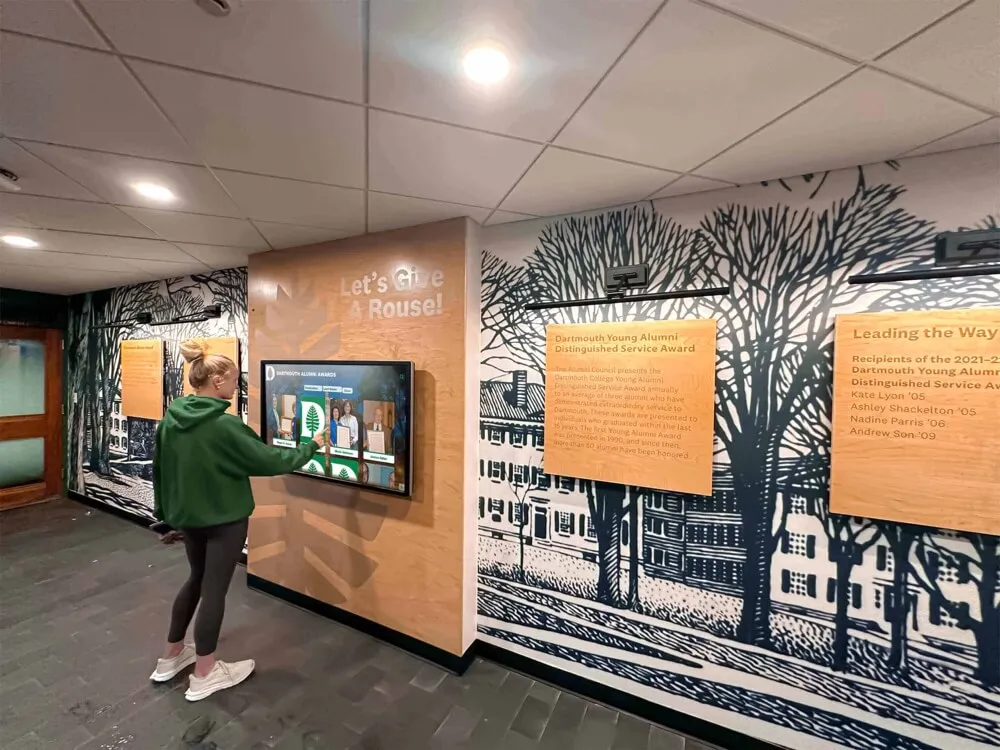
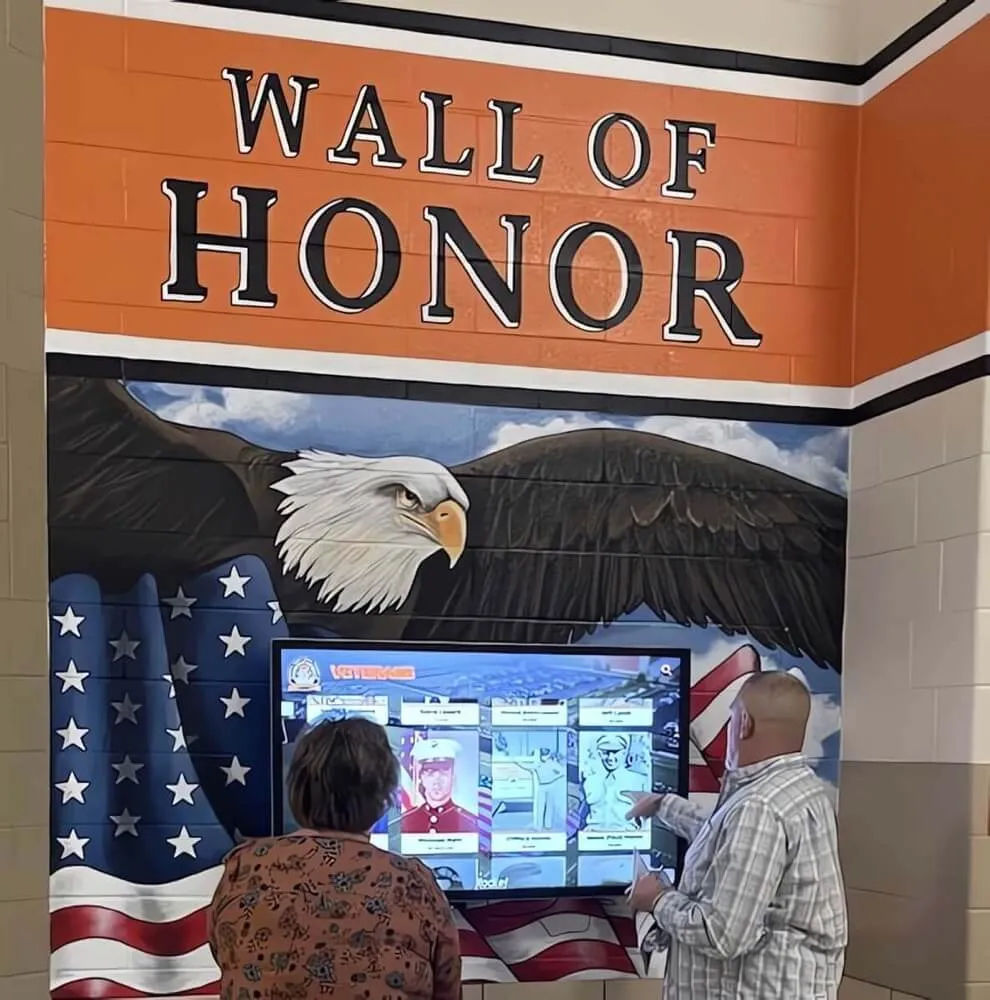
Interactive recognition systems enable exploration of [athlete achievements and team histories](https://digitalrecordboard.com/blog/teacher-of-the-year-award-showcase/?utm_source=organic&utm_medium=seo&utm_campaign=sport-end-of-year-awards-complete-guide&utm_content=digitalwarming&utm_term=seo) creating engaging connections to program traditions
Character and Leadership Awards
Character recognition reinforces that athletic programs develop complete individuals, not merely sport-specific performers.
6. Coaches Award
The Coaches Award represents one of the most meaningful recognitions coaches can bestow, celebrating athletes who embody everything coaches value beyond pure talent. Recipients typically demonstrate exceptional work ethic, positive attitude, coachability, teammate support, practice commitment, and character qualities that define ideal program participants.
This award’s power comes from its subjective nature—coaches personally selecting athletes who most represent program ideals creates deeply meaningful recognition that validates recipients’ complete contributions beyond statistics or competitive results. When presenting Coaches Awards, coaches should share specific examples of why recipients earned recognition, creating emotional moments that honor athletes’ character and commitment.
7. Leadership Award
Leadership awards recognize athletes who demonstrated exceptional leadership qualities—motivating teammates, setting positive examples, communicating effectively, handling adversity with grace, and elevating those around them. Strong leadership recognition acknowledges that leadership extends beyond wearing captain designations—it encompasses behaviors and impacts that make teams better regardless of formal titles.
Selection should consider multiple leadership dimensions: vocal leadership during practices and competitions, leadership by example through consistent work ethic, supportive leadership helping struggling teammates, and positive leadership maintaining team culture and morale. The most impactful leaders often demonstrate multiple leadership styles adapted to different teammates and situations.
8. Sportsmanship Award
Sportsmanship recognition celebrates athletes who competed with integrity, respected opponents and officials, maintained composure under pressure, demonstrated grace in victory and defeat, and represented programs positively through character and behavior. These awards communicate that programs value how athletes compete as much as competitive outcomes.
Sportsmanship awards prove particularly meaningful when presented with specific examples—moments when recipients demonstrated exceptional character, times they supported struggling opponents, instances where they accepted difficult calls with maturity, or ways they represented programs with class. These concrete examples provide teachable moments for all athletes about program values and expected behavior.
9. Team MVP
Team MVP awards differ from traditional MVP recognition by emphasizing teammates’ perspectives. Some programs allow team votes determining this recognition, celebrating athletes whom teammates most valued as contributors to team success and culture. This peer recognition often proves more meaningful to recipients than coach-selected awards because it represents validation from those who shared daily team experiences.
When implementing team-voted awards, coaches should provide guidance ensuring votes recognize genuine contribution rather than popularity. Framing selections around questions like “Who made the biggest impact on our team’s success?” or “Who best represented our program values?” encourages thoughtful voting beyond friendship-based popularity contests.
10. Unsung Hero Award
Every team includes athletes whose contributions prove essential to success but receive limited public recognition. Unsung Hero awards celebrate role players, practice contributors, athletes who embraced supporting roles for team benefit, or individuals who made significant sacrifices supporting team success. This recognition validates that programs appreciate all contributors, not exclusively stars receiving public accolades.
Presenting Unsung Hero awards with detailed explanations of specific contributions ensures recipients understand genuine appreciation behind recognition rather than viewing awards as consolation prizes for not earning more prestigious honors. These tributes to behind-the-scenes contributions often prove most emotionally impactful for recipients who rarely receive spotlight recognition.
Development and Improvement Awards
Recognition celebrating growth and development motivates athletes at all skill levels while reinforcing that programs value improvement processes.
11. Most Improved Player
Most Improved awards celebrate athletes who demonstrated greatest development from season beginning to end. This recognition proves particularly meaningful for developing athletes who worked diligently improving skills, elevated performance levels significantly, or transformed from contributors to key players through sustained effort and dedication.
Effective Most Improved recognition requires establishing baseline performance early in seasons and documenting growth across time. Coaches should provide specific examples of improvement—technical skill development, tactical understanding advances, physical conditioning gains, confidence growth, or performance increases under pressure. These concrete examples demonstrate genuine achievement rather than generic improvement recognition.
12. Breakthrough Performer Award
Breakthrough Performer awards celebrate athletes who exceeded expectations, emerged as significant contributors after previously filling minor roles, or demonstrated capabilities that surprised coaches and teammates. This recognition differs from Most Improved by emphasizing unexpected emergence rather than steady incremental development.
Recipients might include athletes who seized opportunities created by injuries, competitors who suddenly clicked after struggling early in seasons, or individuals who made dramatic leaps in performance or contribution. Breakthrough recognition creates excitement around unpredictable athletic development while celebrating athletes’ responses to opportunities.
13. Iron Person Award
Iron Person recognition celebrates durability, consistency, and reliability—athletes who never missed practices or competitions, maintained consistent performance levels throughout seasons, or demonstrated physical and mental toughness through challenging schedules. This award validates that coaches notice and appreciate the reliability that allows teams to function effectively.
Some programs track perfect attendance or consecutive practice/competition participation when determining Iron Person recognition, creating objective criteria. Others focus on athletes who competed through minor injuries or adversity, celebrating toughness and commitment to teams above personal comfort.
14. Practice Player Award
Practice Player awards honor athletes whose daily practice effort elevated team performance regardless of playing time during competitions. These athletes challenged starters in practice, maintained consistent effort despite limited game roles, provided quality scout team performance helping teams prepare, or created competitive practice environments that improved everyone.
This recognition proves particularly meaningful for athletes who contributed significantly to team success despite limited game action—validating that coaches recognized their essential contributions even when they didn’t translate to public competition visibility. Practice Player awards communicate that programs value all contributors, not exclusively those receiving playing time recognition.

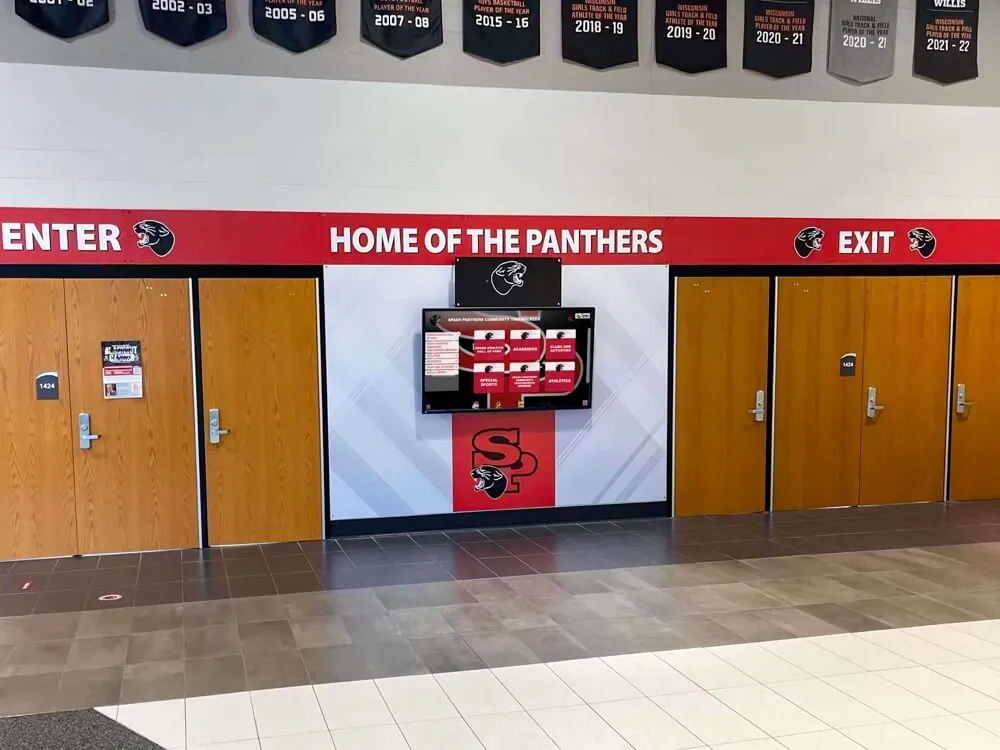
Coordinated recognition systems throughout facilities celebrate [diverse athletic achievements](https://touchwall.tv/blog/state-championships-display-guide/?utm_source=organic&utm_medium=seo&utm_campaign=sport-end-of-year-awards-complete-guide&utm_content=digitalwarming&utm_term=seo) creating comprehensive athletic culture and tradition
Team Culture and Spirit Awards
Awards celebrating team culture contributions recognize that successful programs require positive environments built through collective effort.
15. Spirit Award
Spirit awards recognize athletes who consistently brought energy, enthusiasm, and positive attitude to practices and competitions. These individuals elevated team morale, maintained optimism during adversity, celebrated teammates’ successes genuinely, and created infectious enthusiasm that made teams more enjoyable for everyone involved.
Spirit recognition validates that positive energy and enthusiasm represent valuable contributions regardless of athletic ability or playing time. Athletes who make teams more fun, supportive, and positive deserve acknowledgment for building cultures where all participants thrive.
16. Teammate Award
Teammate awards celebrate athletes who exemplified ideal teammate qualities—supporting others unconditionally, putting team success before personal recognition, maintaining positive relationships across team dynamics, and creating inclusive environments where all athletes felt valued. This peer-focused recognition honors relationship-building and team culture contribution.
Some programs allow team votes for Teammate awards, ensuring recognition reflects genuine peer appreciation. Coaches should provide examples of specific teammate behaviors when presenting these awards—moments when recipients supported struggling athletes, times they sacrificed personal goals for team benefit, or ways they built bridges across team social dynamics.
17. Heart Award
Heart awards celebrate athletes who competed with exceptional passion, demonstrated persistent effort regardless of circumstances, refused to quit when challenged, showed emotional investment in team success, and brought intensity that inspired teammates. These recognitions honor competitors who played with depth of commitment and emotion that elevated entire programs.
Recipients typically include athletes who competed at maximum effort regardless of score situations, demonstrated visible passion during competitions, led through vocal intensity and physical commitment, or showed teams what maximum effort and emotional investment looked like. Heart awards communicate that programs value athletes who bring everything they possess to team efforts.
18. Best Newcomer (Non-Freshman)
Programs with athletes joining from other schools, returning after time away, or transitioning from other sports benefit from recognizing successful program integration by non-freshman newcomers. This recognition celebrates athletes who navigated joining established teams, adapted to new program cultures quickly, or contributed immediately despite entering unfamiliar environments.
Best Newcomer awards acknowledge the challenge of joining established programs while validating successful integration. These recognitions also welcome newcomers officially into program communities, reinforcing their belonging and future commitment.
Creative and Specialized Awards
Beyond traditional categories, creative recognition adds personal touches that create memorable unique recognition experiences.
19. Future Star Award
Future Star recognition identifies younger athletes—typically freshmen or sophomores—who demonstrated potential suggesting future excellence. This forward-looking award creates excitement around program futures while providing early recognition motivating development. Recipients should demonstrate combination of current ability, growth trajectory, work ethic, and coachability suggesting they’ll become program cornerstones.
When presenting Future Star awards, coaches should explain specifically what they see in recipients—physical tools, technical skills, competitive makeup, learning capacity, or dedication that creates confidence in future excellence. This explanation helps recipients understand development pathways while setting expectations for their continued growth.
20. Highlight Reel Award
Highlight Reel recognition celebrates athletes who created most memorable individual moments—spectacular plays, highlight-worthy performances, or remarkable athletic displays that defined seasons. This lighthearted but meaningful award acknowledges that sports create unforgettable moments transcending statistics, and athletes who generate these moments deserve celebration.
Presenting this award with actual video highlights creates entertaining ceremony moments while honoring spectacular athletic achievements. Programs implementing digital recognition systems with multimedia capabilities can preserve these highlight moments permanently within athlete profiles, creating lasting records of remarkable achievements.
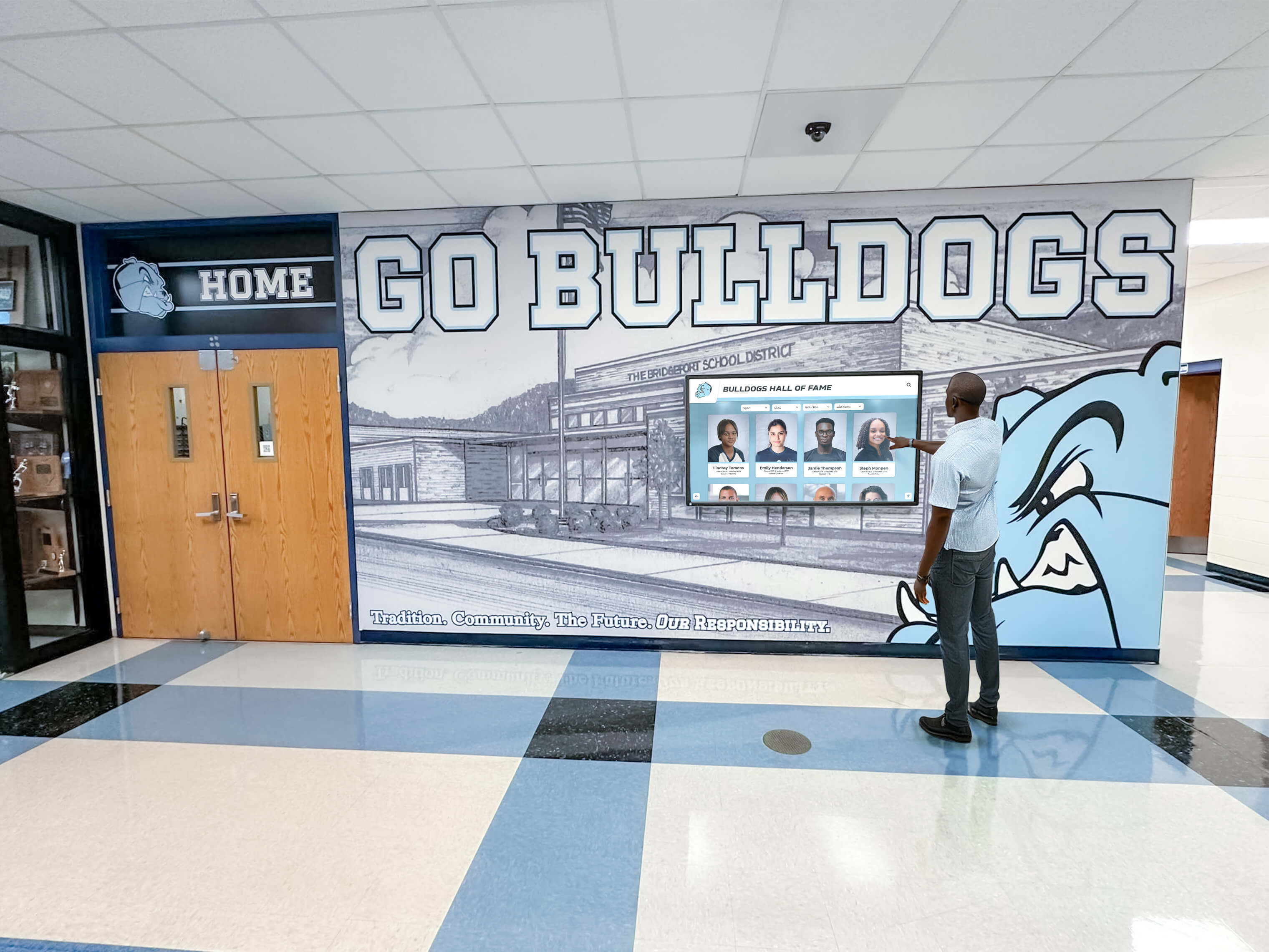
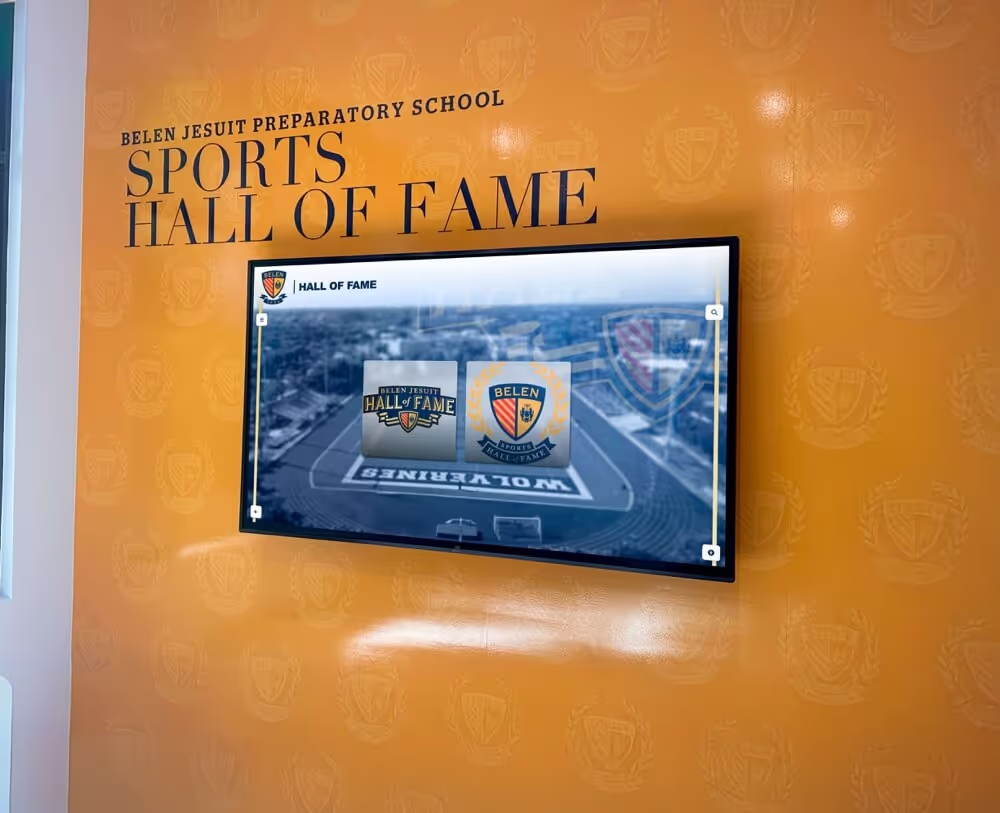
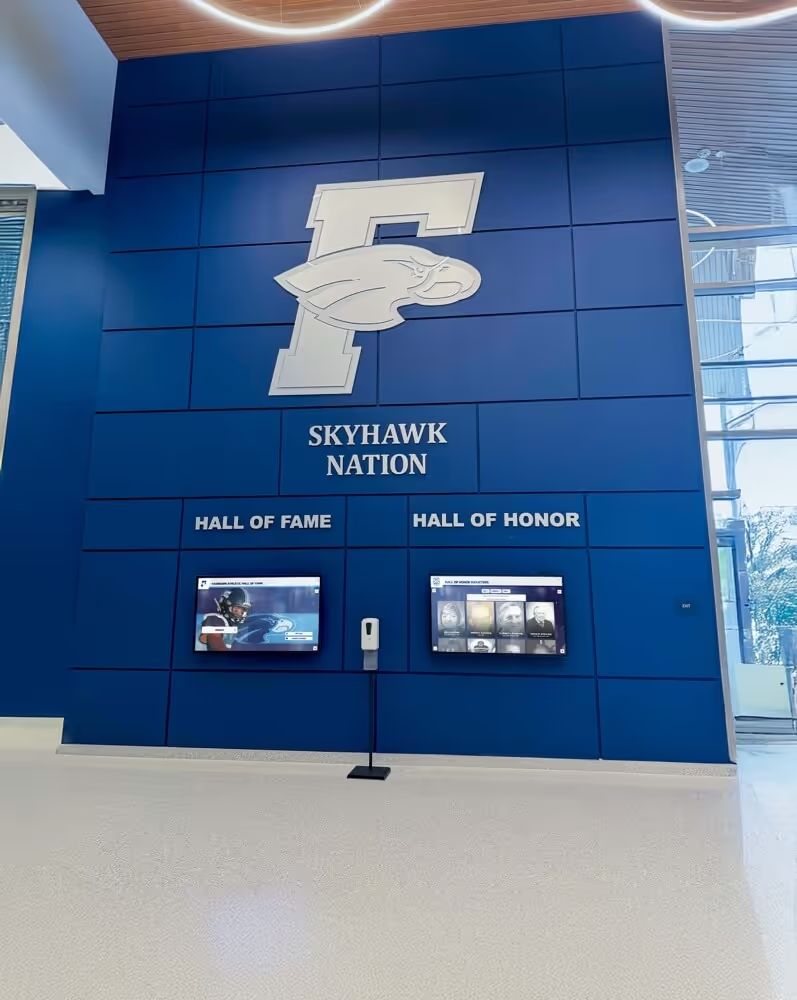
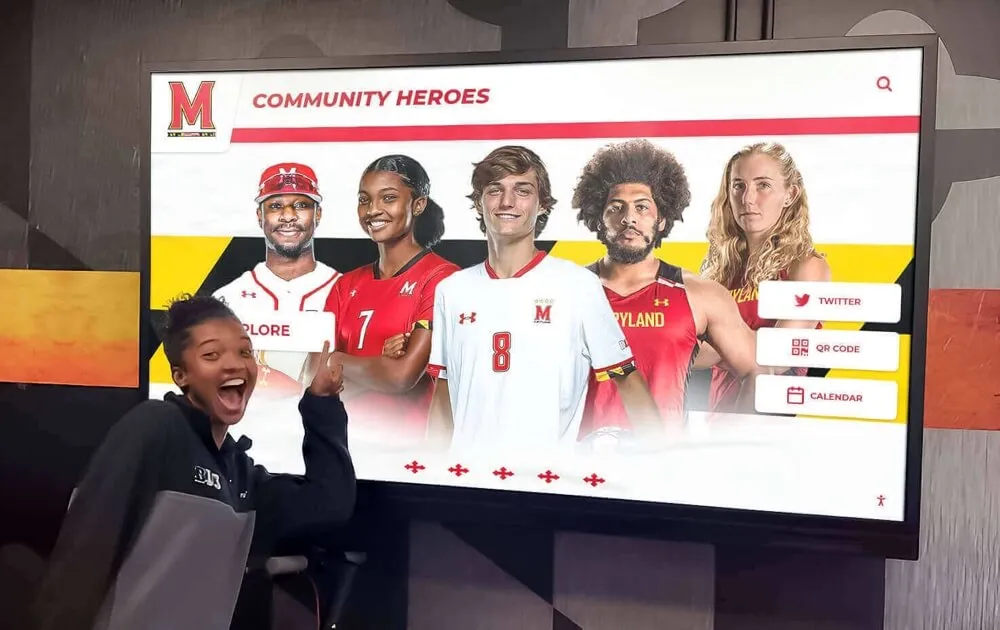
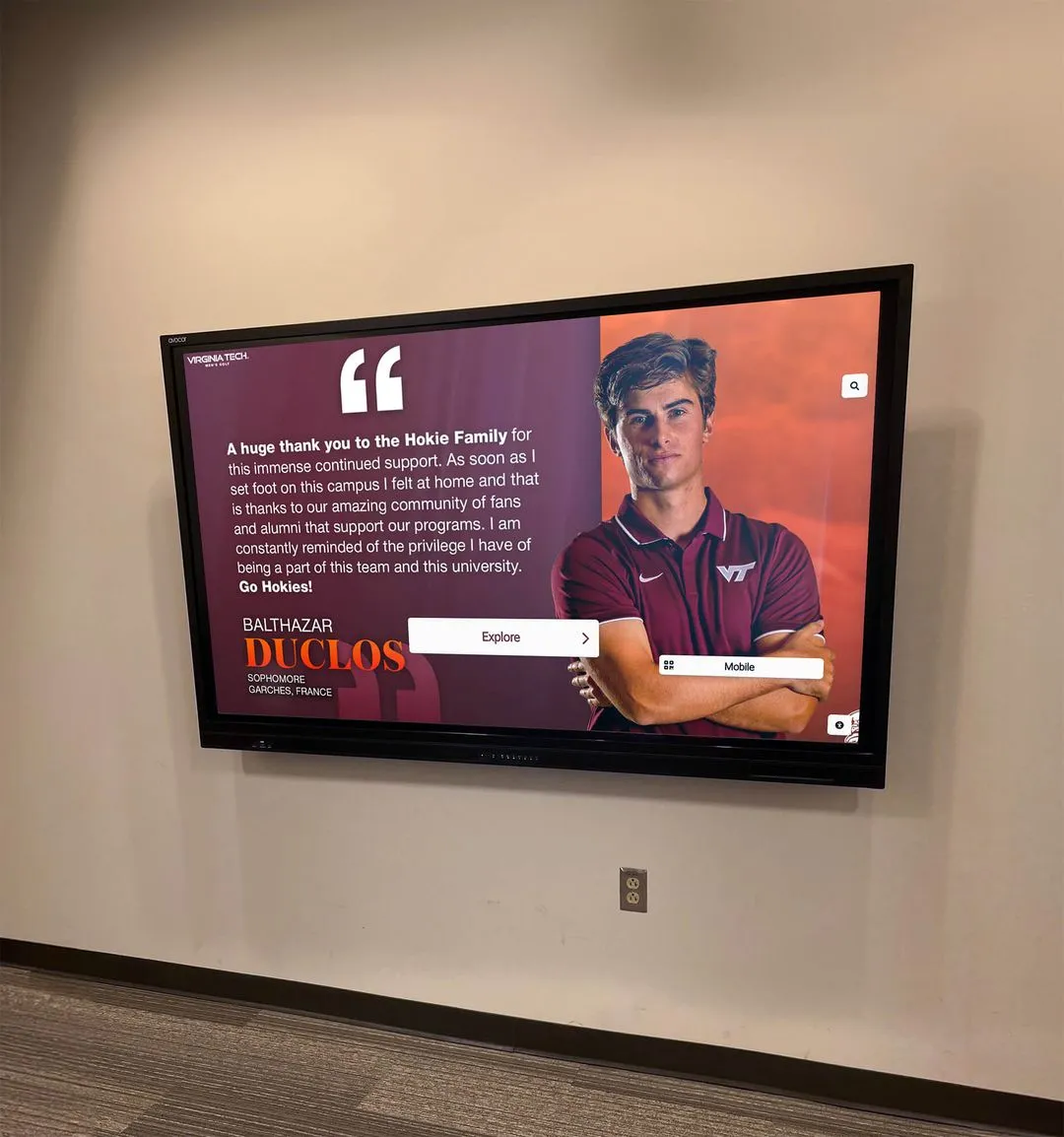
Interactive digital displays enable intuitive exploration of award recipient histories and athletic achievement stories
Best Practices for Award Selection and Presentation
Having diverse award categories matters little if selection and presentation processes lack thoughtfulness and integrity.
Developing Fair and Transparent Selection Processes
Award credibility depends on fair selection based on clear criteria.
Establishing Clear Selection Criteria
Before seasons begin, coaches should define specific criteria for major awards. What qualities determine Most Valuable Player selection? How do you measure “most improved” fairly? What behaviors and characteristics earn Coaches Award consideration? Clear pre-established criteria prevent awards from becoming arbitrary recognition based on unclear or shifting standards.
Written criteria should balance objective measures (statistics, attendance records, win contributions) with subjective assessments (leadership qualities, work ethic, character demonstration). This balanced approach prevents purely statistical selection that ignores intangible contributions while avoiding entirely subjective processes that may appear biased or favor-based.
Involving Multiple Perspectives
Award selection benefits from incorporating multiple viewpoints. Coaching staff discussions ensure decisions consider various perspectives rather than single coach preferences. Team captain input provides athlete perspectives on peer contributions. Statistical analysis adds objective performance data to subjective assessments.
Some programs create award selection committees including head coaches, assistant coaches, team captains, and sometimes athletic directors. These collaborative processes produce more comprehensive selections while increasing community confidence in award fairness and integrity.
Avoiding Common Selection Pitfalls
Common award selection mistakes include: defaulting to same athletes for multiple awards rather than spreading recognition, prioritizing playing time over actual contribution quality, letting recency bias overweight late-season performance while forgetting early season achievements, allowing personal favoritism to influence selections over merit, and failing to document specific rationales supporting selections when questioned.
Documenting award selection rationales—specific examples, statistics, peer feedback, and criteria application—helps coaches defend selections if questioned while creating historical records supporting program integrity.
Creating Meaningful Presentation Ceremonies
Award presentation format significantly affects recognition impact and memorability.
Award Banquet Structures
Traditional award banquets provide dedicated time and space for comprehensive recognition without competition pressure or time constraints. Effective banquets balance formal recognition with social celebration, include family members and supporters creating community experiences, provide opportunities for coach speeches and athlete acknowledgments, and create elevated formal atmospheres that signal recognition significance.
Banquet planning should consider venue selection that accommodates teams and families comfortably, meal coordination creating social connection time, program length that maintains engagement without exhausting attention, and presentation order building toward most prestigious awards as climactic moments.
In-Season Recognition Timing
Some programs present certain awards immediately following season conclusions rather than waiting for formal banquets. This approach provides timely recognition when emotions run high and memories remain fresh. Senior night presentations during final home competitions create particularly meaningful moments combining recognition with emotional season conclusions.
Balancing in-season recognition with formal banquets requires thoughtful award distribution. Major awards typically deserve formal banquet presentations, while fun or lighthearted awards might work better during team gatherings or practices. Some programs present senior-specific awards during senior nights while saving major performance awards for banquets including all athletes.
Making Presentations Personal and Meaningful
Generic award presentations—simply announcing recipients without context or explanation—miss opportunities to create meaningful recognition moments. Effective presentations include:
- Detailed explanations of why recipients earned recognition
- Specific examples of contributions, achievements, or qualities being honored
- Stories or anecdotes illustrating recipients’ impacts on teams
- Statistical context for performance awards (when applicable)
- Involvement of teammates, captains, or assistant coaches in presenting or acknowledging recipients
- Opportunities for recipients to respond or share reflections (when appropriate)
These personalized presentations transform perfunctory trophy distribution into meaningful tributes that resonate emotionally with recipients and create lasting memories.
Balancing Recognition Breadth and Prestige
Comprehensive recognition programs face tension between broad inclusion ensuring many athletes receive acknowledgment and maintaining award prestige through selectivity.
The Participation Trophy Debate
Critics of broad recognition argue that giving awards to many athletes dilutes recognition value and fails to teach that not everyone receives recognition for simply participating. Supporters counter that youth athletic development benefits from positive reinforcement, that different contribution types deserve varied recognition, and that excluding large numbers of athletes from any acknowledgment damages motivation and culture.
Balanced approaches distinguish between universal participation acknowledgment (certificates, team photos, end-of-season thank-yous) and selective awards recognizing specific excellence or contribution. Every athlete might receive participation recognition, but meaningful individual awards go to those demonstrating specific qualities or achievements warranting special acknowledgment.
Award Tier Structures
Some programs implement tiered recognition systems: major awards presented at formal banquets (MVP, Coaches Award, etc.), secondary awards recognizing specific contributions (Spirit Award, Most Improved, etc.), and certificates or acknowledgments for participation or specific milestones. This structure provides recognition pathways at multiple levels while maintaining clear prestige distinctions.
Tiered approaches succeed when coaches communicate clearly about different recognition levels, ensuring athletes understand that different awards serve different purposes rather than perceiving secondary recognition as consolation prizes. Emphasizing that all recognition types hold value for different reasons prevents disappointment among those receiving lower-tier acknowledgments.
Sport-Specific Considerations
Individual sports like track and field, swimming, tennis, or golf face unique recognition challenges because athletes compete individually within team contexts. These sports benefit from recognizing both individual excellence (event champions, top performances) and team contribution (point scorers, reliable performers, team leaders).
Team sports require balancing position-specific recognition with team-wide awards. Football programs might recognize offensive, defensive, and special teams awards alongside overall team recognition. Basketball programs could honor scoring leaders while also celebrating defensive specialists and floor leadership.
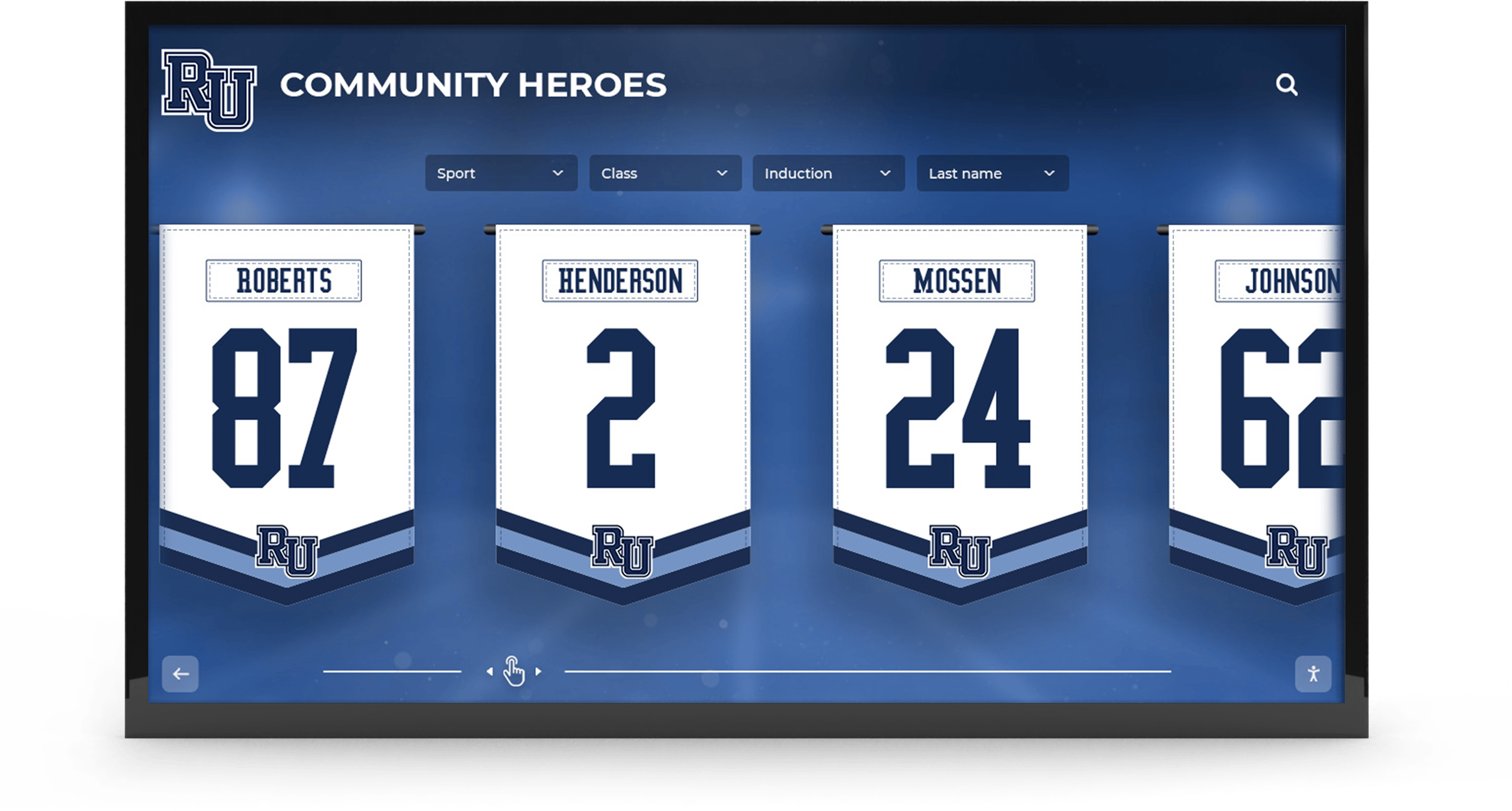
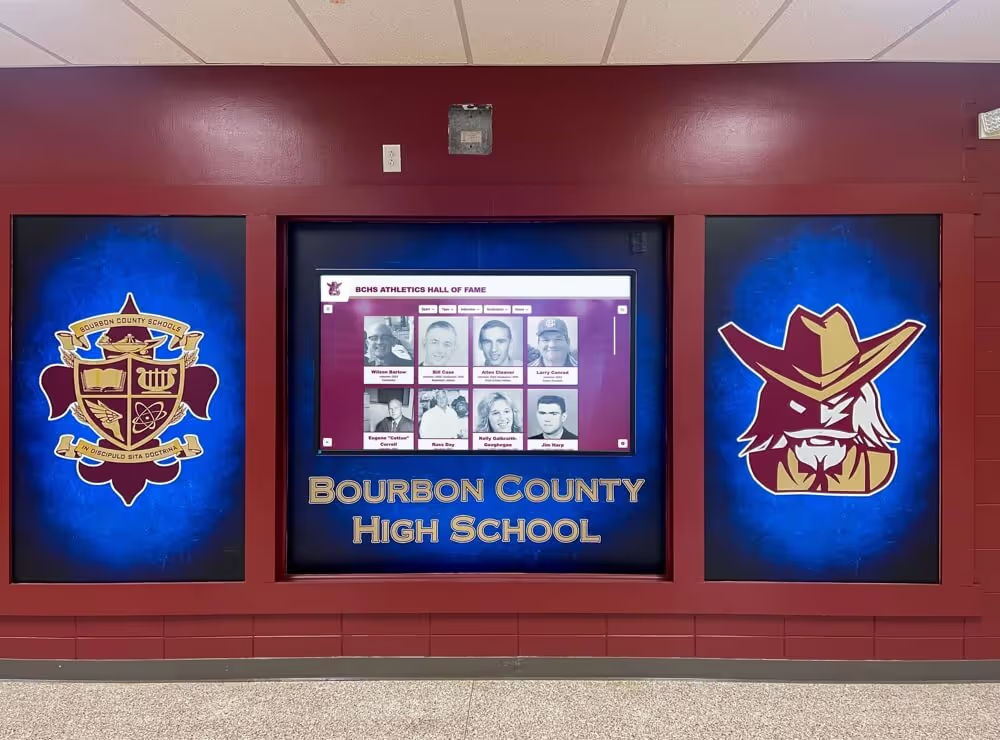
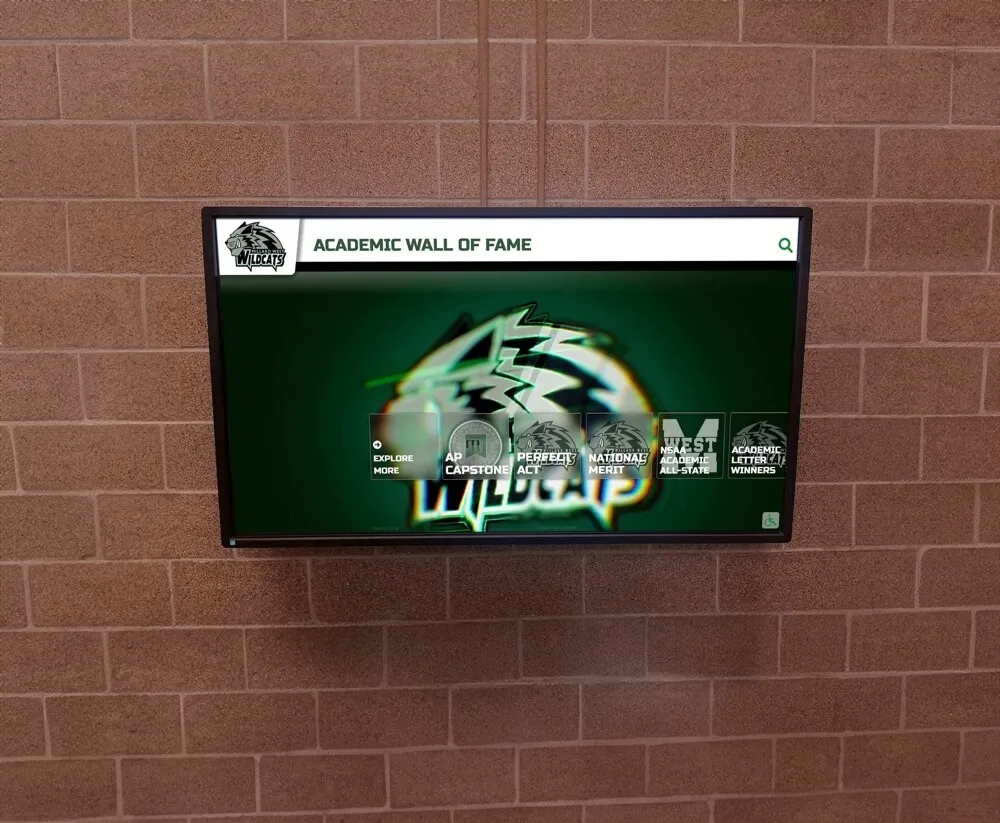
Modern digital displays enable creative recognition formats celebrating athletic excellence across diverse visual presentation styles
Preserving Recognition Through Digital Systems
Award ceremonies create meaningful moments, but recognition value extends when achievements receive permanent accessible preservation.
Beyond Physical Trophies and Plaques
Traditional physical awards serve important symbolic functions but face inherent limitations.
The Physical Trophy Problem
Physical trophies collected by individual athletes often end up in boxes, storage, or disposal after years of accumulating dust. Schools maintaining trophy cases face constant space constraints as decades of awards accumulate. Physical recognition becomes invisible once awards leave display or athletes’ homes, limiting ongoing recognition value and failing to inspire future athletes who never see historical achievement documentation.
Physical awards also restrict recognition to information fitting on plaques or trophy engravings—typically just names, years, and award titles. This minimal context provides no insight into why athletes earned recognition, what their achievements meant, or how their contributions fit within broader program histories.
Digital Recognition Advantages
Digital recognition systems like Rocket Alumni Solutions overcome physical limitations by providing unlimited capacity for historical recognition across all sports and seasons, comprehensive athlete profiles including photos, statistics, biographical information, and award details, permanent accessibility for athletes, families, and communities regardless of physical location, searchable databases enabling discovery of award recipients by name, sport, year, or award type, and integration with current season content creating living recognition that remains relevant rather than becoming purely historical archives.
These platforms transform one-time award presentations into permanent recognition that alumni can share with colleagues and friends decades later, that current athletes can explore to discover program traditions and role models, and that families can revisit to celebrate their students’ achievements throughout life.
Implementing Comprehensive Recognition Programs
Effective digital recognition requires systematic content development and ongoing maintenance.
Initial Content Migration
Implementing digital recognition begins with documenting existing award history. Programs should compile complete lists of historical award recipients across all categories and seasons, gather photos of recipients when available, collect any additional context (statistics, accomplishments, biographical information), and document awards themselves (titles, criteria, history).
This historical compilation creates baseline content while identifying gaps requiring additional research, family outreach, or alumni engagement to complete. Well-documented award history provides rich content for recognition systems while preserving institutional memory that might otherwise be lost as coaches and administrators change.
Ongoing Award Documentation
After establishing historical content, programs should implement systematic processes for documenting current awards immediately following presentations. This includes capturing high-quality photos during award presentations, recording presentation speeches and athlete responses (with permission), compiling award rationales and selection criteria documentation, updating digital profiles with current recognition, and preserving certificates, plaques, or physical awards through photographs.
Immediate documentation while information and materials remain readily available prevents future scrambles to recreate historical records after details fade from memory or materials are lost.
Connecting Physical and Digital Recognition
The most effective recognition systems combine traditional physical awards with comprehensive digital preservation. Athletes receive physical trophies, plaques, or certificates creating tangible recognition and ceremony moments. These physical awards connect to digital profiles through QR codes, enabling extended family and friends to explore comprehensive achievement details beyond what fits on physical recognition.
Display cases in school facilities can include QR codes connecting to complete digital recognition systems, transforming static physical displays into gateways to comprehensive interactive exploration of athletic achievement and award recipient histories.
Engaging Communities Through Recognition
Digital recognition extends beyond athletes themselves to engage broader communities in celebrating athletic achievement.
Social Sharing and Amplification
Digital award recognition enables easy social media sharing by athletes, families, and programs. When athletes can share comprehensive profiles showcasing their achievements—including award details, career statistics, photos, and biographical information—they extend recognition reach throughout personal networks. This organic sharing amplifies program visibility while providing athletes opportunities to celebrate accomplishments with extended communities.
Programs should encourage and facilitate this sharing through: creating shareable graphics and images featuring award recipients, providing direct share links to recognition profiles on social platforms, announcing awards through program social media channels with links to comprehensive details, and creating program hashtags consolidating recognition sharing across teams and seasons.
Alumni Engagement and Connection
Award recognition creates natural alumni engagement opportunities. Former recipients can explore their historical profiles, discover which teammates and competitors earned recognition in past seasons, submit current updates and photos showing where life has taken them after athletic careers, and maintain connections to programs through ongoing recognition engagement.
Programs implementing comprehensive alumni recognition systems report stronger alumni relationships, increased former athlete participation in programs as volunteer coaches or mentors, and enhanced program reputation as institutions that honor athletic contributions across generations.
Inspiring Current Athletes Through History
When current athletes can easily explore historical award recipients and program achievements, they discover role models and inspiration connecting them to program traditions. A track athlete learning about former sprint champions who earned Most Valuable Player awards years earlier sees possible pathways toward similar recognition. A basketball player discovering that alumni who won Leadership awards developed into college athletes understands that character recognition predicts future success.
This historical connection builds program pride while motivating contemporary excellence. Athletes want to earn recognition that places them among distinguished predecessors they respect and admire. Digital systems make these connections visible and accessible in ways traditional trophy cases cannot match.
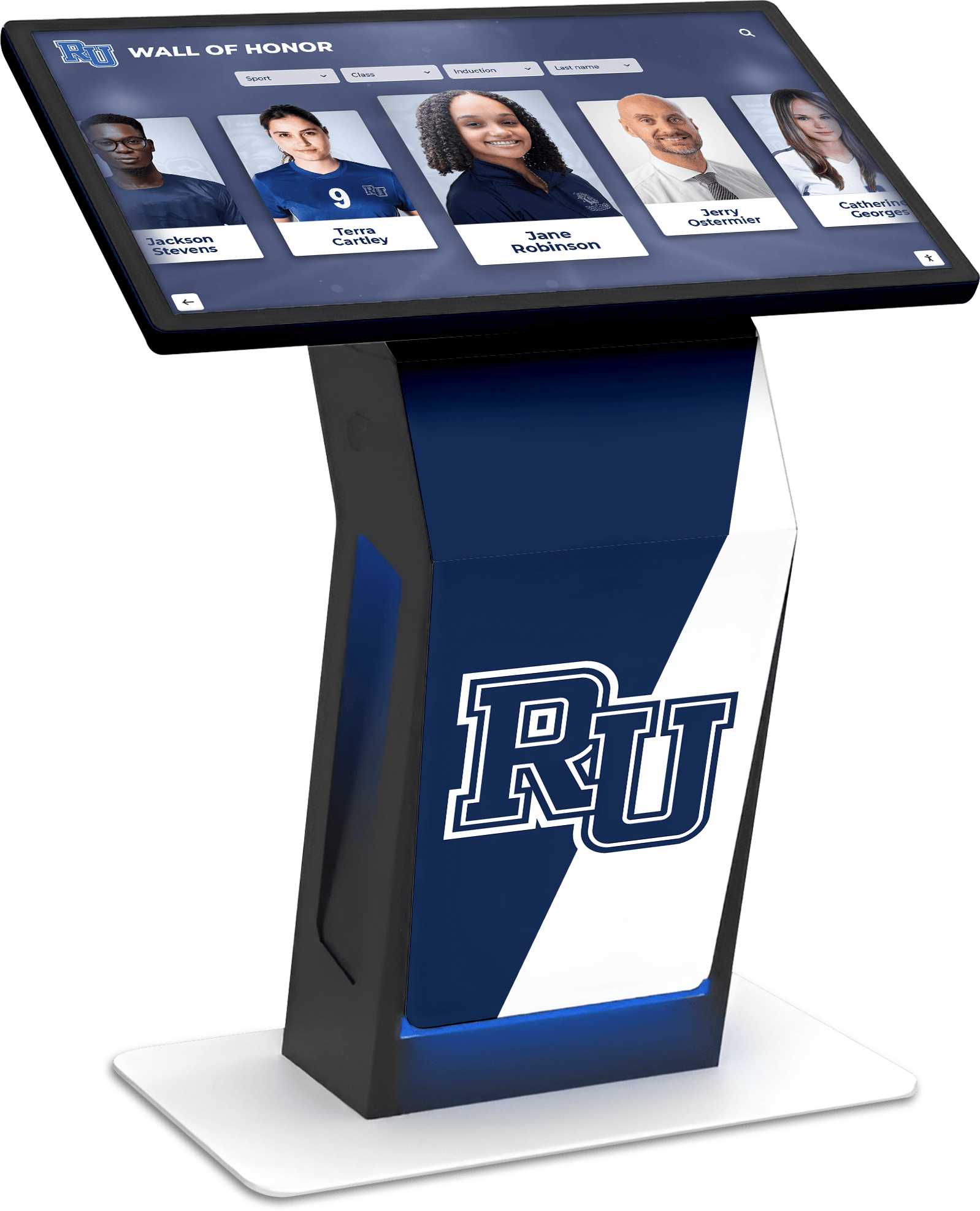
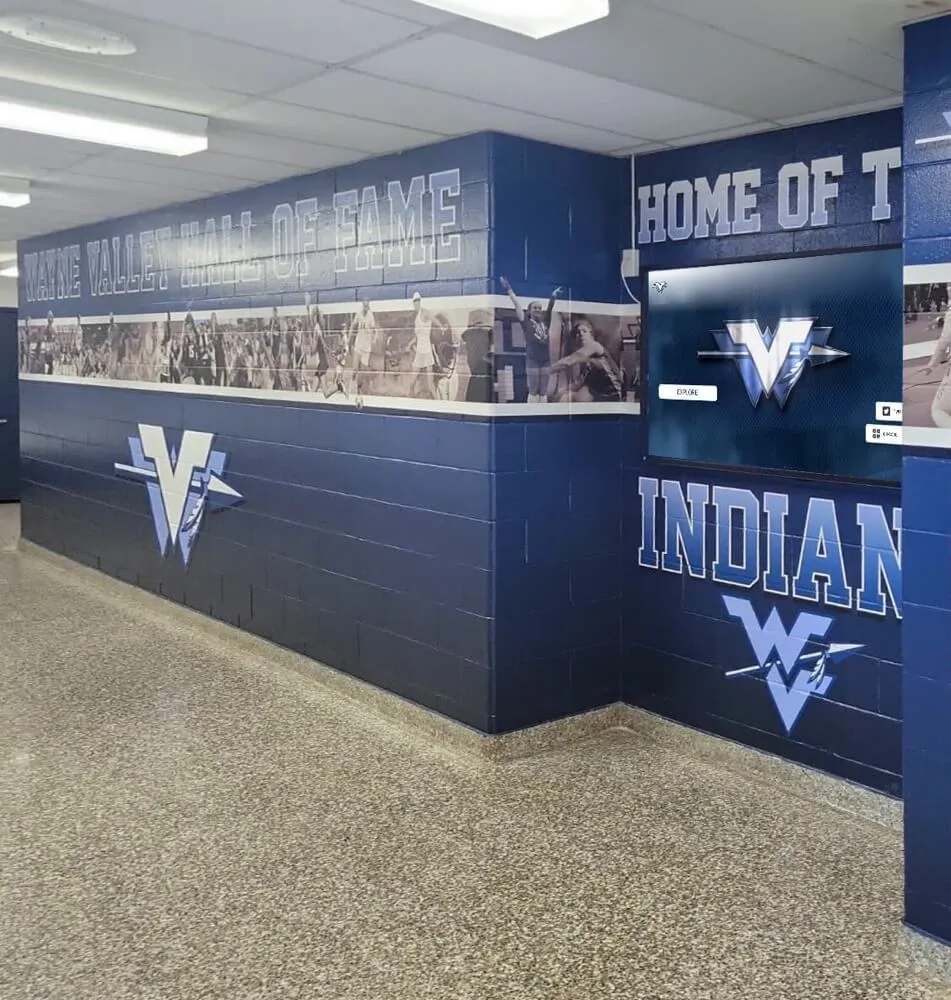
Professional digital recognition installations create engaging exploration experiences while celebrating athletic achievement across all program levels
Special Considerations for Different Sports
While core award principles apply across athletics, specific sports face unique recognition opportunities and challenges.
Team Sport Recognition Strategies
Team sports like football, basketball, soccer, volleyball, and lacrosse share similar recognition considerations.
Position-Specific Awards
Many team sports benefit from position-specific recognition honoring excellence within specialized roles. Football programs might recognize offensive and defensive linemen who rarely receive statistical recognition despite essential contributions. Basketball programs could honor defensive specialists separate from scoring leaders. Soccer programs might distinguish goalkeeper excellence from field player achievement.
Position-specific awards ensure athletes in all roles find recognition pathways regardless of whether their positions generate prominent statistics or public visibility. This comprehensive approach builds team cultures where all positions feel valued rather than creating perceived hierarchies where only certain roles deserve acknowledgment.
Statistical Category Leaders
Team sports with robust statistics can recognize leaders across multiple categories—scoring, assists, rebounds, steals, tackles, yards, goals saved, etc. Statistical awards provide objective recognition based on measurable performance while offering multiple acknowledgment opportunities across different contribution types.
Programs should determine which statistics merit recognition based on their importance to team success in specific sports. Over-recognizing trivial statistics dilutes acknowledgment value, while comprehensive statistical recognition ensures diverse contribution types receive appropriate celebration.
Individual Sport Recognition Approaches
Individual sports like track and field, swimming, tennis, golf, and wrestling face distinct recognition dynamics because athletes compete individually within team contexts.
Balancing Individual and Team Recognition
Individual sports must balance celebrating personal achievement with acknowledging team contribution and culture. Track programs might recognize event champions and school record holders while also honoring athletes who scored most team points across meets. Tennis programs could acknowledge singles and doubles success alongside recognizing most reliable team contributors.
This balance ensures recognition celebrates individual excellence that defines individual sports while reinforcing that athletes compete as teams, not solely for personal achievement.
Event or Weight Class Specific Awards
Individual sports with multiple events or competition categories benefit from event-specific recognition. Track programs might recognize top performers in sprints, distance, jumps, throws, and hurdles separately. Wrestling programs could honor champions or top performers in multiple weight classes. Swimming programs might distinguish between stroke specialists.
Event-specific recognition provides more athletes opportunities for acknowledgment than single overall awards, creating motivation across diverse athlete specializations within individual sport structures.
Multi-Sport Athlete Recognition
Many schools now specifically recognize athletes who participate in multiple sports across different seasons.
The Declining Multi-Sport Athlete
Sport specialization trends have reduced multi-sport participation as athletes focus year-round on single sports. Many coaches, athletic directors, and sports medicine professionals believe this specialization increases overuse injury risks, creates burnout, and limits broad athletic development that multi-sport participation provides.
Multi-sport athlete awards communicate institutional values favoring broad athletic participation over narrow specialization. These recognitions celebrate athletes competing across seasons, honor those who contributed to multiple programs, and incentivize continued multi-sport participation by showing that schools value and acknowledge diverse athletic commitment.
Selection Criteria for Multi-Sport Recognition
Multi-sport awards might recognize athletes who: competed in three sports across all athletic seasons, demonstrated excellence across multiple sports (all-conference in 2+ sports), provided leadership across different programs, or balanced multiple athletic commitments while maintaining academic excellence. Clear criteria ensure recognition honors genuine multi-sport commitment and success rather than simply acknowledging athletes who participated without meaningful contribution.
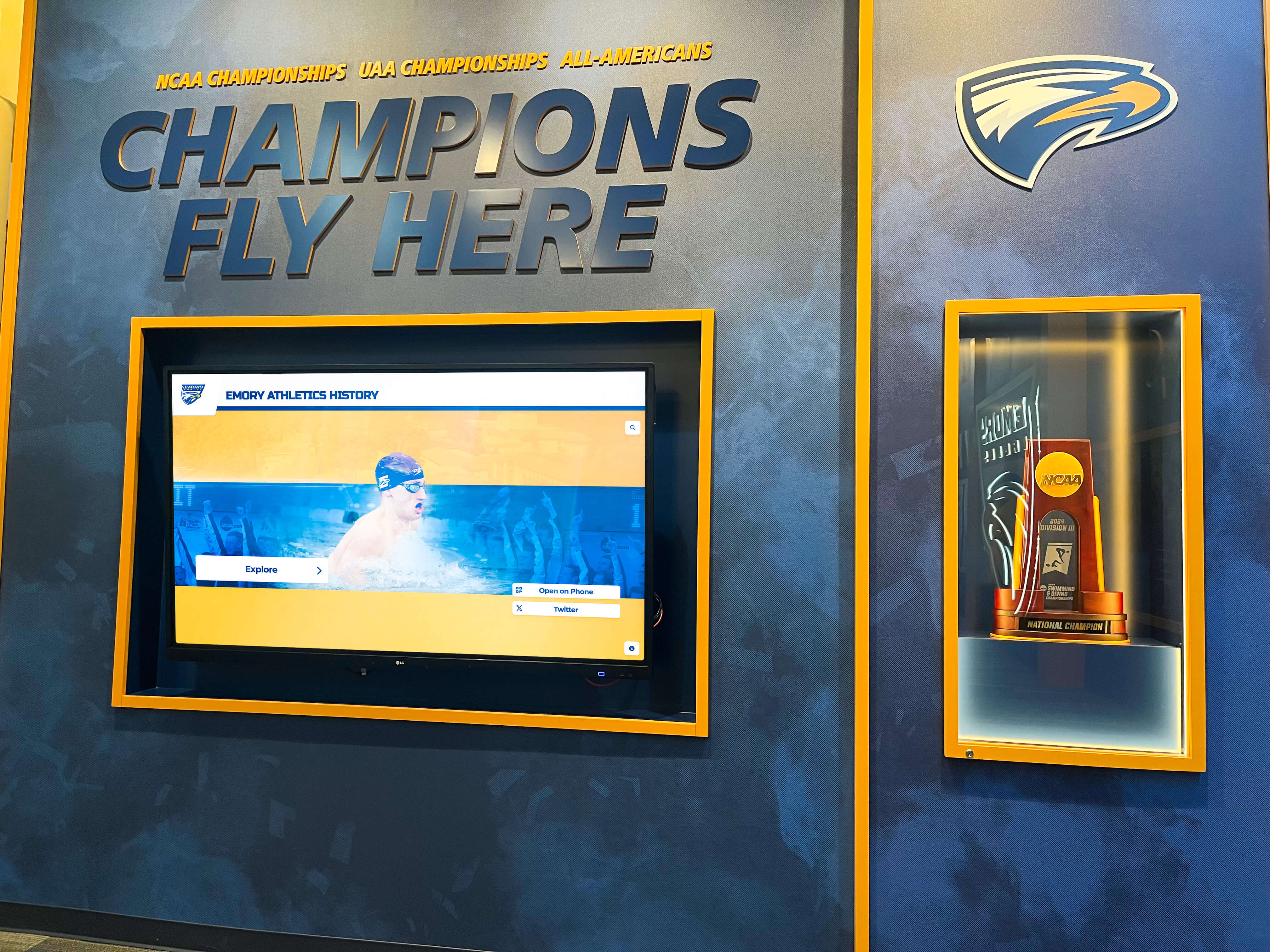
Elite programs celebrate championship achievement through permanent recognition displays honoring [team excellence and individual contributions](https://donorswall.com/blog/outstanding-goalie-award-display/?utm_source=organic&utm_medium=seo&utm_campaign=sport-end-of-year-awards-complete-guide&utm_content=digitalwarming&utm_term=seo)
Creating Award Programs That Build Culture
The most effective end of year recognition programs accomplish something beyond distributing trophies—they build and reinforce program cultures that attract committed athletes, develop complete individuals, and create environments where athletic participation produces lasting positive impact.
Aligning Awards With Program Values
Award programs should reflect and reinforce specific program values rather than following generic templates.
Defining Core Program Values
Effective coaches articulate clear program values—perhaps competitiveness, character, continuous improvement, team-first attitude, academic excellence, community service, or positive attitude. Award programs that recognize these specific values communicate what programs truly prioritize beyond generic competitive success.
A program valuing academic excellence alongside athletic achievement should recognize academic honors as prominently as competitive awards. Programs prioritizing character development should present character awards as major recognition, not afterthoughts. This alignment between stated values and recognition practices builds credibility and reinforces that programs mean what they say about priorities.
Using Recognition to Shape Culture
Strategic award programs can influence program culture development by recognizing qualities coaches want to cultivate. If a program struggles with negative attitudes, implementing Spirit or Positive Attitude awards signals that coaches value and notice these qualities. Programs wanting to develop stronger leadership can establish Leadership awards encouraging athletes to demonstrate these qualities in pursuit of recognition.
This intentional recognition design uses awards as cultural development tools rather than merely acknowledging existing qualities. Athletes modify behaviors and emphases when they understand what receives recognition and acknowledgment within program contexts.
Including Family and Community in Recognition
Award ceremonies that engage families and broader communities maximize recognition impact while building program support.
Family Involvement Strategies
Inviting families to recognition ceremonies creates opportunities for parents, siblings, grandparents, and extended family to share athletes’ proud moments. This family inclusion provides athletes external validation of their achievements beyond coach and teammate acknowledgment, creates memorable shared family experiences, and helps families understand the significance of their students’ athletic commitments and accomplishments.
Some programs incorporate family recognition into award presentations—acknowledging parental support, inviting families onto fields or courts during presentations, or creating photo opportunities for family celebration. These touches transform athlete-focused recognition into family celebrations of collective investment in athletic participation.
Community Celebration
Programs can extend recognition beyond team and family to broader school and community audiences through: recognition announcements in school publications and communications, social media celebration amplifying achievement visibility, digital recognition systems accessible to entire school and community populations, local media coverage of major awards and achievements, and integration with school-wide recognition programs during assemblies or special events.
This community-wide celebration builds broader support for athletic programs while providing athletes expanded recognition reach beyond immediate team contexts.
Continuous Improvement of Recognition Programs
Award programs should evolve based on feedback and changing program needs.
Gathering Feedback
Programs should systematically gather athlete and family feedback about recognition programs through: post-season surveys asking about award satisfaction, athlete focus groups discussing recognition preferences, family feedback during or after ceremonies, coach reflection on what worked well and what fell flat, and comparison with recognition practices at other schools or programs.
This feedback identifies recognition gaps, reveals which awards prove most meaningful, highlights presentation formats that resonate versus those that miss the mark, and uncovers opportunities for innovation or improvement.
Adapting Programs Over Time
Award programs should adapt as programs evolve, teams develop new characteristics, or recognition best practices advance. New award categories might emerge addressing team needs or celebrating newly emphasized qualities. Presentation formats might change based on participation growth, facility changes, or feedback suggesting alternative approaches. Selection criteria might refine as coaches develop more sophisticated assessment methods.
This continuous evolution ensures recognition programs remain relevant, meaningful, and aligned with current program realities rather than becoming stale traditions maintained simply because “we’ve always done it this way.”
Conclusion: Recognition That Lasts Beyond the Season
Sport end of year awards serve purposes extending far beyond single ceremonies or individual trophies. Thoughtfully designed recognition programs motivate sustained athlete effort, reinforce program values and culture, create lasting memories athletes carry throughout life, inspire current participants through historical example, engage families and communities in celebrating athletic achievement, and build proud traditions connecting generations of athletes through shared program identity.
The twenty creative award ideas explored in this guide provide starting points for comprehensive recognition honoring diverse contributions—from MVP awards celebrating overall excellence to unsung hero recognition validating behind-the-scenes contributions, from most improved awards acknowledging development to leadership recognition honoring character and influence. Effective programs balance traditional competitive achievement awards with character recognition, improvement celebration, and team culture acknowledgment, ensuring every athlete finds potential pathways to recognition for their unique contributions and strengths.
Beyond selecting appropriate awards, presentation quality determines recognition impact. Generic trophy distribution misses opportunities to create meaningful moments, while personalized presentations with specific examples, emotional context, and teammate involvement generate lasting memories that validate years of dedication and commitment. Award ceremonies deserve the same preparation and execution excellence that coaches bring to competitive preparation—these recognition moments often prove more memorable and significant to athletes than individual competitions or even championship victories.
Modern recognition extends beyond single ceremonies through digital systems preserving award history permanently and accessibly. Solutions like [Rocket Alumni Solutions](https://rocketalumnisolutions.com/?demo=demo&utm_source=organic&utm_medium=seo&utm_content=digitalwarmingnet&utm_campaign=site-cta&utm_term=seo"warming" effects—transforming cold forgotten trophy storage into vibrant accessible celebration connecting communities through personalized athletic achievement recognition.
As coaches and athletic directors plan end of season recognition, the goal should extend beyond distributing awards to creating comprehensive programs that make every athlete feel valued for their unique contributions while spotlighting exceptional performance that sets program standards. When athletes leave final award ceremonies feeling genuinely appreciated, when parents understand the significance of their students’ dedication, when younger athletes see clear pathways toward future recognition, and when programs preserve achievement in ways that inspire future generations—recognition accomplishes its highest purposes of celebrating past accomplishment while motivating continued excellence.
Your athletes invested countless hours in practice and competition, demonstrated dedication through adversity, contributed to team success in diverse ways, and represented your program throughout seasons. They deserve recognition matching the significance of their commitment—thoughtful award selection honoring varied contributions, meaningful presentations creating lasting memories, and permanent preservation ensuring their achievements inspire future athletes while remaining accessible throughout their lives.
Ready to create recognition programs that truly honor athletic achievement while building lasting program pride? Explore how comprehensive digital recognition platforms preserve award history, engage communities, and transform end of season recognition into permanent celebration connecting generations of athletes through shared traditions of excellence.