



Spirit week represents one of the most powerful traditions for building school community, celebrating institutional identity, and creating memorable experiences that students carry throughout their lives. When schools design creative spirit week ideas that engage diverse student populations, they create environments where participation becomes joyful expression rather than forced obligation, where school pride develops organically through shared celebration, and where memories form that alumni recall decades later during reunions and community gatherings.
Yet many schools struggle to create spirit weeks that generate authentic engagement beyond superficial participation. Traditional approaches often rely on repetitive themes that feel stale after years of identical implementation, focus exclusively on dress-up days without deeper engagement opportunities, or fail to capture and celebrate participation in ways that build lasting community pride and institutional memory.
This comprehensive guide explores creative spirit week ideas for school environments that maximize participation, celebrate diverse student interests, build authentic community connections, and leverage modern digital recognition to extend spirit week impact far beyond a single week of activities—creating the digital warming effect where temporary events transform into permanent celebrations of school culture and identity.
Spirit week success extends beyond identifying clever dress-up themes or organizing entertaining activities. The most impactful spirit weeks create systematic approaches to community building that honor diverse participation styles, recognize student creativity and commitment, preserve memorable moments digitally, and extend celebration throughout the entire school year while building traditions that define institutional identity across generations.

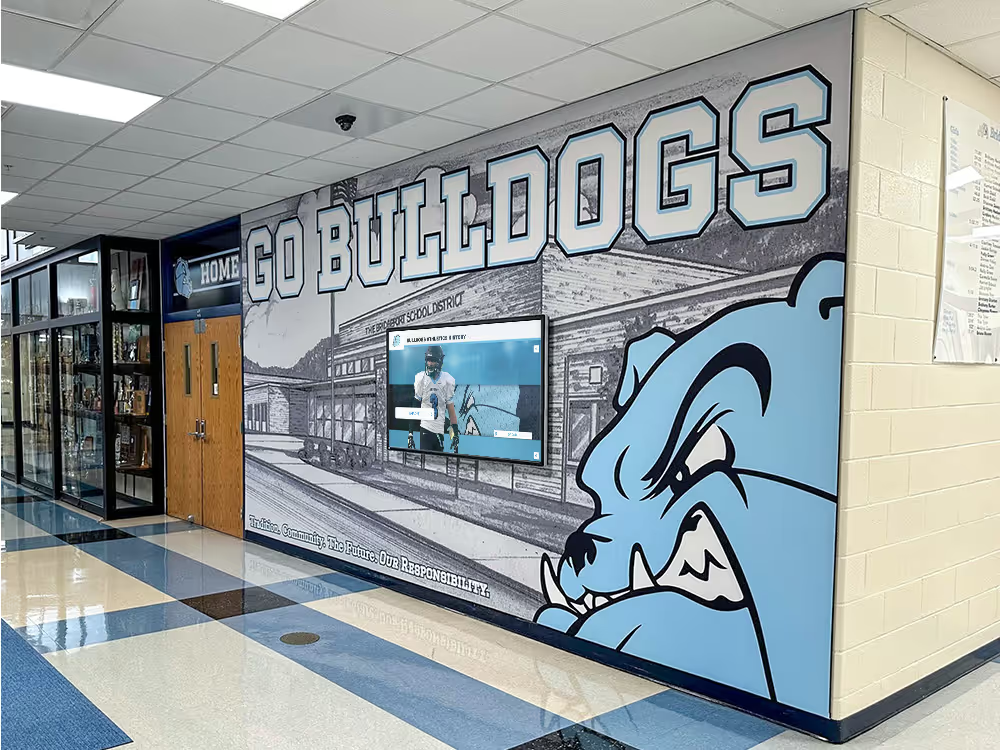
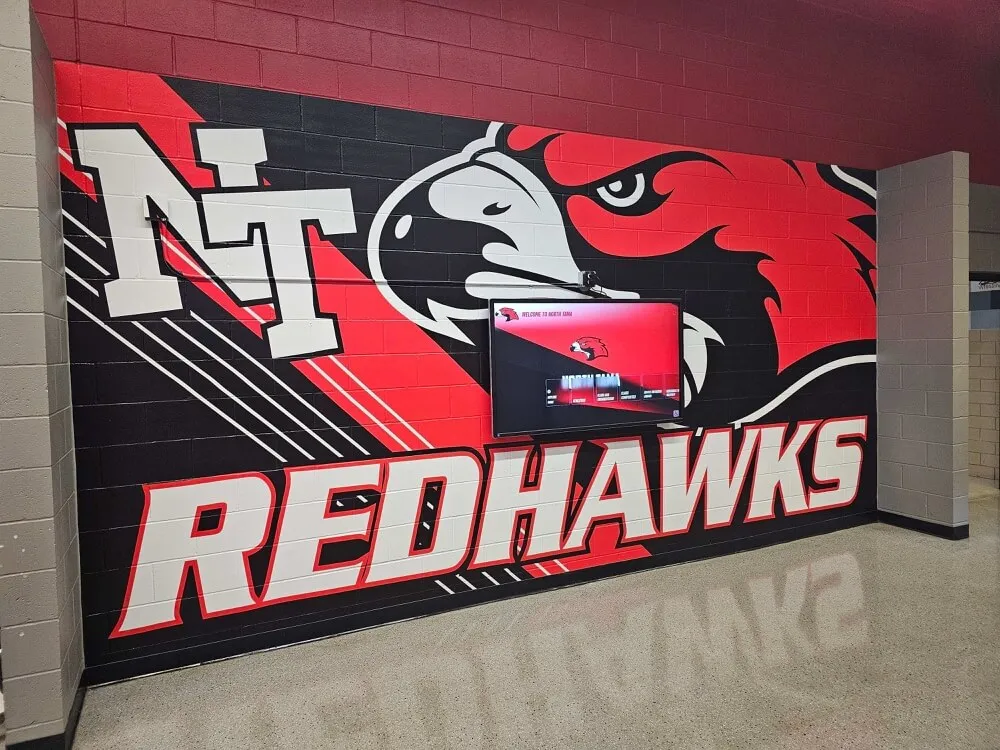
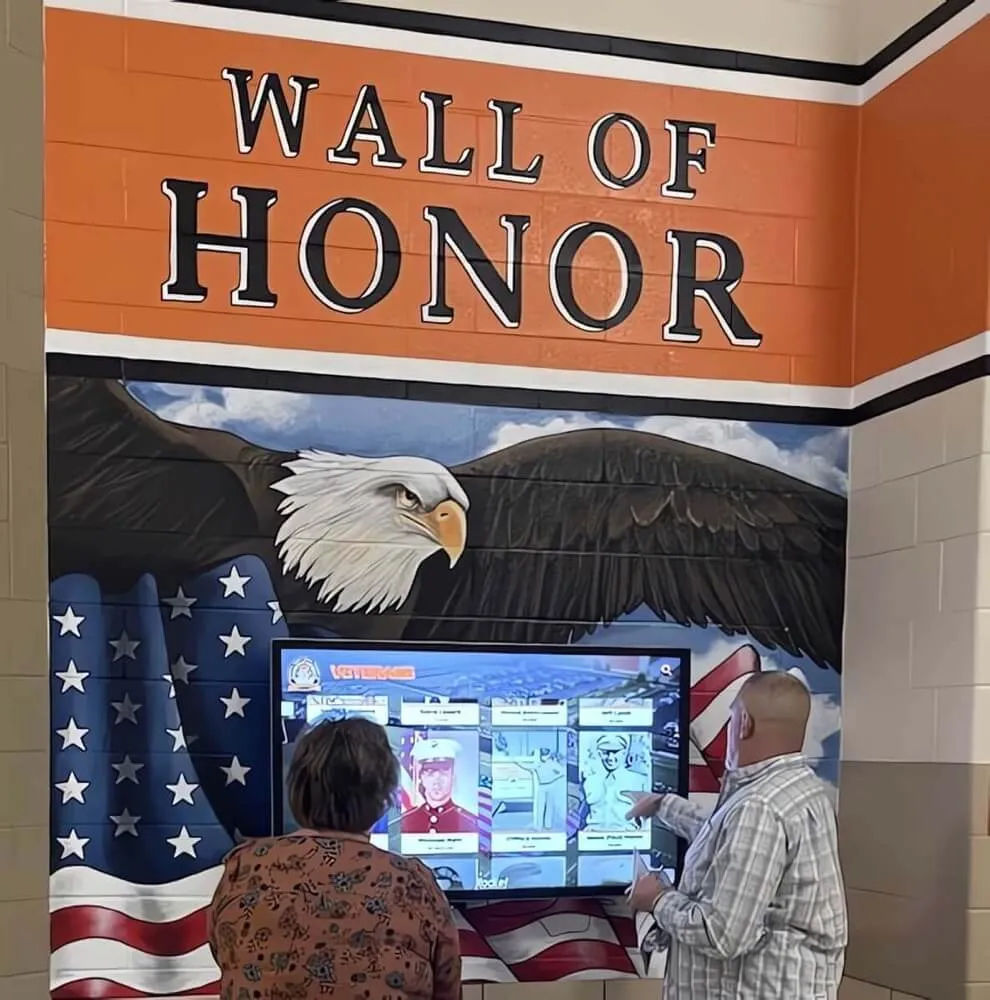
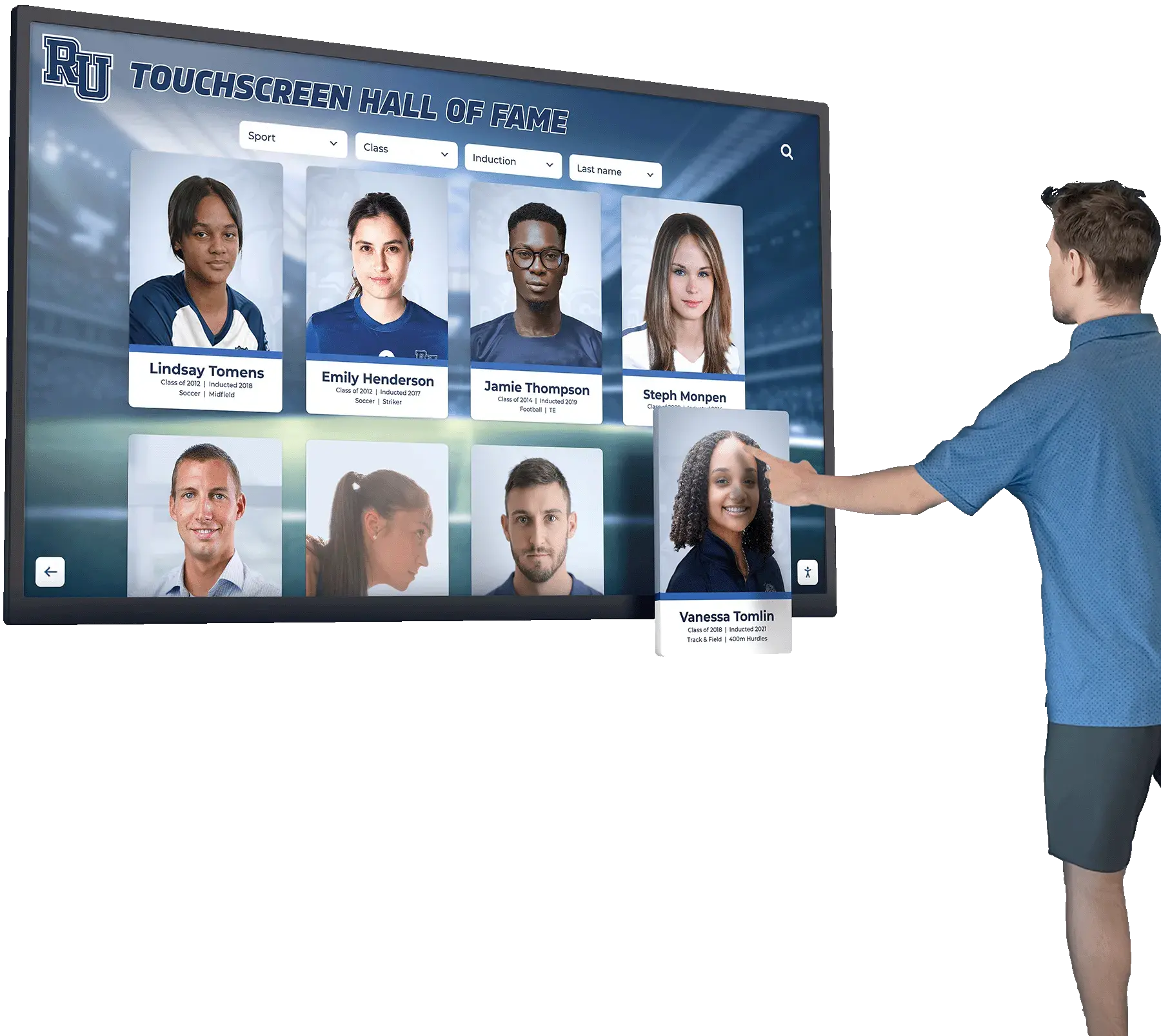
Modern spirit week celebrations combine traditional activities with digital recognition systems that preserve memories and celebrate participation
Understanding Spirit Week’s Role in School Culture
Before exploring specific spirit week ideas for school implementation, understanding how spirit weeks affect student development and institutional culture helps educators design programs that maximize positive outcomes while avoiding common pitfalls.
The Educational and Social Value of Spirit Week
Research consistently demonstrates that well-designed spirit weeks create measurable benefits extending throughout school communities:
Student Belonging and School Connectedness
Spirit week participation correlates with increased feelings of belonging and institutional connection. When students engage in shared celebrations, they develop identification with school communities beyond academic obligations or extracurricular memberships. This sense of belonging proves particularly valuable for students who might otherwise feel disconnected from school culture due to academic struggles, limited extracurricular participation, or social challenges navigating peer relationships.
Schools with strong spirit week traditions report higher student attendance during celebration weeks, improved classroom engagement following spirit activities, and stronger alumni connections to institutional traditions decades after graduation. The social bonding that occurs during spirit week creates relationship networks supporting students throughout challenging academic periods and personal difficulties.
Positive School Climate Development
Spirit weeks contribute to positive school climates by providing structured opportunities for joy, creativity, and collective celebration. These positive experiences counterbalance the stress inherent in academic environments while creating shared positive memories that strengthen community bonds. When students associate schools with joyful celebration alongside rigorous academics, they develop more positive institutional attitudes supporting long-term engagement and achievement.
Spirit week also provides valuable opportunities for breaking down social barriers that sometimes fragment school communities. Students who might rarely interact during typical school days—due to different academic tracks, extracurricular interests, or social circles—participate together in spirit activities creating cross-group connections that strengthen overall community cohesion.
Leadership and Organizational Skill Development
Spirit week planning, organization, and execution provide authentic leadership opportunities for student councils, class officers, and activity coordinators. Students develop project management skills coordinating complex events, practice communication skills promoting participation and explaining activities, and build teamwork capabilities collaborating with diverse stakeholders including peers, faculty, administrators, and community partners.
These real-world organizational experiences prove more valuable than many formal leadership curricula because students face authentic challenges with meaningful consequences while receiving genuine recognition for successful execution creating motivation and accountability supporting skill development.
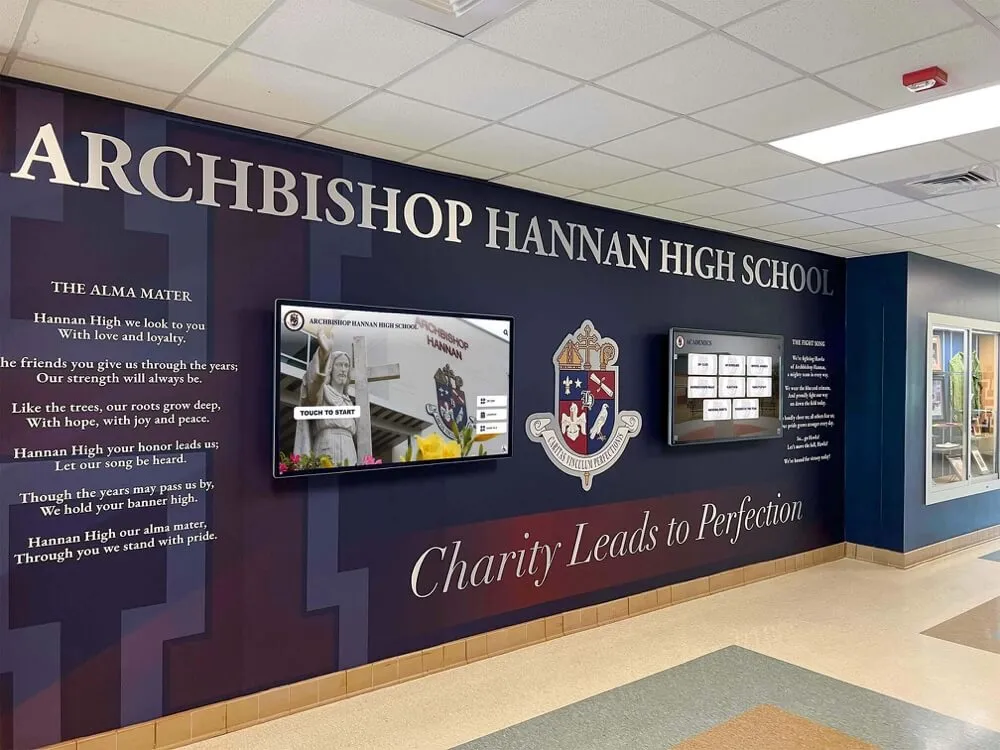
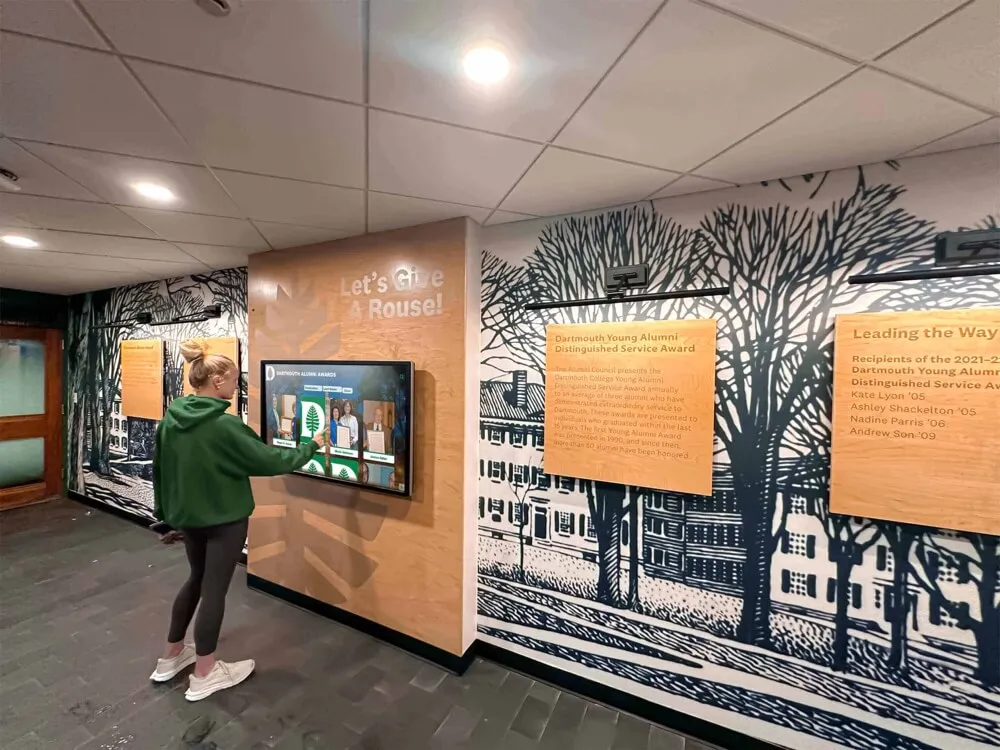
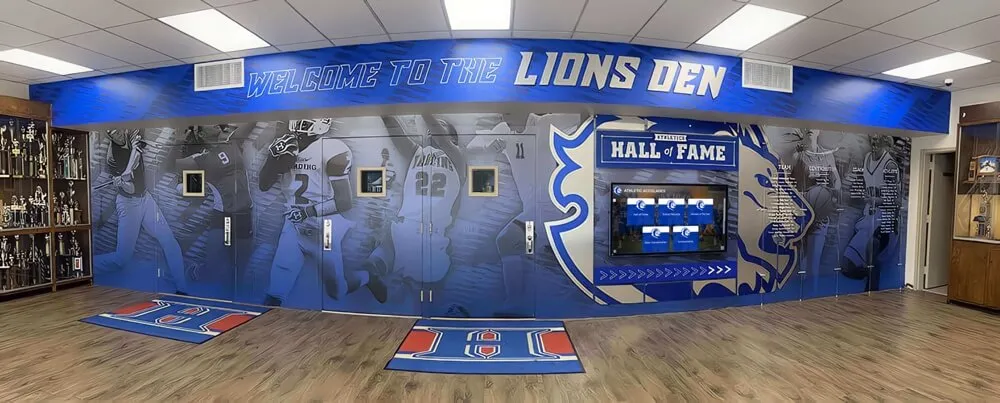
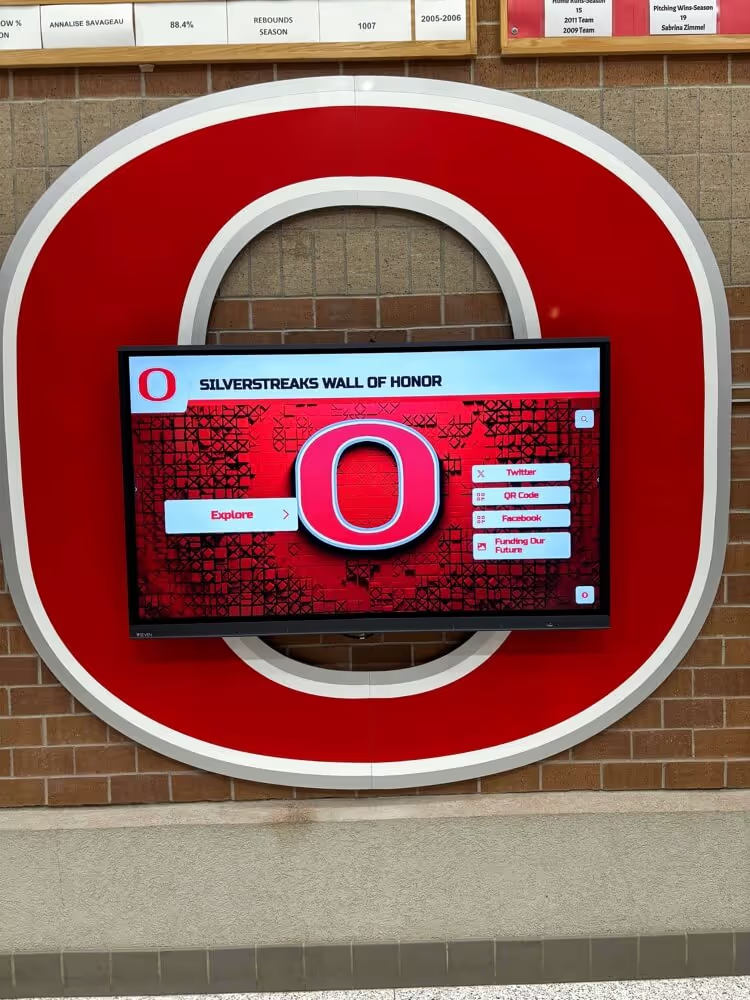
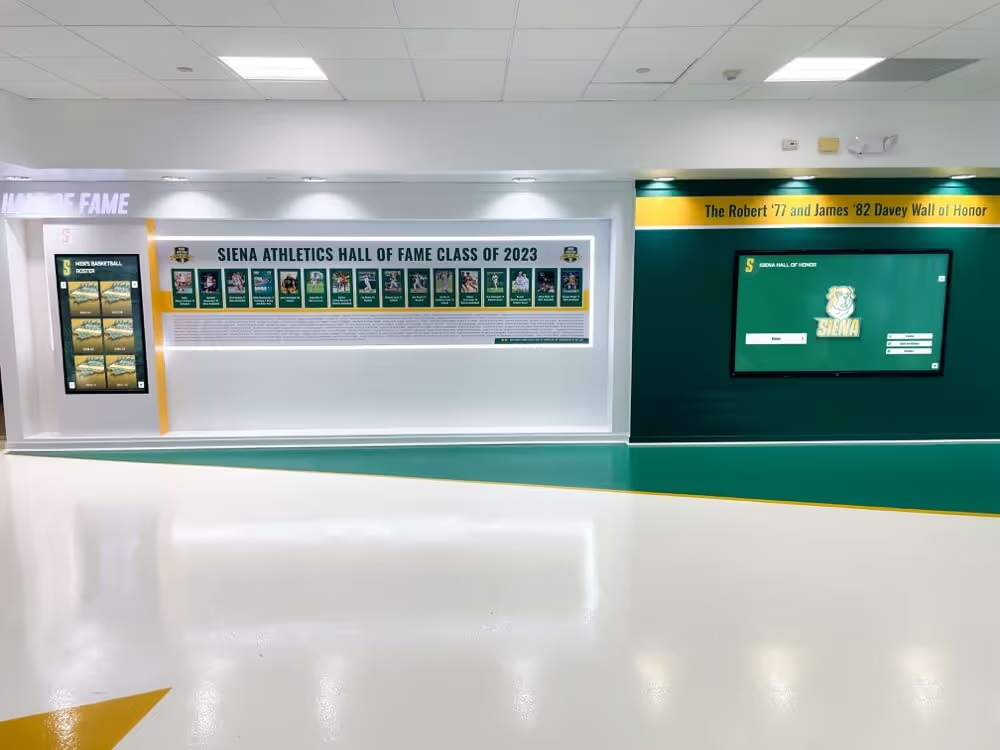
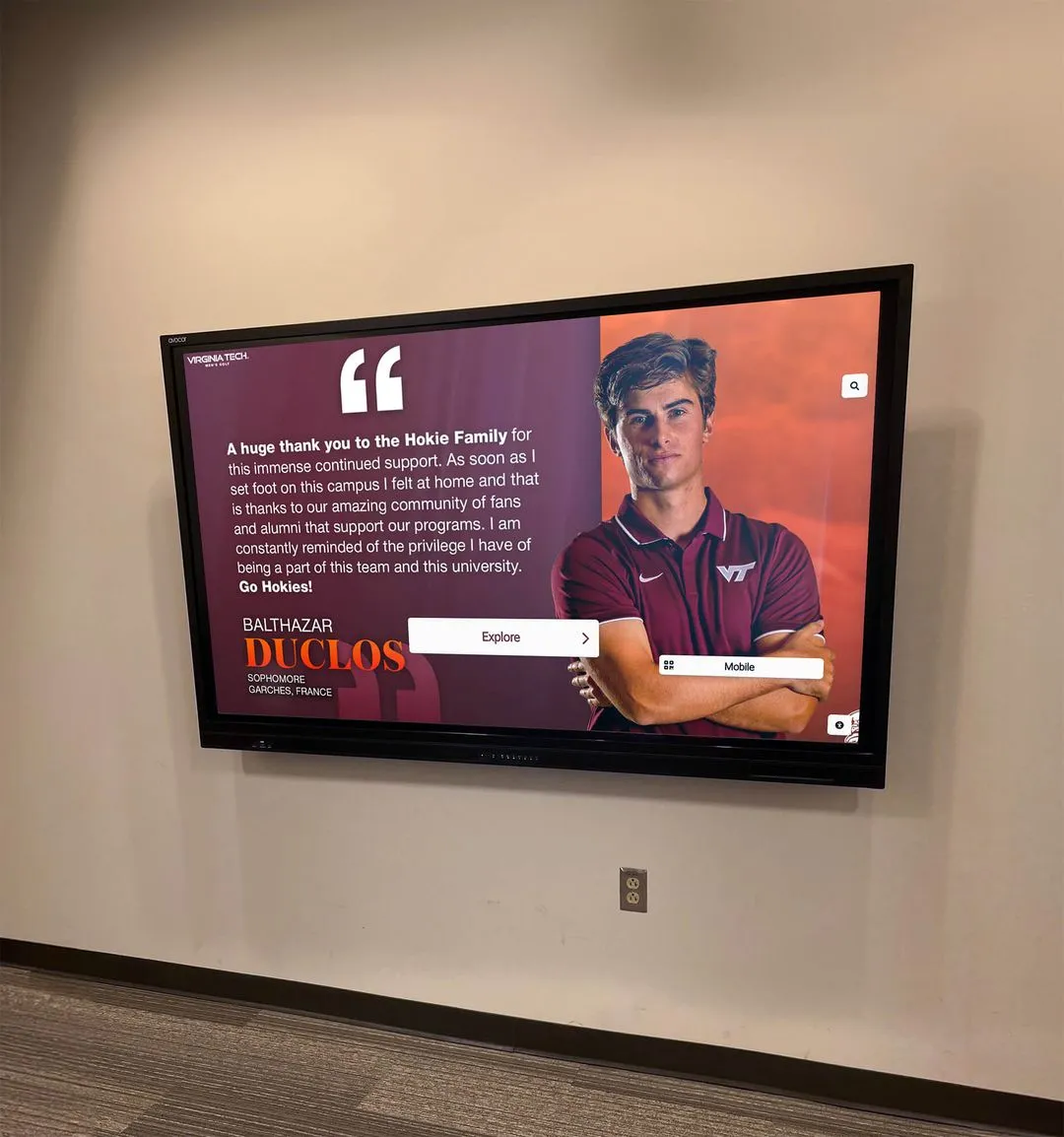
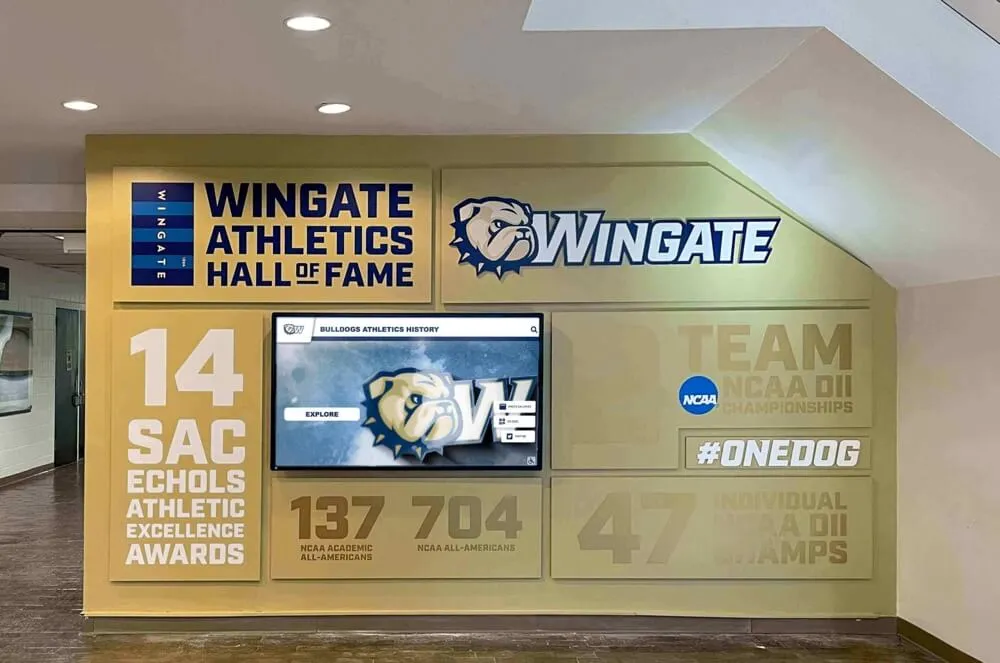
Strategic spirit week displays in high-traffic areas maintain year-round visibility celebrating school traditions and community pride
Spirit Week’s Connection to School Identity and Traditions
Effective spirit weeks strengthen institutional identity by creating distinctive traditions that define individual school character:
Building Distinctive School Traditions
While many schools share common spirit week elements—homecoming celebrations, pep rallies, dress-up days—the most memorable programs develop unique traditions reflecting specific school histories, communities, and values. These distinctive elements create institutional identity distinguishing schools from others while giving students, families, and alumni specific traditions to celebrate and maintain across generations.
Schools might develop signature spirit week traditions connected to founding histories, geographic locations, mascot identities, or significant institutional achievements. These unique elements create memorable experiences students recall specifically when asked about their school experience rather than generic memories blending with countless other schools’ similar activities.
Multigenerational Connection and Alumni Engagement
When spirit week traditions persist across decades, they create powerful multigenerational connections enabling current students, recent graduates, and distant alumni to share common experiences despite attending school in different eras. Alumni returning for reunions or school events during spirit week experience nostalgia recognizing familiar traditions while discovering how celebrations have evolved adapting to contemporary student interests and cultural contexts.
This generational continuity proves particularly valuable for schools seeking to strengthen alumni engagement and support. When graduates maintain emotional connections to spirit week memories, they demonstrate greater willingness to volunteer, donate, mentor students, and advocate for schools within broader communities. Modern digital recognition systems enable schools to preserve and showcase decades of spirit week history creating accessible archives celebrating institutional traditions.
Creative Spirit Week Theme Ideas That Maximize Participation
The most successful spirit weeks balance familiar tradition with fresh creativity while ensuring themes accommodate diverse student interests and comfort levels.
Classic Spirit Week Themes with Modern Twists
Traditional spirit week themes maintain popularity because they work—but creative adaptation keeps them feeling fresh and relevant:
Monday: Decades Day (Reimagined)
Rather than generic “decades day,” create specific decade celebrations connecting to school history or current cultural interests:
- School History Decades: Students research and dress representing specific decades from school founding through present, learning institutional history while celebrating
- Influential Decades in Student Interests: Connect decades to music evolution, technology development, or fashion movements students genuinely enjoy
- Family Heritage Decades: Encourage students to represent decades significant to family immigration, cultural traditions, or personal histories
This approach transforms simple dress-up into educational opportunity while accommodating students uncomfortable with generic costume requirements.
Tuesday: Color Wars or Class Color Competition
Traditional class color competitions gain energy through structured point systems and visible recognition:
- Award points for participation percentages by grade level incentivizing whole-class engagement
- Create morning announcements sharing real-time standings building competitive excitement
- Photograph class groups in coordinated colors for permanent archives celebrating participation
- Display cumulative scores on digital recognition boards throughout the week
Structured competition with visible recognition creates momentum building throughout the week rather than treating each day as isolated event.
Wednesday: Career Day or Future You Day
Help students envision futures while creating low-pressure dress-up opportunities:
- Students dress as future career aspirations or professional interests
- Invite community professionals representing diverse career paths for brief presentations
- Connect career themes to academic programs demonstrating real-world applications
- Create “future vision” photo opportunities students can share with families and social networks
Career-focused days provide meaningful alternatives to costume requirements some students find challenging while connecting school spirit to life preparation and goal-setting.
Thursday: Twin Day or Group Coordination Day
Social connection themes celebrate existing friendships while encouraging new relationship formation:
- Twin day for pairs coordinating outfits
- Triplet or squad day for friend groups creating matching looks
- Mentor pairs connecting underclassmen with upperclassmen role models
- Cross-grade buddy days building connections between different class levels
Coordination activities strengthen existing relationships while creating structured opportunities for developing new connections across social groups that might not naturally interact.
Friday: School Colors and Pride Day
Culminate spirit week with traditional school color celebration enhanced through creative participation opportunities:
- School color fashion show during lunch displaying creative outfit interpretations
- Face painting stations applying school symbols and colors
- Temporary tattoo distribution featuring school logos and mascots
- Spirit photo booth with themed props capturing participation moments
Enhanced participation activities create memorable experiences extending beyond simple outfit choices while building anticipation for culminating pep rallies, games, or assemblies.
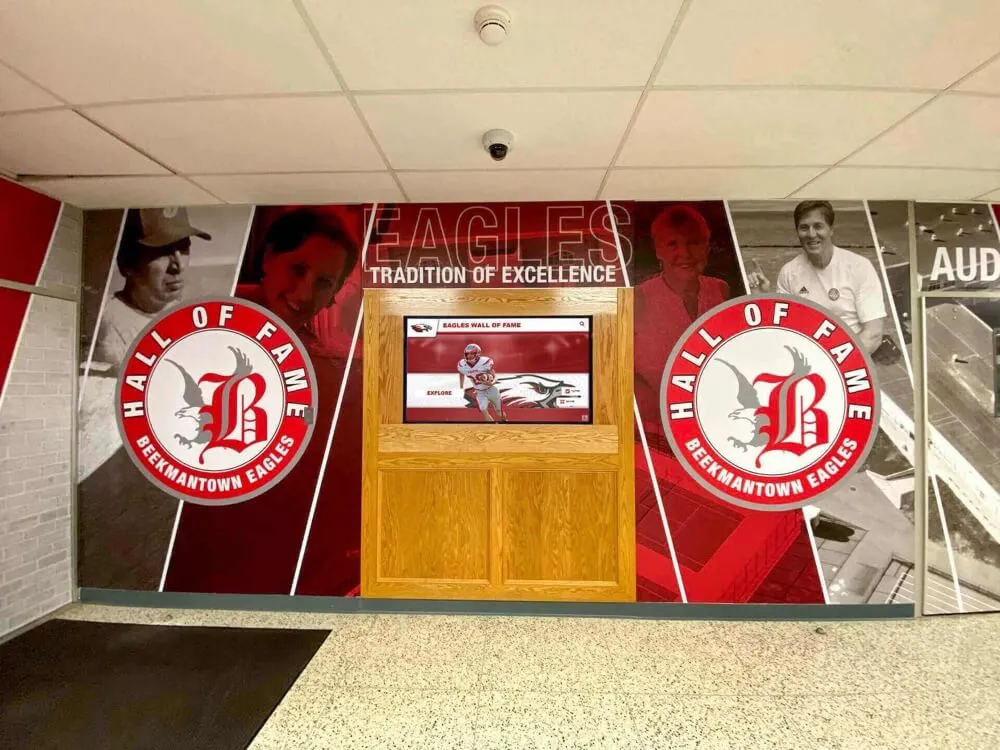
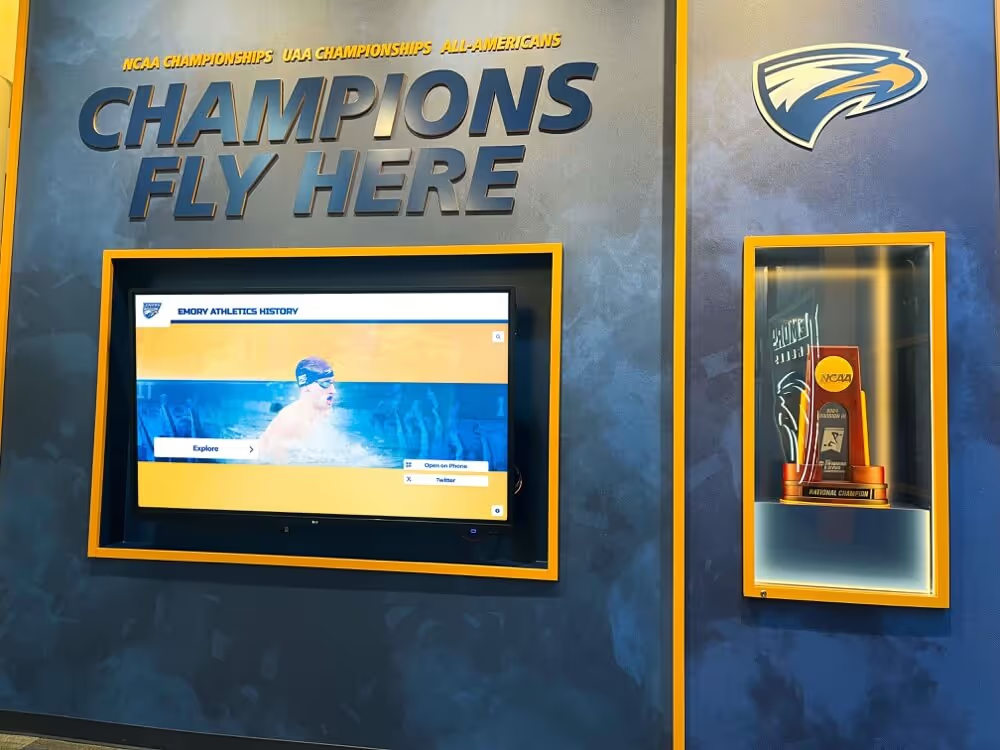
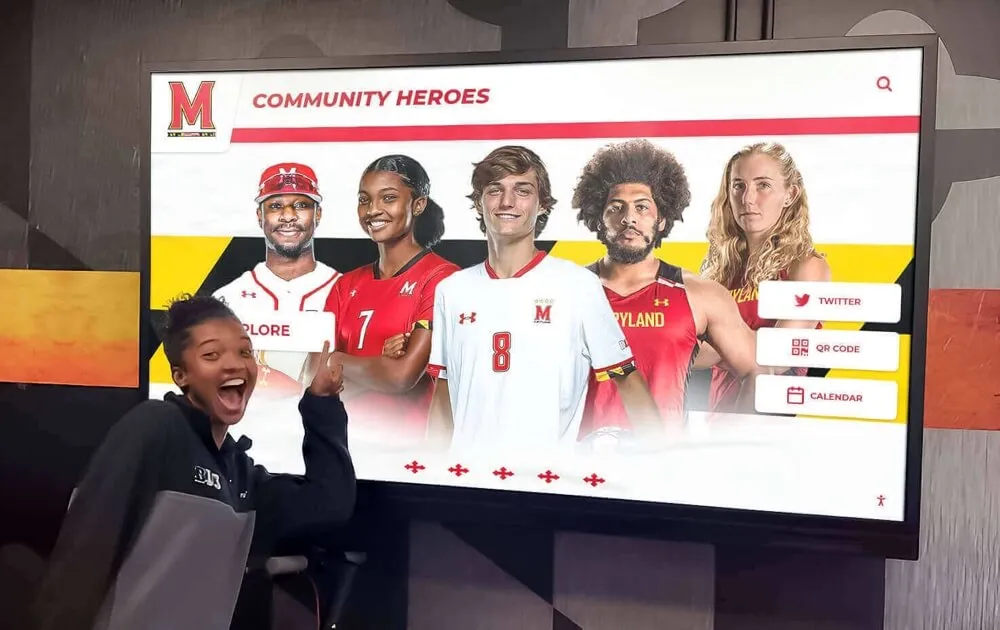
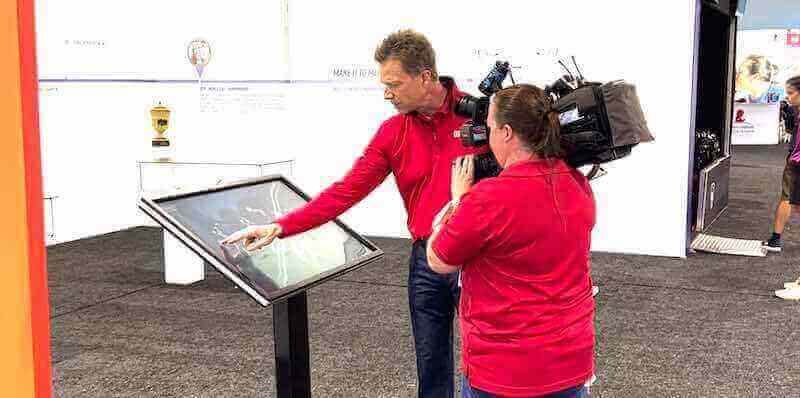
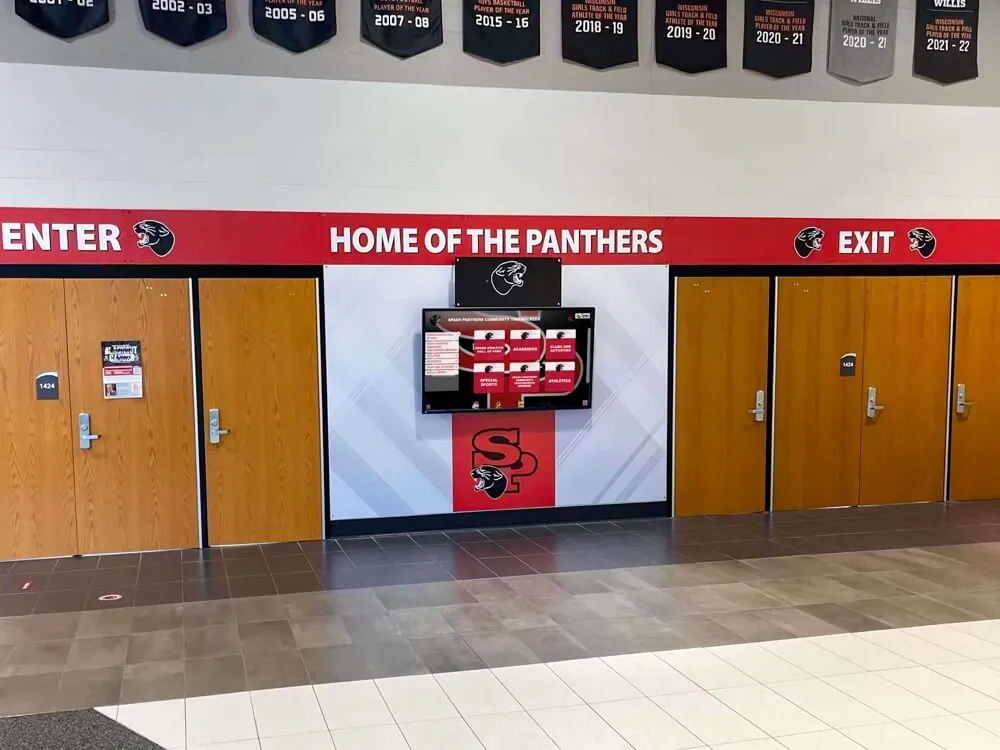
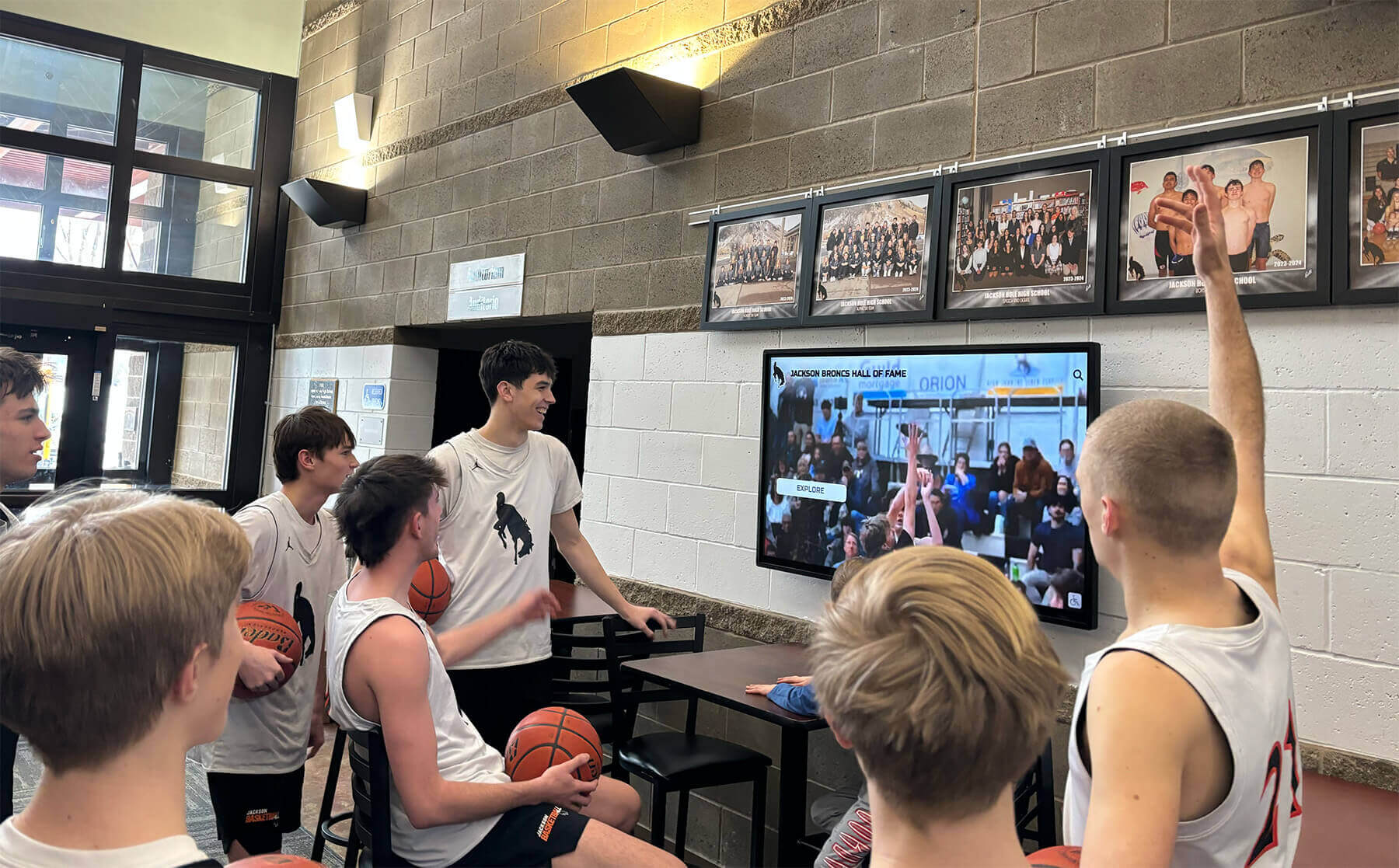
Interactive displays enable students to explore spirit week history, participation photos, and memorable moments from past celebrations
Innovative Theme Categories for Diverse Interests
Moving beyond traditional approaches, creative theme categories ensure all students find comfortable participation pathways:
Media and Pop Culture Themes
Contemporary media references create relevant connections to student interests:
- Streaming Service Day: Dress as favorite characters from popular streaming platforms
- Music Genre Day: Represent favorite musical styles and artist influences
- Book Character Day: Celebrate literacy through literary character representation
- Video Game Character Day: Acknowledge gaming culture with appropriate costume guidelines
- Meme Day: Channel internet culture through appropriate, school-friendly meme representations
Media themes work best with clear guidelines ensuring appropriate, school-suitable interpretations while accommodating students with varied cultural knowledge and media exposure.
Academic and Intellectual Celebration Themes
Spirit weeks should celebrate academic excellence alongside athletic tradition:
- STEM Innovator Day: Dress as famous scientists, engineers, mathematicians, or inventors
- Historical Figure Day: Represent influential historical leaders, activists, or change-makers
- Literary Character Day: Celebrate favorite books, authors, or reading experiences
- Future College Day: Wear apparel representing college aspirations or family university traditions
- Academic Discipline Day: Dress representing favorite subjects or academic interests
Academic themes demonstrate that school spirit encompasses intellectual excellence alongside athletics and social activities, appealing to students who identify primarily as scholars rather than athletes or activity participants. Schools implementing comprehensive academic recognition programs understand that celebrating intellectual achievement strengthens overall school culture.
Cultural Heritage and Identity Celebration
Inclusive spirit weeks honor diverse cultural backgrounds represented in school communities:
- Cultural Heritage Day: Students share and celebrate family cultural traditions through appropriate dress or symbols
- Languages Day: Recognize linguistic diversity through greetings, phrases, or language-related symbols
- Family Traditions Day: Celebrate unique family customs, recipes, or practices through creative representation
- Global Connections Day: Acknowledge international connections, travel experiences, or geographic interests
Cultural celebrations require careful planning ensuring authentic representation and respect while avoiding stereotypes or cultural appropriation. Partner with cultural organizations, parent groups, and student diversity councils ensuring appropriate, respectful implementation.
Creative Expression and Arts Themes
Celebrate creativity through arts-focused spirit days:
- Artistic Medium Day: Dress representing favorite art forms—painting, sculpture, photography, digital art
- Musical Expression Day: Wear attire connecting to musical instruments, composers, or musical styles
- Theater and Performance Day: Celebrate drama, musical theater, or performance arts interests
- Creative Writing Day: Represent favorite authors, literary genres, or writing styles
- Fashion Design Day: Create original fashion statements showcasing personal style creativity
Arts themes acknowledge students whose primary talents and interests center on creative expression rather than athletics or academics, ensuring comprehensive representation across all excellence dimensions. Learn how schools celebrate creativity through arts recognition systems.
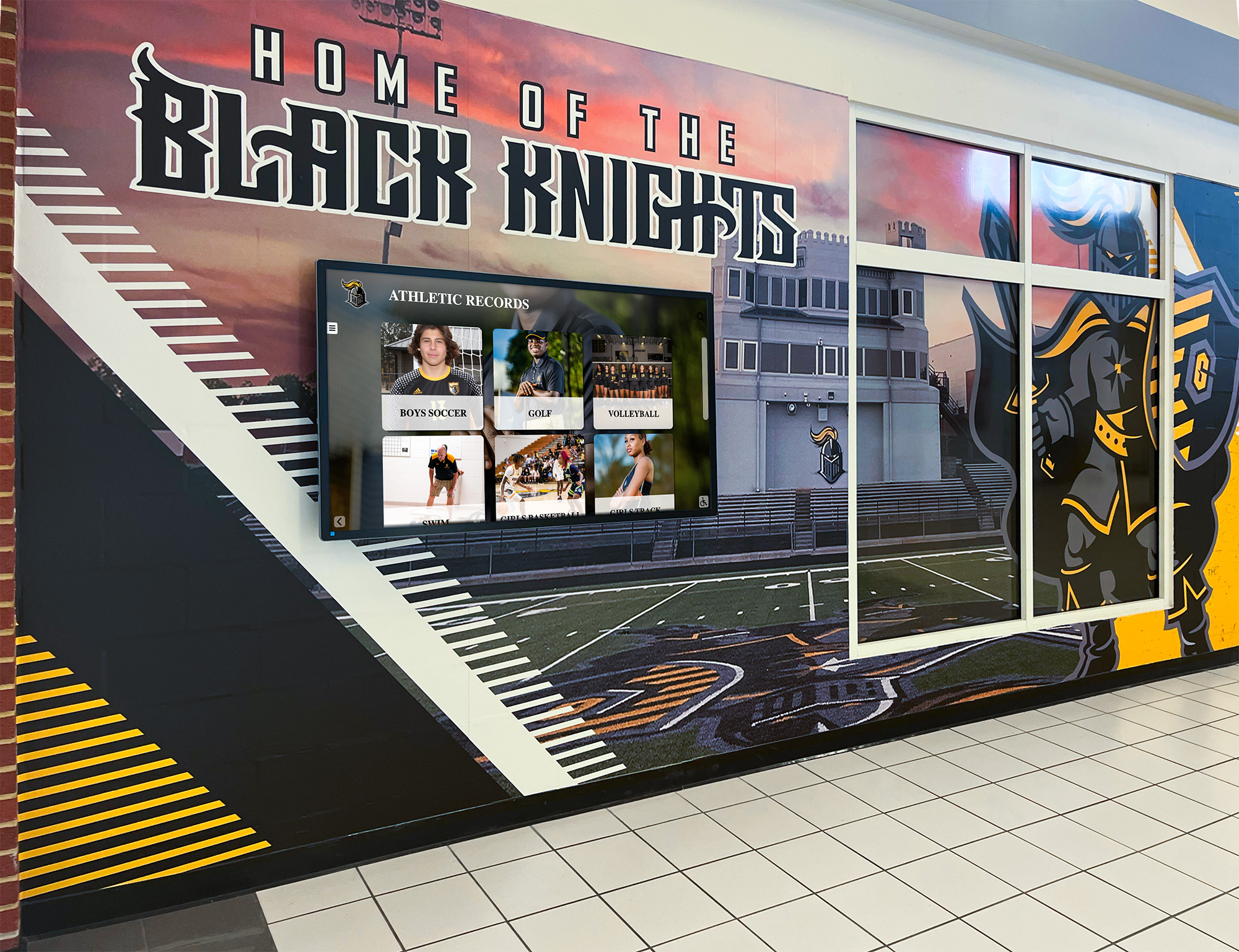
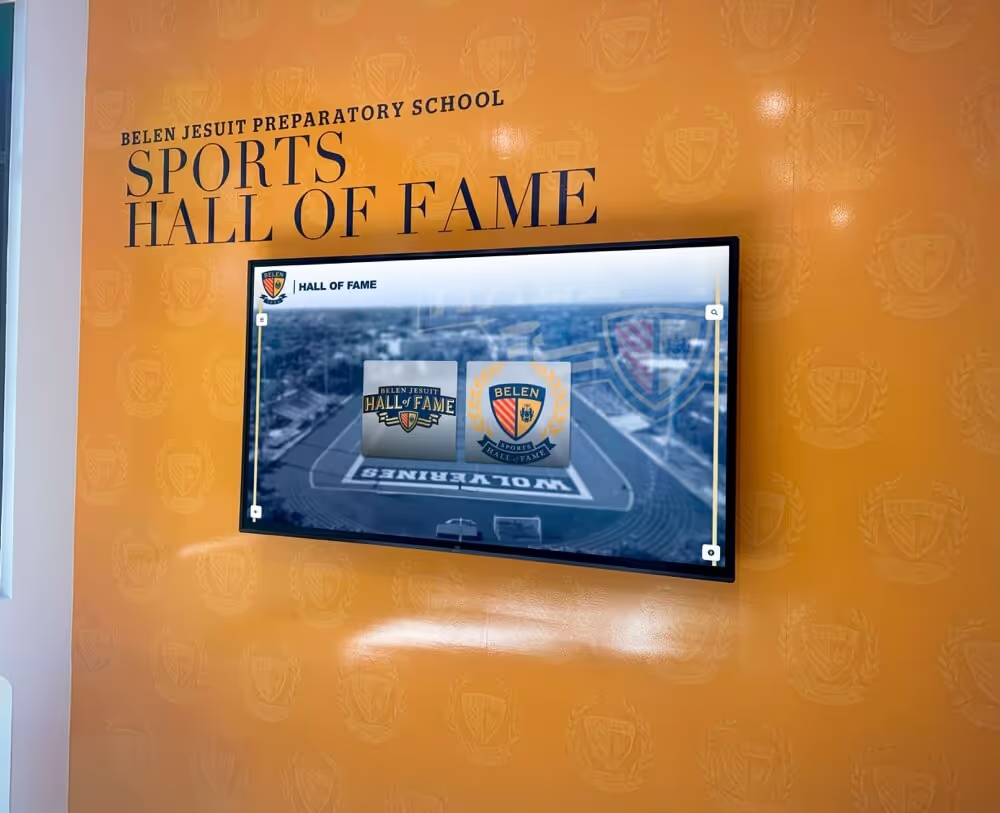
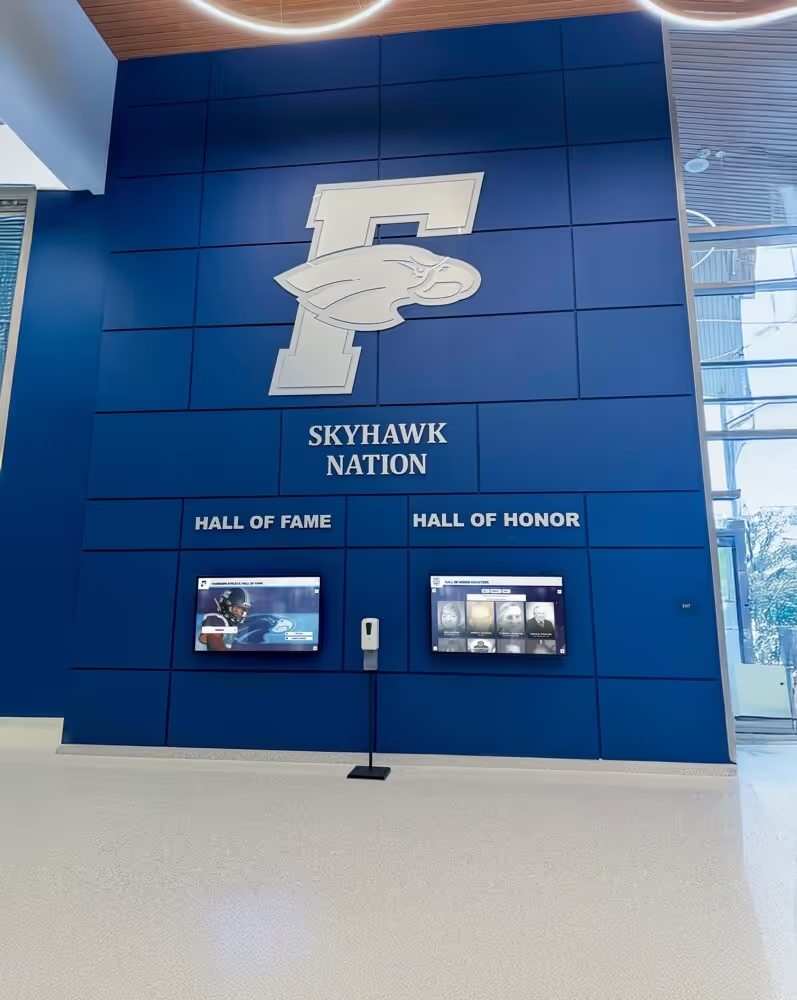
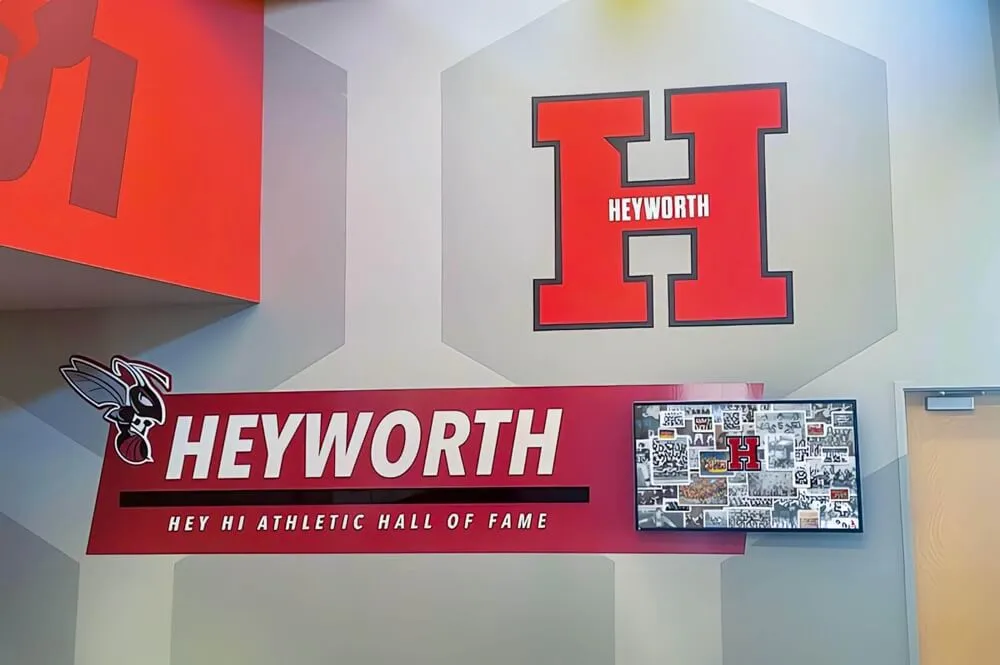
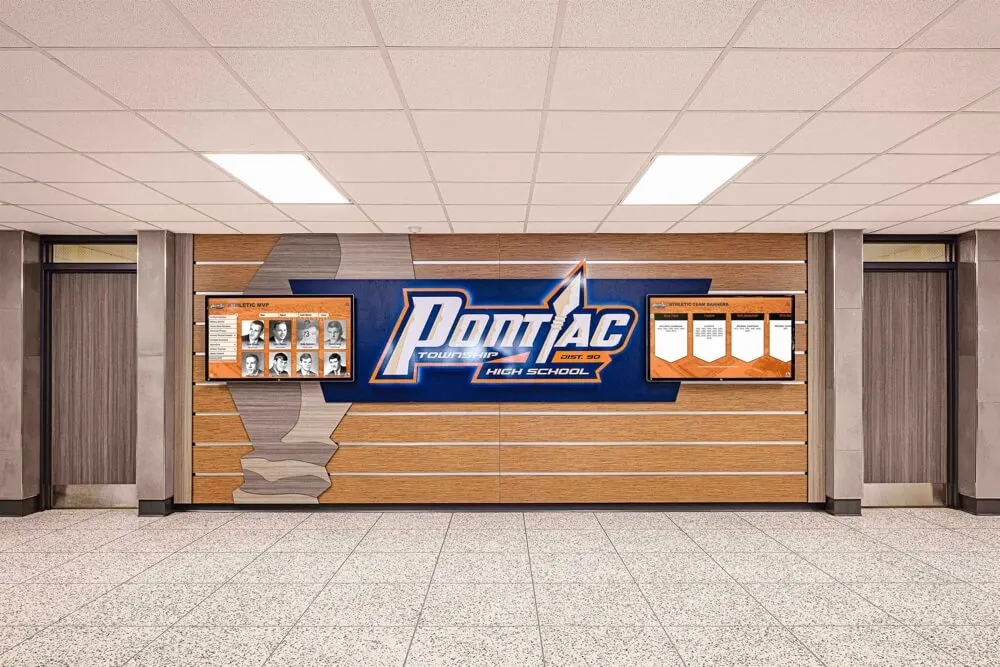
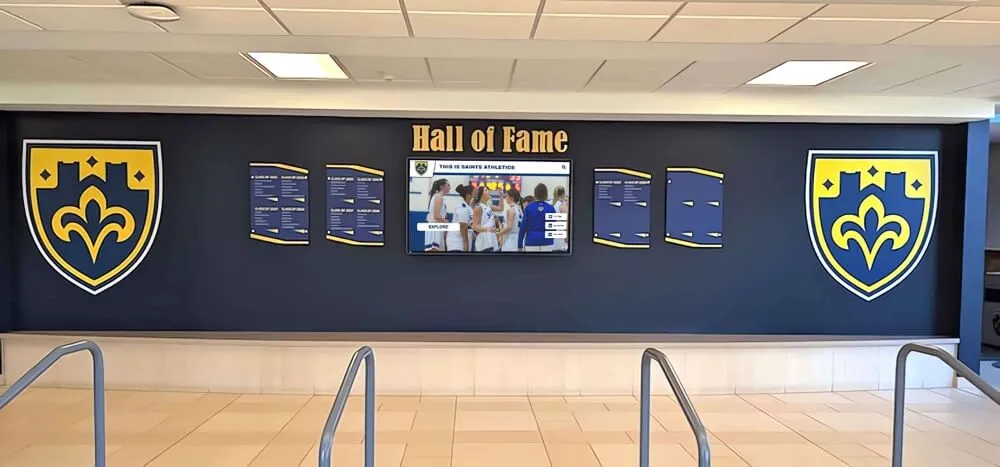
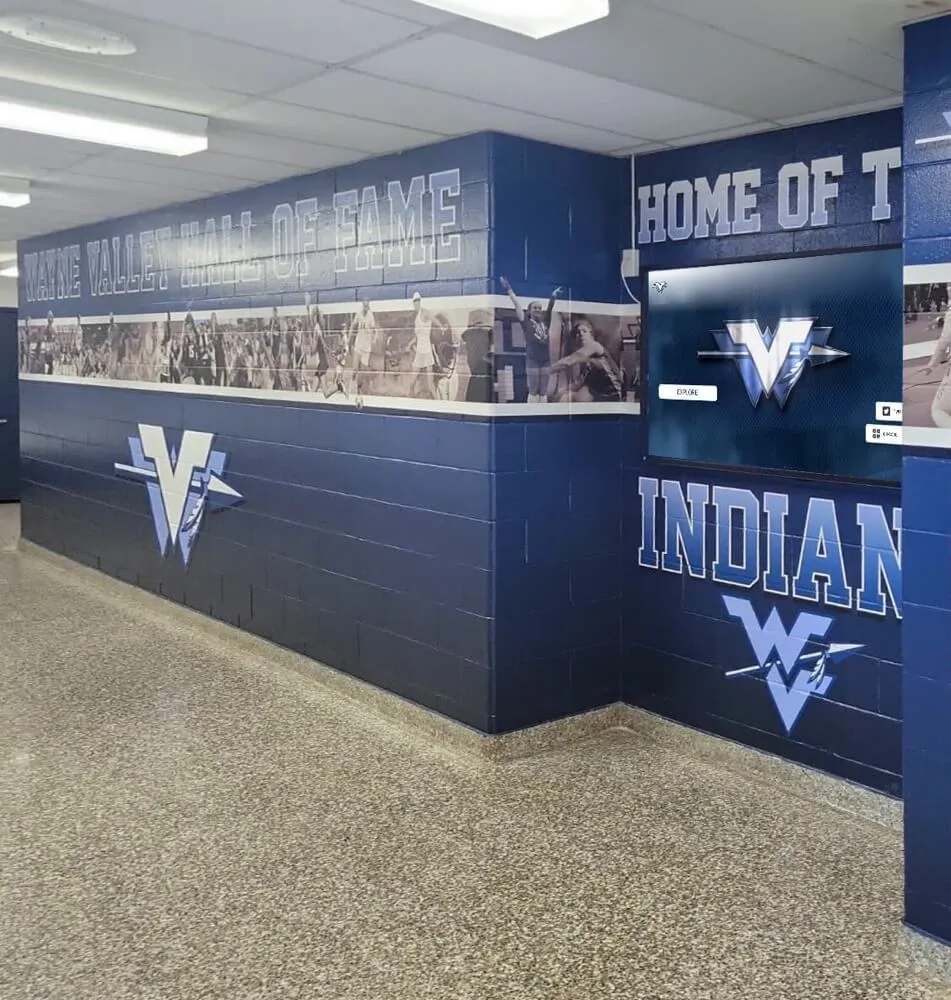
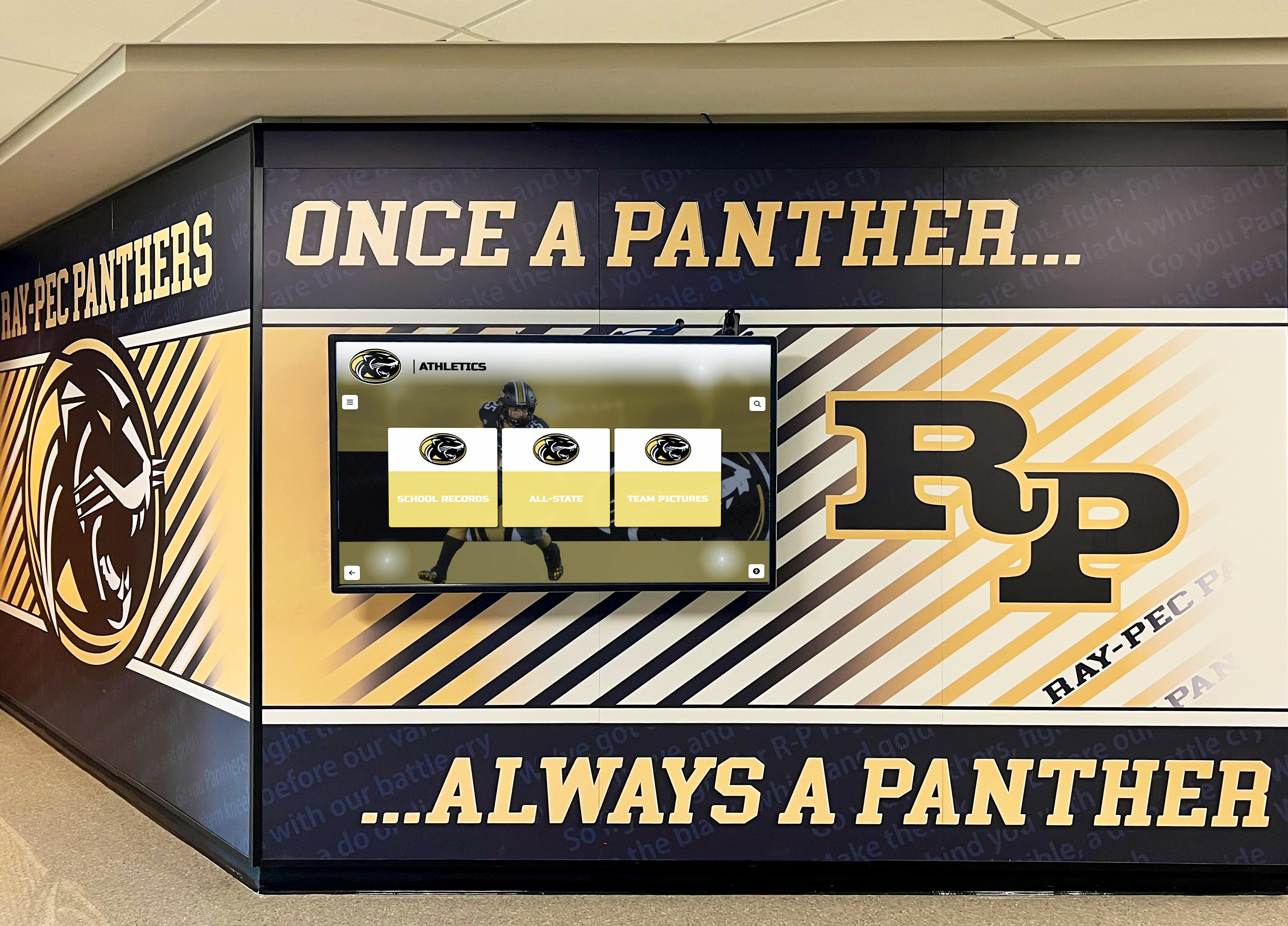
Permanent spirit installations maintain year-round celebration of school traditions while providing frameworks for special event recognition
Beyond Dress-Up Days: Comprehensive Spirit Week Activities
The most engaging spirit weeks extend beyond clothing choices to create diverse participation opportunities accommodating different comfort levels and interest areas.
Daily Activity Competitions and Challenges
Structured competitions build excitement throughout spirit week while creating measurable participation metrics:
Lunchtime Competition Events
Transform lunch periods into entertainment and competition venues:
- Talent Showcases: Brief student performances celebrating diverse abilities—music, dance, comedy, magic
- Class Cheer Competitions: Coordinated class cheers judged for creativity, energy, and participation
- Faculty vs. Student Challenges: Games pitting student teams against teacher groups
- Trivia Competitions: School history, academic knowledge, or pop culture questions
- Creative Challenges: Quick artistic creation, problem-solving tasks, or collaborative building projects
Lunchtime activities provide inclusive participation opportunities for students who might skip dress-up days but enjoy active competition and performance.
Before and After School Programs
Extend spirit week beyond regular school hours accommodating diverse schedules:
- Morning Spirit Photo Booths: Capture participation moments with creative props and backdrops
- After-School Spirit Olympics: Collaborative games and challenges building class unity
- Evening Spirit Events: Family-friendly celebrations enabling broader community participation
- Spirit Week Movie Nights: Screen films connecting to spirit week themes or school traditions
- Community Service Projects: Spirit-themed volunteer activities demonstrating community commitment
Extended programming ensures students with limited financial resources for costume purchases can participate fully through activities requiring enthusiasm rather than material investment.
Digital Participation Opportunities
Modern spirit weeks incorporate online engagement acknowledging digital native student populations:
- Spirit Week Hashtag Campaigns: Encourage students to share participation photos on social media with school hashtags
- Virtual Spirit Challenges: Create TikTok dances, Instagram stories, or online scavenger hunts
- Digital Spirit Art: Design contests for digital graphics, video content, or multimedia projects
- Online Voting: Enable community voting for best participation photos, creativity awards, or spirit champions
- Virtual Spirit Assemblies: Live-stream events ensuring accessibility for absent students or remote learners
Digital integration extends spirit week reach beyond physical campus boundaries while creating shareable content promoting school pride throughout broader communities.
Collaborative Team Challenges
Group activities build relationships while celebrating collective achievement:
Class Float or Banner Creation
Artistic collaboration creates tangible symbols of class identity and creativity:
- Assign each grade level responsibility for creating themed float, banner, or installation
- Display creations prominently throughout campus during spirit week
- Award prizes for creativity, theme interpretation, collaboration, and craftsmanship
- Preserve photos of creations in digital archives maintaining institutional memory
Collaborative creation accommodates diverse student talents including artistic design, construction, project management, and teamwork requiring varied skill sets for success.
Hallway and Common Space Decoration
Transform school environments into immersive spirit celebrations:
- Assign different hallways or common spaces to grade levels or student organizations
- Create decoration themes connecting to overall spirit week concepts
- Include interactive elements encouraging student engagement throughout the week
- Photograph decorated spaces preserving creative work and student effort
Environmental transformation creates immersive experiences while distributing participation opportunities across students with varied interests and abilities.
Community Service Team Projects
Demonstrate that school spirit includes community responsibility:
- Organize grade-level service projects benefiting local organizations or causes
- Award spirit points based on participation percentages and project completion
- Document service activities through photos and student reflections
- Recognize service leaders through volunteer recognition displays
Service integration demonstrates that authentic school pride encompasses community contribution alongside internal celebration creating meaningful engagement opportunities for students motivated by purpose beyond entertainment.
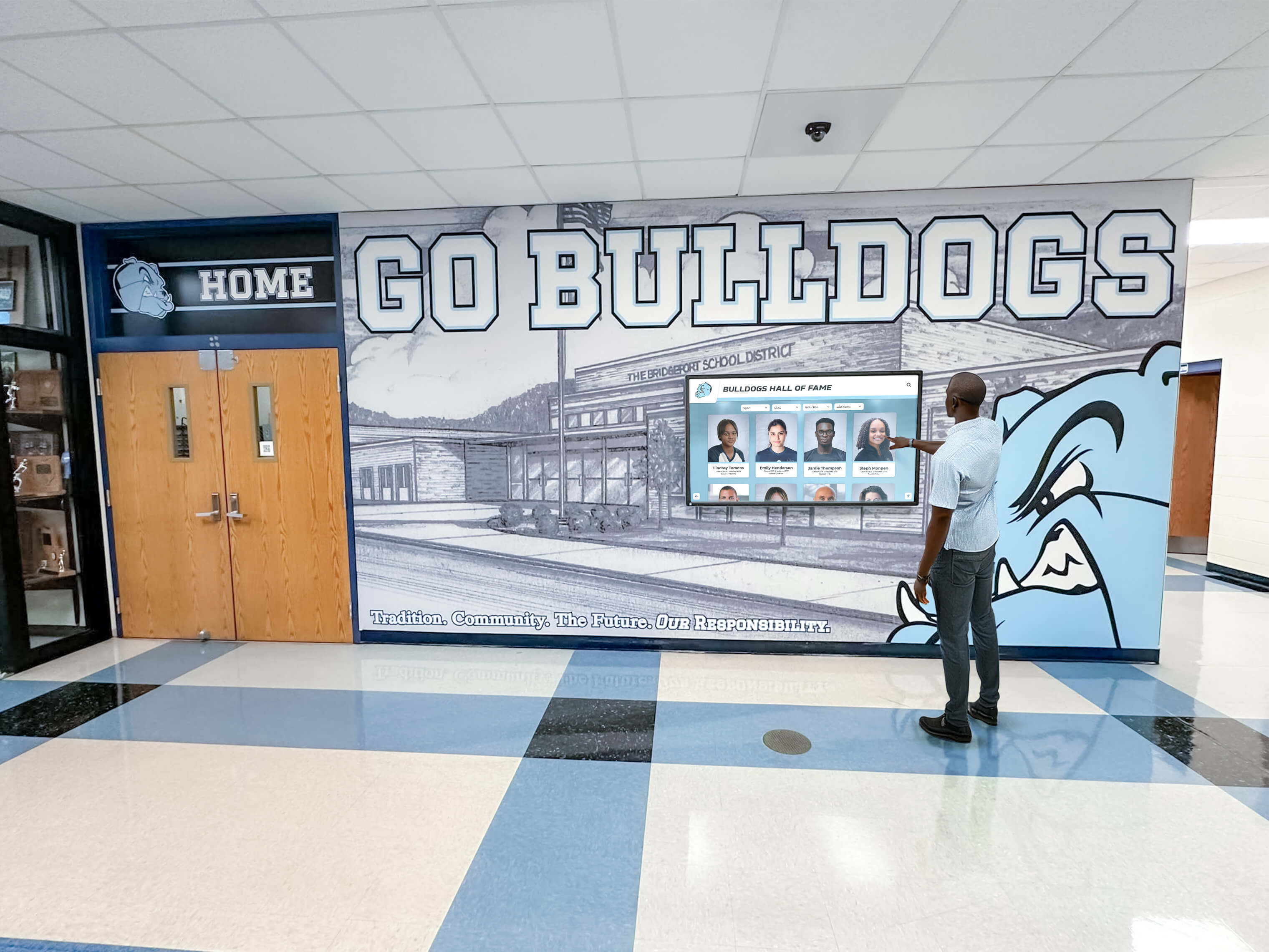
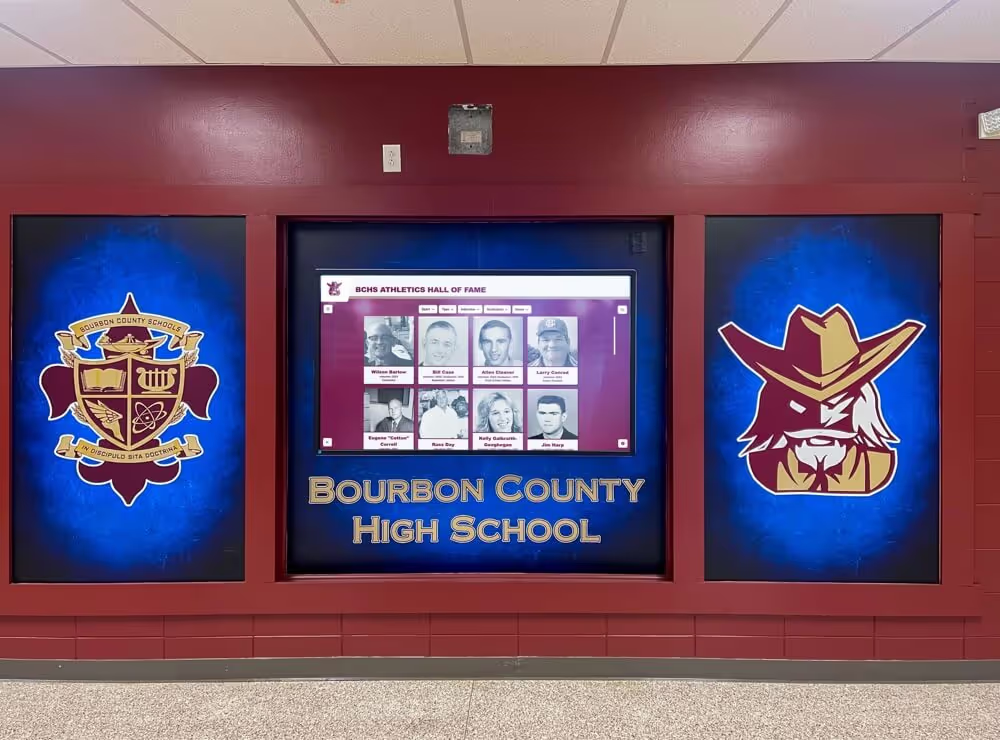
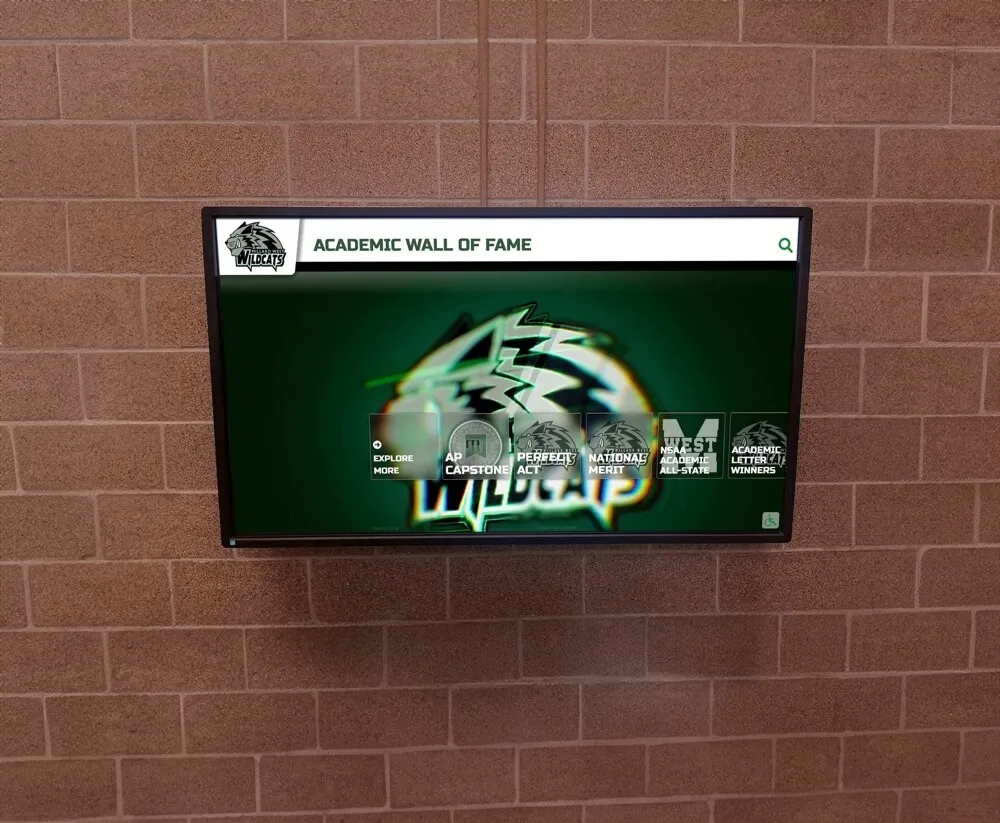
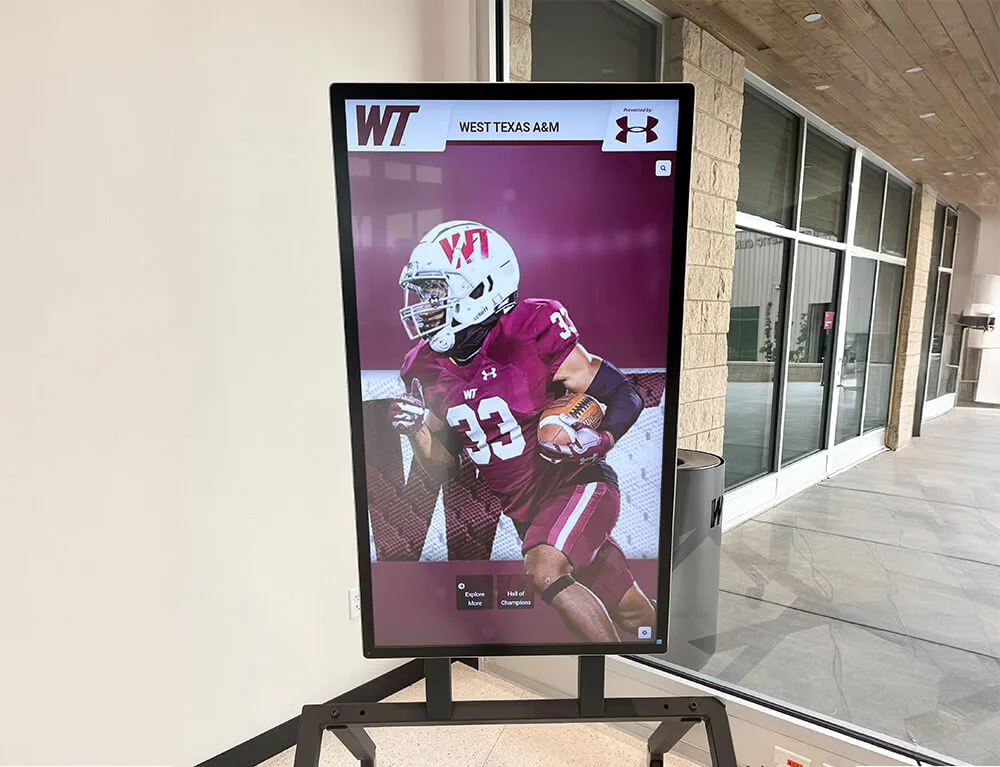
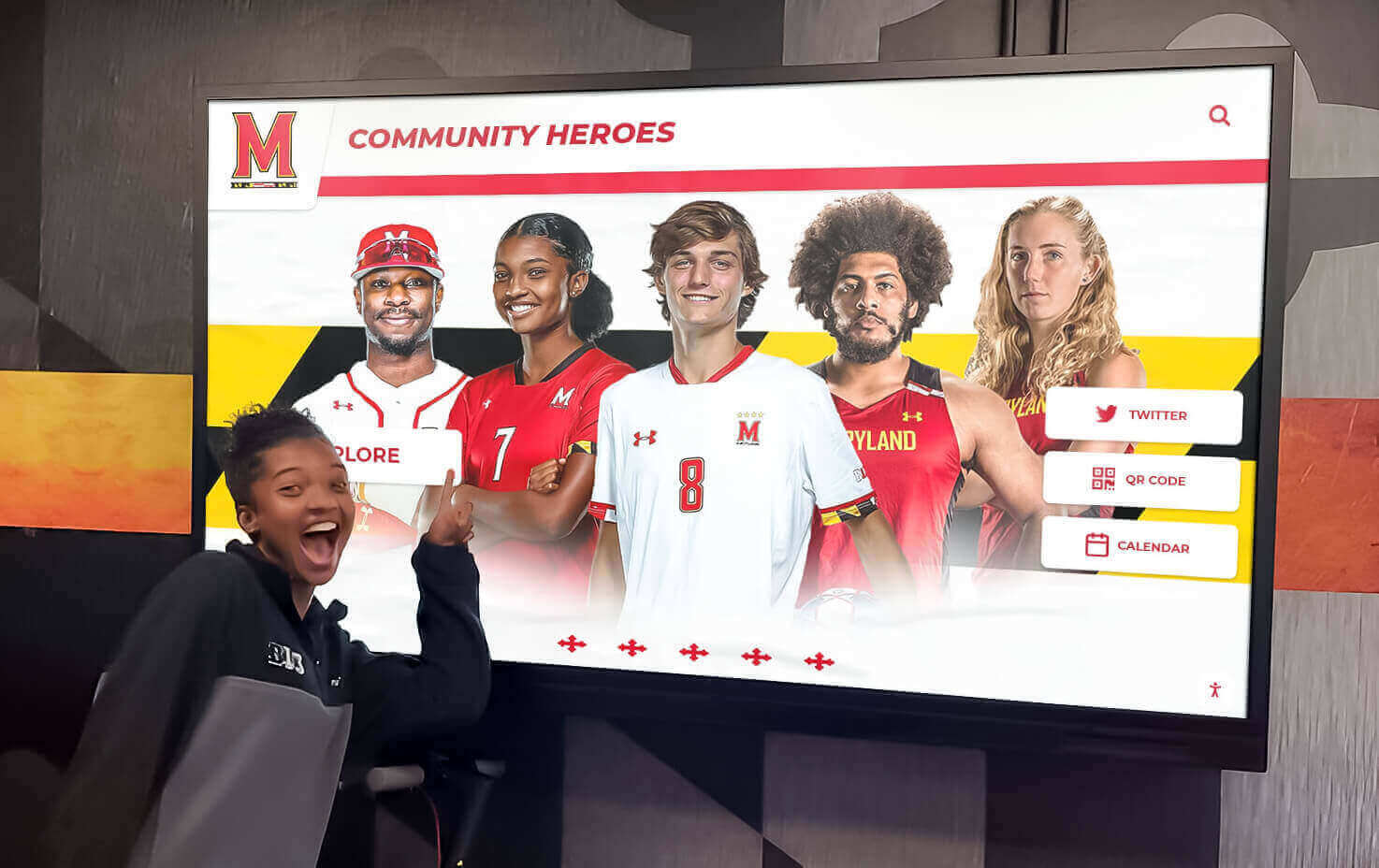
Interactive spirit week displays enable ongoing community engagement with celebration photos, participation recognition, and memorable moments
Capturing and Celebrating Spirit Week Participation
The most significant limitation of traditional spirit weeks involves temporary nature—activities occur, students participate, but memories fade quickly without systematic documentation and ongoing recognition.
Digital Recognition Systems Preserving Spirit Week Memories
Modern platforms transform temporary celebrations into permanent institutional archives:
Comprehensive Photo Documentation
Create systematic approaches to capturing spirit week moments:
- Designate photography teams documenting daily activities and participation
- Create professional photo booth setups with themed backgrounds and props
- Capture candid participation moments throughout the school day
- Include both individual portraits and group celebration photos
- Document behind-the-scenes preparation and planning processes
Systematic photography ensures comprehensive memory preservation rather than random snapshots missing significant moments or underrepresented student groups.
Interactive Digital Display Integration
Platforms like Rocket Alumni Solutions enable schools to showcase spirit week participation through engaging touchscreen displays:
- Create dedicated spirit week galleries featuring participation photos organized by theme, grade level, or activity
- Display real-time participation standings building competitive excitement throughout the week
- Showcase creative interpretations of dress-up themes celebrating student innovation
- Recognize spirit champions and most participatory classes through visible acknowledgment
- Preserve historical spirit week archives enabling comparison across years and decades
Digital displays eliminate physical space constraints that limited traditional bulletin board recognition while creating engaging exploration experiences impossible with static presentations. These systems exemplify the digital warming concept—transforming cold, temporary celebrations into warm, accessible community experiences maintaining engagement long after events conclude.
Social Media Integration and Sharing
Extend spirit week visibility throughout digital communities:
- Create official spirit week hashtags enabling student-generated content aggregation
- Share participation highlights through school social media accounts
- Enable digital display content sharing allowing students to celebrate recognition with extended networks
- Curate best participation photos for school websites and promotional materials
- Create shareable graphics and digital badges students can add to personal profiles
Social integration amplifies spirit week impact exponentially—single school event reaches thousands through student networks creating organic marketing and community pride building extending far beyond campus boundaries.
Structured Recognition and Award Systems
Create systematic approaches to acknowledging participation and celebrating excellence:
Spirit Point Systems
Quantifiable metrics motivate participation while enabling equitable recognition:
- Award points for dress-up day participation based on grade-level percentages
- Assign points for activity participation, competition results, and challenge completion
- Include bonus points for exceptional creativity, leadership, or community service
- Display cumulative standings on digital boards updating throughout the week
- Recognize winning classes through meaningful prizes or privileges
Transparent point systems create fair competition while ensuring recognition extends beyond simply “most popular” students to acknowledge diverse participation forms including behind-the-scenes organization, creative contribution, and consistent engagement.
Individual Spirit Champion Recognition
Celebrate students demonstrating exceptional spirit and participation:
- “Spirit Captains” leading grade-level engagement and enthusiasm
- “Creativity Champions” demonstrating exceptional theme interpretation
- “Unity Builders” fostering inclusive participation and supporting peers
- “Tradition Keepers” honoring school history and maintaining classic spirit elements
- “Innovation Leaders” introducing new ideas and creative approaches
Individual recognition should celebrate diverse contribution types rather than single definition of “most spirited” ensuring students with varied personalities and strengths receive acknowledgment. Schools implementing comprehensive student recognition programs understand that acknowledging diverse excellence forms strengthens overall community culture.
Class and Grade-Level Awards
Recognize collective achievement building class identity and unity:
- Overall spirit champion class receiving traveling trophy or special privileges
- Most improved class celebrating growth from previous spirit week performances
- Best theme interpretation acknowledging creative collective execution
- Highest participation percentage recognizing inclusive engagement
- Service leadership recognizing community contribution alongside celebration
Class recognition builds grade-level identity and unity while creating friendly competition motivating ongoing engagement throughout the week. Display class awards prominently on digital recognition systems maintaining year-round visibility celebrating achievement.
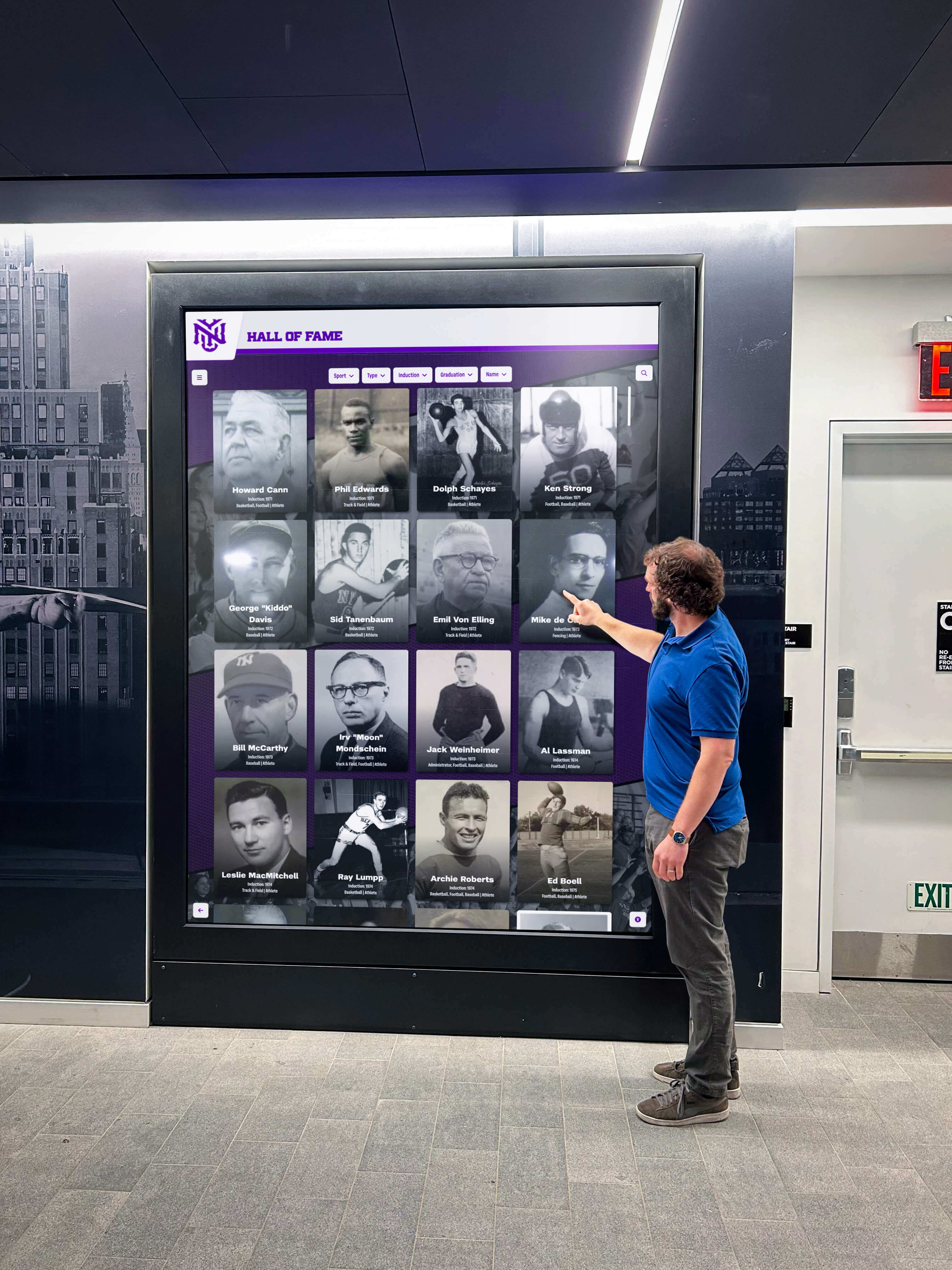
Professional digital installations create impressive environments celebrating spirit week traditions and building lasting community pride
Extending Spirit Week Impact Throughout the School Year
The most effective spirit weeks serve as anchors for year-round school pride rather than isolated events disconnected from broader community building.
Monthly Spirit Days and Mini-Celebrations
Maintain spirit week momentum through regular ongoing celebrations:
Monthly Theme Spirit Days
Create monthly spirit day traditions building anticipation and maintaining engagement:
- October: Costume creativity day (Halloween-adjacent but not explicitly holiday-focused)
- November: Gratitude day celebrating thankfulness and community appreciation
- December: Winter celebration with seasonal themes
- January: New year new goals day celebrating resolutions and fresh starts
- February: Kindness day focusing on positive relationships and community support
- March: Career exploration day connecting to future planning
- April: Spring celebration with outdoor activities and renewal themes
- May: Senior celebration and end-of-year recognition
Regular spirit days normalize celebration as ongoing community practice rather than rare occurrence requiring elaborate preparation preventing many students from consistent participation.
Holiday and Cultural Celebrations
Incorporate inclusive celebrations throughout the calendar year:
- Recognize diverse cultural celebrations represented in school communities
- Create educational components explaining traditions and significance
- Ensure celebrations remain inclusive and respectful avoiding cultural appropriation
- Connect celebrations to academic learning and cultural understanding
- Document celebrations through digital displays preserving institutional diversity appreciation
Ongoing celebrations demonstrate that school spirit encompasses diverse traditions and perspectives rather than single dominant culture or tradition.
Alumni and Community Engagement Through Spirit Traditions
Spirit week provides powerful opportunities for strengthening connections beyond current student populations:
Alumni Spirit Week Participation
Invite graduates to engage with current spirit week activities:
- Alumni social media challenges encouraging participation photos from wherever graduates currently live
- Alumni interview features sharing spirit week memories and traditions from their school years
- Alumni judge participation for competitions or creative challenges providing intergenerational connections
- Alumni career panels during career day connecting professional success to school foundation
- Alumni donation campaigns timed to spirit week building support during high-engagement periods
Alumni engagement creates multigenerational celebration while demonstrating that school connections persist throughout lives regardless of geographic distance or time since graduation. Modern digital alumni recognition systems facilitate these connections by making institutional history accessible and engaging.
Family and Community Spirit Events
Extend spirit week to broader communities:
- Family spirit night with activities enabling parent and sibling participation
- Community pep rally inviting local residents, businesses, and organizations
- Spirit parade through community neighborhoods building local pride and support
- Local business partnerships offering spirit week specials or promotions
- Community service projects demonstrating school commitment to broader welfare
Community integration demonstrates that school pride benefits entire communities while building stakeholder support essential for resources, advocacy, and long-term institutional success.
Planning and Implementing Successful Spirit Weeks
Thoughtful planning, inclusive design, and systematic execution determine whether spirit weeks create meaningful engagement or superficial compliance.
Inclusive Planning Ensuring Universal Access
Spirit week success requires intentional planning ensuring all students can participate fully:
Financial Accessibility Considerations
Eliminate economic barriers to spirit week participation:
- Design themes requiring creativity rather than purchased costumes or specific clothing items
- Provide costume piece lending libraries enabling students to borrow needed items
- Emphasize simple spirit expressions—face paint, temporary tattoos, handmade signs—over elaborate outfits
- Offer alternative participation pathways through activities rather than material requirements
- Ensure competition judging values creativity and effort over expensive or elaborate execution
Financial accessibility ensures spirit week strengthens community rather than highlighting economic disparities that might discourage students from less affluent families who cannot afford elaborate costumes or theme-specific clothing.
Cultural and Religious Sensitivity
Design inclusive celebrations respecting diverse backgrounds:
- Avoid themes requiring clothing contradicting religious dress codes or cultural practices
- Provide alternative participation options for students uncomfortable with costume requirements
- Consult diverse student groups and cultural organizations ensuring appropriate theme selection
- Include themes celebrating diversity alongside traditional school-specific elements
- Create educational components explaining cultural significance when incorporating cultural themes
Respectful inclusivity ensures all students feel welcome participating rather than excluding those whose backgrounds or beliefs conflict with specific celebration approaches.
Ability and Neurodiversity Considerations
Accommodate diverse learning and sensory needs:
- Provide quiet participation alternatives for students overwhelmed by large assemblies or loud events
- Include behind-the-scenes participation roles for students uncomfortable with performance or public recognition
- Design themes with flexible interpretation enabling various comfort levels and expression styles
- Ensure physical accessibility for students with mobility limitations in all activities and events
- Communicate clear schedules and expectations supporting students requiring structured predictability
Universal design principles ensure spirit week creates community belonging for all students rather than primarily serving extroverted, neurotypical populations most comfortable with traditional celebration approaches.
Student Leadership and Ownership
Most successful spirit weeks feature substantial student planning and execution:
Student Council and Class Officer Leadership
Empower student leaders to drive spirit week design and implementation:
- Student committees developing theme ideas based on peer input and interests
- Class officers coordinating grade-level participation and competition strategies
- Student volunteers managing logistics, photography, and event facilitation
- Peer marketing teams promoting participation through channels resonating with student audiences
- Student assessment teams gathering feedback and recommendations for future improvements
Student leadership creates authentic ownership while developing valuable organizational and project management skills through real-world application requiring creativity, problem-solving, and collaboration.
Peer-to-Peer Promotion and Encouragement
Leverage peer influence encouraging participation:
- Student ambassadors personally inviting participation from quieter or hesitant classmates
- Peer mentoring pairs connecting upperclassmen with underclassmen explaining traditions and encouraging involvement
- Small group participation teams enabling less confident students to participate alongside supportive friends
- Student testimonials sharing how participation enhanced their school experience and community connections
- Recognition systems celebrating inclusive leadership bringing typically uninvolved students into celebrations
Peer encouragement proves more effective than adult directives for motivating adolescent participation making student leadership essential for maximizing genuine engagement rather than forced compliance.
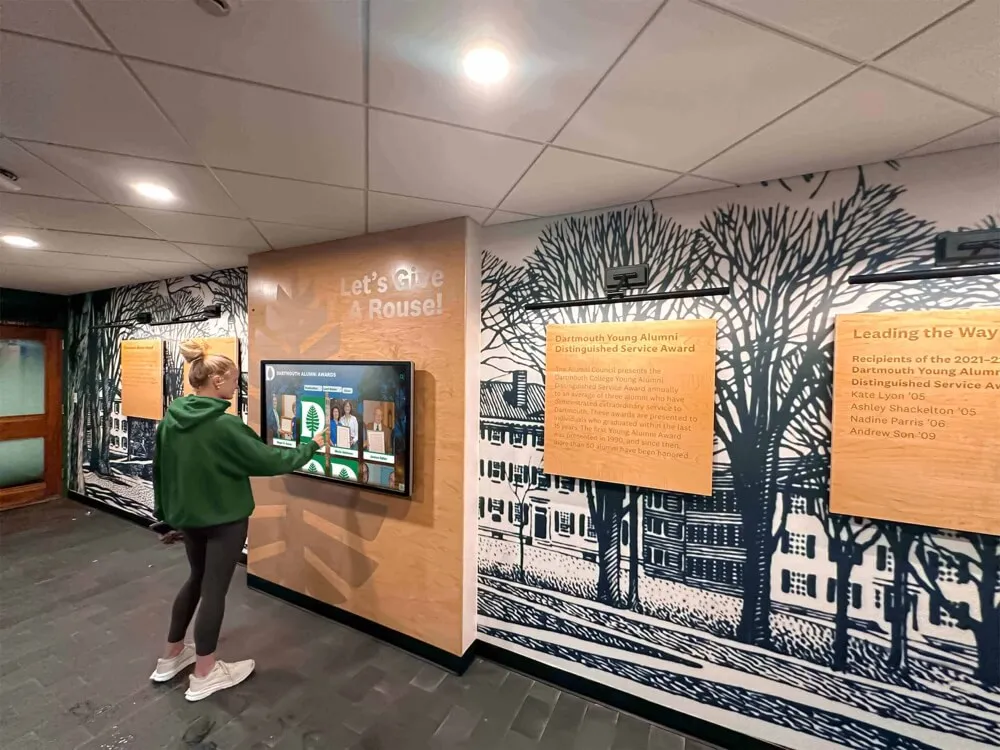
Modern recognition systems transform temporary spirit week celebrations into permanent community assets celebrating school identity
Measuring Spirit Week Success and Impact
Systematic evaluation enables continuous improvement while demonstrating spirit week value to administrators and stakeholders:
Quantitative Participation Metrics
Track measurable data revealing engagement patterns:
Daily Participation Rates
Monitor how many students participate each day:
- Calculate participation percentages by grade level, gender, and demographic groups
- Compare participation rates across different theme types identifying most engaging options
- Track participation growth across consecutive spirit weeks assessing program development
- Identify participation barriers through analysis of who engages and who remains uninvolved
- Use data informing future theme selection and activity design
Participation data reveals whether spirit weeks engage broad populations or primarily serve already-involved students providing evidence for program adjustments improving inclusivity and reach.
Activity and Event Attendance
Measure engagement with specific spirit week components:
- Lunchtime competition audience sizes and participant numbers
- After-school event attendance including demographic distributions
- Digital engagement metrics through hashtag use and social media participation
- Photo booth visitation and documentation rates
- Spirit product sales or fundraiser participation
Component analysis identifies which activities resonate most strongly enabling resource allocation toward highest-impact programming while reconsidering or redesigning poorly attended elements consuming planning effort without generating engagement.
Qualitative Impact Assessment
Gather stakeholder perspectives complementing numerical data:
Student Feedback and Reflections
Survey participants about spirit week experiences:
- Post-event surveys asking students to rate enjoyment, inclusivity, and community impact
- Focus groups discussing what worked well and what improvements students desire
- Informal conversations with diverse student populations gathering authentic perspectives
- Student-generated content analysis revealing how participants describe experiences
- Class meeting discussions processing spirit week experiences and community building
Student voice should drive continuous improvement ensuring spirit weeks serve participant interests rather than perpetuating traditions that have lost relevance or appeal.
Faculty and Staff Observations
Gather adult perspectives on spirit week impact:
- Teacher observations about classroom climate and student engagement during and after spirit week
- Counselor feedback regarding social dynamics and relationship developments
- Administrator assessments of school-wide climate and community cohesion effects
- Support staff perspectives on student behavior and attitude during celebration periods
- Comparative observations between spirit week periods and typical school weeks
Faculty insights reveal whether spirit weeks create lasting community benefits or merely provide entertaining disruption without sustained positive impact on school culture.
Family and Community Response
Assess broader community reception and engagement:
- Parent feedback through surveys, social media comments, and informal communications
- Alumni responses to spirit week social media content and participation invitations
- Local community members’ perceptions and engagement with spirit week activities
- Local business partnerships and support indicating community investment
- Media coverage and public recognition reflecting external institutional reputation
Community response indicates whether spirit weeks strengthen school reputations and stakeholder support or primarily serve internal community without external visibility or impact.
Leveraging Technology for Enhanced Spirit Week Experiences
Modern technology platforms transform spirit week from temporary celebration into permanent institutional asset building long-term community pride and engagement.
Digital Recognition Platforms Preserving Spirit Week Heritage
Purpose-built recognition systems like Rocket Alumni Solutions enable schools to:
Create Comprehensive Spirit Week Archives
Document complete spirit week history across decades:
- Preserve participation photos organized by year, theme, and grade level
- Archive winning entries, creative interpretations, and memorable moments
- Document evolution of traditions showing how celebrations adapt while maintaining core identity
- Enable alumni to locate themselves in historical spirit week memories
- Provide research resources for students developing future spirit week themes
Historical preservation demonstrates institutional commitment to tradition while enabling current students to learn from past creativity and innovation. Digital archives eliminate storage constraints that forced schools to discard physical documentation creating permanent institutional memory preservation.
Showcase Current Spirit Week Participation
Display real-time engagement building excitement:
- Daily updates showcasing dress-up day participation photos
- Live competition standings motivating ongoing participation
- Featured creative interpretations celebrating student innovation
- Behind-the-scenes documentation honoring planning and preparation work
- Interactive exploration enabling students to discover classmates’ participation
Current recognition creates immediate validation and celebration essential for maintaining momentum throughout spirit week while providing visible acknowledgment motivating continued engagement in subsequent years.
Enable Remote and Alumni Engagement
Extend spirit week beyond campus boundaries:
- Mobile-responsive web access enabling family and alumni exploration from anywhere
- QR codes linking physical displays to expanded online content
- Social sharing features amplifying school pride throughout extended networks
- Virtual participation options for remote learners or absent students
- Alumni memory contribution systems enabling graduate stories and reflections
Extended access creates global community celebrating school spirit regardless of geographic location or connection timeframe making spirit week permanent engagement opportunity rather than time-limited campus-bound event.
Integrated Communication Platforms
Coordinate spirit week promotion and documentation through unified digital systems:
- Centralized spirit week websites providing schedules, rules, and participation information
- Push notification systems reminding students of daily themes and activities
- Digital point tracking enabling real-time competition standings visibility
- Photo submission portals allowing students to contribute documentation
- Results dashboards displaying winners, participation statistics, and celebration highlights
Integrated technology simplifies organization and communication while creating comprehensive documentation supporting continuous improvement and stakeholder reporting.
Conclusion: Building Lasting School Pride Through Spirit Week Excellence
Spirit week represents strategic investment in school culture, community building, and institutional identity. When schools design creative spirit week ideas that engage diverse student populations, celebrate varied participation forms, and leverage modern recognition technology, they create environments where temporary celebration transforms into permanent community pride defining institutional character across generations.
The evolution from single-week forgotten celebrations toward comprehensive recognition systems preserving and celebrating spirit week participation reflects understanding that impact depends on visibility, accessibility, inclusive design, and ongoing engagement rather than elaborate but temporary activities generating excitement that quickly fades. Modern platforms like Rocket Alumni Solutions eliminate traditional documentation constraints while creating engaging exploration experiences impossible with bulletin boards or generic photo archives.
Effective spirit weeks balance tradition and innovation—maintaining beloved classic elements providing continuity and nostalgia while introducing fresh themes and activities resonating with contemporary student interests and cultural contexts. This balance ensures spirit weeks feel familiar enough to connect with institutional identity while remaining relevant and exciting rather than stale repetition students tolerate rather than embrace.
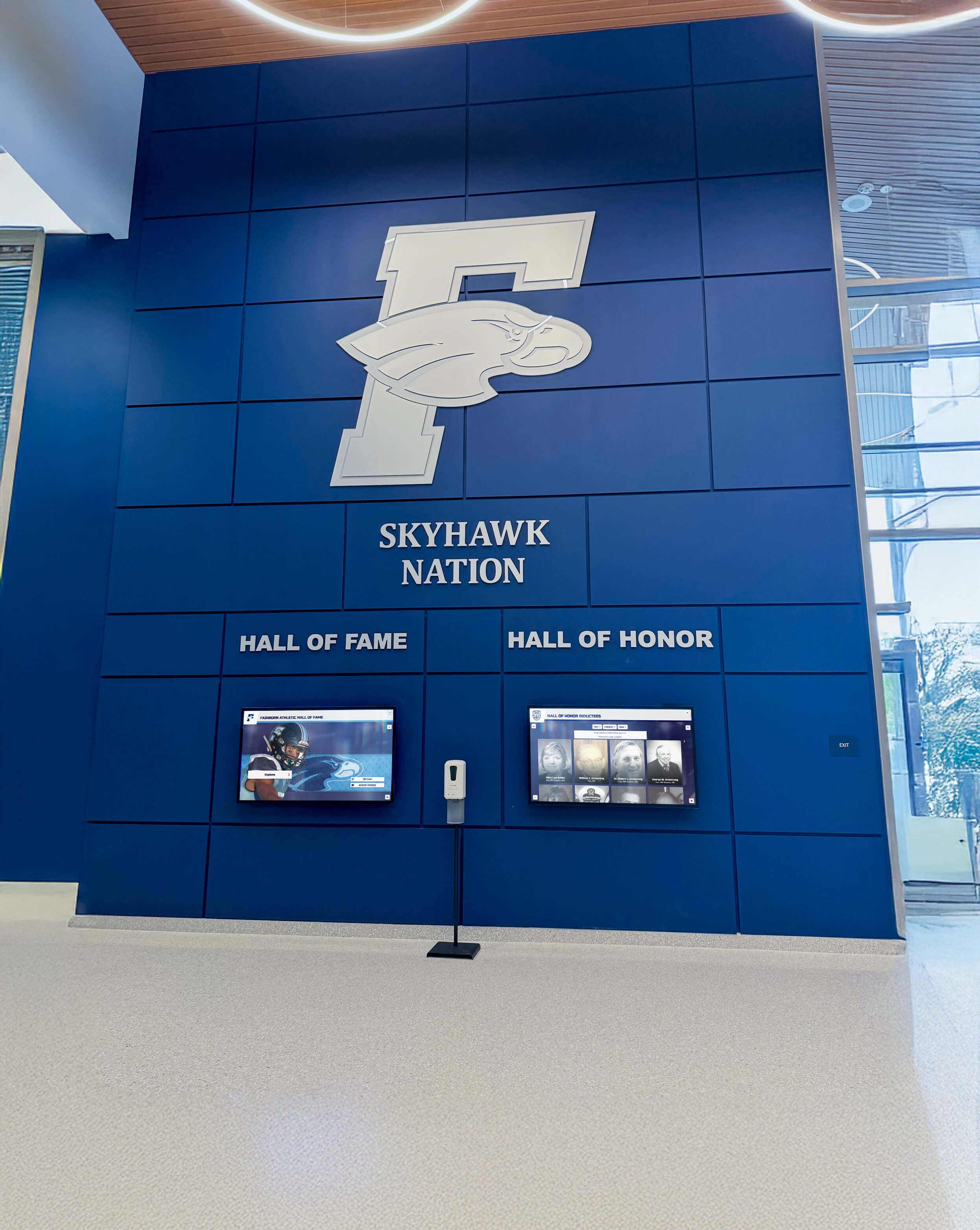
Professional recognition installations create impressive environments celebrating spirit week traditions alongside academic and athletic achievement
Implementation success requires inclusive planning ensuring all students can participate fully regardless of financial resources, cultural backgrounds, abilities, or personality differences. Spirit weeks should strengthen community rather than highlighting divisions or favoring already-engaged populations. Student leadership proves essential—peer-driven planning and execution creates authentic ownership while developing valuable leadership and organizational skills through real-world application.
Most importantly, spirit weeks should create joy and genuine celebration rather than forced compliance or superficial participation. When students eagerly anticipate spirit week approaching, enthusiastically participate in creative theme interpretation, and fondly recall celebrations years later during alumni gatherings, schools have succeeded in building authentic community pride transcending academic obligation to create genuine institutional belonging and identity.
Your school’s spirit week traditions represent powerful opportunities for building community, celebrating identity, and creating memories students carry throughout their lives. With thoughtful theme selection, inclusive activity design, comprehensive participation recognition, and modern digital preservation, you can transform temporary celebrations into permanent community assets strengthening school culture and pride.
The memories created during spirit week—students laughing with friends while participating in creative themes, classes uniting behind competitive activities, entire communities gathering for celebration assemblies, and alumni returning to relive beloved traditions—represent the warm, connected experiences defining exceptional educational environments where students thrive academically while developing authentic belonging and lifelong institutional connections.
Ready to transform your spirit week into a lasting tradition celebrated throughout your school community? Book a demo to discover how digital recognition platforms create engaging experiences celebrating school spirit while building warm, connected communities that maintain pride and engagement throughout the entire year and across generations of students, families, and alumni.