



Intent: decide — Athletic administrators today face unprecedented complexity managing multi-sport programs, navigating compliance requirements, coordinating dozens of coaches and hundreds of athletes, maintaining facilities, communicating with countless stakeholders, and celebrating achievements—all while working within constrained budgets and limited staff resources. The right software tools transform overwhelming administrative burden into manageable workflows, creating the “digital warming” effect where technology strengthens rather than complicates the human connections at the heart of athletic programs.
In 2025, the landscape of athletic administration software has matured dramatically from basic spreadsheets and email coordination to sophisticated, integrated platforms automating routine tasks, surfacing critical information, ensuring compliance, and freeing administrators to focus on supporting coaches, developing athletes, and building vibrant athletic communities. The challenge lies not in finding software solutions—options abound—but in identifying which tools deliver genuine value justifying investment and implementation effort.
This comprehensive guide examines 30 essential software products transforming athletic administration across high schools, colleges, club sports organizations, and community athletic programs. From scheduling and eligibility management to recognition displays and communication platforms, you’ll discover how modern tools address the full spectrum of athletic administration needs while creating warmer, more connected athletic communities where every athlete, coach, and supporter feels valued and engaged.
Modern athletic administration demands far more than traditional organizational skills and sports knowledge. Today’s athletic directors serve as technology coordinators, compliance officers, financial managers, marketing directors, and community engagement specialists—roles requiring sophisticated software tools delivering capabilities impossible through manual processes alone. Organizations implementing strategic software solutions report dramatic improvements in administrative efficiency, compliance confidence, stakeholder satisfaction, and overall program quality.

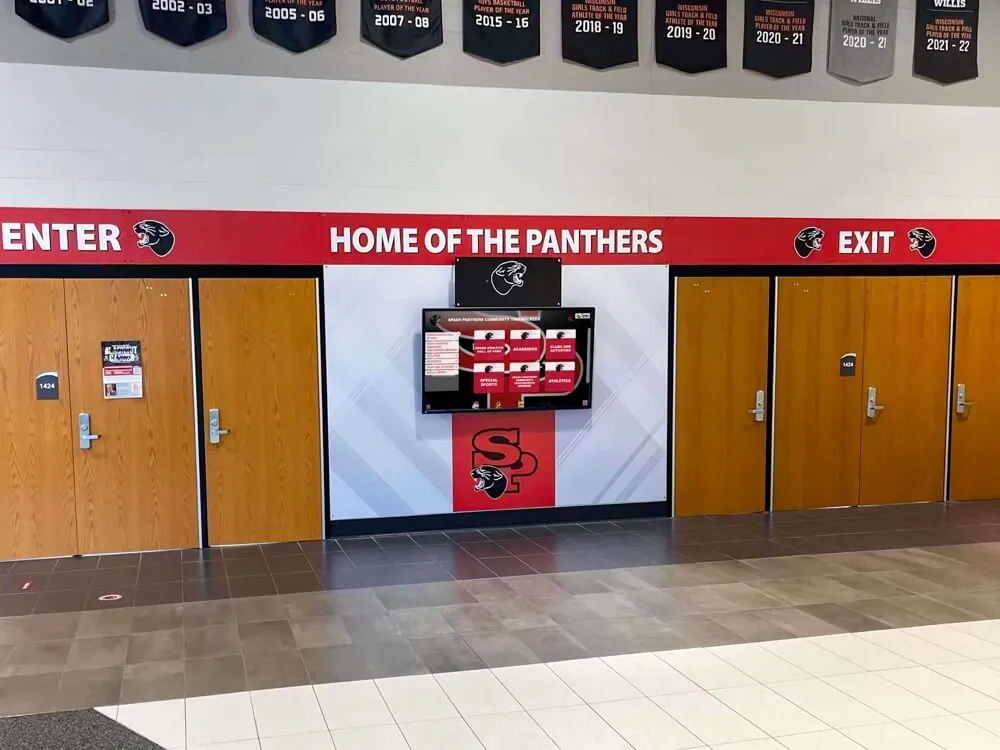
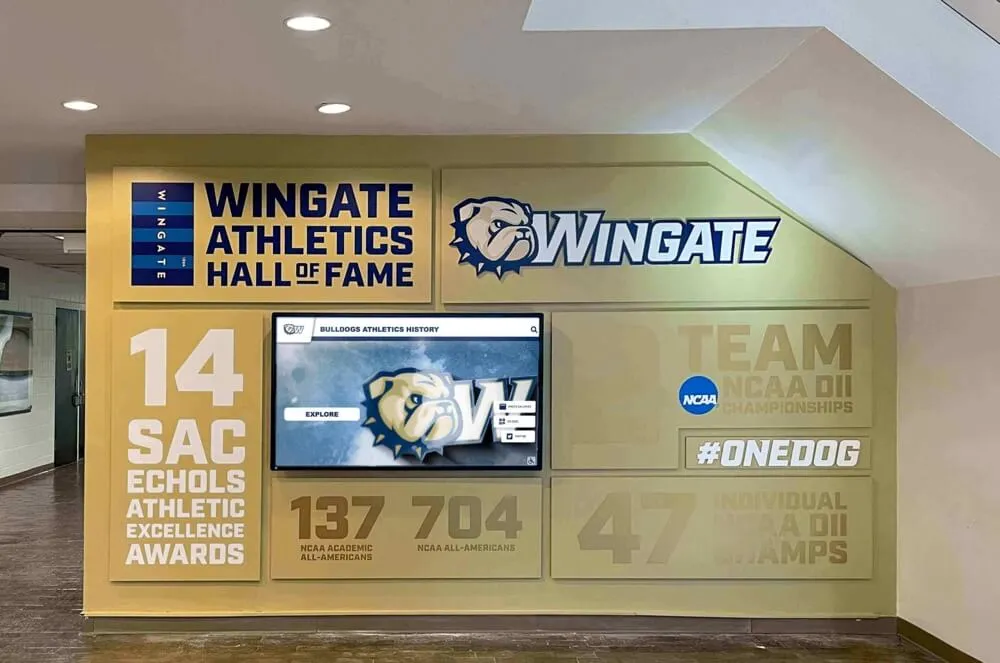
Modern athletic administration software creates comprehensive visibility across all programs and achievements
Understanding Athletic Administration Software Categories
Athletic administrator software falls into distinct categories addressing specific operational needs and administrative challenges.
Core Administrative Platforms
Comprehensive management systems serve as central hubs coordinating multiple aspects of athletic program administration:
All-in-One Athletic Management Systems Platforms like DragonFly Athletics, BigTeams, and Bound provide integrated solutions managing registration, scheduling, eligibility, communication, financial operations, and compliance within single ecosystems. These comprehensive platforms eliminate data silos, reduce duplicate data entry, and create connected workflows spanning entire athletic departments.
According to DragonFly Athletics, leading athletic management software streamlines high school sports administration with tools including membership management, assigning and scheduling officials, secure digital payments, communication tools, player rosters and eligibility, and injury reports—all centralized within single platforms.
Specialized Focus Platforms Some organizations benefit from specialized platforms optimizing specific administrative functions like scheduling (Arbiter, Schedule Star), registration (FamilyID, TeamSnap), or compliance tracking (Rank One) rather than comprehensive suites. This focused approach works well when existing systems handle other needs adequately or when specific pain points require dedicated solutions.
Understanding whether comprehensive platforms or specialized tools better serve your program depends on current system gaps, integration requirements, staff capacity, and budget constraints.
Recognition and Engagement Tools
Athletic recognition software creates vibrant communities celebrating achievements and building program pride:
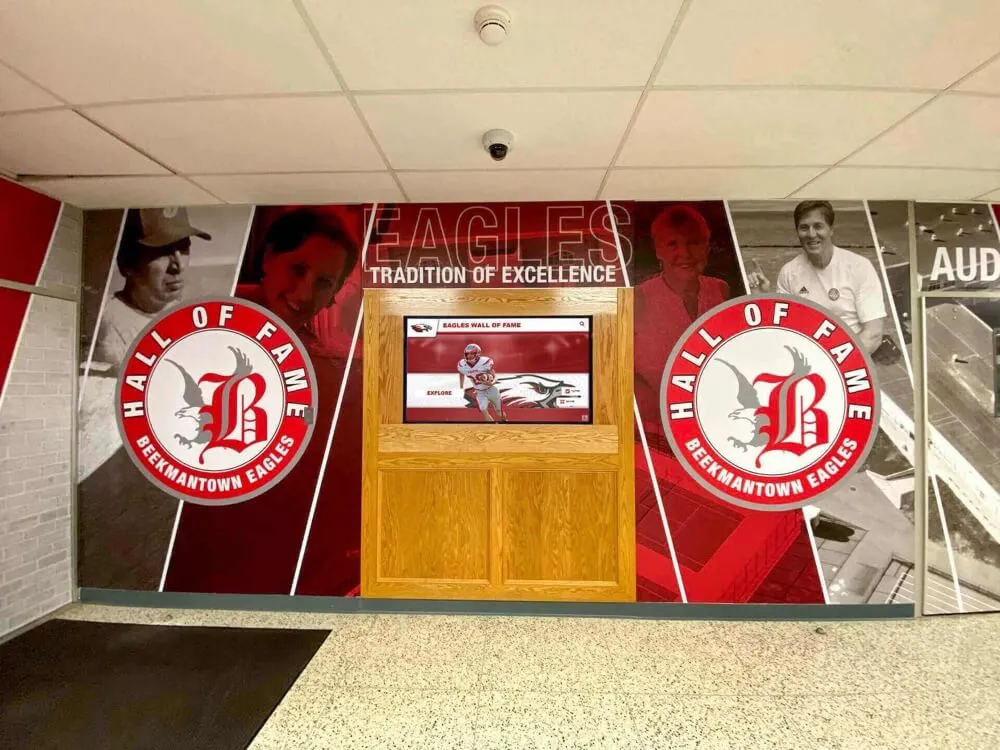
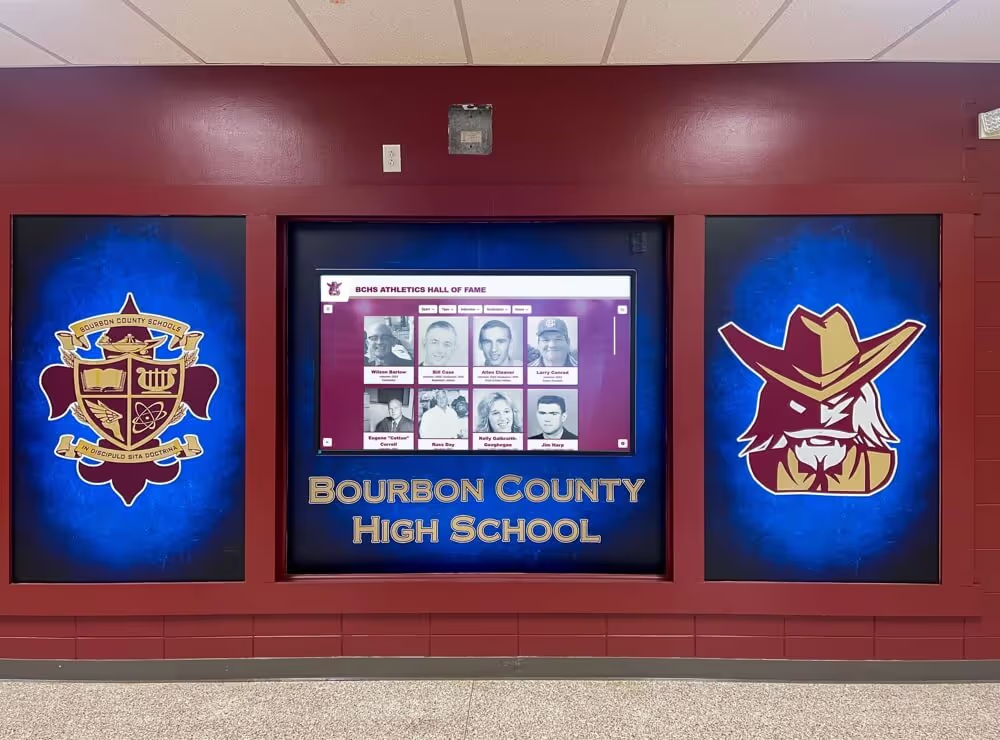
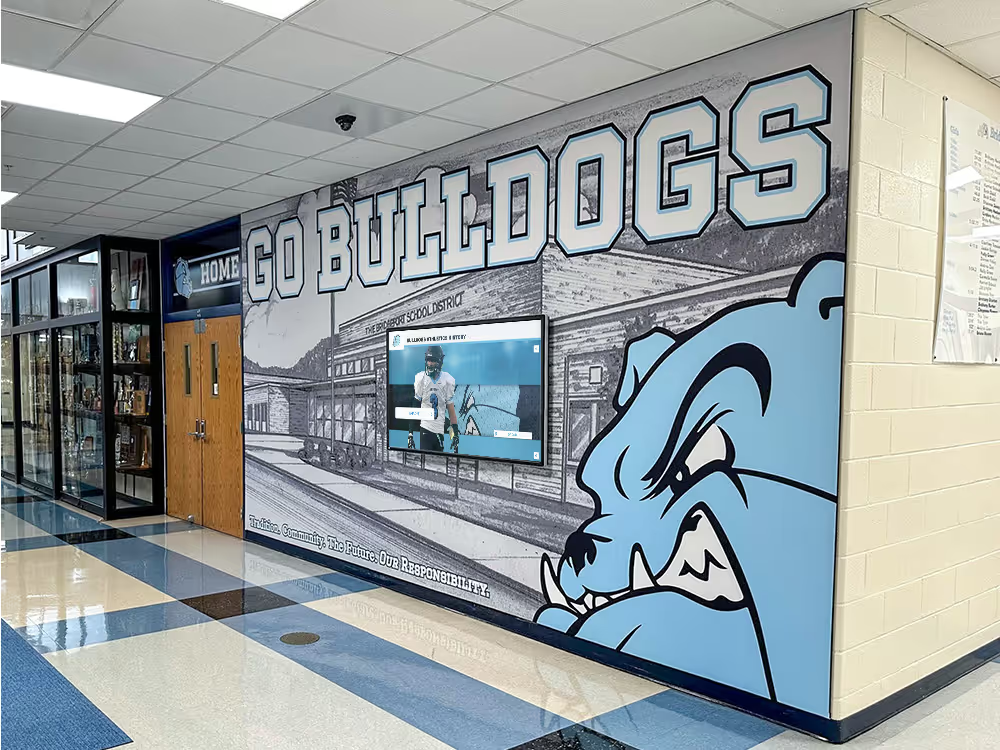
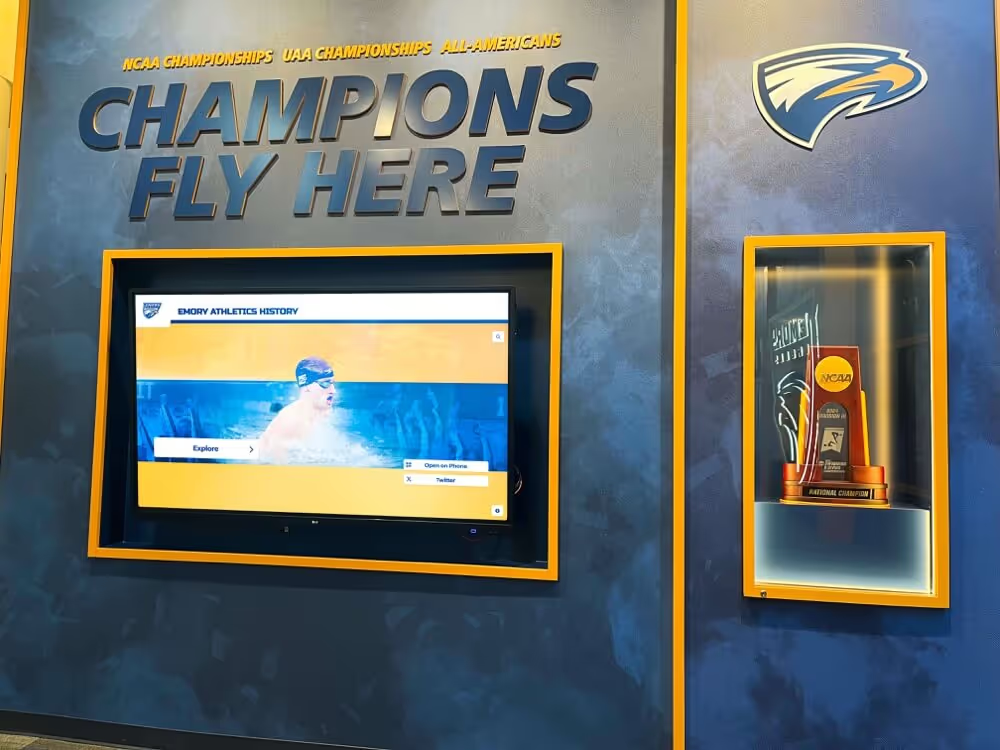
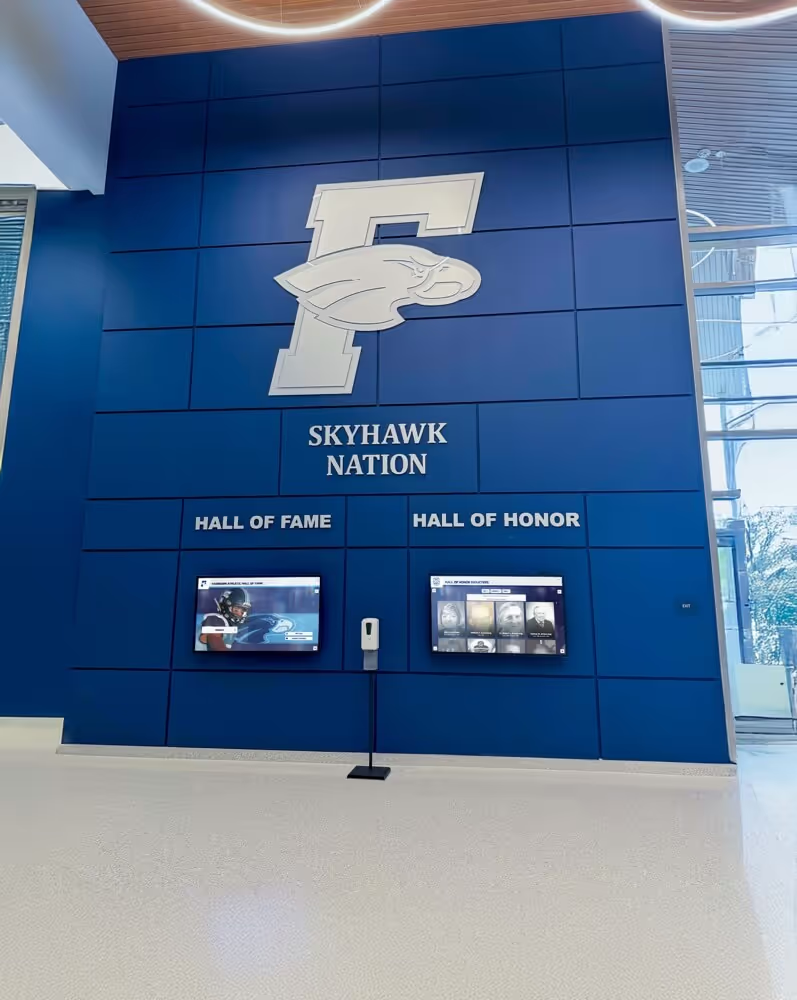
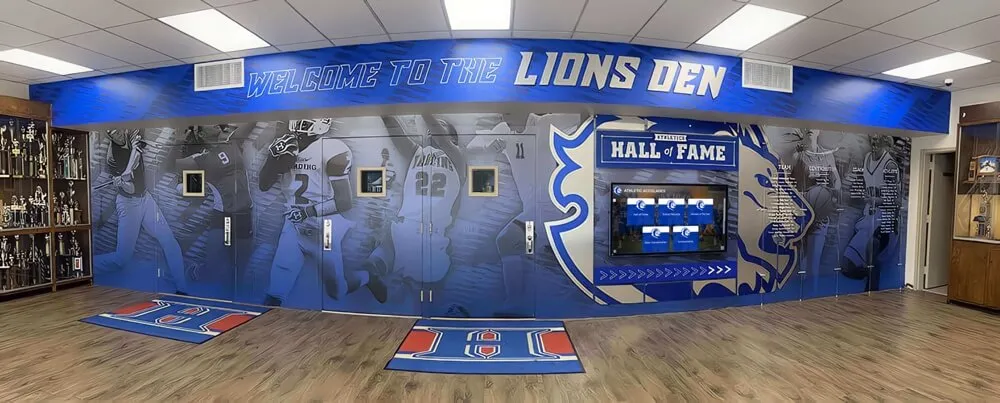
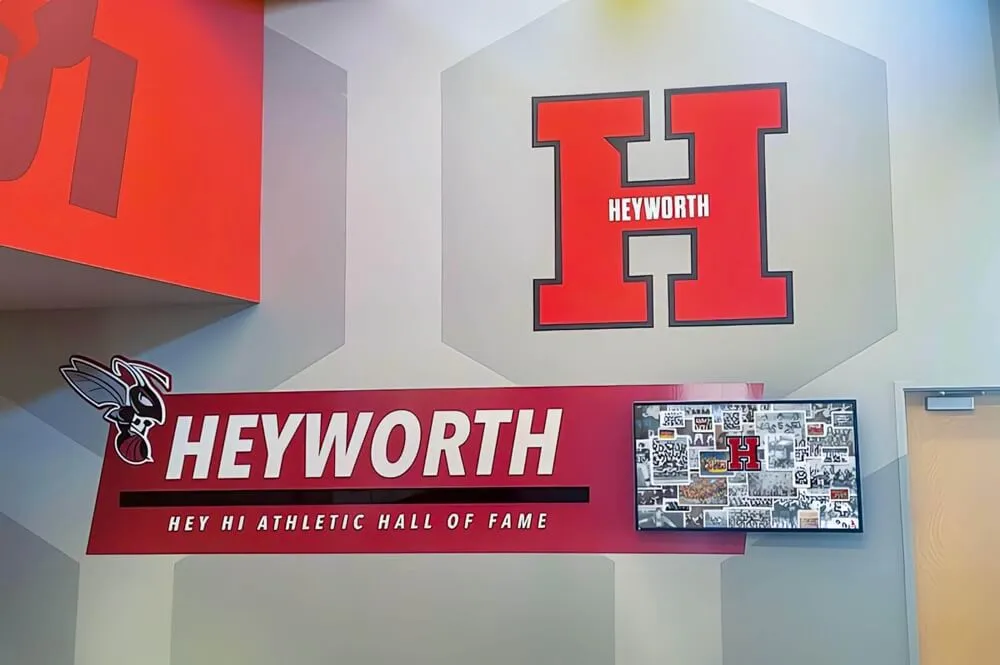
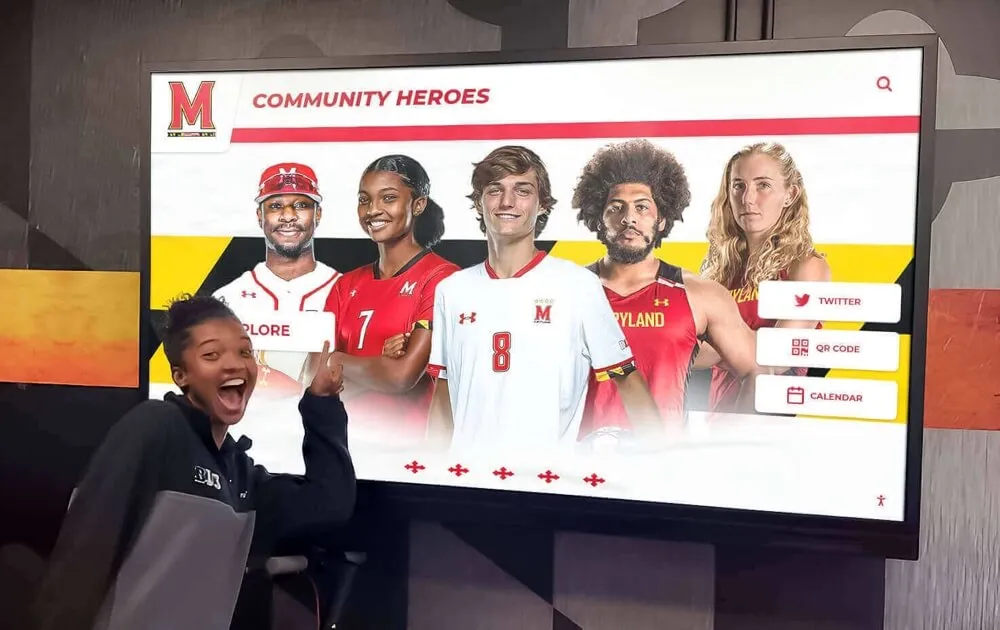
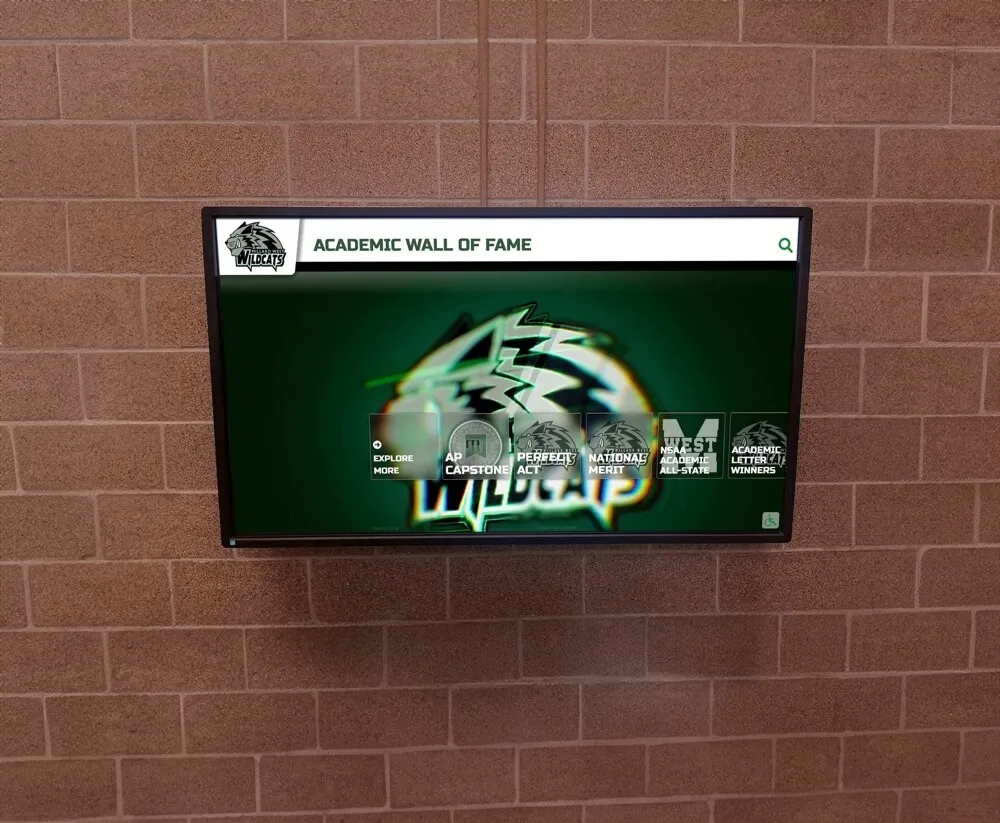
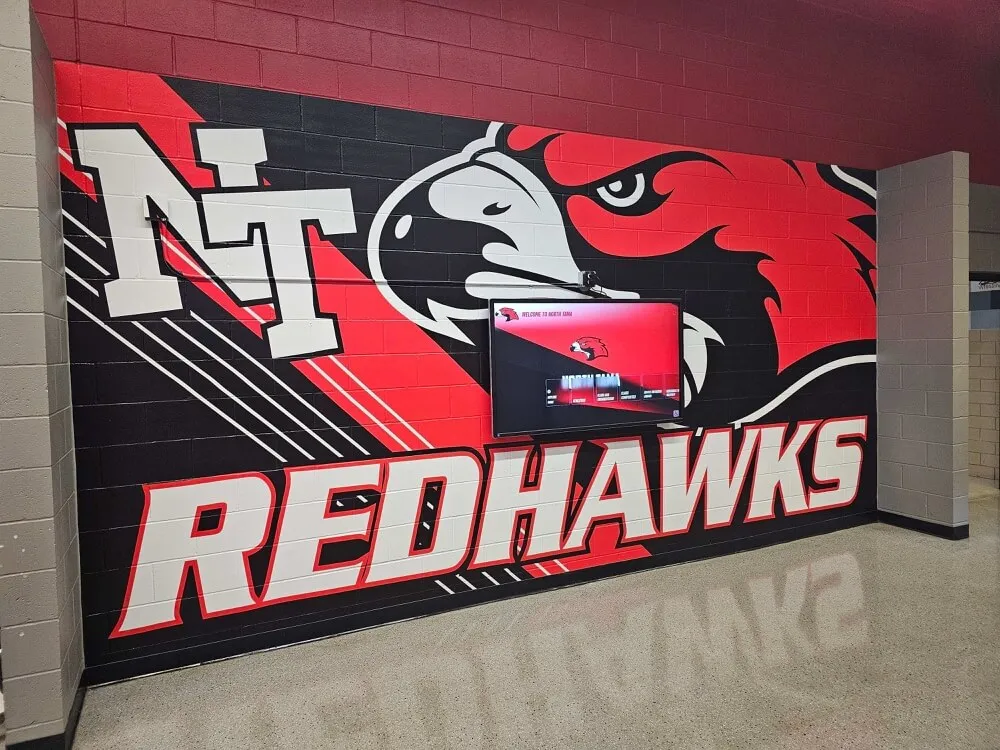
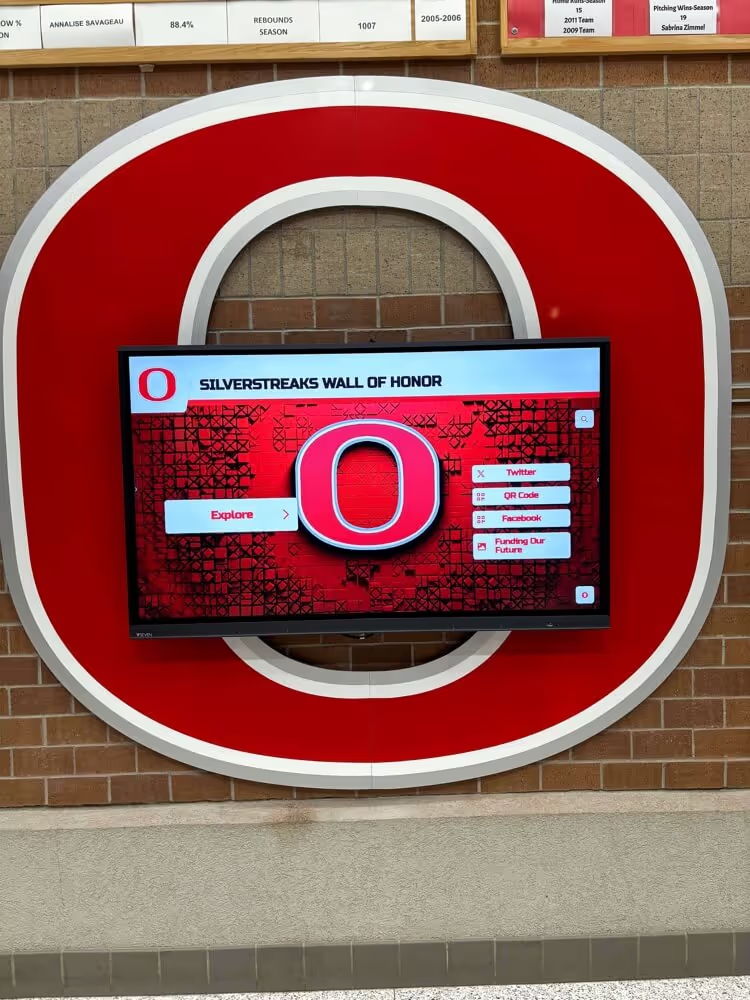
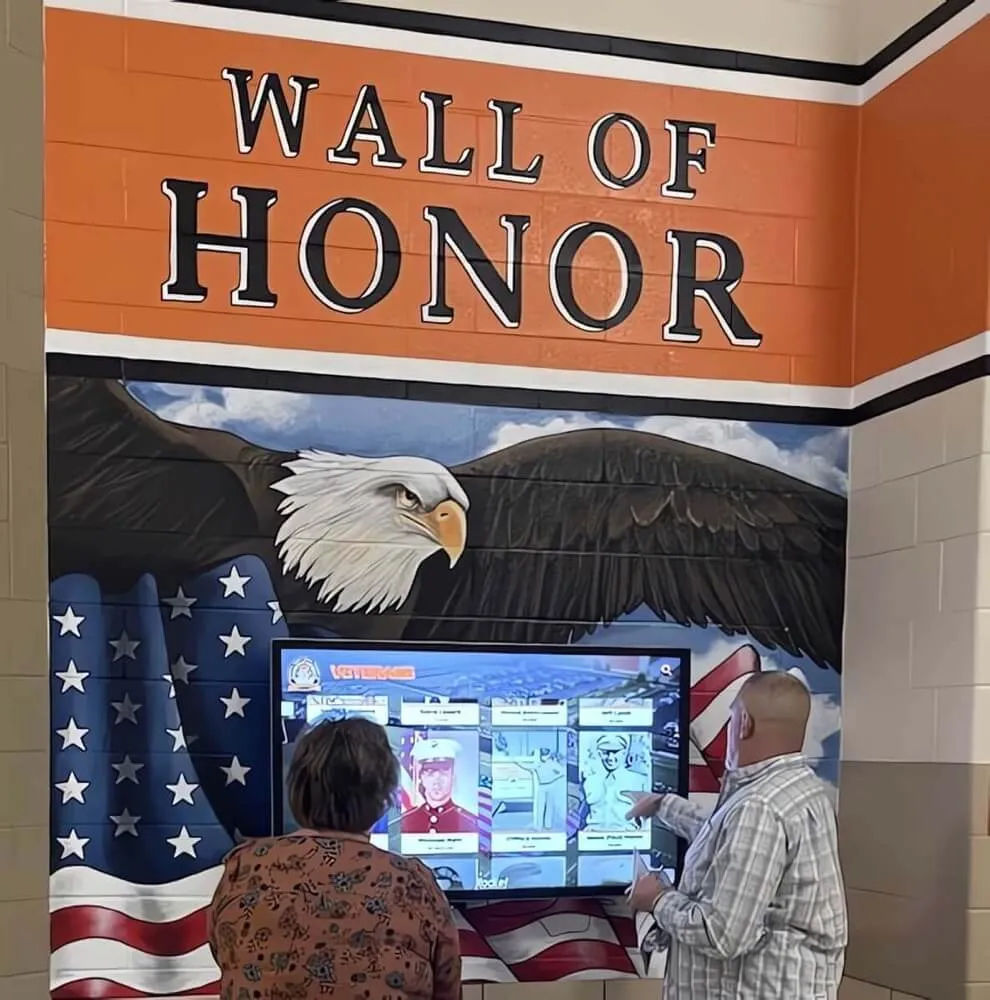
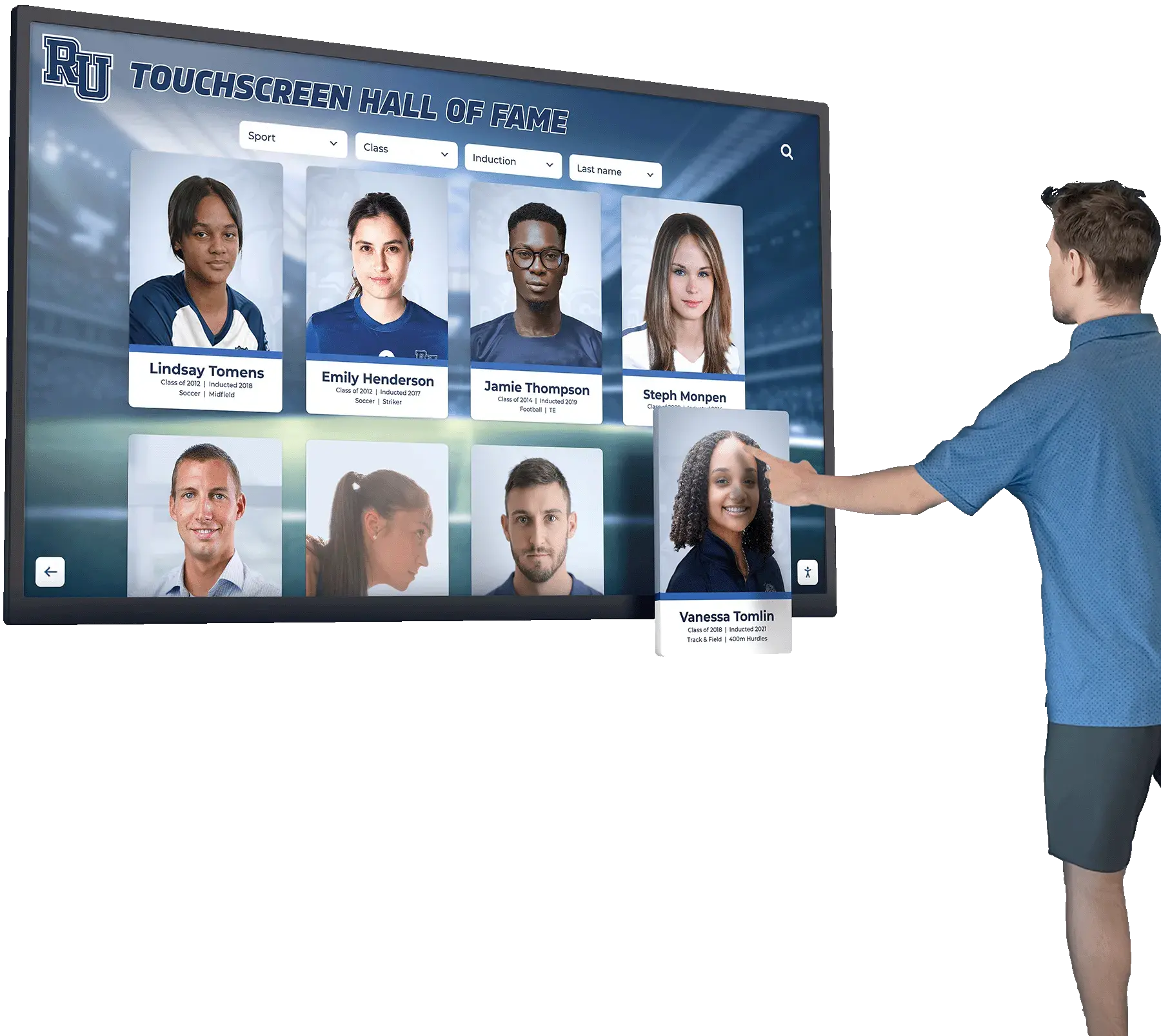
Digital Hall of Fame Systems Purpose-built platforms like Rocket Alumni Solutions transform how athletic departments celebrate excellence through interactive touchscreen displays showcasing athlete profiles, team championships, record performances, and program histories. These systems eliminate the space constraints and update challenges plaguing traditional trophy cases while creating engaging experiences where athletes, families, and communities explore recognition content.
Schools implementing digital recognition report significant improvements in athlete pride, community engagement, and program visibility as achievements receive dynamic celebration extending beyond static plaques collecting dust in forgotten hallways.
Social Media Management Platforms Tools like Spry, Sidearm Sports, and PrestoSports help athletic departments maintain robust social media presence, schedule content across multiple platforms, and engage communities through consistent digital communication showcasing athletic program vibrancy.
Recognition drives engagement, and engagement strengthens athletic communities—making recognition technology essential components of modern athletic administration.

Modern recognition tools enable administrators to efficiently celebrate achievements across all programs
Communication and Collaboration Solutions
Effective communication proves critical to athletic program success, requiring specialized tools managing complex stakeholder networks:
Multi-Channel Communication Platforms Athletic departments communicate with coaches, athletes, parents, officials, boosters, media, and community members through multiple channels. Platforms providing unified communication hubs enable consistent messaging while accommodating channel preferences—email for detailed information, text messages for urgent updates, mobile app notifications for real-time alerts, and social media for public engagement.
Emergency Communication Systems Athletic administrators bear responsibility for athlete safety requiring rapid emergency communication capabilities. Systems like RainedOut, Remind, and dedicated emergency notification platforms enable instant communication during weather delays, facility emergencies, or safety concerns affecting athletic activities.
Coaching Staff Collaboration Tools Platforms facilitating coaching staff coordination, playbook sharing, practice planning, and administrative task management strengthen coaching effectiveness while reducing administrative friction.
Compliance and Eligibility Management
Regulatory compliance represents non-negotiable athletic administration responsibilities requiring systematic approaches:
Eligibility Tracking Systems Managing academic eligibility, physical examinations, required paperwork, and participation clearances for hundreds of athletes across multiple seasons proves overwhelming without dedicated tracking systems. Platforms like Rank One, ArbiterSports, and specialized modules within comprehensive management systems automate eligibility monitoring, flag at-risk athletes, and ensure compliance with state association requirements.
Physical Examination and Health Records Management Digital management of athletic physical examinations, concussion protocols, injury documentation, and health records streamlines medical clearance processes while ensuring compliant record-keeping. Integration with eligibility systems creates comprehensive clearance workflows preventing ineligible participation.
Title IX Compliance Monitoring Schools face Title IX obligations requiring equitable treatment across gender in athletics. Software tracking participation numbers, budget allocation, facility access, recognition distribution, and other equity metrics helps administrators identify and address disparities while documenting compliance efforts. Understanding athletics equity across all programs ensures fair treatment and regulatory compliance.
Category 1: Scheduling and Event Management Software
Coordinating practices, competitions, facility usage, official assignments, and transportation across multiple teams and seasons represents perhaps the most time-consuming athletic administration responsibility.
1. Comprehensive Scheduling Platforms
ArbiterSports Scheduling ArbiterSports dominates high school and collegiate athletic scheduling with platforms managing game schedules, practice facility allocation, official assignments, and calendar coordination. The system integrates with state athletic associations, enables online schedule publishing, and coordinates complex multi-facility scheduling across sports and seasons.
Key Benefits: Centralized schedule management, automatic conflict detection, official assignment coordination, integration with state associations, mobile access for coaches and administrators.
Best For: High schools and collegiate athletic departments requiring comprehensive scheduling coordination across multiple facilities and dozens of teams.
2. Facility Management Software
eSoft Planner and Upper Hand Facility scheduling software prevents double-bookings, maximizes facility utilization, enables community rental coordination, and tracks maintenance schedules. These platforms ensure gyms, fields, weight rooms, and athletic facilities serve athletic program needs efficiently while potentially generating revenue through community rentals.
Key Benefits: Prevents scheduling conflicts, tracks facility maintenance, manages community rentals, generates utilization reports, enables online reservation systems.
Best For: Athletic departments managing multiple facilities with complex usage patterns and community access requirements.
3. Official Assignment and Management
ArbiterSports Officials Management Beyond scheduling, athletic administrators coordinate official assignments, certification tracking, payment processing, and performance evaluation. Specialized platforms manage official pools, automate assignment based on availability and certification, process payments, and maintain performance records informing future assignments.
Key Benefits: Automates official assignments, tracks certifications and availability, processes payments electronically, maintains performance records, reduces administrative coordination time.
Best For: Large athletic departments and conference administrators managing official assignments across numerous competitions.
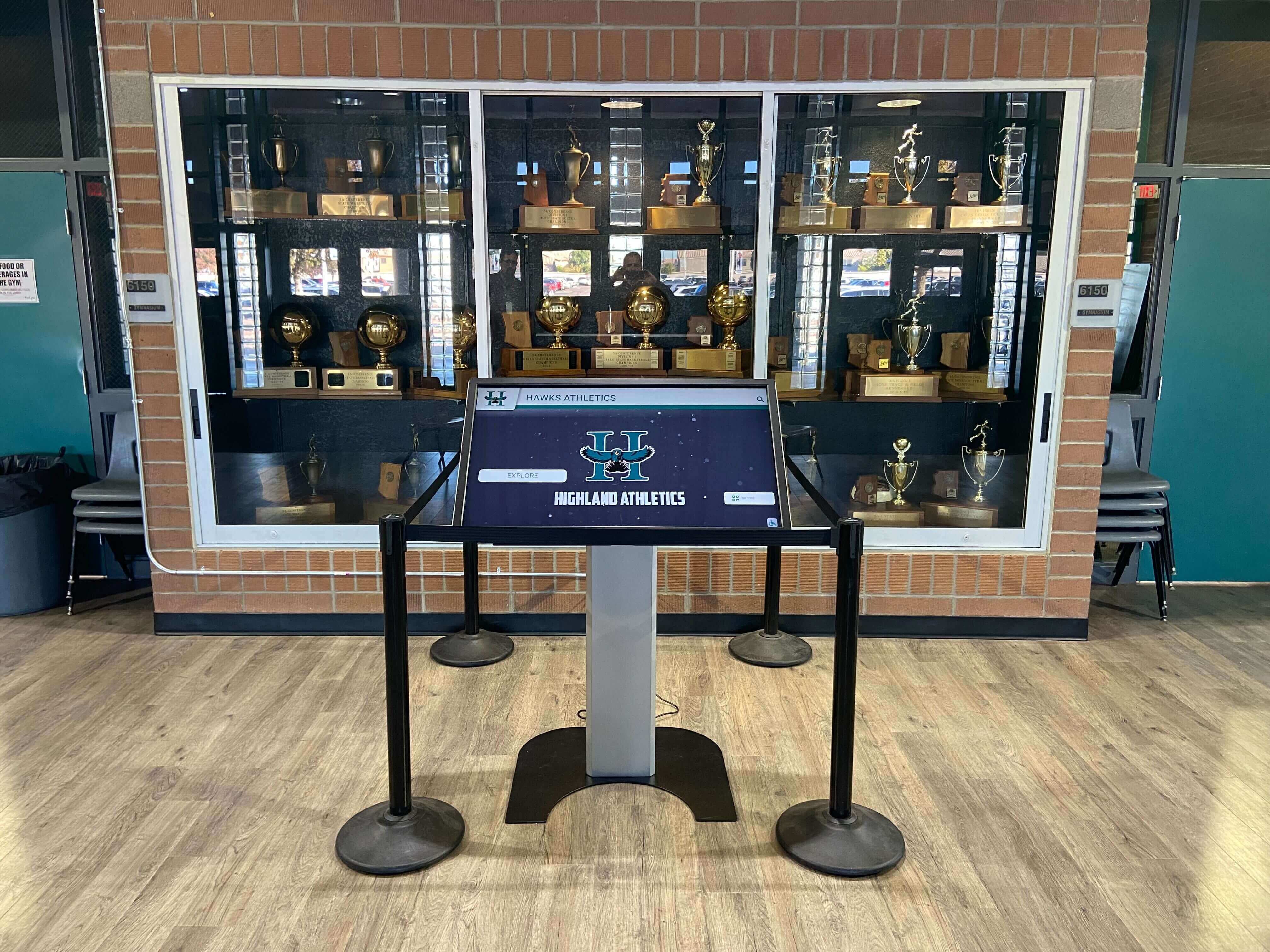
Digital scheduling tools create visibility into complex athletic department calendars
4. Transportation Coordination Tools
Software managing team transportation schedules, bus assignments, driver coordination, and travel planning streamlines logistics for away competitions. While often integrated within comprehensive platforms, dedicated transportation management proves valuable for athletic departments with extensive travel programs.
Key Benefits: Coordinates transportation logistics, manages driver schedules, tracks costs, ensures appropriate vehicle assignment, maintains compliance with transportation regulations.
Best For: Athletic programs with frequent away competitions and complex transportation needs.
5. Tournament and Event Management Systems
Tourney Machine, LeagueApps, and specialized tournament platforms help athletic directors host tournaments and events including bracket management, registration, scheduling, facility coordination, and result reporting. These tools transform complex event administration into manageable workflows.
Key Benefits: Automated bracket generation, online registration, real-time scoring and results, communications with participants, revenue management.
Best For: Athletic departments regularly hosting tournaments, showcases, or multi-team events.
Category 2: Registration and Eligibility Software
Managing athlete registration, eligibility verification, and participation clearance represents fundamental athletic administration responsibilities with significant compliance implications.
6. Comprehensive Registration Platforms
FamilyID, BigTeams Registration, and Bound provide digital registration replacing paper forms with online systems collecting athlete information, required documents, payment processing, and automated roster compilation. Modern registration platforms integrate with eligibility tracking, communication systems, and financial management.
According to BigTeams, comprehensive registration tools should include secure digital form collection, eligibility verification, automated roster compilation, integrated payment processing, and family account management reducing duplicate data entry for multi-athlete families.
Key Benefits: Eliminates paper forms, reduces data entry errors, integrates payment collection, compiles rosters automatically, maintains historical participation records.
Best For: Any athletic program requiring athlete registration—particularly beneficial for programs with large participation numbers and multi-sport athletes.
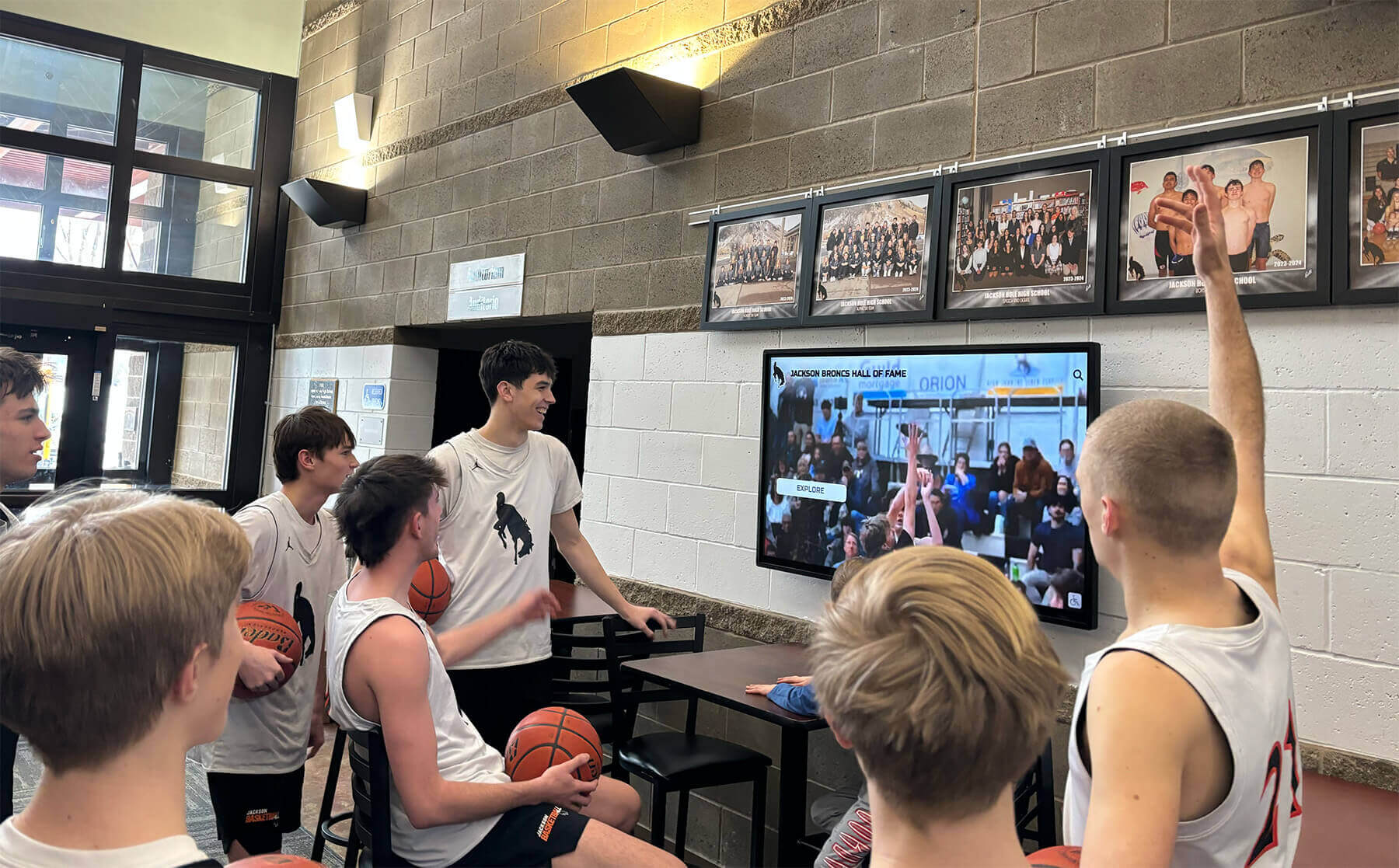
Digital registration systems streamline athlete participation clearance and roster management
7. Eligibility Tracking and Monitoring
Rank One, ArbiterSports Eligibility, and specialized eligibility modules within comprehensive platforms track academic performance, attendance requirements, disciplinary status, and regulatory compliance determining participation eligibility. Automated monitoring flags at-risk athletes enabling proactive intervention before eligibility loss.
Key Benefits: Automated eligibility monitoring, academic performance tracking, early warning systems, compliance reporting, state association integration.
Best For: High school athletic programs managing state association eligibility requirements and academic performance standards.
8. Physical Examination and Medical Clearance Systems
Magnus Health, DragonFly Medical Module, and specialized health management platforms digitize athletic physical examination documentation, concussion baseline testing, injury tracking, and medical clearance workflows. These systems ensure compliant documentation while streamlining medical clearance processes.
Key Benefits: Digital physical exam management, concussion protocol tracking, injury documentation, emergency contact access, medical history storage.
Best For: Athletic programs managing medical clearance requirements and health documentation for large athlete populations.
9. Parent and Guardian Consent Management
Digital consent collection platforms manage informed consent, photo release authorization, transportation permission, and other required approvals replacing paper forms with electronic workflows providing verification trails and simplified record-keeping.
Key Benefits: Electronic consent collection, automated reminders for incomplete forms, digital signature verification, organized document storage, audit trail maintenance.
Best For: Programs requiring extensive consent documentation and seeking to eliminate paper-based consent management.
10. Academic Progress Monitoring Integration
Integration with student information systems (PowerSchool, Infinite Campus, Skyward) enables athletic departments to monitor student-athlete academic performance, identify eligibility concerns, and coordinate support services. Direct integration eliminates manual grade collection while ensuring timely eligibility determinations.
Key Benefits: Real-time academic performance data, automated eligibility status updates, early identification of academic concerns, reduced manual data collection.
Best For: School athletic programs with student information system integration capabilities.
Category 3: Communication and Engagement Platforms
Athletic departments must maintain communication with diverse stakeholder groups while building community engagement around athletic programs.
11. Multi-Channel Communication Systems
Remind, FinalSite Communications, and TeamSnap provide platforms sending messages via email, SMS text, mobile app notifications, and social media posts from unified interfaces. These systems ensure consistent messaging while accommodating stakeholder communication preferences.
Key Benefits: Unified message composition, multi-channel distribution, group management, scheduled messaging, delivery confirmation, translation capabilities.
Best For: Athletic departments communicating with large, diverse stakeholder populations through various preferred channels.
12. Mobile App Platforms for Athletic Departments
Custom-branded mobile apps (through providers like Bound, FinalSite, VNN) give athletes, families, and communities mobile access to schedules, rosters, directions, notifications, live scoring, photo galleries, and recognition content. Mobile apps create engagement hubs accessible wherever stakeholders are.
Key Benefits: Centralized information access, push notification capabilities, offline schedule access, live event updates, photo and video sharing, recognition content distribution.
Best For: Athletic programs seeking to maximize community engagement through mobile-first approaches.

Mobile platforms extend athletic program engagement beyond campus facilities
13. Emergency Notification and Weather Alert Systems
RainedOut, MaxPreps Alerts, and emergency notification modules enable rapid communication during weather emergencies, facility closures, schedule changes, or safety concerns. Immediate stakeholder notification prevents confusion and ensures safety.
Key Benefits: Instant mass notification, weather monitoring integration, automated alerts based on conditions, multiple distribution channels, confirmed delivery tracking.
Best For: Athletic programs in regions with frequent weather-related schedule disruptions or requiring rapid emergency communication.
14. Social Media Management for Athletics
Spry, Presto Social, and Hootsuite help athletic departments maintain consistent social media presence celebrating achievements, promoting events, engaging communities, and building program visibility. Scheduling tools enable planned content publishing while analytics measure engagement effectiveness.
Key Benefits: Multi-platform content scheduling, content calendar management, engagement analytics, brand consistency tools, team collaboration features.
Best For: Athletic departments prioritizing social media engagement and seeking efficient multi-platform management.
15. Website Management and Content Systems
Athletic-specific website platforms (through Sidearm Sports, PrestoSports, FinalSite) provide templates, content management systems, schedule integration, roster presentation, news publishing, and photo galleries optimized for athletic program websites. Professional web presence strengthens program reputation and provides information hubs for communities.
Key Benefits: Athletic-focused templates, automated schedule integration, roster management, statistics presentation, mobile-responsive design, search optimization.
Best For: Athletic programs requiring professional web presence without extensive technical expertise or development resources.
Category 4: Financial Management and Fundraising Tools
Athletic administrators manage significant budgets, process payments, coordinate fundraising, track expenses, and maintain financial accountability requiring specialized financial tools.
16. Budget Management and Expense Tracking
Athletic department budget management modules (within comprehensive platforms or standalone tools like QuickBooks for Athletics) track budget allocations by sport, monitor spending against budgets, manage purchase orders, process invoices, and generate financial reports demonstrating fiscal responsibility.
Key Benefits: Sport-specific budget tracking, real-time spending visibility, automated budget vs. actual reporting, purchase approval workflows, expense categorization.
Best For: Athletic departments managing significant budgets and requiring detailed financial tracking and accountability.
17. Online Payment and Fee Collection Systems
Payment processing platforms (through Stripe, PayPal, or integrated within registration systems) enable online collection of participation fees, tournament registrations, ticket sales, spirit wear purchases, and other athletic-related payments. Electronic payment reduces administrative burden while improving collection rates.
Key Benefits: Secure online payment processing, automated receipt generation, integrated financial reporting, reduced cash handling, improved collection efficiency.
Best For: Any athletic program collecting fees, selling tickets, or managing financial transactions with families and community members.
18. Fundraising and Booster Club Management
Booster club management platforms like GiveCampus, Double the Donation, and SportsEngine Fundraising coordinate athletic fundraising campaigns, manage donor relationships, process contributions, generate tax documentation, and track fundraising progress supporting athletic program funding.
Key Benefits: Online donation processing, campaign management tools, donor relationship tracking, automated tax receipts, fundraising analytics.
Best For: Athletic programs relying on booster support and community fundraising supplementing institutional budgets.
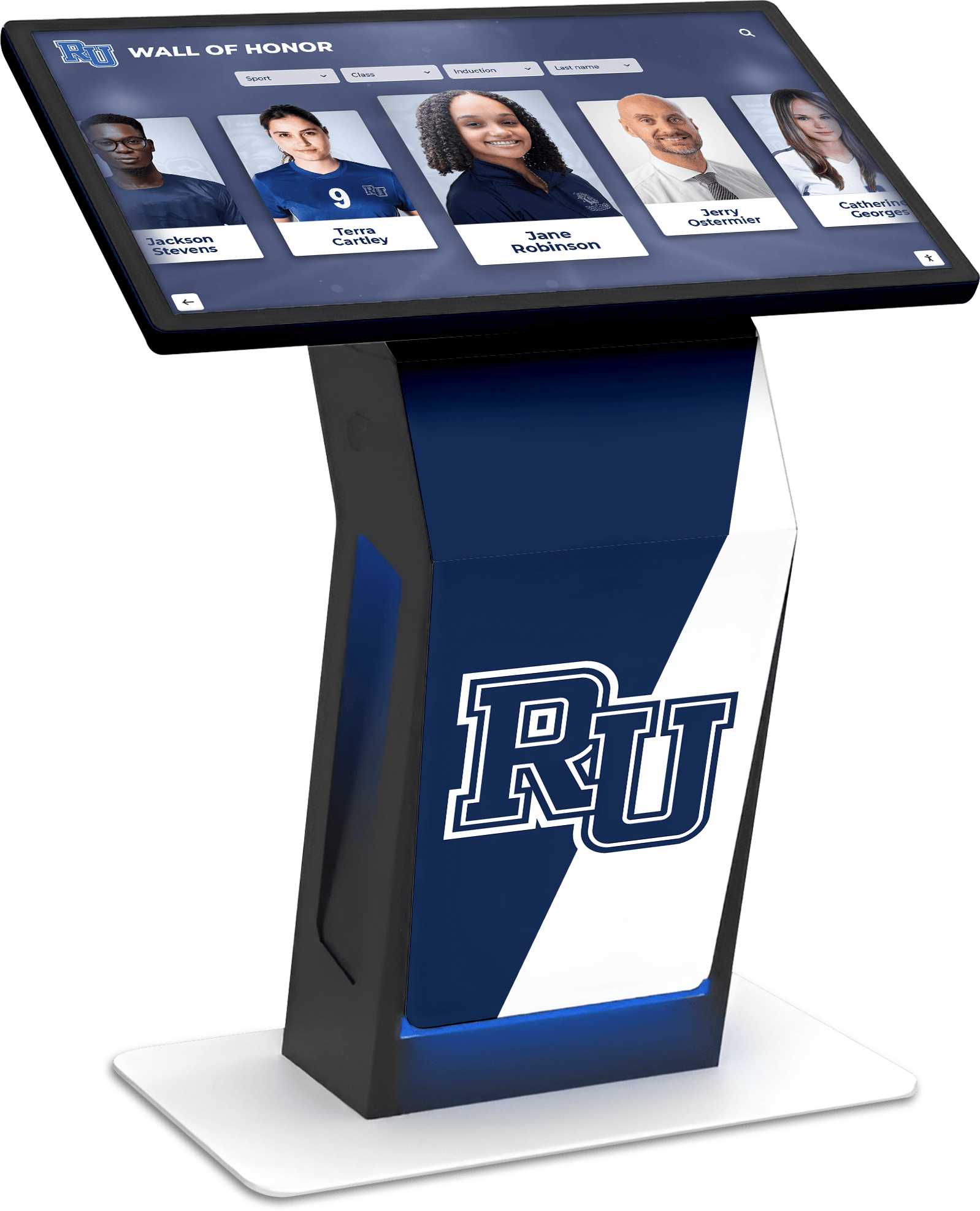
Recognition platforms help acknowledge donors and supporters strengthening fundraising relationships
19. Sponsorship Management Systems
Sponsorship coordination tools manage corporate sponsor relationships, coordinate advertising placements, track deliverables, process payments, and maintain sponsor recognition ensuring commitments are fulfilled while acknowledging supporter contributions. Solutions like Rocket Alumni Solutions enable digital sponsorship recognition on recognition displays.
Key Benefits: Sponsor relationship tracking, deliverable management, revenue monitoring, automated invoicing, recognition coordination.
Best For: Athletic programs with significant sponsorship revenue requiring systematic relationship and obligation management.
20. Financial Aid and Scholarship Administration
Scholarship management platforms track available athletic aid, manage award allocation, process applications, maintain compliance with aid regulations, and coordinate financial aid communication with families and financial aid offices.
Key Benefits: Award allocation tracking, compliance monitoring, application processing, financial aid calculation tools, communication management.
Best For: Collegiate athletic programs and private high schools managing substantial athletic scholarship or financial aid programs.
Category 5: Compliance and Risk Management Software
Regulatory compliance, risk mitigation, and liability management require systematic approaches supported by specialized software tools.
21. Title IX Compliance Monitoring
Title IX compliance platforms track participation by gender, budget allocation, facility access, scholarship distribution, recognition equity, and other metrics required for Title IX compliance. Tools like the athletics equity checklist approach help administrators systematically evaluate and document equitable treatment.
Key Benefits: Automated equity metric tracking, participation counting, budget analysis by gender, disparity identification, documentation generation for compliance reporting.
Best For: Educational institutions managing Title IX compliance obligations across athletic programs.
22. Safety and Incident Reporting Systems
Incident documentation platforms capture injury reports, safety concerns, facility issues, misconduct allegations, and other incidents requiring documentation and follow-up. Systematic reporting ensures appropriate response, maintains liability protection, and identifies patterns requiring preventive action.
Key Benefits: Standardized incident reporting, workflow management for responses, documentation storage, pattern identification, liability protection.
Best For: Athletic programs prioritizing comprehensive safety and risk management documentation.
23. Concussion Protocol Management
Concussion management platforms like Sway, ImPACT, and specialized modules coordinate baseline testing, post-injury assessment, return-to-play protocols, and medical clearance tracking ensuring athlete safety while maintaining compliance with concussion management requirements.
Key Benefits: Baseline test administration and storage, post-injury comparison, return-to-play protocol tracking, medical clearance documentation, compliance reporting.
Best For: Athletic programs managing concussion protocol requirements and athlete head injury safety.
24. Background Check and Coach Credentialing Systems
Credential management platforms track coaching certifications, background check status, CPR/First Aid certification, rules meeting attendance, and other credentialing requirements ensuring qualified coaching staff and regulatory compliance.
Key Benefits: Credential expiration tracking, automated renewal reminders, background check coordination, certification verification, compliance documentation.
Best For: Athletic departments managing numerous coaching staff and volunteer credentials.
25. Insurance and Liability Management Tools
Athletic insurance tracking systems manage coverage verification, catastrophic insurance enrollment, claim documentation, waiver collection, and liability management supporting athletic program risk mitigation.
Key Benefits: Insurance coverage tracking, claim documentation, waiver management, athlete enrollment verification, policy document storage.
Best For: Athletic programs managing complex insurance requirements and seeking comprehensive liability risk management.
Category 6: Performance and Team Management Solutions
Coaches and athletic departments increasingly use technology supporting athlete development, performance tracking, and team coordination.
26. Athletic Performance Tracking Systems
Performance monitoring platforms like Teamworks, TeamBuildr, and Bridge Athletic provide strength and conditioning program management, workout tracking, performance testing, nutrition planning, and athlete development monitoring supporting systematic athletic improvement.
Key Benefits: Workout program delivery, performance data tracking, progress monitoring, athlete engagement tools, sports science integration.
Best For: Athletic programs with strength and conditioning programs seeking systematic athlete development coordination.
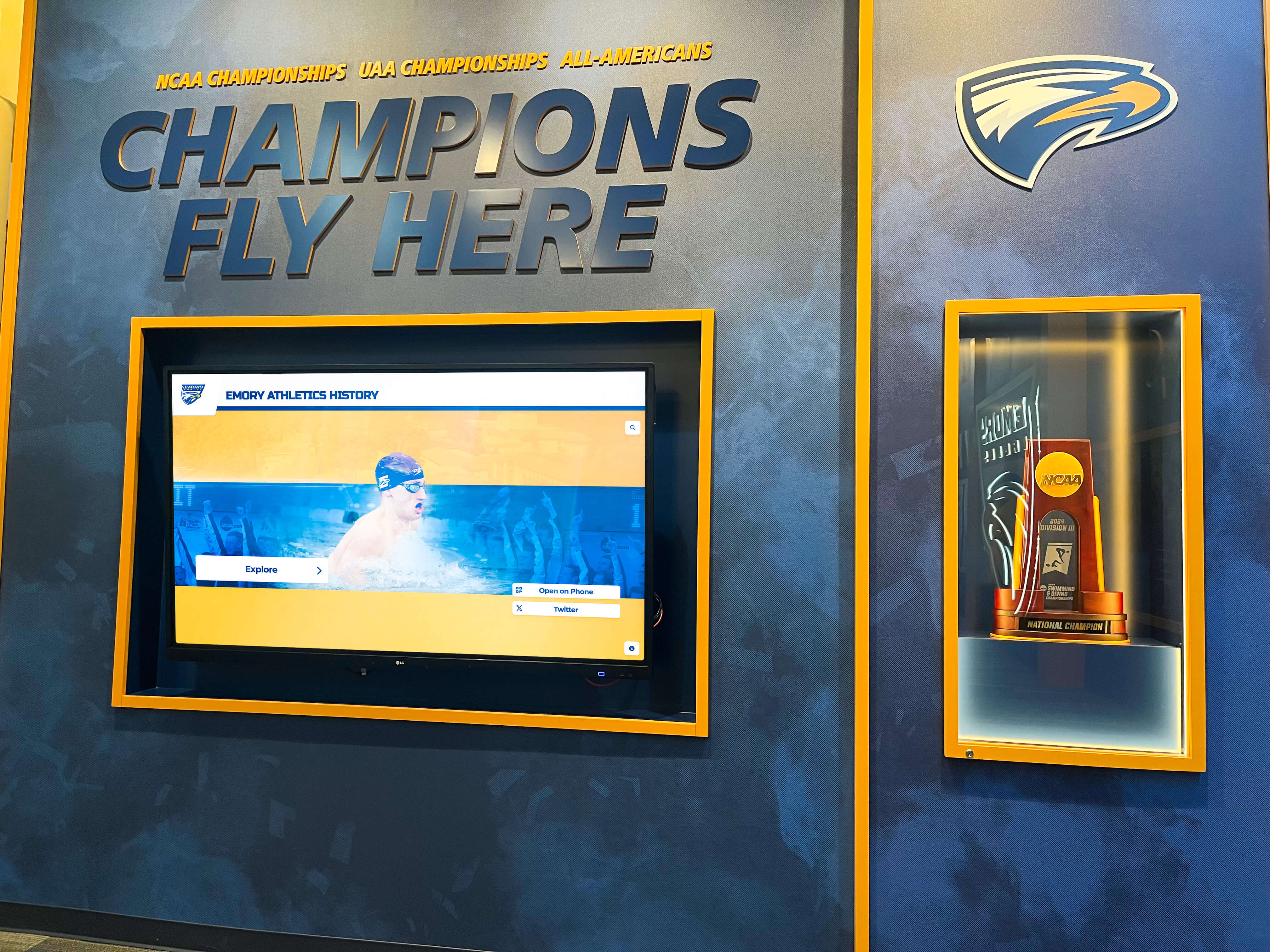
Performance tracking systems help teams reach championship levels while recognition platforms celebrate achievements
27. Video Analysis and Coaching Tools
Video analysis platforms like Hudl, Krossover, and Coach’s Eye enable film study, performance analysis, skill development, game planning, and player evaluation through video capture, organization, breakdown, and sharing tools transforming coaching effectiveness.
Key Benefits: Video capture and organization, play tagging and compilation, performance analytics, team and athlete film sharing, recruiting highlight creation.
Best For: Competitive athletic programs prioritizing video analysis for athlete development and game strategy.
28. Recruiting Coordination Platforms
Recruiting management systems for college programs like Front Rush, ARMS, and RecruitBop coordinate prospect identification, communication tracking, campus visit scheduling, evaluation management, and recruiting compliance documentation streamlining complex recruiting operations.
Key Benefits: Prospect database management, communication tracking, evaluation coordination, visit scheduling, NCAA compliance monitoring.
Best For: College athletic programs managing significant recruiting operations across multiple sports.
29. Team Communication and Collaboration Tools
Team-specific platforms like TeamSnap, SportsEngine, and messaging tools facilitate roster management, carpool coordination, snack schedule organization, practice communication, and team-level coordination supporting individual team operations within broader athletic departments.
Key Benefits: Roster management, schedule sharing, availability tracking, group messaging, photo sharing, volunteer coordination.
Best For: Individual teams and coaches seeking organized team communication and coordination tools.
30. Athletic Recognition and Digital Hall of Fame Systems
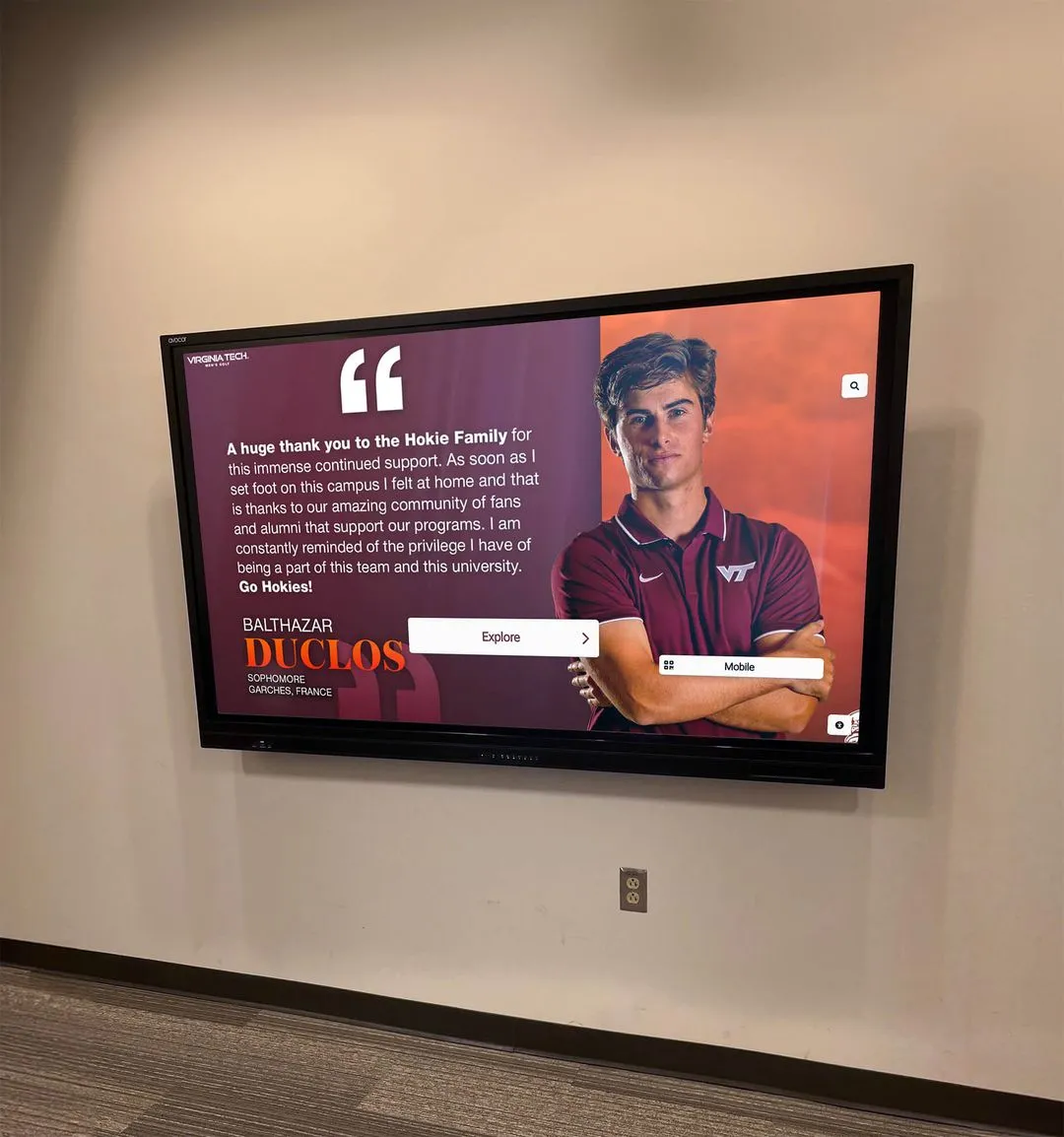
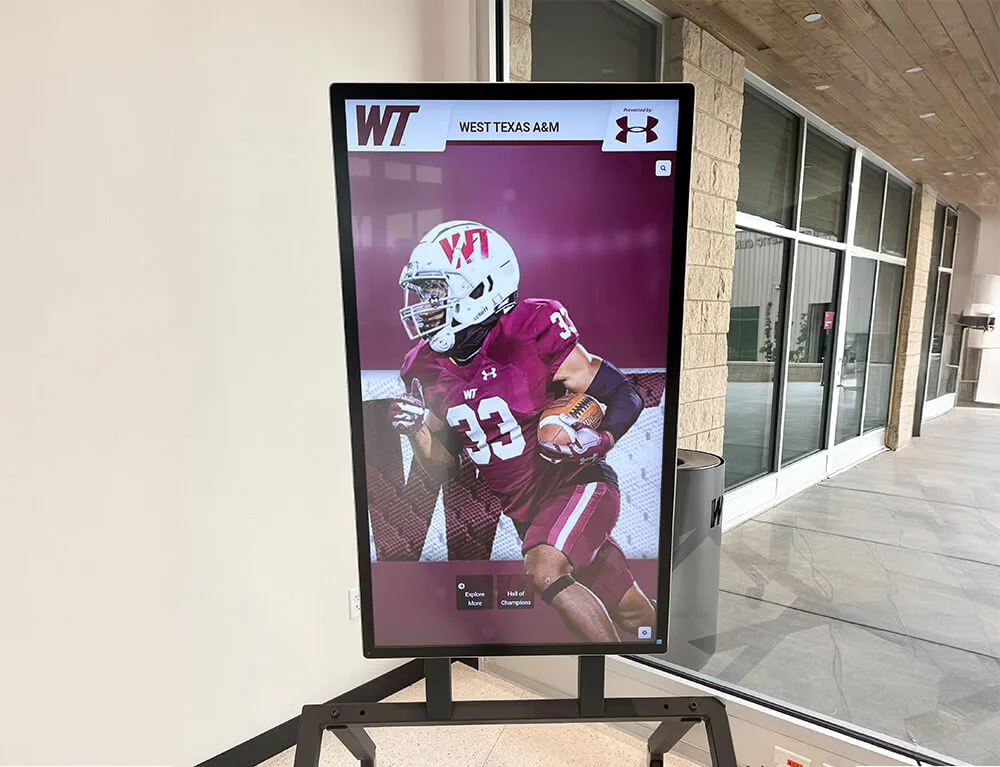
Digital recognition platforms like Rocket Alumni Solutions create vibrant athletic community engagement through interactive touchscreen displays celebrating athlete achievements, team championships, record performances, program histories, and distinguished alumni. These systems eliminate space constraints while creating engaging experiences strengthening athletic community connections.
Recognition technology serves essential administrative functions beyond simple achievement celebration. Digital platforms document program histories preserving institutional memory, provide recruitment showcase materials demonstrating competitive excellence, support fundraising by celebrating donor and sponsor support, and build community pride motivating continued engagement and support.
Schools implementing comprehensive digital hall of fame displays report athletes feel more valued, communities engage more deeply with athletic programs, alumni maintain stronger connections, and overall program culture strengthens as achievements receive dynamic celebration rather than static plaque acknowledgment.
Key Benefits: Unlimited recognition capacity, engaging interactive displays, simplified content management, ADA compliance and web accessibility, social sharing capabilities, recruitment showcase materials, historical preservation.
Best For: Athletic departments seeking to build vibrant, engaged athletic communities while celebrating excellence across all sports equitably.

Interactive recognition systems create engaging experiences celebrating athletic excellence
Evaluating and Selecting Athletic Administration Software
The abundance of software options creates selection challenges for athletic administrators balancing capabilities, costs, implementation complexity, and staff capacity.
Assessment and Needs Analysis
Identify Primary Pain Points Begin by cataloging current administrative challenges consuming excessive time, creating compliance concerns, frustrating stakeholders, or preventing desired program improvements. Software selection should prioritize solving actual problems rather than acquiring interesting capabilities lacking practical application.
Evaluate Current System Gaps Assess existing tools, identify functionality gaps, determine integration requirements, and understand which needs remain unmet. Comprehensive platforms may consolidate multiple existing tools, or specialized solutions might fill specific capability gaps.
Consider Staff Technical Capacity Honestly evaluate staff technical sophistication, training time availability, change management capacity, and ongoing learning willingness. Sophisticated platforms with extensive capabilities prove worthless if staff cannot effectively implement and use them.
Assess Budget Realities Beyond initial acquisition costs, consider total ownership costs including implementation, training, annual subscriptions, ongoing support, and inevitable future upgrades. Software proving unaffordable after the first year creates worse situations than not implementing at all.
Platform Evaluation Criteria
Integration Capabilities Athletic administration works best through connected systems sharing data and eliminating duplicate entry. Evaluate software integration with existing student information systems, financial platforms, communication tools, and other essential systems. According to athletic management software research, seamless integration proves critical for efficient operations.
Ease of Use and Training Requirements Interface intuitiveness, learning curve steepness, training availability, documentation quality, and user support responsiveness significantly impact software success. Complex platforms requiring extensive training may overwhelm smaller departments with limited staff.
Vendor Support and Reliability Investigate vendor stability, customer support quality, implementation assistance, ongoing training, update frequency, and customer satisfaction. Athletic administration software requires reliable vendors providing responsive support when issues arise.
Scalability and Growth Accommodation Select platforms accommodating program growth, adding sports or participants, expanding functionality, and evolving needs without requiring complete platform replacement. Software fitting current needs but incapable of scaling proves expensive in the long term.
Data Portability and Ownership Understand data ownership, export capabilities, migration support, and portability ensuring you can move data if changing platforms becomes necessary. Avoid software trapping data within proprietary systems creating vendor lock-in.
Implementation Best Practices
Phased Rollout Approaches Implementing multiple new systems simultaneously overwhelms staff and invites failure. Prioritize highest-impact tools, implement systematically, ensure adoption and proficiency, then proceed to additional tools. Successful technology adoption requires manageable change introduction.
Comprehensive Training Investment Allocate sufficient time and resources for staff training ensuring confident system use. Training represents investment, not expense—undertrained staff underutilize software negating capability benefits.
Stakeholder Communication and Change Management Communicate software changes to affected stakeholders, explain benefits and changes to expect, provide necessary training or orientation, and gather feedback enabling continuous improvement. Technology transitions affect workflows requiring supportive change management.
Regular Review and Optimization Schedule periodic software utilization reviews assessing whether tools deliver expected value, identifying underutilized features deserving attention, determining whether capabilities match evolving needs, and making adjustments optimizing technology investment returns.
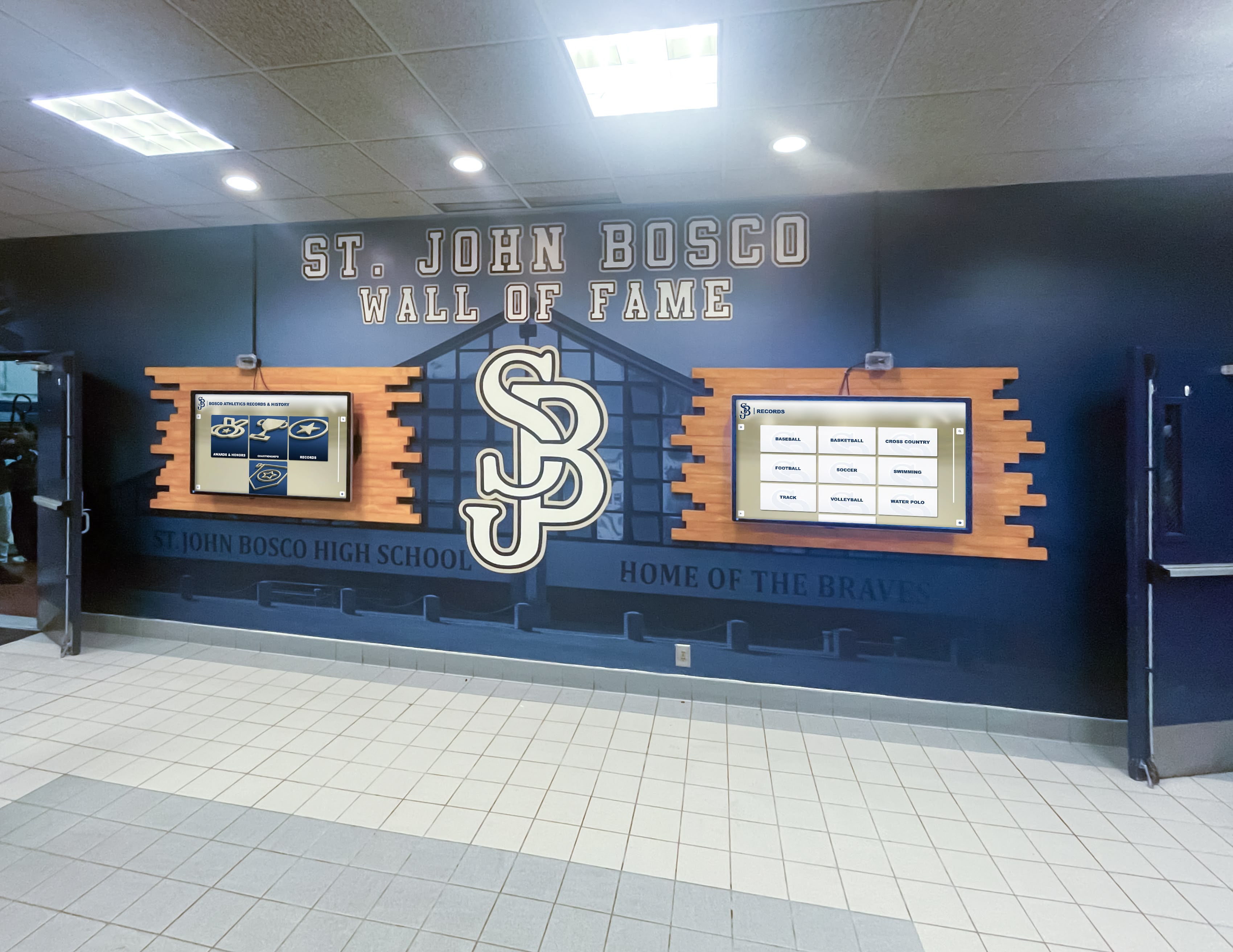
Coordinated software systems create efficiency enabling administrators to focus on program development
Creating Digital Warming Through Athletic Administration Technology
The concept of digital warming describes technology’s potential to strengthen rather than replace human connections—transforming cold, impersonal digital experiences into warm, personalized engagement building vibrant communities. Athletic administration software creates digital warming effects when thoughtfully implemented:
Eliminating Administrative Burden Enables Relationship Focus Software automating routine tasks—eligibility tracking, schedule coordination, payment processing, communication distribution—frees administrator time for activities that truly require human touch: coaching support, athlete mentorship, community relationship building, and program development.
Creating Accessibility Strengthens Inclusion Technology extending athletic program visibility and accessibility—through mobile apps accessing recognition, online registration eliminating paper barriers, multi-language communication, digital accessibility accommodations—ensures all community members can engage regardless of physical location, language, abilities, or technical sophistication.
Recognition Technology Amplifies Achievement Celebration Digital recognition platforms transform achievement celebration from static plaques few notice into dynamic experiences engaging entire communities. When athletes see accomplishments celebrated prominently, families share recognition through social networks, and alumni maintain connections through continued recognition visibility, technology creates warming effects strengthening program culture and community bonds.
Data Visibility Enables Equity and Improvement Software surfacing data about participation rates, resource allocation, recognition distribution, and program outcomes enables administrators to identify and address inequities ensuring fair treatment across all sports. Understanding athletics equity patterns helps create programs where all athletes feel valued regardless of sport popularity.
Communication Technology Maintains Connection Multi-channel communication platforms enable consistent stakeholder engagement—celebrating achievements, sharing updates, coordinating logistics, building excitement—maintaining the steady communication flow keeping communities connected and informed. When executed thoughtfully, communication technology strengthens rather than replaces personal relationships.
Measuring Software Implementation Success
Systematic evaluation ensures technology investments deliver intended benefits and justify continued resource allocation:
Efficiency and Time Savings Metrics
Administrative Time Allocation Analysis Track time spent on routine administrative tasks before and after software implementation. Successful tools should demonstrate measurable time reductions on activities like eligibility checking, schedule coordination, payment processing, and communication distribution.
Error Rate and Compliance Improvements Monitor eligibility errors, scheduling conflicts, communication failures, compliance violations, and other quality metrics affected by software implementation. Effective systems should reduce errors while improving compliance confidence.
Stakeholder Self-Service Adoption Measure rates at which families, coaches, and athletes complete self-service tasks—online registration, communication preferences, schedule access, payment processing—rather than requiring staff assistance. High self-service adoption indicates successful software deployment reducing administrative burden.
Engagement and Satisfaction Indicators
Stakeholder Satisfaction Surveys Regularly survey coaches, athletes, families, and community members about athletic program communication effectiveness, information accessibility, registration convenience, and overall satisfaction. Technology should improve stakeholder experiences, not create frustration.
Community Engagement Metrics For recognition and engagement platforms, track interaction frequency, content exploration depth, social sharing activity, and return visit patterns. Platforms creating digital warming should demonstrate measurable engagement increases as communities connect more deeply with athletic programs.
Staff Satisfaction and Burden Assessment Survey athletic staff about workload manageability, technology helpfulness, stress levels, and job satisfaction. Technology reducing workload and frustration while enabling focus on meaningful work demonstrates successful implementation.
Financial and Program Impact
Budget Management Improvements Assess financial tracking accuracy, budget variance reduction, spending visibility improvements, and financial control confidence. Financial management software should demonstrate clear accountability and management improvements.
Fundraising and Revenue Effects For fundraising and sponsorship platforms, track contribution totals, donor retention, sponsorship revenue, and community support trends. Effective tools should demonstrate positive impacts on program funding.
Program Growth and Participation Monitor athlete participation trends, program expansion, new sport additions, and overall athletic program growth. While many factors influence growth, successful technology implementations should support rather than hinder program development.

Comprehensive software systems support athletic program excellence and growth
Common Implementation Challenges and Solutions
Understanding typical obstacles enables proactive planning and successful navigation:
Technical Integration Difficulties
Challenge: New software fails to integrate with existing student information systems, financial platforms, or other essential tools creating data silos and duplicate entry requirements.
Solution: Prioritize vendors demonstrating integration experience with your specific existing systems. Request references from schools using similar technology ecosystems. Consider integration specialists or consultants for complex implementation. Budget for custom integration development when necessary.
Staff Resistance and Adoption Barriers
Challenge: Staff resist new systems preferring familiar processes, lack confidence with technology, or feel overwhelmed by change creating poor adoption and underutilization.
Solution: Involve staff in selection processes gathering input and building ownership. Provide comprehensive training beyond initial implementation. Identify technology champions within staff supporting peer adoption. Start with highly motivated early adopters demonstrating success before broader rollout.
Budget Constraints and Funding Limitations
Challenge: Desired software exceeds available budgets, creating difficult choices between capabilities and affordability.
Solution: Prioritize highest-impact tools addressing most significant pain points. Seek phased implementation spreading costs across multiple budget years. Explore grant funding, booster support, or sponsorship offsetting technology costs. Consider free or low-cost alternatives for less-critical functionality. Evaluate total ownership costs including time savings and error reduction.
Vendor Reliability and Support Issues
Challenge: Vendors provide inadequate implementation support, unresponsive technical assistance, or unreliable platforms creating frustration and regret.
Solution: Conduct thorough vendor due diligence including reference checks with multiple current customers. Request trial periods or pilot implementations before full commitment. Understand service level agreements and support provisions. Consider vendor financial stability and customer base size. Verify implementation support quality rather than relying solely on product capabilities.
Data Migration and Historical Records
Challenge: Existing data in spreadsheets, paper records, or legacy systems proves difficult to migrate into new platforms creating incomplete implementations or extensive manual entry requirements.
Solution: Evaluate platforms’ data import capabilities during selection. Budget time and resources for data cleanup and migration. Consider starting with current year data while gradually adding historical information. Engage vendors or consultants with migration expertise for complex transitions. Accept that some historical data may require manual entry or remain in reference-only archive systems.
Transform Your Athletic Program Through Modern Technology
Discover how purpose-built recognition and engagement platforms create vibrant athletic communities celebrating excellence while supporting administrative efficiency and program growth.
Schedule Your DemoConclusion: Technology Supporting Human-Centered Athletic Administration
The 30 software categories explored in this guide represent the mature technology ecosystem supporting modern athletic administration across scheduling, eligibility, communication, financial management, compliance, performance tracking, and recognition. These tools transform administrative burden into manageable workflows, reduce errors, improve compliance confidence, strengthen stakeholder communication, and free administrators to focus on activities requiring genuine human expertise—supporting coaches, mentoring athletes, building community relationships, and developing excellent athletic programs.
Technology selection should align with specific program needs, staff capabilities, budget realities, and community contexts rather than pursuing comprehensive implementations exceeding organizational capacity. The best software proves to be tools you actually use effectively, not impressive platforms remaining underutilized due to complexity or poor fit.
Athletic administration software creates the most value when it enables what we call digital warming—strengthening rather than replacing human connections and building vibrant, engaged athletic communities. Recognition platforms celebrating achievements across all sports equitably, communication tools maintaining consistent community engagement, mobile apps extending program visibility beyond campus, and administrative platforms eliminating routine task burden all contribute to warmer, more connected athletic programs where athletes feel valued, communities stay engaged, and excellence receives appropriate celebration.
Begin your software selection journey by honestly assessing current pain points consuming excessive time or creating significant challenges. Prioritize tools addressing these specific problems with clear value propositions justifying investment. Implement systematically through phased approaches preventing staff overwhelm. Measure results demonstrating value and informing future technology decisions. Most importantly, remember that technology serves your athletic program and community—not the reverse—with successful implementation measured by stronger relationships, deeper engagement, and better experiences for the athletes and communities you serve.
Whether implementing first digital systems or optimizing existing technology ecosystems, thoughtful software selection and implementation creates athletic departments operating more efficiently, complying more confidently, communicating more effectively, and celebrating achievements more meaningfully. Your athletic program deserves tools supporting excellence while building the warm, connected communities where every athlete, coach, and supporter feels valued and engaged.
Ready to explore how recognition technology strengthens athletic communities? Learn about comprehensive digital hall of fame systems, discover athletic recognition best practices, or schedule a consultation to discuss your athletic program’s specific needs and opportunities.