Senior night ceremonies represent defining moments in athletic programs—occasions where schools pause competition to honor athletes whose dedication shaped team culture, established performance standards, and demonstrated commitment through years of early practices, challenging workouts, and competitive battles. These celebrations acknowledge seniors who transformed from nervous freshmen into confident leaders, embodying program values while inspiring younger teammates through their example.
Despite their significance, many athletic directors and coaches struggle creating senior night programs that feel genuinely meaningful rather than rushed formalities squeezed before competition begins. How do you design ceremonies honoring individual journeys while maintaining reasonable timing? What presentation formats create emotional resonance without feeling contrived? Which recognition elements provide lasting value beyond temporary applause? How can programs preserve these celebrations in ways extending impact beyond single evenings?
These challenges intensify as schools recognize that meaningful senior night recognition requires comprehensive planning, thoughtful personalization, family engagement strategies, and systematic preservation approaches transforming momentary celebrations into permanent program traditions connecting current athletes to graduates who preceded them.
This comprehensive guide explores senior night program ideas creating memorable athletic ceremonies that honor departing athletes authentically. You’ll discover planning frameworks addressing timing and logistics, ceremony formats balancing individual recognition with team celebration, creative presentation approaches engaging families and communities, meaningful gift and tribute options, and modern digital preservation methods ensuring senior night recognition extends far beyond single ceremonies into permanent accessible celebration.

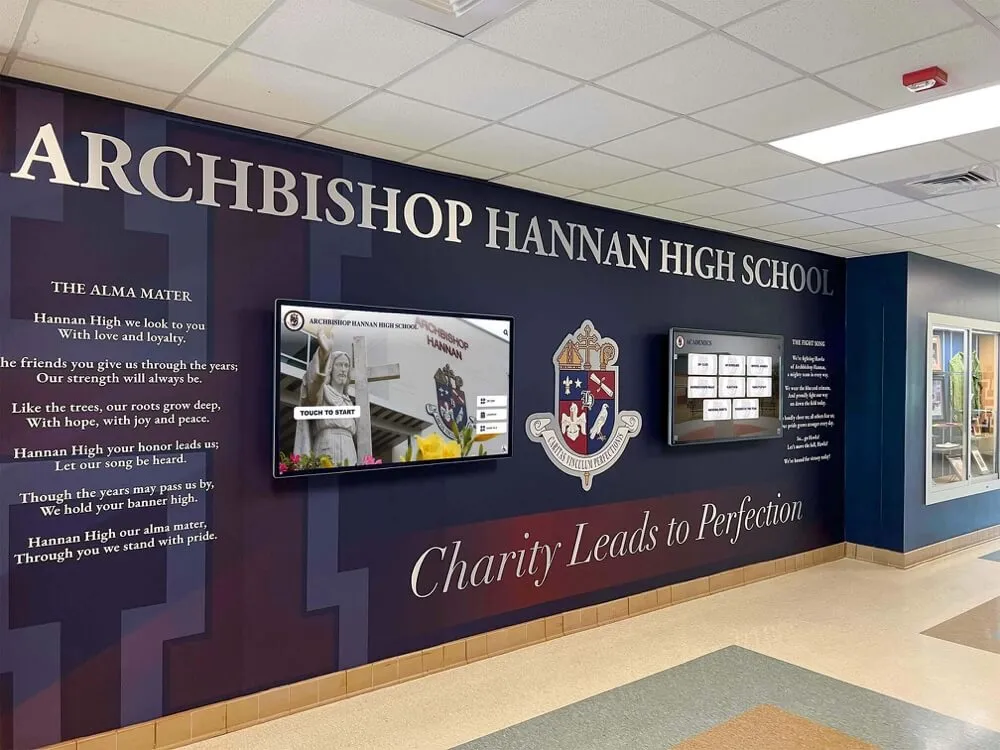
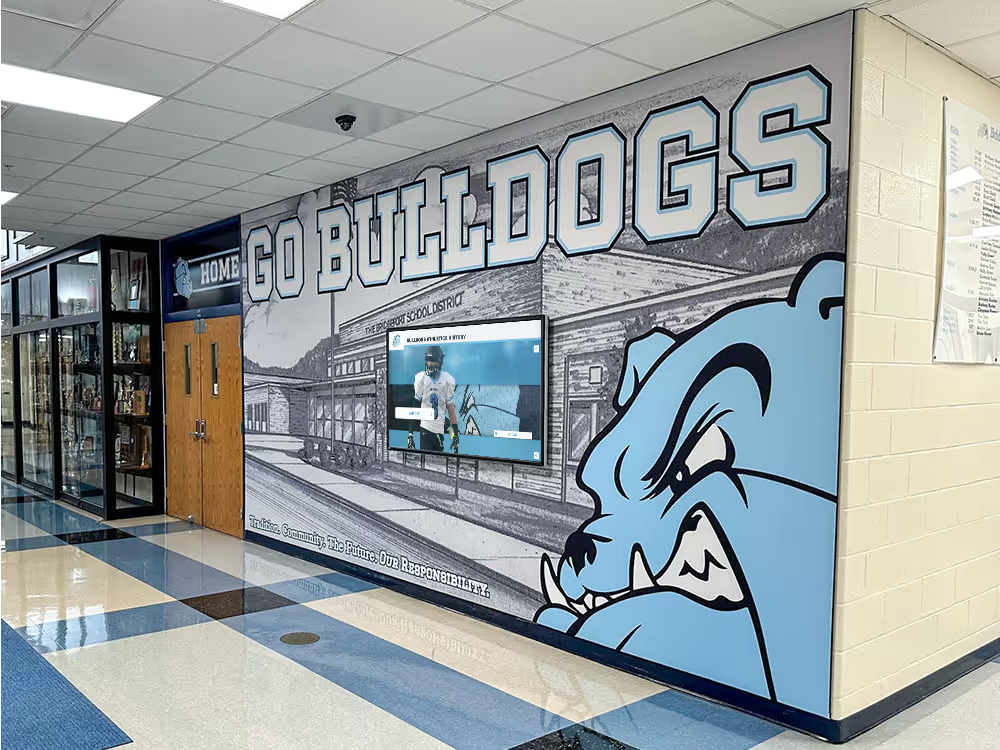
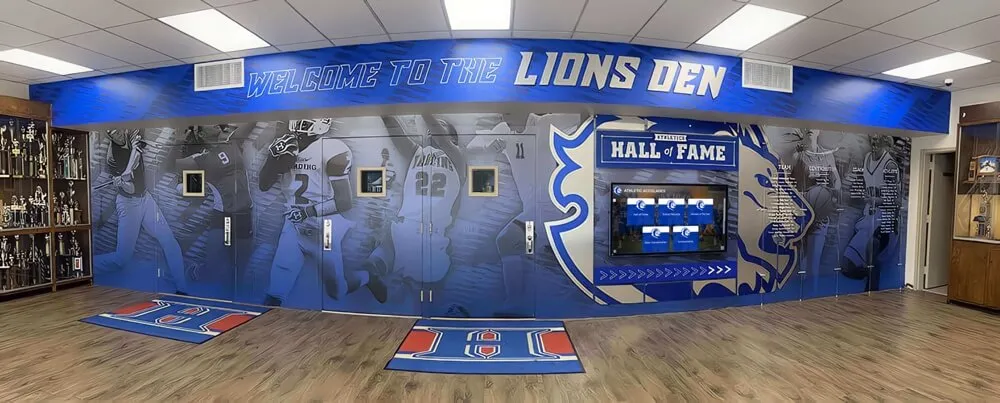
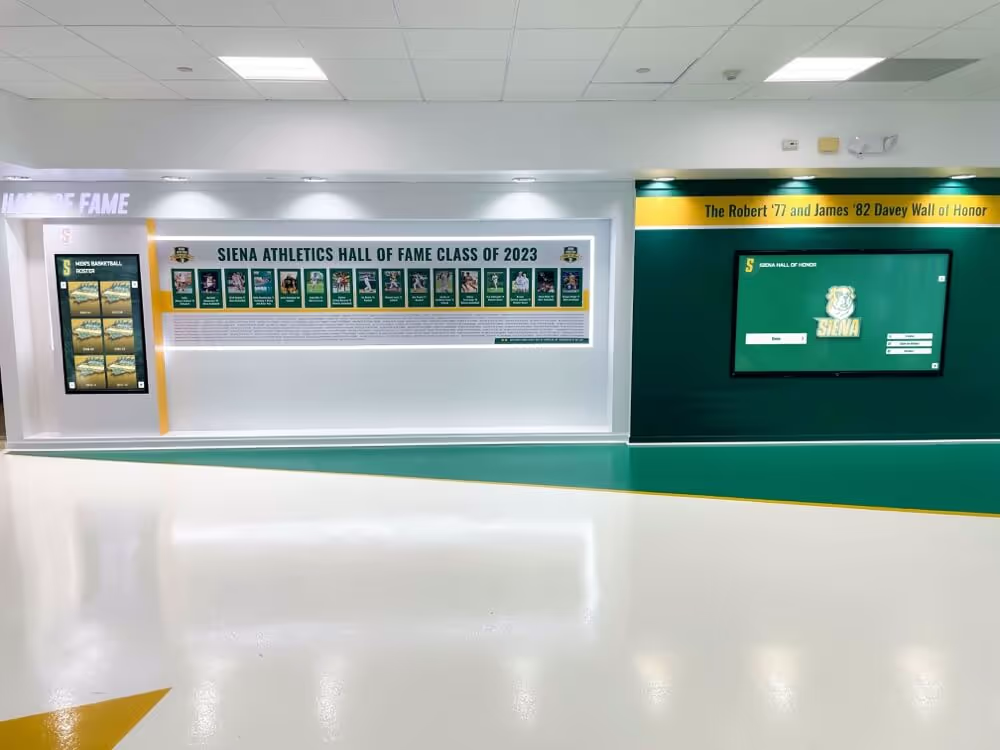
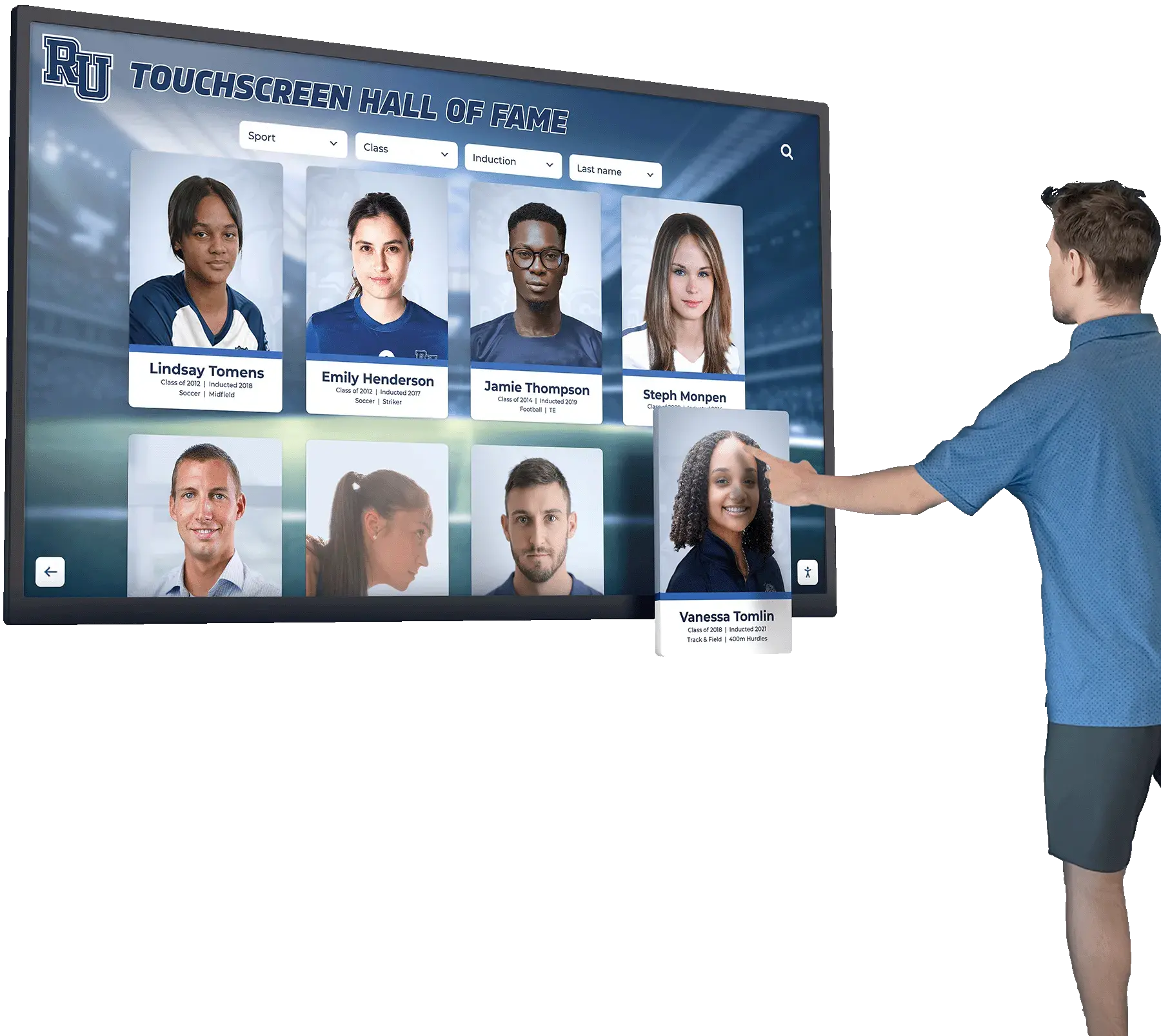
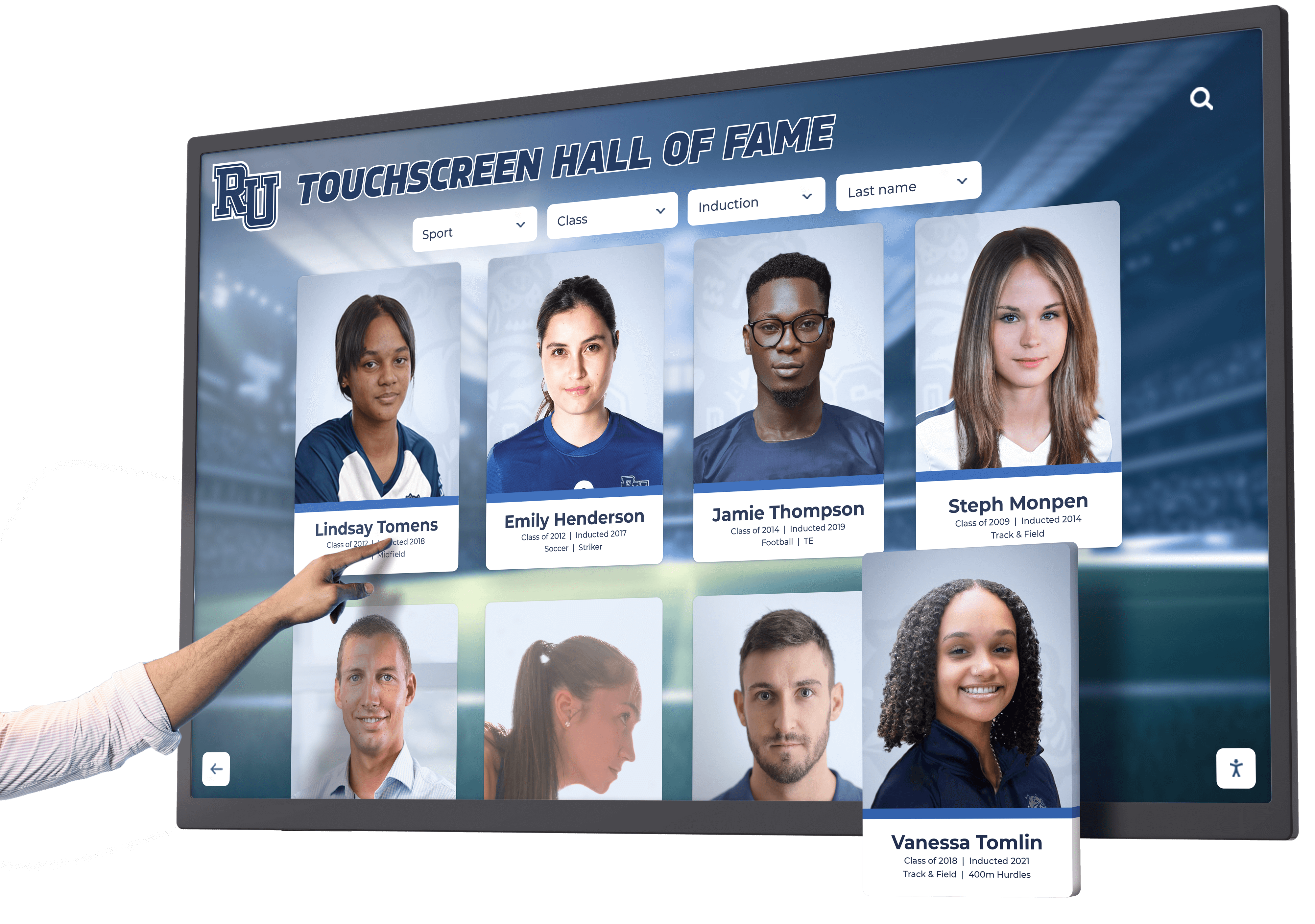
Modern recognition technology enables programs creating comprehensive senior tributes accessible long after ceremonies conclude
Understanding Senior Night Significance and Purpose
Before diving into specific program ideas, athletic directors and coaches benefit from understanding what makes senior night ceremonies meaningful and why thoughtful planning matters significantly.
The Role of Senior Night in Athletic Culture
Senior night serves multiple critical functions within comprehensive athletic programs beyond simple recognition formalities.
Celebrating Individual Athletic Journeys
Each senior athlete brings unique experiences, growth trajectories, and contributions deserving individual acknowledgment. Some seniors achieved competitive excellence earning all-conference honors and setting program records, while others demonstrated leadership through practice intensity and positive attitudes despite limited playing time. Effective senior night programs honor this diversity, recognizing that value extends beyond competitive statistics into character development, team support, and personal growth through athletic participation.
Athletic programs cultivate complete individuals, not just successful competitors. Senior night provides formal opportunities acknowledging this comprehensive development—celebrating athletes who arrived uncertain and inexperienced but departed confident, resilient, and prepared for future challenges. This holistic recognition validates that athletic participation creates value transcending win-loss records.
Acknowledging Family and Community Investment
Athletes don’t develop in isolation. Parents provided transportation to countless practices and games, managed schedules around athletic commitments, invested financially in equipment and travel expenses, and offered emotional support through victories, defeats, and challenges. Extended families attended competitions, communities supported programs through booster clubs and attendance, and coaches dedicated time mentoring athletes beyond practice requirements.
Senior night formally recognizes these comprehensive support systems, validating that athletic success represents collective achievement requiring extensive networks rather than isolated individual effort. When programs honor families alongside athletes, they acknowledge realities of youth sports participation while strengthening community connections supporting future program success.
Building Program Tradition and Continuity
Senior night ceremonies create visible program traditions connecting current athletes to graduates who preceded them while establishing expectations for future recognition. When underclassmen witness meaningful senior celebration, they anticipate their own future recognition while learning that programs value complete careers, not just immediate competitive contributions. This forward-looking impact strengthens program culture by demonstrating institutional commitment to honoring all participants appropriately.
Programs establishing consistent senior night traditions build institutional identity distinguishing their approaches from generic celebrations. Signature ceremony elements, recurring recognition formats, or distinctive traditions become anticipated aspects of program experience creating continuity across graduating classes and coaching changes.

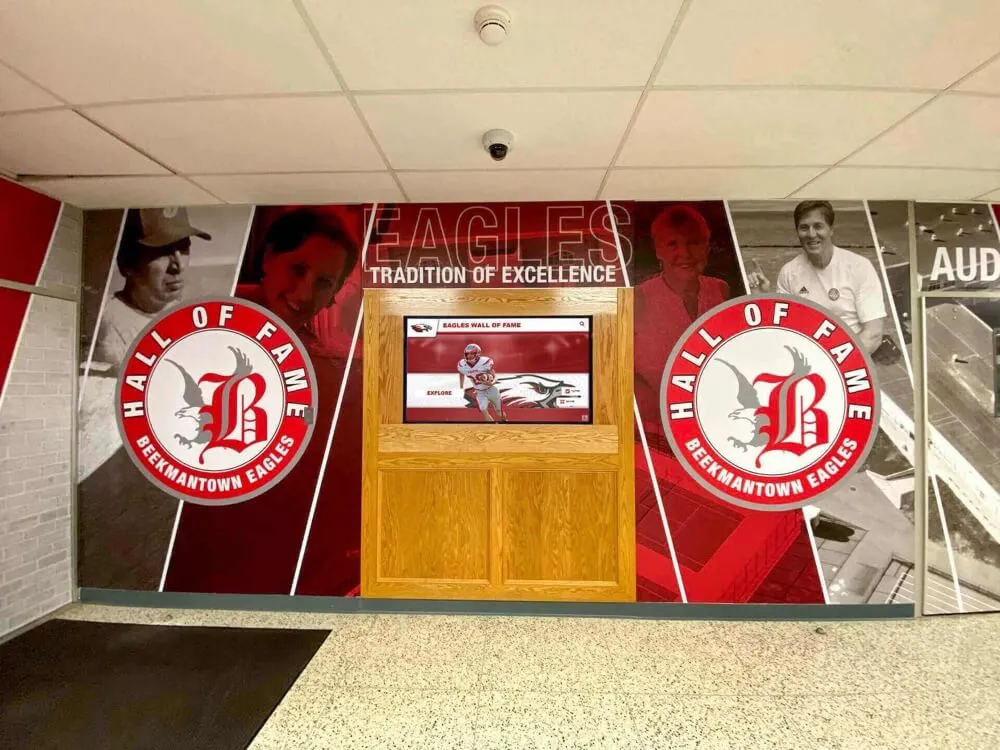
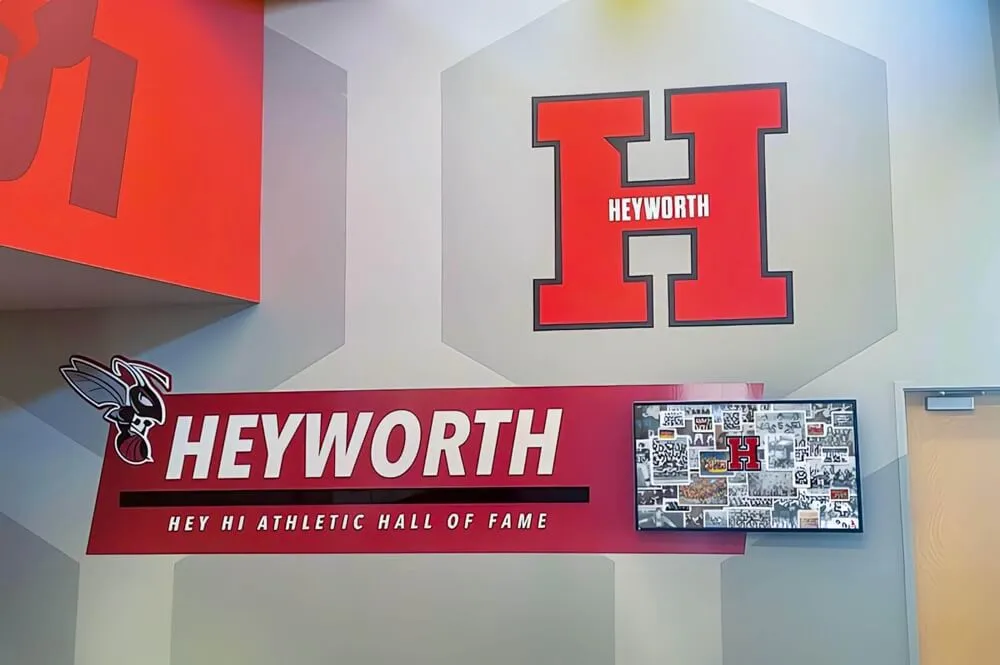
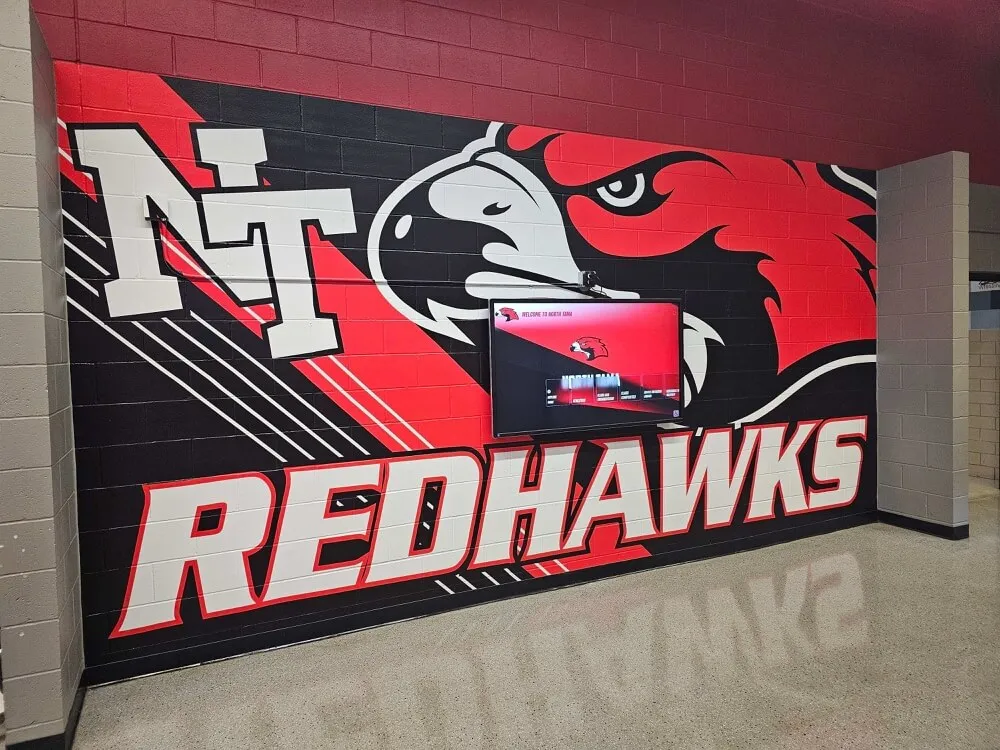
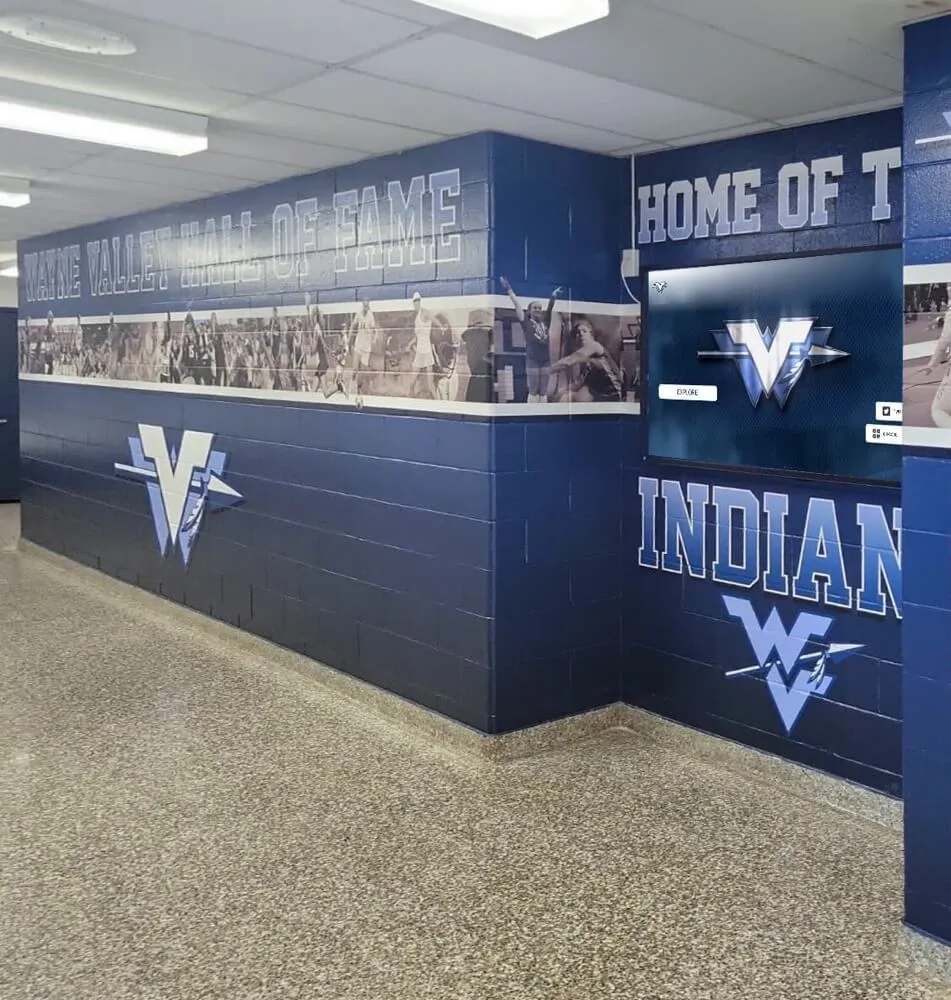
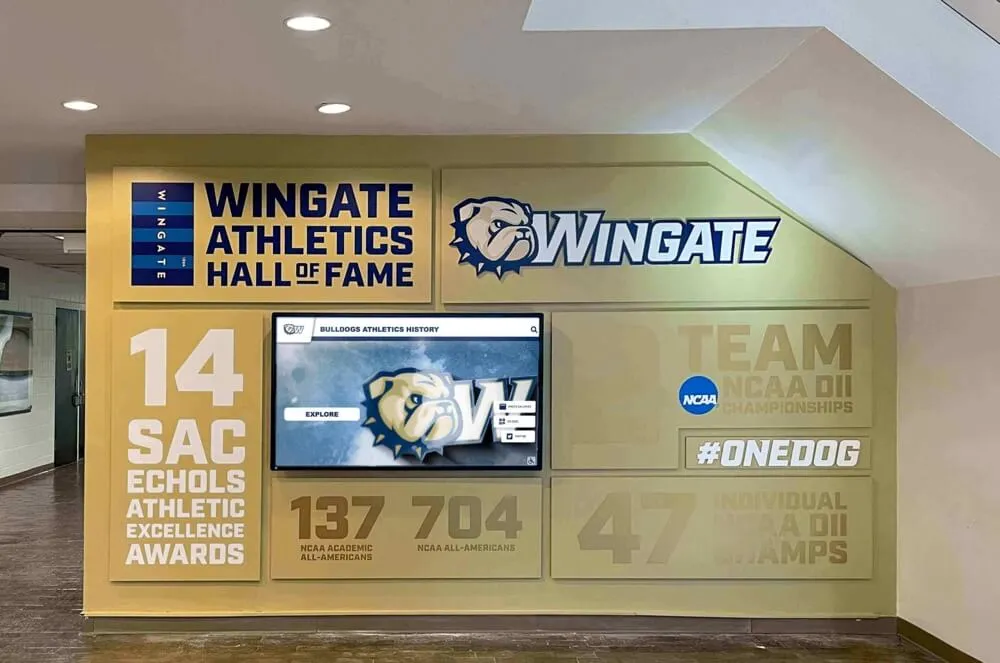
Strategic facility integration creates year-round visibility for [athletic achievements](https://digitalrecordboard.com/blog/how-to-showcase-student-achievement/?utm_source=organic&utm_medium=seo-auto&utm_content=digitalwarming&utm_campaign=senior-night-program-ideas&utm_term=seo) and program traditions
Common Senior Night Planning Challenges
Understanding typical obstacles helps athletic directors and coaches develop strategies addressing challenges proactively rather than reacting when problems emerge.
Balancing Individual Recognition with Ceremony Length
Large senior classes create timing tensions between providing meaningful individual acknowledgment and maintaining reasonable ceremony duration. Comprehensive individual introductions for fifteen or twenty seniors risk extending ceremonies excessively, testing audience patience and delaying competition. However, rushed presentations where seniors receive only name announcements feel impersonal and insufficient.
This challenge requires creative approaches enabling personalized recognition without excessive ceremony length—perhaps supplementing brief live introductions with detailed printed programs, video presentations, or digital profiles providing comprehensive information beyond what time-constrained ceremonies can communicate effectively.
Creating Inclusive Recognition Across Diverse Participation Levels
Senior classes typically include diverse participants—stars who earned competitive accolades, steady contributors who filled essential roster roles, dedicated athletes whose playing time decreased as younger talents emerged, and committed participants whose careers were limited by injuries. Effective senior night programs honor this diversity equitably, ensuring all seniors feel valued regardless of competitive success levels.
Recognition approaches focusing exclusively on statistics and competitive achievements implicitly devalue athletes whose contributions occurred through different channels. Inclusive programs acknowledge varied contribution forms including leadership, practice intensity, positive attitudes, mentorship of younger athletes, and character demonstrated handling challenging circumstances.
Managing Family Logistics and Participation
Coordinating with numerous senior families creates logistical complexities including information collection, communication management, photography coordination, seating arrangements, and ceremony participation protocols. Each family brings different expectations, circumstances, and preferences requiring accommodation within consistent ceremony frameworks.
Some families arrive eager for extensive recognition and elaborate celebration, while others prefer minimal public attention. Some seniors have traditional nuclear families participating together, while others navigate complex situations involving divorced parents, guardians, foster families, or absent family members. Thoughtful planning acknowledges this diversity, creating flexible frameworks accommodating various circumstances while maintaining ceremony consistency and appropriate boundaries.
Preserving Senior Night Beyond Temporary Ceremonies
Traditional senior night approaches created momentary celebrations that concluded when ceremonies ended and crowds dispersed. Physical gifts collected dust or were misplaced, photographs remained in personal collections unavailable to broader communities, and memories faded without systematic documentation preserving details for future reference.
This temporary nature limits senior night impact, preventing ongoing engagement with recognition and disconnecting individual celebrations from broader program history. Modern approaches address these limitations through digital platforms creating permanent accessible recognition extending far beyond single ceremonies.
Essential Planning Steps for Successful Senior Night Programs
Comprehensive planning prevents last-minute stress while ensuring ceremonies honor seniors appropriately and create positive experiences for all participants.
Establishing Timeline and Coordination Framework
Early planning provides adequate preparation time while enabling thoughtful decision-making rather than rushed compromises under deadline pressure.
Season-Long Planning Approach
Begin senior night planning during preseason or early season periods, establishing coordination frameworks and decision-making processes well before ceremony dates. Early starts allow collecting family information gradually, developing personalized recognition elements carefully, coordinating with necessary support services, securing any required resources or approvals, and making thoughtful decisions without time pressure forcing quick choices that may not serve seniors optimally.
Some successful programs establish senior night planning committees including coaches, athletic administrators, parent representatives, and potentially senior athlete representatives. These committees distribute workload while ensuring diverse perspectives inform planning and decision-making processes.
Critical Planning Milestones
Establish clear milestone deadlines ensuring adequate progress without overwhelming any single preparation period. Typical planning timelines might include initial planning eight to ten weeks before ceremonies, family information collection six to eight weeks prior, recognition element finalization four to six weeks before events, vendor coordination (photographers, videographers, gift providers) three to four weeks ahead, detailed schedule and program development two to three weeks prior, and final logistics confirmation one week before ceremonies.
These staggered milestones prevent procrastination while distributing work manageably across extended periods rather than concentrating all preparation into final weeks creating unnecessary stress.
Communication Protocols with Senior Families
Establish clear, consistent communication channels ensuring all senior families receive identical information and deadlines while enabling easy question submission and clarification. Dedicated email addresses, shared documents, messaging platforms, or planning websites centralize information preventing confusion caused by scattered communications across multiple channels.
Provide detailed information requests explaining exactly what information you need from families, why you need it, how it will be used, and when submissions are due. Clear communication prevents confusion while demonstrating organizational competence building family confidence that ceremonies will honor their athletes appropriately.
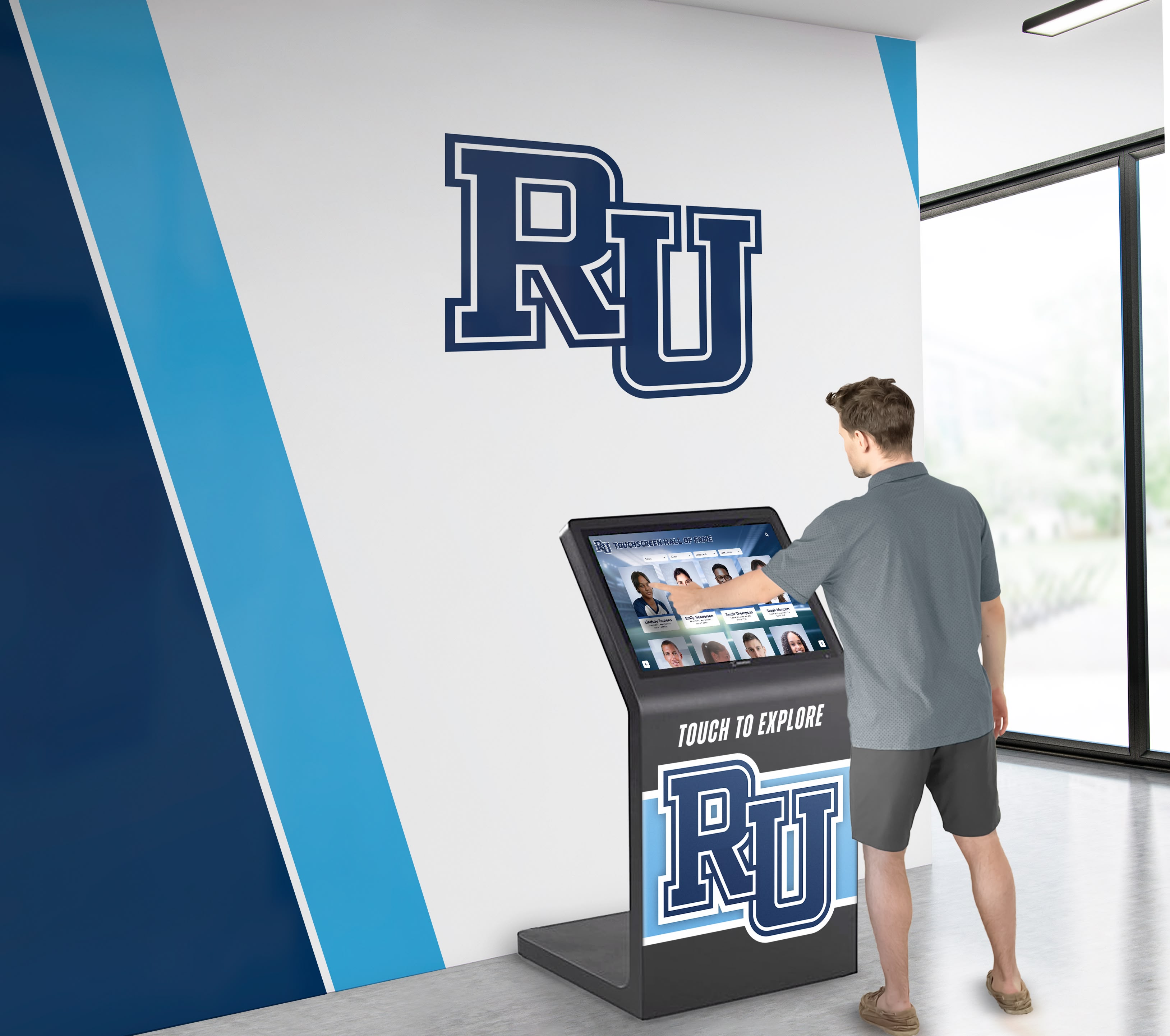
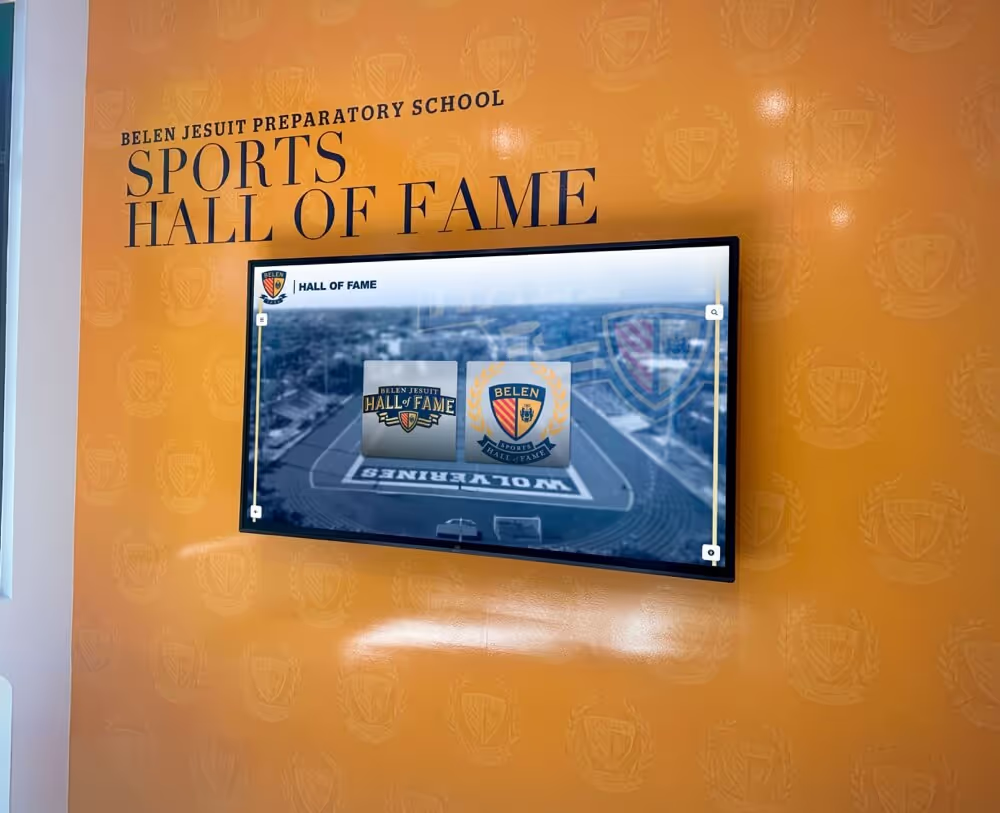
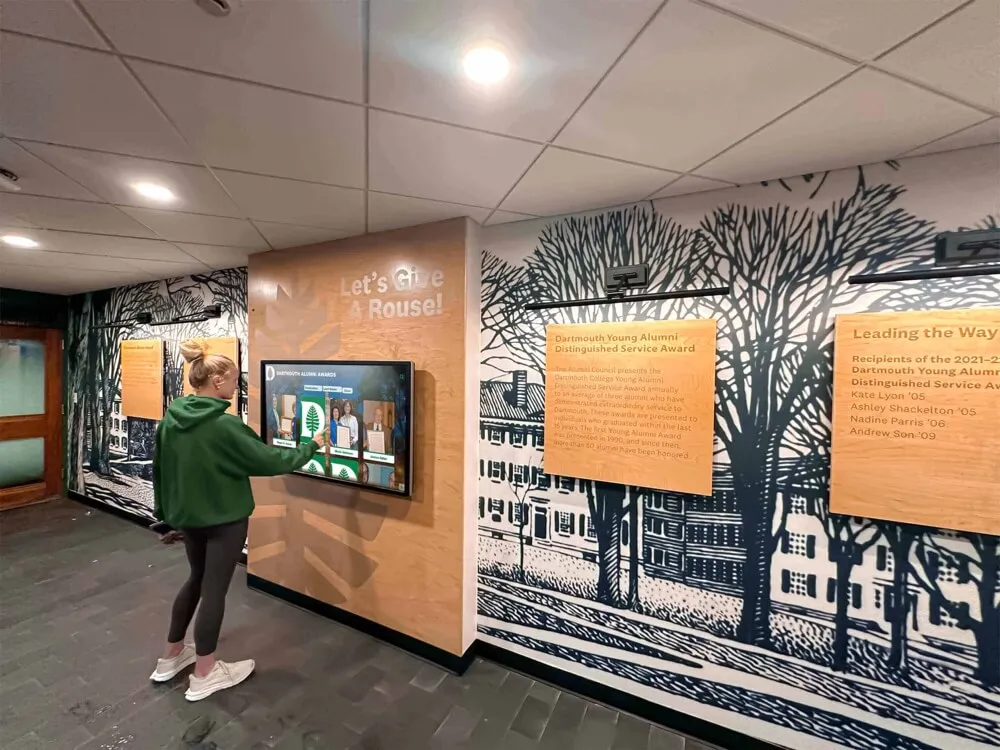
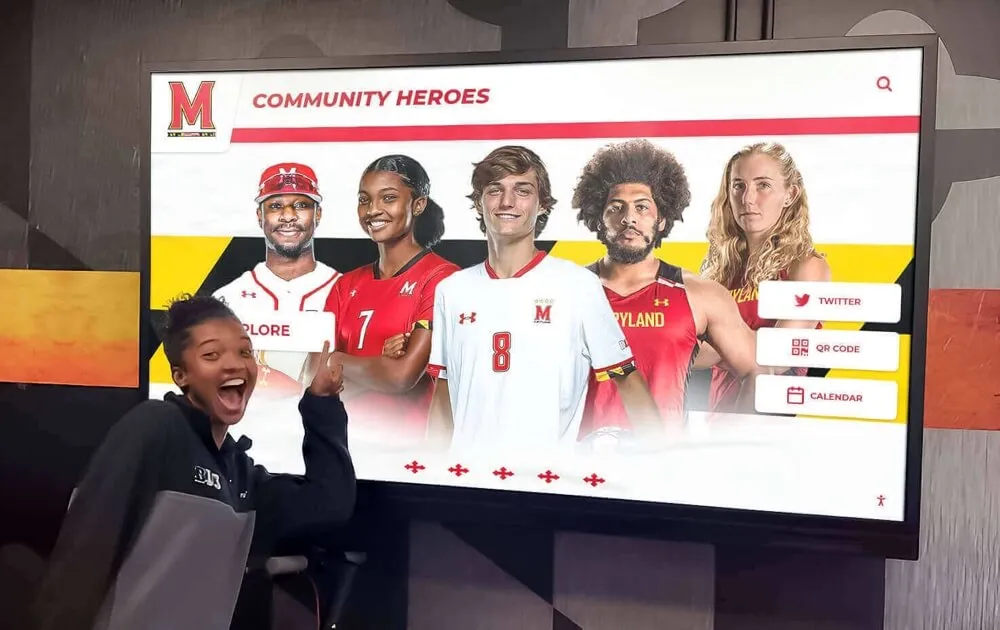
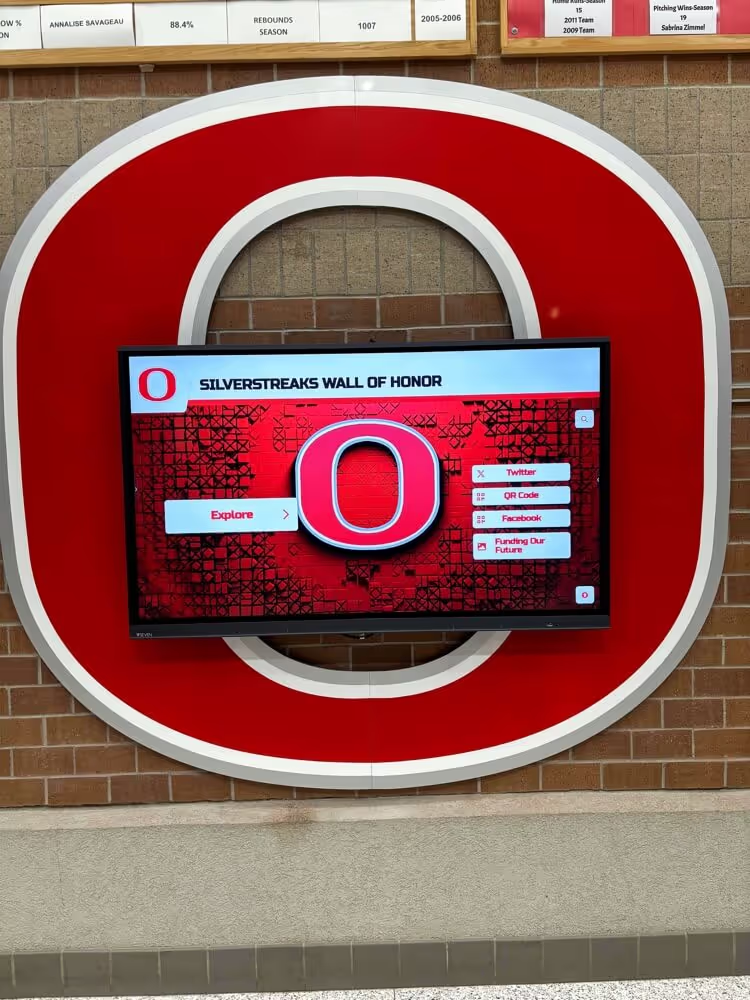
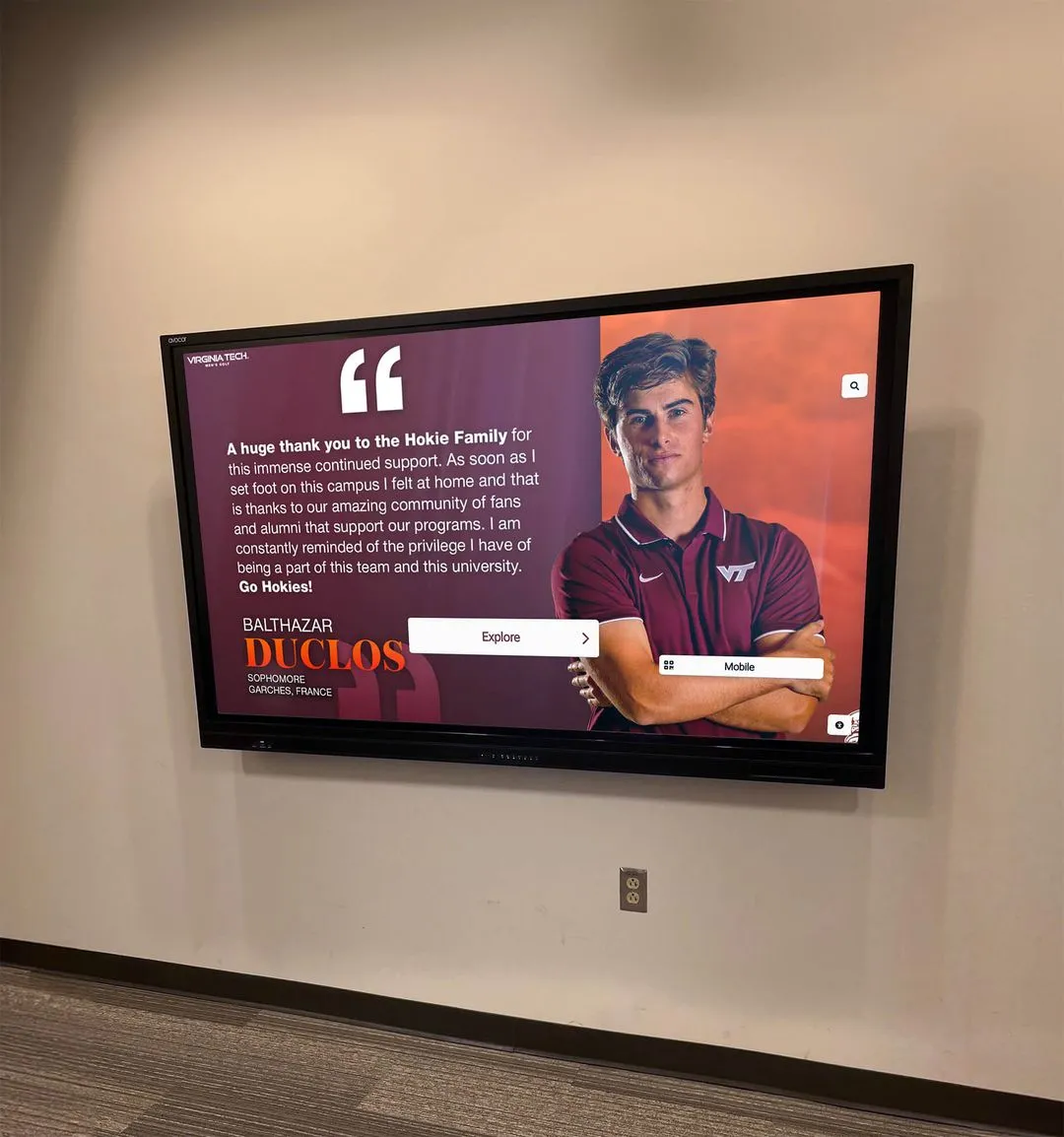
Interactive recognition systems enable [year-round engagement](https://touchwall.tv/blog/digital-history-archive/?utm_source=organic&utm_medium=seo-auto&utm_content=digitalwarming&utm_campaign=senior-night-program-ideas&utm_term=seo) with senior achievements beyond ceremony events
Selecting Optimal Ceremony Timing and Format
Strategic timing maximizes attendance and emotional impact while respecting competitive priorities and practical constraints.
Game Selection Considerations
Most programs conduct senior night during final regular-season home competitions, providing natural seasonal closure before potential postseason play begins. This timing ensures all seniors remain available before playoff focus intensifies and allows planning without postseason uncertainty affecting dates.
Consider opponent significance when selecting specific games. Rivalry competitions draw larger crowds creating better atmospheres for recognition, though extremely competitive contests might overshadow ceremonies if outcomes prove particularly dramatic. Some programs prefer scheduling senior night against respectful opponents where competitive intensity remains appropriate but relationships allow ceremony integration without awkwardness.
Pre-Competition versus Halftime Timing
Programs must determine whether conducting senior recognition before competition begins or during halftime breaks. Each approach offers distinct advantages and challenges.
Pre-competition ceremonies allow families participating without requiring them to remain through complete contests potentially lasting hours, provide flexible timing without strict time constraints imposed by competition schedules, enable seniors transitioning emotionally from celebration to competition, and ensure ceremonies complete regardless of weather or other factors potentially affecting later portions of events.
Halftime ceremonies maintain crowd engagement throughout early competition periods, provide natural breaks in action, allow visiting team families arriving later to observe recognition, and create mid-event emotional peaks potentially energizing teams for remaining competition.
Most programs favor pre-competition timing beginning fifteen to thirty minutes before scheduled start times, balancing adequate ceremony duration with respecting opponent preparation needs and official competition schedules.
Weather and Contingency Planning
Outdoor sports face weather uncertainties requiring backup protocols ensuring recognition occurs despite unpredictable conditions. Develop clear contingency plans determining whether ceremonies proceed in light rain or postpone to backup dates, identifying indoor alternatives if severe weather forces venue changes, communicating contingency protocols to families preventing confusion if conditions disrupt original plans, and preparing abbreviated ceremony formats executable during brief favorable weather windows if necessary.
Consider designating two potential senior night dates—a primary date and a weather backup later in schedules. This buffer prevents situations where weather eliminates senior night opportunities entirely, which would represent devastating disappointments after extensive planning and anticipation.
Creative Ceremony Formats and Presentation Approaches
Thoughtful ceremony design transforms standard recognition into memorable celebrations creating lasting emotional impact for seniors, families, and communities.
Personalized Introduction Strategies
Moving beyond basic name-and-number announcements creates recognition honoring individual journeys meaningfully.
Biographical Narrative Approach
Rather than simply announcing names, positions, and jersey numbers, develop brief personalized narratives sharing each senior’s unique story. Collaborate with athletes, families, and coaches gathering information including years with programs and positions played throughout careers, signature moments or memorable performances, personal qualities and character traits defining their contributions, future plans (college athletics, academic pursuits, career paths, military service), and expressions of gratitude toward teammates, coaches, families, or mentors.
These biographical introductions transform generic announcements into meaningful tributes helping audiences understand each senior’s individual journey. Maintain concise presentations—typically sixty to ninety seconds per athlete—preserving ceremony momentum while providing sufficient detail honoring seniors appropriately.
Video Tribute Integration
Short video presentations showcasing seniors’ athletic careers create engaging visual celebrations impossible through verbal announcements alone. Compile footage including competition highlights featuring memorable performances and achievements, practice moments showing dedication and skill development, team interactions revealing personalities and relationships, coach reflections sharing specific appreciation and observations, and teammate testimonials expressing gratitude for leadership and friendship.
These video tributes work effectively as scoreboard displays before ceremonies begin or during pre-event periods while crowds gather. Maintain reasonable total length—perhaps three to five minutes for entire senior classes or thirty to forty-five seconds per individual senior—preserving attention without excessive ceremony duration.
Multi-Voice Recognition
Incorporate diverse voices beyond announcer perspectives creating richer recognition experiences. Consider having head coaches share brief personal reflections about each senior’s growth and contributions, team captains or fellow seniors present recognition items while sharing what teammates mean to the team, and potentially athletic directors or administrators framing senior recognition within broader program tradition contexts.
These varied voices create fuller appreciation for seniors’ multifaceted contributions while engaging additional program stakeholders in recognition processes strengthening collective celebration.
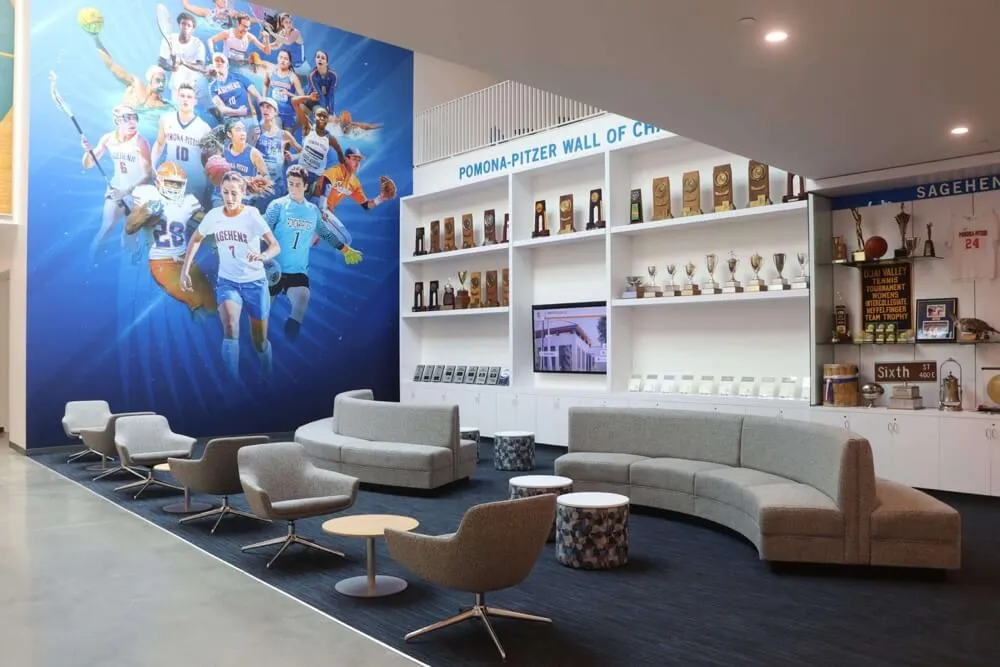
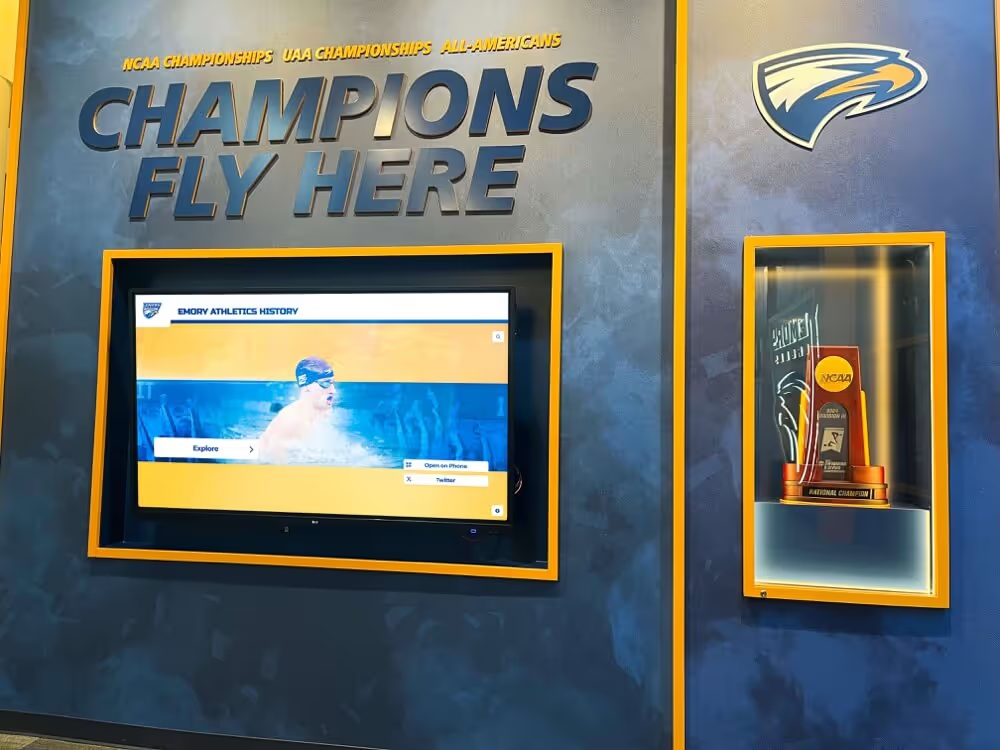
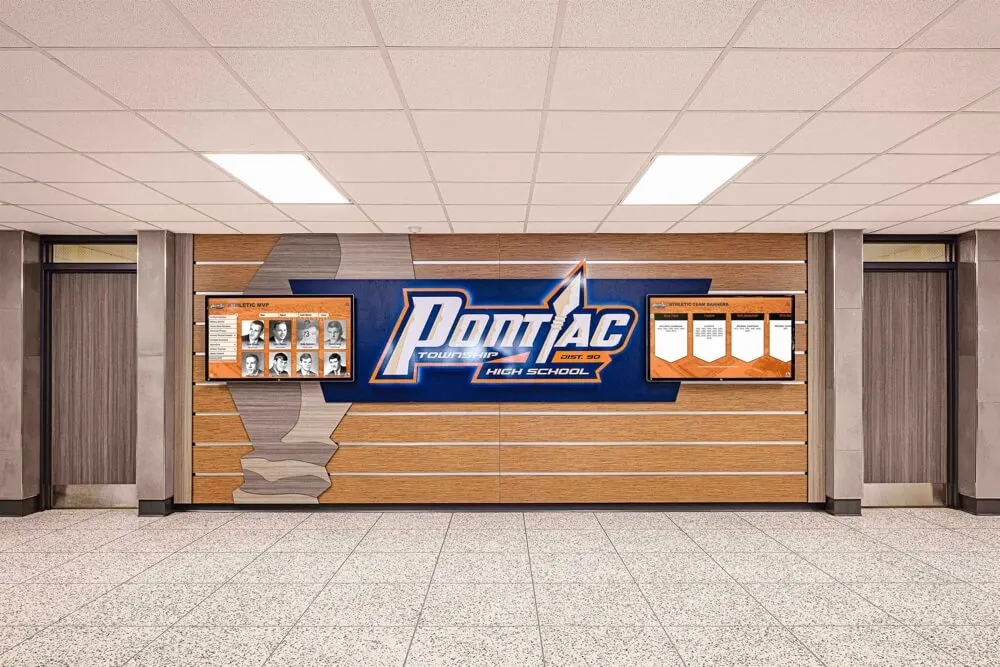
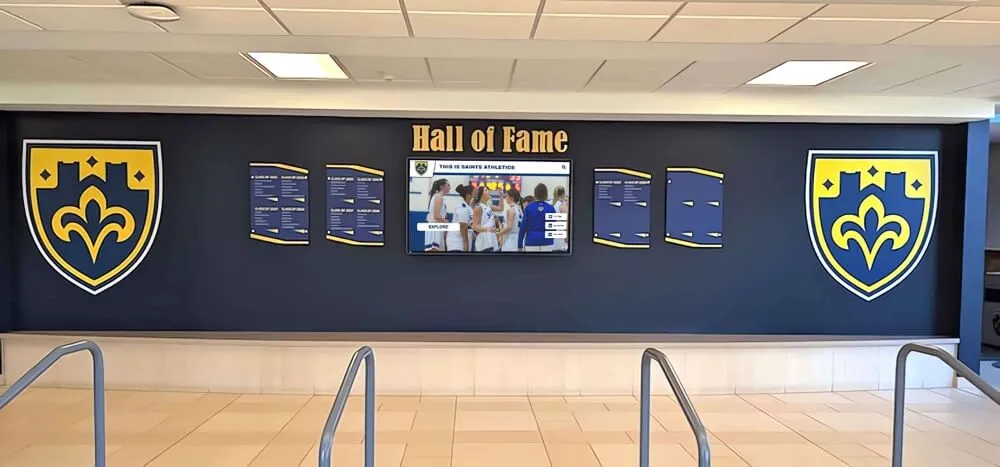
Dedicated recognition spaces celebrate [program excellence](https://digitalyearbook.org/blog/jersey-display-case-ideas-athletic-memorabilia-showcase/?utm_source=organic&utm_medium=seo-auto&utm_content=digitalwarming&utm_campaign=senior-night-program-ideas&utm_term=seo) while building lasting athletic culture
Family Inclusion Elements
Families represent crucial stakeholders whose support enabled seniors’ athletic careers through years of commitment and investment.
Traditional Escort Presentations
Classic senior night formats include family escorts accompanying athletes during recognition moments. As announcers share biographical narratives, seniors walk across fields or courts accompanied by parents, guardians, or significant family members. This family inclusion creates powerful visual moments symbolizing support systems enabling years of athletic participation.
Consider presentation enhancements adding ceremony significance including flower presentations where seniors give roses or flowers to family members acknowledging their support, symbolic gift exchanges where families present seniors with meaningful items, designated photographers capturing formal family portraits at center court or midfield, teammate formations creating tunnels or arches seniors and families walk through, and coach interactions where head coaches personally greet each senior and family with handshakes or brief conversations.
These ceremonial elements add visual memorability while creating moments that photographs and videos preserve effectively for lifelong revisiting.
Parent Recognition Moments
Shift focus temporarily from athletes to parents, acknowledging sacrifices and contributions enabling athletic participation. Athletic parents invested transportation time driving to countless practices and games, financial resources covering equipment, fees, and travel expenses, schedule flexibility arranging family activities around athletic commitments, and emotional support through victories, defeats, and developmental challenges.
Brief public acknowledgment of these contributions validates parental experiences while teaching younger athletes to appreciate family support they may currently take for granted. Consider presenting small tokens to senior parents—perhaps flowers, certificates, or commemorative items—demonstrating that programs recognize athletic success as collective family achievement.
Sibling and Extended Family Engagement
Recognize that senior night represents significant occasions for entire families, not just parents and honored athletes. Consider accommodations for younger siblings who attended countless competitions supporting seniors, special seating or recognition for grandparents who traveled regularly to games, acknowledgment of extended family members who provided crucial support, or inclusive approaches ensuring all significant family members can participate meaningfully in celebrations.
This comprehensive family inclusion validates that athletic achievement requires broad support networks extending beyond immediate nuclear family structures.
Incorporating Team and Program Tradition
Connecting individual senior recognition to broader program history and tradition creates richer celebration while strengthening institutional identity.
Historical Context and Legacy Framing
Position current seniors within broader program narrative connecting them to athletes who preceded them and those who will follow. Share information about program history, championship traditions, distinguished alumni, long-standing rivalries, facility evolution, or coaching lineages helping audiences understand that current seniors join established legacies rather than completing isolated athletic careers.
This historical framing demonstrates that seniors occupy important roles within ongoing traditions extending across decades—more significant positions than individual achievements alone might suggest. When alumni attend and witness familiar ceremony elements, they reconnect with their own experiences while observing tradition continuation linking past and present.
Named Awards and Special Honors
Establish program-specific awards honoring distinguished alumni, longtime coaches, program founders, or significant figures whose legacies deserve ongoing recognition. The “Coach Johnson Leadership Award” or “Sarah Martinez Sportsmanship Award” carries more tradition and meaning than generic titles while building institutional memory honoring individuals who shaped programs significantly.
When establishing named awards, share honoree stories explaining why specific individuals merit recognition, creating meaningful context about award significance while teaching current athletes about program history and defining values.
Symbolic Traditions and Recurring Elements
Develop distinctive ceremony elements becoming anticipated program traditions that senior classes across years share as common experiences. Perhaps specific music played during senior introductions, unique symbolic gestures like passing program banners or ceremonial items to underclassmen, traditional speeches following consistent formats, specific gift types all seniors receive, or ceremonial elements like jersey exchanges or symbolic presentations.
These signature elements distinguish your program’s senior night from generic celebrations while creating traditions connecting graduating classes across generations. Consistency builds anticipation and creates shared experiences linking alumni who participated in similar ceremonies despite graduating different years.
Meaningful Recognition Gifts and Lasting Tributes
Tangible recognition items provide physical reminders of senior night celebrations and athletic careers extending beyond ceremonial moments.
Traditional Physical Recognition Options
Classic gift approaches maintain enduring popularity because of symbolic significance and sentimental value for athlete recipients and their families.
Framed Jerseys and Memorabilia
Jerseys represent quintessential athletic gifts carrying immediate symbolic significance. Programs might present seniors with framed game-worn jerseys featuring their names and numbers, provide special senior night edition apparel with unique design elements, allow seniors keeping jerseys worn during senior night games, or create comprehensive framed presentations incorporating jerseys alongside photos, statistics, and achievement documentation.
Consider personalization enhancements including embroidered career statistics or achievement notations, teammate signatures collected on jersey backs or borders, special patches commemorating senior status or championships, professional framing with archival materials ensuring longevity, or shadow box presentations incorporating three-dimensional elements beyond flat jersey displays.
Personalized Plaques and Awards
Custom plaques provide formal recognition documenting seniors’ contributions to program success. Effective designs include athlete names and jersey numbers, years of participation and positions or specializations, significant achievements (all-conference selections, statistical leaders, championships), career statistics summaries or milestone accomplishments, and program logos or facility imagery creating visual connections to specific athletic contexts.
Higher-quality materials and professional design elevate these presentations beyond generic certificates, demonstrating that programs value senior contributions enough to invest in meaningful lasting recognition rather than treating gifts as obligatory minimal gestures.
Photo Compilations and Memory Books
Comprehensive photo collections documenting complete athletic careers create storytelling narratives seniors treasure throughout lives. Consider including progression sequences showing development from freshman through senior years, competition action shots capturing athletic excellence and memorable moments, team photos and celebration images illustrating relationships and shared experiences, candid practice moments revealing personalities and dedication, and family photos from various points throughout athletic careers.
Compile images into professionally produced memory books, digital galleries, or elaborate framed collages. These comprehensive collections provide fuller career documentation than single photos while creating reference materials seniors share with future families, colleagues, and connections maintaining evidence of athletic accomplishments and formative experiences.
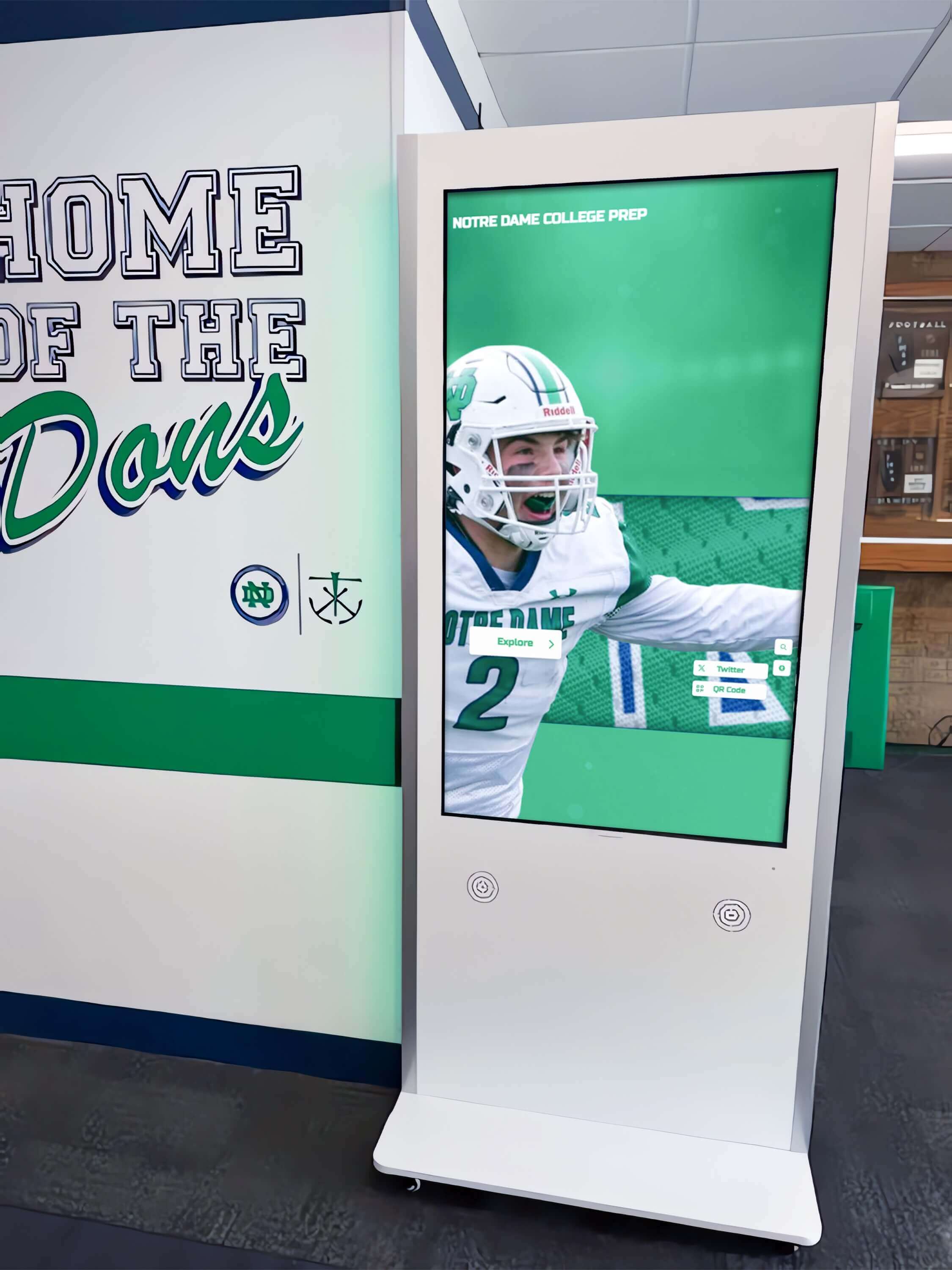
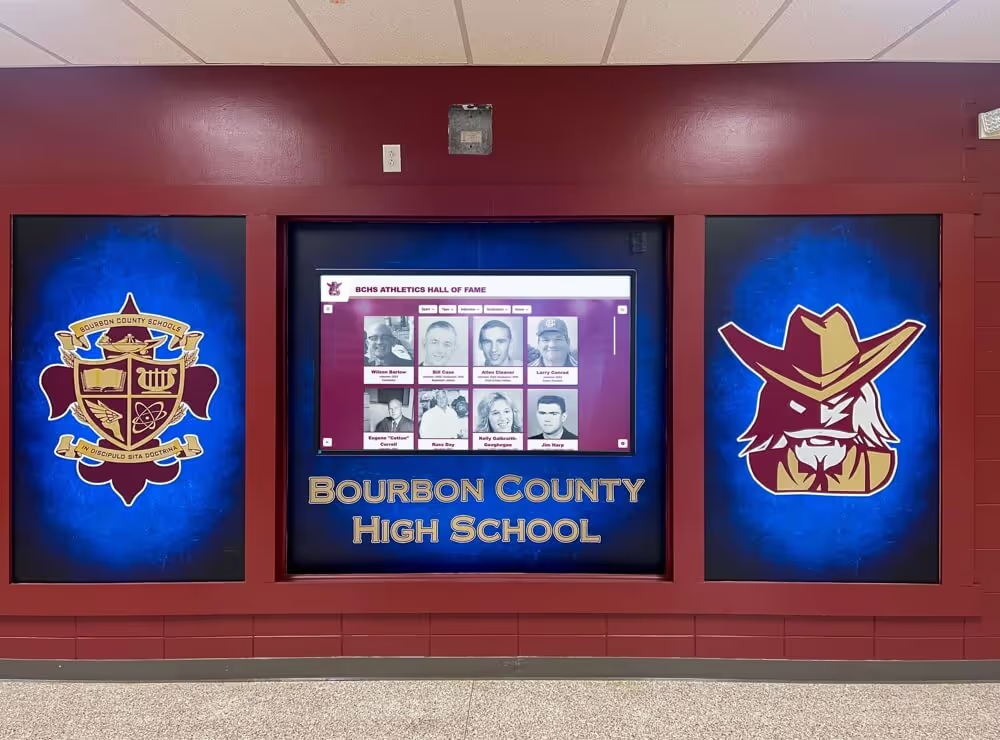
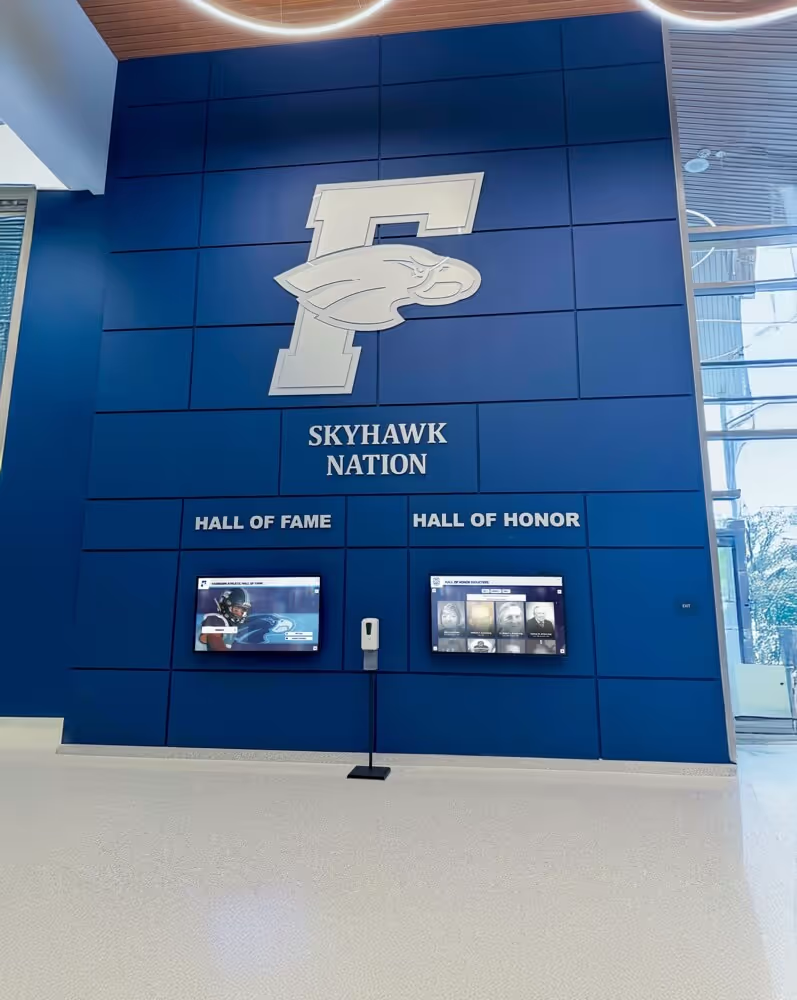
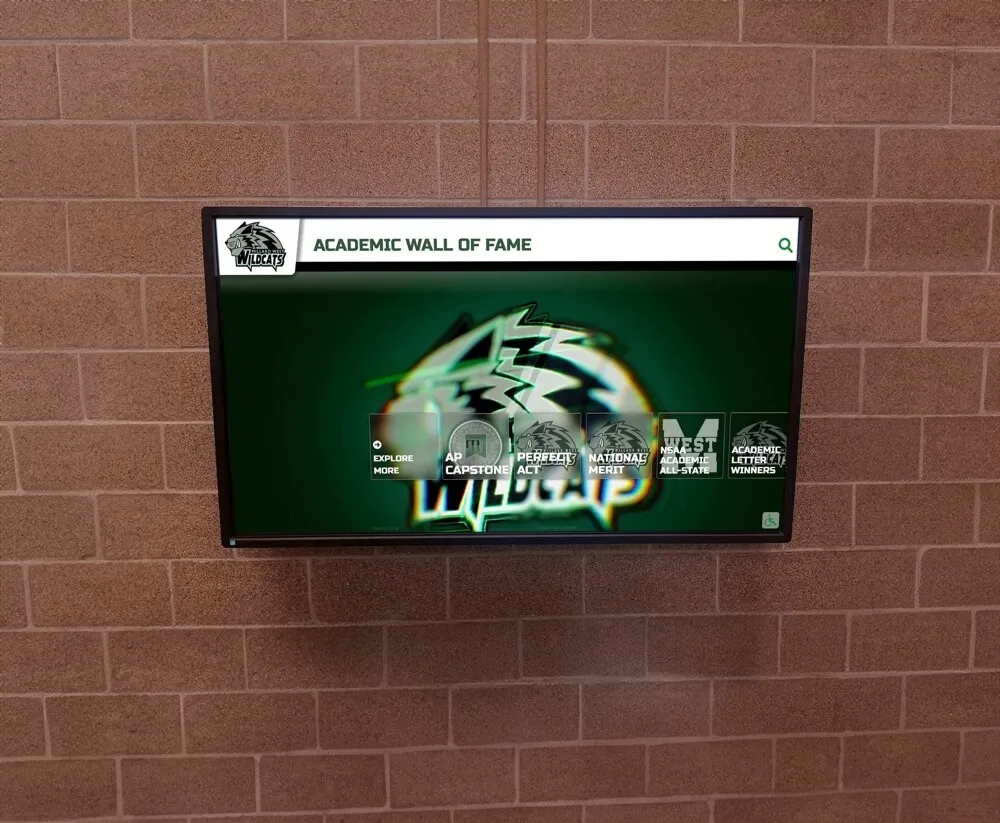
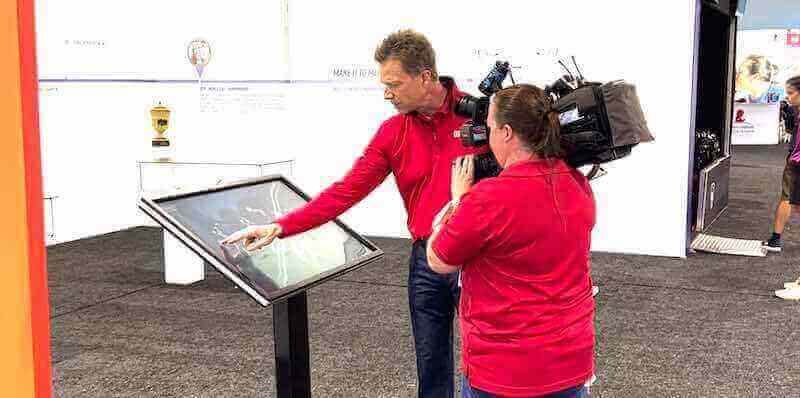
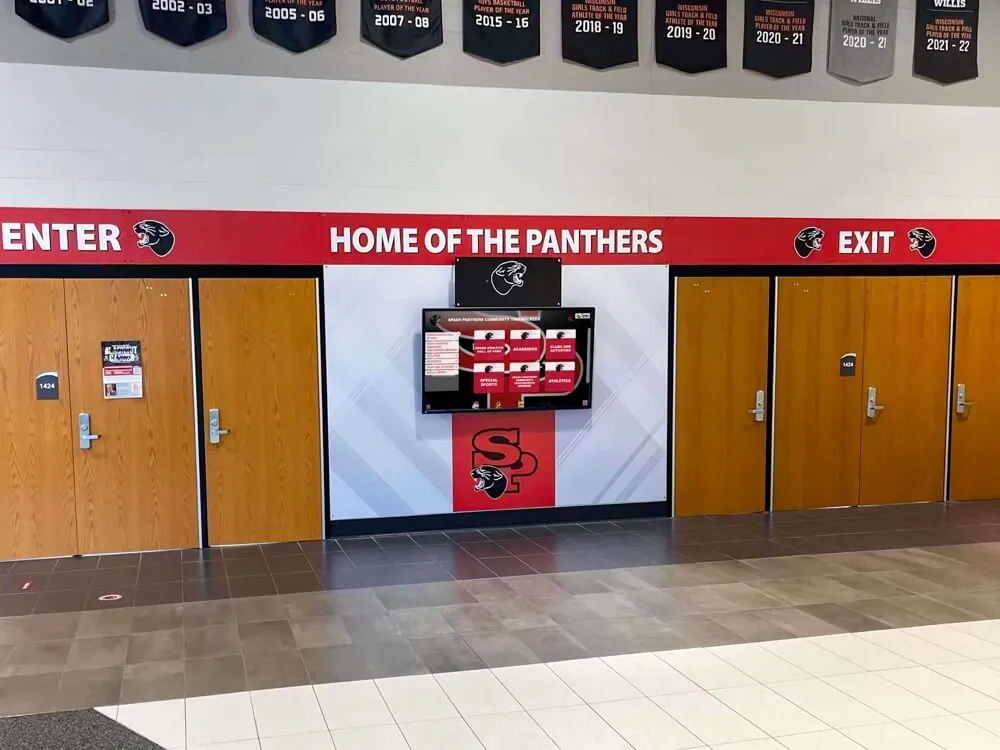
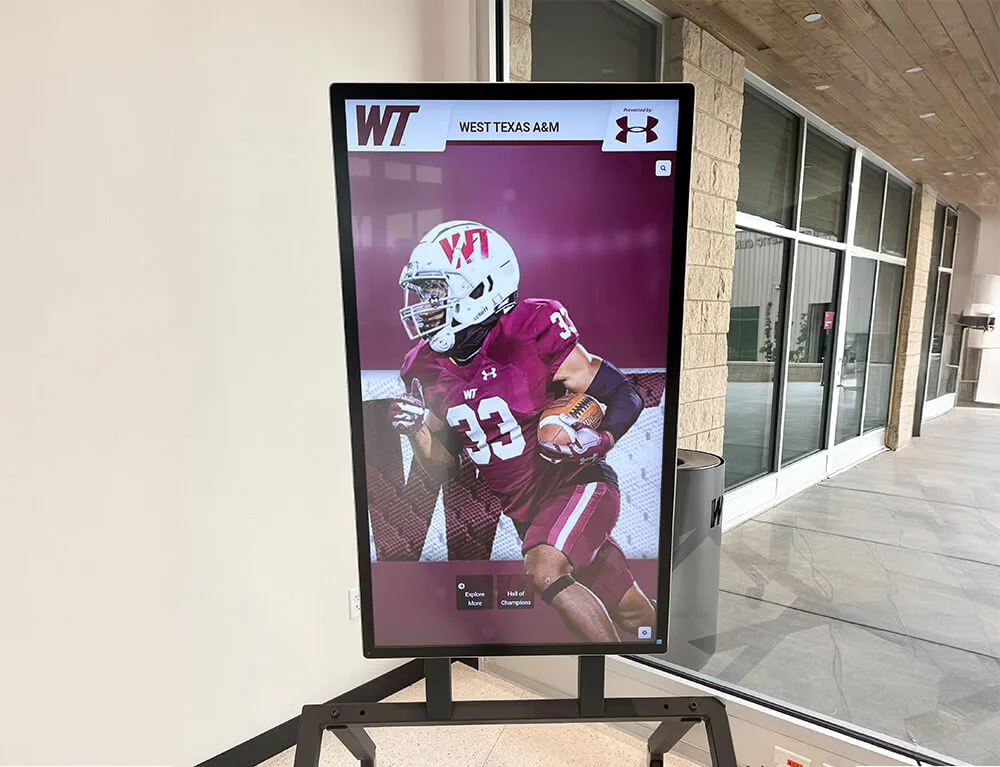
Strategic kiosk placement creates ongoing [community engagement](https://digitalyearbook.org/blog/ways-to-recognize-air-traffic-controllers/?utm_source=organic&utm_medium=seo-auto&utm_content=digitalwarming&utm_campaign=senior-night-program-ideas&utm_term=seo) with senior achievements
Creative and Personalized Gift Approaches
Beyond traditional options, distinctive recognition creates memorable experiences differentiating programs while demonstrating thoughtful individualization.
Custom Apparel and Equipment
Present seniors with special warm-up gear, practice apparel, or equipment bags distinguished from regular team items through unique design elements, senior year identification, or personalized embroidery featuring names, statistics, or accomplishments. Quality matters significantly—invest in products seniors will genuinely want to use rather than cheap alternatives remaining unworn in closets.
Seniors continuing athletic careers particularly appreciate quality gear they’ll use during college years while maintaining visible connections to high school programs. Even non-continuing athletes value quality apparel they wear casually, maintaining athletic identity and program affiliation into adult lives.
Video Messages and Multimedia Tributes
Compile personalized video messages from individuals significant in seniors’ athletic journeys including youth coaches who developed foundational skills, former teammates who shared earlier competitive experiences, opposing coaches or competitors who provided memorable rivalries, college coaches who recruited them, teachers who supported their academic-athletic balance, or community members who followed their careers. These personalized messages create emotional impact while validating that seniors’ influences extended beyond immediate team contexts into broader communities.
Professional editing transforms compiled footage into polished presentations suitable for repeated viewing and sharing with extended networks throughout lives.
Symbolic Items and Unique Keepsakes
Create distinctive gifts no other programs could replicate, establishing unique traditions. Consider presenting actual game balls, pucks, or equipment used during senior night competitions professionally engraved with details, pieces of competition surfaces (court sections, turf squares, mat portions) from senior night venues, customized items incorporating facility elements or team-specific imagery, or collaborative creations where teammates contribute individual components assembled into comprehensive gifts.
These unique approaches demonstrate extraordinary effort creating truly special recognition beyond standard purchased items any program could provide identically.
Digital Recognition Platforms and Permanent Preservation
Modern technology enables comprehensive senior recognition remaining accessible throughout seniors’ lives while creating lasting program documentation.
Interactive Touchscreen Displays
Solutions like Rocket Alumni Solutions provide interactive systems where athletic programs create detailed senior profiles featuring multiple photographs spanning complete careers, comprehensive statistics and achievement documentation, biographical information and personal narratives, video highlights preserving signature moments, and connections to broader program history and tradition.
These digital displays installed in athletic facilities, school lobbies, or common areas enable ongoing access where students, families, visitors, and community members explore senior profiles long after graduations. Unlike physical plaques with space constraints, digital platforms accommodate unlimited content enabling truly comprehensive recognition impossible through traditional approaches.
Permanent Program Archives and Historical Documentation
Digital platforms create searchable program histories preserving complete records of every senior athlete honored across years. Future teams explore past seniors’ accomplishments, coaches reference historical achievements when motivating current athletes, and alumni revisit their own recognition years or decades later. This permanent documentation transforms senior night from isolated annual events into ongoing program traditions connecting past, present, and future athletes within continuous institutional narratives.
Comprehensive athletic recognition systems designed for educational institutions provide frameworks creating these historical connections strengthening program culture and identity.
Mobile Accessibility and Extended Reach
Modern recognition platforms offer mobile-responsive access ensuring senior athlete recognition reaches audiences beyond those who can physically visit facilities. Mobile accessibility enables seniors sharing achievements instantly with distant relatives and friends unable to attend ceremonies, grandparents and extended family accessing recognition regardless of geographic distance, permanent archives preserving documentation long after social media posts disappear, QR code integration allowing instant mobile engagement at physical facilities, and social sharing capabilities amplifying recognition reach beyond immediate school boundaries.
This accessibility matches how digital-native students naturally engage with content and share important milestones with extended networks, extending recognition impact exponentially beyond traditional limitations.
Engaging Broader Communities in Senior Night Celebrations
Effective senior night programs extend beyond honoring individual athletes to building community connections and strengthening institutional support networks.
Youth Program and Future Athlete Engagement
Connecting senior night with younger athletic populations creates inspiration while building program pipelines and community relationships.
Inviting Youth Teams and Emerging Athletes
Welcome local youth sports programs to attend senior night ceremonies at reduced or complimentary admission rates, providing young athletes opportunities witnessing high school seniors honored for dedication and achievement. Seeing celebrated seniors provides powerful motivation for youth beginning their own athletic journeys while building connections between program levels often operating independently despite geographic proximity.
Consider designating special youth seating sections, arranging brief meet-and-greet opportunities between youth participants and honored seniors following ceremonies, or creating mentorship connections linking departing seniors with youth programs. These intergenerational engagements strengthen comprehensive athletic communities while providing seniors with meaningful opportunities giving back to programs that nurtured their own development.
Future Athlete Inspiration and Modeling
Frame senior night as educational opportunity for younger athletes observing what dedication, commitment, and sustained effort can achieve. When underclassmen witness meaningful senior recognition, they learn that programs value complete careers and comprehensive contributions rather than simply immediate competitive success. This forward-looking impact strengthens program culture by demonstrating institutional commitment to honoring all participants appropriately when their careers conclude.
Position seniors explicitly as role models whose examples younger athletes should study and emulate, creating clear developmental pathways connecting current youth to future senior status through sustained commitment and value alignment.
Alumni Involvement and Program Continuity
Engaging program graduates strengthens traditions while demonstrating that athletic relationships extend beyond playing careers into lifelong connections.
Alumni Attendance and Participation
Invite distinguished program alumni to attend senior night celebrations, perhaps presenting specific awards they previously received, sharing brief reflections about program impact on their lives, serving as guest speakers discussing lessons learned through athletic participation, or simply attending as honored guests representing program tradition and continuity.
Alumni presence creates powerful connections between current athletes and program history while demonstrating that athletic relationships persist beyond competitive careers into ongoing program affiliation and shared identity. When current seniors witness alumni who graduated years or decades earlier returning for celebrations, they recognize their own future potential for sustained program connection.
Creating Intergenerational Connections
Consider structured approaches linking current seniors with alumni from previous eras—perhaps matching seniors with graduates who competed at similar positions, connecting current athletes with alumni pursuing similar post-graduation paths, or creating mentorship relationships offering career guidance or life advice. These connections provide value beyond ceremonial moments, building networks supporting seniors’ transitions into adult lives while strengthening comprehensive alumni communities.
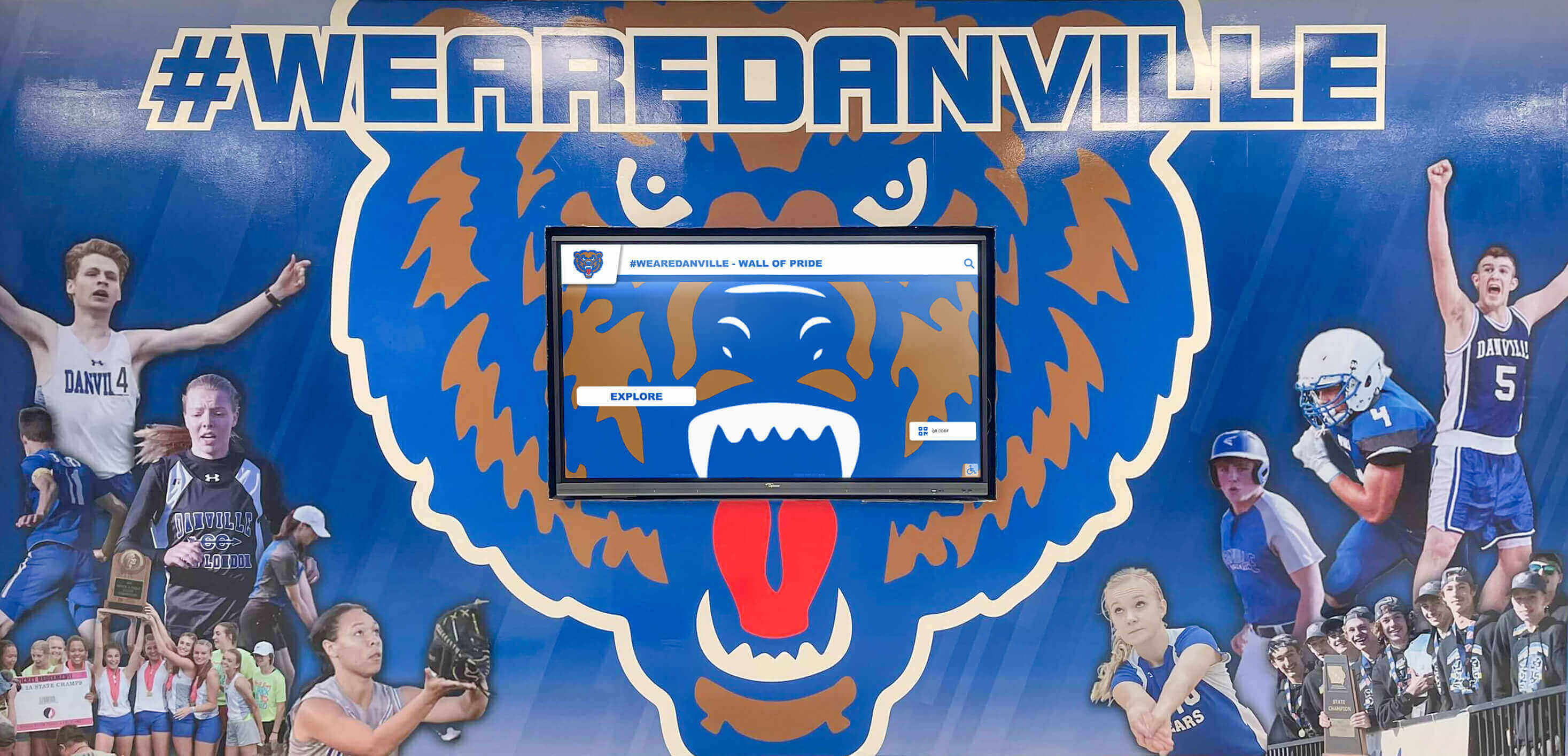
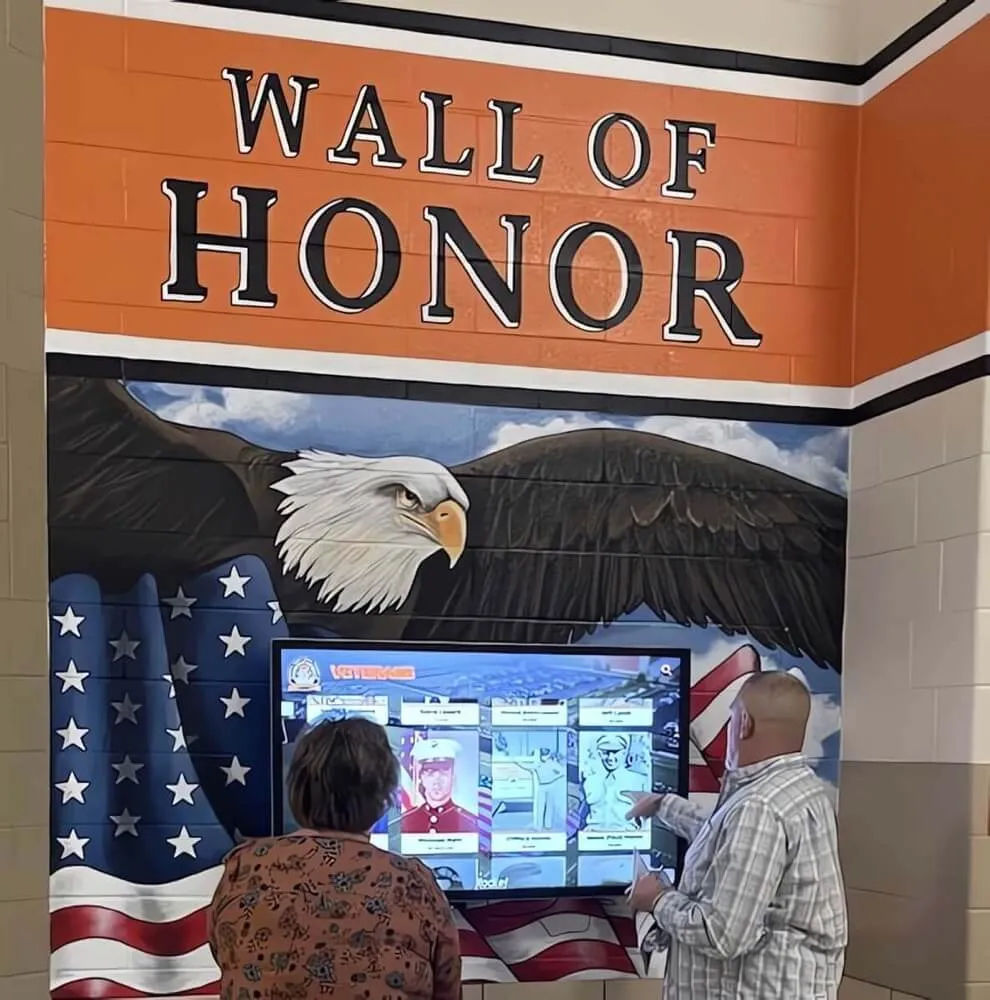
Integrated displays throughout facilities celebrate [athletic traditions](https://touchwall.us/blog/veterans-day-military-wall-of-honor-celebration/?utm_source=organic&utm_medium=seo-auto&utm_content=digitalwarming&utm_campaign=senior-night-program-ideas&utm_term=seo) and senior achievements year-round
Community Business and Supporter Recognition
Local businesses and community supporters often contribute significantly to athletic program success deserving appropriate acknowledgment.
Sponsor Recognition and Partnership Visibility
Provide appropriate sponsor acknowledgment during senior night ceremonies or associated materials recognizing businesses that supported programs financially, contributed to senior night expenses specifically, provided services (photography, printing, catering) at reduced rates, or maintained sustained program support across years.
This public recognition validates sponsor investments while strengthening relationships supporting future program success. Balance sponsor acknowledgment with maintaining ceremony focus on senior athletes, ensuring commercial elements don’t overshadow primary recognition purposes.
Community Engagement and Local Support
Position senior night as community celebration rather than isolated school event, welcoming broader public participation in honoring local athletes. Engage local media covering ceremonies and featuring senior profiles, coordinate with community organizations supporting youth athletics, invite local officials who champion athletic programs, and create welcoming atmospheres where community members feel invited celebrating achievements of young people representing their areas.
This inclusive approach builds comprehensive support networks strengthening programs while honoring seniors within broader contexts acknowledging their roles as community representatives beyond simply school athletes.
Documenting and Preserving Senior Night for Lasting Impact
The most significant senior night limitation involves temporary nature—ceremonies occur, emotions peak, then experiences fade without systematic preservation extending recognition beyond single evenings.
Professional Photography and Videography
Quality visual documentation creates lasting records preserving senior night milestones with production value exceeding amateur recordings families capture independently.
Coordinating Professional Coverage
Commission professional photographers and videographers documenting senior night comprehensively, or partner with school media programs providing similar services. Professional coverage captures ceremony details families miss while managing their own photography, edits content into polished presentations suitable for repeated viewing and sharing, creates documentation with production value matching occasions’ significance, produces shareable formats suitable for social media, websites, and personal archives, and preserves audio clearly capturing announcer narratives and emotional reactions.
Many programs recruit student photographers or collaborate with media classes creating authentic documentation while providing valuable real-world experience for student creators developing professional skills. This approach reduces costs while building student investment in capturing quality coverage serving broader school communities.
Creating Comprehensive Visual Archives
Beyond individual senior night documentation, establish systematic visual archives preserving recognition across years creating historical records. Maintain consistent photography approaches enabling comparison across eras, organize images systematically allowing easy retrieval and reference, create accessible archives where families, alumni, and communities can explore historical documentation, and build visual narratives connecting current programs to complete institutional athletic histories.
These comprehensive archives transform isolated senior night ceremonies into ongoing institutional traditions visible across decades rather than disappearing after immediate participants graduate and disperse.
Social Media and Digital Content Strategies
Digital platforms extend senior night reach throughout extended networks beyond immediate communities attending physical ceremonies.
Multi-Platform Content Distribution
Share senior night content across multiple digital channels maximizing visibility and accessibility. Dedicated social media posts for individual seniors in weeks preceding ceremonies build anticipation, live coverage during events engages extended networks unable to attend physically, comprehensive post-event galleries and highlights preserve complete documentation, and video tributes provide emotional content families share extensively.
Structure content consistently across platforms—perhaps featuring senior portraits, brief career highlights, memorable moments, future plans, and personal interests—creating professional presentations that honor athletes appropriately while showcasing program quality to prospective families evaluating whether joining teams.
Hashtag Campaigns and Community Participation
Create program-specific hashtags enabling consolidated sharing across social platforms. Encourage families, teammates, alumni, and community members sharing photos, videos, and messages using common hashtags aggregating content into searchable collections. This crowd-sourced documentation captures diverse perspectives official coverage might miss while creating organic extended celebration beyond formal programming.
Successful hashtag campaigns often trend within school communities, amplifying recognition reach while creating social proof validating program excellence and community engagement.
Building Long-Term Digital Recognition Systems
The most impactful senior night preservation approaches create permanent accessible recognition platforms extending far beyond single ceremonies into ongoing community engagement.
Comprehensive Profile Development
Digital recognition platforms enable programs creating detailed senior profiles that preserve complete athletic careers including multiple photo galleries documenting development across years, comprehensive statistics and achievement records, biographical information and personal narratives, video highlights and memorable performance documentation, coach reflections and teammate testimonials, and post-graduation updates maintaining connections as lives progress beyond high school.
These profiles provide recognition remaining accessible throughout seniors’ lives—enabling easy sharing with colleagues and future families, preserving comprehensive documentation physical gifts cannot accommodate, and connecting individual seniors to broader program legacy and tradition.
Creating “Digital Warming” Effects Through Personalization
What we call “digital warming” transforms cold forgotten recognition into vibrant accessible celebration where personalized content surfaces relevant connections, comprehensive documentation preserves complete narratives, and interactive systems enable discovery impossible with static displays. When seniors can share digital profiles decades after graduation, when current athletes explore program history discovering role models and inspiration, when families engage with recognition celebrating their students, and when communities connect with athletic tradition through intuitive technology—programs build warm engaged environments where recognition creates lasting value extending far beyond individual ceremonies.
Modern solutions like Rocket Alumni Solutions enable this comprehensive digital recognition through ADA-compliant web-based platforms, unlimited content capacity accommodating complete program histories, auto-ranking features surfacing relevant content dynamically, QR code mobile access enabling engagement anywhere, remote content management systems allowing easy updates, and comprehensive analytics revealing engagement patterns informing program decisions.
These systems transform senior night from temporary ceremonies into permanent celebration connecting generations of athletes through shared traditions, program excellence, and enduring bonds athletics creates among teammates, families, and communities.
Special Considerations and Inclusive Approaches
Thoughtful planning addresses unique circumstances ensuring meaningful celebrations for all seniors regardless of individual situations or program contexts.
Accommodating Diverse Family Situations
Senior classes include athletes from varied family backgrounds requiring sensitive inclusive approaches.
Flexible Family Participation Options
Traditional ceremony formats assume nuclear family participation—typically both parents escorting athletes during recognition. However, contemporary realities include diverse family structures: divorced or separated parents potentially creating awkward dynamics, single-parent households where one caregiver manages all responsibilities, guardianship situations where non-parent relatives raise athletes, foster care placements involving temporary or permanent alternative families, and situations where no immediate family can attend.
Create flexible frameworks accommodating these variations while maintaining ceremony consistency. Allow participation by any significant adult figures in athletes’ lives—guardians, grandparents, siblings, coaches who served parental roles, or supportive mentors. When family members cannot attend, consider pairing seniors with coaches, teammates, or program alumni ensuring all seniors have escorts preventing visible exclusion during family-focused ceremony segments.
Communicate options clearly and privately, allowing athletes and families selecting appropriate approaches without public attention to sensitive circumstances.
Honoring Non-Traditional Paths and Circumstances
Not all seniors follow standard four-year participation patterns. Transfer students who joined programs mid-career, athletes who began sports later than peers, participants whose careers were limited by injuries or illness, and students who transitioned between programs deserve equal recognition regardless of non-traditional circumstances.
Frame introductions focusing on contributions during program tenure rather than emphasizing shorter participation periods or limitations. Celebrate successful navigation of challenges they overcame, relationships formed despite brief time, and positive impacts made regardless of participation duration. This inclusive recognition demonstrates that programs value all contributors regardless of how or when they joined, creating welcoming cultures embracing diverse participation pathways.
Multi-Sport Senior Night Coordination
Smaller schools sometimes combine senior night ceremonies for multiple sports completing seasons simultaneously, creating coordination challenges and opportunities.
Maintaining Sport-Specific Identity Within Combined Events
When sharing ceremonies across sports, ensure each program receives appropriate recognition preserving distinct cultures and traditions. Advocate for sport-specific recognition segments rather than generic all-sport presentations where individual programs blur together, allow each team featuring distinctive ceremony elements reflecting their unique traditions, and balance administrative efficiency with respecting that different sports possess distinct identities deserving individual acknowledgment.
Well-designed multi-sport ceremonies create inclusive celebration recognizing comprehensive athletic excellence while honoring each program’s particular character and values.
Coordinating Logistics Across Multiple Programs
Successfully managing combined senior nights requires careful advance planning and clear communication between coaches and administrators. Establish time allocations ensuring equitable treatment across sports, designate ceremony coordinators managing transitions between segments, communicate detailed schedules to all families well in advance, and identify which elements all sports share versus exclusive components preserving individual program identities.
This balanced approach achieves administrative efficiency while respecting that different sports require individualized recognition appropriate to their particular cultures and traditions.
Budget-Conscious Recognition Approaches
Meaningful senior night programs don’t require extensive financial resources when creativity and thoughtfulness guide planning.
High-Impact Low-Cost Strategies
Focus recognition on personal meaning rather than expensive materials or elaborate productions. Handwritten coach letters cost only time but consistently rank among seniors’ most treasured keepsakes, team-created recognition items leverage teammate creativity requiring minimal financial investment, facility decorations using existing materials transform spaces without purchasing expensive elements, technology resources most schools already possess enable quality multimedia presentations, and community partnerships often provide support reducing program costs.
These approaches demonstrate that genuine appreciation expressed authentically creates more value than expensive items distributed impersonally, validating that recognition effectiveness stems from thoughtfulness rather than expenditure levels.
Leveraging Booster Clubs and Community Support
Athletic booster organizations typically support senior recognition across sports programs. Communicate specific senior night needs to booster clubs well in advance, providing detailed information about desired recognition elements and budget requirements. Community fundraising strategies can help generate resources supporting enhanced recognition while engaging broader school communities in celebrating athletic achievement.
Local businesses often contribute sponsorships, services, or products supporting senior night when approached professionally with clear proposals explaining recognition value for student athletes and visibility benefits for contributing organizations.
Evaluating Senior Night Success and Continuous Improvement
Effective programs assess whether ceremonies achieved intended purposes and identify improvement opportunities for future celebrations.
Gathering Participant Feedback
Collect perspectives from seniors, families, and stakeholders about ceremony experiences while memories remain fresh.
Senior and Family Input
Within days following senior night, request brief feedback from senior athletes and their families about ceremony experiences. Ask what moments proved most meaningful, what they’ll remember years later, how recognition compared to expectations, whether ceremonies honored athletic careers appropriately, and what suggestions they offer for improvement.
These immediate responses provide authentic feedback before memories fade or social pressures influence participants toward expressing only positive sentiments regardless of actual experiences.
Underclassman Observations
Younger athletes watching senior night gain impressions informing their own future expectations and shaping perceptions about whether programs value complete careers appropriately. Gather feedback from underclassmen about what they observed, what impressed them favorably, what seemed ineffective or uncomfortable, and how witnessing senior recognition influences their own program commitment.
This perspective reveals whether ceremonies effectively strengthen program culture among continuing athletes or miss opportunities building team cohesion and tradition.
Systematic Documentation and Institutional Learning
Transform individual ceremony experiences into organizational knowledge informing continuous program improvement.
Creating Program Playbooks
Document successful senior night elements, logistical approaches, timeline frameworks, vendor relationships, and effective practices in accessible formats guiding future planning. When coaching staffs change or new administrators assume responsibilities, comprehensive documentation prevents loss of institutional knowledge ensuring programs maintain effective recognition approaches rather than recreating processes unnecessarily.
Include specific details about what worked effectively, challenges encountered and solutions developed, family communication templates, ceremony scripts or outlines, vendor contacts and service evaluations, and budget documentation showing expense allocation and resource requirements.
Year-Over-Year Evolution
Review previous senior night feedback and documentation when planning subsequent ceremonies, identifying patterns suggesting systematic improvement opportunities rather than isolated incidents. Perhaps multiple families requested longer individual recognition time, ceremony timing created consistent conflicts with other school events, specific gift types generated particularly positive responses, or certain ceremony elements proved consistently powerful creating emotional resonance.
This systematic assessment creates organizational learning enabling continuous improvement based on accumulated experience across years rather than treating each senior night as isolated event planned independently without reference to prior knowledge.
Conclusion: Recognition That Honors Complete Athletic Journeys
Senior night represents far more than routine ceremony or obligatory tradition. When designed thoughtfully and executed with genuine care, these celebrations create defining moments athletes remember throughout lives—the announcement of their achievements before hometown crowds, family presence during recognition representing years of unwavering support, teammate appreciation expressed publicly and privately, community acknowledgment of dedication spanning countless practices and competitions, and emotional realization that formative athletic chapters approach conclusions.
The senior night program ideas explored throughout this comprehensive guide provide frameworks for transforming standard recognition into memorable celebration. From personalized introduction narratives honoring individual journeys to family involvement strategies acknowledging crucial support systems, from meaningful gift options providing lasting value to digital preservation approaches extending recognition far beyond single ceremonies, these concepts create comprehensive celebrations addressing multiple stakeholder needs while maintaining focus on honoring departing athletes whose dedication defined their athletic careers.
Effective senior night planning requires balancing competing considerations—providing meaningful individual recognition while maintaining reasonable ceremony length, creating emotional resonance without excessive sentimentality, honoring tradition while remaining contemporary and relevant, engaging families and communities while keeping focus on senior athletes, and celebrating past achievements while acknowledging future possibilities beyond competitive careers.
Perhaps most importantly, senior night impact extends beyond single ceremonies through systematic preservation creating permanent accessible recognition. Traditional approaches created temporary celebrations that faded quickly once ceremonies concluded and physical mementos collected dust or were misplaced. Modern digital platforms transform senior night into permanent celebration that alumni revisit throughout their lives, share with colleagues and future families, and maintain as lasting evidence of athletic accomplishment and program connection.
Digital recognition systems create what we call “digital warming” effects throughout athletic communities—transforming cold forgotten recognition into vibrant accessible celebration where personalized content surfaces relevant connections, comprehensive documentation preserves complete career narratives, and interactive systems enable discovery impossible with static physical displays. When seniors can share complete digital profiles showcasing their achievements decades after graduation, when current athletes explore program history discovering role models and inspiration, when families engage with recognition celebrating their students, and when communities connect with athletic tradition through intuitive technology—programs build warm, engaged environments where recognition creates lasting value extending far beyond individual ceremonies.
Your senior athletes invested thousands of hours developing skills through dedicated practice, competing through victories and defeats, supporting teammates through shared challenges, and representing your program and community with pride. They deserve senior night celebrations matching the significance of their commitment—thoughtful presentation formats creating genuine emotional moments, meaningful recognition elements providing lasting value beyond single evenings, and permanent preservation ensuring their achievements inspire future athletes while remaining accessible throughout their own lives.
Whether coordinating programs with one senior or twenty-five, whether facilities provide elaborate ceremony capabilities or modest recognition spaces, whether budgets enable extensive productions or require creative resourcefulness—the principles underlying meaningful senior night remain consistent. Genuine appreciation expressed authentically, individual recognition honoring unique contributions and journeys, family acknowledgment validating support systems, team celebration of relationships and shared experiences, and permanent preservation creating lasting accessible documentation connecting athletes to enduring program traditions.
Ready to transform your senior night into a celebration creating lasting memories while building permanent program recognition? Discover how Rocket Alumni Solutions helps athletic programs honor senior athletes through interactive displays, permanent digital archives, and engaging recognition platforms designed specifically for schools committed to celebrating their athletes meaningfully while preserving achievements that inspire current students, engage alumni networks, and strengthen comprehensive program traditions connecting generations through shared athletic excellence and the enduring bonds sports create among teammates, families, and communities.