



Senior living communities thrive when residents feel recognized, engaged, and connected to vibrant social networks. Yet many retirement facilities struggle to celebrate resident achievements, showcase internal committees, honor community volunteers, and preserve institutional memory in ways that resonate with contemporary residents while remaining accessible to all age groups and abilities.
Traditional recognition approaches—bulletin boards with faded photographs, static plaques listing past committee members, printed directories outdated within weeks, and memorial walls with limited space—fail to capture the dynamic, active nature of modern senior living communities. These static methods offer no interactivity, restrict recognition to a handful of visible names, and provide zero capacity for timely updates when new residents join committees or when community achievements deserve immediate celebration.
Interactive touchscreen recognition systems transform how senior living facilities celebrate their communities. When residents discover their committee service recognized on engaging digital displays, when families explore loved ones’ community contributions from home computers, and when staff showcase resident accomplishments instantly without waiting for plaque engraving—communities experience what we call “digital warming.” This effect occurs when personalized, continuously updated content transforms sterile lobbies into welcoming gathering spaces that strengthen connections across the entire community.
Modern senior living facilities compete not just on healthcare quality and amenities, but on total resident experience—the social vitality, sense of purpose, and community engagement that determine whether residents thrive or merely exist. Communities that leverage digital recognition to celebrate achievements, honor contributions, and create warm gathering spaces see measurable improvements in resident satisfaction, family engagement, volunteer participation, and overall community morale. More importantly, they transform what many perceive as clinical institutional environments into vibrant communities where every resident feels valued and connected.

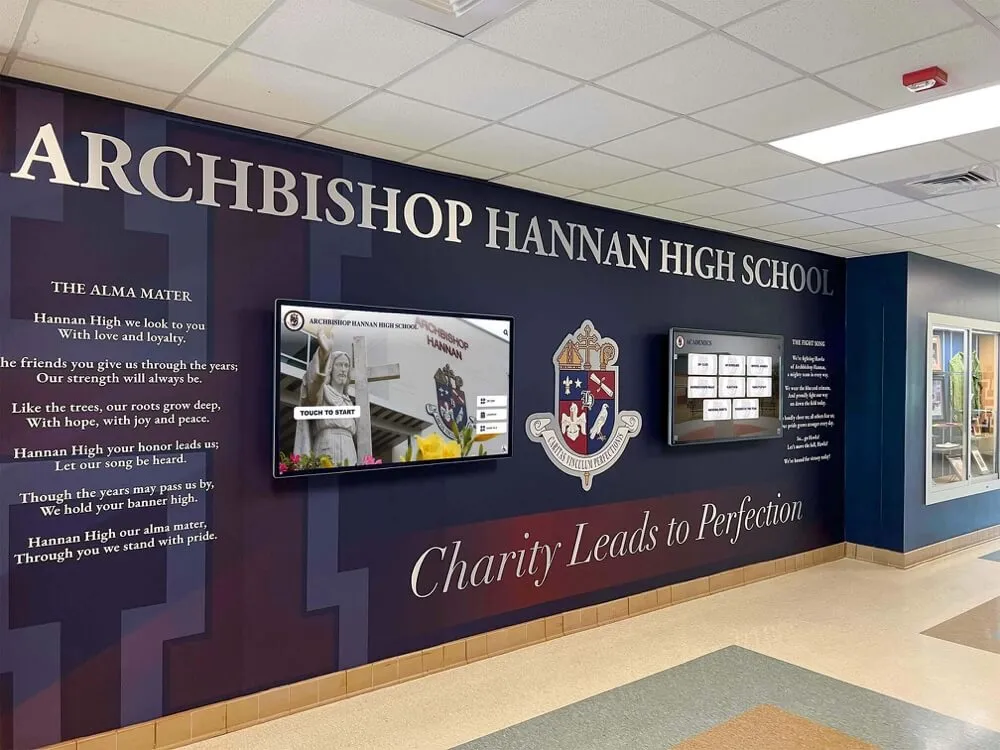
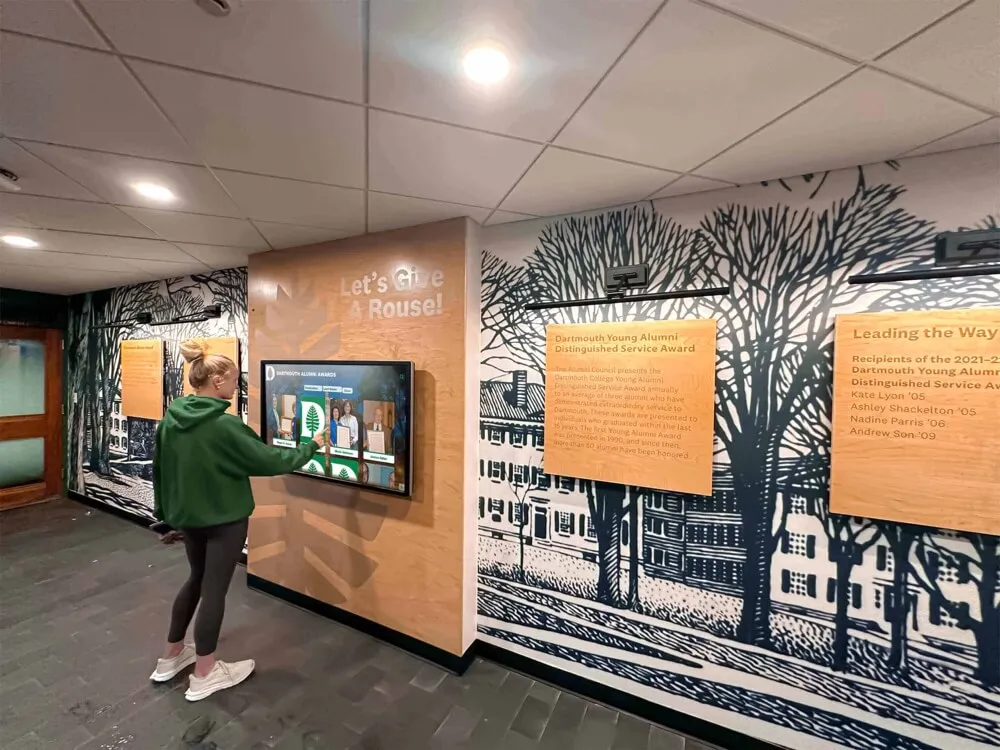
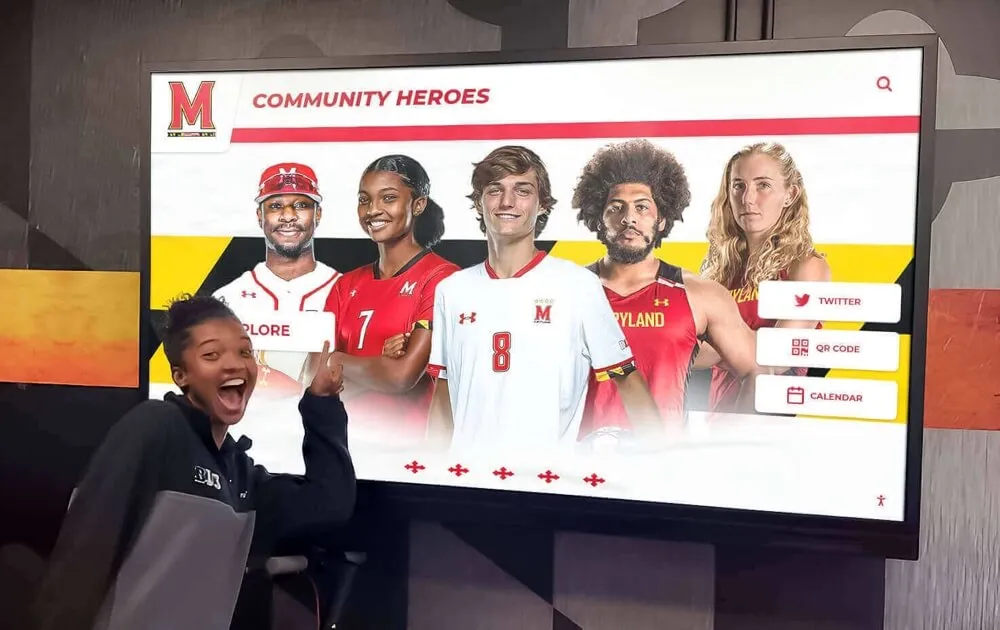
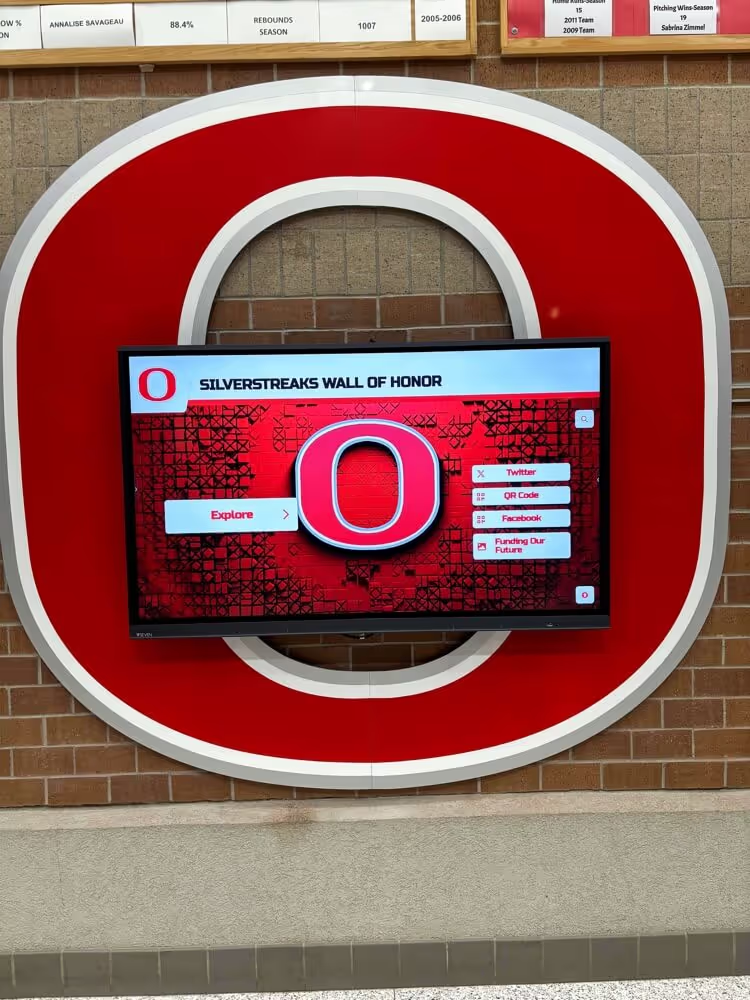
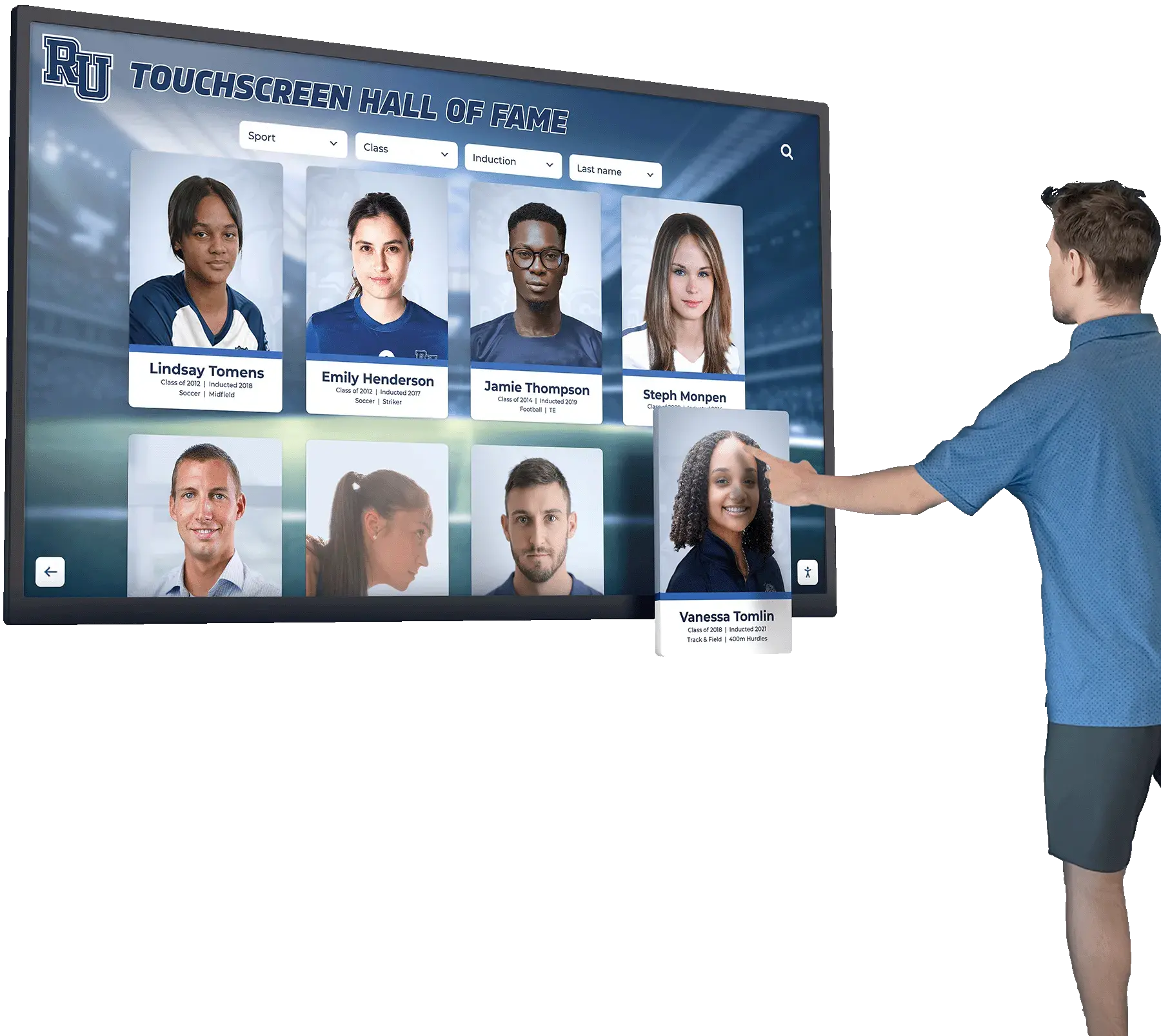
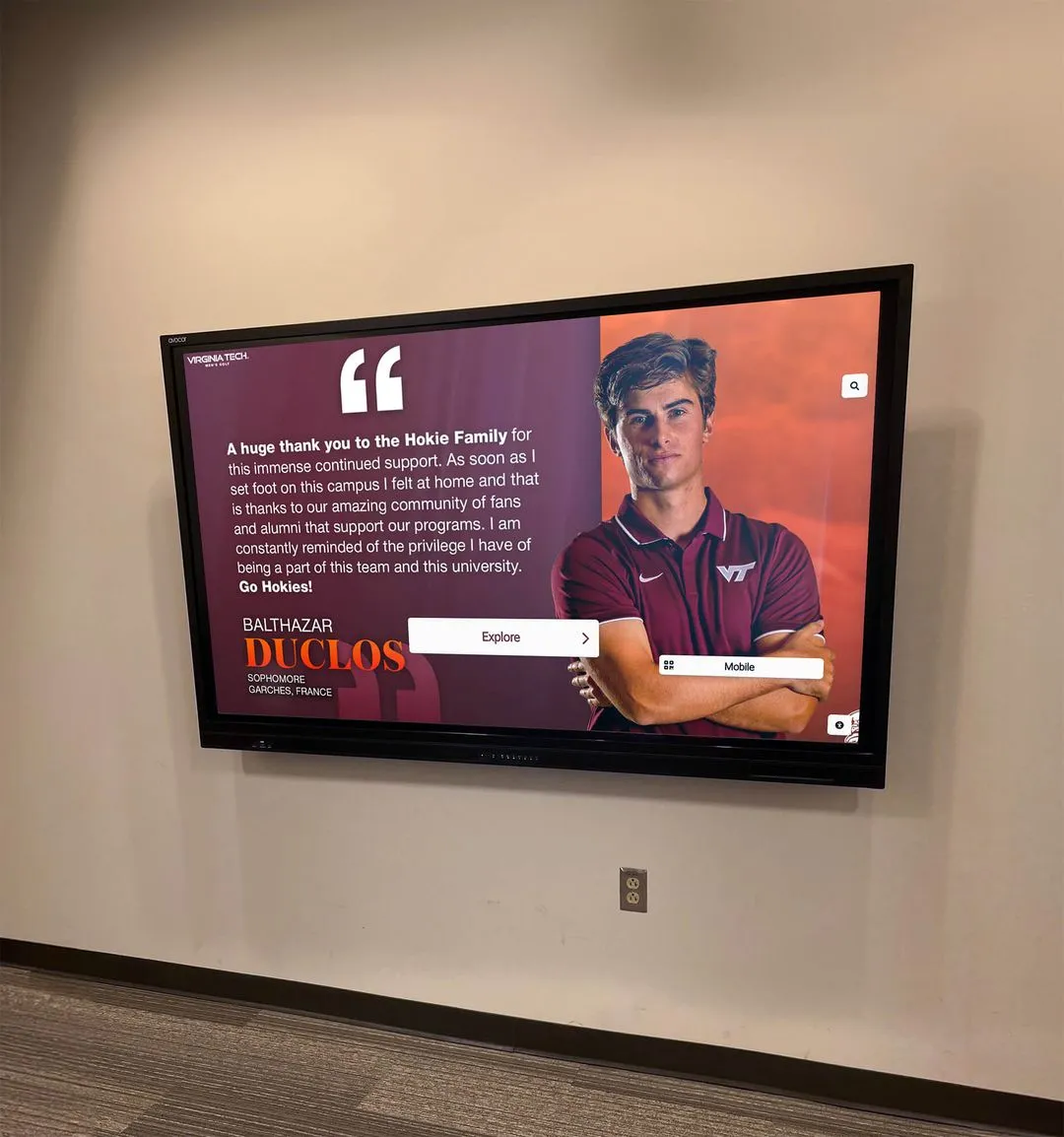
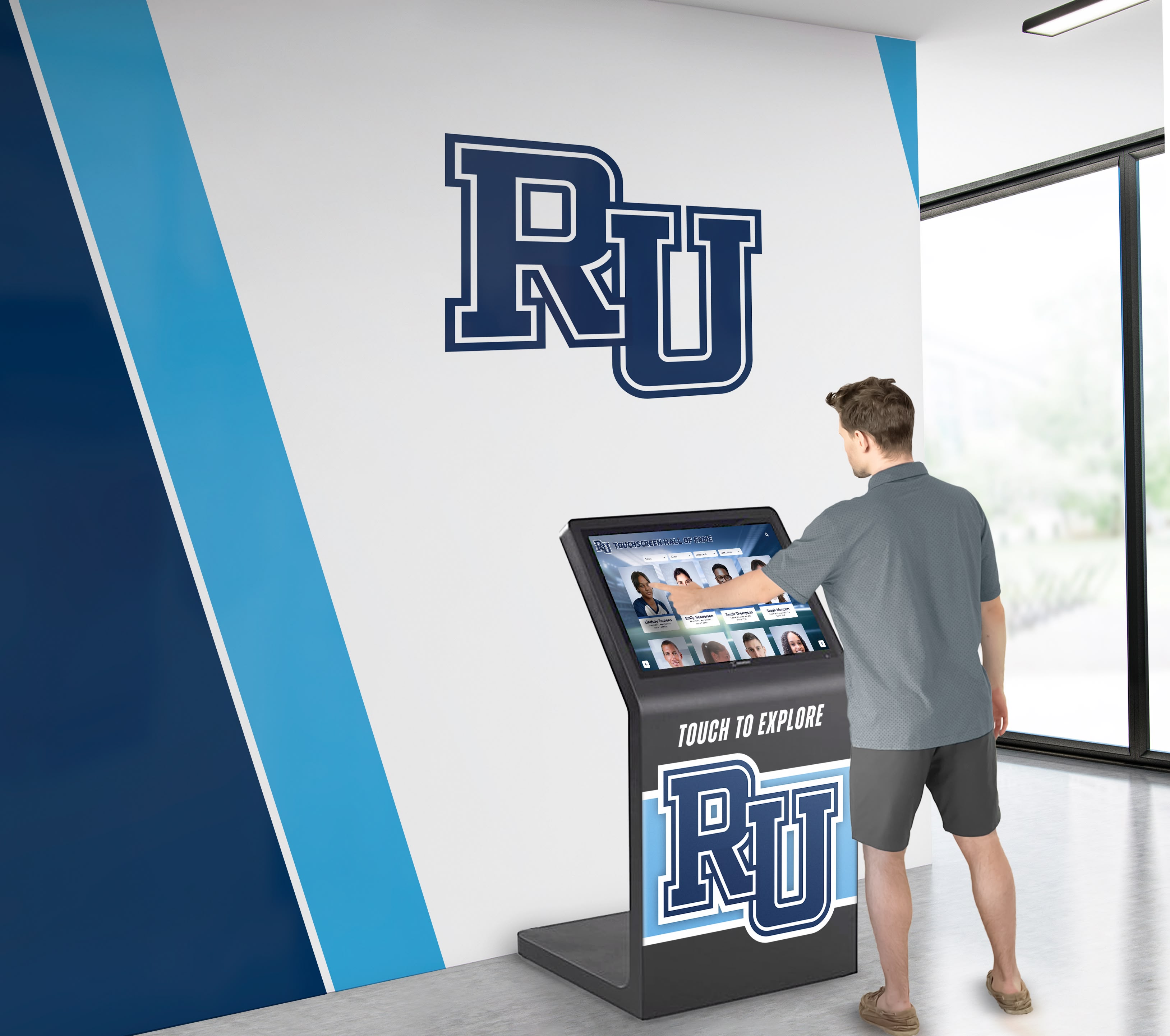
Intuitive touchscreen displays make exploring community achievements accessible and engaging for all residents
Why Senior Living Facilities Need Digital Recognition
Senior living communities face unique recognition challenges distinct from schools, corporations, or country clubs. Residents represent diverse backgrounds with decades of professional accomplishments, committee volunteers deserve visibility for often-thankless service, and communities must balance celebrating current residents while honoring those who’ve passed.
The Limitation of Traditional Recognition Methods
Physical recognition space in senior living facilities is valuable and finite. Lobby walls accommodate only so many plaques before environments feel institutional rather than welcoming. Printed directories become outdated immediately when new residents move in or current residents join committees. Memorial walls fill completely, forcing difficult decisions about whose memory receives permanent recognition.
Unlimited Digital Capacity
Digital platforms eliminate these constraints entirely. Solutions like Rocket Alumni Solutions provide unlimited recognition capacity, accommodating every committee member throughout facility history, every resident milestone and community achievement, comprehensive directories with current contact preferences, and memorial tributes that preserve legacies without physical space limitations—all accessible through intuitive touchscreen interfaces requiring no technical expertise.
Accessibility for All Age Groups and Abilities
Senior living residents span wide ability ranges. Some residents maintain full mobility and cognitive function while others require assistive technologies for vision, hearing, or motor control challenges. Traditional printed materials exclude residents with vision impairments, while complex digital systems frustrate those uncomfortable with technology.
Universal Design Principles
Well-designed touchscreen systems accommodate diverse abilities through features like large text options for vision impairment, high contrast modes supporting low vision, audio narration for screen reader compatibility, simplified navigation requiring minimal motor precision, and intuitive interfaces familiar to residents who’ve never used touchscreens. Platforms meeting ADA WCAG 2.1 AA compliance standards ensure genuine accessibility rather than token gestures toward inclusion.
Family Engagement and Remote Access
Families increasingly live distant from parents and grandparents in senior living communities. Adult children want to understand how parents spend time, what activities engage them, and what their social networks look like—but monthly visits provide limited visibility into daily community life.
Web-Based Extension Creates Connection
Modern recognition platforms extend beyond physical touchscreens to web-accessible versions enabling families to explore from anywhere. Adult children browse their parent’s committee service, discover mom’s volunteer recognition, view photos from community events, and share these accomplishments with siblings—creating emotional connections and peace of mind about parents’ engagement and social vitality that phone calls cannot convey.
Learn how digital displays transform community engagement across organizations serving diverse populations.
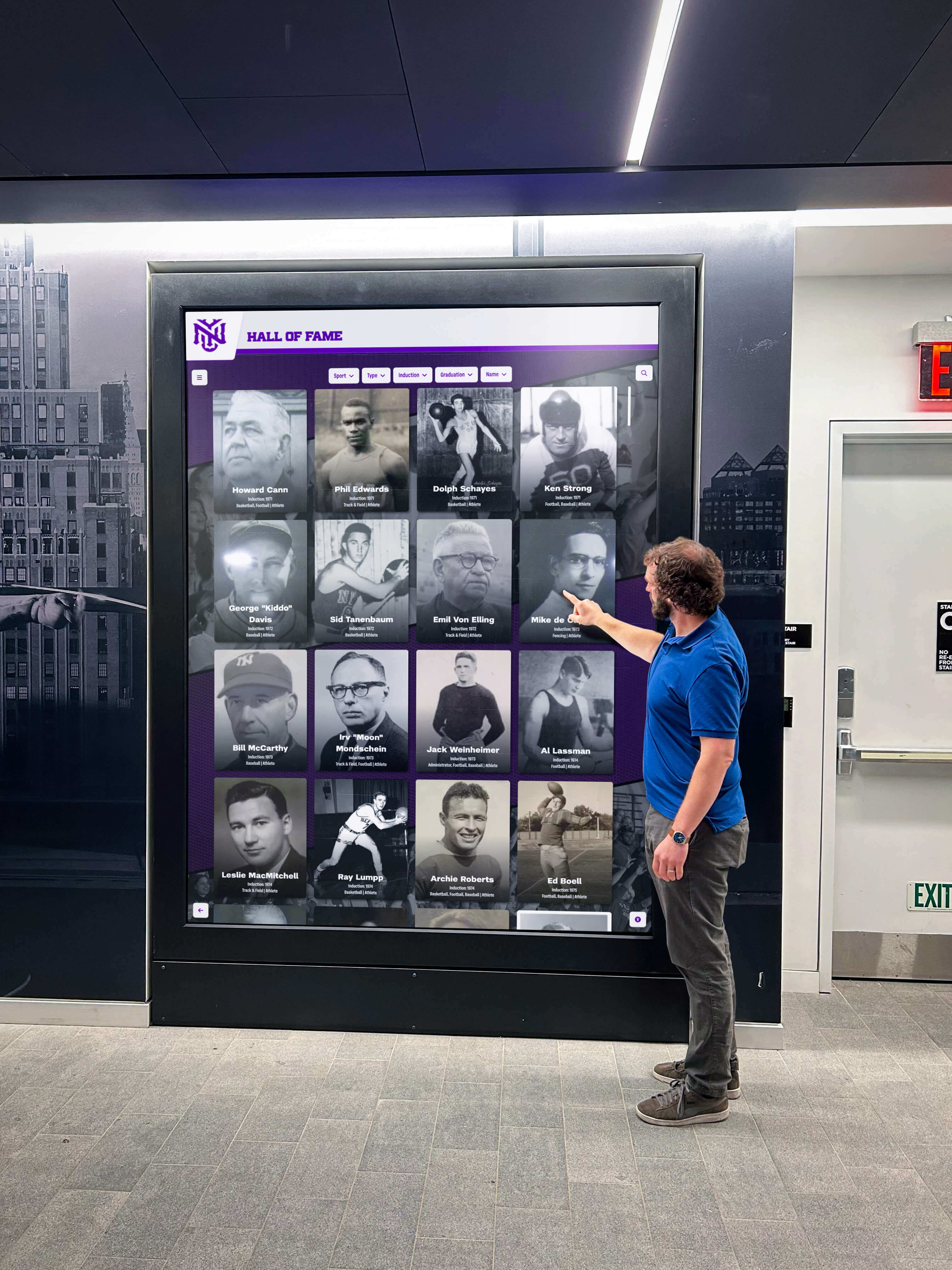
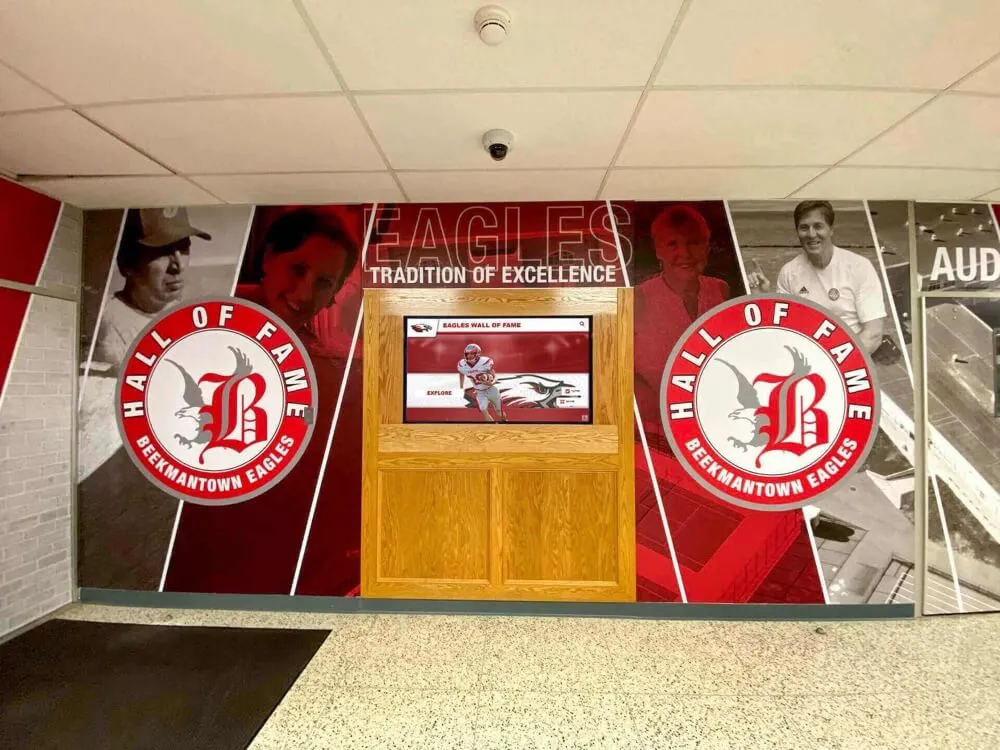
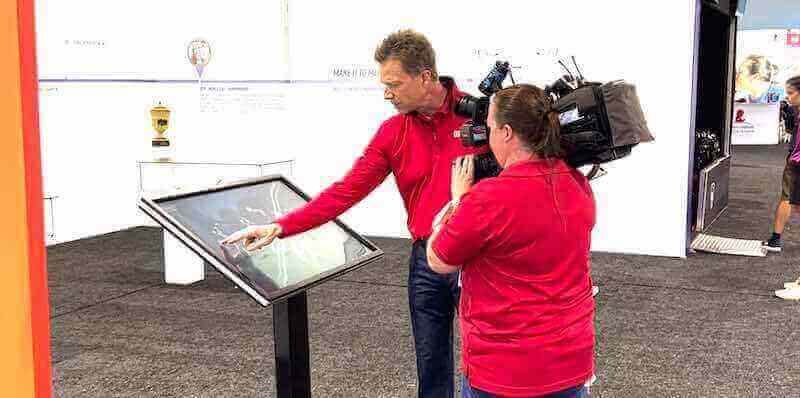
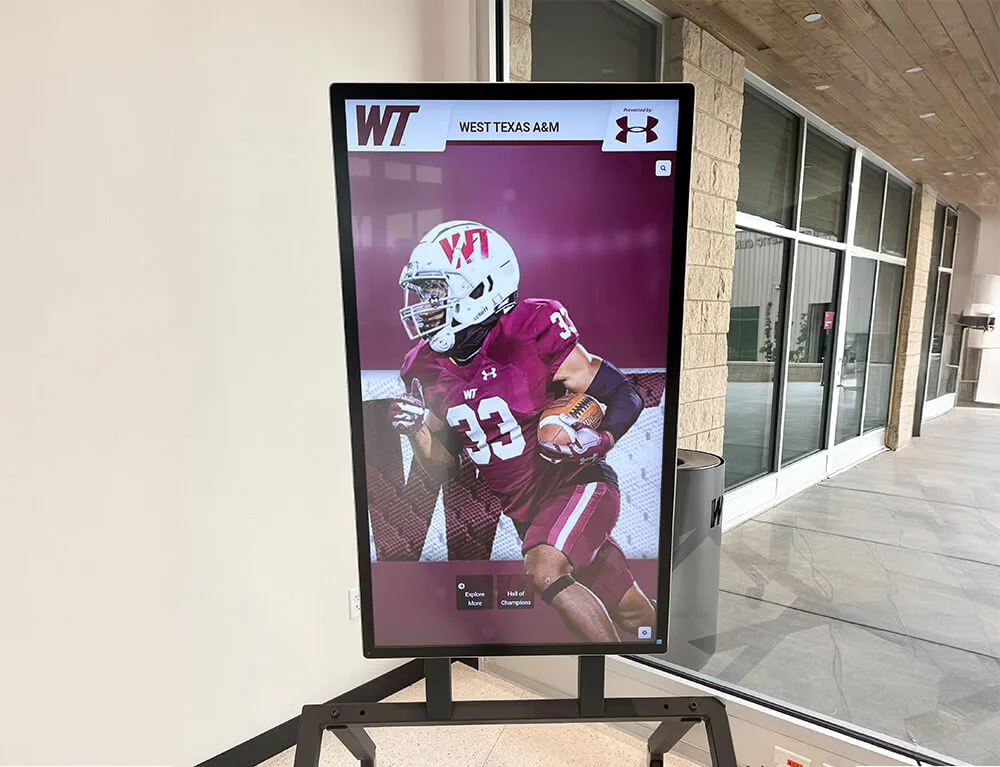
Accessible interfaces enable family members to discover loved ones' community contributions and engagement
20 Recognition Ideas for Senior Living Touchscreen Displays
Successful implementations celebrate community across multiple dimensions, ensuring all residents discover personal connections while honoring diverse forms of contribution.
Internal Committee Recognition
Committees form the governance backbone of senior living communities. Residents volunteering countless hours deserve systematic acknowledgment:
1. Parking Committee Members
Parking management creates ongoing challenges in senior living facilities. Committee members mediating disputes, developing policies, and ensuring fair access deserve recognition for handling sensitive issues affecting daily convenience. Digital displays showcase current committee members with contact information, document historical committee chairs and their tenure, explain current parking policies residents can reference, and archive significant policy changes with rationale helping residents understand evolution.
2. Resident Council Officers
Resident councils represent community voices, advocate for improvements, and facilitate administration-resident communication. Recognition platforms highlight current council officers with photographs and backgrounds, display meeting schedules and agendas promoting participation, archive meeting summaries residents can review, and celebrate council achievements and successful advocacy initiatives that improved community life.
3. Activities Committee Members
Activities committees plan social programming, organize events, and create opportunities for resident connection. Touchscreens showcase committee members and their planning efforts, promote upcoming events with registration information, display photo galleries from recent activities, and recognize volunteers who help execute successful programs.
4. Dining Committee Representatives
Dining quality significantly impacts resident satisfaction. Committee members providing feedback, suggesting menu improvements, and representing resident preferences deserve visibility. Digital recognition features committee member profiles and their focus areas, explains feedback processes residents can participate in, shares menu planning highlights and upcoming special meals, and celebrates dining program achievements like sustainability initiatives or award recognition.
5. Safety and Wellness Committee
Safety committees address facility security, emergency preparedness, and wellness initiatives. Recognition includes committee member expertise and backgrounds, emergency procedure reminders residents can reference, wellness program highlights and participation opportunities, and safety improvement achievements demonstrating proactive risk management.
6. Gardens and Grounds Committee
For facilities with outdoor spaces, garden committees beautify environments while providing therapeutic engagement. Displays showcase committee members and their gardening expertise, feature seasonal garden highlights with photographs, document landscape improvements over time, and recognize volunteers maintaining spaces residents enjoy.
Internal Governance Recognition
Beyond committees, formal governance structures guide community direction:
7. Board of Directors and Advisory Boards
Senior living facilities often include resident advisory boards or governance participation. Recognition platforms list current board members and their professional backgrounds, document historical board chairs and significant decisions, explain governance structures residents can participate in, and celebrate board-driven initiatives improving community life.
8. Department Liaisons
Some communities designate resident liaisons connecting residents with specific departments like dining, housekeeping, or activities. Digital displays introduce liaisons and their departments, provide contact information for resident concerns, explain liaison roles and responsibilities, and recognize successful collaboration between liaisons and staff.
Community Awards and Achievements
Celebrating excellence creates aspiration while honoring exceptional contributions:
9. Neighbor of the Week
Regular recognition keeping engagement fresh and inclusive. Each week features a different resident, showcasing their background, interests, and community contributions. This rotating spotlight ensures all residents eventually receive visibility while creating anticipation about who’ll be featured next. The recognition includes personal photographs, brief biographical highlights, favorite community activities or programs, and what neighbors appreciate about them—often submissions from fellow residents nominating friends.
Discover how employee recognition programs translate effectively to senior living recognition strategies.
10. Volunteer of the Month
Recognizing residents who give exceptional volunteer service—helping with activities, mentoring new residents, serving on multiple committees, or contributing unique skills benefiting the community. Recognition includes volunteer hours contributed, specific initiatives they’ve supported, impact statements from program coordinators, and photographs from volunteer activities.
11. Milestone Celebrations
Life milestones deserve community acknowledgment. Touchscreens celebrate resident birthdays with monthly listings, wedding anniversaries with years married, move-in anniversaries showing tenure, and family celebrations like new grandchildren or great-grandchildren. These personal milestones create conversation starters while demonstrating community care for individual residents.
12. Achievement Recognition
Residents continue accomplishing remarkable things regardless of age. Digital platforms celebrate published books or articles residents authored, artistic achievements like gallery showings or performances, educational accomplishments such as degrees completed, athletic achievements like race completions or championship wins, and community service awards from external organizations. This recognition honors continued growth and contribution.
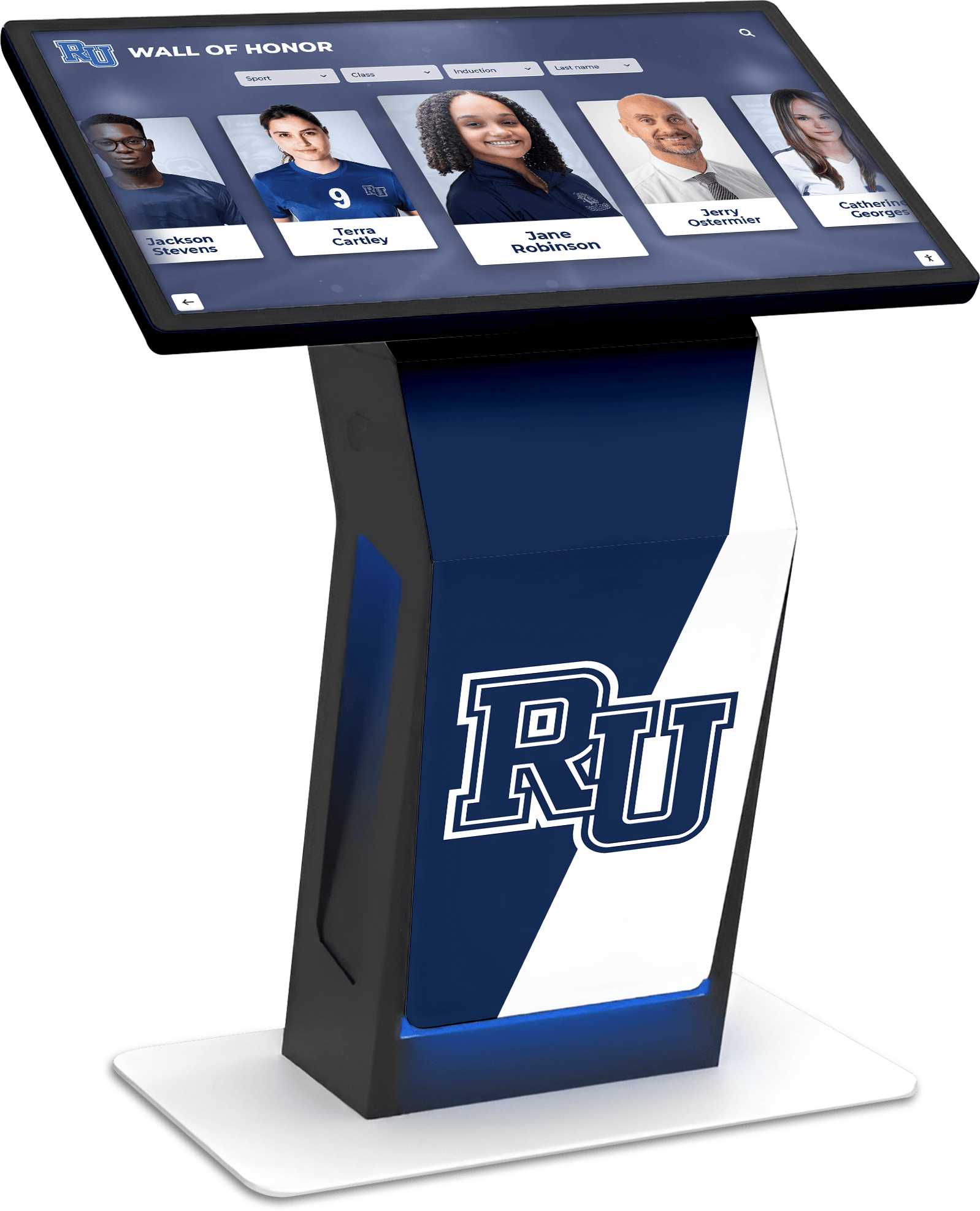
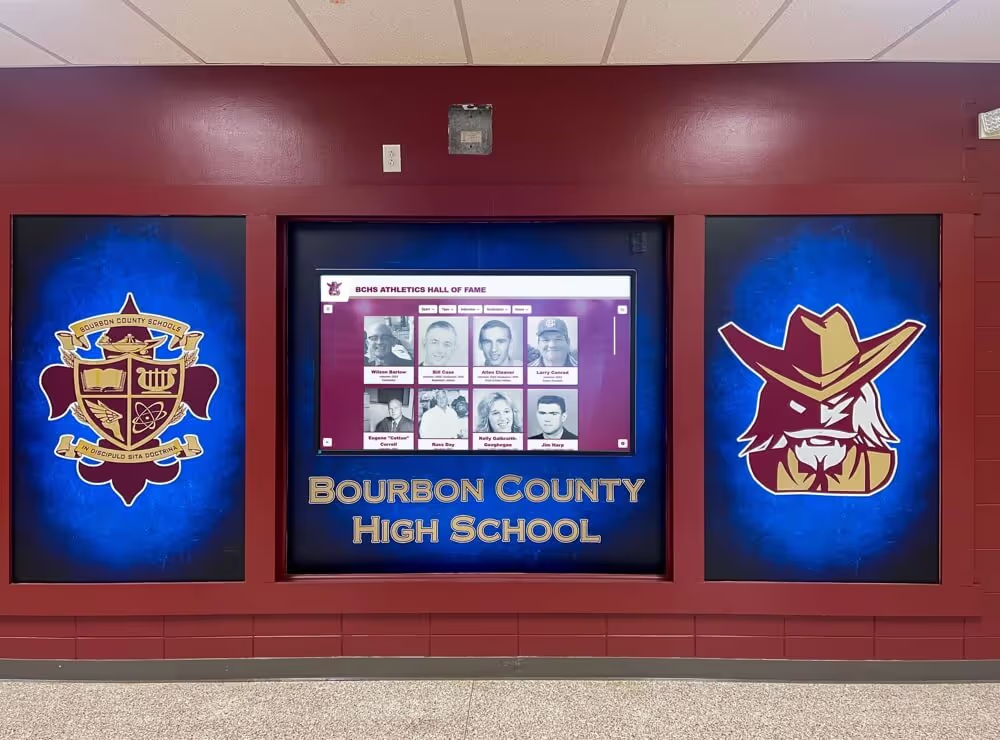
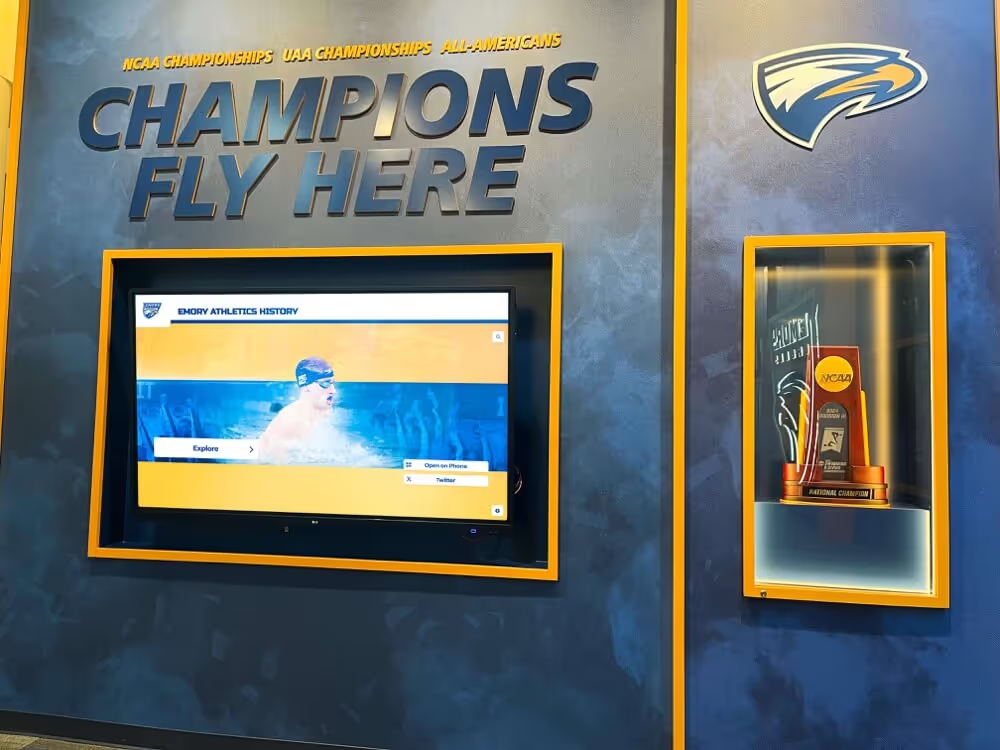
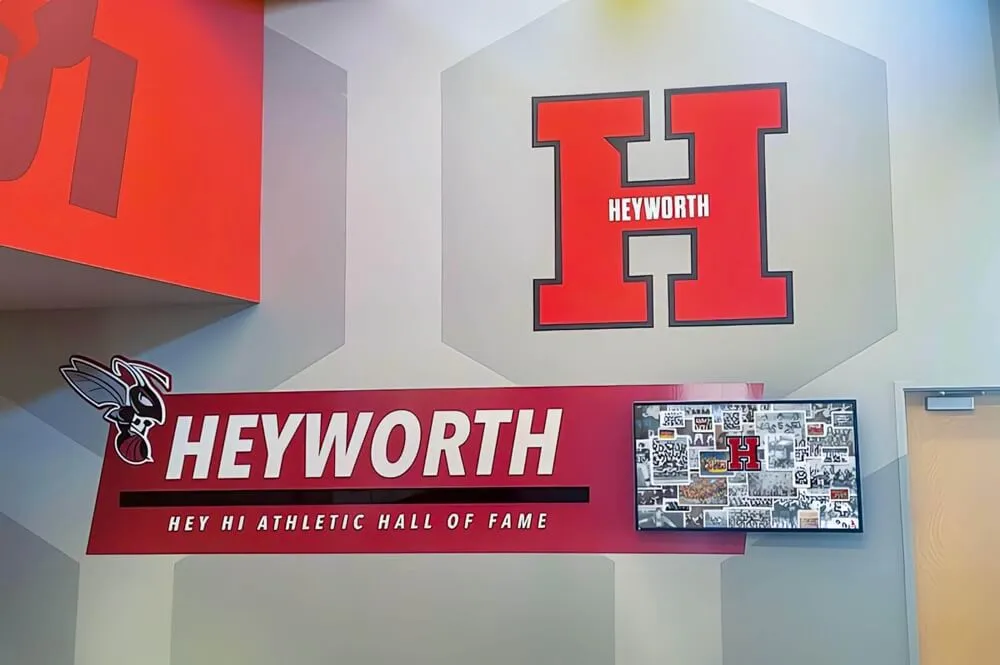
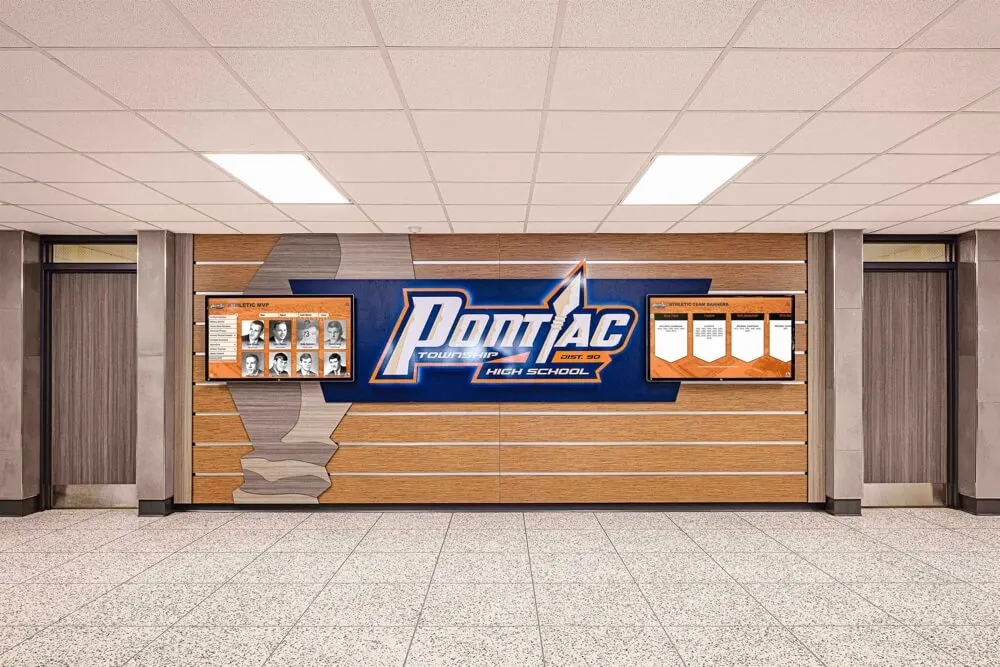
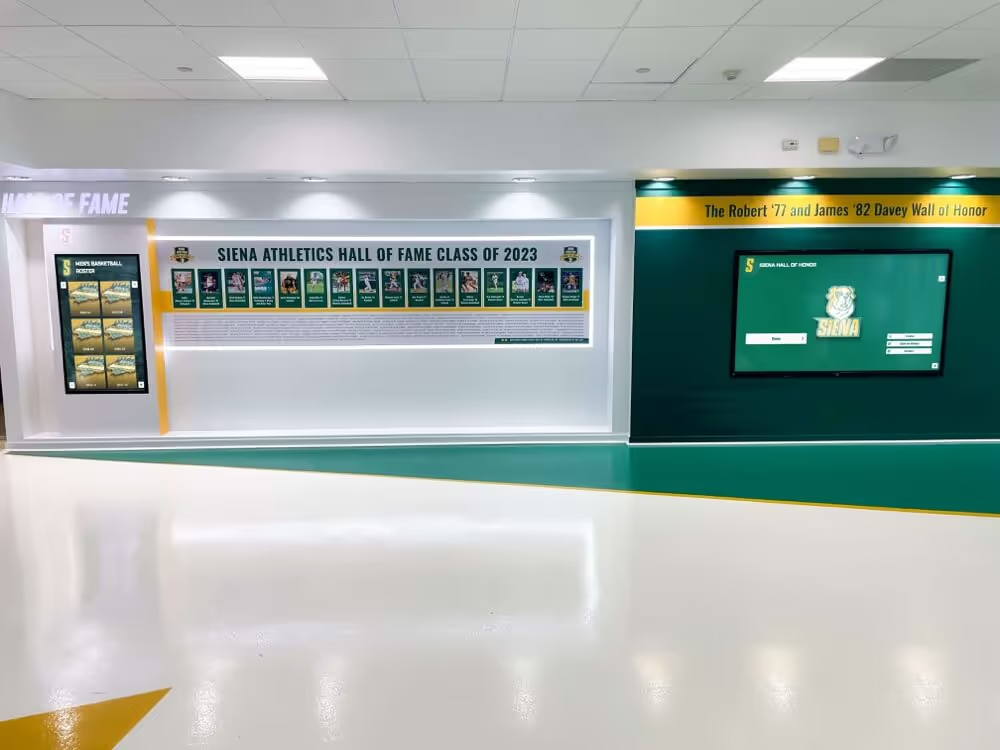
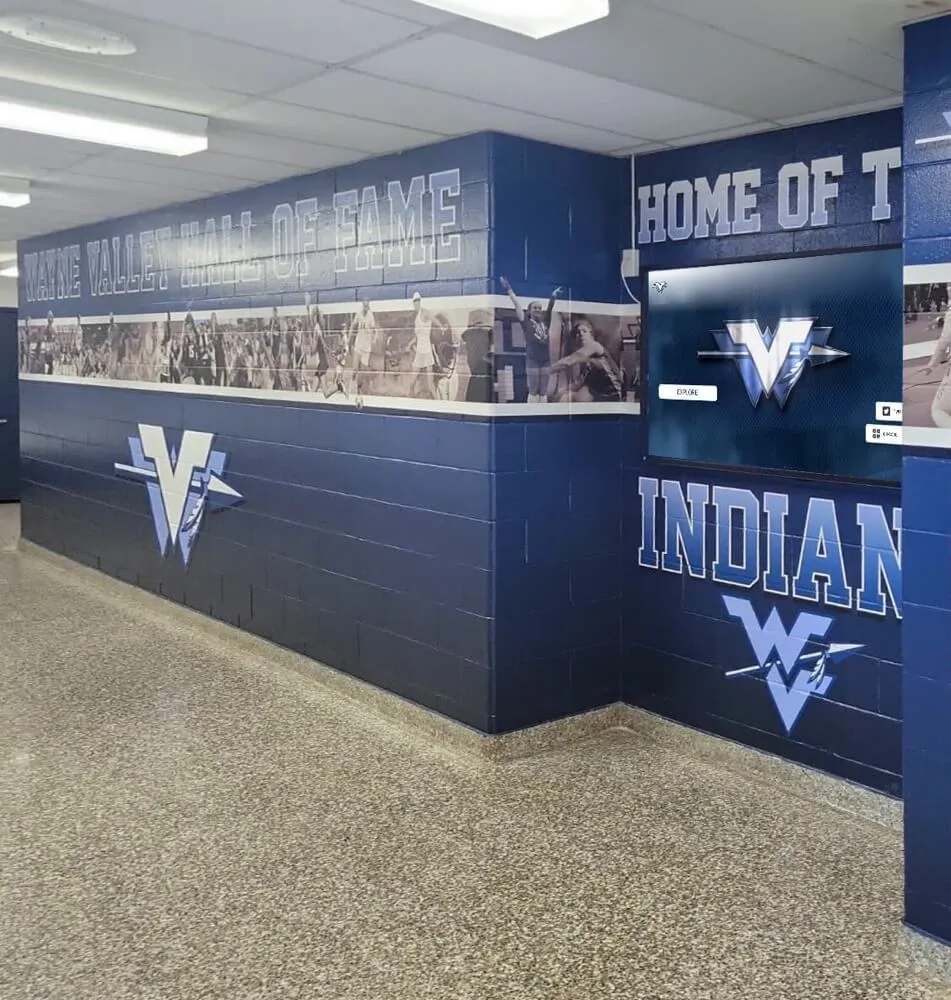
Professional installations create accessible recognition destinations celebrating diverse community contributions
Resident Directory and Profiles
Functional directories serve practical needs while building social connections:
13. Interactive Resident Directory
Comprehensive directories help residents connect with neighbors sharing interests. Digital displays enable searching by name, apartment number, or interests. Individual profiles include photographs residents provide, contact preferences they control, backgrounds and former professions, interests and hobbies supporting connection, and committee or volunteer involvement. Privacy controls let residents determine what information appears, ensuring comfort while encouraging connection.
14. New Resident Introductions
Welcoming newcomers accelerates integration. Featured profiles for residents who’ve moved in recently include background and former residence, family information they choose to share, interests and activities they’re excited to explore, and committees or programs they’re considering joining. These introductions help established residents welcome newcomers while helping new residents discover connection opportunities.
15. Staff Directory
While focused on residents, directories including key staff members improve communication. Profiles feature administrative leadership, activities coordinators, dining managers, maintenance supervisors, and healthcare directors. Including staff recognizes their community roles while helping residents know who to contact for specific needs.
Memorial and Legacy Recognition
Honoring those who’ve passed maintains community continuity and provides comfort:
16. In Memoriam
Digital memorial sections preserve legacies without physical space constraints. Each memorial includes photographs from their community life, biographical highlights and former professions, community contributions and committee service, remembrances from fellow residents and staff, and date information families prefer to share. Unlike physical memorial walls with limited capacity, digital platforms accommodate unlimited tributes ensuring no one’s memory is lost.
Explore how memorial walls honor contributions while providing lasting recognition.
17. Legacy Stories
Beyond basic memorials, detailed legacy stories preserve the remarkable lives residents lived. These narrative tributes include extensive biographical information, career accomplishments and contributions, family histories and descendants, military service and community involvement, and personal anecdotes from friends sharing favorite memories. Families often contribute to these tributes, creating rich historical records honoring full lives well-lived.
Community History and Heritage
Facilities with long histories benefit from celebrating institutional evolution:
18. Facility Timeline and Milestones
Historical timelines document community evolution. Displays showcase founding stories and original vision, significant expansions and renovations over decades, notable residents who contributed to community development, and achievement milestones like accreditation awards or program recognitions. This historical context helps residents understand traditions while building institutional pride.
19. Anniversary Celebrations
Facilities celebrating significant anniversaries—25th, 50th, 75th years—use touchscreens as centerpieces. Special sections feature historical photographs showing facility evolution, founding families or organizations and their original vision, notable residents throughout history, and community growth statistics demonstrating sustained success.
20. Community Events Gallery
Ongoing event documentation creates vibrant visual records. Photo galleries showcase holiday celebrations, resident performances and talent shows, educational programs and guest speakers, outdoor excursions and trips, and seasonal activities like garden parties or winter festivals. These galleries demonstrate active community life while preserving memories residents enjoy revisiting.
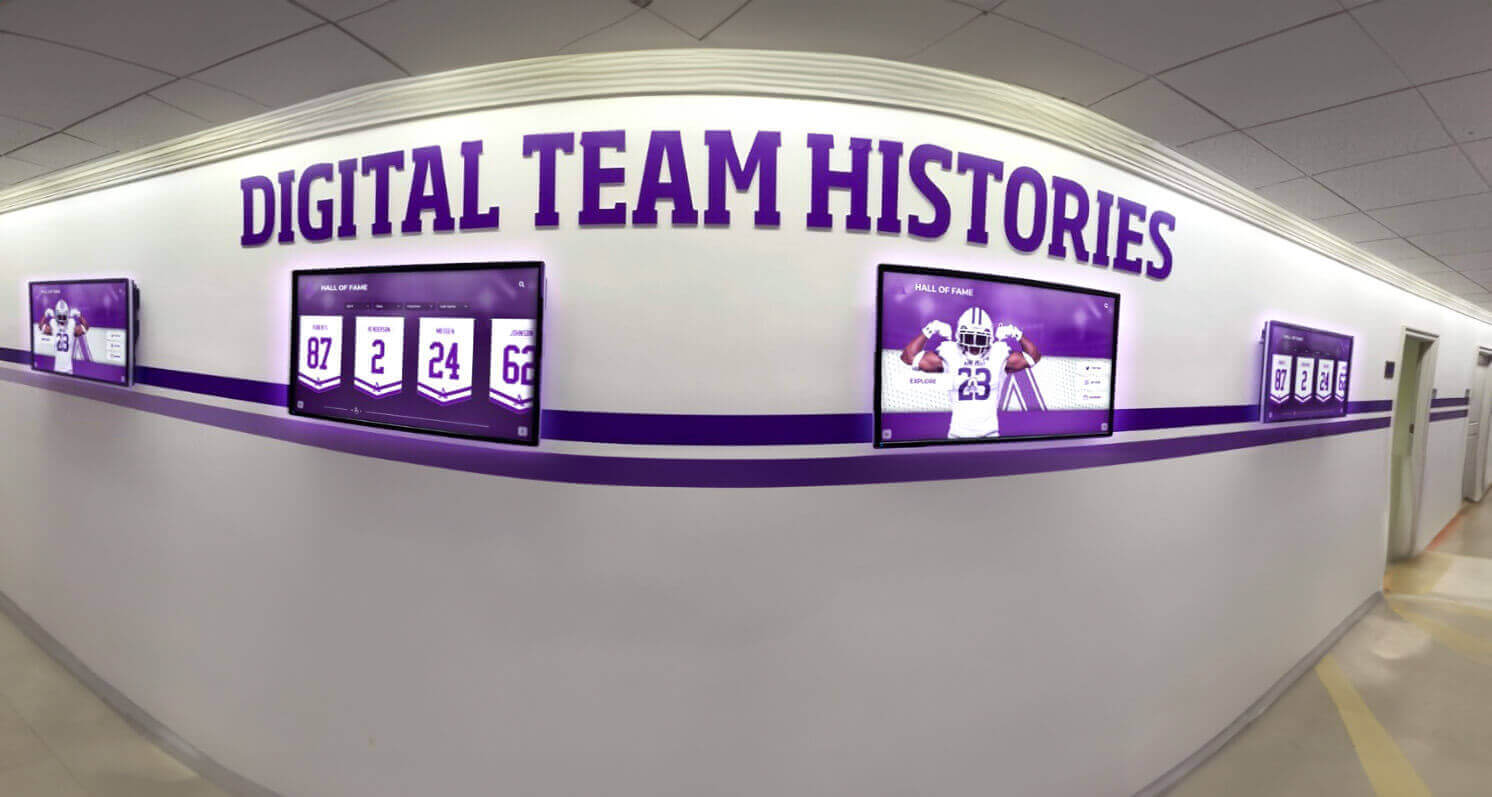
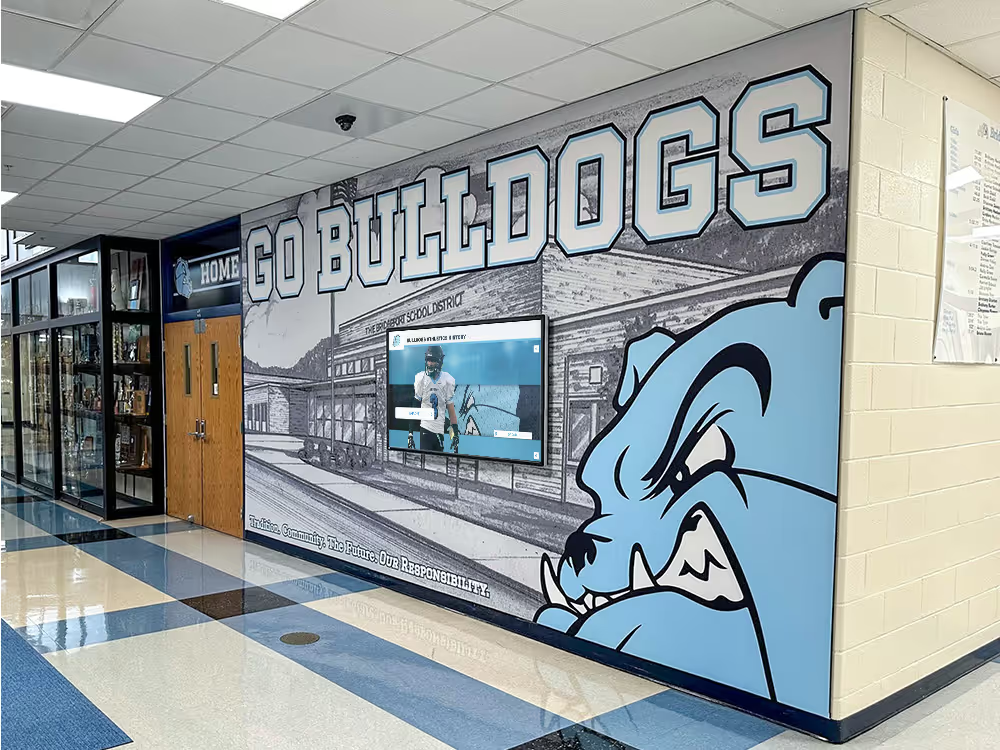
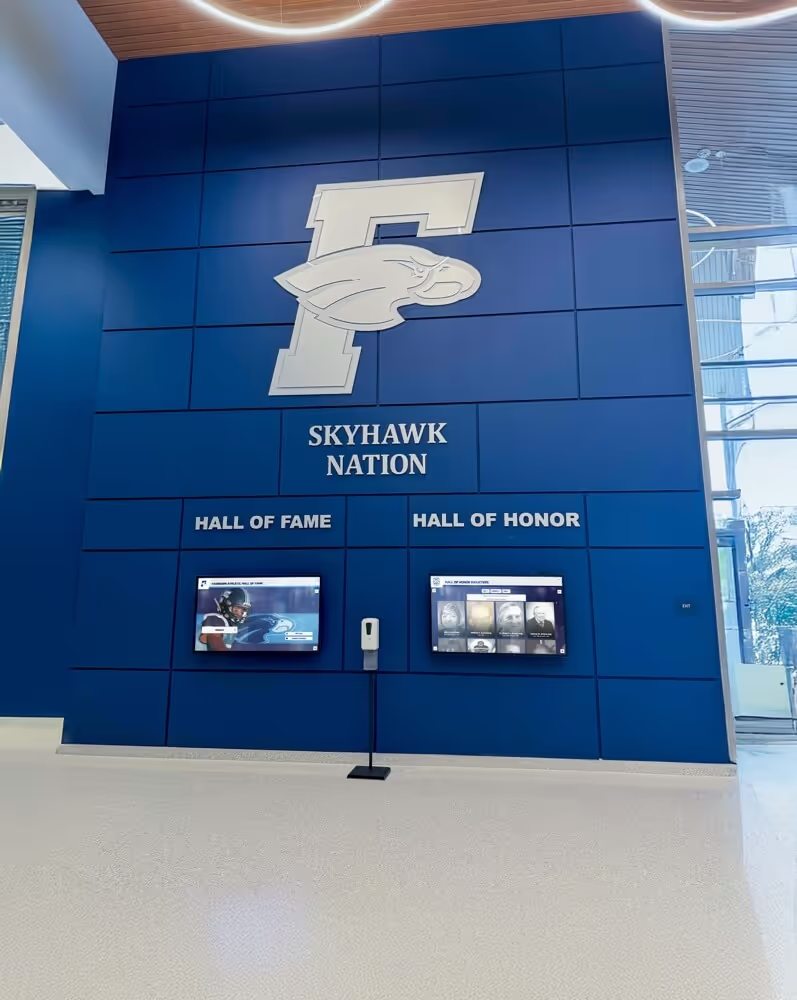
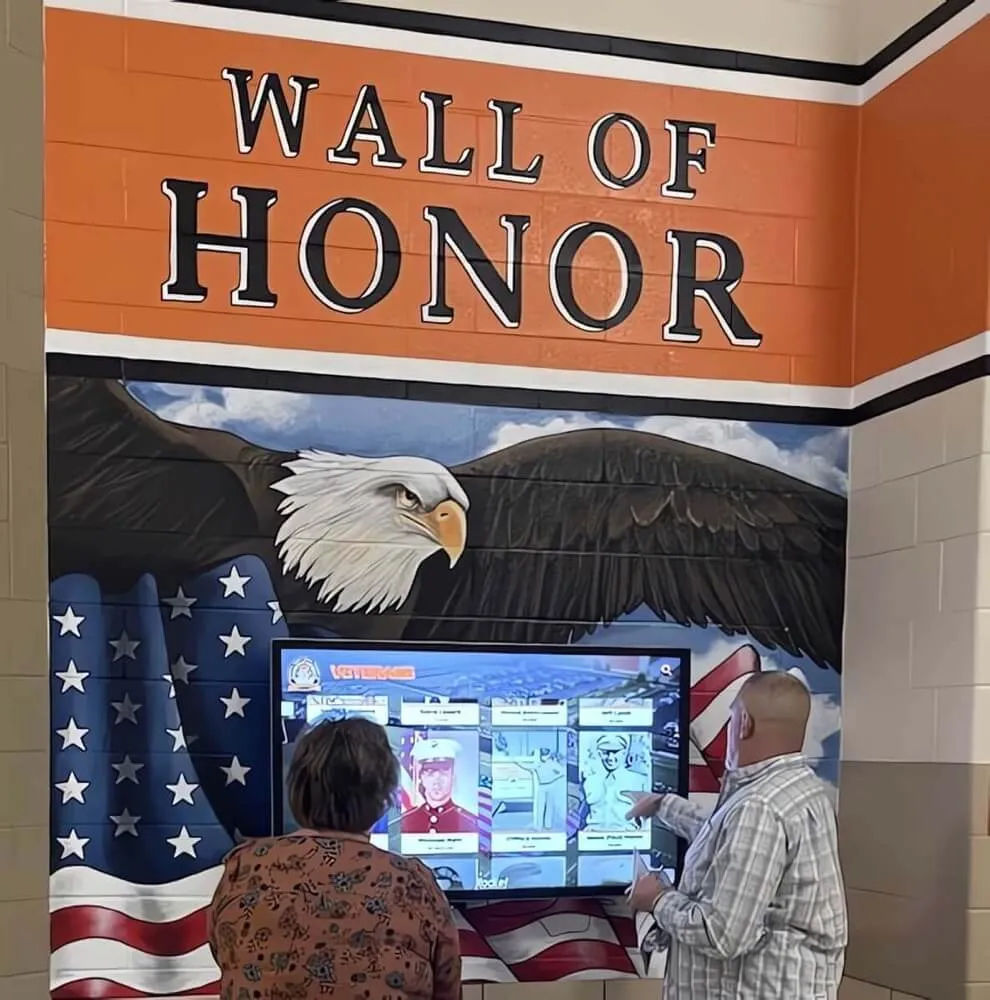
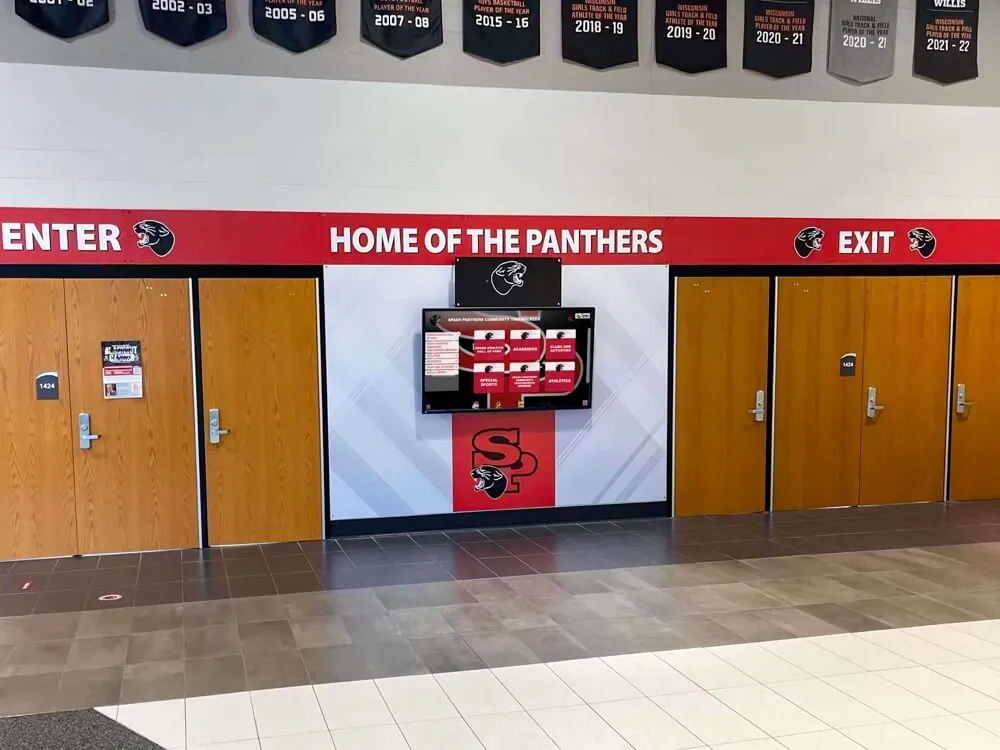
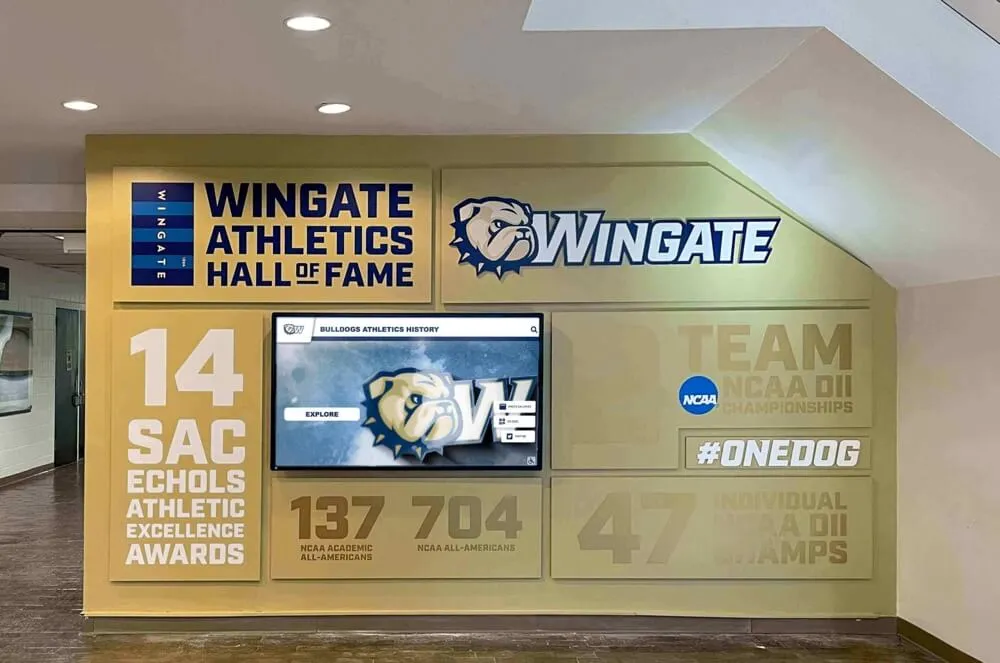
Multiple displays provide comprehensive recognition across different facility areas and recognition categories
What Senior Living Facilities Care Most About
Understanding administrative priorities ensures recognition platforms address genuine operational needs rather than just creating attractive displays.
Resident Satisfaction and Engagement Metrics
Facility leadership tracks resident satisfaction scores, participation rates in activities and committees, family satisfaction with community engagement, and retention indicators showing residents remain long-term. Digital recognition platforms directly impact these metrics through visible acknowledgment that validates resident contributions, comprehensive activity documentation demonstrating vibrant programming, family engagement tools providing remote visibility, and community connection features reducing isolation that often drives residents to leave.
Marketing and Occupancy Management
Communities compete for prospective residents and their families. During facility tours, digital recognition demonstrates vibrant, engaged communities more effectively than abstract claims about “active lifestyle” or “strong community.” Prospective residents see actual committee structures, view real event photographs, explore resident profiles showing peers they might connect with, and observe technological sophistication suggesting comprehensive care quality.
These tangible demonstrations build confidence among families making critical placement decisions, often tipping choices toward facilities demonstrating visible community vitality through modern recognition platforms.
Staff Efficiency and Communication
Administrative staff spend significant time answering repetitive questions about committee membership, event schedules, resident contact information, and facility policies. Self-service touchscreen kiosks reduce these interruptions while ensuring residents access accurate, current information independently without waiting for staff availability.
Additional efficiency gains include automated resident directory updates eliminating manual printing, instant recognition additions without waiting for plaque engraving, remote content management enabling quick updates from any location, and scheduled content publishing for timely information delivery without daily staff intervention.
Family Communication and Transparency
Adult children scrutinize senior living facilities with natural protective concerns about parents’ wellbeing. Regular communication about community engagement reassures families while reducing staff time handling inquiries. Digital platforms provide this transparency passively—families browse touchscreen content during visits or access web versions remotely, discovering parents’ committee involvement, viewing event photos showing social engagement, and understanding activity offerings without requiring staff explanations.
This self-service transparency builds trust while freeing staff to focus on direct resident care rather than managing family inquiries about community life.
Regulatory Compliance and Quality Indicators
Senior living facilities face regulatory requirements around resident rights, quality of life indicators, and person-centered care approaches. Recognition platforms support compliance through documented evidence of resident council participation, committee structures providing resident voice in governance, diverse activity programming supporting quality of life, and personalized resident profiles demonstrating individualized engagement rather than one-size-fits-all institutional approaches.
During facility surveys and inspections, digital recognition serves as tangible demonstration of person-centered care philosophies regulators expect.
Learn how recognition platforms support organizational goals across diverse institutional environments.
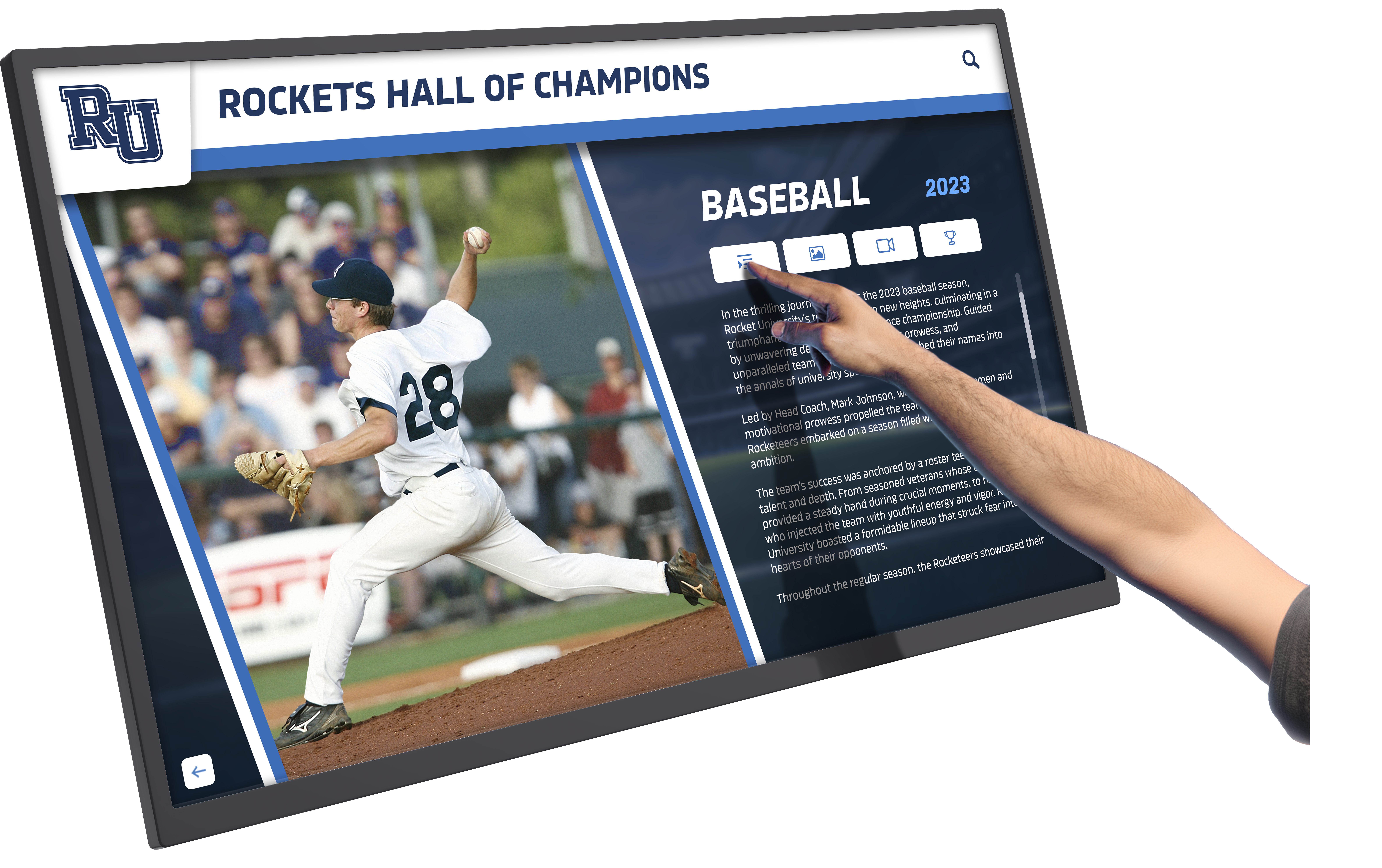
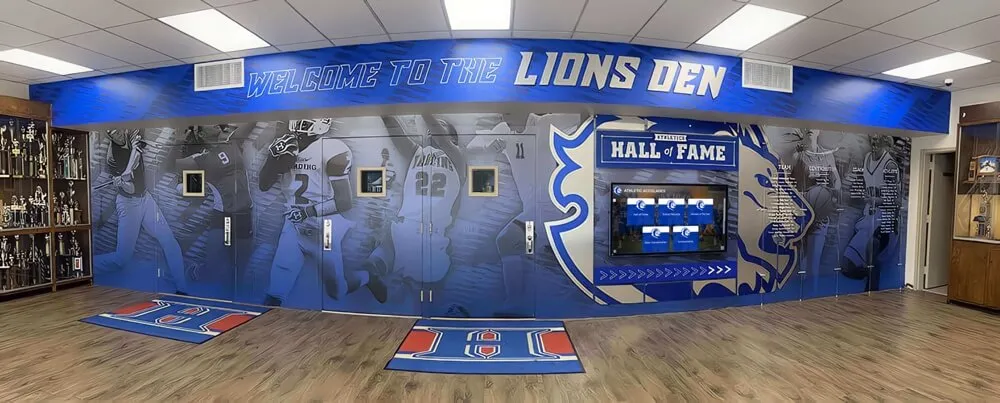
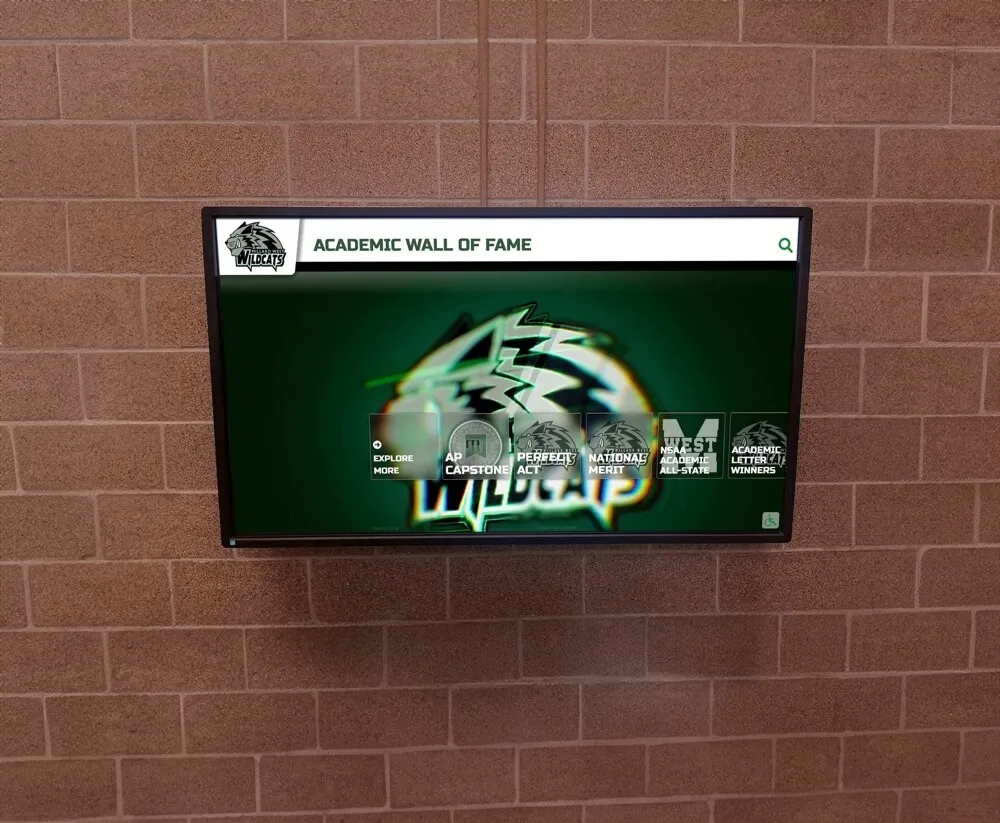
Accessible interfaces accommodate diverse abilities while maintaining sophisticated functionality
Implementation Considerations for Senior Living Communities
Successful deployments require thoughtful planning addressing the unique characteristics of senior living environments.
Accessibility Requirements
Senior living touchscreens must accommodate wider ability ranges than general-population applications:
Physical Accessibility Standards
Mounting heights should comply with ADA requirements, typically 48 inches maximum for touchable elements. Freestanding kiosks provide wheelchair accessibility. Screen angles should avoid glare from windows or overhead lighting while remaining visible to seated residents. Touch targets must be large enough for residents with arthritis or limited fine motor control—typically 44x44 pixels minimum rather than smaller targets younger users manage easily.
Visual Accessibility Features
Large text options with minimum 18-point fonts for body text help residents with vision impairment. High contrast display modes support low vision conditions. Screen brightness should remain adjustable for varying ambient lighting without causing eye strain. Color combinations must meet WCAG contrast ratio requirements. Avoid relying solely on color to convey information, as color blindness affects some residents.
Cognitive Accessibility Considerations
Navigation should remain simple and intuitive, avoiding complex menu hierarchies requiring memory of multiple steps. Clear labeling helps residents understand their current location and how to return to main menus. Consistent interface patterns reduce confusion—buttons should always appear in similar locations rather than moving between screens. Adequate time should be provided for reading and interaction without automatic timeouts rushing residents through content.
Alternative Access Methods
Web-based accessibility enables residents to explore recognition from personal computers, tablets, or smartphones using familiar assistive technologies they’ve already configured for their needs. QR codes near touchscreens allow residents to transition content to personal devices where they’ve optimized text size, contrast, and other preferences. This multi-platform approach ensures no resident is excluded due to touchscreen limitations.
Privacy and Consent Management
Senior living environments require careful privacy balance between community transparency and individual rights:
Opt-In Recognition Approaches
All personal recognition should require explicit consent. During move-in processes, facilities should clearly explain recognition platforms and allow residents to choose participation levels. Some residents enthusiastically embrace recognition while others prefer privacy—both preferences deserve respect.
Granular Privacy Controls
Residents should control what information appears. Directory entries might include full biographies or just names and apartment numbers based on individual comfort. Some residents share extensive personal histories while others provide minimal details. Platforms should accommodate these preference variations rather than forcing uniform disclosure levels.
Family Permission for Memorials
Before creating memorial tributes for deceased residents, facilities should obtain family permission and collaboration. Families often appreciate opportunities to contribute photographs, biographical details, and remembrances—but these sensitive materials require consent rather than unilateral facility decisions.
HIPAA and Healthcare Privacy Compliance
While recognition platforms typically showcase community involvement rather than healthcare information, facilities must ensure no protected health information inadvertently appears. Staff training should emphasize appropriate content types, and approval workflows should verify compliance before publication.
Content Management and Maintenance
Successful platforms require ongoing attention preventing displays from becoming outdated:
Designated Content Responsibilities
Appoint specific staff members responsible for regular updates. Activities coordinators might manage event photos and program information, administrative staff handle directory updates and committee rosters, and social workers or chaplains manage memorial content. Clear responsibilities prevent situations where everyone assumes someone else is updating content, resulting in outdated information undermining platform credibility.
Regular Update Schedules
Establish recurring update cycles—weekly for event photos and activity announcements, monthly for featured resident spotlights and committee updates, quarterly for comprehensive content reviews ensuring accuracy, and as-needed for time-sensitive additions like new resident welcomes or memorial tributes. Calendar reminders help staff maintain consistency rather than updating only when reminded by residents noticing outdated content.
Resident Contribution Mechanisms
Enable residents to submit content—personal photographs for profiles, event images they’ve captured, suggestions for featured content, and nominations for recognition awards. This crowdsourced approach enriches content while giving residents ownership in maintaining community records. Simple submission processes like email attachments or paper forms in activity offices make contributing accessible to residents with varying technical abilities.
Content Quality Standards
Establish guidelines ensuring consistent quality. Photographs should meet minimum resolution standards for clear display. Text content should follow consistent formatting and length parameters. Biographical information should receive basic fact-checking preventing embarrassing errors. These quality standards maintain professional appearances while preventing platforms from appearing haphazardly maintained.
Technical Infrastructure Planning
Senior living facilities often lack robust IT departments, requiring vendors to provide comprehensive support:
Internet Connectivity Requirements
Cloud-based platforms require reliable internet connections. Facilities should assess bandwidth adequacy, implement redundant connections preventing single points of failure, and ensure network security protecting resident privacy. For facilities with connectivity limitations, platforms with offline content caching continue functioning during internet outages, automatically syncing when connectivity restores.
Hardware Selection and Mounting
Commercial-grade touchscreen displays designed for 12-16 hours daily operation prove more reliable than consumer equipment. Screen sizes typically range from 43-55 inches for kiosks in smaller spaces to 55-75 inches for main lobby installations where viewing distances are greater. Professional mounting in custom kiosks provides stability while integrating with facility aesthetics.
Remote Management Capabilities
Platforms enabling remote content management prove essential for multi-facility organizations or communities without dedicated IT staff. Cloud-based administration allows authorized personnel to update recognition from any internet-connected device, schedule content in advance, and manage multiple displays from central locations. This remote capability prevents situations where physical access to display hardware is required for every content update.
Vendor Technical Support
Understanding vendor support offerings—phone support hours, response time commitments, on-site service availability, and escalation procedures—proves critical for facilities without internal IT expertise. Reliable vendor support prevents situations where display failures persist for days awaiting assistance, negating the positive impressions these systems should create.
Explore touchscreen software considerations for selecting platforms matching senior living needs.
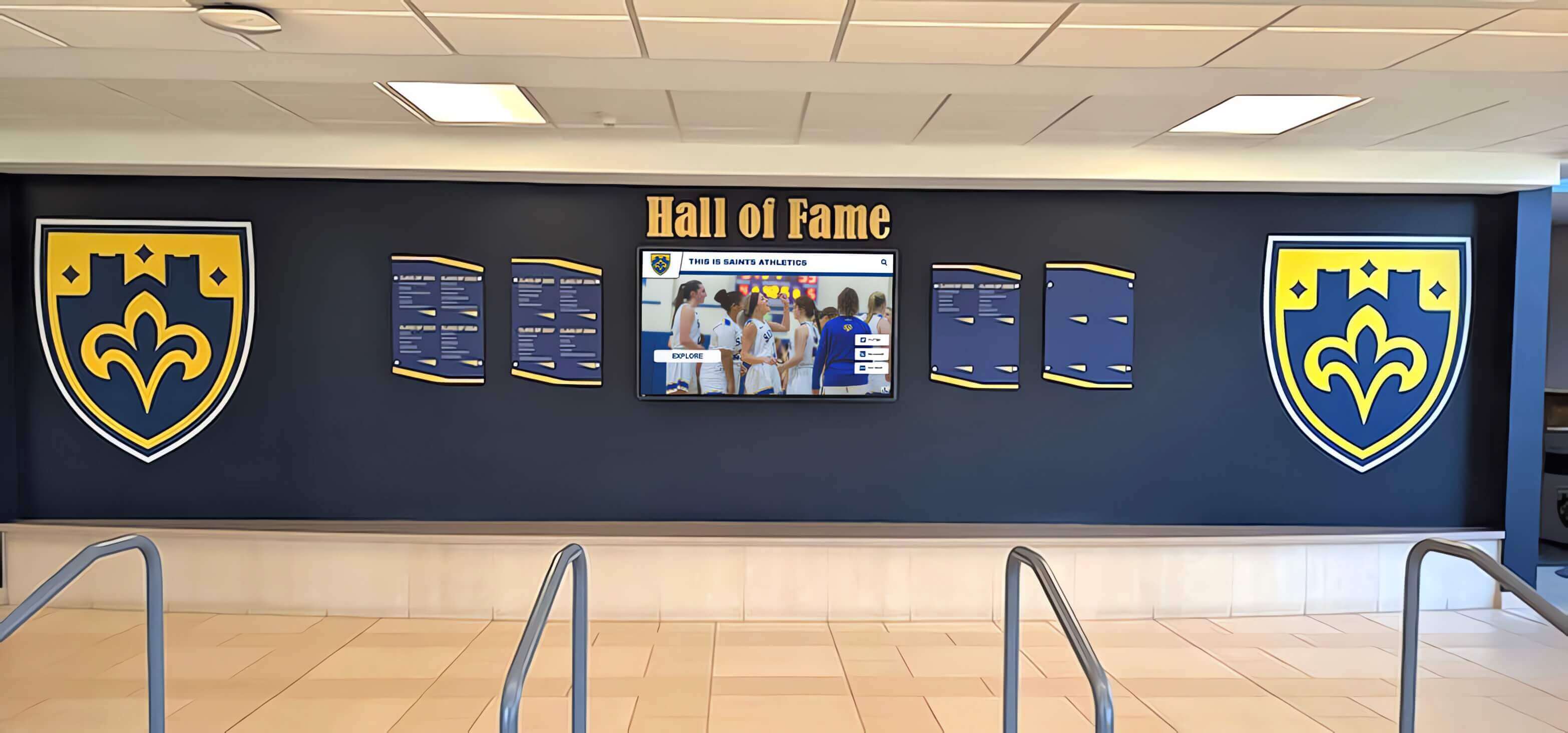
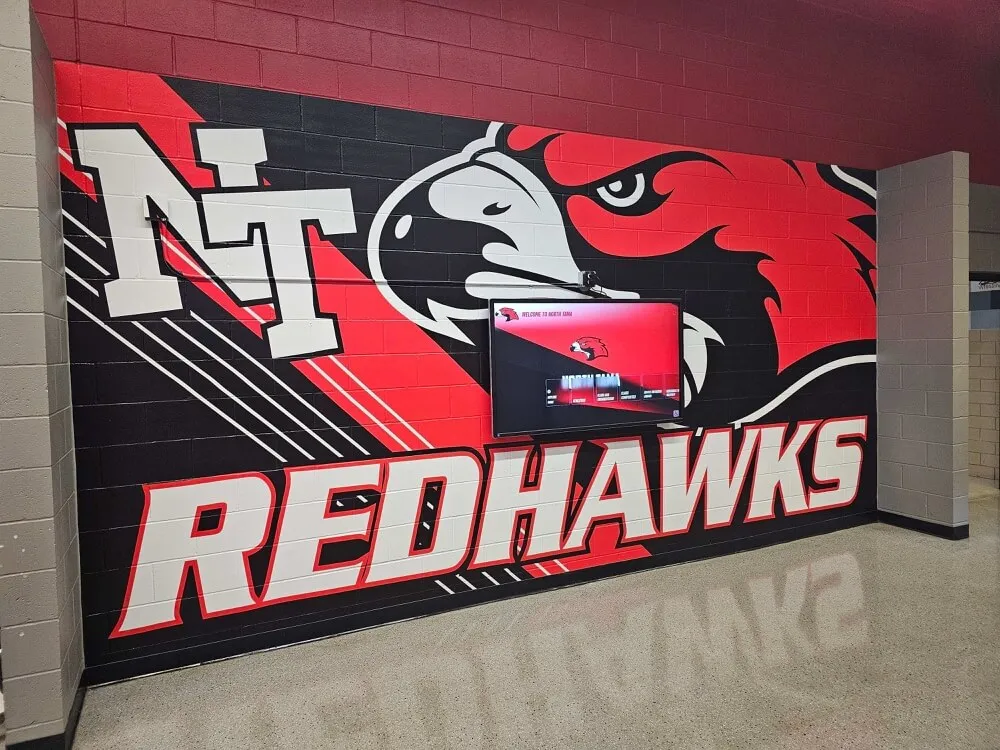
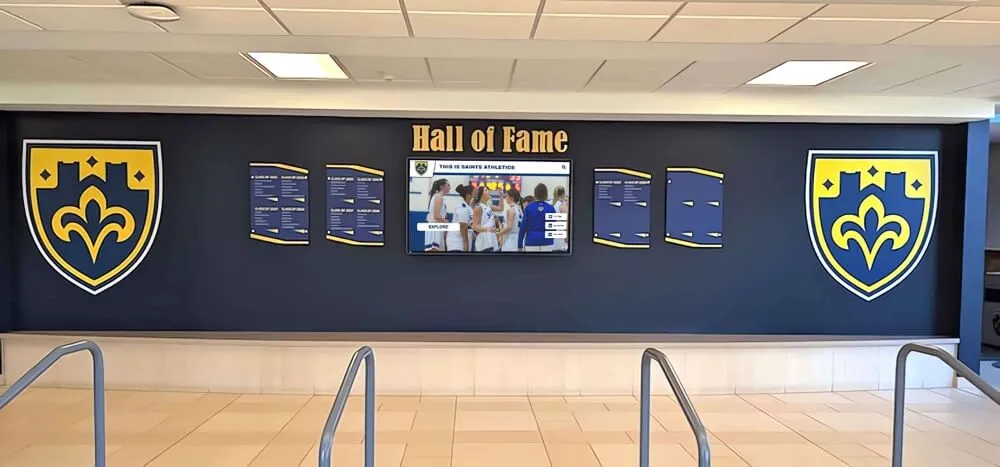
Strategic placement and professional installation create welcoming destinations that honor community
Measuring Success and Community Impact
Systematic assessment ensures recognition investments achieve intended outcomes while identifying improvement opportunities:
Quantitative Engagement Metrics
Digital platforms provide measurable data revealing actual usage patterns:
Touchscreen Interaction Volume
Analytics track daily interactions, unique users, average session durations, and return usage indicating sustained interest versus one-time novelty. High engagement rates validate investment while low usage suggests content or interface improvements needed. Session duration metrics reveal whether residents briefly glance or deeply explore content—longer sessions indicate genuine engagement rather than passive acknowledgment.
Web Platform Access Patterns
For platforms with web extensions, analytics show remote access frequency, geographic distribution indicating family engagement, peak usage times, and most-viewed content types. These patterns reveal which recognition categories resonate most strongly while demonstrating platform value beyond physical touchscreen access.
Content Interaction Patterns
Detailed analytics identify which content receives most attention—committee profiles, event galleries, resident directories, or memorial sections. This data informs content strategy, helping facilities emphasize popular categories while refreshing or reconsidering content that fails to engage audiences. Search term analysis reveals what residents actively seek, suggesting content gaps worth addressing.
Qualitative Community Feedback
Numbers tell part of the story, but resident experiences reveal true impact:
Resident Satisfaction Surveys
Regular surveys should include specific questions about recognition platforms—whether residents find content interesting, whether they’ve discovered new connections through the directory, whether they feel appropriately recognized for contributions, and whether family members have mentioned viewing content remotely. This direct feedback reveals satisfaction levels quantitative metrics alone cannot capture.
Staff Observations and Anecdotal Evidence
Front desk staff, activities coordinators, and other personnel observe how residents interact with displays—whether they explore content enthusiastically, point out information to visitors, or ask questions suggesting engagement. These qualitative observations reveal real-world usage patterns and emotional responses that analytics dashboards miss.
Family Member Feedback
Adult children often express appreciation for visibility into parents’ community engagement. Comments during visits, online reviews mentioning recognition platforms, and direct feedback to administration reveal whether these tools successfully reassure families about loved ones’ social vitality and community integration.
Business Outcome Indicators
Connect recognition platforms with organizational objectives measuring community success:
Occupancy and Waitlist Growth
Strong communities attract residents. If recognition demonstrates vibrant community life during tours, occupancy rates and waitlist lengths should reflect increased interest. While multiple factors influence these metrics, visible community vitality through modern recognition supports marketing messages about active, engaged lifestyles.
Resident Retention and Satisfaction Scores
Residents who feel recognized and connected remain longer. Compare turnover rates and satisfaction scores before and after implementation, controlling for other variables. Improved retention directly impacts revenue while reducing turnover costs associated with marketing replacement residents and preparing apartments for new occupants.
Committee and Activity Participation
If recognition increases awareness of committees and activities while celebrating participants, involvement rates should increase. Track committee roster sizes, activity attendance, and volunteer hours before and after implementation. Growth in these metrics demonstrates that recognition successfully motivates participation beyond simply documenting existing engagement.
Family Engagement Levels
Families who feel connected to communities through remote access may visit more frequently, participate in facility events, and engage more positively with staff. Survey families about their awareness of parents’ activities and community involvement, comparing responses before and after platform implementation. Increased family engagement often correlates with improved satisfaction and retention.
Learn about measuring digital engagement impact across community organizations.
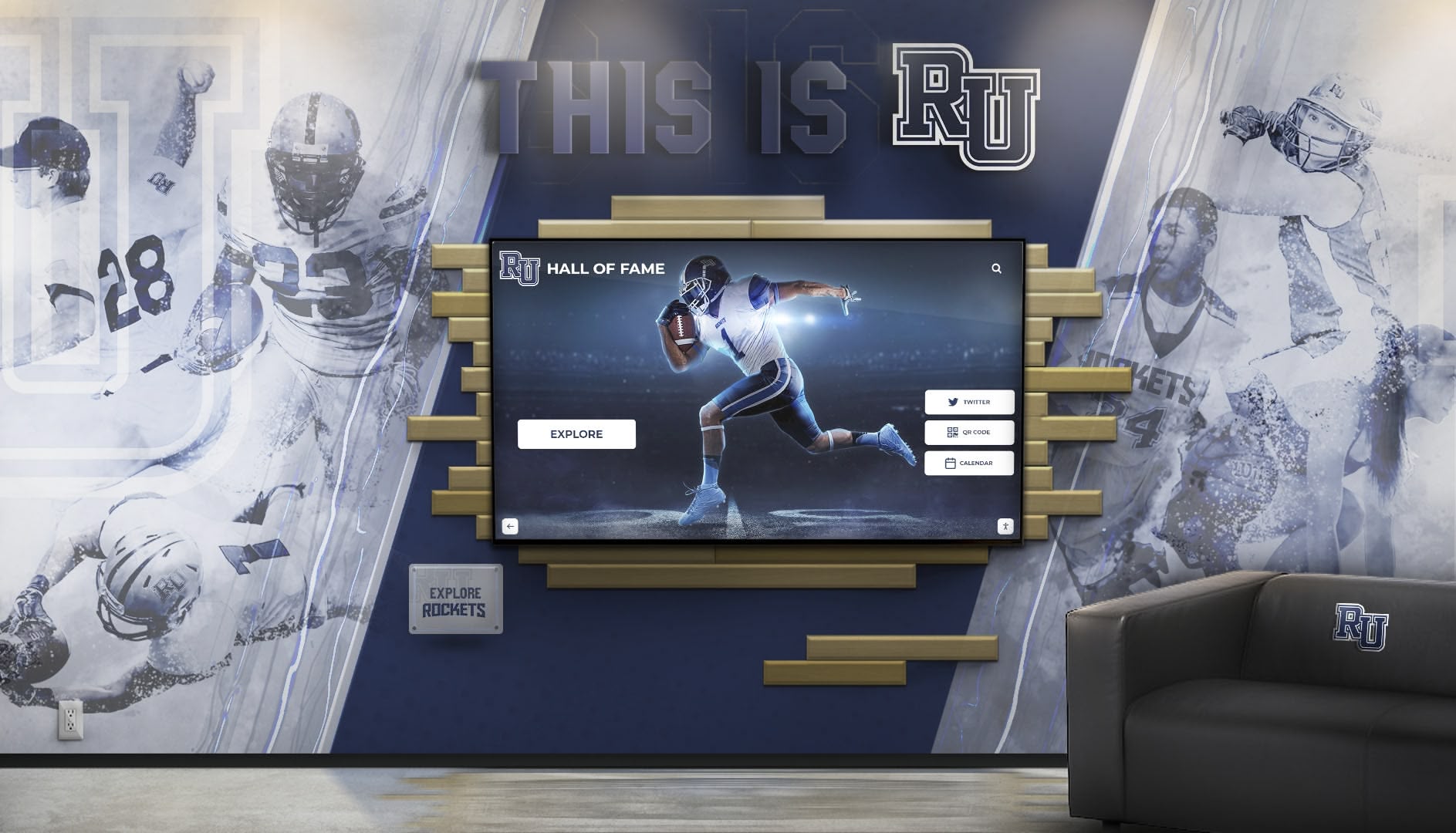
Professional installations combine recognition functionality with environmental design creating cohesive community spaces
Best Practices for Senior Living Touchscreen Success
Proven strategies maximize recognition effectiveness and resident impact:
Lead With Resident Value
Recognition platforms should primarily serve residents rather than functioning as administrative tools or marketing materials. Content balance should emphasize 70% resident-focused recognition and directories, 20% practical information like event calendars and facility services, and only 10% promotional content about facility achievements or accolades. This balance ensures displays feel helpful rather than intrusively commercial, maintaining resident attention and goodwill essential for genuine engagement.
Update Content Regularly
Even excellent content becomes invisible through familiarity. Establish quarterly content refresh schedules ensuring regular residents see new featured profiles, updated event galleries, and fresh committee highlights. Seasonal content celebrating holidays, changing weather patterns, or annual traditions creates freshness encouraging repeated exploration rather than single visits followed by dismissal as “already seen everything.”
Celebrate Diverse Contributions
Avoid recognition approaches that exclusively honor high-profile achievements or committee chairs while overlooking quieter contributions. Neighbor of the Week spotlights ensure all residents eventually receive visibility. Volunteer hour tracking recognizes consistent low-key service. Behind-the-scenes committee work receives equal weight to public-facing roles. This inclusive approach demonstrates that all contributions matter, encouraging broader participation while ensuring no residents feel excluded or unimportant.
Facilitate Personal Discovery
The most powerful moments occur when residents discover themselves or personal connections. Design search functionality making self-discovery easy—residents should find their own profiles, committee memberships, and recognition effortlessly. Enable searching by interests, former professions, or hometowns helping residents discover neighbors with shared backgrounds. These personal discovery moments create deep emotional connections validating community membership in ways generic content cannot achieve.
Integrate With Community Programming
Recognition platforms should complement rather than exist separately from other community elements. Reference touchscreen recognition during resident council meetings, highlight featured profiles in newsletters, display recognition during community events, and encourage families to explore platforms during visits. This integration makes recognition part of community fabric rather than isolated technology existing at margins of community life.
Respect Privacy While Encouraging Participation
Not all residents want public recognition. Respect these preferences while gently encouraging participation by clearly communicating benefits—discovering shared interests with neighbors, helping families understand community engagement, preserving personal legacy for future residents. Demonstrate that participation remains entirely optional while making clear value propositions for those who choose to engage. This balanced approach respects autonomy while maximizing willing participation.
Discover best practices for community recognition applicable across diverse organizational contexts.
Conclusion: Building Vibrant Communities Through Recognition
Senior living communities succeed when residents feel valued, connected, and engaged in vibrant social networks providing purpose and meaning. Traditional recognition approaches—bulletin boards, static plaques, printed directories, and memorial walls—inadequately celebrate dynamic, active communities while failing contemporary residents who expect digital experiences as baseline quality across all life aspects. Physical space constraints force difficult decisions about whose achievements receive visibility. Static displays offer no interactivity, limited information, and zero capacity for timely updates without expensive reinstallation. Most critically, traditional recognition creates passive experiences where residents receive momentary acknowledgment before their interest fades.
Interactive touchscreen recognition platforms transform celebration from passive acknowledgment into active engagement strengthening community bonds. Comprehensive digital systems showcase internal committees that govern community life, celebrate diverse achievements through awards and spotlights, provide functional directories connecting residents with shared interests, honor those who’ve passed through unlimited memorial capacity, and preserve institutional history creating continuity across generations. These multi-dimensional recognition approaches ensure all residents discover personal connections while honoring every form of contribution from highly visible leadership to quiet volunteering.
The measurable outcomes prove compelling: thousands of touchscreen interactions indicating genuine interest, extended session durations revealing deep exploration rather than cursory glances, family engagement through remote access providing peace of mind about loved ones’ social vitality, and qualitative feedback revealing strengthened community connections. Residents discover committee opportunities they want to join, families share parents’ achievements with distant siblings, and new residents integrate faster through self-service exploration of community structure and culture.
Beyond immediate recognition benefits, platforms support strategic facility objectives including occupancy management through impressive facility tours, resident retention via engagement and belonging, staff efficiency through self-service information access, and regulatory compliance through documented person-centered care approaches. Prospective residents and families consistently engage with displays during tours, gaining tangible impressions of community vitality that abstract marketing claims cannot convey.
Senior living facilities considering recognition platforms should address accessibility requirements ensuring all residents can participate regardless of abilities, privacy and consent management respecting individual preferences while encouraging participation, content management responsibilities preventing displays from becoming outdated, and technical infrastructure supporting reliable operation without requiring extensive internal IT expertise. The most successful implementations establish clear content update responsibilities, secure appropriate resources for ongoing maintenance, prioritize accessibility and ease-of-use over technical sophistication, and integrate recognition within broader community culture rather than treating it as isolated technology addition.
Your residents deserve environments that demonstrate respect for their continued contributions, celebrate their achievements regardless of age, facilitate social connections combating isolation, and preserve their legacies beyond their time in your community. With thoughtful planning, appropriate technology selection, and commitment to accessibility and ongoing content quality, you can create recognition experiences that differentiate your facility while building the resident satisfaction and family confidence that generate sustained success in competitive senior living markets.
Ready to explore how modern recognition technology can strengthen your community? Discover how Rocket Alumni Solutions creates accessible engagement platforms designed specifically for senior living facilities and communities serving diverse ability populations.