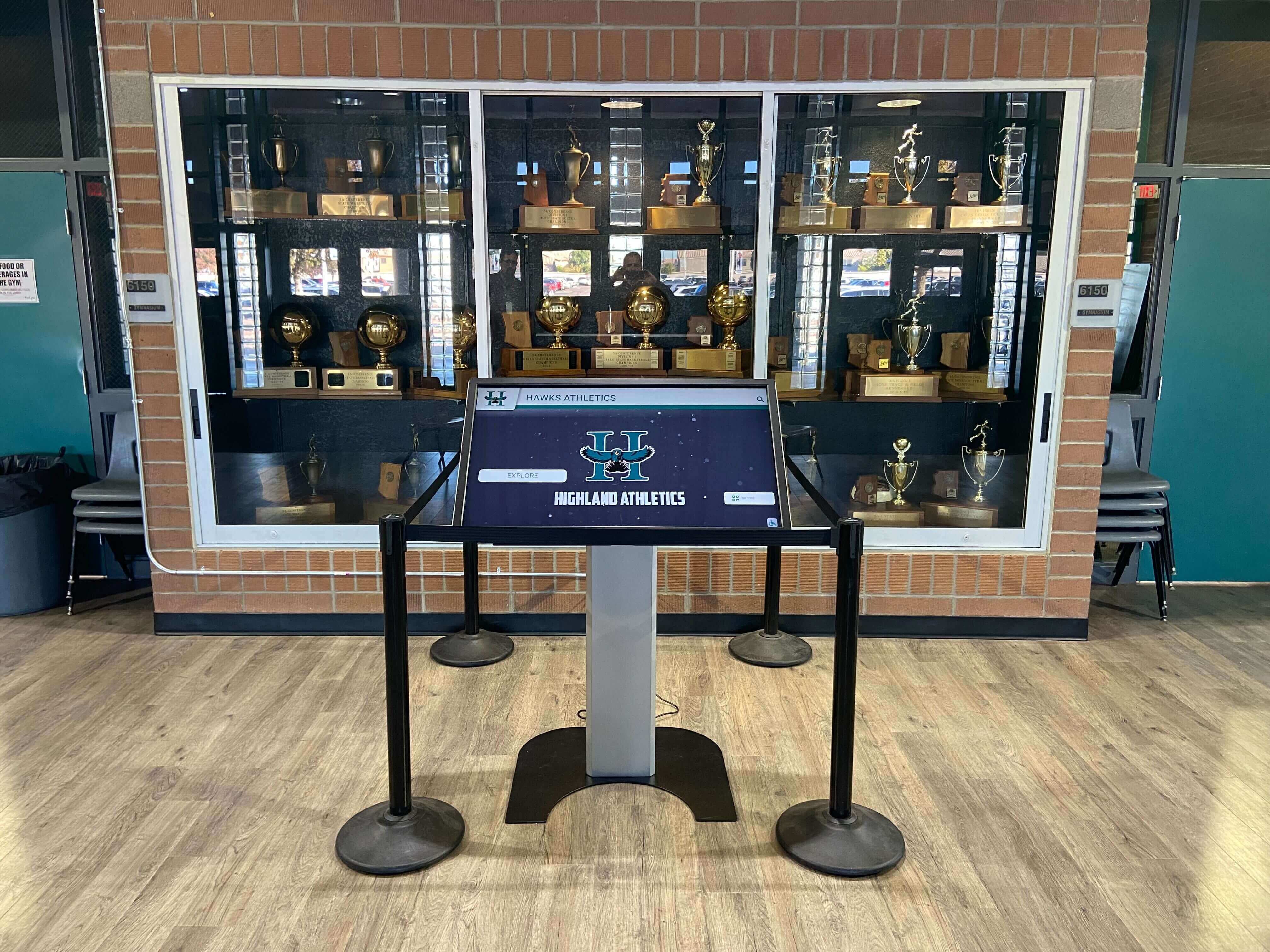
School trophy case LED heat assessment is a practical step that many facilities teams overlook until a jersey starts yellowing, a photograph curls at the edges, or the protective finish on an acrylic trophy figure begins to cloud. LED strips and puck lights added to display cases improve visibility and create dramatic presentation—but enclosed glass cases trap heat differently than open shelving, and the combination of tight enclosures, low ventilation, and continuous illumination can push interior temperatures well above the ambient room level. Recognizing the problem early, measuring it systematically, and following a clear escalation path protects decades of recognized achievement before damage becomes irreversible.
This guide gives athletic directors, facilities managers, and booster-club leaders a documented measurement workflow, a material-by-material reference, and a four-tier escalation matrix designed for practical school use. Nothing here substitutes for professional preservation advice on genuinely irreplaceable artifacts—but it gives your team the language, tools, and decision framework to act before a concern becomes a loss.
Heat assessment matters most in cases that mix material types: a championship trophy sitting next to a hand-lettered banner, a framed newspaper clipping next to a wooden plaque, or a display jersey mounted inches from a running LED strip. Each material responds to sustained heat differently, and a single case can contain items with very different tolerance thresholds.

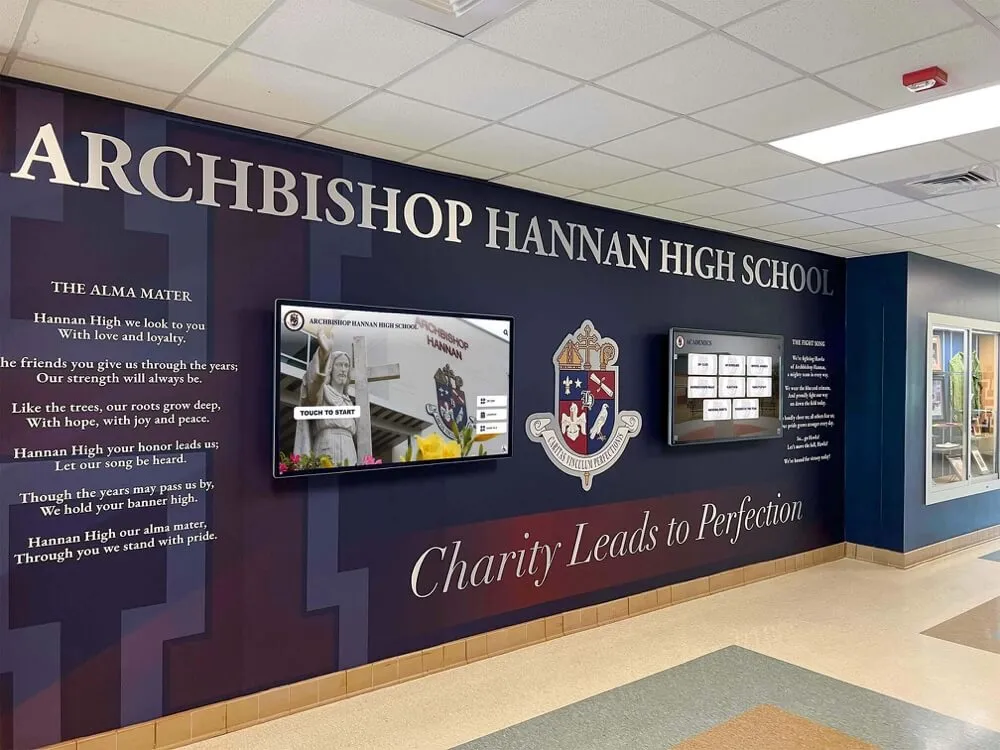
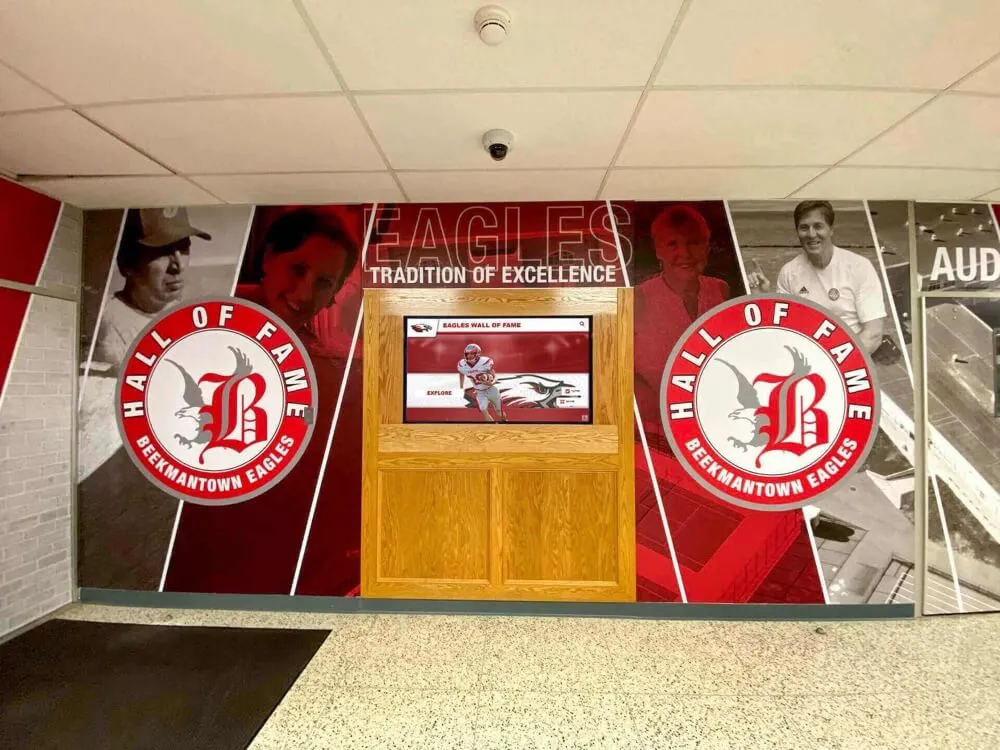
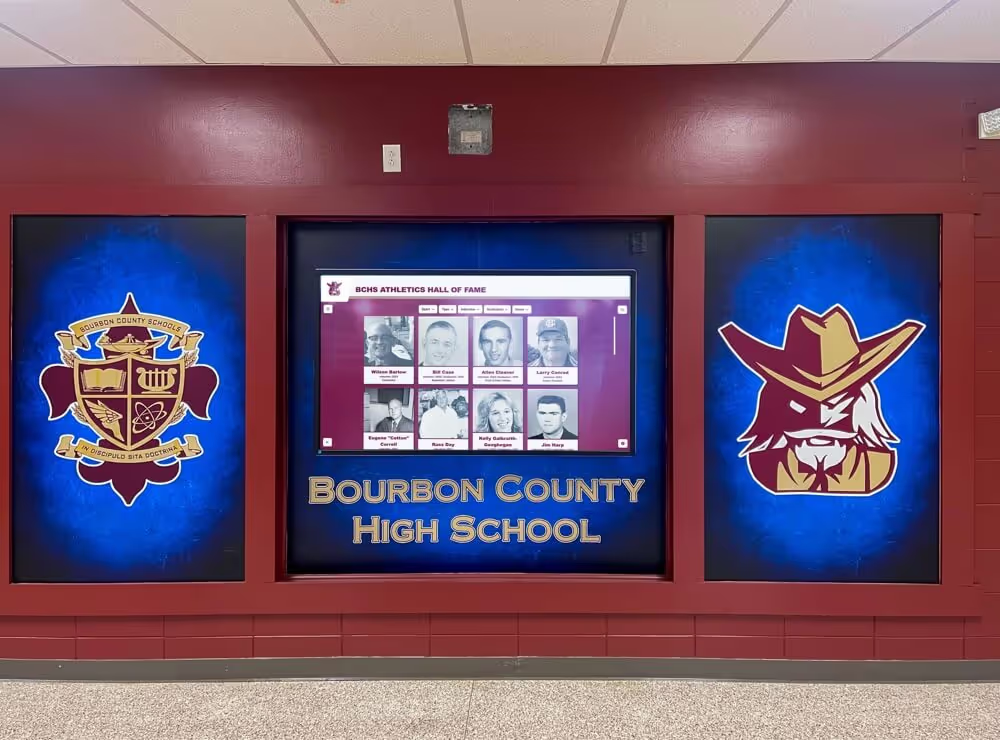
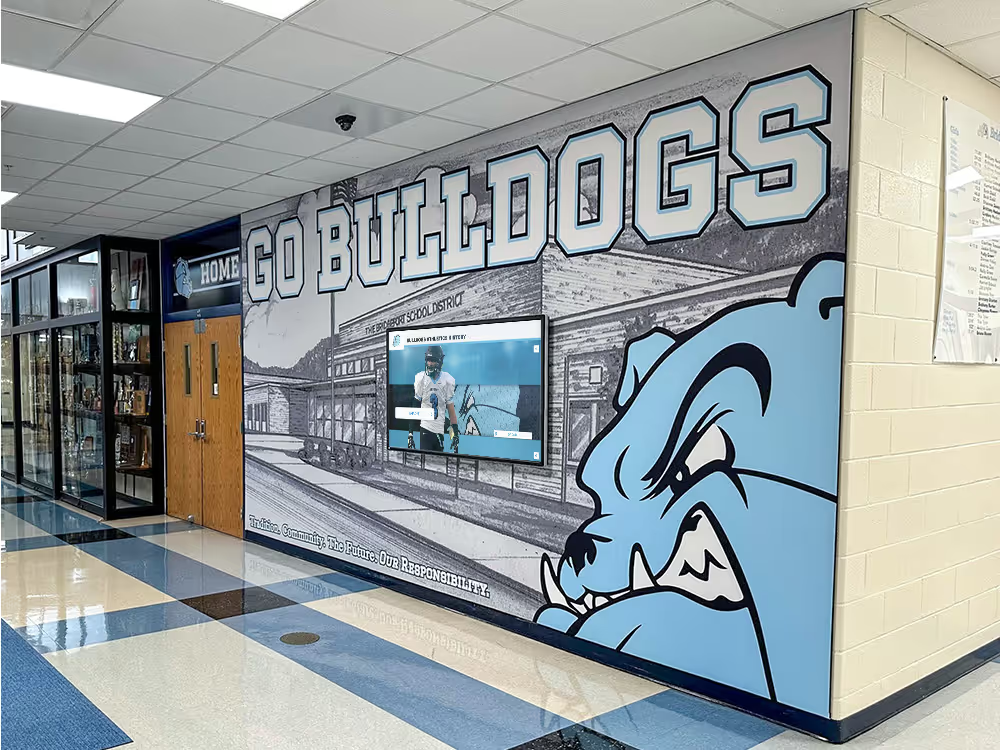
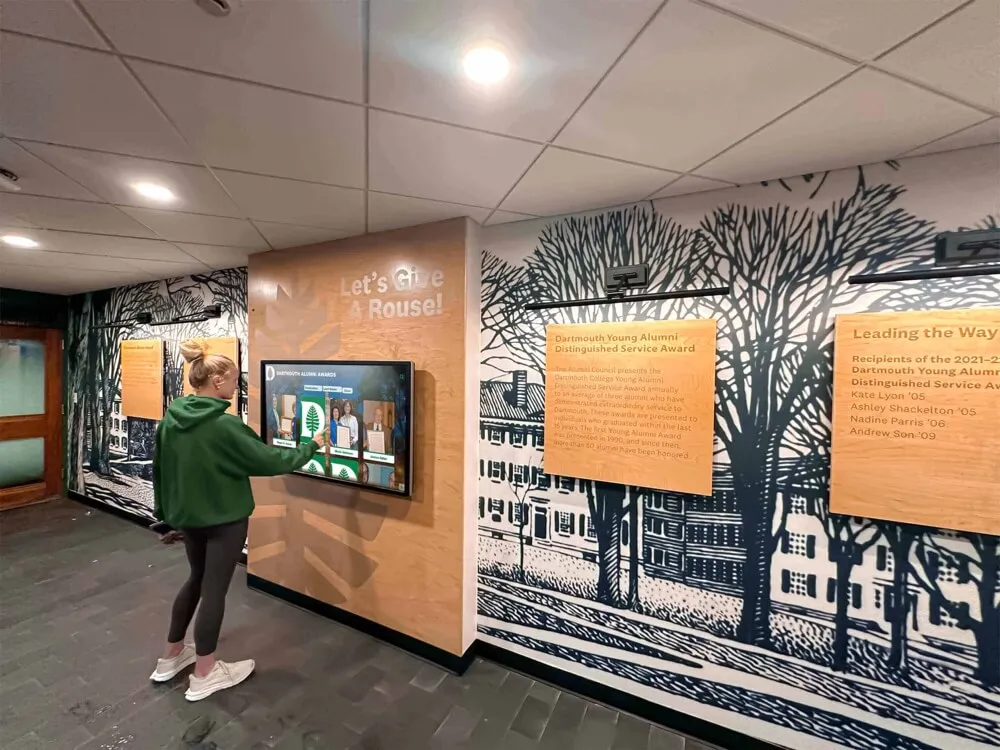
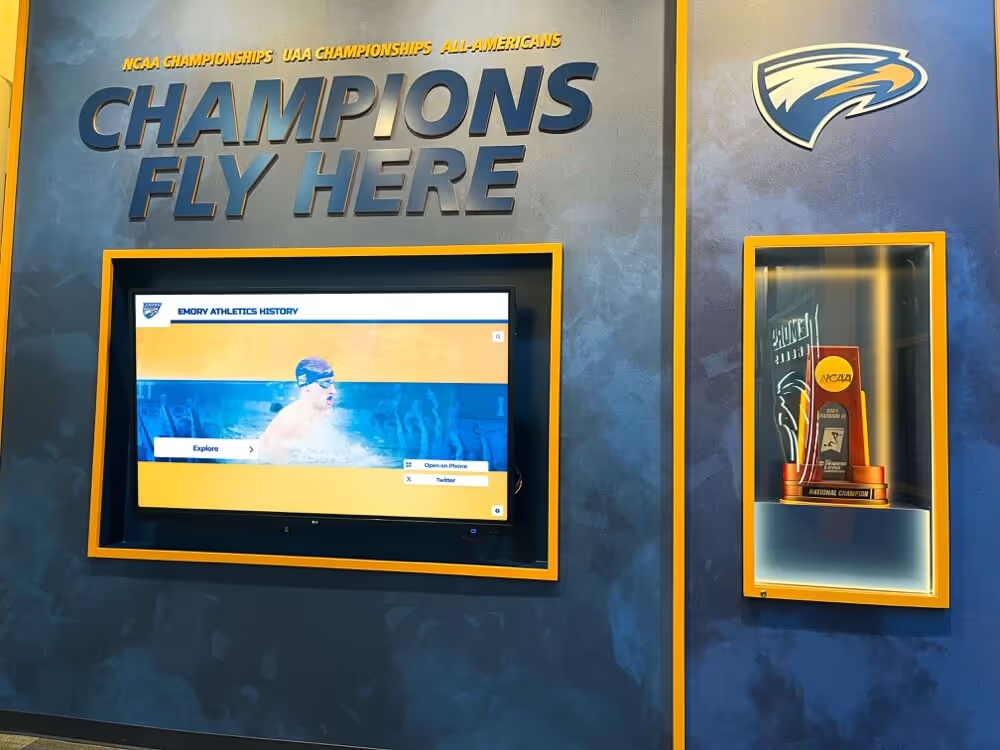
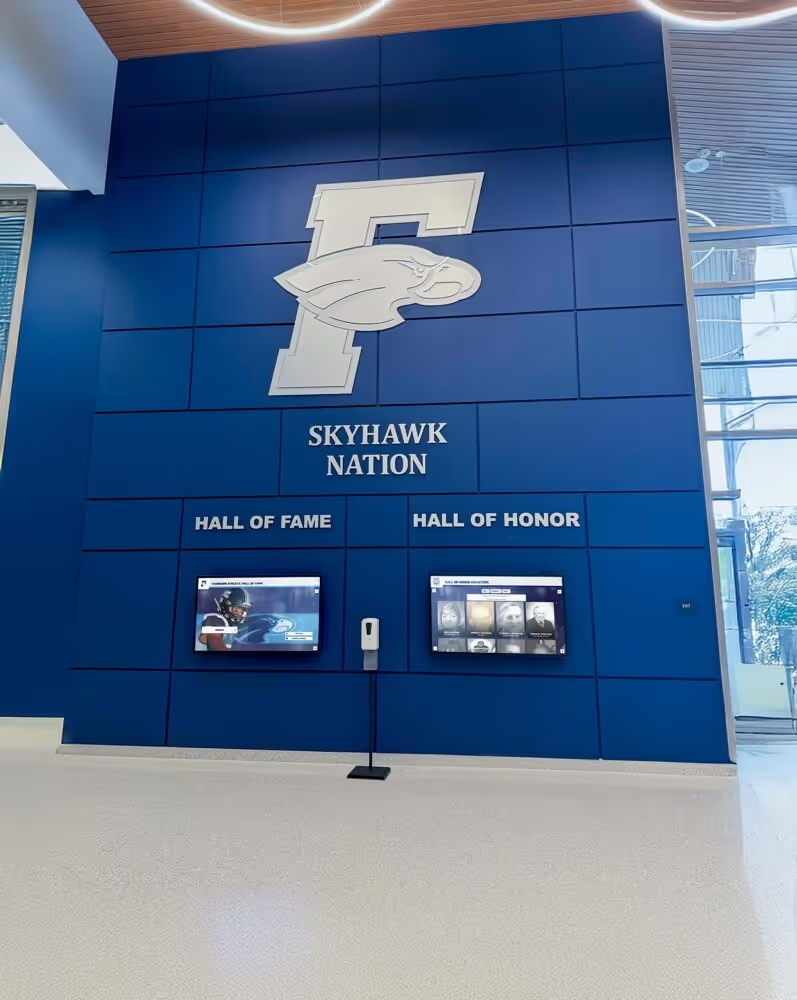
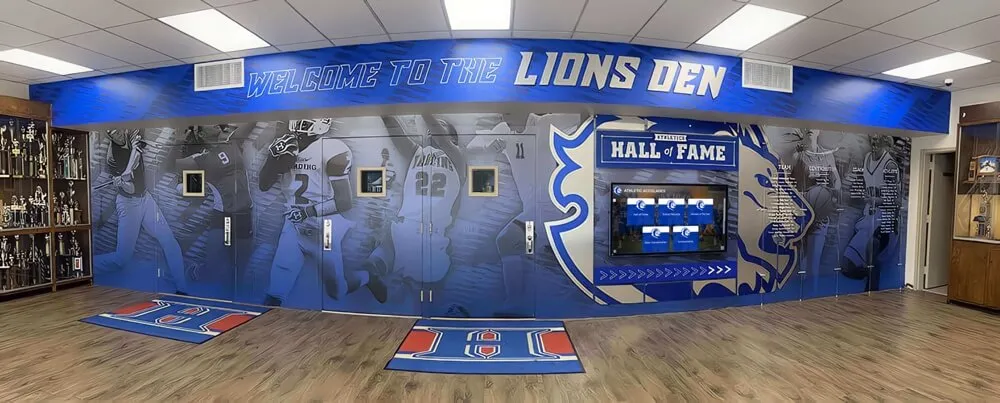
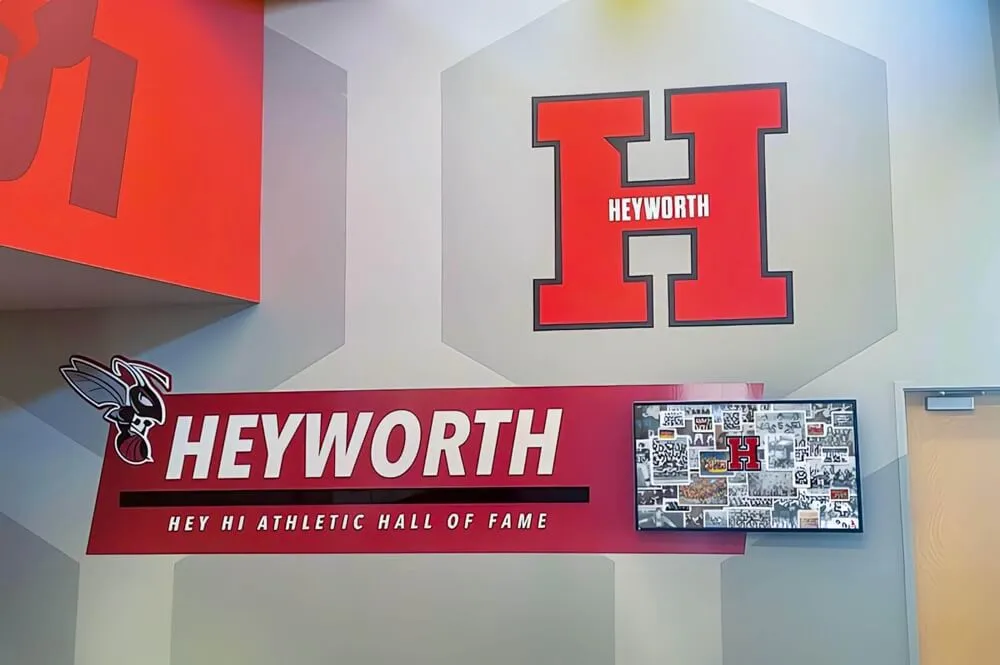
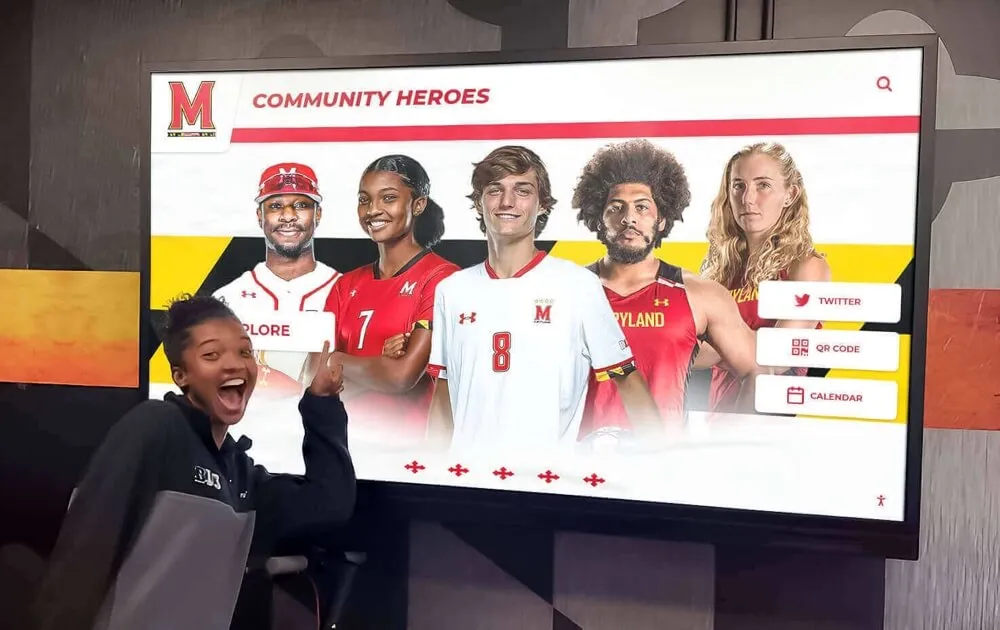
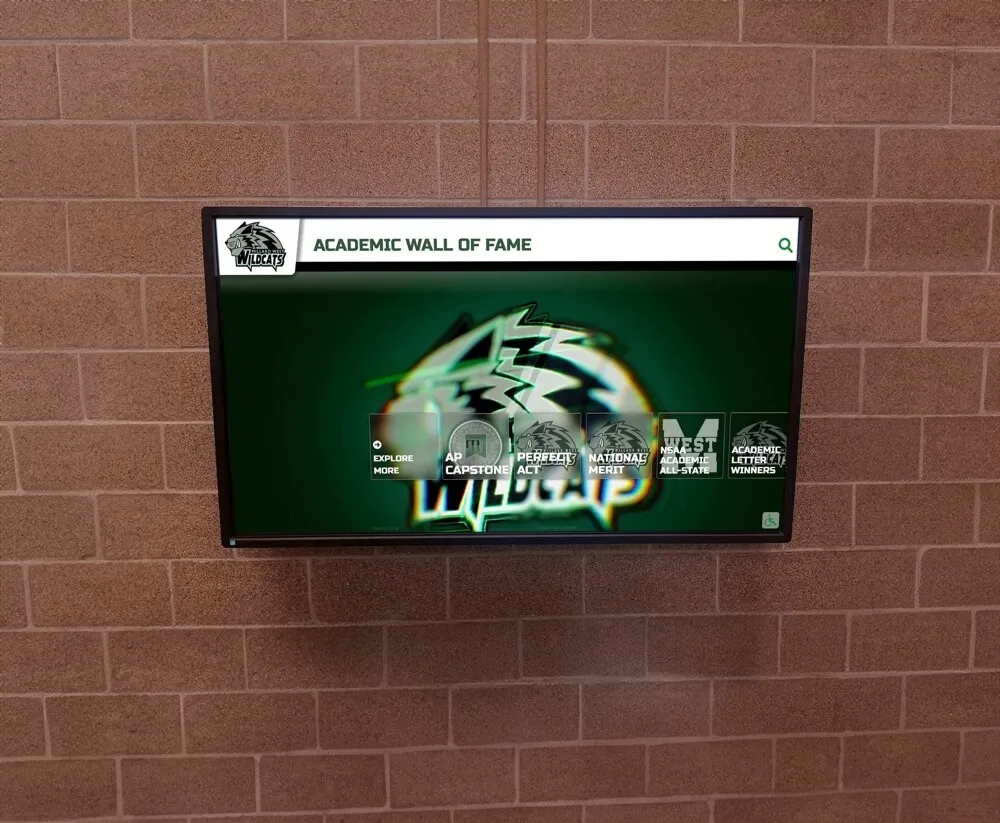
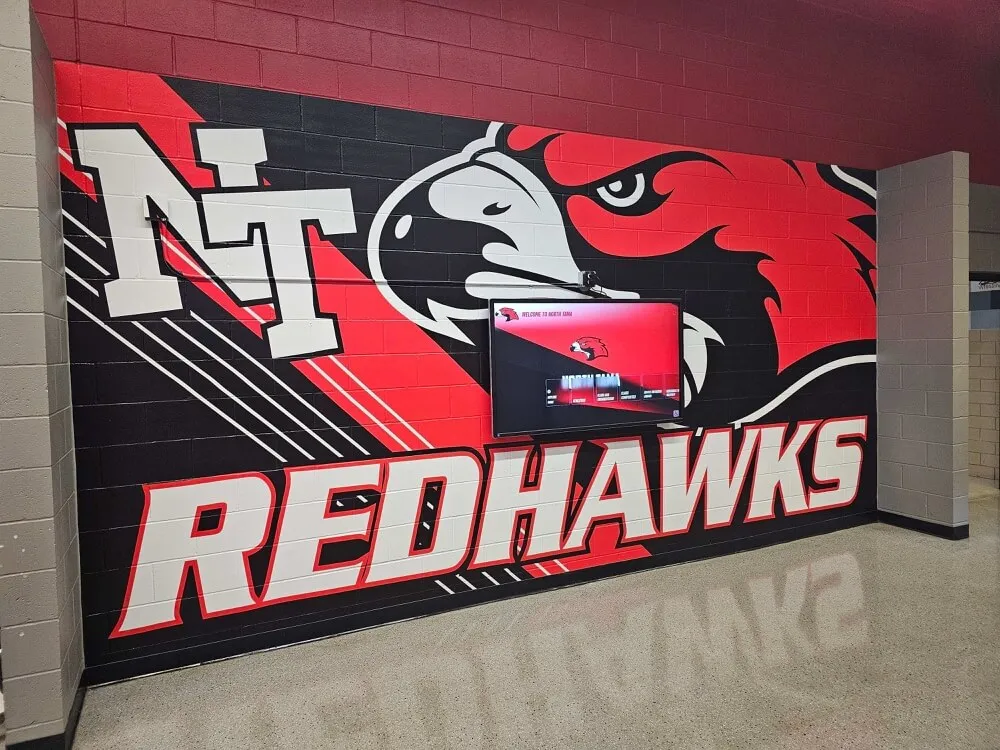
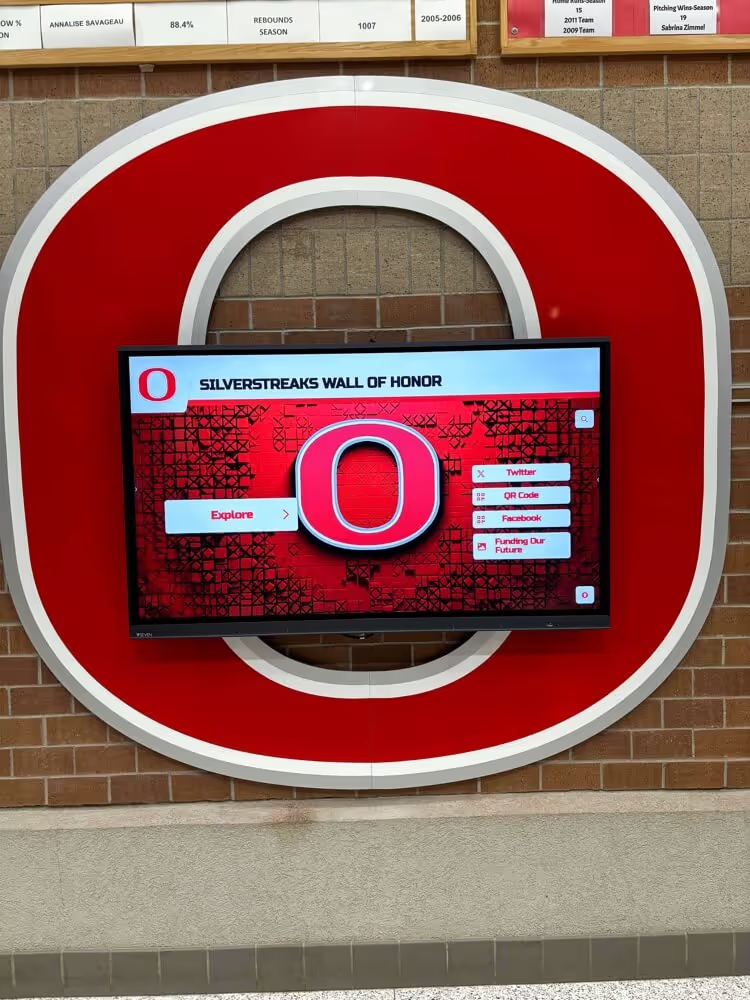
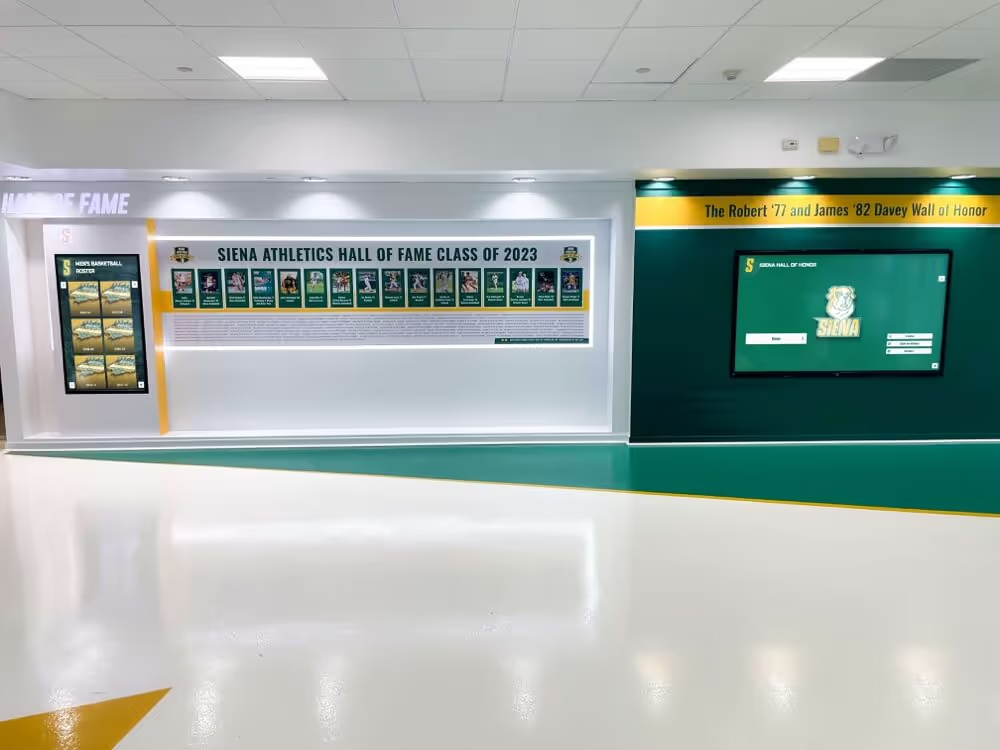
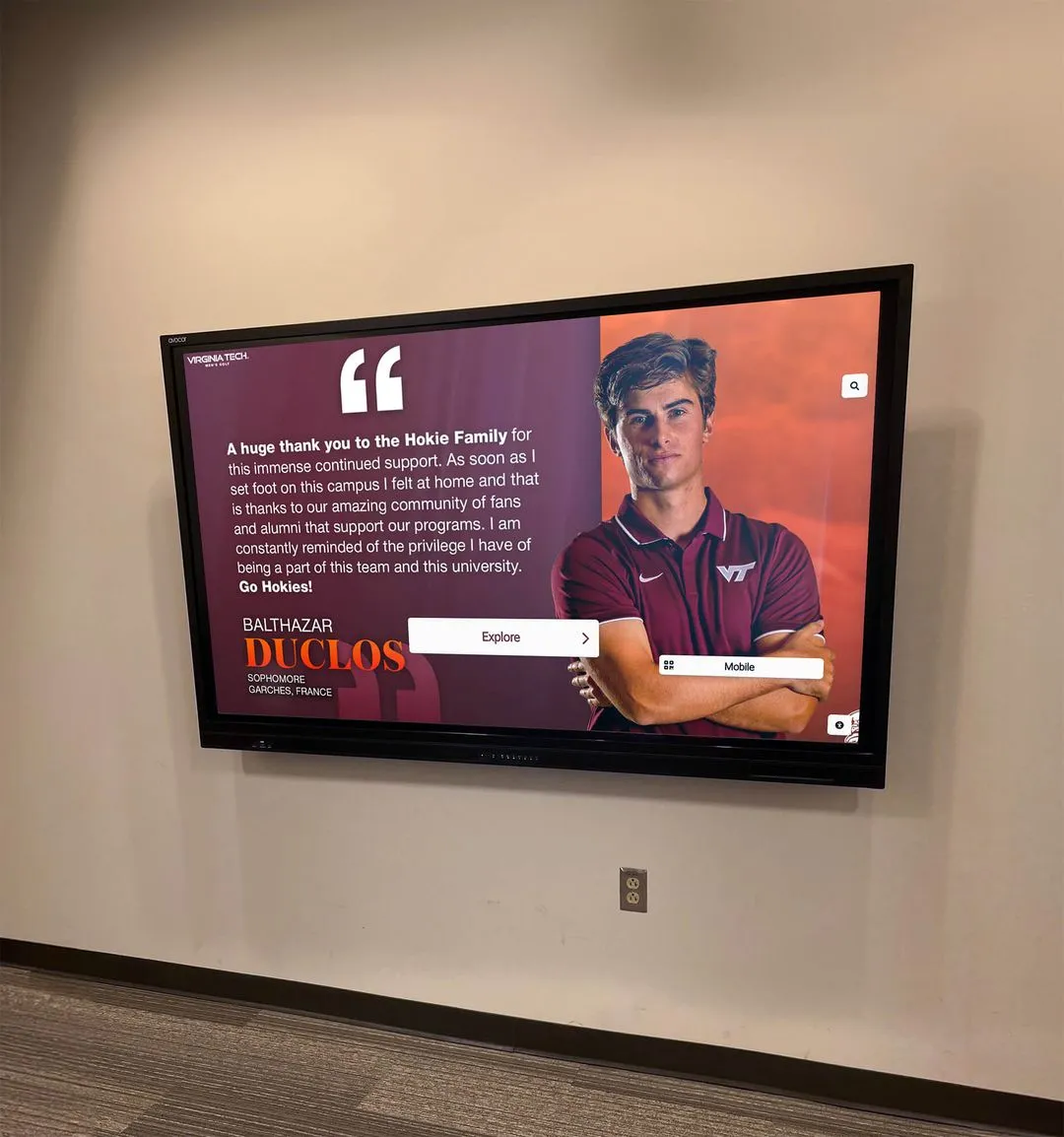
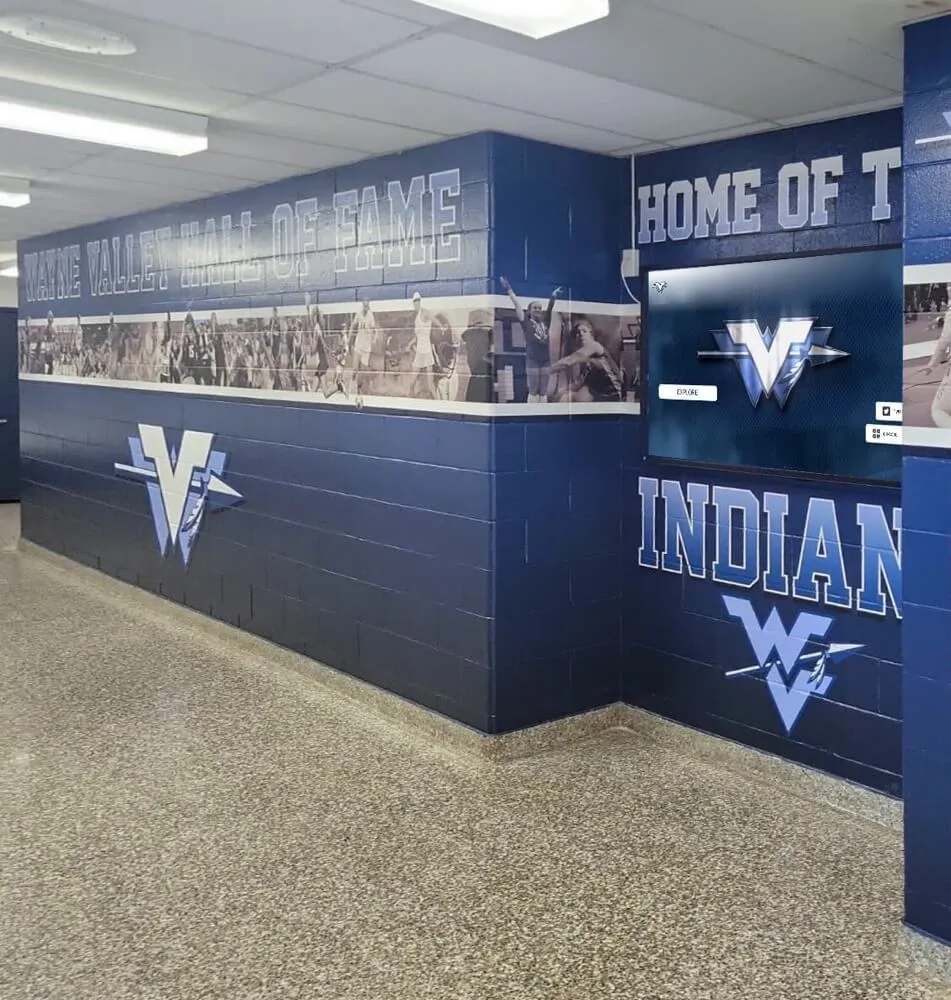
Modern trophy case installations combine physical memorabilia with digital displays—making heat management part of any complete case assessment
Why LED Heat Affects Trophy Case Memorabilia
LED technology runs significantly cooler than halogen or incandescent alternatives, which is why it dominates modern display lighting. The critical distinction for enclosed cases is that LED fixtures still convert a portion of input power to heat at the fixture body, and that heat has nowhere to go inside a sealed glass cabinet.
How Enclosed Cases Trap Heat
An open hallway display dissipates heat naturally through convection. A standard glass trophy case—front-facing glass panels, solid wood or metal frame, rear and top panels—restricts air circulation substantially. Strip LEDs mounted at the top of a case, along interior perimeter trim, or on rear shelf edges continuously warm the enclosed air volume. Over hours of daily operation, interior temperature can rise measurably above ambient room temperature even with energy-efficient LED technology.
The degree of heat rise depends on several compounding factors:
- Total LED wattage — more fixtures or higher-wattage strips produce more heat
- Case volume — smaller cases show faster temperature rise with identical lighting
- Ventilation gaps — flush-sealed cases trap heat; cases with small vent holes or unsealed door gaskets dissipate some warmth
- Daily on-time — cases lit twelve hours per day accumulate more heat exposure than cases on timers
- Case color and material — dark interiors absorb radiated heat; mirrored backs can redirect it toward contents
- Ambient room climate — poorly air-conditioned corridors amplify heat effects in summer months
Understanding these variables helps your facilities team prioritize which cases need immediate measurement and which warrant routine monitoring.
Materials Most Vulnerable to Heat
Different memorabilia types carry different heat sensitivity levels. Grouping your case contents by material helps determine appropriate temperature thresholds and informs relocation decisions when readings are elevated.
High sensitivity — act fastest:
- Color photographs and printed images
- Paper documents, programs, and certificates
- Hand-lettered banners and fabric pennants
- Vintage jerseys and woolen textiles
- Vinyl lettering on display boards
- Foam-core or cardboard-backed displays
Moderate sensitivity — monitor and document:
- Modern synthetic jerseys and athletic fabric
- Laminated certificates and plaques
- Acrylic trophies and acrylic lettering
- Painted wooden plaques and bases
- Foam padding inside display mounts
Lower sensitivity — maintain awareness:
- Metal trophies and hardware
- Ceramic and glass award components
- Stone or resin bases
- Anodized or powder-coated aluminum frames

Cases housing mixed material types—textiles, paper, metals, and plastics—require separate temperature assessments for each item category
Even metal trophies are not immune. Prolonged heat cycling can affect adhesive bases, painted figurines, and the acrylic shields common on modern trophy designs. An assessment that focuses only on obviously fragile items may miss slower-developing damage to pieces that initially appear durable.
Tools for LED Heat Measurement in Trophy Cases
Accurate measurement requires the right instruments. None of these items require specialized training to operate, and all are routinely available through general hardware or science supply vendors. Note: tool selection and supplier relationships are facilities decisions specific to each school; consult your district purchasing guidelines.
Recommended Measurement Instruments
Infrared (non-contact) thermometer The most practical tool for spot-checking case interior surfaces, the IR thermometer lets you measure the temperature of the LED fixture surface, the shelf directly beneath lighting strips, the glass interior face, and nearby memorabilia surfaces—all without opening the case or disturbing contents. Standard consumer IR thermometers with a measurable range to 500°F are adequate for this application. Look for models with a spot-ratio of at least 8:1 for usable accuracy at typical case distances.
Adhesive thermometer strips (liquid crystal) Placed directly inside the case before closing, these strips provide a visible maximum-temperature record that is readable through the glass. They cost very little per strip and allow ongoing passive monitoring without repeated measurement sessions. Record the reading and replace the strip annually or after any lighting change.
Digital data logger with temperature probe For cases flagged in an elevated category, a small temperature data logger records readings at set intervals over days or weeks. This creates a time-stamped record useful for tracking heat patterns across daily school schedules, identifying whether an evening timer reduces temperatures adequately, and documenting conditions for district facilities reports.
Basic digital indoor thermometer Used to record ambient room temperature at the time of case measurement. Every case temperature reading is meaningful only relative to the surrounding corridor or lobby temperature—this differential (delta) is the number your escalation decisions are based on.
Setting Up Consistent Measurement Conditions
Consistency matters more than precision to a single decimal point. Establish a standard measurement protocol your team can repeat term-by-term:
- Measure after lights have been on for at least two hours (not immediately after activation)
- Record ambient room temperature at measurement time
- Measure at least three interior points: near the LED source, at mid-case level, and at the lowest shelf
- Document the highest reading as your reference temperature for the escalation matrix
- Note case ID, date, time, and ambient temperature on a simple log sheet
A consistent method makes trend analysis possible. A case running 8°F above ambient in September that reads 12°F above ambient in February has changed—and that change deserves investigation even if neither reading individually triggers your highest escalation tier.
School Trophy Case LED Heat Assessment Checklist
The following checklist is structured for a single assessment session covering one case. Complete one checklist per case and maintain a folder or digital record covering your entire trophy case inventory. Adjust intervals based on your escalation matrix findings.
Pre-Assessment Setup
- Confirm case LED lights have been on continuously for at least two hours
- Record ambient corridor or lobby temperature (____°F / ____°C)
- Record current date, time, and case identifier or location
- Prepare measurement tools: IR thermometer, notepad or tablet for recording
- Note whether the case has any visible ventilation gaps, vent holes, or unsealed door gaskets
- Photograph the case interior before assessment if contents have not been documented previously
Interior Temperature Measurements
- Measure temperature at the LED fixture surface or strip (Point 1: Source)
- Measure temperature at the shelf or mounting surface directly below/adjacent to LED (Point 2: Proximate Surface)
- Measure temperature at mid-case level at the nearest memorabilia item (Point 3: Content-Adjacent)
- Measure temperature at the lowest shelf level (Point 4: Lower Zone)
- Record all four readings: ____°F / ____°F / ____°F / ____°F
- Calculate the highest interior temperature delta (subtract ambient from highest reading): ____ °F above ambient
Memorabilia Content Inventory
- List all paper or photographic items in the case and their proximity to the LED source
- List all textile or fabric items (jerseys, banners, pennants)
- List all acrylic, vinyl, or synthetic items
- List all metal and resin items
- Flag any items currently within 6 inches of an LED fixture
- Note visible condition concerns: yellowing, curling, fading, cracking, adhesive separation
Lighting System Documentation
- Record LED type (strip, puck, linear bar, integrated fixture)
- Record approximate total wattage if labeled or estimable from fixture data
- Record whether the system is on a timer or switch (and typical daily on-time)
- Check whether LED color temperature is noted (warm white ≥2700K, cool white ≤5000K, UV output)
- Note installation date or approximate age if known
Post-Assessment Recording
- Assign the case to the appropriate escalation tier based on the delta reading (see matrix below)
- Schedule the next assessment date based on the assigned tier
- Document any immediate actions taken (moved items, covered fixtures, opened vents)
- File the completed checklist in the case maintenance record
Escalation Matrix: Four-Tier Response Framework
The following matrix uses temperature delta—the difference between case interior temperature and ambient room temperature—as its primary trigger. This approach normalizes for seasonal room temperature variation and focuses attention on heat generated by the LED installation rather than building HVAC factors.
Important: This matrix reflects a practical facilities workflow, not professional preservation or electrical safety advice. For genuinely irreplaceable artifacts, consult a qualified conservator. For electrical concerns, engage a licensed electrician.
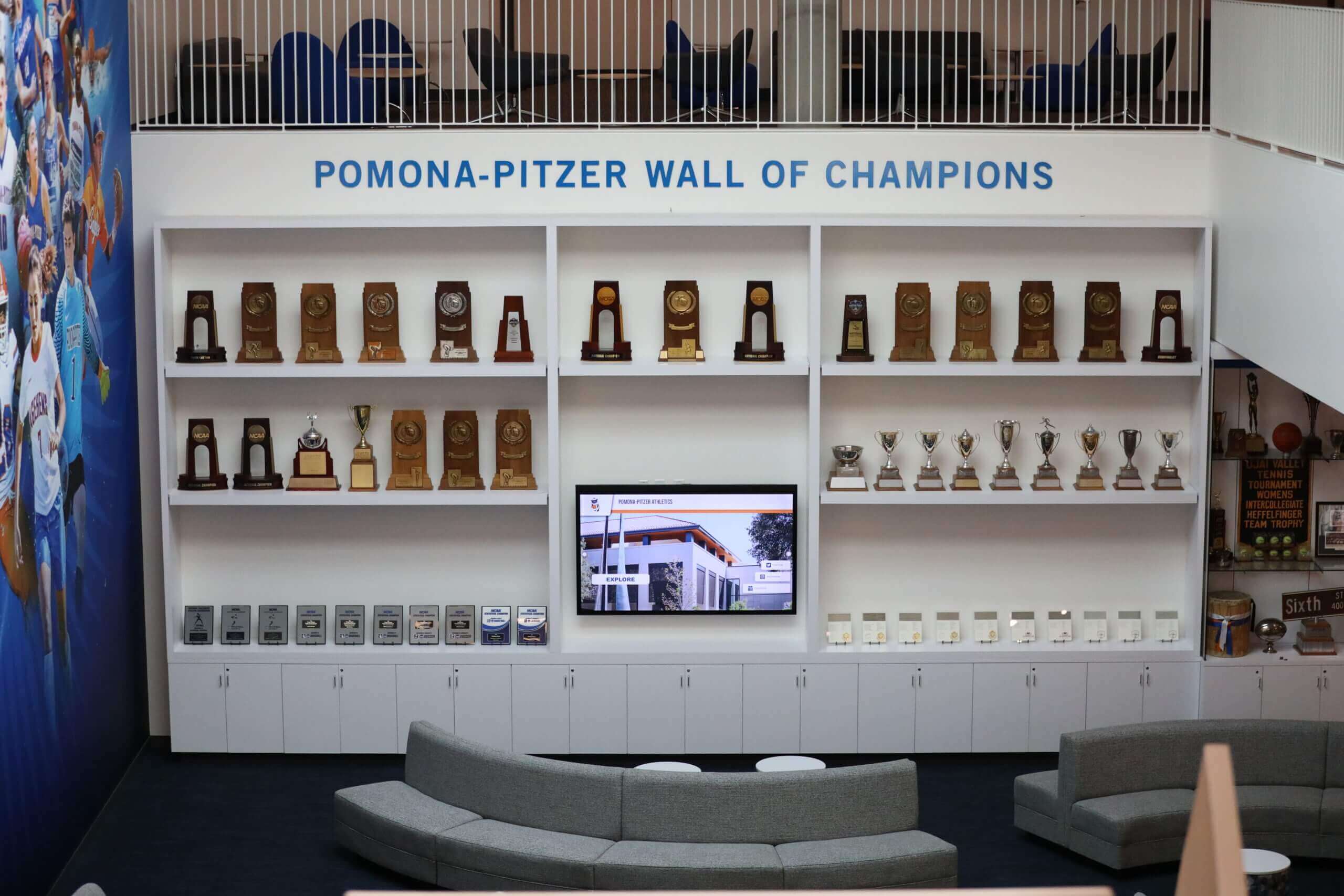
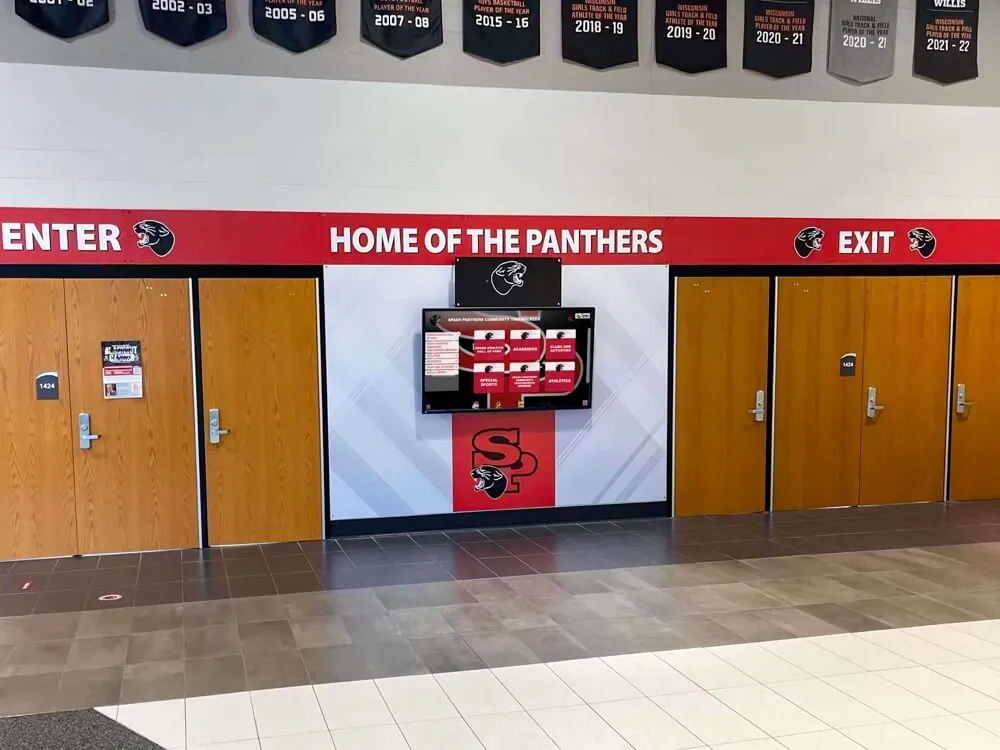
Trophy cases in high-traffic school spaces benefit from documented assessment schedules rather than reactive inspections
Tier 1 — Green: Monitor (Delta 0–5°F above ambient)
Condition: LED lighting adds minimal heat to the enclosed environment. Interior temperature remains close to ambient room conditions.
Risk level: Low for most memorabilia types under normal room climate control.
Actions:
- Continue standard assessment schedule (once per semester or twice per year)
- Maintain the completed checklist in the case file
- Note any high-sensitivity paper or photographic items for observation at next assessment
- No immediate changes to lighting or case layout required
- Flag for reassessment if room HVAC changes seasonally
Scheduling interval: Every 4–6 months under normal conditions
Tier 2 — Yellow: Caution (Delta 5–10°F above ambient)
Condition: LED installation creates measurable heat accumulation. Items closest to fixtures may experience sustained above-ambient temperatures during school hours.
Risk level: Moderate, particularly for color photographs, paper documents, and foam-backed display mounts positioned near LED sources.
Actions:
- Relocate color photographs and paper items to lower shelves or away from LED proximity
- Review whether the case has any unsealed areas that can improve passive ventilation
- Check whether daily on-time can be reduced with a timer without affecting visibility during peak hours
- Add an adhesive thermometer strip to confirm readings passively between formal assessments
- Inspect contents for early signs of heat-related condition change (yellowing margins, slight warping)
- Document findings in the case file and schedule a follow-up measurement within 6–8 weeks
Scheduling interval: Quarterly, with passive monitoring between sessions
Tier 3 — Orange: Concern (Delta 10–15°F above ambient)
Condition: Enclosed heat accumulation is significant. All sensitive materials—including synthetic textiles and laminated items—are subject to sustained above-ambient temperatures that may accelerate degradation over months.
Risk level: Elevated across most material types; high for photographic and paper items, and for any items in direct proximity to LED fixtures.
Actions:
- Remove high-sensitivity paper and photographic items from the case for storage in a climate-stable environment; consider archival sleeves or boxes
- Remove vintage or natural-fiber textiles if the case will remain in this condition
- Contact the LED supplier or a qualified electrician to evaluate whether lower-wattage alternatives or diffused fixtures can reduce fixture-surface temperatures
- Assess whether the case can be fitted with small passive ventilation additions (consult your facilities department and case manufacturer before modifying)
- Add a digital data logger to document temperature patterns over the next 2–4 weeks before any lighting modification
- Photograph all remaining contents to establish a condition baseline
- Prepare a brief written summary for your athletic director or facilities supervisor documenting the finding and planned response
Scheduling interval: Monthly until resolution; escalate to Tier 4 if delta increases further
Tier 4 — Red: Escalate (Delta 15°F+ above ambient)
Condition: The LED installation creates heat levels that pose meaningful risk to all enclosed materials over sustained operation. Immediate action is appropriate before further monitoring.
Risk level: High across the full case inventory; critical for any paper, photographic, or natural-fiber textile items still present.
Actions:
- Remove all high-sensitivity items immediately; relocate to temperature-stable storage with documented chain of custody
- Power off or reduce LED lighting until the system is assessed by a qualified electrician
- Contact your district facilities department to document the finding and request a professional electrical and heat assessment
- Photograph all remaining case contents and document any condition changes already observed
- If contents include items with institutional or historical significance, consult a professional conservator before making decisions about their housing or treatment
- Brief your athletic director and facilities supervisor with the checklist records and data logger output
- Evaluate whether the case should be temporarily redeployed as a non-illuminated display while the lighting system is modified, replaced, or professionally reviewed
- Explore digital recognition alternatives (see section below) for high-value content that warrants environment-controlled storage
Scheduling interval: Do not return to scheduled monitoring until a qualified professional has reviewed the case and confirmed corrective action; then revert to Tier 2 or Tier 1 assessment upon resolution
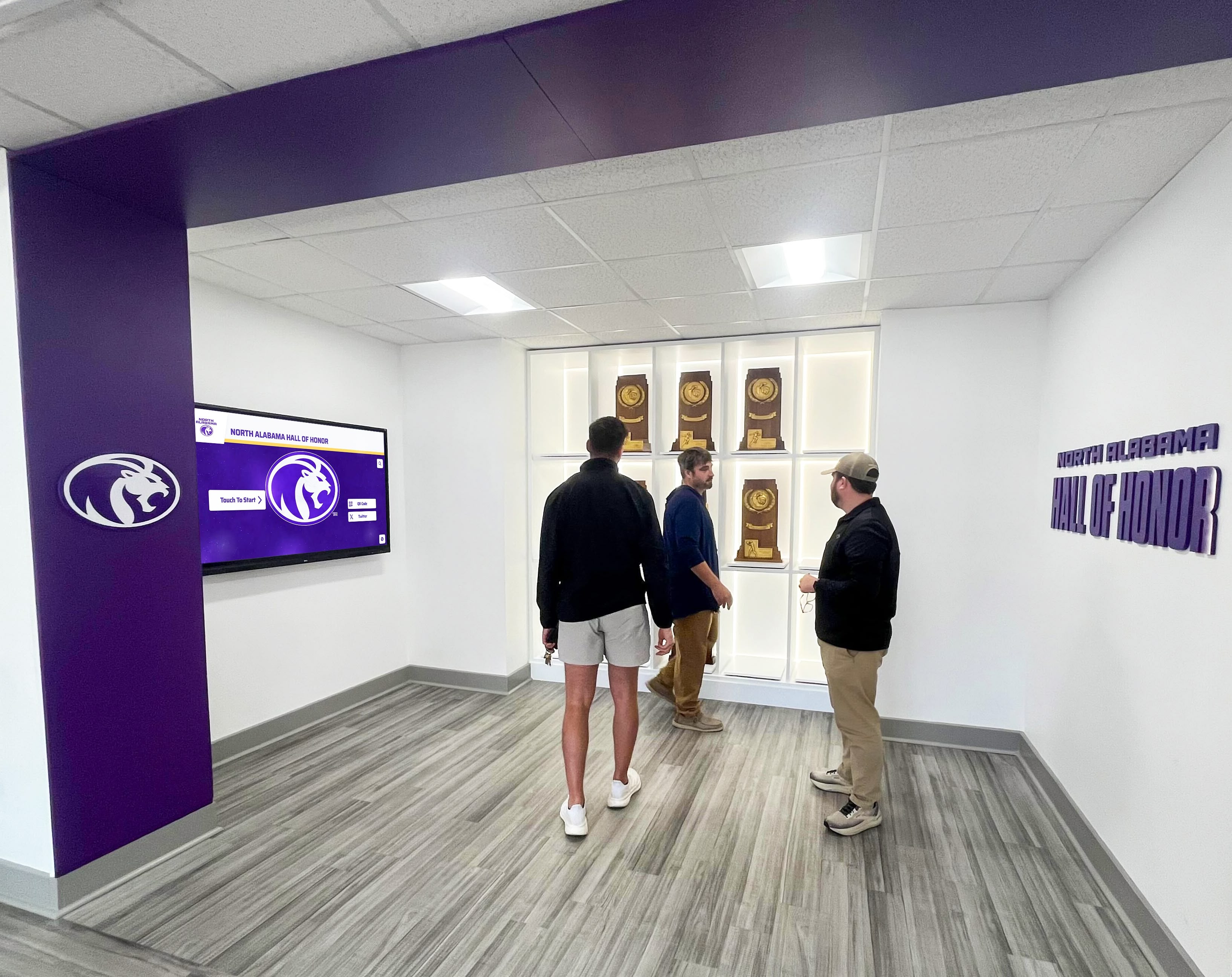
Facilities staff, athletic directors, and administrators working together on display case assessments create clearer ownership and faster escalation when readings are elevated
Applying the Escalation Matrix Across Multiple Cases
Most schools maintain more than one trophy case—a main lobby display, a gymnasium concourse case, a hallway case near the athletic offices, and smaller sports-specific displays near team rooms. Managing the assessment across an inventory requires a simple coordination layer.
Building a Case Inventory Record
Create a one-page or spreadsheet record with one row per case:
- Case ID or location description
- LED system type and estimated wattage
- Last assessment date
- Delta reading at last assessment
- Current tier assignment
- Scheduled next assessment date
- Items flagged for relocation or monitoring
- Notes on any actions taken
Reviewing this record at the start of each semester gives your facilities team a clear picture of which cases need attention, which are stable, and whether any cases have moved between tiers since the last cycle.
Coordinating Between Facilities, Athletics, and Administration
Heat assessment is a shared responsibility across departments. Facilities staff typically own the measurement tools and scheduling logistics; athletic directors care about which achievements are at risk; administrators may need documentation for district facilities reports or insurance purposes.
A straightforward coordination workflow:
- Facilities conducts measurements and completes checklists
- Athletics reviews any Tier 3 or Tier 4 findings and approves item relocation decisions
- Administration receives a brief summary when escalation involves professional consultation or spending authority
- All three parties maintain a copy of the case file or share a common folder
This structure prevents the scenario where a case tests at Tier 3 but no one has clear authority to act—an athletic director waiting for facilities to relocate items, and facilities waiting for athletic director approval.
Seasonal Reassessment Triggers
Beyond the scheduled intervals in the escalation matrix, certain seasonal and operational changes warrant unscheduled reassessment:
- HVAC changes or failures: A building losing air conditioning in summer significantly raises baseline room temperature, which magnifies LED-generated heat
- New LED installation or bulb replacement: Any change to the lighting system resets the thermal baseline; measure within two weeks
- Case relocation: Moving a case to a new wall, corridor, or room changes ambient temperature, ventilation, and sunlight exposure
- Addition of major new items: Large new trophies or banners can alter interior air circulation and require a fresh reading
- Visible condition change: If any staff member notices early yellowing, fading, or warping during routine hallway observation, treat it as a trigger for immediate unscheduled assessment
Documenting these trigger events in the case file creates an audit trail useful if condition changes are later discovered and the question arises of when the issue began.

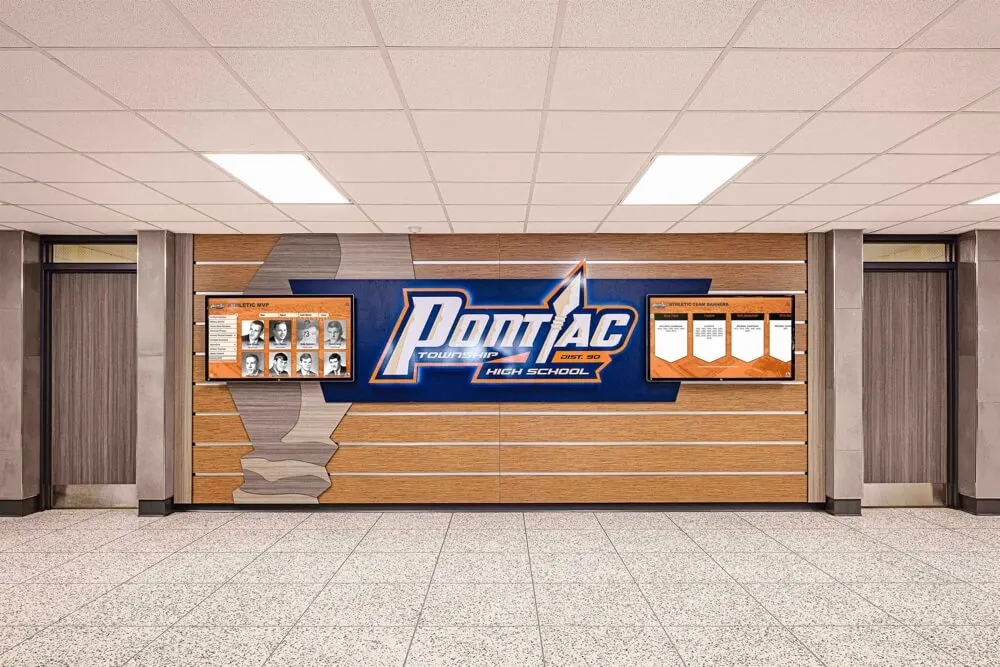
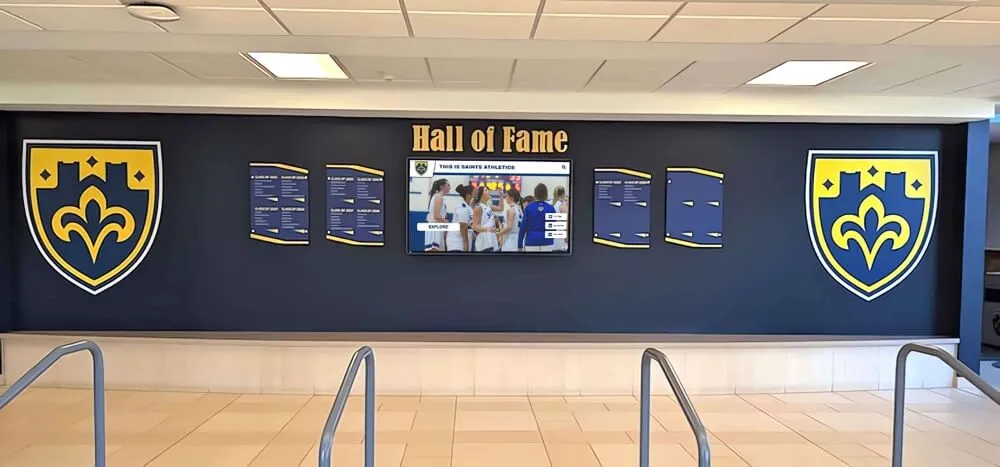
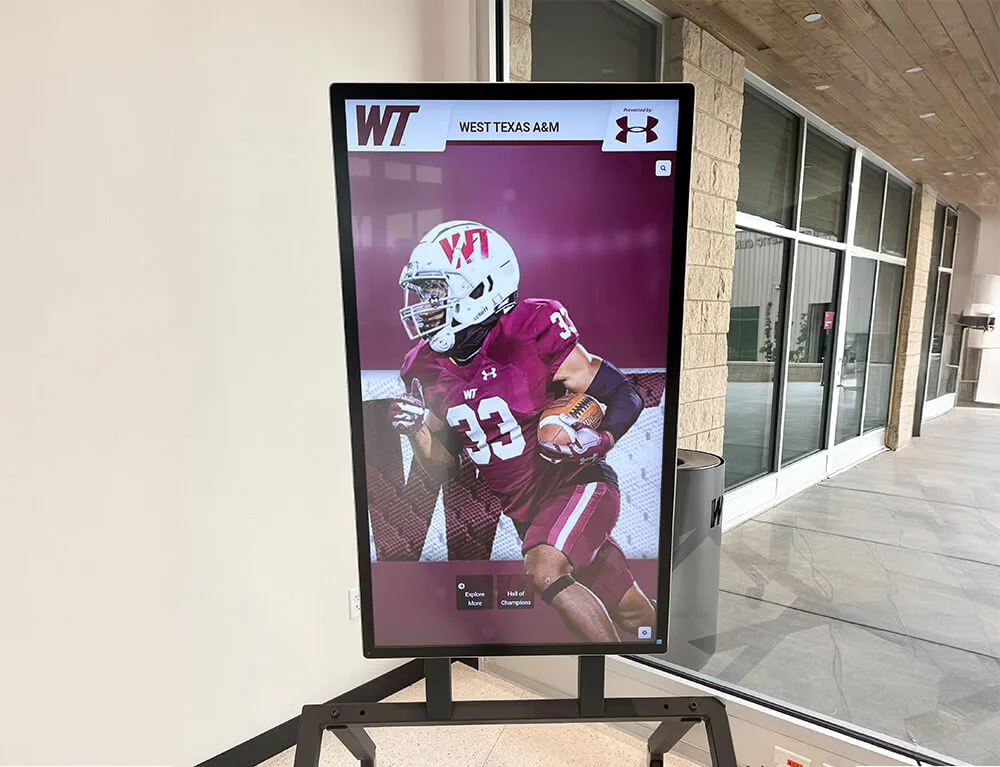
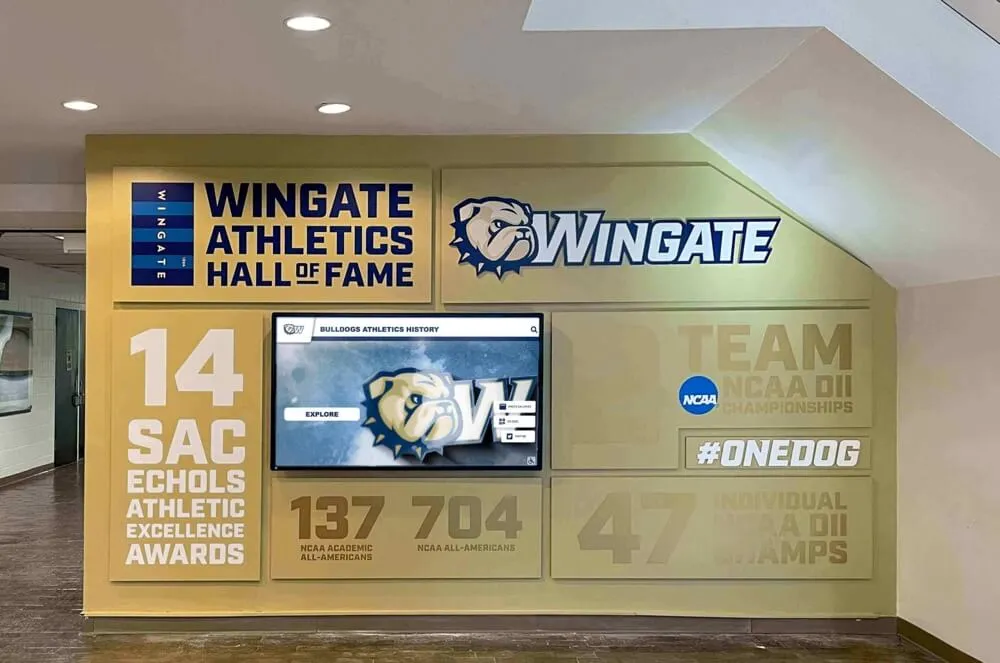
Combining physical cases with digital displays gives schools the option to house heat-sensitive originals in archival storage while keeping the recognition experience visible and engaging
When Physical Cases Reach Their Limits
Heat assessment sometimes surfaces a broader question: which achievements are best served by a physical illuminated case, and which are better recognized through a medium that removes sensitive originals from display entirely?
Separating Display from Preservation
The most heat-resistant trophy case is still an environment that accumulates some heat and UV exposure over years of continuous operation. For items with significant preservation value—early championship photographs, hand-lettered rosters, original signed documents, vintage natural-fiber jerseys—the most conservative approach is archival storage combined with a high-quality reproduction or digital representation for the public-facing display.
This separation lets schools show the achievement prominently without subjecting the original to daily light and heat cycling. A framed archival print of a 1978 championship photograph can handle display conditions far more gracefully than the original. A high-resolution scan displayed on a recognition screen preserves the visual connection to program history without touching the artifact at all.
Digital Recognition as a Heat-Free Alternative
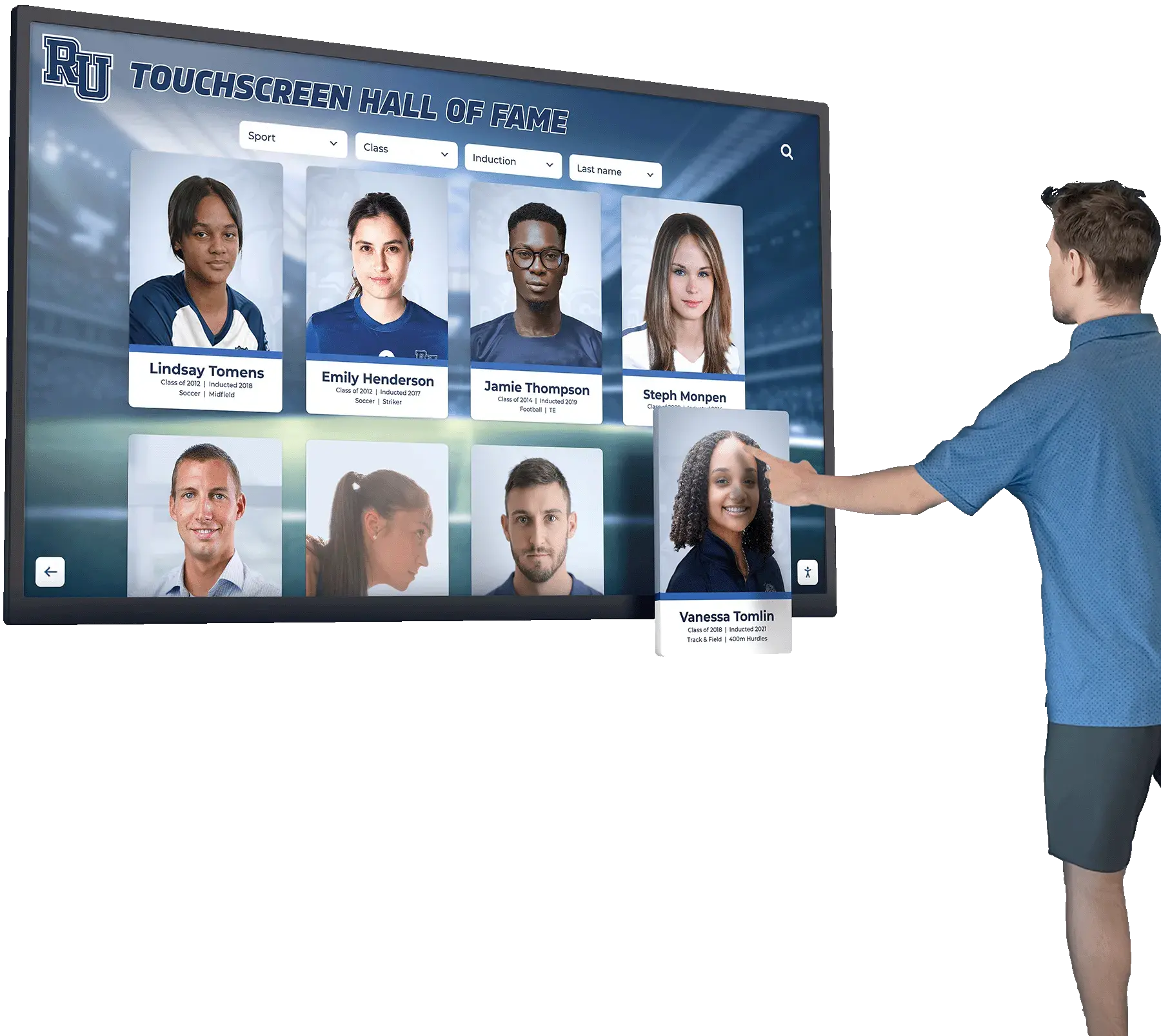
Interactive recognition displays offer a different model for schools managing heat-sensitive collections. High-quality digital content—program histories, athlete profiles, championship timelines, archival photographs—can be presented on a display system that generates its own heat profile (assessed separately) while keeping physical originals in controlled storage.
For schools exploring modern hall of fame tools for athletics programs, the tradeoff between physical and digital presentation is a practical content strategy question, not just an aesthetic one. Schools that have digitized photographic collections and program records can rotate content dynamically, engage current students with historical context, and extend recognition to a broader range of achievements than a single fixed case can accommodate.
Learn about comprehensive academic recognition programs that balance physical presence with digital depth—an approach that informs trophy case content strategy as much as it does broader recognition programming.
Integrating LED Heat Assessment with Broader Case Maintenance
Heat management is one component of a complete trophy case maintenance program. An LED heat assessment scheduled alongside other routine case tasks improves efficiency and creates natural conversation between the people responsible for different aspects of case condition.
Connecting Heat Assessment to Related Maintenance Tasks
Annual cleaning schedule: Case cleaning requires opening and handling contents—an ideal time to complete a visual condition inspection alongside temperature measurement. The combination catches both heat-related and handling-related condition changes in a single session.
Lighting system review: LED strips and fixtures have rated lifespans. As fixtures age, efficiency can decrease and heat output can shift. An annual lighting review—checking fixture condition, verifying timer operation, confirming wattage labels match installed components—pairs naturally with heat measurement.
Gasket and seal inspection: Case door seals affect both security and ventilation. Degraded gaskets may unintentionally improve air circulation (reducing heat) while introducing dust or humidity concerns. Document seal condition during heat assessment sessions.
Content inventory update: Trophy cases often accumulate items informally over time. An annual inventory during heat assessment confirms what is actually in the case, identifies items that may have been added without documentation, and provides the opportunity to retire items that have fulfilled their recognition purpose and could be archived or returned to athletes and families.
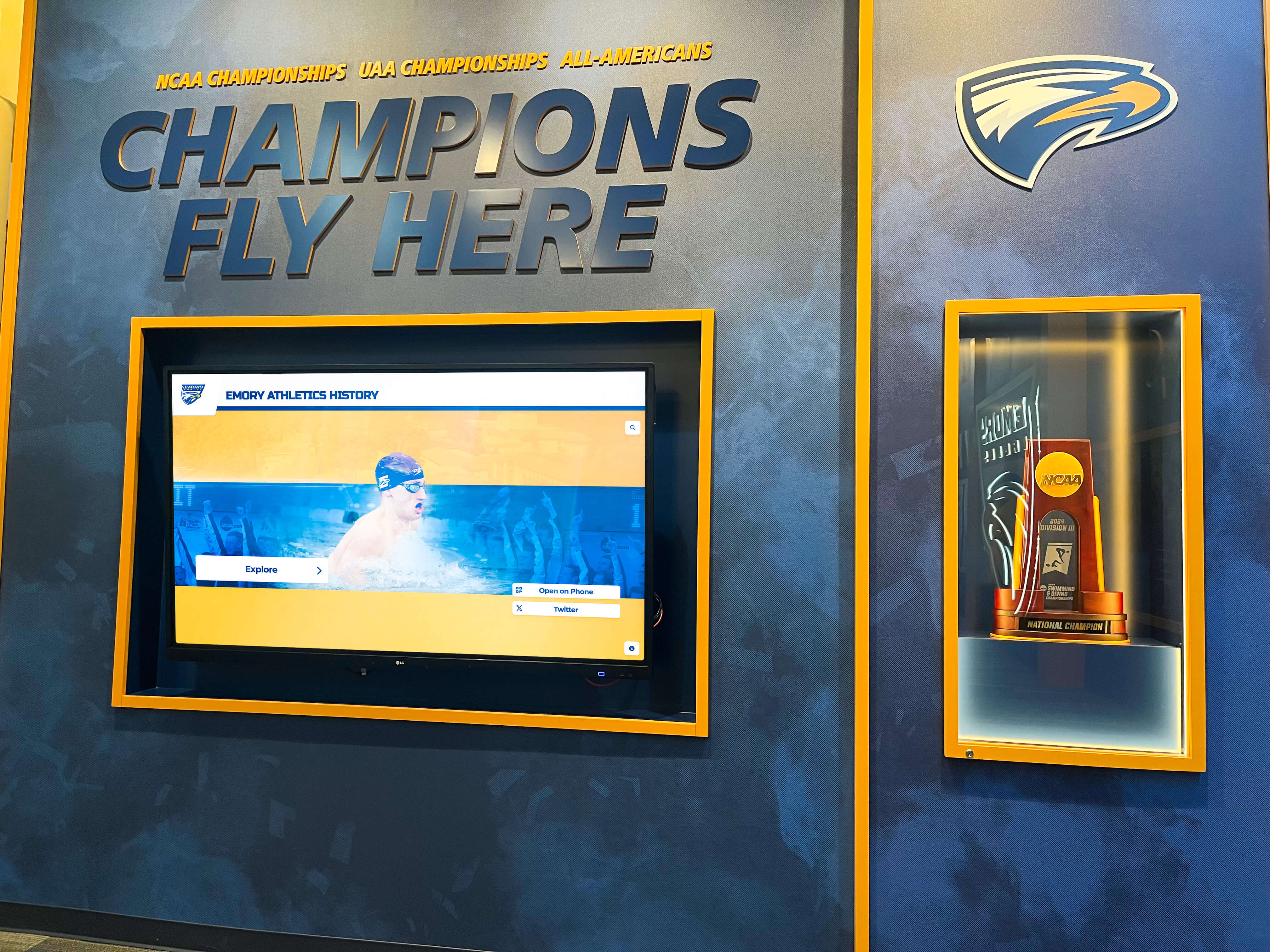
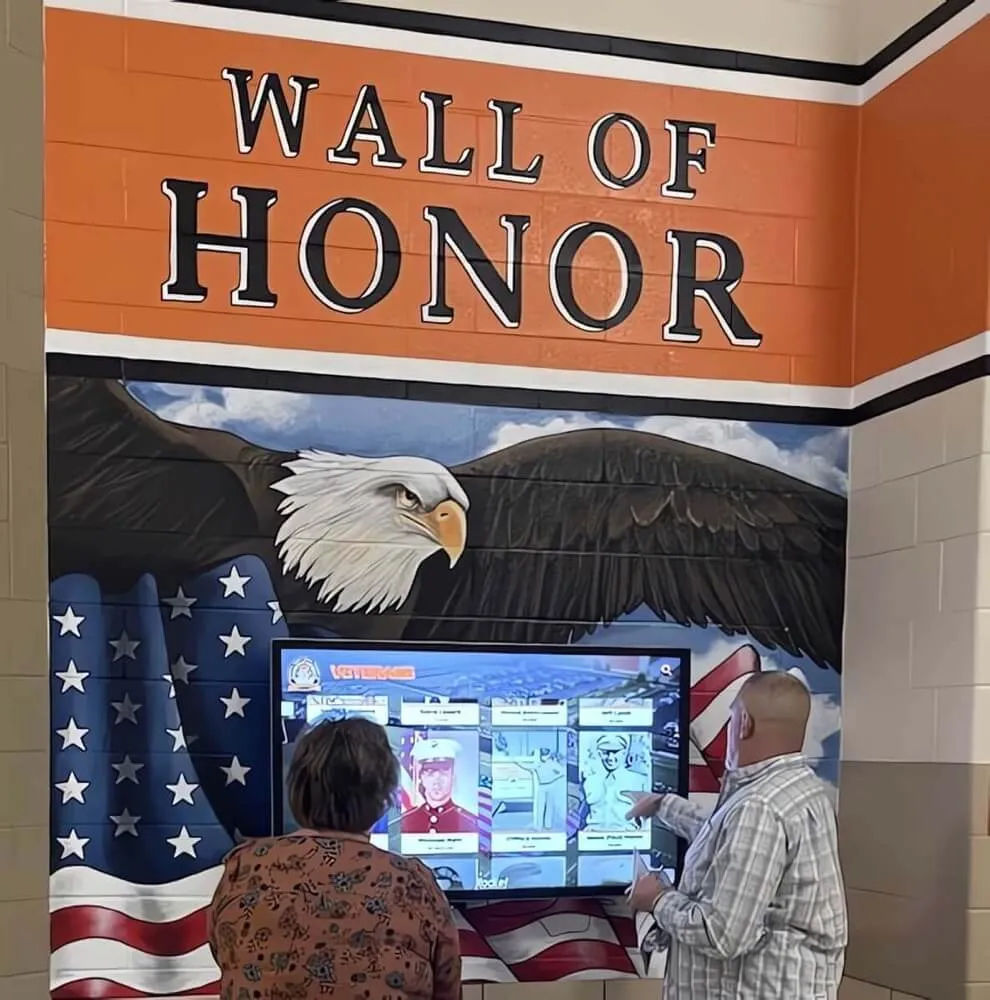
Championship trophy displays at institutions of all sizes benefit from documented care protocols that protect recognition investments over decades of public display
Documentation as an Institutional Asset
The completed checklist records, data logger exports, and case inventory files generated through a sustained assessment program become institutional assets in themselves. When facilities staff change, when a case needs manufacturer warranty consultation, when district administration requests a facilities status report, or when an insurance question arises following a facility incident—documented assessment records answer questions quickly and demonstrate that the school applied reasonable care to its recognition investments.
A one-page summary per case, updated annually, requires very little ongoing effort but provides substantial protection against the ambiguity that comes with informal or undocumented maintenance practices.
Recognition Beyond the Case: Supporting the Full Athletic Legacy
A trophy case that preserves its contents well is a starting point, not an endpoint. The achievements it holds connect current students to program history, communicate school values to prospective families, and honor athletes whose contributions continue to define what a program stands for.
For schools asking how to extend that recognition further—making program history accessible to students who don’t stop to read a case during passing periods, enabling alumni to reconnect with their chapter of the story, or creating a digital record that survives the physical case itself—interactive recognition platforms offer a complementary layer.
Schools looking at best-in-class hall of fame tools for athletics and institutional memory are increasingly pairing physical cases with digital archives that serve audiences the physical case cannot reach: remote alumni, prospective student-athletes researching programs online, and community members who never enter the building.
Recognition programs that pair physical preservation with digital engagement also address a practical constraint the LED heat assessment highlights directly: the best-preserved items are often the ones not on continuous display under hot lighting. A digital archive of scanned championship photographs may actually protect originals better than a glass case ever could, while expanding access to a broader audience.
Explore academic achievement award frameworks for high schools that integrate physical and digital recognition—an approach increasingly relevant as schools build recognition ecosystems rather than isolated trophy cases.
For programs considering how recognition tools fit together across athletics, academics, and institutional history, the 10 best hall of fame tools overview covers the landscape of options available to schools at different stages of program development.
Practical Next Steps for Your Facilities Team
Getting started with LED heat assessment does not require a large investment of time or budget. The core activity—measuring interior temperature relative to ambient and documenting the result—takes fifteen minutes per case with an IR thermometer that most facilities departments already have on hand.
A suggested sequence for a school conducting its first assessment cycle:
- Identify all trophy cases with active LED lighting — note location, approximate case volume, and estimated daily on-time
- Prioritize cases containing paper or photographic items — these are most likely to show early heat-related condition changes
- Complete the measurement checklist for each case during one scheduled maintenance session — coordinate with athletic staff to ensure case keys are available
- Assign each case to an escalation tier and schedule the next assessment — enter results in a shared spreadsheet or folder
- Address any Tier 3 or Tier 4 findings before the end of the same week — remove sensitive items first, then plan the longer-term lighting or ventilation response
- Set a recurring calendar reminder for quarterly or semi-annual follow-up — consistency matters more than frequency
Schools that complete a first-cycle assessment often discover that most cases fall comfortably in Tier 1 or Tier 2, requiring modest adjustments rather than major interventions. The value of the assessment is identifying the handful of cases where conditions warrant faster action—and creating documentation that shows your team took a systematic approach to protecting what the school has built over decades of athletic achievement.
For schools ready to take recognition further—building interactive digital archives that complement physical cases, creating program histories accessible to the full community, or developing recognition systems that scale with program growth without accumulating more heat-sensitive physical inventory—Rocket Alumni Solutions builds the platforms that make that possible.
Professional advice notice: This guide describes a practical facilities workflow for schools managing their own trophy case maintenance. It does not constitute professional preservation, conservation, electrical safety, or legal advice. For artifacts with significant historical value or irreplaceable status, consult a qualified conservator. For electrical concerns identified during assessment, engage a licensed electrician. District facilities guidelines and applicable building codes take precedence over any general framework presented here.