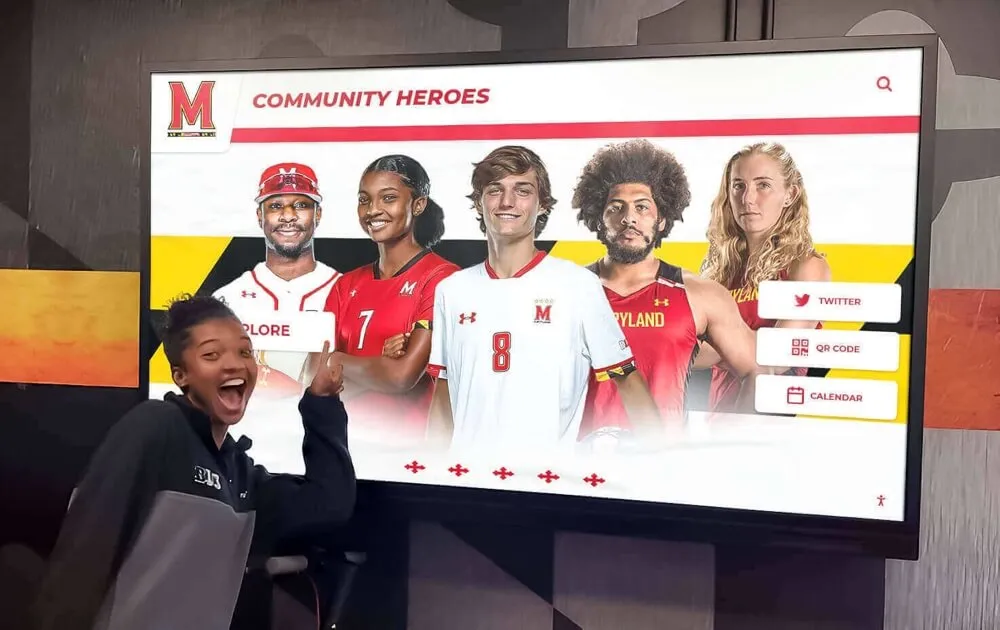




Walk through any thriving school campus on spirit day and you’ll witness a powerful phenomenon—students, teachers, and staff united in matching colors, clever designs, and shared identity. Spirit wear transforms ordinary clothing into visible declarations of community belonging. Yet beneath the surface appeal of coordinated t-shirts lies a deeper opportunity: thoughtfully designed spirit wear programs don’t just look good—they strengthen community bonds, reinforce institutional values, build lasting traditions, and create touchpoints for recognition that extend far beyond apparel itself.
Many administrators approach spirit wear as simple merchandising—order shirts, sell shirts, repeat annually. This transactional mindset misses the strategic potential of spirit wear as a comprehensive engagement tool. The most effective spirit wear initiatives integrate with broader recognition programs, connect to meaningful school moments, celebrate diverse contributions beyond athletics, and create year-round visibility that keeps school pride active rather than confined to isolated spirit weeks or homecoming rallies.
Understanding Spirit Wear as Community Engagement
School spirit wear functions simultaneously as personal expression, community identifier, and institutional marketing. When students wear school-branded apparel, they’re making deliberate statements about belonging and pride. The visibility creates self-reinforcing engagement—seeing others in spirit wear encourages additional participation, building momentum that strengthens community identity.
Effective spirit wear programs recognize these psychological dimensions. Rather than treating apparel as generic merchandise, successful schools design spirit wear that resonates with specific community values, acknowledges diverse student interests beyond traditional athletics, and creates inclusive opportunities for participation across all demographics.
The economic considerations matter too. Spirit wear represents significant budget allocation for families and fundraising opportunities for programs. Balancing affordability with quality, offering diverse product options that appeal to varied preferences, and ensuring accessibility for all families regardless of financial circumstances proves essential for inclusive spirit wear programs.
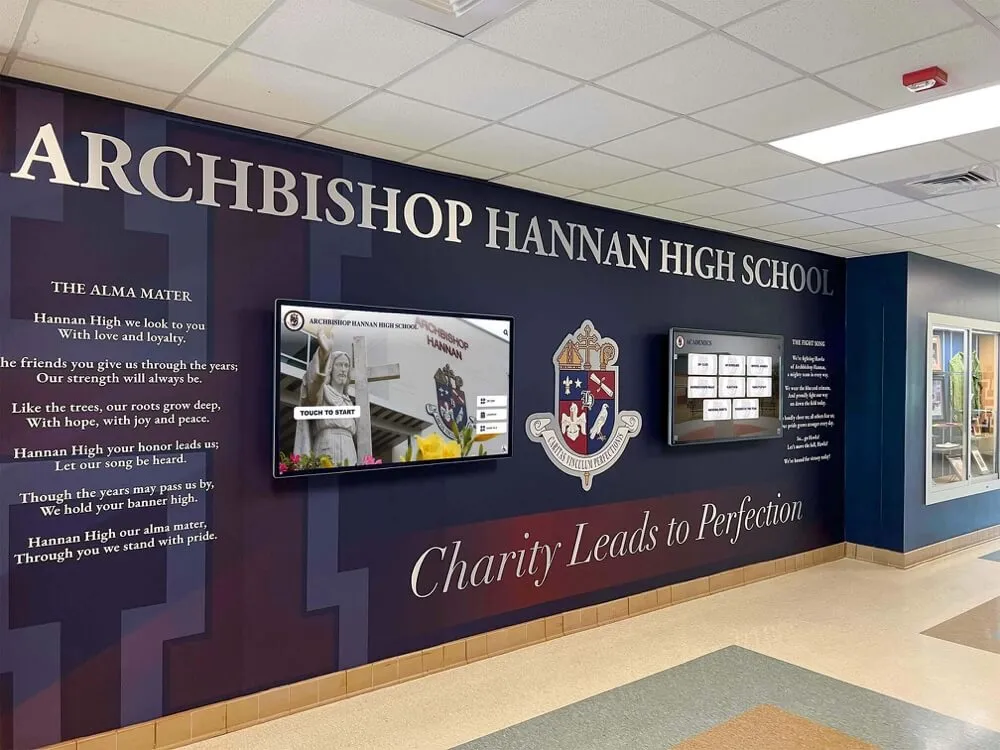
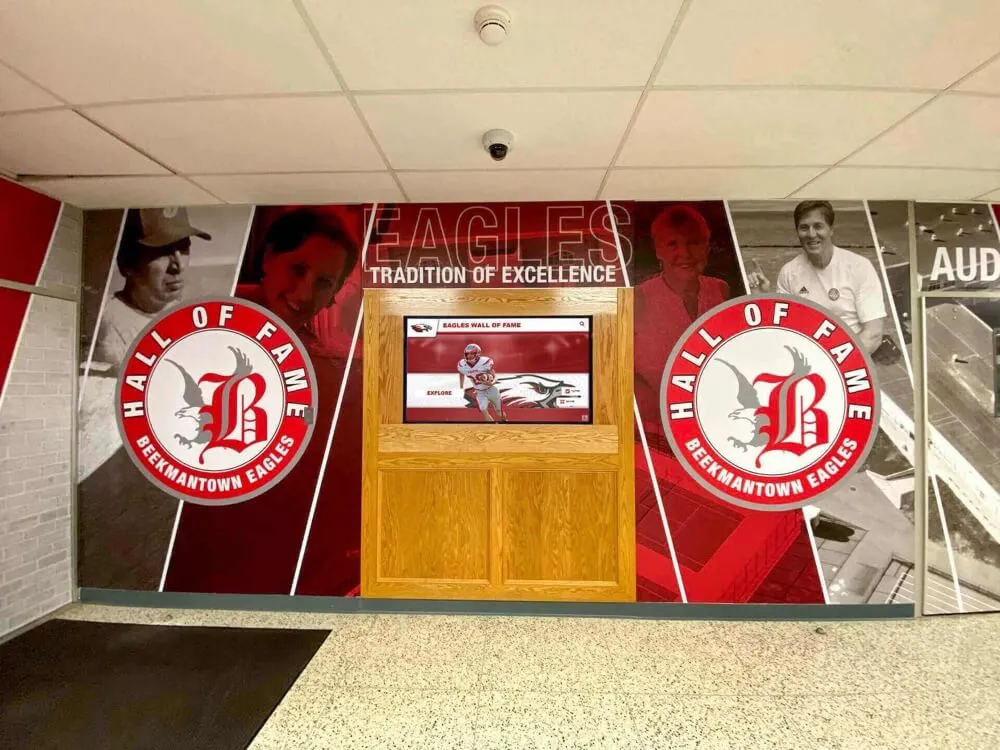
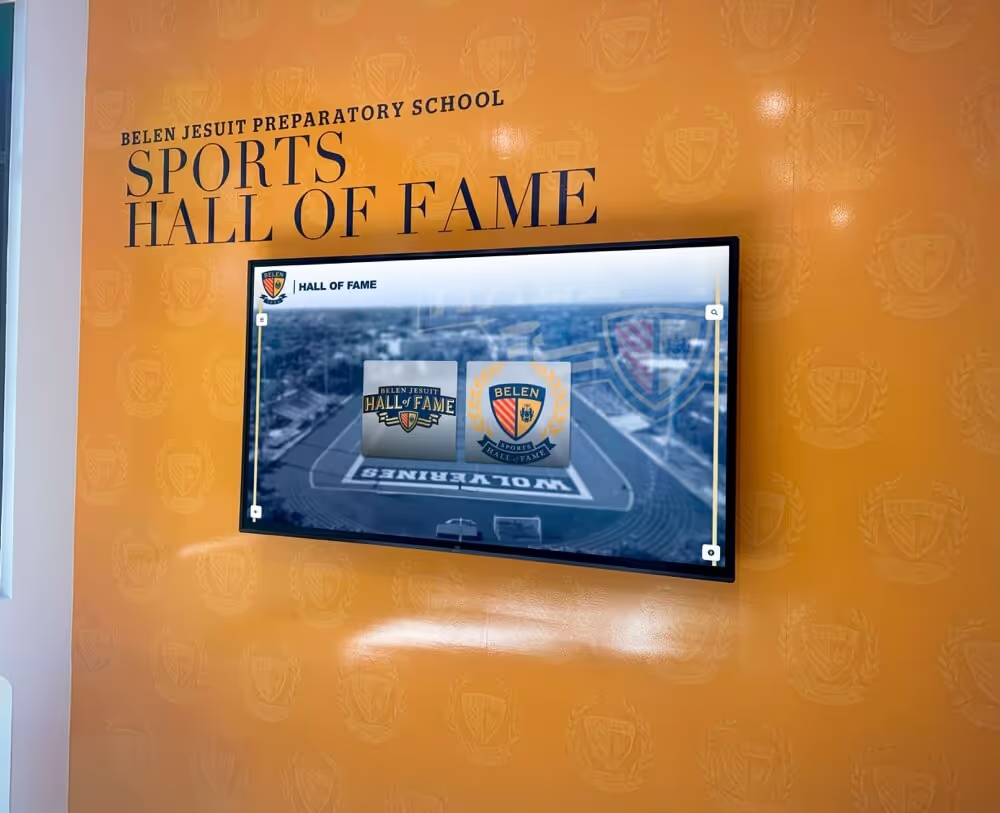
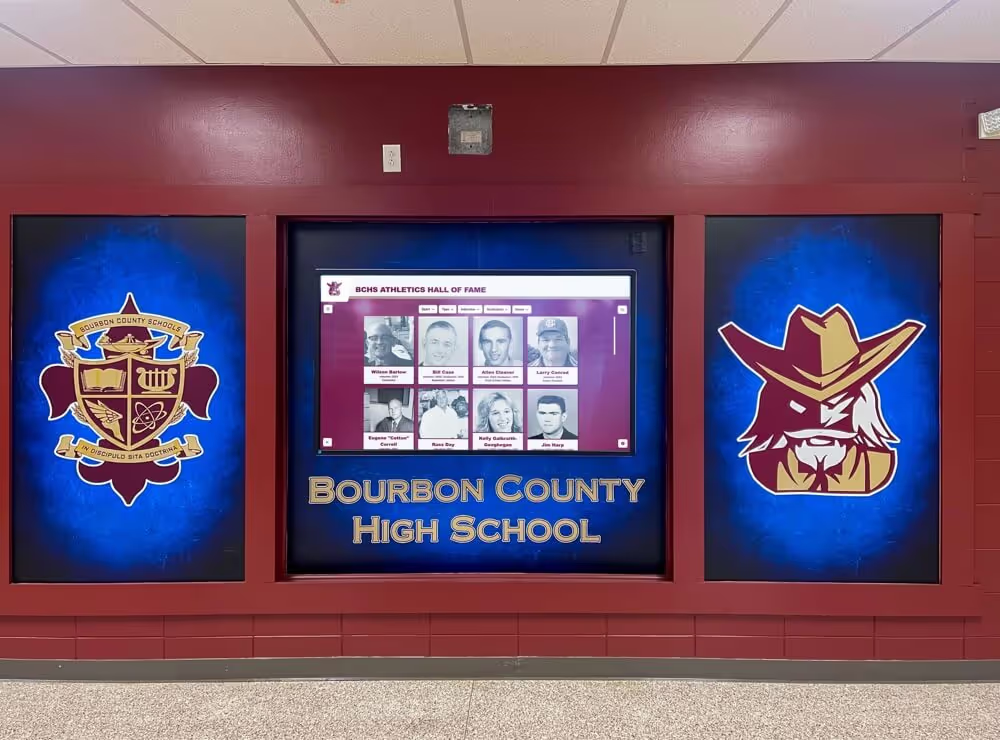
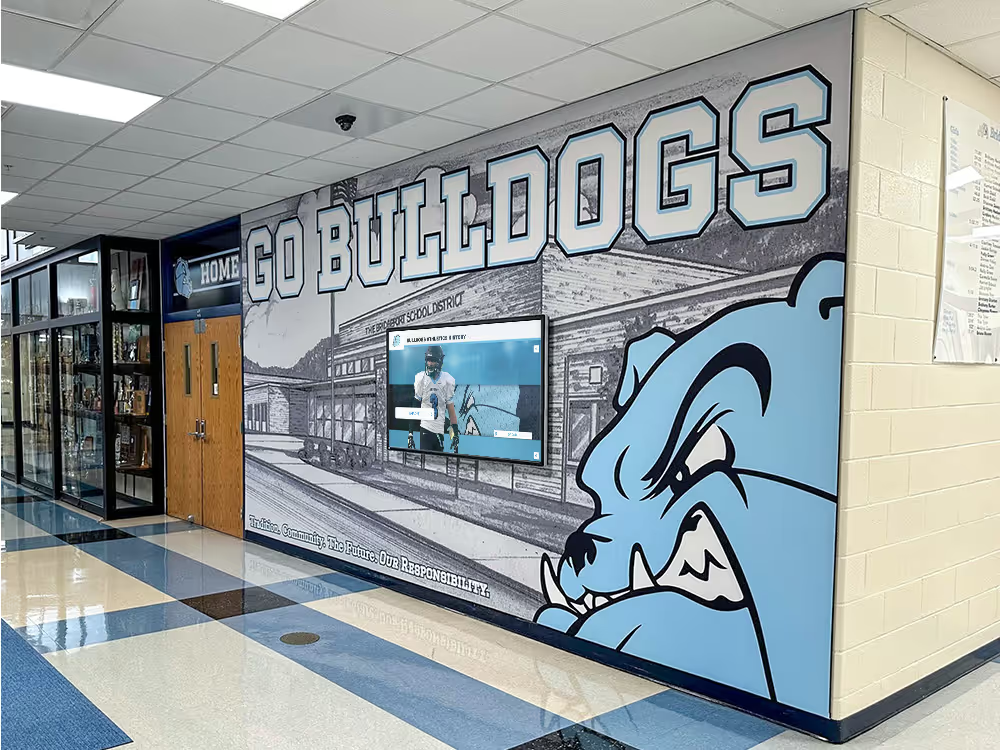
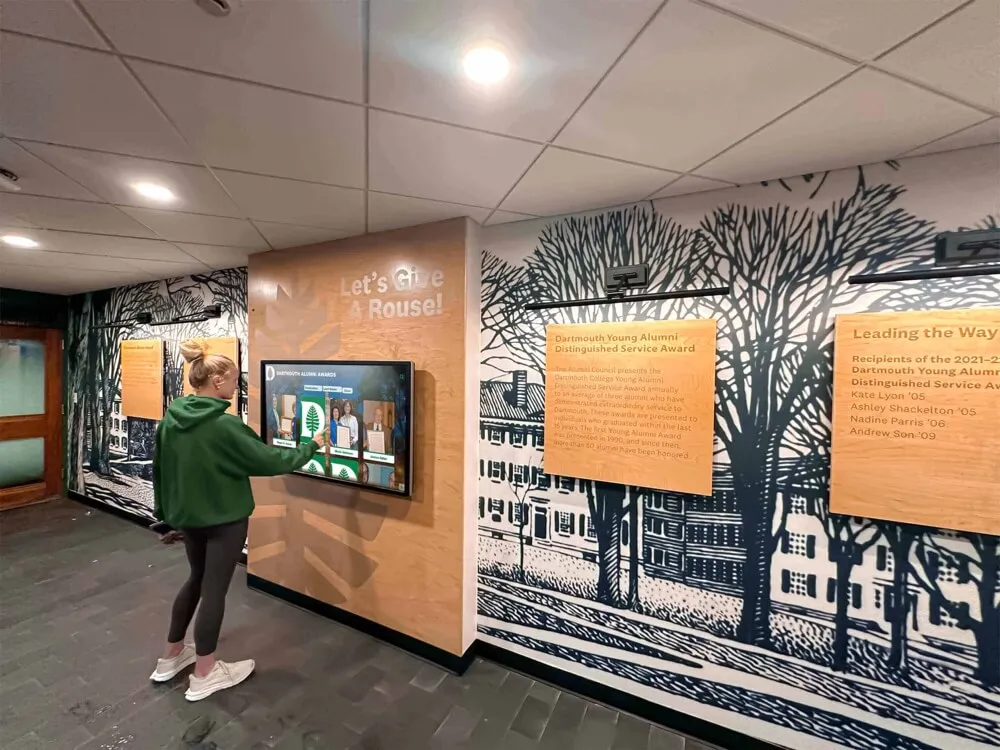
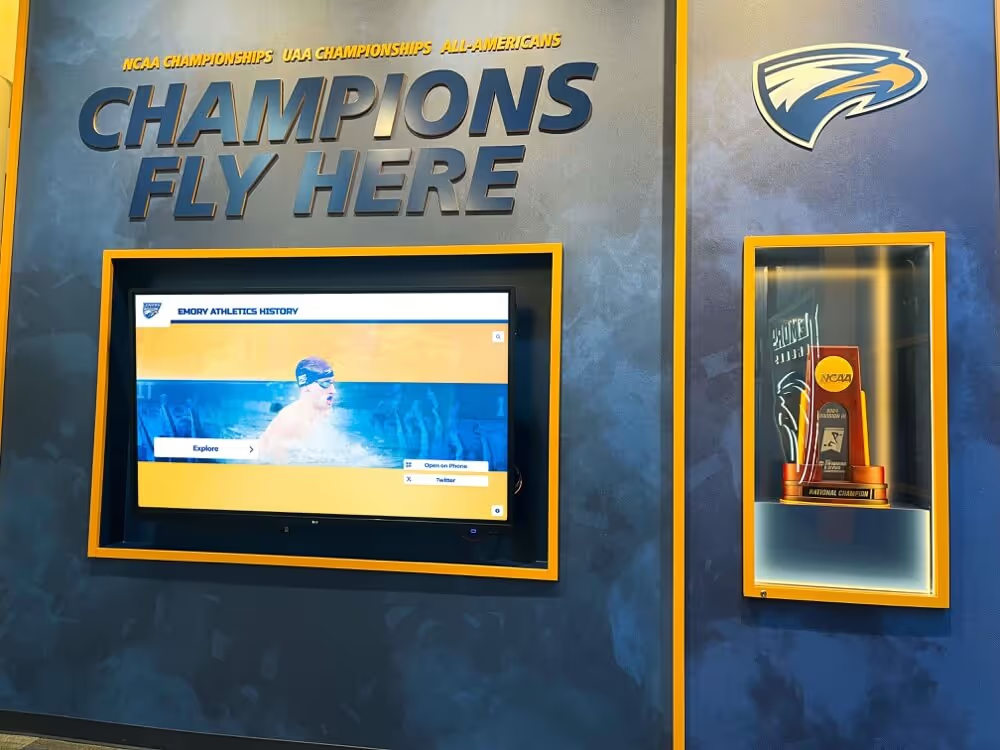
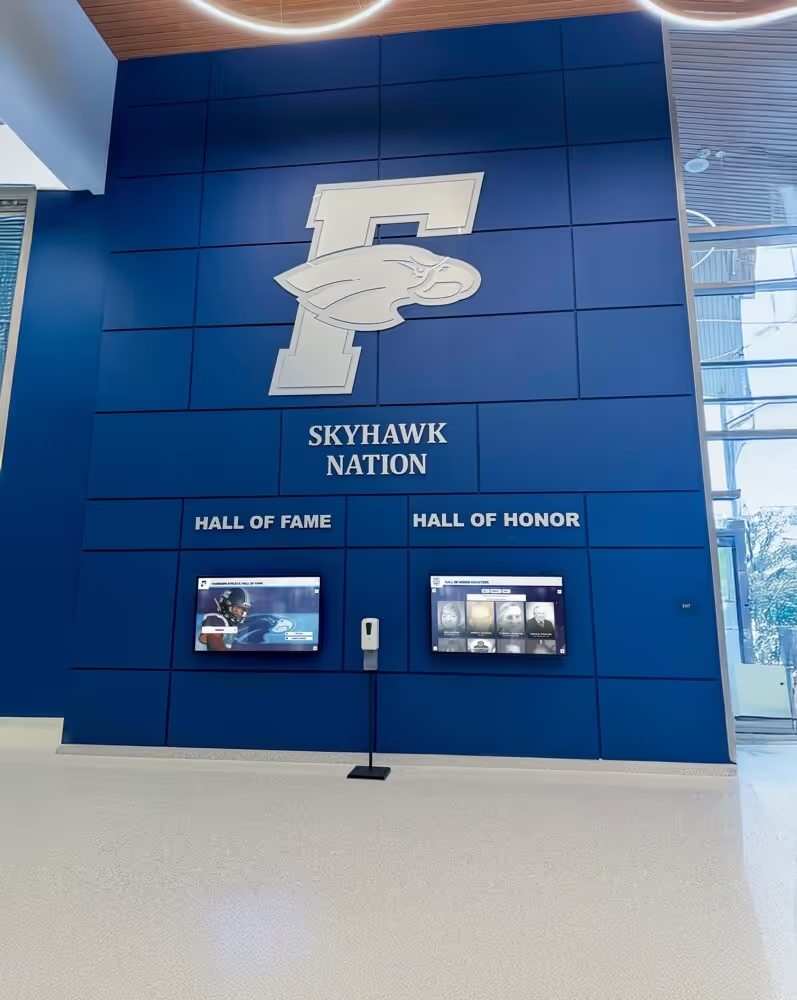
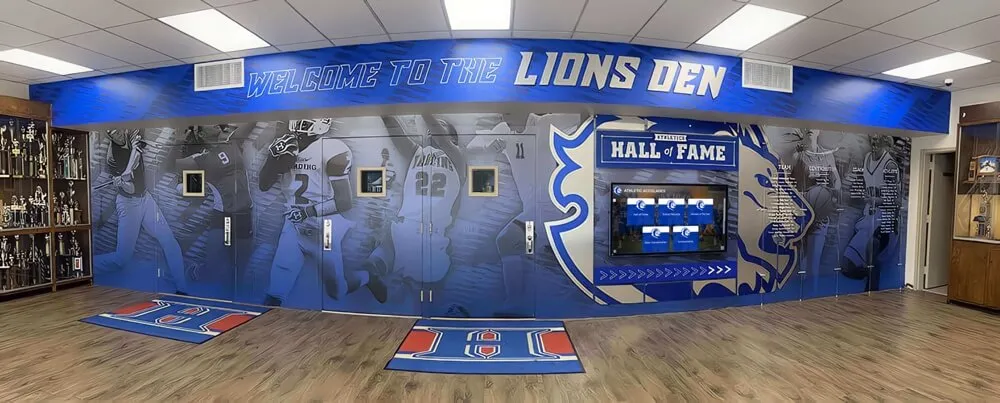
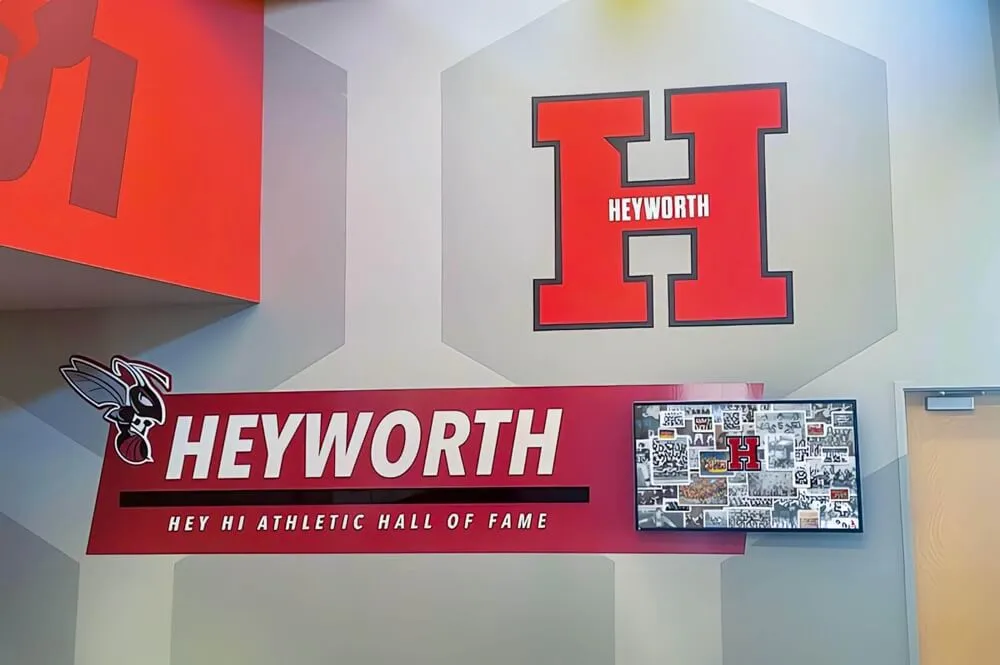
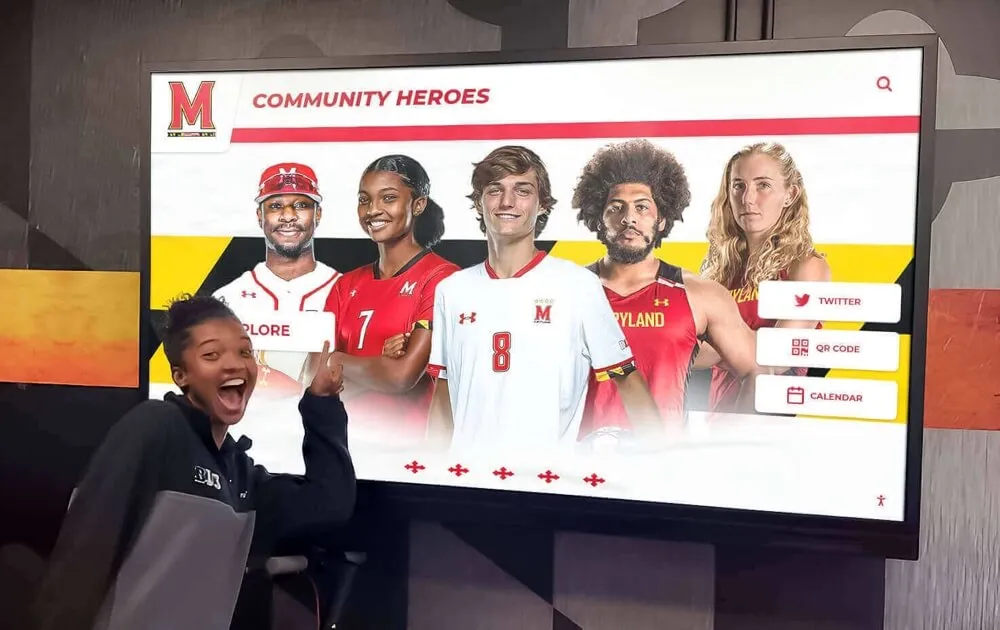
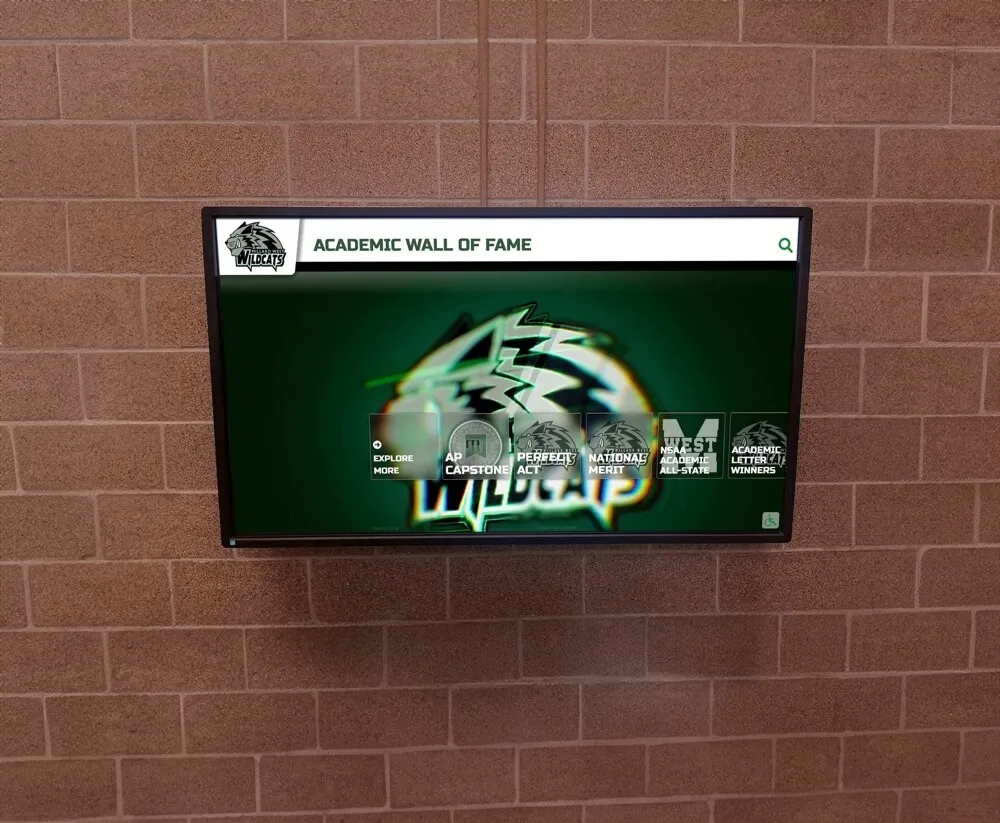
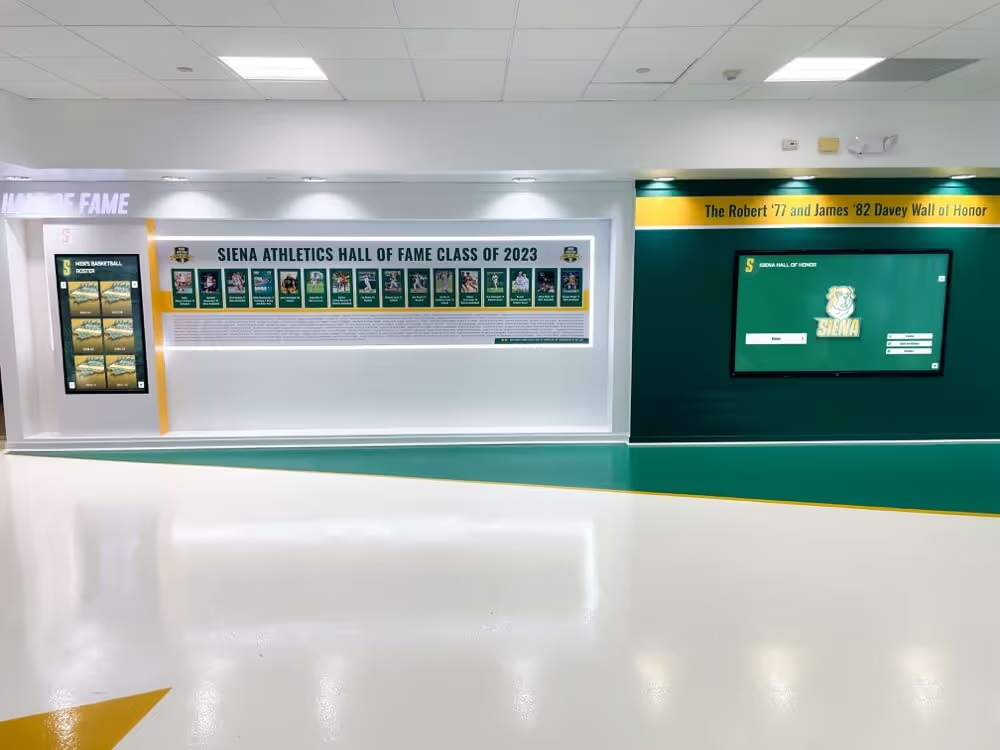
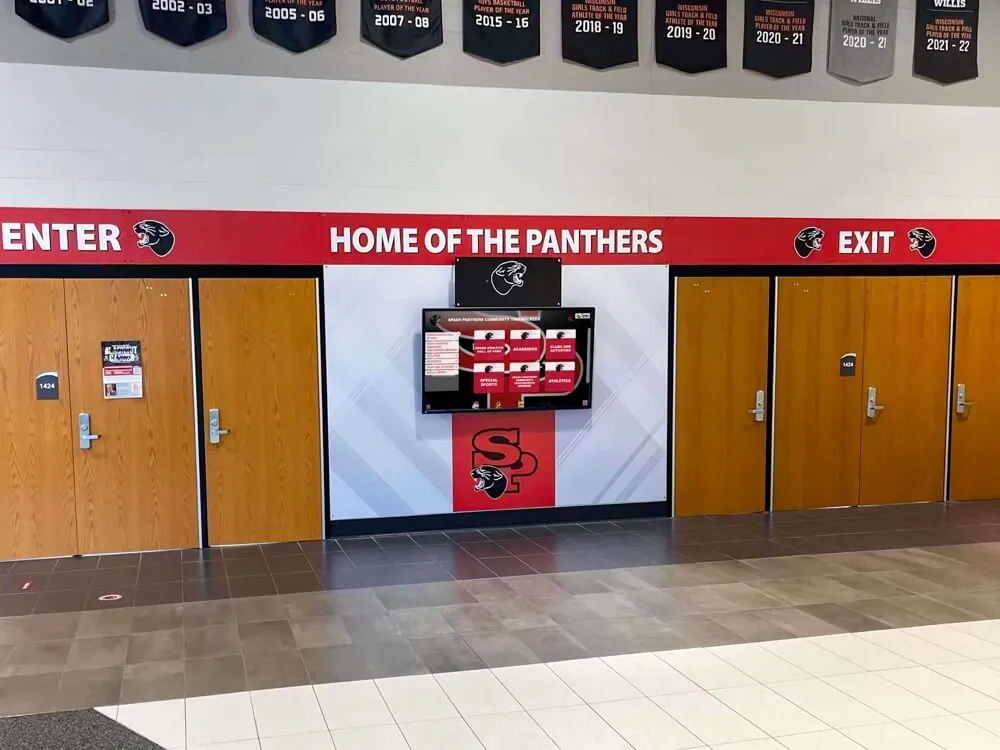
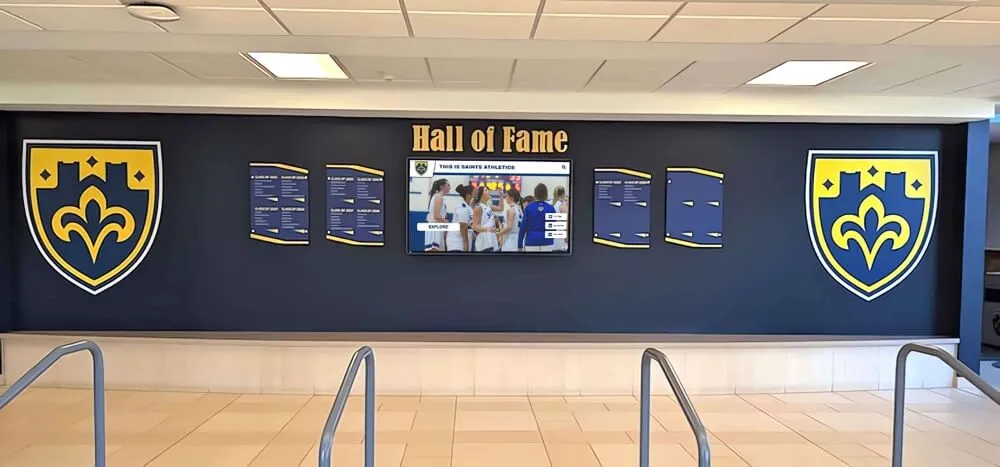
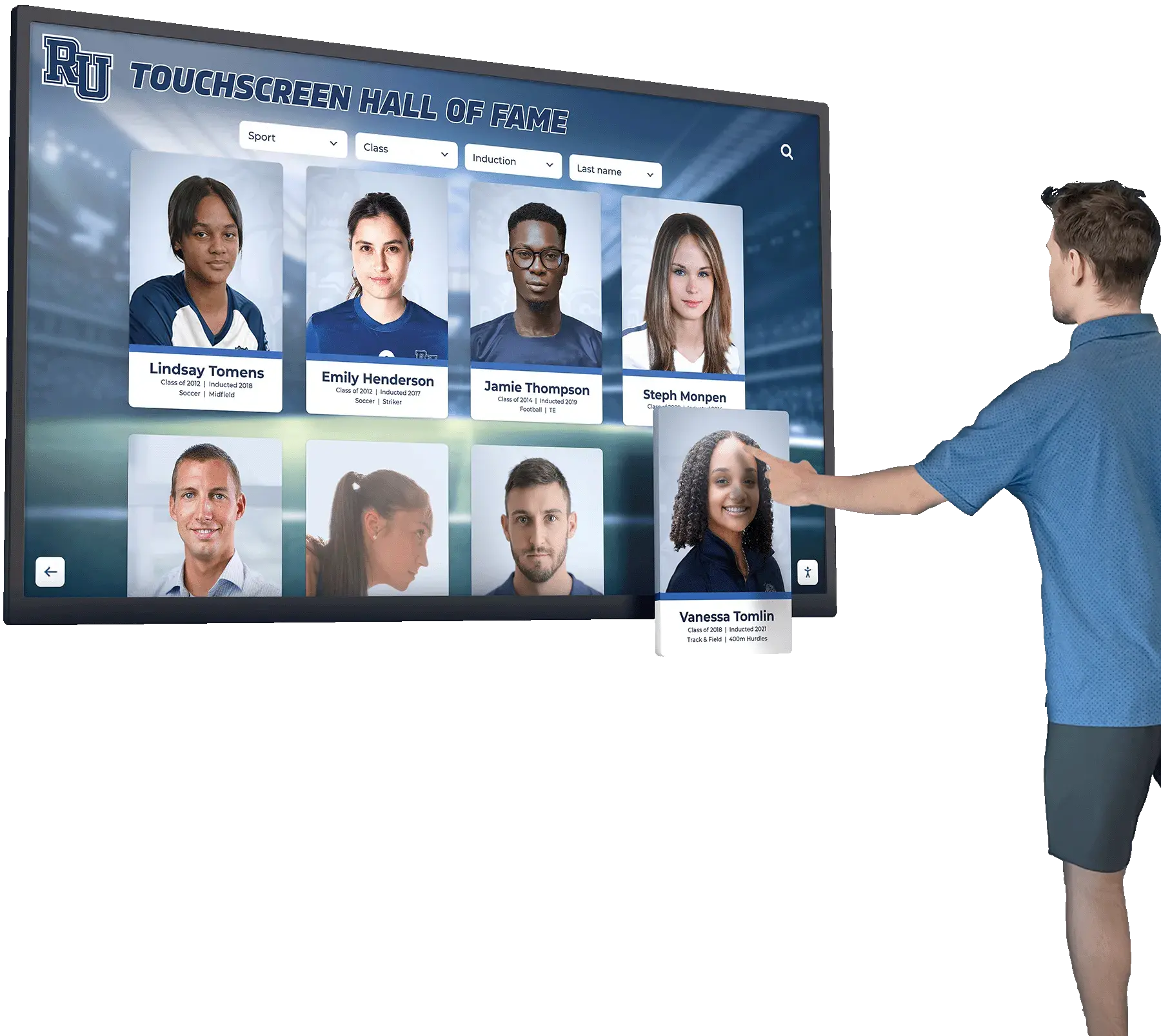
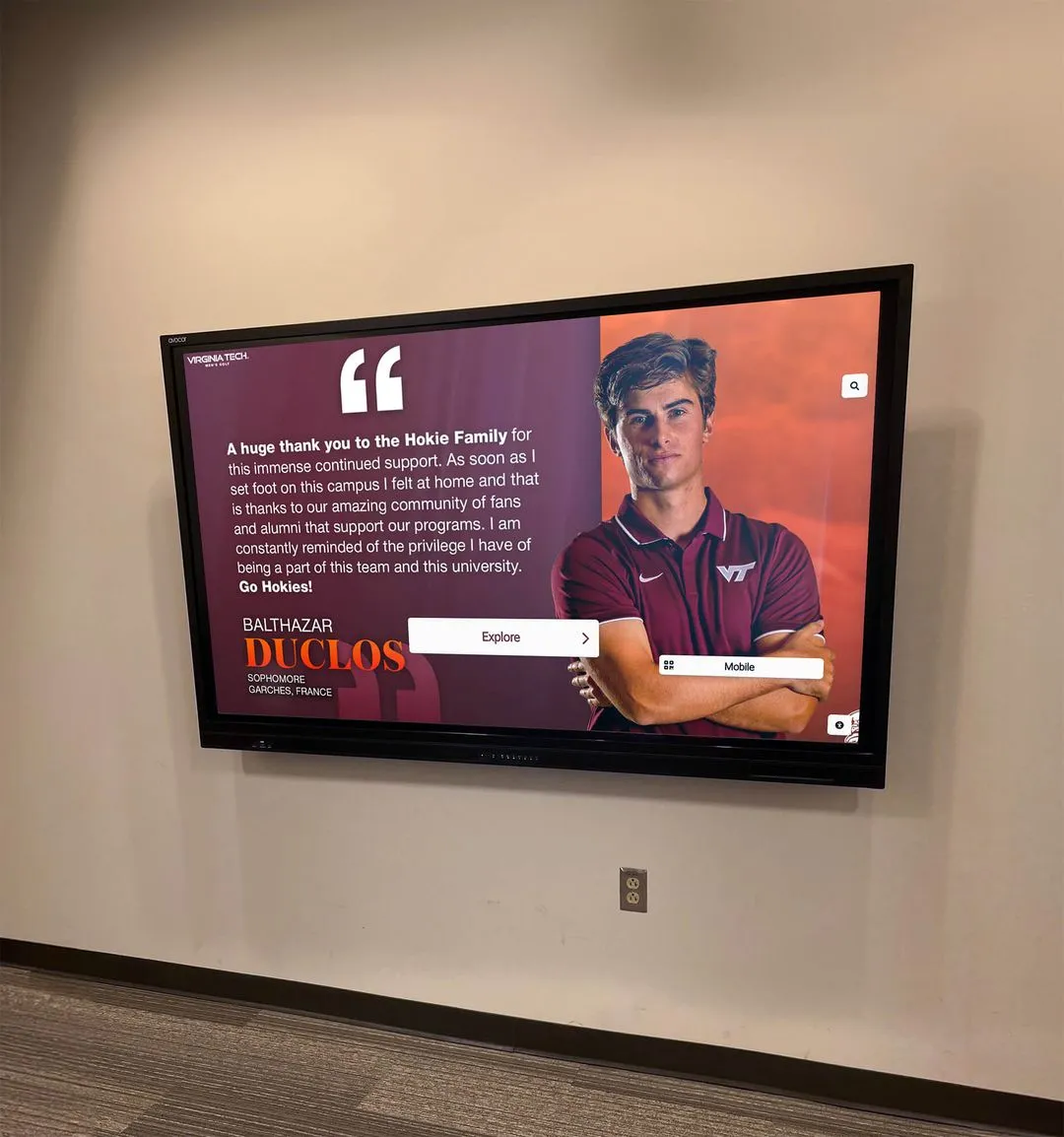
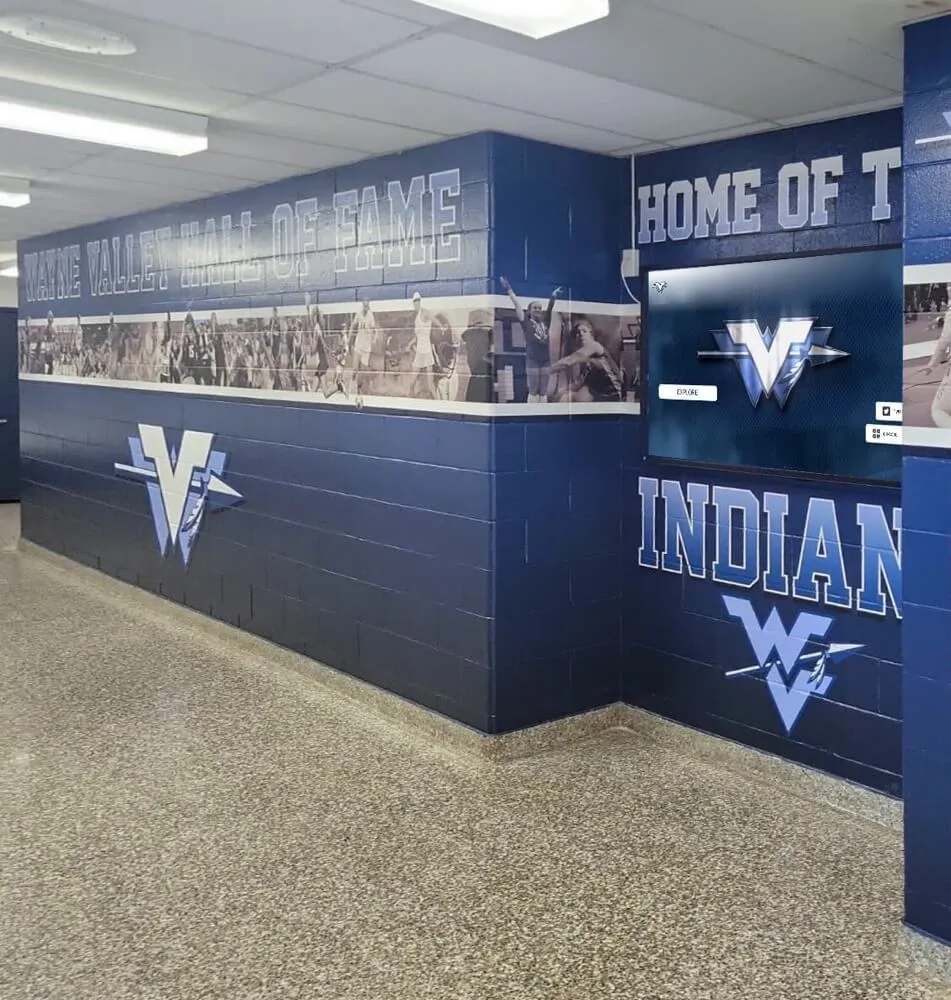
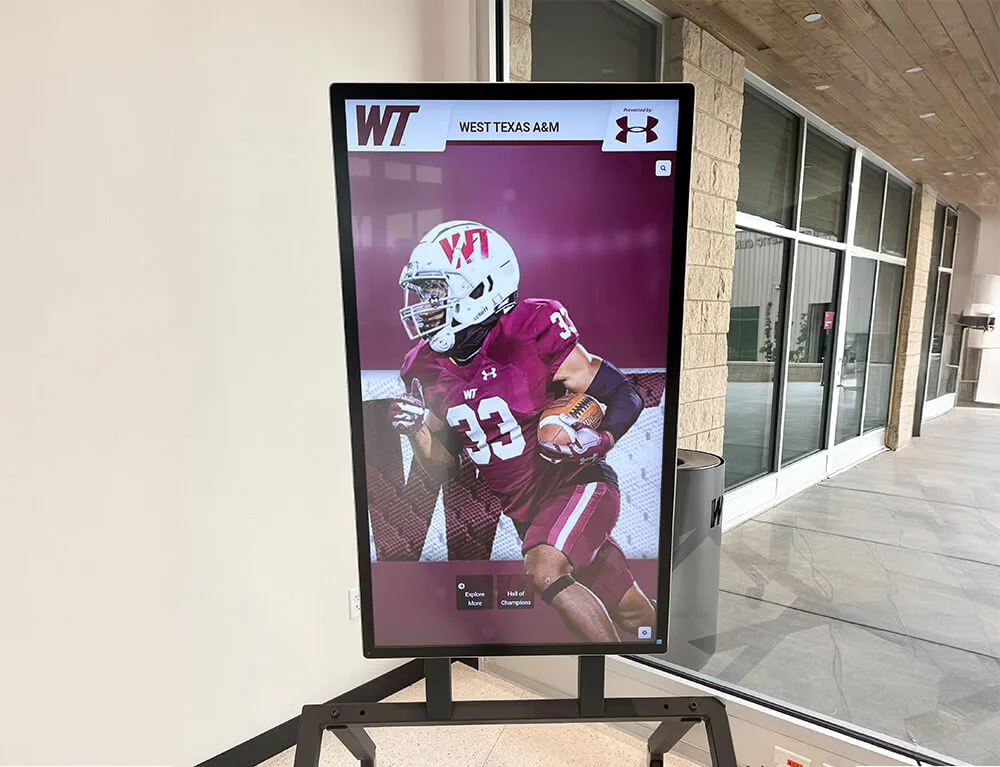
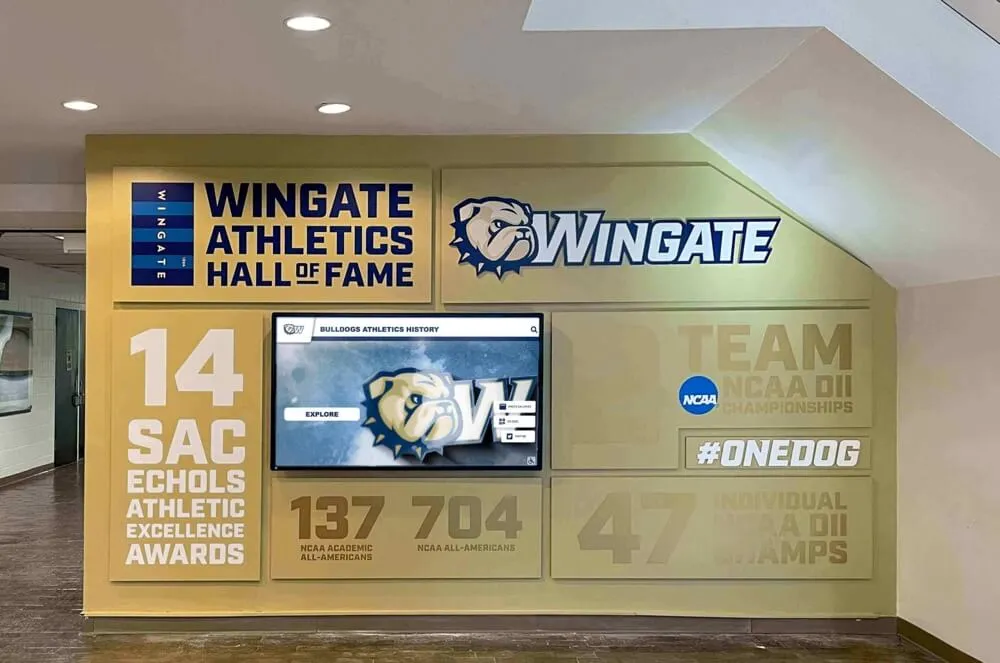
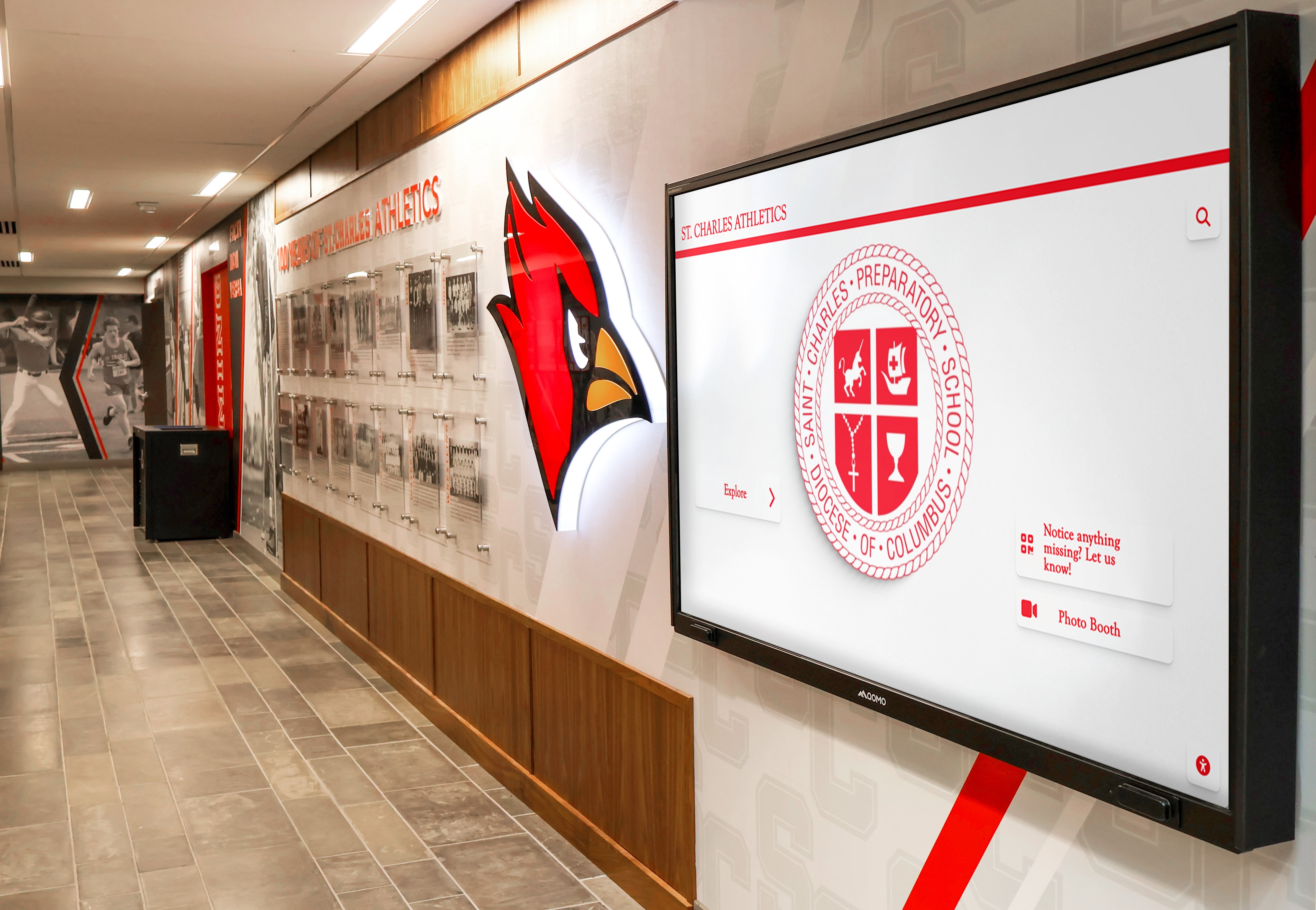
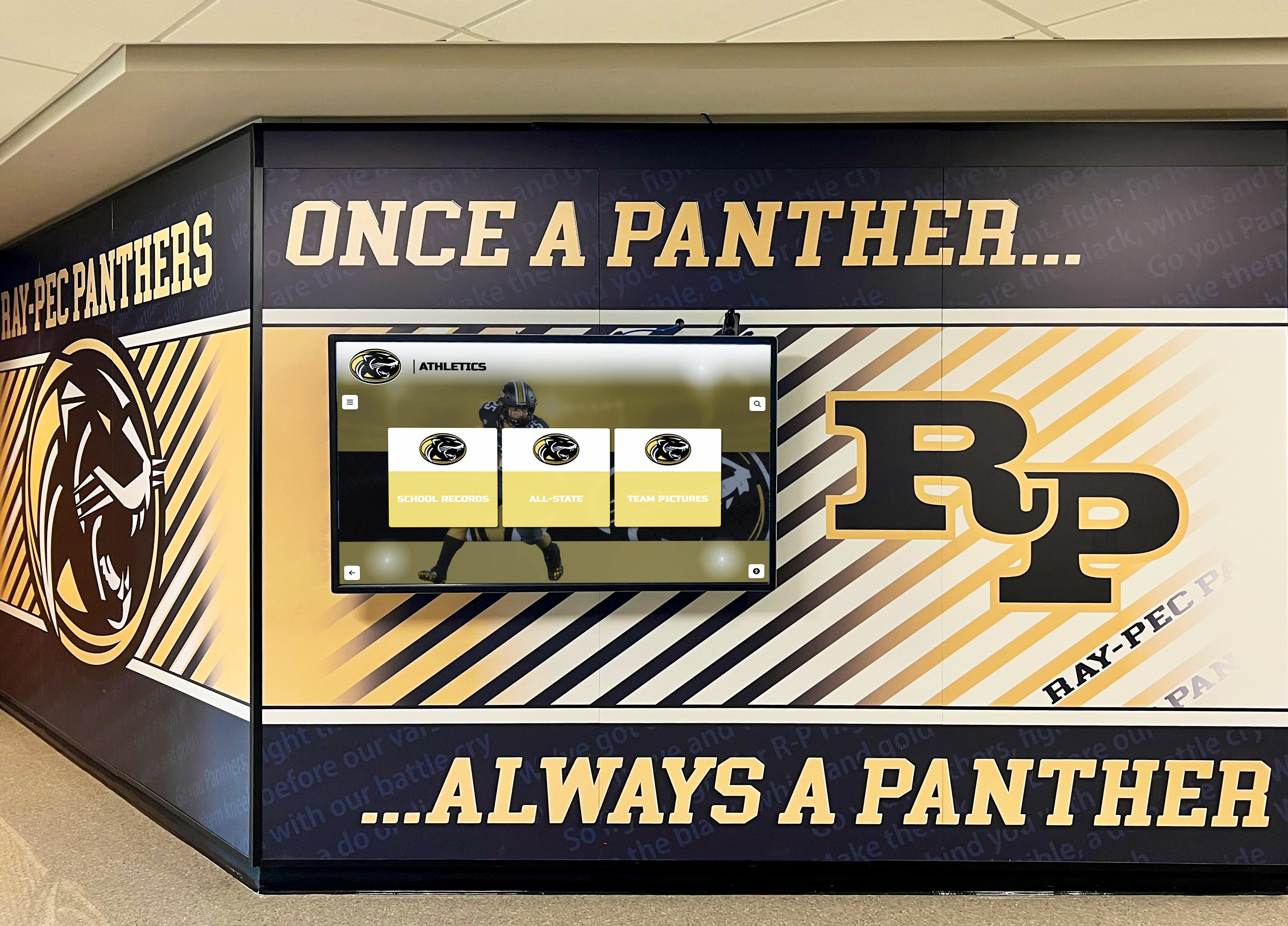
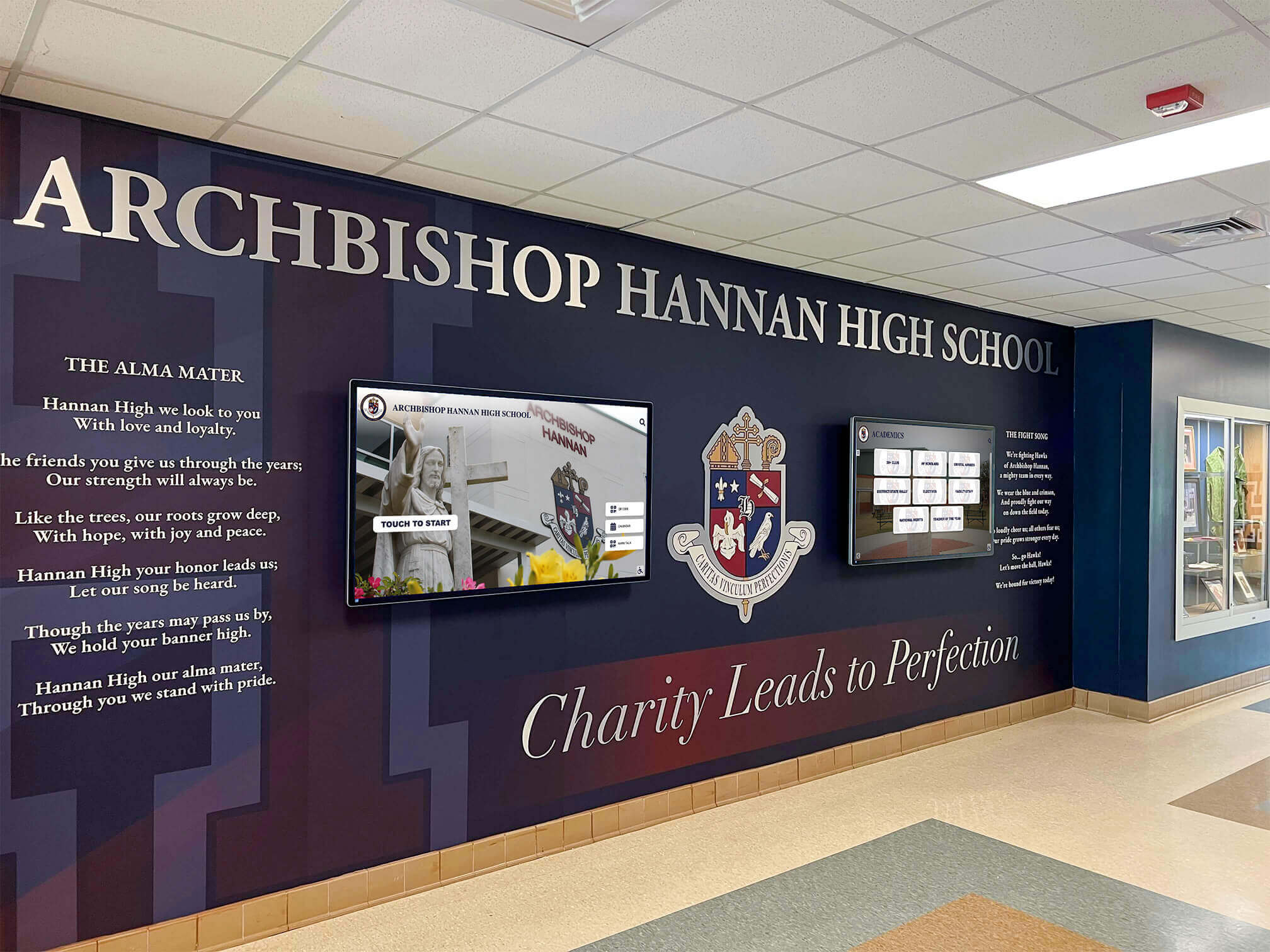
Modern spirit wear initiatives increasingly integrate with digital recognition platforms. Schools pairing traditional spirit wear campaigns with digital recognition displays create complementary engagement touchpoints—physical apparel students wear daily and digital platforms celebrating the achievements that inspire that pride. This integration exemplifies digital warming—continuously surfaced content that keeps community engagement active rather than episodic.
Creative Design Concepts for Spirit Wear Collections
Spirit wear design determines whether apparel sits unworn in closets or becomes favorite wardrobe staples. The most successful designs balance school identity with contemporary aesthetics that students genuinely want to wear beyond mandatory spirit days.
Traditional spirit wear relies heavily on obvious school names, mascots, and athletic references. While these classic elements remain relevant, expanding design vocabulary creates broader appeal. Consider these design directions:
Era and Decade Themes: Vintage-inspired designs referencing school founding years, historical achievements, or throwback aesthetics appeal to nostalgia while creating distinctive visual identity. A “Founded 1952” design with retro typography tells institutional story while offering fresh aesthetic alternatives to standard athletic designs.
Academic Department Pride: Spirit wear celebrating specific programs—STEM academies, performing arts, debate teams, robotics clubs—acknowledges that school pride extends beyond athletics. A drama department shirt featuring theatrical masks and “All the World’s a Stage” sentiment validates contributions from students whose talents don’t involve game day competition.
Community Identity Designs: Spirit wear incorporating local geographic references, regional pride elements, or community characteristics creates authentic connection. Schools in specific regions might reference state pride, local landmarks, or community history that resonates with students’ broader identity beyond campus boundaries.
Values-Based Messaging: Apparel featuring school mottos, core values, or inspirational messages aligned with institutional mission creates meaning beyond visual branding. “Excellence, Leadership, Character” accompanied by school colors communicates what the community stands for rather than just who they are.
The technical execution matters as much as creative direction. Quality fabric selection affects whether students wear items regularly or reserve them for mandatory occasions. Screen printing versus embroidery influences durability and perceived value. Color choices determine how designs photograph and appear across diverse skin tones. Athletic fit versus standard sizing impacts accessibility for different body types.
Many schools partner with professional design services to elevate spirit wear beyond basic template customization. Investment in distinctive, professionally designed spirit wear typically generates stronger sales, higher wear frequency, and better community reception than generic catalog modifications.
Strategic Spirit Wear Campaign Planning
Random spirit wear availability generates sporadic participation. Strategic campaigns tied to meaningful school moments create natural enthusiasm and higher engagement rates. Successful spirit wear programs establish annual rhythm connecting apparel releases to significant events throughout the school calendar.
Back-to-School Launch: Beginning the academic year with new spirit wear offerings establishes tone and builds immediate community. New student orientation presents prime opportunity for spirit wear introduction—when families are actively investing in school supplies and students are forming initial school connections. Schools implementing welcoming campus experiences often integrate spirit wear into orientation programs, creating immediate sense of belonging.
Homecoming Collections: Homecoming traditions naturally align with elevated spirit wear interest. Limited-edition homecoming designs, class-specific apparel for spirit competitions, and alumni reunion merchandise create urgency and collectibility. Schools can offer homecoming spirit wear in tiers—basic designs available broadly and premium items for those seeking standout options during festivities.

Athletic Season Launches: Coordinating spirit wear releases with major athletic seasons generates natural momentum. Fall football spirit wear, winter basketball collections, and spring sports apparel align with when community attention focuses on those programs. Beyond athlete-specific gear, fan apparel for the broader school community creates inclusive participation in athletic celebration.
Academic Achievement Recognition: Spirit wear celebrating academic milestones offers powerful recognition alternative. Honor roll students, National Honor Society inductees, perfect attendance achievers, and academic competition participants deserve recognition apparel acknowledging their accomplishments. This expansion validates that school pride encompasses academic excellence as prominently as athletic achievement.
Graduating Class Series: Senior class-specific spirit wear creates collectible tradition and graduation keepsake. Schools can offer senior-exclusive designs unavailable to other grades, creating special status while building emotional connection. Many families treasure senior spirit wear as tangible memory of final high school year.
Spirit Week Themes: Traditional spirit weeks provide natural spirit wear opportunities. Daily themes—decades day, color wars, twin day, career day—inspire creative coordination. Schools can offer theme-specific apparel options that students can purchase in advance or wear by coordinating personal wardrobe items.
The campaign cadence matters. Too frequent releases dilute special-occasion appeal and create affordability concerns for families. Quarterly major launches with occasional limited releases for specific events typically balances fresh availability with sustainable participation expectations.
Inclusive Spirit Wear Programs That Engage All Students
Spirit wear participation patterns reveal uncomfortable truths about school culture when programs inadvertently exclude segments of the community. Effective spirit wear initiatives proactively address accessibility barriers that prevent full community engagement.
Price Point Diversity: Offering spirit wear at multiple price levels ensures financial constraints don’t limit participation. Basic t-shirts at $10-$15 create accessible entry points. Mid-range hoodies and performance wear at $25-$40 appeal to those seeking premium options. Schools can also offer payment plans for higher-priced items or incorporate spirit wear into school supply assistance programs for families facing financial hardship.
Extended Sizing: Standard sizing that stops at XL excludes students and staff whose bodies require larger options. Comprehensive spirit wear programs offer sizing from youth small through adult 3XL or 4XL, ensuring every body type can participate comfortably. Additionally, offering both fitted and unisex cuts accommodates diverse style preferences and body proportions.
Style Variety: The traditional t-shirt doesn’t resonate with all students. Expanding beyond basic tees to include long-sleeve options, quarter-zips, joggers, hats, bags, and accessories creates multiple participation pathways. Students uncomfortable in fitted athletic wear might enthusiastically wear spirit-branded backpacks or beanies.
Cultural Sensitivity: Spirit wear designs must navigate religious considerations, cultural preferences, and personal values. Offering modest options like longer shirts or quarter-zip layers accommodates students whose religious or cultural backgrounds emphasize modesty. Avoiding designs that could conflict with religious or cultural sensibilities ensures spirit wear remains inclusive rather than creating participation barriers.
Beyond Athletics Focus: When spirit wear exclusively emphasizes athletic achievement or sports themes, non-athlete students receive implicit messages that school pride belongs primarily to athletic participants. Balancing athletic references with academic recognition, arts celebration, community service acknowledgment, and general school pride messaging validates diverse pathways to belonging. Schools can create parallel spirit wear lines celebrating different program areas—performing arts spirit wear, robotics team gear, debate squad apparel—that match the prominence traditionally reserved for athletic programs.
Sensory Considerations: Students with sensory sensitivities may struggle with certain fabrics, tags, or tight fits. Offering tagless options, ultra-soft fabric alternatives, and relaxed fits ensures spirit wear remains comfortable for students with sensory processing differences.
Recognition programs that honor diverse achievements naturally complement inclusive spirit wear initiatives. Schools implementing comprehensive recognition displays celebrating academic, artistic, service, and leadership accomplishments alongside athletic achievements reinforce that spirit wear represents entire school community rather than select segments.
Digital Integration and Modern Spirit Wear Programs
Contemporary spirit wear programs extend beyond physical apparel through digital integration that amplifies engagement and connects clothing to broader recognition ecosystems. Schools leveraging technology alongside traditional spirit wear create multi-dimensional pride experiences.
Online Spirit Wear Stores: Web-based spirit wear shops provide convenient year-round access rather than limiting purchases to specific sale windows. Parents can order from home, students can browse options at their convenience, and schools can update inventory without managing physical retail locations. These platforms typically integrate sizing guides, product previews, and secure payment processing that streamline the purchasing experience.
Social Media Campaigns: Spirit wear becomes engagement multiplier when schools encourage students to share photos wearing school apparel using designated hashtags. User-generated content showcasing students in spirit wear creates authentic promotion while building community identity online. Schools can feature selected photos on official accounts, creating recognition for participants while inspiring additional engagement.
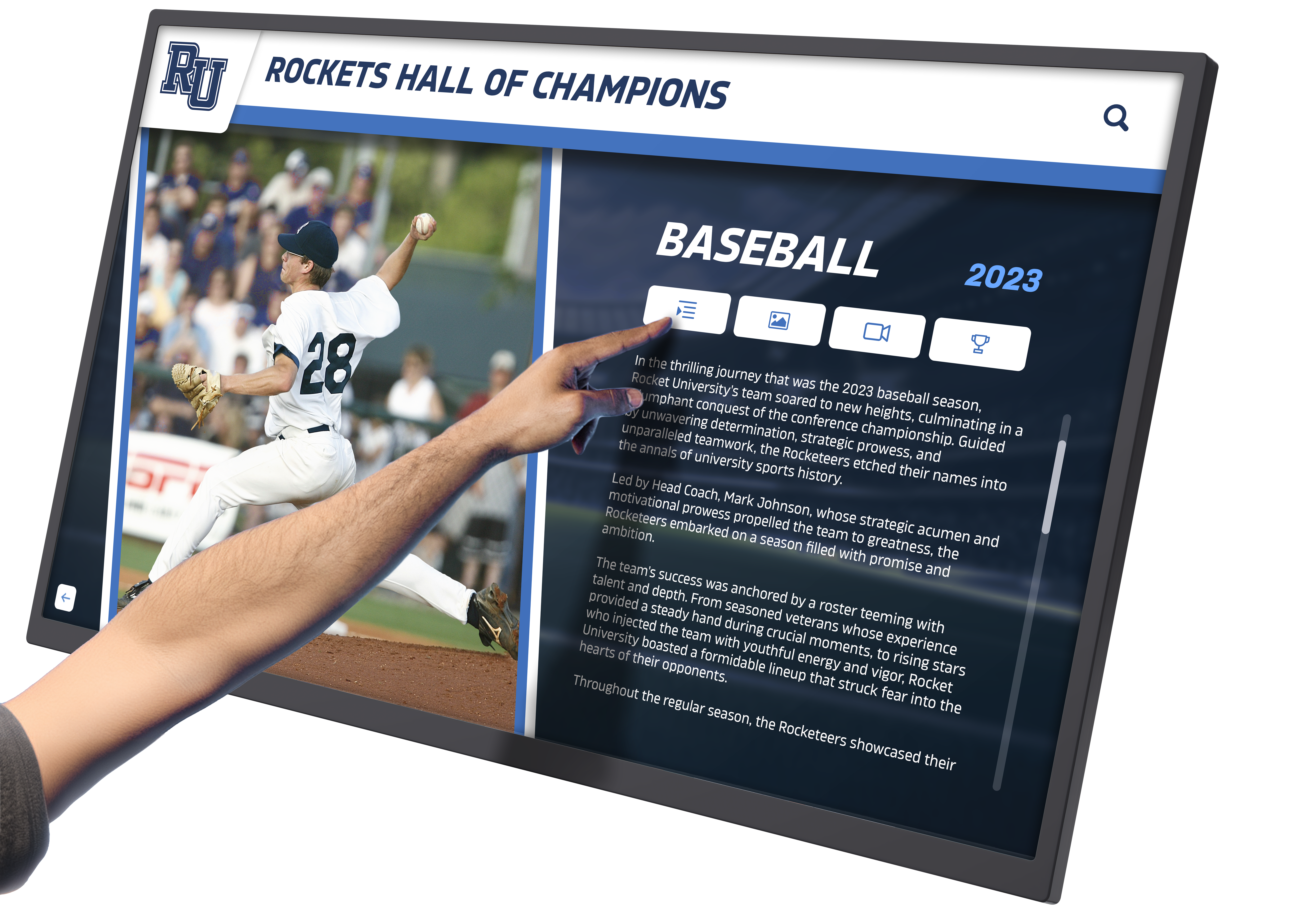
QR Code Connections: Schools can print QR codes on spirit wear tags that link to digital recognition platforms, school achievement galleries, or program information. A student wearing basketball spirit wear could scan the tag to access the team’s digital hall of fame, review season highlights, or explore historical program achievements. This connection between physical apparel and digital content exemplifies digital warming—creating continuous engagement pathways that keep school pride active beyond the moment someone puts on a shirt.
Virtual Spirit Days: Remote learning periods revealed possibilities for virtual spirit day participation. Students can photograph themselves in spirit wear at home, participate in virtual costume contests during video calls, or contribute to digital spirit collages. These virtual extensions ensure spirit wear traditions continue regardless of whether students occupy physical campus spaces.
Design Contest Engagement: Digital platforms enable community involvement in spirit wear design. Schools can crowdsource design ideas through online submission portals, conduct digital voting for favorite concepts, and showcase finalist designs through social channels. This participatory approach increases community investment in final spirit wear products while identifying creative talent within student body.
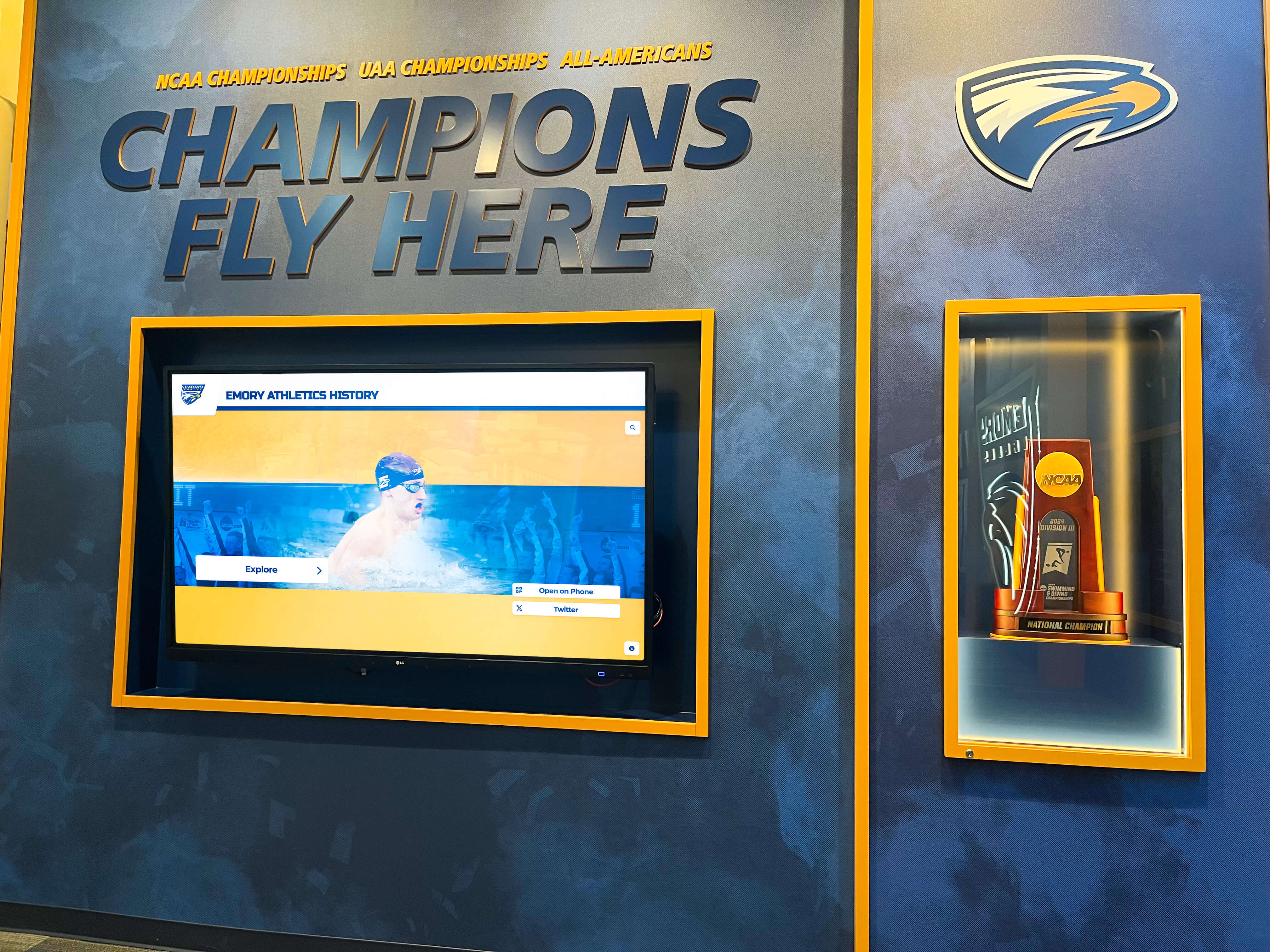
Solutions like Rocket Alumni Solutions create digital recognition platforms that naturally complement physical spirit wear programs. When schools celebrate achievement through both apparel and digital displays, they create layered pride experiences—students wear spirit gear daily while encountering digital recognition of accomplishments that inspire that pride during campus navigation.
Fundraising Through Strategic Spirit Wear Programs
Spirit wear represents significant revenue opportunity for schools, athletic programs, booster clubs, and extracurricular organizations. Strategic approaches to spirit wear fundraising maximize financial benefit while maintaining community engagement focus.
Profit Margin Optimization: Schools typically work with vendors offering 30-50% profit margins on spirit wear sales. A $20 t-shirt might generate $6-$10 in profit after covering production and vendor costs. Understanding these economics helps schools set realistic fundraising goals and determine necessary sales volumes to meet financial targets.
Pre-Order Models: Traditional pre-order approaches—collecting orders and payments before production—eliminate inventory risk and ensure schools don’t invest capital in unsold merchandise. However, pre-order windows require upfront promotion, impose waiting periods before students receive items, and may reduce impulse purchases from families who miss order deadlines.

Pop-Up Shop Events: Physical pop-up spirit wear shops during high-traffic events—open houses, athletic competitions, performing arts performances, graduation ceremonies—capture impulse purchases and create shopping experiences that feel special rather than purely transactional. These events work especially well when coordinating with moments of elevated school pride.
Limited Edition Releases: Creating artificial scarcity through limited-edition designs or exclusive availability windows generates urgency that drives faster purchases. Homecoming-exclusive designs, senior-only apparel, or championship commemoration merchandise becomes more desirable when communities understand availability is finite.
Tiered Fundraising: Some schools structure spirit wear programs with graduated fundraising goals—basic proceeds fund general operations while premium items or additional purchases support specific initiatives. Families can choose participation levels aligned with their financial capacity and support priorities.
Booster Club Integration: Athletic booster clubs and parent organizations frequently manage spirit wear programs as primary fundraising mechanisms. These volunteer-driven operations can achieve higher profit margins by minimizing administrative overhead while channeling proceeds directly to program support. Schools implementing booster club structures benefit from dedicated volunteers managing spirit wear logistics.
Corporate Sponsorship: Local businesses might sponsor spirit wear programs by underwriting production costs in exchange for modest sponsor recognition on apparel or at spirit wear events. This approach allows schools to offer lower prices to families while still generating revenue, with sponsor contributions covering margin that would otherwise come from higher retail prices.
Transparent communication about how spirit wear proceeds benefit students strengthens community support for purchases. When families understand that spirit wear sales fund equipment upgrades, support scholarship programs, or enable program expansion, purchases feel like meaningful contributions rather than purely commercial transactions.
Spirit Wear for Special Recognition and Achievement
Beyond general school pride, spirit wear serves as powerful recognition tool for specific accomplishments and milestone moments. Achievement-specific apparel validates success, creates tangible rewards, and builds traditions that motivate future students.
Academic Honor Recognition: Schools can provide exclusive spirit wear to students earning significant academic distinctions. Honor roll achievement, perfect attendance, academic competition participation, or department-specific excellence merit recognition apparel that distinguishes recipients. When academic achievers receive spirit wear comparable to what athletic letter winners receive, schools send powerful messages about valuing diverse excellence.
Championship and Competition Commemoration: Teams achieving championships or significant competitive success deserve commemorative apparel celebrating those accomplishments. State championship t-shirts, conference title hoodies, or tournament participation gear become treasured keepsakes that athletes wear proudly long after seasons conclude. These items also generate community enthusiasm—families eagerly purchase championship gear to celebrate team success.
Leadership and Service Recognition: Student government members, peer mediators, community service leaders, and club officers contribute significantly to school culture. Providing exclusive spirit wear identifying these leadership roles creates visible recognition while establishing program identity. A student government polo or service club t-shirt becomes both reward and leadership identifier.
Performance and Competition Team Gear: Debate teams, robotics clubs, marching bands, theater companies, and academic competition squads benefit from team-specific spirit wear that builds program identity and internal cohesion. This gear functions similarly to athletic team apparel—creating belonging, establishing program visibility, and facilitating travel representation. Schools offering comparable spirit wear investments across diverse program areas communicate institutional commitment to varied excellence pathways.
Multi-Year Recognition: Some schools create progressive spirit wear systems where students accumulate recognition apparel across their school careers. Freshmen might receive basic school t-shirts during orientation. Returning students earn additional items—sophomore year hoodies, junior year quarter-zips, senior year exclusive designs. This accumulation approach builds tradition, creates visible progression through school experience, and gives families annual touchpoints for engagement.
Staff and Faculty Spirit Wear: School pride extends beyond students to educators and staff whose daily presence shapes school culture. Offering quality staff spirit wear—professional polos, quarter-zips appropriate for workplace context, jackets for outdoor duties—demonstrates institutional appreciation while creating unified visual identity. Staff wearing school-branded apparel reinforces community pride and professional identity.
Recognition programs celebrating these diverse achievements naturally complement spirit wear initiatives. Schools implementing student achievement recognition systems create ecosystems where spirit wear represents visible component of comprehensive celebration approaches that include both physical apparel and permanent digital recognition.
Sustainable and Ethical Spirit Wear Considerations
Contemporary spirit wear programs increasingly address environmental impact and ethical production considerations. Schools face expectations from environmentally conscious students and families to make responsible choices about apparel sourcing and production methods.
Eco-Friendly Materials: Organic cotton, recycled polyester, and bamboo-blend fabrics offer more sustainable alternatives to conventional materials. While these options typically carry higher costs, many communities willingly pay premiums for environmentally responsible choices. Schools can offer eco-friendly lines alongside traditional options, allowing families to choose based on their values and budgets.
Local Production: Sourcing spirit wear from local or regional manufacturers reduces transportation environmental impact while supporting local economies. Though local production often increases costs compared to overseas manufacturing, the community benefit and reduced carbon footprint appeal to many school communities.
Quality Over Quantity: Emphasizing durable, high-quality spirit wear that students wear repeatedly for years proves more sustainable than cheap items that deteriorate quickly and require frequent replacement. Investment in quality supports both environmental goals and better value for families despite higher initial purchase prices.
Ethical Labor Practices: Schools increasingly face scrutiny about production conditions for spirit wear manufacturers. Partnering with vendors committed to fair labor practices, safe working conditions, and living wages aligns institutional values with operational choices. Many vendors now provide transparency about their supply chains and labor practices, helping schools make informed ethical decisions.
Donation and Recycling Programs: Establishing spirit wear donation programs allows families to pass gently used items to students who might not otherwise afford spirit wear participation. Some schools create spirit wear exchanges where students can trade items they’ve outgrown or swap designs. End-of-life recycling programs for worn-out spirit wear prevent textile waste while demonstrating environmental commitment.
Minimal Packaging: Reducing packaging waste through bulk distribution, reusable bags, or minimal wrapping decreases environmental impact of spirit wear programs. Schools can also educate students about proper garment care to extend spirit wear lifespan.
These considerations reflect broader institutional values about environmental stewardship and ethical practices. Schools addressing sustainability and ethics in spirit wear programs model responsible decision-making while meeting evolving community expectations.
Building Long-Term Spirit Wear Traditions
The most successful spirit wear programs transcend annual merchandise sales to become cherished traditions that connect generations of students, families, and alumni to ongoing school identity.
Signature Design Evolution: Rather than completely redesigning spirit wear annually, schools can establish signature design elements that evolve while maintaining recognizable identity. A classic design might feature in multiple colorways, updated typography while preserving layout structure, or contemporary variations on traditional themes. This consistency builds brand recognition and allows community members to recognize school affiliation even when specific designs vary.
Alumni Nostalgia Connections: Offering throwback designs referencing historical school spirit wear creates powerful nostalgia connections for alumni while introducing current students to institutional history. A “Retro 1985” spirit wear line celebrates school heritage while giving current students access to designs their parents or grandparents remember. These connections strengthen intergenerational community bonds.
Collectible Series: Creating intentional collectibility—annual commemorative designs, limited edition releases, or progressive series that students accumulate—builds engagement around spirit wear beyond simple utility. Students might collect homecoming designs from each year of their high school experience or seek complete sets of class-specific apparel.
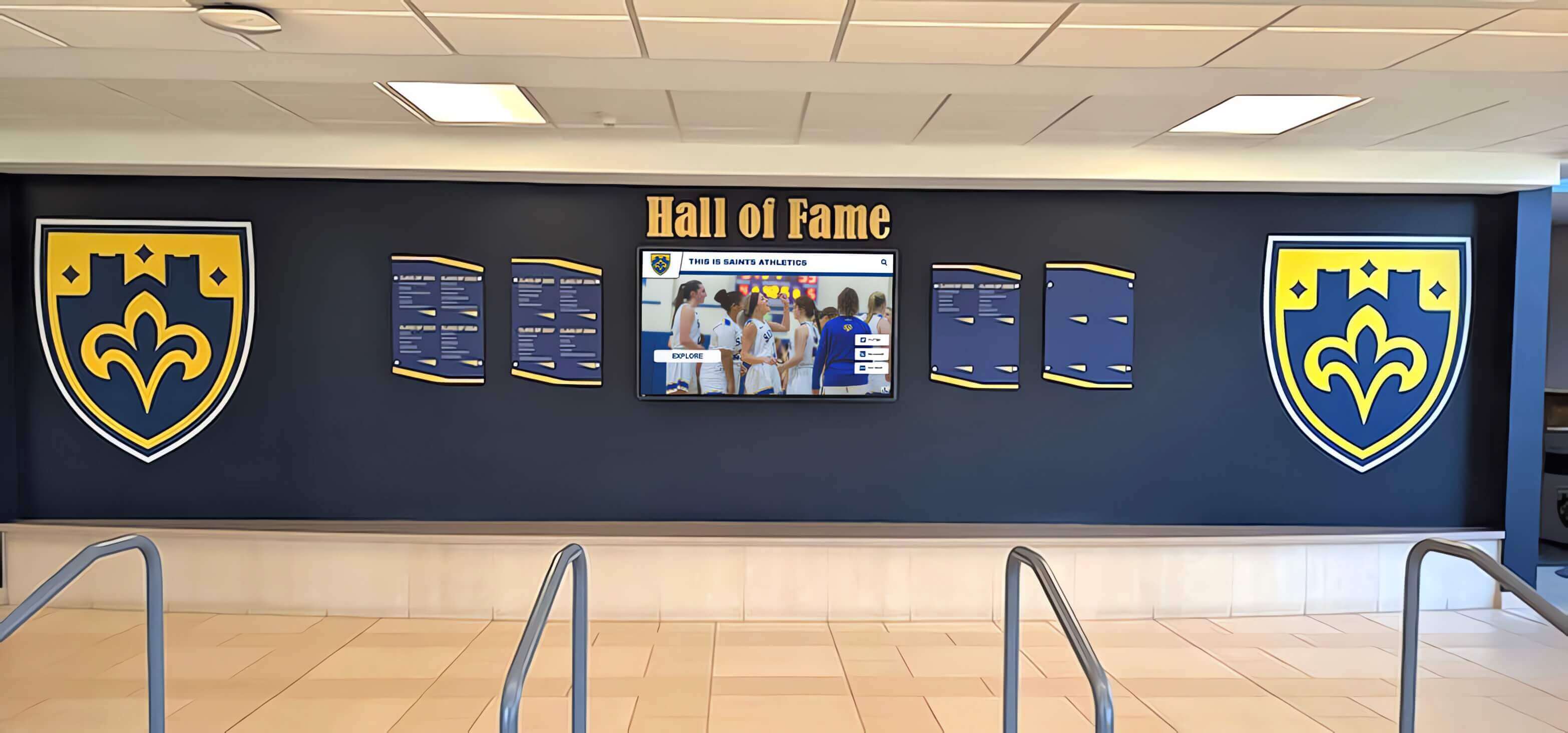
Recognition Integration: Schools pairing spirit wear traditions with permanent recognition create complementary legacy experiences. Students earning achievement recognition through digital hall of fame displays might also receive commemorative spirit wear marking their induction or achievement. This dual recognition—permanent digital acknowledgment plus wearable celebration—creates multi-dimensional honor.
Senior Legacy Participation: Involving graduating seniors in designing spirit wear for incoming students creates mentorship traditions and ensures institutional knowledge transfers between student generations. Senior design contests or selection committees give outgoing students meaningful participation in shaping experiences for those following them.
Family Heritage: Families with multiple students attending school over years accumulate spirit wear representing different children’s experiences across time. Parents wearing spirit wear from older children alongside gear supporting current students visually represent family connections to school community spanning years or even decades.
These traditions transform spirit wear from consumable merchandise into meaningful community artifacts that carry emotional significance beyond their practical function. When alumni decades later still treasure and occasionally wear high school spirit apparel, that longevity proves the power of well-executed spirit wear programs to create lasting community connection.
Measuring Spirit Wear Program Success
Evaluating spirit wear program effectiveness requires looking beyond simple sales metrics to assess broader community engagement impact and cultural influence.
Participation Rates: The percentage of students regularly wearing spirit wear provides baseline engagement measurement. Schools can conduct informal surveys or visual assessments during spirit days to estimate what proportion of students actively participate. Increasing participation rates over time indicate growing program effectiveness and community buy-in.
Sales Volume and Revenue: Financial metrics matter for fundraising-focused programs. Tracking total sales, average purchase values, and year-over-year revenue growth helps assess program financial health. Schools should compare these metrics against participation costs and volunteer time investments to ensure sustainable program economics.
Diversity of Participants: Effective programs achieve participation across demographic groups rather than concentrating in specific student segments. Assessing whether spirit wear reaches athletes and non-athletes, various grade levels, different socioeconomic backgrounds, and diverse cultural groups reveals whether programs achieve inclusive engagement or inadvertently exclude segments of community.
Longevity of Use: Students continuing to wear spirit wear months or years after purchase demonstrate genuine connection to apparel rather than one-time obligatory purchases. Schools can observe whether spirit wear appears in daily campus life throughout the year or only emerges during mandatory spirit events.
Community Feedback: Soliciting direct feedback from students, families, and staff provides qualitative insights quantitative metrics miss. Surveys asking what students like about current spirit wear, what improvements they’d suggest, what prevents non-participants from engaging, and what recognition students value most inform program refinement.
Digital Engagement: For programs integrating digital elements, tracking social media hashtag use, QR code scans, online store traffic, and digital content interactions measure how effectively spirit wear connects to broader engagement ecosystems.
Cultural Impact Indicators: Perhaps most importantly, assessing whether school culture reflects pride, belonging, and community cohesion provides ultimate measurement of spirit wear program success. While harder to quantify, observations about student enthusiasm, family engagement, and overall school climate indicate whether spirit wear contributes to cultural goals beyond merchandise sales.
Implementing Comprehensive School Pride Programs
Spirit wear achieves maximum impact when integrated into comprehensive school pride initiatives that include recognition displays, tradition development, community engagement programs, and cultural cultivation. Schools can create ecosystems where spirit wear represents one visible element of broader community celebration.
Consider how these components work together: Students wear spirit apparel celebrating school identity. They pass hallway displays showcasing achievement recognition of peers whose accomplishments inspire that pride. They participate in traditions—pep rallies, spirit weeks, recognition ceremonies—that reinforce community belonging. They see diverse excellence pathways acknowledged through academic and athletic recognition that validates varied contributions.
This integration creates the digital warming effect—continuously surfaced content and experiences that keep community engagement active rather than episodic. Spirit wear becomes daily reminder of community belonging. Recognition displays encountered during campus navigation provide fresh discovery of peer achievements. Traditions create anticipated moments that punctuate academic year with celebration. Together, these elements transform school pride from abstract concept into lived daily experience.
Schools implementing these comprehensive approaches report stronger community cohesion, increased student engagement, better family connections to school, and more vibrant campus cultures. The investment in spirit wear programs, recognition technology, and tradition development pays dividends through intangible but profound improvements in school climate and community identity.
Moving Forward With Your Spirit Wear Program
Whether launching new spirit wear initiatives or refining existing programs, schools can take practical steps to strengthen community engagement through thoughtfully designed apparel programs:
Assess Current State: Evaluate existing spirit wear participation, identify barriers preventing full community engagement, survey stakeholders about preferences and challenges, and determine what’s working well versus what needs improvement.
Define Clear Goals: Establish whether your primary spirit wear objectives center on fundraising, community building, recognition, or combination thereof. Clear goals guide decision-making about design, pricing, distribution, and promotion strategies.
Ensure Inclusivity: Proactively address accessibility barriers through diverse sizing, varied price points, multiple style options, and designs that resonate across different student populations. Inclusive programs achieve broader participation and stronger community impact.
Integrate Recognition: Connect spirit wear to achievement celebration and permanent recognition programs that honor diverse excellence. When students see spirit wear as part of comprehensive recognition ecosystem, participation carries deeper meaning than simple merchandise purchasing.
Build Traditions: Think beyond annual sales to create lasting traditions that connect current students to institutional history and future generations. Signature designs, collectible series, and intergenerational connections transform spirit wear into cultural artifacts with enduring significance.
Measure and Refine: Establish metrics for assessing program effectiveness, gather community feedback regularly, and continuously refine approaches based on what data reveals about participation, impact, and community reception.
Schools ready to elevate spirit wear programs alongside comprehensive recognition initiatives can explore how digital platforms complement physical apparel traditions. Rocket Alumni Solutions provides interactive recognition displays that create year-round engagement through continuously updated achievement celebration—the digital counterpart to physical spirit wear that students wear proudly. Together, these approaches build school pride that transcends specific traditions to become defining characteristics of vibrant school communities where every member feels valued, recognized, and connected to something larger than themselves.