Intent: demonstrate — A well-designed school spirit store represents far more than a simple merchandise operation. When executed thoughtfully, spirit stores transform school identity from abstract concepts into tangible expressions that students, families, and alumni proudly display—creating what we call digital warming effects that extend school pride beyond campus boundaries into homes, communities, and online spaces where brand visibility strengthens institutional connection.
Yet many schools approach spirit stores as afterthoughts—limited selections during specific events, generic designs lacking authentic school character, or poorly organized operations that frustrate customers while generating disappointing revenue. These missed opportunities leave schools without powerful tools for building community identity, creating consistent revenue streams, and fostering the pride that sustains engagement during challenging periods and alumni connection after graduation.
The difference between spirit stores that thrive and those that disappoint traces directly to strategic planning, authentic brand development, operational excellence, and understanding how physical merchandise connects to broader community engagement strategies including recognition systems, tradition celebration, and identity reinforcement across multiple touchpoints.
This comprehensive guide explores everything school administrators, athletic directors, parent organizations, and community leaders need to establish spirit stores that genuinely boost school pride while generating meaningful fundraising revenue. You’ll discover strategic planning frameworks, brand identity development approaches, product selection strategies, operational models, marketing tactics, and how modern digital recognition systems like Rocket Alumni Solutions complement physical merchandise by creating year-round engagement that keeps school pride visible and communities connected.

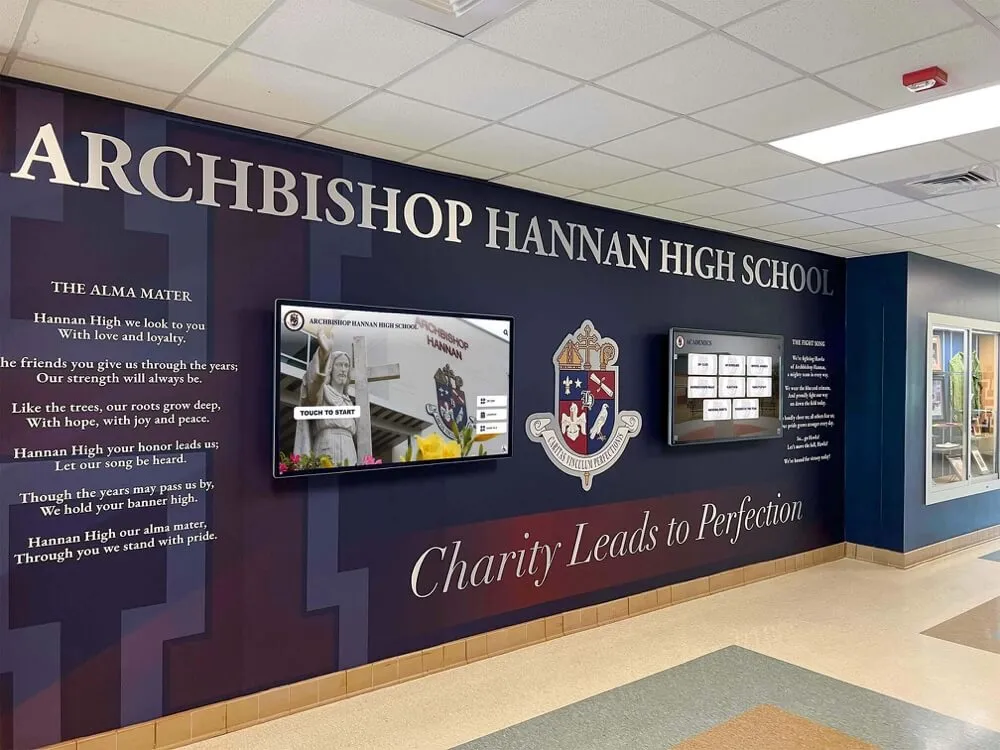
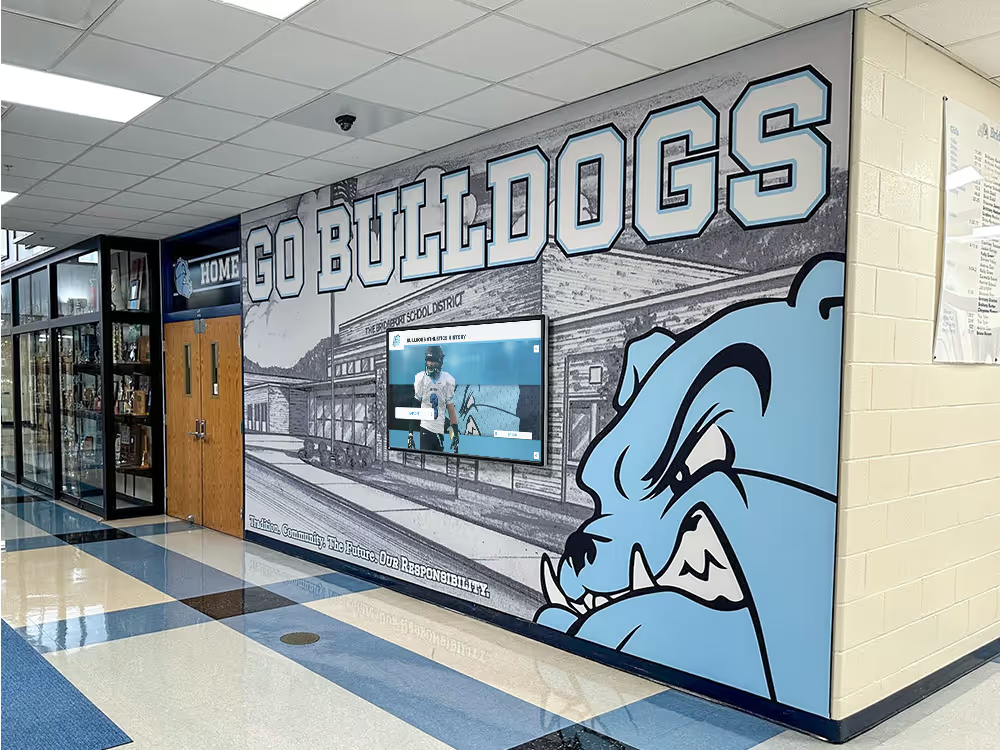
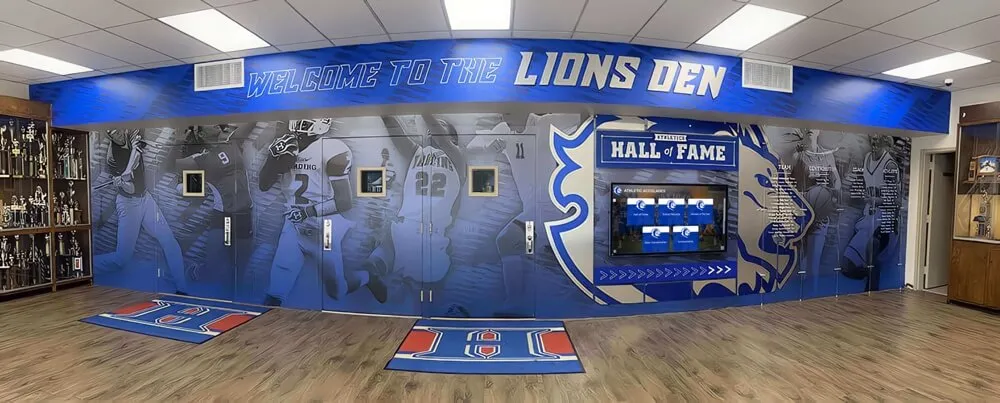
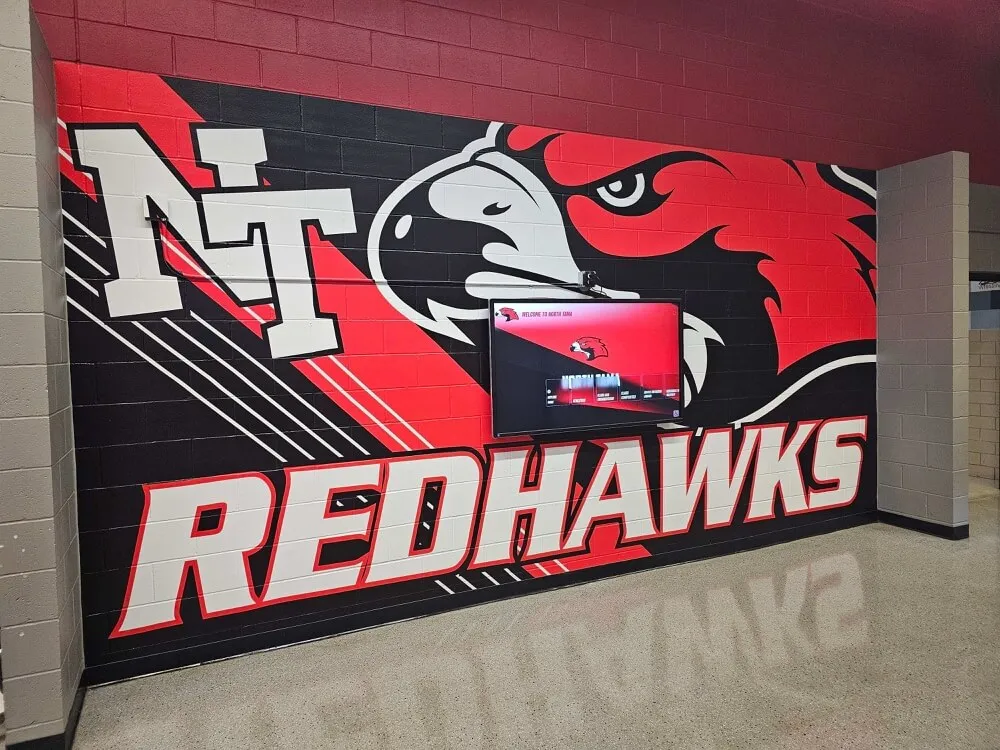
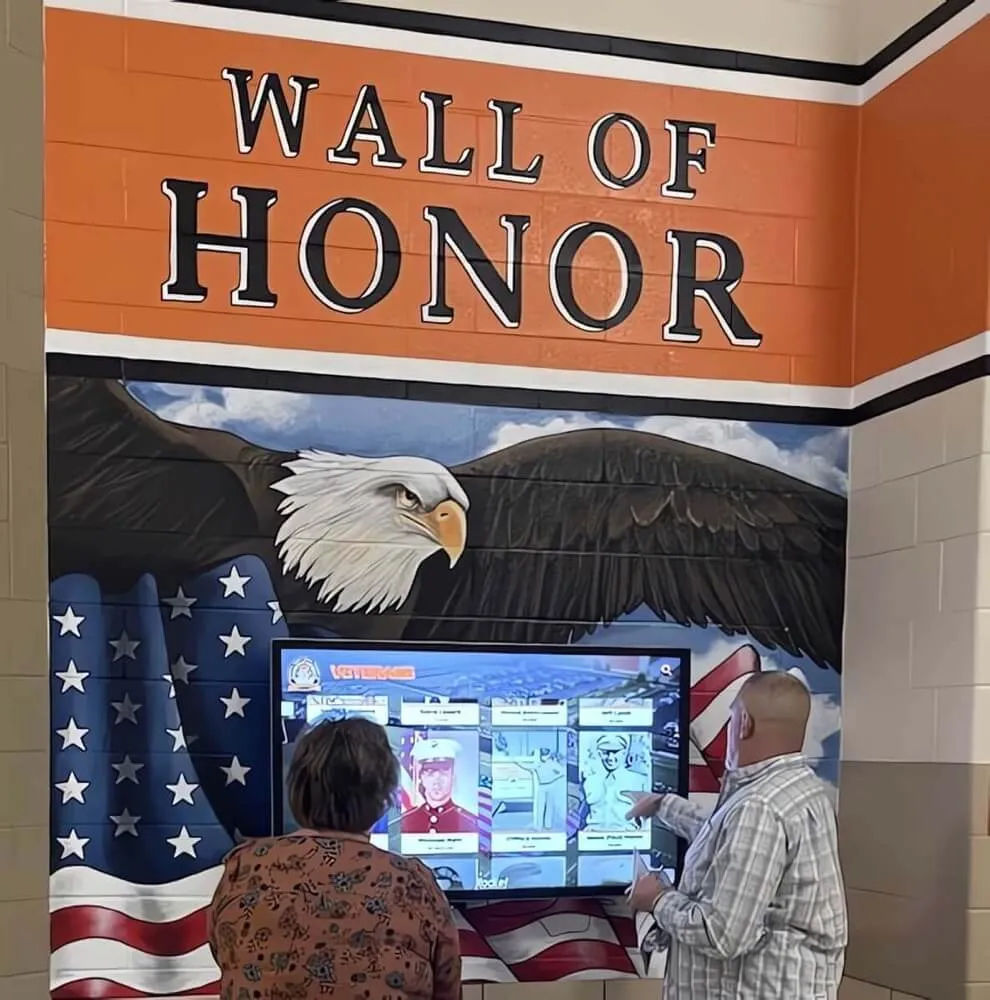
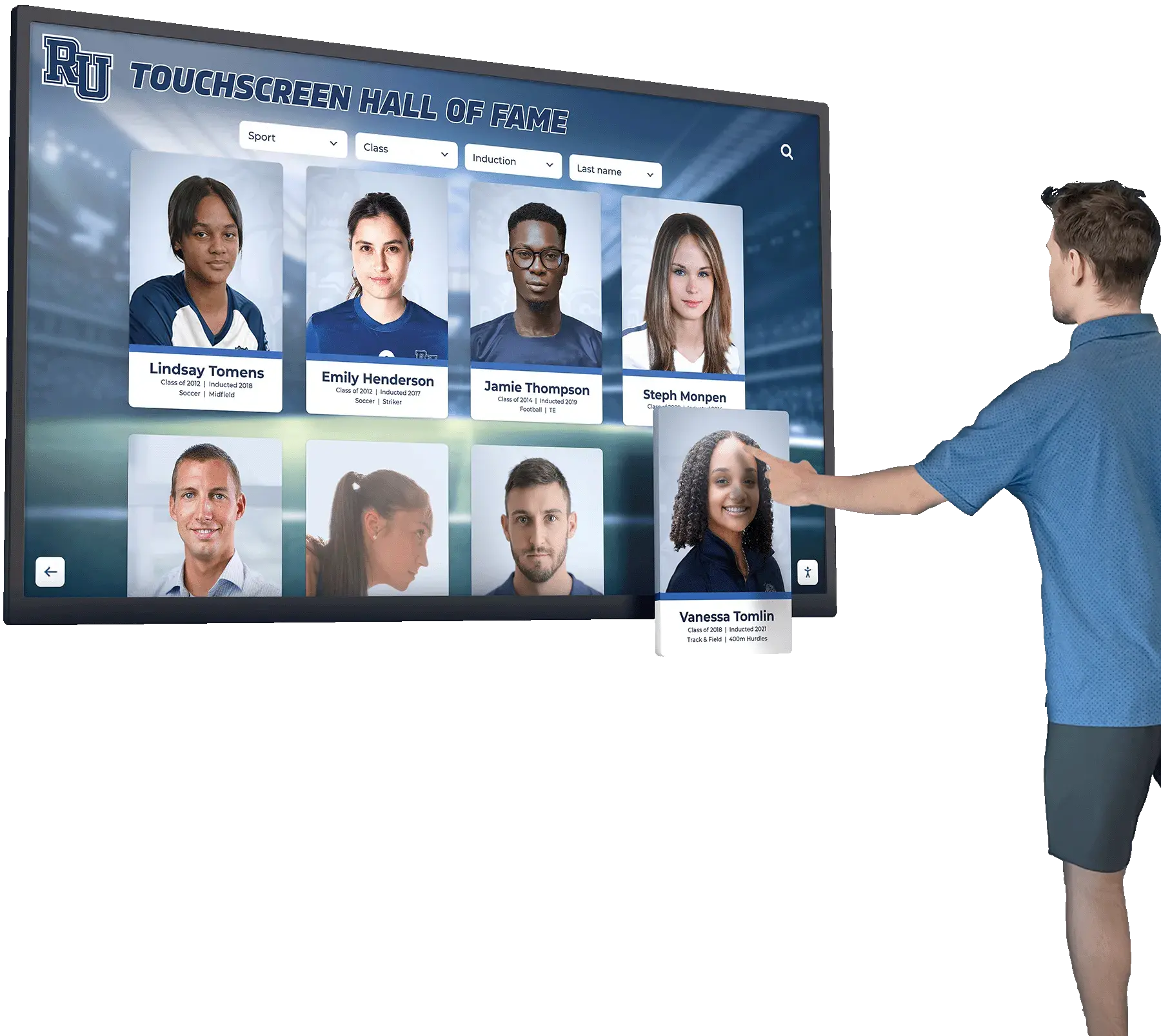
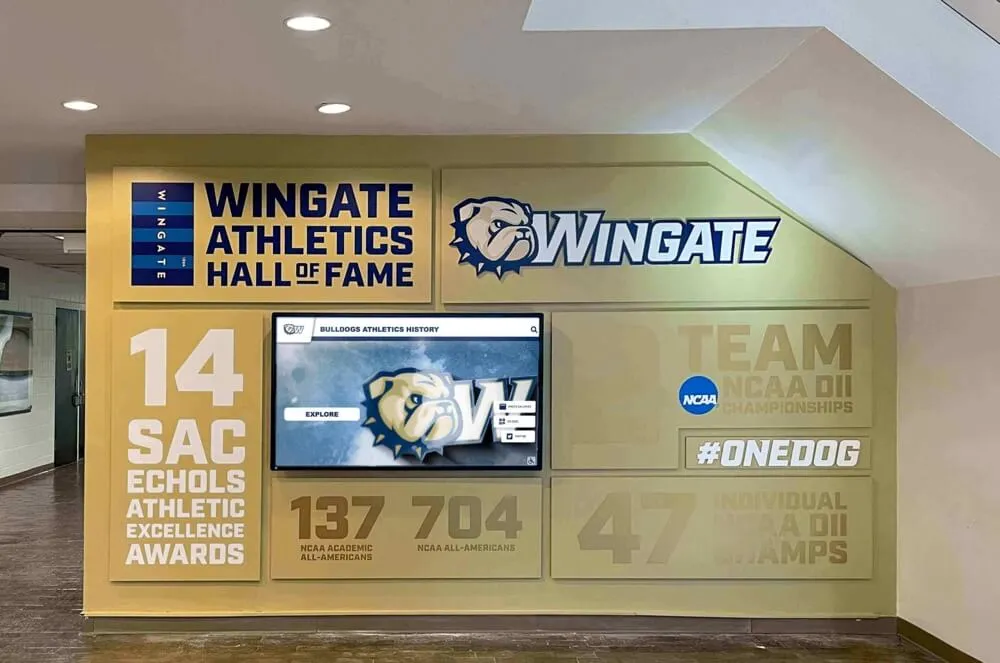
Strategic recognition displays throughout facilities reinforce school identity and pride that spirit store merchandise extends into broader community
Understanding School Spirit Store Purpose and Potential
Before diving into operational details, understanding why spirit stores matter helps clarify strategic priorities and design choices that maximize impact.
Why School Spirit Stores Matter Beyond Revenue
School spirit stores serve multiple vital functions within educational communities, with fundraising representing just one dimension of their value.
Creating Tangible Expression of School Identity
Schools develop distinctive identities through traditions, values, mascot history, achievements, and community character. Spirit stores translate these intangible qualities into physical items that people wear, display, and use—making abstract school pride concrete and visible. When students wear school apparel to weekend activities, families display decals on vehicles, or alumni collect memorabilia connecting them to institutions, they transform internal pride into external brand visibility that strengthens community identity.
This visibility matters particularly during critical periods—recruitment seasons when prospective families evaluate school culture, fundraising campaigns requiring demonstrated community support, or challenging times when visible pride symbols reassure communities about institutional strength and unity.
Building Community Connection Through Shared Symbols
Shared symbols create belonging. When diverse community members—students across grade levels, parents from different backgrounds, teachers, staff, and alumni spanning decades—wear common colors and logos, they signal membership in communities larger than themselves. This symbolic connection reduces isolation, creates conversation starters, and builds the social cohesion that transforms collections of individuals into functional communities.
Spirit stores democratize this connection by making school symbols accessible to everyone rather than limiting them to letter jackets for athletes or specialized gear for specific groups. Inclusive access ensures all community members can express belonging regardless of participation in particular activities or programs.
Generating Sustainable Revenue for School Programs
Beyond symbolic value, well-operated spirit stores generate meaningful revenue supporting programs, activities, and needs that budgets cannot fully accommodate. Unlike one-time fundraisers requiring intensive volunteer effort, spirit stores create ongoing revenue streams through regular sales requiring less continuous mobilization while providing predictable income schools can incorporate into planning.
This sustainable fundraising proves particularly valuable for supporting recognition programs, student activities, facility improvements, and supplemental resources that enhance educational experiences without requiring repeated special campaigns that exhaust volunteer capacity and donor patience.
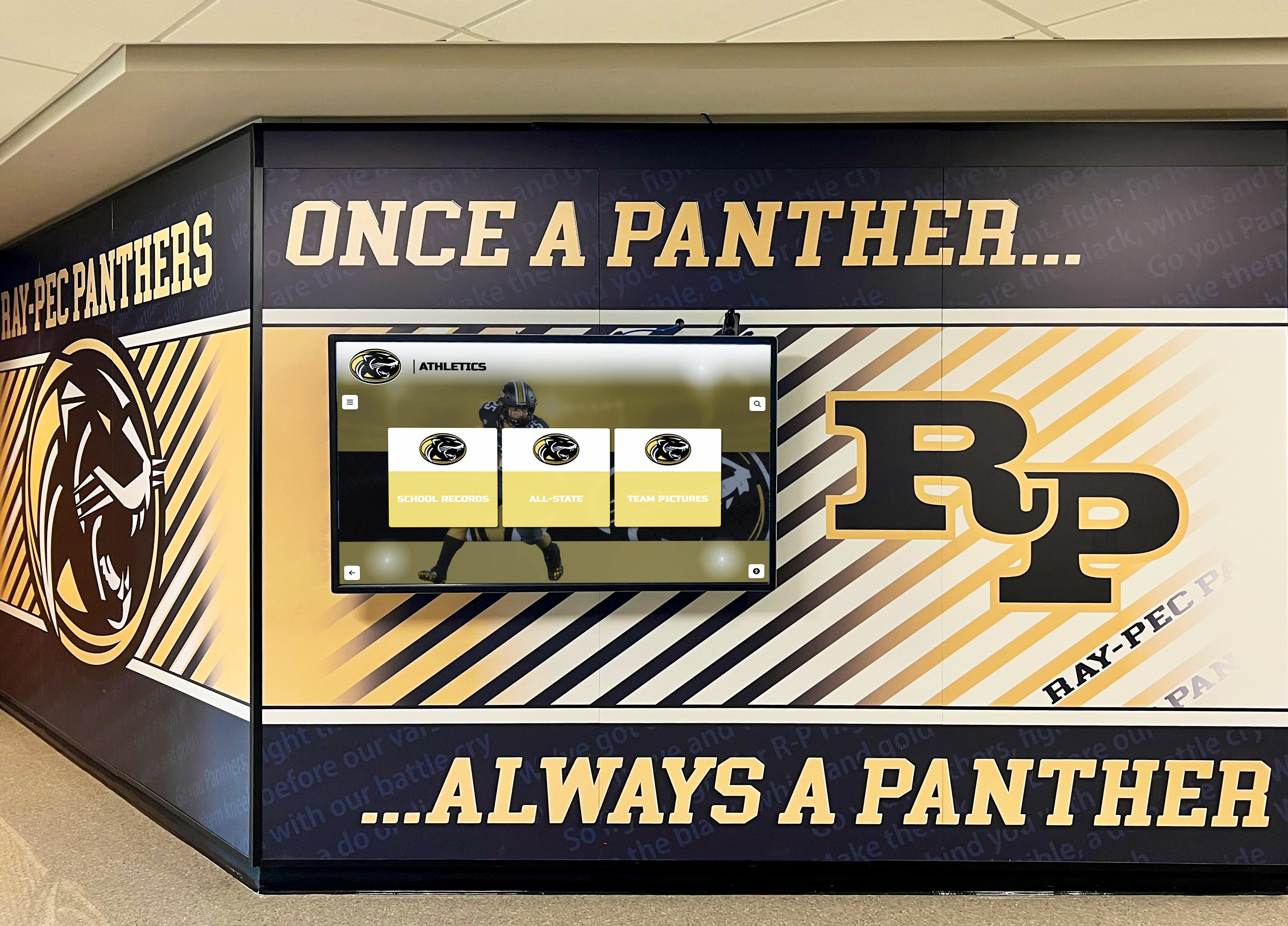
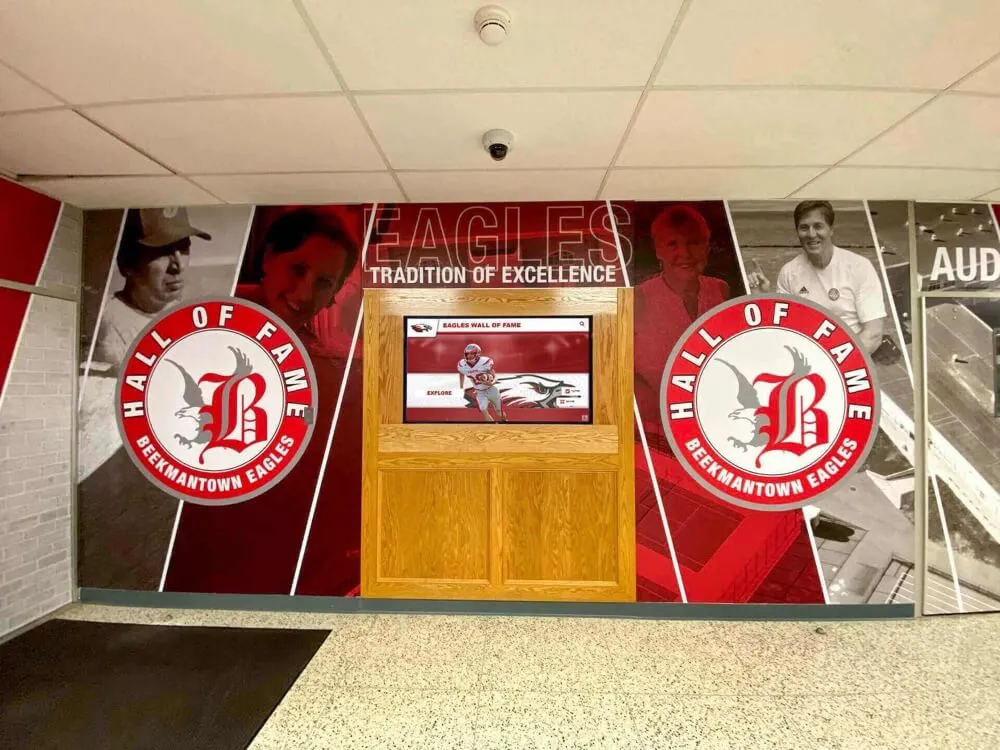
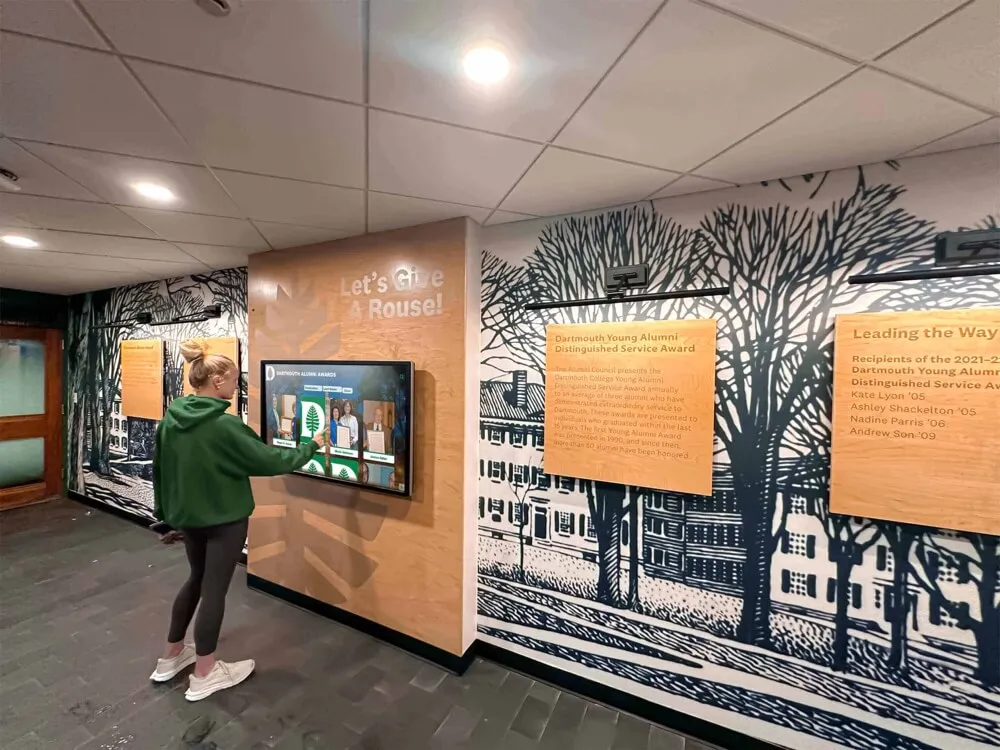
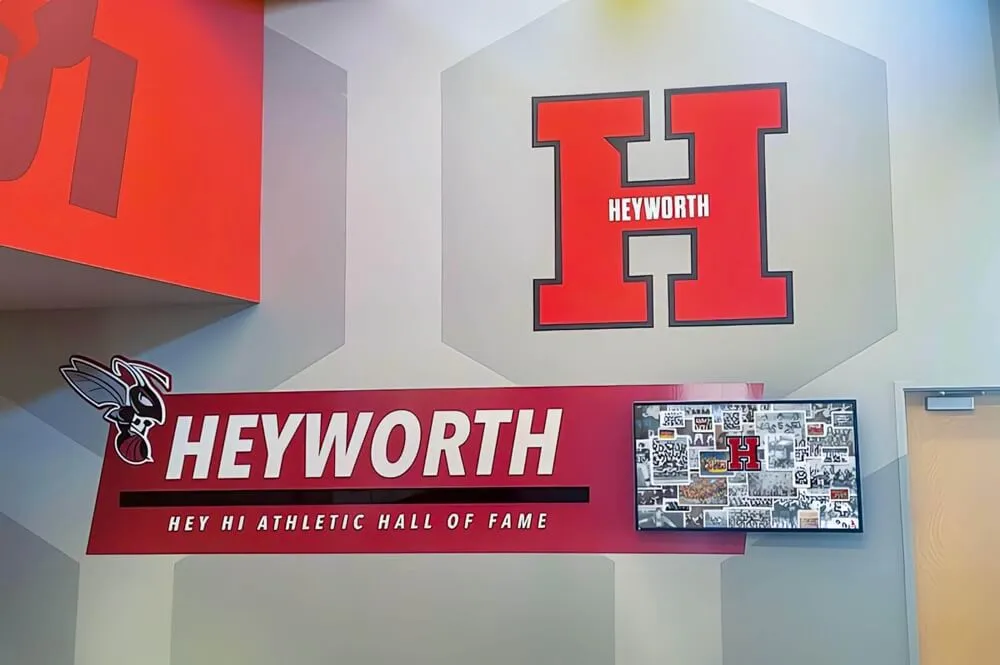
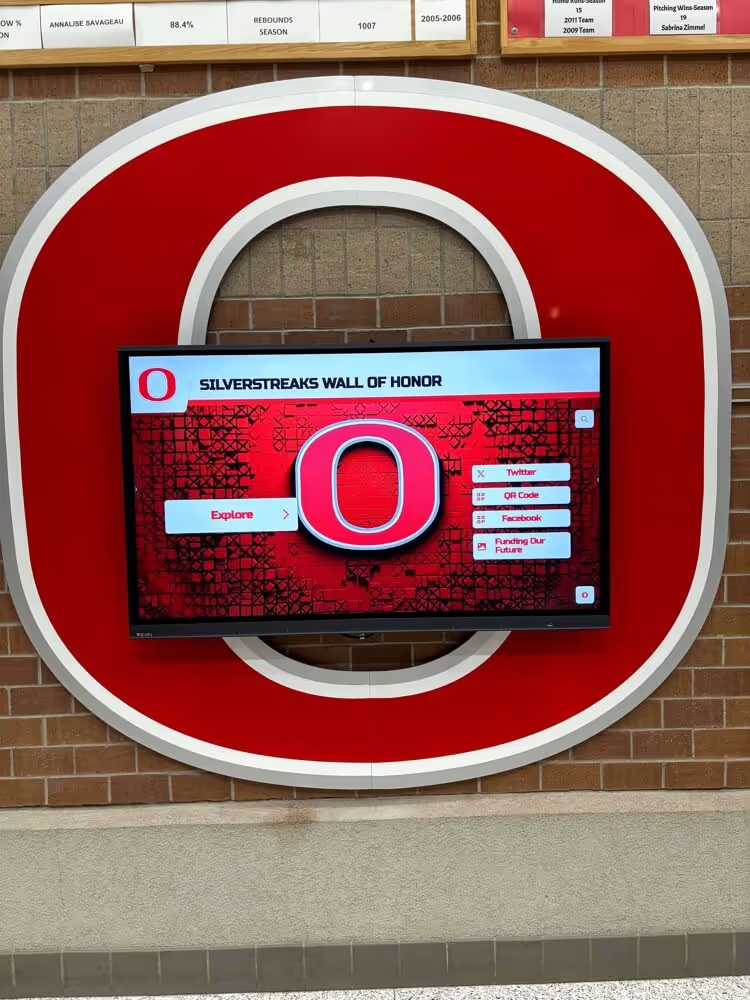
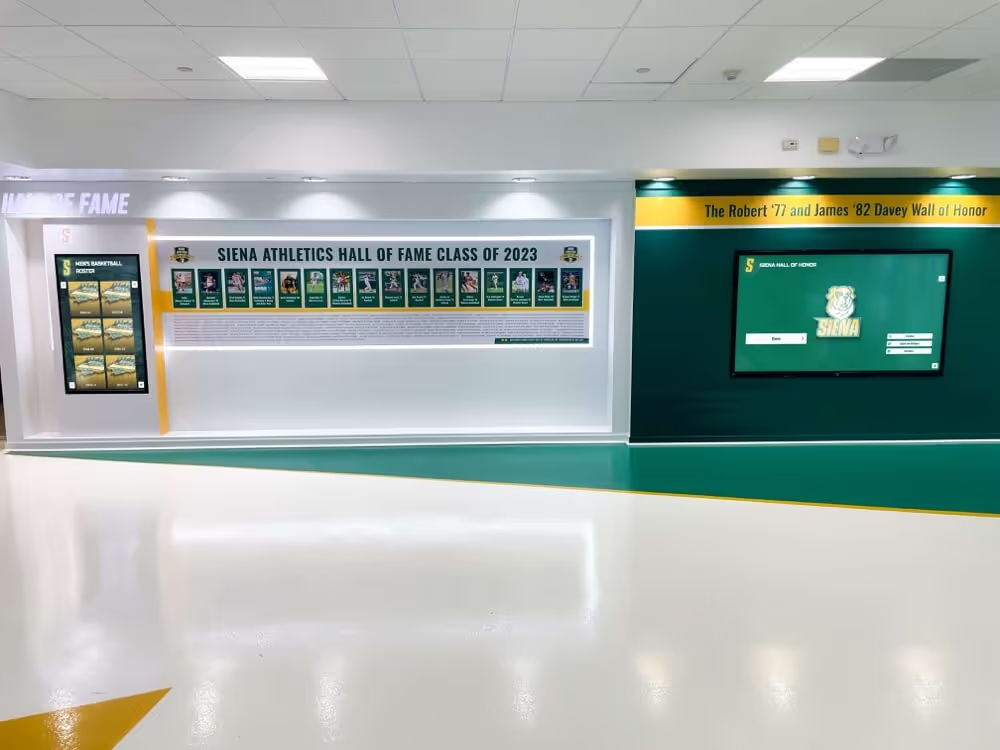
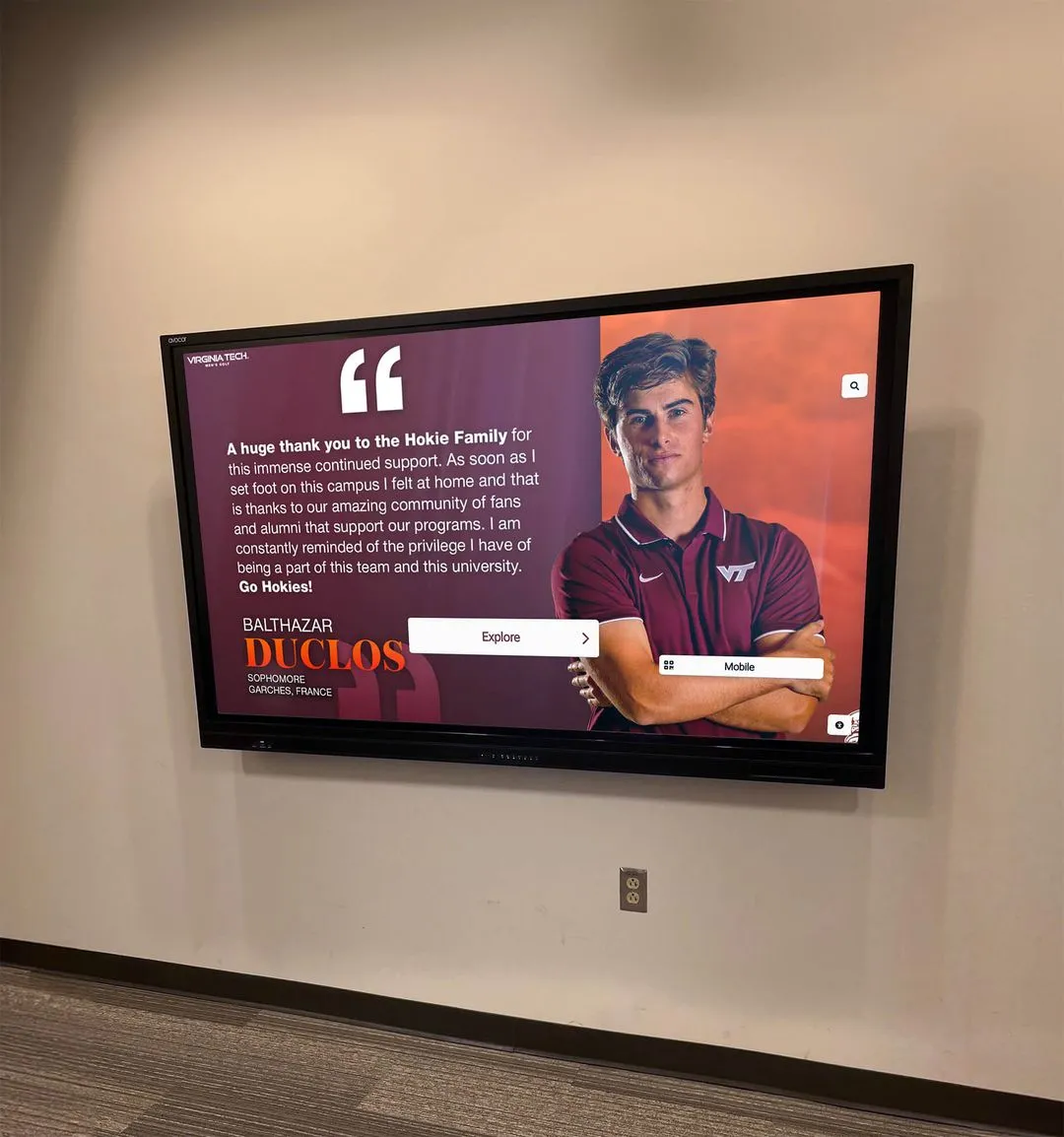
Coordinated branding throughout school facilities reinforces the identity and pride that spirit store merchandise extends into community spaces
Common Spirit Store Challenges and Mistakes
Understanding typical obstacles helps schools plan proactively rather than react to problems after launch.
Insufficient Brand Identity Development
Many schools rush into spirit stores without adequately developing authentic brand identities. Generic designs, inconsistent logos, poor color management, and merchandise lacking distinctive school character produce disappointing results—students reject uninspired products while families question why they should purchase items that fail reflecting what makes their school special.
Strong spirit stores begin with comprehensive brand identity development including design consistency frameworks, approved logo variations, official color specifications, typography standards, and usage guidelines ensuring all merchandise authentically represents school character rather than generic approximations.
Limited Product Selection and Availability
Spirit stores offering only basic t-shirts during limited time periods fail capturing diverse community preferences and miss revenue opportunities. Students want trendy styles reflecting current fashion. Parents seek quality items worth displaying. Alumni desire memorabilia connecting them to specific eras. Athletes need performance apparel. Faculty want professional options suitable for teaching.
Successful stores recognize this diversity and offer comprehensive product ranges spanning clothing styles, price points, age groups, and merchandise categories—creating something appealing for every community segment rather than narrow selections serving only specific demographics.
Poor Operational Planning and Customer Experience
Even excellent products fail when operational execution disappoints customers. Common operational failures include inconsistent availability creating frustration, confusing ordering processes deterring purchases, quality issues undermining trust, slow fulfillment damaging satisfaction, poor size offerings limiting sales, and inadequate inventory management causing stockouts during peak demand.
Professional operations require systematic planning addressing inventory management, fulfillment logistics, quality control, customer service, and the technology infrastructure supporting efficient transactions and positive customer experiences.
Disconnected Marketing and Engagement Strategy
Spirit stores cannot thrive on passive availability alone. Schools assuming “build it and they will come” discover disappointing results when merchandise sits unsold because communities remain unaware, unmotivated, or unconvinced that purchases matter. Successful stores require strategic marketing creating awareness, generating demand, communicating value, and connecting spirit store participation to broader school pride and community belonging.
This marketing should integrate with comprehensive engagement strategies including digital storytelling highlighting achievements, recognition systems celebrating contributors, and tradition communication building pride that naturally translates into merchandise purchases as tangible expressions of existing community connection.
Strategic Planning Framework for Spirit Store Launch
Successful spirit store development requires systematic planning addressing multiple dimensions before operational launch.
Defining Goals and Success Metrics
Clear objectives guide decision-making and enable evaluation determining whether stores achieve intended outcomes.
Establishing Primary Objectives
Schools should identify specific goals driving spirit store development including desired annual revenue targets supporting particular programs or needs, community engagement metrics measuring participation breadth across demographics, brand visibility goals assessing symbol prevalence throughout community, and student pride indicators evaluating connection and belonging.
These objectives should align with broader institutional priorities rather than existing in isolation. If schools prioritize alumni engagement, spirit stores should include vintage designs and era-specific memorabilia connecting former students to institutions. If diversity and inclusion represent priorities, merchandise should reflect diverse student body while ensuring price accessibility prevents economic barriers to participation.
Identifying Target Audiences and Their Needs
Different community segments possess distinct preferences, purchasing patterns, and motivations requiring tailored approaches:
Students prioritize trendy designs reflecting current fashion, peer acceptance, and authentic school connection. They respond to limited edition releases, social media marketing, and opportunities to influence design decisions through voting or contests. Student purchases often concentrate around specific events—back to school periods, homecoming weeks, championship celebrations, or senior year milestones.
Parents and Families seek quality items worth displaying, practical products serving daily needs, and purchases supporting school programs their children benefit from. They appreciate professional online ordering, clear size information, quality guarantees, and transparent communication about how revenue supports school initiatives.
Alumni desire memorabilia connecting them to specific eras, vintage designs evoking nostalgia, and exclusive items signaling their connection to institutional history. Alumni purchases often concentrate around reunions, homecoming celebrations, major institutional milestones, or when prompted by engagement communications showcasing school achievements and traditions.
Faculty and Staff need professional apparel suitable for school settings, comfortable options for daily wear, and affordable choices fitting educator budgets. Faculty purchases signal institutional pride to students and families while creating visible community connection.
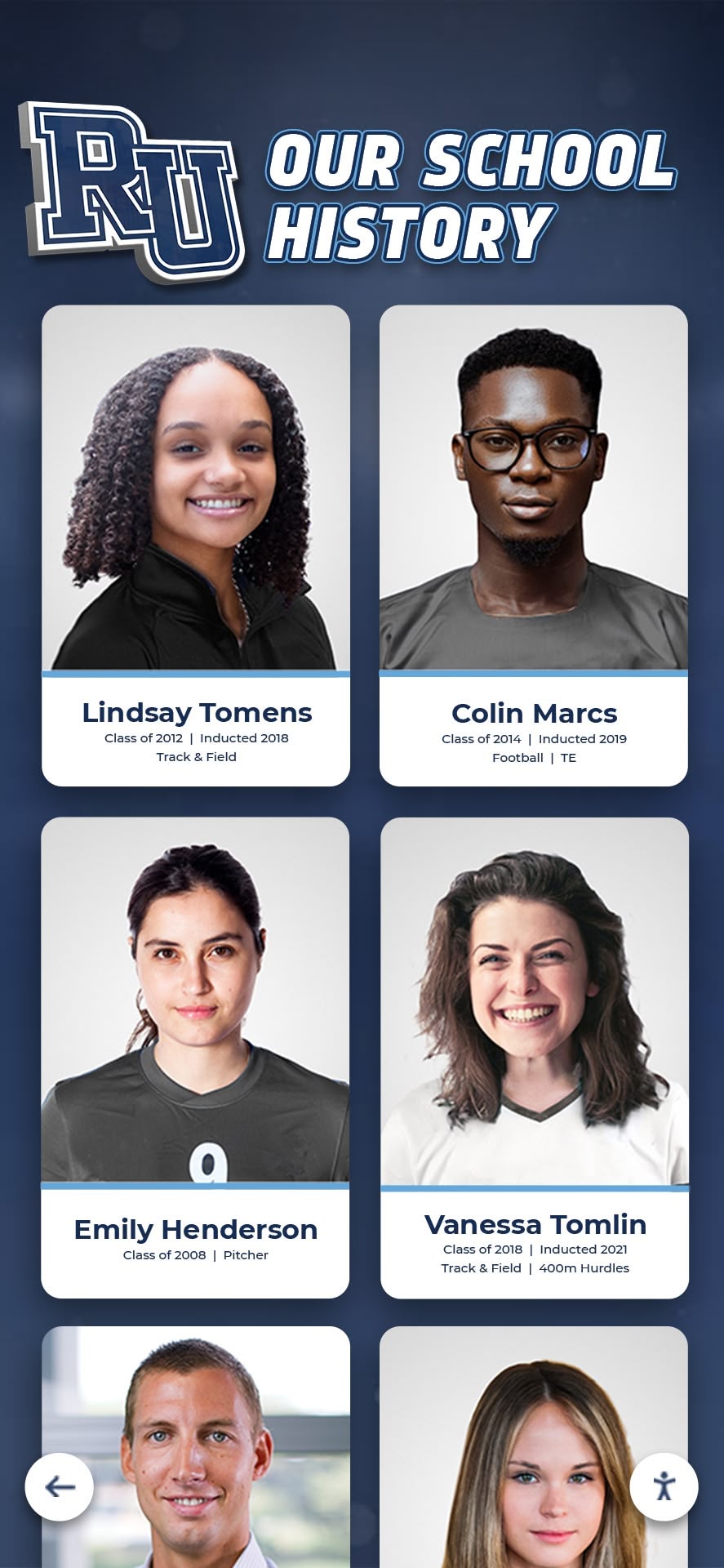
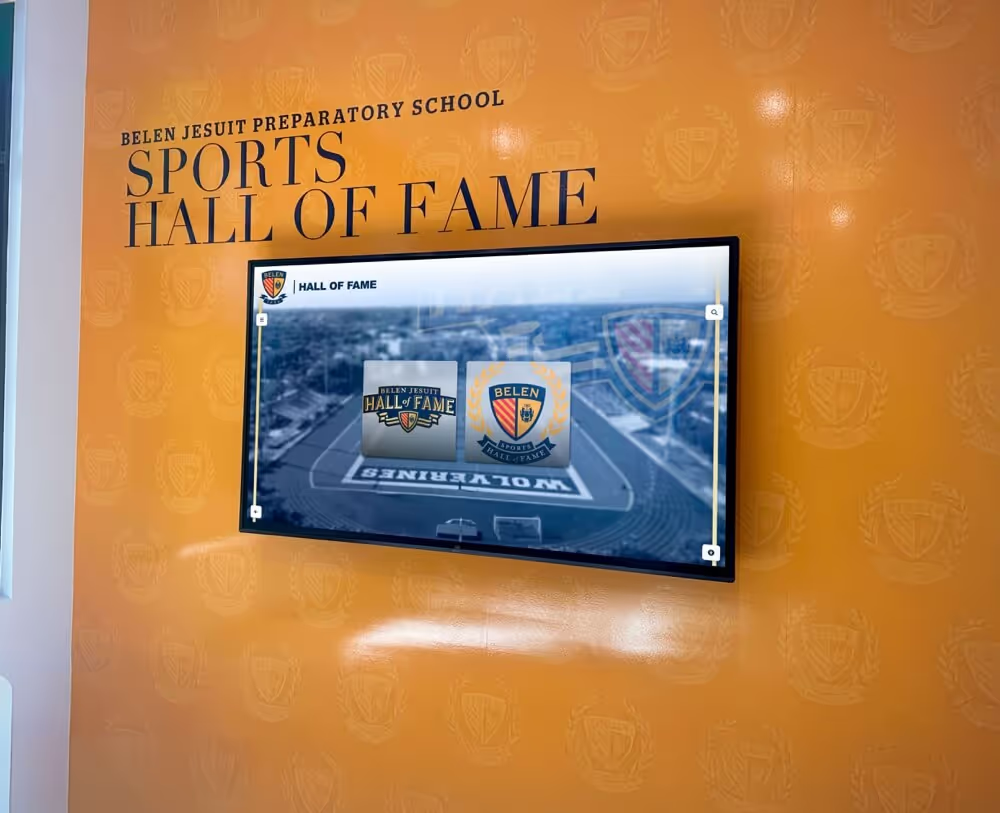
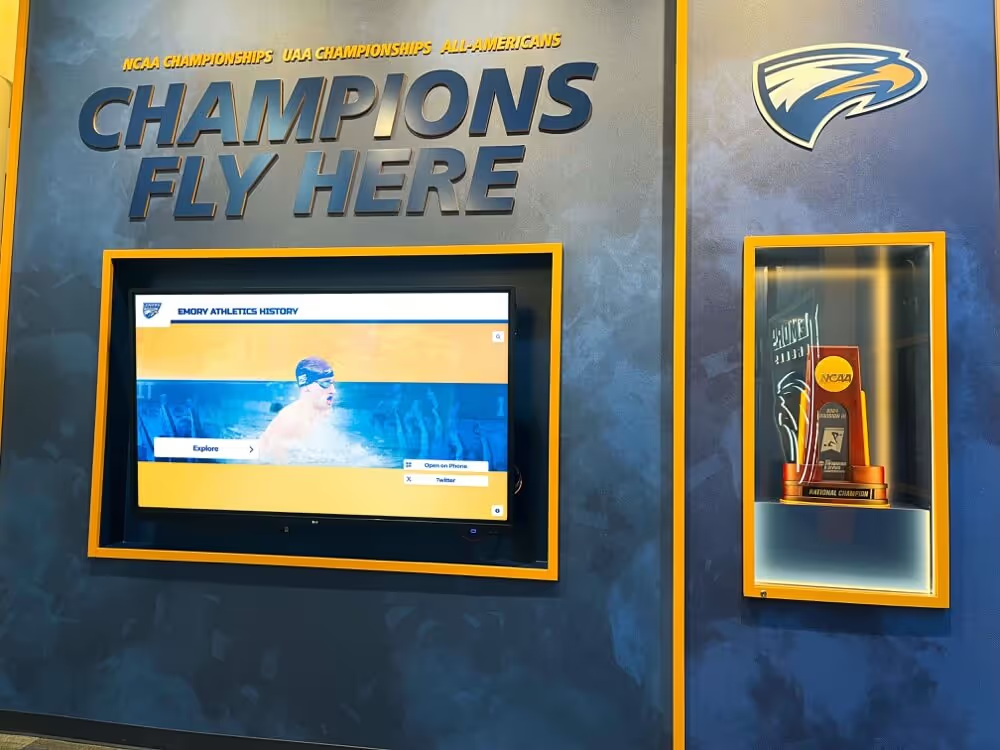
Historical recognition connecting current community to institutional heritage builds the authentic pride that drives spirit store participation
Developing Authentic Brand Identity
Strong spirit stores require comprehensive brand development ensuring merchandise authentically represents school character.
Conducting Brand Identity Audit
Begin by documenting current brand elements including all existing logos and marks with usage patterns, official school colors with specific specifications, typography standards if established, existing merchandise examples with quality assessment, mascot representations across different contexts, athletic branding if distinct from academic identity, and tradition symbols or phrases with historical significance.
This audit reveals consistency gaps, quality issues, and opportunities for enhancement. Many schools discover multiple logo variations without clear hierarchy, inconsistent color usage creating confusion, or outdated designs failing to reflect current institutional character.
Establishing Brand Standards and Guidelines
Professional brand identity requires documented standards preventing inconsistent implementation including primary logo with approved variations for different contexts, official color specifications using Pantone, RGB, CMYK, and hex values, typography standards for headlines, body text, and specialty uses, usage rules preventing improper modifications or applications, and mascot guidelines ensuring appropriate representation.
These standards prevent the brand dilution that occurs when multiple vendors, designers, and stakeholders create variations without coordination—resulting in merchandise looking like it represents different schools rather than unified institutional identity.
Creating Design Library for Merchandise
Develop comprehensive design libraries providing approved graphics for merchandise applications including primary logo adaptations for different garment types and printing methods, secondary marks offering variety without abandoning brand identity, typography-focused designs for minimal aesthetic preferences, vintage or throwback designs appealing to alumni and retro enthusiasts, sport-specific designs celebrating particular programs, achievement designs commemorating championships or milestones, and phrase-based designs incorporating school mottos or tradition references.
This library enables product variety while maintaining brand consistency—customers enjoy diverse choices without merchandise appearing generically disconnected from authentic school identity.
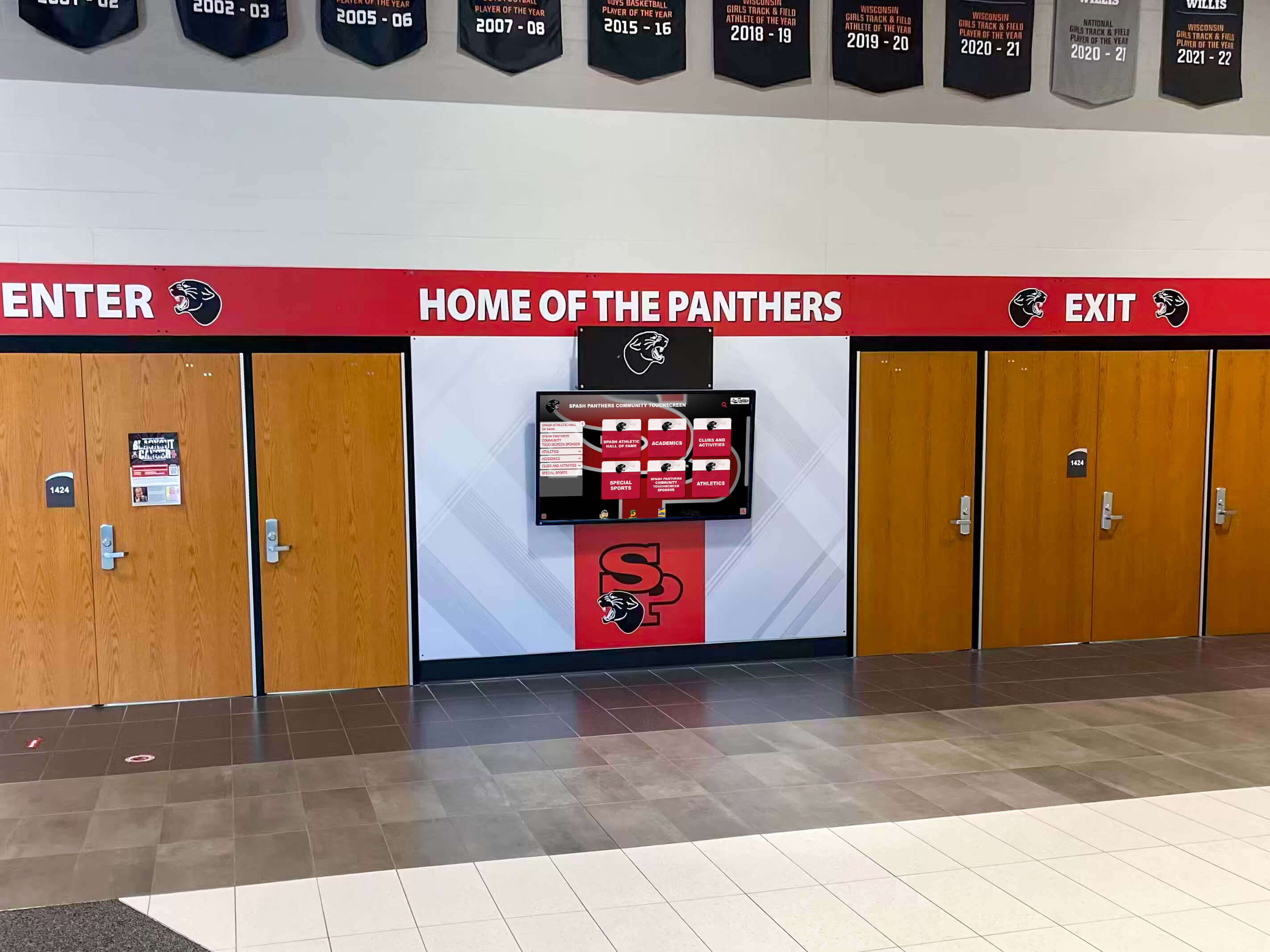
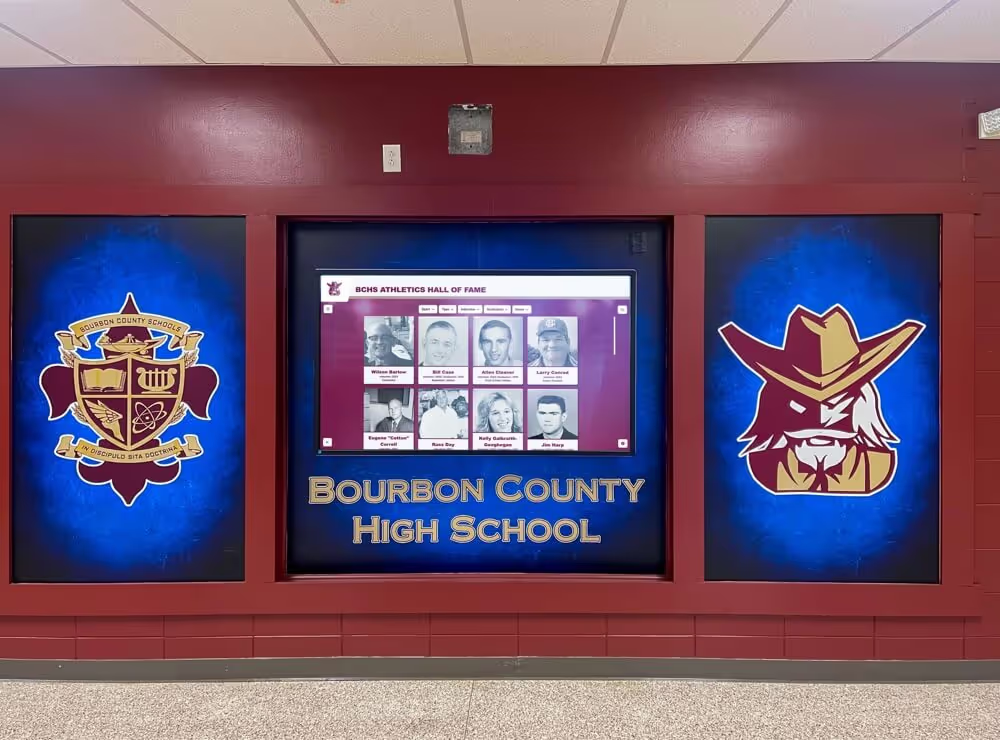
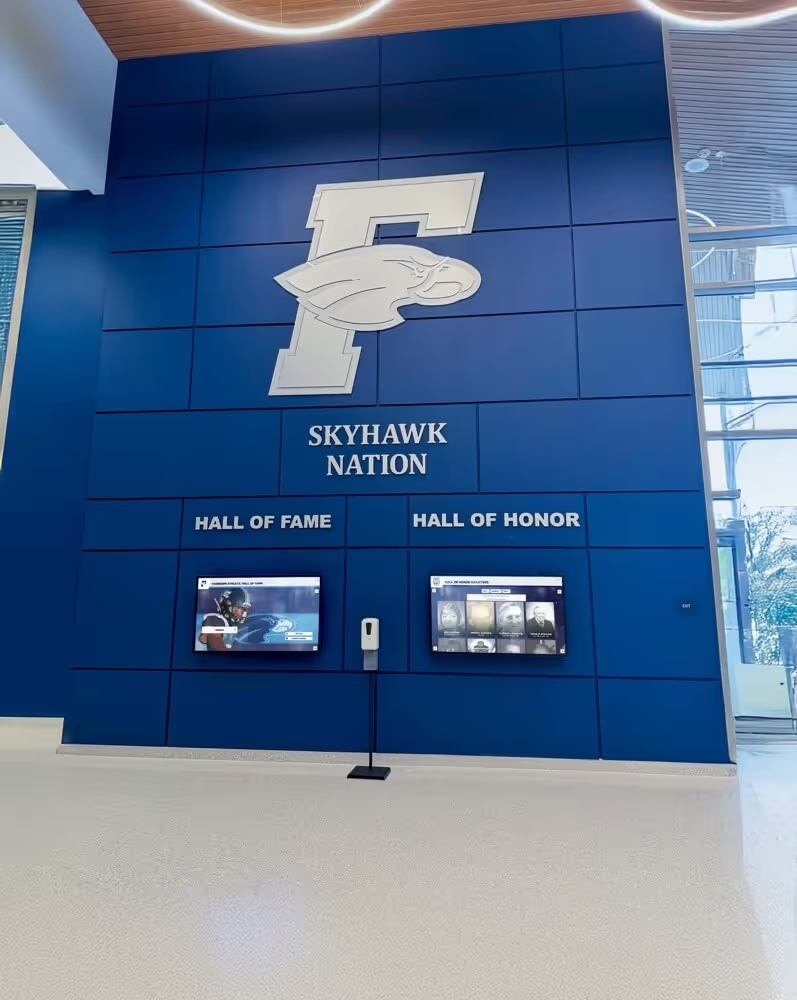
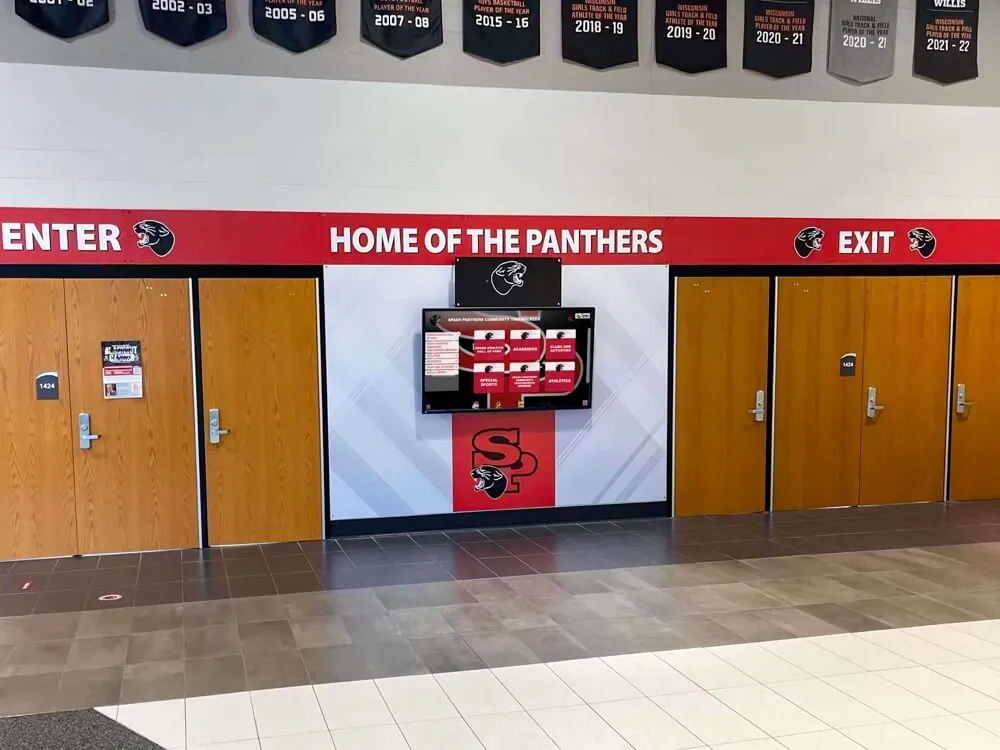
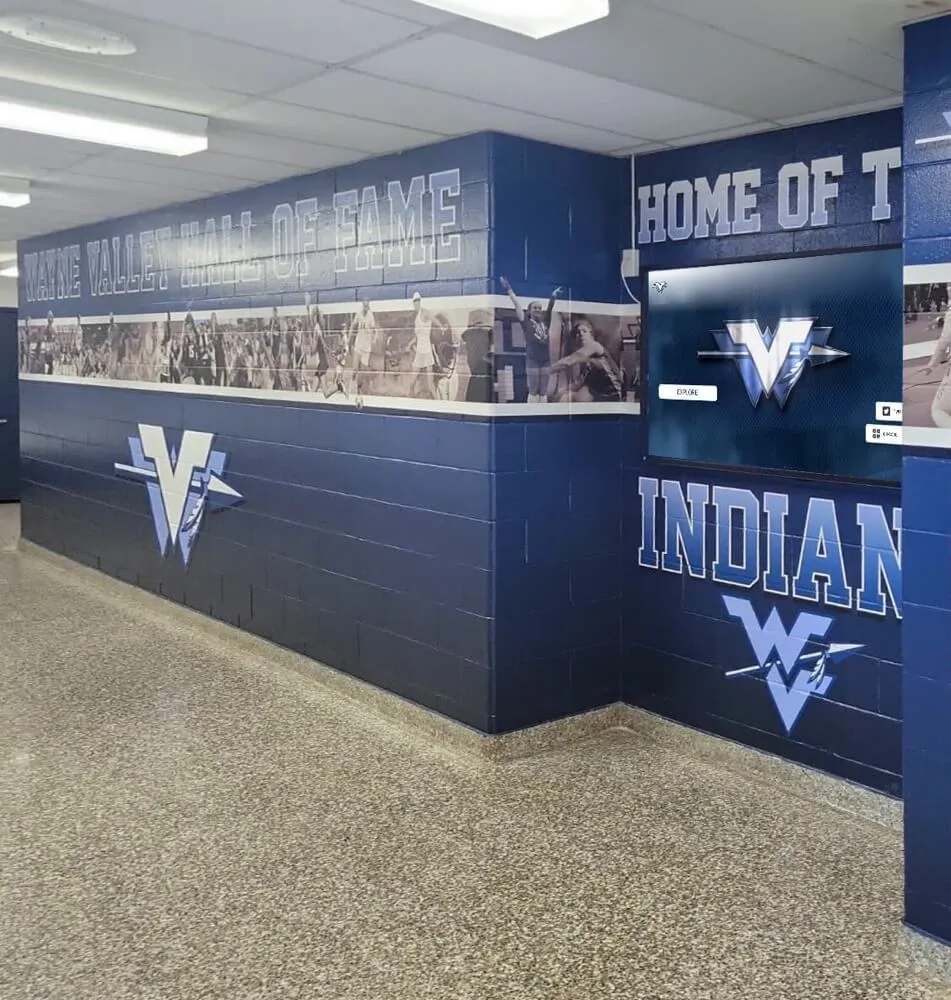
Prominent facility branding creates pride and identity that spirit stores extend through merchandise communities display beyond campus
Product Selection and Sourcing Strategy
Strategic product selection balances diverse community preferences with operational feasibility and brand integrity.
Core Product Categories for Comprehensive Selection
Successful spirit stores offer diverse product ranges serving varied customer needs and preferences.
Apparel Foundation
Clothing represents spirit store foundation with offerings spanning basic t-shirts in multiple styles and fits, performance athletic apparel for active use, hoodies and sweatshirts for cooler seasons, outerwear including jackets and quarter-zips, headwear spanning caps, beanies, and visors, and specialty items like shorts, pants, or warm-up gear for specific programs.
Within each category, offer variety through different design options, multiple color combinations highlighting school colors, varied price points from economy to premium, size ranges accommodating all body types, and both youth and adult sizing serving entire families.
Accessories and Daily Use Items
Beyond apparel, accessories extend brand visibility into daily life including drinkware like water bottles and tumblers featuring school branding, bags ranging from backpacks to totes serving practical needs, blankets and stadium cushions for event comfort, decals and car magnets creating vehicle brand visibility, phone cases and tech accessories reflecting student preferences, and jewelry or small items serving gift purposes.
These functional items create recurring brand exposure—every time people use branded water bottles, carry school bags, or display car decals, they reinforce school identity while creating conversation opportunities spreading awareness.
Commemorative and Milestone Merchandise
Special products commemorate specific occasions and achievements including graduation year apparel for senior classes, championship merchandise celebrating athletic success, anniversary items marking institutional milestones, event-specific designs for homecoming or spirit weeks, vintage or throwback designs evoking nostalgia, and limited edition releases creating urgency and collectibility.
These special products often generate disproportionate enthusiasm and revenue because they capture emotional connections to specific moments and achievements worth commemorating through tangible memorabilia.
Home and Display Items
Merchandise extending beyond personal wear includes items families display at home including pennants and flags showcasing school pride, framed prints featuring campus imagery or traditions, ornaments and seasonal items for holiday gifting, garden flags creating neighborhood visibility, and collectibles appealing to dedicated supporters and alumni.
Display items prove particularly valuable for engaging alumni and parent communities who may not regularly wear apparel but want tasteful ways to demonstrate school connection in homes and offices.
Selecting Sourcing and Fulfillment Models
Spirit stores operate through various business models, each with distinct advantages, challenges, and suitability for different school contexts.
Traditional In-House Inventory Model
Schools purchase inventory, manage storage, and fulfill orders directly. This model offers maximum control over quality, pricing, and customer experience while capturing full profit margins. However, it requires upfront capital investment, storage space, volunteer or staff time for operations, and assumes inventory risk if products don’t sell.
In-house models work well for schools with reliable volunteer capacity, adequate storage space, predictable demand patterns, and communities preferring immediate merchandise availability at school events and on-campus stores.
Online Print-on-Demand Partnerships
Third-party vendors print merchandise only after orders are received, eliminating inventory risk and upfront investment. Schools receive percentage of sales as fundraising revenue without managing operations. This model eliminates capital requirements, storage needs, and operational burden while providing extensive product variety.
Trade-offs include lower profit margins (typically 10-20% versus 40-60% for in-house), less control over quality and timing, and depending on vendor reliability. Print-on-demand works well for schools lacking volunteer capacity, storage space, or capital for inventory investment while still wanting comprehensive spirit store access.
Hybrid Approach
Many successful spirit stores combine models—maintaining in-house inventory of high-demand basics available immediately while partnering with print-on-demand vendors for extended selections, specialty items, and made-to-order products minimizing inventory risk.
Hybrid approaches capture advantages of both models—immediate availability and higher margins on popular items while offering extensive variety without inventory risk on slower-moving products.
Pop-Up or Event-Based Sales
Rather than year-round operations, some schools concentrate spirit store sales around specific events—back to school nights, homecoming weeks, parent conferences, or athletic events. Vendors bring mobile displays, accept orders, and deliver products subsequently.
Event-based models work for schools lacking volunteer capacity for continuous operations while still creating regular purchasing opportunities connected to moments of heightened school engagement and pride.
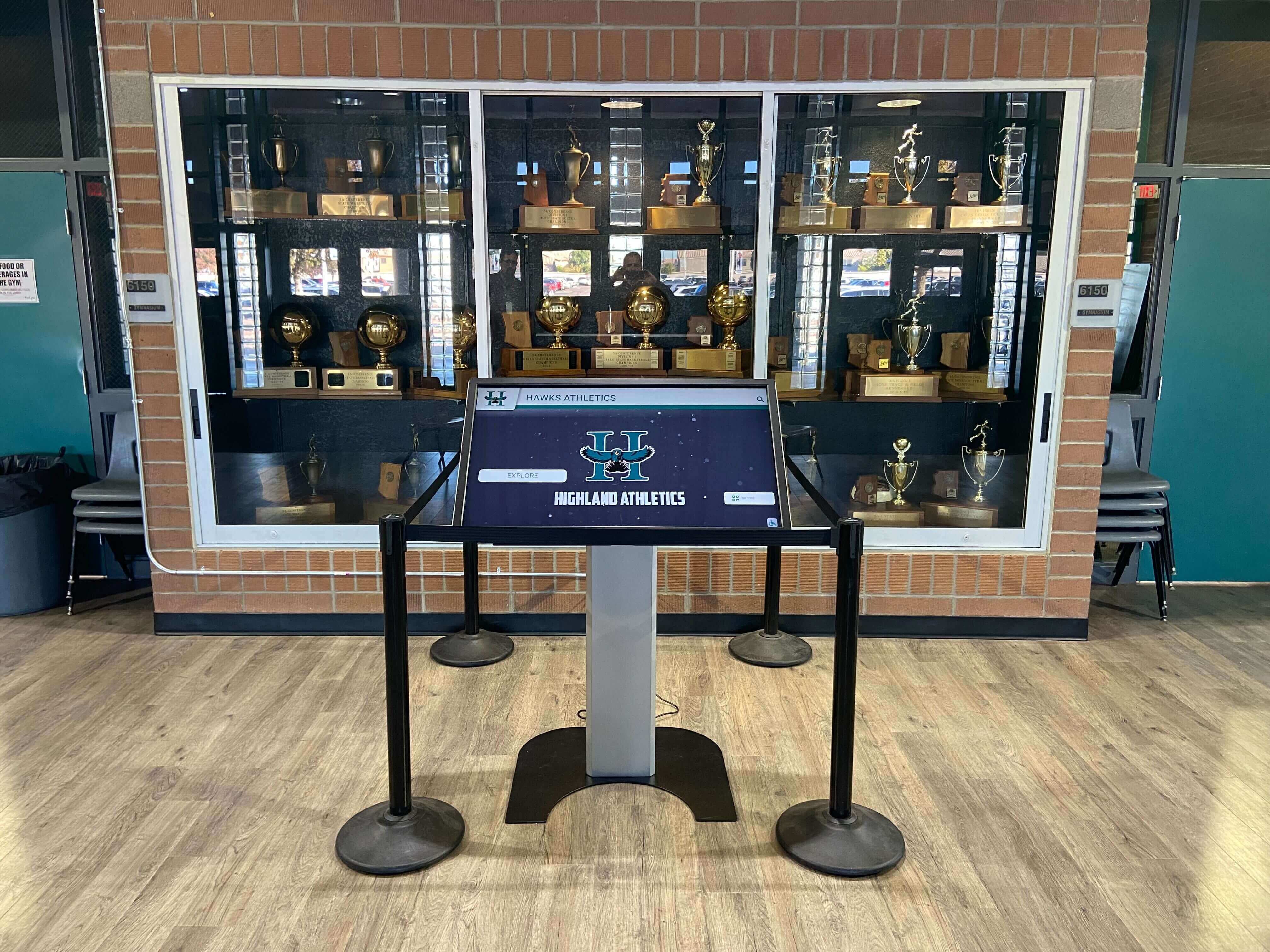
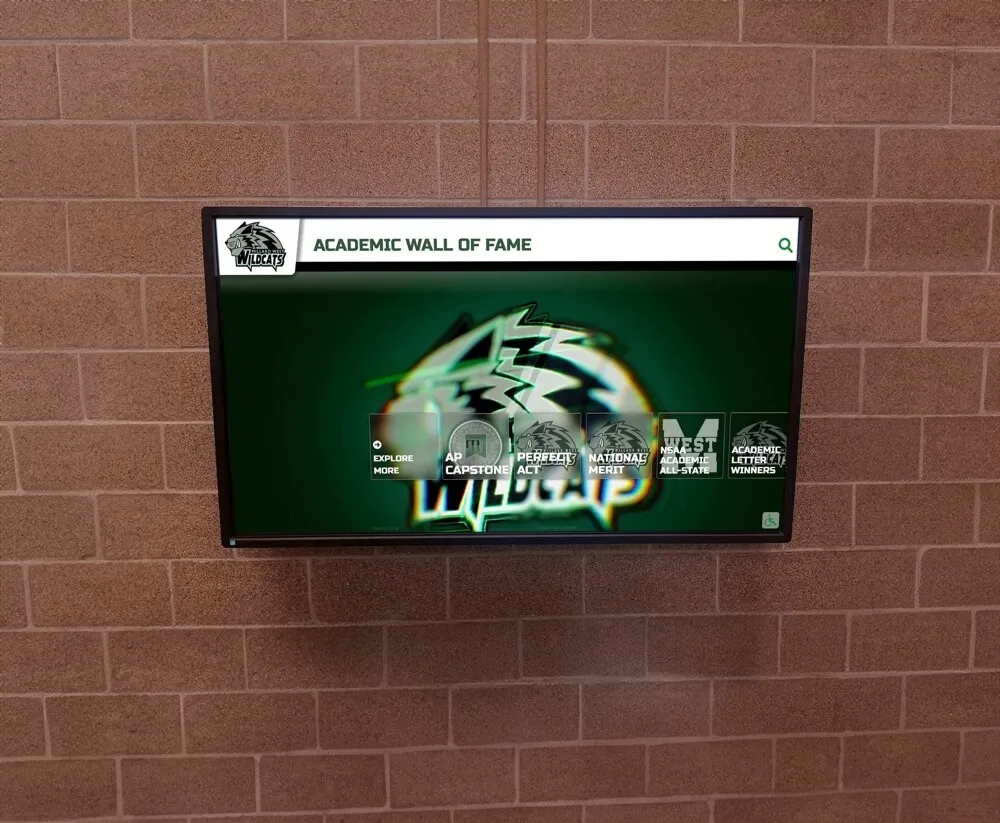
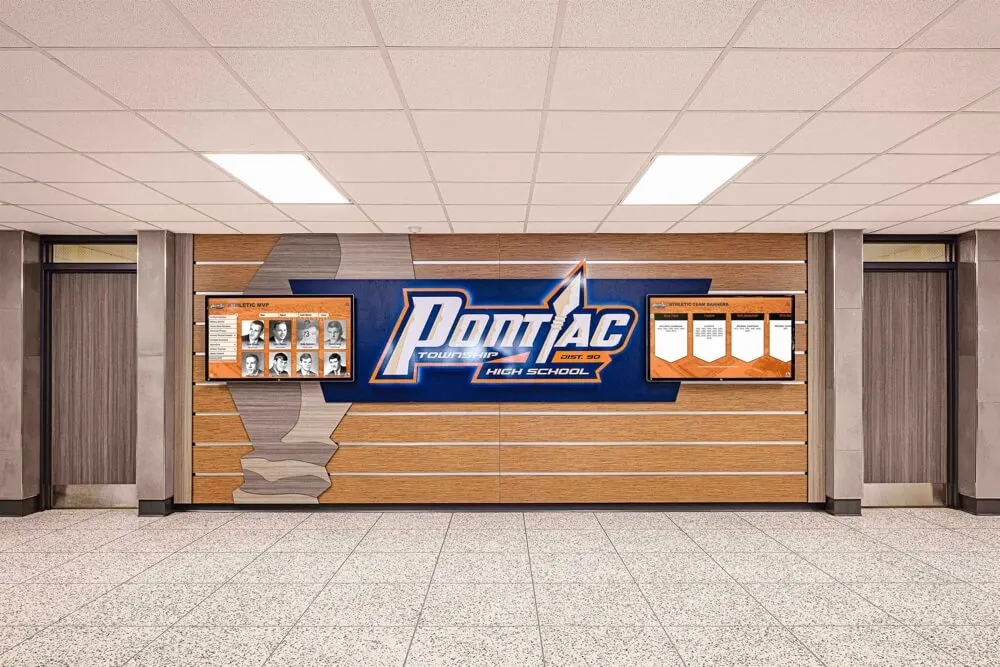
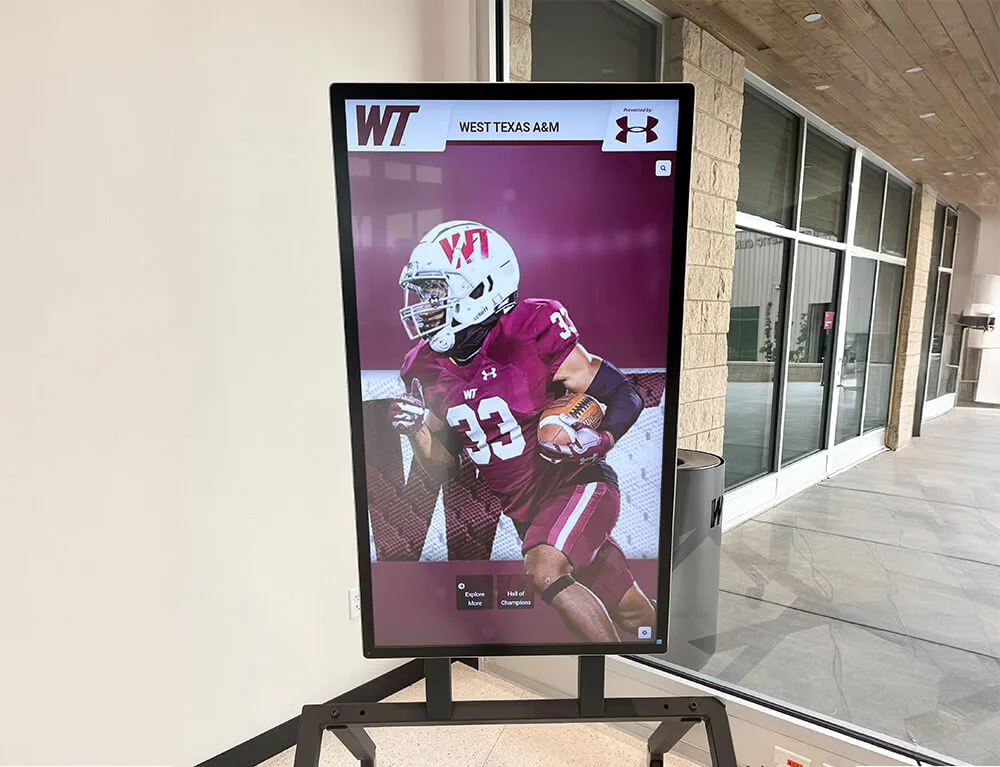
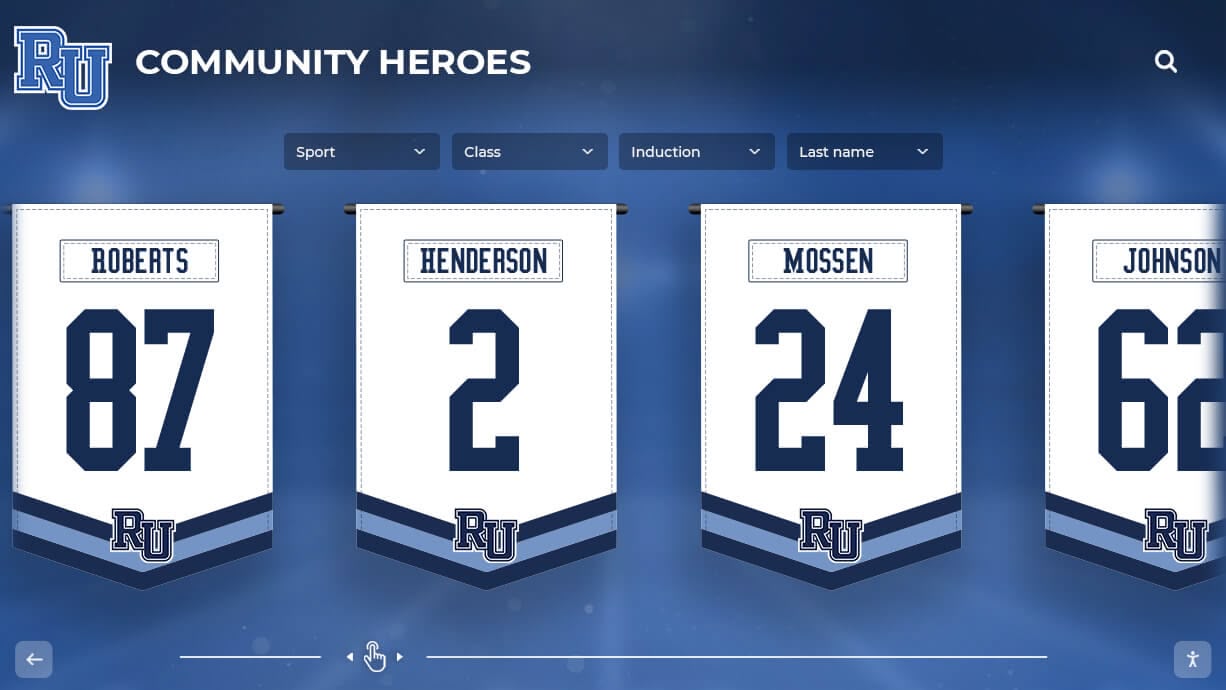
Modern recognition technology creates engagement opportunities celebrating achievements that inspire the pride spirit store merchandise expresses
Marketing and Promotion Strategy
Even excellent spirit stores require strategic marketing generating awareness, creating demand, and driving consistent sales.
Building Launch Momentum
Spirit store launches require concentrated effort creating initial awareness and establishing purchase patterns.
Pre-Launch Anticipation Building
Generate excitement before official launch through sneak previews showcasing products on social media, design contests allowing students to vote on options, countdown campaigns building anticipation, early access opportunities for specific groups creating urgency, and influencer partnerships leveraging student leaders and popular teachers modeling merchandise.
Pre-launch marketing should communicate not just what’s available but why spirit store participation matters—how revenue supports programs, how merchandise builds community connection, and how visible school pride strengthens institutional identity.
Grand Opening Events
Coordinate spirit store launches with high-visibility events maximizing initial exposure including back to school nights when families gather, homecoming weeks celebrating tradition and pride, open houses showcasing facilities and programs, parent conferences ensuring family awareness, or specially organized spirit fairs focusing exclusively on merchandise and school pride.
Grand opening events should include special incentives like launch discounts, exclusive limited edition items available only during opening period, bundle deals encouraging larger purchases, or donation matching where portion of opening sales receive supplemental contributions from sponsors or parent organizations.
Influencer and Ambassador Programs
Leverage community voices creating authentic endorsement including student ambassadors representing diverse groups modeling merchandise, athlete promotion with teams wearing spirit wear, teacher participation demonstrating faculty pride, alumni testimonials connecting current to historical community, and parent organization leaders encouraging participation.
Ambassador programs work because recommendations from trusted community members prove more persuasive than institutional announcements—students trust what peers wear, families value what teachers endorse, and alumni respond to former classmates’ engagement.
Sustaining Year-Round Engagement
Beyond initial launch, successful spirit stores require ongoing marketing maintaining awareness and driving continuous sales.
Content Marketing Connecting Pride to Purchase
Regular content reinforces why spirit store participation matters through achievement celebrations highlighting successes that build pride, tradition stories connecting community to history, student features showcasing individuals expressing school connection through spirit wear, behind-the-scenes content revealing how revenue supports programs, and community impact stories demonstrating tangible outcomes from fundraising.
This content marketing should integrate with comprehensive school communication strategies including email newsletters, social media channels, school websites, and physical displays throughout facilities—creating consistent brand visibility and pride messaging that naturally leads to merchandise interest.
Strategic Seasonal and Event-Based Campaigns
Coordinate spirit store promotion with calendar events and occasions when purchases make natural sense including back to school periods for new students and families, graduation season for senior memorabilia, holiday gift-giving periods, championship celebrations for commemorative merchandise, reunion weekends targeting alumni, and teacher appreciation when families purchase gifts.
Event-based campaigns create urgency and relevance—people naturally consider school merchandise when celebrating milestones, seeking gifts for educators, or commemorating achievements worth remembering.
Digital Recognition Integration
Spirit stores achieve maximum impact when integrated with comprehensive digital engagement strategies. Modern recognition platforms like Rocket Alumni Solutions create year-round pride and community connection that naturally drives merchandise interest. When schools continuously celebrate achievements through interactive displays, share digital storytelling highlighting traditions, and maintain visible recognition of students, alumni, and community contributors, they build the authentic pride that makes people want tangible expressions of school connection.
This integration works bidirectionally. Digital recognition displays throughout facilities can feature QR codes linking directly to spirit stores, achievement announcements can include calls to action encouraging merchandise purchases, and recognition events can coordinate with special spirit store promotions—creating seamless connections between pride building and merchandise acquisition.
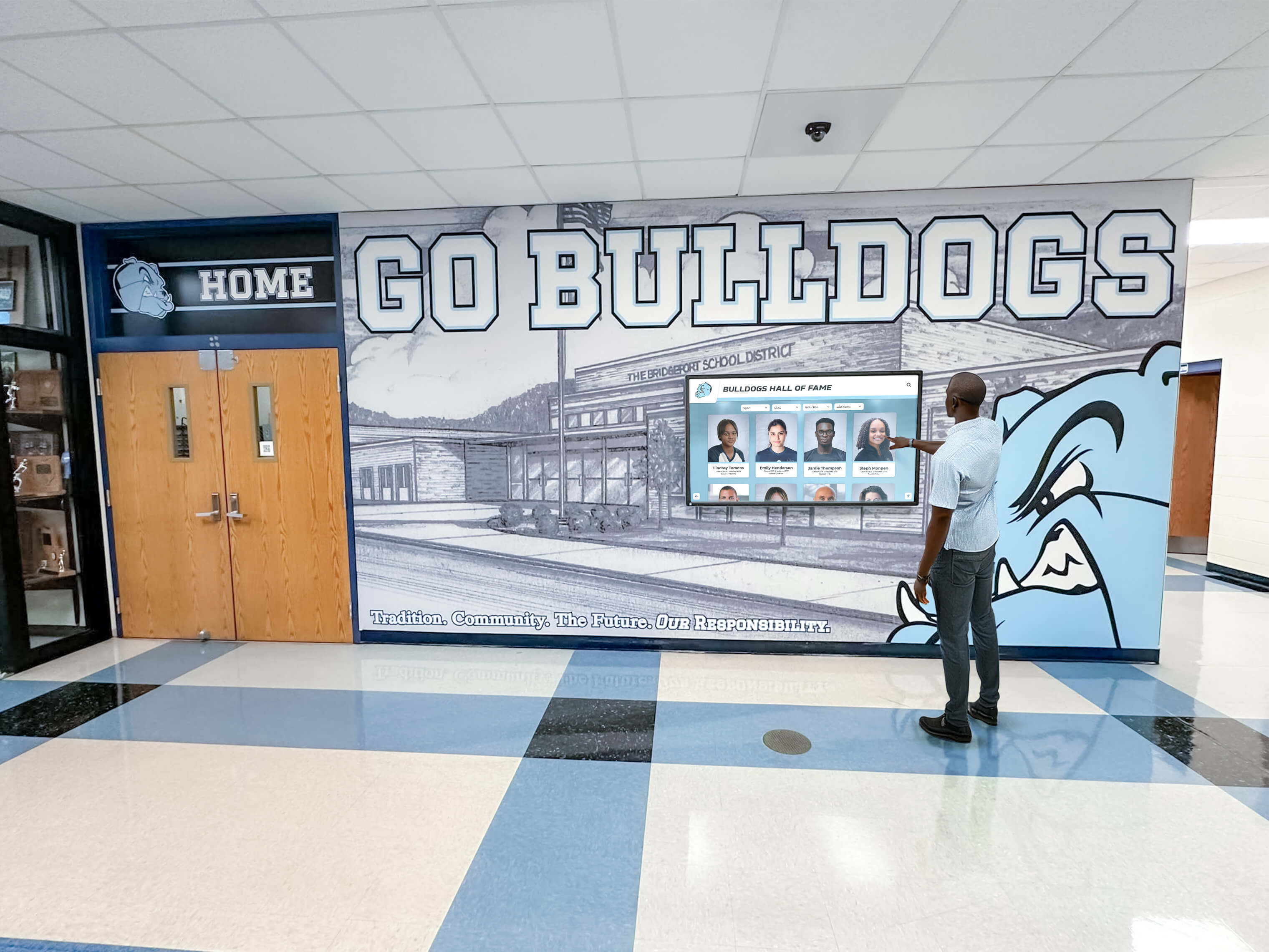
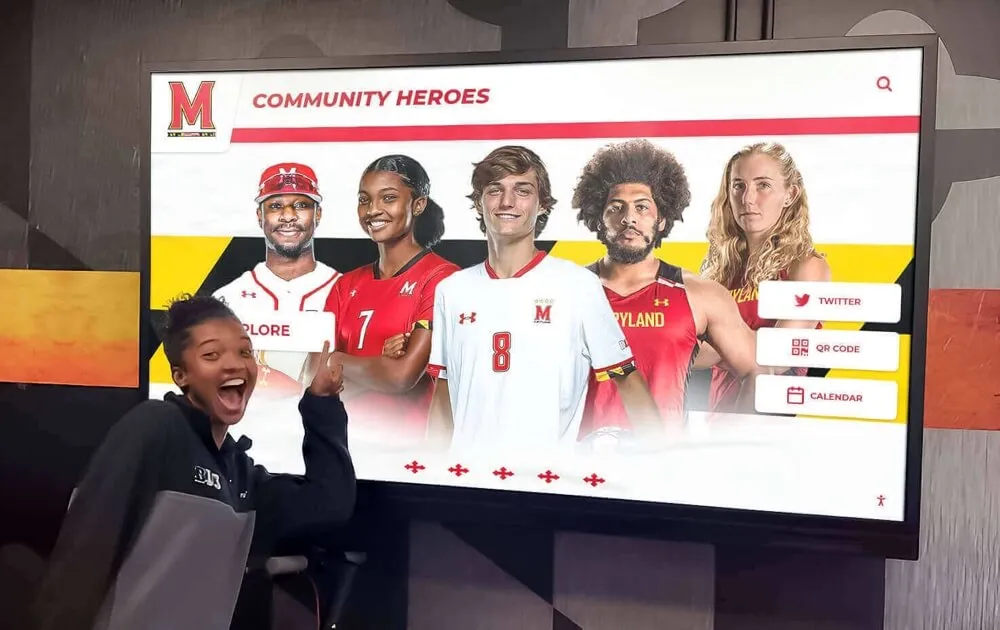
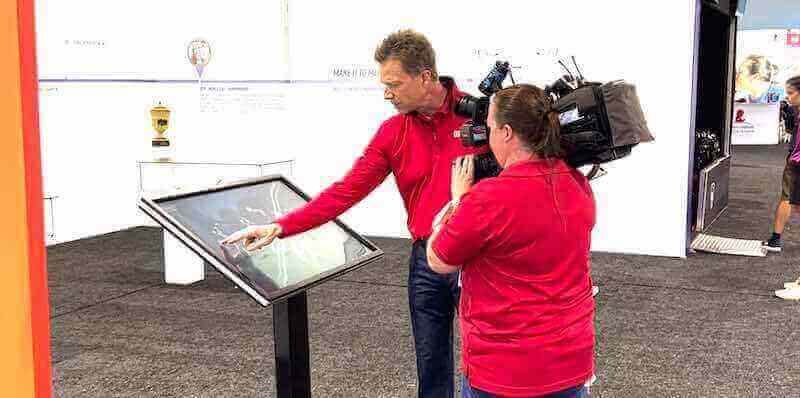
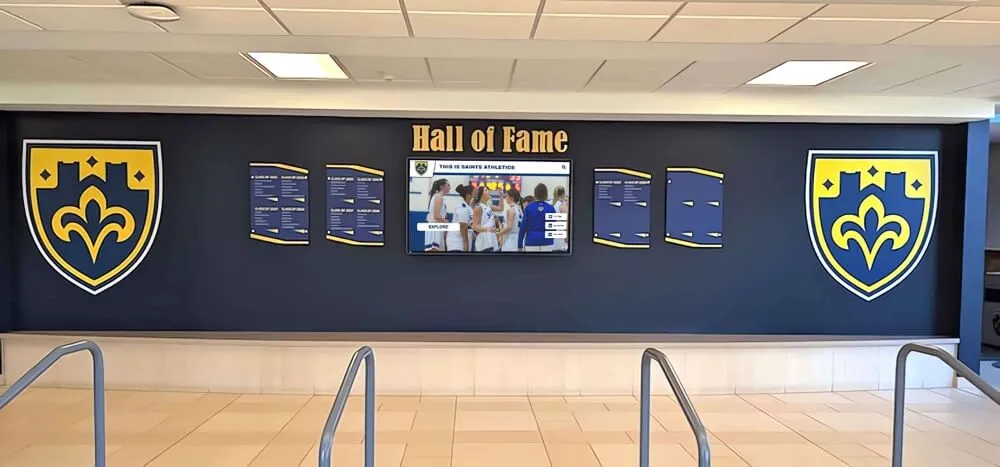
Interactive recognition systems creating engagement and pride naturally drive interest in spirit merchandise as tangible expression of community connection
Operational Excellence and Customer Experience
Professional operations ensure spirit stores deliver positive experiences building customer satisfaction and repeat business.
Establishing Efficient Operations
Systematic operational planning prevents common pitfalls undermining spirit store success.
Inventory Management Systems
For in-house operations, professional inventory management prevents stockouts and overstock situations including demand forecasting based on historical patterns and seasonal trends, reorder point systems ensuring restocking before depletion, size ratio planning preventing unbalanced inventory, slow-mover identification enabling clearance strategies, and vendor relationship management ensuring reliable supply chains.
Technology solutions from simple spreadsheets to specialized retail software help schools track inventory efficiently even with volunteer staffing—preventing the chaos that undermines customer satisfaction when popular items remain unavailable or incorrect products get fulfilled.
Order Fulfillment and Logistics
Professional fulfillment processes ensure customers receive correct products promptly including order processing workflows moving purchases to fulfillment efficiently, quality control checks verifying accuracy before shipping, communication systems updating customers about order status, return and exchange policies addressing issues professionally, and distribution planning for both direct shipping and school pickup options.
Clear communication proves particularly important—customers tolerate reasonable wait times when kept informed but become frustrated by uncertainty about order status and delivery timing.
Customer Service Framework
Responsive customer service builds satisfaction and trust including clear contact information for questions and issues, trained volunteers or staff capable of addressing common concerns, response time standards ensuring prompt attention, problem resolution authority enabling quick solutions, and feedback collection systems revealing improvement opportunities.
Schools should remember that spirit store experiences reflect institutional professionalism—poor customer service damages overall school reputation beyond just merchandise operations.
Optimizing Online Presence
Digital storefronts require attention to user experience and functionality.
Website Design and Usability
Online spirit stores need intuitive design enabling easy browsing and purchasing including clear product categorization helping customers find items, high-quality product photography showing accurate colors and details, detailed descriptions including size charts and specifications, simple checkout processes minimizing friction, and mobile optimization accommodating smartphone shopping.
Poor website experiences drive customers to abandon purchases—complicated navigation, slow loading times, confusing checkout, or inadequate product information all reduce conversion rates and revenue.
Integrated Marketing Technology
Connect spirit stores to broader marketing infrastructure including email marketing integration capturing customer contacts, social media shopping features enabling purchases from platforms, retargeting systems reminding visitors about abandoned carts, analytics tracking revealing popular products and traffic sources, and CRM systems maintaining customer relationships.
Technology integration enables increasingly sophisticated marketing as schools learn customer preferences, identify high-value segments, and refine merchandising strategies based on actual purchasing behavior rather than assumptions.
Measuring Success and Continuous Improvement
Strategic evaluation ensures spirit stores deliver intended outcomes and identify enhancement opportunities.
Key Performance Indicators
Track metrics revealing spirit store performance across multiple dimensions including total revenue by period with trend analysis, profit margins accounting for all costs, average transaction value indicating purchase patterns, customer acquisition and retention rates, inventory turnover identifying slow movers, customer satisfaction through surveys or feedback, and community reach measuring what percentage of students, families, and alumni participate.
These metrics should align with goals established during planning—if primary objectives focused on community engagement rather than revenue maximization, success measurements should emphasize participation breadth and satisfaction alongside financial performance.
Continuous Enhancement Strategy
Spirit stores should evolve based on performance data and changing community preferences including regular product testing introducing new designs and categories, customer feedback integration addressing preferences and complaints, seasonal optimization adjusting inventory based on demand patterns, promotional testing comparing different marketing approaches, and vendor evaluation ensuring quality and service standards.
Schools should view spirit stores as ongoing operations requiring attention rather than one-time launches—successful stores adapt continuously to maintain relevance and effectiveness.
Creating Connected Communities Through Recognition and Pride
The most successful school spirit stores don’t exist in isolation—they function as one element within comprehensive community engagement strategies building authentic pride and connection that naturally expresses through merchandise participation.
Modern digital recognition platforms like Rocket Alumni Solutions create the foundation for this integrated approach. When schools continuously celebrate achievements through interactive touchscreen displays, maintain comprehensive digital archives preserving institutional memory, share accomplishments across web and mobile platforms, and recognize contributors across all program areas—they build genuine pride that makes community members naturally want tangible expressions of school connection.
This integration creates powerful synergies. Recognition displays throughout facilities feature QR codes linking to spirit stores. Achievement announcements include merchandise promotion. Recognition events coordinate with special product launches. Schools celebrating academic excellence through digital platforms naturally drive interest in branded merchandise among high-achieving students and proud families. Athletic programs showcasing records and achievements through interactive displays create context making championship merchandise meaningful rather than generic.
This comprehensive approach transforms spirit stores from simple fundraising operations into strategic tools building the connected, prideful communities where students thrive, families engage, and alumni maintain lifelong institutional connection.
Ready to create the recognition foundation that makes spirit store merchandise meaningful expressions of authentic school pride? Explore how Rocket Alumni Solutions helps schools build comprehensive engagement through interactive recognition, digital storytelling, and tradition celebration creating communities where school spirit becomes more than merchandise—it becomes genuine connection worth celebrating.