



Intent: demonstrate — While pep rallies and spirit weeks generate excitement and create memorable moments, truly vibrant school communities require deeper, more sustained approaches to building spirit and connection. Schools that limit spirit-building to occasional high-energy events discover that enthusiasm fades quickly, participation remains confined to already-engaged students, and the sense of community they hoped to foster never fully develops. The challenge isn’t creating temporary excitement—it’s cultivating authentic, lasting school spirit that permeates daily life, engages diverse student populations, and creates the warm sense of belonging that defines exceptional educational environments.
Many schools struggle with this distinction. They invest significant resources into elaborate pep rallies and creative spirit week themes, yet wonder why school pride seems shallow, why participation remains limited to the same small groups, and why these events feel disconnected from actual community building. The missing element isn’t enthusiasm or effort—it’s understanding that sustainable school spirit requires comprehensive programming extending far beyond periodic celebrations into year-round engagement, inclusive recognition systems, and meaningful activities connecting students to institutions, traditions, and each other in authentic ways.
This gap between event-based excitement and genuine community building represents a critical opportunity. Schools implementing comprehensive spirit programming discover dramatically improved student engagement, stronger sense of belonging across diverse populations, enhanced school climate, and alumni connections that persist throughout lifetimes—all outcomes that occasional rallies alone cannot achieve.
This comprehensive guide explores school spirit activities that build authentic community connections extending beyond traditional pep rallies and spirit weeks. You’ll discover year-round engagement strategies, inclusive programming approaches, digital recognition systems creating permanent celebration, and practical implementation frameworks transforming temporary enthusiasm into lasting school pride and genuine belonging.

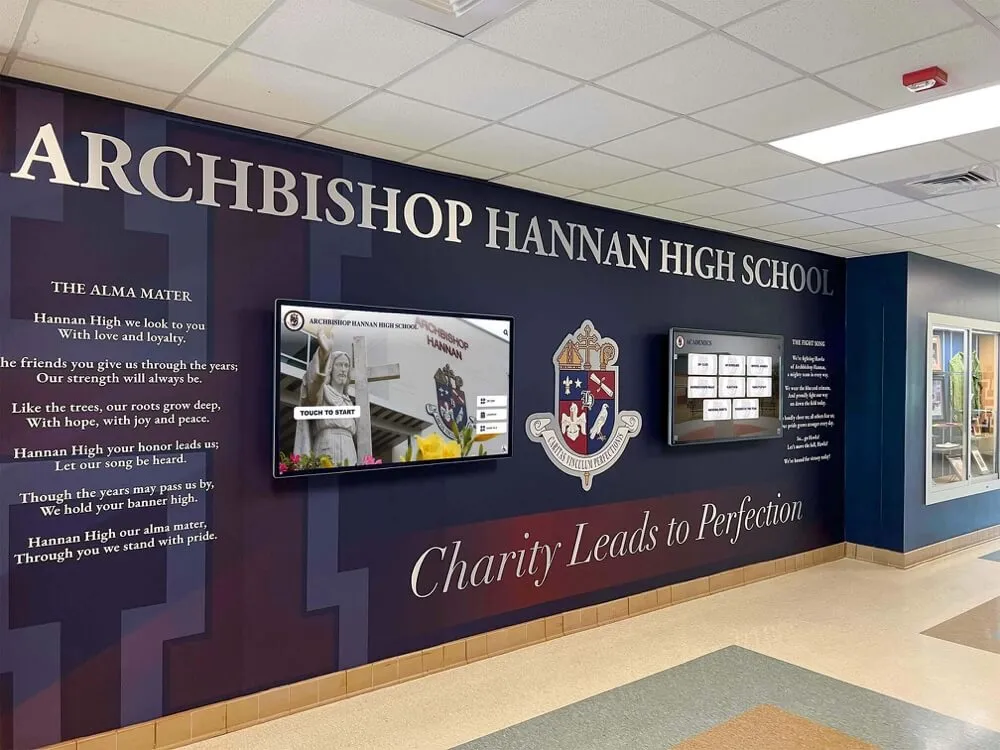
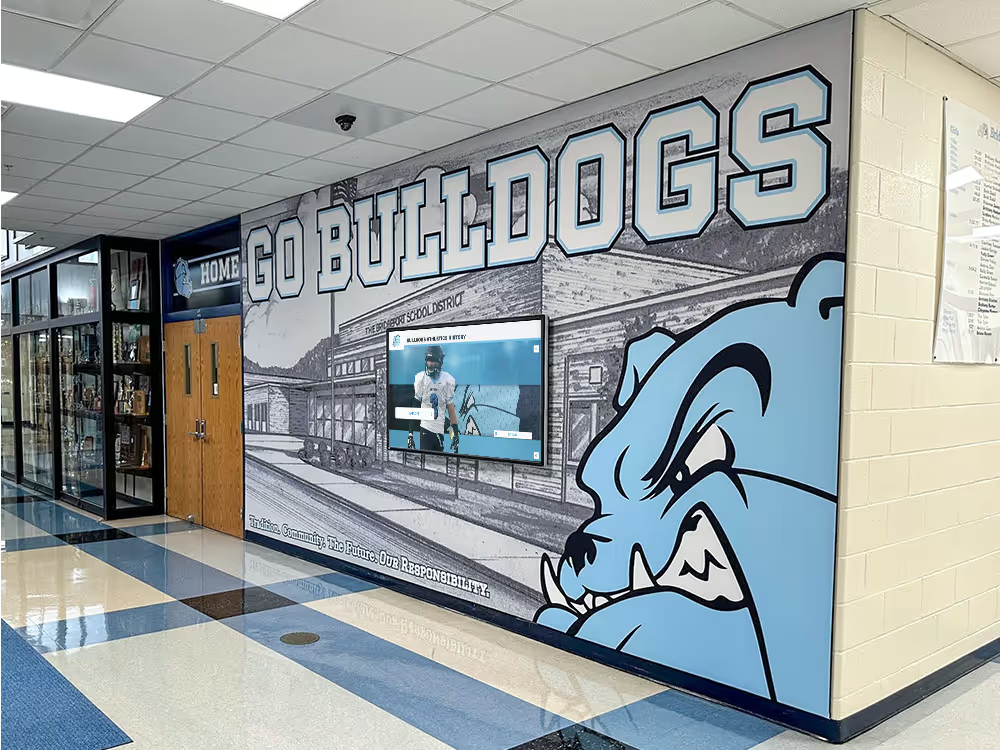
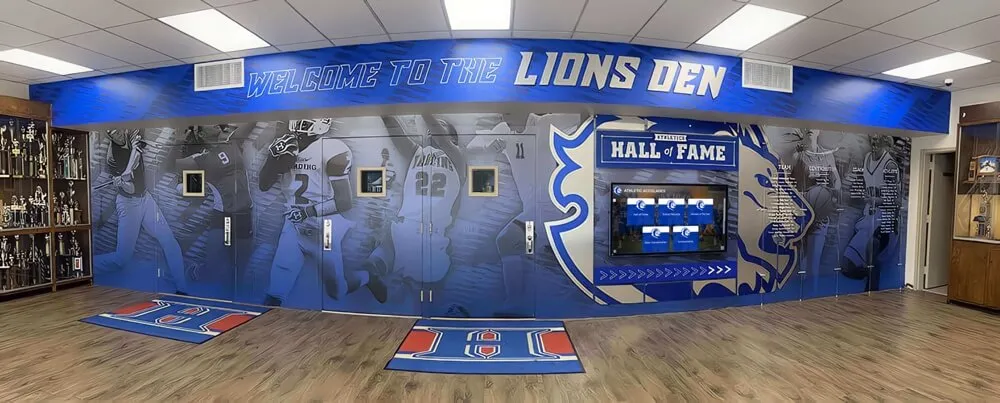
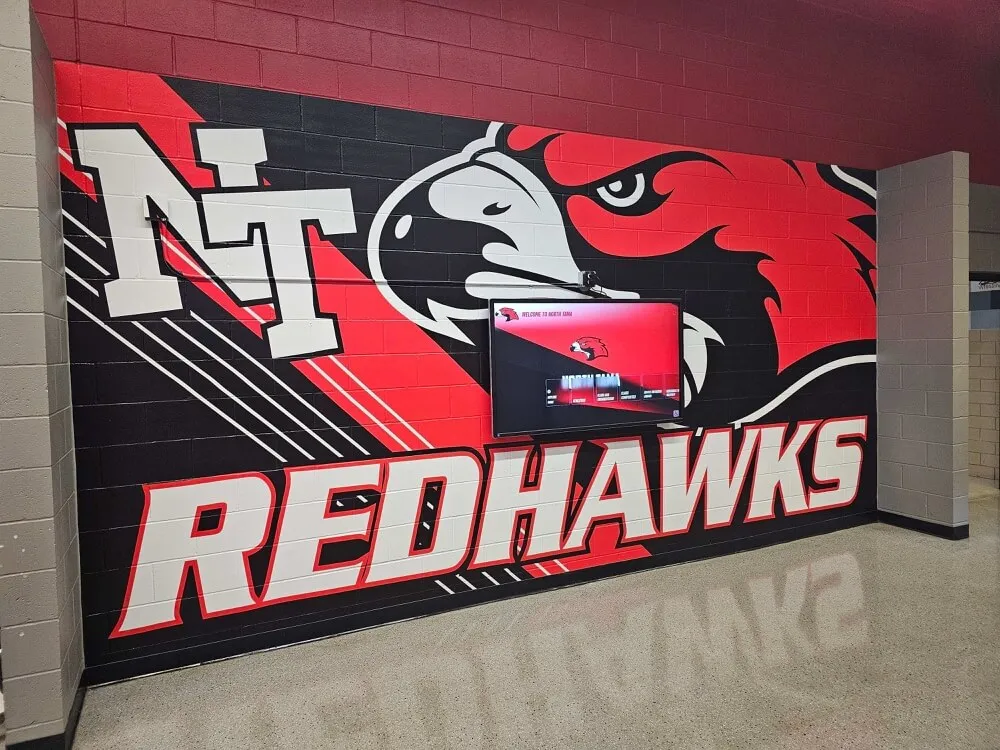
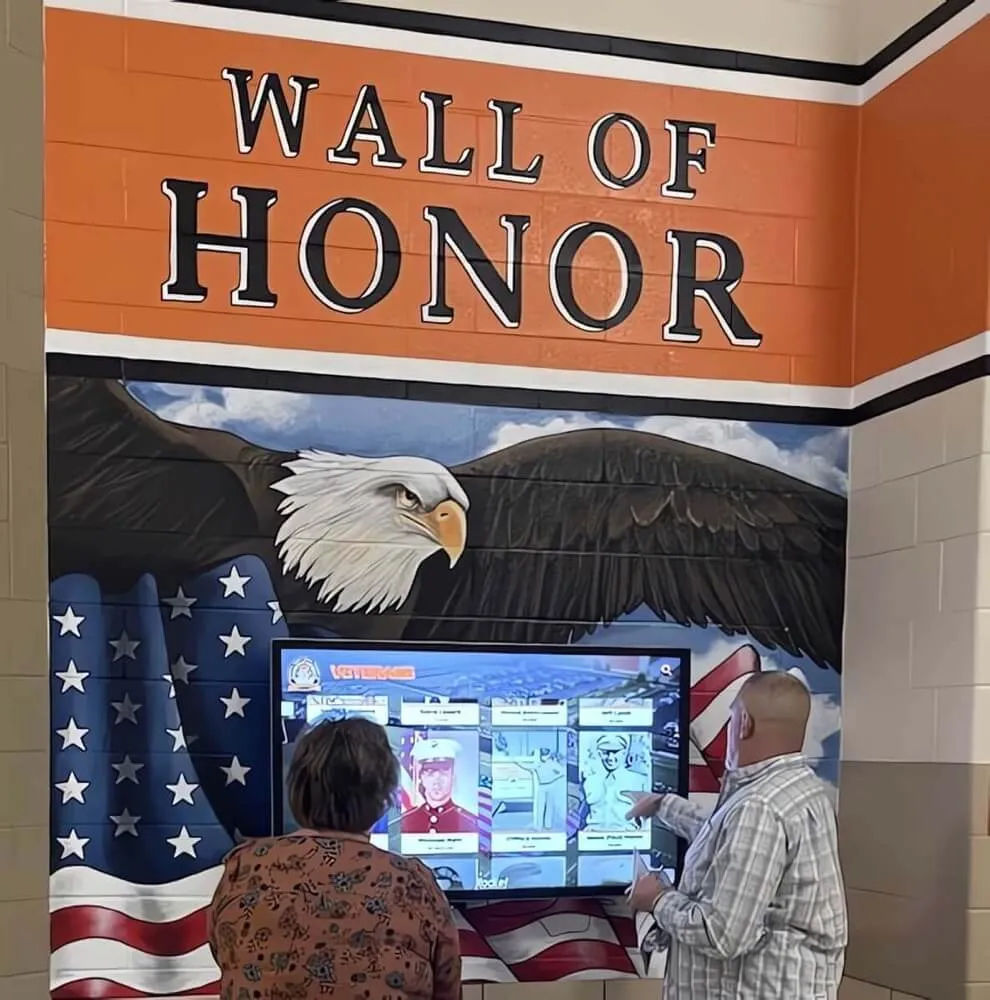
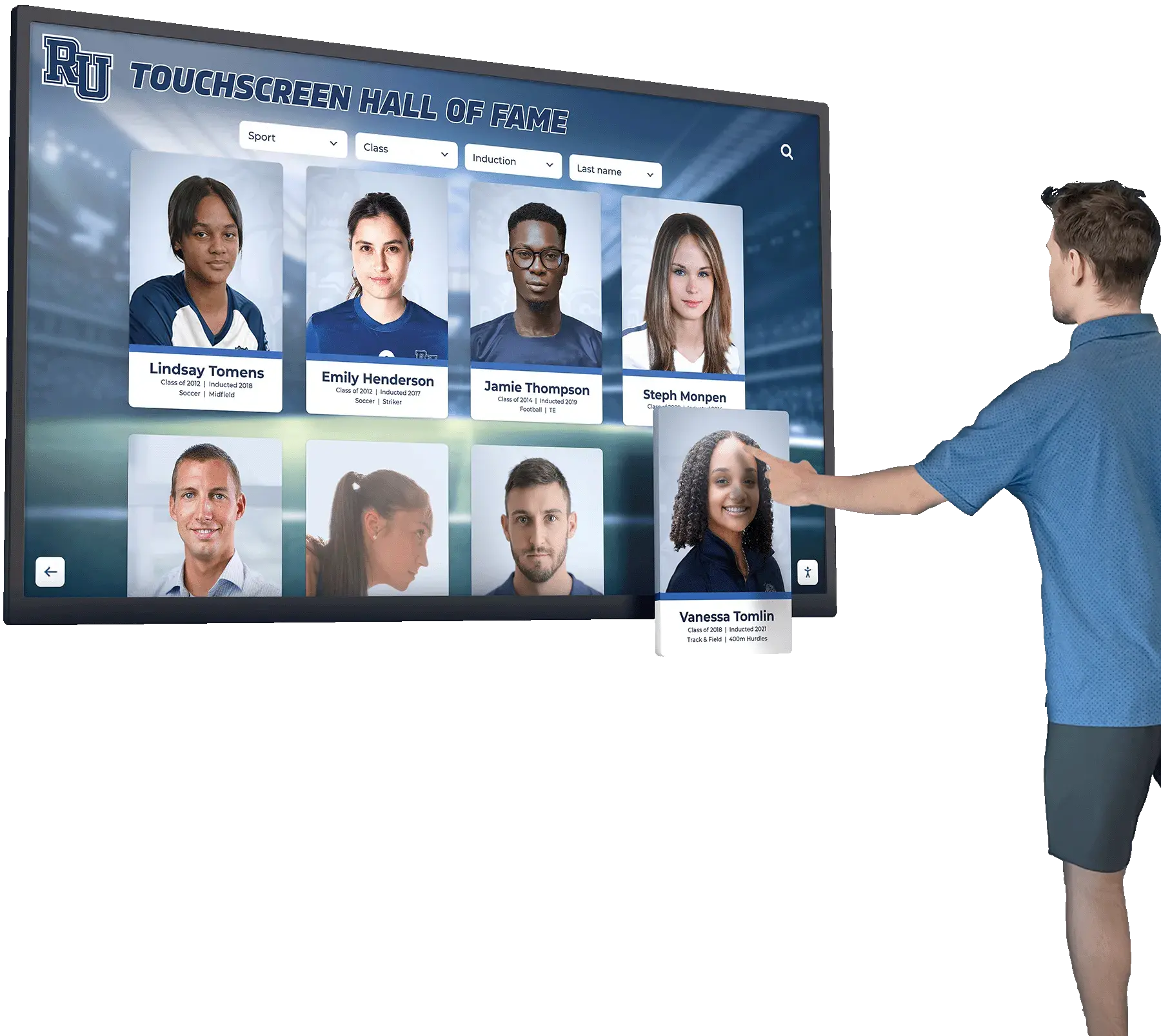
Modern school spirit extends beyond events into year-round recognition systems that celebrate community and achievement daily
Understanding What School Spirit Actually Means
Before exploring specific activities, understanding what constitutes authentic school spirit—as opposed to superficial enthusiasm—helps educators design programs creating lasting impact.
The Difference Between Events and Community
Temporary Excitement Versus Lasting Connection
Pep rallies create energy and excitement. Students cheer, teams receive recognition, mascots perform, and everyone experiences collective enthusiasm. Then the assembly ends, students return to classes, and within hours the excitement dissipates. By next week, the rally becomes a fading memory with minimal lasting impact on daily school experience or community connection.
Authentic school spirit, in contrast, represents an enduring sense of belonging, pride, and connection that students feel daily as they walk hallways, attend classes, participate in activities, and interact with peers. This sustained spirit emerges not from occasional events but from comprehensive programming creating continuous engagement, visible recognition, inclusive participation opportunities, and meaningful connections to institutional traditions and values.
The distinction matters because resources invested in temporary excitement produce temporary results, while investments in sustained community building create lasting returns in student wellbeing, academic engagement, school climate, and lifelong alumni connections supporting institutions throughout decades.
Participation Depth Versus Participation Breadth
Traditional spirit events often engage the same populations repeatedly—student athletes attending pep rallies, class officers organizing spirit weeks, and already-connected students participating enthusiastically. Meanwhile, large segments of student bodies remain disengaged—students focused primarily on academics, those involved in arts or non-athletic activities, students who feel excluded from dominant social groups, or those uncomfortable with high-energy public celebrations.
Comprehensive spirit programs create multiple participation pathways accommodating diverse interests, comfort levels, and engagement styles. Academic recognition celebrates intellectual achievement alongside athletic success, arts programming honors creative excellence, community service opportunities demonstrate civic engagement, and digital exploration enables private celebration for students uncomfortable with public recognition. This breadth ensures spirit programming serves entire communities rather than privileged subgroups.
Core Elements of Sustainable School Spirit
Lasting school spirit requires several foundational components working together systematically:
Visible Recognition Systems
Students need to see themselves, their achievements, and their contributions reflected in school environments. When hallways showcase diverse accomplishments—academic honors, athletic achievements, artistic excellence, community service leadership, and personal growth—students understand that institutions value varied excellence forms and that multiple pathways to recognition exist.
Solutions like digital recognition displays enable unlimited recognition capacity celebrating every student contribution without physical space constraints that limit traditional trophy cases to only highest-profile achievements. This comprehensive visibility creates inclusive environments where all students find acknowledgment rather than feeling invisible or undervalued.
Institutional History and Tradition Connection
School spirit deepens when students understand institutional history, discover notable alumni achievements, explore how traditions originated, and recognize their place in multi-generational communities extending far beyond their four-year tenure. This historical connection creates pride in belonging to something larger than individual experiences.
Schools implementing digital history archives enable current students to explore institutional evolution, discover alumni accomplishments, and understand how contemporary experiences connect to proud traditions spanning decades or centuries. This historical awareness transforms schools from places students temporarily attend into communities they permanently join.
Inclusive Participation Opportunities
Sustainable spirit requires activities and recognition systems accessible to all students regardless of athletic ability, academic performance, financial resources, cultural backgrounds, personality types, or social connections. When participation requires specific talents, economic investment, or social capital, significant populations remain excluded and school spirit becomes privilege of connected insiders rather than universal community experience.
Effective programs create varied engagement pathways: academic excellence recognition, arts celebration, community service acknowledgment, leadership development opportunities, cultural heritage celebrations, and creative expression platforms. This diversity ensures every student discovers accessible participation pathways aligned with individual interests and strengths.
Year-Round Engagement Rather Than Periodic Events
Spirit programs delivering only seasonal events—homecoming weeks, championship celebrations, year-end awards—create intermittent engagement peaks separated by long valleys where spirit disappears from daily experience. Sustained community building requires continuous programming maintaining engagement throughout entire school years and across students’ complete educational journeys.
Monthly recognition updates, daily achievement celebrations, ongoing tradition celebrations, regular community service opportunities, and accessible digital platforms create constant spirit presence woven into institutional fabric rather than reserved for special occasions requiring elaborate preparation and coordination.
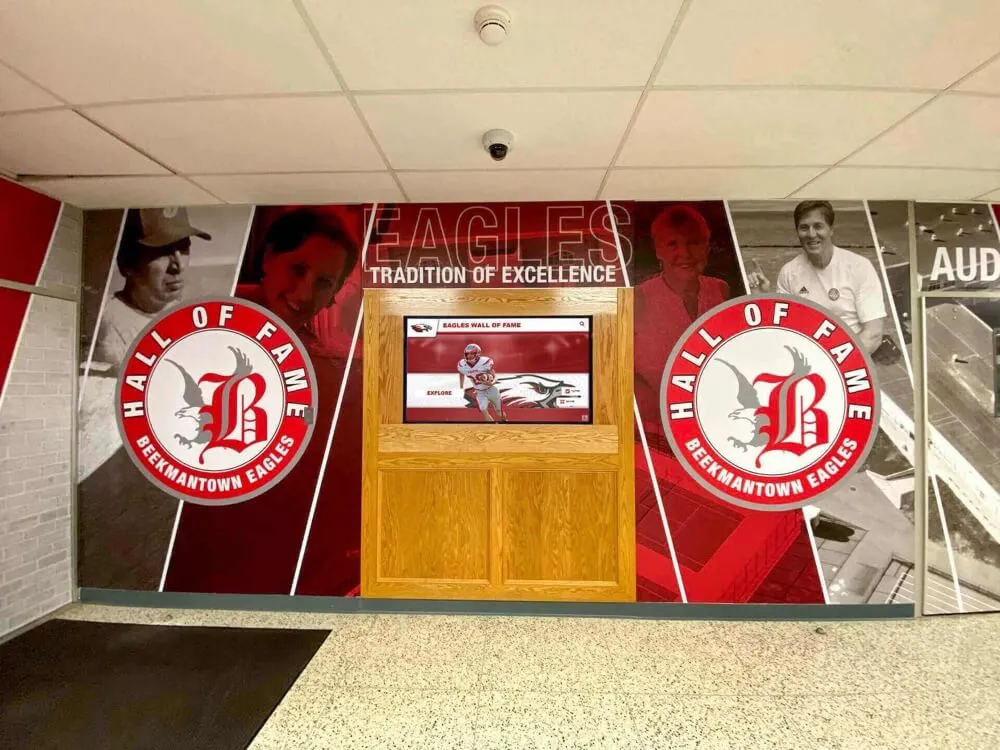
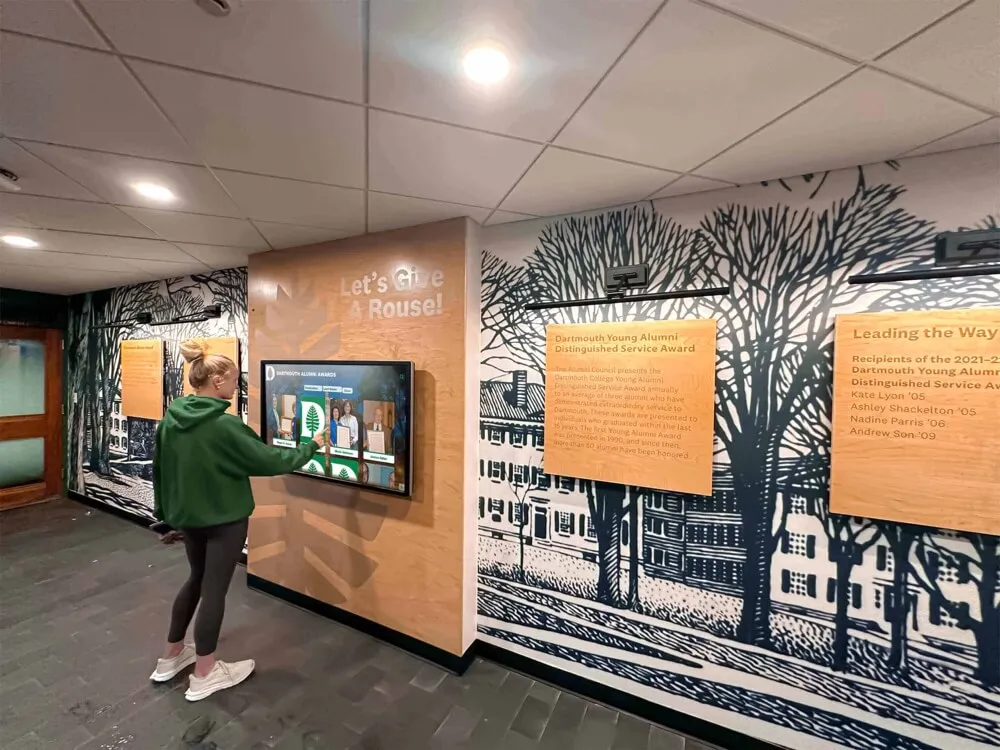
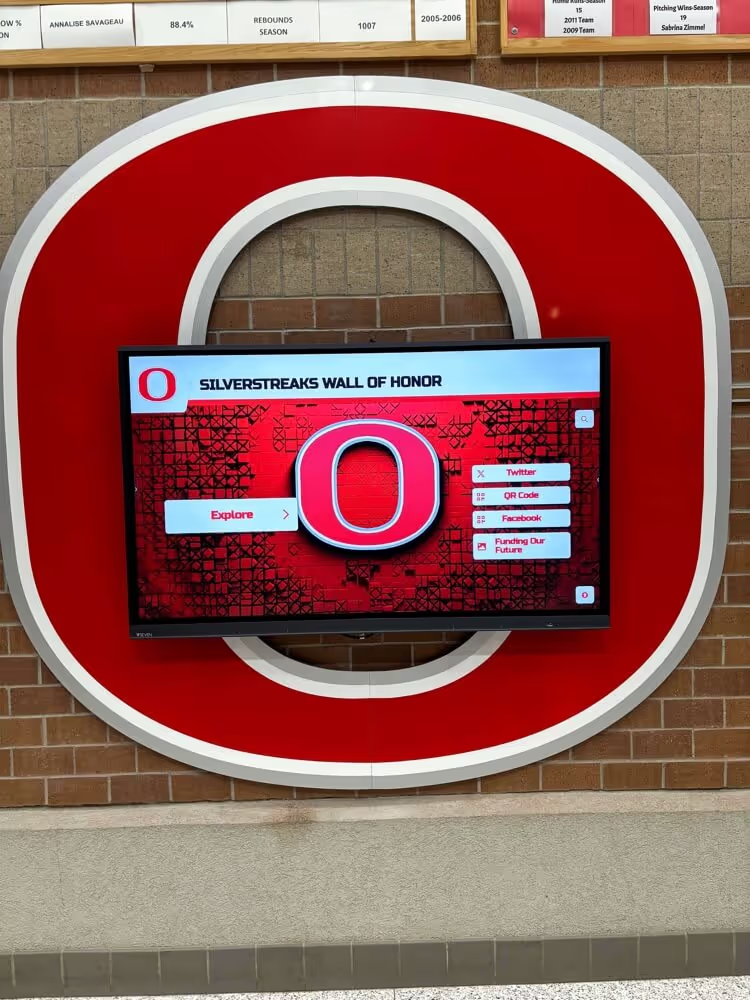
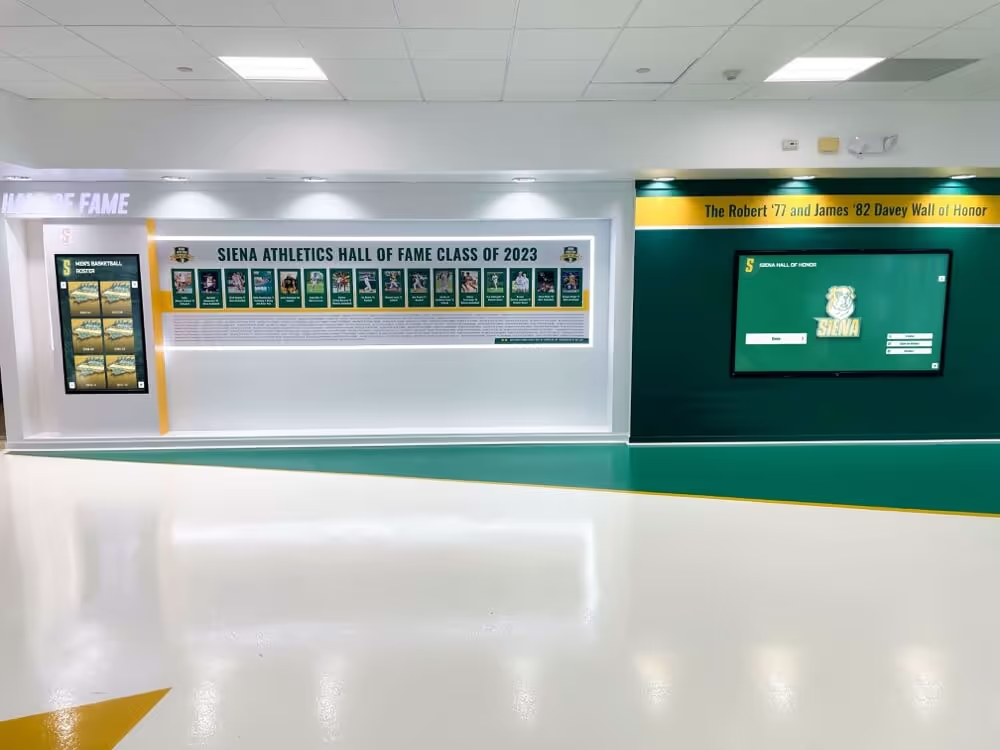
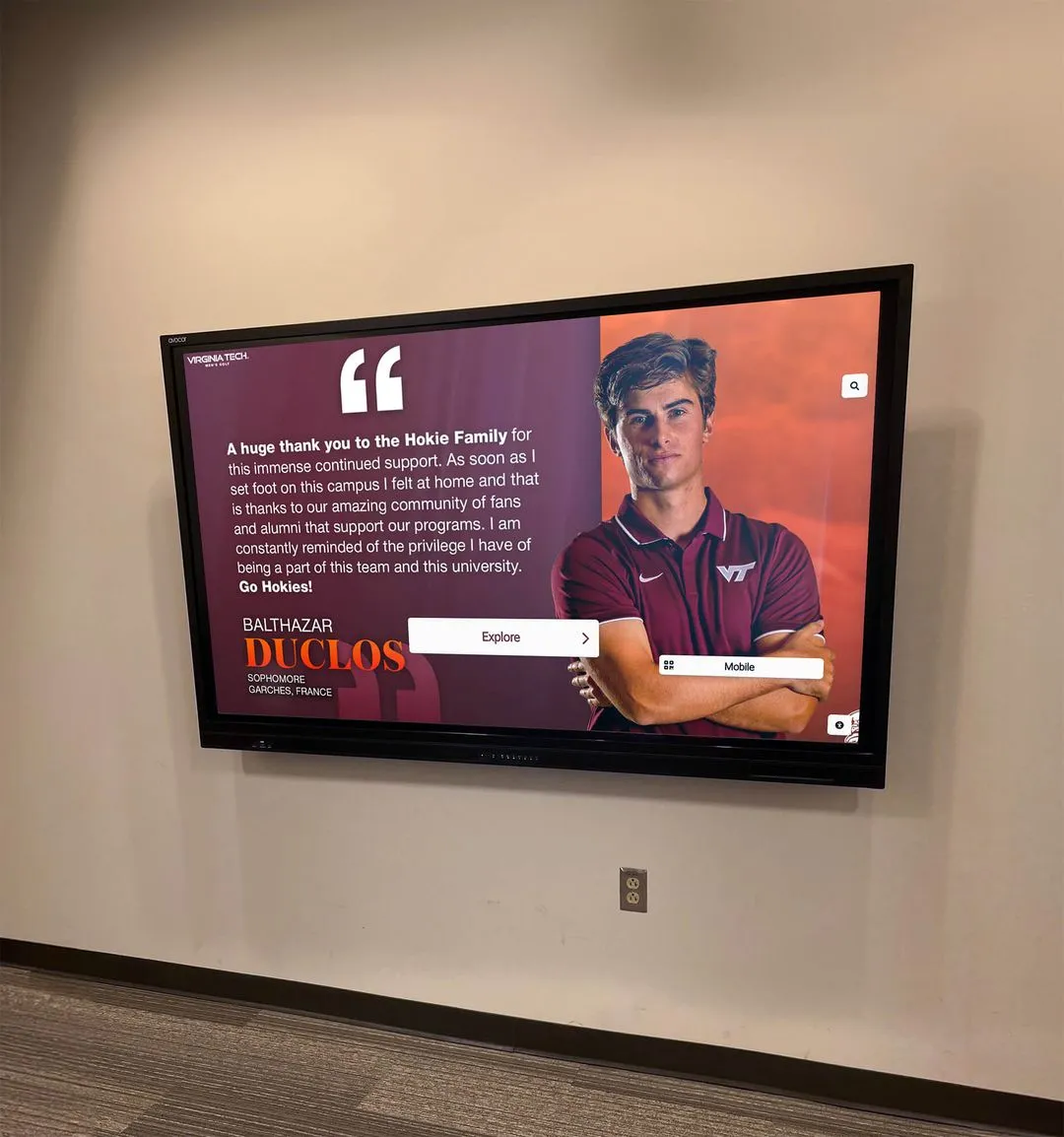
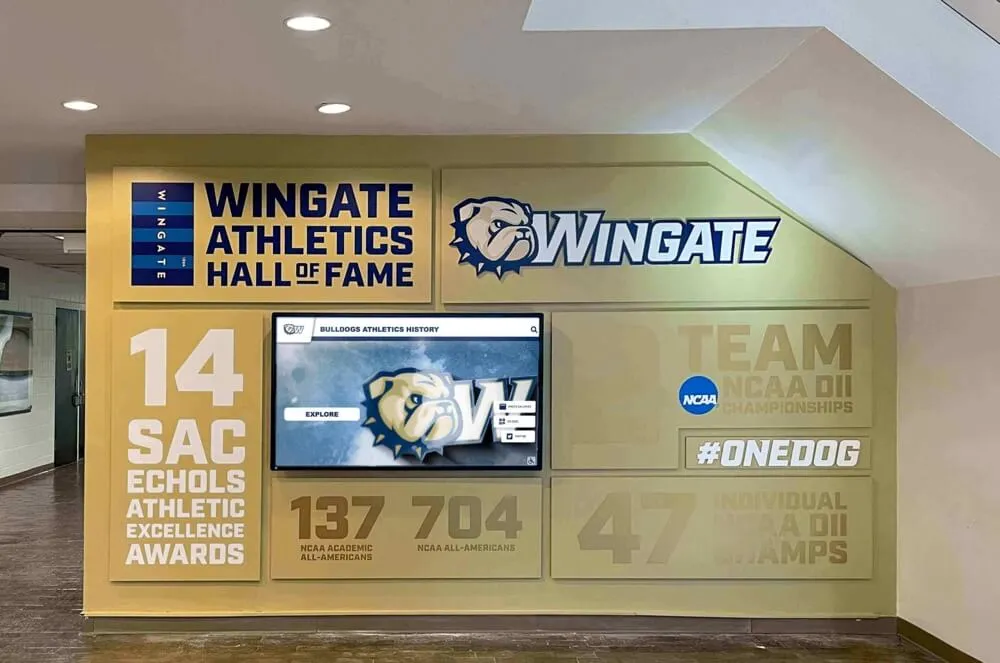
Strategic hallway installations maintain constant spirit presence celebrating achievements and community daily throughout school years
Year-Round School Spirit Activities
Transforming spirit from periodic events into sustained community experience requires systematic programming throughout entire academic years.
Monthly Recognition Celebrations
Create regular recognition rhythms celebrating diverse achievements continuously:
Academic Excellence Recognition
Monthly academic achievement celebrations honor intellectual accomplishments with the same visibility traditionally reserved for athletics:
- Honor roll displays showcasing high-achieving students each grading period
- Perfect attendance recognition celebrating commitment and reliability
- Academic improvement acknowledgment honoring growth and effort
- Subject-specific excellence awards recognizing exceptional performance in particular disciplines
- Academic competition achievements celebrating debate, math league, science olympiad, and similar intellectual competitions
This consistent academic recognition communicates that schools value intellectual achievement as highly as athletic success, engaging academically-focused students who may not participate in traditional spirit activities and creating more comprehensive excellence celebration.
Arts and Creative Achievement Showcases
Regular arts recognition ensures creative excellence receives equivalent visibility to athletic and academic accomplishments:
- Monthly student artwork displays throughout hallways and common spaces
- Music performance recognitions celebrating concert, jazz, and individual achievements
- Theater production celebrations featuring cast, crew, and production team acknowledgment
- Creative writing showcases highlighting student literary excellence
- Digital galleries enabling rotation of artistic achievements without physical space constraints
Arts recognition engages creative students while demonstrating institutional commitment to comprehensive excellence celebration rather than narrow focus on traditional achievement categories.
Community Service and Leadership Recognition
Celebrate civic engagement and leadership development as core institutional values:
- Monthly service hour leaders acknowledging students contributing to community welfare
- Volunteer appreciation celebrating students, families, and community members supporting school programs
- Leadership position holders recognized for student government, club officers, and organizational roles
- Peer mentorship acknowledgment honoring students supporting classmates’ success
- Community partnership recognition celebrating collaborations with local organizations
Service and leadership recognition attracts civically-minded students while communicating that schools value character development and community contribution alongside competitive achievement.
Tradition-Based Programming
Build school spirit through traditions connecting students to institutional history and multi-generational community:
Historical Milestone Celebrations
Create special observances marking significant institutional dates and achievements:
- School founding anniversary celebrations connecting current students to institutional origins
- Significant achievement anniversaries recognizing historical accomplishments
- Tradition origin stories educating students about how customs began and evolved
- Notable alumni recognition days celebrating distinguished graduates’ accomplishments
- Historical photo comparisons showing institutional evolution across decades
These historical celebrations teach students they belong to communities extending far beyond their immediate peer groups, creating pride in institutional legacy and personal connection to multi-generational traditions.
Class and Grade-Level Traditions
Develop traditions creating distinct identity and bonding within grade levels while connecting classes across years:
- Freshman orientation traditions welcoming new students into community
- Sophomore breakthrough celebrations marking transition from newest class
- Junior milestone events recognizing growth and approaching senior status
- Senior privilege traditions honoring graduating class leadership
- Class legacy projects where departing students create lasting contributions
Grade-specific traditions create immediate community while building anticipation for progression through institutional hierarchy, giving students evolving roles and responsibilities as they advance through school careers.
Seasonal and Cultural Celebrations
Inclusive celebrations throughout calendar years honor diverse backgrounds while marking natural rhythm:
- Fall harvest or autumn celebrations reflecting seasonal transitions
- Winter cultural celebrations acknowledging diverse holiday traditions
- Spring renewal activities marking academic year progress
- End-of-year celebrations recognizing annual accomplishments
- Cultural heritage months celebrating diverse community backgrounds
Thoughtfully designed seasonal programming creates regular celebration rhythm while ensuring inclusivity respecting varied cultural and religious backgrounds represented in diverse school communities.
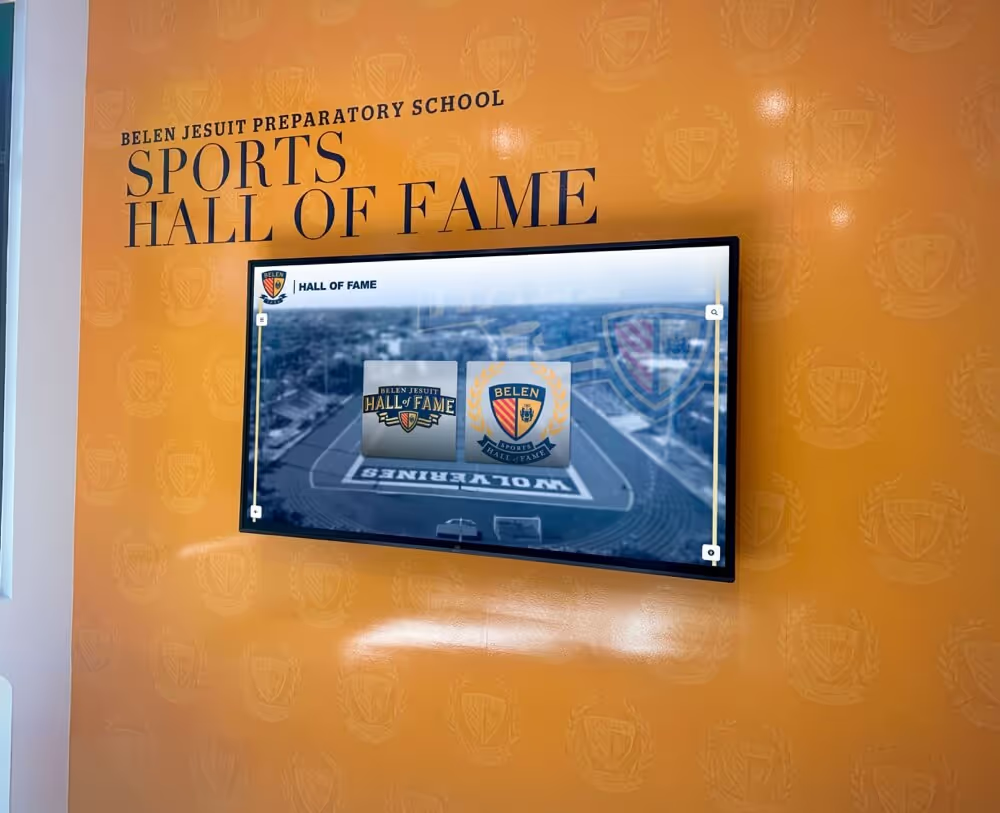
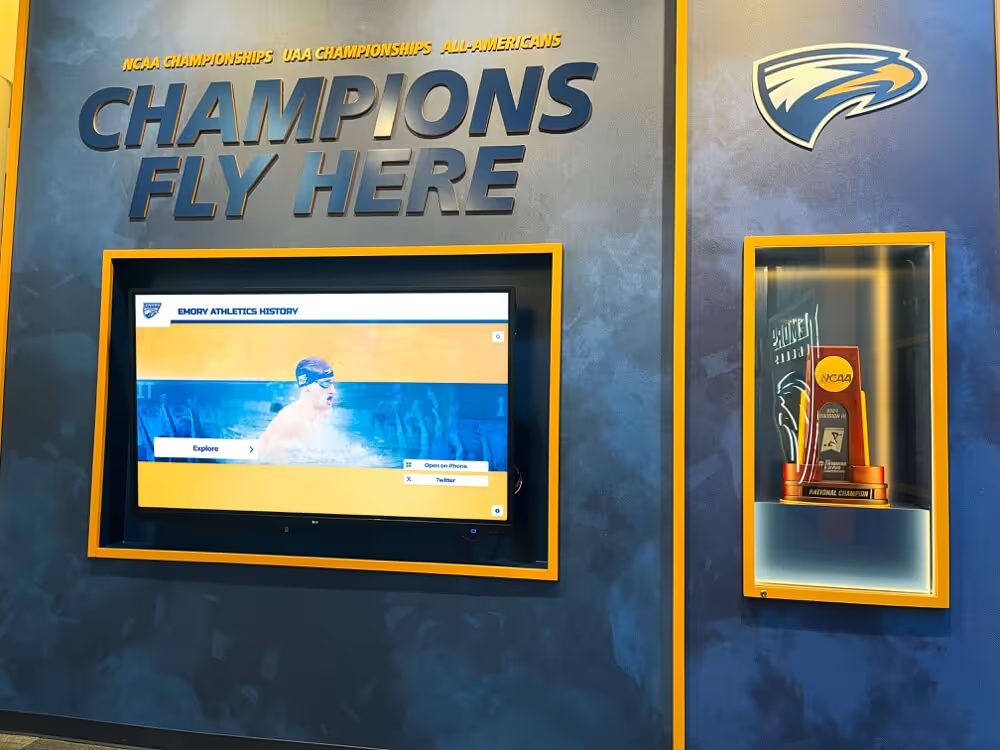
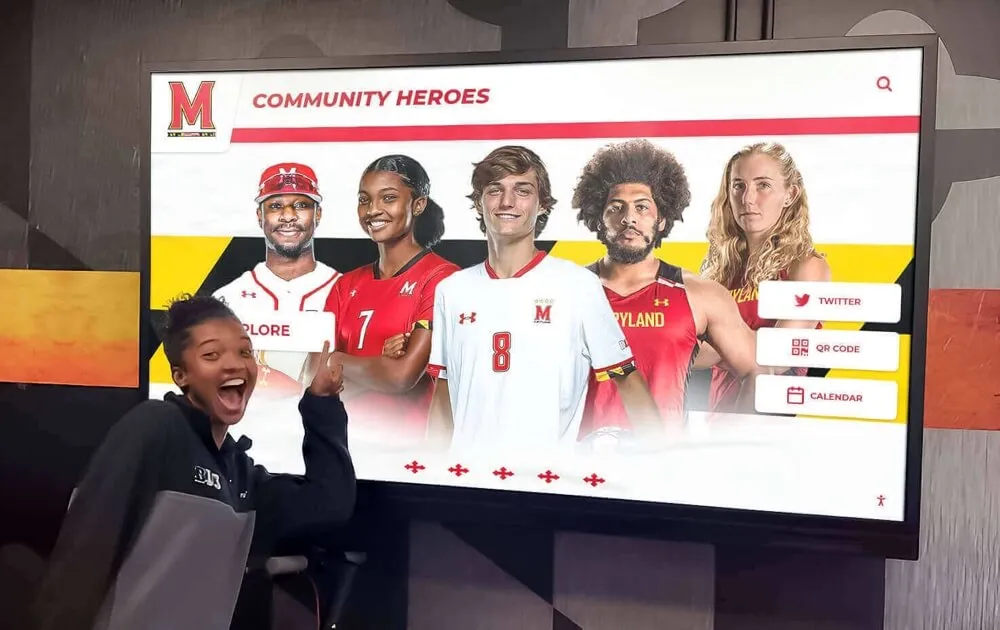
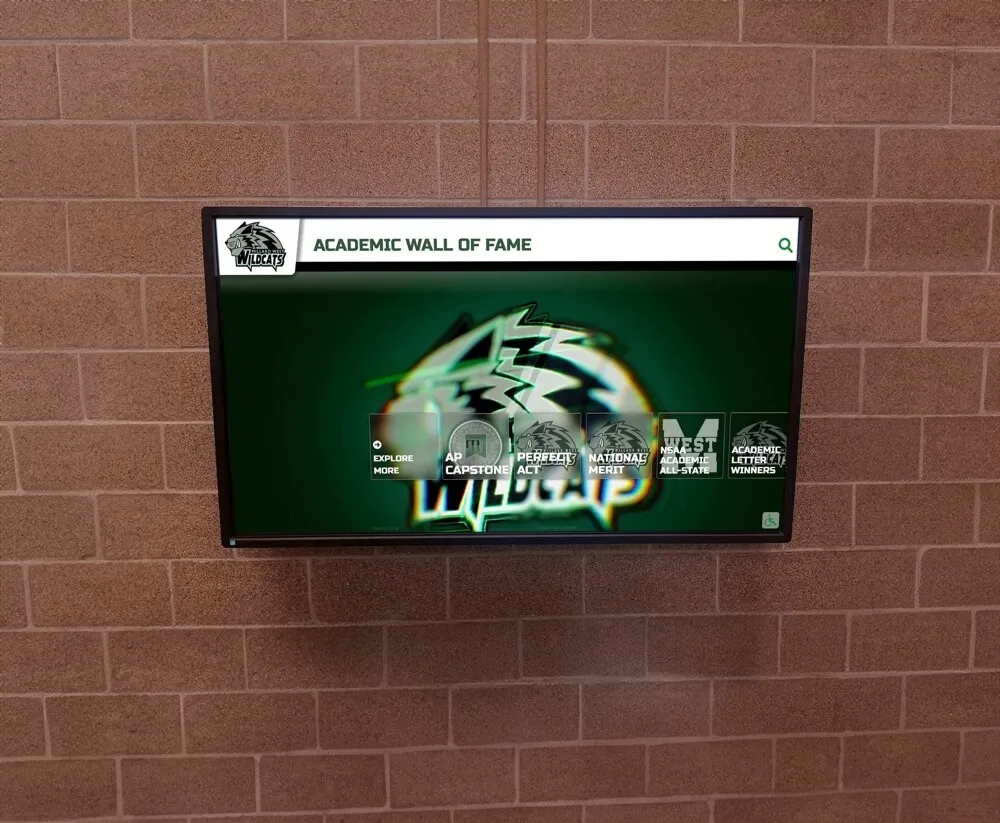
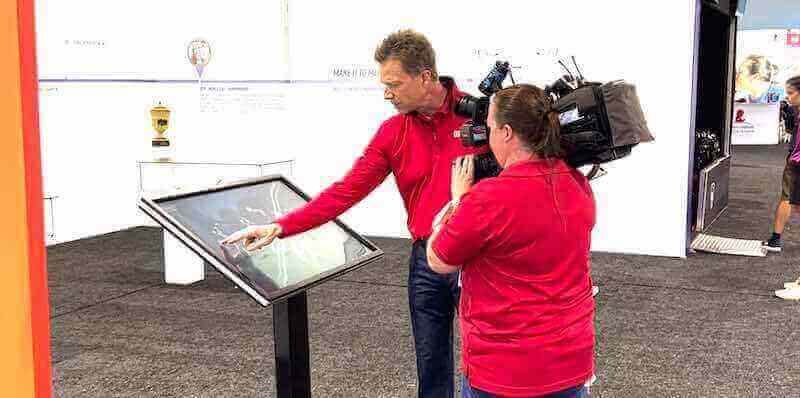
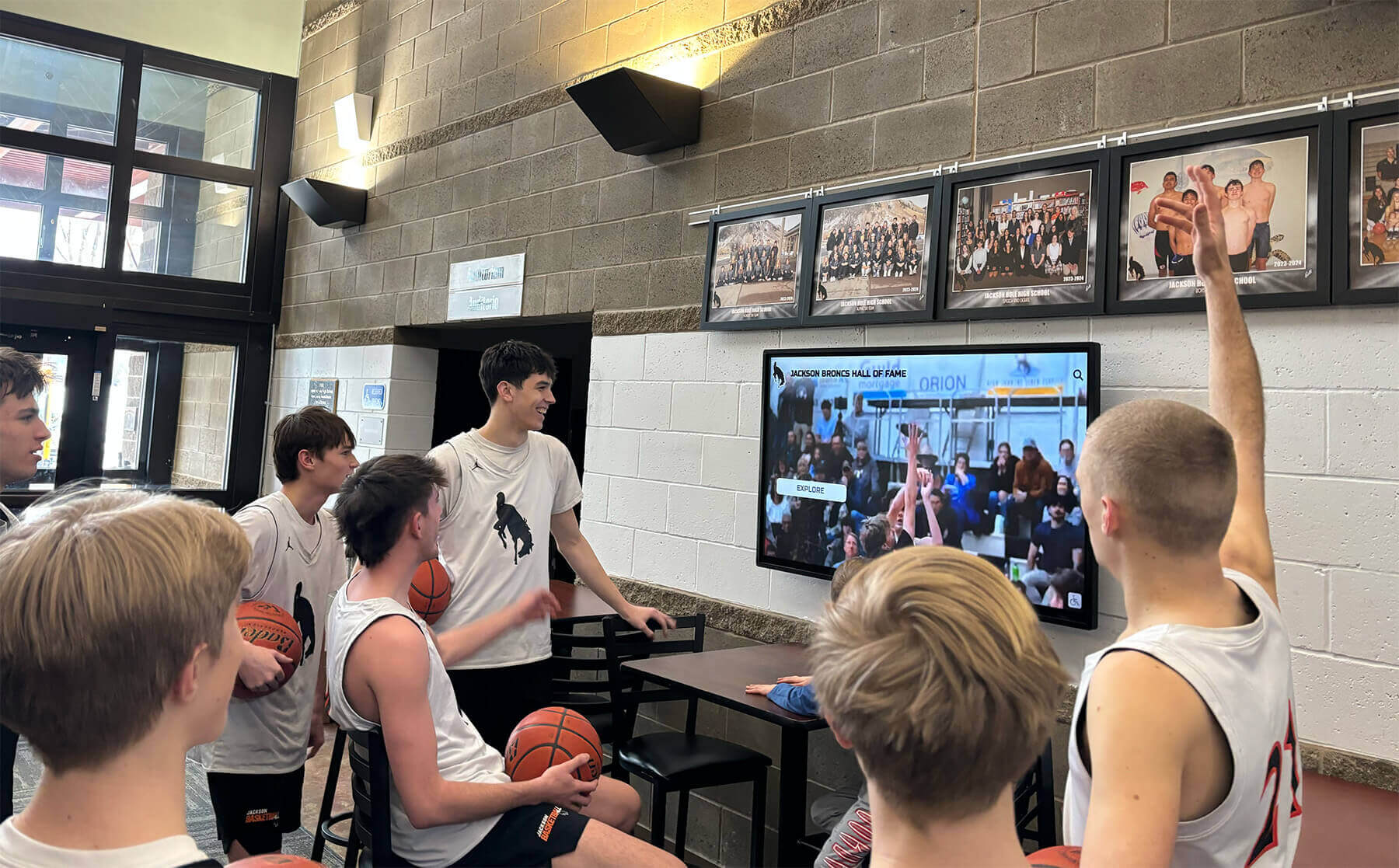
Interactive displays enable ongoing exploration of school history, traditions, and community achievements beyond single events
Building Inclusive Spirit Programs
Authentic community building requires intentional inclusivity ensuring all students find accessible participation pathways regardless of backgrounds or circumstances.
Removing Participation Barriers
Comprehensive spirit programs eliminate obstacles preventing full community engagement:
Financial Accessibility
Spirit activities should never require financial investment excluding students from less affluent families:
- Design activities requiring creativity and effort rather than purchased materials or special clothing
- Provide necessary materials or costume pieces through lending libraries
- Emphasize simple participation expressions—handmade signs, temporary decorations, digital engagement
- Offer free alternatives to any activities requiring fees or purchases
- Ensure recognition systems acknowledge diverse contribution types rather than only elaborate displays
Financial inclusivity ensures economic circumstances don’t determine who can participate fully in community-building activities meant to strengthen belonging for all students.
Cultural and Religious Sensitivity
Spirit programming must respect diverse cultural backgrounds and religious practices:
- Avoid themes requiring clothing contradicting religious dress codes or cultural practices
- Create secular celebration alternatives to religious holiday observances
- Include multicultural celebrations honoring diverse traditions represented in communities
- Consult with diverse community groups ensuring appropriate, respectful programming
- Provide opt-out alternatives for students whose beliefs conflict with specific activities
Cultural sensitivity ensures spirit programming strengthens community rather than creating divisions or making students feel excluded due to backgrounds or beliefs.
Personality and Comfort Level Accommodation
Not all students thrive in high-energy public celebrations—effective programs accommodate varied comfort levels:
- Offer behind-the-scenes participation roles for students uncomfortable with performance or public recognition
- Create quiet celebration alternatives for students overwhelmed by loud assemblies or large crowds
- Enable digital participation for students preferring online engagement over physical presence
- Recognize diverse contribution types including planning, organization, documentation, and support roles
- Ensure introverted or socially anxious students find comfortable participation pathways
Personality accommodation ensures spirit programs serve entire communities rather than primarily extroverted populations most comfortable with traditional celebration formats.
Celebrating Diverse Excellence
Comprehensive recognition systems honor varied achievement types reflecting complete school missions:
Academic Achievement Beyond GPA
Recognize intellectual engagement in multiple forms:
- Perfect ACT scores and standardized test achievements
- Academic competition excellence in subject-specific contests
- Research accomplishments and science fair achievements
- Writing contest winners and literary publication contributors
- Intellectual curiosity demonstrated through independent study or special projects
Broad academic recognition engages intellectually diverse students while communicating that schools value varied learning approaches and intellectual contributions.
Athletic Participation and Improvement
Move beyond championship focus to celebrate comprehensive athletic engagement:
- Most improved athletes demonstrating significant skill development
- Team leadership acknowledging captains and positive culture builders
- Sportsmanship awards recognizing exemplary conduct and character
- Participation recognition for students contributing through practice dedication
- Multi-sport athletes demonstrating year-round athletic commitment
Inclusive athletic recognition ensures students who aren’t star performers still receive acknowledgment for commitment, growth, and contribution to team cultures.
Arts, Service, and Character Recognition
Create equal visibility for non-traditional excellence categories:
- Artistic excellence in visual arts, music, theater, and creative disciplines
- Community service leadership demonstrating civic commitment
- Character awards recognizing integrity, kindness, and positive peer influence
- Leadership development in student government and organizational roles
- Special talents and unique contributions enriching school communities
Comprehensive excellence celebration ensures all students discover pathways to recognition aligned with individual strengths and interests rather than narrow achievement definitions.
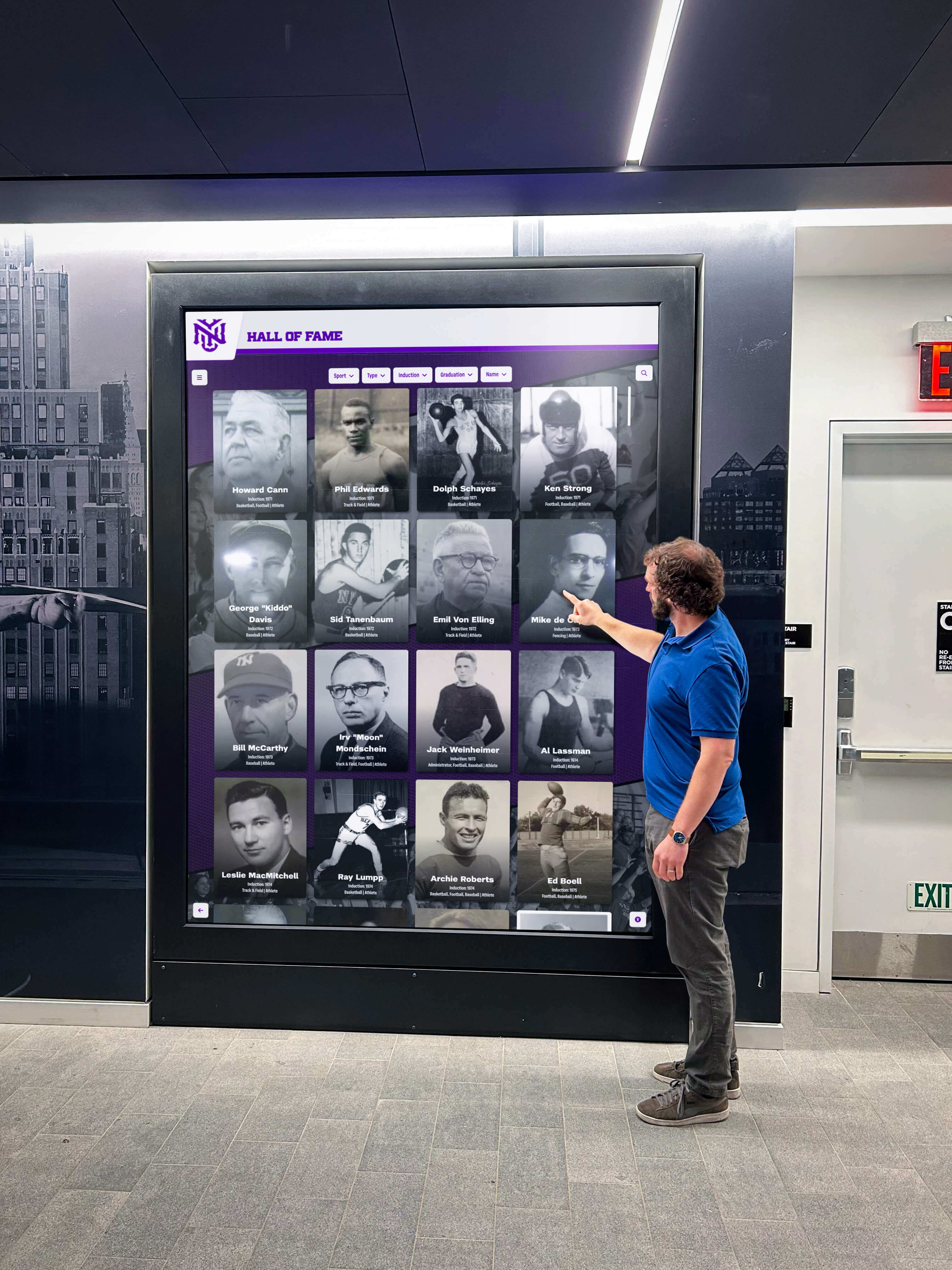
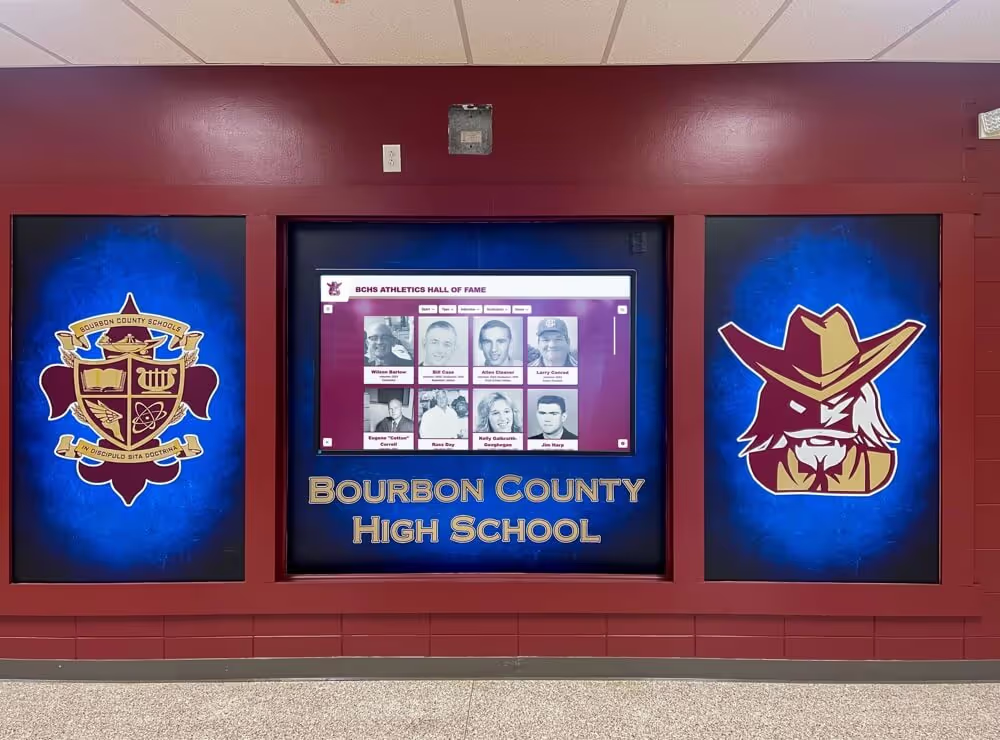
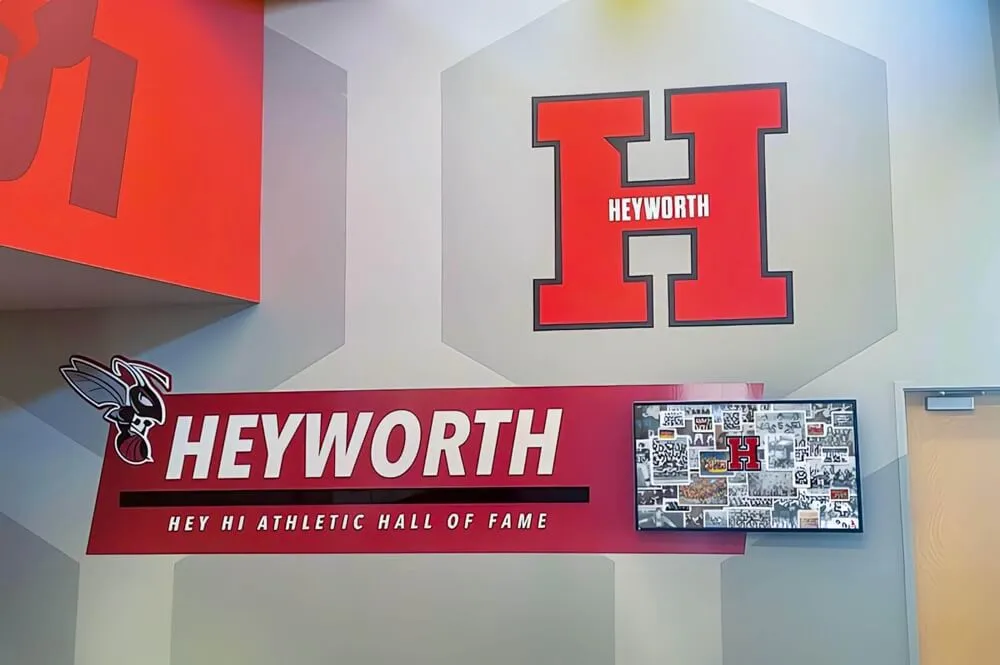
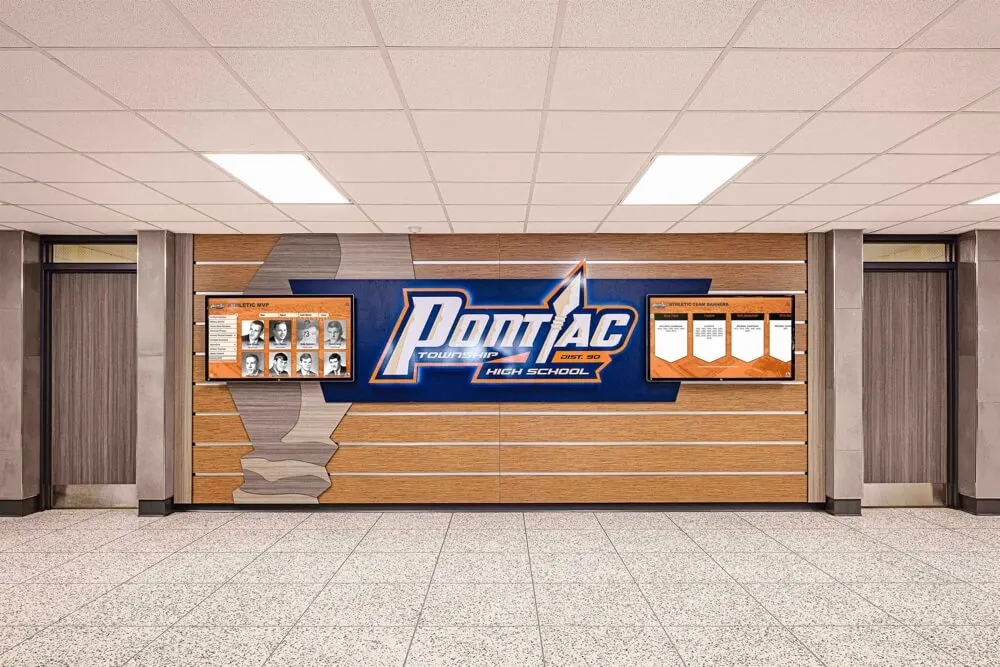
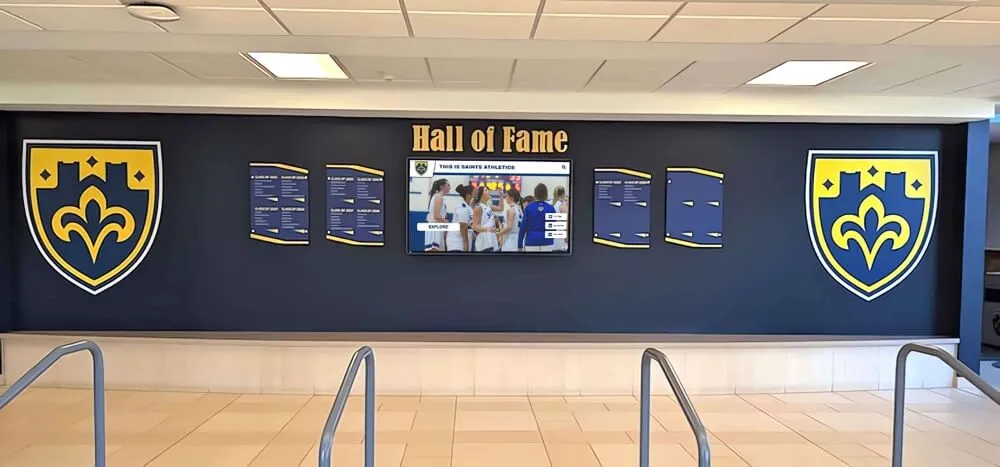
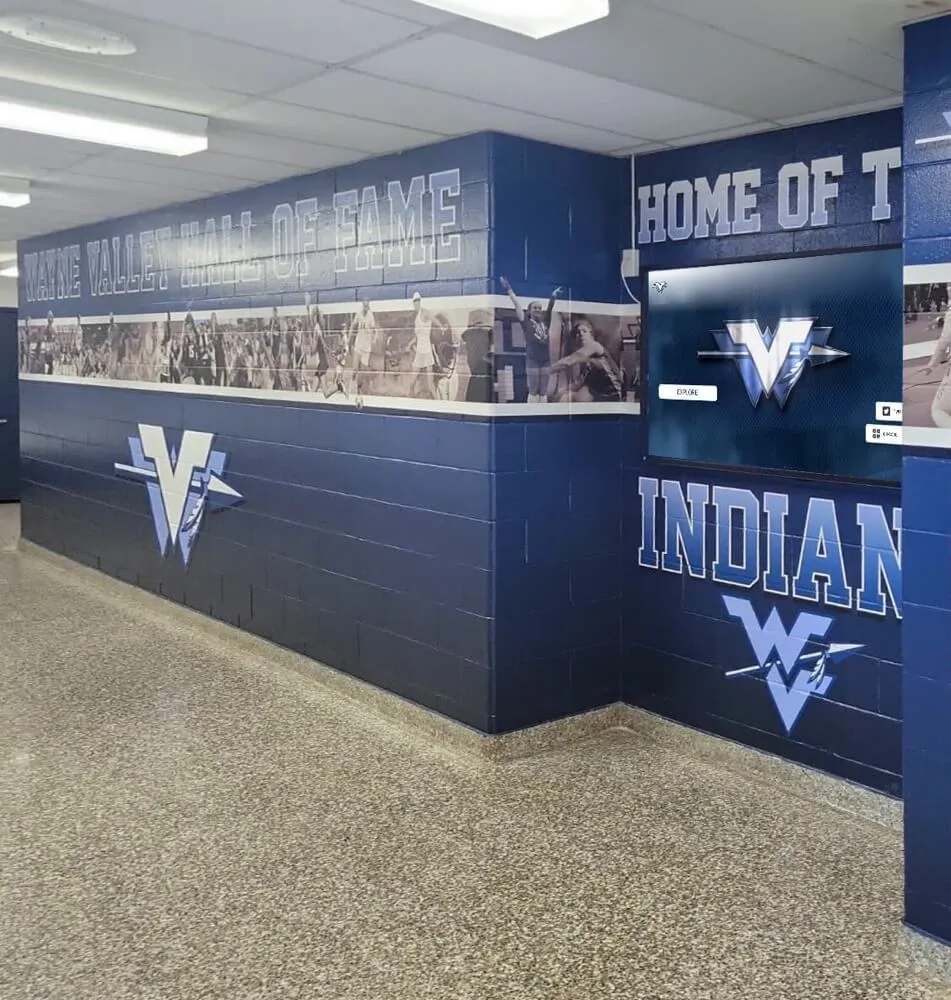
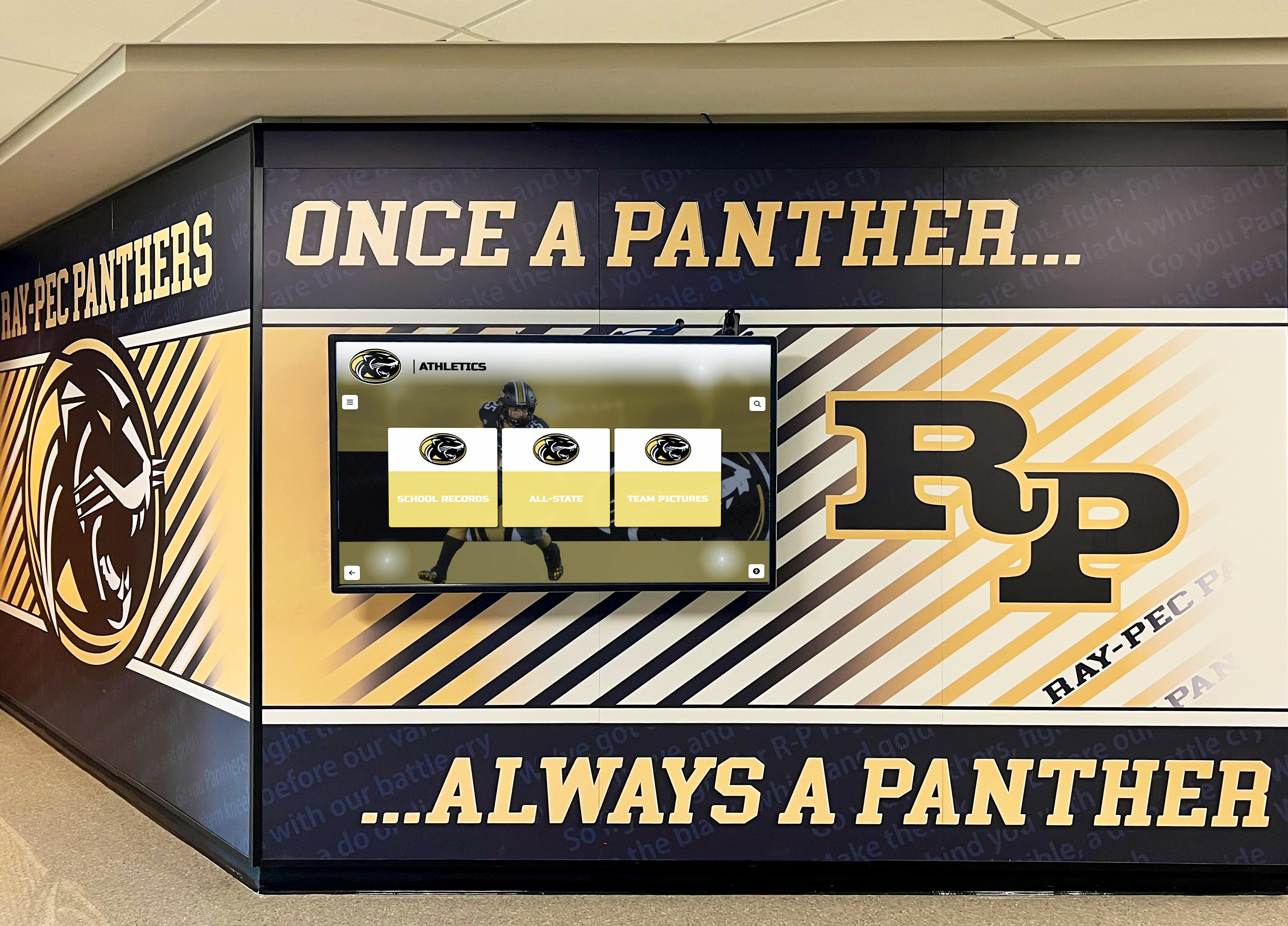
Professional recognition installations create impressive environments celebrating diverse achievement and building authentic community pride
Leveraging Digital Recognition for Community Building
Modern technology enables recognition approaches impossible with traditional physical displays, creating more engaging, accessible, and comprehensive celebration.
Benefits of Digital Recognition Systems
Digital platforms overcome limitations inherent in physical-only recognition:
Unlimited Recognition Capacity
Physical trophy cases fill quickly, bulletin boards accommodate limited content, and traditional displays force schools to choose between deserving students due to space constraints. Digital platforms enable unlimited recognition celebrating every achievement regardless of physical space limitations.
Schools can recognize every honor roll student, acknowledge all athletic participants, showcase complete arts program participation, celebrate comprehensive community service contributions, and preserve institutional history without choosing between deserving individuals or restricting recognition to only highest-profile achievements.
Multimedia Rich Content
Digital recognition transcends names and titles to include:
- Action photographs showing students engaged in recognized activities
- Video clips demonstrating athletic performances, artistic creations, or leadership moments
- Personal statements allowing students to share experiences and reflections
- Complete achievement documentation including statistics, descriptions, and context
- Historical evolution showing how students progressed throughout school careers
This rich content creates more engaging, meaningful recognition than physical plaques alone provide, especially for digital-native students accustomed to dynamic multimedia content experiences.
Accessibility and Shareability
Physical awards typically remain visible only to people physically present in school buildings. Digital recognition extends reach dramatically:
- Mobile accessibility enabling exploration from anywhere at any time
- Social media sharing allowing students to celebrate achievements with extended networks
- Family access enabling relatives regardless of geographic distance to explore recognition
- Alumni engagement allowing graduates to revisit their achievements and discover institutional evolution
- Permanent preservation ensuring recognition remains accessible throughout students’ lives
This extended accessibility amplifies recognition impact while creating ongoing engagement opportunities impossible with traditional physical displays.
Year-Round Visibility Creating “Digital Warming”
Digital displays positioned strategically throughout facilities create constant visibility maintaining spirit daily:
- Current students exploring comprehensive school history during passing periods
- Families engaging with institutional traditions during school visits
- Prospective students discovering school culture during tours and open houses
- Alumni reconnecting with memories during return visits or online exploration
- Community members developing appreciation for institutional excellence
This continuous visibility creates the “digital warming” effect—transforming cold, static spaces into warm, engaging environments where community members consistently encounter celebration, recognition, and connection regardless of whether special events are occurring.
Implementing Comprehensive Digital Recognition
Effective digital recognition requires systematic content development and strategic platform selection:
Purpose-Built Recognition Platforms
Schools without extensive technical resources can implement professional digital recognition through platforms designed specifically for educational communities. Solutions like Rocket Alumni Solutions provide:
- Pre-built templates designed for school recognition content
- Intuitive content management enabling easy updates without technical expertise
- Mobile-responsive interfaces ensuring accessibility across all devices
- Unlimited storage for photos, videos, and achievement documentation
- Ongoing platform updates with customer support and training
Purpose-built platforms enable schools to implement sophisticated recognition systems without custom development, dedicated IT staff, or substantial technology investments while ensuring systems remain current through continuous platform evolution.
Integration with Existing School Programs
Digital recognition works best when integrated systematically with existing activities:
- Athletic banquet achievements documented digitally extending celebration beyond single events
- Honor roll updated each grading period maintaining current academic excellence celebration
- Arts program rotations showcasing evolving creative achievements throughout years
- Community service hours tracked and recognized regularly celebrating ongoing civic engagement
- Historical content preserved and accessible maintaining institutional memory
Integration ensures digital platforms enhance existing programming rather than creating isolated initiatives requiring separate promotion and maintenance.
Strategic Display Placement
Physical display placement dramatically affects engagement and impact:
- Main entrance lobbies creating immediate impressive experience for visitors
- Athletic facilities celebrating sports achievements where teams and families gather
- Commons areas and cafeterias reaching students during social times
- Academic wings recognizing intellectual achievement in appropriate contexts
- Dedicated recognition areas creating destination spaces for exploration and celebration
Strategic placement ensures maximum visibility while creating natural exploration opportunities throughout daily routines rather than requiring special trips to isolated locations.
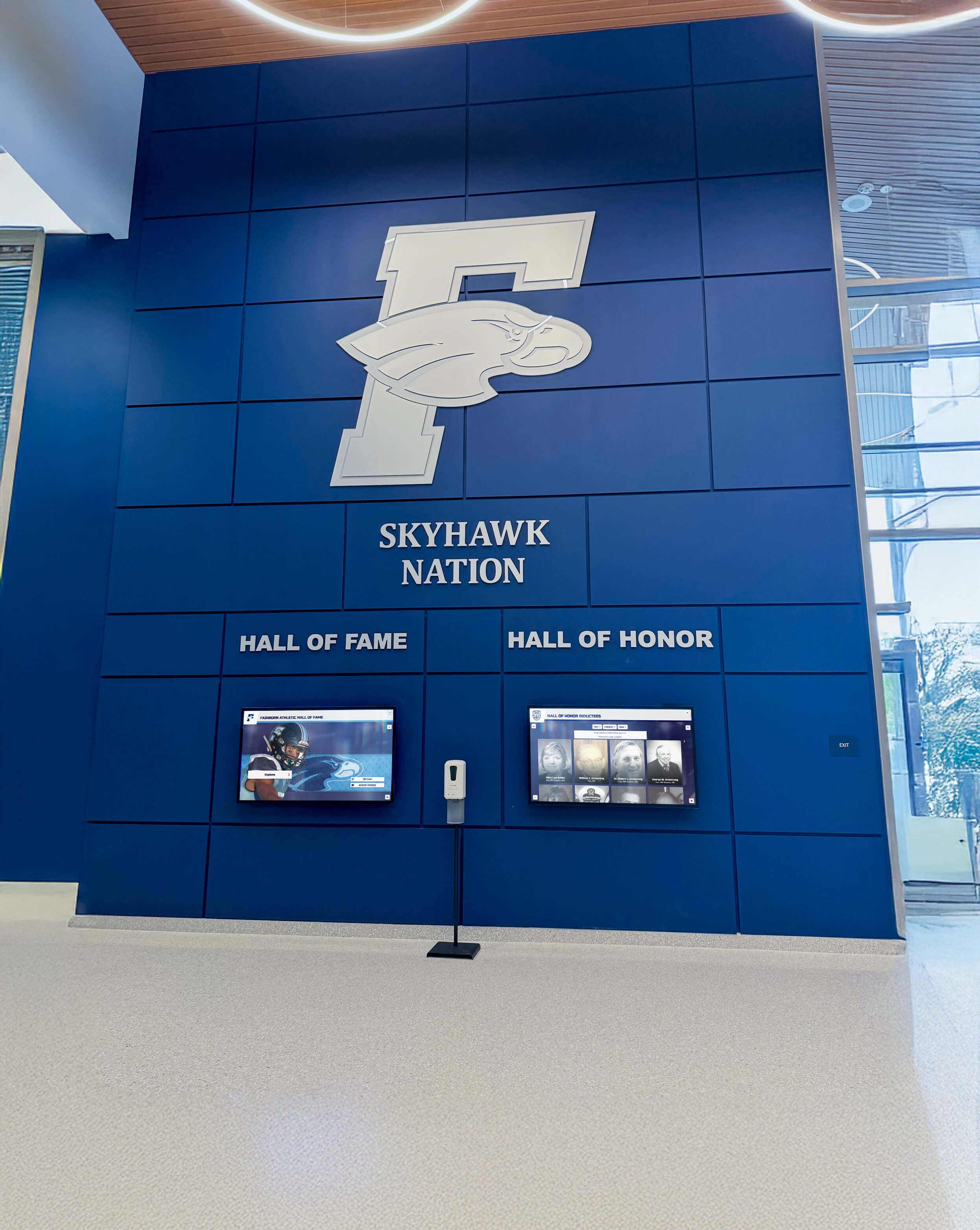
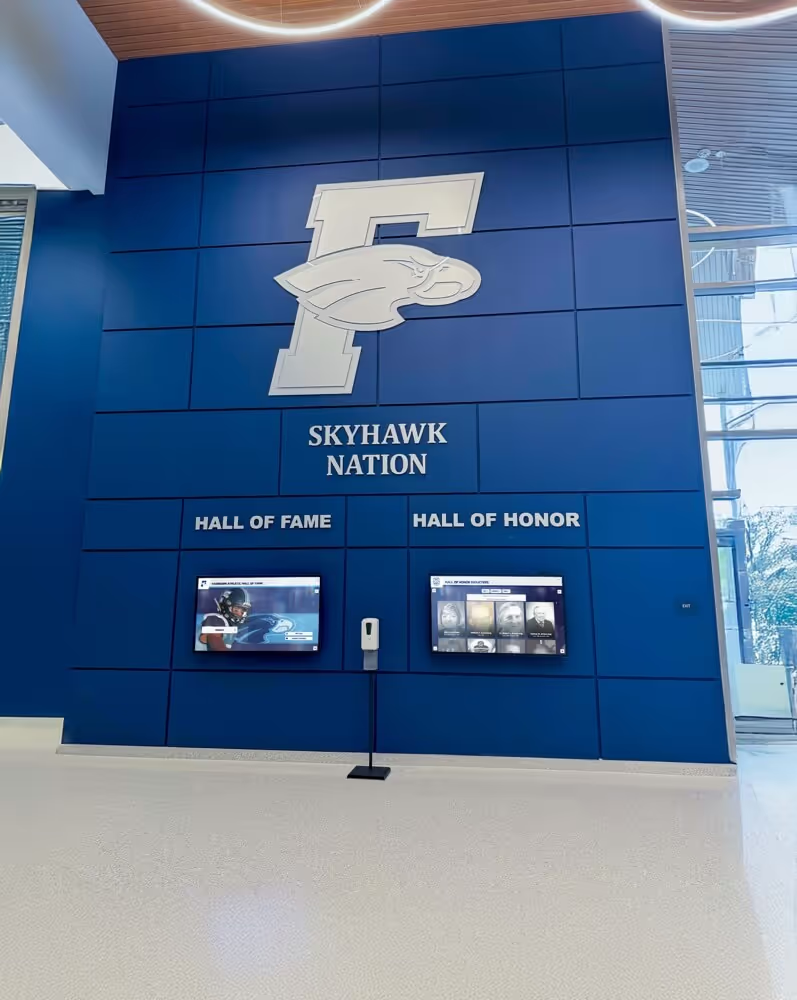
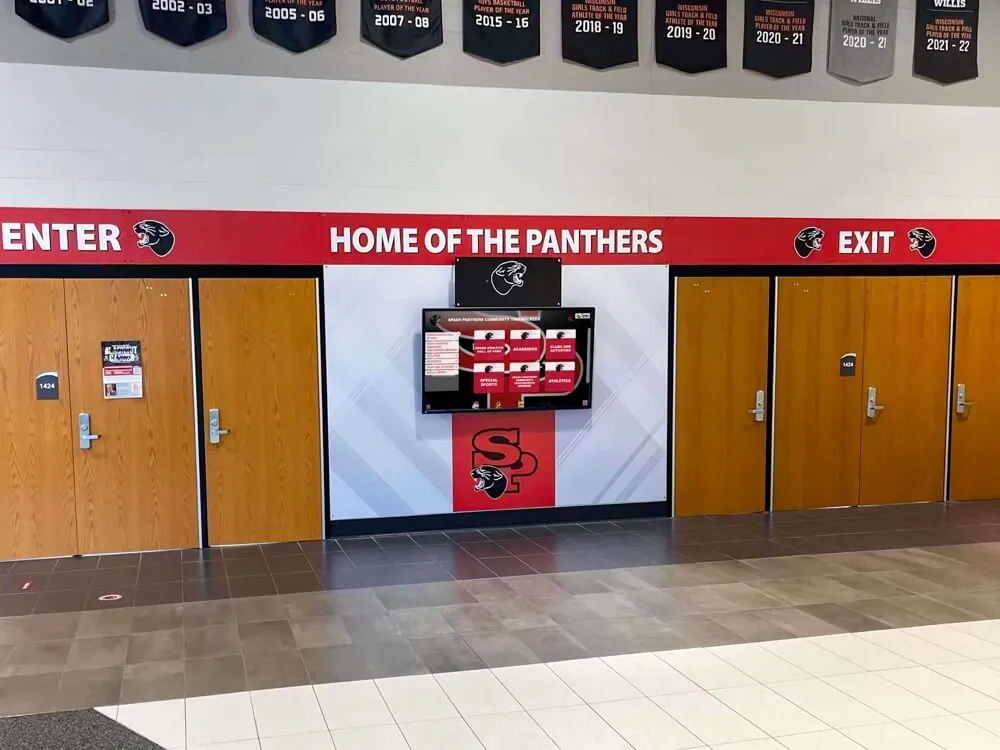
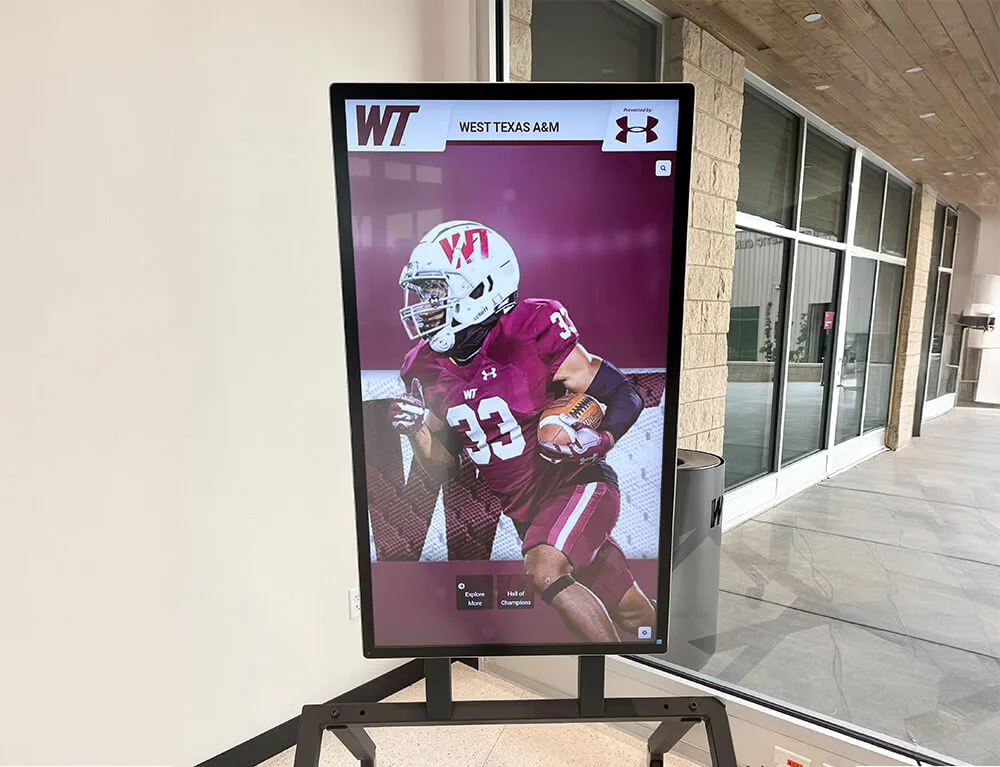
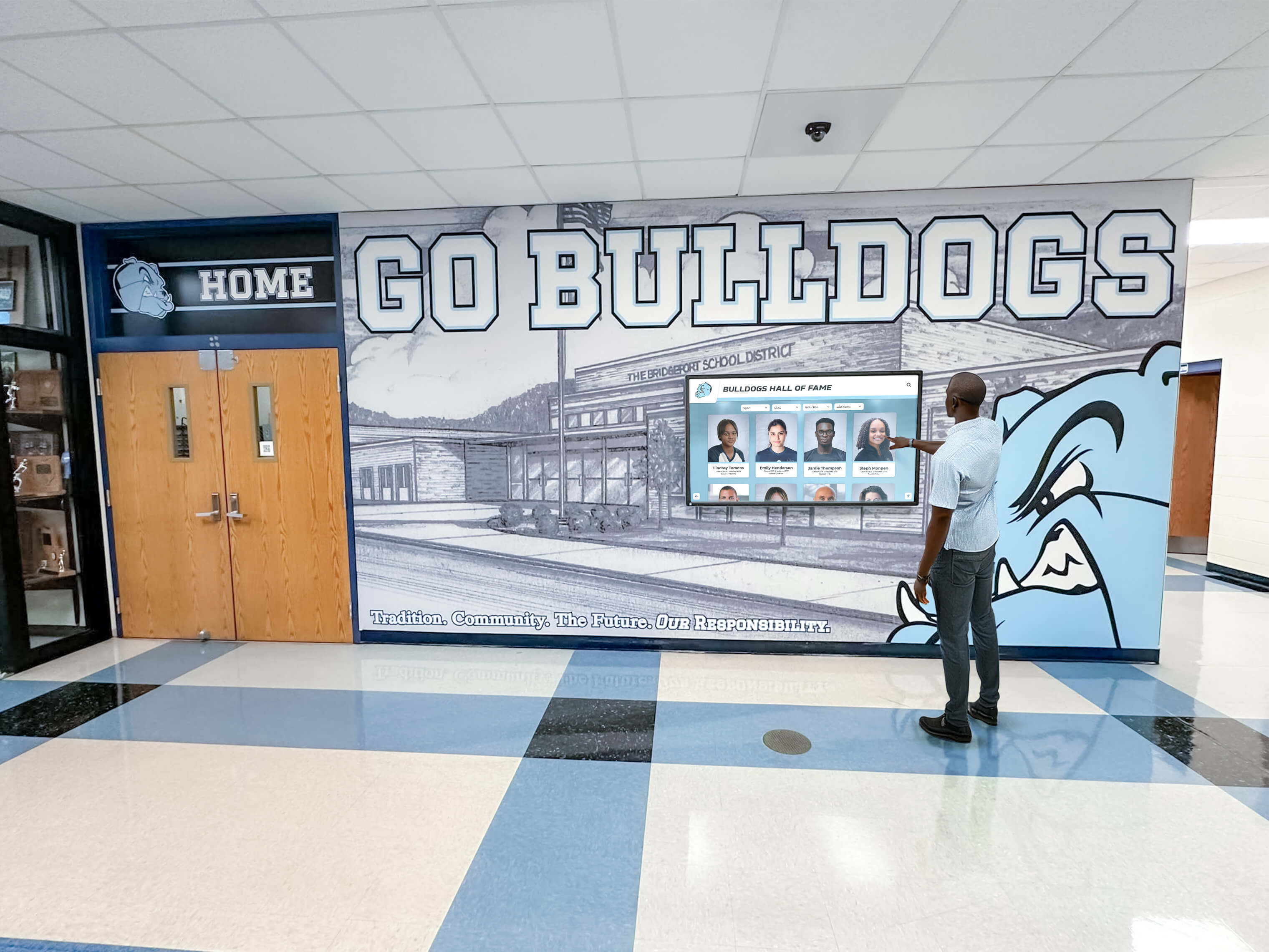
Strategic lobby installations create impressive first impressions while maintaining year-round celebration of school spirit and achievement
Connecting Current Students with Alumni Community
Strong school spirit extends beyond current enrollment into lifelong community membership and multi-generational connections.
Alumni Engagement Programming
Create systematic approaches connecting current students with graduate communities:
Career Mentorship and Networking
Alumni represent invaluable career guidance resources when properly engaged:
- Career panel events featuring alumni discussing professional paths and industries
- Mentorship programs pairing students with alumni in fields of interest
- Internship and shadowing opportunities through alumni business connections
- College application guidance from recent graduates navigating admissions
- Professional skills workshops led by alumni with relevant expertise
Career connections demonstrate tangible benefits of school communities extending beyond graduation while providing authentic preparation for post-secondary transitions.
Alumni Achievement Showcases
Celebrate graduate accomplishments creating aspirational examples for current students:
- Distinguished alumni recognition highlighting notable professional, civic, or personal achievements
- Alumni spotlight features sharing graduate stories and life journeys
- Historical alumni archives enabling exploration of complete institutional graduate history
- Alumni event celebrations during reunions, homecoming, or special observances
- Digital platforms enabling current students to discover alumni paths and stay connected after graduation
Alumni showcase demonstrates lasting value of school experiences and community membership extending throughout entire lives rather than ending at graduation ceremonies.
Multi-Generational Connection Opportunities
Create events and programs explicitly connecting generations:
- Alumni return days inviting graduates to share experiences with current students
- Historical tradition education where alumni explain how customs originated and evolved
- Legacy family recognition celebrating multi-generational attendance
- Alumni-student collaborative projects building relationships across age differences
- Digital storytelling capturing alumni memories preserving institutional oral history
Multi-generational connections create powerful belonging experiences while teaching students they join permanent communities rather than temporarily attend institutions for four-year periods.
Building Alumni Support and Giving
Strong community connections drive alumni engagement essential for long-term institutional success:
Recognition-Driven Fundraising
Alumni demonstrate greater giving when they maintain emotional connections to schools:
- Donor recognition displays acknowledging financial contributions supporting programs
- Named recognition opportunities enabling meaningful personalized giving
- Project-specific campaigns connecting donations to tangible improvements alumni can see
- Reunion giving campaigns timed to high-engagement alumni events
- Digital platforms enabling exploration of how donations support current students
Recognition-driven approaches convert abstract giving requests into visible community contributions alumni take pride supporting and can share with personal networks.
Volunteer and Service Engagement
Alumni support extends beyond financial contributions to include time and expertise:
- Career day participation sharing professional experiences and guidance
- Mentorship program involvement providing ongoing student support
- Event coordination assistance supporting school celebrations and programs
- Facility improvement projects where alumni contribute labor and expertise
- Recognition of volunteer contributions celebrating non-financial support equally
Volunteer engagement creates active community participation while acknowledging that meaningful support takes multiple forms beyond just financial donations.
Creating Sustainable Spirit Program Infrastructure
Long-term success requires systematic infrastructure rather than relying on individual champions or periodic initiatives.
Administrative Support and Resource Allocation
Sustainable programs require institutional commitment:
Dedicated Coordination Responsibilities
Assign specific staff members with clear spirit program coordination responsibilities:
- Student activities coordinator overseeing comprehensive programming
- Recognition system administrator managing digital platforms and content
- Faculty sponsors supporting student leadership and planning
- Communications coordinator promoting programs and celebrating achievements
- Assessment liaison tracking impact and gathering improvement feedback
Dedicated responsibilities ensure programs receive consistent attention rather than depending on volunteer efforts that fluctuate with individual schedules and availability.
Budget Allocation for Sustainability
Effective programs require adequate resource support:
- Digital platform subscriptions and technology infrastructure
- Recognition materials for awards and celebrations
- Event supplies and activity resources
- Professional development for staff coordinating programs
- Assessment tools measuring impact and informing improvements
Budget commitment demonstrates institutional priority while ensuring programs access resources necessary for quality implementation rather than relying on makeshift solutions or volunteer contributions.
Student Leadership Development
Authentic ownership requires meaningful student roles in program design and implementation:
Student Council and Committee Structures
Empower students to drive spirit programming:
- Spirit committees developing activities and traditions based on peer feedback
- Class representatives coordinating grade-level participation and initiatives
- Activity coordinators managing specific programs aligned with interests
- Communications teams promoting programs through student-relevant channels
- Assessment teams gathering peer feedback informing continuous improvement
Student leadership creates authentic ownership while developing valuable organizational, communication, and project management skills through real-world application.
Peer-to-Peer Promotion and Engagement
Leverage peer influence encouraging participation:
- Student ambassadors personally inviting involvement from less engaged classmates
- Peer mentoring connecting upperclassmen with underclassmen explaining traditions
- Friend group participation encouraging collective engagement
- Student testimonials sharing how involvement enhanced school experience
- Recognition for inclusive leadership bringing typically uninvolved students into community
Peer encouragement proves more effective than adult directives for motivating adolescent participation making student leadership essential for authentic engagement rather than forced compliance.

Comprehensive recognition environments combine traditional and digital elements creating impressive spaces celebrating community throughout facilities
Measuring Spirit Program Impact
Systematic evaluation enables continuous improvement while demonstrating program value to administrators and stakeholders:
Quantitative Metrics
Track measurable data revealing program effectiveness:
Participation Rates
Monitor how many students engage with spirit programming:
- Activity participation percentages across different program types
- Demographic distribution ensuring equitable access across student populations
- Longitudinal trends showing whether programs grow engagement over time
- Comparative participation between different activities informing resource allocation
- Recognition system usage statistics measuring digital platform engagement
Participation data reveals whether programs serve broad populations or primarily benefit already-engaged students providing evidence for adjustments improving inclusivity and reach.
School Climate Indicators
Connect spirit programming to broader institutional health:
- Student attendance rates during and following spirit activities
- Disciplinary incident frequency comparing spirit program periods to typical weeks
- Student survey responses about belonging, connection, and school pride
- Academic engagement metrics including homework completion and class participation
- Alumni giving rates and volunteer participation as indicators of lasting connection
Climate correlation demonstrates whether spirit programs create meaningful community impacts rather than simply providing entertaining diversions without lasting benefits.
Qualitative Assessment
Complement numerical data with stakeholder perspectives:
Student Voice and Feedback
Gather participant perspectives about experiences:
- Post-program surveys assessing enjoyment, inclusivity, and community impact
- Focus groups discussing effective elements and desired improvements
- Informal conversations gathering authentic perspectives from diverse populations
- Student-generated content analysis revealing how participants describe experiences
- Class discussions processing how activities affected community feeling
Student feedback should drive continuous improvement ensuring programs serve participant interests rather than perpetuating traditions that have lost relevance or appeal.
Stakeholder Observations
Gather multiple perspective types:
- Teacher observations about classroom climate and student engagement during spirit periods
- Counselor feedback regarding social dynamics and relationship development
- Parent responses through surveys and informal communications
- Alumni perspectives on program evolution and tradition maintenance
- Community member perceptions reflecting external institutional reputation
Multiple stakeholder perspectives reveal whether programs create comprehensive community benefits or primarily serve narrow populations without broader positive impacts.
Conclusion: From Events to Authentic Community
School spirit activities that truly build community extend far beyond pep rallies and spirit weeks into comprehensive year-round programming, inclusive recognition systems, and sustained engagement creating authentic belonging and lasting institutional pride. While periodic events generate temporary excitement, sustainable community building requires strategic investment in continuous celebration, diverse participation pathways, visible recognition honoring varied excellence forms, and modern platforms extending spirit beyond physical boundaries and temporal limitations.
The most impactful school spirit programs balance tradition and innovation—maintaining beloved customs providing continuity and nostalgia while introducing fresh activities resonating with contemporary student interests and cultural contexts. This balance ensures programs feel familiar enough to connect with institutional identity while remaining relevant and exciting rather than stale repetition students tolerate rather than embrace.
Implementation success requires intentional inclusivity ensuring all students can participate fully regardless of financial resources, cultural backgrounds, abilities, personality types, or social connections. Spirit programs should strengthen community by creating accessible pathways for comprehensive populations rather than highlighting divisions or favoring already-engaged groups.
Most importantly, effective spirit programming requires moving beyond events toward sustained community building. This transition involves systematic recognition infrastructure celebrating achievements continuously rather than occasionally, digital platforms extending visibility and accessibility beyond physical constraints, alumni engagement connecting current students to multi-generational communities, and leadership structures ensuring consistent coordination and resource allocation supporting long-term sustainability.
The memories created through comprehensive spirit programming—students discovering their achievements celebrated in prominent displays, alumni returning to explore how their contributions remain visible decades later, families engaging with institutional traditions during visits, and entire communities developing pride in educational excellence—represent the warm, connected experiences defining exceptional schools where students thrive academically while developing authentic belonging and lifelong community connections.
Ready to transform your school spirit from temporary events into lasting community building? Explore how comprehensive digital recognition platforms create engaging experiences celebrating achievements year-round, build authentic community connections, and transform school culture through the digital warming effect—where cold, occasional recognition becomes warm, continuous celebration connecting generations of students, families, and alumni through shared pride and belonging.