Intent: demonstrate — Every school has a song. Not just a fight song bellowed at Friday night games, but a full musical identity that includes alma maters, pep tunes, and anthems that have been passed down through generations of students, faculty, and alumni. The school song is one of the most personal expressions of institutional pride — it has a melody, a history, and often a story of who wrote it, why, and what it meant to the students who first sang it in a gymnasium or on a football field decades ago.
Yet most schools treat their school song as a game-day artifact. It plays through a tinny PA speaker before kickoff, gets sung half-heartedly at graduation, and then disappears from daily life entirely. New students often don’t know the words. Young alumni can hum the melody but couldn’t tell you what the verses mean. The history behind the song — who composed it, what era it came from, how the lyrics have changed over the years — lives only in the memories of older staff members or deep in archival storage.
This disconnect between a song’s importance and its visibility is a digital warming problem. When something as identity-defining as the school song exists only in occasional, passive performances, it loses its power to unite communities across generations. The solution isn’t to sing it more often — it’s to make it present every day through thoughtful display strategies that celebrate lyrics, history, recordings, and tradition in the spaces where students, families, and visitors naturally gather.
Schools that take their musical identity seriously don’t just perform their school song — they preserve it, display it, and make it discoverable to every generation that walks through the door. This guide explores why school songs matter so deeply, where most institutions fall short in preserving that identity, and how modern display approaches bring musical tradition to life in ways that warm up community connections year-round.

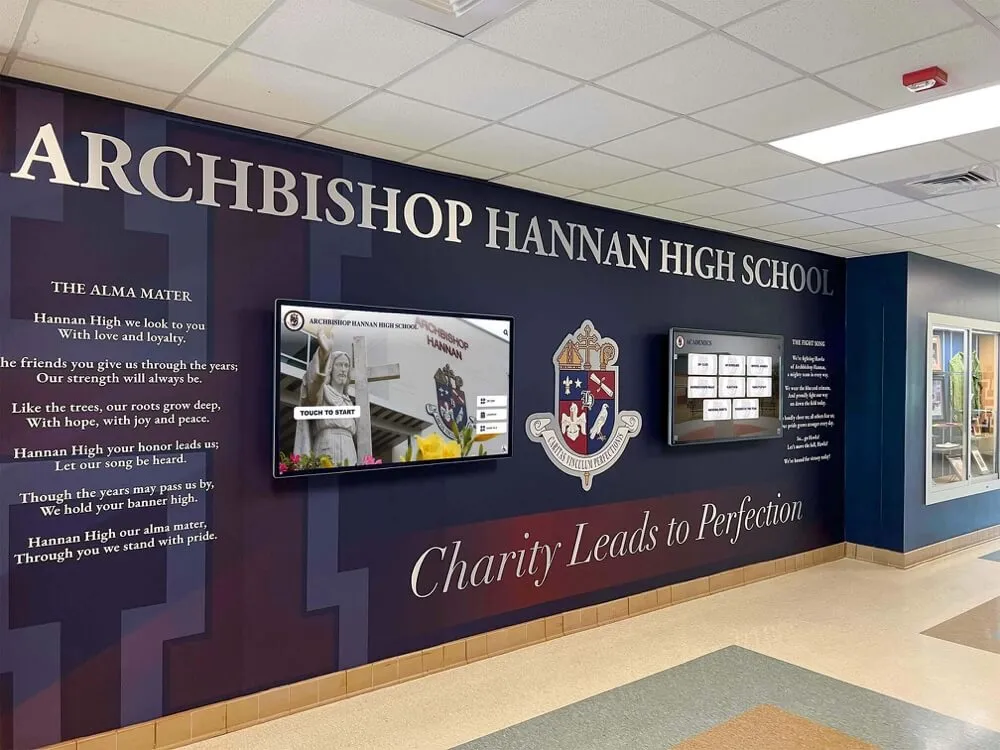
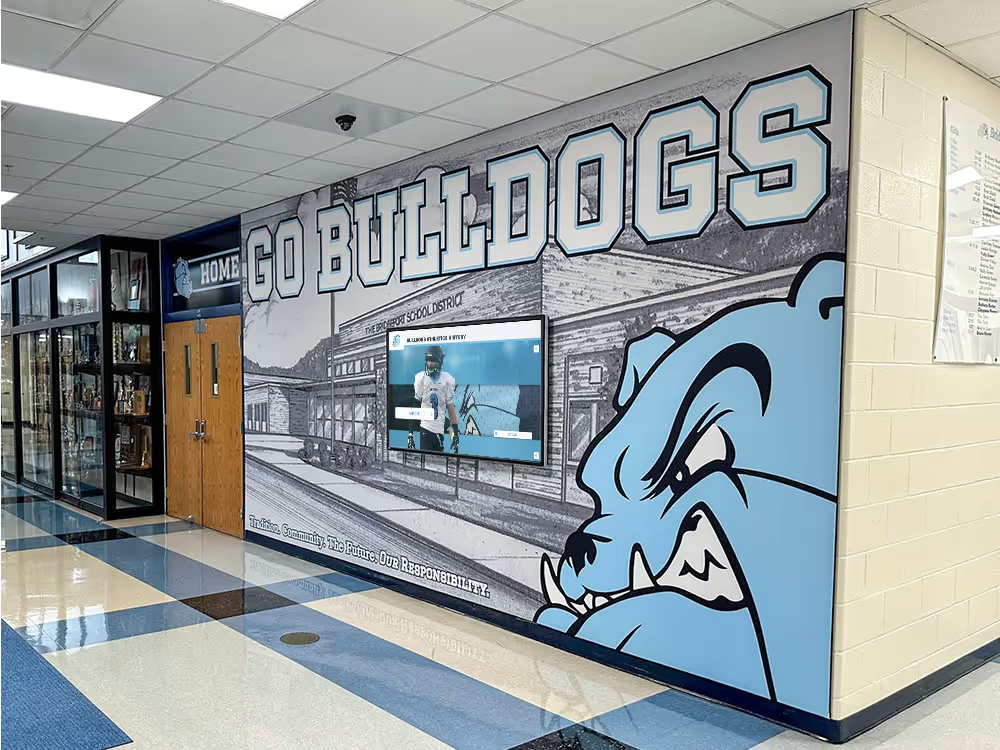
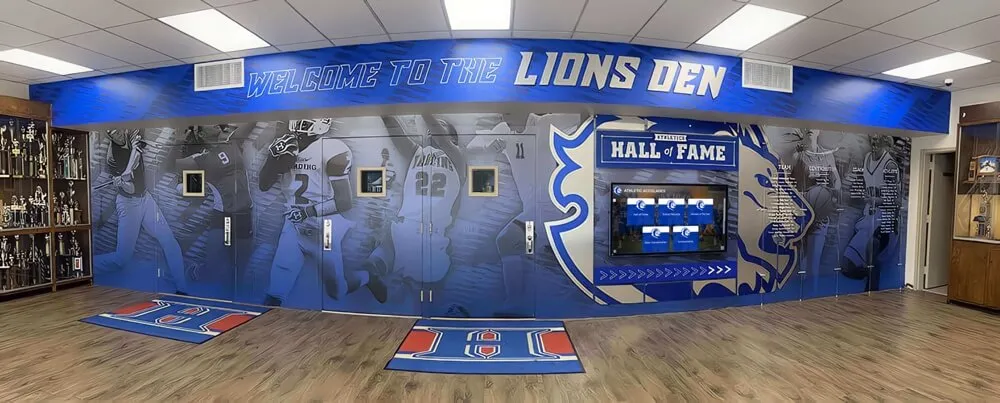
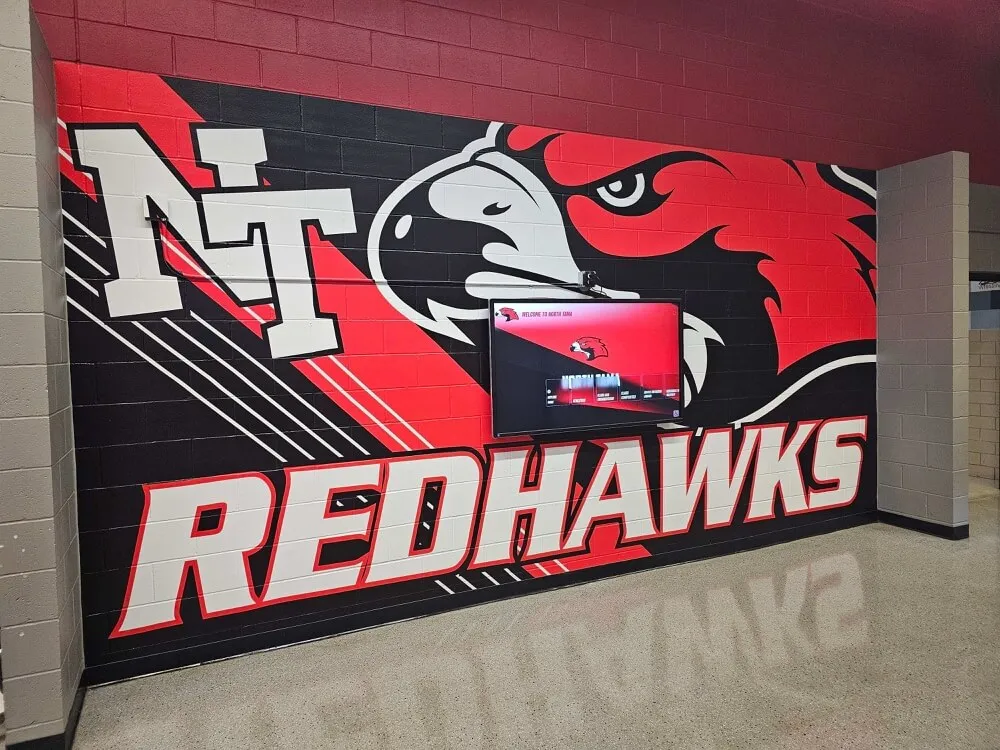
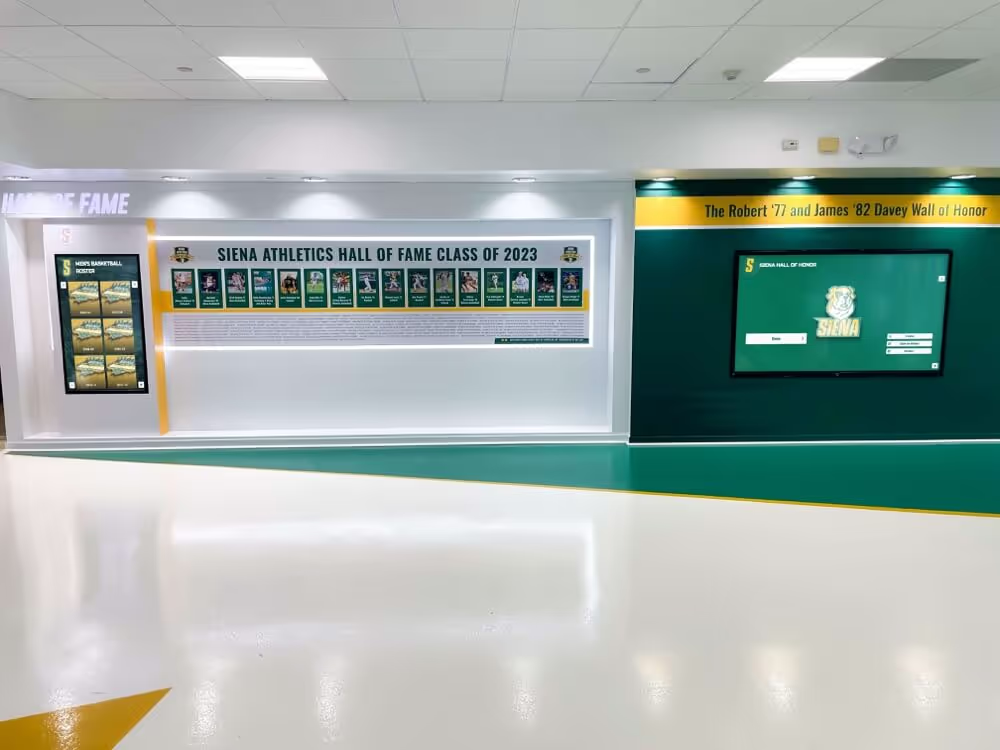
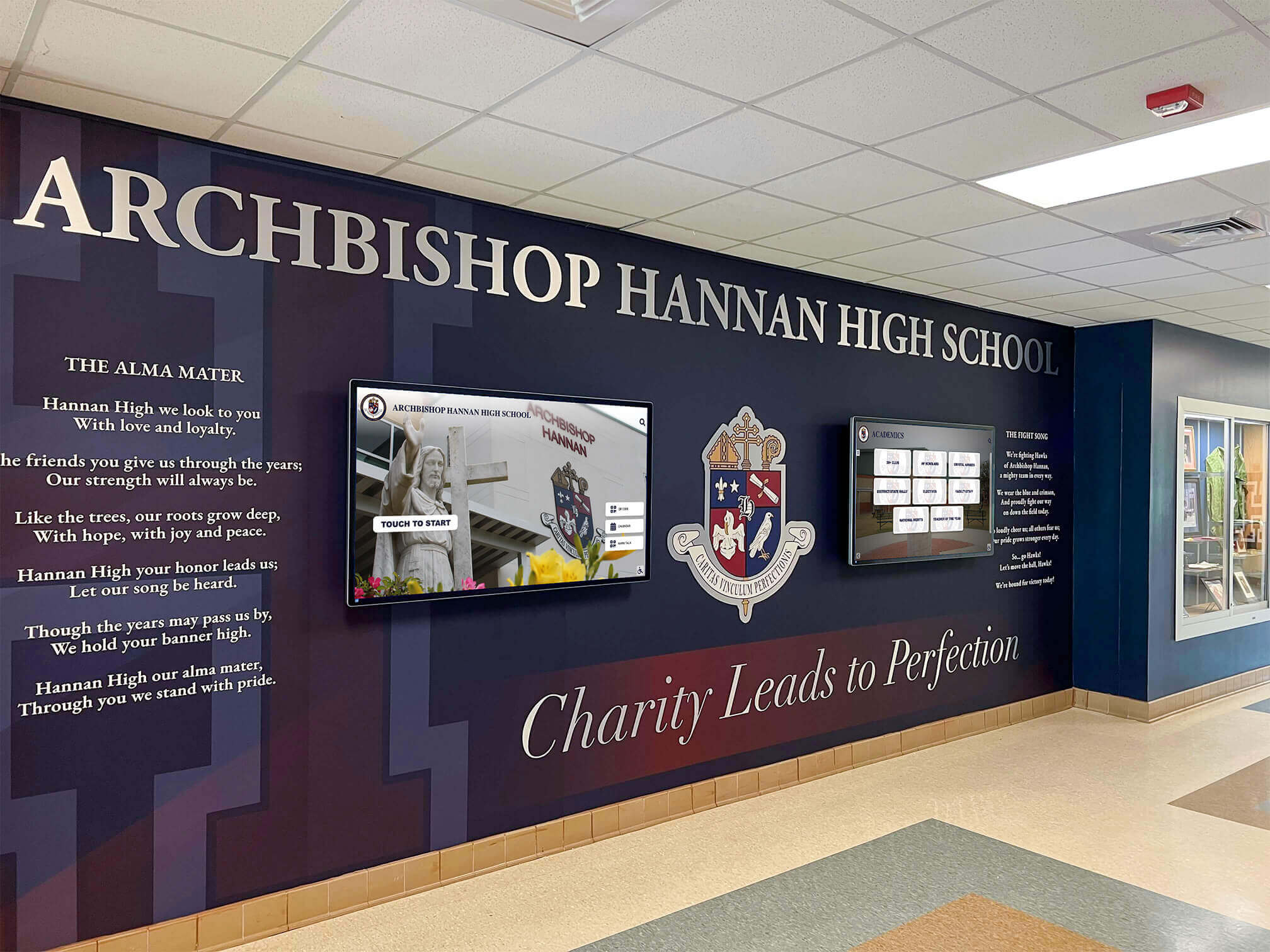
School lobbies that combine traditional identity elements with modern digital displays create powerful first impressions that communicate pride in institutional heritage
Why the School Song Is More Than a Melody
A school song encodes community identity in a way that few other traditions can match. It combines music, language, history, and collective memory into a single artifact that communities can perform together — an act that is inherently bonding and distinctly human.
A Living Document of Institutional Identity
Unlike a crest or a mascot, a school song must be actively performed to exist. Every time a student, alumnus, or fan sings it, they’re participating in a living tradition that connects them to every person who sang the same words before. That continuity is rare and precious.
Many school songs date back decades or even more than a century. The lyrics often reference the school’s founding values, its geographic home, or the aspirations of the community that built it. Understanding those lyrics isn’t just about knowing words — it’s about understanding why the institution exists and what it stands for. That context transforms a simple melody into a statement of purpose.
School Songs Carry Generational Weight
When alumni return for homecoming and hear the school song, something powerful happens. The melody immediately reactivates emotional memories tied to years of attendance — the friendships, the competitions, the milestones. This is not nostalgia in the trivial sense. It is a felt connection to a shared past, and it is one of the most reliable ways schools have to warm up alumni relationships that may have gone cold over years or decades.
For current students, the school song represents a promise: that they are joining something larger than themselves, something with roots and meaning that extends far beyond their four years. That sense of belonging is directly linked to retention, engagement, and the depth of connection students form with their institution.
The Fight Song, the Alma Mater, and Everything In Between
Most schools have more than one song in their musical identity, and the distinctions matter:
Fight songs are energetic, rhythmic, and designed for crowd participation at athletic events. They prioritize momentum and intensity over lyrical depth. Many fight songs reference team names, mascots, or traditional rival schools by name.
Alma mater hymns are slower and more solemn. They speak to the school’s ideals, the passage of time, and the bonds formed between community members. These are the songs most likely to move alumni to tears at reunions. They tend to be older and more formally composed.
Pep songs and chants occupy a middle ground — participatory like fight songs but often playful, school-specific, and tied to particular events or decades.
Each of these represents a distinct layer of musical identity. Schools that understand and celebrate all of them give their communities a richer heritage to engage with than those that focus on only the most well-known tune.
Where Most Schools Fall Short
Despite the emotional weight that school songs carry, most institutions do very little to systematically preserve and display their musical heritage. The result is a slow erosion of tradition that often goes unnoticed until the damage is already done.
The Game-Day Limitation
Playing the school song primarily at sporting events creates a context problem. Students and community members who aren’t deeply engaged in athletics rarely encounter the song outside of graduation or special assemblies. This is a narrow window for a tradition meant to represent the entire institution.
More critically, a game-day context tells students something specific about where the school song belongs: in the stands, with a crowd, during competition. It does not say the school song is something to carry privately as an expression of identity, to teach to incoming students as part of orientation, or to explore as a piece of cultural history worth understanding.
Schools that only play their song at games inadvertently signal that it is background noise rather than a meaningful piece of institutional heritage.
Institutional Memory Loss
The stories behind school songs are fragile. Most institutions have no formal archive of who wrote their song, when, what inspired the composition, or how the lyrics have evolved over time. This information exists — in old yearbooks, in local newspaper archives, in the memories of longtime faculty and alumni — but it is rarely gathered, organized, and made accessible.
When the staff members who know the story retire, that knowledge often leaves with them. When yearbooks deteriorate in storage, the photographic context disappears. Within a generation or two, a school can find itself singing a song it can no longer fully explain, performing a tradition it has lost the ability to teach.
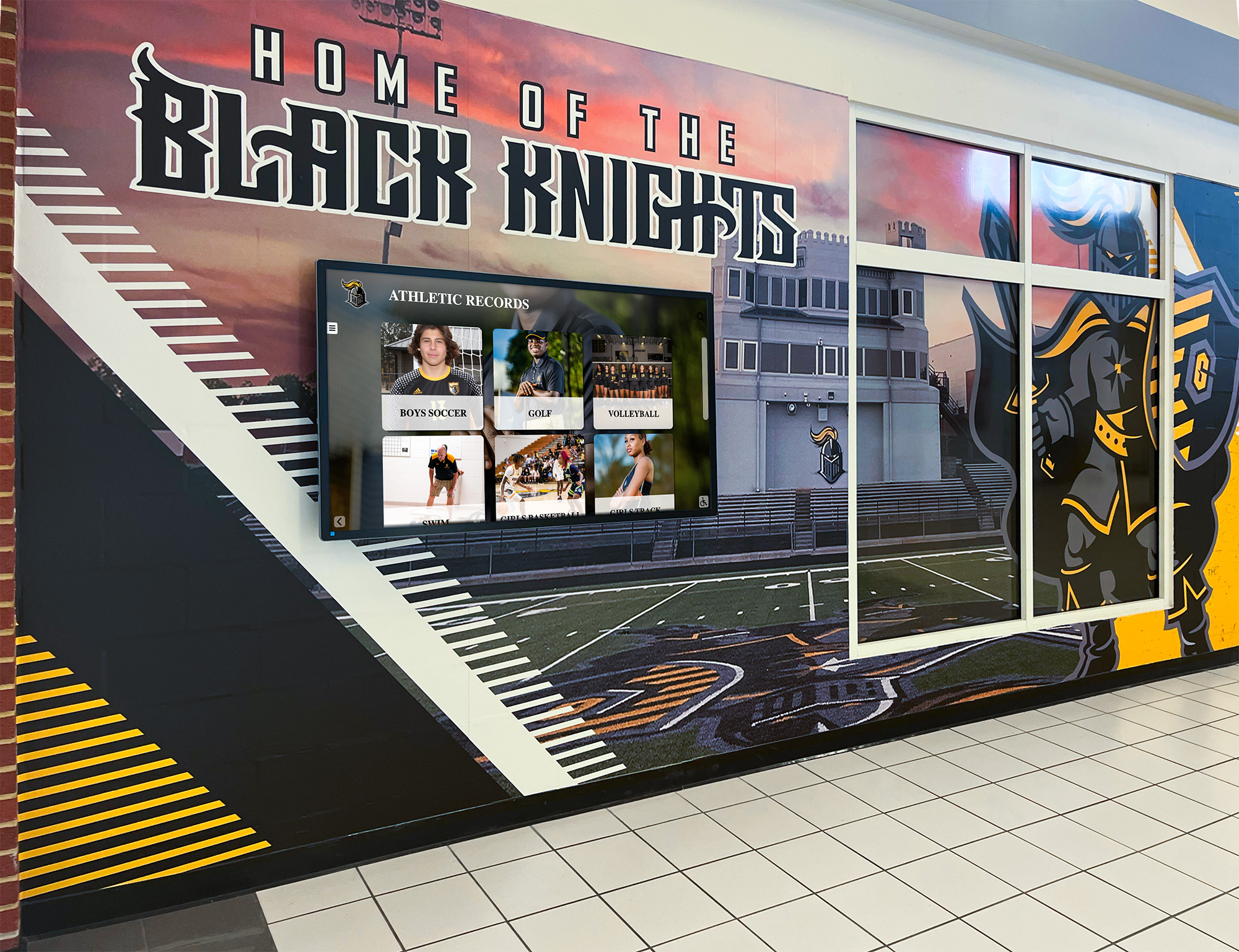
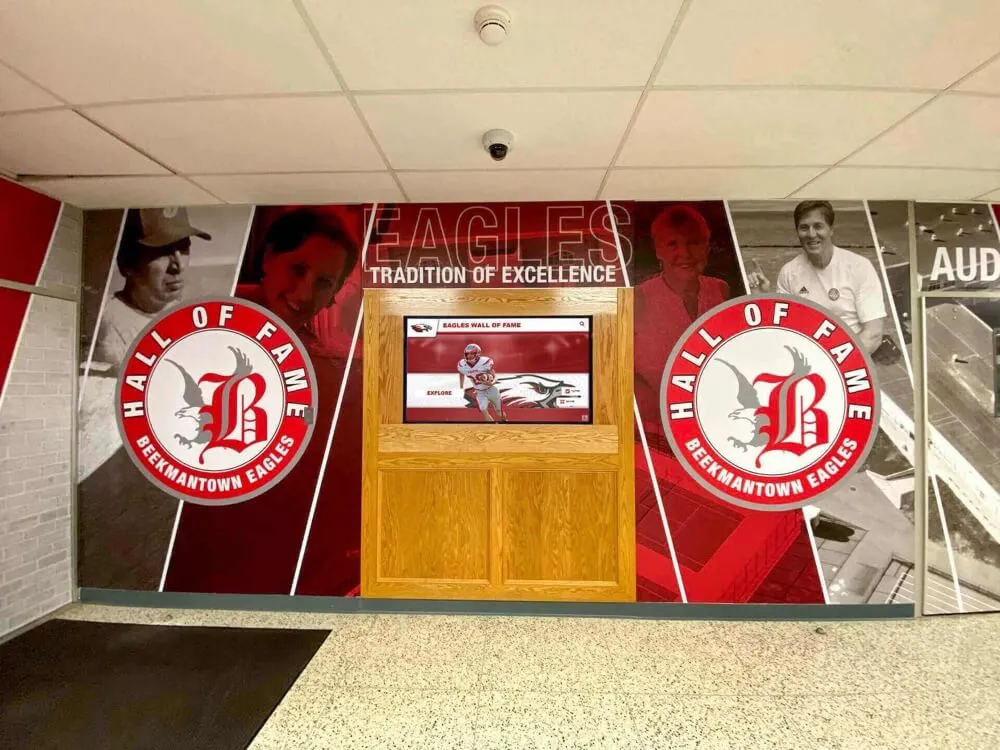
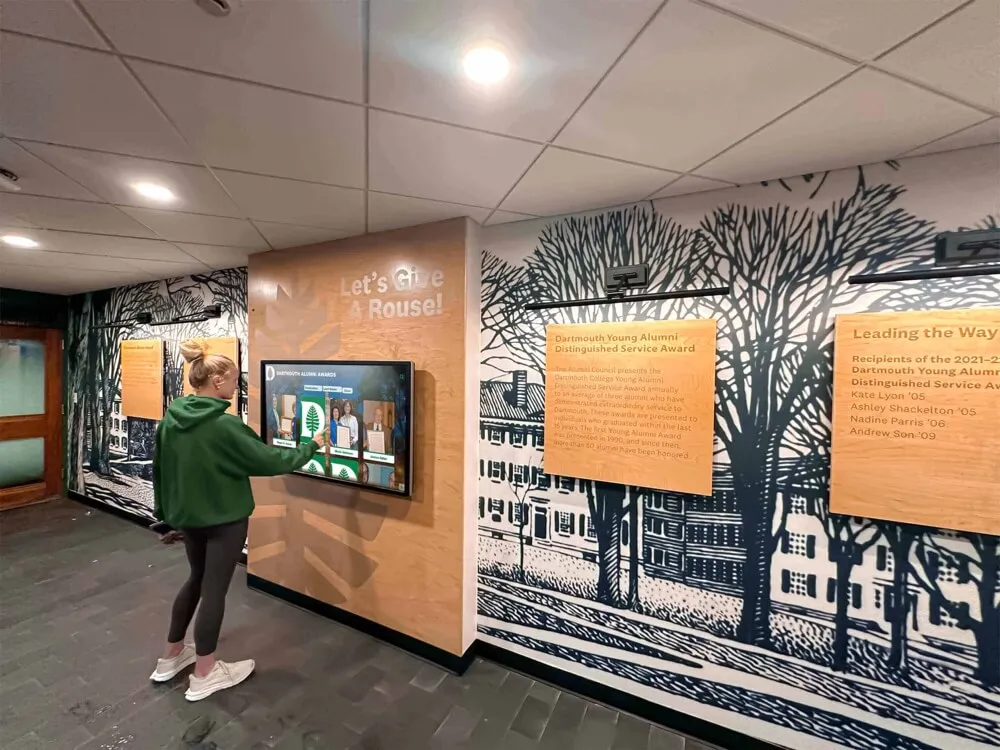
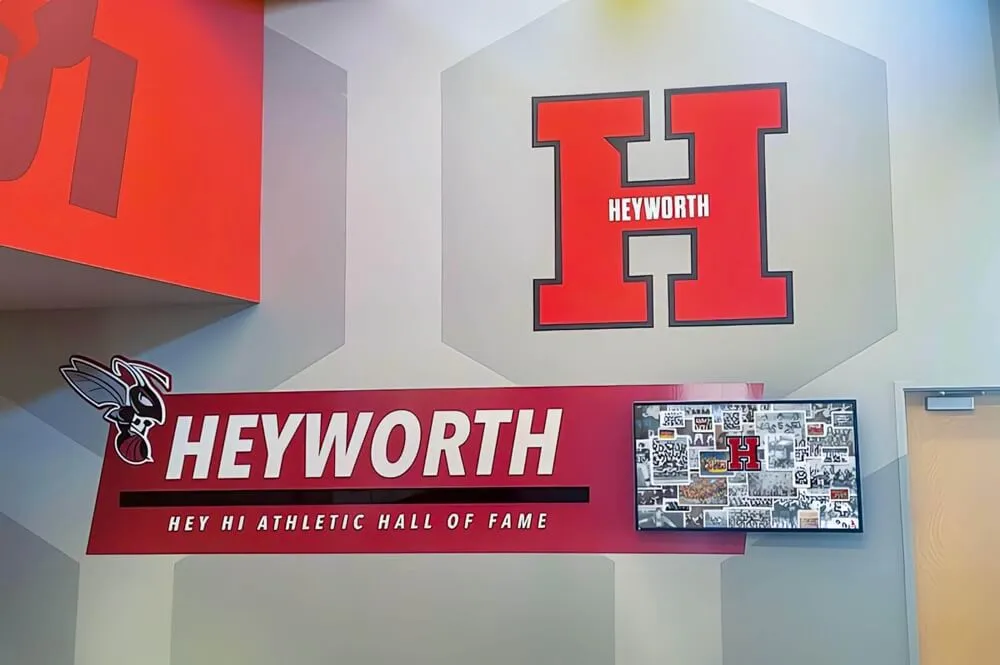
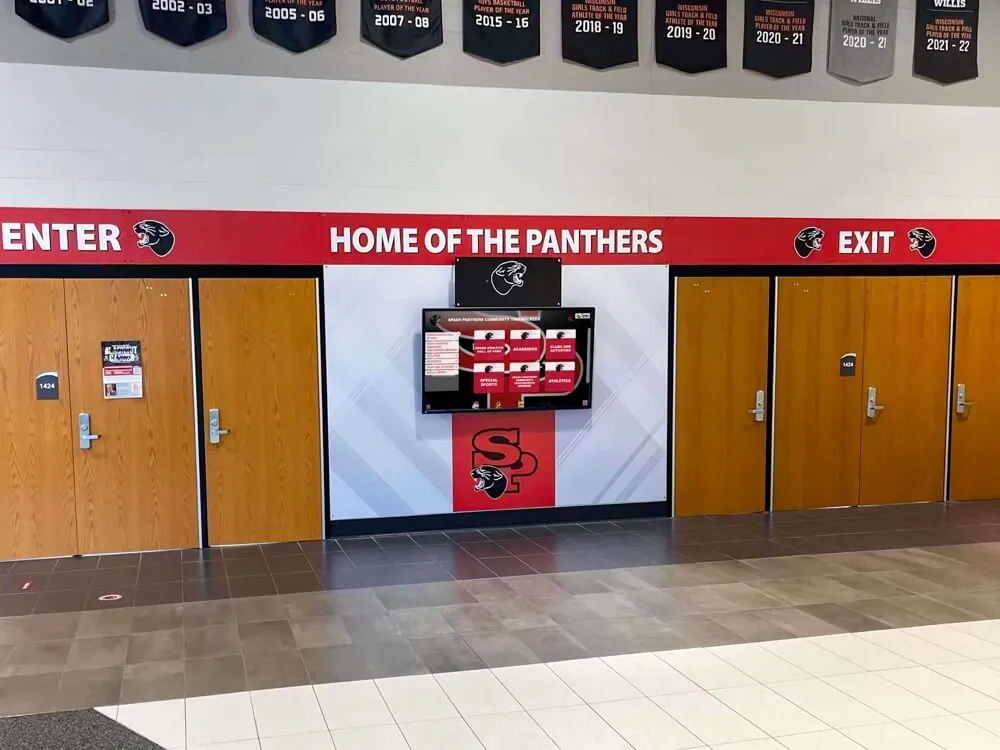
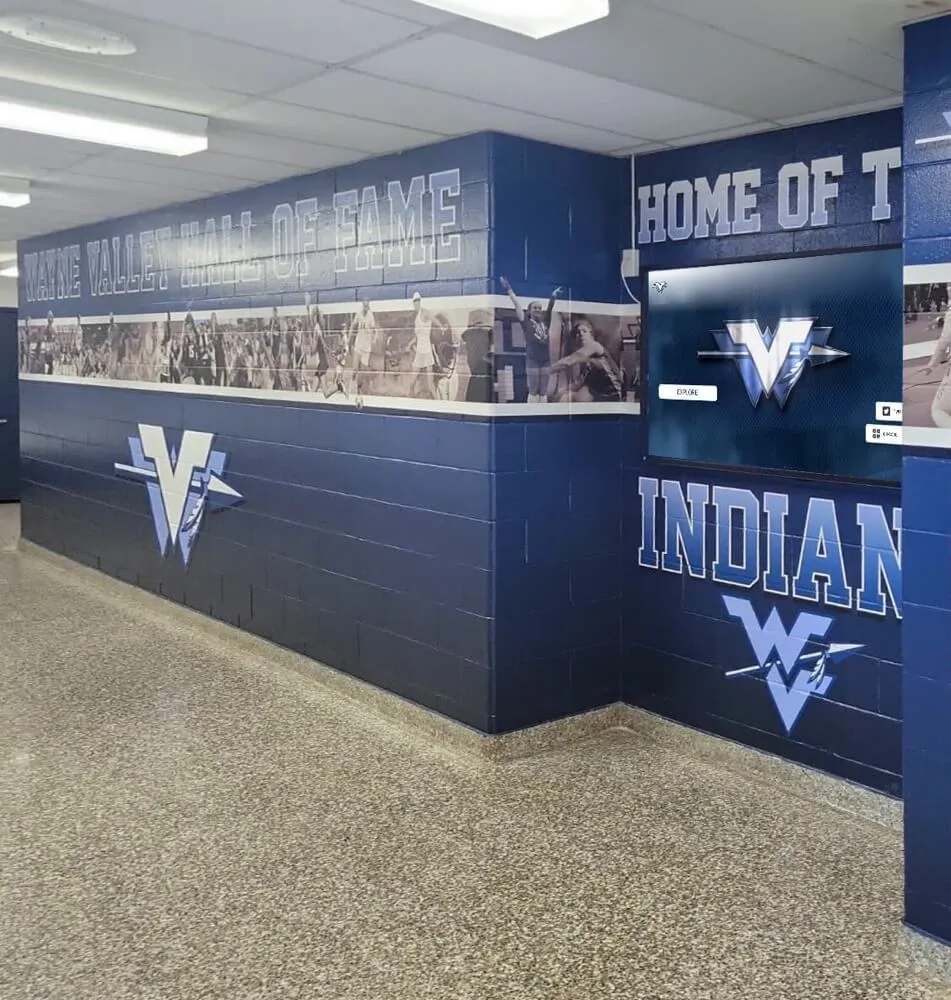
Hallway displays that blend visual identity with rich historical context show how schools can make their heritage discoverable in everyday spaces — a model that works equally well for musical traditions
The New Student Gap
Every year, a school admits a new class of students who arrive knowing nothing about its musical traditions. Orientation periods cover academic expectations, facilities, and policies — but rarely include any introduction to the school song beyond a perfunctory performance at a welcome assembly.
Without deliberate introduction and context, new students have no reason to feel connected to the school song. They may learn to mouth the words at events, but they don’t know what the words mean, why certain phrases appear, or how to sing it properly. This creates a generation that has technically encountered the song but has no real relationship with it.
Over time, this gap compounds. The school spirit programs that successfully build community identity are the ones where students understand the meaning behind the traditions they participate in — and the school song is no different.
What a Complete School Song Tradition Looks Like
Schools that take musical identity seriously approach it as a three-part preservation challenge: collecting the history, displaying it accessibly, and creating ongoing touchpoints that keep the tradition alive across generations.
Gathering the Musical Heritage
Before anything can be displayed, it must be documented. A comprehensive school song archive typically includes:
Lyrics in all historical versions Songs change over time. Verses get dropped, words get modernized, and sometimes entire sections are altered to reflect evolving community values or simply because nobody can remember the original phrasing. Documenting every known version — with dates when possible — creates a complete record that future generations can reference and debate.
Composition history Who wrote the school song? When? Were they a student, a faculty member, a community figure? What inspired the composition? Was there a formal competition, or did someone simply present the song and it caught on? These details transform an anonymous melody into a human story.
Recording history Over the decades, many schools have recorded their songs in different arrangements. These recordings document not just the song but the musical aesthetics of their era — the instrumentation, the vocal style, the tempo interpretations that were fashionable in different decades. Archiving these recordings creates an audio history of the institution.
Performance traditions When is the song sung? Are there specific gestures, movements, or call-and-response elements that are part of the tradition? Does the community stand? Does the band lead while the crowd joins in? These performance customs are as much a part of the tradition as the notes themselves.
Stories from community members Alumni, faculty, and longtime staff members carry personal memories of what the school song has meant at important moments — at championship games, at graduation ceremonies, at memorials. These stories give the song emotional texture that facts alone cannot provide.
Creating Discoverable Displays
Once the history is gathered, it needs a home — a place where students, visitors, and alumni can encounter it naturally and meaningfully. This is where display strategy matters enormously.
Lobby and Entrance Displays The school entrance is the single highest-traffic location in any building. It is where every visitor, student, family member, and prospective family arrives and forms their first impression of the institution. A lobby display featuring the school song — lyrics, history, and context — signals immediately that this is a place that values and preserves its identity.
Effective lobby displays don’t just post lyrics on a plaque. They tell the story: the composer’s name and era, an image of the original handwritten score if one exists, recordings visitors can access via QR code, and photographs of memorable performances across the institution’s history. This transforms the school song from text on a wall into a living piece of community heritage.
Hallway Heritage Corridors Many schools have designated hallways for athletic recognition, honor rolls, or institutional history. Adding school song heritage to these corridors — with lyrics panels, historical photographs of performances, and context about the song’s origins — ensures that students encounter their musical tradition during ordinary school days rather than only at events.
The most effective hallway displays mix static visual elements with dynamic content. A printed lyric panel alongside a QR code linking to current and archival recordings creates a layered experience: immediate information for the passerby and deeper exploration for the curious visitor. Interactive digital displays in school hallways have shown real gains in how much community history students actually absorb compared to static displays alone.
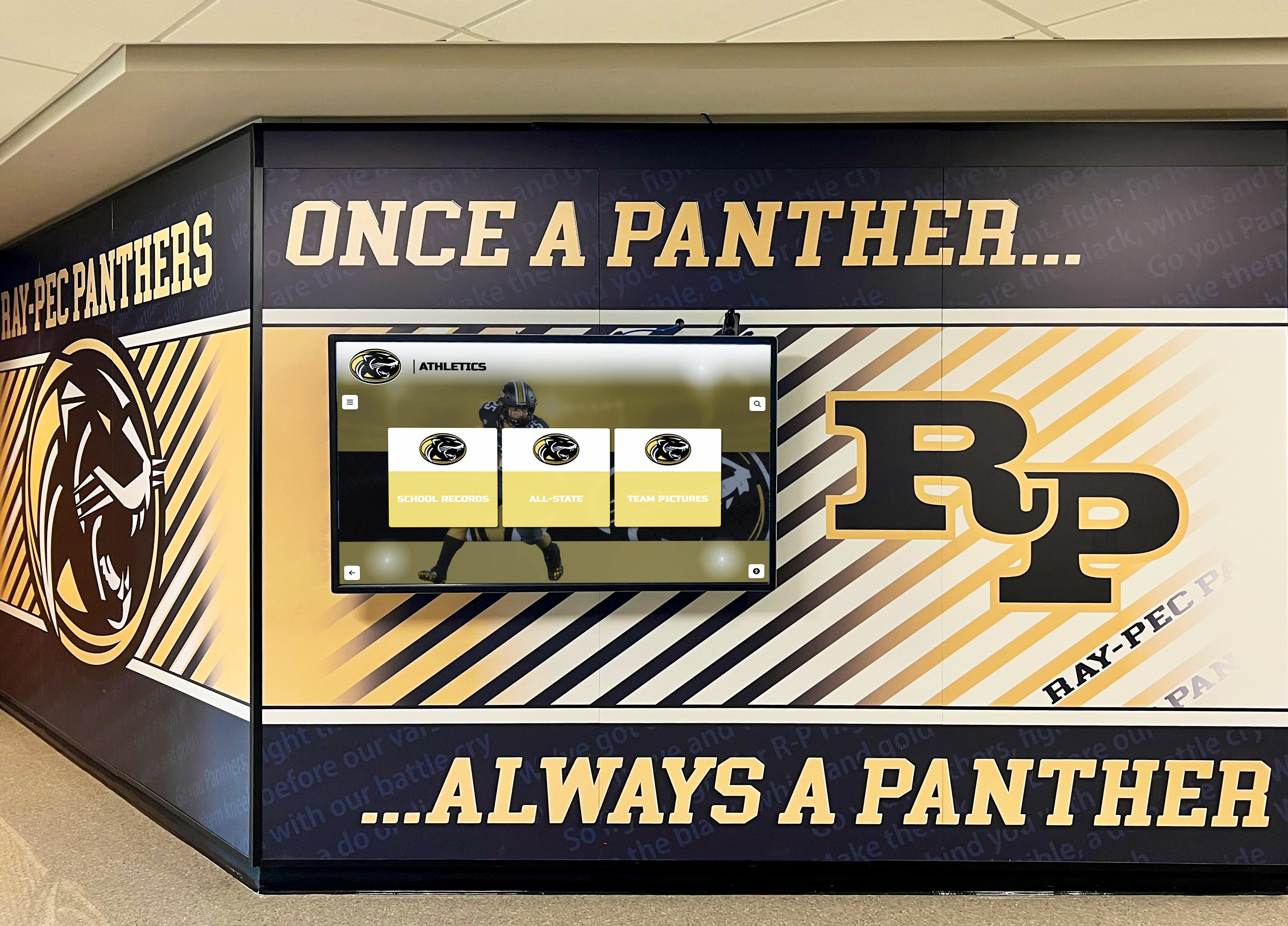
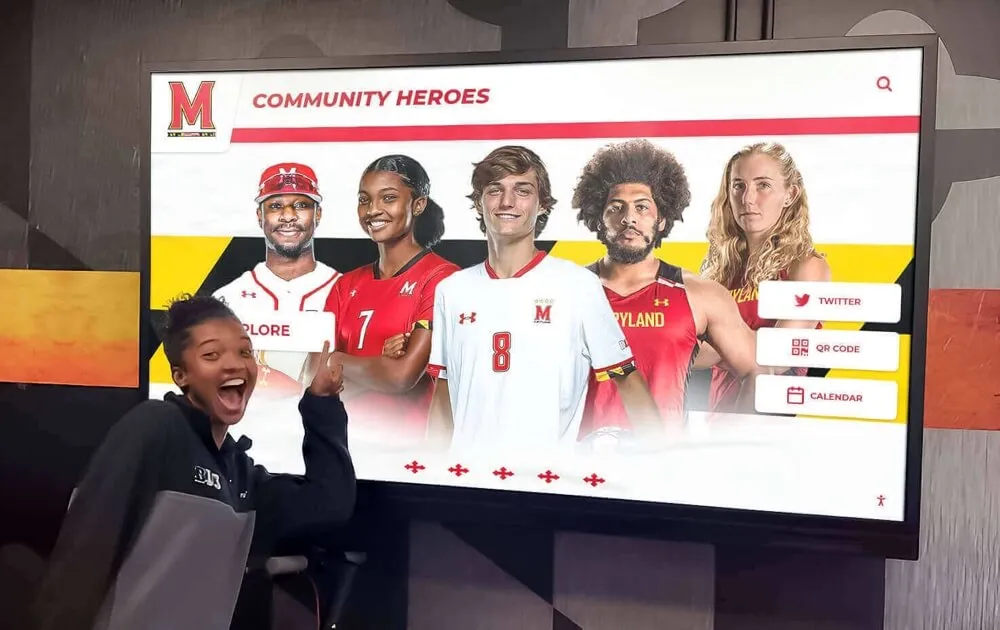
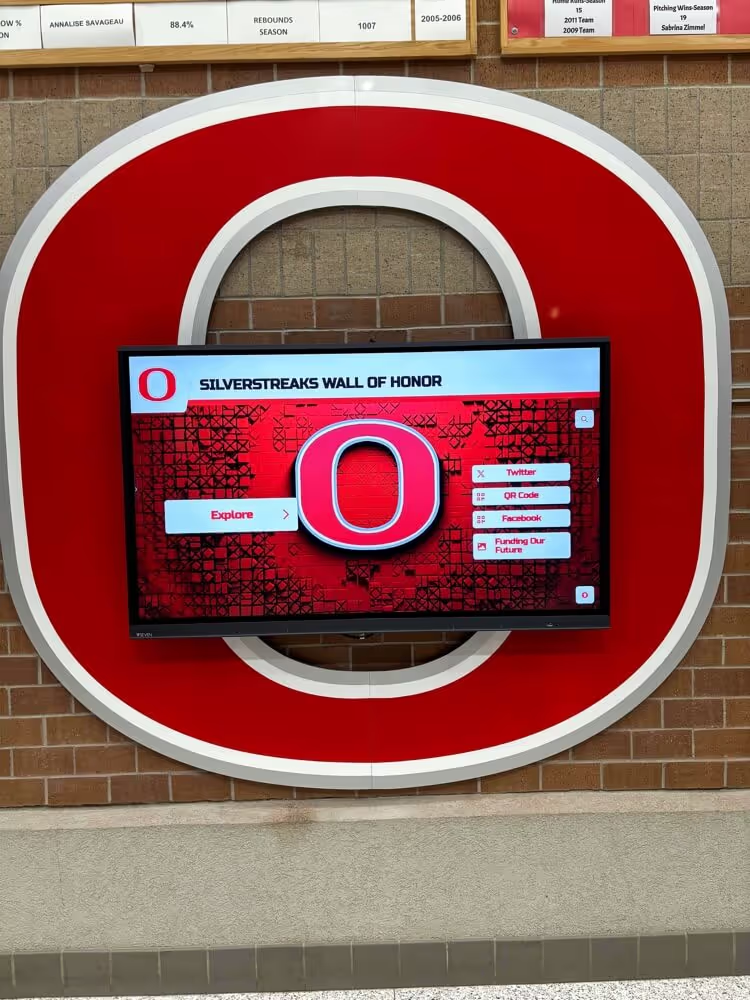
Hallways that combine identity elements with digital screens create natural discovery moments where students encounter institutional heritage in everyday spaces
Music and Performing Arts Spaces Band rooms, choir rooms, and auditoriums are natural homes for school song heritage displays. These spaces attract the students most likely to become the song’s future stewards — musicians who will learn arrangements, directors who will teach performance, and performers who will lead crowds in singing it for years to come.
A dedicated display in the music wing that includes the original score, notes on arrangements used by previous directors, and photographs of notable performances gives music students a meaningful connection to the tradition they’re inheriting.
Athletic Facilities Fight songs live in athletic spaces. Gymnasiums, field houses, and stadium concourses are where the performance tradition is strongest and where display of the fight song lyrics and history resonates most naturally with visitors and community members. The connection between athletic space design and school spirit is well established — these are the spaces where institutional pride is most viscerally felt, and the fight song is part of that emotional ecosystem.
Making the Song Participatory Beyond Events
The game-day limitation can be addressed by creating additional touchpoints that make the school song participatory in new contexts.
Orientation Integration Introducing the school song formally during new student orientation — with context about its history, an opportunity to learn the words, and a shared first performance — creates an early bonding moment and signals to incoming students that this tradition is worth knowing. Schools that include even a brief explanation of their song’s history and meaning during orientation find that students carry that context through their years of attendance.
Morning Announcements and Digital Signage Playing a brief excerpt from the school song during morning announcements, or displaying rotating lyric sections on hallway digital signage, creates low-stakes daily encounters with the tradition. These micro-exposures build familiarity over time without requiring a formal event context.
Senior Year Traditions Creating senior year rituals specifically connected to the school song — a formal last performance, a tradition of older students teaching younger ones, a senior-led recording — gives the song significance as a milestone marker rather than only a game-day sound.
The Digital Warming Effect for Musical Heritage
When a school song is only performed at games, it creates a relationship between community members and tradition that is passive and context-dependent. Members don’t think about the song unless they’re at an event. They don’t feel connected to it personally. It exists for the crowd, not for the individual.
Digital warming changes that dynamic entirely. When school song heritage is displayed in lobbies, embedded in hallway content, accessible via QR codes on mobile devices, and rotated through digital signage throughout the building, the tradition becomes part of the daily environment rather than an occasional performance.

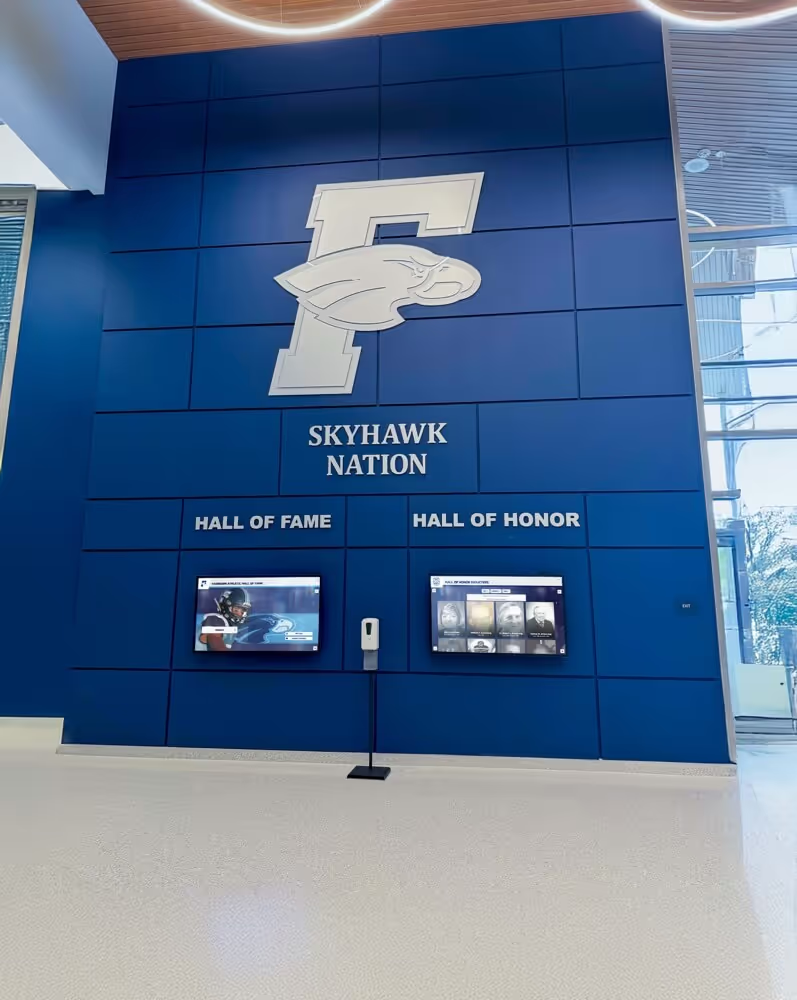
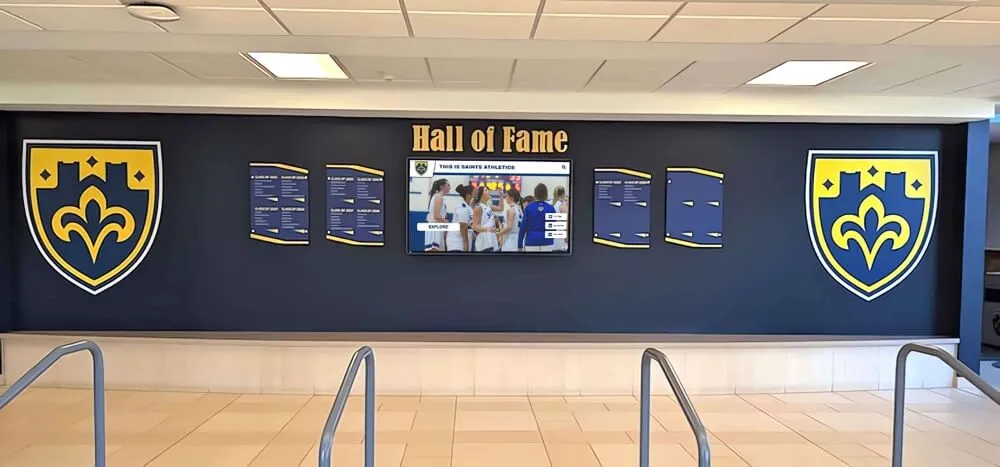
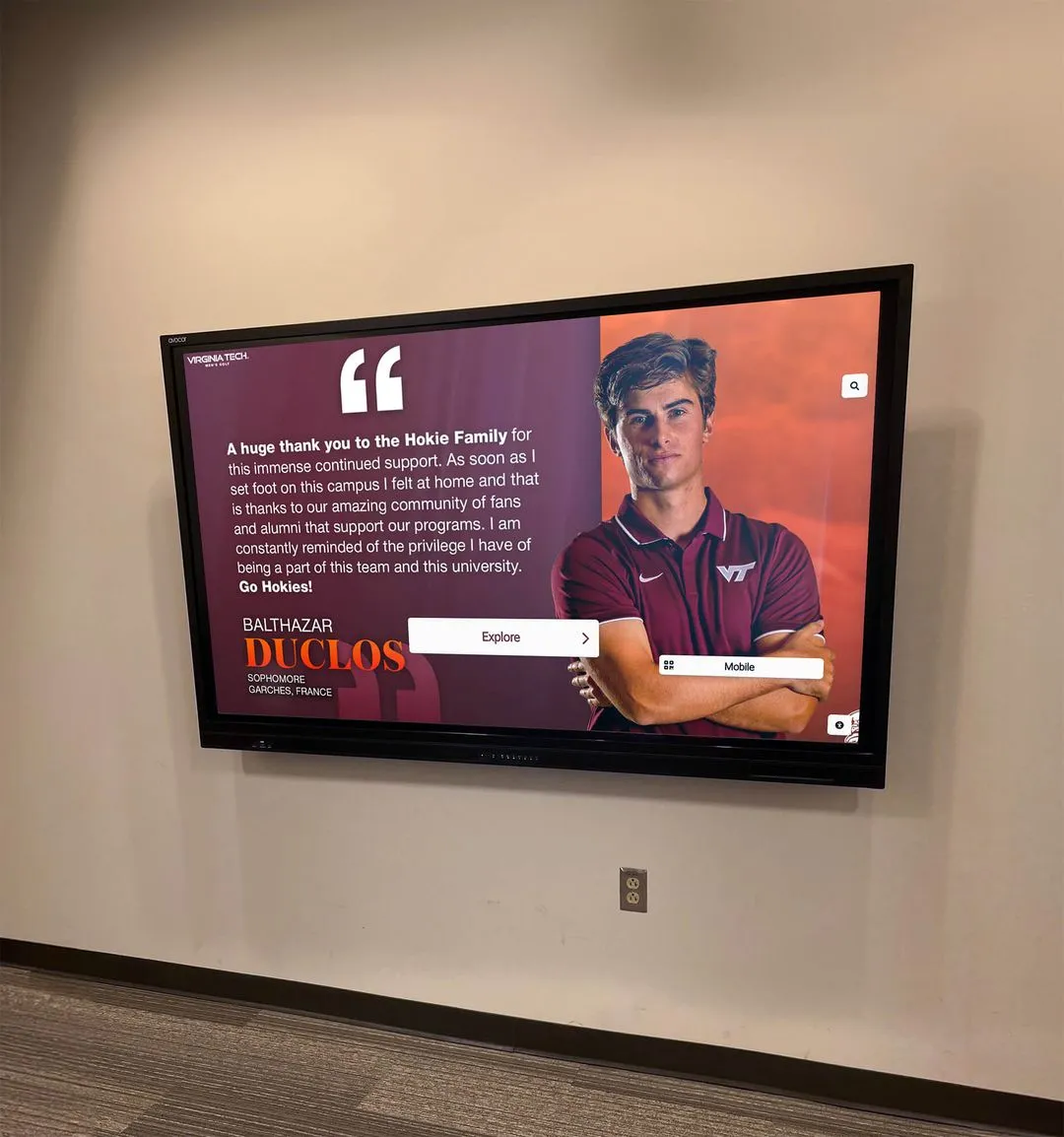
Lobby installations that celebrate institutional identity — including musical heritage — create daily reminders of community belonging for every person who enters the building
This continuous presence creates several measurable effects:
Familiarity Through Repetition Students who encounter lyrics and historical context about their school song regularly — in passing, without being forced to pay attention — develop a working familiarity with it that passive game-day exposure never creates. They absorb the words, the history, and the emotional associations gradually and organically.
Personal Connection Over Time When a student discovers that their school song was written in 1923 by a student who graduated and went on to serve in World War II, or that the alma mater was performed at the first graduation ceremony after the school was built, that knowledge makes the song feel personal. It’s no longer background noise — it’s a story they are now part of.
Stronger Alumni Reconnection Alumni who visit campus and see their school song’s history thoughtfully displayed feel seen. Their musical memories are being honored. The institution is signaling that it values the traditions that connected past members to the community. This emotional warmth directly translates into deeper alumni engagement, stronger relationships with advancement programs, and more meaningful support for institutional initiatives.
Interactive school announcement displays that incorporate historical content alongside current news create exactly this kind of layered community experience — one that honors tradition while staying current.
Building a School Song Display: Practical Steps
Moving from intention to implementation requires a systematic approach that gathers content before thinking about display solutions.
Step 1: Audit What You Already Have
Start with an honest inventory of existing resources:
- Are the lyrics written down in an official, authoritative version?
- Are there recordings, and if so, where are they stored?
- Does anyone in the institution know the composition history?
- Are there photographs of notable performances in yearbooks or archive boxes?
- Have alumni or retired staff mentioned the song’s significance in letters, newsletters, or recorded interviews?
This audit often surfaces more material than administrators expect. Yearbooks from the school’s founding era may contain the original lyrics or a note about the composition. Local newspaper archives may have covered early performances. A retired band director may have kept meticulous records of every arrangement used over 30 years.
Step 2: Gather Stories from Community Members
The living memory of community members is irreplaceable and finite. Prioritize gathering school song stories from:
- Retired music directors and band teachers
- Long-tenured faculty who have attended hundreds of games and ceremonies
- Alumni from milestone eras (the school’s founding decade, significant anniversaries, championship periods)
- Current students who have family members with deep institutional history
These stories don’t require formal interviews. A simple email survey to alumni networks, a form on the school website, or brief conversations at homecoming events can surface remarkable material. The goal is to capture personal memories before they are lost.
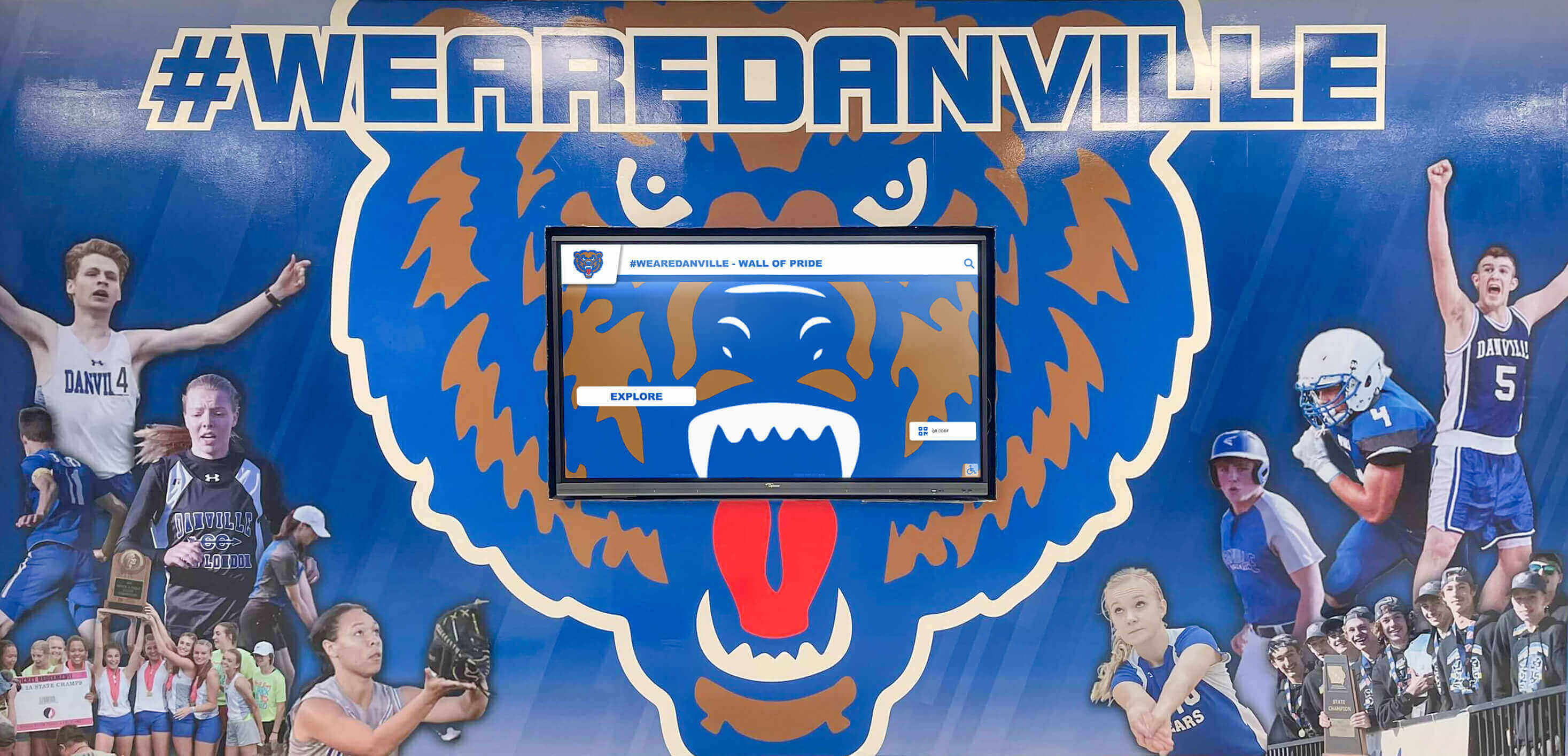
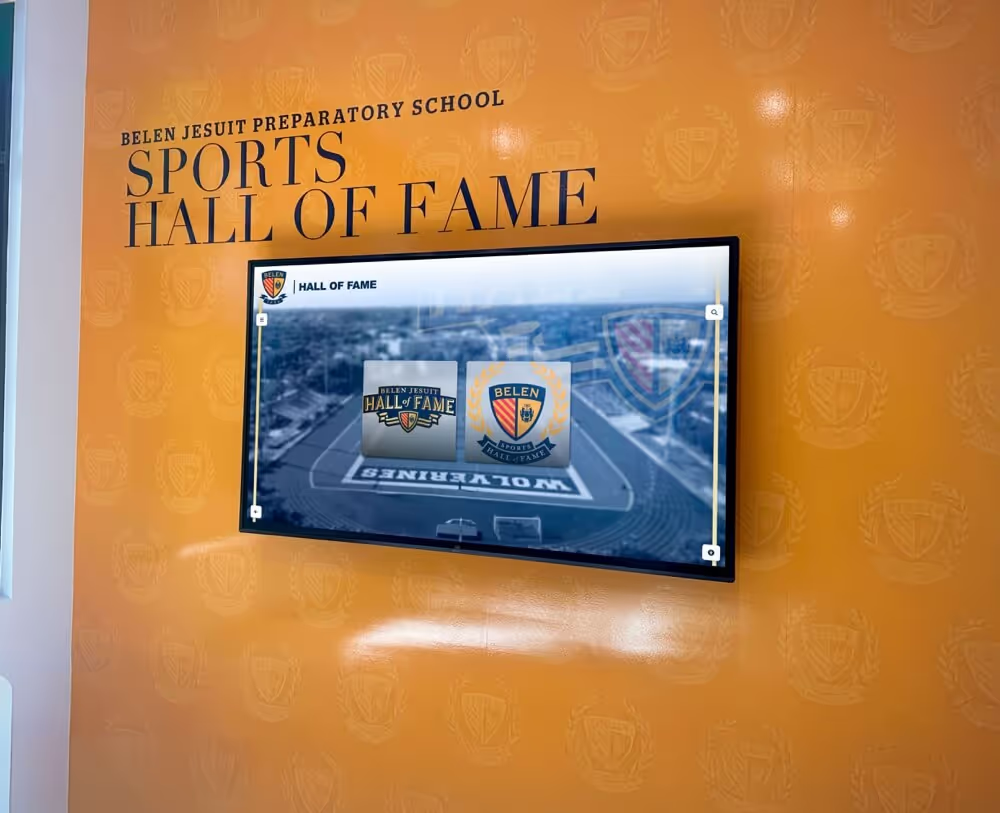
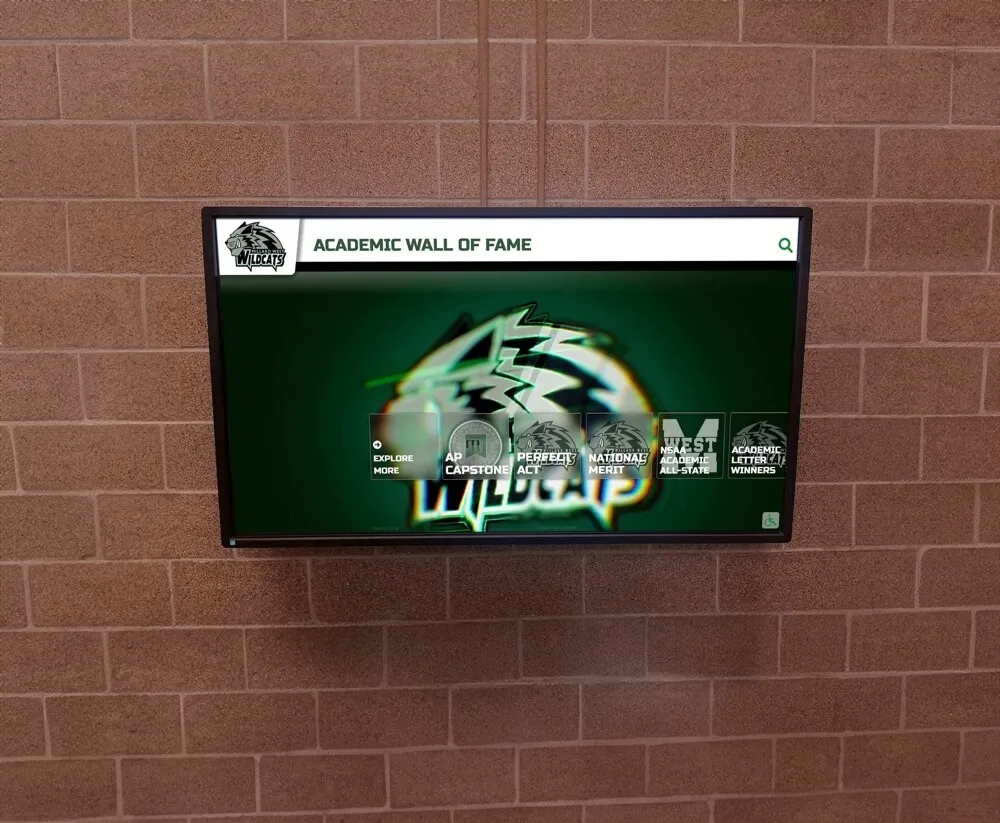
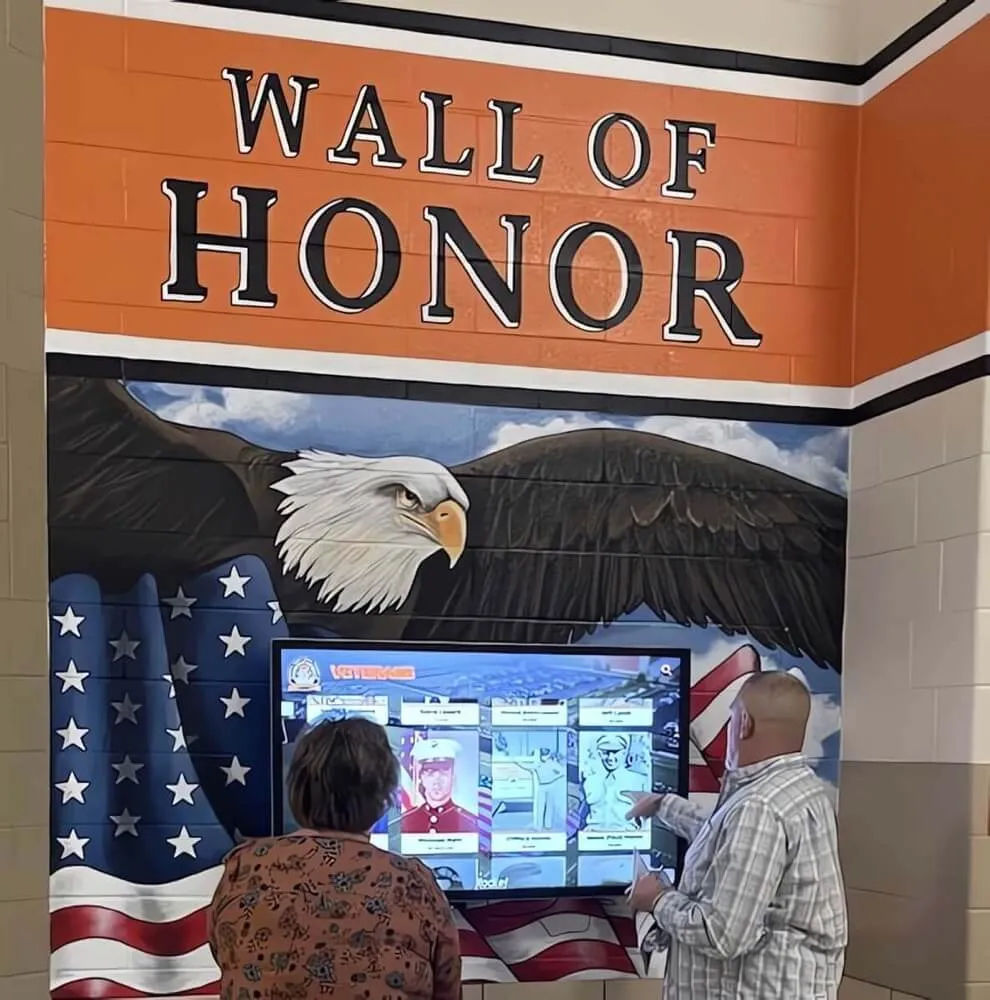
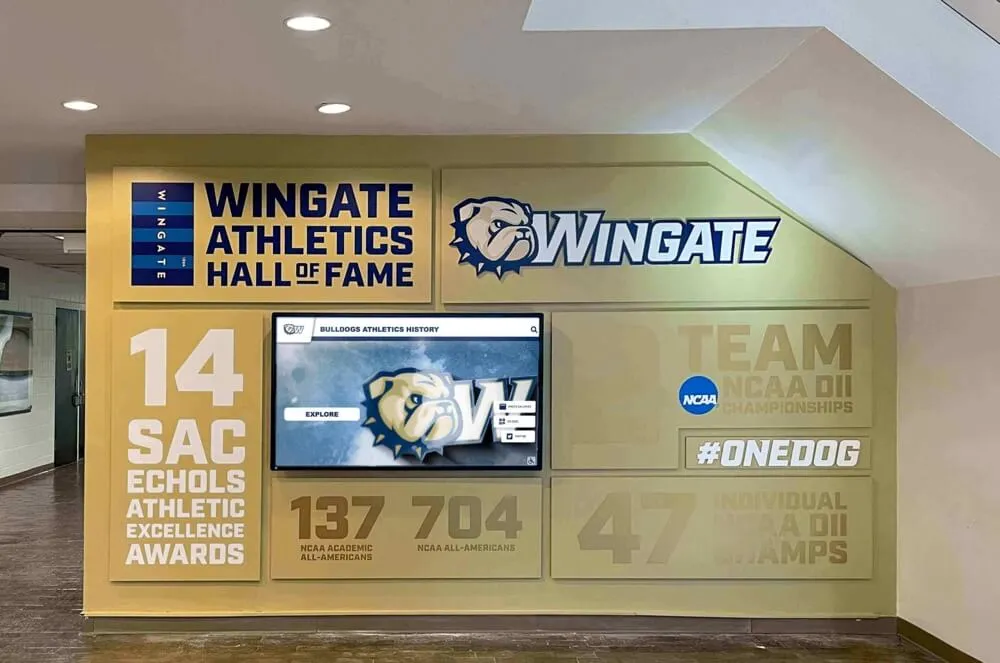
Integrating digital screens directly into school murals and identity displays allows institutions to layer historical content — including musical heritage — into the spaces where community members already gather
Step 3: Organize Content for Different Display Contexts
Not all display contexts call for the same depth of content. A busy hallway calls for visual impact and quick readability — a single memorable verse, beautifully rendered, with a QR code for deeper exploration. A music room display can go deeper, including the original score, arrangement notes, and performance photographs. A lobby kiosk can present the complete archive interactively.
Organizing content in layers — from the essential (lyrics and composer name) to the contextual (performance history, recording versions) to the archival (original documents, oral histories) — ensures that every display serves its space appropriately while pointing curious visitors toward richer content.
Step 4: Choose Display Technologies That Will Last
Physical displays — engraved plaques, printed panels, framed documents — provide permanence and visual weight appropriate for institutional pride. They signal that the tradition is serious, not temporary.
Digital displays add capabilities that static formats cannot match: video of memorable performances, audio playback, rotating content, QR code connections to full digital archives, and the ability to update and expand the archive over time without replacing the physical installation. Schools that want their school song display to grow as new history is made and new material is gathered need the flexibility that digital content management provides.
The most effective installations combine both approaches. A physical anchor — a beautifully rendered lyric panel or a framed original score — paired with an integrated or adjacent digital screen creates a display that is both timeless and living.
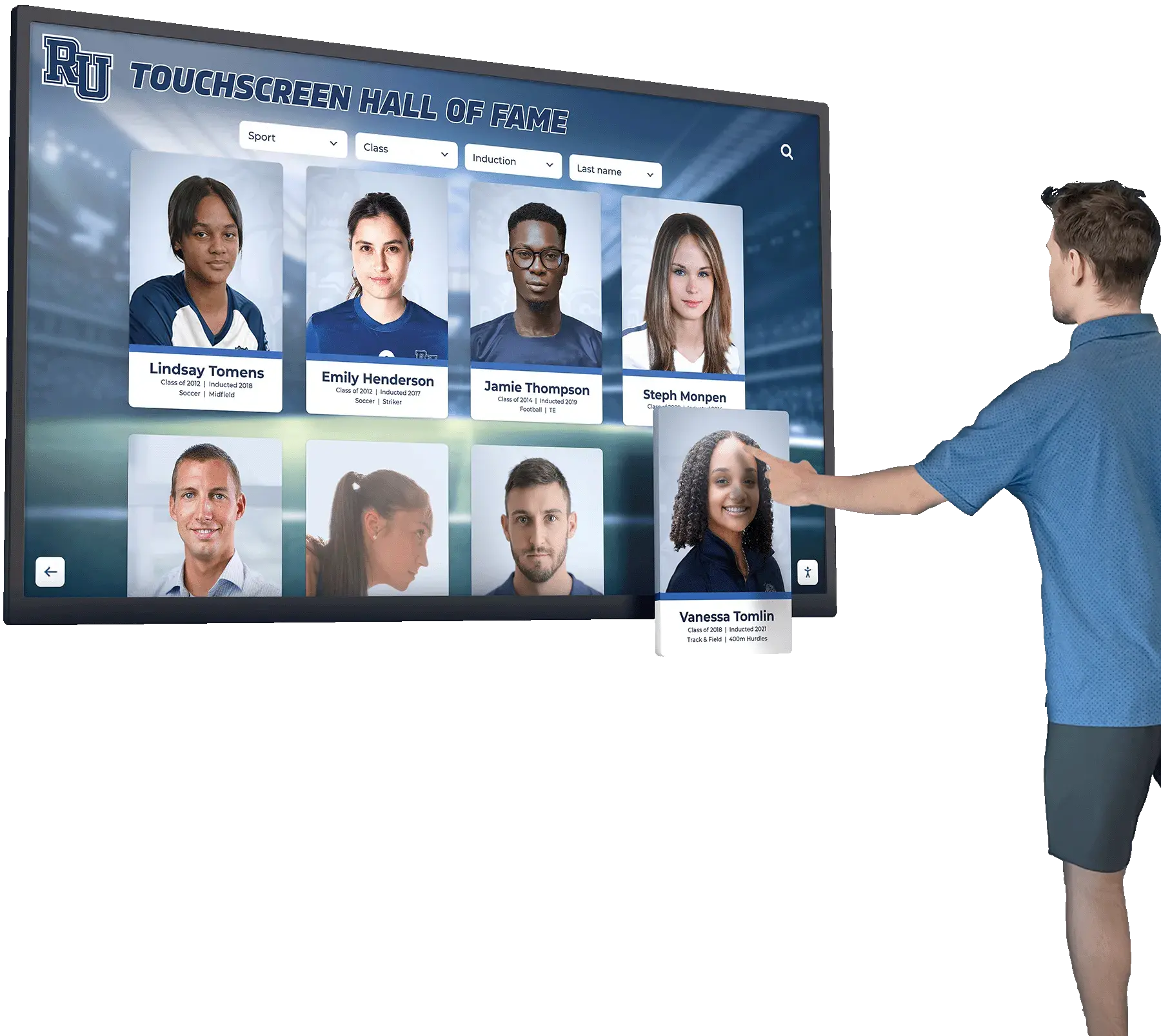
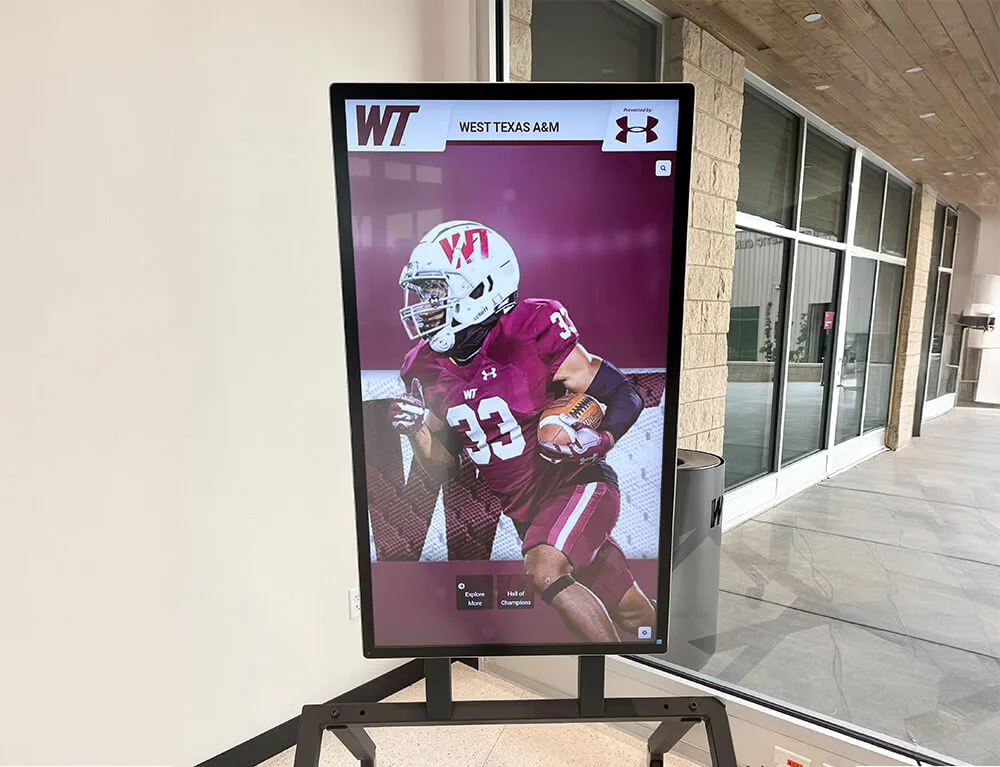
Interactive touchscreen platforms designed for school environments allow schools to embed rich multimedia content — including audio recordings, video performances, and historical photographs — into lobby and hallway installations that students and visitors can explore independently.
Step 5: Create an Ongoing Maintenance Plan
A school song display is not a one-time project. It requires ongoing stewardship to remain accurate, current, and relevant. Assign clear responsibility for:
- Updating content when new recordings are made or new performance traditions emerge
- Adding historical material as it is discovered or donated by alumni
- Ensuring audio and video files remain accessible as file formats evolve
- Refreshing display content around milestone moments (anniversaries, reunions, championships)
The goal is a living archive that grows with the institution rather than a static installation that becomes outdated within a decade.
Connecting School Song Heritage to Broader Community Identity
The school song does not exist in isolation. It connects to the full ecosystem of school traditions — the mascot, the colors, the athletic records, the honor rolls, the graduation customs — that together constitute institutional identity. Displays that situate the school song within this broader context are more meaningful than those that treat it as a standalone artifact.
Consider how school song heritage connects to other identity displays:
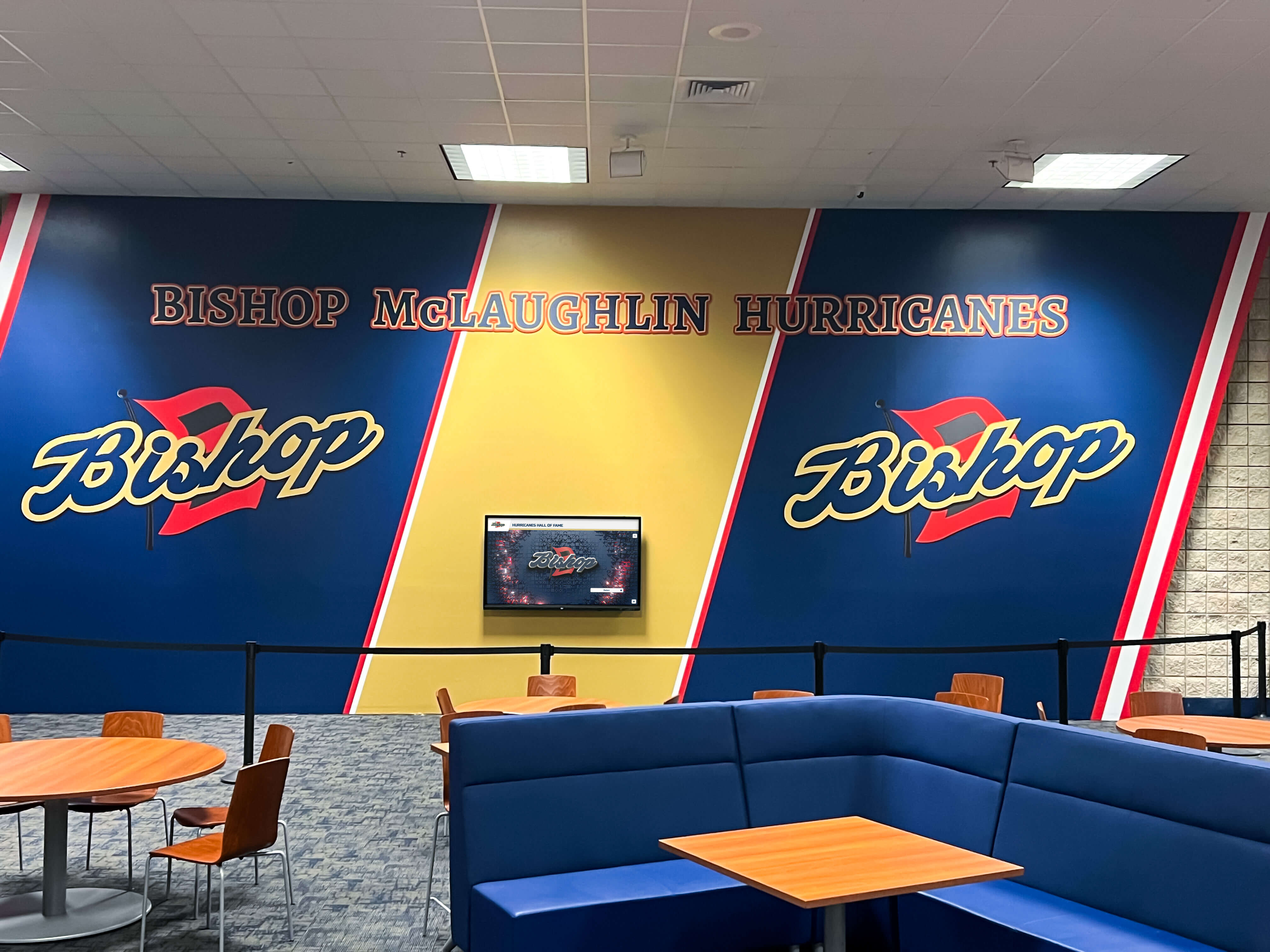
School identity displays in high-traffic spaces like cafeterias and lounges create natural moments for community members to engage with institutional heritage including musical traditions
Athletic Heritage and the Fight Song The fight song’s story is inseparable from athletic history. Displaying the fight song alongside championship records, hall of fame inductees, and milestone athletic achievements creates context for when and why the song matters most. Schools that recognize varsity letter traditions and what they mean understand this kind of layered heritage — each element reinforces the others.
Graduation and the Alma Mater The alma mater is bound to milestone transitions — graduation ceremonies, class reunions, memorial services. Displaying it near displays of graduation honors and academic recognition creates natural thematic resonance that reinforces the song’s role as a marker of meaningful passage.
Pep Rally Culture and School Spirit Pep songs and chants are performed most intensely during spirit events. Pep rally design and spirit week programming that explicitly features the school song — displaying lyrics on posters and banners, incorporating the melody into event audio, and inviting faculty and returning alumni to lead performances — embeds the musical tradition into the school spirit ecosystem rather than isolating it as a game-day artifact.
Staff Recognition and Institutional Continuity The teachers and staff members who have taught generations of students the school song deserve recognition as stewards of tradition. Staff recognition programs that acknowledge the music directors, choir teachers, and band leaders who have maintained the school song tradition over decades make the human element of preservation visible.
Measuring the Impact of School Song Heritage Programs
Schools that invest in documenting and displaying their school song heritage should track the outcomes to understand whether the initiative is achieving its community engagement goals.
Engagement Metrics from Digital Displays Interactive digital displays provide data on how often visitors engage with school song content — how many people use QR codes to access audio recordings, which sections of the history attract the most time, and which display locations generate the highest interaction rates. This data helps institutions optimize placement and content over time.
Alumni Response at Events Homecoming events and class reunions that incorporate school song heritage — displaying historical recording versions, featuring stories from alumni about what the song meant to them — consistently generate strong emotional responses. Tracking alumni satisfaction data at these events, and specifically asking about heritage-related programming, provides qualitative evidence of impact.
Student Survey Data Annual surveys that ask students whether they know the words to the school song, whether they understand its history, and whether they feel connected to the tradition provide a baseline and track change over time as display programs take effect. The goal is not just familiarity with the melody but genuine engagement with the meaning.
Social Sharing and Community Reach When school song content — particularly historical recordings, photographs of notable performances, or stories about the song’s composition — is made accessible digitally, community members share it. Tracking social media engagement with school song heritage content reveals how broadly the tradition resonates beyond the immediate school community and demonstrates the digital warming effect in action.
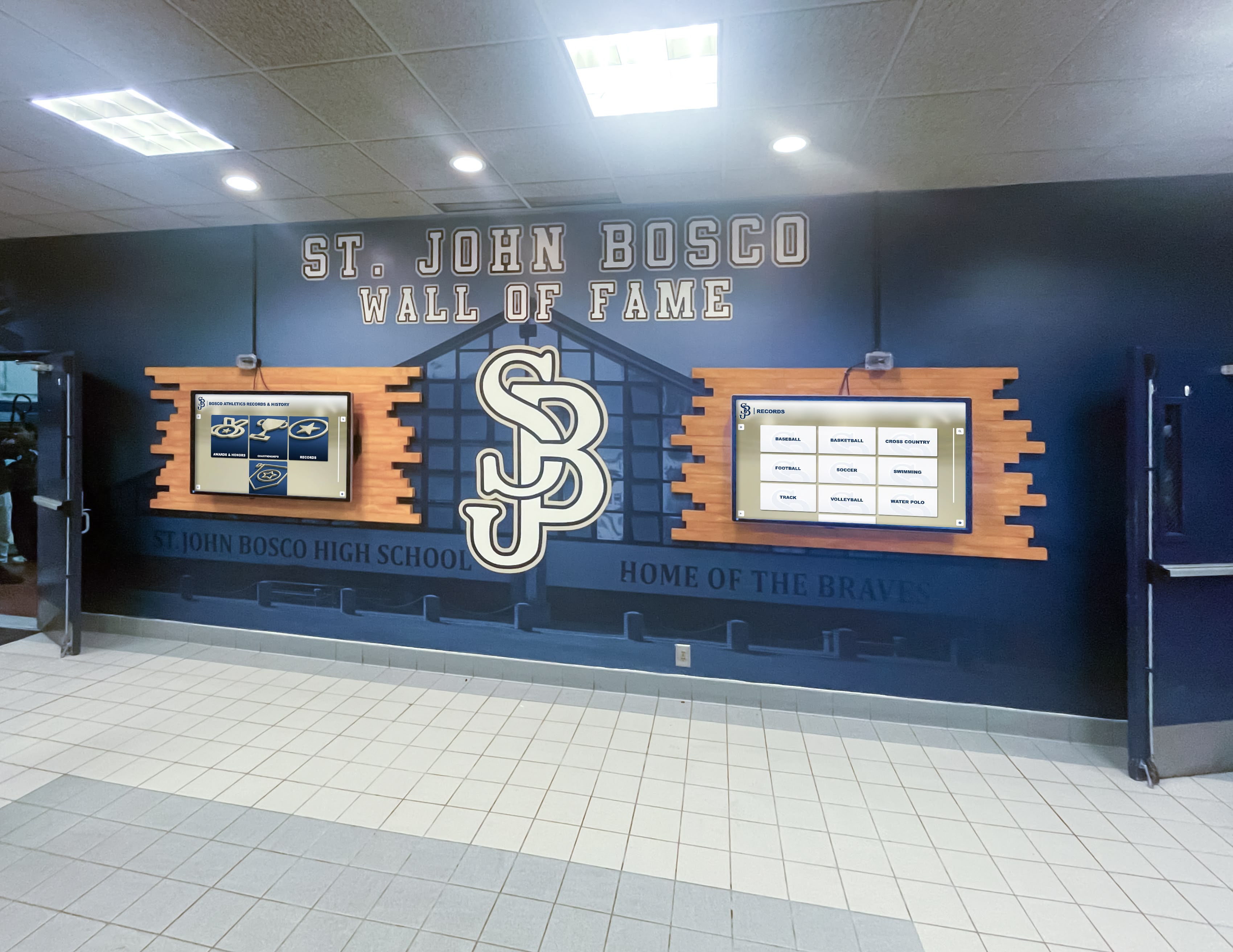
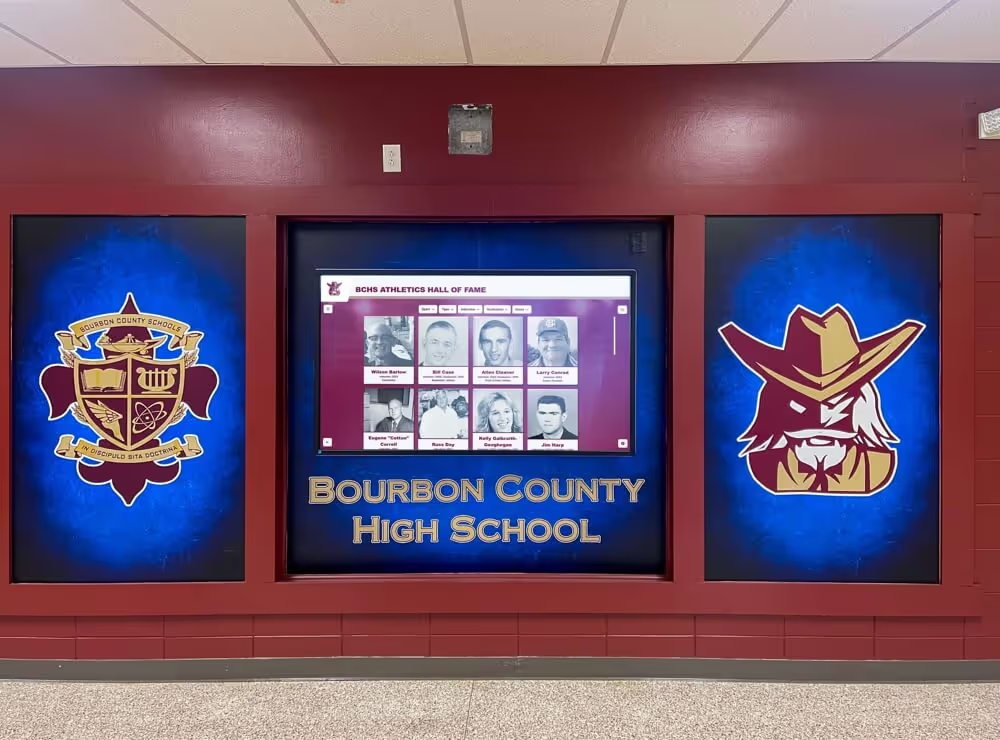
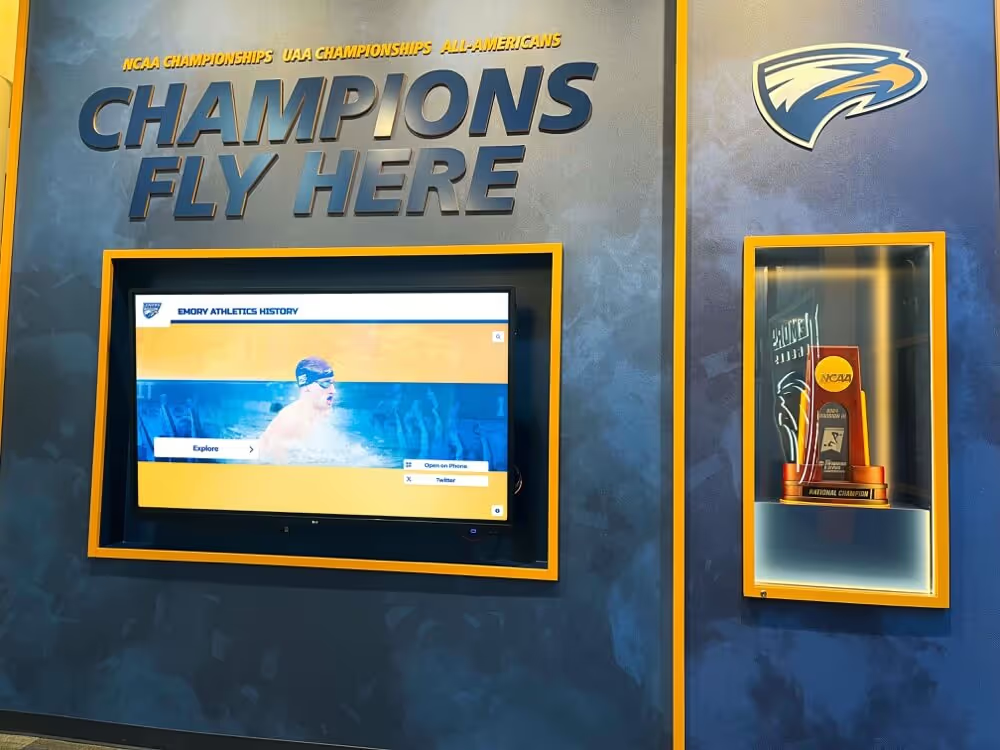
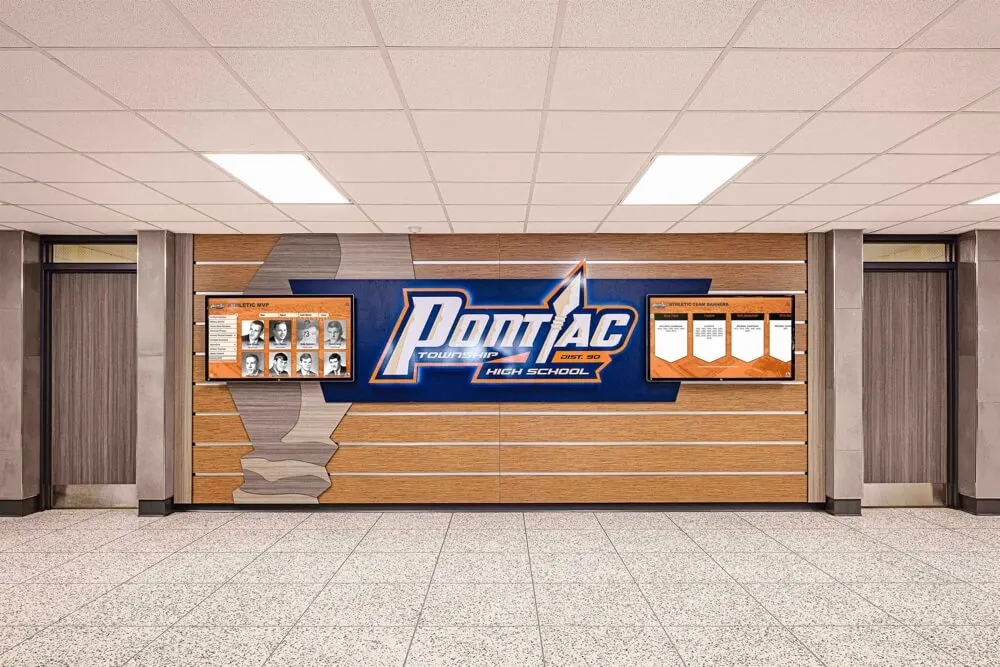
Multi-screen installations in school hallways create flexible content environments where musical heritage can be displayed alongside athletic achievements, honor rolls, and other institutional identity elements
School Songs in the Digital Age: New Traditions Being Made
While preservation of existing tradition is essential, institutions also have the opportunity to create new layers of school song tradition that are native to the digital era.
Student-Led Recording Projects
Inviting current music students to create new arrangements and recordings of the school song — jazz versions, a cappella interpretations, orchestral arrangements — generates fresh content while engaging students creatively with their musical heritage. These student recordings, added to the archive alongside historical versions, document the song’s living evolution and give current students ownership over the tradition.
Alumni Choir Recordings
Many schools have alumni who participated in choral programs and retain strong musical skills. Organizing alumni choir recordings — at homecoming events or through organized distance projects — creates powerful documents of the tradition as experienced by different generations. Hearing the class of 1978 sing the same alma mater as the class of 2024 makes the continuity audible in a way that photographs and text cannot convey.
Community Sing-Along Events
Organizing community events centered on the school song — not just as a performance but as a participatory sing-along with projected lyrics, historical context displayed on screens, and brief storytelling from longtime community members — creates new memories while honoring old ones. These events are particularly effective during milestone years, anniversary celebrations, or homecoming programming.
National College Signing Day celebrations and other milestone moments offer natural opportunities to incorporate school song traditions in ways that connect graduating students to their school identity at a deeply felt moment of transition.
QR Code Audio Access Throughout Campus
Placing QR codes in strategic locations — near the main entrance, in the gymnasium, in the cafeteria, outside the auditorium — that link directly to recordings of the school song creates a campus where the musical tradition is always one phone tap away. A student who has just been told the song has a particularly interesting history can pull it up immediately and listen. A visiting family considering enrollment can hear it before they leave the building. This on-demand accessibility is a small but meaningful way to make the tradition more present in daily life.
Bring Your School Song Tradition to Life
Rocket Alumni Solutions helps schools preserve and display their musical heritage through interactive digital platforms designed for lobbies, hallways, and athletic spaces. See how the digital warming approach can transform your school song from a game-day sound into a living piece of daily community identity.
Explore Digital Heritage DisplaysConclusion: The Song Is the Community
A school song is not just a piece of music. It is a compressed expression of institutional identity — the values, the pride, the continuity, and the belonging that define what it means to be part of a particular community. When schools treat it as such, preserving its history with care and displaying it in ways that make it discoverable every day, they turn a tradition that could easily become invisible into a daily reminder of why the community exists and what it means to be part of it.
The digital warming perspective on school song heritage is straightforward: traditions that are continuously present build the strongest community bonds. A song played once at a game lives in the moment and then fades. A song whose history is displayed in the lobby, whose recordings are accessible via QR code in the hallway, whose lyrics are rotated through the digital signage in the cafeteria, whose story is told through an interactive display in the music room — that song lives in the community’s ongoing consciousness.
Schools that make this investment do more than preserve a melody. They create a touchpoint where generations of alumni, current students, visiting families, and community supporters all recognize the same thing: that this institution values its history deeply enough to make it visible, and that the community it creates is one worth belonging to across decades and generations.
That warmth — felt by a prospective family touring the building, recognized by an alumnus returning for a reunion, experienced daily by students passing a lyrics display in the hallway — is what the school song, at its best, has always been meant to create.
For more on building community identity through heritage displays, explore how schools are rethinking digital trophy walls and end-of-season recognition traditions as part of comprehensive institutional identity programs. Rocket Alumni Solutions provides the digital display platforms that make these traditions continuously present and discoverable for every generation.