



School fundraising committees face perpetual pressure to generate revenue without overwhelming volunteers, exhausting families with constant solicitations, or settling for minimal returns barely justifying organizational effort. Traditional fundraisers—magazine sales requiring aggressive door-to-door campaigns, gift wrap nobody particularly wants, or complicated catalog orders confusing participants and frustrating coordinators—often deliver disappointing results despite consuming enormous volunteer time and community goodwill.
Popcorn fundraisers offer a refreshing alternative that actually works. Everyone loves popcorn. It’s affordable enough for broad participation, premium enough to command profitable margins, consumable so repeat purchases make sense, and genuinely enjoyable rather than obligation-driven pity purchases. Schools consistently report that popcorn fundraisers generate strong revenue while creating positive community experiences where families feel good about participation rather than resentful of constant financial requests.
Yet successful popcorn fundraisers require more than simply signing up with the first vendor discovered online and hoping families embrace participation. Strategic planning around vendor selection, pricing optimization, timing coordination, volunteer mobilization, student engagement, and recognition programs determines whether popcorn campaigns deliver exceptional returns or merely adequate results barely worth the coordination effort required.
This comprehensive guide explores how schools, PTOs, booster clubs, and student organizations leverage popcorn fundraisers to maximize revenue, strengthen community connections, and build sustainable supporter relationships extending beyond single campaigns. You’ll discover proven strategies for profitable fundraiser design, vendor evaluation approaches protecting your interests, creative sales tactics that actually work, volunteer coordination minimizing administrative burden, and modern recognition programs that convert fundraiser participants into lifelong engaged donors whose ongoing support sustains programs for years.

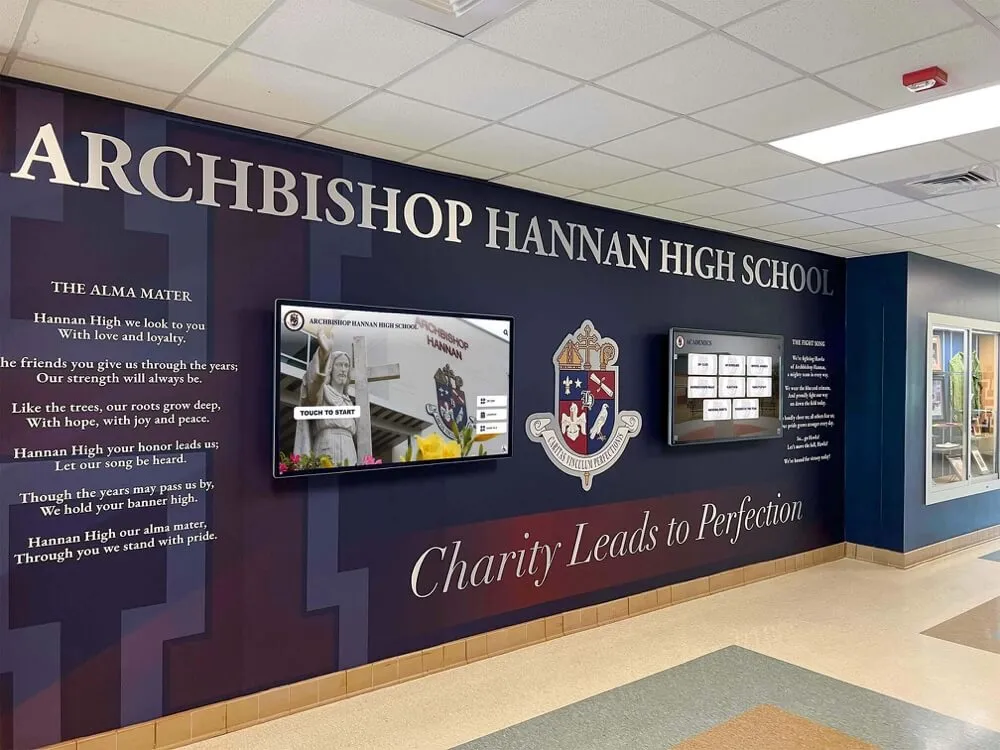
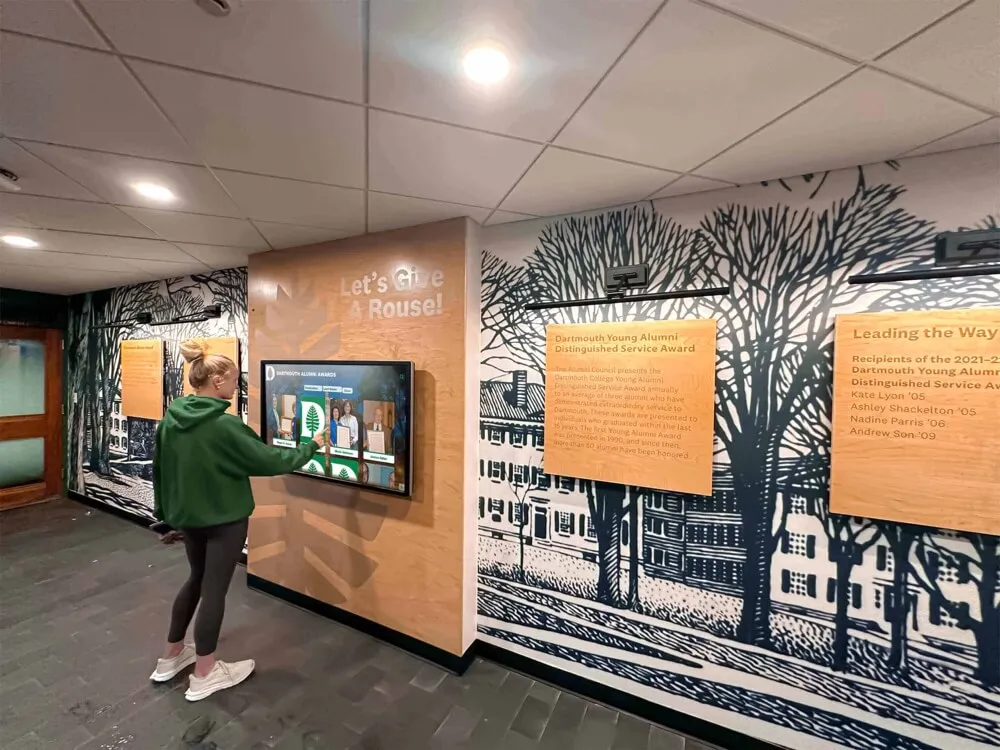
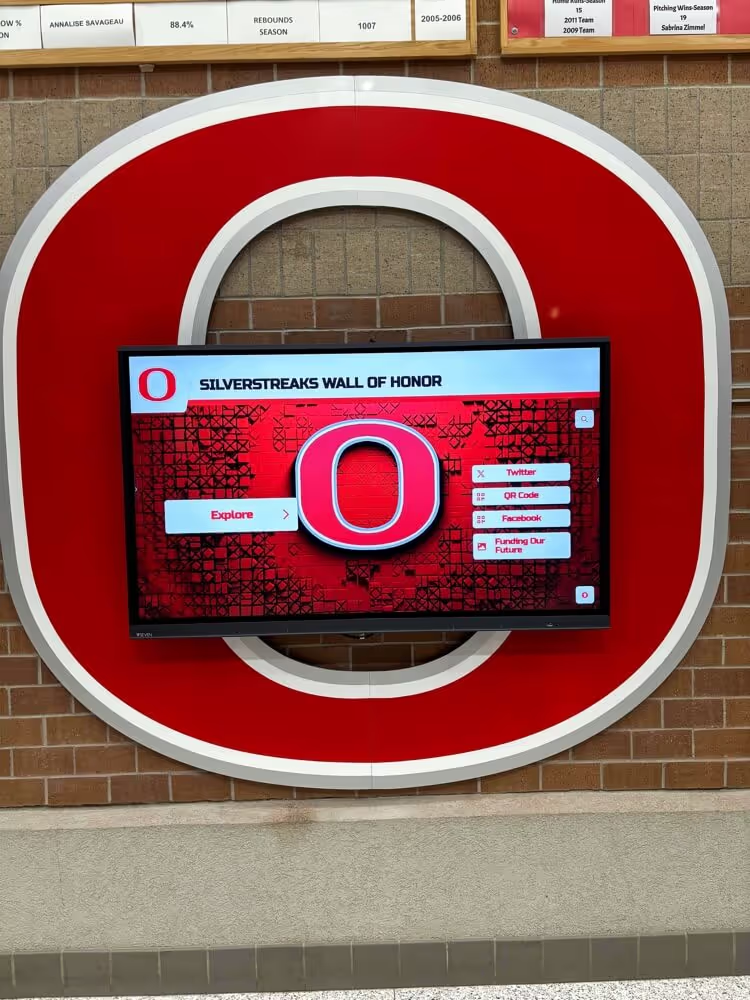
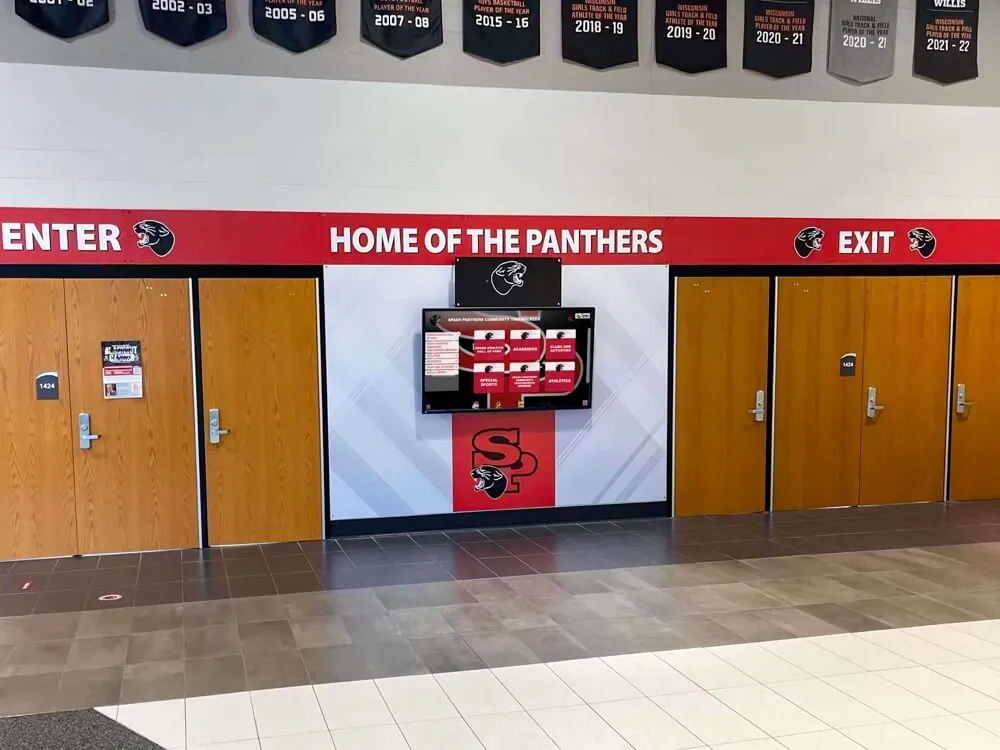
Successful fundraisers build the engaged school communities where students thrive and programs receive sustainable support
Why Popcorn Fundraisers Work for Schools
Before diving into implementation logistics, understanding why popcorn campaigns consistently outperform alternative fundraising approaches helps organizations maximize strategic advantages while avoiding common pitfalls.
Universal Appeal Creates Broad Participation
Unlike specialty products appealing to narrow demographics, popcorn enjoys nearly universal popularity creating natural advantages for broad-based fundraising campaigns.
Consumable Product Everyone Uses
Popcorn represents a true consumable with short shelf life encouraging repeat purchases rather than one-time obligations. Families don’t buy single tins lasting years gathering dust in pantries—they consume popcorn within weeks or months, creating natural opportunities for additional purchases throughout fundraising periods and even across multiple annual campaigns.
This consumable nature proves particularly valuable for schools conducting multiple fundraising campaigns annually. Unlike durable goods creating donor fatigue (“I already bought candles/wrapping paper/magazines last month”), popcorn purchases don’t compete with previous solicitations because families already consumed earlier purchases and genuinely welcome additional opportunities without feeling financially trapped in endless obligation cycles.
Affordable Price Points for Mass Appeal
Quality fundraising popcorn typically sells for $10-25 per item, positioning perfectly in the sweet spot where prices feel reasonable rather than extravagant yet generate meaningful profit margins justifying campaign effort. This affordability enables broad participation across diverse economic demographics rather than limiting appeals to affluent families with discretionary income for premium products.
Lower price points also facilitate multiple purchases from individual supporters. When neighbors, relatives, and colleagues can easily purchase 2-3 items without significant budget impact, per-buyer revenue increases dramatically compared to high-ticket products where cost concerns limit most supporters to single purchases.
Gift-Worthy Premium Positioning
While affordable, quality popcorn tins and gift sets position as premium gifts appropriate for holidays, teacher appreciation, office sharing, and hostess presents. This gift positioning creates sales opportunities beyond personal consumption, expanding potential customer bases to include anyone on supporters’ gift lists seeking attractive, enjoyable, appropriately-priced options.
The seasonal timing many schools choose—fall campaigns aligned with holidays, or spring campaigns supporting end-of-year celebrations—leverages this gift positioning when families actively seek present options and feel more receptive to purchase suggestions solving gifting challenges while supporting worthy causes.
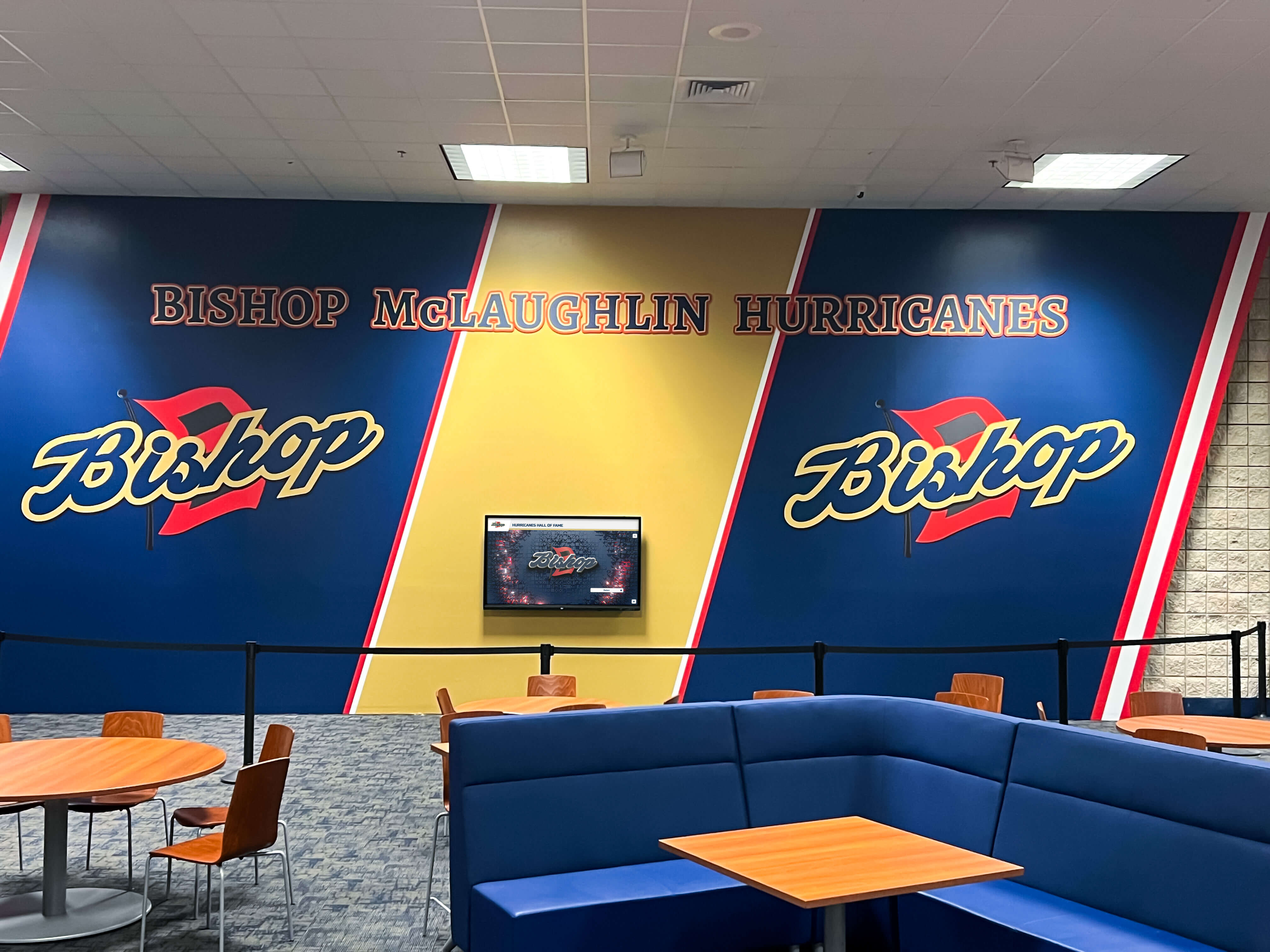
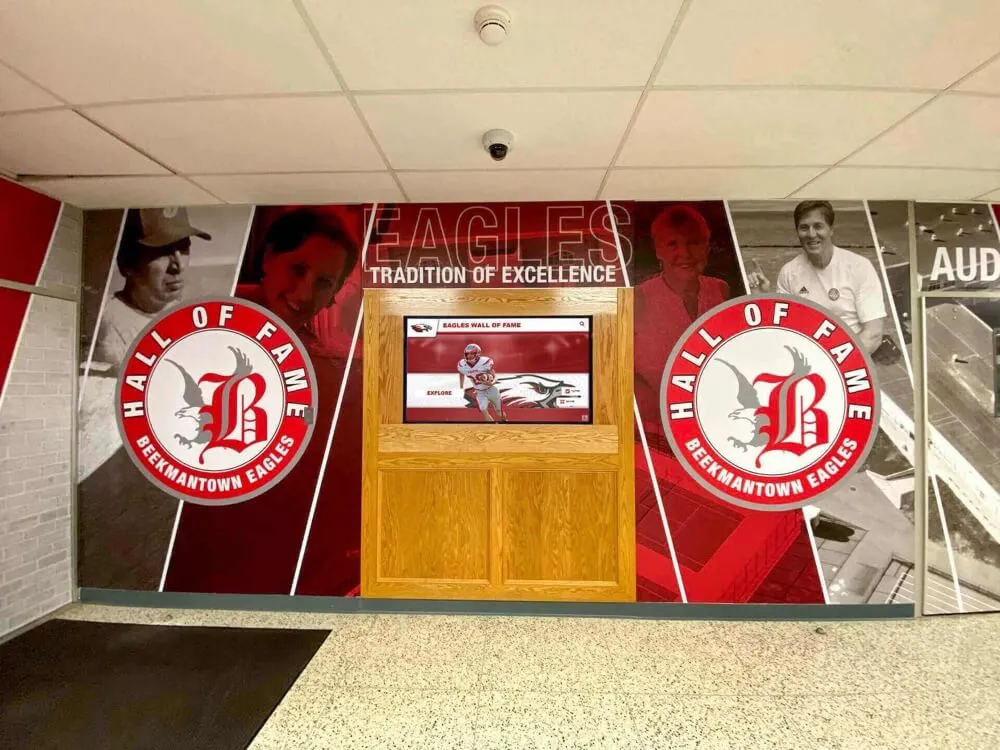
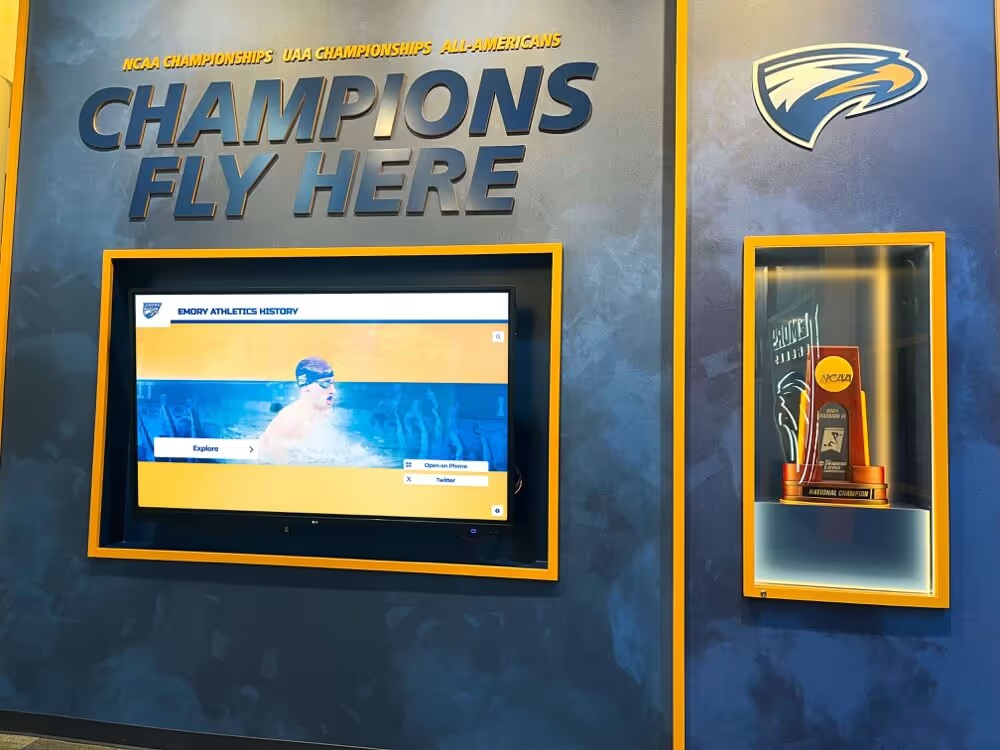
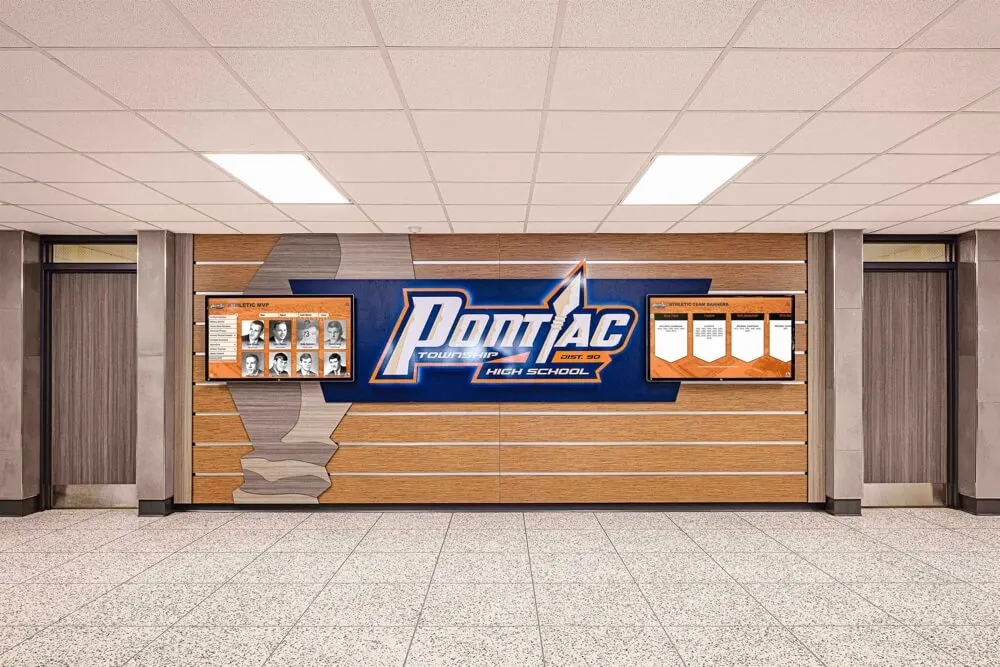
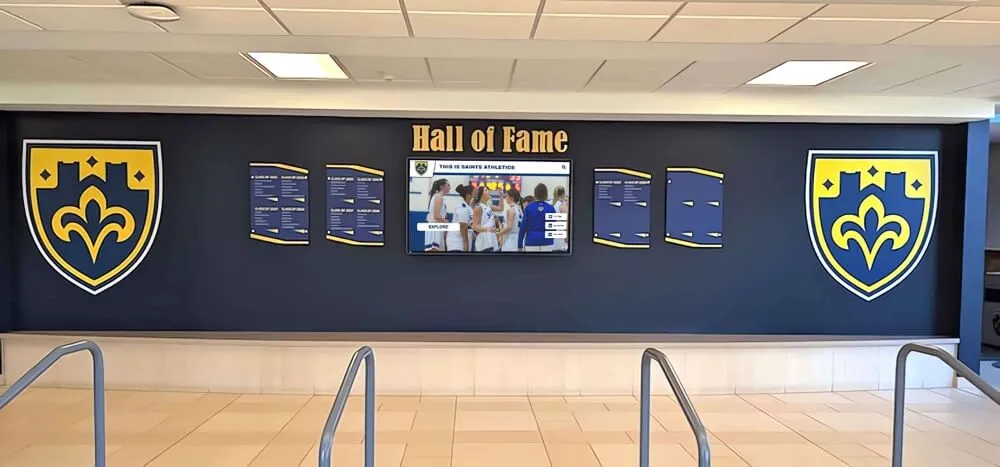
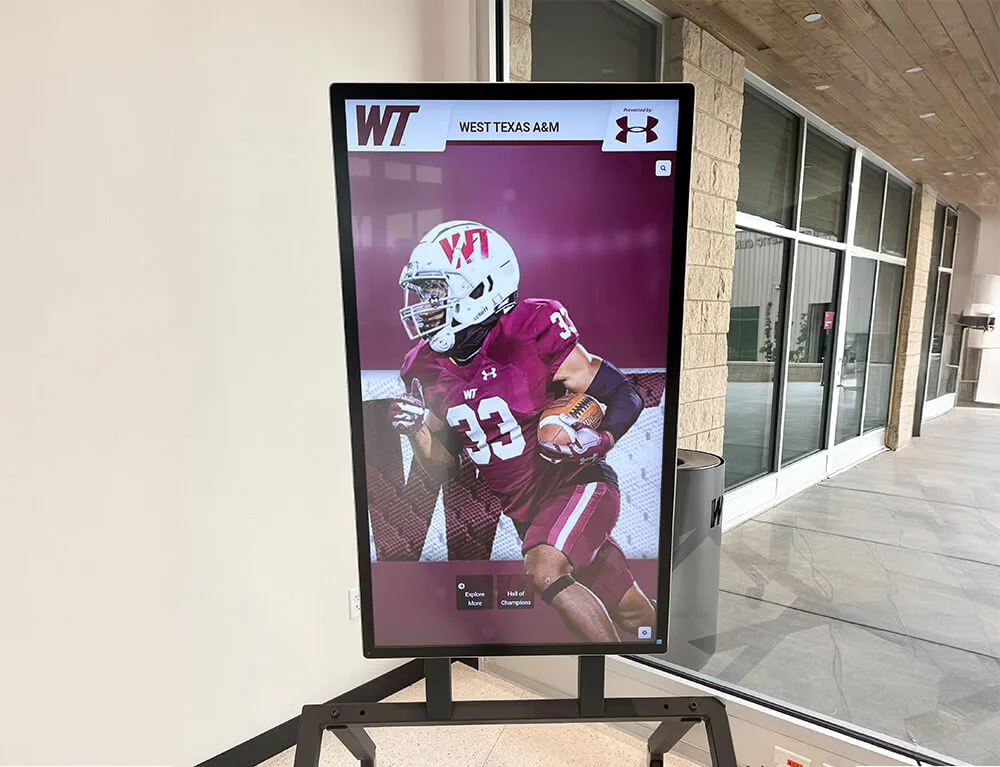
Fundraising success builds resources for recognition programs celebrating achievements and honoring supporter contributions
Simplified Sales Process Reduces Volunteer Burden
Compared to complicated catalog fundraisers requiring extensive product knowledge, inventory management, and order processing, popcorn campaigns offer operational simplicity that volunteer-led organizations desperately need.
Straightforward Product Line
Most popcorn fundraisers feature 5-15 product options compared to catalog fundraisers overwhelming families with hundreds of choices creating analysis paralysis. Limited, curated selections simplify decision-making for buyers while reducing sales complexity for student participants who need minimal training to confidently explain offerings.
Parents appreciate this simplicity—reviewing and discussing 8 popcorn options with children takes minutes, while navigating massive catalogs requires sustained attention most busy families cannot spare. Simplified choices drive higher participation rates as families complete purchases quickly rather than abandoning overwhelming processes never finding time to complete.
Pre-Packaged Fulfillment
Unlike bake sales requiring volunteer production or wrapping paper requiring storage and distribution logistics, popcorn arrives pre-packaged from vendors ready for immediate delivery. This turnkey fulfillment eliminates volunteer hours spent packaging products, organizing inventory, or coordinating pickup logistics that drain organizational capacity.
Delivery coordination, while requiring some volunteer effort, proves far simpler than alternative fundraiser logistics. Products arrive in bulk shipments easily divided by classroom or participant, then families retrieve purchases from central locations during scheduled windows. This streamlined process respects volunteer time constraints while ensuring reliable, professional fulfillment that maintains organizational reputation.
Digital Order Management Options
Modern popcorn fundraising companies provide digital platforms managing orders, payments, and reporting automatically rather than requiring manual paper tracking, cash handling, and spreadsheet coordination consuming hours of volunteer time. Online ordering options enable supporters purchasing directly through secure platforms, payments processing automatically, and real-time dashboards providing visibility into campaign progress without constant manual status updates.
These digital capabilities prove particularly valuable during busy seasons when volunteer coordinators juggle multiple responsibilities and lack bandwidth for intensive manual administration. Automation redirects volunteer capacity toward high-value activities—supporter outreach, student motivation, and campaign promotion—rather than administrative processing that technology handles more efficiently.
Strong Profit Margins Justify Campaign Effort
Fundraisers only prove worthwhile when returns justify the organizational effort and community goodwill expended through repeated solicitations.
40-50% Profit Margins on Sales
Quality popcorn fundraising programs typically deliver 40-50% profit margins—dramatically superior to many alternatives generating 25-35% returns. For schools selling $10,000 in popcorn, 45% margins generate $4,500 profit, while comparable catalog sales at 30% margins produce only $3,000—a $1,500 difference representing substantial additional program funding or requiring significantly higher sales volumes to achieve equivalent results.
These strong margins reflect popcorn’s favorable economics—relatively low production costs, lightweight shipping, extended shelf life minimizing spoilage, and premium positioning justifying favorable pricing. Organizations benefit from these structural advantages through superior returns compared to fundraisers with less favorable economic fundamentals.
Add-On and Upsell Opportunities
Beyond base sales, successful campaigns incorporate strategic upselling: combo packages bundling multiple items at slight discounts encouraging larger transactions, premium gift sets commanding higher prices for enhanced presentation, and strategic pairing suggestions increasing average order values as customers purchasing gifts add complementary flavors.
These tactics, when implemented thoughtfully rather than aggressively, meaningfully increase per-transaction revenue. Schools report that average order values increase 20-40% when supporters consider thoughtfully-presented combinations compared to random individual item selections without guidance.
Repeat Campaign Viability
Unlike durable good fundraisers exhausting community interest after single campaigns, popcorn’s consumable nature enables successful annual repetition without diminishing returns. Schools conducting fall popcorn campaigns year after year report stable or increasing participation as families incorporate purchases into holiday routines and gift-giving traditions.
This repeat viability creates compounding value—initial campaign setup effort spreads across multiple years of implementation, volunteer expertise accumulates enabling smoother execution, and community familiarity increases participation as popcorn fundraisers become anticipated events rather than novel experiments requiring extensive explanation and persuasion.
Choosing the Right Popcorn Fundraising Company
Vendor selection dramatically impacts campaign success, with substantial performance differences between companies despite superficial similarity in promotional materials promising equivalent results.
Essential Vendor Evaluation Criteria
Systematic evaluation prevents costly mistakes while identifying partners truly supporting organizational success rather than merely extracting sales revenue.
Profit Percentage and Payment Terms
Scrutinize not just headline profit percentages but actual financial terms determining when and how organizations receive funds:
Profit Percentage Transparency: Some vendors advertise attractive headline percentages but calculate profits after various fees, shipping charges, or minimum volume requirements that dramatically reduce actual returns. Demand clear explanation of exactly how profit percentages are calculated and what costs organizations absorb versus vendor coverage.
Payment Timing: Understand when funds become available—some companies pay after order collection (requiring schools to front payment), while others invoice customers directly and remit organizational portions later. Cash flow implications matter significantly for organizations lacking reserves to bridge payment gaps.
Minimum Order Requirements: Many companies require minimum sales volumes before profit-sharing activates or impose fees for campaigns falling below thresholds. These minimums prove problematic for smaller schools or organizations testing popcorn fundraising initially with conservative participation projections.
Product Quality and Variety
Actual product quality determines whether supporters feel good about purchases and consider repeat participation in future campaigns.
Sample Evaluation: Reputable vendors provide free product samples enabling evaluation before contractual commitments. Taste-test samples with diverse stakeholders—parents, teachers, board members—gathering feedback about flavor quality, portion sizing, packaging appeal, and overall value perception at proposed pricing.
Avoid vendors refusing samples or charging for sampling—these practices signal either low product quality or lack of confidence that direct experience would support positive vendor selection decisions.
Product Range Appropriateness: Evaluate whether product variety matches your community demographics and campaign goals. Some vendors emphasize premium gift tins ideal for holiday campaigns, while others feature affordable everyday options suitable for casual snacking. Ensure alignment between vendor strengths and organizational needs rather than forcing mismatched products on reluctant communities.
Fulfillment Reliability and Timing
Campaign success depends on reliable fulfillment delivering quality products on schedule without creating embarrassing distribution failures damaging organizational credibility.
Delivery Timelines: Confirm realistic delivery schedules between order finalization and product arrival. Understand what contingencies exist if delays occur, particularly during holiday seasons when timely delivery proves essential for gift purchases driving substantial sales volumes.
Damaged Product Policies: Clarify vendor responsibility for damaged items, replacement procedures, and credit processes when problems occur. Quality vendors assume responsibility for fulfillment issues rather than leaving organizations to absorb costs or disappoint customers creating negative experiences undermining future fundraising goodwill.
Customer Support Responsiveness: Test vendor responsiveness before commitments—contact customer service with questions, evaluate response times and helpfulness, and research online reviews from other schools sharing their experiences. Vendors providing excellent support during sales processes frequently deteriorate into unresponsiveness after contracts are signed, making pre-commitment evaluation essential.
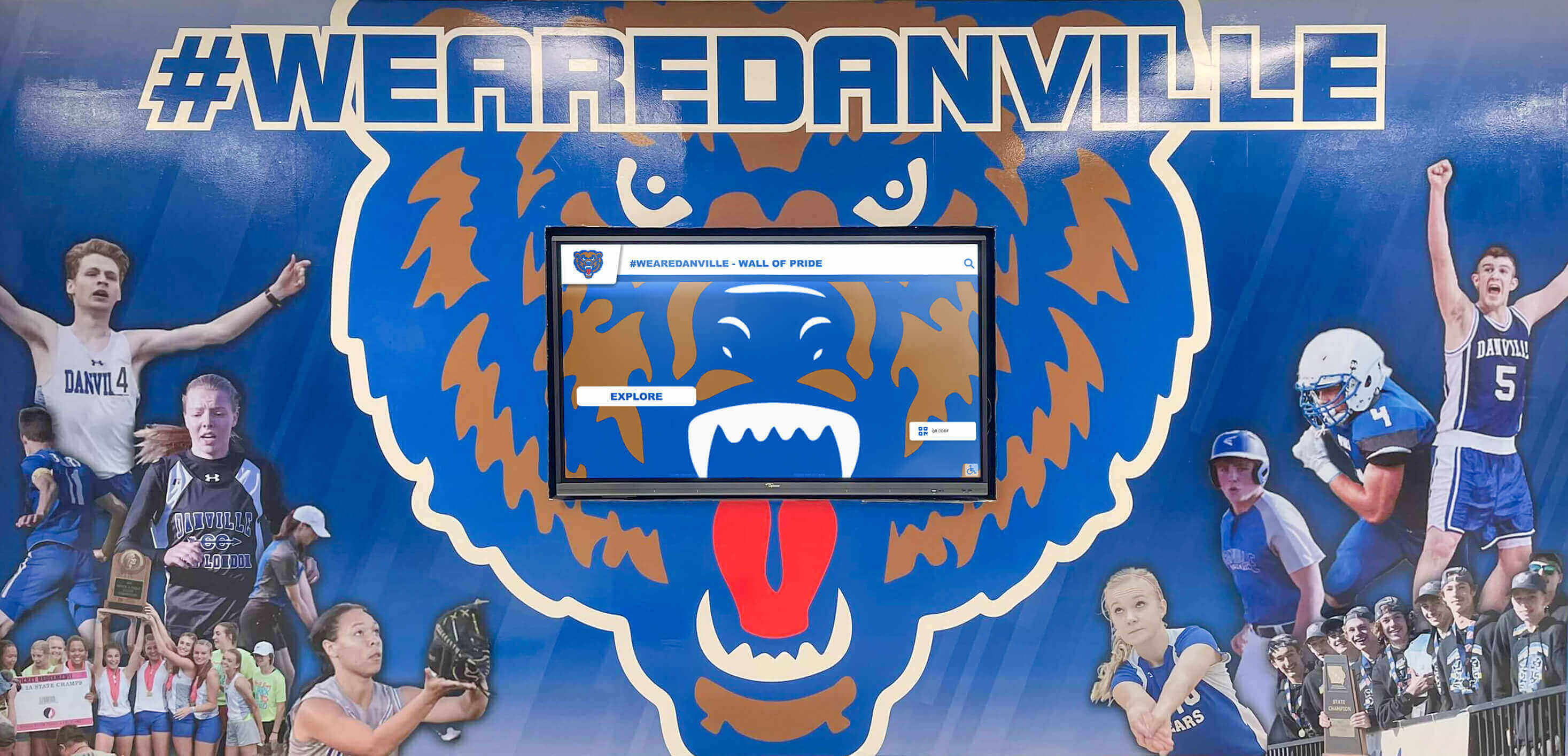
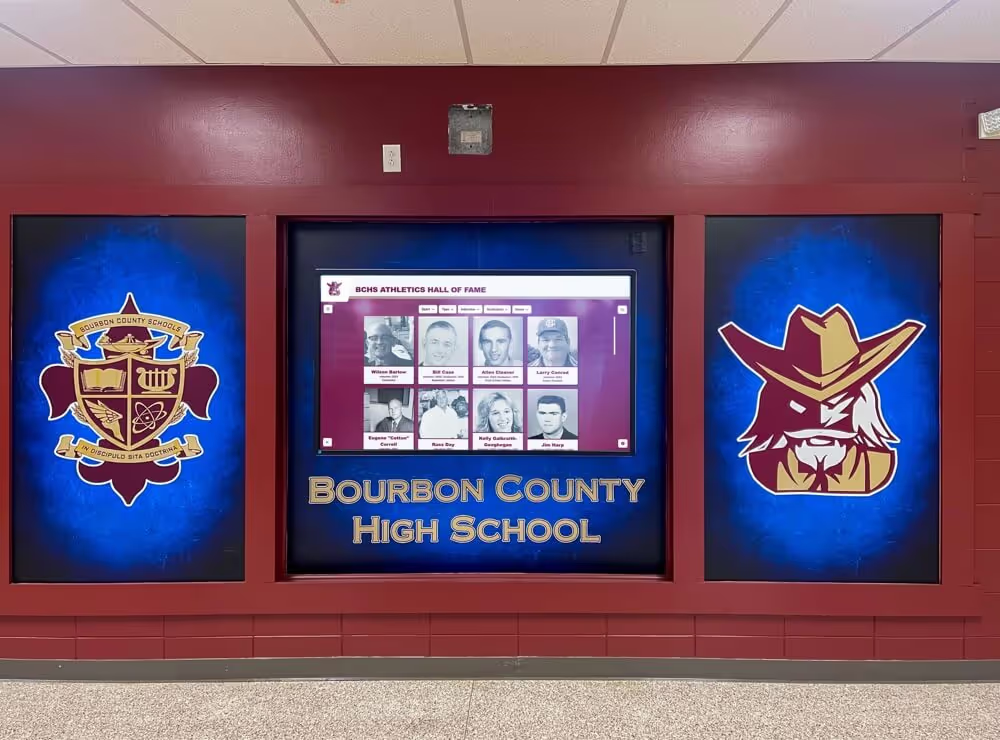
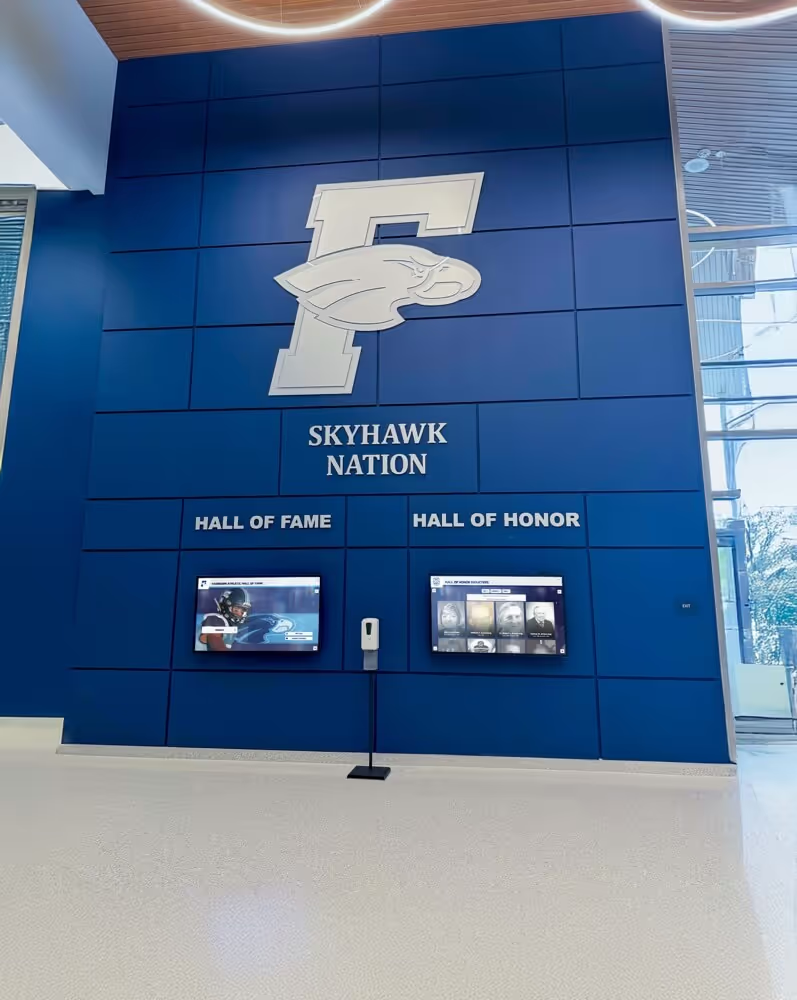
Successful fundraising enables facility improvements and recognition programs that build lasting school pride
Popular Popcorn Fundraising Companies Worth Considering
While thorough independent evaluation remains essential, several established companies demonstrate track records worth investigating as potential partners.
National Vendors with Proven Programs
Several large popcorn fundraising companies serve schools nationwide with established infrastructure and developed programs:
Kernel Encore: Specializes in school fundraising with customizable product lines, competitive profit margins typically 40-45%, and comprehensive digital ordering platforms. Known for strong customer support and reliable fulfillment, particularly for mid-to-large campaigns.
Pop Weaver Popcorn Fundraising: Offers extensive product variety from basic kernels to premium gift tins, flexible minimum order requirements accommodating smaller organizations, and white-label options enabling schools to add custom branding creating more personalized campaign identity.
ABC Fundraising: Provides diverse fundraising options beyond popcorn but maintains strong popcorn programs with good profit margins, extensive marketing materials supporting campaign promotion, and experienced support staff assisting first-time organizers navigating fundraising basics.
Local and Regional Specialty Vendors
Some schools achieve exceptional results partnering with regional gourmet popcorn companies creating differentiated campaigns featuring unique local products unavailable through national programs:
Local Gourmet Shops: Many communities include specialty popcorn retailers producing premium products commanding higher prices while supporting local business relationships valued by community-minded families. These partnerships sometimes deliver superior profit margins while creating compelling “support local” messaging strengthening participation appeals.
Regional Chains with Fundraising Programs: Emerging popcorn chains like Garrett Popcorn, Popcornopolis, and regional favorites often maintain school fundraising programs offering premium products, brand recognition creating immediate quality perception, and sometimes superior profit-sharing compared to commodity national vendors.
These regional options require more investigation since programs vary significantly between locations and specific arrangements depend on individual franchise or store policies. However, differentiation from typical school fundraising products sometimes generates enthusiasm justifying additional coordination complexity.
Direct Sales and Pre-Sale Models
Some organizations achieve success through direct sales approaches rather than traditional pre-order models:
Schools with strong volunteer bases sometimes purchase popcorn inventory directly at wholesale rates, then sell at retail prices capturing full markup rather than sharing profits with fundraising companies. This approach requires capital investment, inventory management capacity, and strong sales confidence but can deliver 60-70% margins for organizations with appropriate resources and risk tolerance.
Pre-sale models prove safer—collect orders and payment before purchasing inventory, eliminating risk of unsold products. However, direct purchase approaches provide flexibility for opportunistic sales at events, games, and community gatherings where pre-ordering proves impractical but impulse purchases generate meaningful revenue.
Planning Your School Popcorn Fundraiser Campaign
Successful campaigns require thoughtful planning addressing timing, goals, volunteer coordination, and student engagement rather than simply launching sales efforts and hoping for optimal results.
Setting Realistic Goals and Timelines
Clear objectives guide all subsequent decisions while providing benchmarks for evaluating success and identifying improvement opportunities for future campaigns.
Revenue Goal Development
Establish specific financial targets based on organizational needs and realistic participation projections:
Needs Assessment: Identify specific funding needs the campaign addresses—equipment purchases, field trips, facility improvements, program enhancements, or general operating budgets. Specific purposes create more compelling participation appeals than vague “support our school” requests failing to communicate tangible benefits worthy of family investment.
Calculate required revenue: If your band needs $5,000 for competition travel and expects 45% profit margins, you need approximately $11,100 in sales. Understanding this relationship between goals and required sales volumes enables realistic target-setting and appropriate campaign intensity.
Participation Projections: Estimate likely participant numbers based on historical fundraising engagement, grade levels involved, and family demographics. Conservative projections might assume 40-60% family participation with average sales of $50-100 per participating student, enabling goal-setting grounded in achievable rather than wishful outcomes.
Stretch Goals and Incentive Tiers: Beyond baseline targets, establish stretch goals motivating exceptional effort. Tiered objectives—$8,000 baseline, $10,000 strong performance, $12,000 exceptional achievement—enable celebration of various success levels while providing aspirational targets for competitive students and families motivated by challenge.
Optimal Campaign Timing
Timing dramatically affects participation and results, with seasonal considerations, school calendar factors, and community patterns influencing optimal scheduling.
Fall vs. Spring Campaign Timing
Fall campaigns (late September through November) align with holiday shopping seasons, leverage Halloween-Thanksgiving-Christmas gift-giving opportunities, and benefit from beginning-of-year enthusiasm when families feel fresh rather than fatigued by endless year-end fundraising requests.
Spring campaigns (late February through April) position popcorn as Easter basket additions, end-of-school-year teacher gifts, and summer snack stocking options while avoiding direct competition with fall fundraising saturation many schools experience.
School Calendar Integration
Coordinate with school calendars avoiding conflicts with major events, testing periods, or holidays that fragment attention and limit volunteer availability. Ideal windows provide 2-3 week selling periods between order launch and deadline, followed by 2-3 weeks for fulfillment and distribution before families need products for intended purposes.
Consider parent-teacher conference weeks for kick-off events, leveraging natural family presence for campaign launches and volunteer recruitment. Avoid scheduling during spring breaks, standardized testing periods, or major athletic championships when normal routines disrupt and engagement suffers.
Avoiding Fundraising Fatigue
Schools conducting multiple fundraising campaigns must strategically space efforts preventing community exhaustion. If your PTO sells wrapping paper in fall, schedule popcorn for spring. If the athletic booster club runs major campaigns in specific seasons, coordinate complementary rather than competing timing.
Organizations that thoughtfully coordinate diverse campaigns throughout years, ensuring 6-8 weeks minimum between different fundraising appeals, maintain healthier community relationships and stronger individual campaign performance compared to schools bombarding families with overlapping solicitations creating resentment and declining participation across all efforts.
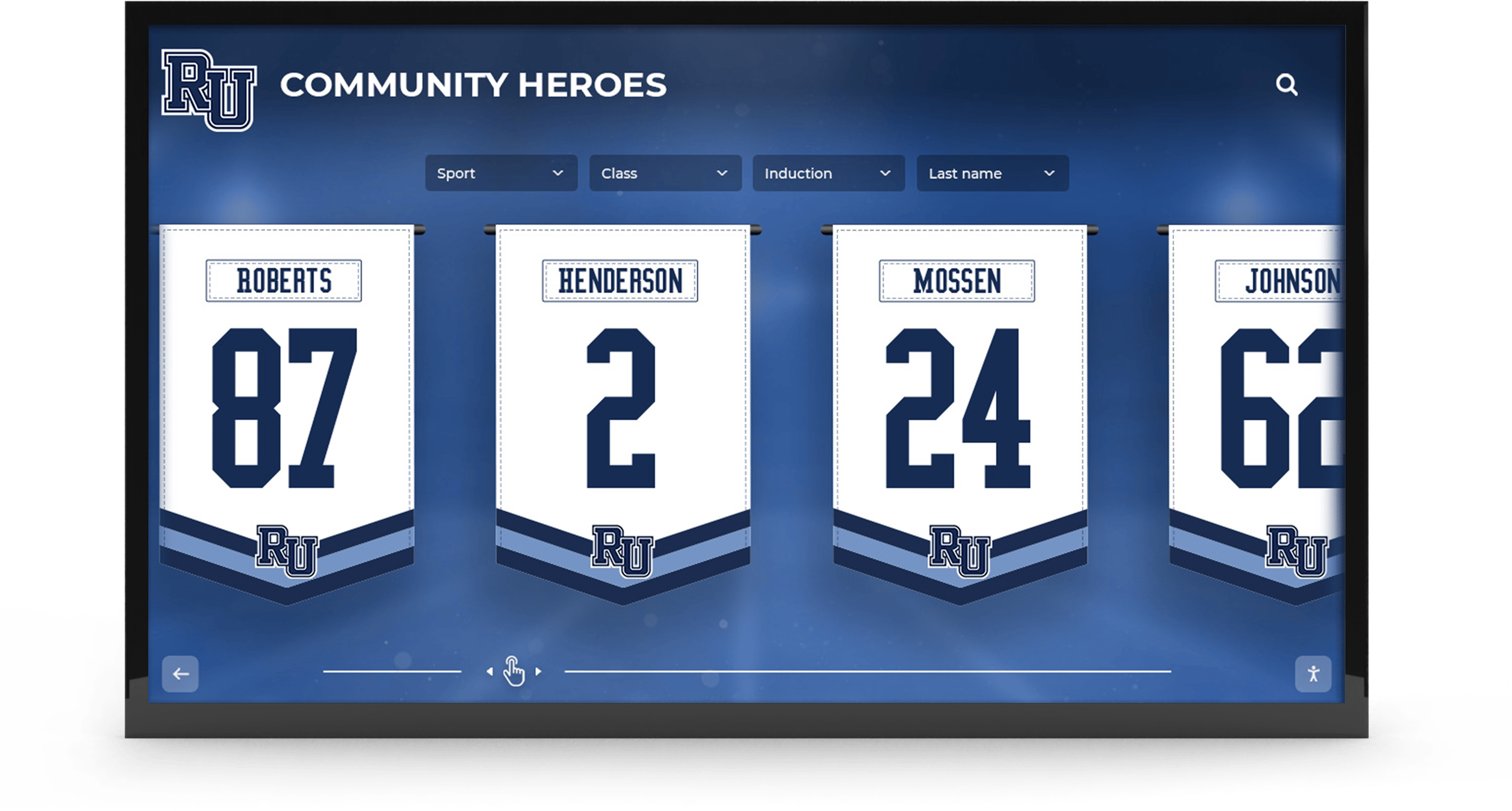
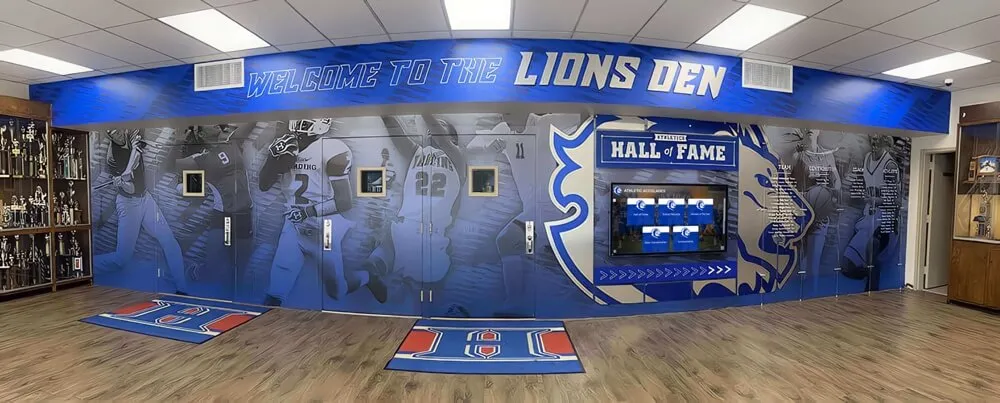
Recognition programs honor fundraising supporters creating ongoing appreciation that motivates sustained engagement
Volunteer Recruitment and Organization
Successful campaigns require coordinated volunteer teams distributing workload preventing individual burnout while ensuring comprehensive coverage across essential functions.
Core Volunteer Roles and Responsibilities
Clearly defined positions enable targeted recruitment matching specific skills with appropriate responsibilities:
Campaign Coordinator: Overall campaign leadership, vendor liaison, timeline management, volunteer coordination, and problem resolution. This leadership role requires organized individuals with project management skills, communication capabilities, and time availability for significant coordination effort during intensive campaign periods.
Order Manager: Tracks orders as they arrive, manages payment processing and recording, coordinates with vendor regarding submission and fulfillment, and troubleshoots order issues. Detail-oriented individuals with financial competency and comfort managing databases or spreadsheets excel in this administrative role.
Volunteer Coordinator: Recruits, schedules, and manages volunteers for kick-off events, order collection, distribution days, and ongoing campaign support. People-oriented individuals with strong communication skills and relationship-building abilities succeed in these human resources functions.
Communications Lead: Develops and distributes campaign promotional materials, manages social media promotion, coordinates with school communication channels, and maintains ongoing campaign updates keeping community engaged and informed. Individuals with marketing, writing, or graphic design skills prove particularly effective.
Distribution Manager: Plans and coordinates product distribution logistics, organizes volunteer teams for delivery day operations, manages distribution location setup, and troubleshoots delivery issues ensuring smooth fulfillment processes. Logistically-minded individuals with operational experience thrive in these coordination roles.
Classroom or Grade-Level Representatives
Larger schools benefit from distributed leadership models with representatives managing specific grade levels or classrooms:
These representatives serve as primary contacts for their assigned groups, distribute materials and collect orders from specific families, troubleshoot questions and concerns within their populations, and provide campaign updates to central coordinators. This distributed model reduces coordinator burden while creating manageable volunteer commitments (managing 20-30 families versus 500+ for entire schools) increasing recruitment success.
Building Volunteer Teams
Strategic recruitment approaches secure committed volunteers rather than collecting names of people who never actually participate:
Personal Recruitment: Direct personal asks prove most effective—identify parents demonstrating interest through previous involvement, explain specific time commitments honestly, emphasize meaningful impact their participation enables, and match volunteer opportunities to individual skills and availability demonstrating respect for their capacity constraints.
Skill-Based Appeals: Rather than generic volunteer requests, articulate specific needs: “We need someone comfortable with spreadsheets managing order tracking,” “We’re looking for creative people to design promotional flyers,” or “We need organized individuals coordinating our distribution day.” Specific requests help potential volunteers envision how their capabilities contribute without requiring total availability or unfamiliar skills.
Time-Limited Commitments: Emphasize defined campaign timelines rather than open-ended obligations. “This campaign runs three weeks with distribution requiring one Saturday morning” proves far less intimidating than vague ongoing volunteer commitments creating anxiety about uncontrollable time drains.
Maximizing Student and Family Participation
Strong sales require enthusiastic student engagement and strategic family outreach creating excitement rather than reluctant obligation-driven minimal participation.
Student Motivation and Engagement Strategies
Students drive sales through their networks and enthusiasm—motivating genuine effort rather than passive handoff of order forms to parents dramatically improves results.
Incentive Programs That Actually Work
Thoughtful incentives motivate effort without creating problematic competitive pressure or rewarding outcomes primarily driven by family economic circumstances rather than student engagement.
Individual Student Rewards
Tiered prize structures reward progressively higher sales levels: Students selling 5 items receive small prizes (school spirit items, homework passes, lunch with teacher), 10-item sellers earn medium prizes (gift cards, event tickets, special privileges), and 20+ item top sellers receive premium rewards (electronics, major event tickets, special recognition).
This tiered approach ensures broad reward distribution rather than winner-take-all structures where only extreme top sellers receive anything, creating resentment rather than motivation among students putting in solid effort but lacking networks enabling extraordinary sales volumes.
Classroom or Grade-Level Team Competitions
Group competitions create positive peer accountability while reducing pressure on individual students:
Classes compete for highest participation percentages (not total sales volumes, which unfairly advantages larger classes), earning collective rewards like pizza parties, extra recess time, or special activities. This structure motivates students to encourage classmate participation rather than competing against each other, building community rather than divisive competition.
Grade-level competitions work similarly—the middle school grade with highest family participation percentage earns a grade-wide reward creating age-appropriate team identity and healthy competition without individual pressure.
Recognition and Non-Material Rewards
Many students respond powerfully to recognition beyond material prizes:
Public acknowledgment during assemblies or morning announcements, names displayed on school digital recognition displays celebrating community contributors, certificates of achievement suitable for framing, or leadership opportunities like helping distribute products or present campaign results provide meaningful recognition that costs little while creating lasting positive associations.
This recognition proves particularly valuable for students from families with limited economic means who cannot achieve top sales volumes but demonstrate strong effort worthy of acknowledgment. Effort-based recognition categories ensure all committed participants receive appropriate appreciation regardless of sales outcomes.
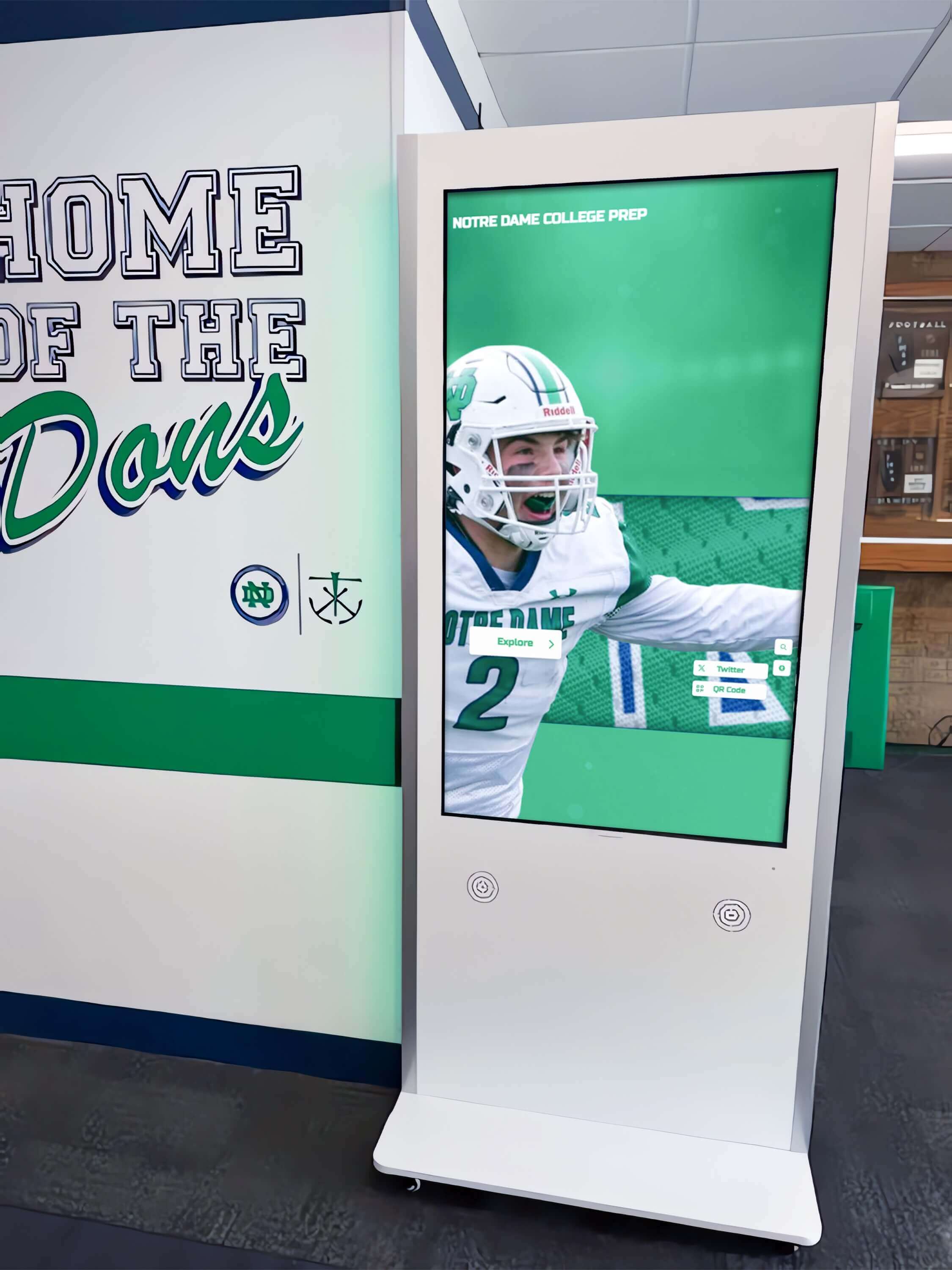
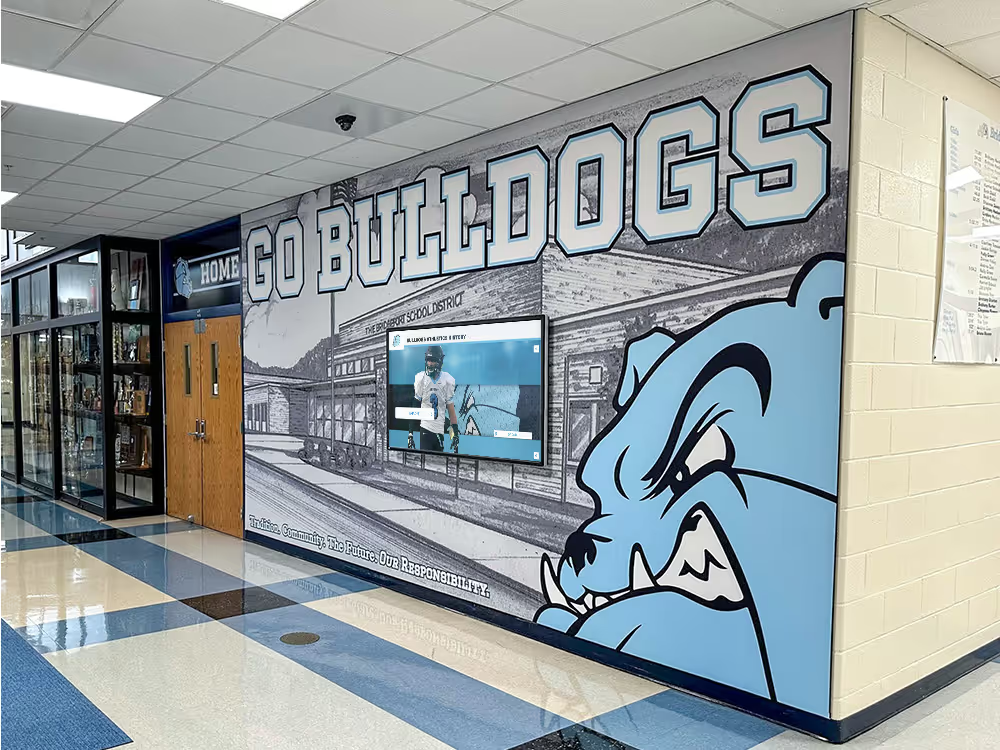
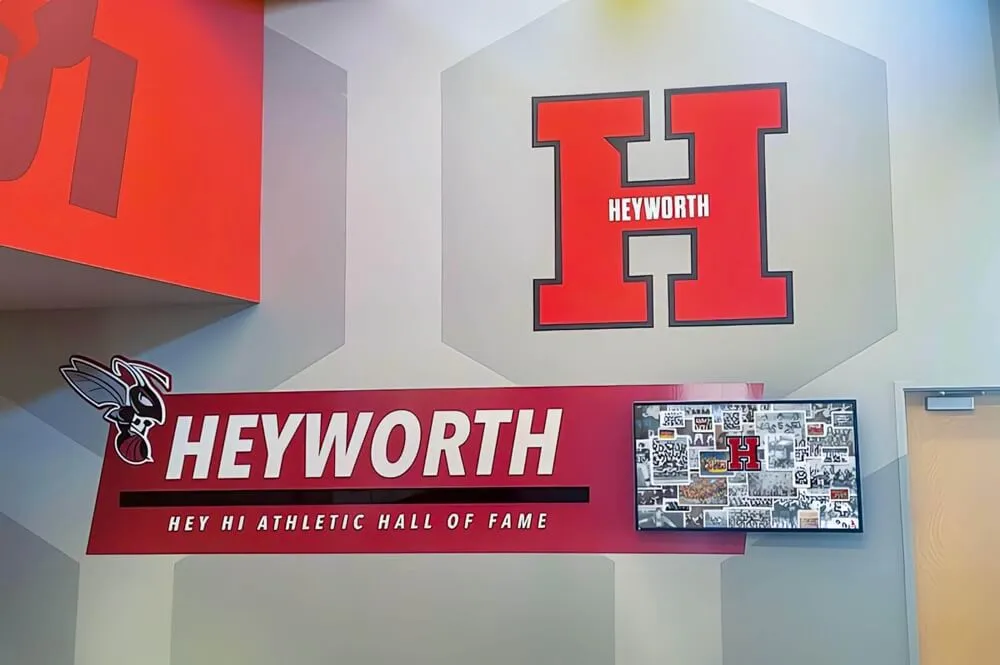
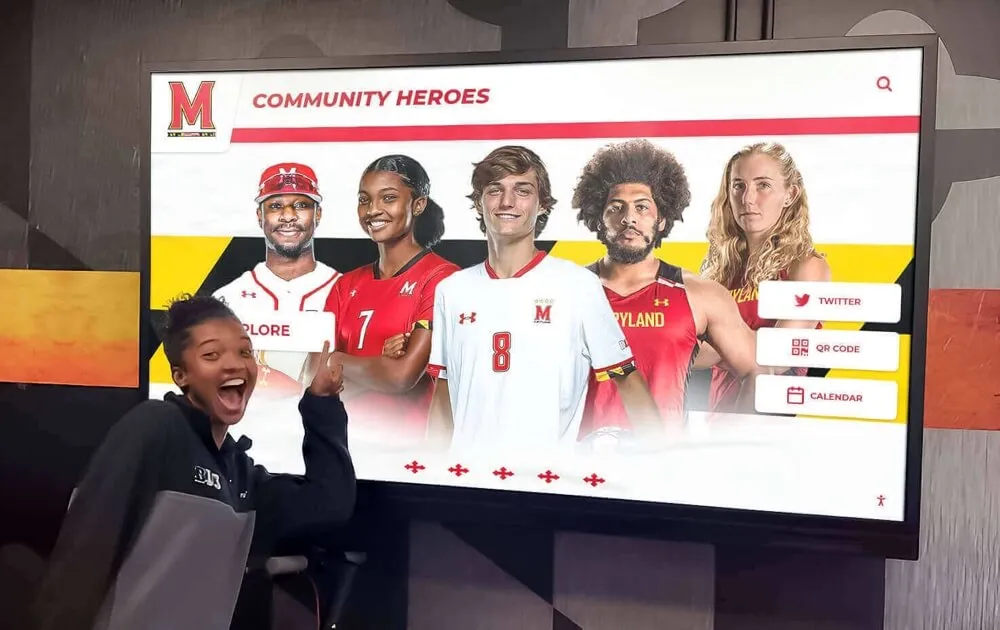
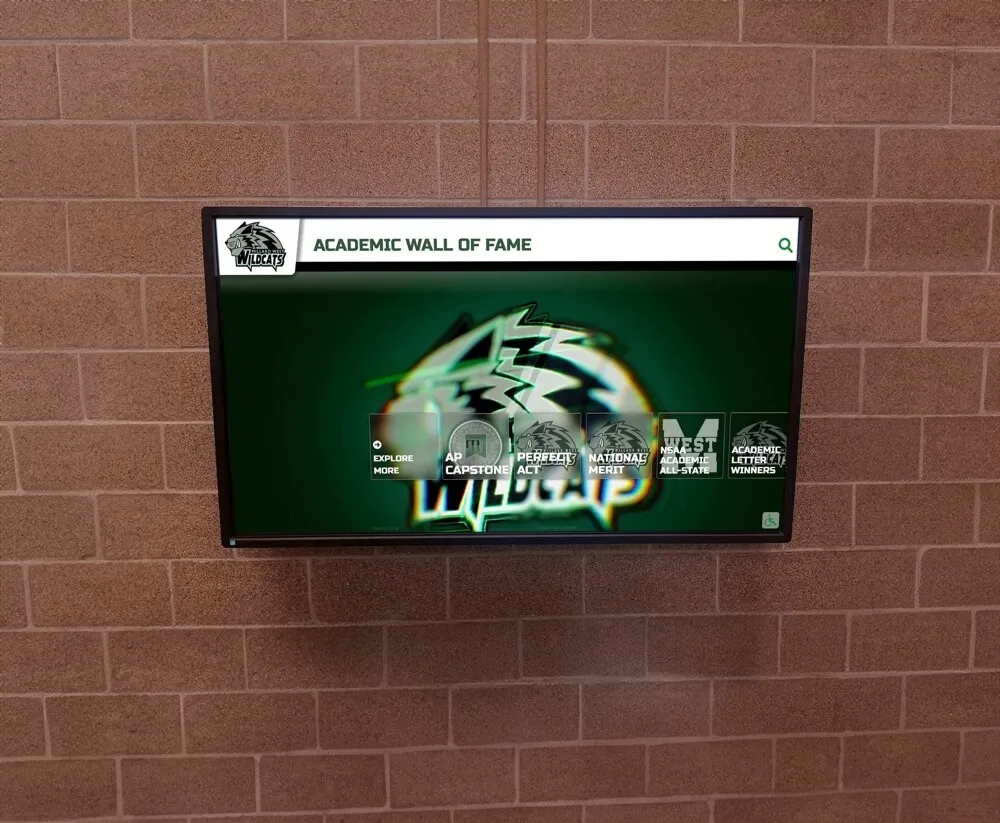
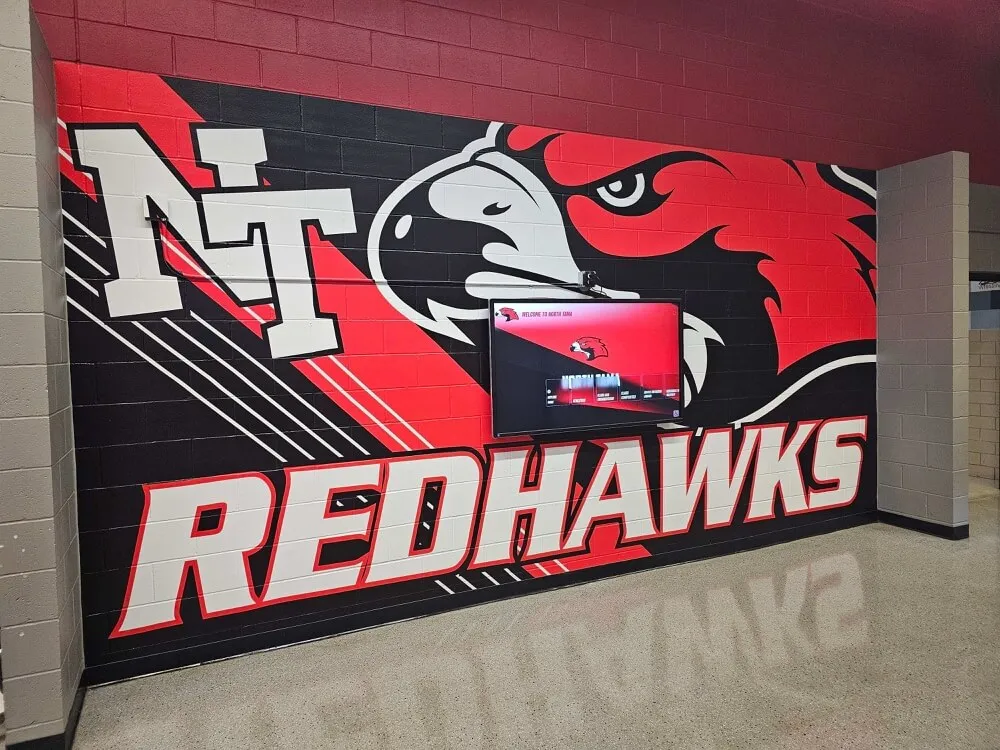
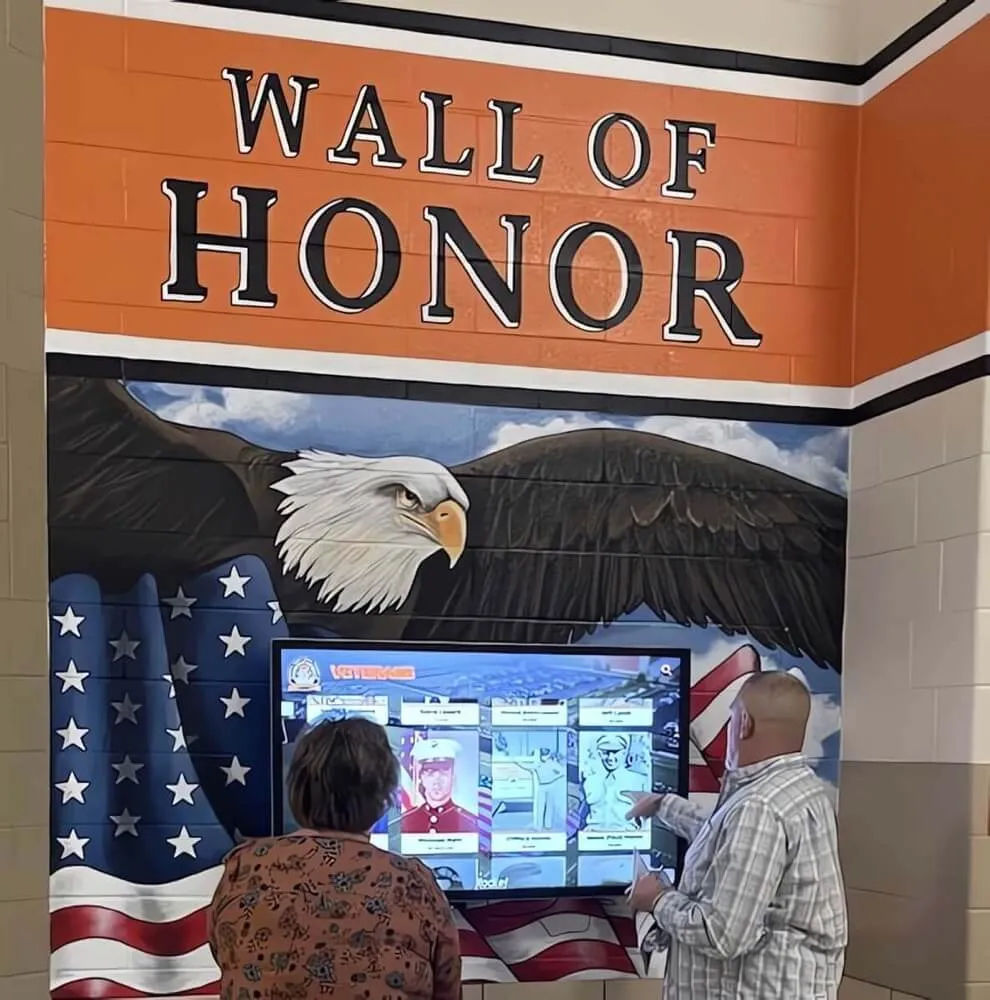
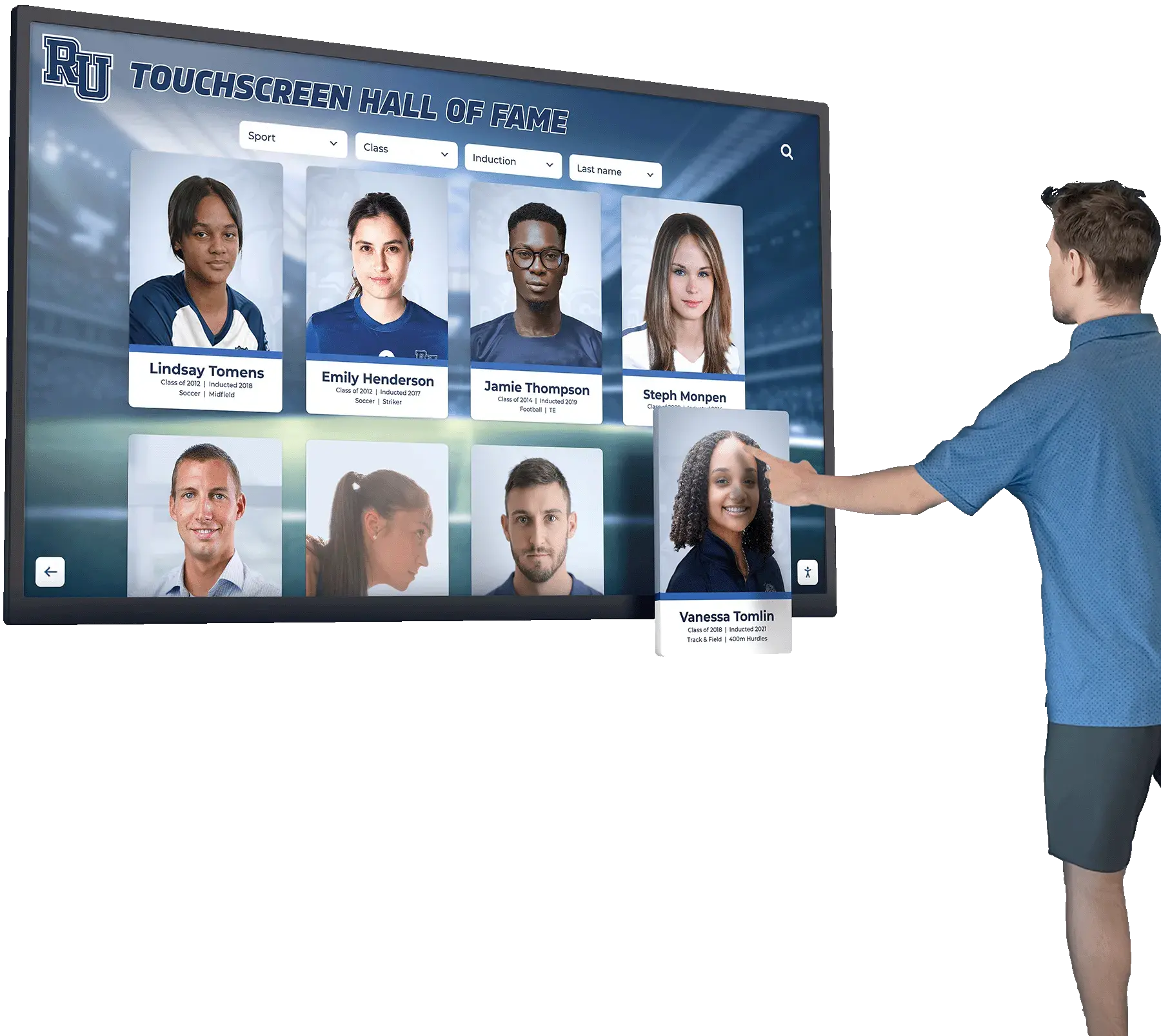
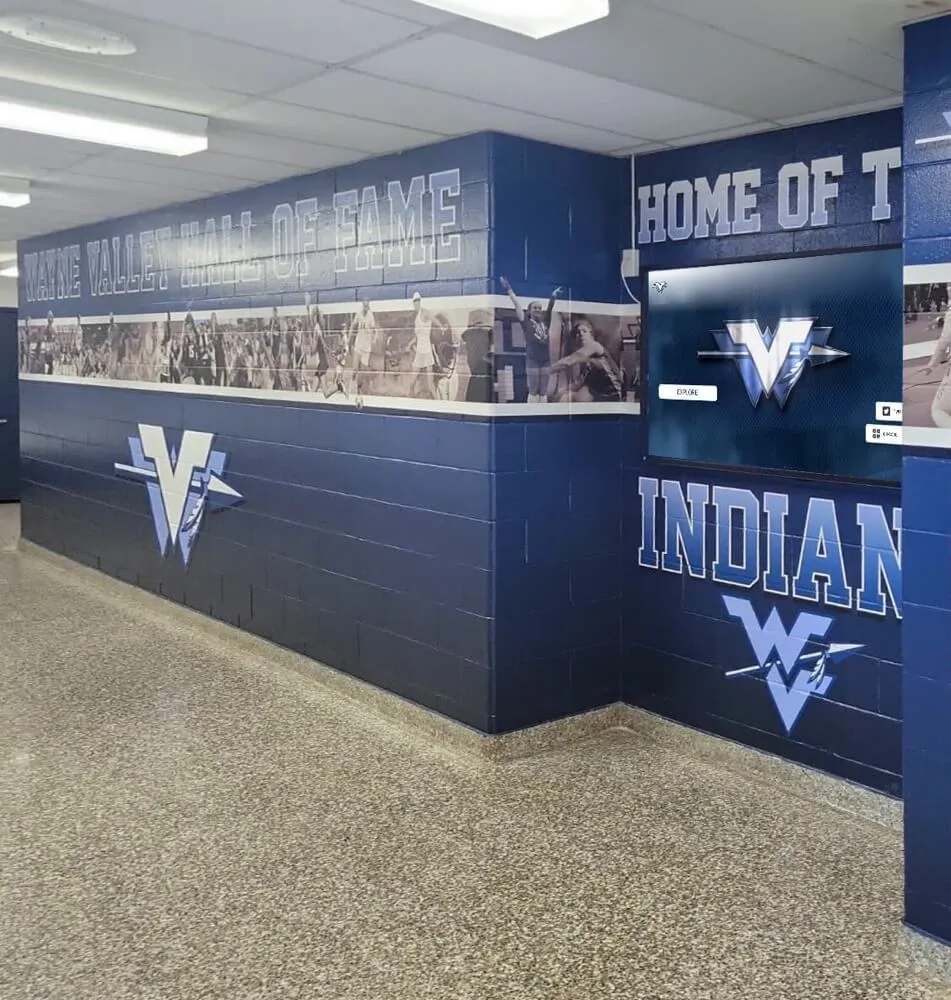
Modern recognition technology enables celebration of fundraising contributors alongside athletic and academic achievements
Family Communication and Sales Support
Parents drive significant portions of fundraising success through workplace sales, extended family outreach, and social network engagement—supporting these efforts strategically amplifies results.
Comprehensive Campaign Information Packets
Provide families with clear, complete campaign information enabling confident participation:
Campaign Overview: Purpose and goals explaining what funds will support, timeline with key dates clearly highlighted, product information including pricing and descriptions, ordering instructions for both paper and online options, and payment methods accepted.
Sales Tips and Talking Points: Sample scripts for approaching potential buyers, suggestions for natural sales opportunities (workplaces, social groups, neighbors), ideas for social media sharing that feels authentic rather than aggressive, and guidance about respectful approaches avoiding pushy tactics that damage relationships.
Online Ordering Instructions: Step-by-step guidance for families sharing digital order links through email, text, and social media, enabling long-distance relatives and friends to participate easily. Online ordering dramatically expands potential customer bases beyond immediate geographic communities to include anyone in family networks regardless of location.
Multiple Communication Channels
Distribute campaign information through diverse channels ensuring broad reach across families with varying communication preferences:
Email: Detailed campaign information with links to online resources and digital ordering platforms provides comprehensive reference materials families access repeatedly as questions arise.
Text Messages: Time-sensitive reminders about upcoming deadlines, order collection timing, and distribution schedules delivered through text create urgency and maintain awareness without requiring sustained attention.
School Communication Platforms: Post information in parent portals, school apps, and learning management systems where families already check regularly for school updates, embedding fundraising information within existing routines.
Physical Materials: Despite digital prevalence, printed materials sent home still prove effective for families without consistent digital engagement or who prefer tangible references. Brief flyers highlighting essential information with QR codes directing to comprehensive online resources bridge digital and traditional preferences.
Social Media Strategies
Leverage social media for organic promotion without requiring aggressive sales tactics:
Participant Generated Content: Encourage families to share their campaign participation authentically—photos of popcorn purchases, testimonials about product quality, or messages about causes they’re supporting. This authentic peer content proves far more influential than organizational promotional posts feeling like advertisements.
Campaign Progress Updates: Share real-time updates about participation rates, sales milestones achieved, and goals approaching, creating excitement and momentum while celebrating community engagement. Positive framing emphasizing collective progress rather than individual pressure maintains enthusiasm without creating stress.
Behind-the-Scenes Content: Share photos of volunteers preparing for campaigns, students excited about fundraiser activities, or organizational leaders explaining what funds will accomplish. This transparency builds trust while creating emotional connections to causes worthy of support.
Creative Sales Tactics That Drive Results
Beyond basic order forms distributed to families, strategic sales approaches meaningfully increase participation and average transaction values.
Leveraging Multiple Sales Channels
Diversified sales strategies reach different customer segments maximizing total campaign revenue.
Traditional Take-Home Order Forms
While online ordering grows increasingly popular, traditional paper order forms remain effective for certain demographics and sales contexts:
Students take forms to extended family gatherings where multiple relatives purchase on single orders, grandparents and older community members more comfortable with familiar paper processes participate readily, and workplace break rooms where forms circulate collecting colleague orders prove particularly effective.
Ensure forms are professionally designed with clear product descriptions, high-quality photos creating visual appeal, simple ordering instructions, and straightforward pricing. Poorly designed confusing order forms suppress participation regardless of product quality or campaign worthiness.
Online Ordering Platforms and Social Sharing
Digital ordering removes friction from purchase processes while expanding potential customer bases dramatically:
Participants share personal fundraising pages through email and social media, friends and relatives anywhere participate easily regardless of geographic distance, supporters purchase directly without requiring student coordination or payment handling, and real-time dashboards show students their progress creating motivating feedback.
Online platforms also enable email marketing where organizations can directly contact previous campaign supporters inviting repeat participation, dramatically improving retention compared to relying solely on annual organic rediscovery.
Pre-Selling at School Events
Strategic presence at well-attended school events captures impulse purchases from naturally-gathered communities:
Set up sales tables at back-to-school nights, parent-teacher conferences, athletic events, and school performances where family attendance already concentrates. Accept multiple payment methods including cash, cards, and mobile payments like Venmo minimizing transaction friction.
Event sales work particularly well for immediate-delivery inventory (if using direct purchase models) or pre-sale orders collected for later fulfillment. The key advantage involves capturing buying decisions during convenient high-traffic moments rather than requiring families to remember and later seek out purchase opportunities when initial enthusiasm fades.
Workplace and Community Group Campaigns
Empower families to conduct workplace campaigns generating substantial revenue through employment networks:
Provide materials supporting professional workplace solicitation—brief flyers suitable for break room posting, links to online ordering pages eliminating cash handling, and clear deadlines for workplace order collection. Some employers permit employees to set up order tables during lunch periods or breaks, particularly when organizations understand funds support employee children’s schools.
Similarly, encourage families to share campaigns with their church groups, civic organizations, sports teams, and social clubs where natural communities provide warm prospects more receptive than cold door-to-door solicitations.
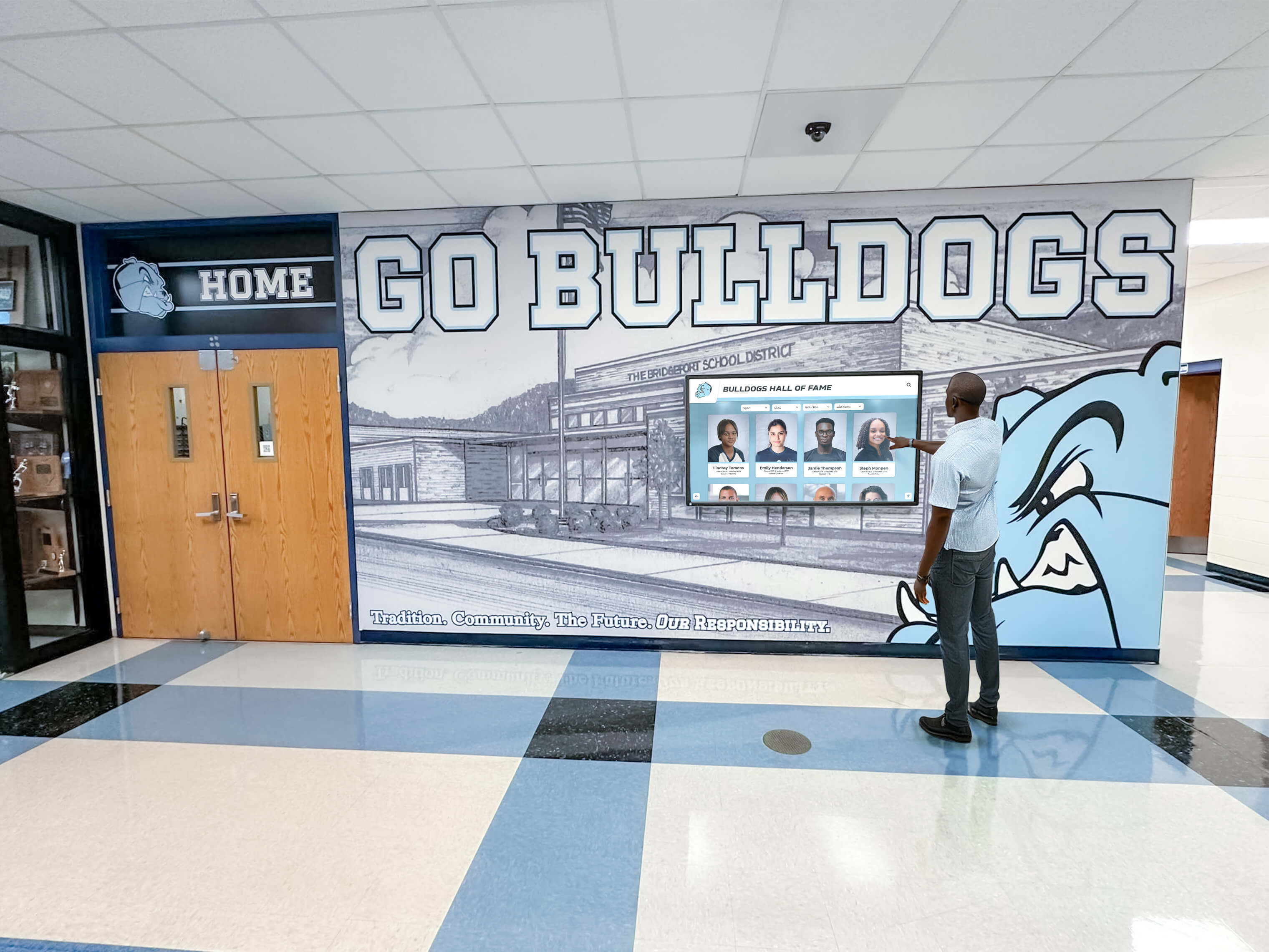
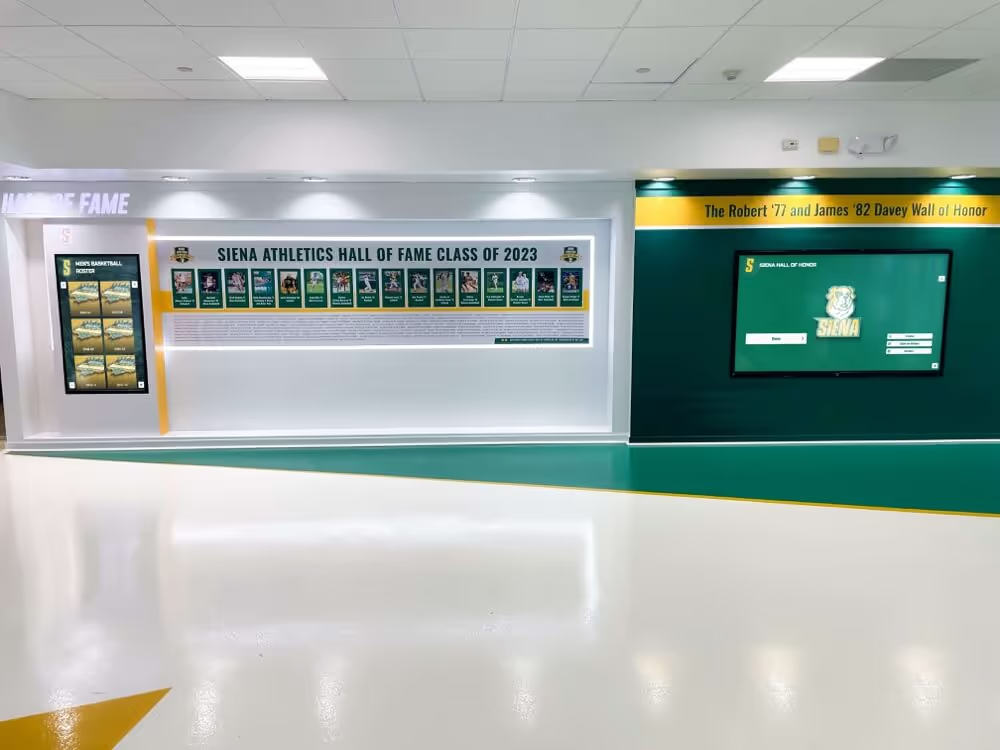
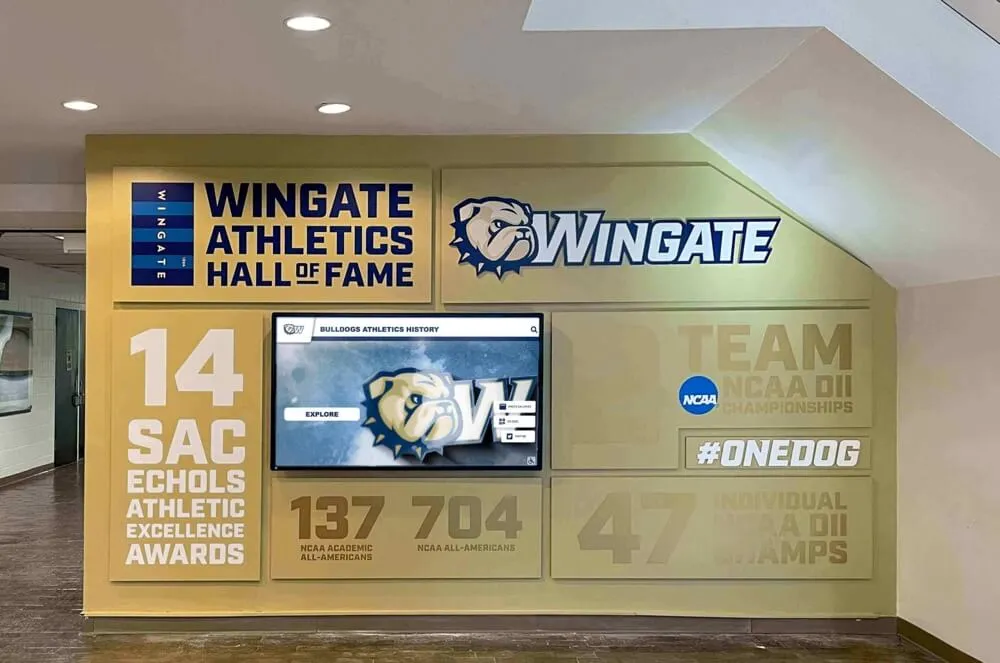
Recognition installations honor fundraising contributors creating lasting appreciation for community support
Pricing Strategies and Product Bundling
Strategic pricing and presentation meaningfully influence purchase decisions and average transaction values.
Competitive Pricing Analysis
Research comparable products at retail stores understanding relative value positioning:
If gourmet popcorn tins at specialty retailers sell for $30-40, your fundraising products at $20-25 represent genuine value despite higher prices than commodity grocery popcorn. Communicate this value explicitly: “Gourmet quality normally $35 retail, special fundraising price $22 while supporting [your cause].”
Avoid pricing significantly above reasonable retail comparisons—families recognize poor value and resent paying excessive premiums even for worthy causes, damaging future fundraising goodwill when supporters feel exploited rather than fairly engaged.
Strategic Product Mix and Bundling
Curate product selections and bundling creating natural upselling opportunities:
Offer varied price points—$10-12 entry options enabling broad participation, $18-25 mid-range products representing core sales volume, and $30-40 premium gift sets appealing to supporters seeking exceptional quality or impressive presentation.
Create bundle deals: “Buy any 3 items, get 10% off” or “Holiday gift set: Choose 4 tins, beautifully packaged $75 (save $15).” These bundles increase average transaction values while providing value perception encouraging larger purchases families might otherwise resist at full individual pricing.
Gift-Giving Positioning
Frame products as solutions to real gifting challenges rather than merely fundraising obligations:
“Perfect teacher appreciation gifts,” “Ideal office break room treats,” “Holiday gift sets for neighbors and friends,” or “Thank-you gifts for service providers” suggest specific uses solving actual needs rather than asking for charity purchases with limited practical value.
This positioning proves particularly effective during November-December when families actively seek numerous gifts for teachers, coaches, service providers, and extended family members. Fundraising products positioned as convenient solutions generate more enthusiastic participation than products framed as obligation purchases without clear utility.
Managing Fulfillment and Distribution
Efficient order collection, payment processing, and product distribution separate successful campaigns from chaotic experiences damaging organizational reputation and volunteer enthusiasm for future efforts.
Order Collection and Payment Processing
Systematic processes prevent errors, reduce volunteer burden, and ensure accurate financial recording essential for accountability.
Centralized Order Management Systems
Designate specific individuals responsible for order consolidation rather than distributing these critical functions across numerous volunteers with varying competency and attention to detail:
Implement standardized order recording procedures—consistent spreadsheet formats, required information fields, verification processes confirming completeness and accuracy before submission to vendors. These systematic approaches prevent missing information, incorrect pricing, or payment discrepancies requiring extensive reconciliation consuming volunteer time.
For online ordering platforms, regularly export order reports verifying that payment processing completes correctly and all orders receive proper documentation. Digital systems sometimes fail, and organizations bear ultimate responsibility for ensuring customers receive products they’ve paid for regardless of technical glitches.
Payment Collection and Tracking
Establish clear payment policies communicated upfront preventing confusion and collection difficulties:
Payment Timing: Specify whether payment is due at order submission or upon product delivery. Pre-payment simplifies financial management but may suppress participation from families with temporary cash flow constraints. Delivery payment provides flexibility but creates collection challenges if families unavailable during distribution or products delivered without corresponding payment secured.
Acceptable Payment Methods: Accept diverse payment options—cash, checks, online payments, mobile apps—minimizing transaction friction. Each payment method requires appropriate tracking and security procedures: cash requires receipts and regular deposit scheduling minimizing theft risk, checks need verification information recorded, and online payments require confirmation that funds actually process rather than initiating but failing to complete.
Discrepancy Resolution Processes: Despite best efforts, discrepancies emerge—orders without corresponding payments, payments without orders, pricing miscalculations, or family disputes about what was ordered versus delivered. Establish clear escalation paths and decision-making authority for resolving these issues fairly while maintaining positive community relationships even when circumstances prove frustrating.
Product Distribution Planning
Distribution represents the most intensive volunteer requirement with potential for chaos if inadequately planned.
Distribution Logistics and Volunteer Coordination
Schedule distribution during convenient windows accommodating diverse family schedules:
Offer multiple pickup times—weekday afternoons immediately after school, evening windows for working families, and Saturday morning options for maximum accessibility. Limited windows force families into inconvenient timing creating frustration and complaints that tarnish otherwise successful campaigns.
Recruit sufficient volunteers ensuring reasonable workload distribution. Nothing kills volunteer enthusiasm faster than insufficient staffing creating exhausting experiences for the few who show up shouldering work while others enjoy outcomes without contributing effort. General guidance suggests 1 volunteer per 20-30 families receiving products, adjusted based on distribution complexity and location logistics.
Organized Distribution Layout
Create efficient distribution flows preventing confusion and long wait times:
Organize products by classroom, grade level, or alphabetically depending on school size and community familiarity. Clearly label all product boxes with participant names, verify order documentation before distribution preventing mis-delivery, and maintain sign-out sheets documenting that families received orders protecting against later disputes.
Consider assembly-line distribution for large campaigns: stations where families check in, receive order verification, move to pickup locations, and confirm satisfaction before leaving. This systematic flow proves more efficient than chaotic self-service approaches that work in very small settings but create frustration as scale increases.
Damaged Product and Missing Order Protocols
Despite vendor quality control, occasional problems emerge requiring immediate resolution:
Inspect products upon initial delivery before family distribution, documenting any issues and contacting vendors immediately about replacement needs. Establish clear policies about what constitutes damage warranting replacement versus cosmetic imperfections acceptable given fundraising context and pricing.
Maintain contingency inventory or rapid vendor contact for missing or damaged items families discover upon opening products at home. Quality vendors replace problems promptly, but organizations must facilitate this process ensuring customer satisfaction even when vendors cause issues.
When distribution problems occur, communicate proactively apologizing for inconvenience, explaining resolution steps, and providing timelines for correction. Transparent communication maintains trust even when circumstances prove frustrating, while defensive silence or blame-shifting damages reputation and future fundraising goodwill.
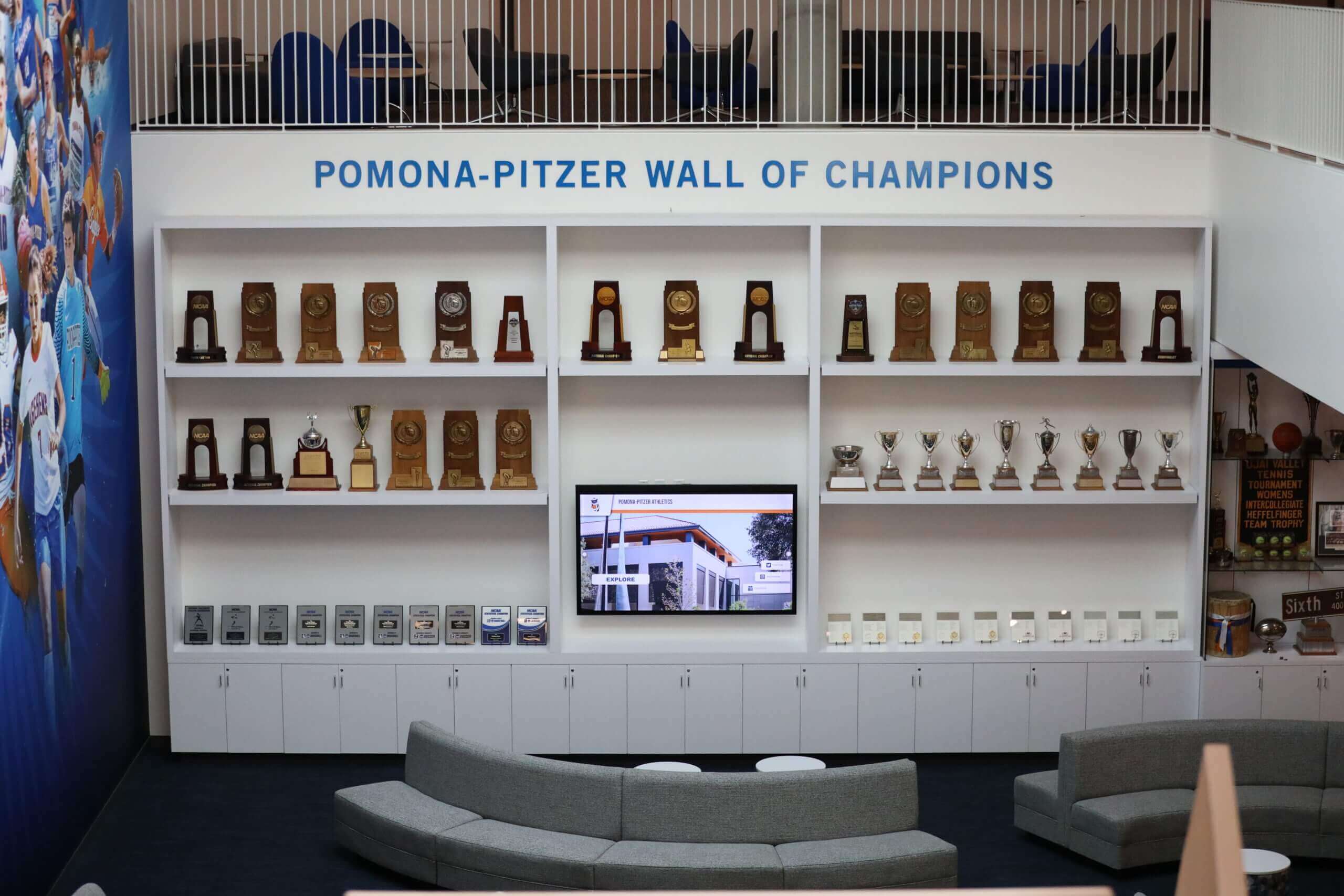
Fundraising success enables recognition installations celebrating achievements and honoring community support
Recognizing Contributors and Building Long-Term Support
Beyond immediate campaign revenue, thoughtful recognition converts one-time fundraiser participants into sustained supporters whose ongoing engagement creates lasting organizational strength.
Immediate Gratitude and Acknowledgment
Timely appreciation reinforces positive participation experiences while supporters still feel connected to campaign experiences.
Personalized Thank-You Communications
Send individual thank-you messages within 48-72 hours of purchases acknowledging specific support:
Personalized emails or handwritten notes from students prove particularly powerful—brief messages like “Thank you for buying popcorn to support our field trip! Your $45 purchase helps make our learning experience possible” create emotional connections far exceeding generic mass acknowledgments.
For larger supporters making substantial purchases, consider phone calls from organizational leadership or student representatives expressing appreciation directly. These personal touches require minimal time but generate disproportionate goodwill building relationships extending beyond single transactions.
Public Recognition Celebrating Community Support
Acknowledge participation publicly in school communications, social media posts, and assemblies:
Share campaign success—total raised, participation rates, specific outcomes funding will enable—celebrating collective achievement rather than individual amounts. This community-focused approach builds pride while avoiding uncomfortable public disclosure of specific family contribution levels that some find intrusive.
Feature photos from distribution days, volunteer appreciation, and students excited about campaign results creating positive narratives reinforcing that fundraising represents community celebration rather than burden or obligation.
Student-Created Appreciation
Engage students in expressing gratitude making recognition more meaningful for supporters:
Elementary students create thank-you artwork or videos, middle schoolers write appreciation letters to major supporters or volunteer leaders, and high school students design recognition presentations delivered at assemblies or athletic events. Student-driven appreciation proves more meaningful than adult-generated recognition because supporters directly see impact on children they’re supporting.
Long-Term Donor Cultivation Strategies
Convert fundraiser participants into ongoing engaged supporters through systematic relationship building and recognition programs.
Campaign Result Communication and Impact Reporting
Follow up weeks later explaining exactly what campaign funds accomplished:
Share specific purchases made, programs funded, or opportunities created because of fundraising success. Generic “thank you for your support” messages lack impact compared to concrete updates: “Your popcorn purchases funded new band instruments for 12 students, supported competition travel for our speech team, and provided $2,000 in classroom supplies.”
Include photos showing tangible results—new equipment in use, students participating in enabled activities, or improved facilities funded through campaigns. Visual documentation of impact creates powerful evidence that support generated meaningful benefits worthy of continued investment.
Digital Recognition Systems Honoring Ongoing Support
Implement comprehensive digital recognition platforms celebrating cumulative contributions across multiple campaigns and years:
Modern solutions like Rocket Alumni Solutions enable schools to create permanent visible recognition honoring everyone who supports programs—from major donors providing substantial ongoing gifts to families participating consistently in annual fundraisers. Digital platforms offer unlimited capacity, easy updates as new supporters participate, searchable interfaces where community members discover friends and neighbors sharing their commitment, and mobile access enabling sharing beyond physical facility visits.
This ongoing visible recognition transforms transactional fundraising relationships into enduring community connections. When families see themselves acknowledged among valued program supporters, discover classmates and neighbors who share their commitment, and witness growing recognition communities demonstrating organizational health, they develop stronger identification with causes and increased likelihood of sustained support across years as children progress through programs.
Multi-Year Participation Recognition
Track and celebrate supporters who participate consistently across multiple campaigns:
After 3-5 years of participation, acknowledge sustained commitment through special recognition categories—“Loyal Supporter,” “Consistent Contributor,” or “Program Champion”—honoring those whose repeated engagement demonstrates genuine commitment beyond momentary enthusiasm.
This multi-year perspective encourages sustained participation rather than sporadic involvement. When families understand that consistent support receives special acknowledgment, they develop stronger intention to maintain participation creating reliable funding bases organizations can plan around rather than unpredictable year-to-year volatility.
Digital Warming: From Cold Transactions to Warm Communities
The concept of digital warming describes what happens when impersonal fundraising transactions transform into genuine community relationships. Rather than forgotten purchases in endless solicitation cycles, thoughtful recognition creates warmth—continuous visibility of community support, personalized acknowledgment making supporters feel valued, accessible archives demonstrating collective impact, and social connections where supporters discover shared commitment with neighbors and friends.
Organizations implementing digital recognition systems report not just improved retention but qualitatively different relationships. Supporters transition from feeling like wallets periodically opened for worthy causes to valued community members whose ongoing engagement receives genuine appreciation and visible honor. This transformation proves particularly powerful in school contexts where families’ connections naturally deepen through years of student participation, facility presence, and community involvement.
Solutions like Rocket Alumni Solutions provide purpose-built platforms creating these warming effects—unlimited recognition capacity accommodating all supporters regardless of contribution level, sophisticated search enabling community members discovering shared commitment, rich profile capabilities honoring individual stories and motivations, seamless integration connecting recognition to active fundraising campaigns, and comprehensive accessibility ensuring all community members can engage regardless of disabilities.
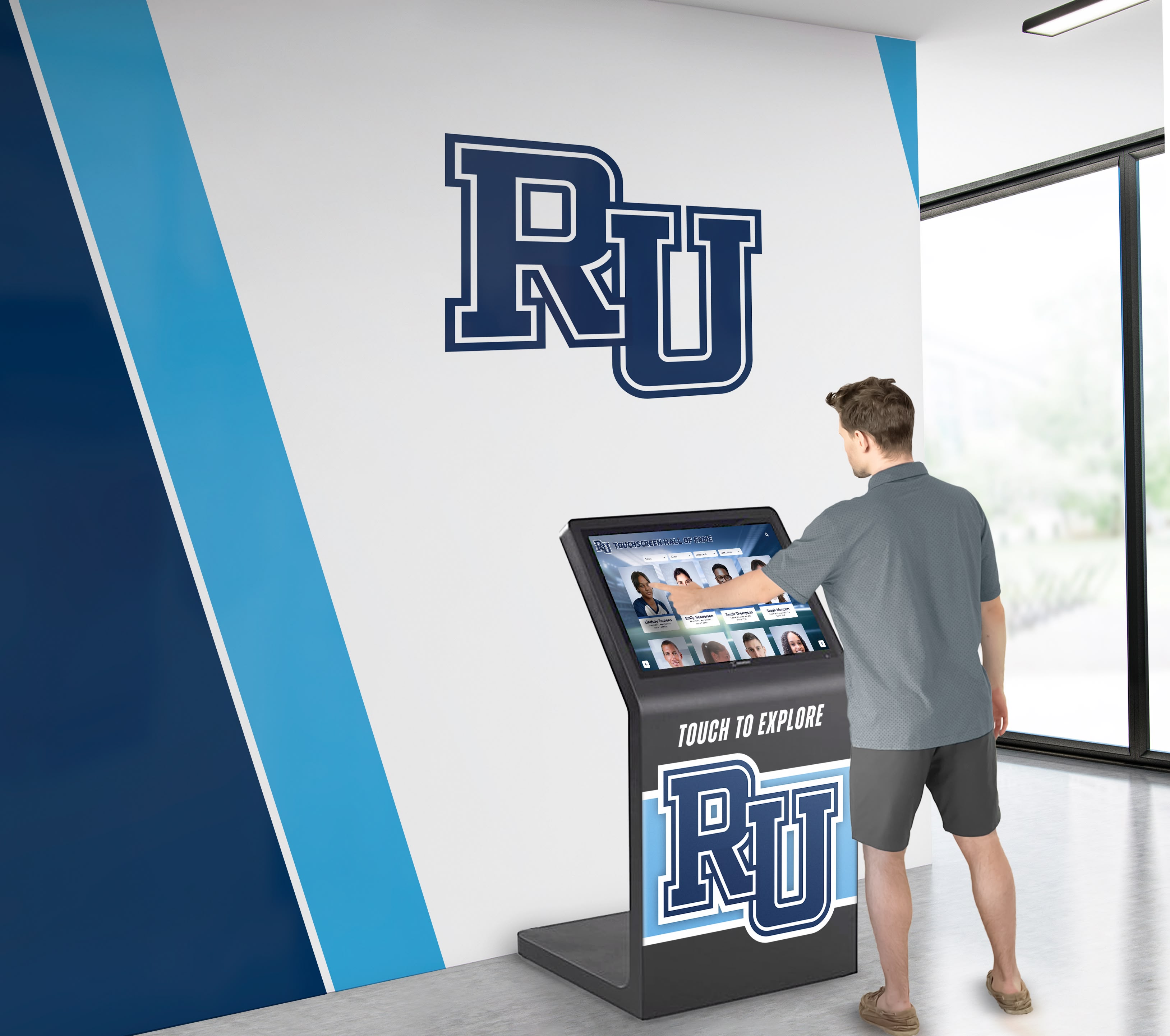
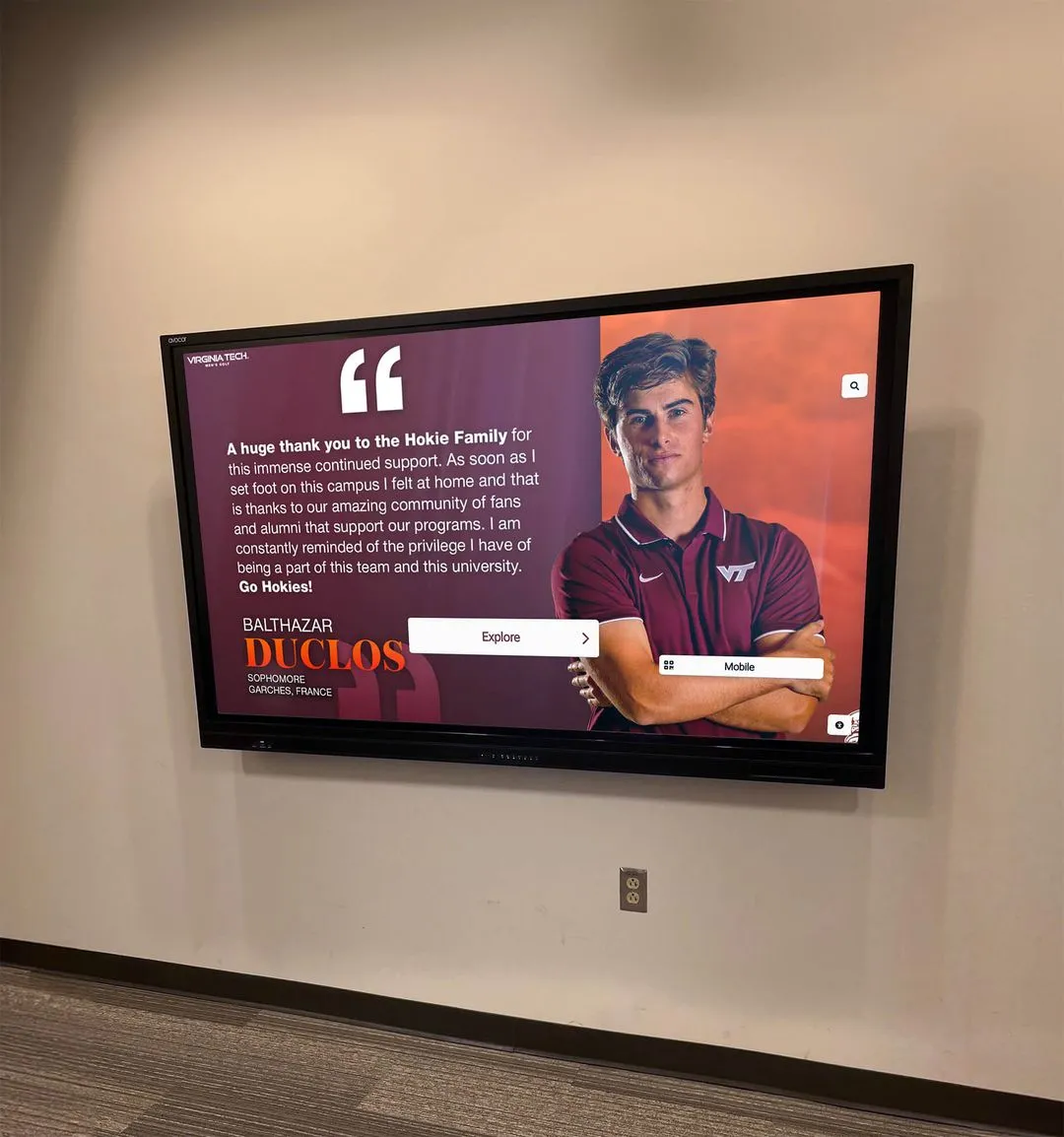
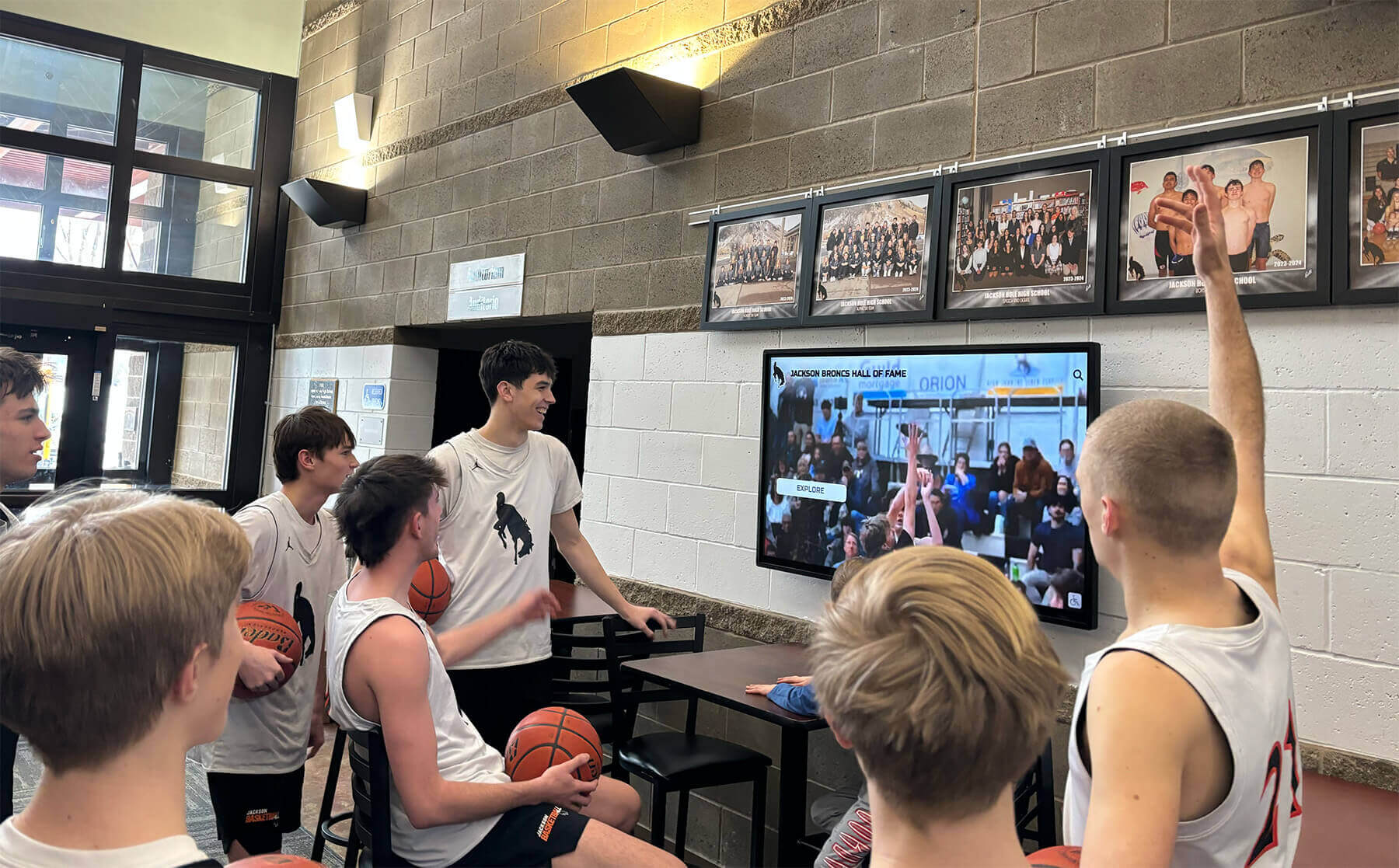
Interactive recognition creates engagement opportunities connecting students with program history and community support
Measuring Success and Continuous Improvement
Systematic evaluation enables organizations to identify what worked well, recognize improvement opportunities, and optimize future campaigns generating better results with equivalent or less volunteer effort.
Key Performance Metrics to Track
Comprehensive success assessment extends beyond simple revenue totals to understand participation patterns, efficiency, and community impact.
Financial Metrics
Core financial indicators provide baseline success measures:
Total Revenue Generated: Gross sales revenue before profit-sharing calculations, providing context about campaign scale and community engagement levels.
Net Profit to Organization: Actual funds received after vendor profit-sharing, shipping costs, and organizational expenses, representing true financial benefit justifying campaign effort.
Average Transaction Value: Total revenue divided by number of orders, indicating typical purchase size and whether strategic bundling and upselling tactics prove effective.
Cost per Dollar Raised: Organizational expenses (volunteer appreciation, promotional materials, event costs) divided by net profit, revealing campaign efficiency and whether operational improvements could increase returns.
Participation Metrics
Understanding engagement patterns reveals community involvement depth beyond pure financial measures:
Family Participation Rate: Percentage of enrolled families making purchases, indicating campaign reach across community rather than concentrated support from small segments.
Student Participation Rate: Percentage of students actively selling (versus passive handoff to parents), revealing whether student engagement strategies succeed at mobilizing genuine effort.
Repeat Participant Rate: For organizations conducting annual campaigns, tracking how many previous supporters participate again reveals retention success and growing fatigue requiring strategic adjustments.
Average Items per Participant: Number of items sold per active seller, indicating typical engagement depth and whether your product mix and pricing align with community preferences and capacity.
Operational Efficiency Metrics
Process efficiency determines volunteer burden and sustainability across multiple campaigns:
Volunteer Hours Required: Total volunteer time investment across planning, execution, and distribution, providing context for efficiency improvements and revealing whether returns justify organizational effort.
Order Error Rate: Percentage of orders requiring correction or replacement, indicating process quality and areas needing operational refinement.
Distribution Efficiency: Families served per volunteer hour during distribution, revealing whether logistics planning succeeds at creating smooth efficient processes or generates chaos consuming excessive volunteer capacity.
Post-Campaign Evaluation and Feedback
Structured debriefs capture organizational learning while fresh campaign experiences remain accessible.
Volunteer Feedback Sessions
Gather input from campaign volunteers through structured discussions or surveys:
What worked well from their perspectives? What proved frustrating or confusing? What processes would they change for future campaigns? What additional support or resources would have improved their experience?
Volunteer perspectives often differ from coordinator assumptions about campaign success. While leadership may celebrate revenue achievements, volunteers might identify serious operational problems creating negative experiences that threaten future recruitment. This feedback proves essential for sustainable campaigns relying on ongoing volunteer engagement.
Family and Participant Surveys
Collect feedback from purchasing families about their experience:
Was ordering process easy or confusing? Did product quality meet expectations? Would they participate in future campaigns? What products would they like to see added or removed? How could the experience improve?
Brief surveys—5-7 questions maximum—generate better response than exhaustive questionnaires requiring excessive time. Consider incentives like raffle entries for survey completion increasing participation rates.
Vendor Performance Assessment
Evaluate vendor performance across all campaign phases:
Did they deliver promised profit margins? Was fulfillment reliable and timely? Were products damaged or mis-shipped? How responsive was customer service? Would you recommend them to other schools?
This assessment informs future vendor selection while providing leverage for addressing any performance shortfalls requiring correction or compensation.
Implementing Improvements for Future Campaigns
Transform evaluation insights into concrete refinements strengthening subsequent efforts.
Process Documentation and Refinement
Document campaign processes while experiences remain fresh:
Create written procedures for future coordinators—vendor selection checklists, timeline templates, volunteer role descriptions, distribution layouts, communication schedules. Include lessons learned, common problems and solutions, and specific improvements planned for next iteration.
This documentation proves invaluable for leadership transitions when new volunteers inherit campaign responsibilities without previous experience or institutional knowledge departing volunteers possessed.
Technology and Tool Enhancement
Invest in tools reducing administrative burden and improving participant experience:
Upgrade to better online ordering platforms if previous systems proved clunky, implement order management software automating tracking and reporting, create professional marketing materials improving campaign professional appearance, or adopt payment processing solutions streamlining financial handling.
These infrastructure investments, while requiring upfront costs, generate returns through reduced volunteer time, improved participation, and higher average transactions justified by enhanced user experience.
Strategic Calendar and Timing Adjustments
Refine campaign timing based on evaluation insights:
If fall timing created conflicts with other school activities, try spring windows. If two-week selling periods felt rushed, extend to three weeks. If distribution chaos stemmed from inadequate time windows, expand pickup availability.
Each campaign generates learning informing progressive optimization. Organizations conducting annual popcorn fundraisers often report that third and fourth campaigns run dramatically more smoothly than initial efforts as accumulated experience and refined processes eliminate common friction points.
Conclusion: Building Sustainable Fundraising Success
School popcorn fundraisers represent one of the most effective, community-friendly fundraising approaches available to schools, PTOs, booster clubs, and student organizations seeking meaningful revenue without overwhelming volunteers or exhausting community goodwill through constant aggressive solicitations. The combination of universal product appeal, strong profit margins, simplified logistics, and genuine utility creates natural advantages that schools can leverage through strategic planning and execution.
Yet maximum success requires more than simply signing vendor contracts and distributing order forms. Thoughtful campaigns begin with clear goal-setting grounded in specific needs and realistic projections, careful vendor evaluation ensuring quality products and favorable terms, strategic timing avoiding conflicts while capitalizing on seasonal opportunities, comprehensive volunteer organization distributing workload sustainably, enthusiastic student engagement creating genuine effort rather than passive participation, and sophisticated family communication enabling confident informed involvement.
Creative sales tactics—multiple ordering channels, strategic pricing and bundling, gift-giving positioning, workplace campaigns—meaningfully amplify results beyond basic approaches while efficient fulfillment and distribution logistics separate professional experiences from chaotic disasters damaging organizational reputation. These operational elements, while less glamorous than campaign launches and celebration announcements, determine whether campaigns generate positive community experiences families willingly repeat annually versus one-time efforts people reluctantly tolerate but hope never to repeat.
Perhaps most critically, successful organizations recognize that fundraising campaigns represent relationship-building opportunities rather than merely transactional revenue generation. Thoughtful gratitude, transparent impact communication, and ongoing recognition transform fundraiser participants into engaged supporters whose sustained commitment creates stable funding foundations enabling long-term program planning impossible when organizations depend on unpredictable year-to-year appeals to constantly-changing donor populations.
Modern digital recognition platforms like Rocket Alumni Solutions enable this transformation by creating comprehensive visible celebration honoring all community supporters—from major donors providing substantial gifts to families consistently participating in annual fundraisers, from volunteer leaders dedicating countless hours to students whose enthusiasm drives campaign success. These recognition systems create the digital warming effect where cold impersonal transactions become warm community connections, supporters feel genuinely valued rather than merely solicited, and ongoing visible acknowledgment inspires sustained engagement extending across years as children progress through programs and families deepen school connections.
Transform Fundraising Participants into Lifelong Supporters
Discover how comprehensive digital recognition platforms help schools honor fundraising contributors alongside academic and athletic achievements—creating engaged communities where sustained support flourishes and programs receive stable funding enabling excellence.
Explore Recognition SolutionsYour popcorn fundraiser can generate more than immediate revenue—it can build the engaged supporter communities sustaining programs across years and changing leadership. Students deserve sustainable program funding rather than constant financial uncertainty threatening opportunities. Families deserve appreciation for their support rather than being treated as perpetual solicitation targets. Volunteers deserve efficient processes respecting their limited time rather than chaotic experiences consuming excessive capacity.
Ready to launch your successful popcorn fundraiser? Start with strategic foundations—establish clear goals aligned with specific program needs, evaluate vendors thoroughly protecting organizational interests, recruit committed volunteers with defined roles, plan comprehensive timelines avoiding conflicts, develop compelling student incentives motivating genuine engagement, create multi-channel sales strategies maximizing participation, organize professional distribution logistics, and implement recognition systems honoring contributors while building relationships extending far beyond single campaigns.
Most importantly, remember that fundraising ultimately serves students whose opportunities depend on community support your campaign mobilizes. Every planning decision, operational choice, and strategic refinement should ultimately advance that fundamental purpose—creating the financial resources and engaged communities where students thrive, programs excel, and schools strengthen. That mission justifies every volunteer hour, coordination challenge, and improvement effort required to conduct campaigns worthy of communities whose generosity makes excellence possible.
Your school community is ready to support student success. Build the popcorn fundraiser that honors their generosity while generating resources enabling the opportunities students deserve.