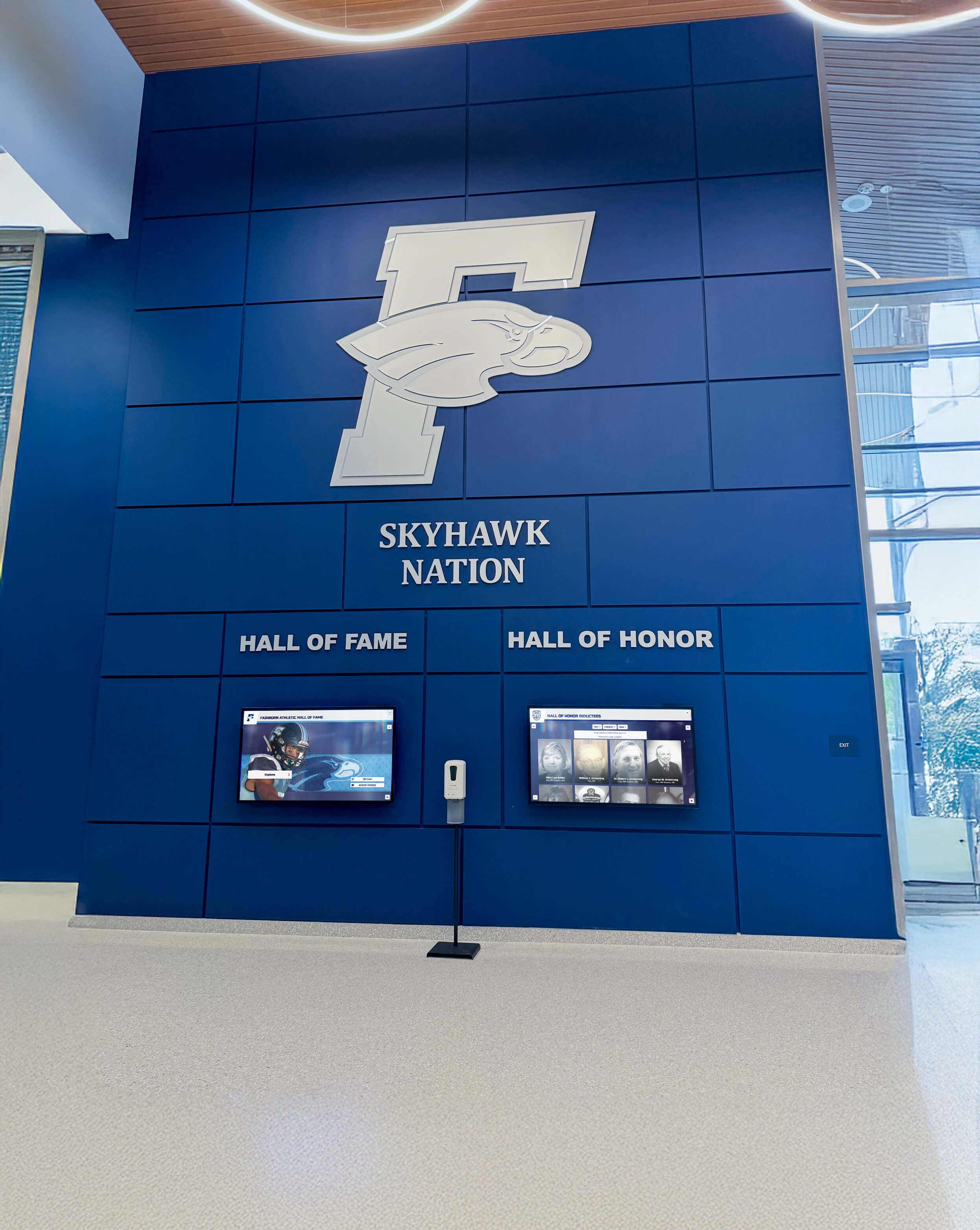
The main office serves as your school’s command center and first impression headquarters—the space where prospective families form immediate judgments, where community members encounter your institutional culture, where daily visitors experience your professionalism, and where every design choice either reinforces or undermines the welcoming excellence you claim to provide. Yet walk into most school main offices and you encounter sterile administrative spaces featuring bland walls, cluttered counters, outdated bulletin boards overflowing with tattered notices, and environments that communicate bureaucratic necessity rather than the vibrant, student-centered excellence that defines your educational mission.
The challenge extends beyond simple aesthetics. How do you balance professional credibility with welcoming warmth? Which design elements communicate school pride without overwhelming visitors? How can limited office spaces accommodate multiple functions—reception, waiting, student check-in, parent meetings, staff coordination—while maintaining visual coherence and functional efficiency? Where do recognition displays fit within already-constrained office footprints?
Strategic school main office decor creates environments that welcome authentically, communicate institutional values visually, showcase achievement meaningfully, and transform administrative necessity into positive community experiences that build pride, trust, and lasting connections.
This comprehensive guide explores 25 school main office decor ideas that transform utilitarian administrative spaces into welcoming environments celebrating your school community. You’ll discover design approaches balancing professionalism with personality, learn strategic placement principles for recognition elements, understand how color and branding reinforce school identity, and explore how modern digital displays can replace cluttered bulletin boards while creating dynamic community celebration that evolves continuously without constant manual updates.

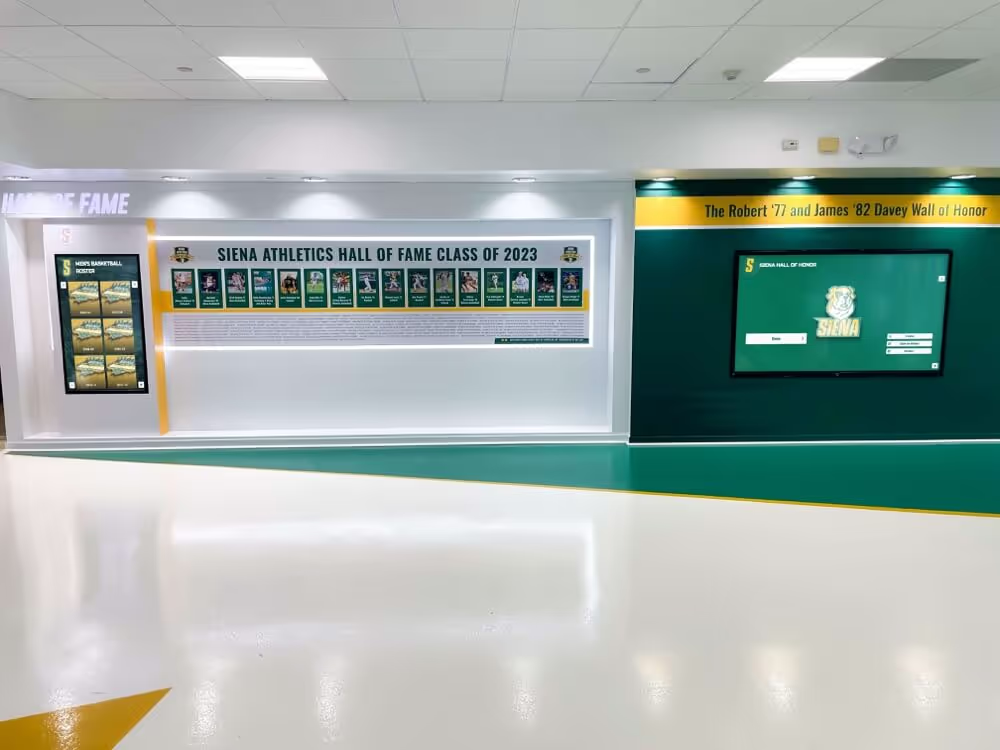
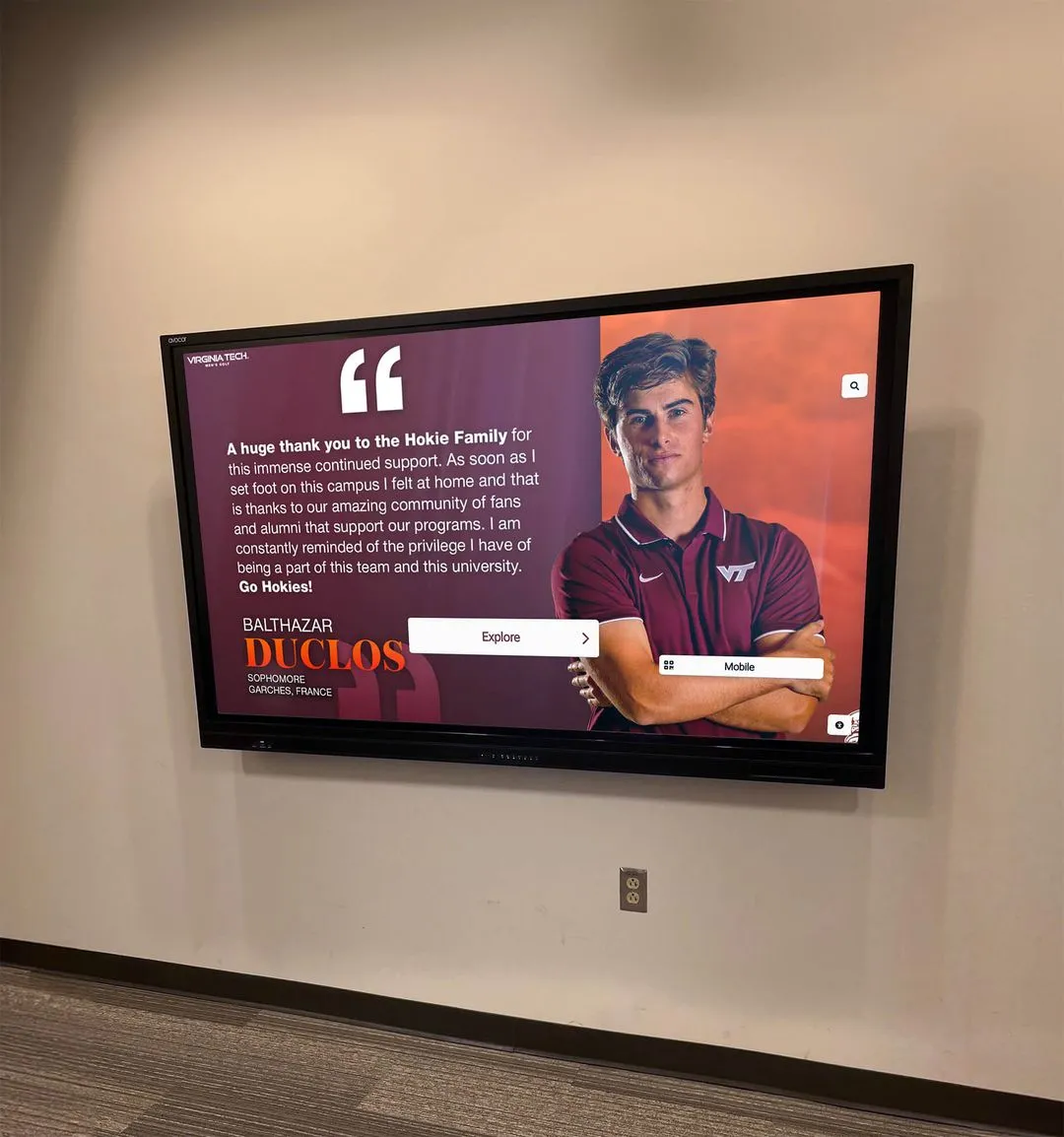
Effective main office decor combines school branding, welcoming design, and achievement recognition to create cohesive environments that celebrate community while serving administrative functions
Understanding the Unique Role of Main Office Decor
Before exploring specific design ideas, it’s essential to understand how main office environments shape institutional perceptions and community experiences.
First Impressions That Define Institutional Character
The main office creates immediate, lasting impressions that significantly influence how families, visitors, and community members perceive your entire institution.
Prospective Family Evaluation
When touring families enter your main office, they’re actively evaluating whether your school matches their expectations and values. Clean, contemporary design suggests institutional investment and attention to detail. Visible achievement recognition demonstrates your commitment to celebrating student success. Welcoming color palettes and comfortable waiting areas communicate that visitors matter and deserve consideration. Professional organization signals administrative competence and operational excellence.
Research consistently shows that environmental first impressions disproportionately influence enrollment decisions, making main office decor a strategic enrollment tool rather than superficial decoration. Families specifically notice cleanliness and maintenance standards, visible celebration of student achievement, professional organization balanced with personality, school pride elements demonstrating community culture, and welcoming features showing visitor consideration.
Daily Visitor Perception Management
Beyond prospective families, your main office serves hundreds of daily visitors—parents managing attendance issues, community volunteers, substitute teachers, delivery personnel, district officials, and local partners. Each interaction creates perceptions about your institutional professionalism, organizational culture, and operational competence. Thoughtful decor demonstrates that your school values details, celebrates achievement, and creates environments worthy of the students and families you serve.
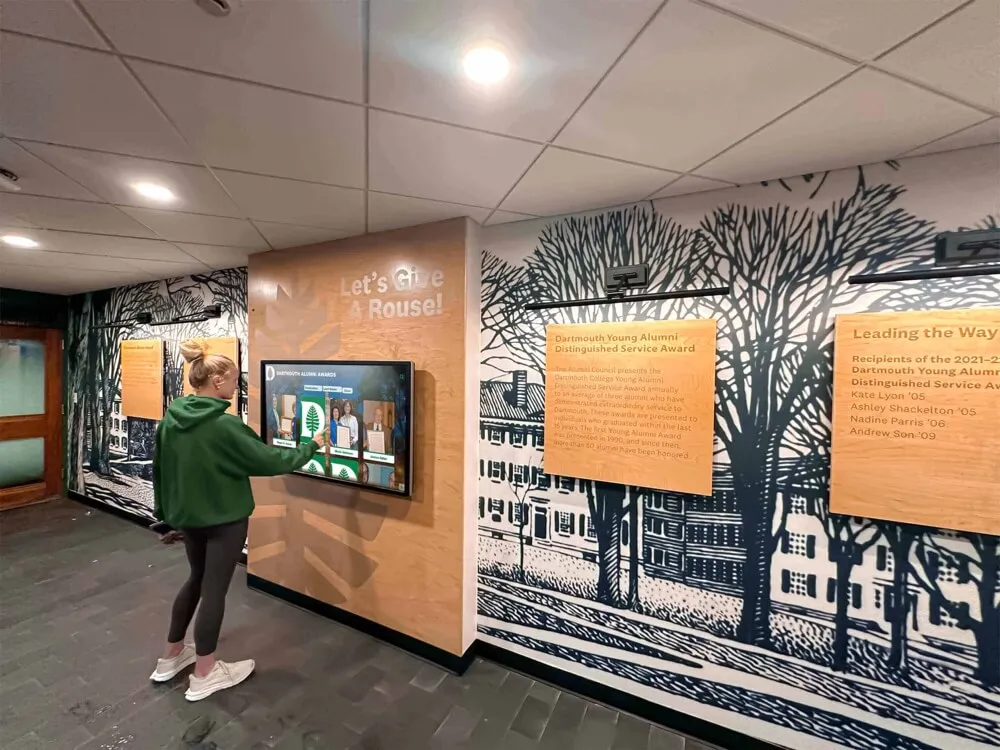
When visitors encounter vibrant school hallway displays continuing seamlessly into welcoming main office spaces, they experience design coherence that signals institutional excellence extending beyond individual classrooms into every facility detail.
Supporting Multiple Functions Within Limited Space
Main offices must accommodate diverse, often competing functions within typically constrained square footage, requiring strategic design solutions that maximize utility without sacrificing aesthetics.
Reception and Visitor Management
Counter areas need sufficient workspace for administrative staff while remaining approachable and welcoming for visitors. Decor choices must avoid creating barriers between staff and visitors while providing necessary privacy for sensitive conversations. Strategic placement of computers, phones, and office equipment maintains functionality without creating visual clutter that undermines professional appearance.
Waiting Areas That Welcome and Engage
Parents, students, and visitors often wait in main offices during peak periods. Comfortable seating, engaging visual content, and thoughtful amenities transform waiting from frustrating inconvenience into opportunities for positive school connection. Strategic placement of student achievement displays provides engaging content that builds pride while occupying time productively.
Staff Coordination and Administrative Functions
Behind reception areas, main offices house staff desks, file storage, communication systems, and daily operational necessities. Decor solutions must accommodate these functional requirements while maintaining cohesive aesthetics visible to visitors. Thoughtful organization systems, strategic furniture placement, and coordinated design elements prevent functional areas from appearing chaotic or unprofessional.
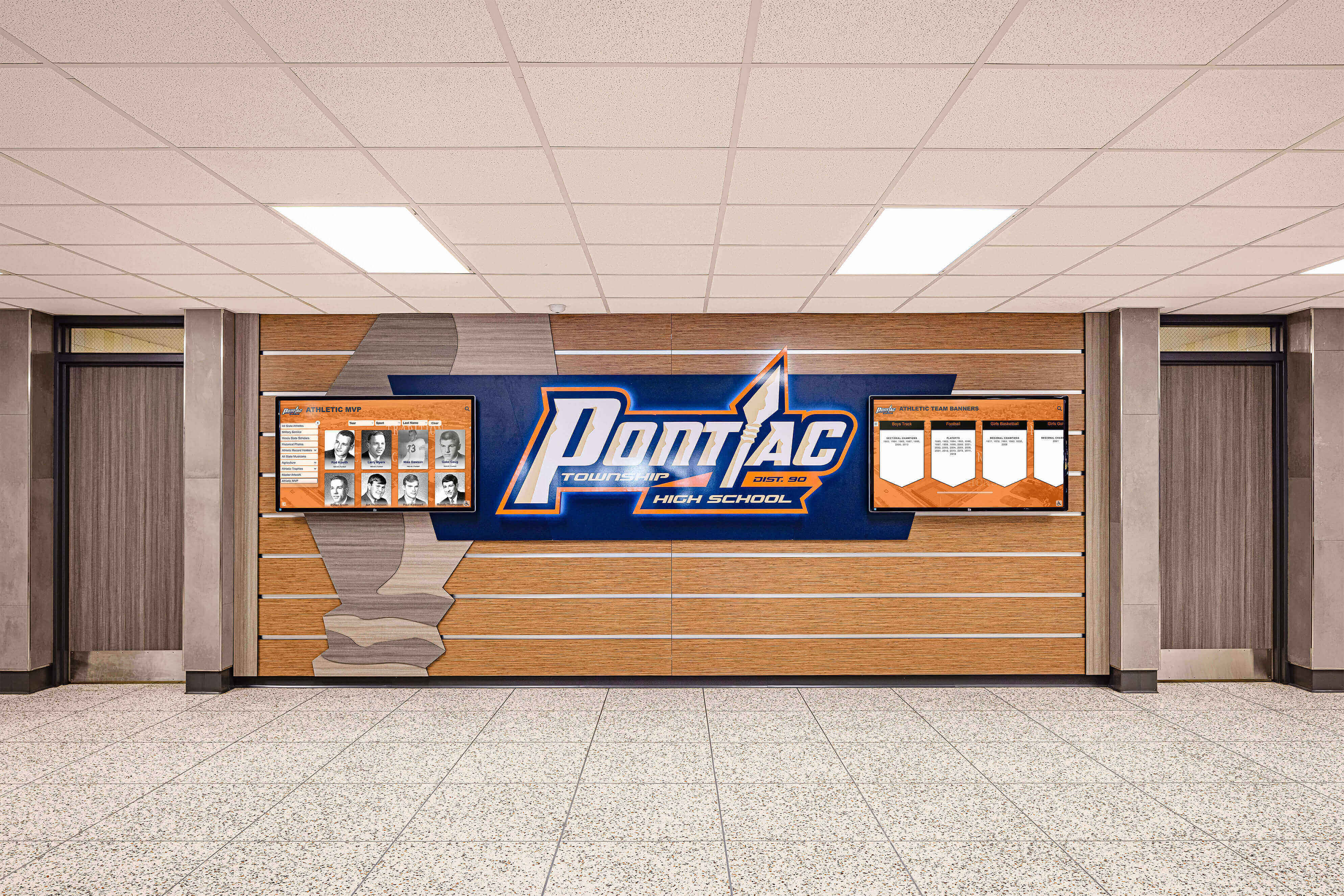
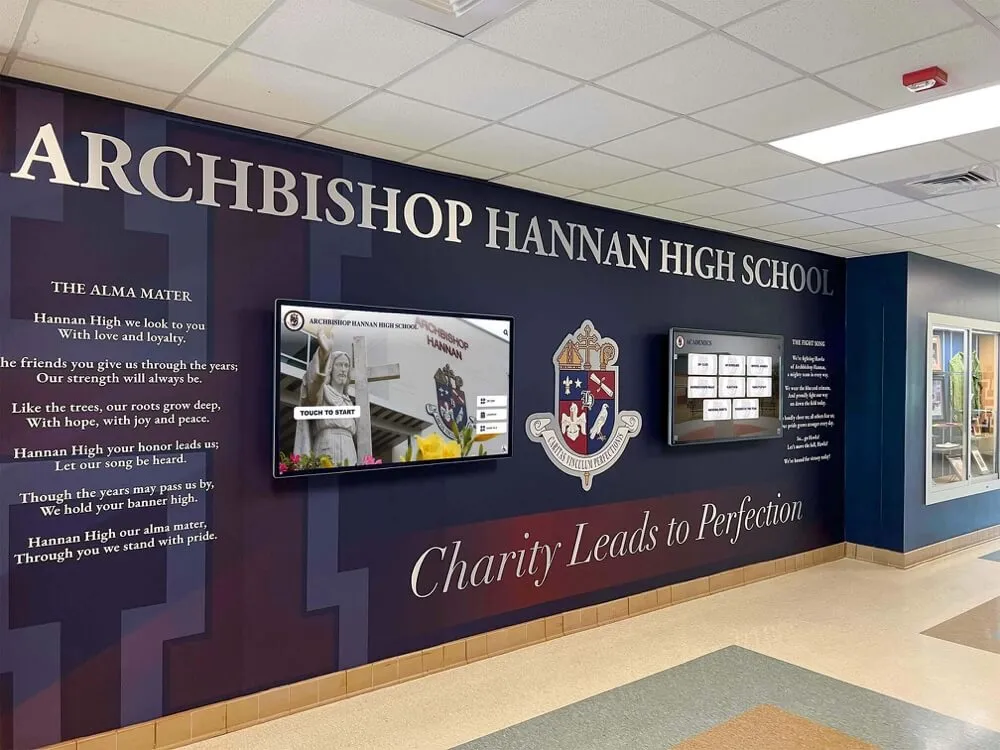
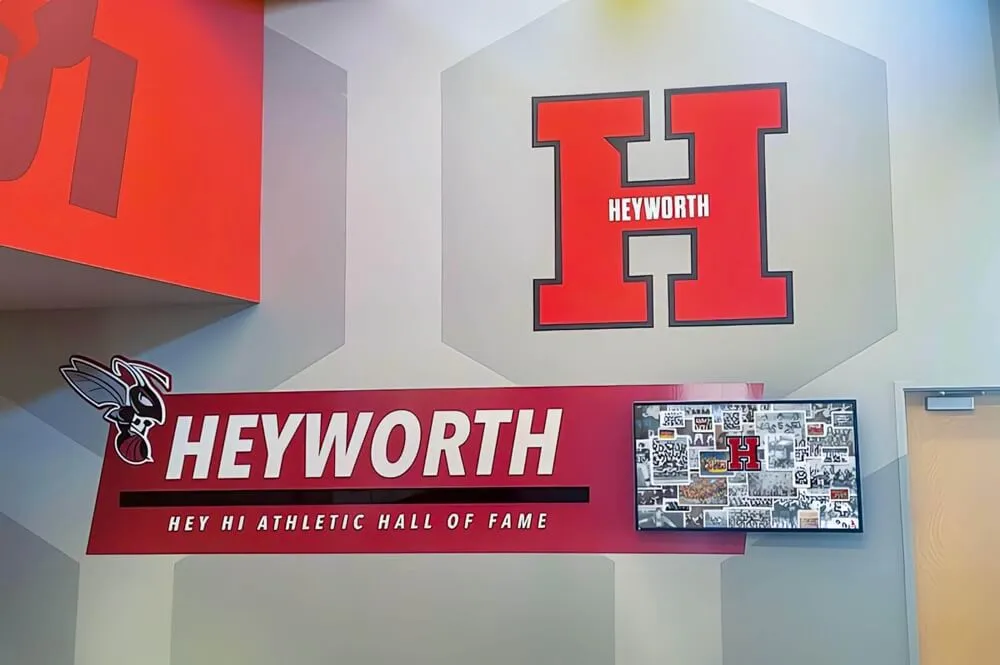
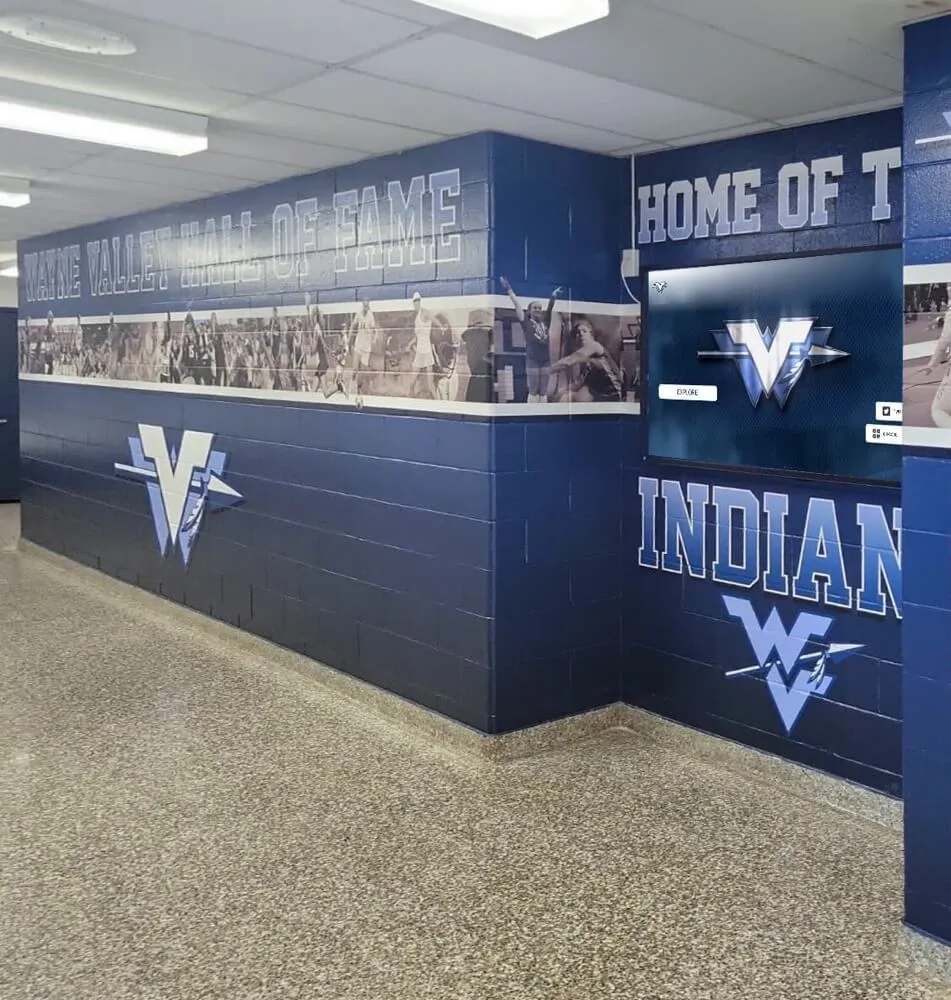
Strategic branding throughout hallways and offices creates visual coherence while celebrating school identity and student achievement
Color and Branding Elements That Build School Identity
Cohesive color strategies and thoughtful branding integration transform generic office spaces into environments that celebrate your unique school community.
Strategic Use of School Colors
School colors provide natural design foundations that connect main offices to broader institutional identity while creating visually striking environments.
1. Accent Walls in Primary School Colors
Bold accent walls painted in primary school colors create immediate visual impact without overwhelming entire spaces. Select strategic walls—behind reception counters, in waiting areas, or featuring recognition displays—for color treatment while maintaining neutral tones on remaining surfaces. This balanced approach provides vibrant school spirit without creating visually exhausting environments for staff working in spaces daily.
Coordinate accent wall colors with flooring, furniture, and decorative elements to create cohesive color stories rather than isolated design choices that feel disconnected from overall aesthetics.
2. Two-Tone Color Blocking Featuring School Palette
Contemporary two-tone walls featuring complementary school colors create sophisticated design interest while reinforcing institutional identity. Horizontal color divisions at chair rail height add architectural detail to plain spaces, while vertical color blocking can highlight specific zones—reception areas, waiting spaces, or hallway transitions—creating functional area definitions through strategic color use.
This approach works particularly well in offices serving schools with multiple vibrant colors, enabling incorporation of complete color palettes without overwhelming individual walls with too many competing hues.
3. Branded Color Coordination in Furniture and Accessories
Extend school colors beyond walls through strategic furniture selections, decorative accessories, and functional elements. Waiting area seating upholstered in school colors, storage cabinets finished in coordinating hues, desk accessories featuring institutional palette, and artwork incorporating school color schemes create comprehensive design coherence connecting every office element to institutional identity.
This total coordination demonstrates attention to detail while ensuring visitors encounter consistent branding throughout their office experiences, reinforcing institutional identity through repeated visual touchpoints.
4. Seasonal Color Rotation Through Removable Elements
While permanent elements should feature timeless school colors, removable decorative accessories enable seasonal variation maintaining visual freshness. Rotate decorative pillows, artwork, table centerpieces, and display elements coordinating with academic calendars, athletic seasons, or community events. This approach maintains core color identity while preventing static environments that staff and regular visitors grow to ignore.
Schools can coordinate seasonal rotations with athletic recognition displays celebrating current teams and achievements, creating dynamic environments that evolve throughout academic years.
Incorporating Logos, Mascots, and School Symbols
Visual branding elements transform generic spaces into environments uniquely representing your school community and traditions.
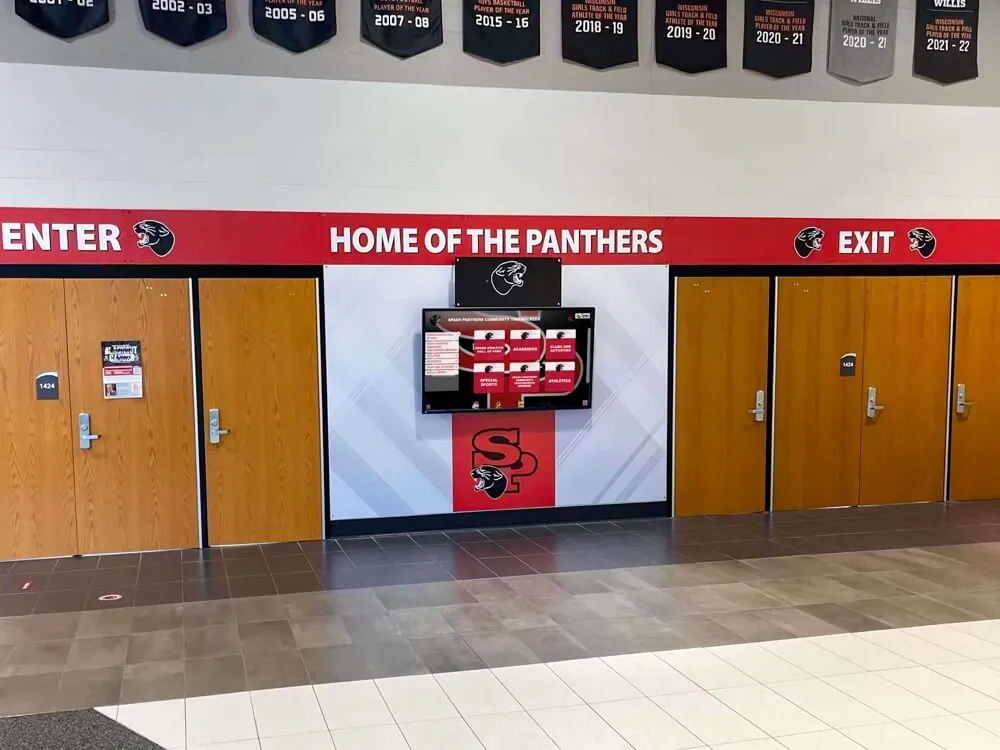
5. Large-Scale Mascot Murals or Graphic Treatments
Professional mascot murals create dramatic focal points that immediately communicate school identity while generating pride among students and community members. Commission local artists or professional mural companies to create custom designs featuring your mascot in dynamic poses, surrounded by school name, establishment date, or inspiring messaging reinforcing institutional values.
Position mascot murals behind reception counters, on primary walls visible upon office entry, or in waiting areas where visitors naturally spend time viewing detailed artwork.
6. Three-Dimensional Logo Installations
Dimensional logo displays mounted on walls or positioned as freestanding elements create professional brand presence that photographs beautifully during tours and community events. Metal fabrication, acrylic construction, wood carving, or dimensional lettering techniques create tactile brand elements with visual depth impossible through painted graphics alone.
Dimensional logos particularly suit contemporary design aesthetics while demonstrating institutional investment in professional brand presentation that matches private sector standards families increasingly expect from all service providers, including schools.
7. Branded Window Graphics and Glass Treatments
Office windows and glass partitions provide additional branding opportunities through custom vinyl graphics, frosted treatments featuring school logos, or decorative films incorporating mascot silhouettes and school colors. These applications provide privacy for sensitive conversations, reduce visual clutter when viewing from office areas into adjacent spaces, and create consistent branding visible from both interior and exterior perspectives.
Window graphics work particularly well in offices featuring extensive glass walls or doors, transforming functional transparency requirements into branding opportunities.
8. Heritage Displays Featuring Historical School Symbols
Schools with long histories can incorporate vintage logos, historical mascot interpretations, or archival imagery documenting institutional evolution. Display historical yearbook covers, vintage athletic uniforms, founding documents, or photographs showing campus development over decades. These heritage elements create meaningful connections for alumni visitors while demonstrating to prospective families that they’re considering institutions with established traditions and proven educational excellence.
Historical displays work particularly well in digitized formats that protect original materials while enabling interactive exploration of institutional history.
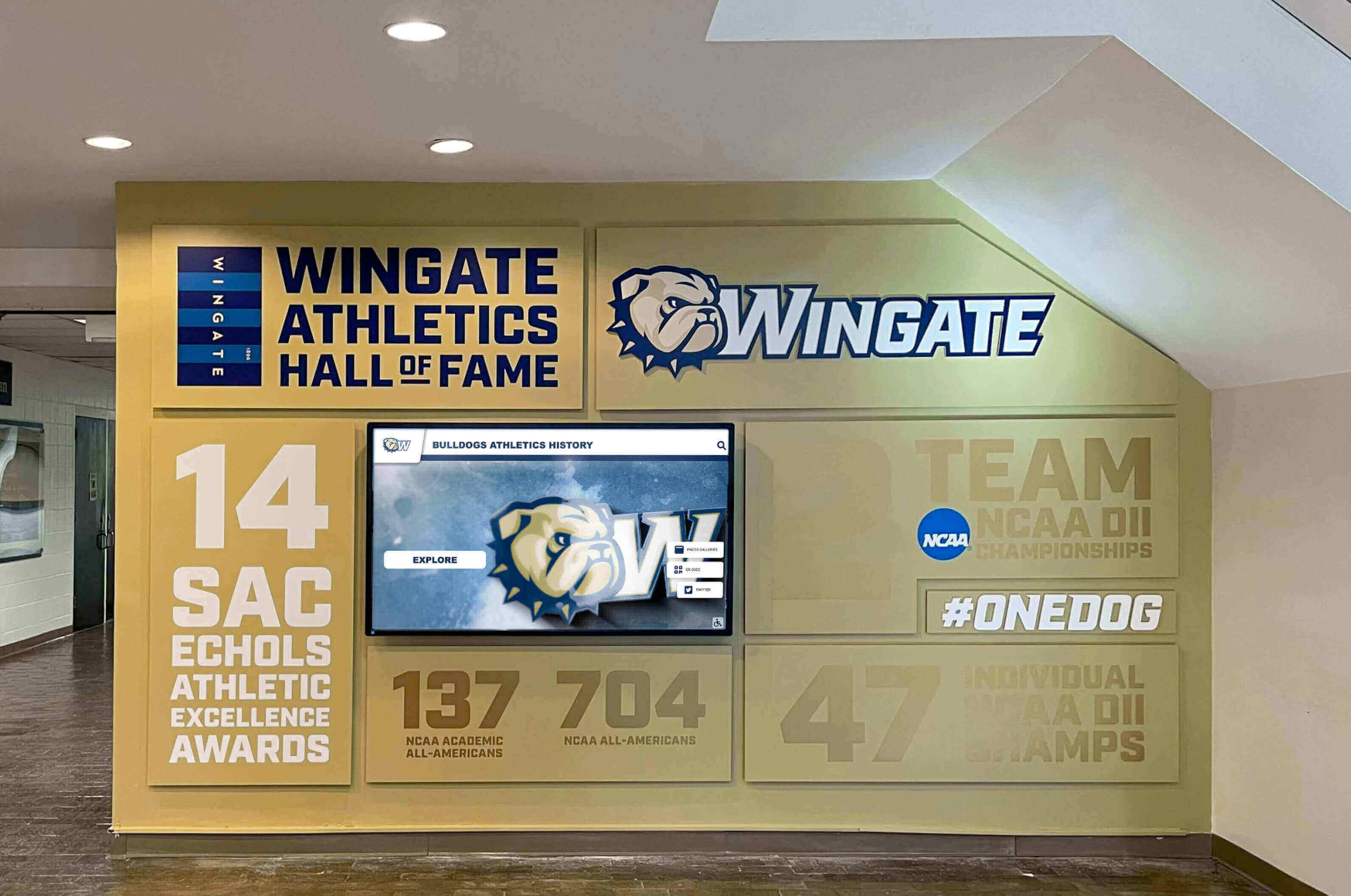
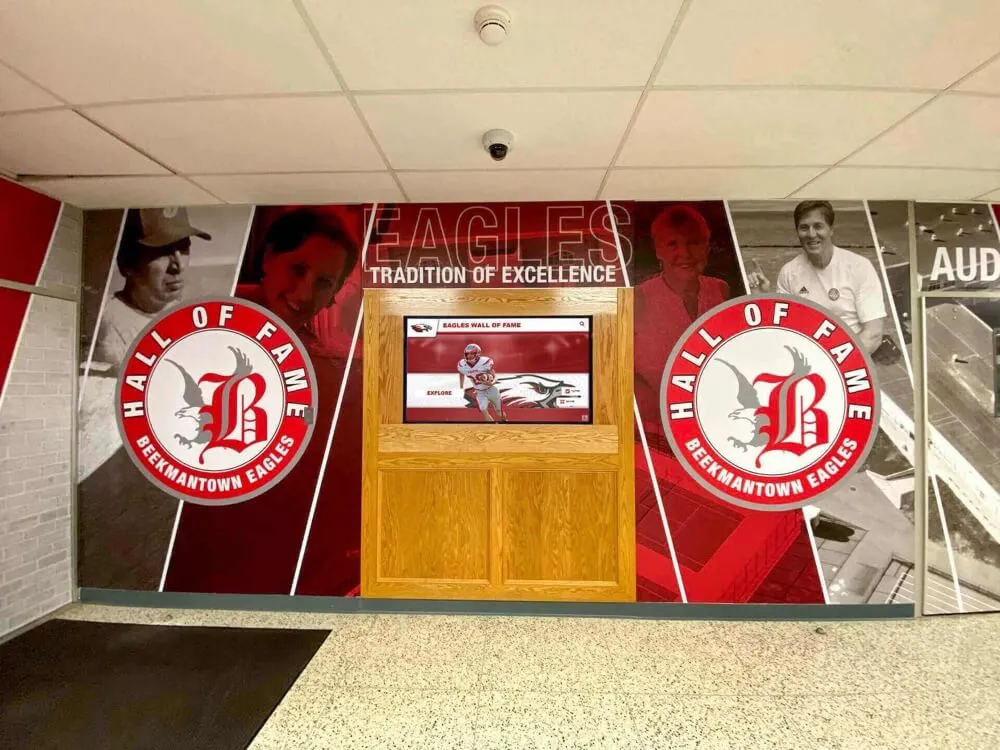
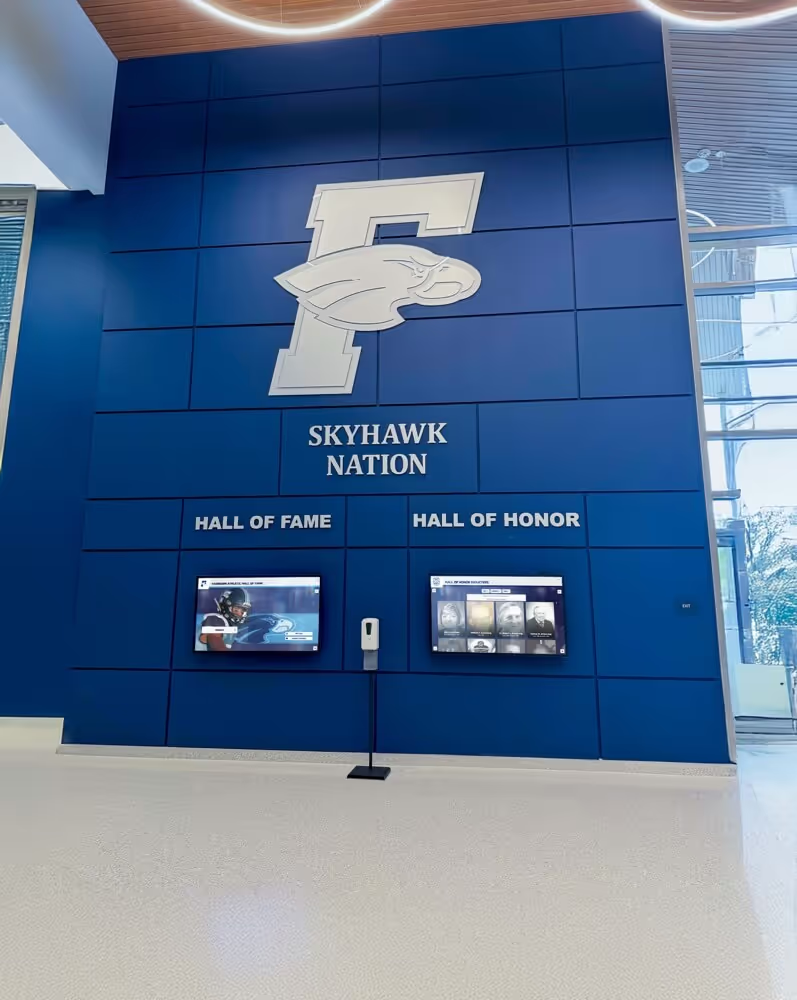
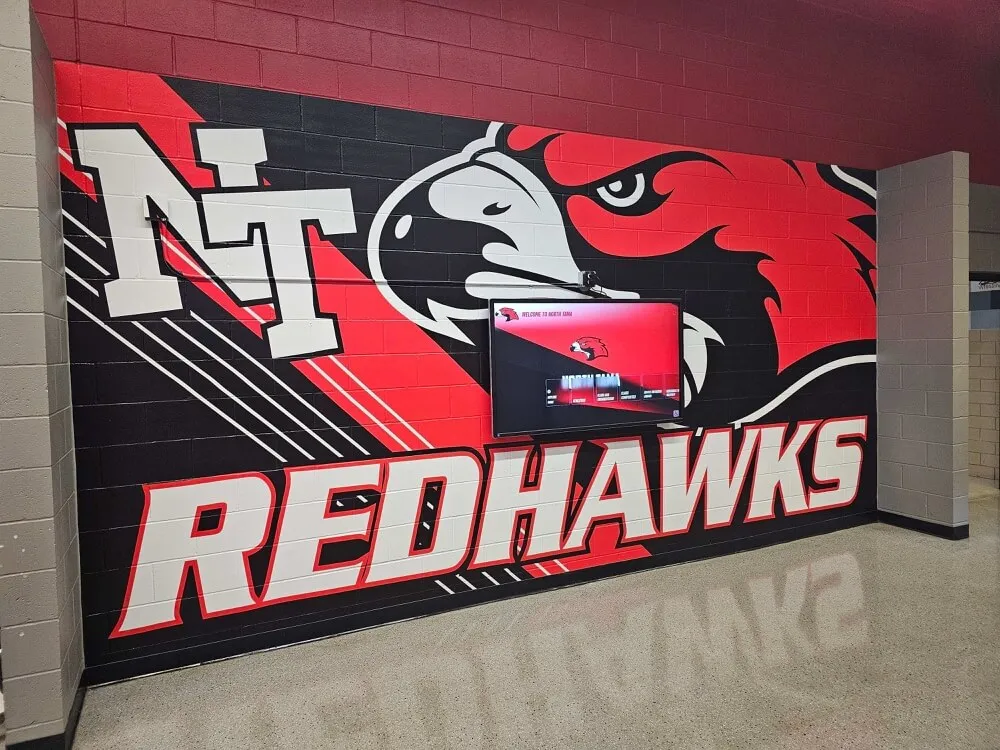
Professional mascot integration creates immediate school identity while supporting recognition displays that celebrate community achievement
Recognition and Achievement Display Ideas
Strategic recognition displays transform main offices from administrative processing centers into celebration spaces honoring student, staff, and community accomplishment.
Traditional Recognition Approaches Modernized
Classic recognition methods remain effective when implemented with contemporary design sensibilities that avoid dated, cluttered appearances.
9. Dedicated Trophy and Awards Display Cases
Professional display cases showcase athletic trophies, academic awards, competition honors, and institutional recognition in organized, dignified presentations. Modern display case designs featuring LED lighting, glass shelving, and minimal frames create museum-quality presentations that honor achievements appropriately while avoiding the cluttered trophy case aesthetic common in older schools.
Position display cases in waiting areas where visitors naturally spend time, ensuring recognition receives attention while providing engaging content during wait periods. Strategic lighting draws attention to displays while creating visual interest throughout office environments.
10. Rotating Student Artwork Galleries
Dedicate wall space to curated student artwork displays that rotate monthly or quarterly, celebrating creative achievement while providing visual interest that evolves continuously. Professional framing and thoughtful curation demonstrate that student work deserves presentation matching professional artwork, communicating institutional values about creative expression and student accomplishment across diverse disciplines.
Artwork displays work particularly well along hallways connecting main offices to other administrative areas, creating gallery experiences as visitors move through facilities.
11. Academic Honor Roll and Achievement Boards
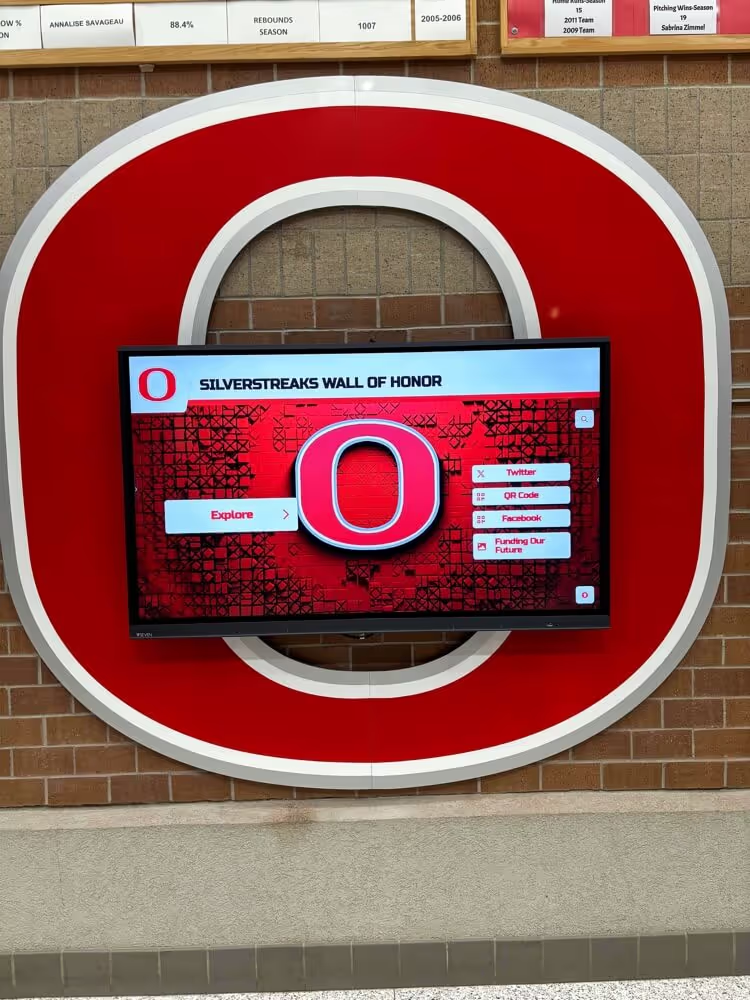
Traditional honor roll displays receive contemporary updates through professional design and strategic placement. Digital honor roll screens enable real-time updates without manual plaque maintenance, accommodate unlimited student names without space constraints, and incorporate photos personalizing recognition beyond generic name listings.
Schools implementing digital honor roll displays discover that searchable, photo-based recognition creates far greater family engagement than static text listings that prove difficult to navigate.
12. Staff Recognition and Spotlight Features
Celebrate faculty and staff achievements through dedicated recognition displays honoring teaching excellence, professional development, years of service, or community contributions. Staff recognition demonstrates to visiting families that your institution values educators appropriately, while reminding current staff that their contributions receive appreciation and celebration beyond private acknowledgments.
Include staff biographies, professional credentials, personal interests, and tenure information creating comprehensive profiles that help families understand the dedicated professionals educating their children.
Digital Recognition Systems Replacing Static Displays
Modern digital technology enables recognition approaches impossible through traditional methods while eliminating maintenance challenges that plague static displays.
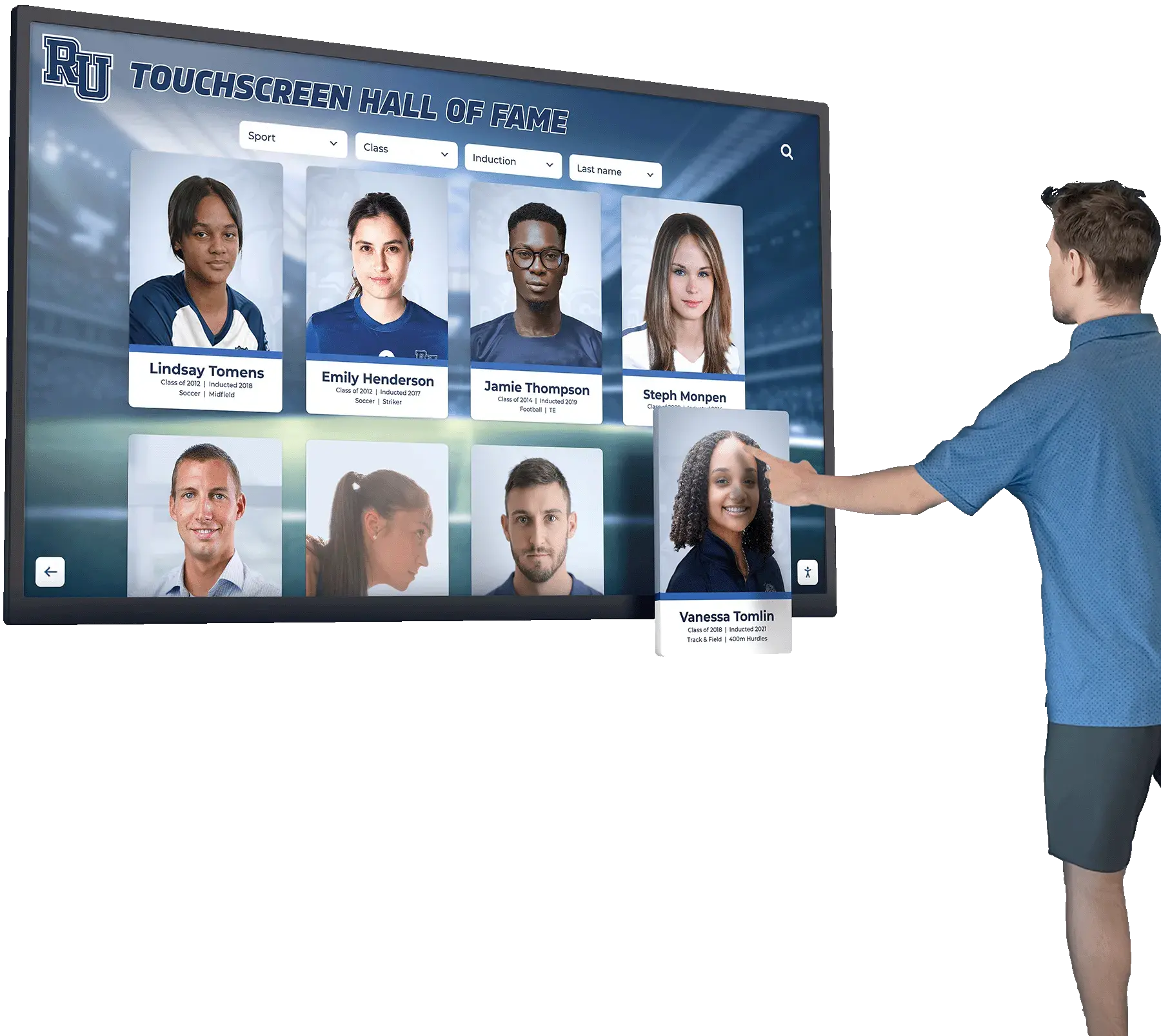
13. Interactive Touchscreen Recognition Kiosks
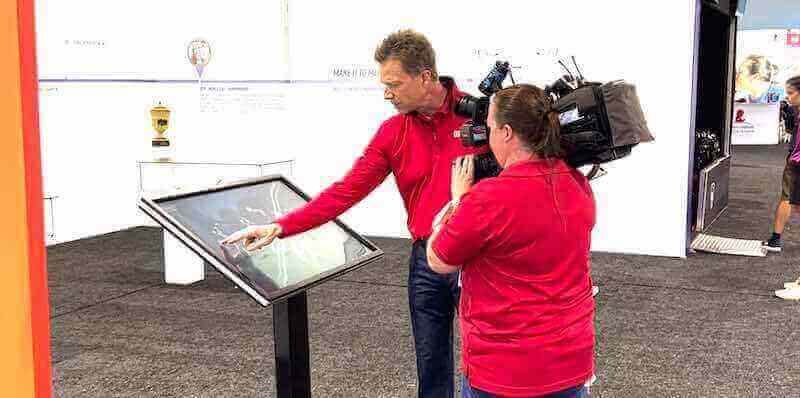
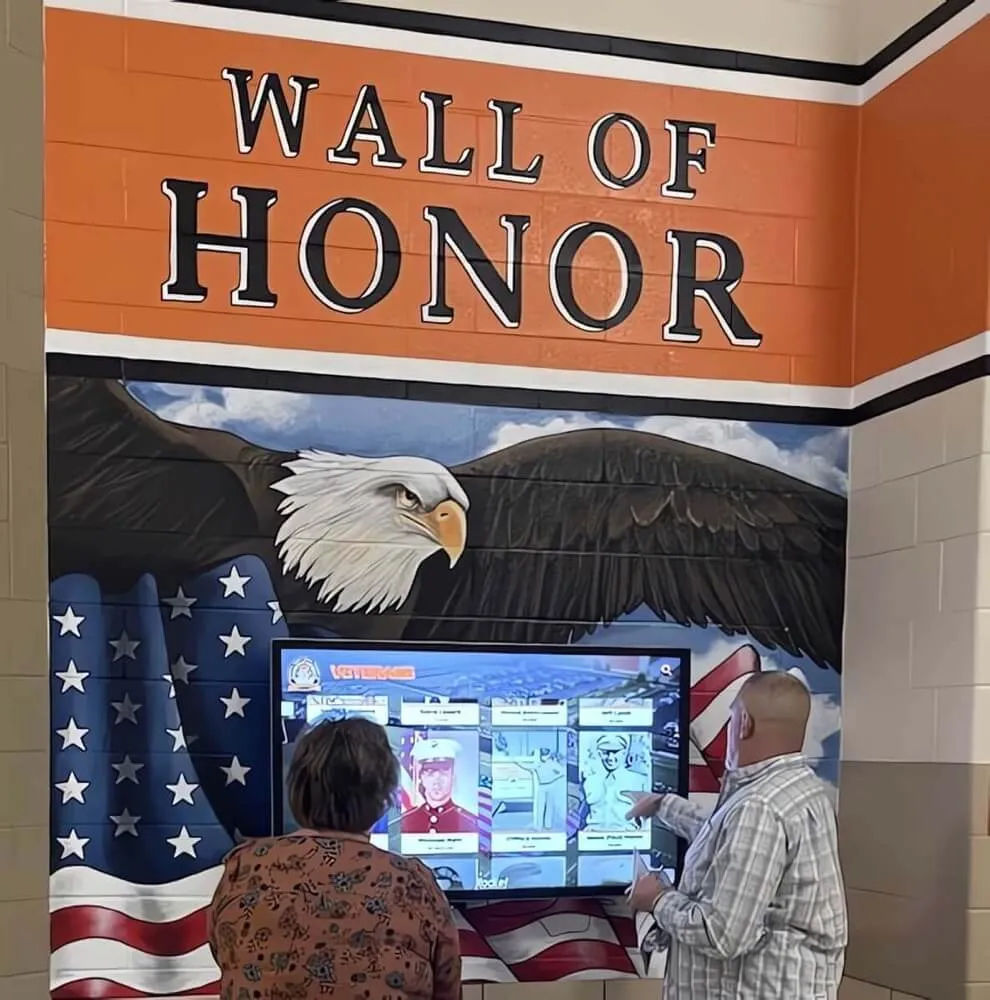
Touchscreen kiosks positioned in main office waiting areas transform recognition into engaging experiences where visitors actively explore student, alumni, and community achievement. Unlike static plaques limited to names and dates, digital recognition accommodates unlimited photos, biographical narratives, video content, and searchable databases enabling personal discovery of family members, friends, or alumni from specific graduation years.
Visitors waiting for appointments spend meaningful time exploring recognition content rather than scrolling phones, creating positive school connections during otherwise idle moments. Interactive features increase engagement time from seconds for static plaques to several minutes for digital exploration, dramatically extending recognition impact.
14. Large-Format Digital Display Walls
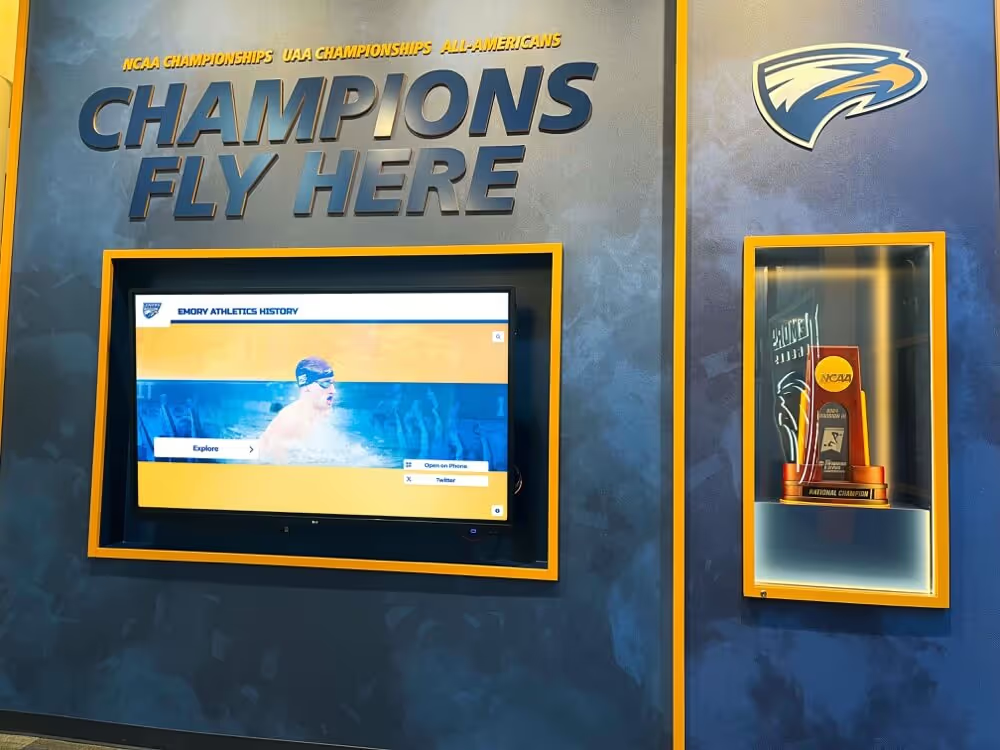
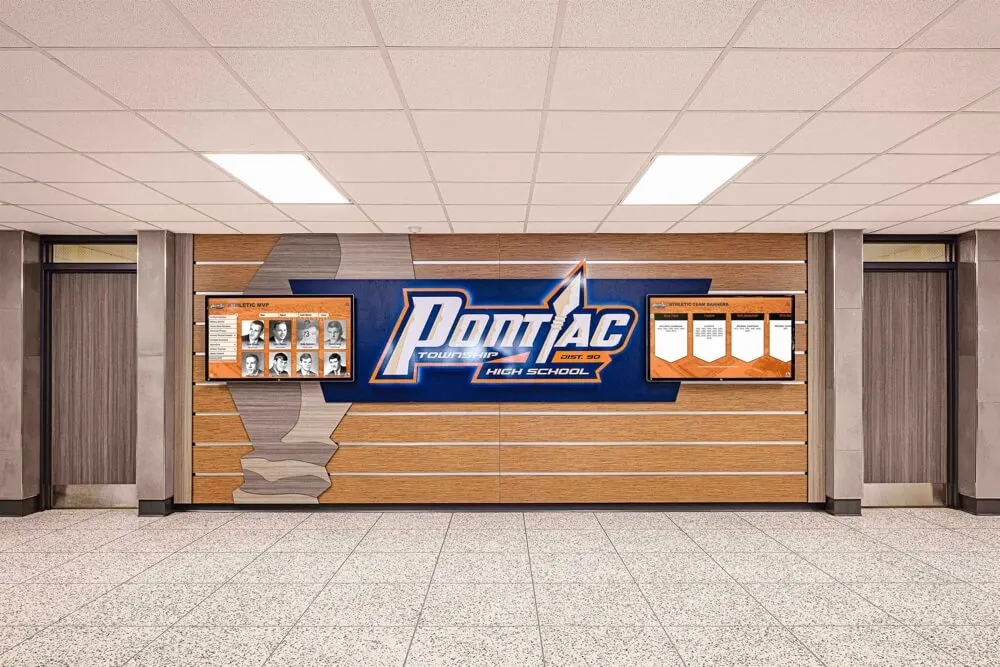
Wall-mounted displays showing rotating recognition content create dynamic visual interest while accommodating unlimited achievement celebration without space constraints. Displays can rotate between student of the month features, athletic team celebrations, academic honor rolls, performing arts showcases, community service highlights, and alumni spotlights—comprehensively celebrating diverse accomplishment types impossible to accommodate through limited trophy case space.
Digital displays enable professional graphic design, motion graphics, and video integration creating visually compelling presentations that attract attention in ways static posters cannot match. Schools can coordinate content with academic calendars, ensuring recognition remains current and relevant throughout entire school years.
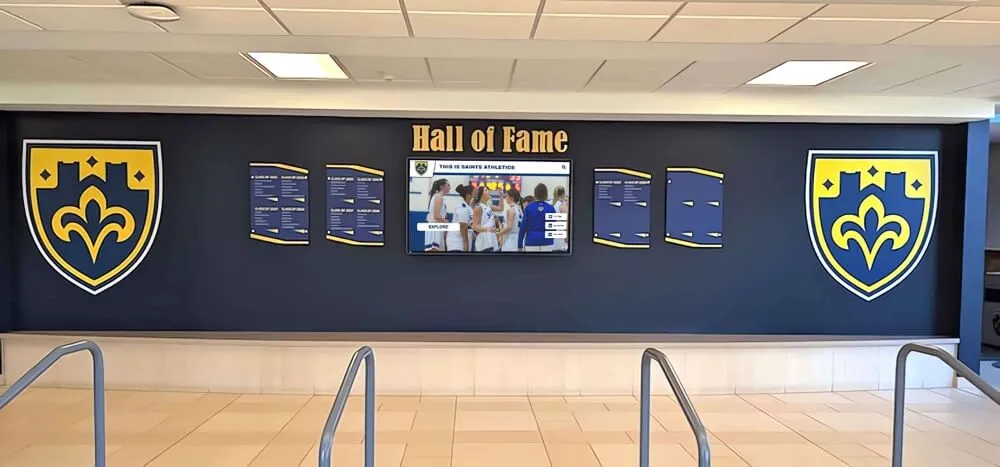
15. Digital Hall of Fame and Legacy Displays
Establish comprehensive digital halls of fame celebrating distinguished alumni, retired staff, community contributors, and historical achievement spanning your institution’s complete history. Digital platforms eliminate space limitations that force uncomfortable decisions about whose recognition remains visible, enabling inclusive celebration that honors all worthy individuals regardless of when accomplishments occurred.
Purpose-built platforms like Rocket Alumni Solutions provide unlimited capacity, professional content management, responsive web access extending recognition globally, and interactive features that transform acknowledgment into engaging community experiences. These digital recognition solutions integrate seamlessly with main office aesthetics while providing flexibility impossible through traditional plaques.
16. Live Social Media and Achievement Feeds
Digital displays showing real-time social media feeds celebrating daily student achievement, event highlights, and community engagement create living recognition that updates automatically without staff intervention. Curated Instagram feeds featuring student accomplishments, Twitter streams highlighting school news, or custom achievement feeds aggregating recognition from multiple sources demonstrate vibrant, active communities rather than historical accomplishments disconnected from current student experiences.
Live feeds prove particularly effective during prospective family tours, showcasing authentic current student life rather than carefully curated marketing materials that families may view skeptically.
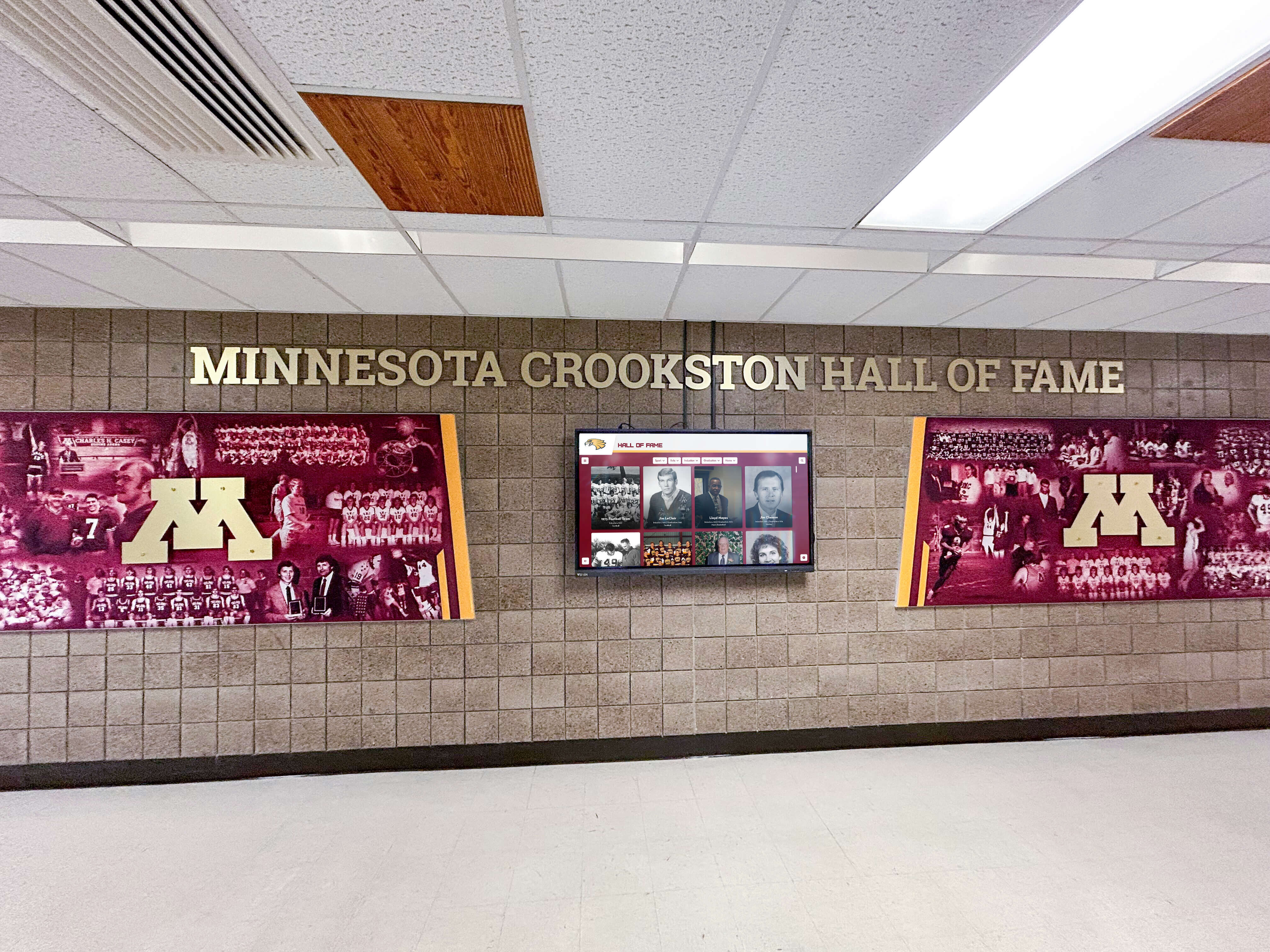
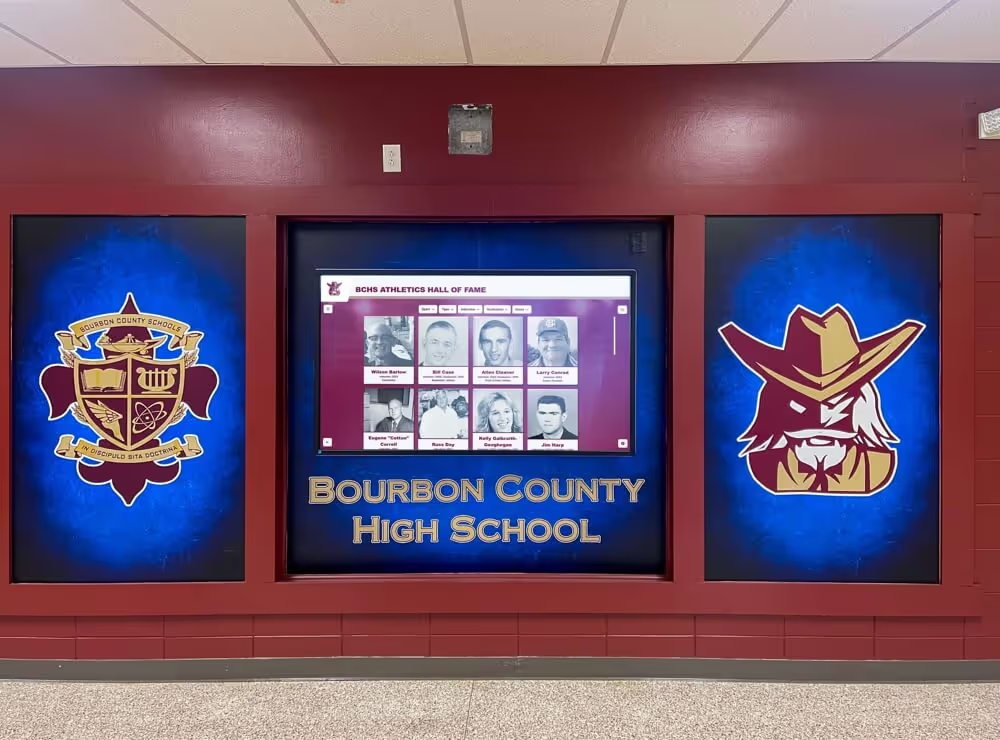
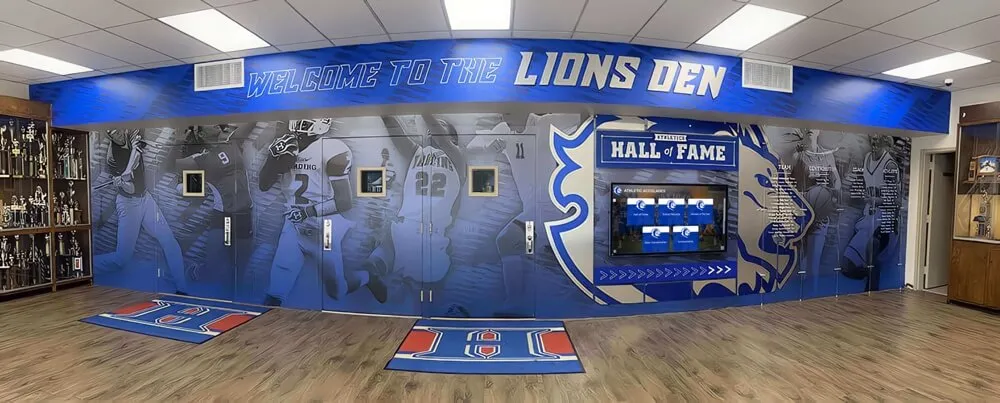
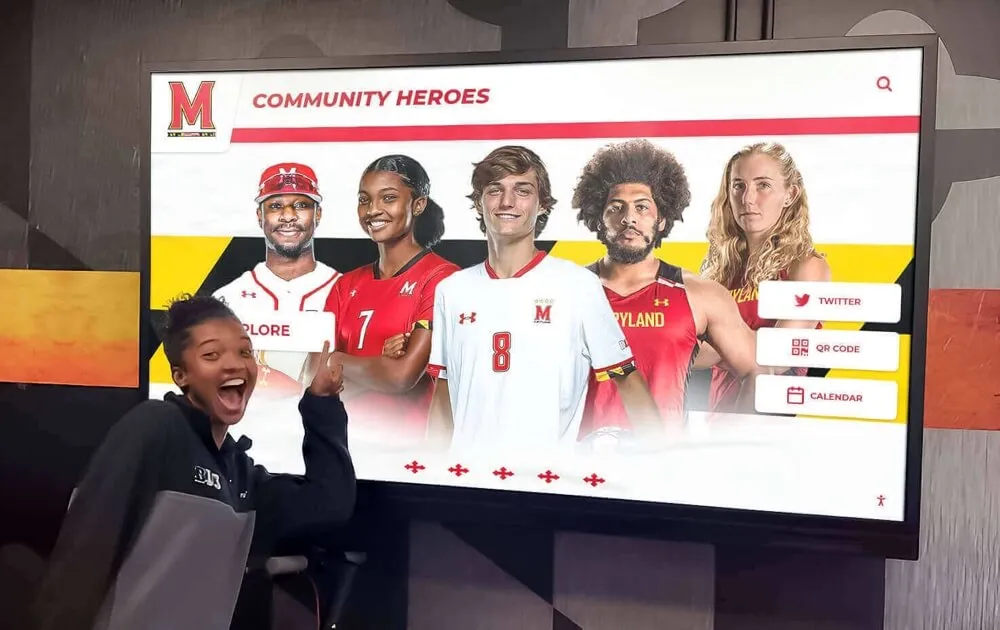
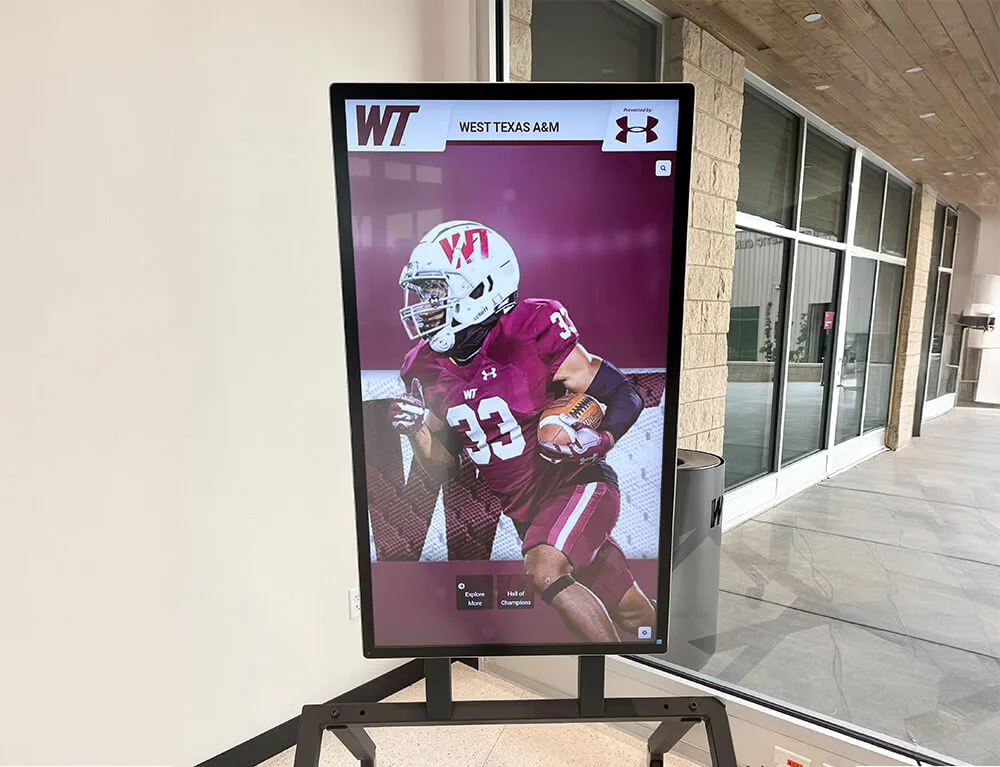
Coordinated color schemes, branded murals, and digital displays create comprehensive recognition environments that celebrate heritage while embracing modern technology
Functional Design Elements That Enhance Daily Operations
Beyond aesthetics and recognition, practical design elements improve daily functionality for staff and visitors while maintaining professional appearance.
Reception and Counter Area Optimization
Strategic counter design balances staff needs with visitor approachability, creating welcoming yet functional workspaces.
17. Lowered Counter Sections for Accessibility
Ensure counter designs include lowered sections meeting ADA accessibility requirements, enabling wheelchair users, young students, and visitors with mobility limitations to interact comfortably with reception staff. Accessible design demonstrates institutional commitment to inclusive practices while providing practical functionality serving diverse community members.
Accessible counter sections work equally well for young elementary students conducting office business independently, teaching responsibility and self-advocacy in welcoming environments designed for their success.
18. Transaction Counter Separation from Work Areas
Separate visitor-facing transaction counters from administrative work surfaces, preventing visitors from viewing confidential documents, reducing visual clutter that undermines professional appearance, and creating clear functional zones supporting efficient workflow. Partial-height privacy panels, strategic furniture placement, or architectural elements can define spaces without creating unwelcoming barriers.
This separation enables staff to maintain organized work areas without feeling compelled to hide functional workspace elements whenever visitors enter offices.
19. Integrated Technology for Efficient Check-In
Modern visitor management systems, digital sign-in kiosks, and integrated communication technology streamline reception functions while maintaining clean counter aesthetics. Tablets for student sign-in, digital visitor badges, and automated parent notification systems reduce manual administrative burden while creating professional, efficient experiences that communicate operational excellence.
Technology integration requires thoughtful planning ensuring devices complement rather than clutter counter spaces, with appropriate charging, cable management, and equipment positioning maintaining visual cleanliness.
Waiting Area Comfort and Engagement
Strategic waiting area design transforms necessary delays into opportunities for positive school connection and productive engagement.
20. Comfortable, Durable Seating Appropriate for Diverse Visitors
Select commercial-grade seating providing comfort for extended waits while withstanding heavy use from students, parents, and diverse community members. Seating should accommodate various body types, include options with arms assisting elderly visitors when rising, and feature stain-resistant fabrics simplifying maintenance in high-traffic environments.
Arrange seating enabling conversation groupings when families visit together while providing individual seating options for solo visitors preferring privacy during wait periods.
21. Charging Stations and Connectivity Amenities
Integrated USB charging ports in seating areas, accessible electrical outlets for laptop users, and guest WiFi access demonstrate visitor consideration while providing practical amenities matching contemporary expectations. These features prove particularly valuable for parents working remotely who arrive early for pickup, substitute teachers waiting for assignments, or community volunteers arriving before scheduled meetings.
Charging availability prevents the awkward situation of visitors requesting outlet access or standing near walls to charge devices during wait periods.
22. Information Displays and Resource Materials
Provide organized access to school information through strategically positioned displays featuring current calendars, lunch menus, upcoming events, volunteer opportunities, and community resources. Digital displays enable real-time updates without manual poster replacement, while ensuring information remains current, relevant, and professionally presented.
Replace cluttered bulletin boards overwhelming visitors with excessive information through curated digital displays providing essential information in digestible formats that communicate organizational competence rather than chaotic urgency.
23. Beverage Stations and Hospitality Elements
Small coffee or water stations demonstrate hospitality while providing practical amenities appreciated by visitors experiencing wait times. Simple beverage offerings need not create significant expense or maintenance burden but communicate that visitor comfort matters and deserves institutional consideration.
Hospitality elements prove particularly memorable for prospective families comparing multiple schools, creating positive emotional associations distinguishing your institution from alternatives offering identical academic programs but less welcoming environments.
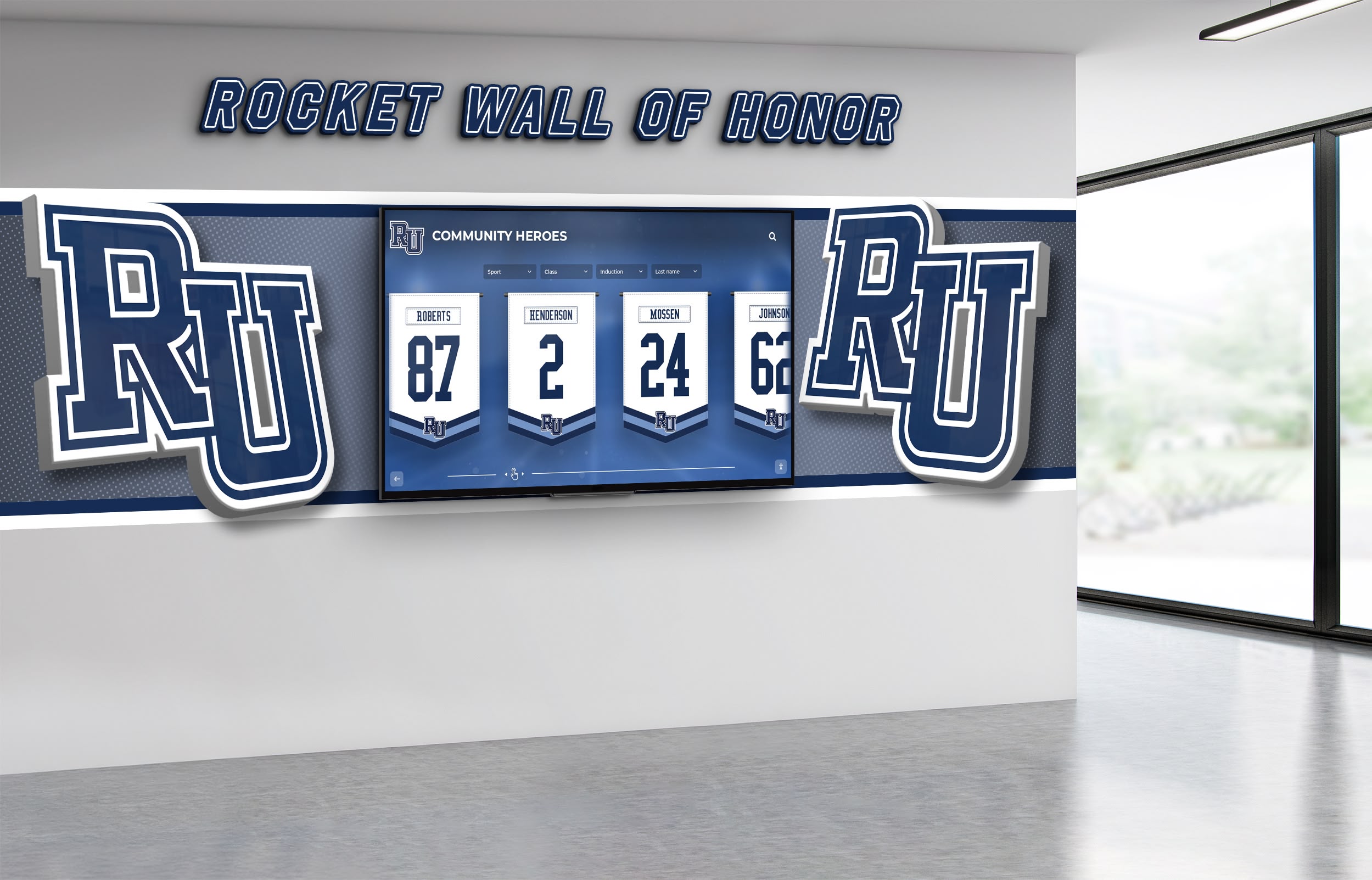
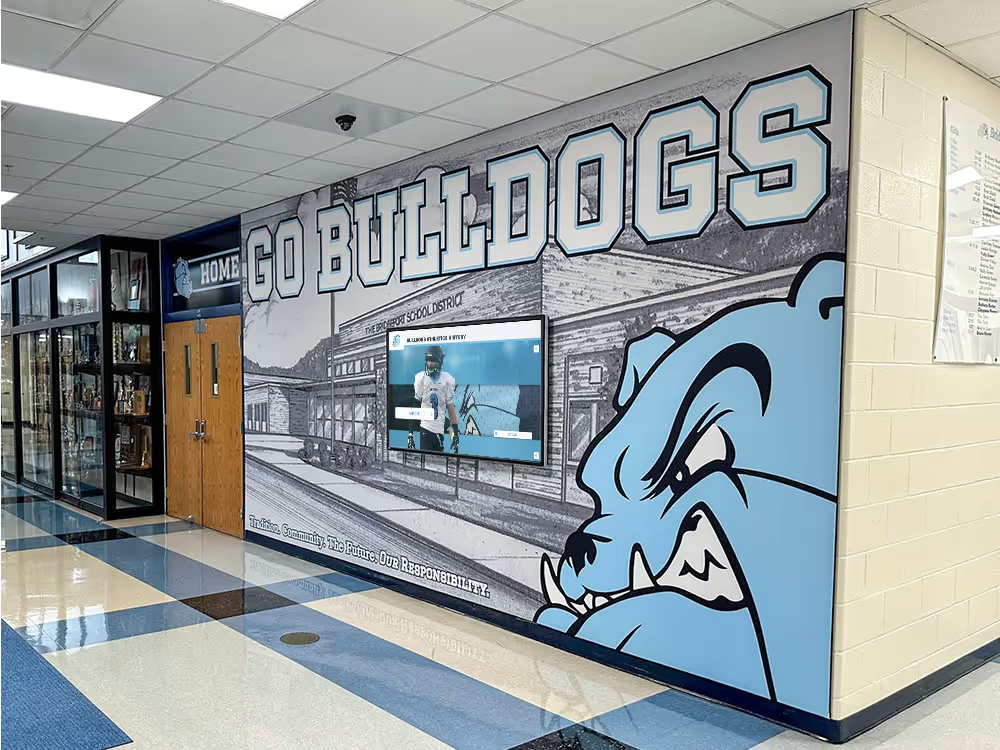
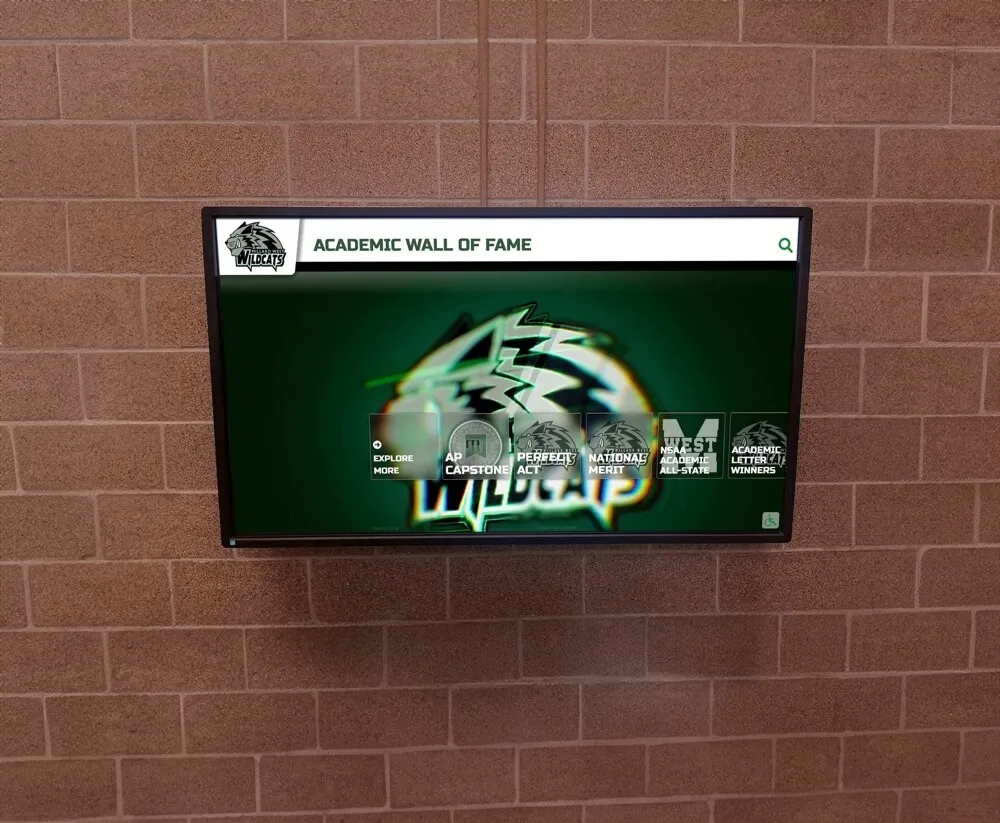
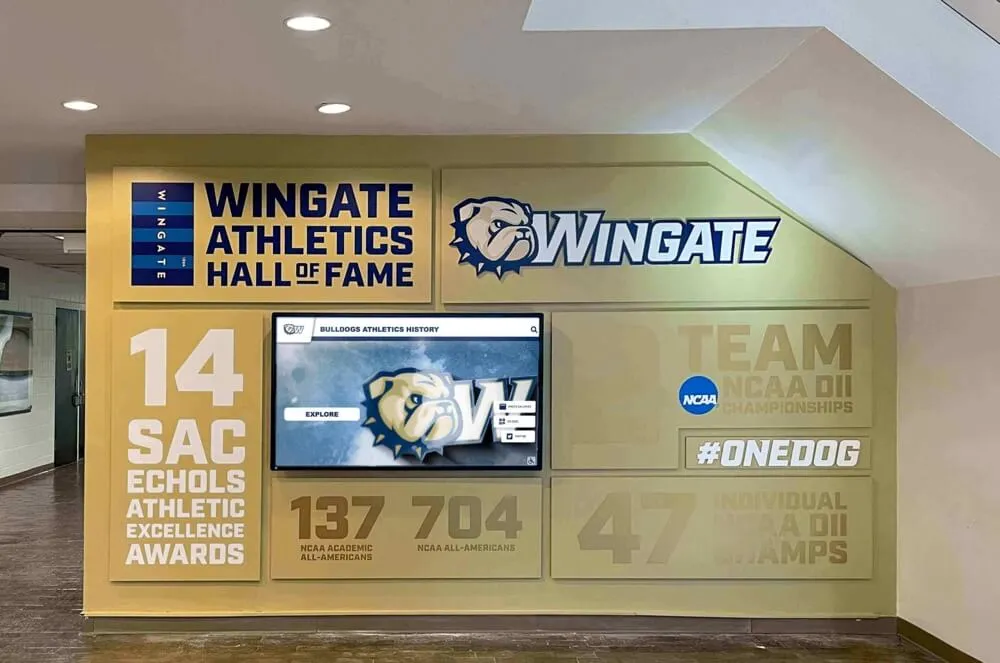
Modern digital displays showcase athletic recognition in professional, space-efficient formats while enabling unlimited capacity for celebrating achievement across all sports and seasons
Environmental Details That Complete Professional Presentation
Strategic attention to environmental details elevates main office decor from acceptable to exceptional, creating cohesive experiences worthy of your educational mission.
Lighting Design That Enhances Ambiance
Thoughtful lighting creates welcoming atmospheres while ensuring functional visibility for administrative tasks and visitor interactions.
24. Layered Lighting Combining Ambient, Task, and Accent Elements
Professional lighting design layers multiple light sources creating depth, visual interest, and functional flexibility. Ambient overhead lighting provides general visibility, task lighting illuminates work surfaces and reception counters, and accent lighting highlights recognition displays, artwork, or architectural features. This layered approach avoids the harsh, institutional fluorescent lighting common in older school offices, creating warmer, more welcoming environments.
Consider LED lighting options providing energy efficiency, reduced maintenance, and sophisticated color temperature control enabling atmospheric adjustments matching different times of day or functional needs.
25. Natural Light Maximization Through Window Treatments
Maximize natural light access through appropriate window treatments that control glare without blocking daylight completely. Solar shades, light-filtering blinds, or sheer curtains provide privacy when needed while allowing natural light creating cheerful, energizing environments that prove far more welcoming than artificially-lit spaces.
Natural light access provides particular value in main offices where staff spend entire workdays, preventing the depressing, closed-in feeling common in windowless administrative spaces while reducing energy costs through reduced artificial lighting requirements during daylight hours.
Additional Environmental Considerations
Complete your main office transformation through attention to finishing details that demonstrate comprehensive design thoughtfulness.
Coordinated Flooring Selections: Durable, commercial-grade flooring in colors coordinating with overall design schemes creates visual foundations supporting all other decor elements. Consider carpet tile systems enabling easy replacement of damaged sections, luxury vinyl plank providing wood appearance with superior durability, or polished concrete for contemporary industrial aesthetics.
Acoustic Management: Hard surfaces common in office environments create echo and noise that undermines professional atmosphere. Acoustic ceiling tiles, fabric wall panels, area rugs, and upholstered furniture absorb sound creating comfortable acoustic environments supporting productive conversations and reducing stress for staff working in busy spaces.
Air Quality and Scent: Ensure proper ventilation, consider air purification systems, and avoid strong artificial scents that trigger sensitivities. Fresh, clean-smelling offices create positive impressions, while poor air quality or overwhelming fragrances create negative associations that undermine all other design investments.
Organized Cable Management: Visible power cords, data cables, and charging cords create visual clutter undermining professional appearance. Invest in cable management systems, furniture with integrated wire channels, and strategic outlet placement minimizing visible cord runs across floors or along walls.
Professional Signage: Coordinate directional signage, room identification, and informational signs using consistent fonts, colors, and materials matching overall design aesthetics. Avoid the common practice of printing paper signs in various fonts and sizes creating visual chaos that undermines professional appearance.
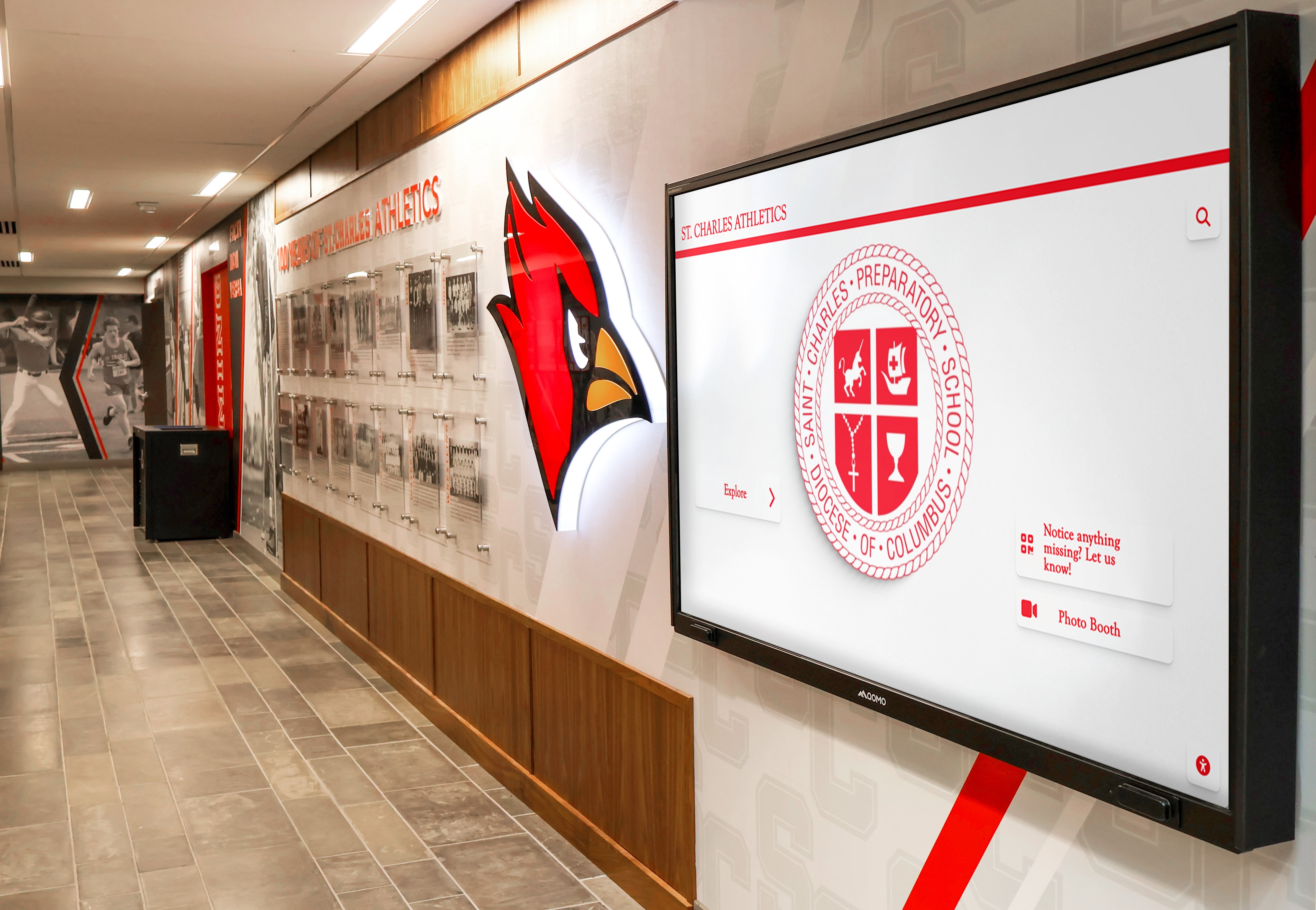
Cohesive color coordination, mascot branding, and modern recognition technology create professional environments celebrating school identity while serving functional administrative purposes
Strategic Implementation Planning for Main Office Decor Projects
Understanding design possibilities represents only the beginning—successful implementation requires strategic planning addressing budgets, timelines, stakeholder input, and phased execution that minimizes operational disruption.
Establishing Clear Design Objectives and Priorities
Begin with explicit objectives defining what your main office decor should accomplish beyond general aesthetic improvement.
Identify Primary Goals: Determine whether your priorities include improving prospective family impressions, creating better staff work environments, showcasing student achievement more effectively, modernizing outdated aesthetics, or addressing specific functional deficiencies. Clear prioritization guides budget allocation and design decision-making when inevitable tradeoffs emerge.
Assess Current Conditions: Document existing conditions through photographs, stakeholder feedback, and honest evaluation of what works and what requires improvement. Understanding current strengths enables preservation of successful elements while focusing renovation efforts where they’ll deliver maximum impact.
Define Success Metrics: Establish measurable objectives enabling project evaluation—prospective family tour feedback scores, staff satisfaction surveys, visitor comments, or recognition display engagement analytics. Clear metrics prevent subjective debates about whether projects achieved intended outcomes while enabling evidence-based decision-making for future improvements.
Budget Development and Resource Allocation
Realistic budgeting prevents mid-project compromises that undermine design coherence while enabling strategic investment in elements delivering maximum impact.
Prioritize High-Impact Elements: Allocate budgets toward changes visitors immediately notice—entry walls, reception counter areas, and waiting spaces—before investing in secondary areas with limited visibility. Strategic prioritization ensures maximum return even when complete ideal visions exceed available resources.
Consider Phased Implementation: Divide comprehensive plans into logical phases implemented over multiple budget cycles rather than delaying all improvements until complete funding becomes available. Initial phases create immediate impact while demonstrating value that justifies continued investment in subsequent improvements.
Explore Multiple Funding Sources: Beyond general facility budgets, consider parent organization support, alumni contributions, local business sponsorships, or capital campaign inclusion for major renovations. Many community members will contribute to tangible improvement projects creating visible legacy, particularly when recognition displays can acknowledge their support.
Balance DIY and Professional Services: Determine which elements require professional expertise—mural painting, electrical work, custom fabrication—versus tasks staff or volunteers can accomplish through sweat equity. Strategic balance maximizes professional quality where it matters most while controlling costs through volunteer contribution where appropriate.
Schools implementing comprehensive recognition display projects discover that modern digital platforms often cost less than expected while delivering far superior results compared to traditional recognition approaches accumulated over years through incremental plaque purchases.
Managing Implementation While Maintaining Operations
Main offices cannot close during renovations—strategic planning ensures projects proceed efficiently while minimizing operational disruption.
Schedule Work During Low-Activity Periods: Plan major disruptions during summer breaks, extended holidays, or periods when student traffic decreases significantly. Strategic timing reduces inconvenience for staff and visitors while enabling larger-scale work that would prove impossible during peak operational periods.
Establish Temporary Office Arrangements: Plan alternative reception locations, temporary visitor processing protocols, and staff workspace accommodations during construction periods. Clear communication ensures students, parents, and visitors understand temporary changes while minimizing confusion and frustration.
Coordinate with School Calendars: Avoid scheduling major disruptions during critical school events—enrollment periods, standardized testing, graduation activities, or major athletic events when facilities must function flawlessly. Calendar coordination prevents renovation timing from inadvertently undermining important institutional priorities.
Communicate Proactively: Inform all stakeholders about upcoming changes, expected timelines, temporary inconveniences, and exciting improvements that justify short-term disruption. Visual renderings, progress updates, and completion celebrations build excitement while demonstrating that improvements warrant temporary inconvenience.
Maintaining and Evolving Your Main Office Decor Investment
Completion represents beginnings rather than endings—strategic maintenance and continuous evolution ensure your decor investment delivers lasting value rather than creating static environments that quickly feel dated.
Establishing Maintenance Protocols
Systematic maintenance preserves initial investment quality while preventing gradual deterioration that undermines professional appearance.
Daily Cleaning Routines: Ensure reception counters remain clutter-free, waiting areas stay organized, floors receive appropriate cleaning, and overall environments maintain the fresh appearance that creates positive first impressions. Daily attention prevents accumulation of minor issues that collectively undermine professional presentation.
Quarterly Deep Maintenance: Schedule periodic deep cleaning for upholstered furniture, window treatments, and decorative elements. Touch up paint, repair minor damage promptly, and address wear before it becomes obvious to visitors.
Annual Assessment and Refresh: Conduct annual reviews evaluating what remains effective versus elements requiring updates. Replace worn items, rotate artwork or displays, update recognition content, and make minor changes preventing static environments that staff and regular visitors grow to ignore.
Planning for Content Evolution
Static recognition and information displays quickly become stale—systematic content updates maintain relevance and engagement.
Recognition Content Rotation: Regularly update achievement displays showcasing current students, recent alumni, and timely accomplishments. Digital recognition systems enable effortless updates without physical plaque replacement, ensuring recognition remains current and relevant throughout entire academic years.
Seasonal Variation: Rotate decorative elements coordinating with academic calendars, athletic seasons, or school events. This variation maintains visual interest while demonstrating active environments that evolve continuously rather than appearing frozen in time.
Responsive Updates: Adjust information displays, directional signage, and functional elements as school operations evolve. Outdated information undermines credibility while creating visitor confusion that contradicts the welcoming efficiency your decor investments intended to communicate.
Purpose-built digital recognition platforms like Rocket Alumni Solutions eliminate content update challenges through intuitive content management enabling staff to maintain fresh, current recognition without technical expertise or expensive professional services. Cloud-based systems ensure instant updates across all display locations while providing web accessibility extending recognition reach beyond physical office visitors to global audiences exploring school communities online.
Conclusion: Transforming Administrative Necessity into Community Celebration
School main offices need not remain sterile administrative processing centers divorced from the vibrant, student-centered excellence defining your educational mission. Strategic decor transforms these essential spaces into welcoming environments that celebrate community achievement, communicate institutional values, and create positive experiences for every visitor—from prospective families evaluating enrollment to current parents managing daily logistics to community members engaging with your institution.
The 25 design ideas explored throughout this guide provide comprehensive frameworks for creating main offices that balance professional credibility with welcoming warmth, accommodate diverse functional requirements within limited spaces, showcase student and community achievement meaningfully, and demonstrate attention to environmental details that distinguish exceptional institutions from merely adequate alternatives.
Implementation success requires moving beyond surface-level aesthetic updates toward strategic design thinking that connects every decor decision to specific institutional objectives—improving enrollment outcomes through impressive prospective family experiences, building school pride through visible achievement celebration, supporting efficient daily operations through thoughtful functional design, and creating community gathering spaces that transform administrative necessity into positive touchpoints strengthening institutional relationships.
The transformation from cluttered, dated main offices toward contemporary, welcoming spaces embracing school identity represents achievable goals for institutions at all budget levels. Phased implementation enables immediate improvement while building toward comprehensive long-term visions. Strategic priority setting ensures maximum impact from available resources. Creative approaches like painted accent walls, curated student artwork, and modern digital recognition deliver dramatic results without requiring facility rebuilding or budget-breaking expenditures.
Digital recognition technology, in particular, provides transformational opportunities that were impossible through traditional approaches. Unlimited capacity enables comprehensive achievement celebration without space constraints forcing difficult decisions about whose accomplishments remain visible. Interactive features transform passive acknowledgment into engaging experiences where visitors actively explore community excellence. Cloud-based content management enables real-time updates ensuring recognition remains current without expensive plaque replacement. Responsive web platforms extend recognition globally, serving distributed constituencies while accommodating families unable to visit physical facilities regularly.
Purpose-built solutions like Rocket Alumni Solutions deliver recognition capabilities specifically optimized for educational institutions, eliminating complexity inherent in custom development while providing professional features, unlimited capacity, intuitive content management, and comprehensive support enabling schools to focus on community celebration rather than technical challenges. When main office visitors encounter searchable digital displays showcasing student achievement, alumni success, and community contributions, they experience the kind of digital warming that transforms cold administrative spaces into vibrant community celebrations worthy of your institutional excellence.
Every design decision represents an opportunity to demonstrate who you are as an educational community—your values, your priorities, your commitment to student success, and your dedication to creating experiences worthy of the families who trust you with their children’s futures. Your main office serves as daily evidence of these commitments, creating countless impressions that cumulatively shape how your entire community perceives your institution.
Ready to transform your school main office from administrative necessity into welcoming celebration of your community? Explore how Rocket Alumni Solutions creates recognition experiences that showcase achievement beautifully while eliminating the space constraints, update complexity, and engagement limitations that undermine traditional recognition approaches, delivering the digital warming essential for creating main office environments where every visitor experiences your community’s excellence immediately upon arrival.
Disclaimer: This content was produced by Rocket Alumni Solutions to demonstrate how purpose-built digital recognition technology supports school branding goals and community engagement. Product capabilities mentioned reflect publicly available information as of May 2026 and may evolve over time.