School lobbies serve as the first impression visitors, students, and families receive when entering your building—a critical space communicating values, celebrating achievements, and establishing institutional identity. The traditional cork bulletin board covered with fading construction paper announcements and pushpin-secured flyers has defined school lobby communication for generations. These static boards served adequately in an analog era, but they struggle to compete with the dynamic digital experiences students encounter everywhere else in their lives.
Many administrators recognize that outdated lobby bulletin boards fail to engage contemporary audiences. Paper notices blend into visual clutter, important announcements disappear beneath layers of newer postings, student achievements receive temporary recognition quickly replaced by subsequent events, and the maintenance burden of constantly updating physical boards overwhelms already stretched staff. Meanwhile, the lobby itself—your building’s primary community gathering space—feels stale, institutional, and disconnected from the vibrant learning environments schools work hard to cultivate.
The gap between traditional bulletin board limitations and modern communication expectations creates opportunities for schools ready to transform lobby spaces from passive announcement areas into active engagement hubs that celebrate achievement, build community pride, and create welcoming environments reflecting institutional excellence.
This comprehensive guide explores innovative school lobby bulletin board ideas progressing from simple improvements to traditional cork boards through complete digital transformation. You’ll discover practical upgrades enhancing existing bulletin boards, creative design approaches maximizing visual impact, and modern digital recognition systems transforming lobby spaces into dynamic community engagement centers that celebrate student achievement, preserve institutional memory, and create the warm, welcoming environments where every visitor feels the energy and pride defining your school community.

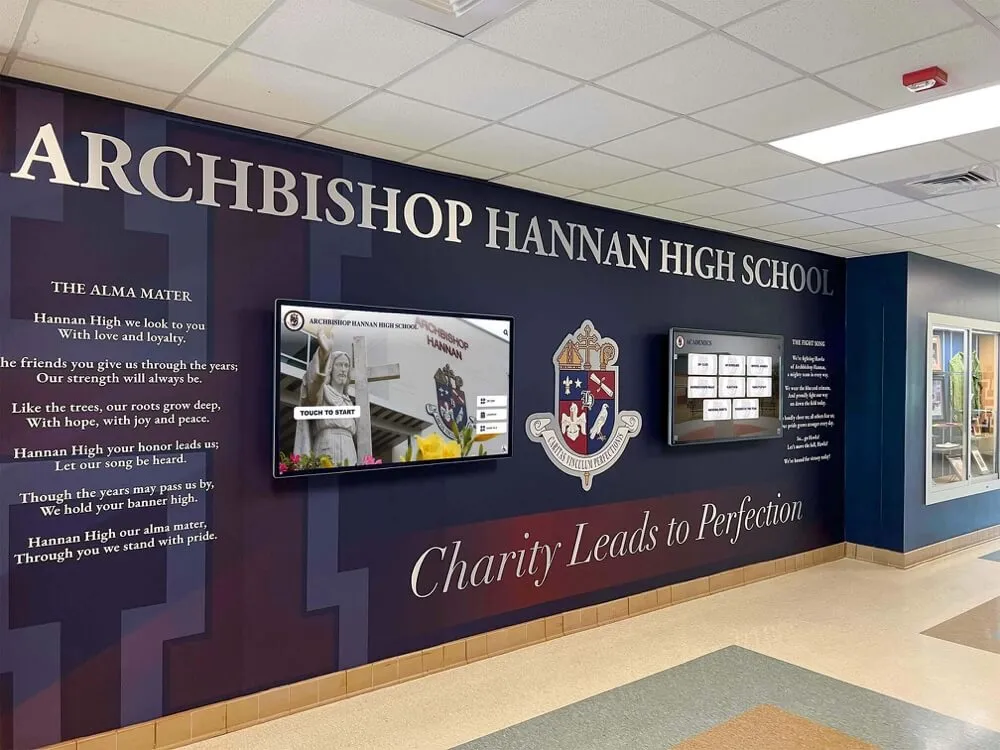
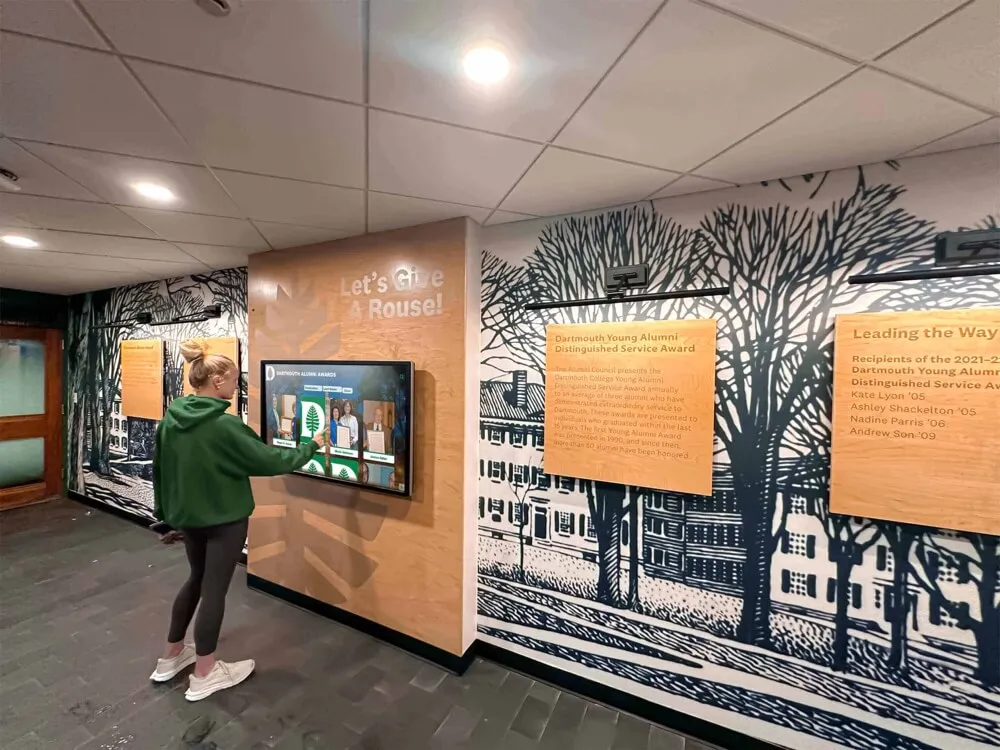
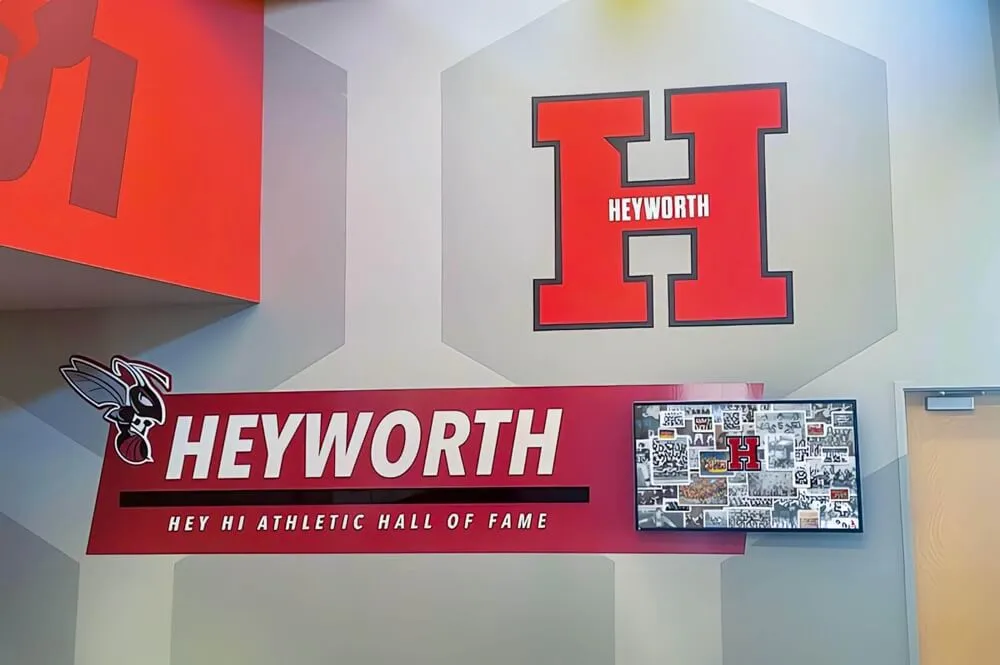
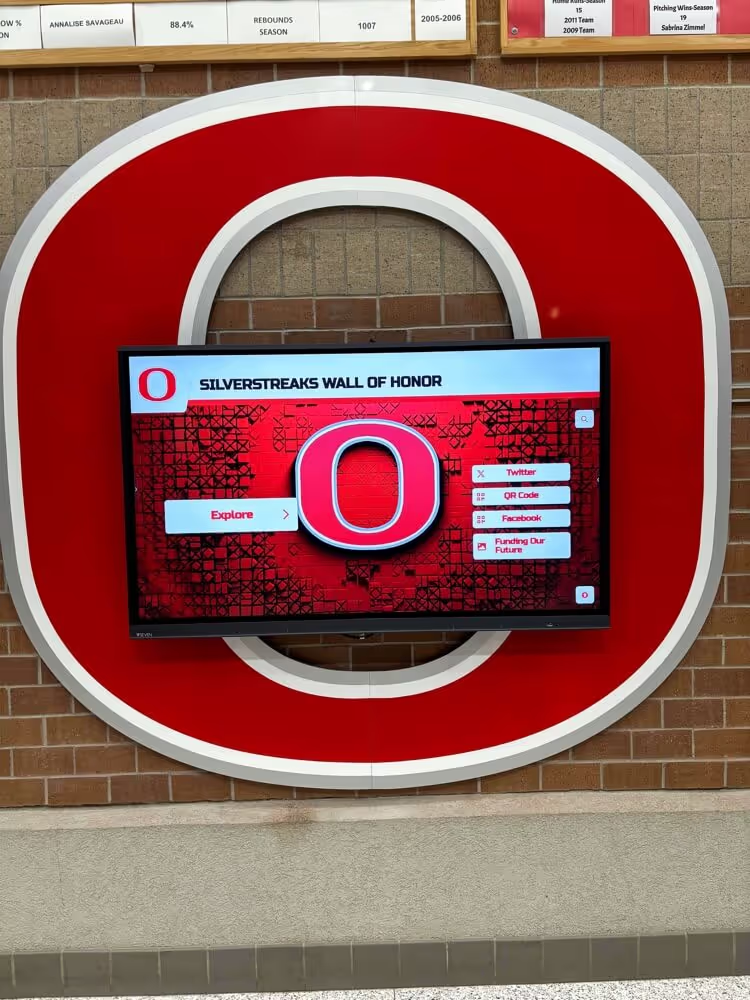
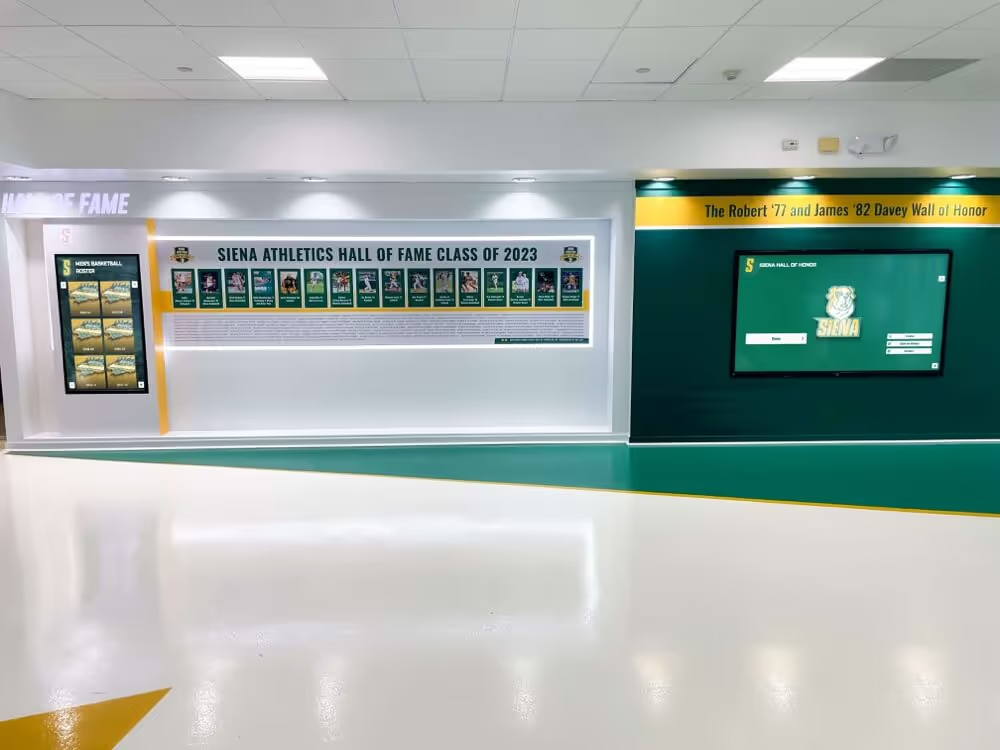
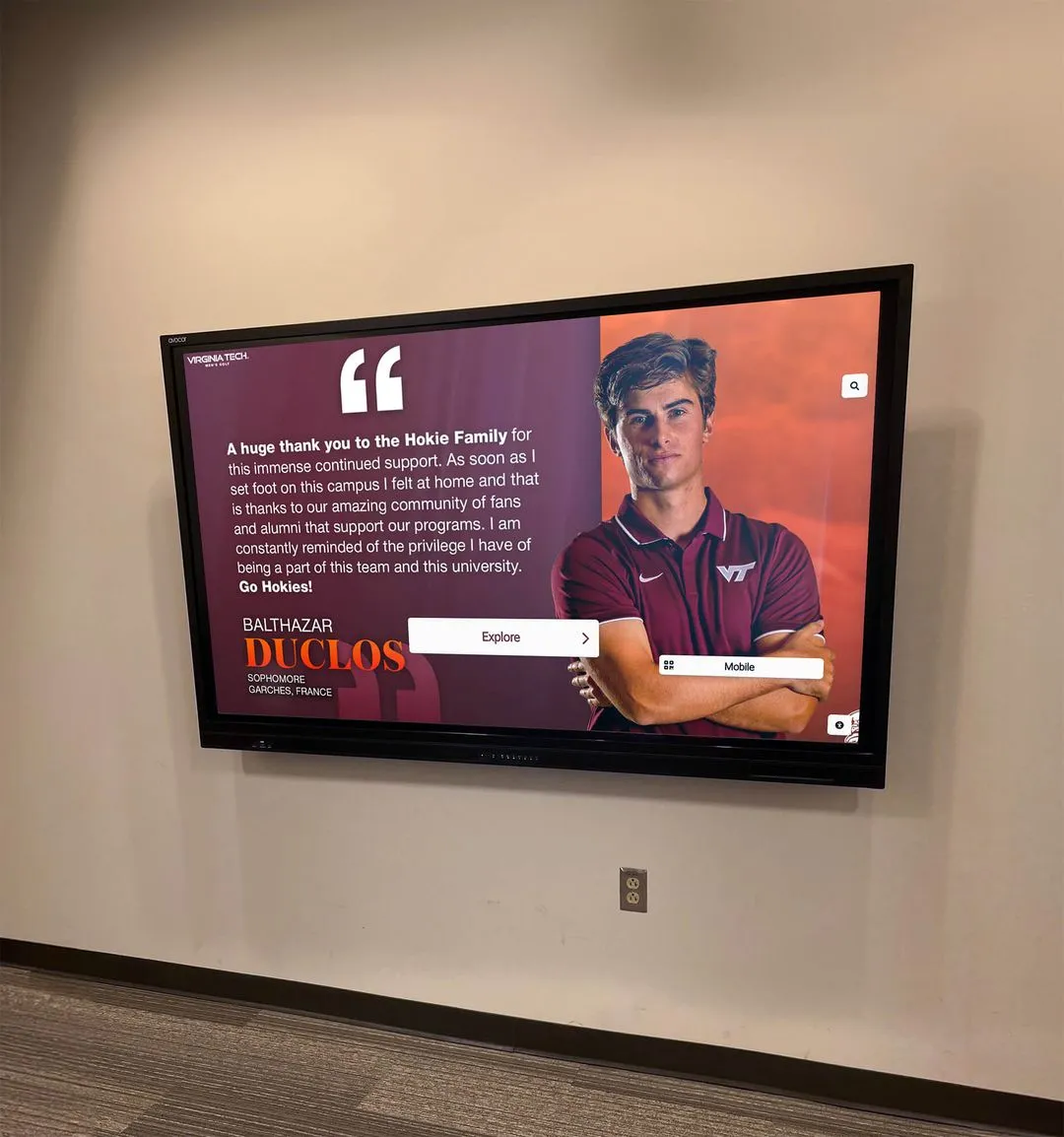
Modern school lobbies integrate recognition displays creating welcoming spaces that celebrate achievement and build community pride
Understanding School Lobby Bulletin Board Functions
Before exploring specific ideas and upgrades, schools should clearly define what lobby bulletin boards need to accomplish and who they serve.
Primary Communication and Recognition Purposes
School lobby bulletin boards typically serve multiple overlapping functions requiring balanced approaches.
Student Achievement Celebration
Lobbies naturally showcase student accomplishments creating visible recognition for academic excellence, athletic achievements, artistic performances, service contributions, and competitive successes. Unlike classroom bulletin boards serving instructional purposes, lobby displays celebrate achievement publicly where entire school communities—students, staff, families, and visitors—can witness excellence. This public celebration validates student effort while inspiring peers and building institutional pride in collective accomplishments.
Traditional bulletin boards limit recognition through physical space constraints accommodating only recent achievements, paper-based displays that deteriorate quickly, and static presentations lacking the engaging quality contemporary audiences expect. Many schools find that recognition display upgrades dramatically improve how effectively lobbies celebrate student success.
Essential Information Distribution
Beyond celebration, lobby boards communicate practical information including upcoming events and schedule changes, program announcements and registration deadlines, safety protocols and emergency information, community resources and support services, and visitor directions and campus navigation. Effective information distribution requires current, accurate content that audiences can quickly scan and comprehend—challenges traditional bulletin boards struggle to meet when multiple competing notices create visual confusion.
Institutional Identity and Branding
Lobby spaces establish institutional character reflecting school values, traditions, and community culture. Bulletin board design, content organization, and presentation quality contribute to overall impressions visitors form about facility quality, organizational professionalism, and educational excellence. Thoughtfully designed lobby recognition creates positive associations while neglected, cluttered boards suggest institutional disorganization regardless of actual educational quality.
Schools increasingly recognize that lobby design—including bulletin board approaches—directly impacts how prospective families, community partners, and visitors perceive overall institutional excellence.
Key Stakeholder Groups and Engagement Patterns
Different audiences interact with lobby bulletin boards in distinct ways requiring design approaches accommodating varied needs.
Current Students and Daily Foot Traffic
Students passing through lobbies multiple times daily represent your highest-frequency audience. However, familiarity breeds inattention—students quickly learn to ignore static displays that rarely change. Effective lobby communication for student audiences requires regularly updated content, visually engaging presentations capturing attention amid routine passage, relevant information addressing immediate student interests and needs, and recognition celebrating peers in ways that inspire rather than feeling distant or inaccessible.
Interactive elements enabling student participation dramatically increase engagement compared to passive viewing of static content.
Visiting Families and Prospective Students
Families touring schools during enrollment consideration use lobby impressions to assess institutional quality. These audiences evaluate overall facility presentation, evidence of student achievement and program quality, organizational professionalism reflected in space design, and welcoming, inclusive environments where their students might thrive. First impressions formed during brief lobby encounters significantly influence enrollment decisions—particularly for families comparing multiple school options.
Lobby bulletin boards contribute substantially to these critical first impressions, either reinforcing perceptions of excellence or raising concerns about organizational capacity and institutional priorities.
Staff and Faculty Engagement
Teachers and staff interact with lobby spaces differently than students, often seeking specific information about schedules, professional development, administrative announcements, and community updates. However, staff maintenance burdens for traditional bulletin boards create unsustainable workload when content updates require physical posting, removal, and board organization. Modern approaches should reduce staff burden while improving communication effectiveness—enhancing both audience experience and administrative efficiency.
Community Members and External Partners
Community visitors, business partners, volunteer groups, and event attendees form impressions about schools based partly on lobby presentation. These external stakeholders may have limited facility familiarity, requiring clear navigation information, accessible communication about school programs and values, and welcoming environments that encourage community engagement and partnership development.
Lobby spaces that feel exclusively focused on internal school communities sometimes inadvertently discourage external engagement critical for building broader institutional support and community connections.
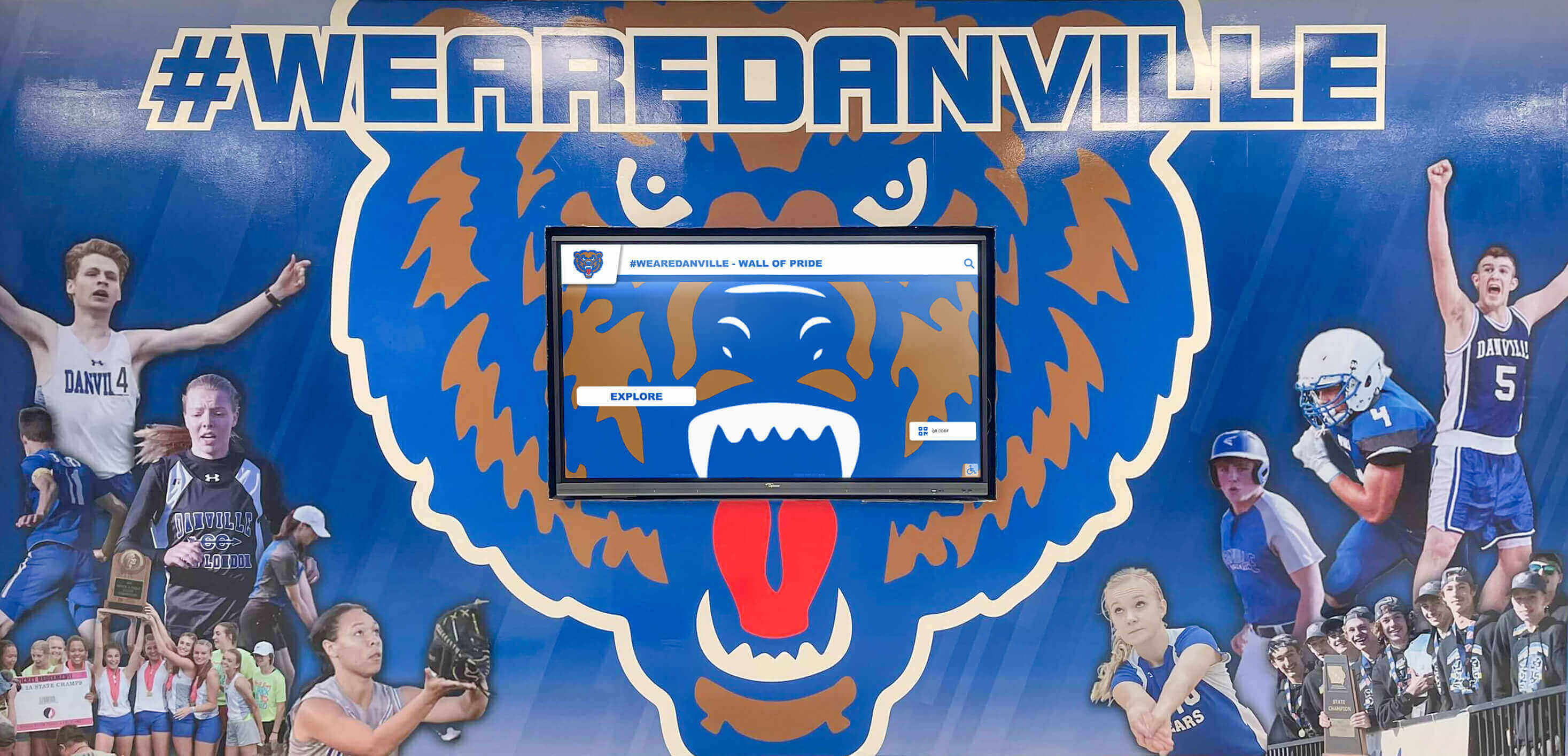
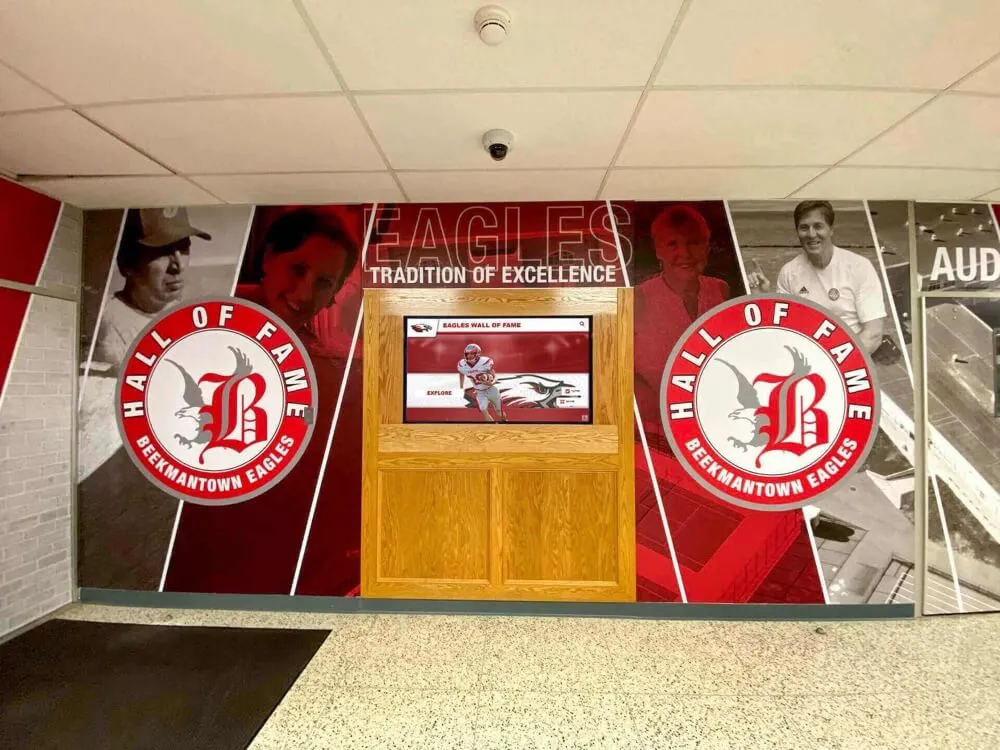
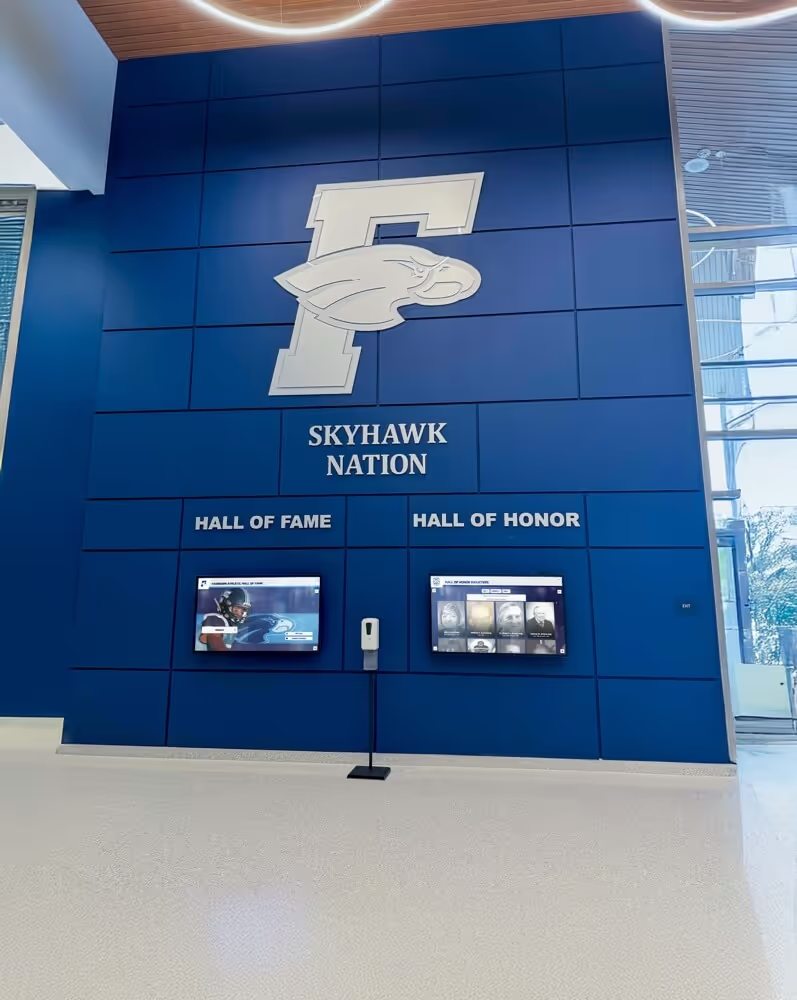
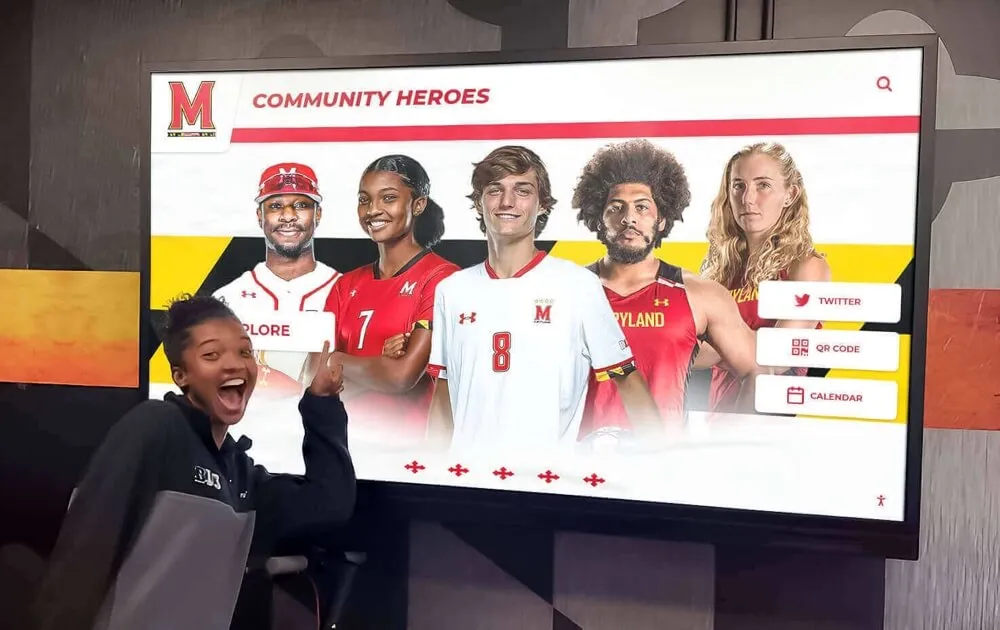
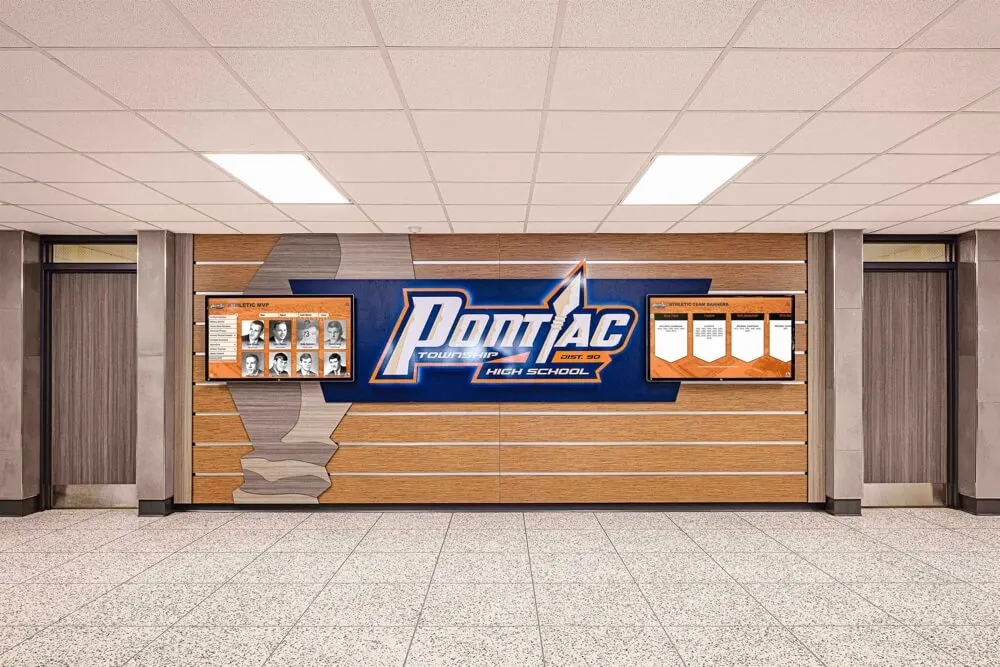
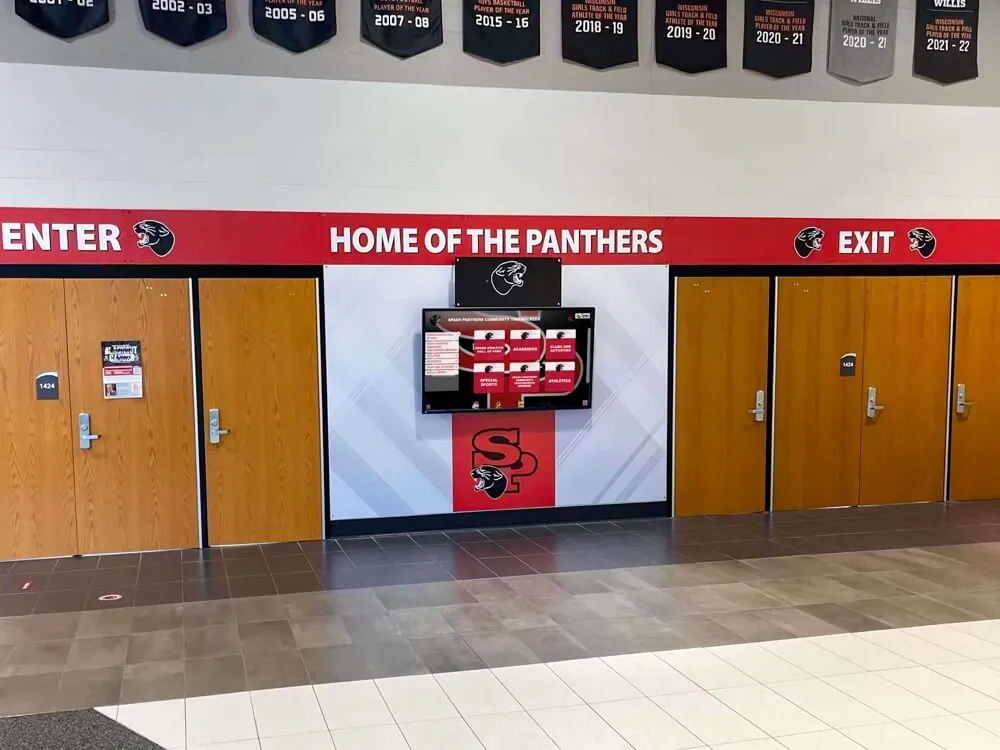
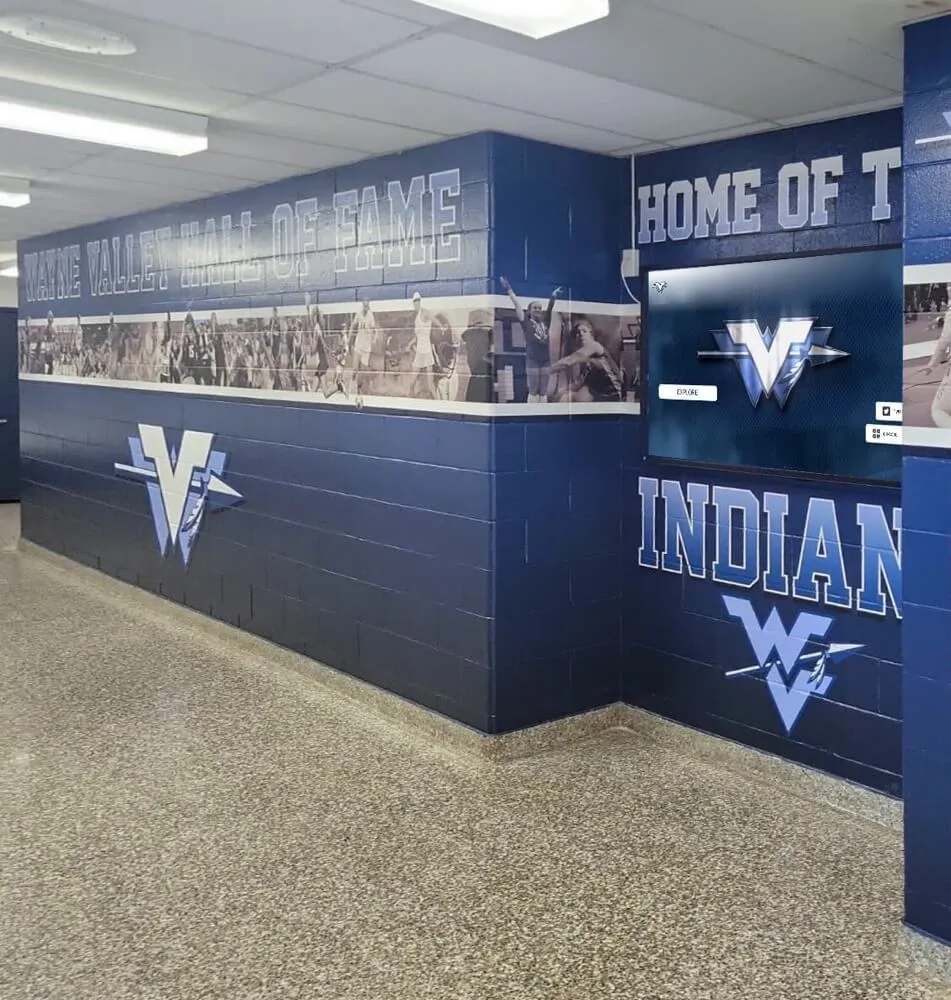
Thoughtful lobby design combines traditional school branding elements with modern communication technology creating cohesive, welcoming environments
Enhancing Traditional Bulletin Board Effectiveness
Before considering major upgrades or digital transformations, schools can significantly improve existing bulletin boards through strategic enhancements requiring minimal investment.
Organization and Visual Design Improvements
Thoughtful organization transforms chaotic, cluttered boards into effective communication tools.
Zone-Based Content Organization
Rather than random posting across available space, divide bulletin boards into designated zones serving specific purposes. Create distinct sections for student recognition and achievement, upcoming events and calendar information, administrative announcements and policies, student work and creative displays, and community resources and external opportunities. Clear zone boundaries using physical dividers, contrasting backgrounds, or labeled sections help audiences quickly locate relevant information while preventing the visual confusion created when unrelated content intermingles randomly.
Consistent zone organization across multiple lobby boards creates predictable patterns helping regular audiences efficiently navigate content without reading everything to find personally relevant information.
Color Coding and Visual Hierarchy
Strategic color use creates visual organization helping audiences process information quickly. Assign specific colors to content categories—perhaps blue backgrounds for academic recognition, green for athletic achievements, orange for arts and performances, and yellow for administrative announcements. This color coding enables instant content categorization before audiences read specific text, dramatically improving scanability for people passing through lobbies quickly.
Beyond color, establish clear visual hierarchy using larger fonts and prominent placement for highest-priority information, secondary sizing for important but less time-sensitive content, and smaller, less prominent positioning for supplementary details. This hierarchy ensures critical information captures attention even when audiences only briefly glance at boards during routine passage.
Professional Mounting and Presentation
Upgrade basic pushpin attachment with more professional presentation methods. Use archival mounting corners or photo sleeves protecting documents while creating uniform, aligned presentations. Create title cards using professional printing rather than hand-lettering, establishing consistent fonts and branding. Frame particularly significant recognition or achievement certificates elevating their perceived importance beyond temporary bulletin content.
These presentation quality improvements require minimal cost but substantially enhance professional appearance while extending content lifespan compared to papers damaged through repeated pin removal and replacement.
Content Strategy and Update Protocols
Strategic content management ensures boards remain current, relevant, and engaging rather than stale repositories of outdated information.
Establishing Regular Update Schedules
Create systematic update cycles preventing content from becoming stale while avoiding overwhelming staff with constant maintenance. Consider monthly full board refreshes removing outdated content and reorganizing remaining materials, weekly updates for time-sensitive announcements and event information, quarterly thematic changes aligned with academic calendar and seasonal programming, and immediate posting protocols for critical announcements requiring urgent communication.
Published update schedules help staff plan content development while setting audience expectations about information currency. When communities know boards update every Monday, they develop habits checking for new content rather than ignoring displays assumed to contain old information.
Content Lifecycle Management
Establish clear policies governing how long different content types remain posted. Event announcements might be removed immediately following occurrence, achievement recognition could remain for full academic terms, program information stays current until offerings change, and archival content merits permanent preservation through alternative methods rather than indefinite bulletin board occupation. These lifecycle rules prevent boards from becoming cluttered with outdated content while ensuring appropriate recognition duration for different information types.
When removing achievement recognition from physical boards, consider preservation through digital archives, photo documentation, or compiled yearbooks preventing loss while freeing space for current content.
Rotating Recognition and Featured Content
Rather than attempting to display all achievements simultaneously, create rotating features ensuring everyone receives prominent recognition over time while preventing overwhelming visual clutter. Perhaps spotlight different student groups monthly, rotate between academic, athletic, and arts achievements quarterly, feature different grade levels or programs on regular cycles, or create themed displays around specific recognition categories changing periodically.
This rotation approach provides more students with prominent featured recognition than attempting simultaneous comprehensive display, while the regular changes create visual freshness encouraging repeat engagement from audiences who might ignore unchanging static displays.
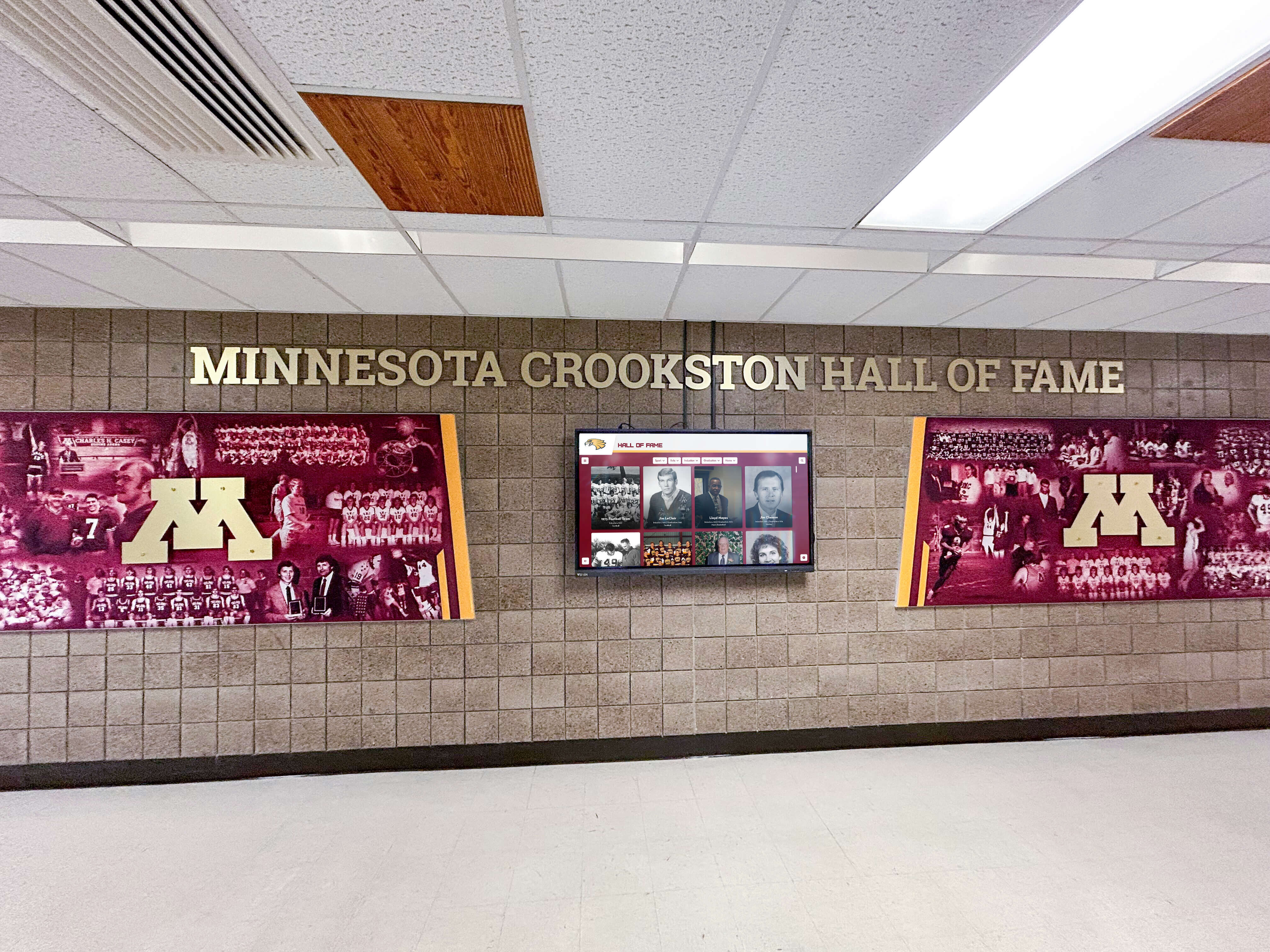
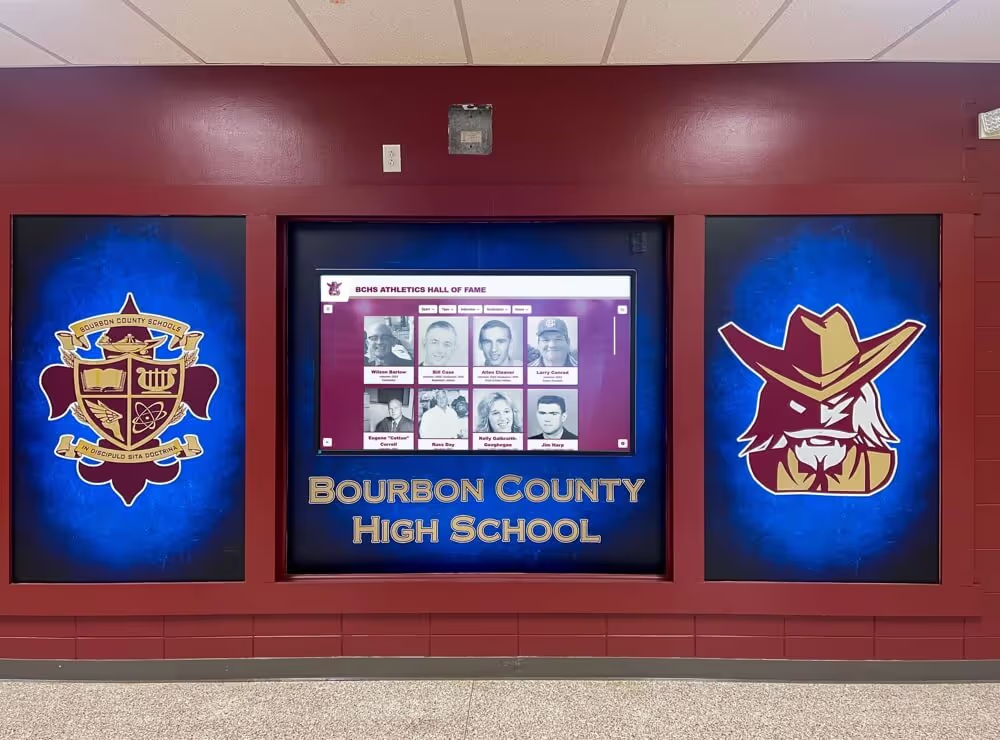
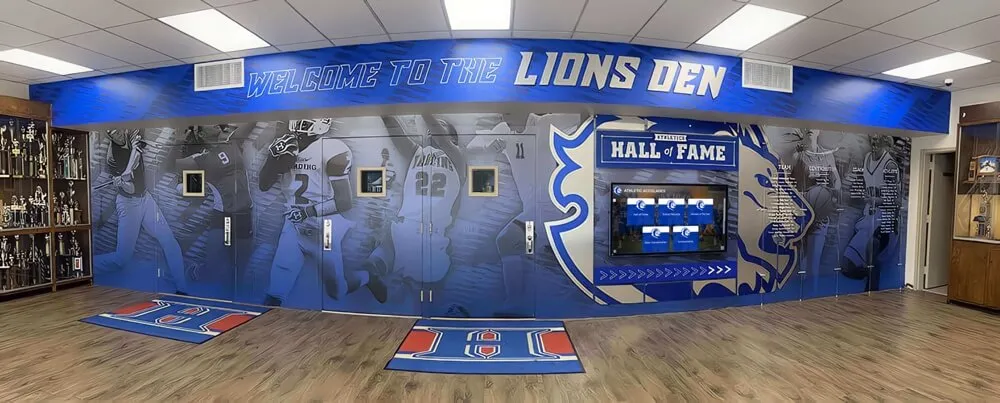
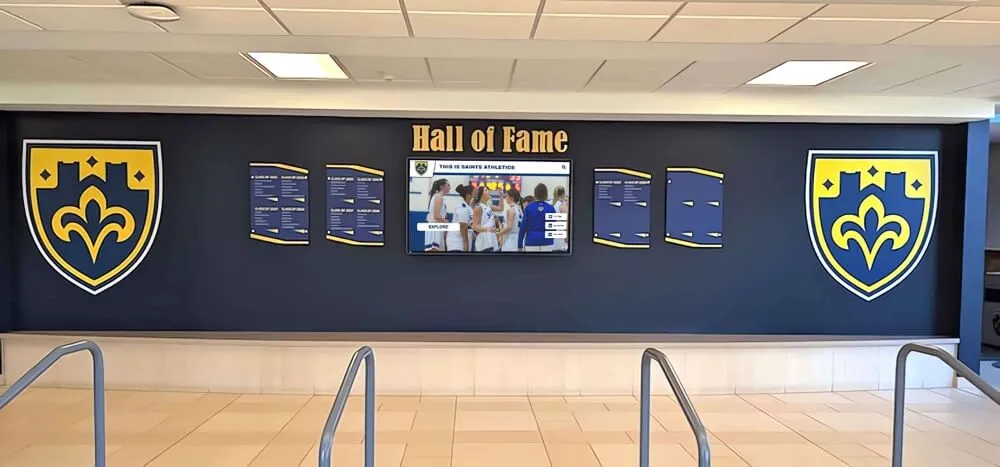
Cohesive lobby designs integrate school colors, branding, and recognition displays creating memorable, professional environments
Creative Bulletin Board Design Ideas for School Lobbies
Innovative approaches transform standard bulletin boards into engaging visual experiences capturing attention and communicating institutional character.
Thematic and Seasonal Displays
Strategic themes create visual interest while organizing content around cohesive concepts.
Academic Calendar-Aligned Themes
Design bulletin board presentations reflecting current academic focuses and seasonal programming. Back-to-school themes in fall might emphasize welcoming new students, highlighting programs, and establishing community expectations. Winter displays could showcase semester achievements, celebrate diverse cultural traditions, and promote registration for spring activities. Spring boards might focus on testing preparation, end-of-year celebrations, and transition planning for graduating students or summer programs.
These calendar-aligned themes create natural content refresh cycles while connecting lobby communication to current academic priorities and student experiences.
School Values and Character Education Focus
Create periodic displays emphasizing specific character values or institutional priorities. A board focused on “respect” might showcase examples of students demonstrating respectful behavior, relevant quotes from authors and leaders, reflection questions prompting personal consideration, and upcoming programs teaching conflict resolution or cultural awareness. Rotating through different values throughout the year creates ongoing character education reinforcement while providing content variety maintaining visual interest.
This approach transforms bulletin boards from purely informational displays into active educational tools supporting broader learning objectives and community culture development.
Career Pathways and Alumni Success Stories
Dedicate lobby space to connecting current students with future possibilities through career exploration and alumni achievement. Feature successful alumni working in diverse fields, showcase career pathway information for different academic programs, highlight internship and experiential learning opportunities, and connect current academic work to real-world applications and professional possibilities.
These forward-looking displays help students envision futures beyond immediate school experiences while demonstrating that educational investment yields tangible long-term returns—powerful motivation for sustained academic effort.
Interactive and Participatory Elements
Static viewing gives way to active engagement when students can contribute to and interact with lobby displays.
Student Voice and Feedback Boards
Create designated spaces where students post responses to prompts, share reflections, and contribute perspectives. Prompts might include “What I’m grateful for this week,” “How I showed kindness today,” “A challenge I overcame,” “Something I learned that surprised me,” or “How I’ll make a difference in my community.” Students write responses on provided cards or sticky notes, posting contributions that create collaborative, evolving displays reflecting authentic student voices.
These participatory boards generate higher engagement than purely administrative content while building community through shared reflection and mutual encouragement when students read peers’ contributions.
Goal-Setting and Progress Tracking Displays
Create visual representations of collective progress toward school-wide goals. If your school commits to reading 10,000 books annually, display a visual thermometer or progress chart updated regularly showing current totals. If community service hours represent a priority, track collective contributions toward ambitious targets. If fundraising campaigns support specific initiatives, show progress toward financial goals.
These collective progress displays create shared investment in institutional objectives while celebrating incremental achievements building toward larger aspirations. Unlike individual recognition boards, progress displays emphasize community collaboration and shared purpose.
QR Code Integration for Extended Content
Overcome physical bulletin board space constraints by using QR codes linking to extended digital content. Rather than displaying complete award recipient lists consuming extensive space, create attractive recognition headers with QR codes enabling interested viewers to access comprehensive information on mobile devices. Event announcements might include codes linking to registration forms, detailed schedules, or video previews. Student work displays could connect to digital portfolios showcasing complete projects beyond what physical boards accommodate.
This hybrid approach maintains physical lobby presence while extending content depth through digital platforms accessible to those seeking additional information—similar to how alumni recognition event planning increasingly integrates physical and digital elements for comprehensive celebration.
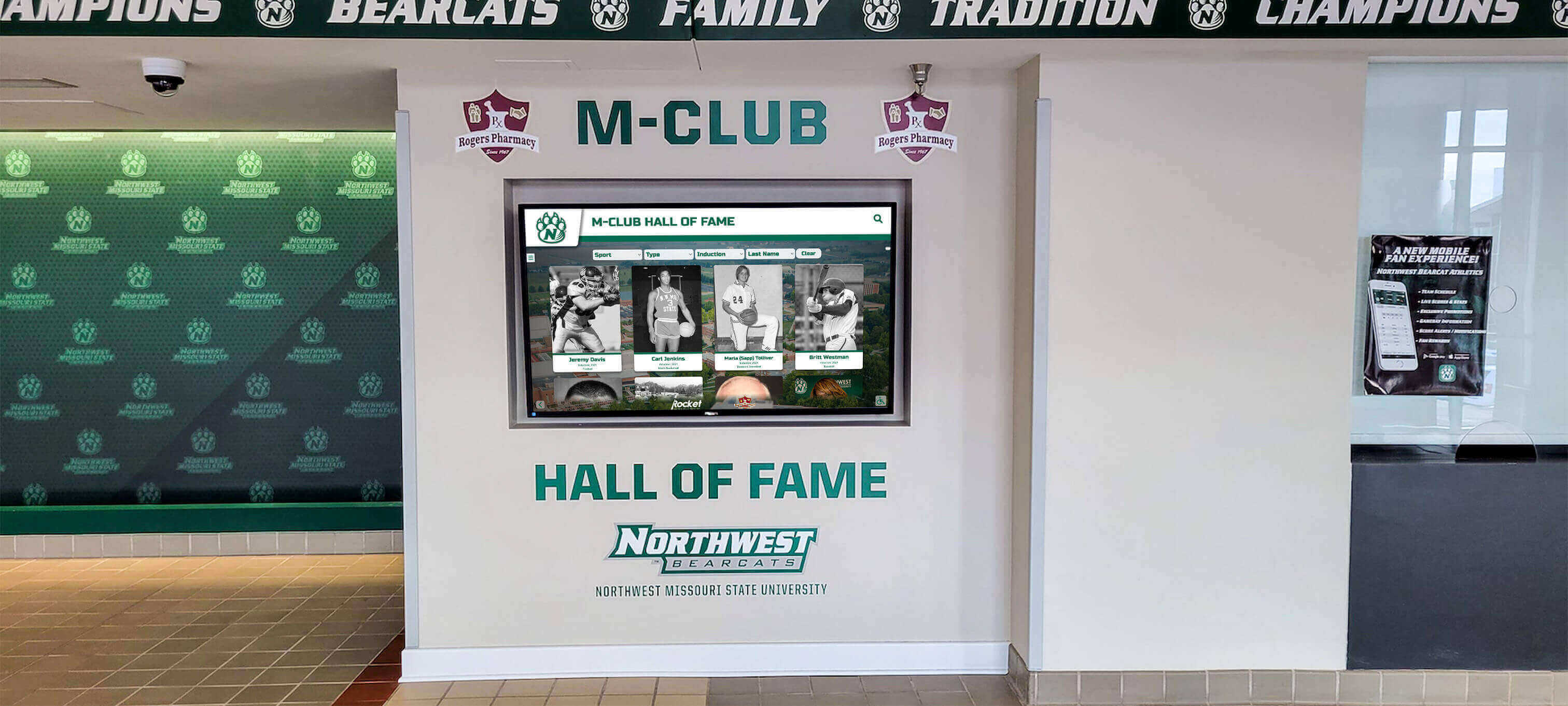
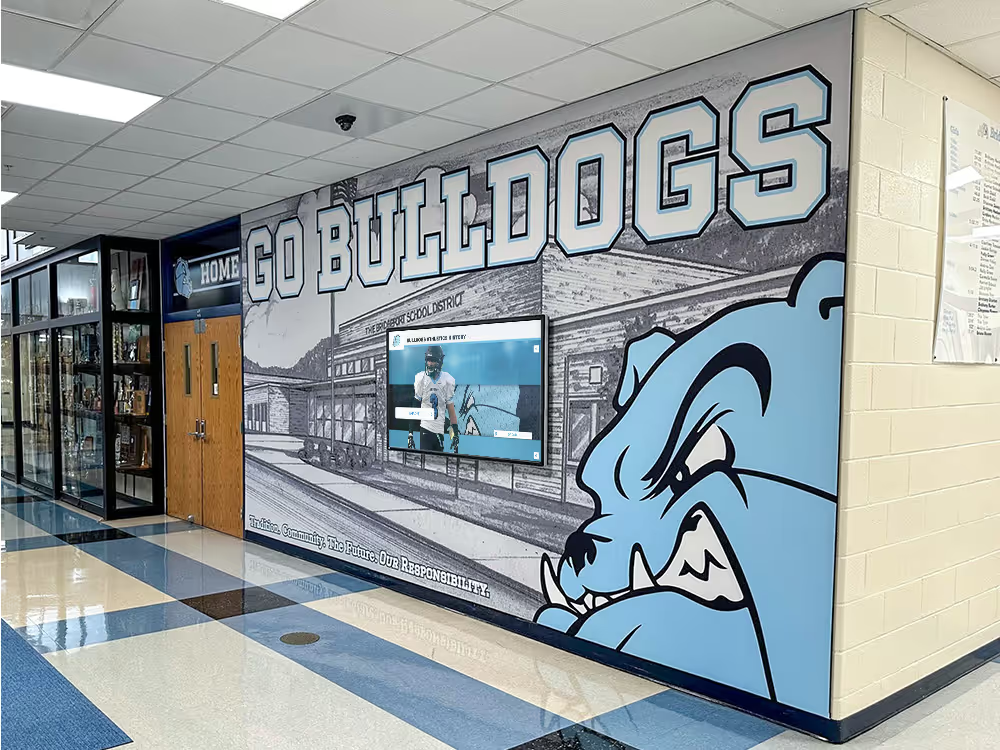
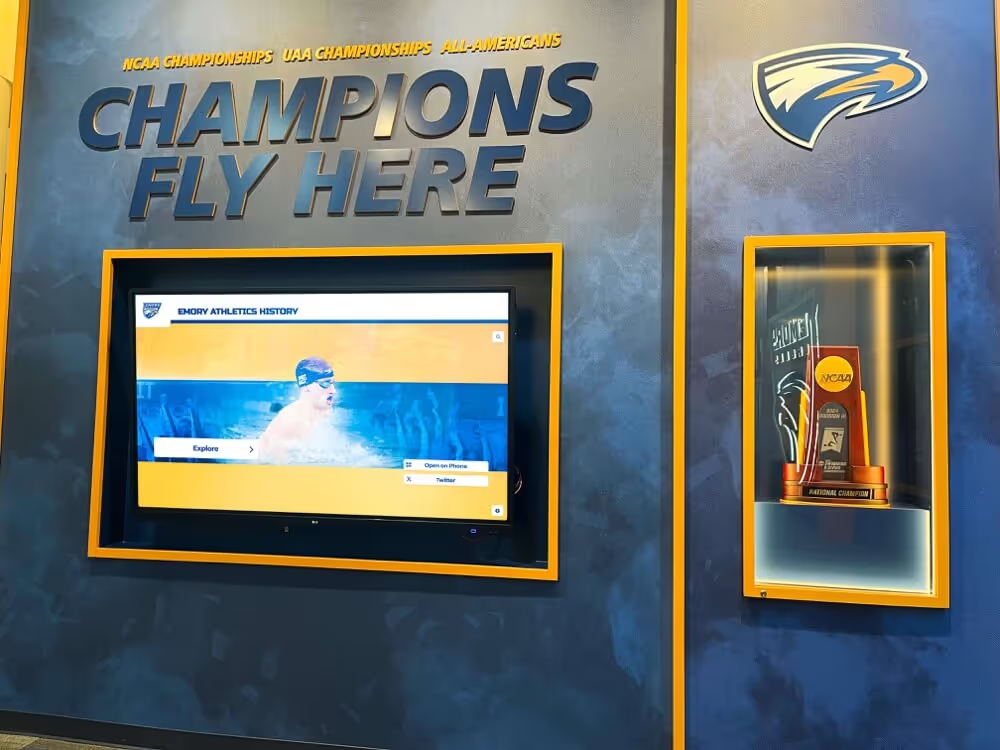
Professional recognition displays elevate lobby spaces while celebrating achievement in ways that inspire current students and honor program traditions
Transitioning from Static to Digital Display Solutions
Traditional bulletin boards face inherent limitations that strategic upgrades cannot fully overcome. Digital display solutions transform lobby communication and recognition capabilities while addressing core challenges of static physical boards.
Understanding Digital Display Advantages
Modern digital screens offer capabilities impossible with traditional cork and paper bulletin boards.
Dynamic Content and Automatic Updates
Digital displays rotate through multiple content items automatically, providing far more information in equivalent physical space. A single screen might cycle through student achievement recognition, upcoming events, lunch menus, daily announcements, weather alerts, emergency notifications, and inspirational messages—content volume requiring multiple large bulletin boards if presented statically. Content updates occur remotely through web-based management systems, eliminating the physical labor of printing, posting, and removing paper materials while ensuring information remains current without maintenance delays.
Schools report dramatic time savings when administrative staff update lobby communication through simple web interfaces rather than physically managing bulletin boards across campus.
Rich Media and Engaging Presentation
Digital platforms incorporate photos, videos, animations, and sound creating engaging experiences that static paper cannot match. Student achievement recognition might include action photos from athletic events, performance video clips from theater productions, artwork galleries from visual arts classes, or interview segments with award recipients. This multimedia capability creates far richer storytelling than text-and-photo limitations of physical boards while generating higher engagement from audiences accustomed to dynamic digital content in all other life contexts.
Video tributes celebrating graduating seniors, highlight reels from championship competitions, or documentary-style features about program excellence create emotional resonance impossible through static text descriptions.
Accessibility and Inclusive Design
Web-based digital displays enable accessibility features supporting diverse community members. Screen reader compatibility helps visually impaired visitors access information, text sizing adjustments accommodate varying vision capabilities, multiple language options serve diverse linguistic communities, and ADA-compliant interactive elements ensure universal access. These inclusive capabilities prove difficult or impossible with traditional bulletin boards while ensuring all community members can fully access institutional communication and celebration regardless of individual accessibility needs.
Real-Time Responsiveness
Digital displays update instantly when circumstances change, enabling real-time communication impossible with physical boards requiring manual posting. Weather emergencies trigger immediate safety alerts, schedule changes update automatically from calendar systems, and urgent announcements reach lobby audiences without waiting for someone to physically post notices. This responsiveness proves particularly valuable for time-sensitive information where communication delays create confusion or safety concerns.
Hybrid Approaches: Combining Traditional and Digital Elements
Schools need not choose between exclusively traditional or completely digital approaches. Hybrid strategies capture benefits from both while managing costs and transitions gradually.
Digital Screens for Dynamic Content, Physical Boards for Tactile Engagement
Install digital displays for information requiring frequent updates—announcements, events, rotating recognition, and real-time alerts—while maintaining physical bulletin boards for interactive elements, student-contributed content, and tactile displays where physical interaction adds value. This division leverages each medium’s strengths while addressing respective weaknesses, creating comprehensive communication ecosystems rather than forcing single-solution approaches.
Many schools find this hybrid approach provides practical transition paths from traditional boards toward increasing digital integration as budgets permit and communities adapt to new communication patterns.
Phased Digital Implementation
Rather than immediate comprehensive digital transformation, implement displays incrementally beginning with highest-impact locations. Perhaps install a single large screen in the main lobby entrance creating immediate visual impact while maintaining existing boards elsewhere. Based on success and lessons learned, gradually expand digital presence to additional locations like cafeterias, gymnasium lobbies, or auditorium entrances. This phased approach distributes costs over multiple budget cycles while enabling organizational learning and refinement before complete transformation.
Early digital installations serve as proof-of-concept demonstrating value and building stakeholder support for expanded implementation when additional funding becomes available.
Maintaining Physical Recognition for Permanence
Some recognition merits permanent physical presence beyond rotational digital content. Consider maintaining traditional trophy cases, championship banners, or dedicated physical halls of fame while using digital displays for rotating current recognition and time-sensitive communication. This balanced approach honors tradition and provides tangible permanence for highest achievements while leveraging digital flexibility for broader, more inclusive ongoing recognition accommodating far more students than limited physical space allows.
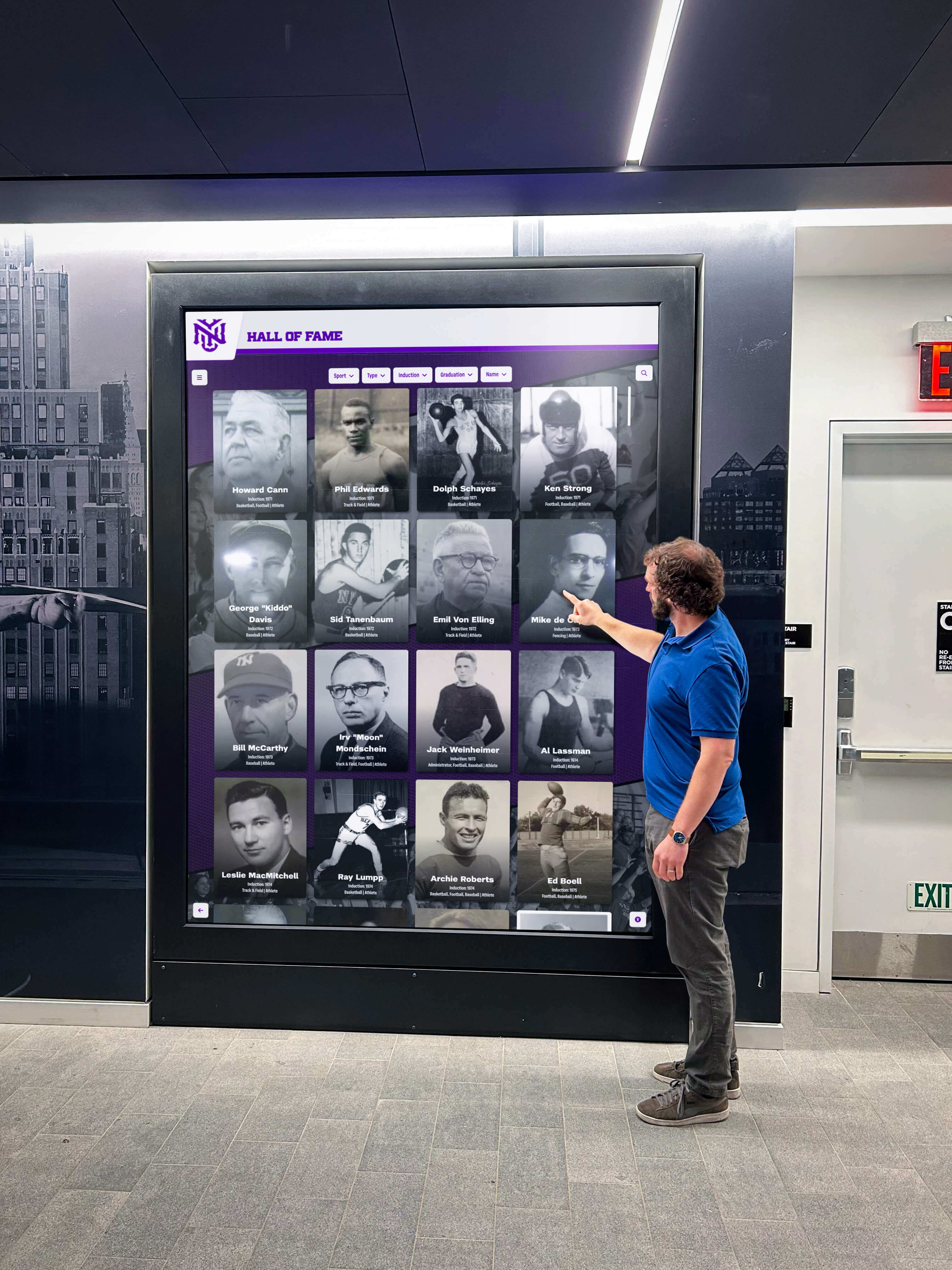
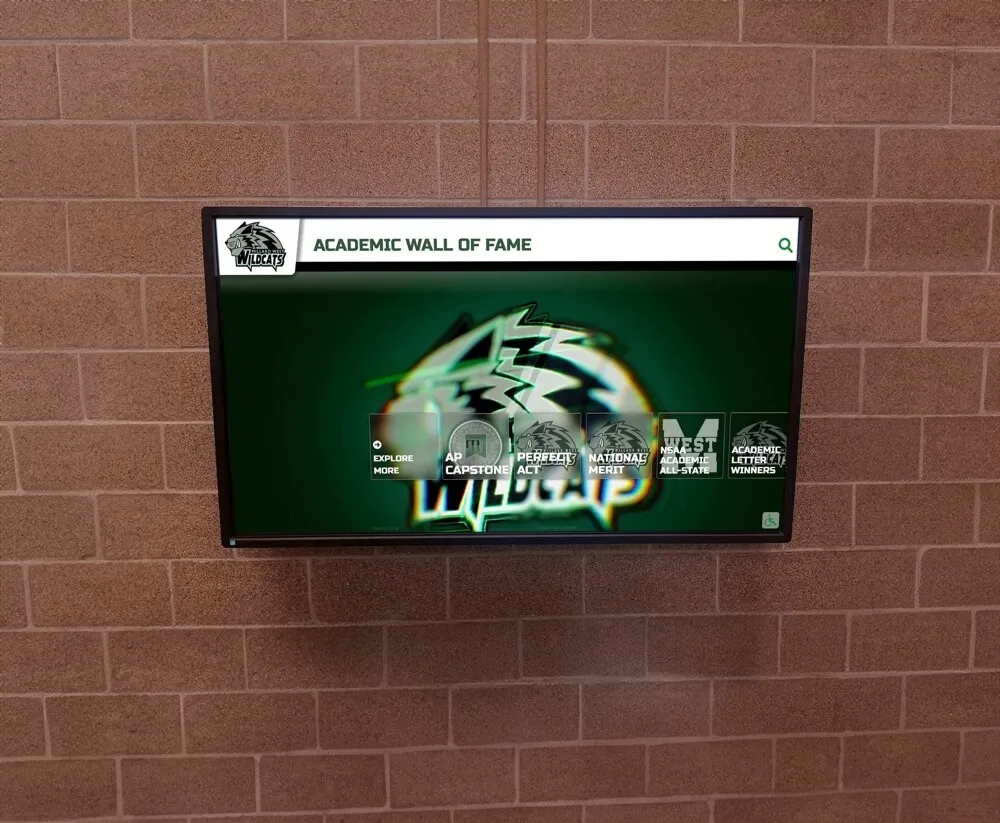
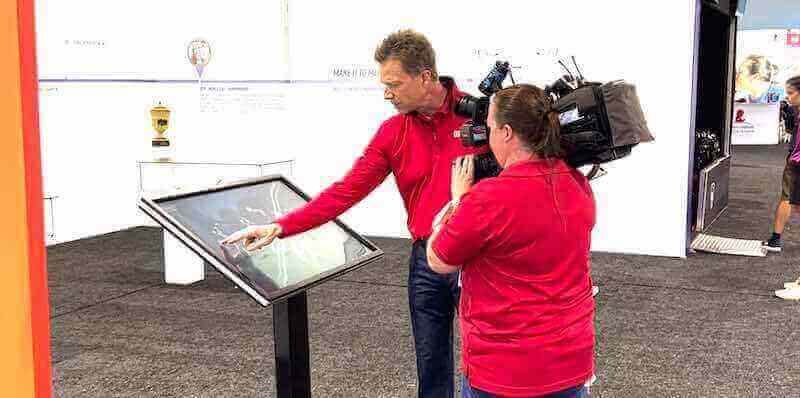
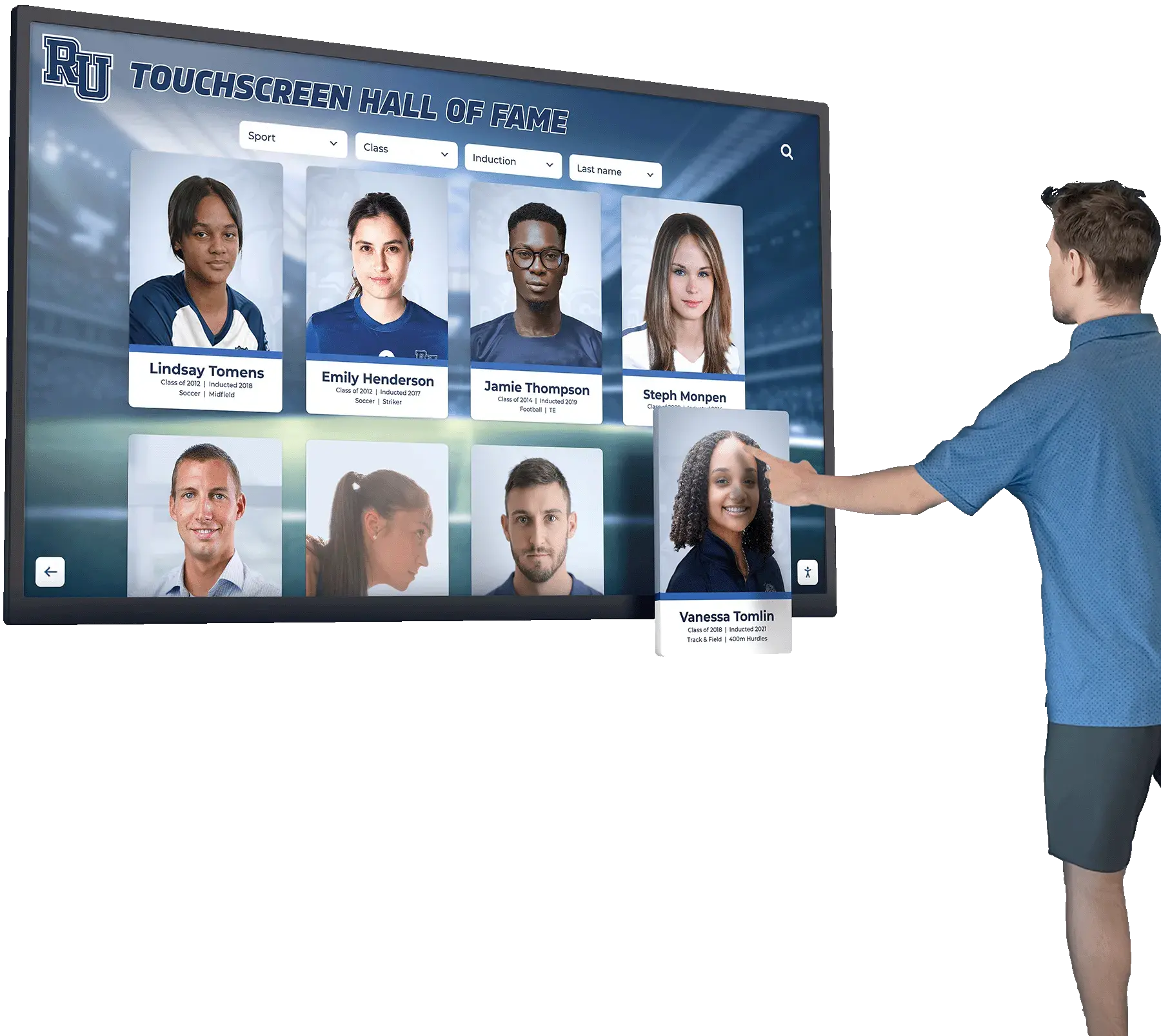
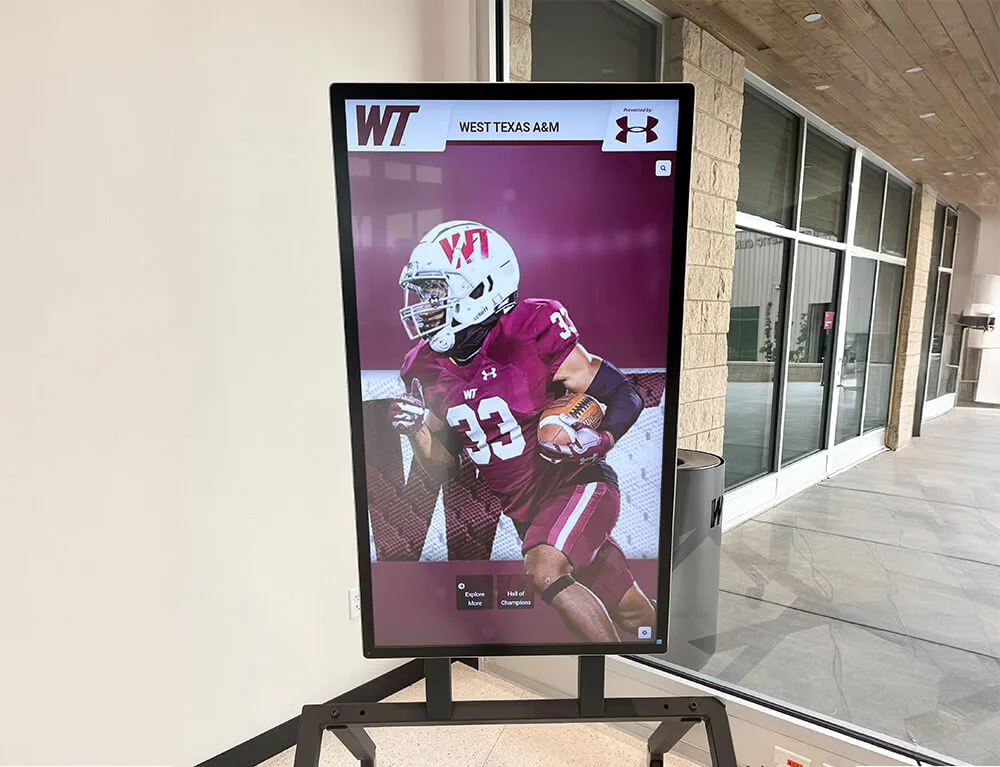
Interactive touchscreen displays invite exploration and engagement transforming lobbies from passive viewing spaces into active discovery environments
Interactive Touchscreen Recognition Systems
The most advanced lobby transformation involves interactive touchscreen displays enabling personalized exploration and comprehensive recognition far beyond traditional bulletin board or passive digital screen capabilities.
Understanding Interactive Display Capabilities
Touchscreen systems create fundamentally different engagement experiences compared to traditional communication approaches.
Self-Directed Exploration and Discovery
Unlike static bulletin boards or automatically rotating digital screens, interactive displays enable visitors to explore content matching personal interests. A parent might search specifically for their student’s achievements across years, an alumnus could discover former classmates’ accomplishments, a prospective student explores program offerings and recent successes, or a community member learns about school history and traditions. This self-directed navigation creates personalized experiences impossible with one-size-fits-all static content.
Interactive systems accommodate essentially unlimited content—comprehensive recognition for every student rather than selective featured individuals, complete program histories spanning decades rather than current year highlights, and detailed information depth with photos, videos, statistics, and narratives rather than brief summary text.
Searchable Databases and Comprehensive Recognition
Interactive platforms function as searchable recognition databases rather than limited display spaces. Students, families, and alumni can search by name finding all relevant achievements, filter by program or sport discovering participation patterns, browse by year exploring specific graduating classes or time periods, or navigate by recognition category investigating honor roll lists, athletic all-conference selections, arts competitions, or service awards.
This searchability creates equitable recognition where every achievement receives permanent documentation accessible to those interested rather than competitive limited bulletin board space where only selected accomplishments receive temporary visibility. Many schools find that comprehensive digital recognition dramatically improves inclusivity when space constraints no longer force selective celebration of a few students while others receive no visible acknowledgment.
Social Sharing and Extended Reach
Modern interactive displays integrate mobile device connectivity enabling content sharing beyond physical lobby locations. QR codes or digital profile links allow students to share achievement recognition through social media, families to forward accomplishments to distant relatives, and alumni to maintain connections with institutional histories. This extended reach transforms lobby displays from location-bound local recognition into globally accessible celebration connecting geographically distributed communities.
The sharing capability amplifies recognition impact far beyond the relatively small audiences physically visiting lobbies while creating viral engagement when students naturally promote their accomplishments through personal networks.
Multi-Generational Connection
Interactive systems containing historical content create unique intergenerational engagement opportunities. Current students discover that parents, grandparents, or community mentors attended the same school decades earlier, alumni returning for events explore how programs evolved since their graduation, and families considering enrollment understand institutional traditions and values through comprehensive historical documentation.
These connections build institutional loyalty and community identity in ways that current-year-only bulletin boards cannot support, strengthening the bonds between schools and communities across generations—the essence of what we call digital warming effects where personalized, accessible content creates vibrant community engagement.
Content Management and Sustainability
Interactive displays provide little value without sustainable content development and maintenance processes.
Initial Content Migration and Historical Documentation
Launching comprehensive recognition systems requires significant initial content development compiling historical achievements, sourcing photos and media from archives and yearbooks, documenting program milestones and institutional history, and organizing information into searchable, navigable structures. Many schools underestimate this initial investment, assuming displays become valuable immediately upon installation without accounting for content development necessary to populate systems meaningfully.
Schools should allocate adequate resources—staff time, student workers, professional content services, or volunteer alumni assistance—ensuring displays launch with substantial content rather than gradually accumulating information over months or years while early audiences encounter disappointing sparse systems.
Ongoing Update Processes and Workflows
Beyond initial content, sustainable systems require clear workflows for ongoing updates as new achievements occur, students graduate, programs evolve, and institutional priorities shift. Establish responsibility for content entry, update schedules aligned with academic calendars, quality standards for photos and information, and approval processes ensuring accuracy before publication.
Systems requiring extensive training or technical expertise for basic updates often become neglected when responsible staff change positions or face competing time demands. The most successful implementations prioritize intuitive management tools non-technical staff operate confidently without ongoing support dependencies or specialized training requirements.
Community Contribution and Collaborative Content
Consider whether community members—students, families, alumni, staff—might contribute content rather than placing complete responsibility on administrative staff. Perhaps students submit achievement information through online forms, families upload photos documenting participation, alumni share career updates maintaining post-graduation connections, or volunteers help with historical content compilation and photo digitization.
This collaborative approach distributes workload while building broader community investment in recognition systems when stakeholders actively contribute rather than passively consuming institution-generated content.
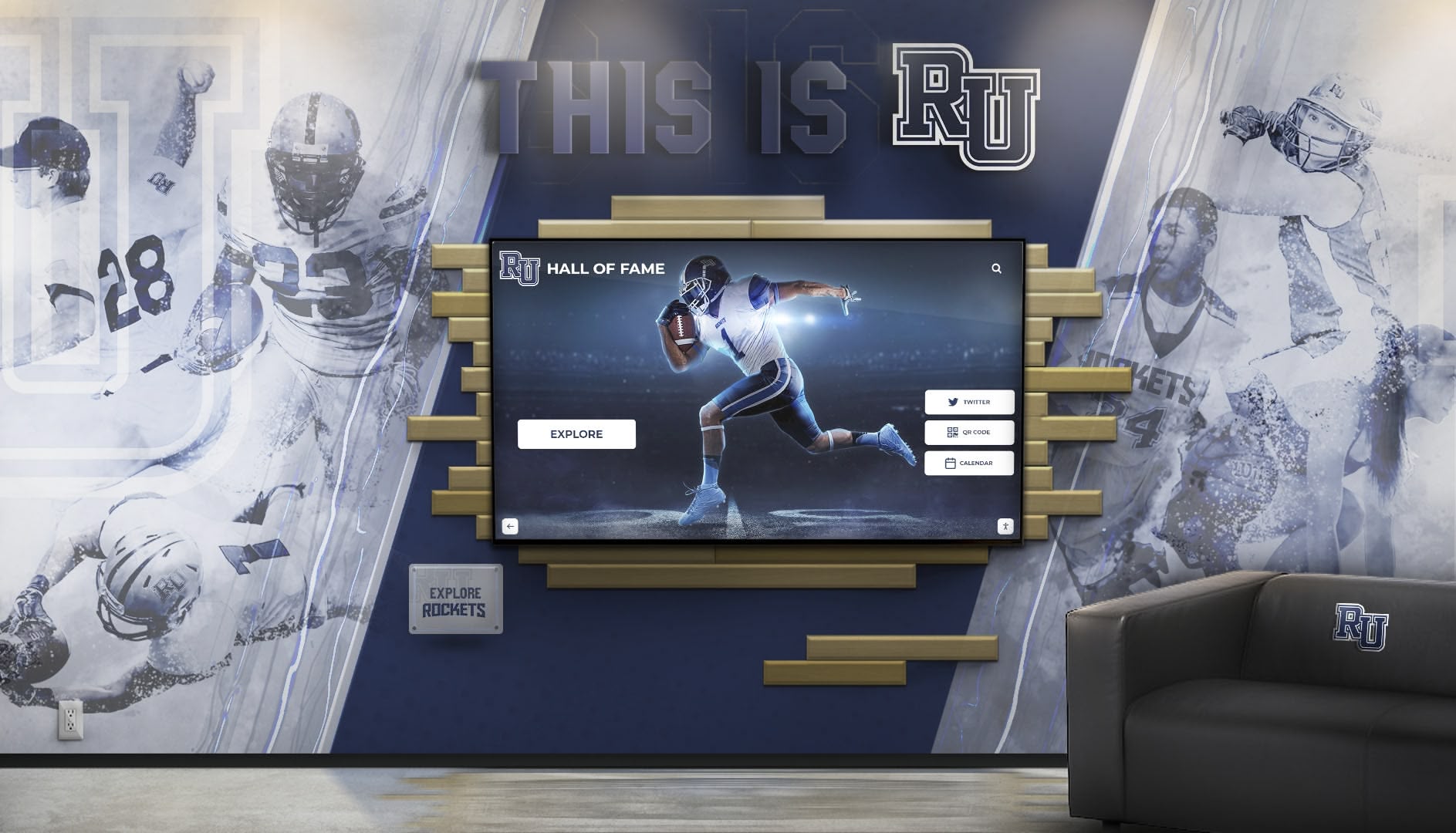
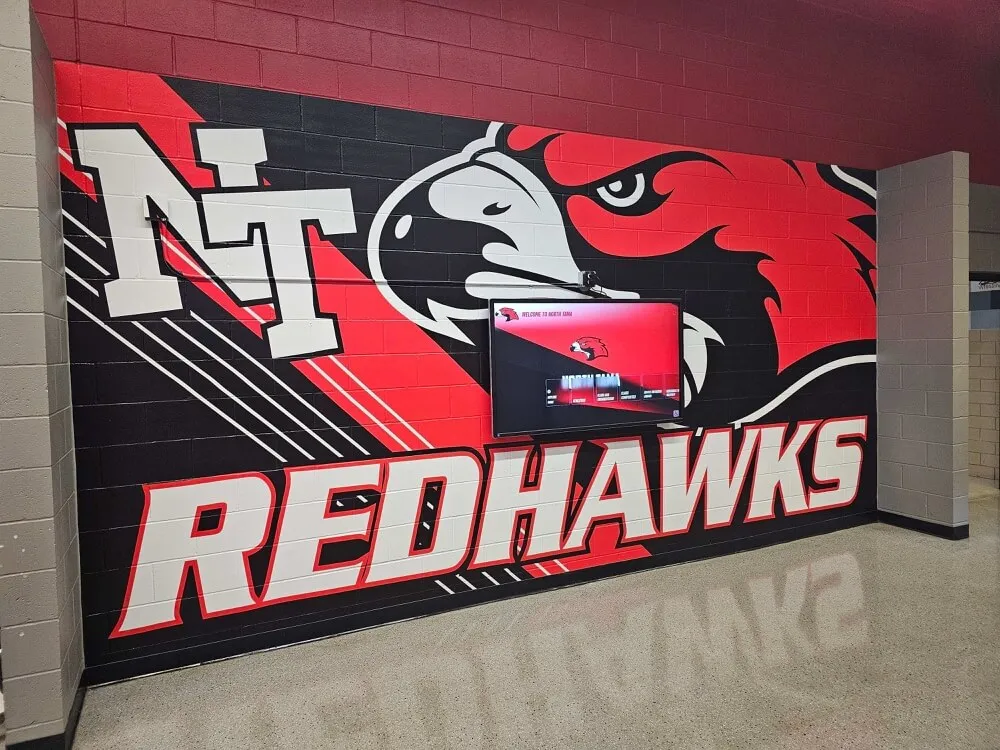
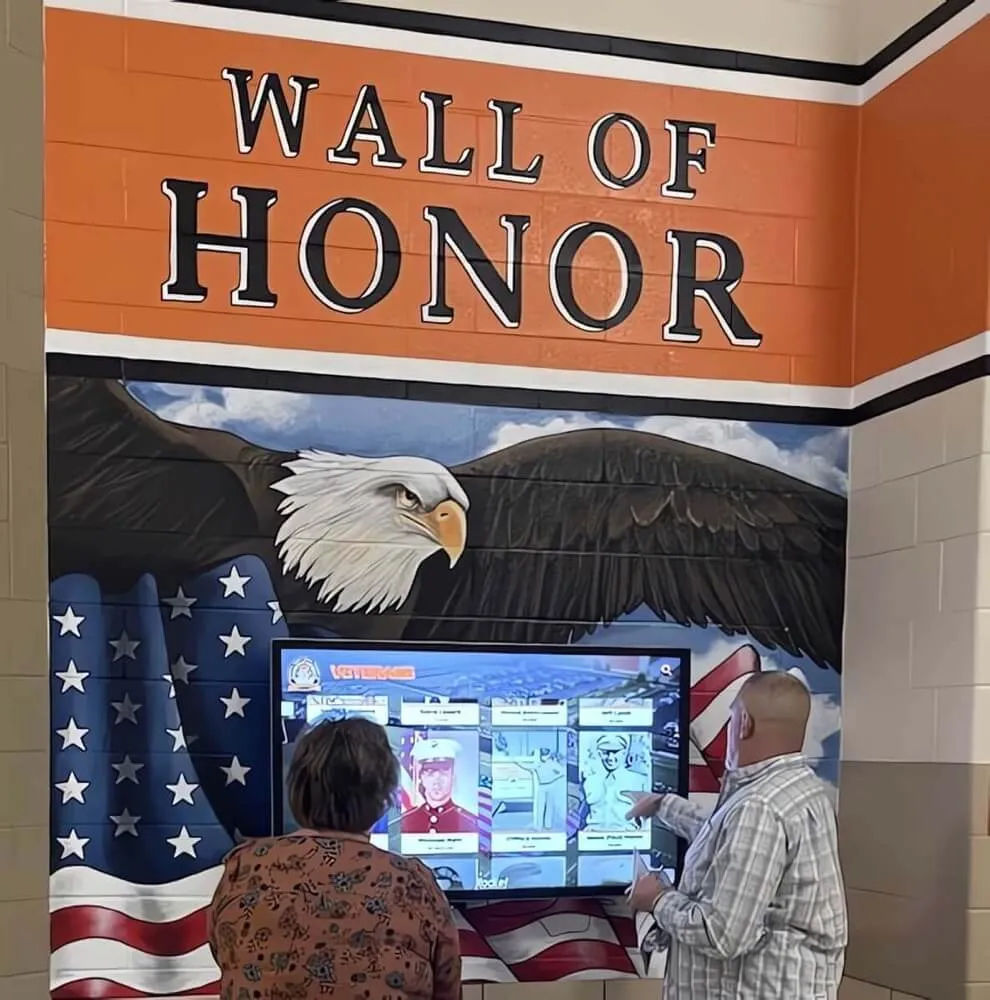
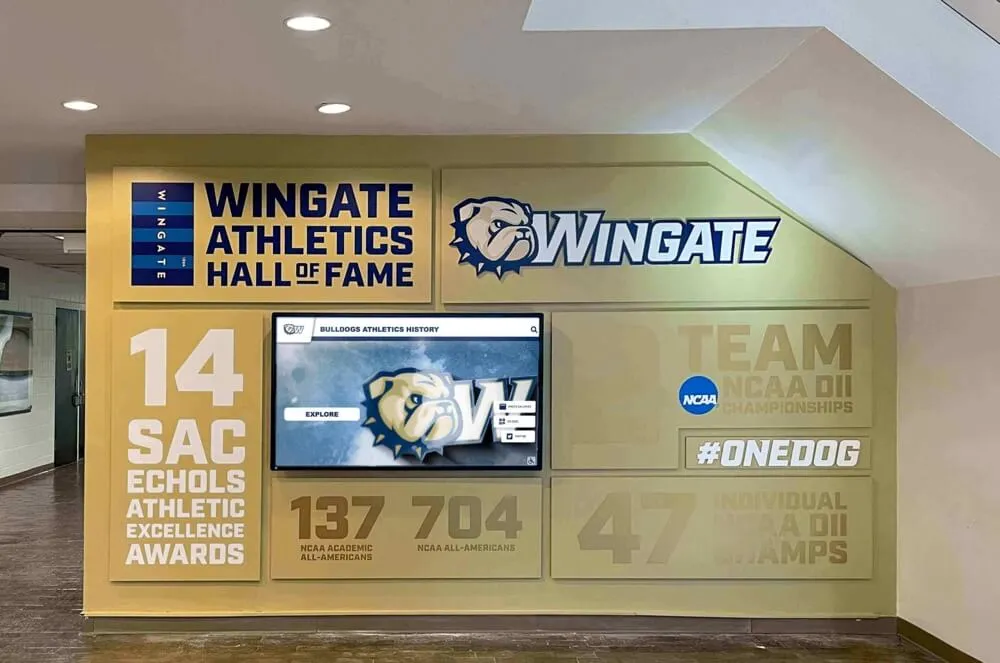
Cohesive lobby designs integrate interactive recognition displays with architectural elements and school branding creating welcoming, professional environments
Planning Bulletin Board and Display Upgrades
Strategic planning ensures lobby improvement projects deliver intended value while managing budgets, stakeholder expectations, and implementation complexity.
Assessing Current State and Defining Goals
Begin by clearly understanding existing conditions and desired outcomes before selecting specific solutions.
Current Bulletin Board Audit
Document existing lobby bulletin boards noting current locations and sizes, content types and update frequencies, condition and professional appearance, audience engagement levels and effectiveness, and staff time investment for maintenance and updates. This baseline assessment identifies specific pain points requiring solutions while preventing assumptions about problems that may not reflect actual circumstances.
Photograph current boards documenting visual appearance and content organization, providing concrete references when discussing improvements with stakeholders and creating before-after documentation demonstrating transformation value when projects complete.
Stakeholder Input and Need Assessment
Gather perspectives from different community groups understanding varied needs and priorities. Survey students about what lobby information they actually notice and value, ask families what they wish they could learn about student achievements and school programs, consult staff about communication challenges and maintenance burdens, and engage administrators about strategic priorities and institutional branding goals.
This input reveals whether stakeholders prioritize improved information currency, more comprehensive recognition, reduced maintenance burden, better visual aesthetics, enhanced accessibility, or other specific outcomes—insights ensuring improvement projects address actual needs rather than assumed priorities.
Goal Definition and Success Criteria
Based on current state assessment and stakeholder input, articulate specific improvement goals providing direction and later evaluation benchmarks. Perhaps goals include reducing staff bulletin board maintenance time by 50%, ensuring all students receive recognition for significant achievements rather than selective featured individuals, improving lobby visual appeal creating positive first impressions for prospective families, updating event information within 24 hours rather than weekly posting cycles, or enabling community access to historical school achievements and traditions.
Clear goals guide solution selection while providing objective criteria for later evaluation determining whether investments achieved intended outcomes rather than subjective impressions about value.
Budget Planning and Funding Approaches
Understanding complete costs helps schools make informed decisions and identify adequate funding for sustainable implementations.
Traditional Bulletin Board Improvement Costs
Basic bulletin board enhancements require modest investments. Professional mounting supplies, archival materials, and organization systems typically cost $200-500 per large board. Custom framing, branded headers, and visual design services might add $500-2,000 depending on complexity and scale. Printing services for high-quality content, photos, and recognition materials typically cost $100-300 monthly depending on volume.
These traditional improvements prove affordable for most school budgets but require ongoing costs for materials and maintenance plus substantial staff time for physical content management.
Basic Digital Display Investment
Simple digital signage systems displaying rotating announcements and recognition involve moderate initial costs plus ongoing expenses. Commercial displays suitable for continuous operation cost $1,000-3,000 for 50-65 inch screens. Digital signage software ranges from free basic platforms to $500-1,500 annually for more capable subscription services. Professional installation including mounting, electrical work, and network connectivity typically costs $500-1,500 per display location.
Complete basic digital display implementations for school lobbies typically range $2,500-6,000 per screen including hardware, software, and installation—substantial but achievable investments for many school budgets, particularly when compared to comprehensive facility renovation projects.
Interactive Touchscreen Recognition Systems
Comprehensive interactive recognition platforms require larger investments reflecting sophisticated software, touchscreen hardware, and content development. Commercial-grade touchscreen displays cost $4,000-8,000 for 55-65 inch sizes with capacitive touch capability. Purpose-built recognition platforms like Rocket Alumni Solutions involve annual subscriptions typically ranging $2,000-5,000 depending on features, support, and institutional size. Professional installation ranges $1,000-3,000. Initial content development including historical migration, photo compilation, and database population costs $2,000-10,000+ depending on scope and whether schools use internal resources, student workers, or professional services.
Complete interactive recognition systems typically require $10,000-25,000 total initial investment including hardware, software, installation, and content development, plus annual software subscriptions for ongoing platform access and support.
Funding Sources and Budget Strategies
Schools fund lobby improvements through various mechanisms. General operating budgets often accommodate incremental improvements and basic digital displays, particularly when framed as communication infrastructure rather than optional enhancements. Capital budgets or facilities funds may support larger digital installations as building improvement projects. PTA/PTO fundraising or community foundation grants sometimes fund student recognition projects generating community support. Alumni association contributions might support recognition systems celebrating historical achievements and maintaining institutional memory. Business partnerships or sponsorships occasionally fund lobby displays in exchange for appropriate acknowledgment.
Phased implementation strategies distribute costs across multiple budget cycles, perhaps installing infrastructure during current year, purchasing display hardware from subsequent budget, and funding content development through third-year allocation or fundraising.
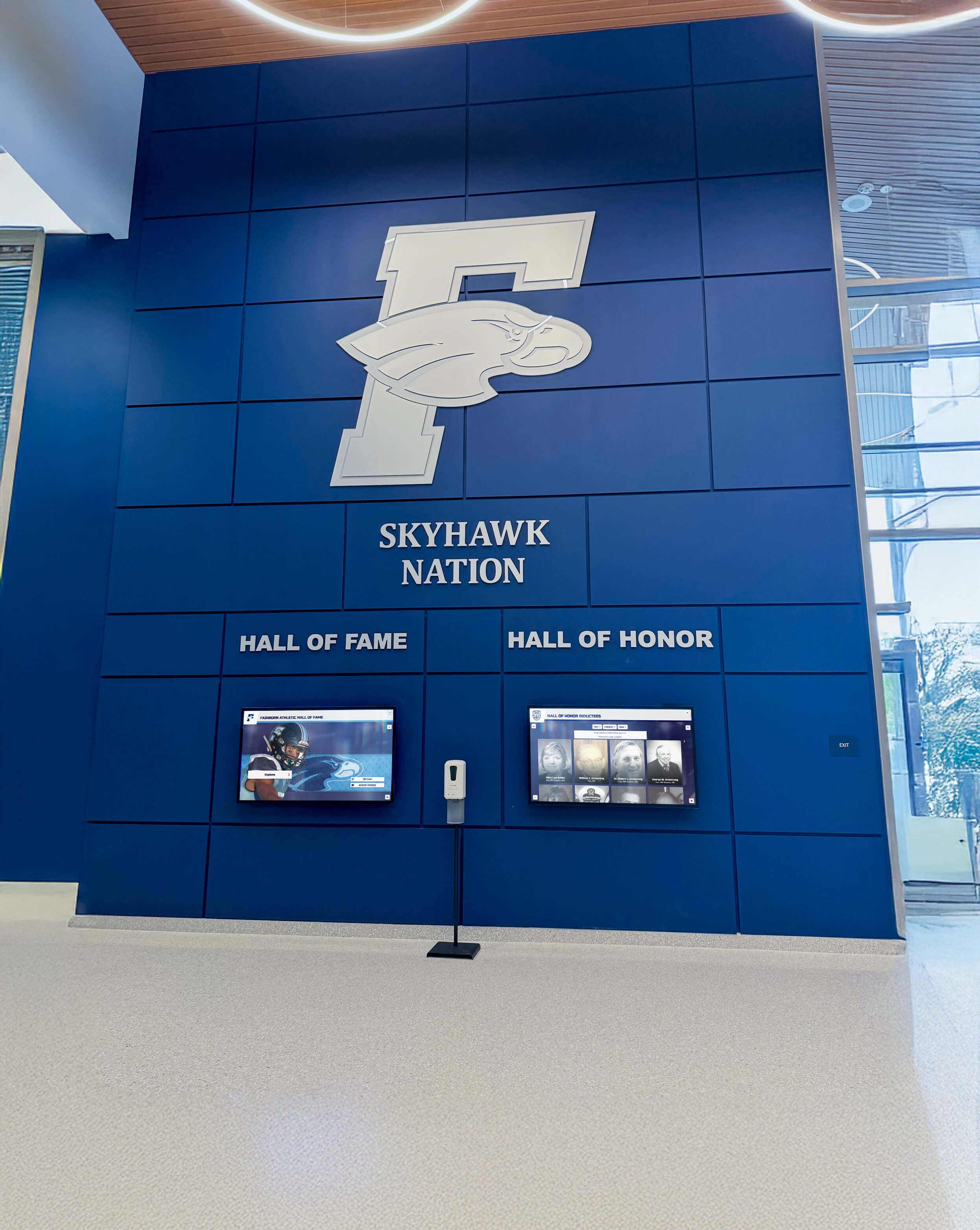
Branded lobby recognition walls create strong institutional identity while providing dedicated spaces celebrating student and alumni achievement
Implementation Best Practices and Common Pitfalls
Learning from schools that successfully transformed lobby bulletin boards—and those that encountered challenges—helps ensure smooth implementation and sustainable results.
Successful Implementation Strategies
These approaches consistently correlate with positive outcomes and stakeholder satisfaction.
Start with Clear Purpose and Measurable Goals
The most successful projects begin with specific objectives beyond generic “improvement” aspirations. Rather than vague goals like “better communication,” effective planning identifies concrete targets: reduce announcement posting time from 2 hours weekly to 15 minutes, ensure 100% of honor roll students receive visible recognition rather than selective featured individuals, or enable families to access student achievement information 24/7 rather than only during school hours.
These specific, measurable goals provide clear direction for solution selection while enabling objective evaluation determining whether implementations delivered intended value.
Involve Stakeholders Throughout Planning
Schools achieving highest adoption and satisfaction involve users throughout planning and implementation rather than administrators making isolated decisions. Form committees including teachers, students, parents, and staff providing diverse perspectives on needs and priorities. Conduct surveys or focus groups gathering broader community input beyond small planning groups. Test prototype designs or demonstrate potential systems gathering feedback before final decisions. Communicate regularly about project progress, timelines, and anticipated changes helping stakeholders prepare for transitions.
This inclusive approach builds buy-in while surfacing concerns or suggestions improving final implementations beyond what small planning groups envision independently.
Allocate Adequate Resources for Content Development
The most common implementation failure involves underestimating content development effort. Impressive displays launching with minimal content create disappointing experiences eroding confidence in projects regardless of technical quality. Successful schools allocate substantial resources ensuring strong content launches—perhaps dedicating student workers to historical content compilation, engaging professional services for photo digitization and organization, recruiting volunteer alumni contributing to historical documentation, or temporarily reassigning staff to focus on content development during critical implementation periods.
Front-loading content investment enables strong first impressions when displays launch while building momentum encouraging ongoing content contributions sustaining long-term value.
Plan for Long-Term Maintenance and Evolution
Initial implementation represents only the beginning of multi-year commitments requiring ongoing resources. Establish clear responsibility for content updates and system maintenance, allocate budget for annual software subscriptions or platform fees, plan for eventual hardware replacement or upgrading when displays reach end-of-life, and create processes for regular content refresh preventing systems from becoming stale despite initial quality.
Sustainable implementations build these long-term considerations into planning from inception rather than treating displays as one-time projects requiring no ongoing investment after installation.
Common Pitfalls and How to Avoid Them
These frequent mistakes compromise implementation success or create unsustainable systems.
Technology Without Content Strategy
Installing impressive displays without adequate content produces expensive disappointment. Beautiful screens rotating through sparse information, interactive systems with limited searchable content, or digital boards displaying generic announcements waste investment potential. Avoid this pitfall by prioritizing content development equal to technology selection, launching with substantial initial content demonstrating value, and establishing sustainable update processes before installation rather than assuming content will somehow materialize after displays become available.
Remember that audiences evaluate content quality and relevance, not display technology—impressive screens cannot compensate for inadequate information.
Assuming Digital Automatically Improves Engagement
Digital displays alone do not guarantee increased engagement. Poorly designed digital content proves just as ignorable as cluttered bulletin boards—simply displaying information on screens rather than paper does not inherently increase audience attention or interaction. Avoid this assumption by designing content specifically for digital medium leveraging motion, rich media, and interactivity rather than simply digitizing existing bulletin board materials, measuring actual engagement through analytics or observation rather than assuming technology adoption equals success, and continuously refining content based on usage patterns and audience feedback.
Effective digital communication requires intentional design aligned with audience behaviors and expectations, not merely format conversion.
Neglecting Accessibility and Inclusive Design
Displays serving only audiences without accessibility needs exclude community members while potentially creating legal compliance concerns. Inaccessible mounting heights prevent wheelchair users from interacting with touchscreens, content without proper contrast challenges visually impaired viewers, language-only presentations exclude limited-English community members, and audio-only elements without captions disadvantage hearing-impaired audiences. Ensure compliance with ADA accessibility requirements for mounting heights and reach ranges, design content meeting WCAG guidelines for visual accessibility, provide multiple language options for diverse communities, and test systems with users representing varied accessibility needs verifying actual usability rather than assumed compliance.
Inclusive design benefits all users while ensuring legal compliance and demonstrating institutional commitment to serving entire communities equitably.
Underestimating Change Management Needs
New systems require behavioral changes from staff, students, and families—transitions that require active management rather than assumptions about automatic adoption. Staff accustomed to physical bulletin board workflows need training and support adapting to digital content management systems. Students familiar with ignoring static boards require encouragement to discover interactive exploration capabilities. Families may need explicit communication about new ways to access student achievement information. Dedicate resources to comprehensive training for staff, clear communication about system capabilities and usage for all stakeholders, active promotion encouraging initial engagement building new habits, and ongoing support addressing questions and challenges during transition periods.
Successful implementation requires equal attention to human change management and technical installation—technology adoption depends on whether stakeholders understand, value, and feel equipped to engage with new systems.
Beyond Bulletin Boards: Creating Complete Lobby Experiences
The most effective lobby transformations extend beyond isolated bulletin board improvements to comprehensive environmental design creating welcoming, engaging community spaces.
Integrating Multiple Recognition and Communication Elements
Cohesive lobby designs coordinate multiple elements into unified experiences rather than disconnected individual components.
Architectural Integration and Branded Environments
Digital displays and recognition boards should integrate seamlessly with overall architectural design and school branding. Coordinate display framing and mounting with architectural finishes, align color schemes with institutional branding and school colors, design surrounding wall treatments or murals creating cohesive visual environments, and plan lighting emphasizing displays while creating inviting ambient environments. This integration creates polished, intentional spaces appearing professionally designed rather than displays appearing retrofitted into existing lobbies as afterthoughts.
Professional installations communicate institutional quality and organizational excellence while ad-hoc implementations suggesting limited resources or planning capacity create opposite impressions regardless of actual educational quality.
Complementary Physical and Digital Recognition
Combine digital displays with complementary physical elements creating multi-modal experiences. Perhaps install digital interactive screens alongside traditional trophy cases creating bridges between current recognition and historical achievements, combine digital achievement displays with physical championship banners and retired jerseys honoring exceptional accomplishments, or integrate touchscreen recognition with donor walls acknowledging facility funding and program support.
These hybrid approaches honor tradition and provide tangible physical presence while leveraging digital capabilities for comprehensive, accessible recognition impossible through physical-only methods.
Wayfinding and Visitor Information Integration
Coordinate recognition displays with practical wayfinding helping visitors navigate facilities confidently. Include campus maps and building directories on interactive displays, provide visitor check-in information and office locations, display event calendars and room assignments, and offer emergency procedures and safety information. This practical integration ensures lobby displays serve functional purposes beyond recognition and celebration while providing comprehensive information hubs rather than single-purpose systems.
Measuring Impact and Demonstrating Value
Systematic evaluation helps schools understand whether lobby investments achieve intended outcomes while building support for continued investment and potential expansion.
Engagement Metrics and Usage Analytics
Digital platforms provide usage data unavailable with traditional bulletin boards. Track total interactions and unique users, session duration and content exploration depth, popular searches and frequently accessed content, return visit patterns and engagement consistency, and QR code scans or mobile sharing indicating extended engagement beyond physical viewing. These metrics reveal whether systems generate anticipated engagement or require content adjustments improving relevance and interest.
Unlike traditional bulletin boards with no feedback mechanism, digital analytics enable data-driven optimization continuously improving effectiveness based on actual audience behavior rather than assumptions.
Stakeholder Satisfaction and Feedback
Gather qualitative feedback complementing quantitative analytics. Survey families about lobby experience and information access satisfaction, interview students about recognition awareness and achievement visibility, consult staff about communication effectiveness and maintenance efficiency improvements, and collect visitor testimonials about first impressions and facility presentation. This feedback reveals whether improvements achieve intended experience quality and stakeholder satisfaction beyond simple usage metrics.
Regular feedback collection also demonstrates institutional commitment to continuous improvement while engaging stakeholders in ongoing enhancement and refinement.
Return on Investment Evaluation
Compare lobby improvement costs against traditional bulletin board expenses over equivalent timeframes, assess staff time savings from reduced physical maintenance requirements, consider intangible benefits including improved school image and prospective family impressions, evaluate secondary effects like increased alumni engagement or enhanced community partnerships, and calculate recognition reach extension through social sharing and mobile access. While precise ROI proves challenging for recognition and communication systems, systematic evaluation demonstrates value justifying ongoing investment and potential expansion to additional facility locations beyond initial lobbies.
Conclusion: Transforming Lobby Spaces into Community Engagement Hubs
School lobby bulletin boards represent far more than simple communication tools or recognition displays. Thoughtfully designed lobby spaces create critical first impressions for prospective families, communicate institutional values and priorities, celebrate student achievement building community pride, and establish welcoming environments where all stakeholders feel valued and connected to shared educational missions.
Traditional cork bulletin boards served adequately for generations when analog communication dominated and audiences accepted static information presentation. However, contemporary expectations shaped by ubiquitous digital experiences, increased focus on inclusive recognition accommodating all students rather than selective few, and growing understanding that engaged communities strengthen institutional support and educational outcomes create opportunities for schools ready to reimagine lobby communication and recognition approaches.
The progression from basic bulletin board improvements through simple digital displays to comprehensive interactive recognition systems provides pathways accommodating varied budgets, technical readiness, and strategic priorities. Schools facing severe budget constraints can achieve meaningful improvements through enhanced organization, professional presentation, and strategic content management of existing physical boards. Moderate investments enable digital signage providing dynamic, remotely managed content addressing many traditional bulletin board limitations. More substantial commitments support interactive touchscreen recognition systems creating comprehensive, searchable celebration engaging communities while preserving institutional memory across generations.
The most successful implementations—regardless of specific technology choices—share common characteristics: clear purposes and measurable goals guiding solution selection and later evaluation, adequate content development creating strong launches demonstrating value immediately, sustainable maintenance processes enabling ongoing relevance beyond impressive debuts, inclusive design ensuring accessibility for all community members, and stakeholder involvement throughout planning building buy-in and adoption.
Perhaps most importantly, effective lobby transformation extends beyond isolated bulletin board replacement to comprehensive environmental design. Coordinating architectural elements, institutional branding, multiple recognition modalities, practical wayfinding, and cohesive visual presentation creates welcoming community spaces far more impactful than disconnected individual components regardless of individual quality.
Modern recognition platforms like Rocket Alumni Solutions enable schools to create what we describe as digital warming effects throughout facilities and communities—transforming cold, forgotten recognition limited by physical constraints into vibrant, accessible celebration where personalized content surfaces relevant achievements, comprehensive documentation preserves complete institutional histories, and interactive systems enable discovery impossible through static displays. When students explore complete program histories discovering role models and inspiration, when families access their students’ comprehensive achievement documentation from anywhere, when alumni maintain lifelong connections to institutions celebrating their contributions decades after graduation, and when communities engage with educational excellence through intuitive, welcoming technology—schools build warm, connected environments where recognition creates lasting value extending far beyond individual displays to strengthen the bonds between institutions and communities they serve.
Your school lobby represents precious real estate—the first and most frequent space visitors, families, students, and staff encounter. Current bulletin boards may adequately communicate basic information, but they likely fall short of creating the engaging, inspiring, accessible community hub your lobby could become. Whether budget constraints limit improvements to enhanced organization and professional presentation, moderate investments enable basic digital signage, or comprehensive funding supports interactive recognition systems, every enhancement step brings lobbies closer to matching the dynamic, engaging, inclusive communication and celebration contemporary educational communities deserve.
Start by clearly defining what you want lobby spaces to accomplish beyond basic information posting. Survey stakeholders understanding what students, families, staff, and community members value and need from lobby communication and recognition. Assess current bulletin board effectiveness honestly identifying specific limitations requiring solutions. Research available options from simple organizational improvements through complete digital transformation matching capabilities to priorities and budgets. Plan implementation thoughtfully allocating adequate resources for both technology and content while establishing sustainable maintenance processes. Most importantly, remember that lobby transformation serves broader goals of student recognition, community engagement, and institutional excellence—technology and displays merely enable these human purposes rather than representing ends themselves.
Ready to explore how modern recognition systems can transform your school lobby from static bulletin board to dynamic community engagement hub? Schedule a demo to discover how schools create comprehensive, accessible recognition celebrating every student while building the connected, prideful communities where achievement flourishes and all stakeholders feel valued as essential contributors to shared educational missions.