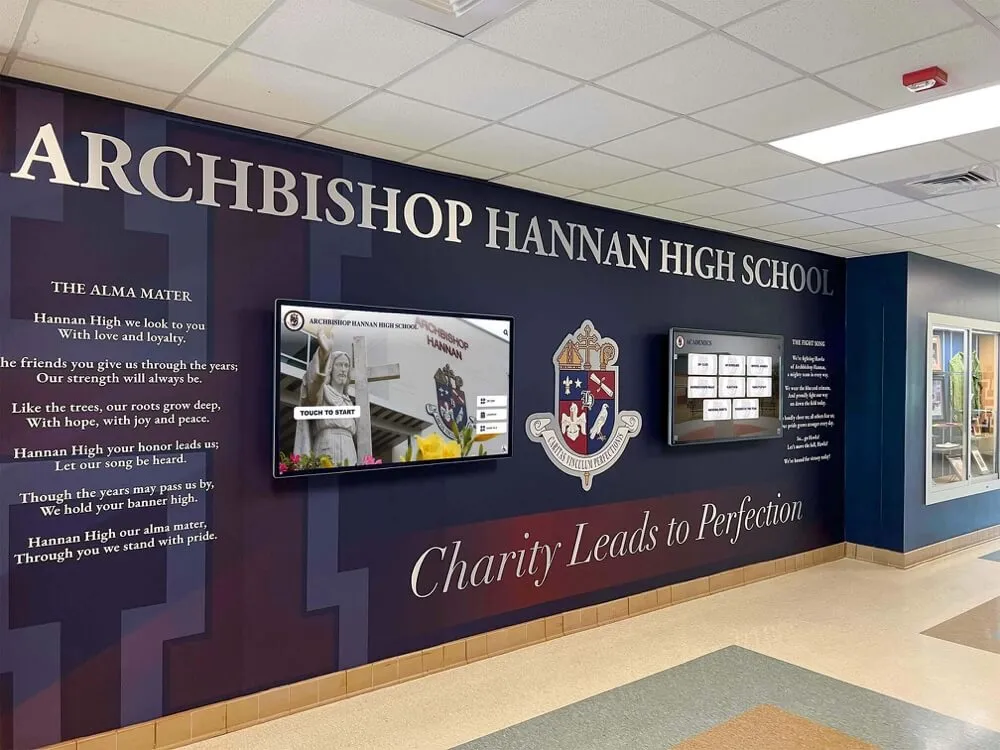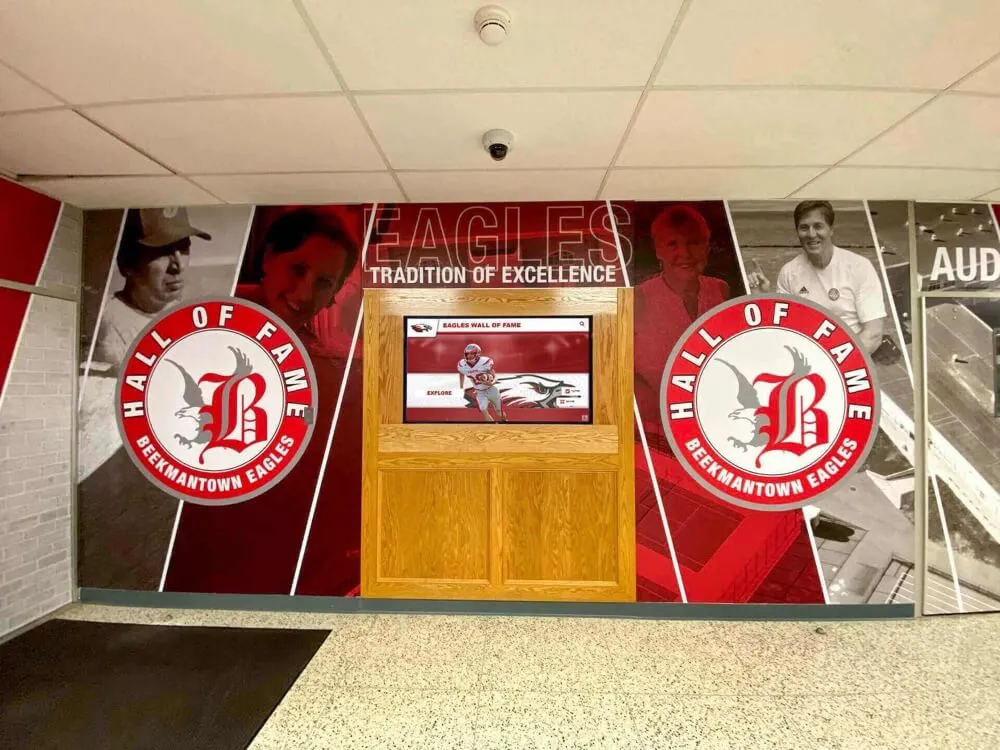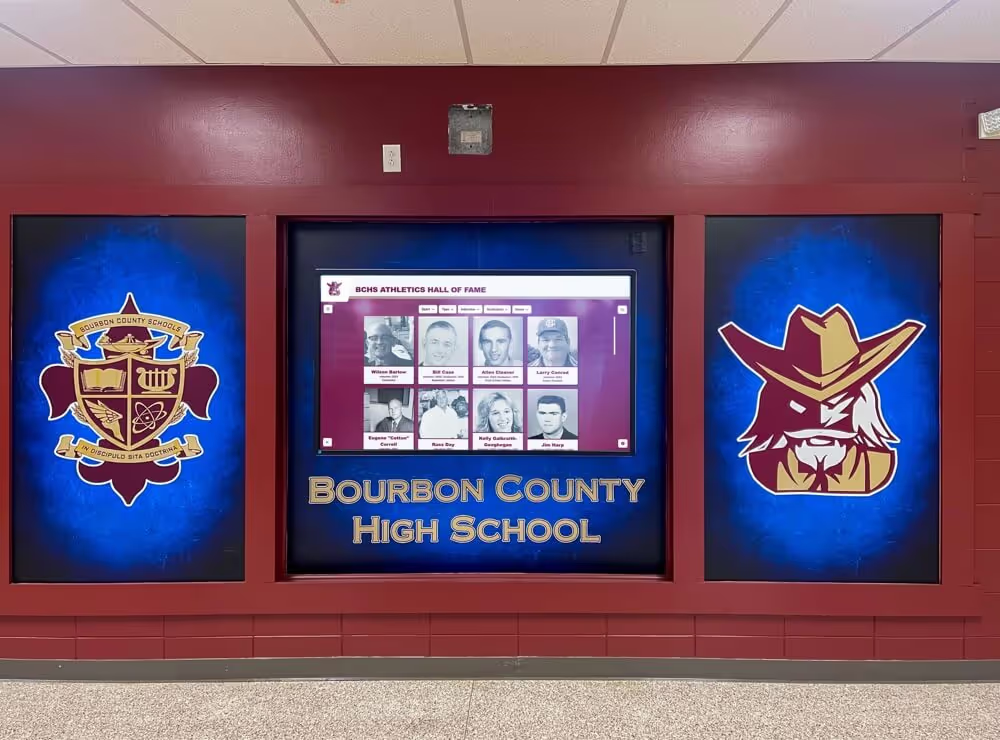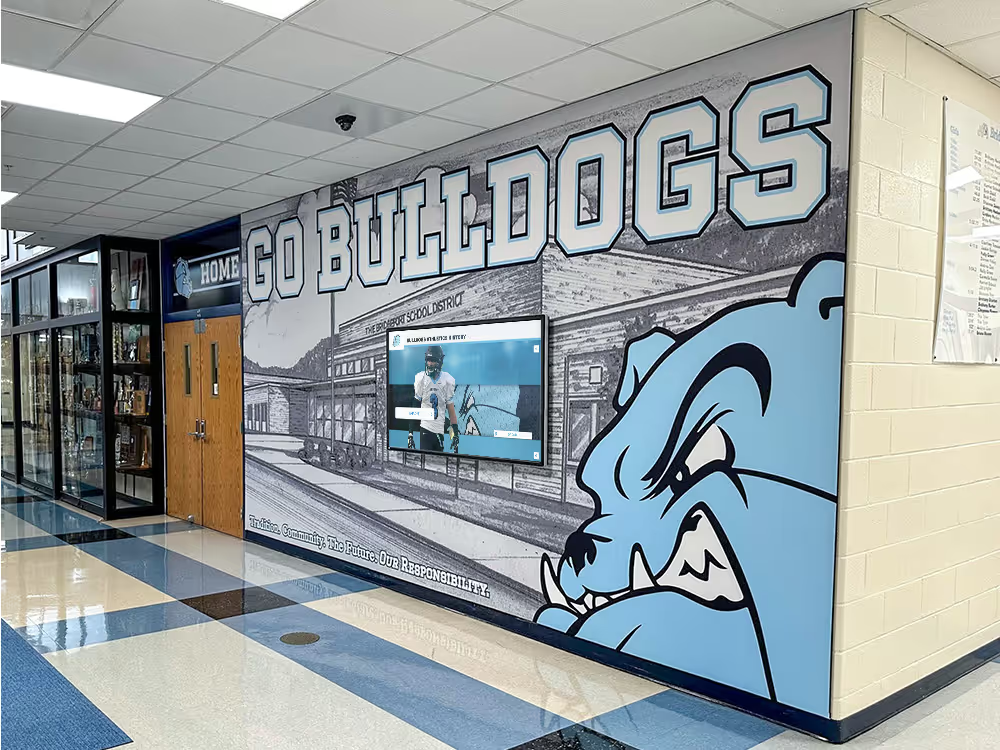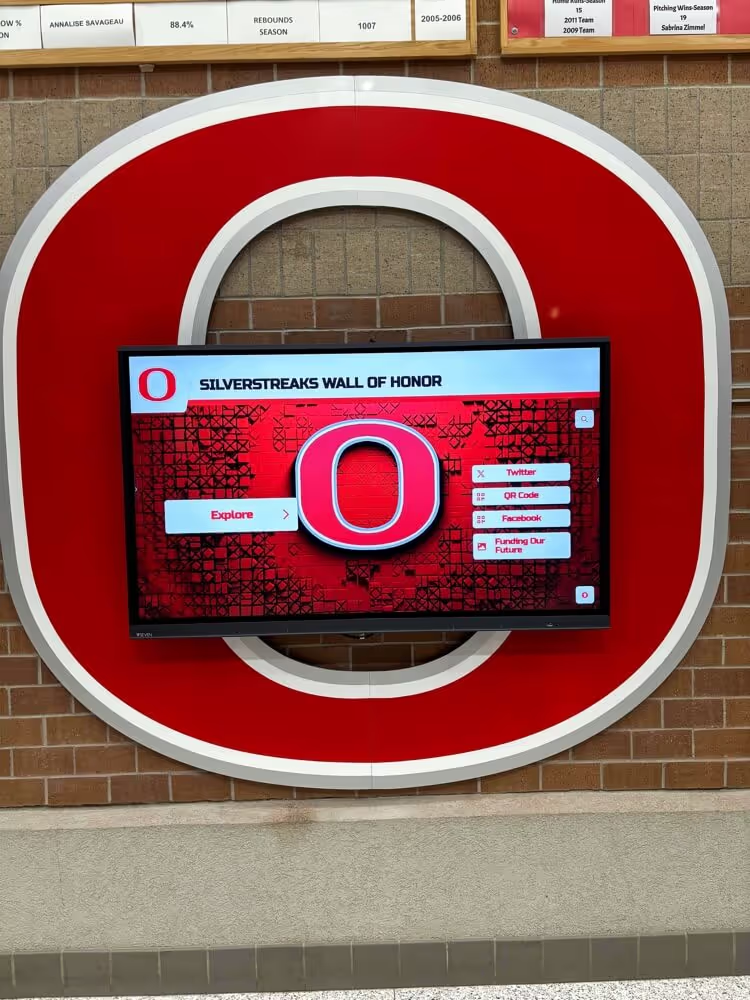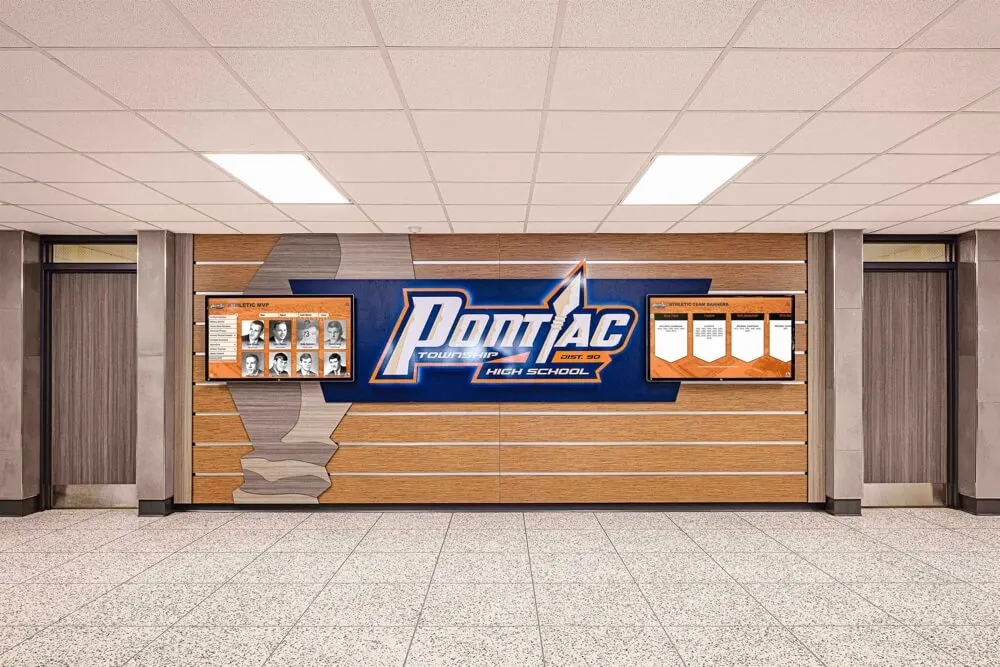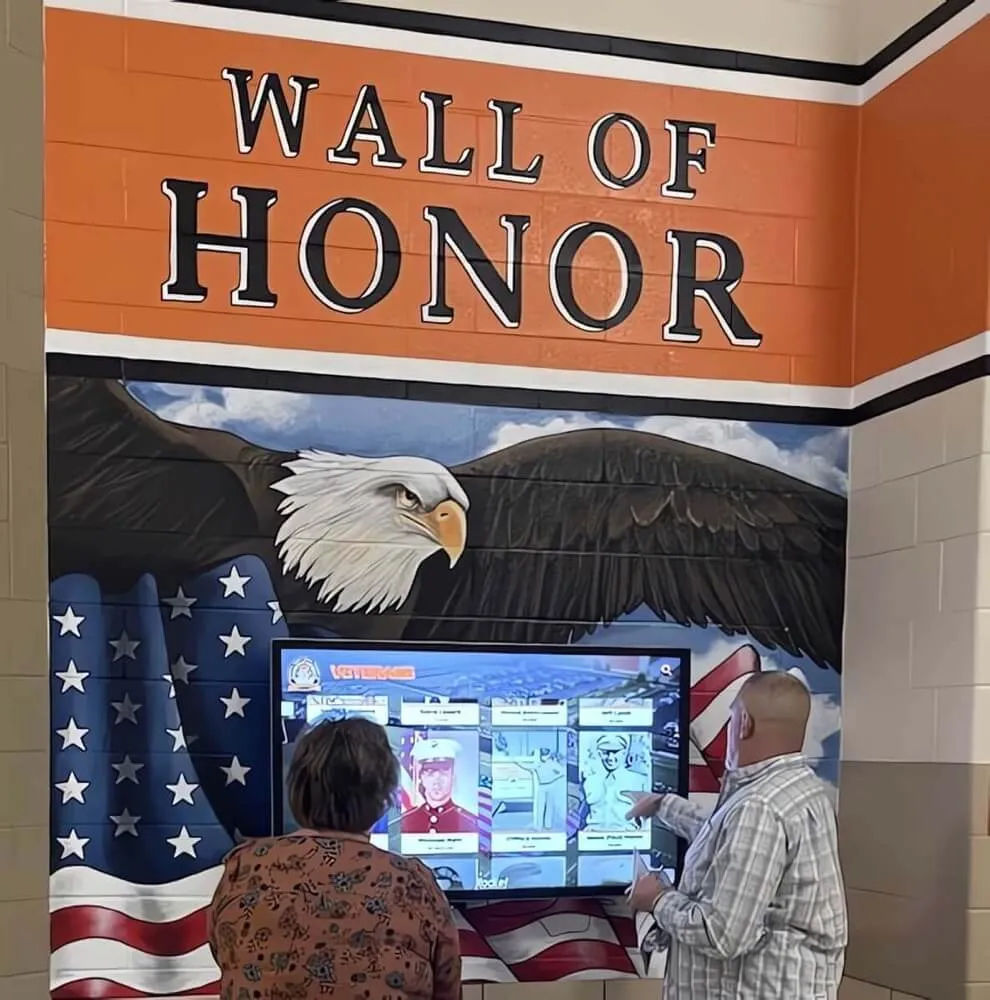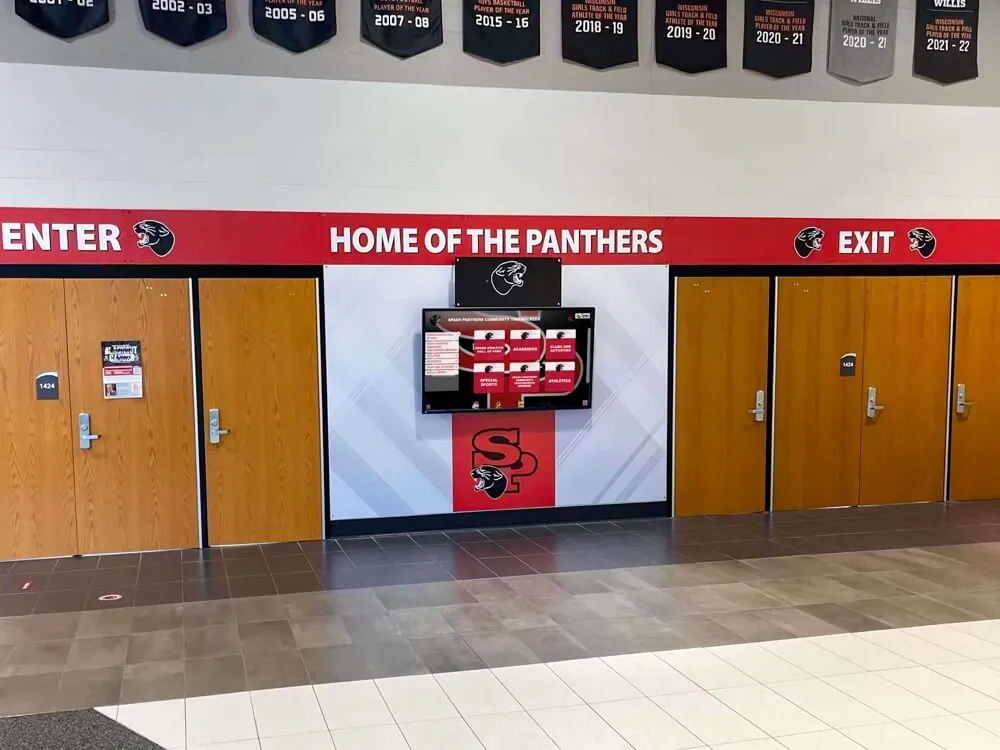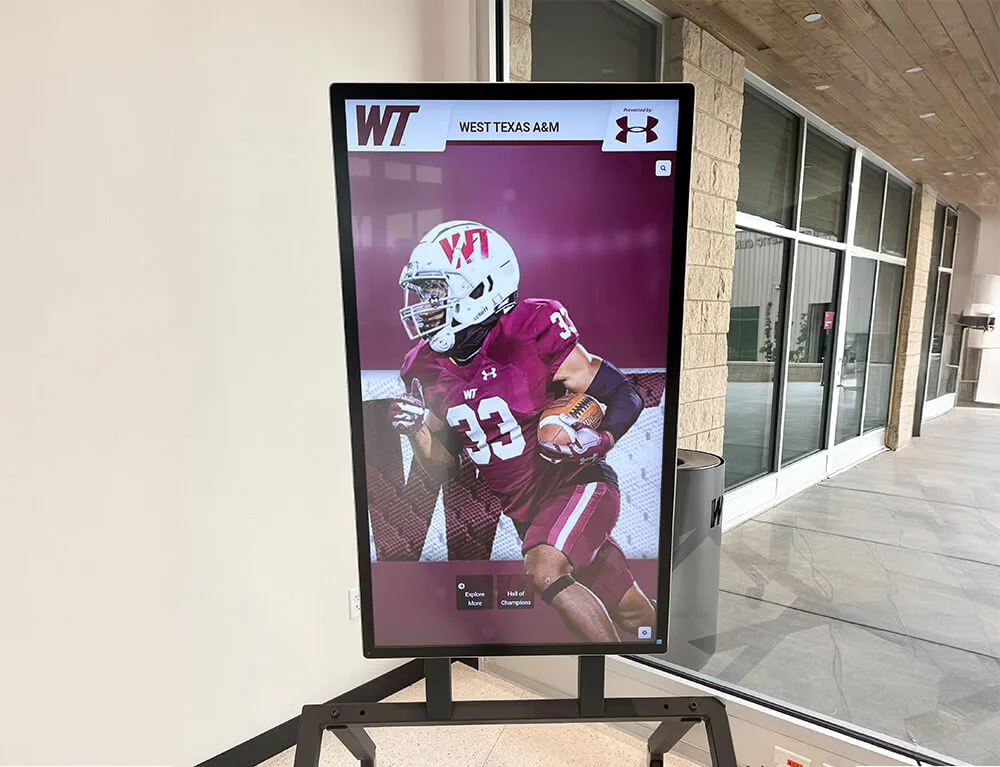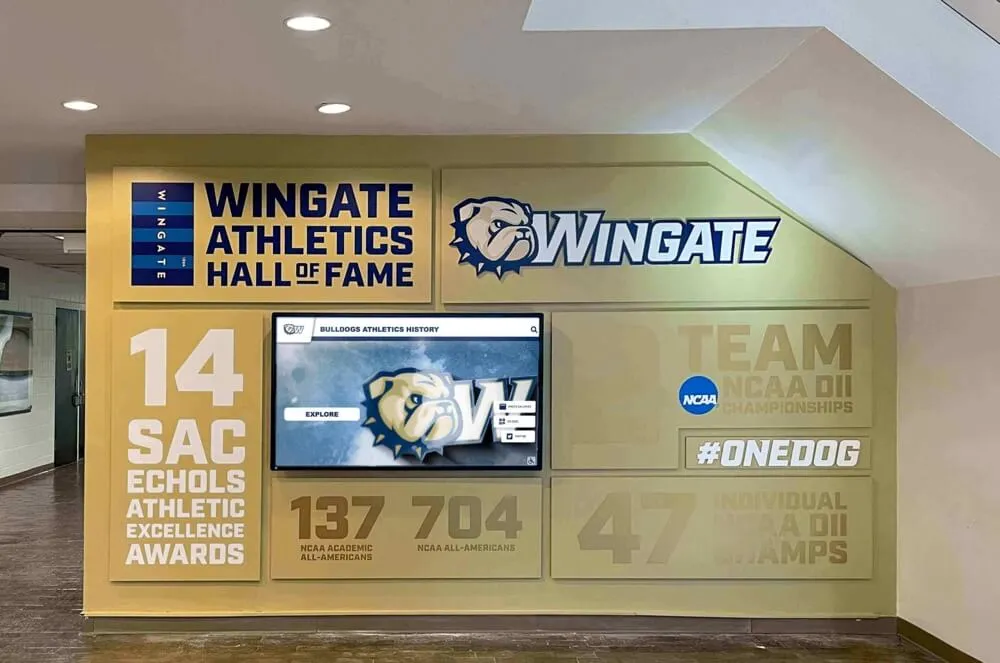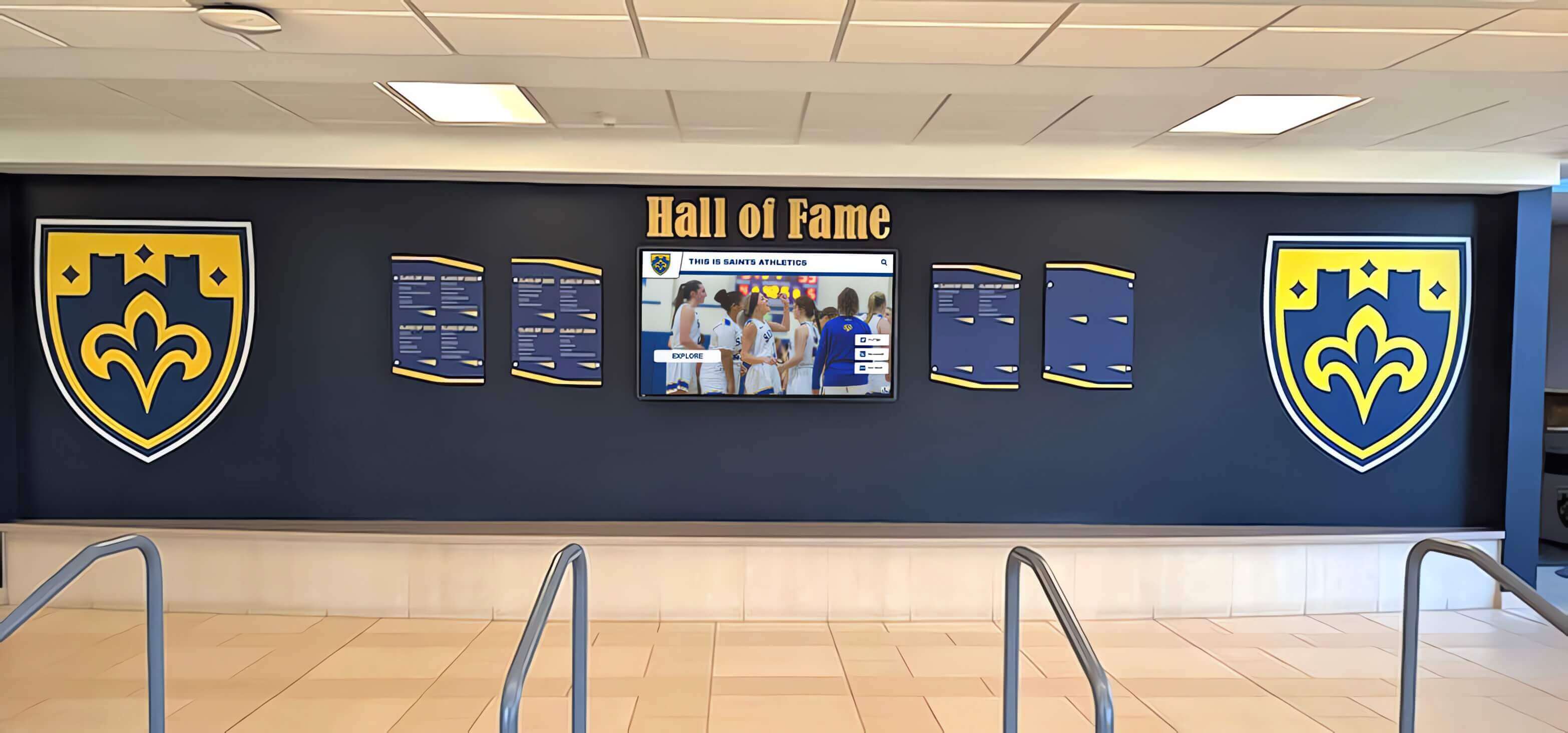




Intent: demonstrate — School hall of fame programs create lasting recognition for outstanding achievement, but successful programs require clear selection criteria, fair evaluation processes, and engaging display methods that keep communities connected to their heritage. Many schools struggle with fundamental questions: What benchmarks ensure equitable induction? How should selection committees evaluate decades-old achievements against recent records? What display technology makes recognition accessible while preserving institutional dignity?
Traditional hall of fame programs face persistent challenges—subjective selection standards, limited physical space forcing difficult exclusions, expensive plaque updates, and static displays that fail to engage current students. These limitations create tension between honoring deserving individuals and maintaining program integrity while keeping recognition relevant to active community members.
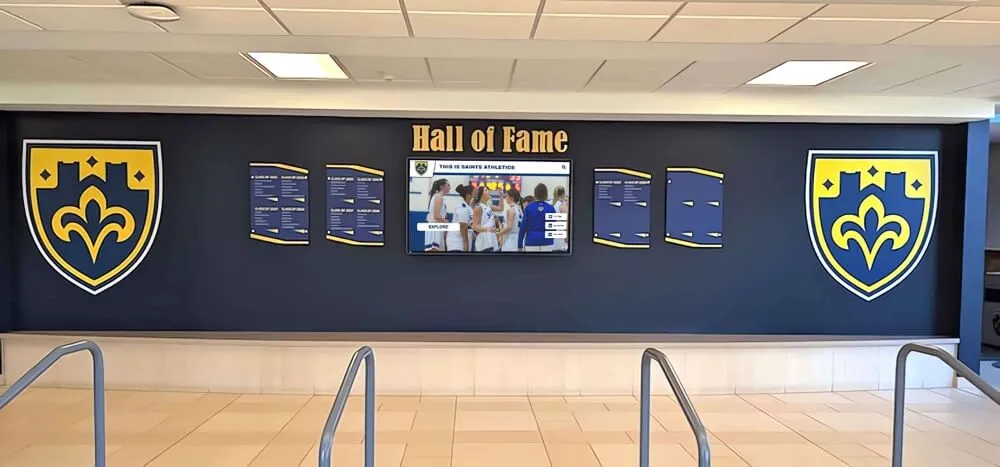
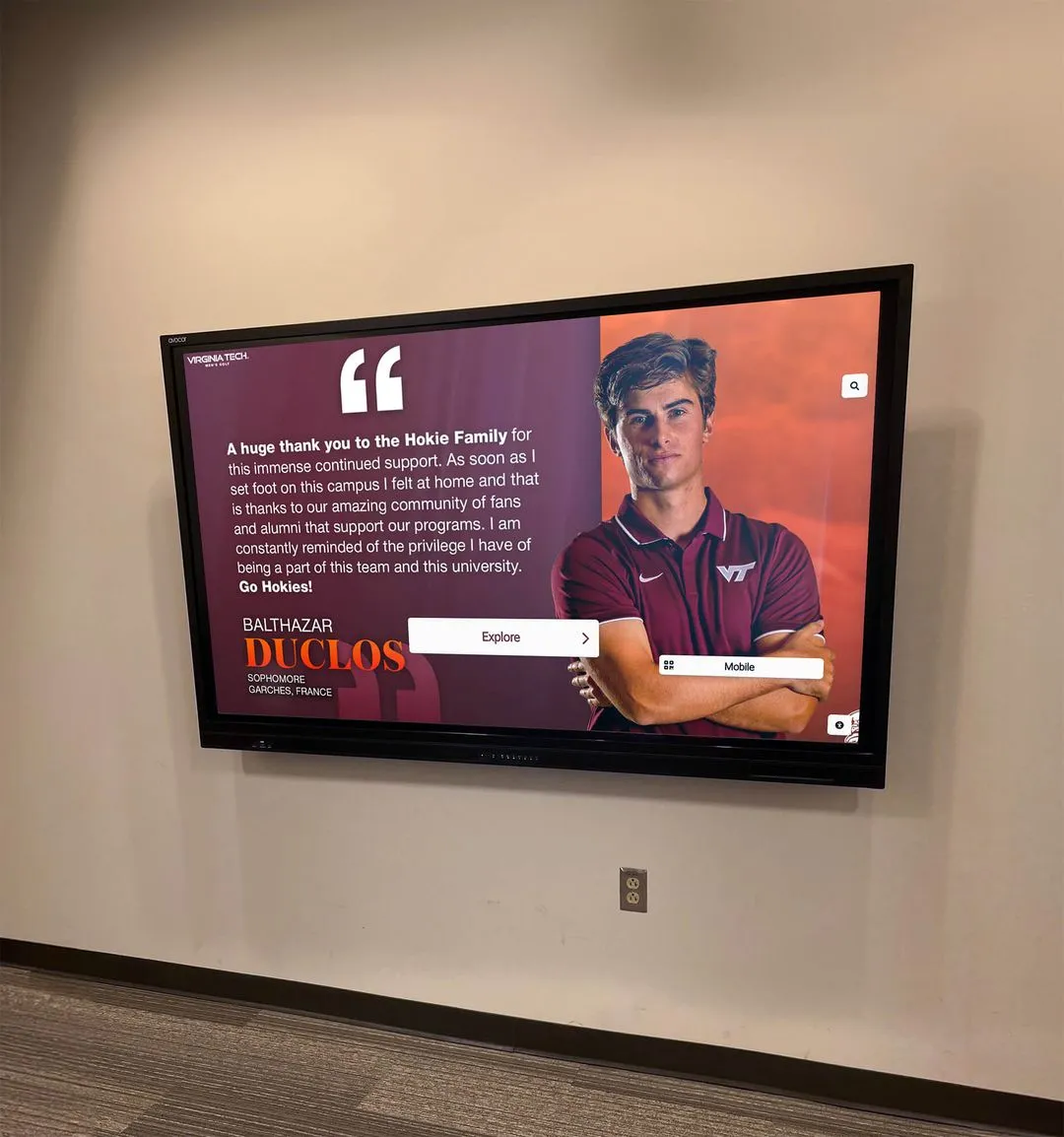
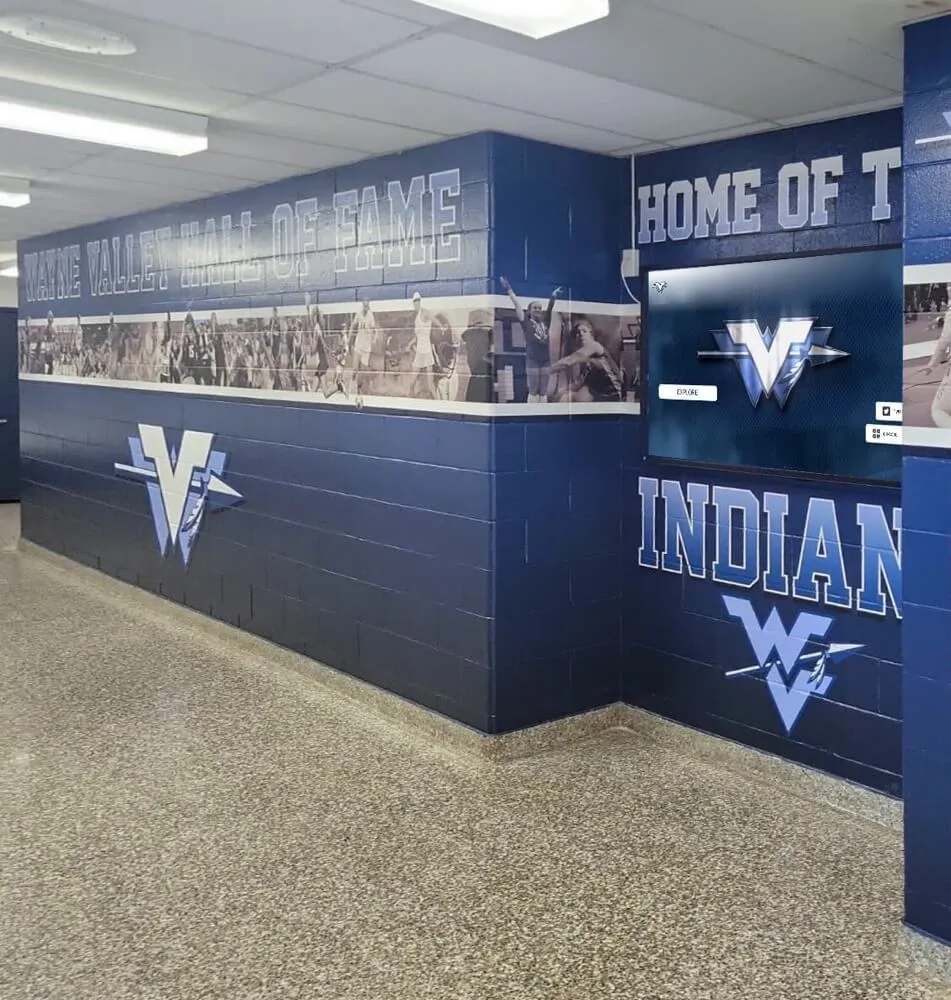
Modern digital displays address these structural problems by providing unlimited capacity, dynamic content management, transparent selection documentation, and interactive experiences that transform passive recognition into active community engagement. Schools implementing thoughtful selection criteria combined with accessible display technology create recognition programs that celebrate excellence while building institutional pride across generations.
Schools establishing hall of fame programs must balance tradition with fairness, selectivity with inclusiveness, and inspiration with accessibility. This comprehensive guide examines how leading institutions structure selection criteria, manage nomination processes, and leverage digital display technology to create recognition experiences that honor achievement while activating community engagement.
Understanding Hall of Fame Selection Criteria
The foundation of any credible hall of fame program lies in clear, measurable, and publicly documented selection criteria. Schools that establish transparent standards before accepting nominations avoid subjective debates, ensure consistent evaluation across decades, and maintain program integrity as leadership changes.
Athletic Achievement Benchmarks
Most athletic halls of fame establish quantifiable performance thresholds that candidates must meet or exceed. These benchmarks typically include:
Statistical Achievements:
- Career scoring records or performance milestones
- Single-season records in sport-specific categories
- Team leadership statistics (assists, saves, defensive stops)
- Comparison to historical program standards
Championship Contributions:
- Conference championship participation
- State tournament advancement
- Regional or national recognition
- All-conference or all-state selections
Post-Secondary Success:
- College athletic scholarships
- Collegiate or professional career advancement
- Continued sport involvement at competitive levels
- Coaching or sport leadership contributions
Schools implementing athletic recognition programs document these thresholds in writing, establishing objective starting points for committee evaluation while allowing discretion for exceptional circumstances not captured by statistics alone.
Academic Excellence Standards
Schools with comprehensive halls of fame expand beyond athletic achievement to recognize academic distinction. Common academic criteria include:
Grade Point Average Requirements:
- Minimum GPA thresholds (typically 3.5-4.0)
- Class rank percentile requirements
- Sustained academic performance across years
- Honors and advanced coursework completion
Scholarship and Awards Recognition:
- National Merit Scholarship status
- Academic competition championships
- Subject-specific honors and distinctions
- College admission achievements
Research and Creative Contributions:
- Published research or creative works
- Science fair or academic competition success
- Significant project contributions
- Patent or intellectual property development
Academic halls of fame often struggle with comparing achievements across different eras when grading standards, curriculum rigor, and recognition opportunities varied significantly. Digital displays help by providing contextual information about each era’s standards and opportunities.
Character and Sportsmanship Evaluation
Beyond measurable achievements, most selection committees consider character qualities that exemplify institutional values. These subjective criteria require careful documentation:
Leadership Demonstration:
- Team captain selection and duration
- Peer recognition and influence
- Mentorship of younger athletes or students
- Program building contributions
Sportsmanship and Conduct:
- Disciplinary record consideration
- Coach and administrator testimonials
- Opponent and official respect
- Representation of school values
Overcoming Adversity:
- Personal challenges surmounted
- Inspiration to others facing difficulties
- Resilience and determination examples
- Character growth throughout career
These qualitative factors become particularly important when comparing candidates with similar statistical achievements. Hall of fame selection committees must establish how these considerations factor into final decisions.
Community Impact and Legacy
Schools increasingly recognize that hall of fame status should reflect not just personal achievement but lasting contribution to the institution and community:
Post-Graduation Involvement:
- Alumni mentorship and support
- Financial or resource contributions
- Volunteer coaching or program assistance
- Community service leadership
Professional Achievement Reflection:
- Career success in relevant fields
- Recognition bringing credit to institution
- Industry leadership positions
- Public service contributions
Ongoing Connection:
- Regular campus presence or communication
- Current student engagement
- Program advocacy and support
- Institutional advancement assistance
These criteria ensure that hall of fame induction celebrates individuals whose excellence extends beyond their years as students, creating role models for current community members.

The Selection Committee Process
Effective hall of fame programs establish structured processes that ensure fair evaluation, transparent decision-making, and consistent application of criteria across all candidates.
Committee Composition and Structure
Selection committee composition significantly impacts program credibility and decision quality:
Diverse Stakeholder Representation:
- Athletic director or department leadership
- Current coaching staff from multiple sports
- Former inductees or program alumni
- School administration representatives
- Community members or booster leadership
Committee Size Considerations:
- 5-9 members provide adequate perspective without becoming unwieldy
- Odd numbers prevent tie votes
- Term rotation prevents entrenchment
- Conflict of interest policies when evaluating relatives or close associates
Decision Authority:
- Clear voting thresholds (simple majority, supermajority, unanimous)
- Tie-breaking procedures
- Committee chair responsibilities
- Documentation and record-keeping requirements
Schools successful with hall of fame selection typically involve diverse voices while maintaining manageable committee sizes that facilitate thoughtful discussion.
Nomination Procedures and Timelines
Transparent nomination processes ensure that worthy candidates receive consideration while preventing committee overwhelm:
Open Nomination Periods:
- Annual or biennial nomination windows
- Clear submission deadlines and requirements
- Public announcement of nomination process
- Accessible nomination forms and criteria
Required Documentation:
- Statistical achievement summaries
- Letters of recommendation from coaches, teachers, or administrators
- Personal statements from nominees or nominators
- Supporting evidence (articles, photos, records)
Eligibility Requirements:
- Minimum years since graduation (typically 5-10 years)
- Completion of athletic or academic career
- Good standing with institution
- No pending disciplinary issues
Nomination Carryover:
- Whether unsuccessful nominees automatically carry to next cycle
- Resubmission requirements for carried nominations
- Maximum nomination consideration periods
Clear timelines and requirements prevent last-minute rushes while ensuring committee members have adequate time for thorough candidate evaluation. Digital recognition systems can streamline nomination submission and management.
Evaluation Methods and Scoring Systems
Selection committees employ various evaluation frameworks to bring objectivity to subjective decisions:
Point-Based Scoring Systems:
- Numerical values assigned to specific achievements
- Category weights reflecting institutional priorities
- Minimum point thresholds for induction consideration
- Standardized rubrics for consistent evaluation
Comparative Evaluation:
- Direct comparison against existing inductees
- Era-specific contextualization of achievements
- Position or category groupings
- Historical achievement benchmarks
Category-Based Selection:
- Separate consideration for different sports or activities
- Era-specific induction classes
- Achievement type categories (individual vs. team contributors)
- Special recognition divisions
Discussion-Based Consensus:
- Presentation of each candidate to full committee
- Open discussion of merits and concerns
- Vote following deliberation
- Documentation of decision rationale
Common Selection Models and Best Practices
Schools implement various approaches to hall of fame selection, each with distinct advantages and potential challenges:
Annual Induction Quotas vs. Merit-Only Selection
Fixed Annual Induction Numbers:
- Ensures regular recognition events
- Creates predictable ceremony planning
- May force selection of less-qualified candidates in weak years
- Can create backlogs during strong candidate years
Merit-Only Induction:
- Only inducts candidates meeting threshold standards
- Varies annually based on candidate quality
- Prevents dilution of hall of fame prestige
- May create years without inductions
Most schools find success with flexible approaches—establishing minimum quality thresholds while targeting approximate induction class sizes that balance recognition frequency with selectivity.
Sport-Specific vs. Unified Selection
Separate Sport Considerations:
- Ensures representation across all athletic programs
- Prevents dominance by major sports
- Requires sport-specific expertise
- May complicate comparative evaluation
Unified All-Sport Selection:
- Direct comparison across all candidates
- Simplifies committee structure
- May disadvantage athletes in smaller sports
- Rewards exceptional achievement regardless of sport popularity
Comprehensive programs often establish both unified halls recognizing exceptional achievement across all categories and sport-specific recognition celebrating program-best performers who may not reach unified hall thresholds.
Nomination Sources and Restrictions
Open Public Nominations:
- Anyone may nominate qualified candidates
- Broadest candidate pool consideration
- Requires more committee time for evaluation
- May surface overlooked achievements
Restricted Nomination Authority:
- Only coaches, administrators, or committee members may nominate
- More focused candidate consideration
- Risks missing deserving individuals
- Reduces administrative workload
Self-Nomination Policies:
- Whether candidates may nominate themselves
- Perceived presumptuousness vs. self-advocacy
- Requirements for supporting documentation
- Committee discussion protocols
Schools balancing broad inclusiveness with manageable workloads often accept public nominations while requiring robust supporting documentation that demonstrates clear criteria satisfaction.
Digital Display Advantages for Hall of Fame Recognition
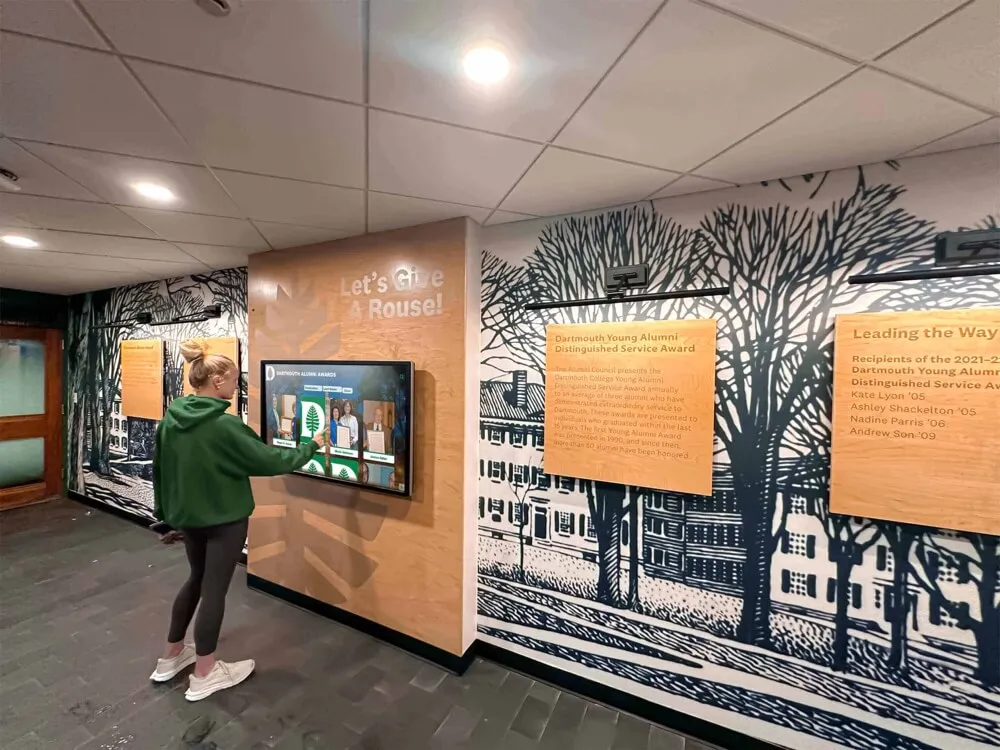
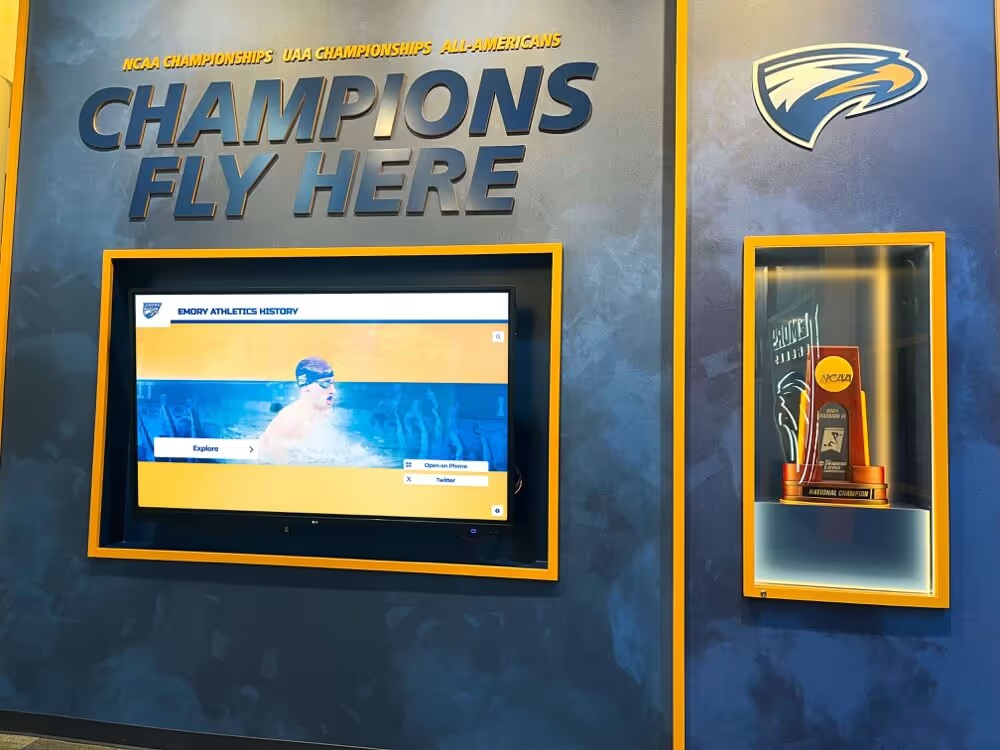
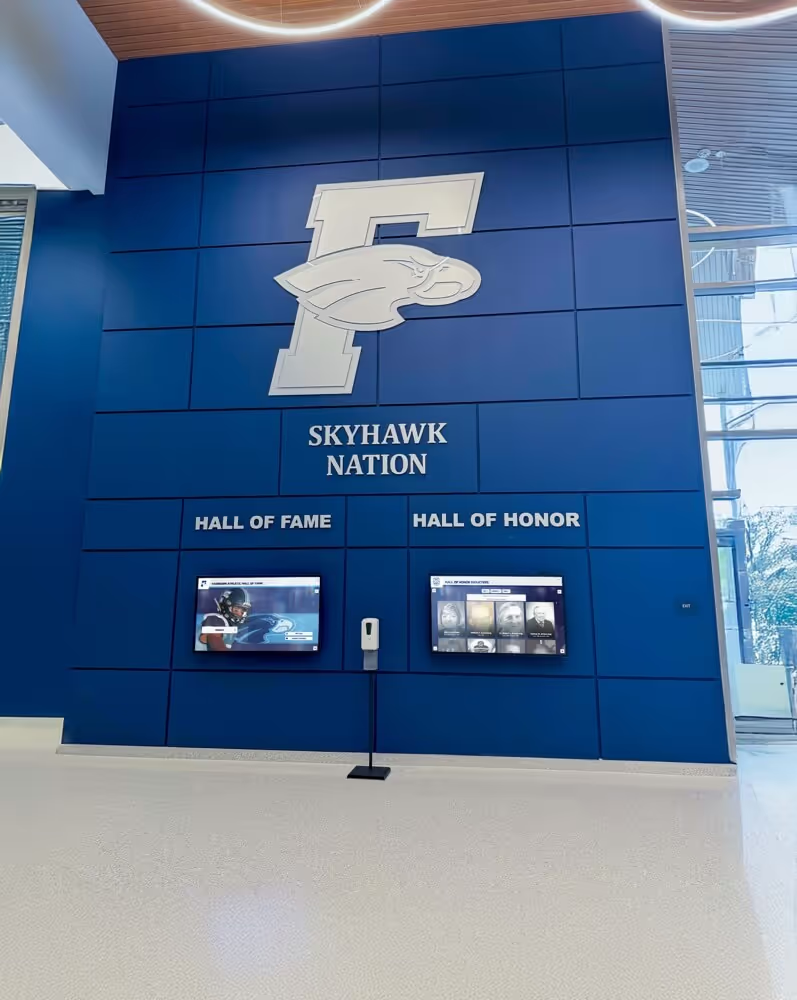
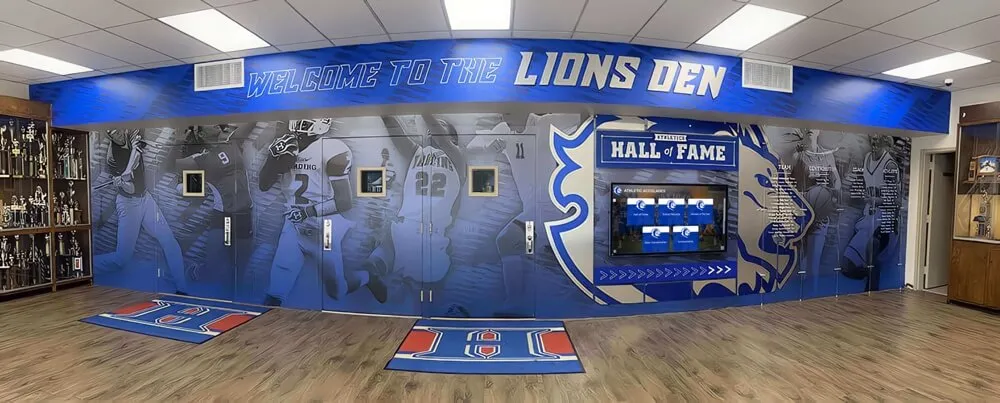
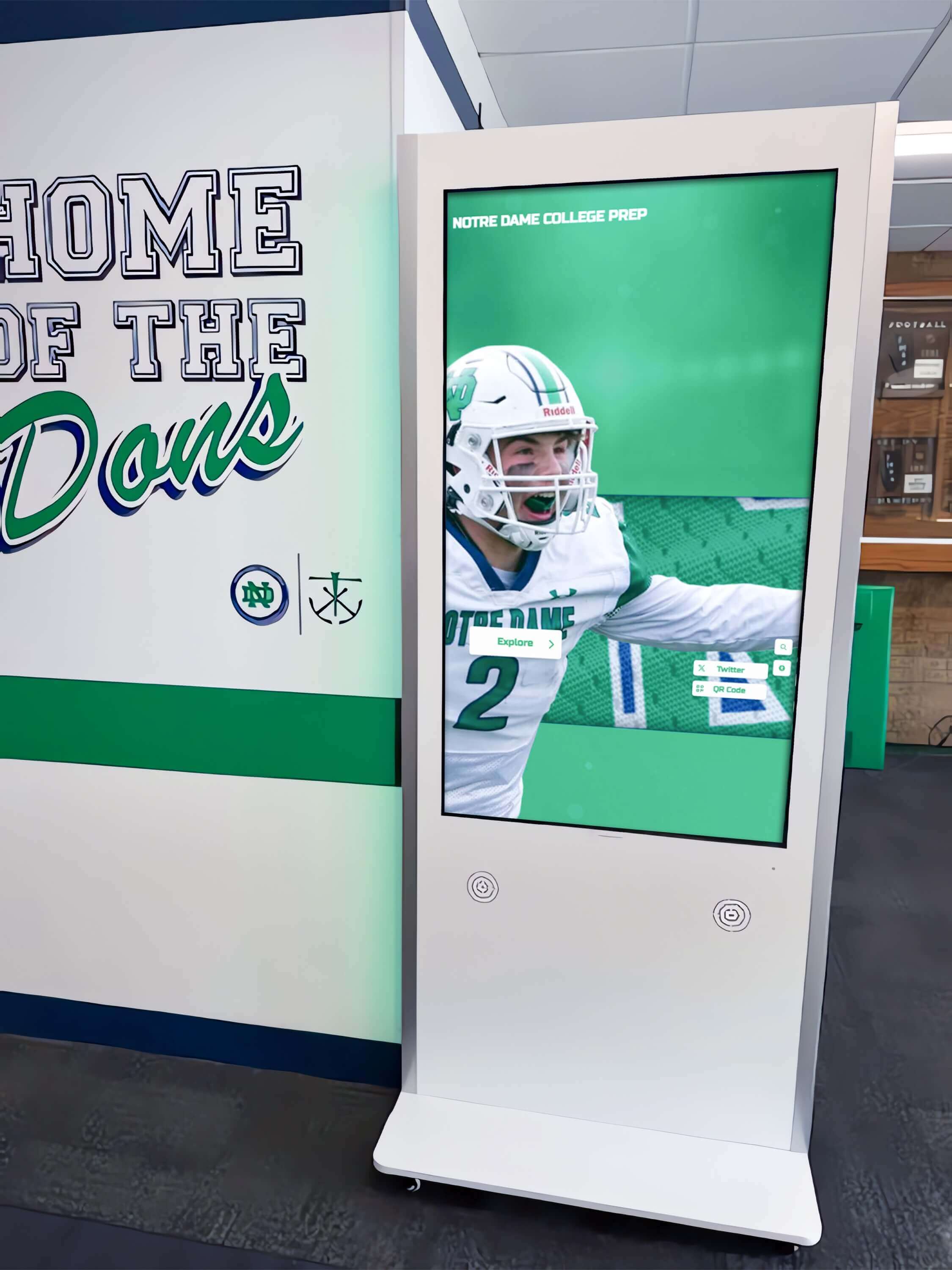
Traditional plaques and trophy cases impose physical and financial constraints that limit recognition potential. Digital hall of fame displays eliminate these limitations while creating more engaging recognition experiences.
Unlimited Recognition Capacity
Physical halls of fame face impossible decisions about which achievements merit scarce wall space. Digital displays eliminate capacity constraints:
Accommodate Growing Achievement:
- Add unlimited inductees without space concerns
- Include multiple achievement categories simultaneously
- Feature complete career statistics and accomplishments
- Display team achievements alongside individual recognition
Comprehensive Historical Coverage:
- Retroactive induction of deserving historical figures
- Complete program records and milestones
- Team championship recognition
- Era-by-era achievement documentation
Multiple Recognition Levels:
- Hall of fame inductees as primary recognition
- Hall of distinction for significant achievers
- Season-by-season performance records
- Academic and athletic combined recognition
Solutions like Rocket Alumni Solutions provide unlimited capacity for inductee profiles, allowing schools to celebrate all deserving individuals rather than forcing exclusions based on physical space limitations.
Dynamic Content Management
Static plaques become outdated the moment they’re mounted. Digital displays enable continuous content improvement:
Real-Time Updates:
- Add new inductees immediately following selection
- Update inductee accomplishments as careers progress
- Correct errors or add discovered historical information
- Refresh content to maintain community interest
Rich Multimedia Storytelling:
- Photo galleries showing career progression
- Video highlights and game footage
- Audio interviews with inductees
- Statistical visualizations and career timelines
Contextual Information:
- Era-specific achievement context
- Comparison to program and national records
- Team rosters and championship documentation
- Coach and teammate recognition
The ability to continuously improve and expand inductee profiles creates recognition that grows richer over time rather than becoming stale and forgotten.
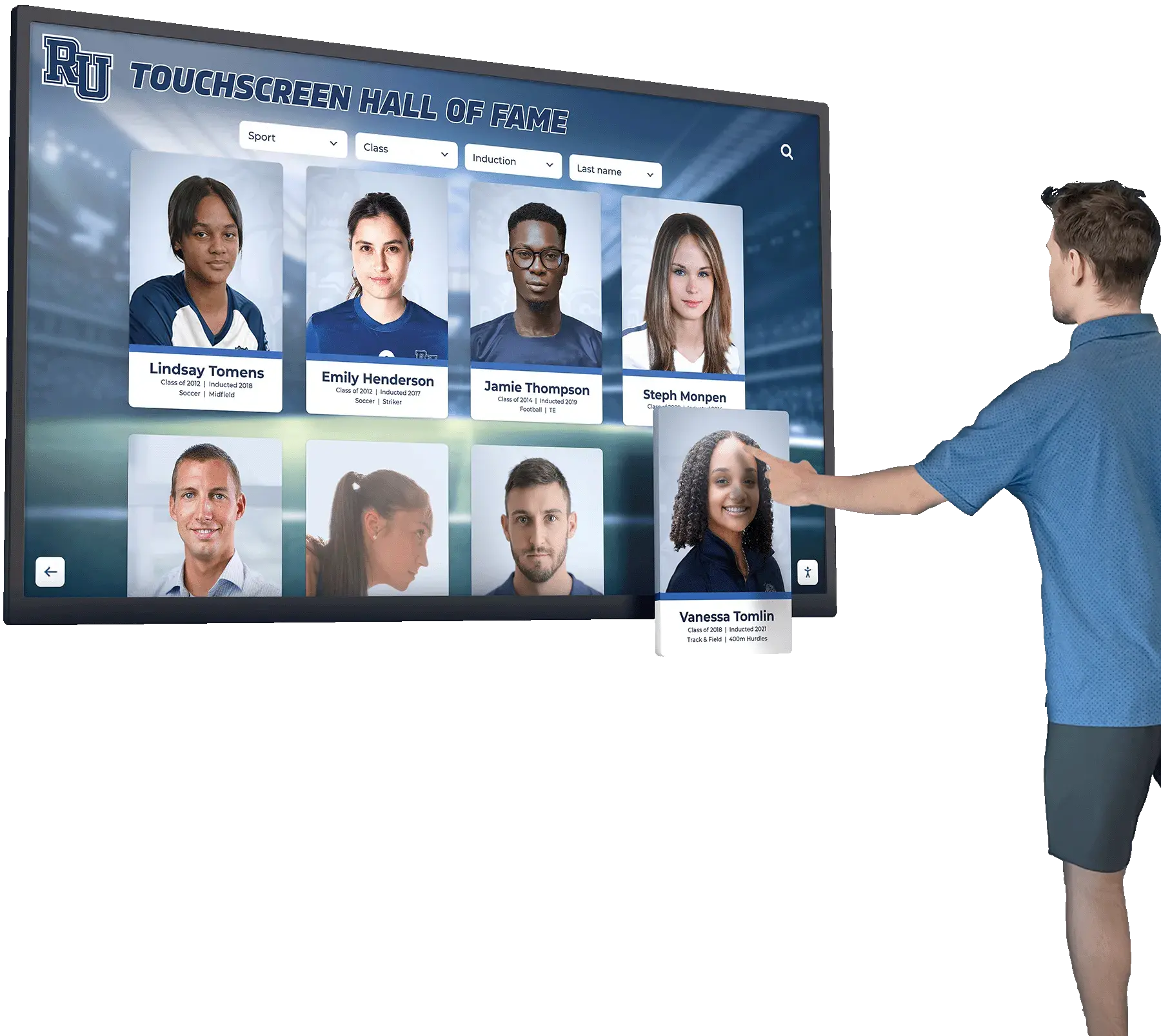
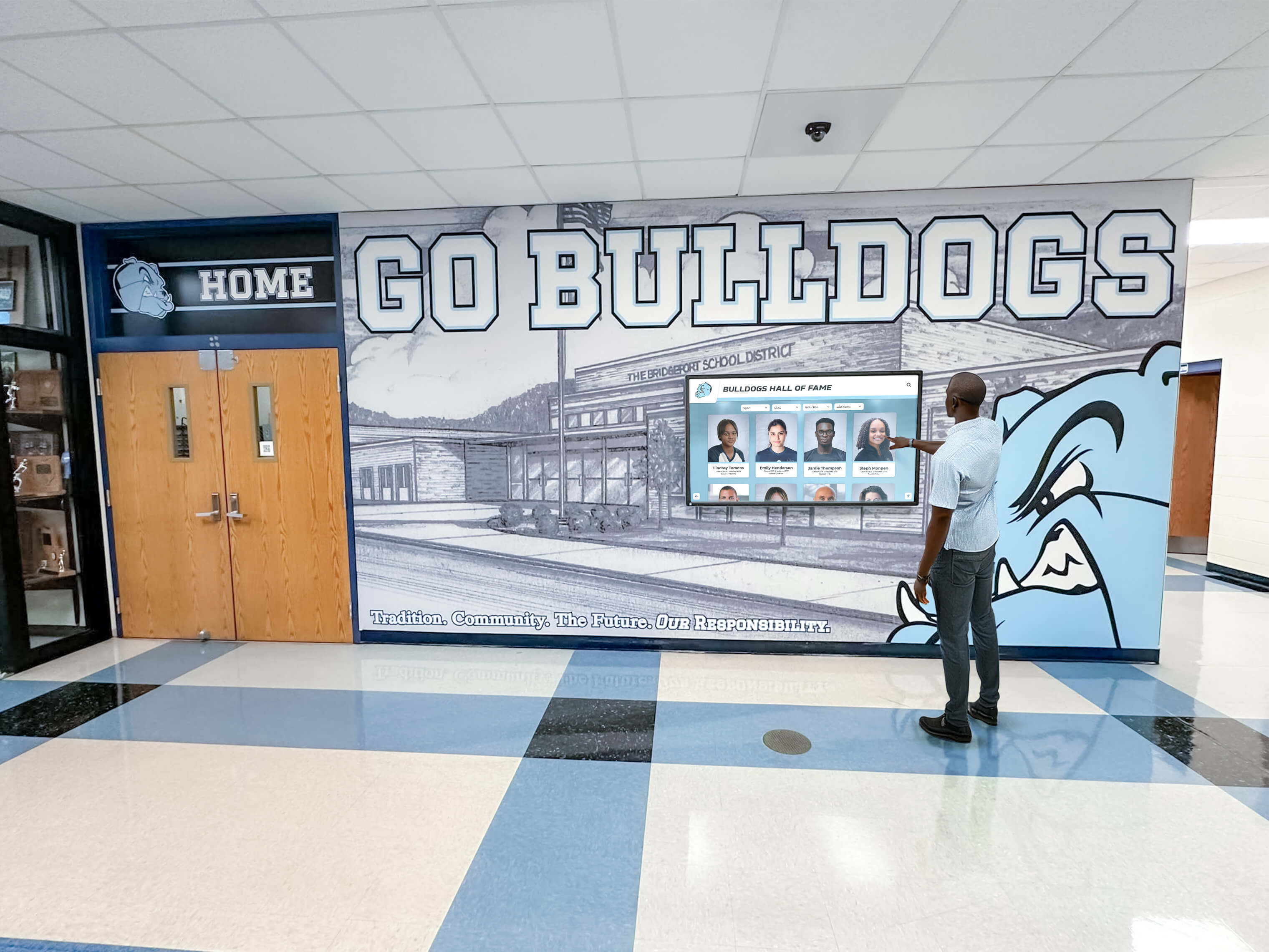
Interactive Search and Discovery
Digital displays transform passive recognition into active exploration that builds engagement:
Multiple Browse and Search Options:
- Search by name, year, or sport
- Filter by achievement type or era
- Browse by decade or coach
- Random profile discovery
Comparative Analysis:
- Side-by-side achievement comparison
- Record progression visualization
- Team contribution analysis
- Cross-sport achievement exploration
Personal Connection Features:
- Alumni can locate classmates and teammates
- Current students discover program history
- Visitors explore unfamiliar achievements
- Donors see recognition impact
Interactive features transform casual hallway traffic into meaningful engagement with institutional heritage. Comprehensive hall of fame guides emphasize that searchability and browsing options dramatically increase recognition visibility compared to static displays.
Accessibility and Reach
Modern digital displays extend recognition beyond physical locations:
Web-Based Access:
- View inductees from any internet-connected device
- Share individual profiles via social media
- Embed recognition on school websites
- Mobile-responsive design for smartphone access
QR Code Integration:
- Physical locations link to digital content
- Print programs and banners connect to full profiles
- Alumni event materials provide instant access
- Fundraising collateral showcases recognition
ADA WCAG 2.1 AA Compliance:
- Screen reader compatibility
- Keyboard navigation support
- Color contrast standards
- Text sizing flexibility
Accessibility features ensure that all community members can engage with recognition regardless of physical ability or location, transforming exclusive physical displays into inclusive digital experiences.
How Digital Displays Present Hall of Fame Inductees
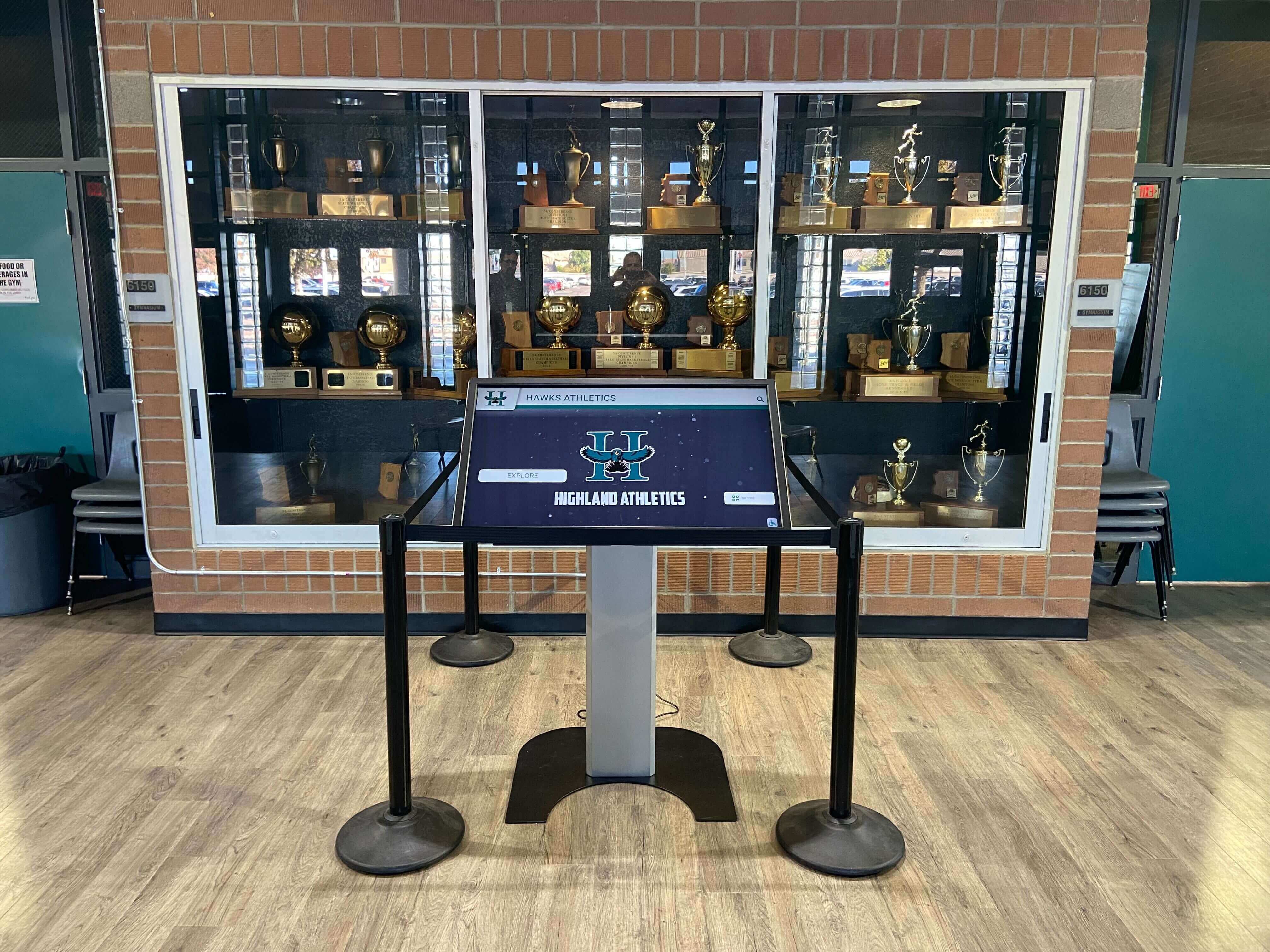
The presentation format significantly impacts how community members engage with hall of fame recognition. Well-designed digital displays balance comprehensive information with intuitive navigation.
Inductee Profile Structure
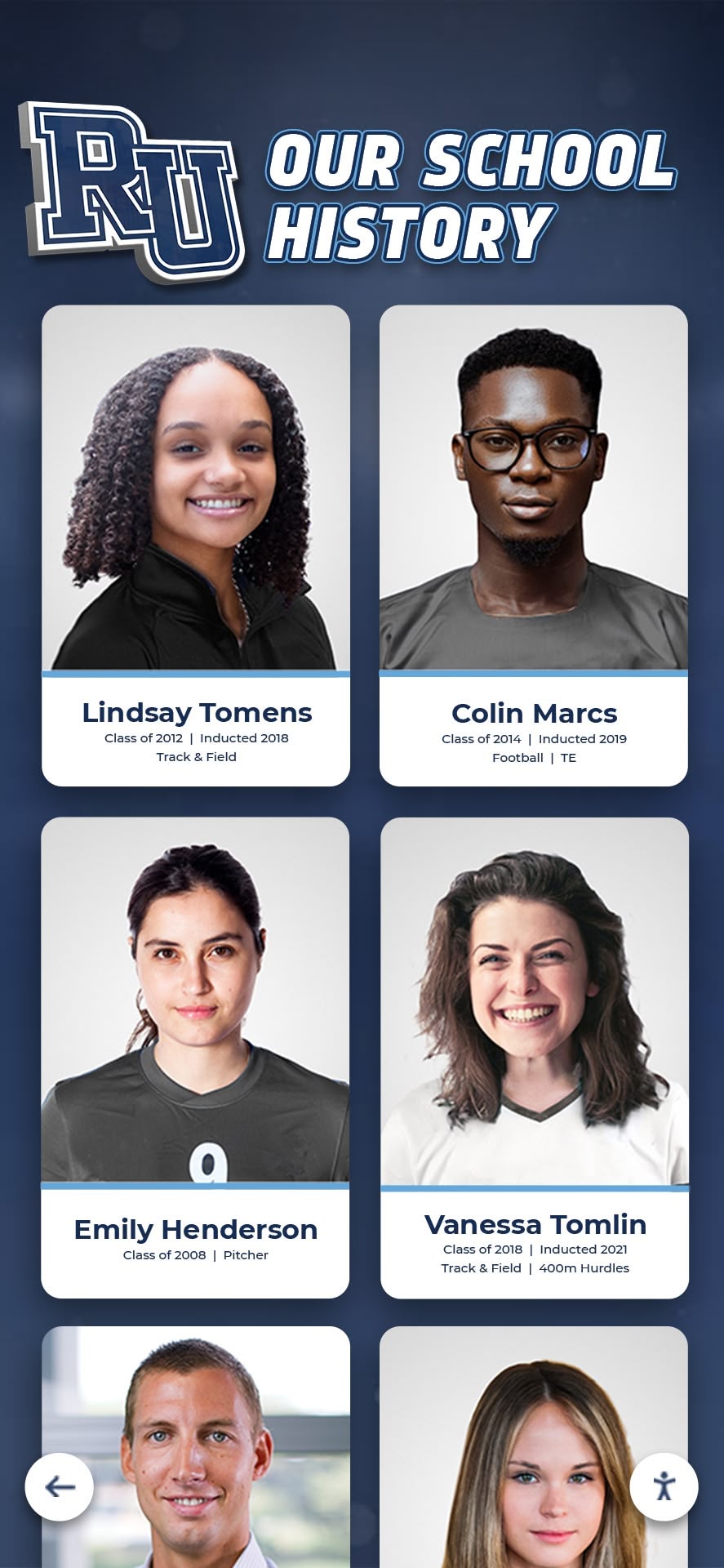
Effective digital inductee profiles typically include:
Essential Information:
- Full name and graduation year
- Sport or achievement category
- Induction year and class
- High-resolution photos from playing career
Achievement Documentation:
- Statistical career summaries
- Championship and award recognition
- Record-breaking performances
- All-conference and all-state honors
Contextual Narrative:
- Career highlights and memorable moments
- Coach and teammate testimonials
- Post-graduation accomplishments
- Personal statements or reflections
Multimedia Elements:
- Photo galleries showing career progression
- Video highlights when available
- Audio interviews or messages
- Related inductee connections
Organization and Categorization
Digital displays accommodate multiple organizational structures simultaneously:
Chronological Organization:
- Browse by induction year
- View by graduation decade
- Timeline visualization of program history
- Era-specific achievement context
Sport or Activity Grouping:
- Filter by specific sports
- Academic vs. athletic separation
- Arts and activities recognition
- Coaching and administrator honors
Achievement Type Categories:
- Individual record holders
- Team championship contributors
- Academic excellence recognition
- Character and leadership awards
The flexibility to present the same content through multiple organizational lenses helps diverse audiences find personally relevant recognition.
Auto-Ranking and Dynamic Content
Advanced digital displays can automatically prioritize content based on various factors:
Performance-Based Ranking:
- Statistical leaders rise to prominence
- Record holders receive featured placement
- Championship teams highlighted
- Recent inductees showcased
Time-Based Rotation:
- Birthday and anniversary recognition
- Decade-specific features
- Seasonal sport emphasis
- Reunion year highlighting
Engagement-Driven Display:
- Frequently viewed profiles gain visibility
- Social media sharing influences placement
- QR code scan tracking
- Search term analysis
These dynamic features keep content fresh and relevant rather than becoming stale permanent fixtures that community members ignore.
Maintaining Selection Process Integrity
Successful hall of fame programs establish governance structures that ensure long-term credibility:
Documentation and Transparency
Published Selection Criteria:
- Publicly available written standards
- Specific thresholds and requirements
- Committee composition and terms
- Nomination procedures and timelines
Decision Documentation:
- Committee meeting minutes
- Vote tallies and outcomes
- Selection rationale for inductees
- Candidate consideration records
Historical Records:
- Complete inductee database
- Selection committee member history
- Criteria evolution documentation
- Program statistics and trends
Transparency builds community confidence in selection fairness while providing historical context for future committees.
Regular Criteria Review
Hall of fame standards should evolve with programs:
Periodic Assessment:
- Review criteria every 3-5 years
- Evaluate whether standards remain relevant
- Consider emerging achievement categories
- Adjust thresholds based on program growth
Stakeholder Input:
- Survey alumni and community opinions
- Solicit current coach perspectives
- Consider student and athlete feedback
- Incorporate administrator guidance
Grandfather Clause Considerations:
- Whether new criteria affect pending nominations
- Retroactive induction opportunities
- Historical achievement recontextualization
- Equity across era transitions
Regular review ensures that selection standards remain relevant as athletic programs, academic rigor, and community values evolve.
Appeals and Reconsideration Processes
Even well-designed systems benefit from reconsideration mechanisms:
Appeal Procedures:
- Defined grounds for appeals
- Timeline requirements
- Additional evidence submission
- Independent review structures
Reconsideration Eligibility:
- Waiting periods between nominations
- New information thresholds
- Changed circumstances recognition
- Committee discretion boundaries
Transparency Requirements:
- Explanation of negative decisions
- Feedback for unsuccessful nominees
- Criteria application clarification
- Improvement guidance for future consideration
These processes demonstrate institutional commitment to fairness while providing closure for disappointed nominees and nominators.
Implementing Digital Hall of Fame Solutions
Schools ready to modernize hall of fame recognition should consider implementation approaches that balance capability with budget:
Hardware and Installation Options
Display Types:
- Freestanding touchscreen kiosks for high-traffic areas
- Wall-mounted displays for space-constrained locations
- Multiple screens for comprehensive coverage
- Mobile-responsive web access
Placement Considerations:
- Main entrance lobbies for maximum visibility
- Athletic facility locations
- Administrative office areas
- Event venue integration
Technical Requirements:
- Reliable network connectivity
- Power source availability
- Physical security provisions
- Maintenance access
Content Management Systems
Modern hall of fame displays require user-friendly content management:
Remote Administration:
- Cloud-based content updates from any location
- No physical hardware access needed
- Real-time publication capability
- Multiple administrator access levels
Template-Based Design:
- Consistent formatting across inductees
- Easy profile creation and editing
- Bulk import capabilities
- Media library management
Scheduled Publishing:
- Plan induction announcements in advance
- Coordinate with ceremony timing
- Birthday and anniversary automation
- Seasonal content rotation
Solutions like Rocket Alumni Solutions provide intuitive content management that school staff can operate without technical expertise, ensuring that recognition stays current without ongoing vendor dependency.
Budgeting and Value Considerations
Digital hall of fame implementations range from basic to comprehensive:
Initial Investment:
- Hardware costs for displays and installation
- Software licensing or subscription fees
- Content creation and migration
- Training and implementation support
Ongoing Costs:
- Software updates and maintenance
- Content management time
- Hardware replacement cycles
- Technical support needs
Value Calculation:
- Cost per inductee compared to traditional plaques
- Recognition capacity expansion
- Community engagement increase
- Fundraising and donor recognition potential
Many schools find that comprehensive digital recognition systems cost less per inductee than traditional approaches while providing dramatically superior engagement and capacity.
Rocket Alumni Solutions offers digital recognition platforms specifically designed for schools, athletic departments, and alumni organizations seeking to modernize hall of fame programs. The platform provides unlimited inductee capacity, ADA WCAG 2.1 AA compliant web access, intuitive content management, auto-ranking capabilities, QR code mobile access, and scheduled publishing—all through user-friendly systems that school staff manage without technical expertise.
Conclusion: Building Recognition Programs That Activate Communities
Effective hall of fame programs celebrate individual excellence while building collective pride and ongoing community engagement. Success requires clear selection criteria applied consistently by diverse committees, transparent processes that maintain credibility, and modern display technology that transforms recognition from static memorials into dynamic experiences that connect past achievement with present community.
Schools establishing thoughtful selection standards that balance objective thresholds with contextual evaluation create recognition that inspires current students while honoring deserving alumni. When combined with digital display solutions that provide unlimited capacity, rich multimedia storytelling, interactive exploration, and universal accessibility, hall of fame programs become living celebrations of institutional heritage rather than forgotten plaques gathering dust.
The shift from physical plaques to digital recognition represents more than technological change—it reflects fundamental recognition philosophy evolution from scarcity-driven exclusion to abundance-enabled celebration. Communities no longer must choose which achievements merit limited wall space. Digital systems allow comprehensive recognition of all deserving individuals while creating engaging experiences that build ongoing connection rather than one-time acknowledgment.
Ready to modernize your school’s hall of fame with selection criteria that ensure fairness and digital displays that engage your community? Book a demo to see how Rocket Alumni Solutions helps schools create recognition programs that celebrate achievement while building active, engaged communities connected to institutional heritage.